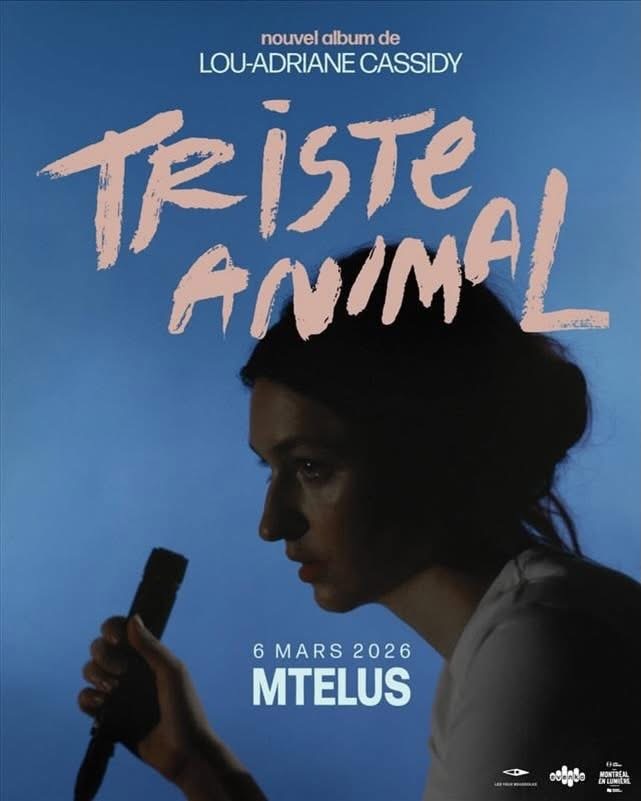
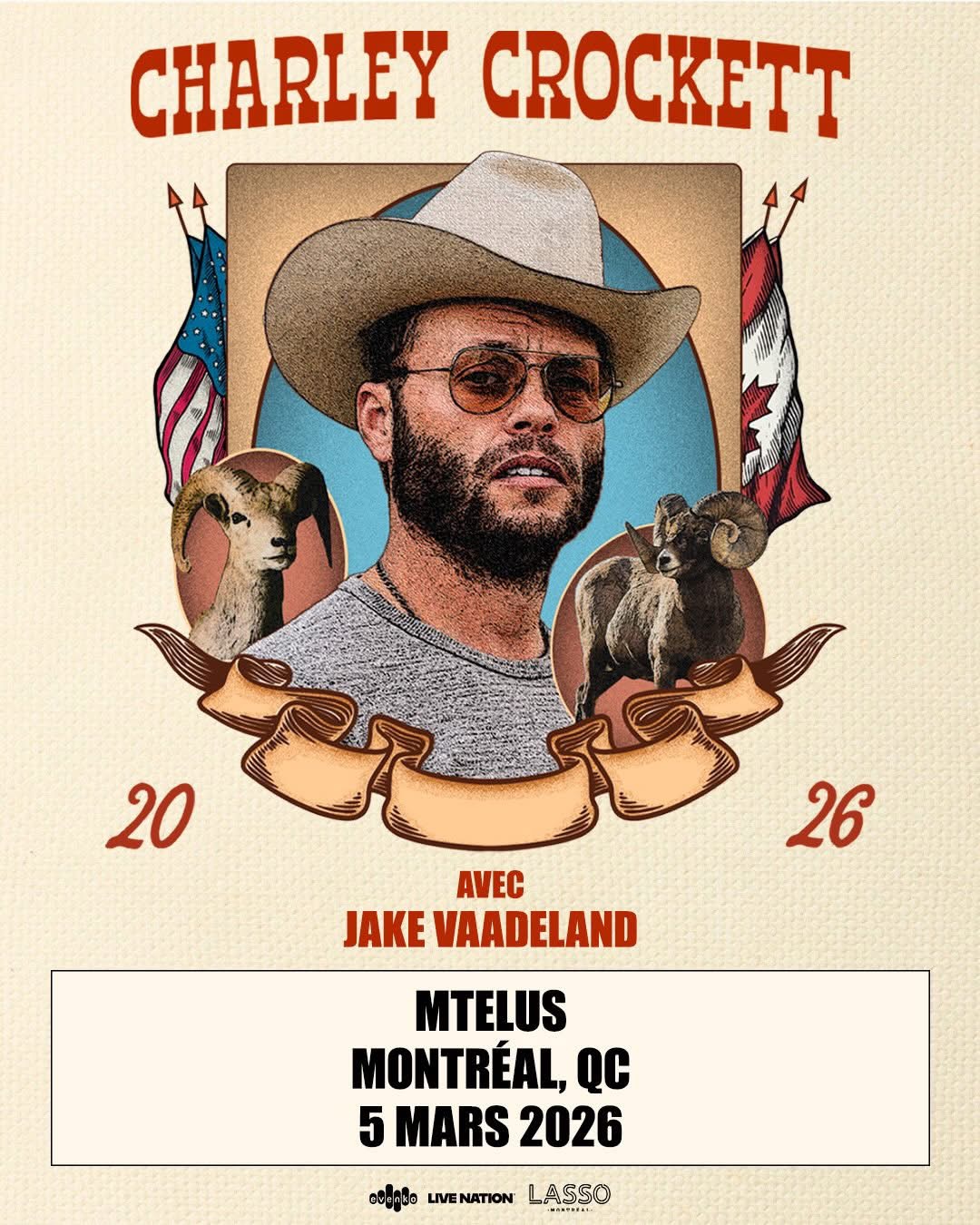
Métropolis / MTELUS (Montreal)
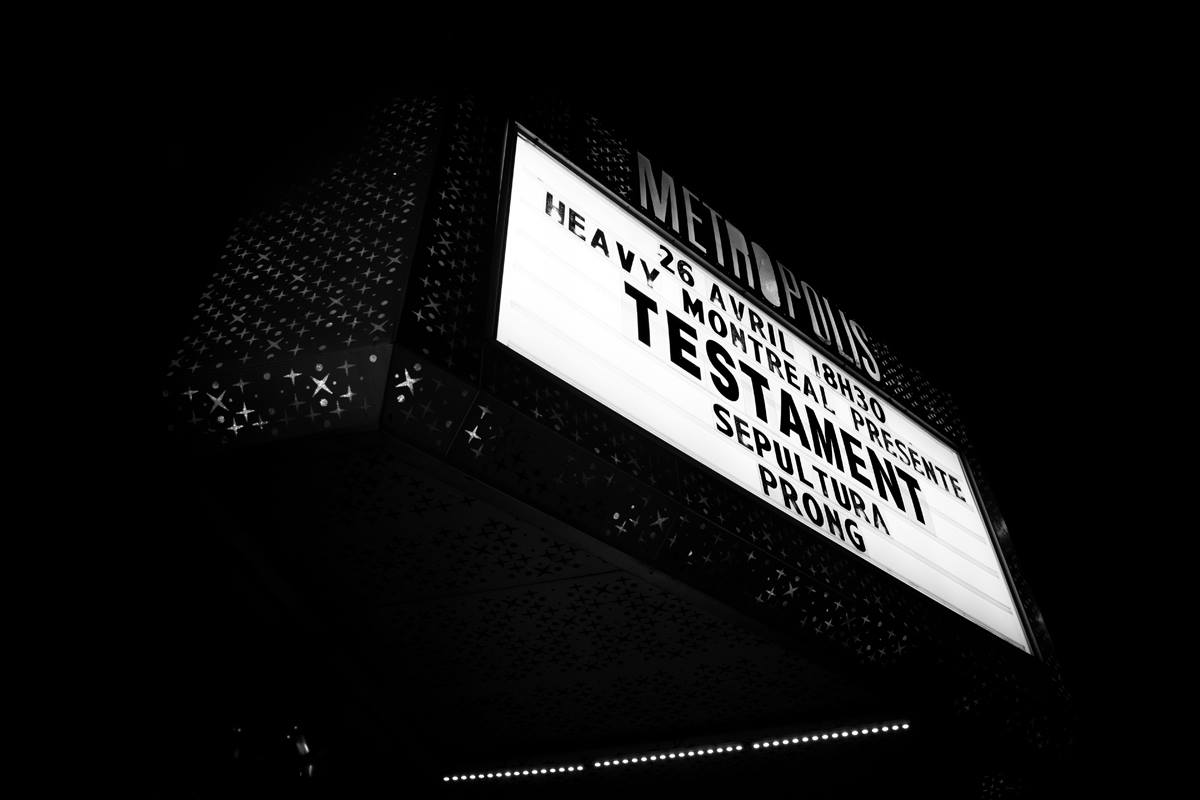
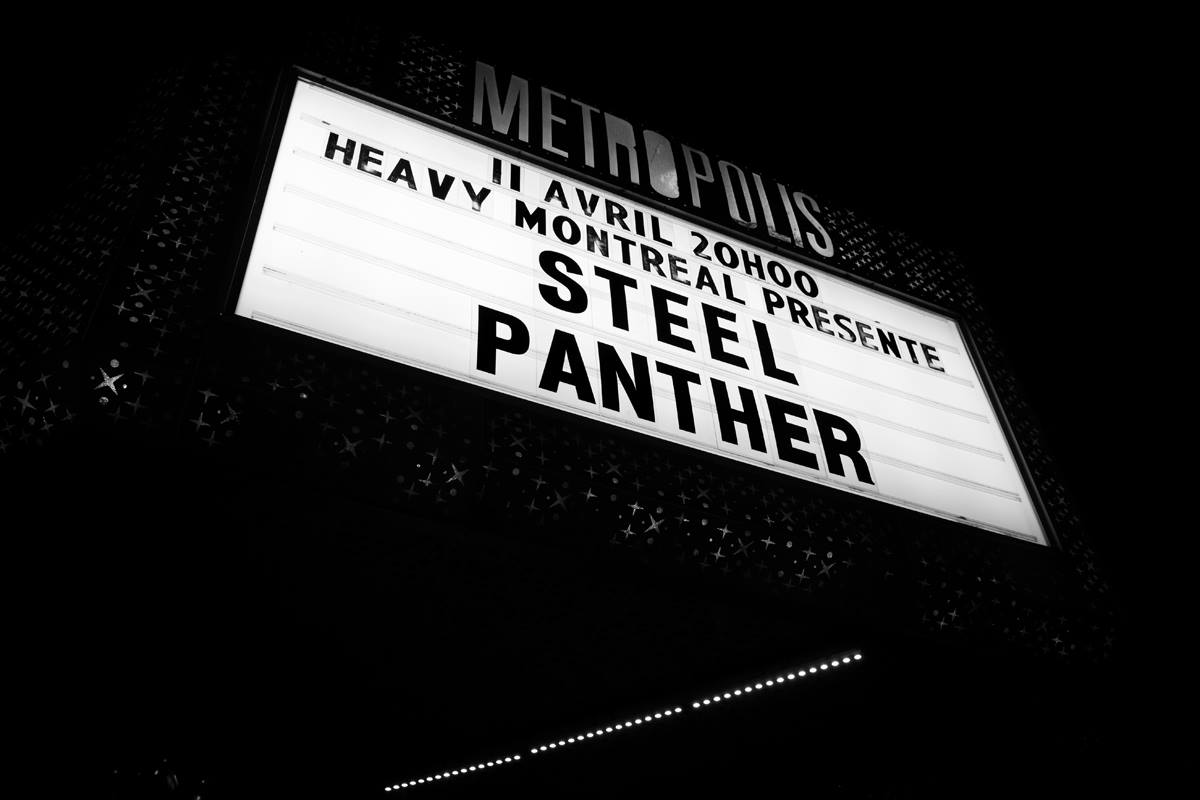
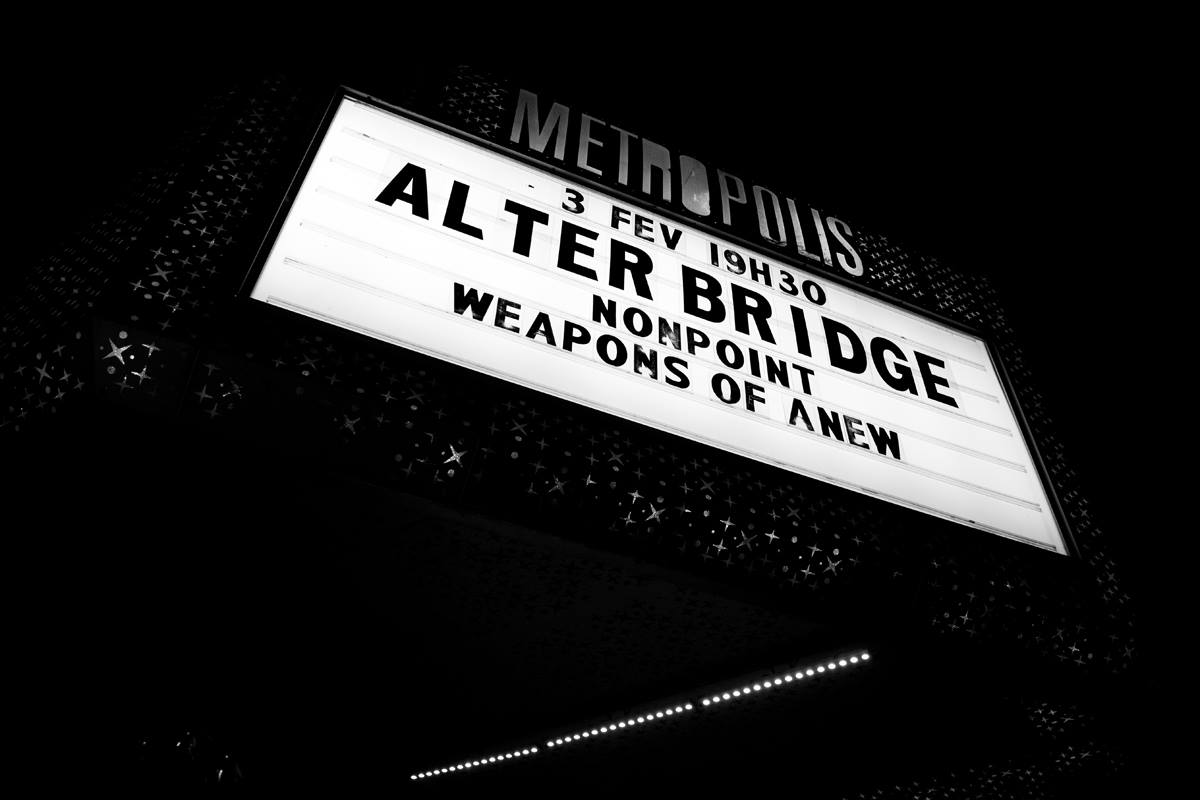
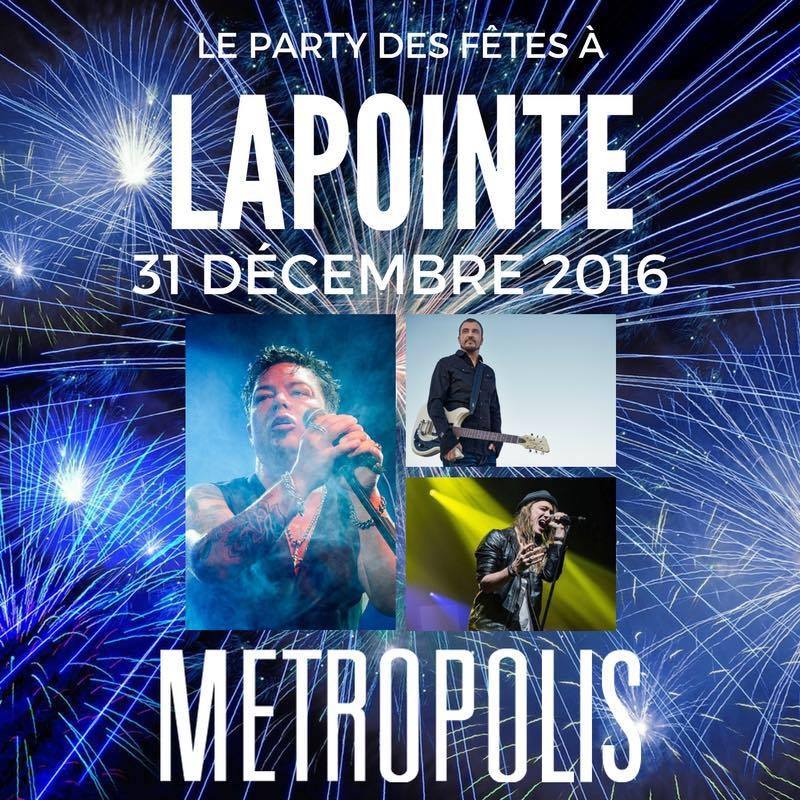
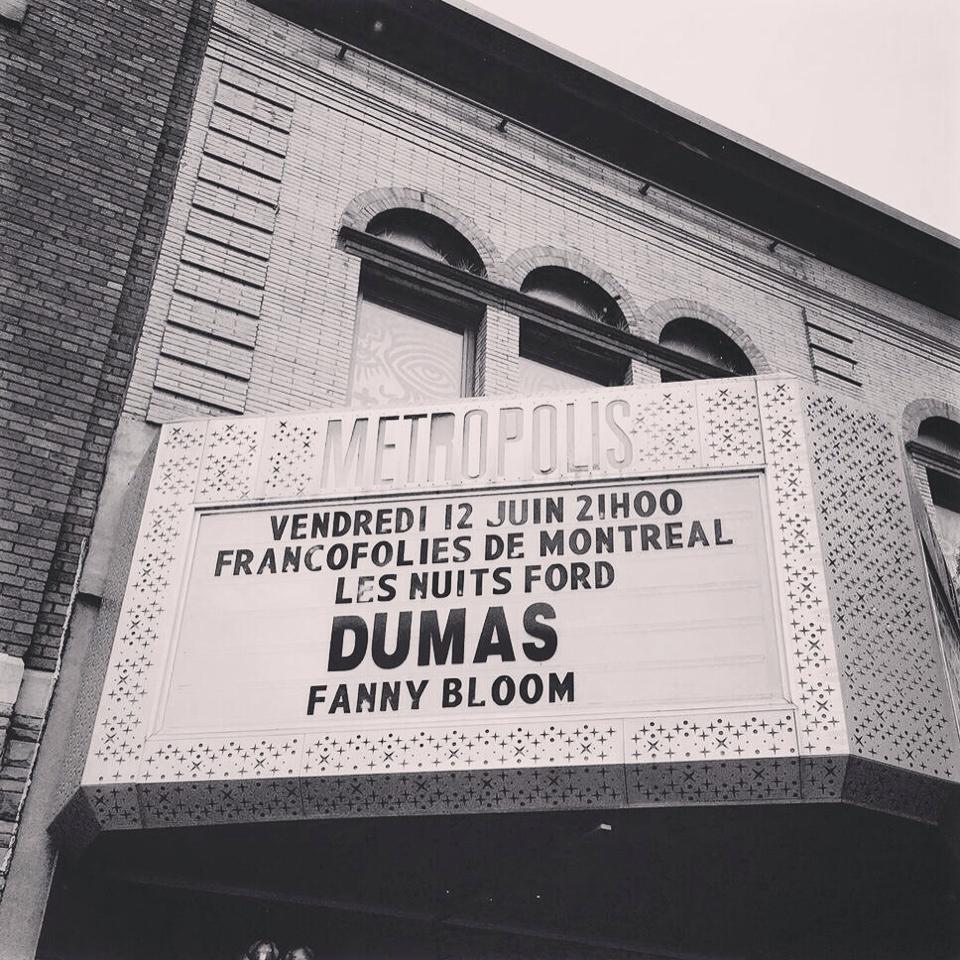
The Métropolis, now known as MTelus, is an iconic concert venue in Montreal, located at 59 Sainte-Catherine Street East. After several years of abandonment, the site reopened in 1987 and quickly established itself as one of the city’s major hubs for concerts and cultural events. The building stands on a site that has been devoted almost continuously since the 1880s to a succession of entertainment uses—ice-skating rinks, dime museums, French-language theatres, and later a prestigious cinema followed by an erotic one—making it one of the oldest locations dedicated to live entertainment in downtown Montreal.
1. Popular origins of the site (1882–1893)
Before becoming a major theatrical and later cinematic address, the site now associated with 59 Sainte-Catherine Street East entered, in the early 1880s, a first period of intensive use tied to urban popular leisure. This foundational phase is defined by rapid shifts in function—reflecting a downtown core in flux, where entertainment, commercial experimentation, and structural instability frequently overlapped.
The Marquis of Lorne Skating Rink (1882–1888)
According to the Lovell Street Directory, the address at 185 Saint-Dominique Street remained vacant or without any notable use until the early 1880s. The first documented occupation appears in 1882–1883 with the establishment of the Marquis of Lorne Skating Rink, operated by F.C. Piché and Edmond Hardy. At that time, the main entrance was located on Saint-Dominique Street, not on Sainte-Catherine Street.
The choice of the name “Marquis of Lorne,” a direct reference to John Campbell, Governor General of Canada from 1878 to 1883, reflects a common practice of the period, which sought to associate leisure venues with figures of imperial prestige in order to lend respectability and appeal to activities still perceived as novel.
The rink was part of a broader North American vogue for indoor skating, an activity popular among urban classes seeking supervised winter entertainments. The Lovell directories confirm continuous occupation of the site by the Marquis of Lorne Skating Rink from 1882 to 1888, suggesting a degree of stability in an area otherwise prone to frequent changes of use.
The repeated appearance of Edmond Hardy in the directories during this period constitutes a structuring element: Hardy emerges as one of the earliest figures to recognize the commercial potential of the site, foreshadowing his later involvement in the site’s theatrical phases.
From Skating to Popular Entertainment: Diversification of Uses
Skating rinks in the late nineteenth century were not merely athletic spaces. They frequently hosted hybrid events: musical evenings, exhibitions, variety acts, and temporary attractions. This versatility helps explain the relatively smooth transition of the site toward more structured forms of performance.
Press archives from this period mention uses of the venue that went beyond skating alone, reflecting a model of continuous entertainment in which the space could be adapted according to seasons and changing tastes.
Dominion Roller Skating Rink (1888–1893)
Beginning in 1888–1889, the Lovell directories indicate a change in name: the site becomes the Roller Skating Rink, also known as the Dominion Skating Rink, now operated by W. W. Moore. This shift corresponds to the late-1880s boom in roller skating across North American cities.
Listed continuously from 1888 to 1893, the Dominion Roller Skating Rink stands out as one of the most durable pre-theatrical uses of the site, suggesting sustained attendance and viable operations over multiple seasons.
Grand Central Dime Museum and Lyceum Theatre
In parallel with skating, press archives indicate the site’s association with popular low-cost entertainment tied to the dime museum model. The Grand Central Dime Museum followed an American template: curiosities, variety acts, fairground-style attractions, and other spectacles offered for a modest price.
The Lyceum Theatre, also connected to the site, belongs to the same ecosystem: a flexible venue capable of hosting light drama, lectures, traveling performances, and mixed programs—illustrating how theatre, museum, and attraction often coexisted within the same address in the late 19th century.
Between 1882 and 1893, the site thus functioned as a matrix of popular entertainment, laying the groundwork for its first clearly defined theatrical experiment: the Empire Theater in 1893–1894.
2. Empire Theater (1893–1894)
The short-lived Empire Theater, listed in the Lovell Street Directory for 1893–1894, marks a turning point for the site then known as 185 Saint-Dominique Street. It represents the first explicit attempt to transform an address previously defined by skating and hybrid amusements into a recognizable theatrical venue with a more formal structure.
The Empire Theater appears with W. Bertram identified as manager, suggesting a managerial framework more akin to established theatre operations than earlier uses of the site.
Its presence in the directories only for 1893–1894 indicates a brief run—best understood as an experimental transition. Soon after, the site enters the orbit of francophone theatrical ambition through the Opéra Français, and then the long era of the Théâtre Français.
3. Théâtre Français of Montreal (1896–1920)
The emergence of the Théâtre Français at the end of the 19th century coincides with a pivotal moment in Montreal’s cultural life, as the francophone community sought to secure permanent theatrical institutions capable of standing alongside anglophone venues and North American touring circuits. The building first associated with 185 Saint-Dominique Street, and later with Sainte-Catherine Street East, became one of the most durable poles of francophone theatre in the city.
From Opéra Français to Théâtre Français
In the Lovell directories, the site appears as Opéra Français in 1894–1895 and 1895–1896, with Edmond Hardy linked to its direction. This phase suggests a gradual shift from mixed “opera / operetta / theatre” programming toward an institution more clearly defined as a francophone theatre.
The Opéra français de Montréal represents the first structured and sustained attempt to establish a professional French-language lyric theatre in North America. Shaped by a context of national and cultural awakening among French Canadians, the project relied on a hybrid financial model combining share capital, subscriptions, and advance sales of ticket booklets, while drawing inspiration from European and American practices.
Despite a generally favorable public reception and a sustained level of activity—with operas, operettas, and lyric comedies presented almost daily—the company faced strong press criticism, internal tensions, moral and religious constraints, as well as chronic financial fragility.
Under the leadership of key figures such as Edmond Hardy, the Opera nevertheless played a major structuring role: it contributed to the professionalization of artists, the unionization of musicians, the emergence of an active French-language theatrical criticism, and the affirmation of Montréal as a Francophone cultural hub.
Despite its disappearance after only a few seasons, the Opéra français left a fundamental legacy, serving as a matrix for subsequent lyric institutions and marking a decisive stage in the history of the performing arts in Montréal.
Edmond Hardy (1854–1943) occupies a key place in the cultural history of the site that would later become the Metropolis. Founder and director of the Harmonie de Montréal as early as 1874, he was one of the principal architects of Montreal’s public musical life at a time when the East Sainte-Catherine Street area and its surroundings were gradually emerging as a centre for live entertainment.
As artistic director of the Théâtre Français and the Opéra français de Montréal in the 1890s, Hardy was directly involved in the site’s phase of theatricalization, when it was devoted to theatre and opera before later evolving into a cinema and, eventually, a modern concert hall.
The first saxophonist in Canada, as well as a respected composer and educator, he embodies the transition from popular entertainment of the 19th century to the structured cultural institutions that would durably shape the site’s identity, making his career a key milestone in the long continuum of live performance in downtown Montreal.
From 1896–1897 onward, the name Théâtre Français becomes established in the directories—signaling an explicit cultural positioning in a city where French-language professional theatre remained structurally fragile.
Before the 1900 fire
Between 1896 and 1900, the Théâtre Français operated as an active venue presenting French repertory works, contemporary dramas, and popular adaptations. Period coverage emphasizes the symbolic importance of the theatre for francophone cultural life, even as financial difficulties and managerial instability persisted.
The fire of February 27, 1900
On February 27, 1900, a major fire devastated the Théâtre Français. Contemporary accounts describe a spectacular blaze that caused severe damage and abruptly halted operations—an event widely discussed due to the rarity of permanent francophone theatres in Montreal at the time.
Reconstruction and reopening (1901)
After more than a year of closure, the Théâtre Français officially reopened on April 8, 1901, now associated (in Lovell) with 1891 Sainte-Catherine Street East. The reopening was framed as a cultural act of resilience, even as economic pressures remained.
A long cycle (1901–1920) and the rise of cinema
From 1901 to 1920, the Théâtre Français experienced one of its most sustained periods of operation. The Lovell directories list the venue year after year, under evolving addresses—1891, then 27, and finally 59 Sainte-Catherine East— reflecting civic and cadastral adjustments as the site consolidated.
By the 1910s, cinema increasingly reshaped audience habits and entertainment economics. The Théâtre Français attempted to adapt, but remained vulnerable, setting the stage for the major transition of 1920–1921: its integration into prestige cinema as Loew’s Court Theatre.
4. Loew’s Court Theatre (1921–1924)
The emergence of the Loew’s Court Theatre in the early 1920s marked a major structural transformation of the site, firmly anchoring it within the North American prestige cinema economy. After more than two decades dominated by francophone theatre, the building at 59 Sainte-Catherine Street East entered the orbit of large motion-picture circuits controlled by American interests.
Opening and integration into the Loew’s circuit
According to Lovell’s city directories, the Loew’s Court Theatre appears for the first time in 1920–1921, with an officially documented opening on September 9, 1921. This date marks the site’s formal integration into the network of theatres and cinemas operated by the Marcus Loew Company, one of the most powerful entertainment conglomerates in North America at the time.
The very designation “Court Theatre” reflects a naming convention used by Loew’s to identify medium- to large-capacity urban venues designed to present first-run motion pictures, often supplemented by stage numbers, orchestral accompaniment, or short live performances.
Modernization and cultural repositioning
The establishment of the Loew’s Court Theatre brought a clear repositioning of the venue: dramatic theatre gave way to cinema as the dominant form of entertainment. Contemporary newspapers emphasized the modernization of equipment, improved comfort for audiences, and the adaptation of the hall to the standards of prestige silent cinema.
The Loew’s Court Theatre attracted a broad and diverse audience, including families and members of the urban middle classes. It operated at a pivotal moment when cinema ceased to be viewed as a marginal amusement and instead became a major cultural industry, capable of rivaling theatre in both attendance and revenue.
The 1924 sale and the logic of capital
A detailed article published in La Presse on July 17, 1924 offers rare insight into the economic realities surrounding the operation of the site. The newspaper reports the sale of the building housing the Loew’s Court Theatre, a transaction that highlights the growing importance of real-estate capital in the entertainment industry.
According to La Presse, the property was sold for a substantial sum, underscoring the strategic value of its location on Sainte-Catherine Street East, by then widely recognized as the city’s most dynamic commercial and cultural artery. The article stresses that the transaction involved not merely a theatre, but a prime entertainment asset at the heart of the modern leisure economy.
It further notes that control of venues by large circuits such as Loew’s fundamentally altered operating conditions: artistic decisions, programming choices, and technical investments were now subordinated to corporate strategies defined at a continental scale.
End of the Loew’s period and return to the Théâtre Français
Despite its integration into the powerful Loew’s network, the Court Theatre did not endure as a long-term phase in the site’s history. Lovell’s directories indicate a return to the name Théâtre Français as early as 1924–1925, signaling the end of operations under the Loew’s banner.
This reversal suggests a rapid reconfiguration of cultural and economic priorities, and a possible mismatch between the chain-cinema model and the specific expectations of Montreal’s francophone audience at this particular location.
Historical significance
Although brief, the Loew’s Court Theatre period represents a decisive chapter in the building’s history. It introduced the site to the era of industrial cinema, characterized by capital concentration, standardized programming, and integration into transnational networks.
This experience indirectly paved the way for the site’s later transformations, including its long coexistence between theatre and cinema, culminating decades later in the radical shift brought about by the Cinéma Éros, and eventually in the site’s spectacular rebirth as Métropolis.
5. Cinéma Éros (1970–1982)
The opening of Cinéma Éros on November 6, 1970 represents one of the most radical breaks in the history of the building at 59 Sainte-Catherine Street East. After nearly a century of activities associated, to varying degrees, with theatre, music, and popular cinema, the site became exclusively devoted to the exhibition of erotic films for adult audiences.
Advertisements published in The Gazette, La Presse, and The Montreal Star in the fall of 1970 confirm a formal grand opening on Friday, November 6, presented as a commercial event consistent with the broader liberalization of social norms taking place in Quebec and across the Western world at the turn of the 1970s.
Unlike many short-lived adult cinemas operating downtown, Cinéma Éros occupied a building with a strong historical identity as a former francophone theatre. This contrast immediately contributed to the controversial nature of the venue, a point repeatedly emphasized in contemporary press coverage.
From its earliest weeks of operation, Cinéma Éros adopted a continuous screening model featuring primarily European and North American productions classified as adult entertainment. Promotional language emphasized legality, discretion, and controlled transgression, while avoiding explicit descriptions. Press accounts describe a clientele that was predominantly male, discreet, and largely invisible outside the cinema itself.
Between 1970 and 1972, the cinema became the subject of sustained media attention. Articles and opinion pieces debated not only the moral implications of erotic films, but also the symbolic significance of their exhibition at the very heart of downtown Montreal. While some commentators denounced the transformation of a former cultural institution, others framed Cinéma Éros as a normalized commercial venue comparable to similar establishments in New York, Paris, or London.
Throughout the decade, Cinéma Éros operated under constant scrutiny. Although no spectacular closures or seizures are documented, press sources refer to inspections, citizen complaints, and recurring debates over regulatory limits. By the late 1970s, declining attendance, increased competition, and the physical deterioration of the building weakened the cinema’s economic viability.
In the early 1980s, a fire accelerated the definitive closure of Cinéma Éros. From 1982 onward, the site is described in newspapers as closed, abandoned, and left without a clear function, setting the stage for a dramatic reinvention later in the decade.
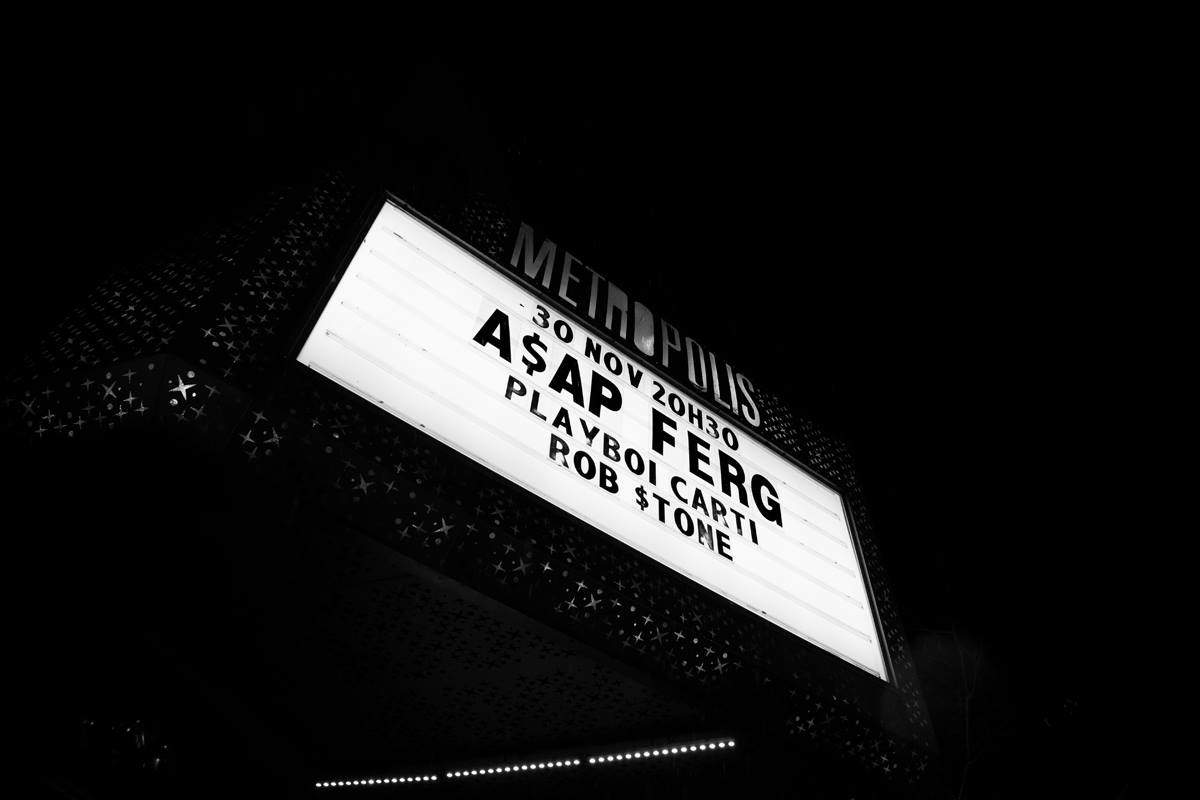
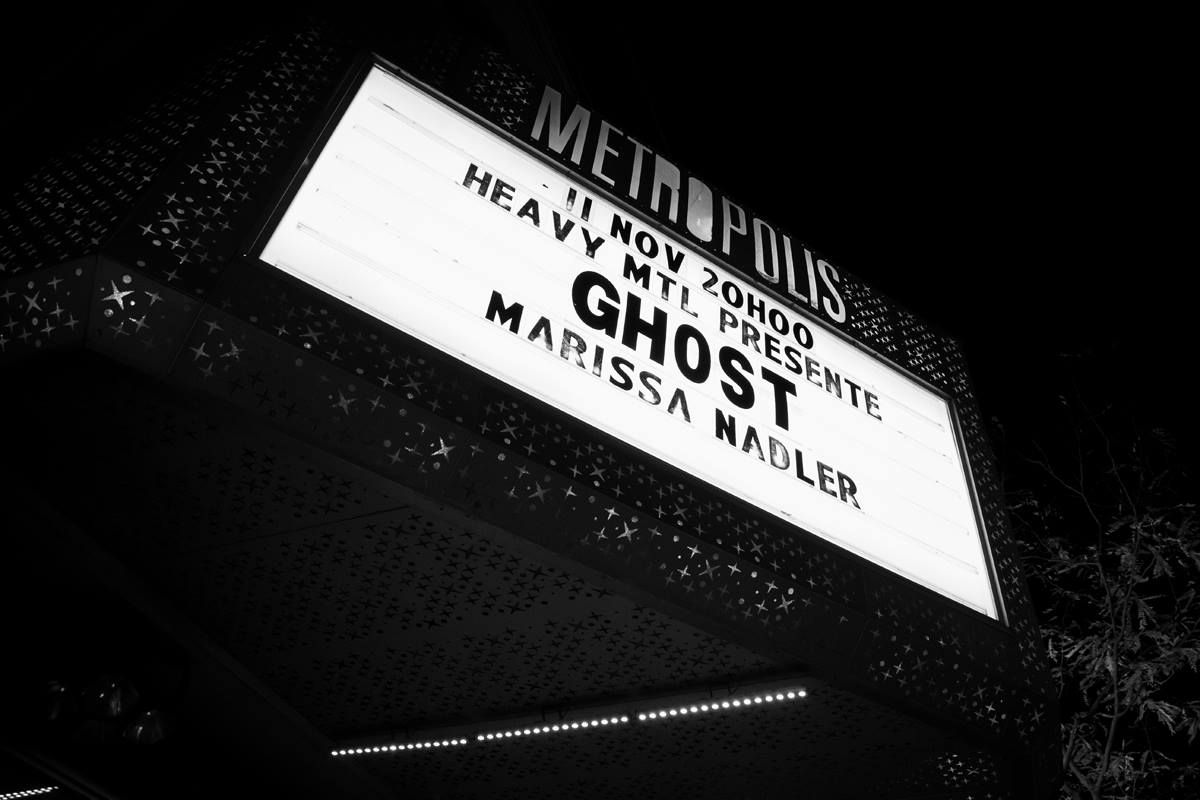
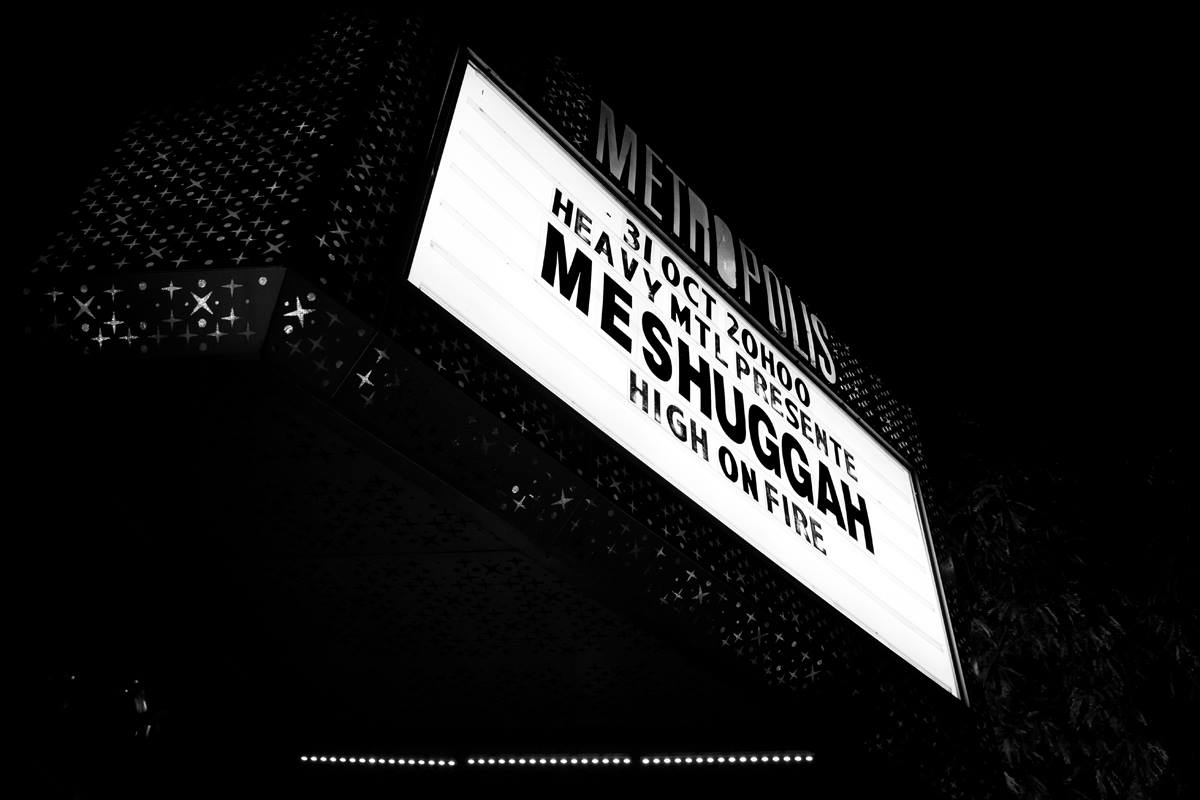
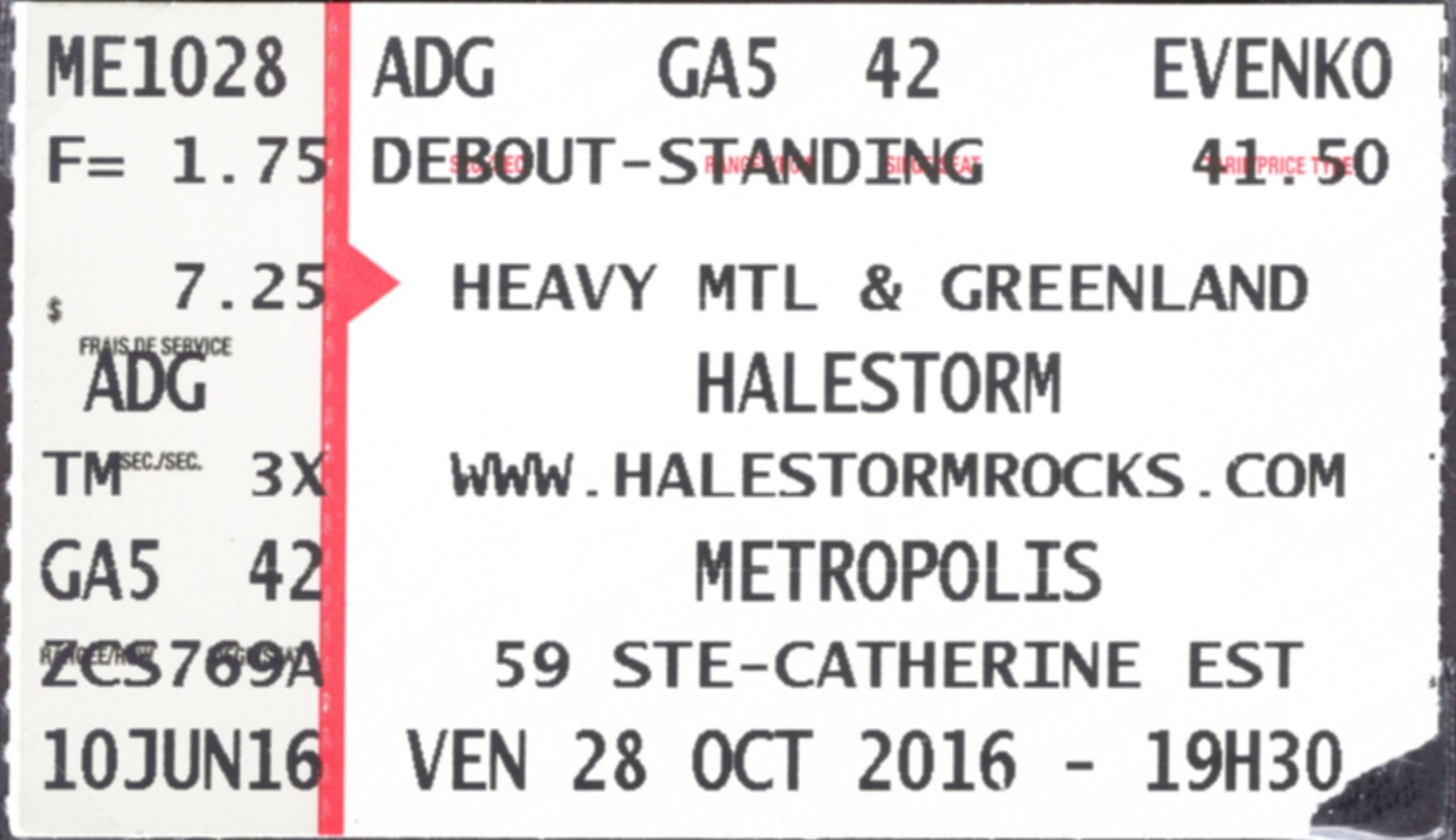
6. Métropolis (1987–2017)
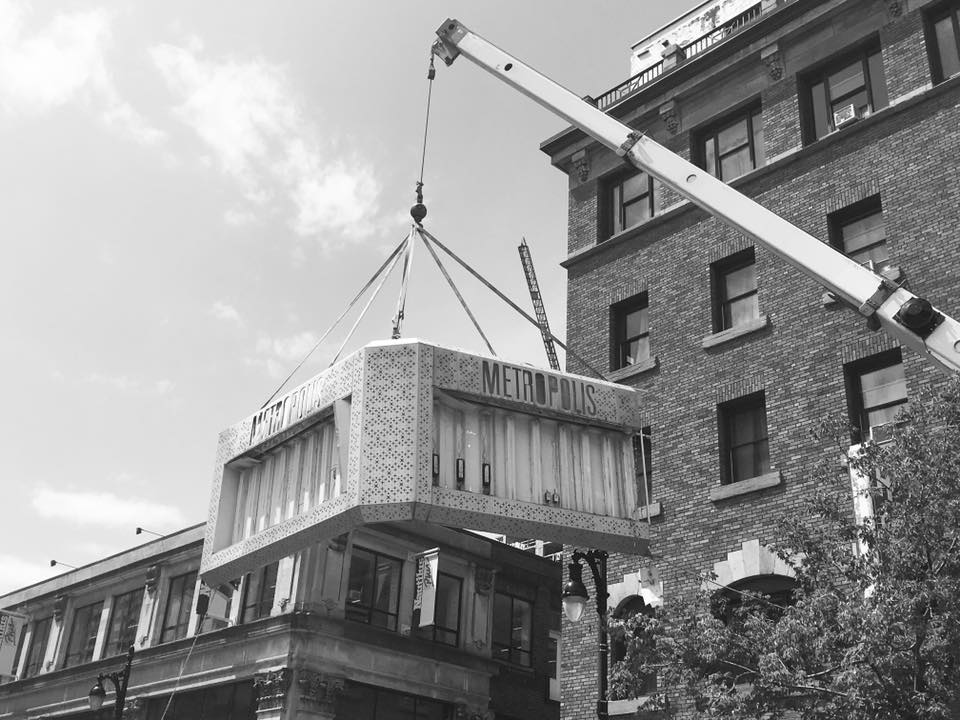
After several years of abandonment following the closure of Cinéma Éros and the fire that severely weakened the structure, the building at 59 Sainte-Catherine Street East underwent a spectacular rebirth in 1987, reopening as a performance venue under the name Métropolis. This reopening marked a major turning point in the contemporary cultural history of downtown Montreal.
“I was told that a dance and performance venue capable of holding 2,000 people was unthinkable in Montreal, but I believed in it without hesitation. I searched for the right building and, when I visited the Théâtre Français, I knew there was no need to keep looking: I had found it.”
Officially reopened on April 29, 1987, the Métropolis was presented in the press as a symbol of urban renewal. A site long associated with controversy and neglect was reintroduced as a large-scale, multifunctional venue capable of hosting concerts, galas, televised events, and major stage productions.
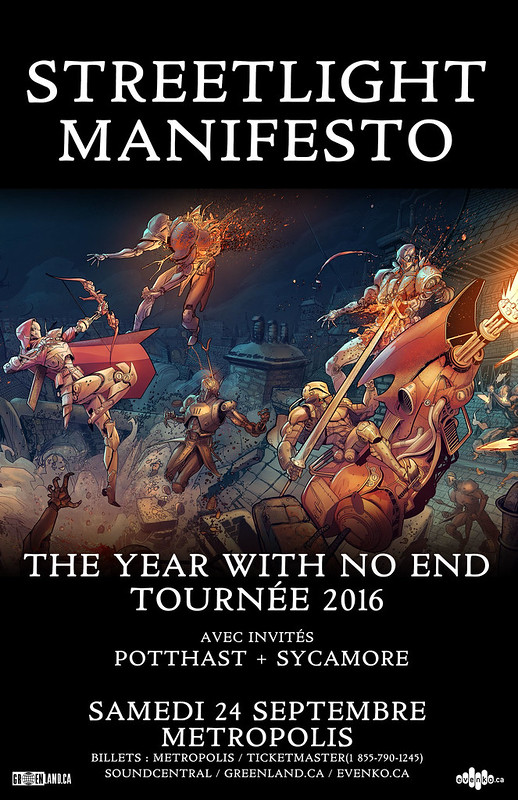
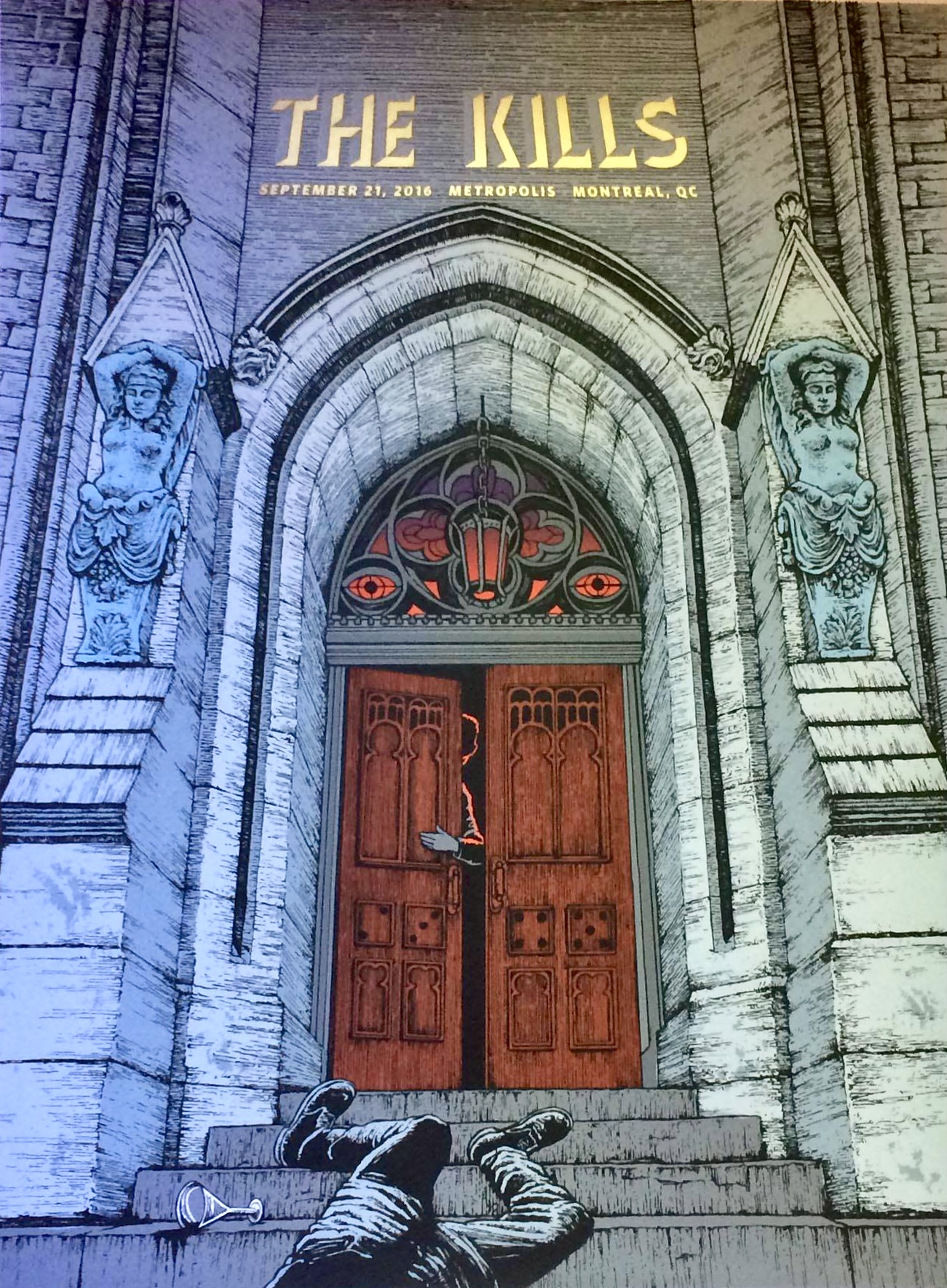
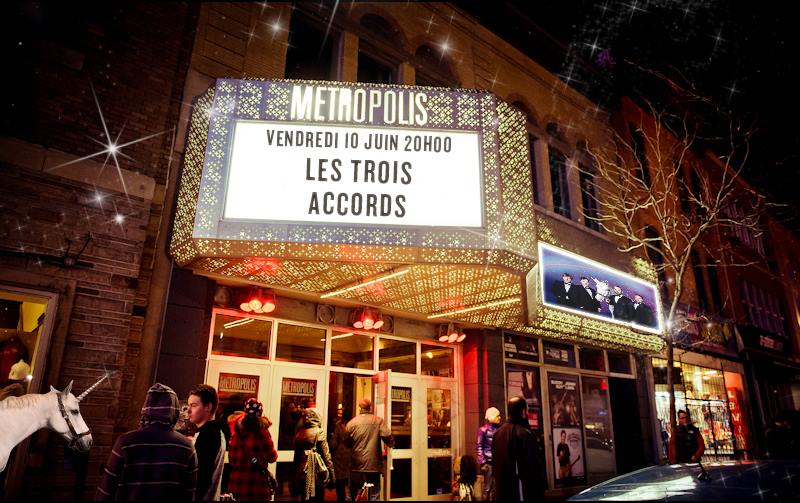
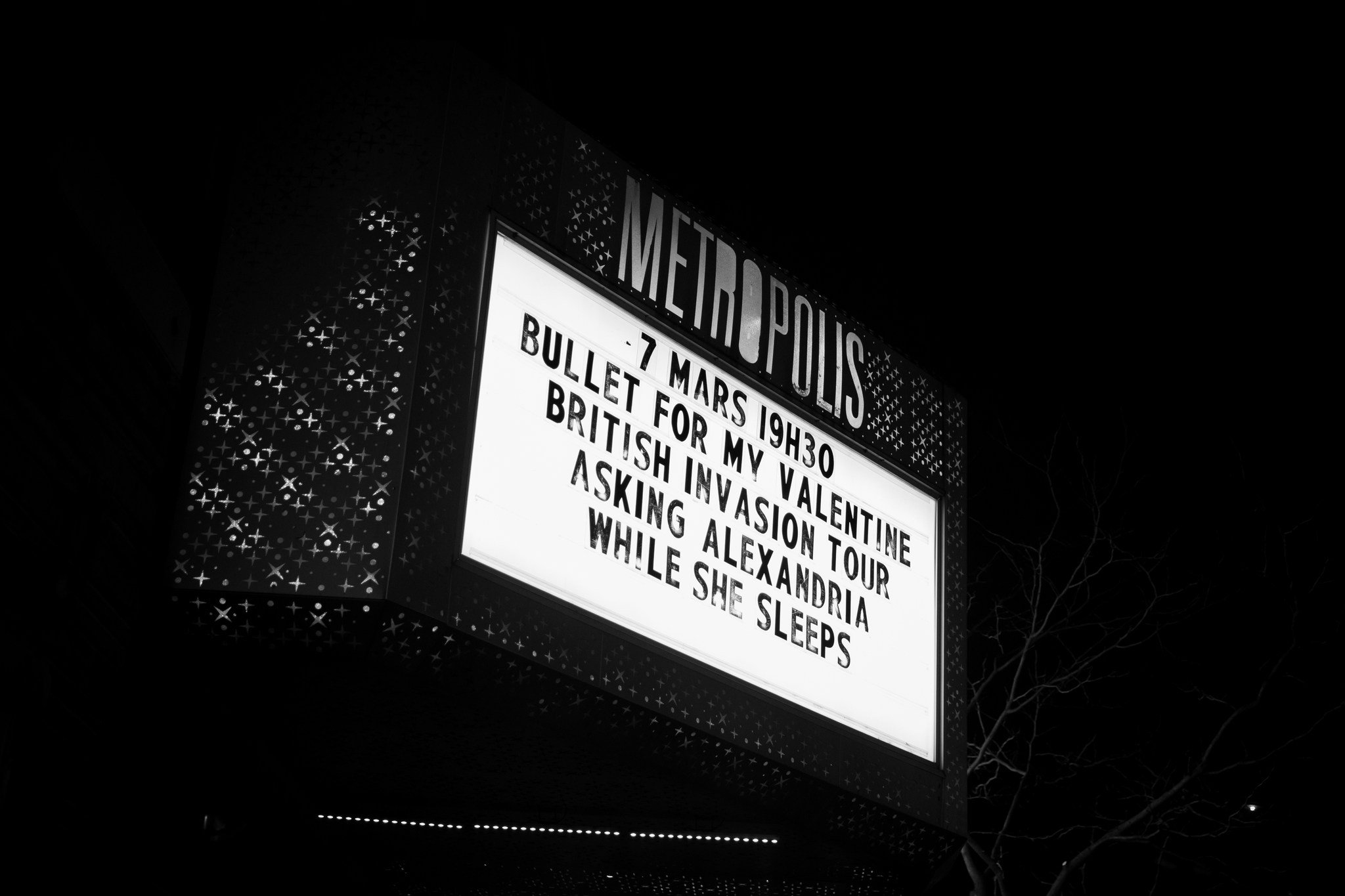
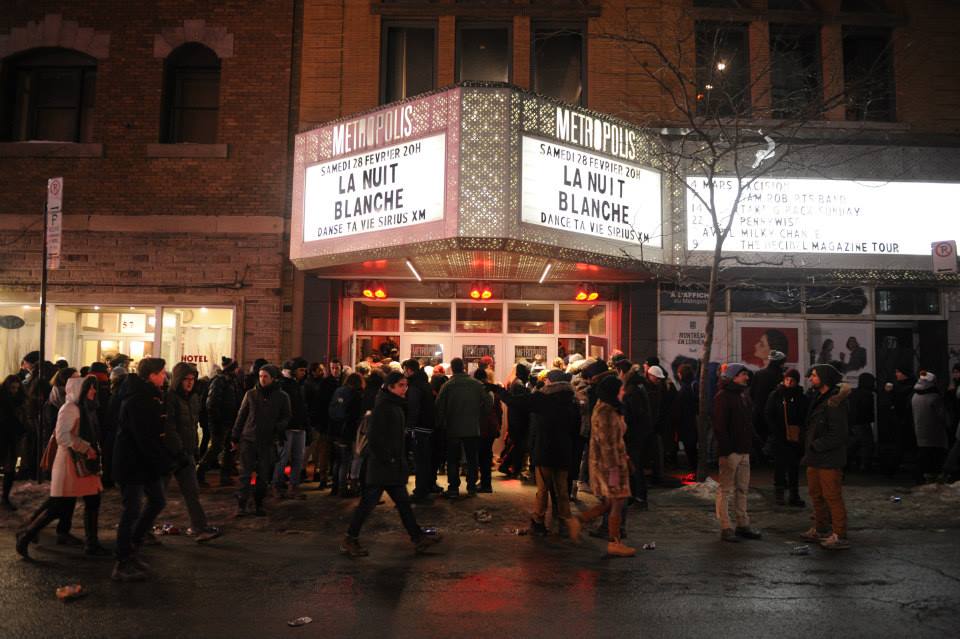
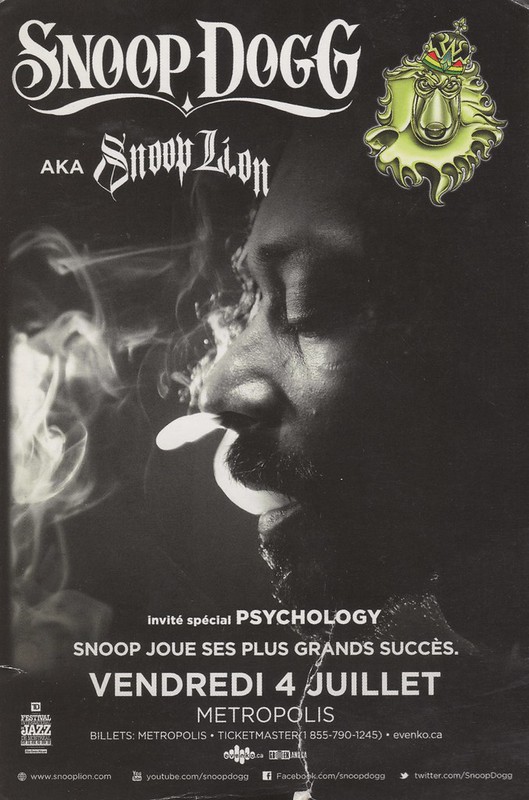
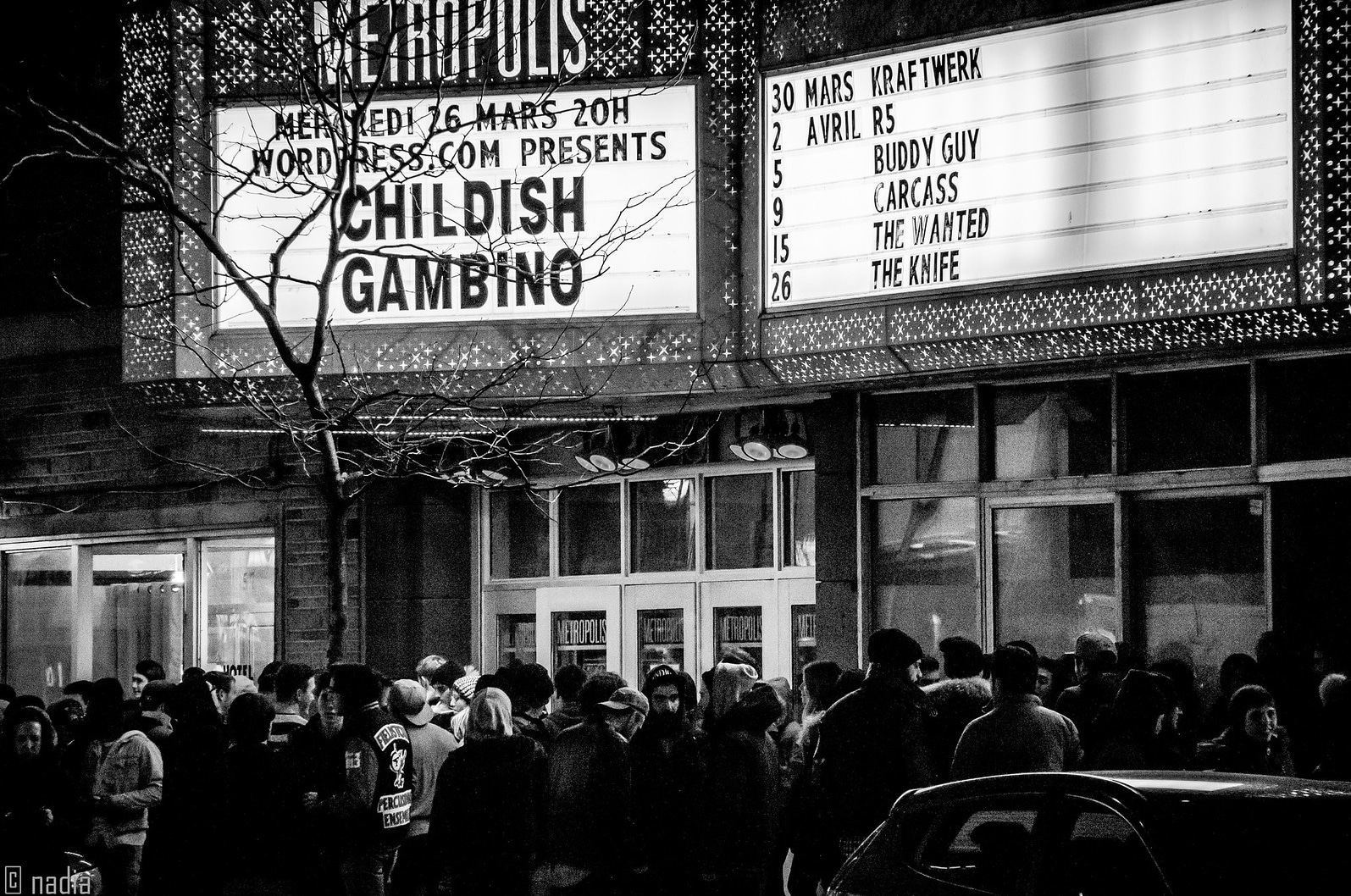
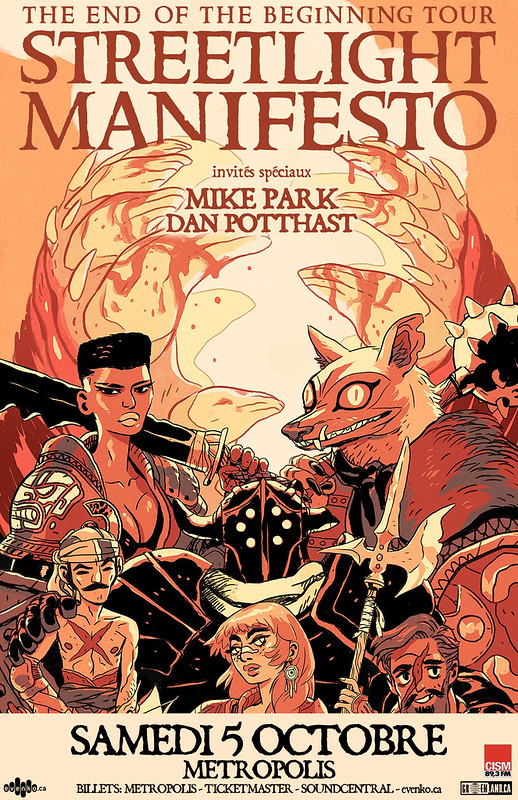
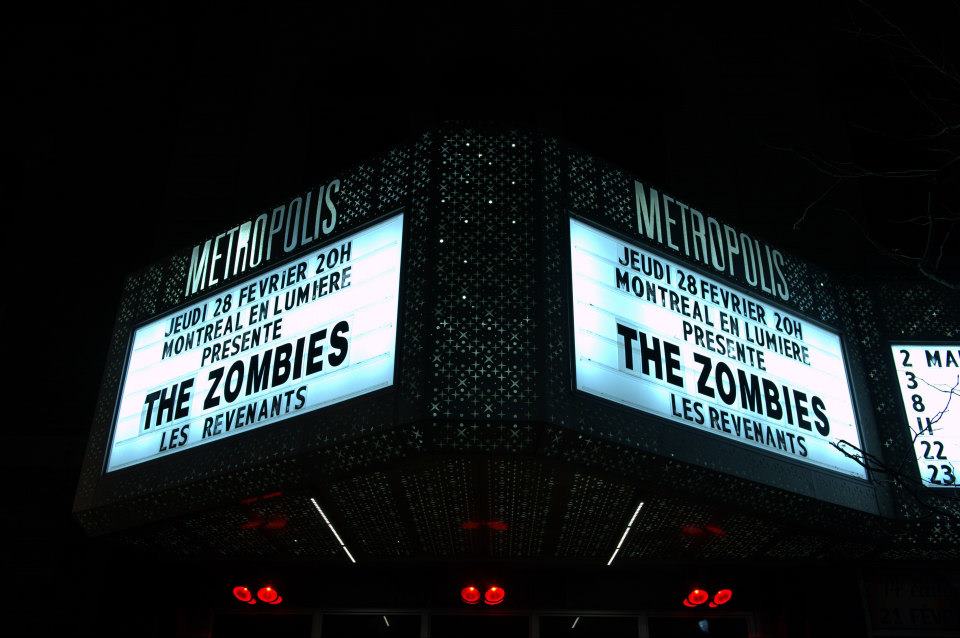
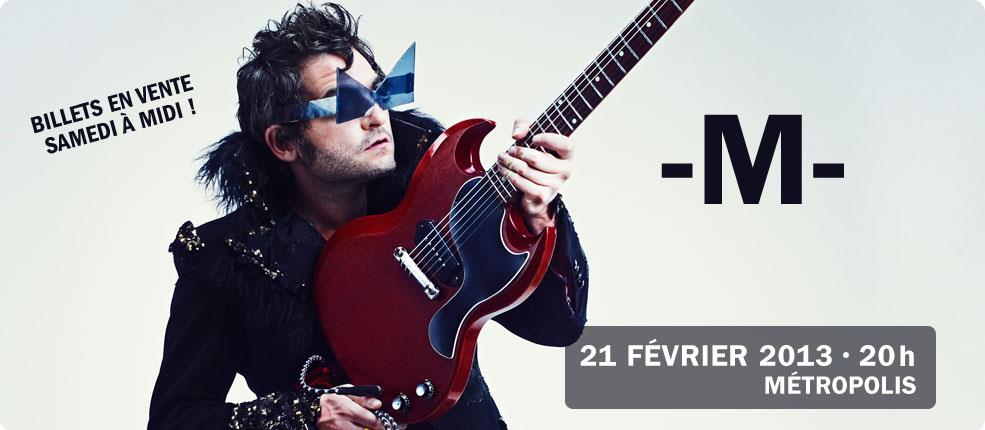
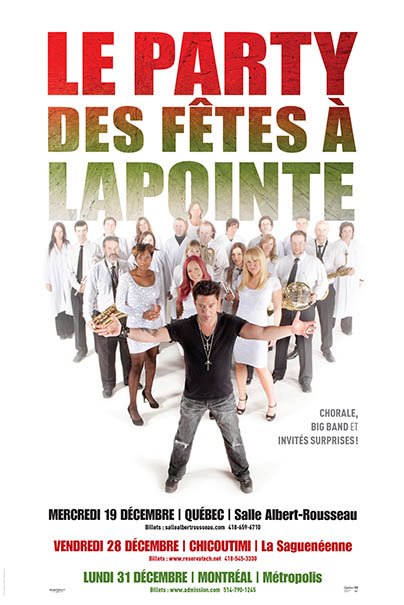
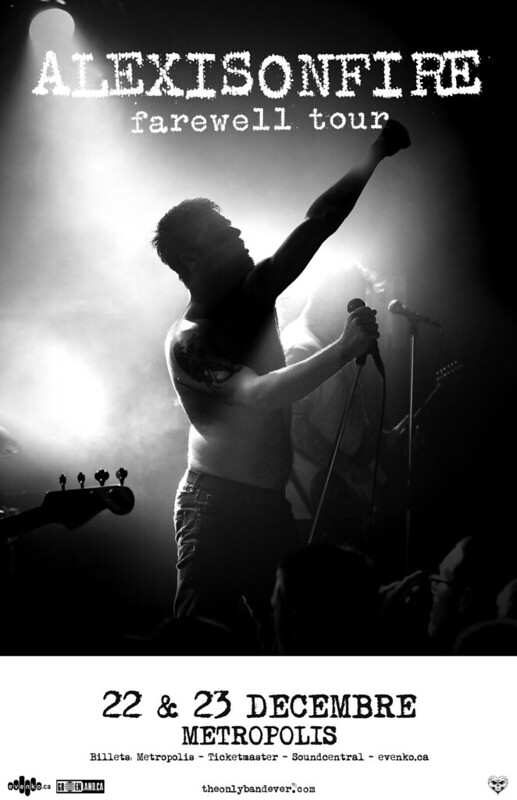
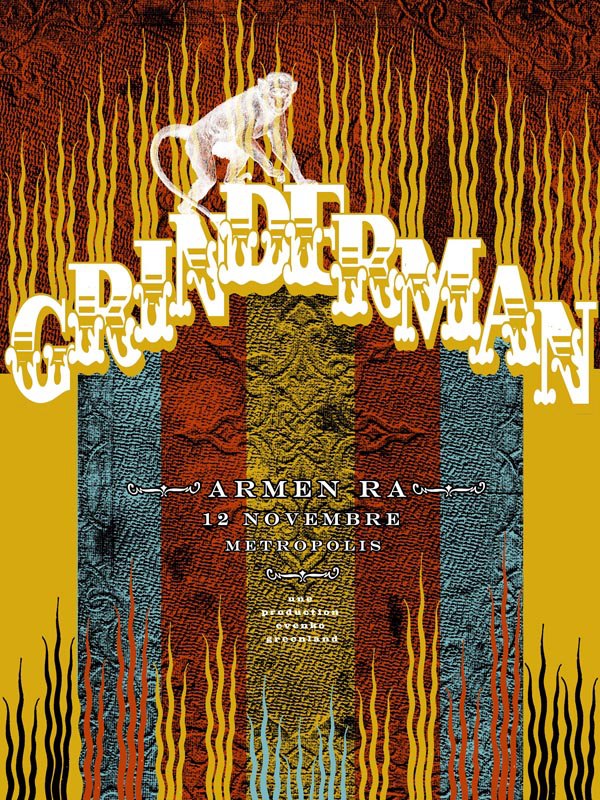
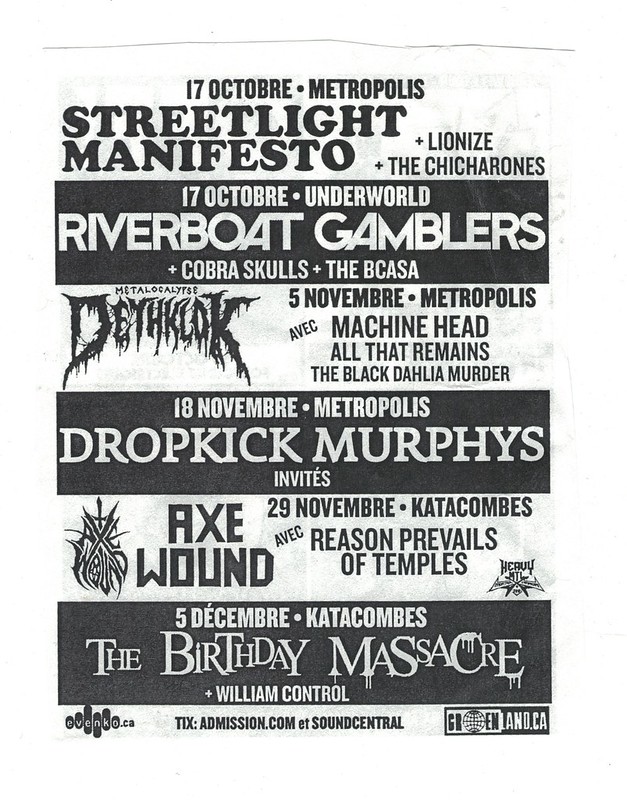
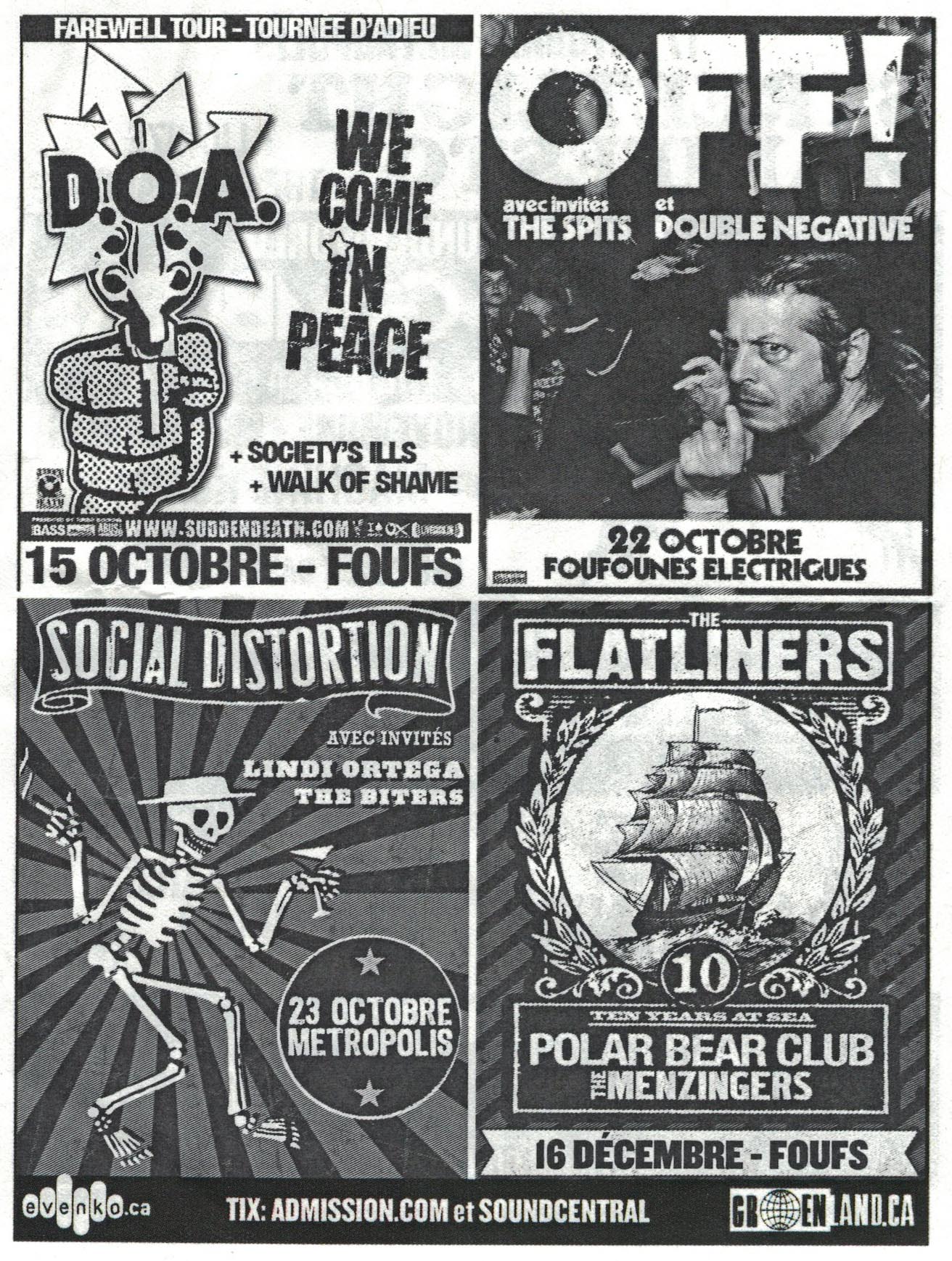
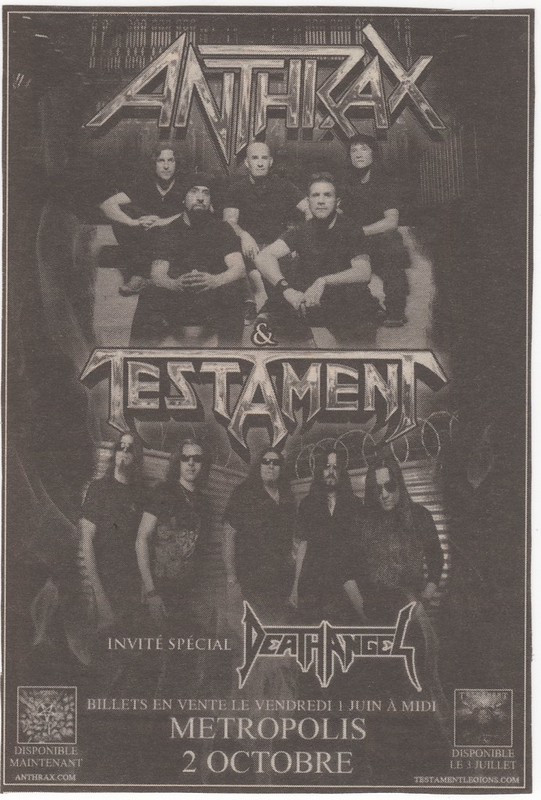
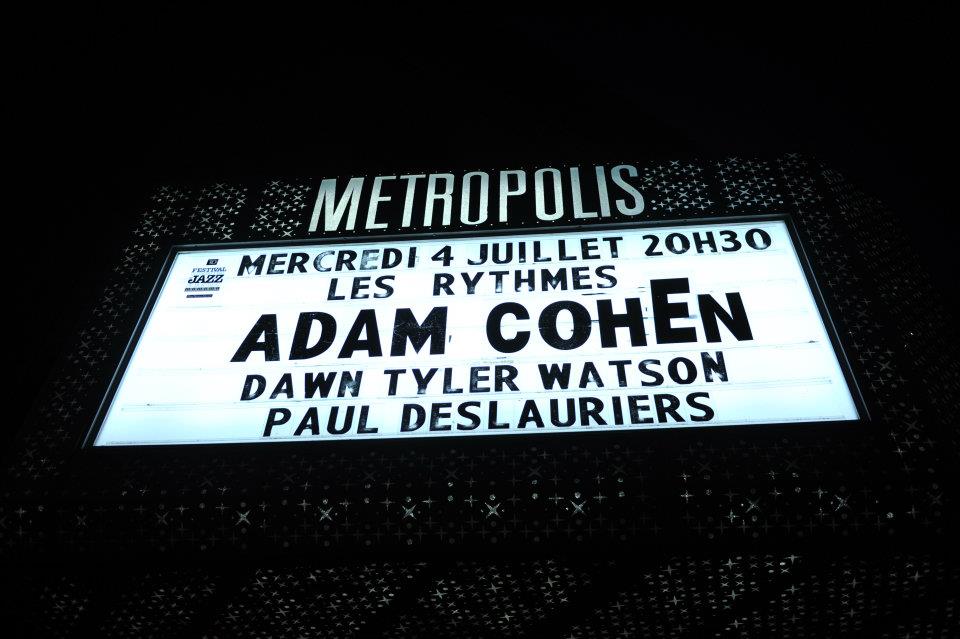
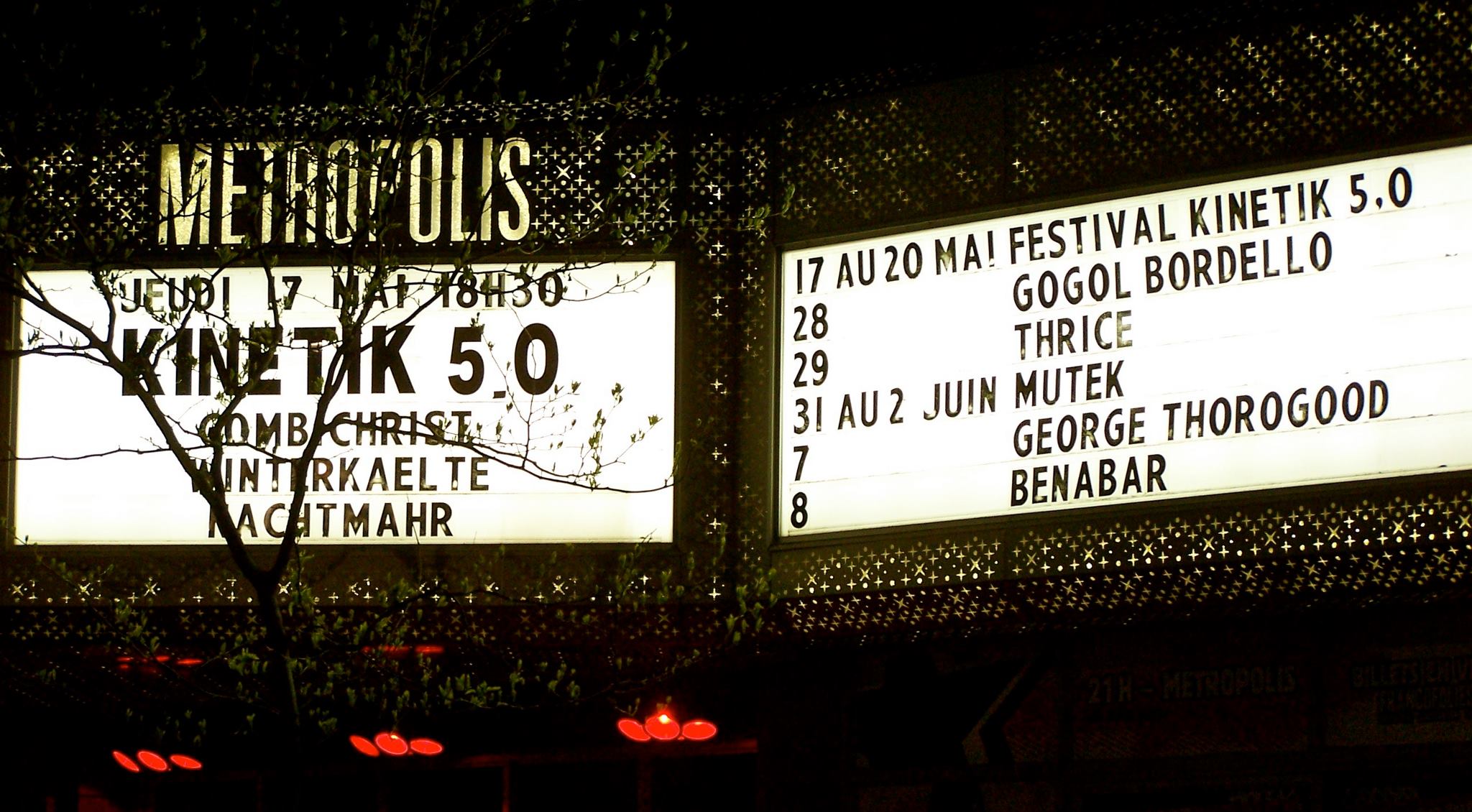
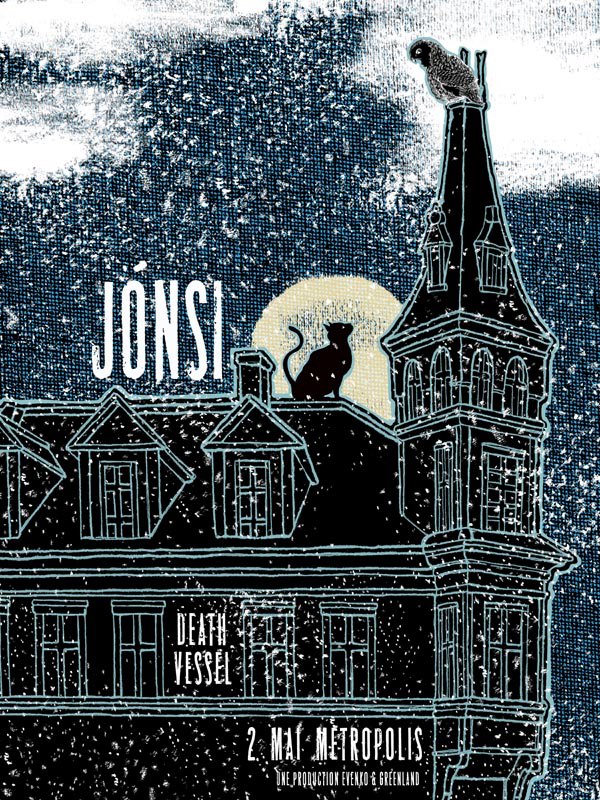
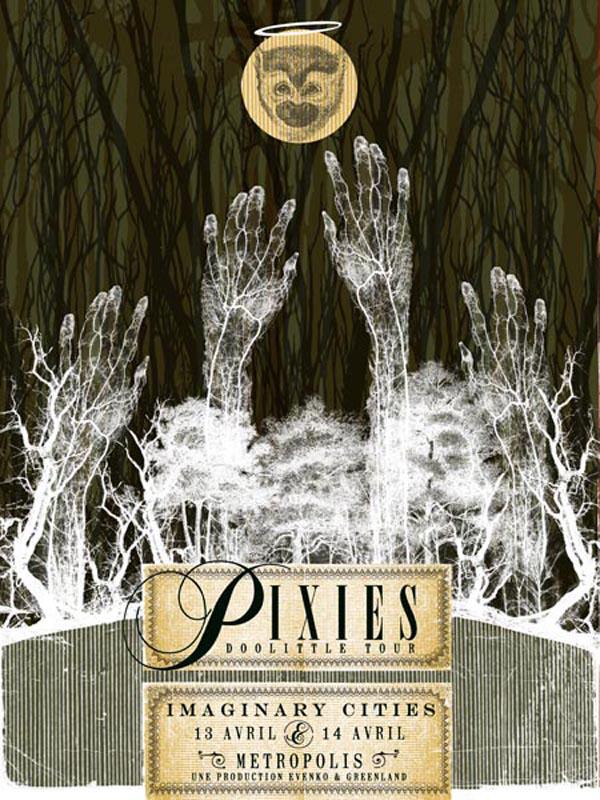
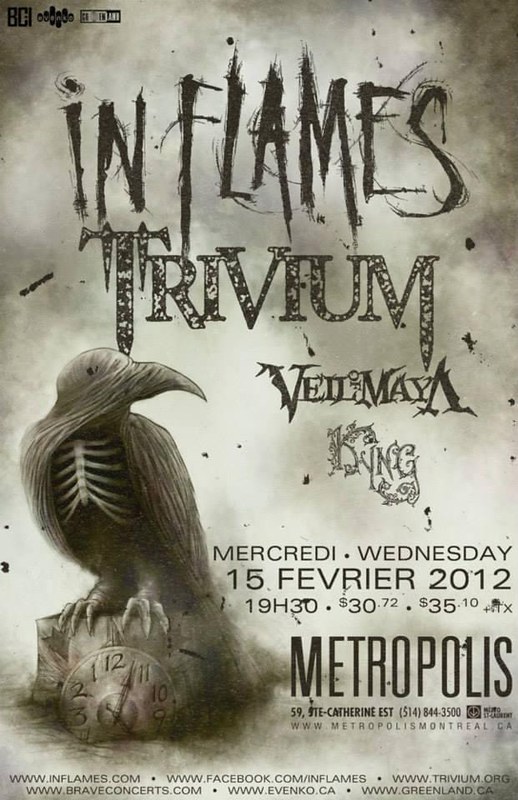
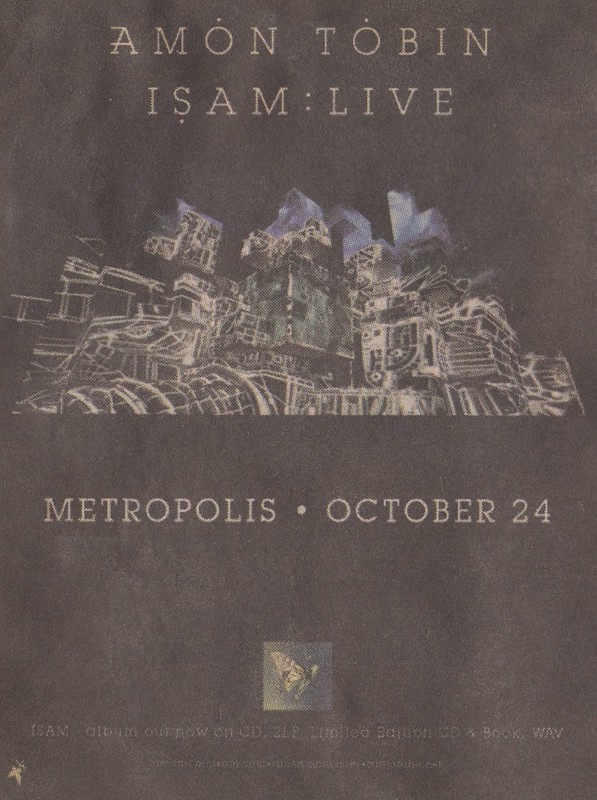
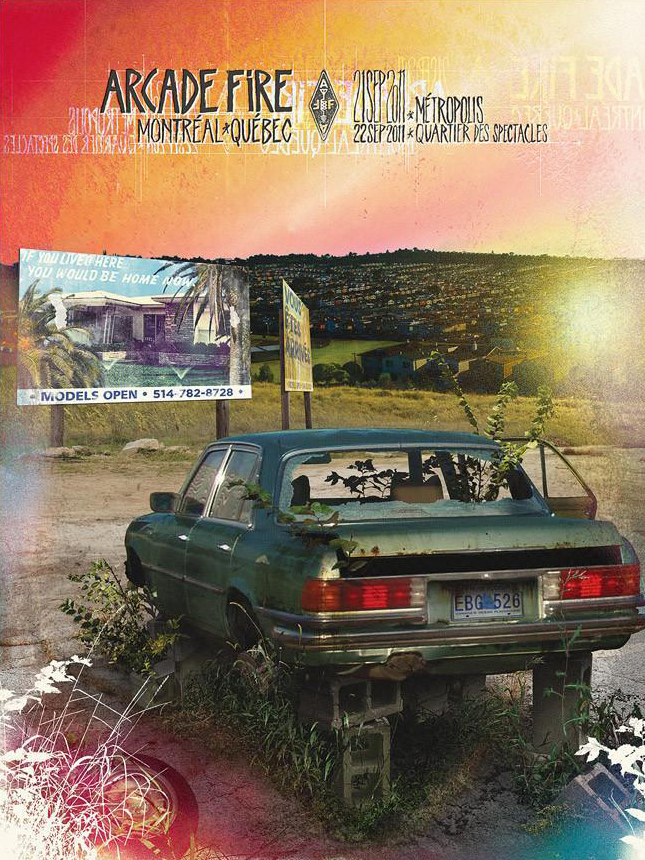
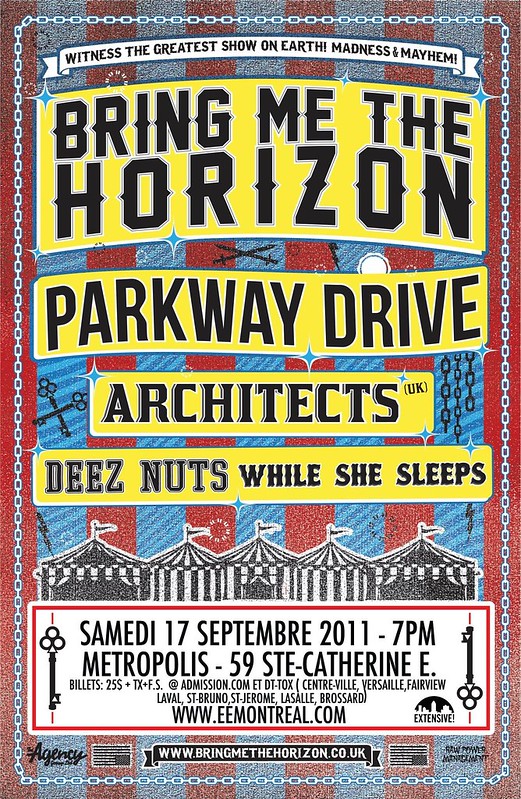
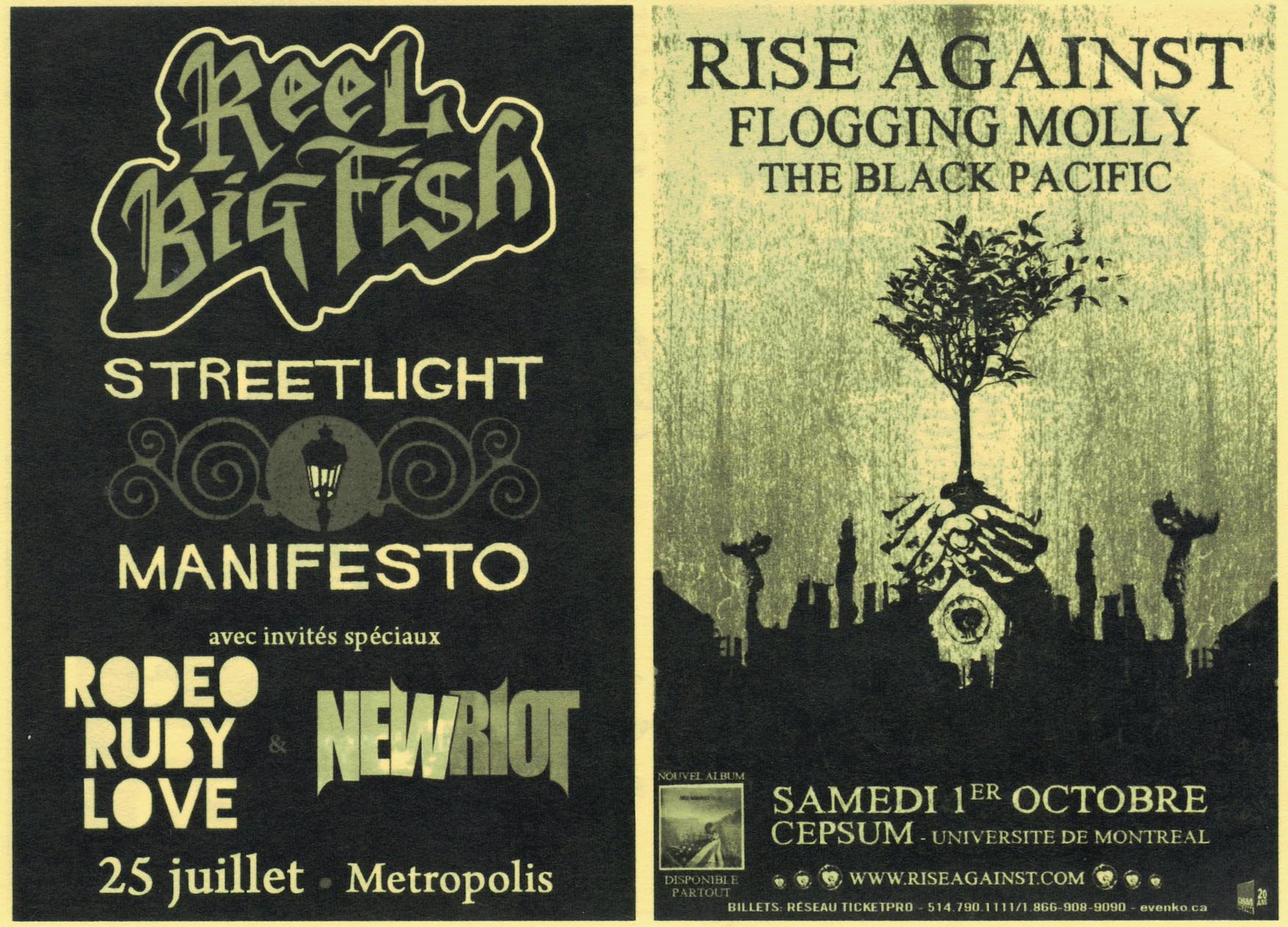
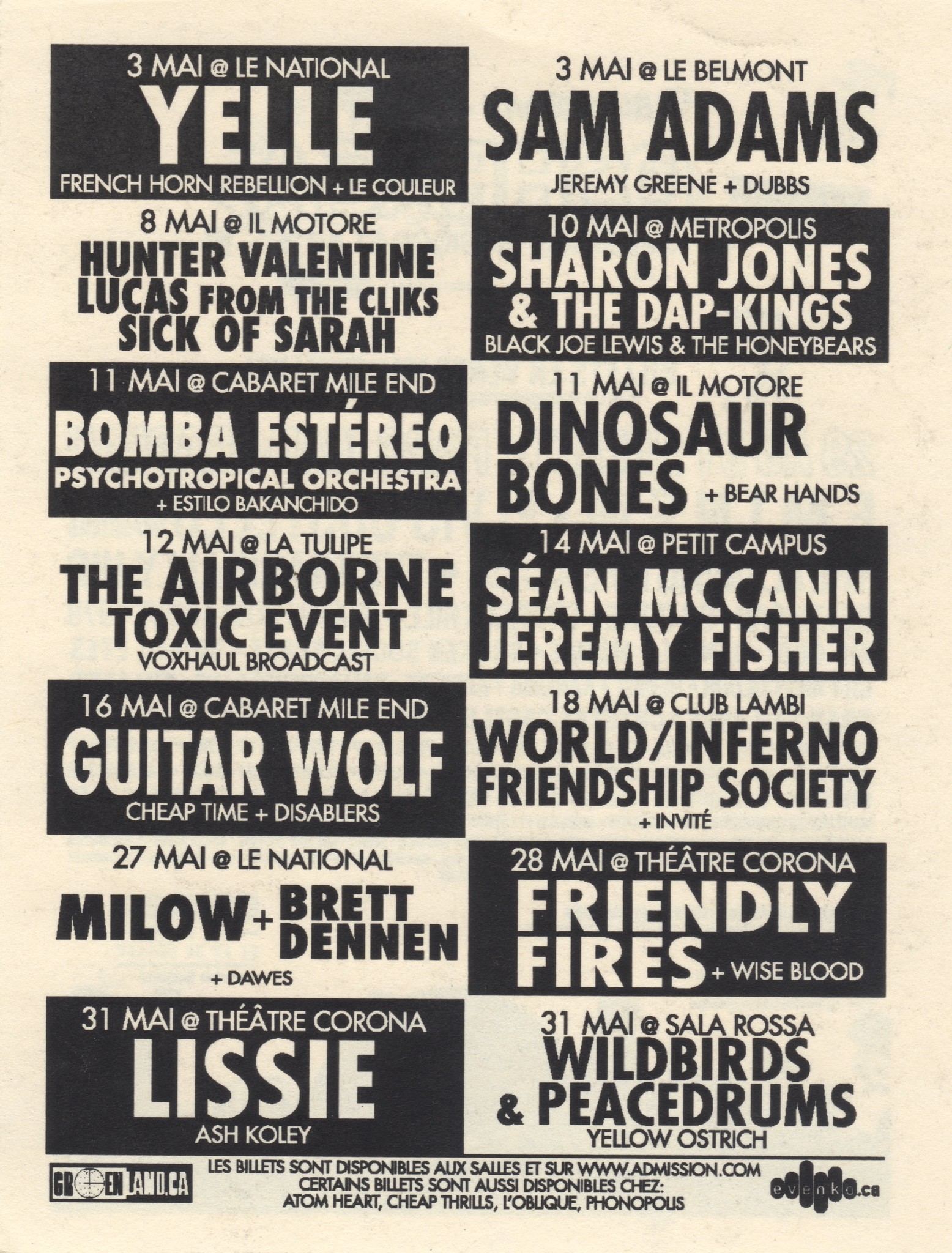
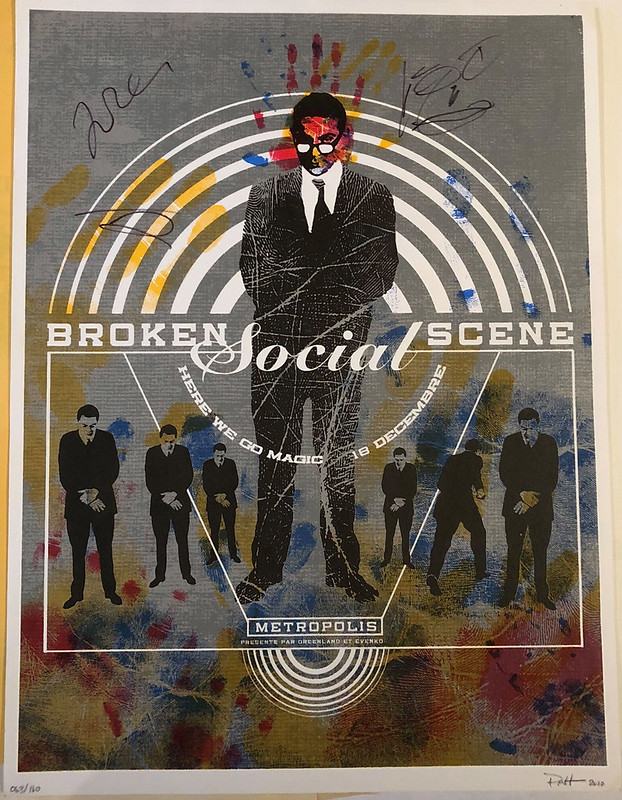
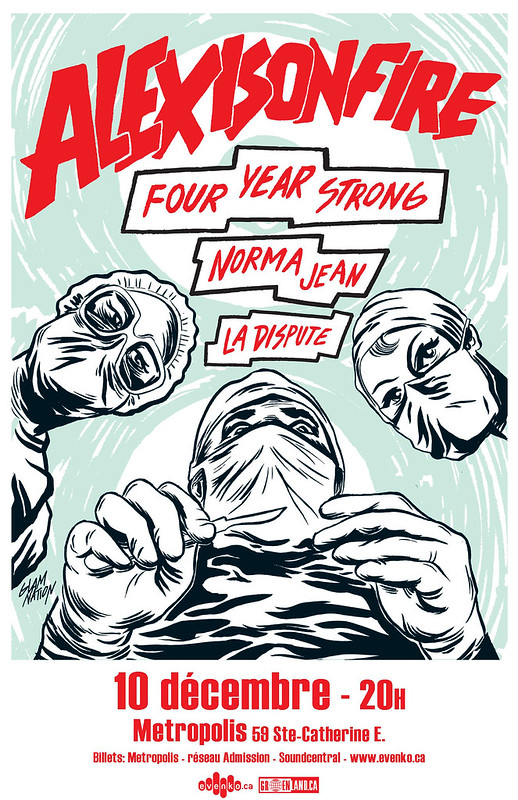
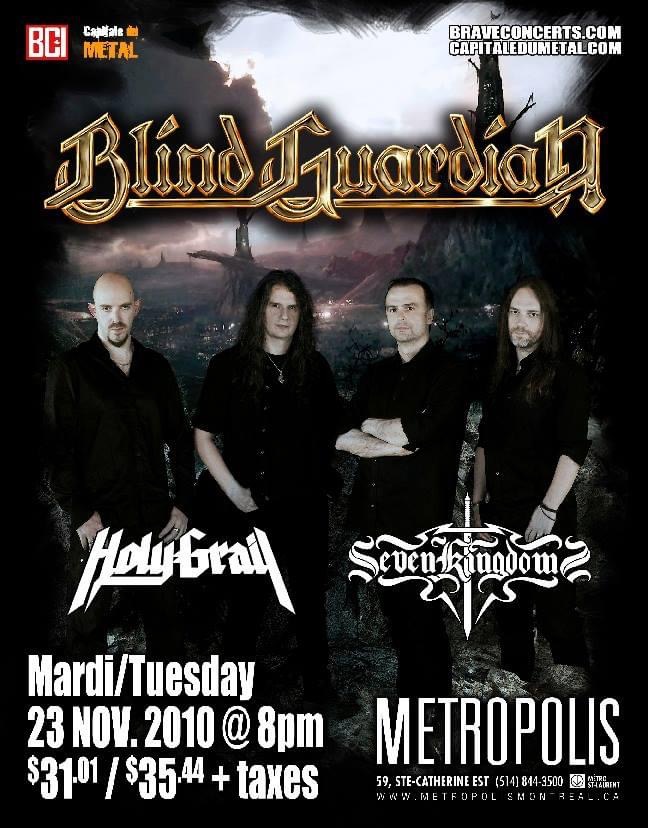
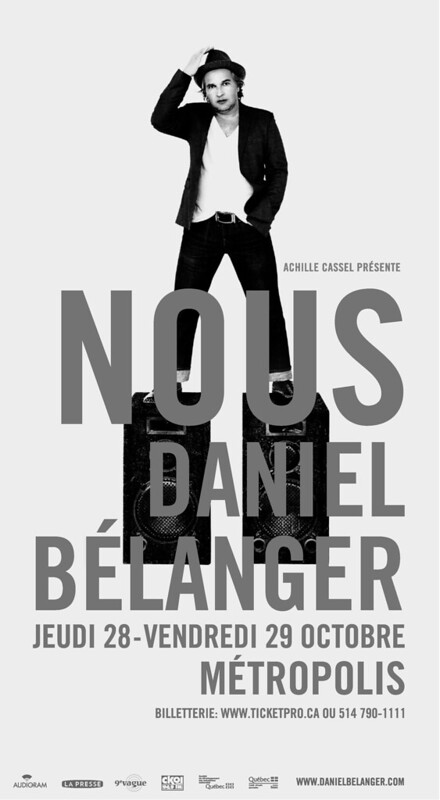
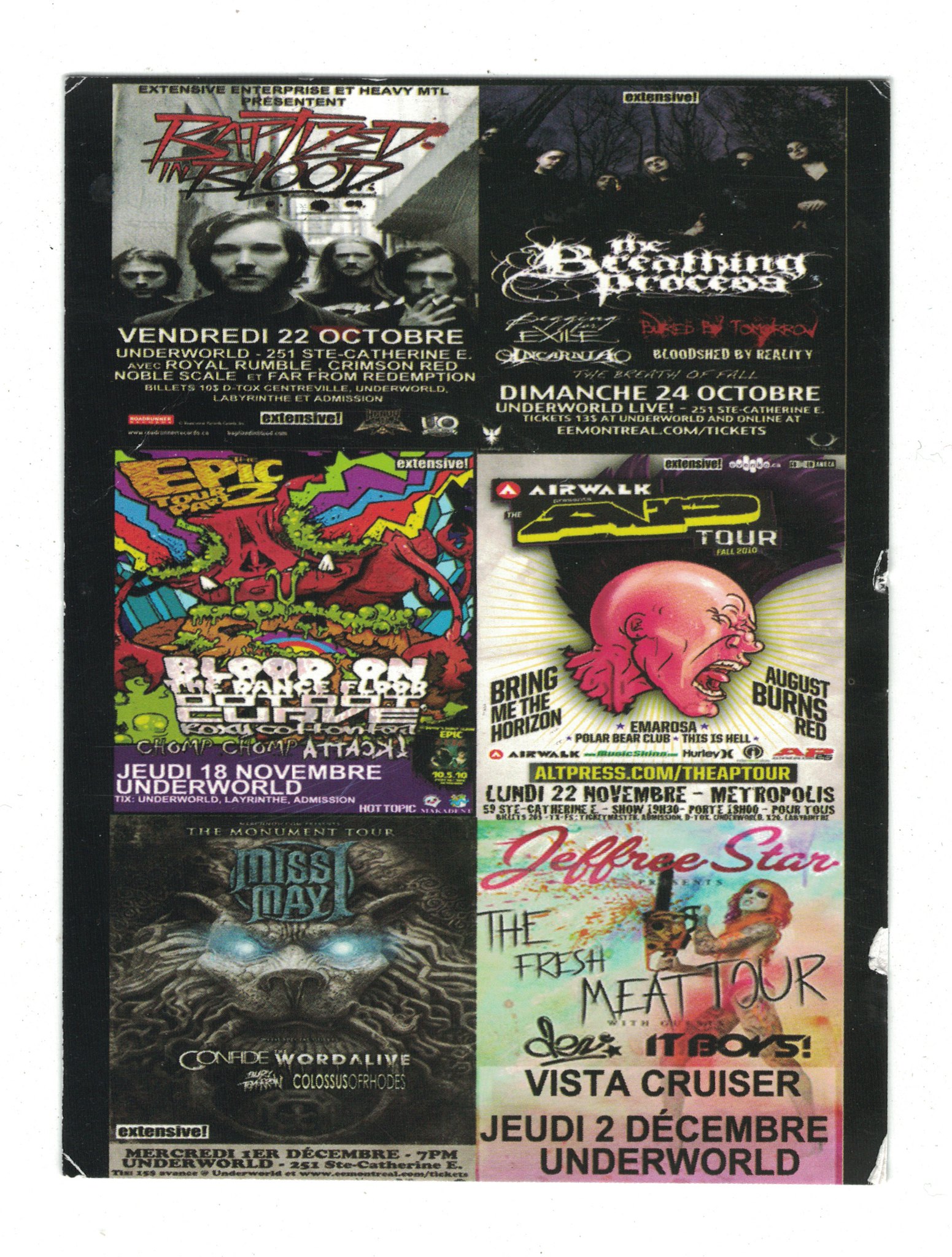
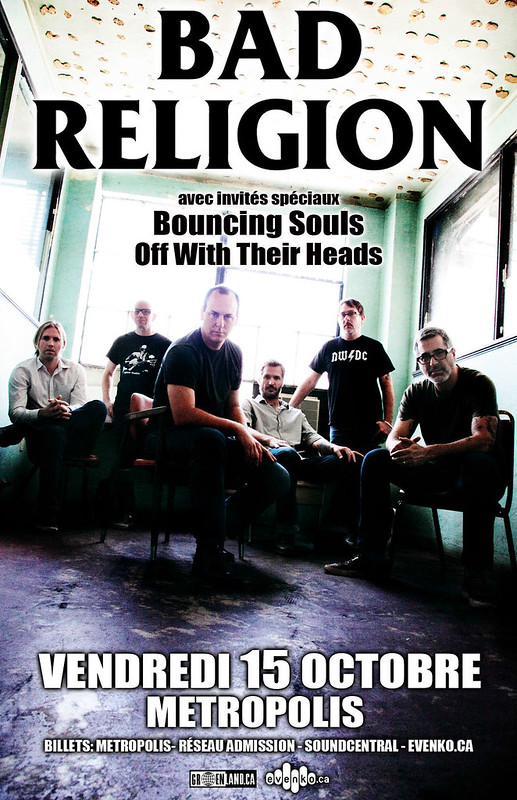
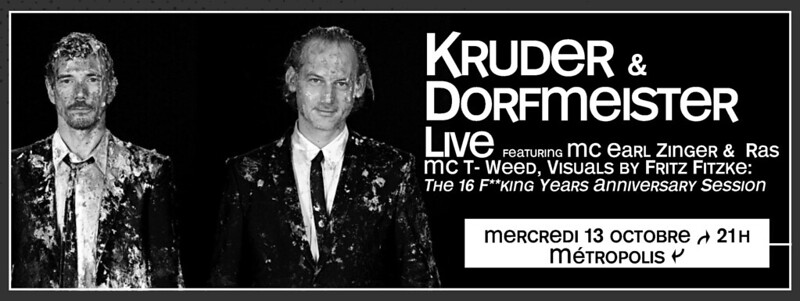
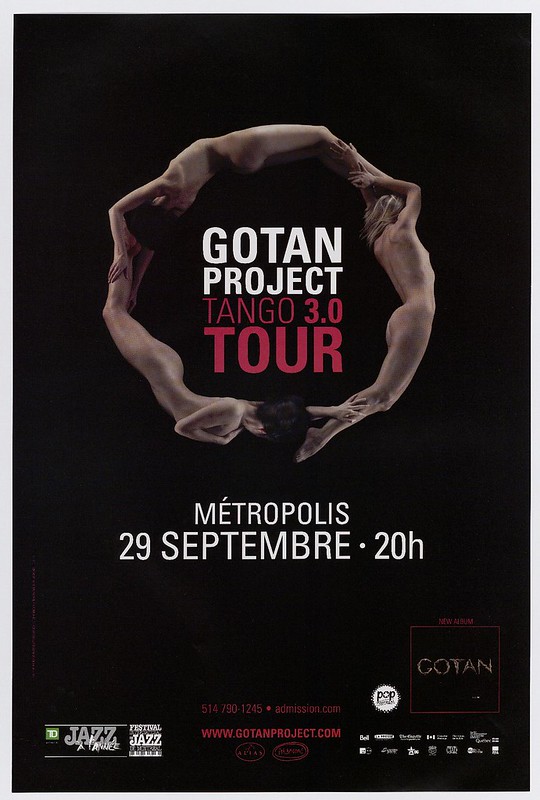
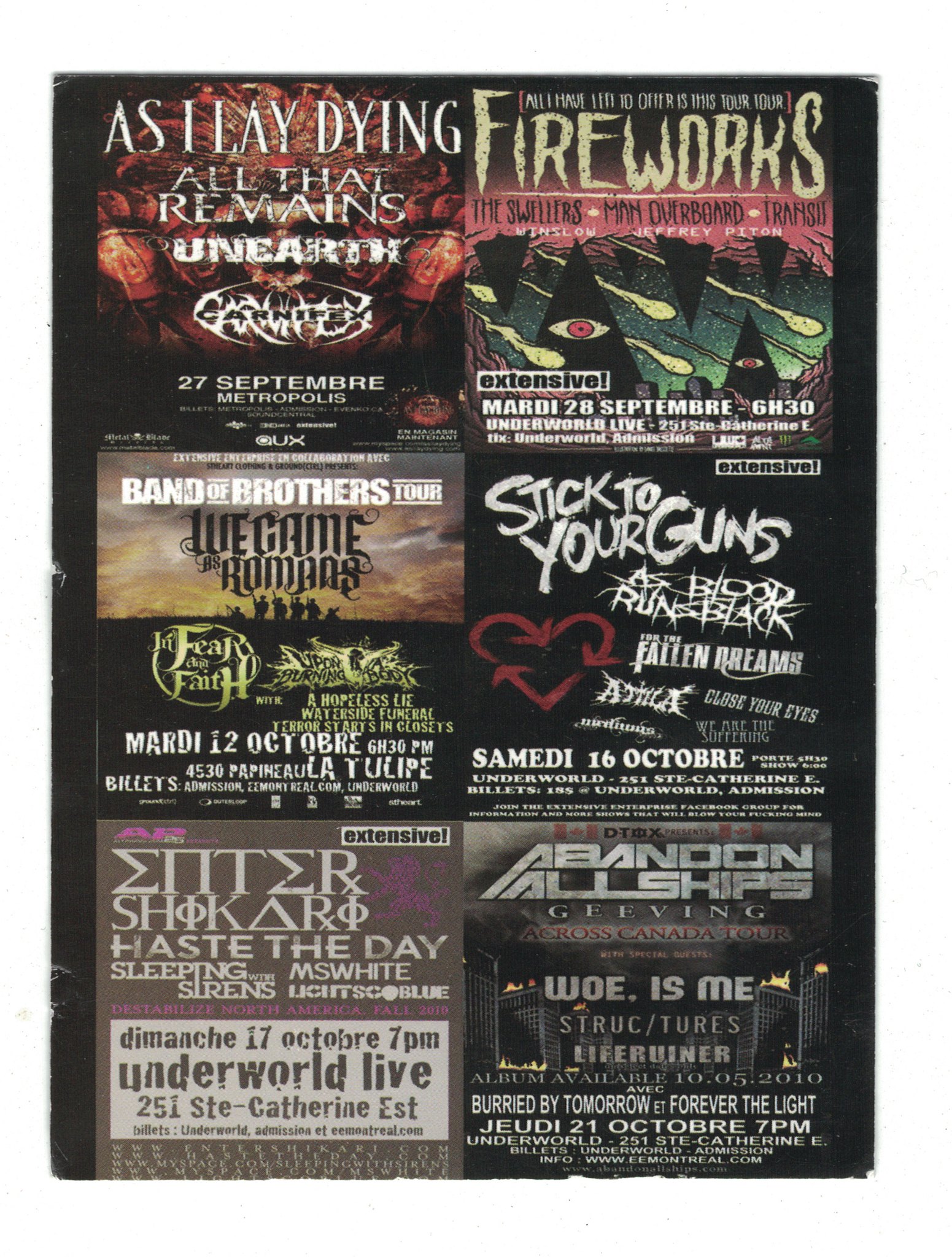
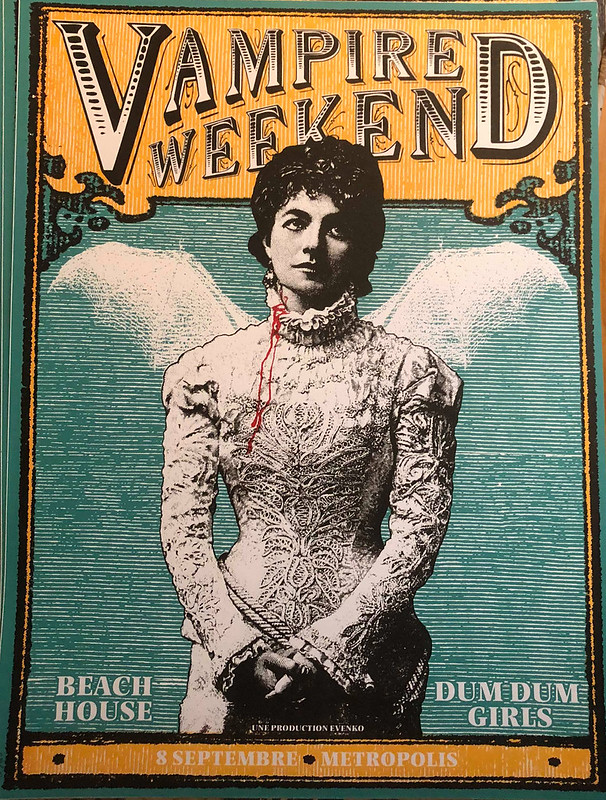
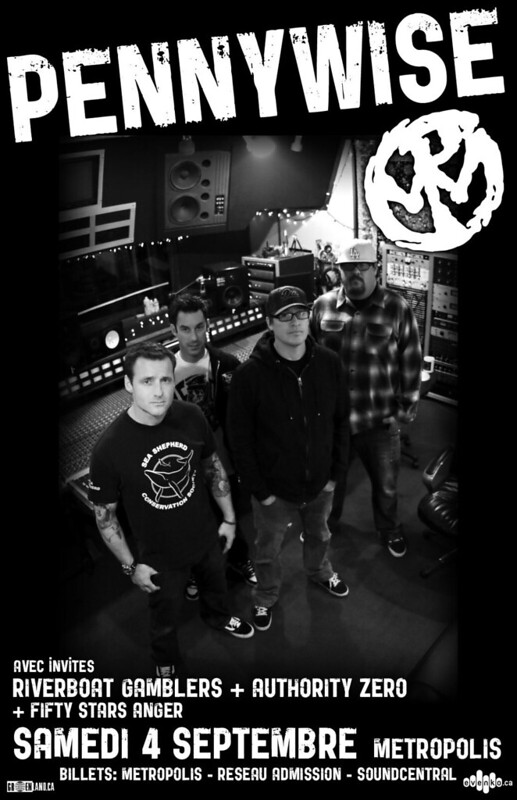
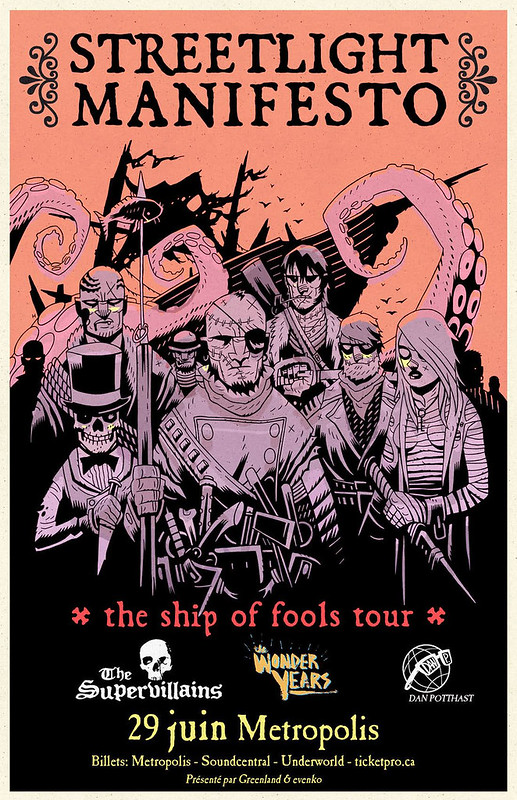
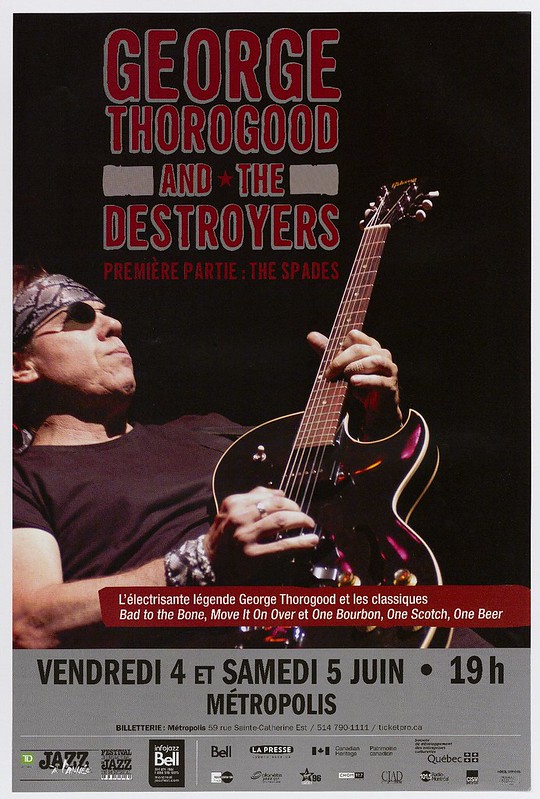
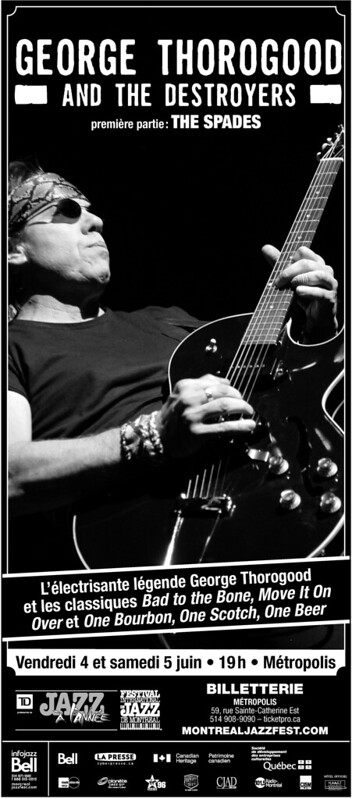
From its earliest years, the Métropolis distinguished itself through an eclectic programming strategy centered primarily on popular music, including rock, pop, hip-hop, electronic music, and major international tours. The venue quickly became a key stop for touring artists, positioned between smaller clubs and large arenas.
Cultural journalists frequently described the Métropolis as an ideal transitional venue, offering sufficient capacity while maintaining a sense of proximity between performers and audiences. This configuration contributed to its reputation as a site of memorable and often decisive performances in the careers of many artists.
Over the 1990s and 2000s, the Métropolis established itself as a cultural institution in its own right. Beyond concerts, it hosted award galas, media premieres, special events, and large-scale television productions. Its location on Sainte-Catherine Street placed it at the heart of what would later be formally designated the Quartier des spectacles.
Unlike newly built venues, the Métropolis occupied a structure shaped by more than a century of entertainment history. Although this depth was not always foregrounded in official communications, it endowed the venue with a distinctive historical density. The Métropolis thus became the modern heir to a long lineage of leisure, theatre, and cinema on the same site.
Gilles Larivière
Gilles Larivière occupies a decisive place in the recent history of the Montréal Métropolis. Co-founder of the Spectra group alongside André Ménard, he is among the key figures who, in the late 1980s, contributed to the lasting requalification of the building after several decades of functional instability.
During this period, the building on Sainte-Catherine Street East emerged from a long cycle of transformations—theatre, cinema, and later erotic cinema—that had weakened its cultural identity. Under the impetus of Spectra, and with the direct involvement of Gilles Larivière, the Métropolis was reimagined as a major concert venue dedicated to contemporary music, capable of welcoming both international artists and the emerging local scene.
A visionary producer, Larivière helped define the venue’s contemporary artistic mission and its integration into the ecosystem of major Montréal festivals developed by Spectra, notably the Francos de Montréal, the Montréal International Jazz Festival, and other major cultural events. The Métropolis thus became a structural hub for music dissemination in Montréal, contributing to the city’s international profile from the 1990s onward.
Within the long history of the site—marked by successive uses ranging from a popular skating rink of the 19th century to major theatrical and cinematic institutions—Gilles Larivière emerges as one of the key figures in the transition to the modern era of live performance. His work firmly anchored the Métropolis within Montréal’s cultural landscape as a landmark venue for contemporary popular music, a status it would retain until its transformation into MTELUS in the 21st century.
7. MTELUS (2017– )
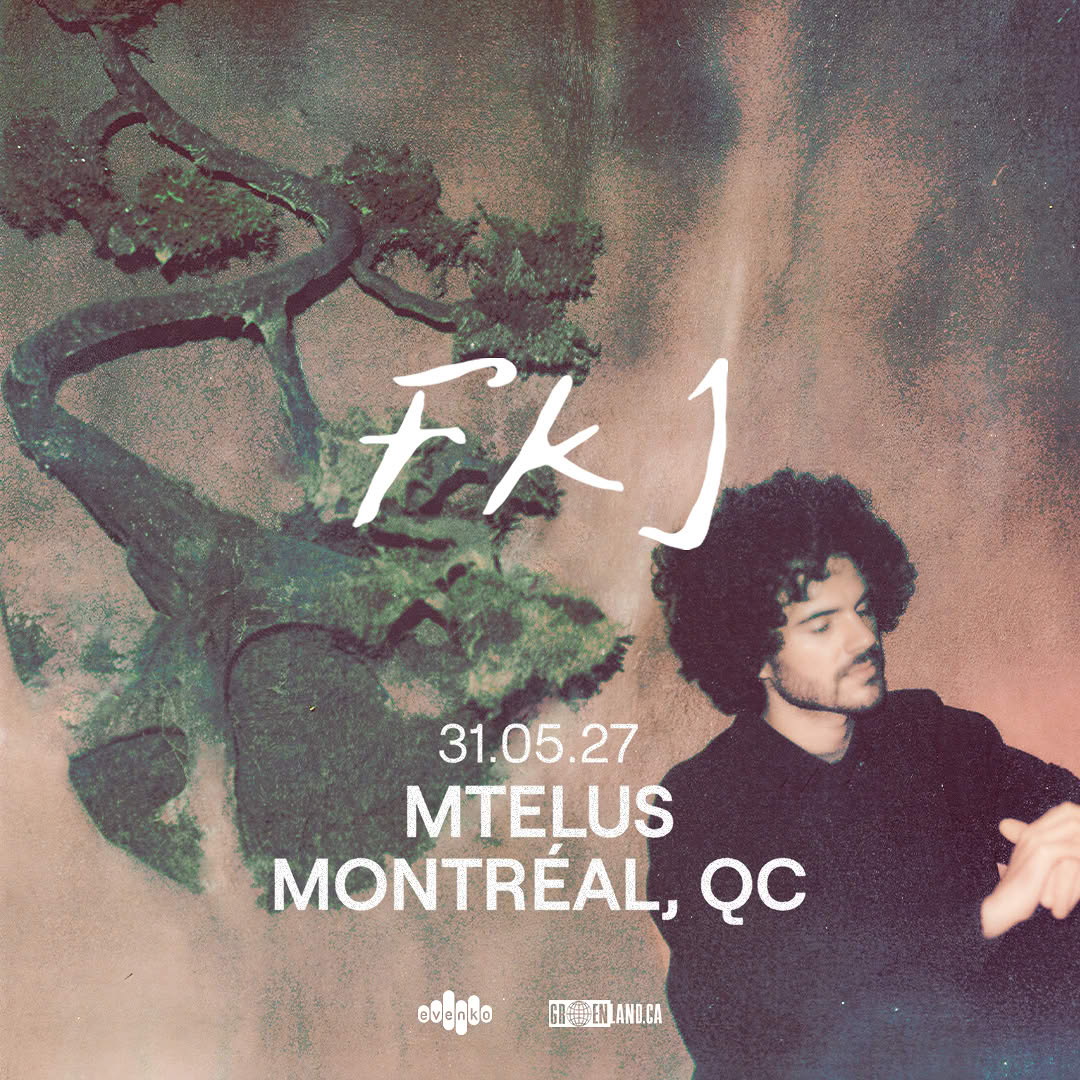
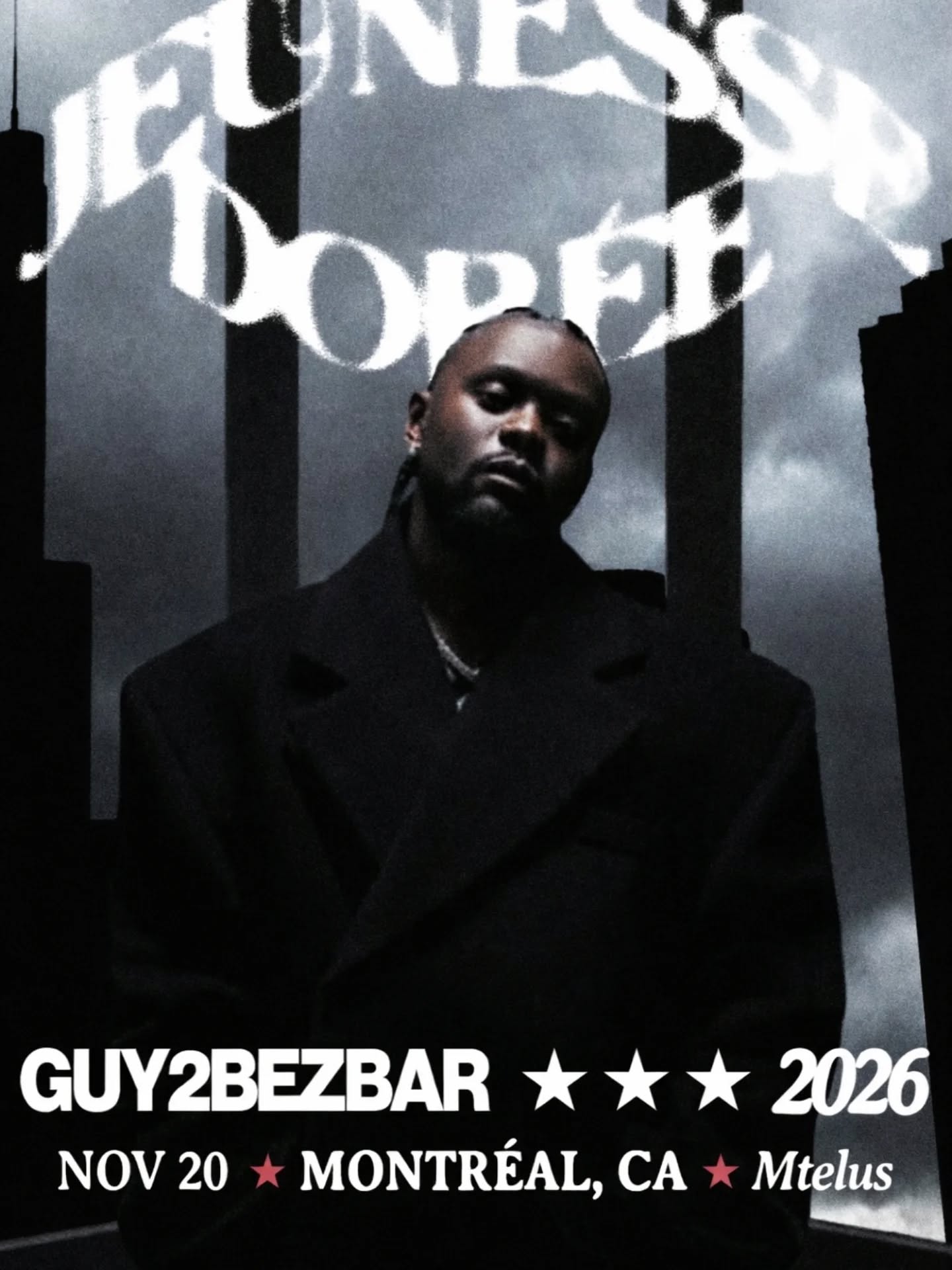
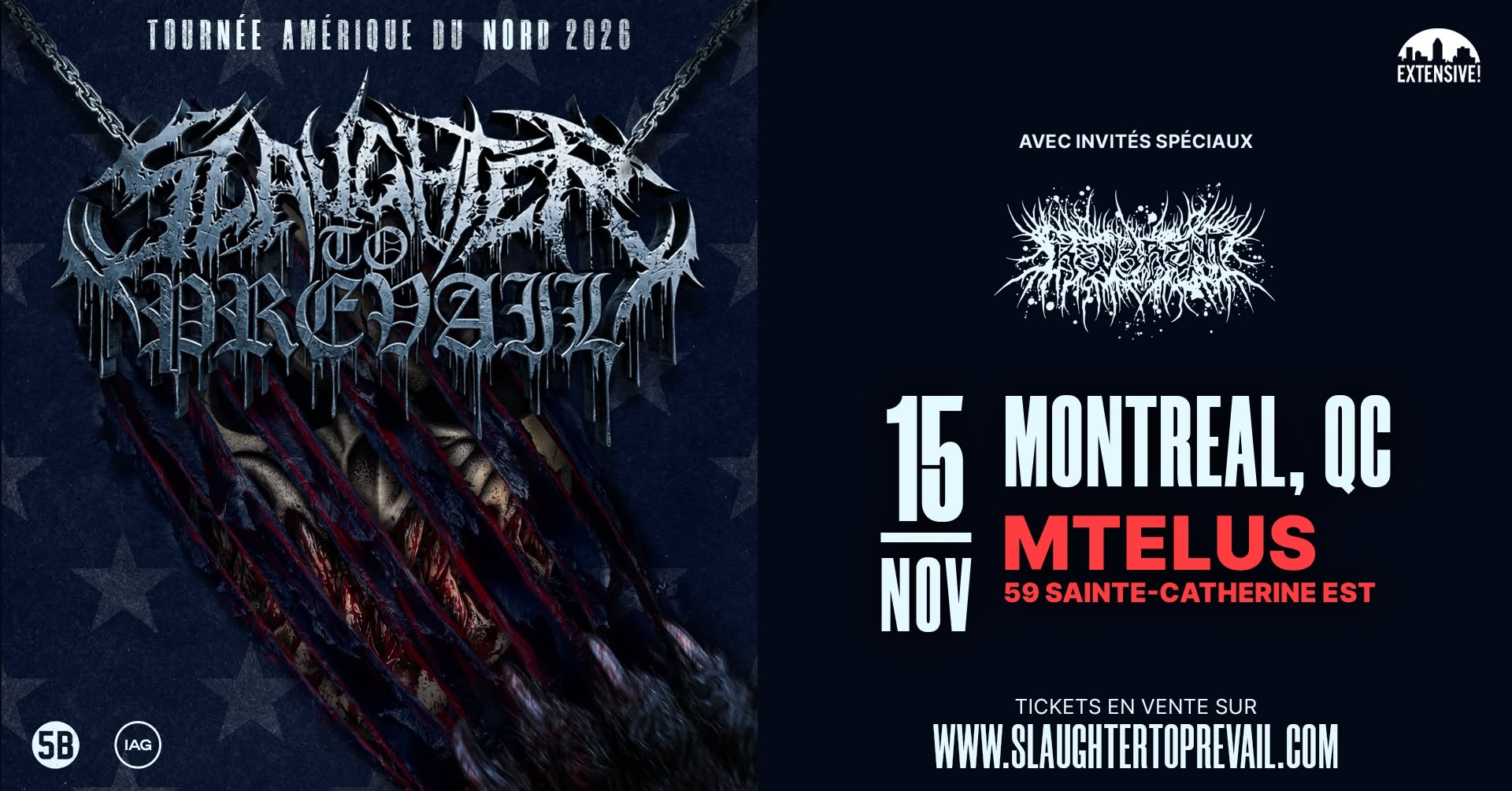
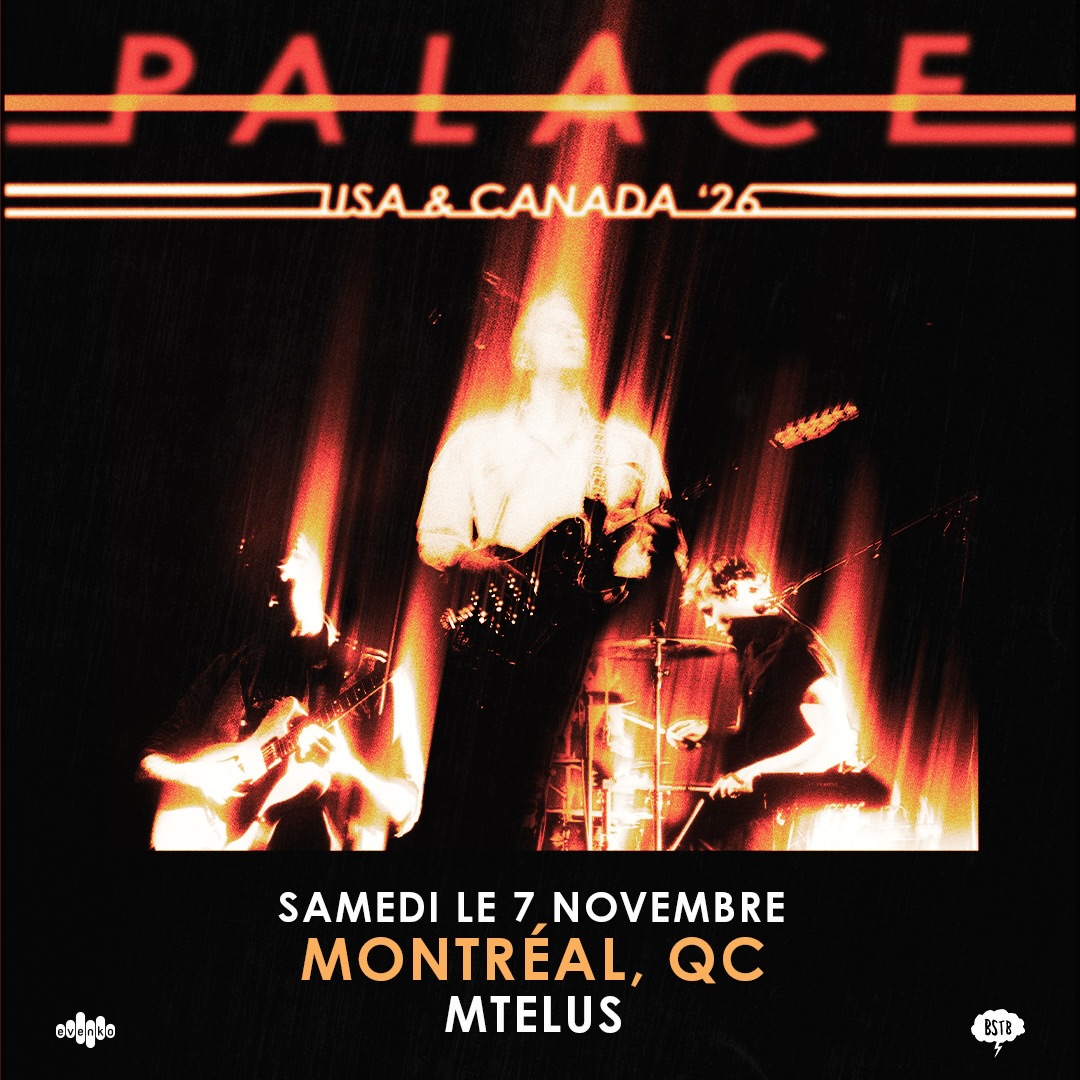
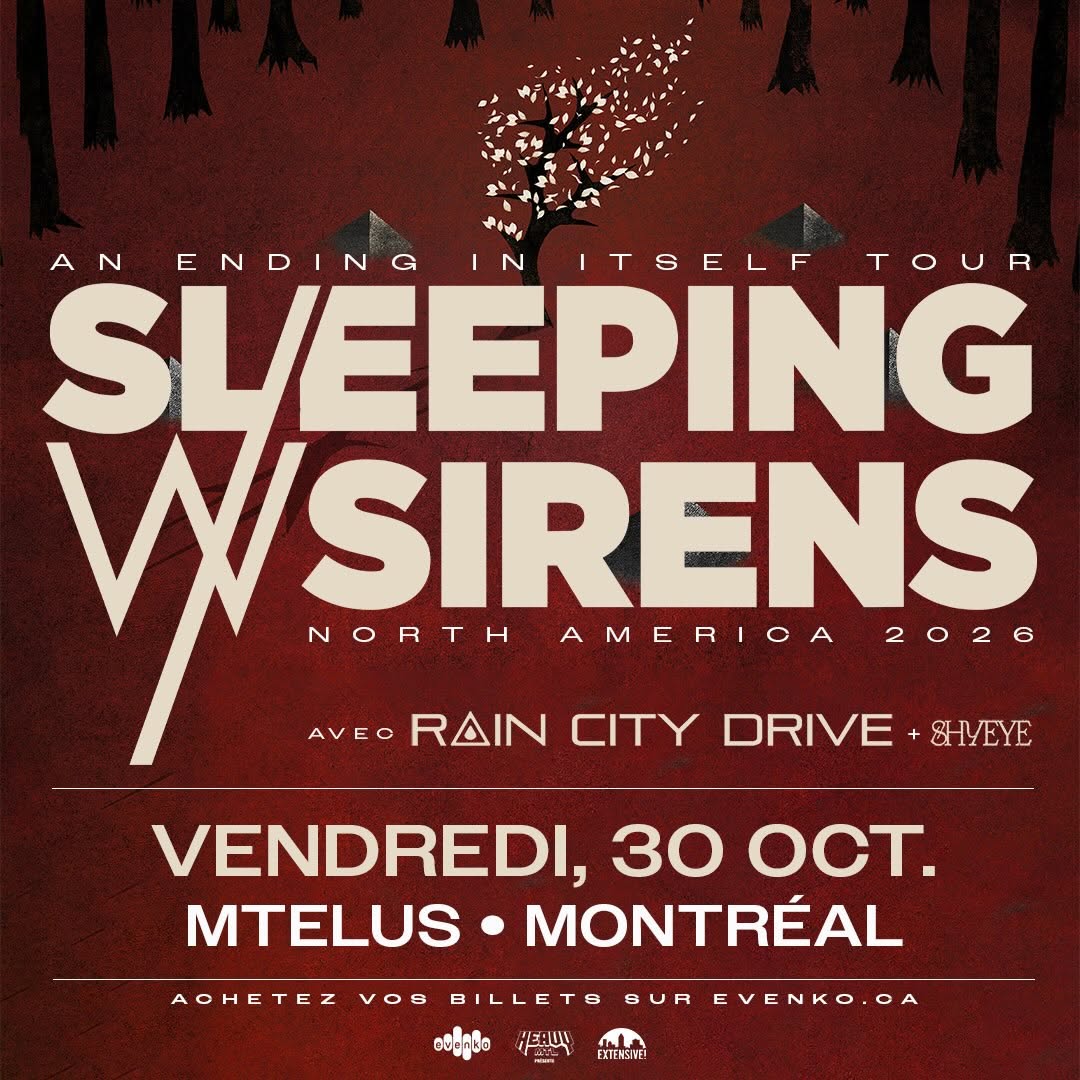
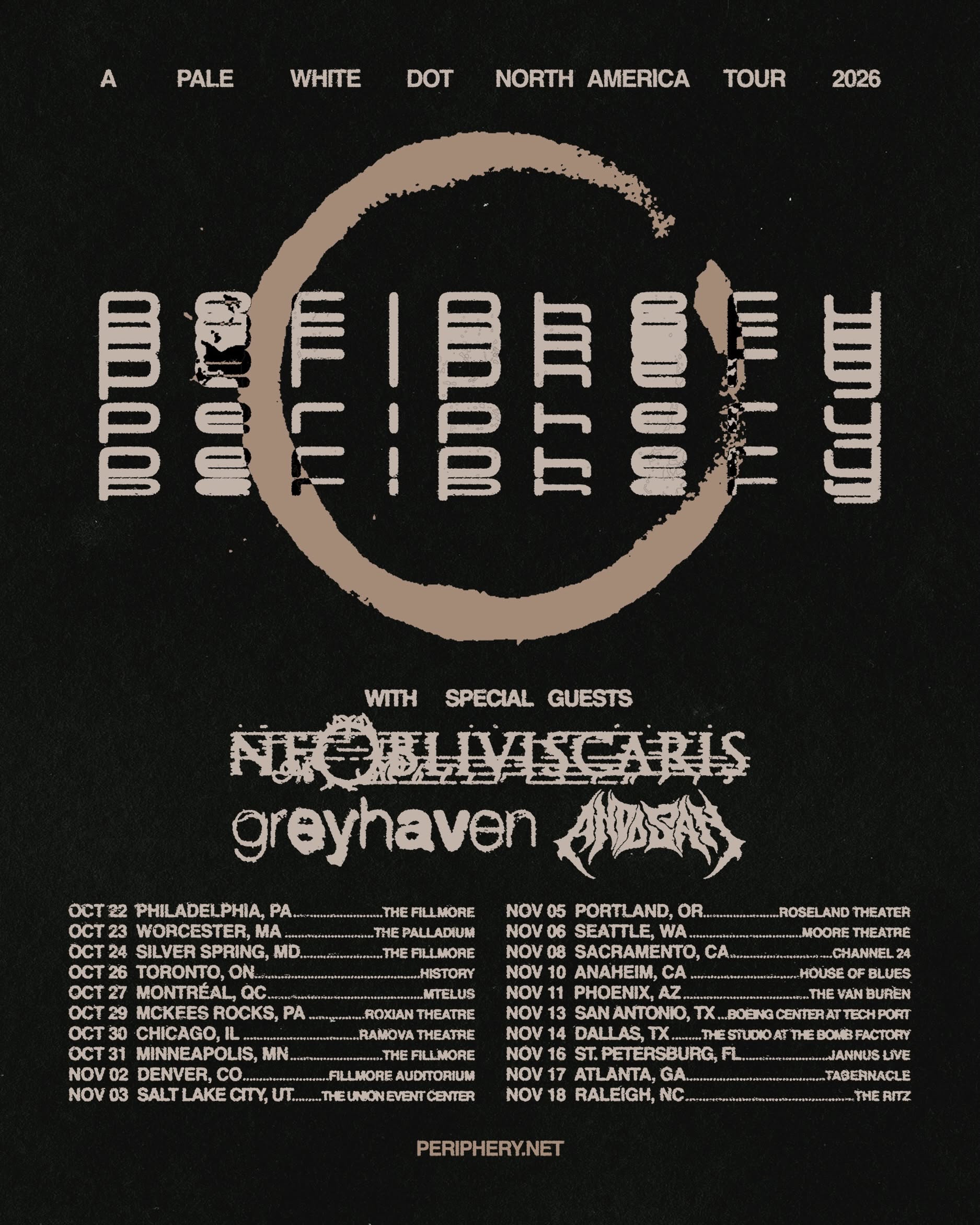
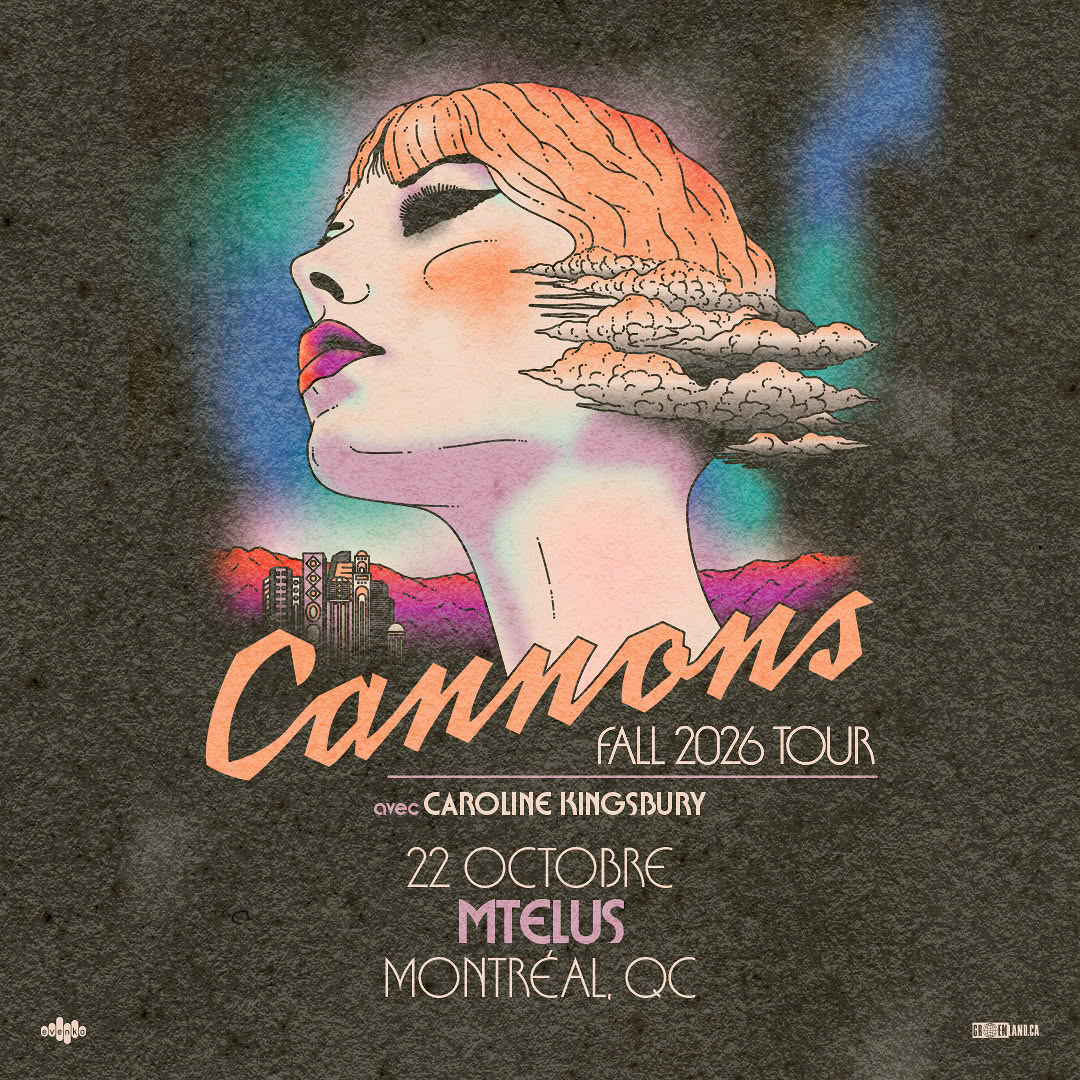
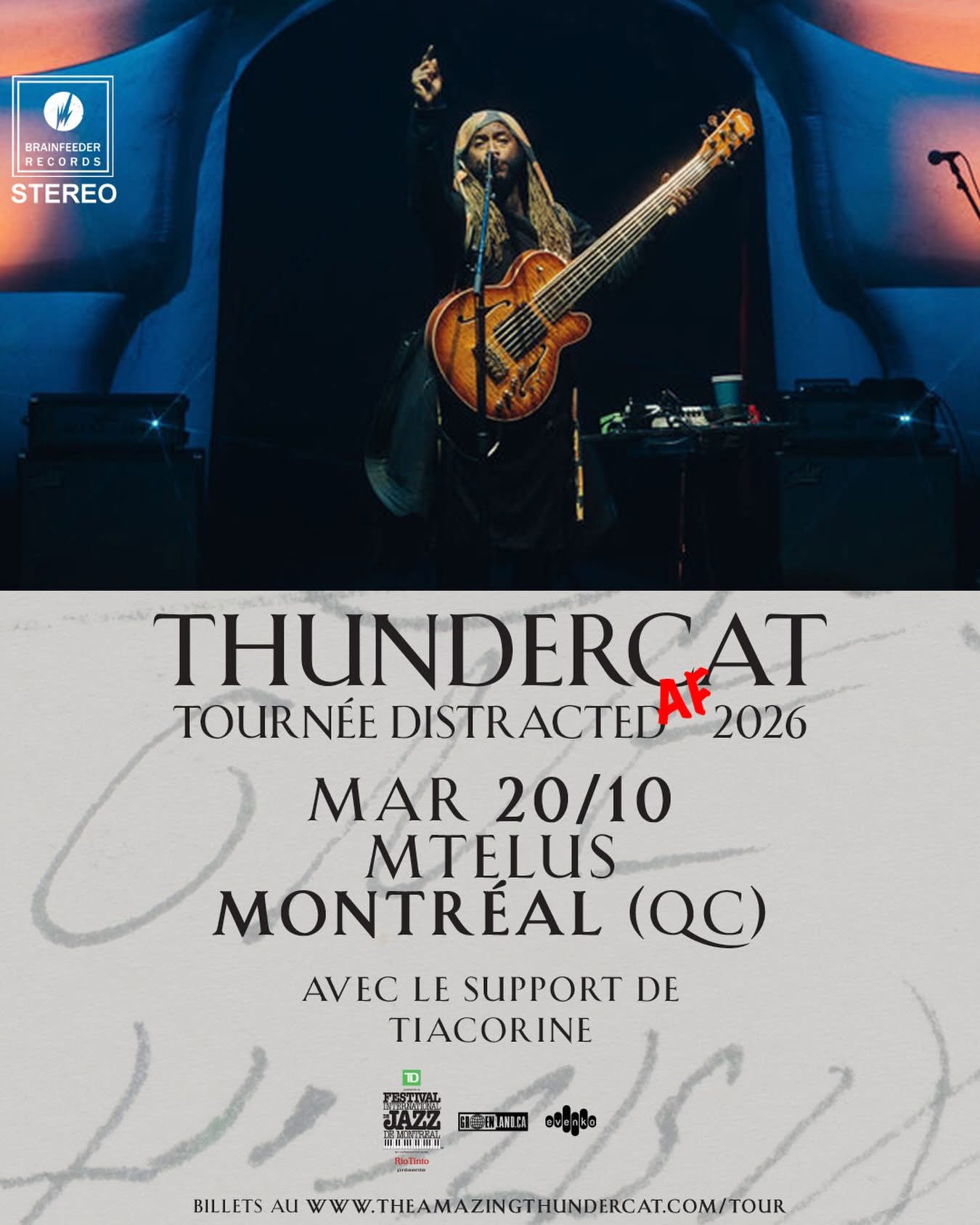
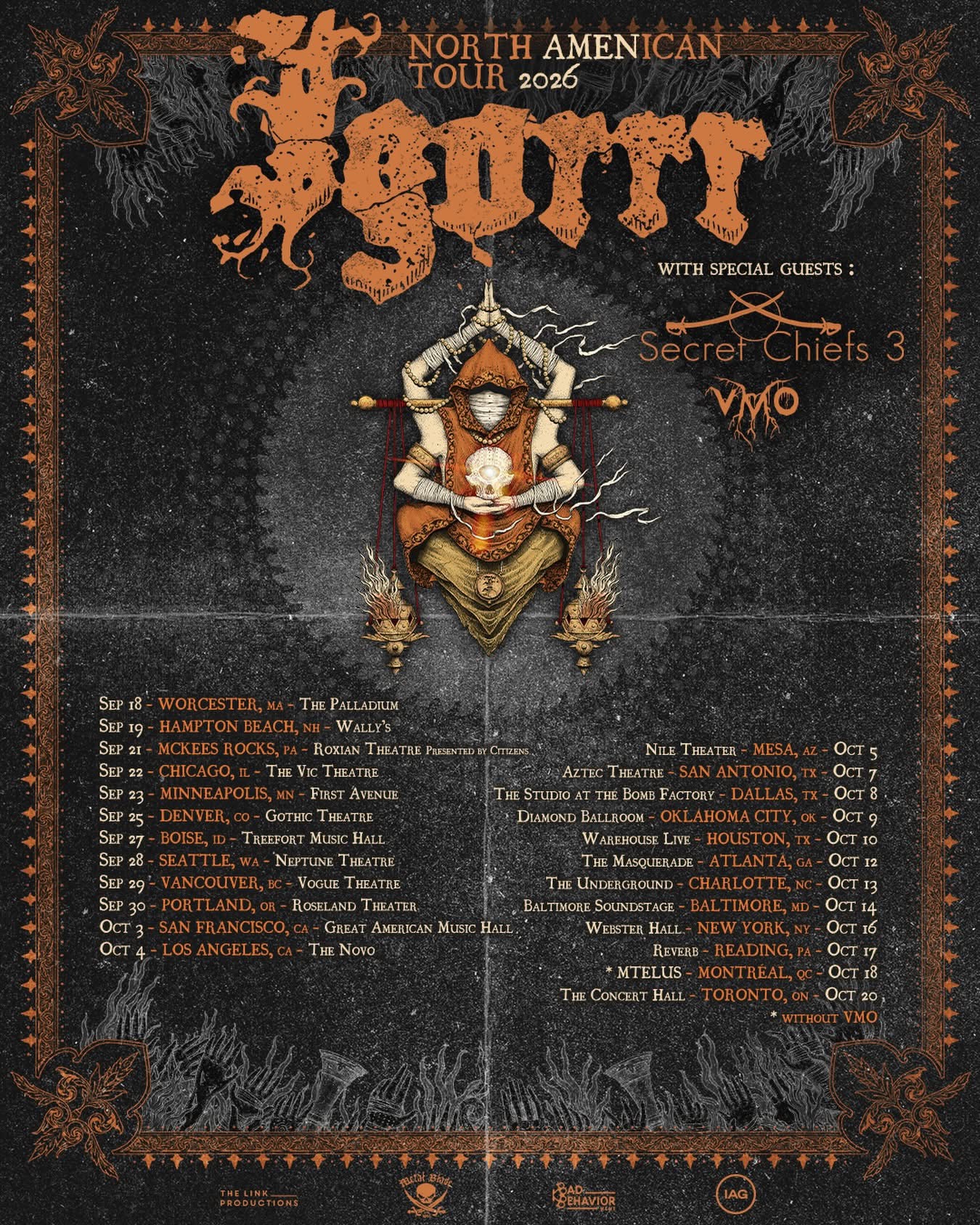
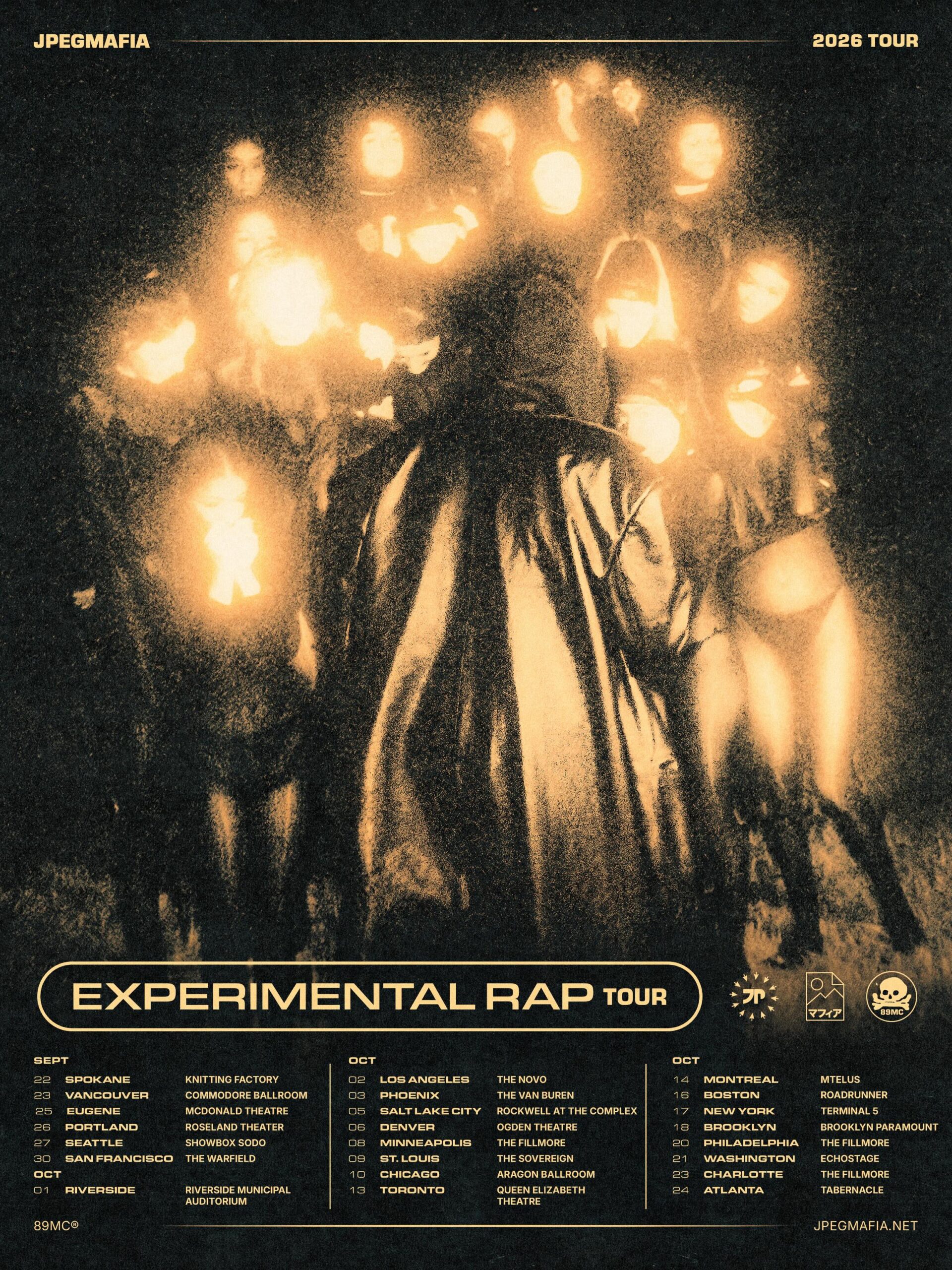
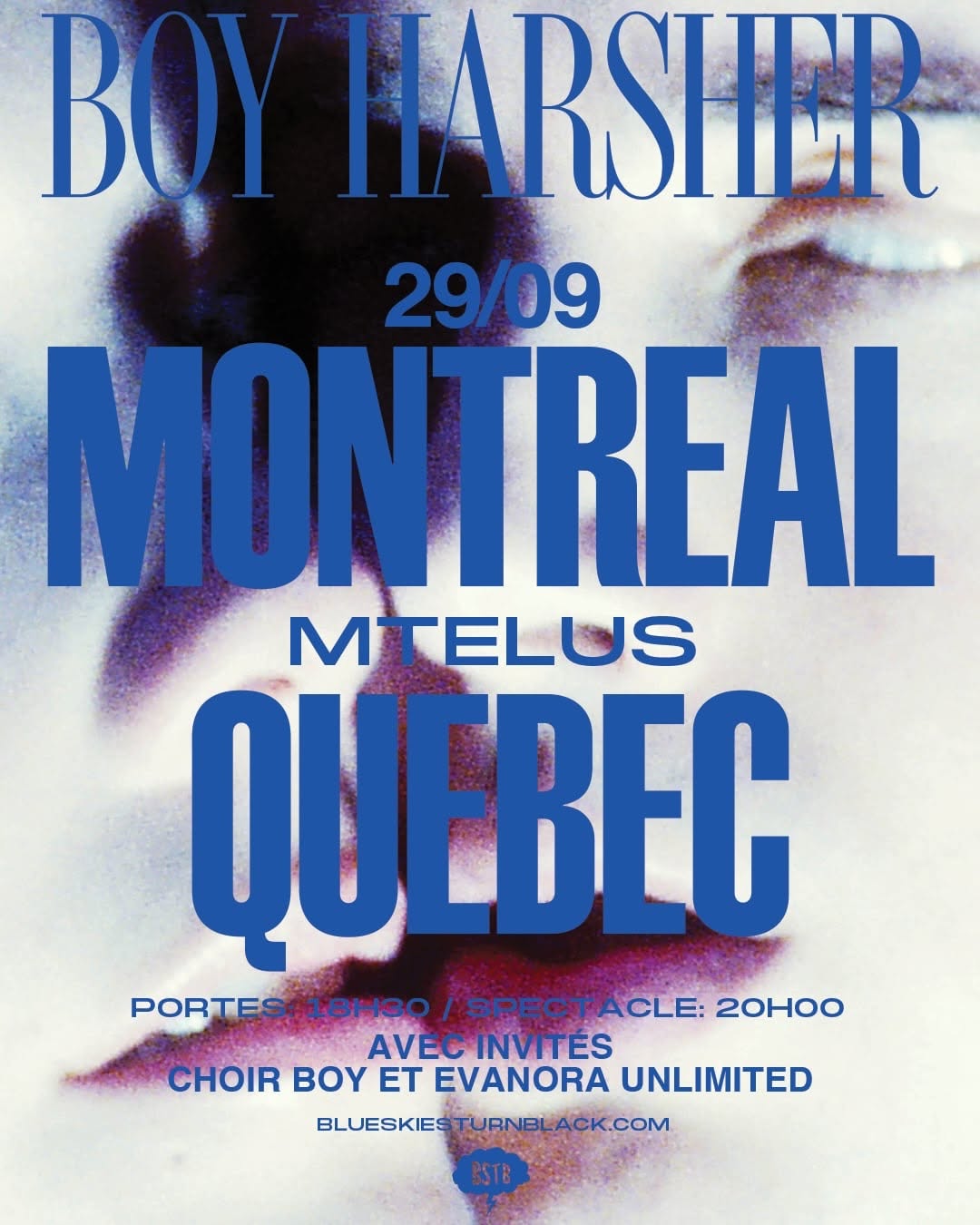
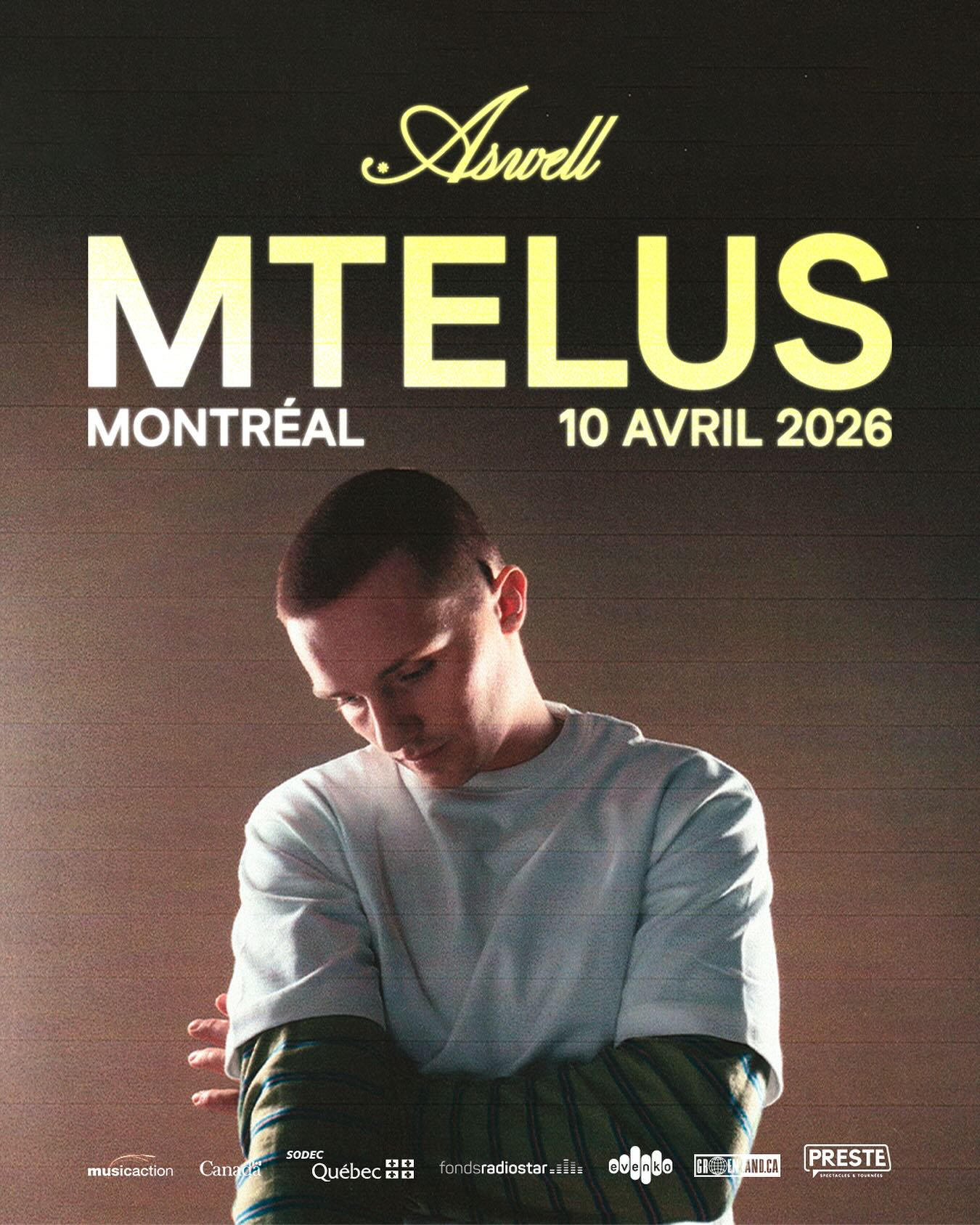
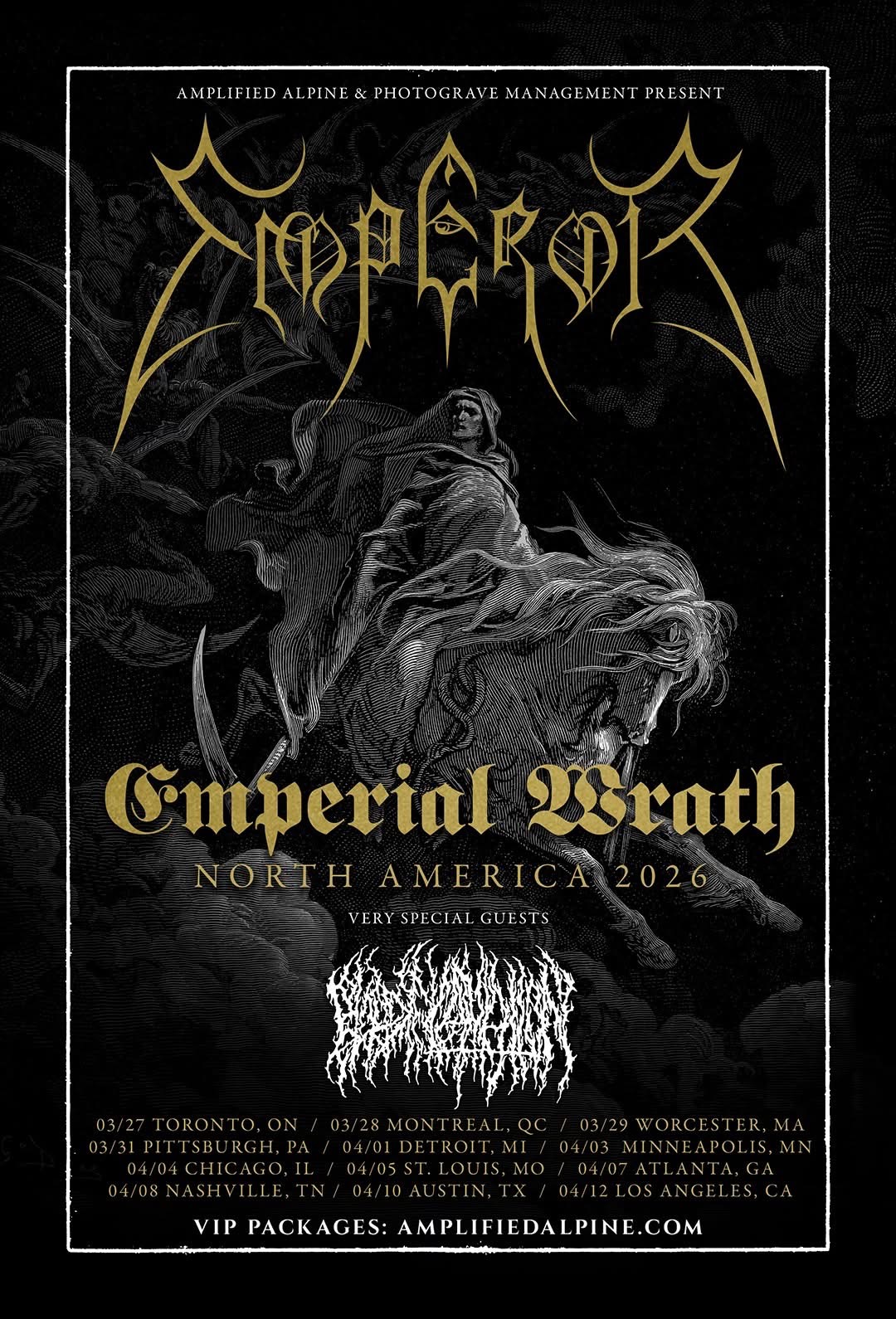
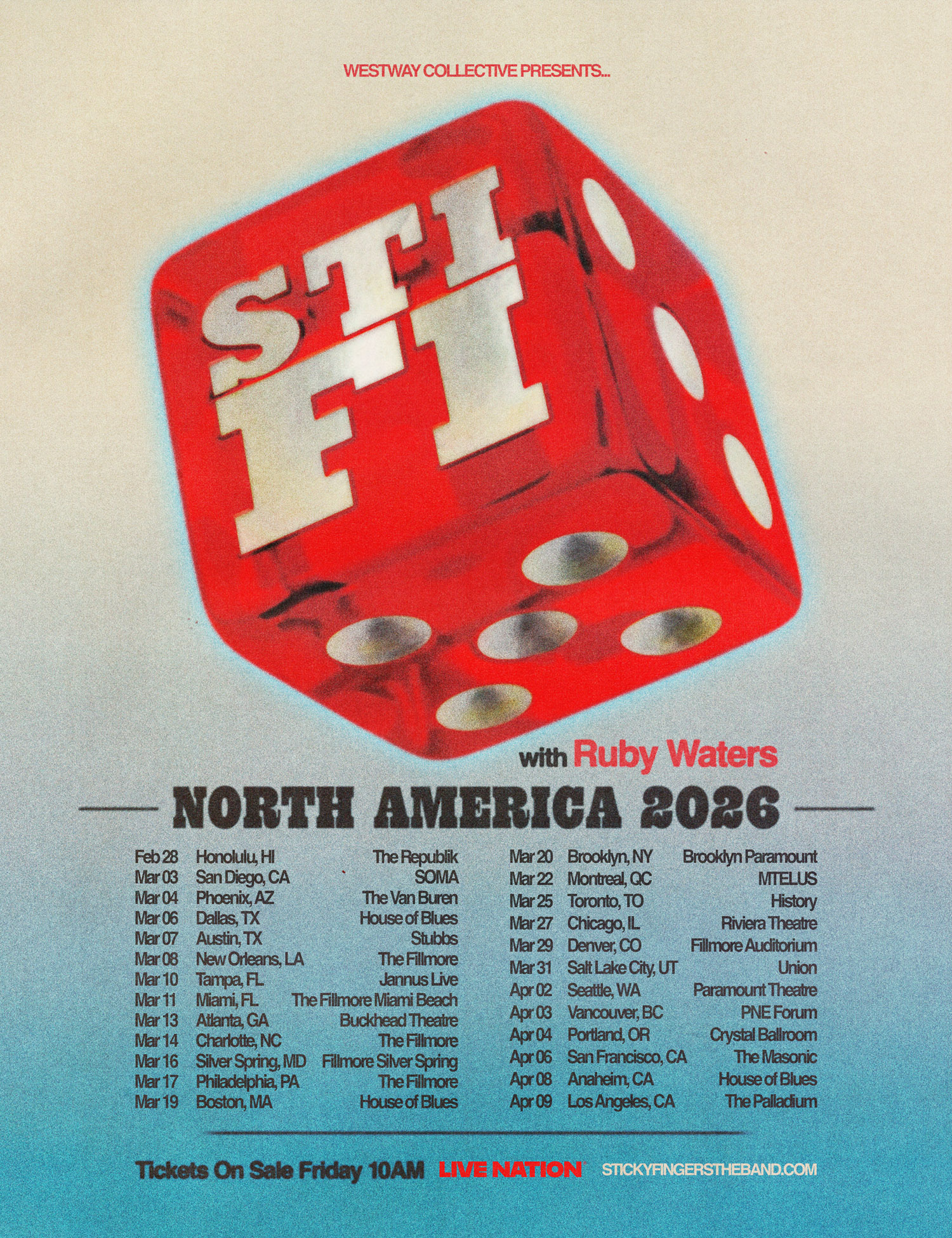
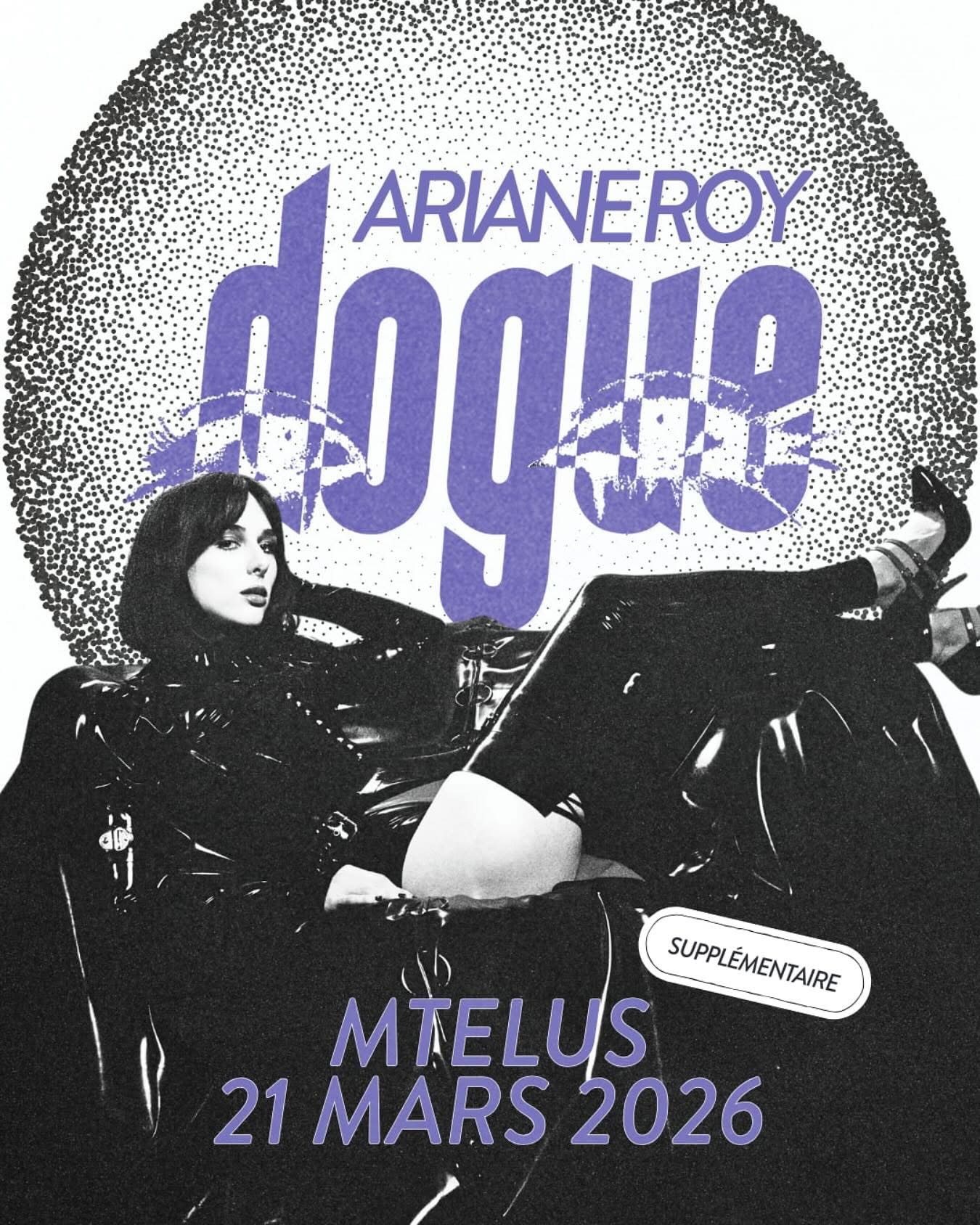
In 2017, the venue known for three decades as the Métropolis entered a new phase with the adoption of the name MTELUS. The change resulted from a naming-rights sponsorship agreement, a practice now common among major performance venues across North America.
This rebranding did not entail a fundamental change in function or architecture. The venue retained its central role in Montreal’s cultural landscape, continuing to host concerts, international tours, and high-profile events. Press coverage emphasized continuity, noting that despite the disappearance of a name closely associated with recent memory, the space itself remained instantly recognizable.
The adoption of the MTELUS name introduced a symbolic tension between corporate modernity and historical depth. Behind the contemporary branding lies a building shaped by more than 140 years of successive uses, from skating rinks and popular museums to theatres, cinemas, and concert halls.
Fully integrated into the Quartier des spectacles, MTELUS now operates in close proximity to other major cultural institutions. Its continued activity reinforces the site’s long-standing role as a focal point for public gathering, performance, and urban nightlife in downtown Montreal.
8. Detailed Chronology
Prior to the early 1880s, the address at 185 Saint-Dominique Street does not appear in the Lovell directories as a site of entertainment. From 1882 to 1888, the Marquis of Lorne Skating Rink occupied the site, followed by the Dominion Roller Skating Rink from 1888 to 1893. During this same period, the Grand Central Dime Museum and the Lyceum Theatre introduced popular spectacle and variety entertainment.
The brief Empire Theater phase in 1893–1894 marked the first explicit attempt to structure the site as a formal theatre. It was followed by the Opéra Français and, from 1896 onward, the long-running Théâtre Français. A major fire in 1900 interrupted operations, but the theatre reopened in 1901 and continued until 1920.
The integration of the site into the Loew’s cinema circuit in 1921–1924 introduced industrial cinema and transnational programming. Afterward, the Théâtre Français name returned and remained associated with the building until 1970, a period marked by gradual decline and adaptation.
The Cinéma Éros era (1970–1982) constituted a sharp rupture, followed by abandonment until the reopening of the building as the Métropolis in 1987. Since 2017, the venue has operated under the name MTELUS, maintaining its function as a major concert hall.
9. Notes & Sources
Sources for this entry include the Lovell Street Directory, extensive coverage from Montreal newspapers such as The Gazette, La Presse, The Montreal Star, Le Devoir, and Le Petit Journal, as well as archival advertisements, fire reports, and contemporary cultural commentary documenting each phase of the site’s evolution.
Together, these materials allow for the reconstruction of one of Montreal’s longest continuously active entertainment sites, whose layered history reflects broader transformations in urban leisure, cultural institutions, and public taste from the nineteenth century to the present day.
Notes & Sources
- Morning Chronicle and Commercial and Shipping Gazette, Skating Rink — Marquis of Lorne Skating Rink, January 9, 1879.
- The Daily Evening Mercury, Grand Concert of Welcome — Marquis of Lorne Skating Rink, June 9, 1879.
- The Montreal Star, Masquerade — Marquis of Lorne Skating Rink, January 8, 1881.
- The Montreal Star, Masquerade — Marquis of Lorne Skating Rink, January 18, 1881.
- The Montreal Star, The Harmonie Band — Marquis of Lorne Skating Rink, July 20, 1881.
- The Montreal Star, Marquis of Lorne Skating Rink, January 20, 1883.
- The Montreal Star, Amusements — Marquis of Lorne Skating Rink, November 6, 1883.
- The Montreal Star, Marquis of Lorne Skating Rink, December 21, 1883.
- The Montreal Star, Grand Central Dime Museum, May 17, 1884.
- Le Monde, Grand Central Dime Museum !, May 19, 1884.
- The Gazette, Grand Central Dime Museum, May 20, 1884.
- The Montreal Star, Grand Central Dime Museum, May 20, 1884.
- The Gazette, Grand Central Dime Museum, June 2, 1884.
- The Gazette, Music and the Drama — Grand Central Dime Museum, June 12, 1884.
- The Montreal Star, Entertainment on behalf of the French sufferers from Cholera — Grand Central Dime Museum, August 27, 1884.
- The Montreal Star, Marquis of Lorne Skating Rink, December 12, 1885.
- The Montreal Herald and Daily Commercial Gazette, Before the Recorder — Marquis of Lorne Skating Rink, March 27, 1888.
- La Presse, Ouverture du Théâtre Lyceum, January 30, 1886.
- The Gazette, Fancy Dress Carnival — Dominion Rink, January 27, 1888.
- The Gazette, At the Dominion Rink, December 14, 1888.
- Montreal Winter Carnival Program, The Great Winter Carnival of 1889 — Dominion Rink, February 4, 1889.
- The Montreal Star, Grand Fancy Dress Carnival — Dominion Rink, February 20, 1889.
- The Montreal Star, Skating — Dominion Rink, December 9, 1890.
- The Gazette, Lyceum Theatre, June 1, 1891.
- The Gazette, Music and the Drama — Lyceum Theatre, June 2, 1892.
- The Montreal Star, A demand against the management of the Lyceum, March 19, 1892.
- The Montreal Star, A license for the Lyceum, May 16, 1892.
- L’Étendard, Le Lyceum Theatre, September 23, 1892.
- The Gazette, A war of the paint brush — Dominion Rink, September 16, 1893.
- The Gazette, Mr. W. W. Moore’s Birthday — Opéra Français, October 18, 1895.
- Le Journal, Incendie désastreux — Théâtre Français, February 27, 1900.
- The Montreal Star, Théâtre Français Fire, March 7, 1900.
- The Montreal Star, Théâtre Français Burned, March 8, 1900.
- The Montreal Star, Mr. Ford Enters Suit — Théâtre Français, August 23, 1900.
- The Montreal Star, Théâtre Français Wall Fell, November 22, 1900.
- The Gazette, At the Playhouses: Opening of the Français, April 8, 1901.
- The Gazette, Théâtre Français Café, November 7, 1902.
- The Montreal Star, Theatre Français Changes Hands, July 17, 1924.
- The Montreal Star, Court Theatre to Open Shortly with Exclusive Pictures — Loew’s Court Theatre, August 27, 1921.
- The Gazette, Loew’s Court Theatre Will Be Inaugurated, September 6, 1921.
- The Montreal Star, New York Man Manager of the New Court Theatre, September 8, 1921.
- The Montreal Star, Theatre Français Reopened as Court Theatre for Films, September 10, 1921.
- The Gazette, Opening of the Court — Loew’s Court Theatre, September 10, 1921.
- La Presse, La technique au secours de l’amour — Eros, December 5, 1970.
- The Gazette, Grand Opening Tomorrow November 6 — Eros, November 5, 1970.
- Le Petit Journal, Finis les films de sexe! — Eros, September 12, 1971.
- The Montreal Star, Sexploitation Trade Goes Only Skin-Flick Deep — Eros, January 13, 1973.
- Le Soleil, Les meubles du Capitol devront rester au Québec — Eros, July 14, 1983.
- The Gazette, Métropolis Mega-Club Hopes to Recapture Spirit of the Past, January 3, 1987.
- The Gazette, Metropolis Scrambling for Its Opening, April 25, 1987.
- The Gazette, Cairo Professor in Westmount Synagogue — Metropolis, April 30, 1987.
- Le Devoir, Métropolis: la fièvre du méga-bar, May 1, 1987.
- The Gazette, The Lower Main — Metropolis, August 1, 1987.
- The Gazette, Architects Pick Year’s Best and Worst Buildings — Metropolis, December 19, 1987.
- La Presse, Jici Lauzon, je ne suis ni prétentieux ni grossier — Metropolis, February 23, 1991.
- La Presse, Les spectateurs ont d’abord cru à une blague du Capitaine Bonhomme — Metropolis, November 29, 1991.
- La Presse, Métropolis, une émission piratée ?, February 19, 1993.
- L’Opéra Français de Montréal, L’étonnante histoire d’un succès éphémère, Mireille Barrière, Édition Fides
-
Québec Business Registry (REQ)
According to the information statement filed with the Registre des entreprises du Québec (December 26, 2025), Evenko — registered under the name Société en nom collectif Evenko (NEQ 3375080283), also known as Evenko G.P. — is a general partnership constituted on December 12, 2019 and officially registered on December 13, 2019. Its head office is located at 1275 Saint-Antoine Street West, Montréal, and it reports between 50 and 99 employees in Québec, operating primarily within industry code 9631 – talent and performing arts agencies. The partnership’s stated purpose covers promotion, booking, production, advertising, marketing, sponsorship, artist development and management in the context of entertainment events, including concerts and large-scale festivals. It is owned and operated by its partners L’Aréna des Canadiens inc. (Montréal) and Live Nation Canada Inc. (Toronto). Its board of directors notably includes Geoffrey E. Molson (Chair), Andrew T. Molson, Wayne Zronik and Riley O’Connor. Over the years, the partnership has filed numerous annual and current updates (2020–2025) and has also declared multiple trade names used in Québec, including ÎleSoniq, Feu Feu / Fuego Fuego, Lasso, Osheaga (MC), as well as a series of venue-related names, such as MTelus, Le Corona / Théâtre Corona, Bar L’Étoile / L’ÉTOILE DIX-30, Théâtre Beanfield, STUDIO TD and Théâtre Manuvie (now listed as “former” / inactive names since February 28, 2025).