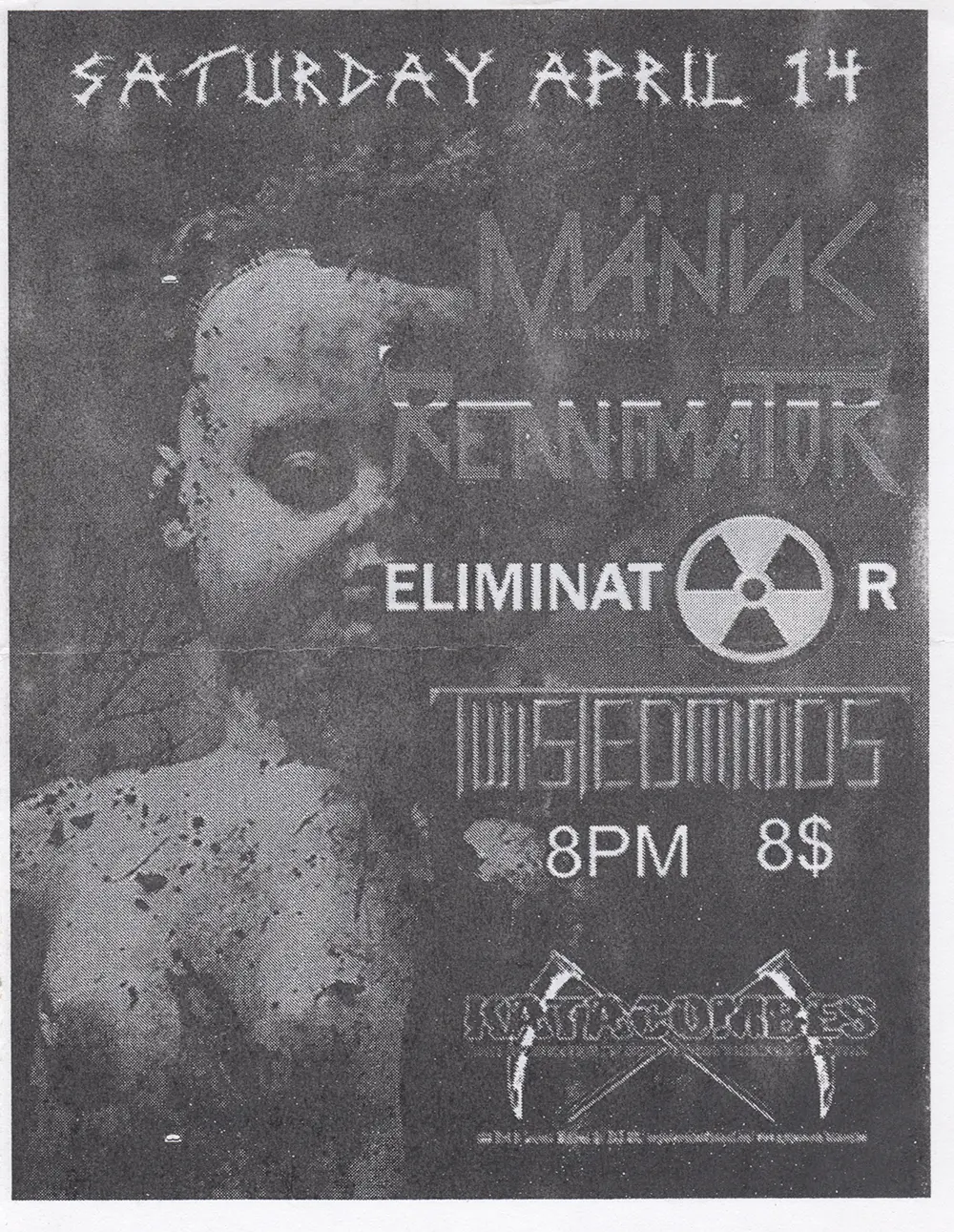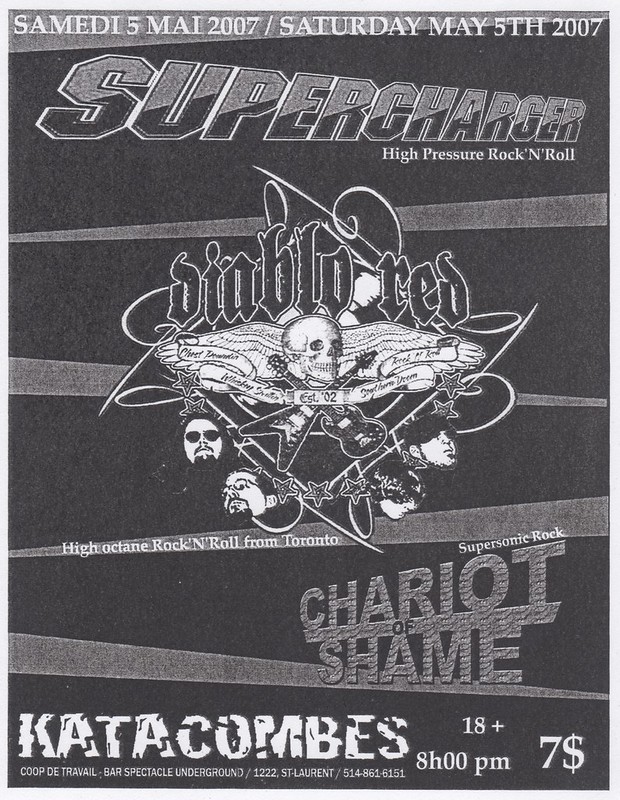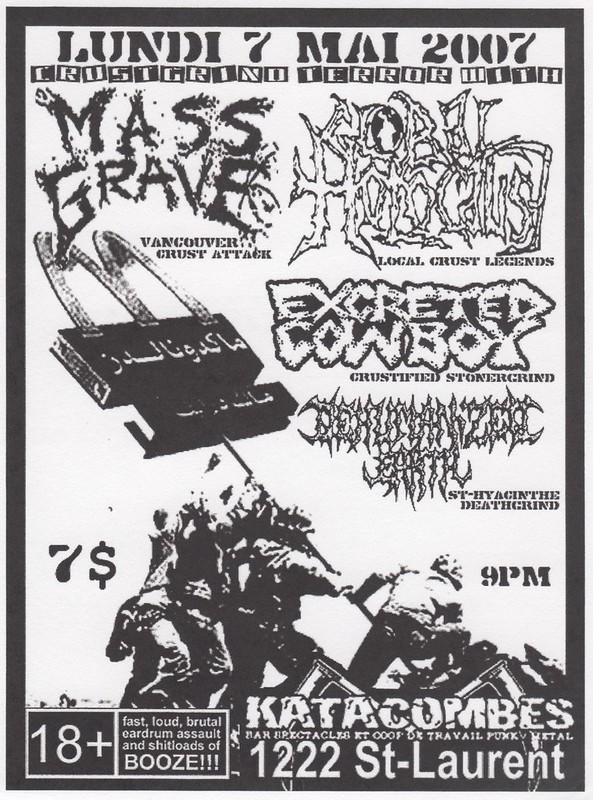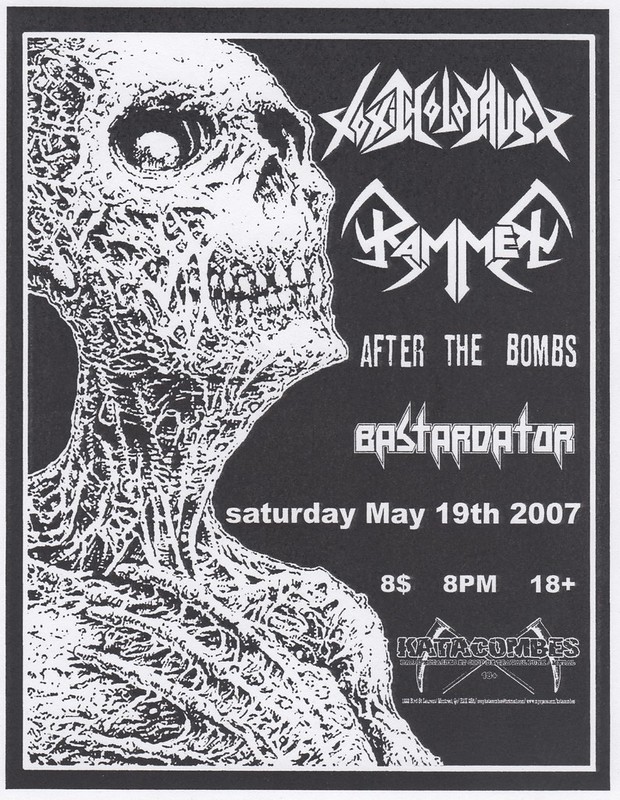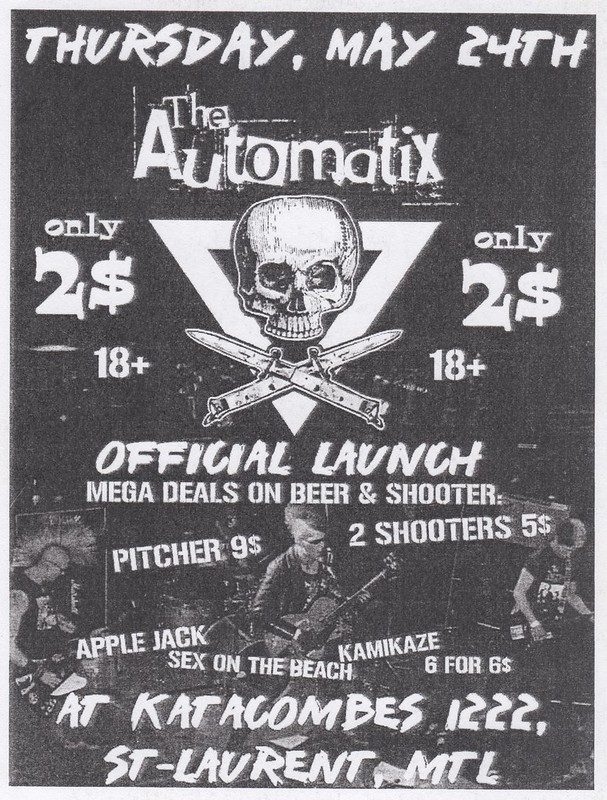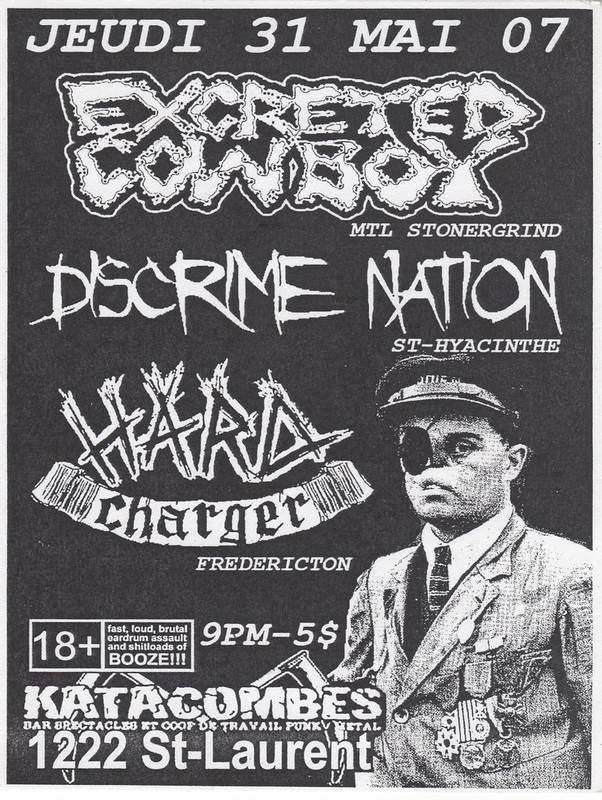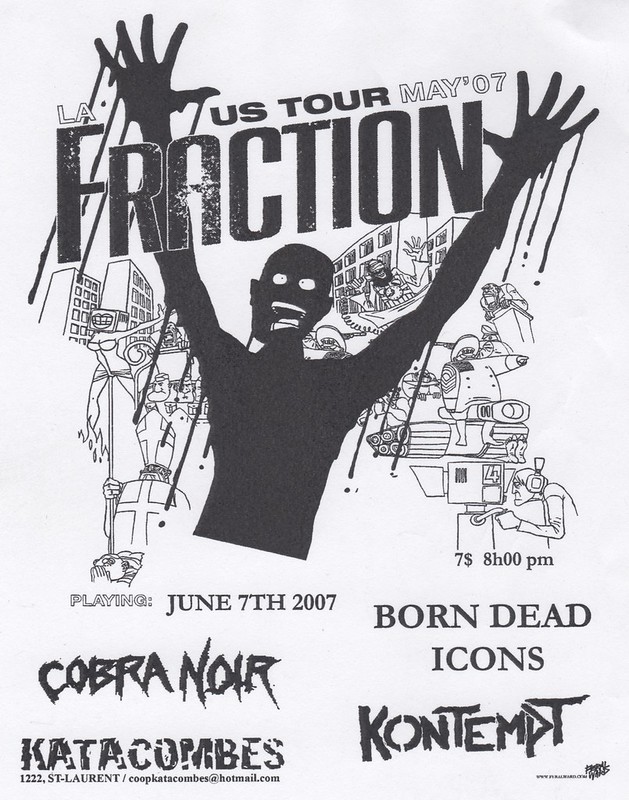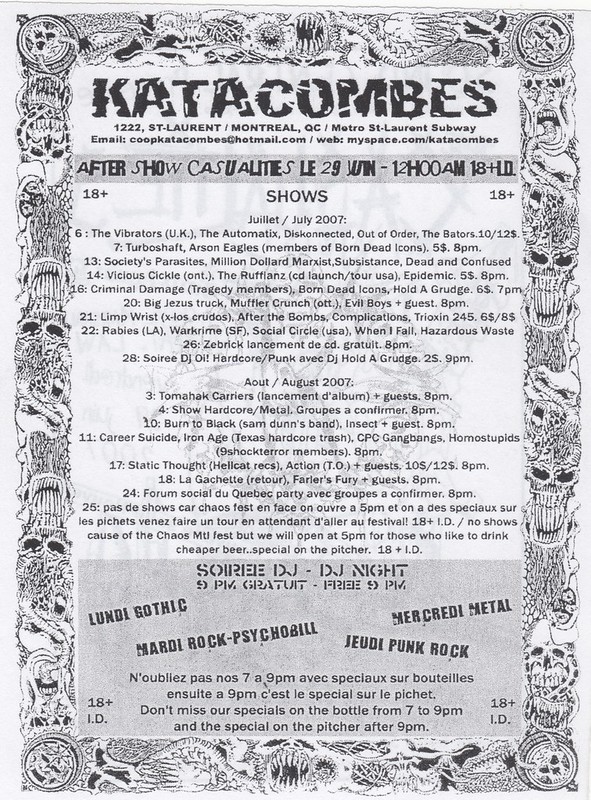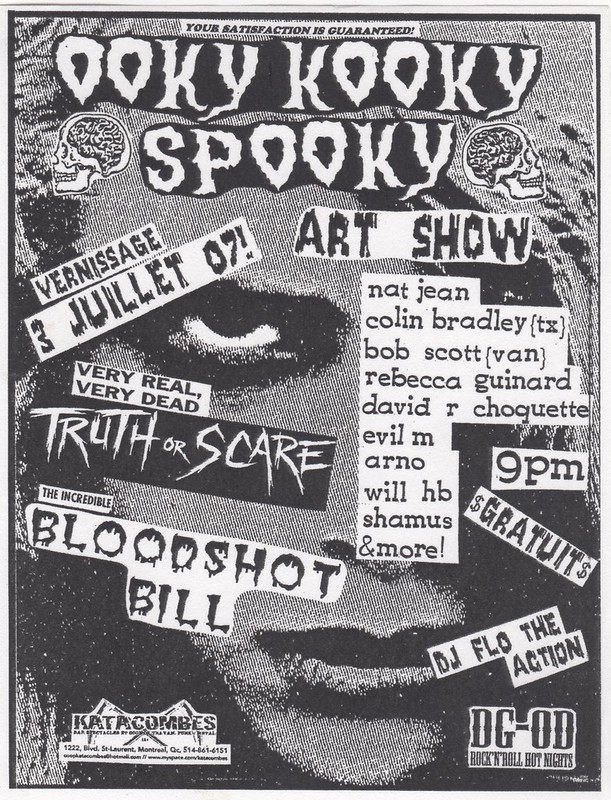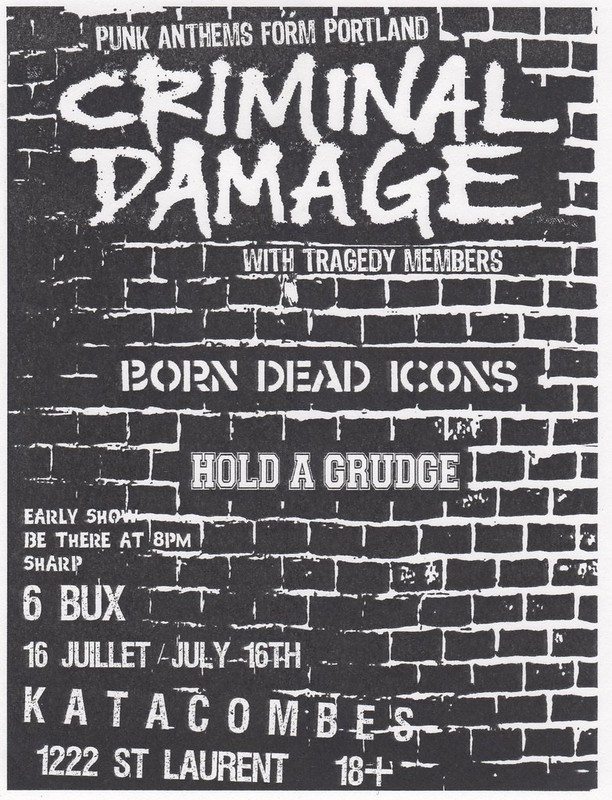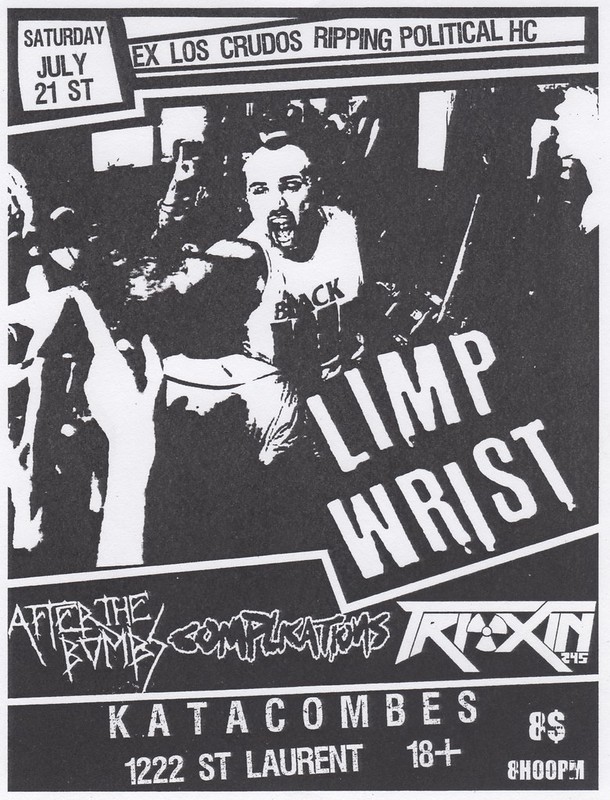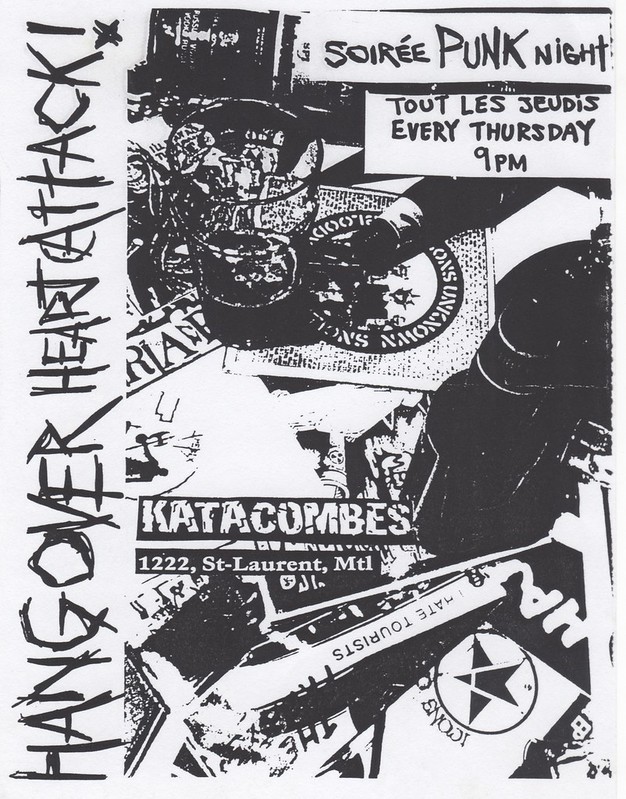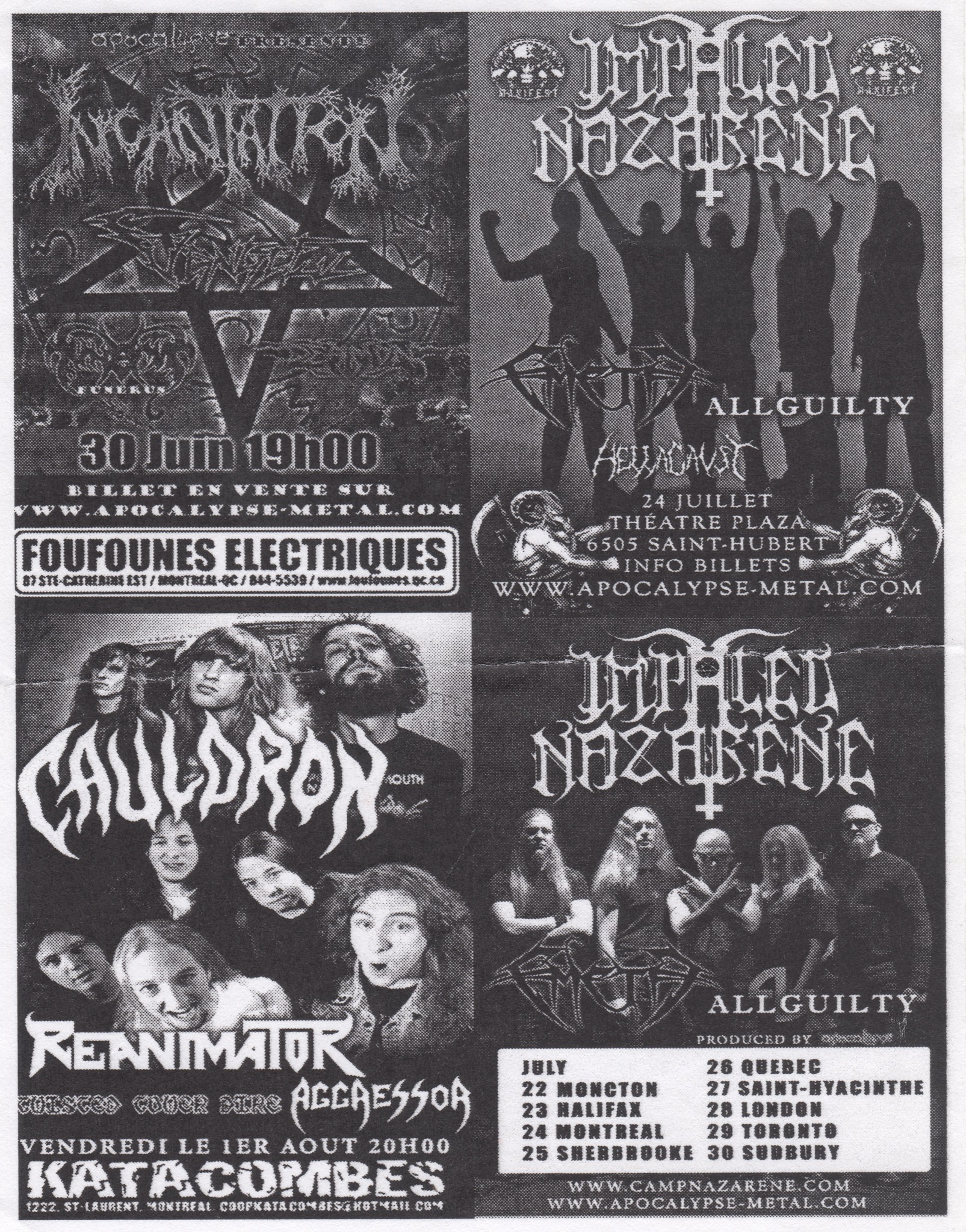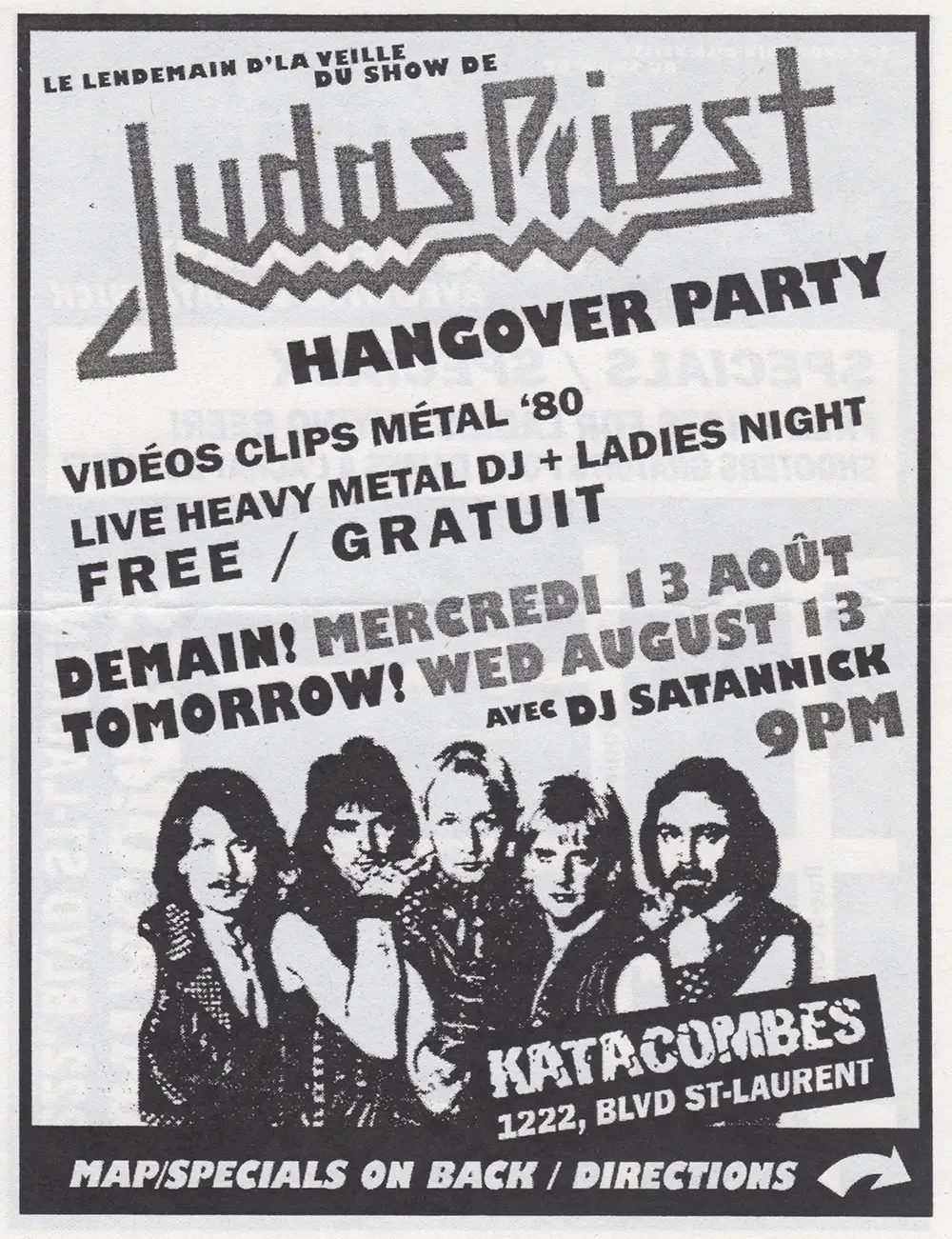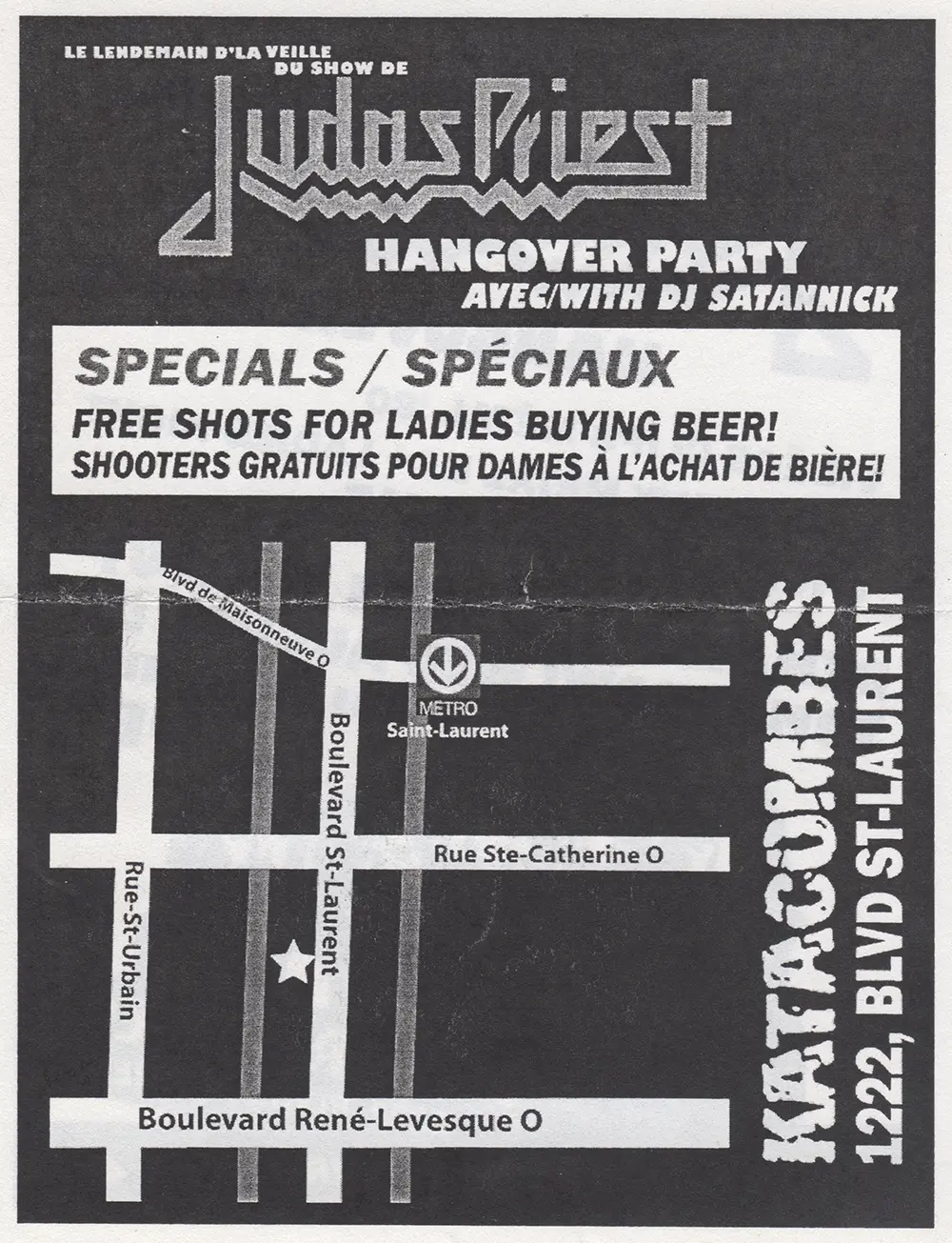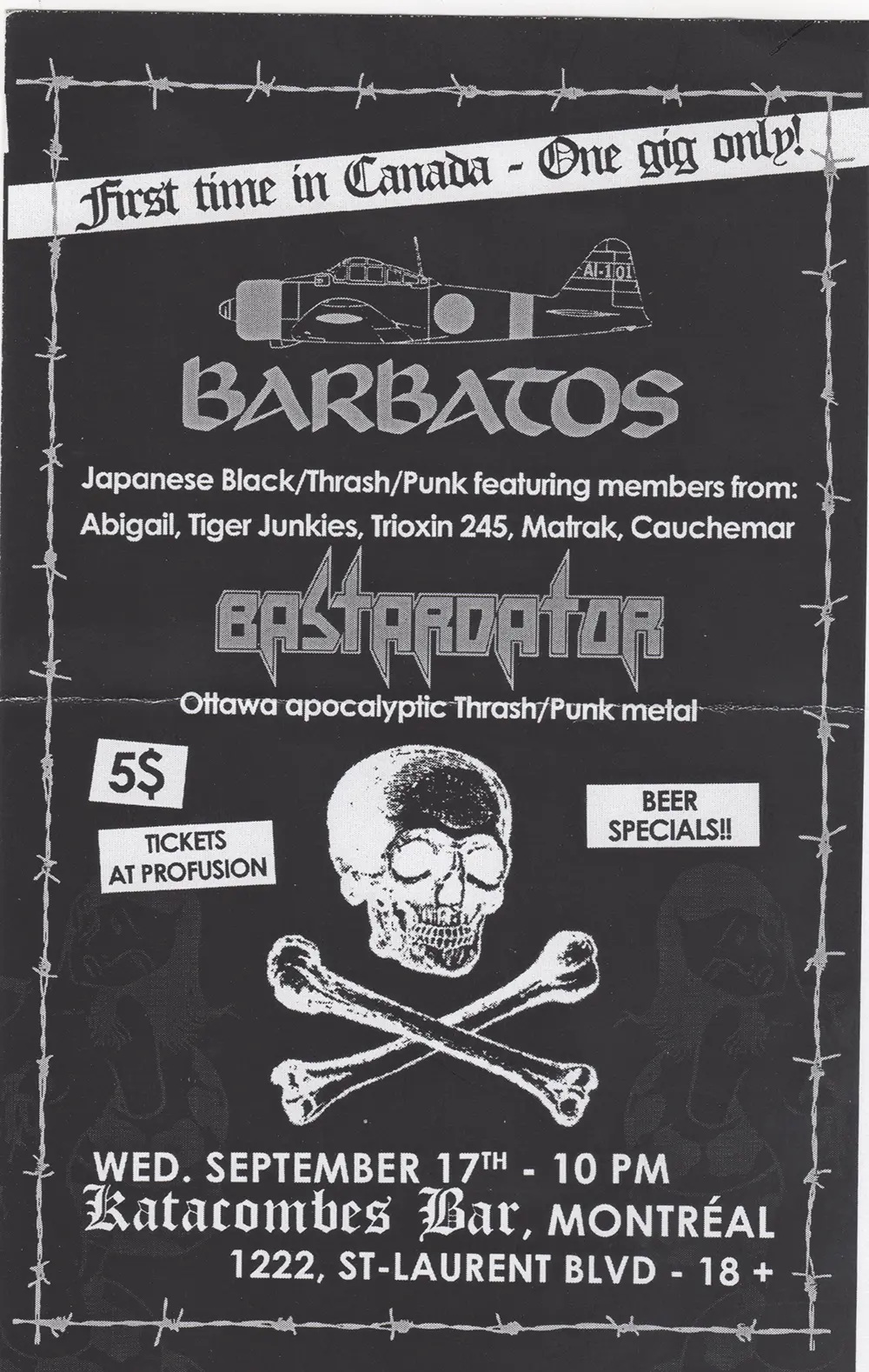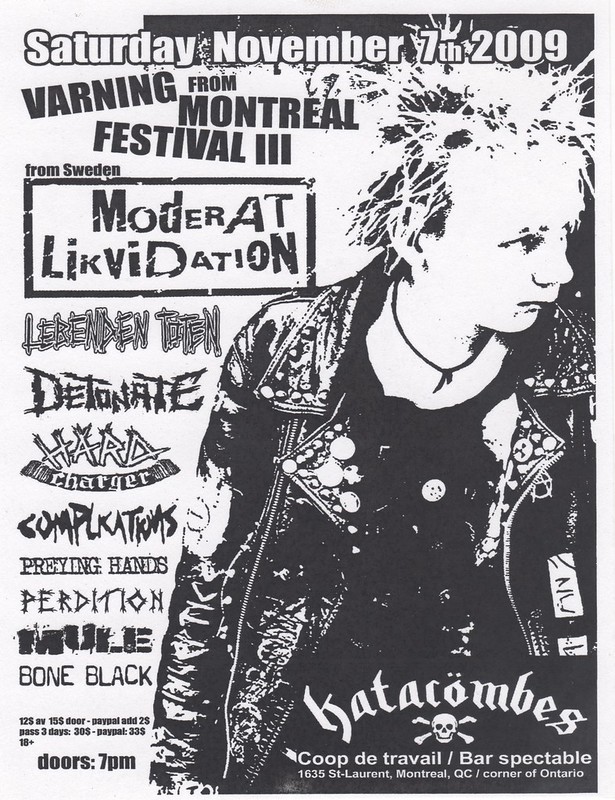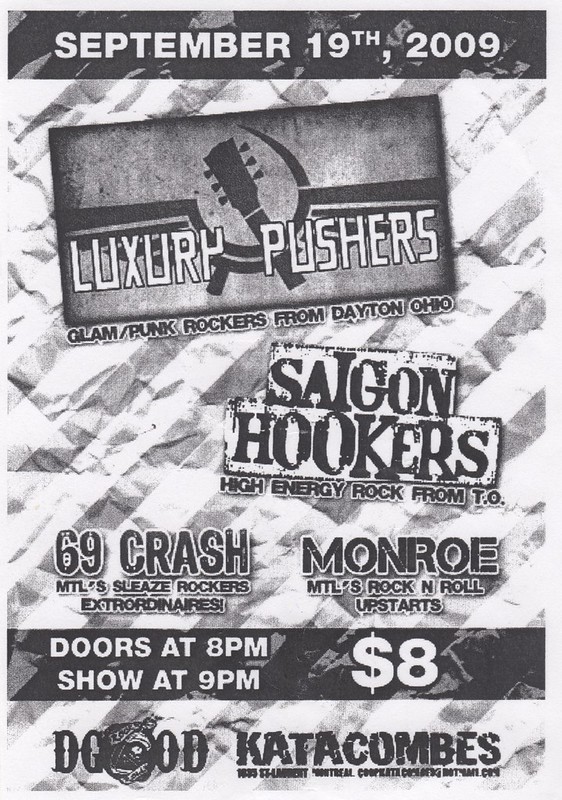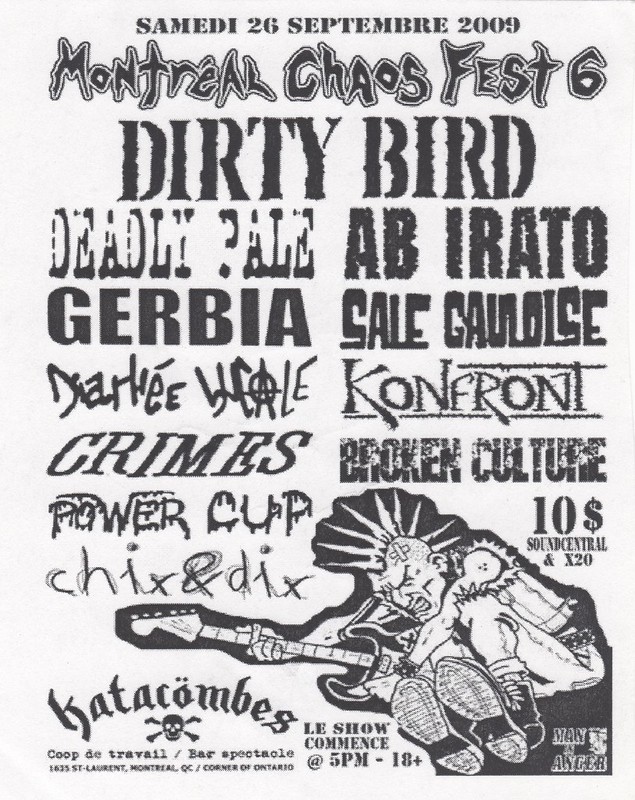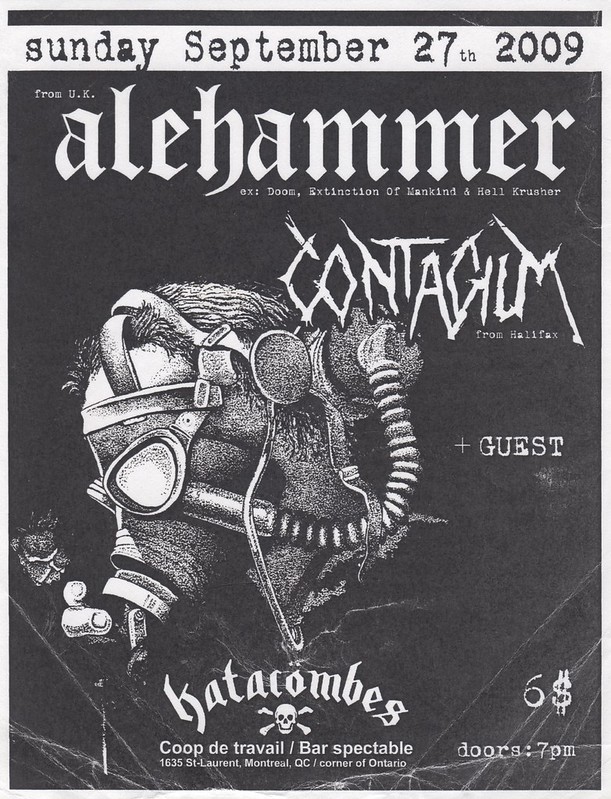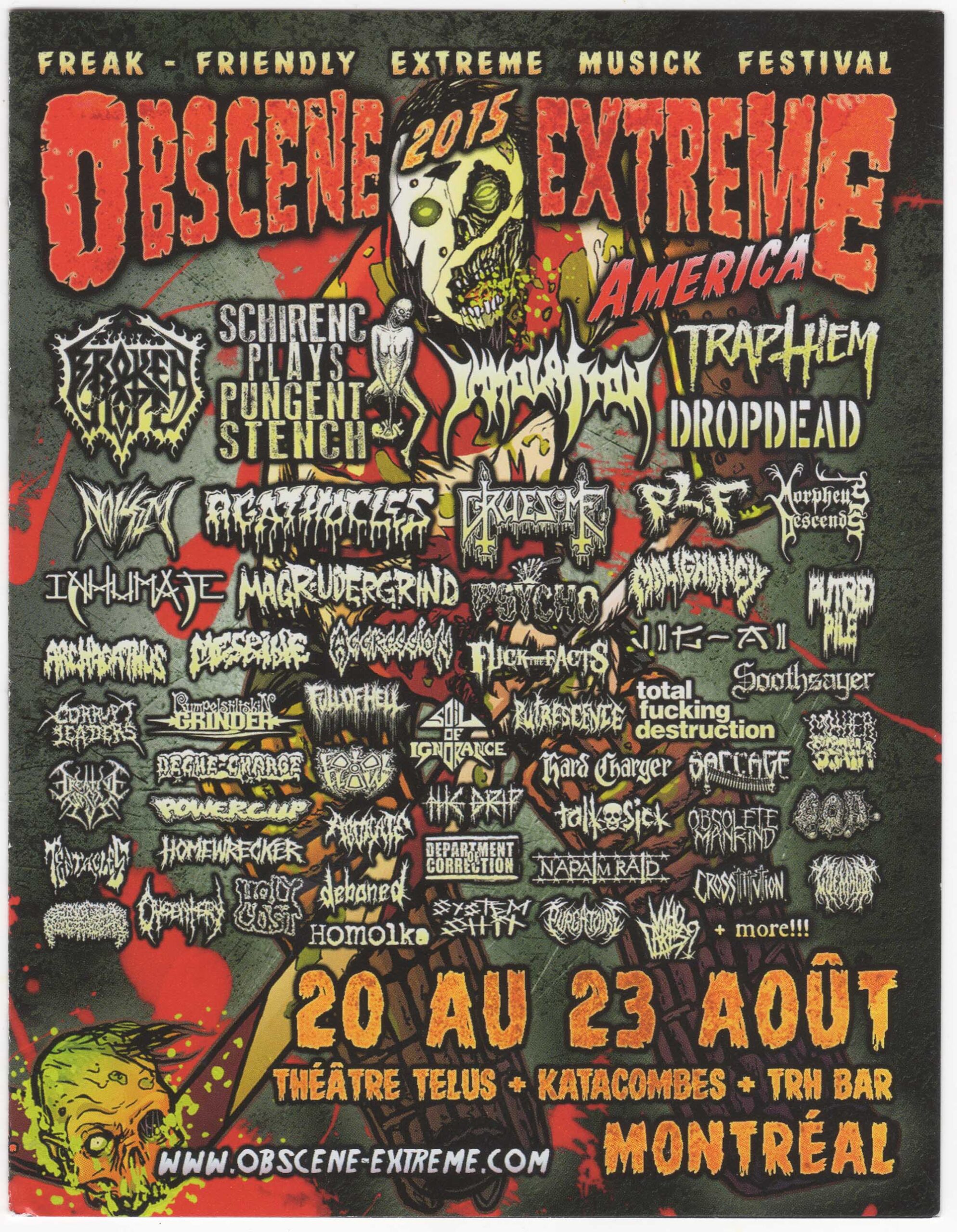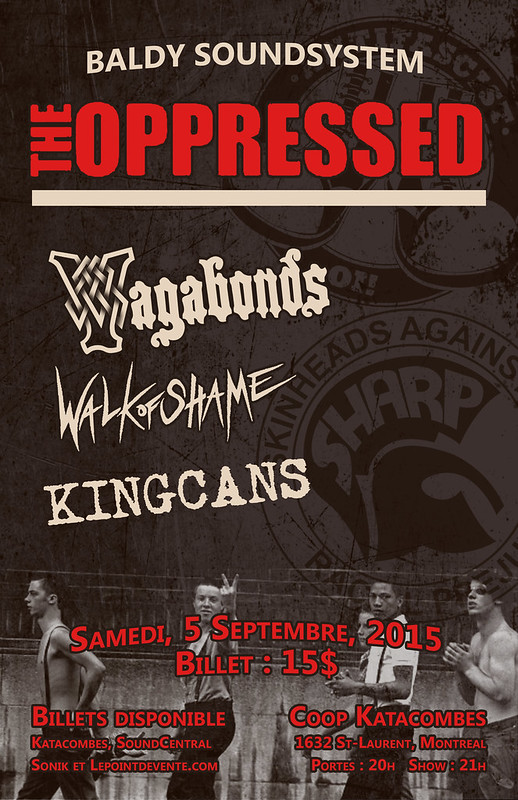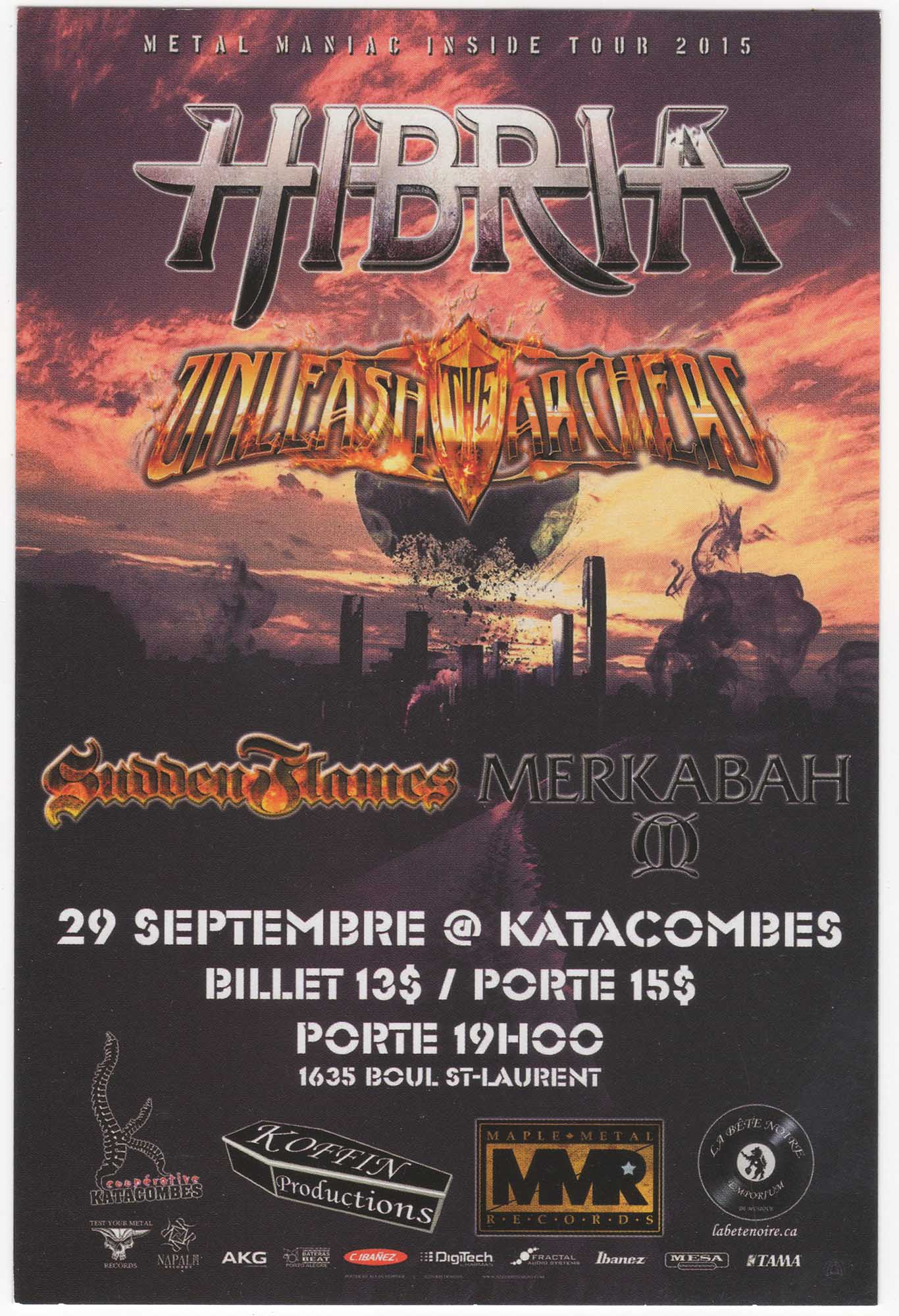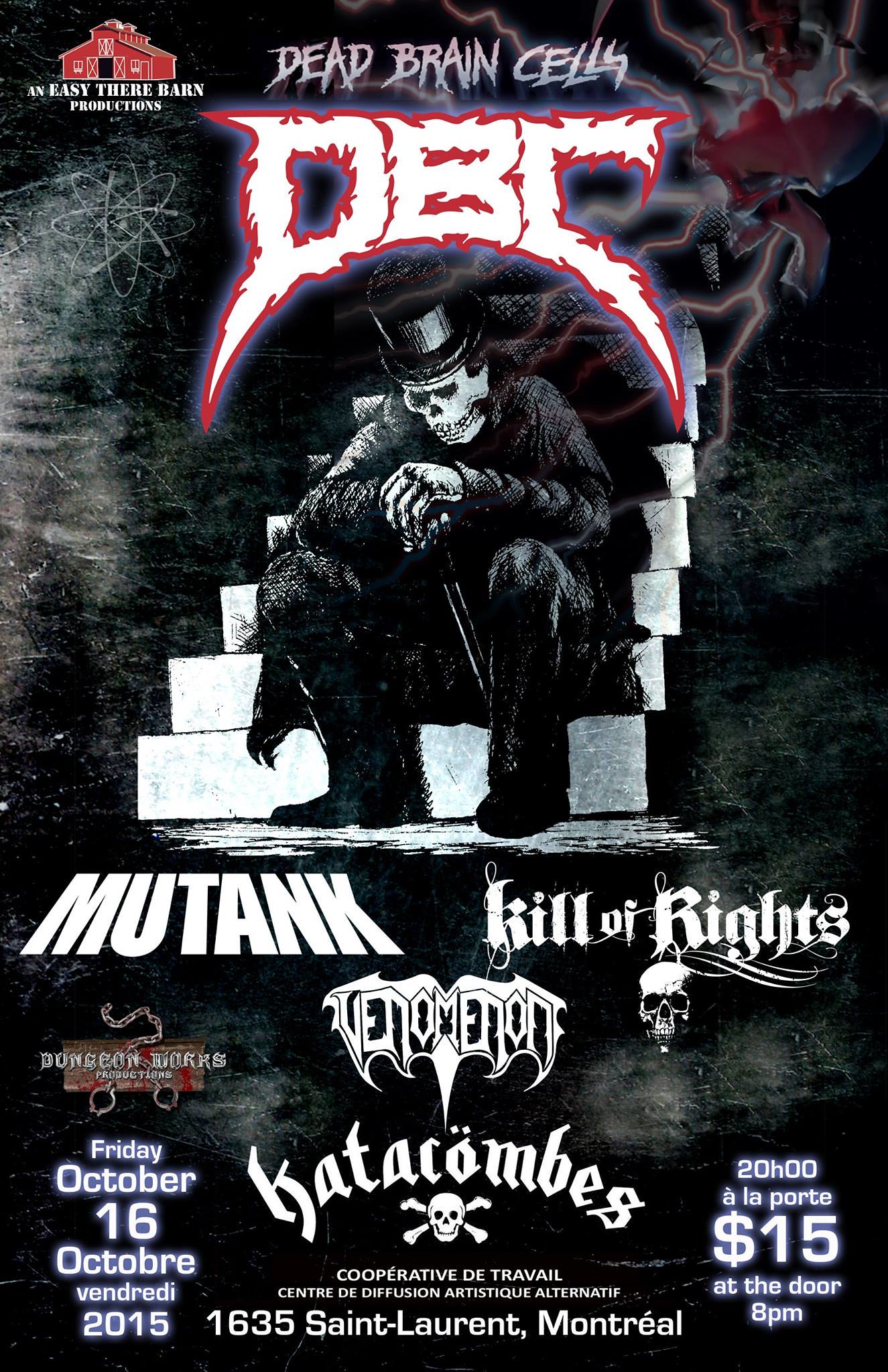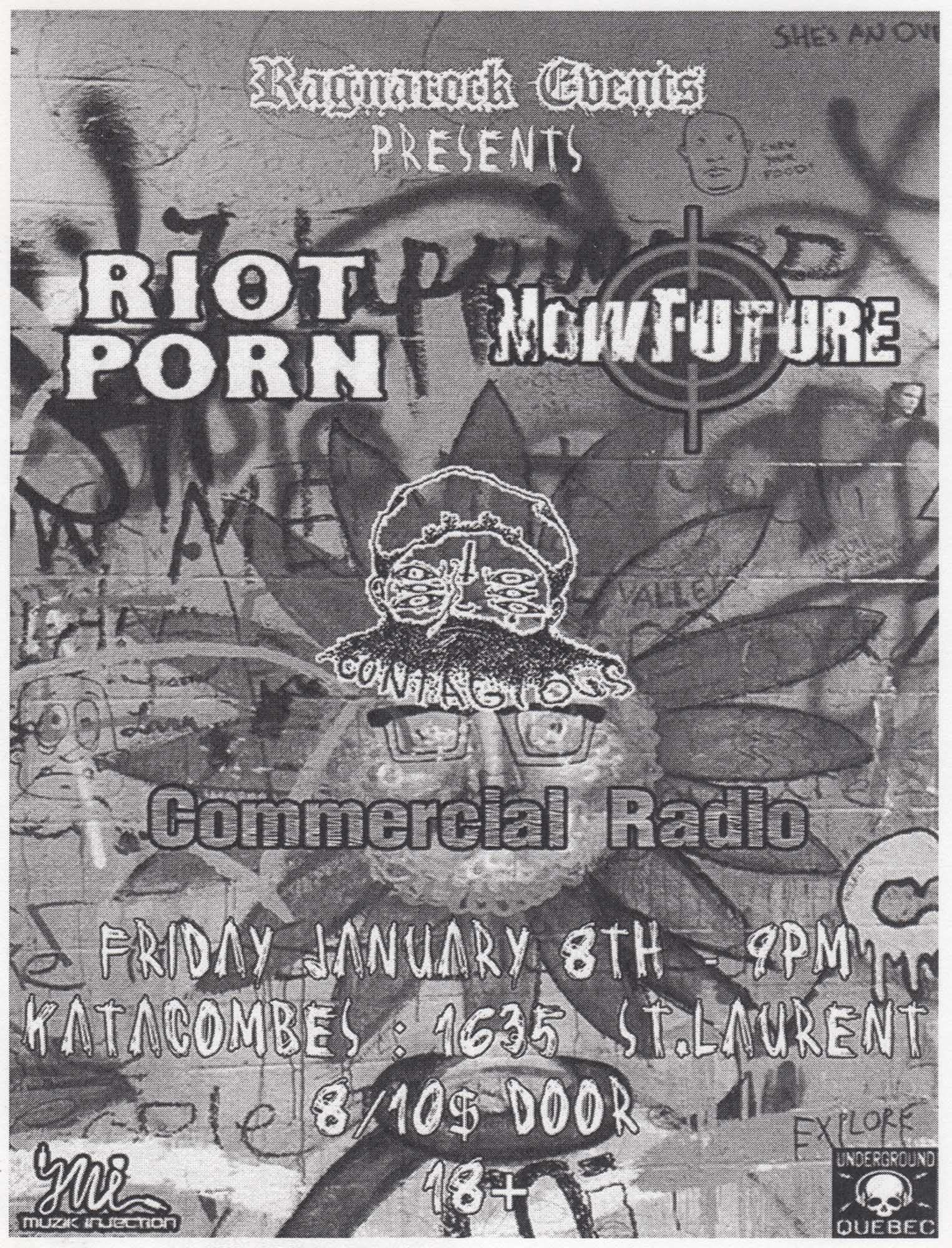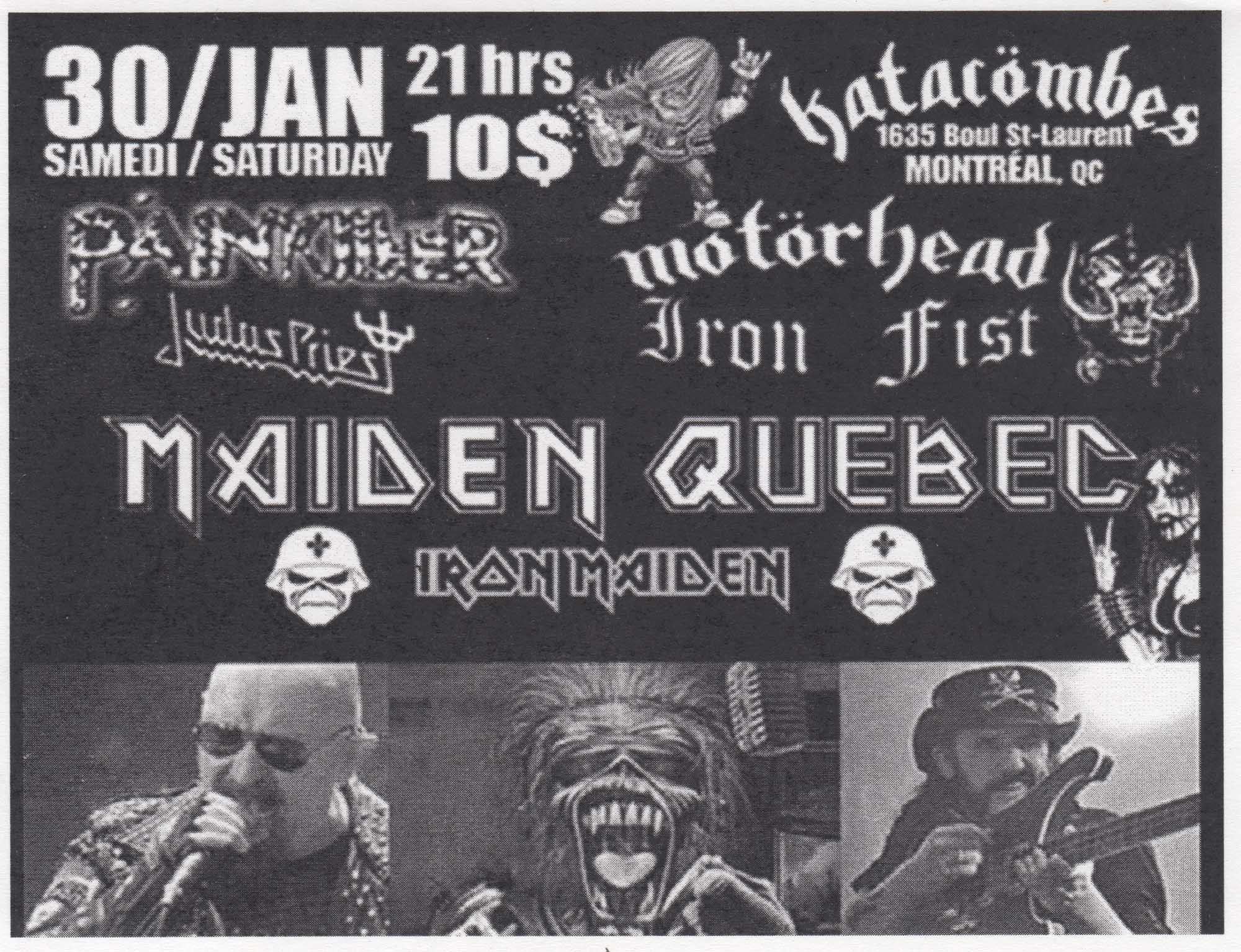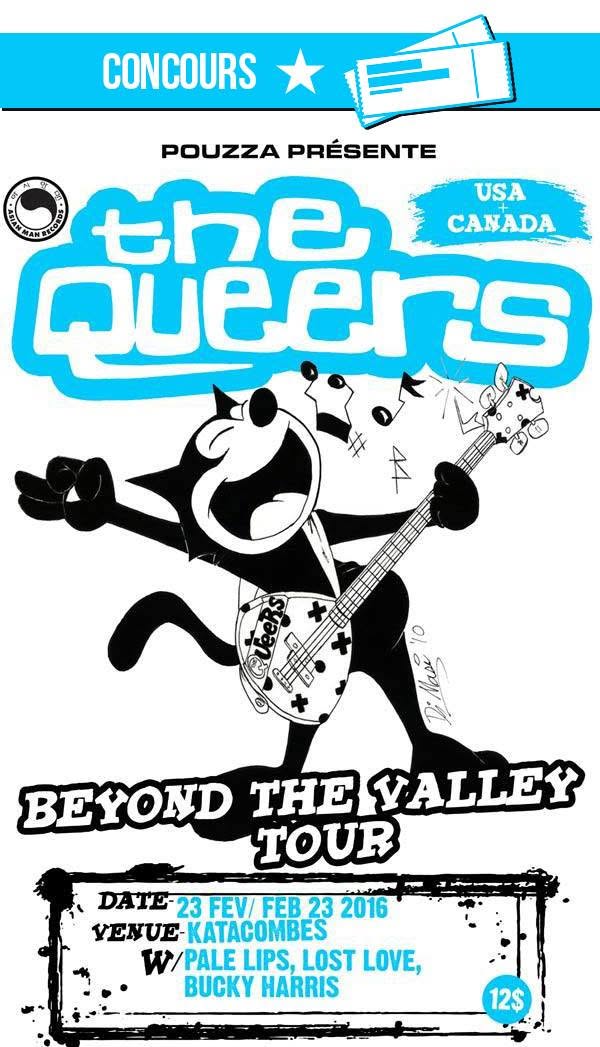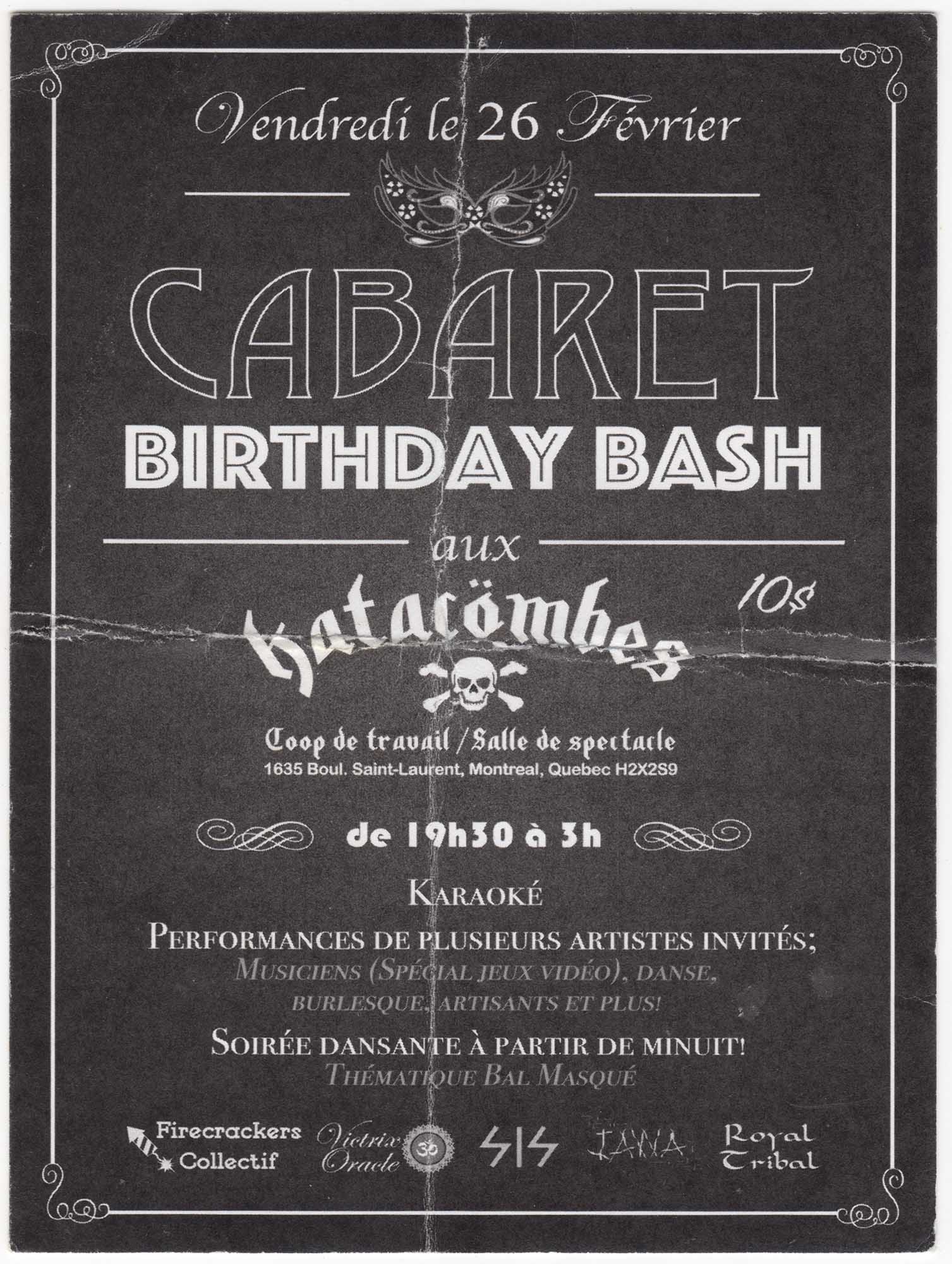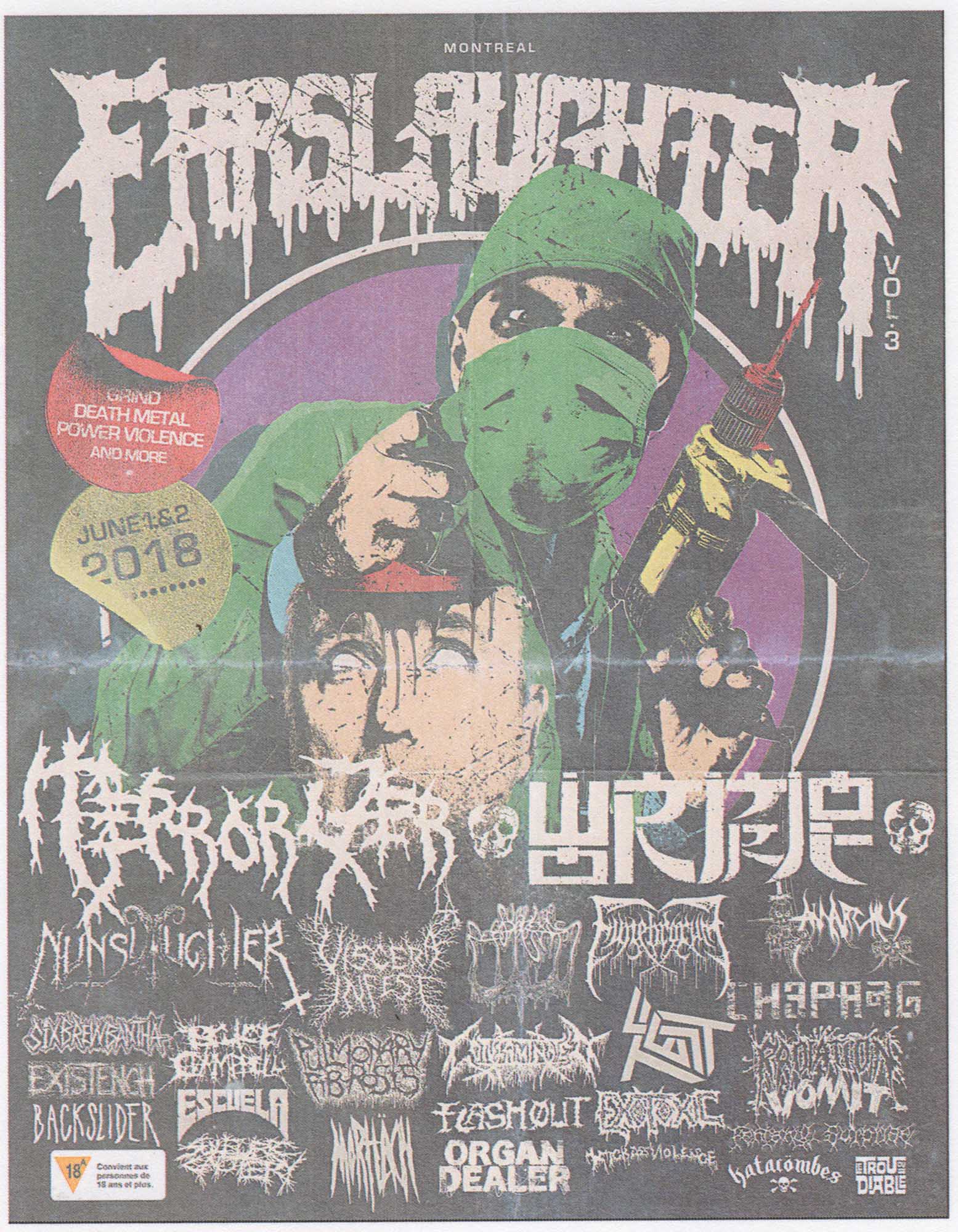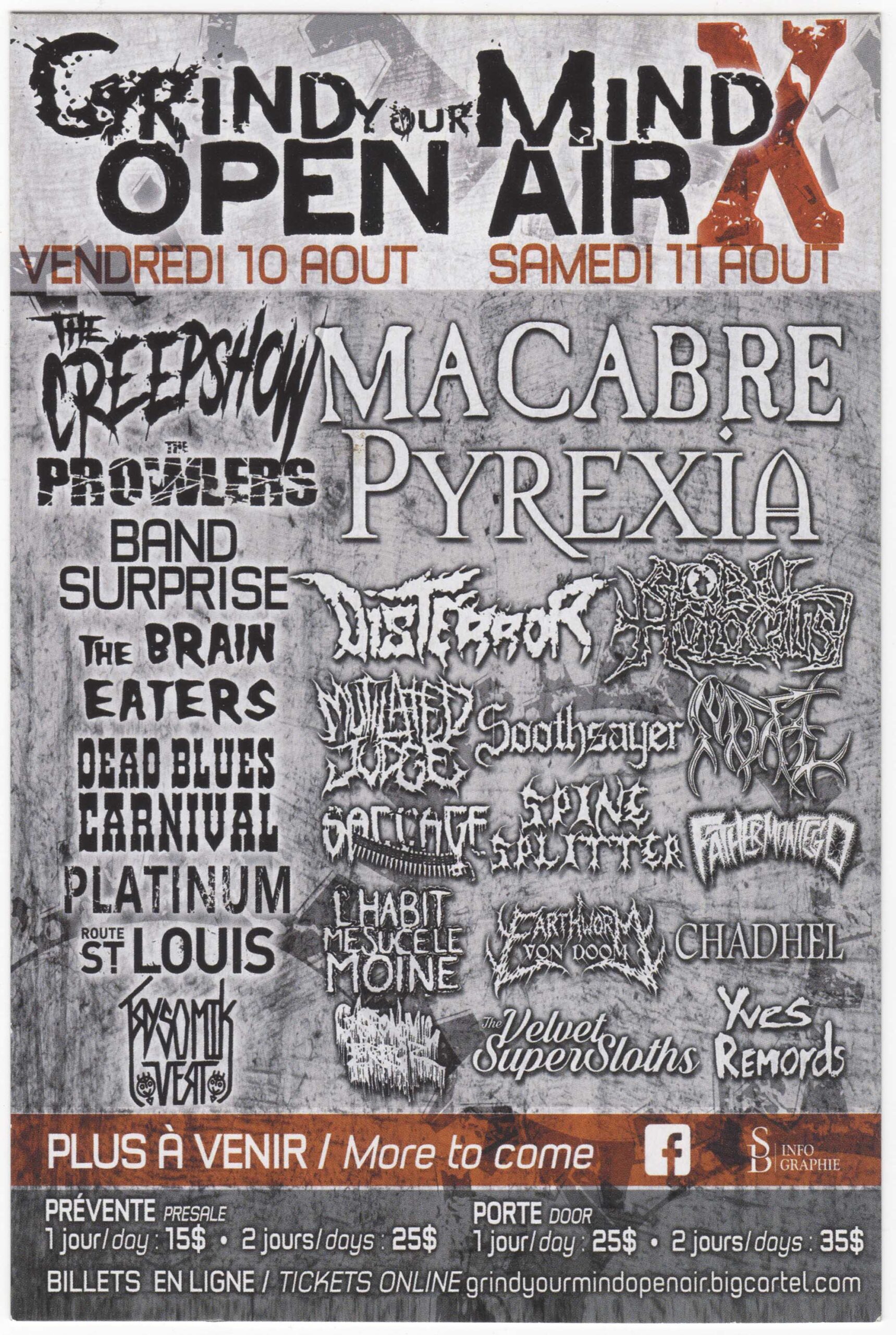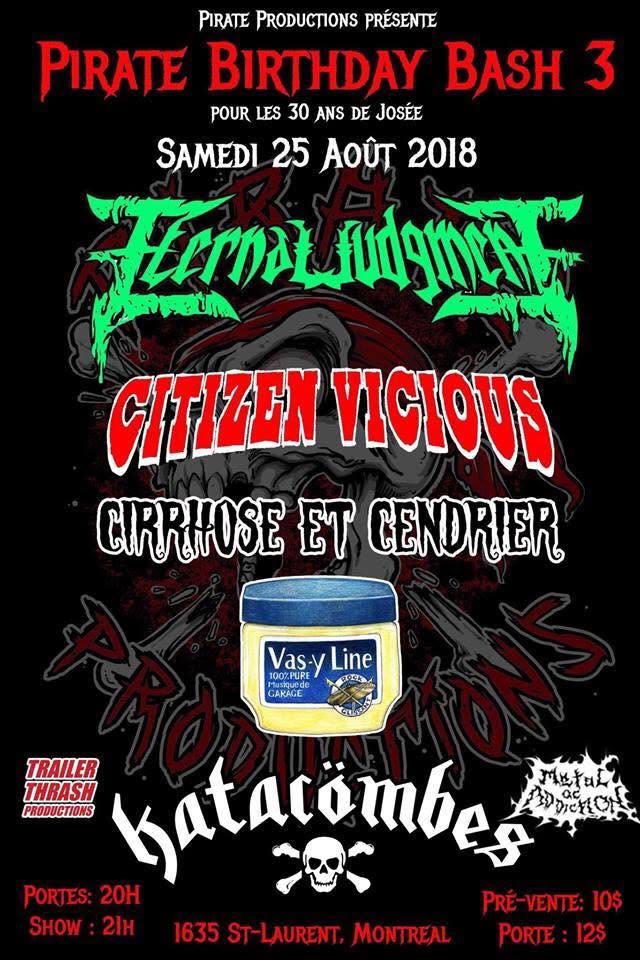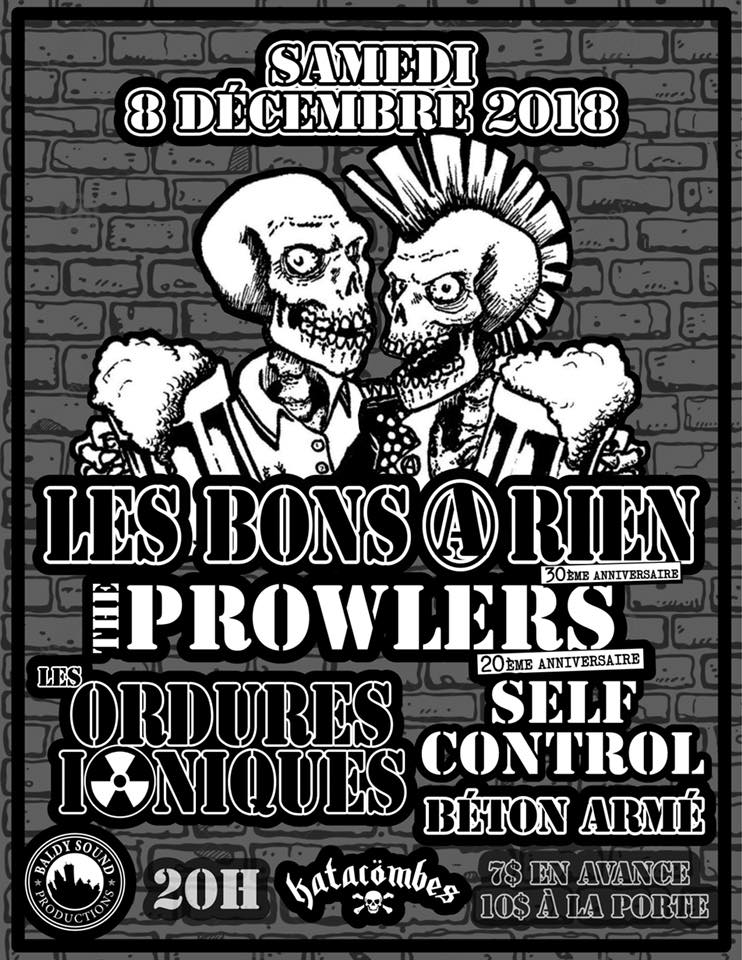
Katacombes (Montreal)
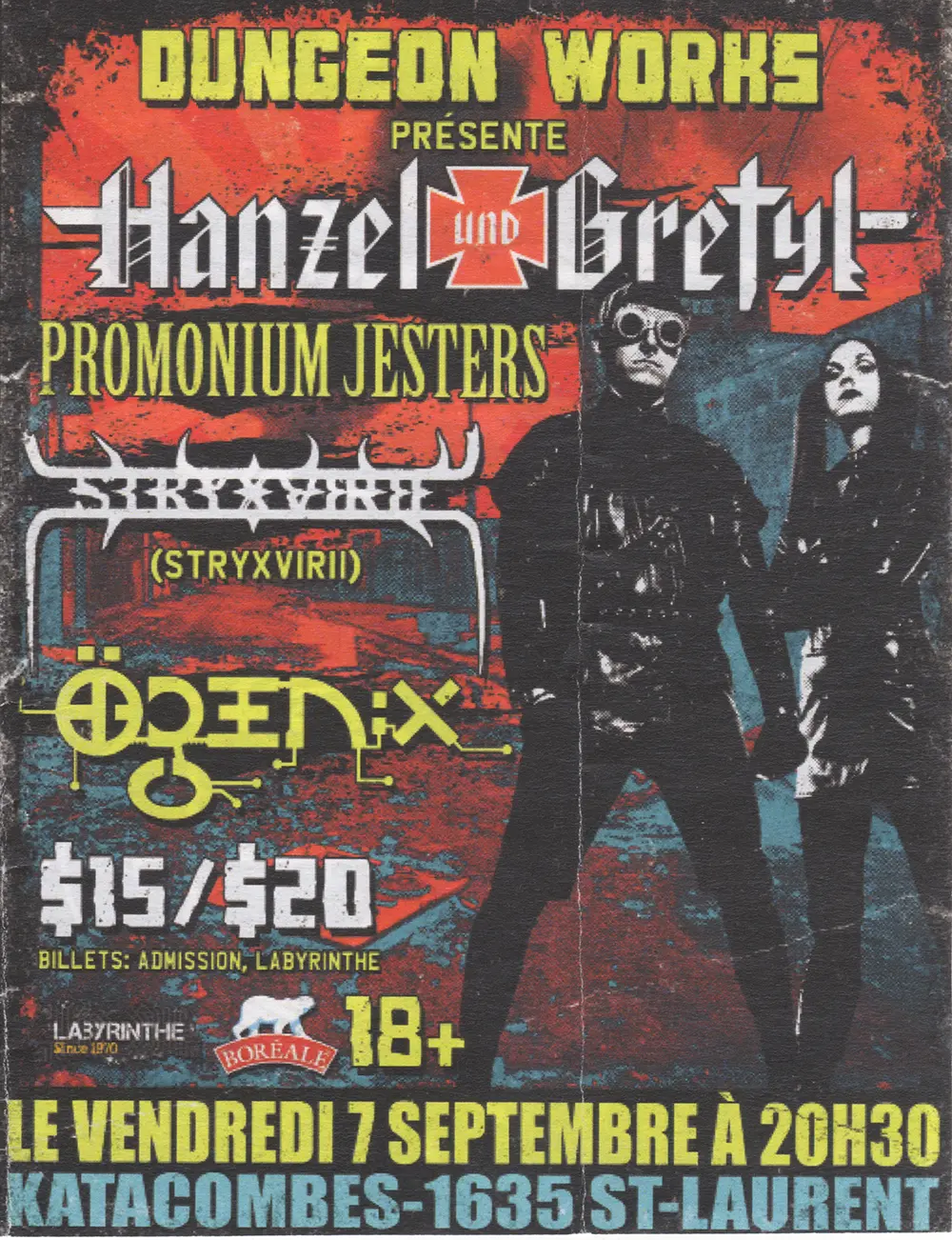
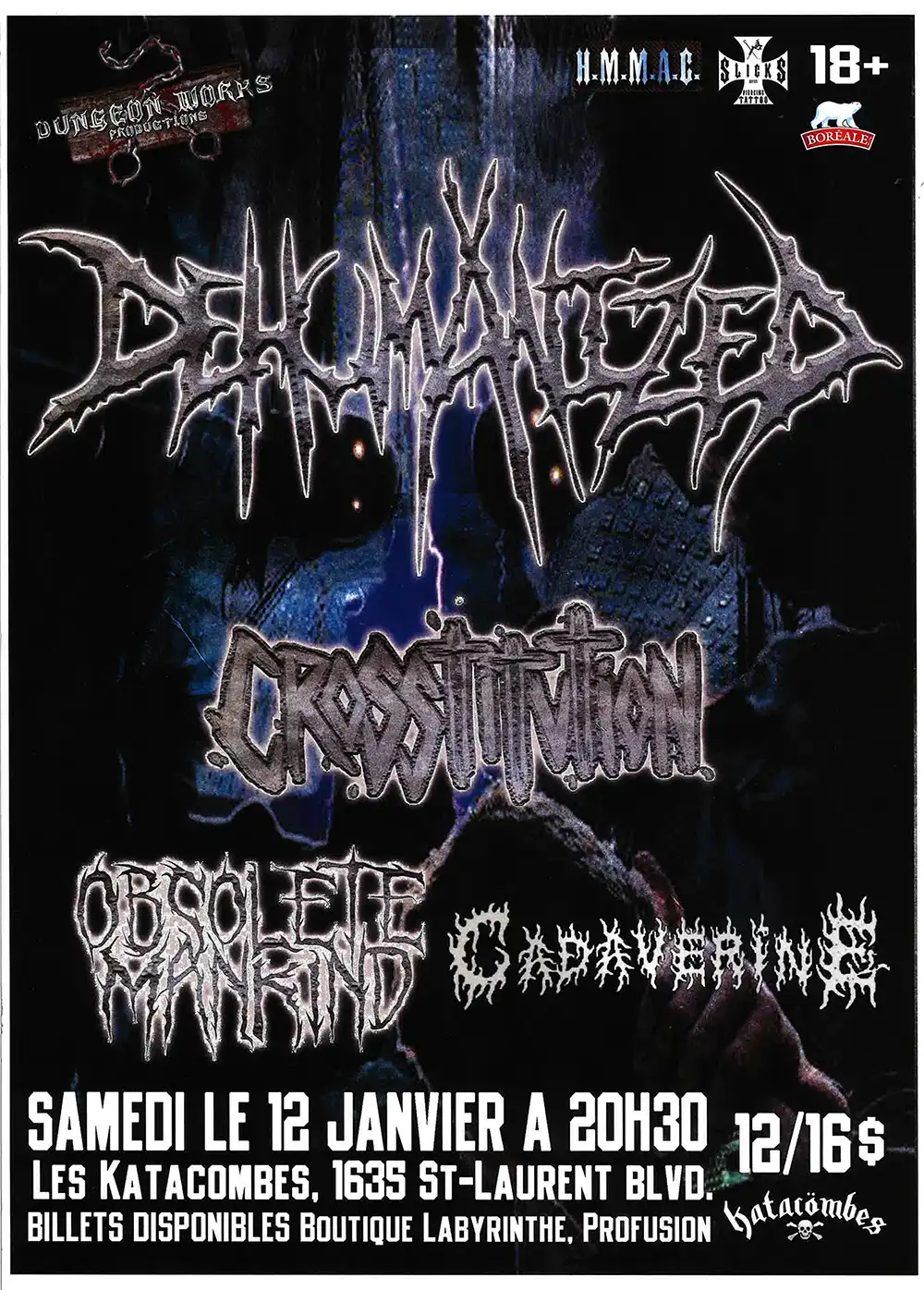
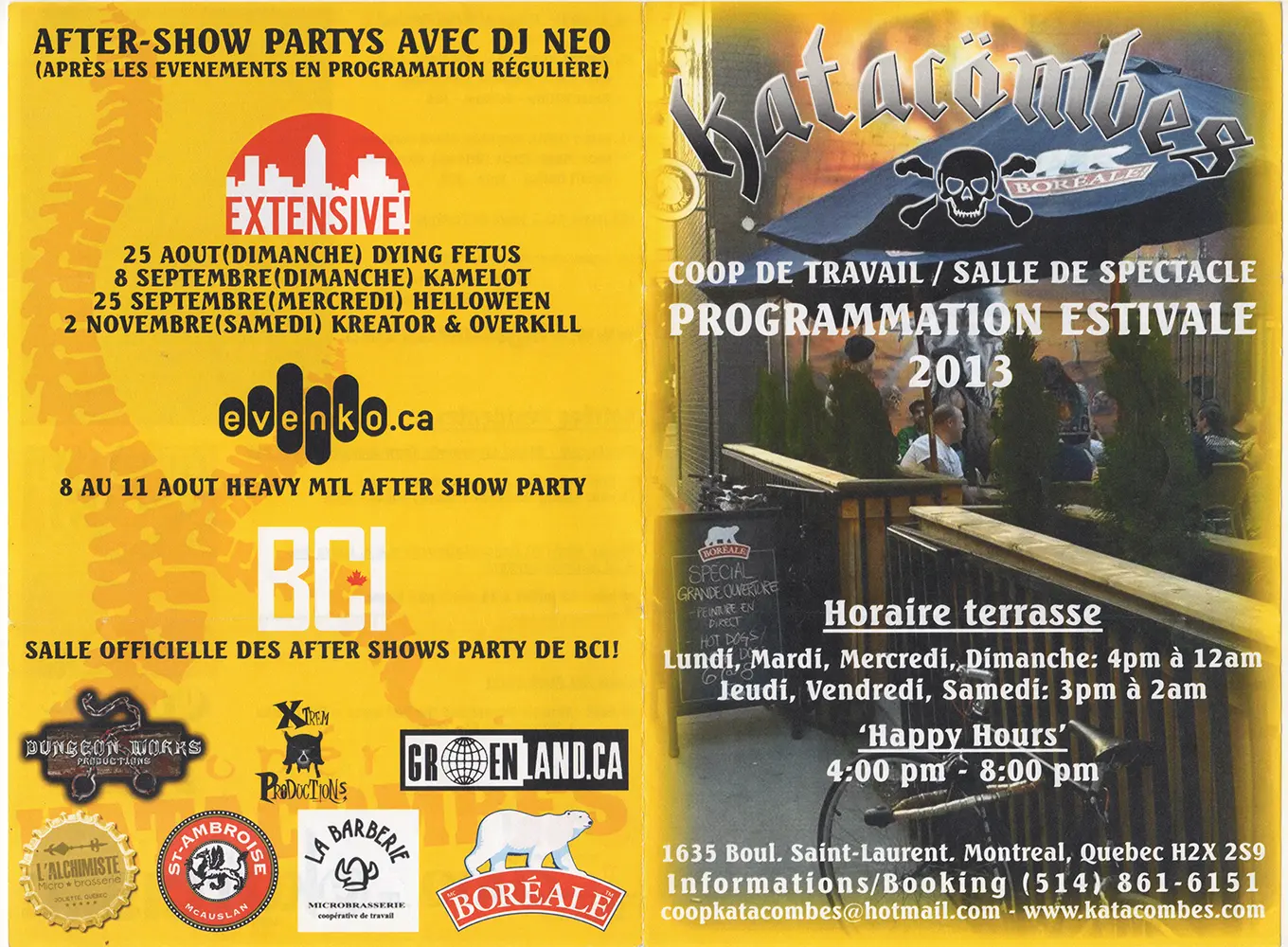
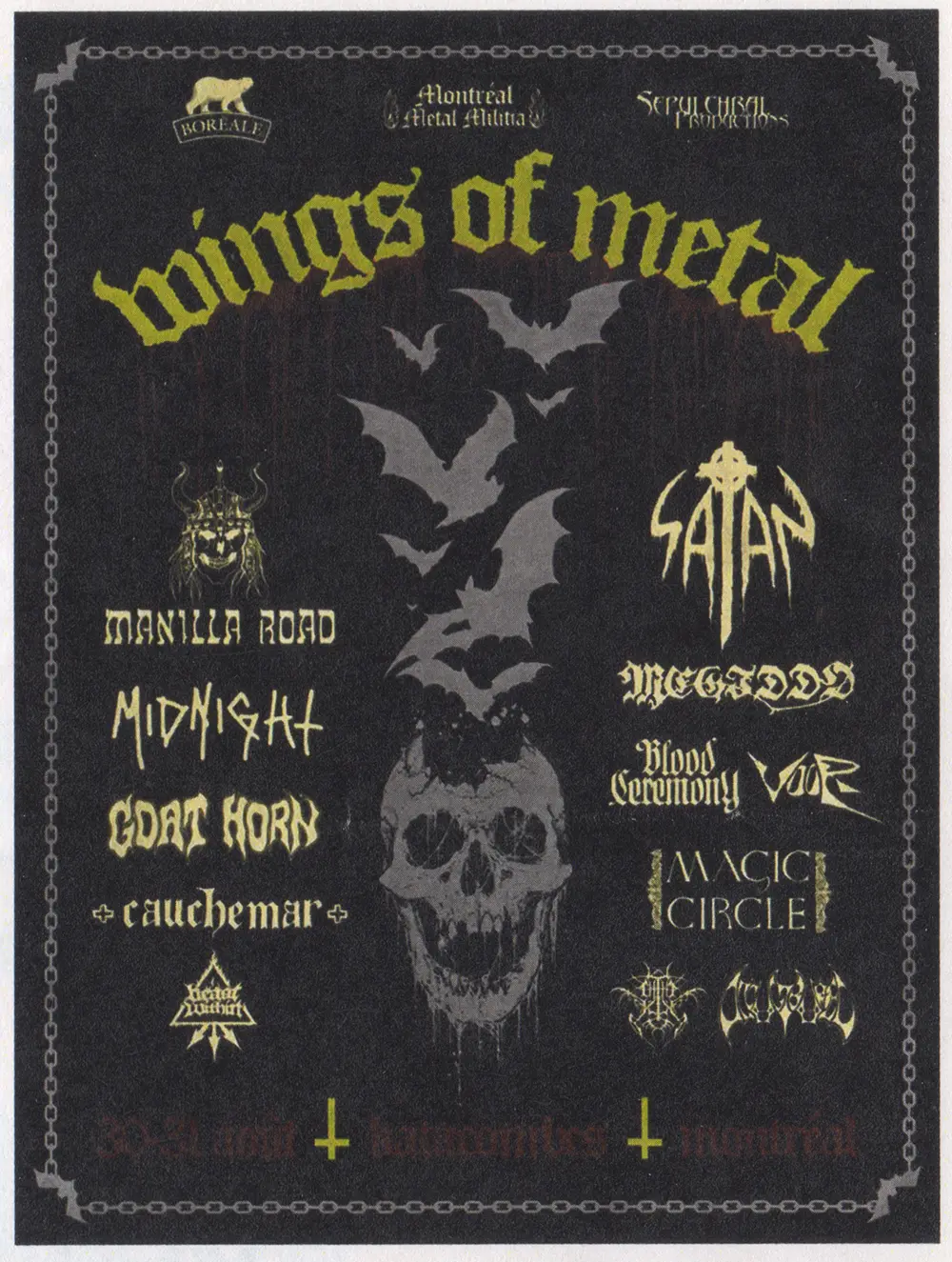
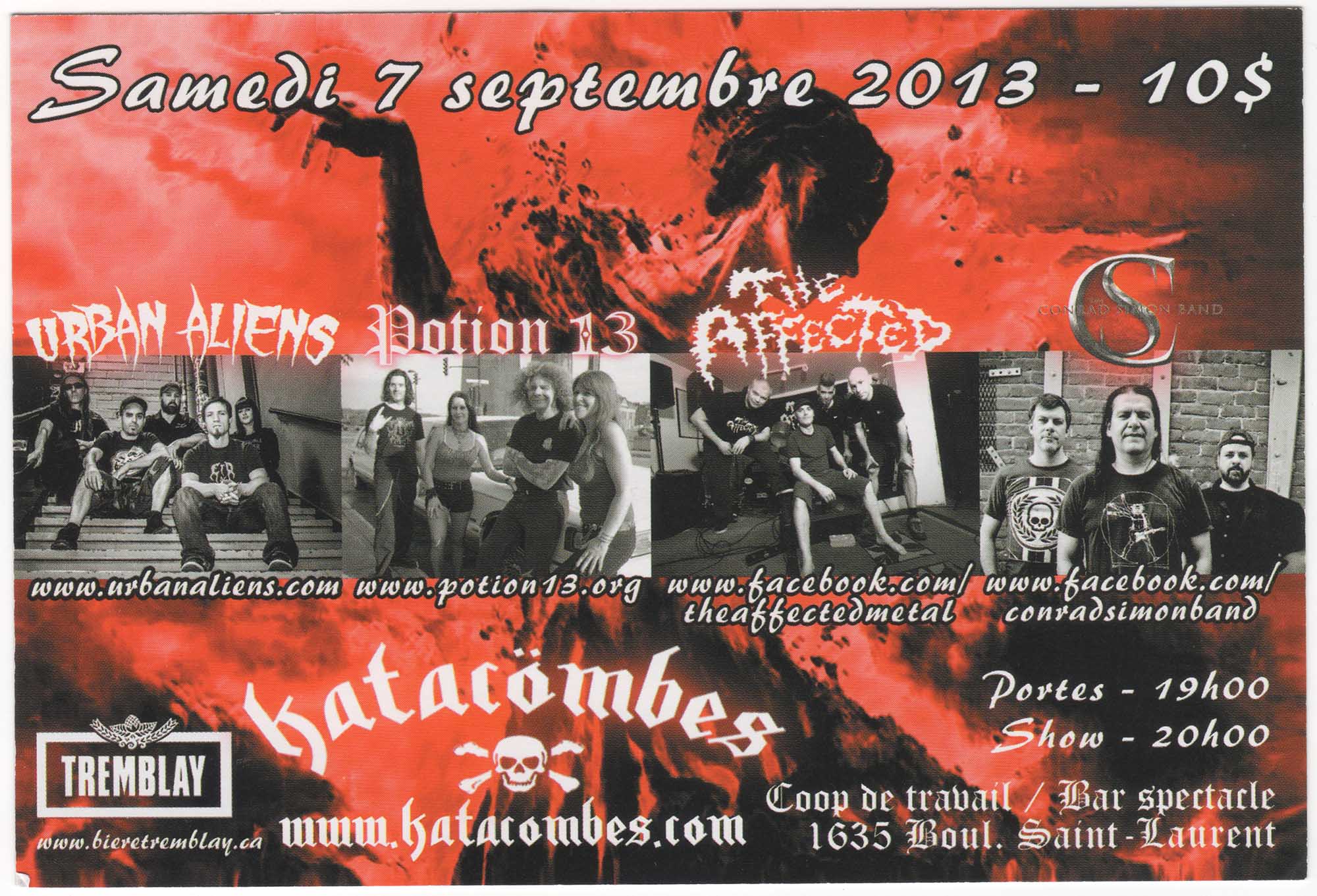
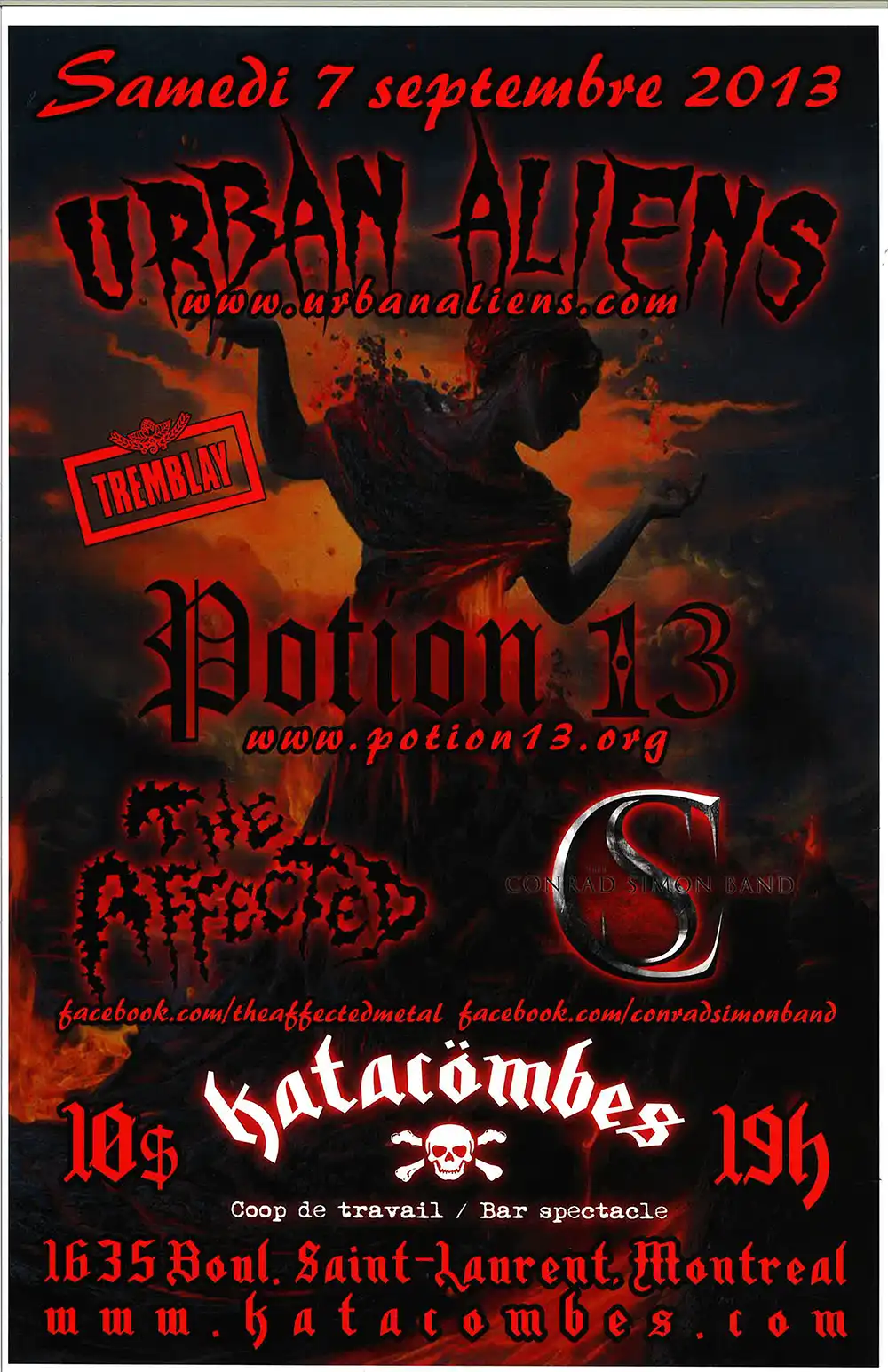
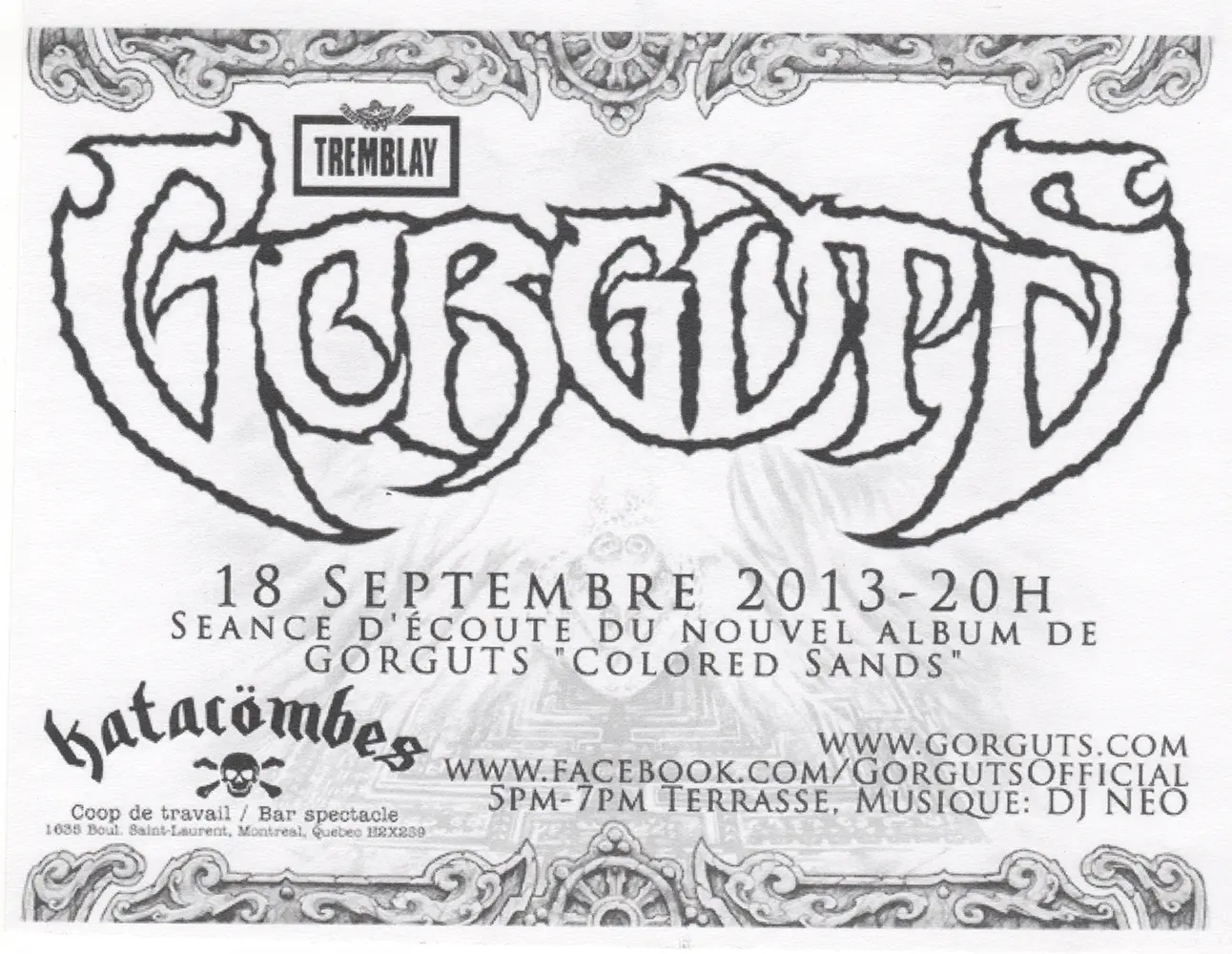
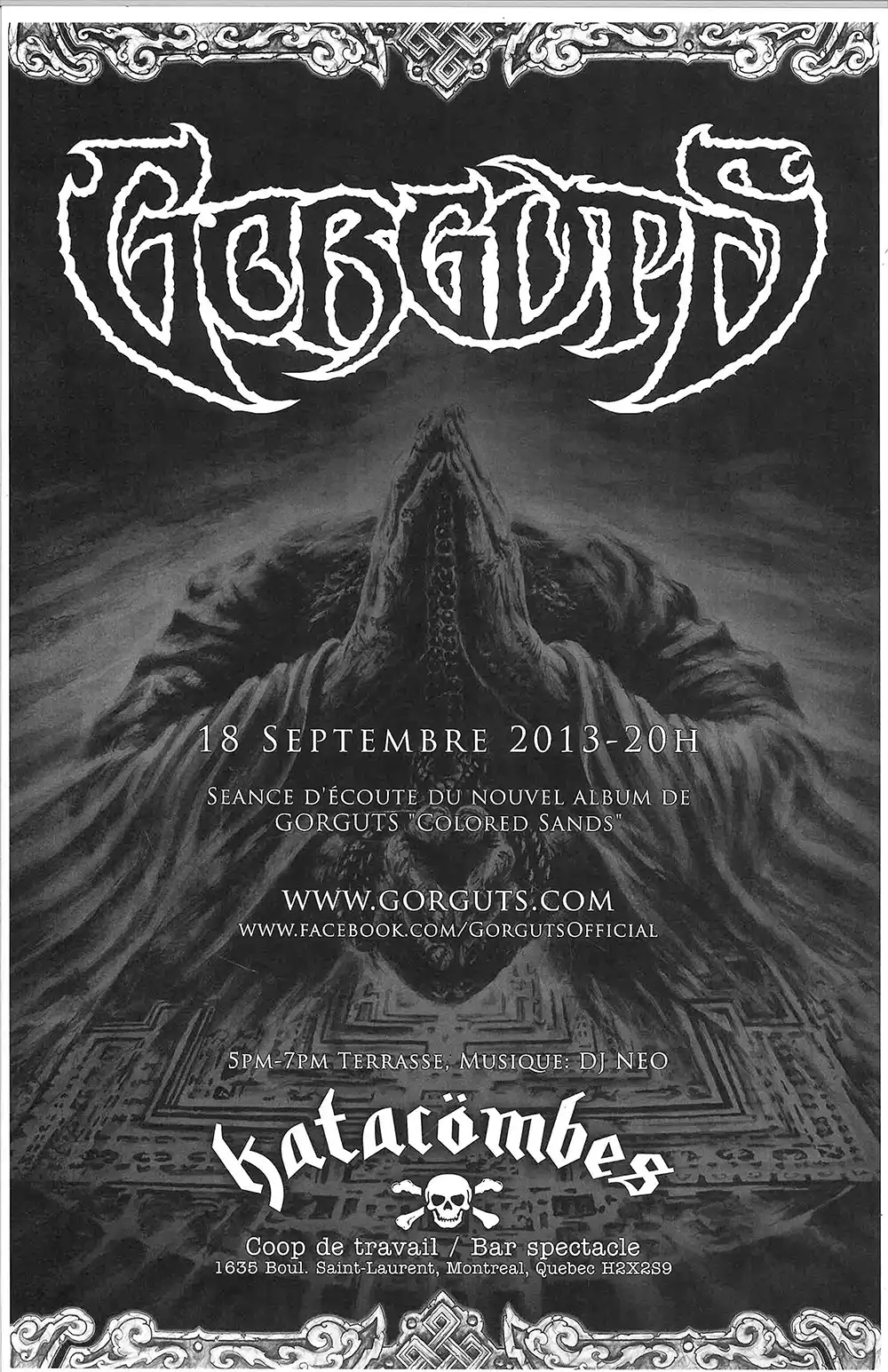
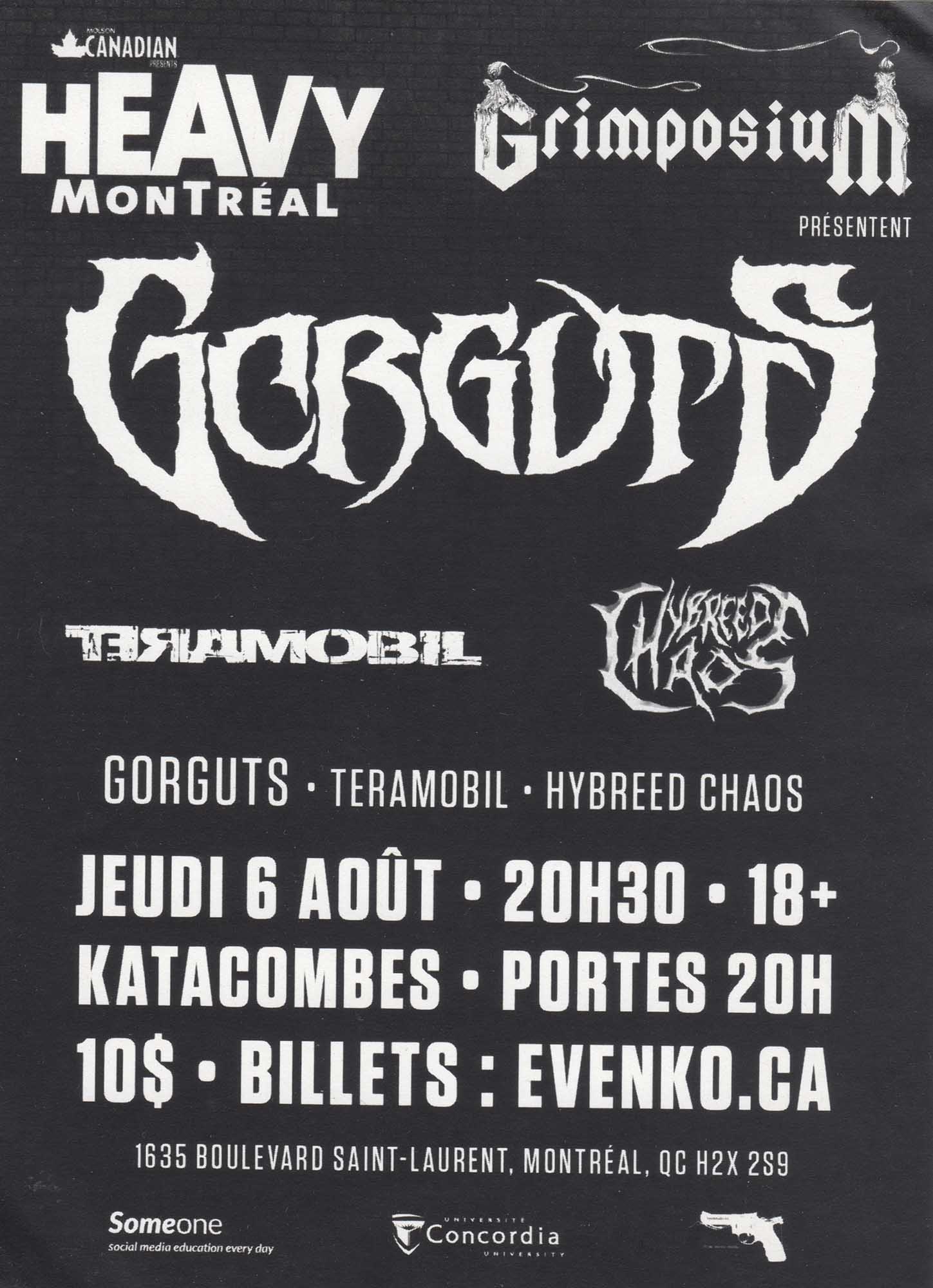
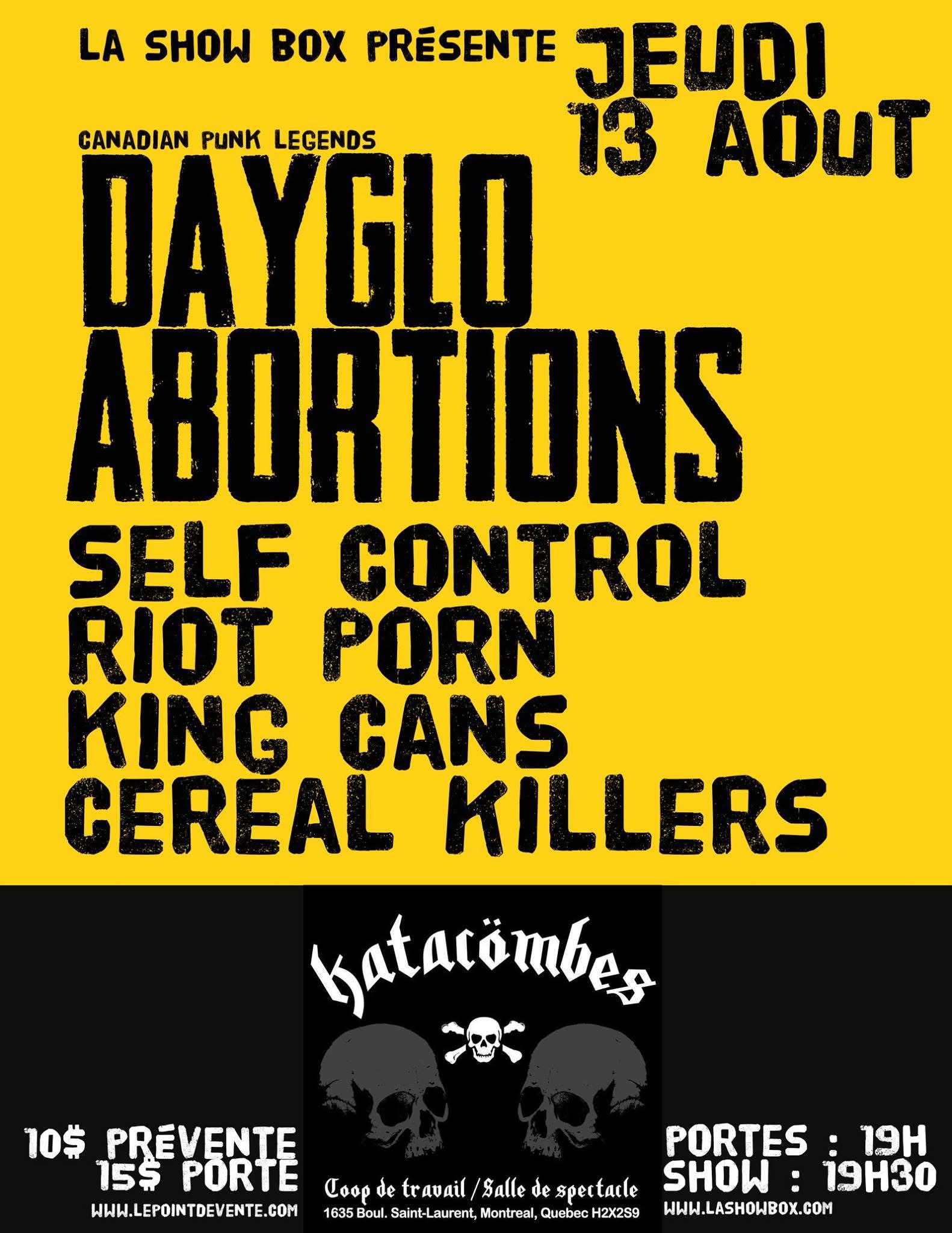
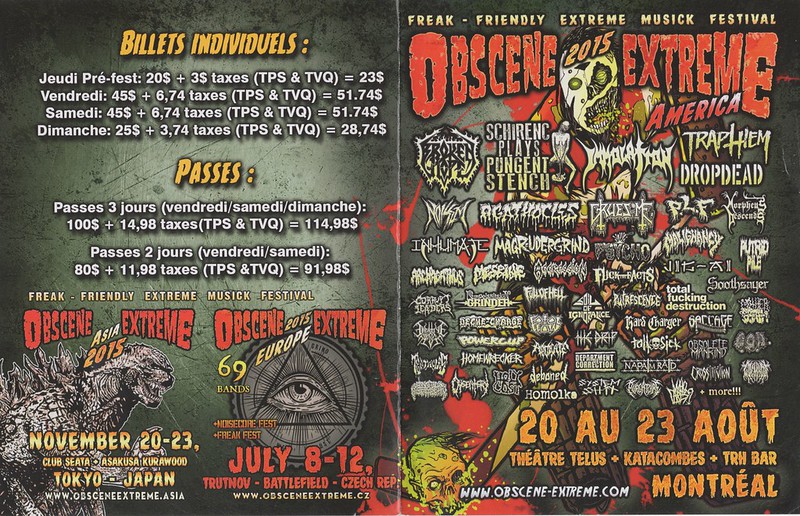
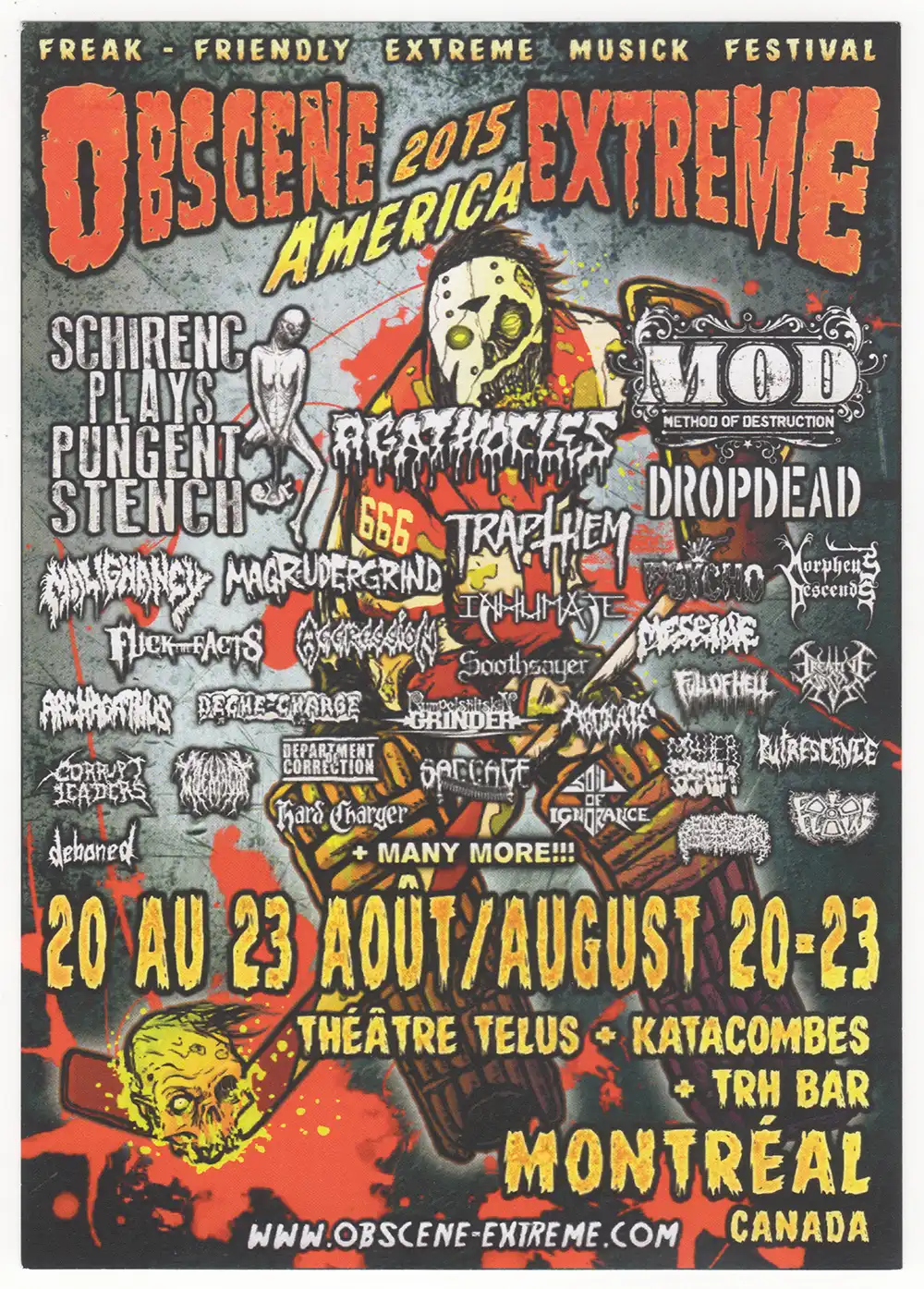
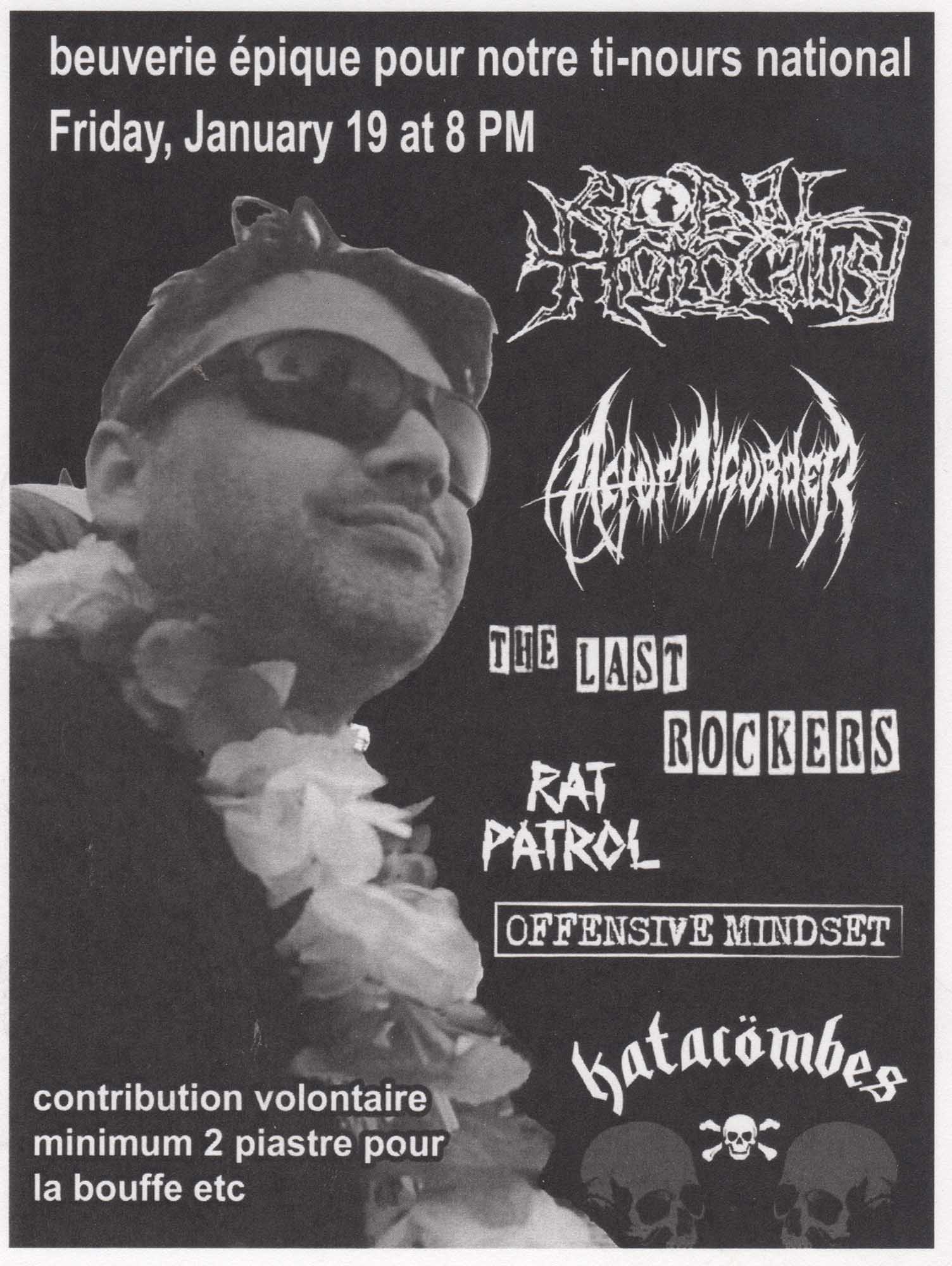
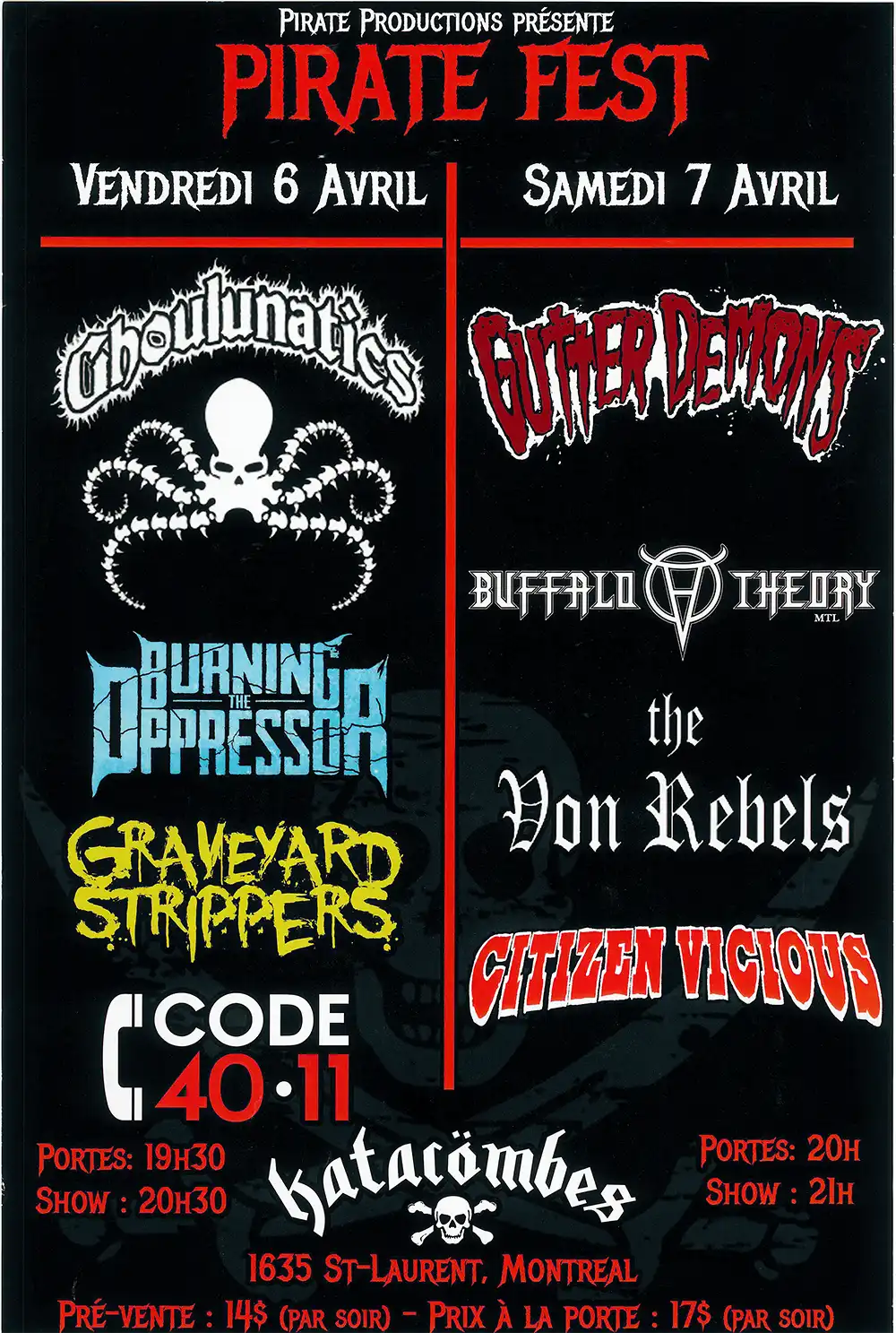
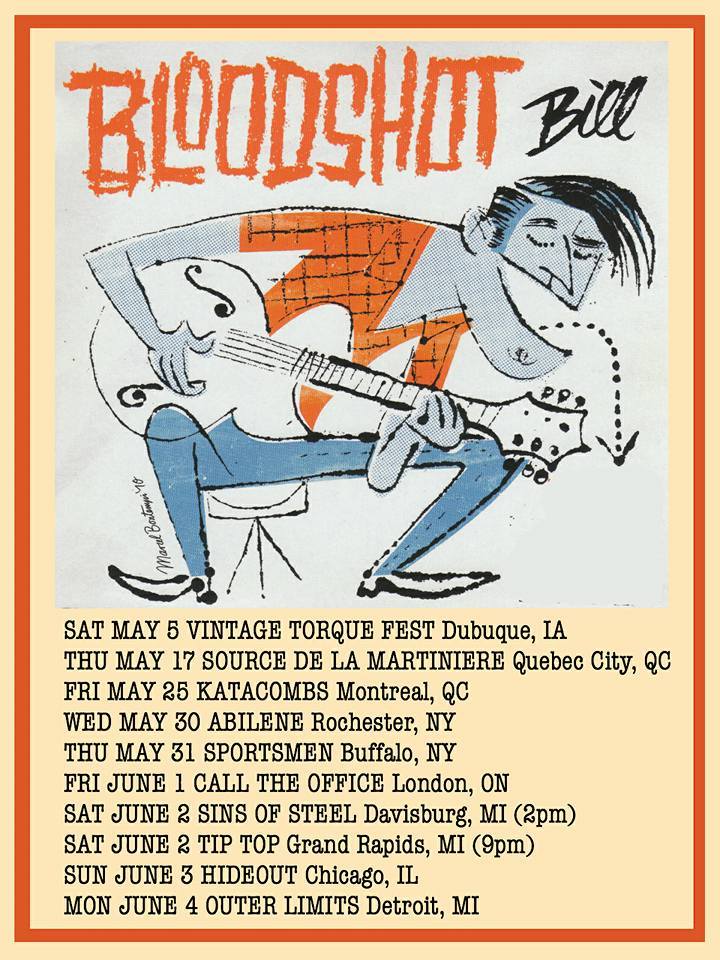
Founded in 2006 and active until the end of 2019, the worker cooperative Katacombes represents one of the major chapters of Montreal’s 21st-century underground scene. Born directly out of the orbit of L’X, it extended a DIY and self-managed culture while taking on a different format: a bar-venue able to host a wide range of events (music, comedy, talks, benefit shows) in the heart of a downtown area being reshaped. With a capacity of 325, Katacombes occupied a rare niche: large enough to welcome touring acts of “a certain scale,” yet flexible enough to remain a hub for emerging artists, international links, and community.
1. Overview
Katacombes belongs to a family of “hinge” venues: spaces that are neither institutions nor simple neighborhood bars, but platforms where scenes, friendships, micro-economies, and practices of solidarity come together. In the memory of Montreal’s scene, Katacombes is often described as a “home base” for punks and metalheads; in the sources, it appears above all as an infrastructure: a place for booking and diffusion, emerging acts, international links, benefit events, and a rare hosting capacity.
Its story is also an urban story: through the 2000s and 2010s, downtown is requalified, rents rise, taxes harden, and alternative venues are pushed to move. Katacombes holds on for a long time—then becomes, in 2019, a symbol of the structural fragility of small venues at the heart of the city.
2. Genealogy: L’X as a matrix (late 1990s–2004)
In the late 1990s, the press described L’X (182 Sainte-Catherine Street East) as a collective by and for young artists: a live venue, a bar, workshops (screen printing, photography, sewing), exhibitions, and a documentation center. Katacombes emerged directly from that legacy: the same networks, the same culture of autonomy, and the same understanding of cultural space as a tool for cohesion and community survival.
The closure of L’X in 2004 (eviction / requalification, real-estate pressure, major projects) created a rupture. Katacombes then appears as a pragmatic response: keep the spirit, change the format, and find a viable foothold in a city that is shifting.
3. Founding and first foothold on the Main (2006–2009)
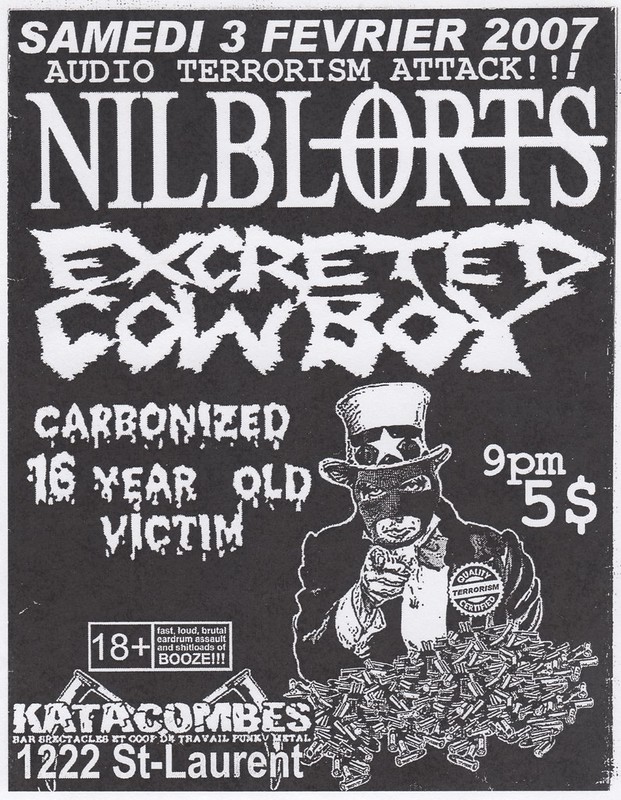
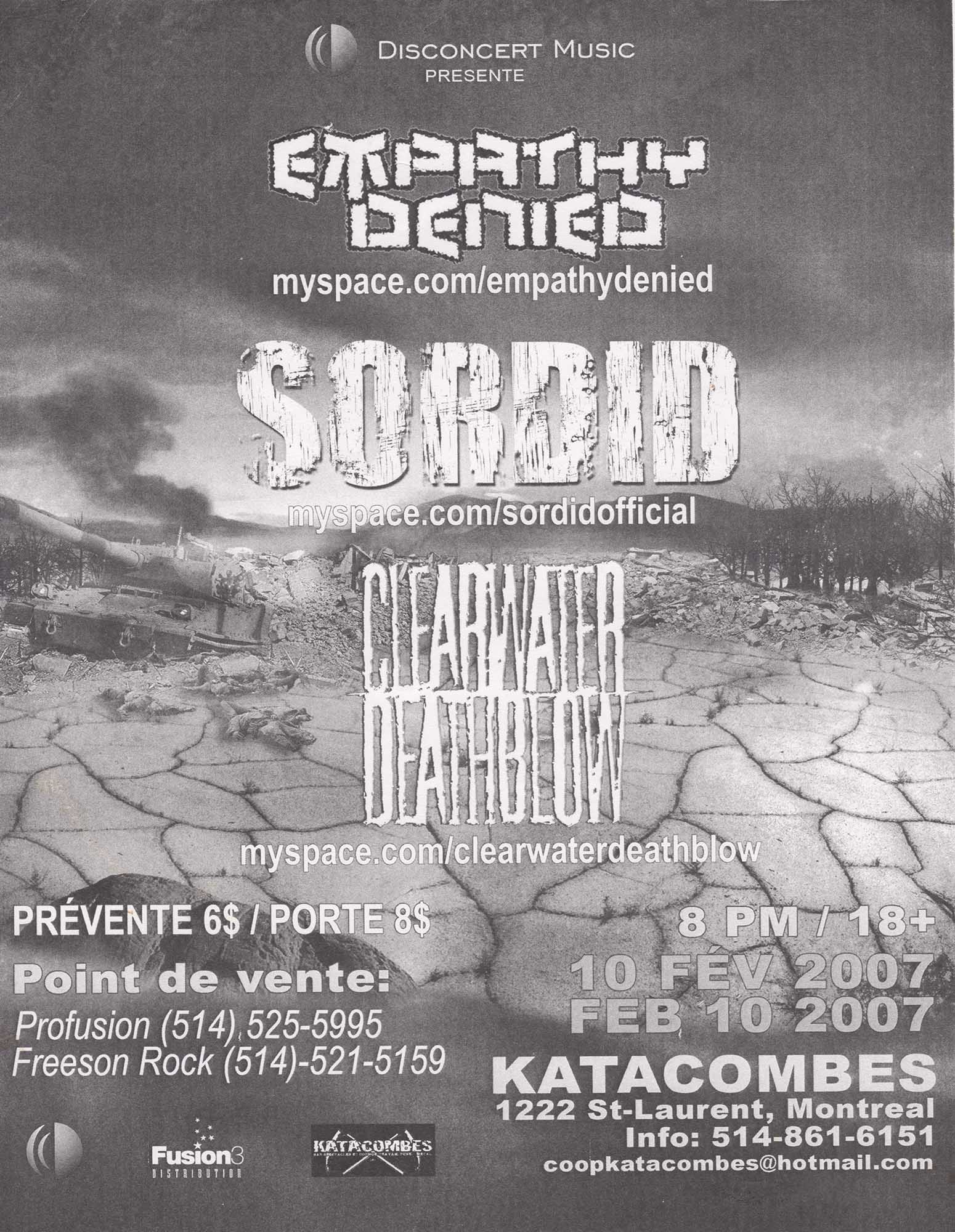
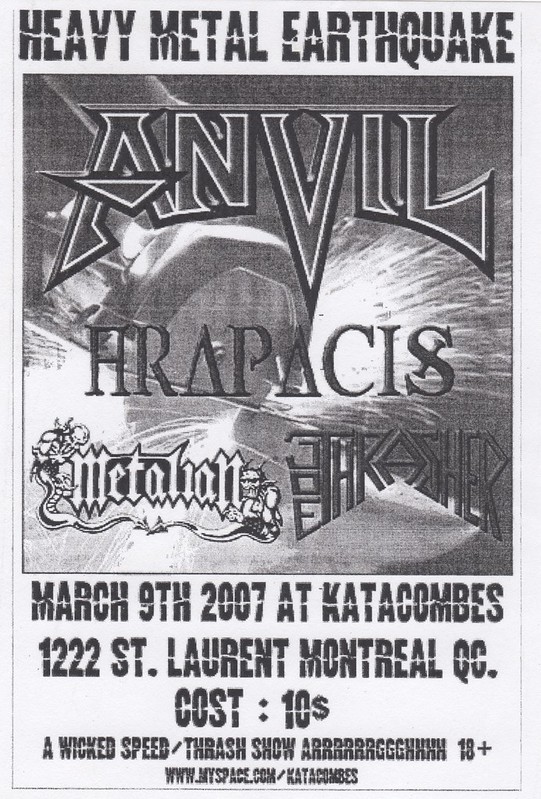
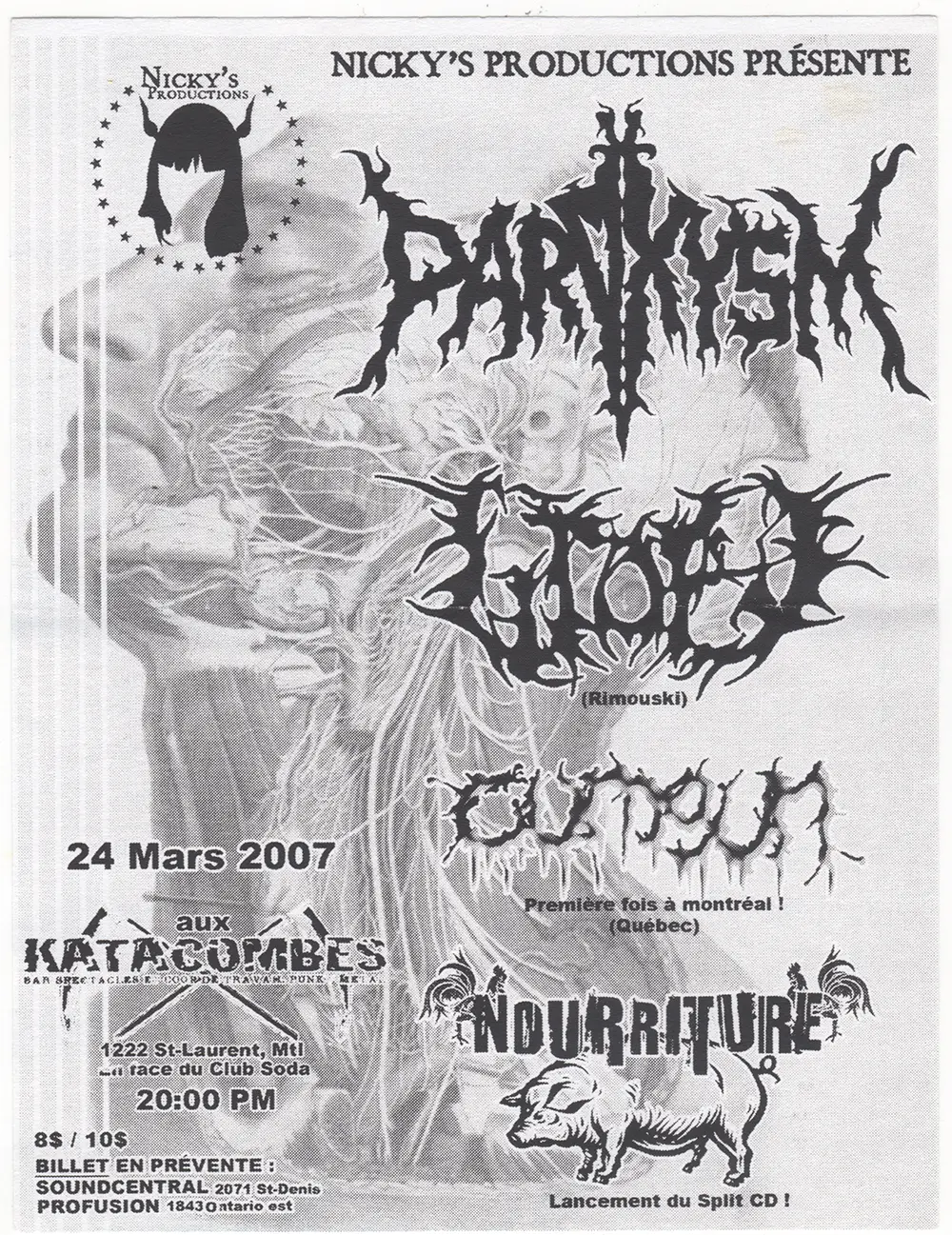
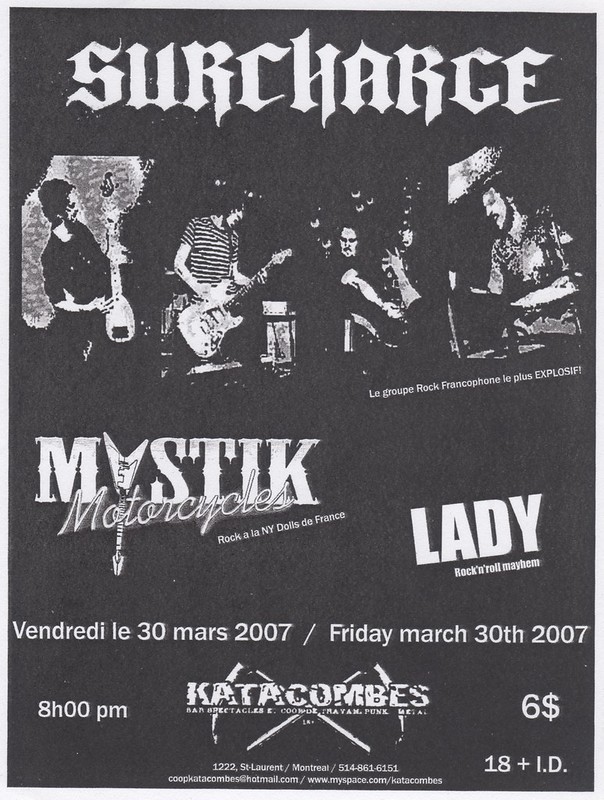
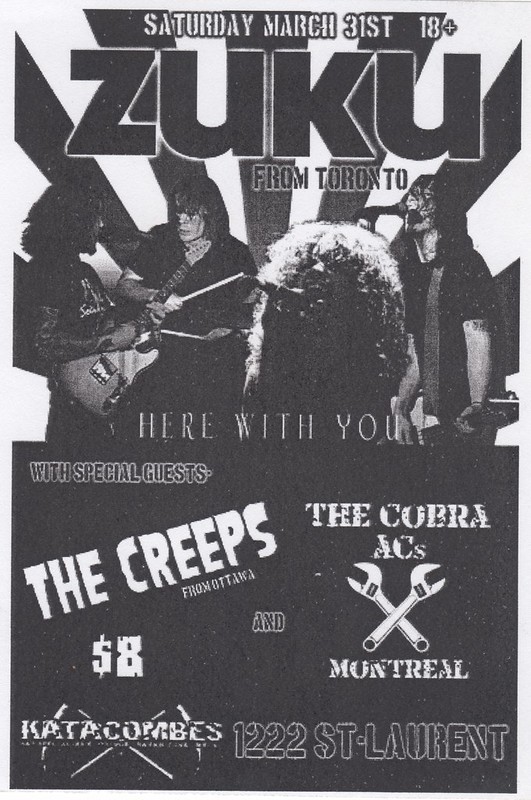
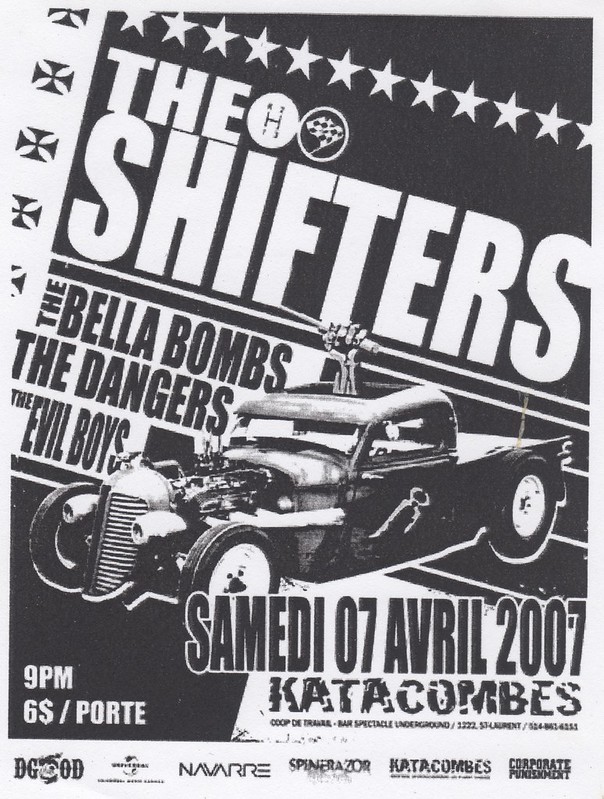
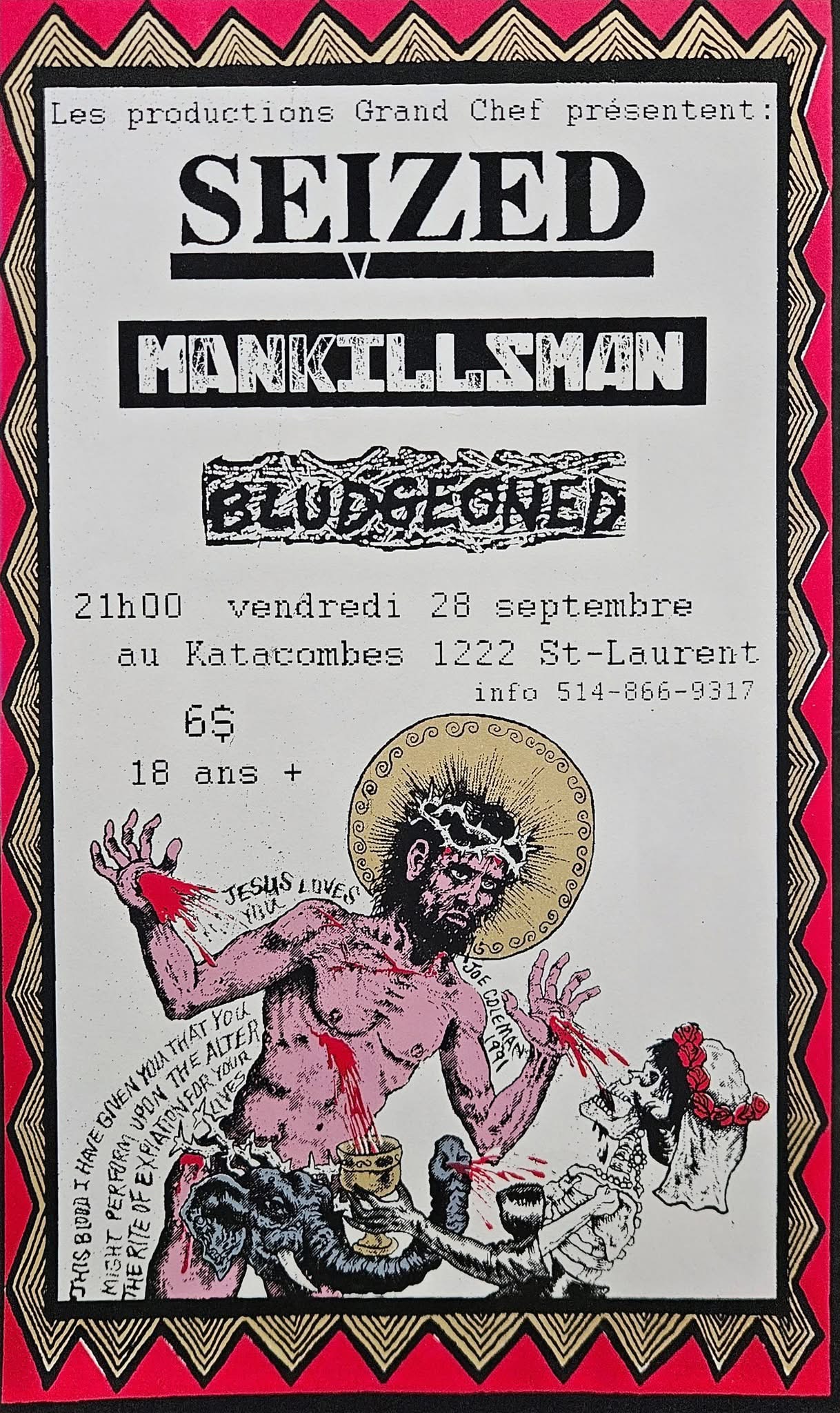
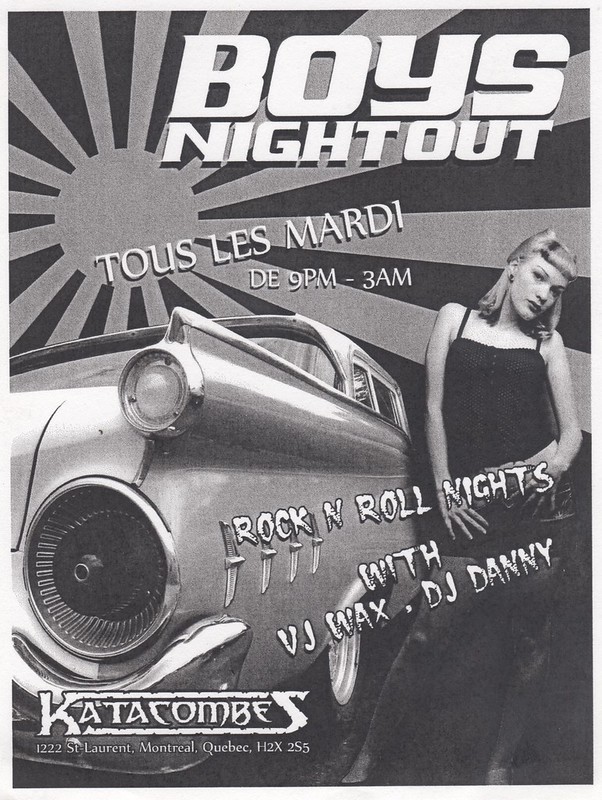
In 2006, Katacombes set up at 1222 Saint-Laurent Blvd.. A press piece from December 2006 frames the moment as a symbolic pivot: an older hangout gives way to an “underground” rock bar, and the space is reconfigured around a new program—while explicitly claiming direct continuity with L’X.
This first site served as an operational base: the co-op learned to stabilize a team, a steady cadence of events, and an economic model, in an urban environment where the margins are tolerated as long as they remain “contained”—and then pushed out as soon as land values rise.
4. “Back in the open”: relocation and consolidation (2009)
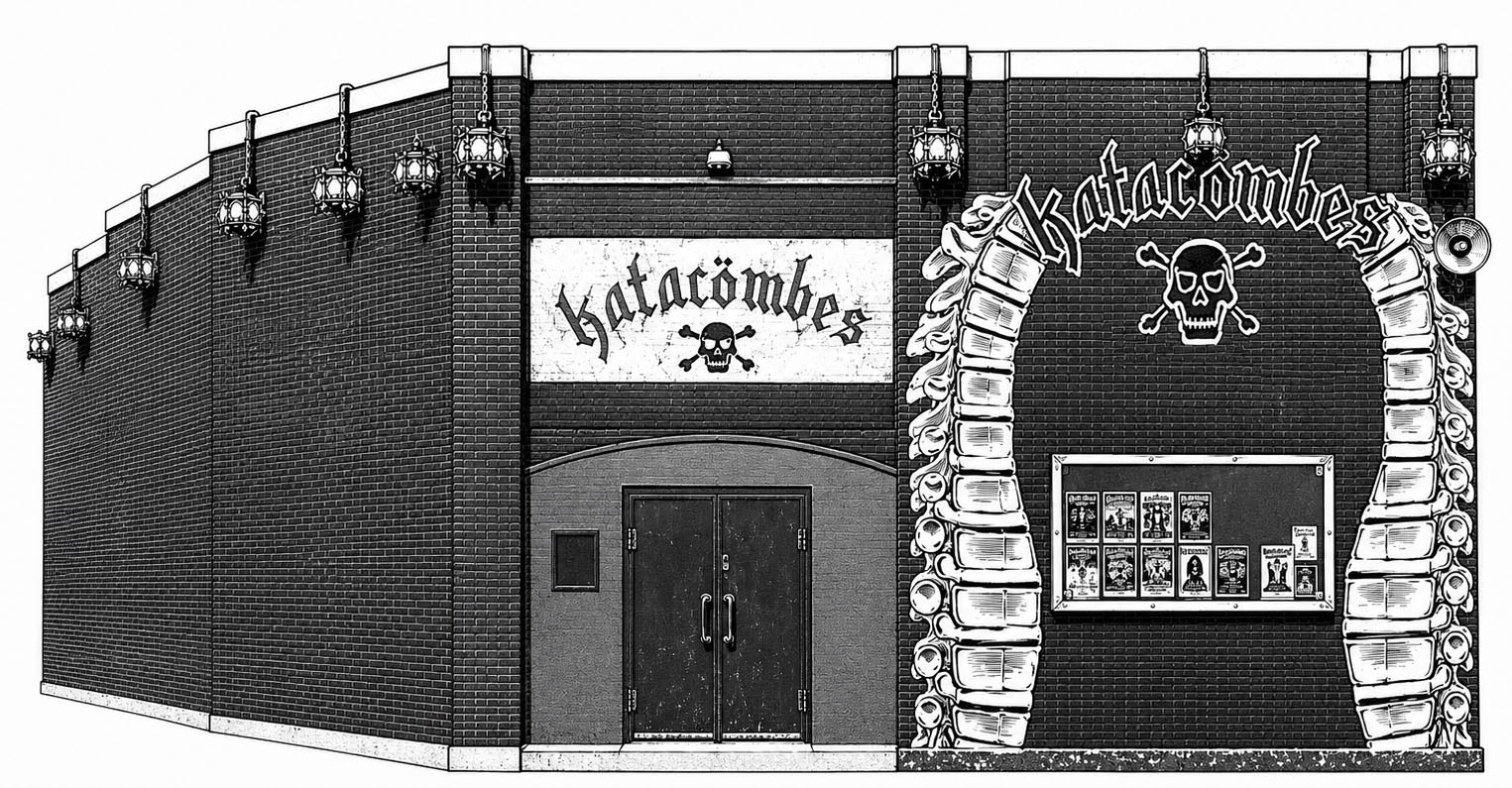
On August 1, 2009, Katacombes moved to the corner of Saint-Laurent Blvd. and Ontario Street. A 2009 article describes the reopening as a moment of consolidation: a more visible venue, better suited to hosting audiences, designed around a cooperative logic.
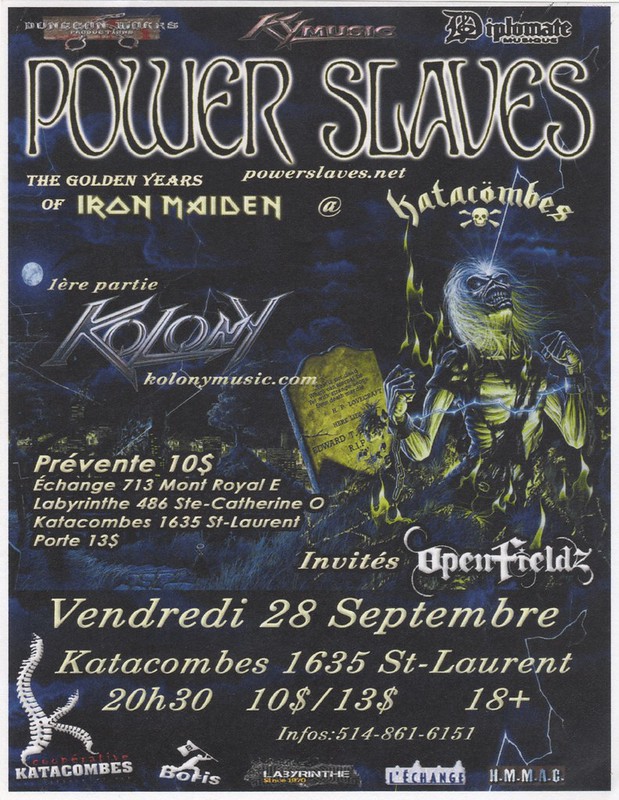
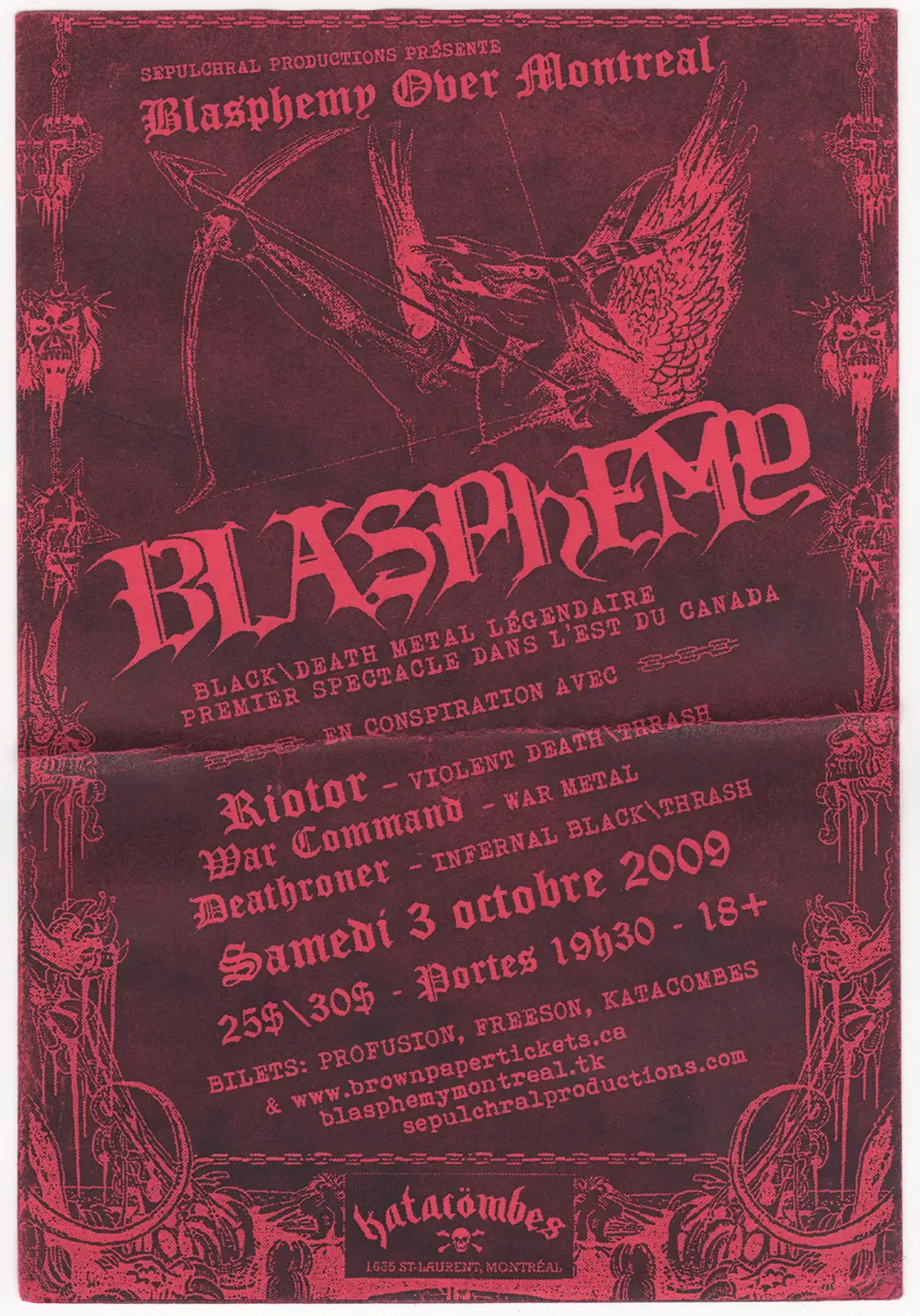
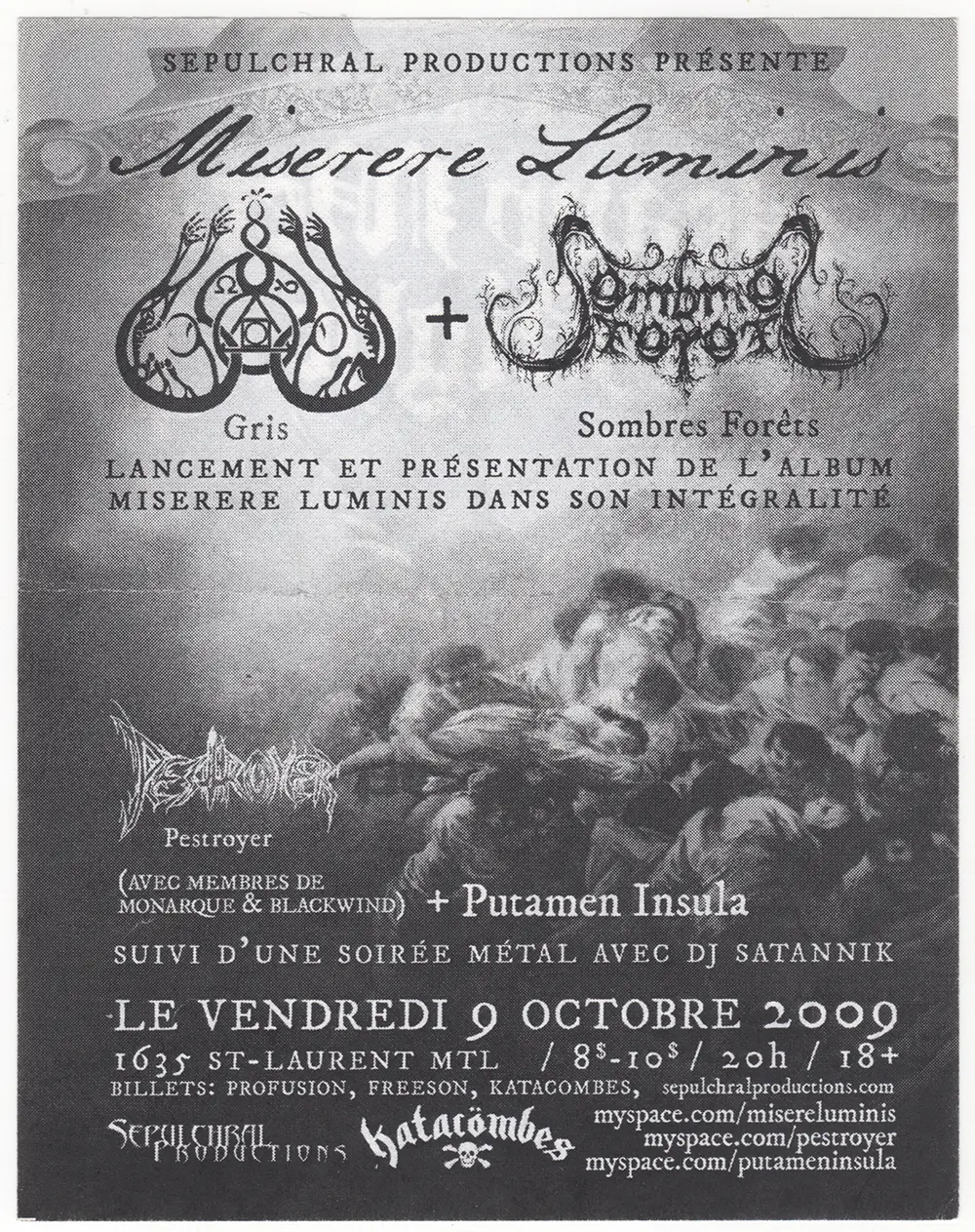
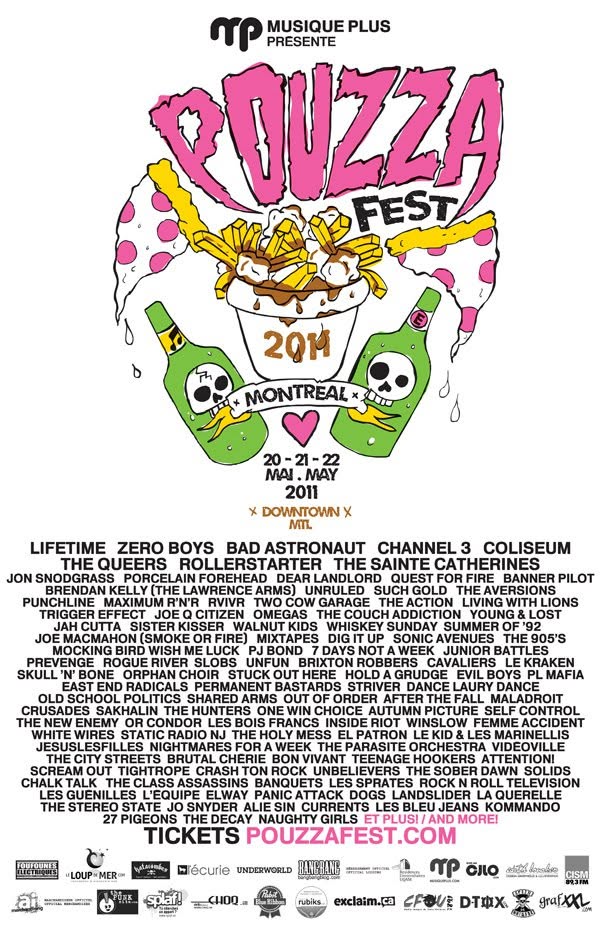
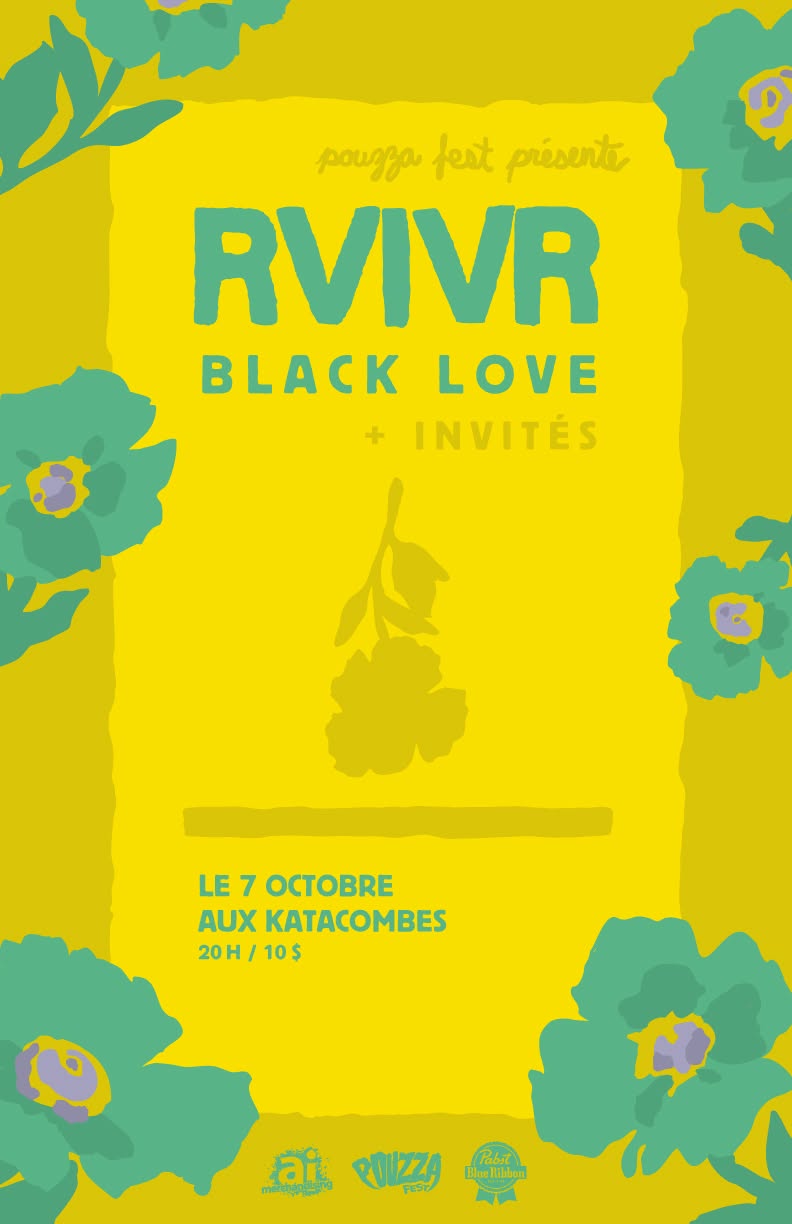
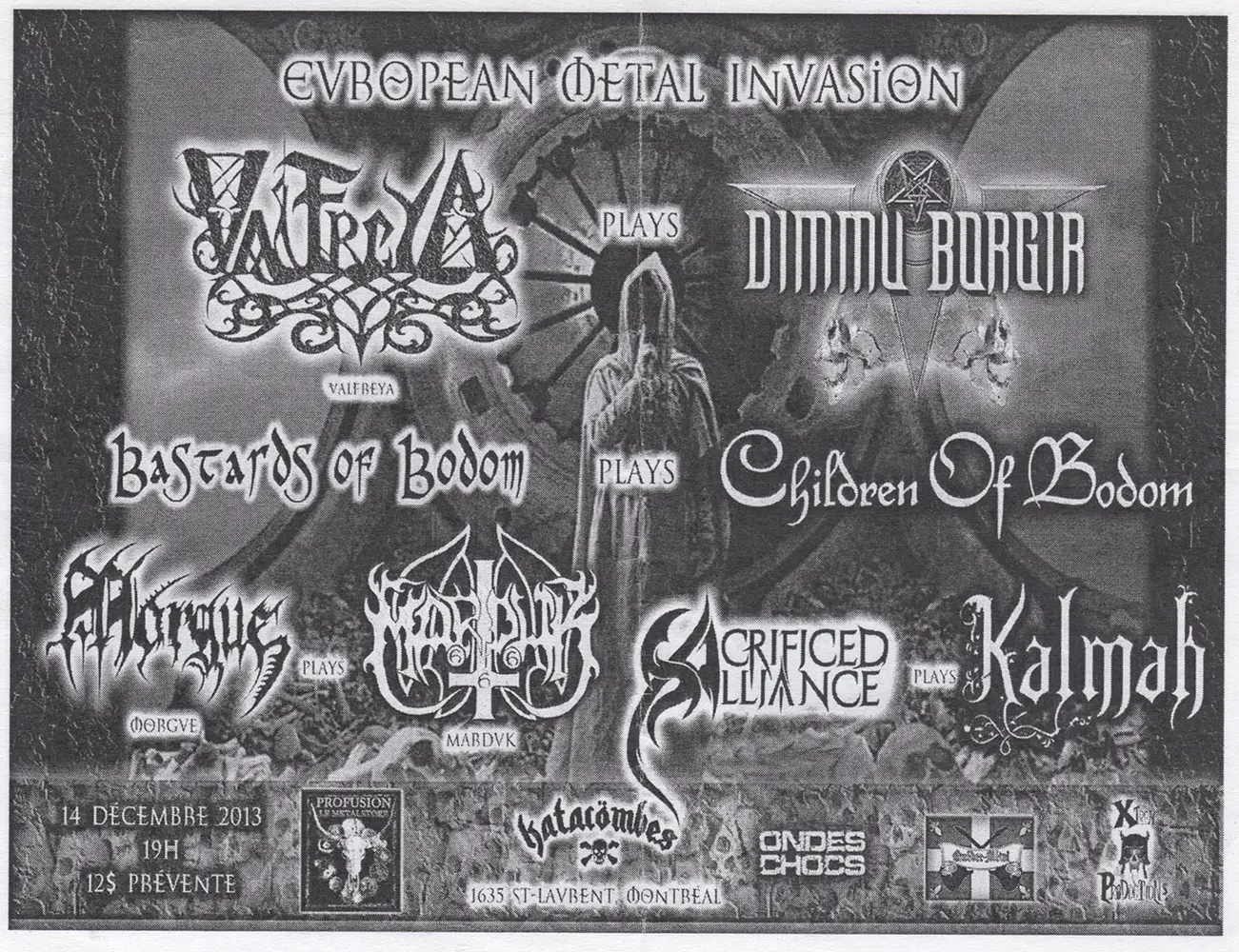
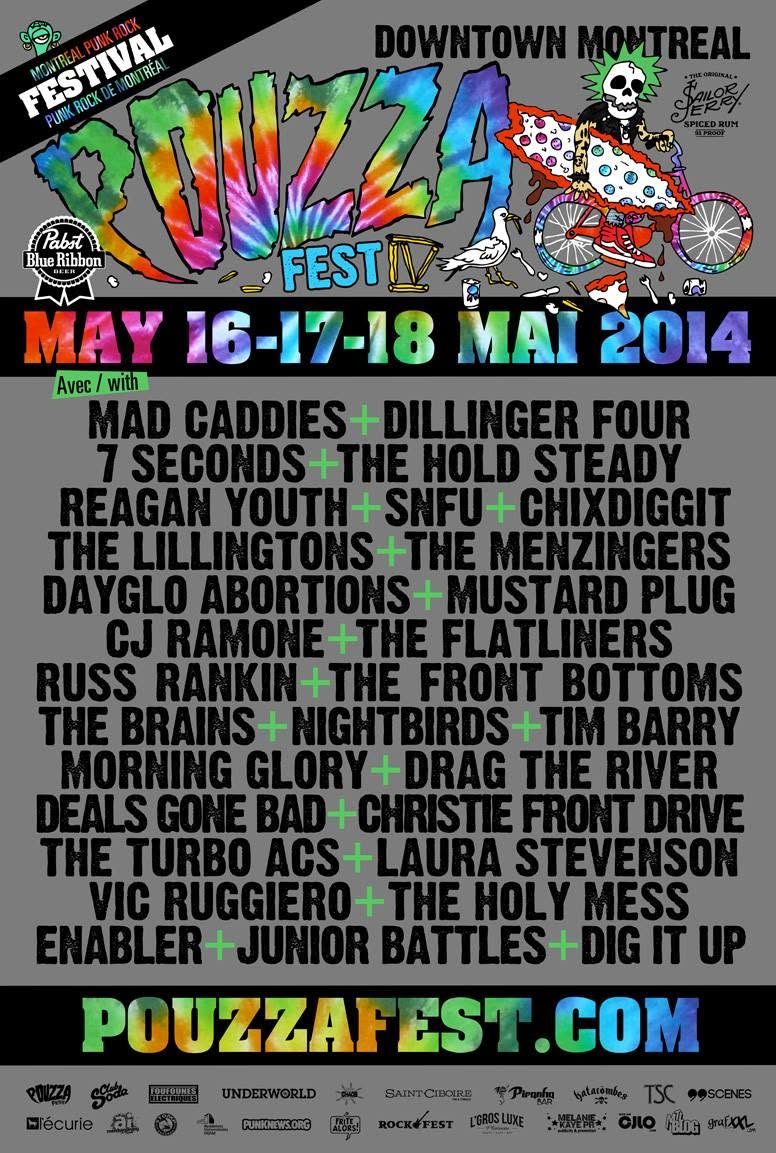
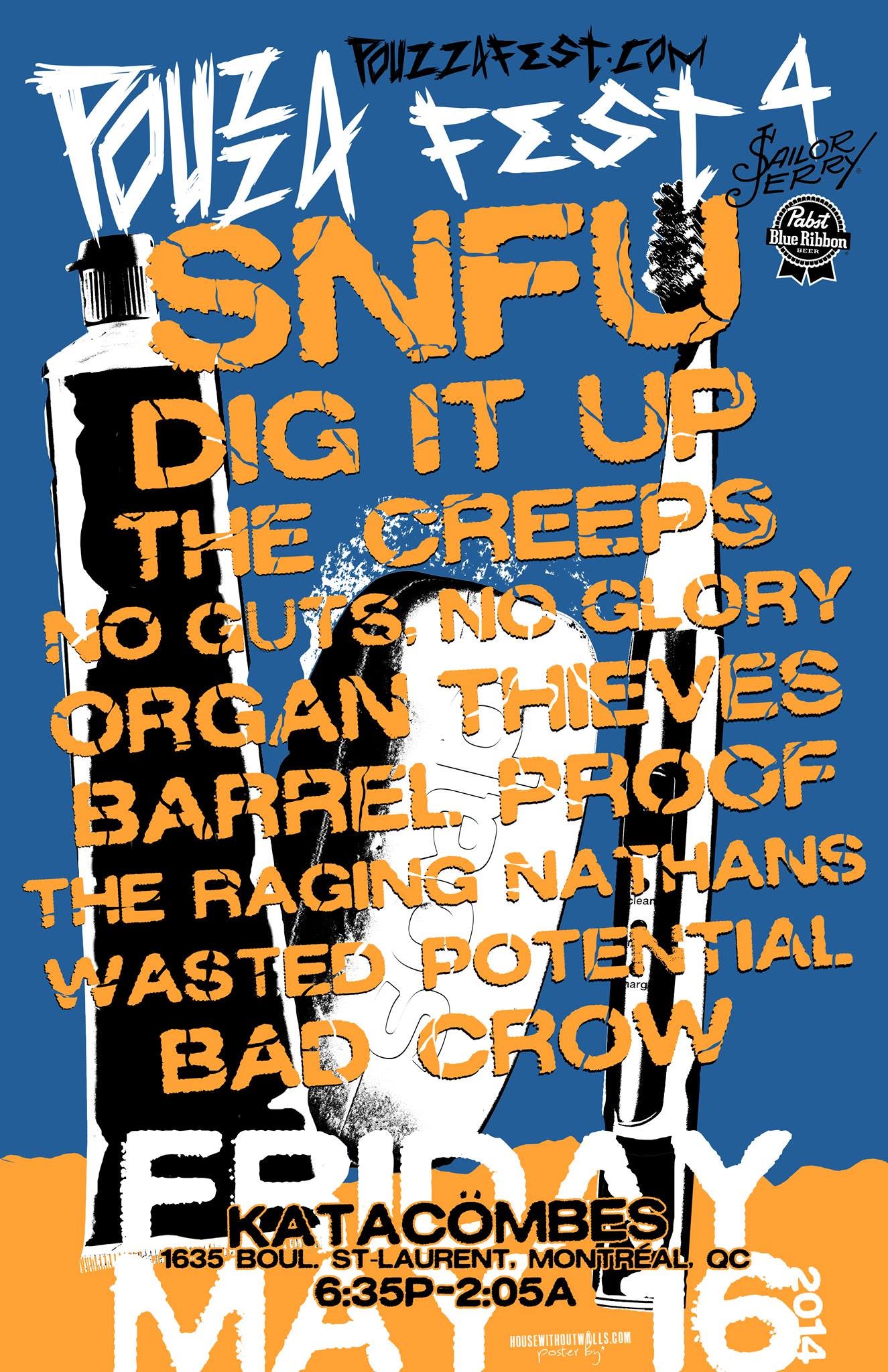
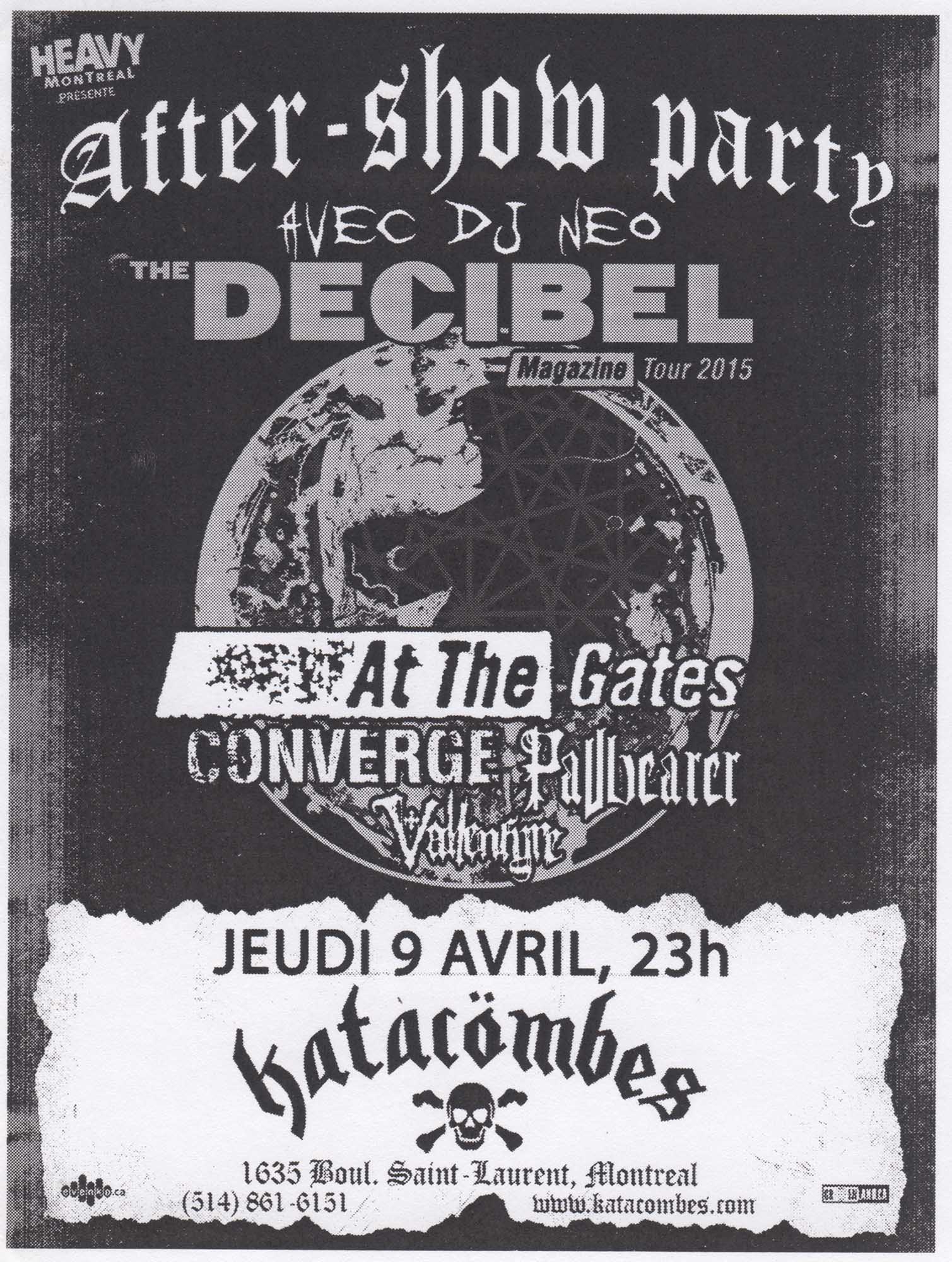
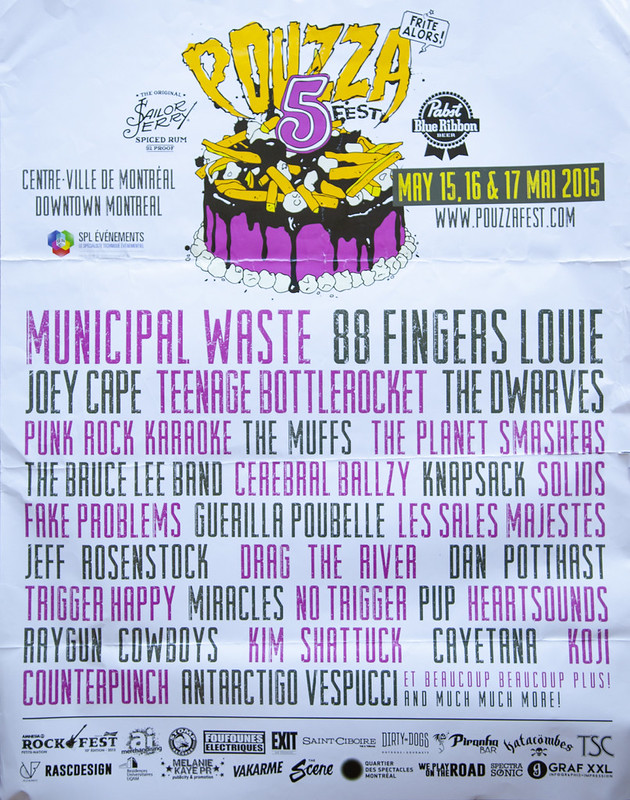
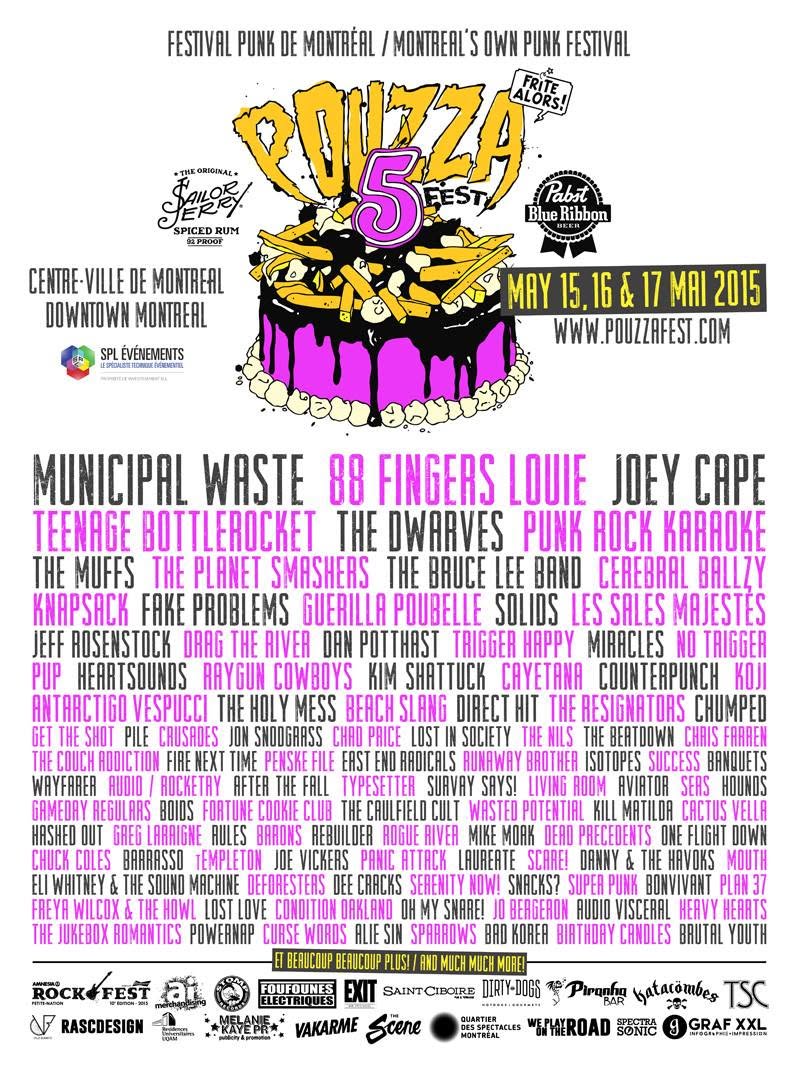
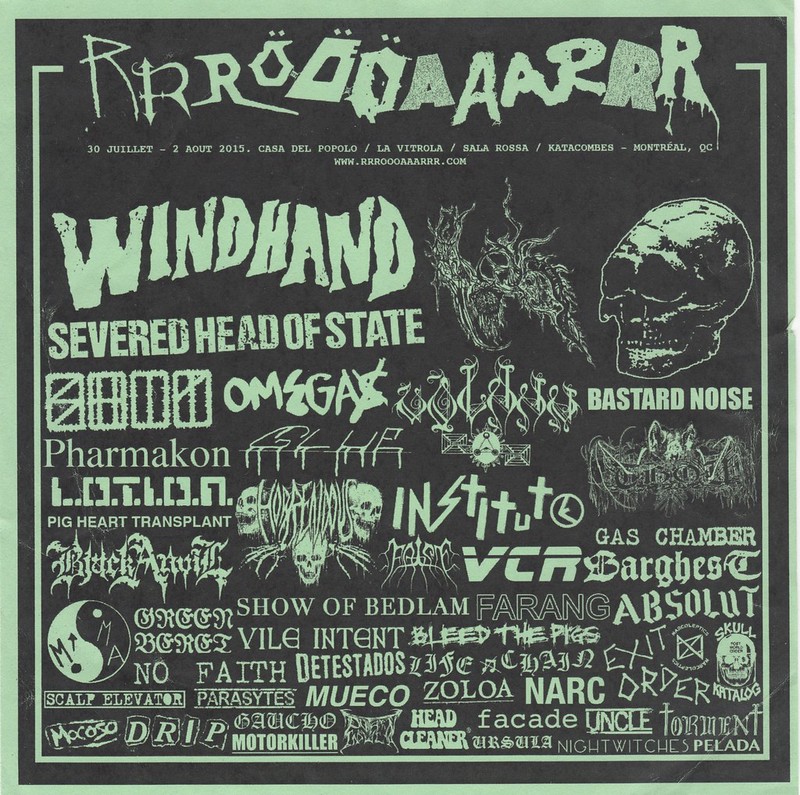
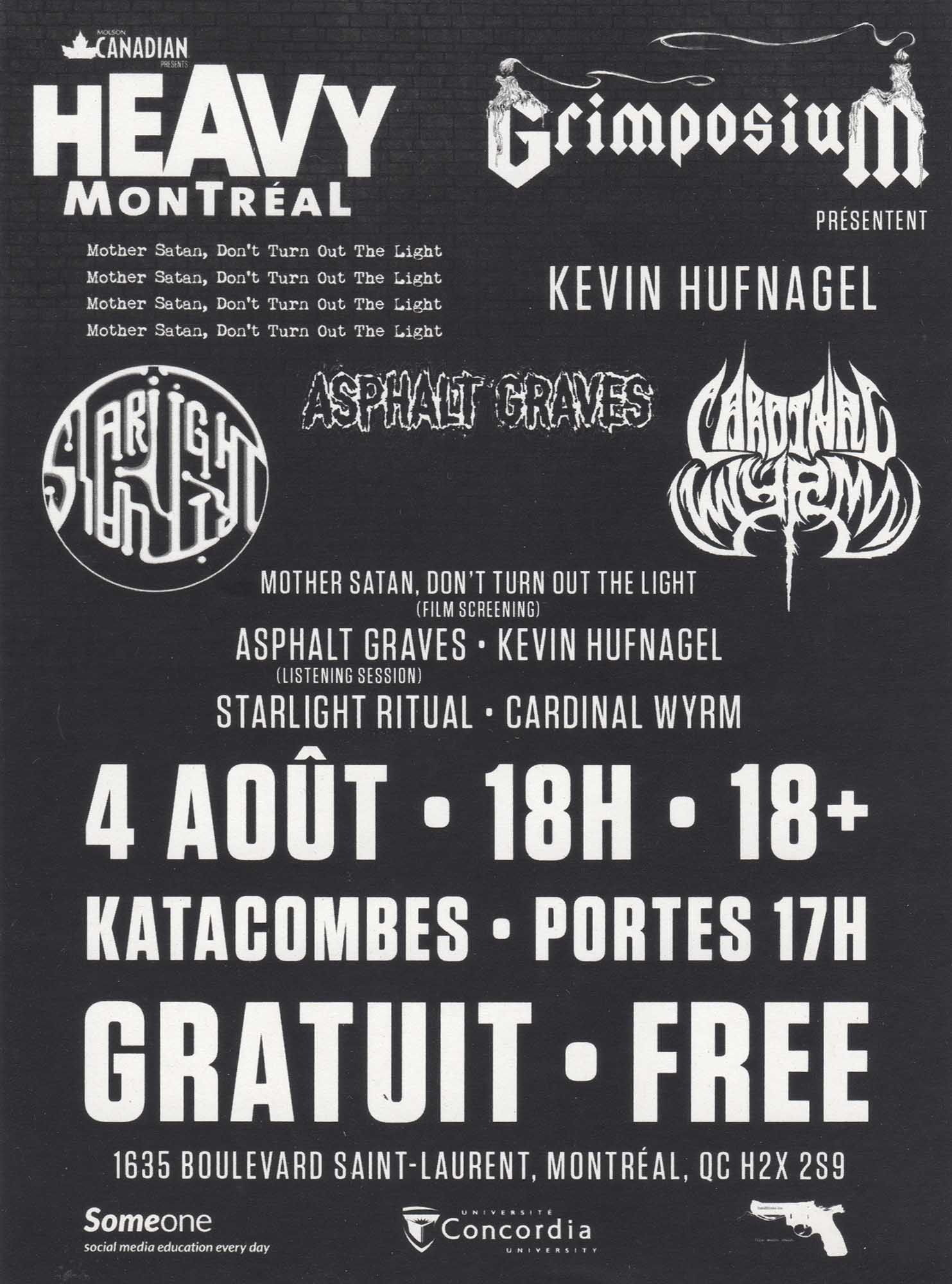
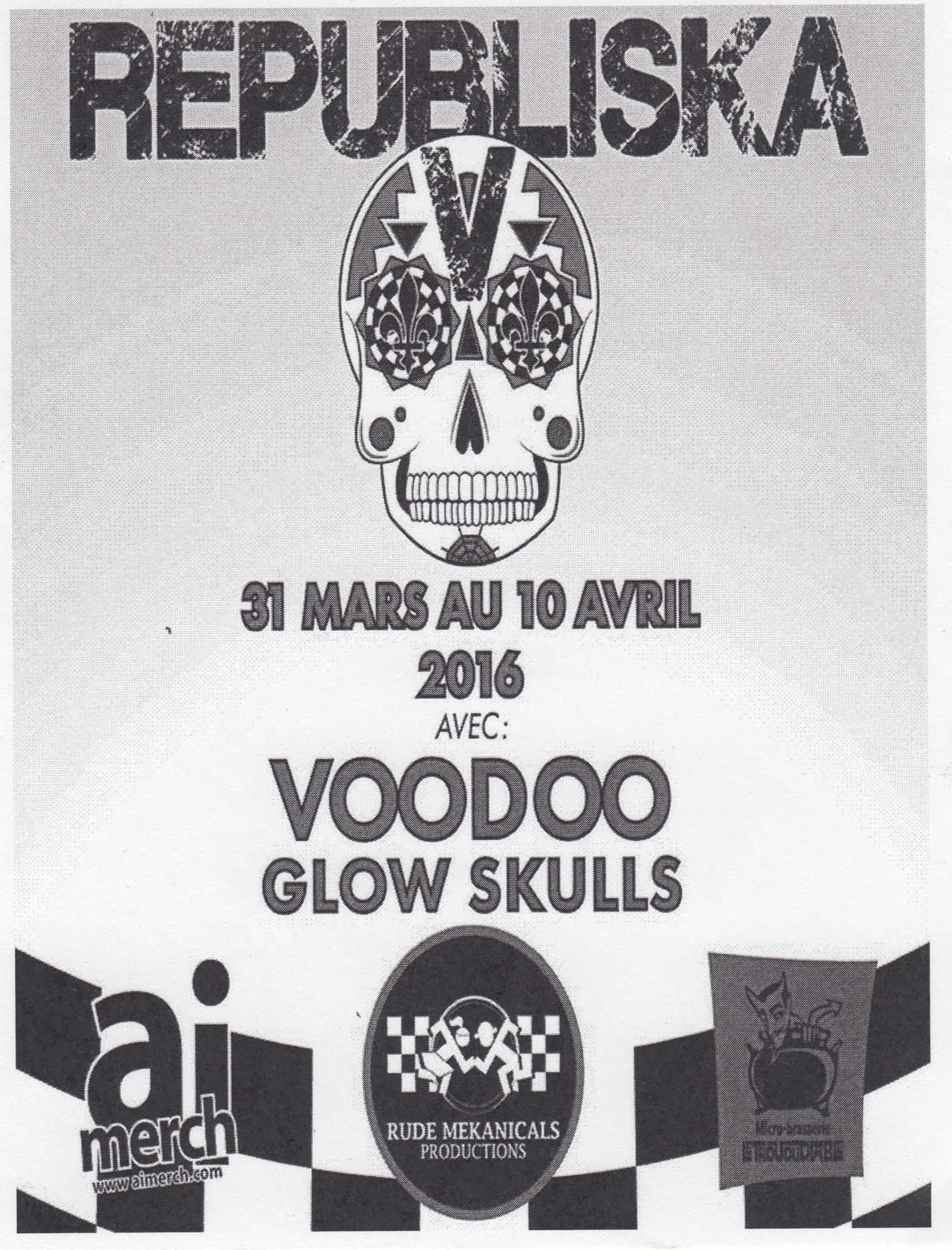
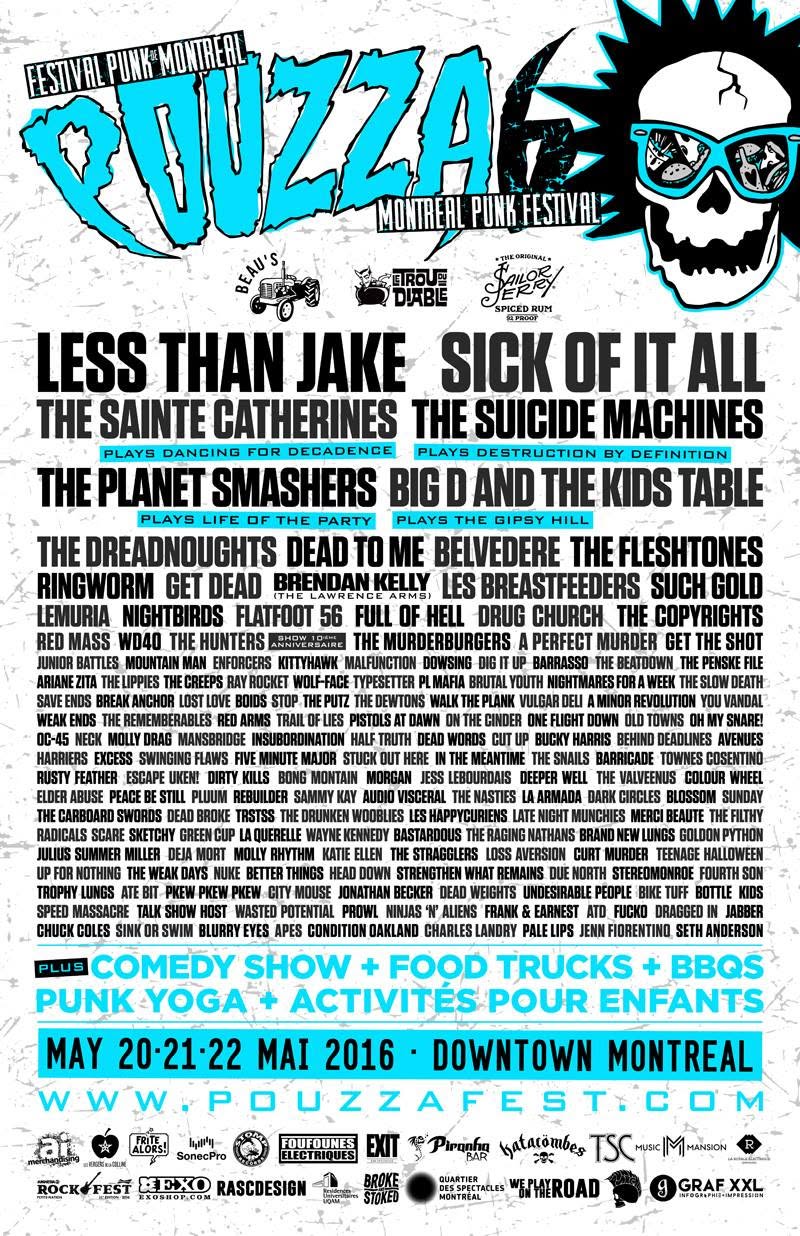
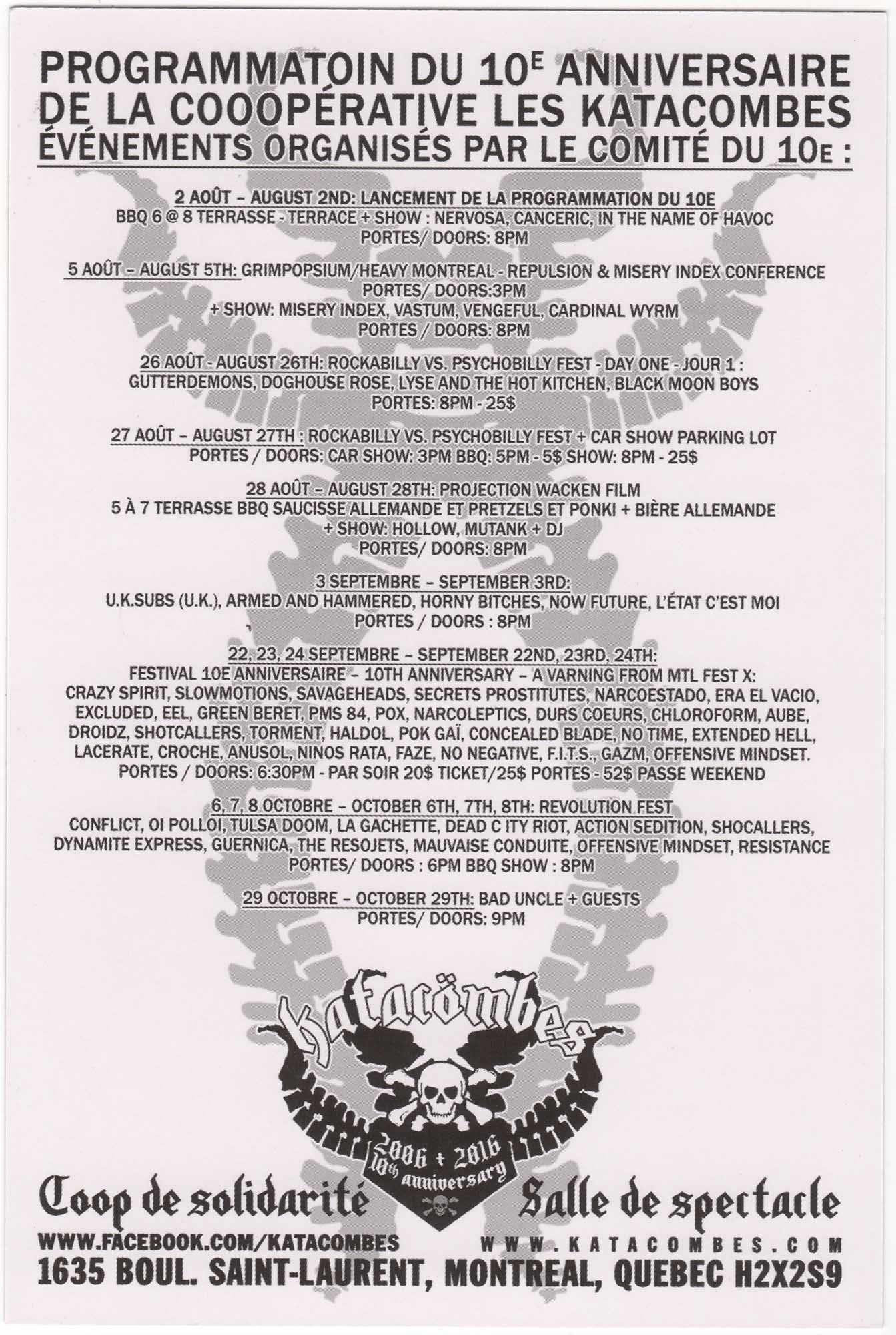
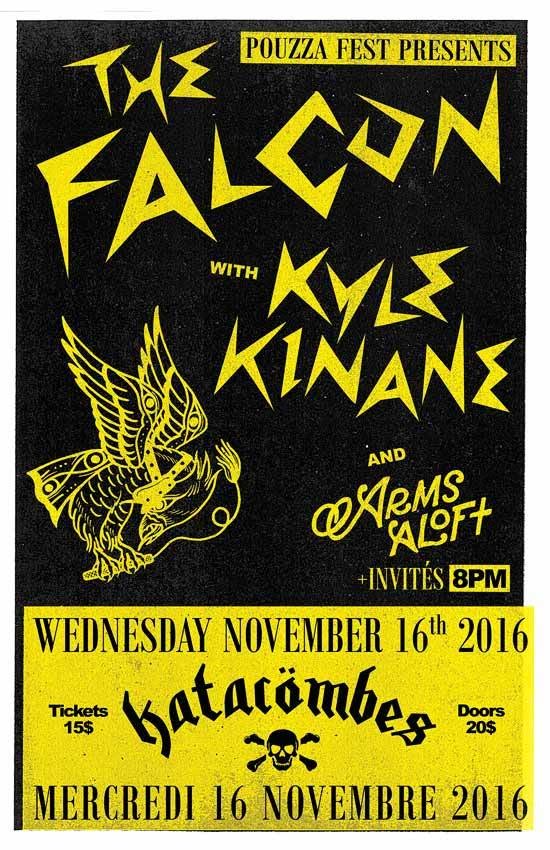
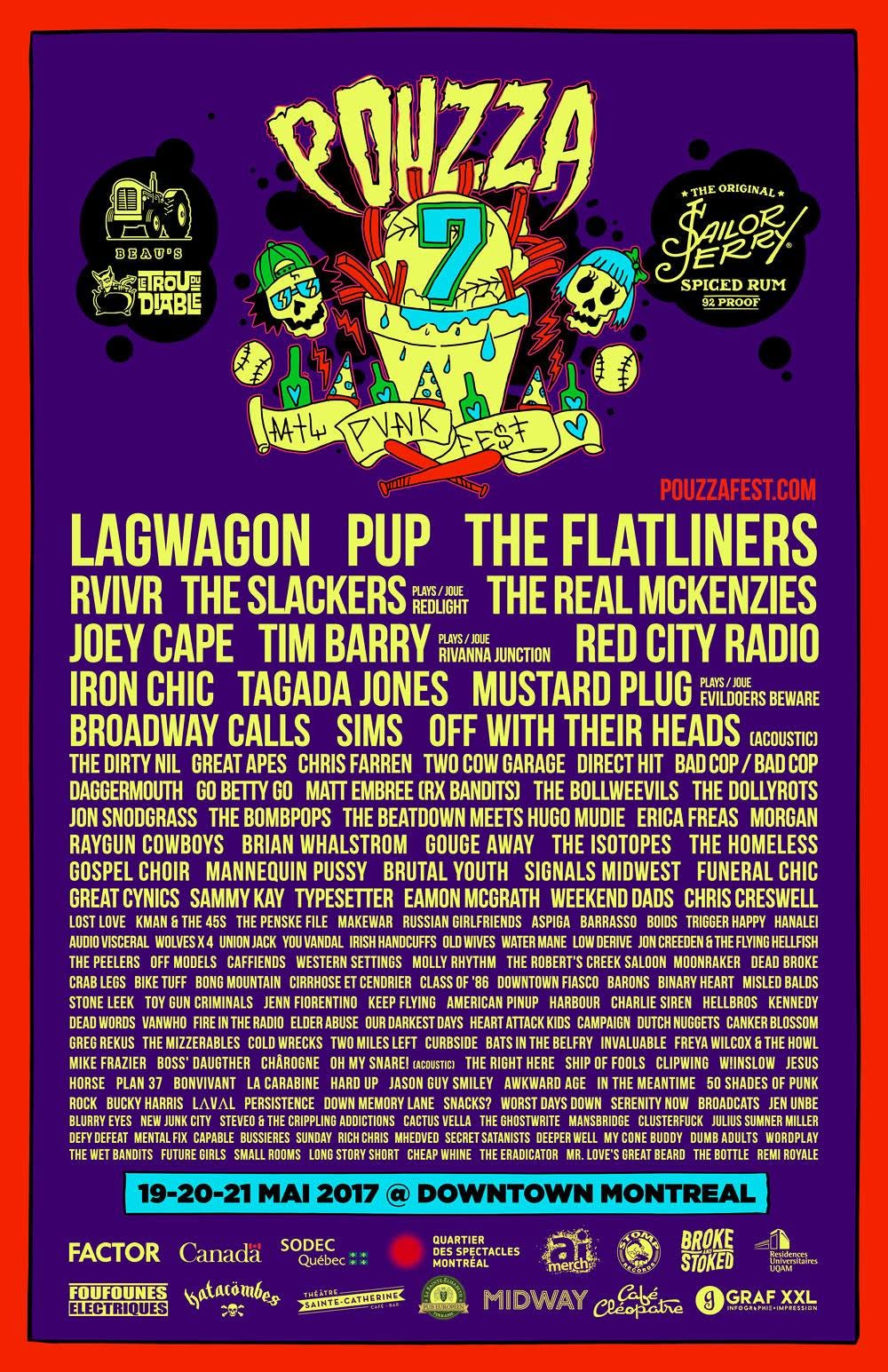
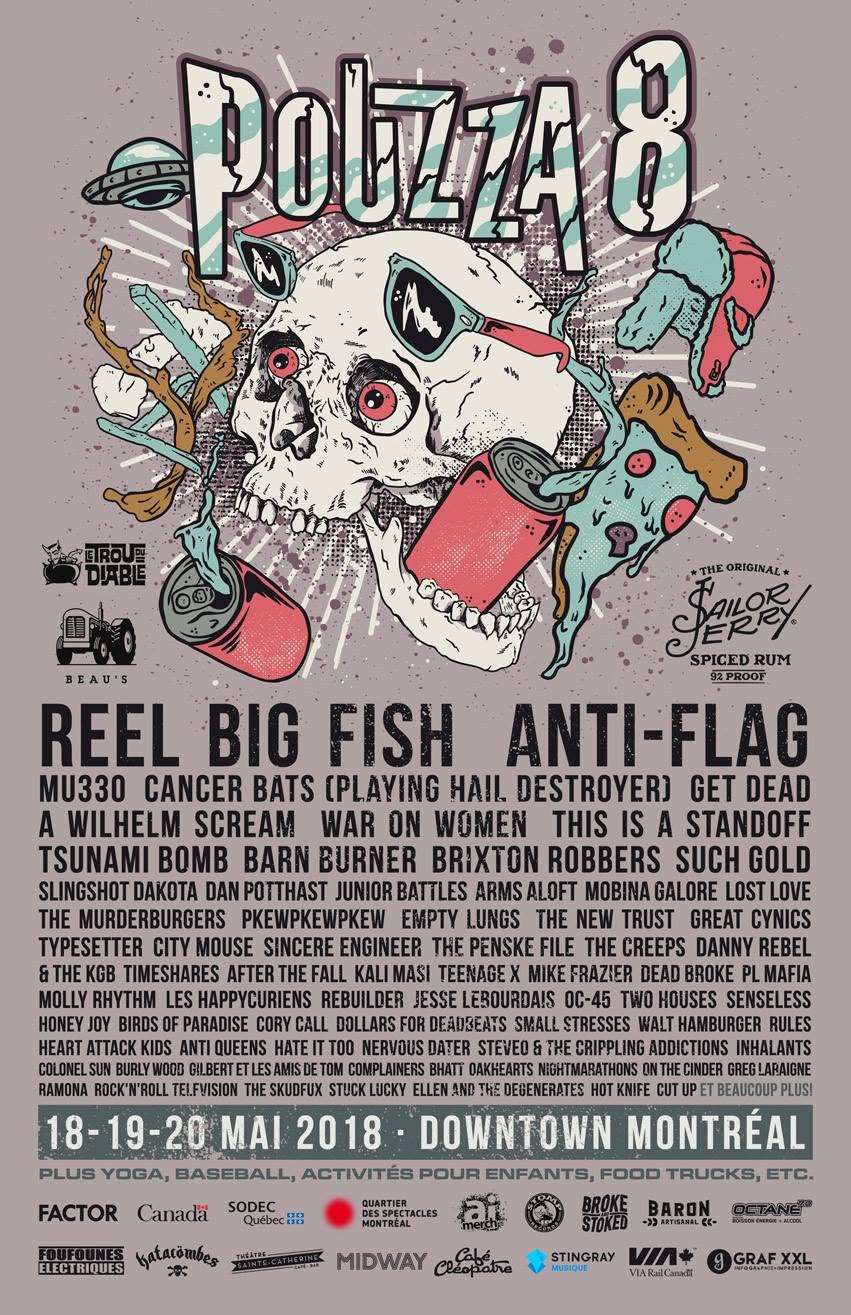
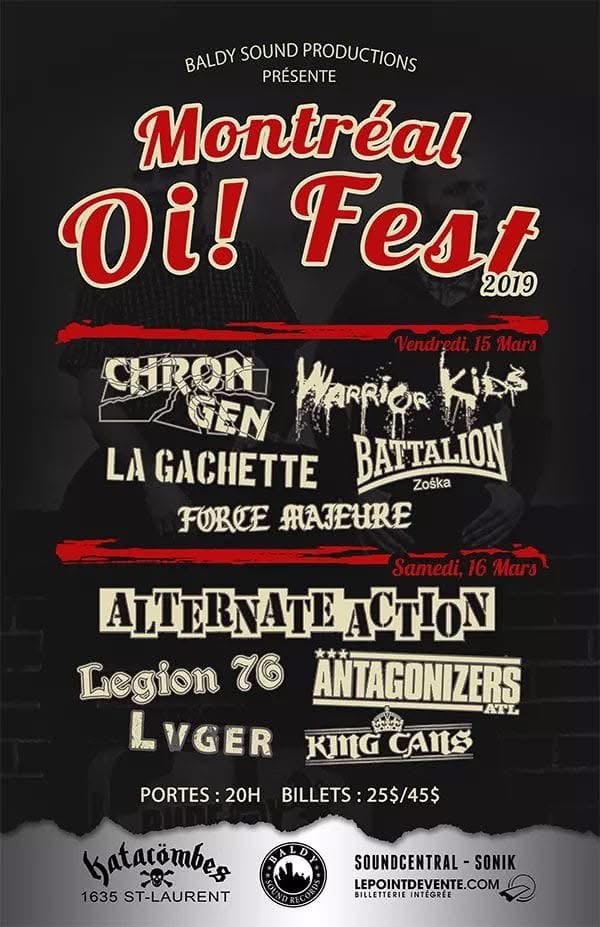
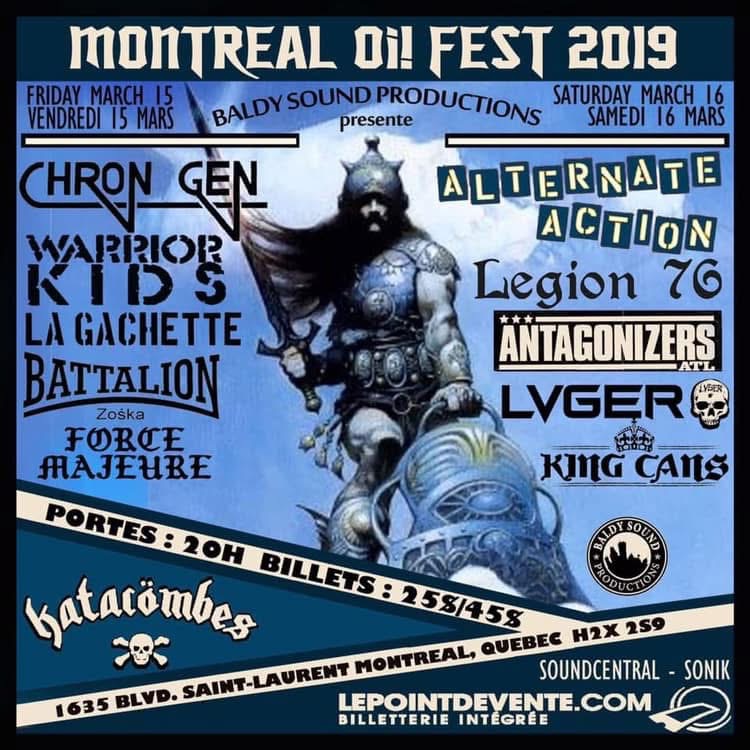
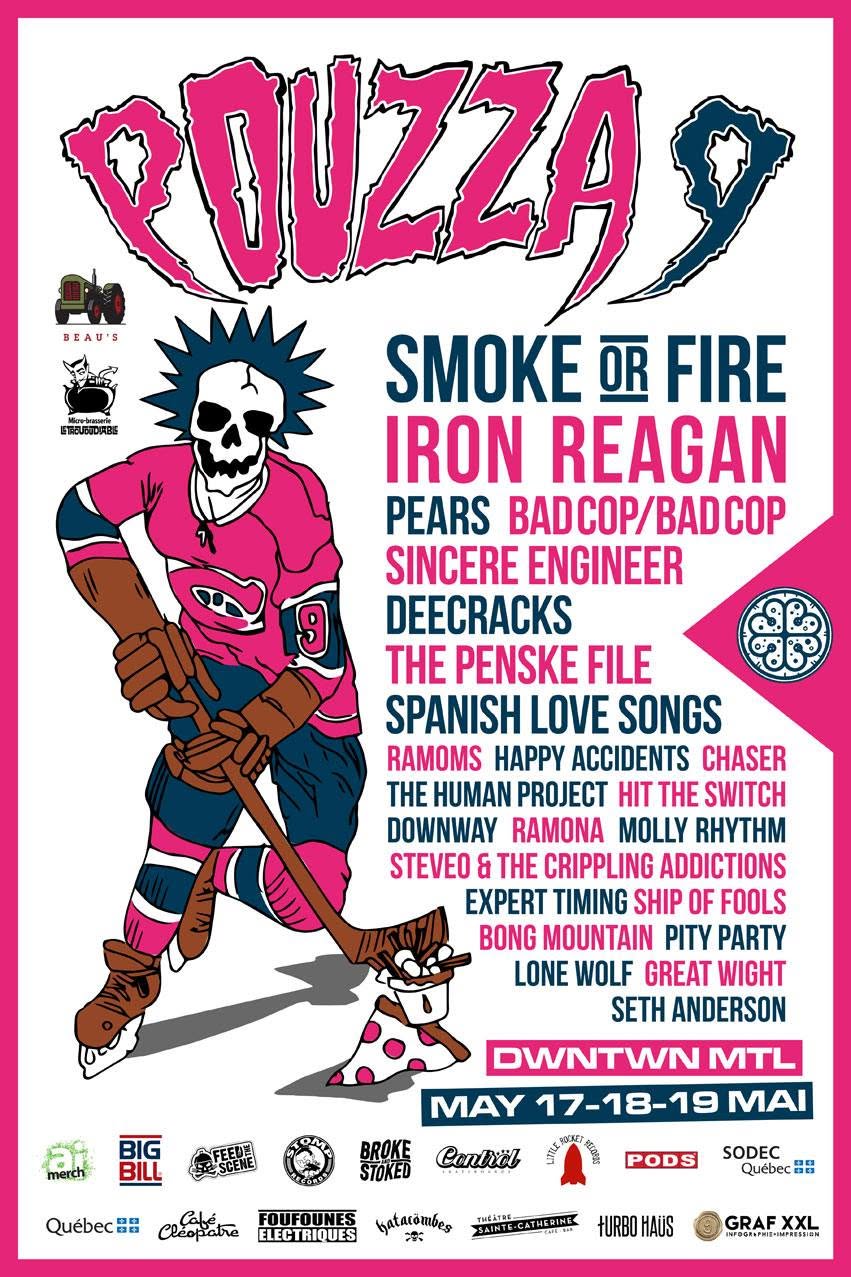
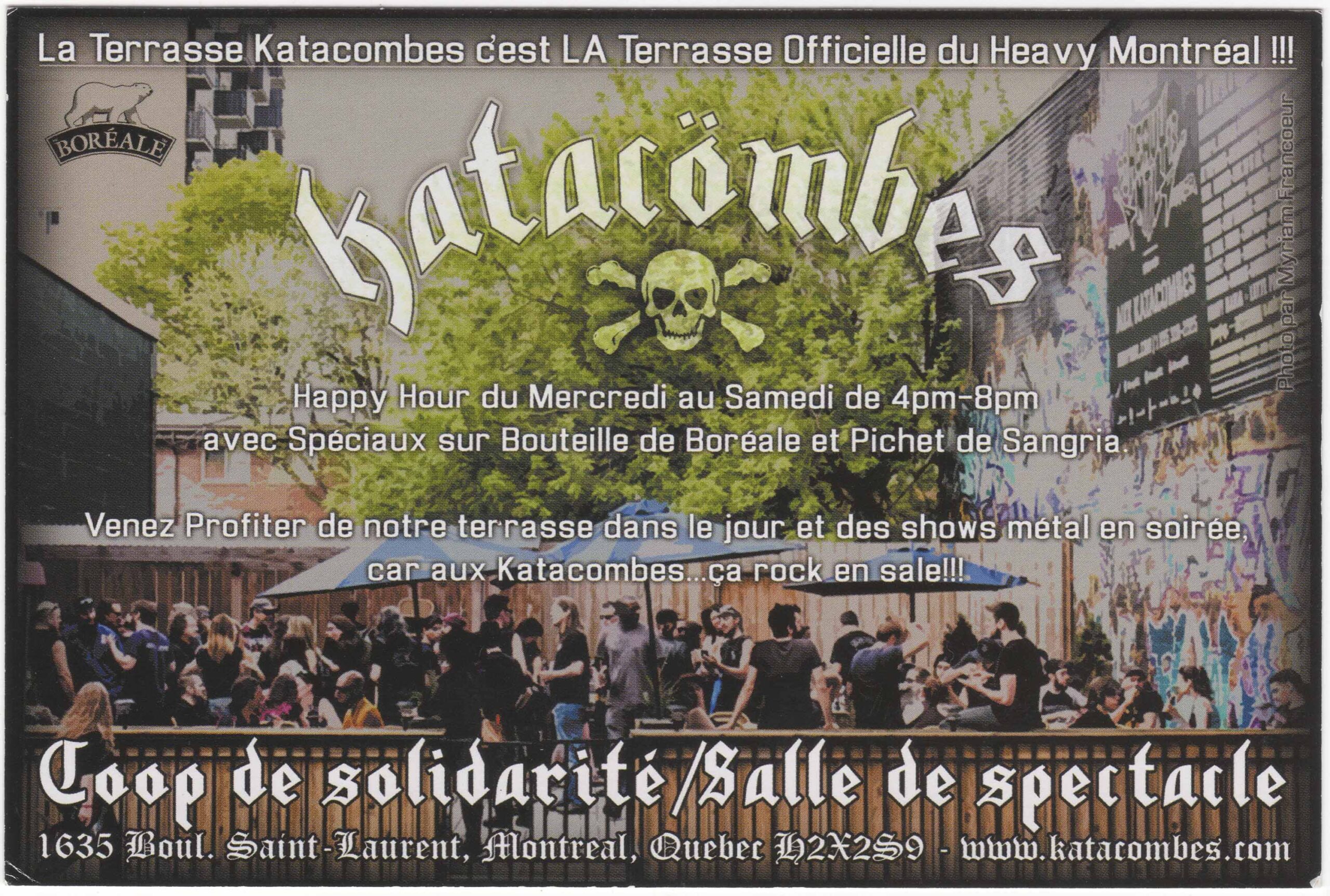
This relocation was not only a move: it marked a shift from a venue that “survives” to one that “lasts.” Katacombes became a landmark room: steady, identifiable, hosting initiatives tied to festivals such as Heavy Montréal and Pouzza, while remaining a space for emerging acts and the underground.
5. The venue: iconography, uses, atmosphere
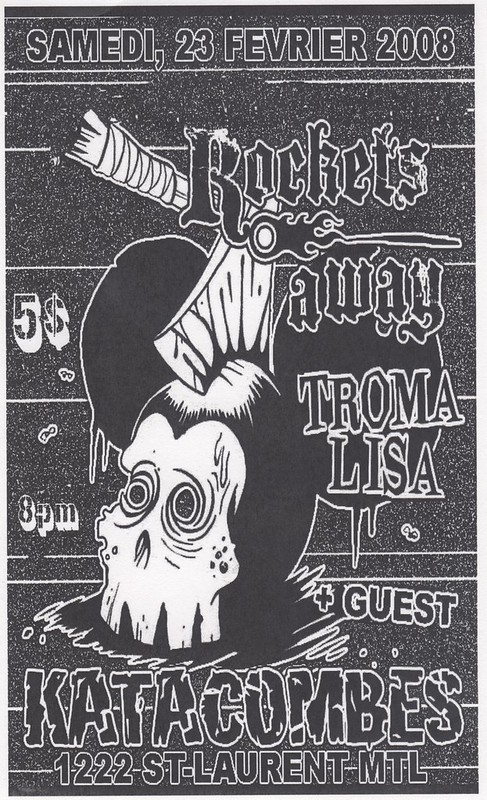
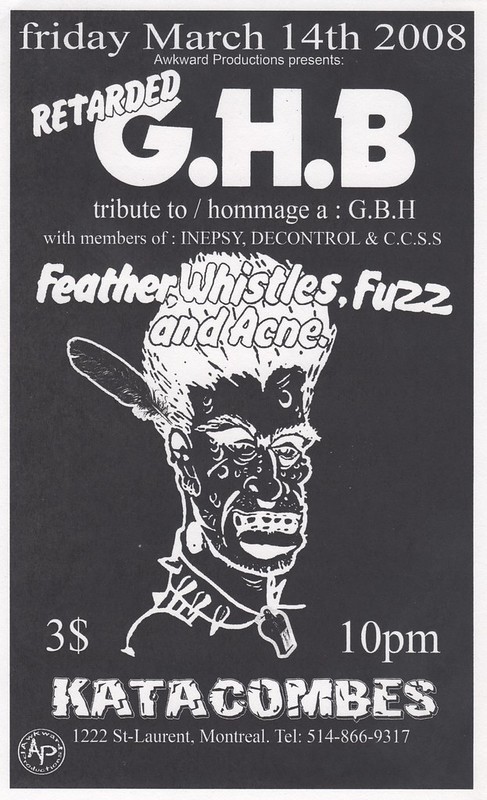
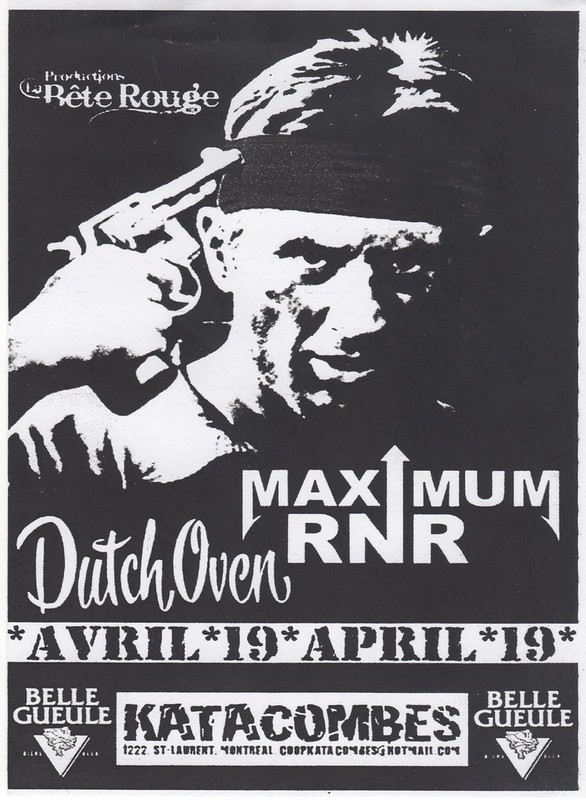
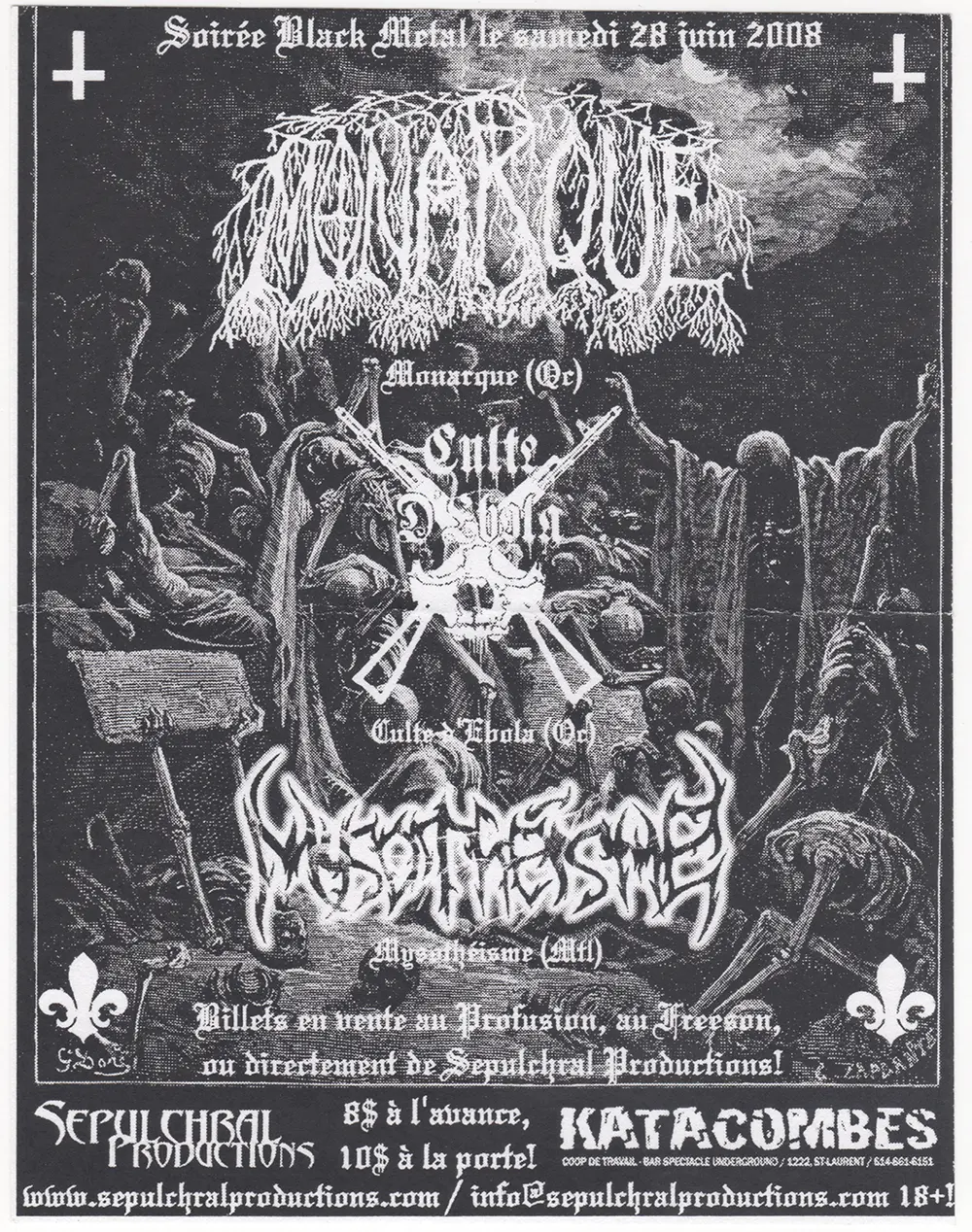
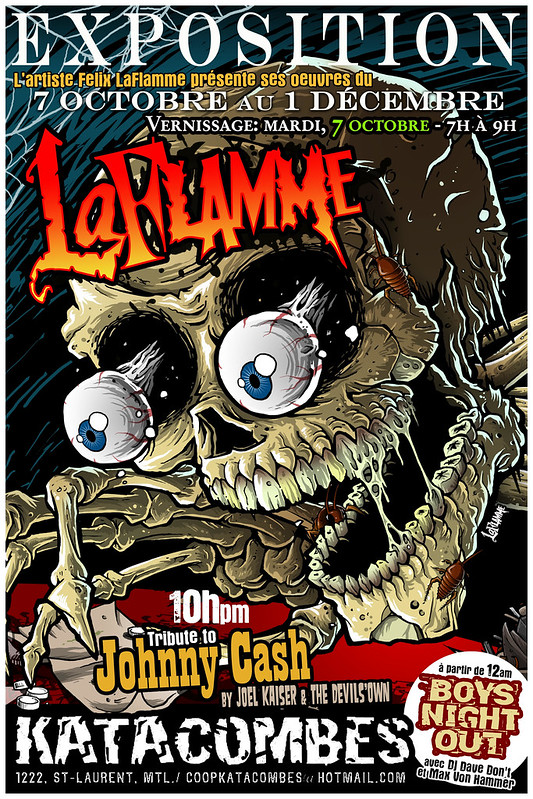
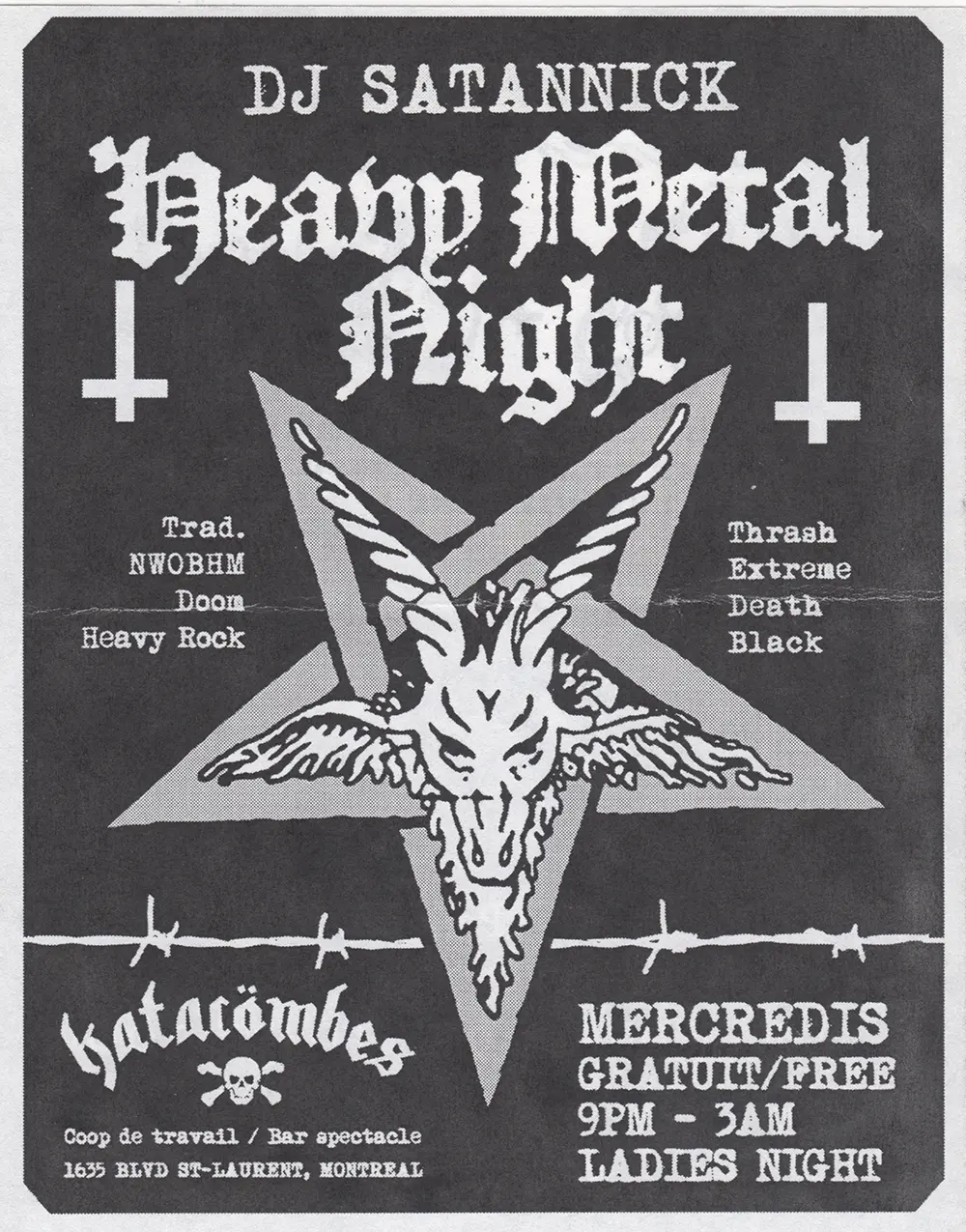
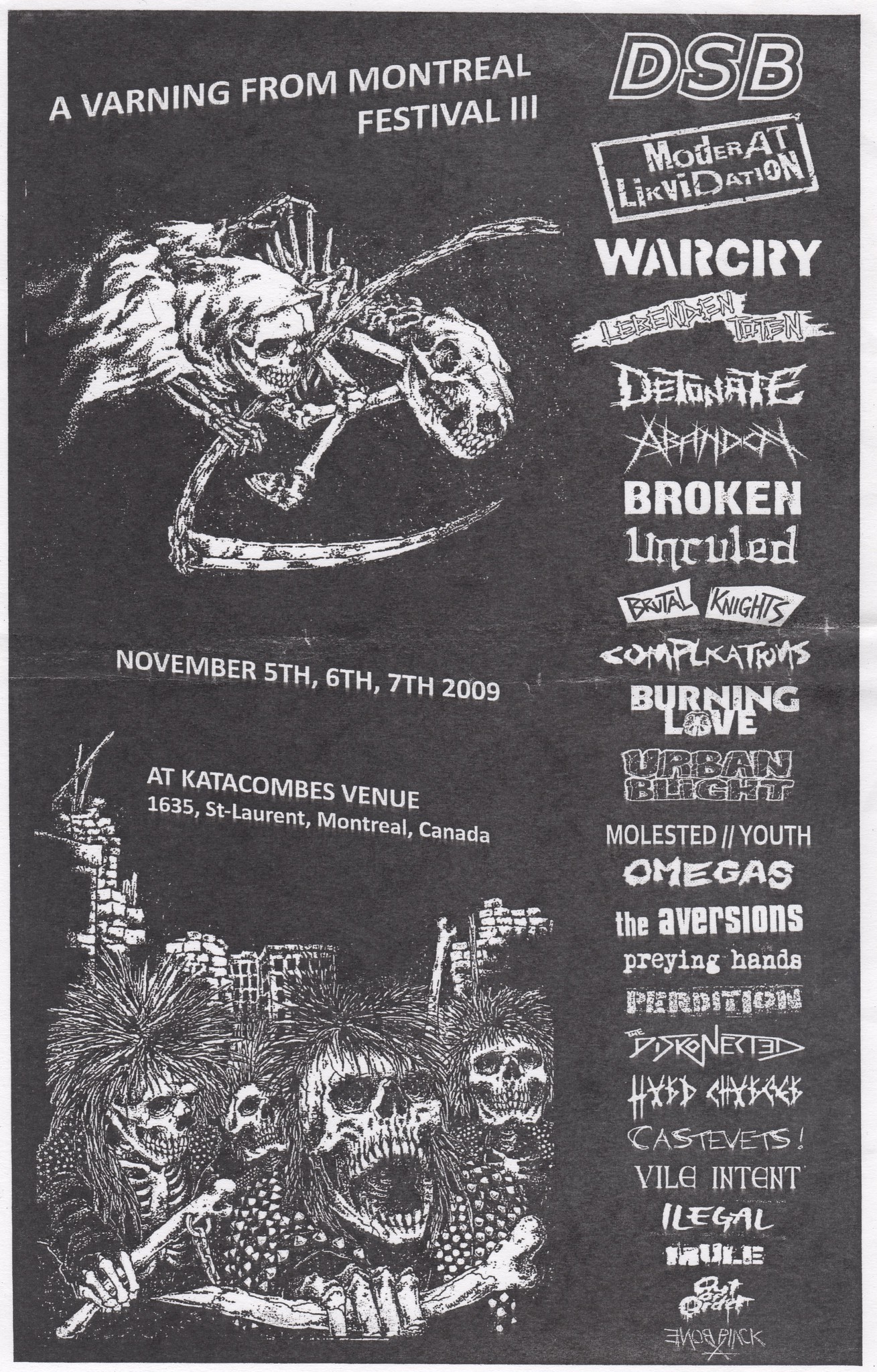
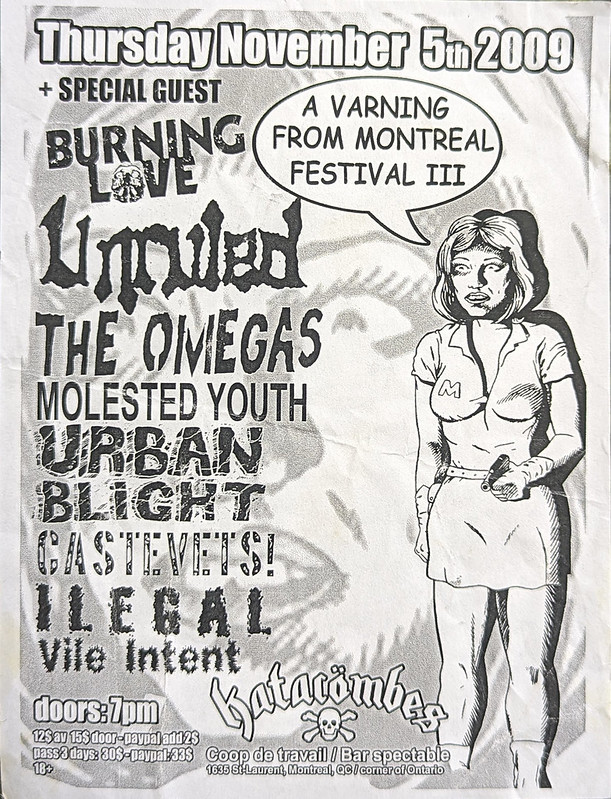
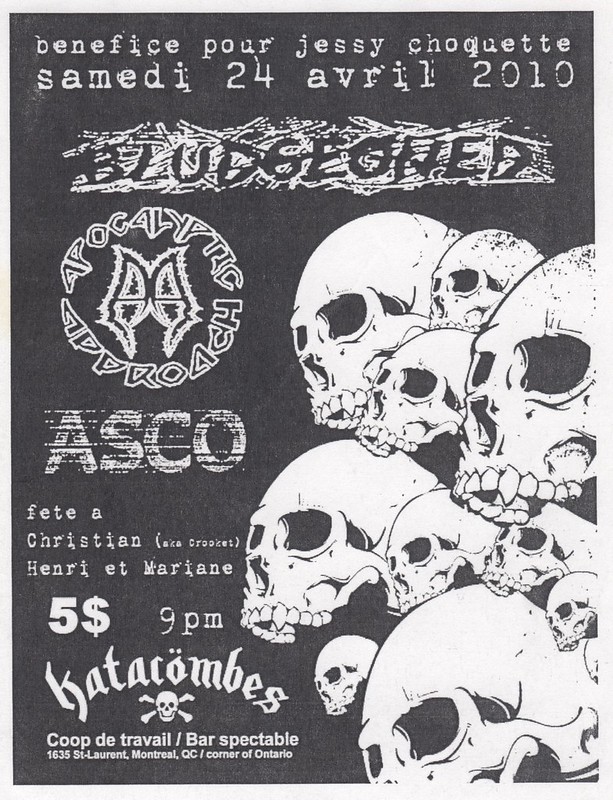
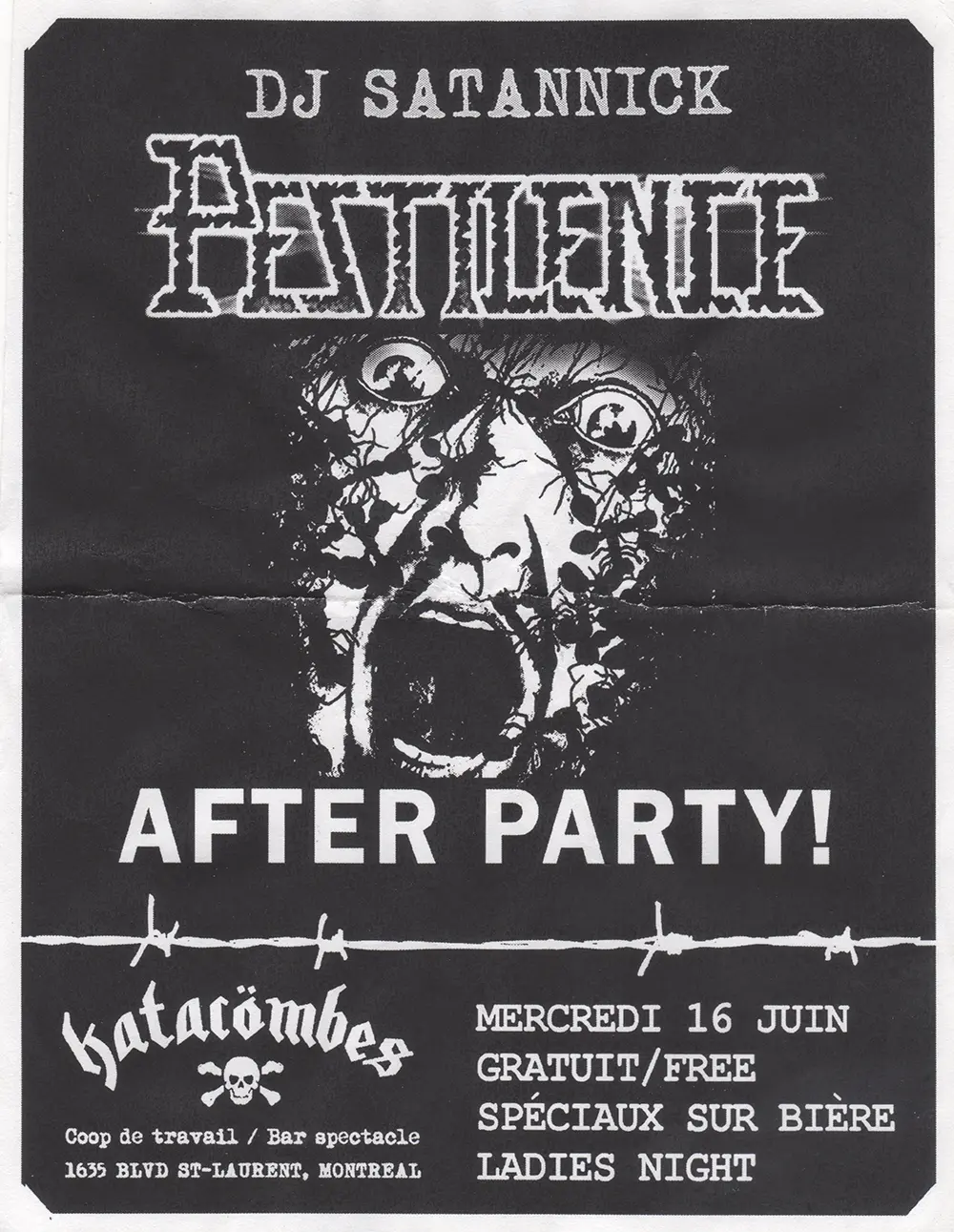
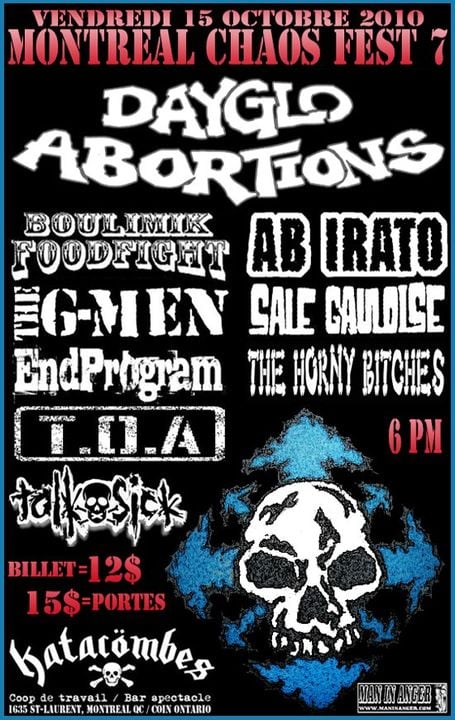
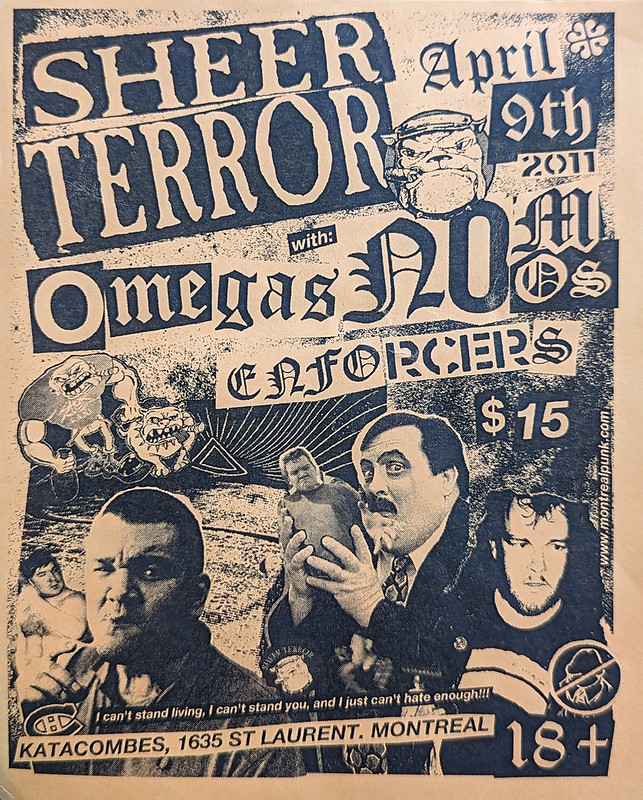
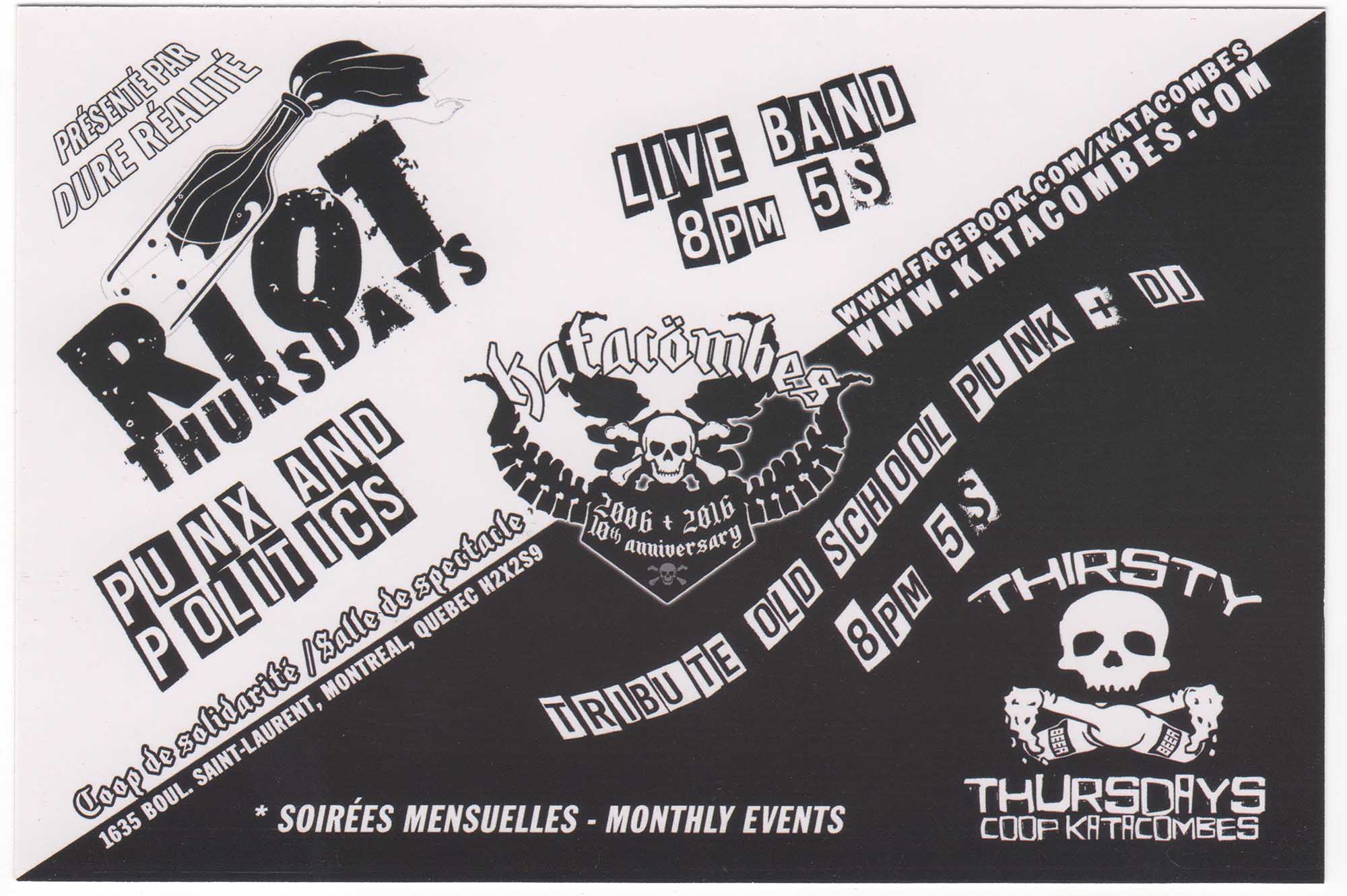
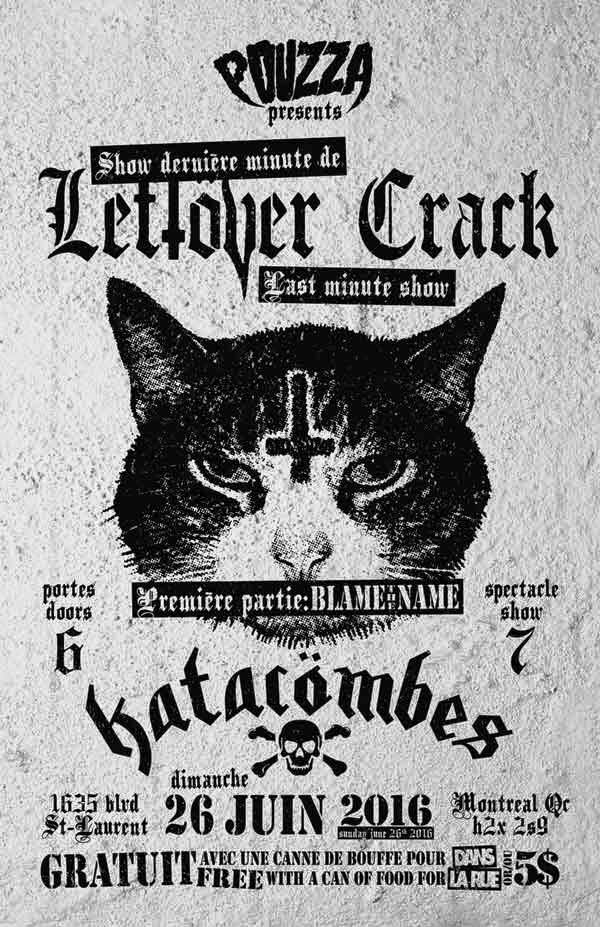
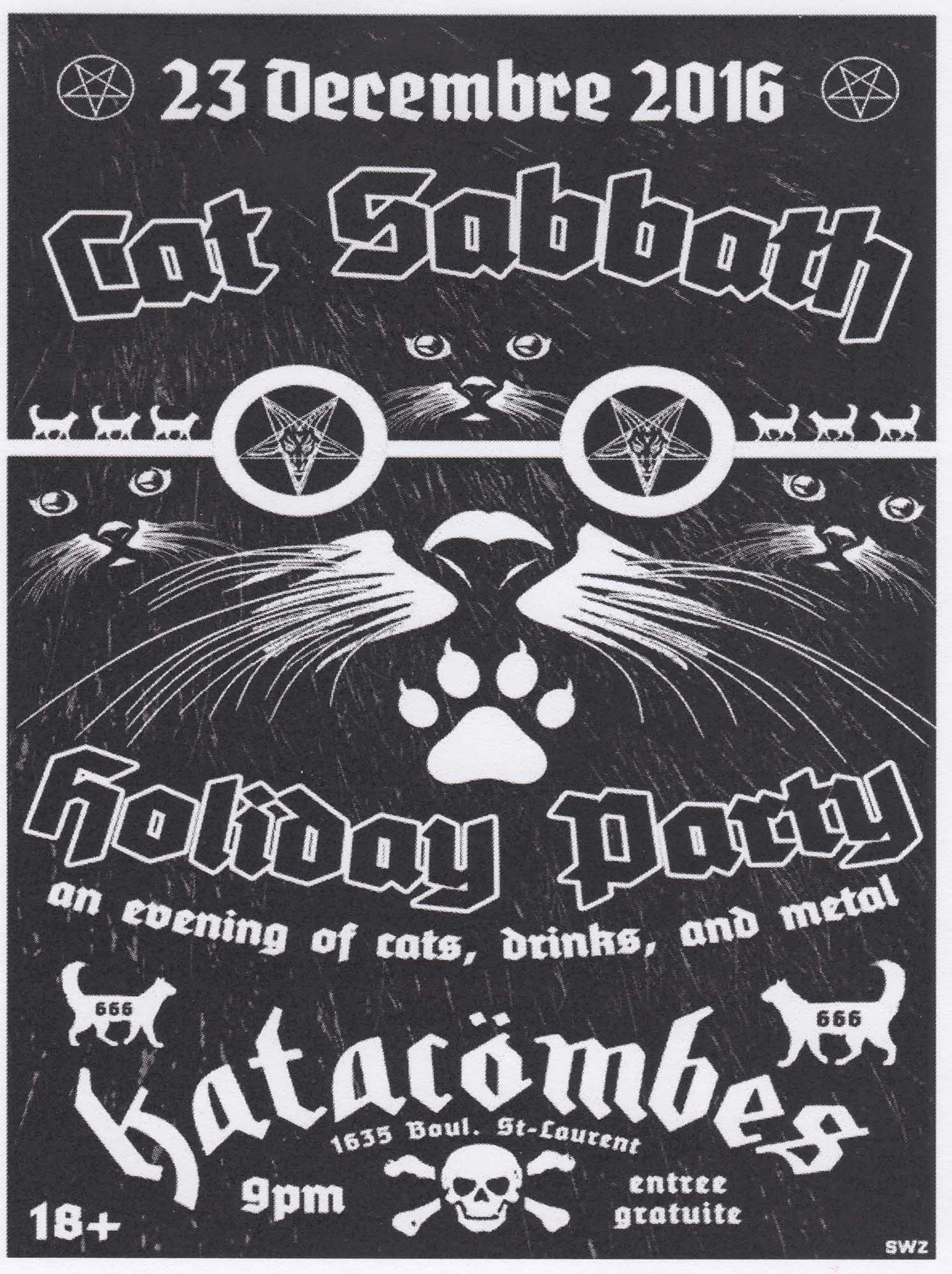
The Ontario / Saint-Laurent room quickly became recognizable: a skull logo, an interior studded with skulls and chains, an aesthetic that functions as a shared language. This décor is not just a “theme”: it serves as an identifier, a territory, and a visual memory for a community accustomed to temporary spaces.
In journalistic accounts, this material presence returns again and again: the room as a lair, as a refuge, as a place you come back to—and where people learn to coexist with a neighborhood that changes, sometimes hostile, sometimes indifferent.
6. Programming: beyond the punk/metal label
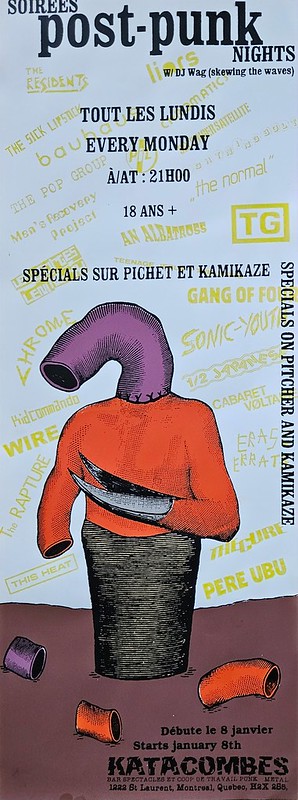
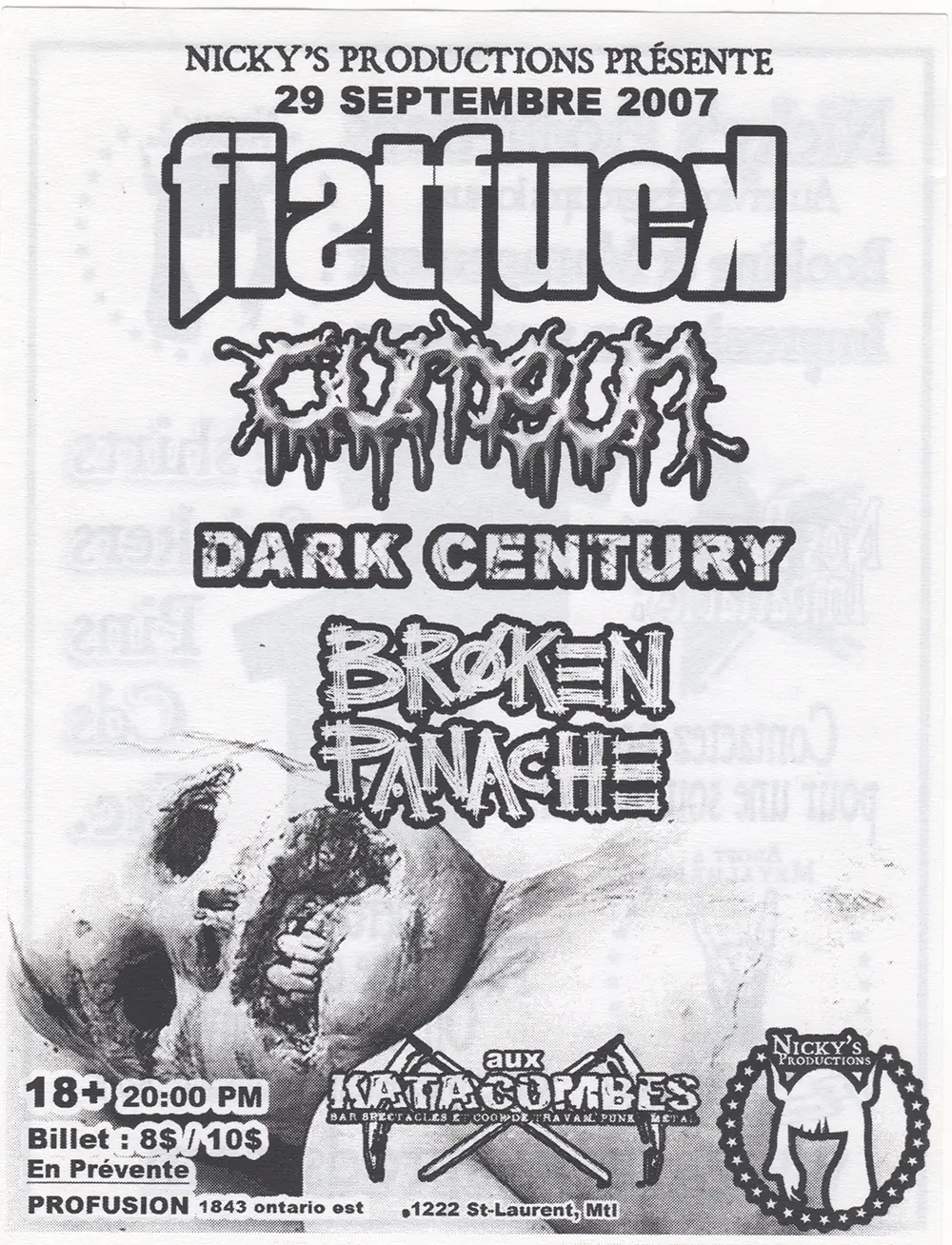
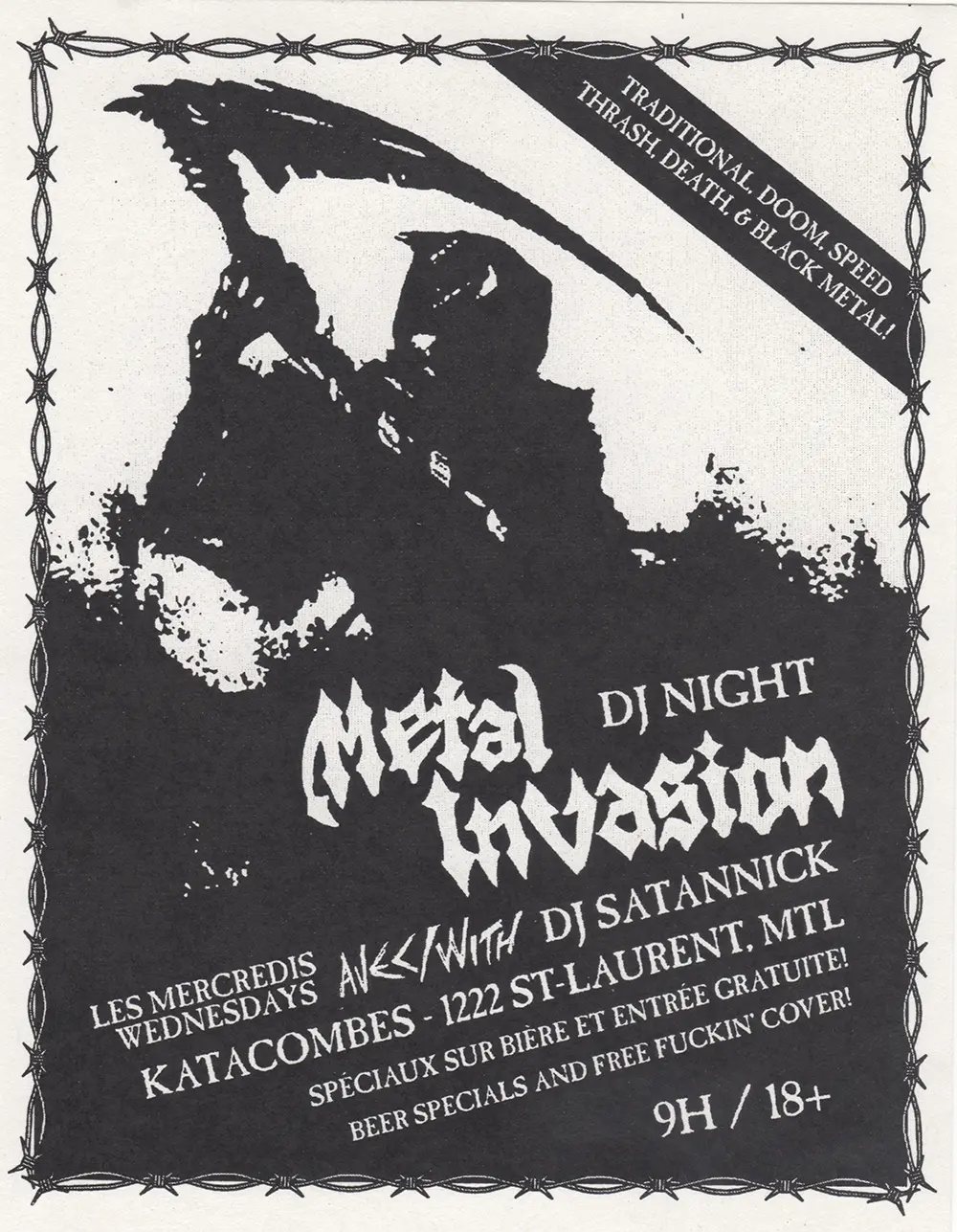
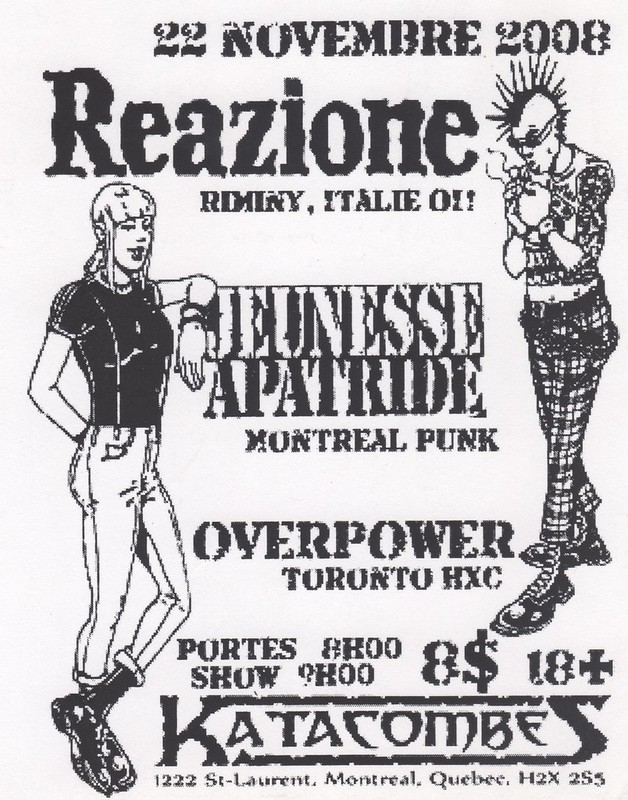
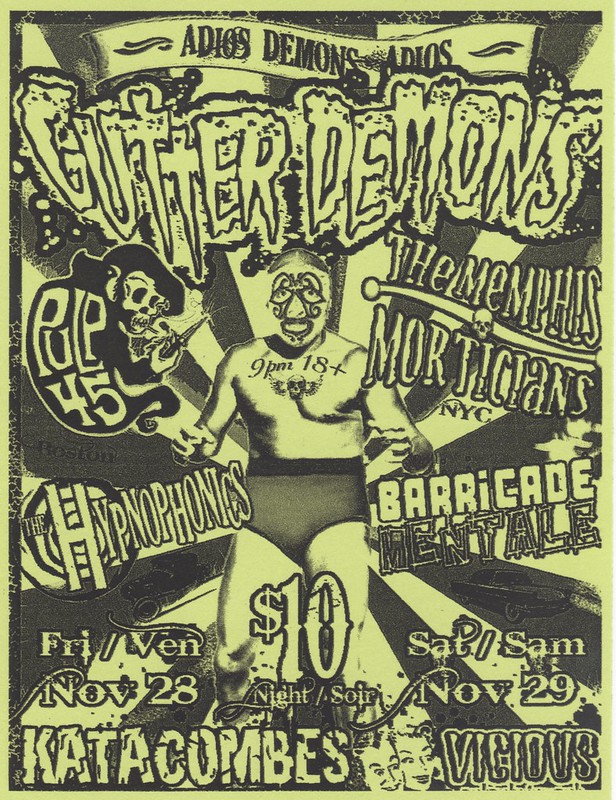
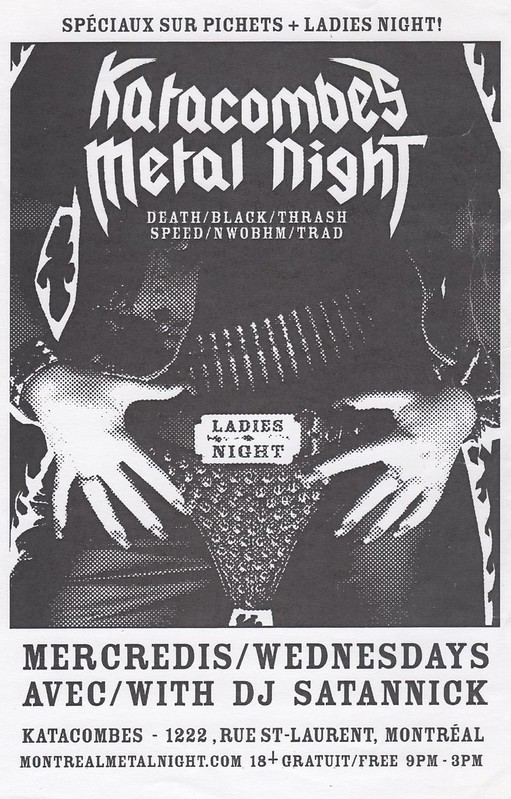
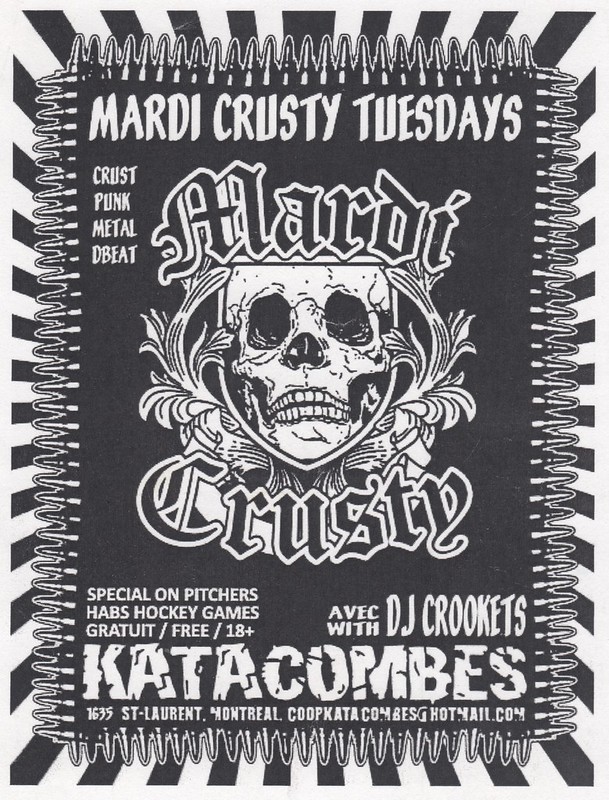
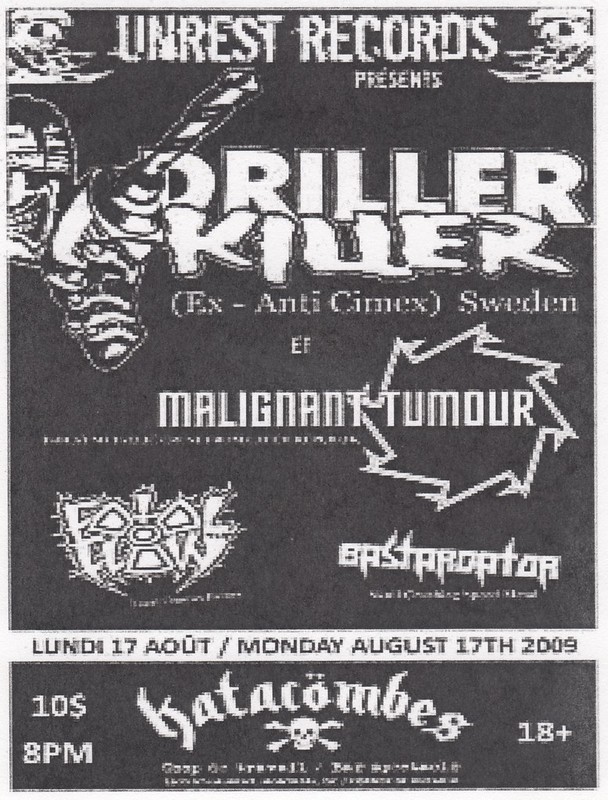
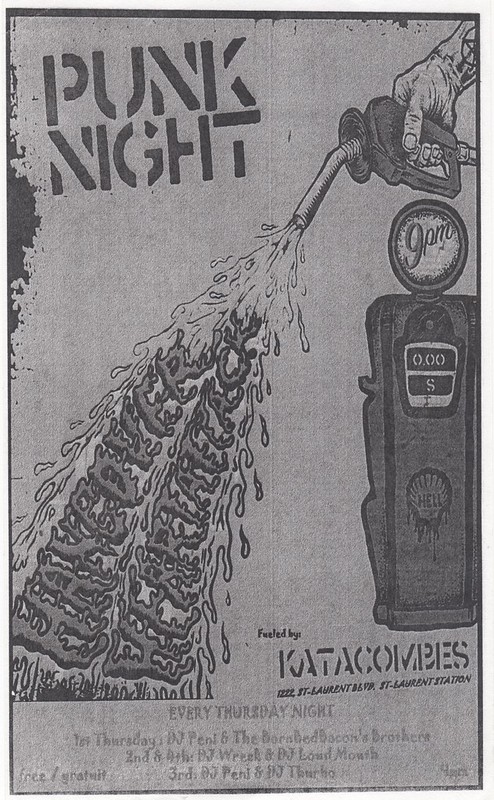
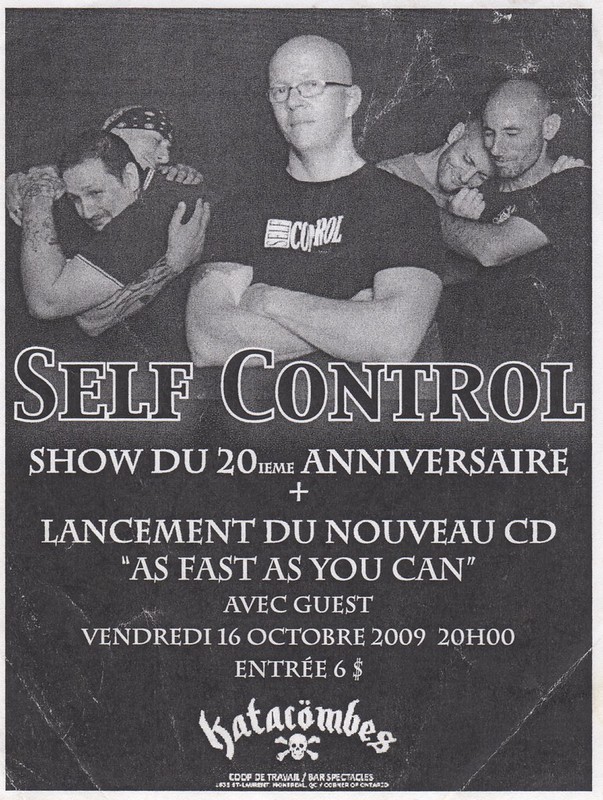
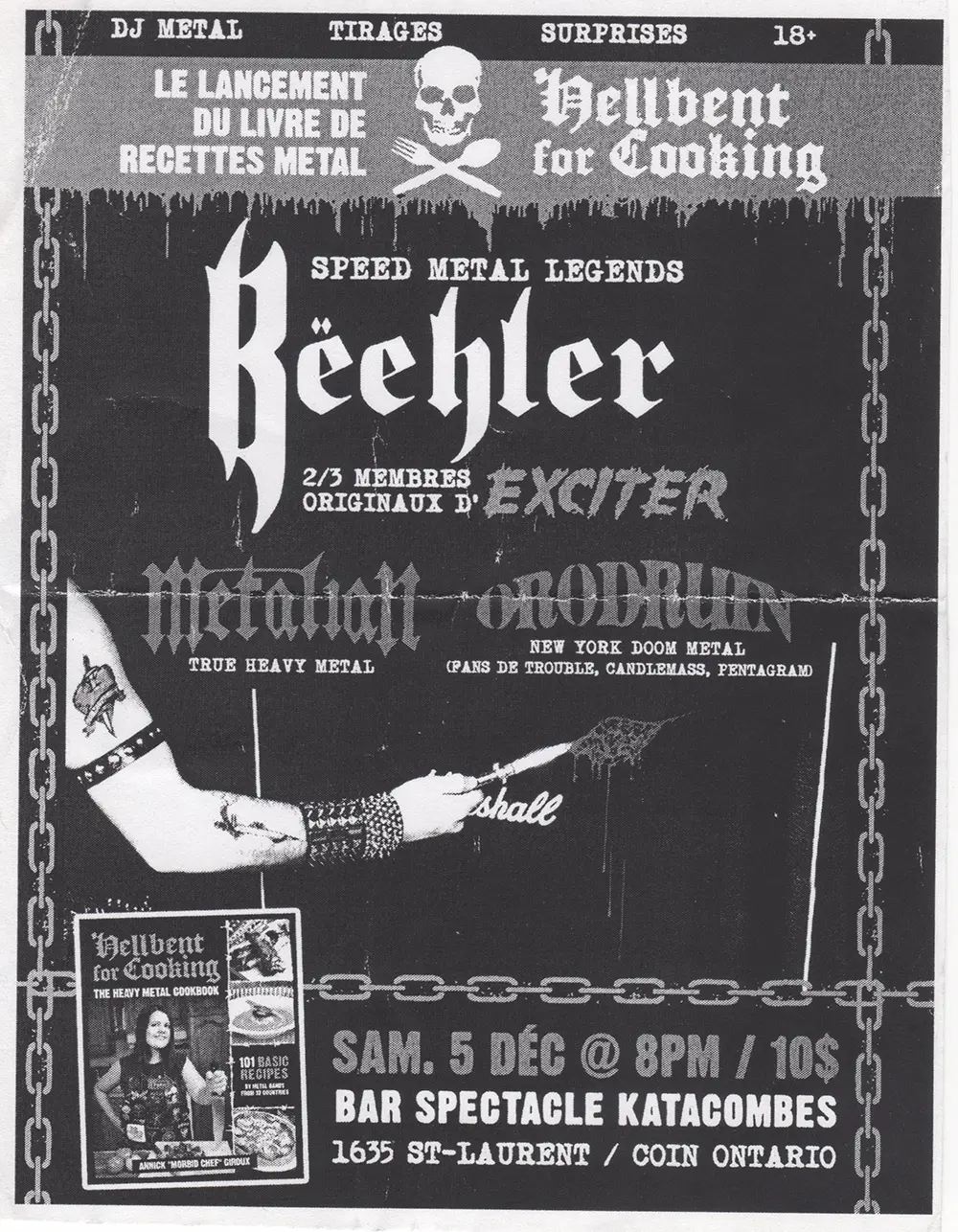
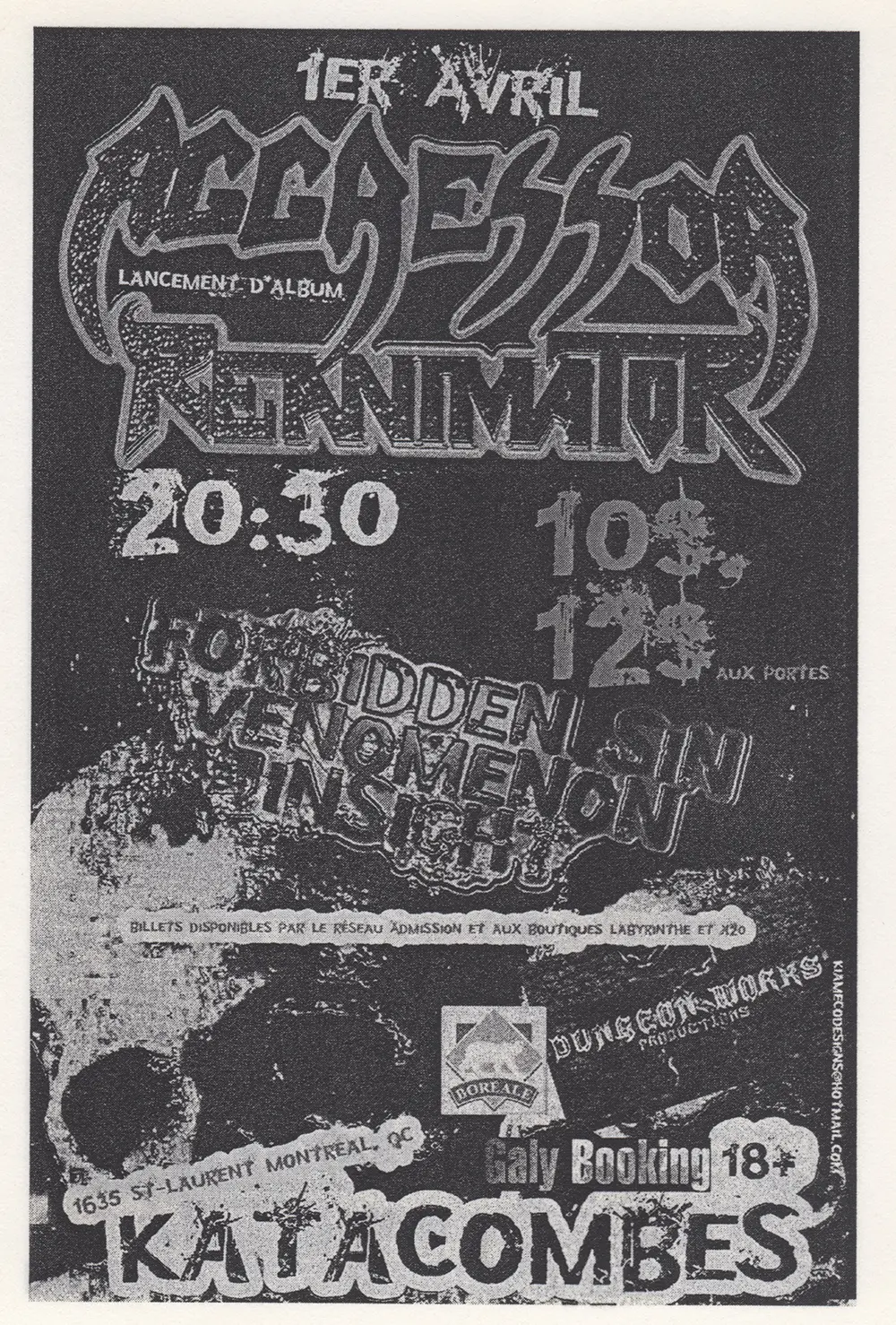
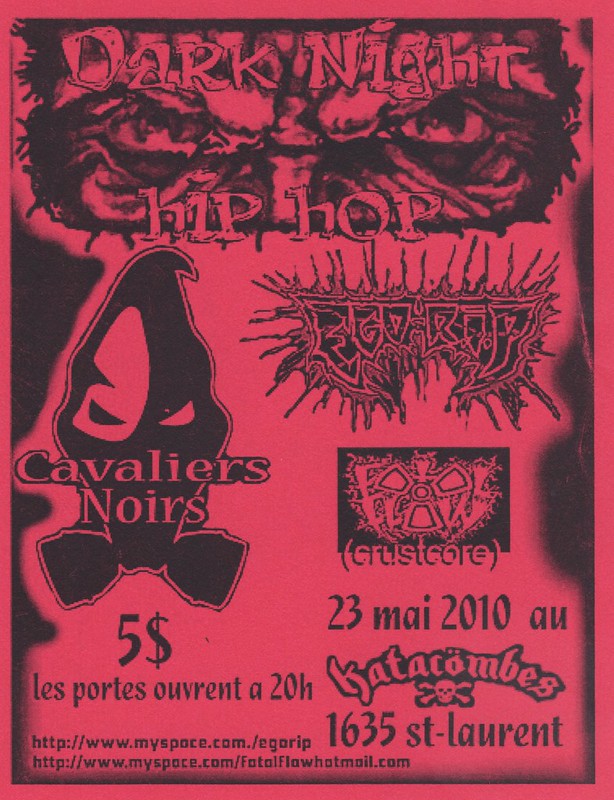
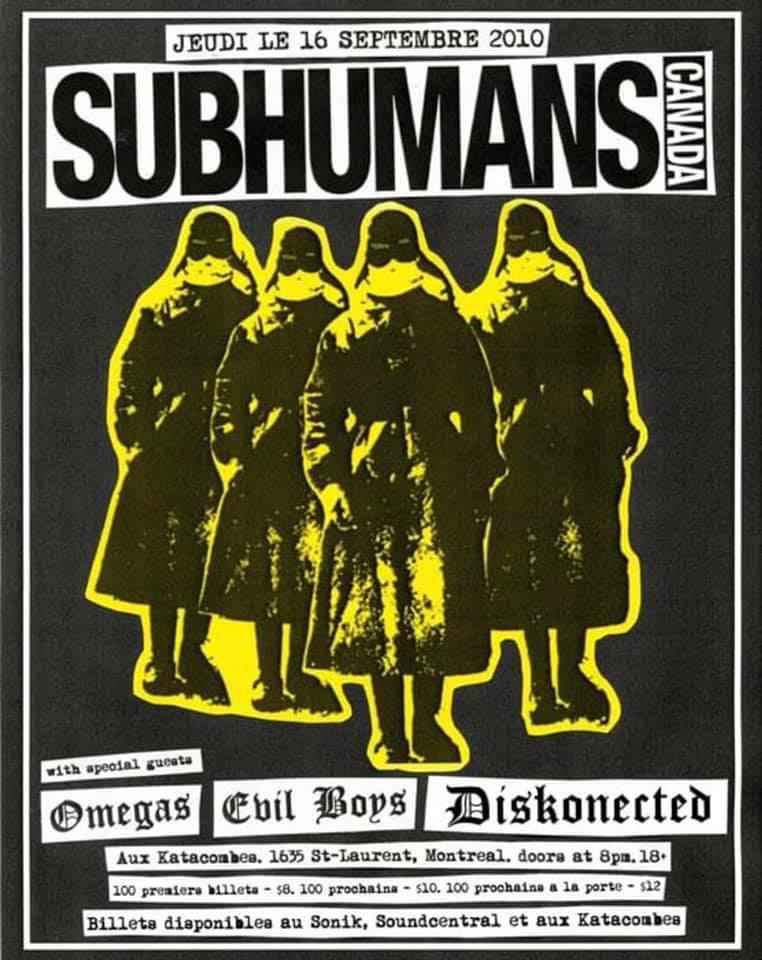
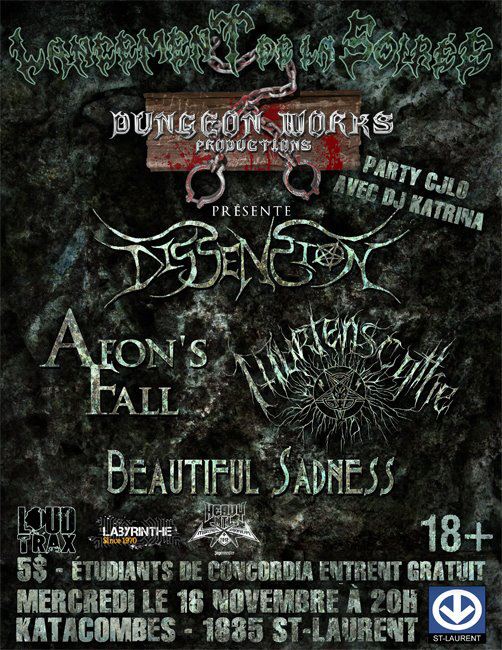
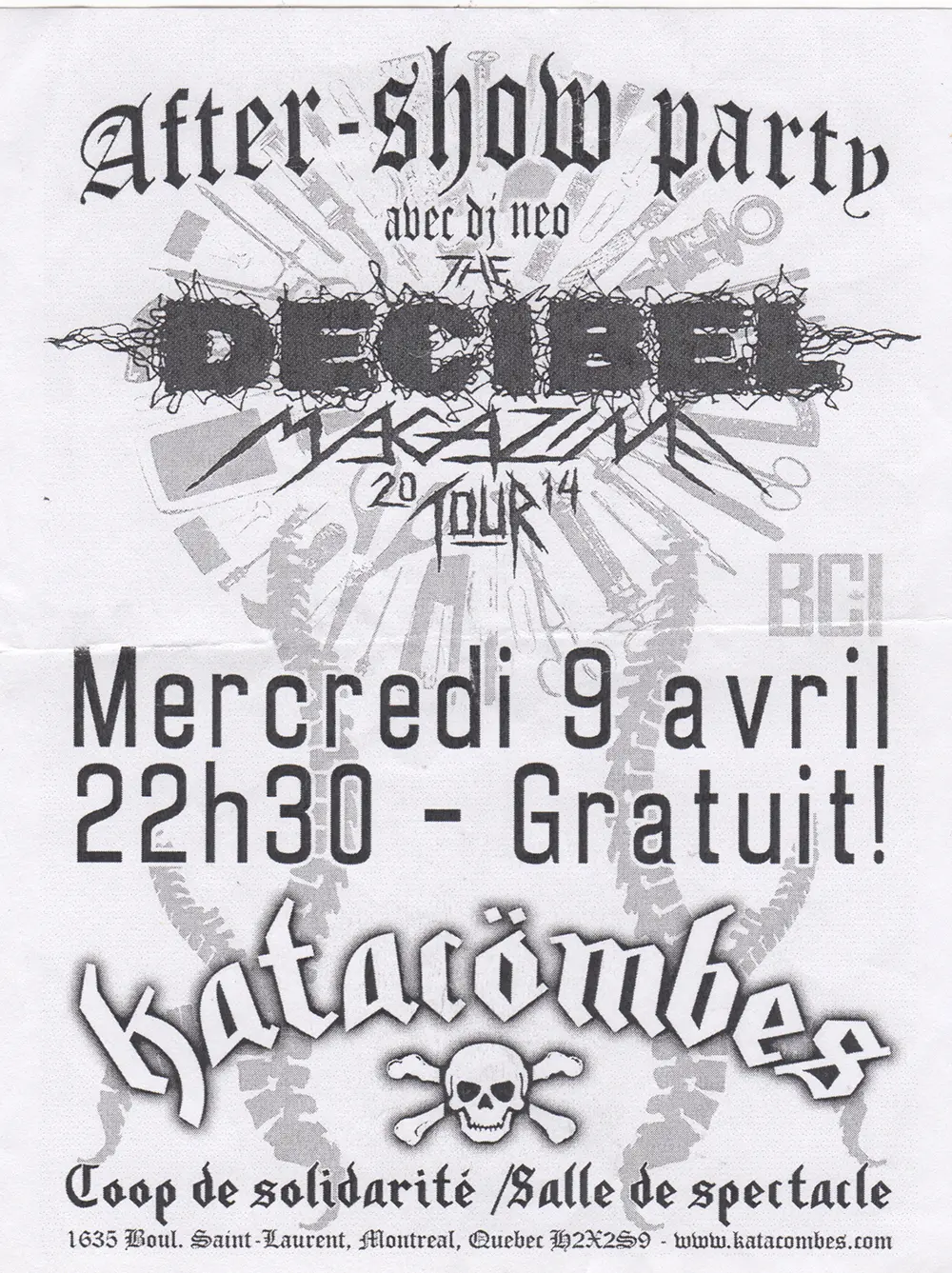
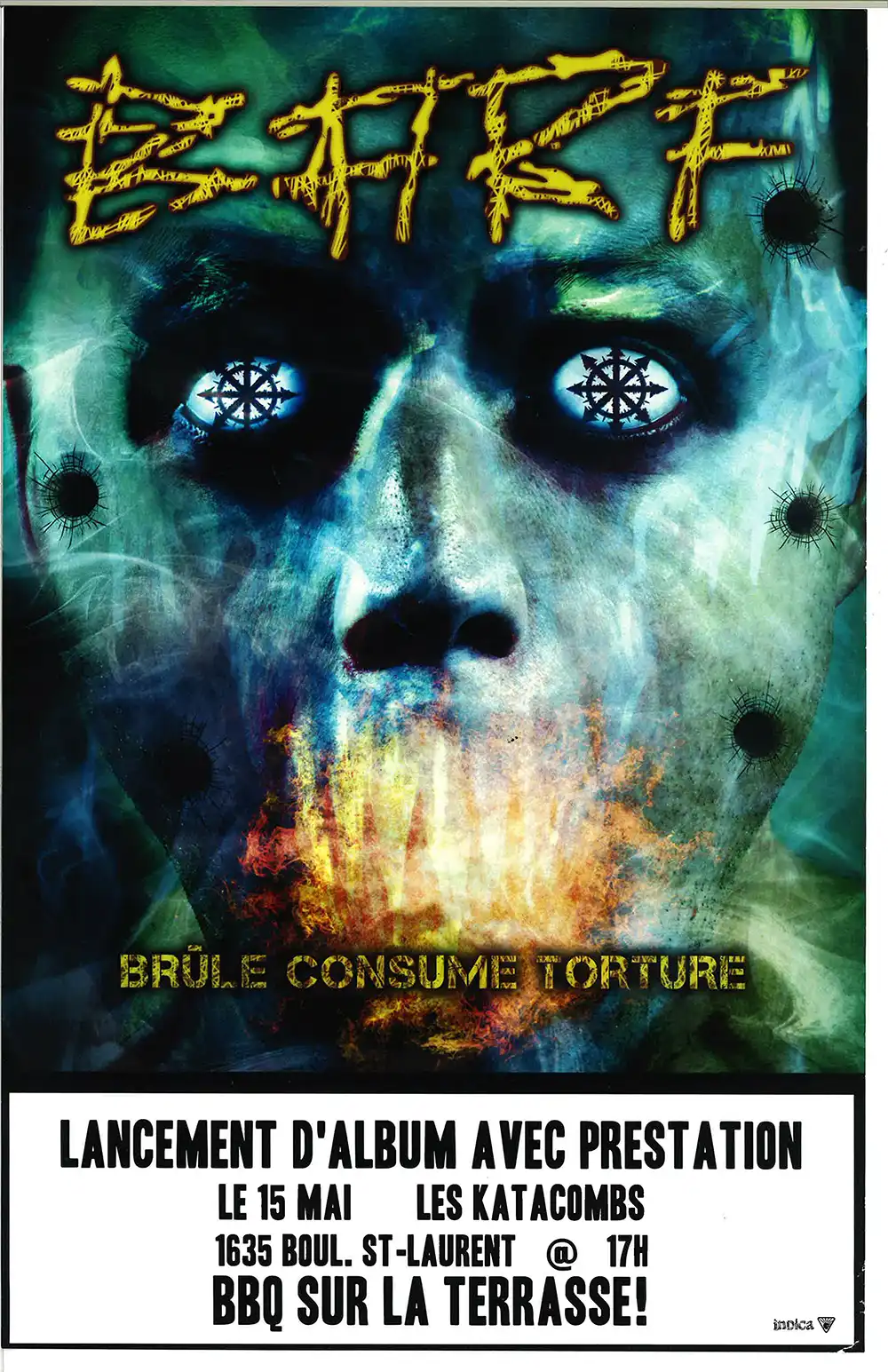
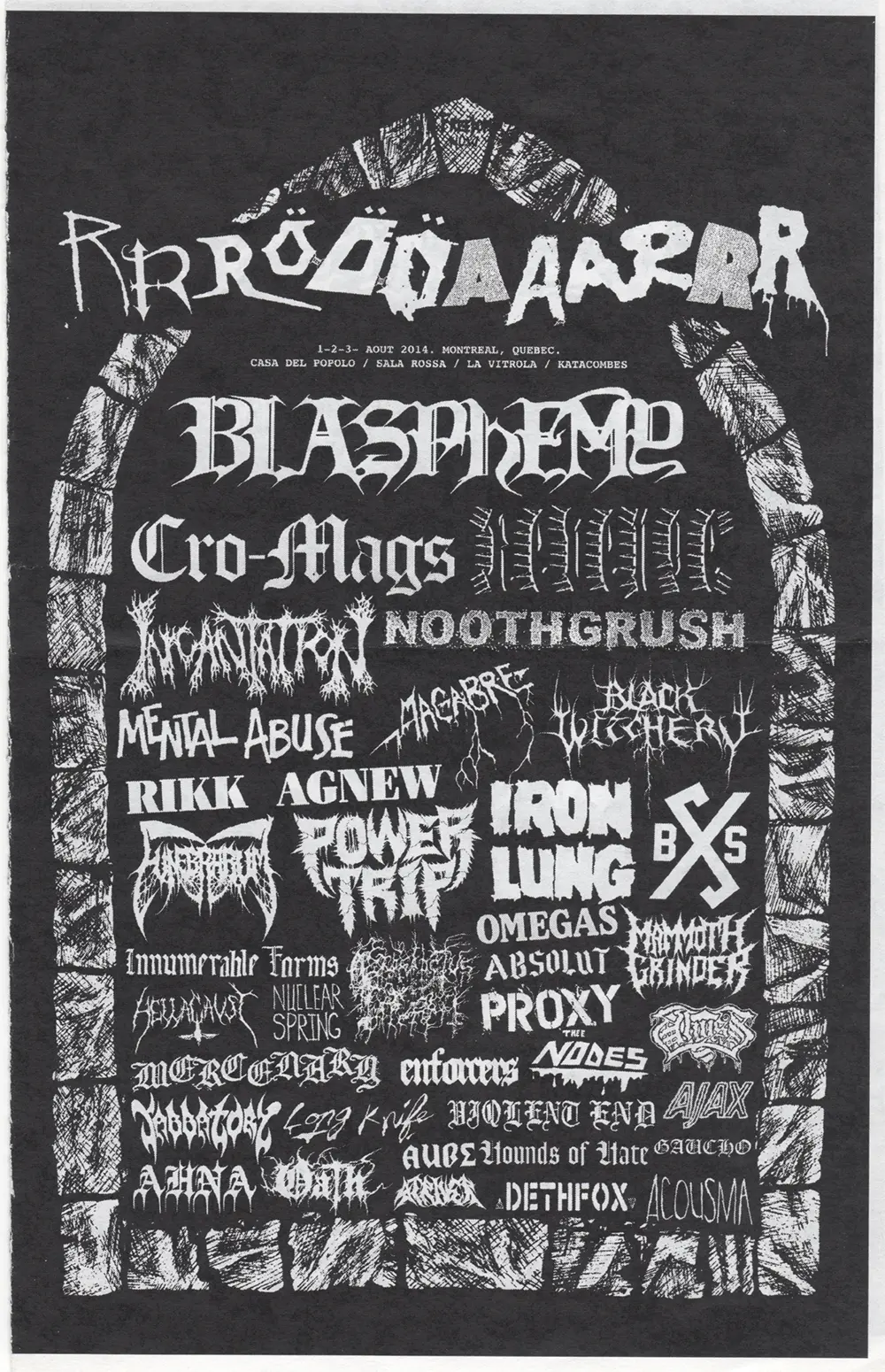
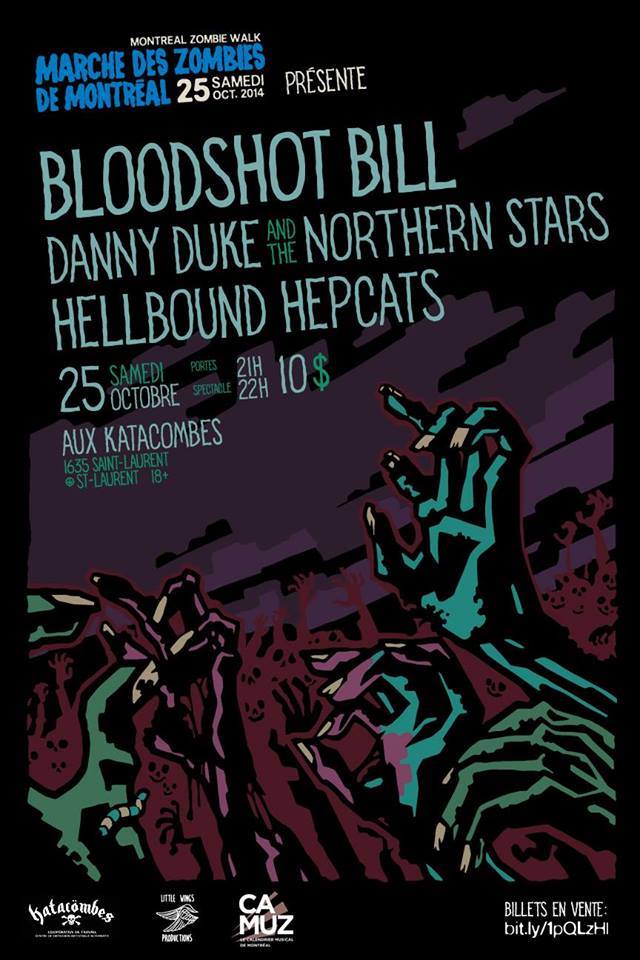
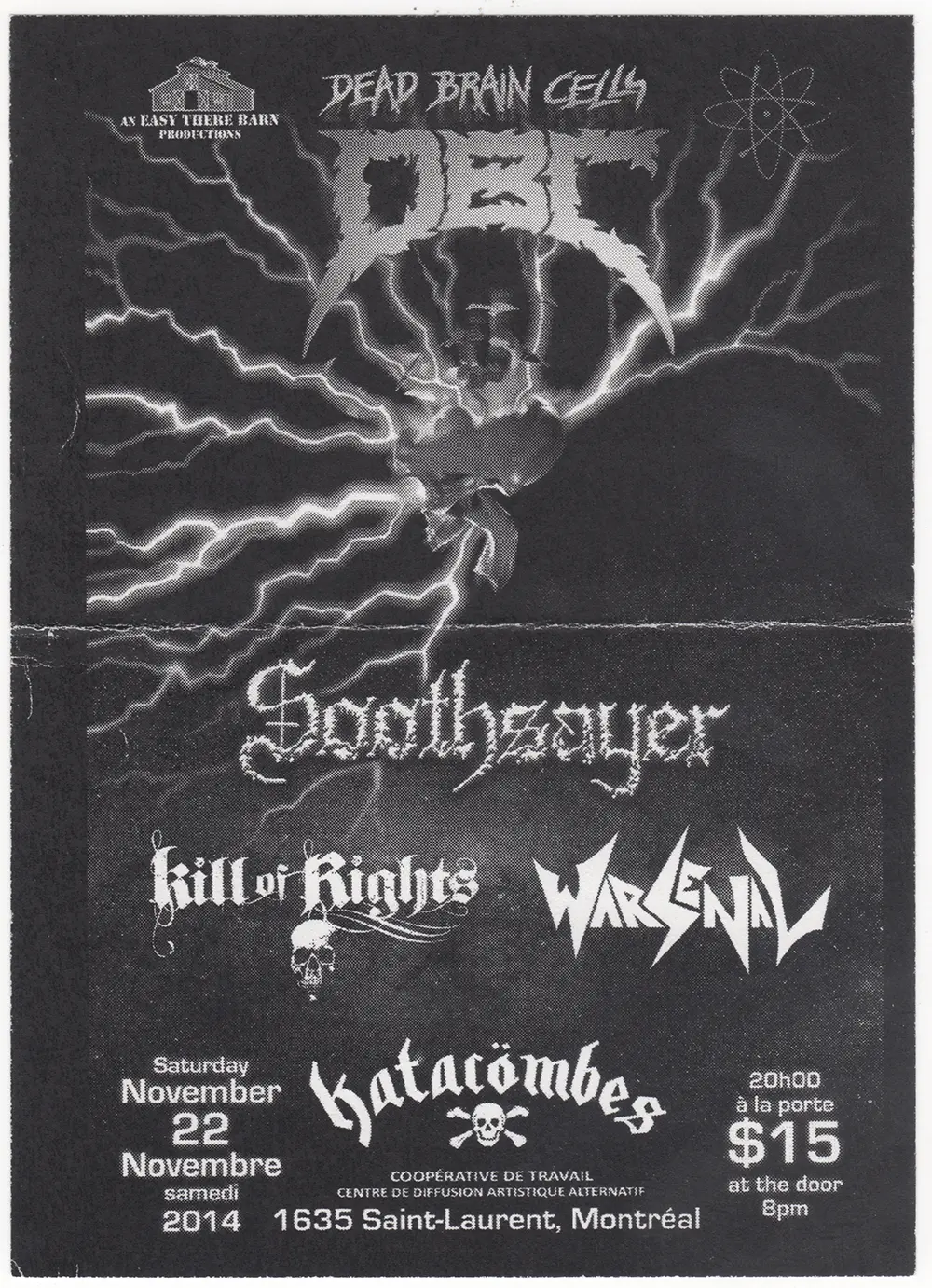
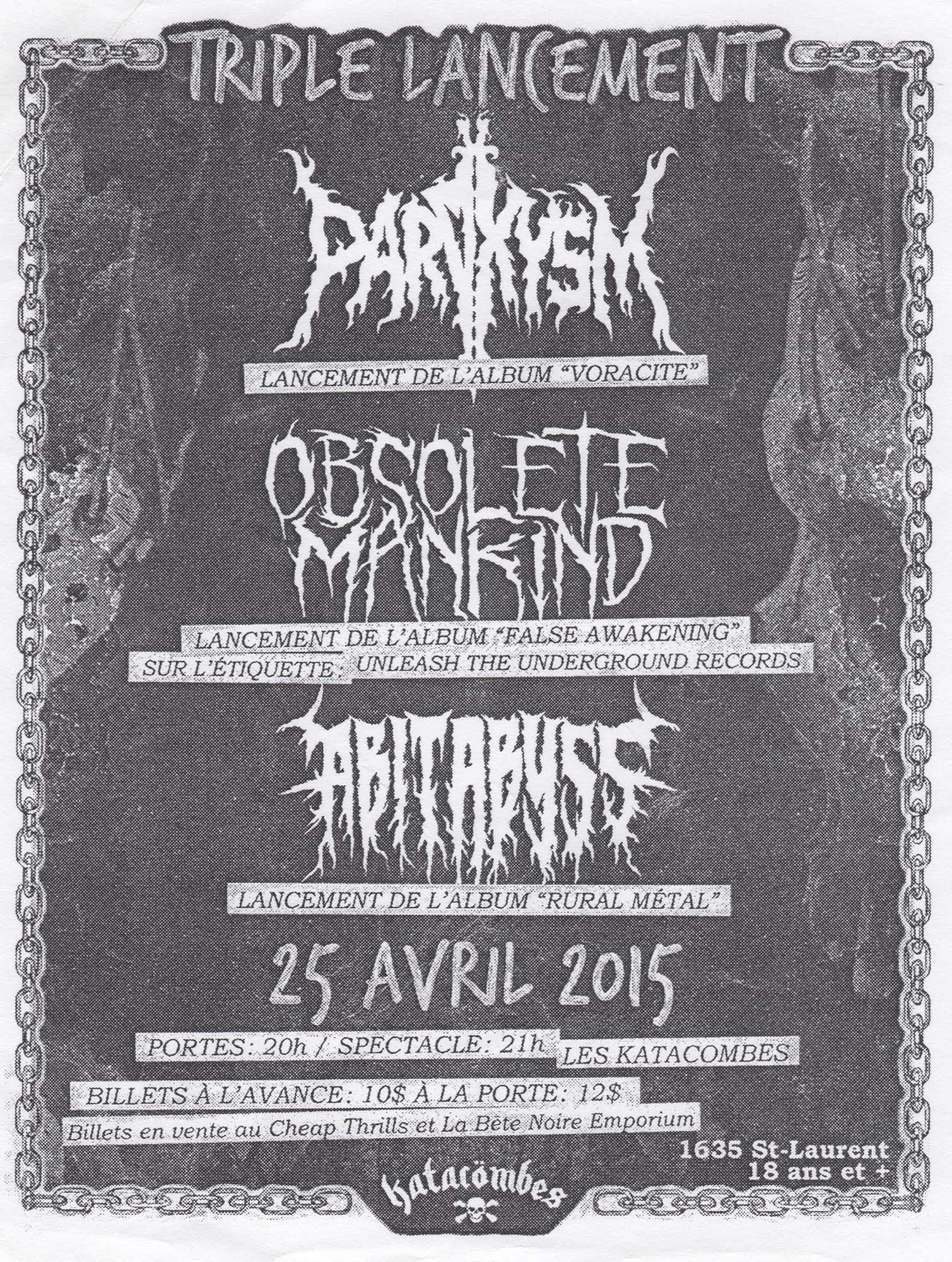
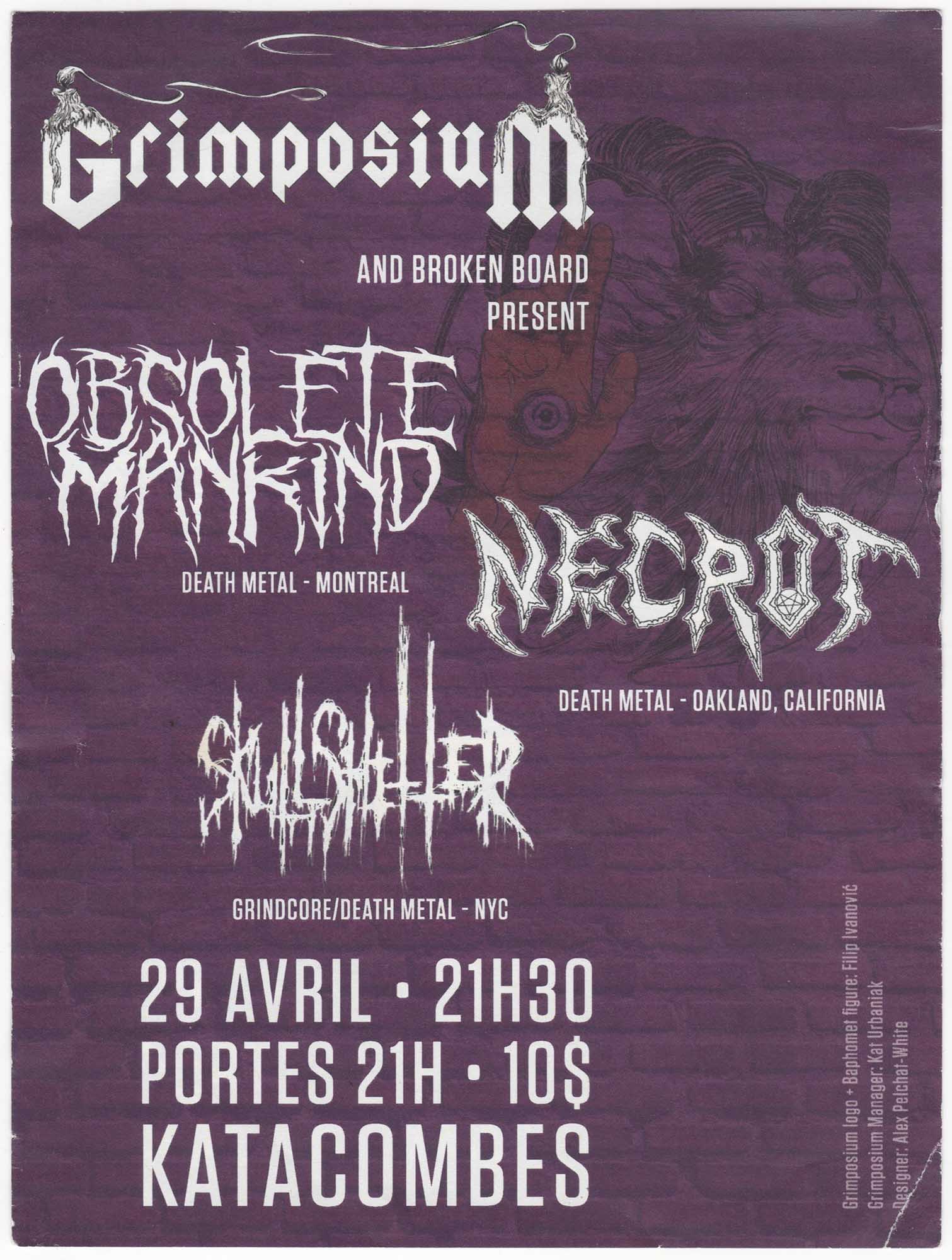
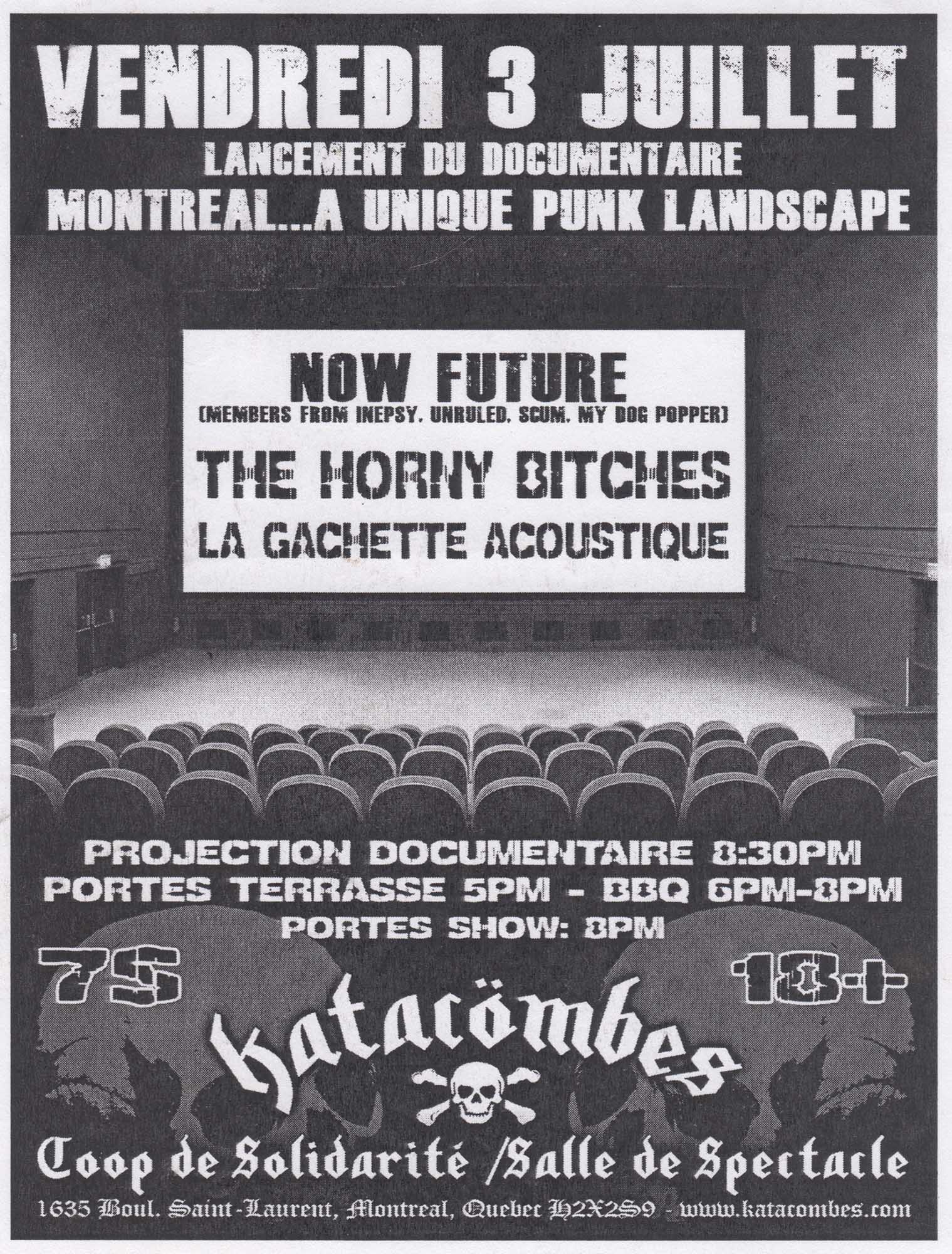
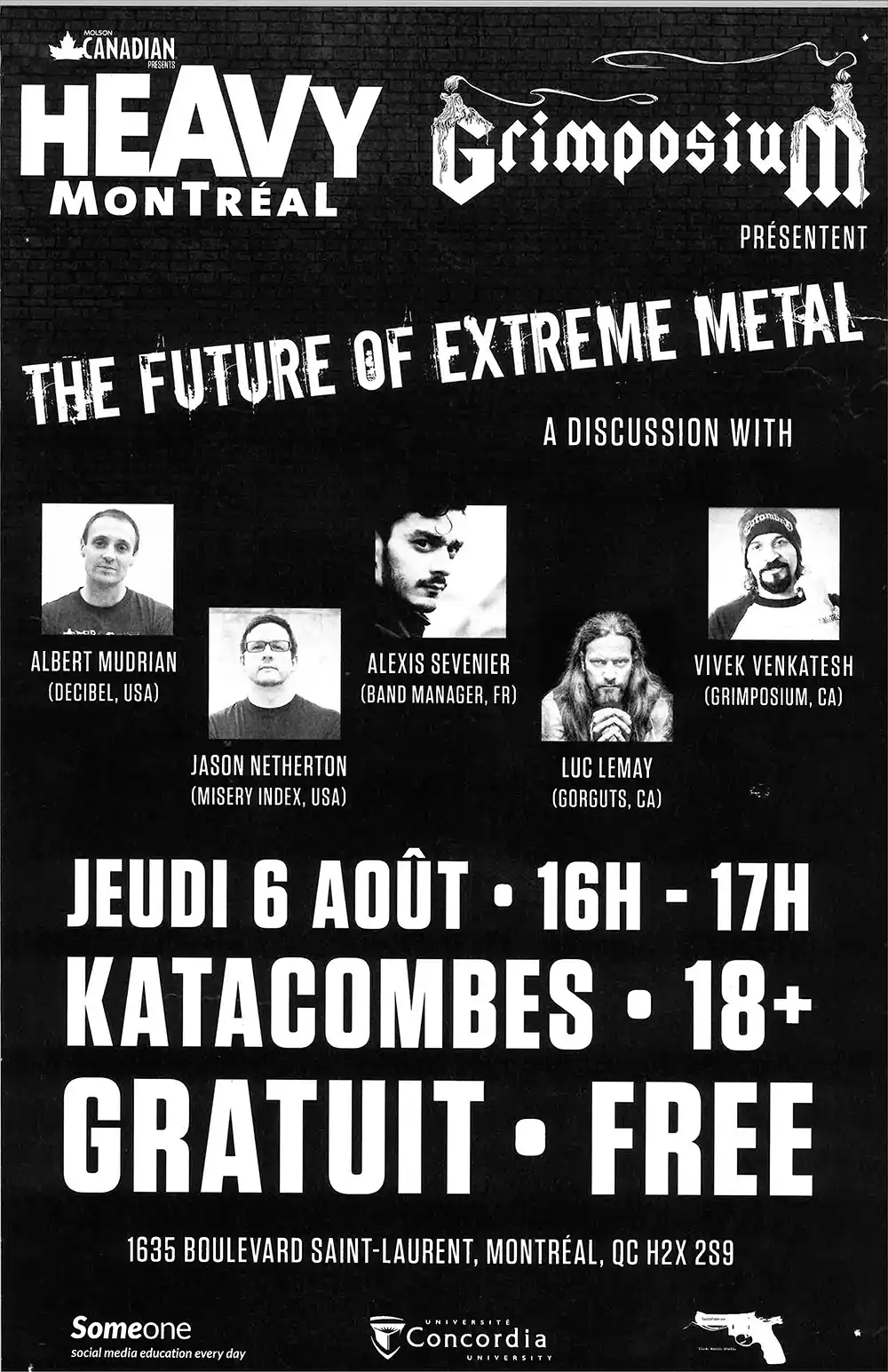
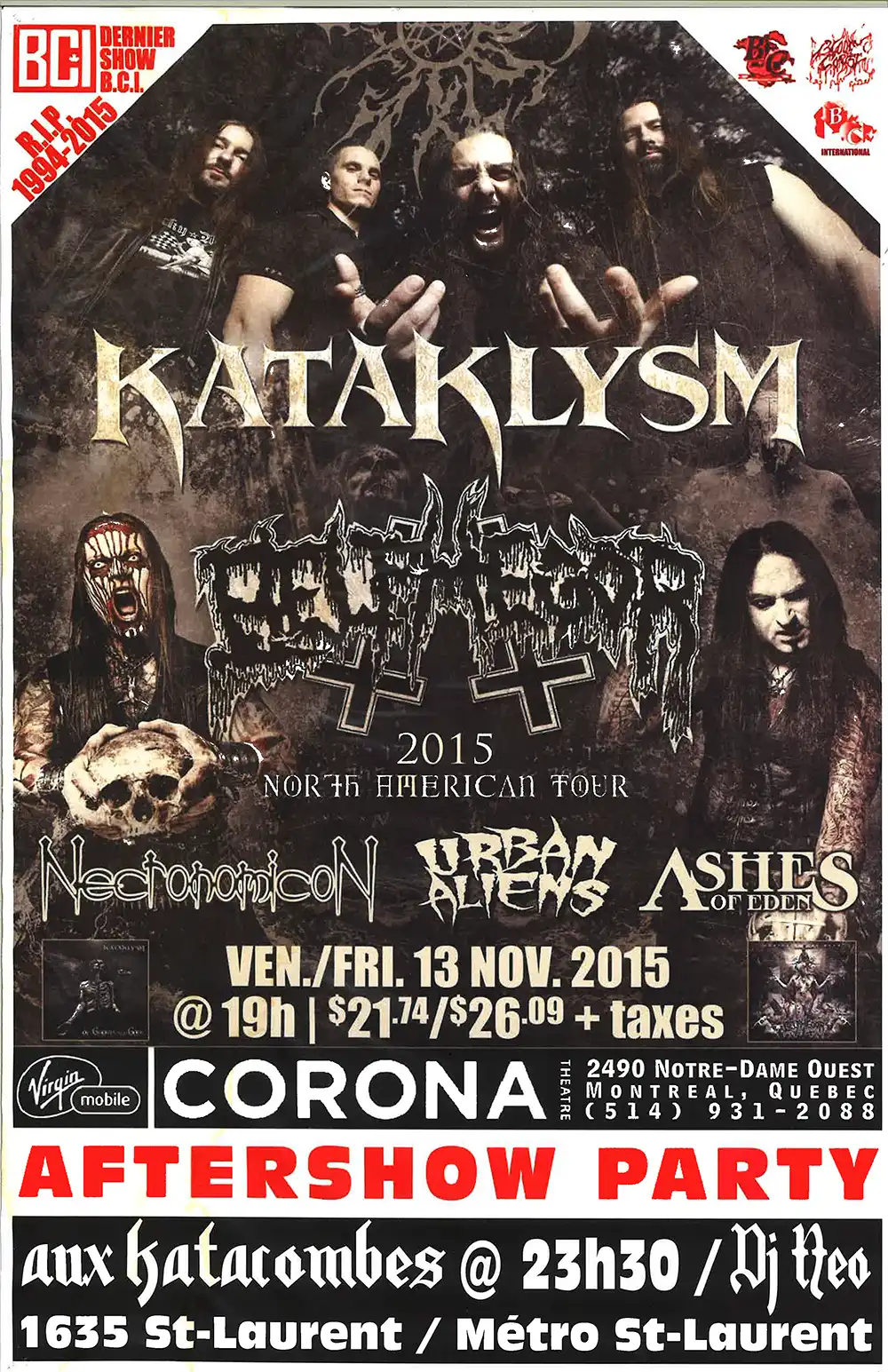
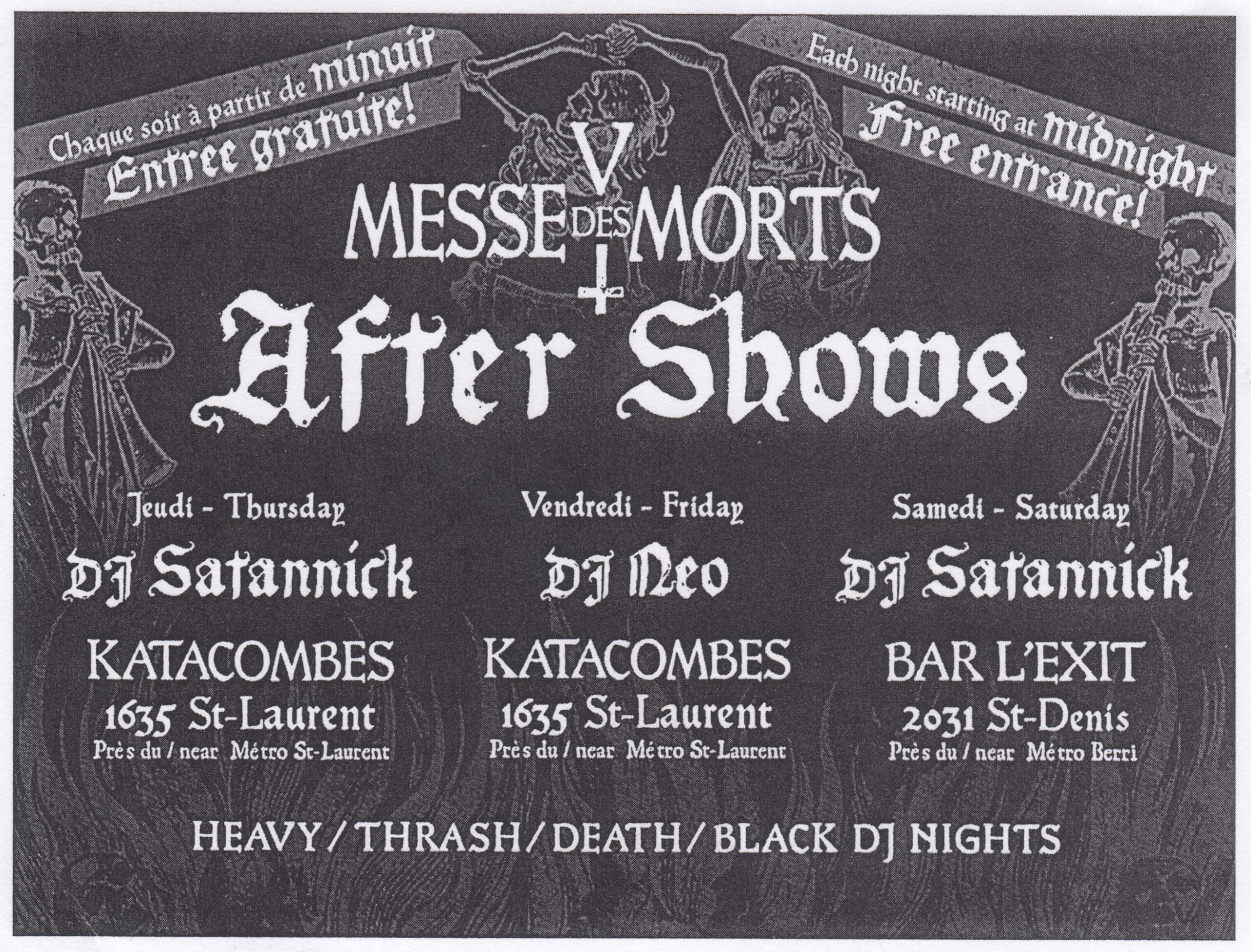
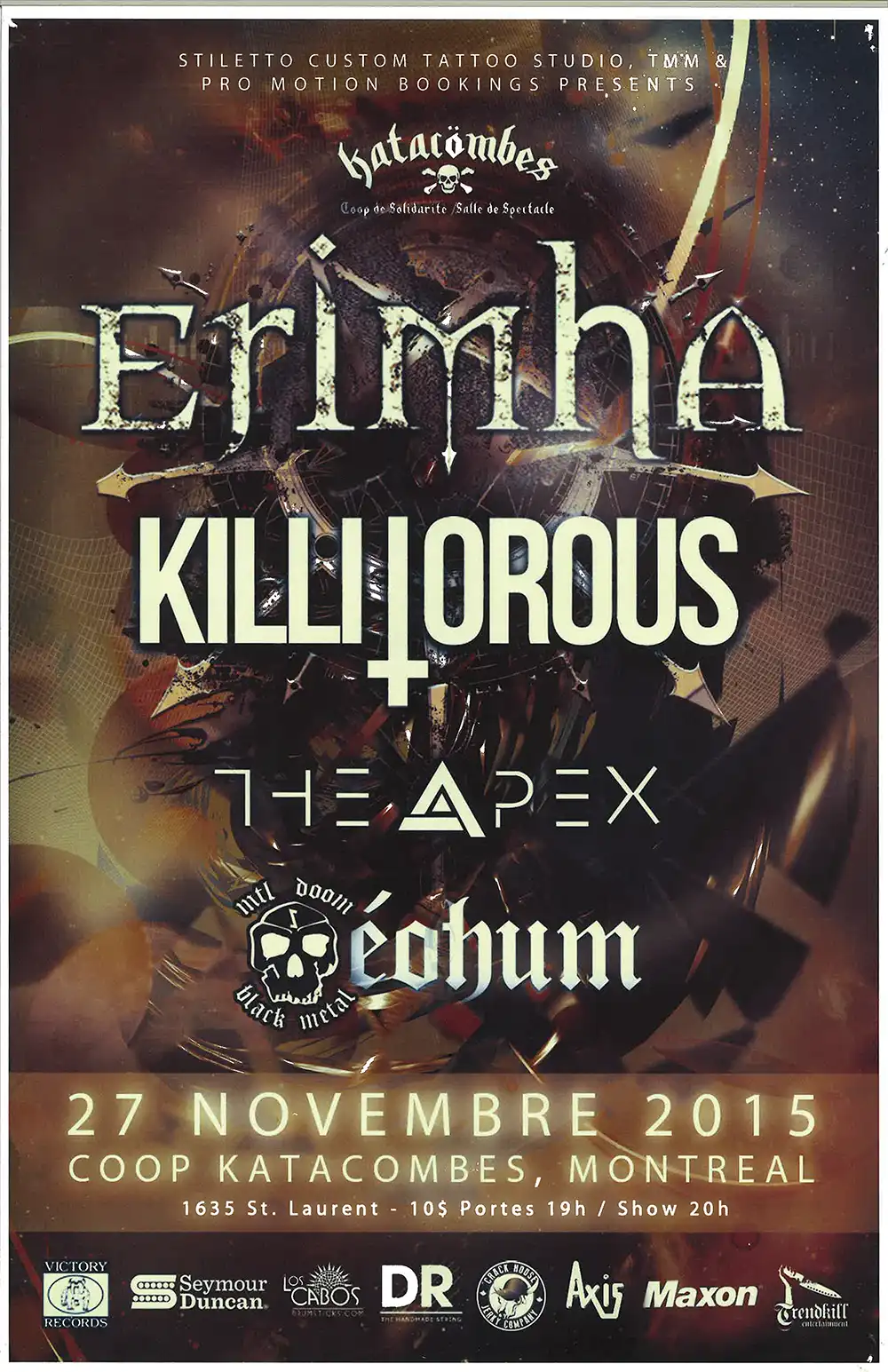
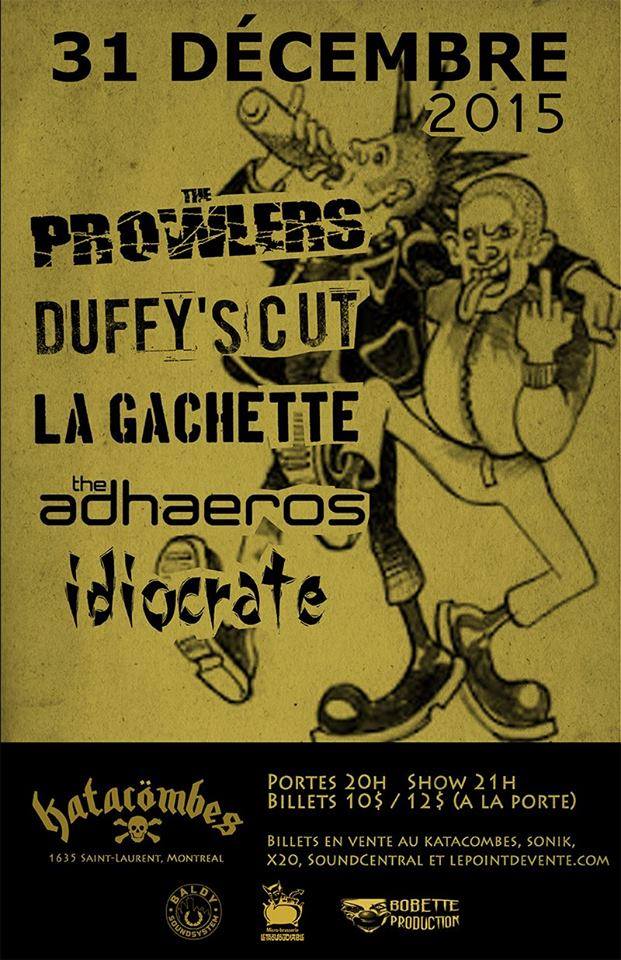
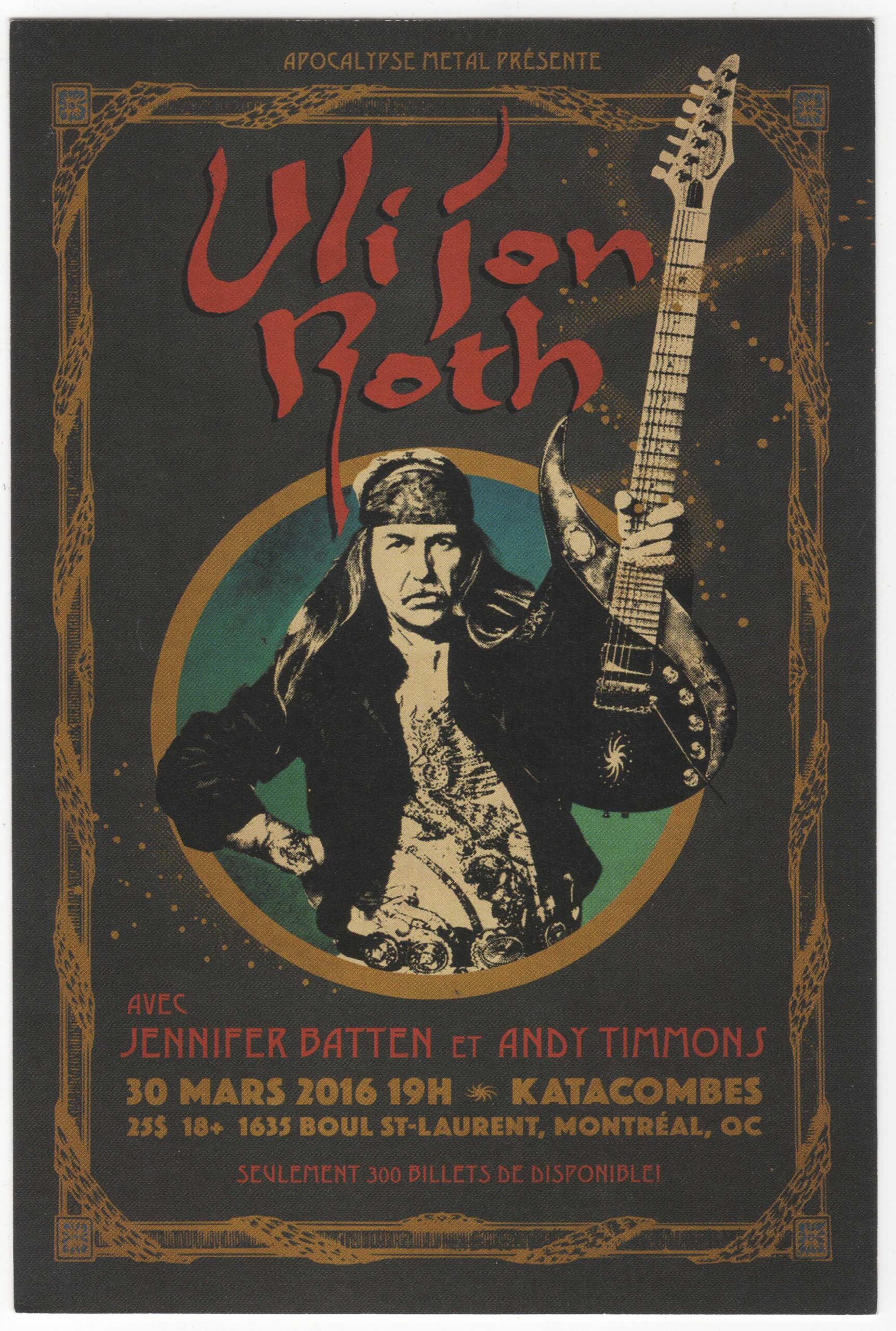
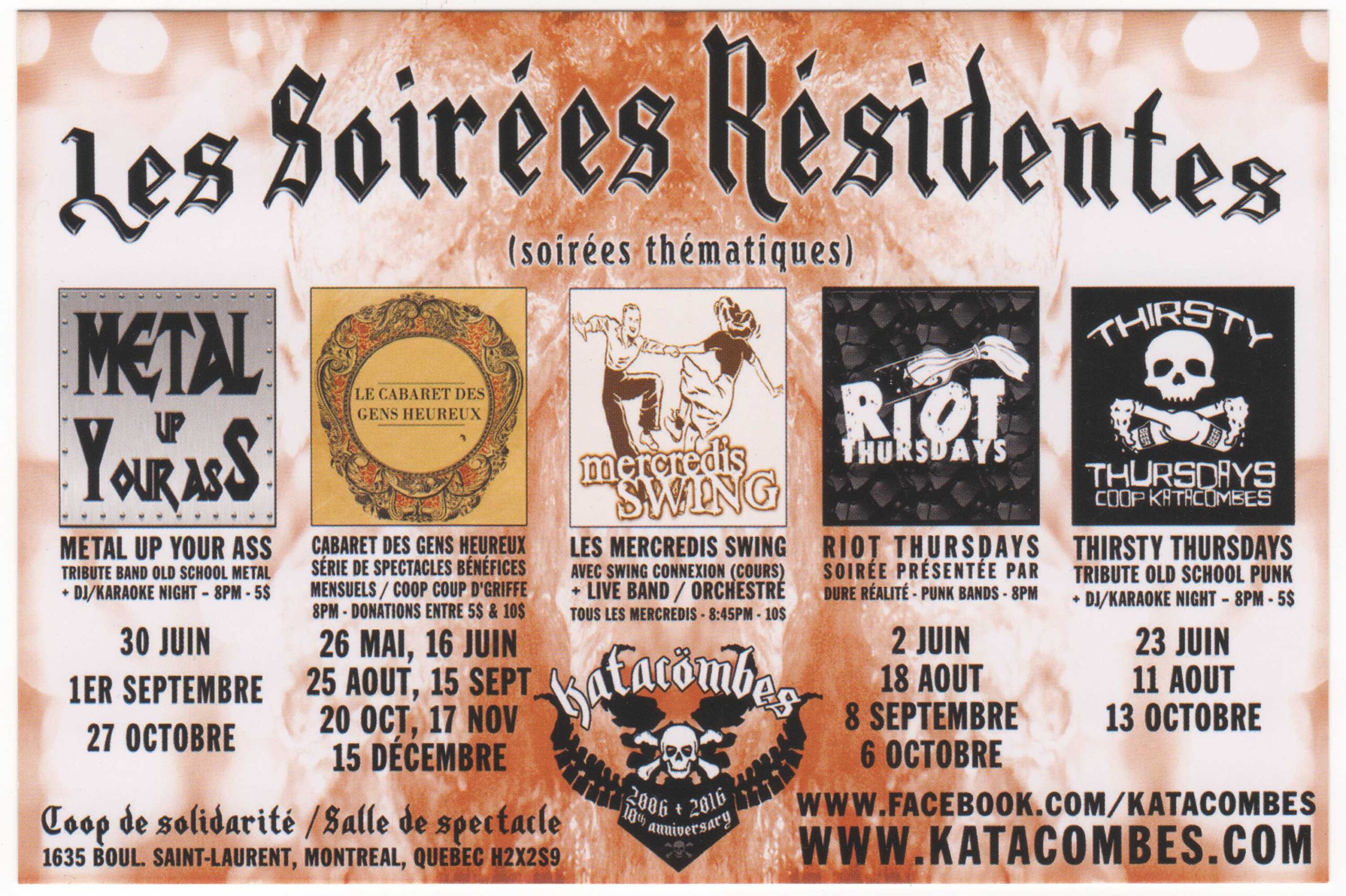
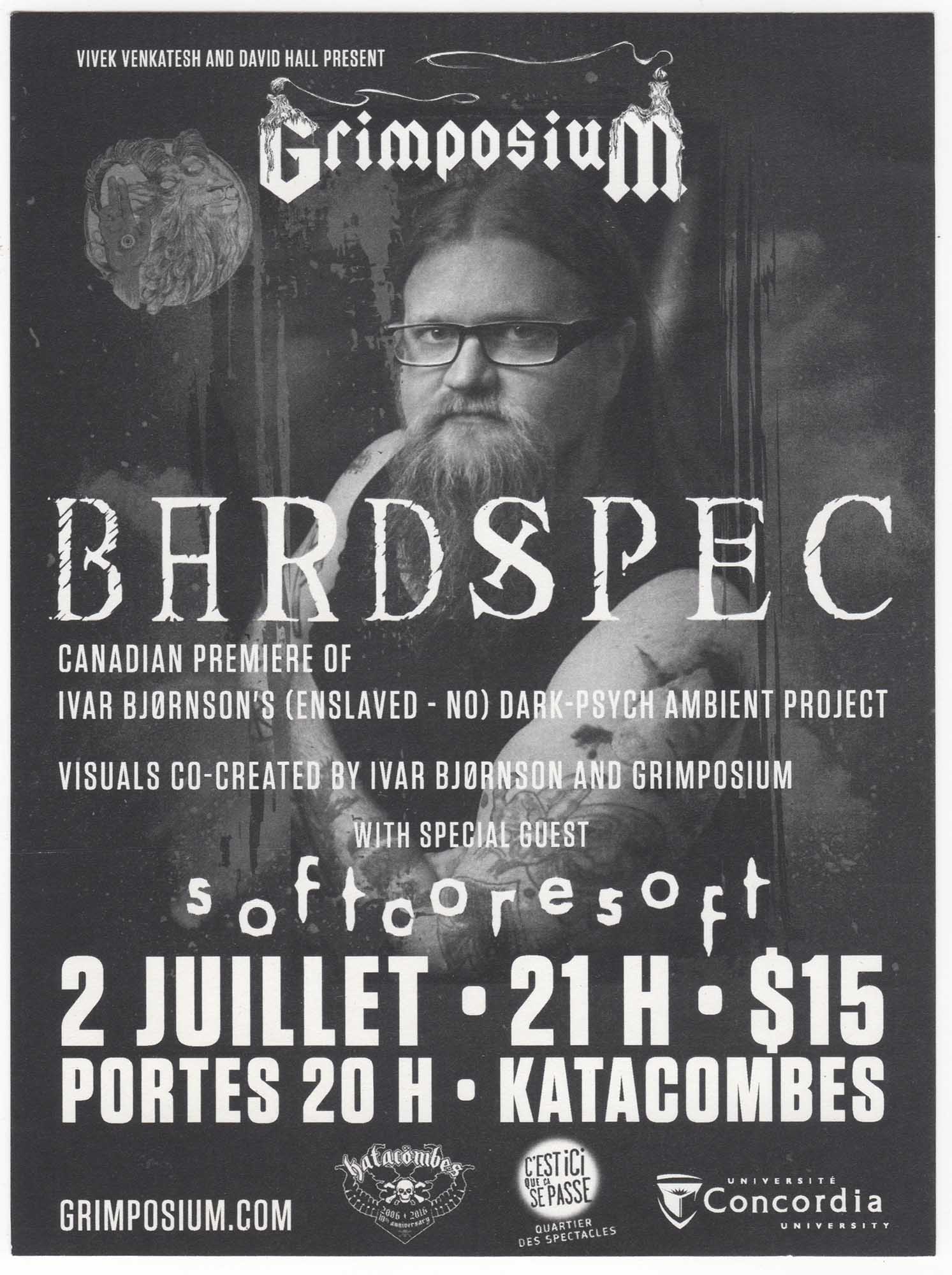
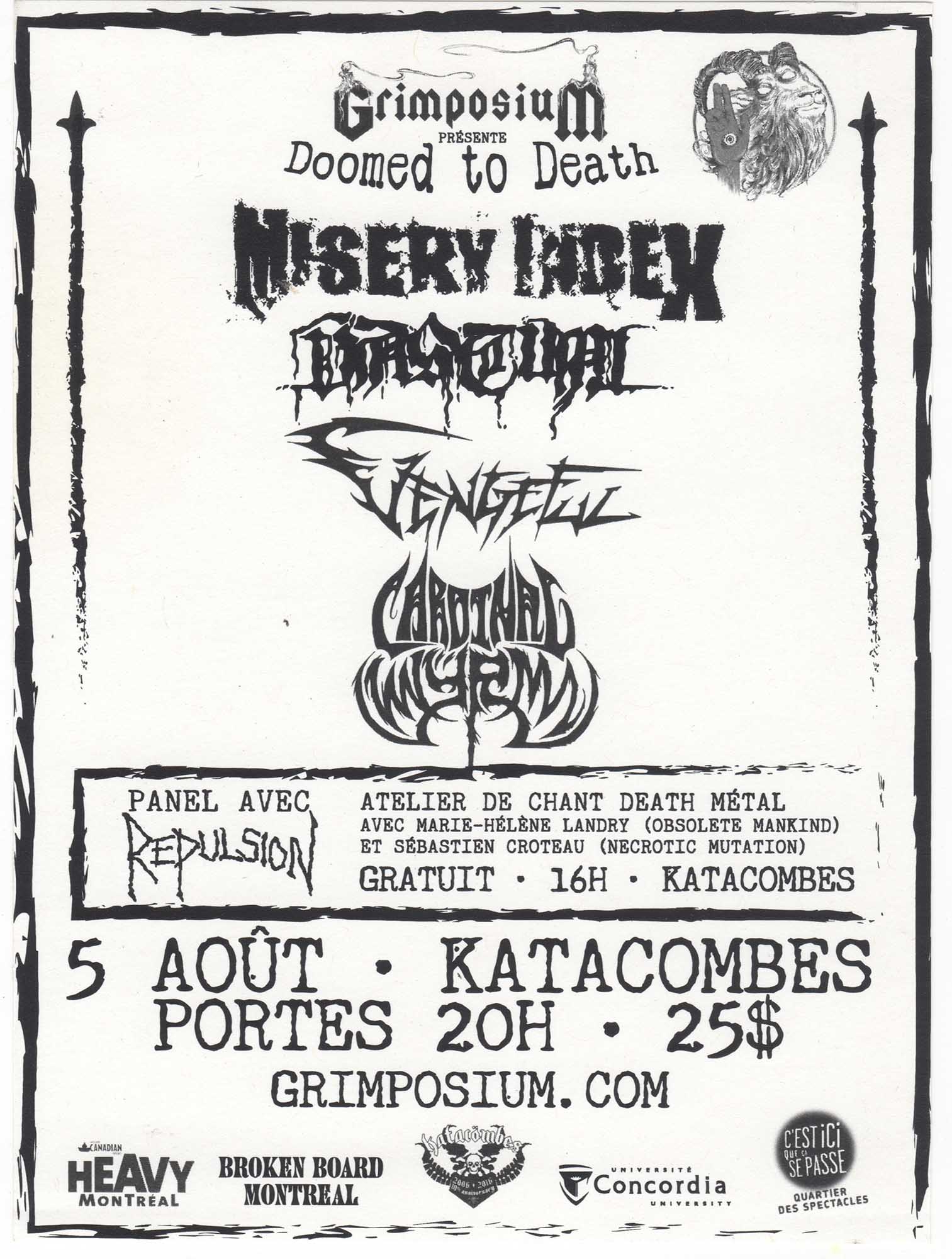
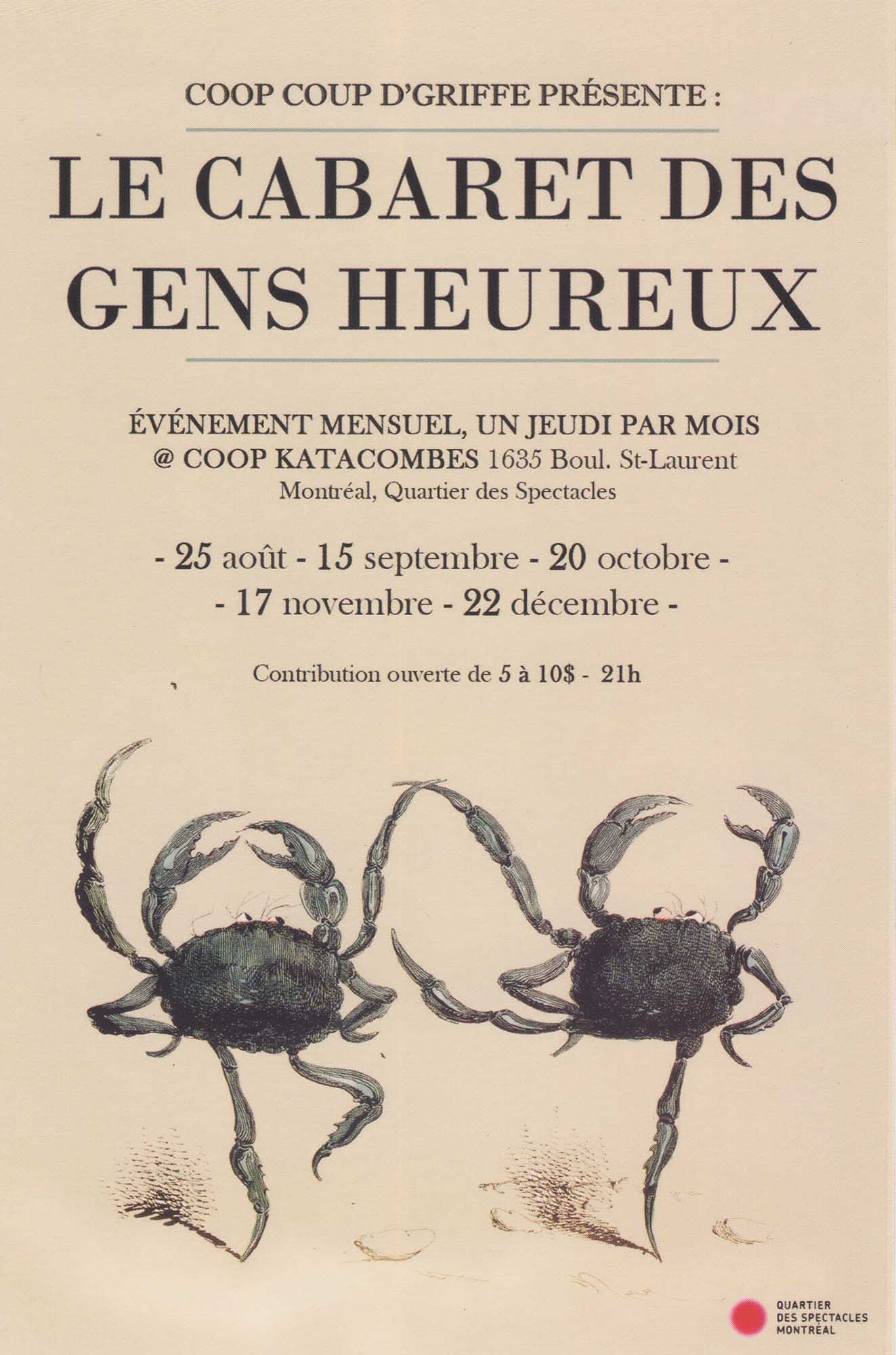
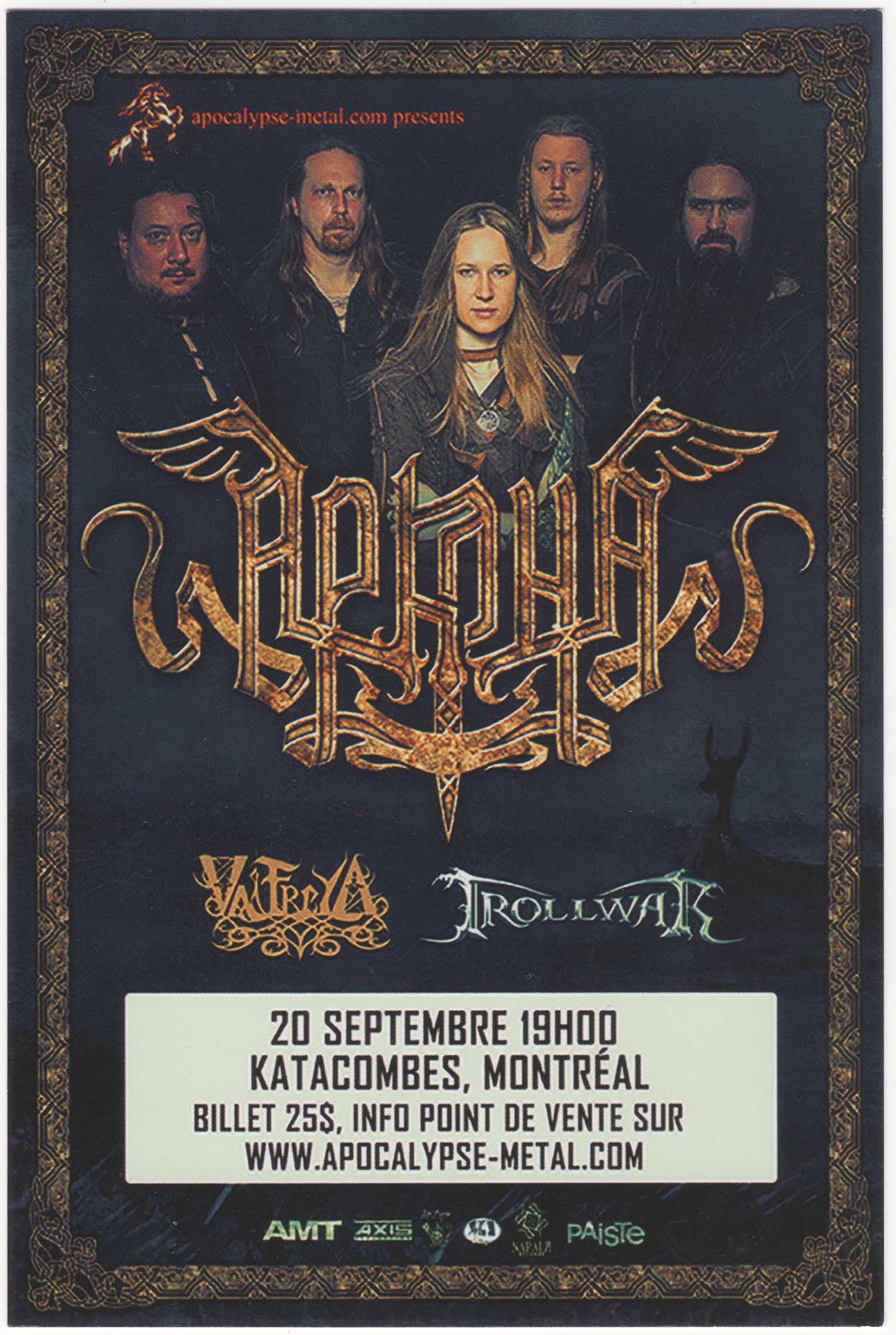
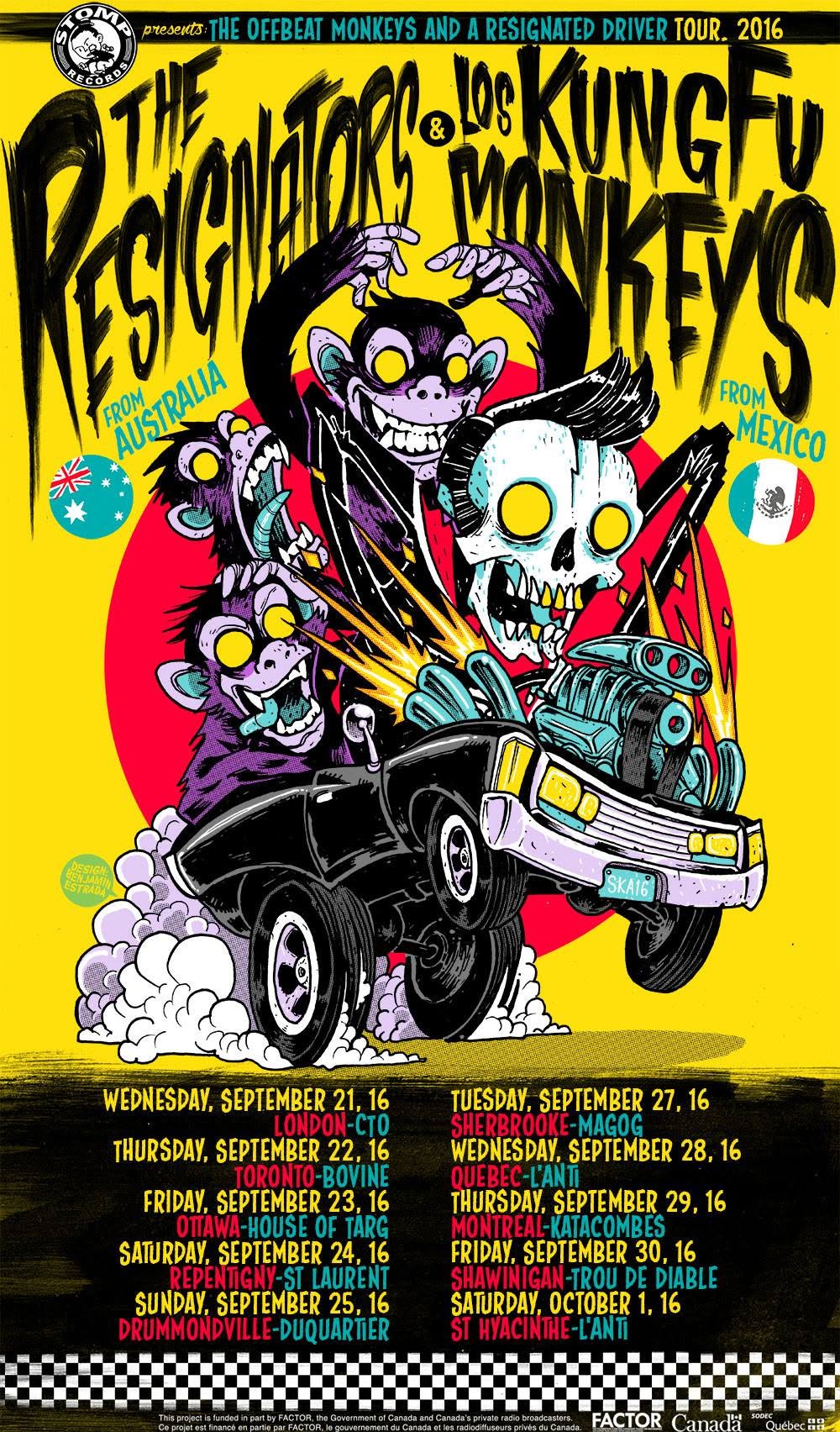
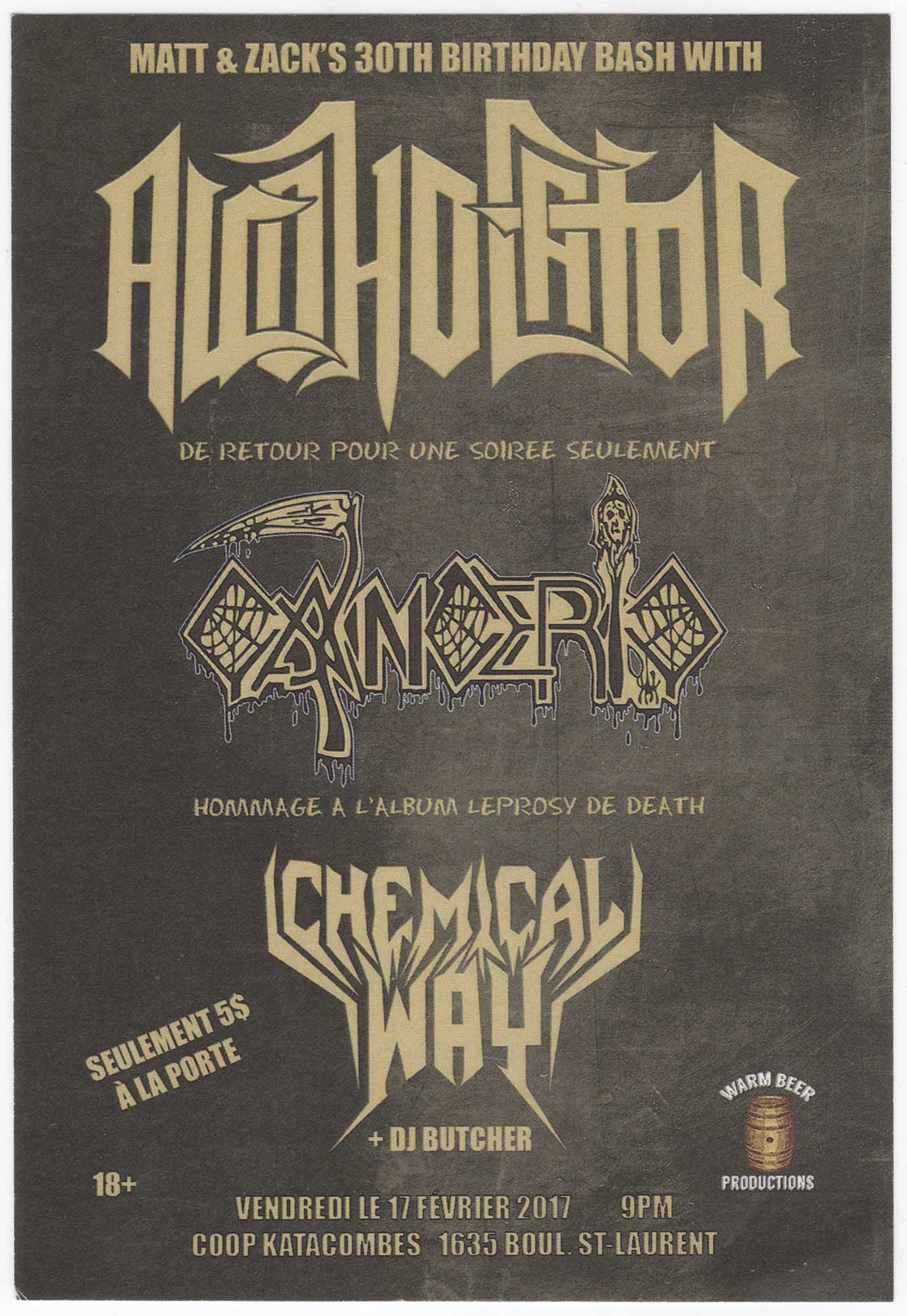
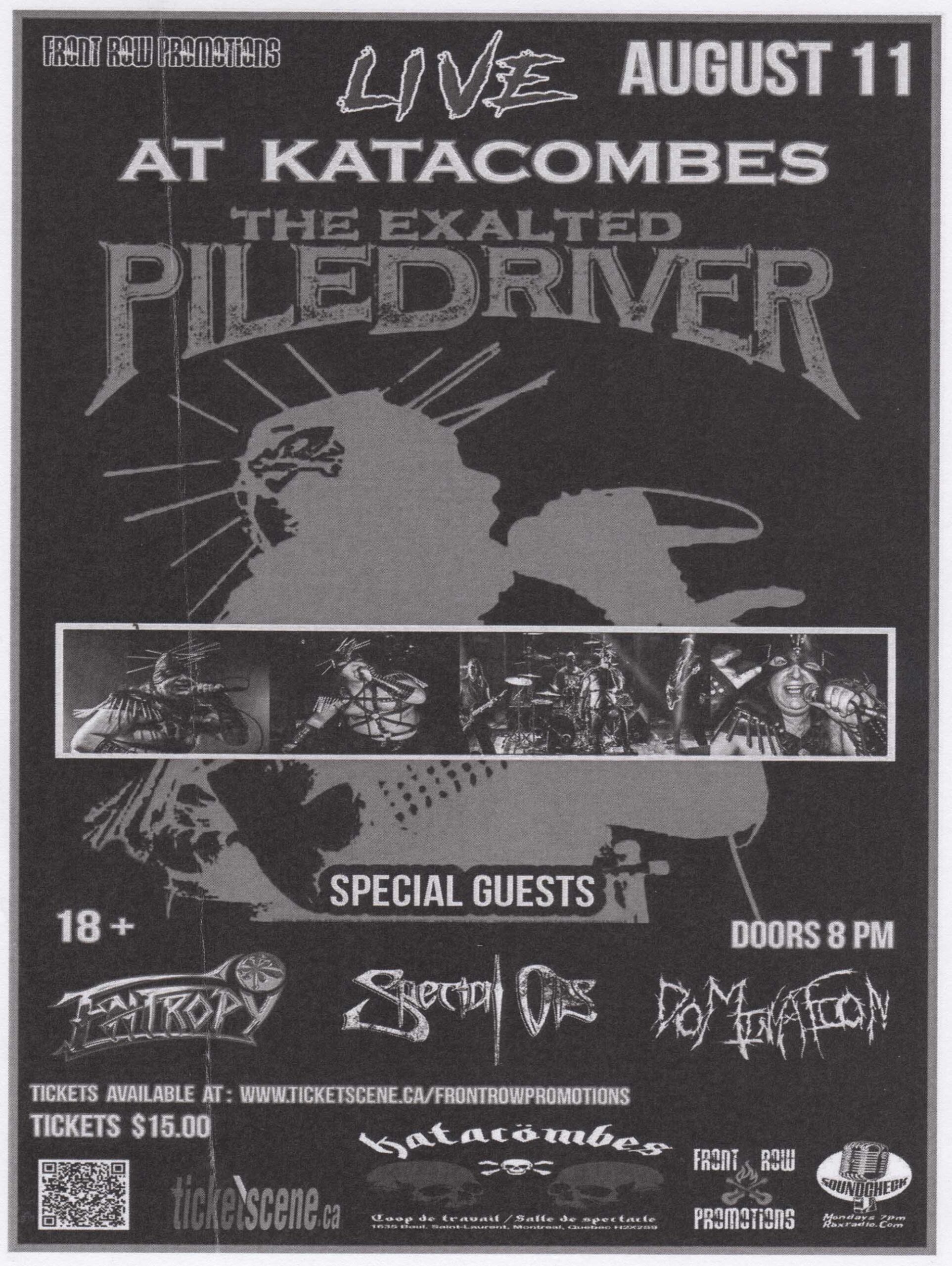
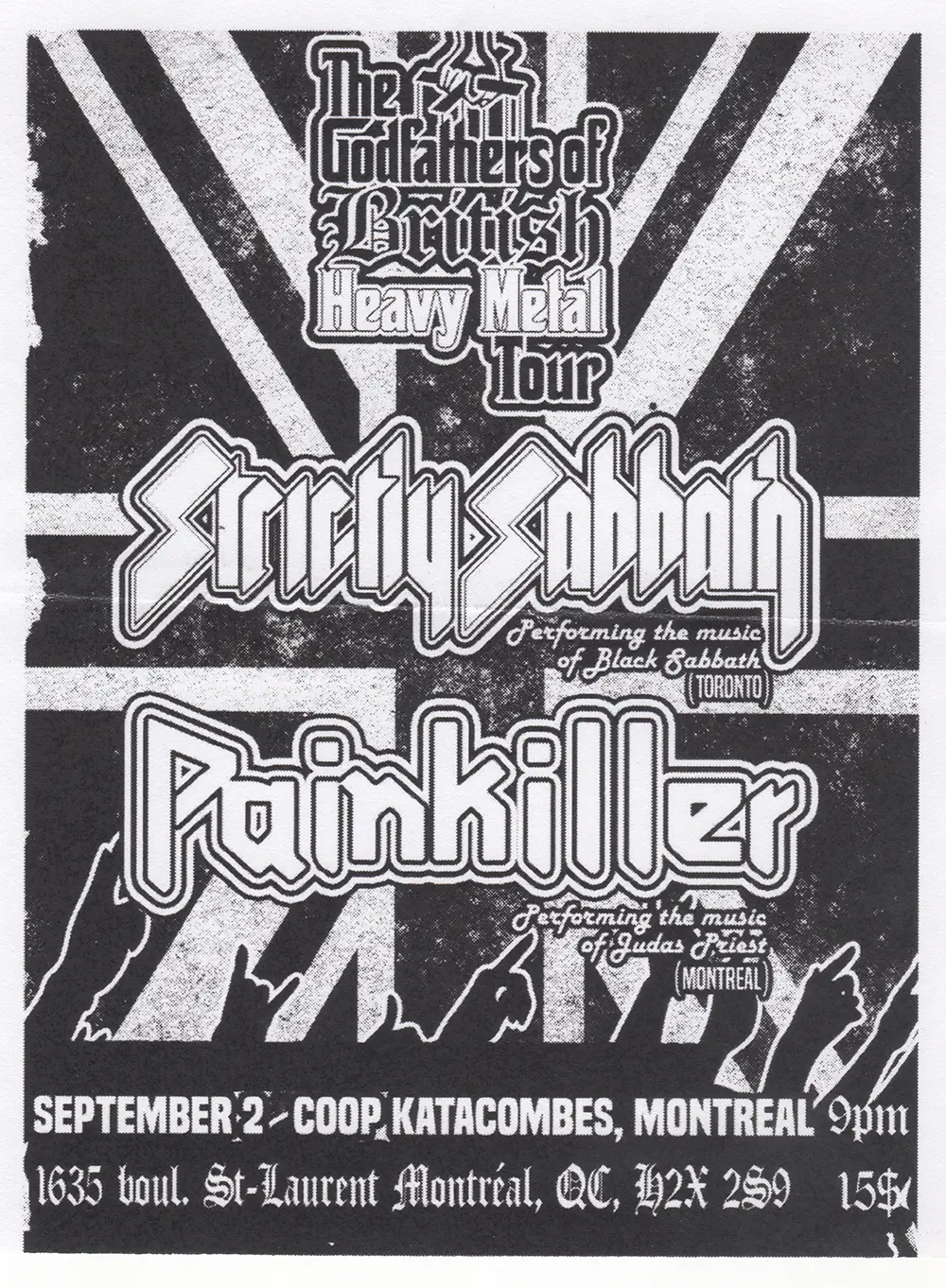
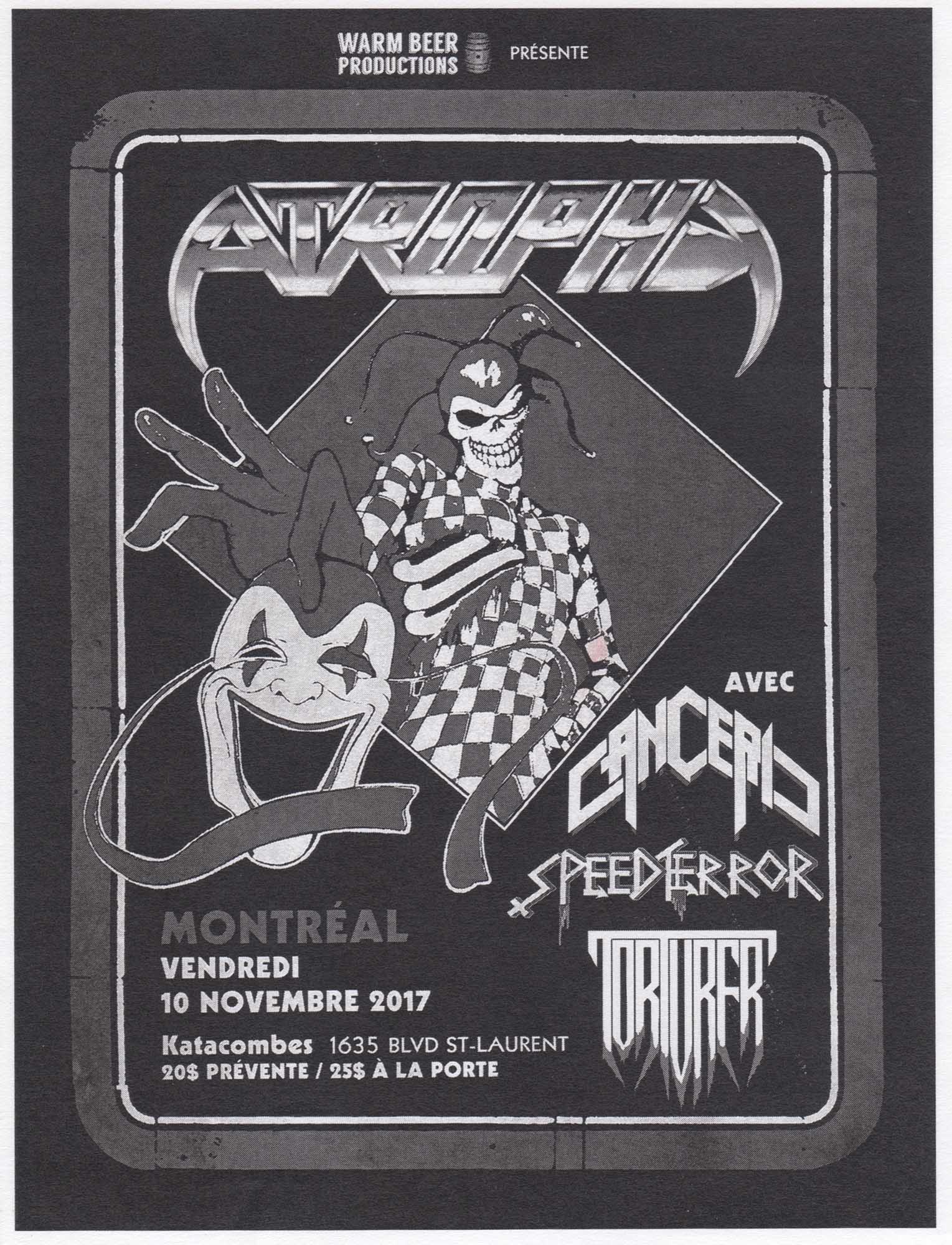
Katacombes is associated with punk, rock, and metal, but its programming reached much further: comedy, swing, talks, film shoots, hip-hop, folk, ska, jazz. This breadth is typical of venues structured as co-ops: a room must stay alive, diversify its uses, and welcome varied publics while maintaining a strong identity.
Early-2010s articles in Le Devoir confirm this cross-disciplinary profile: the venue appears not only in “music” pages, but also through hybrid events, showing that it exceeded its label.
7. Mission and underground diplomacy (networks, emerging acts, international)
Katacombes positioned itself as a venue that supports emerging artists and maintains links beyond Montreal. This mission was stated explicitly by Janick Langlais, a founding member responsible for programming: the venue’s role was to create connections, networking, and help an underground scene grow through organization and continuity.
“It has always been Katacombes’ mission to help emerging artists, to create international connections and networking, to help the underground scene grow.”
In that sense, Katacombes functioned as “diplomacy”: it made circulation possible, brought touring bands in, and forged links between scenes—a role that becomes rare when a city only leaves room for very small venues or highly institutional spaces.
8. Activism, benefit events, and cooperative governance
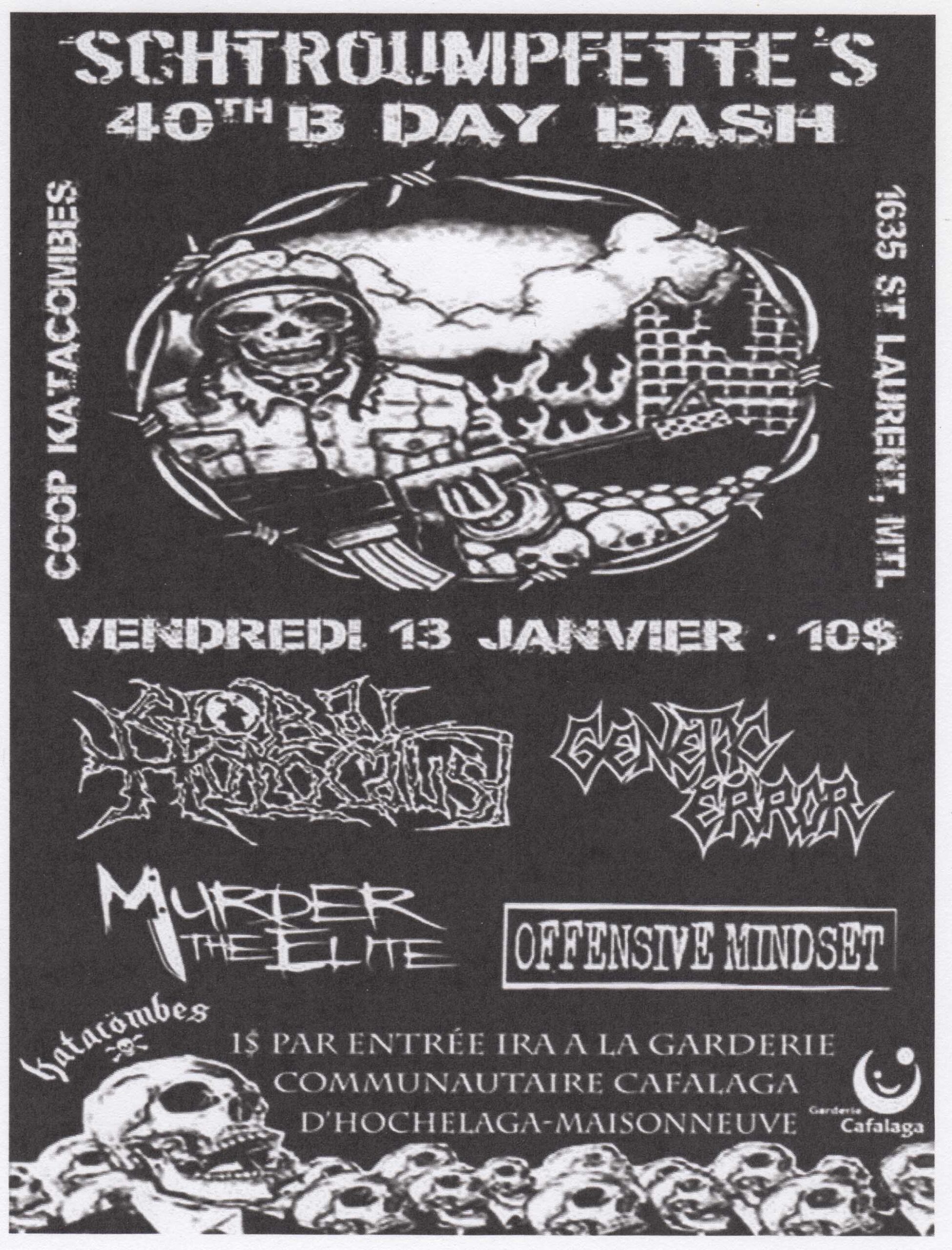
The Katacombes co-op was often cited as one of the rare cultural venues in Montreal run primarily by women. This dimension was not decorative: it shaped programming choices, the place given to benefit events, and how the venue anchored itself in a community fabric (feminism, antifascism, anarchist bookstores, animal rights groups, neighborhood organizations).
In several media narratives, Katacombes appears as a venue that “serves a purpose” beyond entertainment: it funds, it organizes, it supports. That vocation connects it directly to L’X’s legacy, but in a stabilized format.
9. A structural role in Montreal’s ecosystem (325-capacity niche)
With 325 capacity, Katacombes occupied a strategic niche: large enough to host artists “of a certain scale,” intimate enough to remain a scene venue. When it closed, articles emphasized that smaller rooms could not fully replace that void: size matters, because it shapes which artists can be booked and how touring economics work.
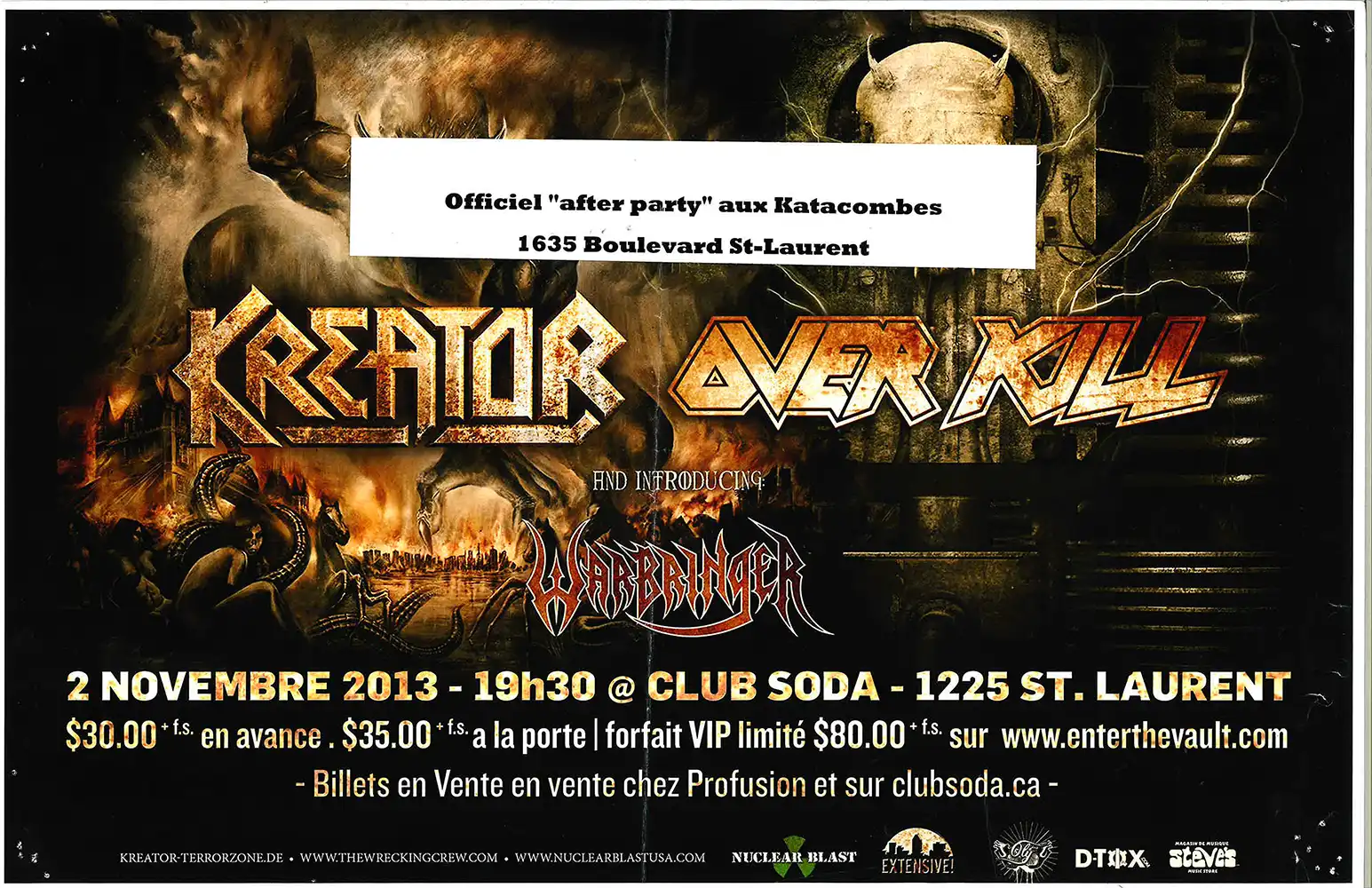
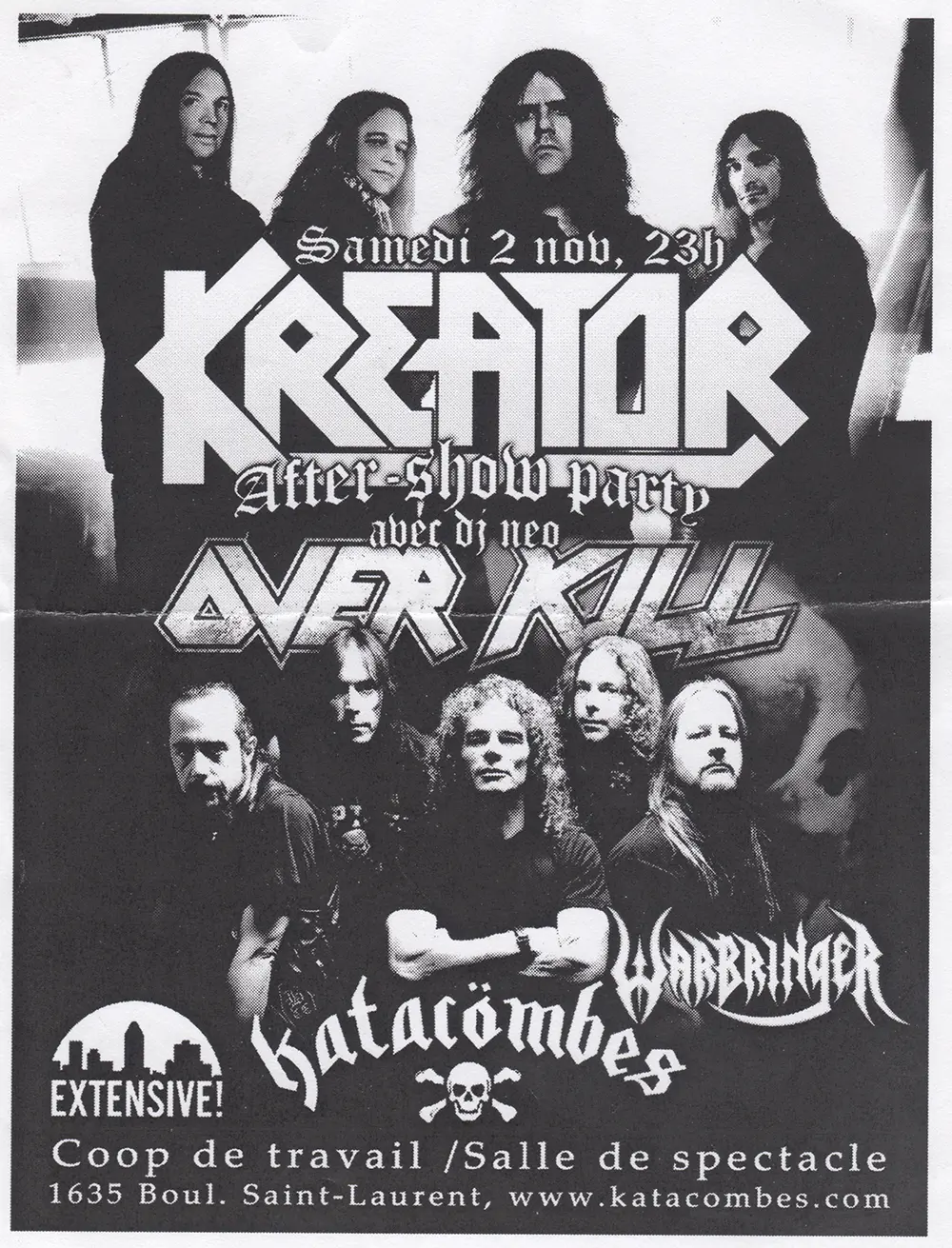
This mid-sized capacity also helps explain Katacombes’ status in the metal community’s memory: the venue became a site of defining moments (shows, festivals, nights)—and a landmark that was immediately missed after 2019.
10. Closure (2019): taxes, gentrification, speculation
In 2019, Katacombes announced it would cease activities at the end of the year. Public explanations pointed to very high municipal taxes and the impact of gentrification, in a downtown where costs rise and alternative venues become structurally precarious.
A broader analytical frame also appears in the texts: real-estate speculation pushes alternative scenes to the margins, a phenomenon observed in Montreal as in other large cities. This closure is experienced as a “déjà vu” by people connected to L’X: a cycle of displacement, relocation, requalification—then disappearance.
11. After Katacombes: memory, displacement, conversion
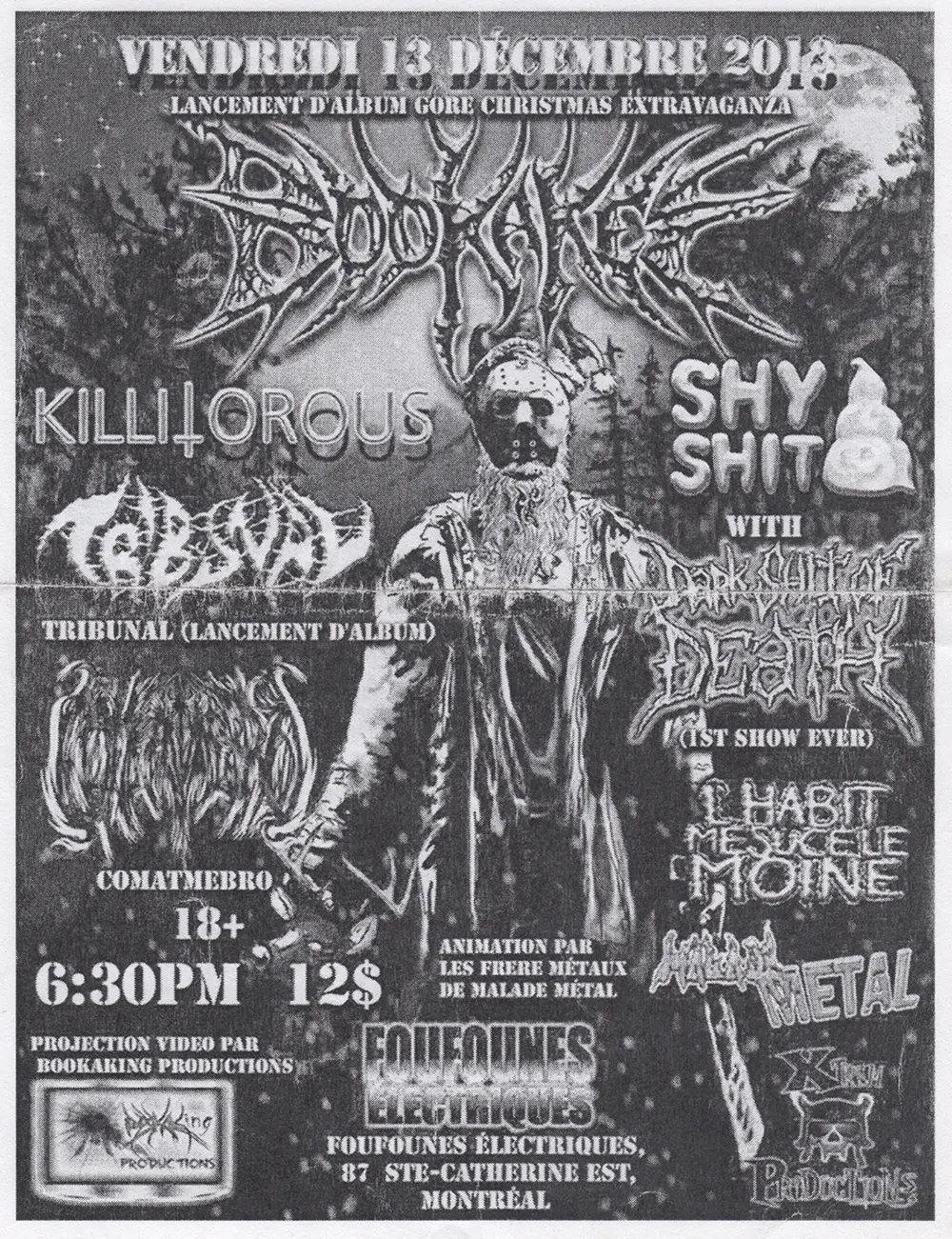
The closure did not end the underground, but it changed its geography. Media cited other venues (Piranha Bar, Foufounes Électriques, L’Escogriffe, Ritz P.D.B.) as possible anchors, while stressing that Katacombes offered a rare advantage thanks to its capacity.
In 2022, a project announced the site’s conversion into affordable student housing, with an opening mentioned around 2025. That transformation extends the venue’s urban story: a cultural place disappears materially, but remains active in memory—and in narratives about a city in transition.
12. Annotated timeline (synthetic)
1998–2004 — L’X (matrix)
L’X functioned as a DIY laboratory and a multidisciplinary crossroads (shows, workshops, documentation). Its 2004 closure fueled the reconfiguration of alternative networks.
2006 — Founding of the Katacombes cooperative
Establishment of the cooperative model; explicit continuity with L’X.
2006–2009 — 1222 Saint-Laurent Blvd.
First foothold; operational stabilization; learning a viable economic model.
August 1, 2009 — Move to the corner of Ontario / Saint-Laurent
Reopening and consolidation; increased visibility; the venue becomes a major landmark.
2009–2019 — Peak period and diversification
2,000+ shows, 350,000+ attendees; expanded programming; benefit events and community initiatives.
Late 2019 — Closure
Structural pressures: taxes, gentrification, speculation; the loss of a “mid-sized” venue (325).
2022– (announcement) — Conversion into student housing
Affordable student housing project; extension of debates about the place of alternative venues downtown.
13. Notes & sources
-
L’ITINÉRAIRE, October 1999 — article
“A Collective For and By Young Artists.”
MCPA use: description of L’X as a multidisciplinary artistic collective (concerts, workshops, documentation), identifying the ideological, organizational, and community matrix from which Katacombes would later emerge. -
LA PRESSE, December 8, 2006 — article
“Farewell Alouette Tavern, Hello Katacombes!.”
MCPA use: foundational source documenting the opening of Katacombes at 1222 Saint-Laurent Boulevard, the transformation of the space, and the explicitly stated lineage with L’X. -
L’ITINÉRAIRE, November 15, 2009 — article
“Katacombes Back in the Open.”
MCPA use: documentation of the relocation to the corner of Ontario Street and Saint-Laurent Boulevard, the 2009 reopening, and the consolidation of the cooperative model. -
LE DEVOIR, June 18, 2012 — article
“Nostalgia and New Developments.”
MCPA use: references to hybrid events held at Katacombes, confirming the breadth of programming beyond the punk/metal label. -
LE DEVOIR, June 15, 2013 — article
“The Art of Fooling Around (and Gently Provoking).”
MCPA use: confirmation of Katacombes’ recurring presence in Montreal’s cultural life and its role as a space for experimentation and underground sociability. -
URBANIA, October 25, 2019 — article by
Éric Faucher.
MCPA use: key source on Katacombes’ mission, cooperative governance, the central role of women, militant positioning, and the reasons cited at the time of closure. -
CBC, October 24, 2019 — news report
announcing the closure of Katacombes.
MCPA use: factual documentation of the public announcement, the economic context, and reactions within Montreal’s music scene. -
RADIO-CANADA, October 25, 2019 — news article.
MCPA use: source providing quantitative data citing more than 2,000 shows and 350,000 attendees, used to measure the structural impact of the venue. -
LE DEVOIR, October 25, 2019 — short item
on the closure of Katacombes.
MCPA use: corroboration of the closure announcement and its urban context (taxation, gentrification, real-estate pressures). -
LE DEVOIR, December 28, 2019 —
article by Dominic Tardif,
“Katacombes Closes, but the Underground Does Not Die.”
MCPA use: retrospective analysis linking L’X and Katacombes, examining the displacement of alternative scenes, and emphasizing the importance of the intermediate 325-capacity venue category. -
CBC, September 12, 2022 — article
announcing the site’s redevelopment.
MCPA use: documentation of the project to convert the building into affordable student housing, extending the site’s urban history beyond 2019. -
L’ÉCHO DE MASKINONGÉ, August 2, 2023 —
profile of Janick Langlais.
MCPA use: contextualization of the post-Katacombes trajectory of a founding figure, highlighting the continuity of community and cultural engagement beyond Montreal.