Barfly (Montreal)
Opened in 1996 at 4062A Saint-Laurent Boulevard, Barfly is a small dive bar that gradually evolved into a genuine intimate live-music venue. Blues, jazz, punk, rock and bluegrass coexist in its deliberately unpretentious atmosphere. Its Sunday Bluegrass Jam, established at Barfly around 2000, has become one of Montreal’s longest-running weekly musical traditions.
1. Overview
Barfly is one of those small venues whose importance within a music scene far exceeds its size. Located on Saint-Laurent Boulevard, just north of Duluth, it has retained the feel of an unpretentious neighbourhood bar since 1996: a small room, a pool table, eclectic décor and a stage only a few steps from the bar.
Barfly was not originally conceived as a live-music venue. Live music developed gradually until it became one of the defining features of the place. In 2005, The Gazette described it as a “classic dive” that had evolved into a music venue, with shows almost every night and programming ranging from blues and jazz to punk and bluegrass.
2. G-Sharp: Blues Before Barfly
The musical history of this address predates Barfly. The premises had previously housed G-Sharp, a club associated with bluesman Gary Sharp. In an article published by Le Devoir in September 1999, Serge Truffaut located G-Sharp on Saint-Laurent, “just north of Duluth,” and recalled that numerous blues musicians had performed there.
They included Jimmy Rogers, Charlie Musselwhite, Joe Louis Walker, Eddy Clearwater, Phillip Walker, Stephen Barry, Ray Bonneville and Jimmy James. G-Sharp was described as a lively venue marked by the aesthetic and spirit of small American blues clubs.
“This club reminds me of the ones from my early days deep in Mississippi. It’s a real juke joint.”
The transition from G-Sharp to Barfly does not appear to have been immediate. In 2005, a Barfly co-owner told The Gazette that the premises had once been G-Sharp and had then passed through several owners before becoming Barfly. This interim period remains to be documented.
3. Barfly Opens in 1996
Barfly opened in 1996 at 4062 Saint-Laurent Boulevard. At first, it was not intended to be a live-music venue. Co-owner Anthony recalled in 2005 that there was initially no stage and that the establishment essentially operated as a neighbourhood bar.
The venue’s musical development happened almost by accident. A friend convinced Anthony to buy a piano, and a few shows followed. Their success gradually led to more performances and, less than a decade after opening, Barfly was presenting live music almost every night.
1996
A bar before it became a venue
Barfly did not open with ambitions of becoming a live-music venue. It did not even have a stage. The purchase of a piano and the organization of a few concerts gradually transformed the small dive bar into a place for live music.
4. From Dive Bar to Live-Music Venue
In June 2005, The Gazette devoted a full column to Barfly under the headline It’s a classic dive, and that’s the draw. The article described an establishment that had retained its bare-bones character while becoming a genuine music venue.
Its official capacity was then listed as only 58 people. Shows were free most nights; when touring bands appeared, admission occasionally ranged from $3 to $5. The bar was open seven days a week, from 4 p.m. to 3 a.m. This tiny capacity directly contributed to the intimacy between performers and audience.
5. Blues, Jazz, Punk and Independent Music
By the mid-2000s, Barfly’s programming was remarkably eclectic. Wednesdays were associated with blues, notably with Stephen Barry; Thursdays with jazz; and Sundays with bluegrass. Weekends attracted a younger crowd and could feature punk bands.
This diversity indirectly continued the musical history of the premises. Stephen Barry, already cited among the musicians who had performed at Gary Sharp’s G-Sharp, appeared several years later in Barfly’s regular programming. Blues therefore provides a genuine thread connecting the two eras.
6. The Sunday Bluegrass Jam
Barfly’s best-known tradition remains the Sunday Bluegrass Jam, hosted for years by Matt Large and Mark Peetsma. Despite becoming virtually inseparable from Barfly’s identity, the night did not originate there.
When it celebrated its 15th anniversary in 2012, Cult MTL traced its first three years to the now-defunct Café Sarajevo, followed by twelve years at Barfly. The night therefore dates to approximately 1997 and moved to Barfly around 2000.
By 2003, The Gazette was already describing Sunday as the bar’s biggest night. A hundred people or more could turn up despite the tiny stage. Fiddle, mandolin, banjo, upright bass and guitar crowded together in an open format in which musicians could come and participate.
A Montreal tradition
From Café Sarajevo to Barfly
c. 1997 — the night begins at Café Sarajevo
c. 2000 — the Bluegrass Jam moves to Barfly
2003 — Sunday is already the bar’s biggest night
2012 — 15th anniversary celebration
2026 — Sunday bluegrass continues to be promoted as a Barfly tradition
7. A Platform for the Local Scene
In January 2006, La Presse visited Barfly for its Virée de bars series. The article described a predominantly anglophone clientele and an atmosphere that was unusual, friendly and decidedly relaxed. The bluegrass night occupied a central place in the portrait.
On the small stage, six or seven musicians — sometimes nine — could perform simultaneously on fiddle, mandolin, banjo, upright bass, guitar, slide guitar and harmonica. Most importantly, La Presse described Barfly as a platform for Montreal’s local alternative scene. This neatly summarizes the role the venue acquired during the 2000s: an accessible space where musicians could perform without the distance imposed by a conventional concert hall.
8. A Décor Built by the Regulars
Barfly’s character does not come from carefully planned interior design. On the contrary, its aesthetic developed organically. The 2005 Gazette article mentions blue walls, red linoleum flooring, low ceilings, photographs, flags and memorabilia accumulated over time.
Anthony explained that much of what could be seen in the bar had been brought in by customers themselves. This accumulation gradually turned the room into a collective memory of its regulars. The pool table, hockey memorabilia and mismatched objects all contributed to the feeling of a place that had been lived in rather than designed.
“Basically, it’s old school.”
9. A Rare Continuity on the Main
While many small bars and concert venues along Saint-Laurent Boulevard have disappeared, changed purpose or been profoundly transformed, Barfly has maintained a remarkably stable identity. Its model continues to be based on a small capacity, immediate proximity to the musicians and regular local programming.
The Sunday Bluegrass Jam was still being promoted at 4062A Saint-Laurent in 2026, confirming exceptional continuity for a weekly night that began in the late 1990s. Barfly therefore belongs to a category of modest but essential venues whose historical value derives less from their size than from their ability to remain accessible to musicians and their community over several decades.
10. Timeline
Before 1996 — Gary Sharp’s G-Sharp contributes to the Saint-Laurent blues scene
Interim period — several operators follow G-Sharp
1996 — Barfly opens
c. 1997 — the Bluegrass Jam begins at Café Sarajevo
c. 2000 — the Bluegrass Jam moves to Barfly
2003 — The Gazette describes Sunday as the bar’s biggest night
2005 — Barfly presents shows almost every night; capacity: 58
2006 — La Presse describes it as a platform for the local alternative scene
2012 — 15th anniversary of the bluegrass night
2026 — Barfly remains active; the bluegrass tradition continues
11. Historical Significance
Barfly’s importance in Montreal music history does not rest on major productions or a large capacity. It lies precisely in the opposite: since 1996, a room holding only a few dozen people has allowed musicians to perform informally before an audience standing only a few metres away.
The address also has an earlier musical history through G-Sharp and Gary Sharp. From the blues of Jimmy Rogers, Charlie Musselwhite and Stephen Barry to Sunday bluegrass, along with jazz, punk and independent rock, the premises illustrate several decades of intimate live music on the Main.
In a city where small venues can appear and disappear quickly, Barfly’s longevity is itself a form of heritage. Its history is a reminder that a city’s musical life is not built only in its major concert halls: it also grows in 58-person bars, around a piano bought almost by chance, on a tiny stage, and through weekly gatherings that eventually become institutions.
12. Notes & Sources
- Serge Truffaut, “Un pan de blues — Gary Sharp n’est plus là, mais le Campus ouvre sa série blues,” Le Devoir, September 18, 1999. History of Gary Sharp and G-Sharp; musicians who performed at the club; Jimmy Rogers testimony.
- Michael Citrome, “Bluegrass binge,” The Gazette, October 9, 2003. Report on Sunday Bluegrass Night, Matt Large and Mark Peetsma, the clientele and the operation of the night.
- Tycha Dunlevy, “It’s a classic dive, and that’s the draw,” The Gazette, June 18, 2005. History of Barfly since 1996, 58-person capacity, development of live music, programming, décor and testimony from co-owner Anthony.
- Annie Martineau, “Virée de bars — Un petit goût de Bayou,” La Presse, January 26, 2006. Description of Barfly, its clientele, the Sunday Bluegrass Jam and the venue’s role as a platform for the local alternative scene.
- Tracey Lindeman, “Barfly’s bluegrass night turns 15,” Cult MTL, November 9, 2012. History of the jam: its first three years at Café Sarajevo followed by twelve years at Barfly.
- CKUT 90.3 FM, Where It’s At, contemporary listings. 4062A Saint-Laurent address and continuation of Sunday Bluegrass Night hosted by Matt Large and Mark Peetsma.
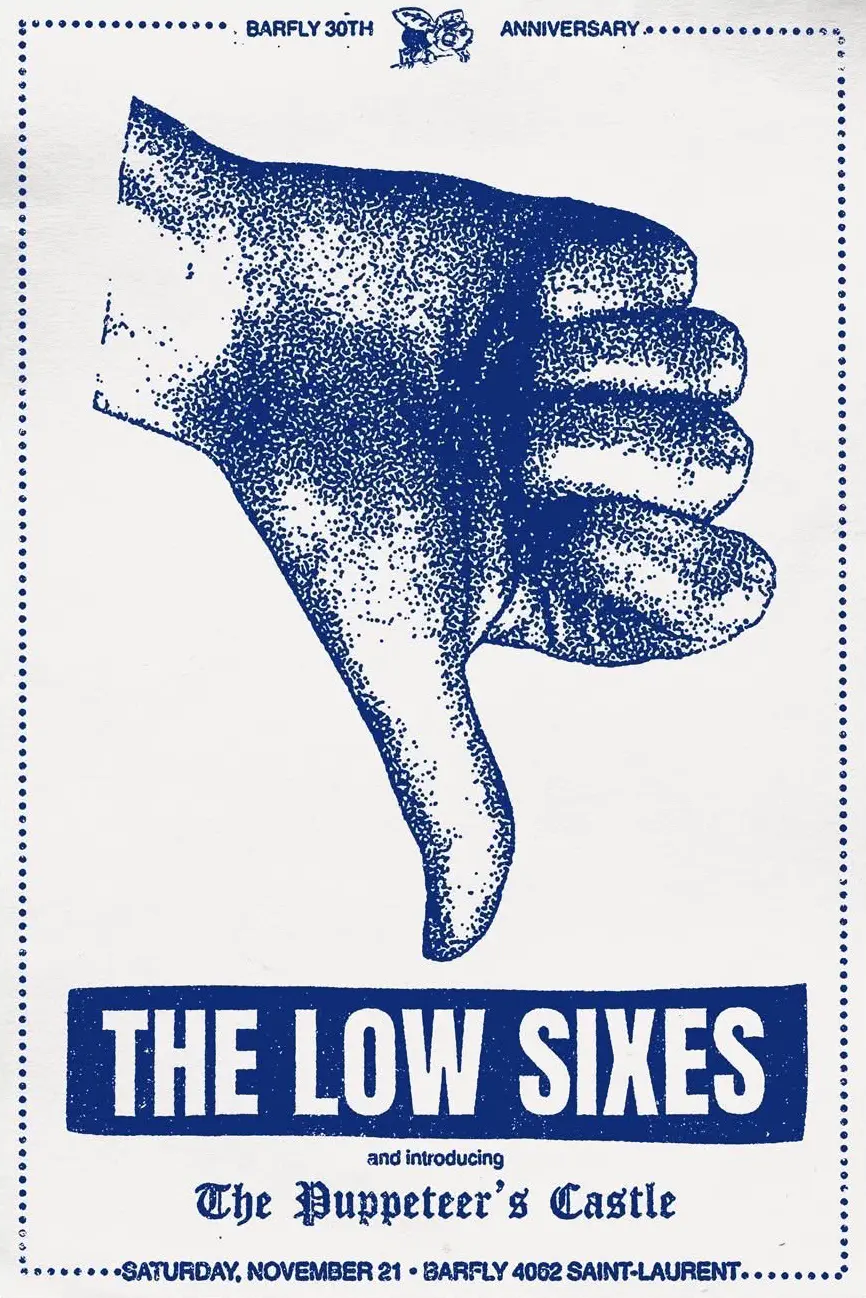
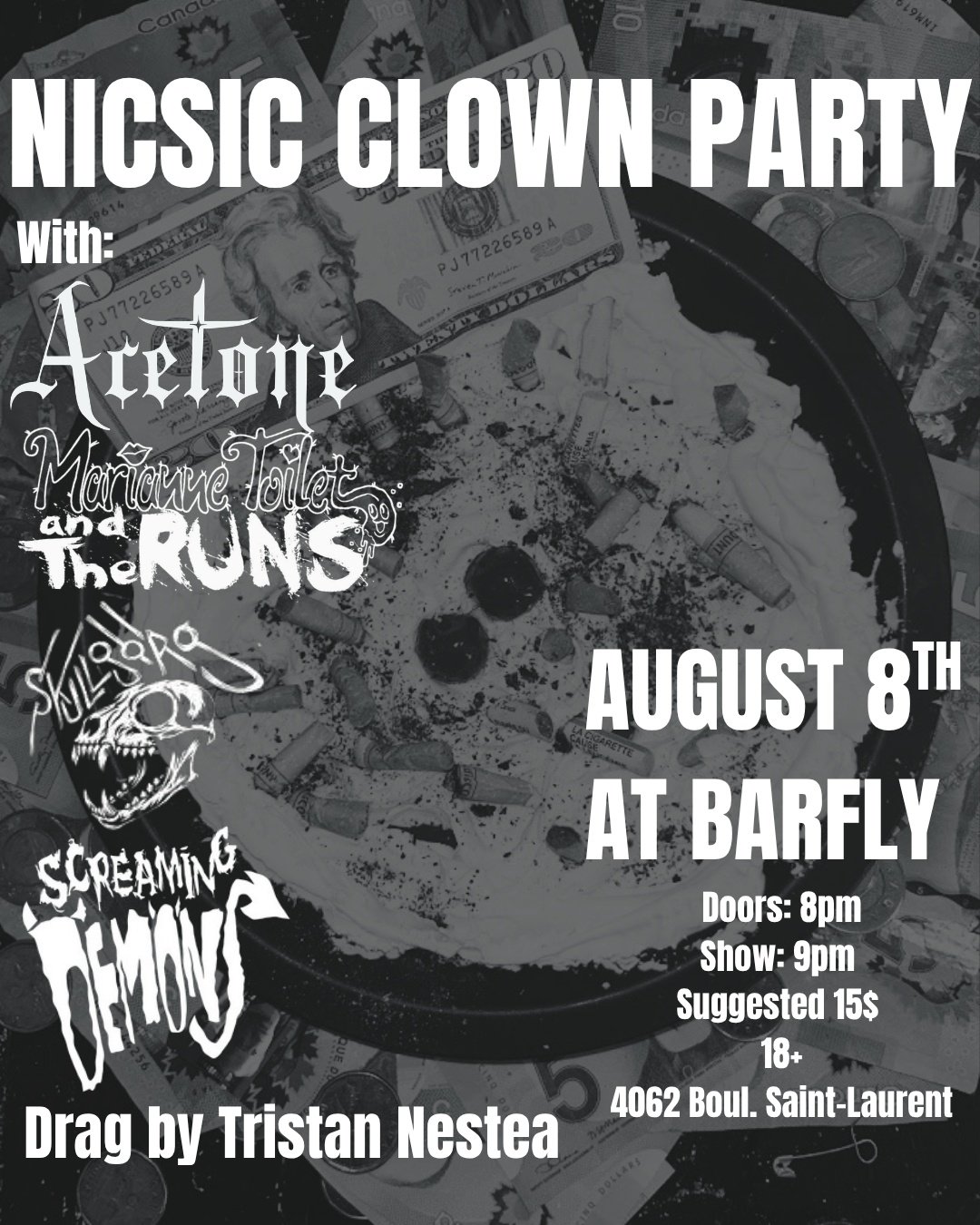
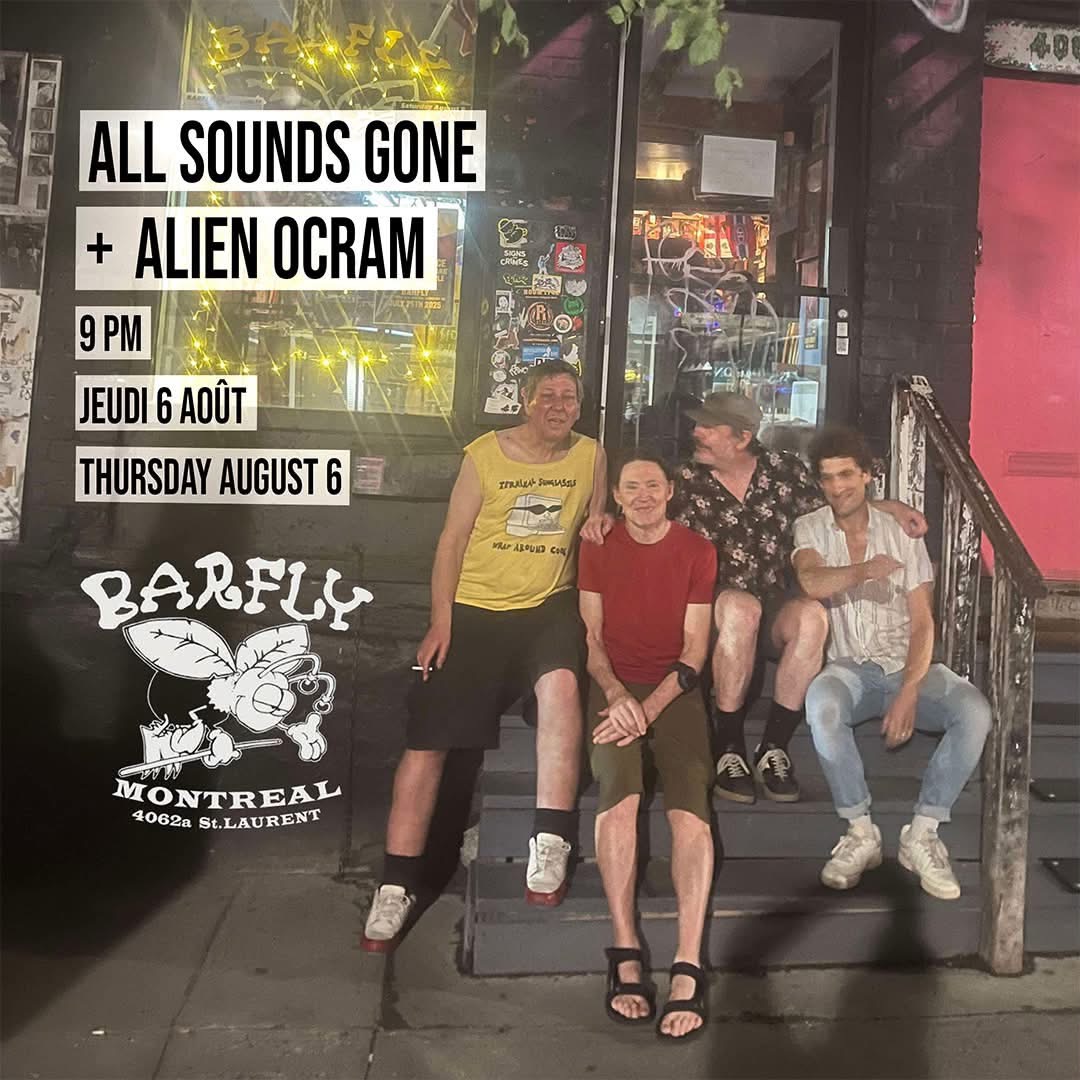
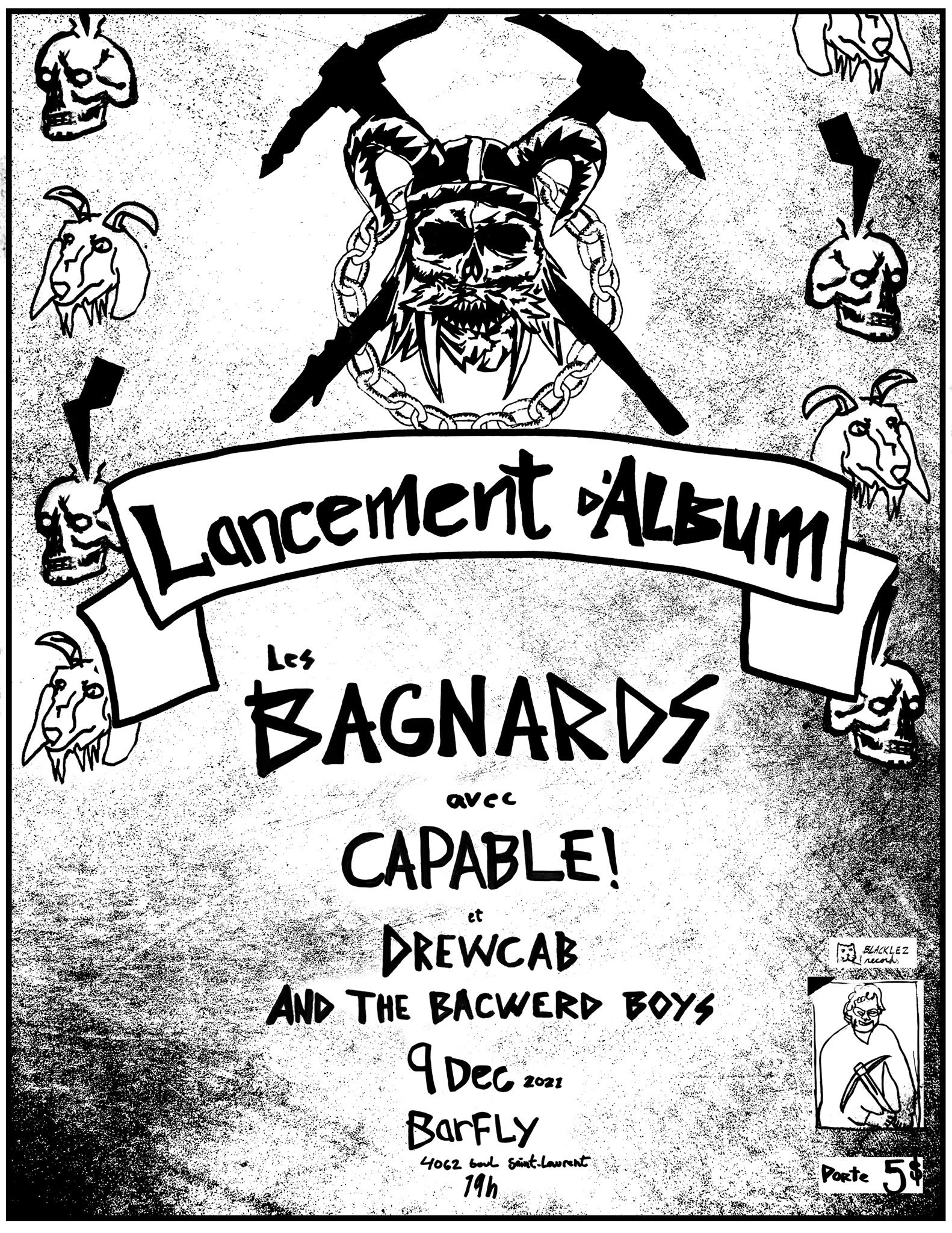
- Montréal Concert Poster Archive, Barfly archives: posters, flyers and historical documentation.