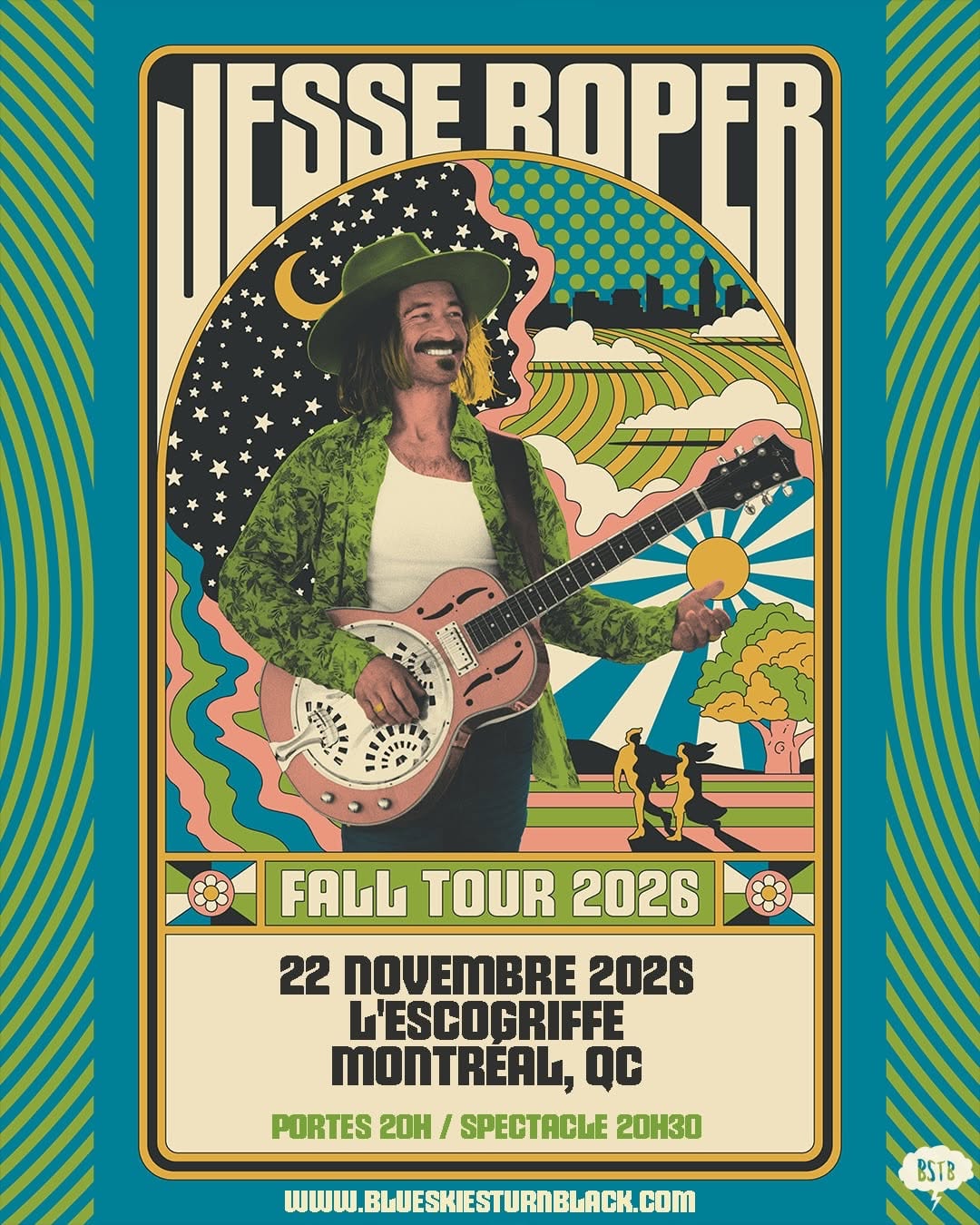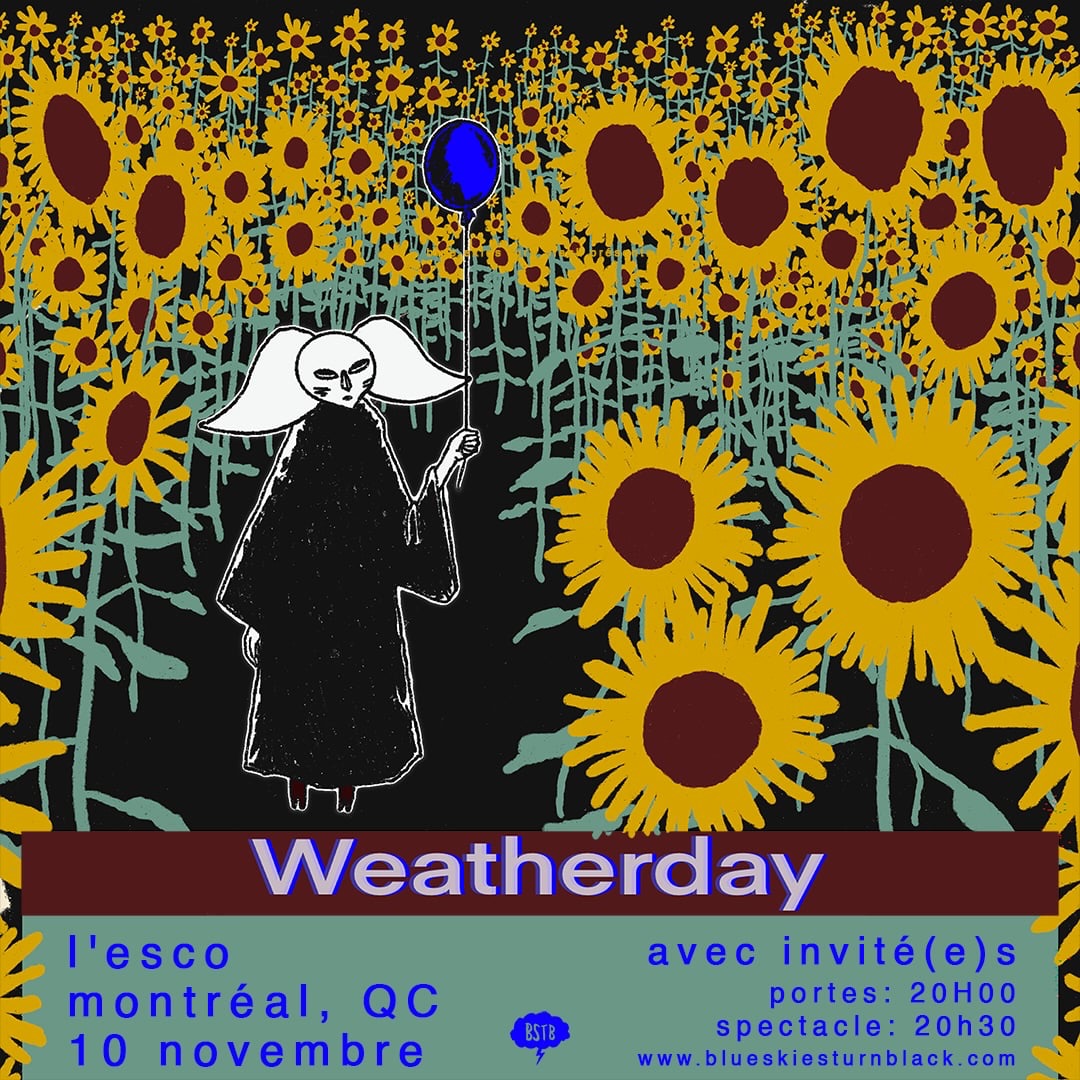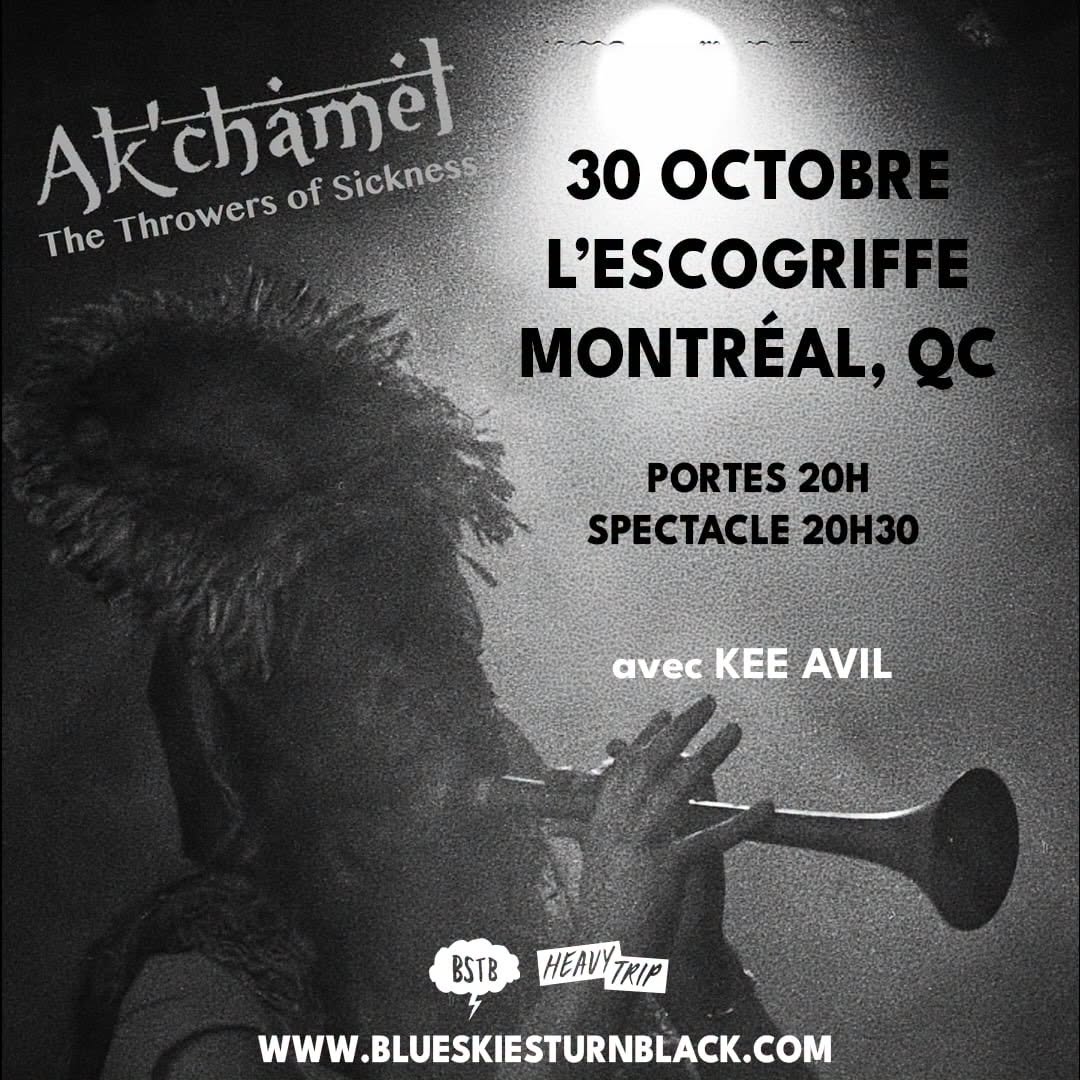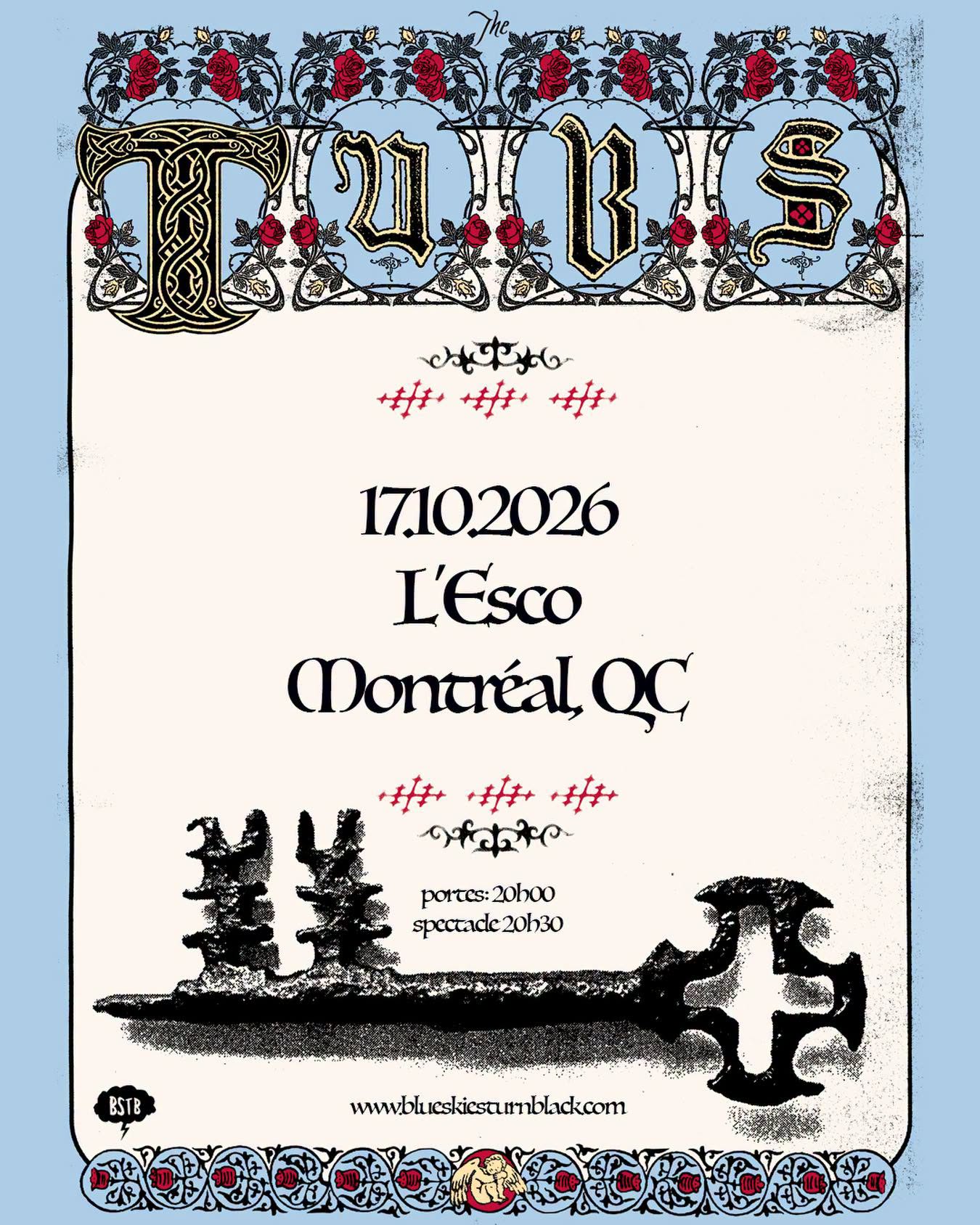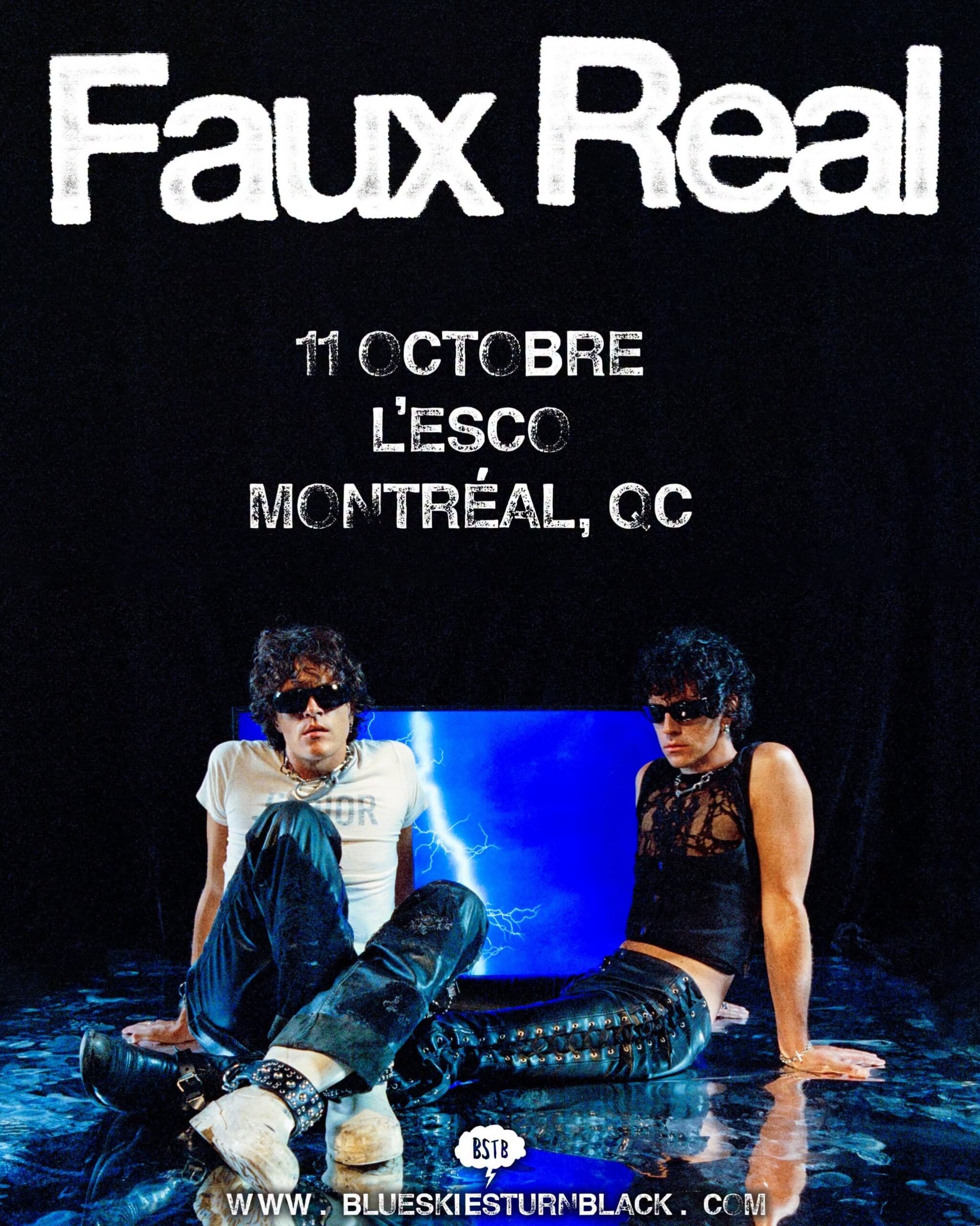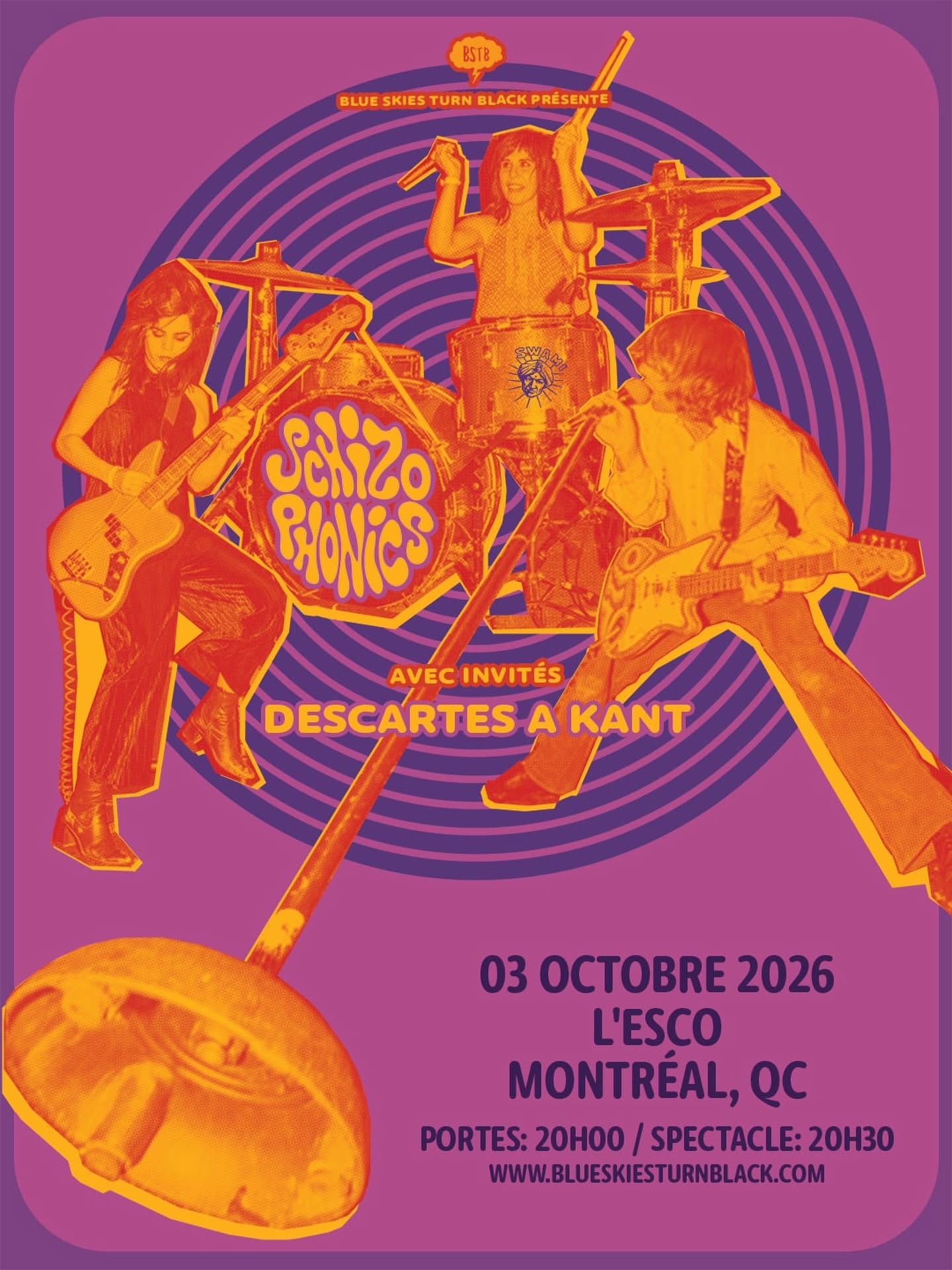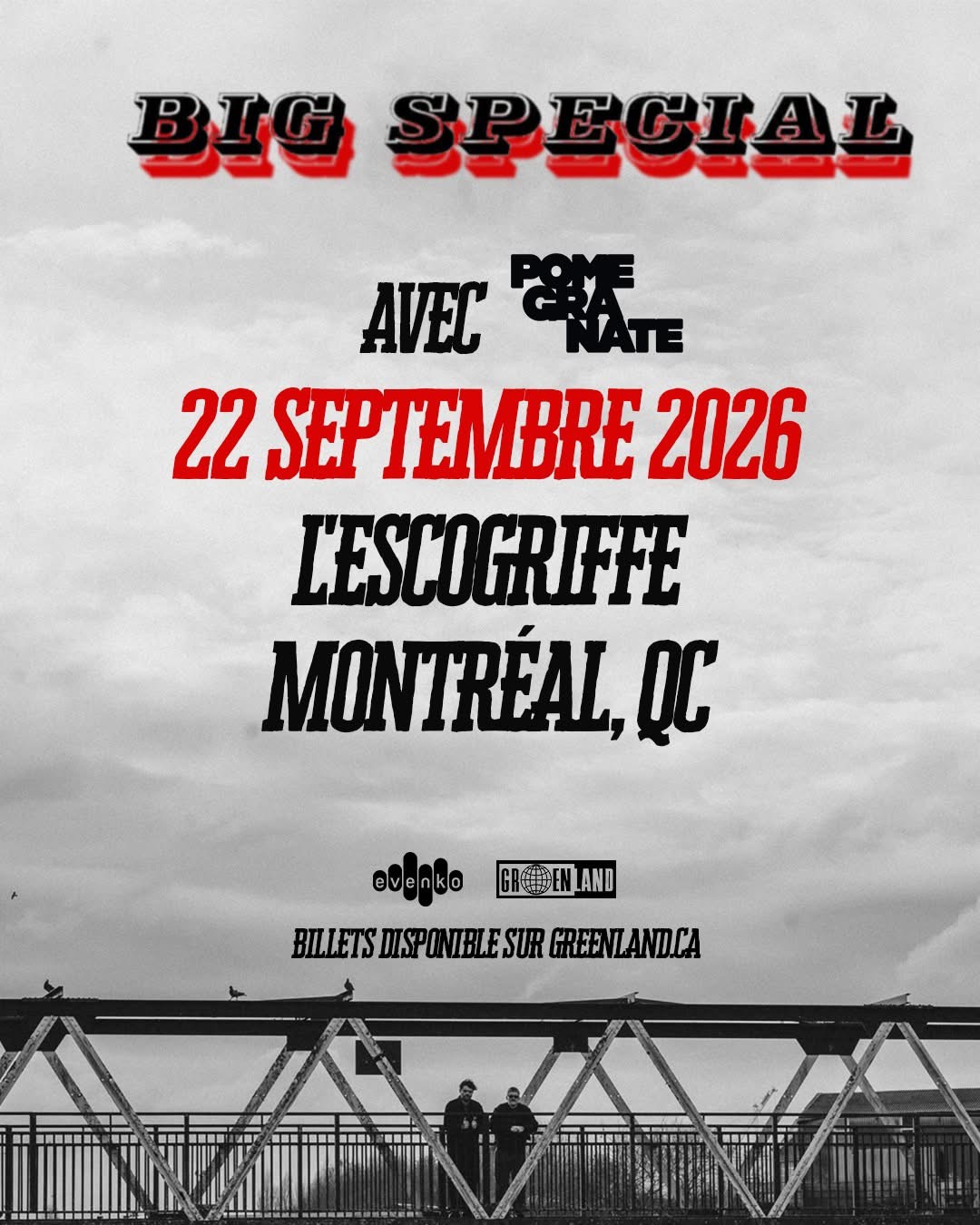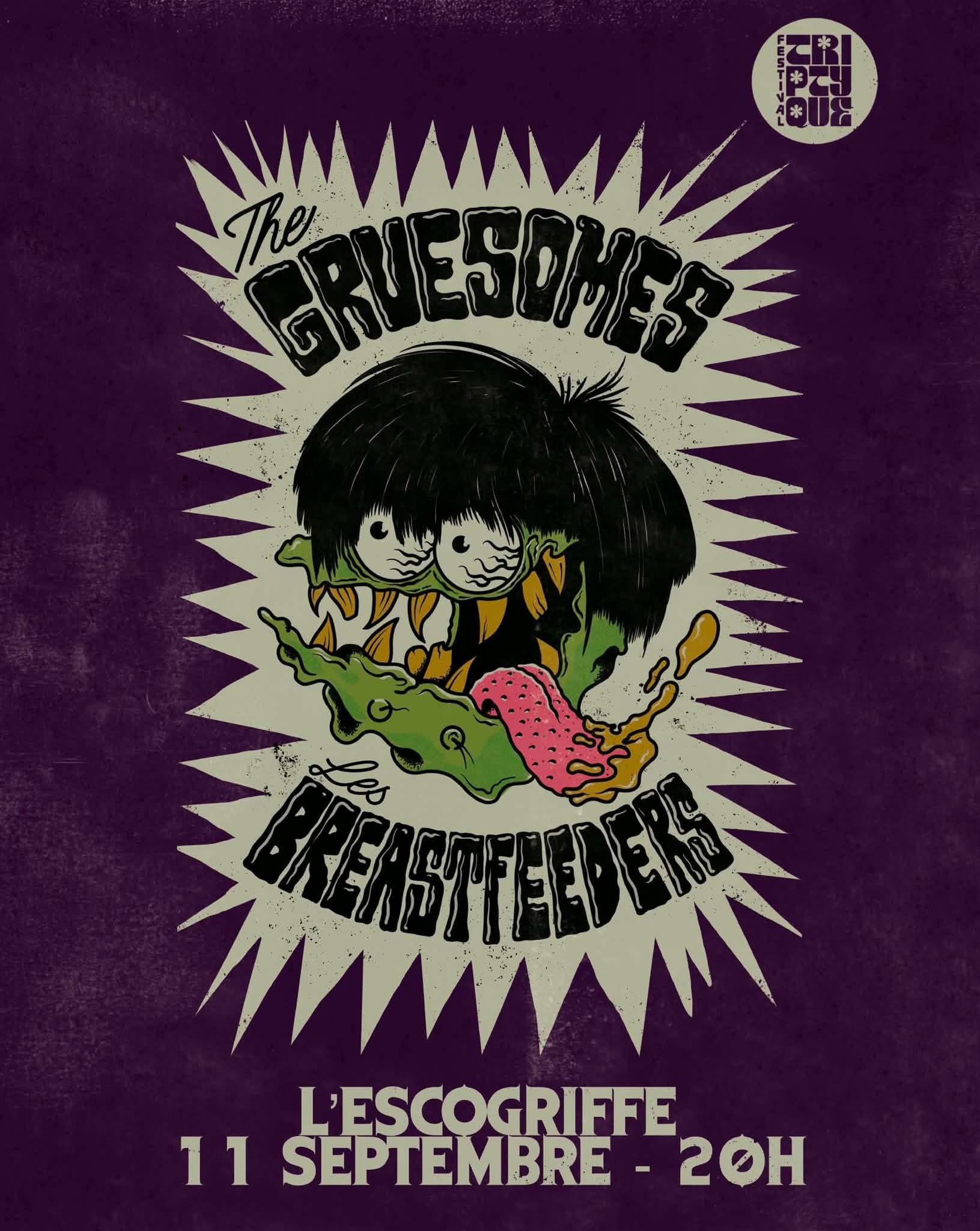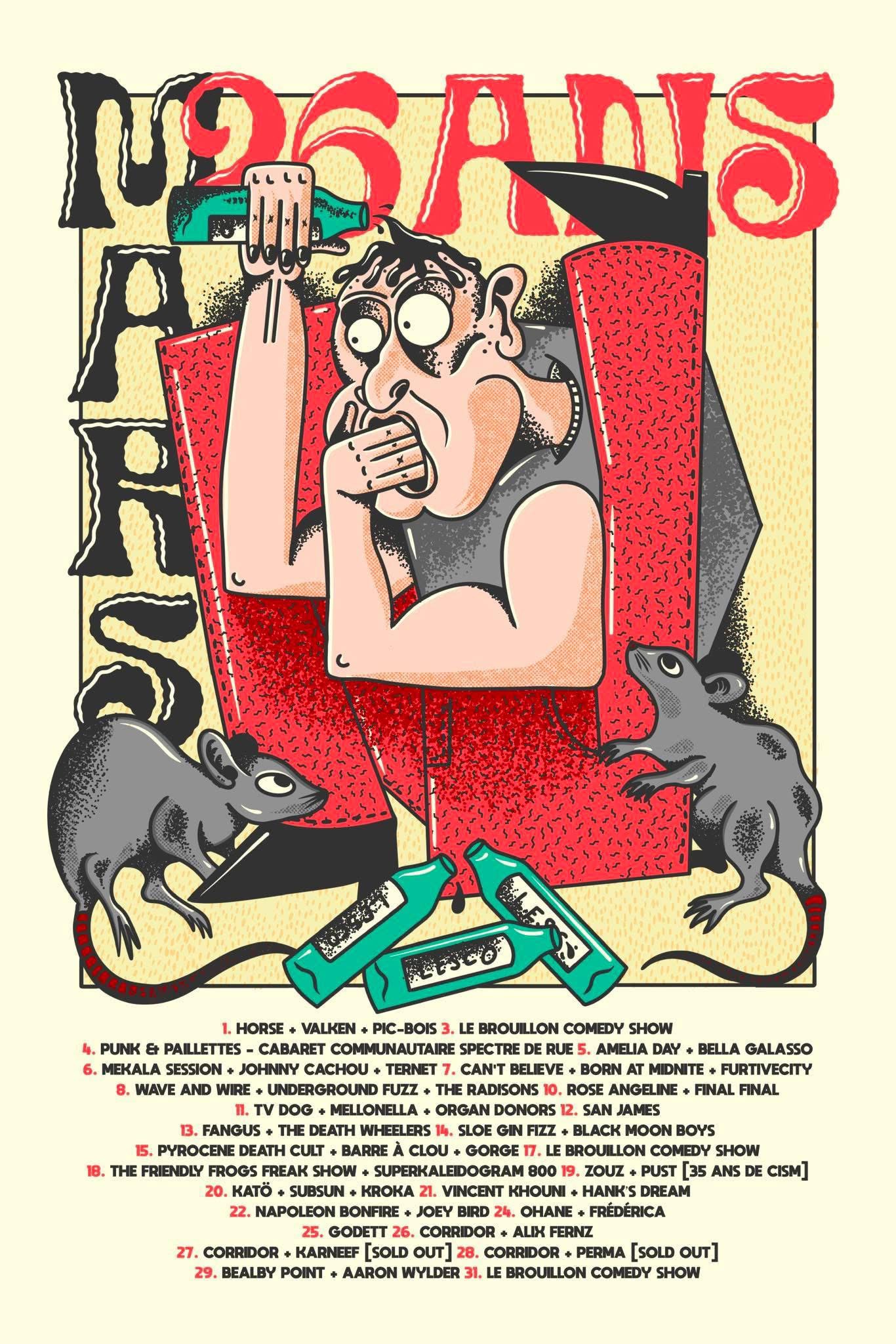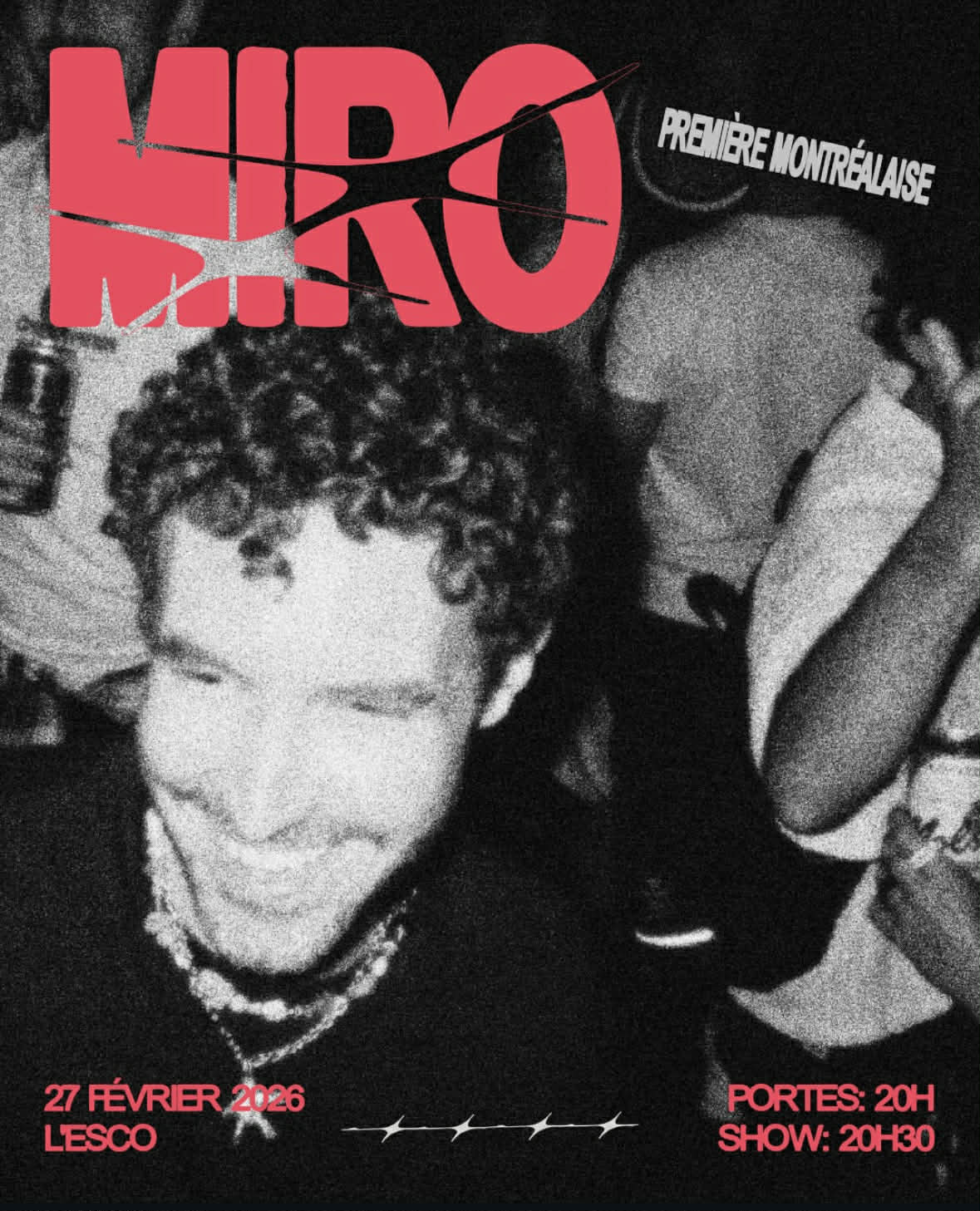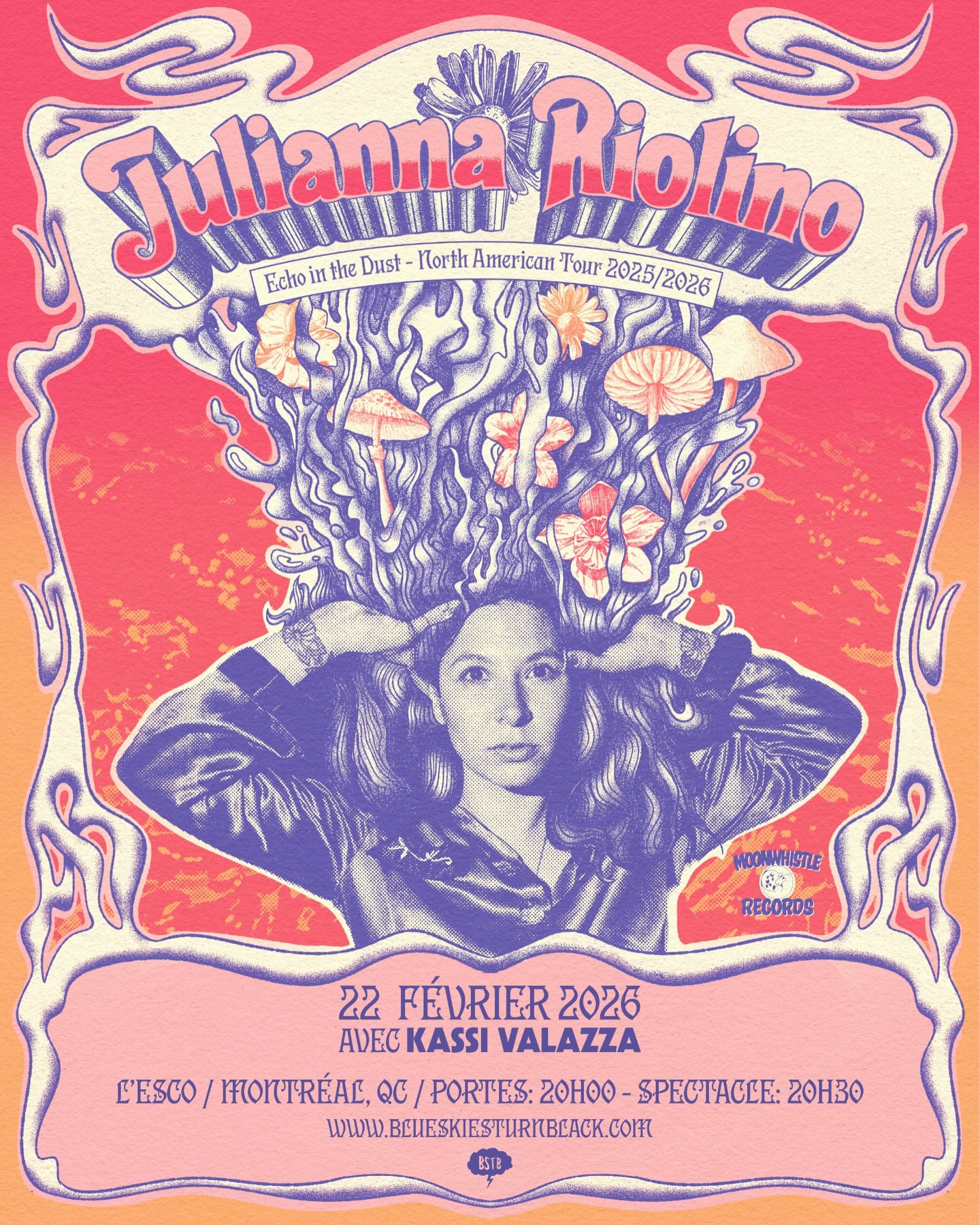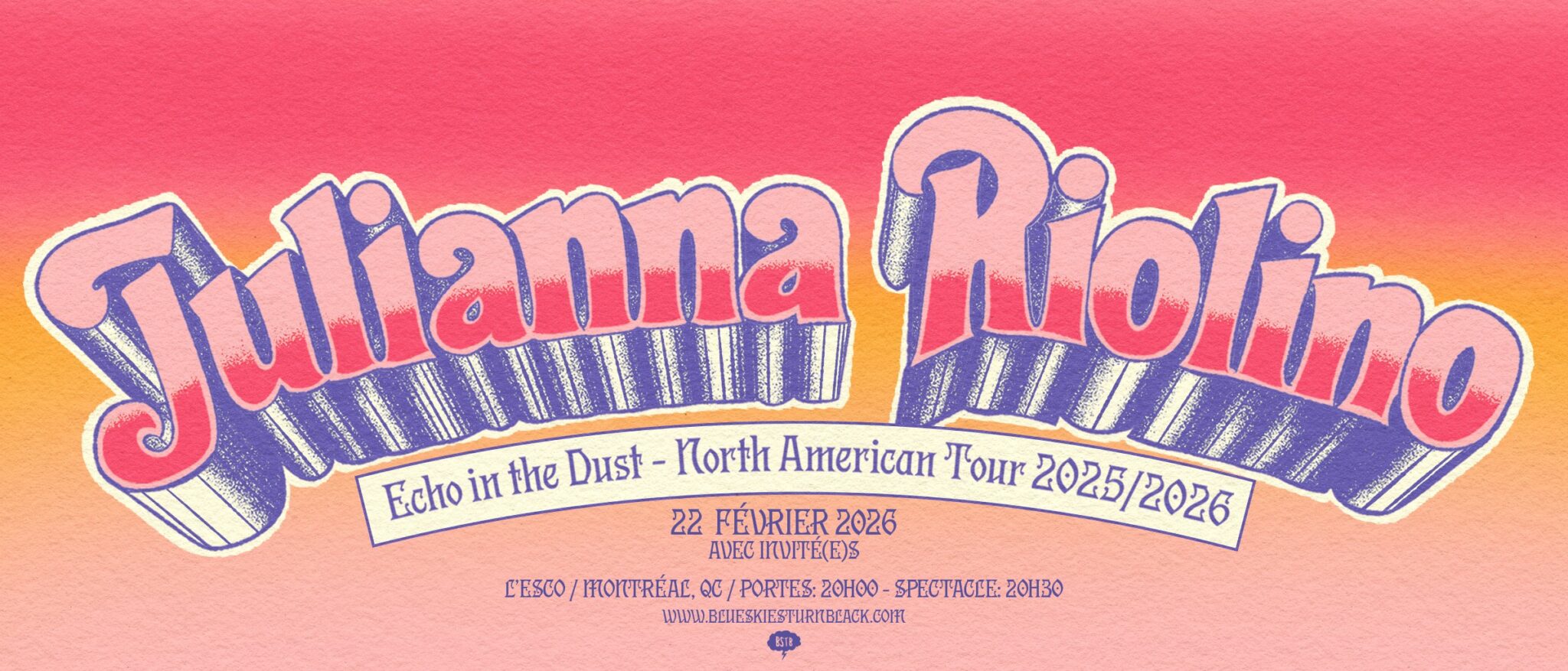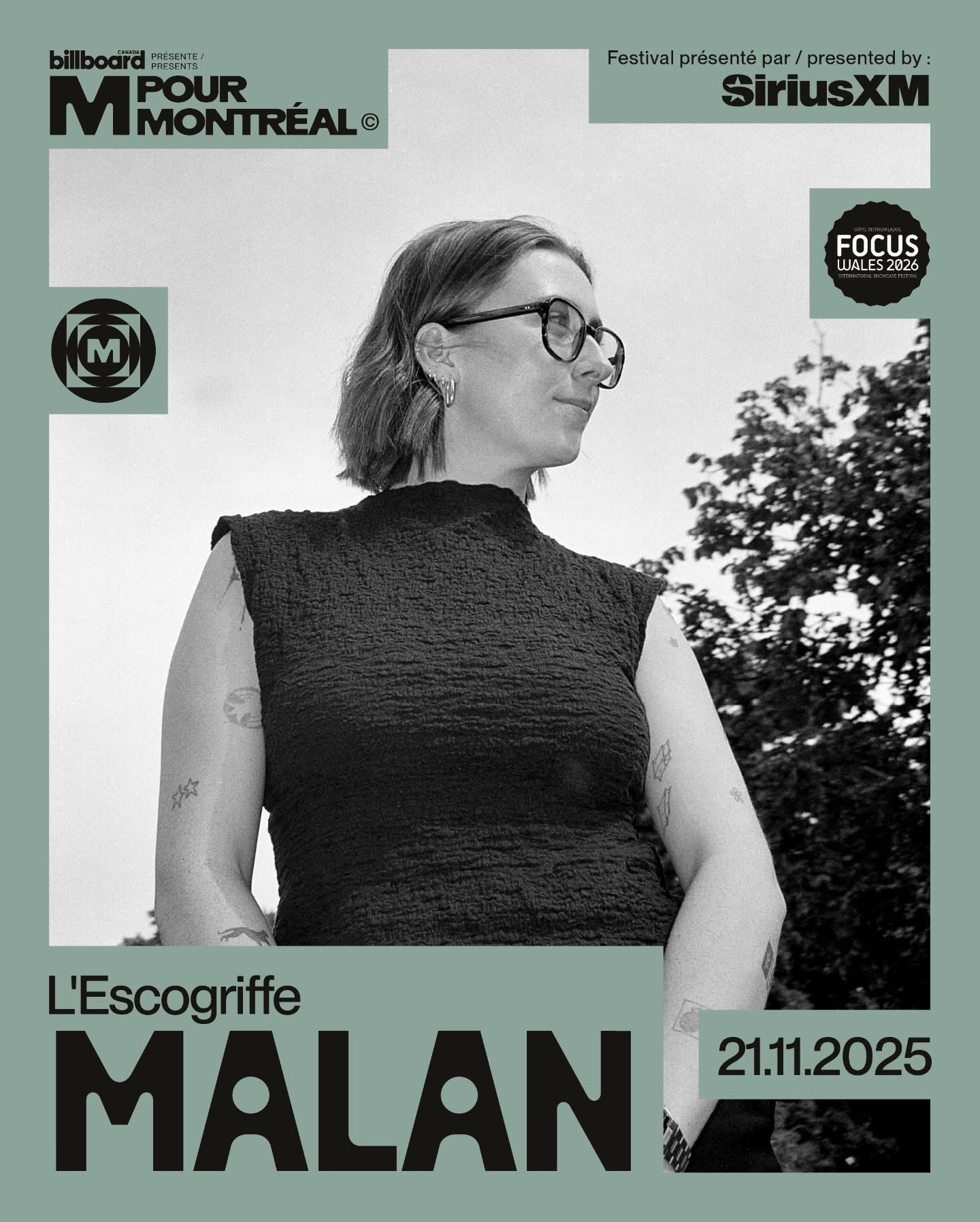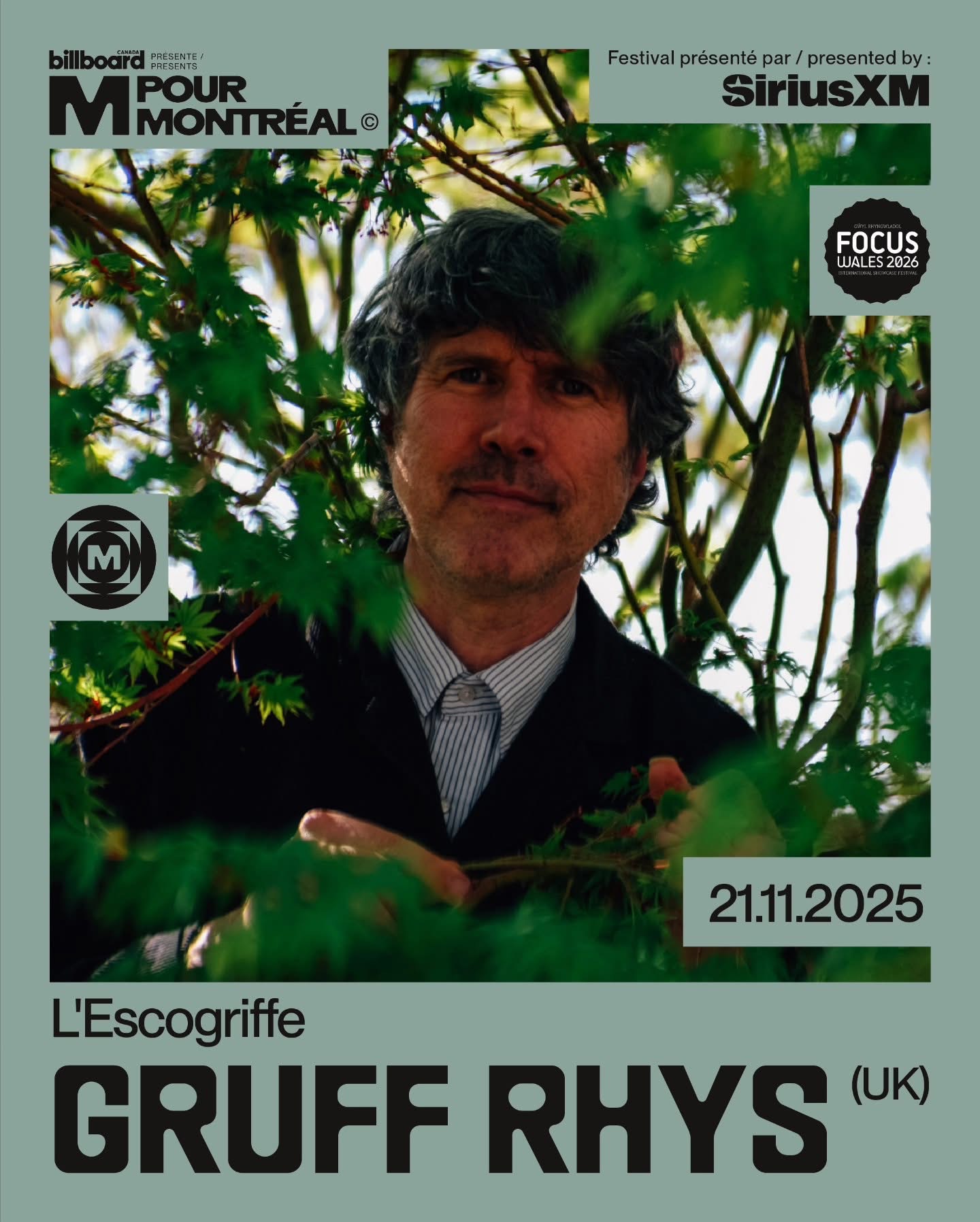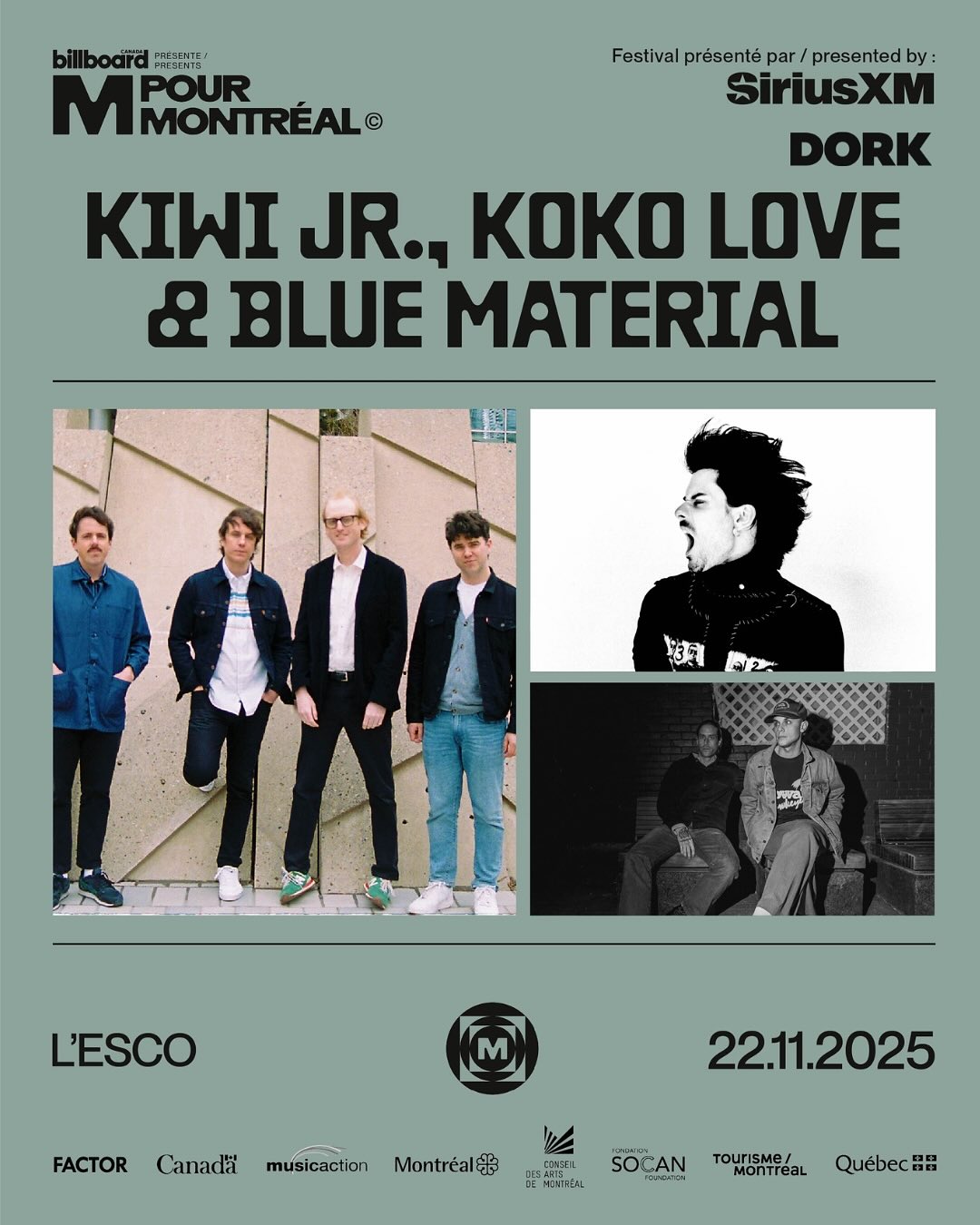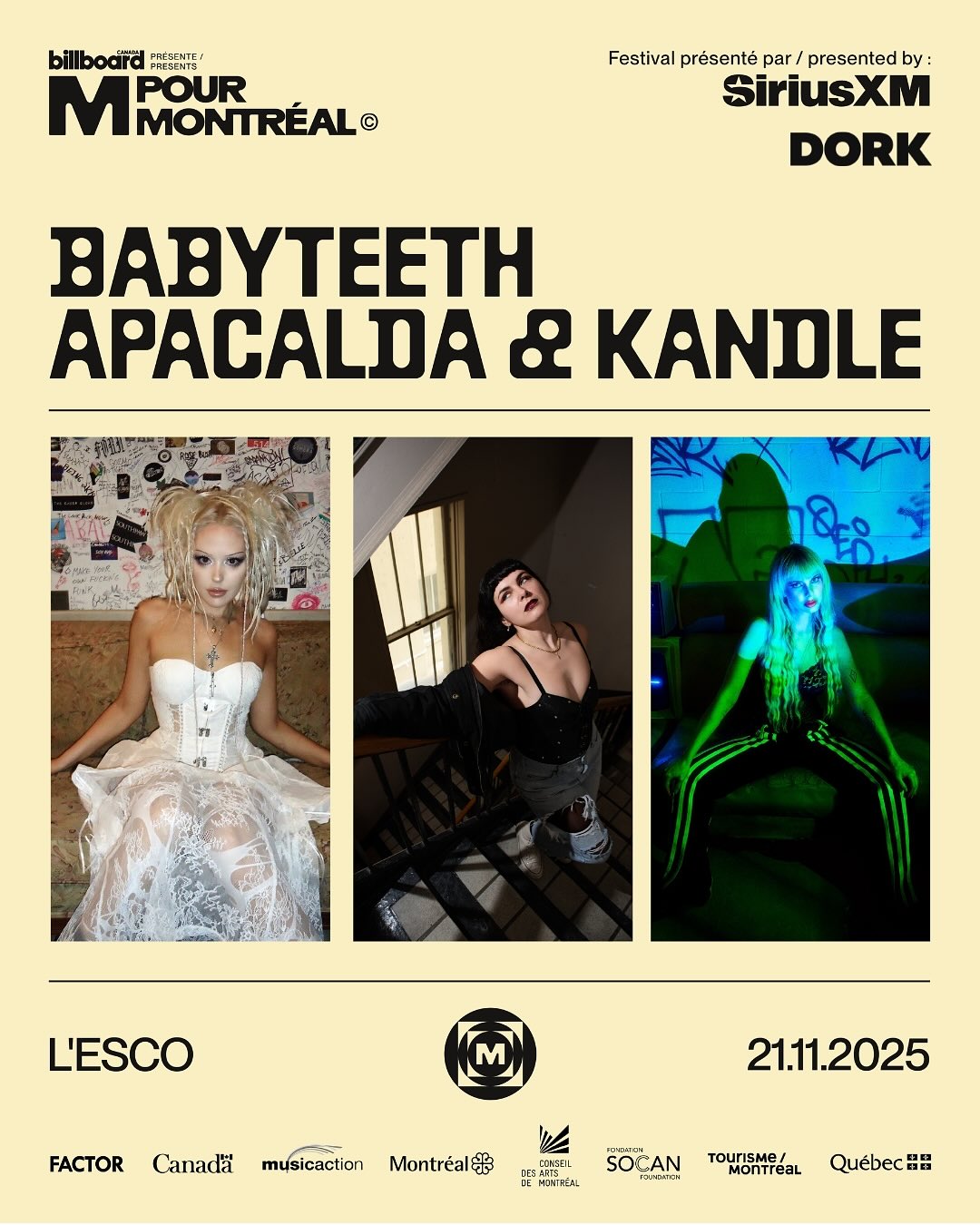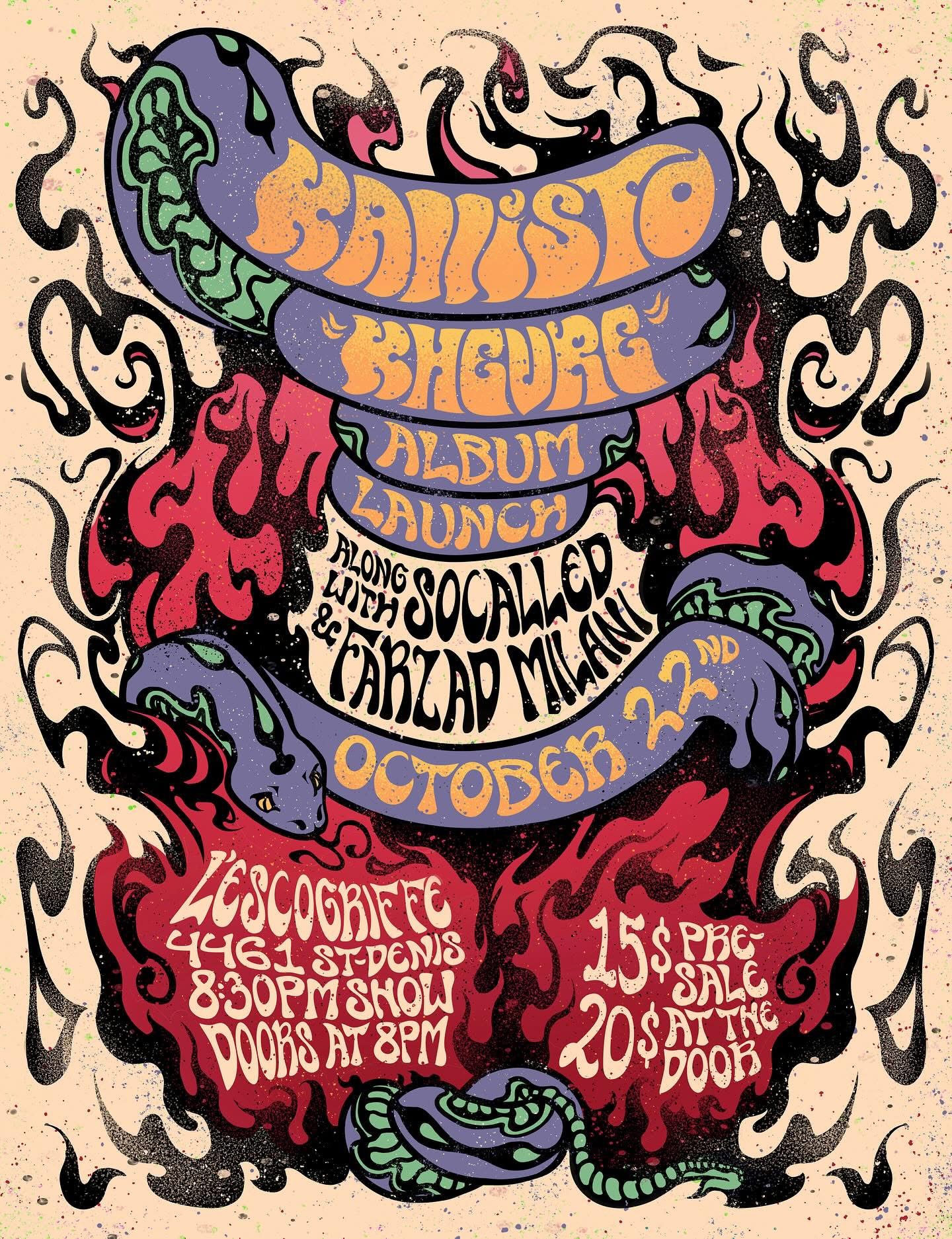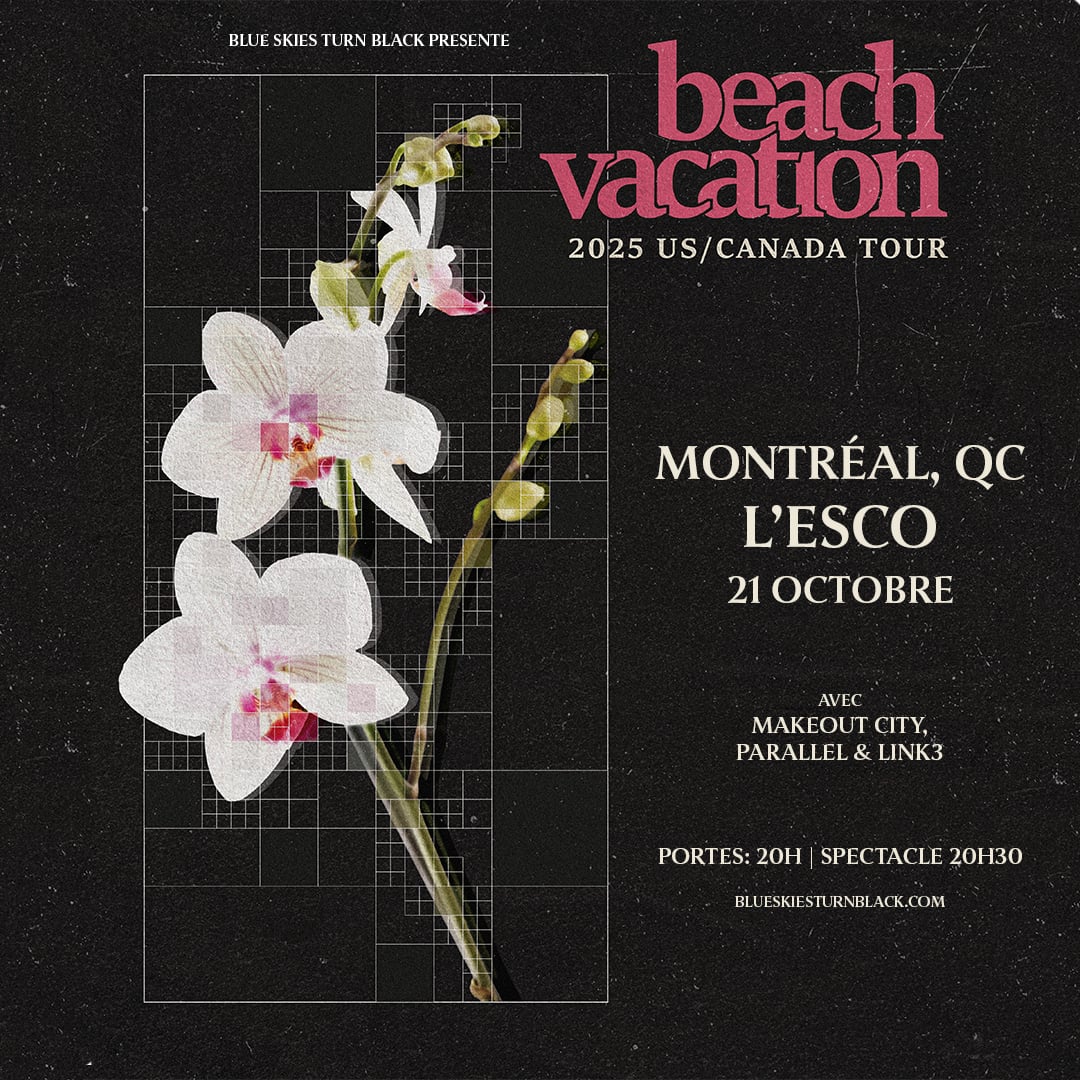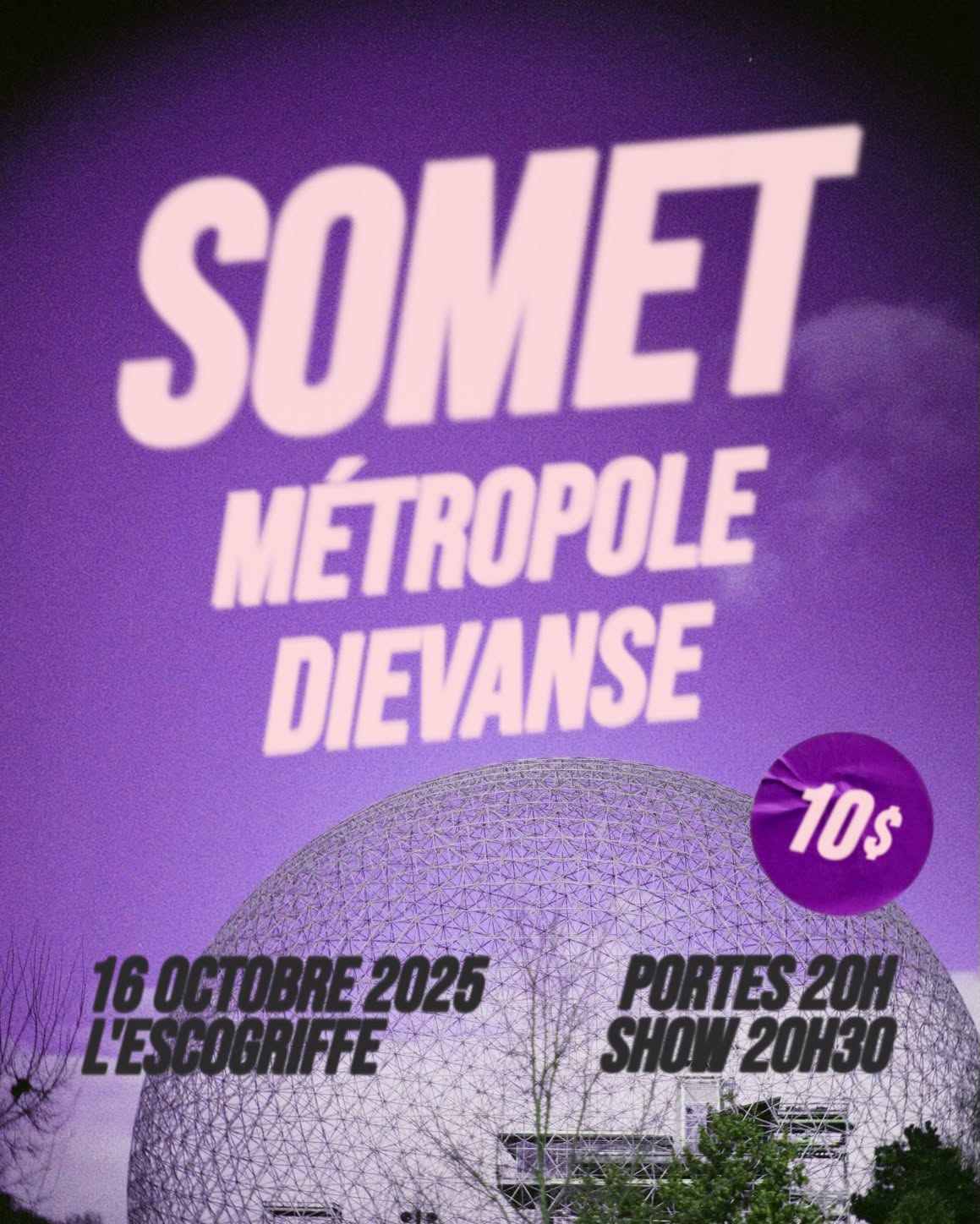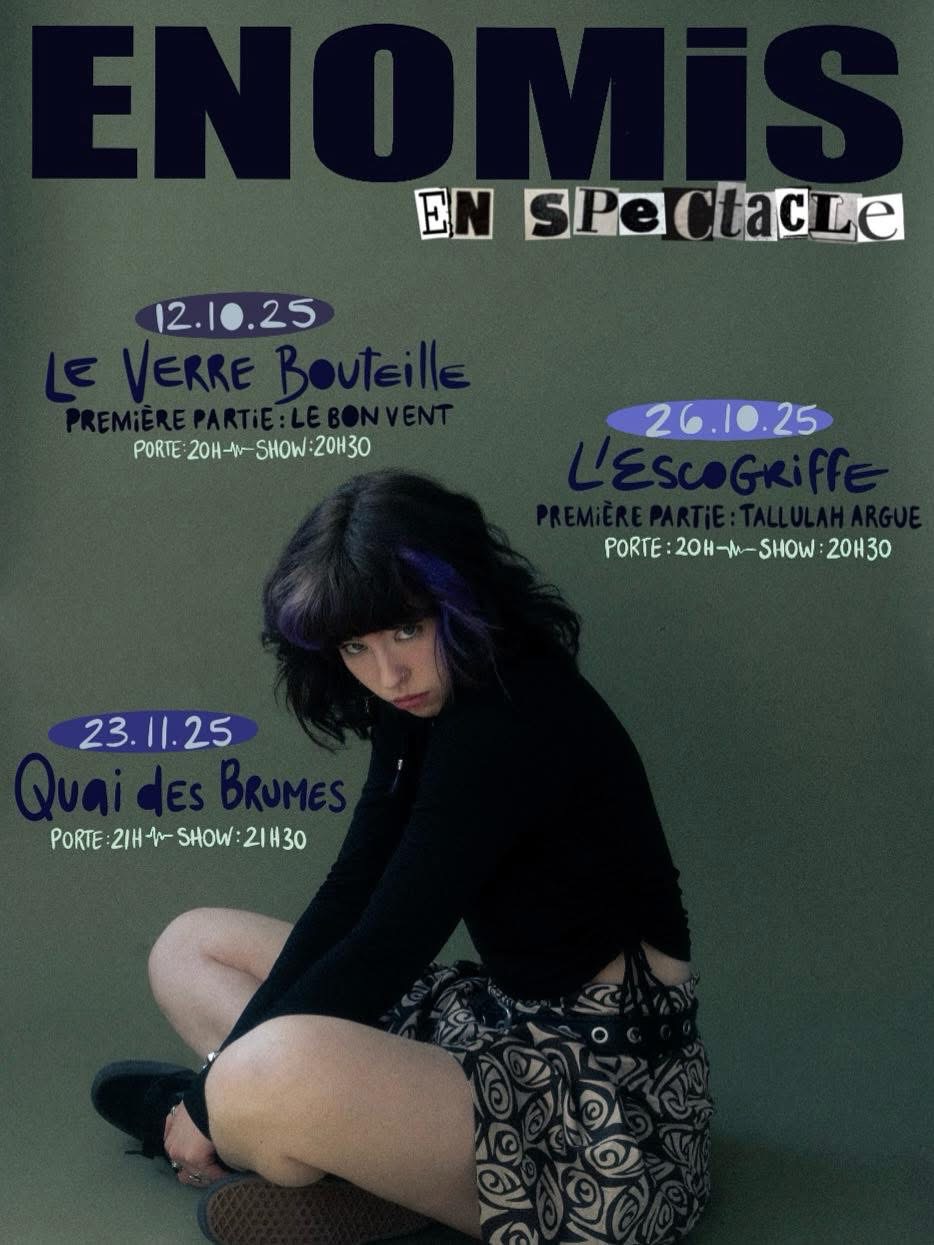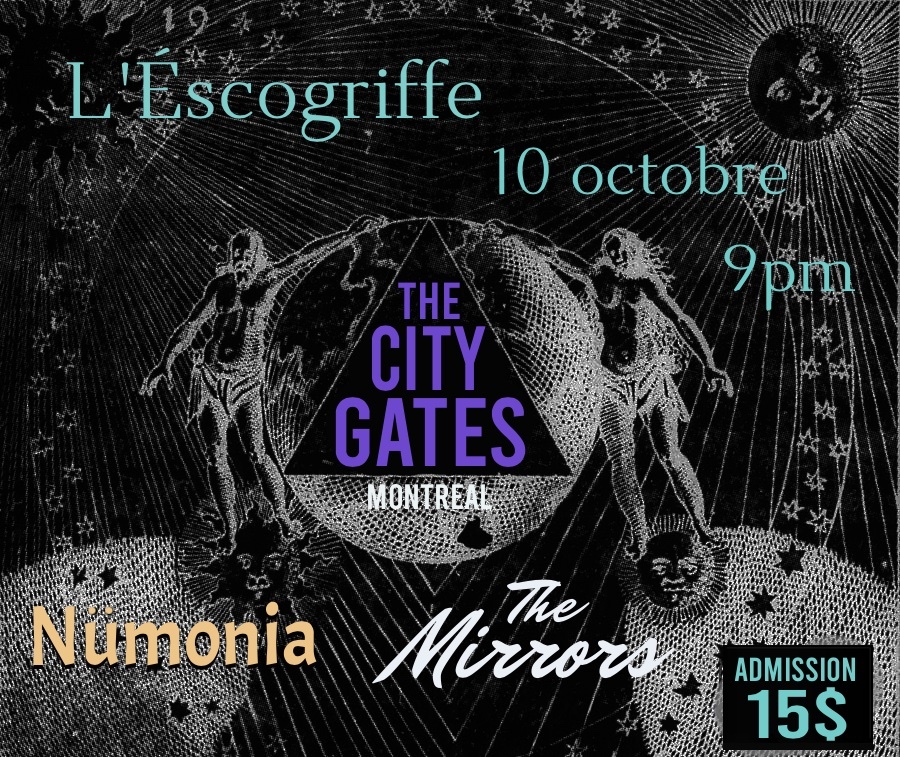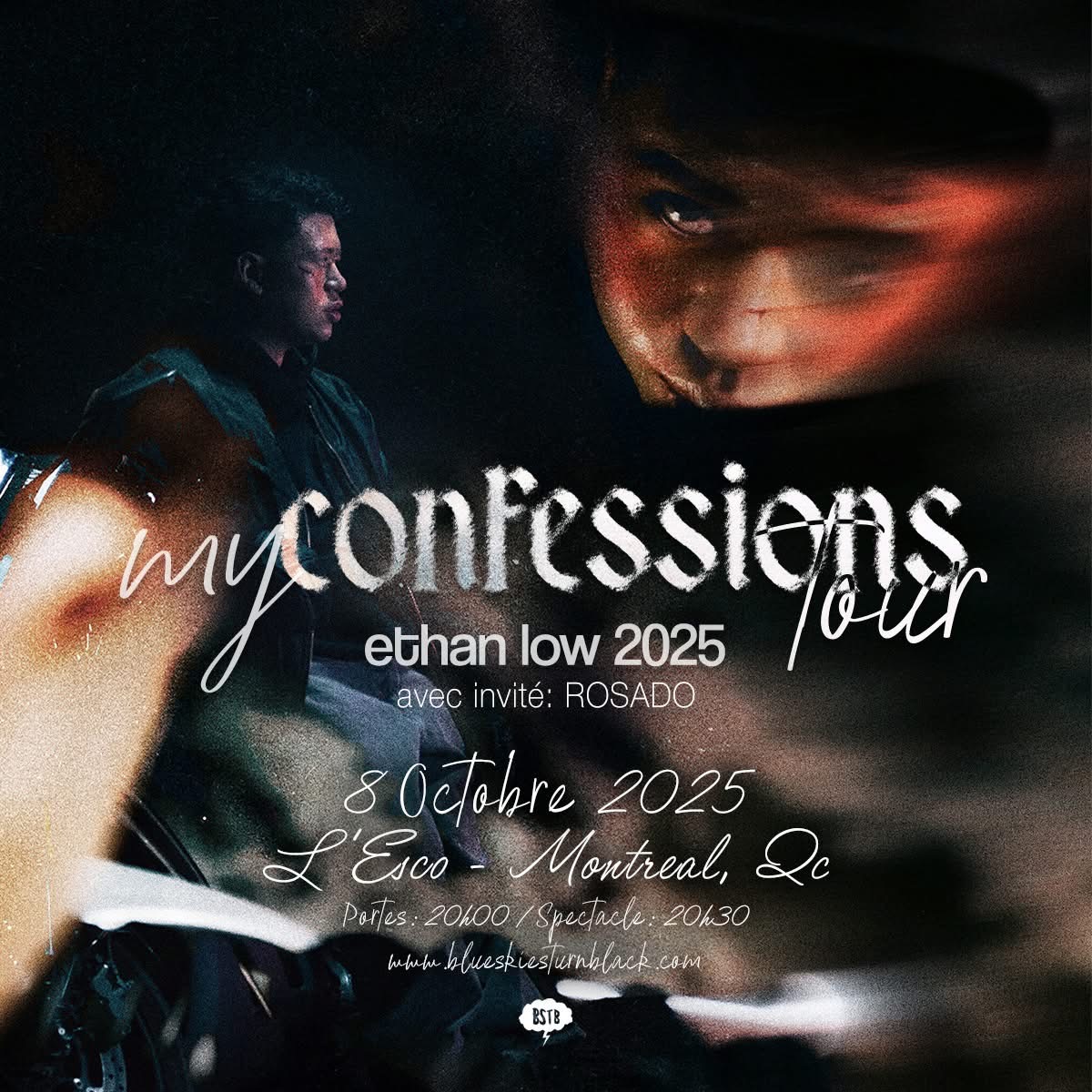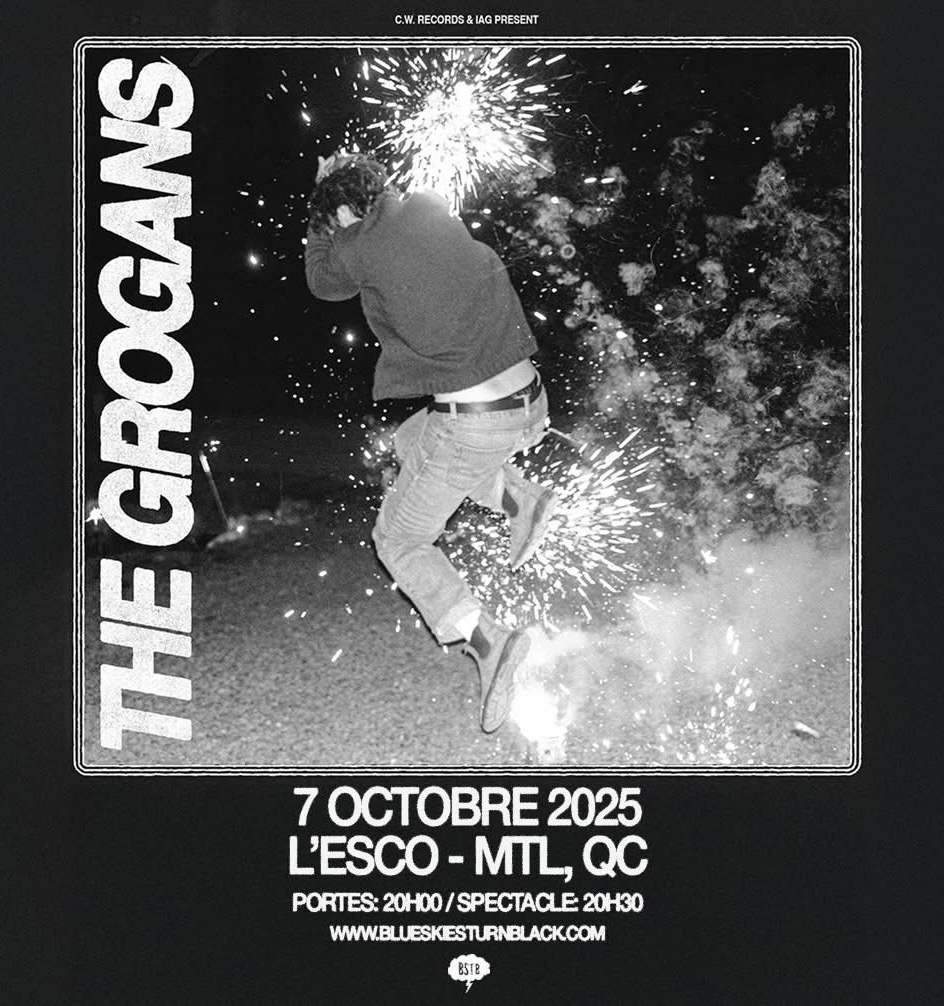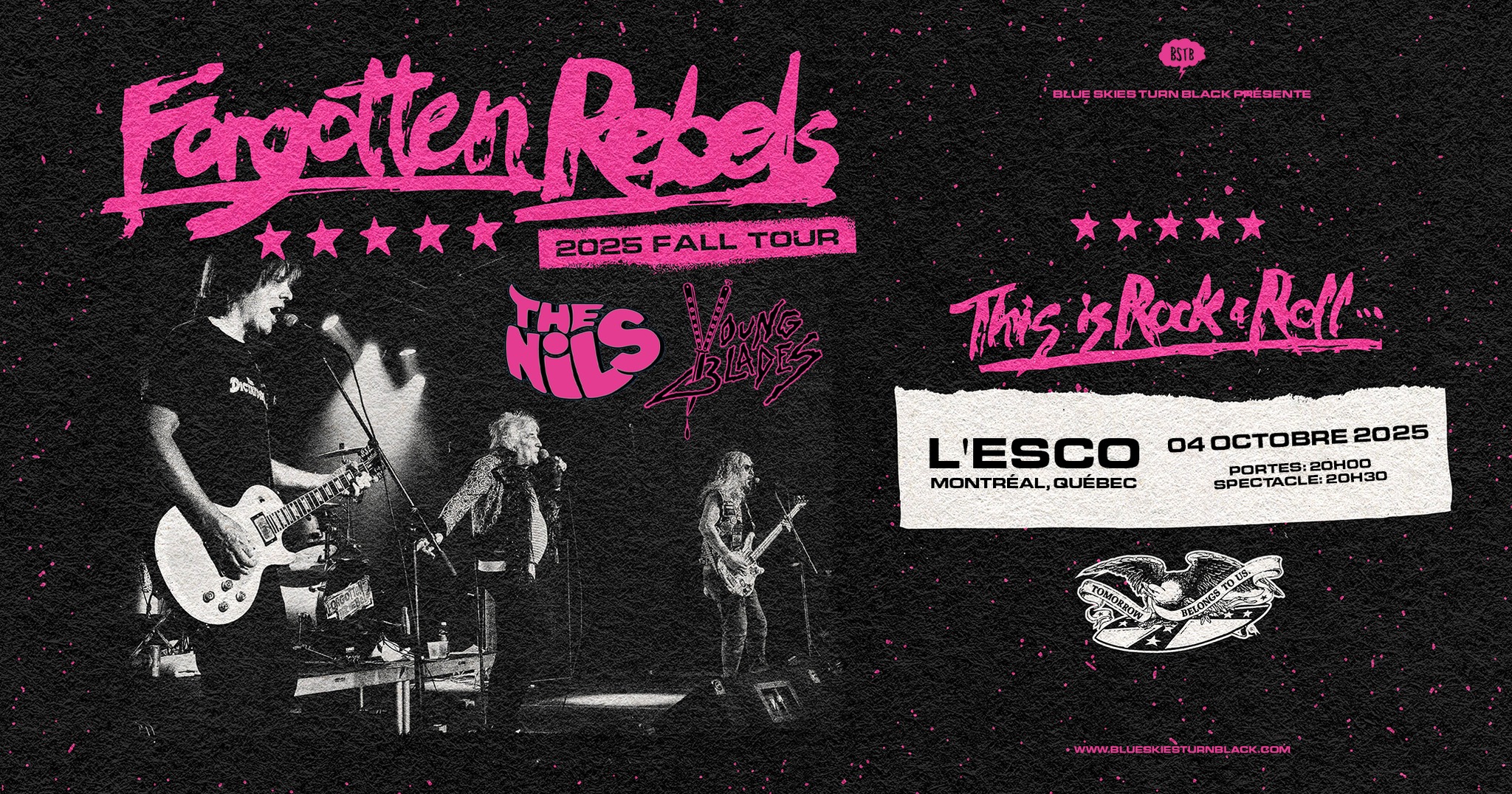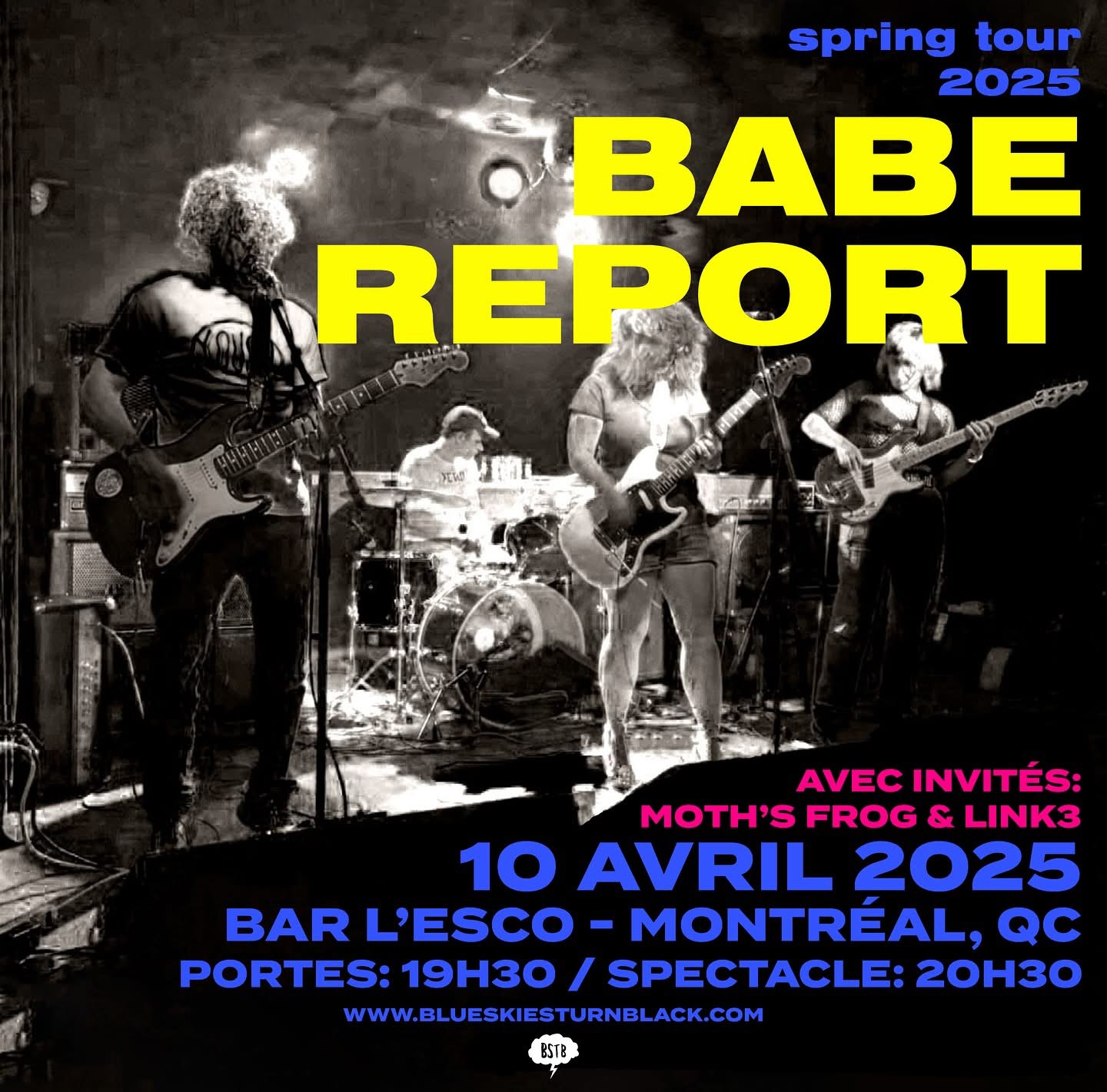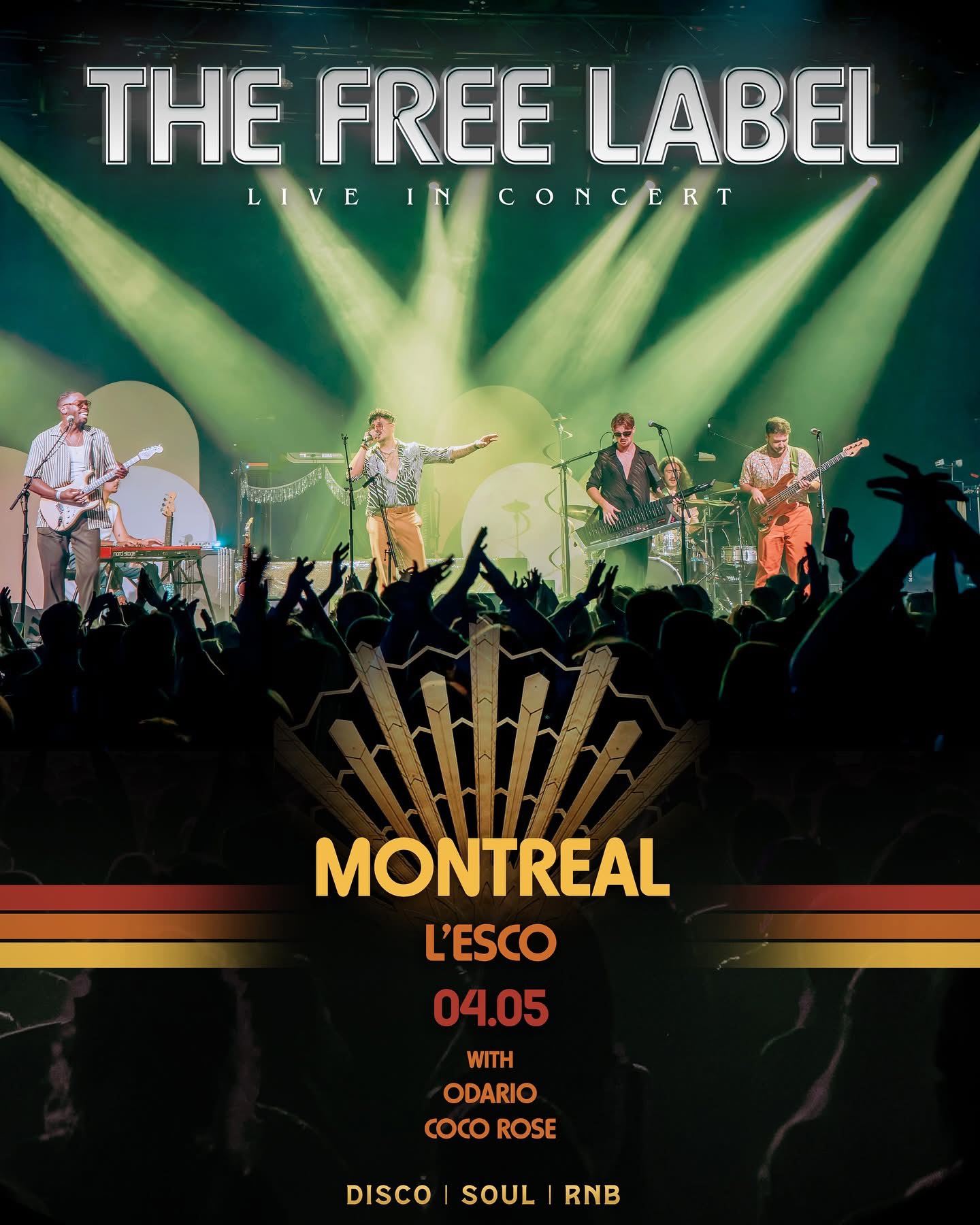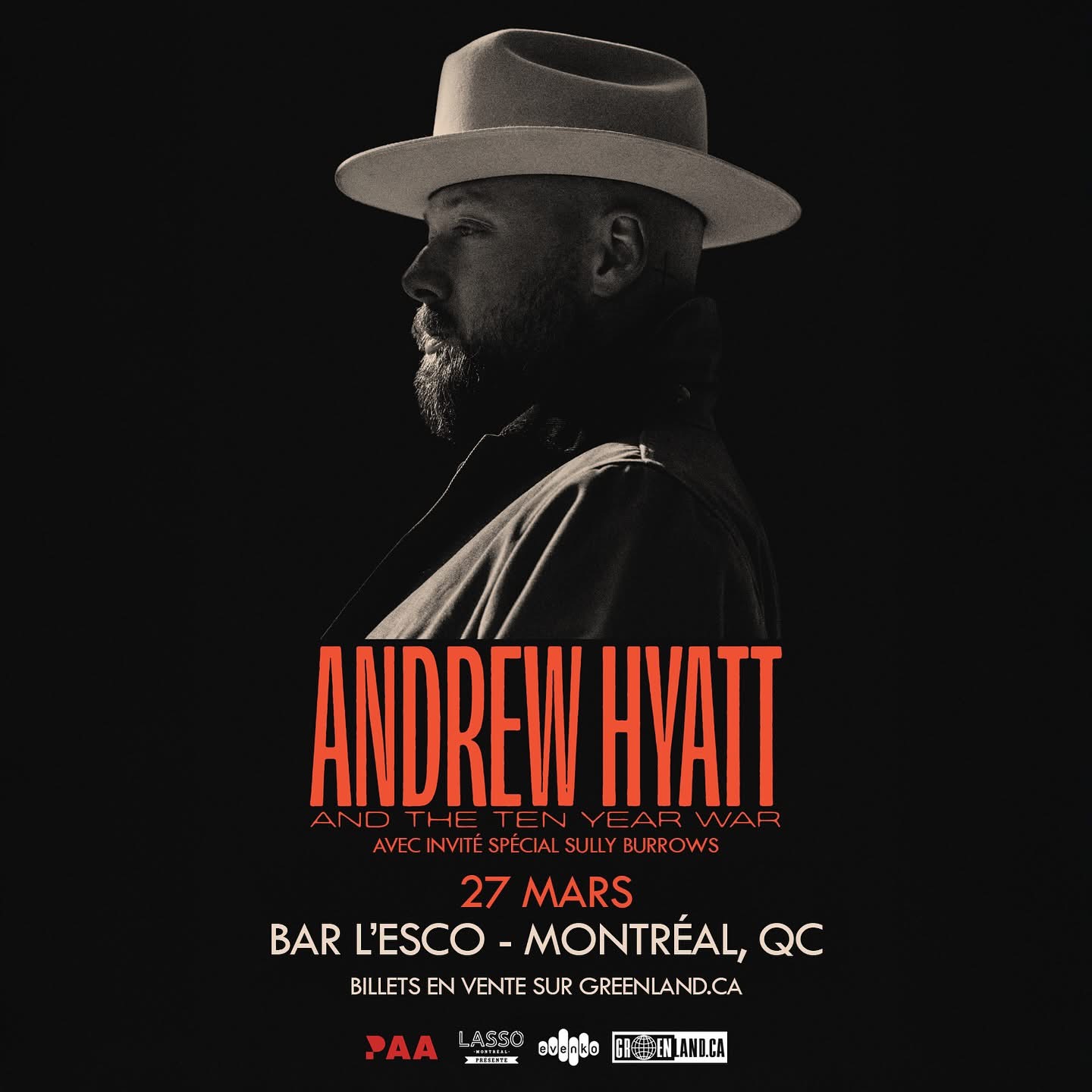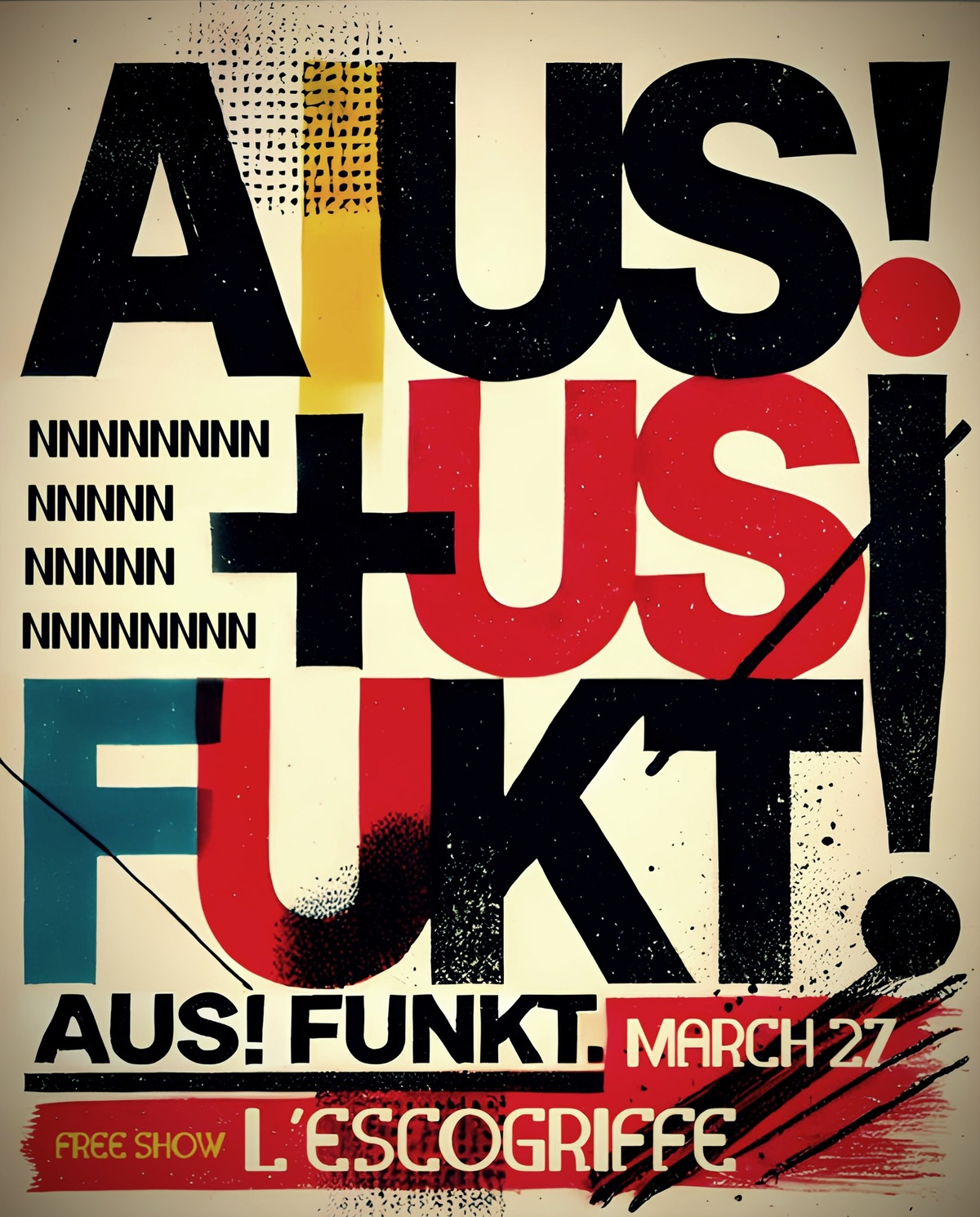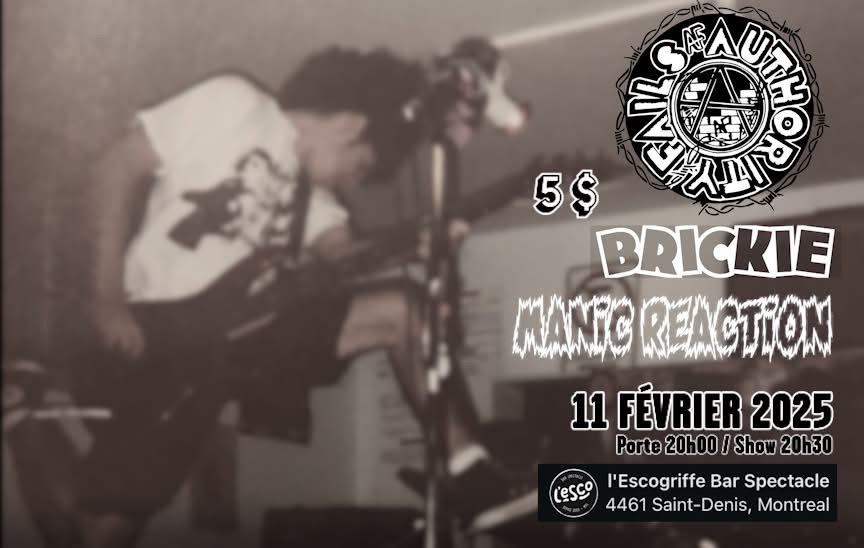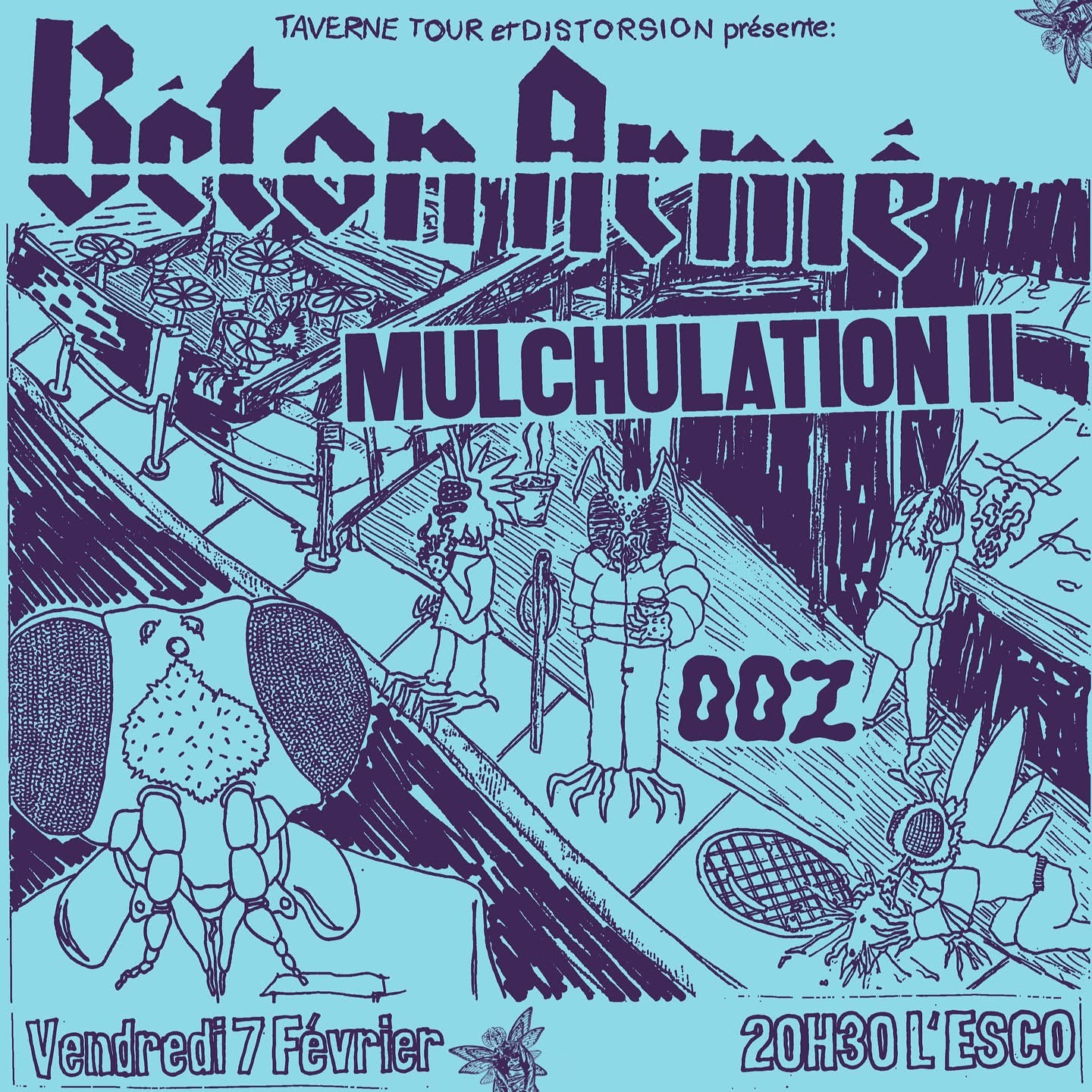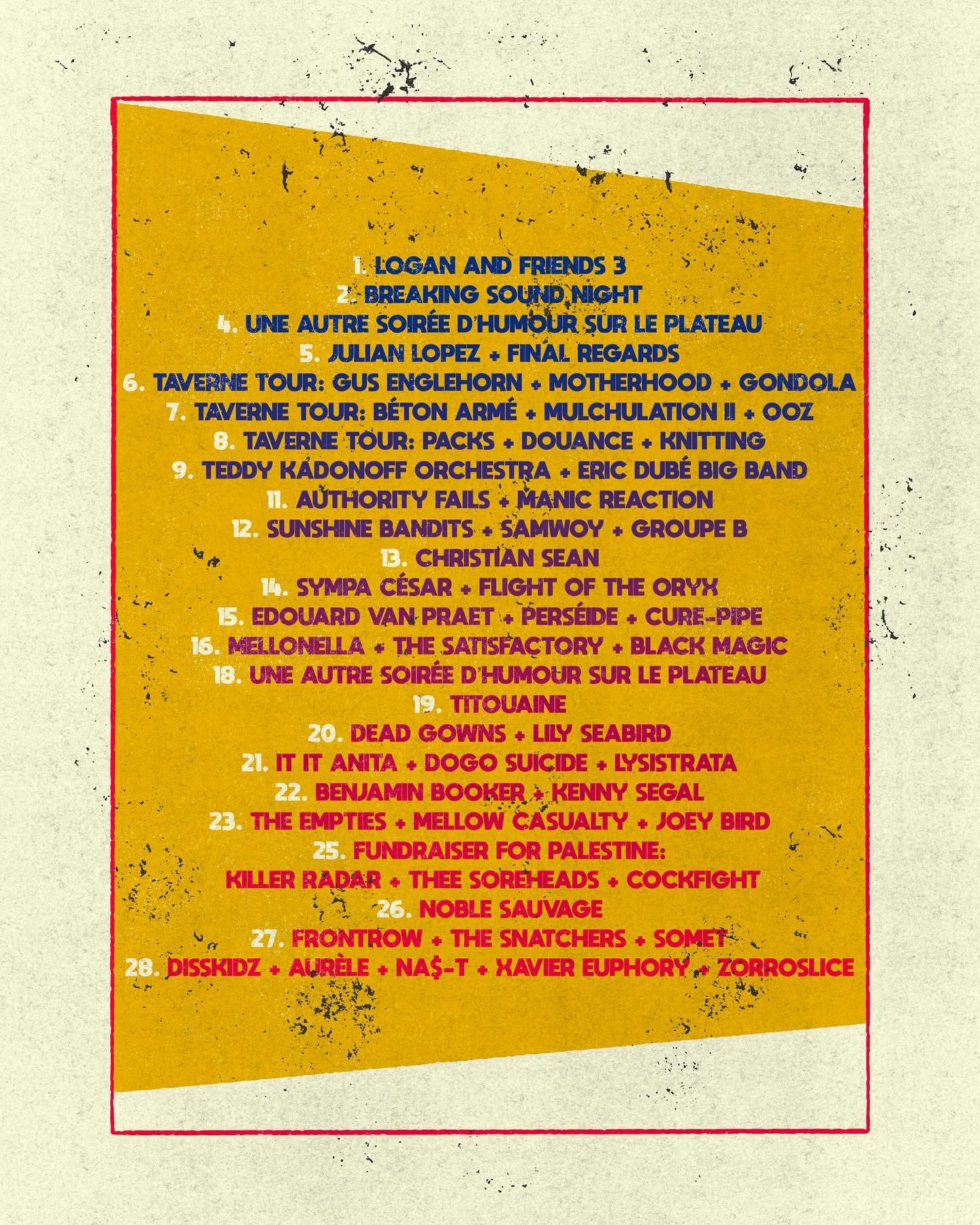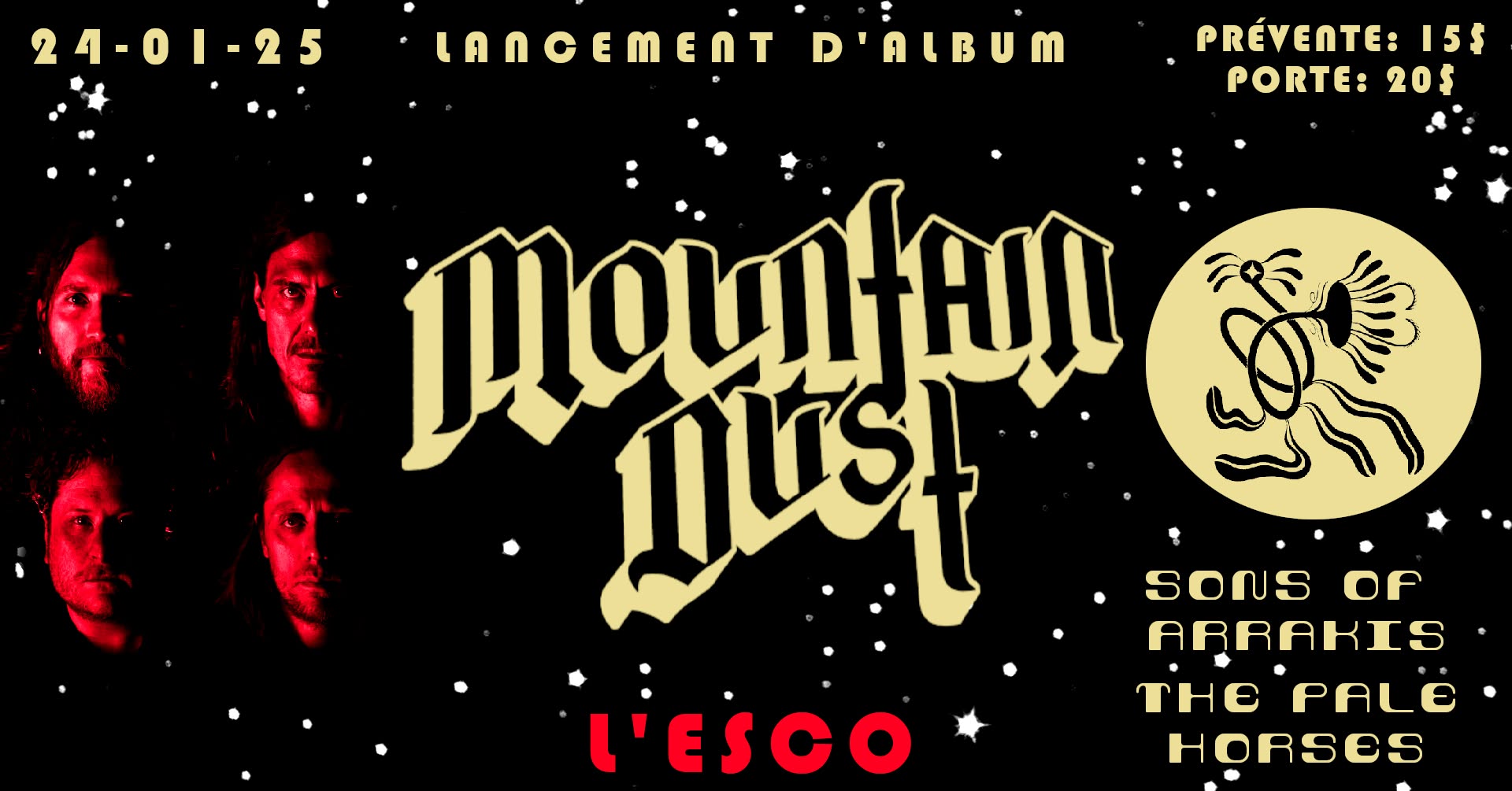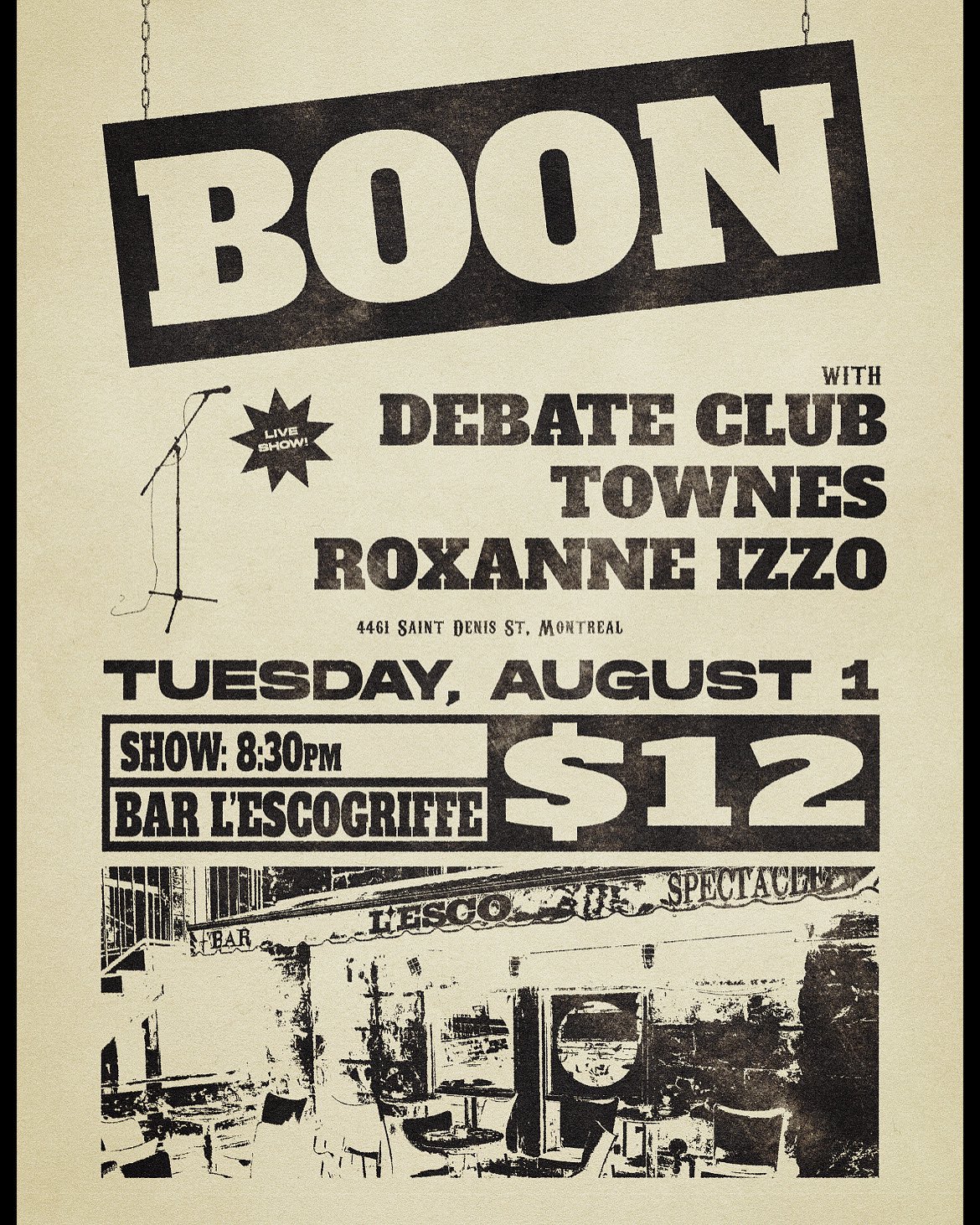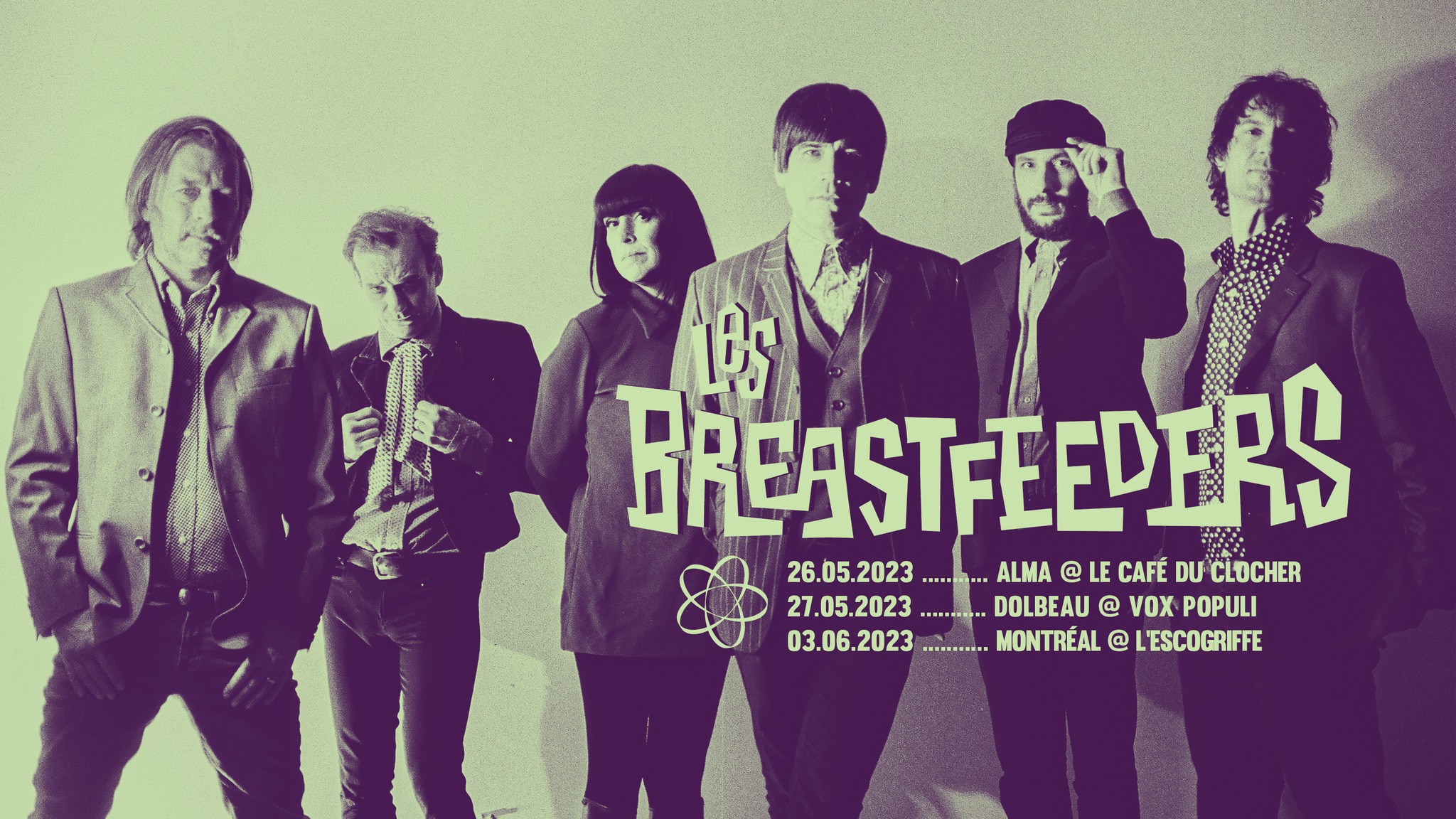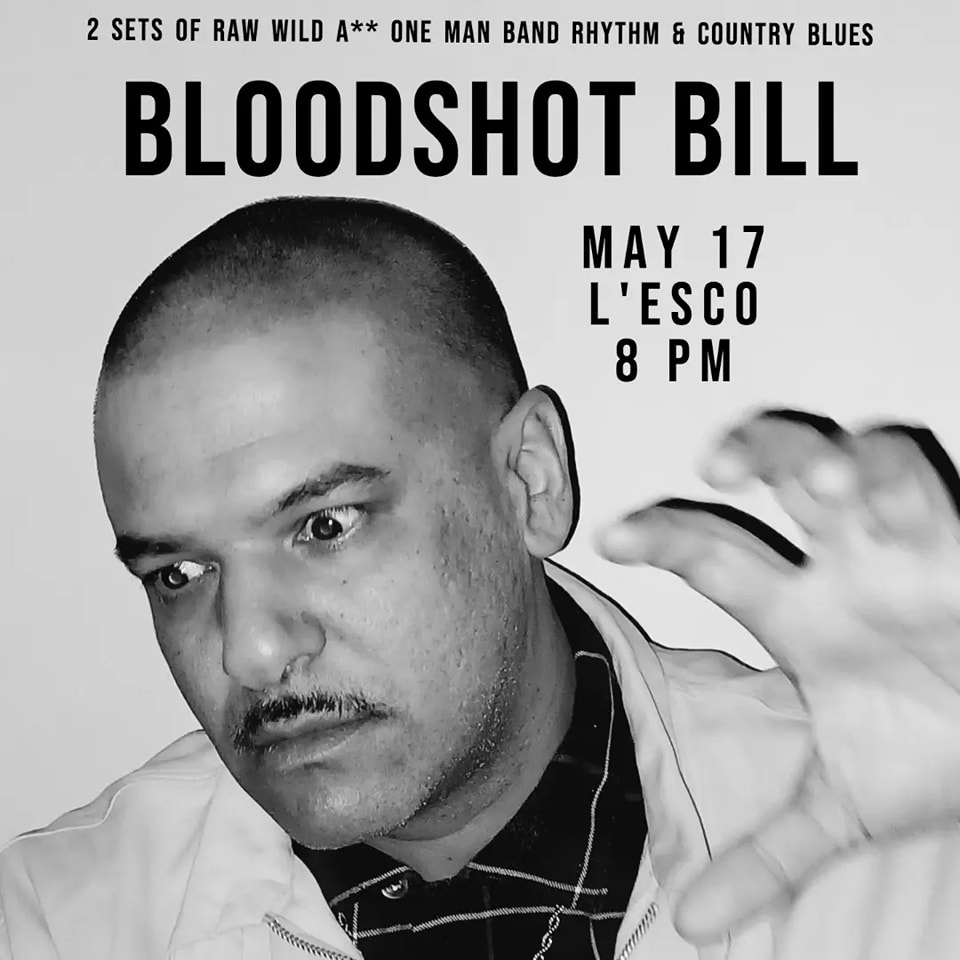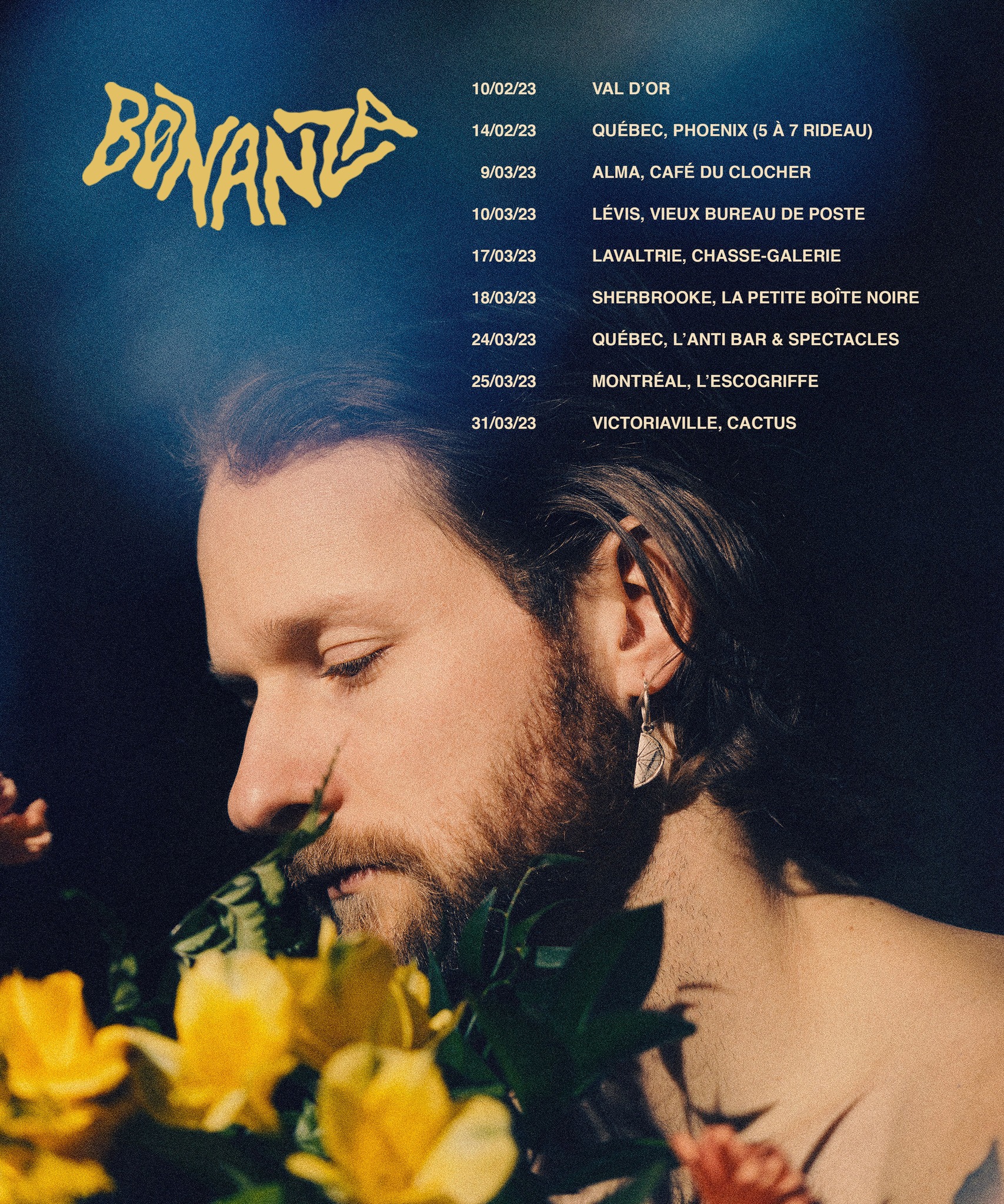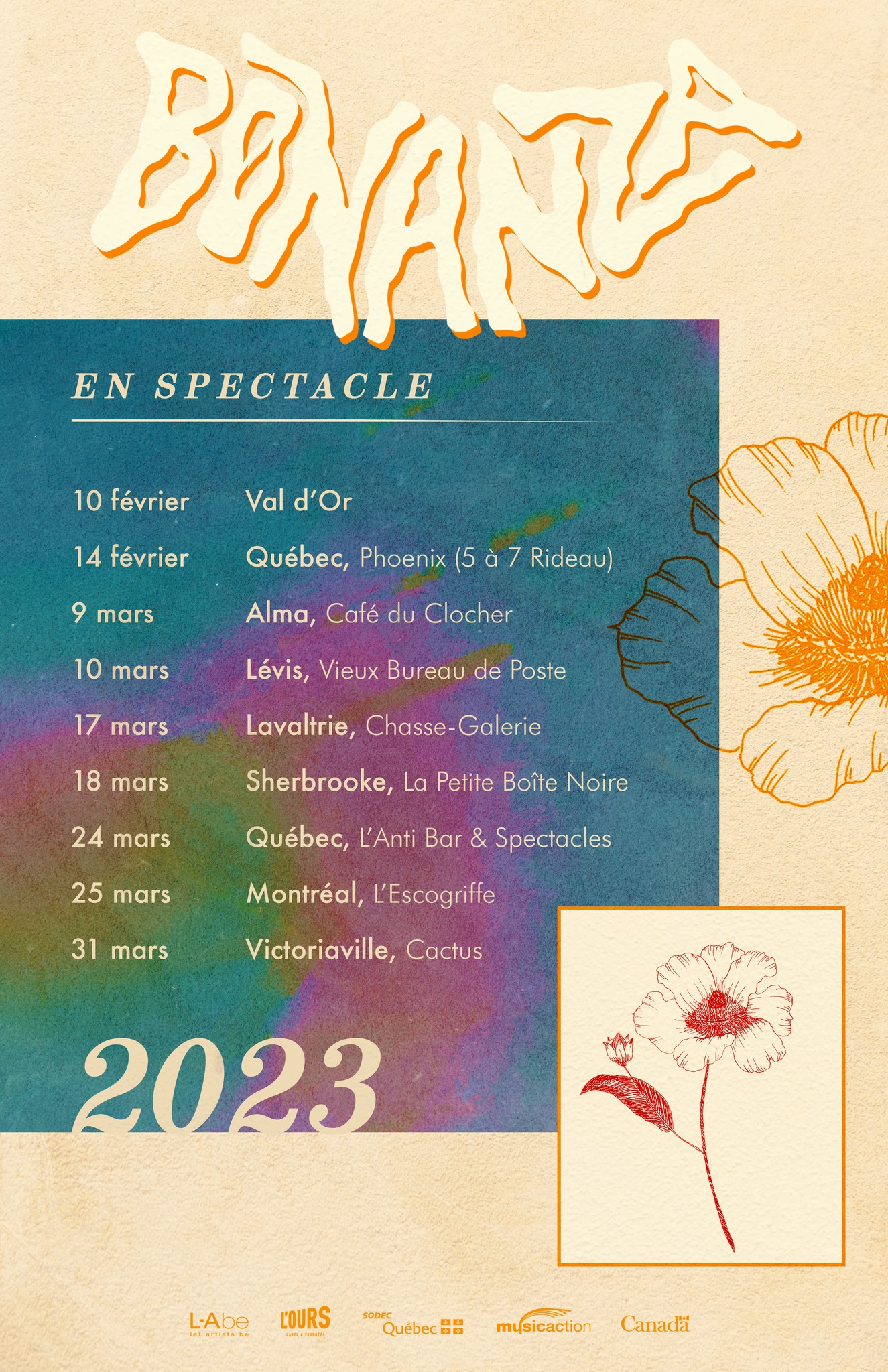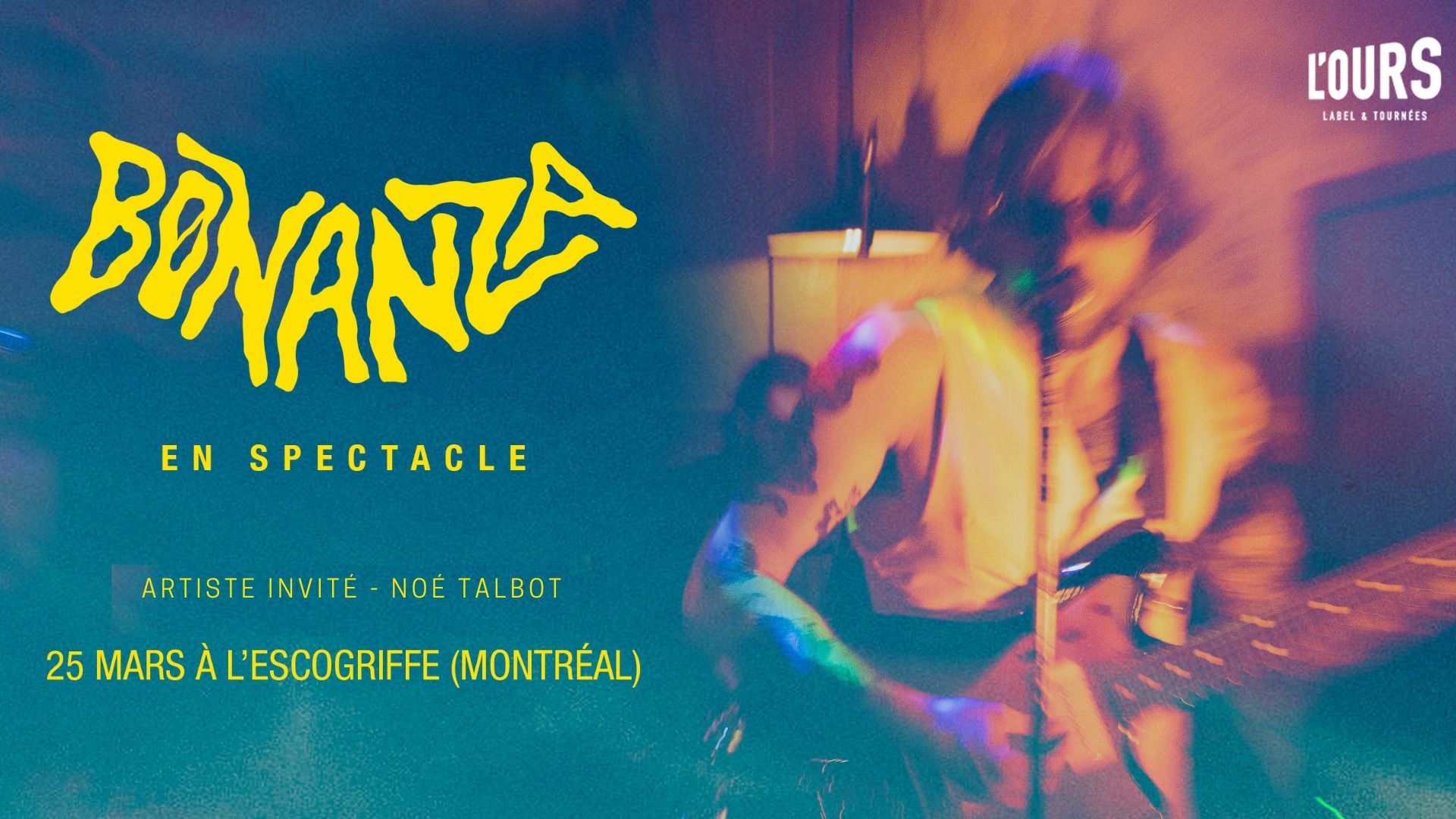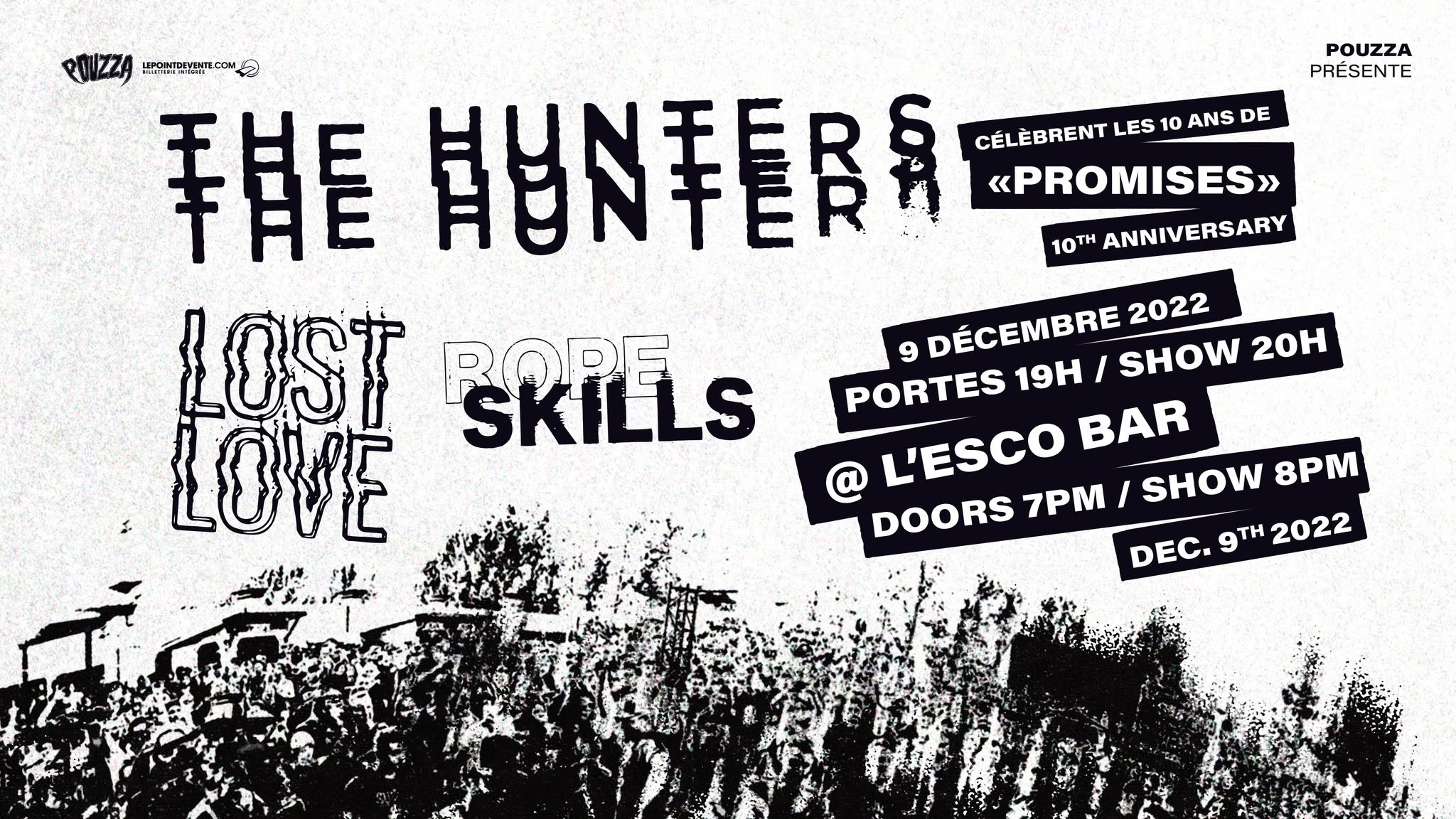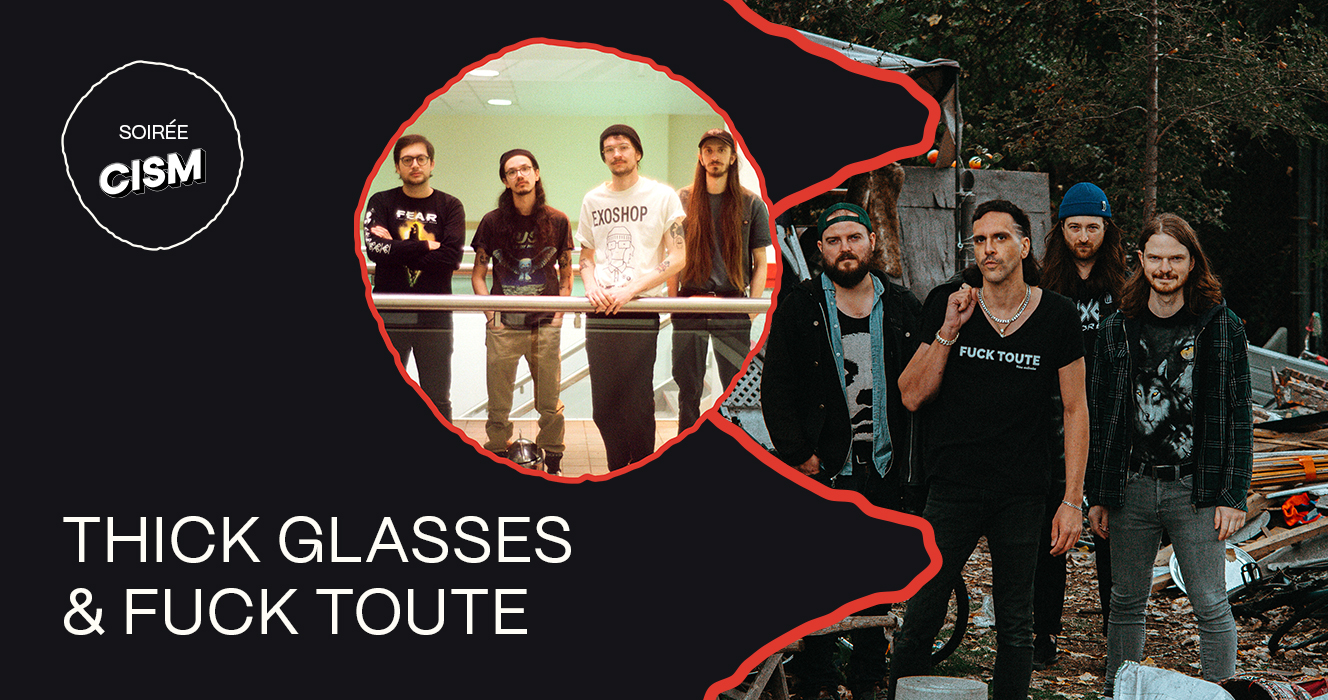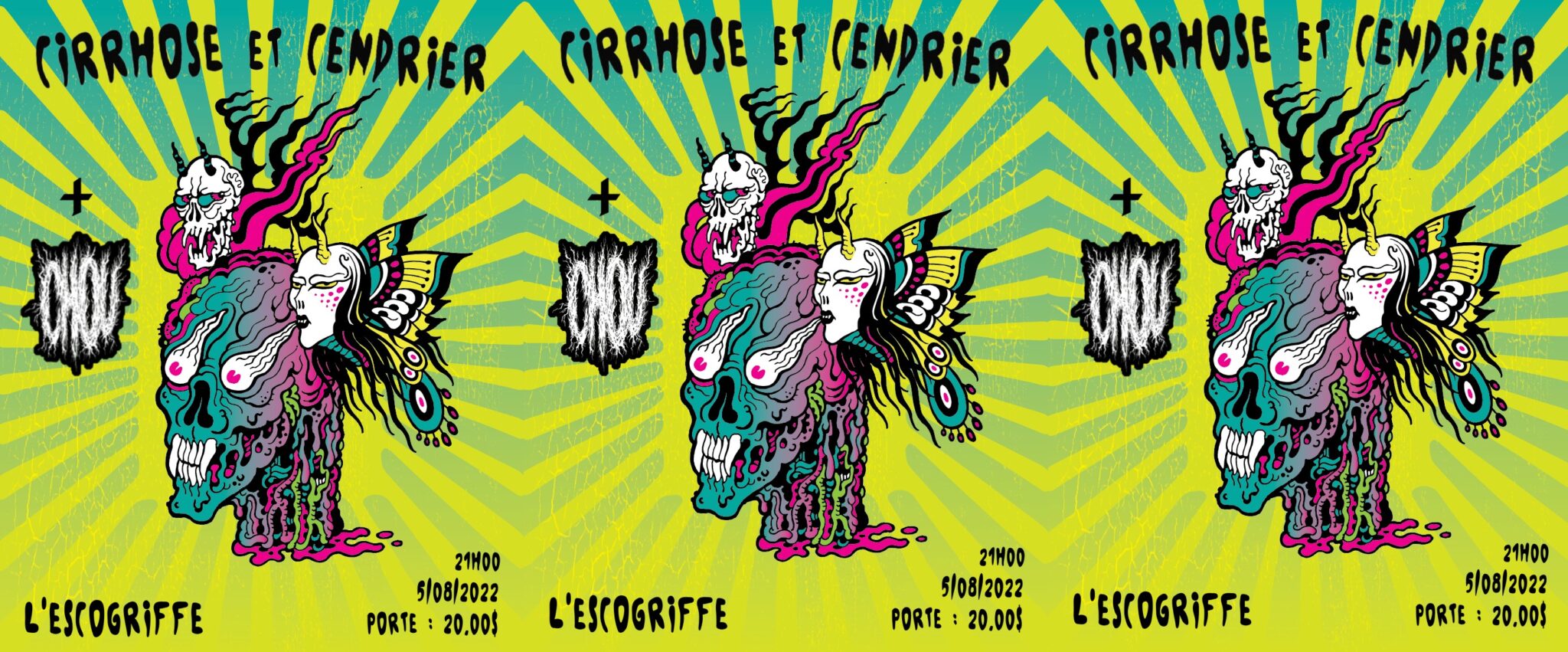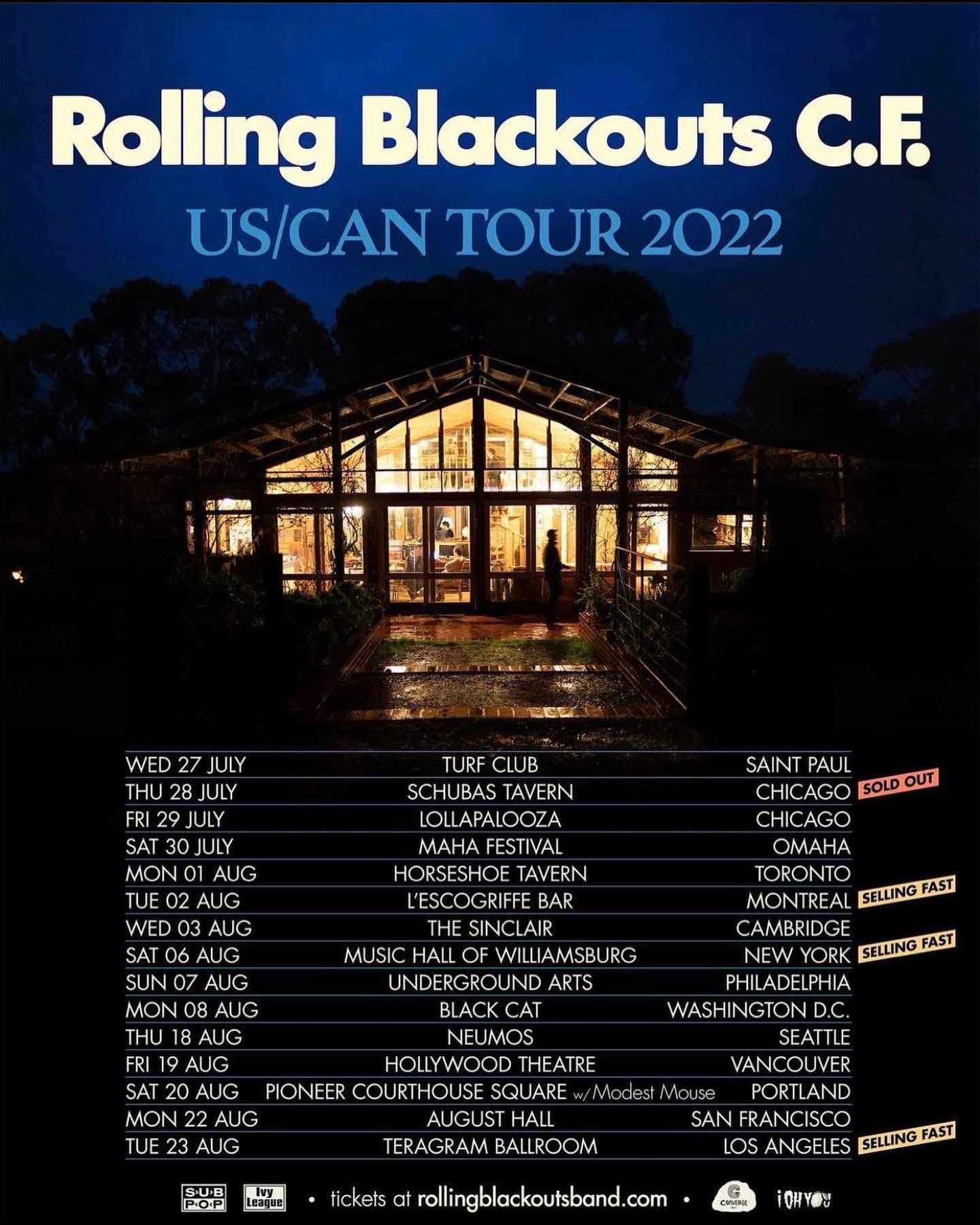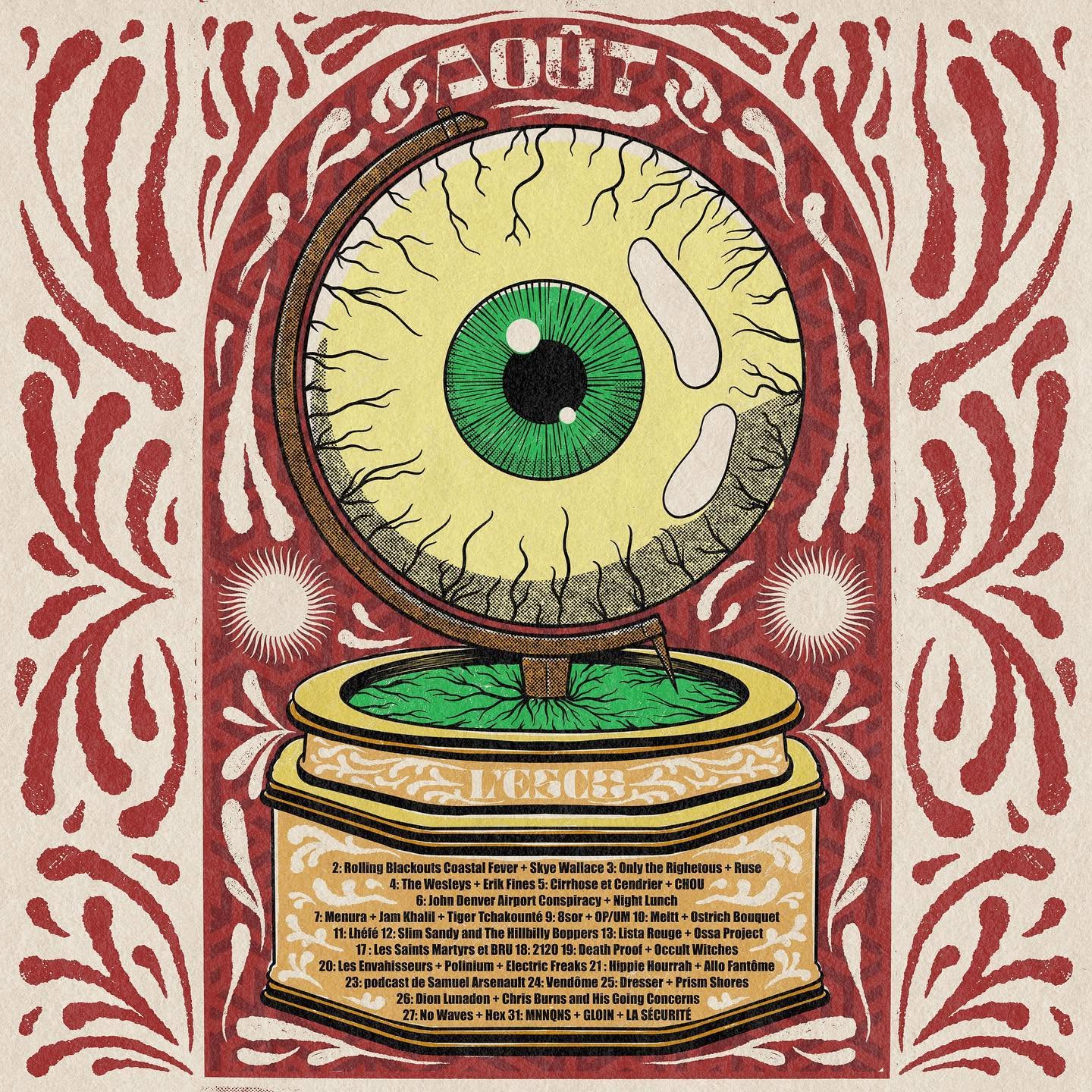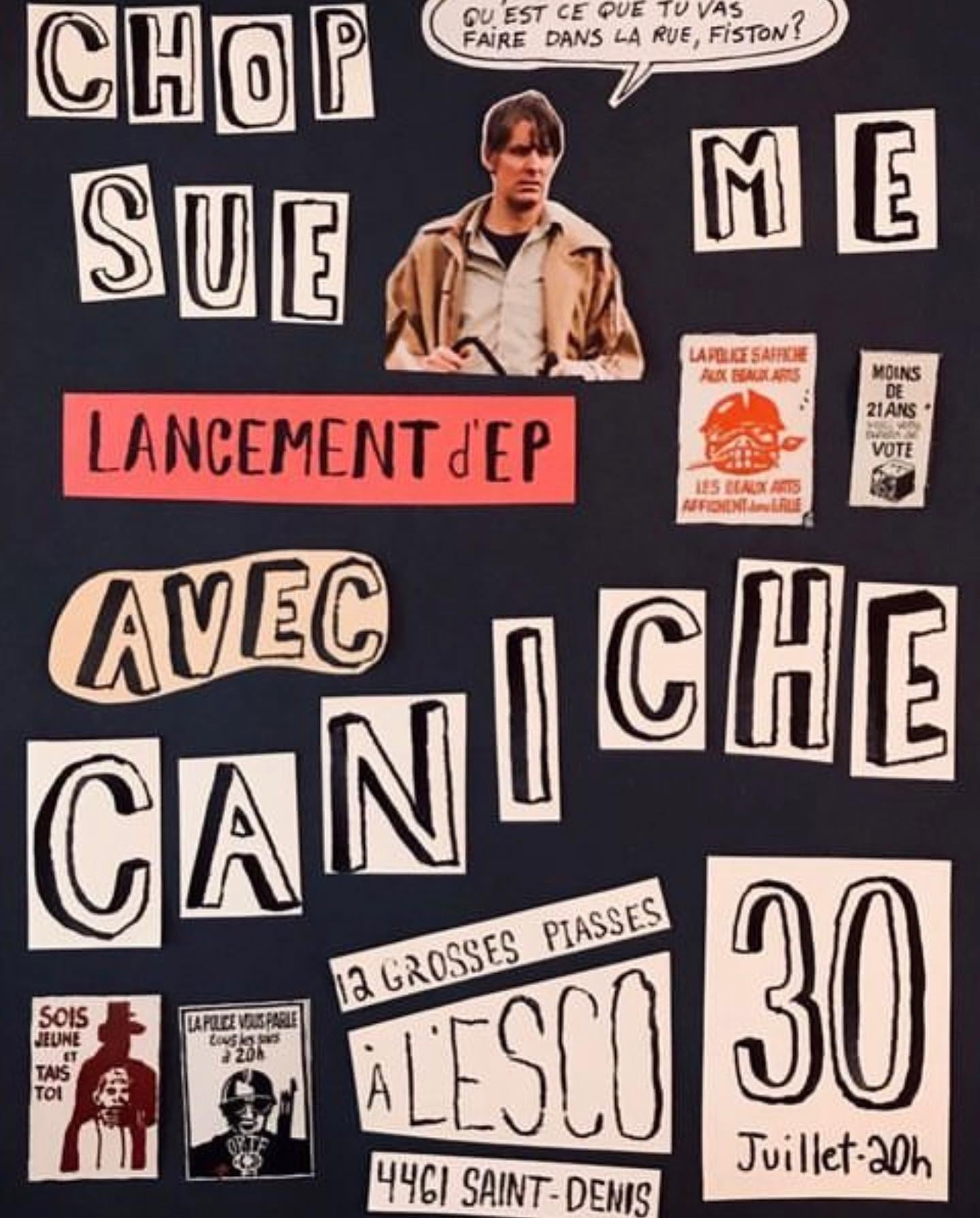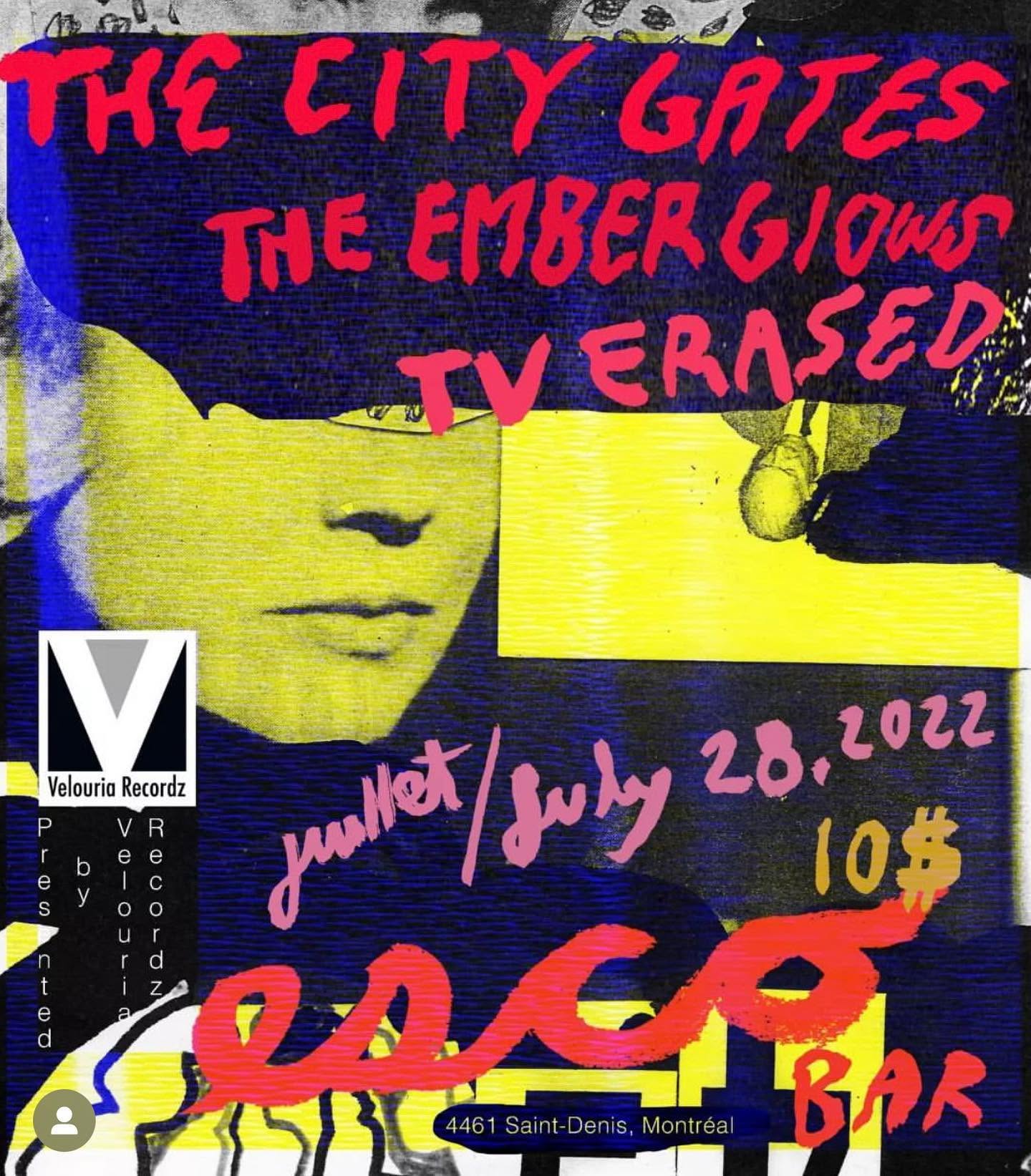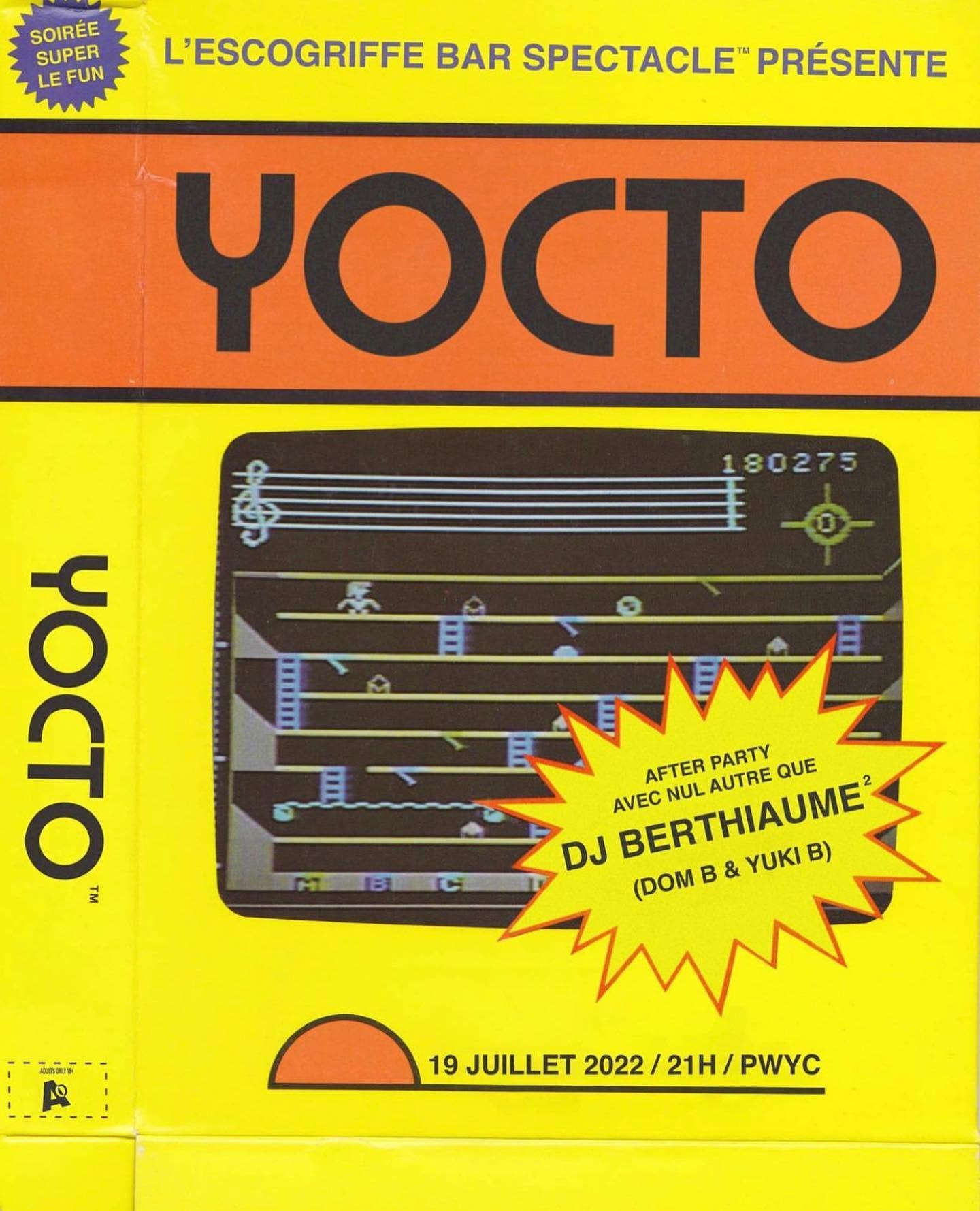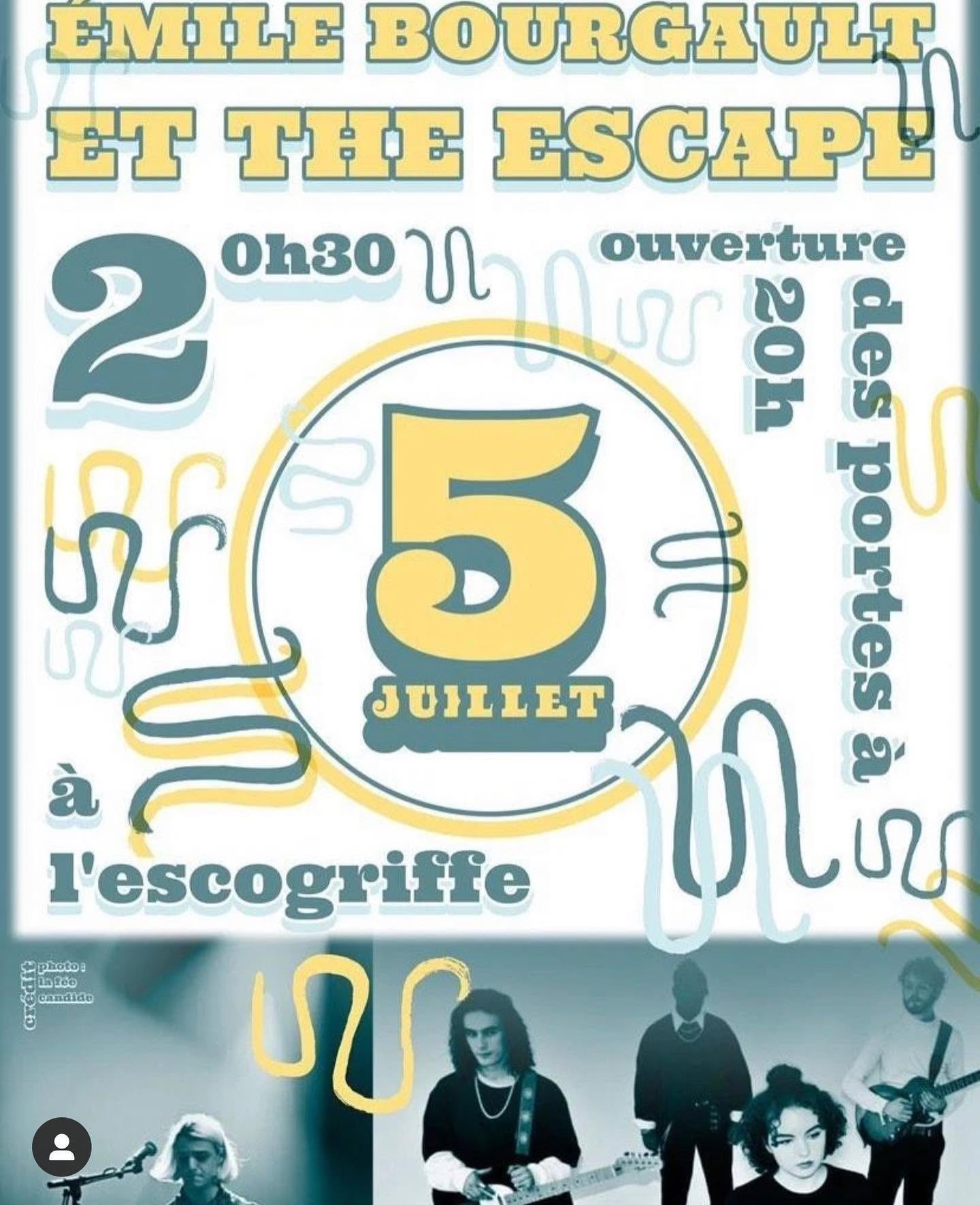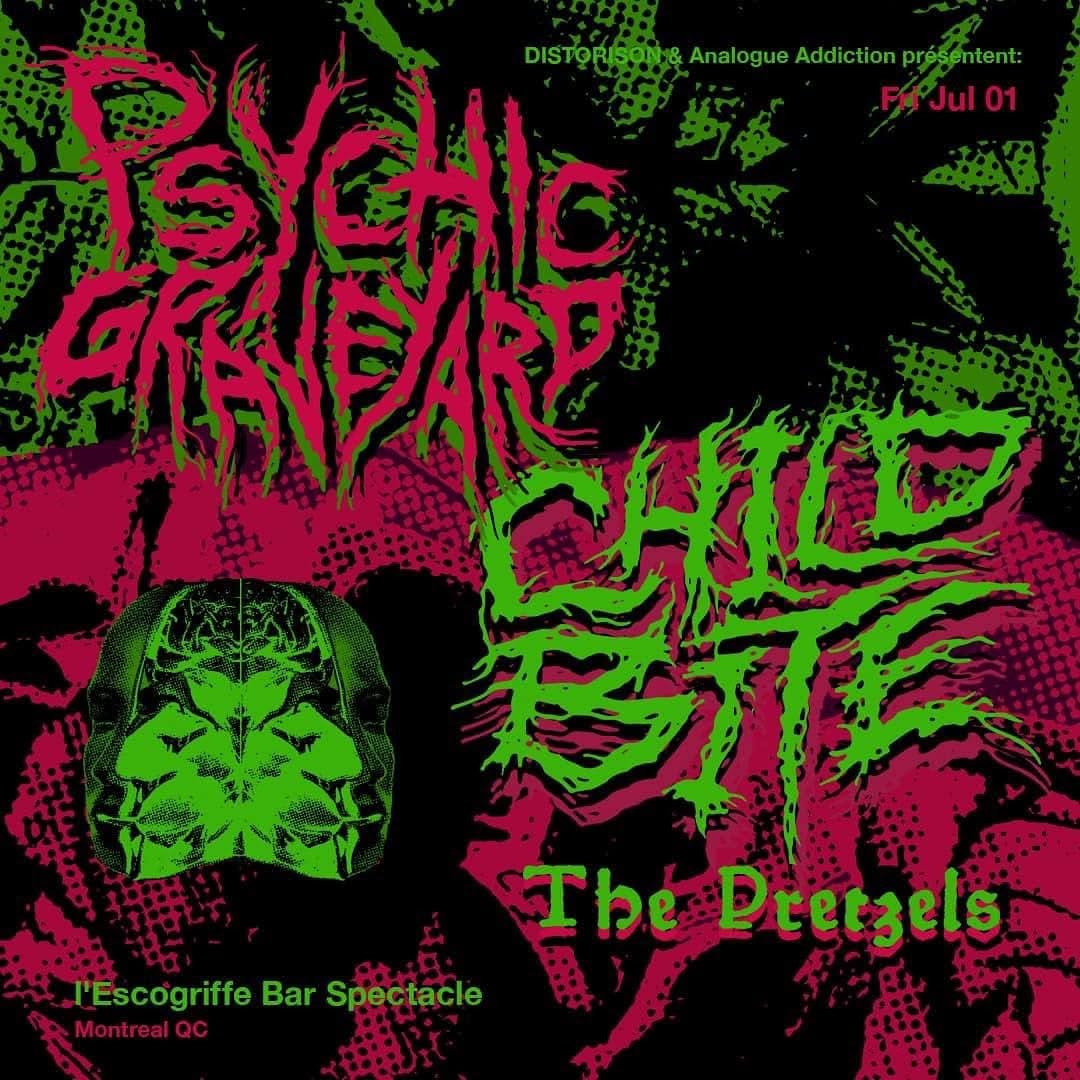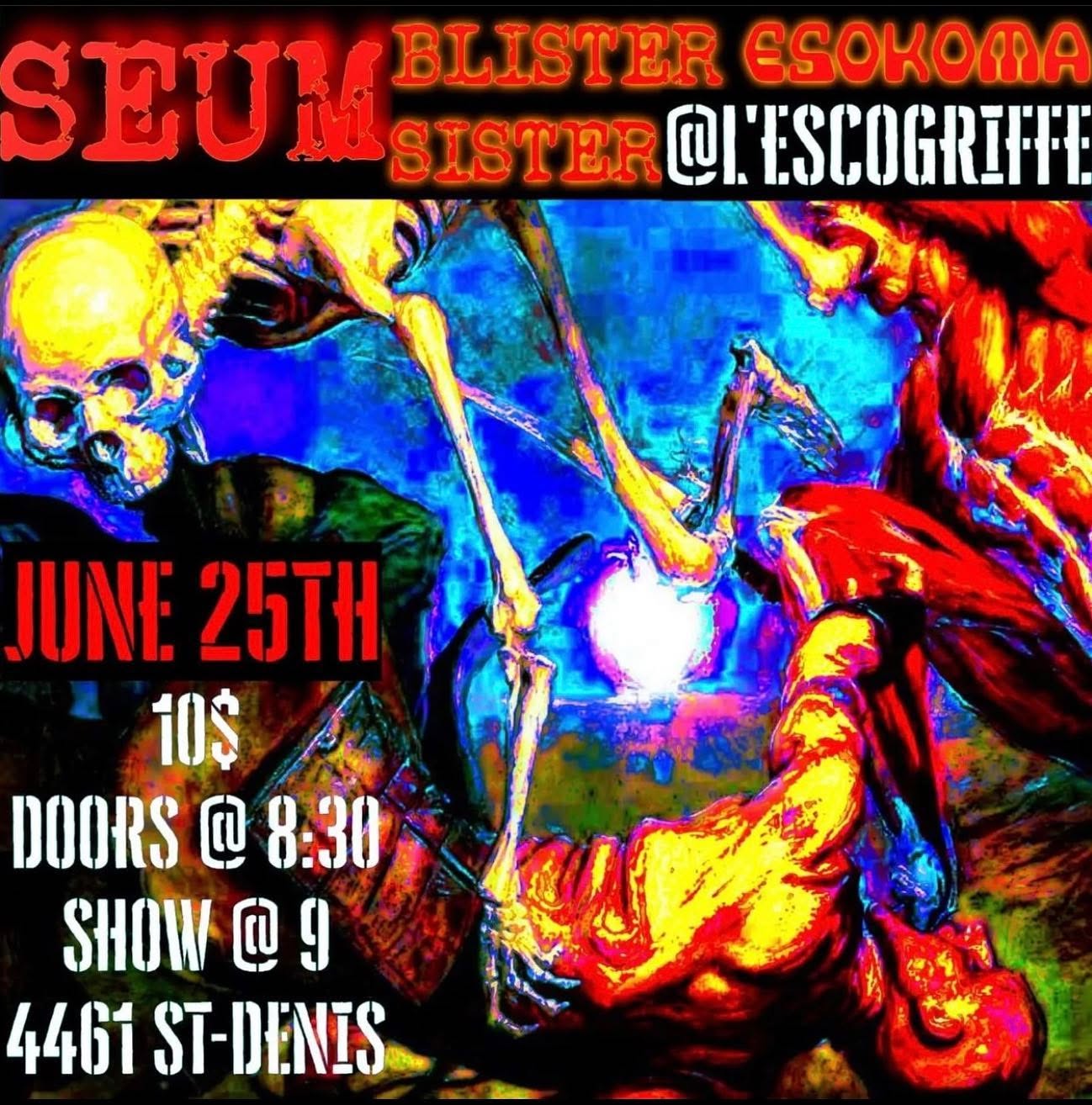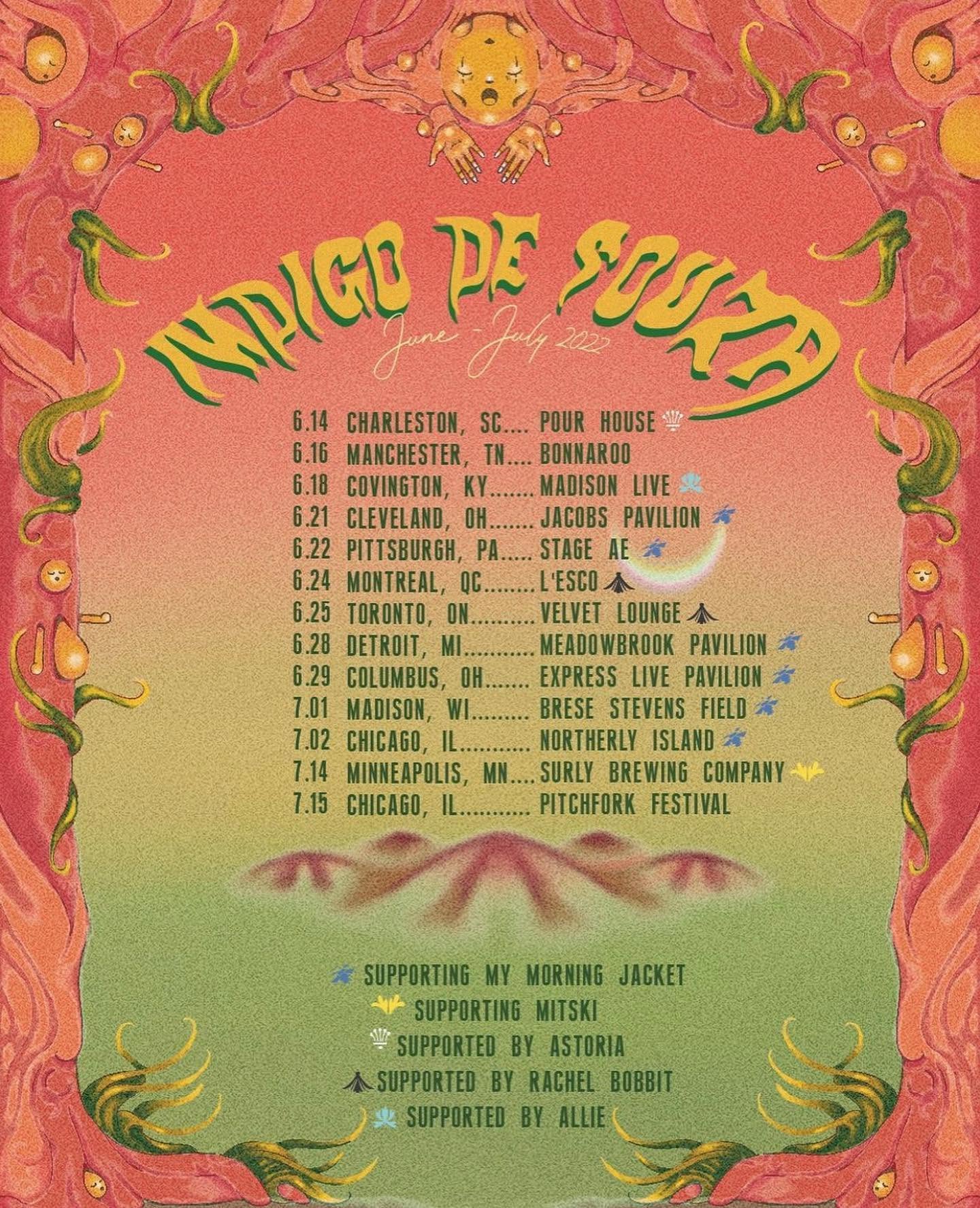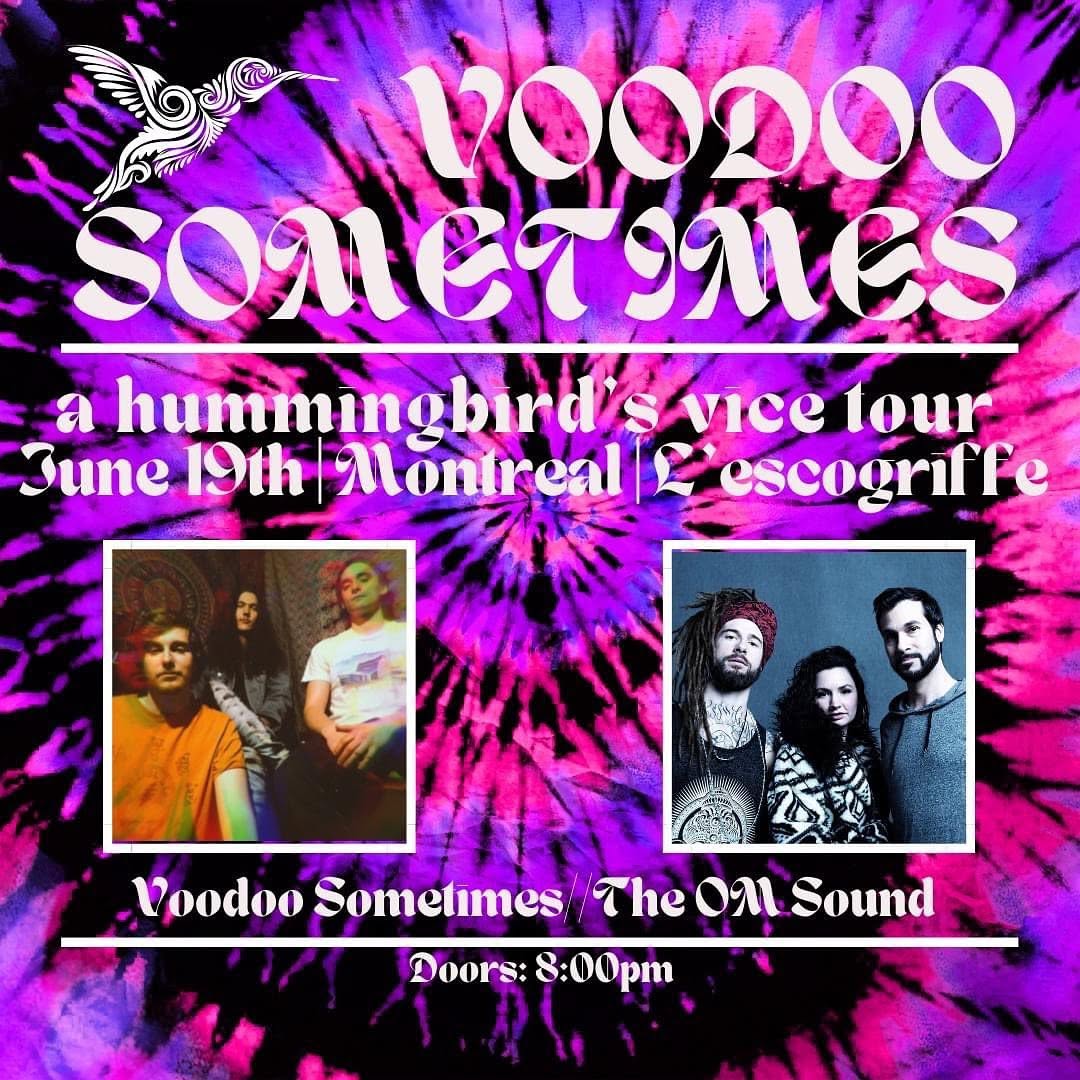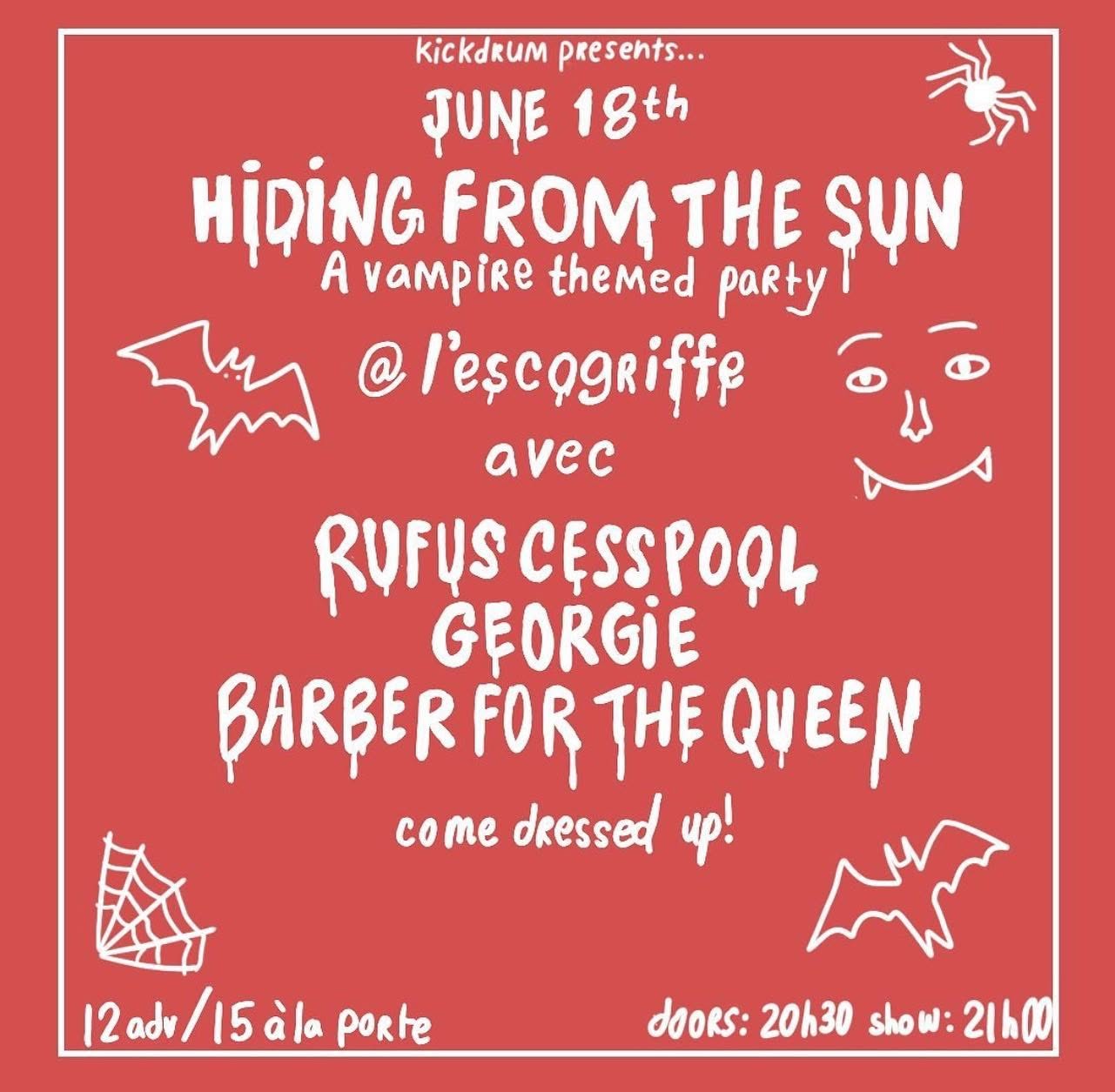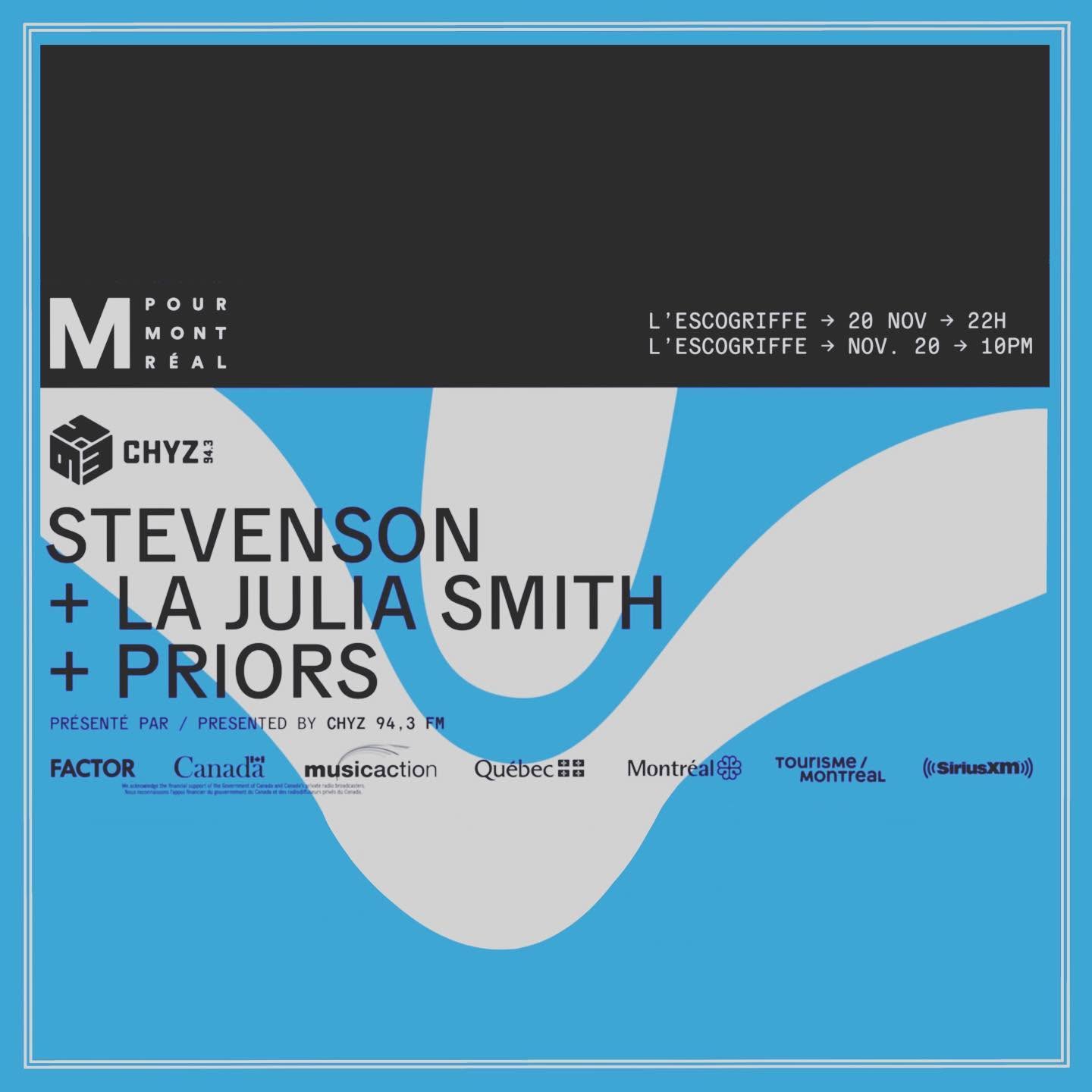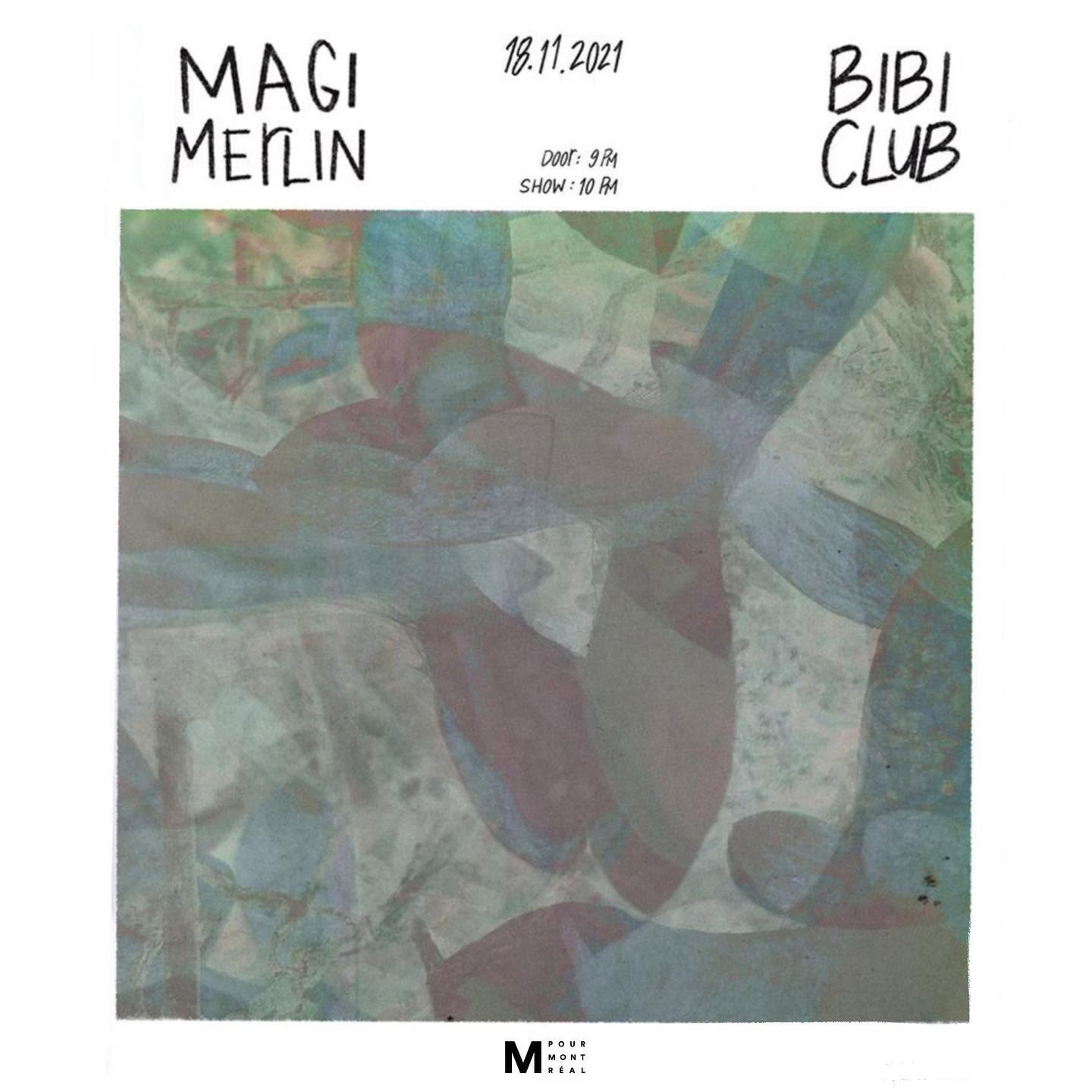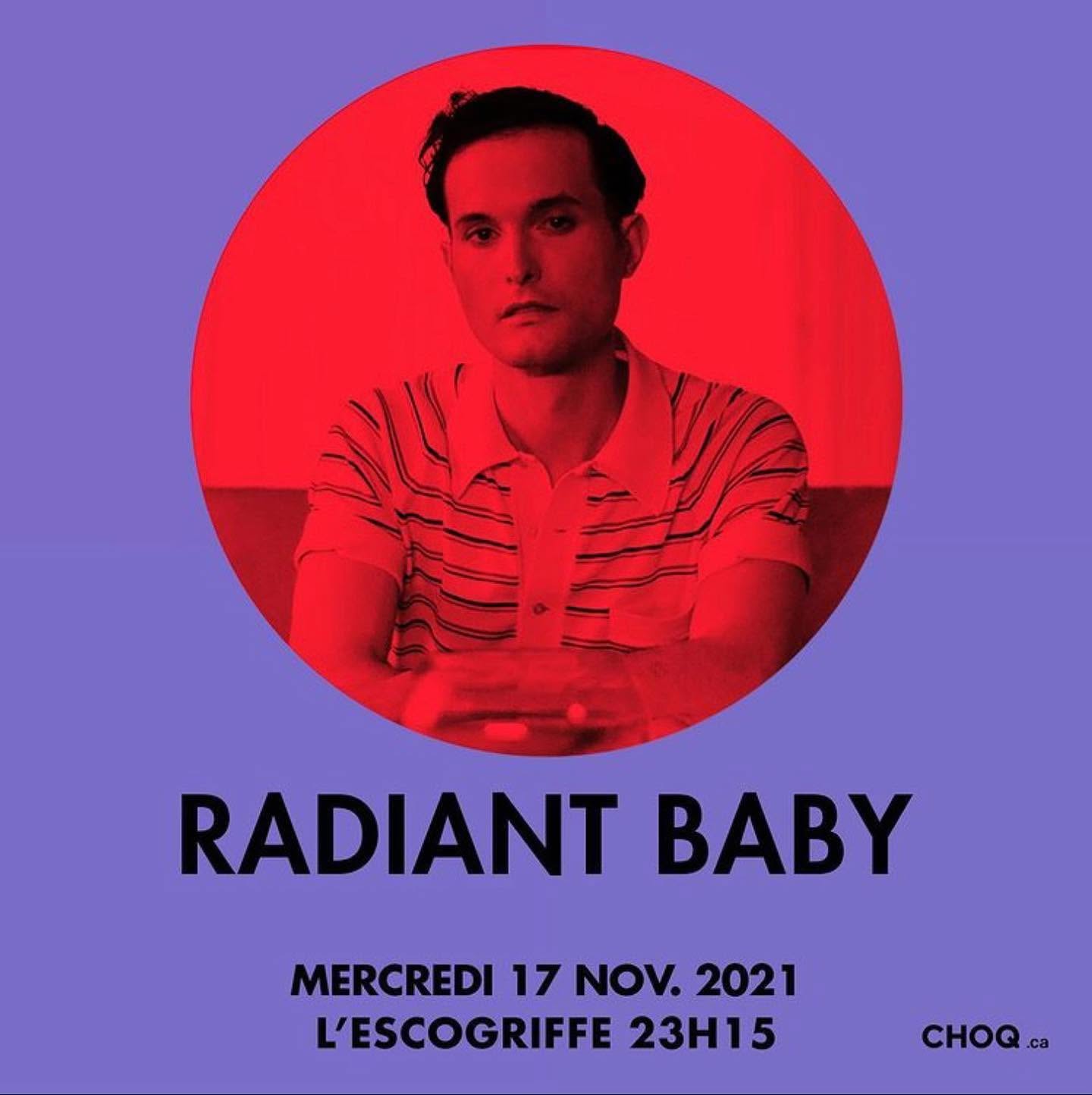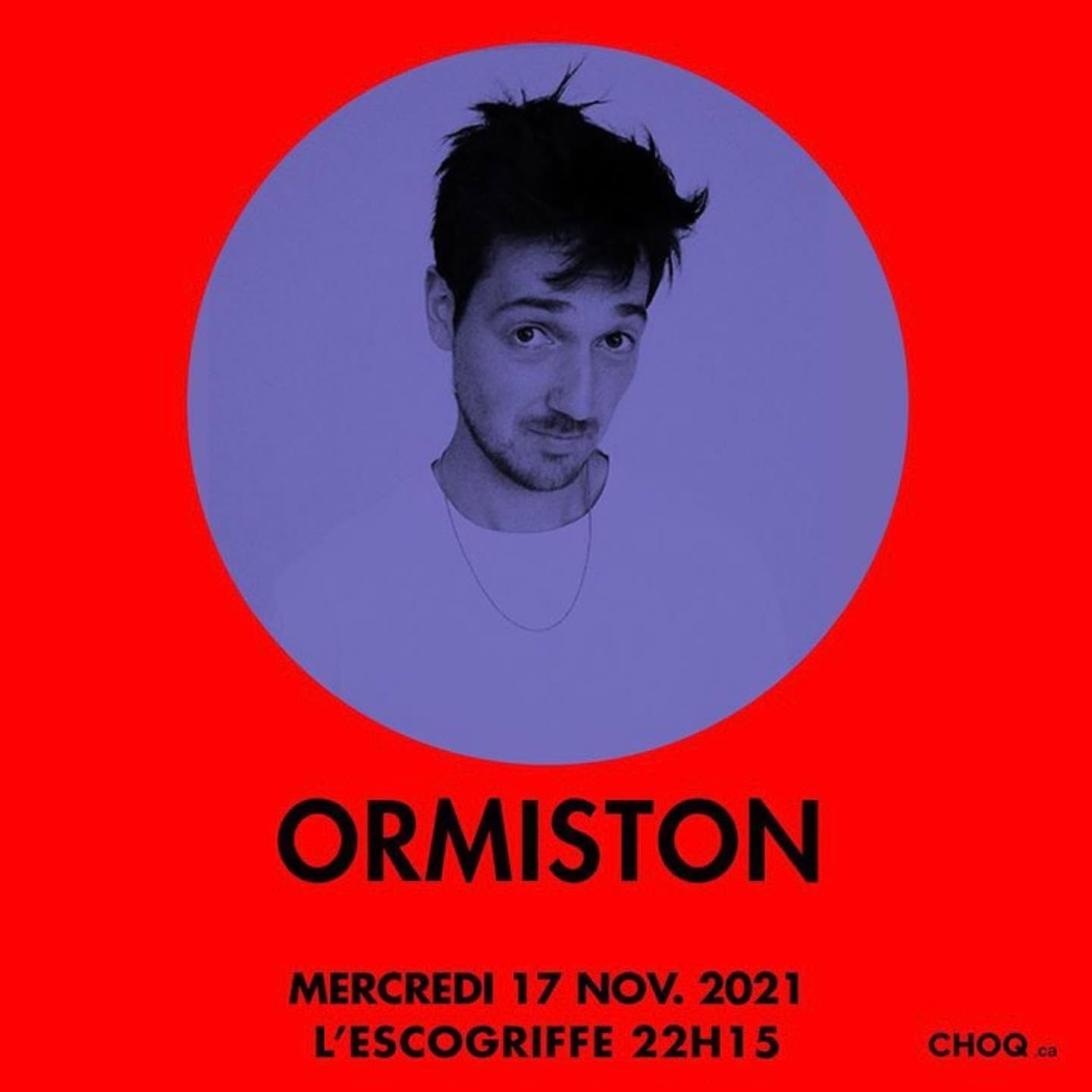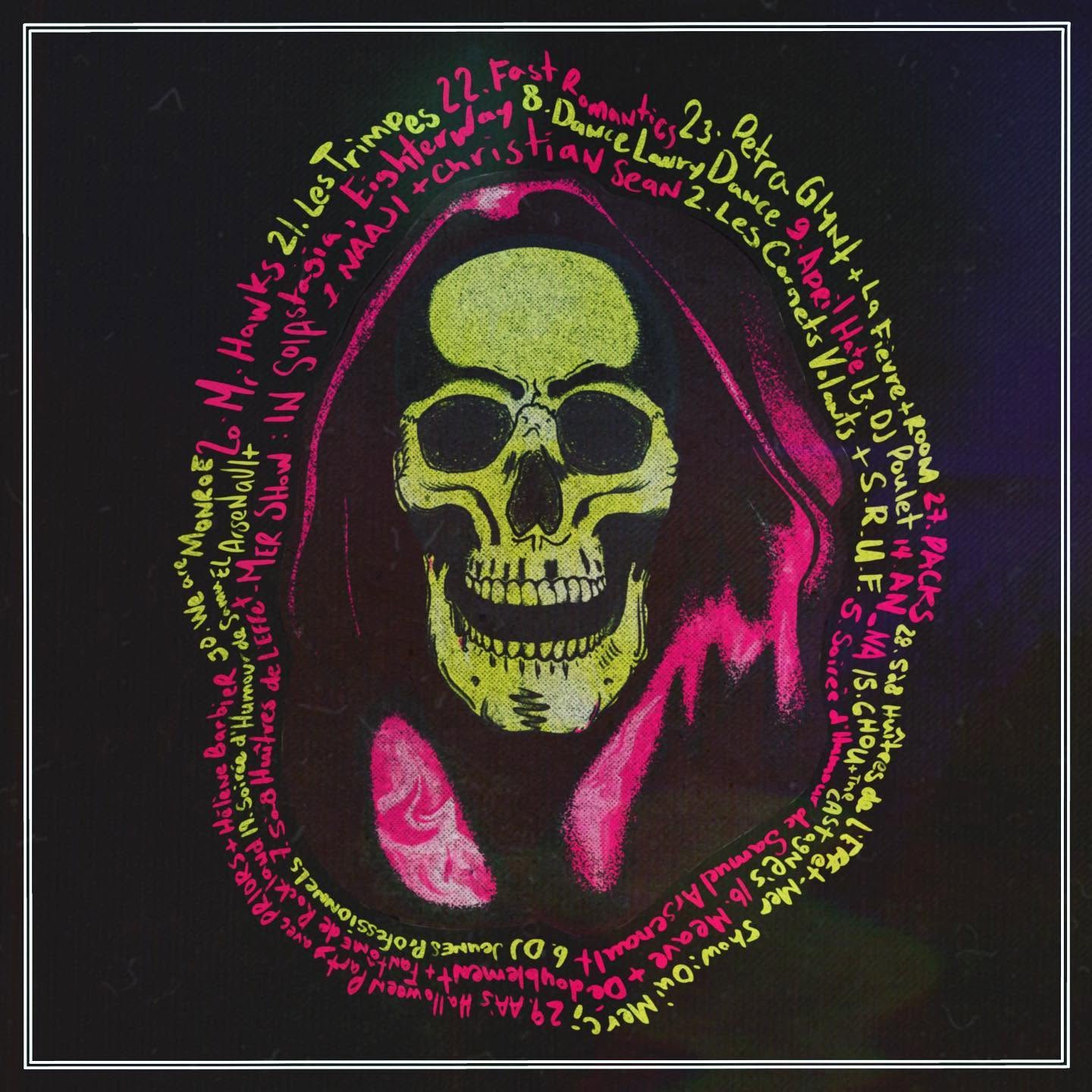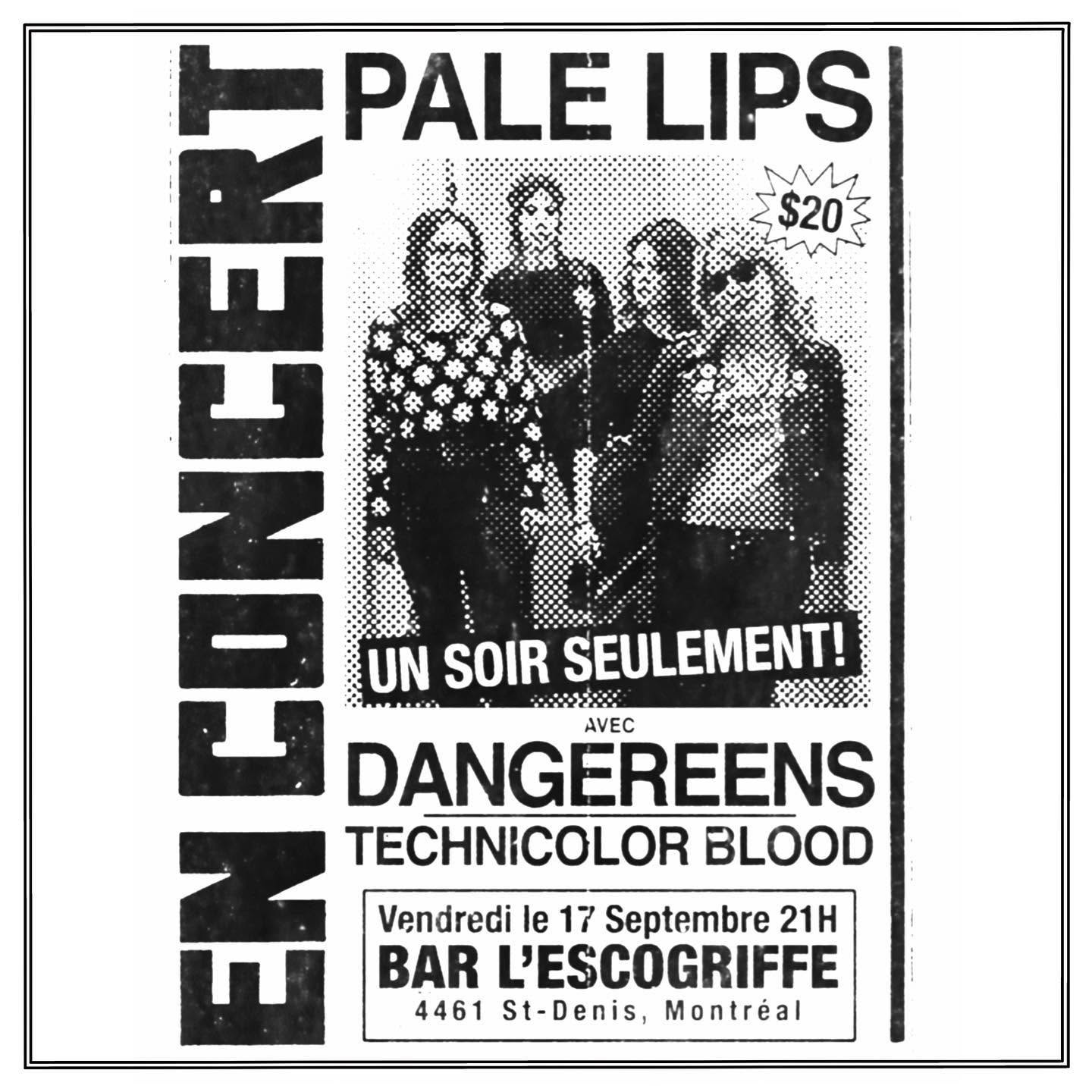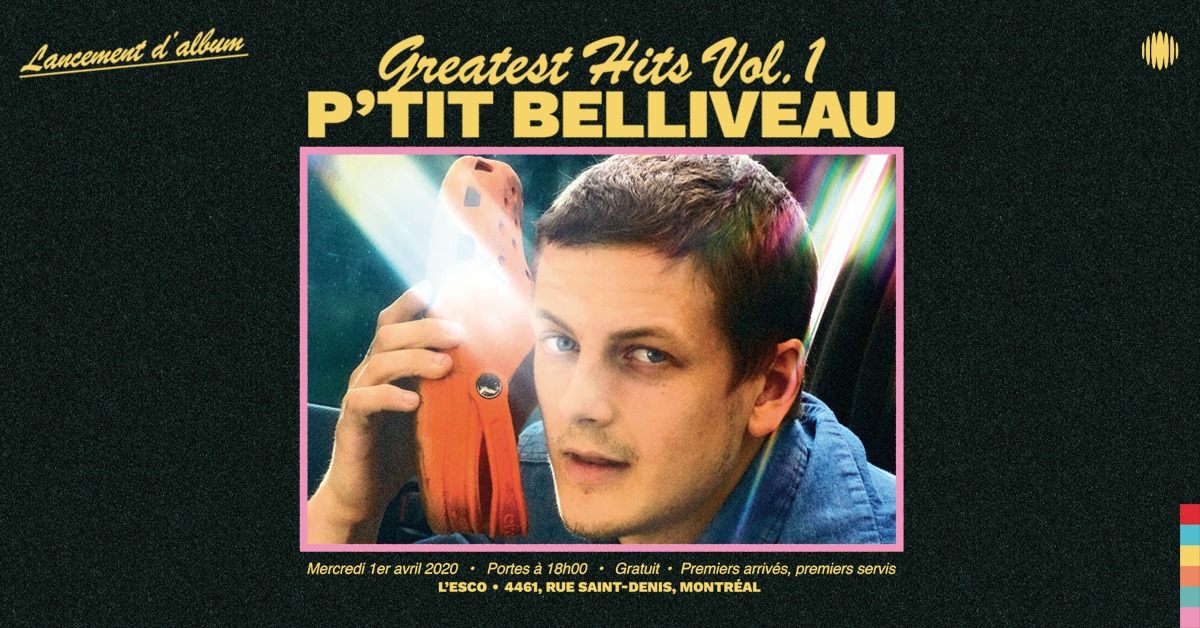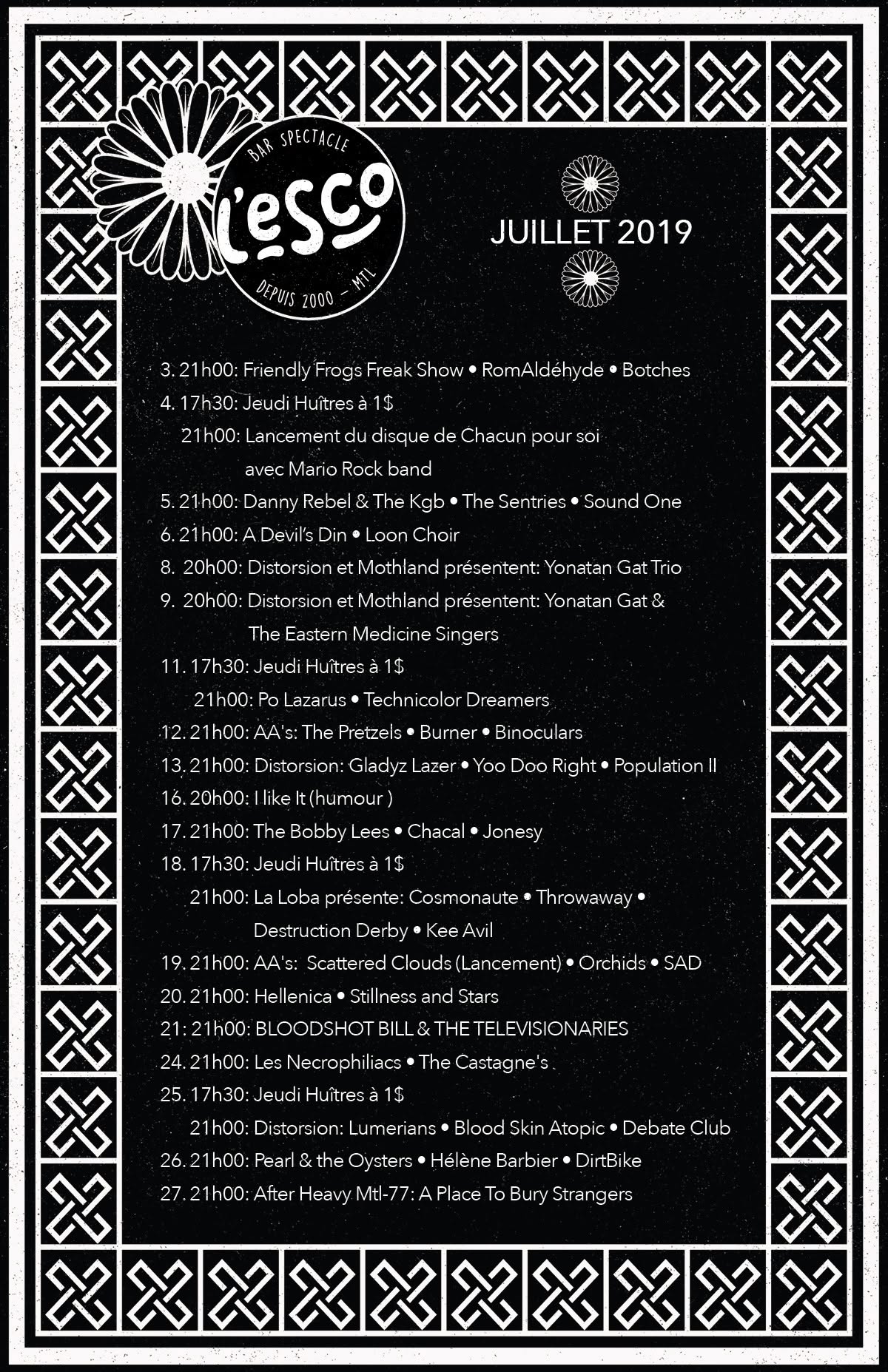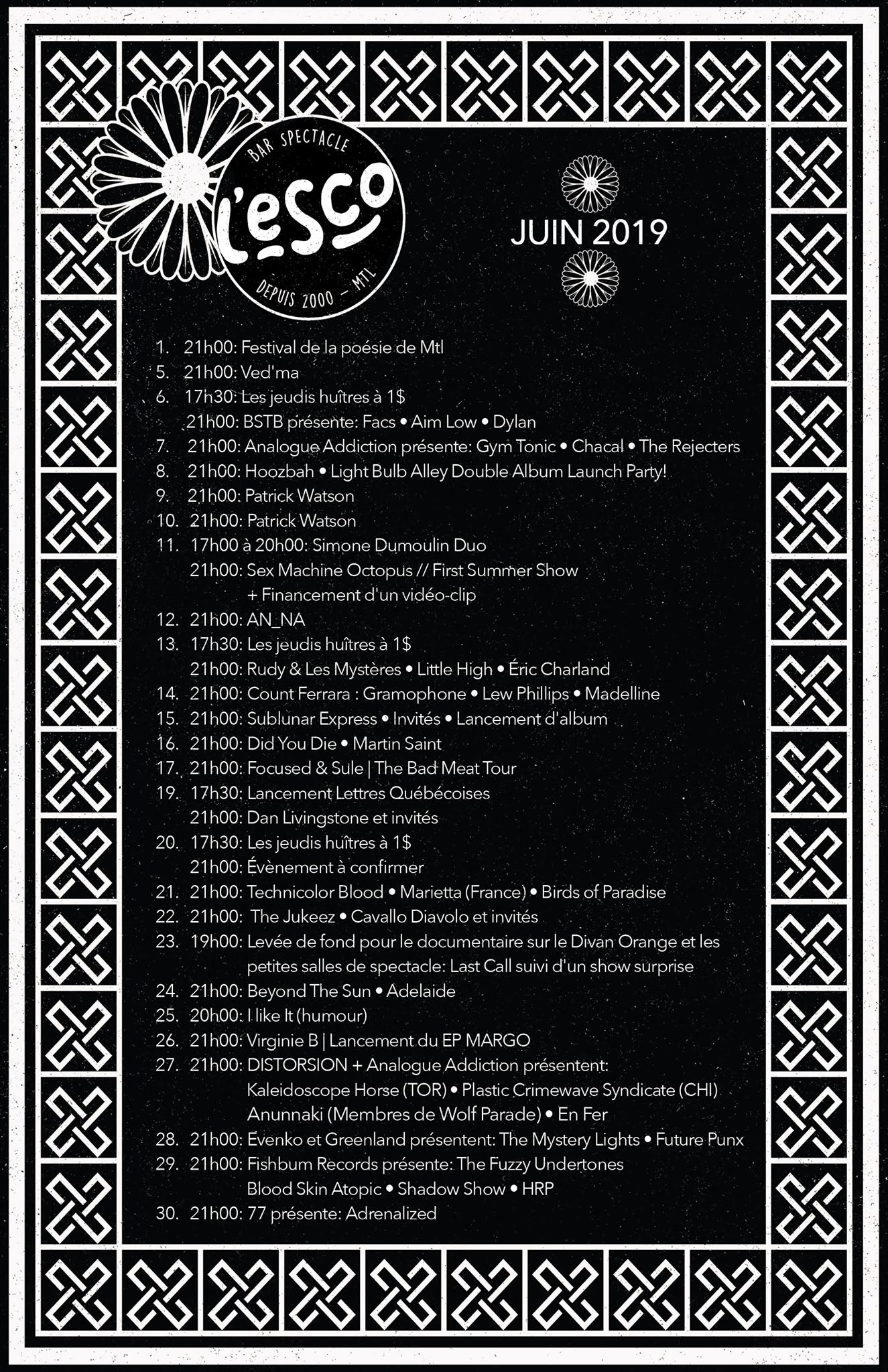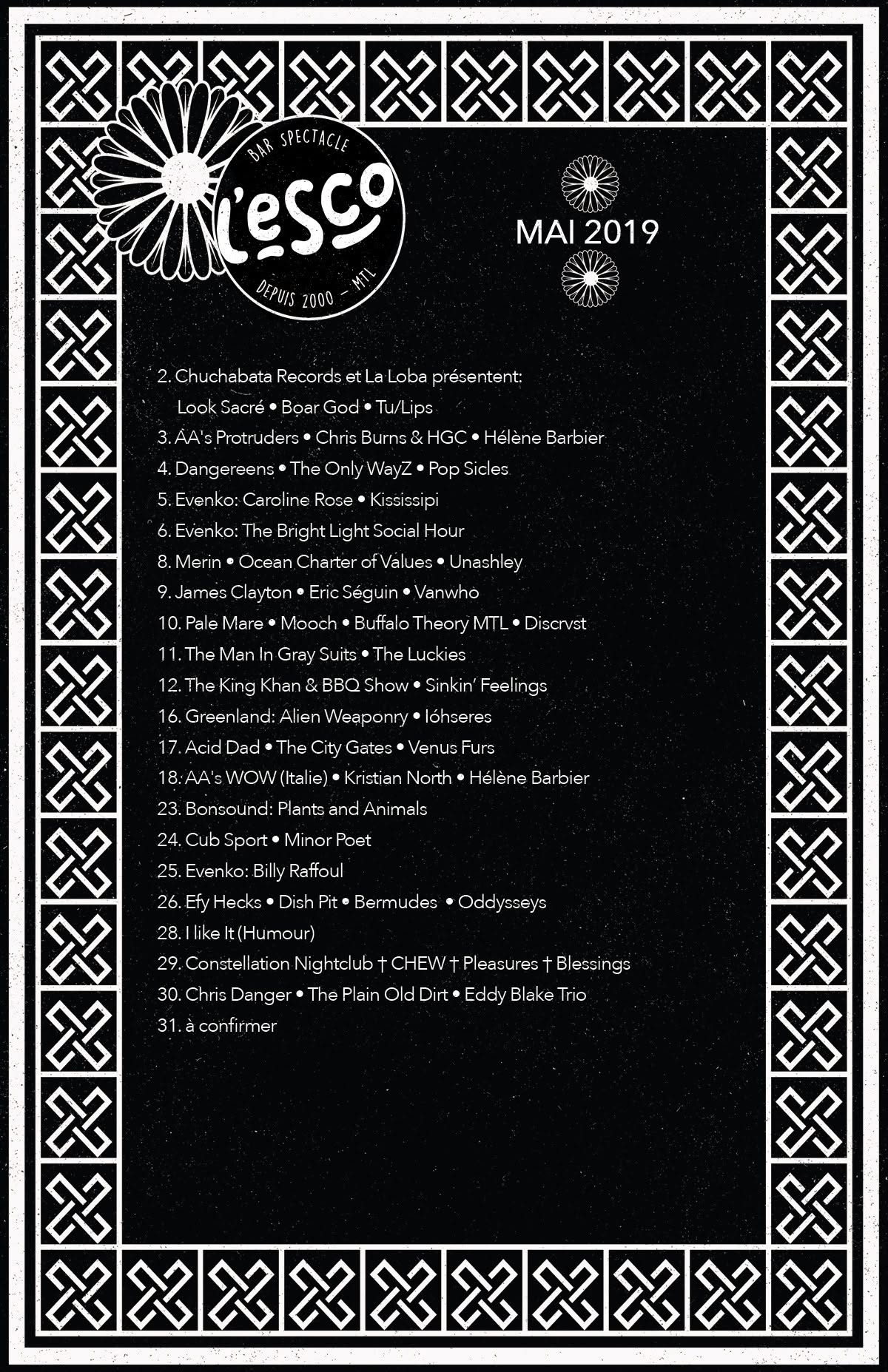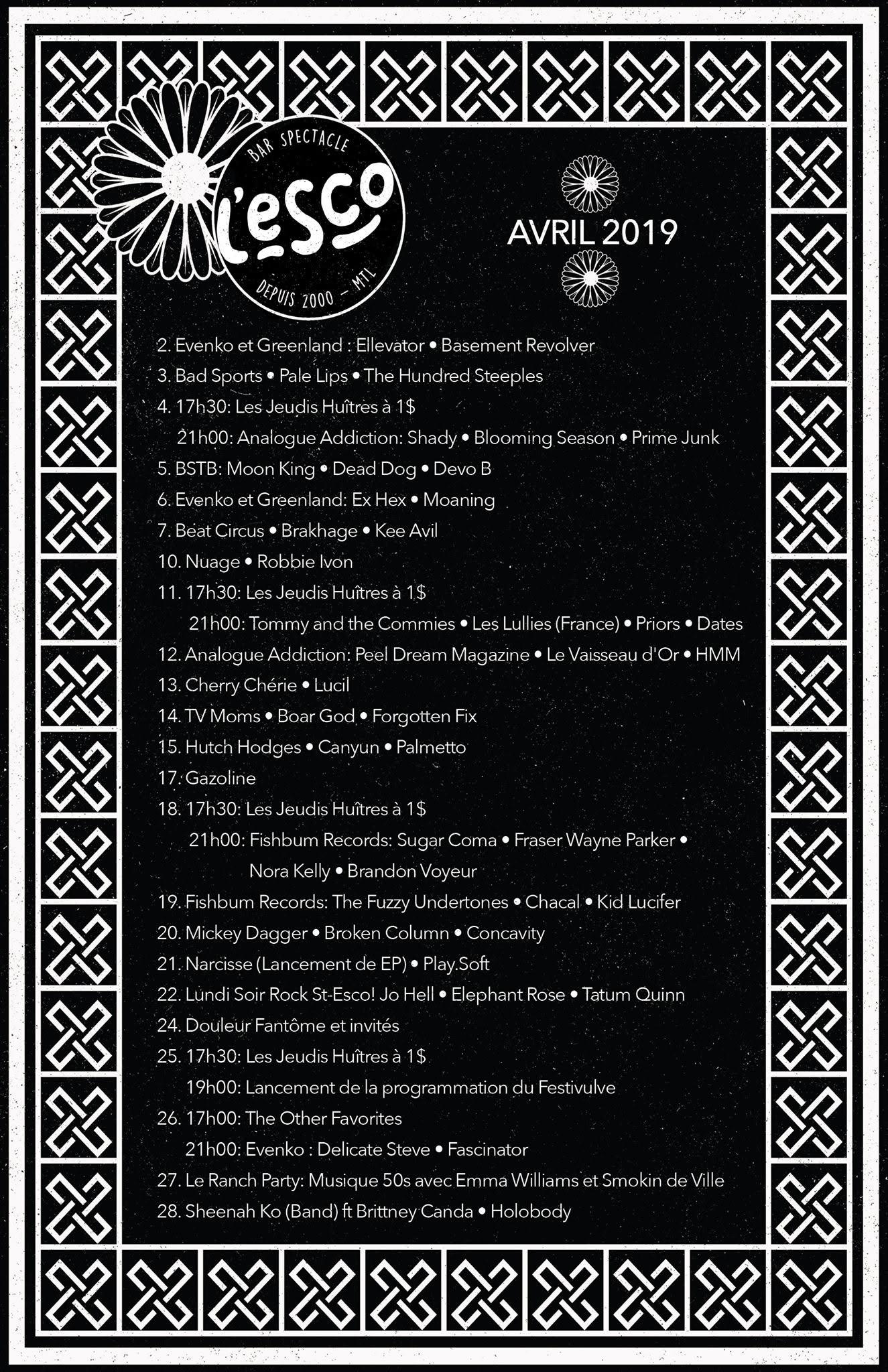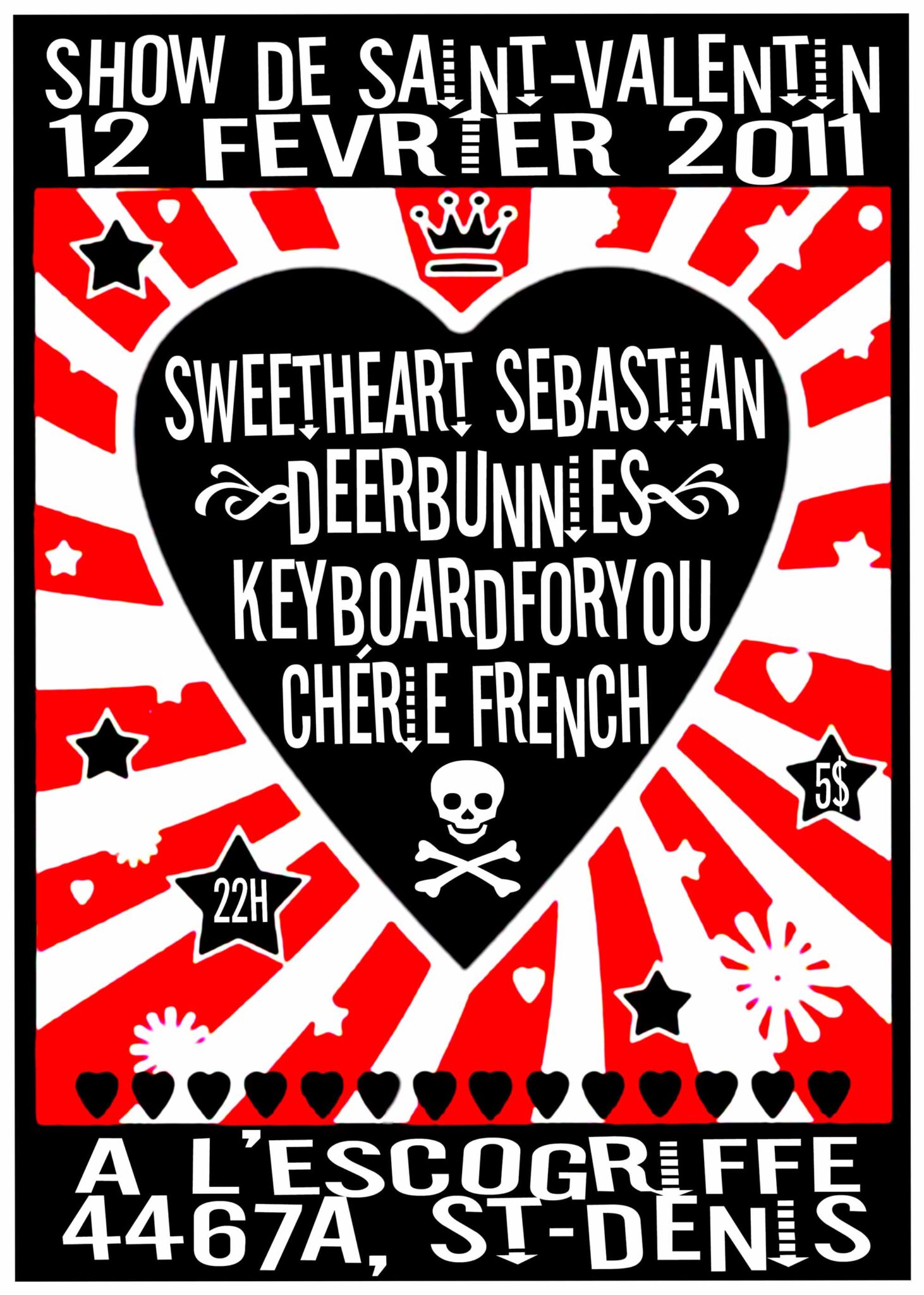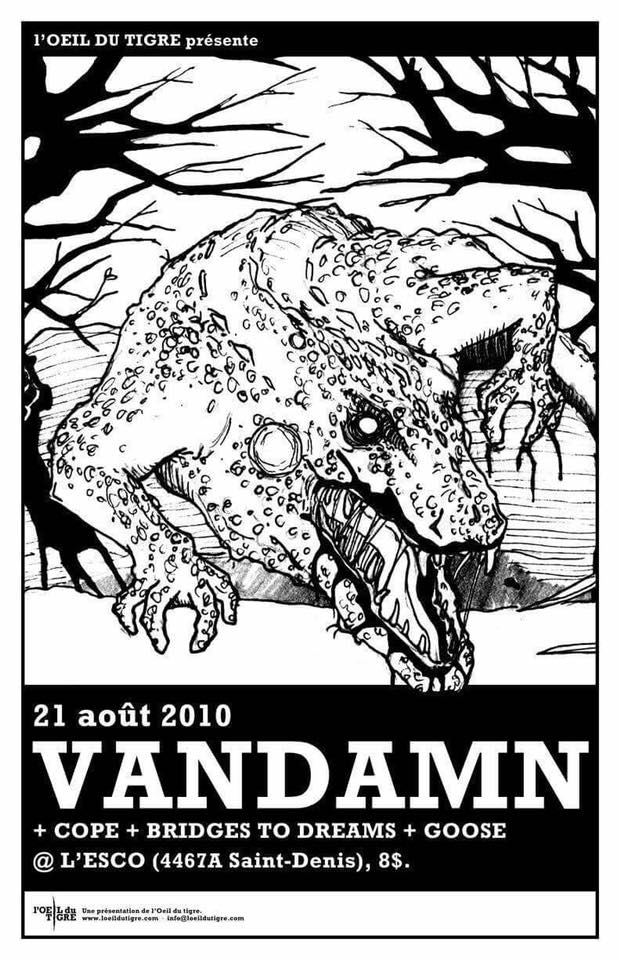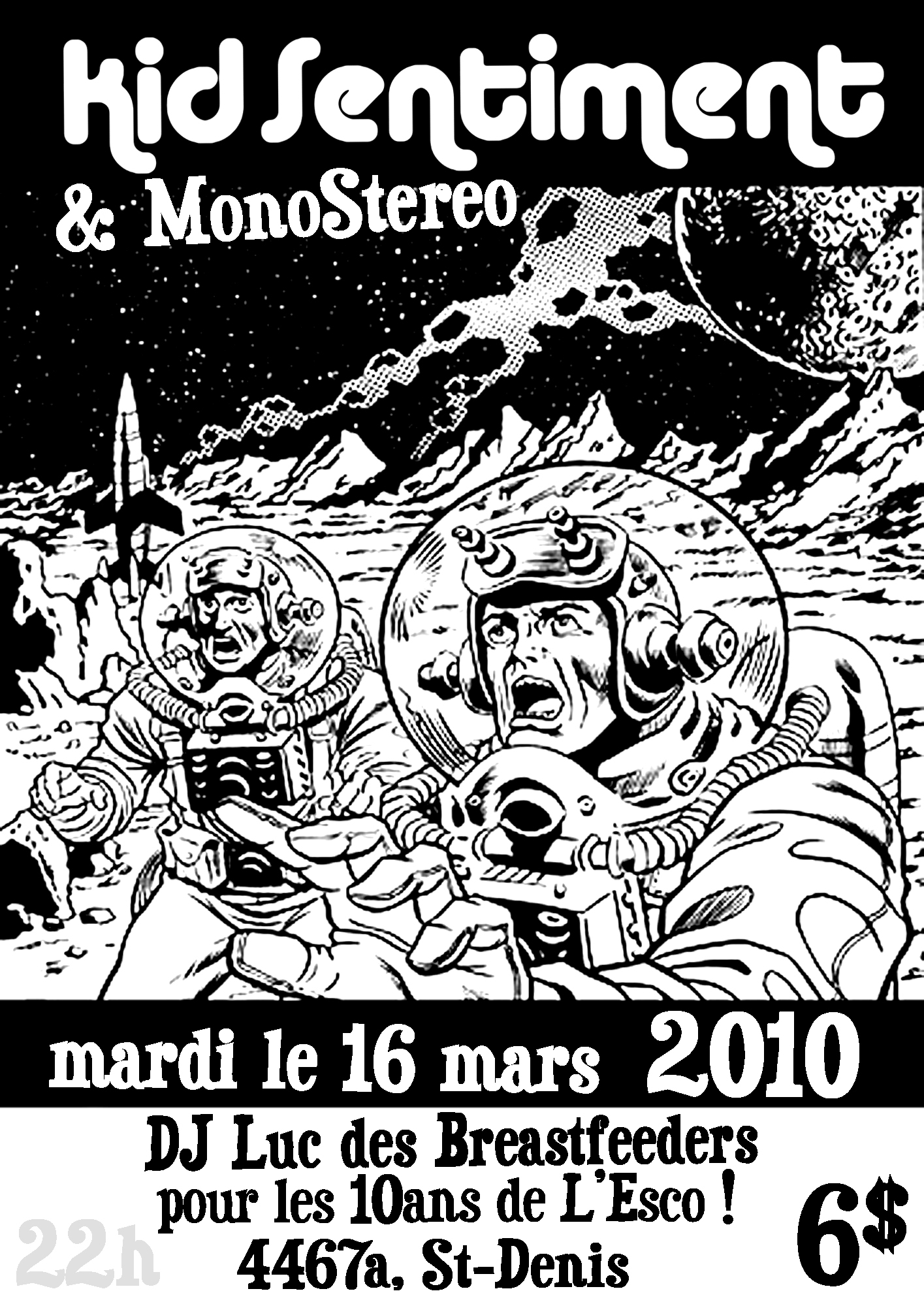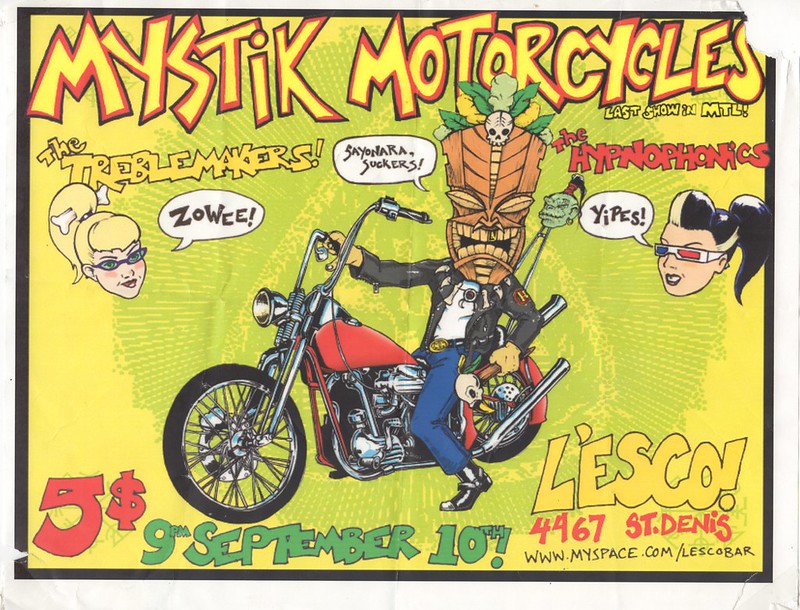
L’Escogriffe
Located on Saint-Denis Street, L’Escogriffe is one of the Plateau-Mont-Royal’s longest-running independent live music bars. Its history dates back to 1983 and spans several incarnations — from the literary bar Au Plaisir to the jazz-oriented Le Petit Escogriffe, and finally the modern L’Escogriffe, which became an important venue for Montreal’s rock, garage, punk, folk, country and independent music scenes.
1. Overview
L’Escogriffe, commonly known as L’Esco, is a live music bar on Saint-Denis Street in the Plateau-Mont-Royal. Known today primarily for its independent and alternative programming, the venue has a history that predates its contemporary rock identity by nearly two decades.
Since 1983, the same location has undergone several transformations. Literature and poetry initially occupied a central place, followed by a period in which jazz became an important part of the programming, before a shift toward rock and alternative music took place around 2000.
Despite changes in ownership, name and musical genres, one constant has remained: the establishment has continued to be associated with forms of creative expression that develop outside large venues and the most commercial cultural circuits.
2. 1983: Au Plaisir
The story begins in 1983. The father of Sébastien Madani, recently arrived from Iran, opened an establishment on Saint-Denis Street. According to the account later related by his son, he borrowed money from the bank to make the project possible.
The new establishment was called Au Plaisir. Its purpose was very different from that of contemporary L’Escogriffe: rather than being a venue primarily devoted to rock bands, it functioned as a meeting place centred on literature.
This origin is important because it places the history of L’Escogriffe within the cultural life of the Plateau-Mont-Royal as early as the beginning of the 1980s, nearly two decades before the musical shift that would later define its reputation.
3. A Literary Bar
Au Plaisir has been described by the Madani family as a literary bar frequented by poets and writers. The establishment thus belonged to a tradition of Montreal cafés and bars where social life, artistic creation and encounters between artists often overlapped.
The musical programming that would later characterize L’Esco was therefore not the establishment’s original identity. Its first cultural vocation was centred instead on the spoken and written word and on exchanges within an artistic community.
Before Rock: Writers and Poets
The history of L’Escogriffe did not begin with punk or garage rock. As early as 1983, the venue was already serving as a meeting place for an alternative cultural scene — that of writers and poets.
4. The Birth of Le Petit Escogriffe
A few years after Au Plaisir opened, Sébastien Madani’s father sold the establishment to its manager. The manager subsequently sold it to a former employee of the founder.
Under this new owner, the establishment was transformed and took the name Le Petit Escogriffe. Available sources do not yet make it possible to establish the exact year of this name change with certainty.
The name itself contains an intentional play on words. In French, an escogriffe traditionally refers to a tall, lanky man; the expression petit escogriffe therefore forms a deliberately contradictory combination.
5. The Jazz Period
Under the name Le Petit Escogriffe, music assumed a much more prominent role. According to Sébastien Madani’s account, the owner developed the establishment into a well-established jazz venue.
This period forms an essential link between the literary bar of the early years and the future rock venue. The establishment gradually evolved from a gathering place for writers and poets into a space increasingly devoted to live music.
The history of L’Escogriffe can therefore be understood as a succession of adaptations rather than a series of complete breaks: different artistic communities occupied the same space and, in turn, gave it a new identity.
6. Around 2000: The Turn Toward Rock
A decisive transformation occurred around 2000. The owner of Le Petit Escogriffe sold the establishment to three new owners.
Under this new team, the programming gradually moved away from jazz and toward rock. This transition marked the beginning of the musical identity now generally associated with L’Esco.
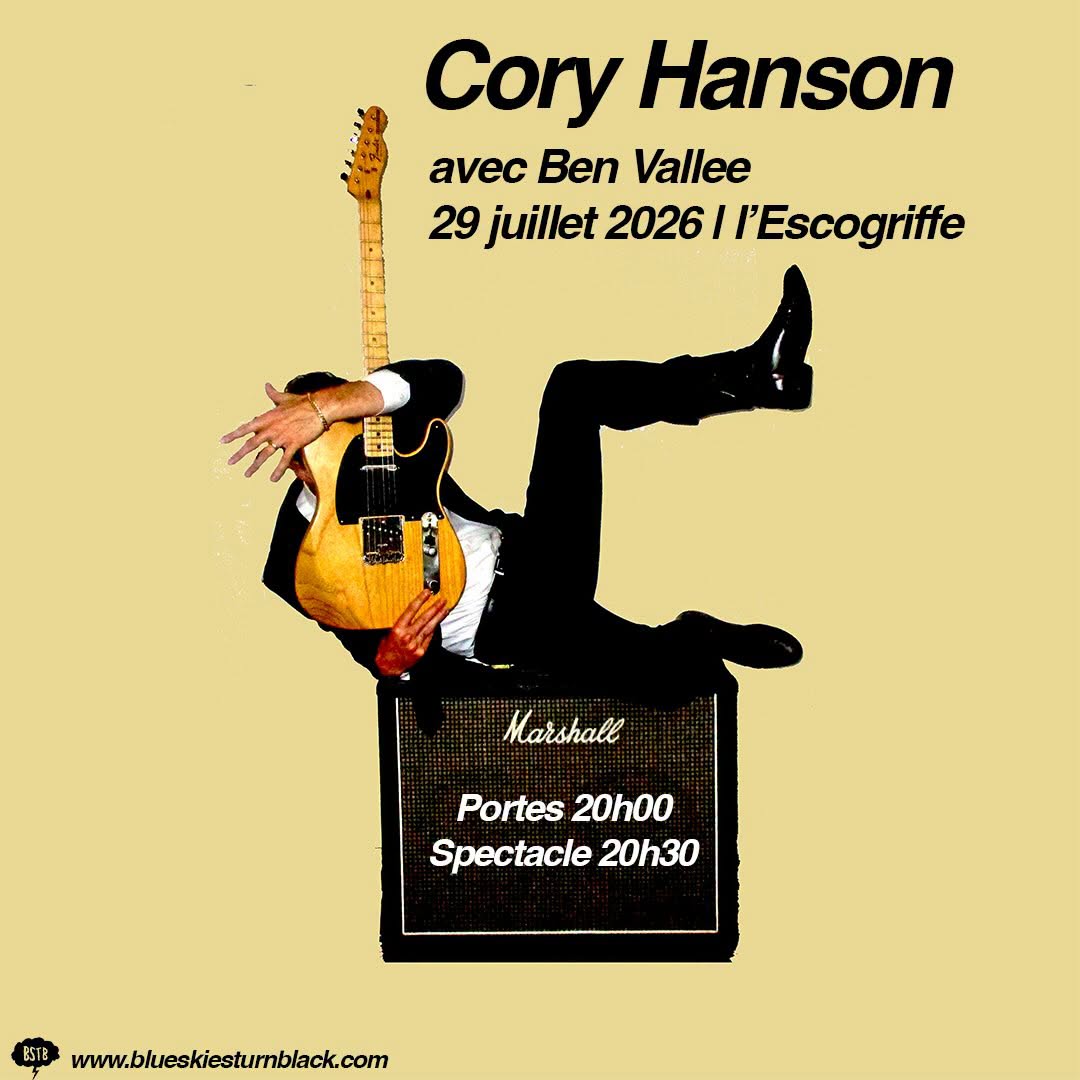
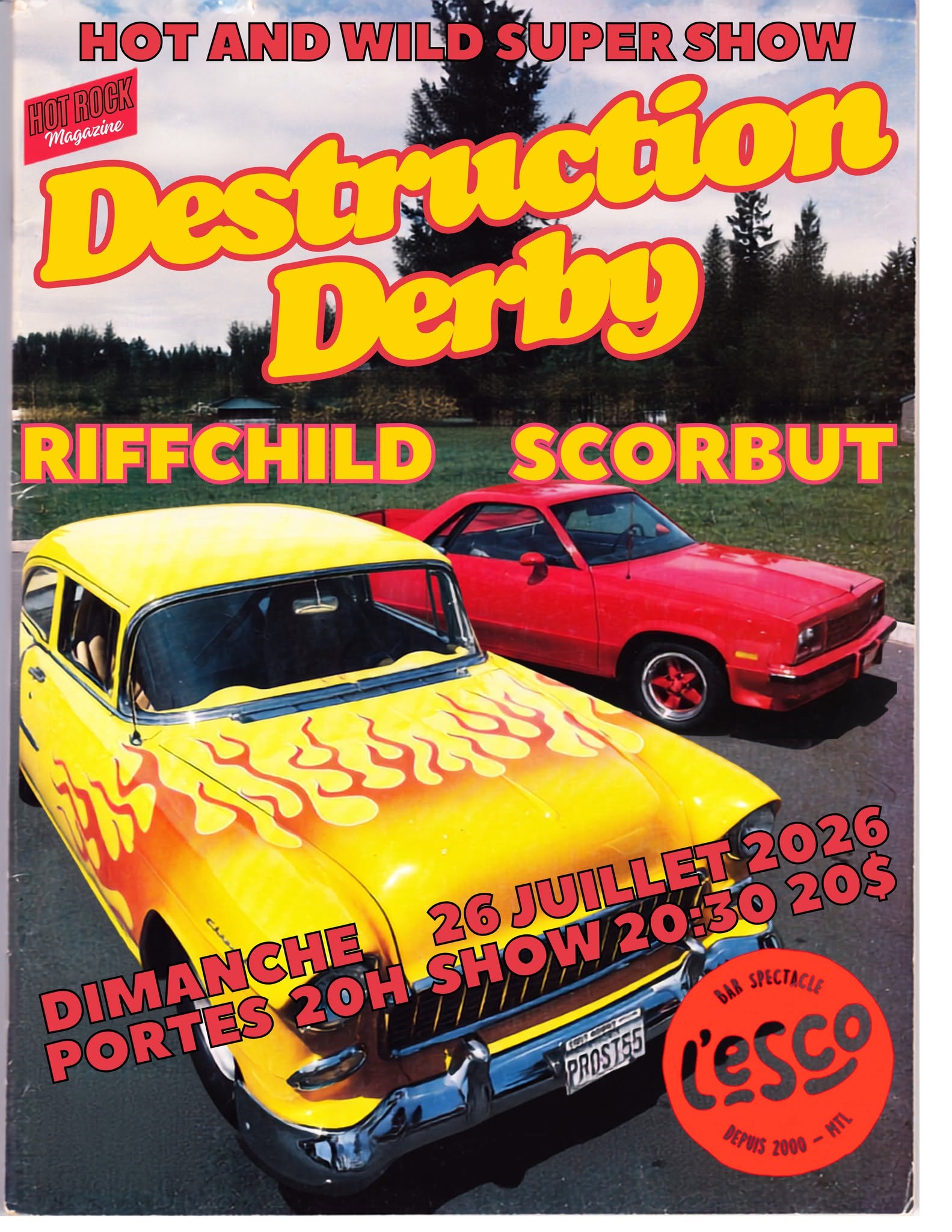
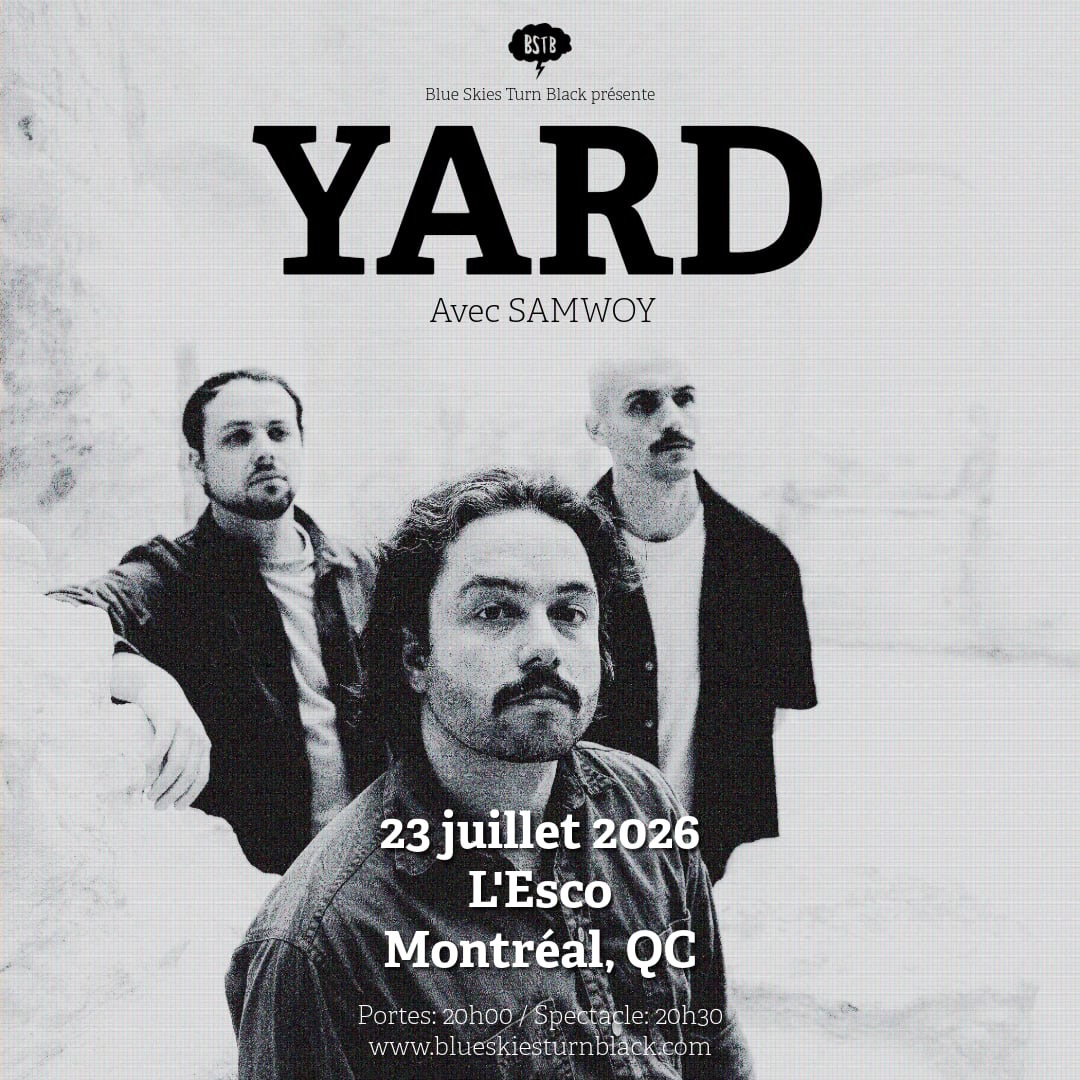
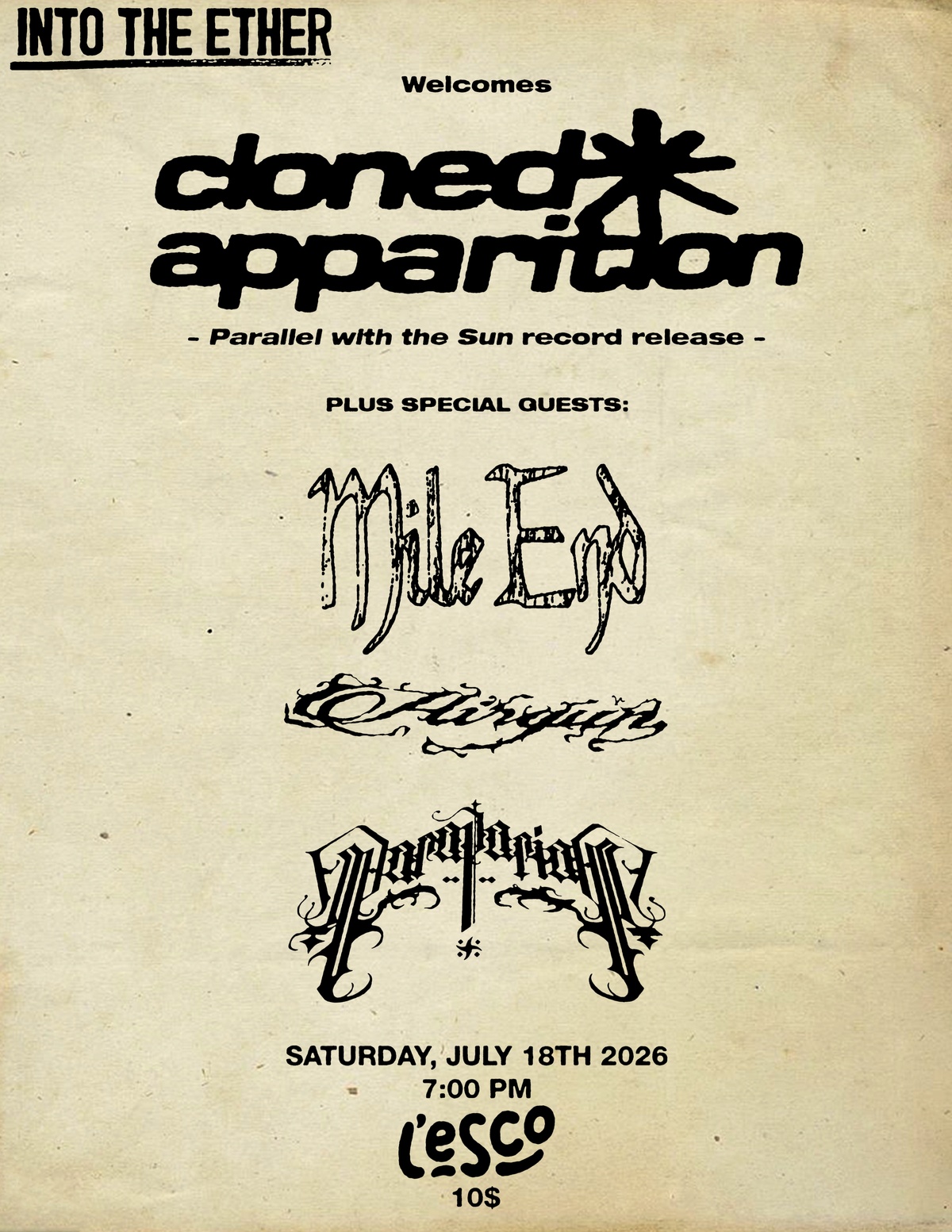
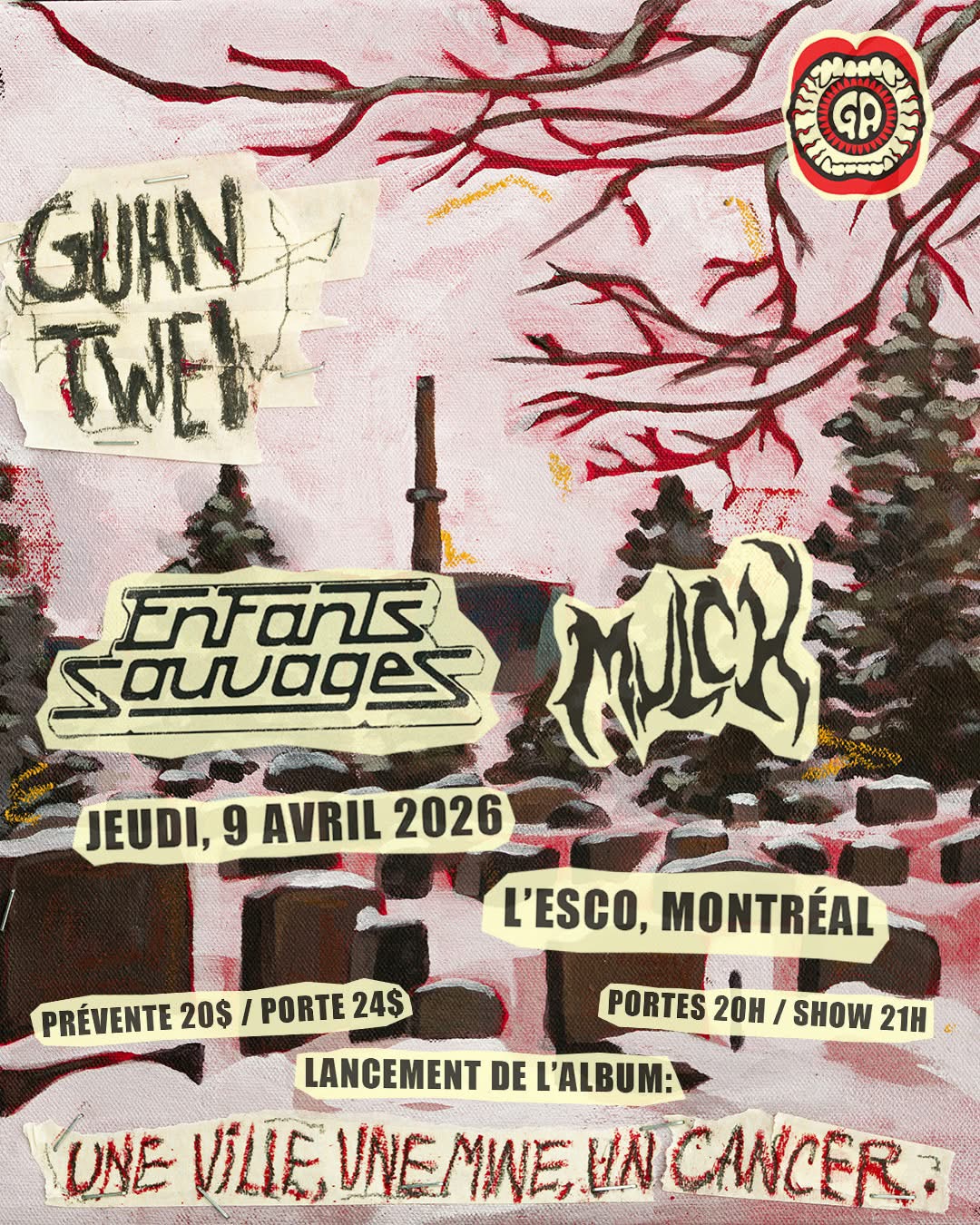
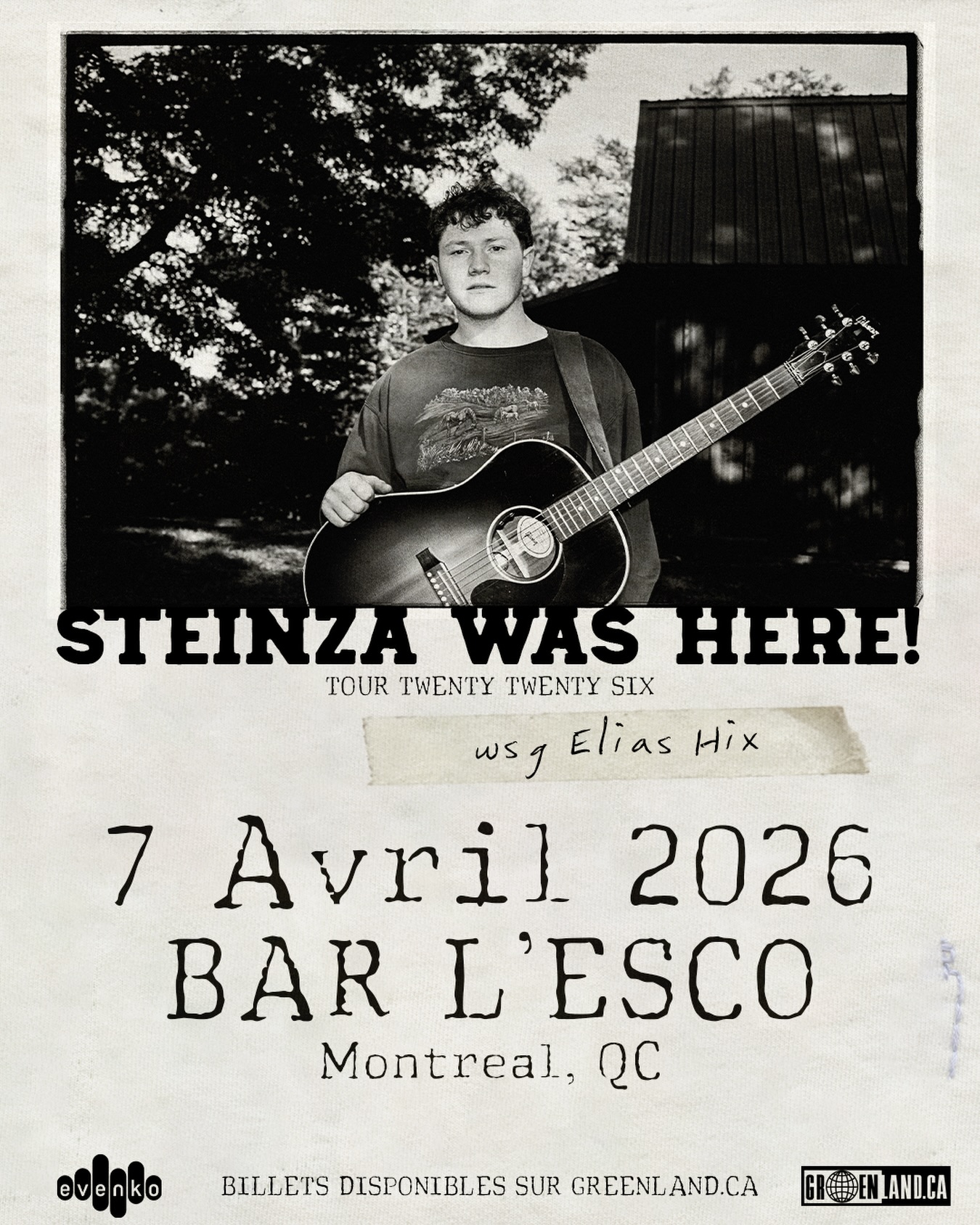
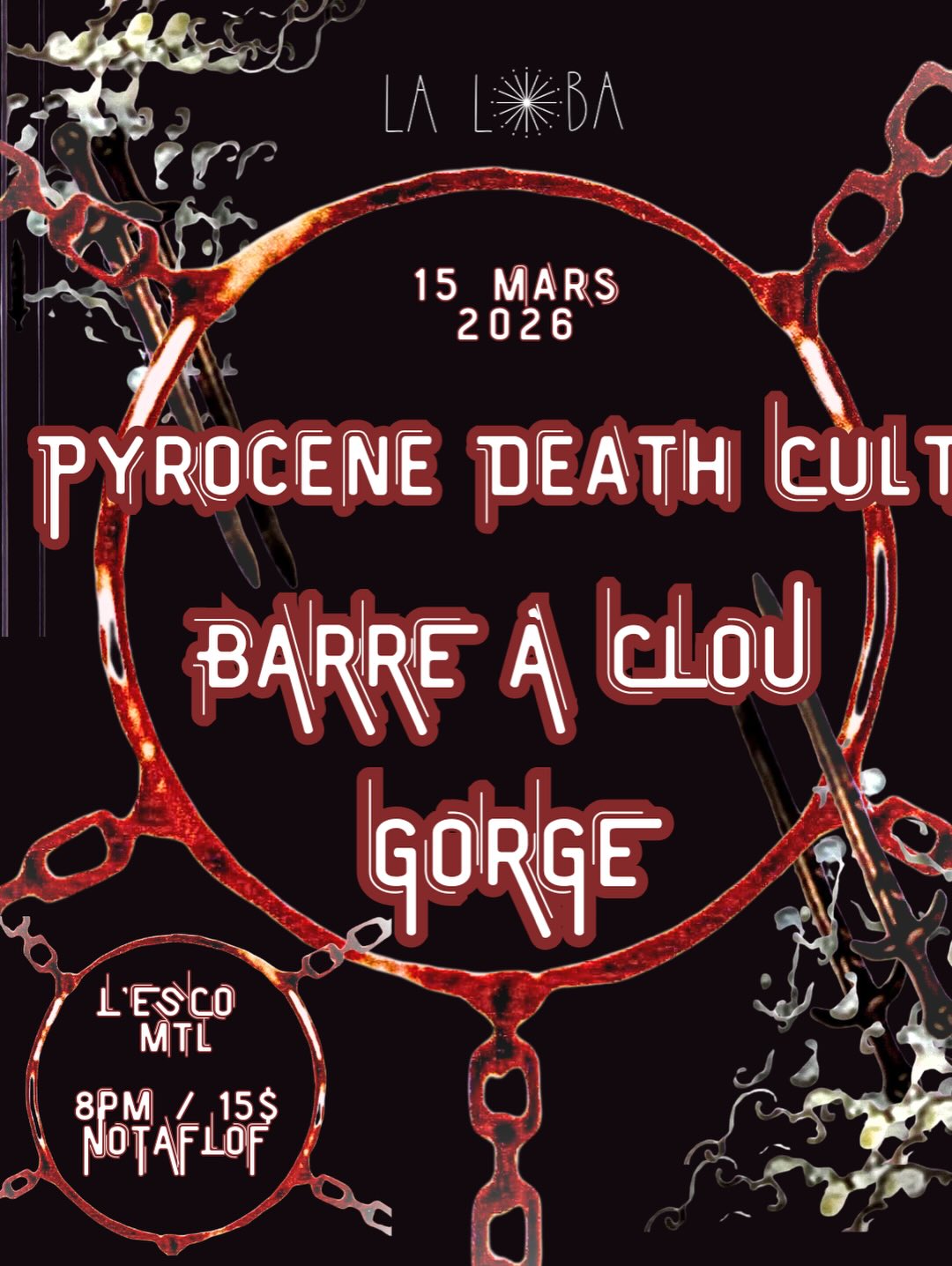
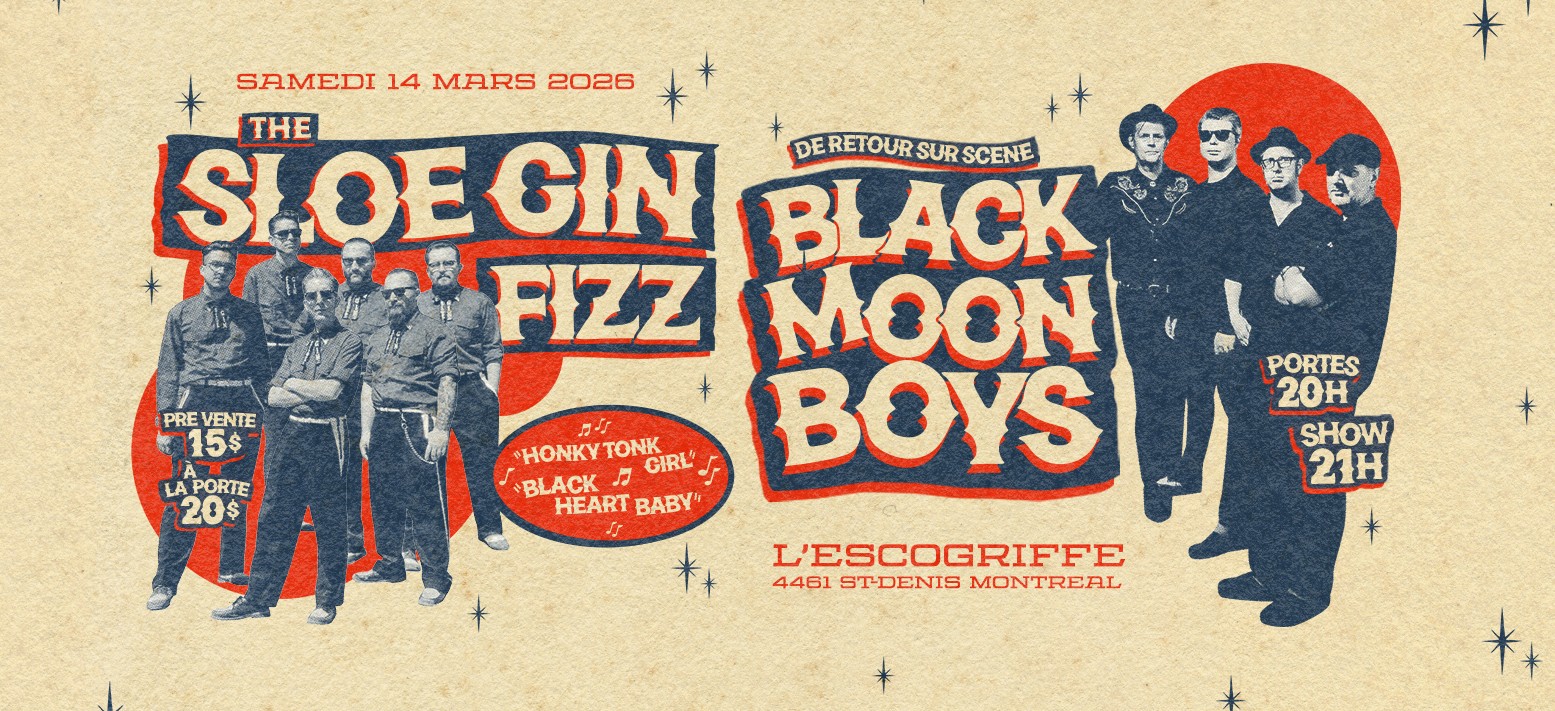
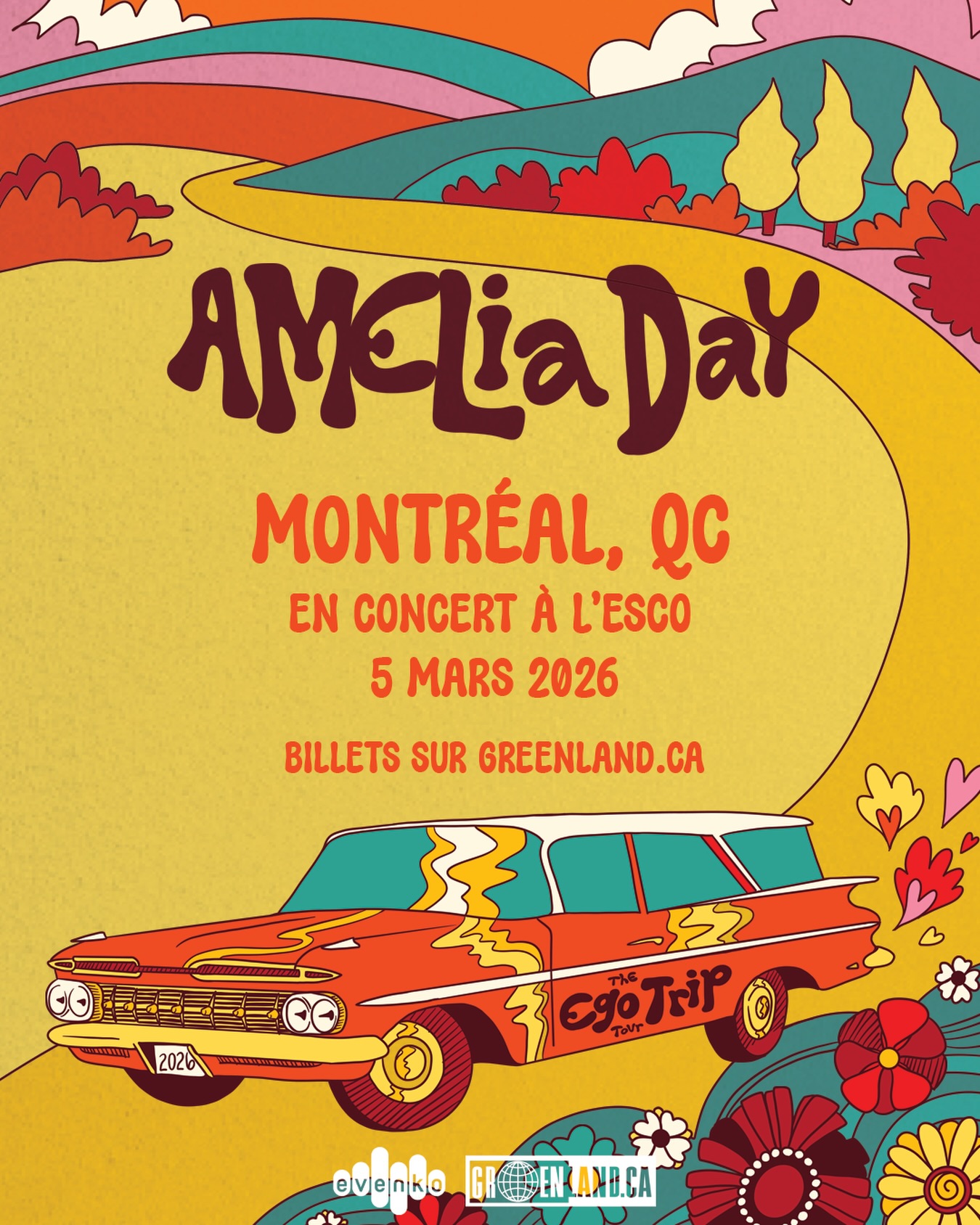
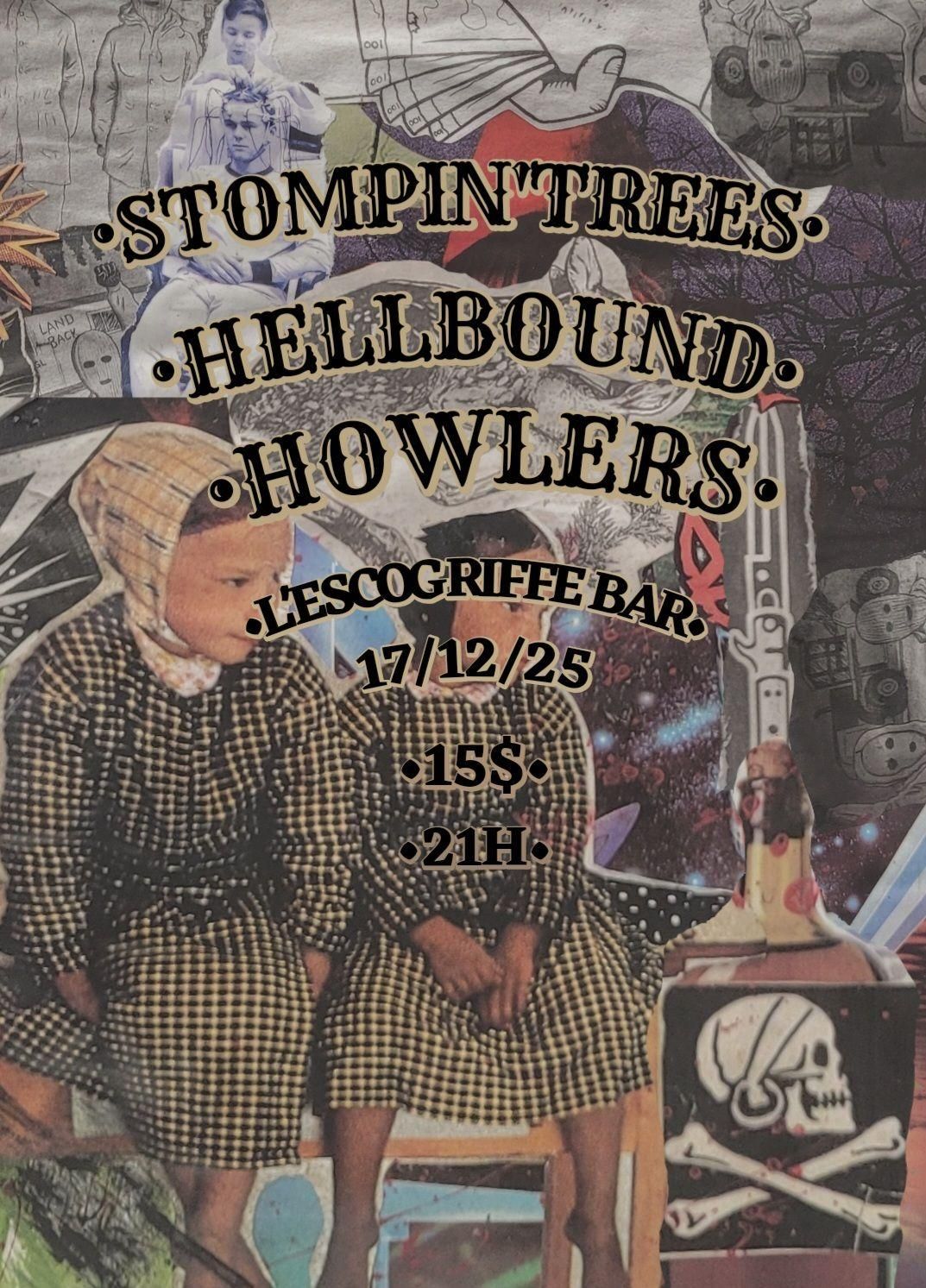
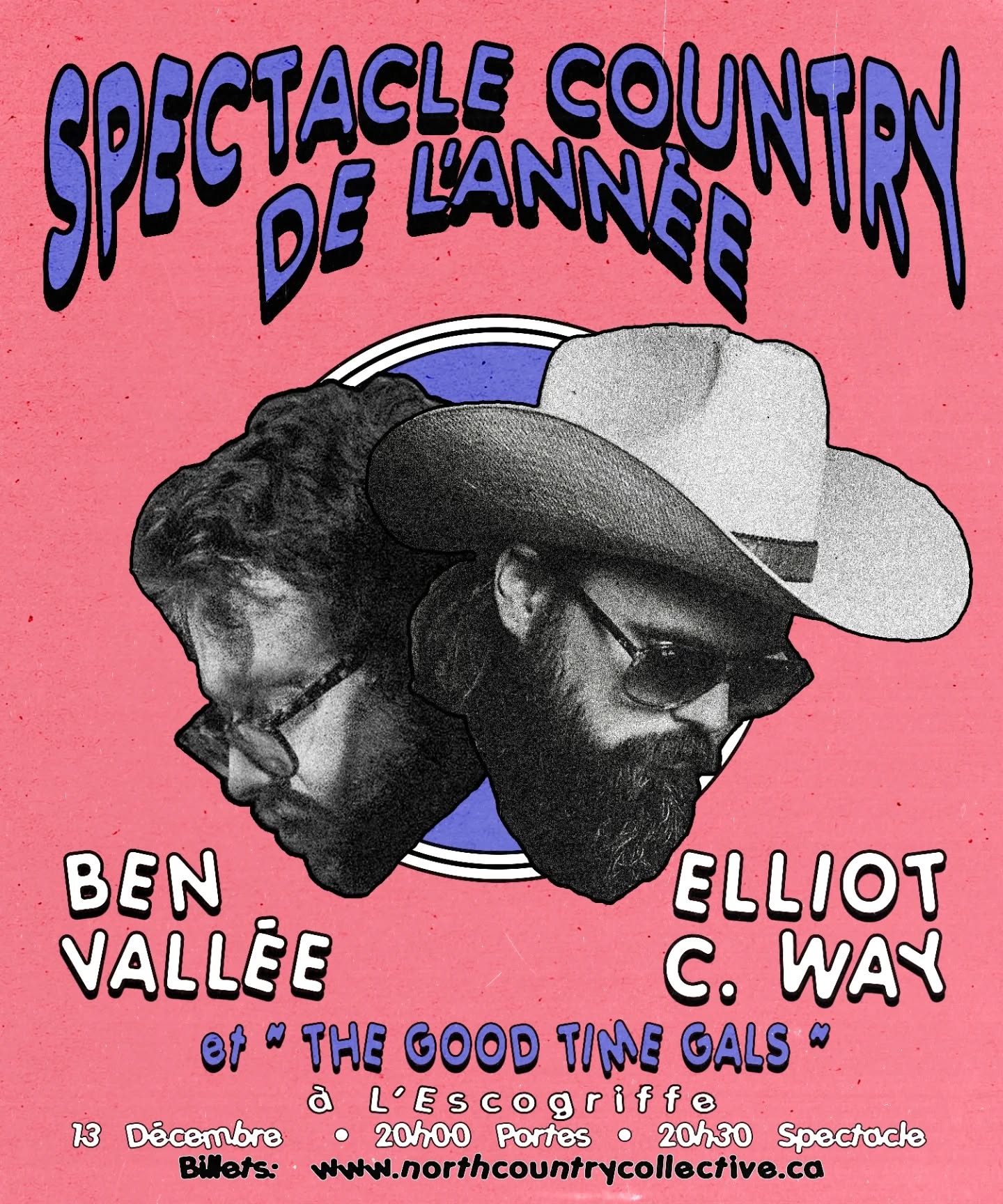
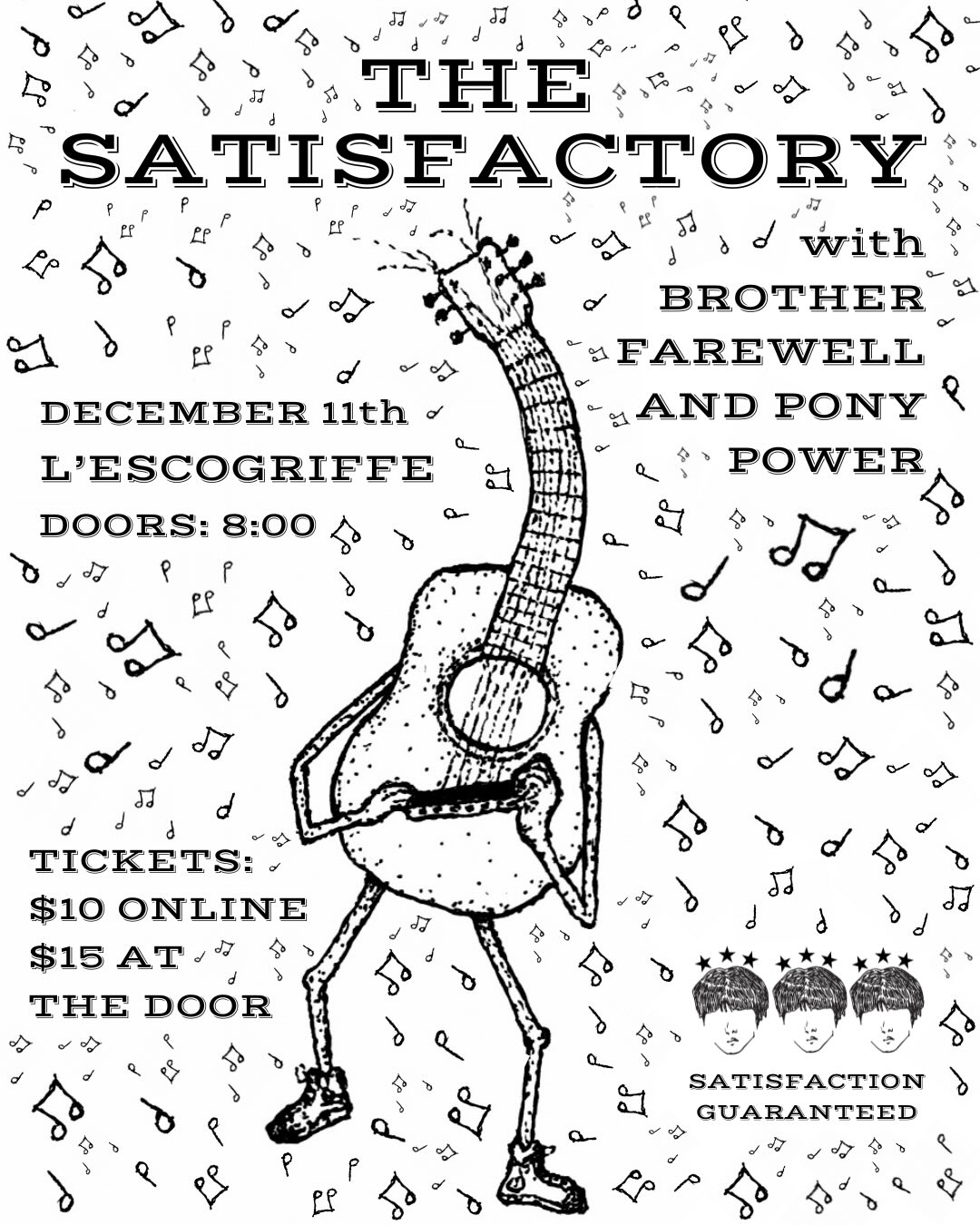
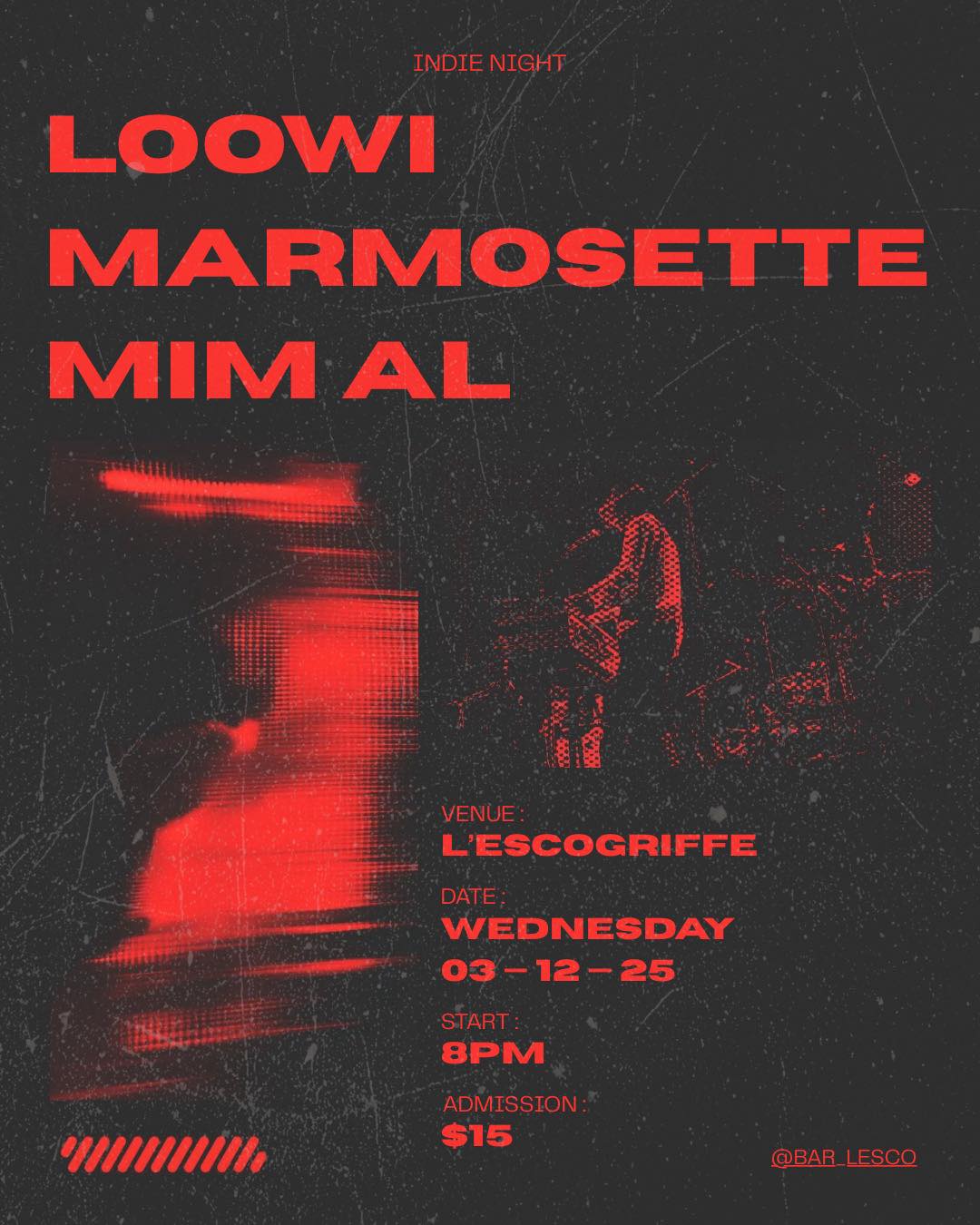
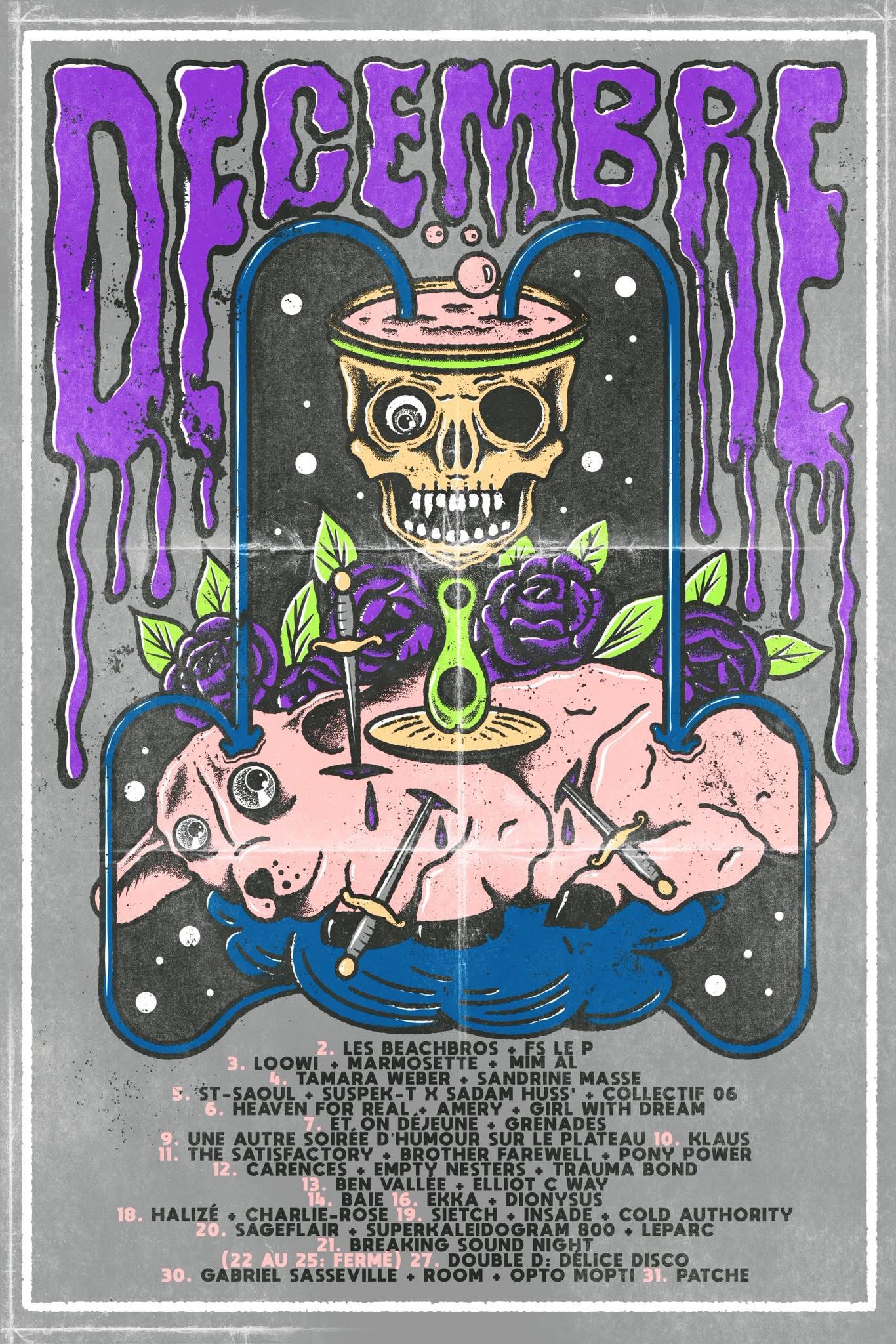
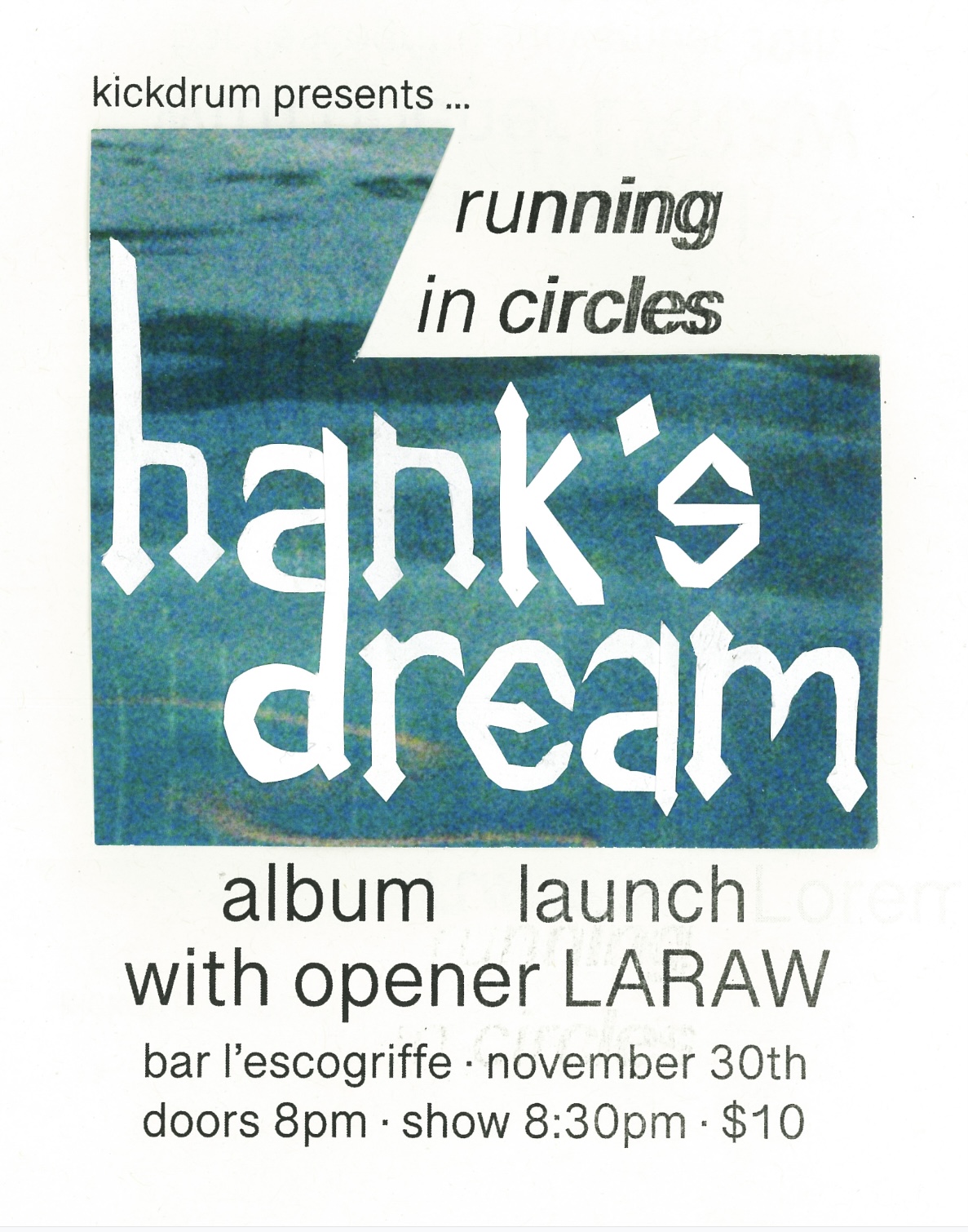
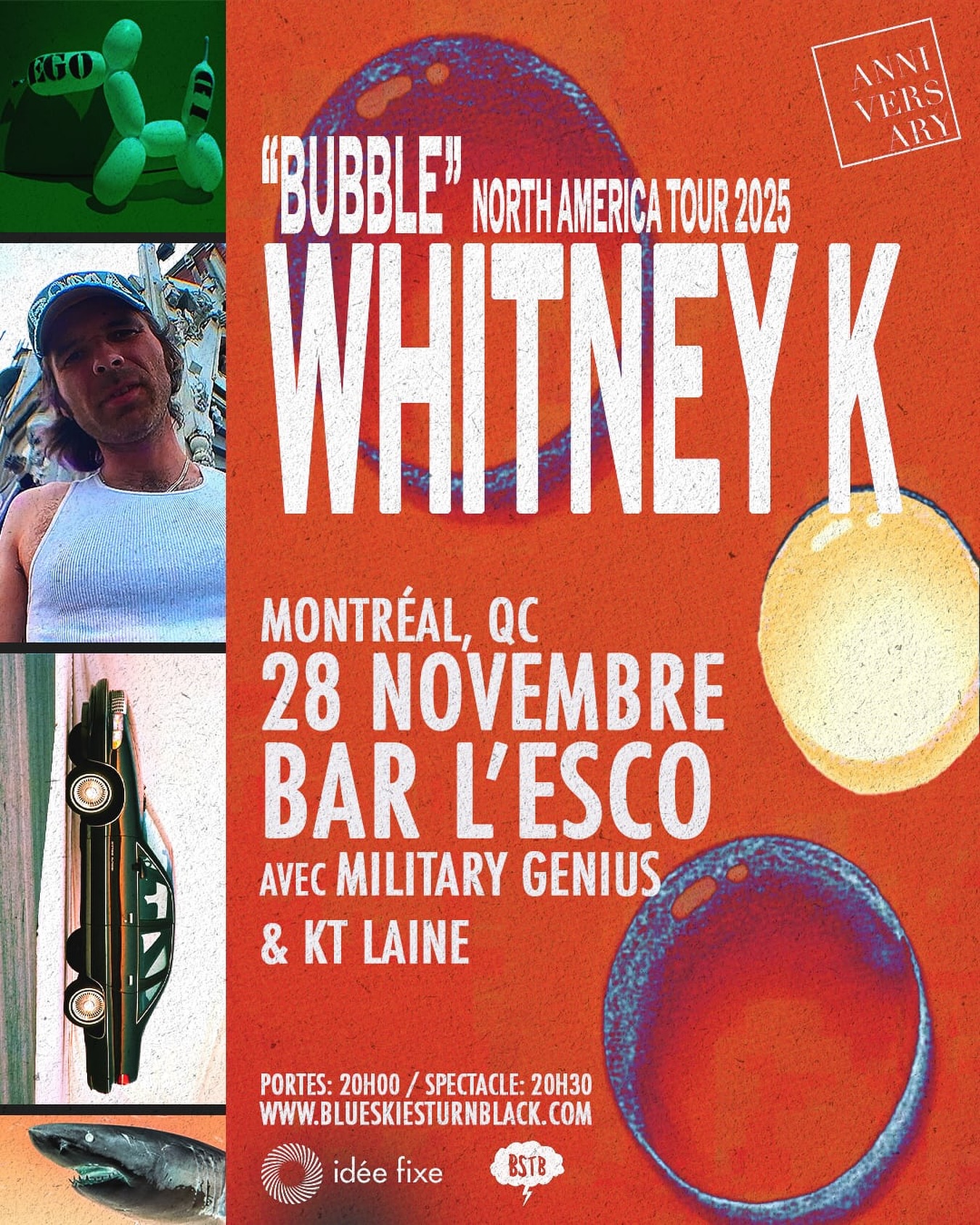
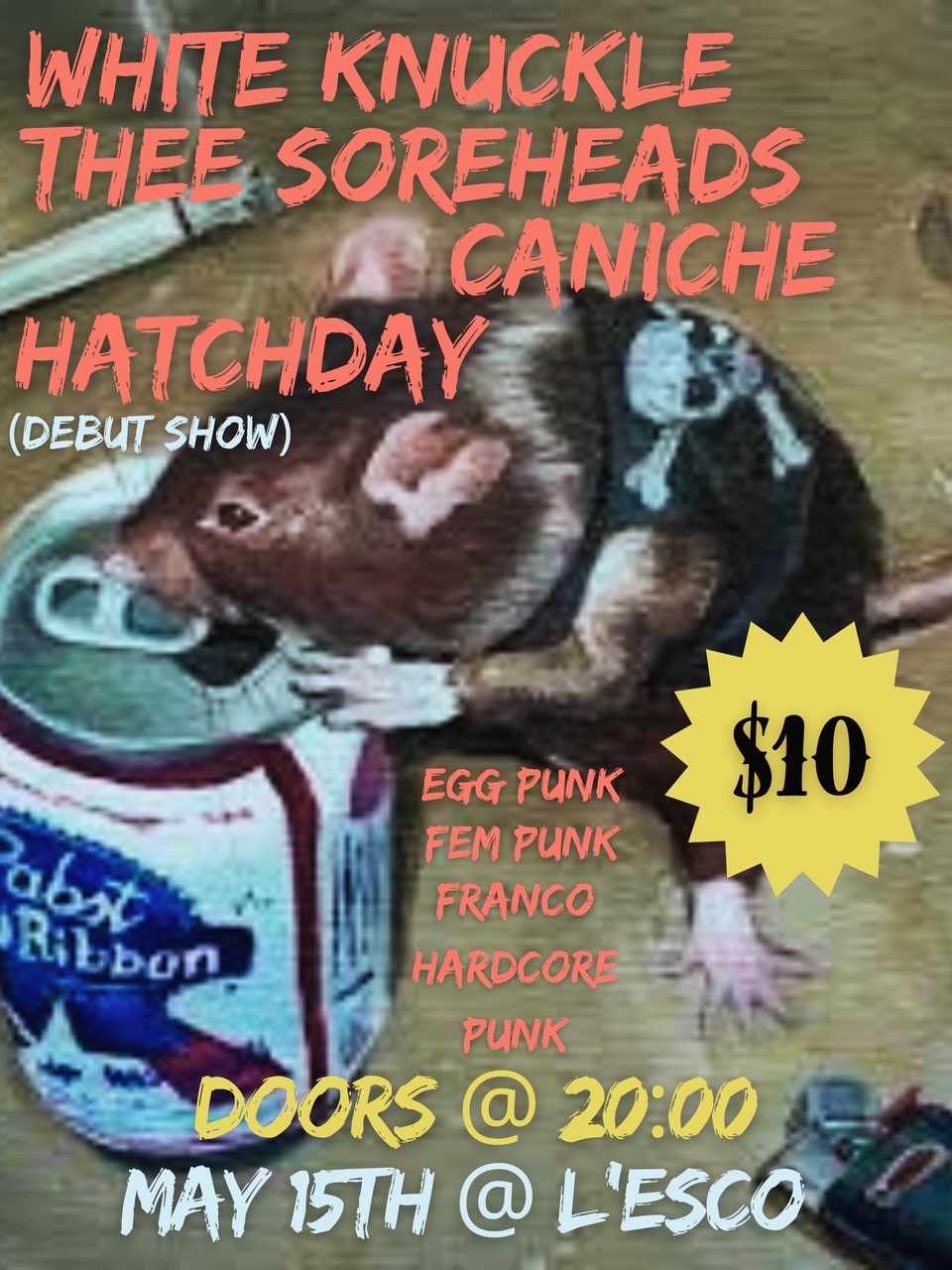
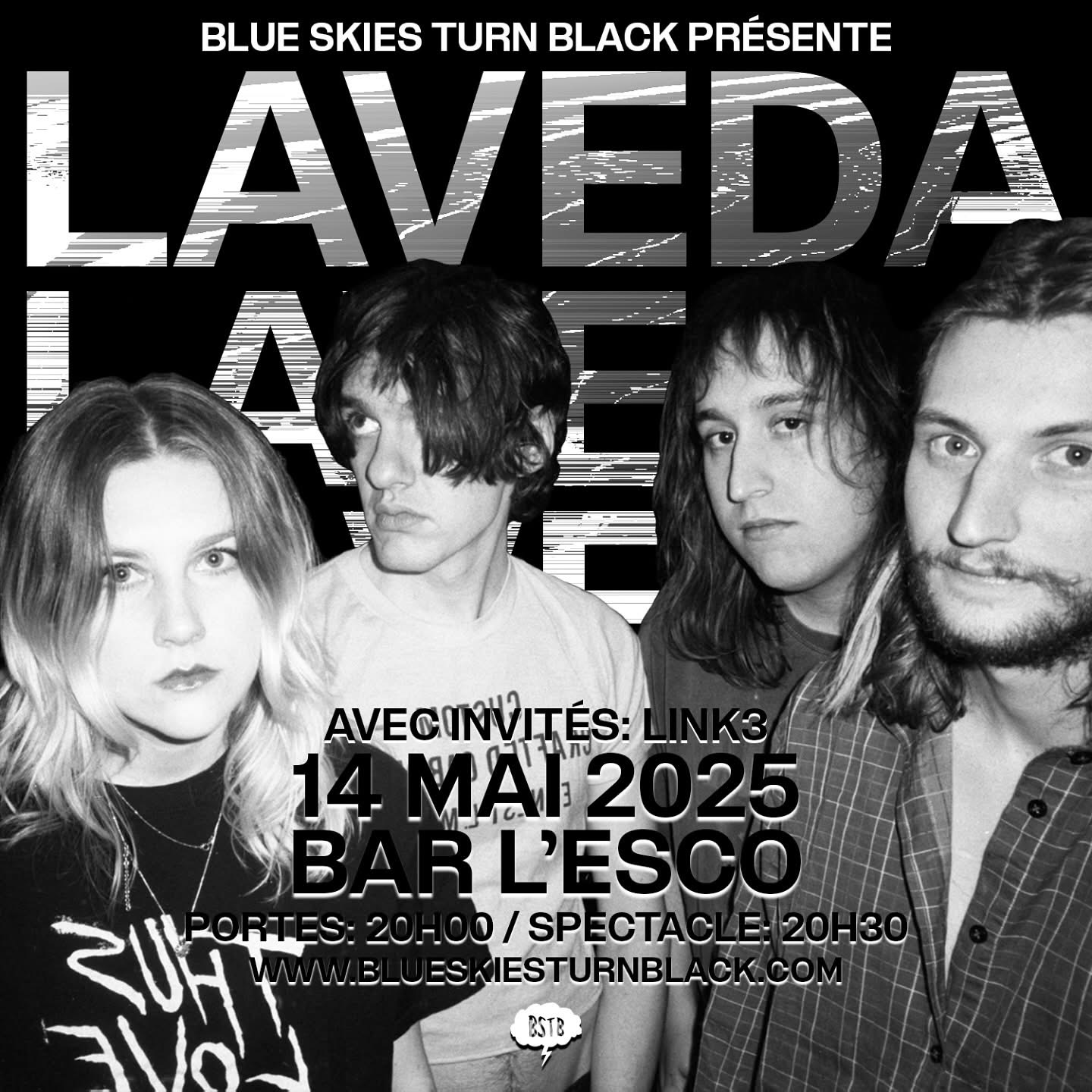
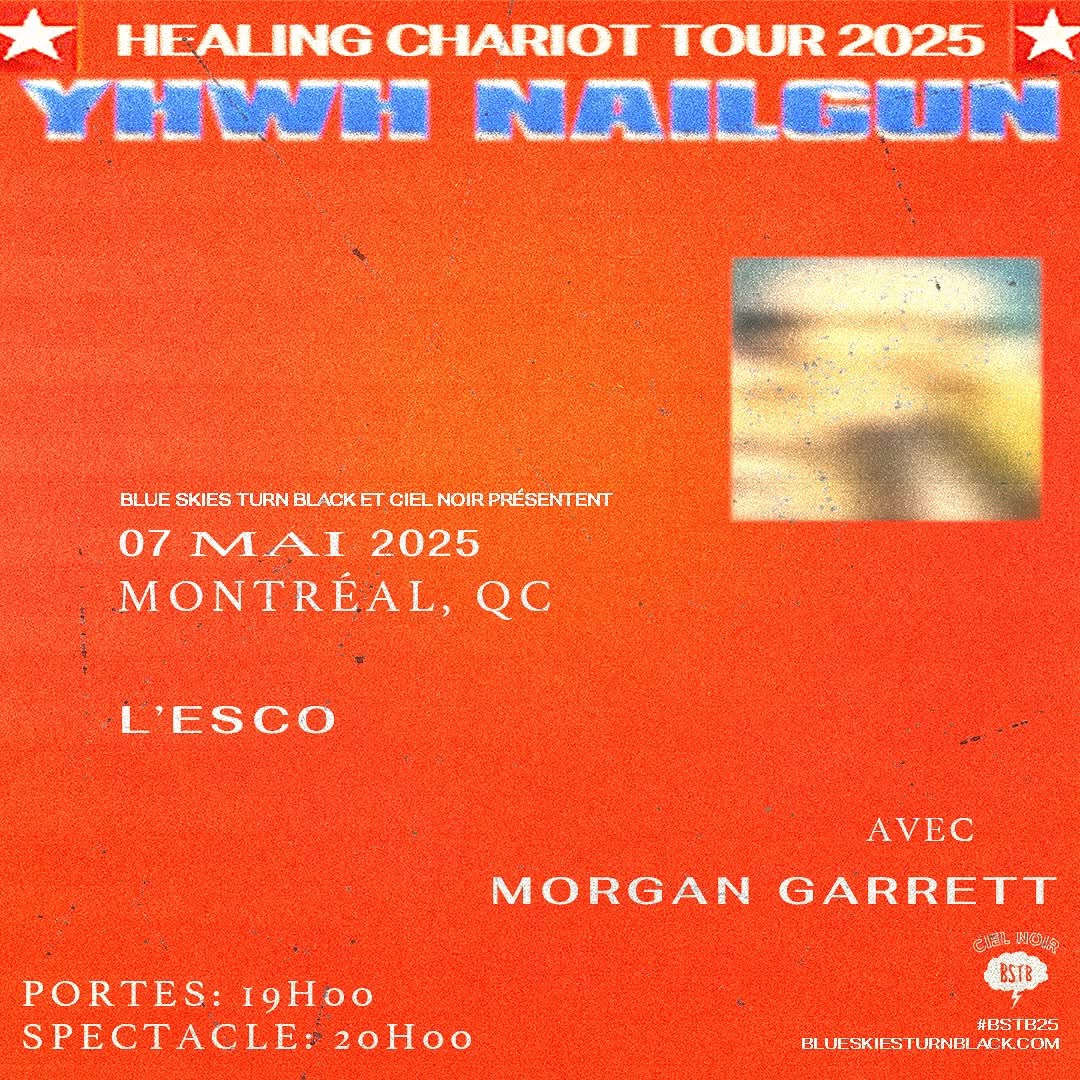
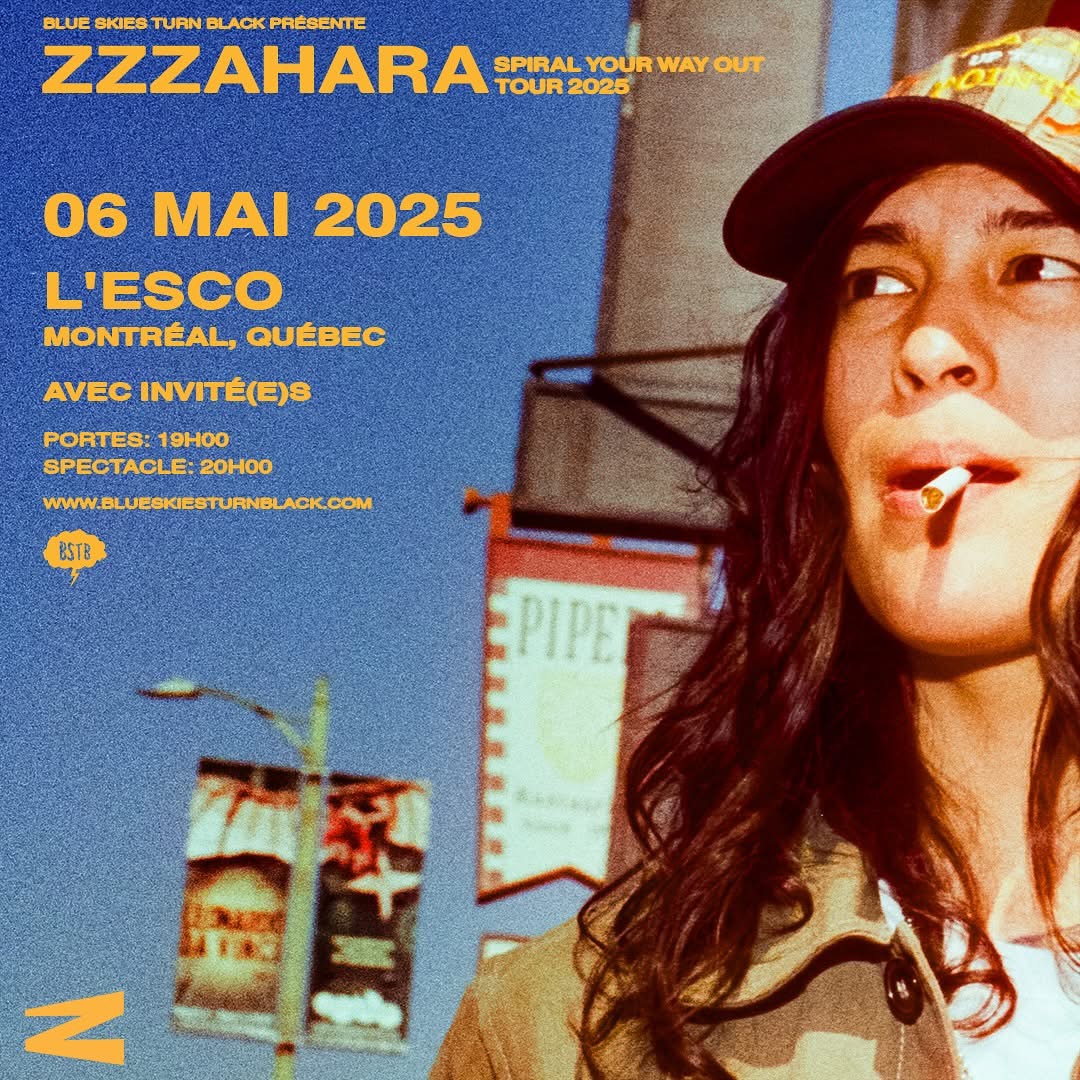
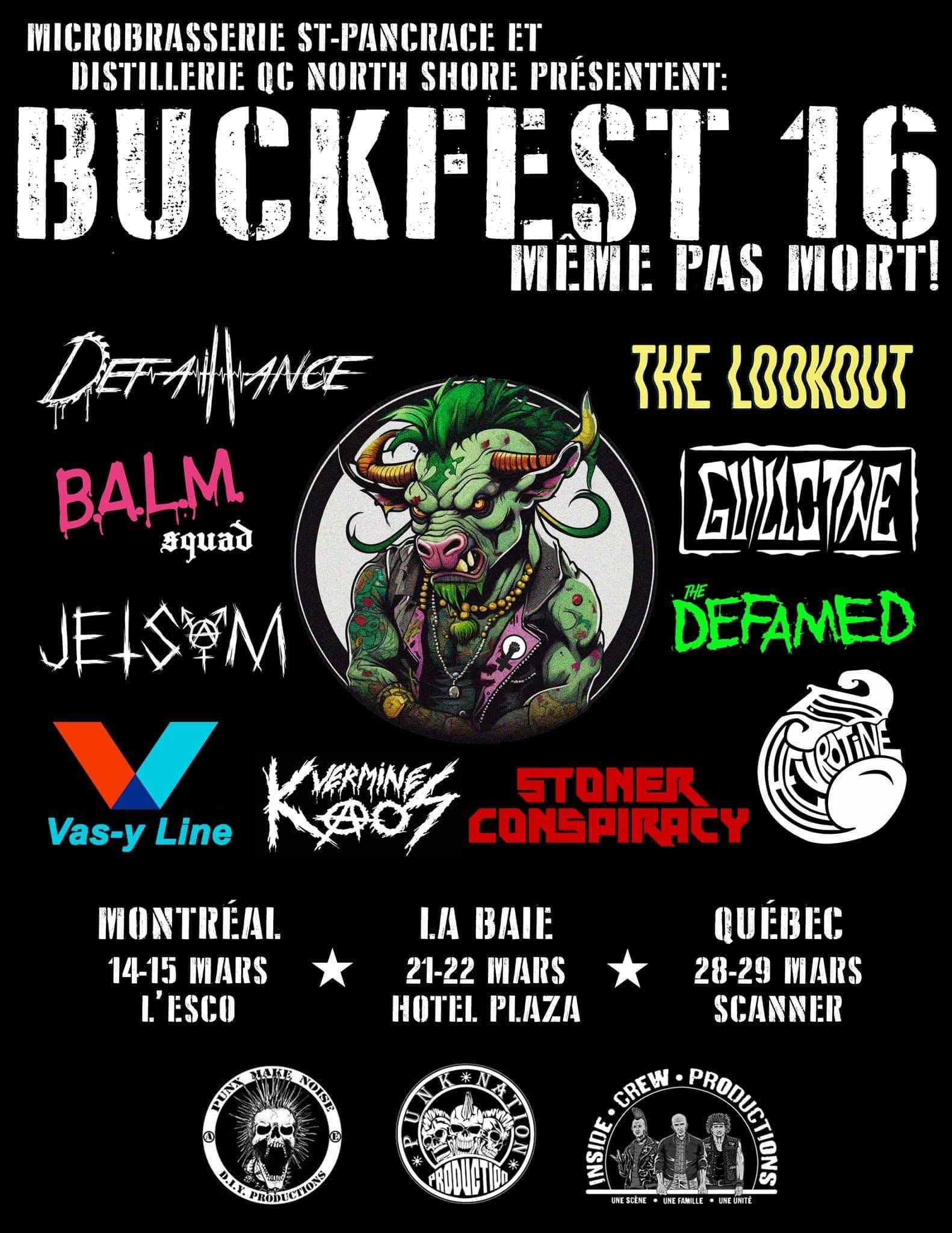
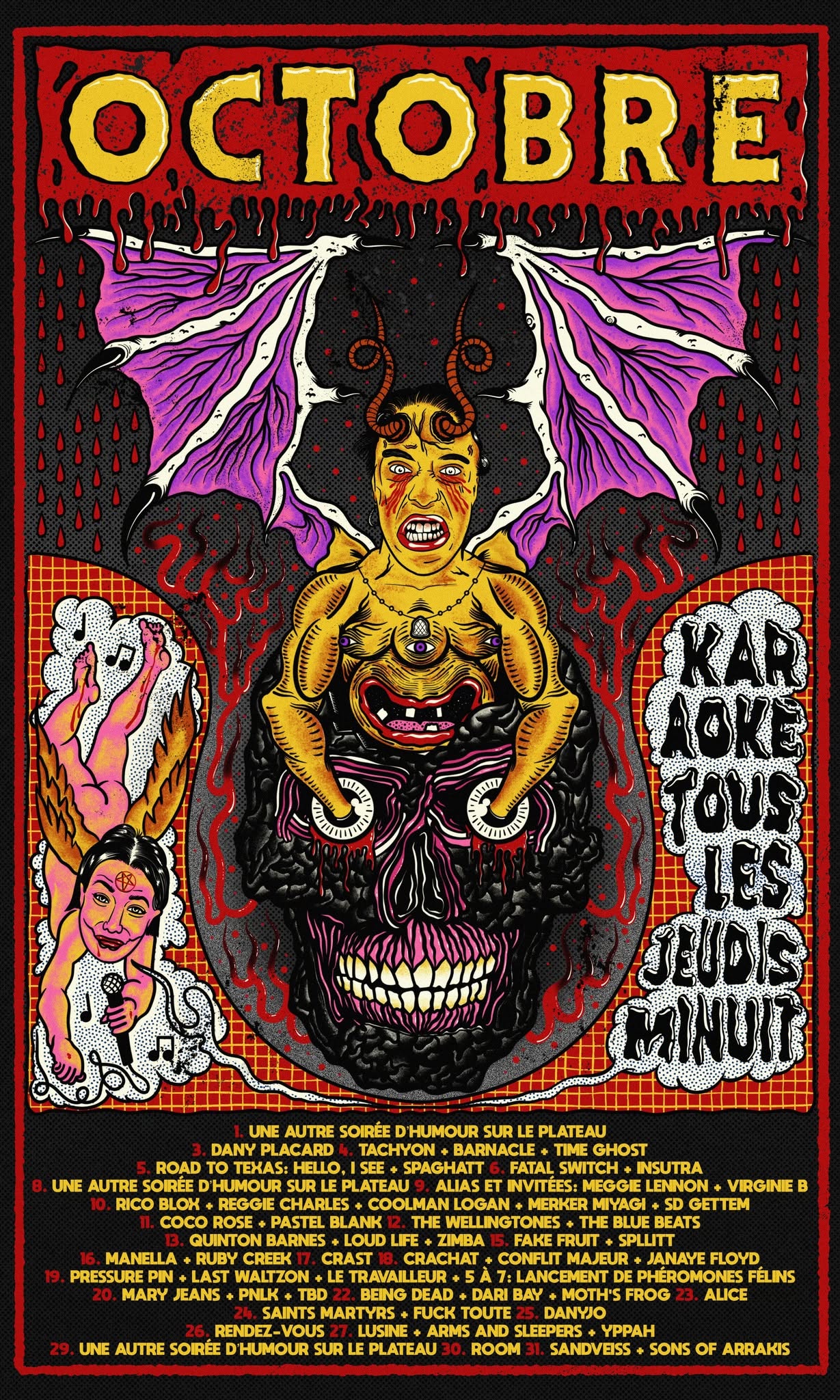
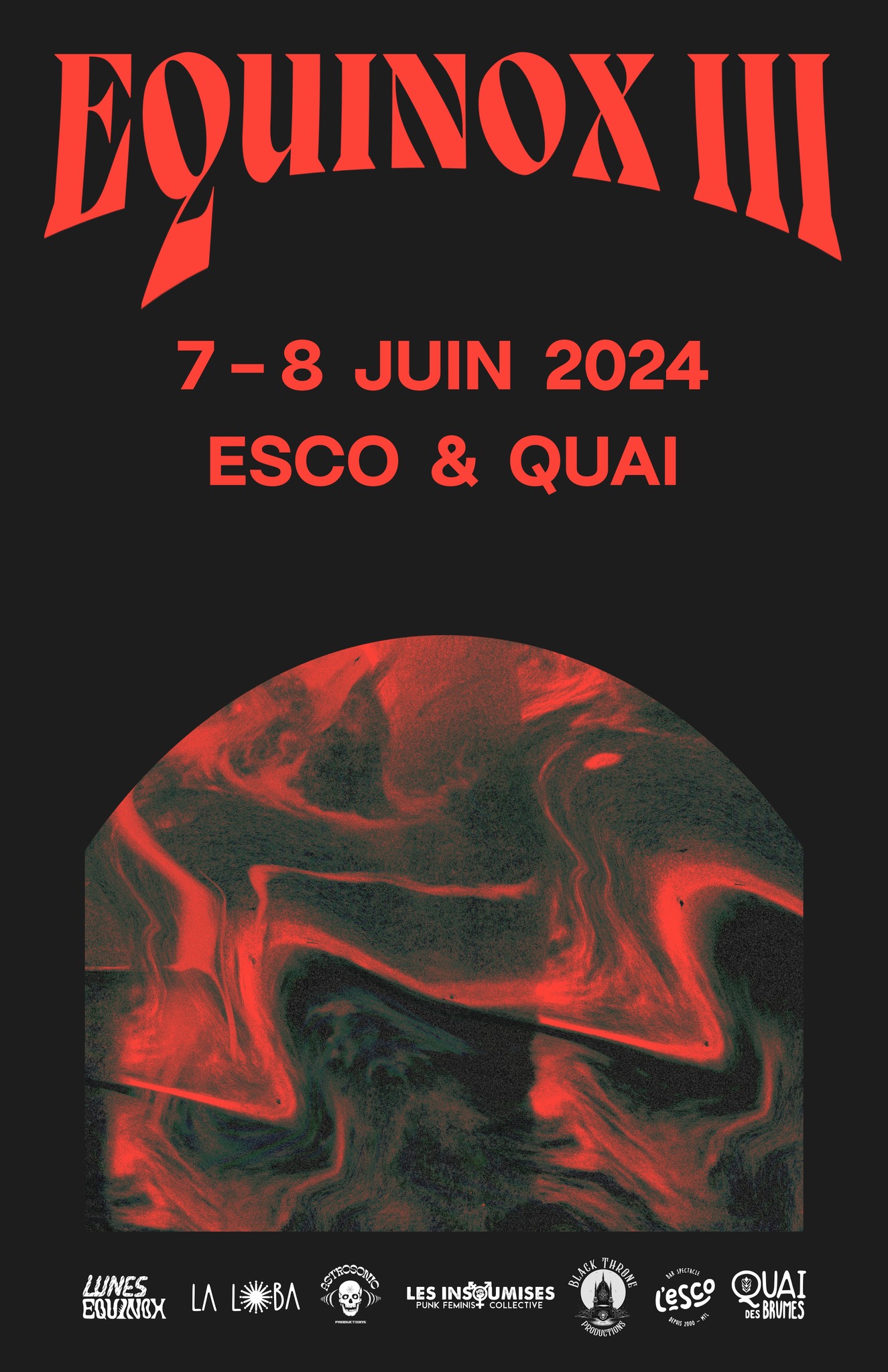
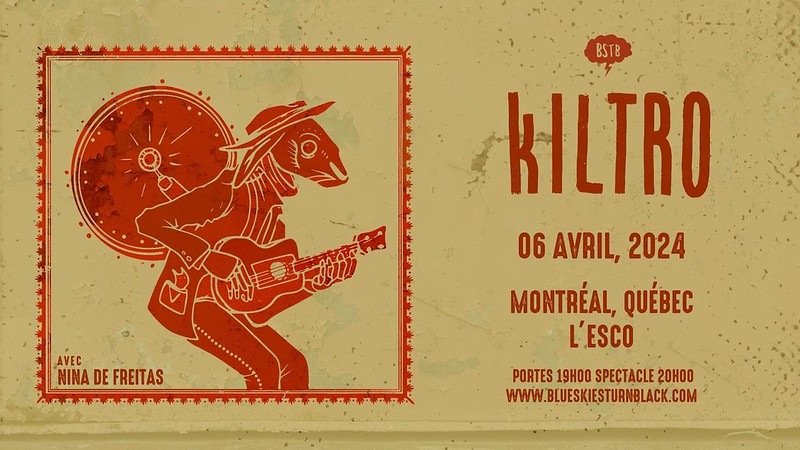
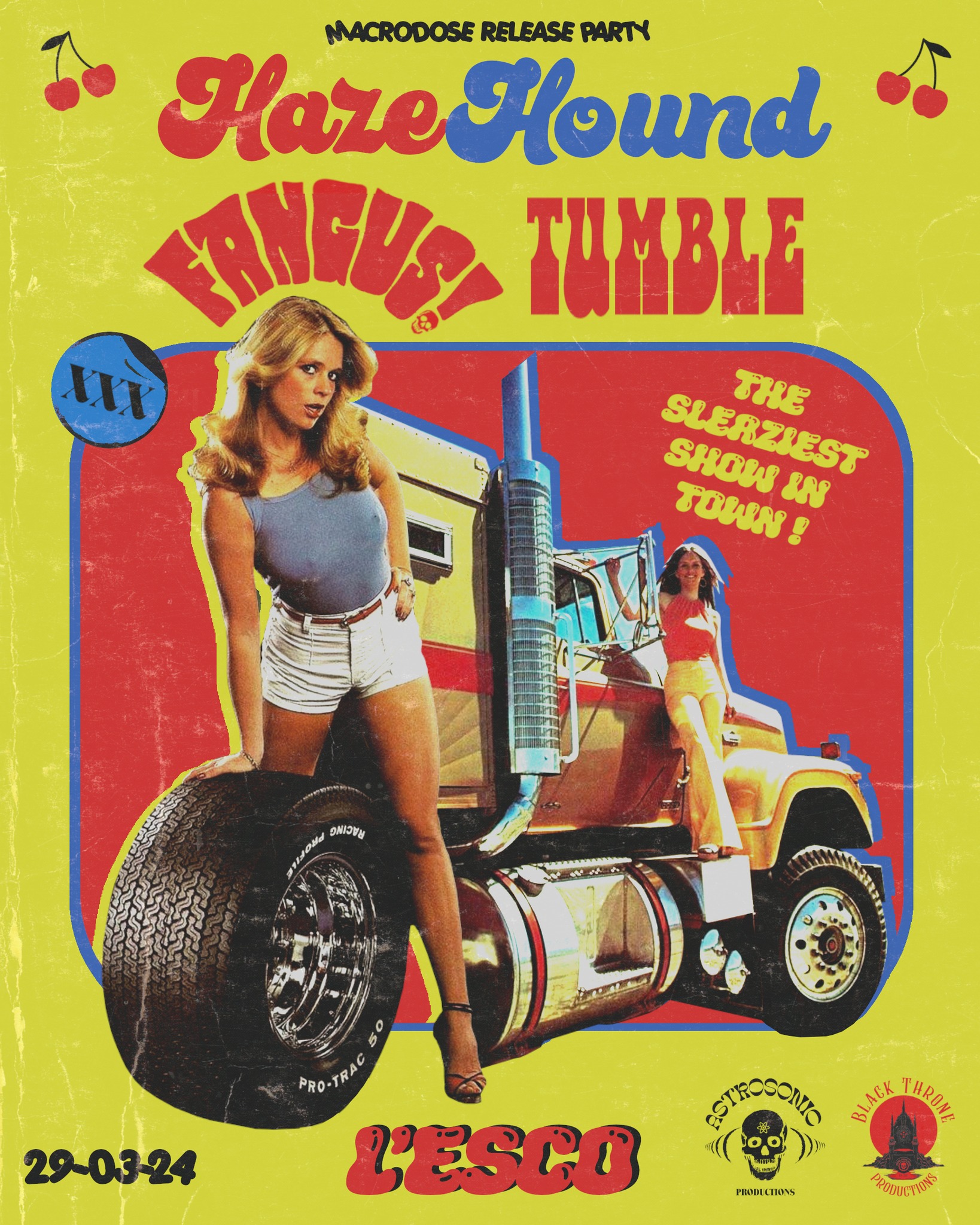
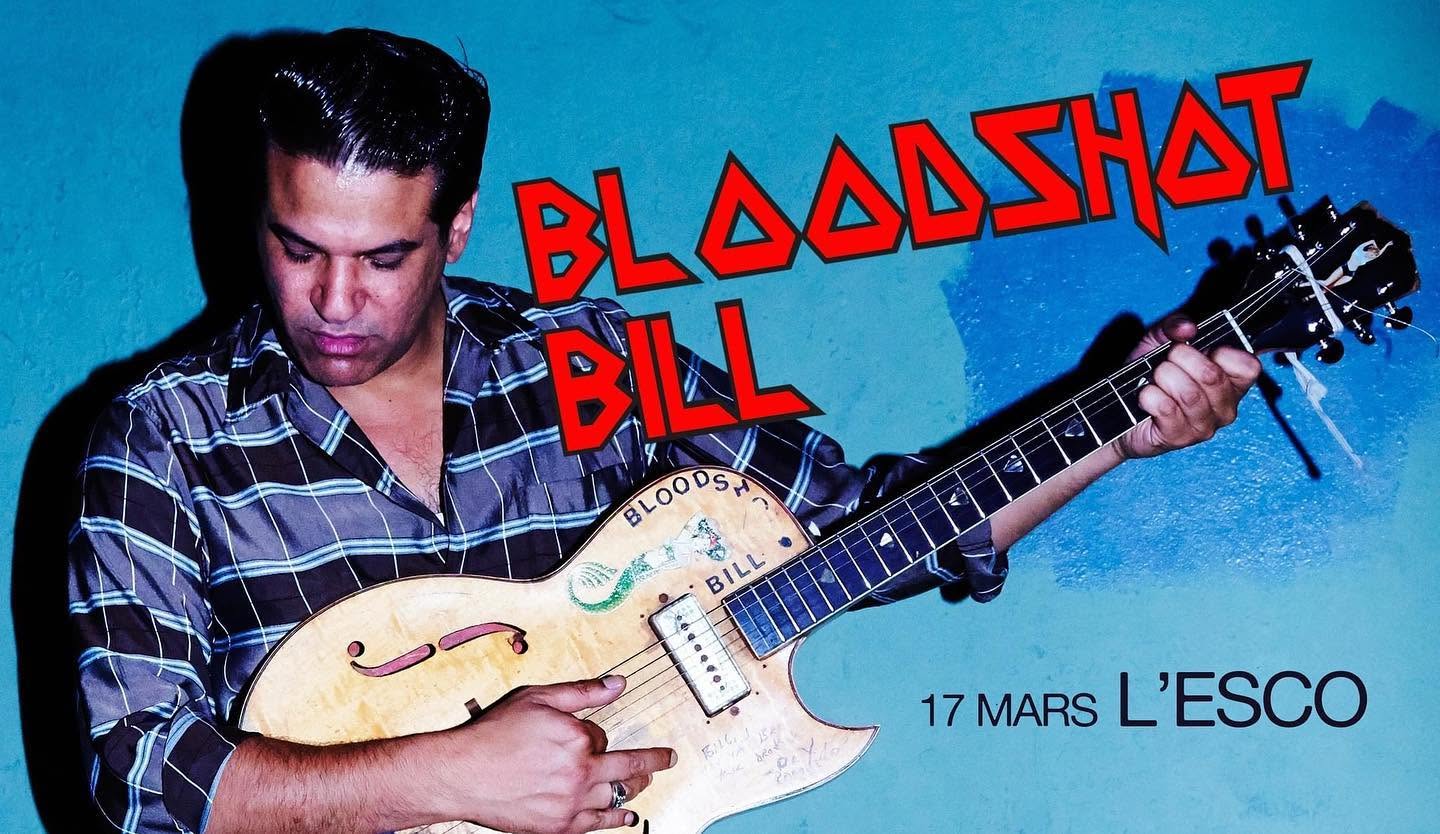
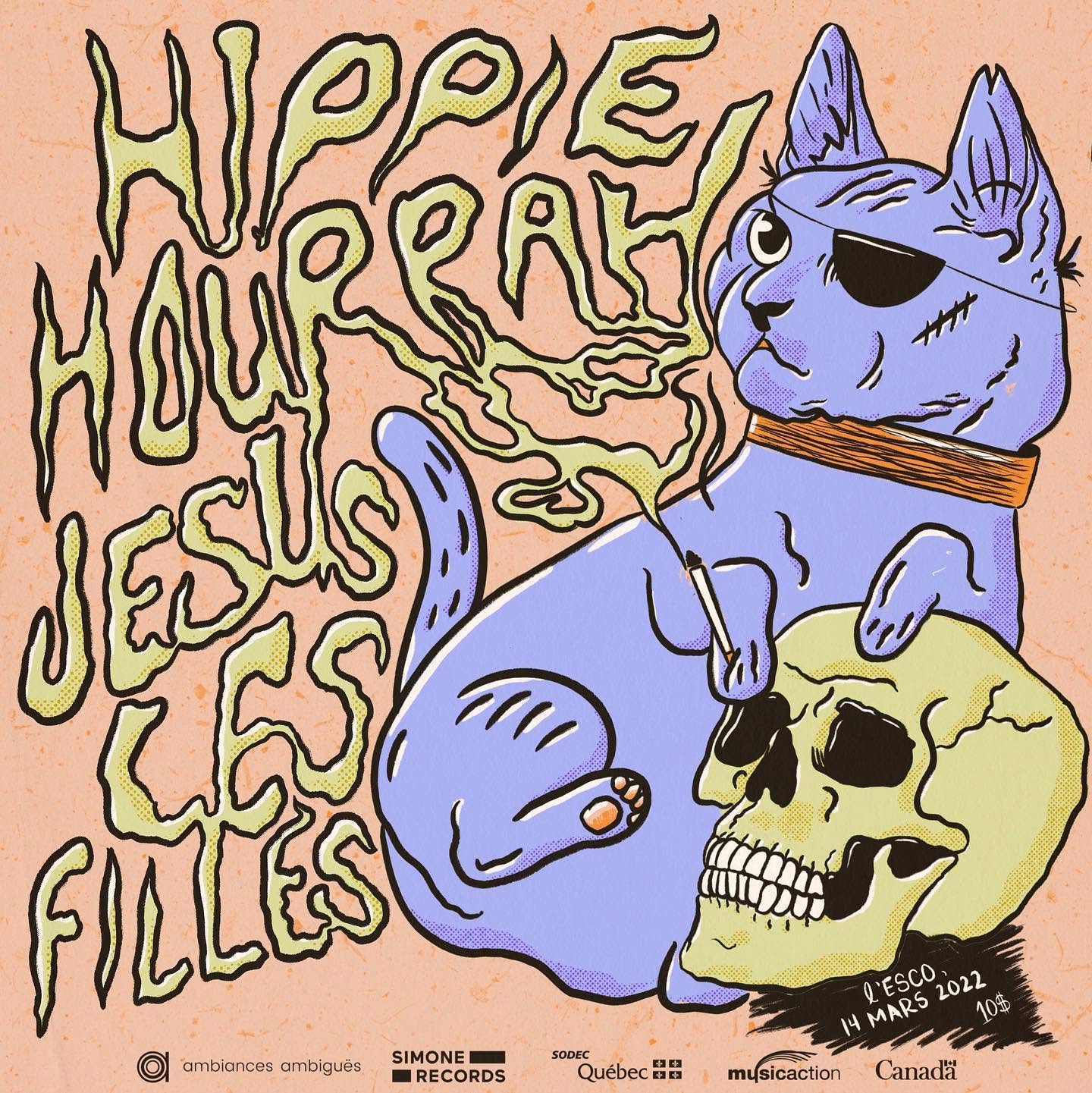
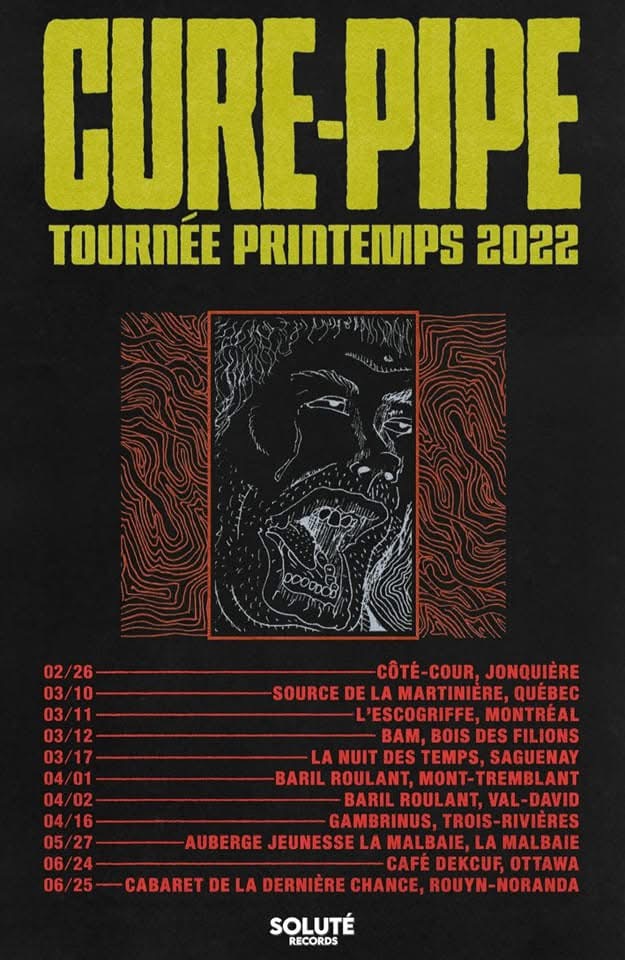
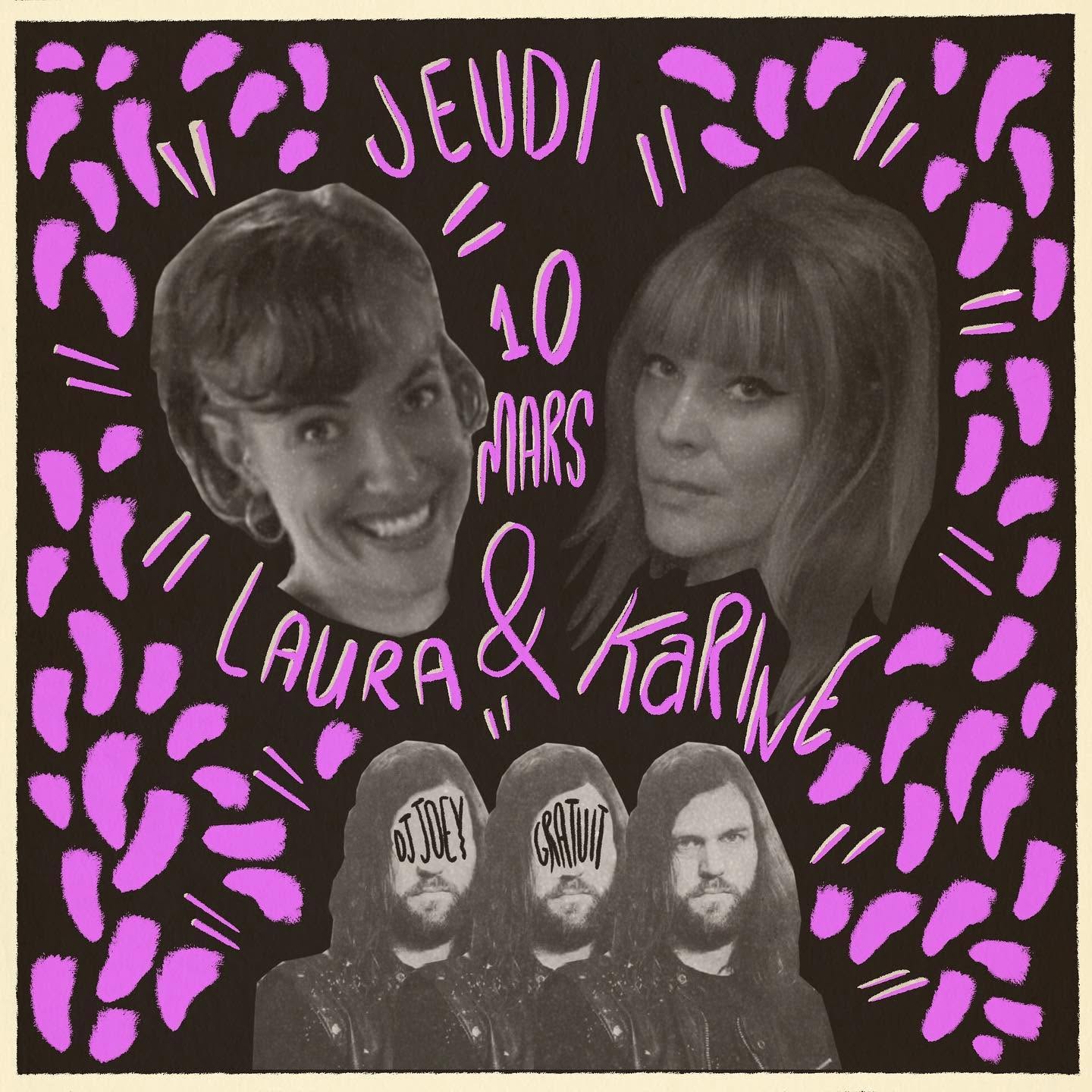
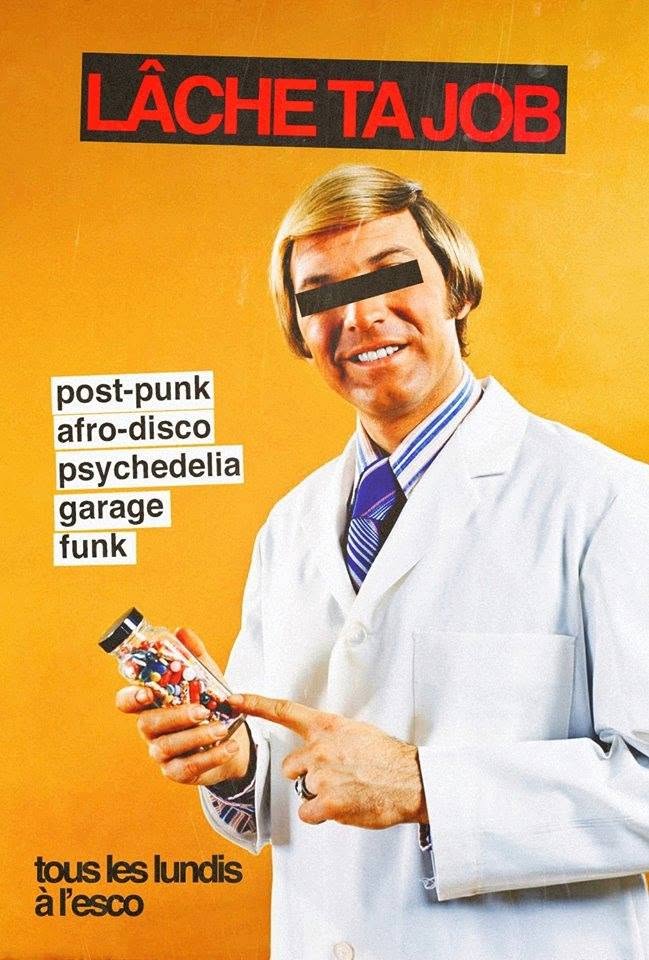
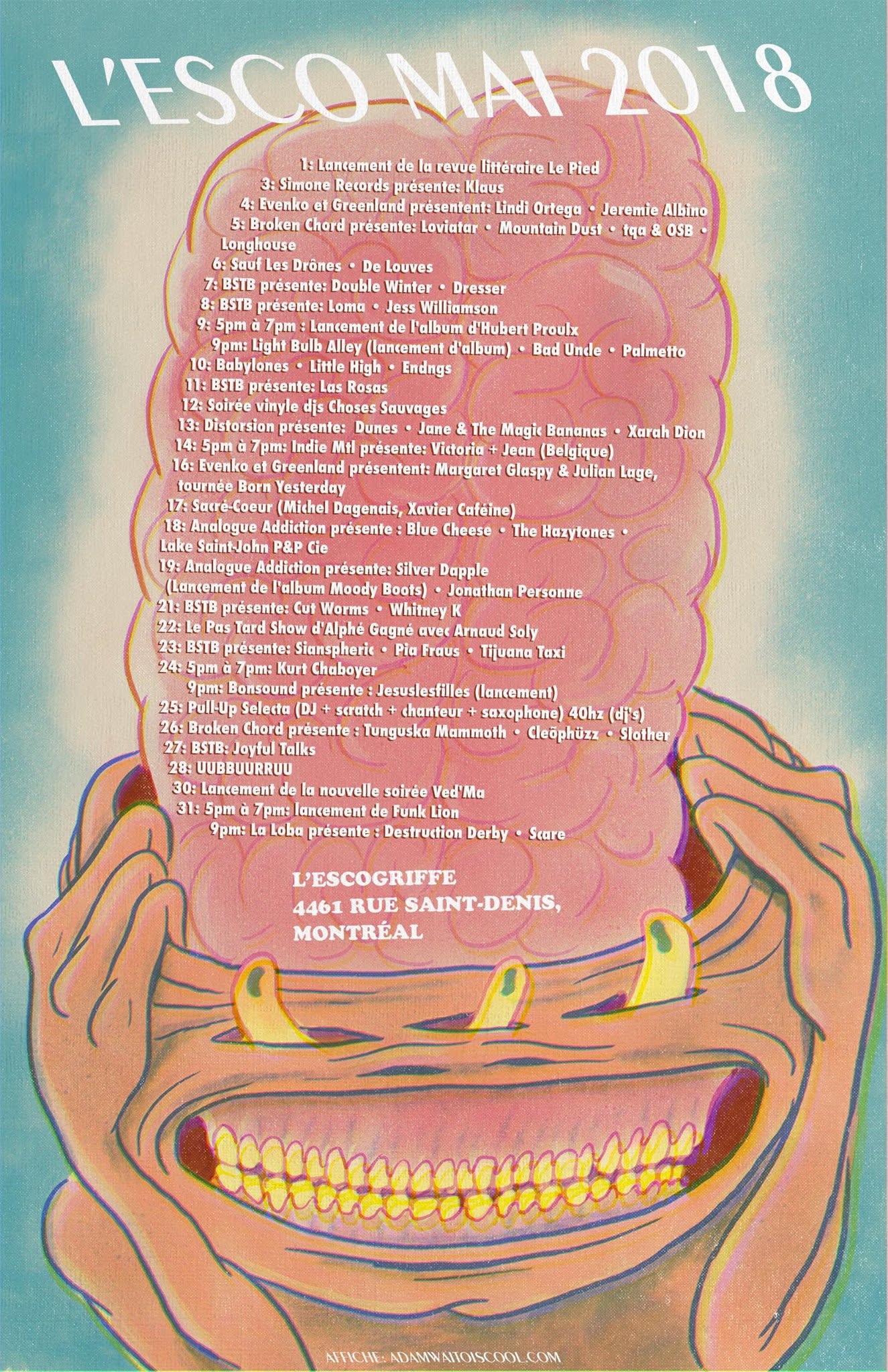
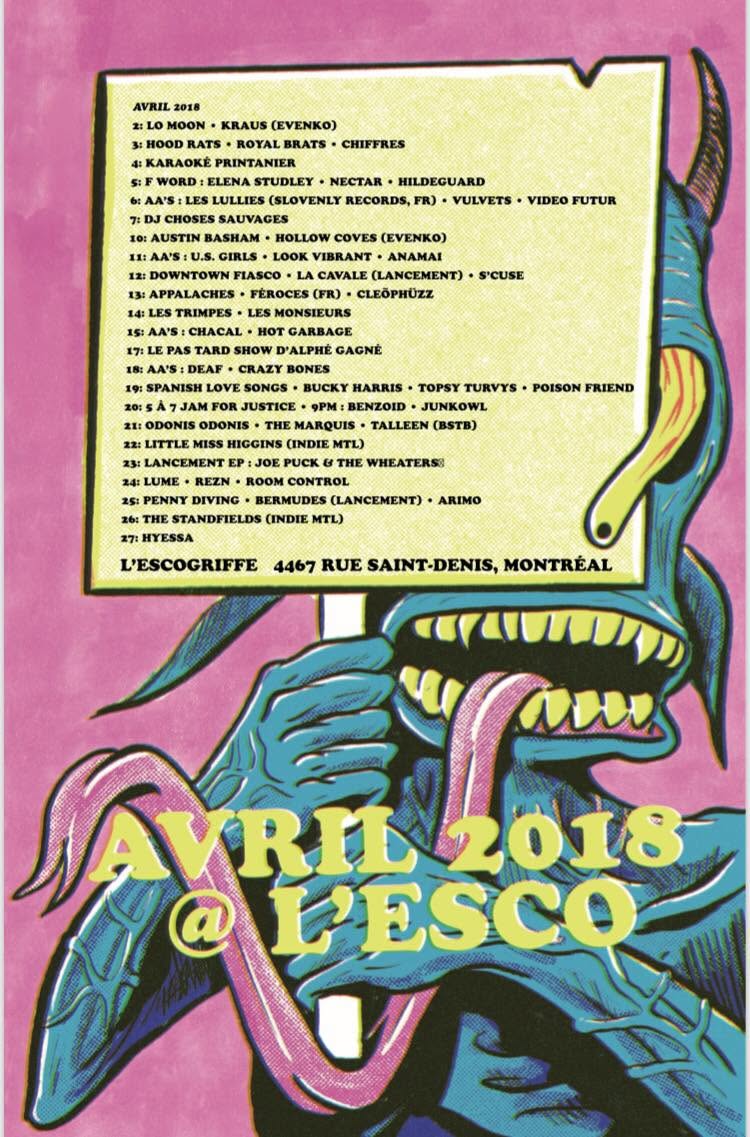
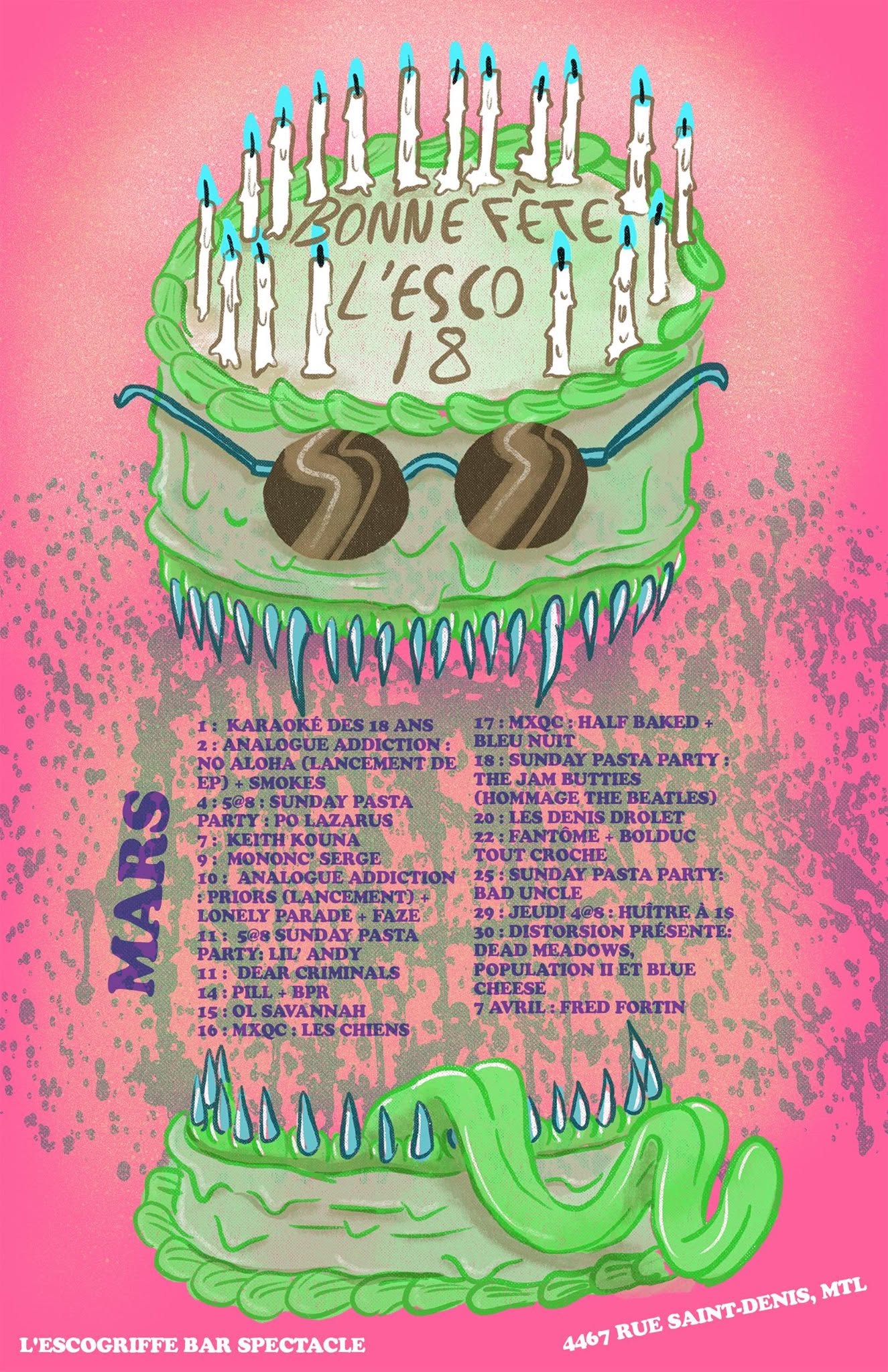
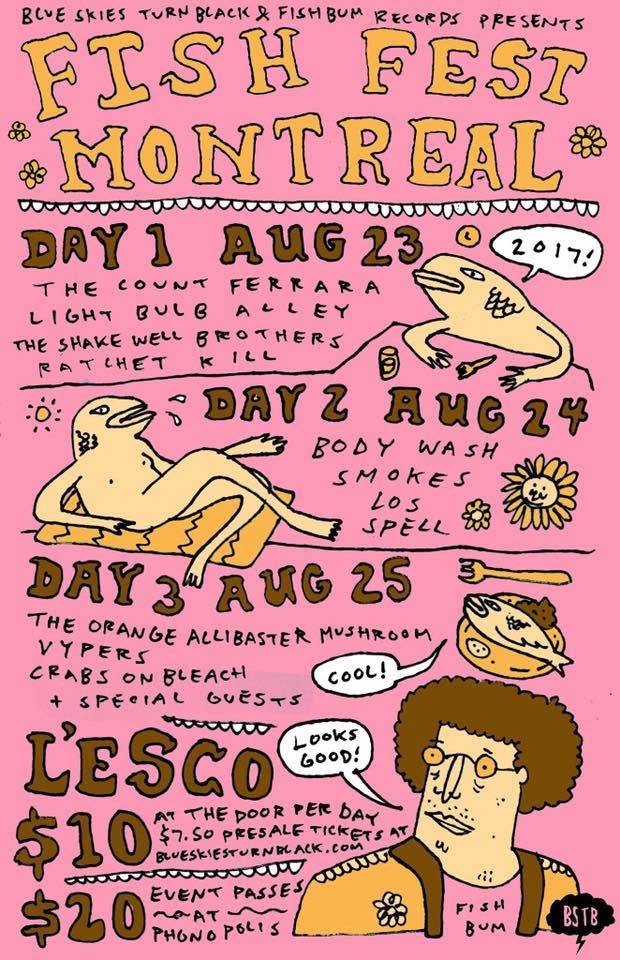
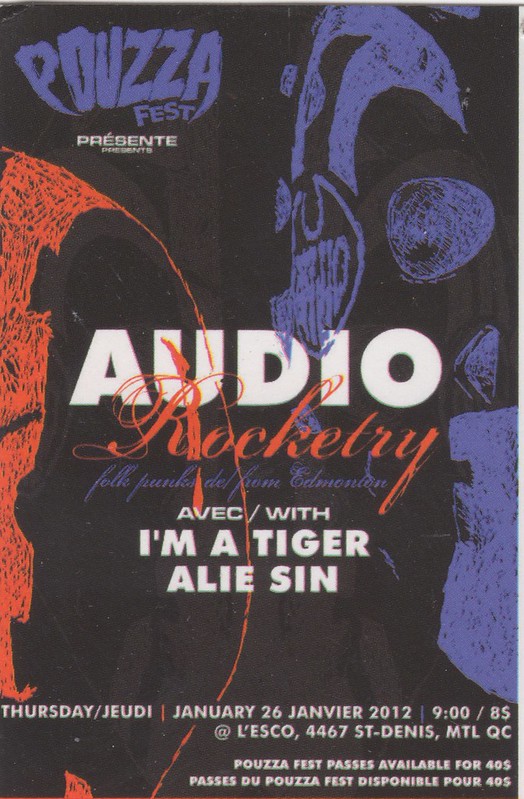
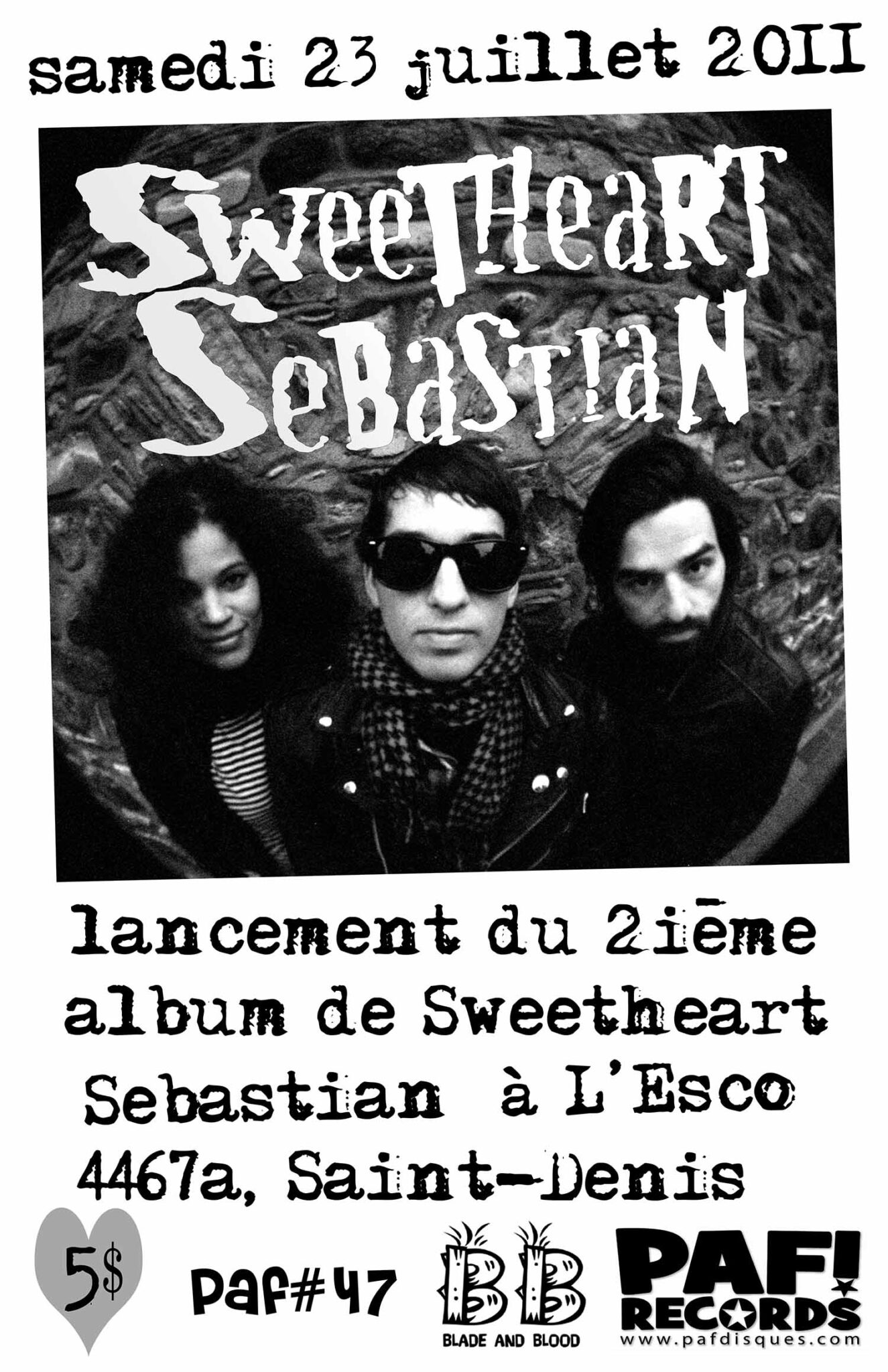
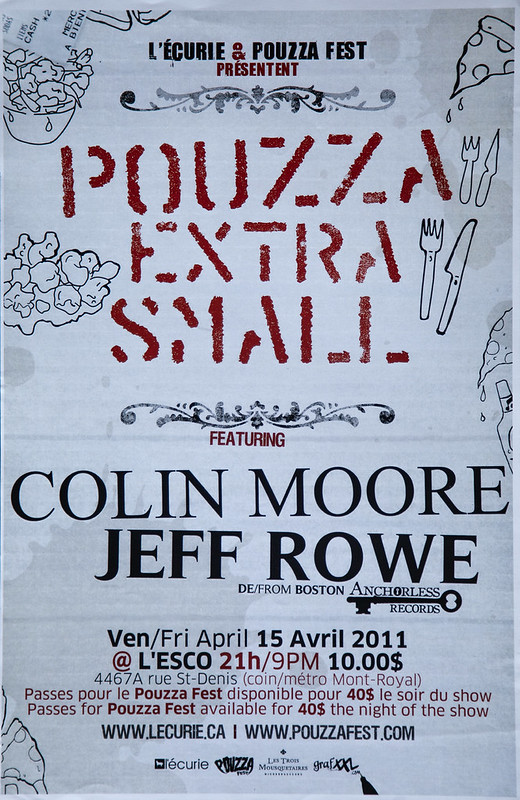
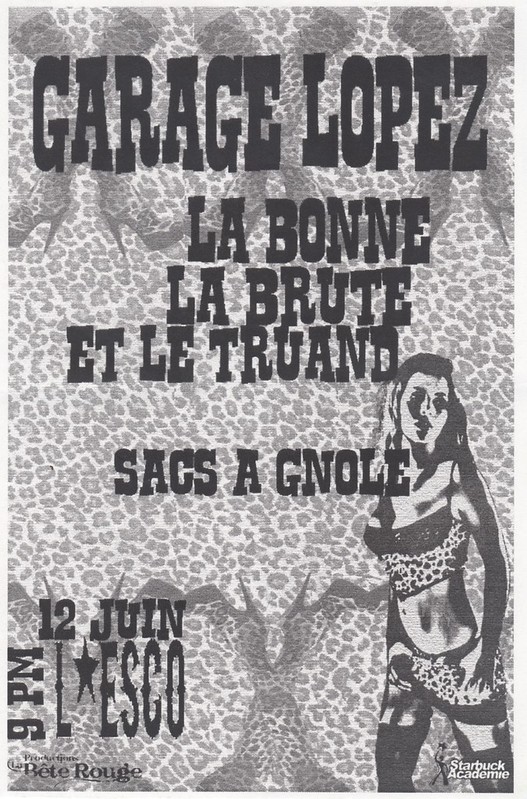
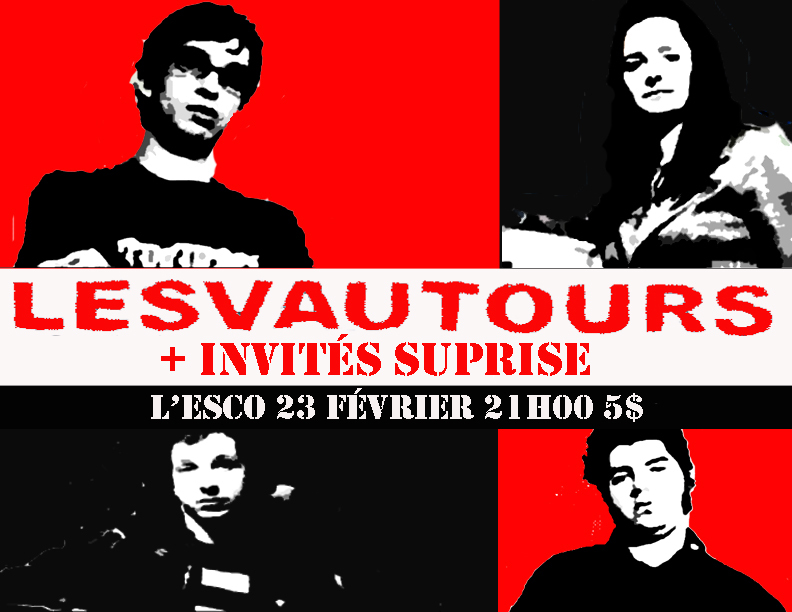
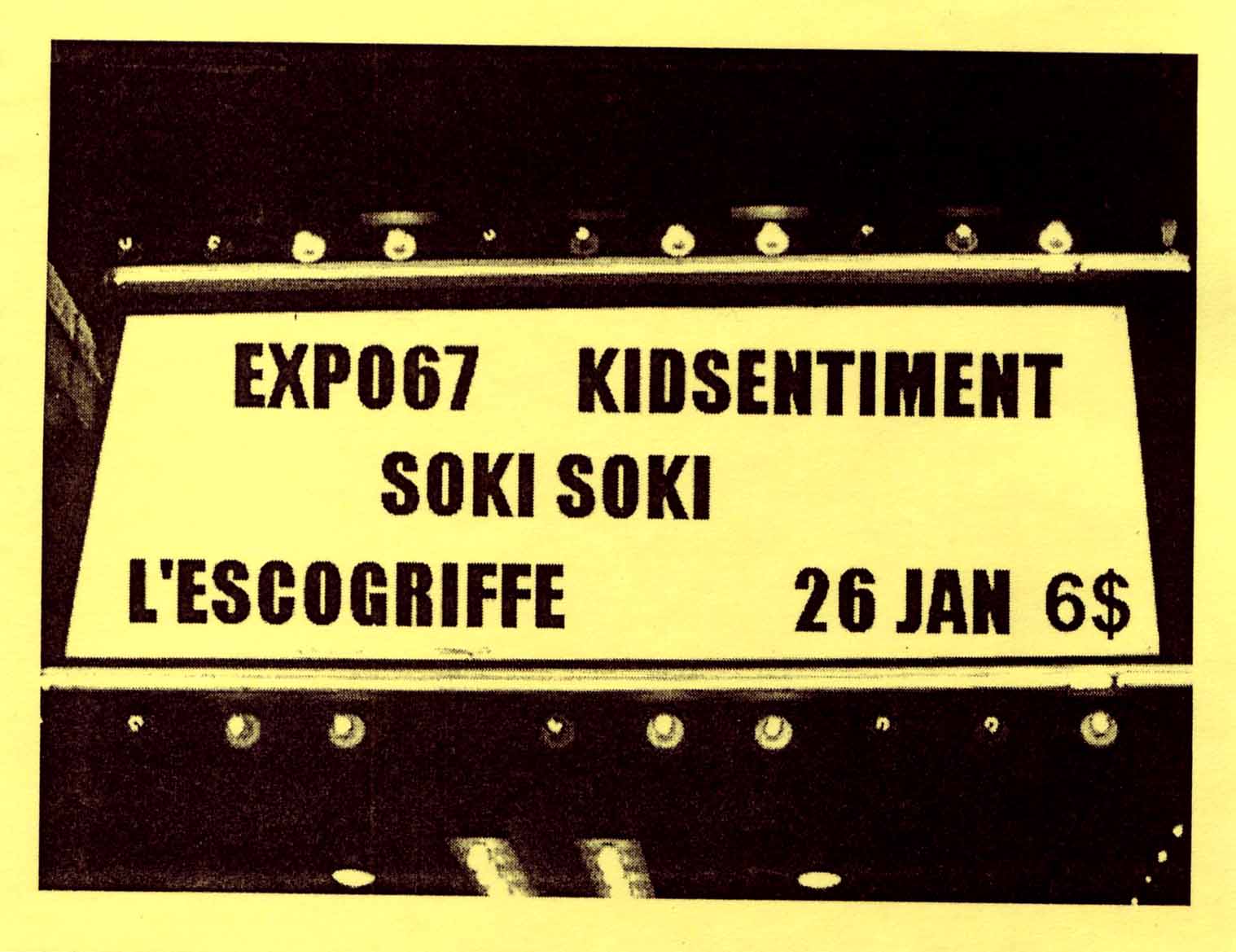
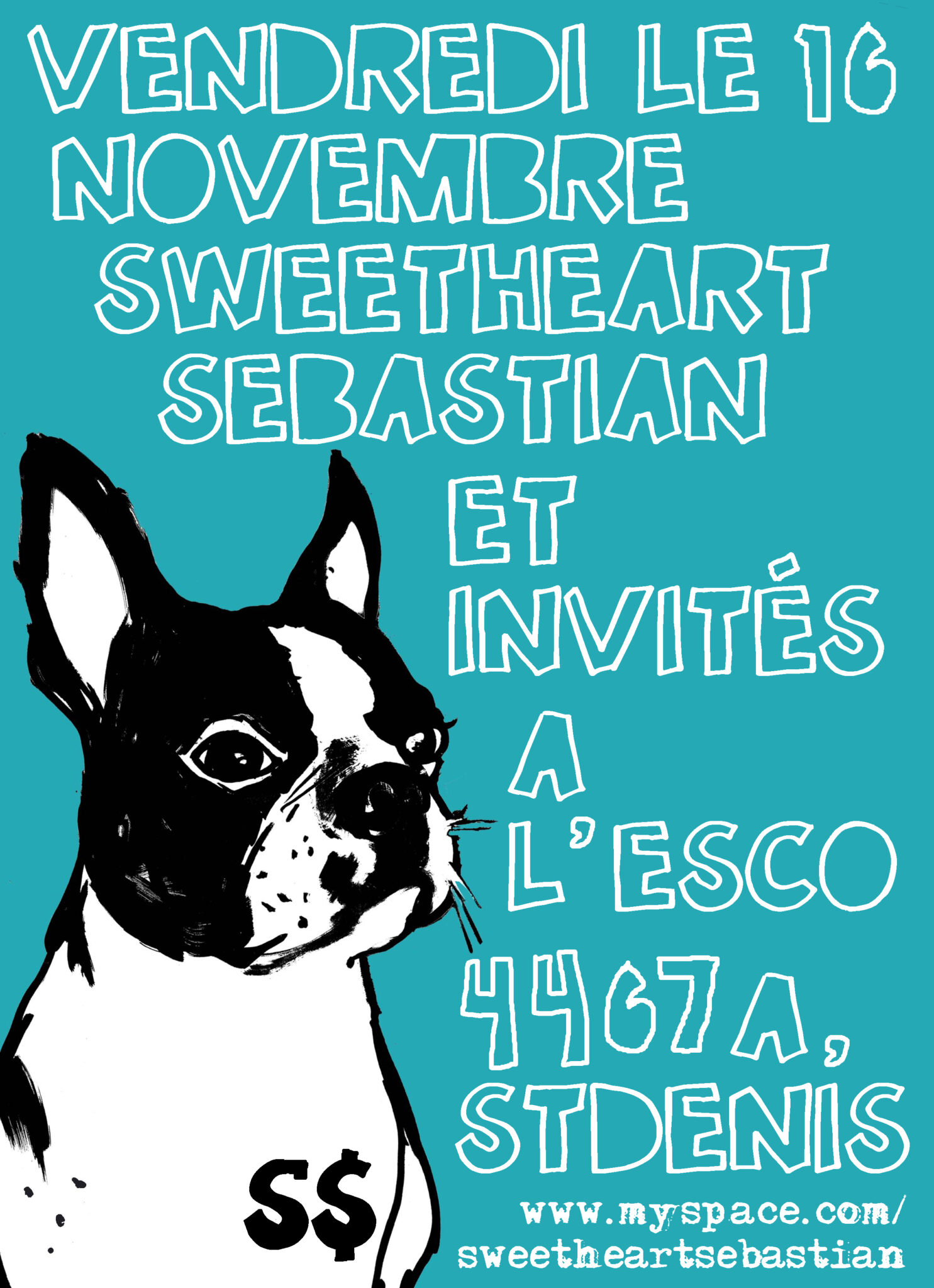
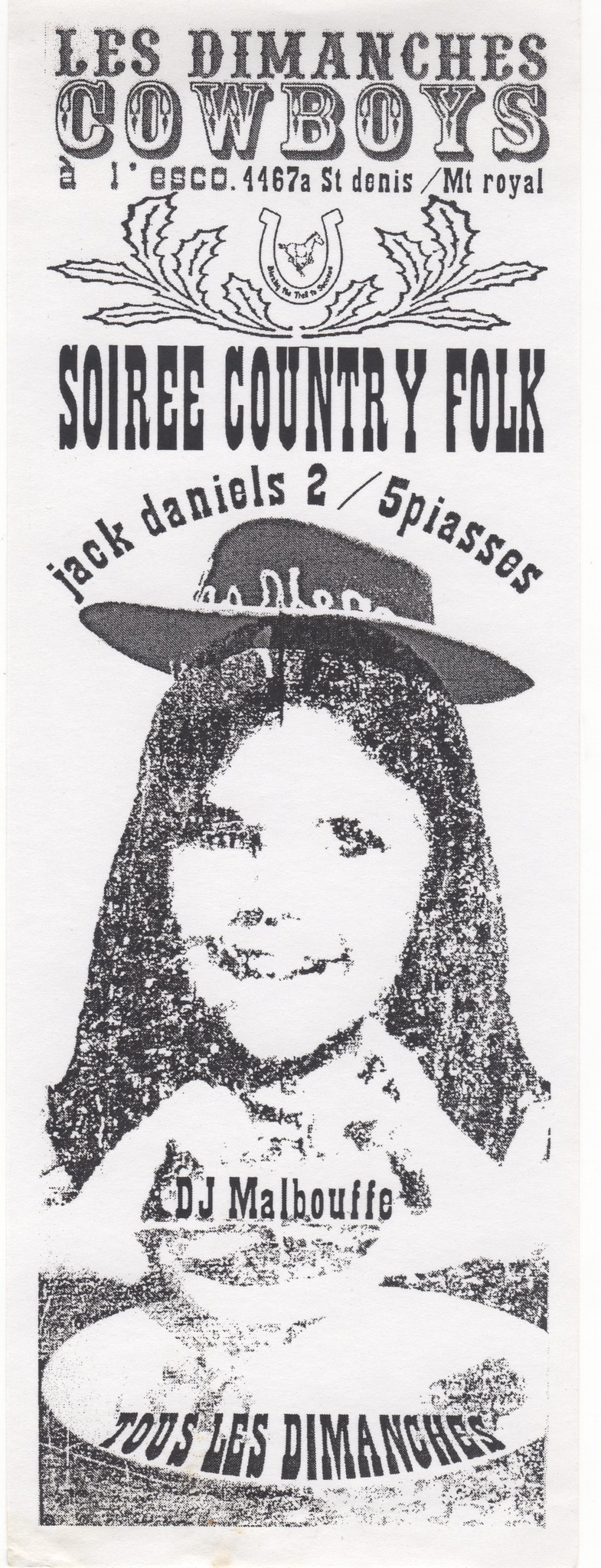
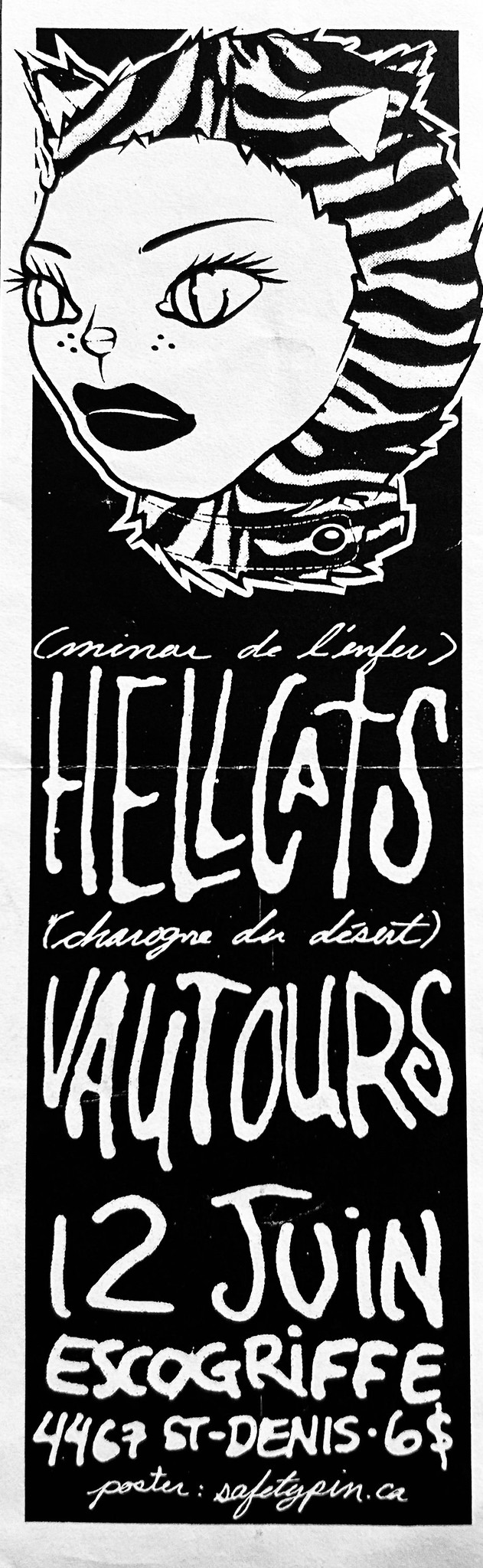
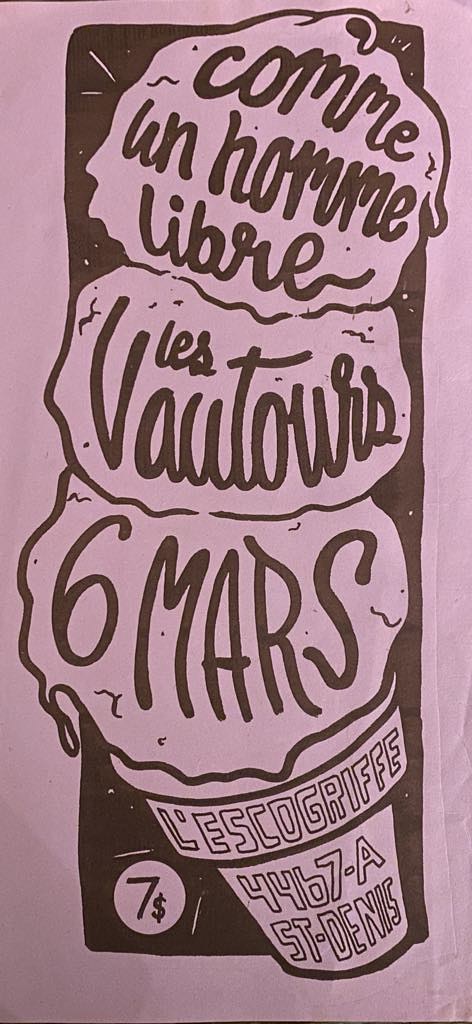
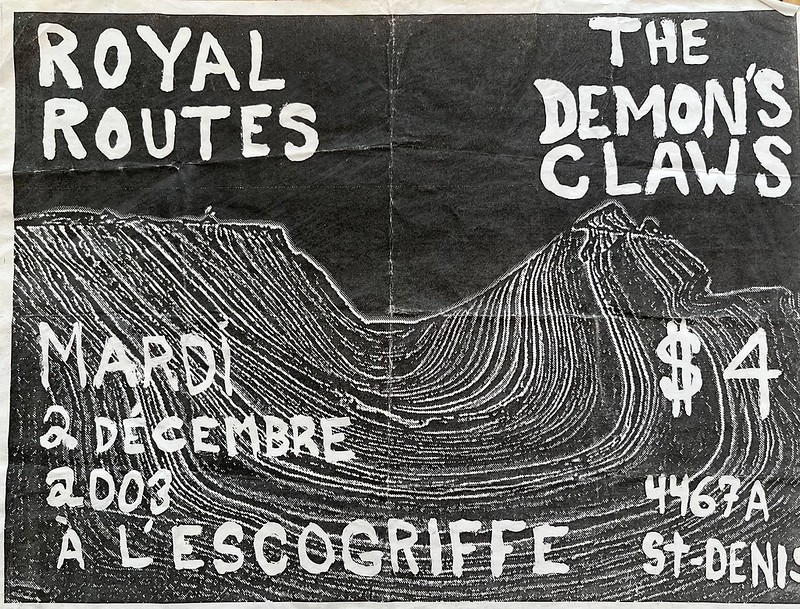
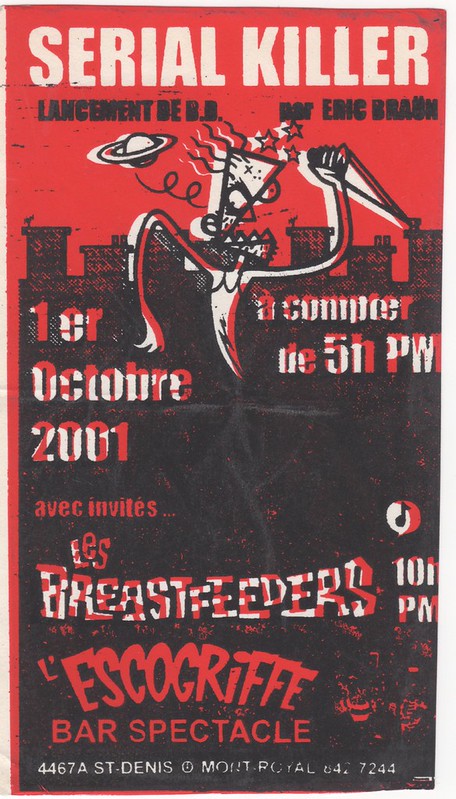
During the following years, garage rock, punk, indie rock, folk, country, chanson and various forms of alternative music found a place in its programming. The venue became particularly well suited to small bands, emerging artists and touring acts seeking an intimate room.
7. Sébastien Madani and the Family’s Return
The story took another remarkable turn when Sébastien Madani, the son of the man who had opened Au Plaisir in 1983, began working at L’Escogriffe around 2006–2007.
For Madani, this return had a personal dimension: he had known the establishment during his childhood. Over time, the venue thus returned to the family that had originally been involved in its creation.
Madani himself has drawn a parallel between the different periods. In his view, the alternative community surrounding the bar remained comparable to that of its early years: writers and poets had been replaced by musicians and other creators, but the social and cultural role of the venue retained a sense of continuity.
Returning to the Origins
L’Escogriffe followed an unusual path: after several changes in ownership and vocation, the establishment eventually returned to the family of the man who had created it in 1983.
8. An Alternative Music Venue
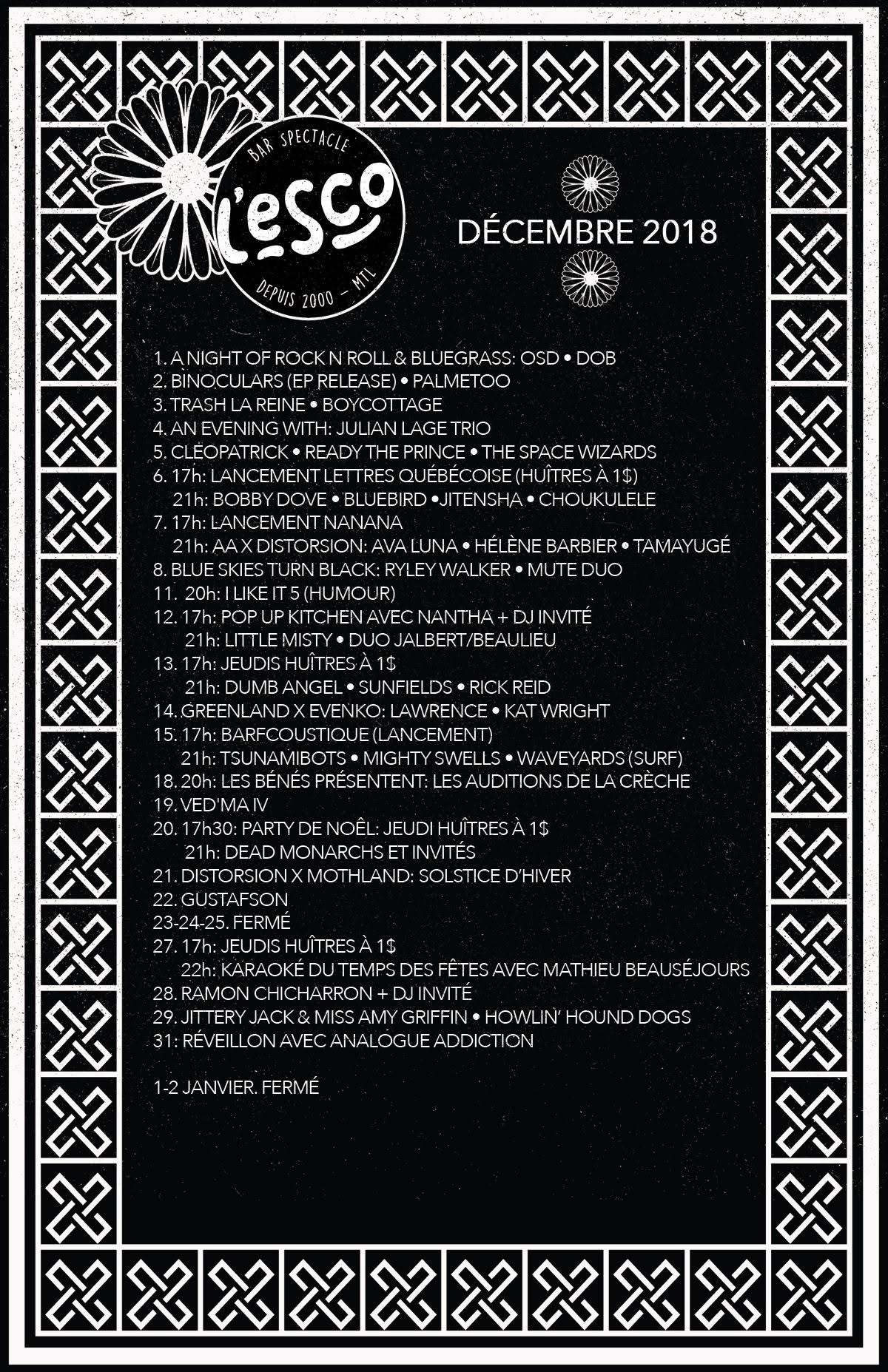
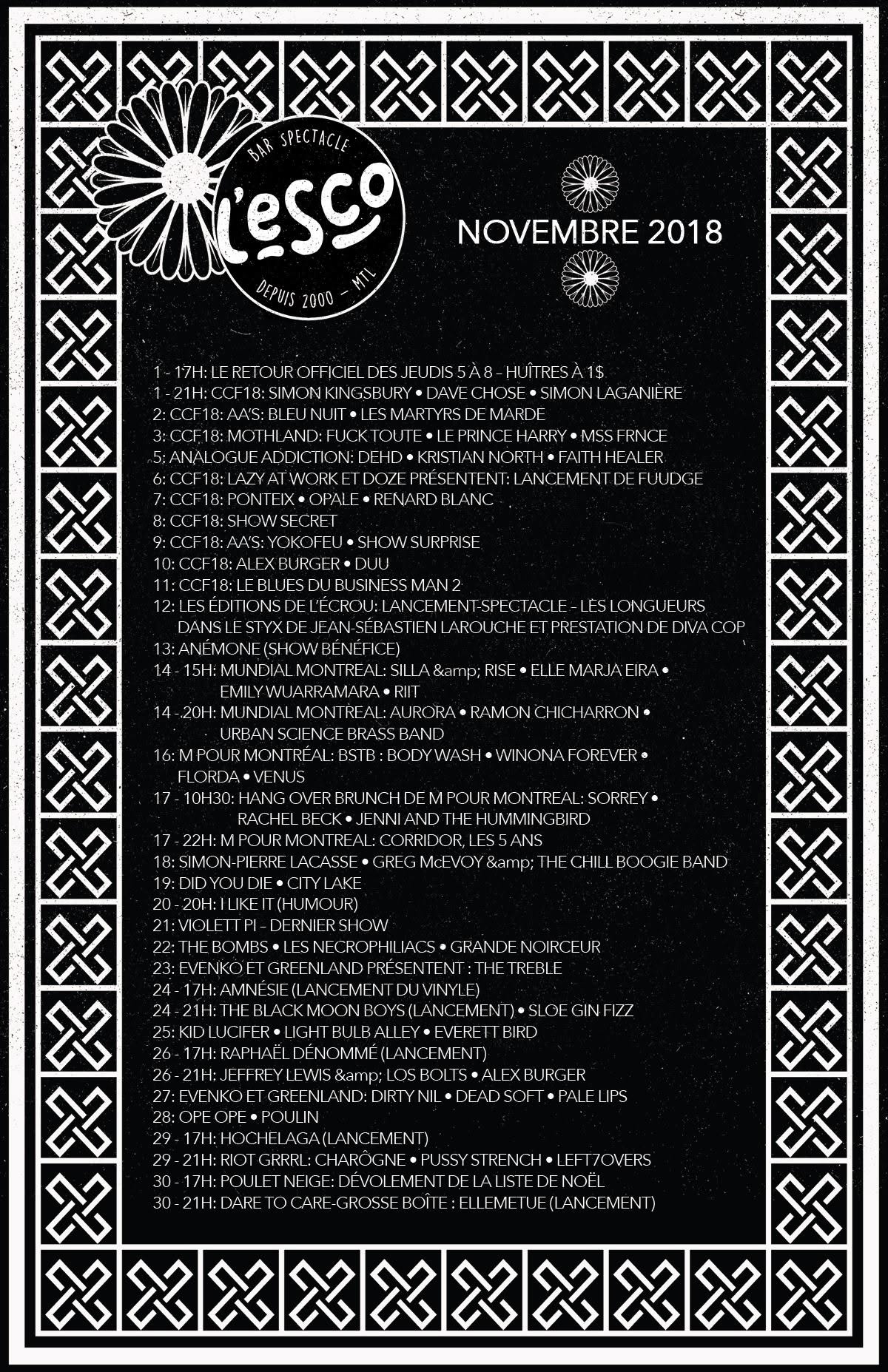
During the 2000s and 2010s, L’Escogriffe consolidated its reputation as a small venue within Montreal’s independent music scene. Its programming was defined less by a single genre than by a shared affinity for music operating outside the major commercial circuits.
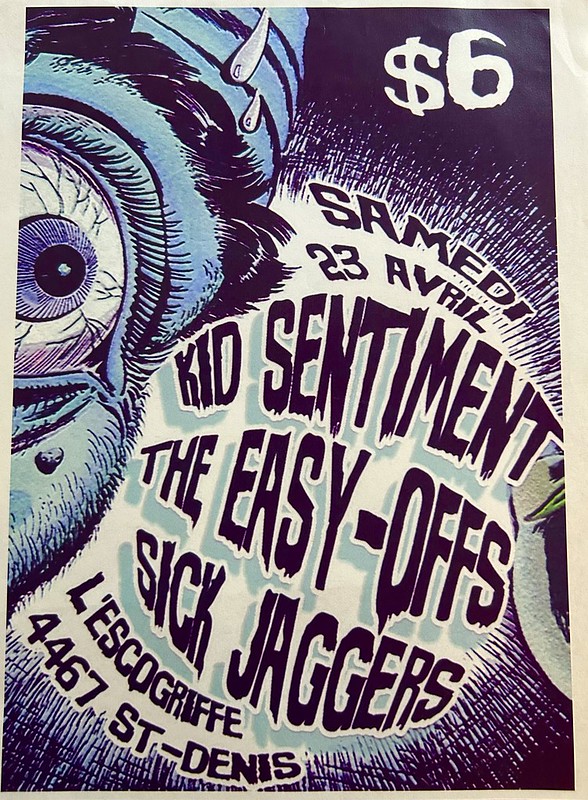
Garage rock, punk, indie rock, folk and country occupied an important place. Other styles also appeared throughout its programming, perpetuating the eclecticism that has marked the venue’s history.
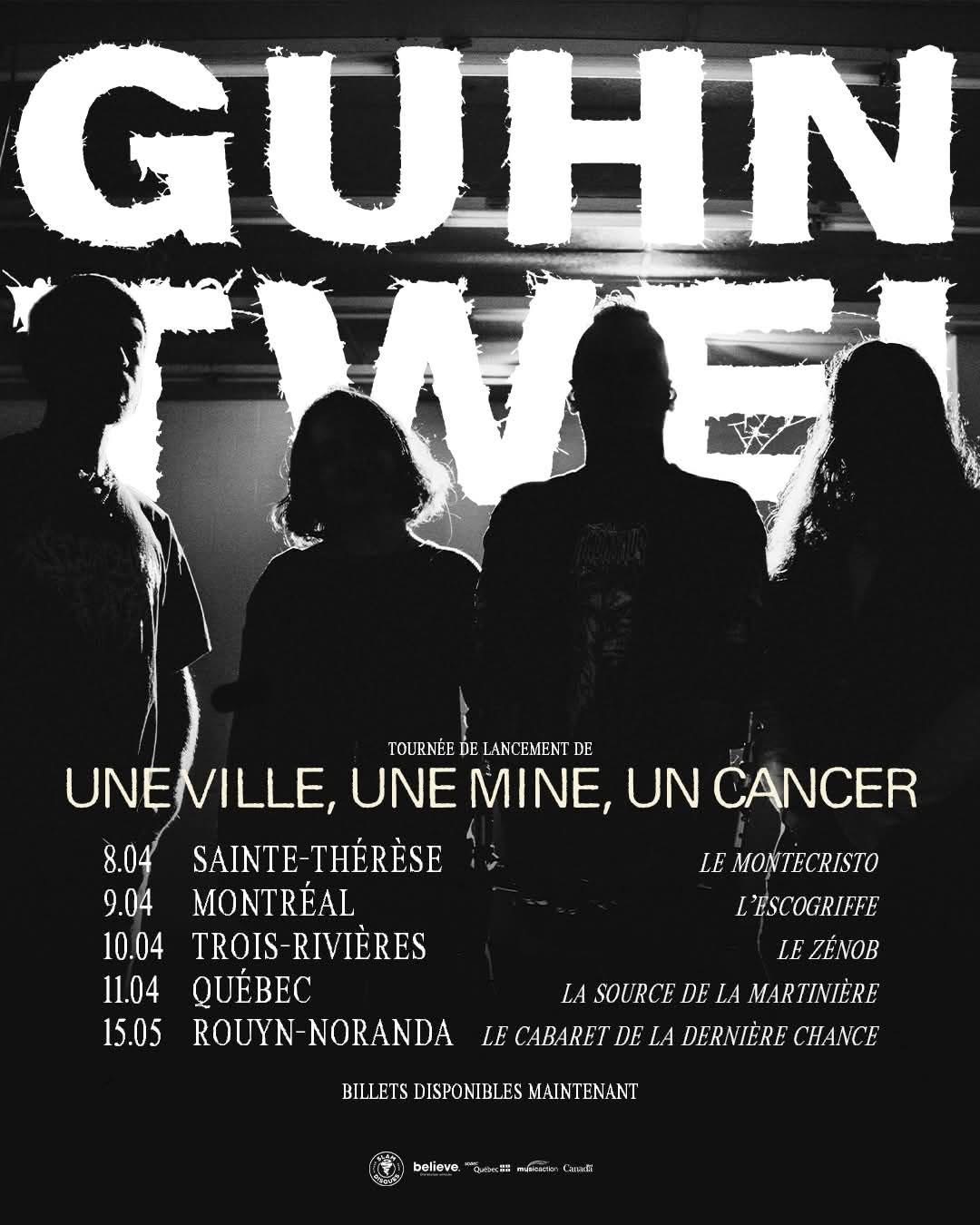
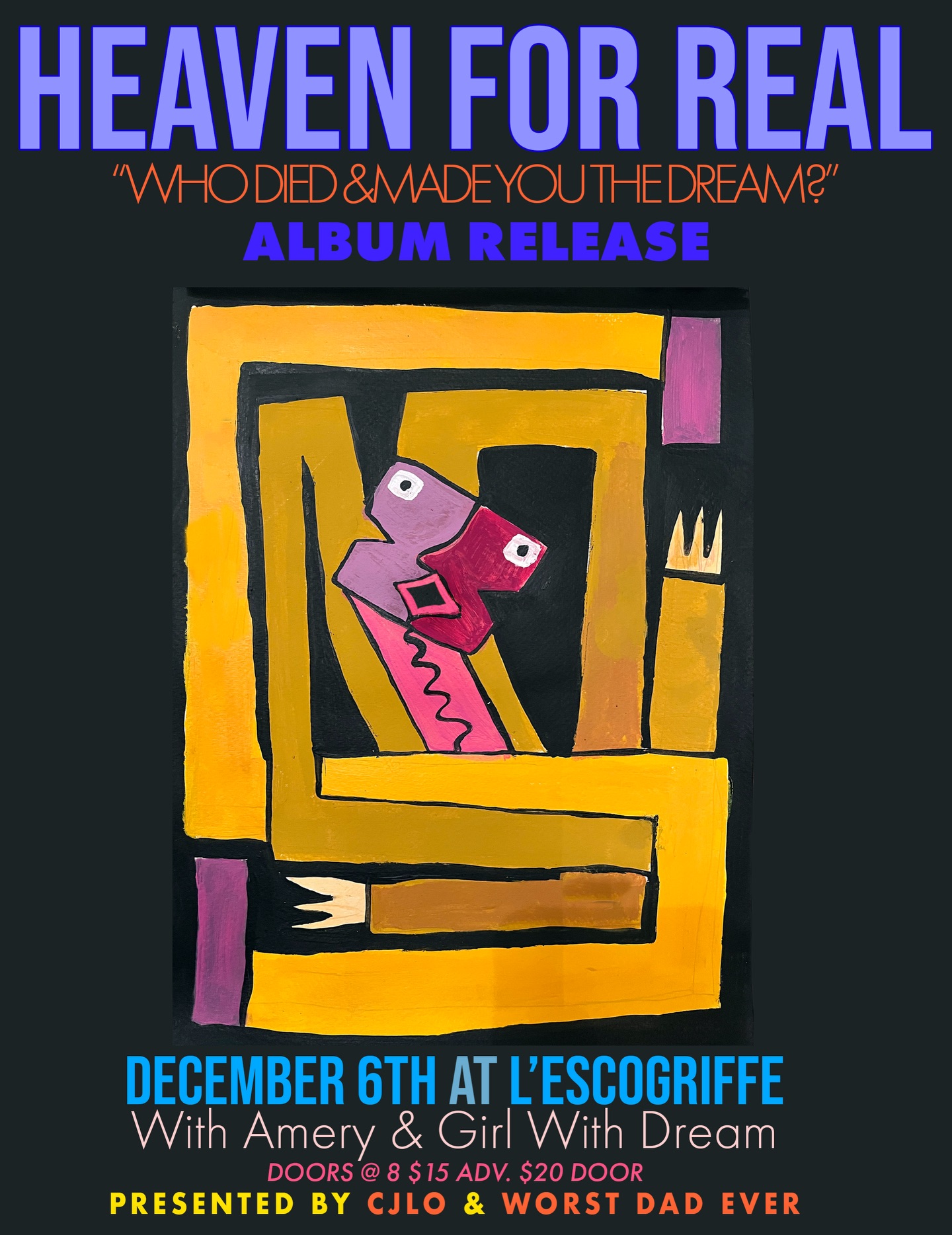
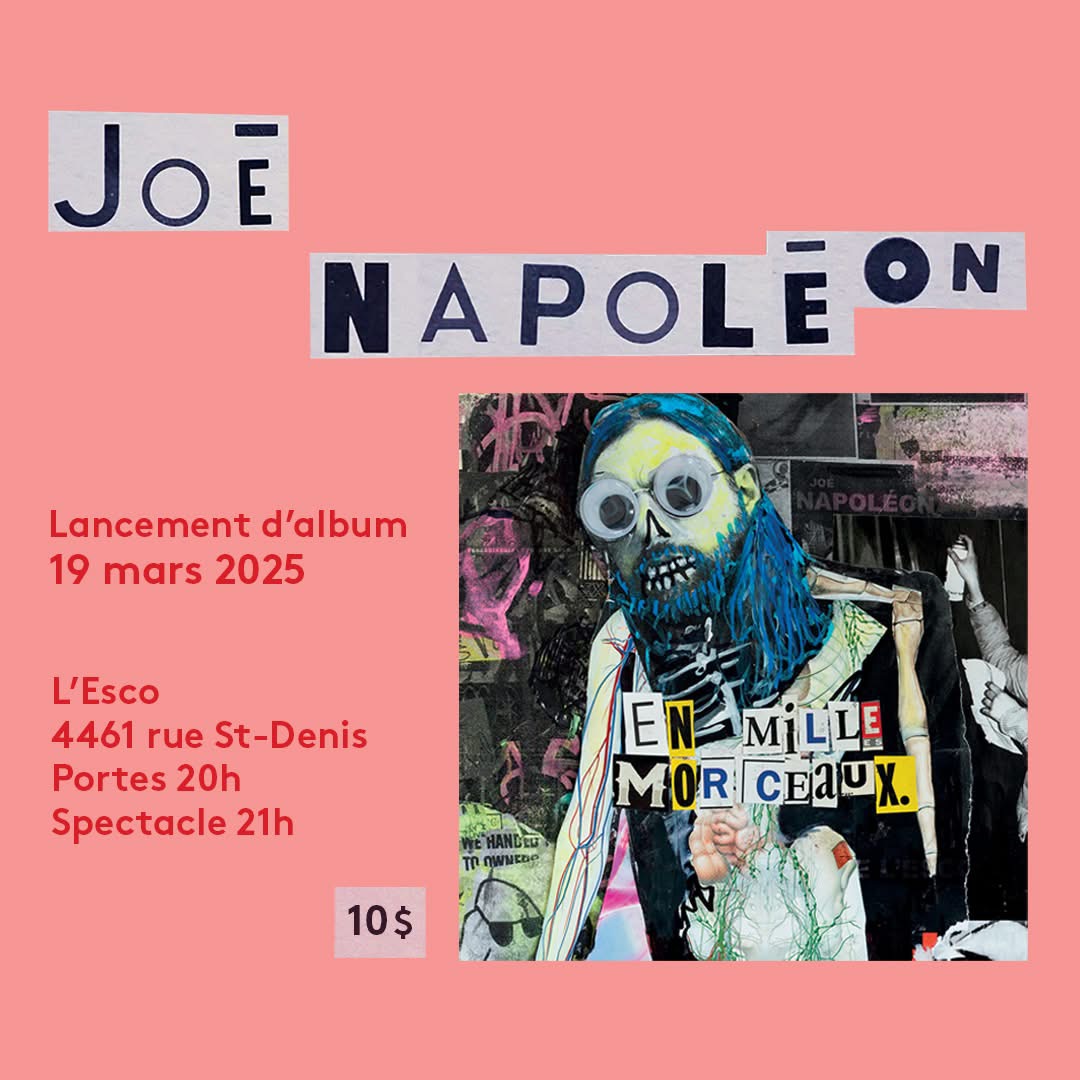
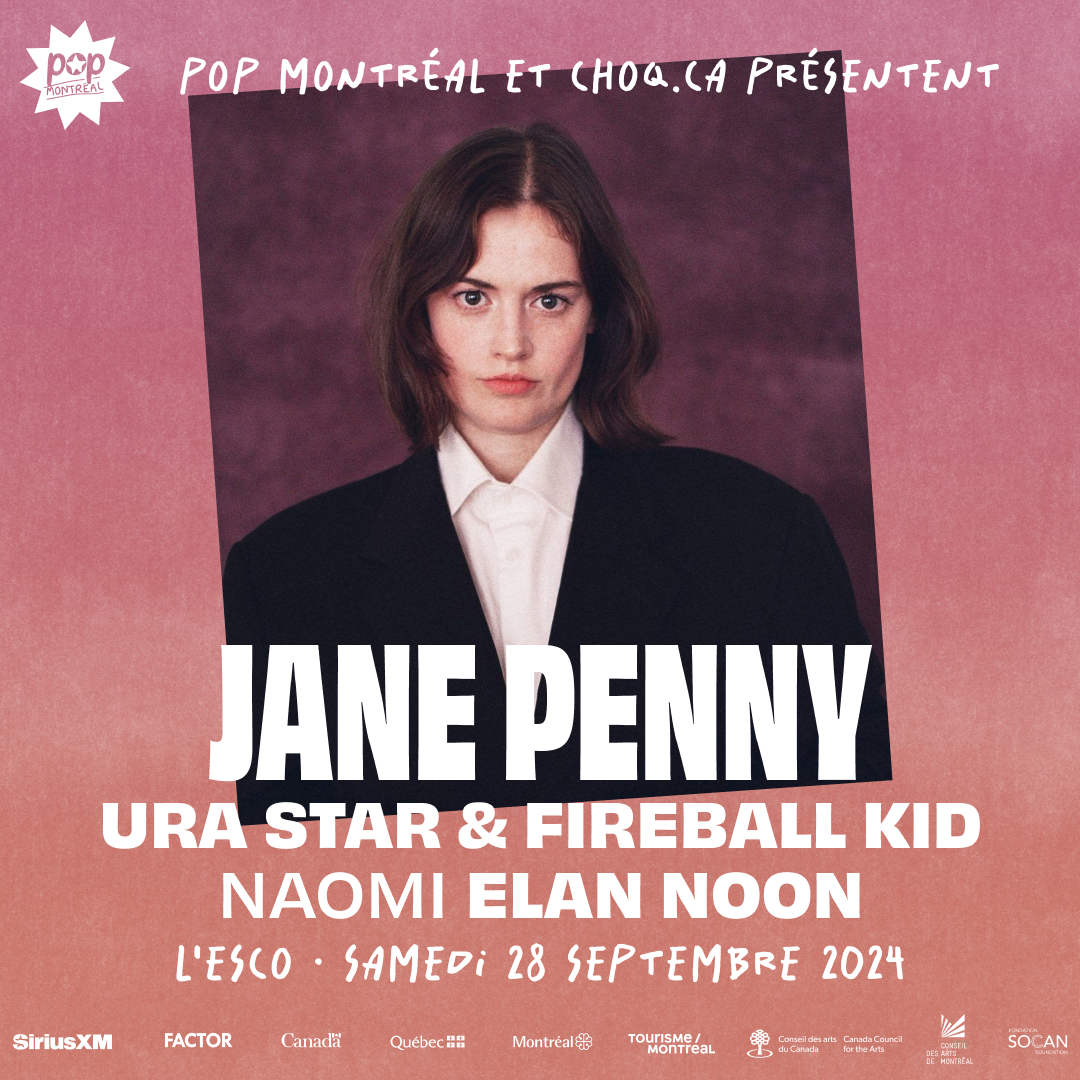
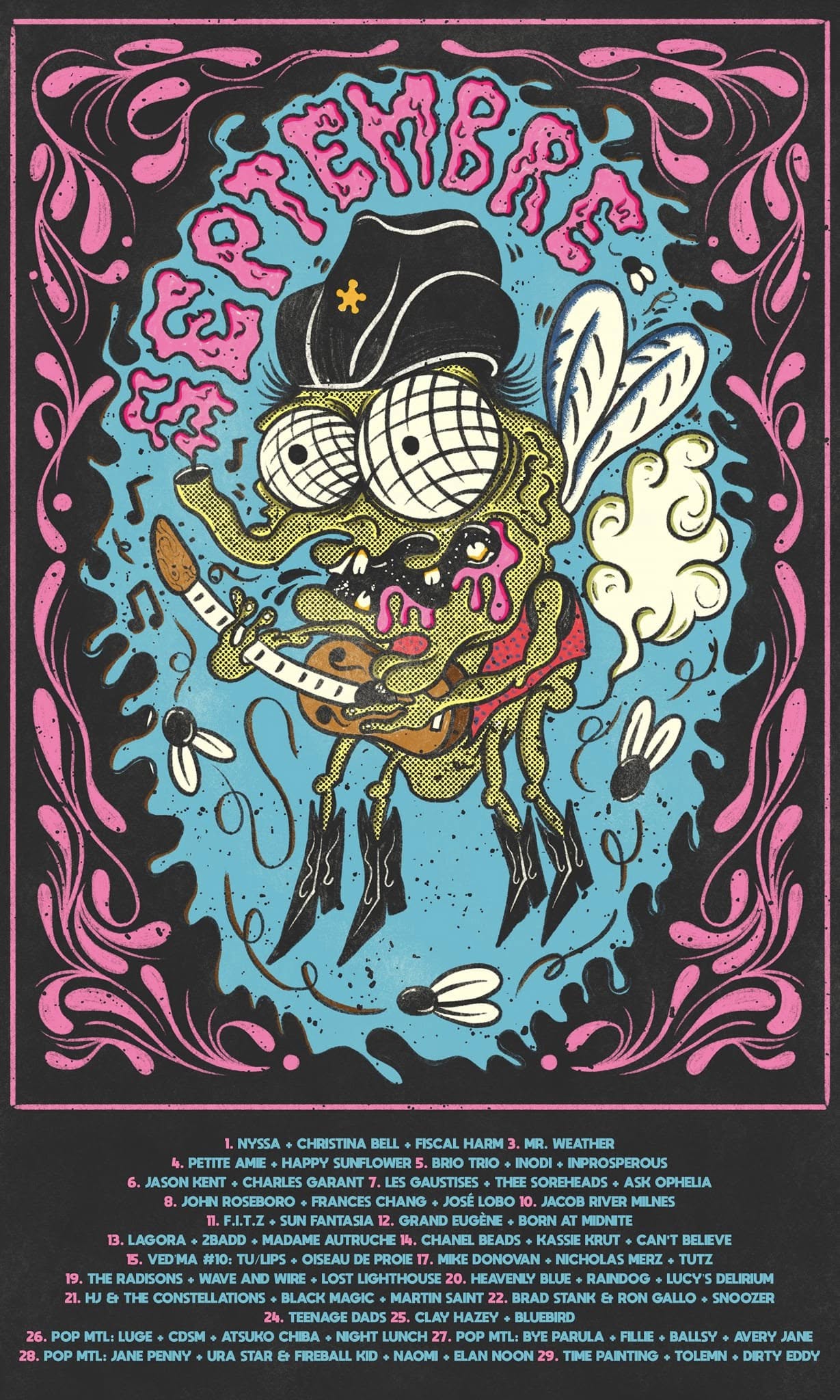
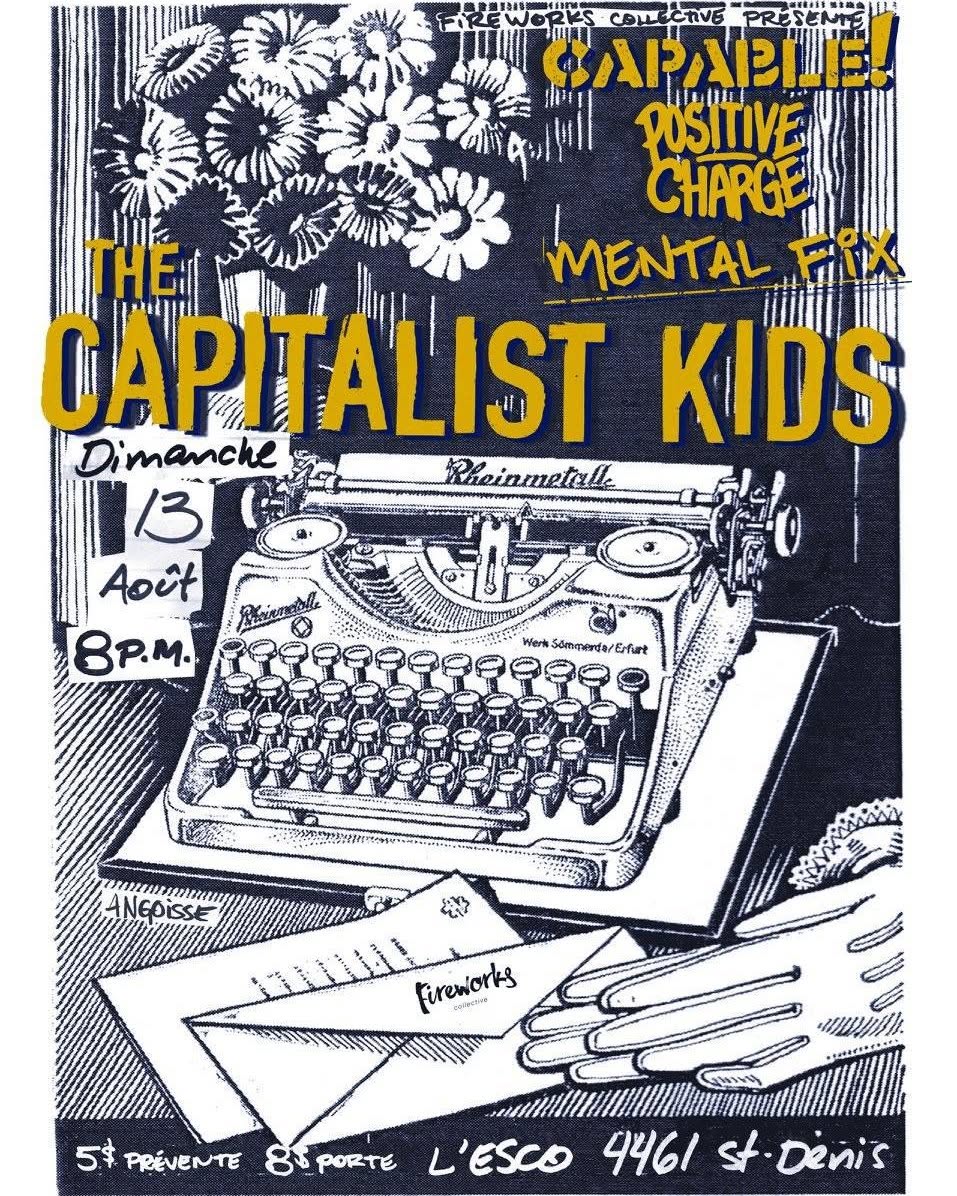
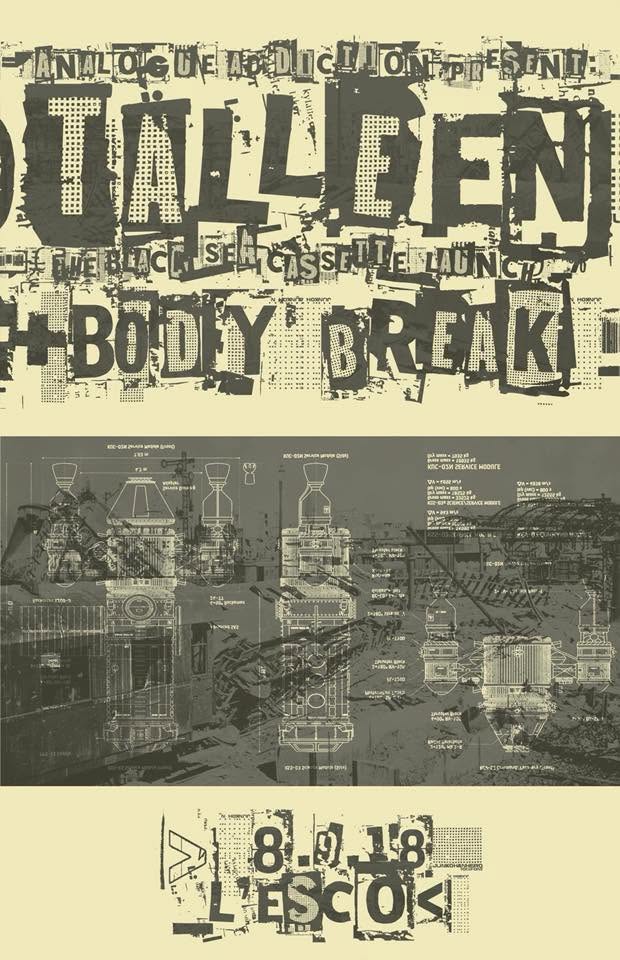
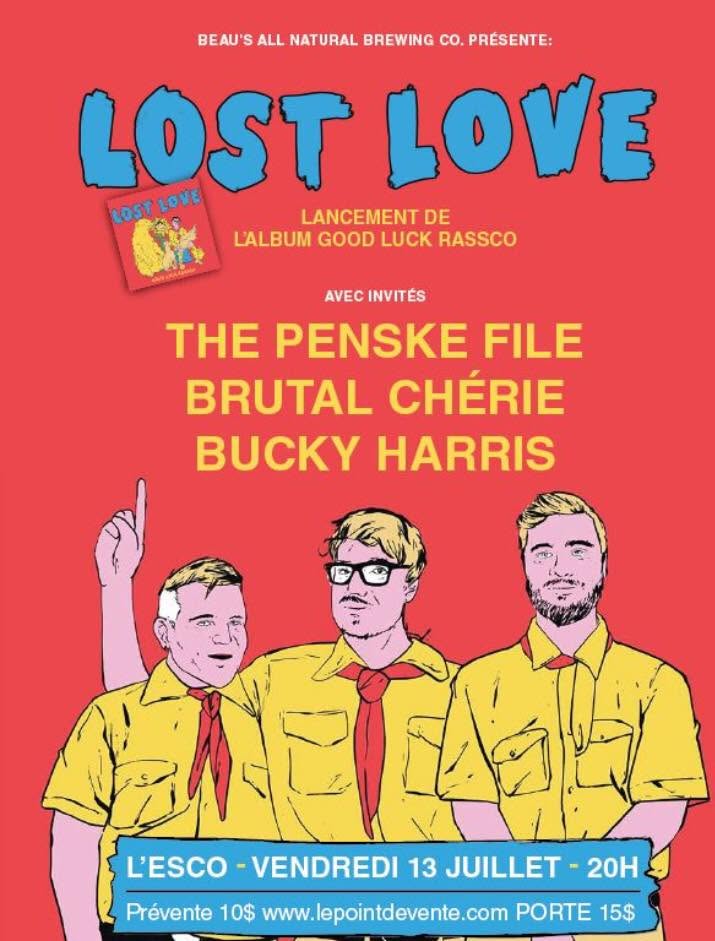
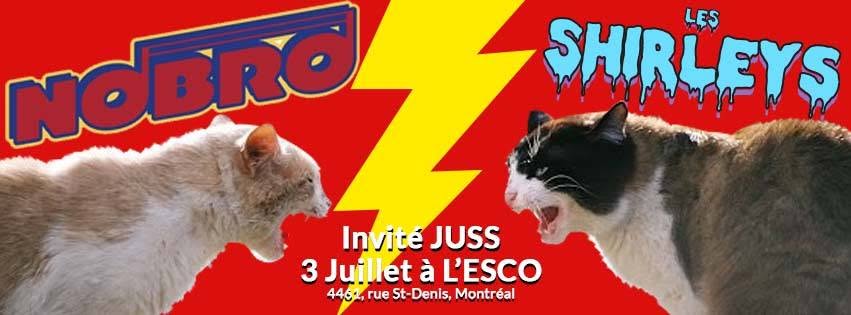
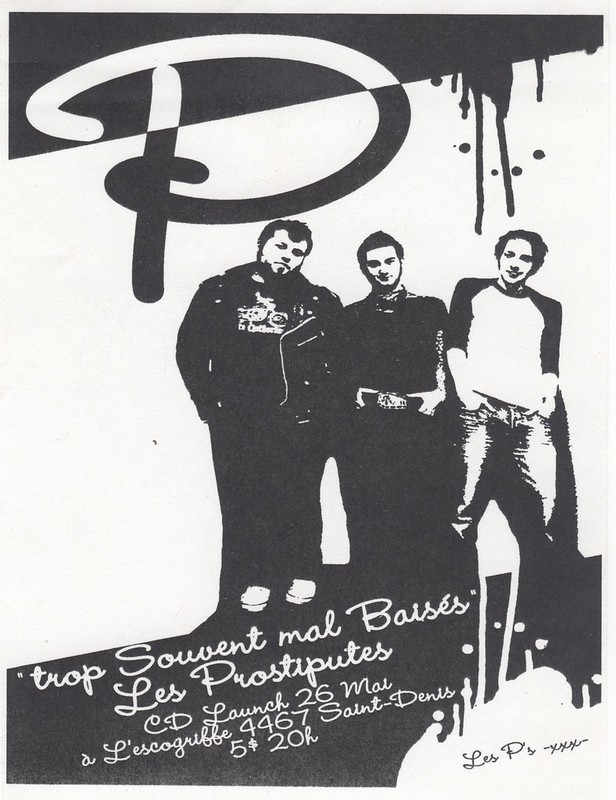
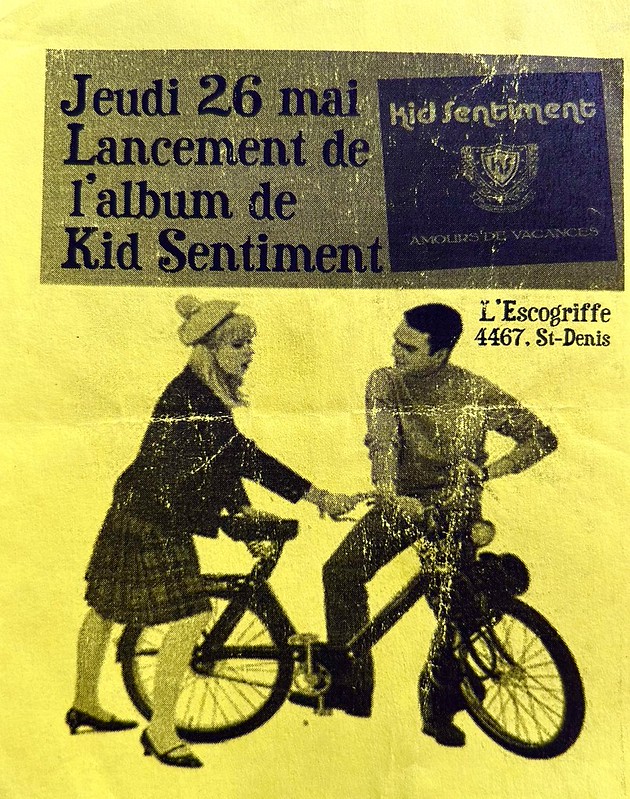
L’Esco welcomed both Montreal artists and touring bands. For many emerging acts, the venue provided a space for early concerts, album launches and new projects presented before an intimate audience.
9. An Intimate Venue
L’Escogriffe’s relatively small size plays an important role in its identity. The short distance between stage and audience creates an experience very different from that offered by larger concert halls.
This proximity is particularly well suited to independent rock and punk, where the separation between musicians and audience tends to be less pronounced. Concerts can therefore retain a direct, informal and communal character.
The room also lends itself to multi-band bills, album launches, residencies and various events produced by independent artists, collectives and promoters.
10. Expansion of 4461–4467-A
For much of its recent history, Le Petit Escogriffe was associated with 4467-A Saint-Denis Street. The neighbouring premises at 4461 were occupied by the Cactus restaurant.
An expansion project eventually proposed joining the two spaces. Documents from the Plateau-Mont-Royal borough explicitly describe the merger of 4467-A, occupied by Le Petit Escogriffe, with 4461.
Before the merger, each of the two establishments occupied approximately 105 m². The new combined premises totalled approximately 210 m², with a maximum of 120 m² devoted to the performance area. A terrace measuring approximately 27 m² was also part of the project.
The municipal administration notably presented the expansion as a way to help ensure the venue’s long-term survival and allow it to continue providing a space for artists and the community.
Following this transformation, 4461 Saint-Denis Street became the address most commonly used for L’Escogriffe, although 4467-A continued to appear in certain references and archives.
11. L’Esco in Montreal’s Music Ecosystem
Much of L’Escogriffe’s importance lies in its position within Montreal’s network of small venues. Such establishments allow artists to develop between rehearsal spaces, their earliest performances and eventual access to larger-capacity venues.
In the Plateau-Mont-Royal, L’Esco forms part of an environment in which live music bars and small venues have long played a decisive role in the circulation of artists, audiences and different musical communities.
Its accessible character and regular programming also help maintain an active scene outside major festivals and institutional events.
12. A Remarkable Cultural Continuity
One of the most interesting aspects of L’Escogriffe is ultimately the cultural continuity of the venue. Since 1983, its different incarnations have welcomed artistic communities that, despite their differences, share a certain position outside mainstream cultural circuits.
The poets and writers of Au Plaisir were followed by the jazz musicians of Le Petit Escogriffe, and later by the rock, punk, garage, folk and independent bands of L’Esco. The artistic practices changed, but the venue retained a similar function: providing a space for encounters, performance and experimentation.
This history makes L’Escogriffe more than simply a live music bar. Through a single establishment on Saint-Denis Street, it is possible to trace more than four decades of change within Montreal’s alternative culture.
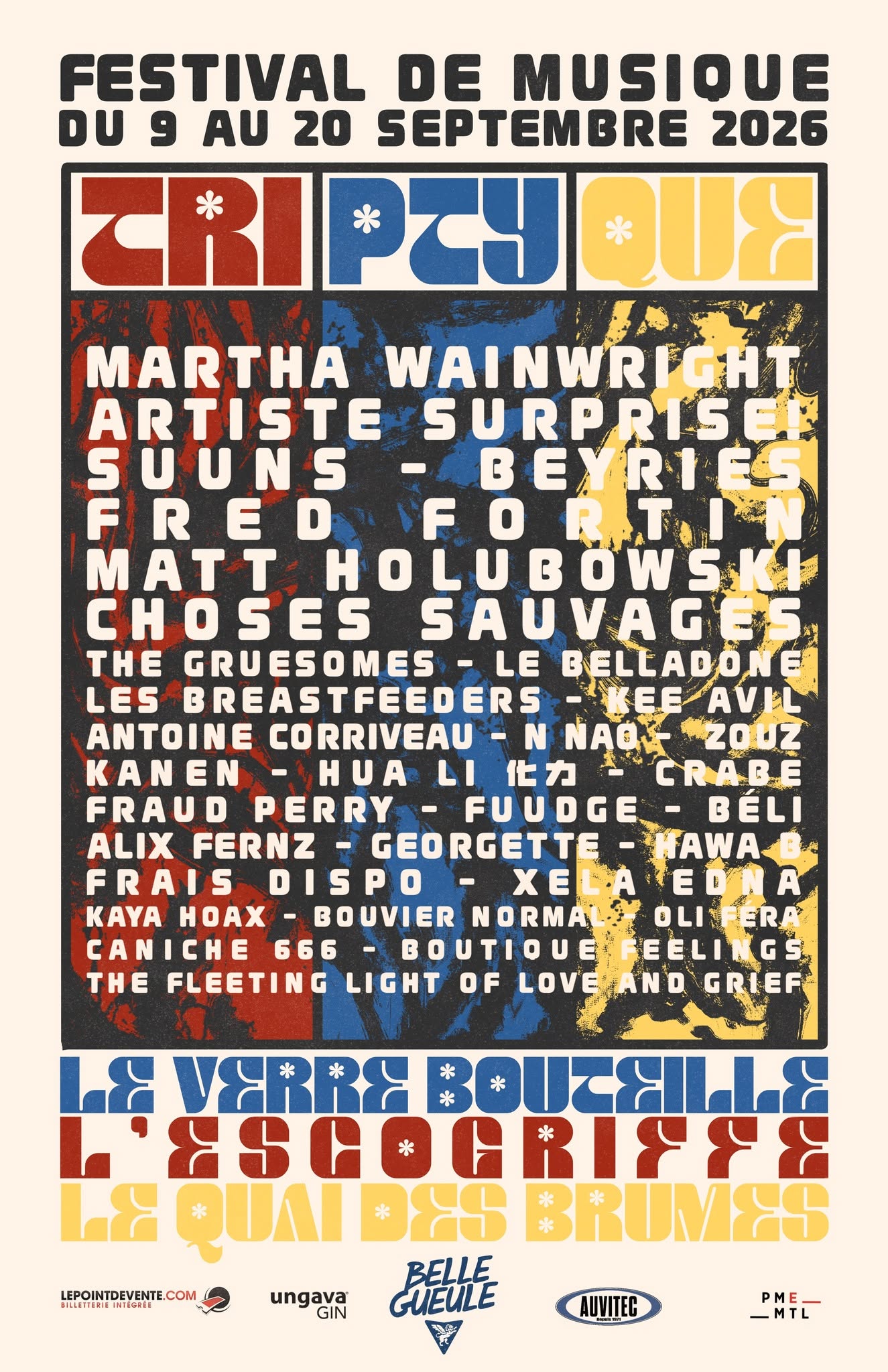
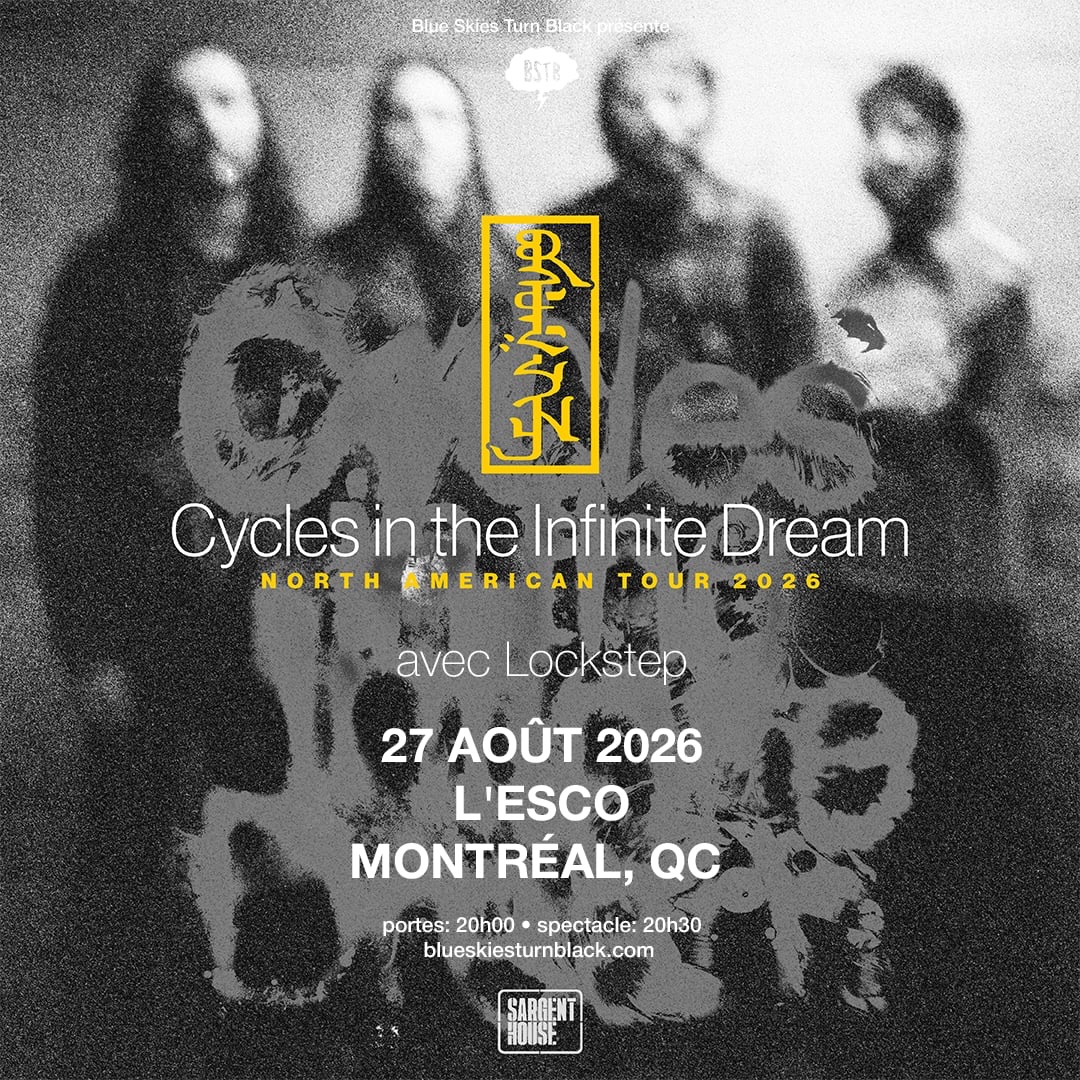
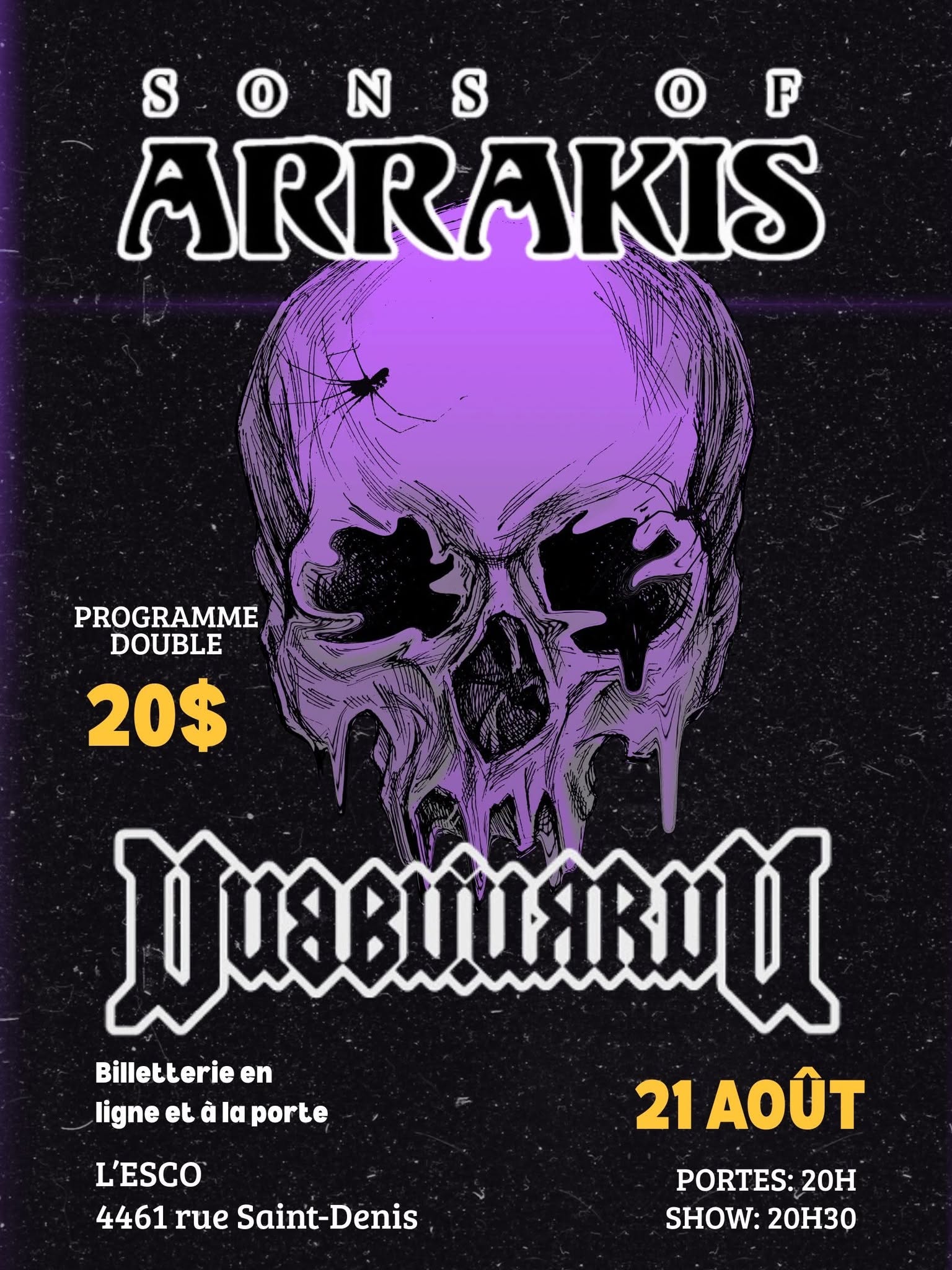
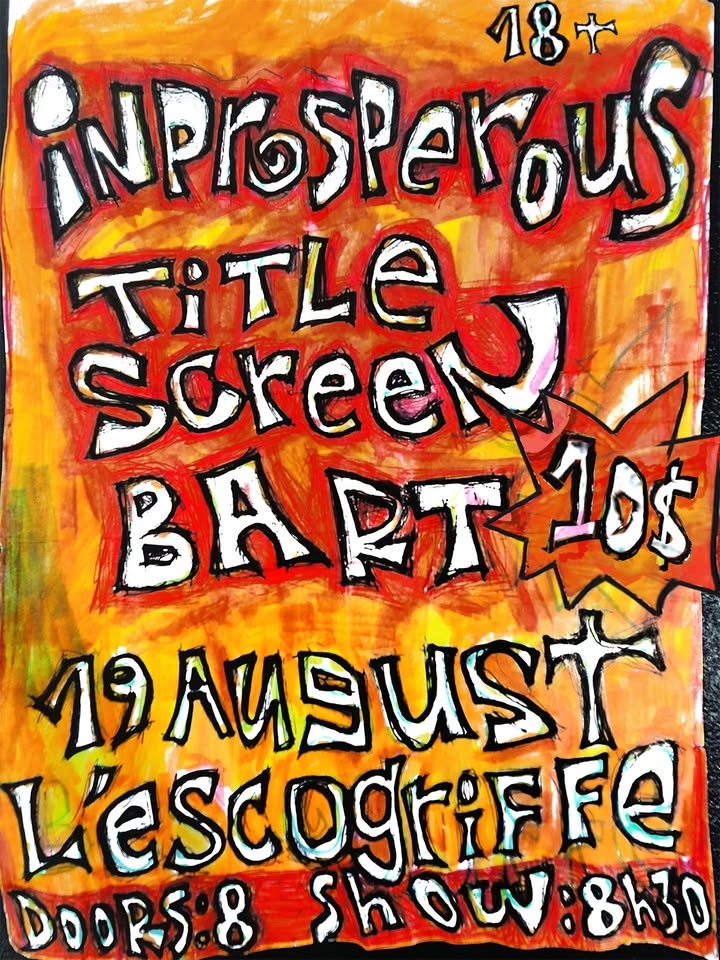
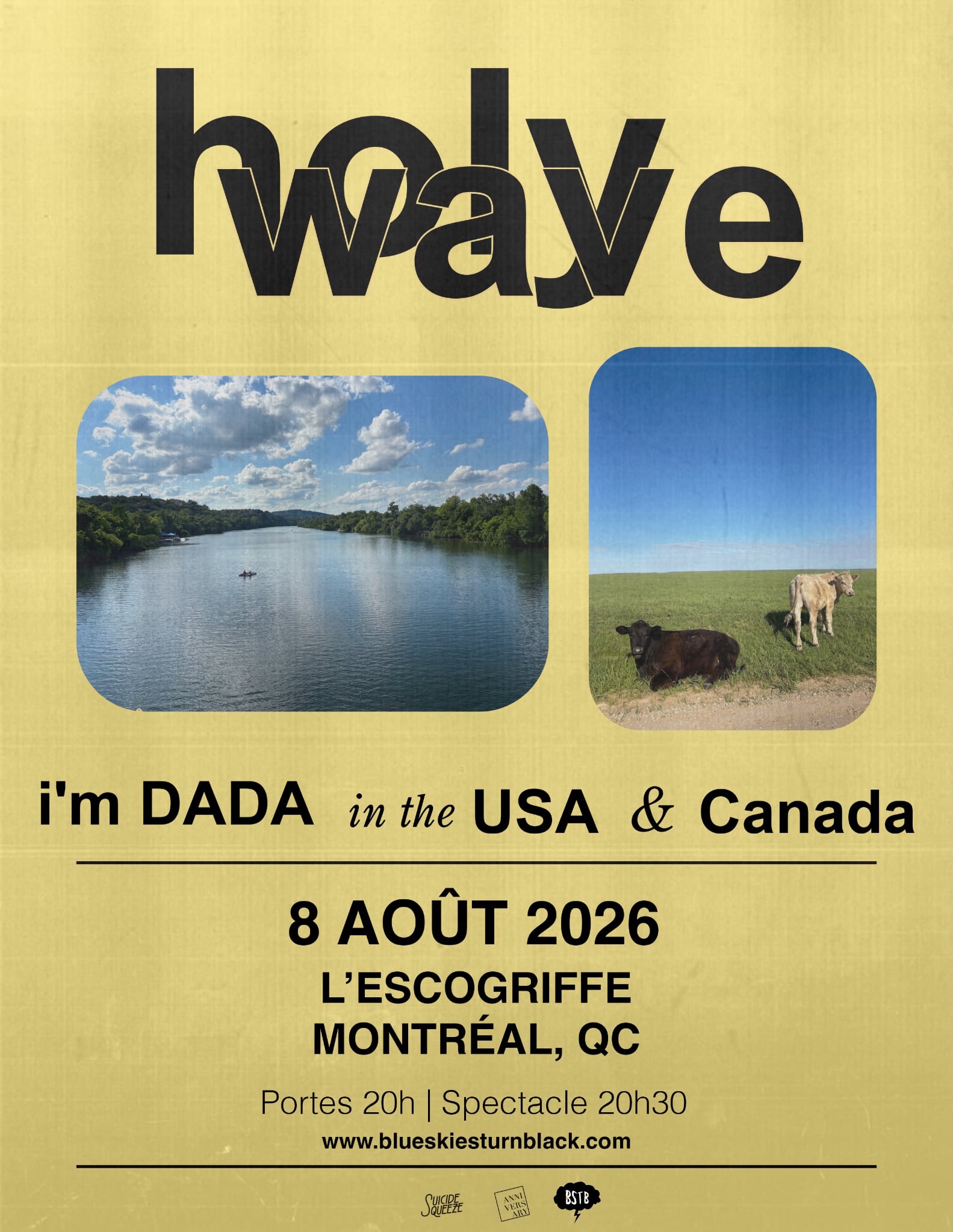
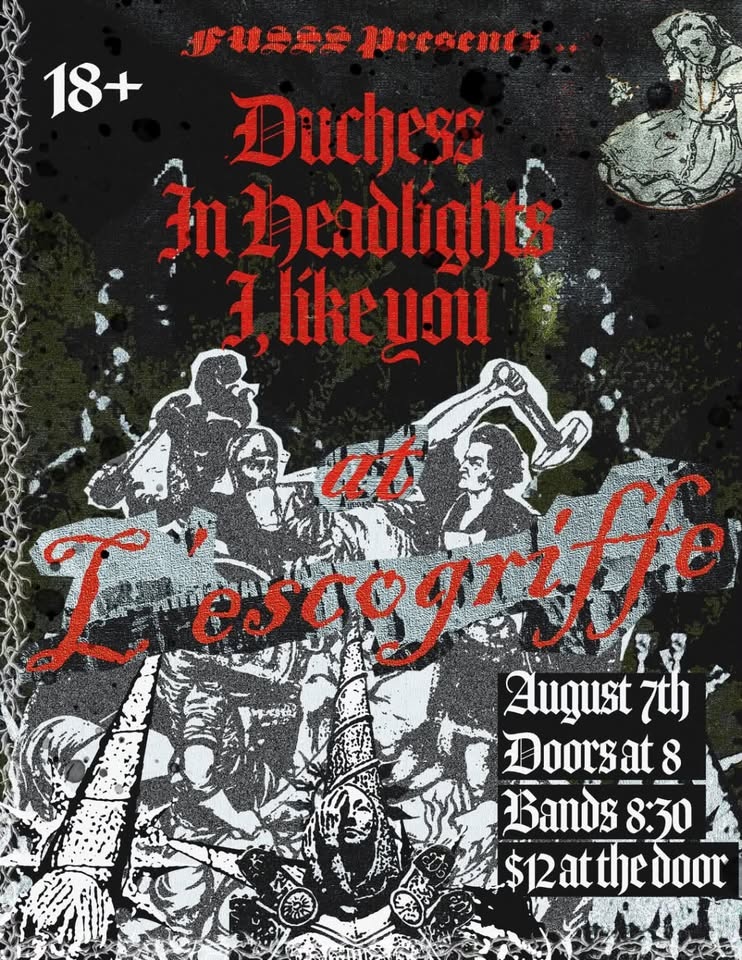
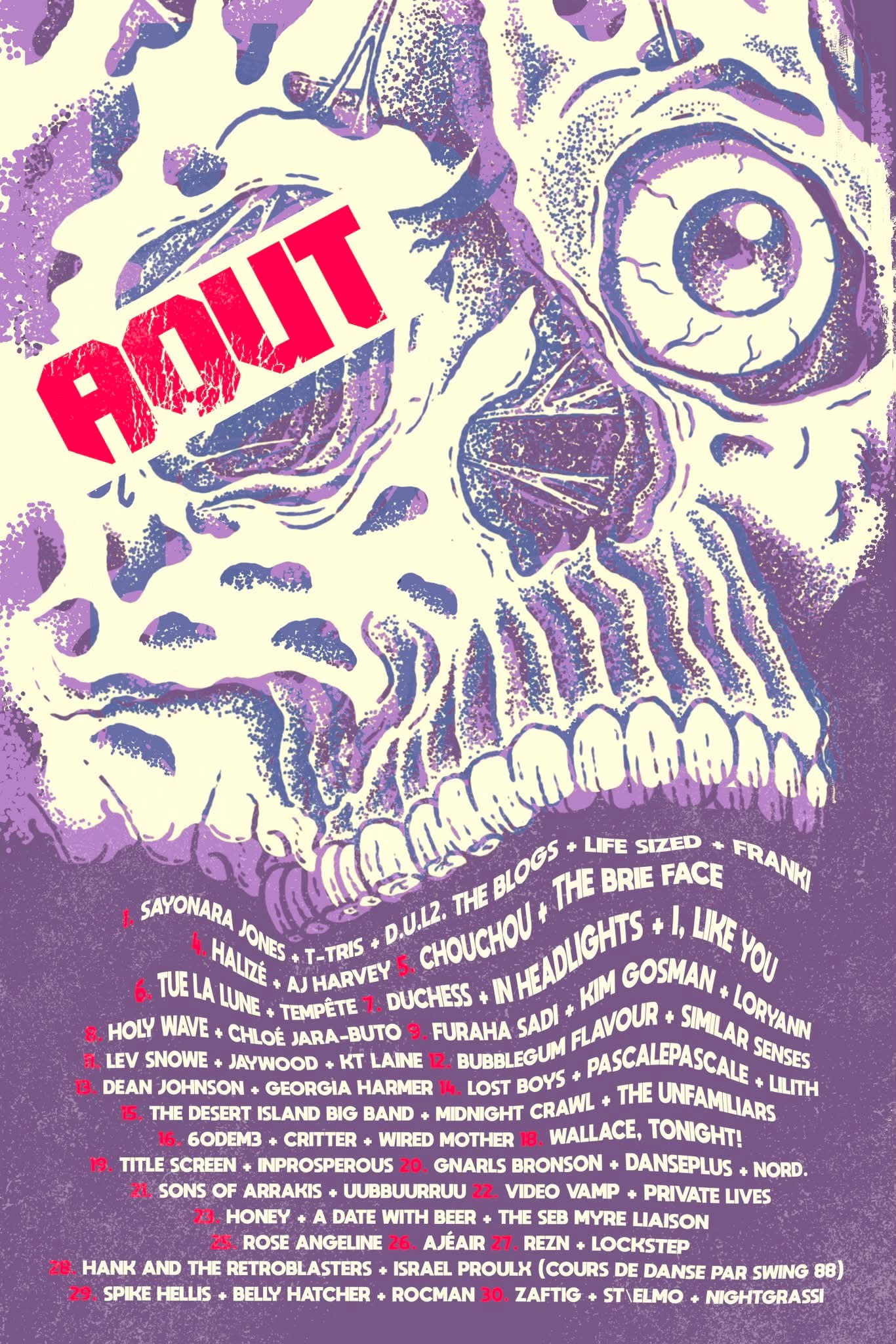
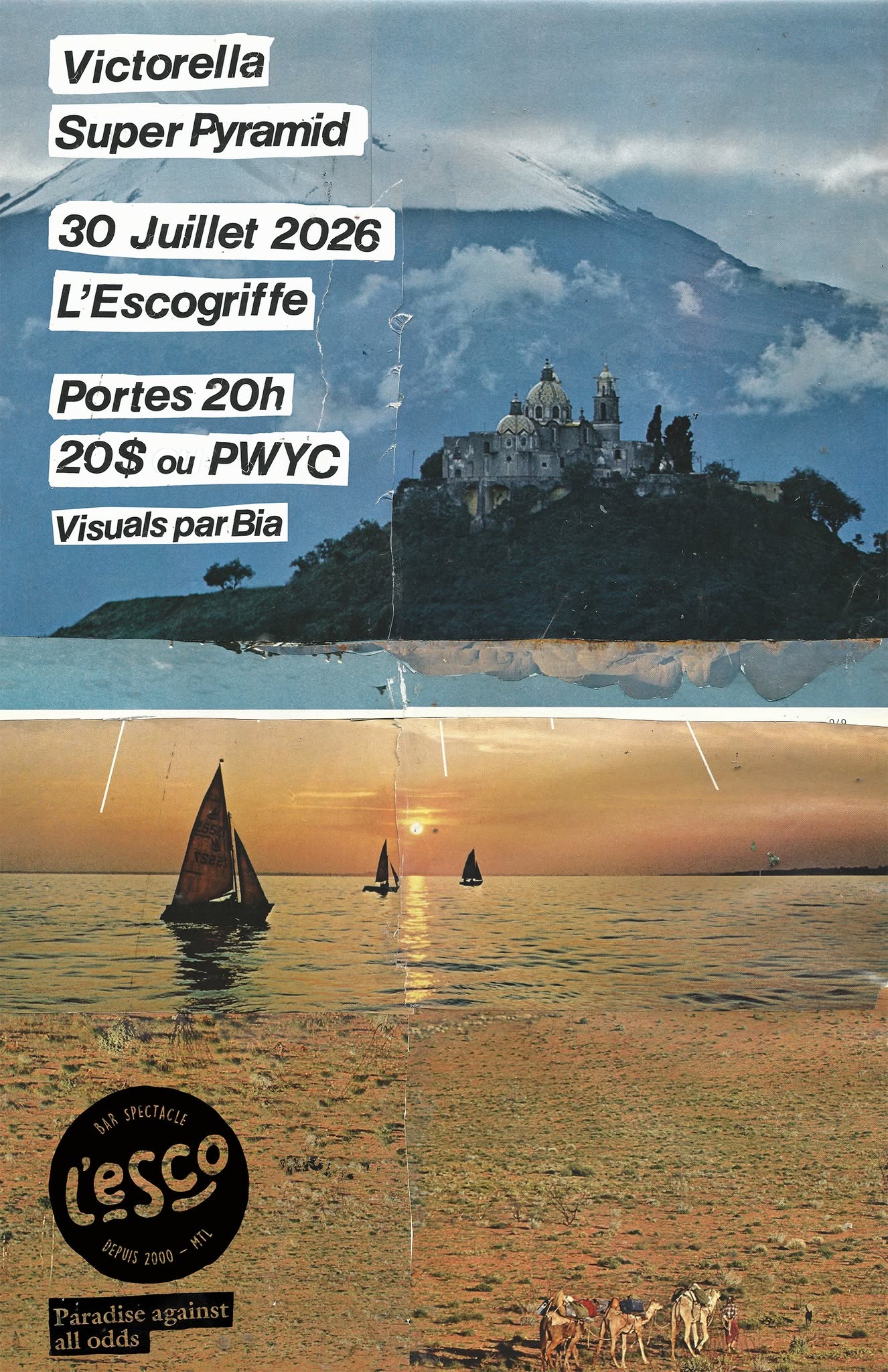
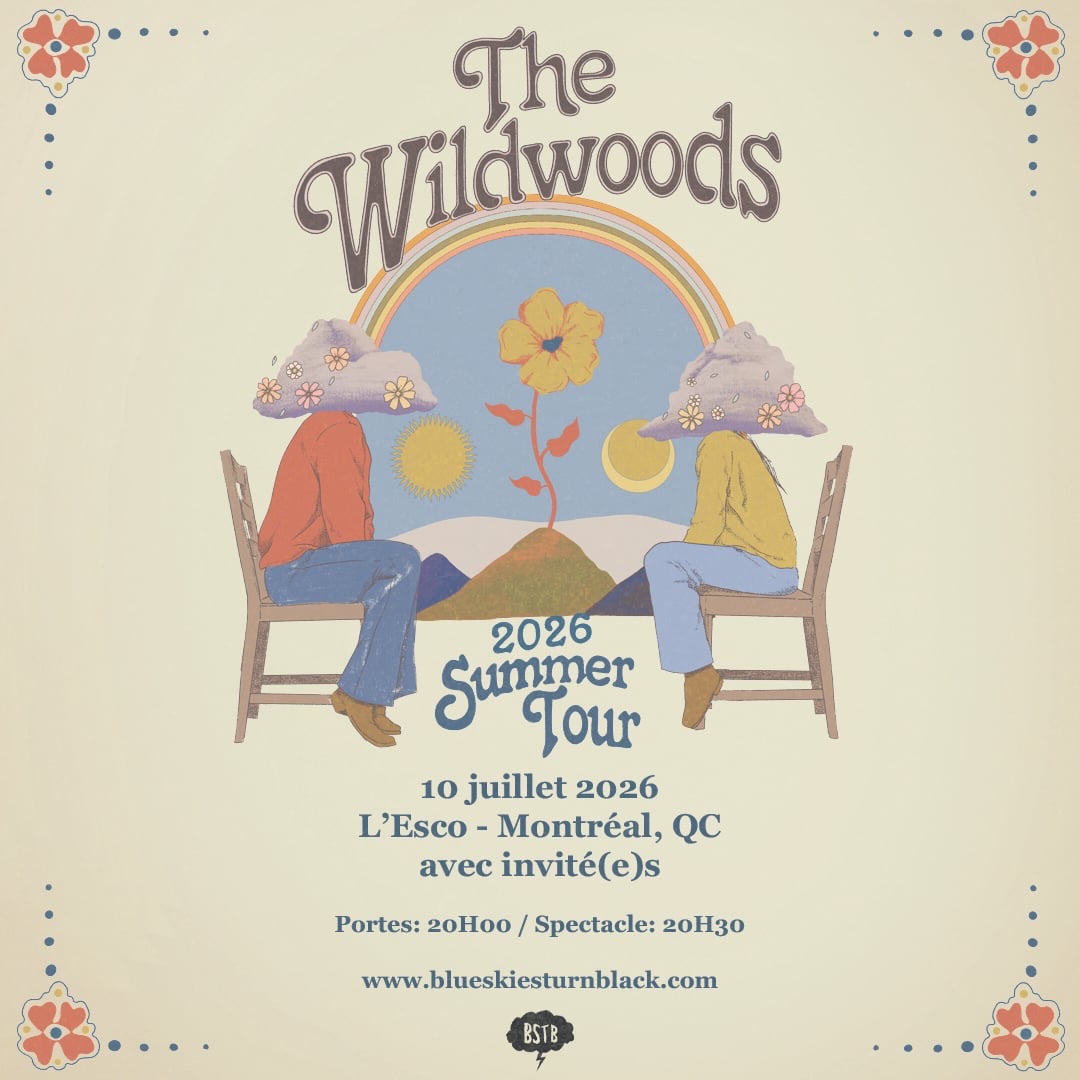
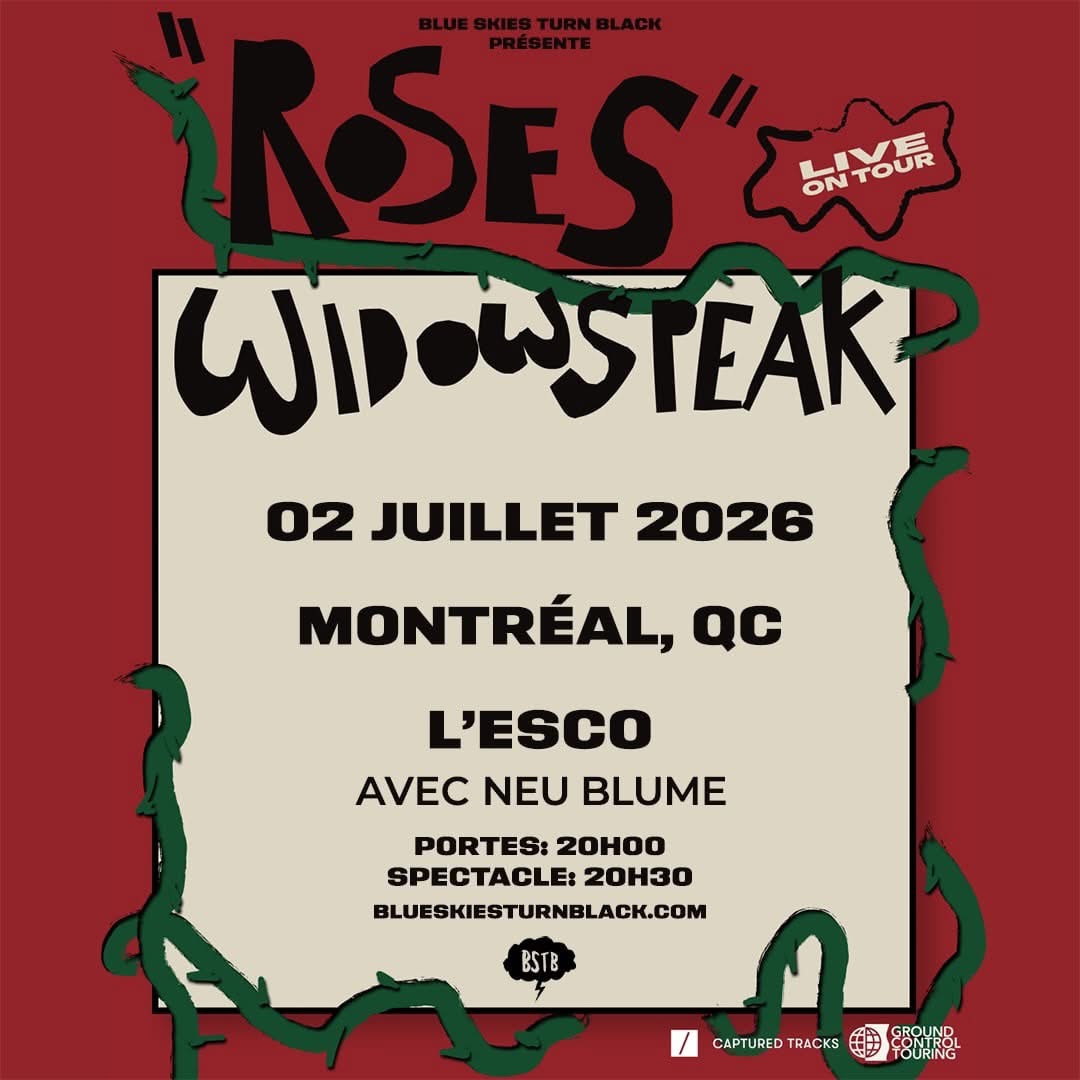
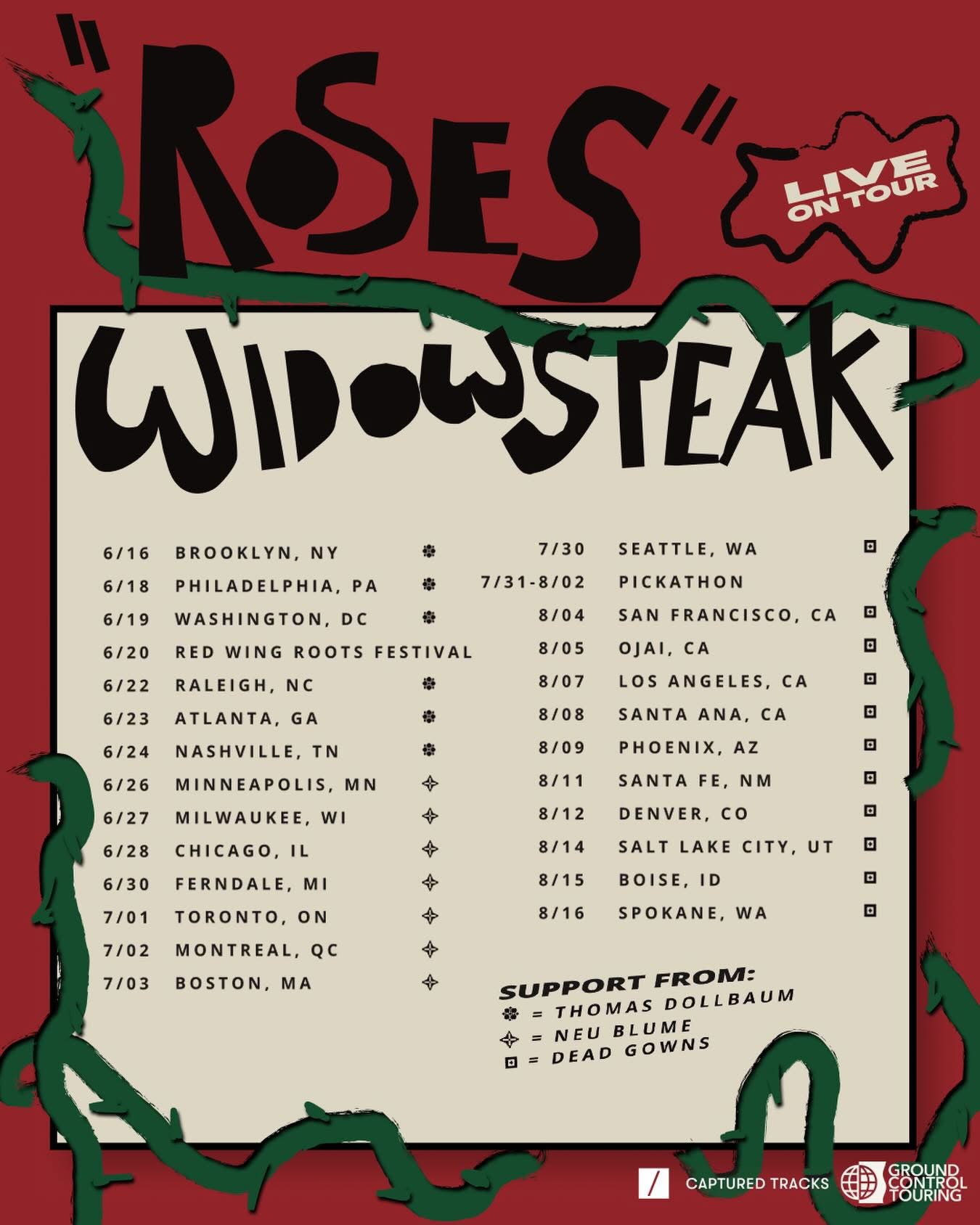
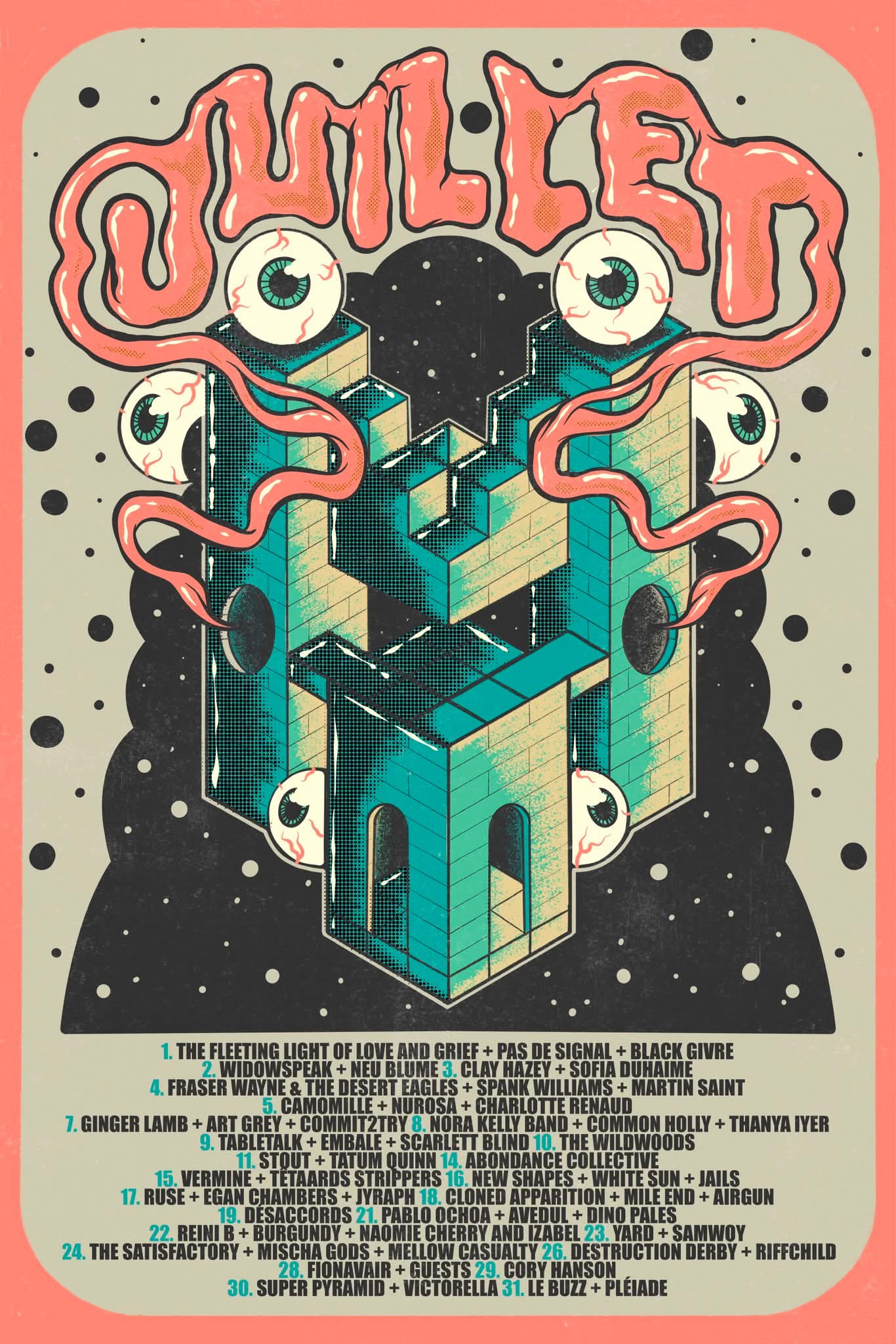
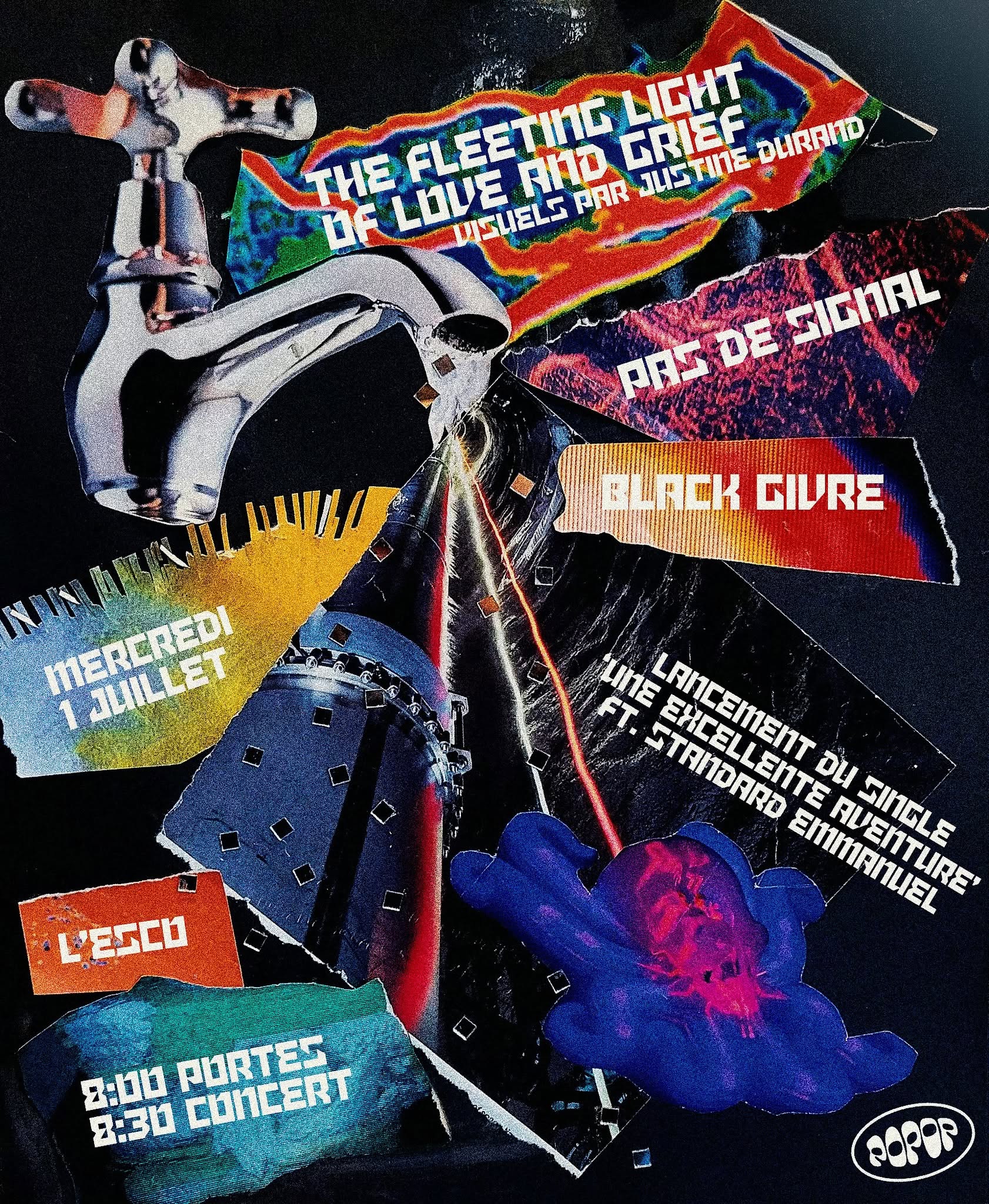
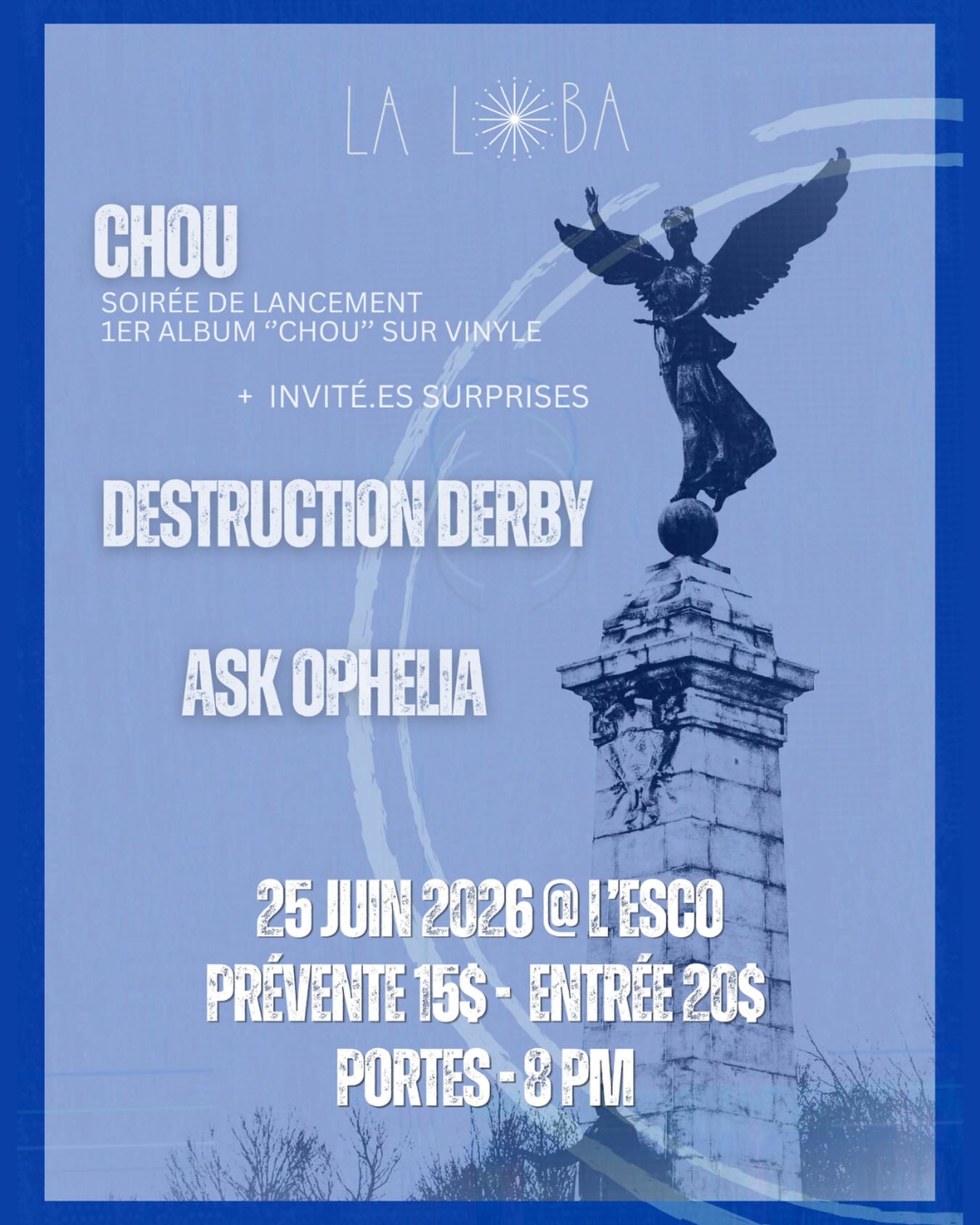
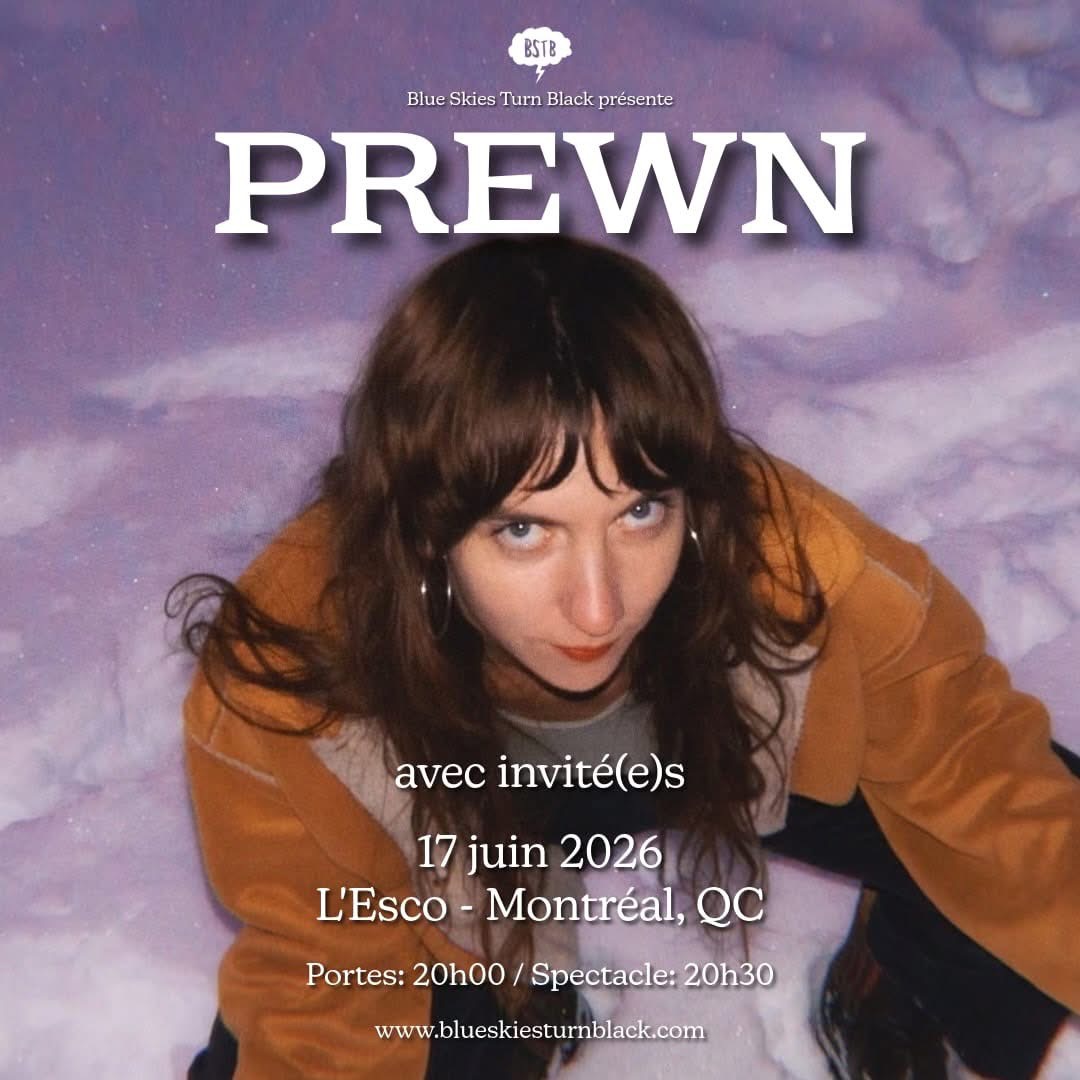
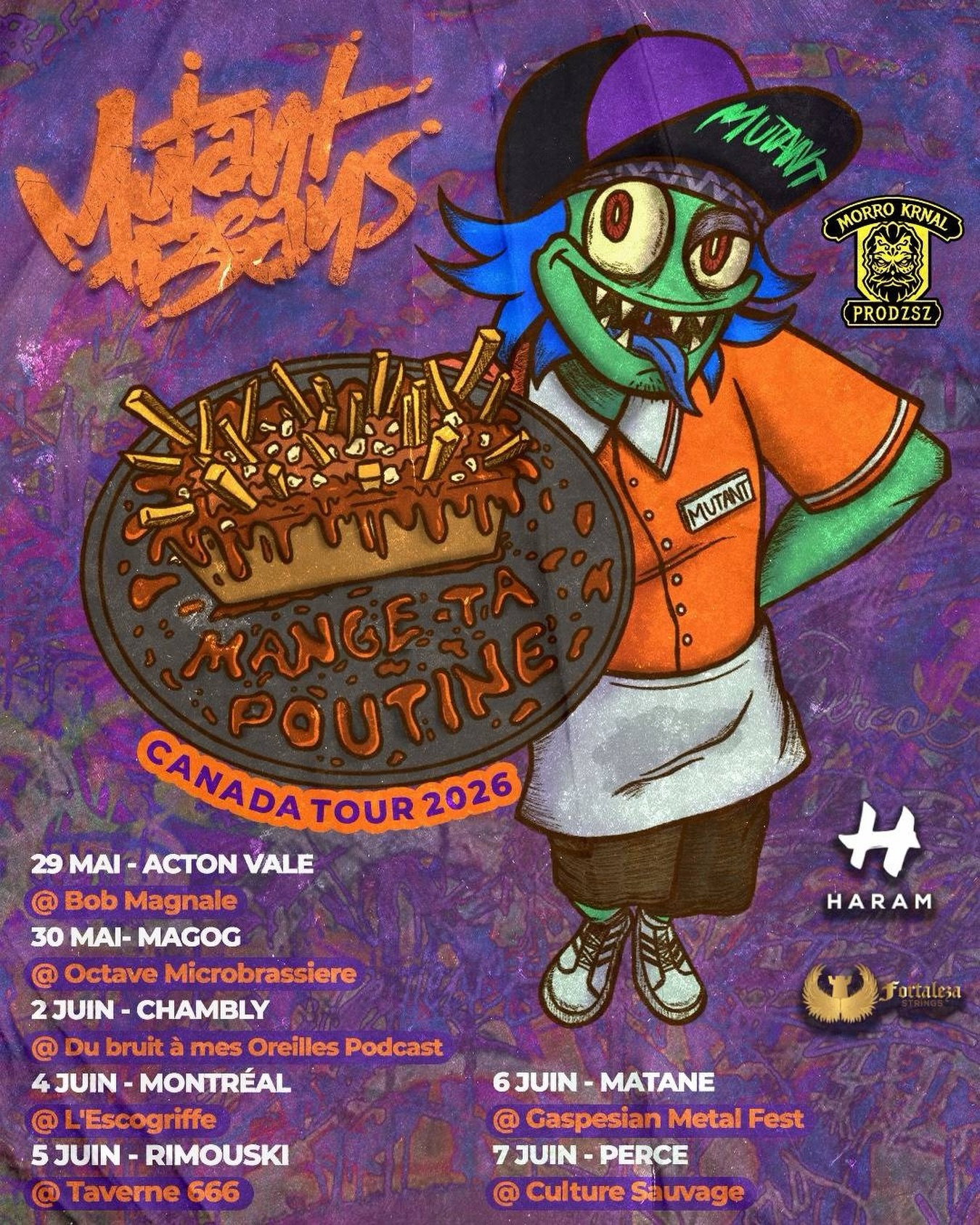
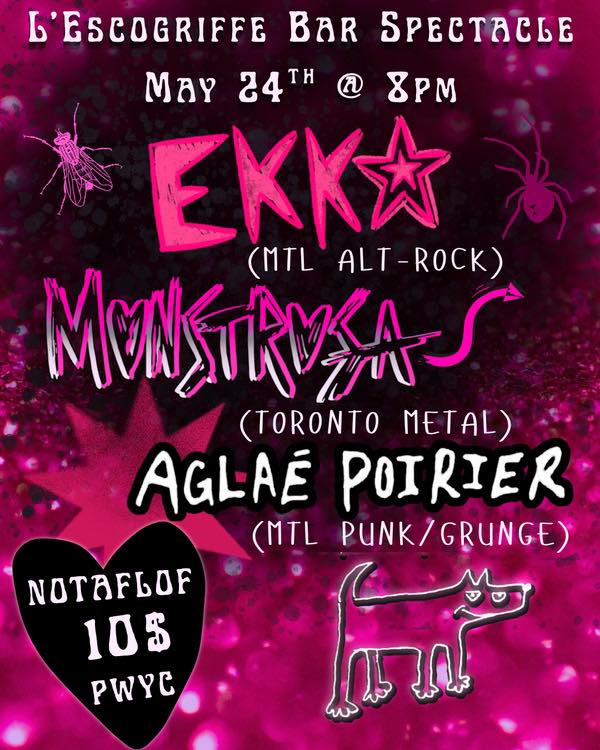
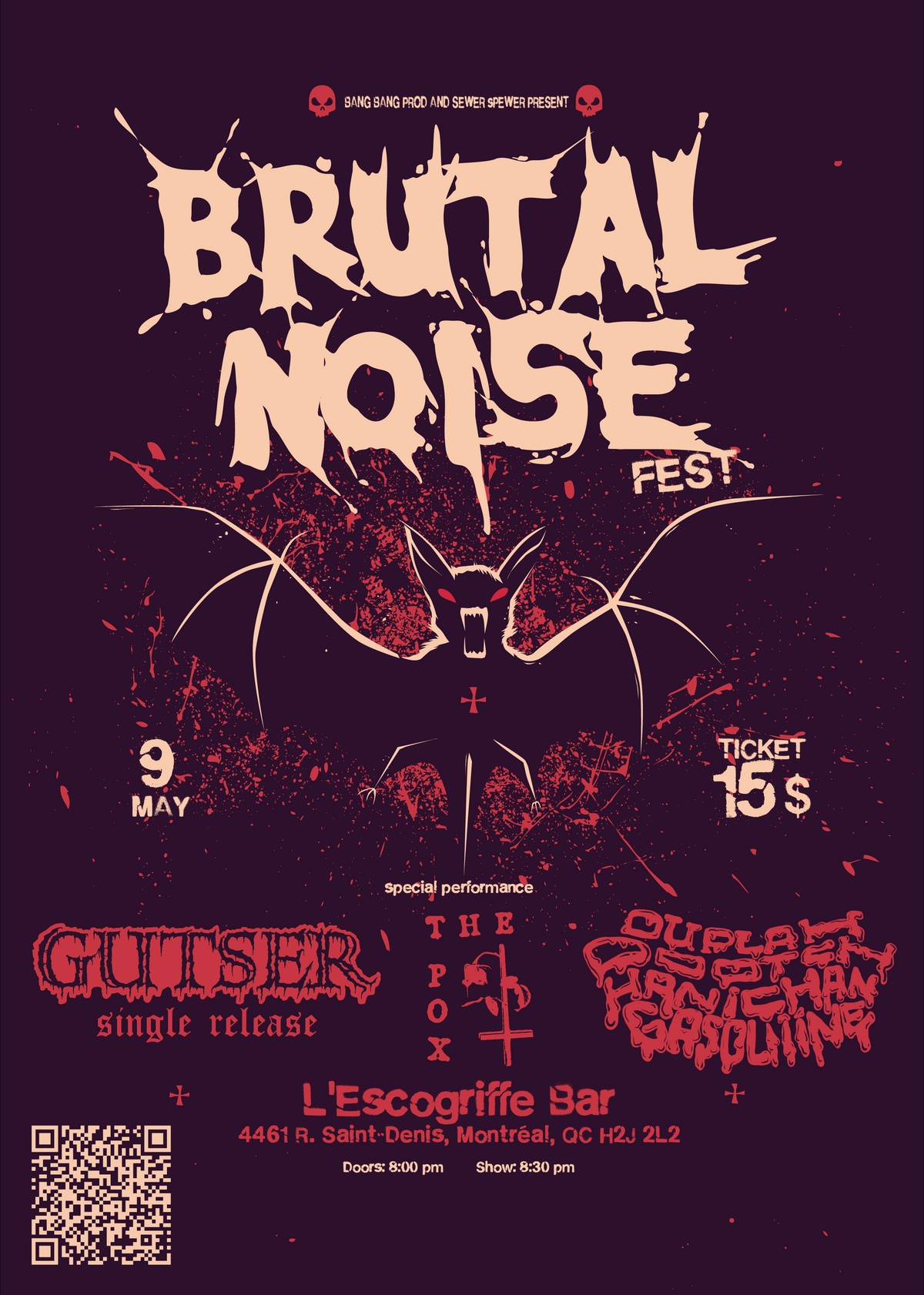
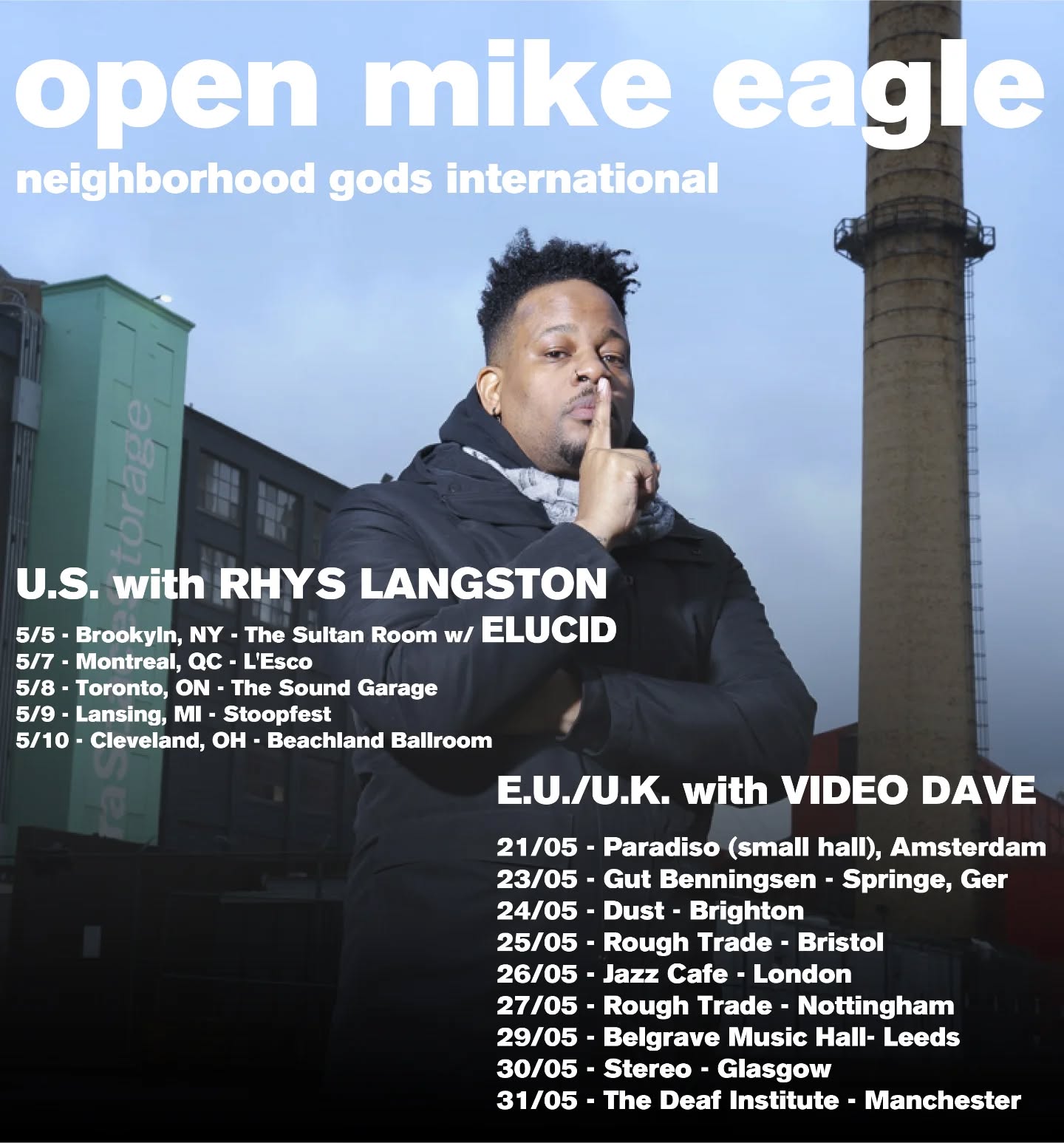
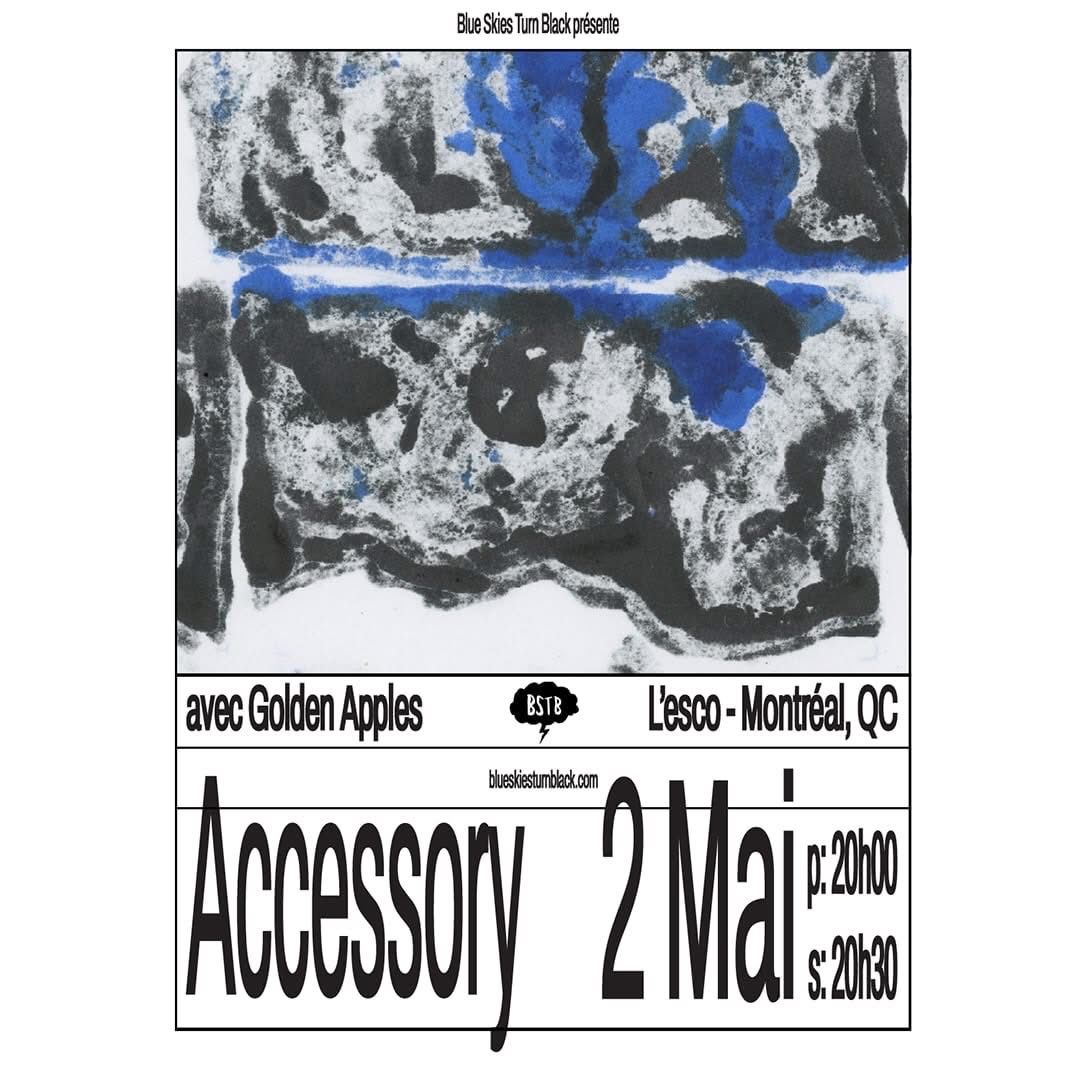
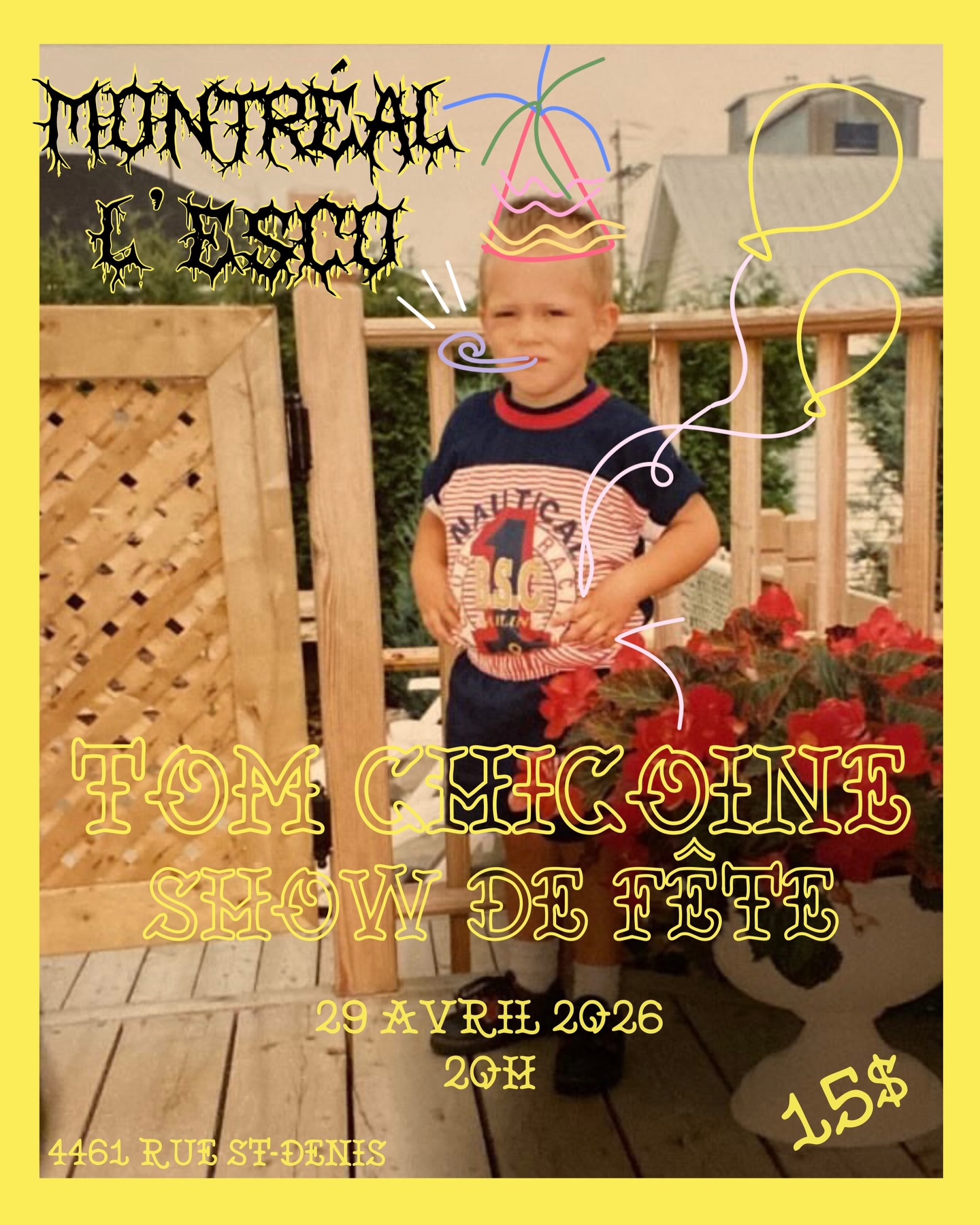
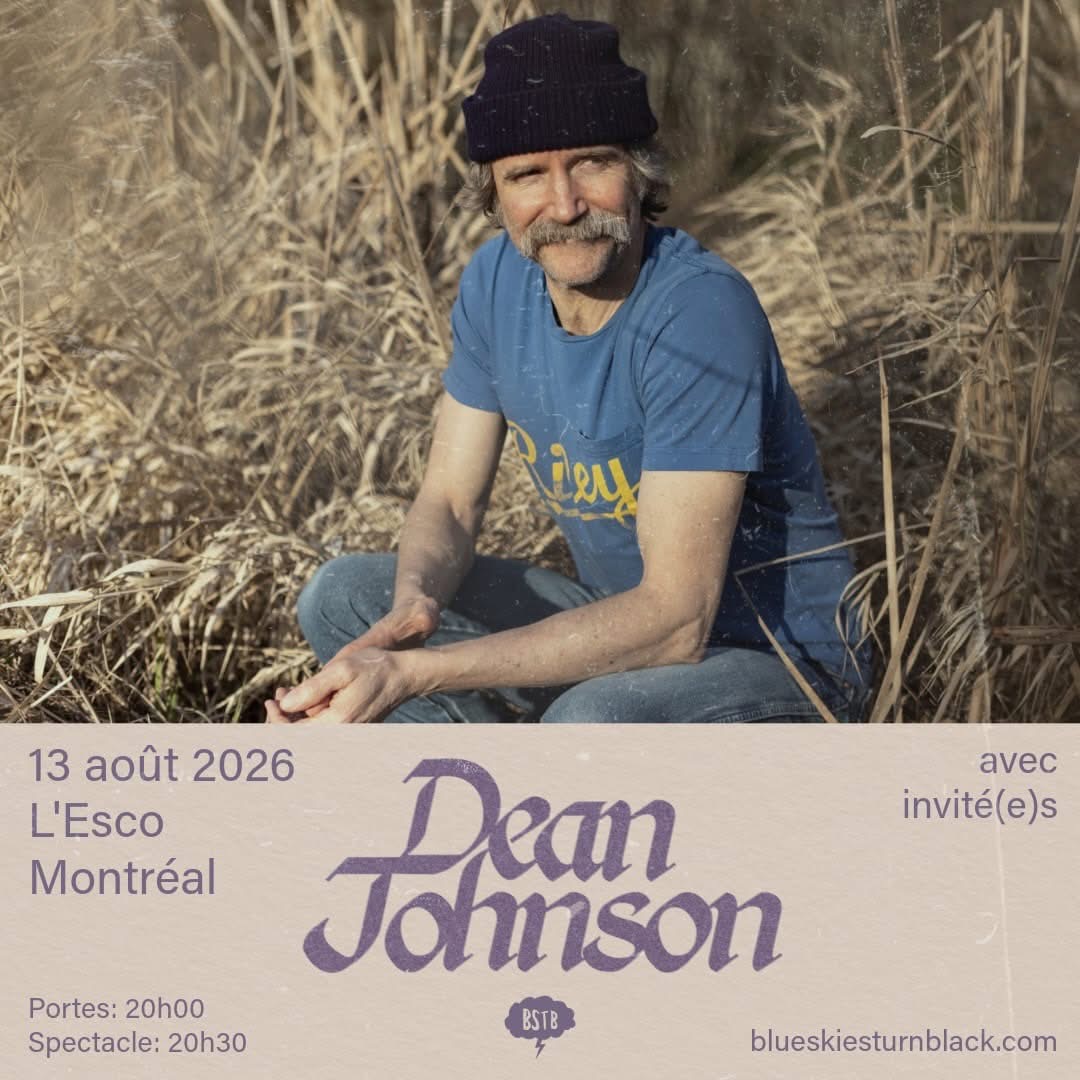
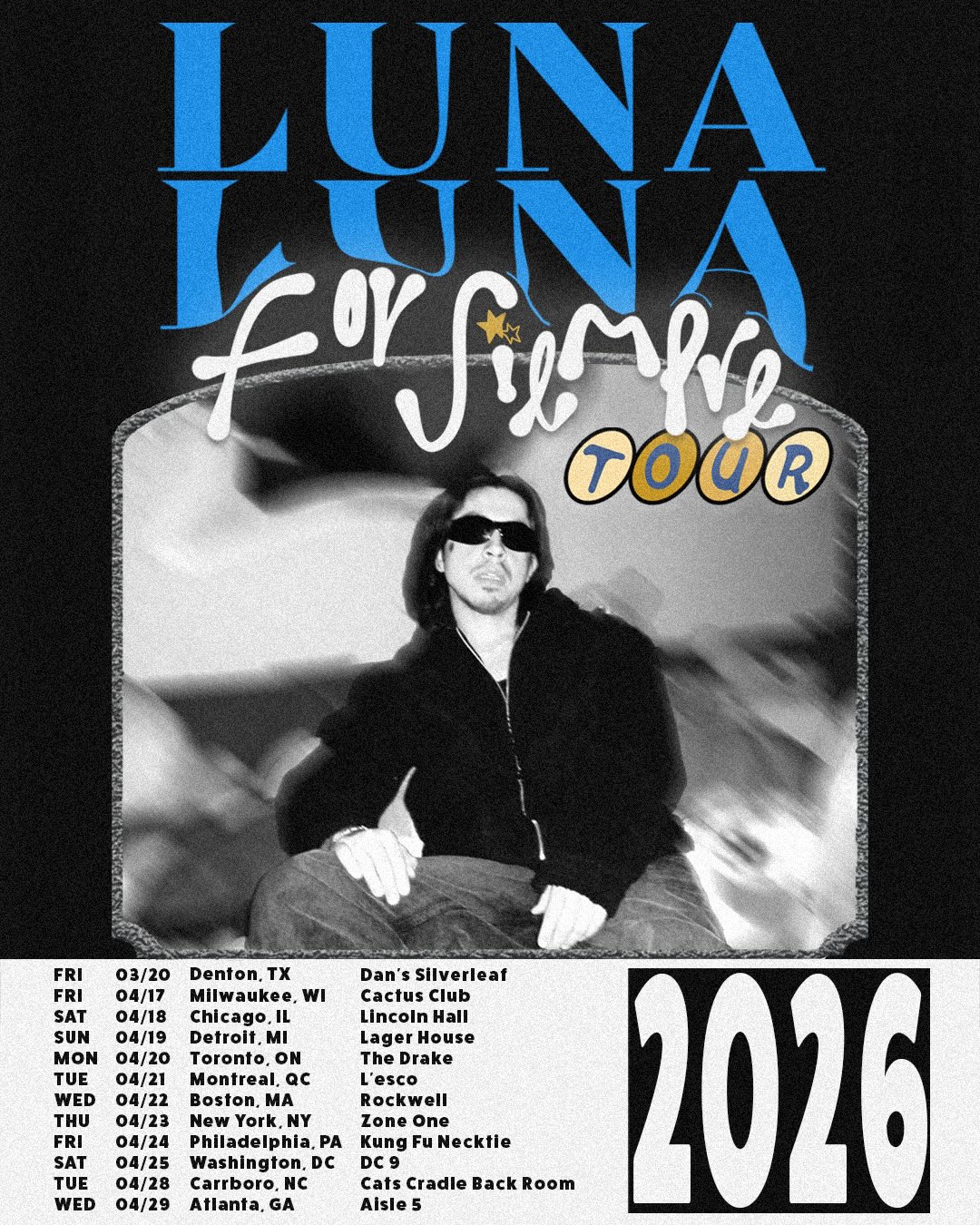
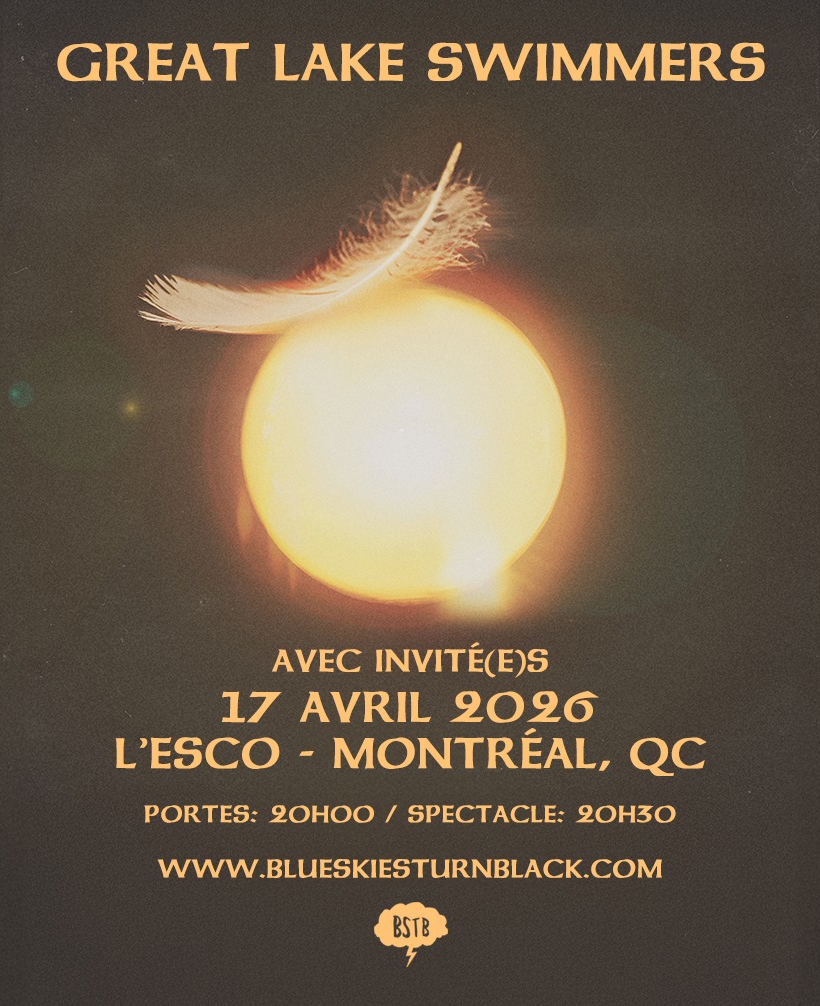
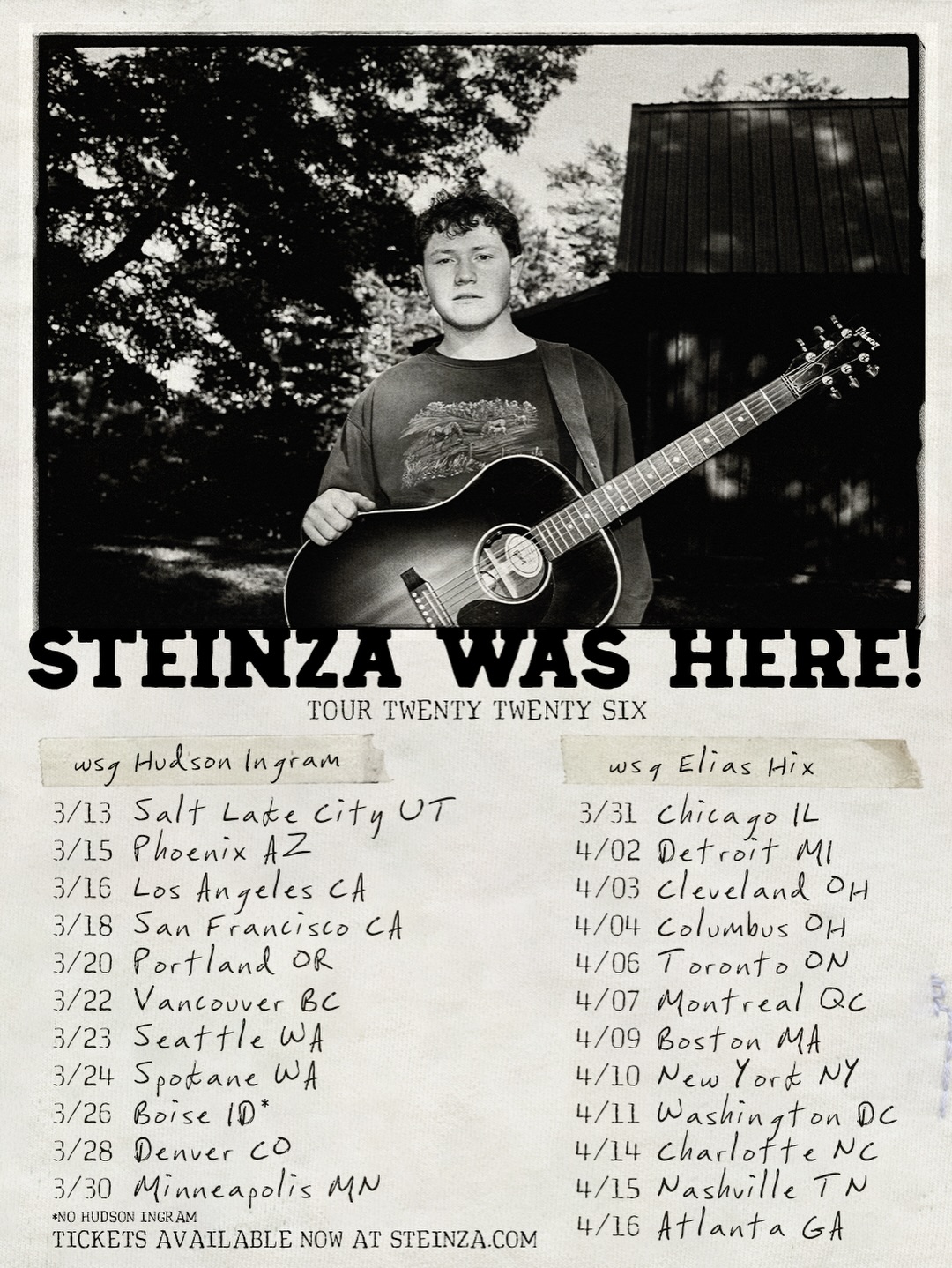
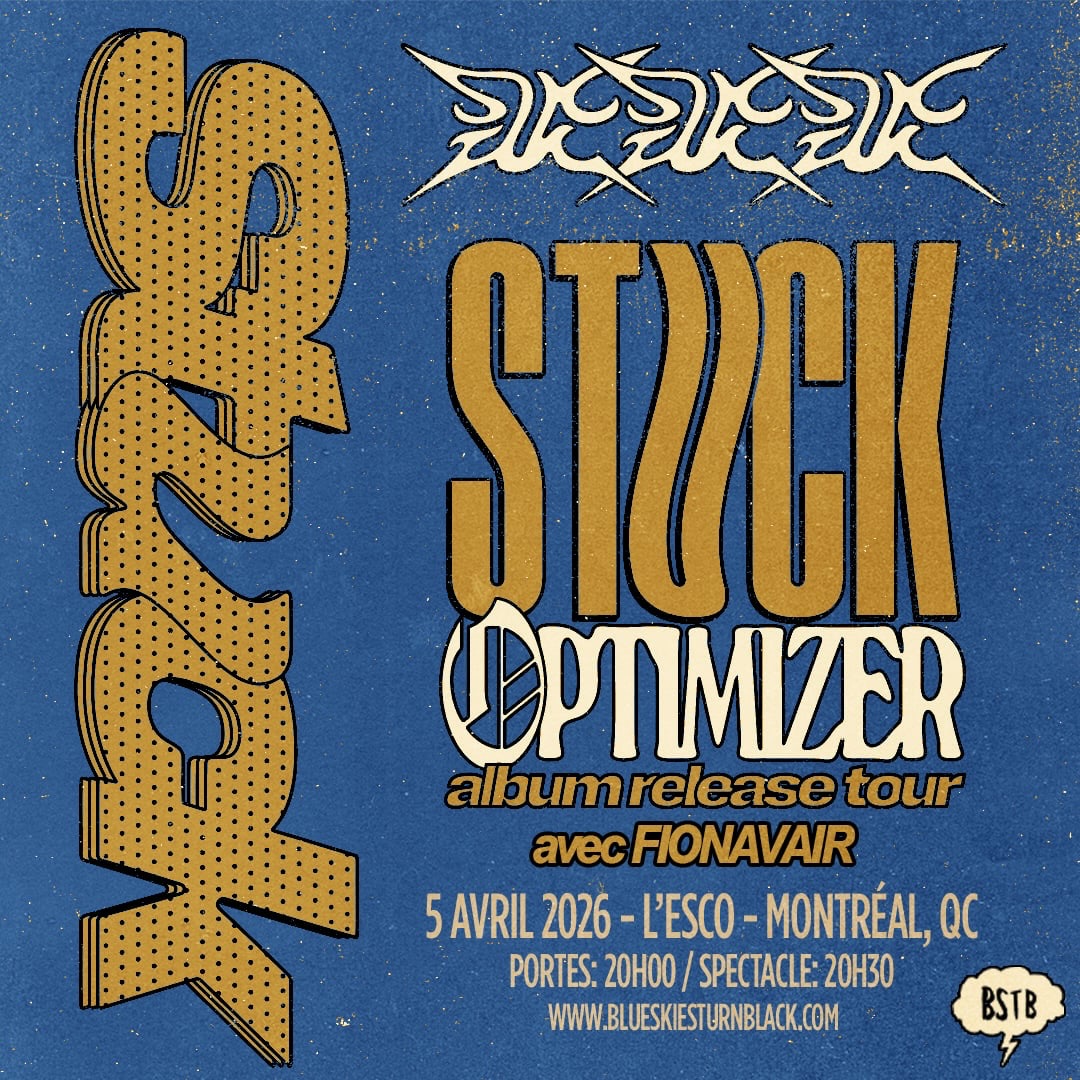
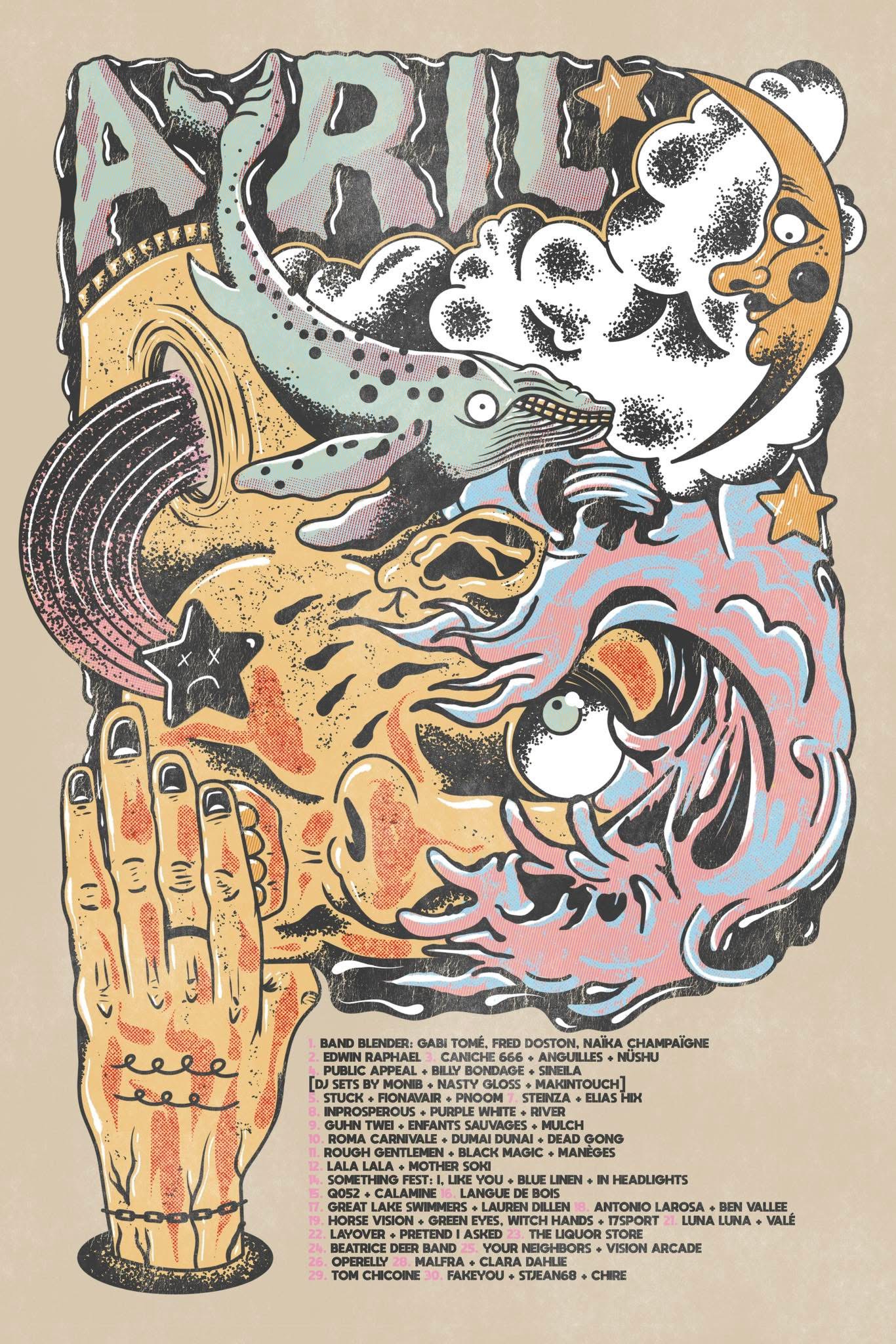
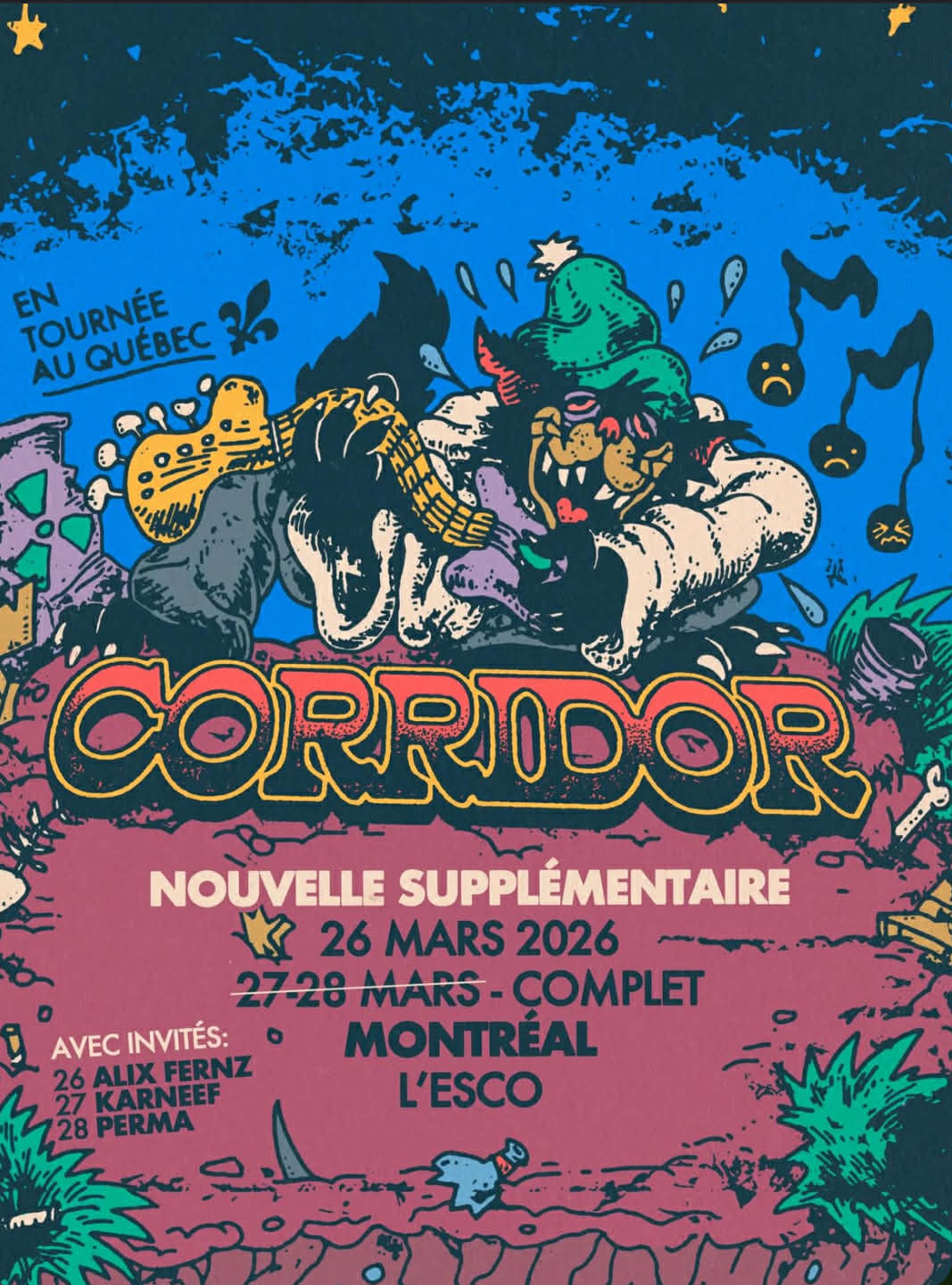
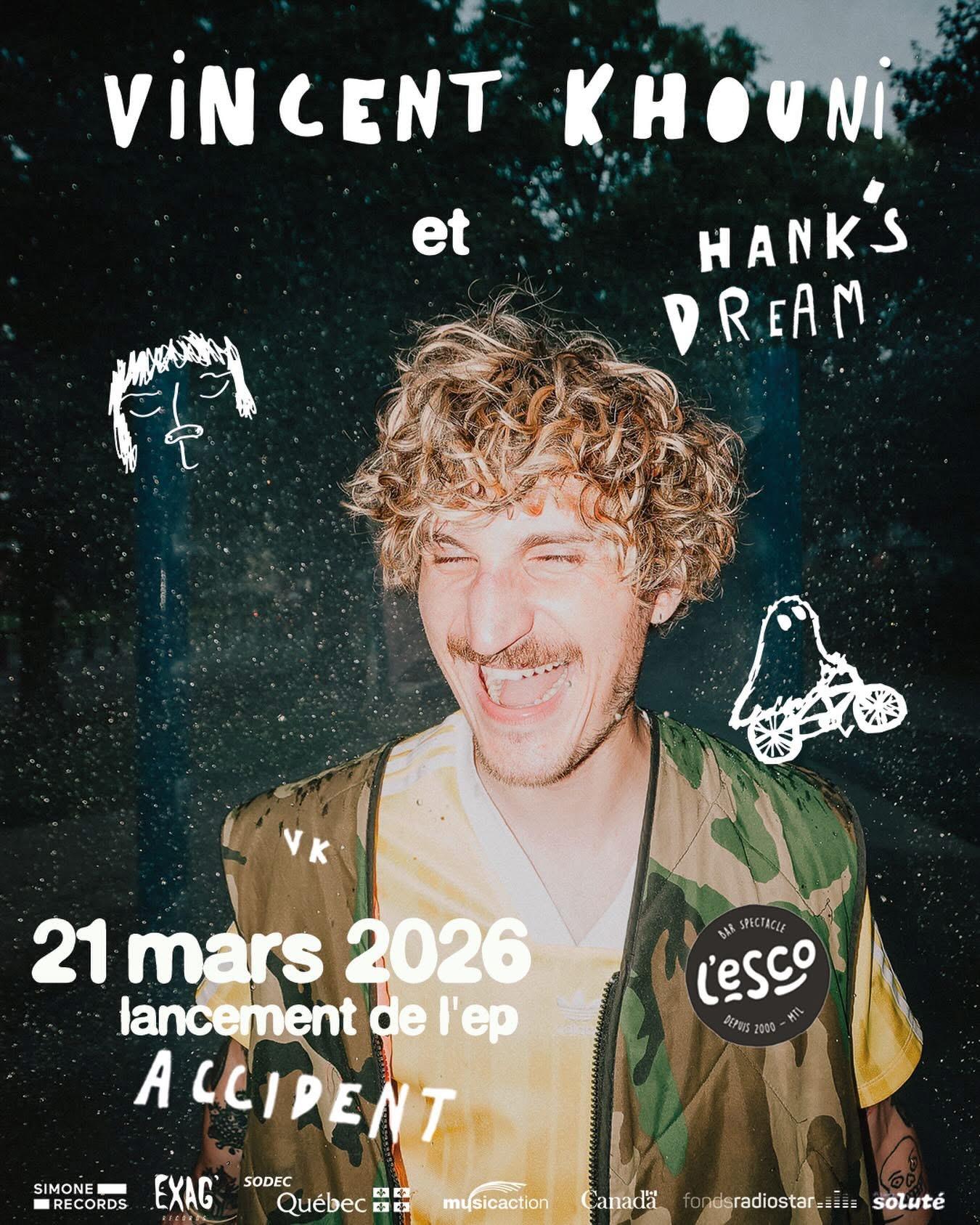
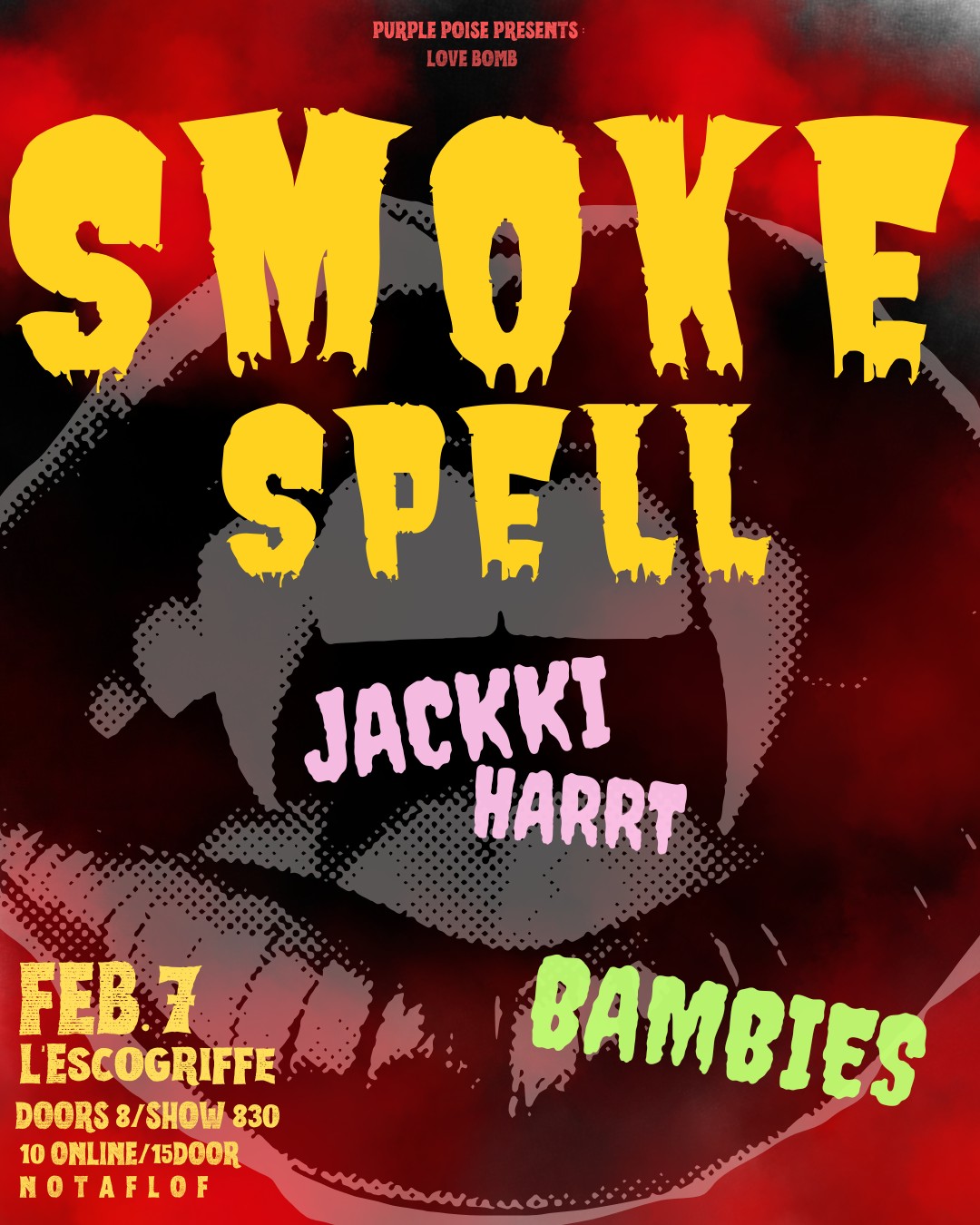
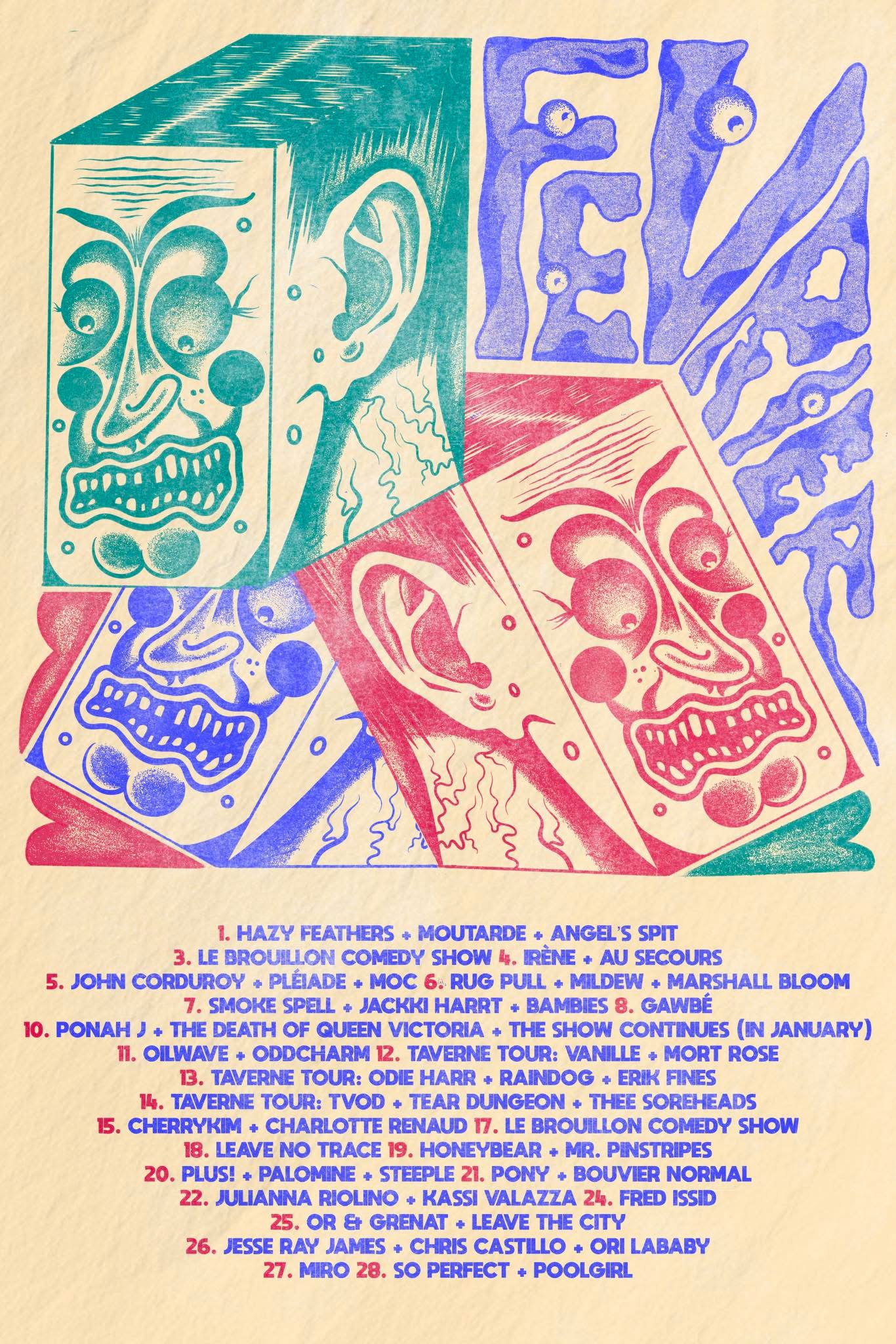
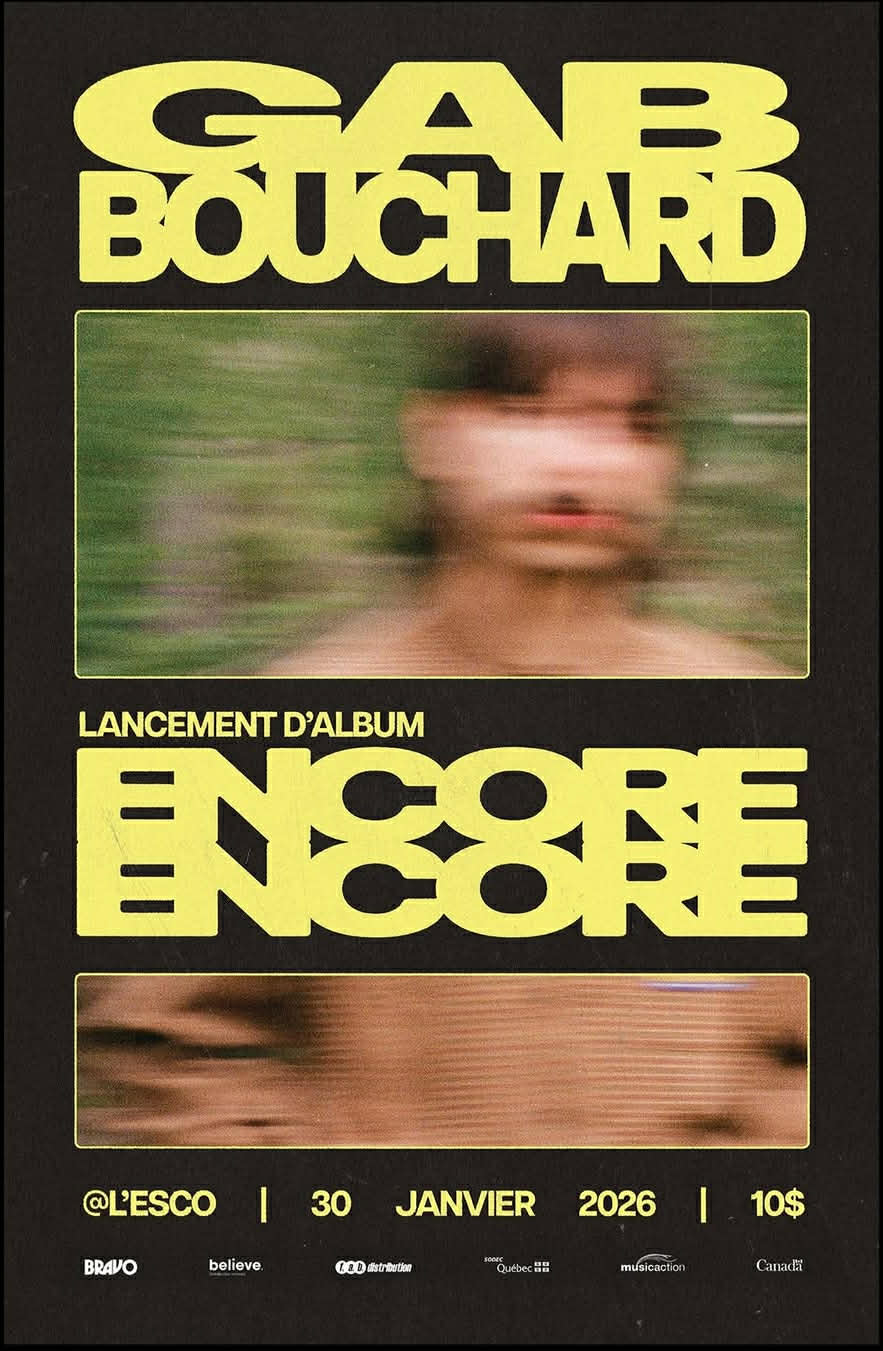
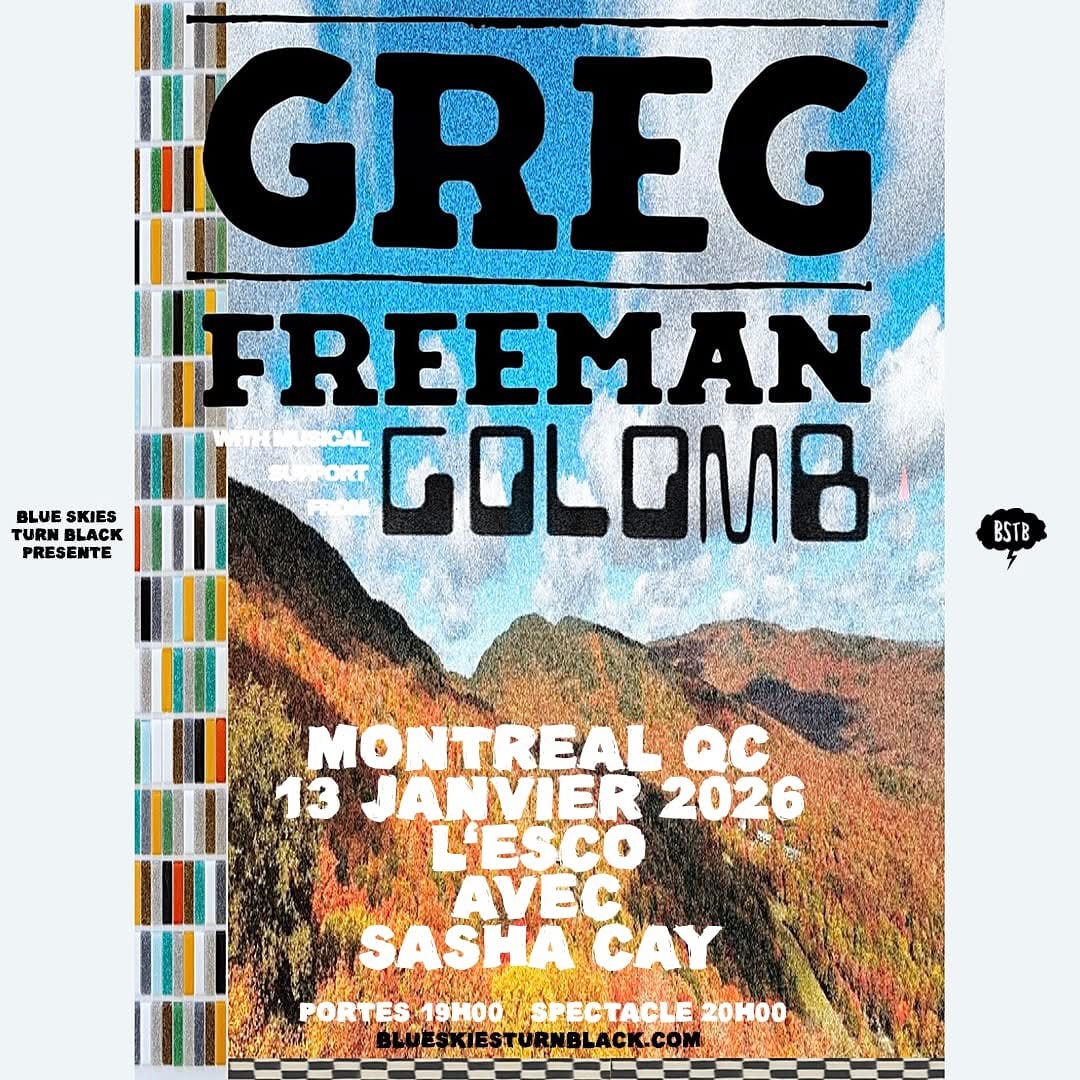
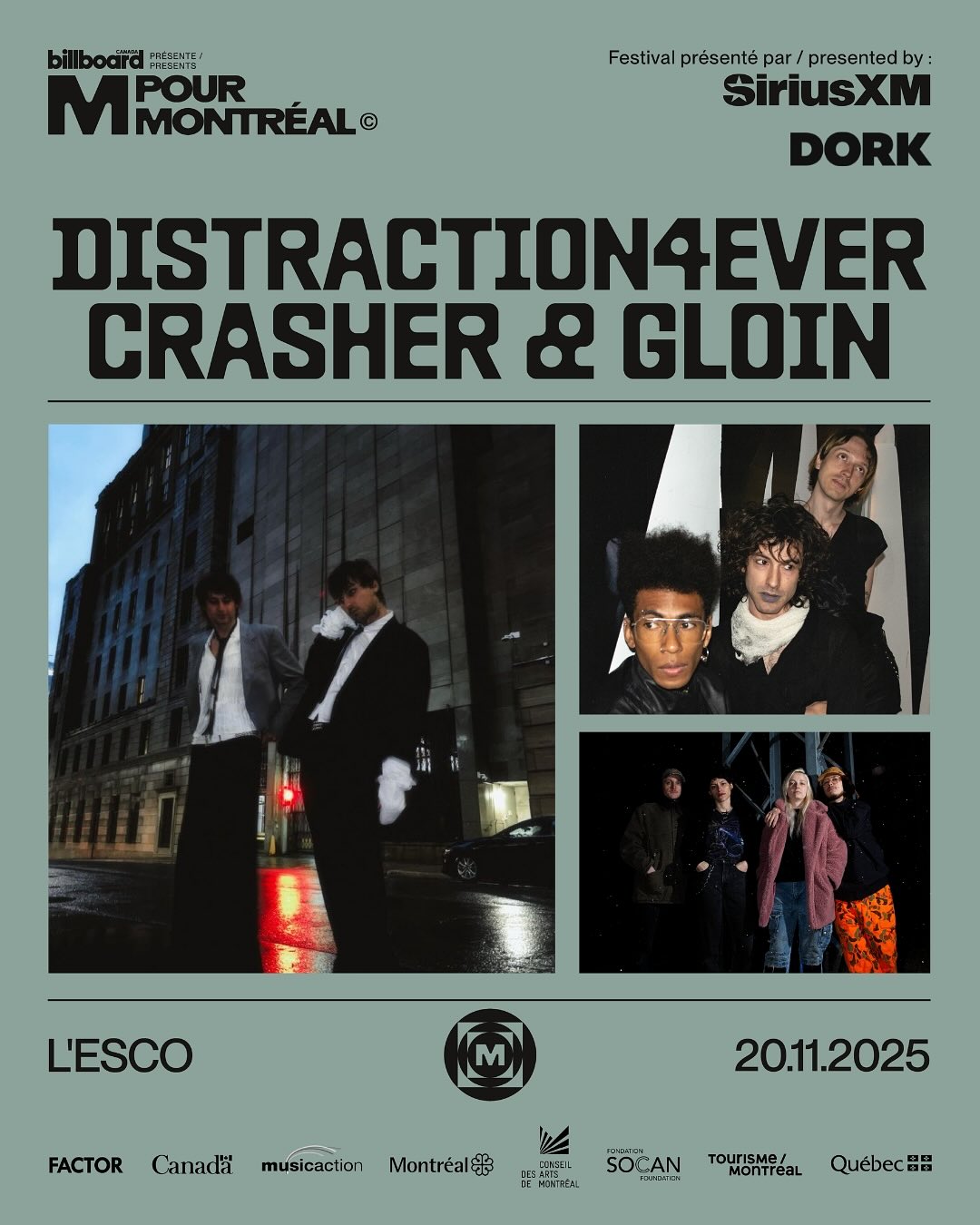
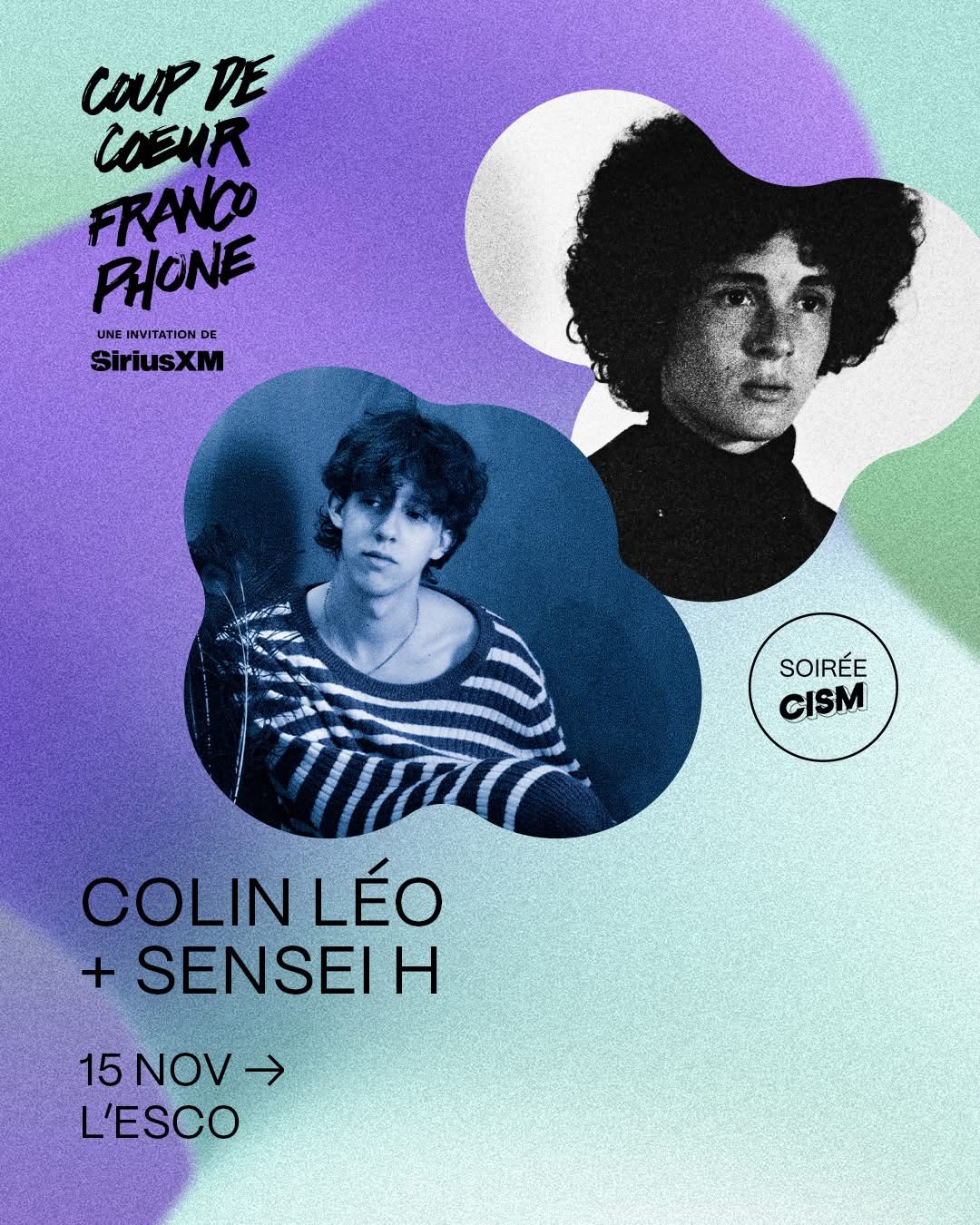
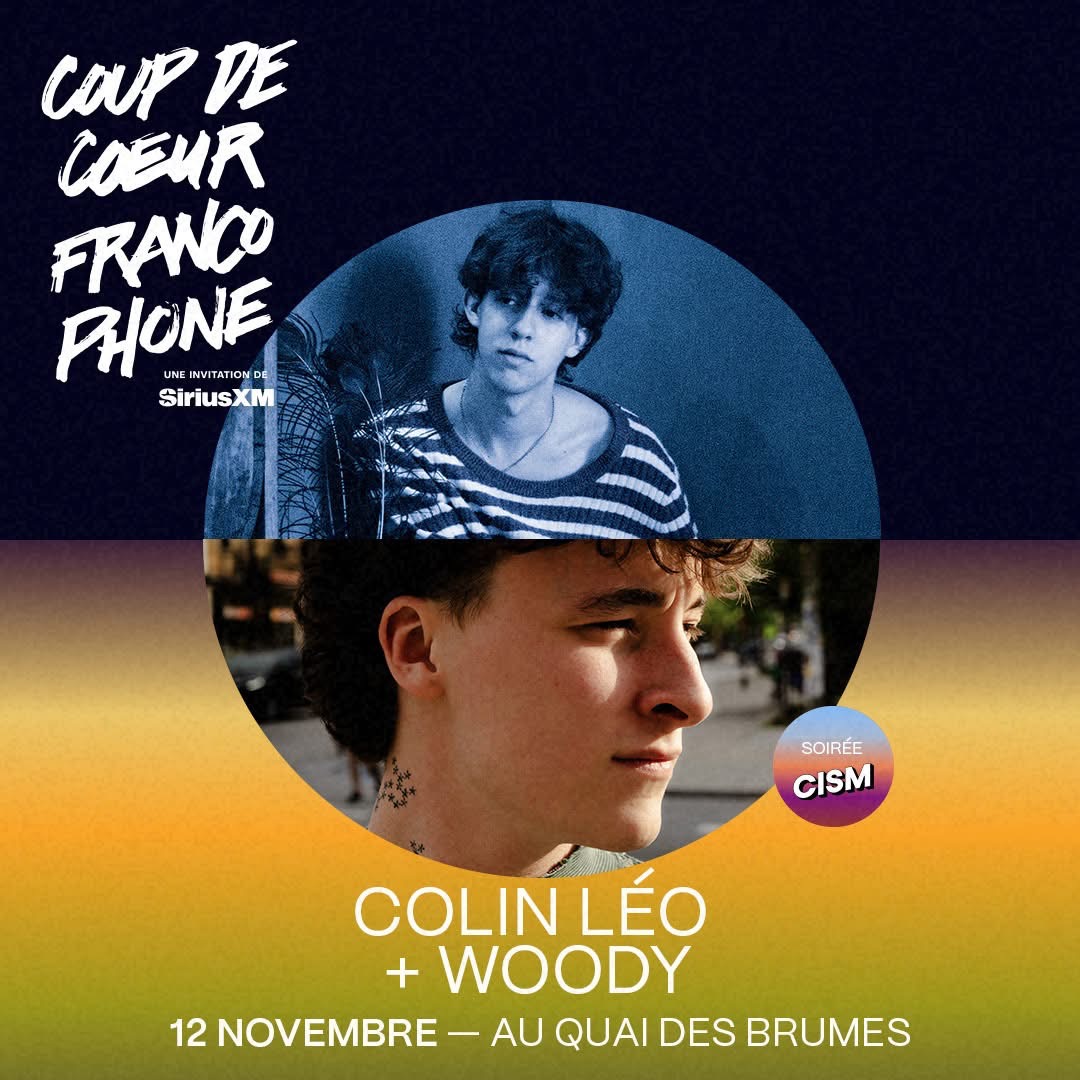
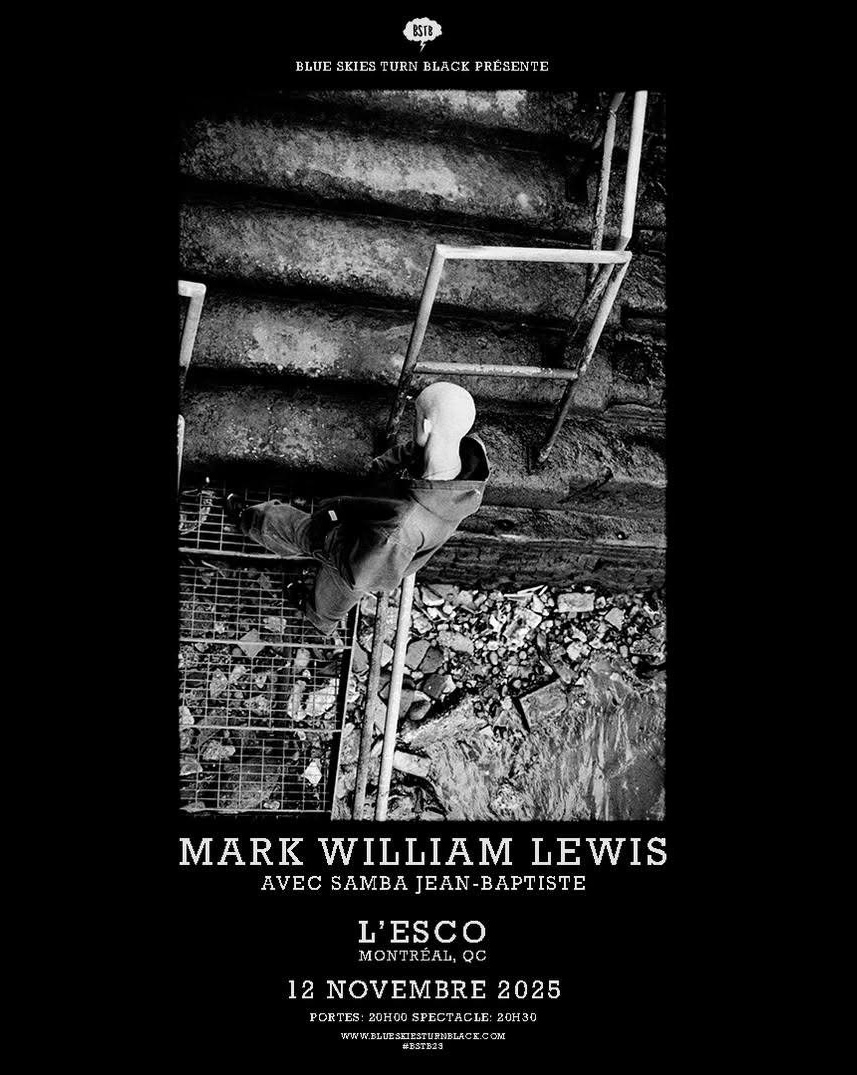
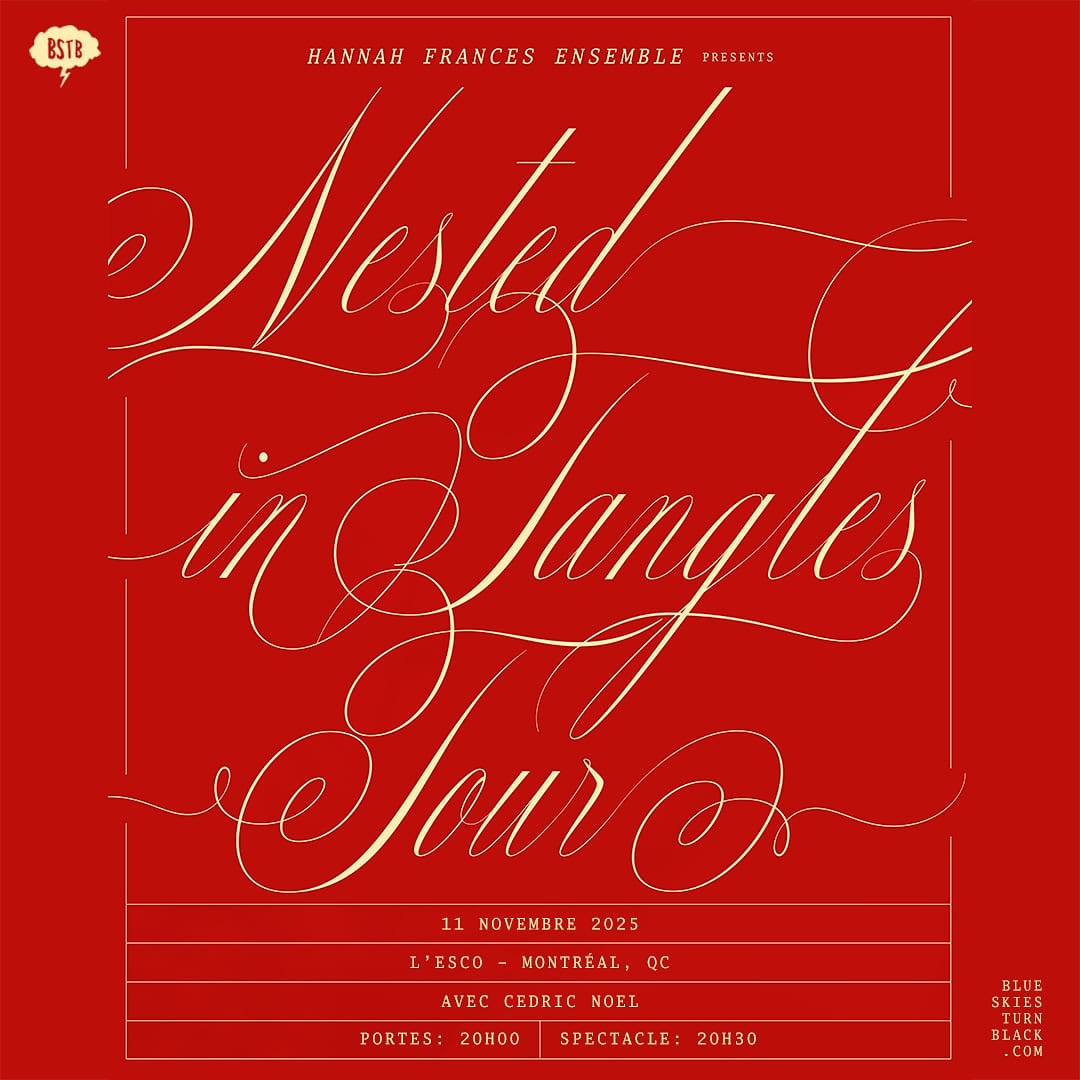
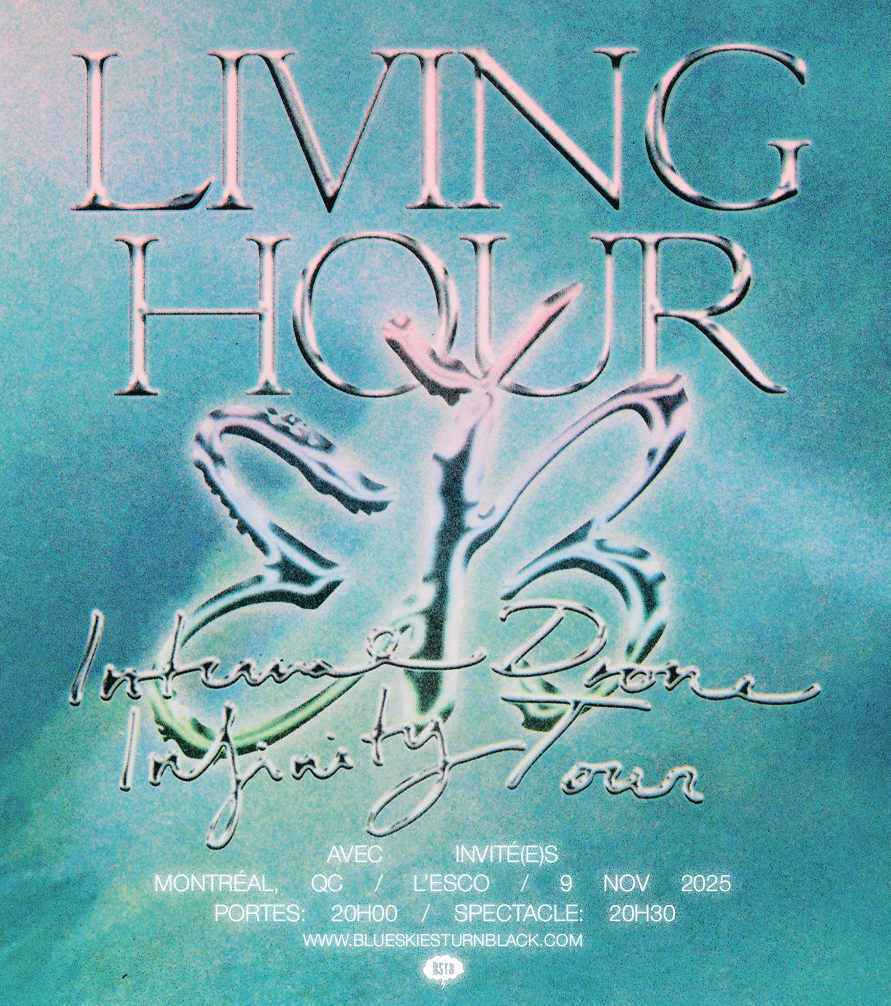
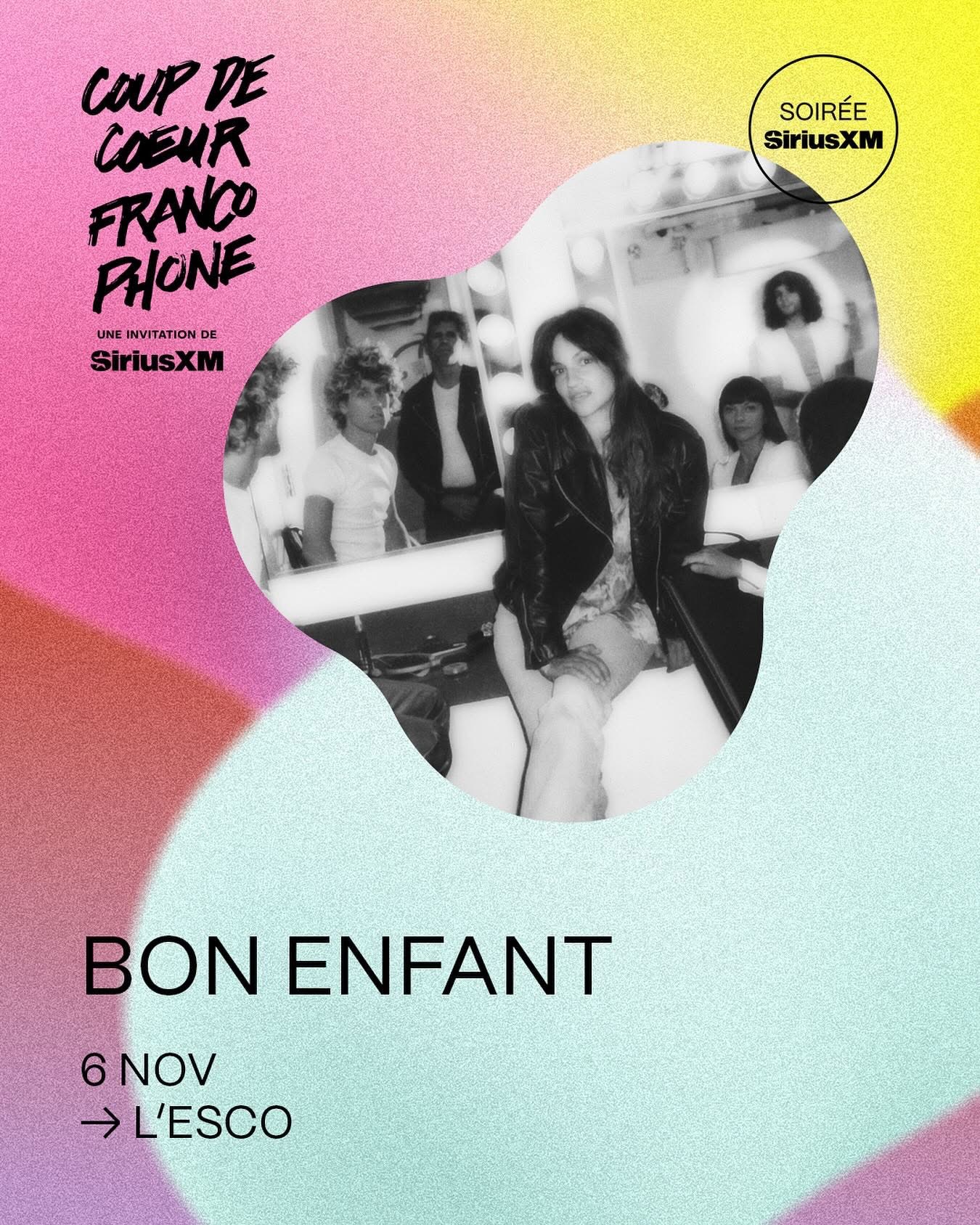
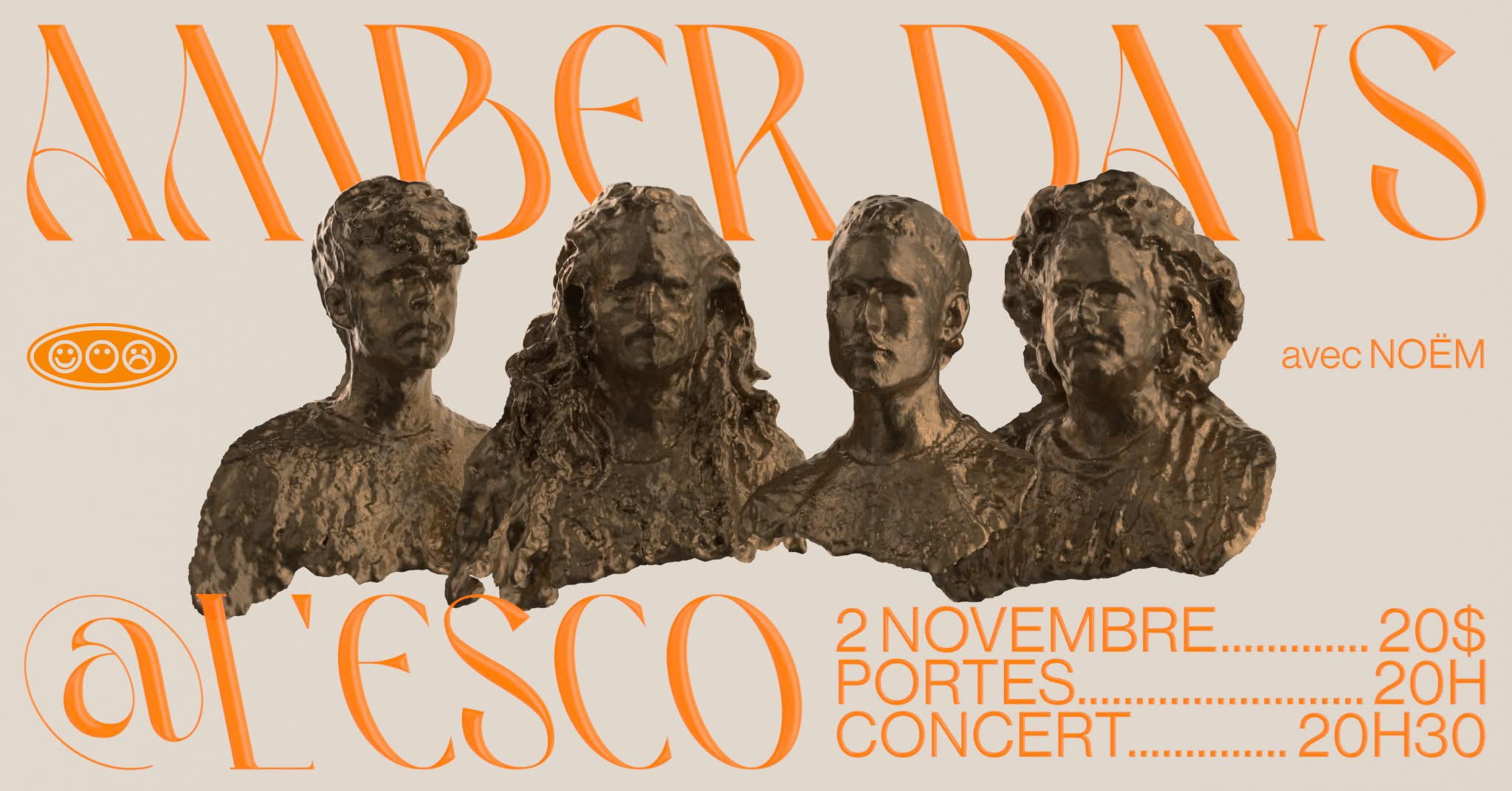
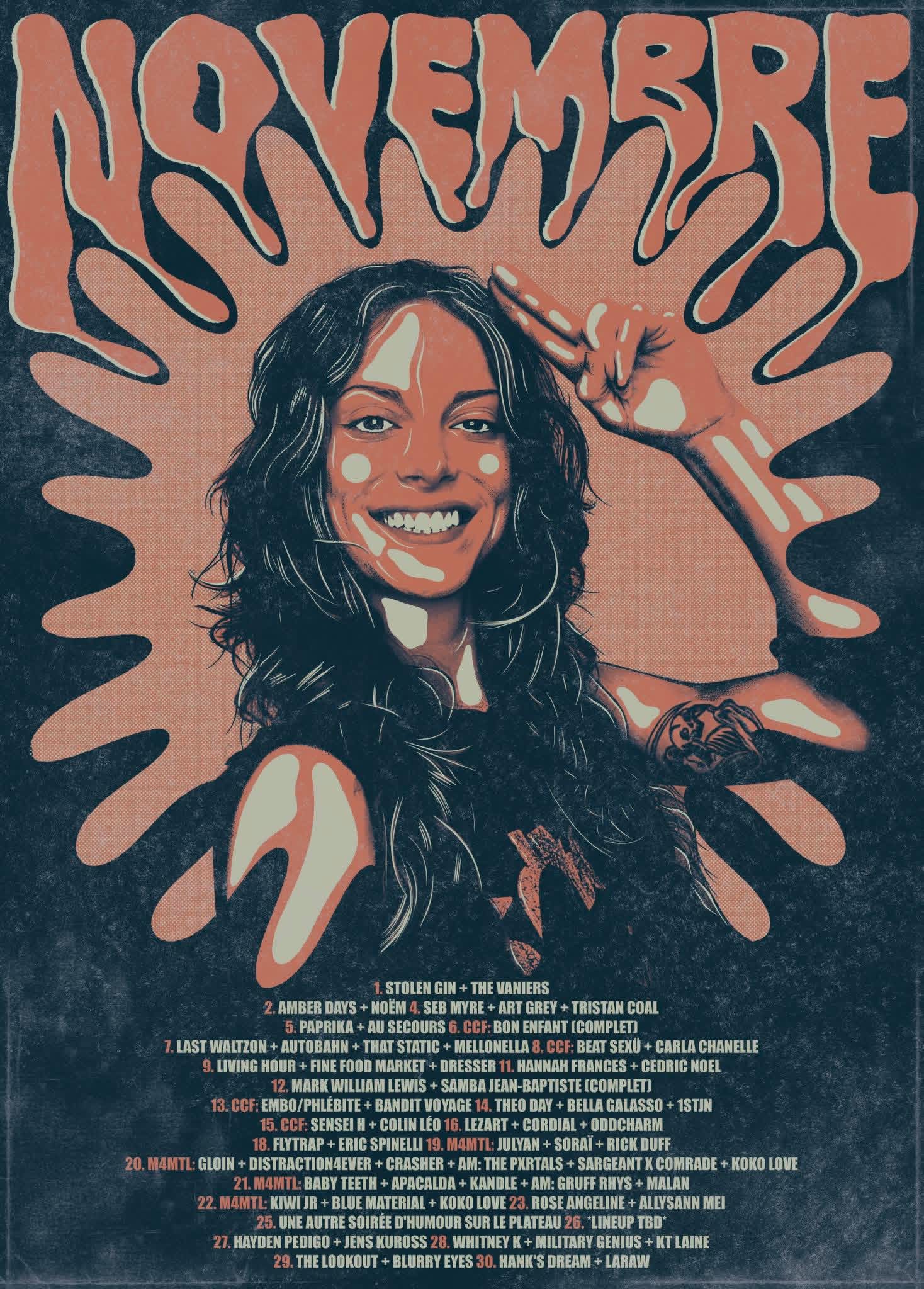
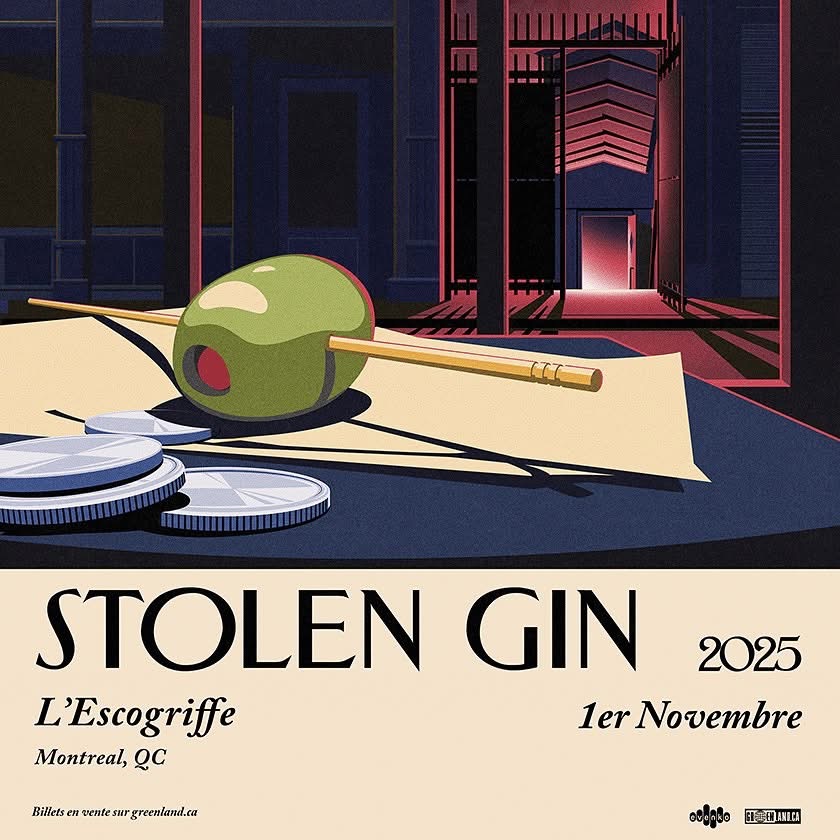
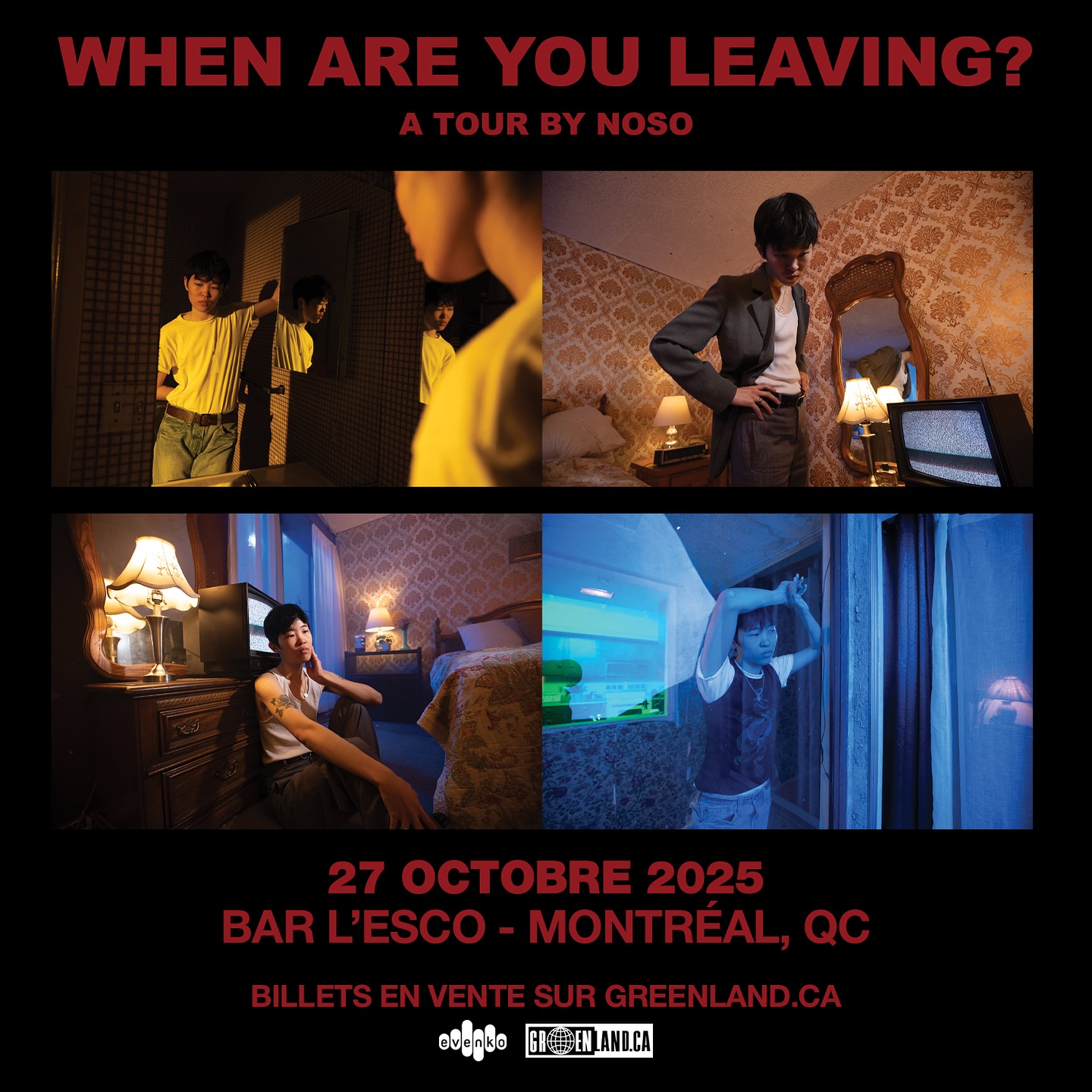
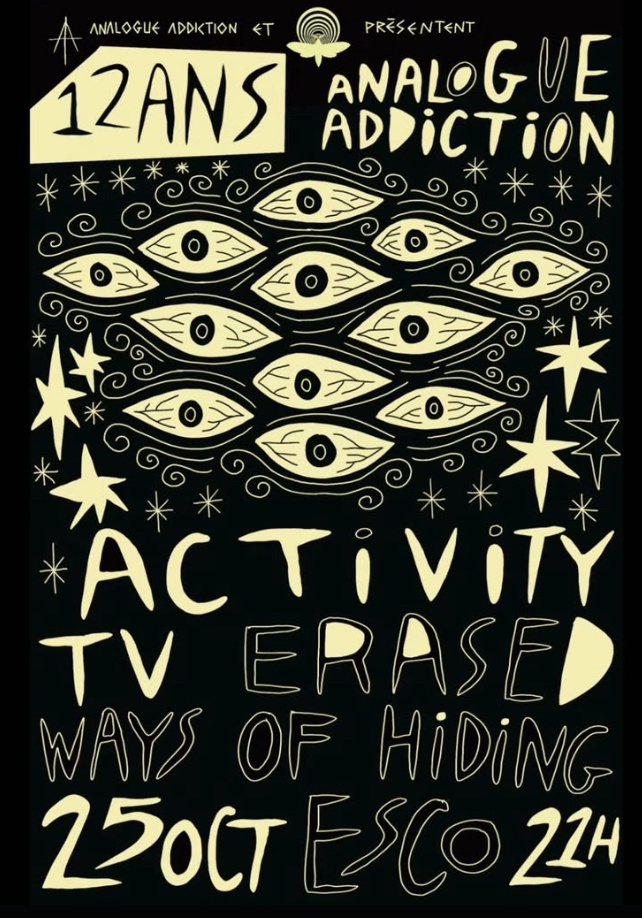
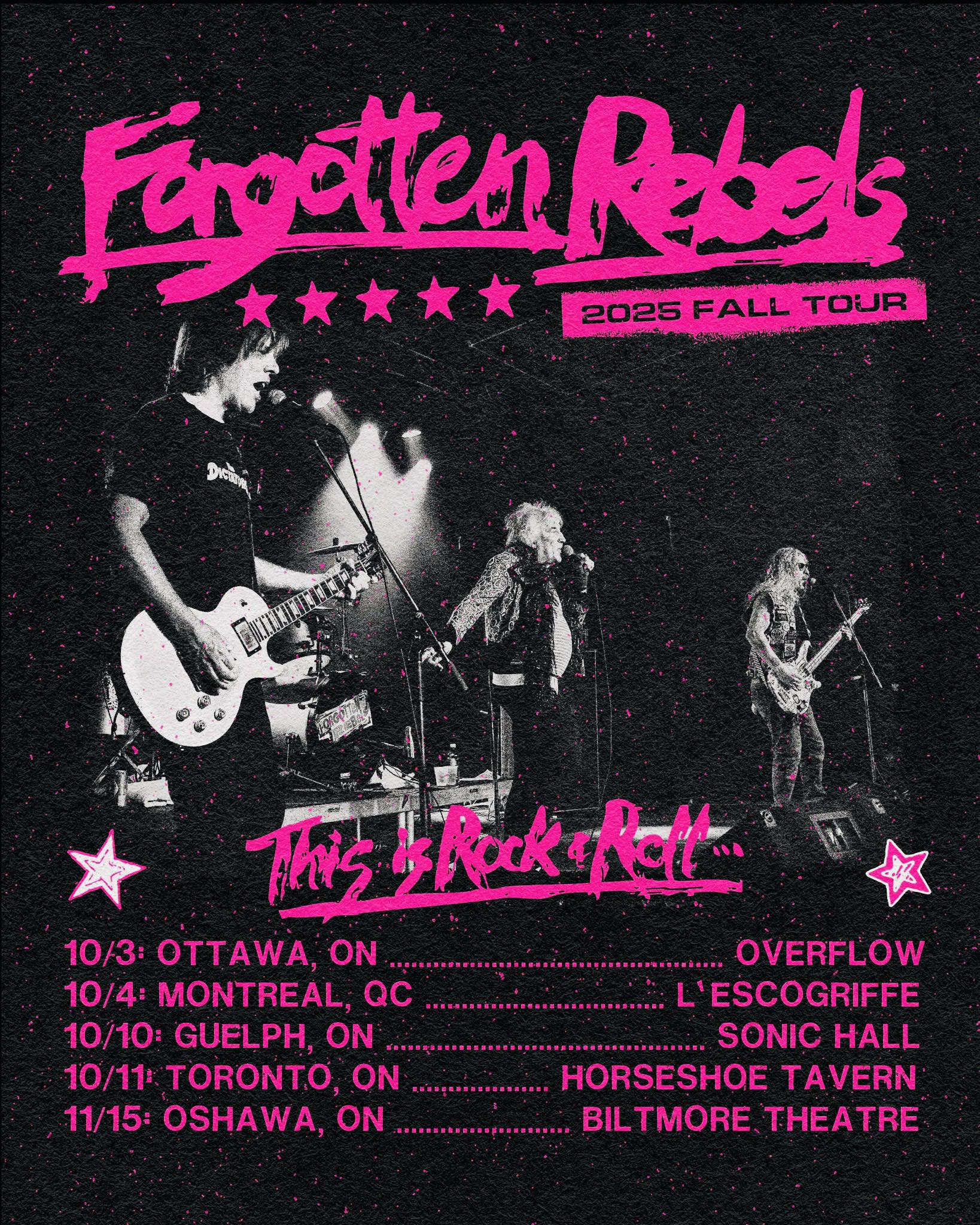
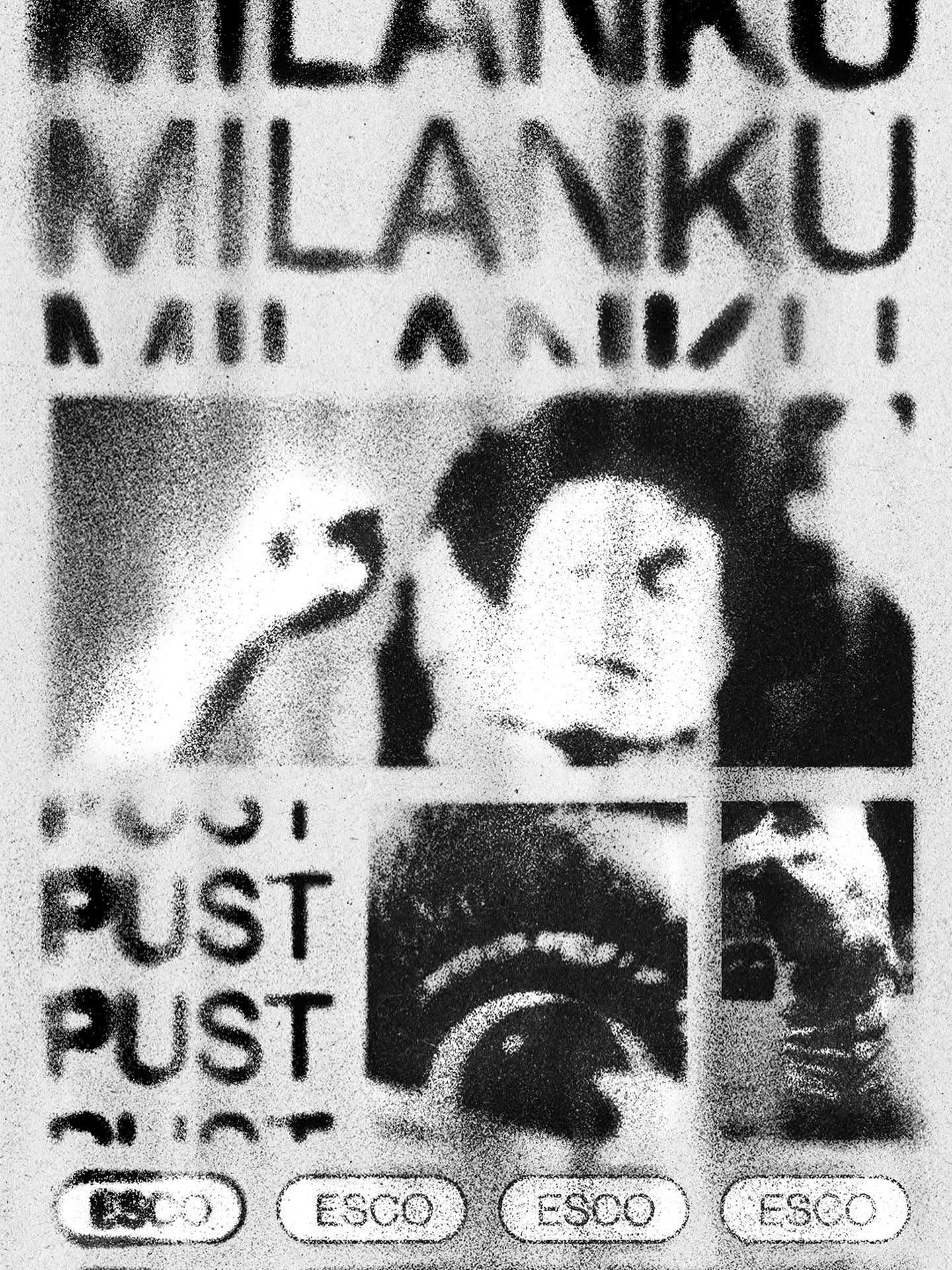
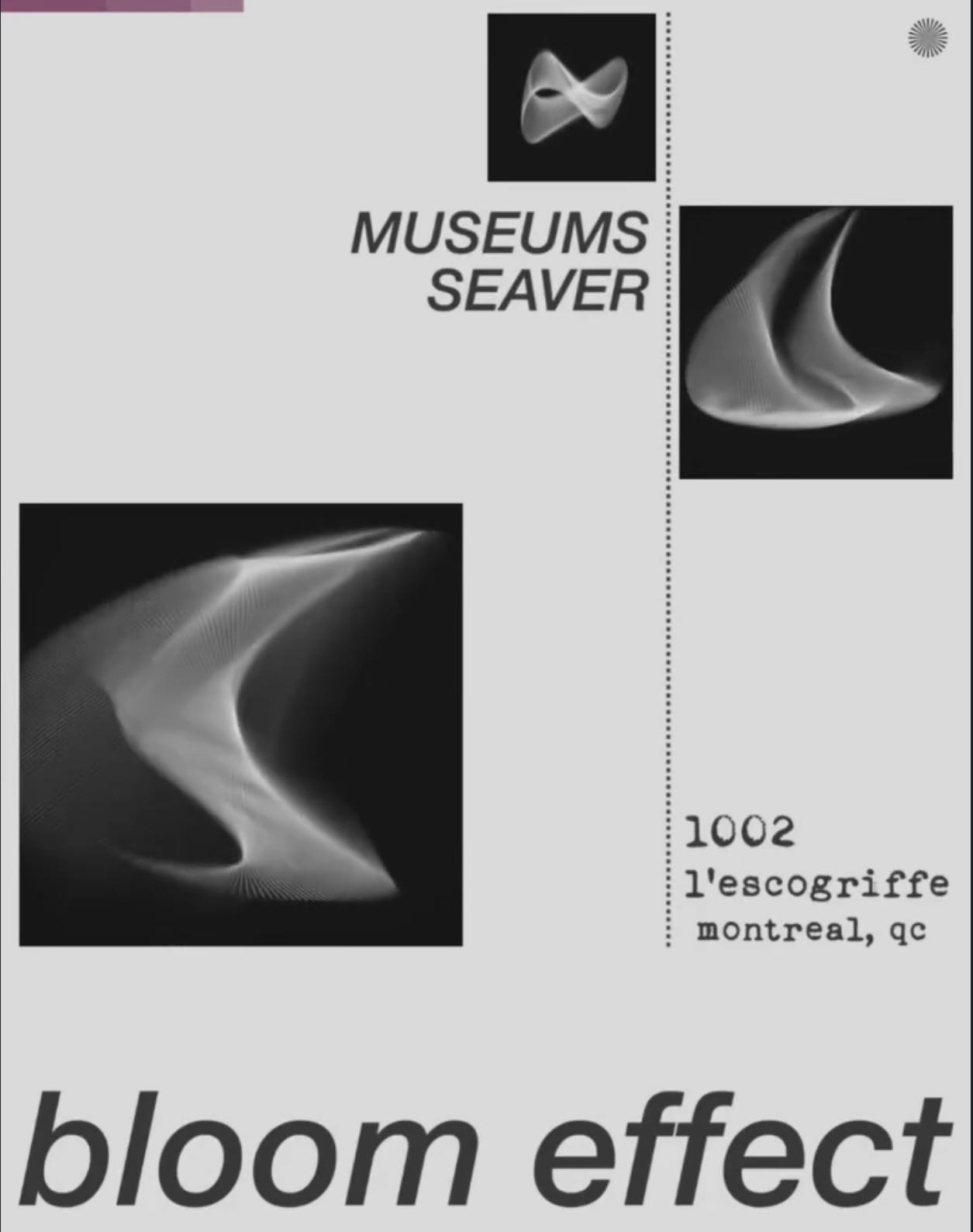
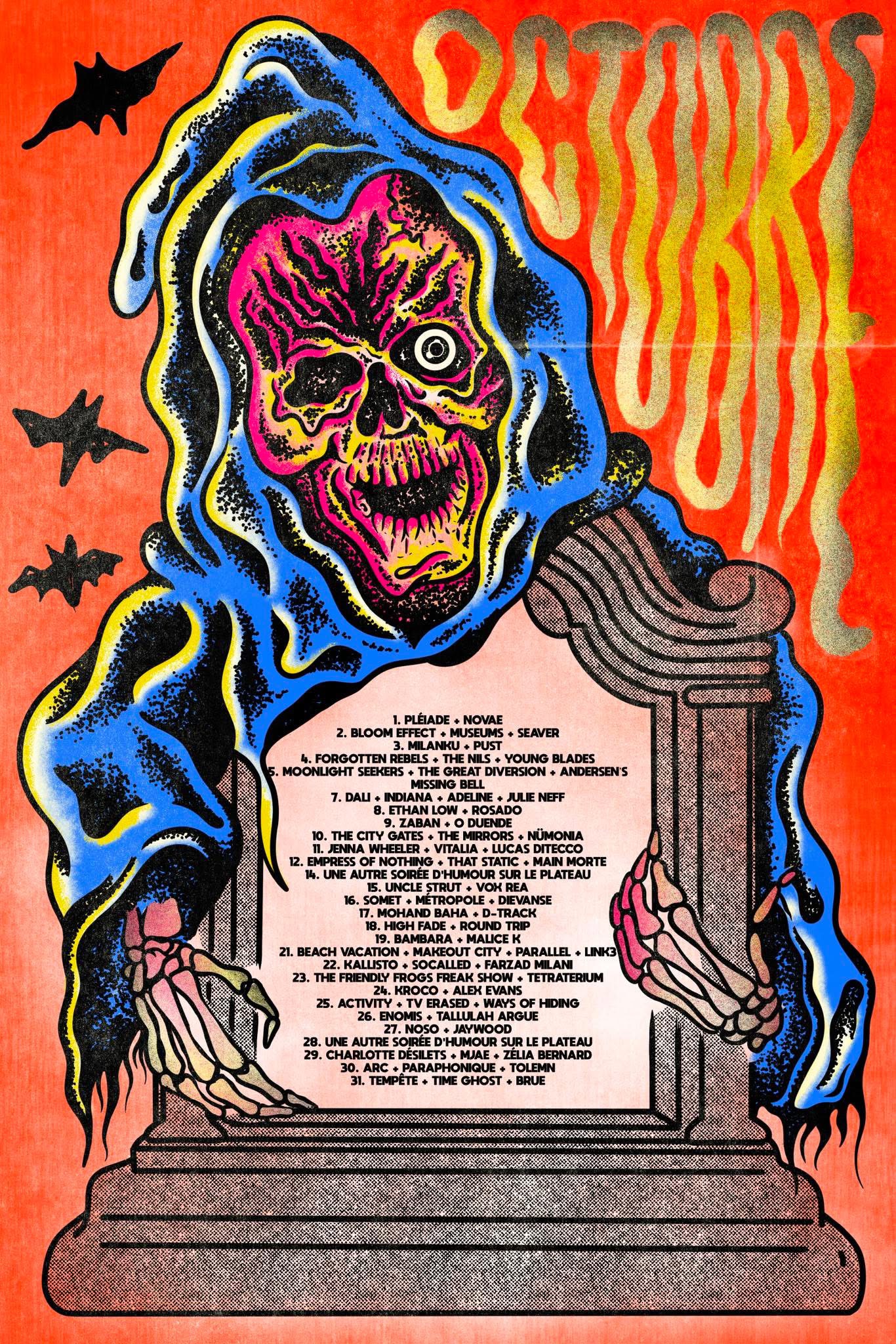
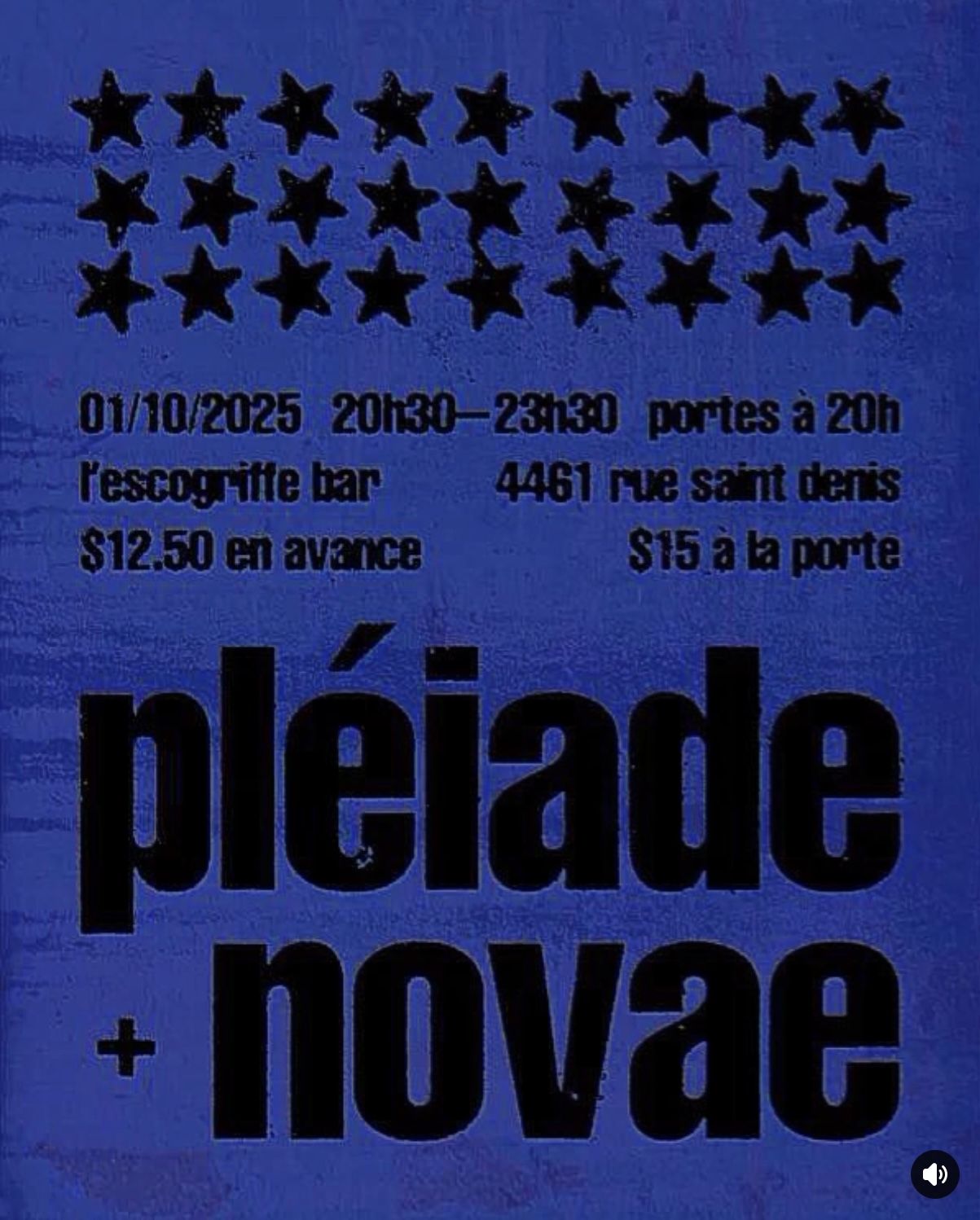
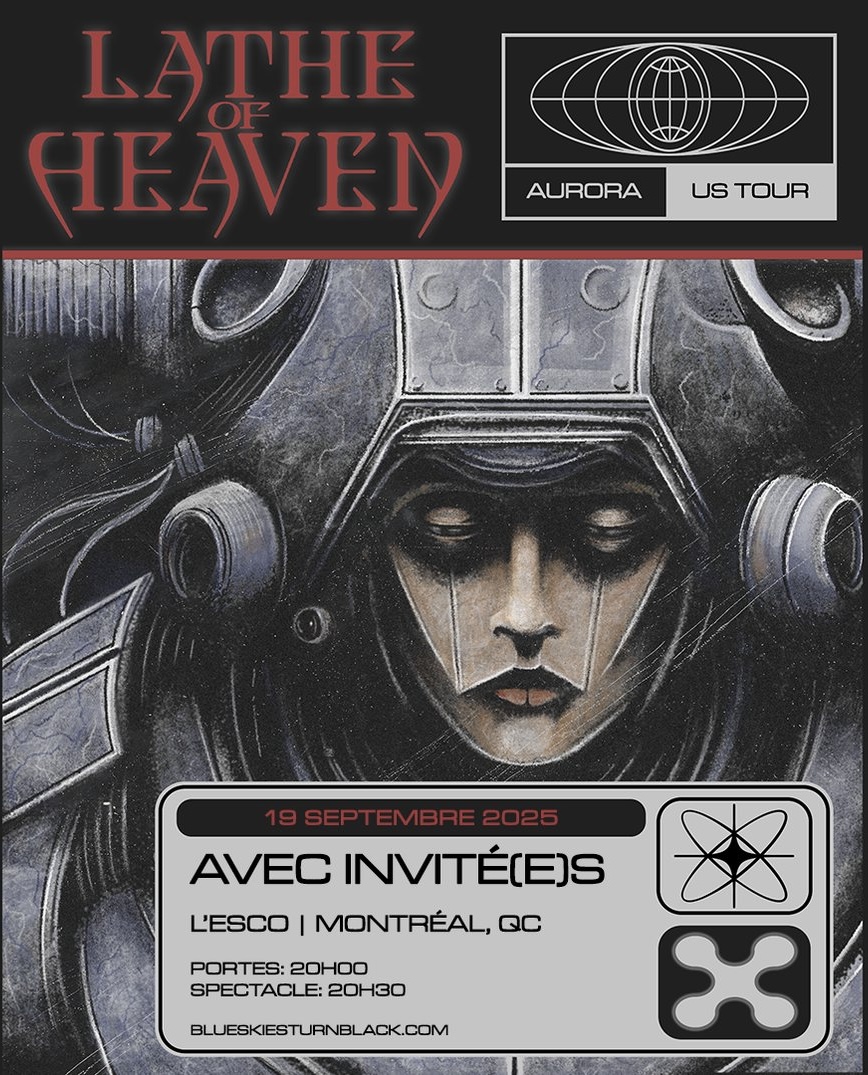
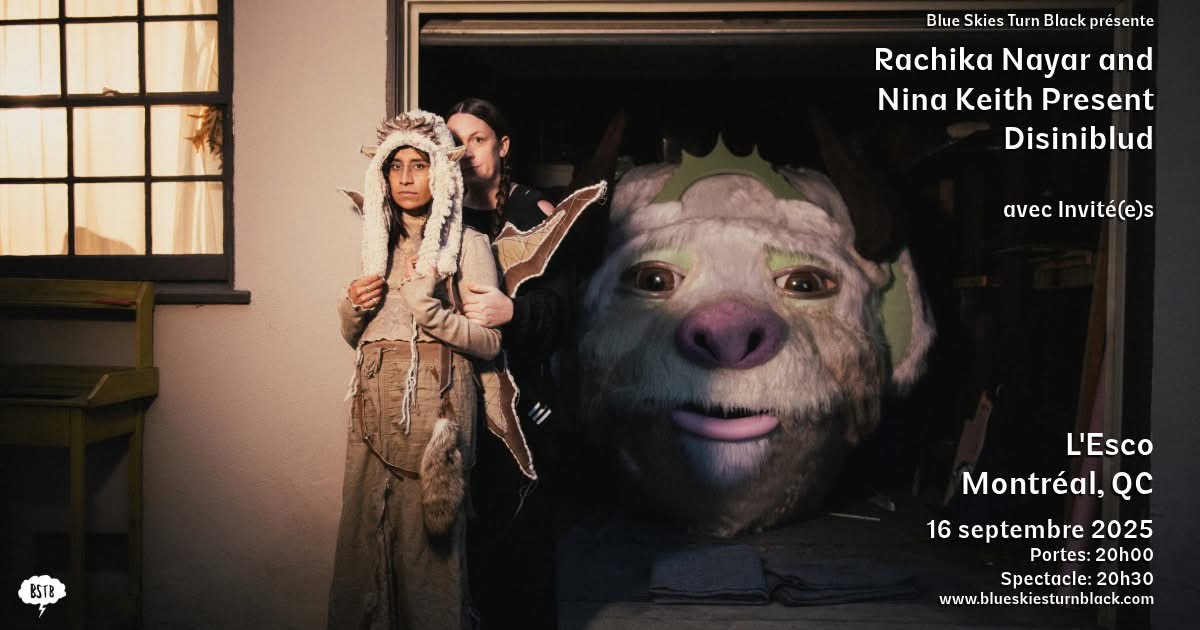
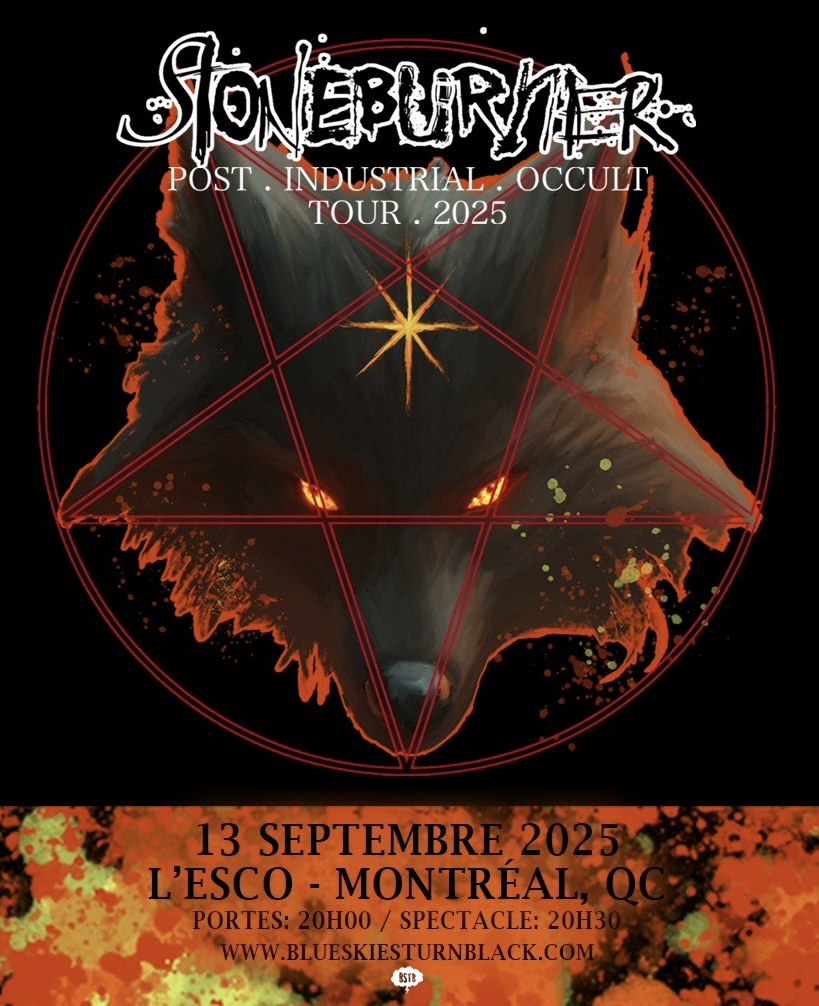
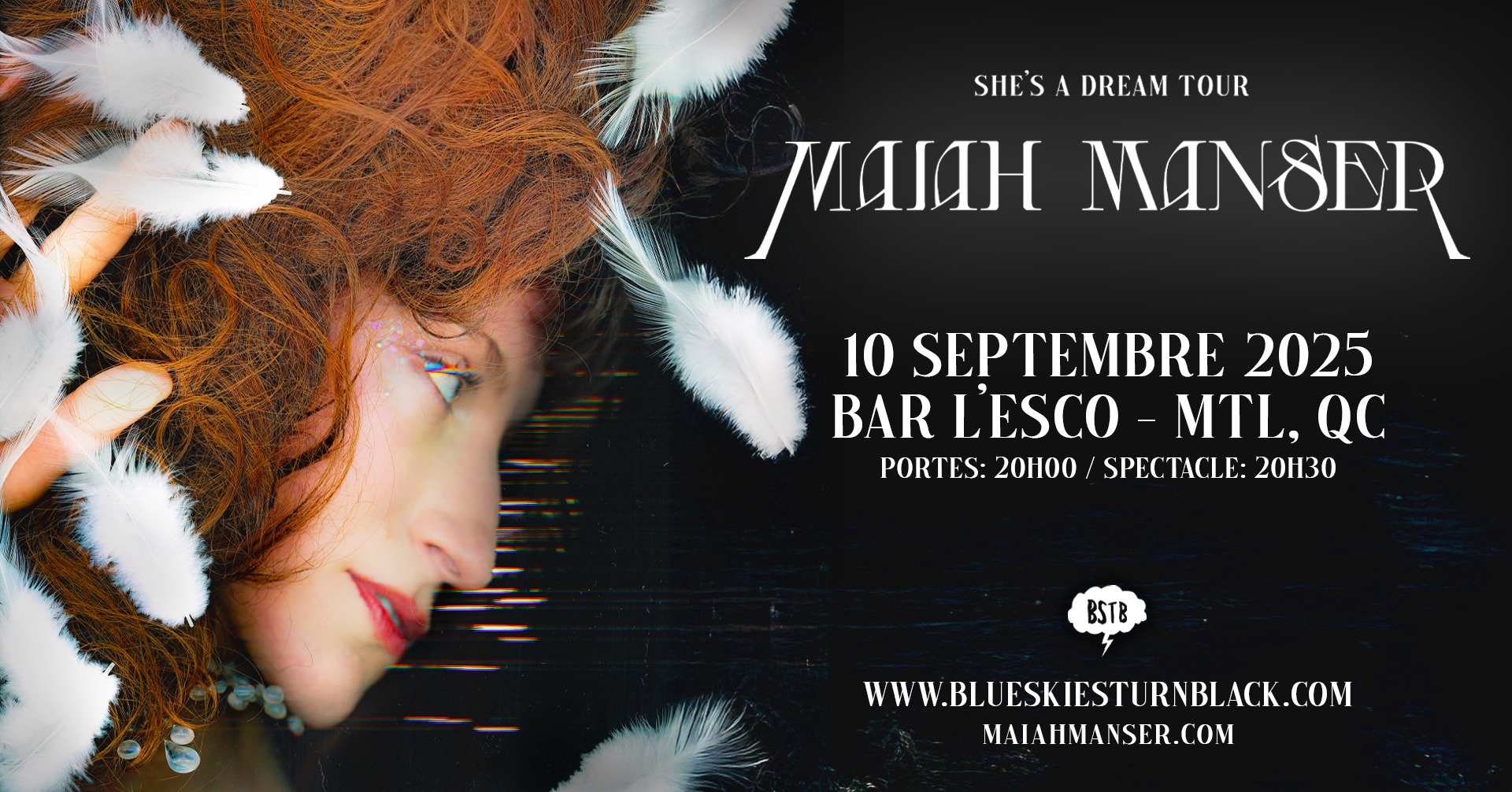
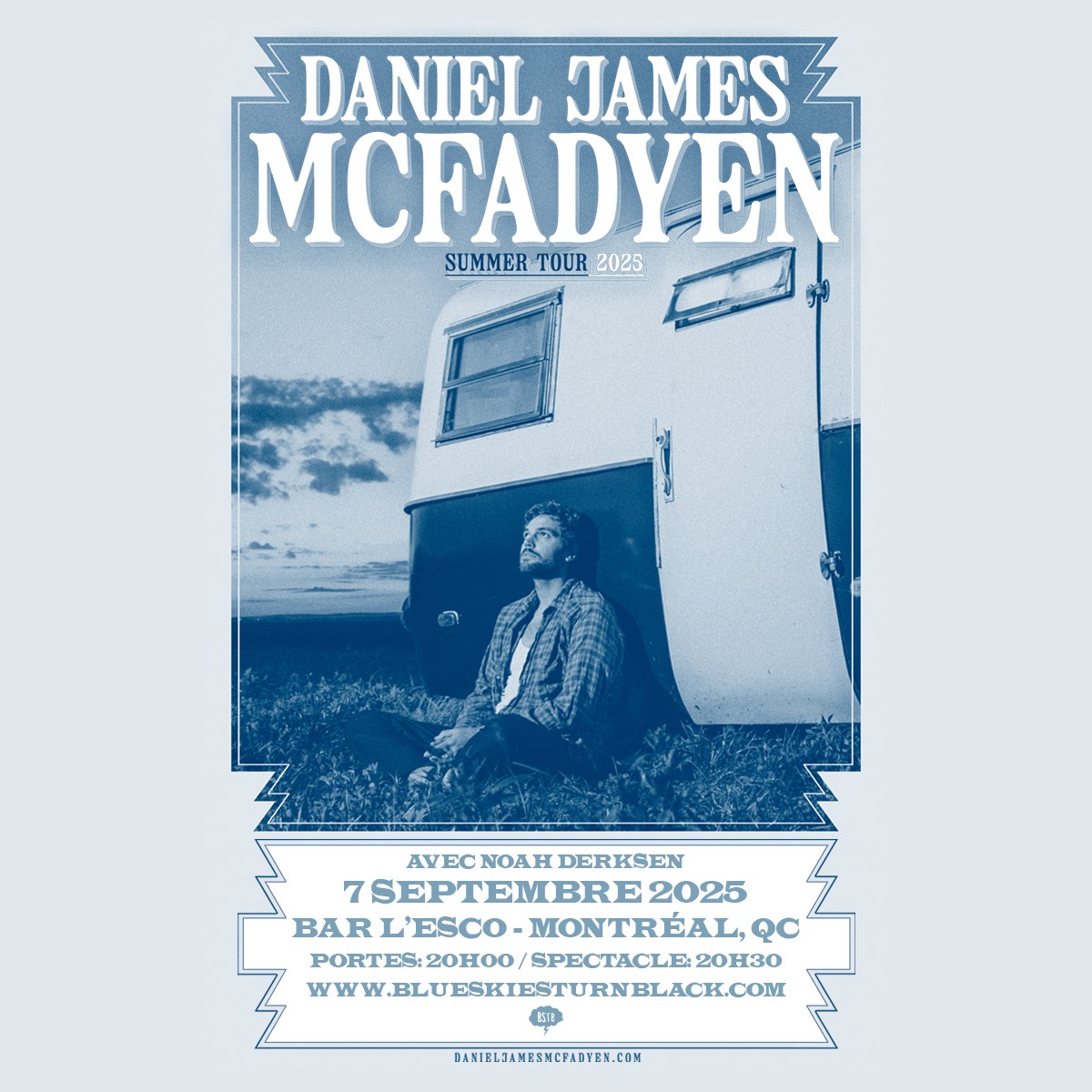
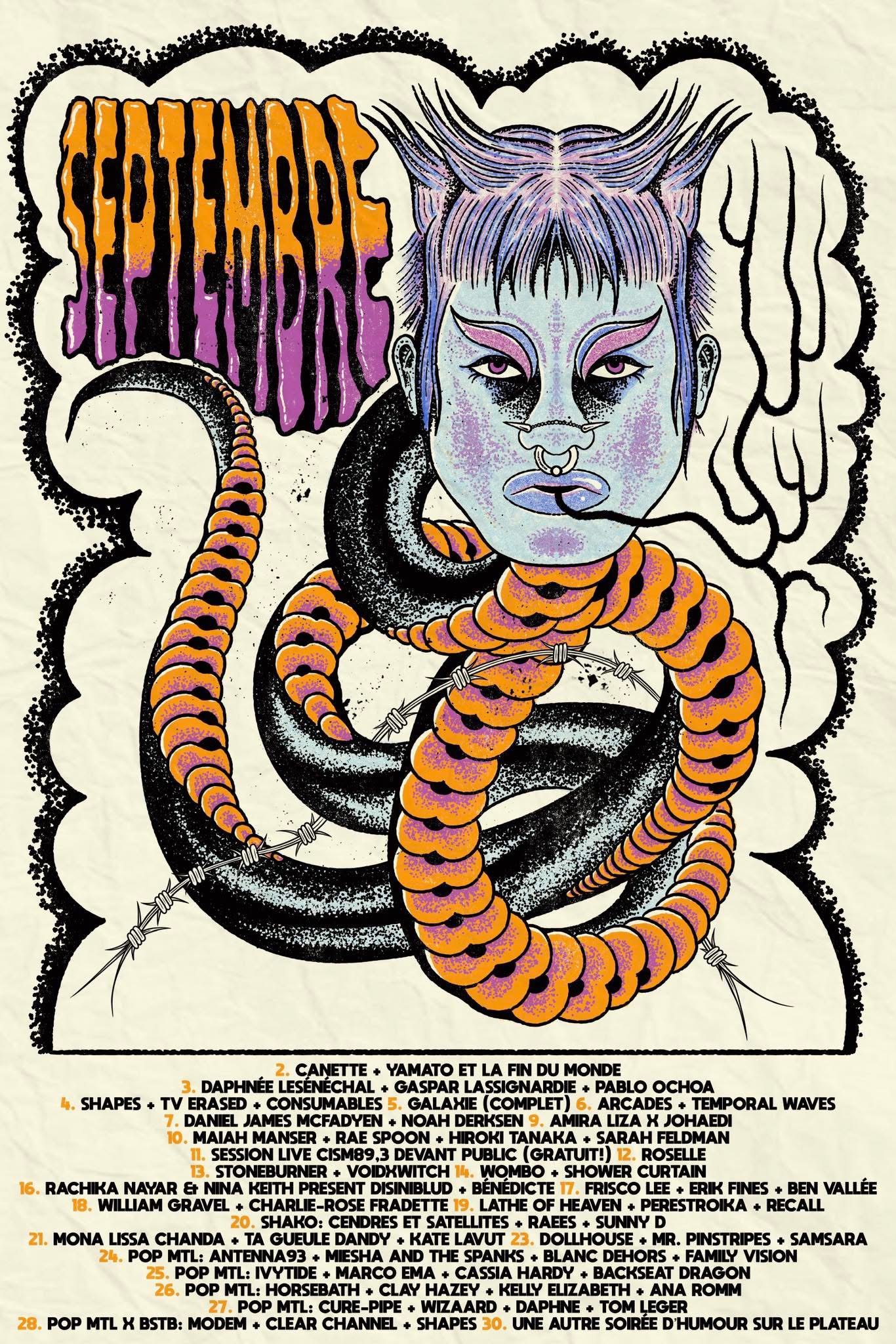
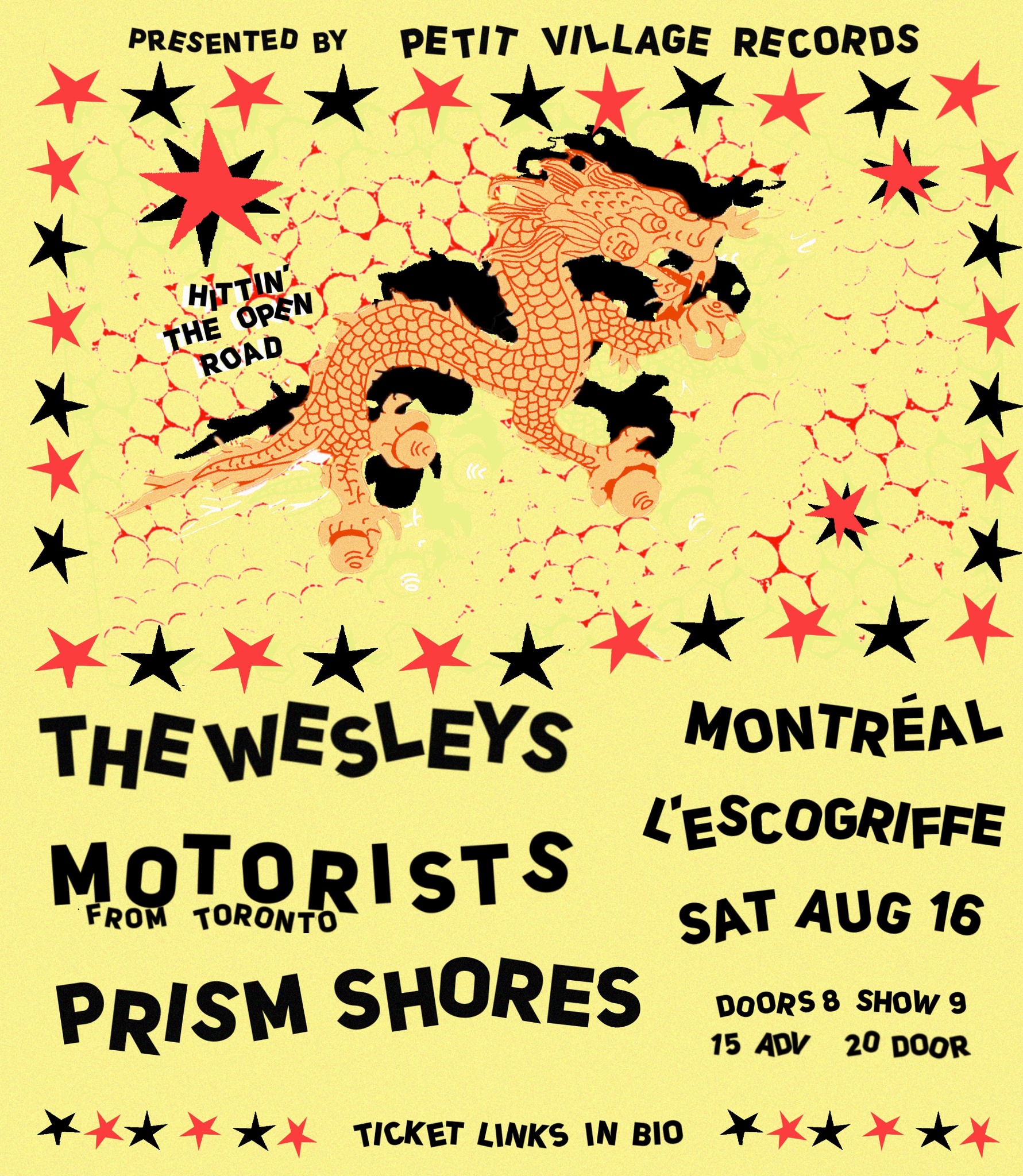
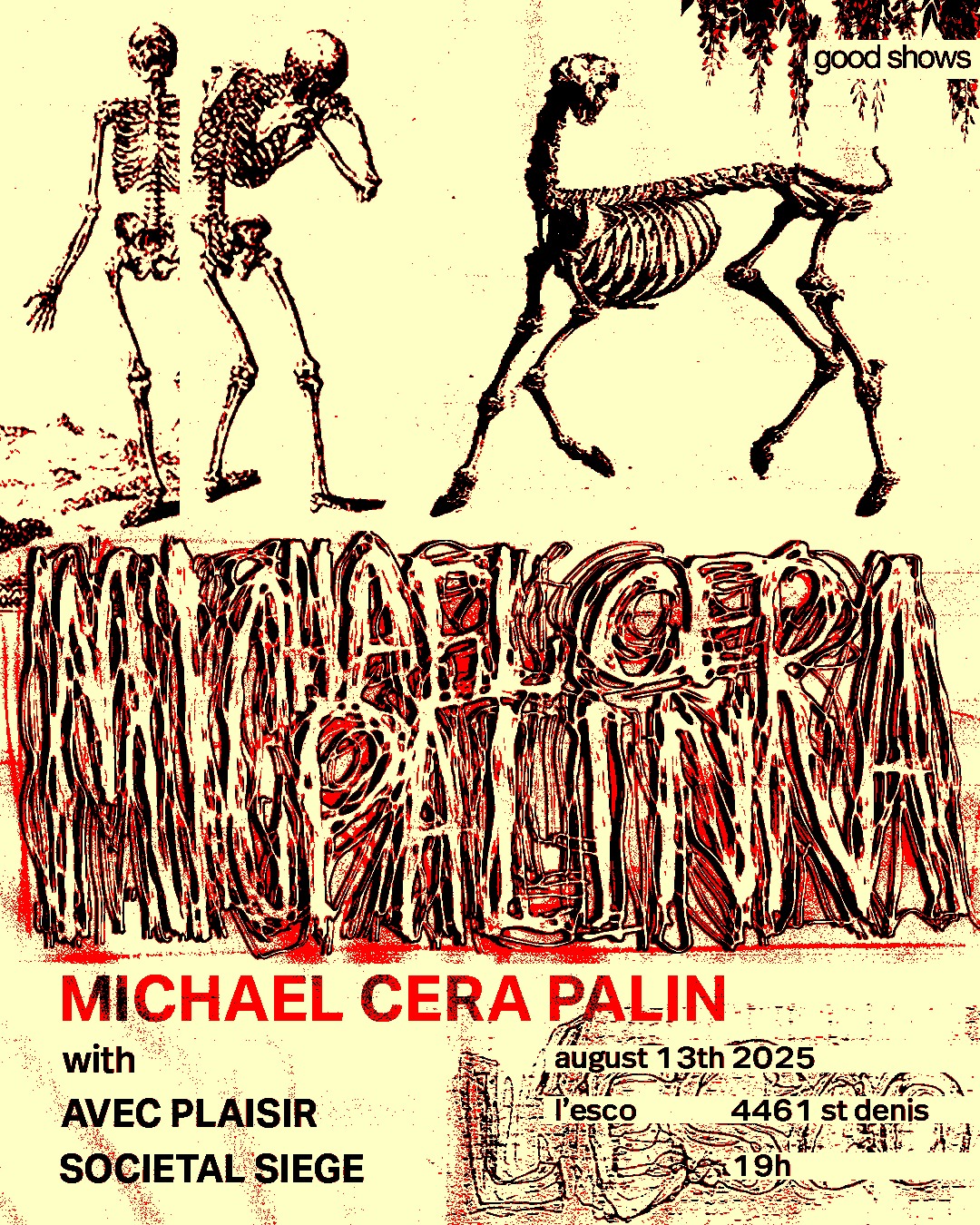
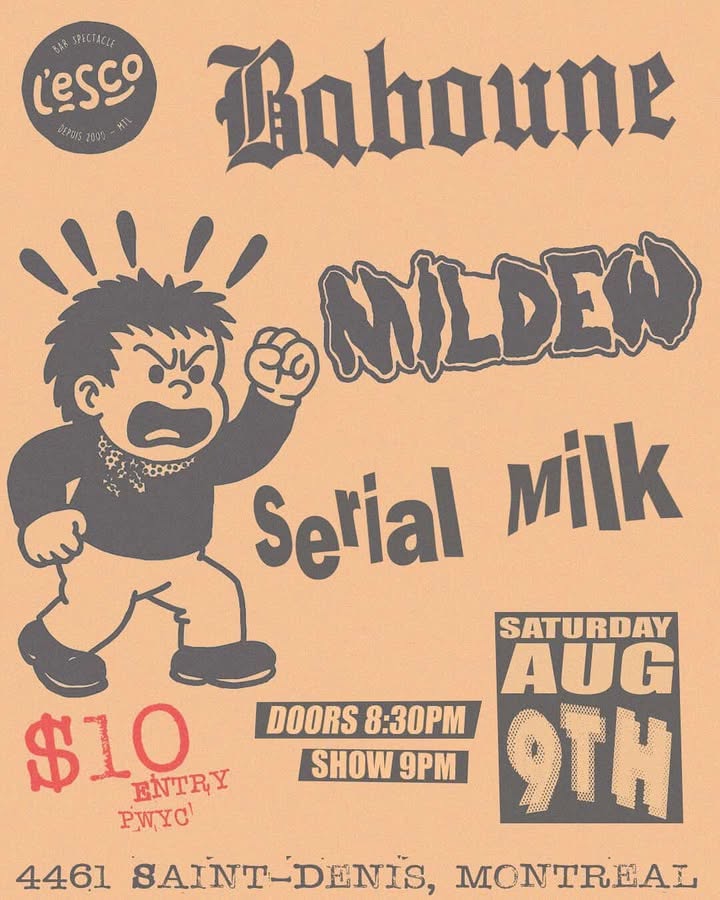
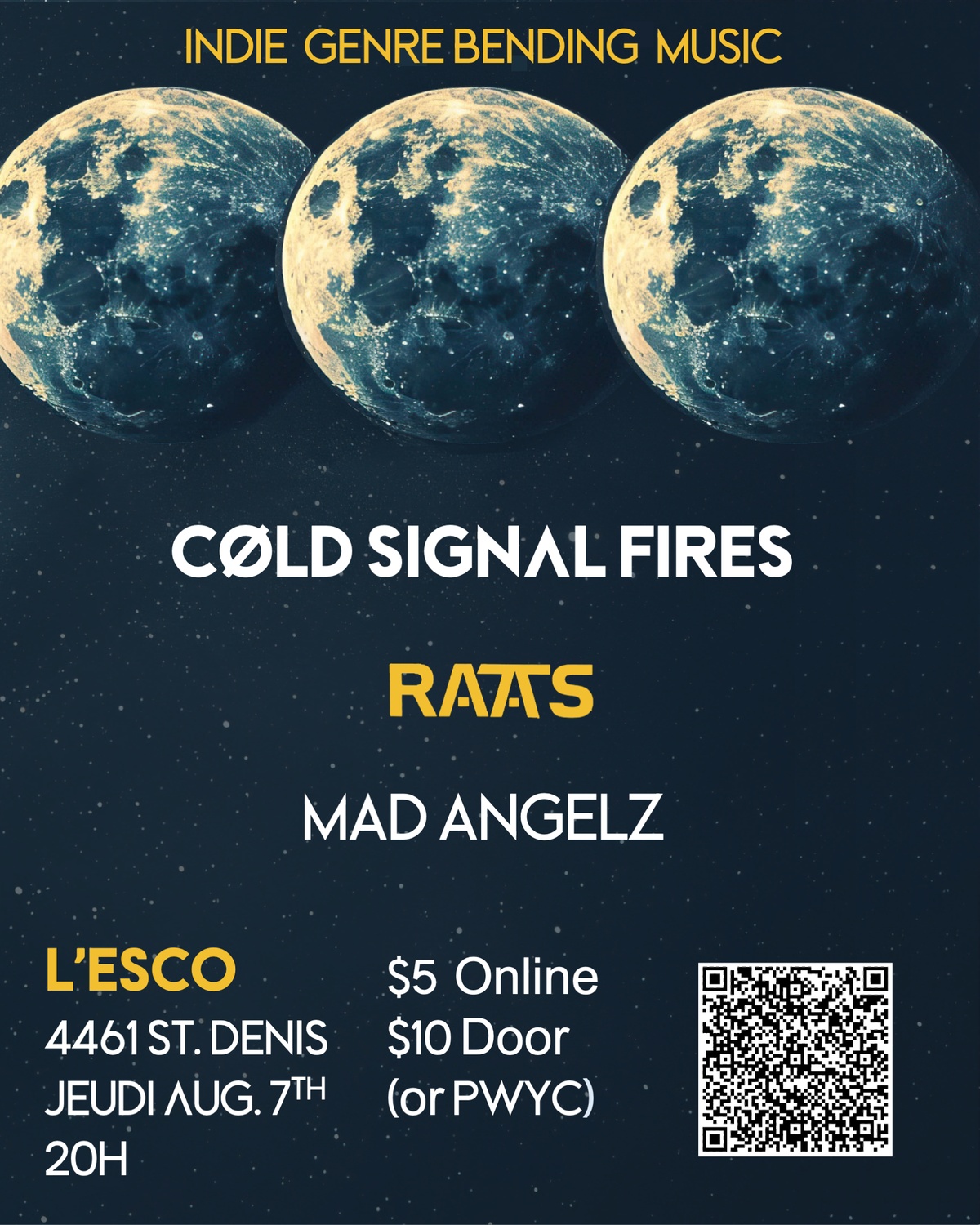
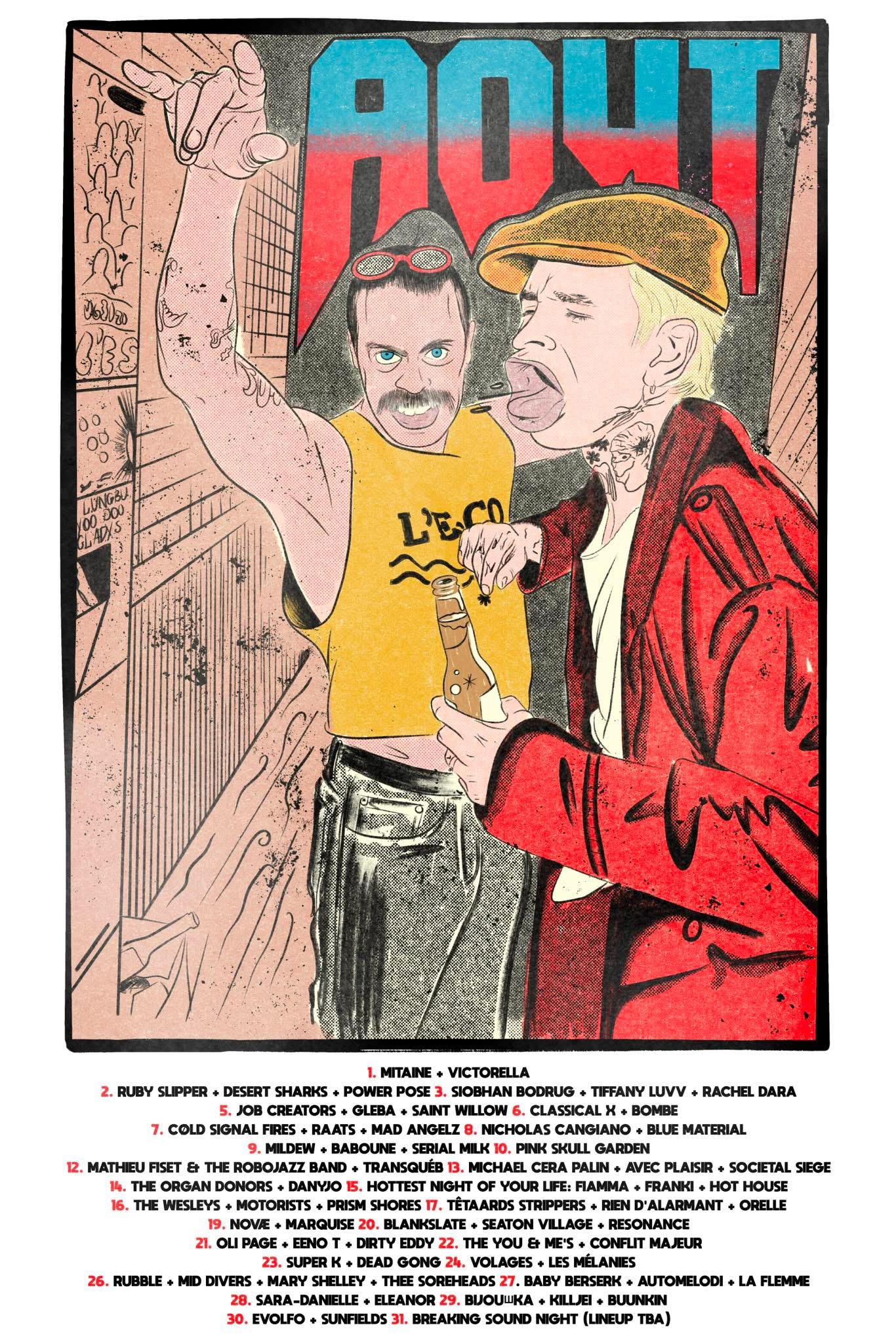
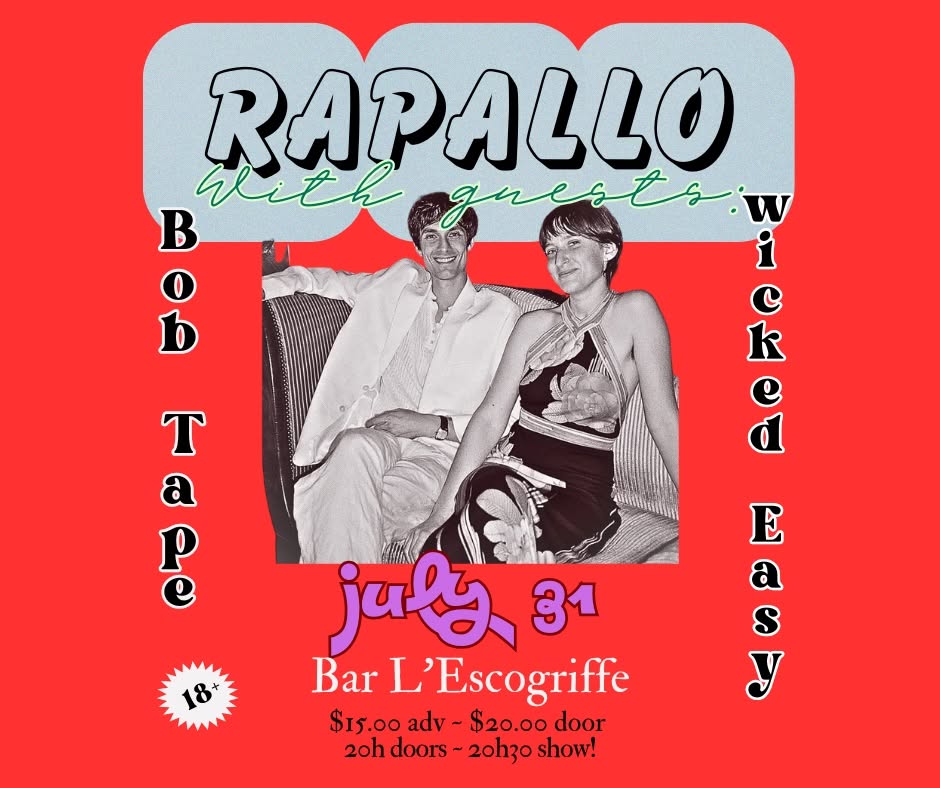
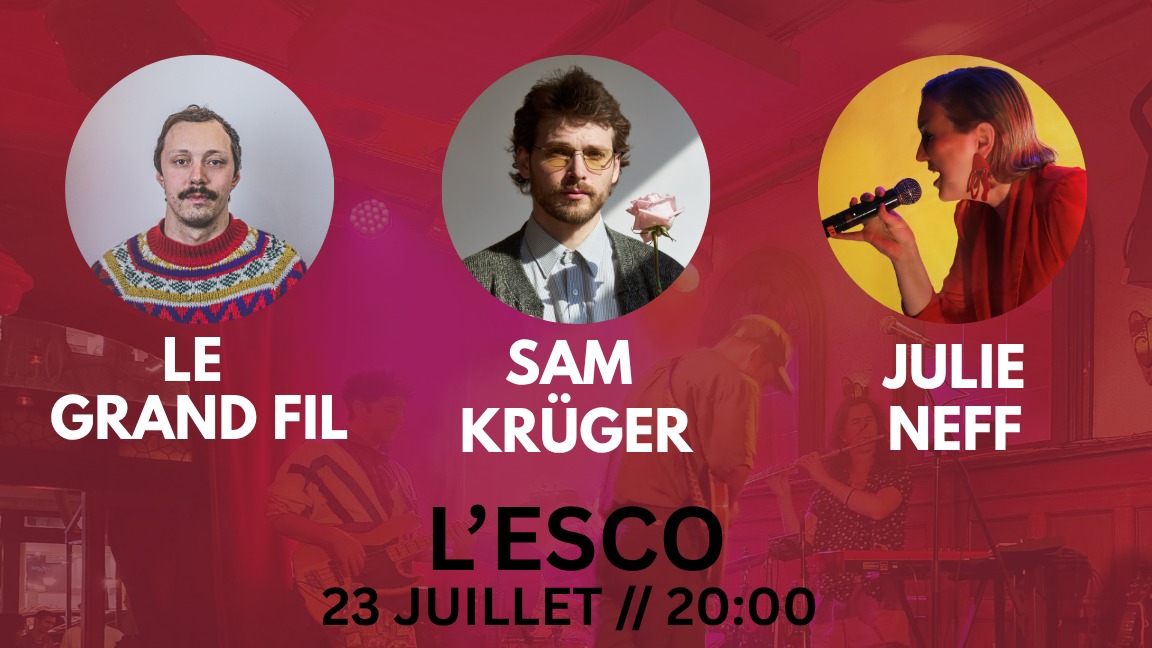
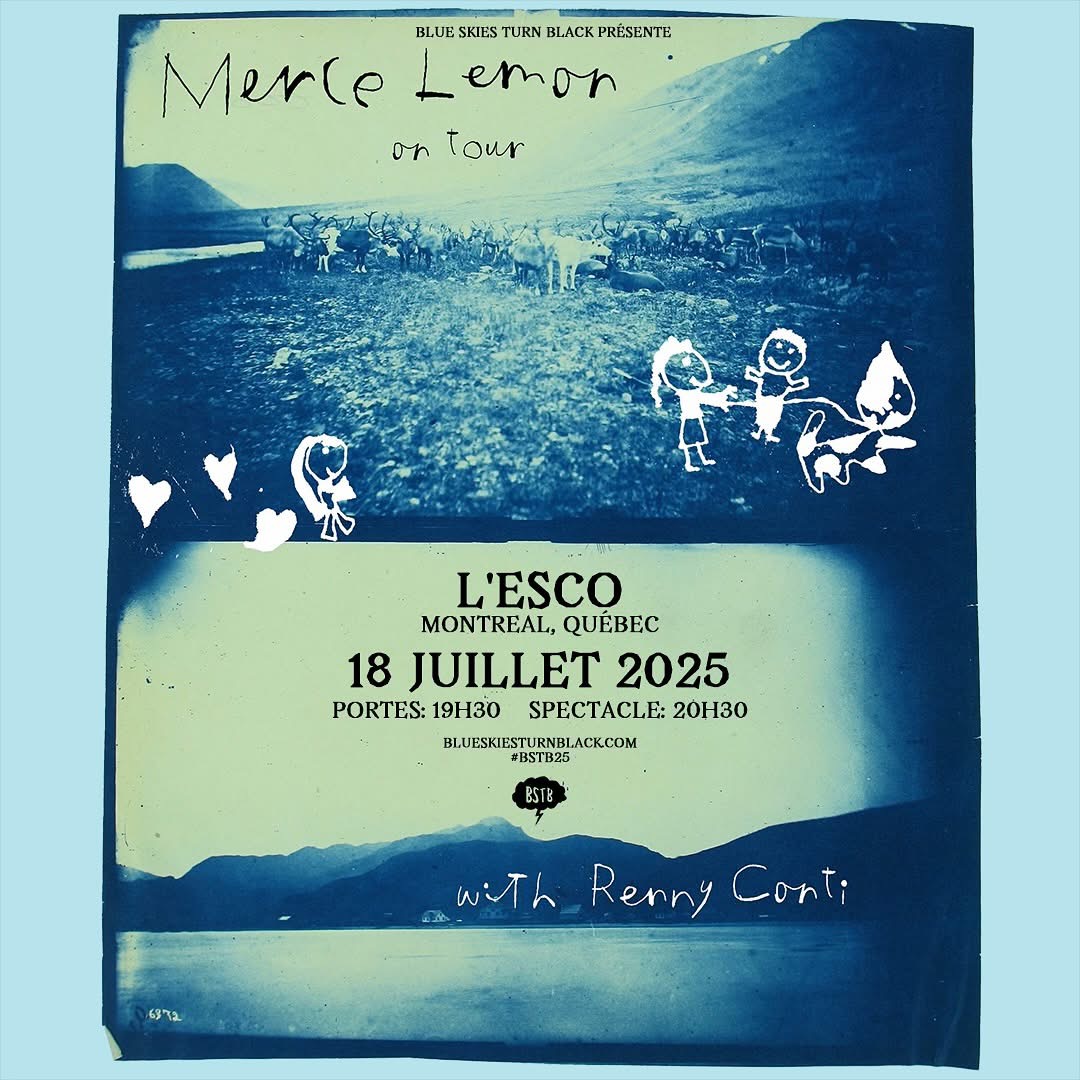
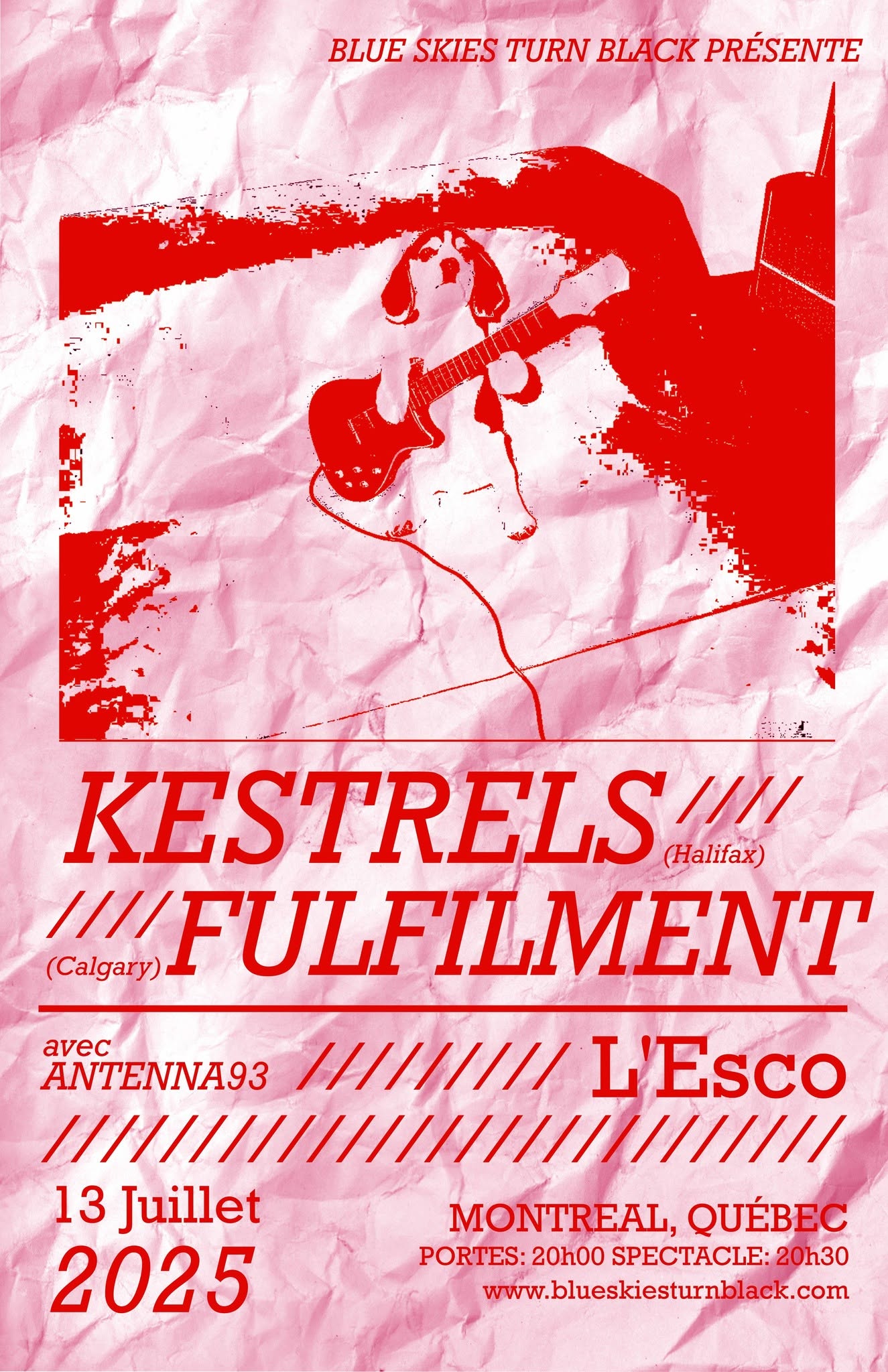
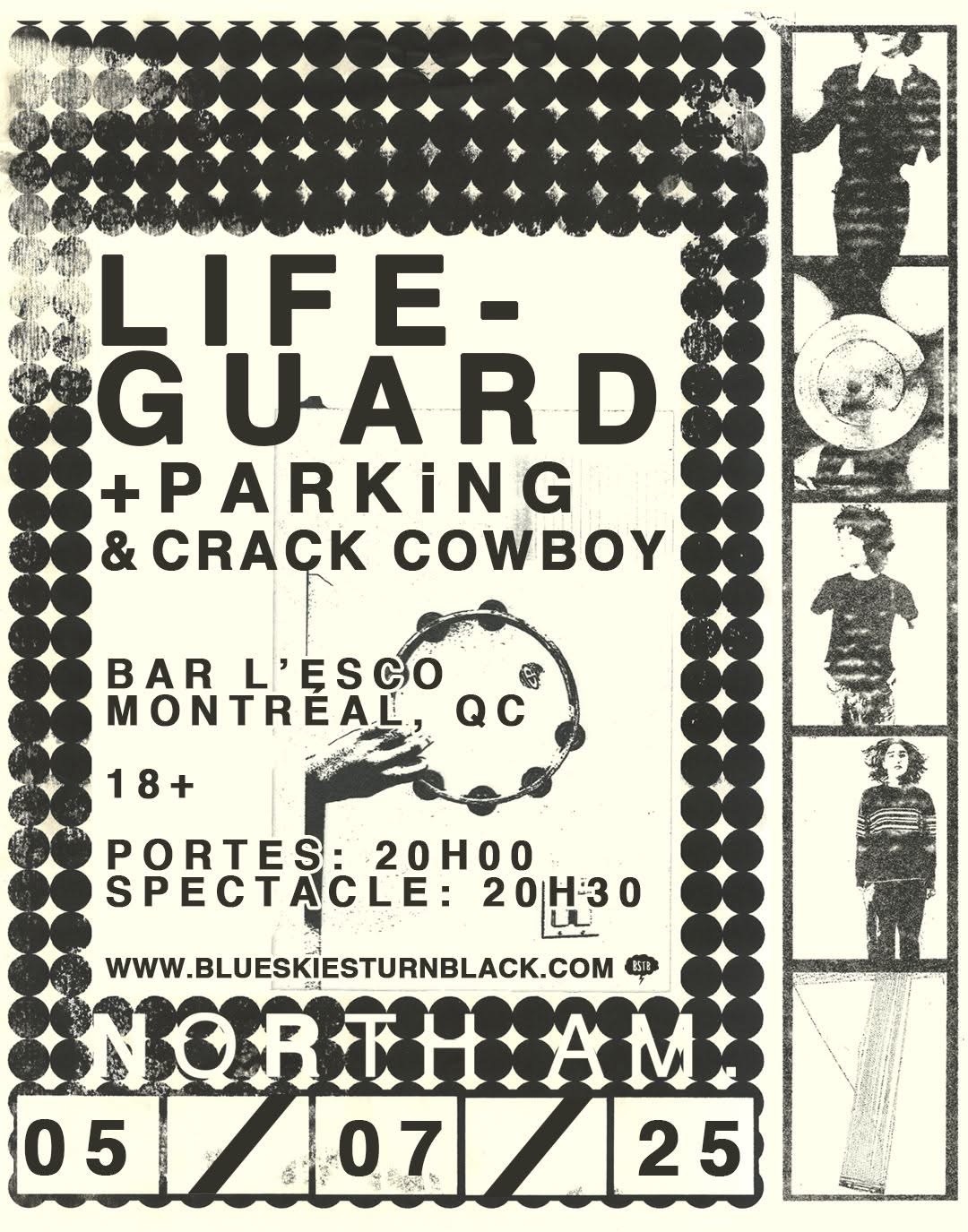
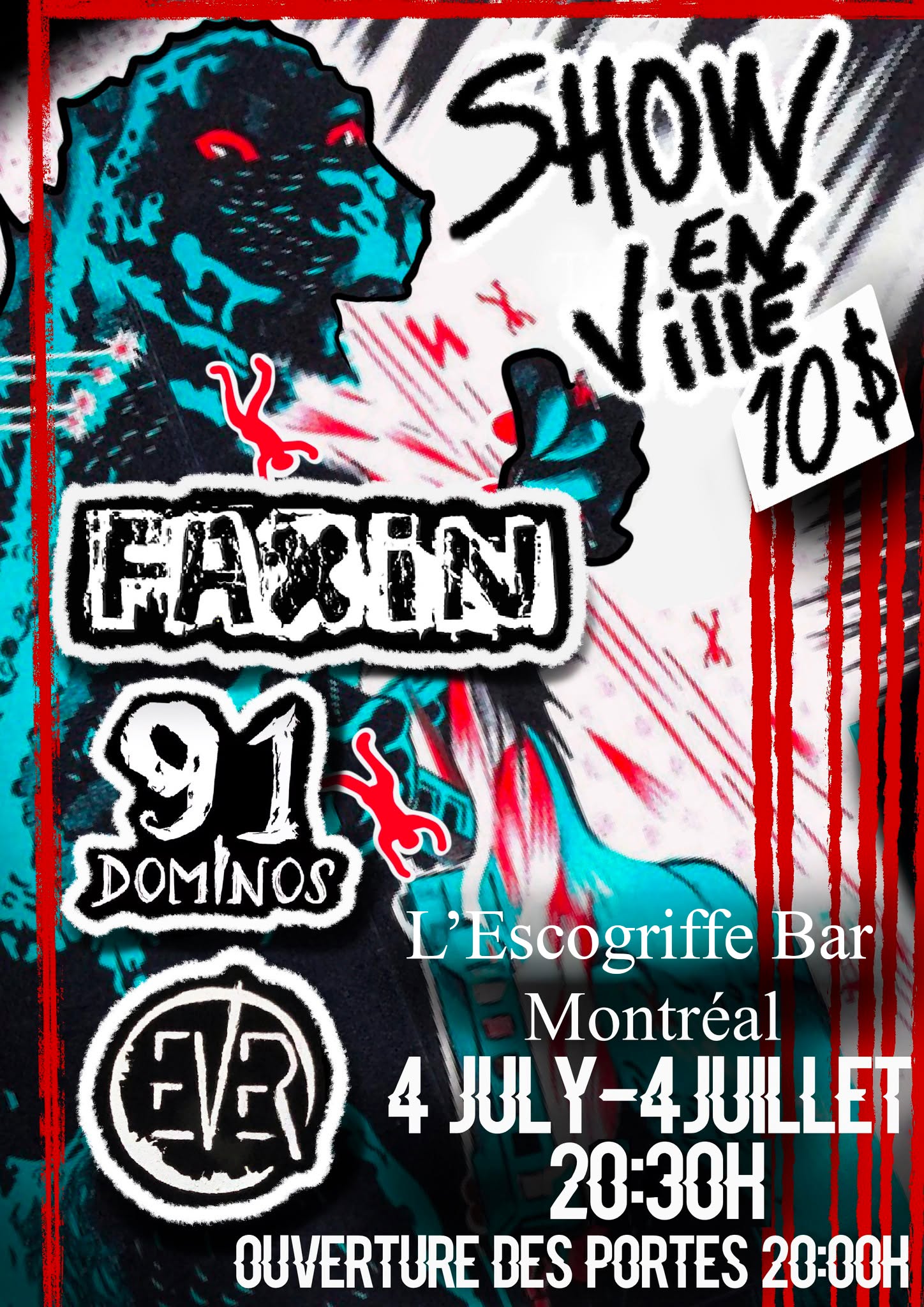
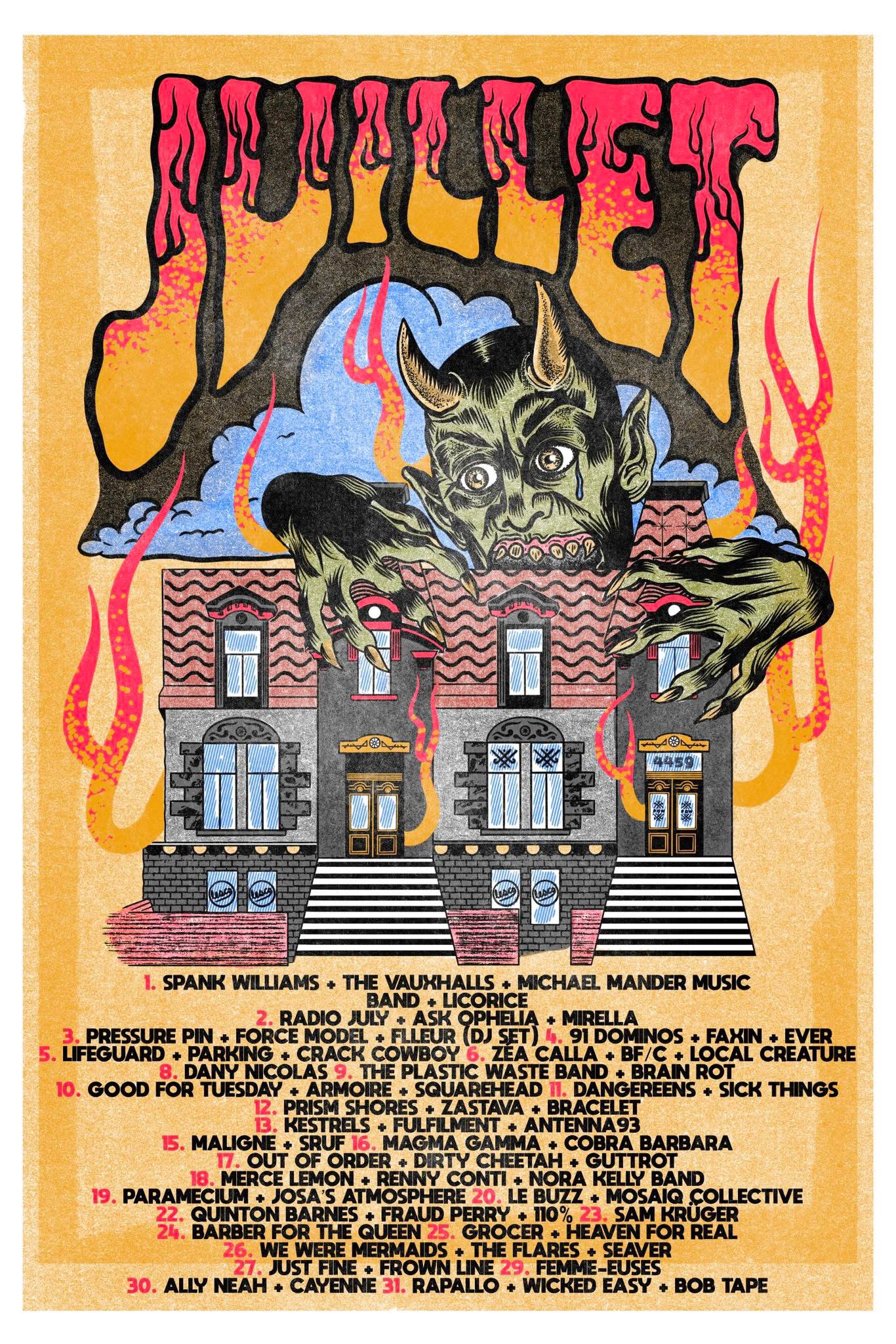
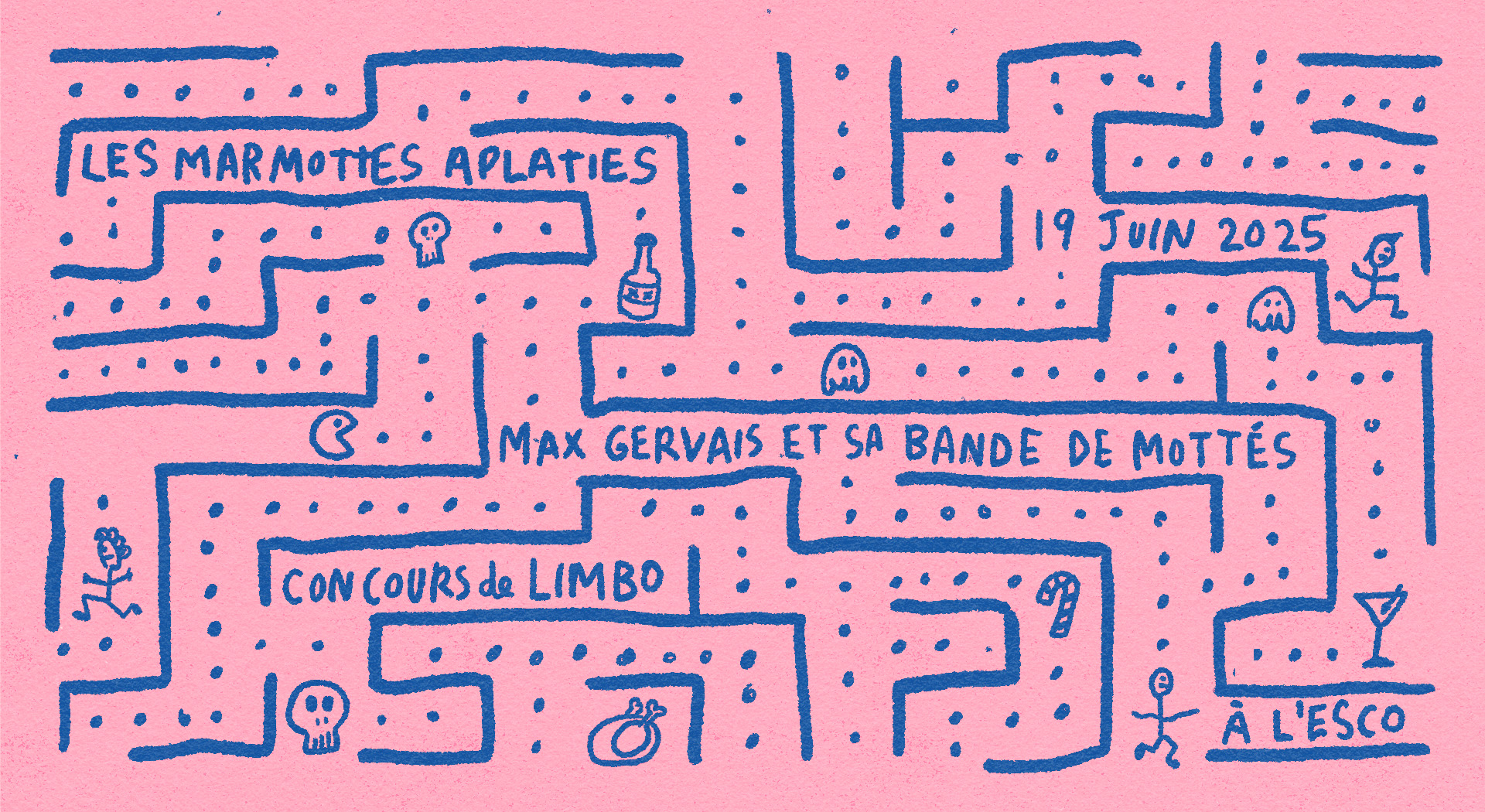
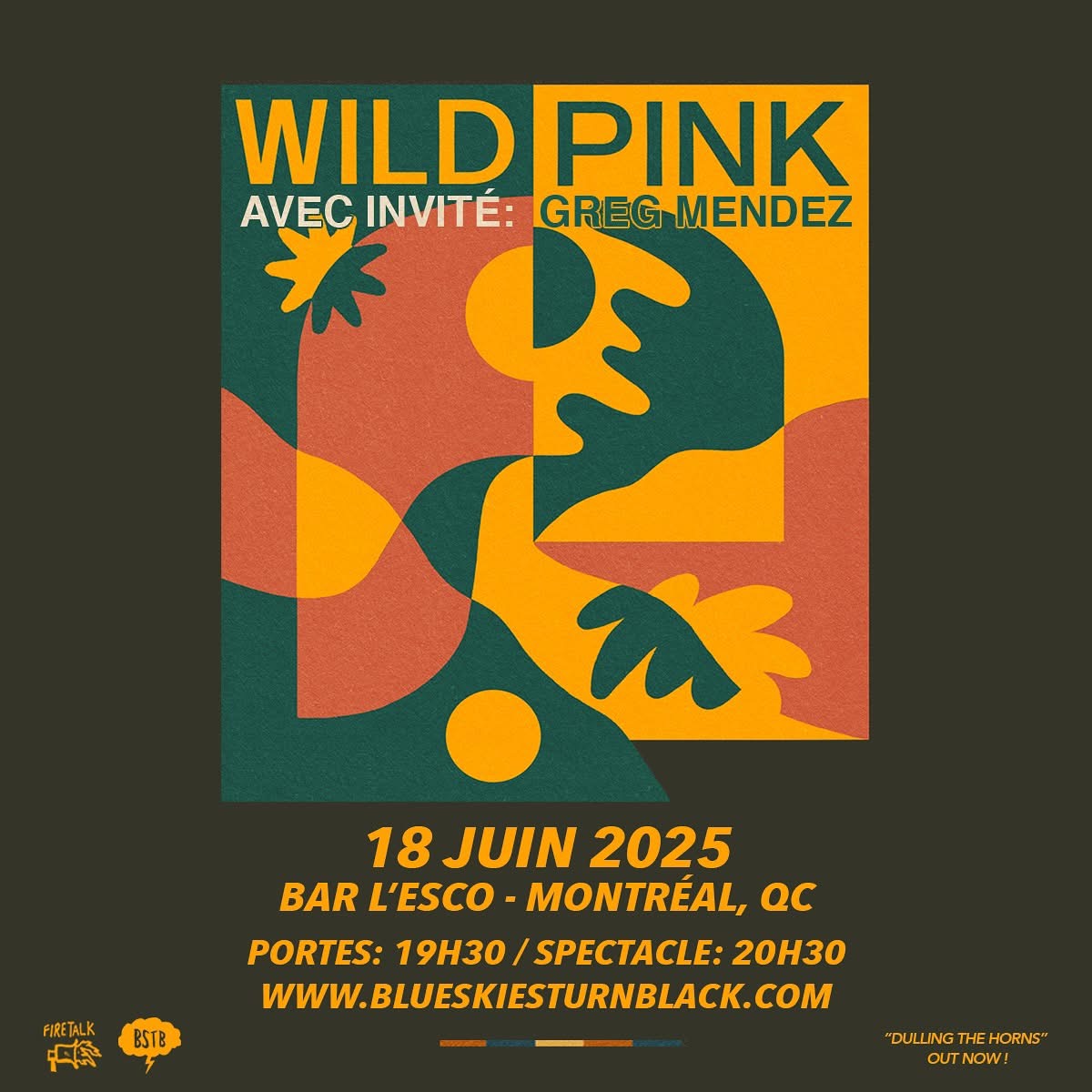
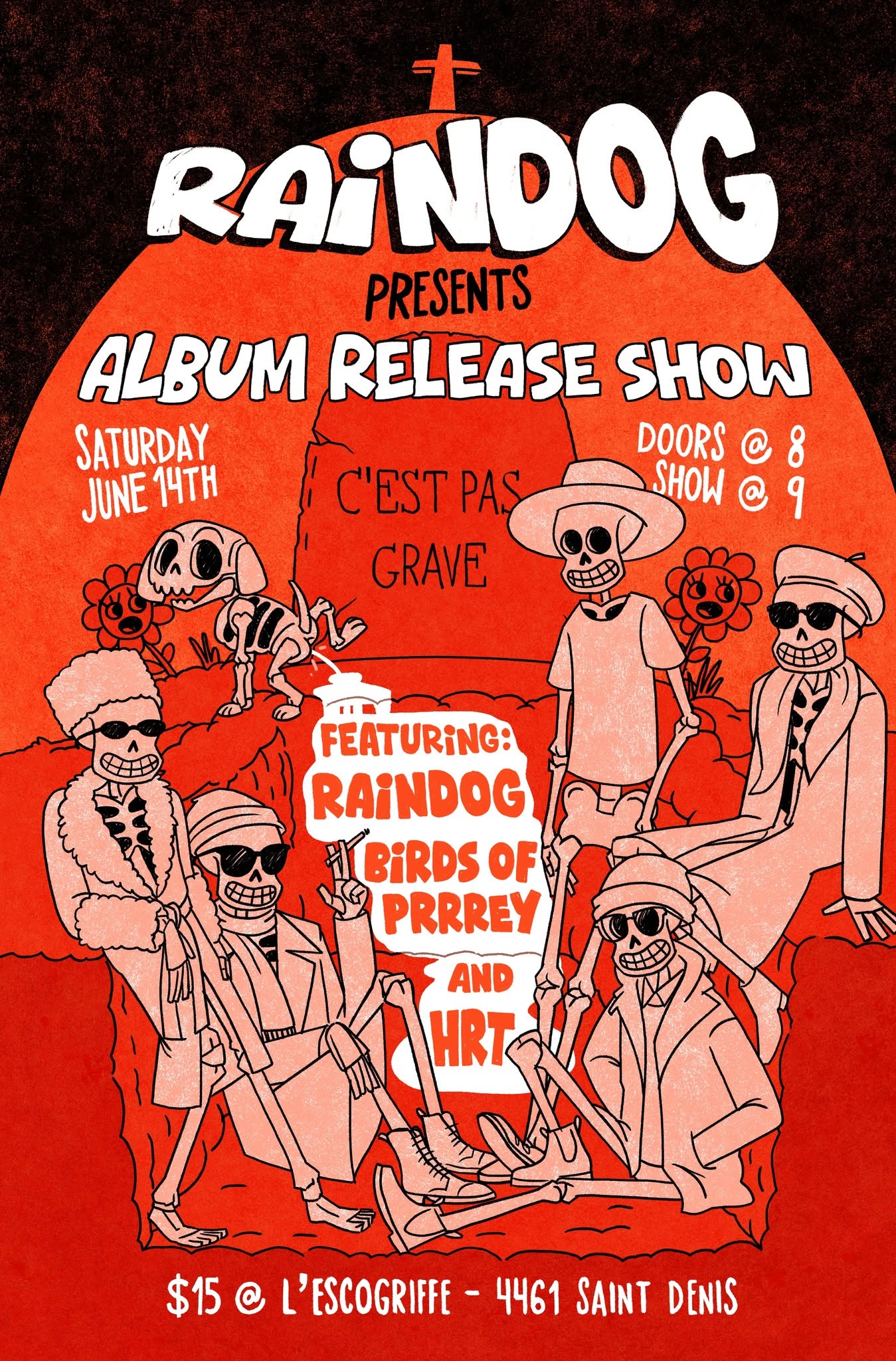
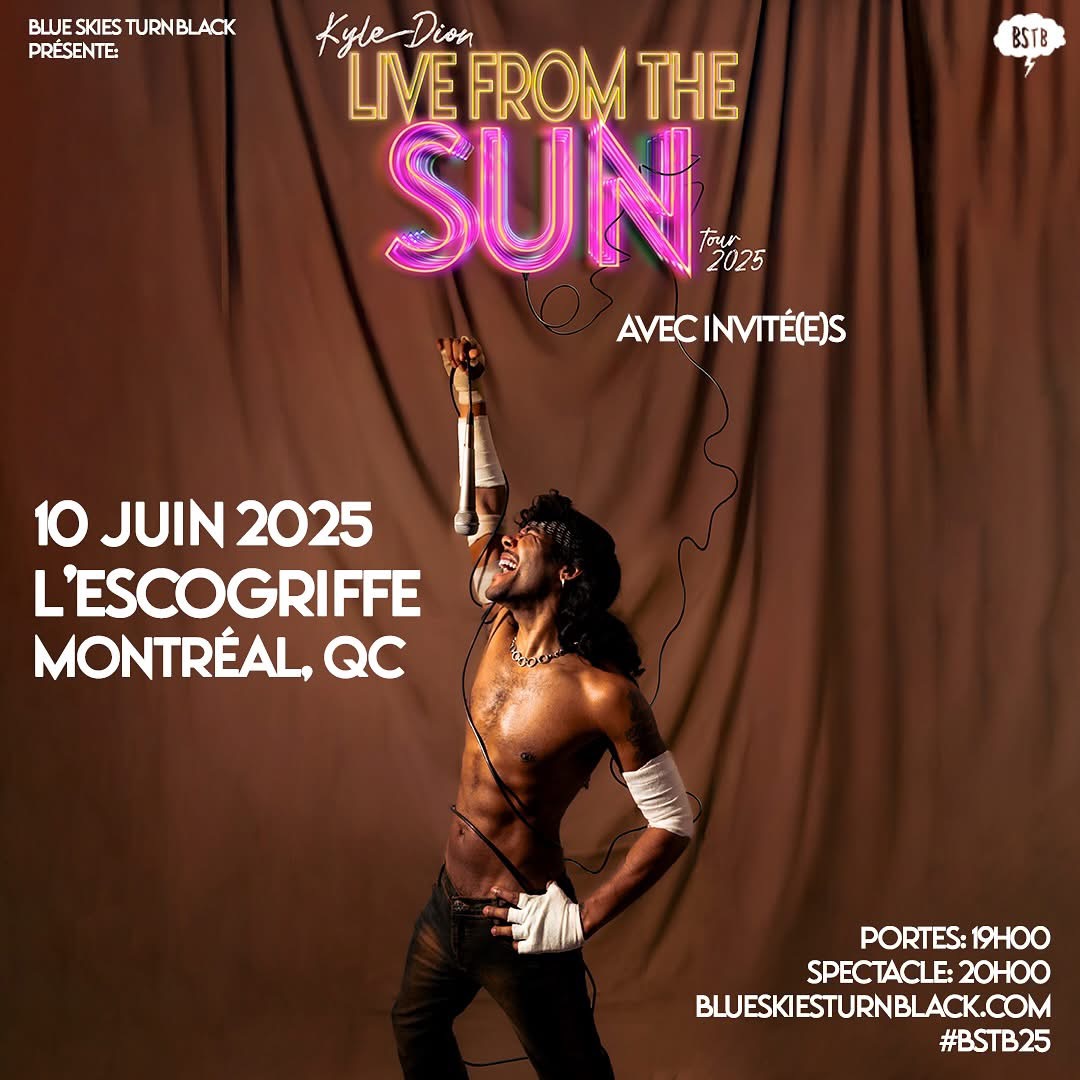
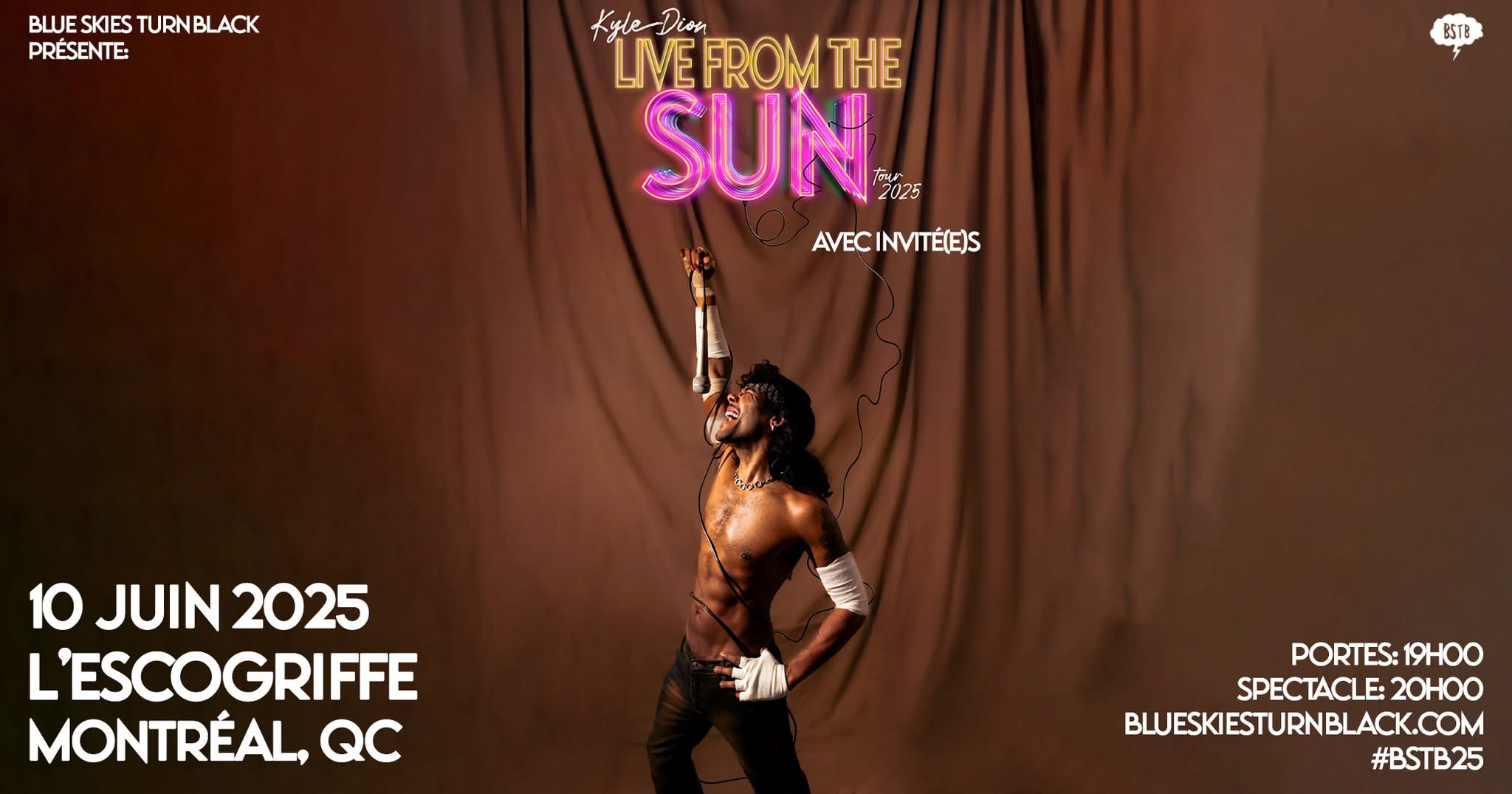
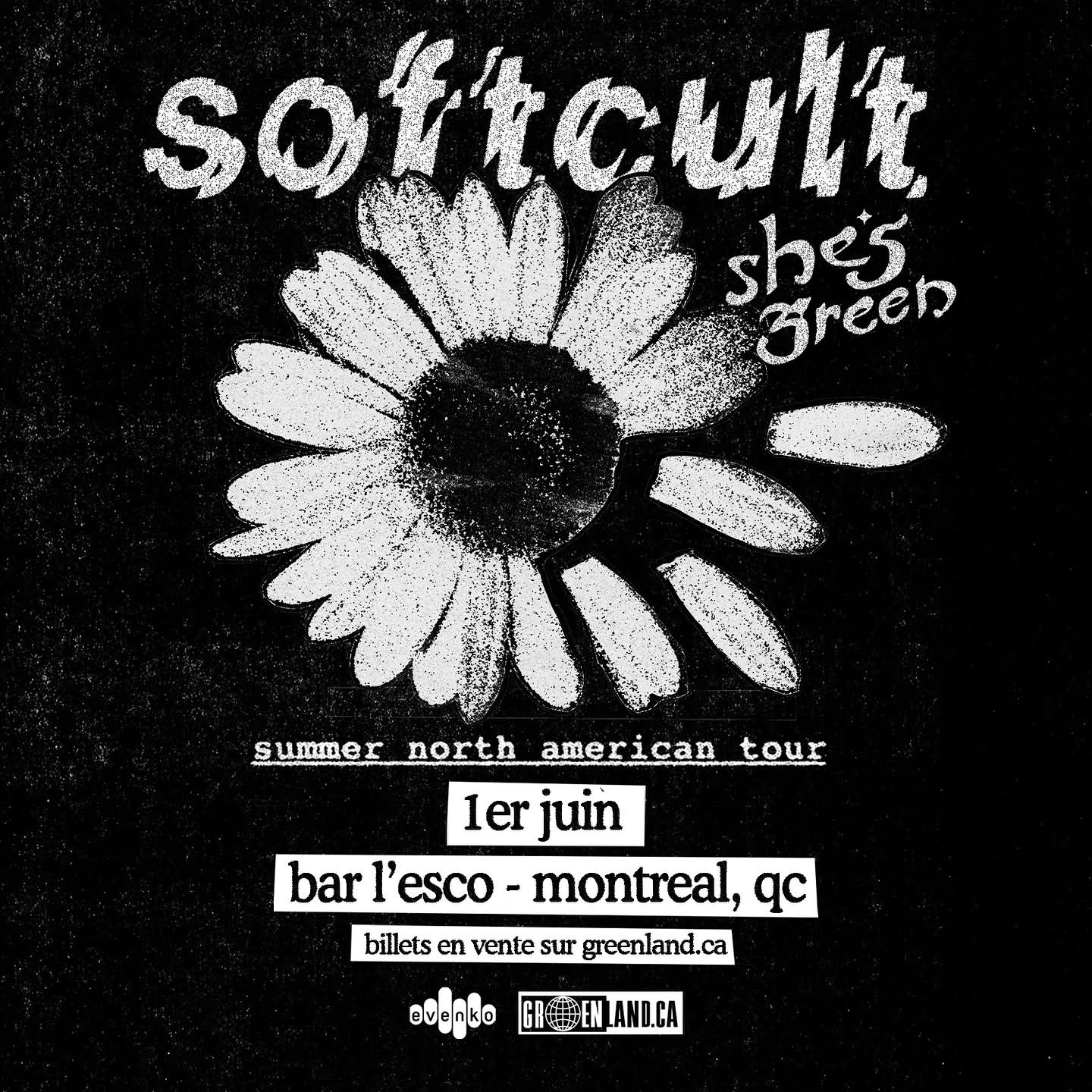
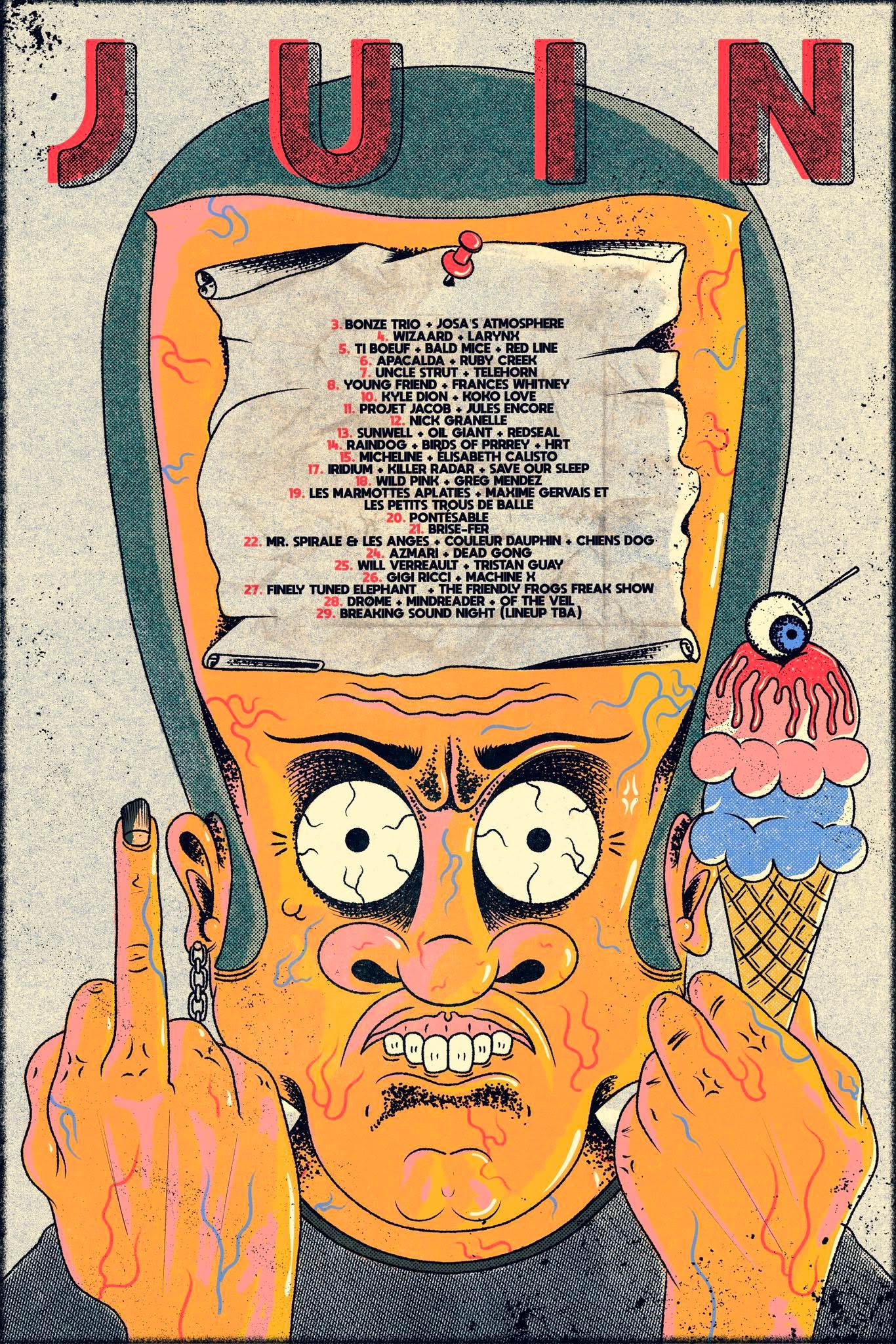
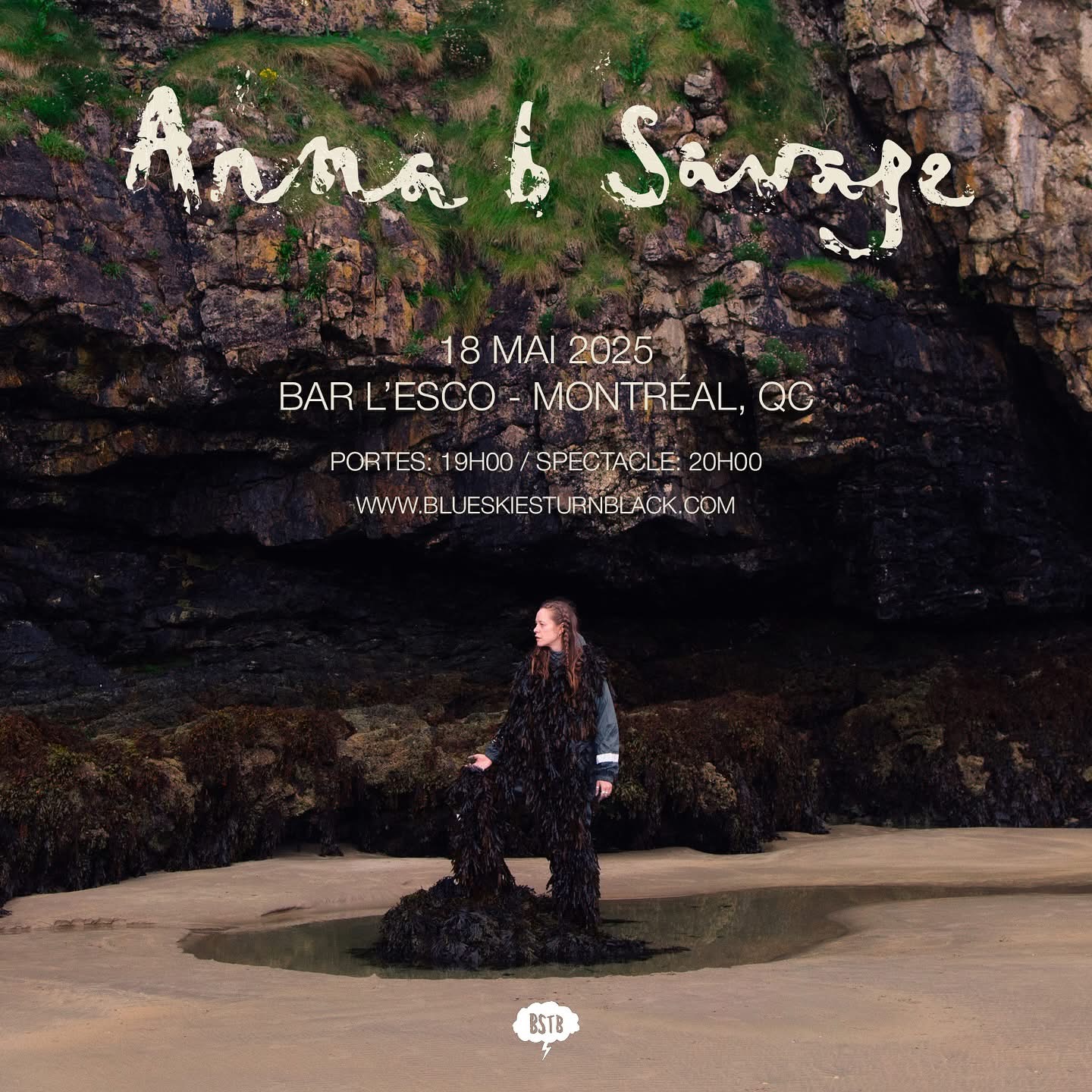
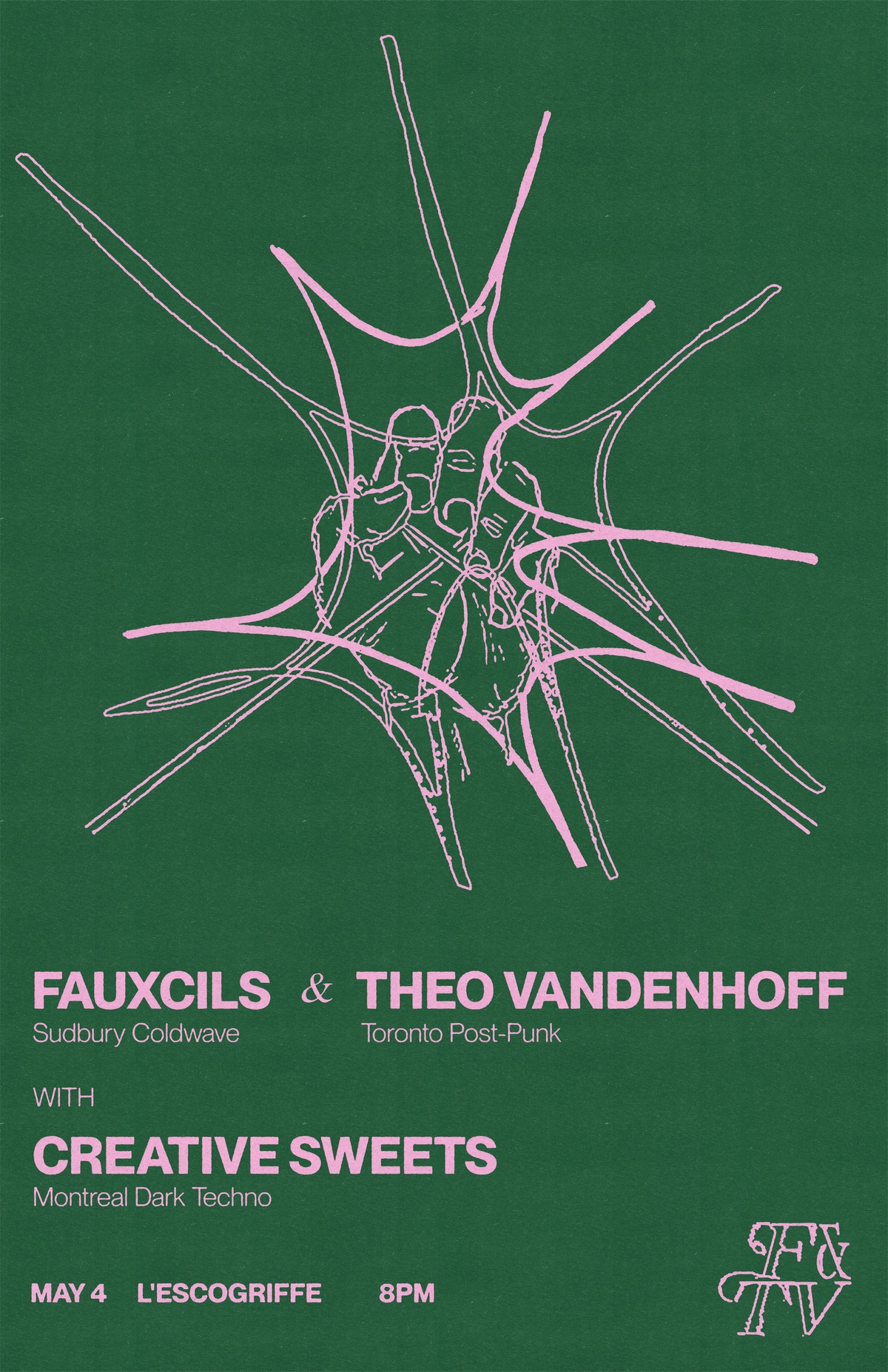
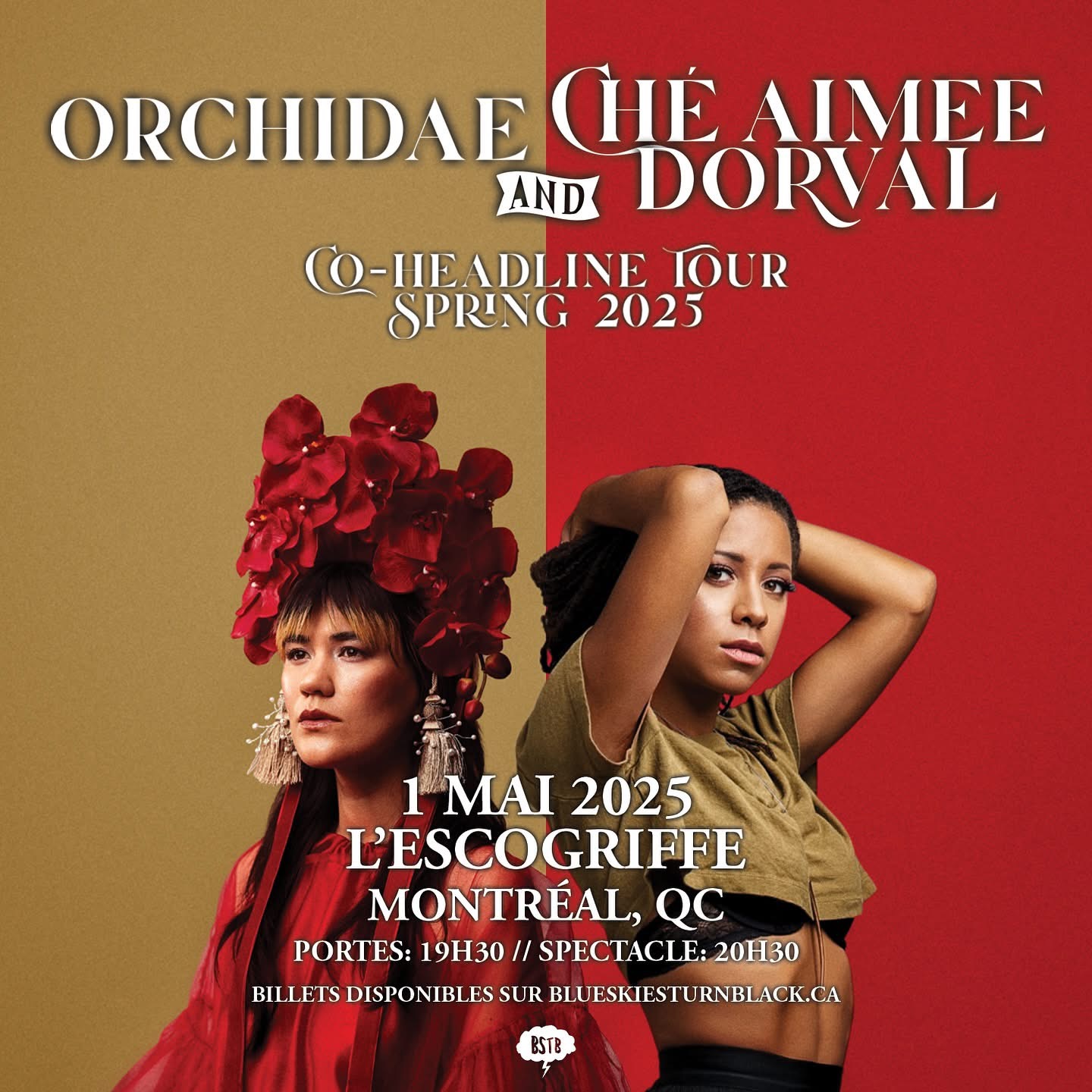
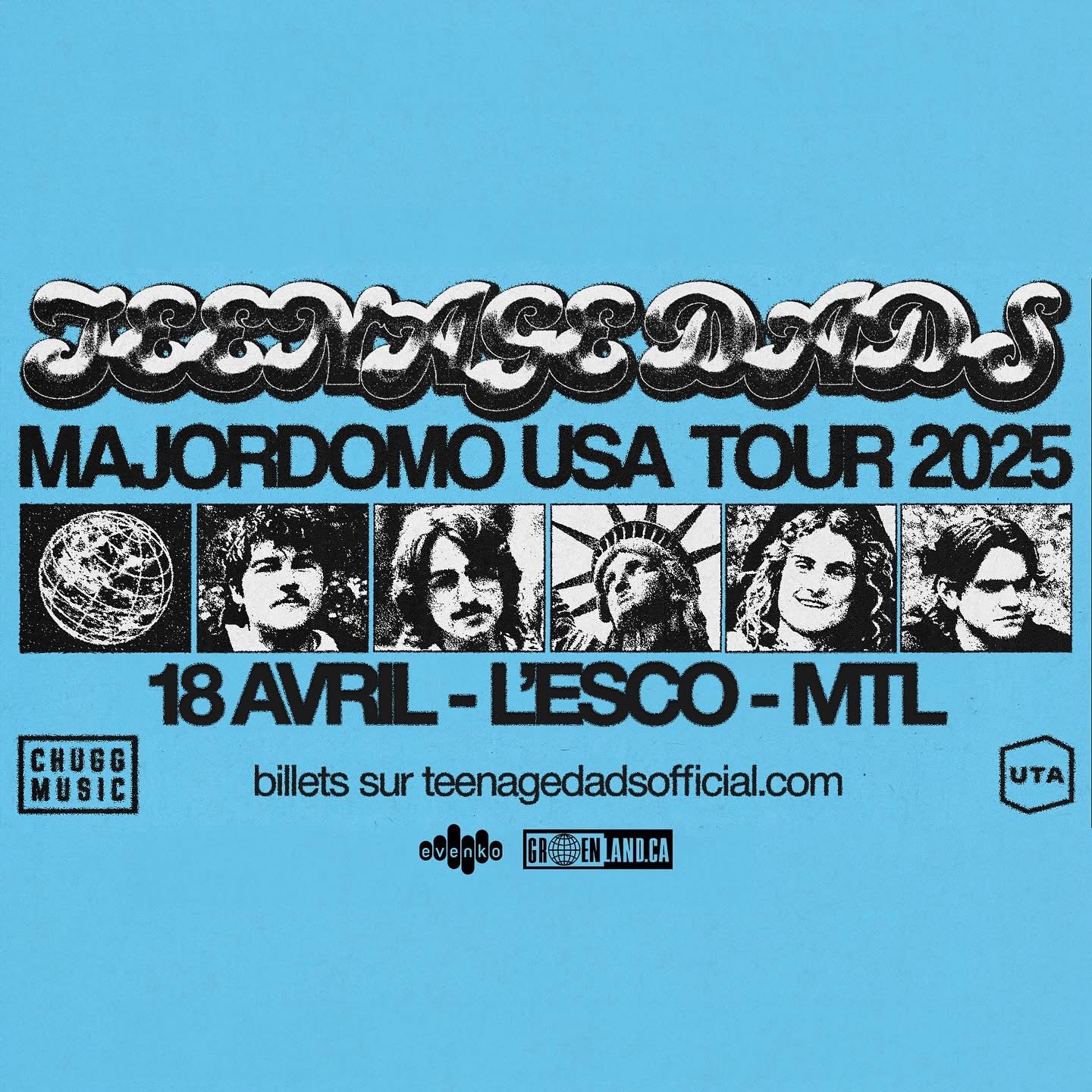
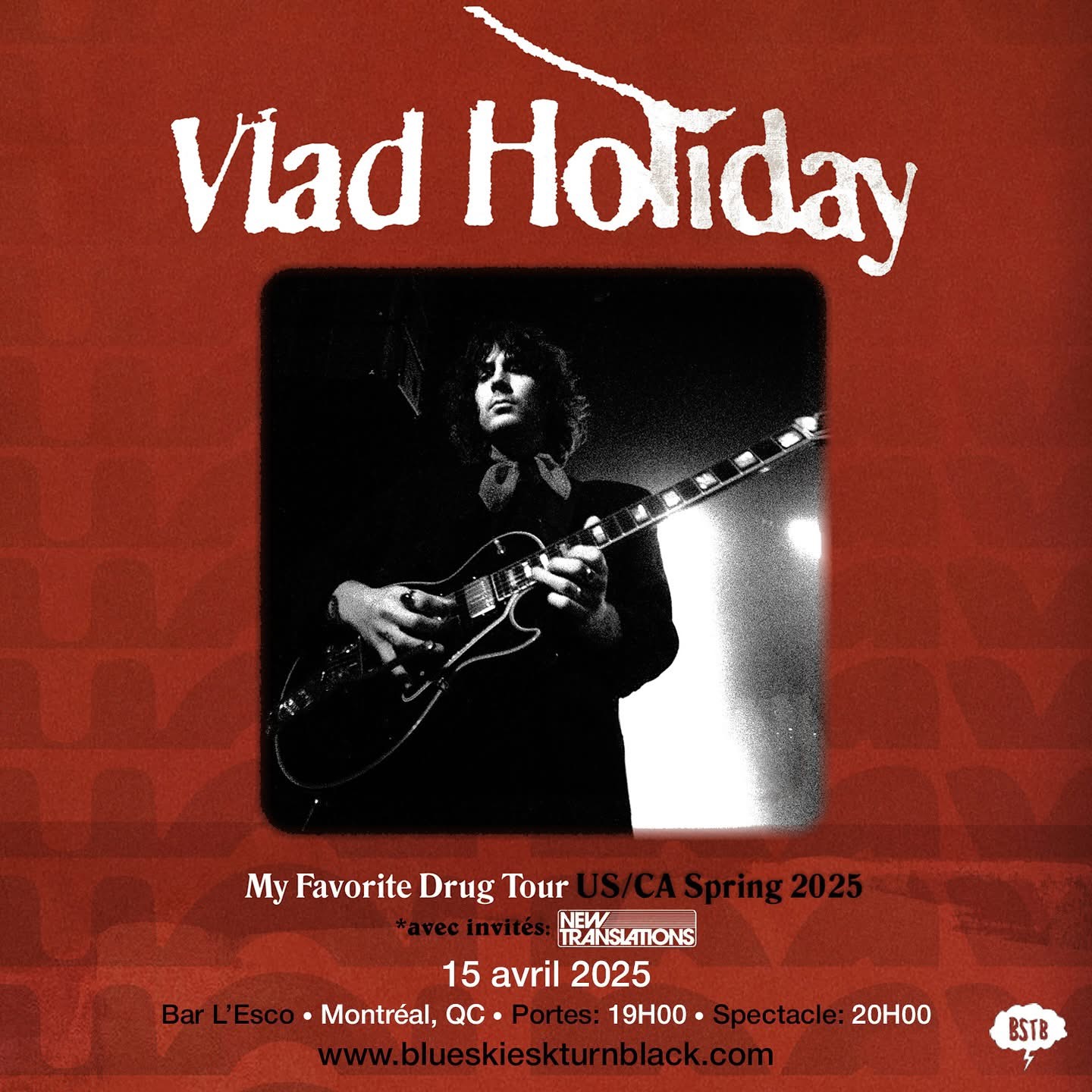
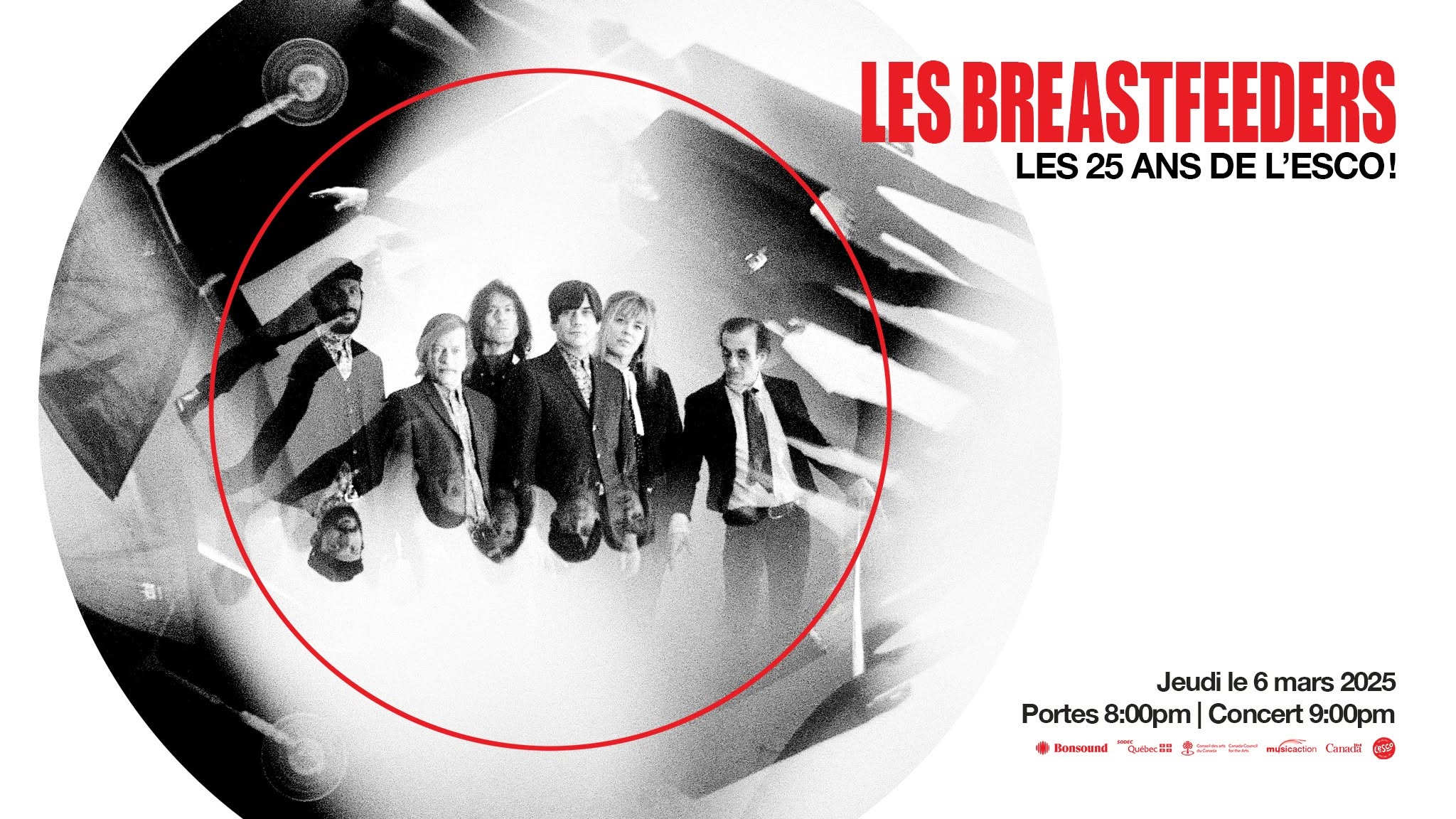
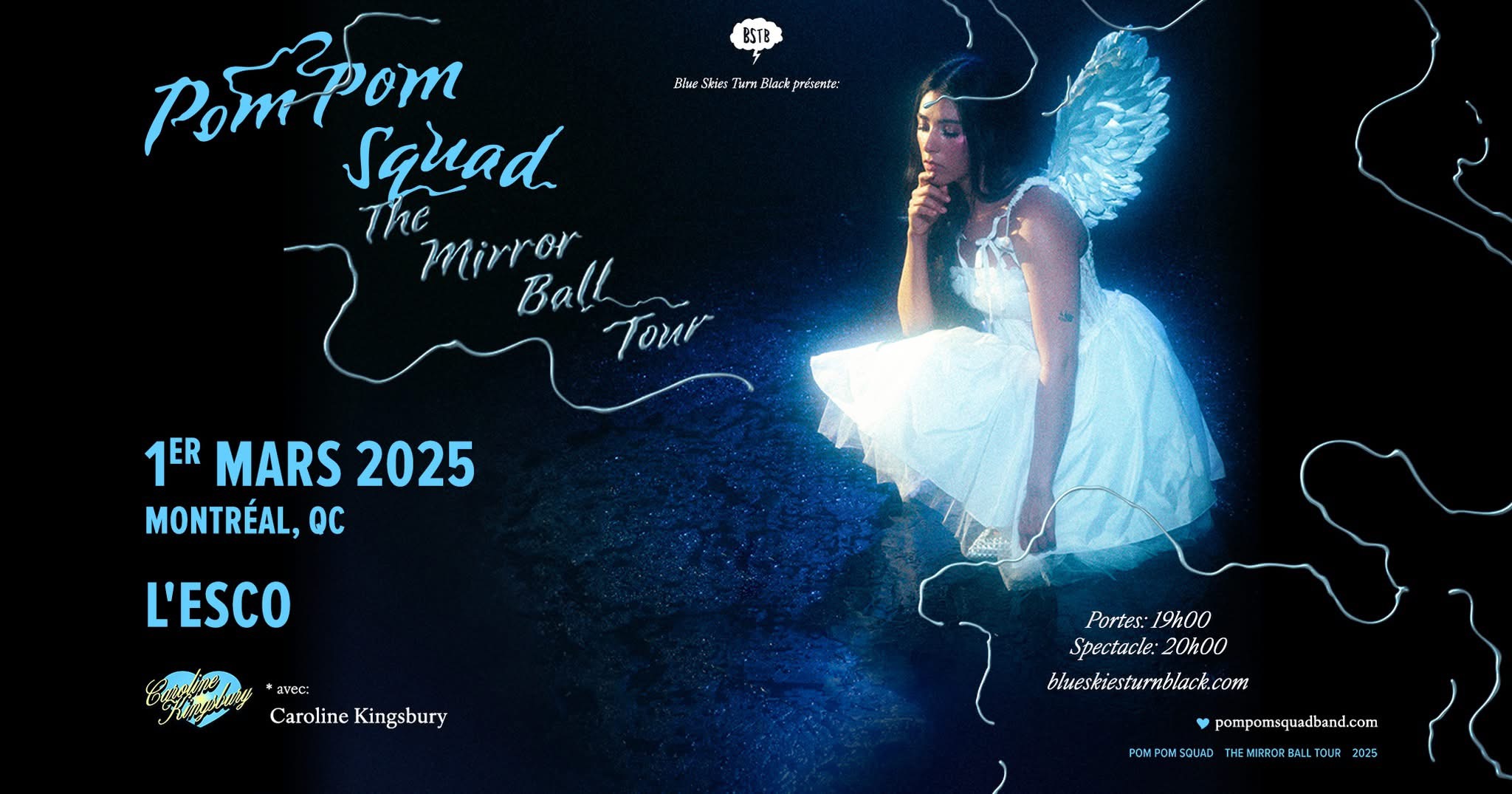
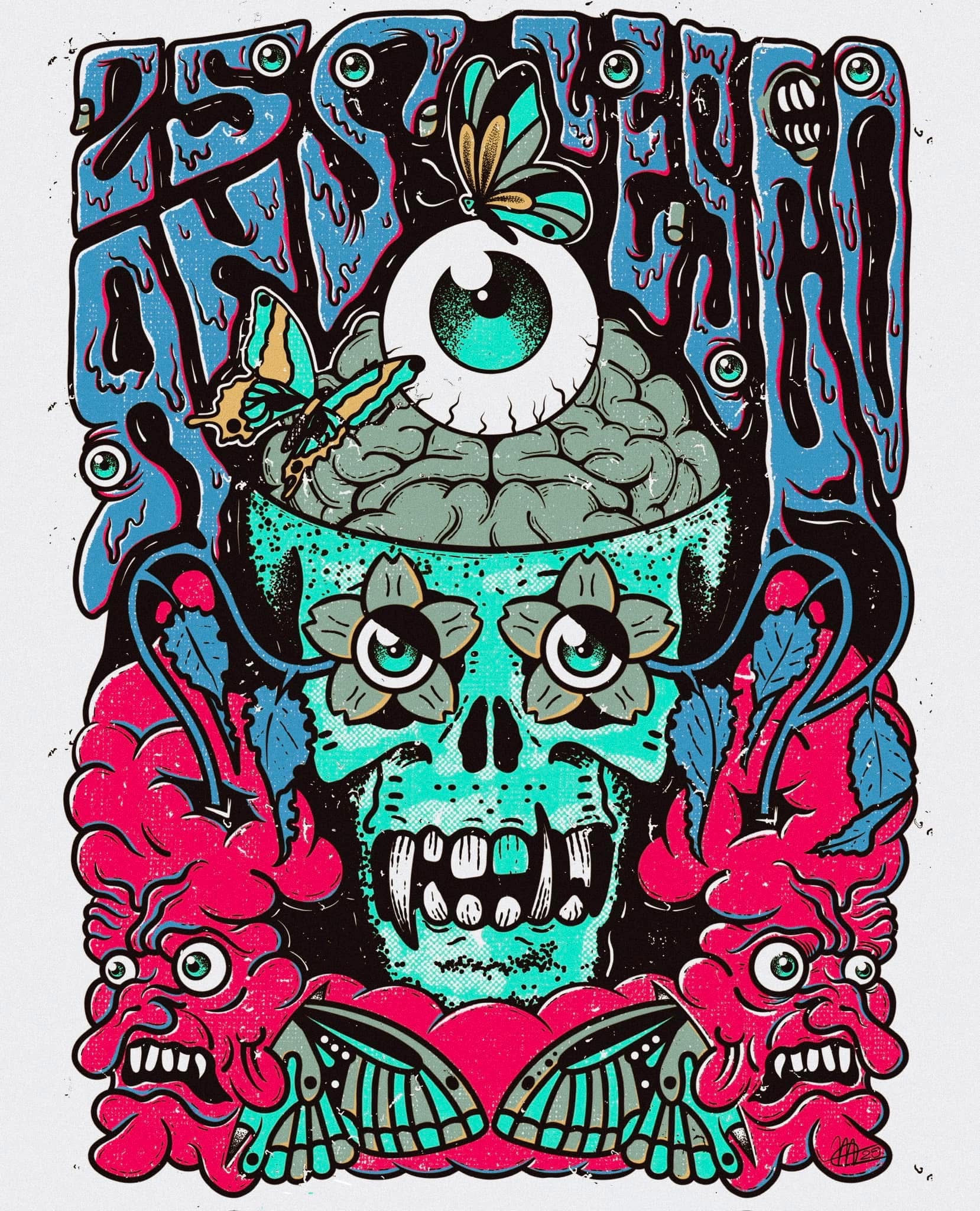
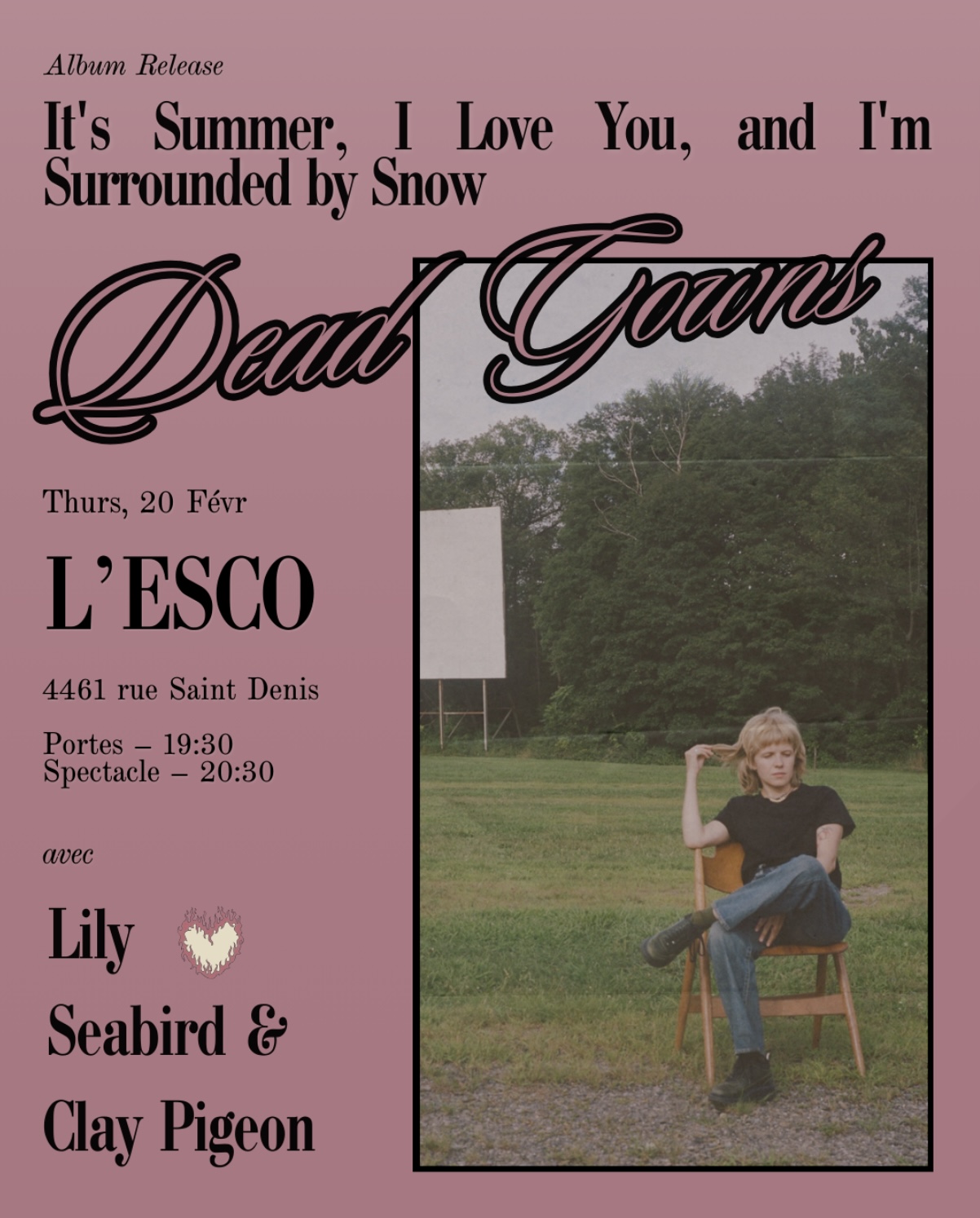
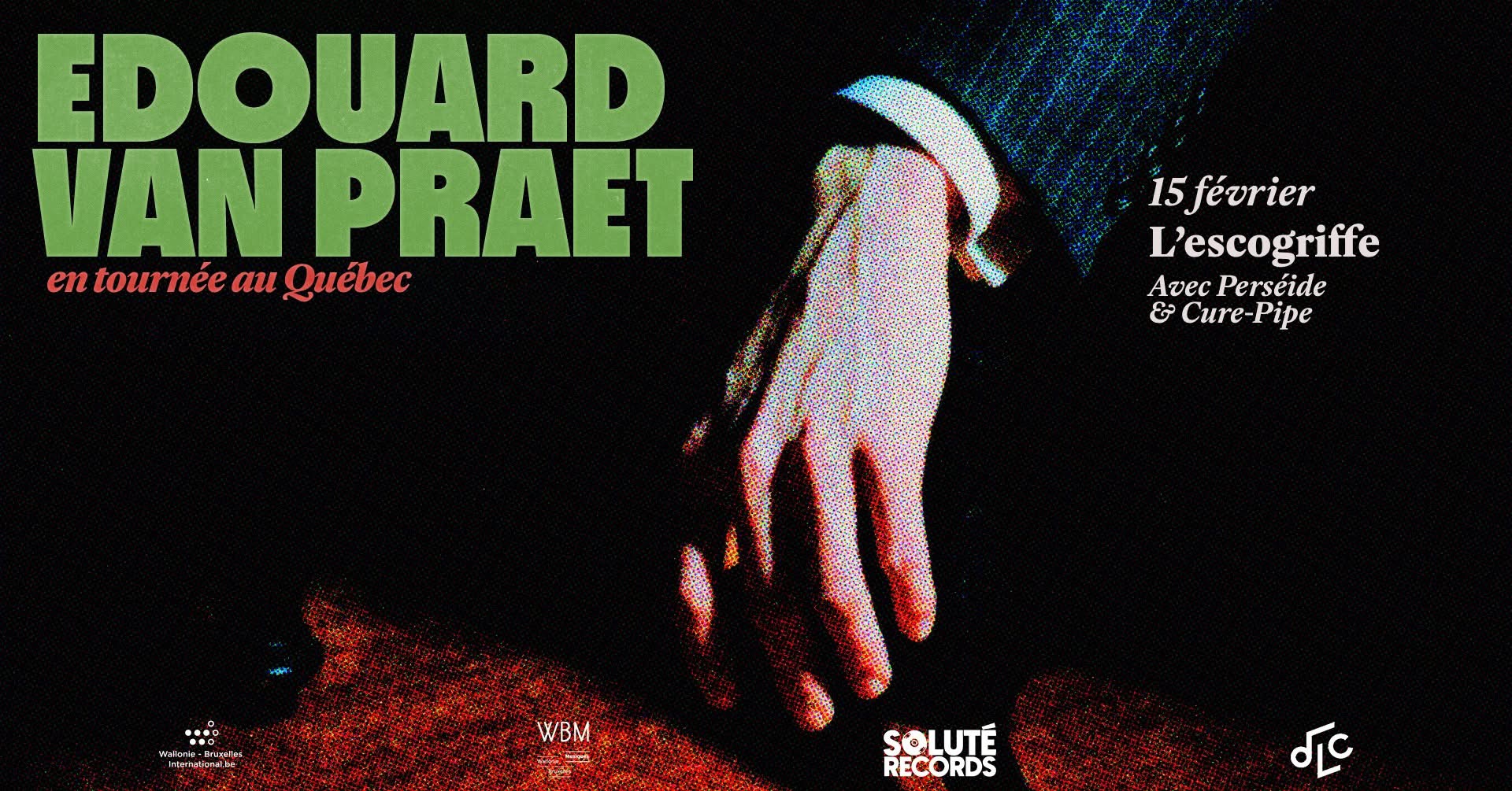
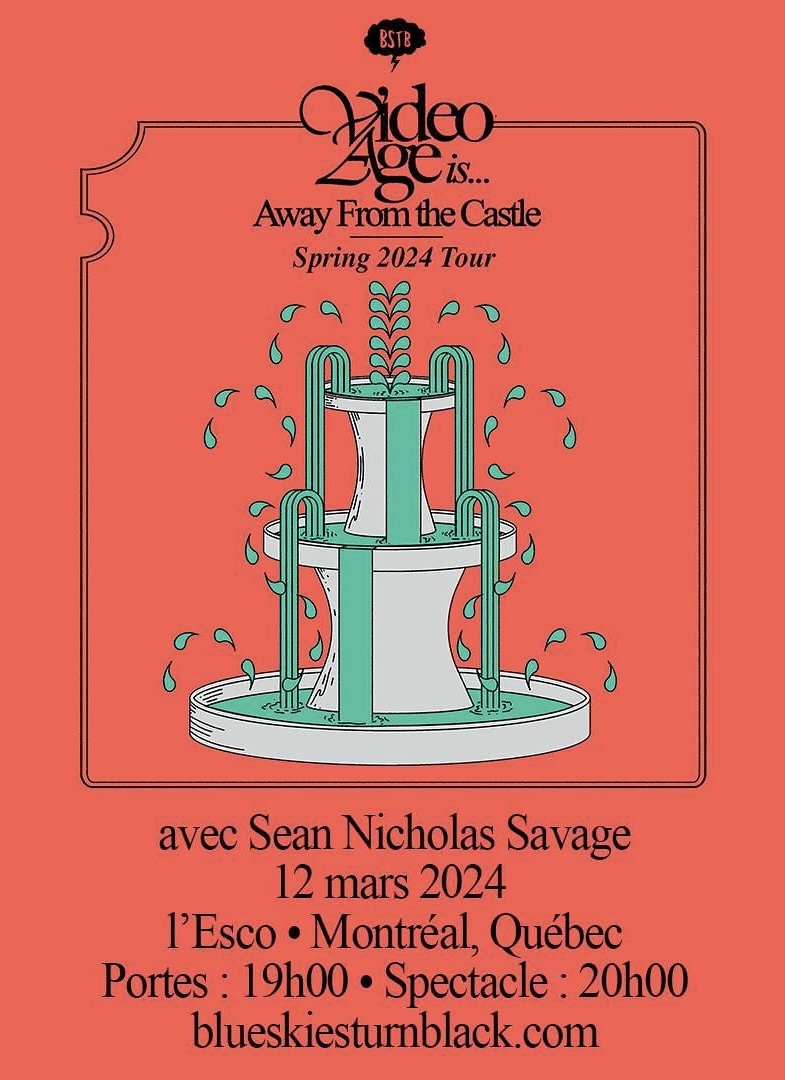
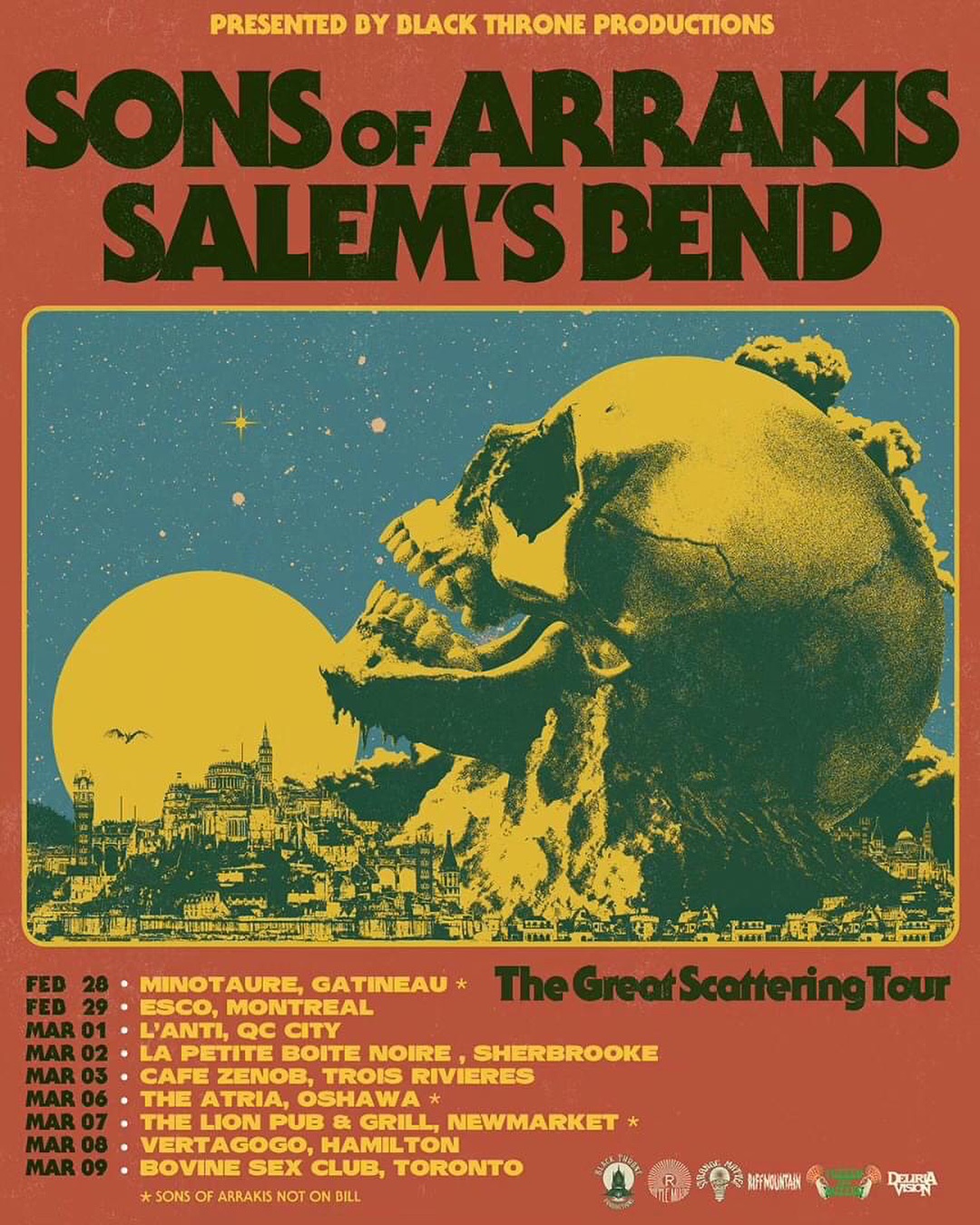
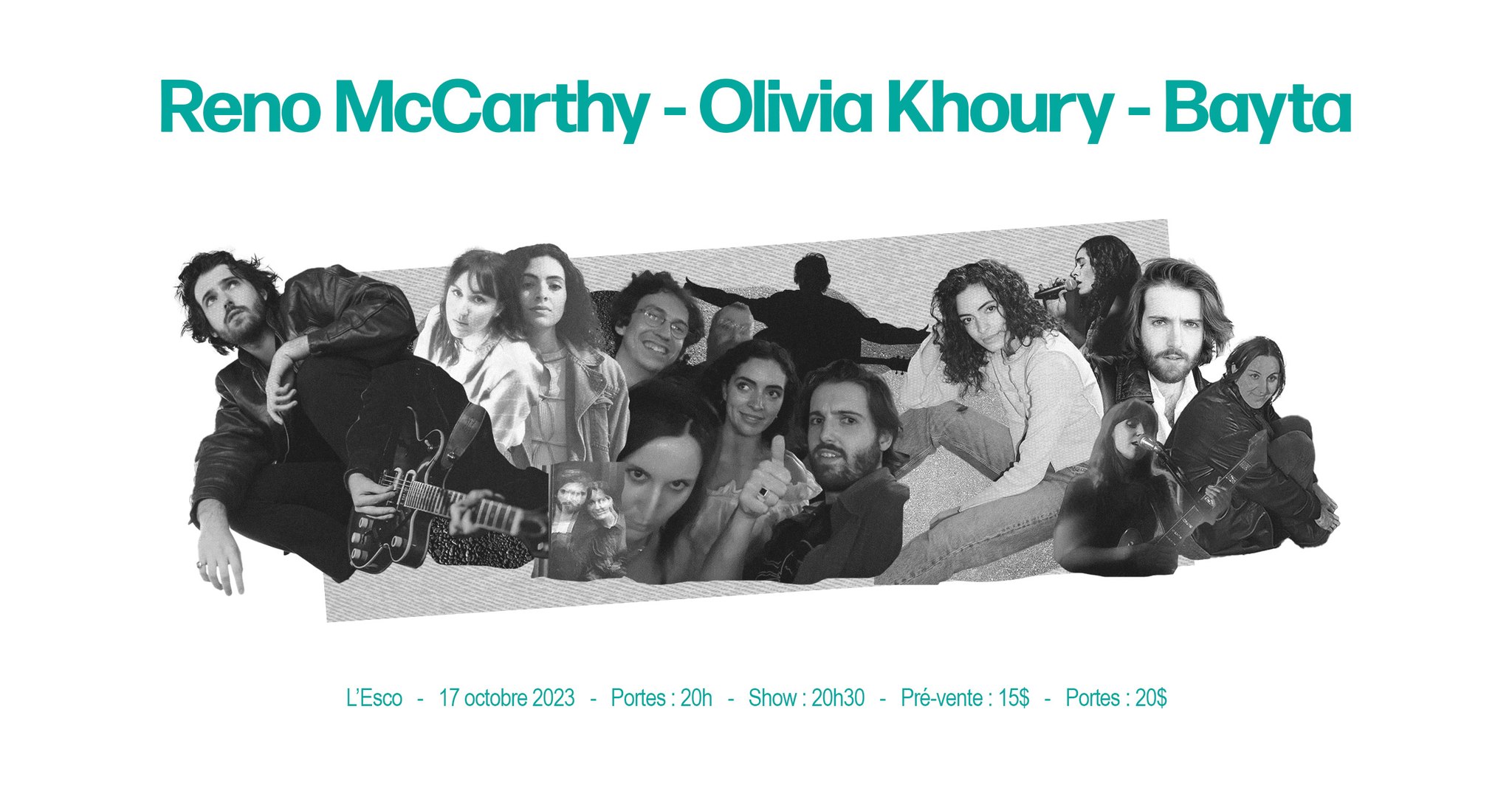
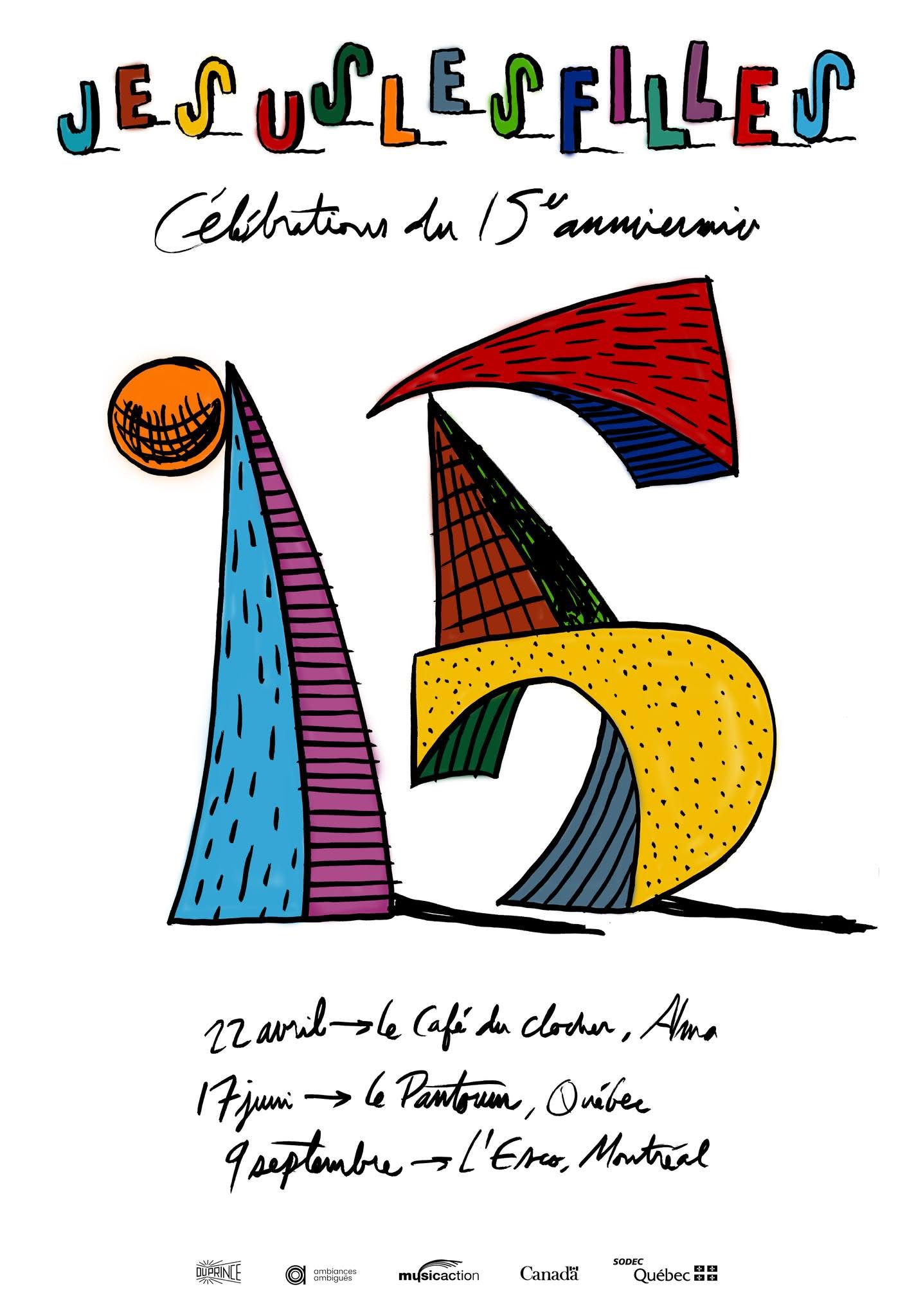
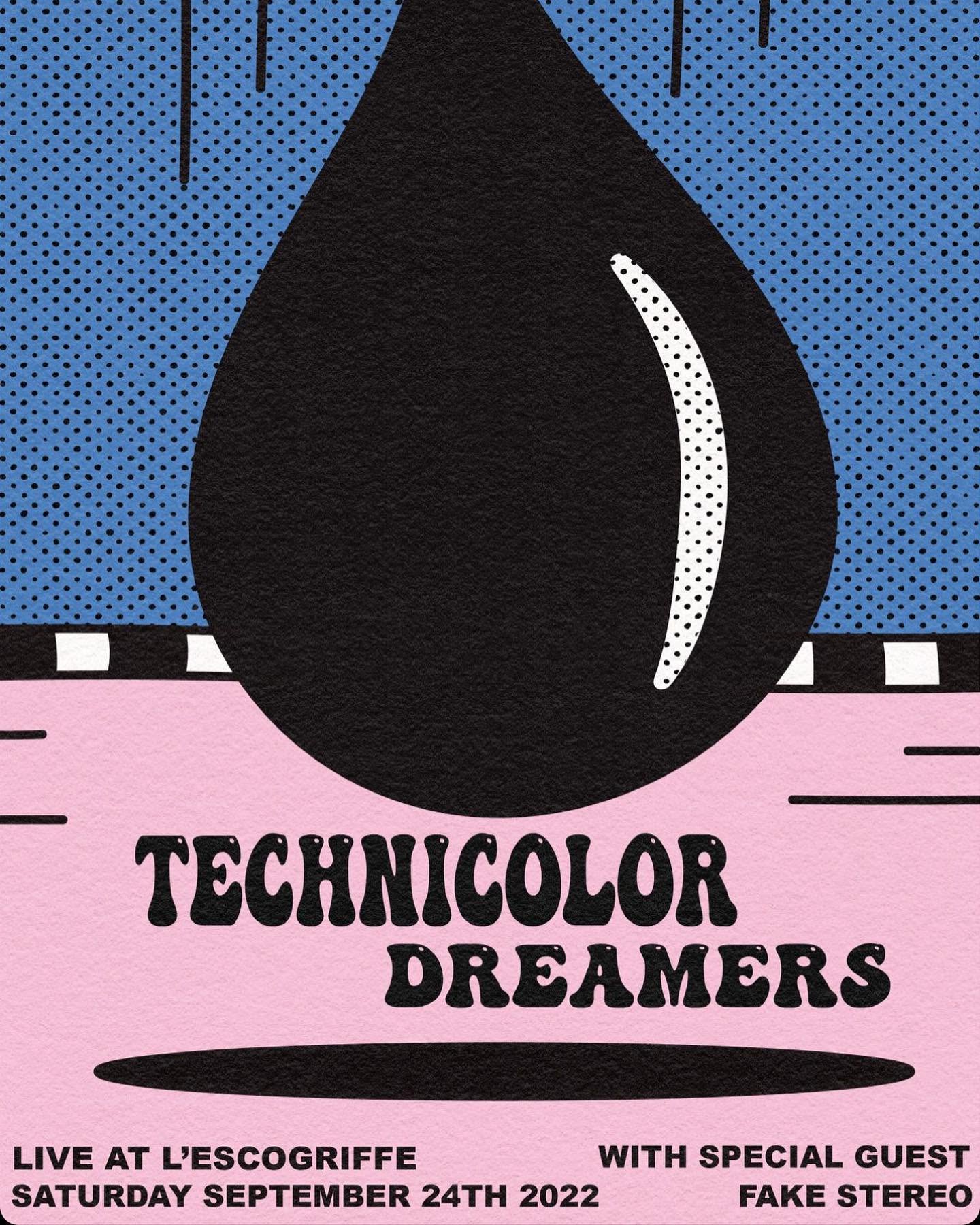
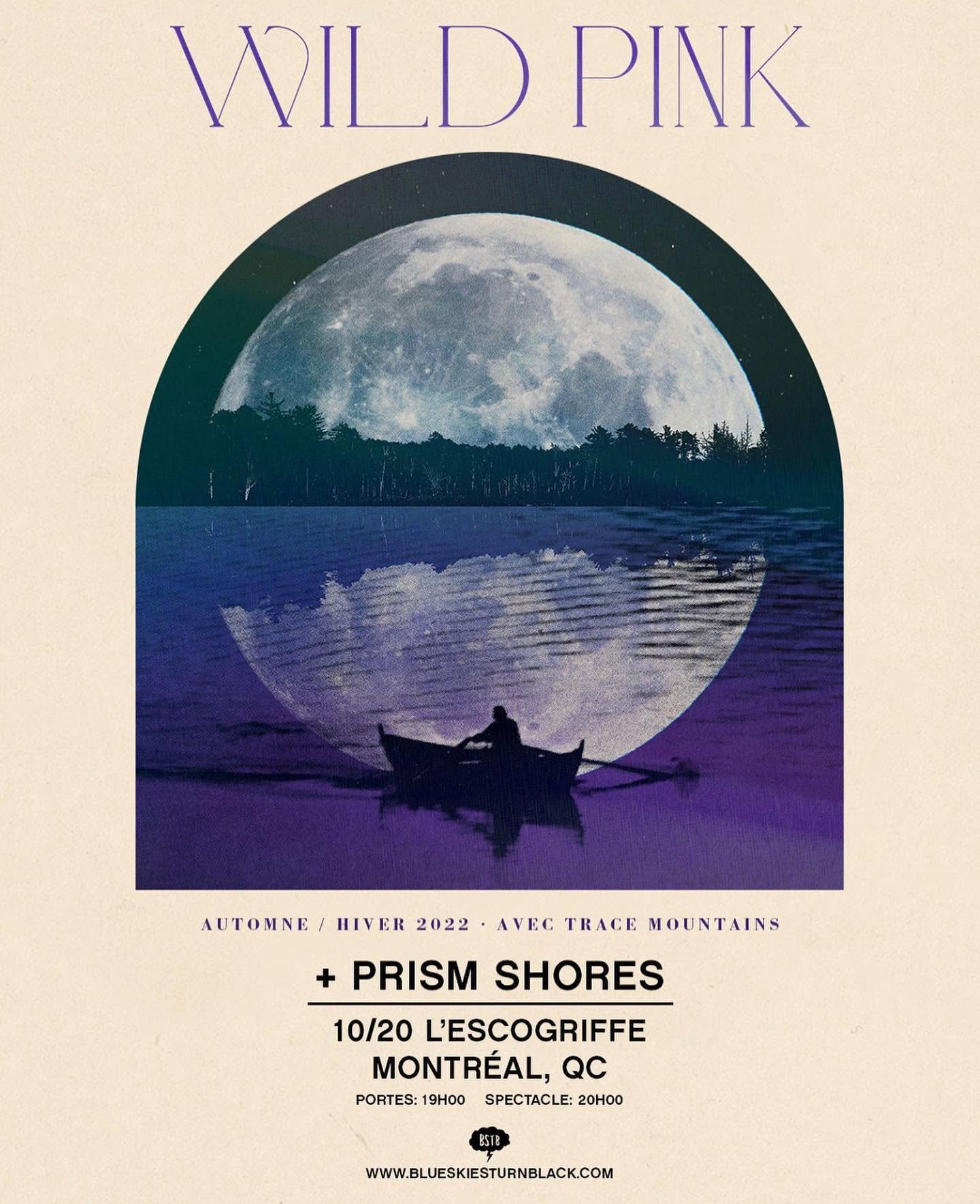
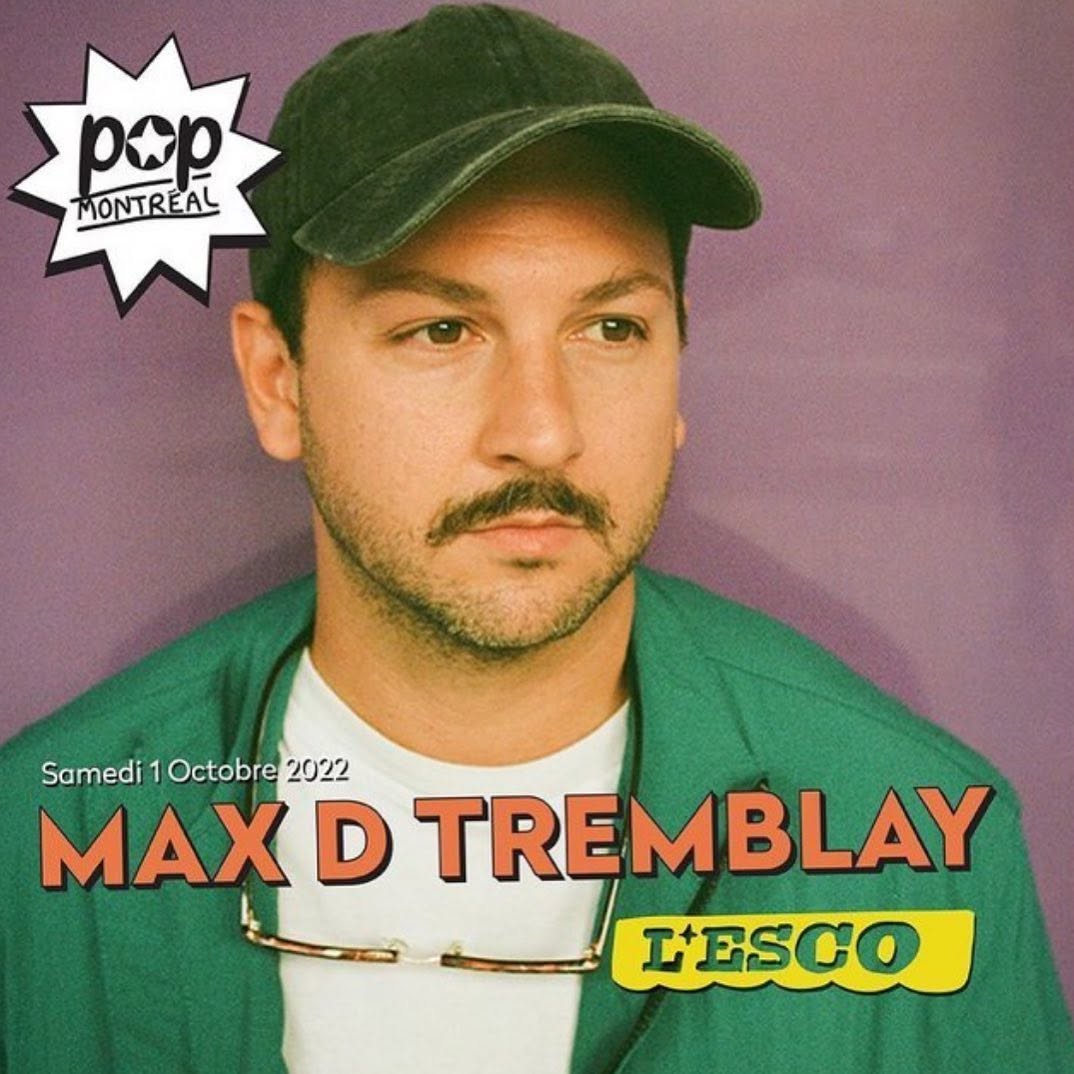
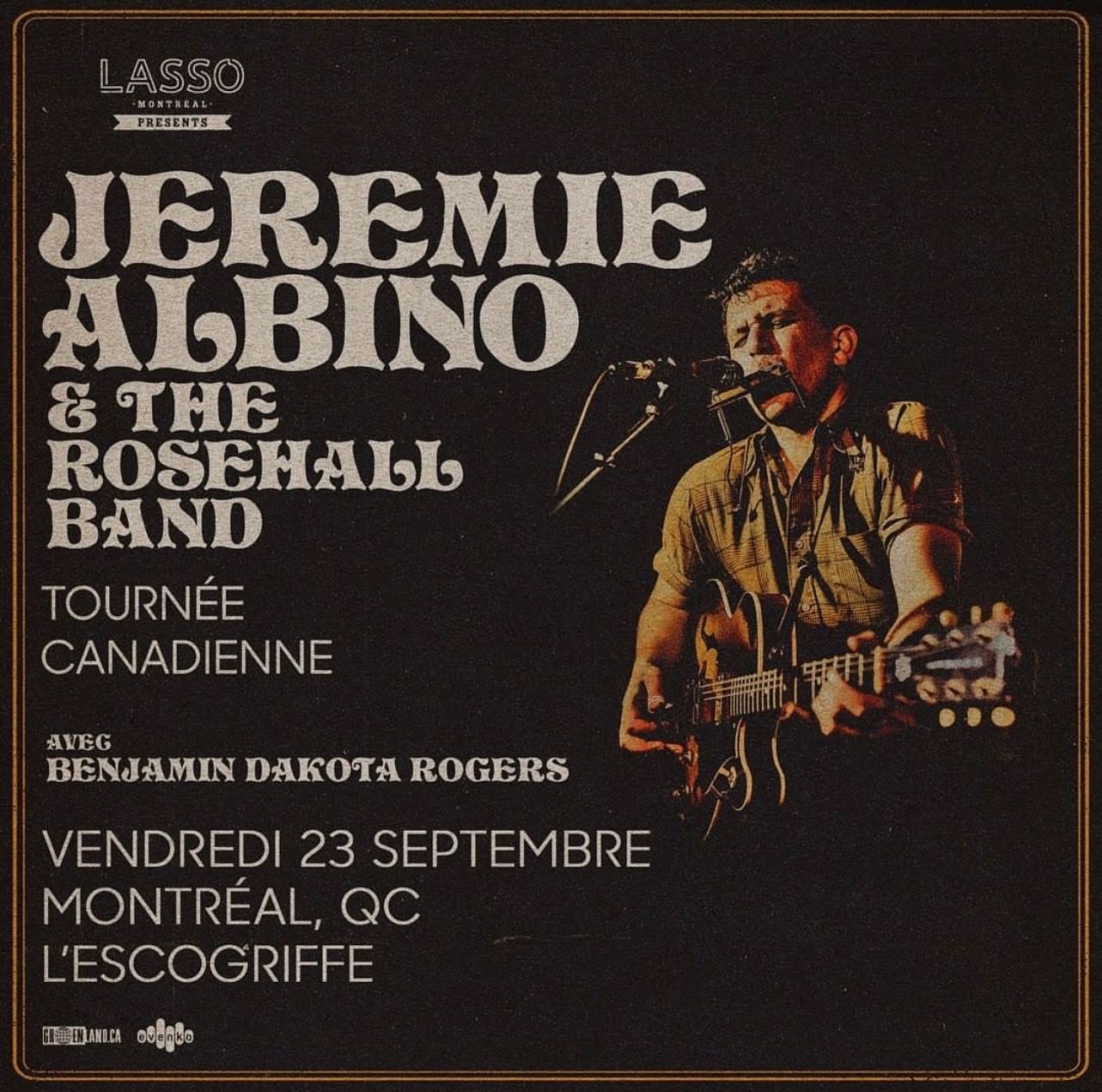
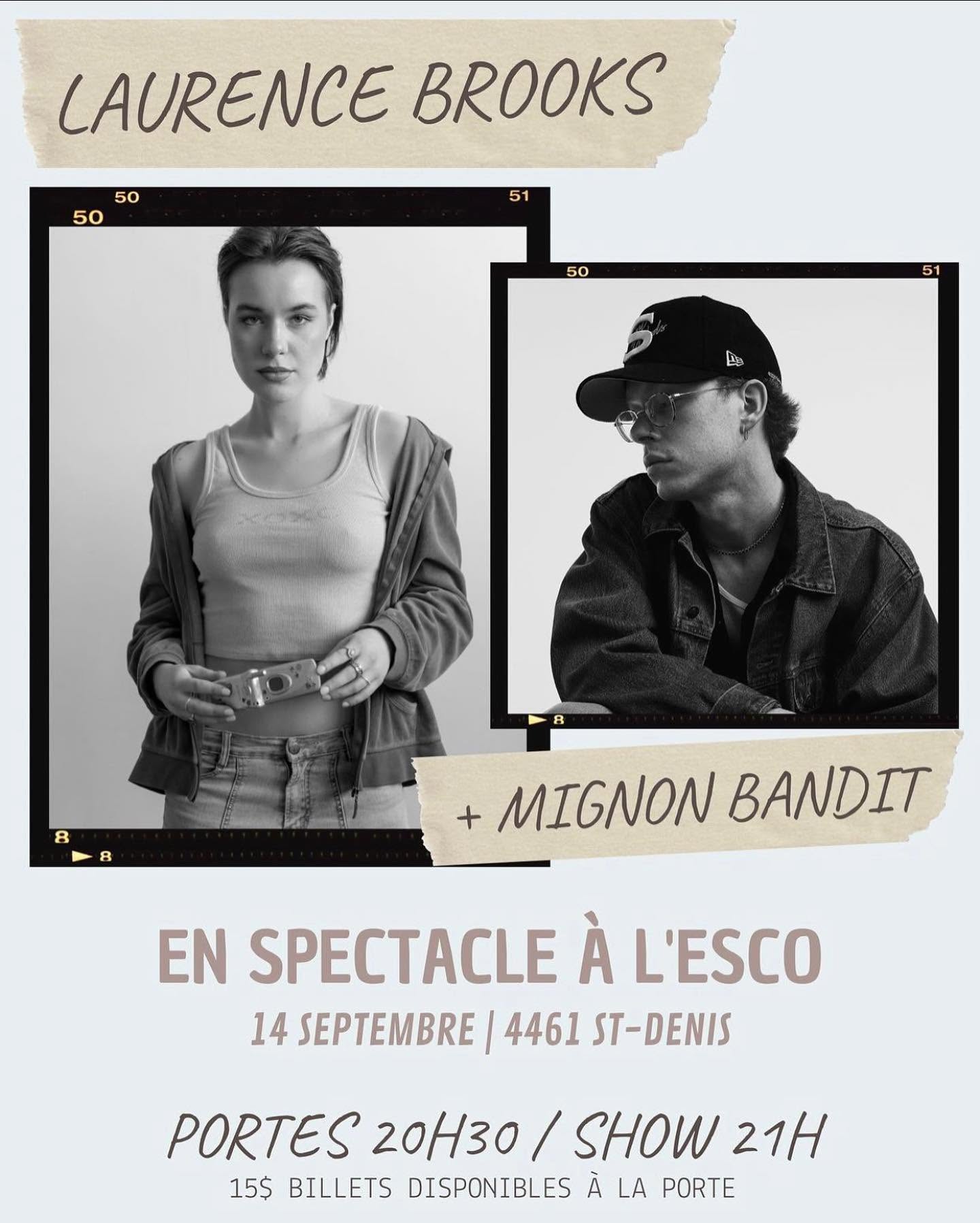
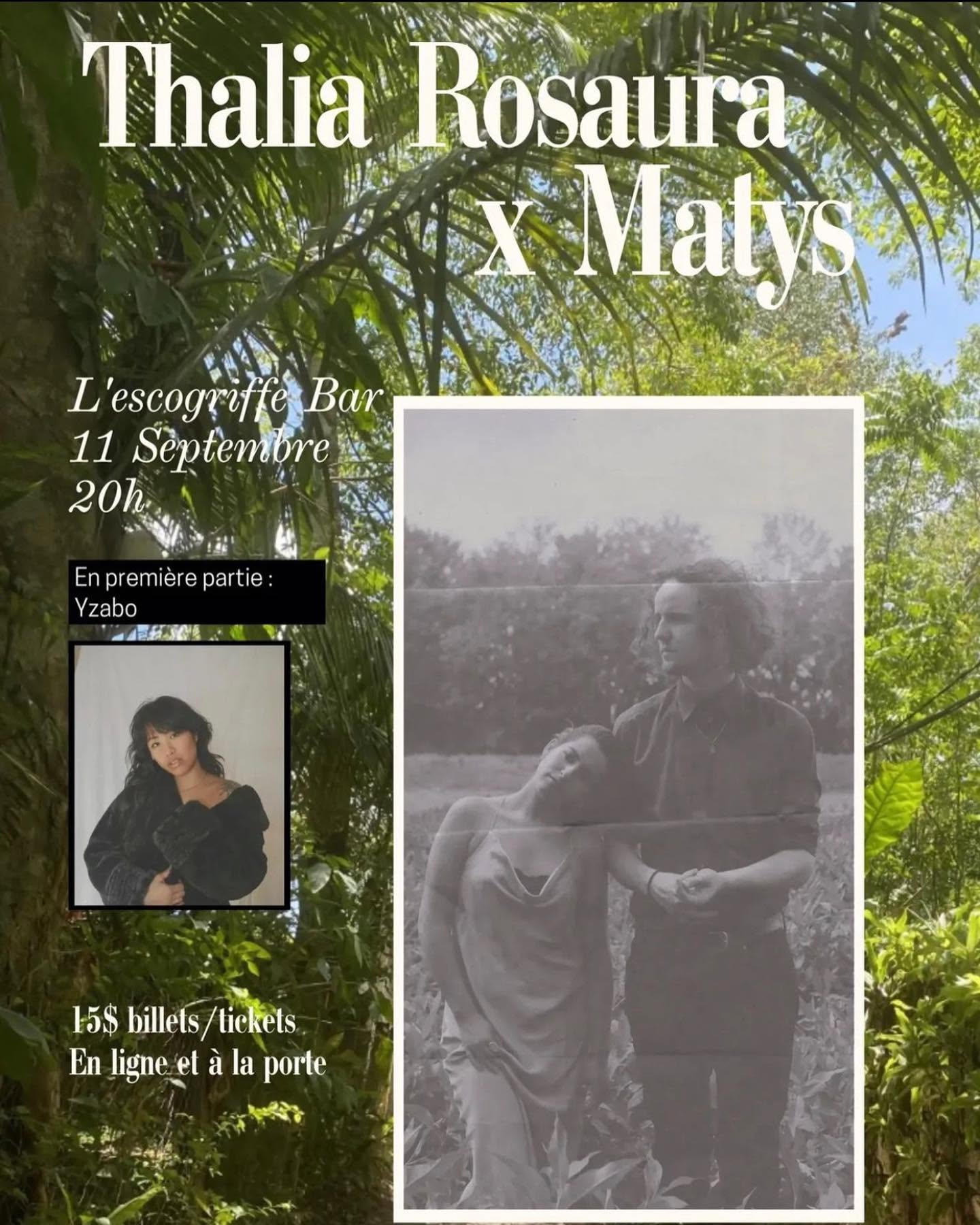
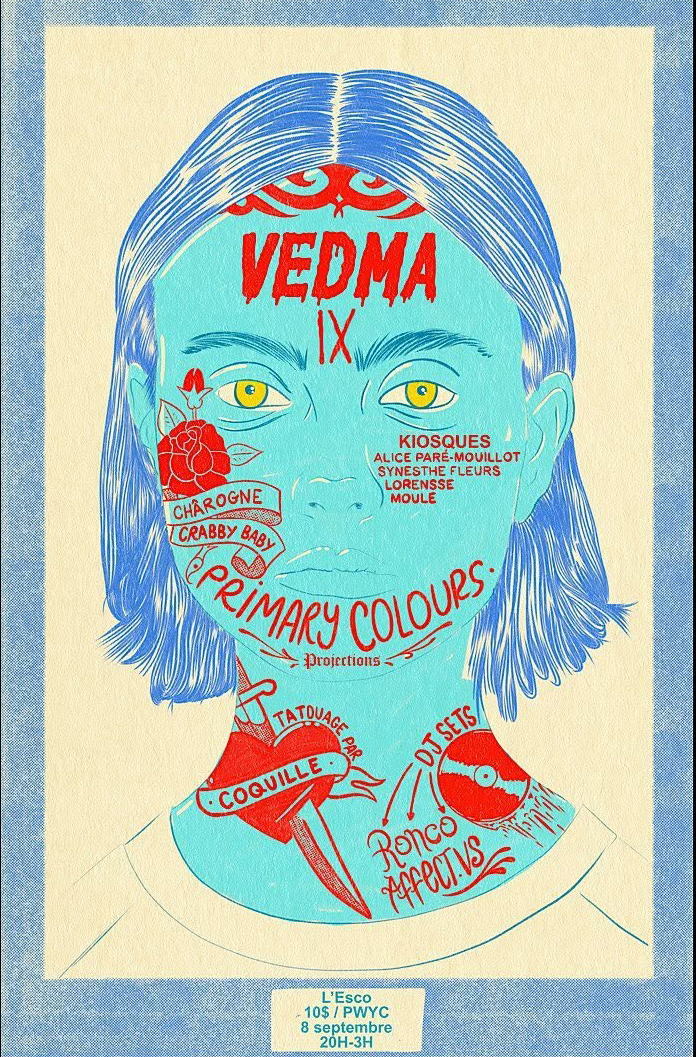
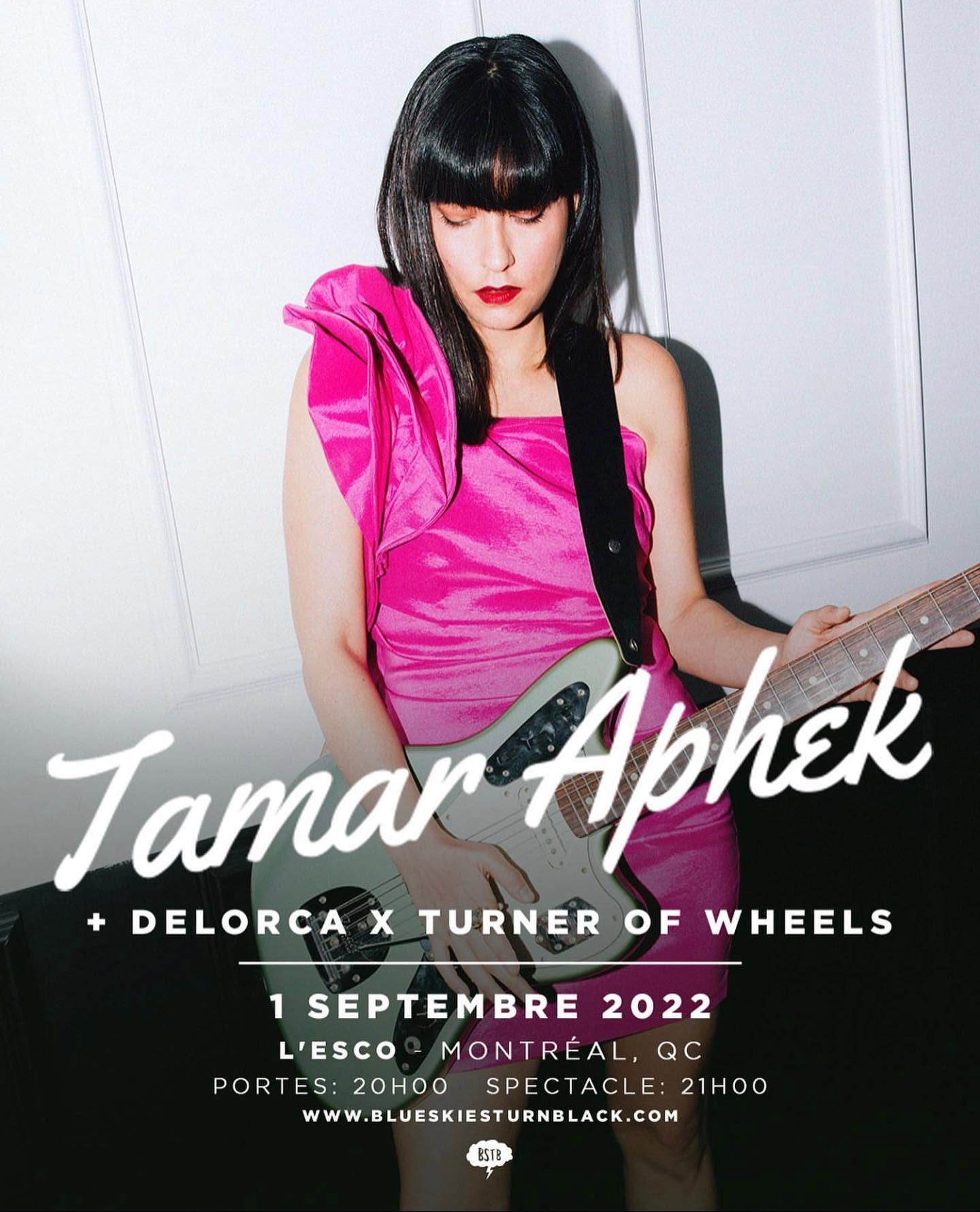
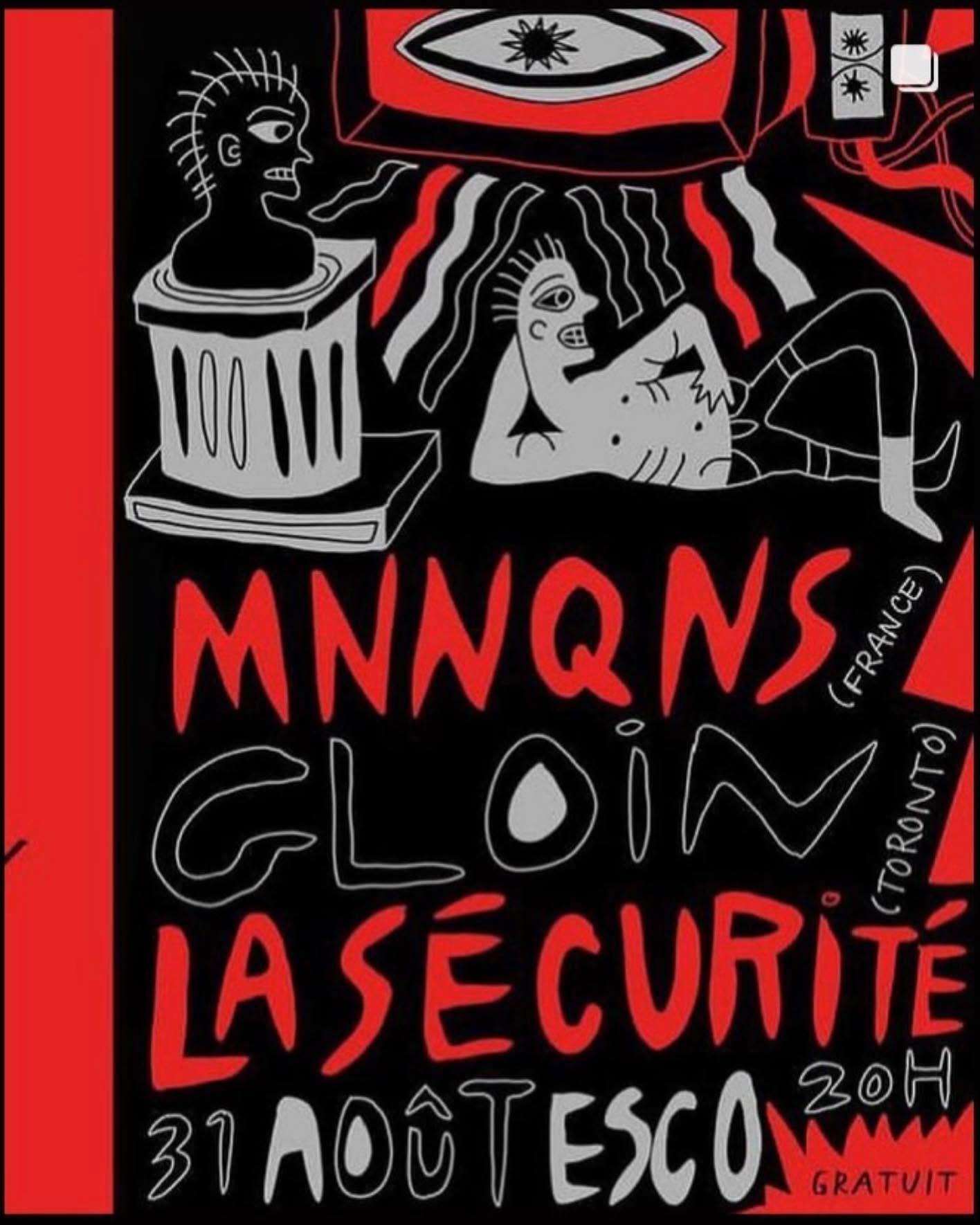
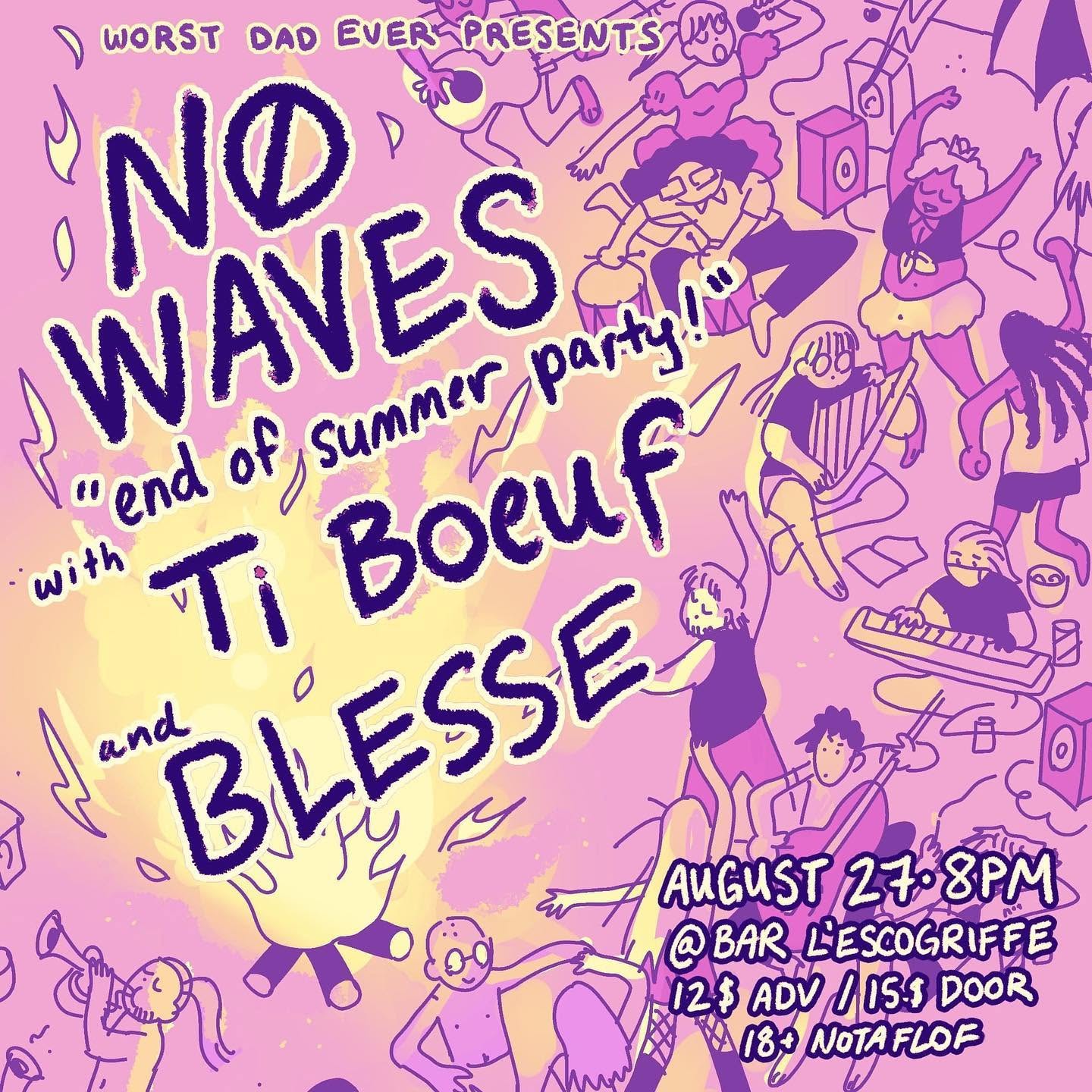
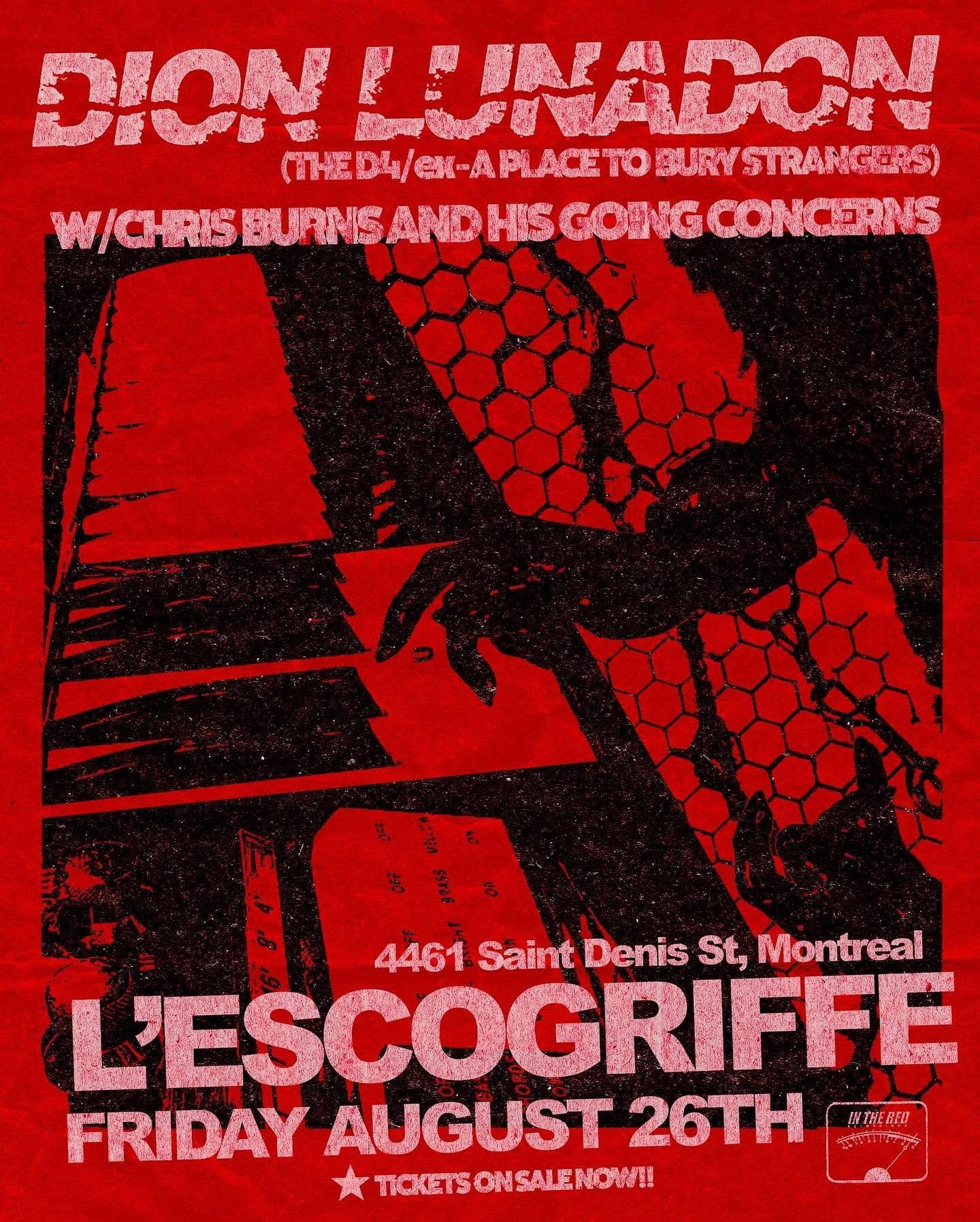
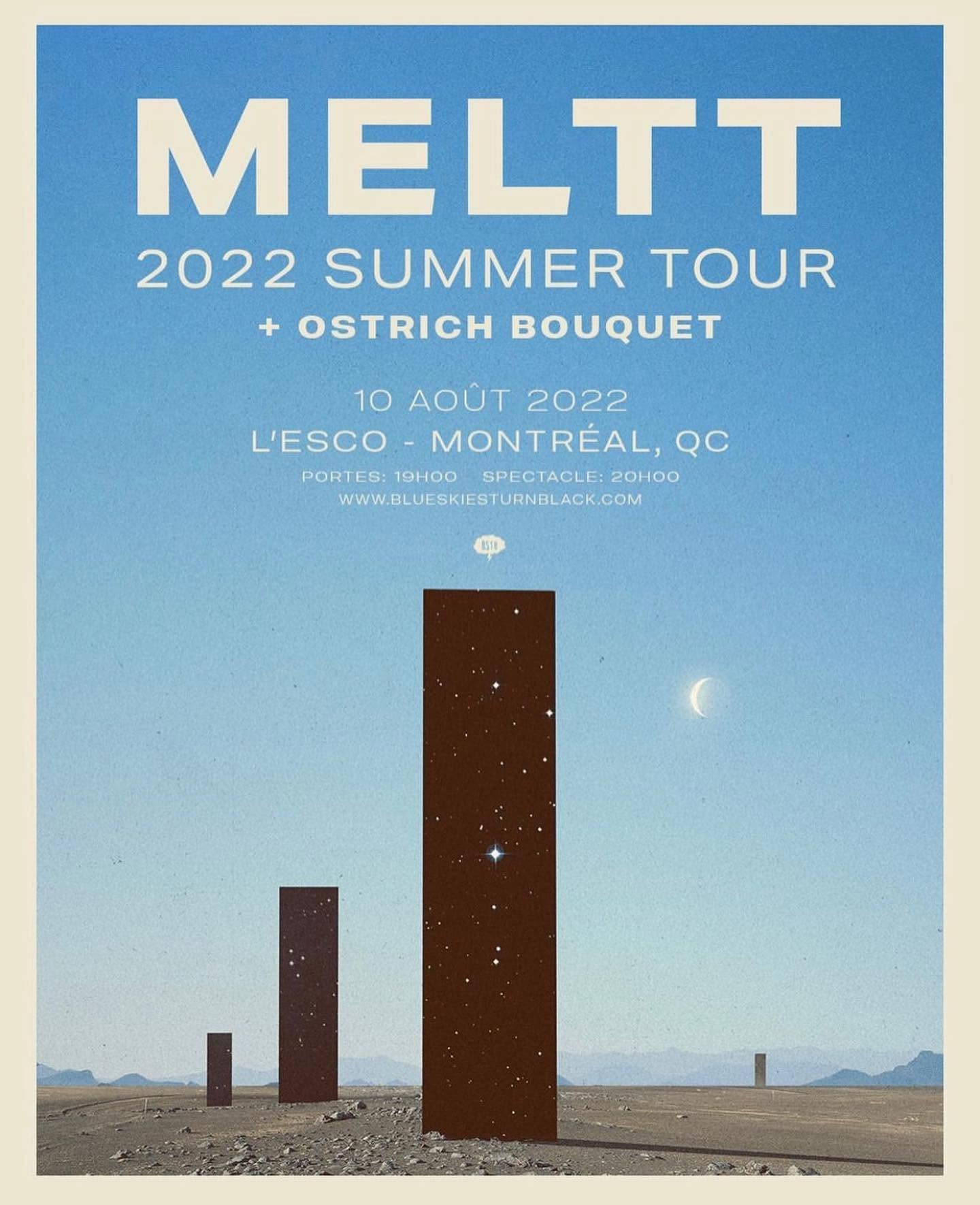
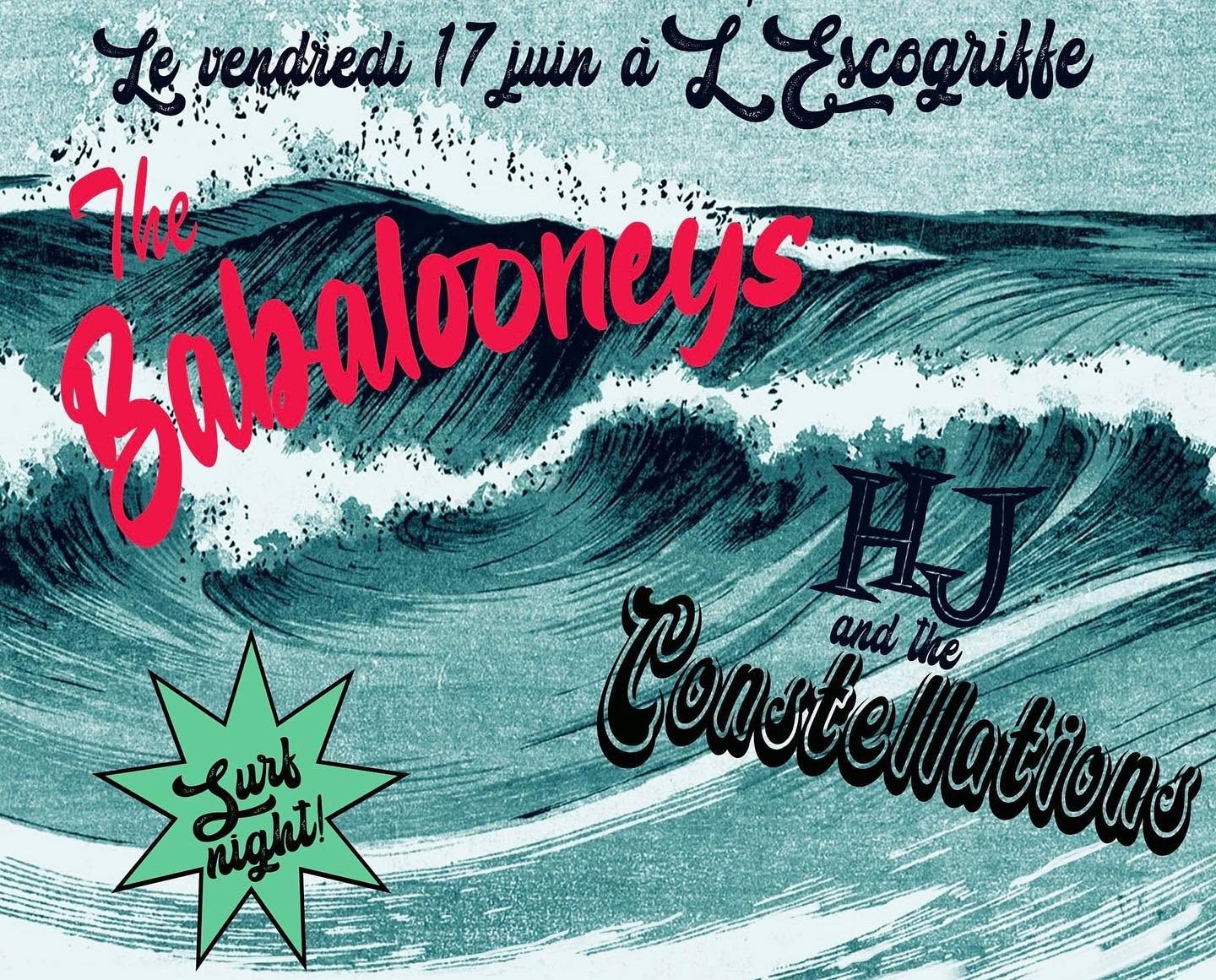
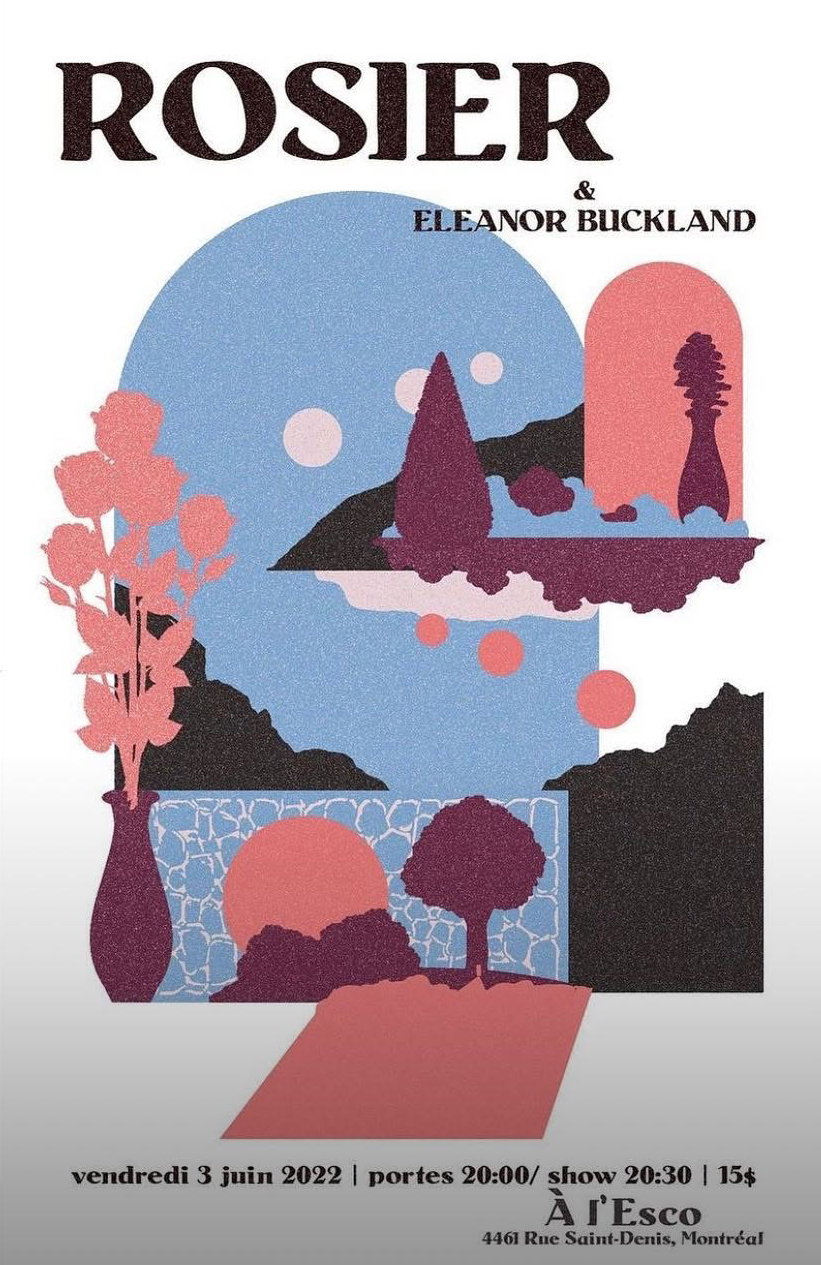
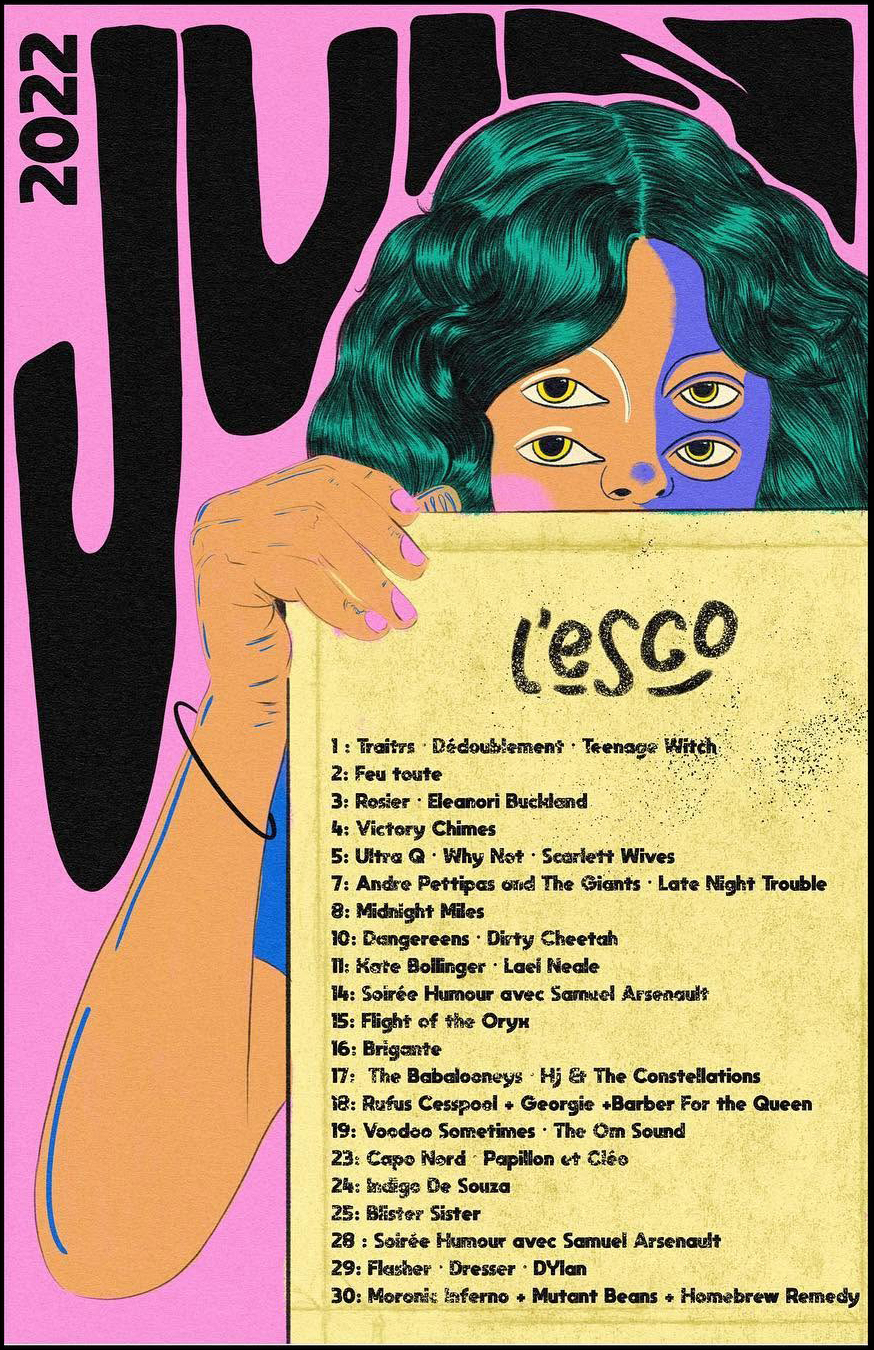
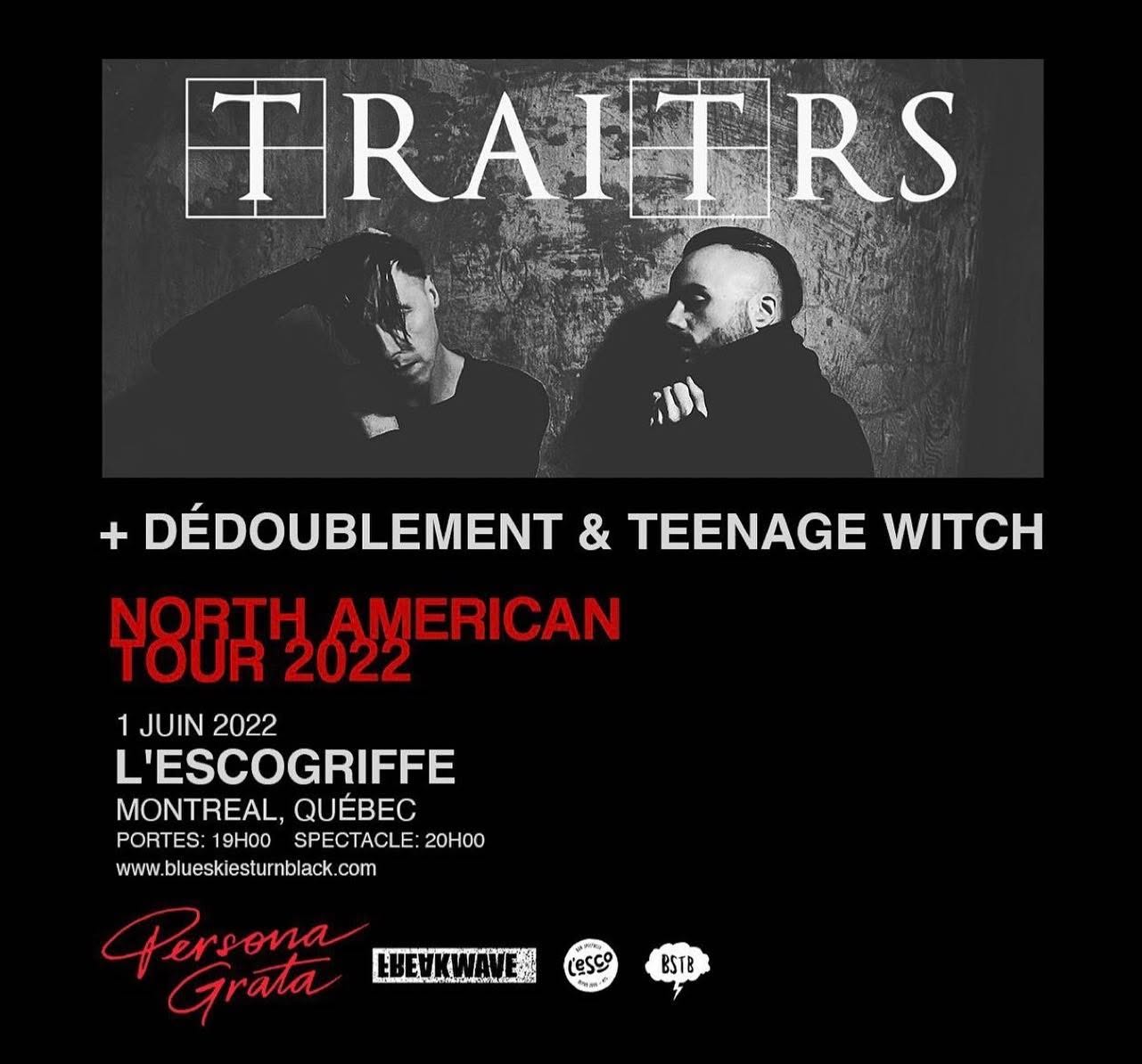
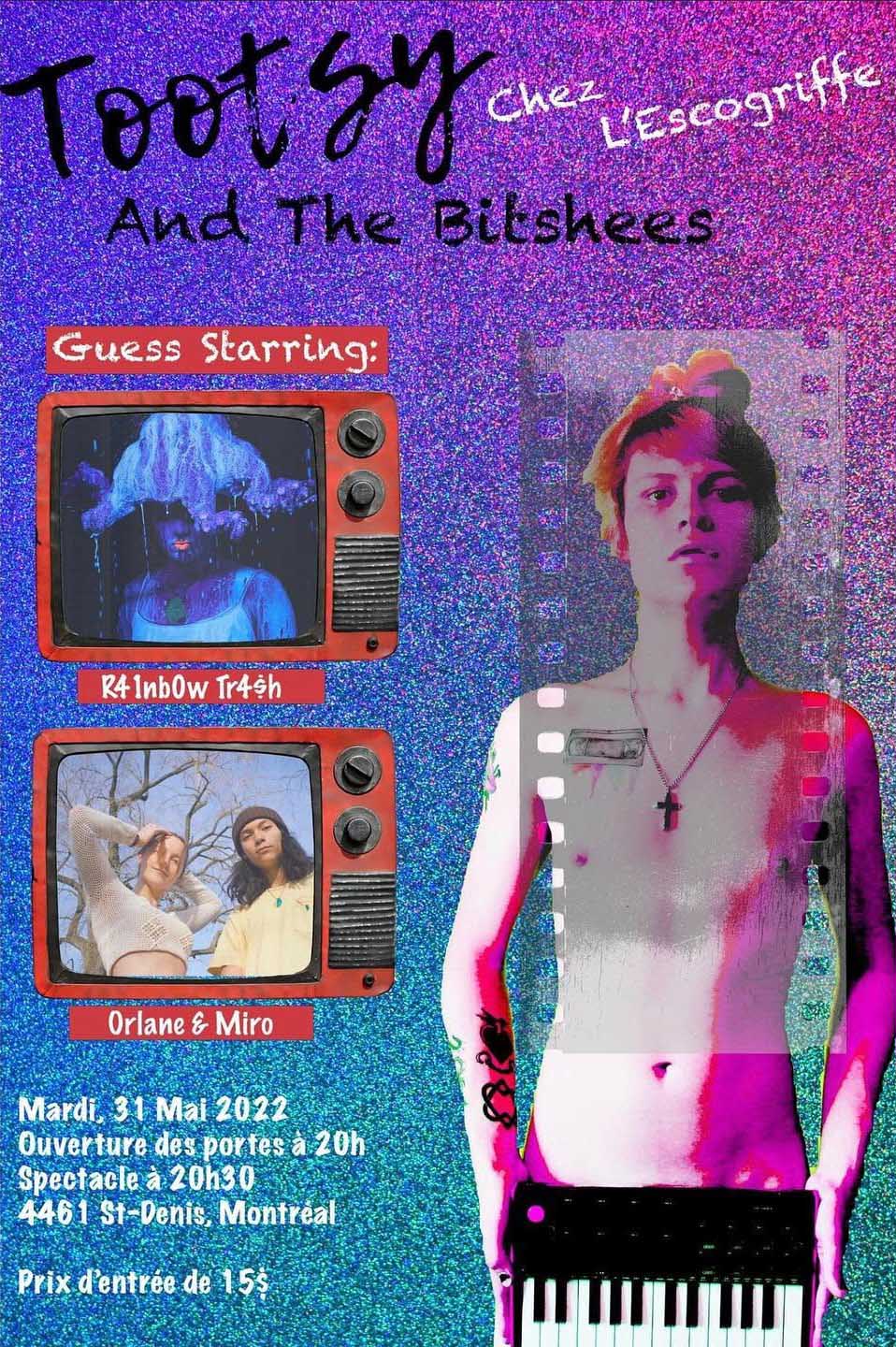
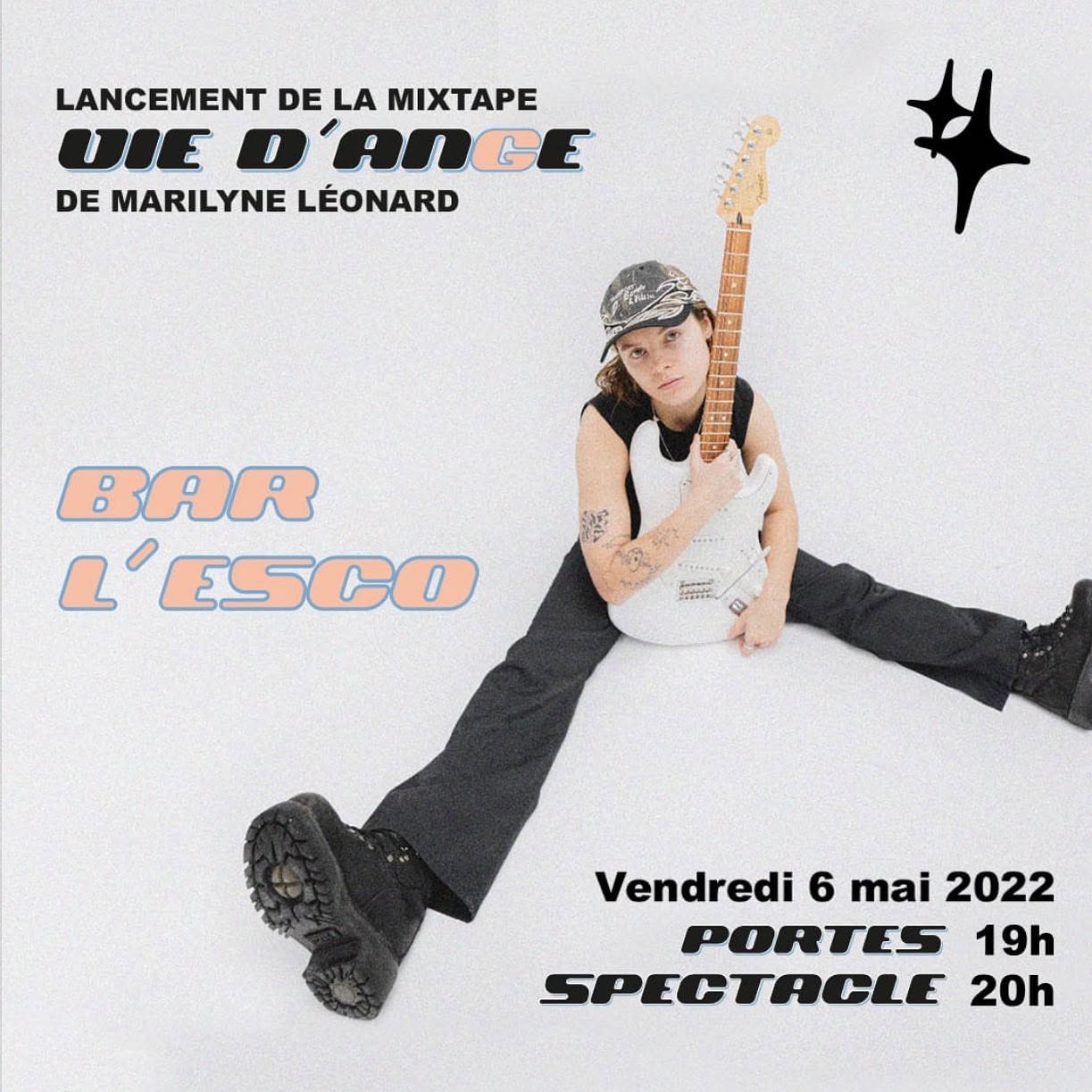
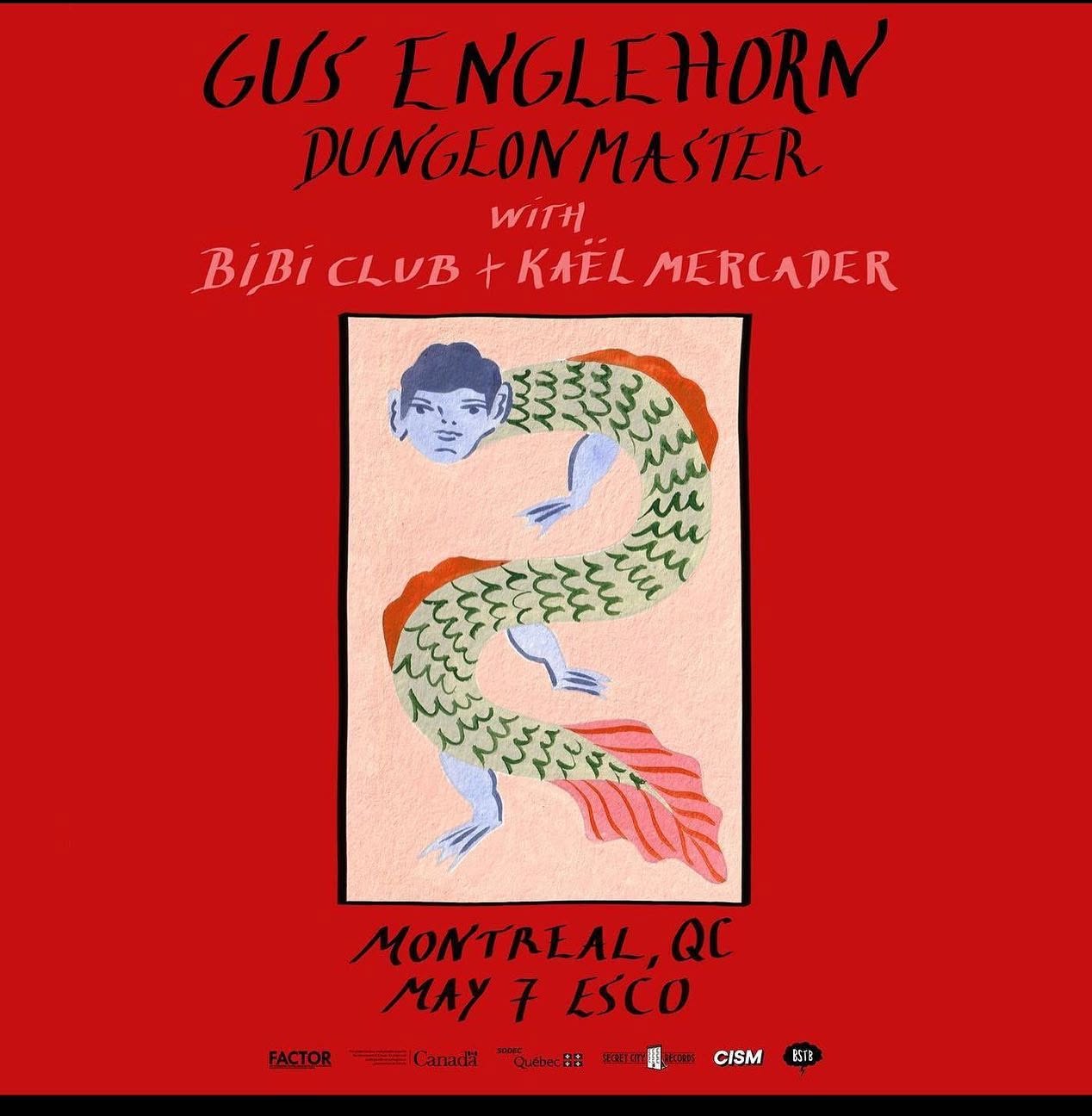
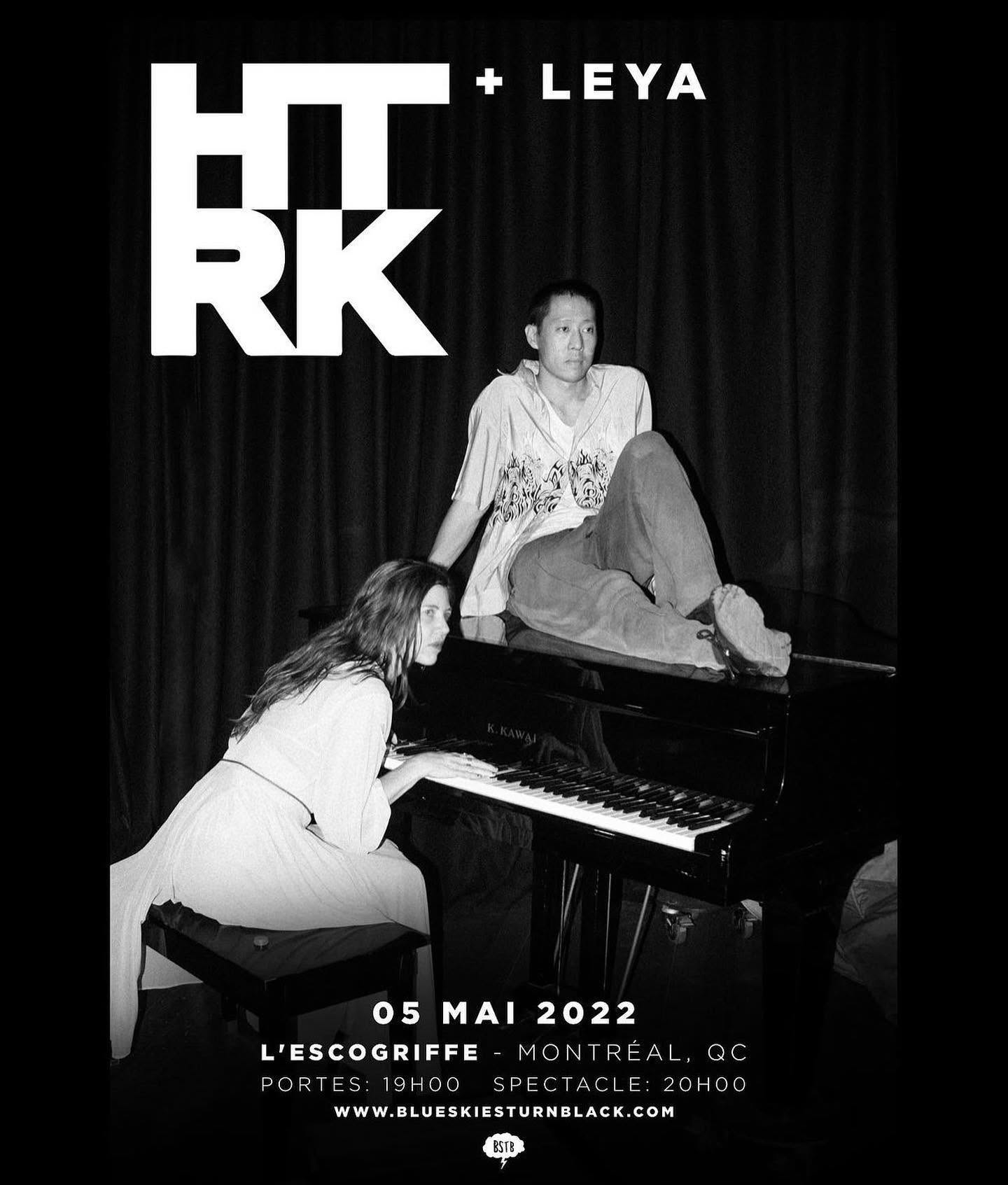
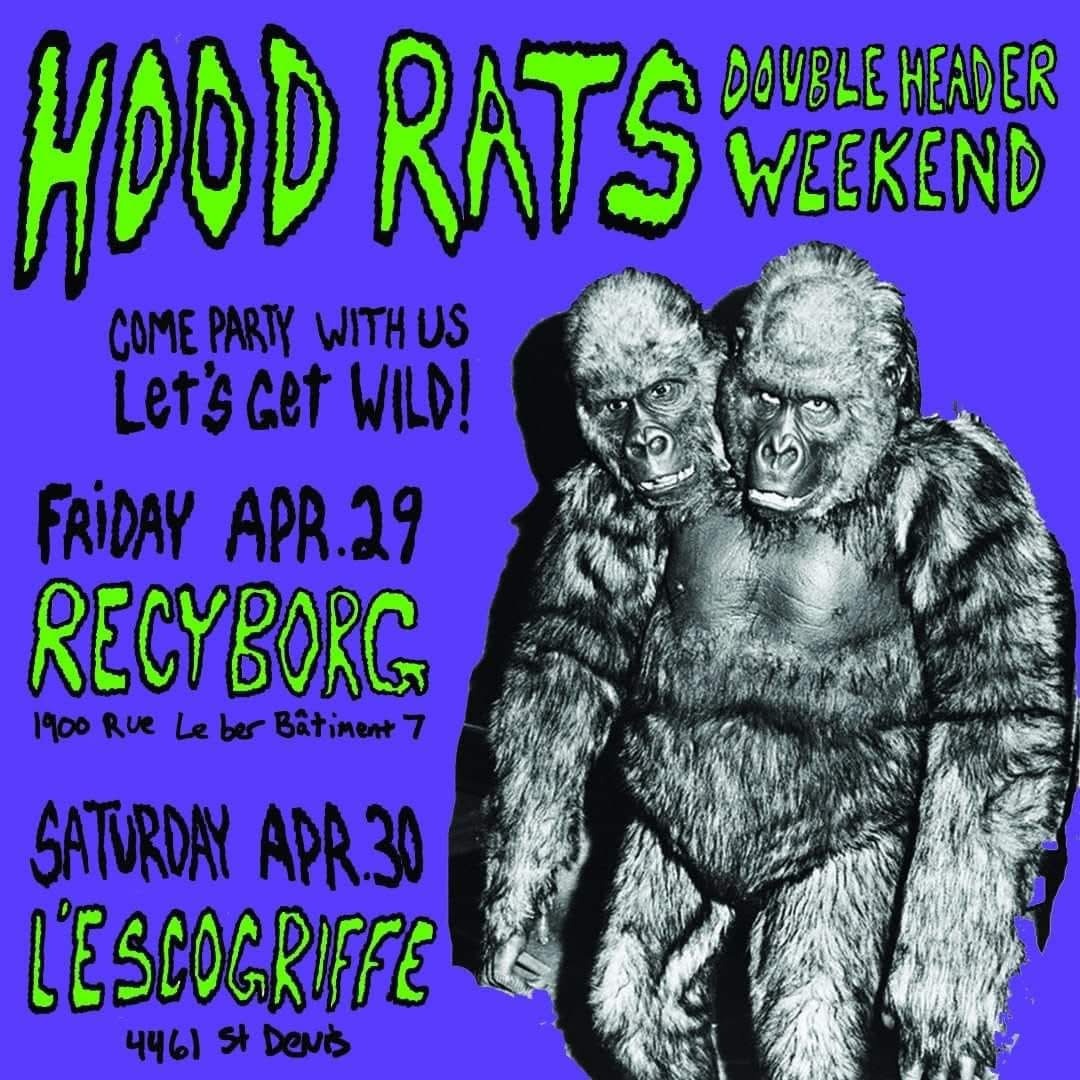
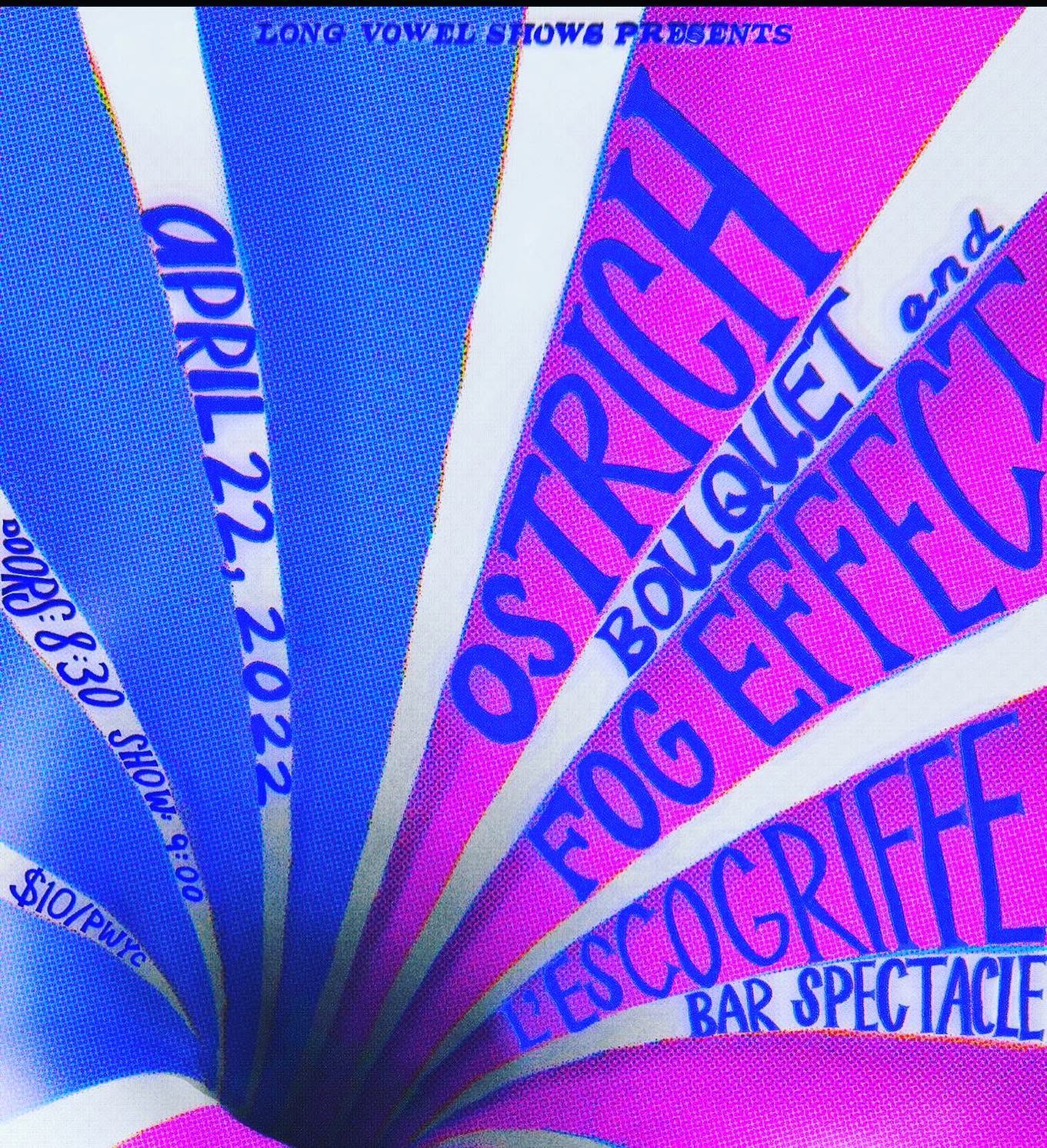
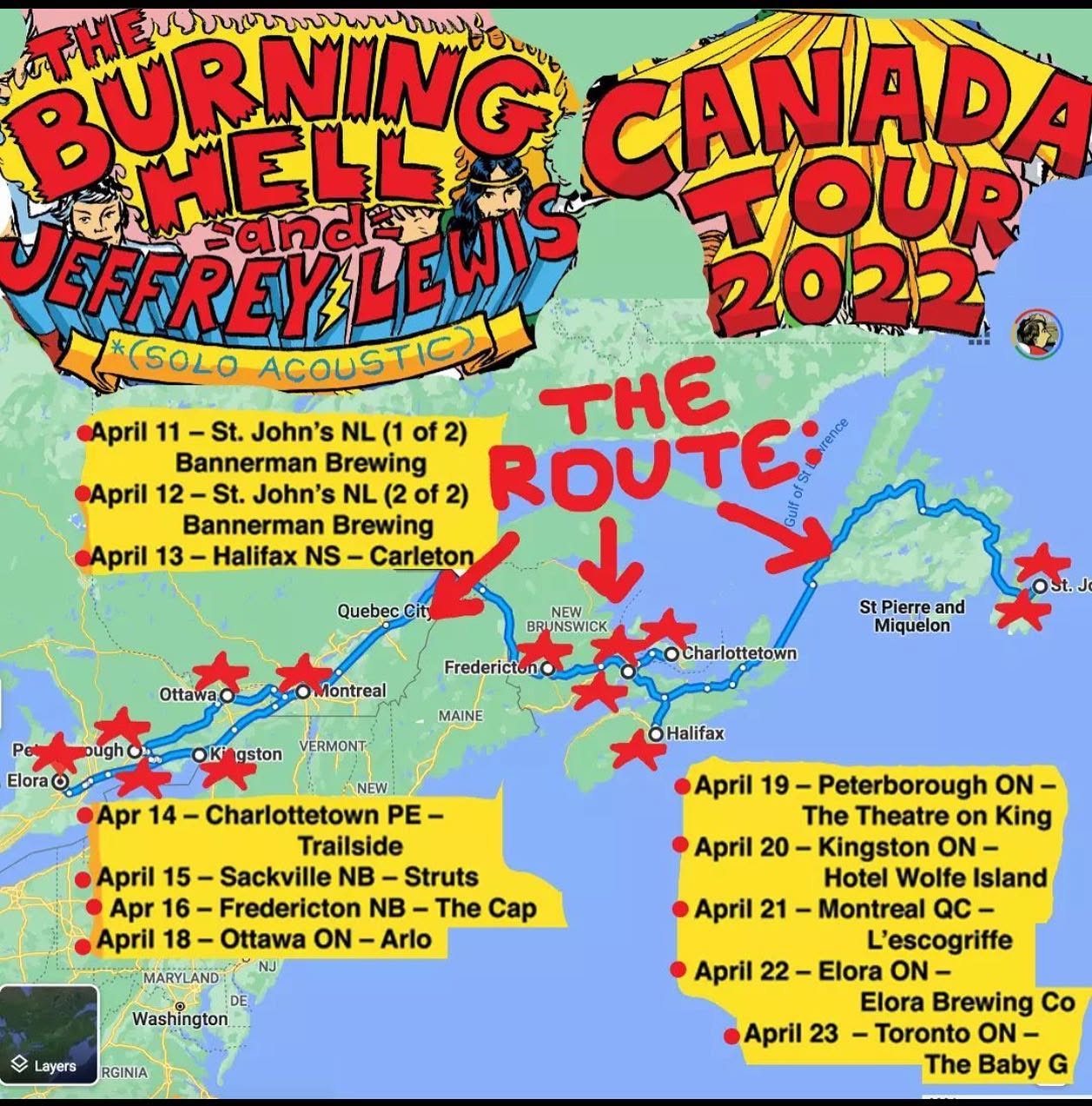
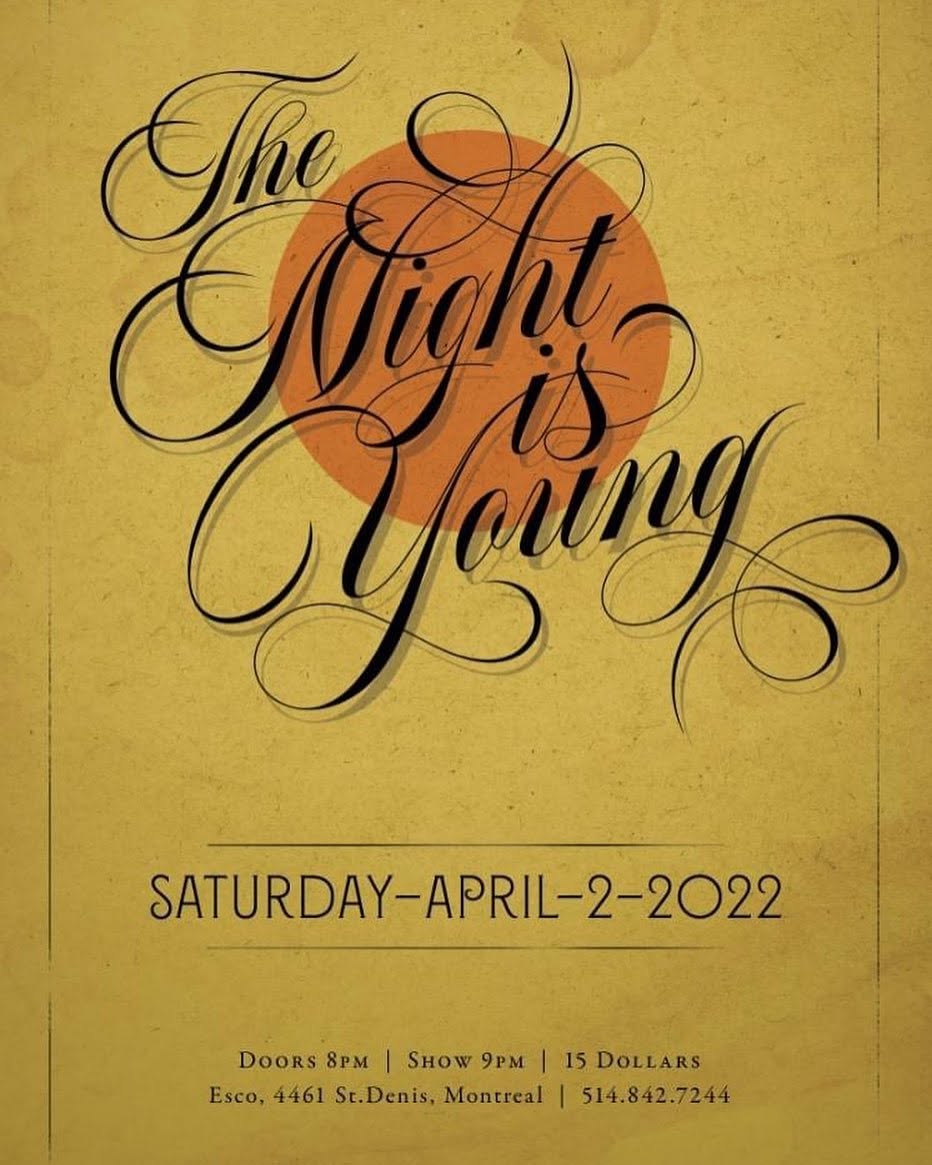
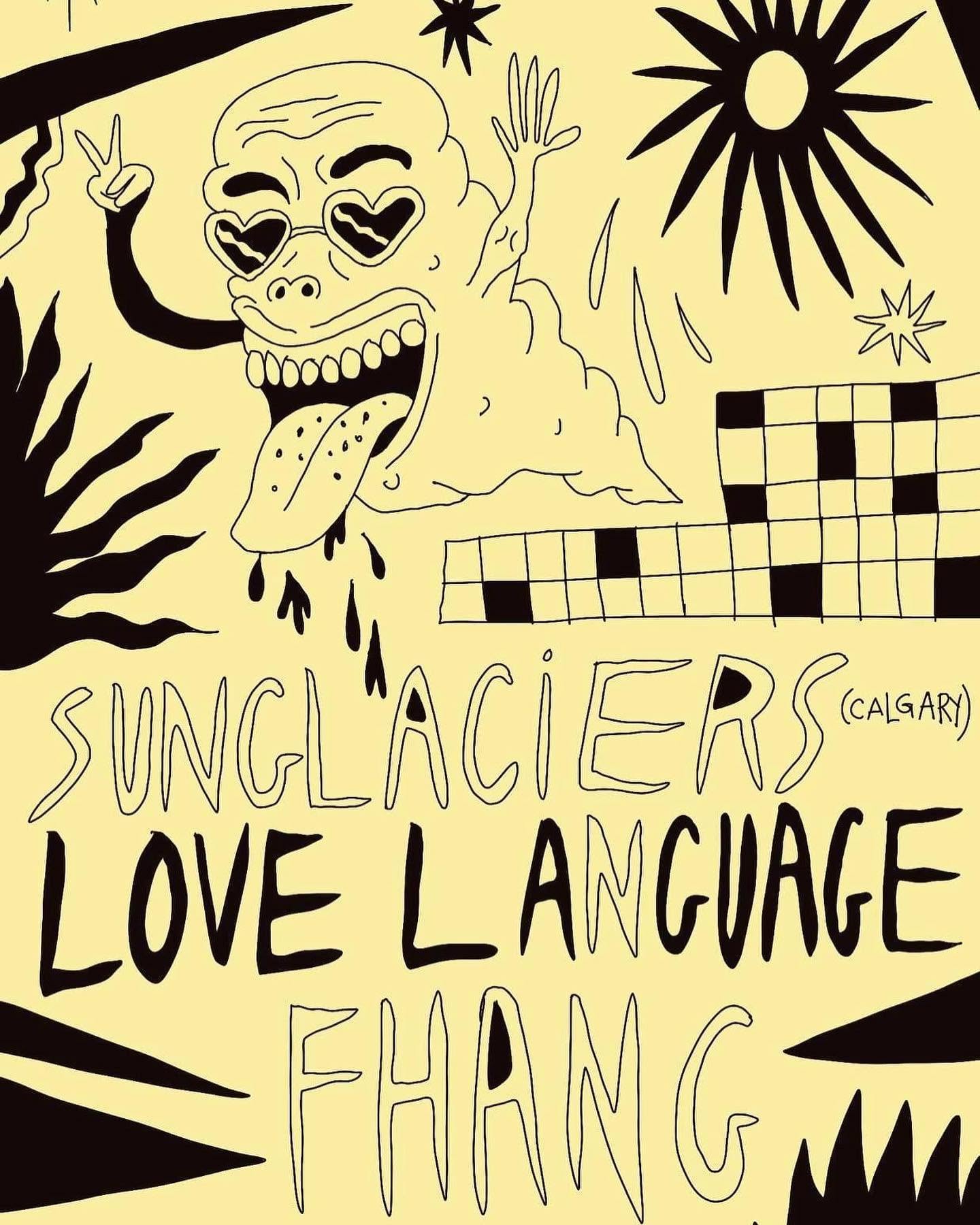
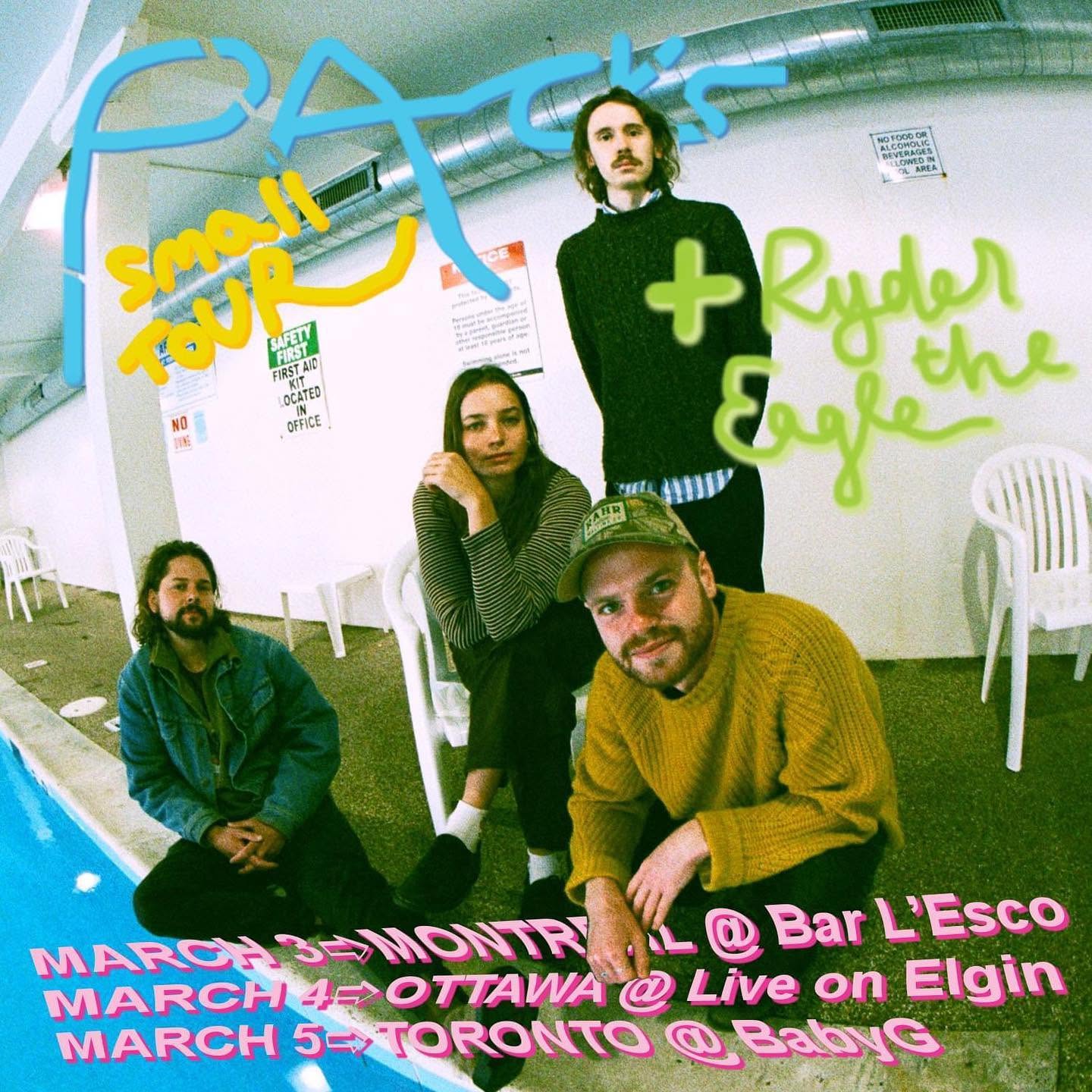
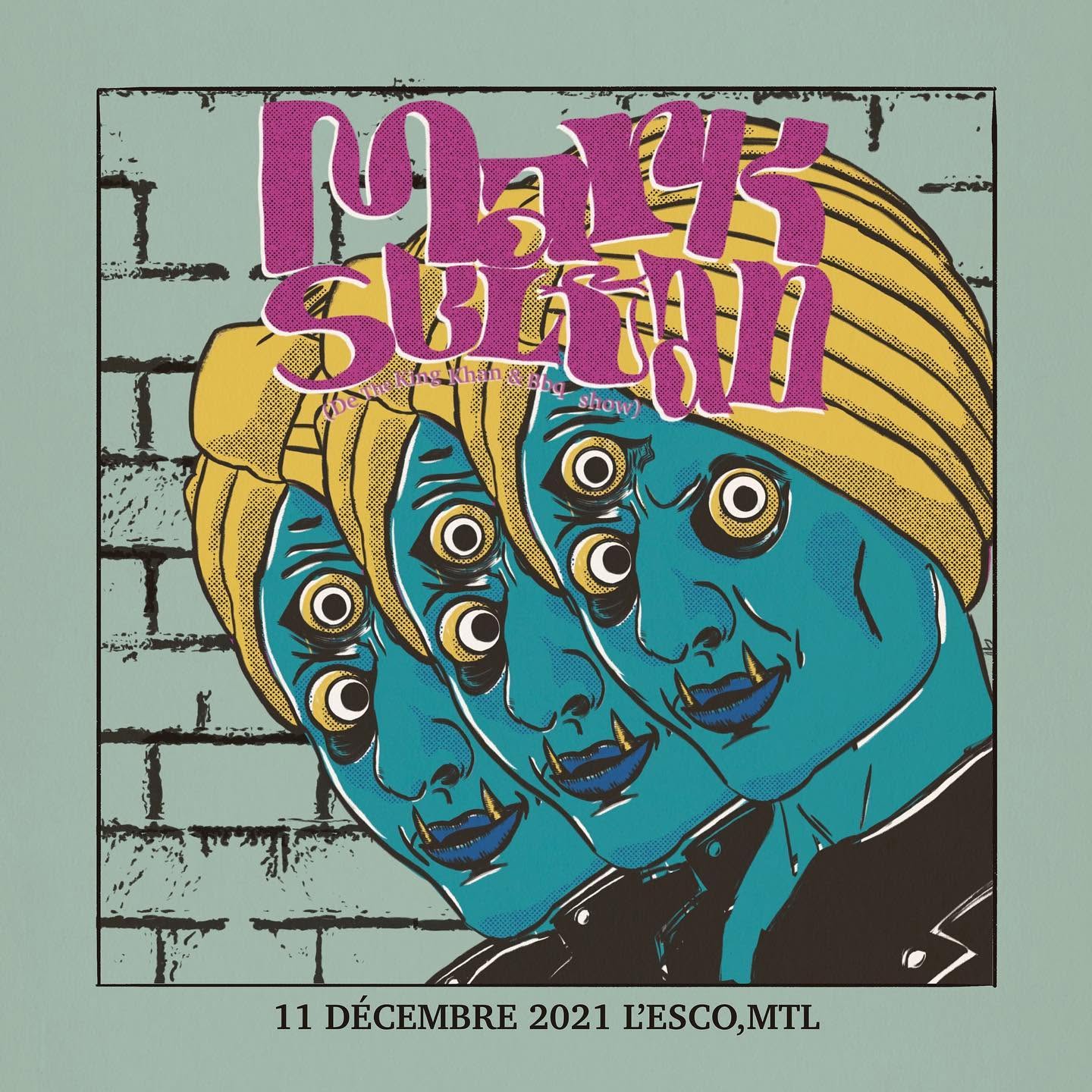
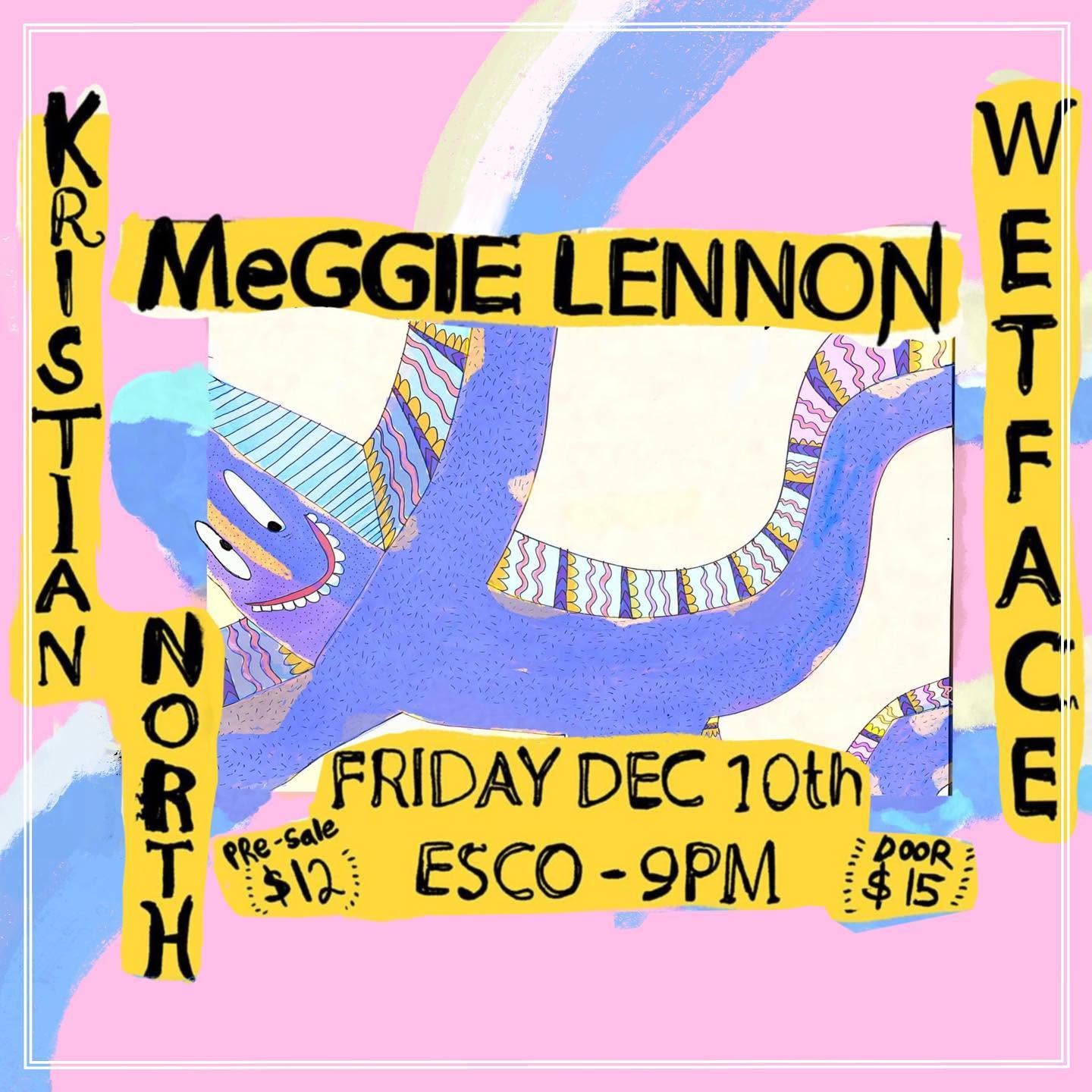
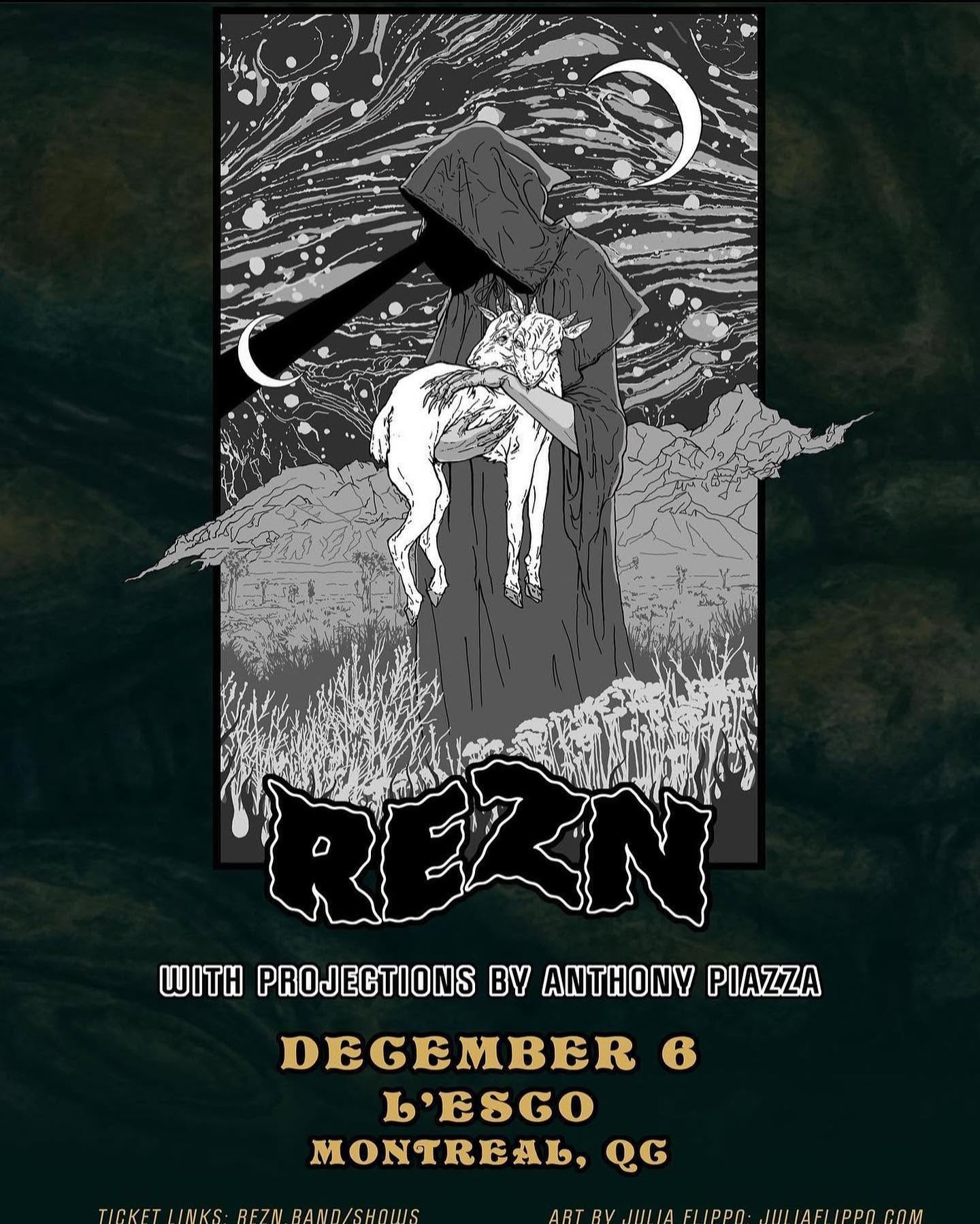
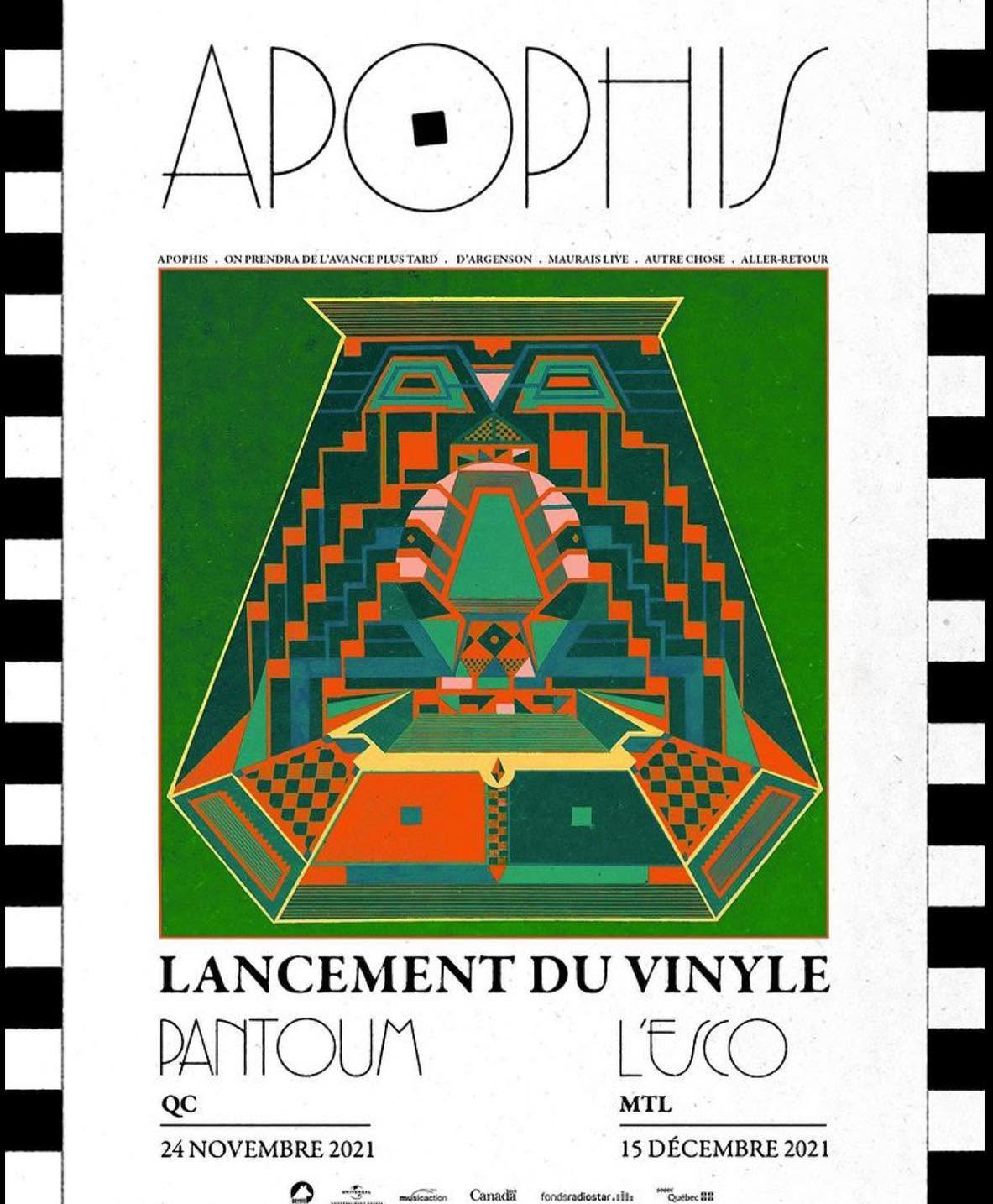
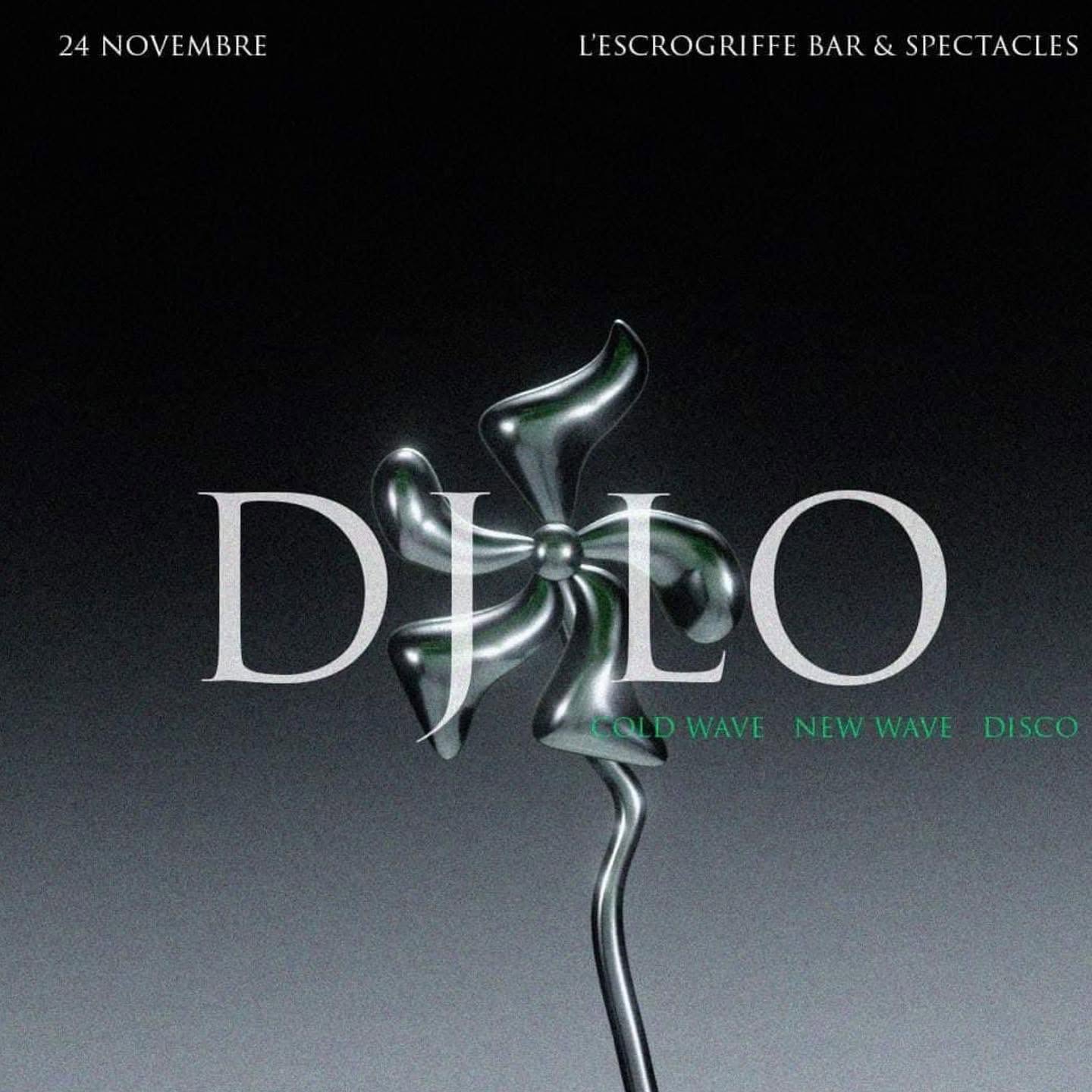
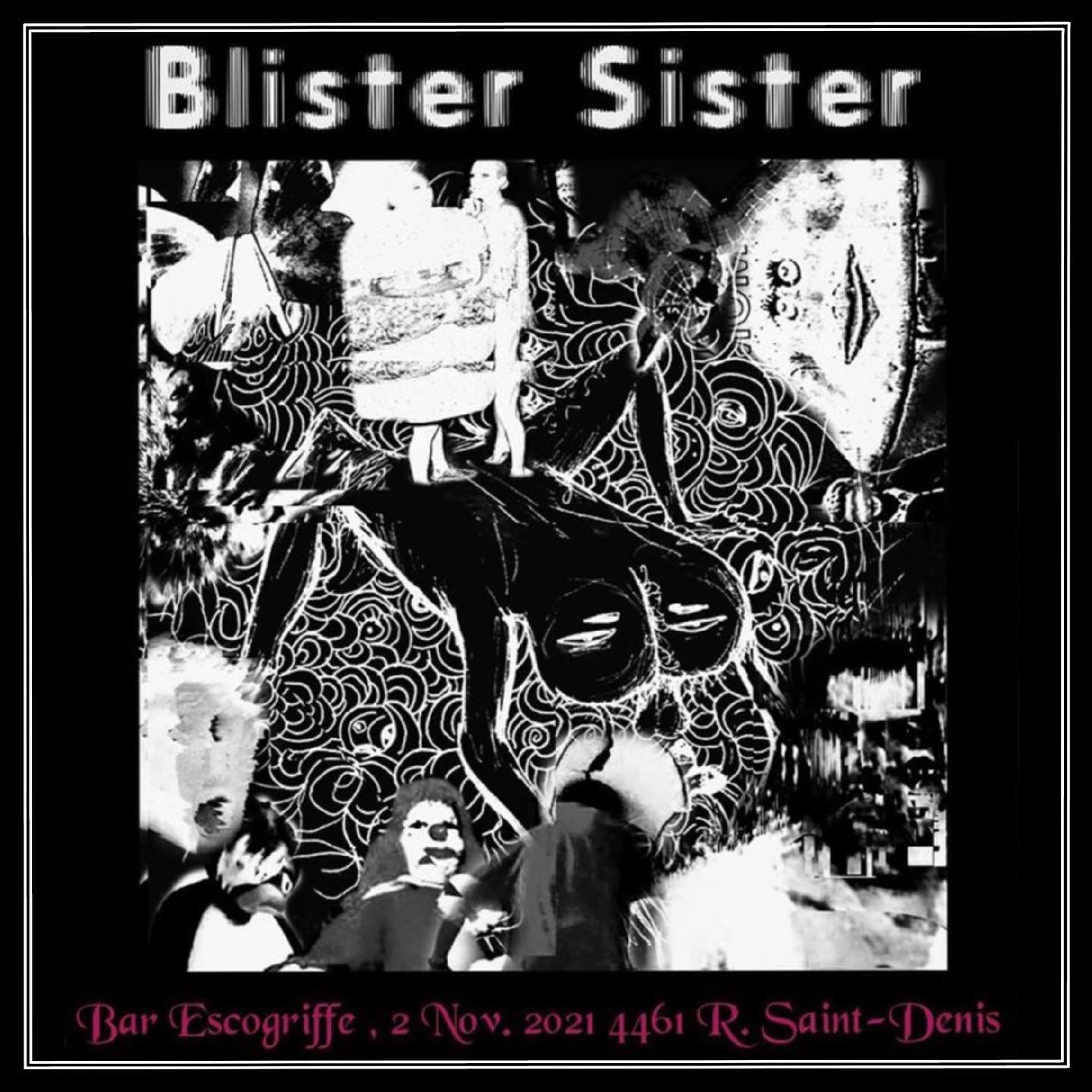
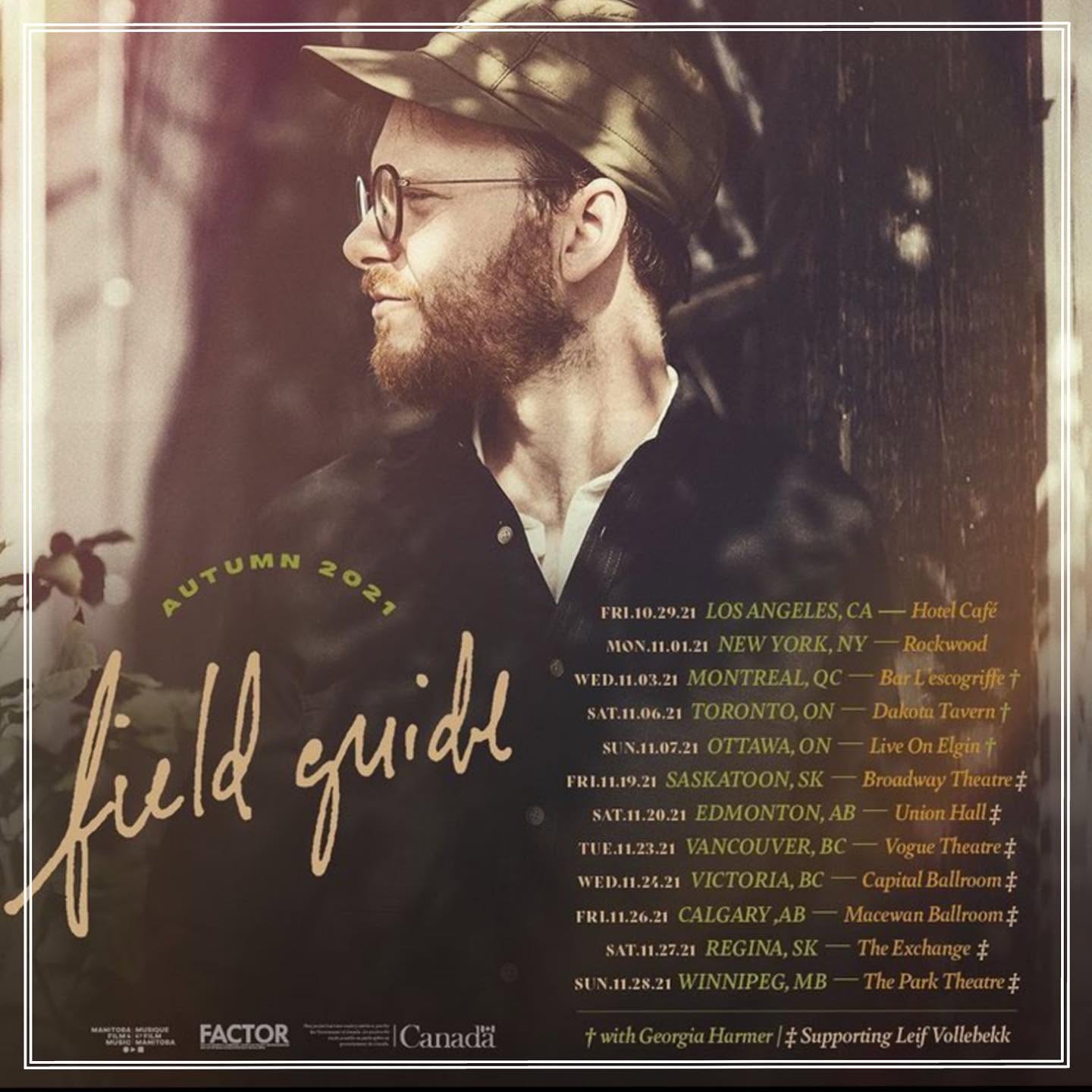
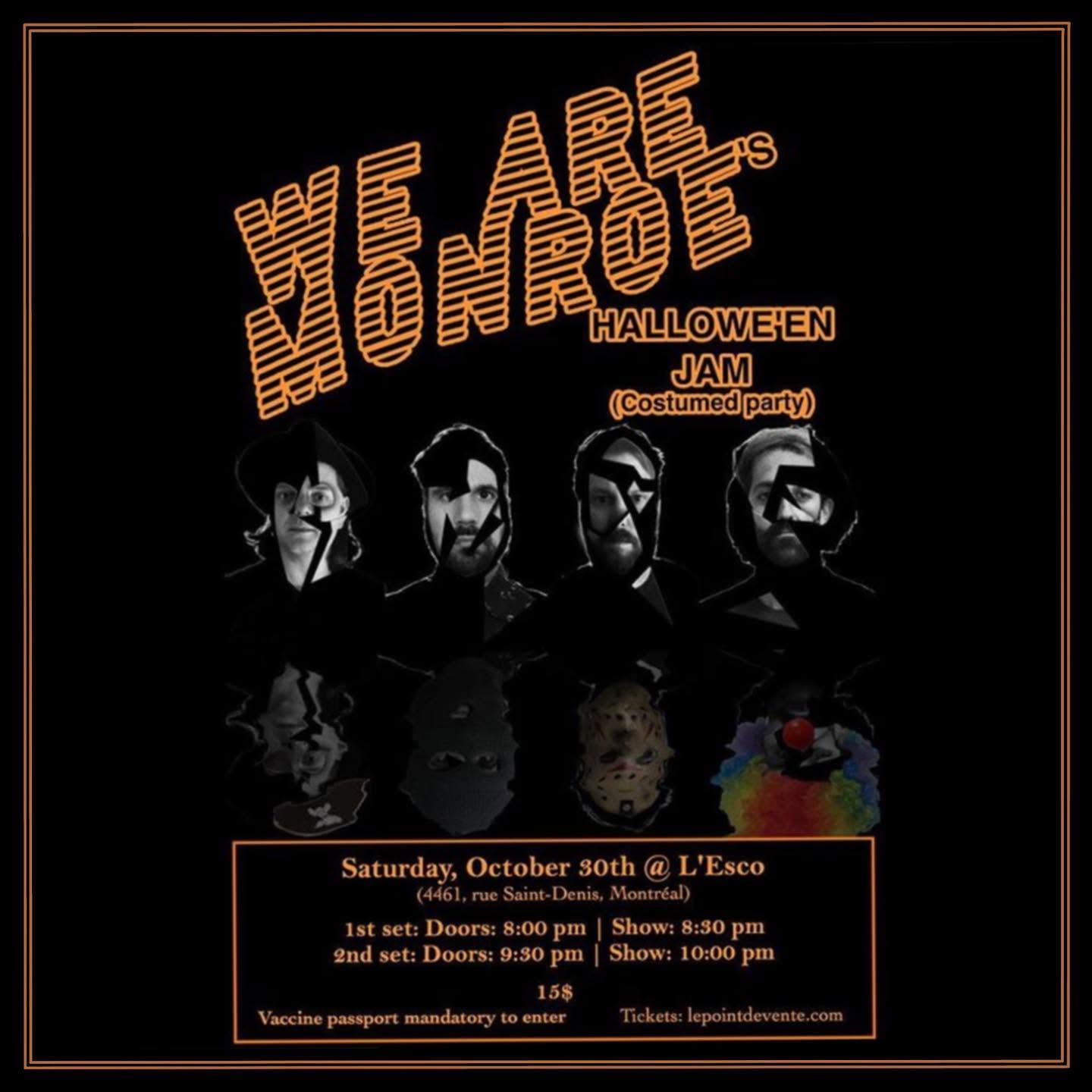
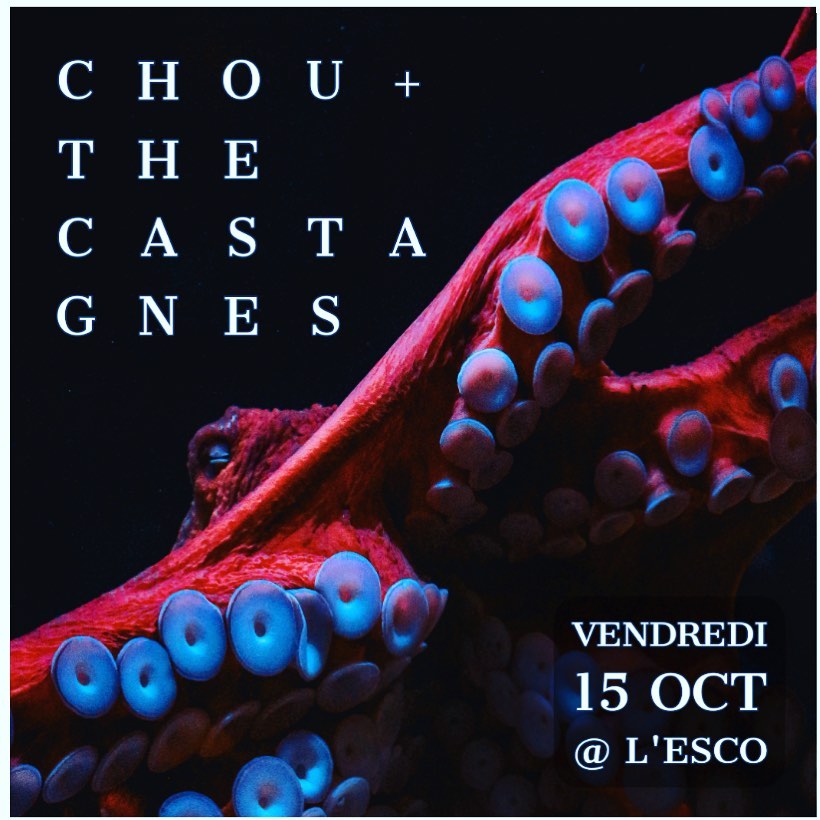
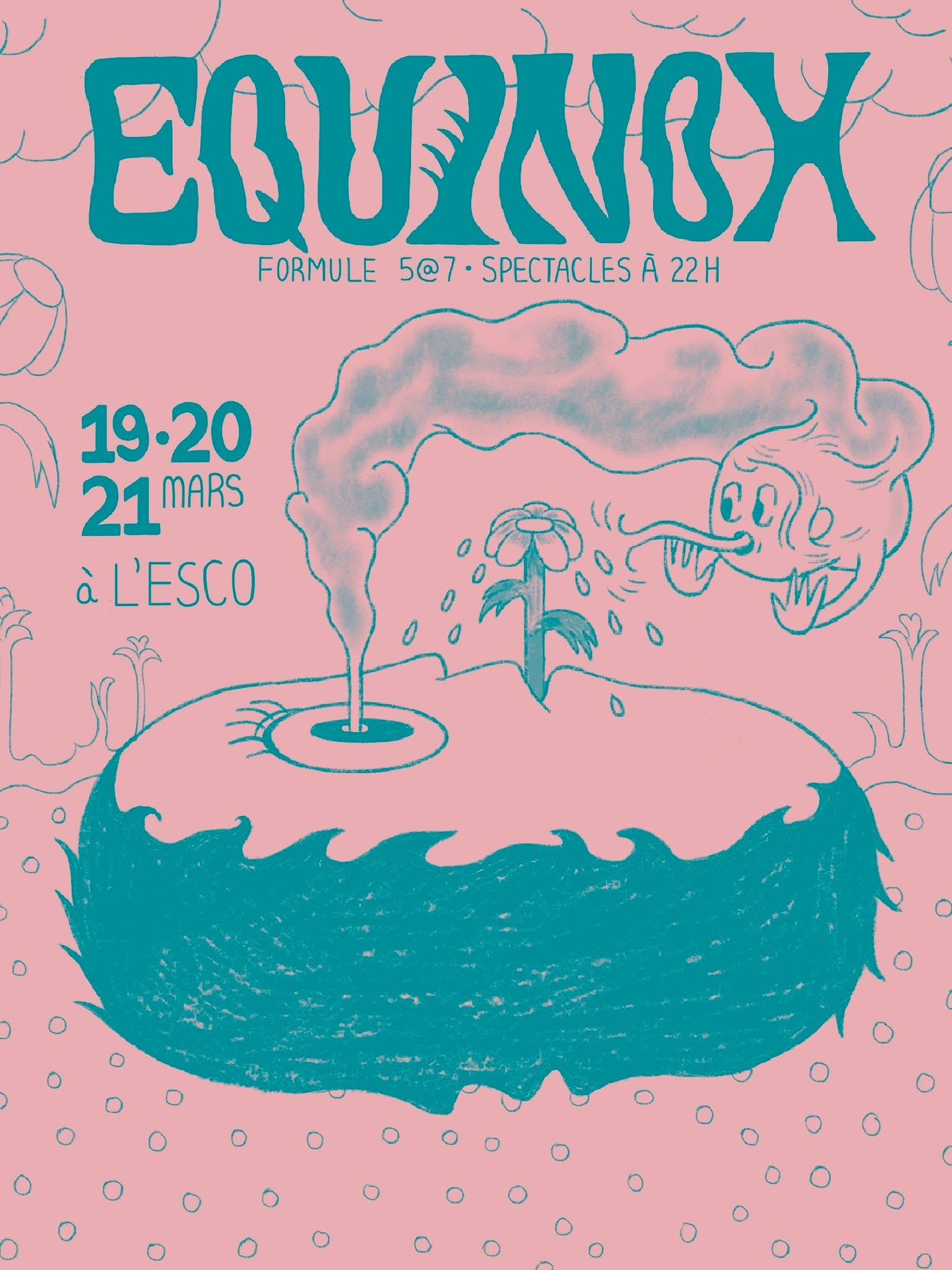
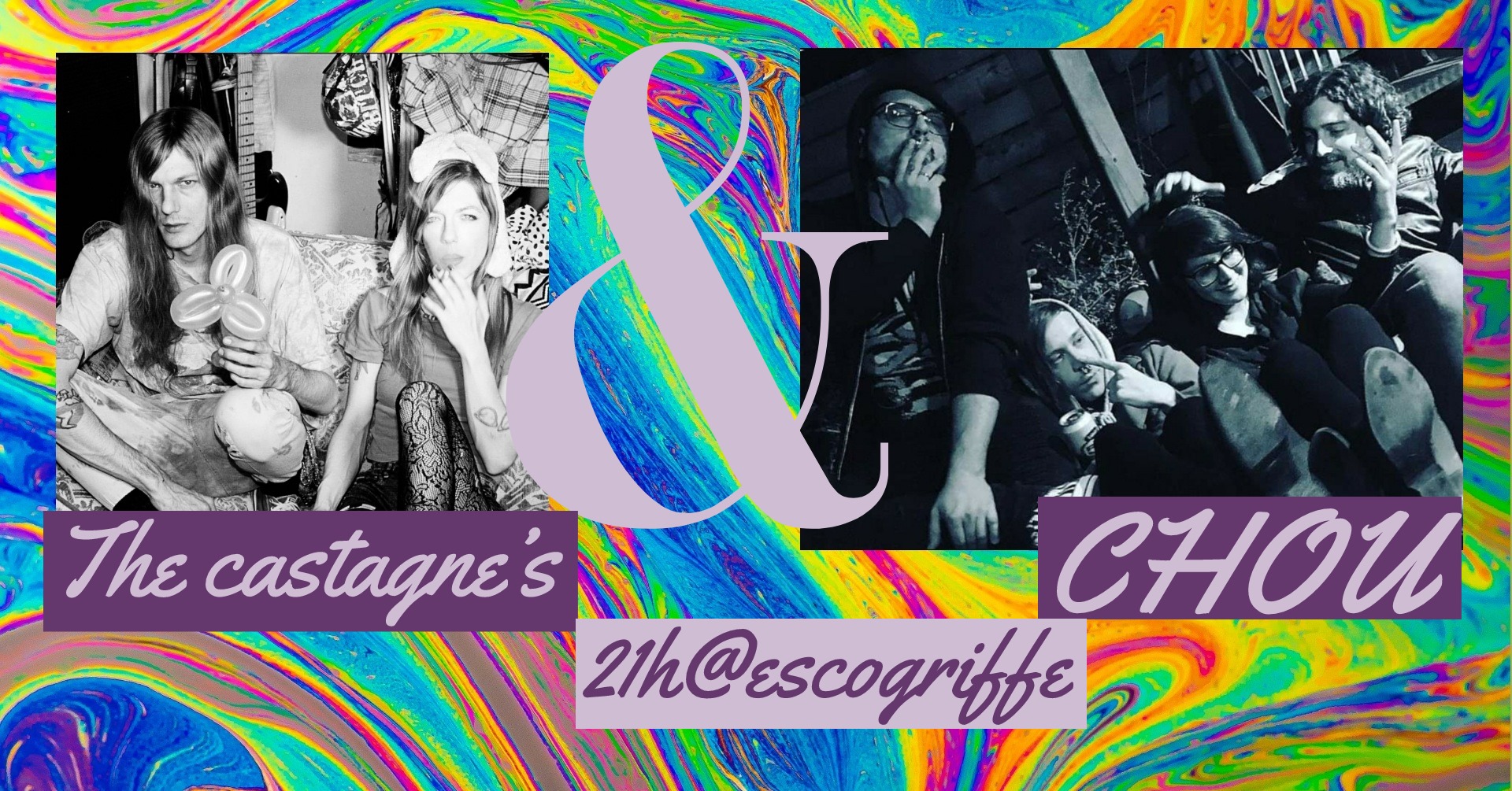
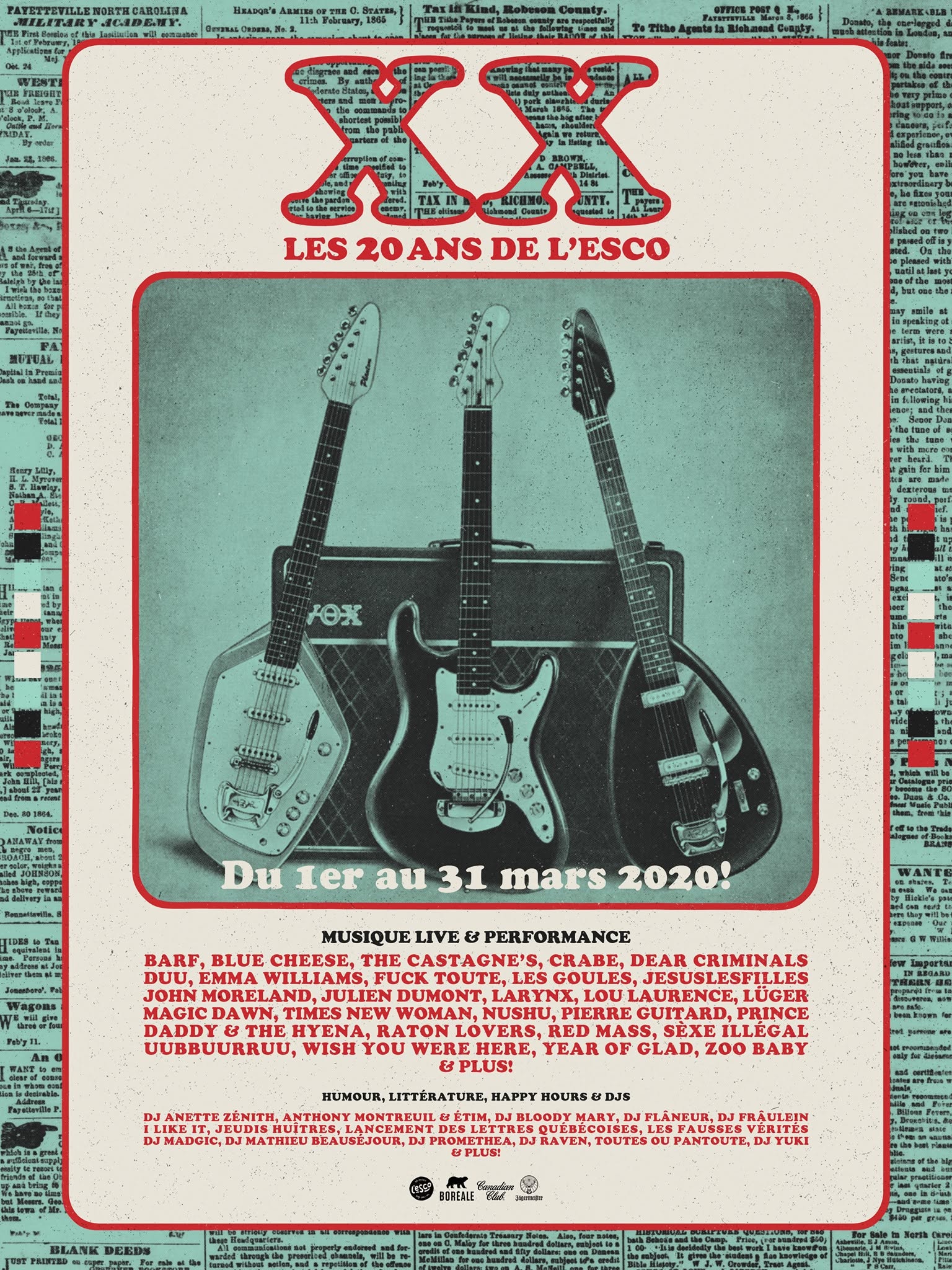
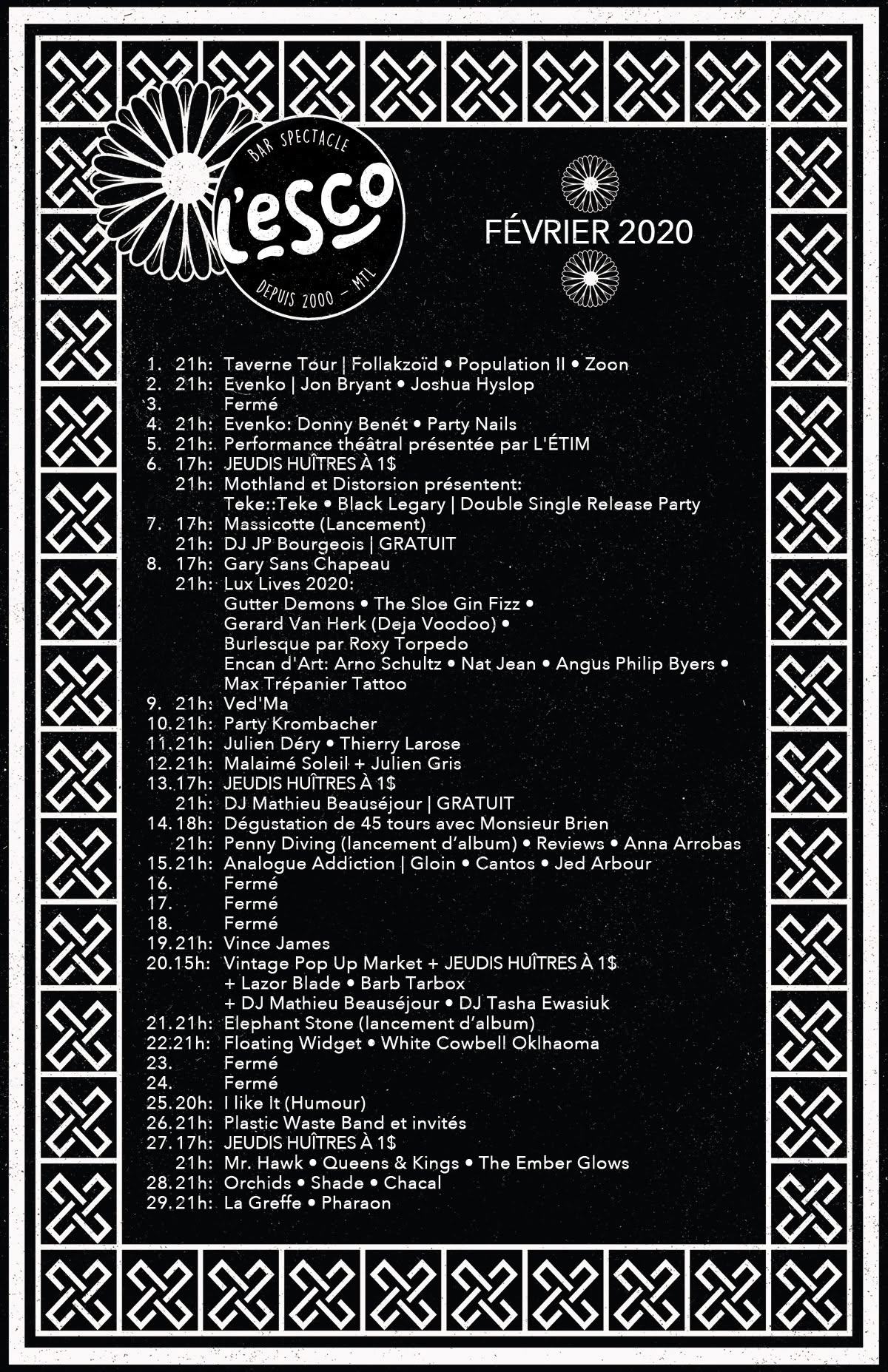
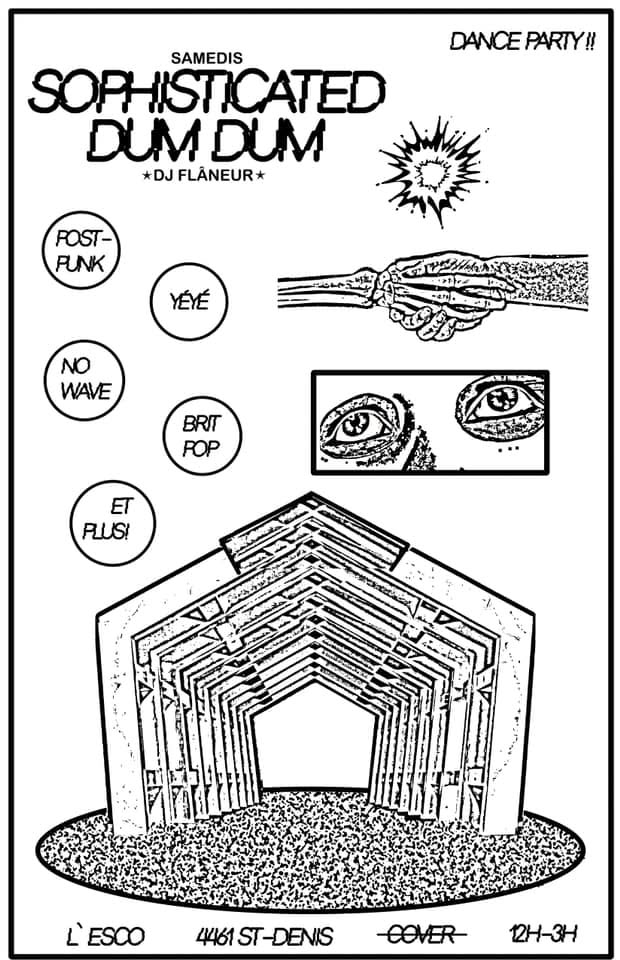
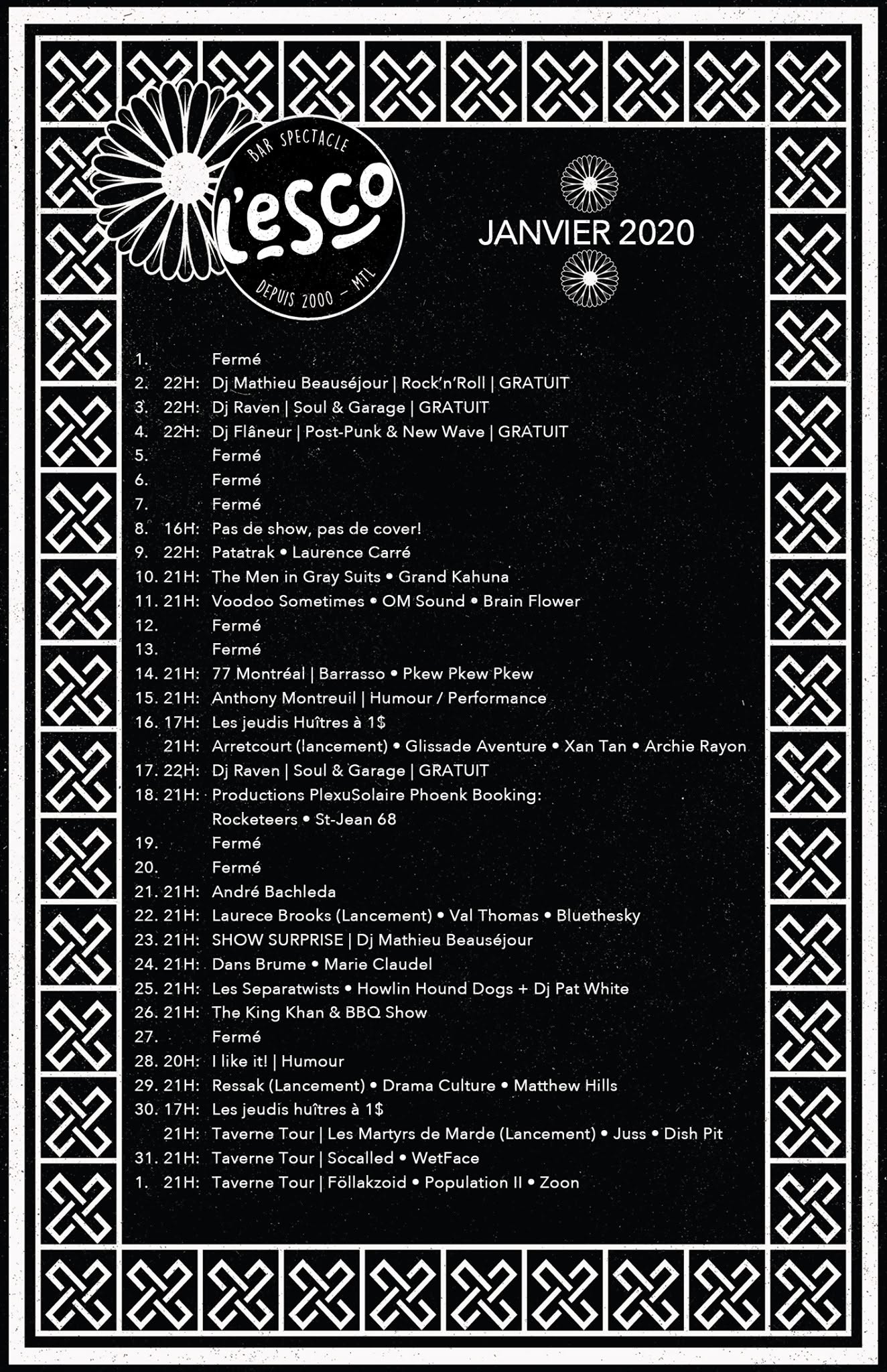
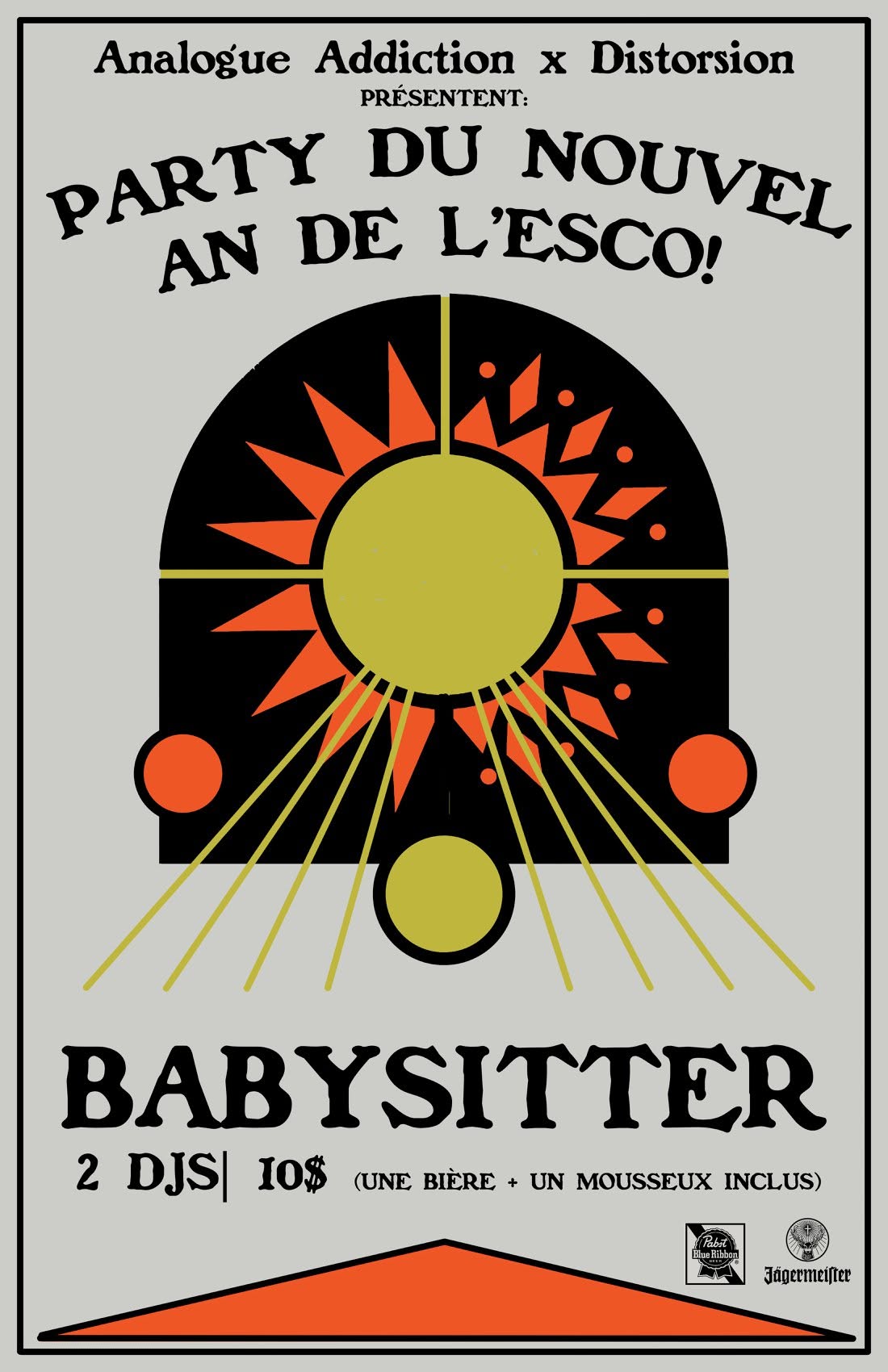
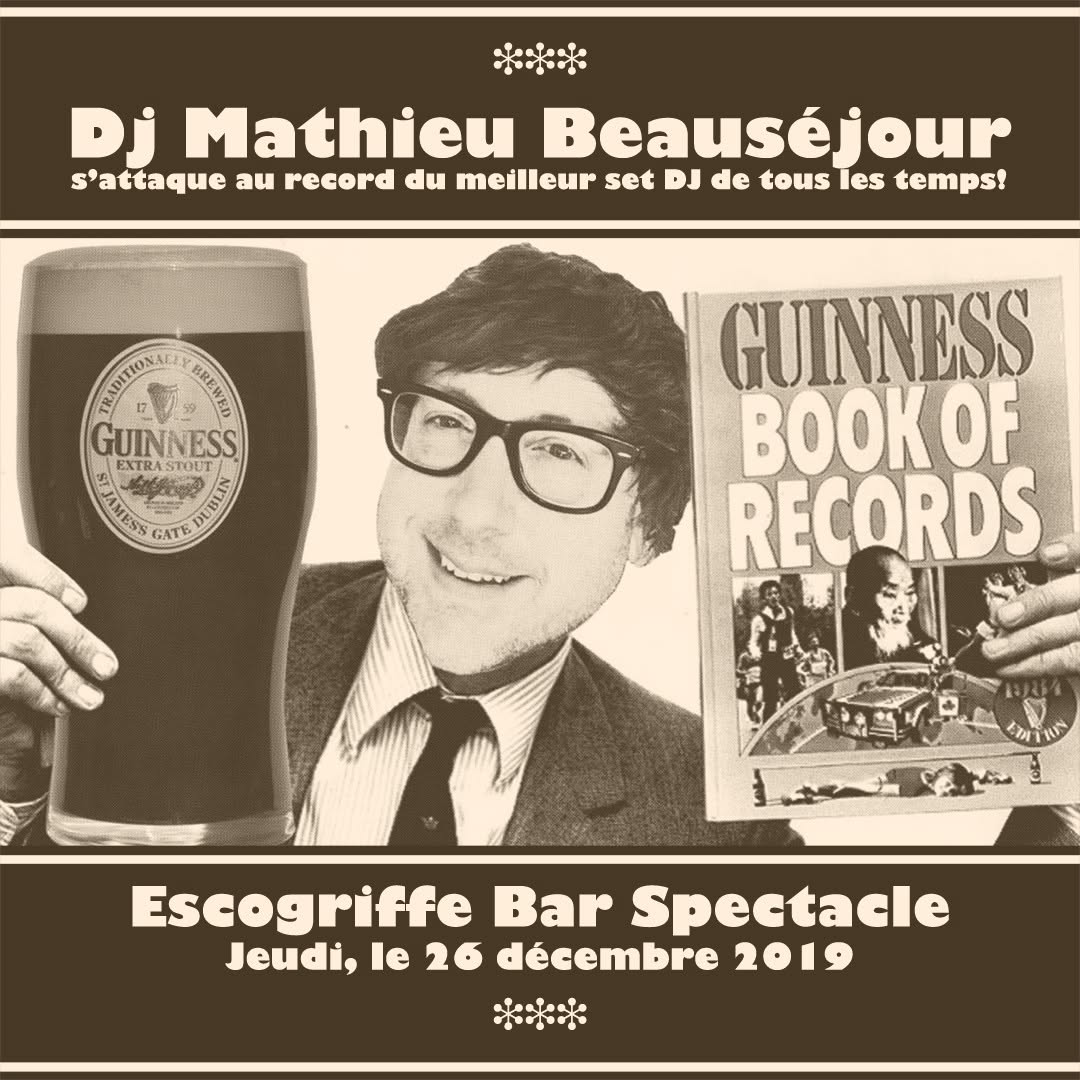
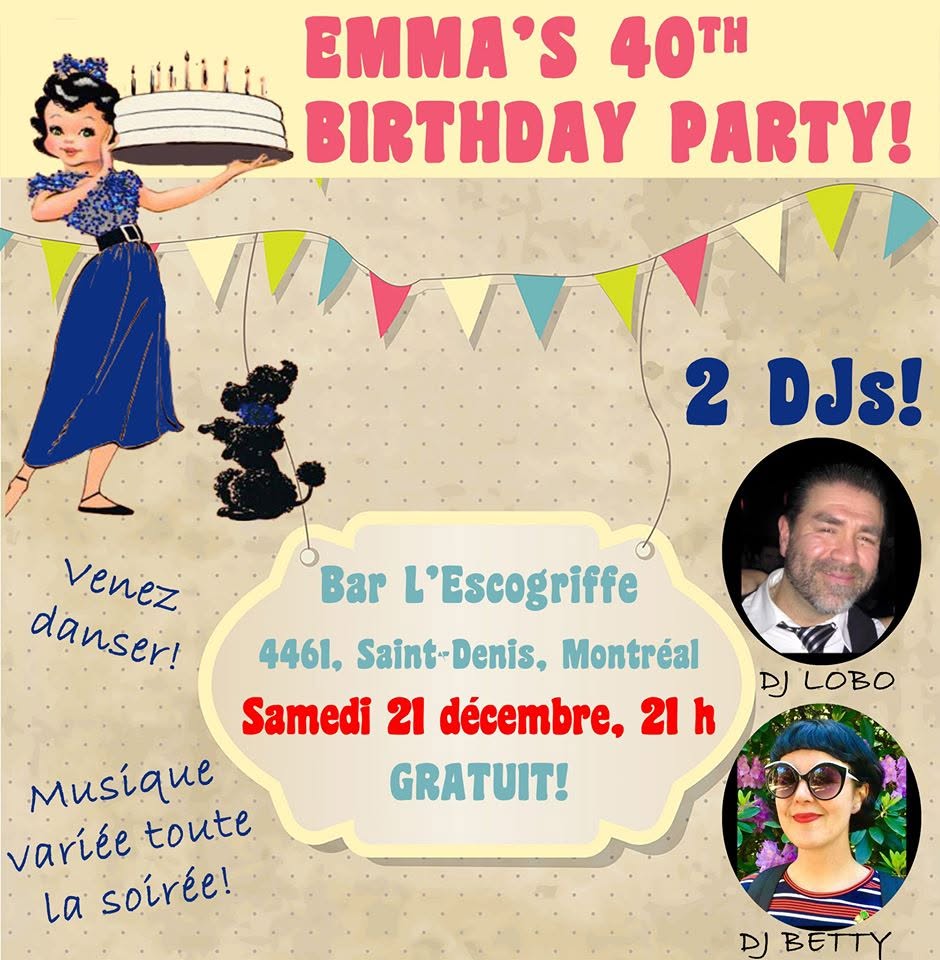
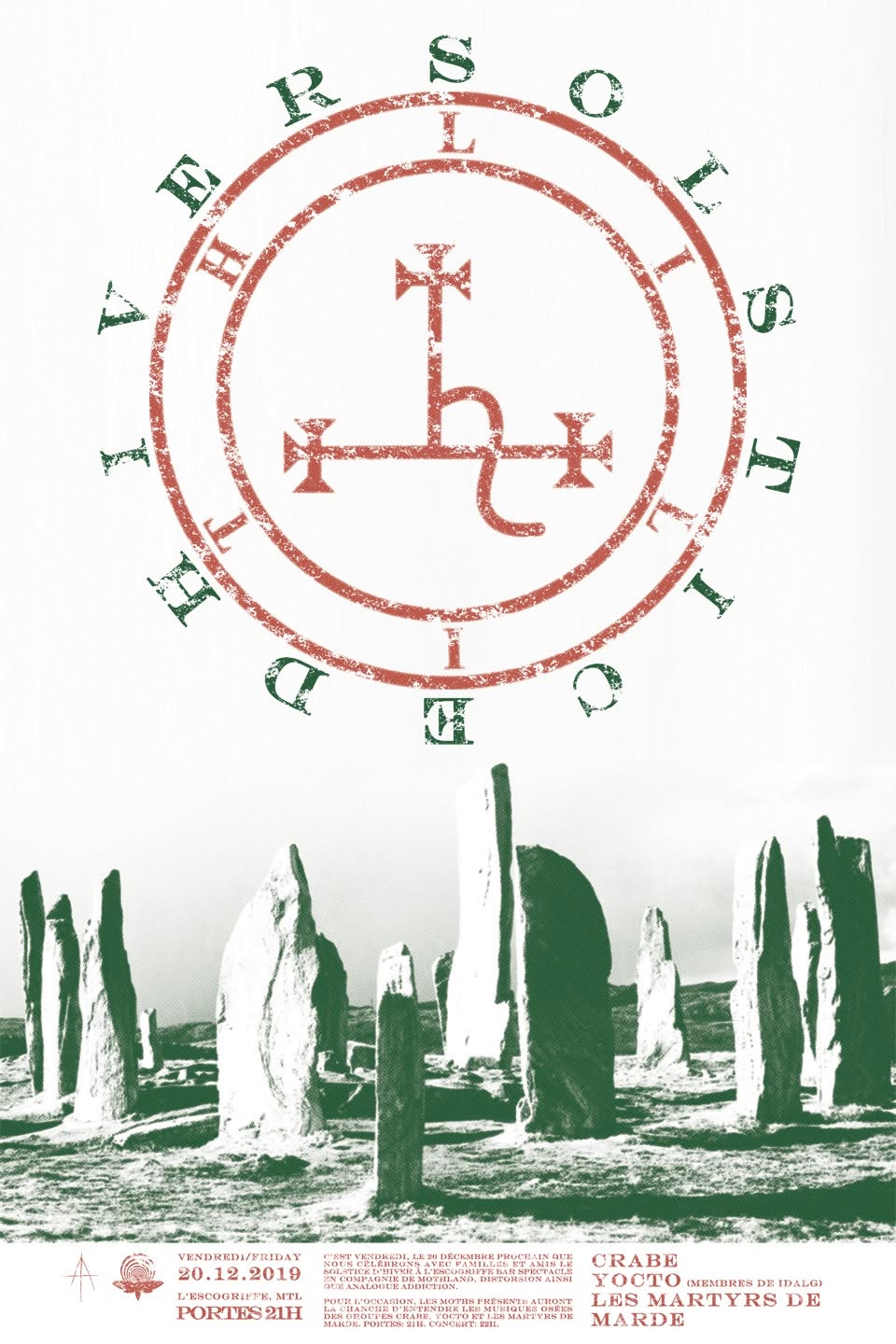
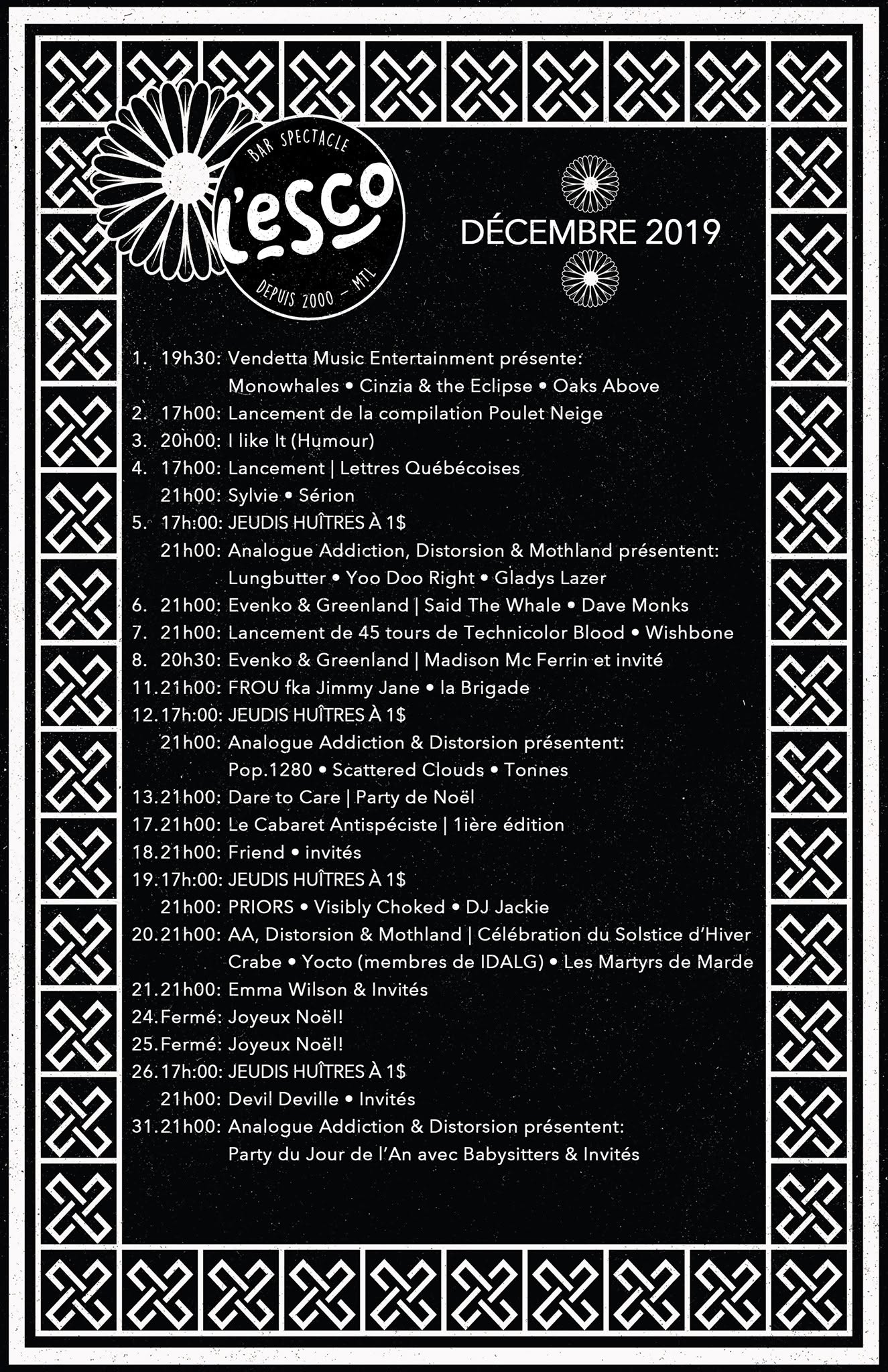
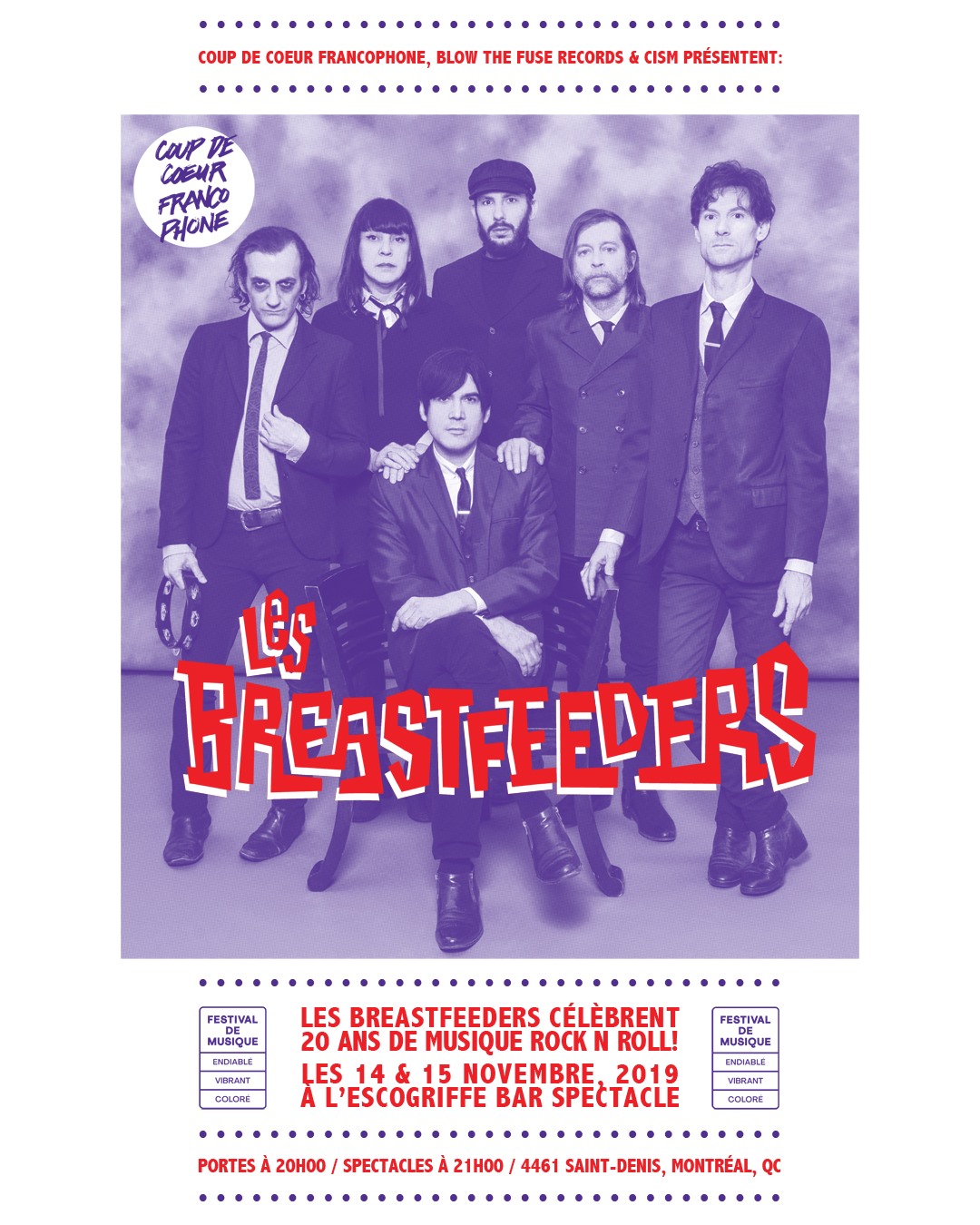
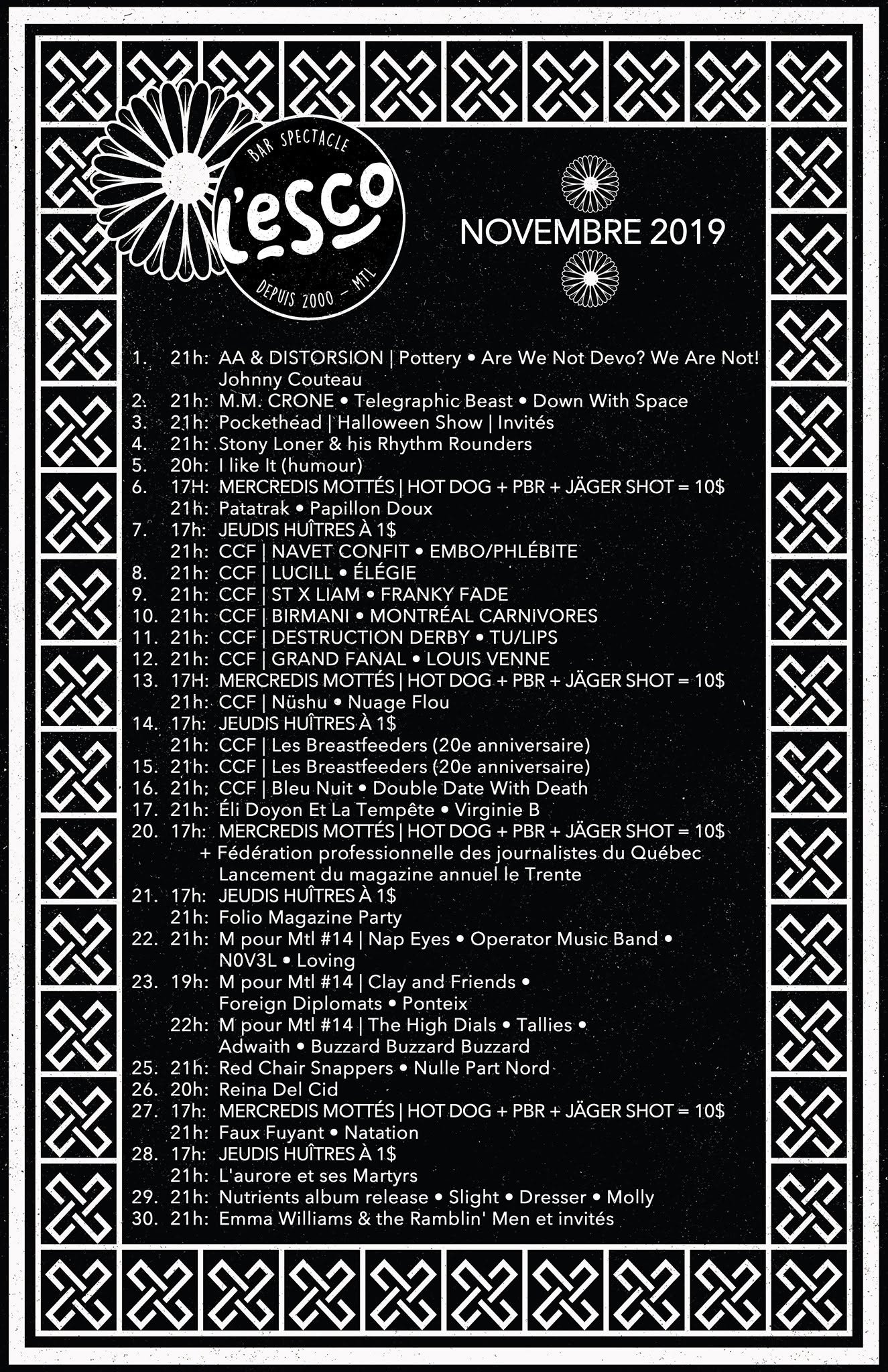
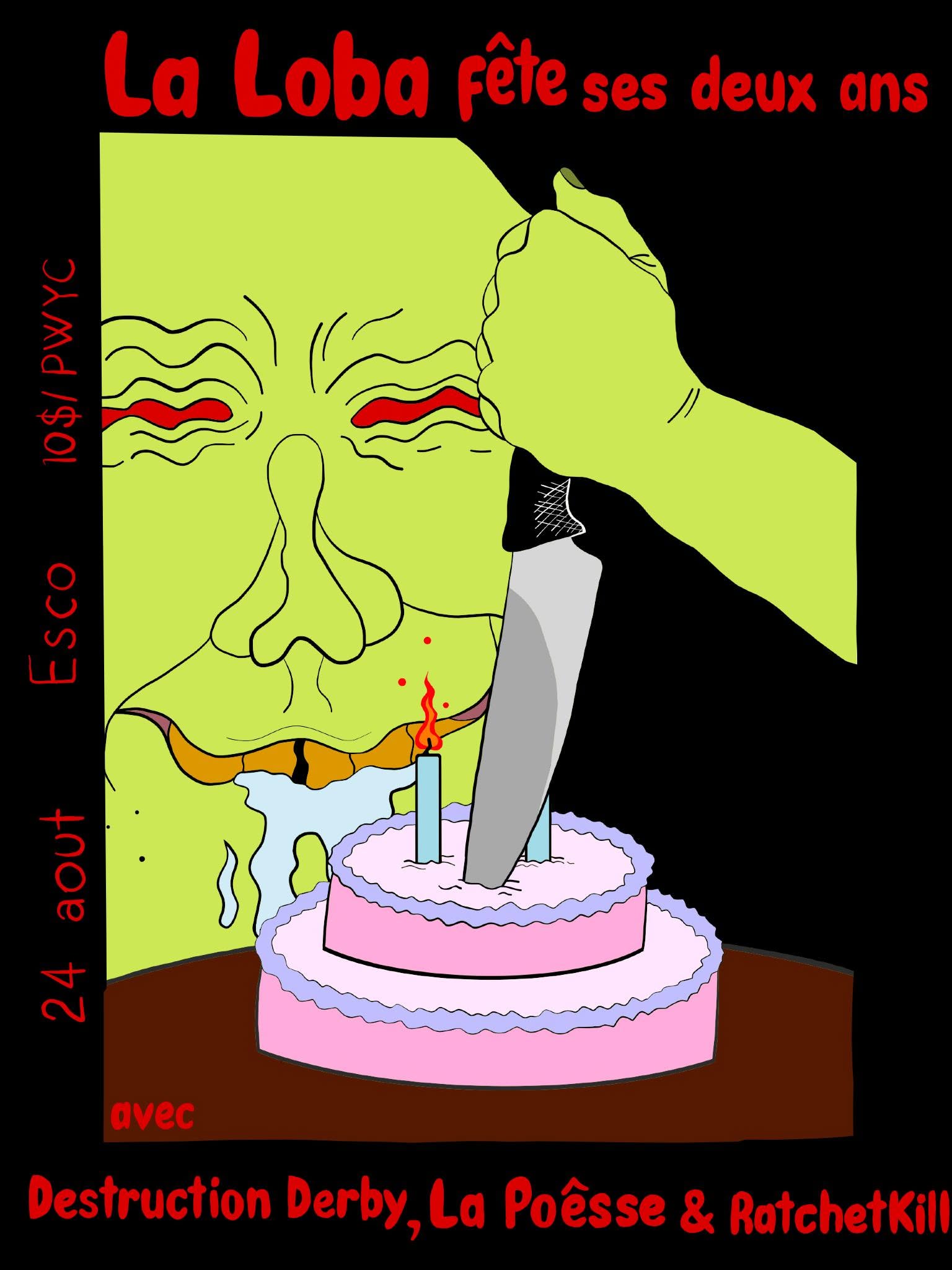
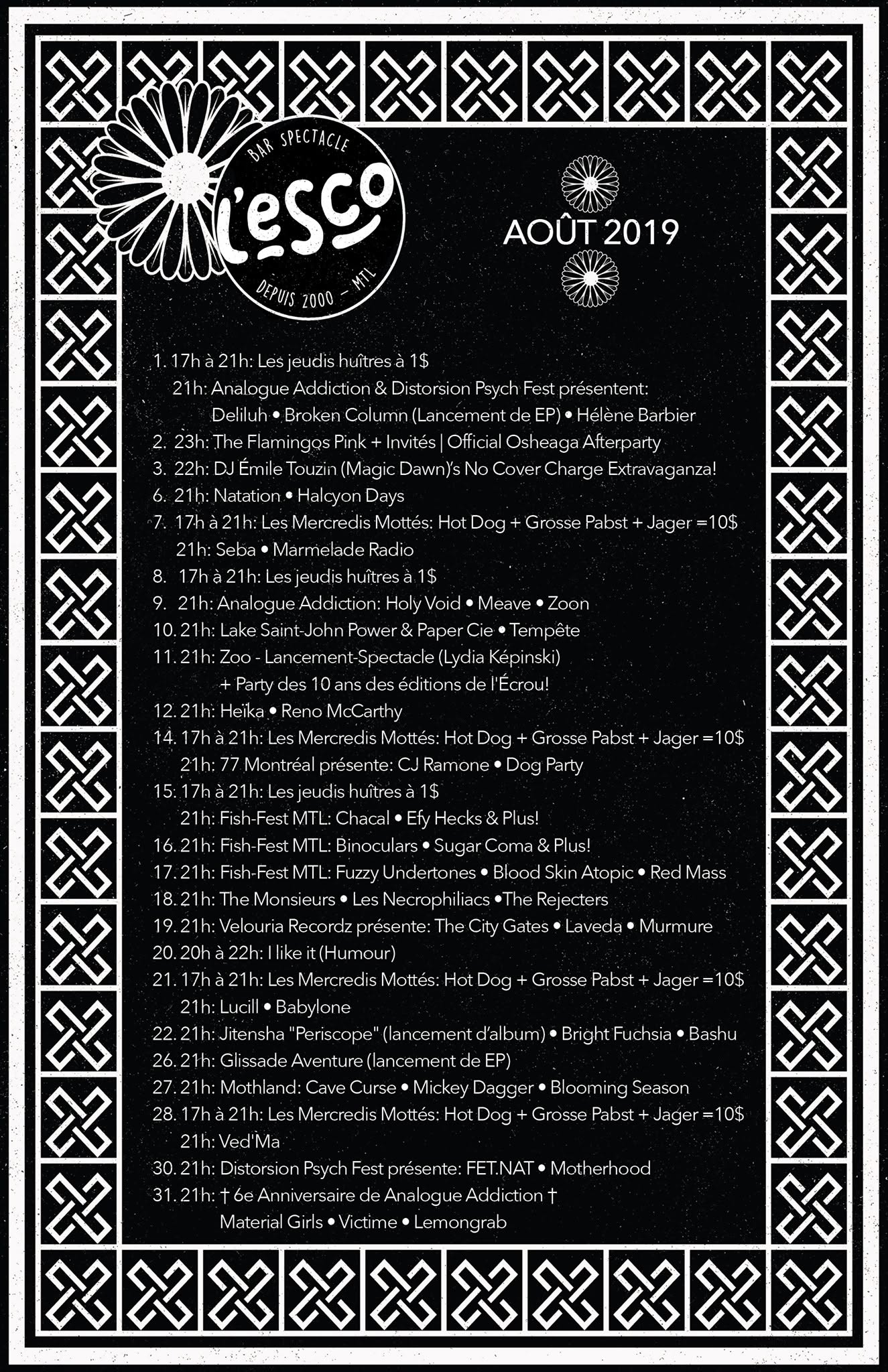
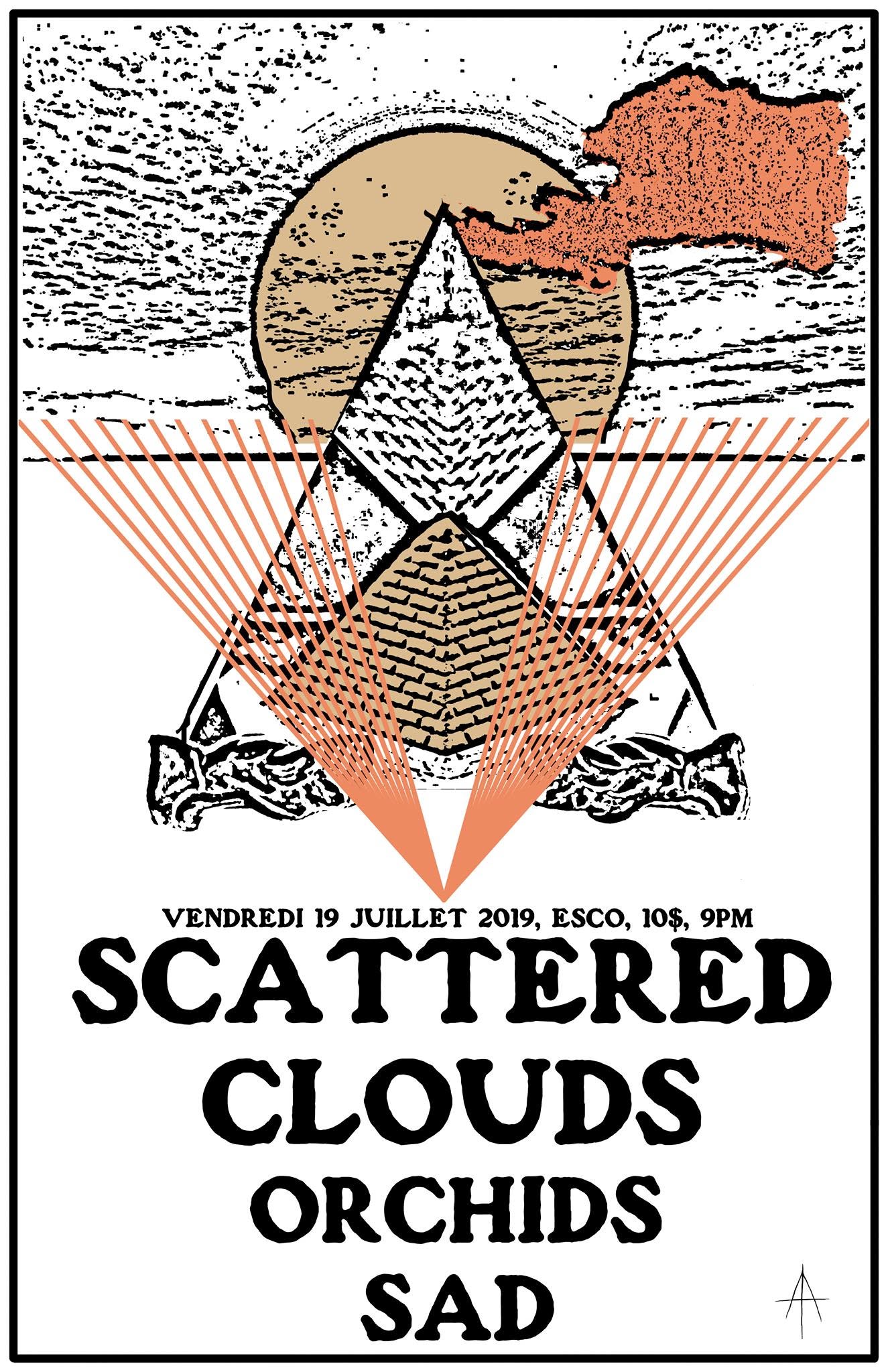
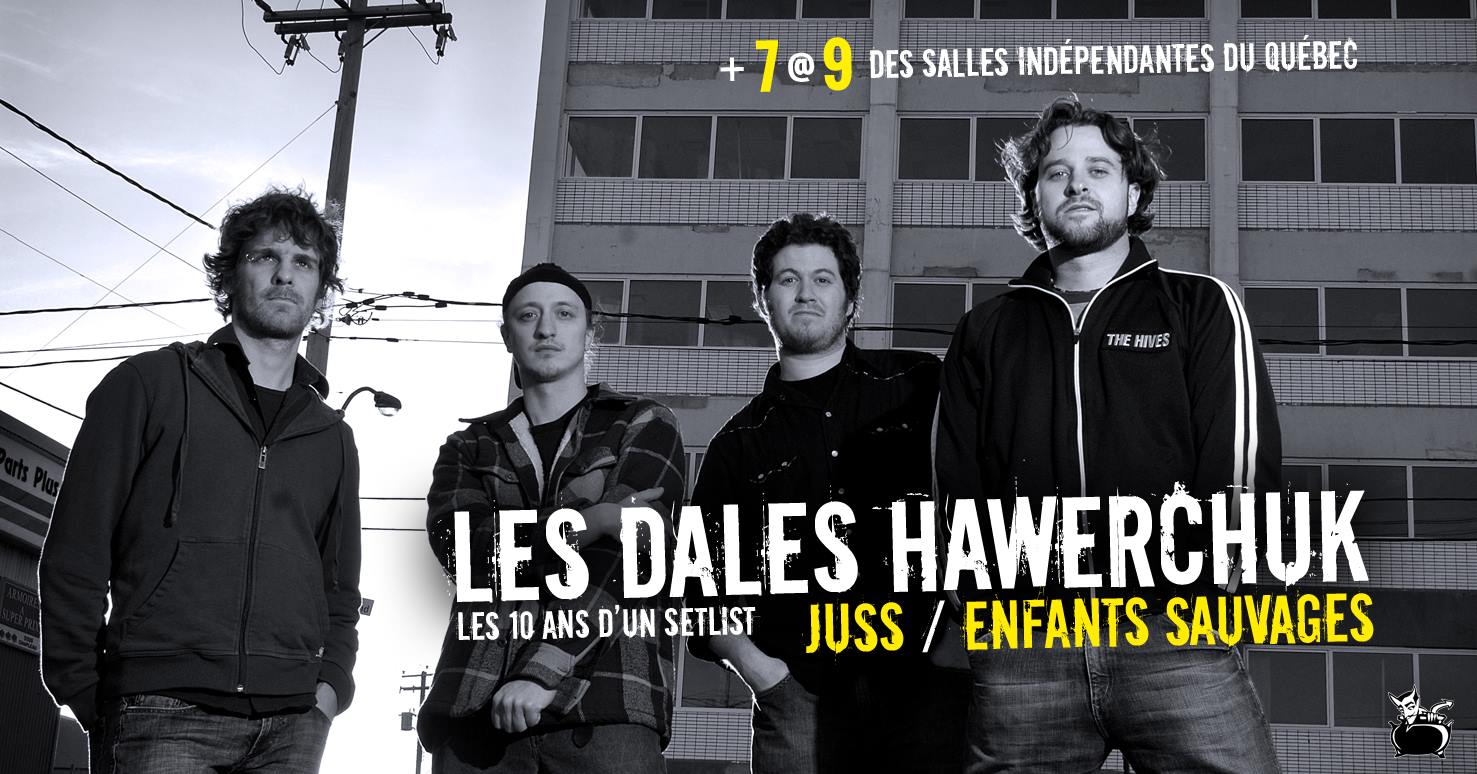
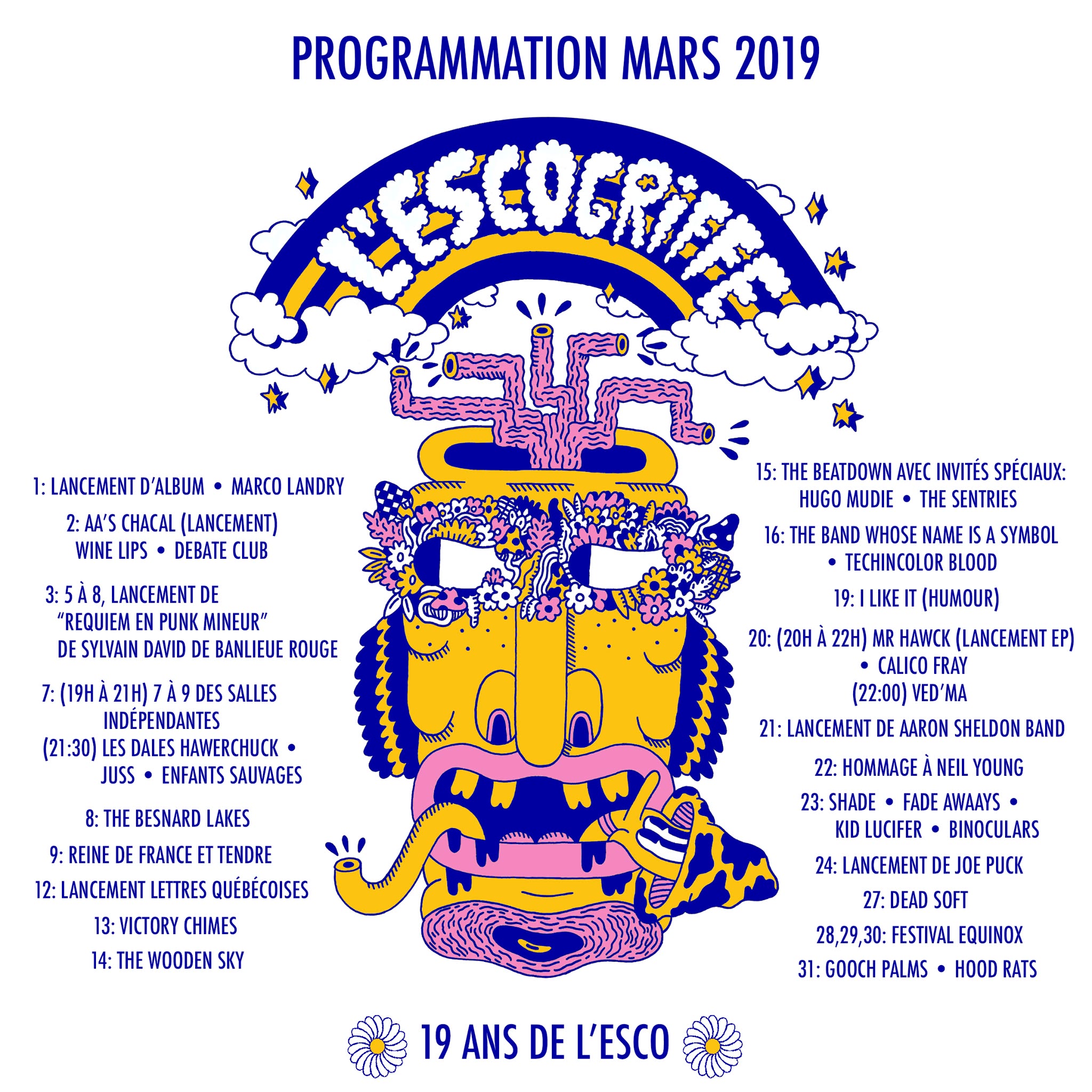
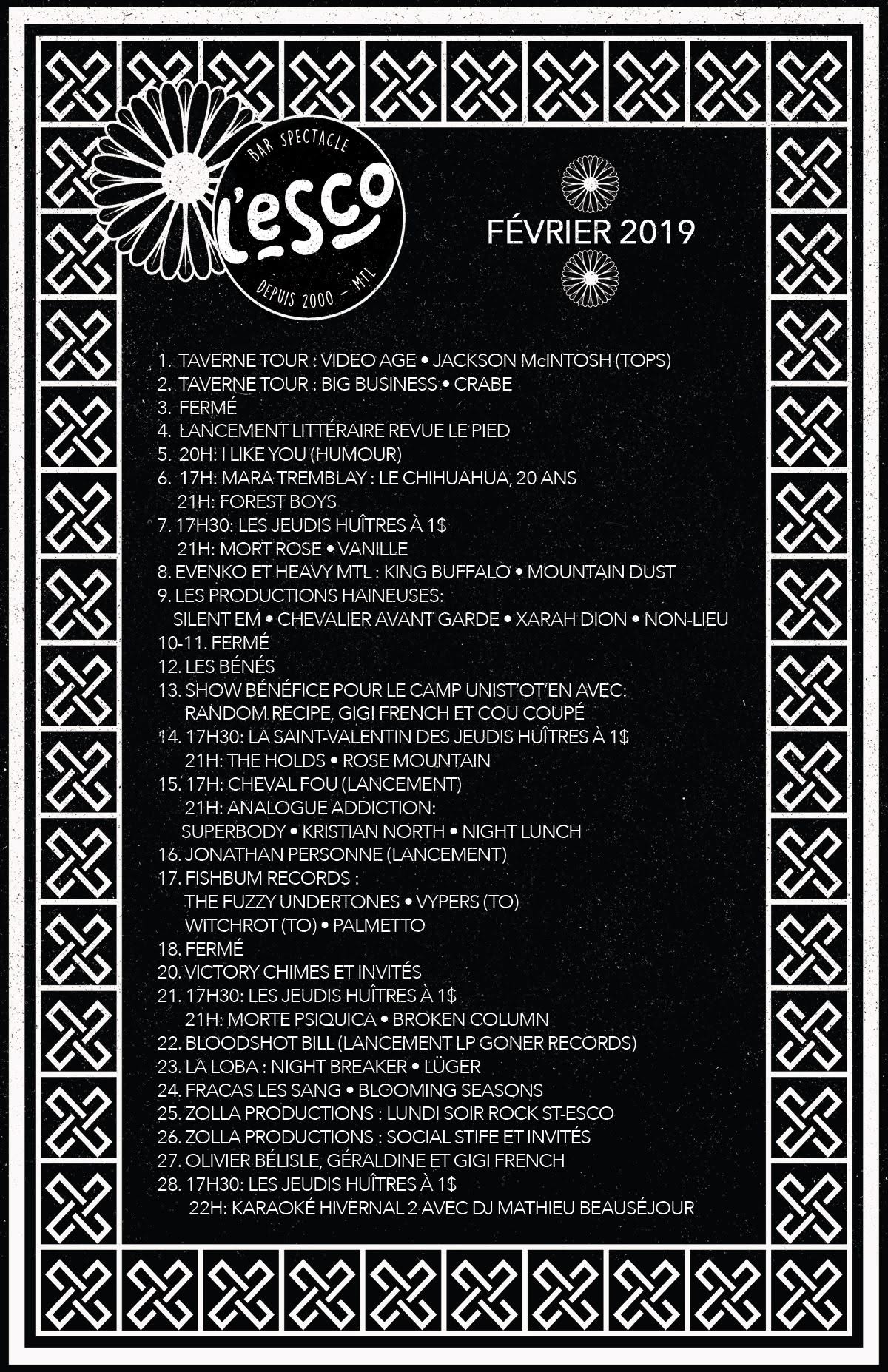
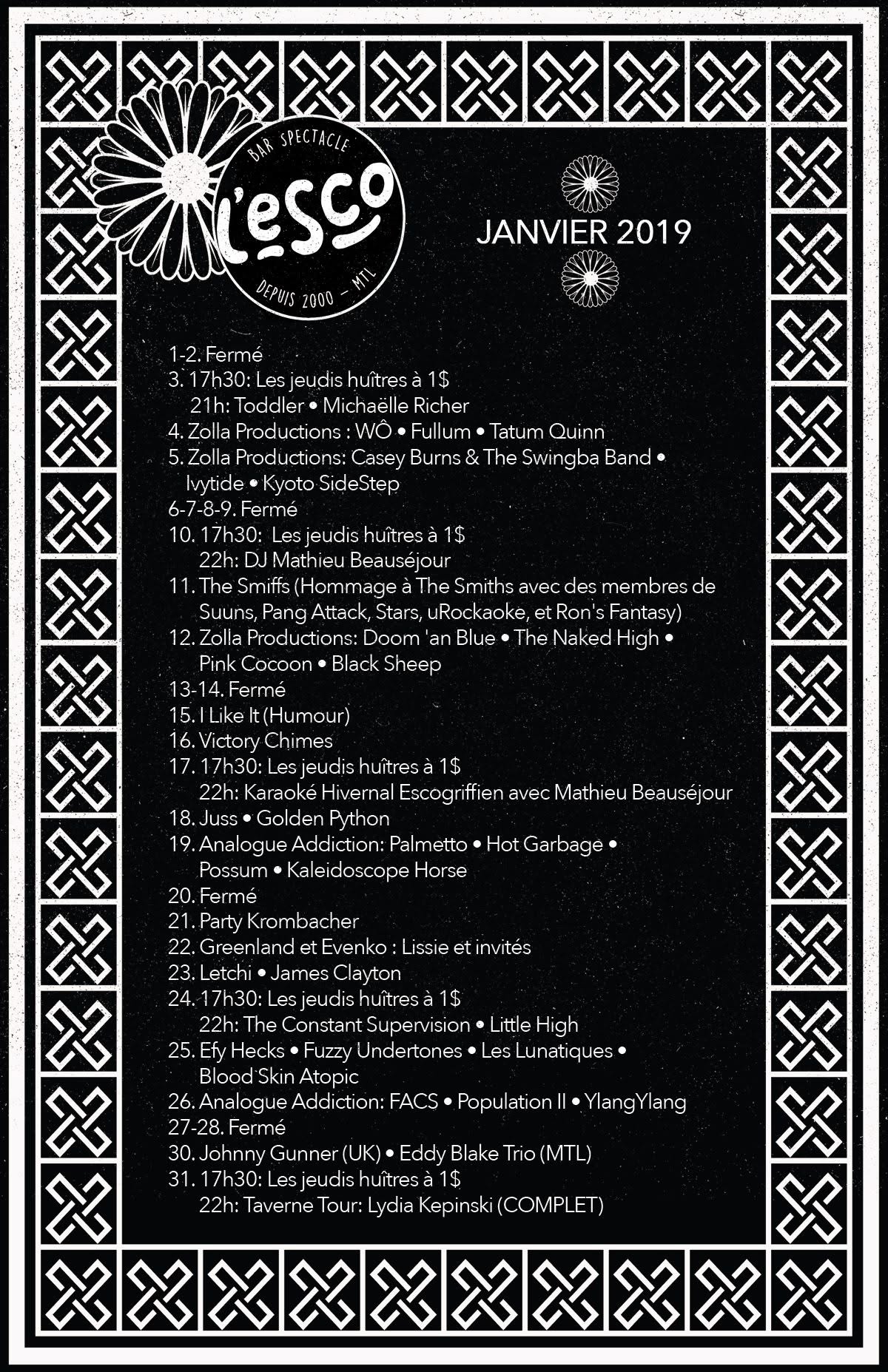
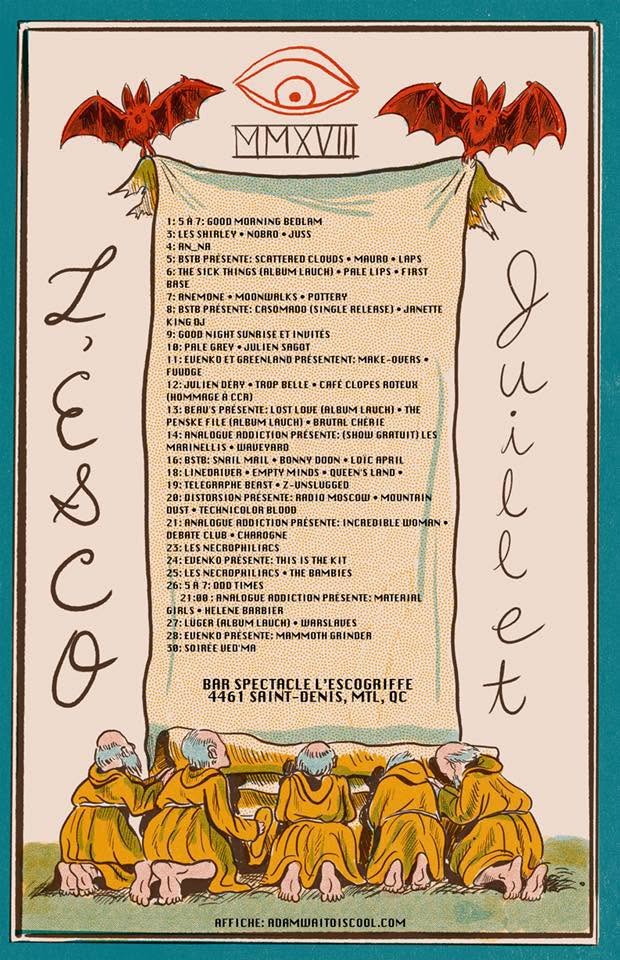
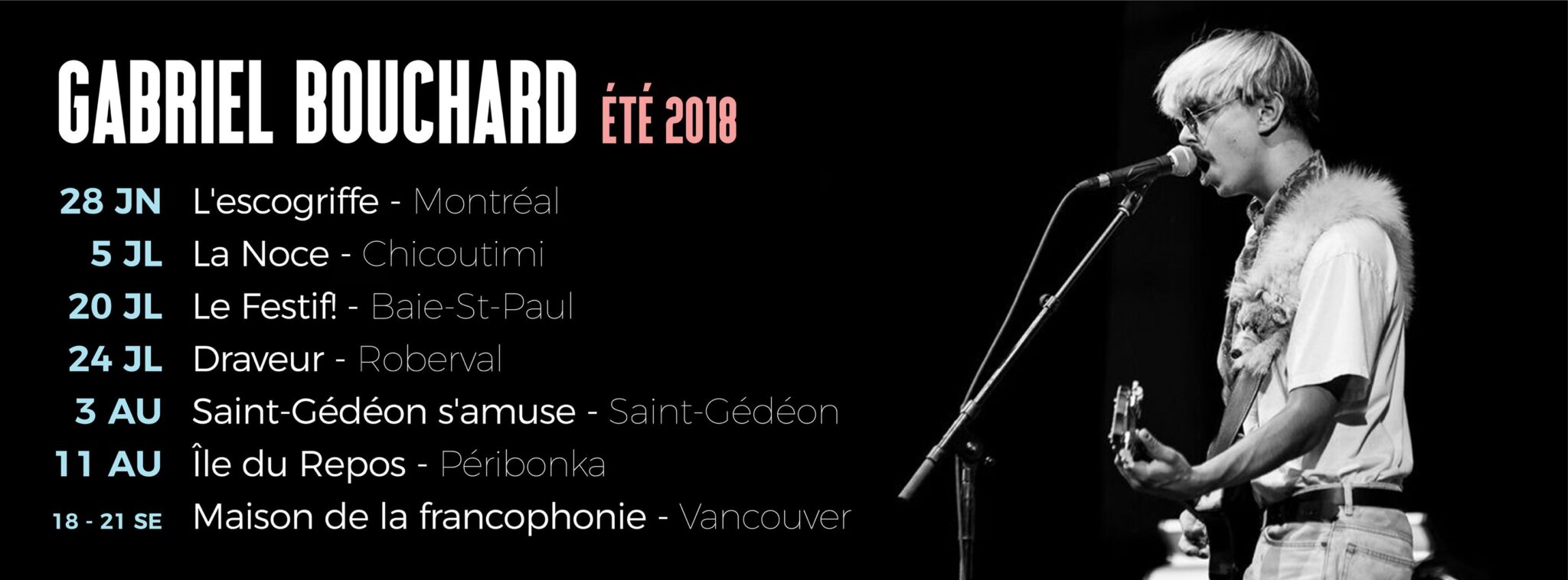
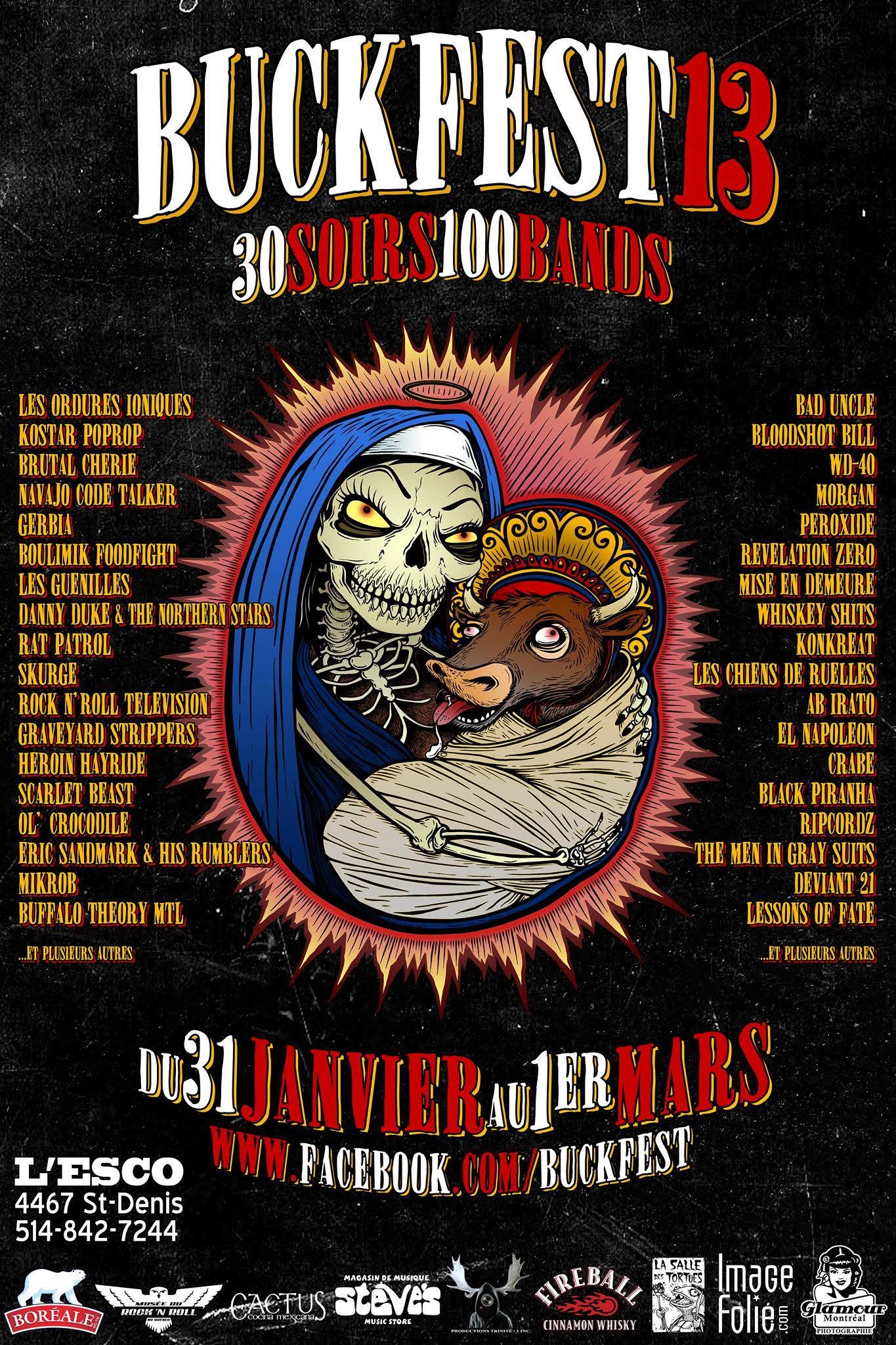
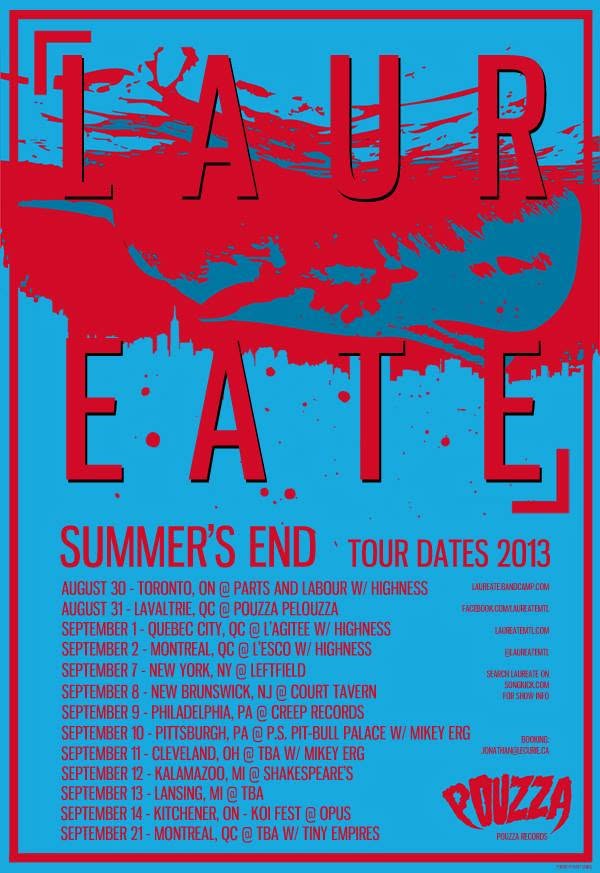
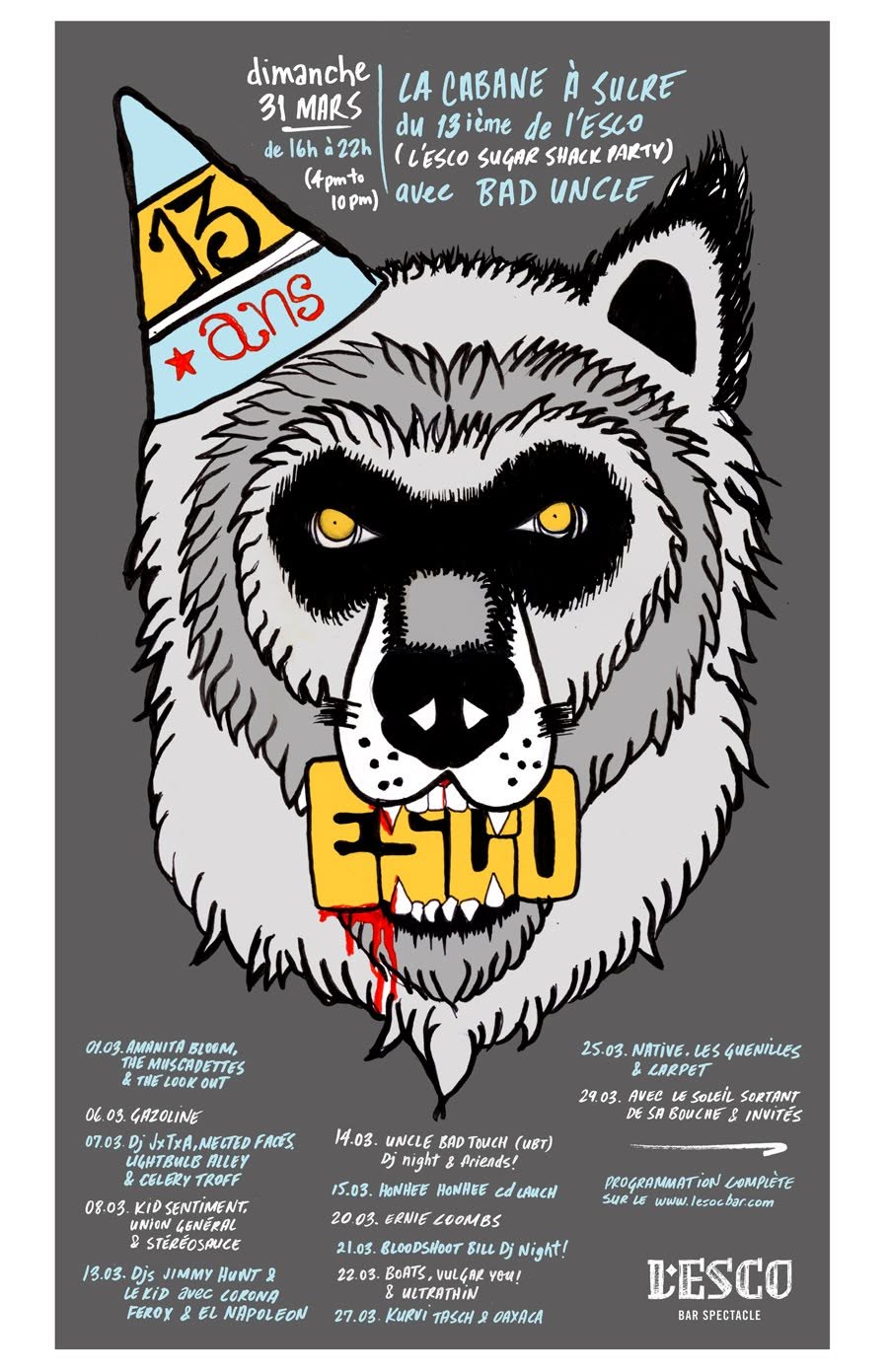
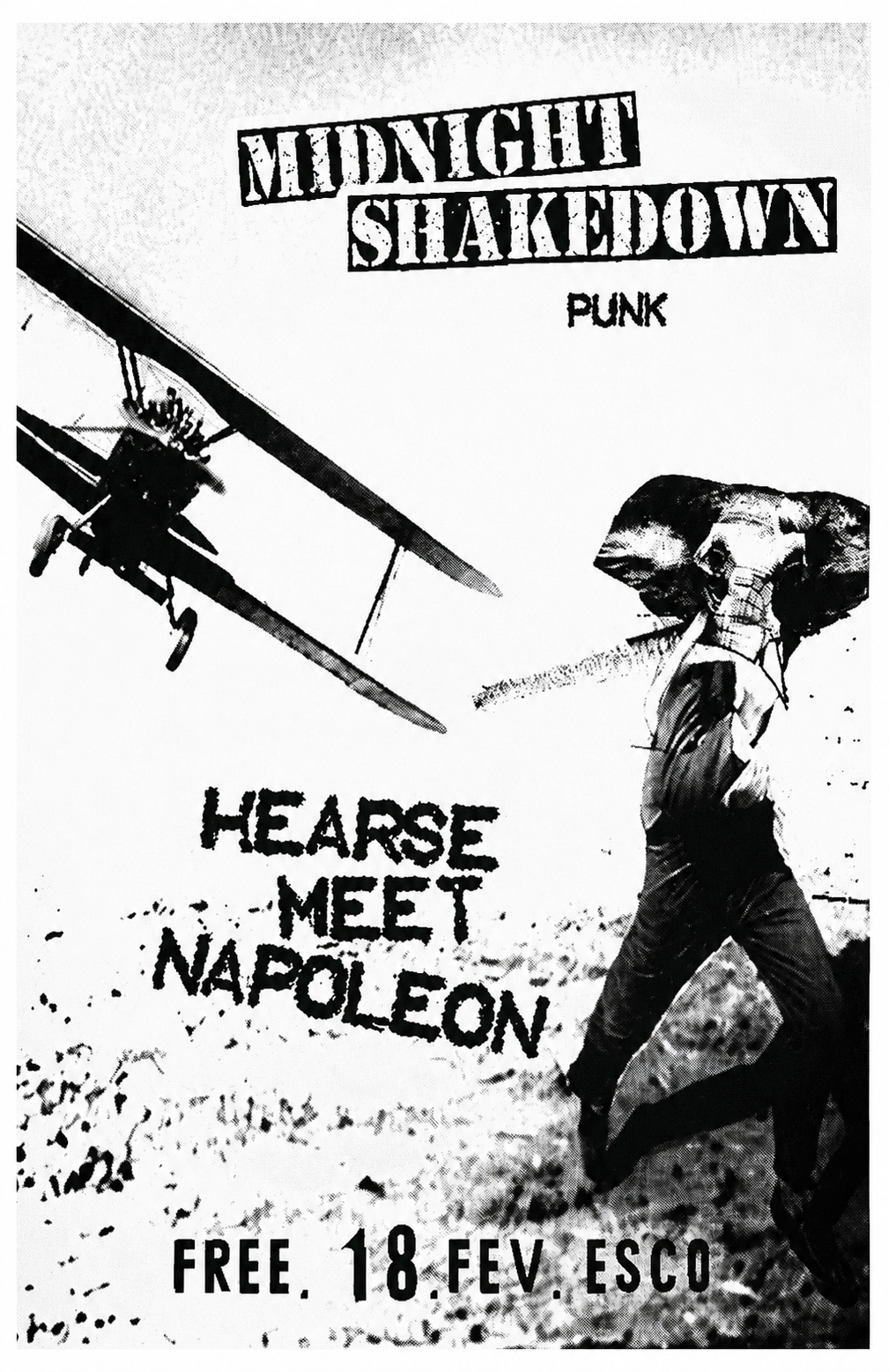
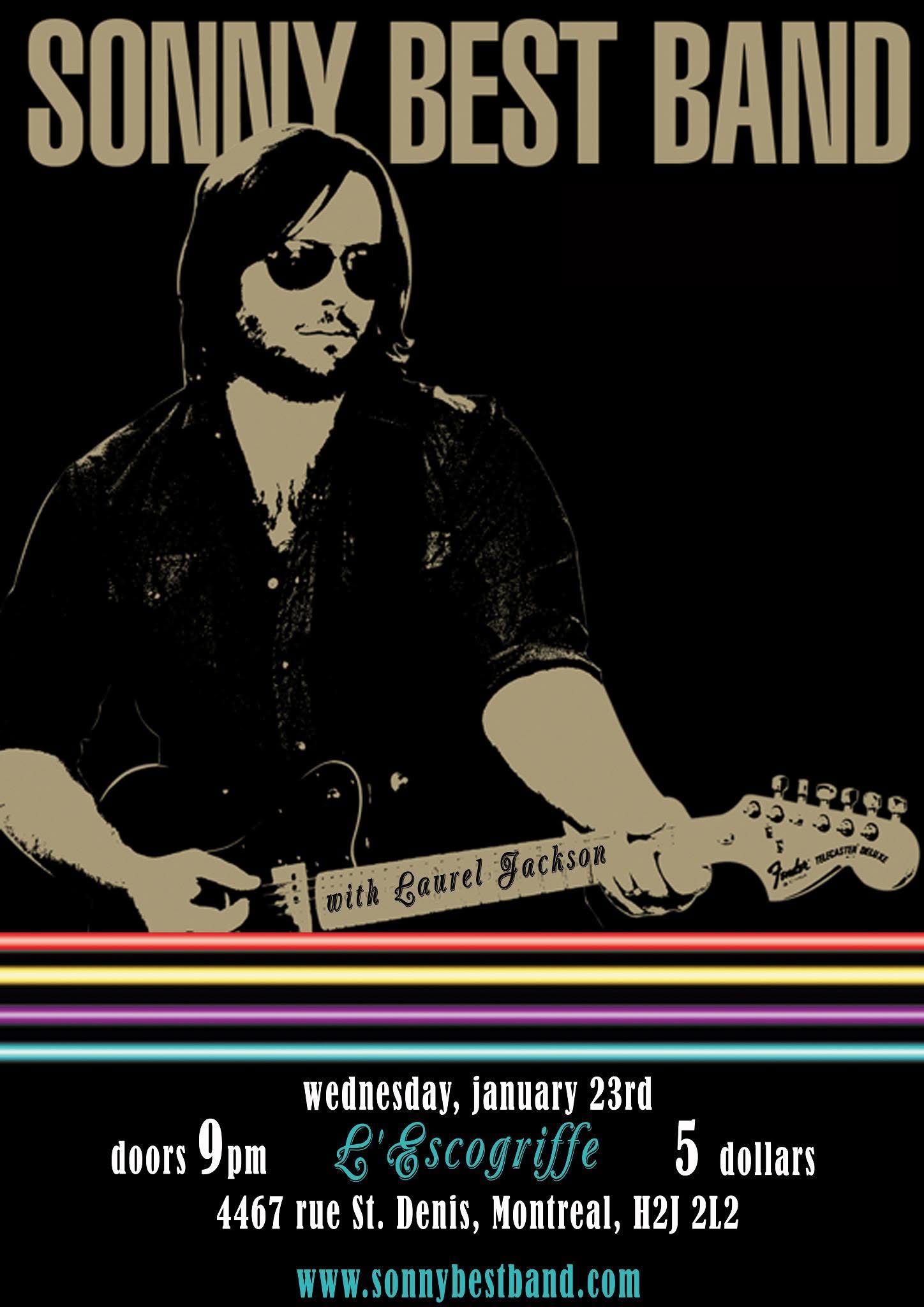
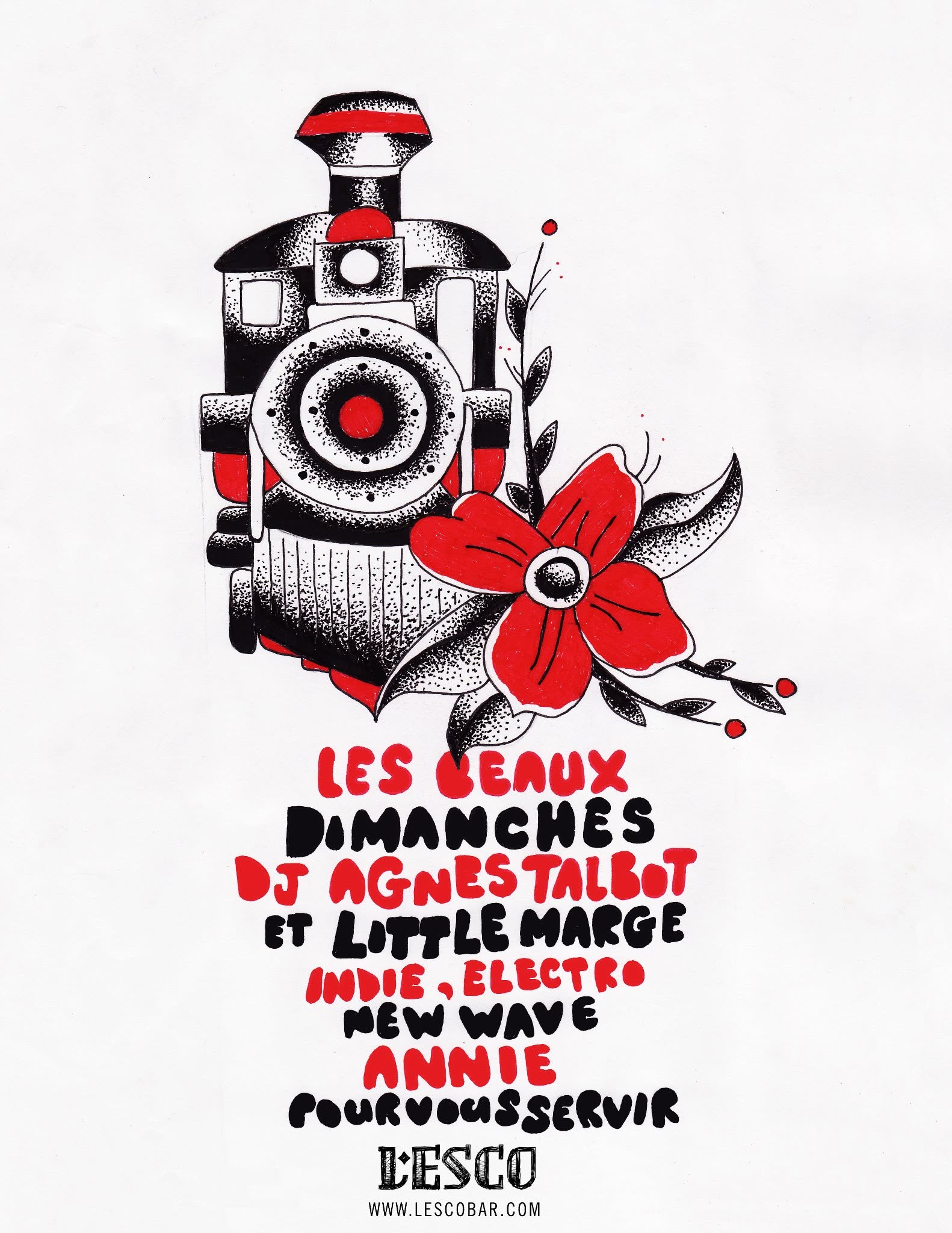
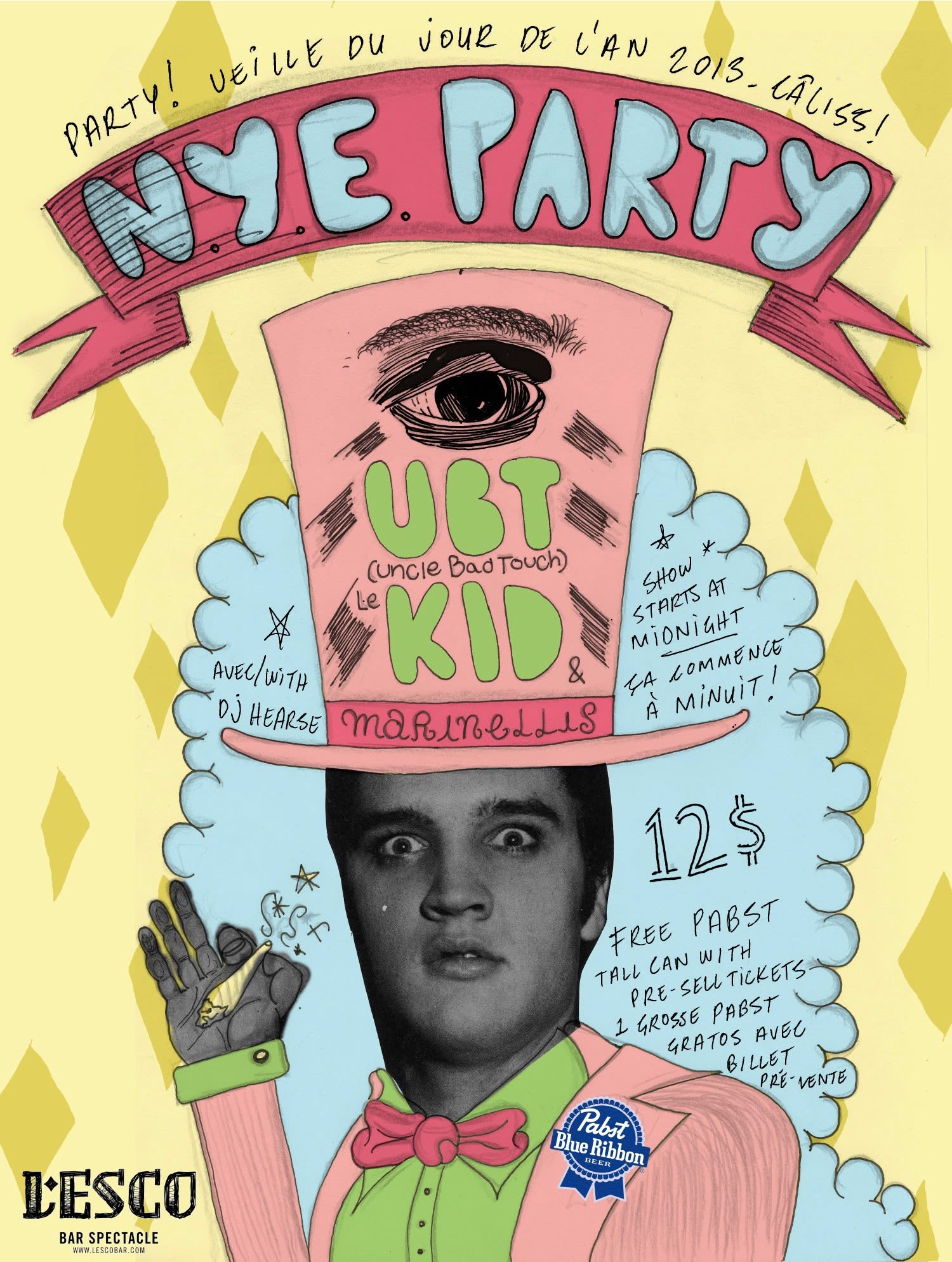
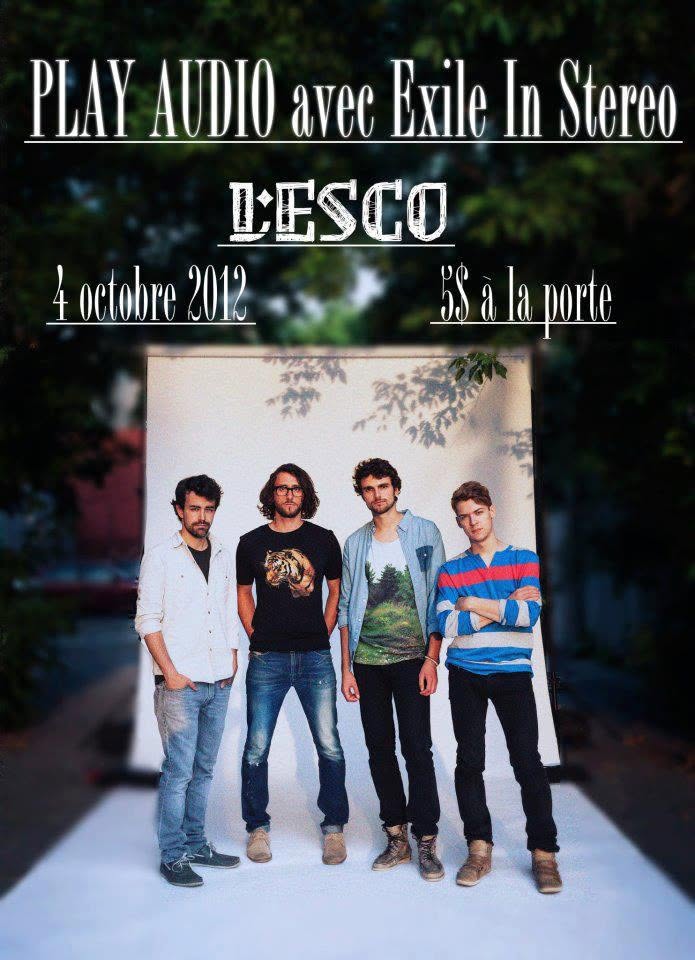
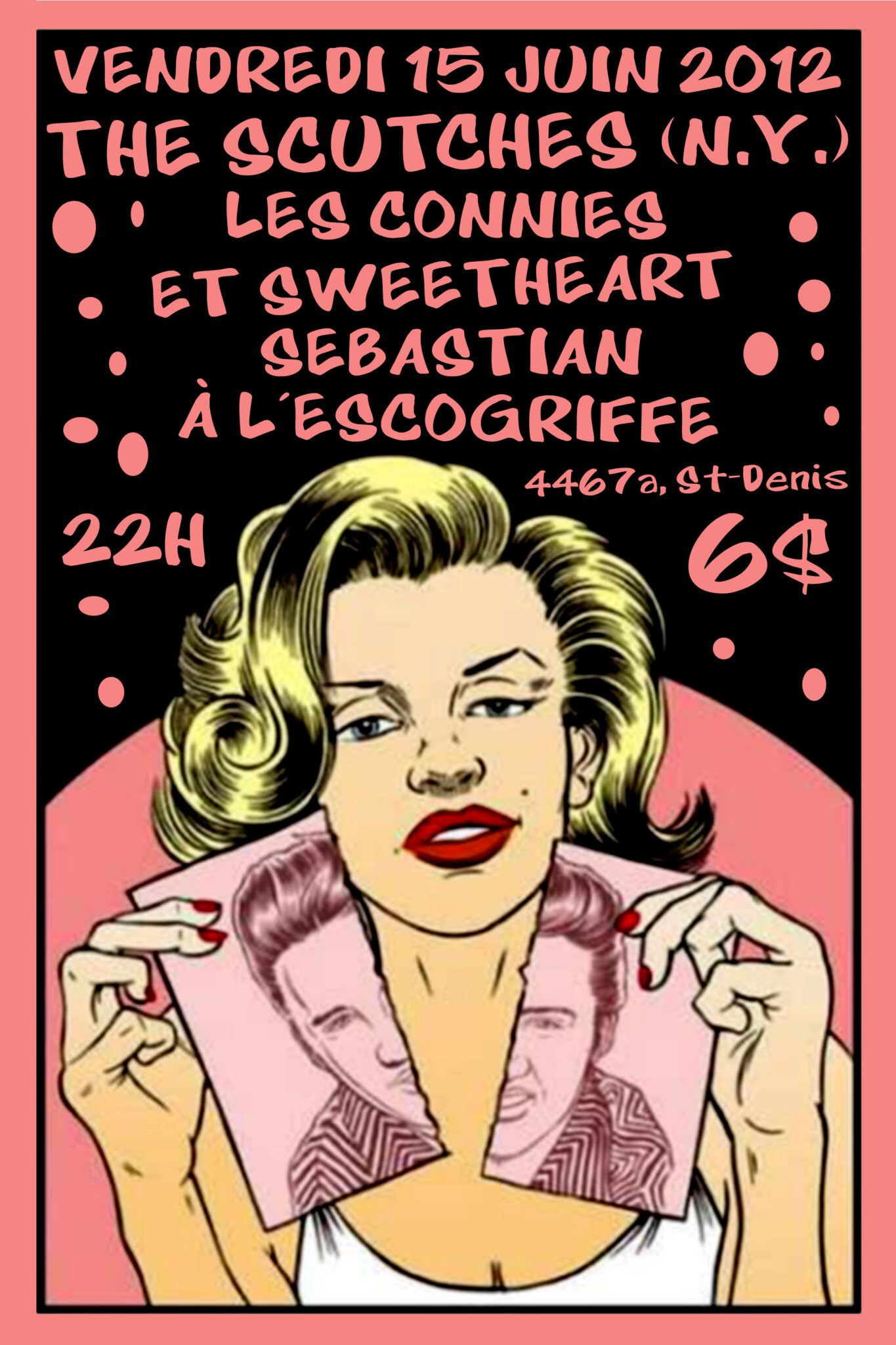
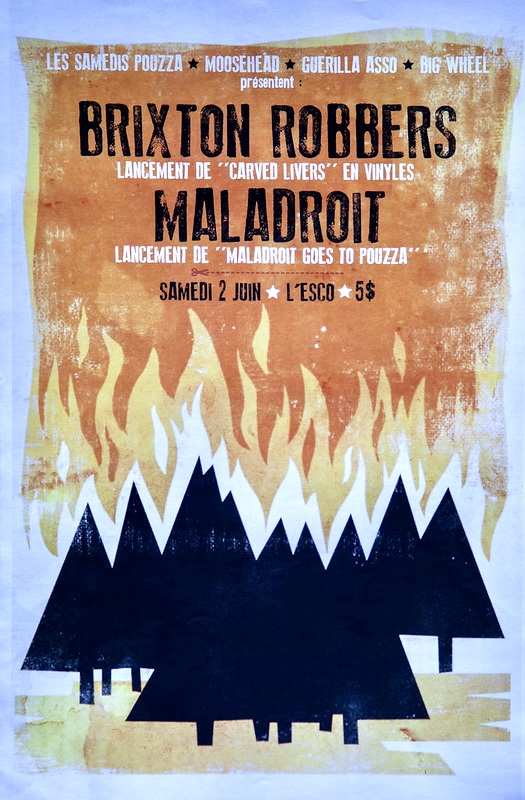
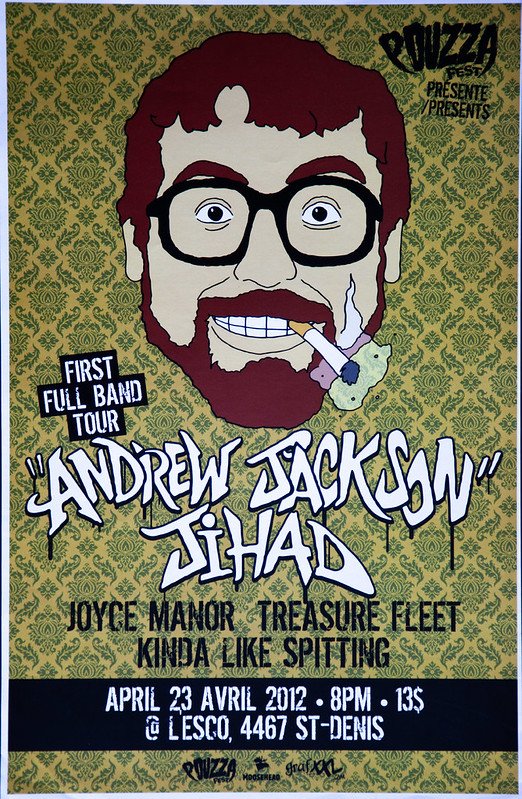
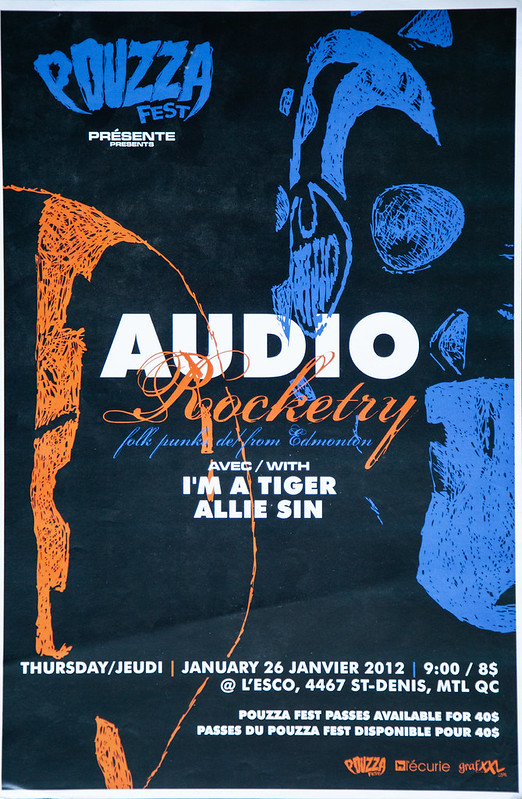
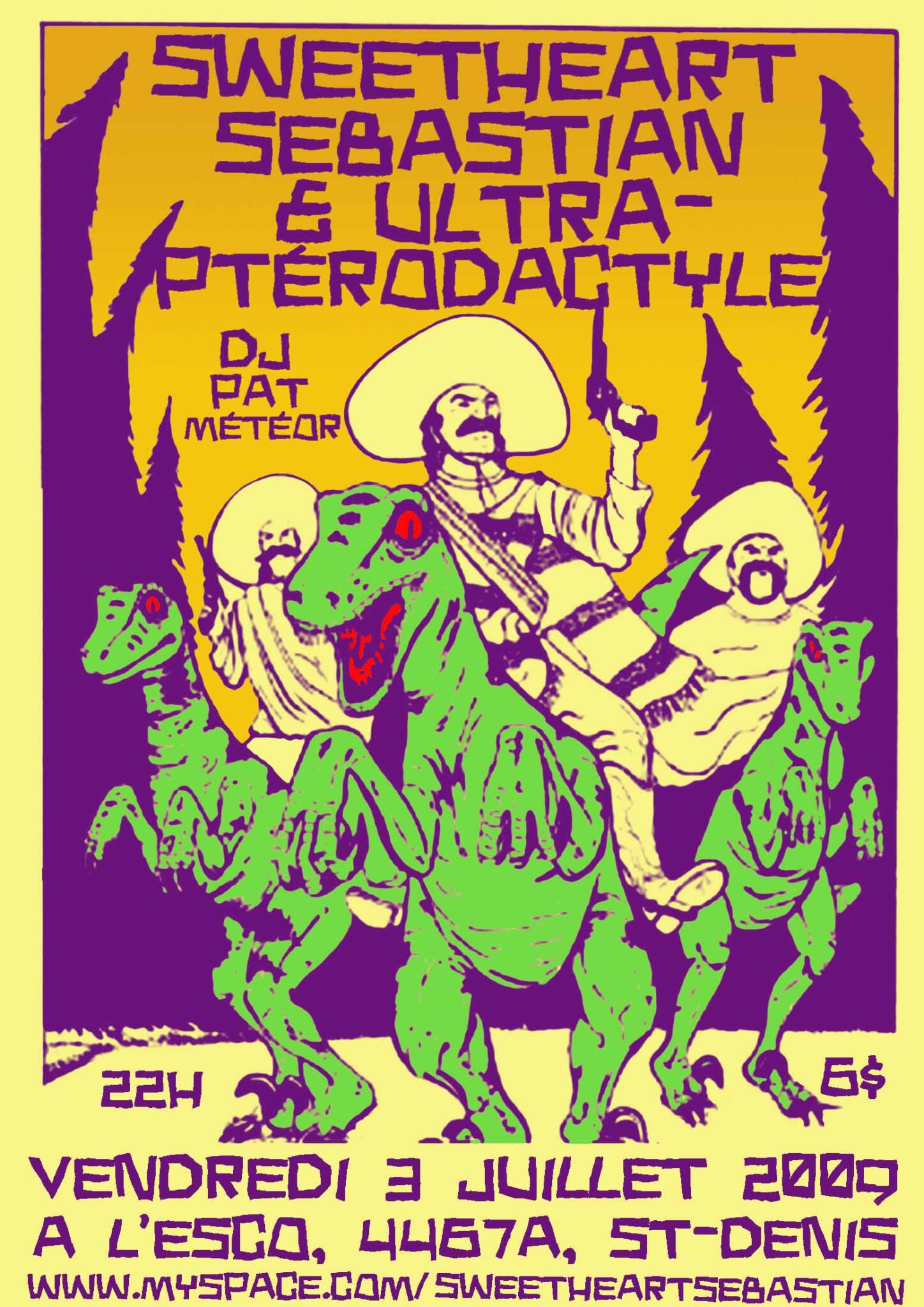
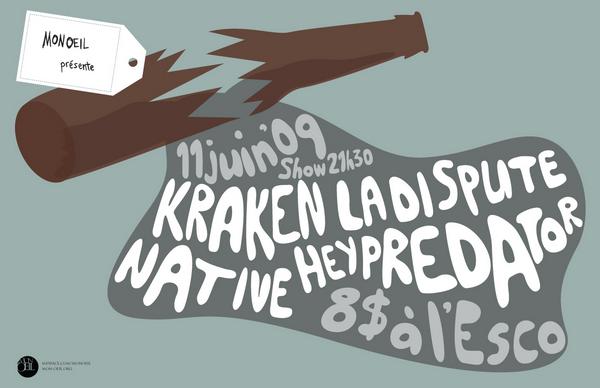
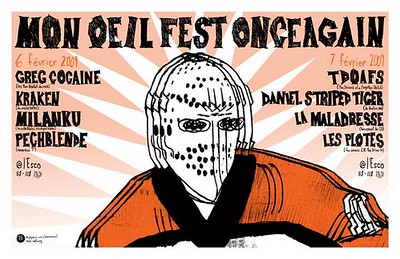
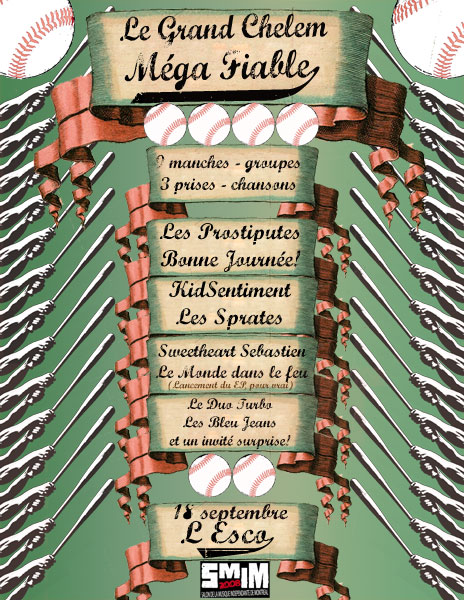
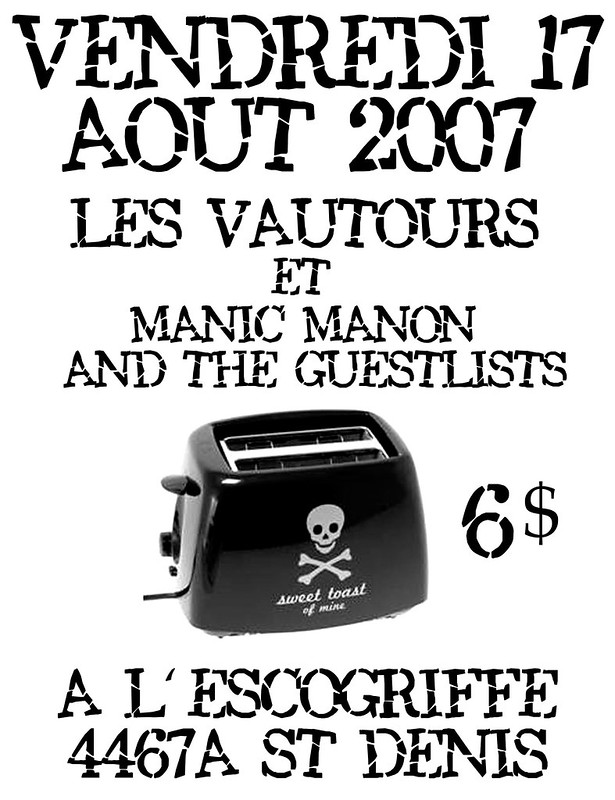
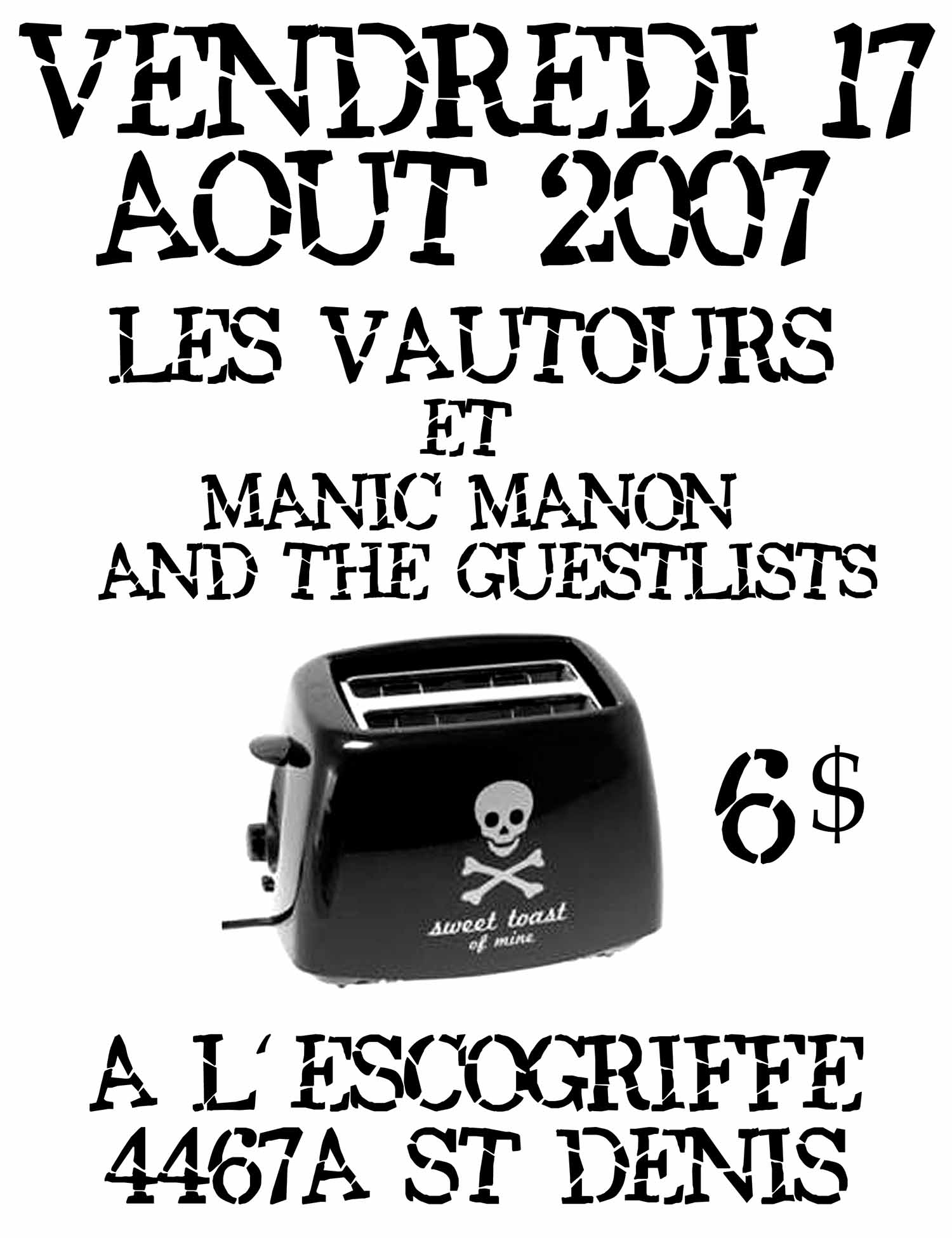
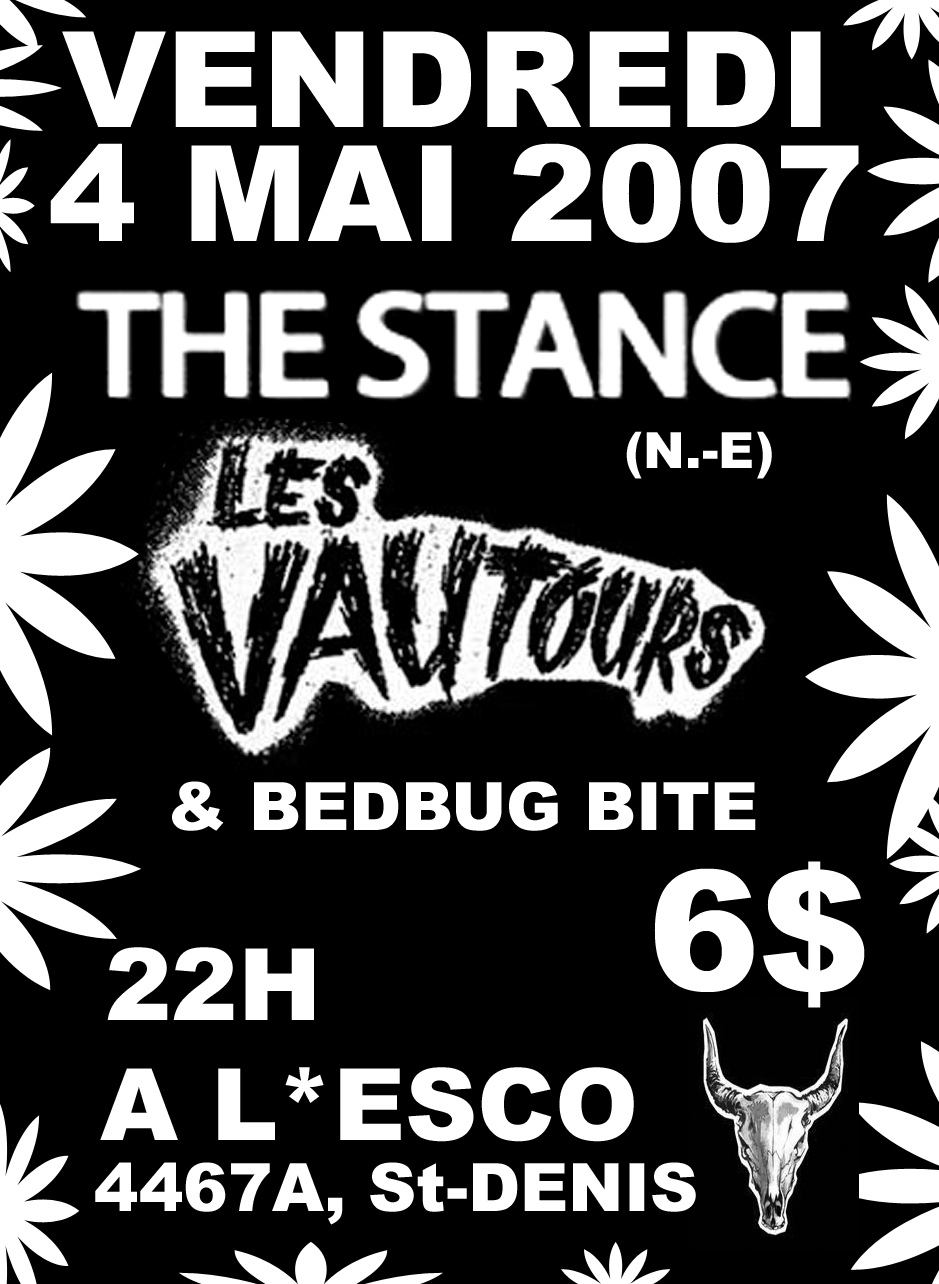
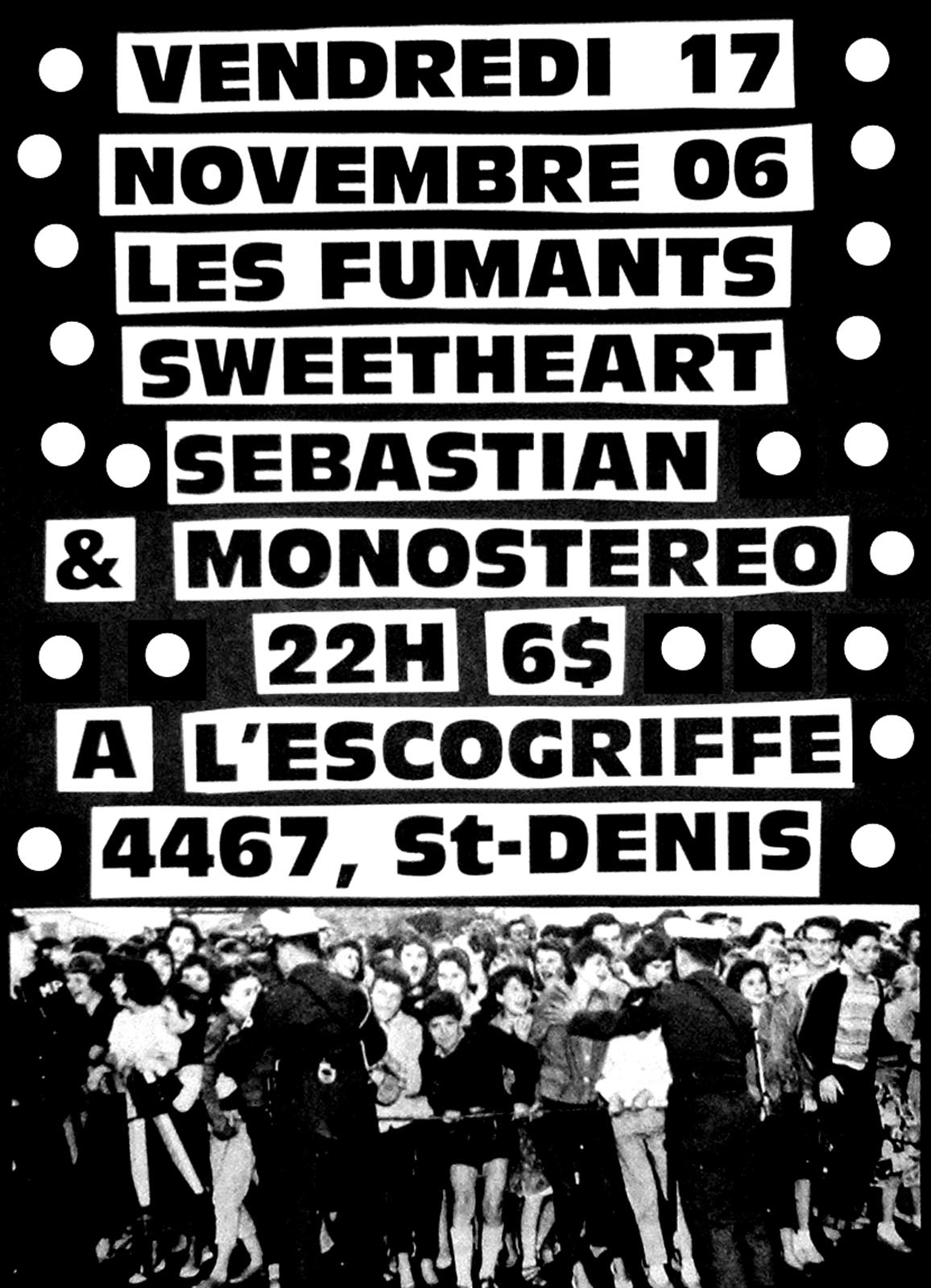
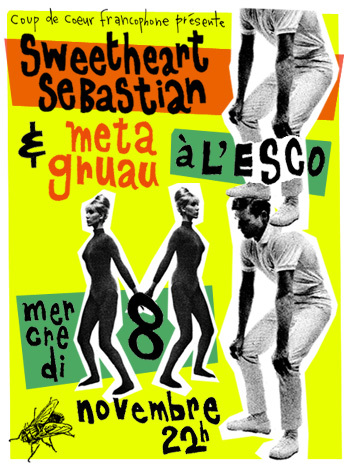
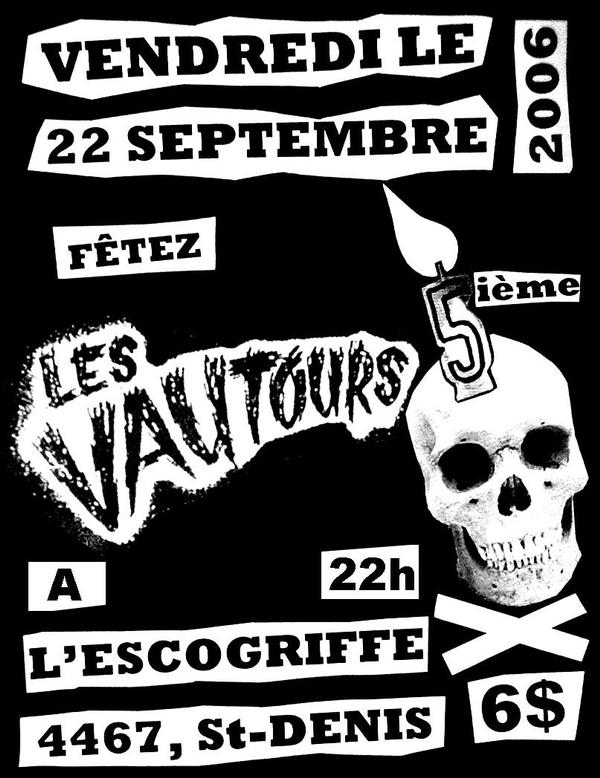
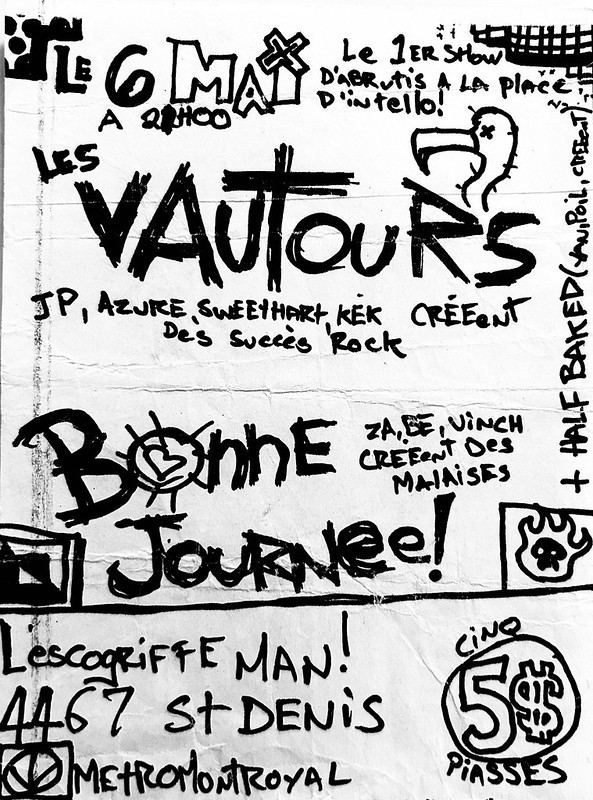
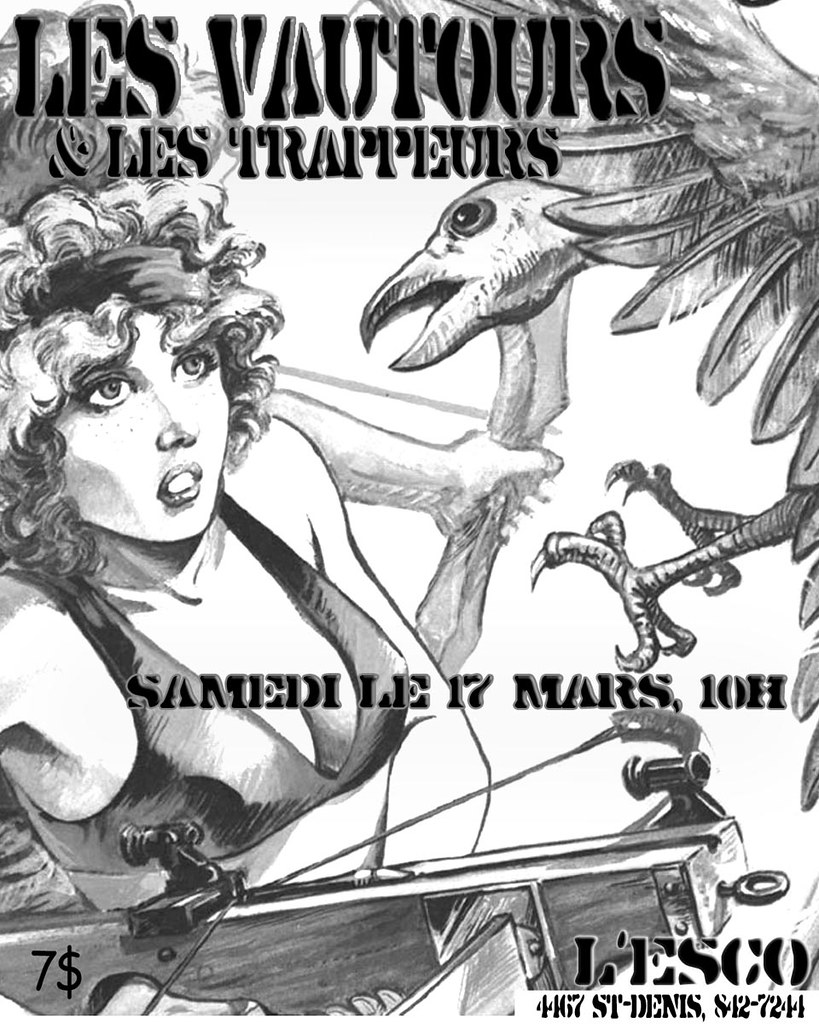
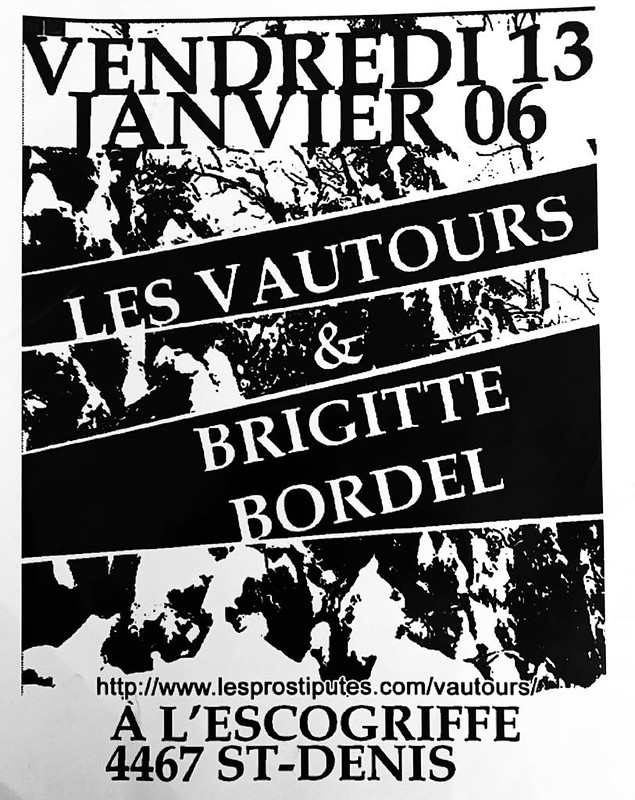
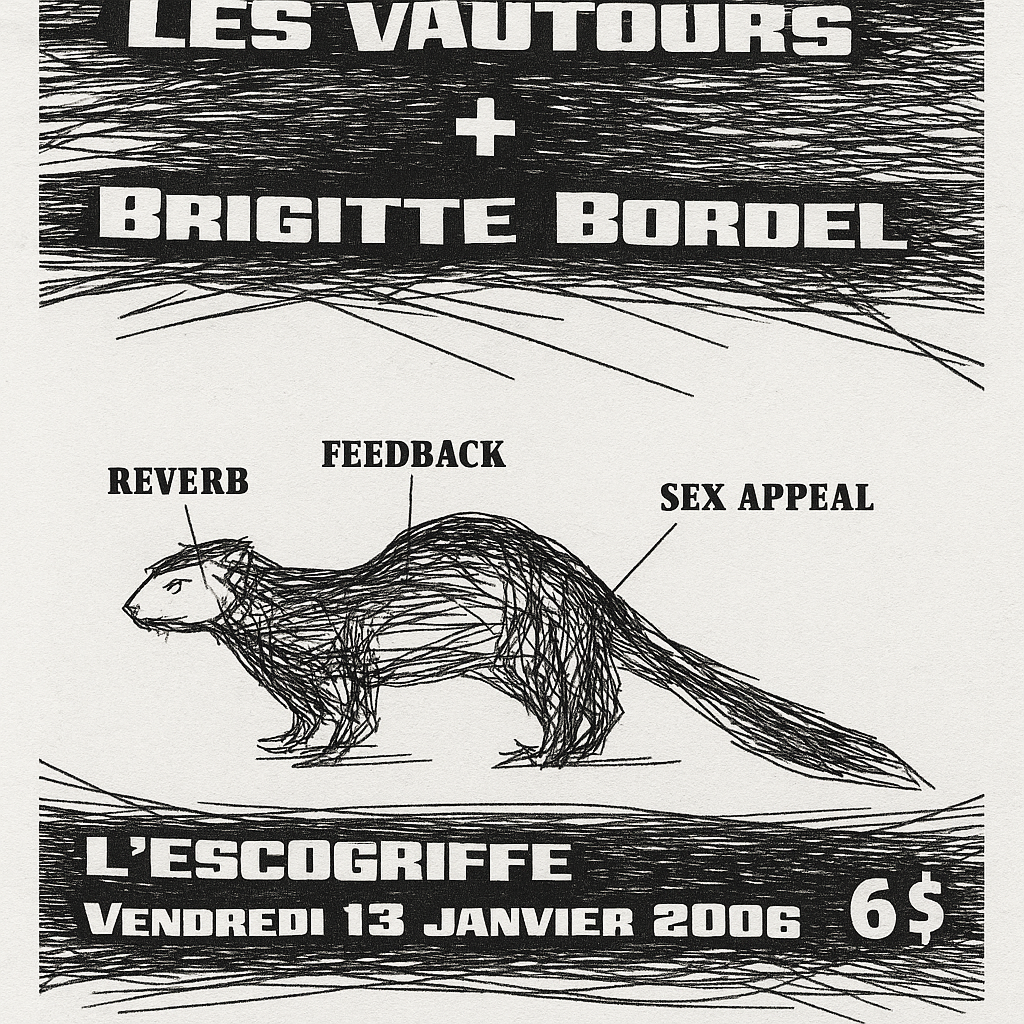
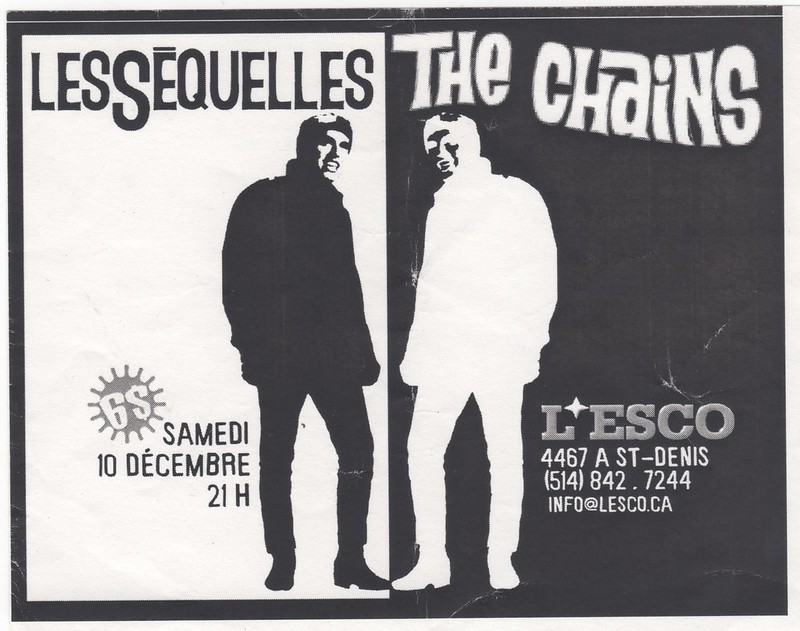
For the Montréal Concert Poster Archive, L’Escogriffe provides a particularly strong example of the historical importance of small venues: places where scenes gradually take shape, often long before the artists who frequent them move on to larger stages.
13. Timeline
1983 — Sébastien Madani’s father opens Au Plaisir on Saint-Denis Street.
1980s — Au Plaisir operates as a literary bar frequented notably by writers and poets.
A few years later — The establishment is sold to the bar’s manager.
Later — The manager sells the establishment to a former employee of the founder.
Date to be determined — The establishment becomes Le Petit Escogriffe.
1990s — Le Petit Escogriffe develops a significant jazz-oriented identity.
Around 2000 — Le Petit Escogriffe is sold to three new owners and begins a shift toward rock music.
2000s — The venue gradually develops the alternative identity associated with L’Esco, presenting rock, garage, punk, indie, folk and other independent music.
Around 2006–2007 — Sébastien Madani begins working at L’Escogriffe.
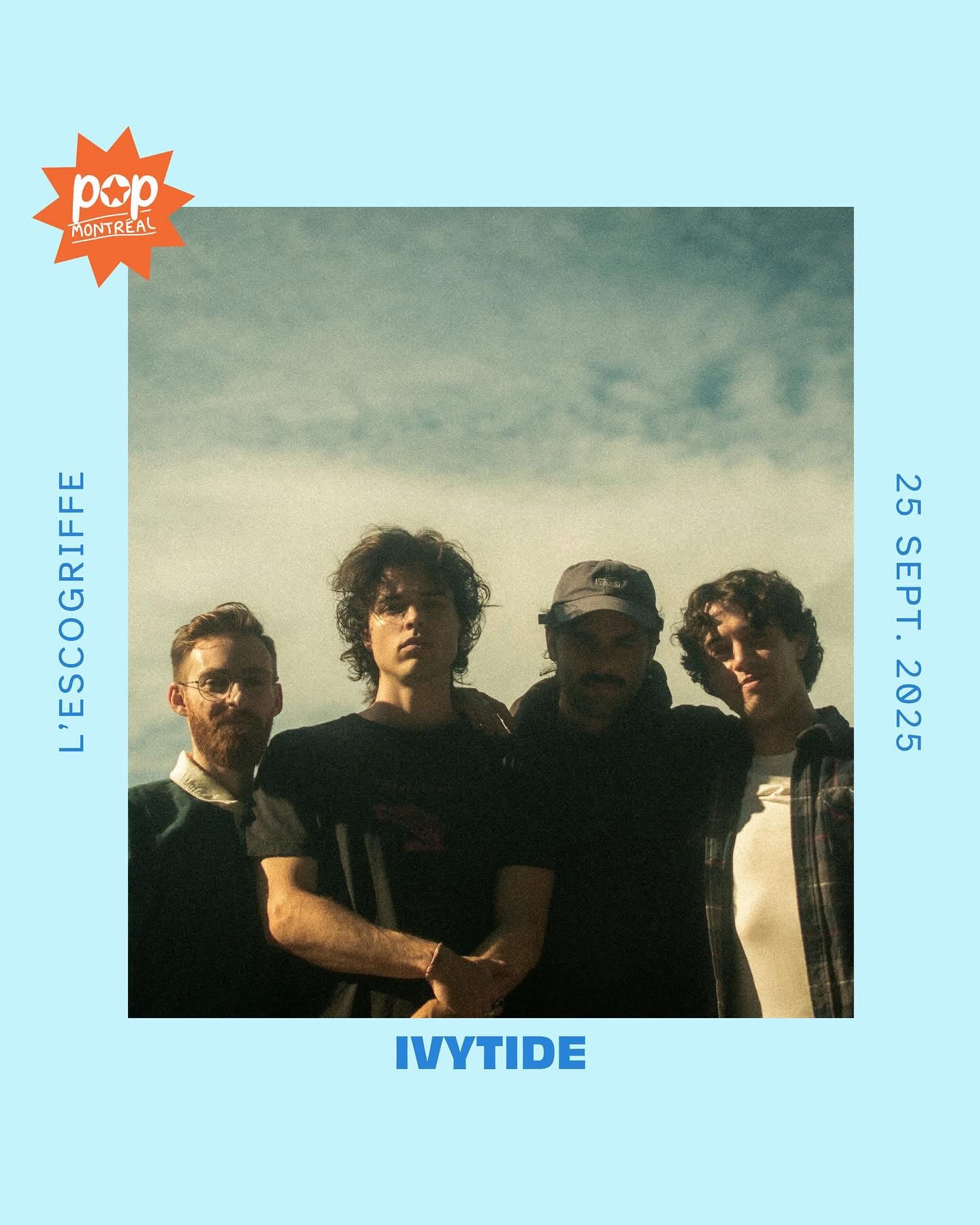
2007 — L’Esco participates notably in POP Montreal programming, reflecting its integration into the city’s independent music scene.
2010s — L’Escogriffe consolidates its place among the Plateau-Mont-Royal’s important small live music venues.
2010s — A municipal project authorizes the expansion of Le Petit Escogriffe through the merger of the premises at 4461 and 4467-A Saint-Denis Street.
After the expansion — 4461 Saint-Denis Street becomes the address primarily associated with L’Escogriffe.
Today — L’Escogriffe remains active and continues to present concerts and independent events.
14. Notes & Sources
-
PAGES JAUNES / YELLOW PAGES,
“L’Escogriffe Café Bar” — profile and interview with
Sébastien Madani.
MCPA use: founding of Au Plaisir in 1983 by his father, literary vocation, changes in ownership, creation of Le Petit Escogriffe, jazz period, sale around 2000, shift toward rock and Sébastien Madani’s arrival around 2006–2007. -
VILLE DE MONTRÉAL — ARRONDISSEMENT DU
PLATEAU-MONT-ROYAL,
decision summary concerning 4461 and 4467-A
Saint-Denis Street.
MCPA use: historic location of Le Petit Escogriffe, former Cactus restaurant at 4461, merger of the two premises, approximate areas of 105 m² each, projected combined area of 210 m² and a maximum of 120 m² devoted to the performance space. -
VILLE DE MONTRÉAL,
directory of artistic practice venues.
MCPA use: identification of Bar Escogriffe at 4461 Saint-Denis Street and confirmation of its function as an artistic performance venue. -
PROGRAMMING AND TICKETING ARCHIVES.
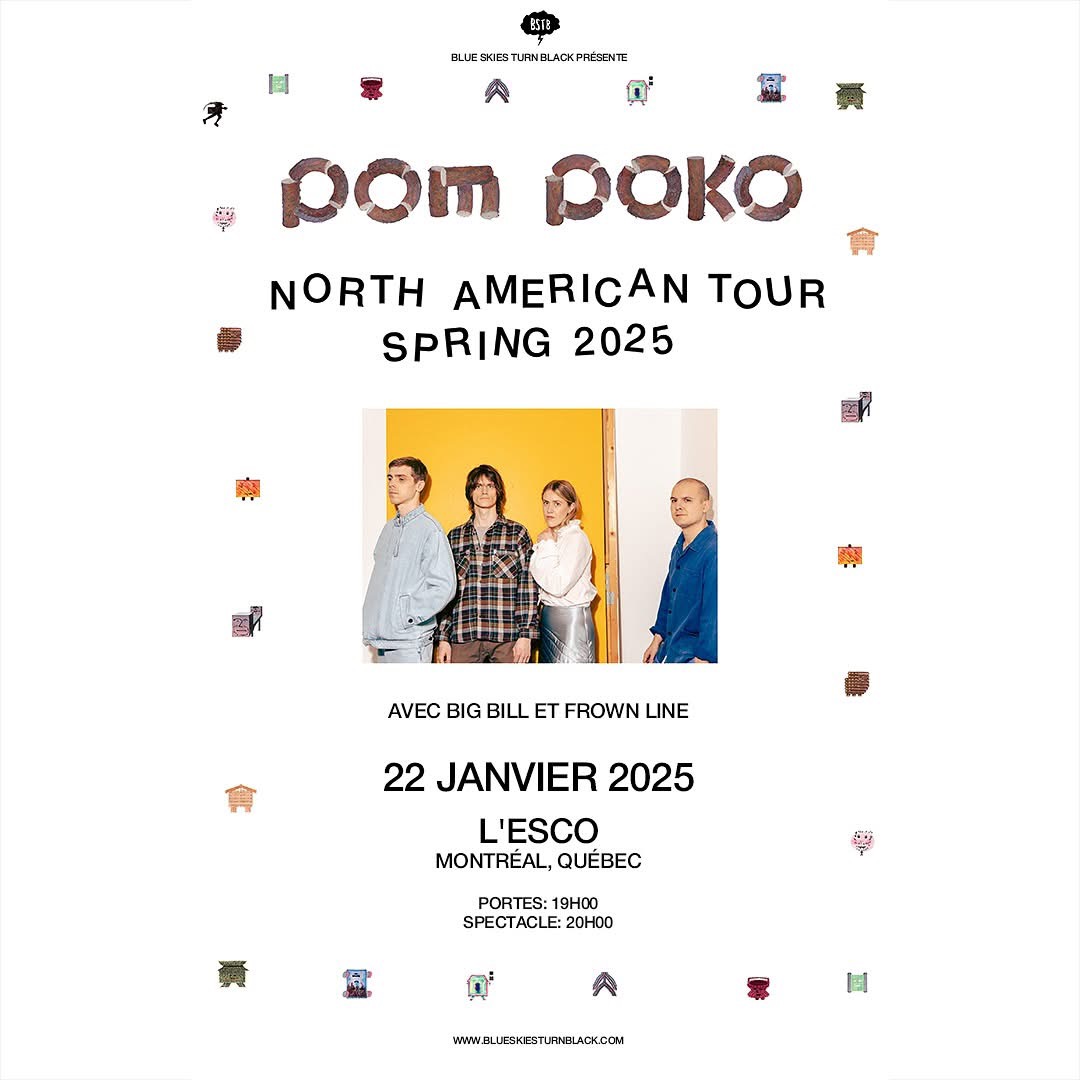
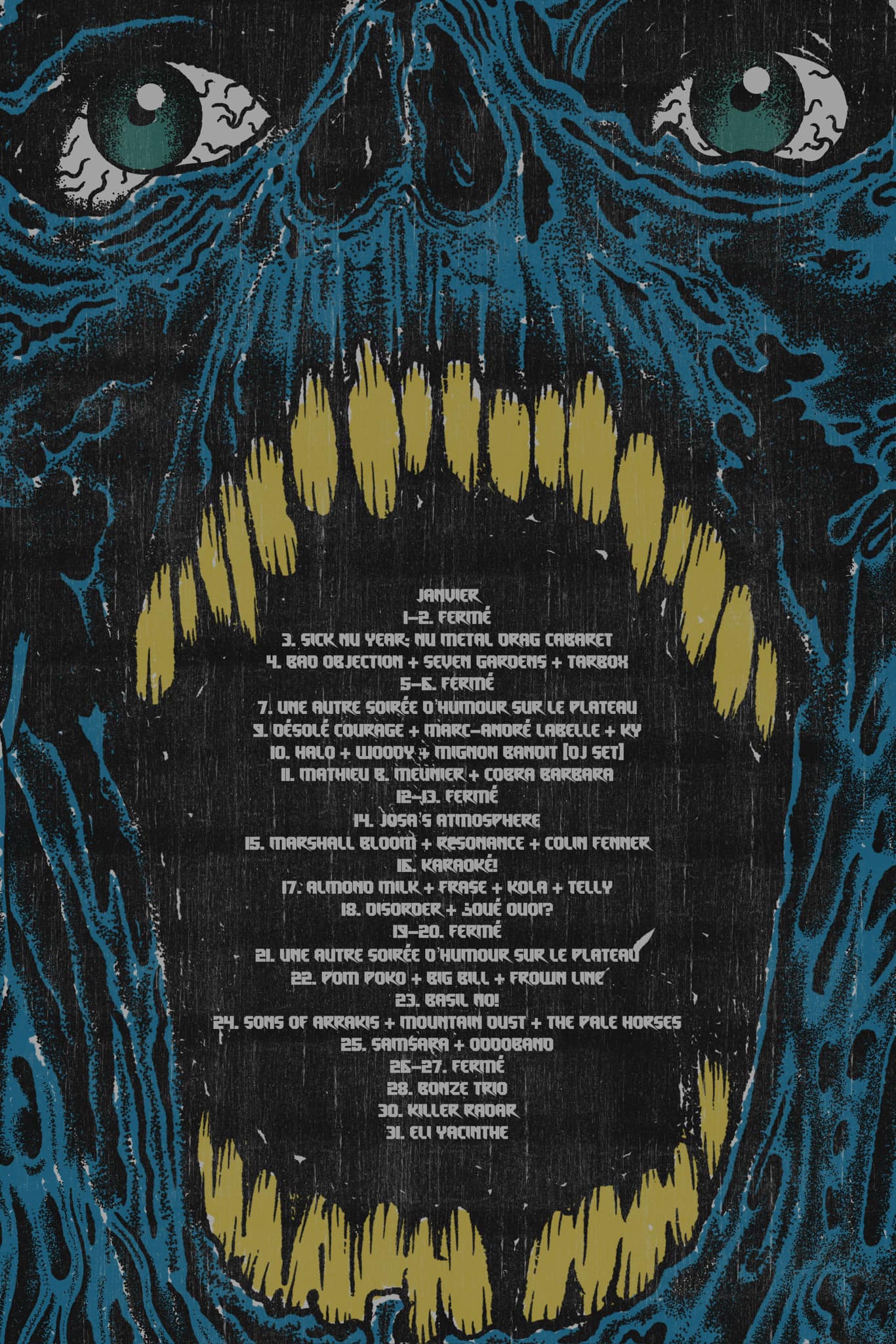
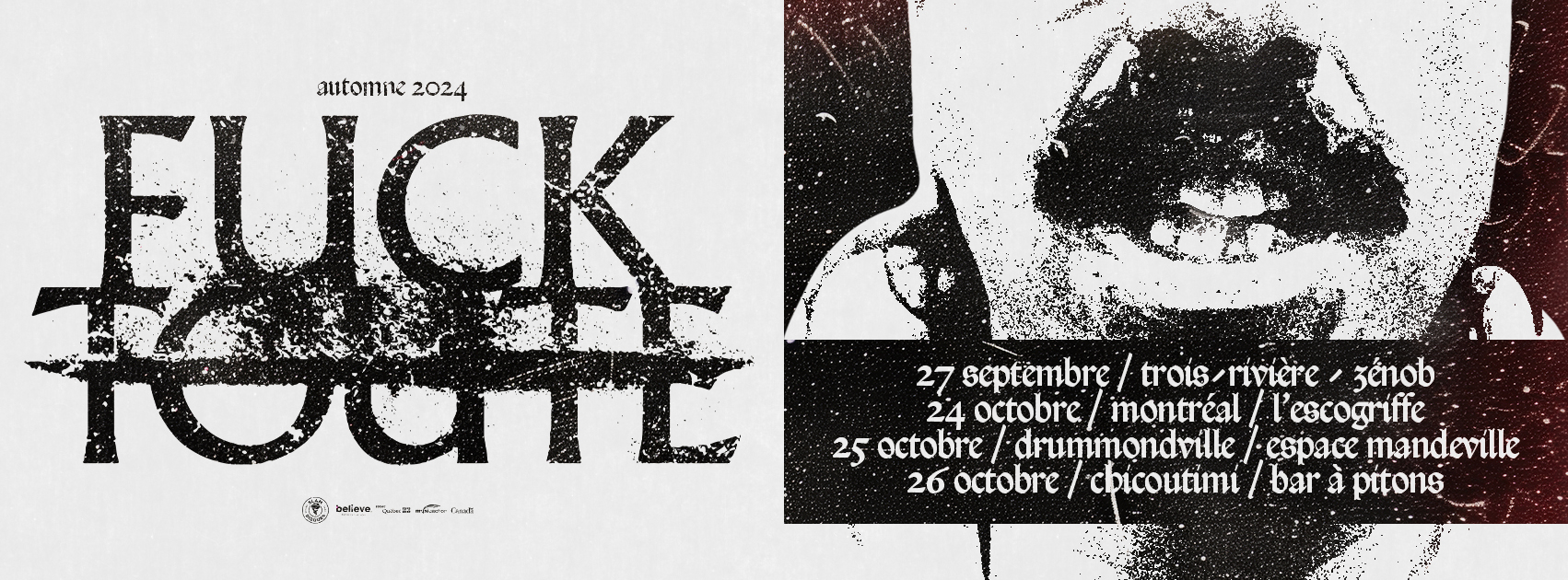
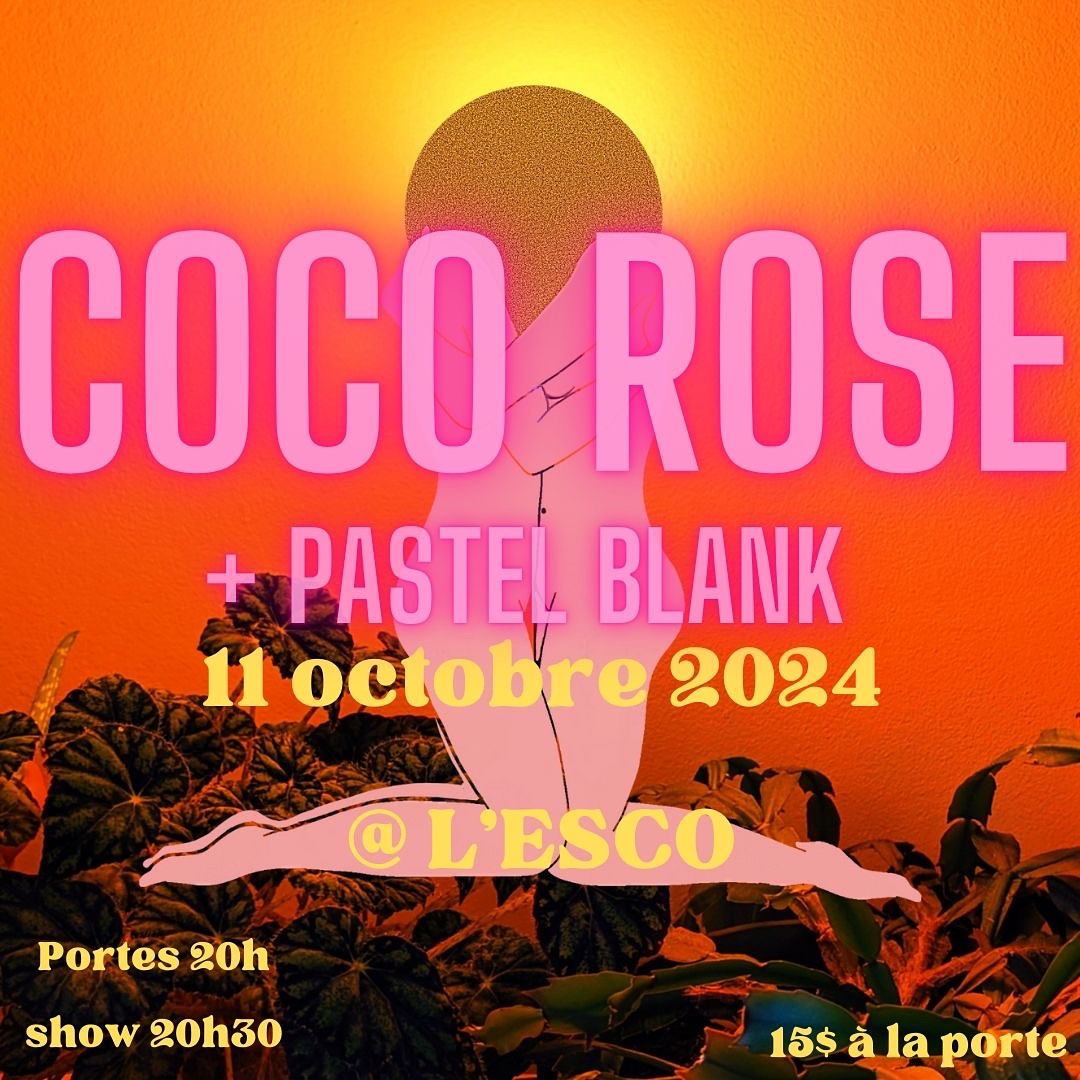
MCPA use: concerts and events documenting the continuity of L’Escogriffe’s activities and the contemporary use of the 4461 Saint-Denis Street address. -
MONTRÉAL CONCERT POSTER ARCHIVE,
posters, tickets and concert documentation.
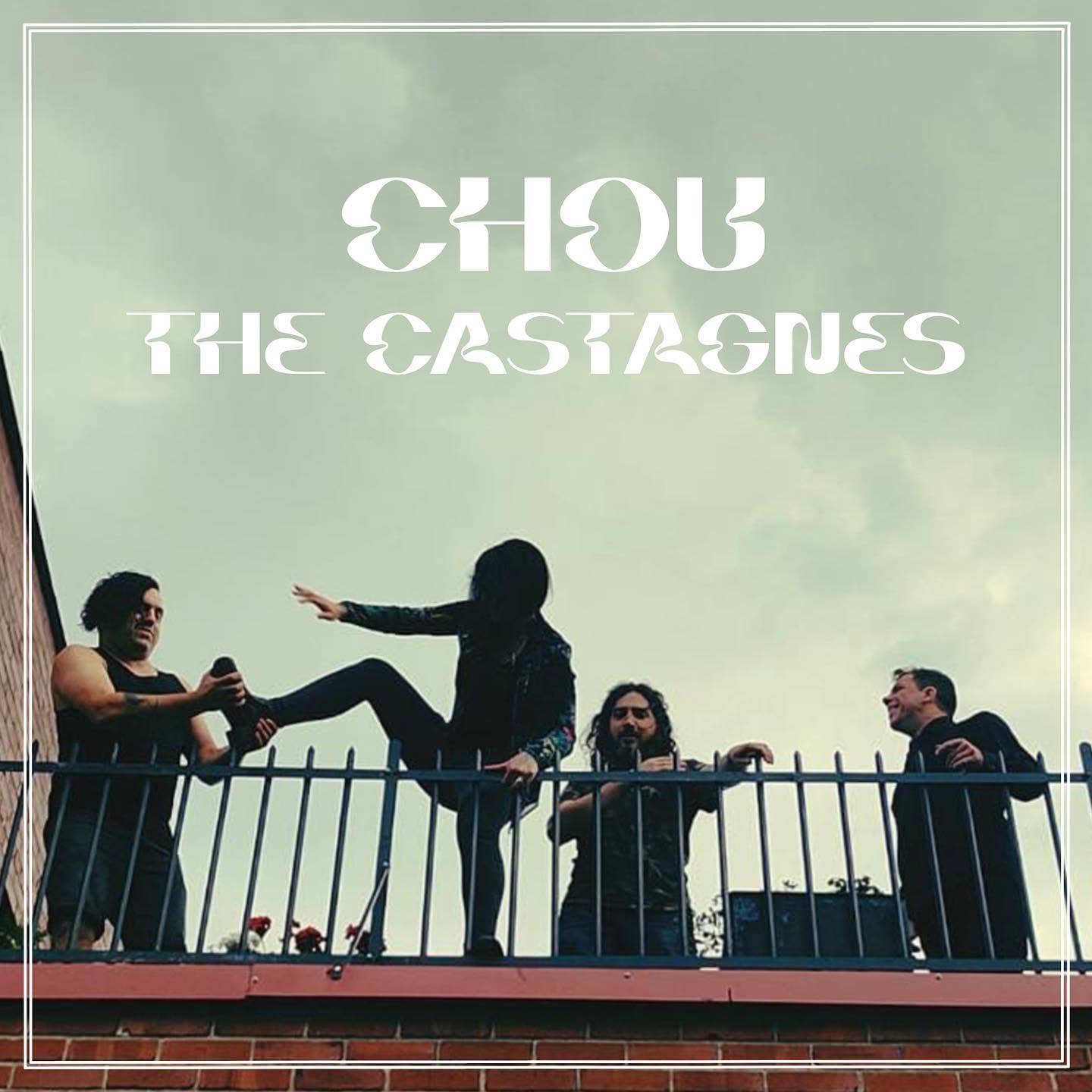
MCPA use: historical programming, artists, events and visual documentation related to L’Escogriffe.