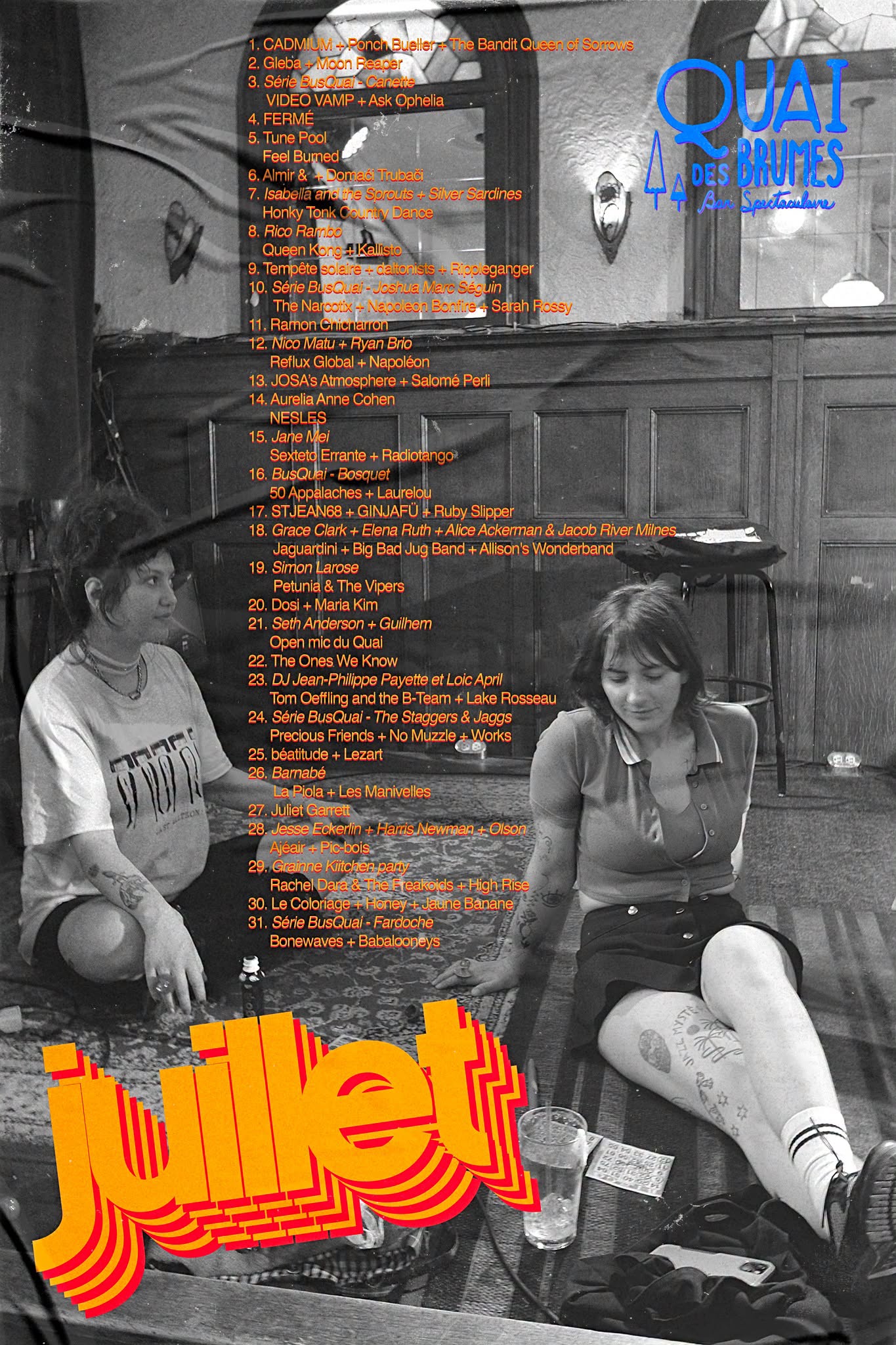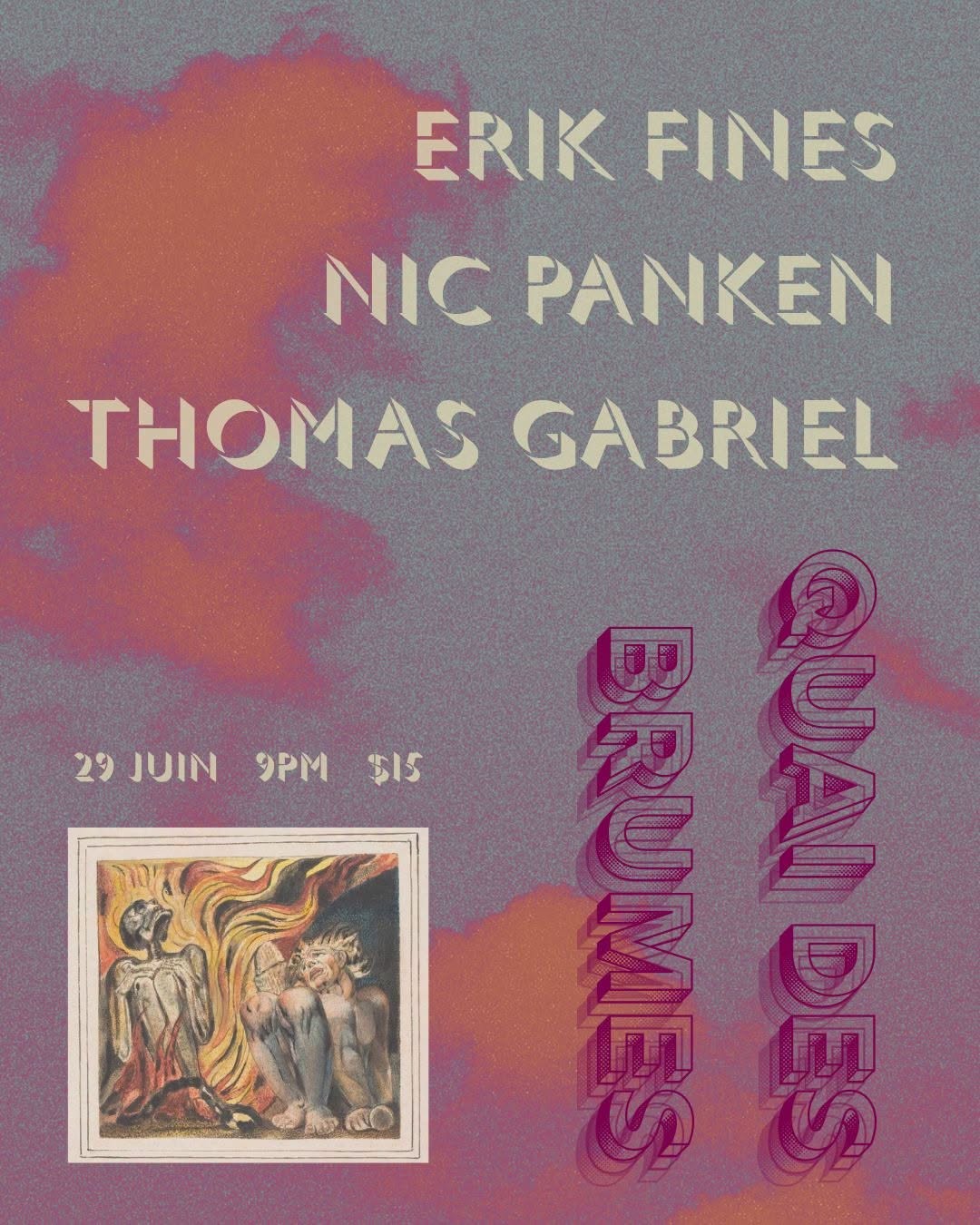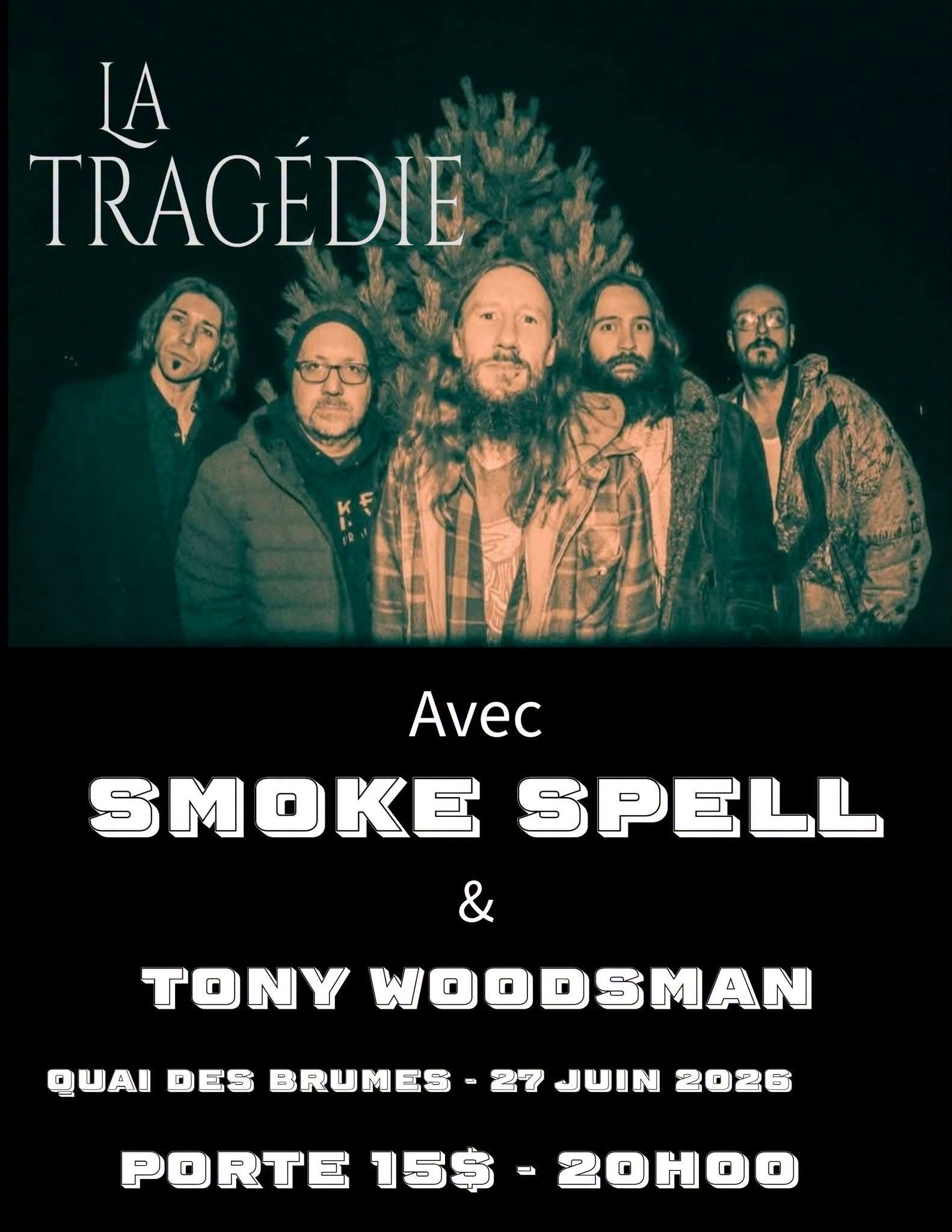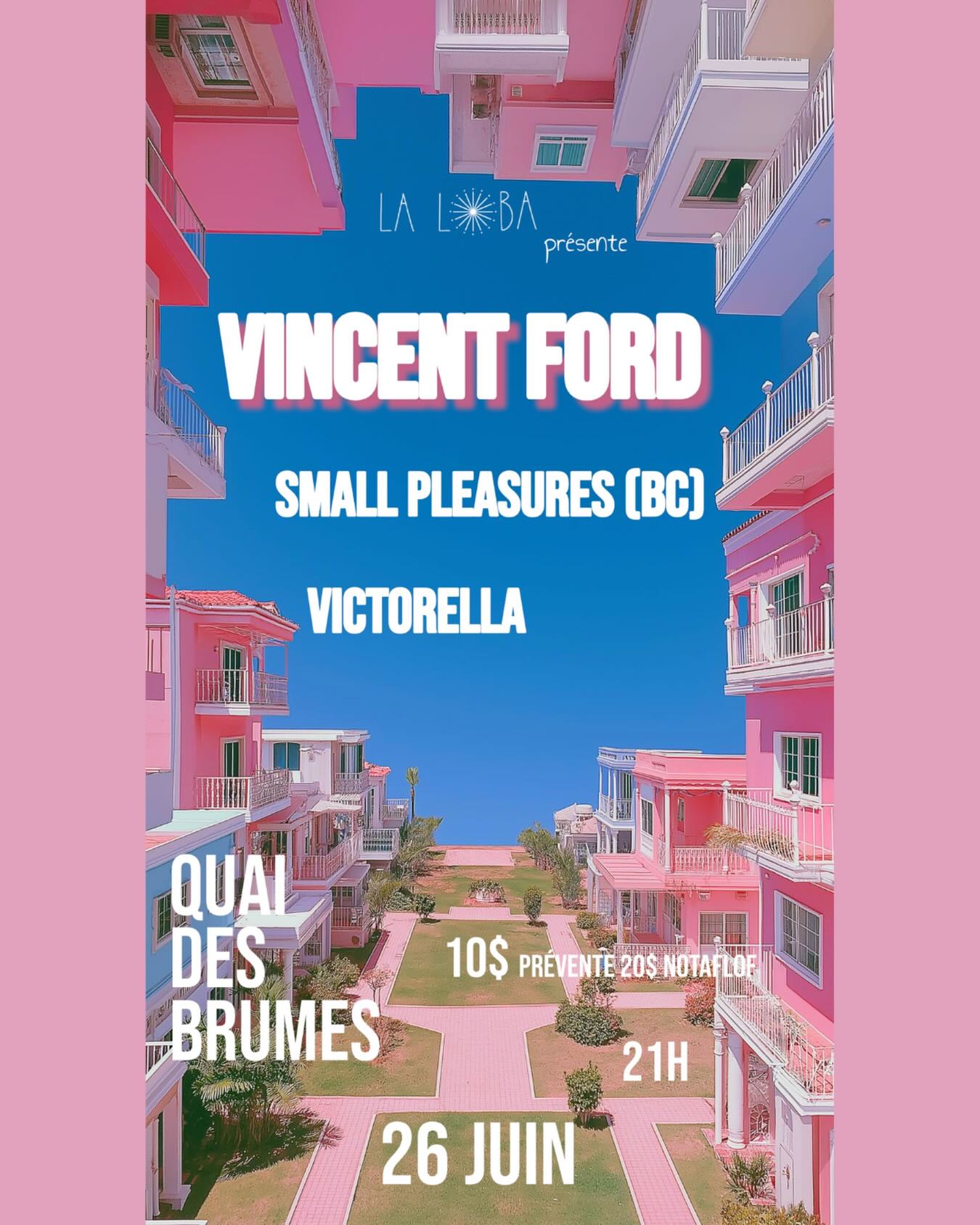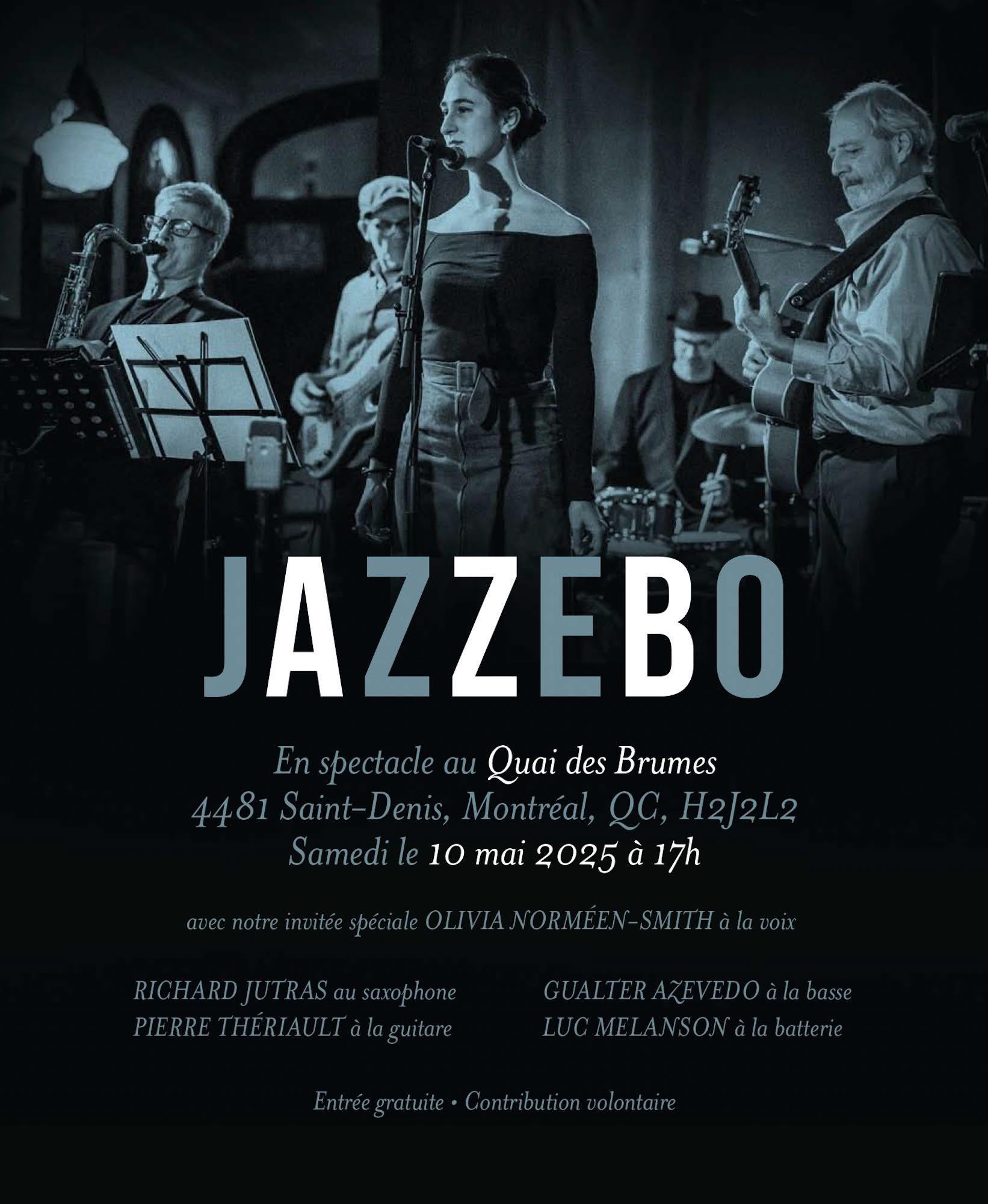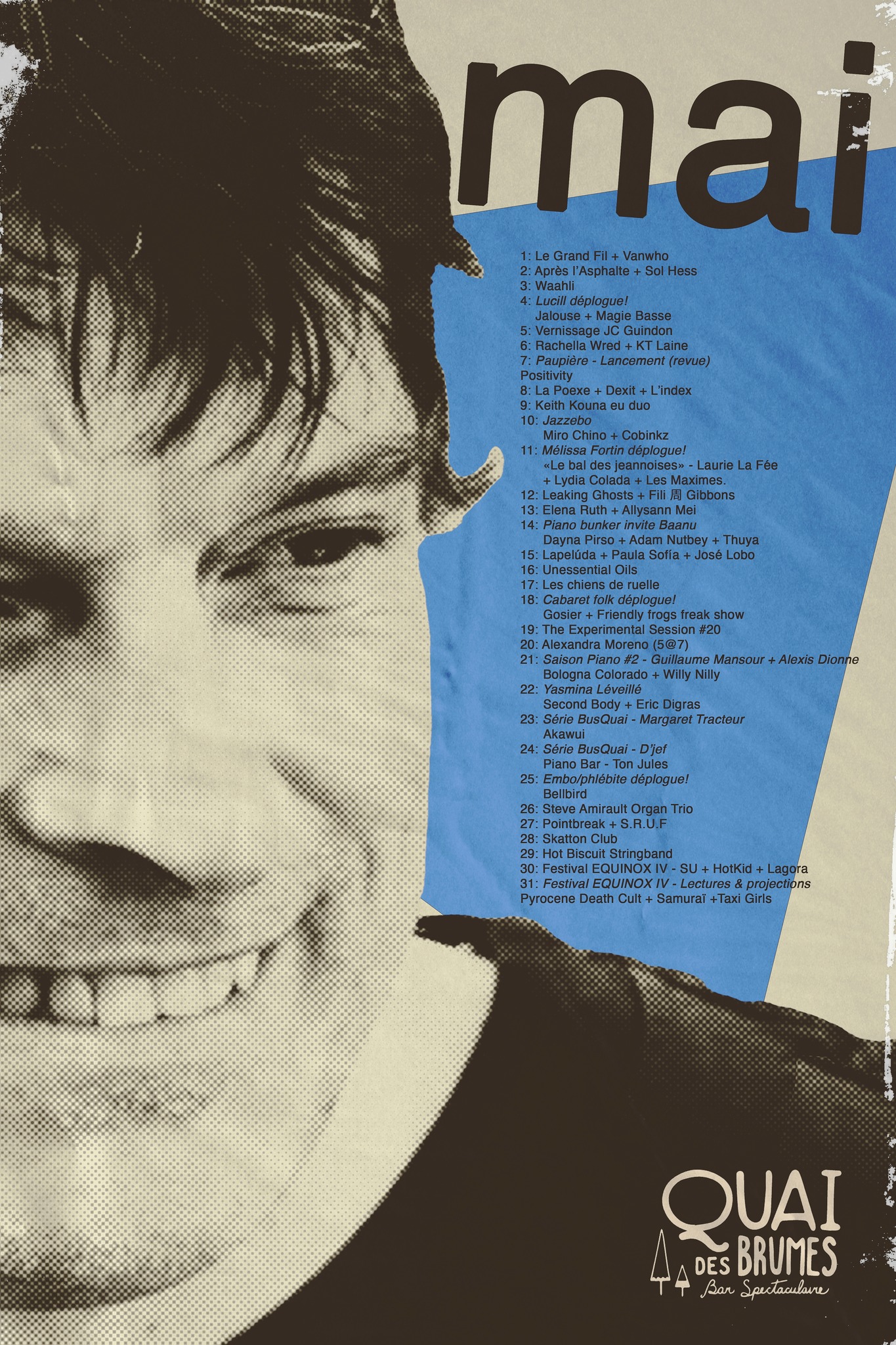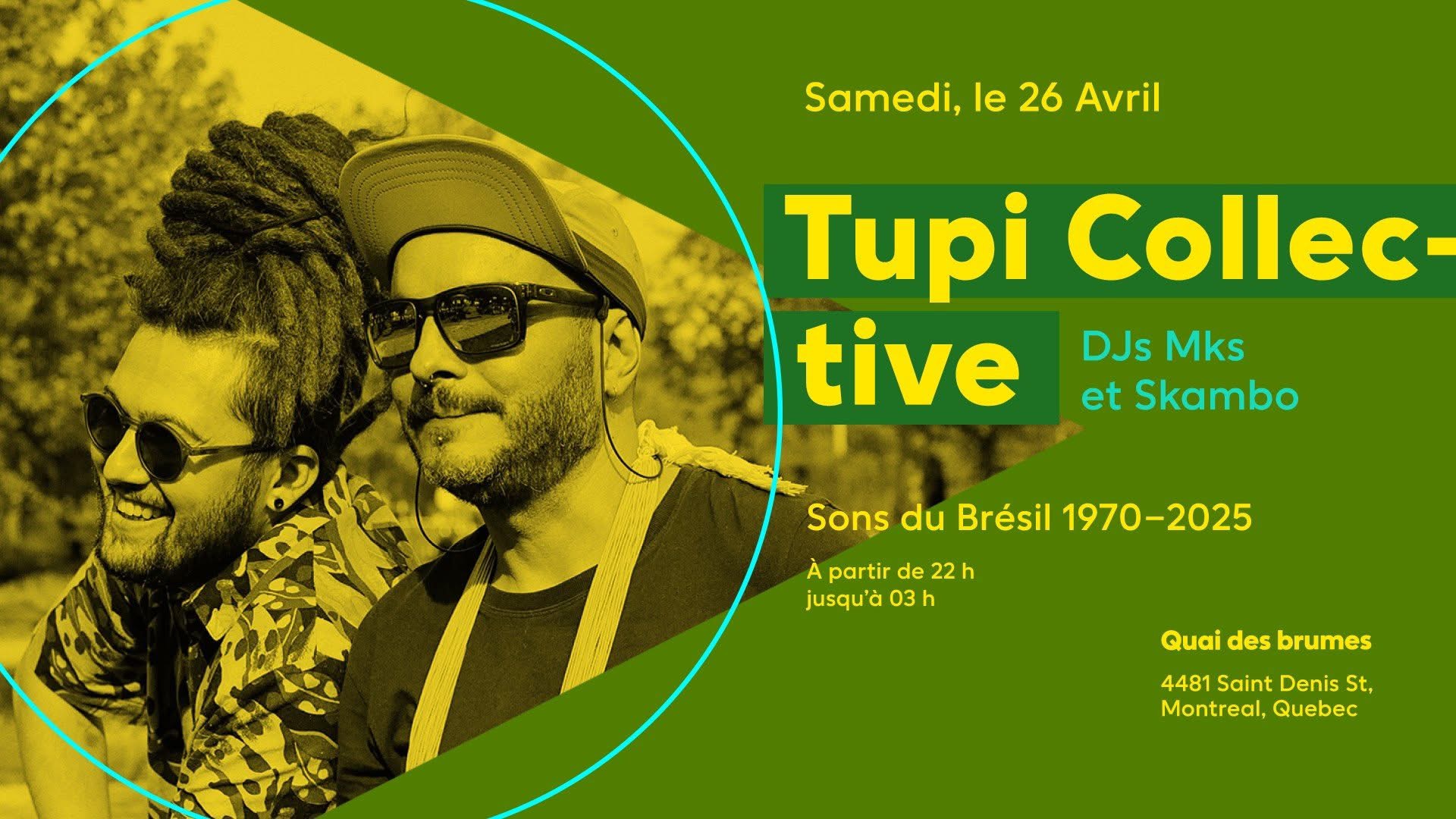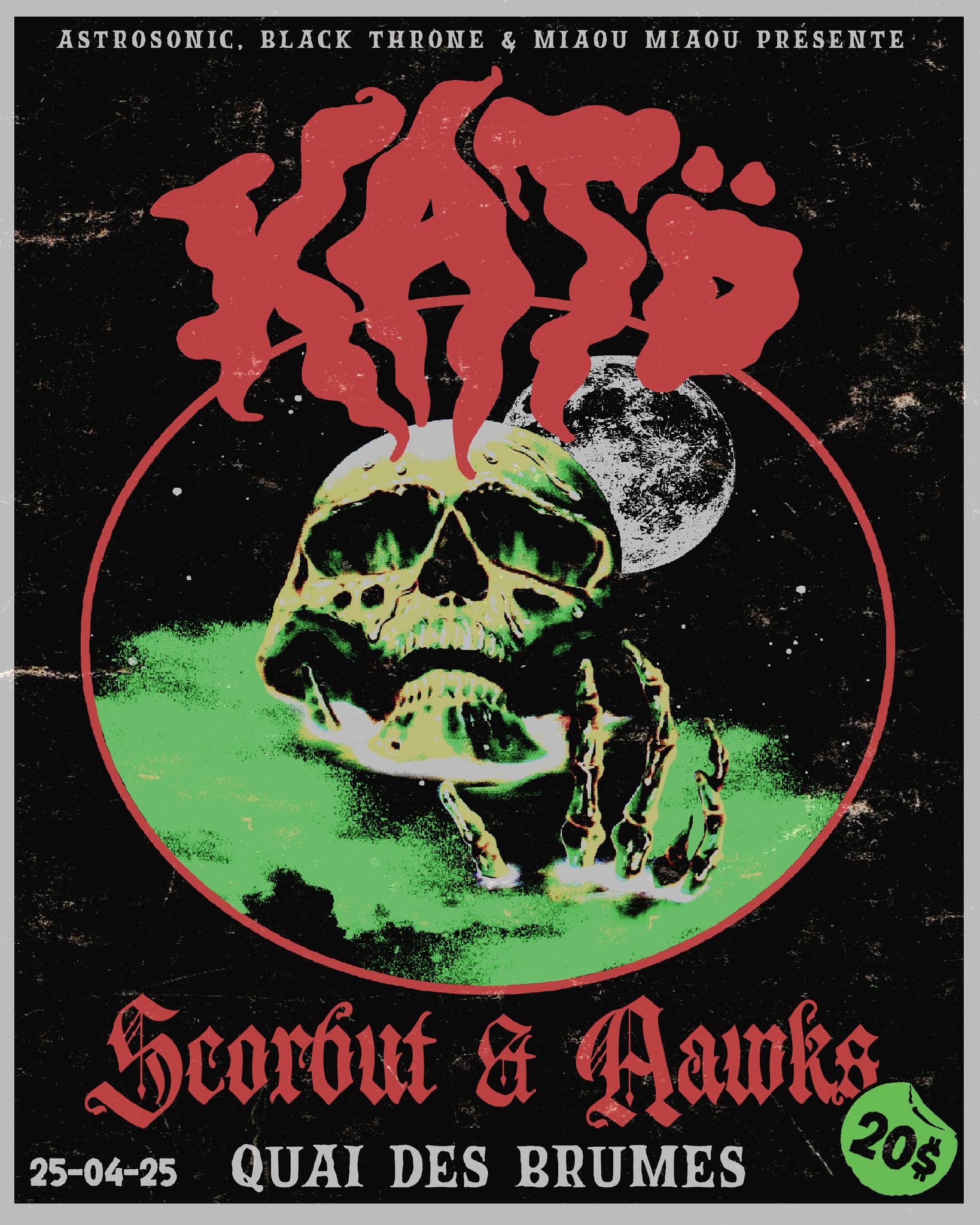
Quai des Brumes (Montreal)
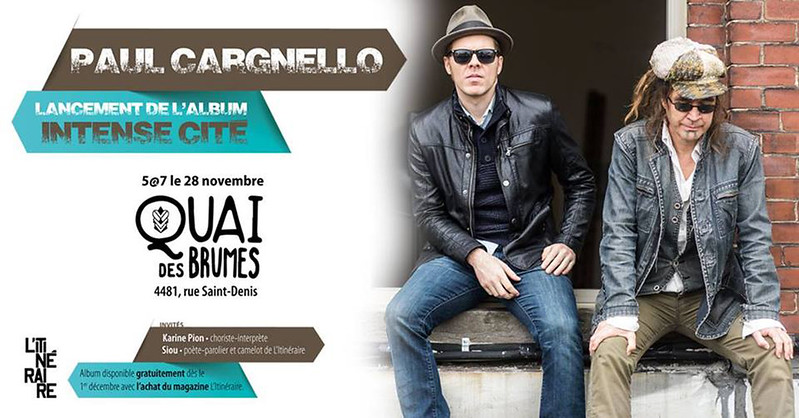
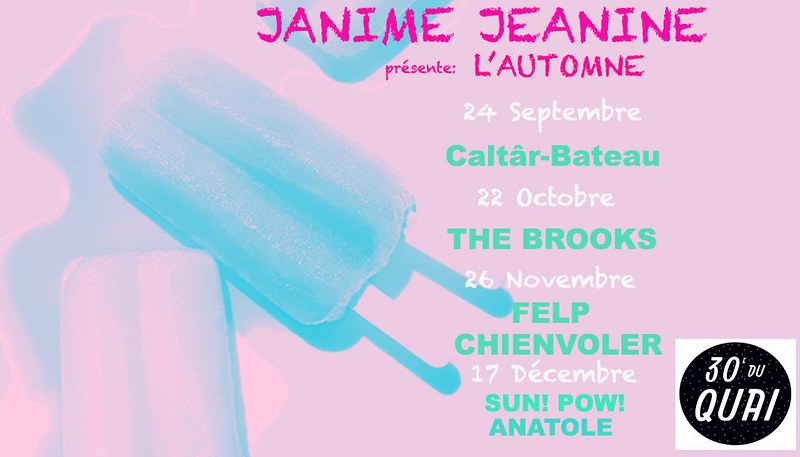
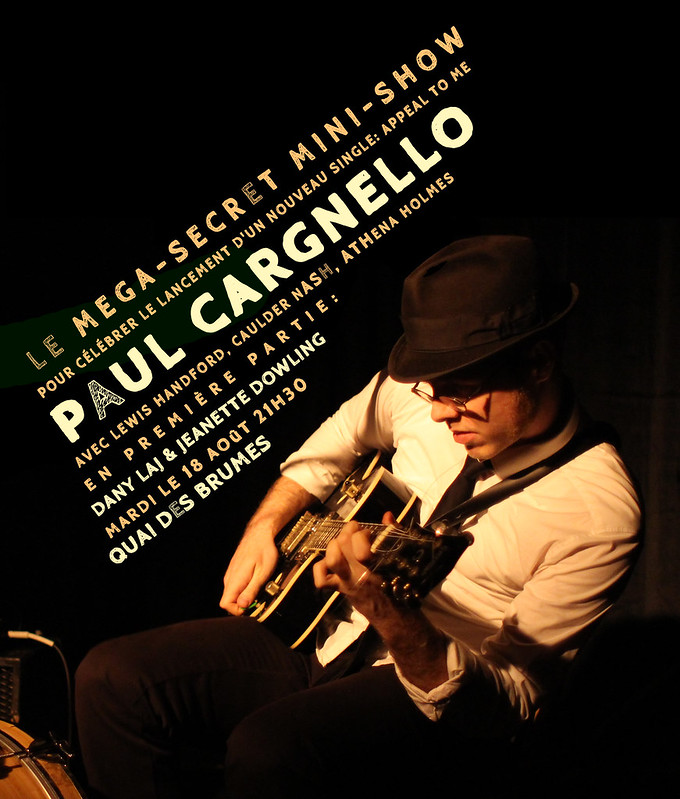
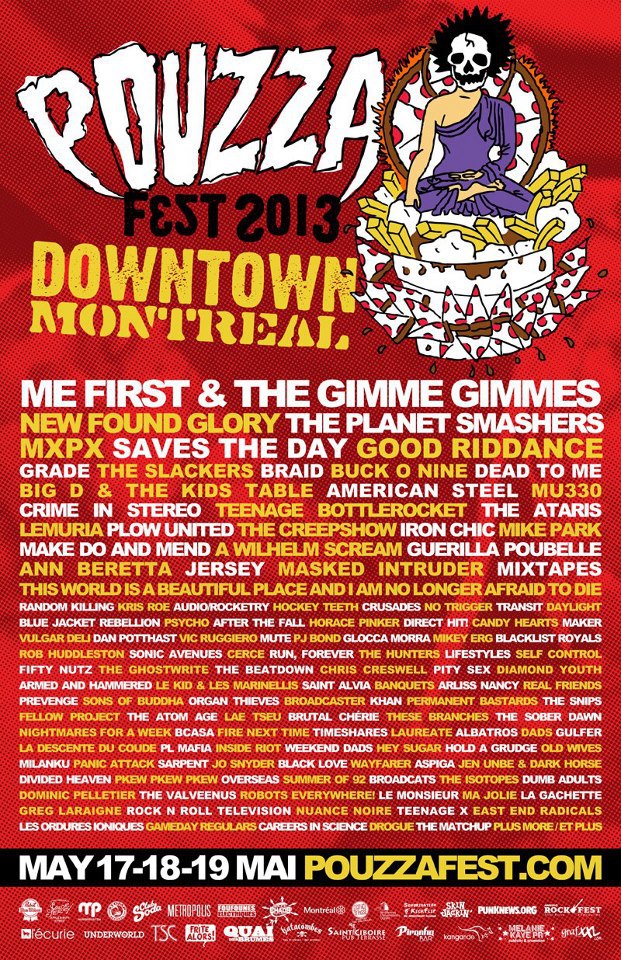
Located at 4481 Saint-Denis Street, at the corner of Mount Royal Avenue, Quai des Brumes is one of Montreal’s longest-running independent live-music bars. Its origins date back to the mid-1980s: 146559 Canada inc., the company associated with its operation, was incorporated on August 12, 1985, the same year to which retrospective accounts of the venue trace its history. The name Quai des Brumes, for its part, is documented with certainty in the press by March 1988. Initially a dance venue and later a home for jazz, improvisation and blues, the Quai gradually established itself as an essential stage for Montreal rock, chanson and emerging music, while remaining a gathering place for several generations of artists. [1], [2], [23]
1. Overview
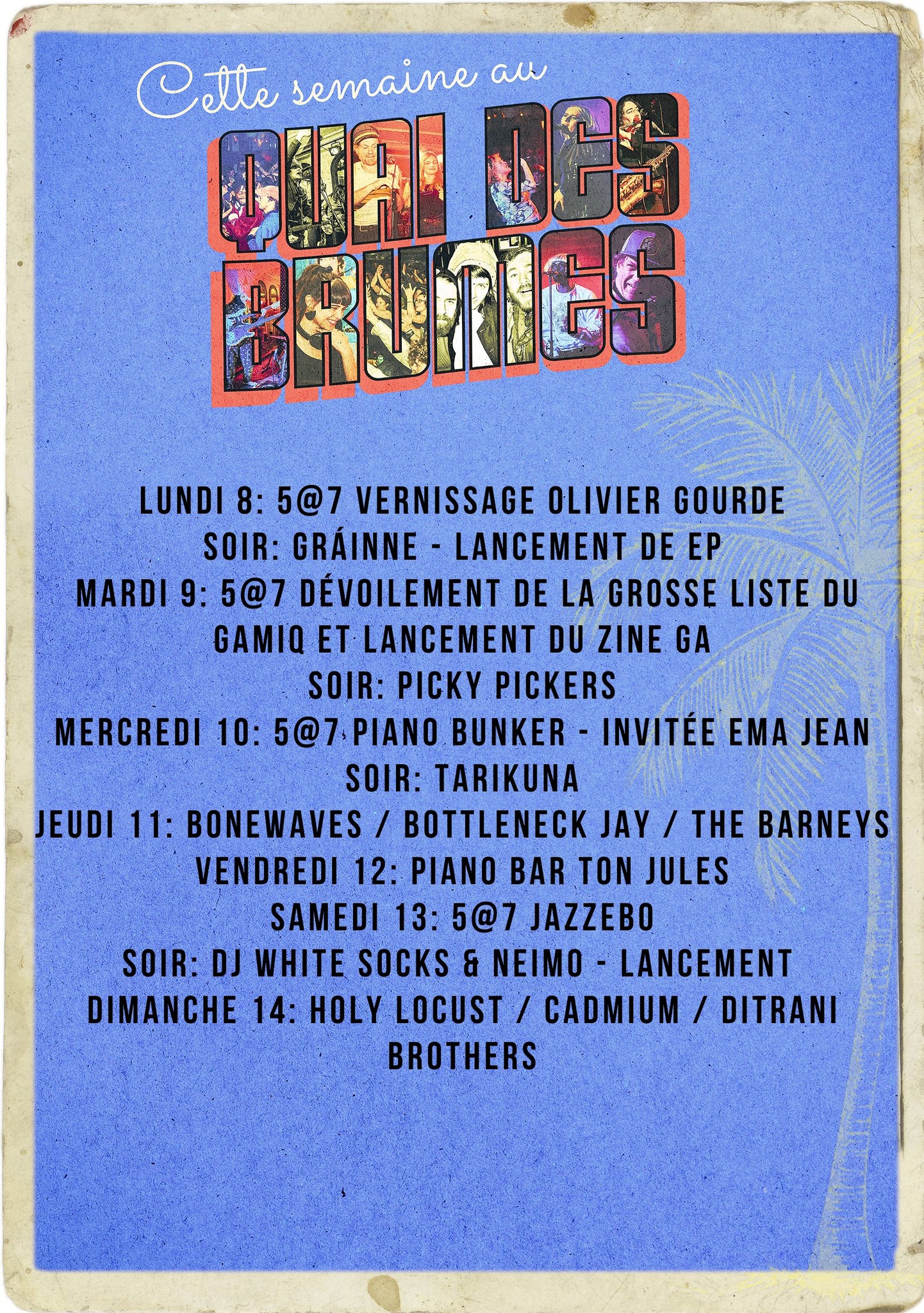
Just steps from Mount Royal Avenue, Quai des Brumes belongs to that category of small venues whose influence far exceeds their capacity. For decades, its stage has given Montreal artists a place to start out, experiment, develop a repertoire and meet an audience before, in some cases, moving on to much larger venues and festivals.
Its history is also the history of a street corner. The Quai shares 4479–4481 Saint-Denis with other establishments that left their mark on Plateau nightlife. Lovell directories, newspapers and administrative notices show that several names coexisted in this building, making its history more complex than a simple succession of bars.
2. 4479–4481 Saint-Denis before the Quai
A document published in the Gazette officielle du Québec in 1982 already describes a three-storey building bearing the two civic numbers 4479 and 4481 Saint-Denis Street. This detail is essential: variations in the addresses found in historical sources do not necessarily mean that the establishments moved. [3]
Lovell directories notably list Café Lincoln at 4479 in the mid-1980s. A 1985 advertisement subsequently places Café Central at 4479 Saint-Denis, offering billiards, draft beer and “late-night revelry.” In May 1988, La Presse reported that Café Central had already been open for roughly ten and a half years, placing its origins around the late 1970s. [4], [5]
Historical address
4479 or 4481 Saint-Denis?
Both addresses belong to the same building. Café Central is generally associated with 4479 and Quai des Brumes with 4481, but some sources use 4479 to refer to the complex or to the Quai itself. This variation should therefore not be interpreted as evidence of a move.
3. The origins: 1985 or 1988?
Determining the Quai’s exact birth date requires distinguishing between the venue’s retrospective history and contemporary documentary evidence. In 2016, for the venue’s thirtieth anniversary, Voir reported the account of Jules Gauliard-Martineau, son of André Martineau. According to this account, André, already active in Montreal’s bar scene and notably involved with Foufounes Électriques, first operated the upstairs space, which later became La Rockette. Stefie Shock notably worked there as a DJ. Roughly six months later, Martineau acquired the downstairs space and built a stage to meet the demand for live performances. [1]
These recollections place the project’s origins in 1985. That date now has an important administrative point of reference: 146559 Canada inc., the company that currently operates Quai des Brumes and Rockette Café Central, was incorporated on August 12, 1985. Quebec’s enterprise register identifies André Martineau as president, majority shareholder and ultimate beneficiary holding more than 75% of the voting rights. This incorporation does not, however, prove that the establishment was already using the name Quai des Brumes in 1985. [23] Contemporary archival evidence uncovered so far therefore calls for caution. On March 13, 1988, La Presse provides a particularly revealing description: during the day, the establishment was known as La Chope, while from Wednesday through Saturday evenings, from 9 p.m. to 3 a.m., it became Le Quai des Brumes. A seven-piece big band had patrons dancing to tangos and waltzes. On July 8, the newspaper announced an exhibition of collages by Jean Daviault at the Quai, followed on September 25 by a literary book launch at 4481 Saint-Denis. [2], [6], [7]
In the Lovell directories examined, the Quai first appears in the 1989–1990 edition, under the name Quai des Brumes Dancing, at 4481. This listing is not an opening date: newspaper evidence proves that the venue was already active in 1988.
Historical clarification
Why keep both dates?
Retrospective sources trace the Quai’s history back to 1985, the same year in which 146559 Canada inc., the company that currently operates the Quai, was incorporated. This convergence strengthens the historical context surrounding 1985 without demonstrating that the name Quai des Brumes was already in use that year. Contemporary documents uncovered to date formally attest to the name Quai des Brumes no later than March 13, 1988. In 1996, La Presse itself placed the venue’s creation roughly eight years earlier. It is therefore preferable to present this discrepancy rather than impose a precise date that the archival record does not yet allow us to establish. [1], [2], [13]
Key milestones in the history of Quai des Brumes
4. Café Central and Quai des Brumes
Café Central was not simply the former name of the Quai. The two establishments coexisted in the same building. In June 1989, The Gazette explicitly described them as two bars in the same building at the corner of Mount Royal and Saint-Denis. The Quai, located downstairs, was then home to the celebrated Lundis à Risque improvisation nights. [8]
On February 3, 1990, La Presse still grouped “Le Central et Quai des brumes” at 4479 Saint-Denis and described a small building with a tavern upstairs and a bar with live music on the ground floor. Four years later, the newspaper was even more explicit: Café Central was located directly above Quai des Brumes. [9], [10]
A 2001 administrative notice still uses the designation “La Chope du Plateau et Café Central” for 4479–4481 Saint-Denis. Commercial names, public-facing venue names and administrative designations therefore did not always align perfectly. [21]
Le Registraire des entreprises du Québec permet aujourd’hui de préciser cette structure. 146559 Canada inc., constituée le August 12, 1985, a son domicile au 4479 Saint-Denis et déclare deux établissements distincts : Rockette Café Central, établissement principal au 4479, et Quai des Brumes au 4481. Le registre indique également Café Central et Quai des Brumes parmi les autres noms utilisés au Québec, déclarés lors de l’immatriculation québécoise de la société le March 13, 1995; Rockette Café Central est déclaré en 2006. [23]
Administrative structure
One company, two establishments
The register confirms what newspaper archives already suggested: Café Central and Quai des Brumes are not simply two successive names for the same bar. They correspond to two establishments in the same building, operated by the same company. This distinction helps explain the variations between the 4479 and 4481 addresses as well as the coexistence of several names over the decades.
5. Jazz and improvisation
By the late 1980s, the Quai already had a strong jazz identity. During the 1989 Montreal International Jazz Festival, The Gazette reported jam sessions every night at midnight. The house band notably featured saxophonist Yannick Rieu, drummer Michel Ratté, bass clarinetist Mathieu Bélanger and bassist Normand Guilbeault. [8]
The Quai was especially identified with Lundis à Risque, improvisation nights that helped establish its reputation as a musical laboratory. Another Gazette column in 1989 highlighted the unusual proximity of Café Central and the Quai and listed, on different nights, Yannick Rieu at the Central and Charles Papasoff at the Quai.
6. Blues and Bob Walsh
Blues became one of the Quai’s signatures around the turn of the 1990s. In April 1992, Jack Todd wrote in The Gazette that Bob Walsh had been packing the Quai on Tuesdays and Wednesdays for sixteen months, accompanied notably by harmonica player Billy Craig. The residency therefore places this association at least as far back as late 1990. [14]
Todd also provides a rare portrait of the venue’s atmosphere: old wood, high ceilings, fans turning slowly through the smoke, and a clientele mixing punks, intellectuals and neighbourhood regulars. He mentions roughly 150 people on a busy night; this figure describes the observed crowd and should not be confused with the venue’s regulatory capacity.
7. From blues to Montreal rock
The evolution of the programming is particularly well documented by La Presse in January 1996. Artistic director Claude Saint-Jean explained that in its early days the venue presented almost exclusively blues. Efforts to diversify subsequently brought in more world beat, jazz and, above all, French-language rock. [13]
“At first, there was almost nothing but blues at Quai des Brumes.”
Marc Cassivi described the Quai at the time as an essential stop on the local rock landscape. This evolution accompanied the rise of a new generation of Montreal bands that found accessible stages in the Plateau’s live-music bars before moving on to larger venues.
8. A cultural gathering place
The Quai’s history was never limited to music. As early as 1988, it hosted an exhibition of collages by Jean Daviault as well as a literary book launch for François Gourd’s first book. In December 1990, La Presse announced an event at the Quai centred on poet Aimé Césaire and featuring Andrée Ferretti, Gérald Godin and Paul Chamberland. [6], [7], [15]
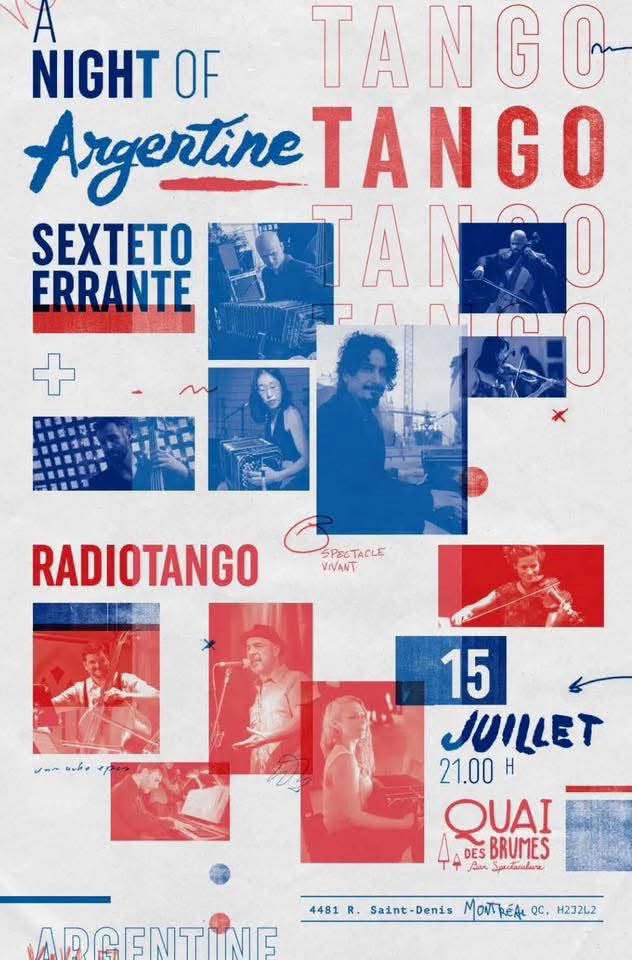
The venue also served as a meeting place for Montreal’s tango community. Before the community found a more permanent home, dancers gathered for a time at the Quai on Sunday evenings. These successive uses show a bar functioning as much as a cultural gathering place as a conventional concert venue.
9. A home for the local scene
By the mid-1990s, the Quai was so closely associated with the Plateau that it had become a cultural reference point in musicians’ own accounts. Les Frères à Ch’val, after numerous nights at L’Barouf and the Quai, were among the bands that helped forge this connection between French-language music and neighbourhood life.
“If Brel made the fries at Chez Eugène famous, I don’t see why we shouldn’t talk about Quai des Brumes!”
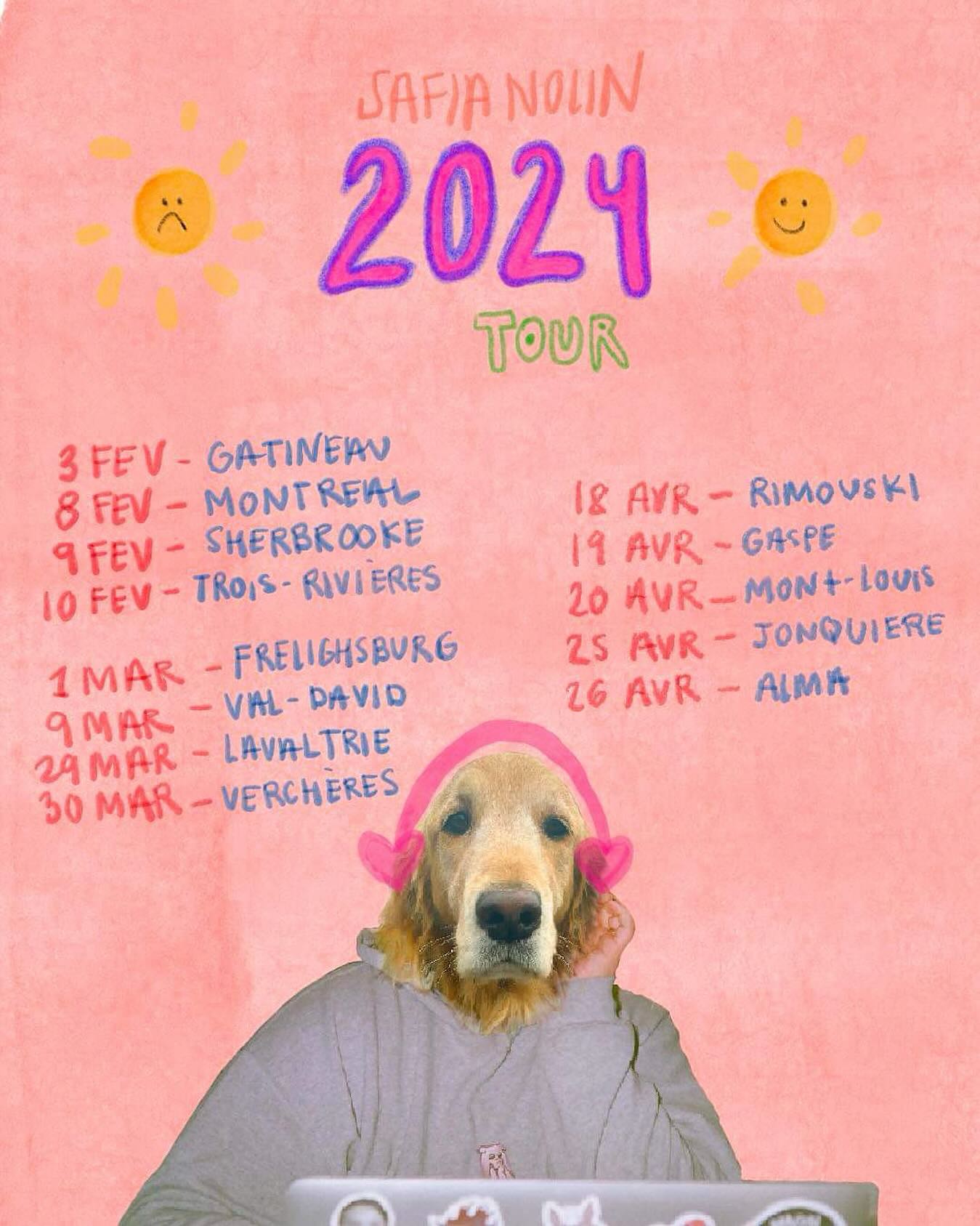
This role as a musical “home” continued into the 2000s. In 2006, The Gazette met Les Breastfeeders in the Quai’s courtyard, describing the venue as the band’s headquarters. Later, Bernard Adamus, Lisa LeBlanc, Safia Nolin and Patrick Watson would also become associated with the venue’s history. [1], [16]
10. A model serving artists
An important part of the Quai’s longevity lies in its presentation model. According to accounts gathered by Voir, the venue makes the room available to artists, provides technical support and lets them keep the proceeds from admission. The bar, meanwhile, derives an essential part of its financial balance from beverage sales. [1]
In April 2020, Julia Blais, then director of programming and promotion, told Le Devoir that a normal year could amount to nearly 300 concerts, including series, launches and other events. Fixed costs were then estimated at approximately $25,000 per month. Above all, Blais emphasized the role of small venues as places to learn the craft: artists gain the experience there that may eventually allow them to move on to larger stages. [17]
Music ecosystem
Can a small venue have a major influence?
The history of the Quai shows that it can. Its value is measured not only by how many people it can accommodate at once, but by how many artists have developed their craft there, built an audience and attracted the attention of presenters, festivals, media and record labels.
11. Déplogue and renewal
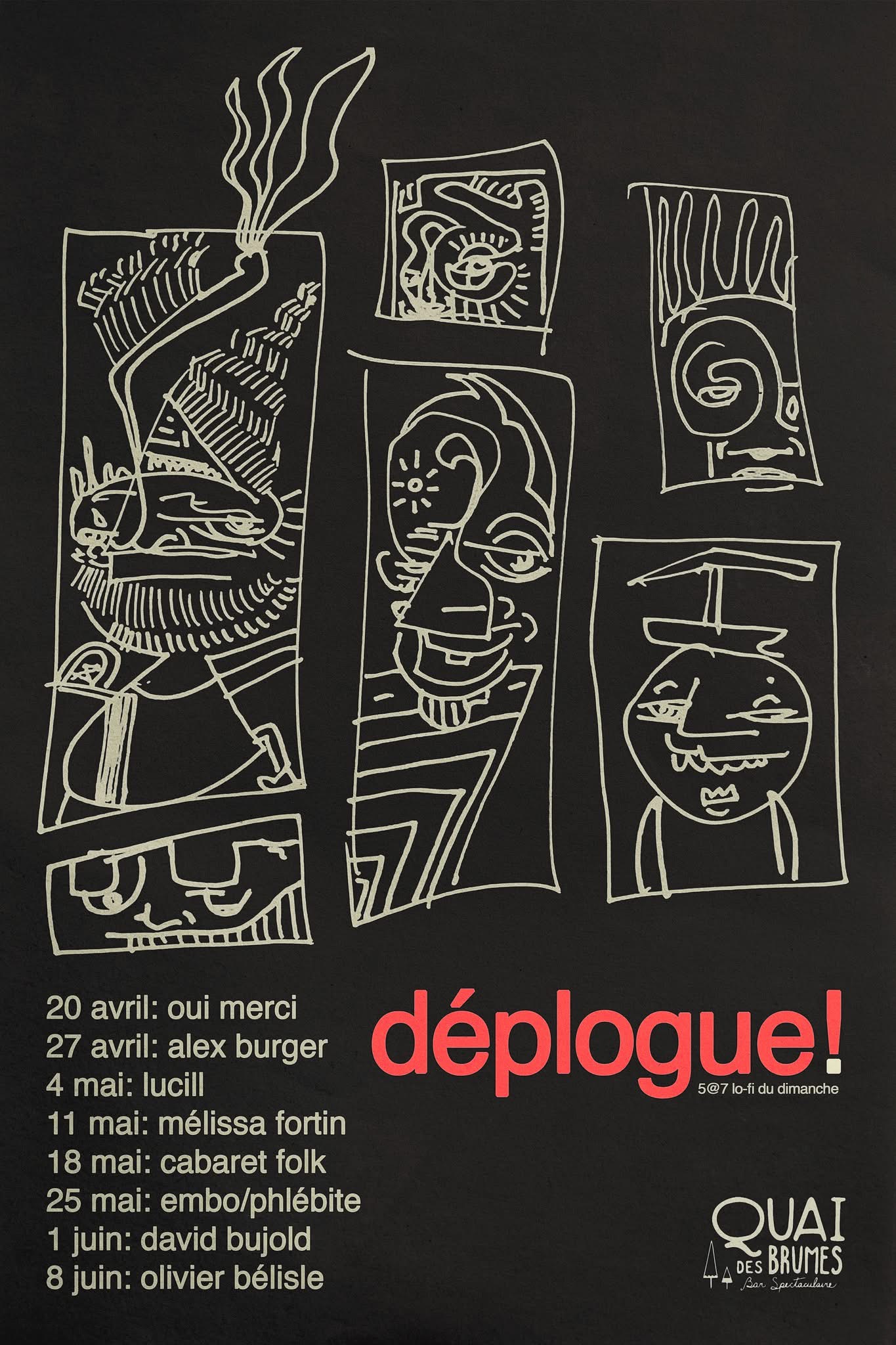
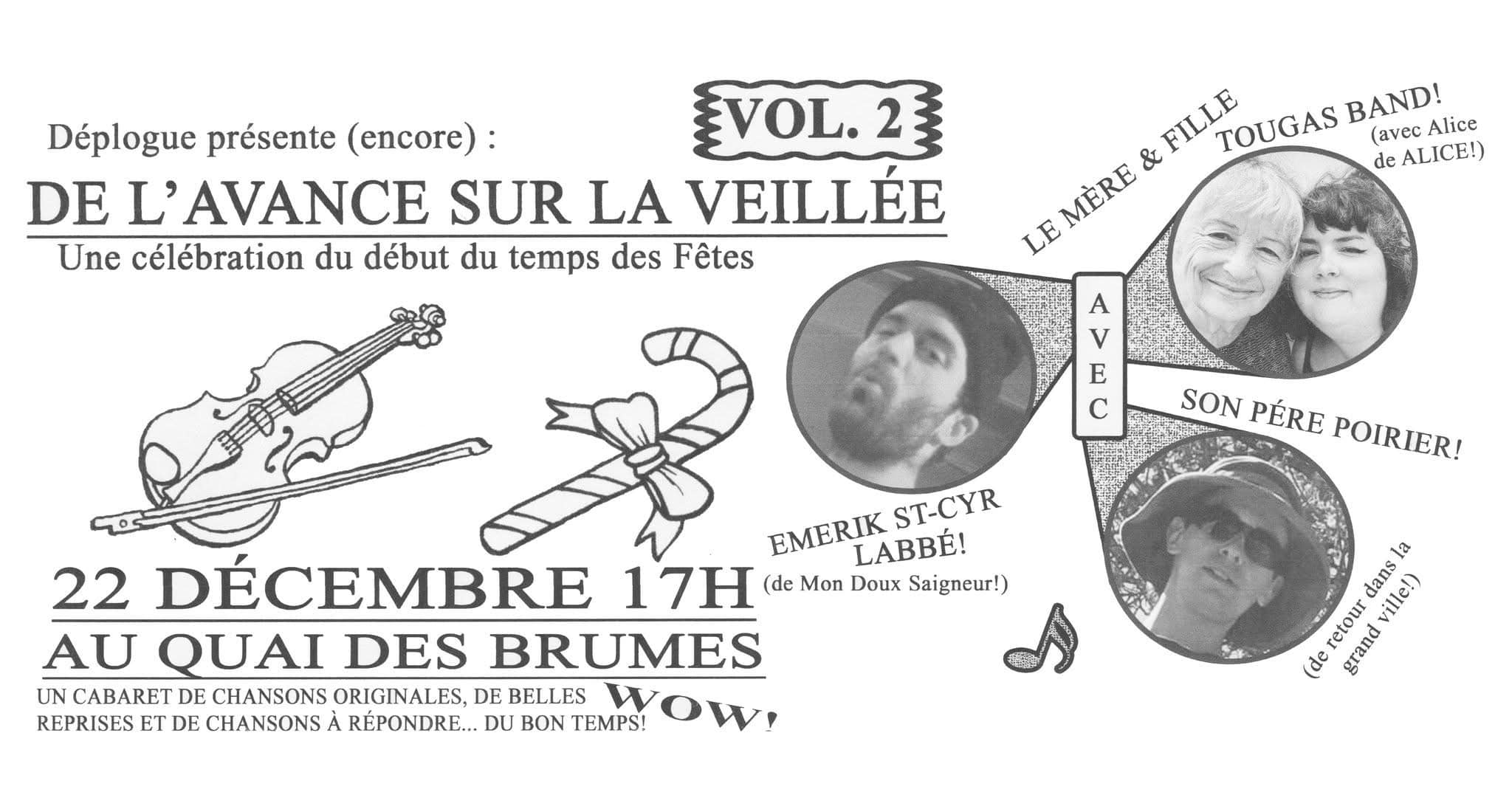
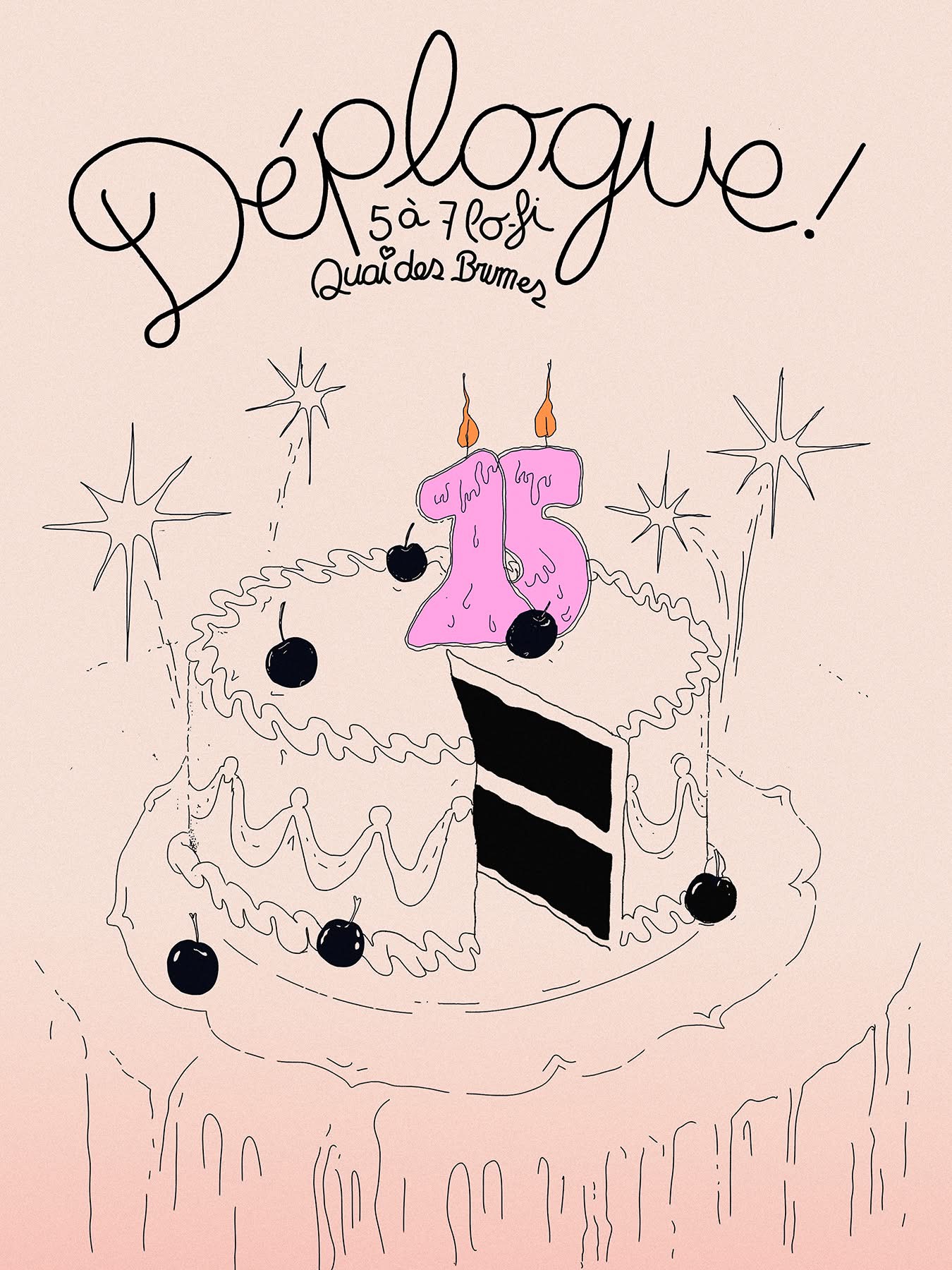
The Quai’s ability to renew itself is illustrated in particular by the Sunday series Déplogue, hosted by Jean-Philippe Tremblay. In 2019, for the series’ tenth anniversary, Tremblay recalled that when it began, the Sunday clientele consisted largely of older regulars and that one of Déplogue’s goals was to bring a younger generation back to the venue.
The intimate acoustic format has welcomed numerous artists. For the series’ anniversary, Hubert Lenoir notably gave an intimate, jazz-inflected performance there. This continuity between generations captures one of the venue’s strengths: remaining recognizable without being frozen in a single musical era. [18]
12. Pandemic, noise and survival
The COVID-19 pandemic starkly exposed the economic fragility of small venues. In March 2020, programming at the Quai came to a halt. Like many independent venues, it still had to cover substantial fixed costs while concerts, audiences and bar revenue disappeared simultaneously. [17]
Adding to this economic vulnerability is a recurring issue for venues located in the heart of residential neighbourhoods: noise. In 2026, general manager Jules Gauliard-Martineau publicly took part in the debate surrounding new borough regulations. Among other changes, the new approach alters how complaints are handled and places greater emphasis on municipal intervention and mediation. [19]
The debate extends far beyond the Quai: it raises the question of whether live-music venues can continue to exist in neighbourhoods where residential and cultural uses must coexist. For an establishment rooted in the Plateau of the 1980s, adapting to this reality is one of its major contemporary challenges.
13. Historical significance
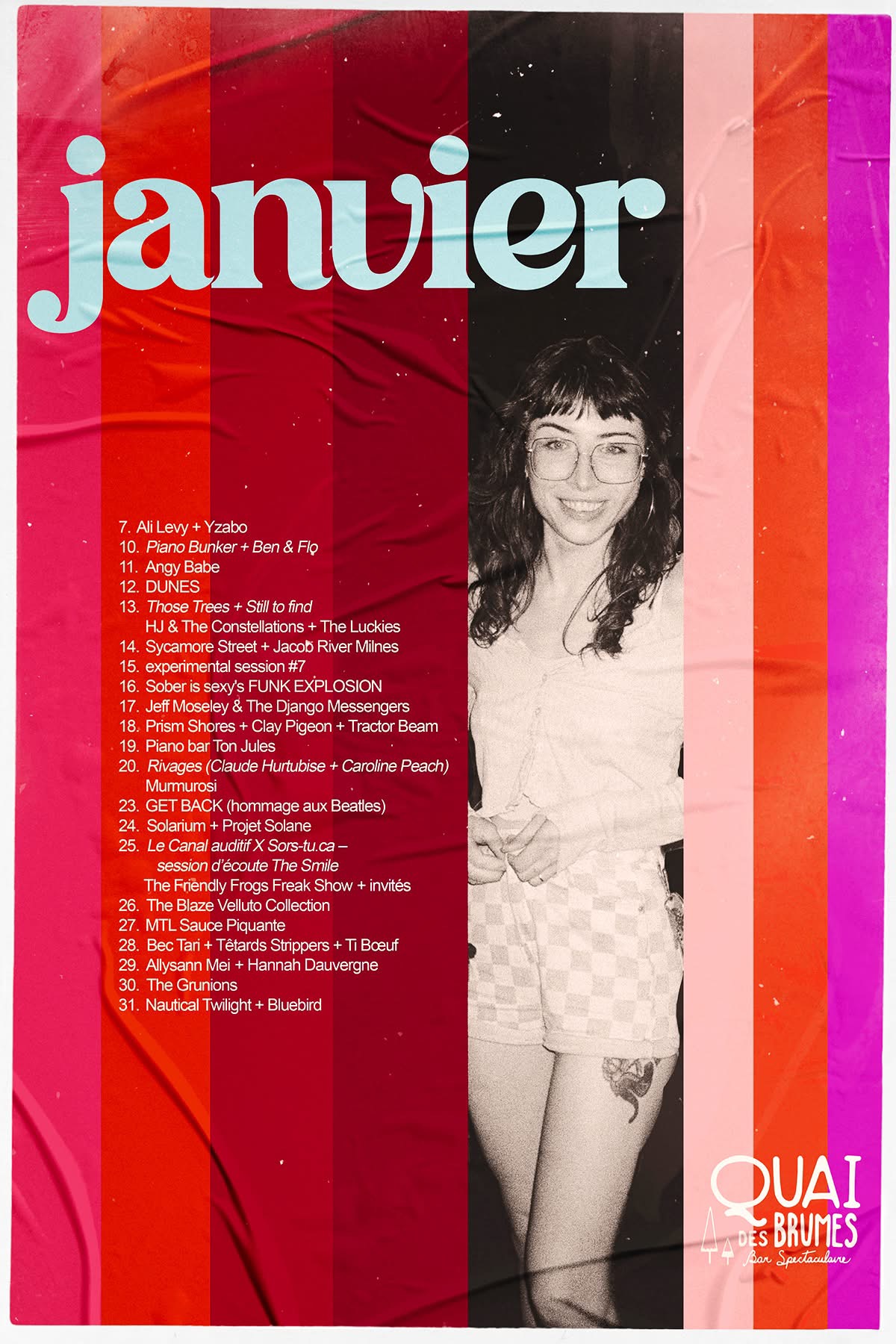
Quai des Brumes became important less because of its size than because of its continuity. Its history spans several transformations in Montreal culture: experimental jazz in the late 1980s, blues in the early 1990s, the rise of French-language rock, independent chanson, new folk and alternative scenes, and the constant renewal of emerging artists.
It also embodies a distinctly Montreal model: the small neighbourhood live-music bar, somewhere between a gathering place, an artistic laboratory and a first professional stage. In this kind of space, the proximity between artists and audience is not merely a side effect of limited capacity; it is an essential part of the venue’s identity.
As many venues disappear or change purpose, the Quai remains one of the living witnesses to the transformation of Saint-Denis Street and the Plateau since the 1980s. Its history connects several generations of musicians, audiences and cultural workers, reminding us that a city’s musical history is also built in its smallest venues.
14. Notes & sources
- VALÉRIE THÉRIEN, « Quai des brumes : une grande famille depuis 30 ans », Voir, April 22, 2016. Interview with Jules Gauliard-Martineau and retrospective account of the Quai’s origins, André Martineau’s involvement and the model offered to artists.
- LA PRESSE, March 13, 1988, La Presse Mag, rubrique « Sortir ». Mention du Quai des Brumes et d’une soirée avec big band, tangos et valses.
- GAZETTE OFFICIELLE DU QUÉBEC, November 20, 1982, p. 8789. Description of a three-storey building bearing the civic numbers 4479 and 4481 Saint-Denis Street.
- CROC, 1985. Advertisement for Café Central, 4479 Saint-Denis Street: “Folies nocturnes • Billard • Bière pression.”
- LA PRESSE, May 8, 1988, La Presse Mag. Café Central, 4479 Saint-Denis, is described as having been open for roughly ten and a half years.
- LA PRESSE, July 8, 1988, national news section. Exhibition of collages by Jean Daviault at Quai des Brumes, 4479 Saint-Denis.
- LA PRESSE, September 25, 1988, La Presse Mag. Launch of François Gourd’s Chien Kamikaze condamné à vivre at Quai des Brumes, 4481 Saint-Denis.
- THE GAZETTE, June 30, 1989, John Sobol, « Thick smoke, dim lights and jazz music ». Café Central and Quai des Brumes are described as two bars in the same building; the Quai hosts Les Lundis à Risque and Jazz Festival jam sessions.
- LA PRESSE, February 3, 1990, arts and entertainment section. “Le Central et Quai des brumes,” 4479 Saint-Denis; description of a tavern upstairs and a bar with live music on the ground floor.
- LA PRESSE, February 17, 1994, Claude André, “Sans le sou et presque soûls.” Café Central is described as being located directly above Quai des Brumes.
- LA PRESSE, 1999, Marie-Ève Gérin, “De l’art en bar.” Quai des Brumes, 4481 Saint-Denis, 85 seats.
- RÉGIE DES ALCOOLS, DES COURSES ET DES JEUX, public listing, 2021. Quai des Brumes, 4481 Saint-Denis: regulatory capacity listed as 93 people.
- LA PRESSE, January 11, 1996, Marc Cassivi, “Haltes rock.” Interview with Claude Saint-Jean about the diversification of the programming; the newspaper places the Quai’s creation roughly eight years earlier.
- THE GAZETTE, April 13, 1992, Jack Todd, “A tuneful story.” Profile of Bob Walsh at Quai des Brumes and description of the bar’s atmosphere.
- LA PRESSE, December 1, 1990. “Les poètes au Quai des Brumes”: event centred on Aimé Césaire with Andrée Ferretti, Gérald Godin and Paul Chamberland.
- THE GAZETTE, August 17, 2006, Juan Rodriguez, “A brand new matin for Breastfeeders.” The Quai is described as Les Breastfeeders’ headquarters.
- LE DEVOIR, April 25–26, 2020, Philippe Renaud, “Sans incubateur, plus de Bleu Jeans Bleu ni d’Arcade Fire.” Interview with Julia Blais about the role of small venues, the Quai’s economic model and the shutdown of programming during the pandemic.
- URBANIA, February 14, 2019, interview marking ten years of Déplogue at Quai des Brumes.
- THE GAZETTE, 2026, Jesse Feith, « New Plateau noise bylaw tackles venue concerns ». Jules Gauliard-Martineau takes part in the debate over noise regulations in the Plateau-Mont-Royal borough.
- LOVELL’S MONTREAL DIRECTORIES, editions consulted from the 1980s. Quai des Brumes appears in the 1989–1990 edition at 4481 Saint-Denis; Café Central is documented separately at 4479.
- LE DEVOIR, March 9, 2001. Administrative notice for “La Chope du Plateau et Café Central,” 4479 and 4481 Saint-Denis, including an application concerning authorization for performances without nudity.
- THE MAIN, « Quai des Brumes ». Additional retrospective source on the venue’s history; uncorroborated claims about its earlier history are treated with caution.
- REGISTRAIRE DES ENTREPRISES DU QUÉBEC, état de renseignements de 146559 Canada inc., renseignements consultés le September 9, 2026. Société constituée le August 12, 1985; domicile au 4479 rue Saint-Denis; André Martineau identifié comme président et actionnaire majoritaire; établissements déclarés : Rockette Café Central (4479) et Quai des Brumes (4481). Les noms Café Central et Quai des Brumes sont déclarés au registre depuis l’immatriculation québécoise du March 13, 1995.