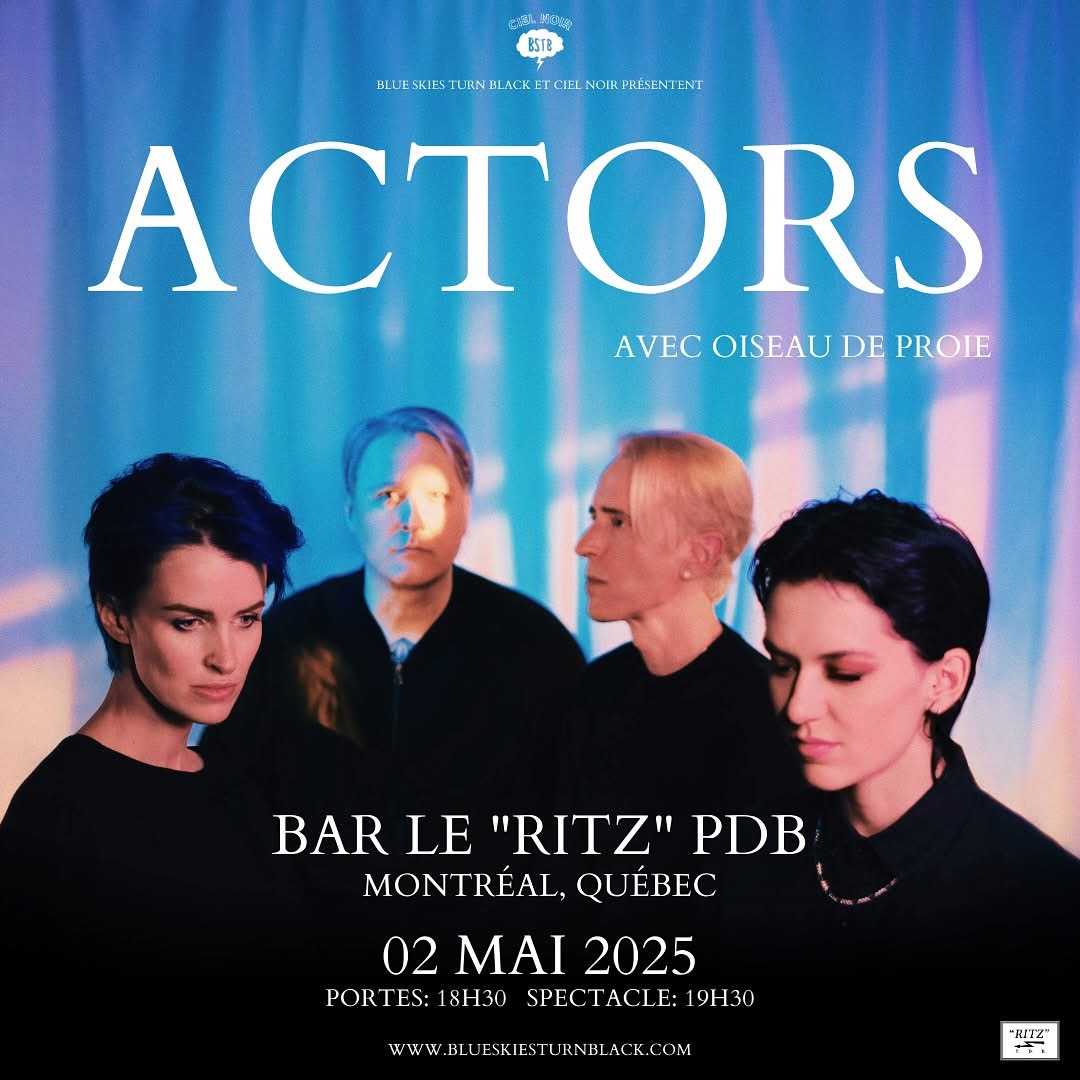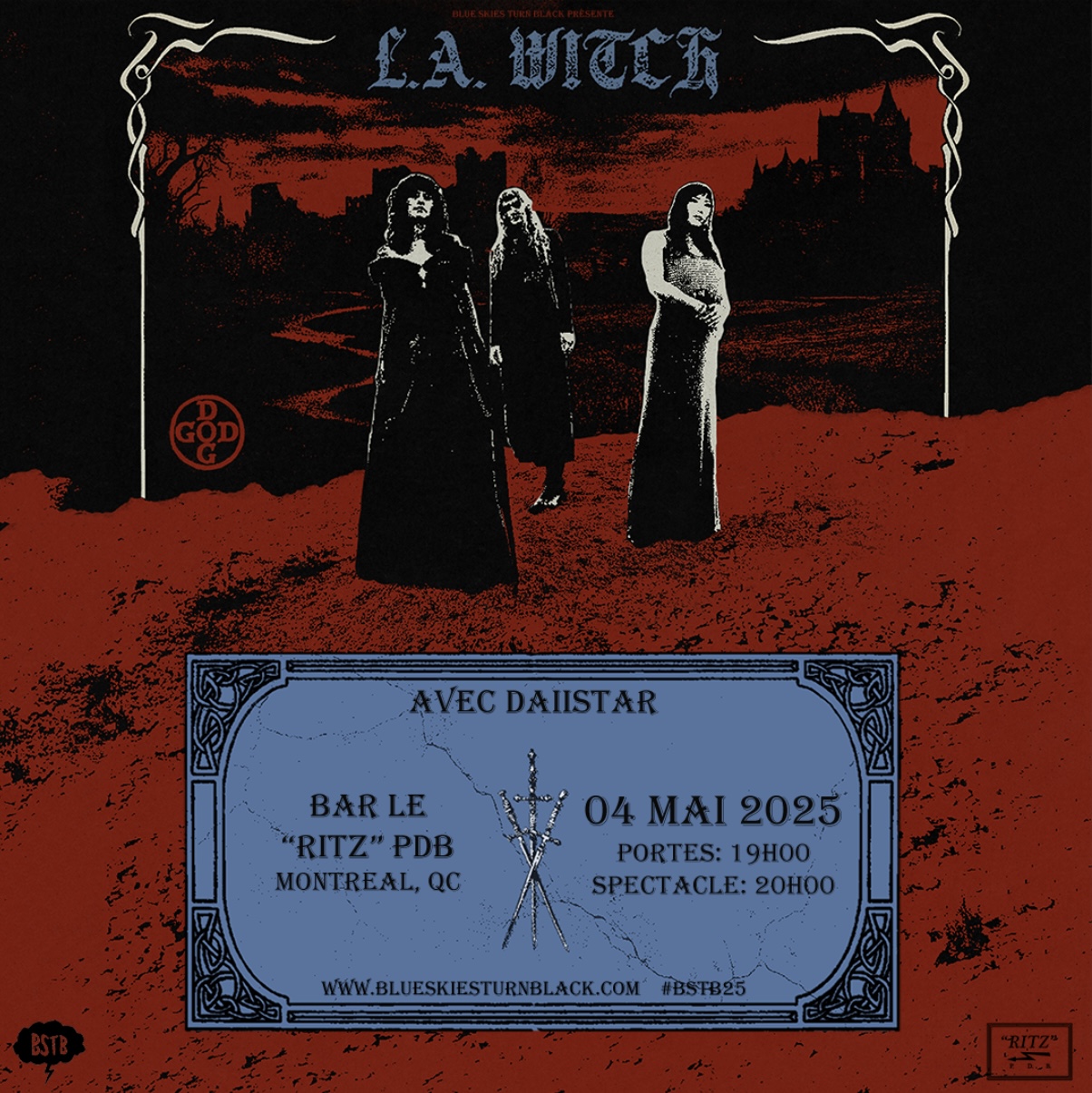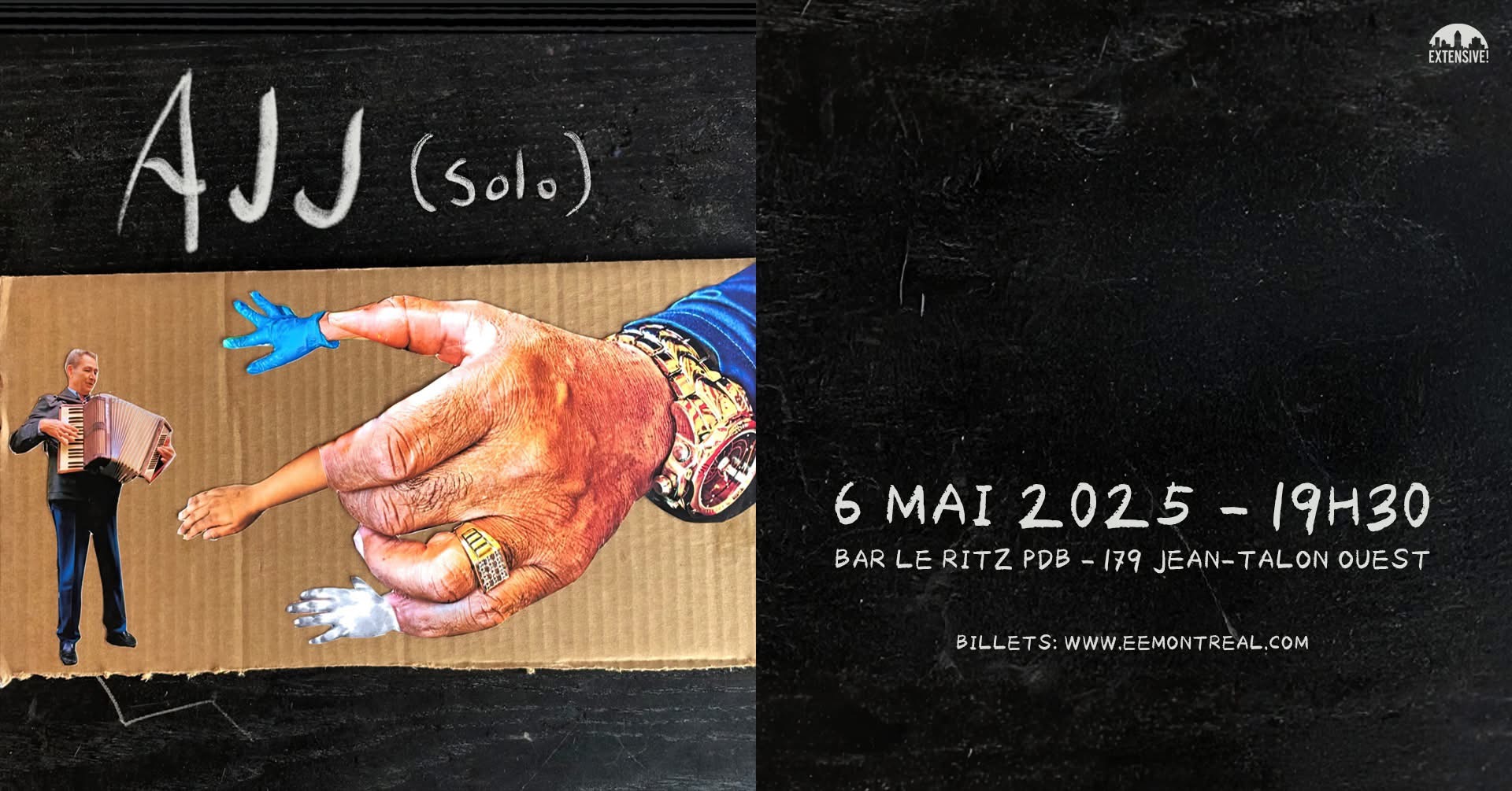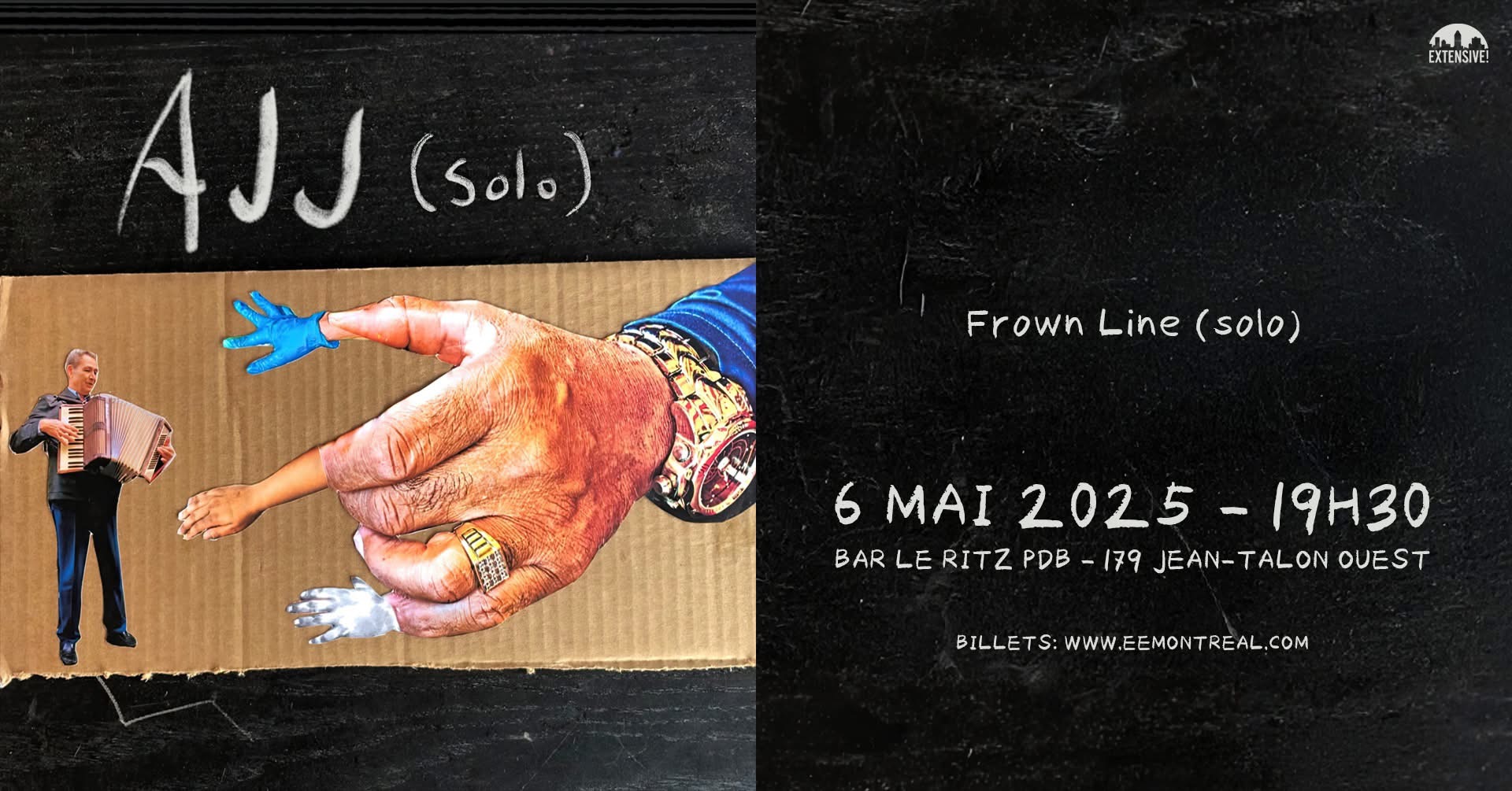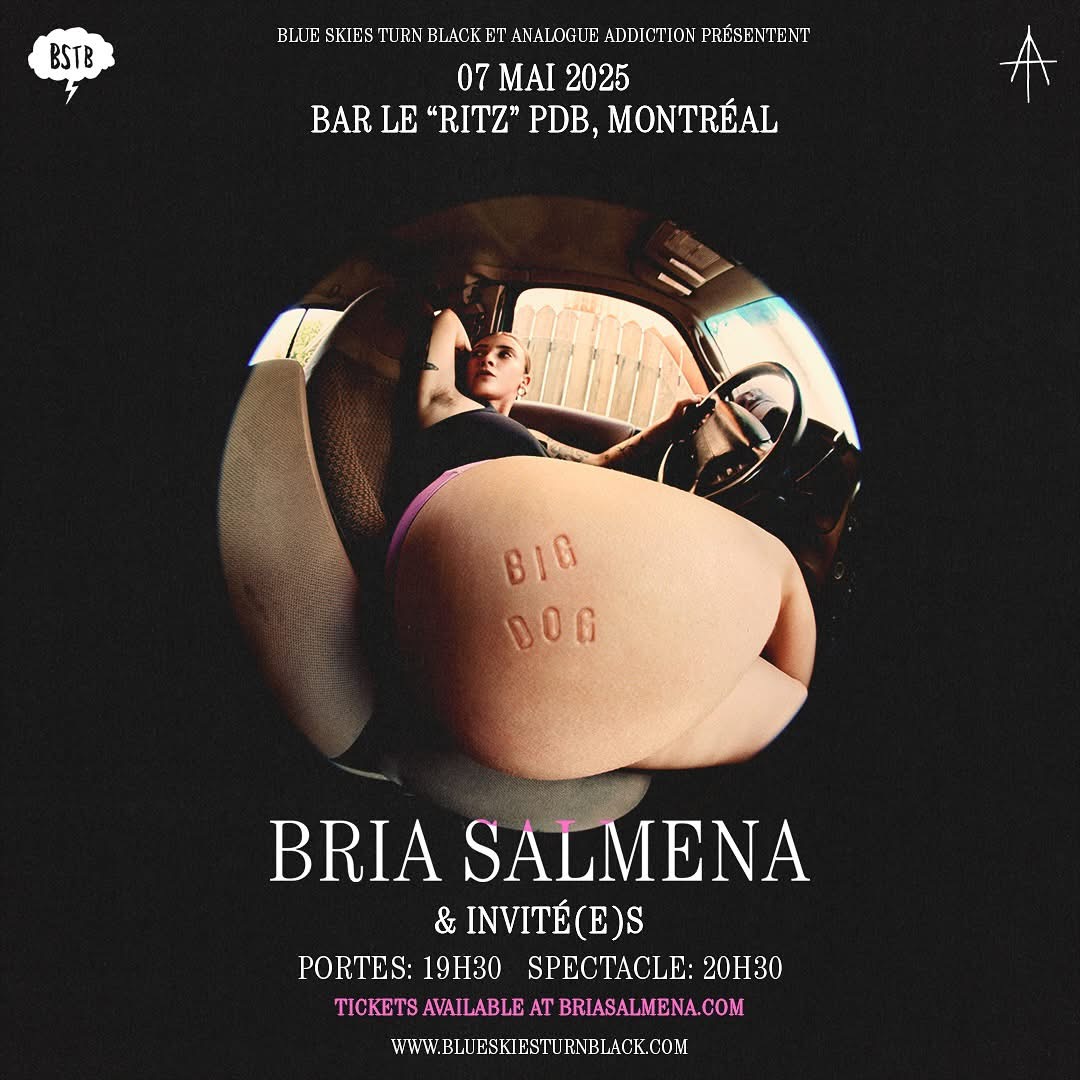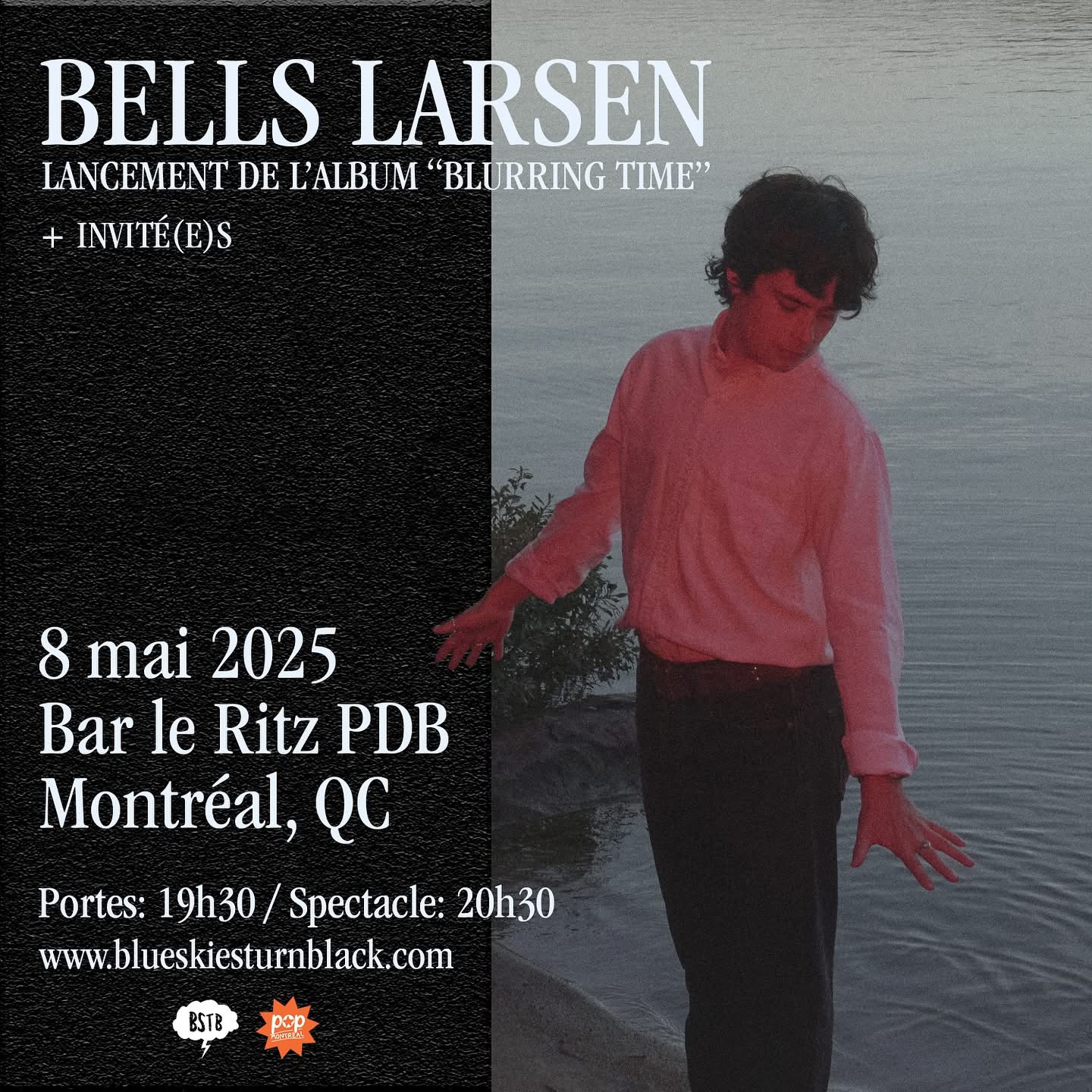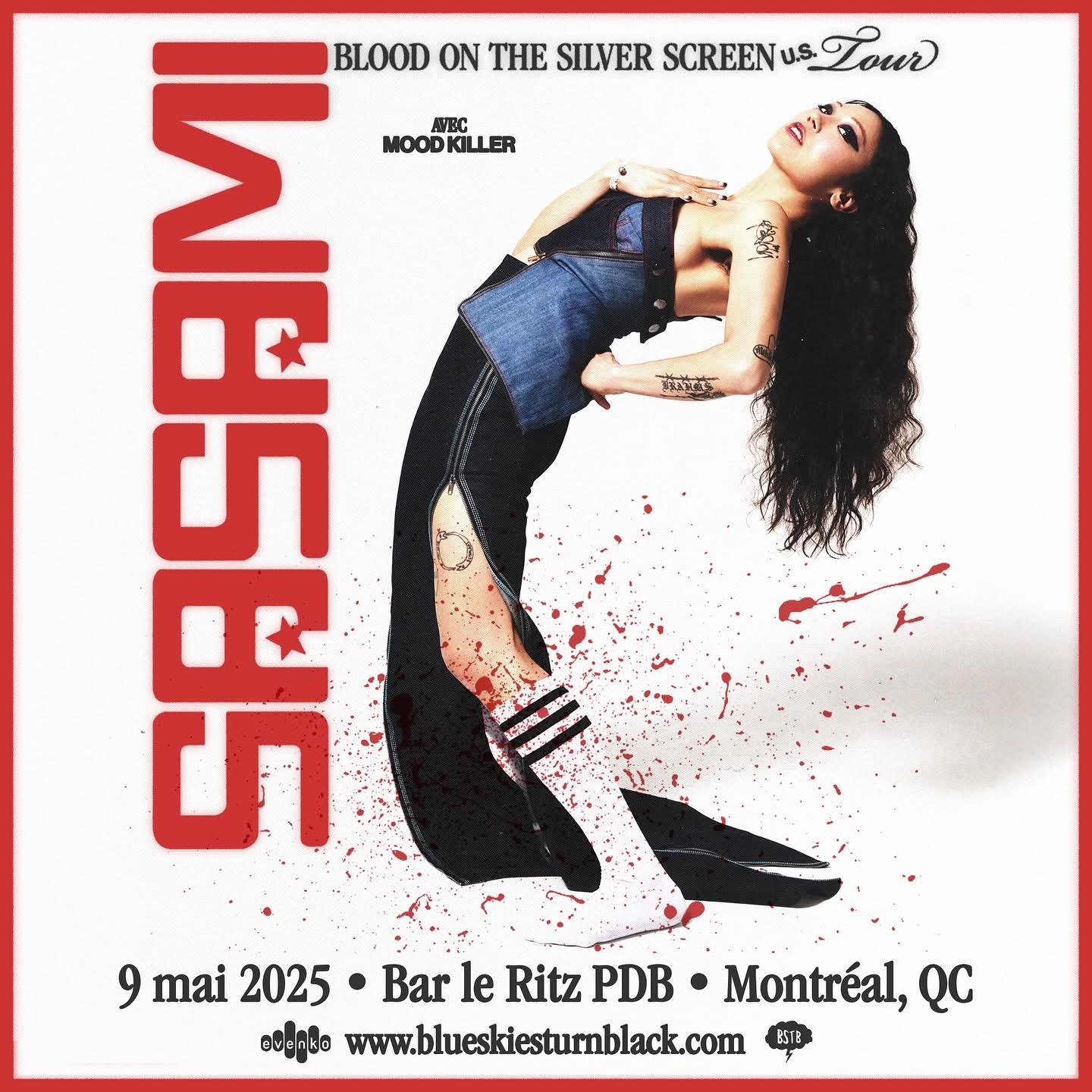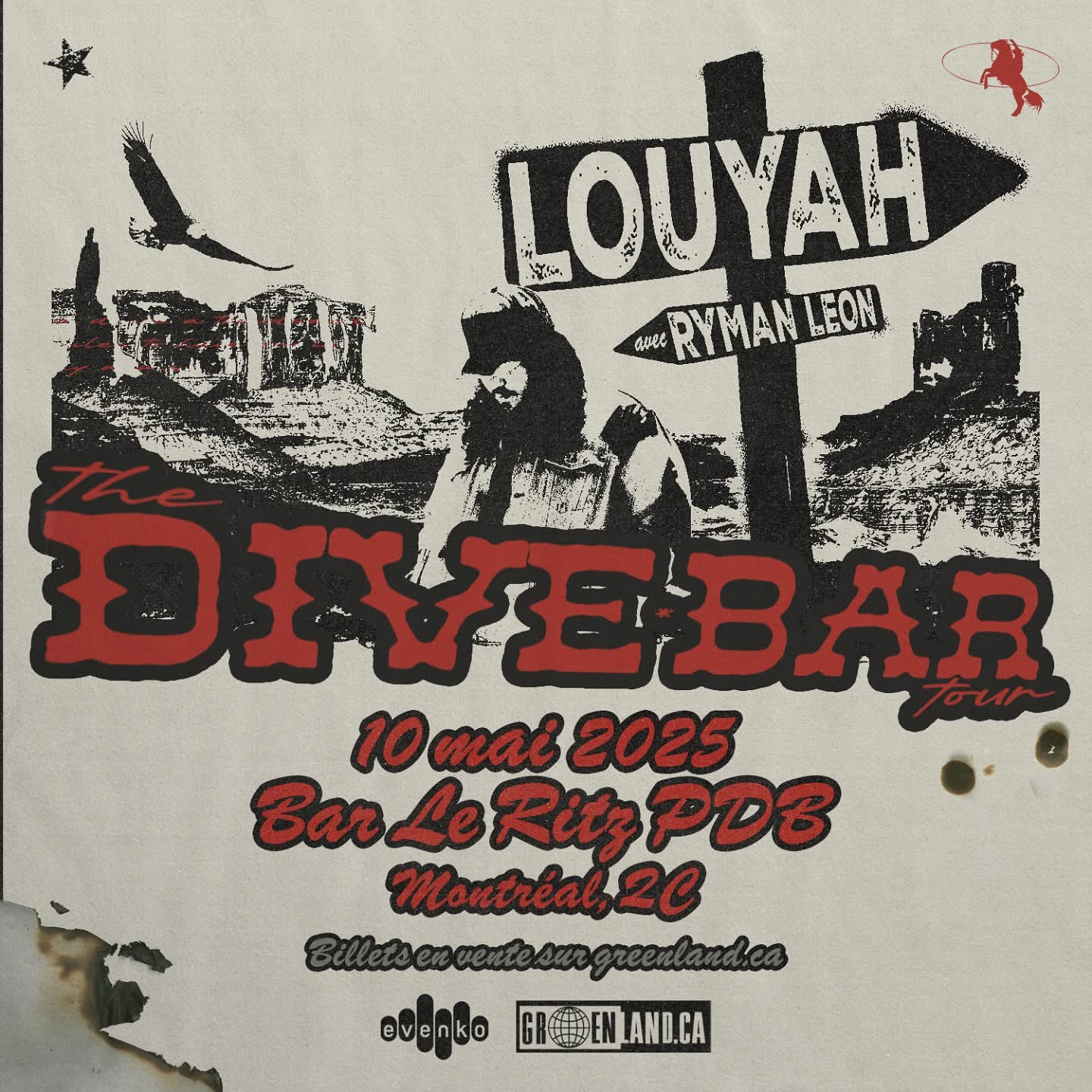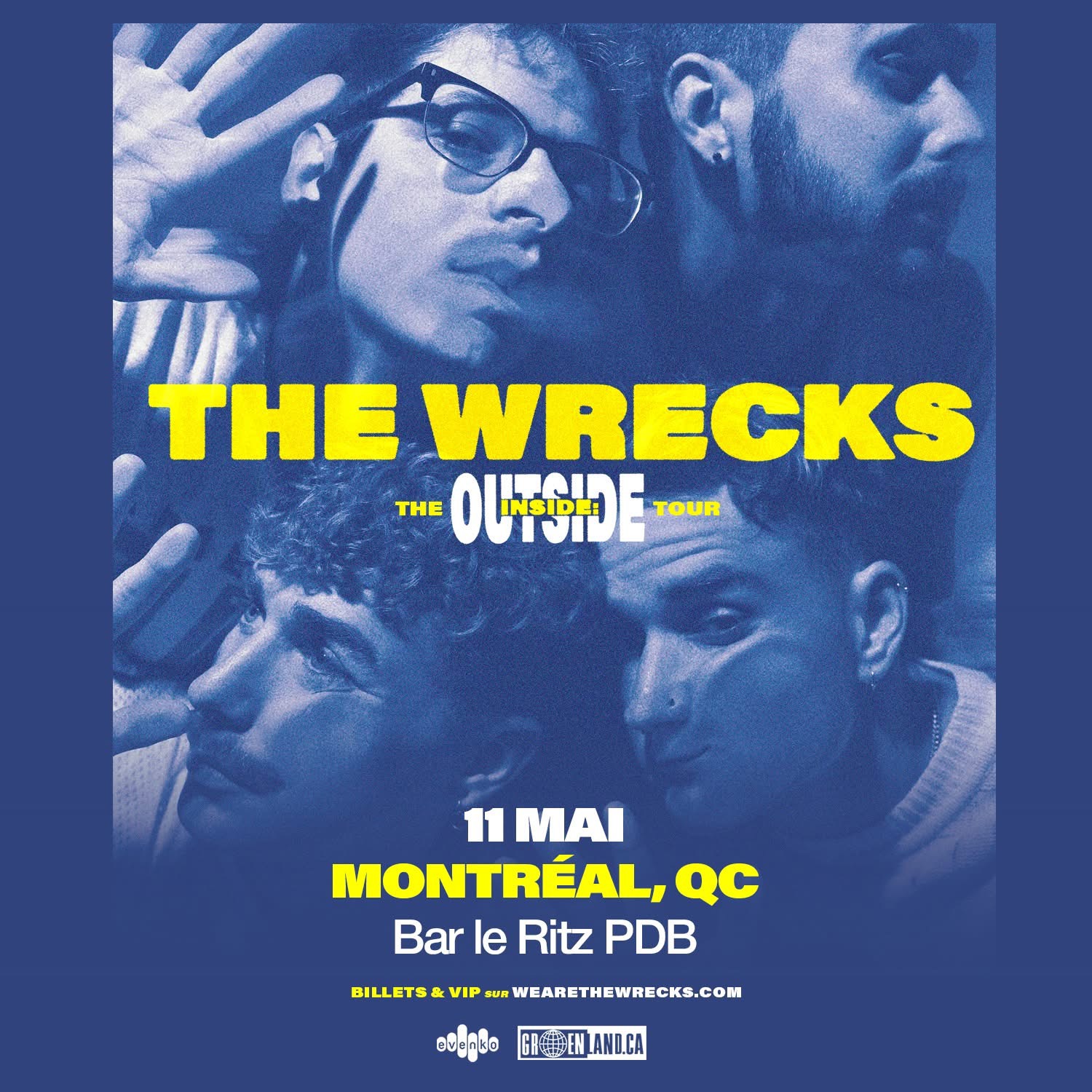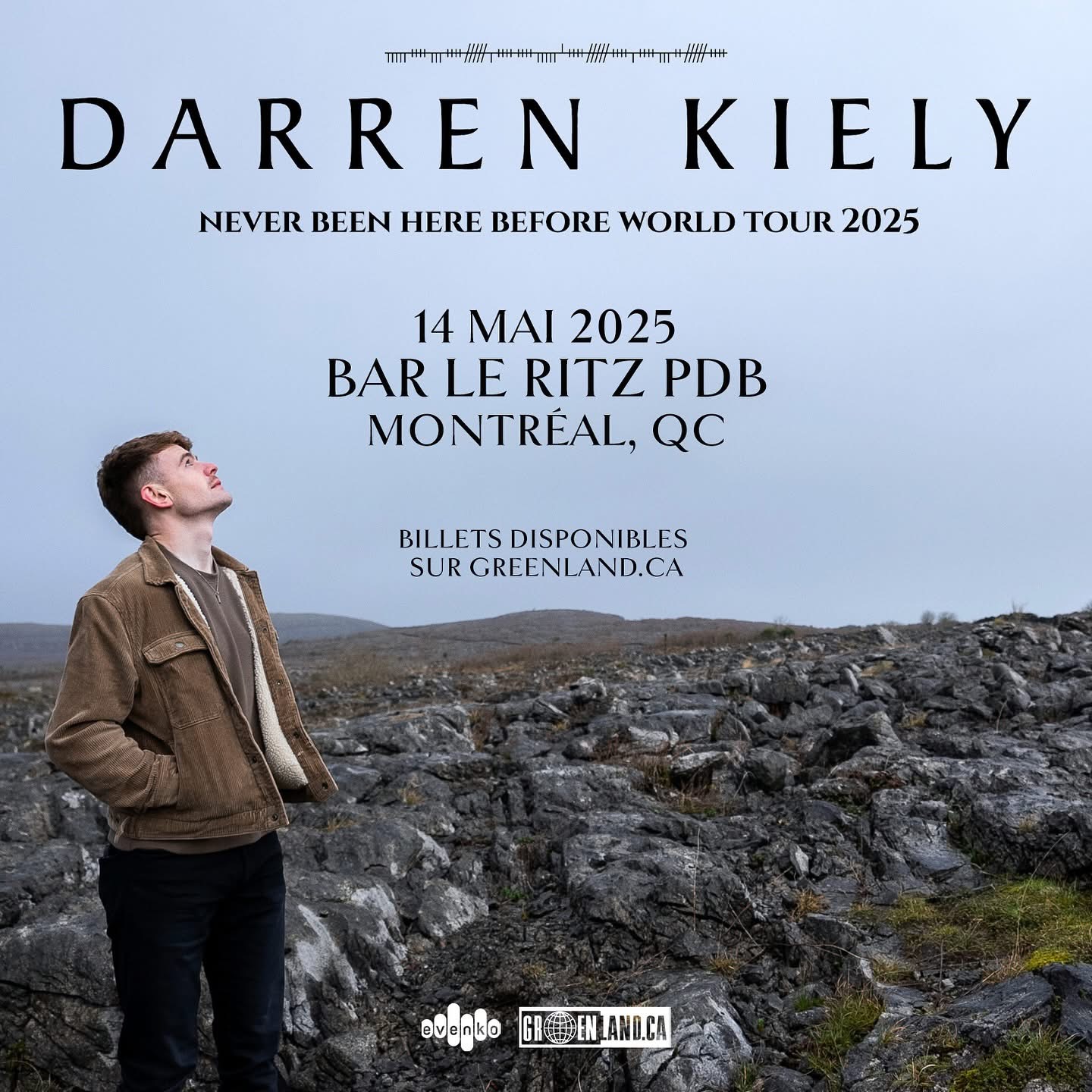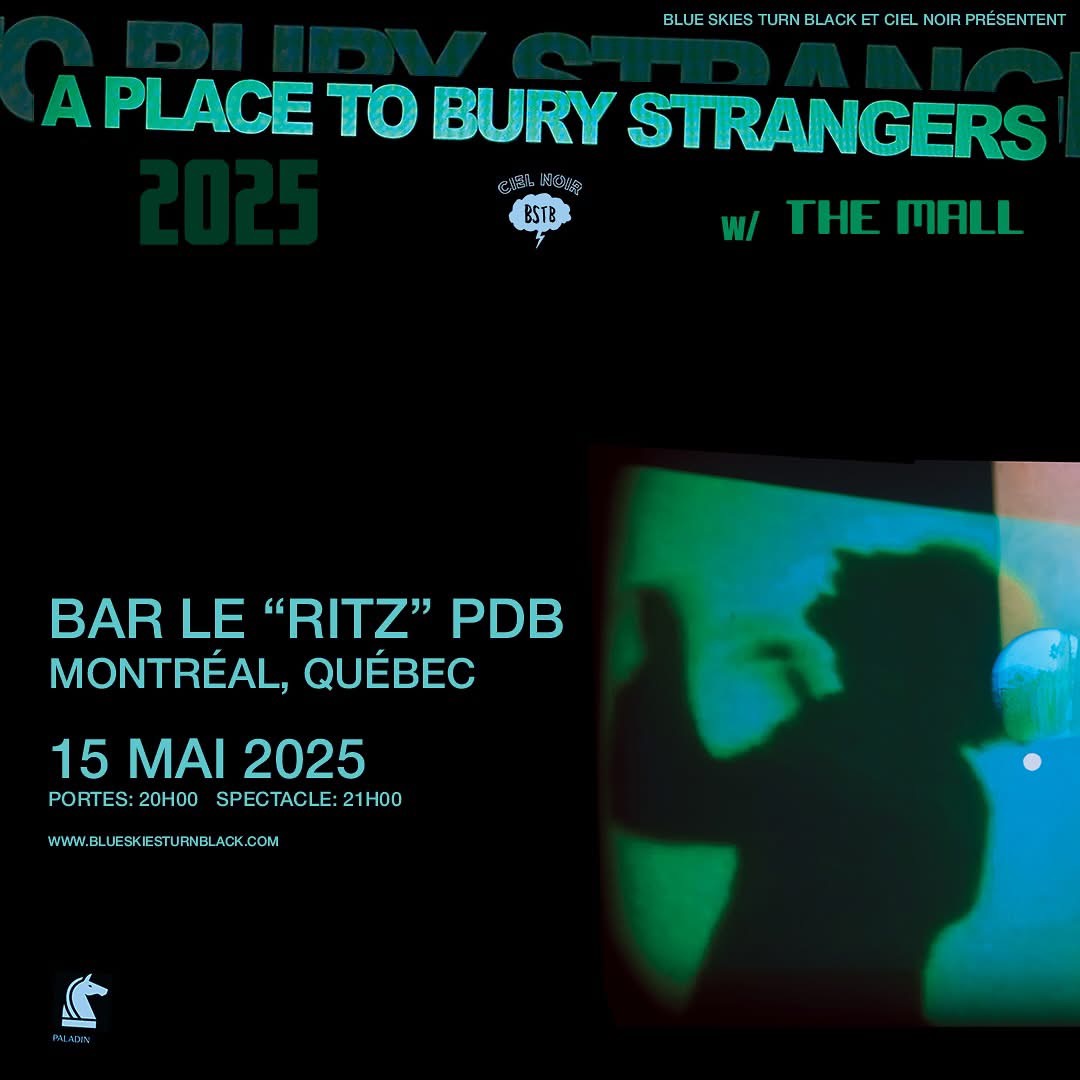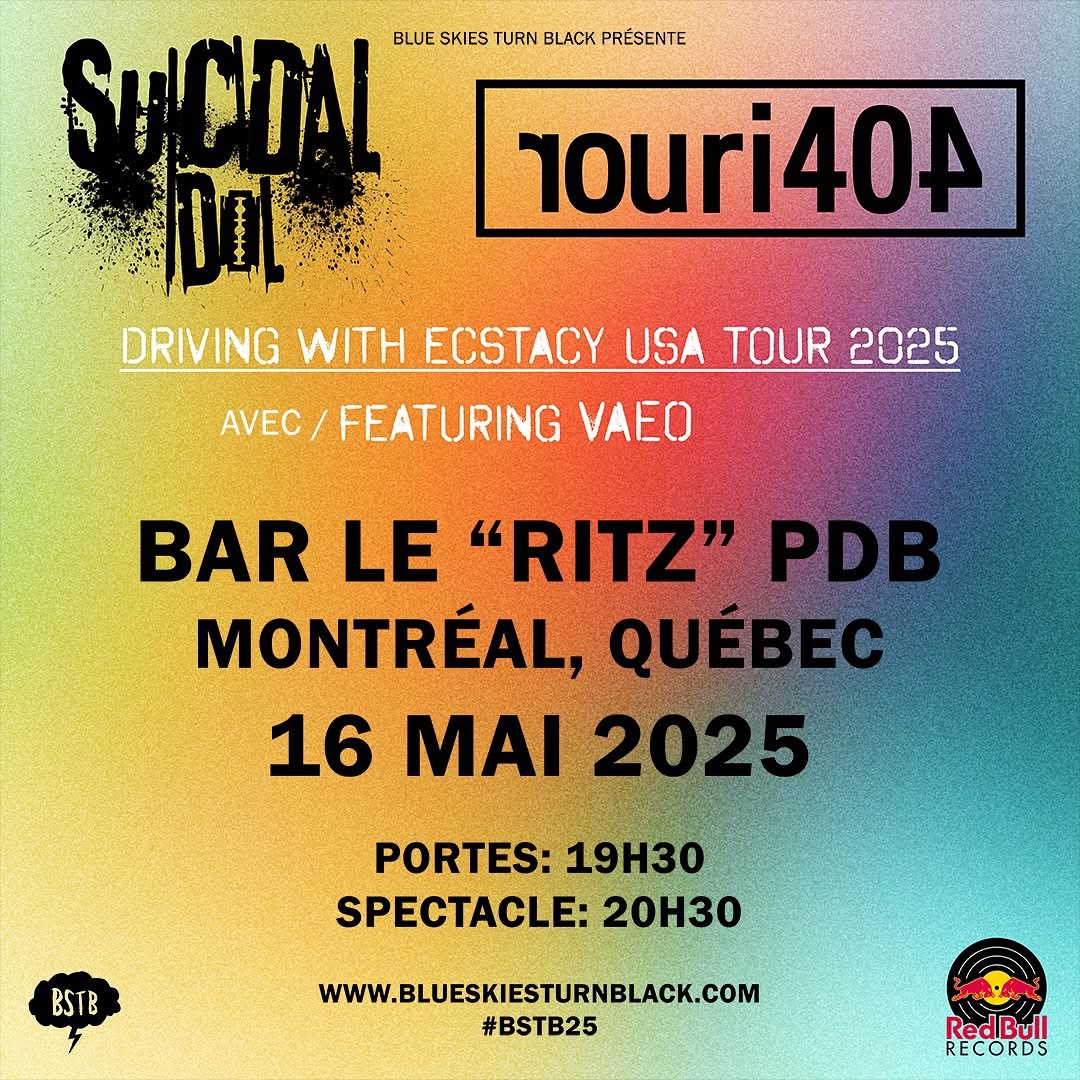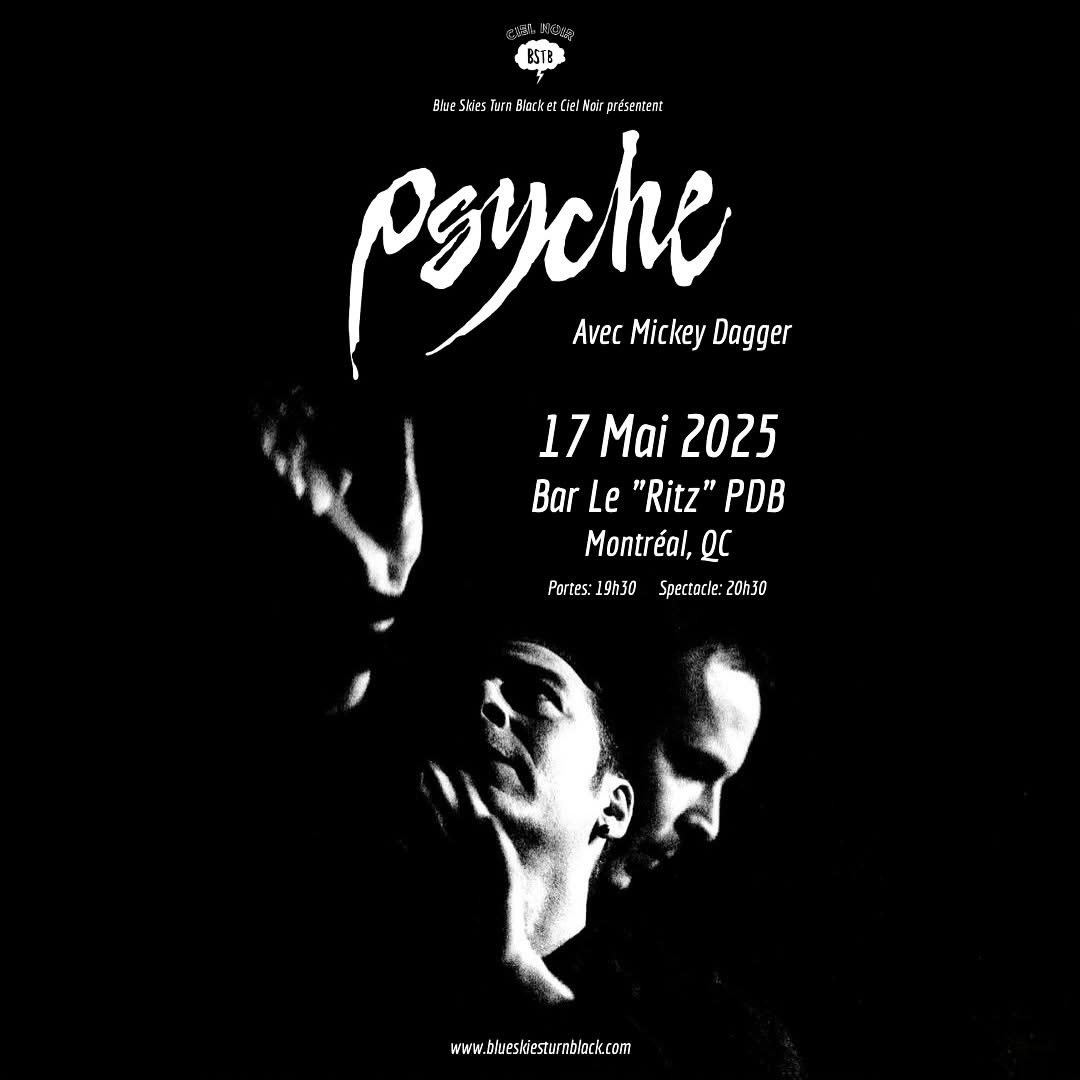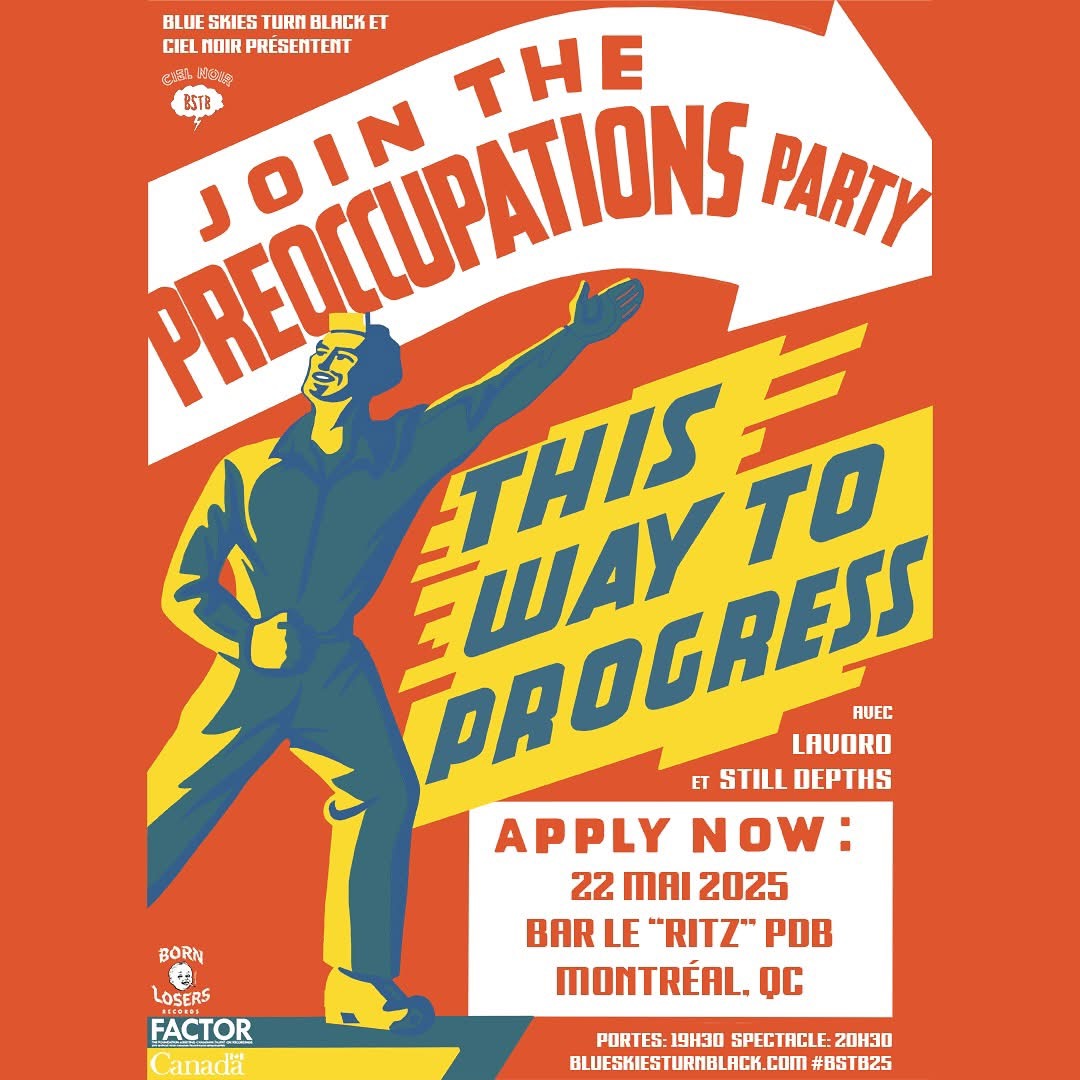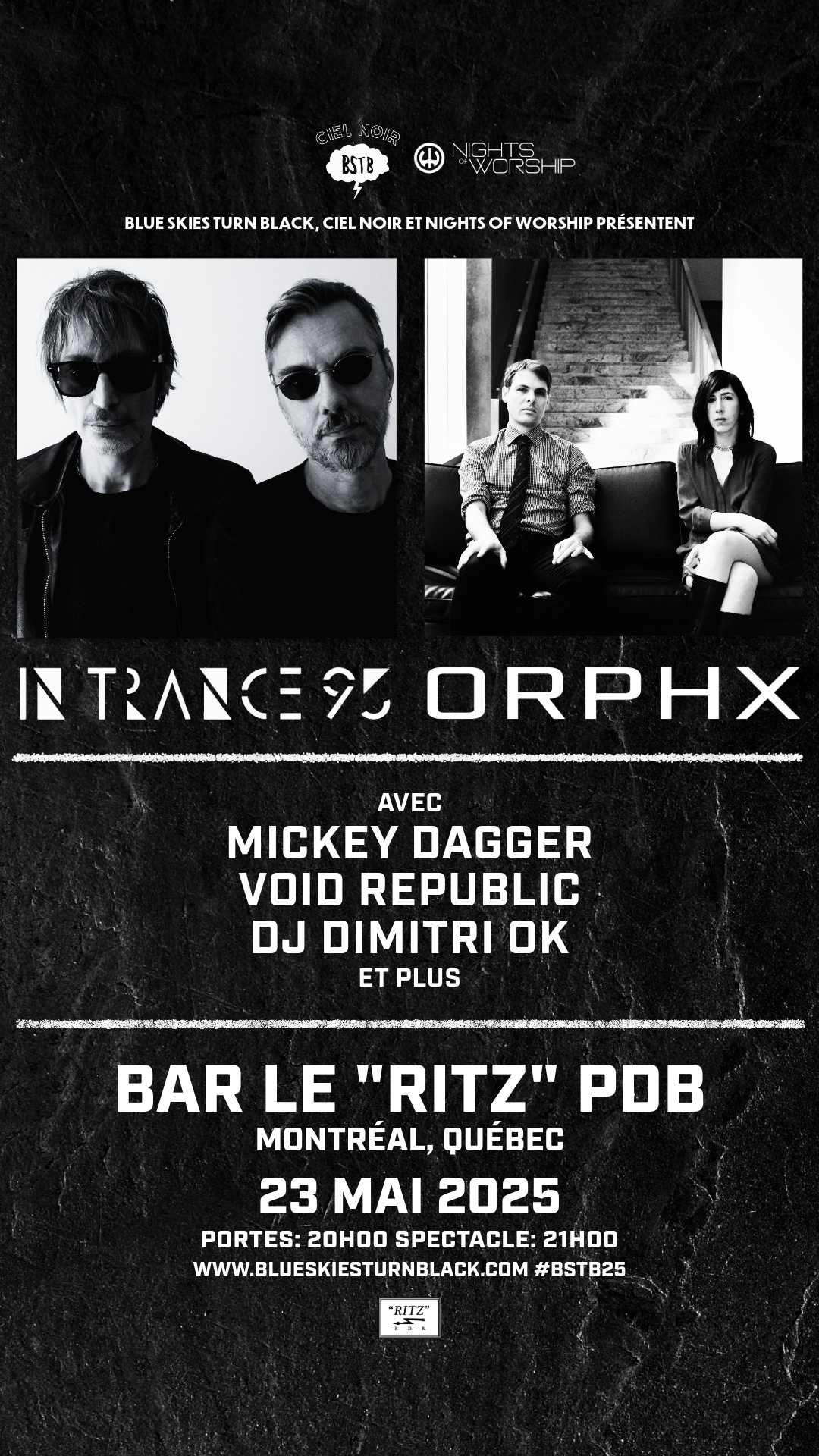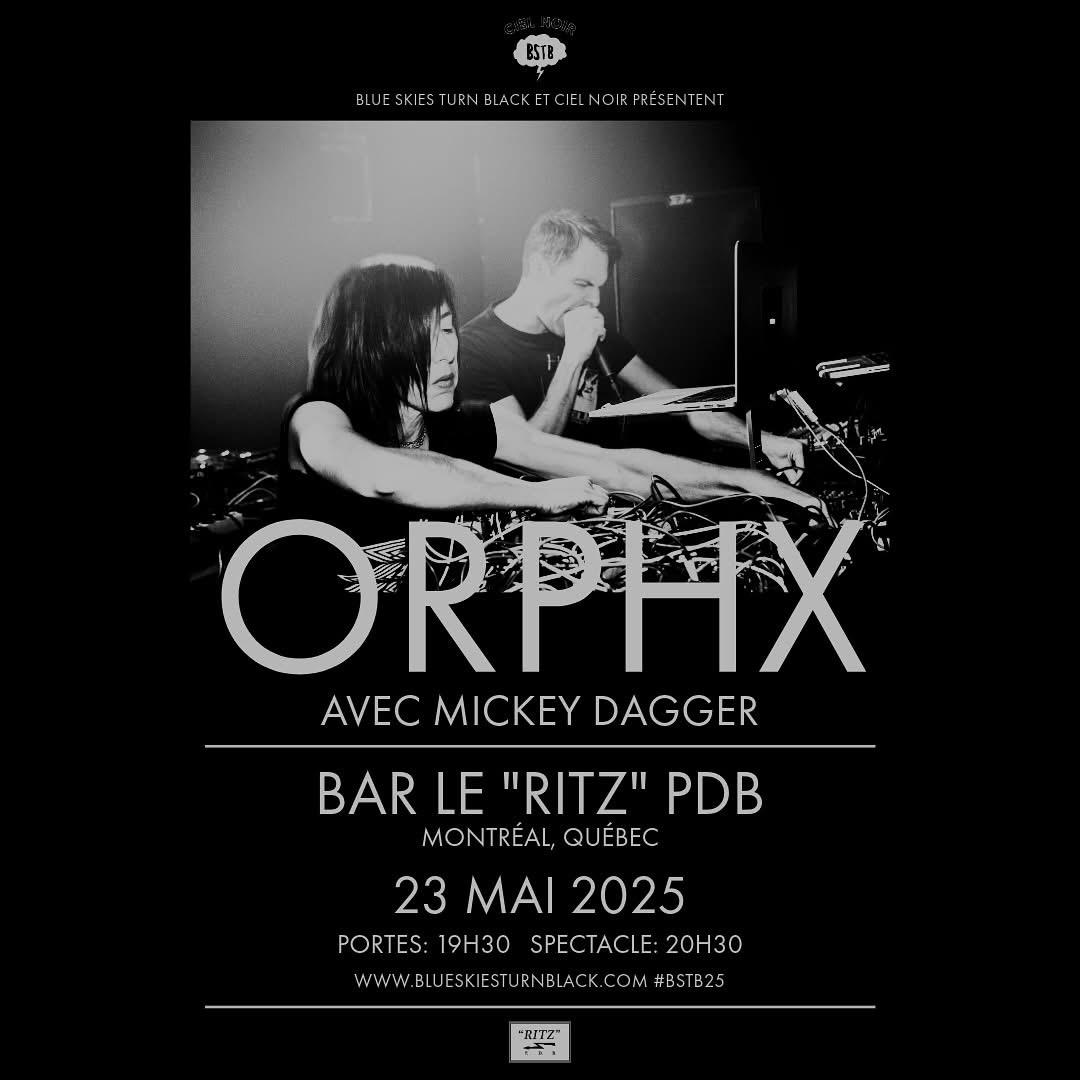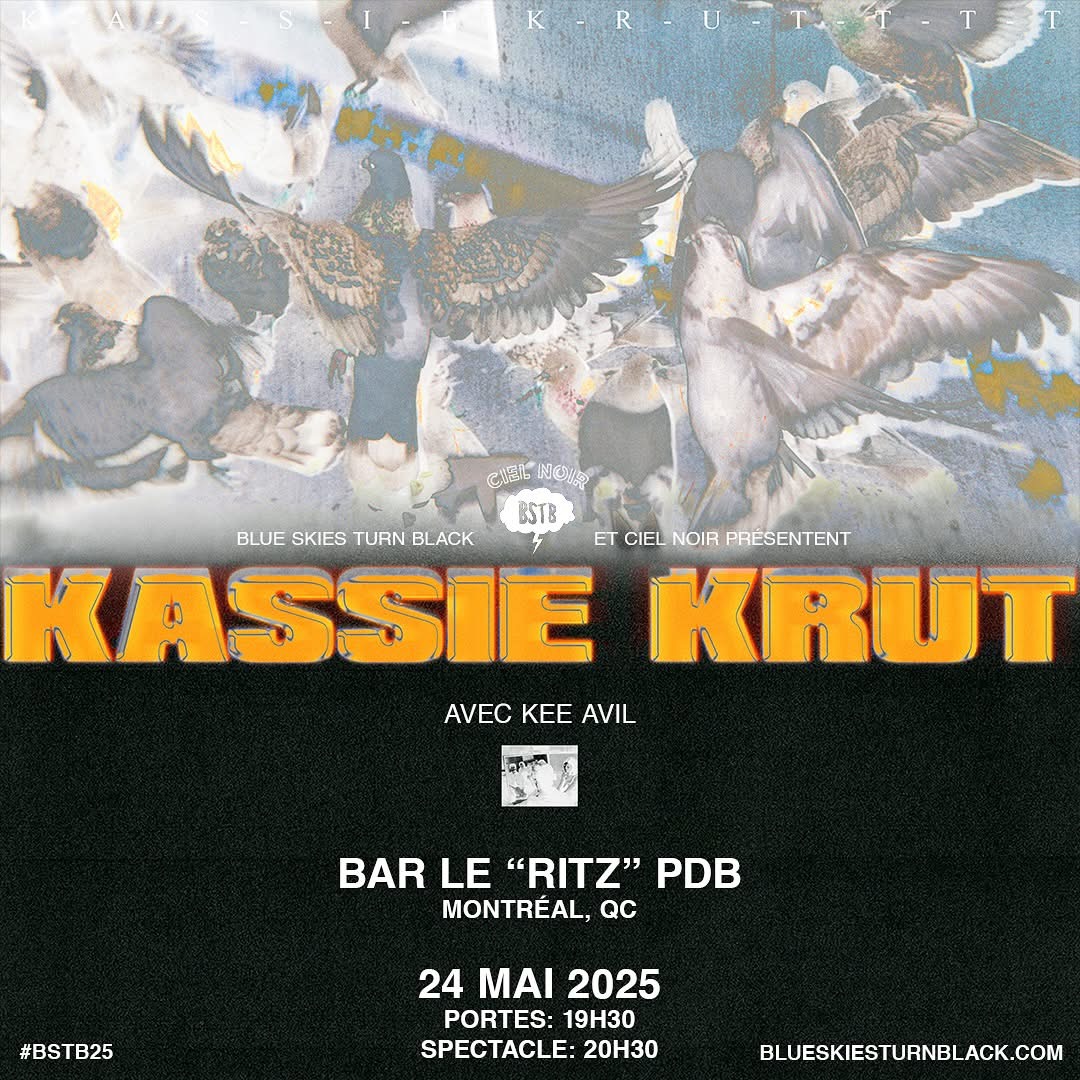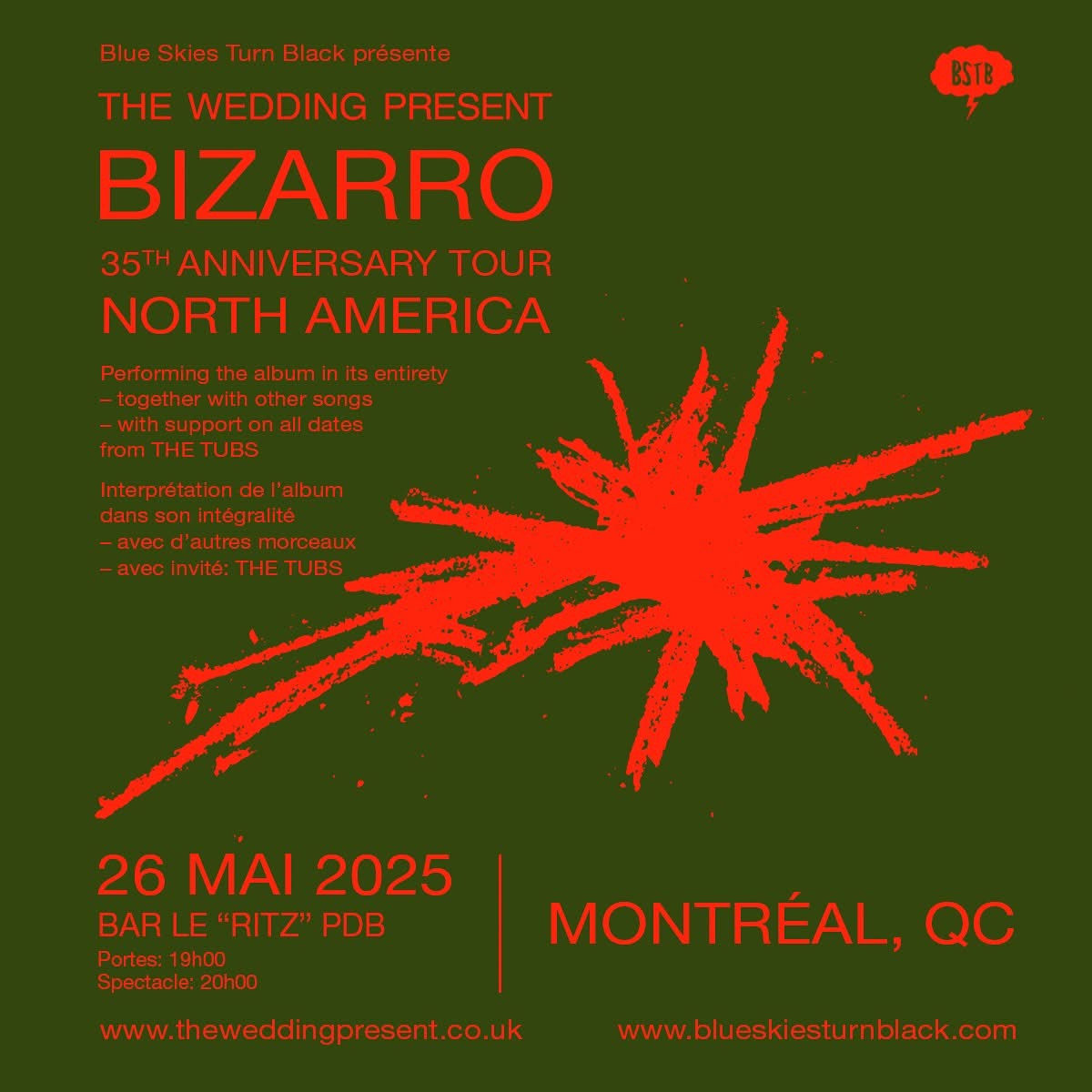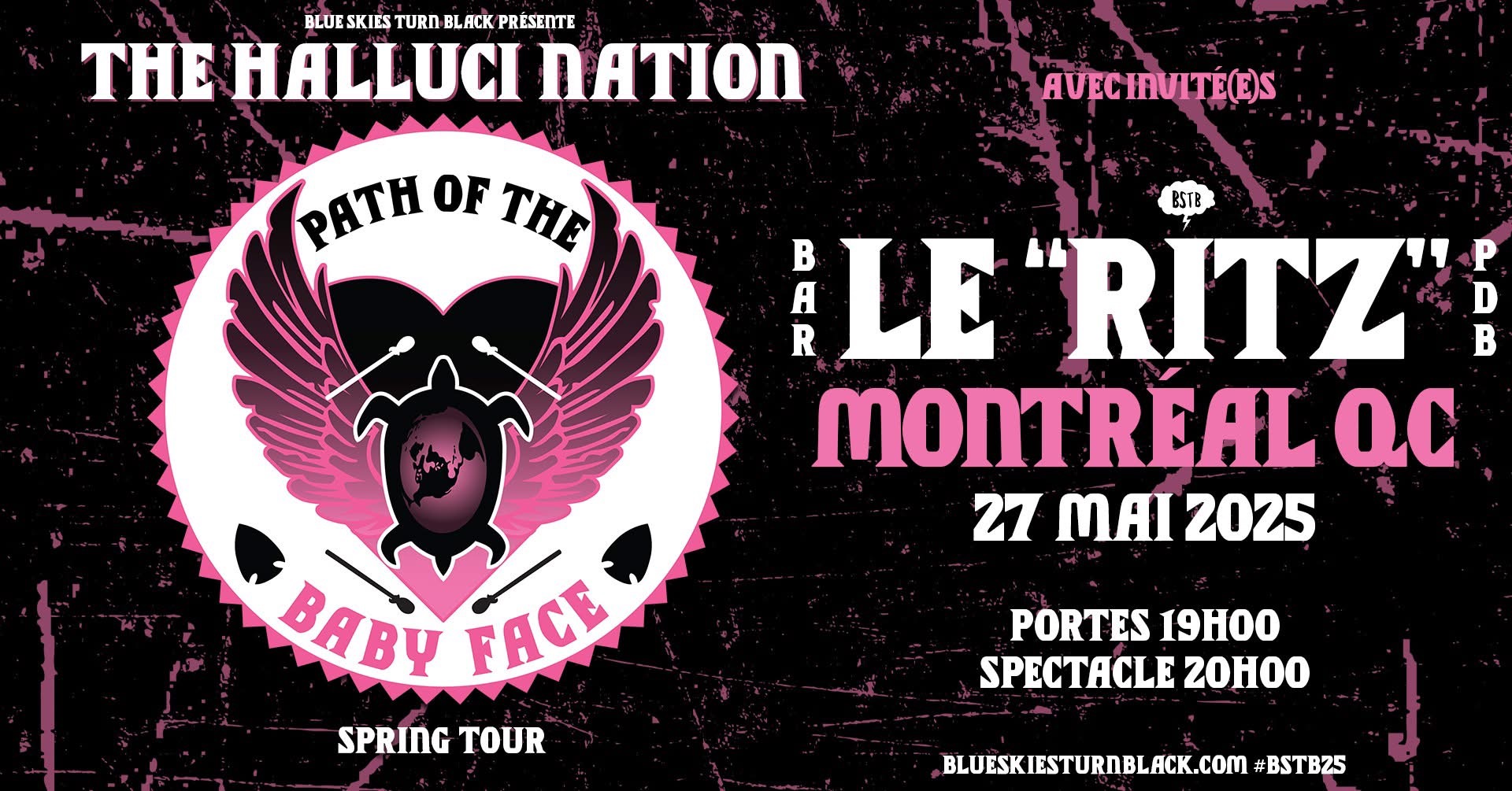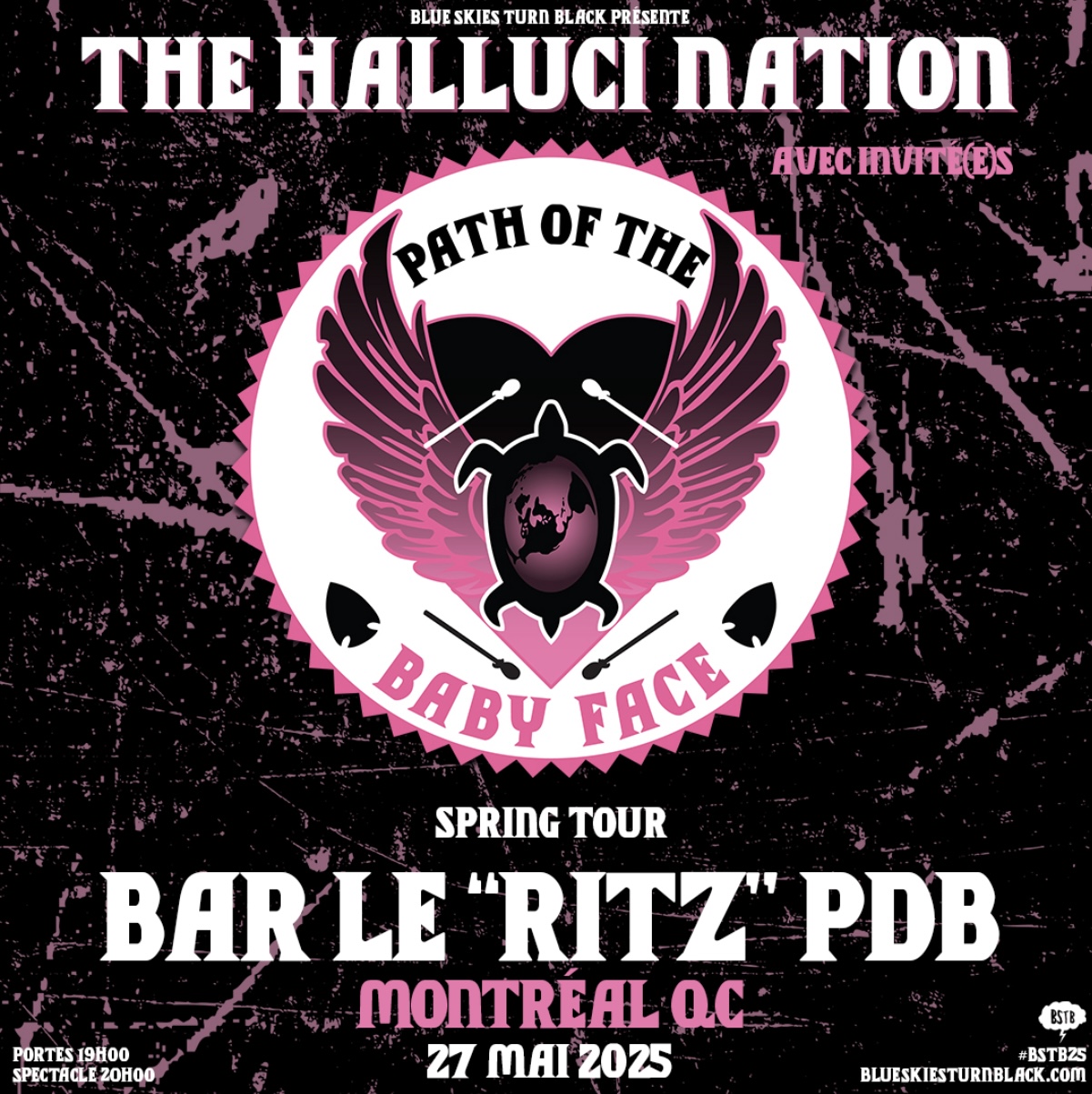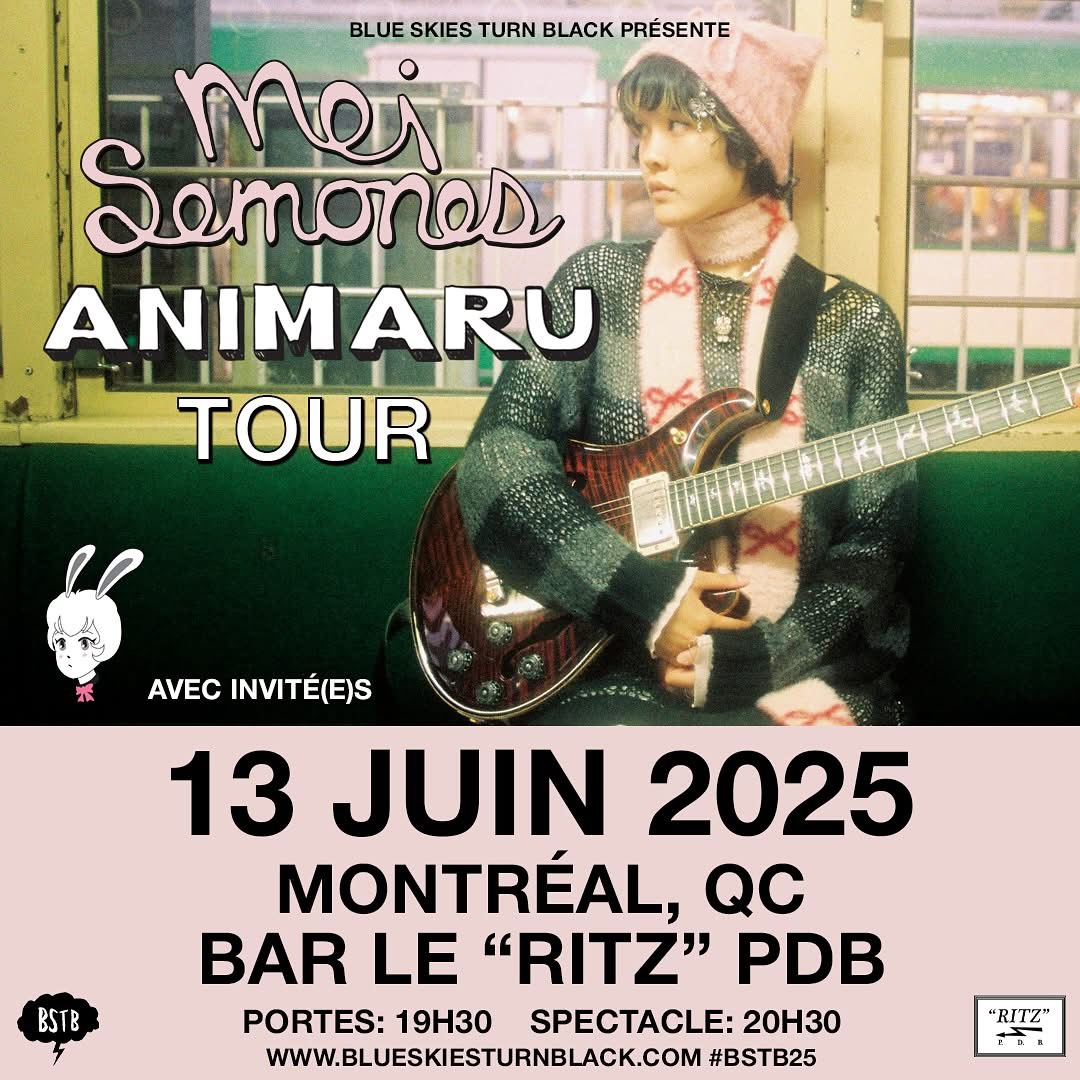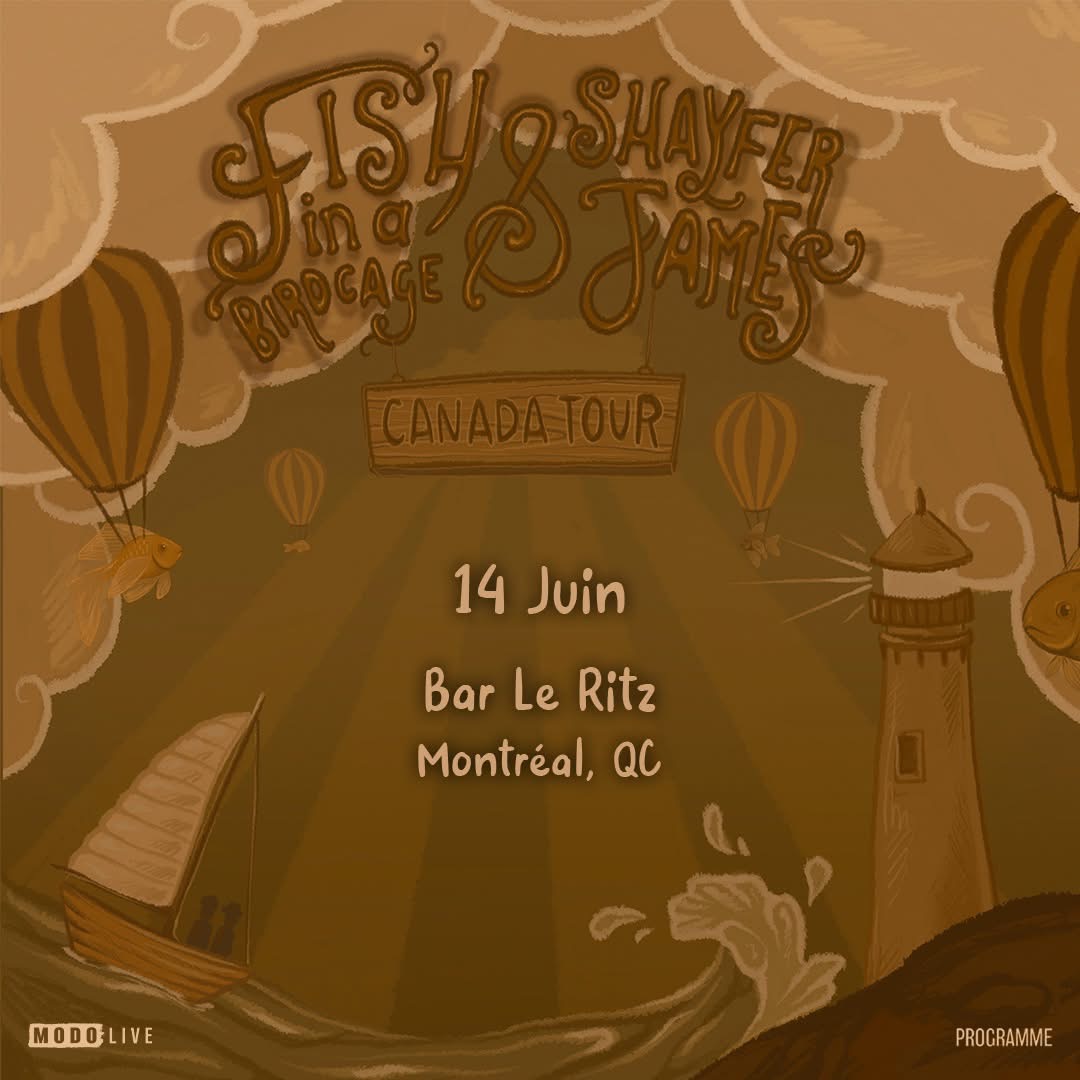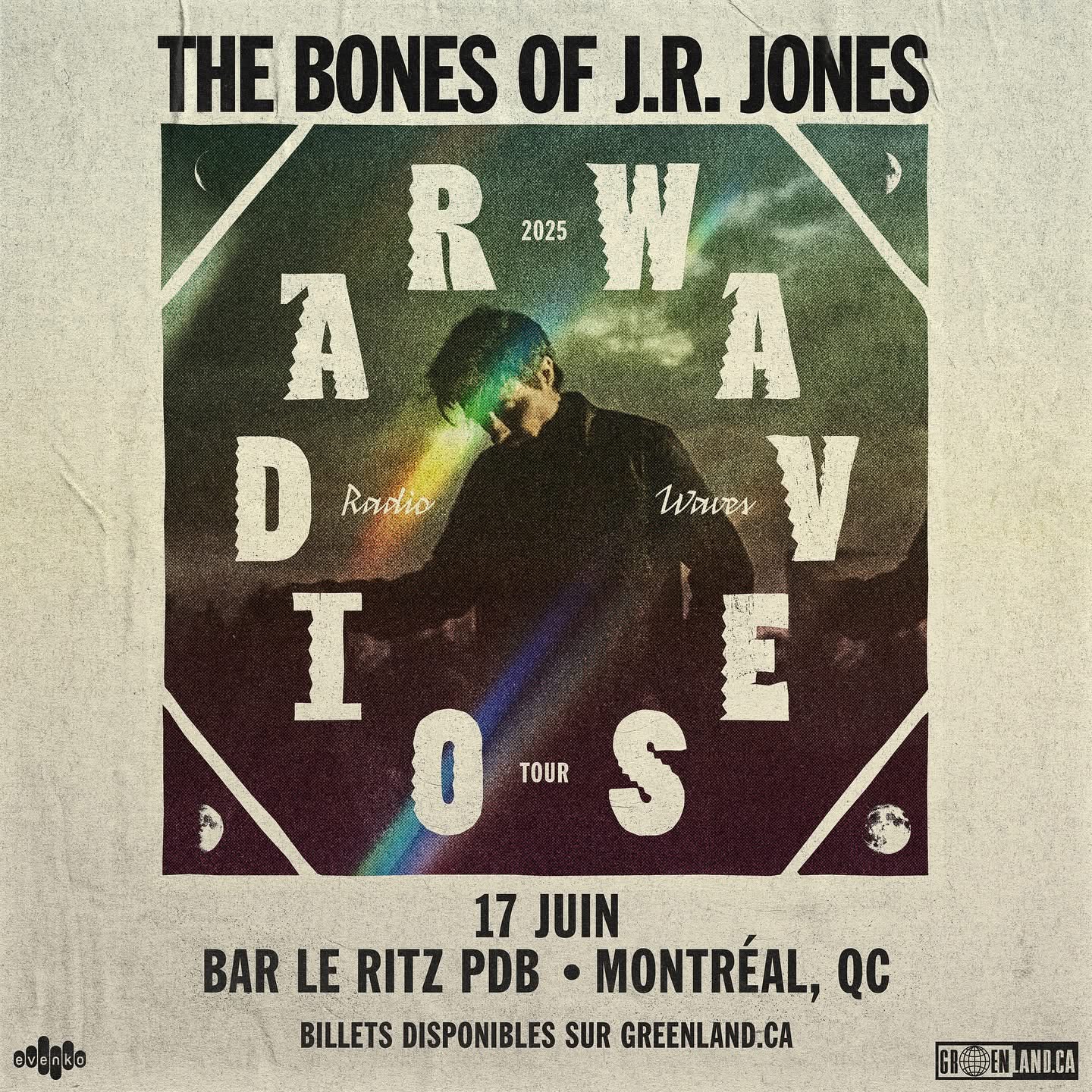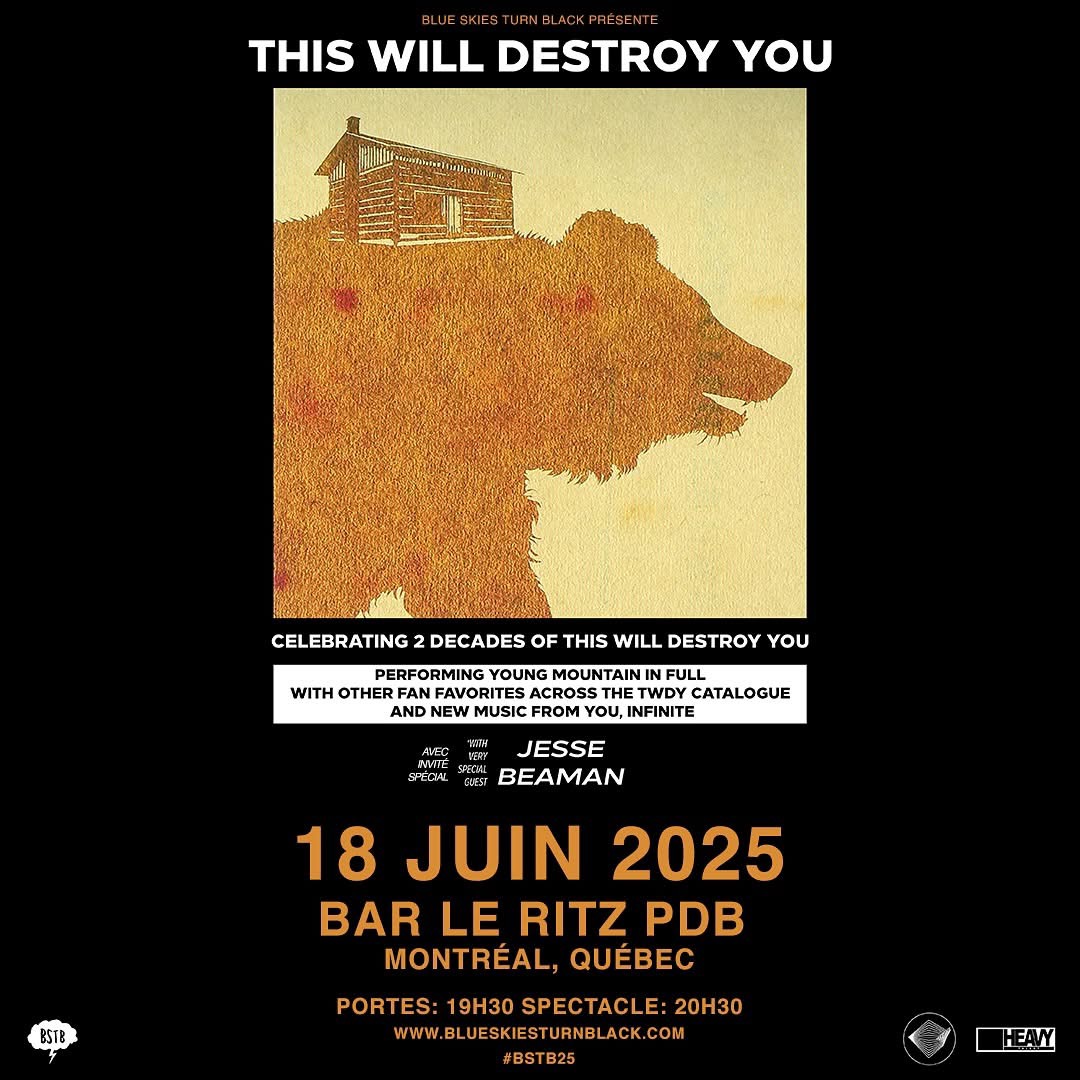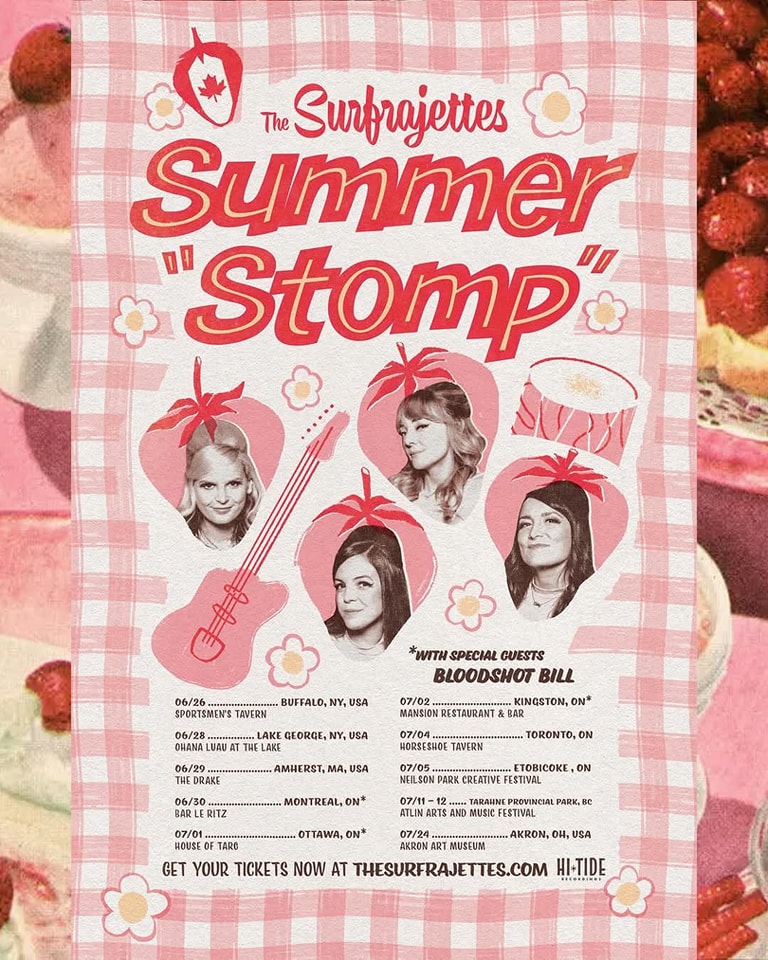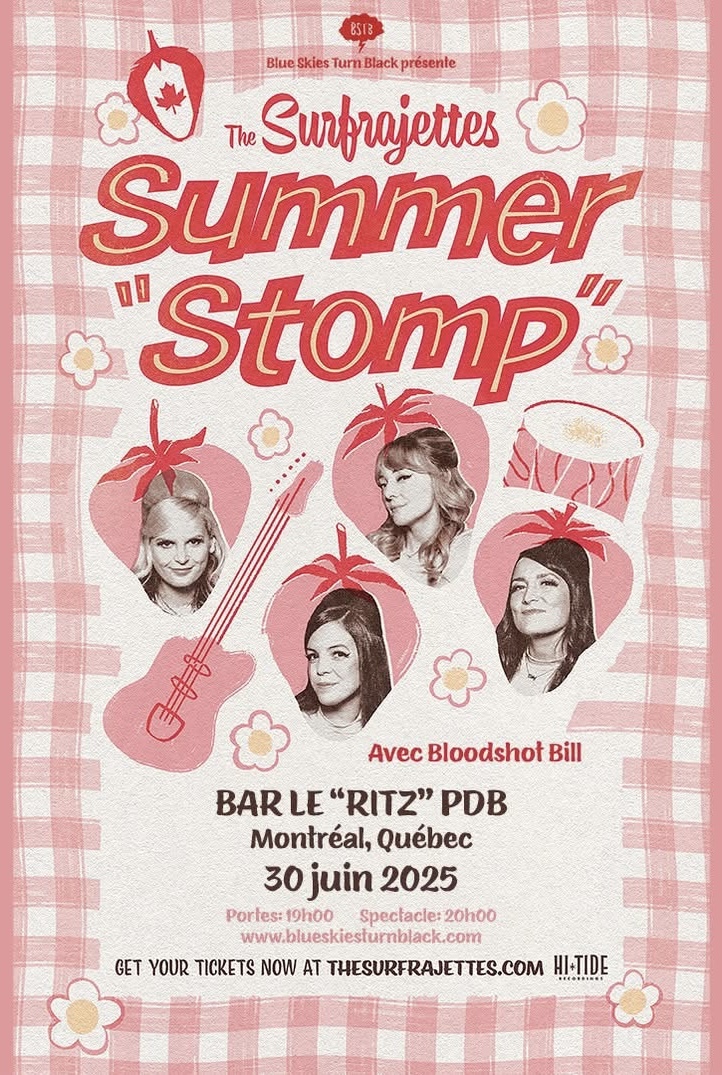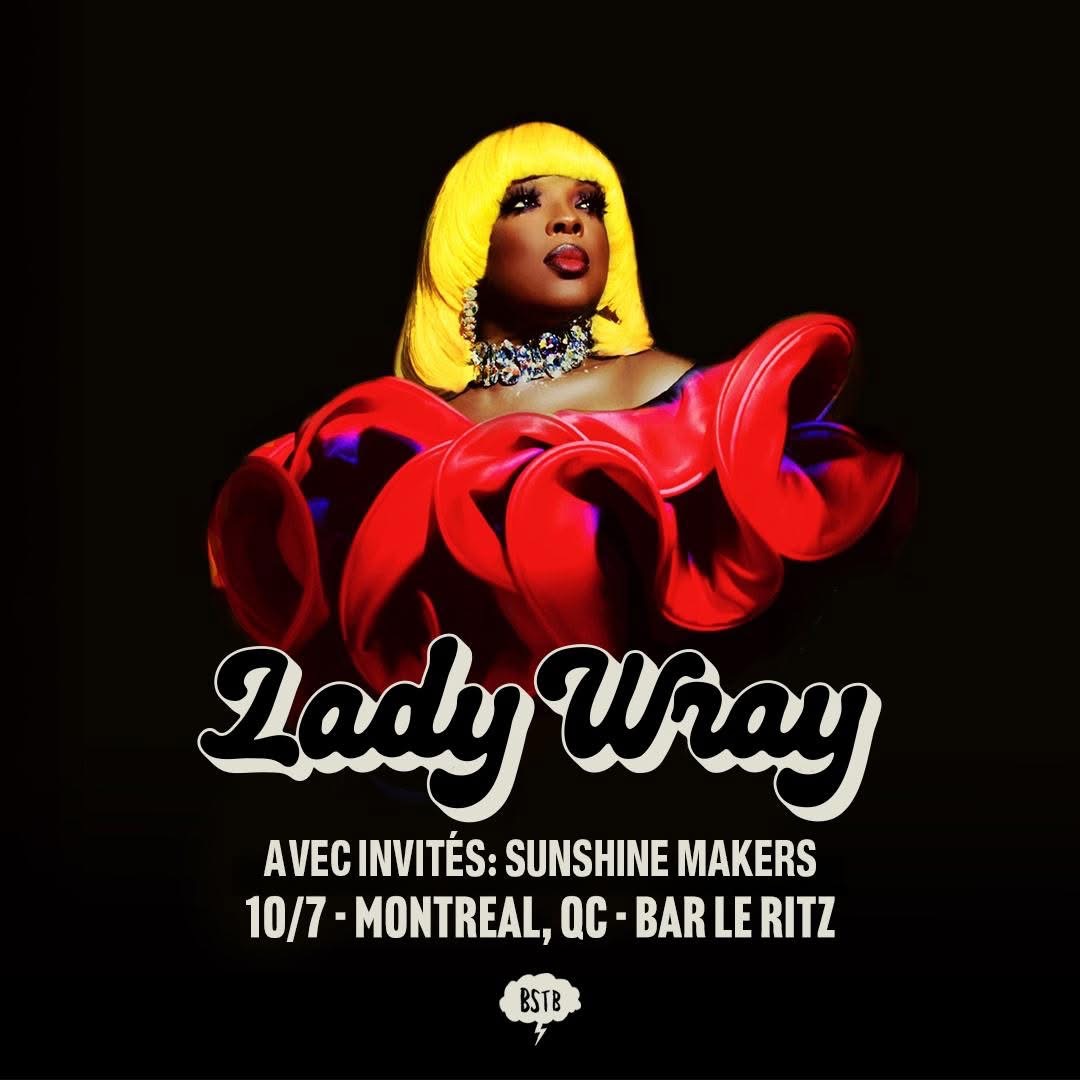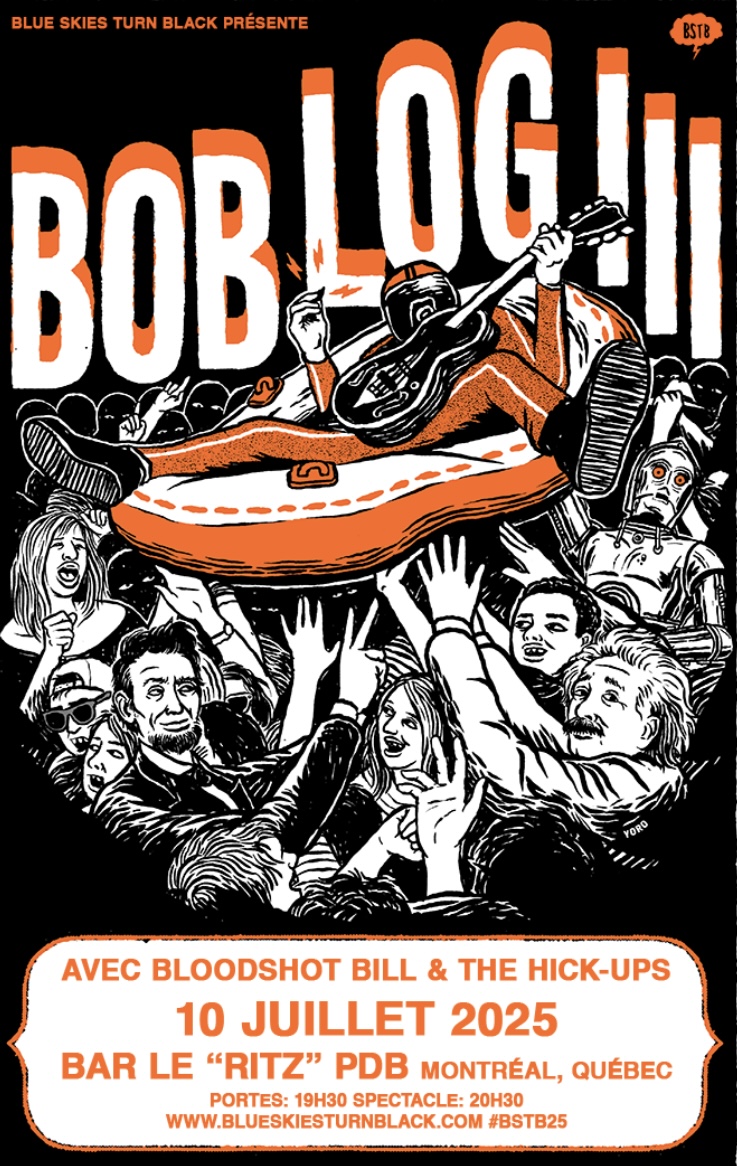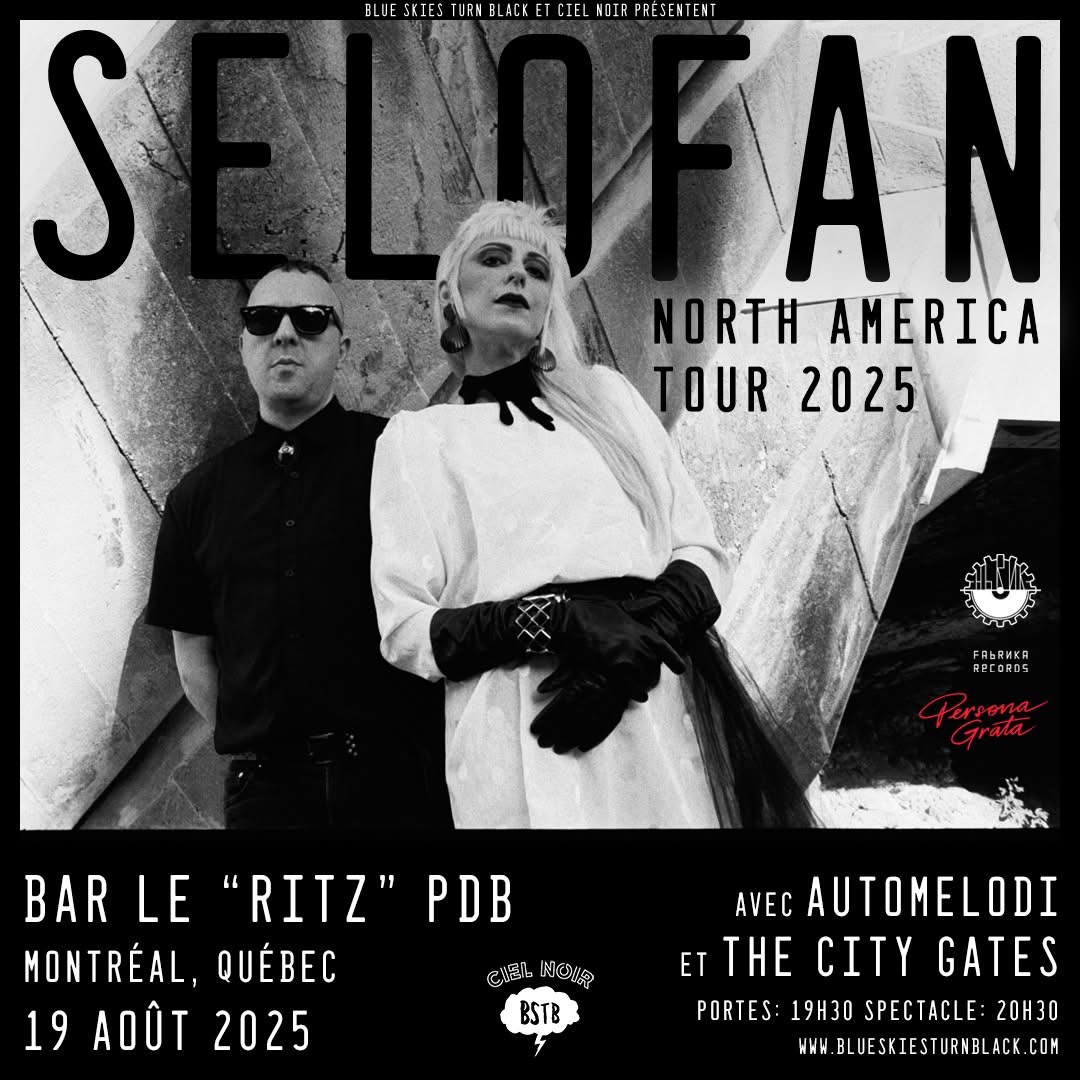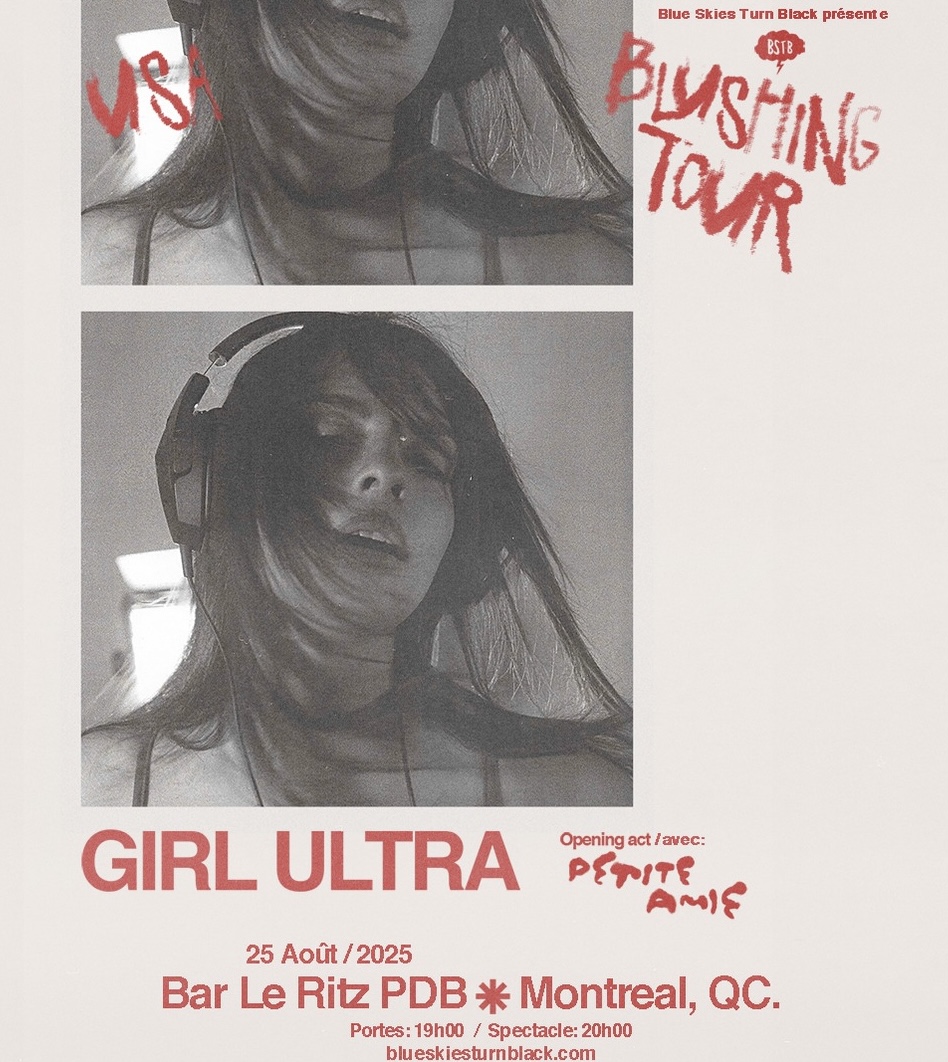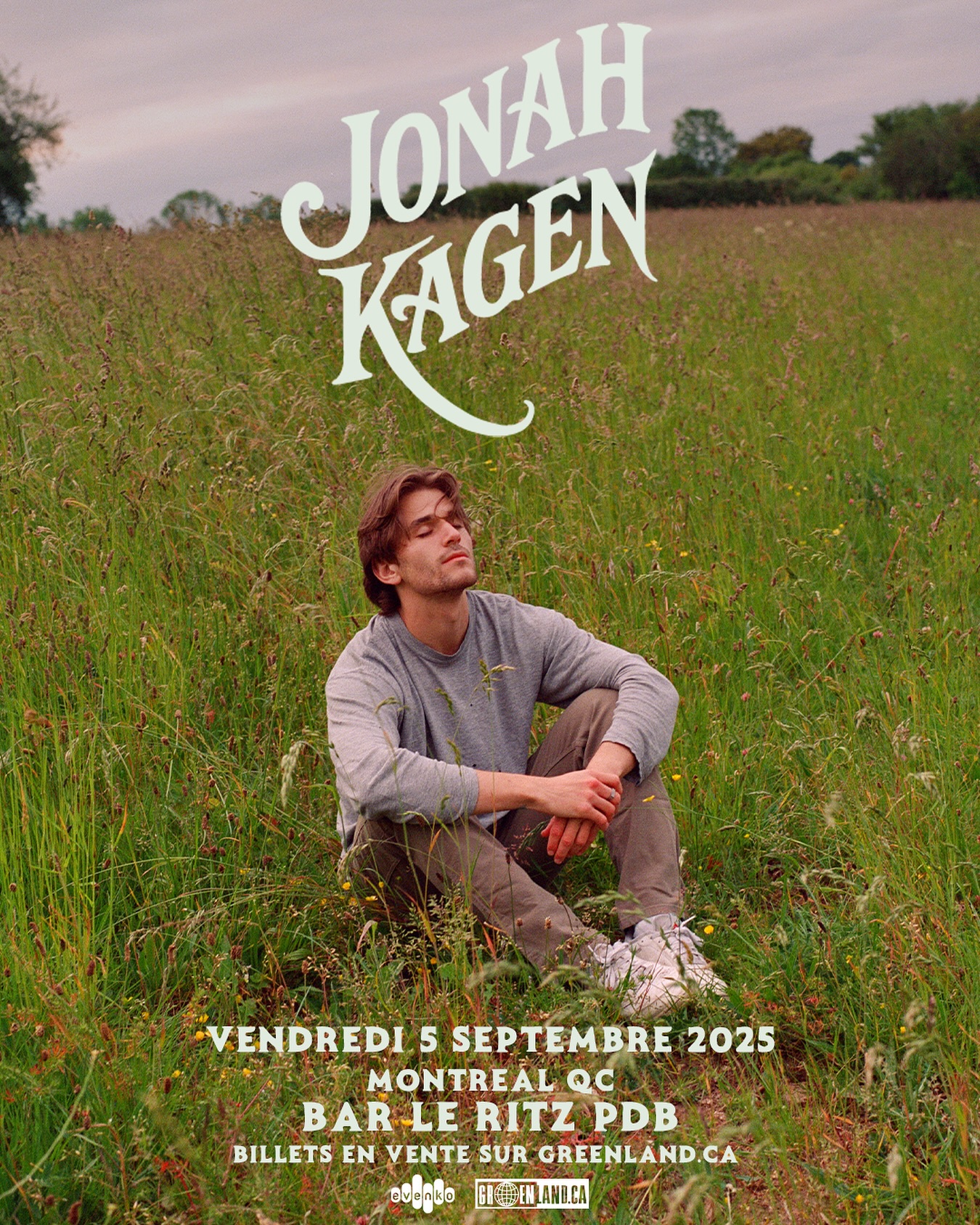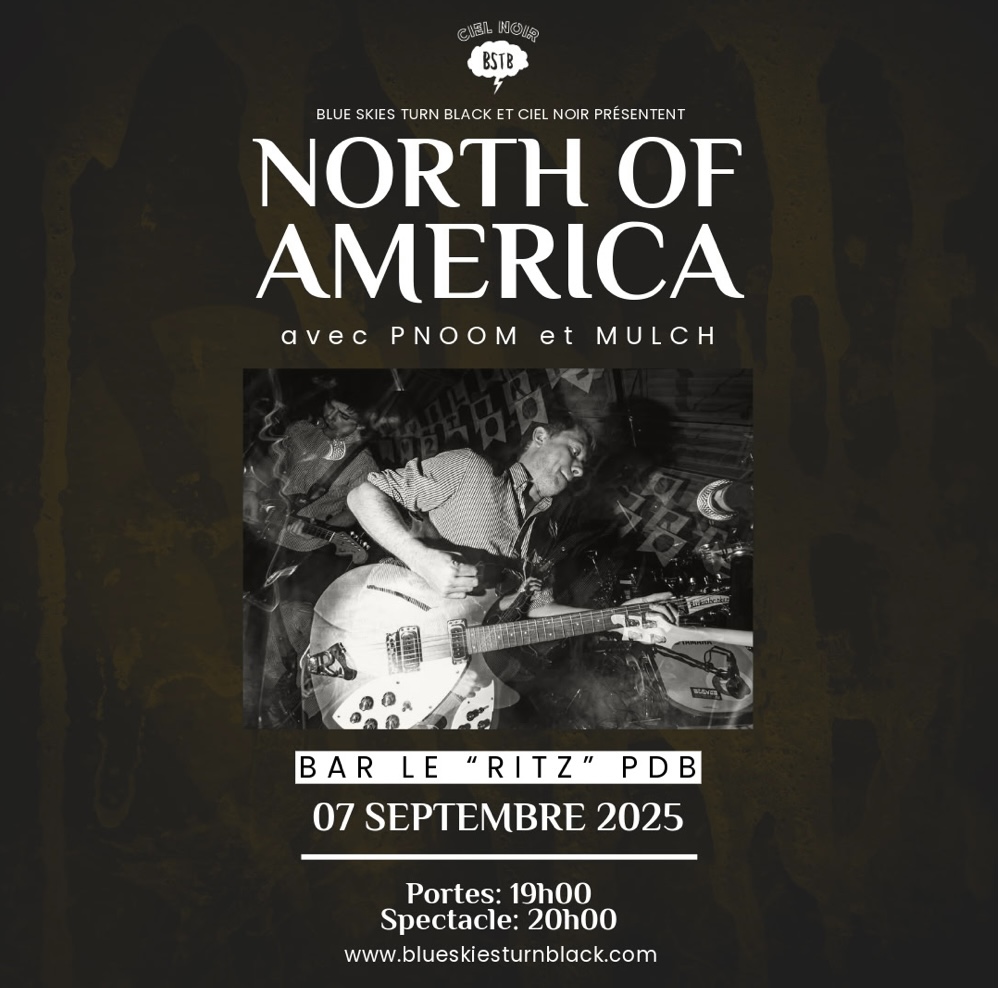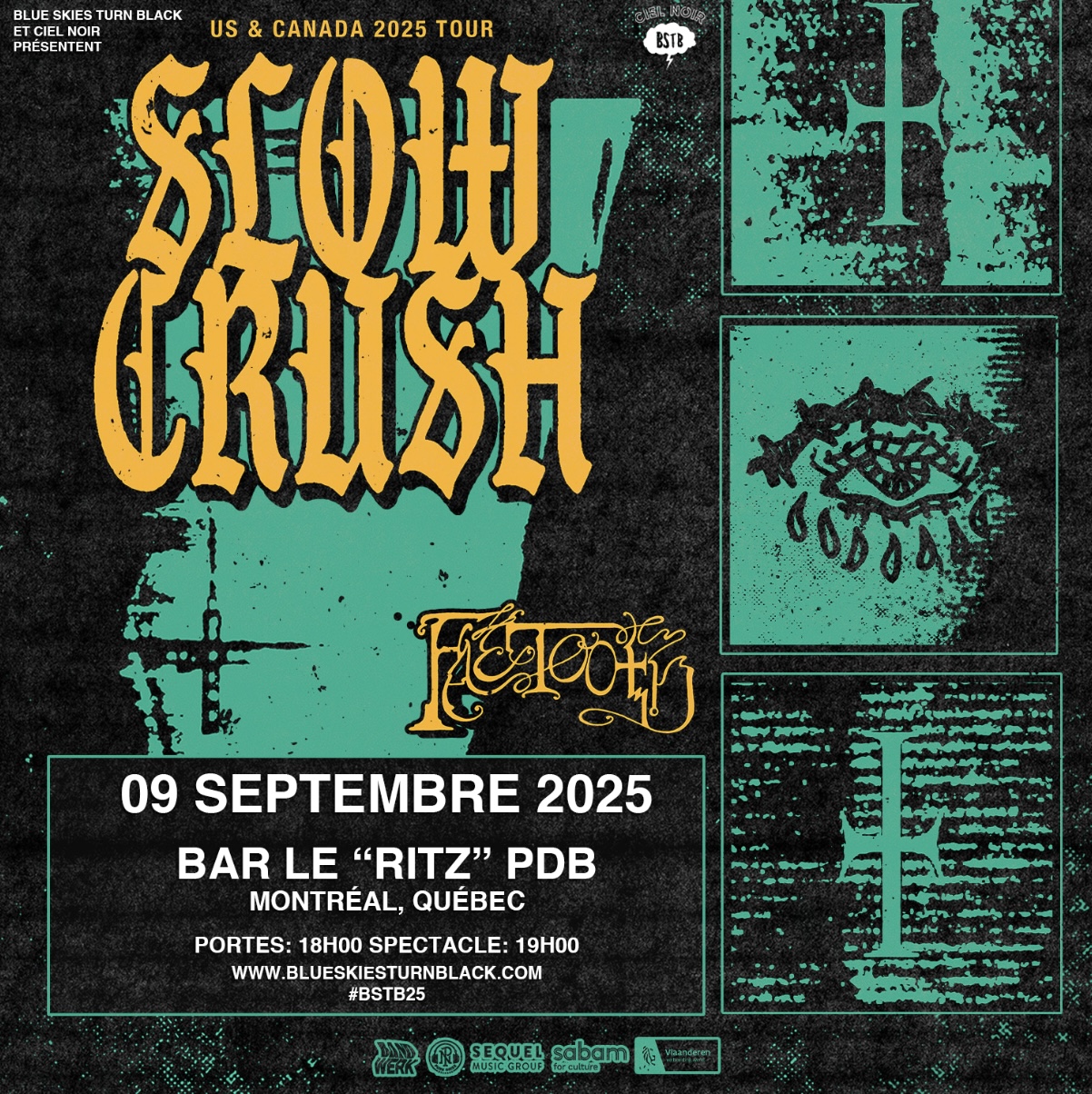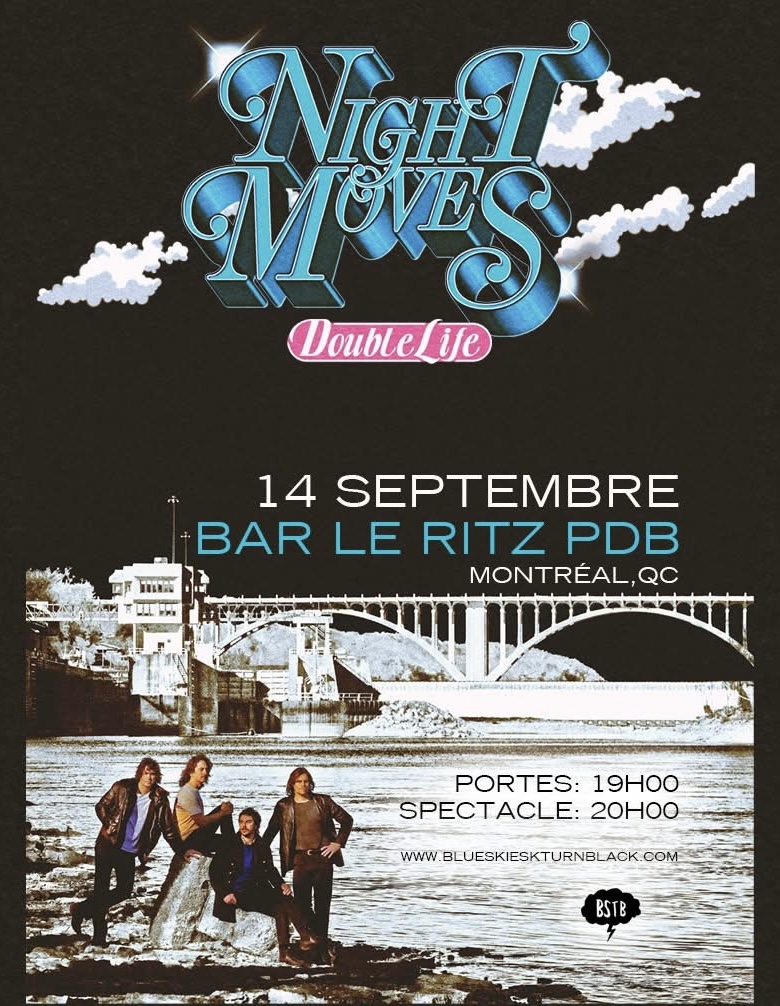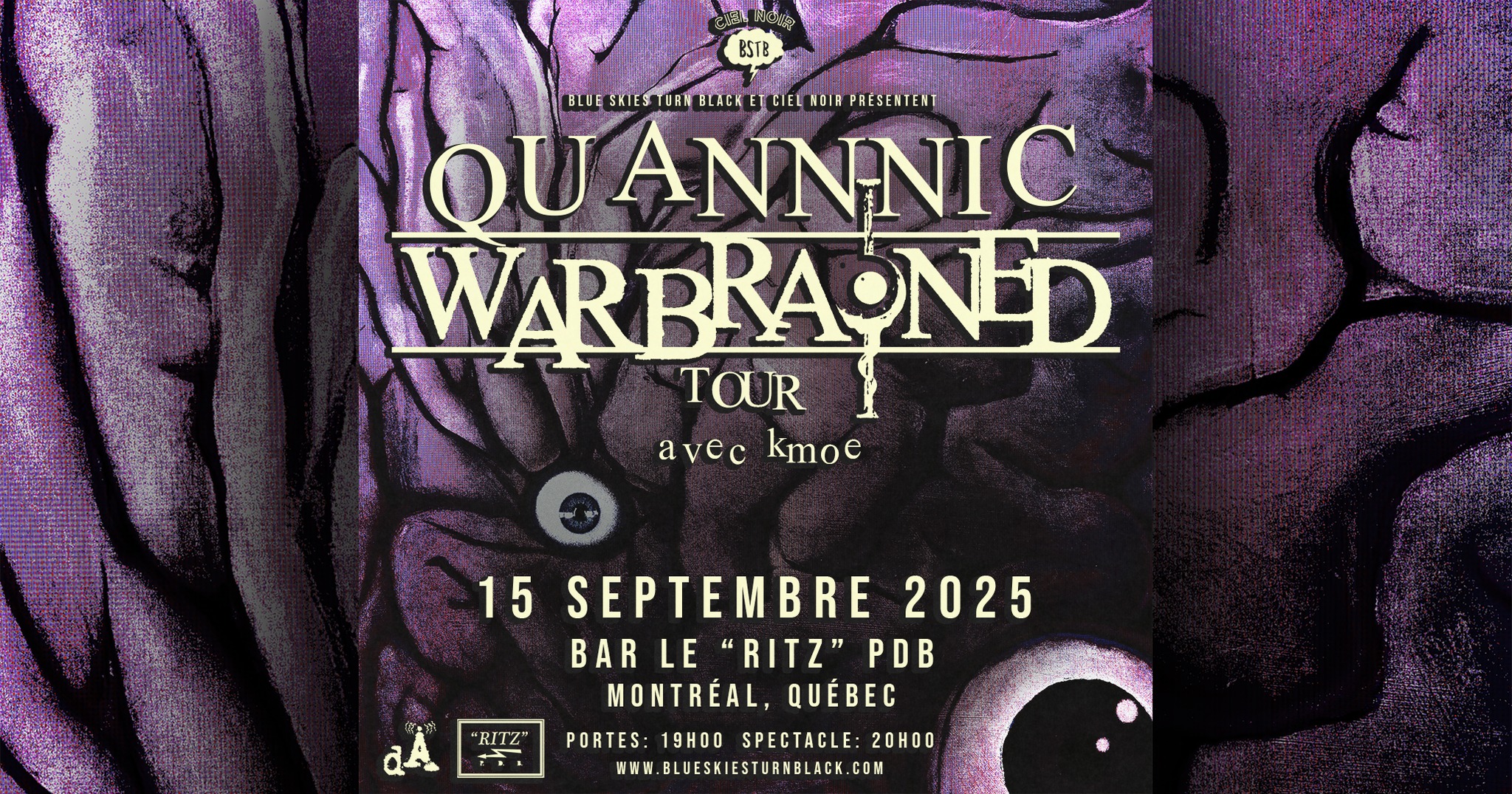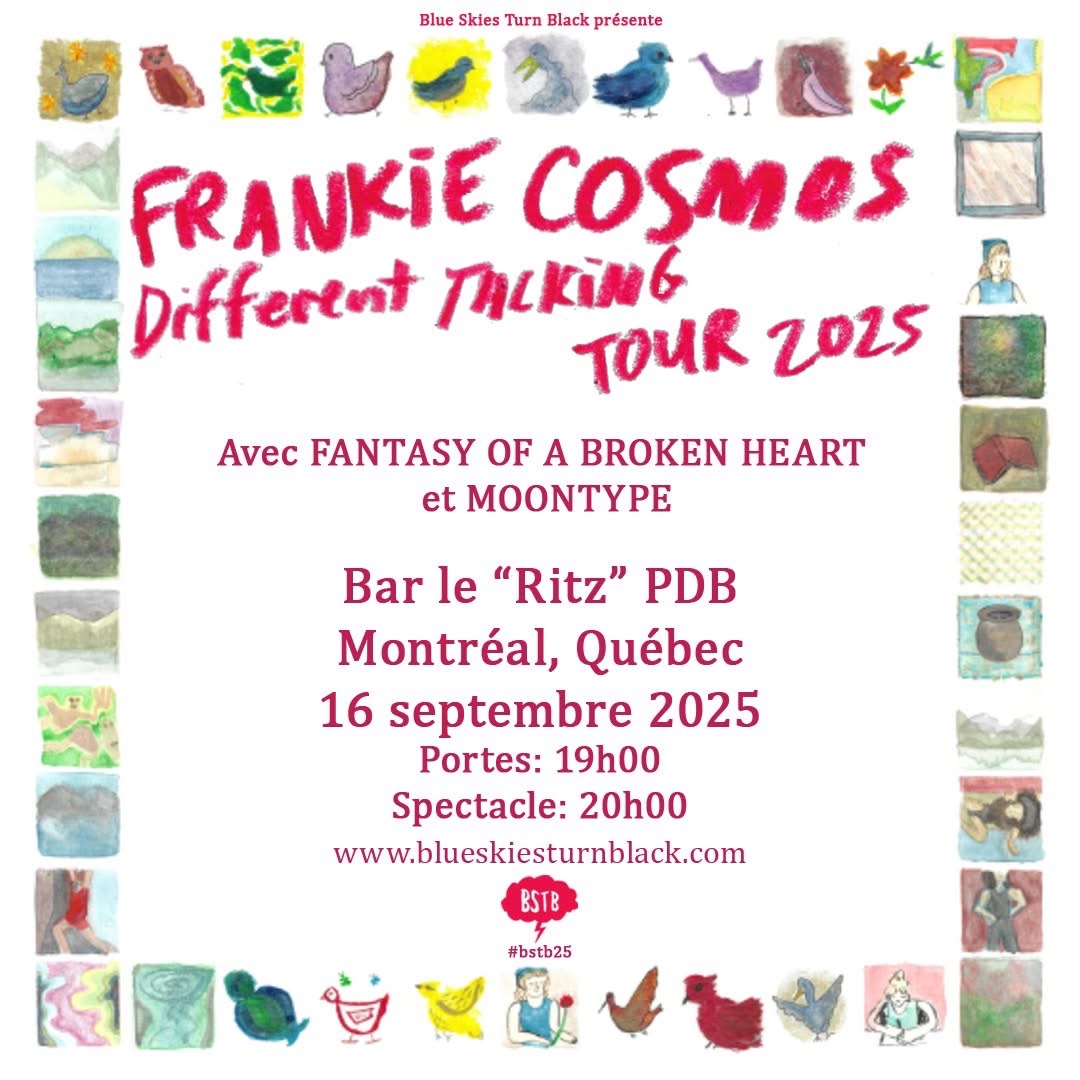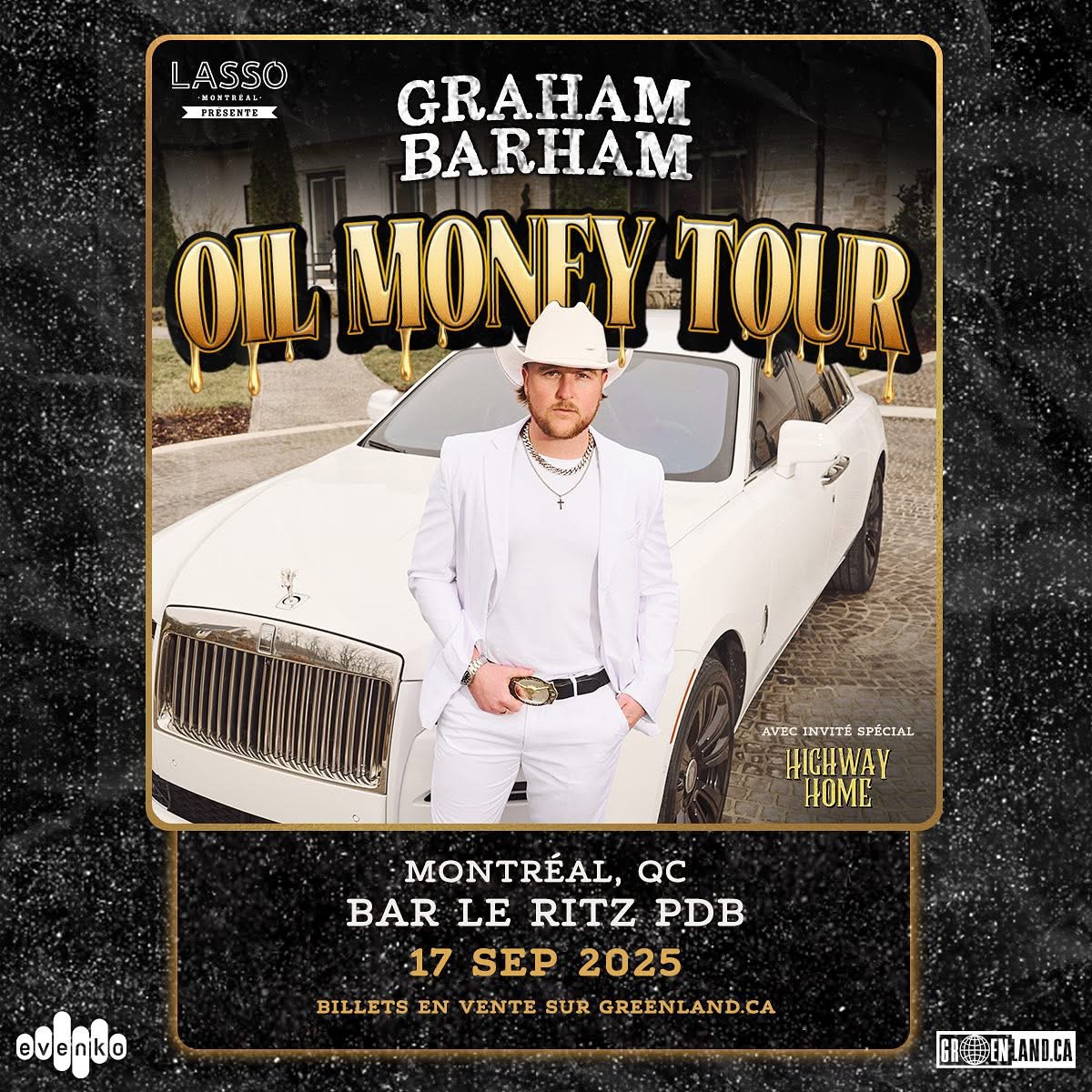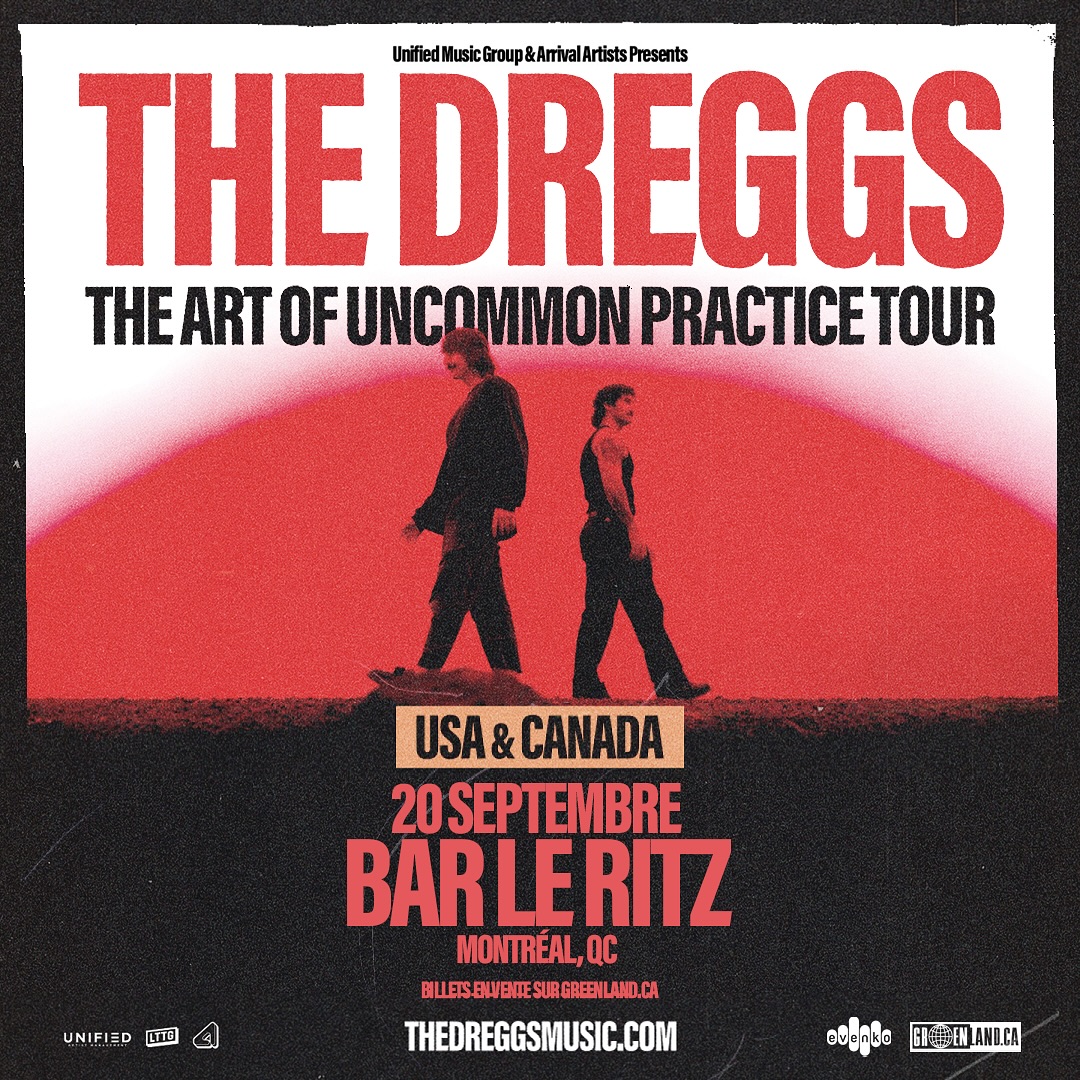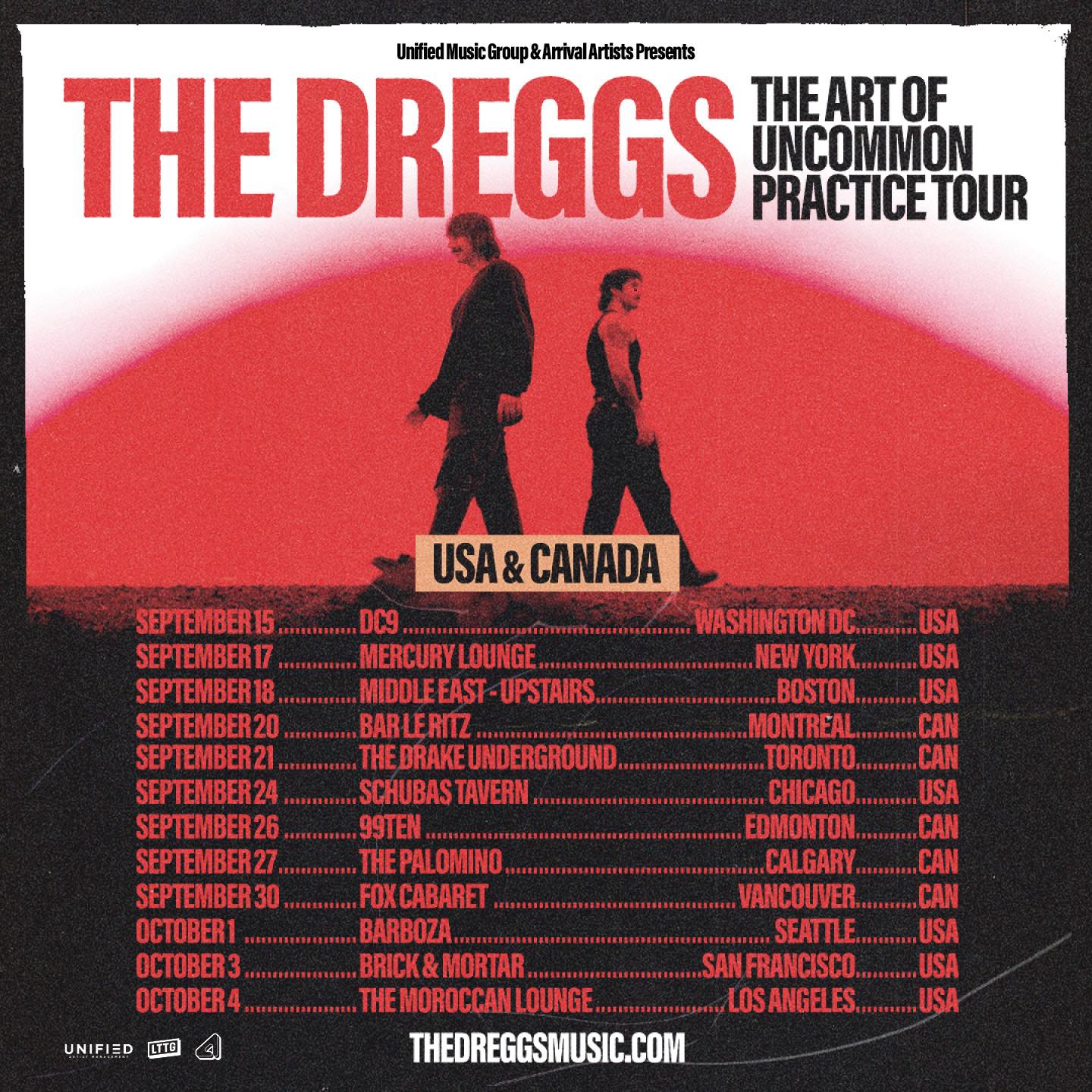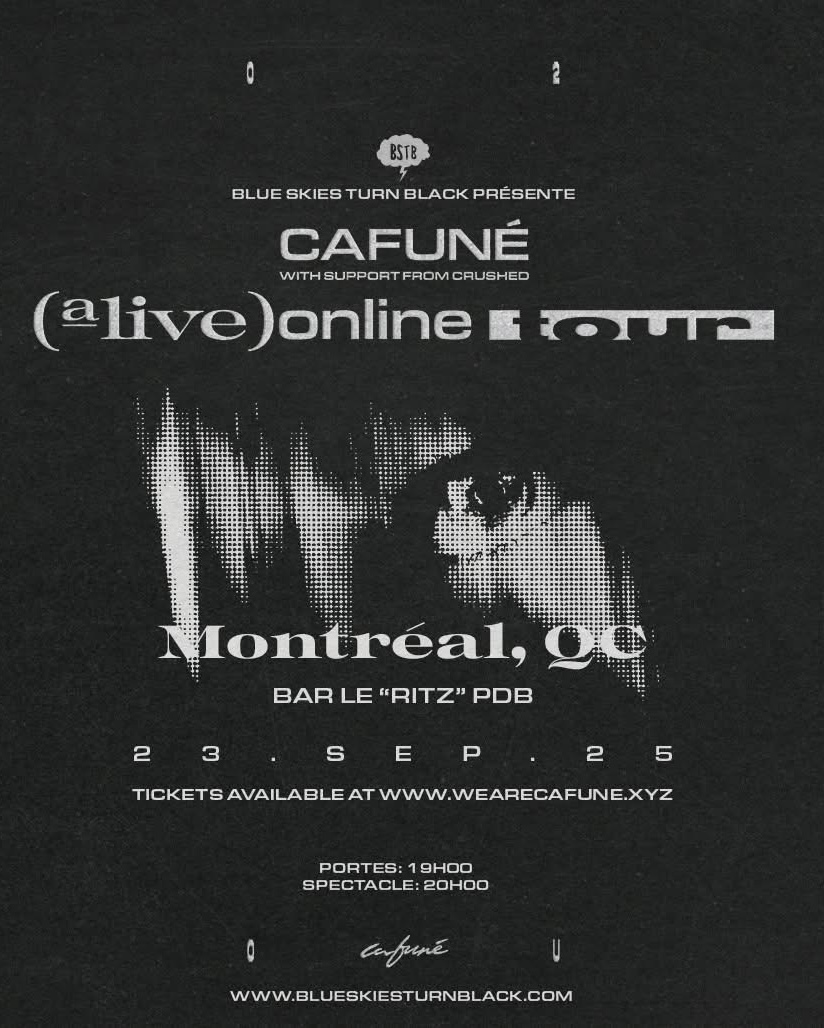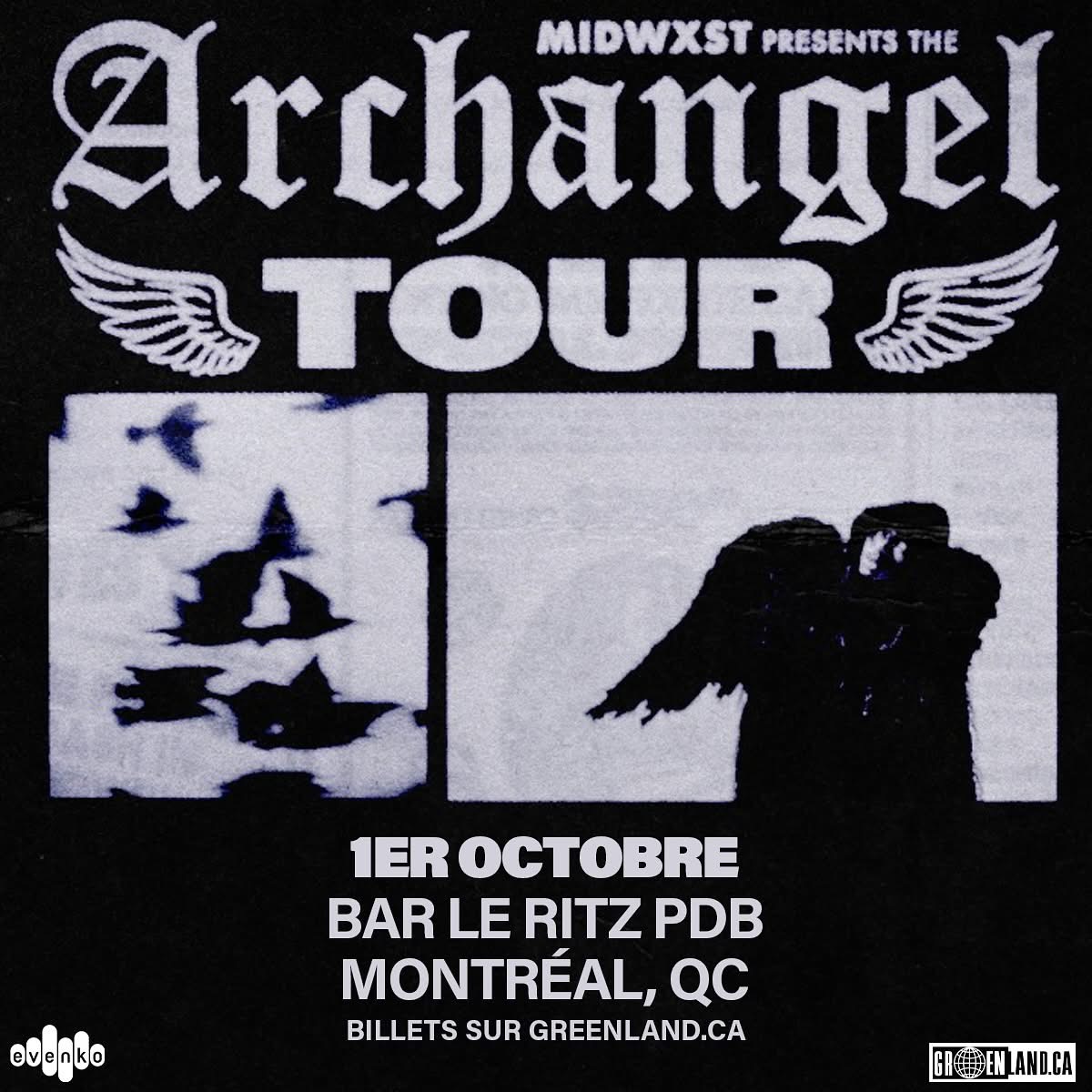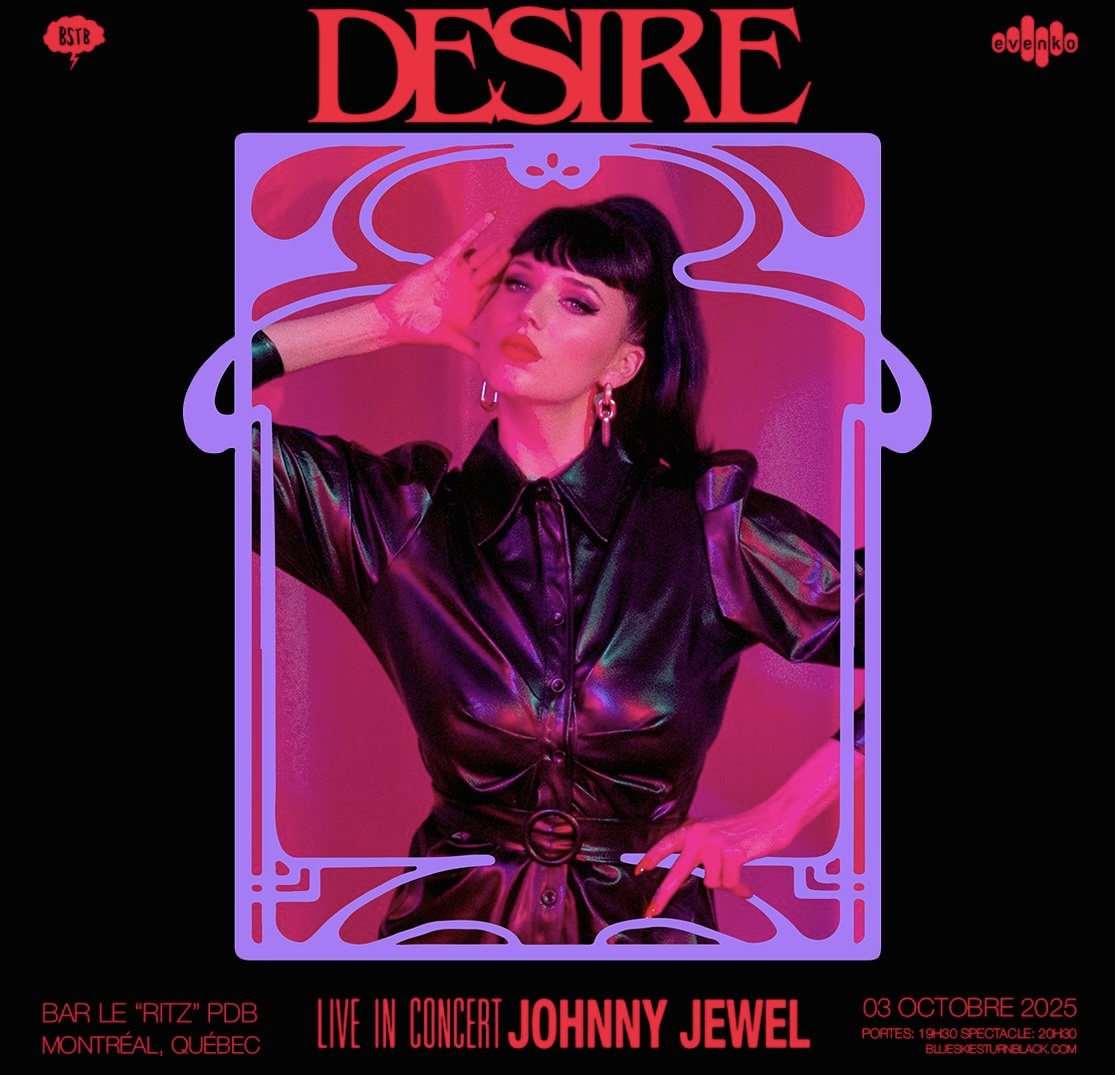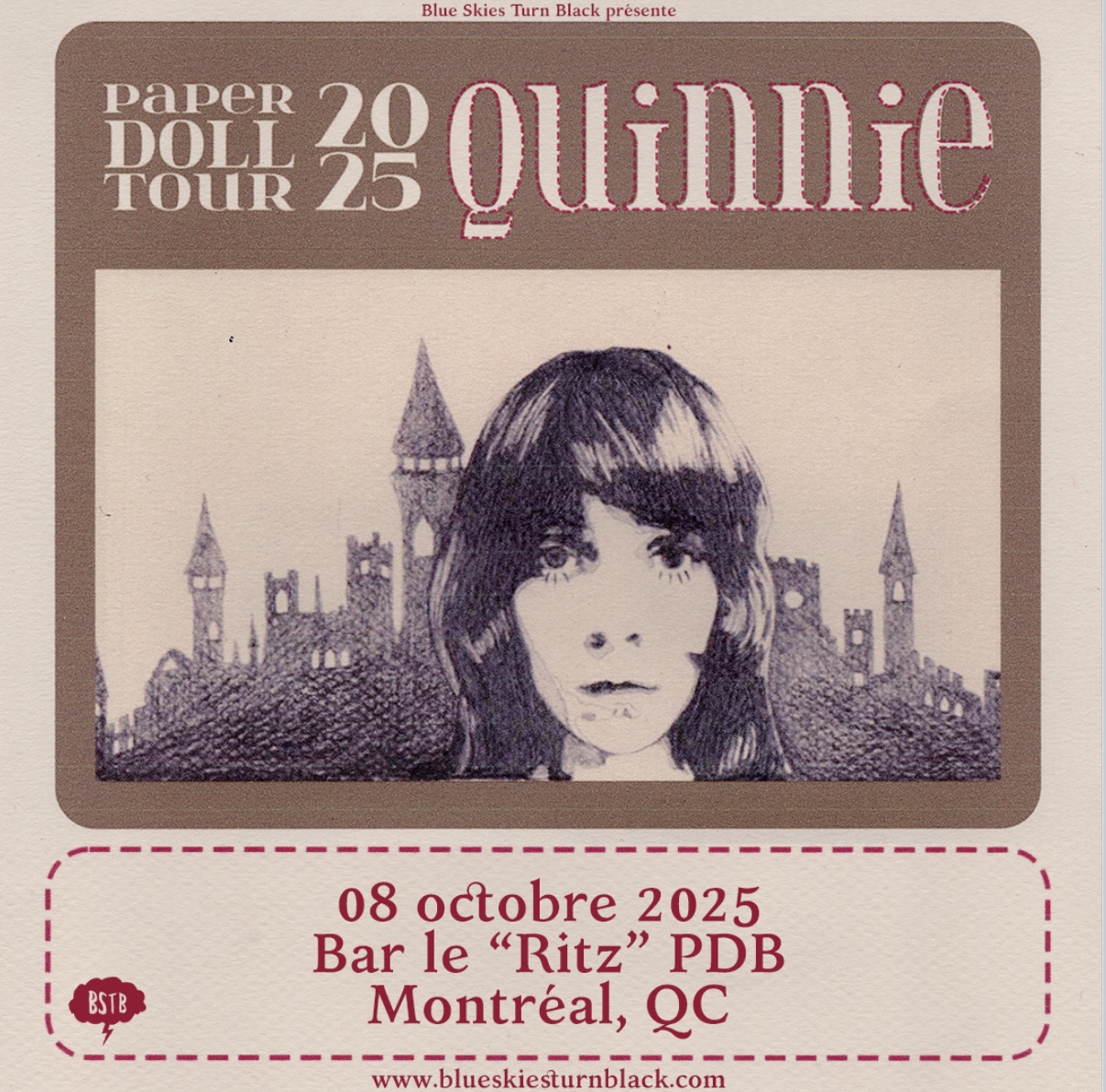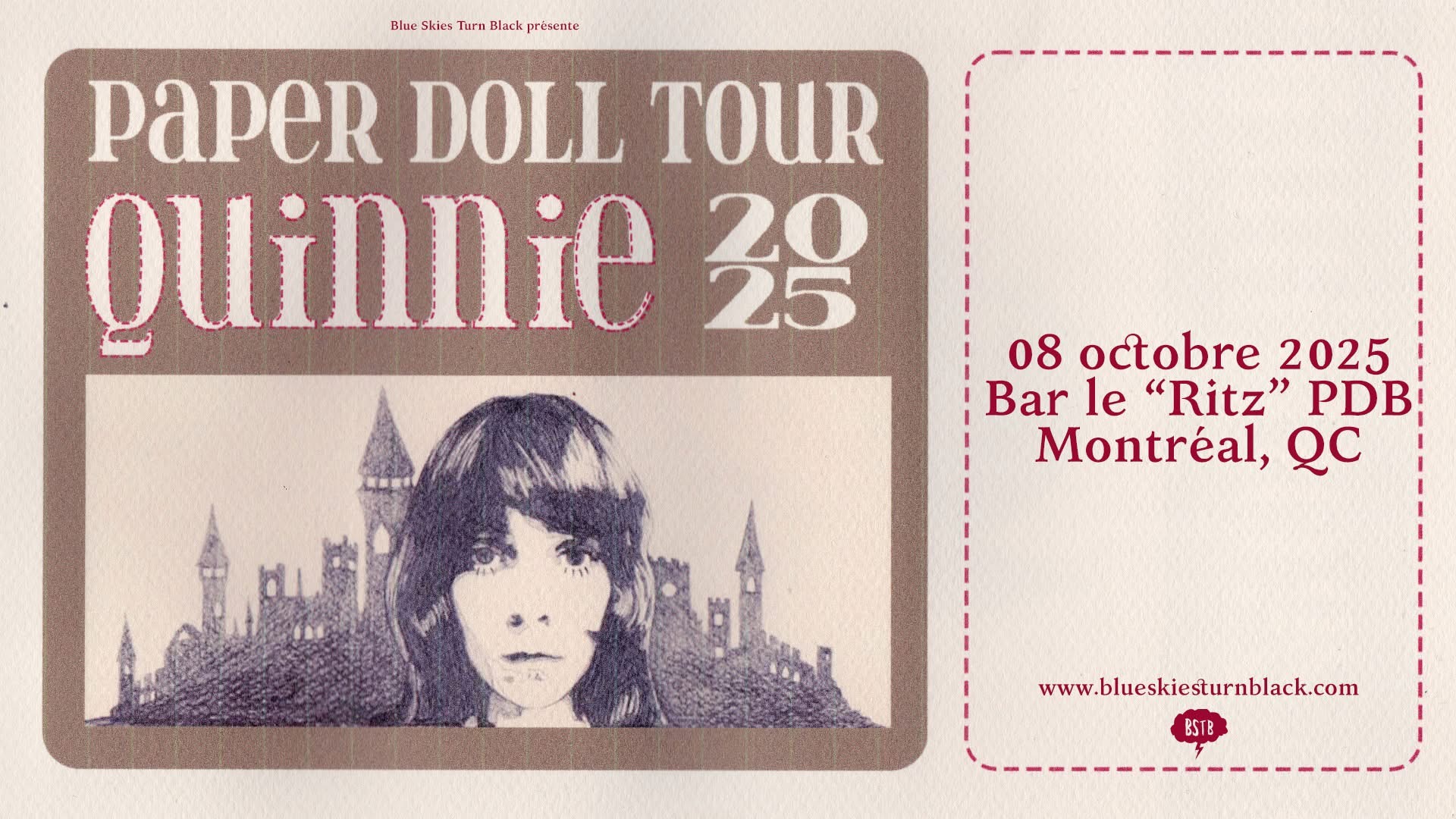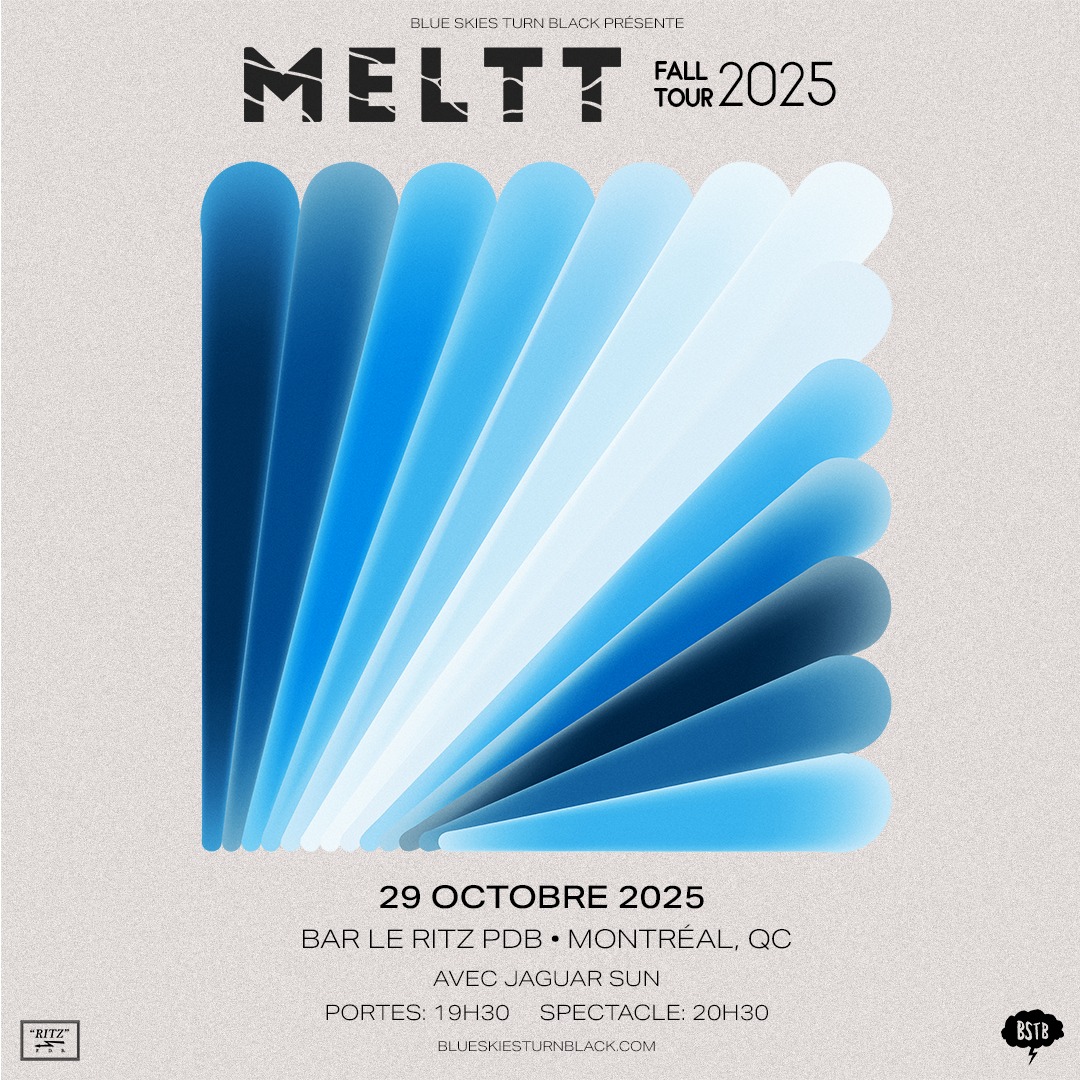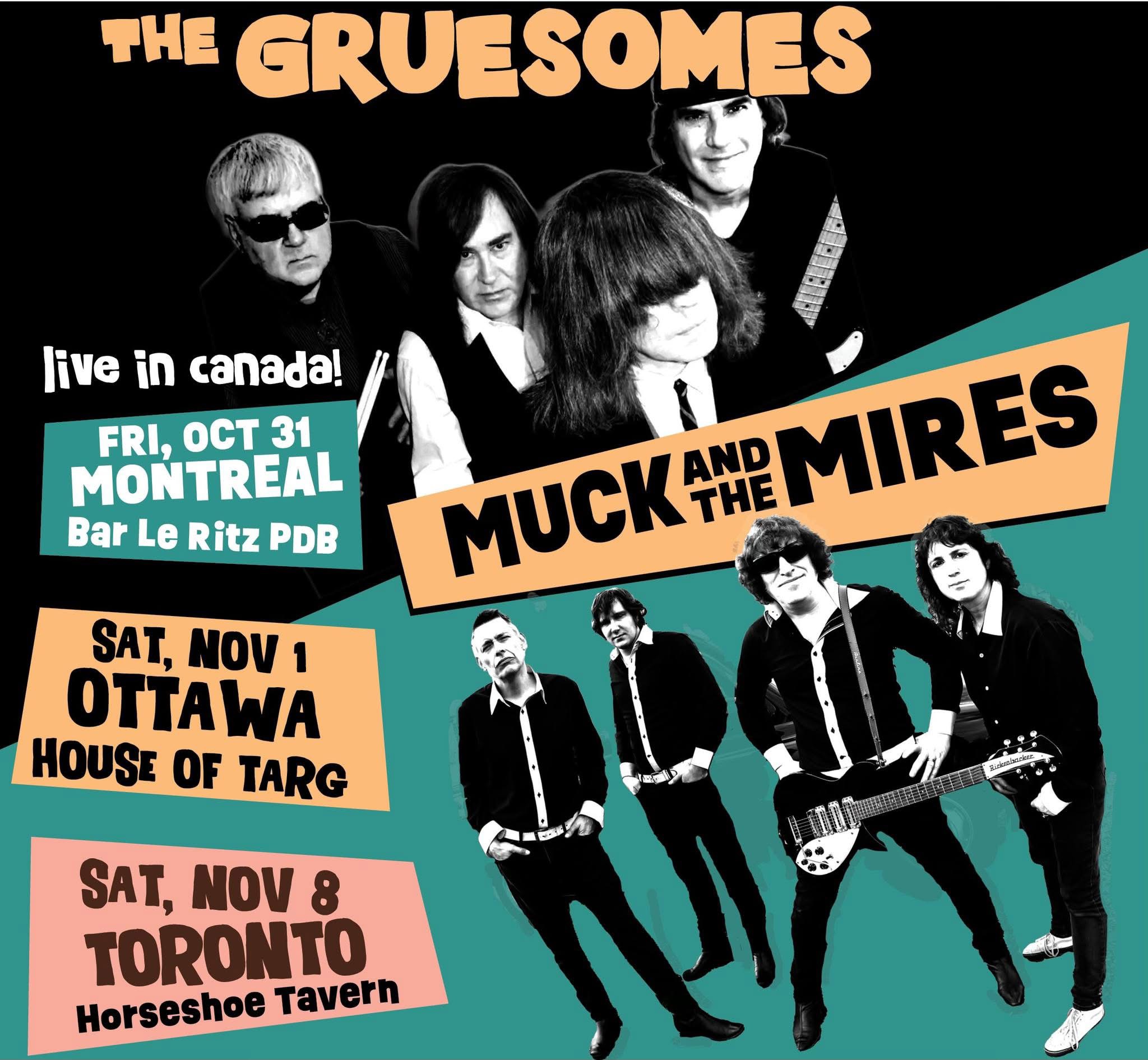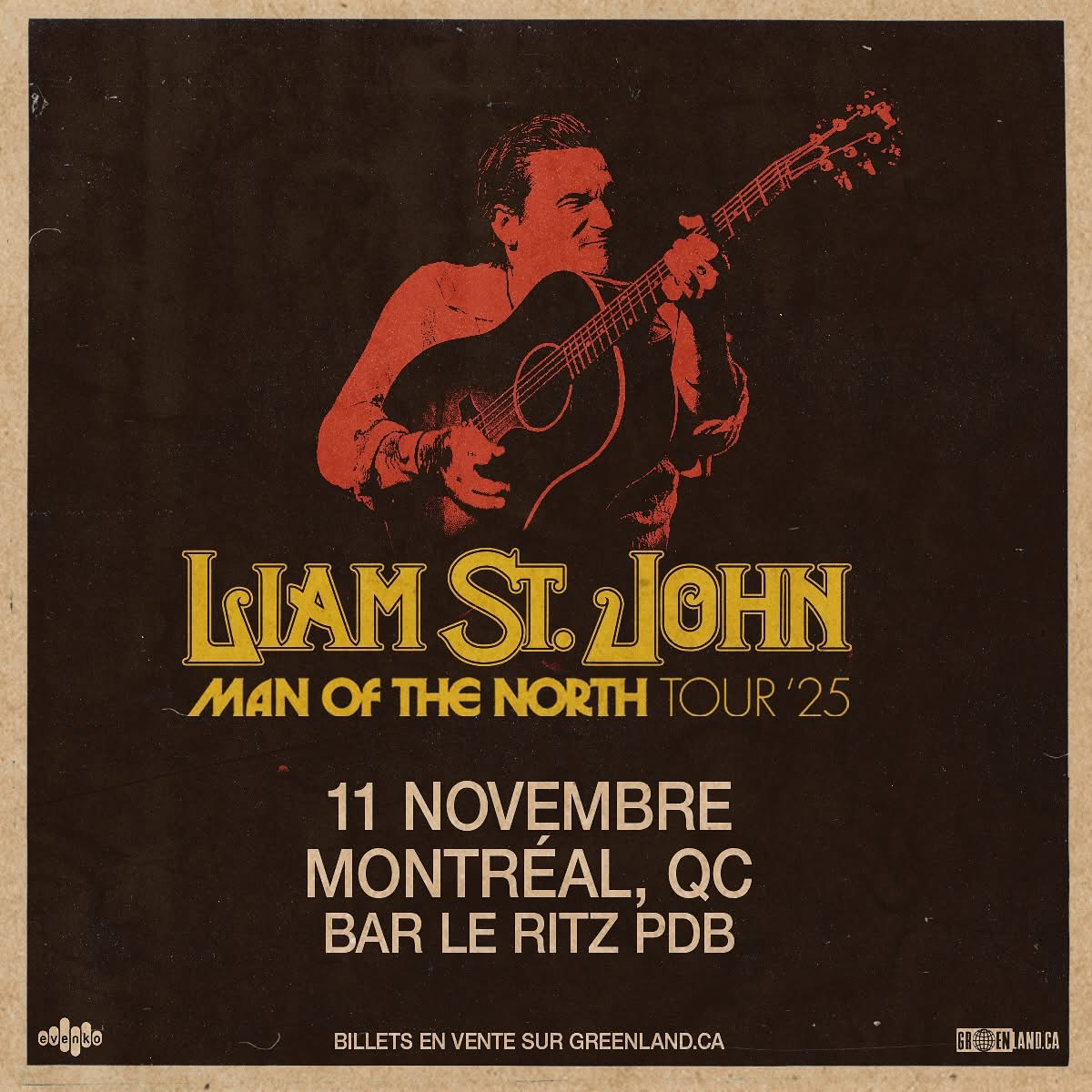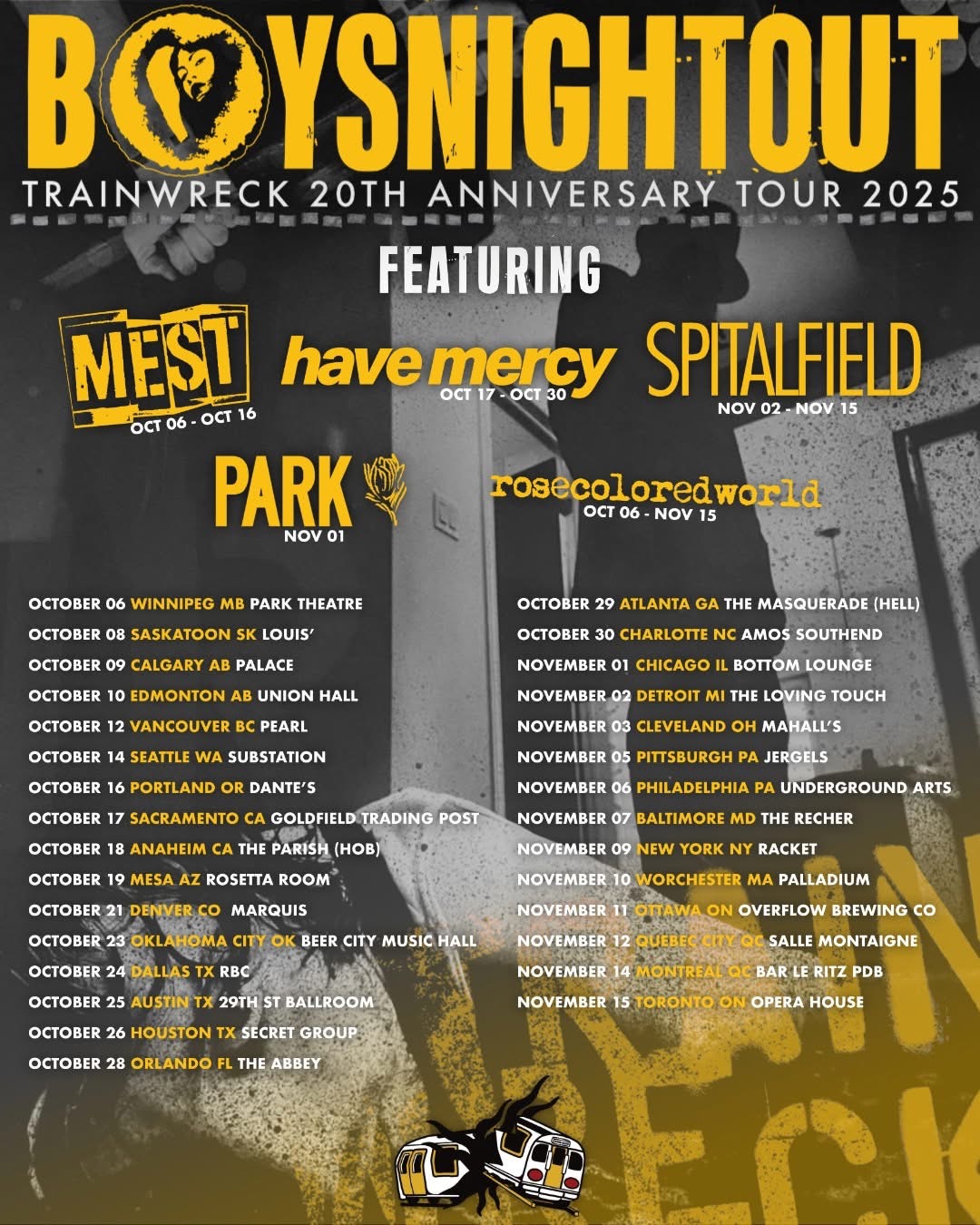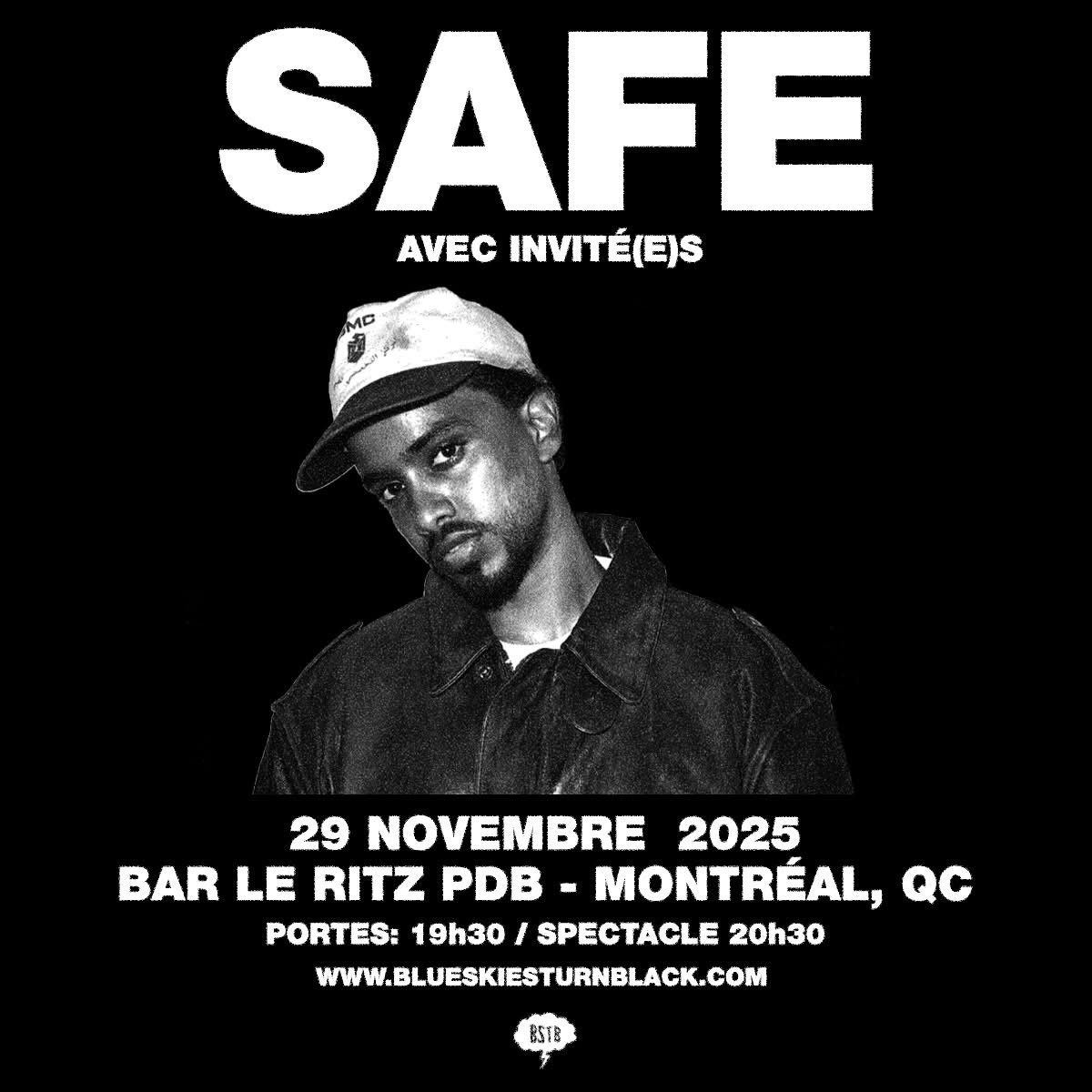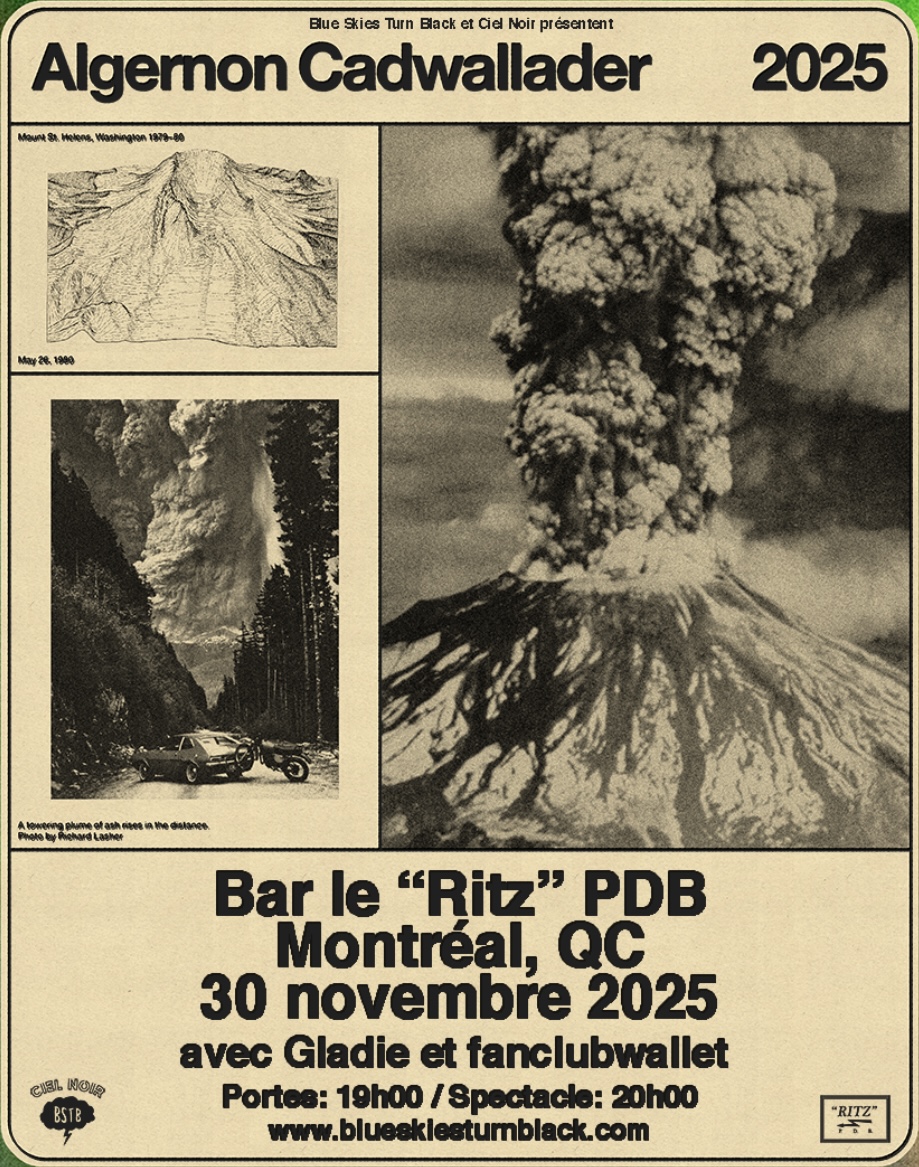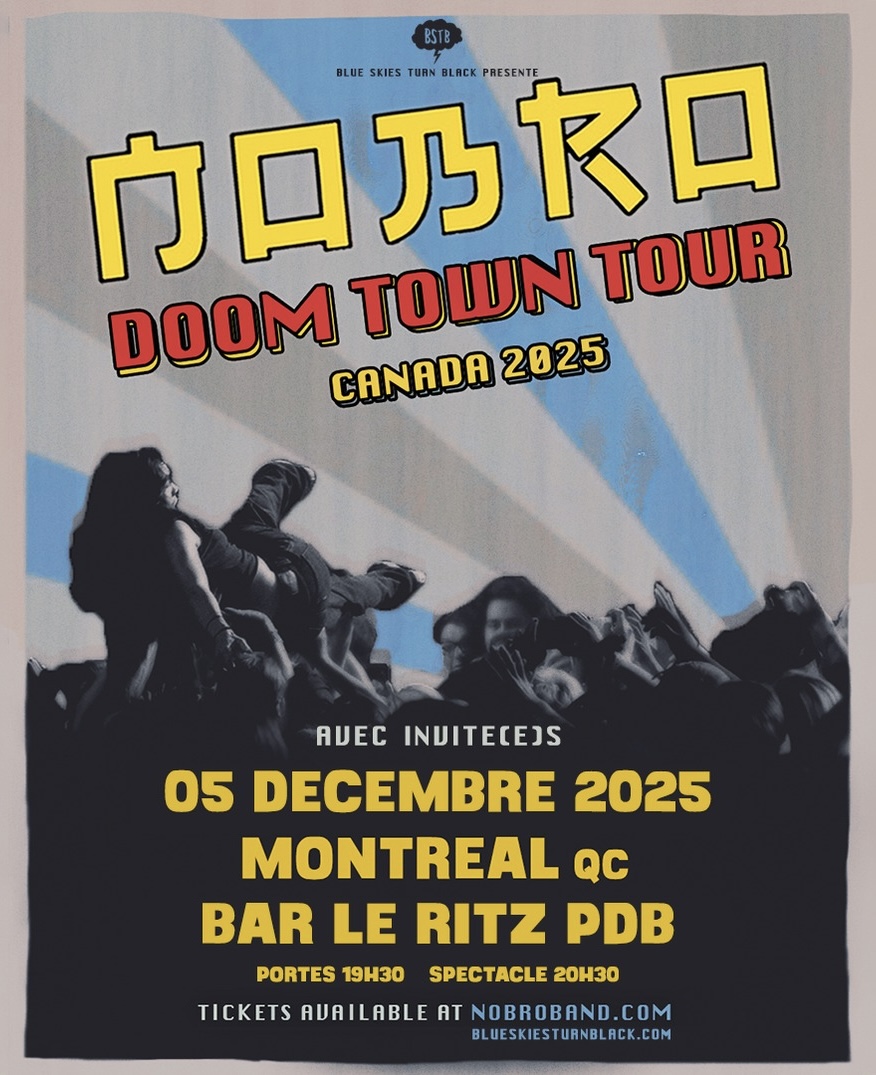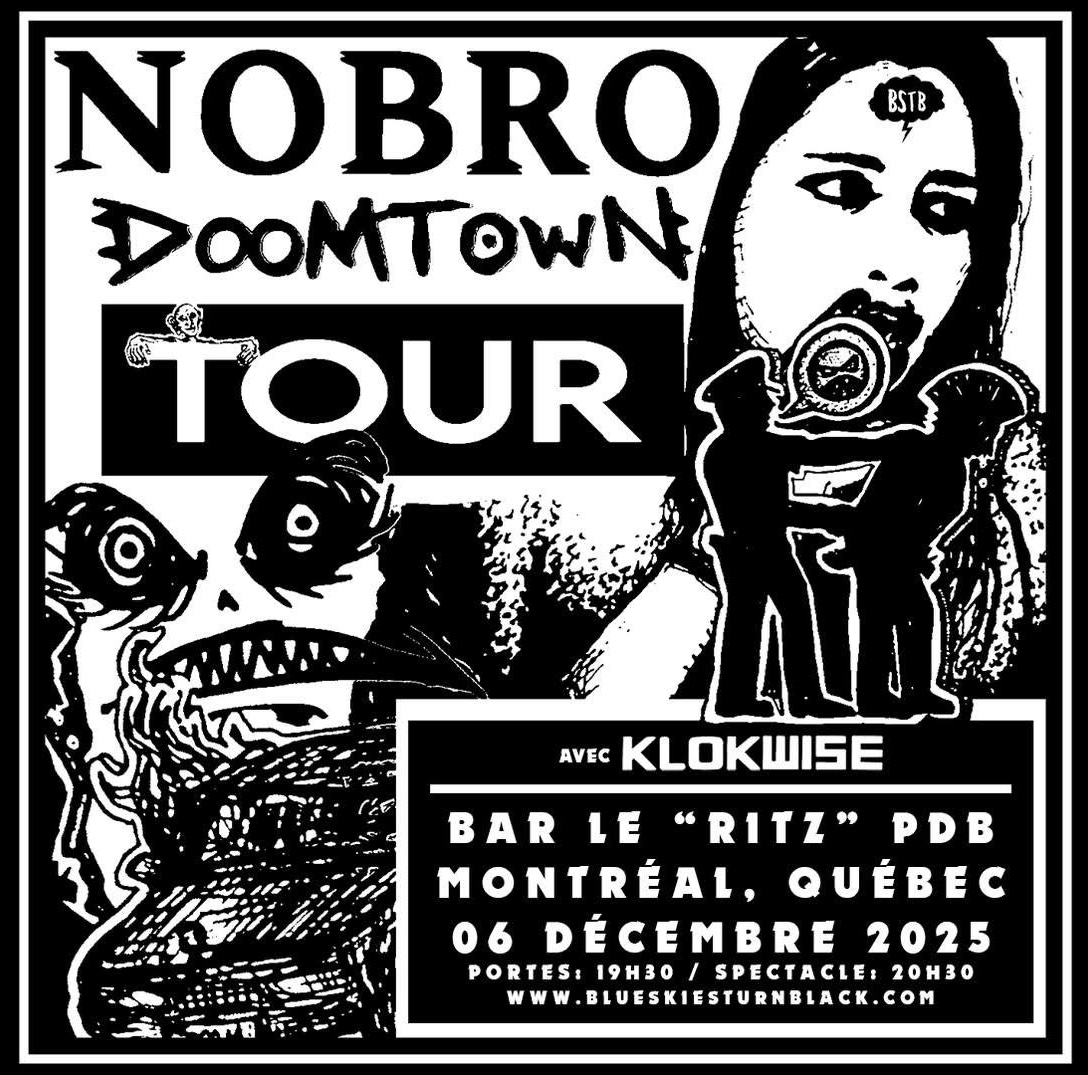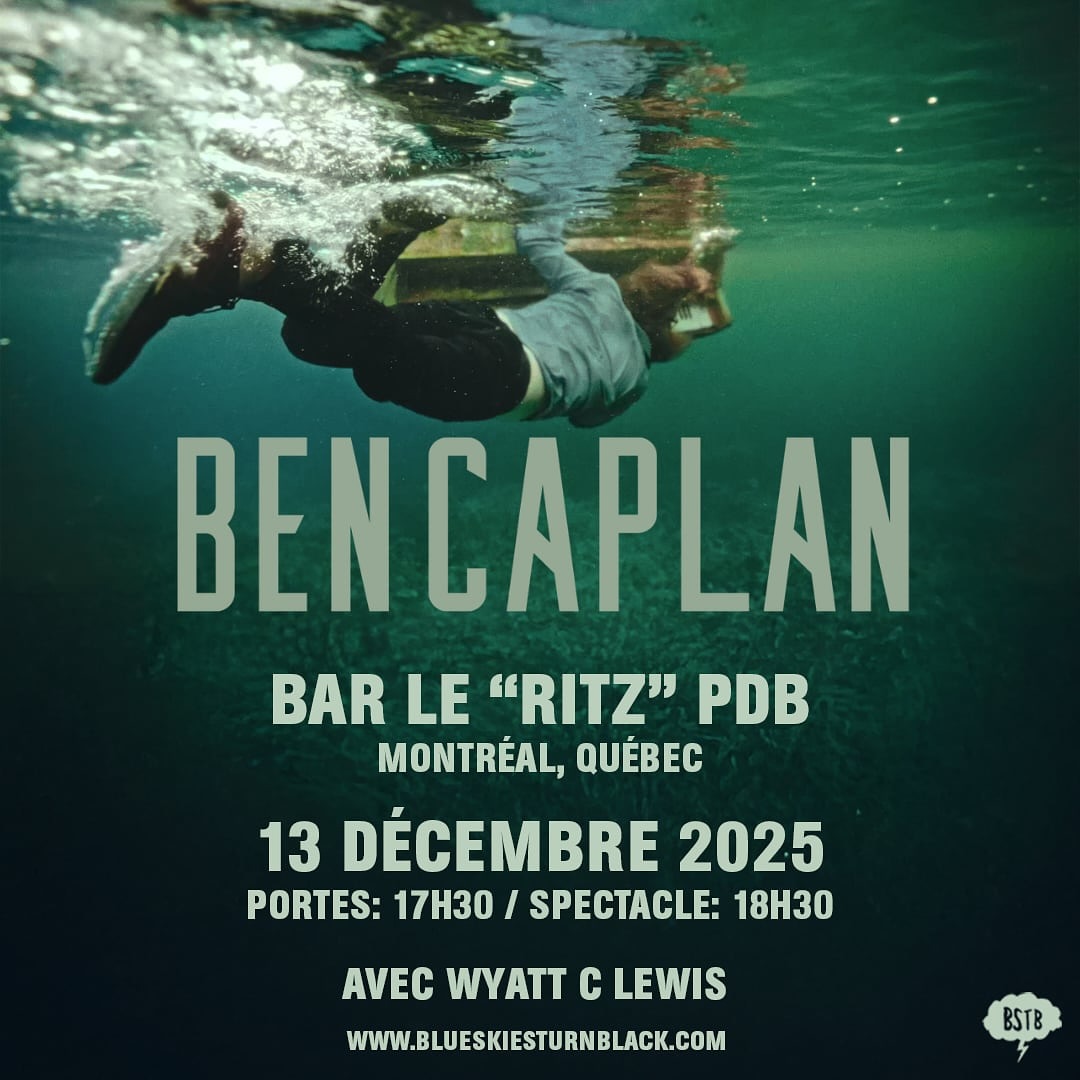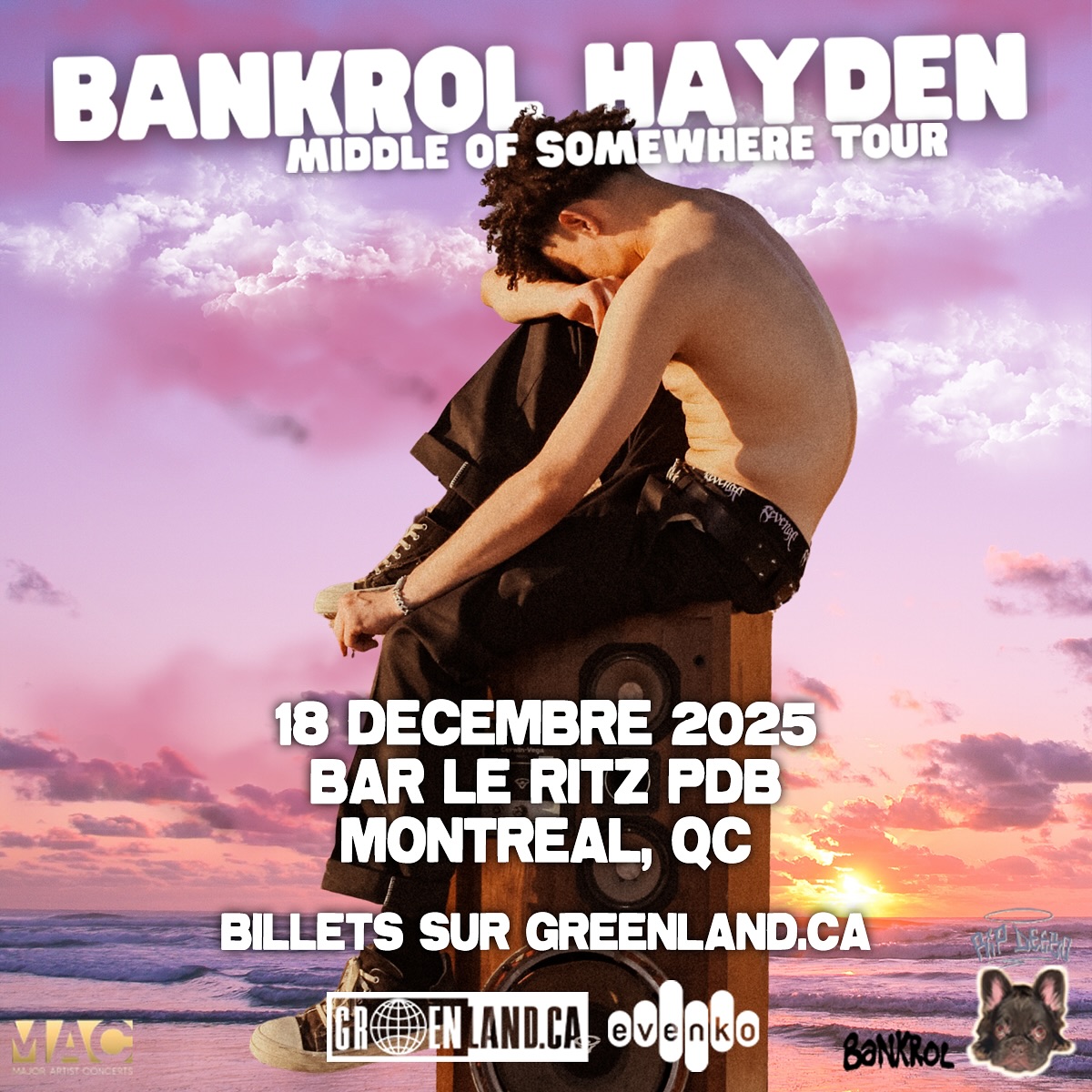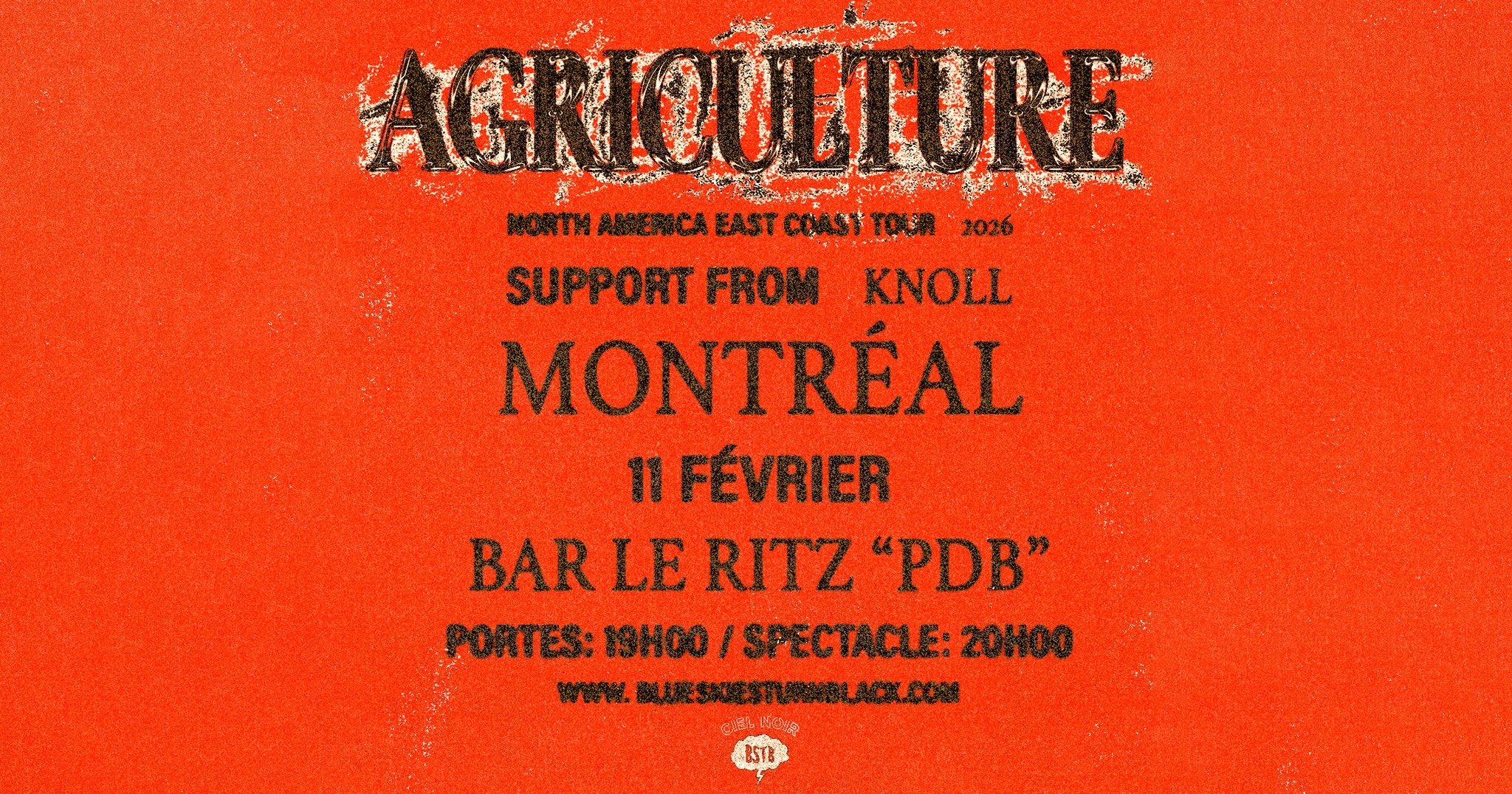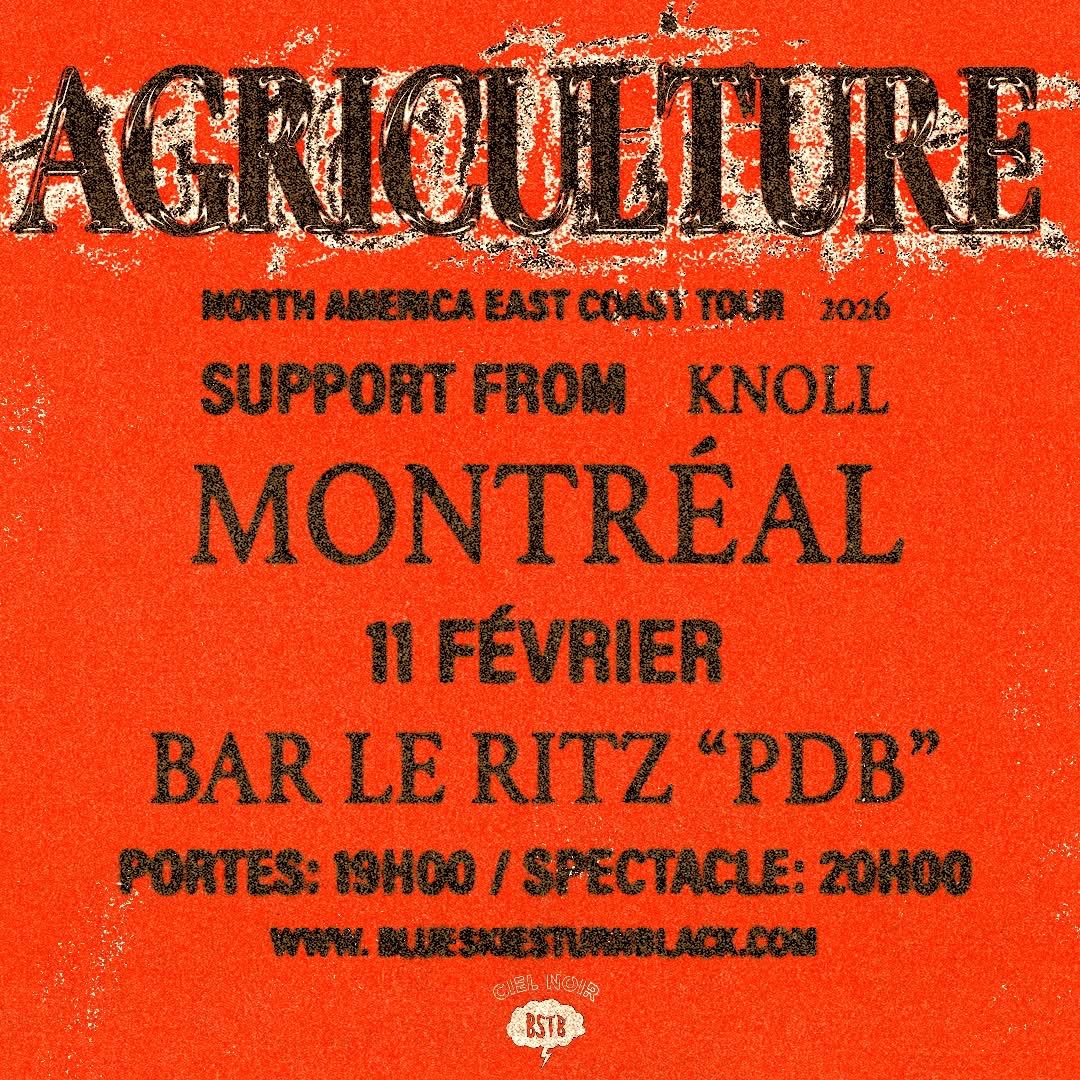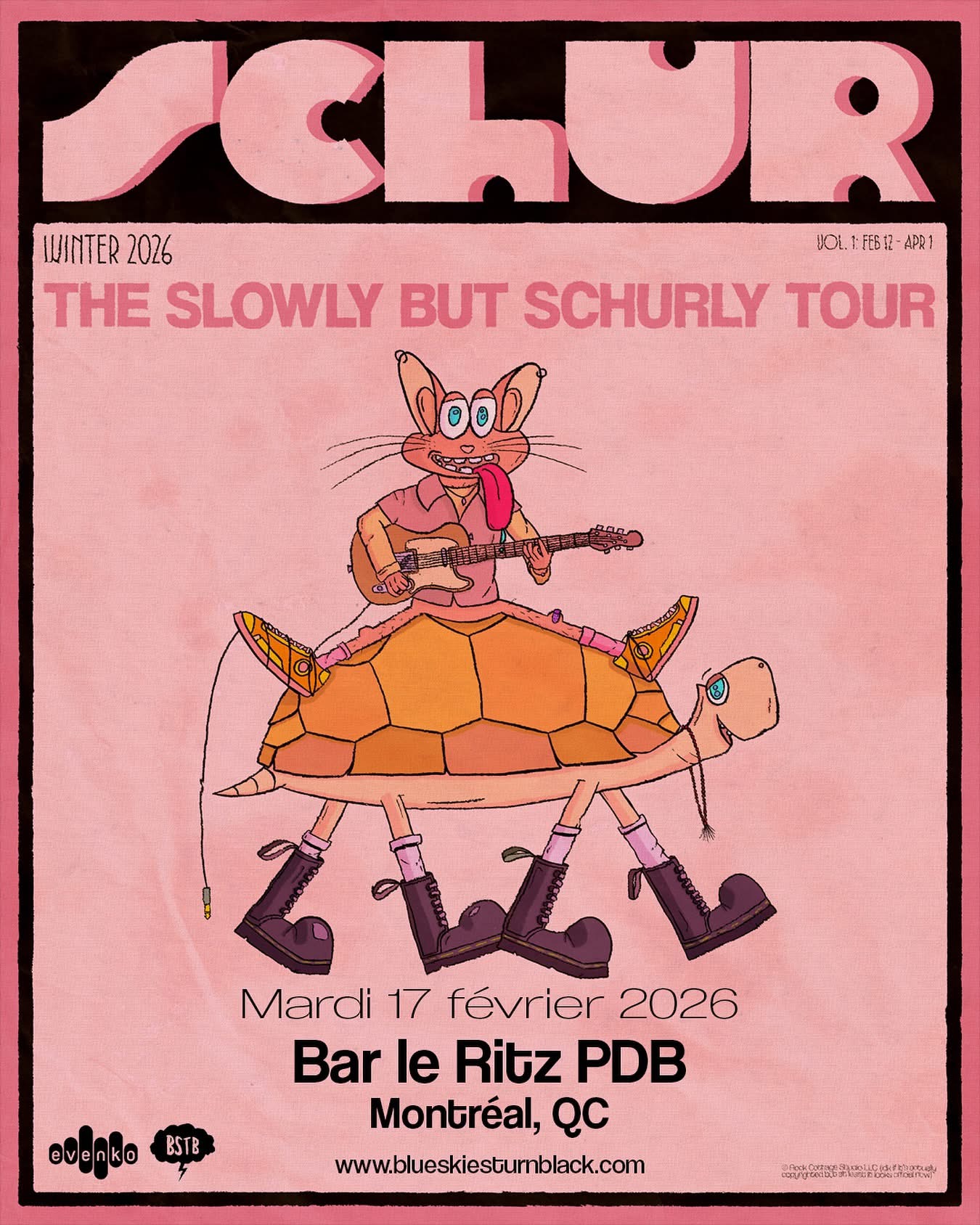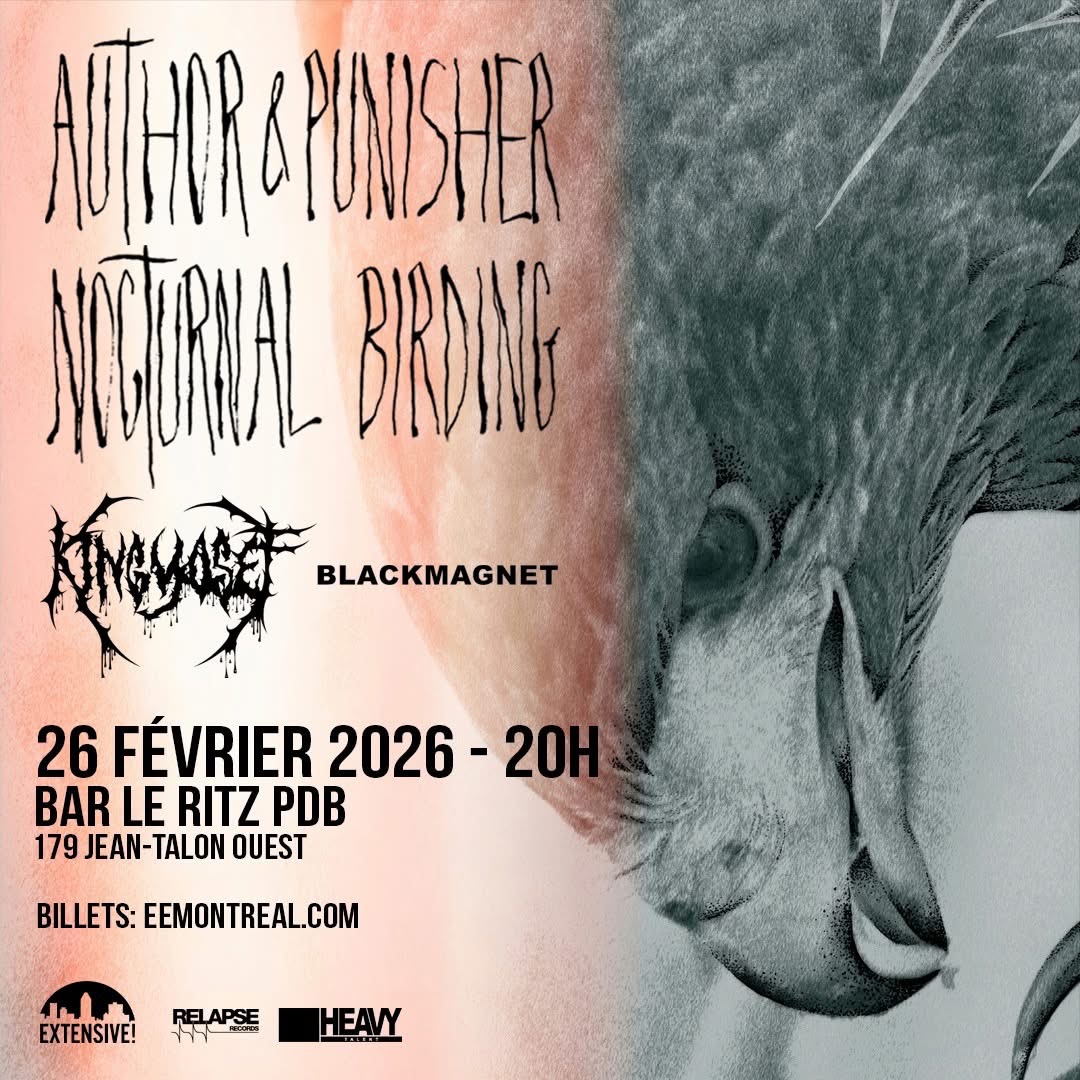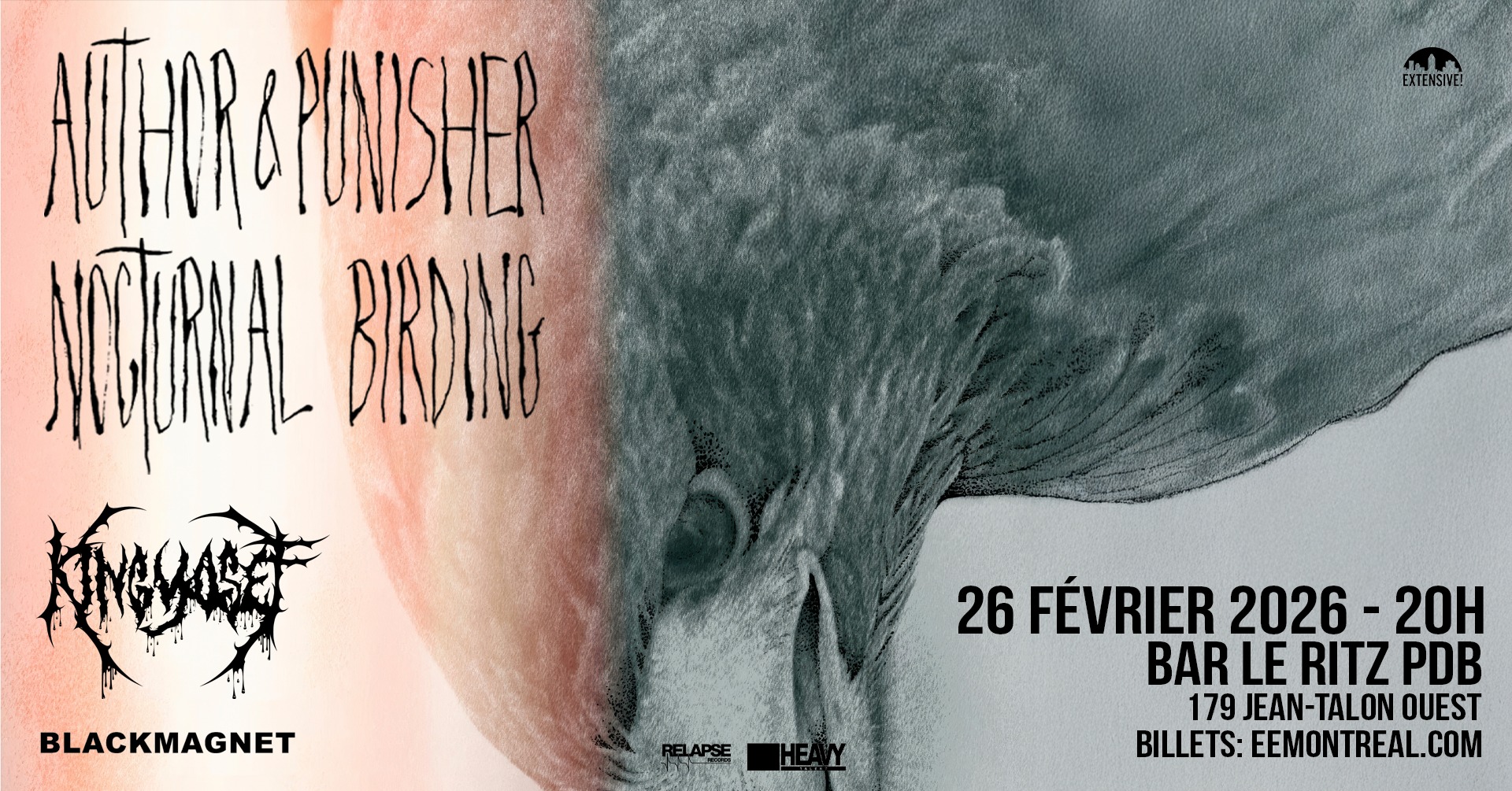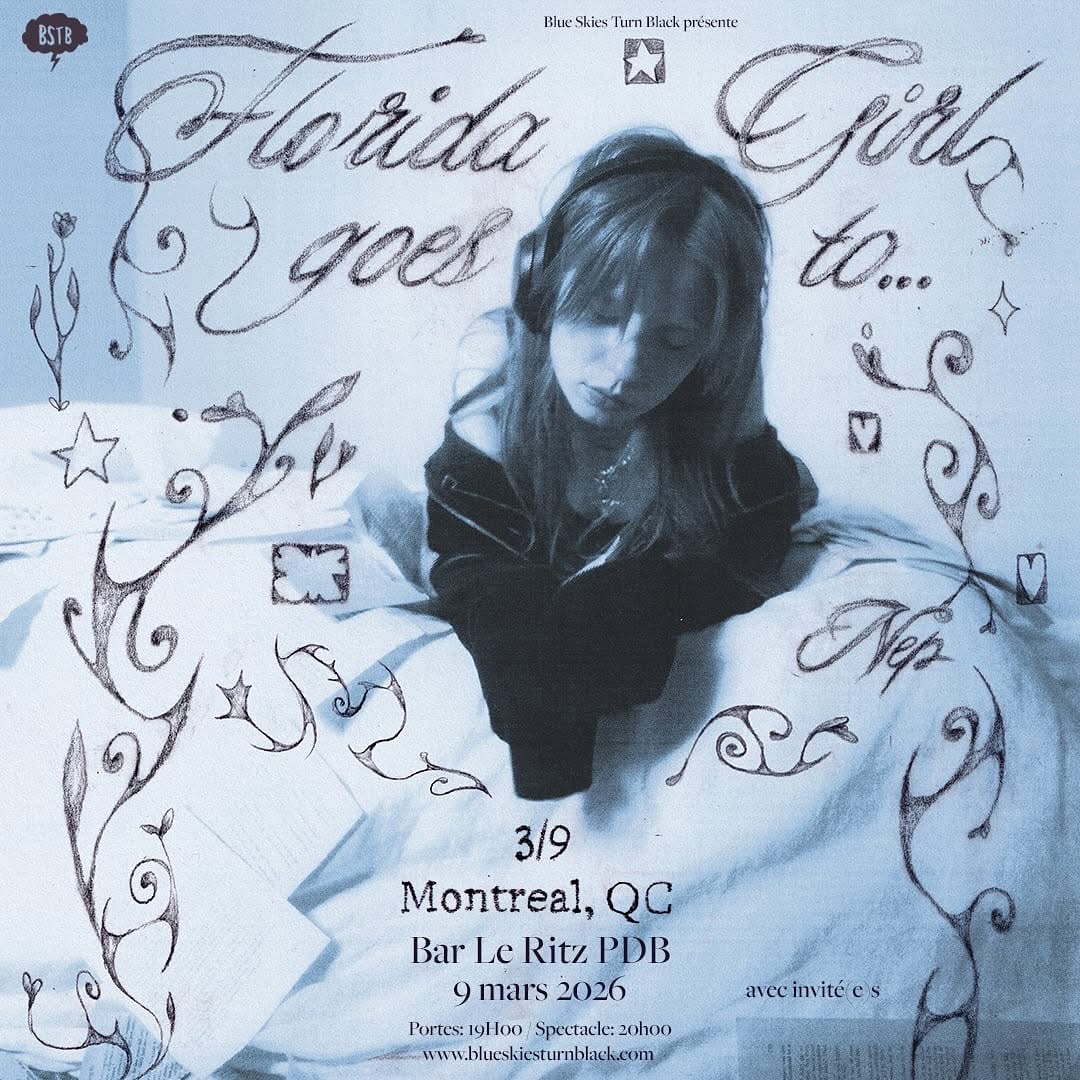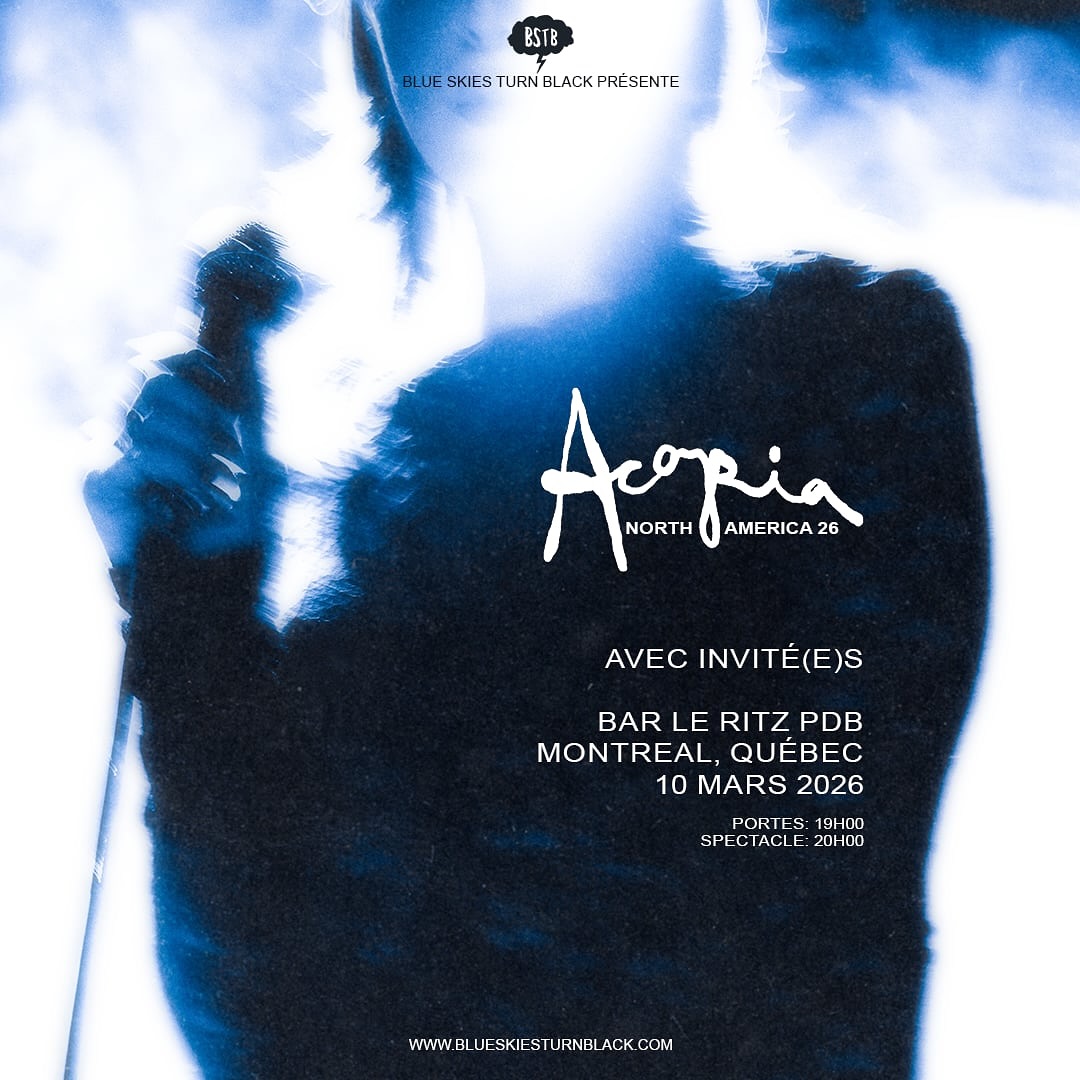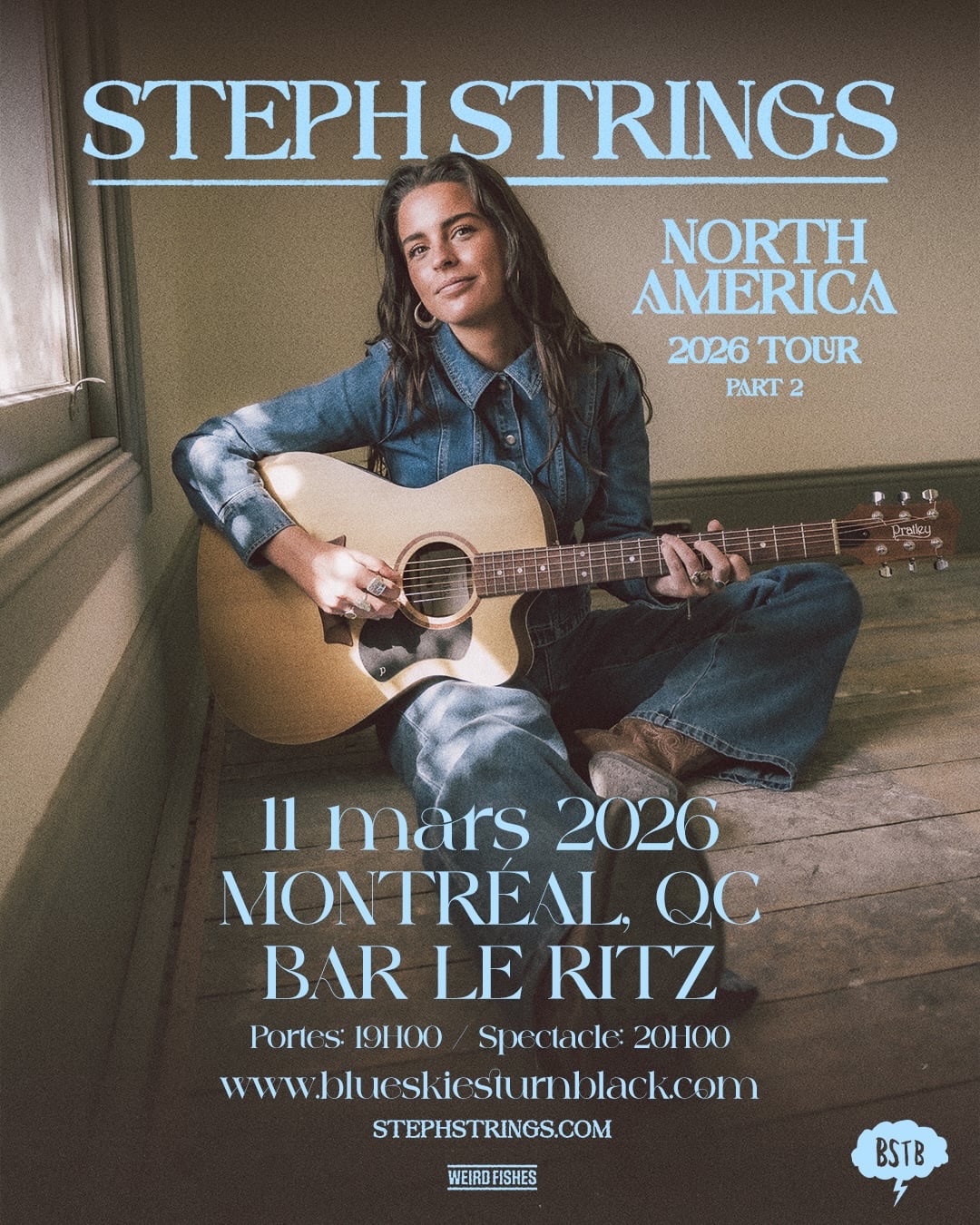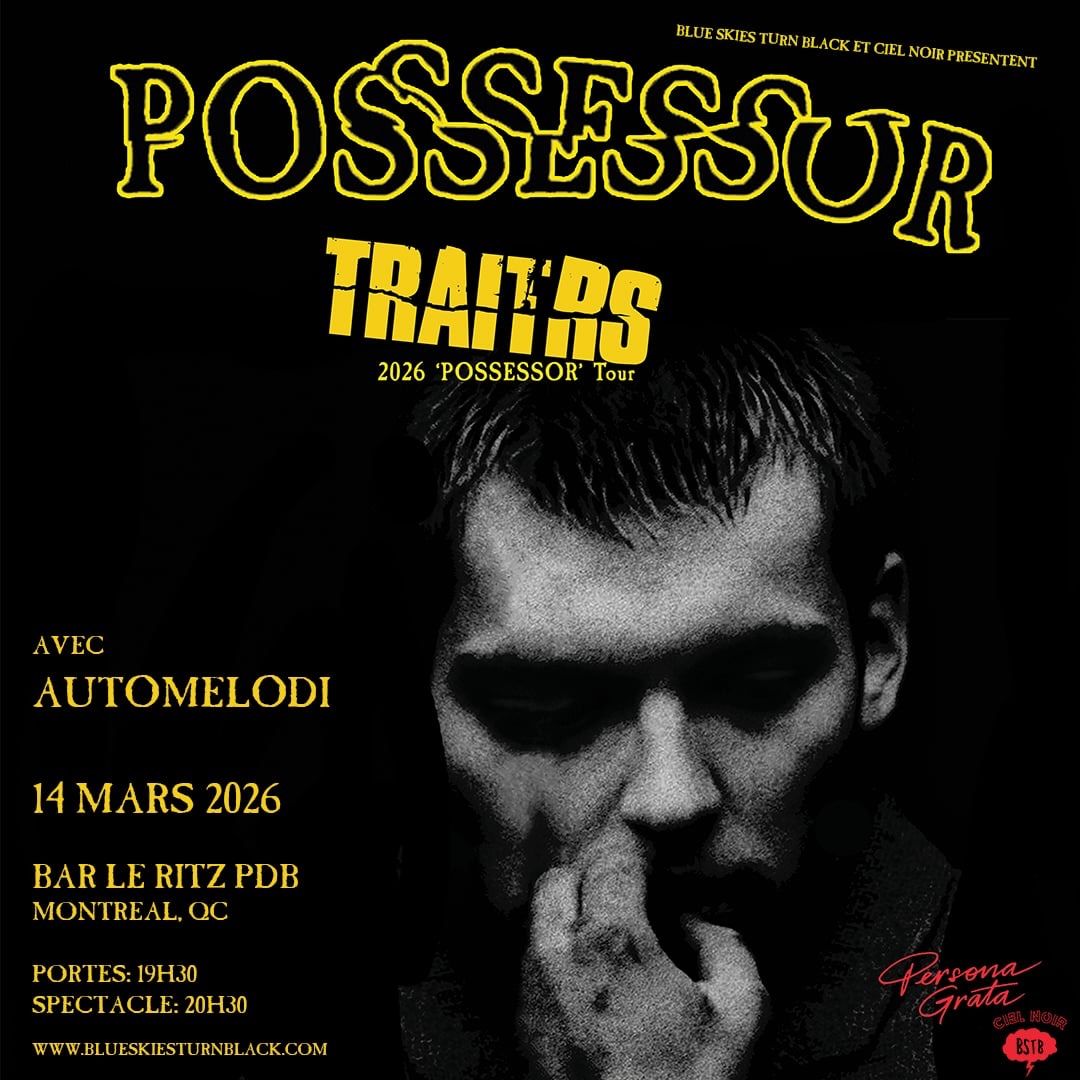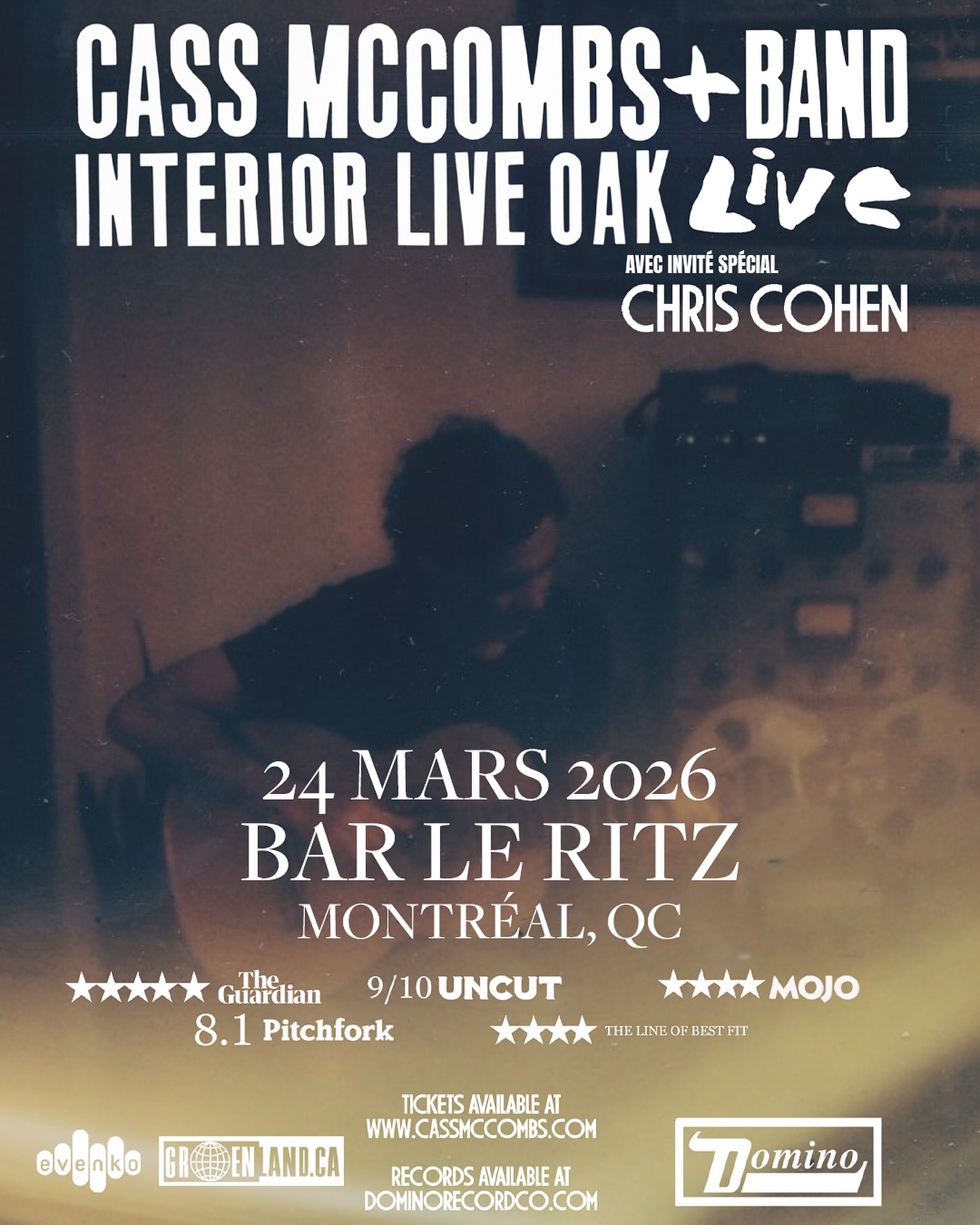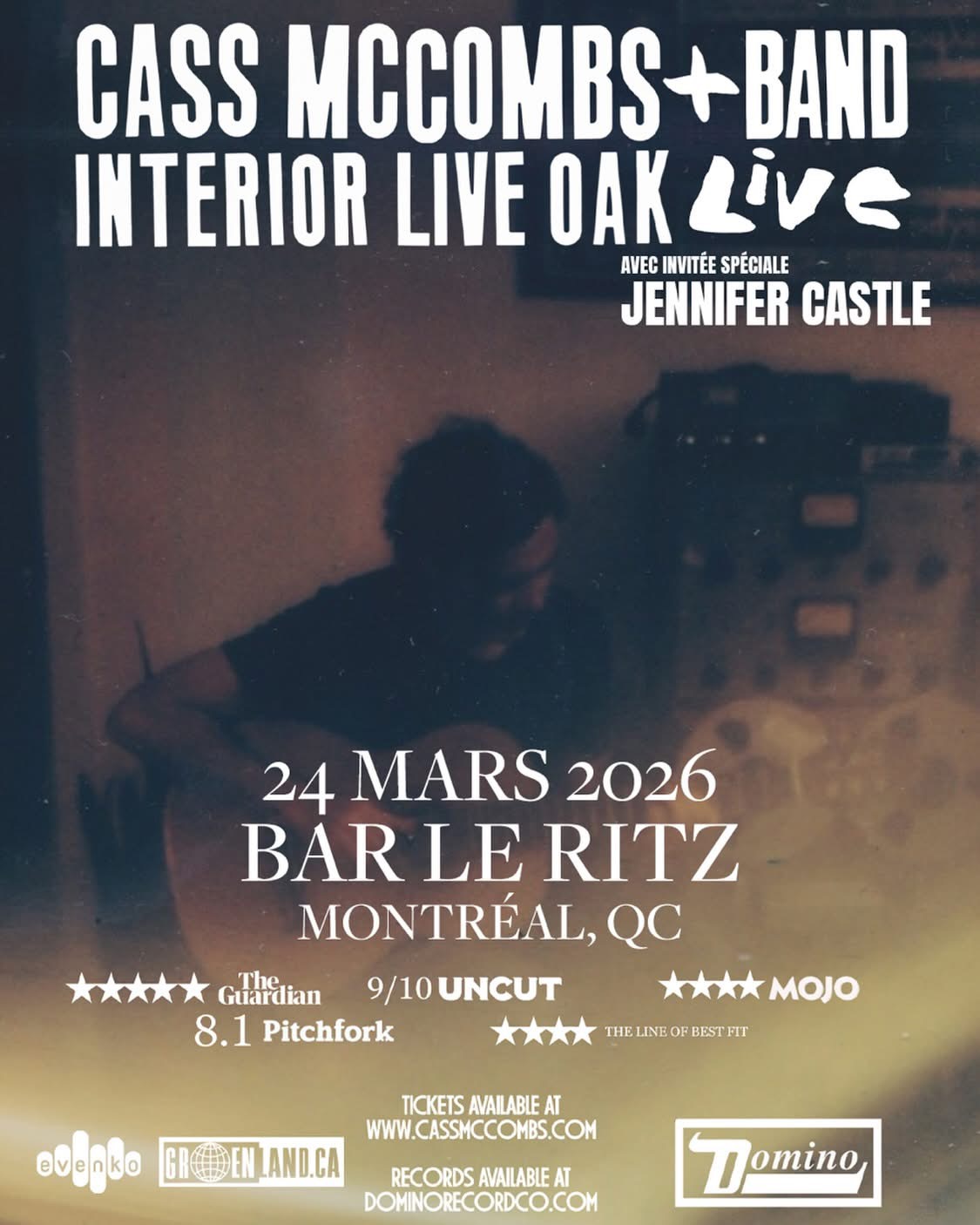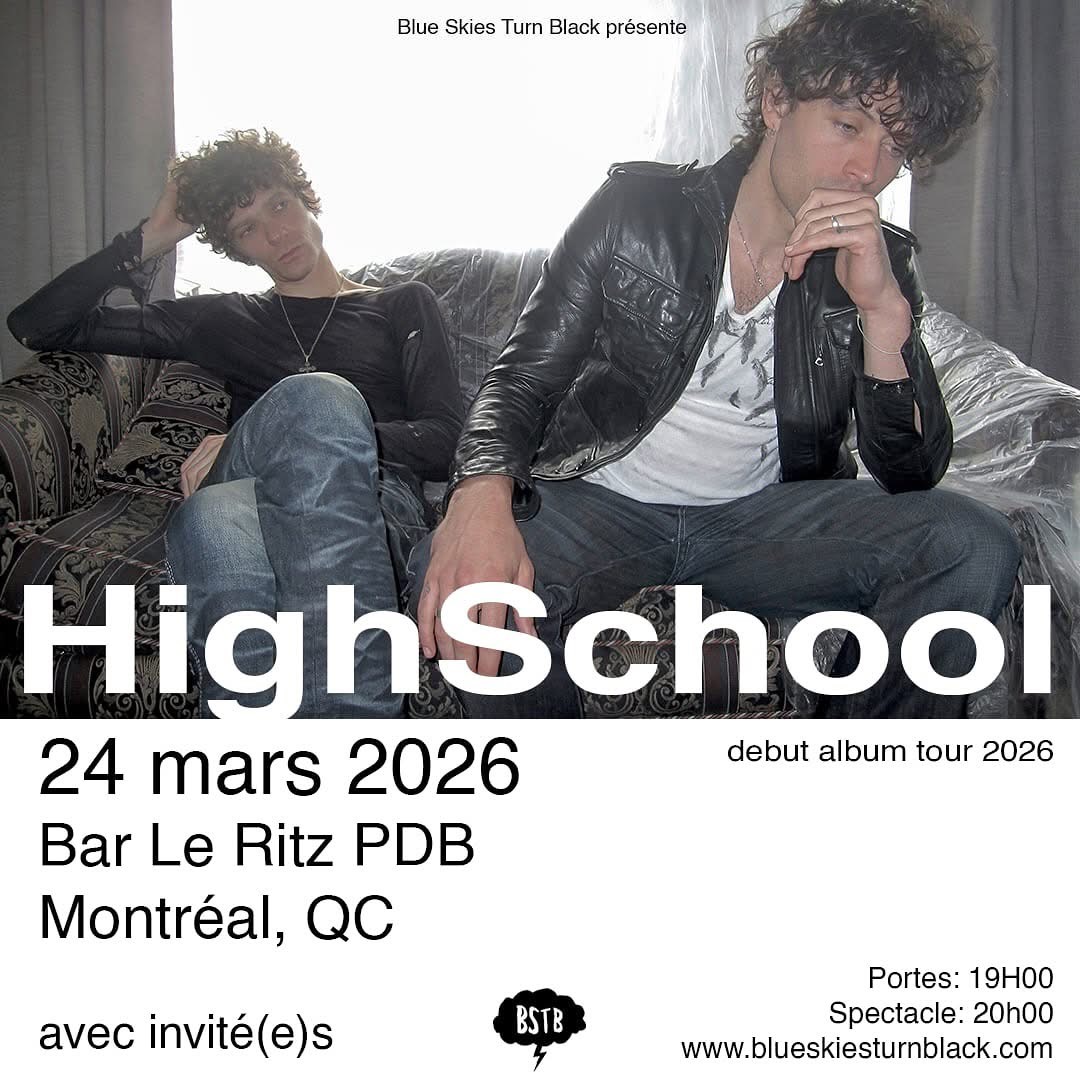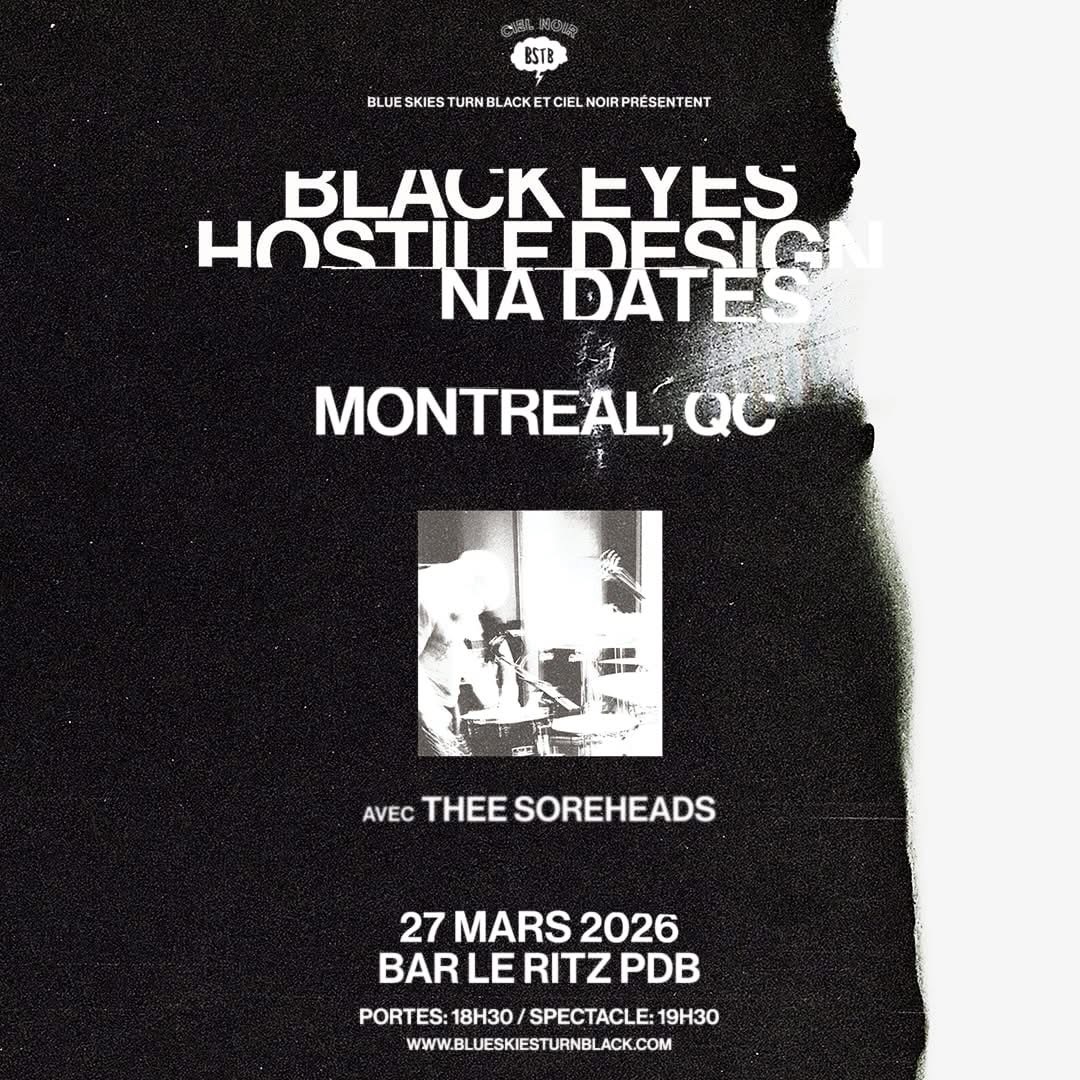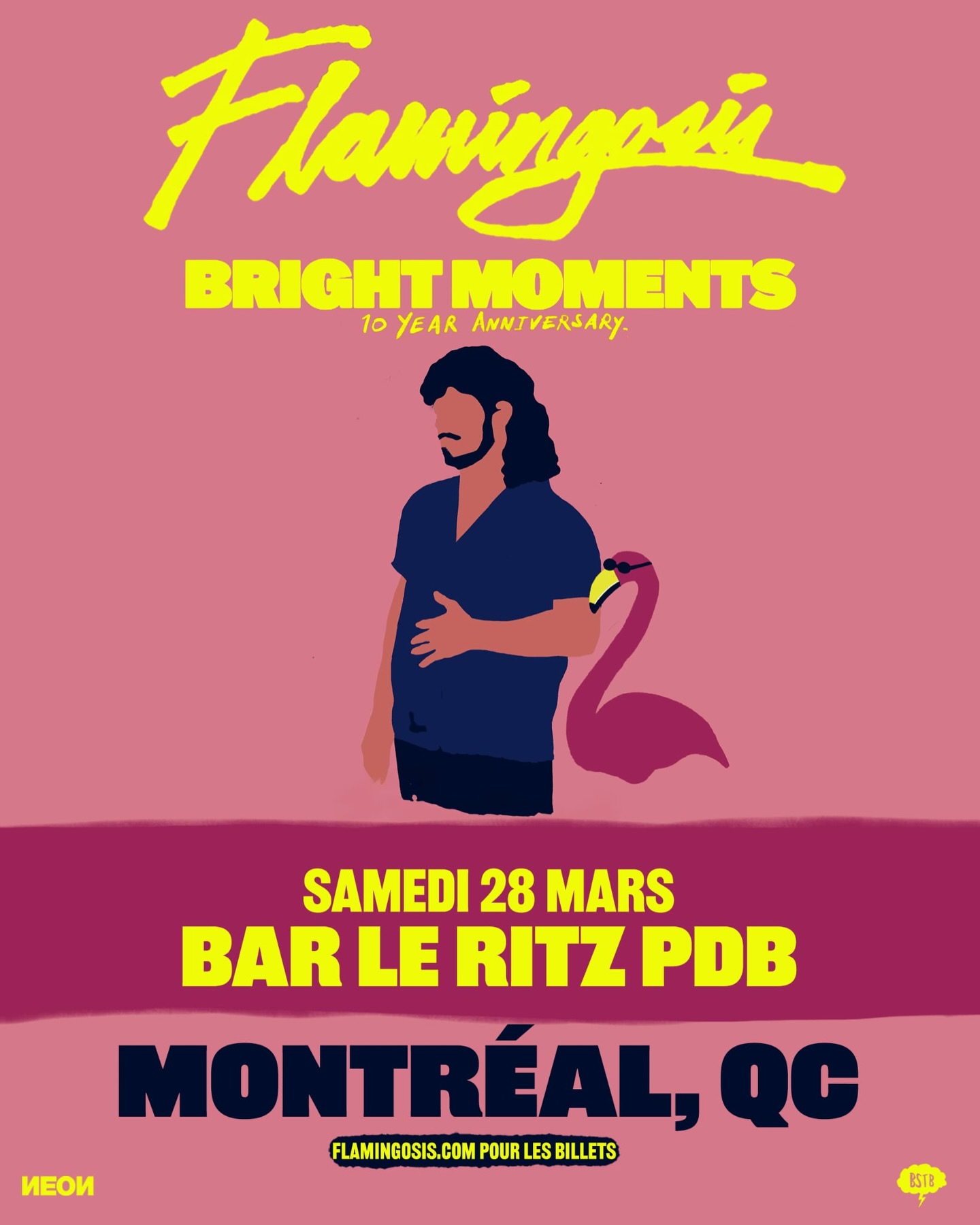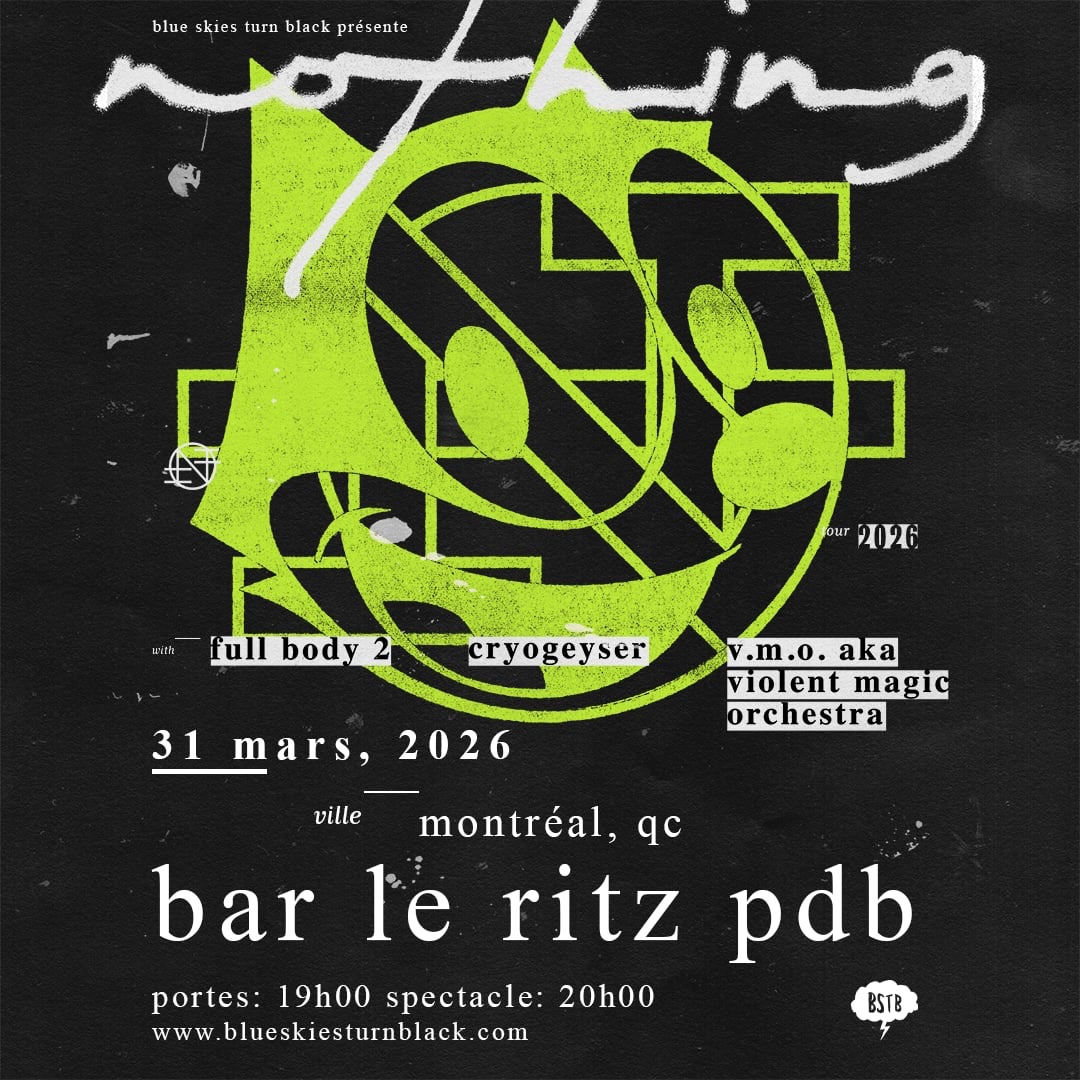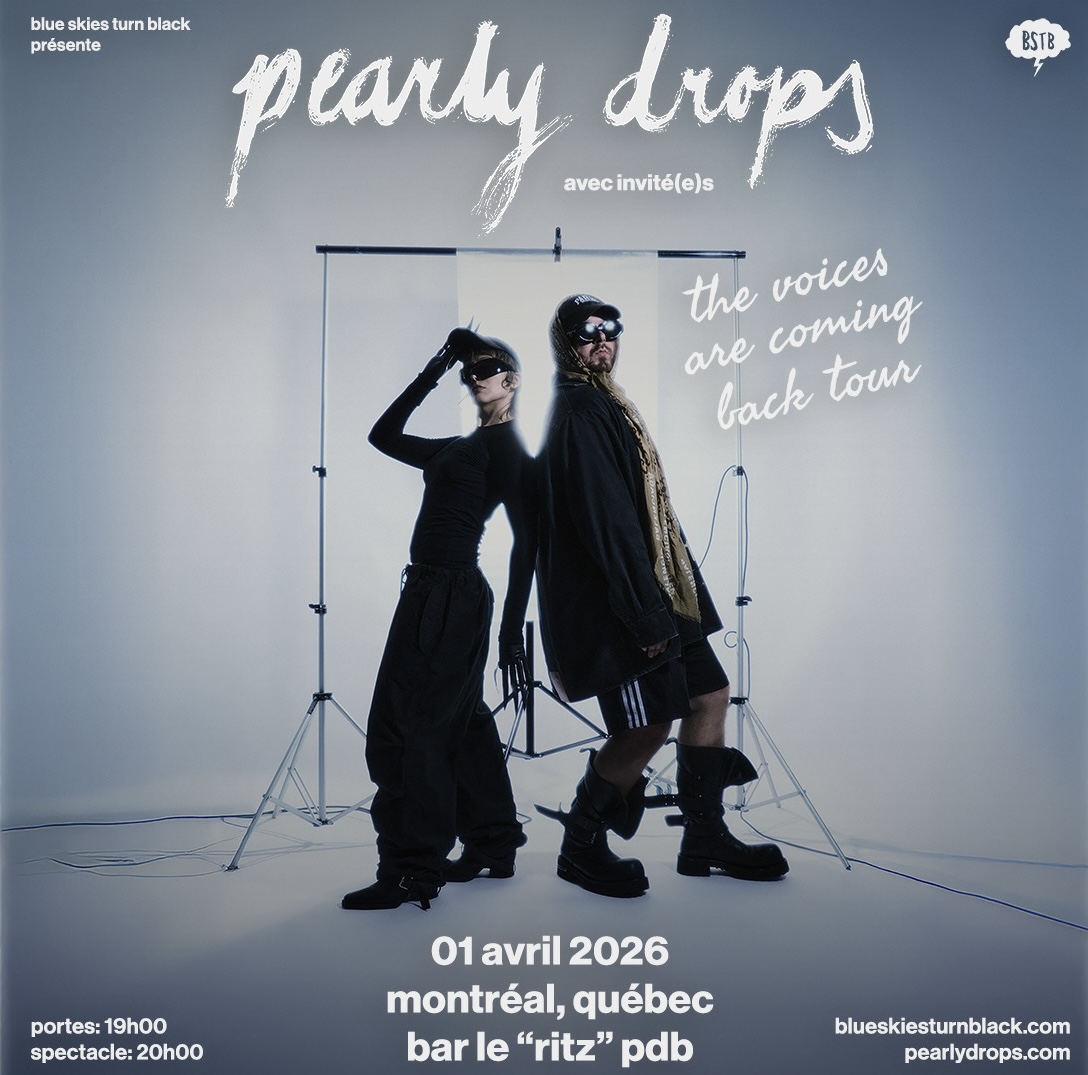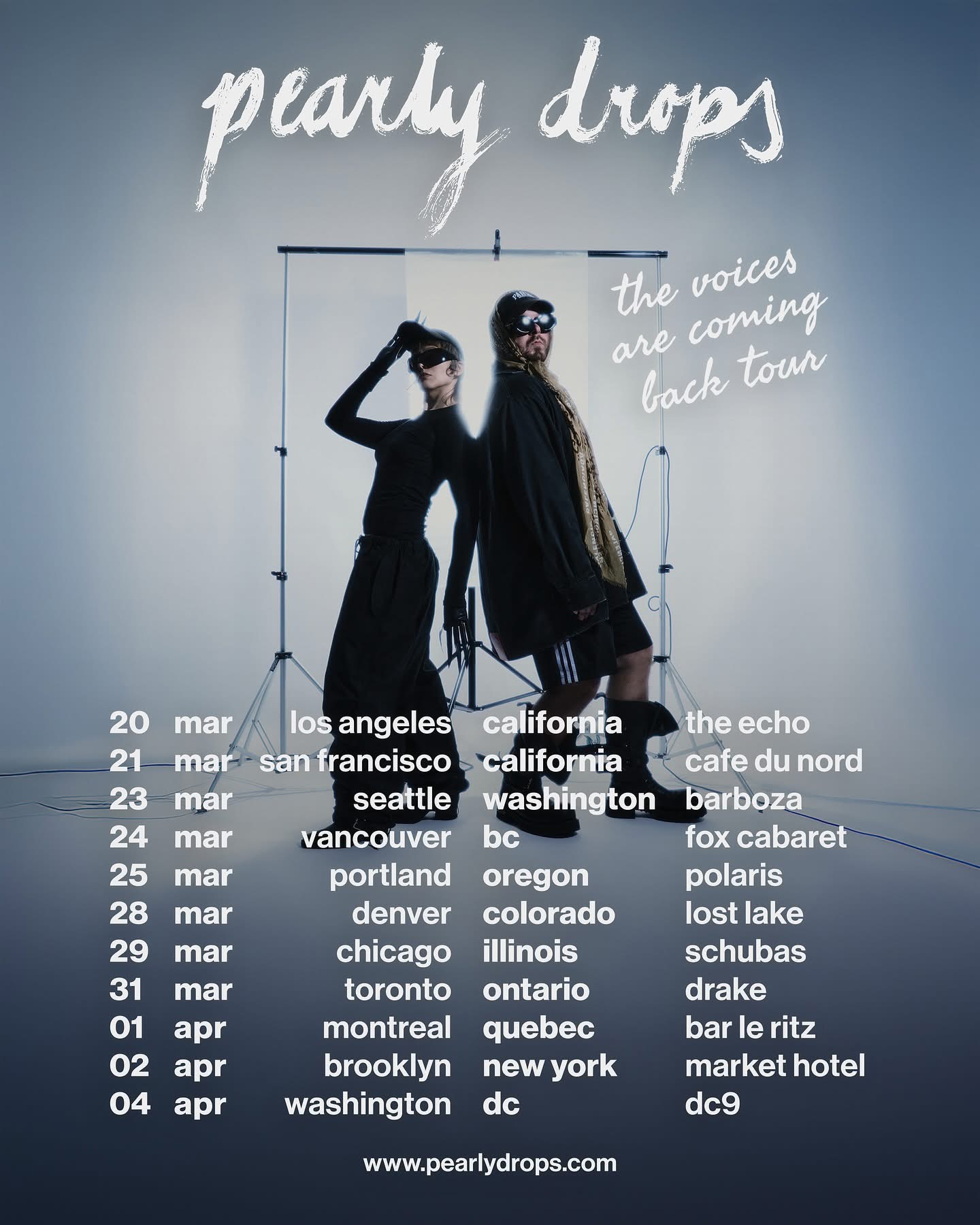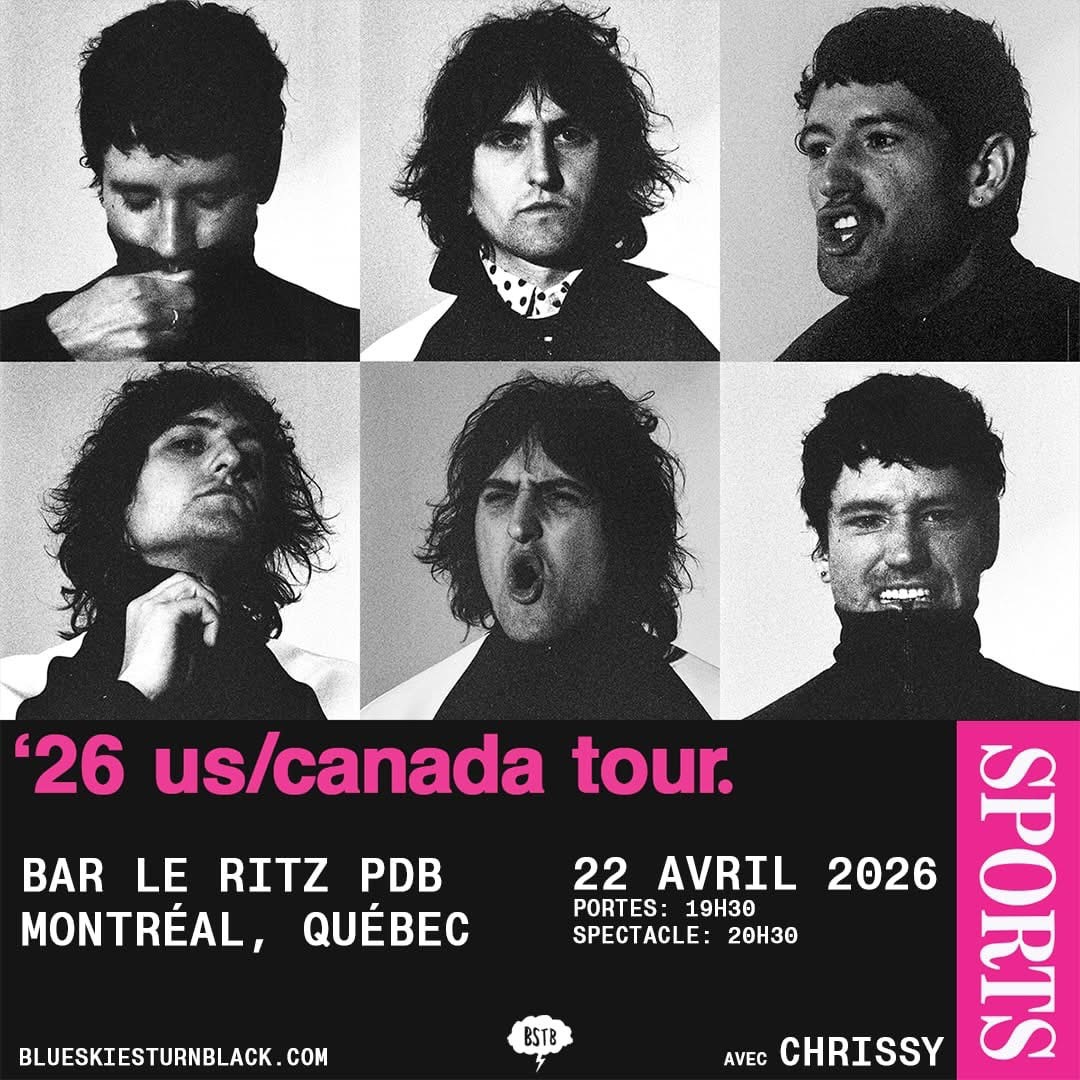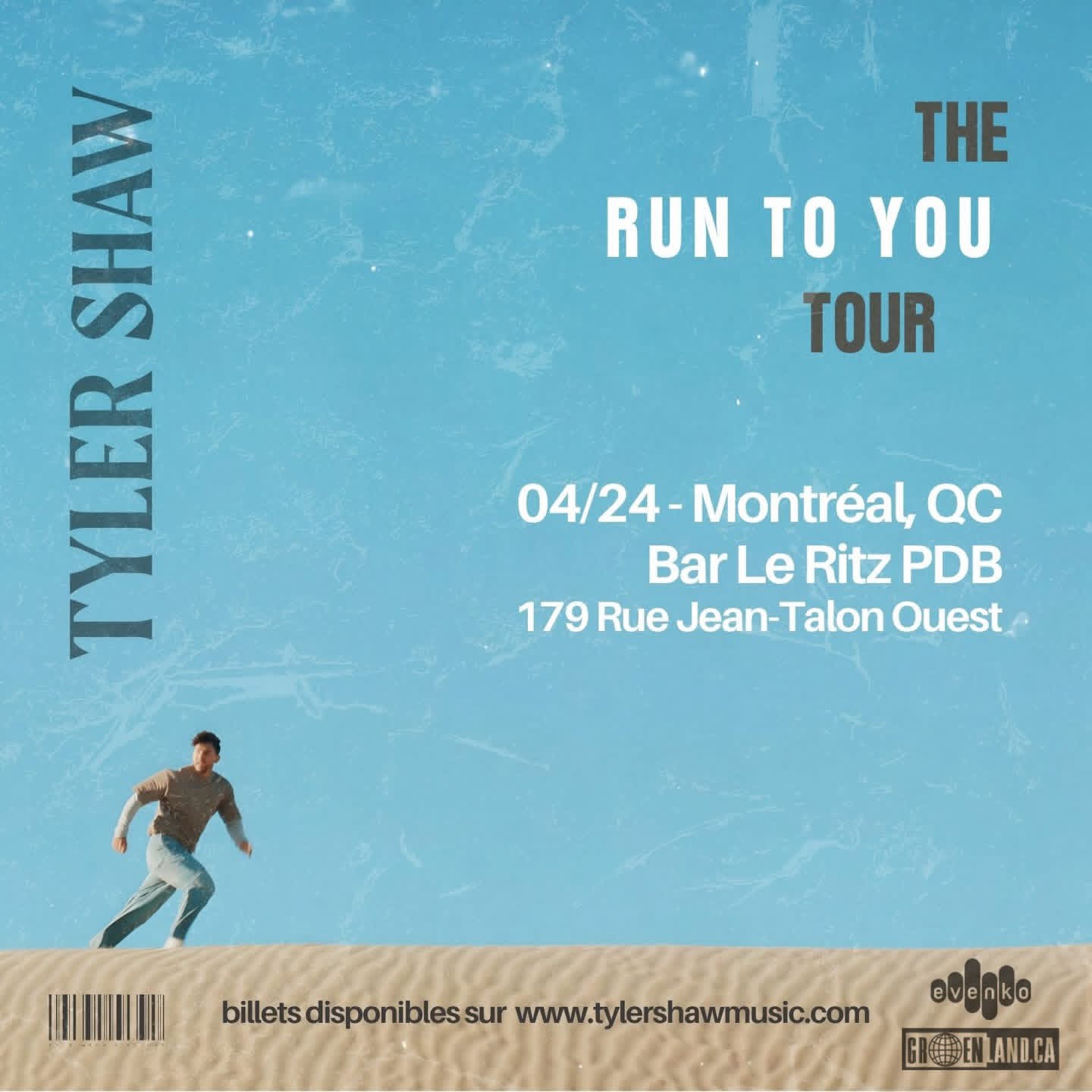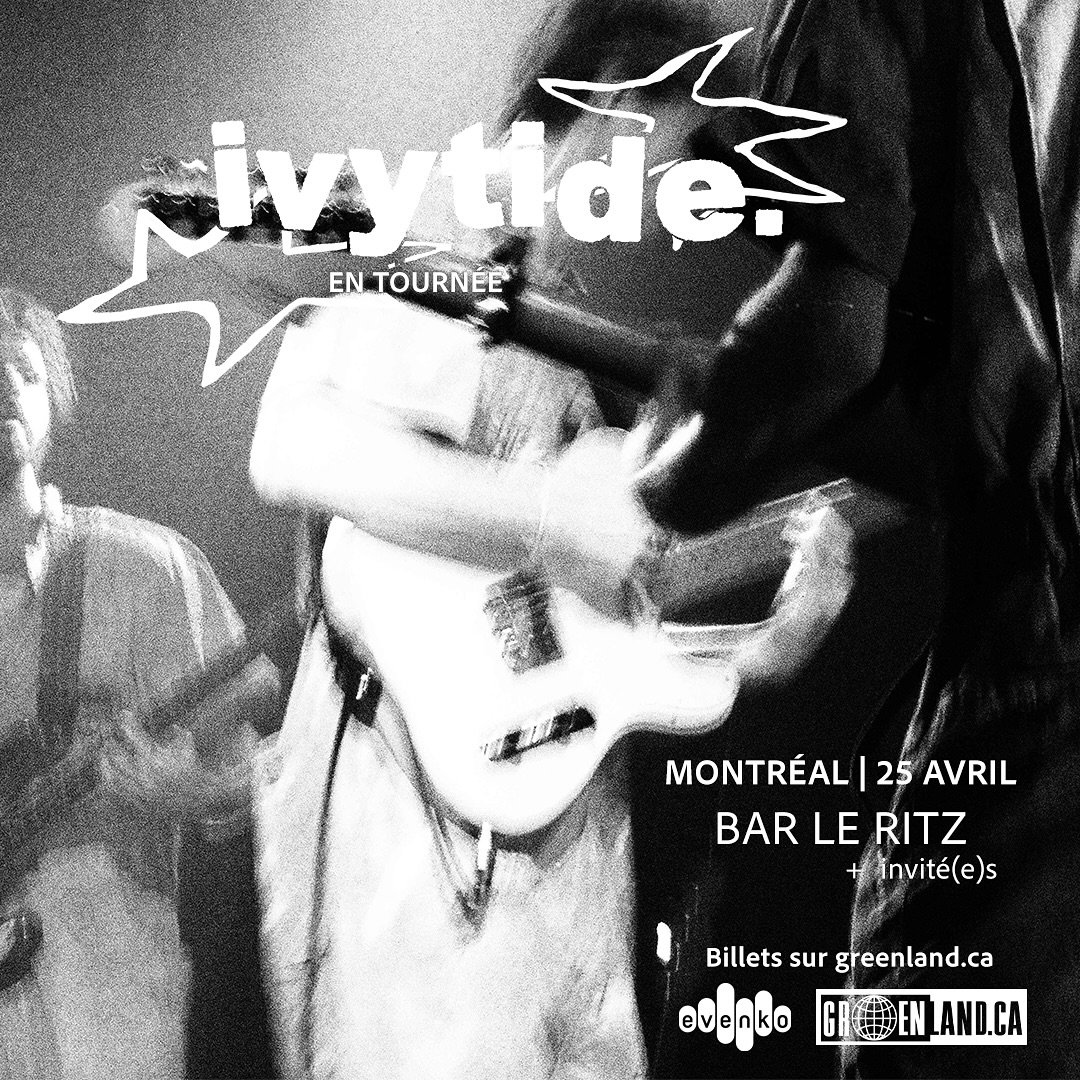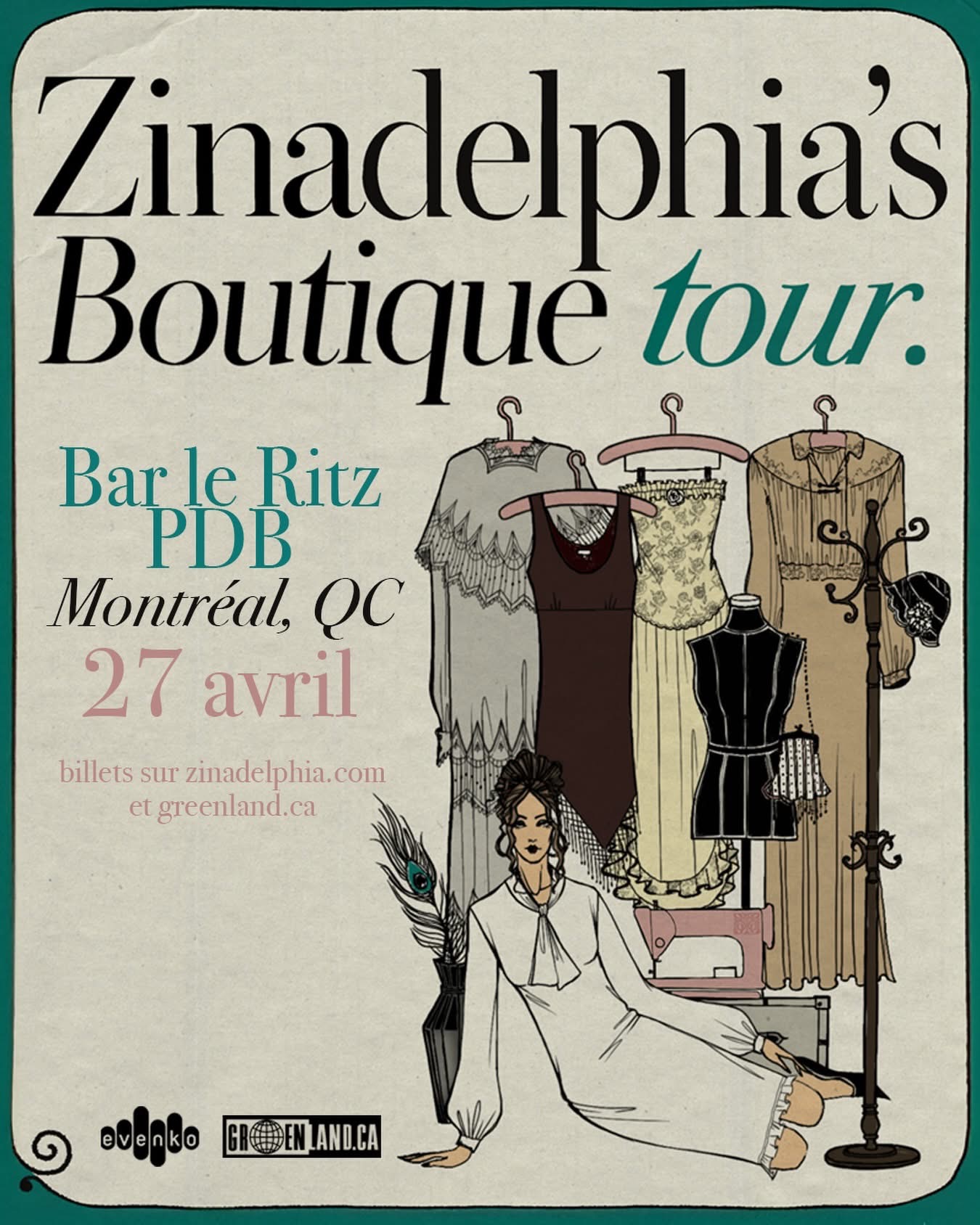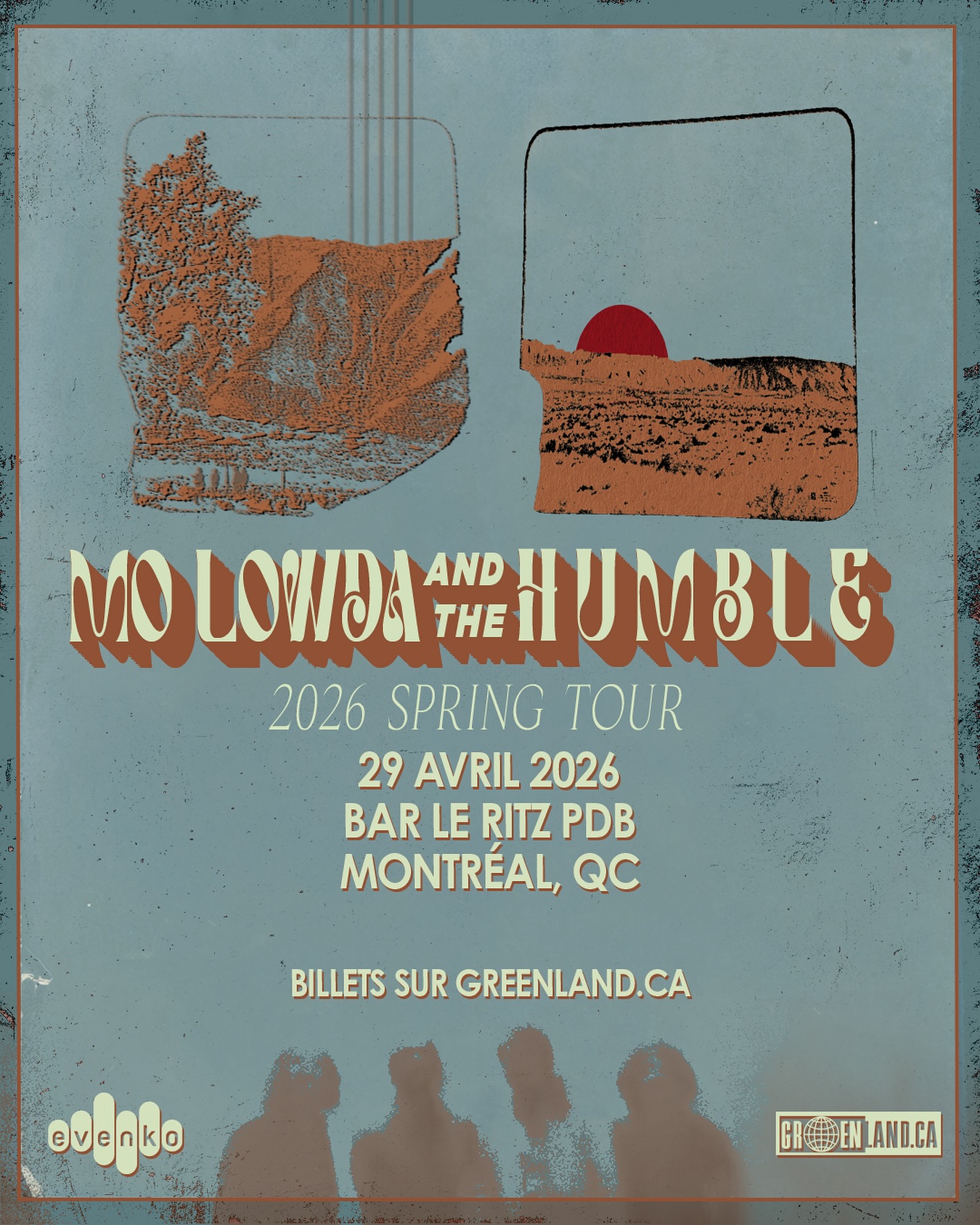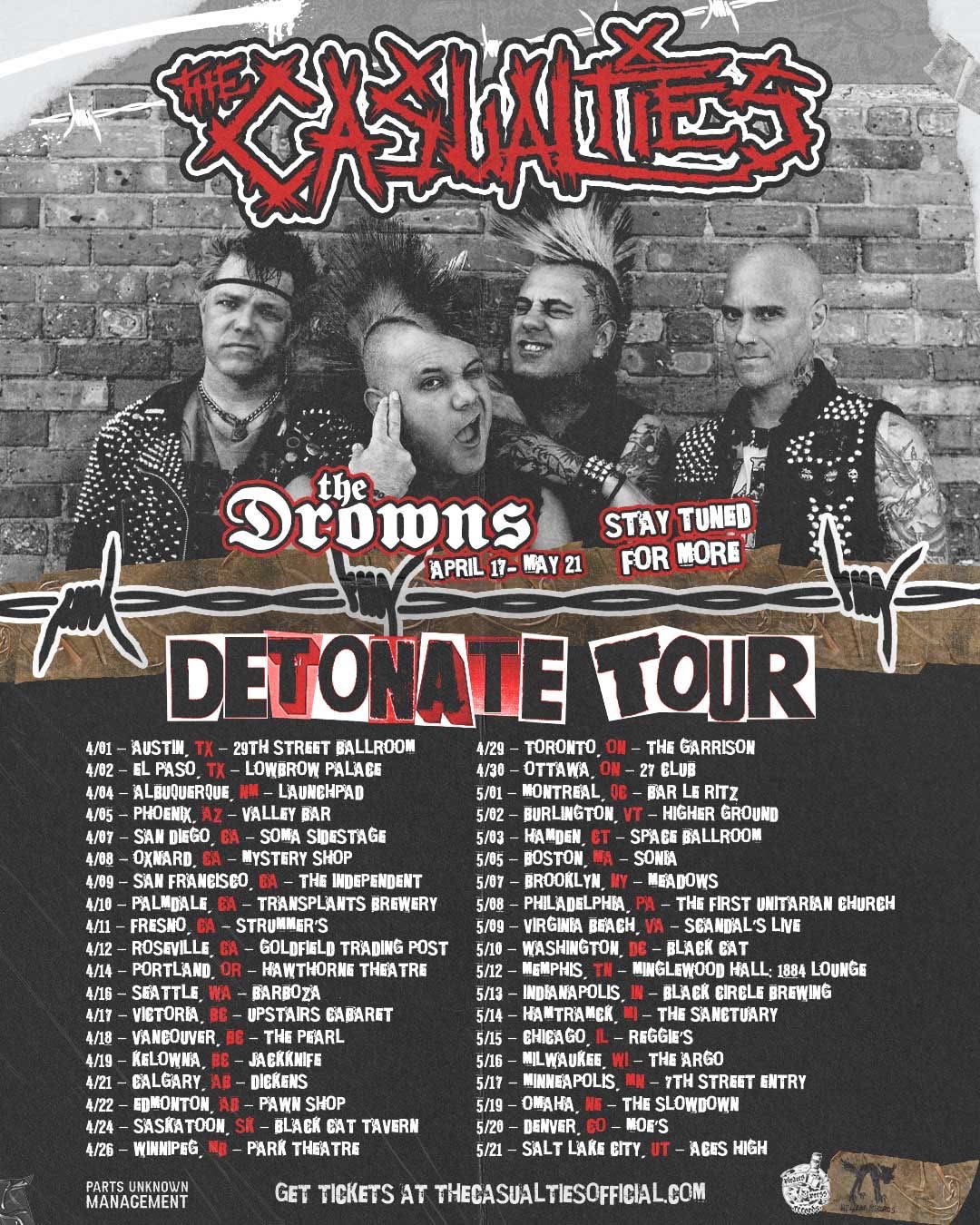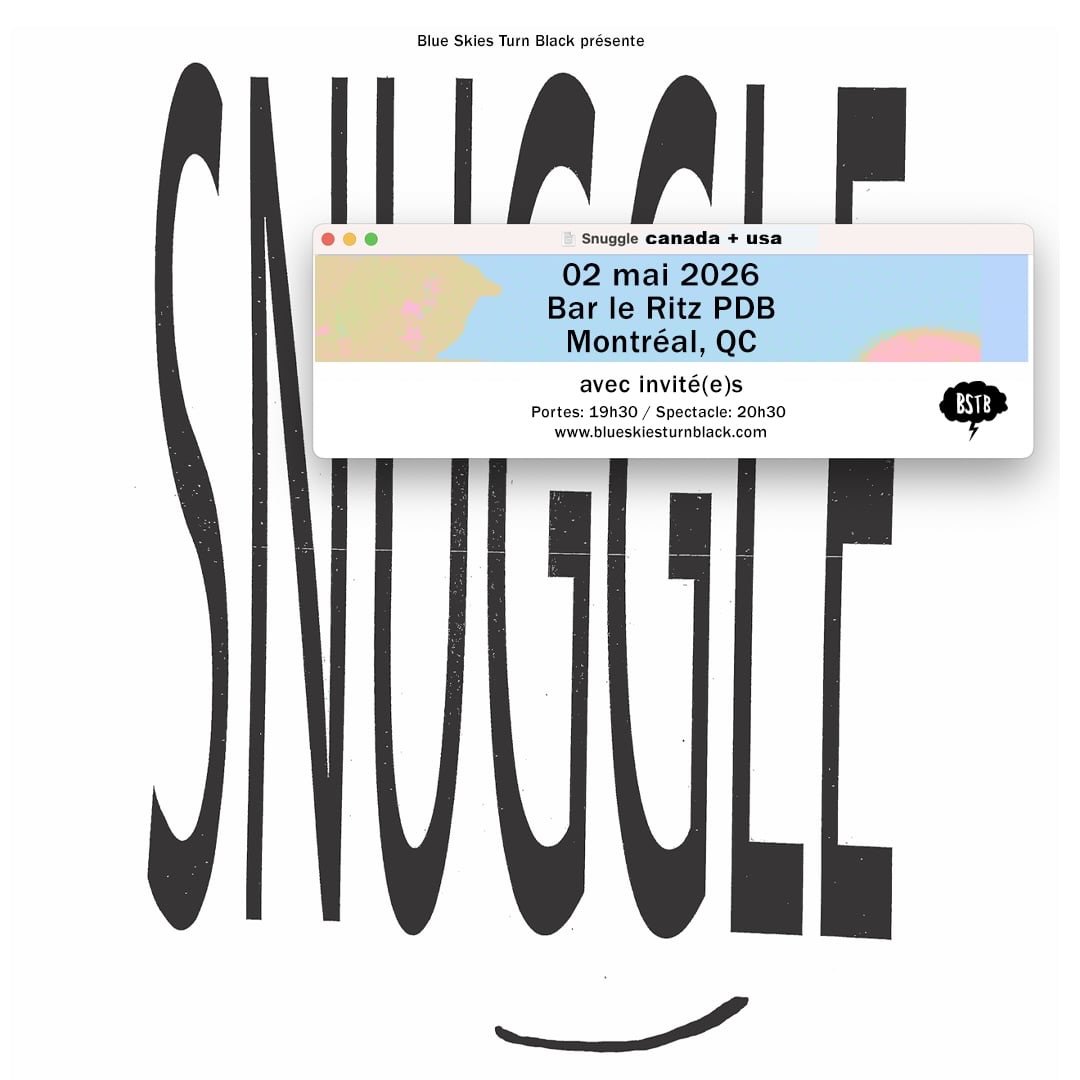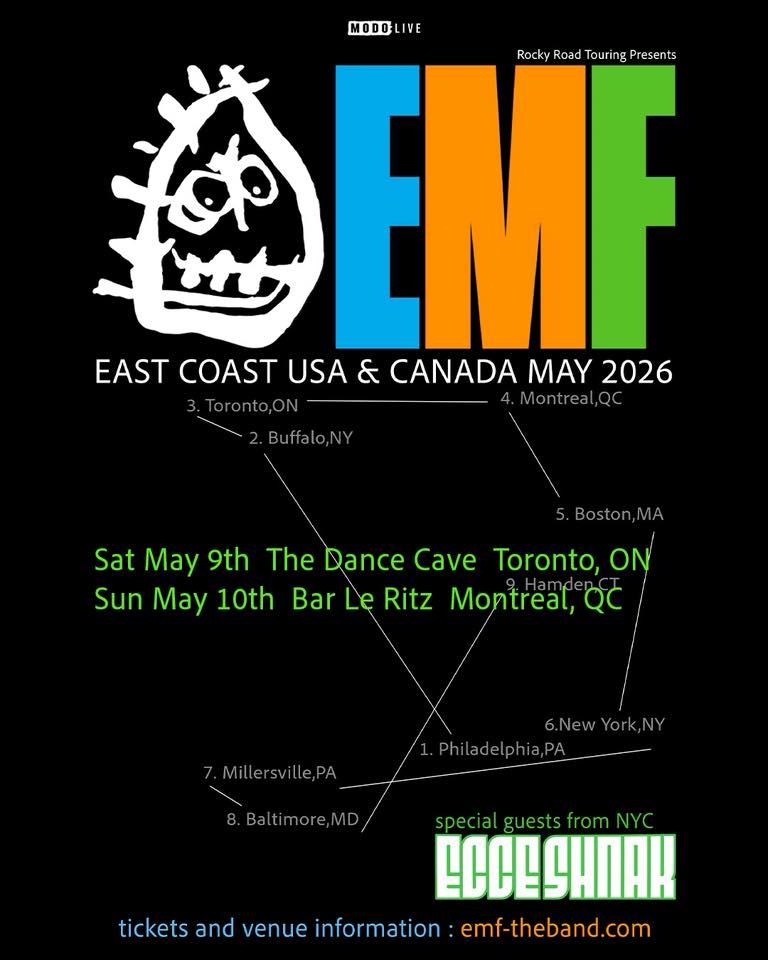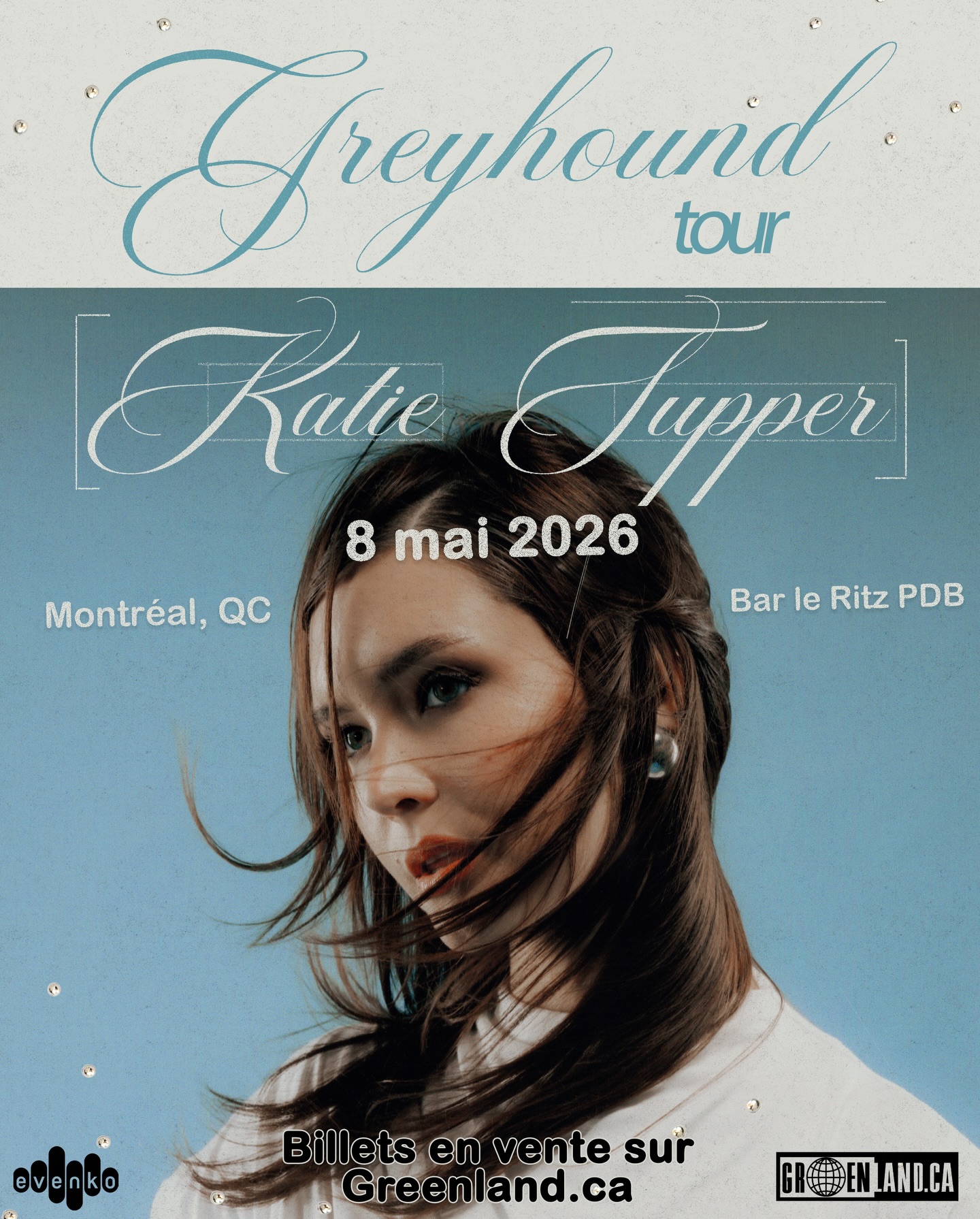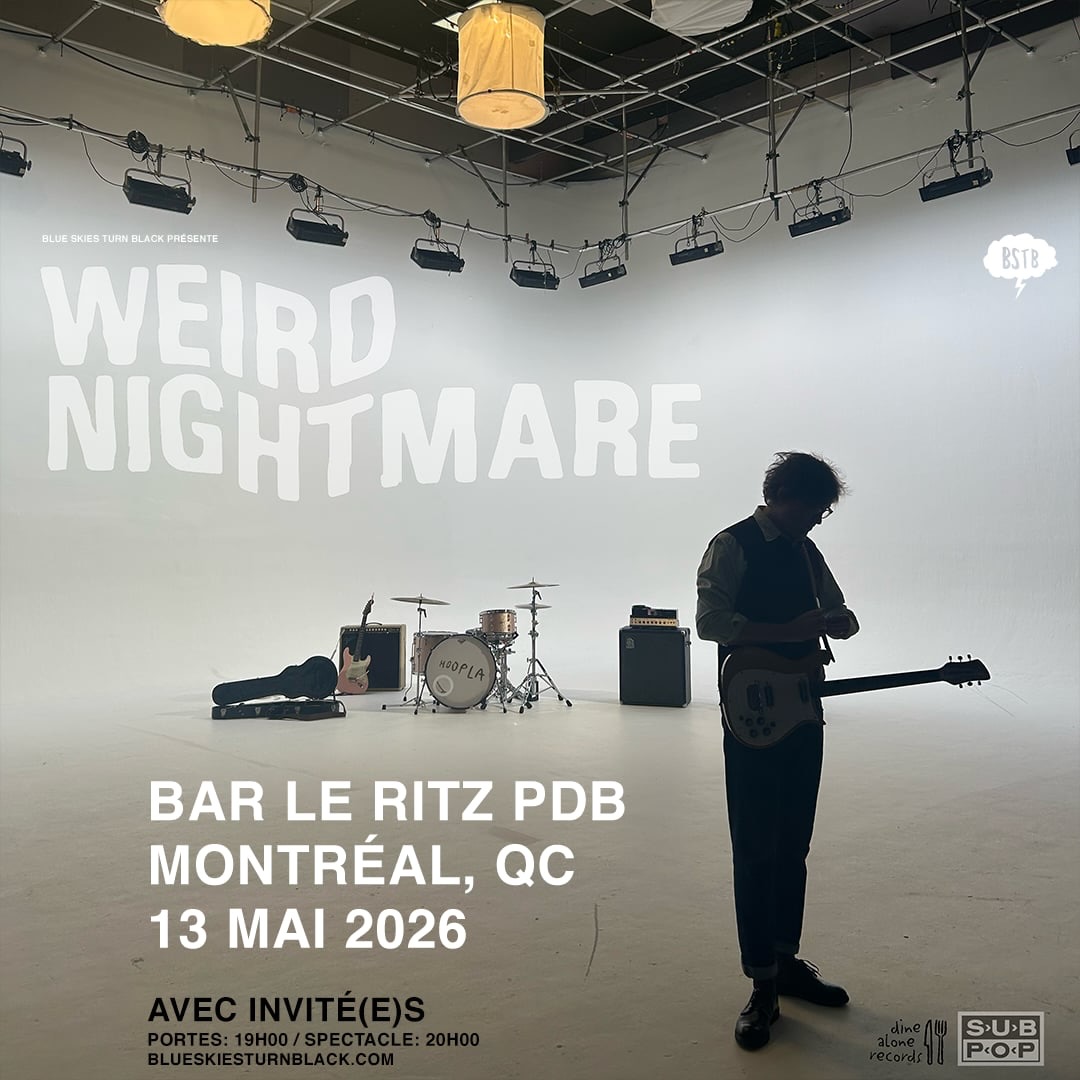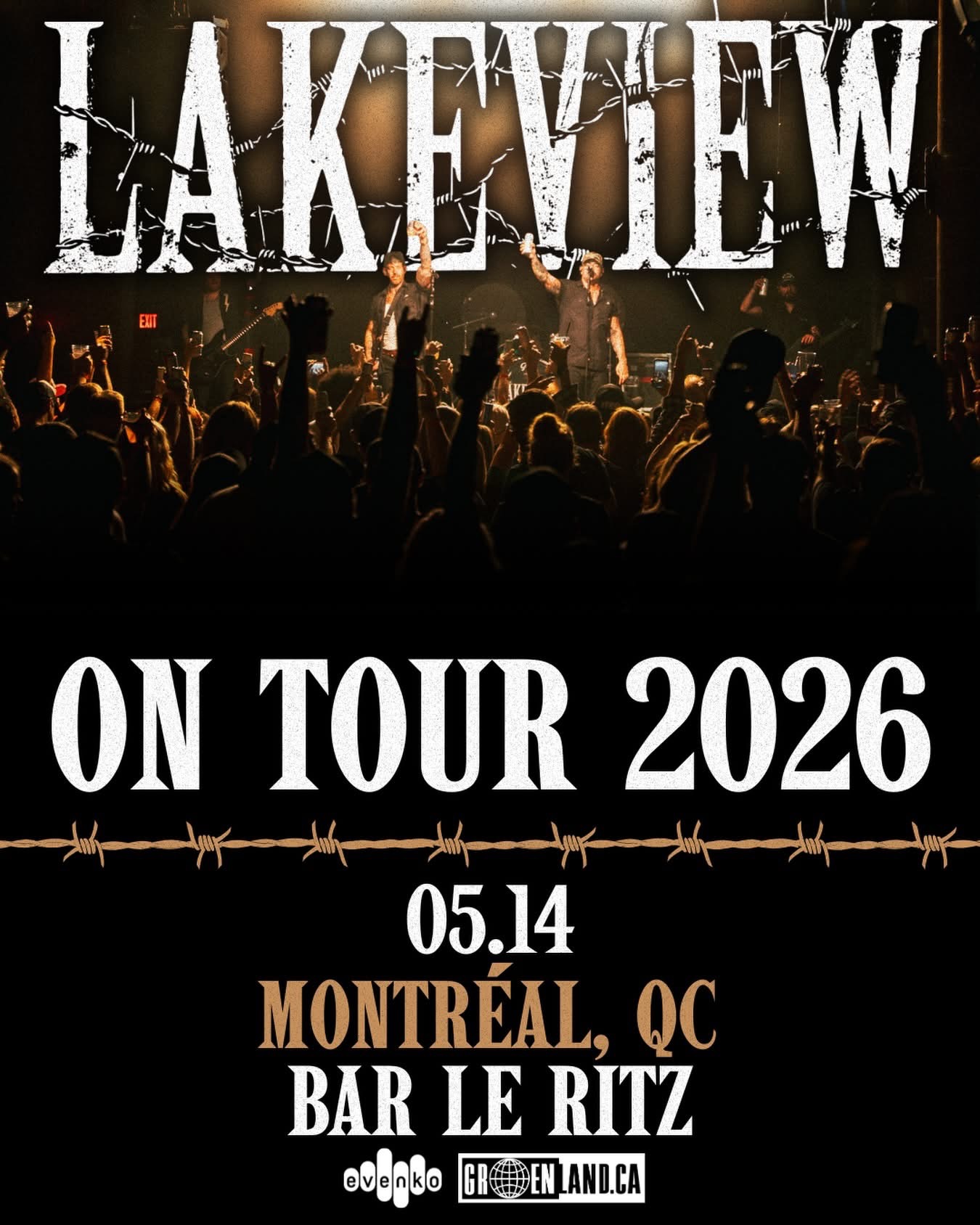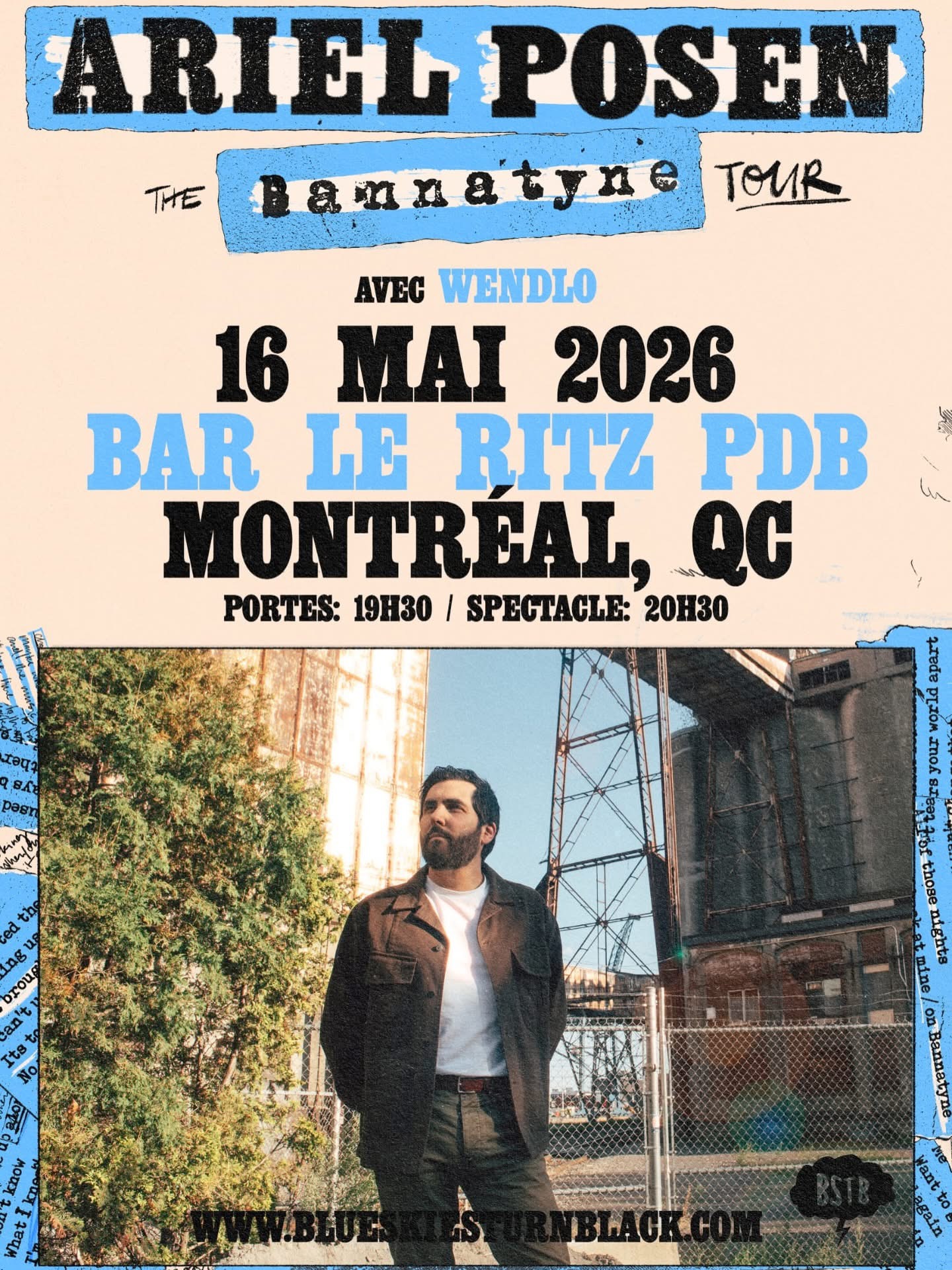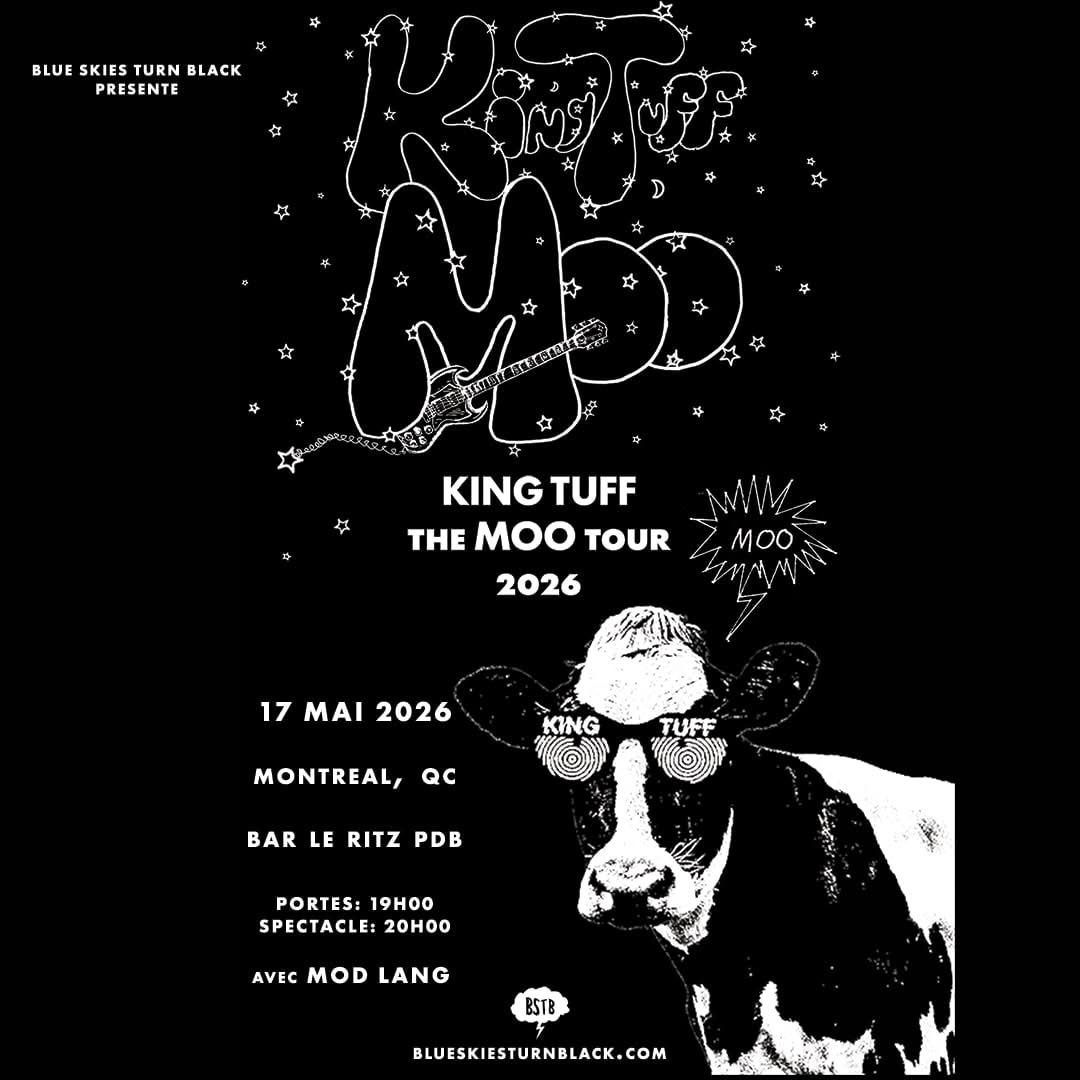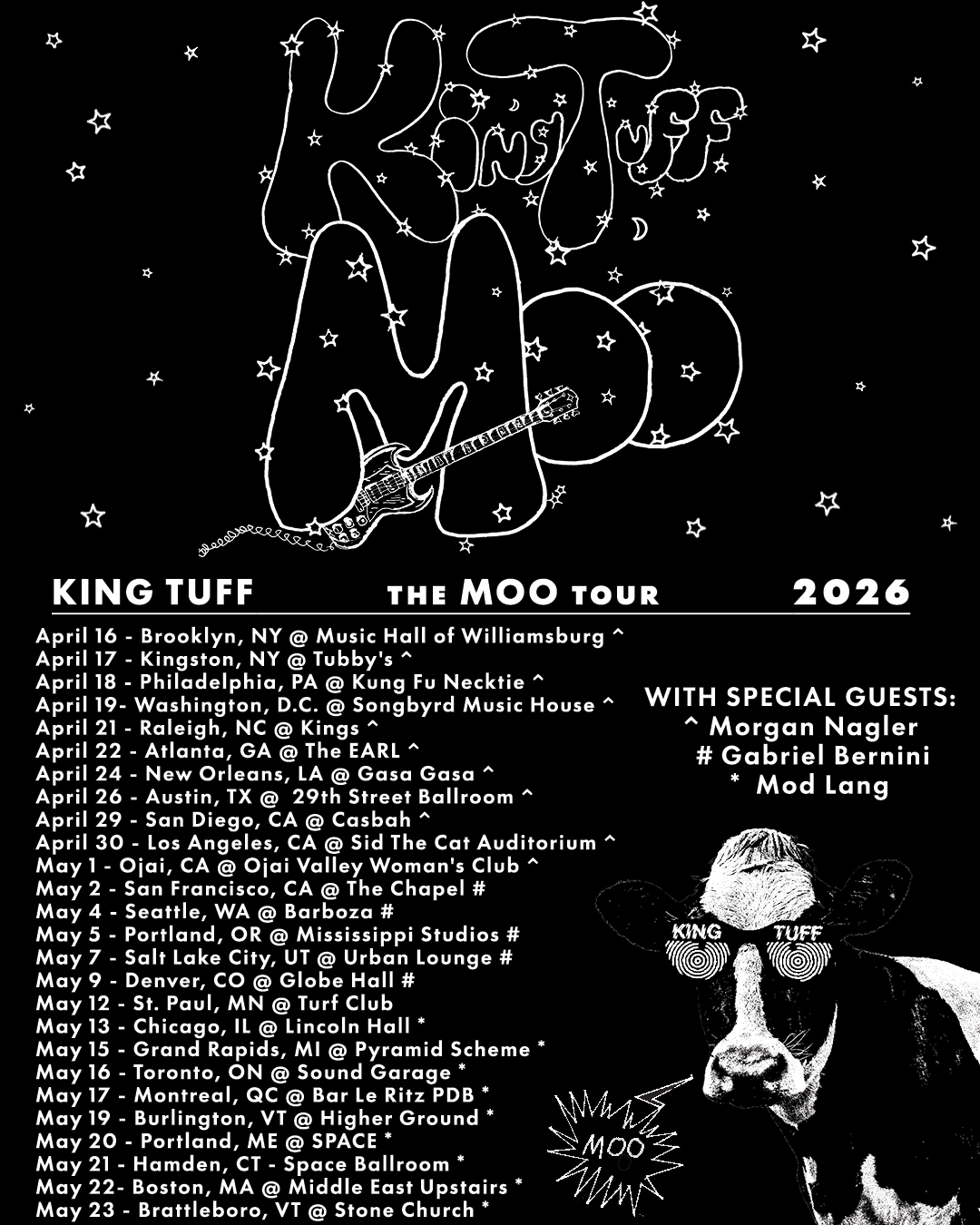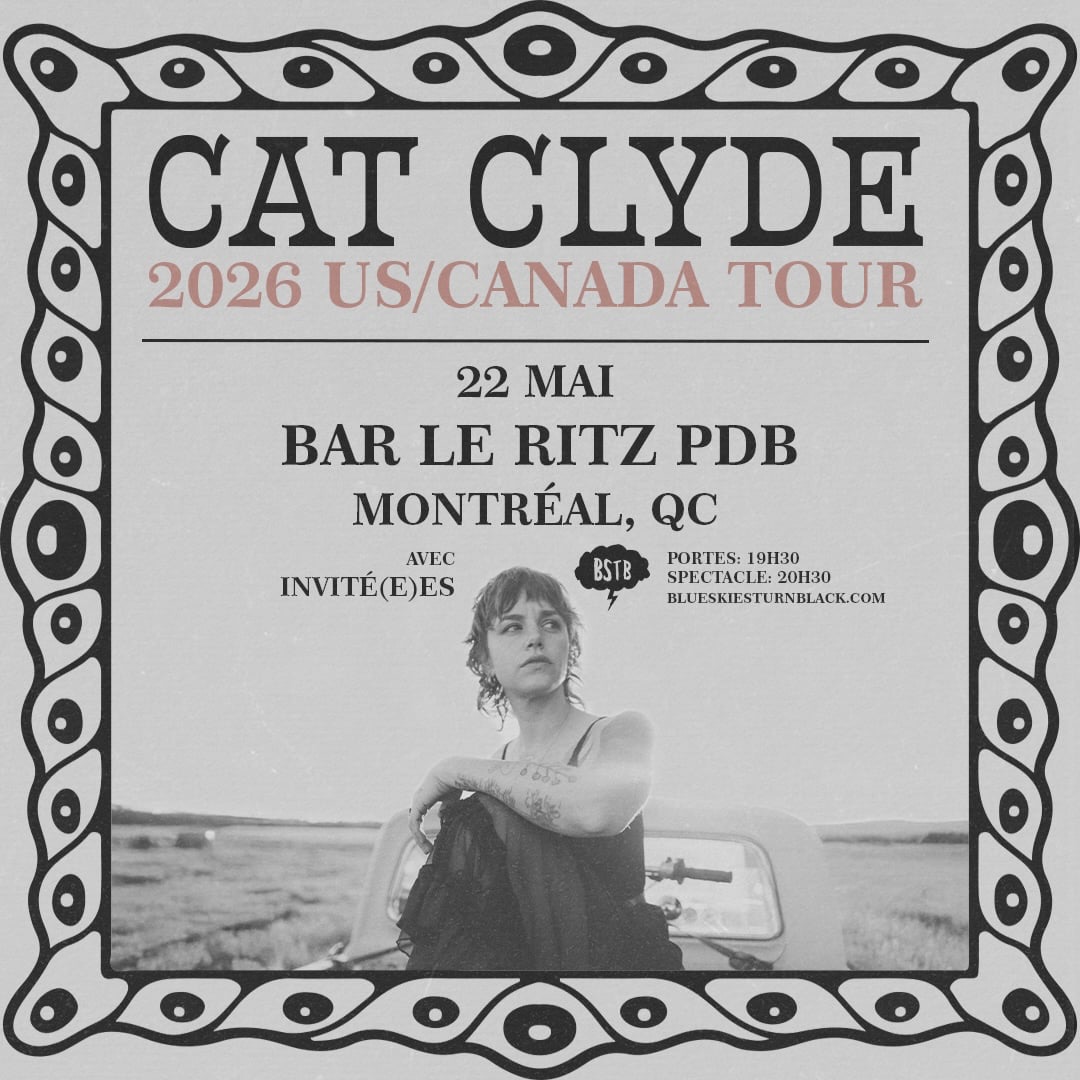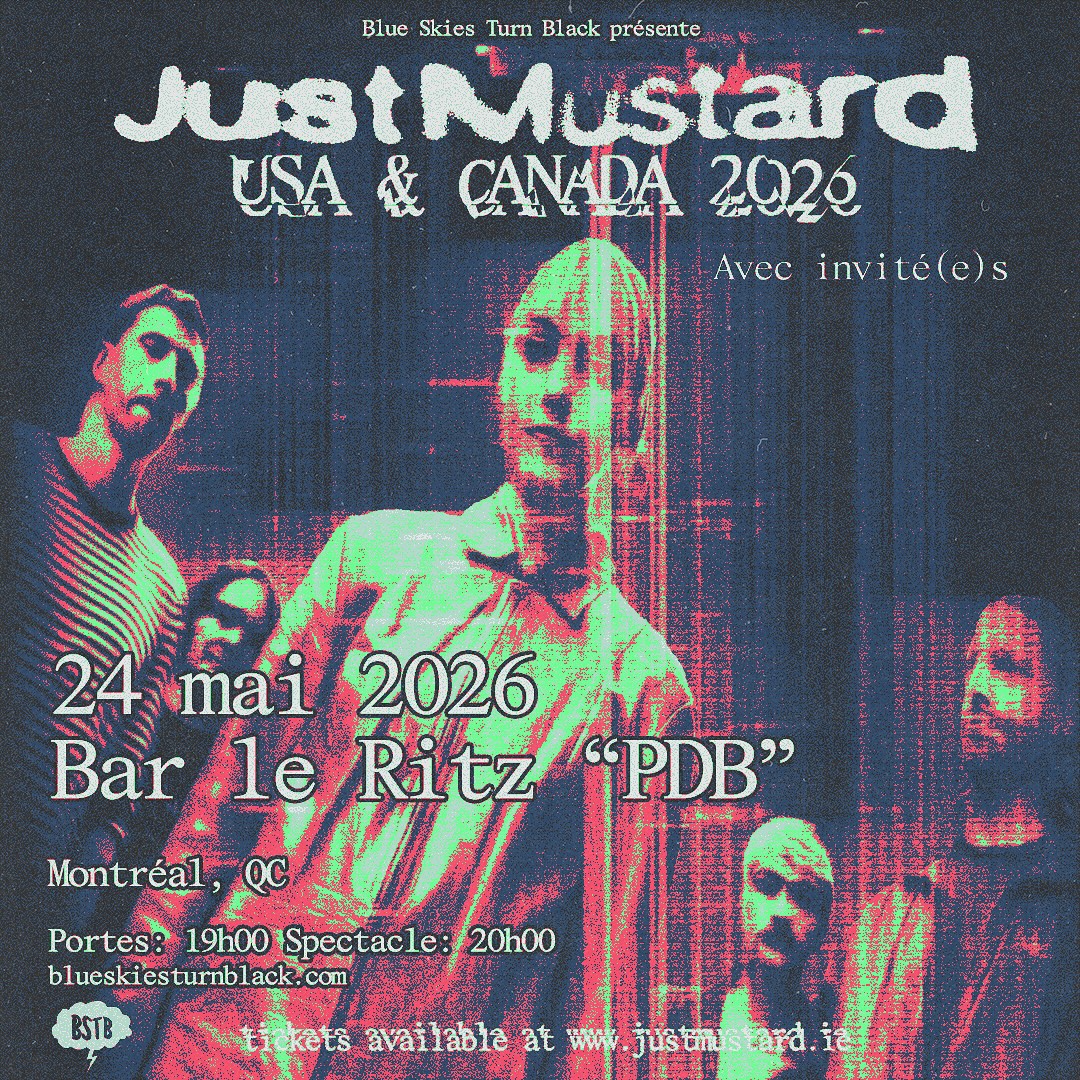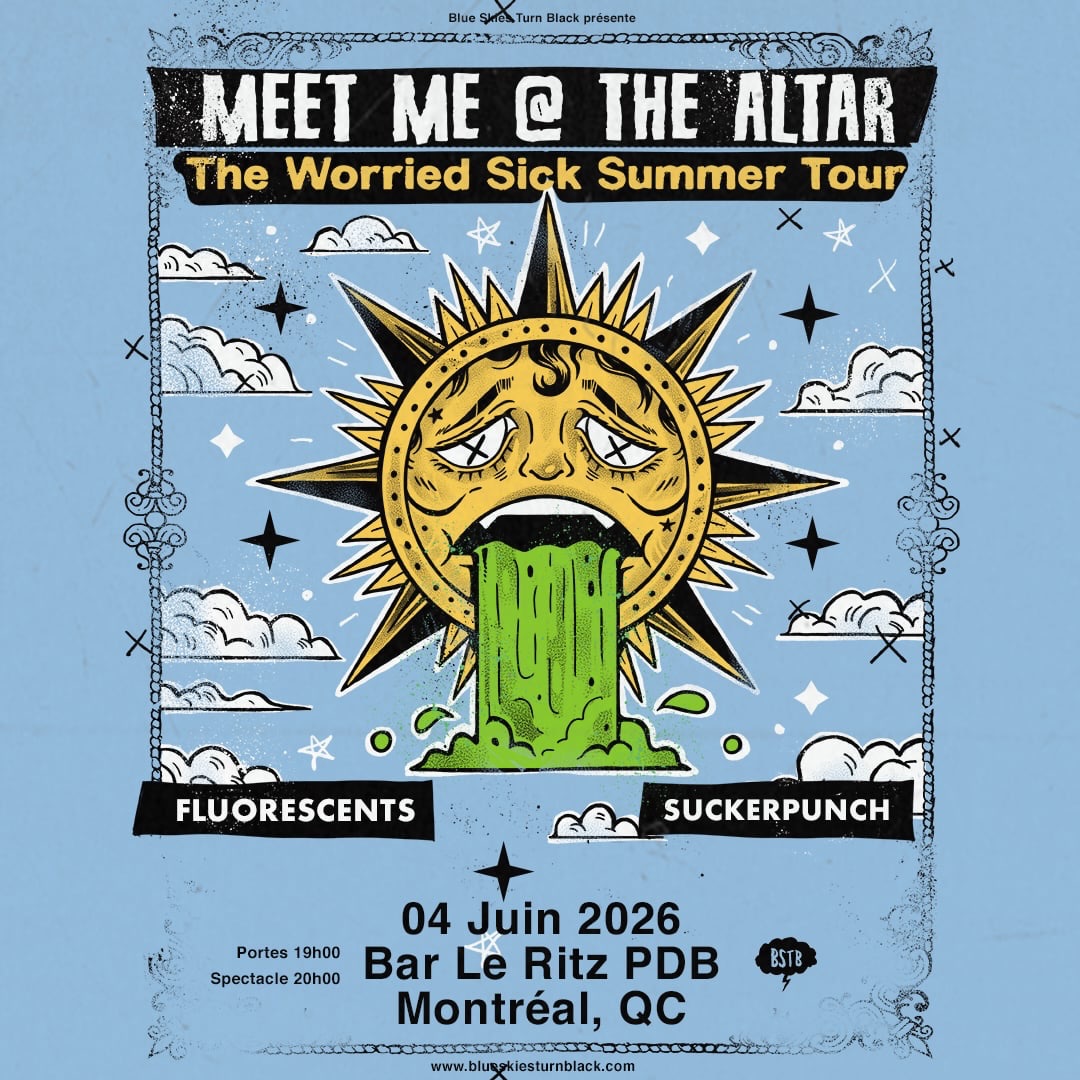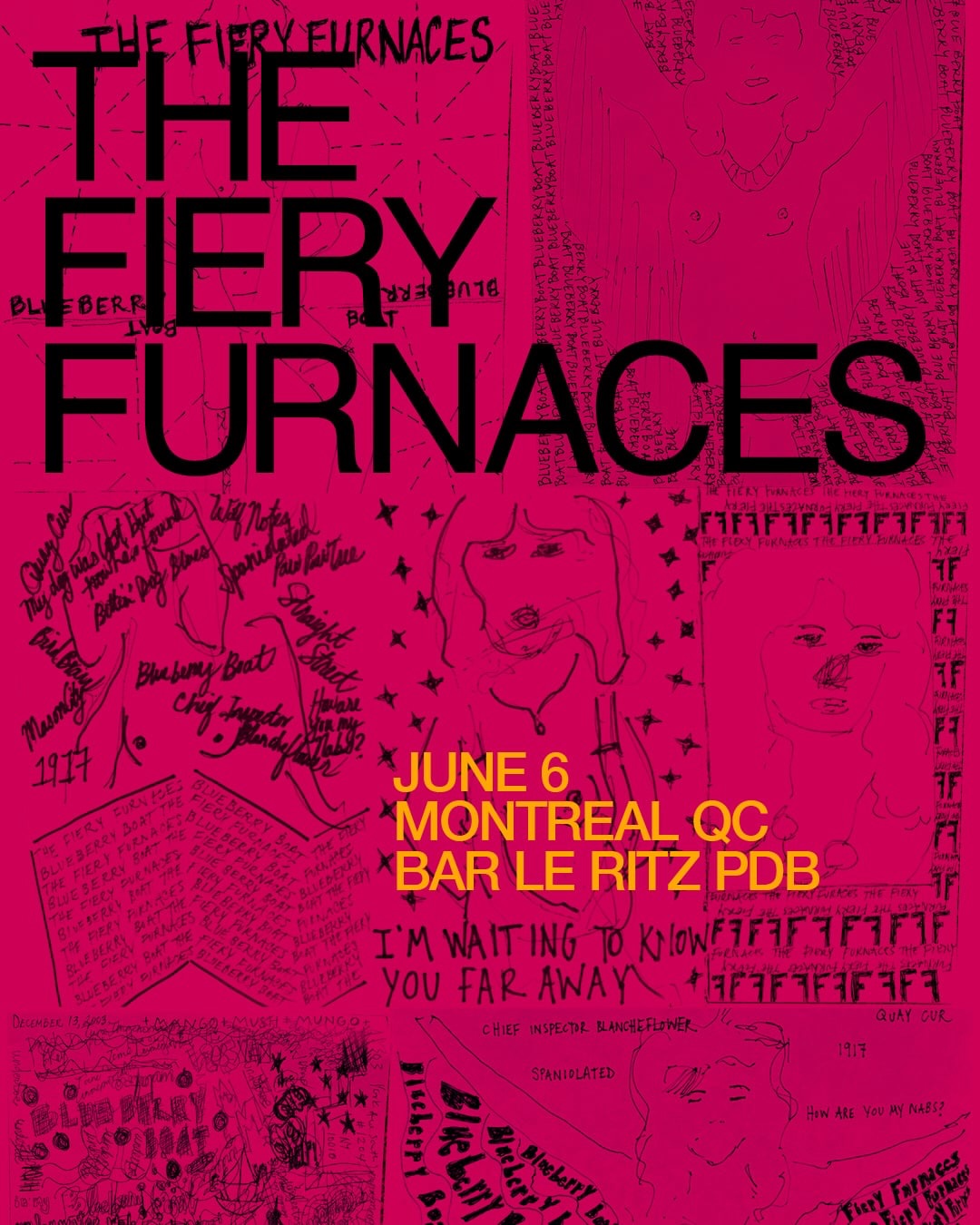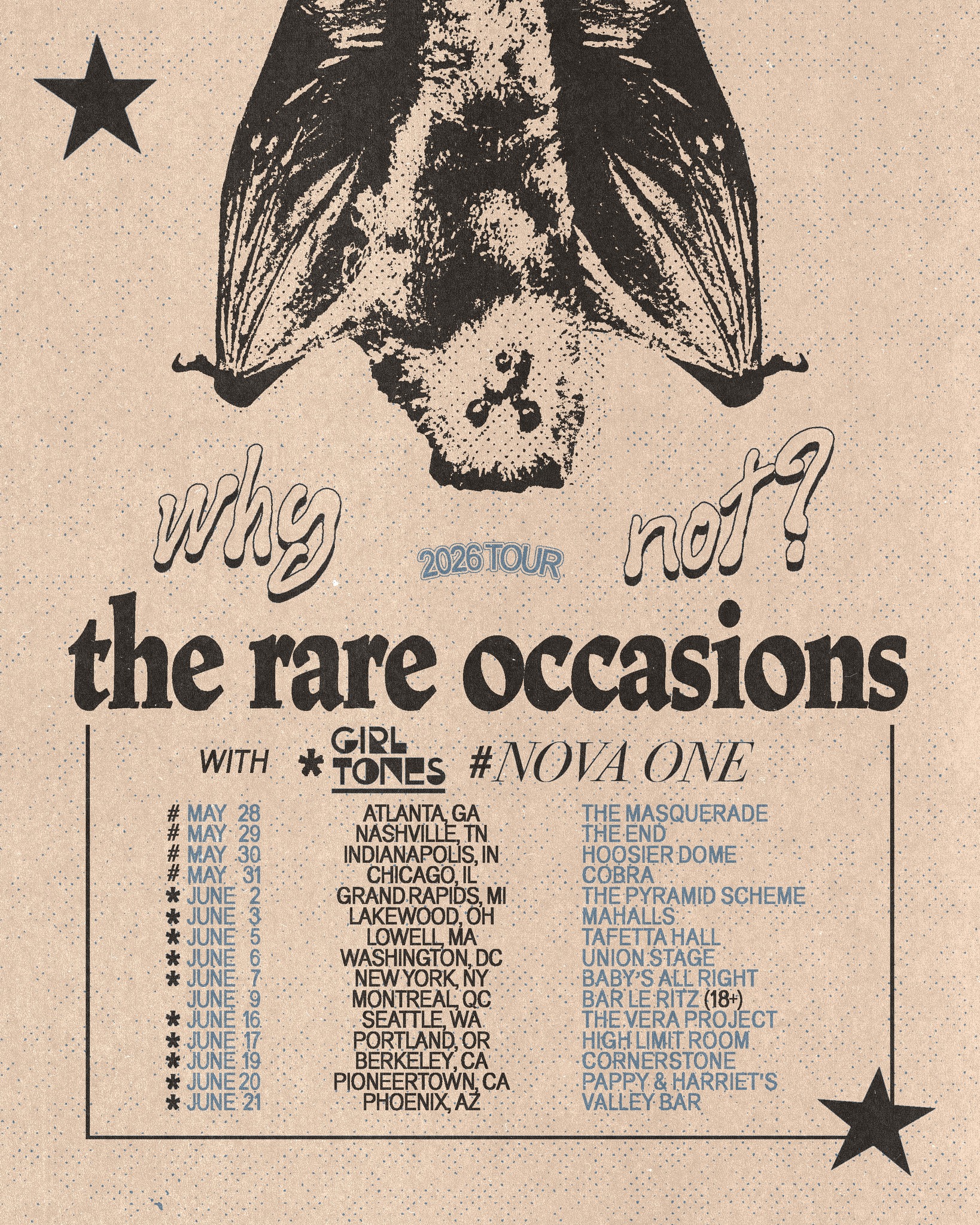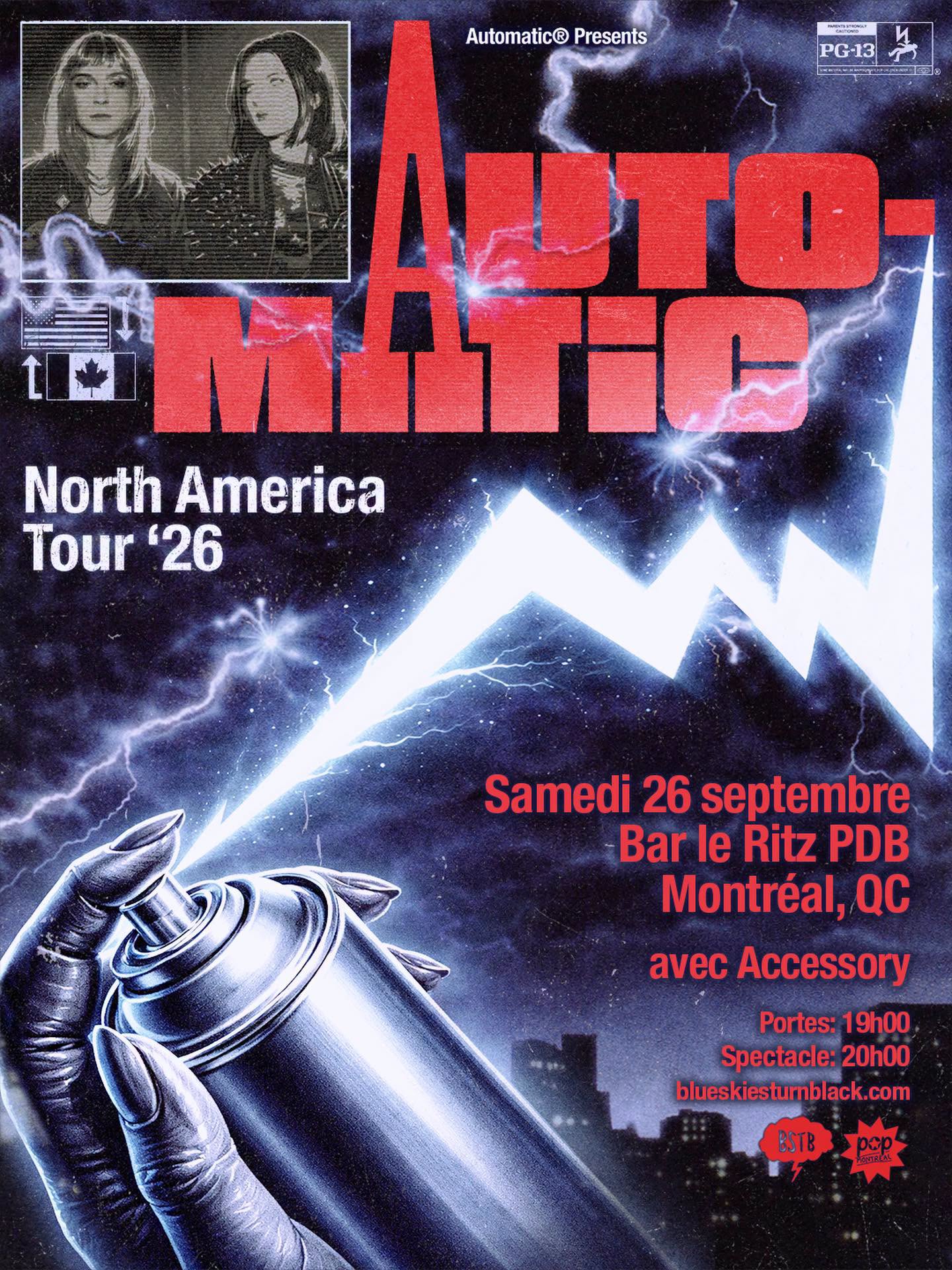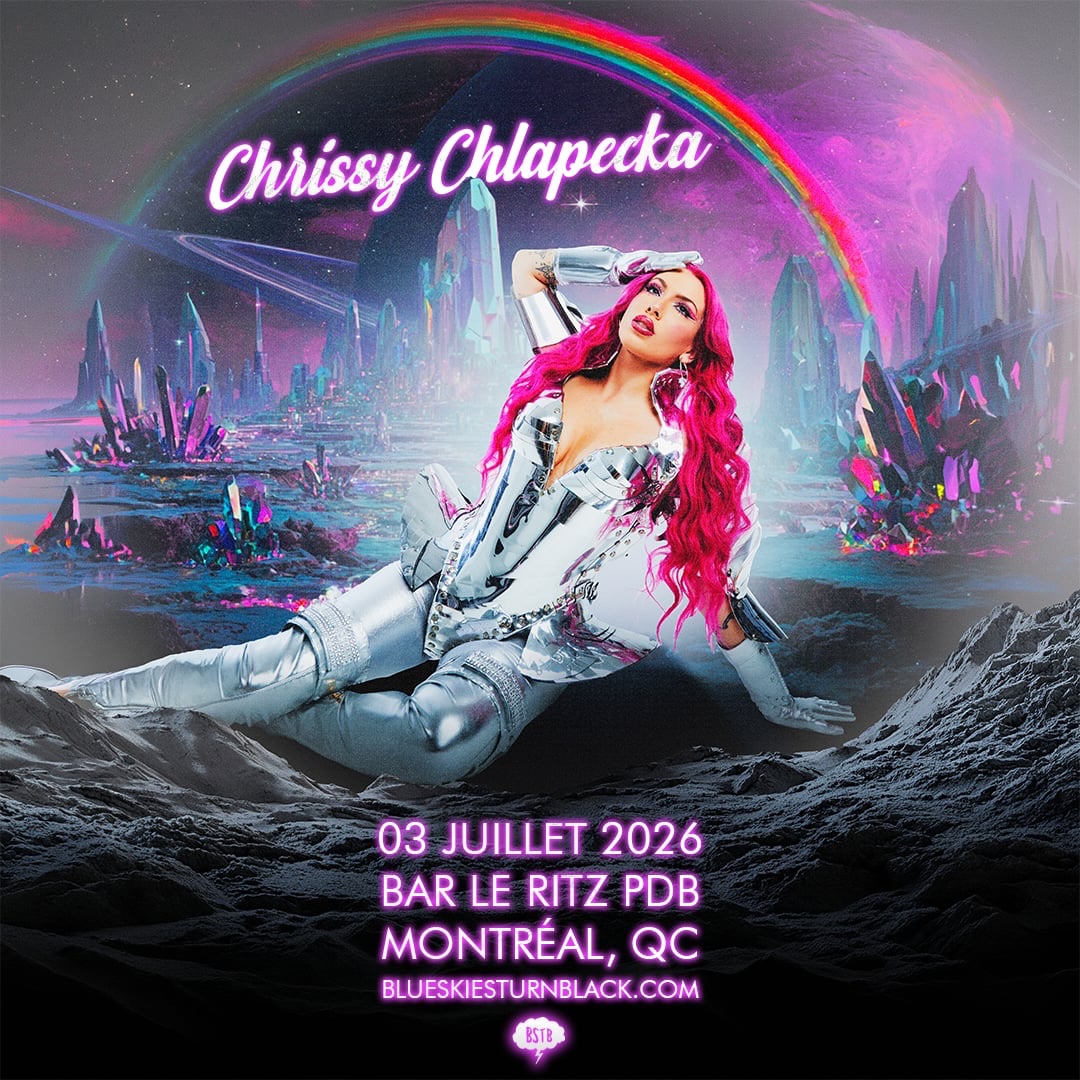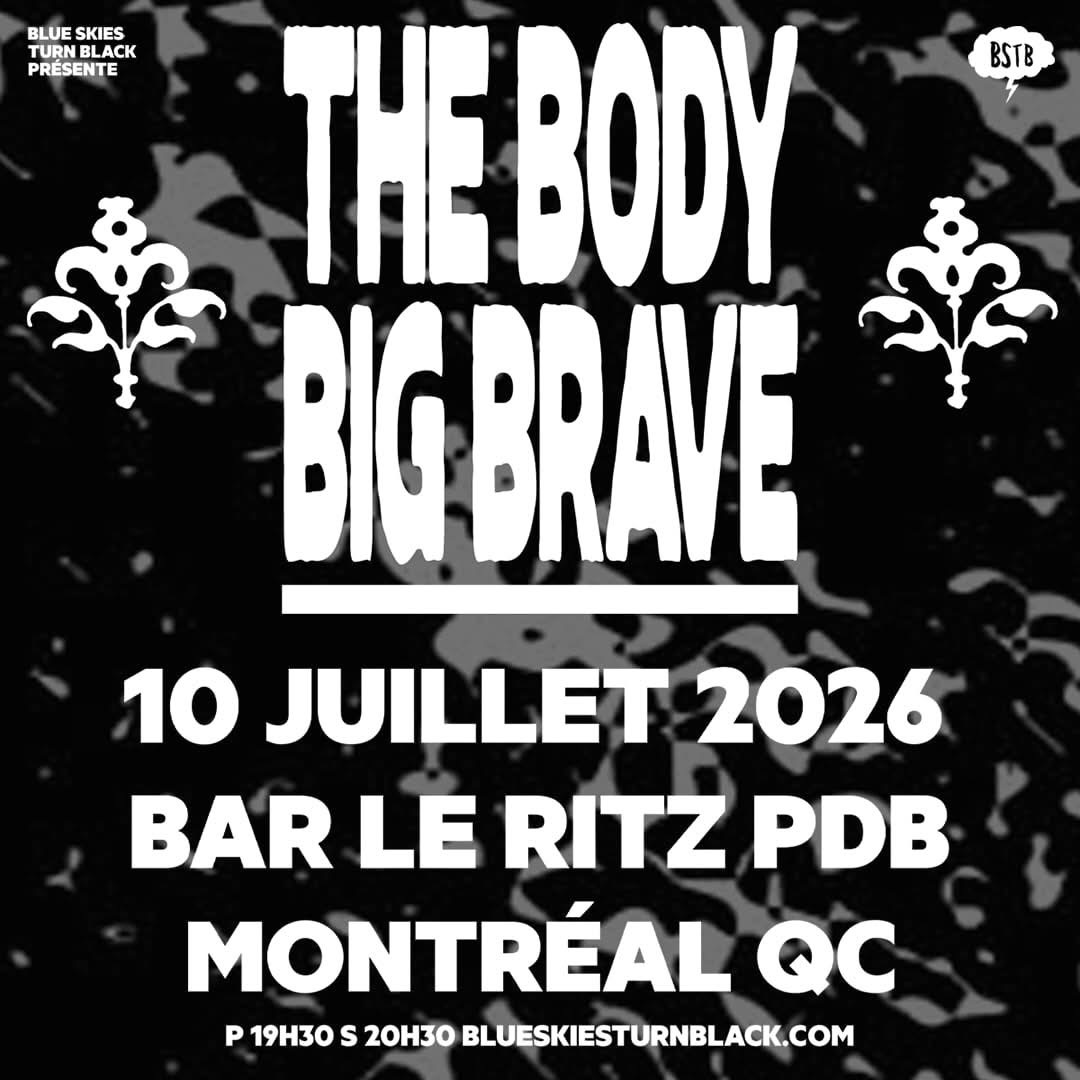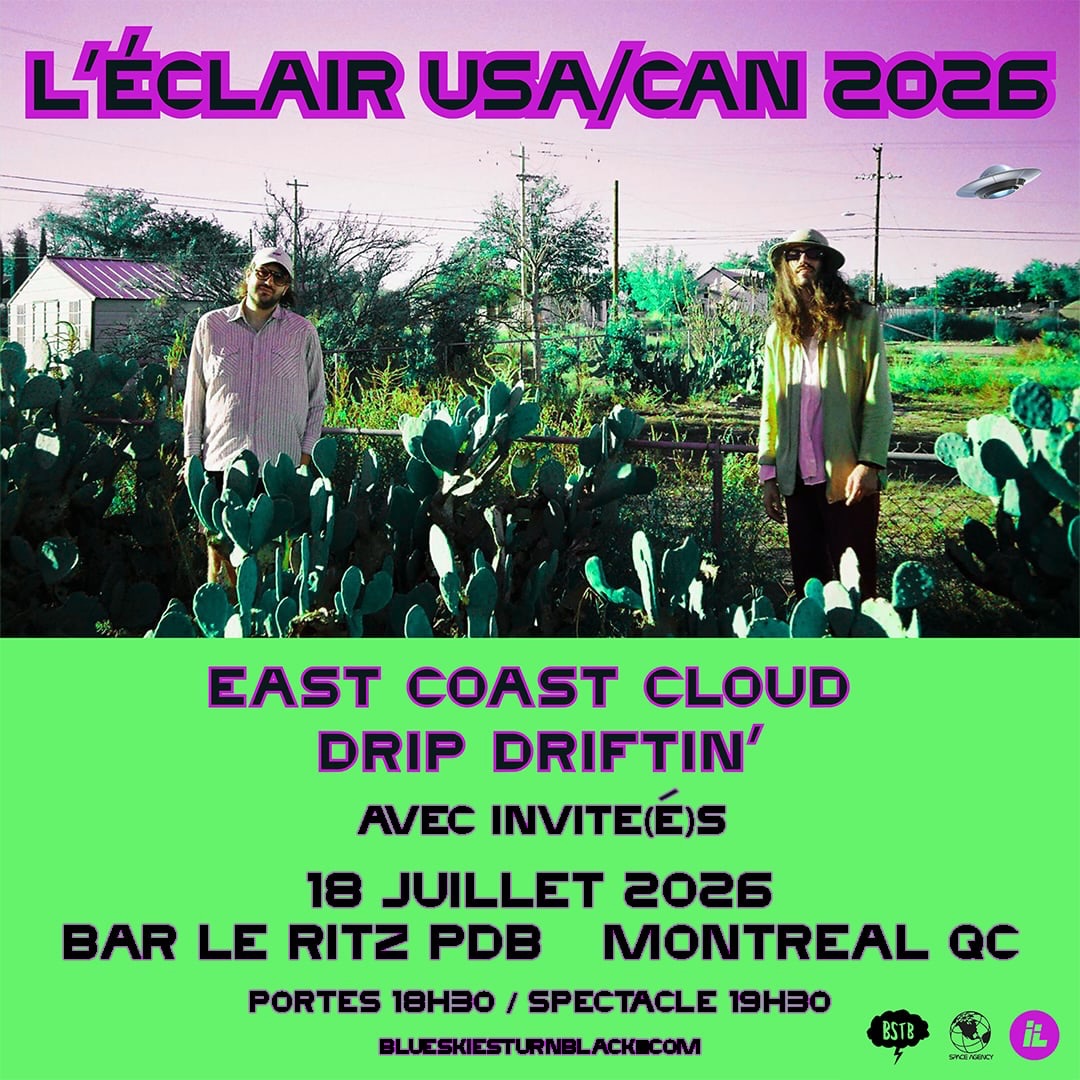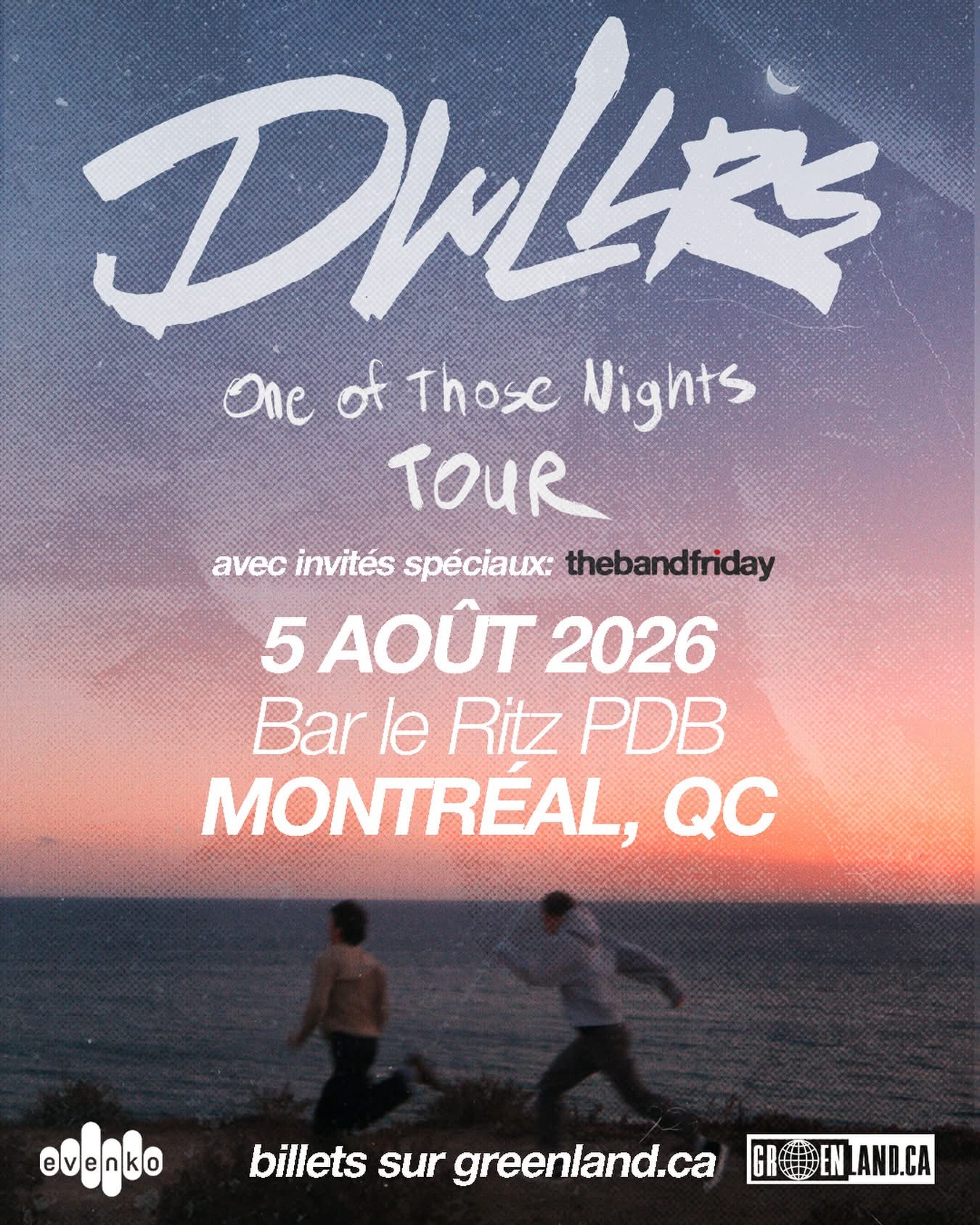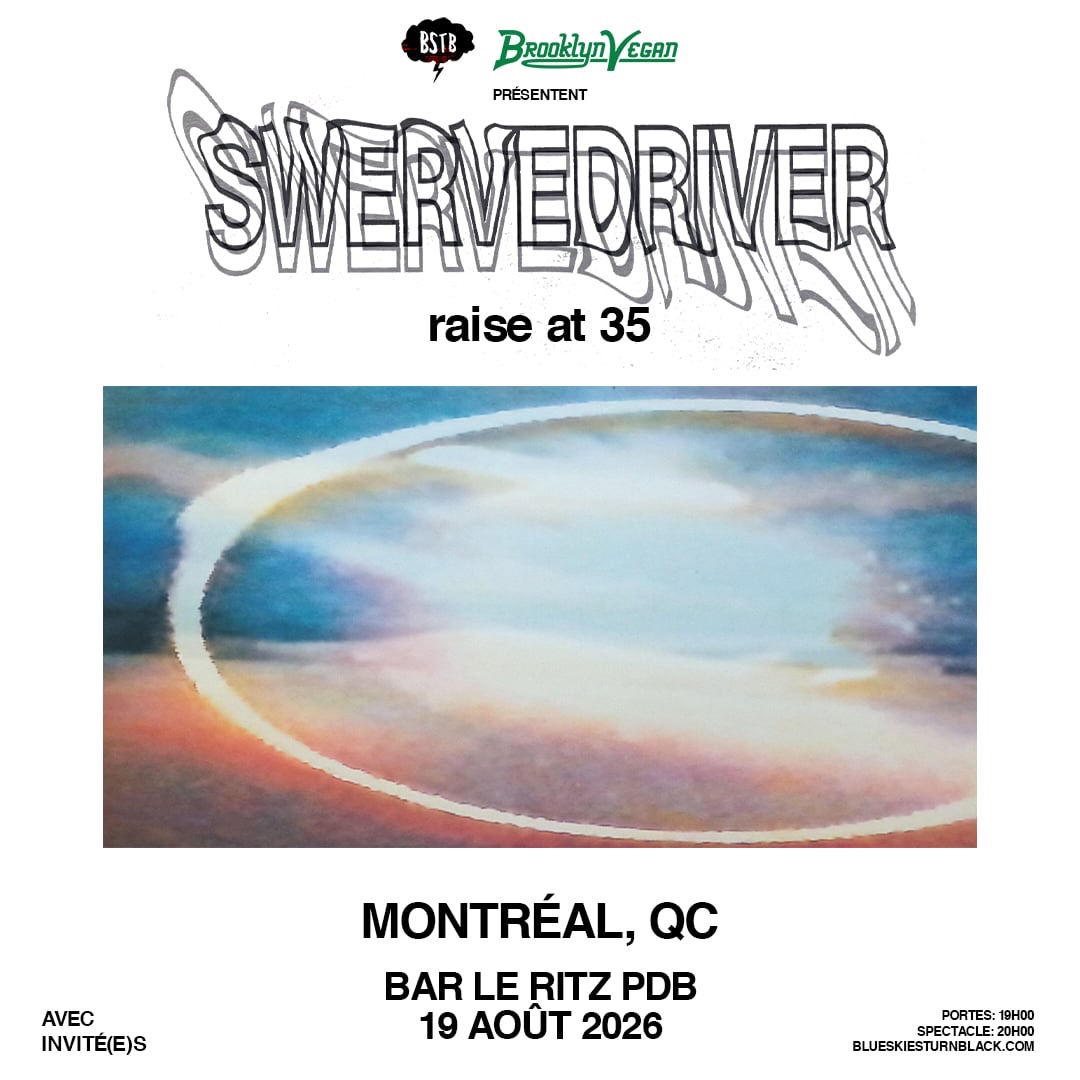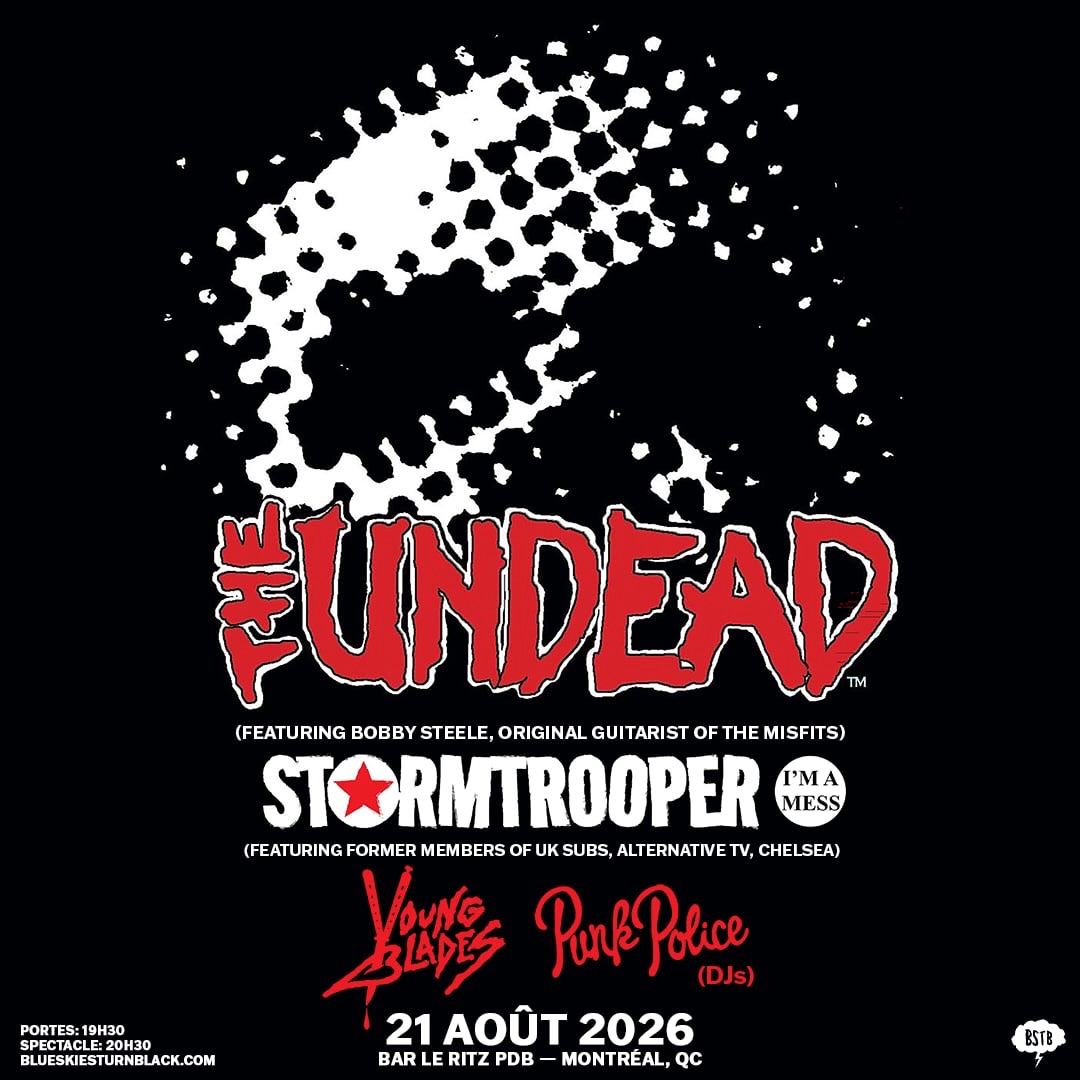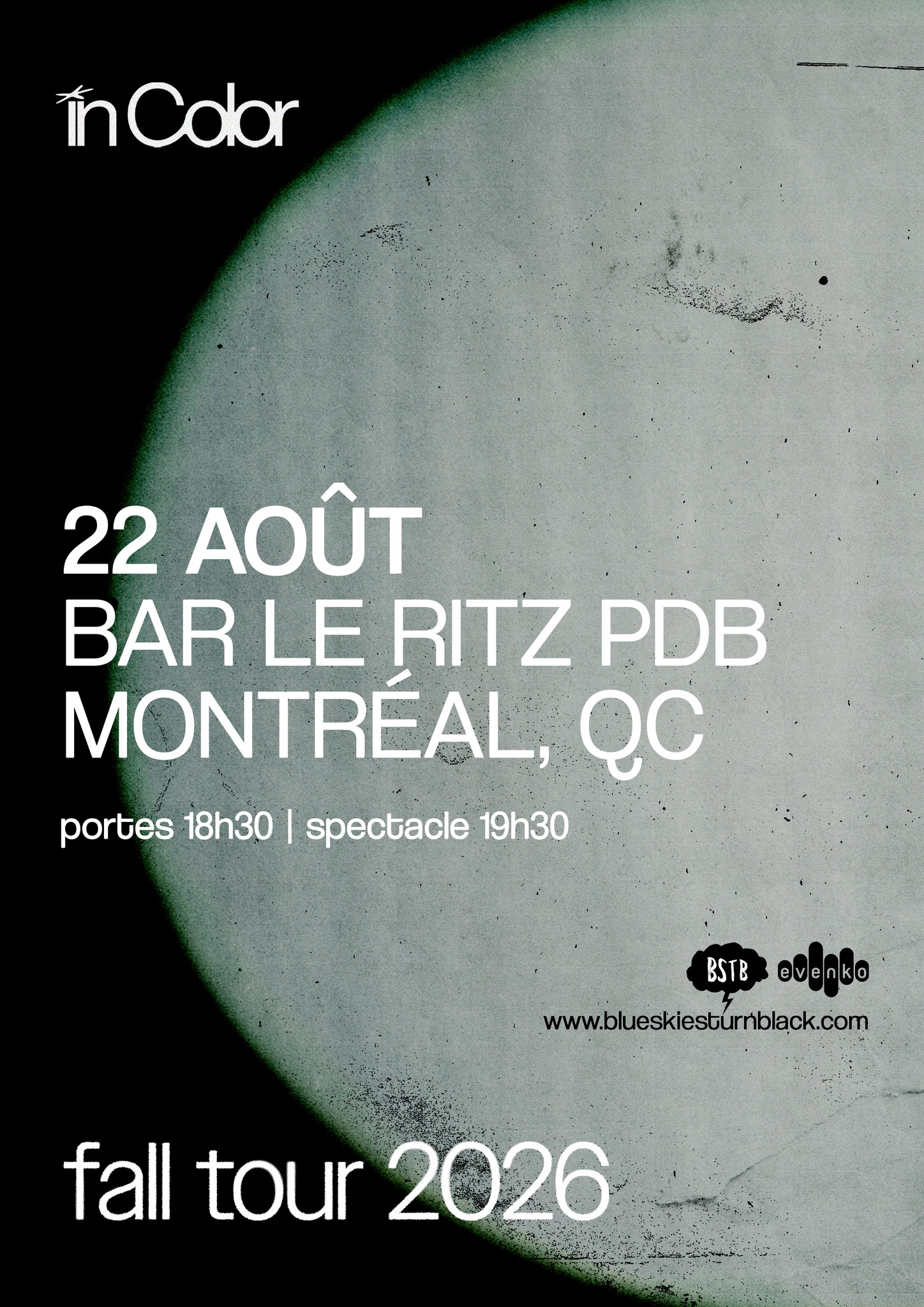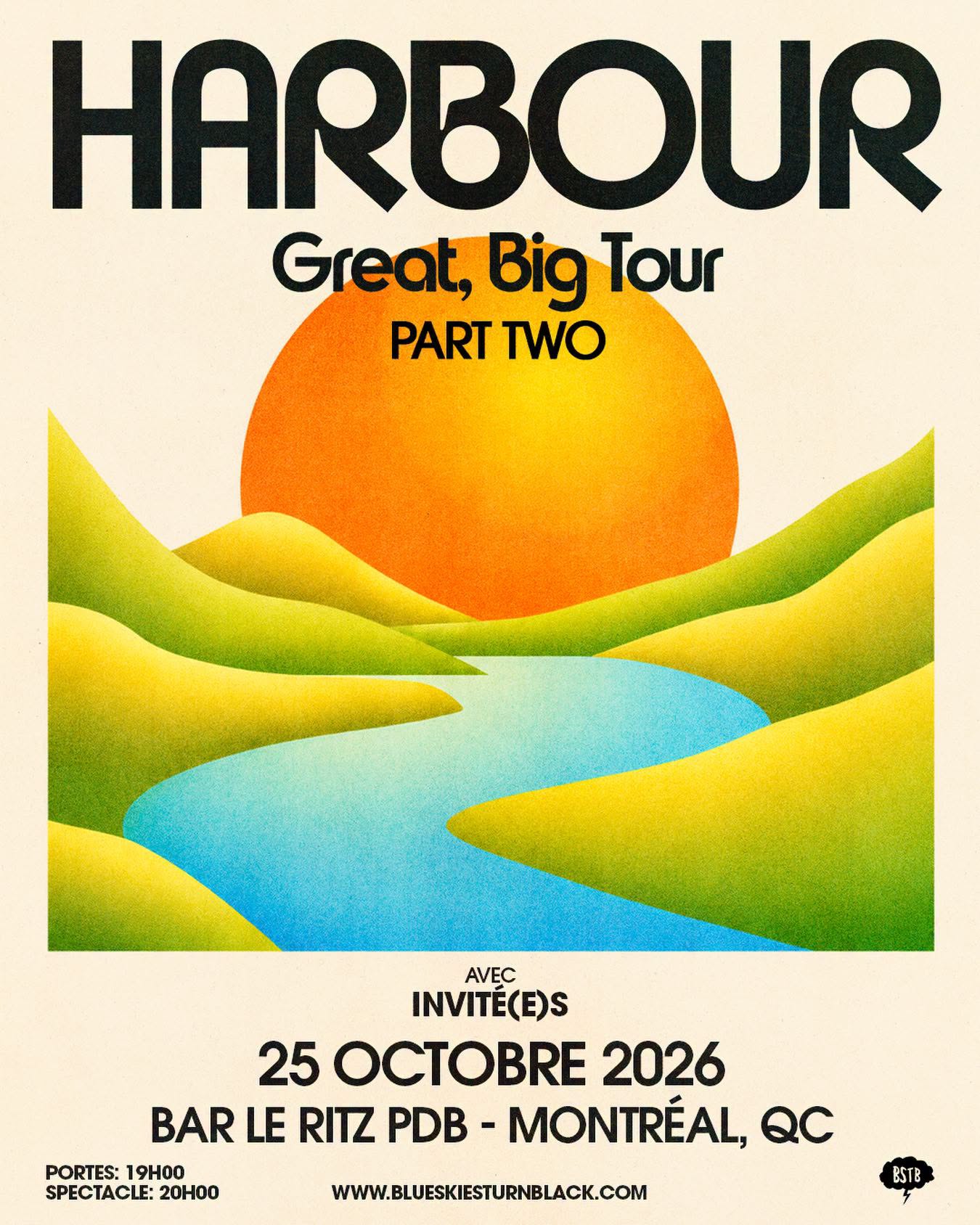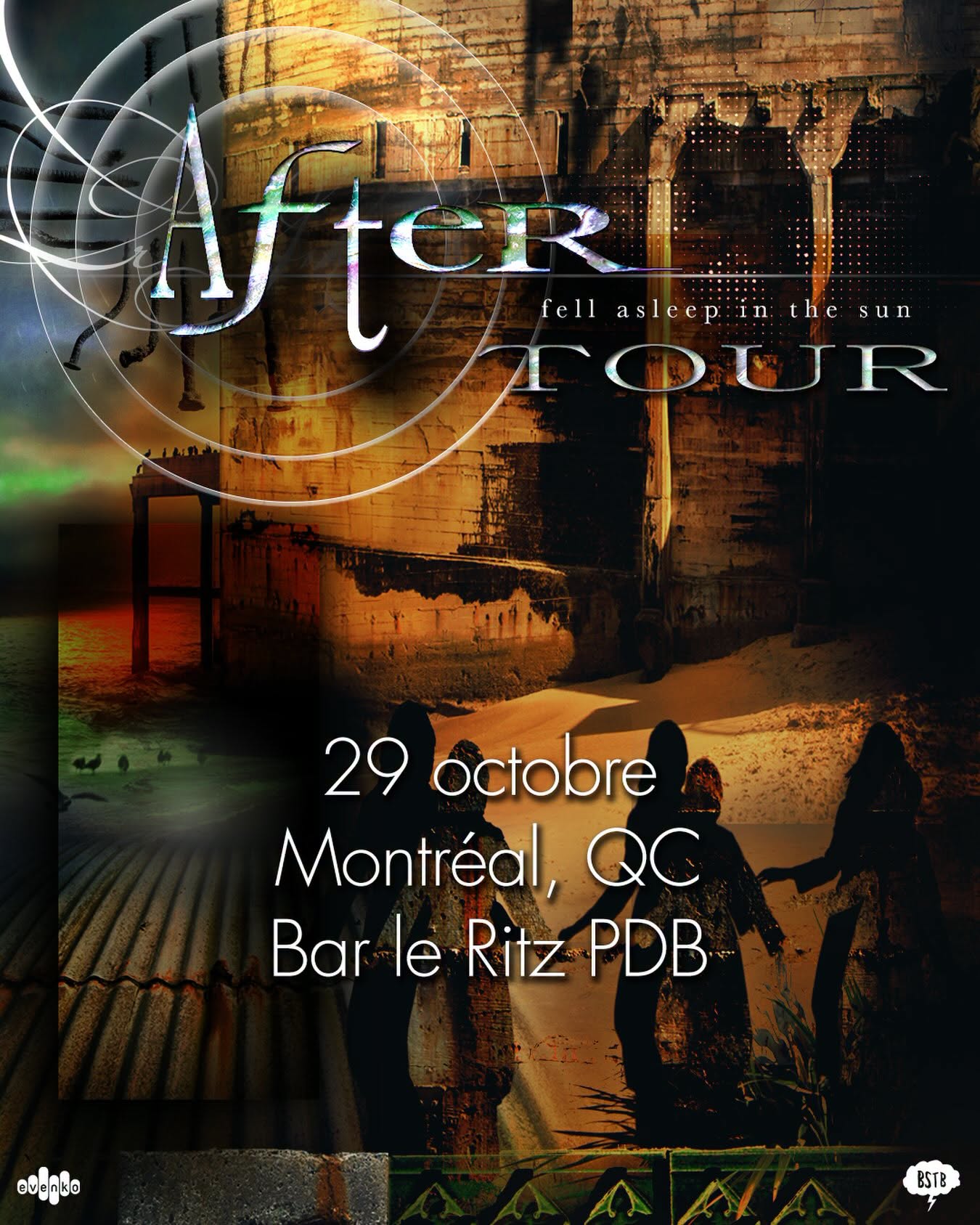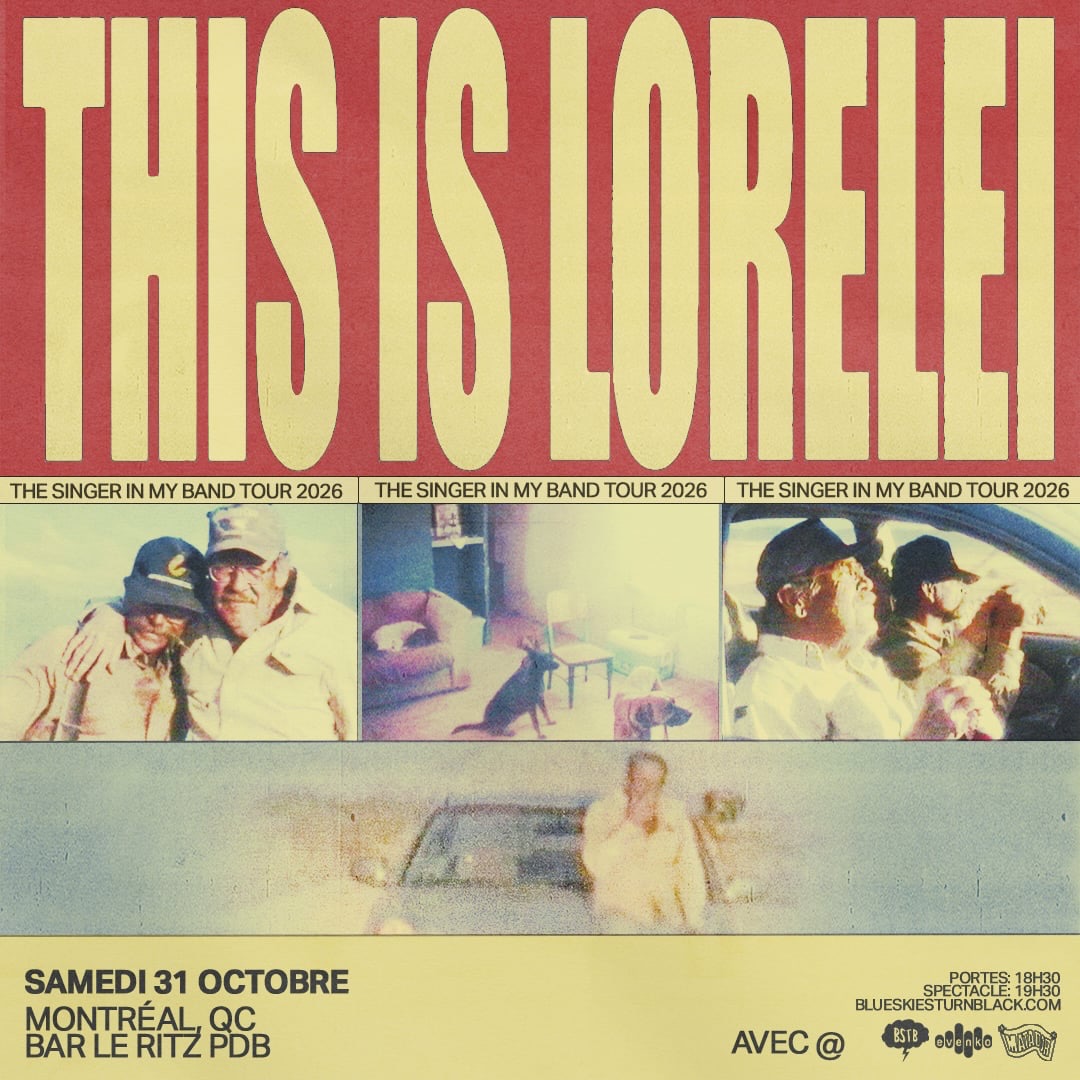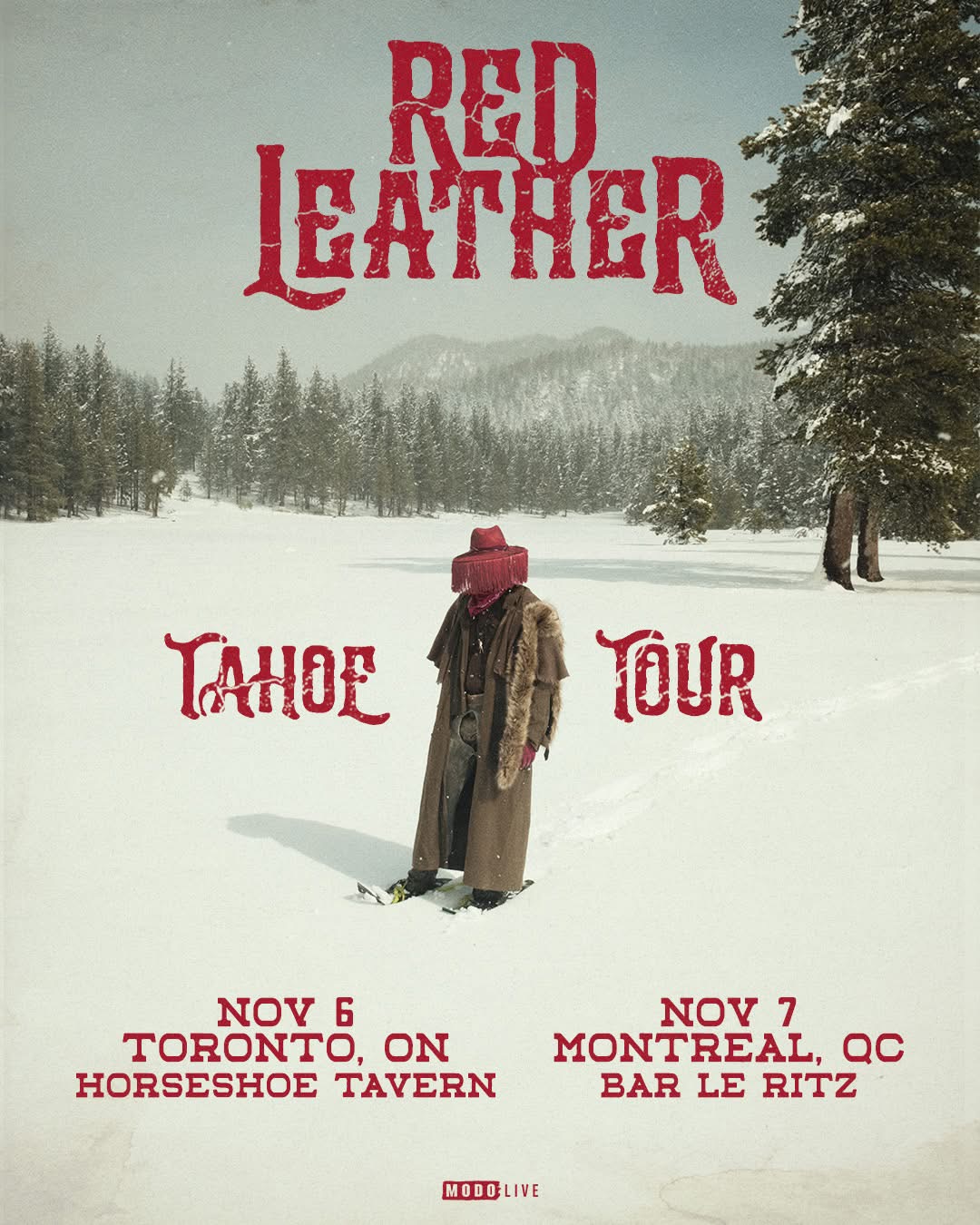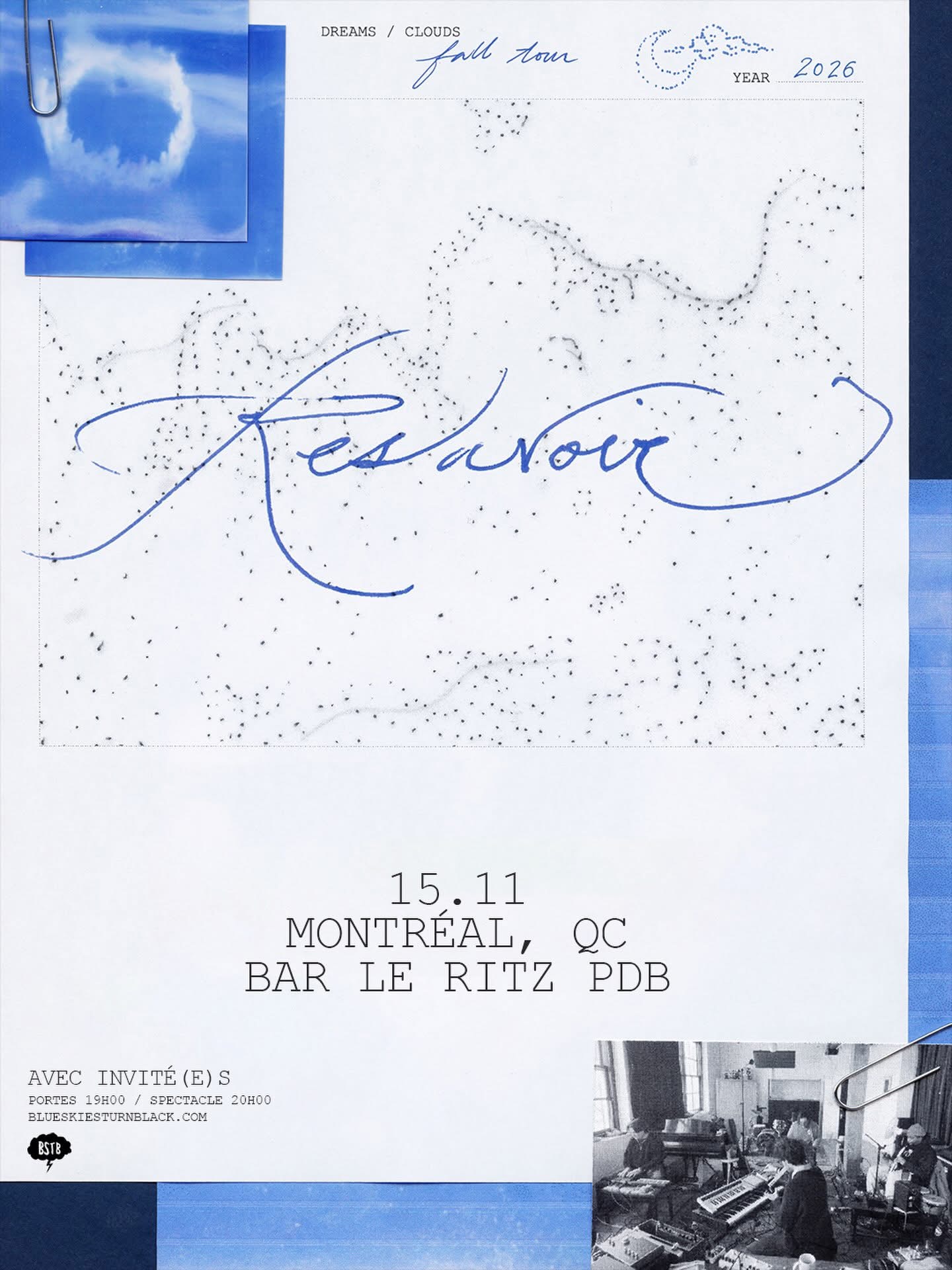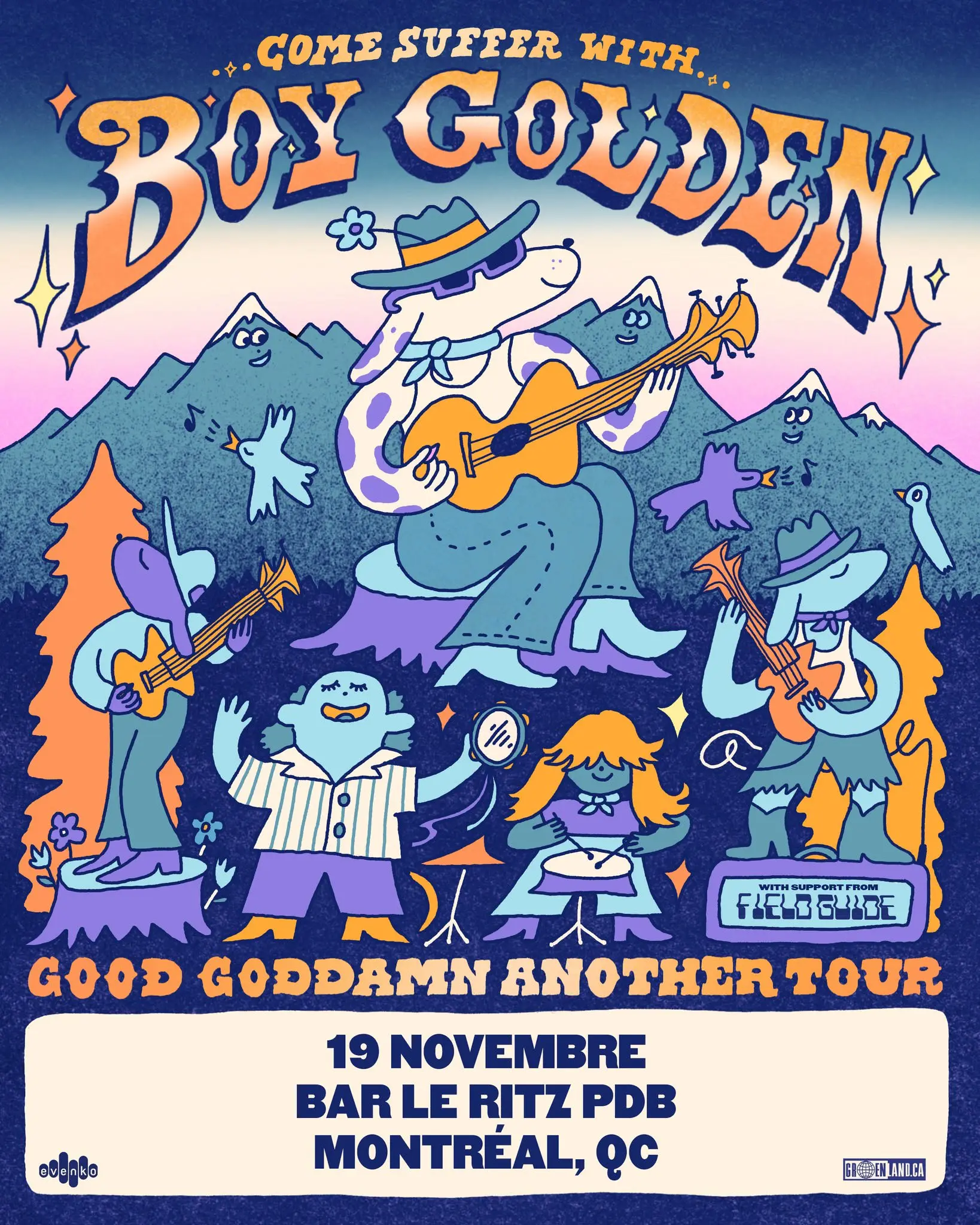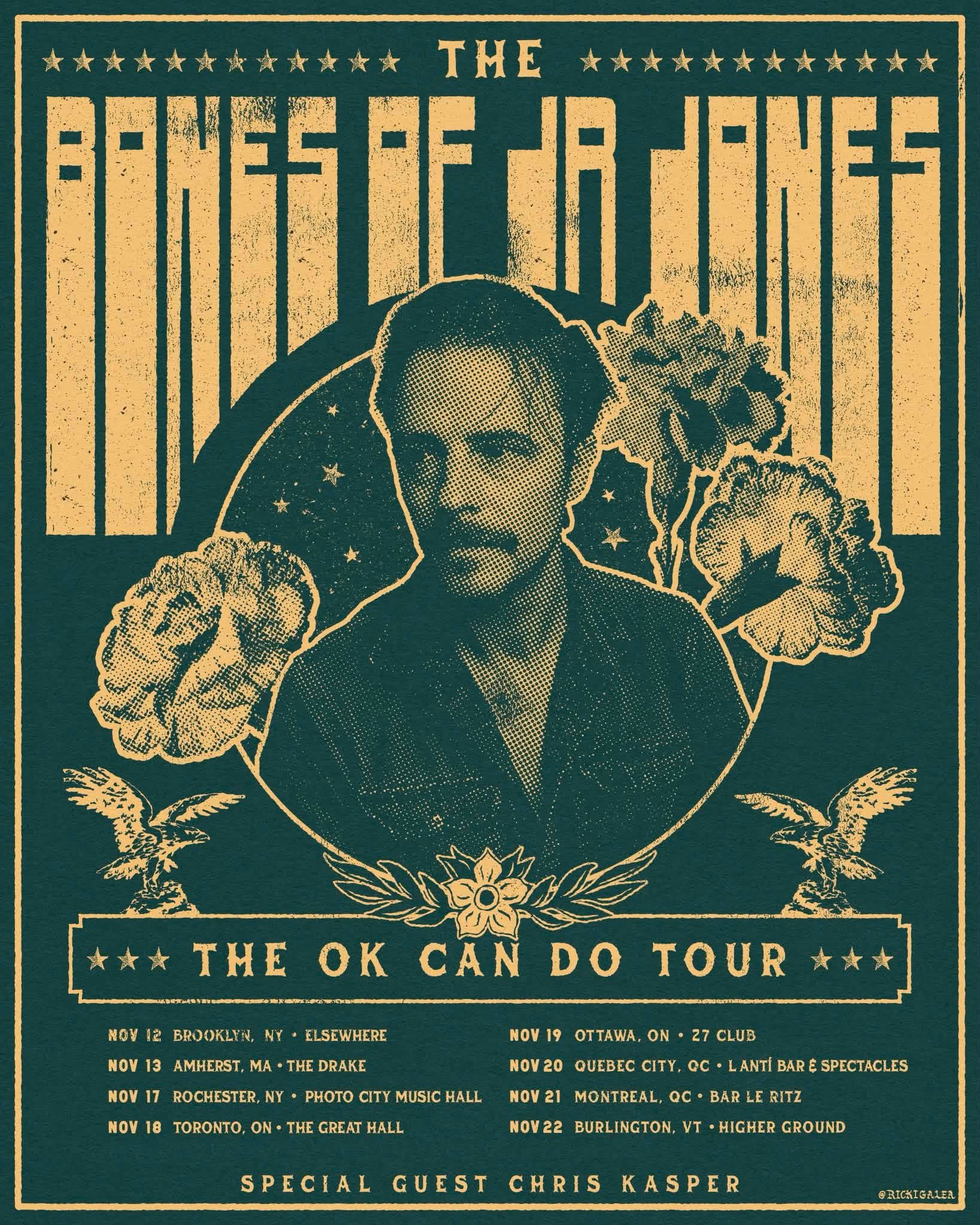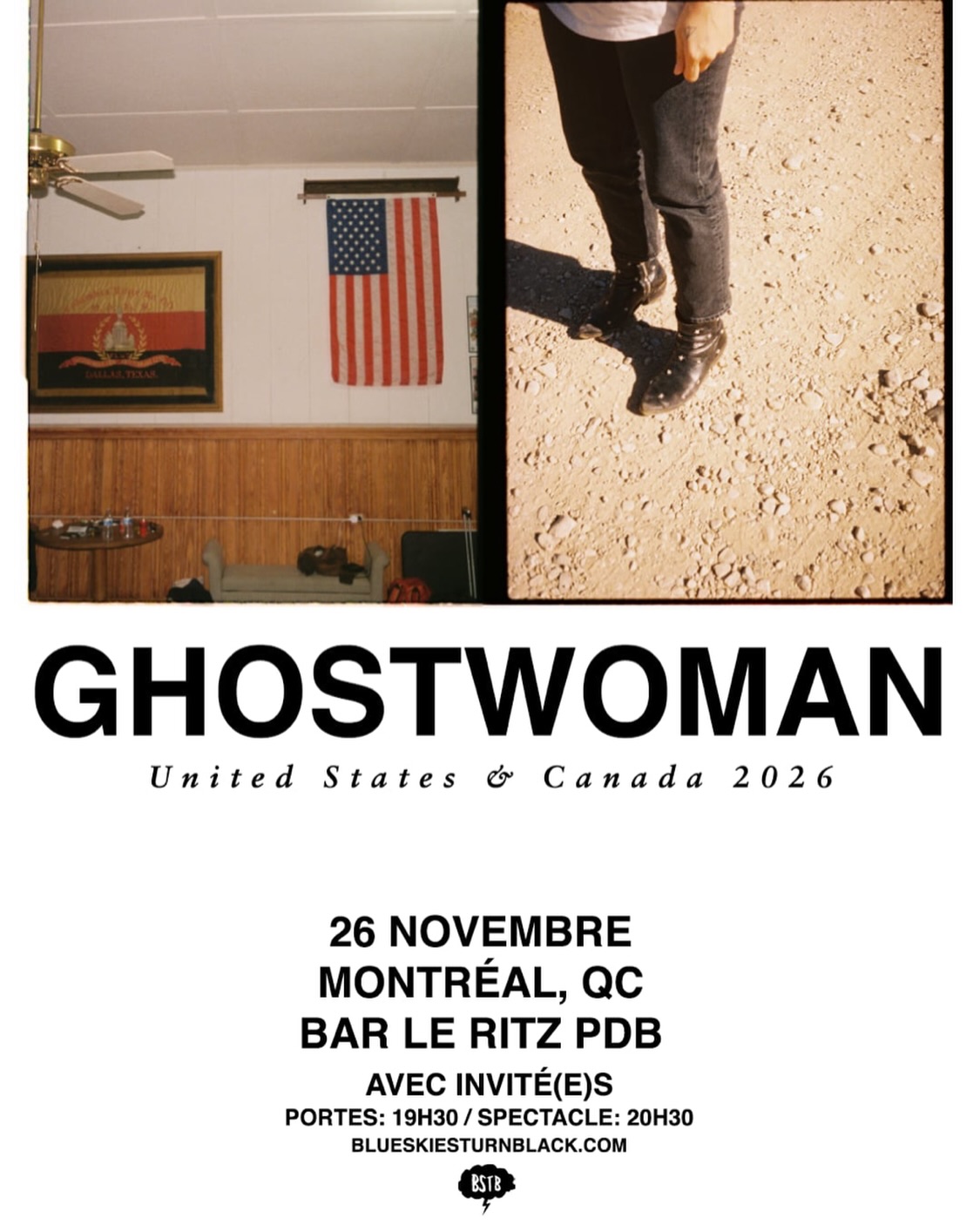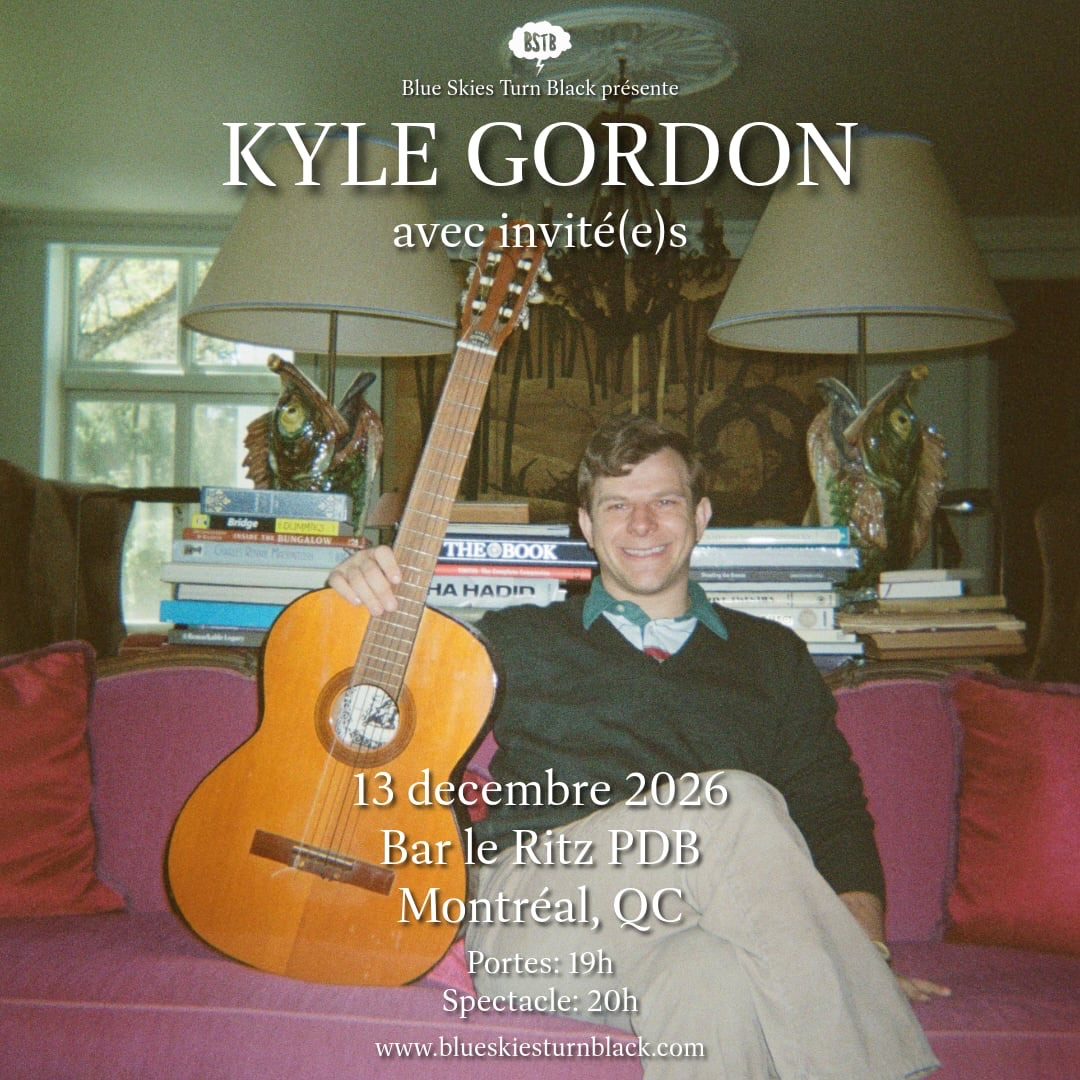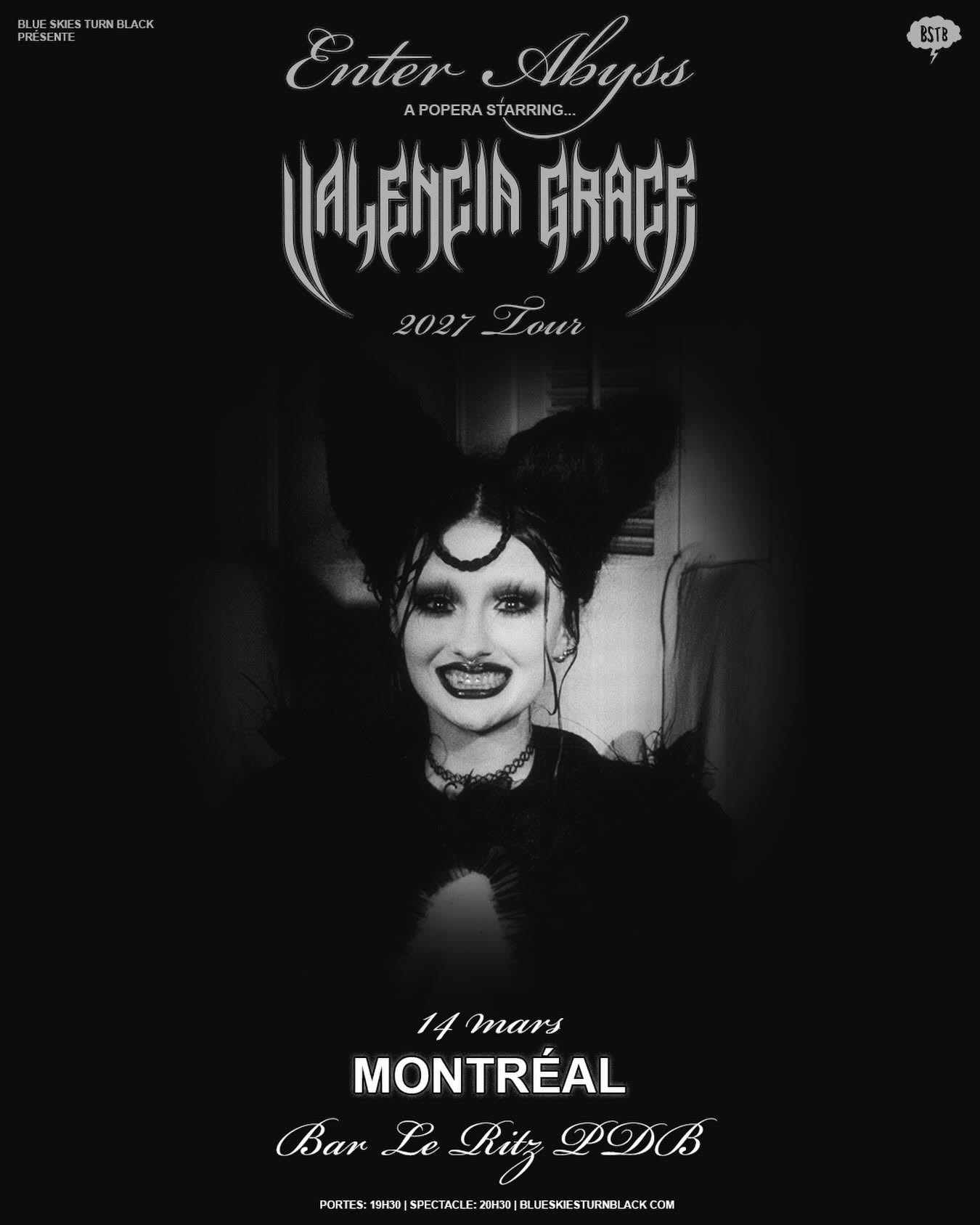
Bar Le Ritz PDB / Il Motore (Montreal)
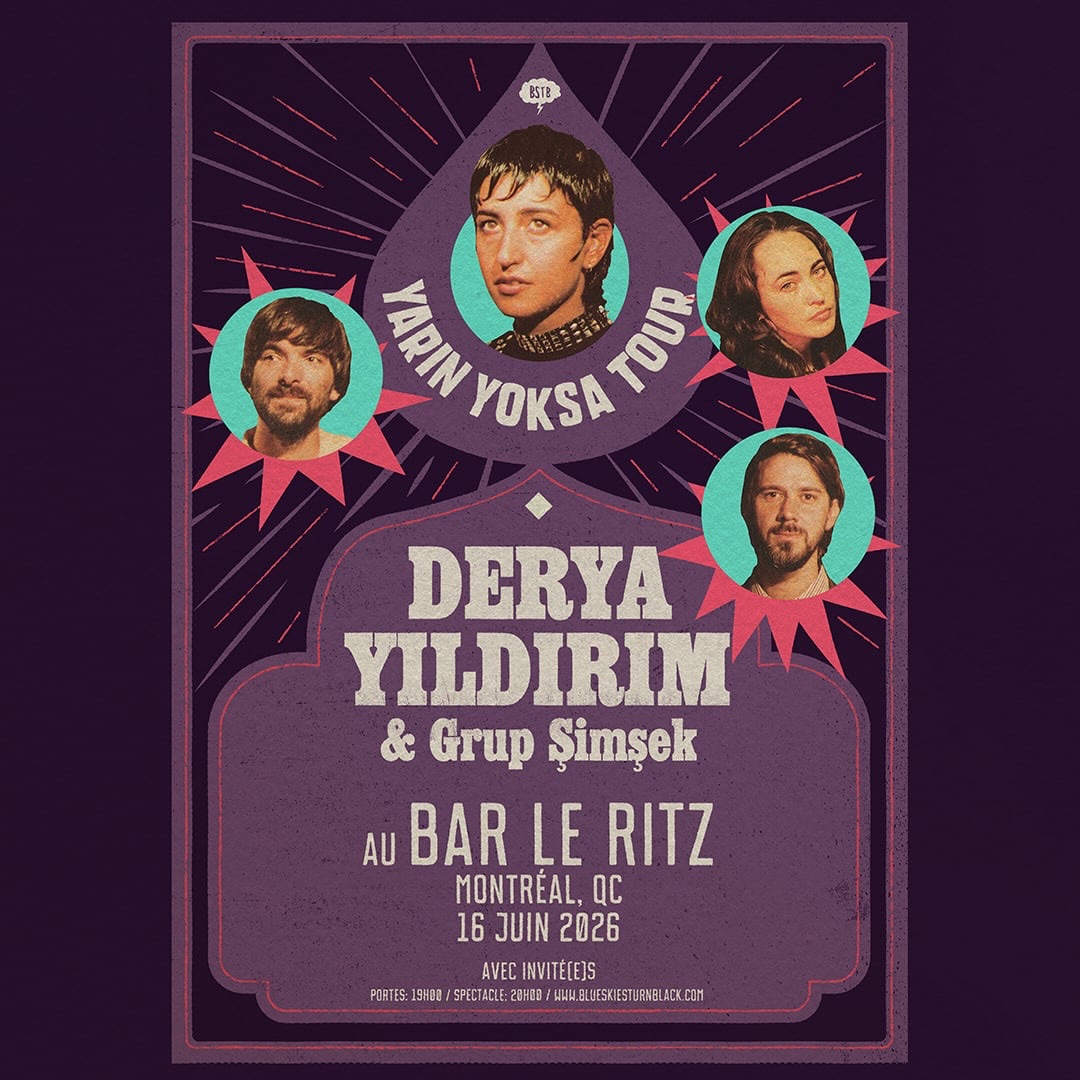
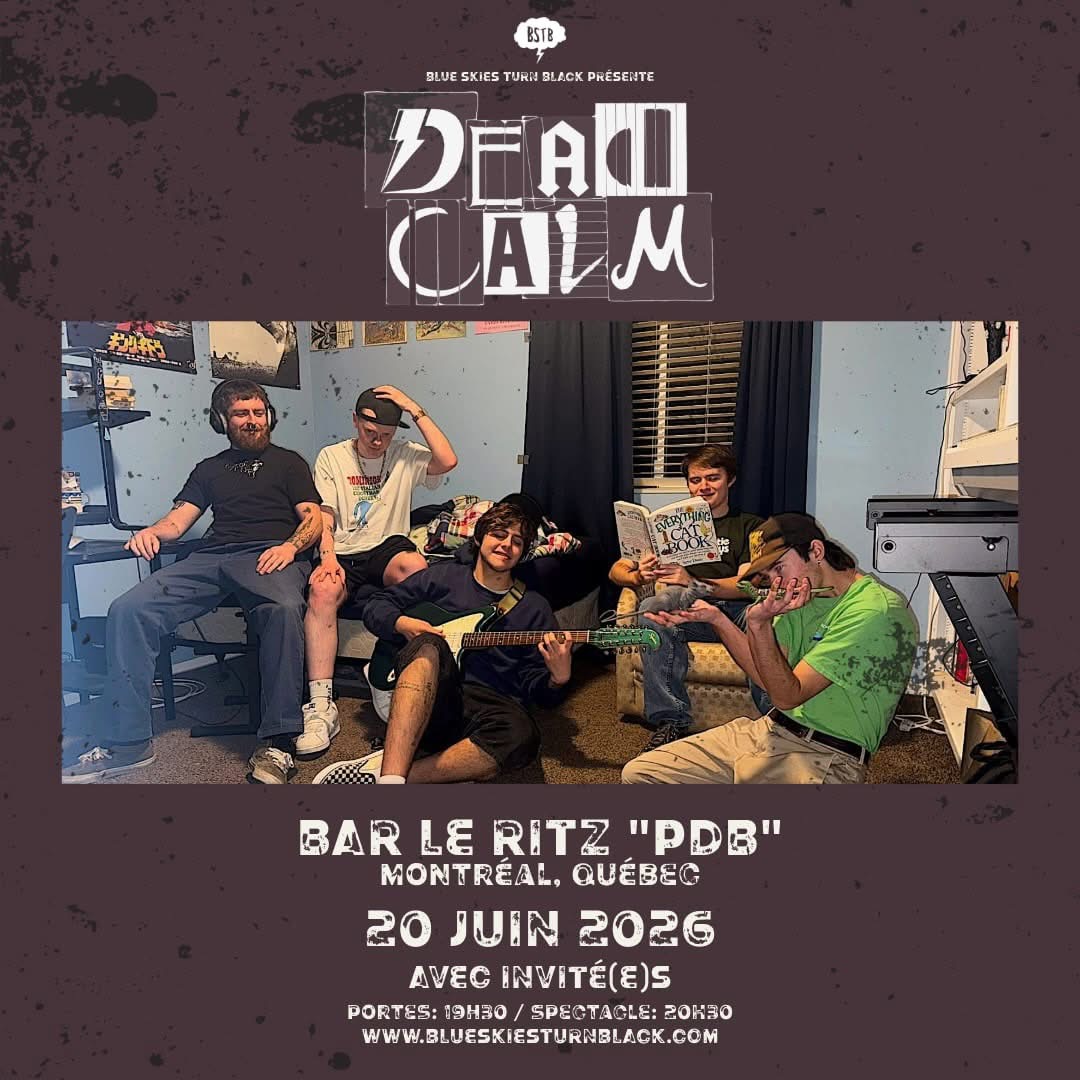
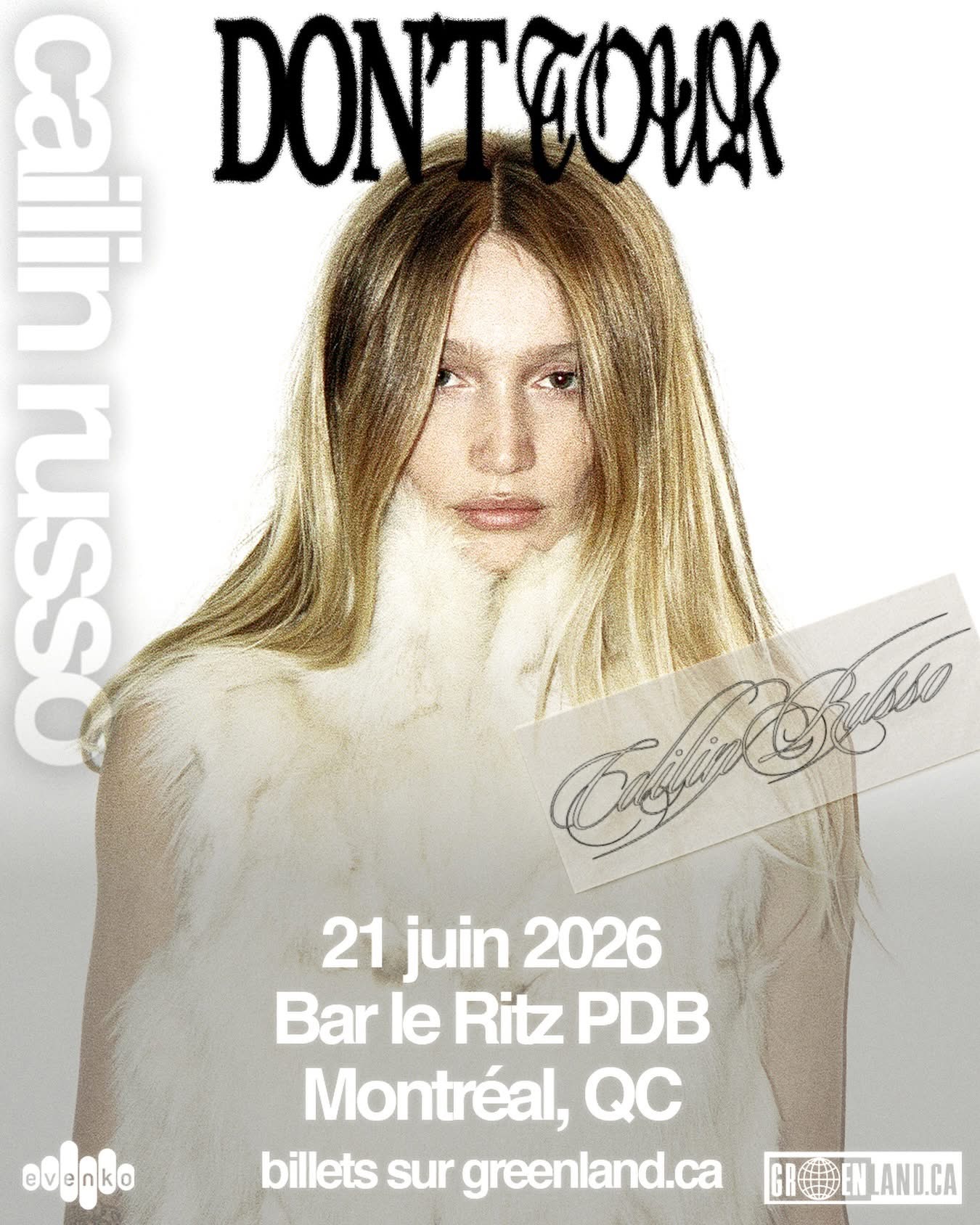
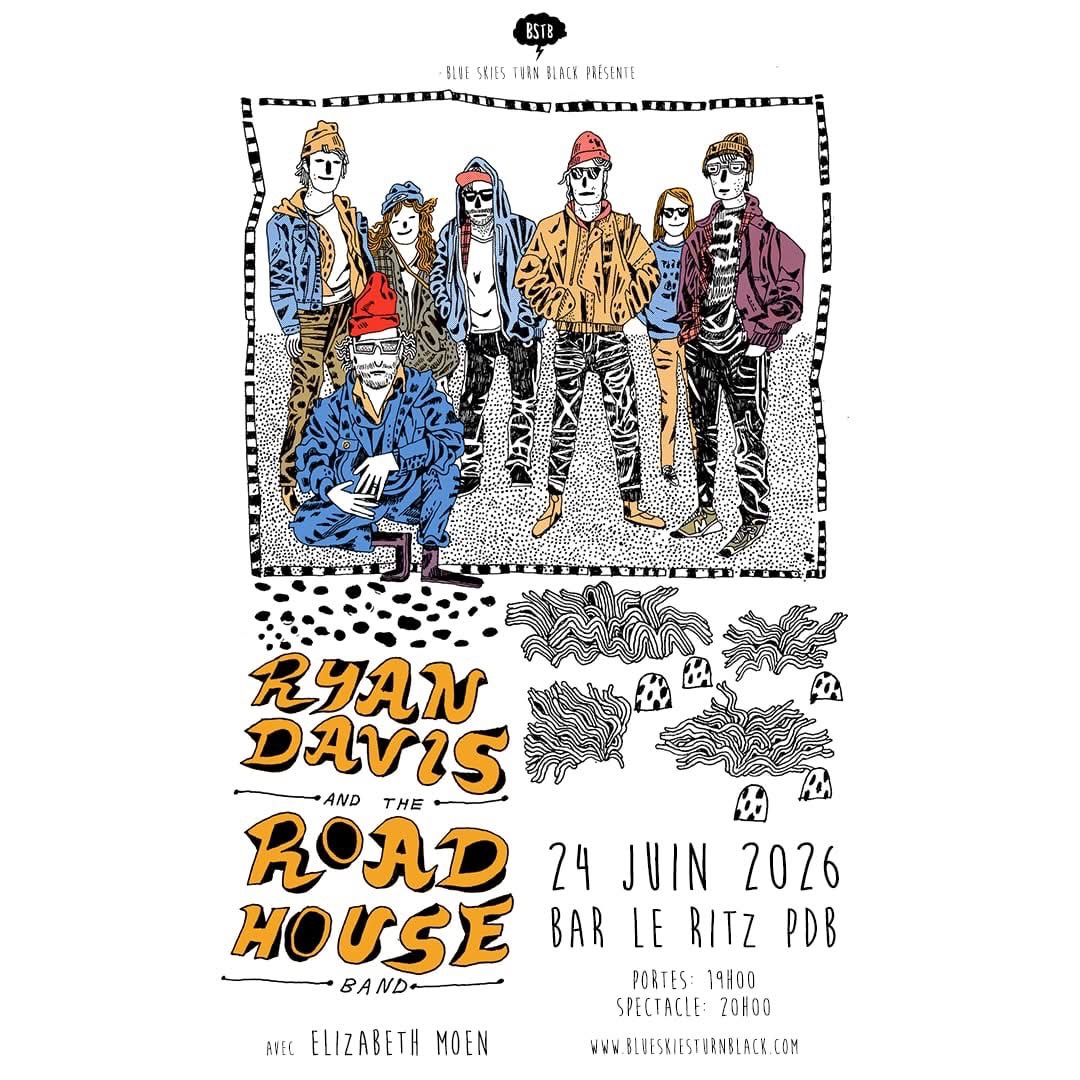
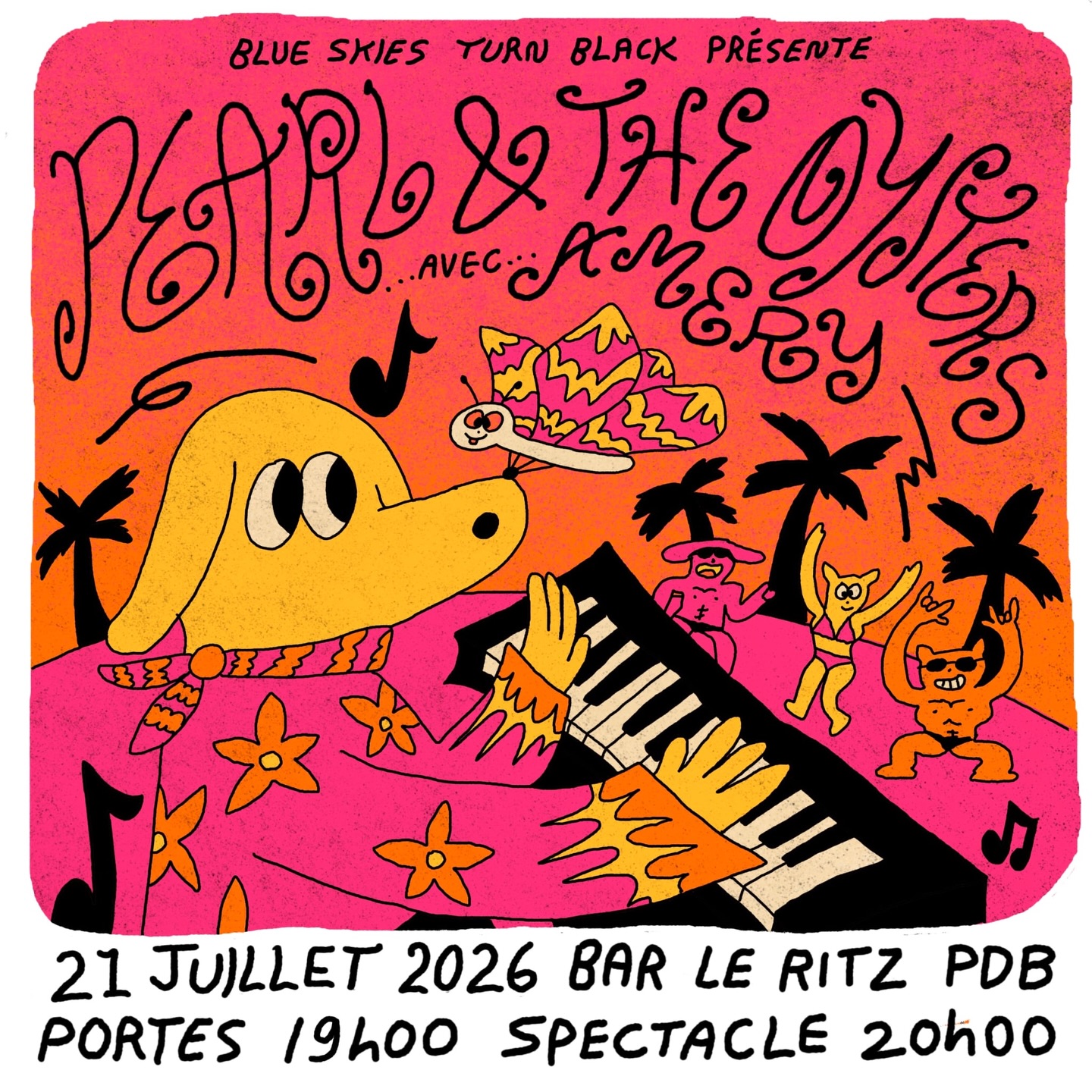
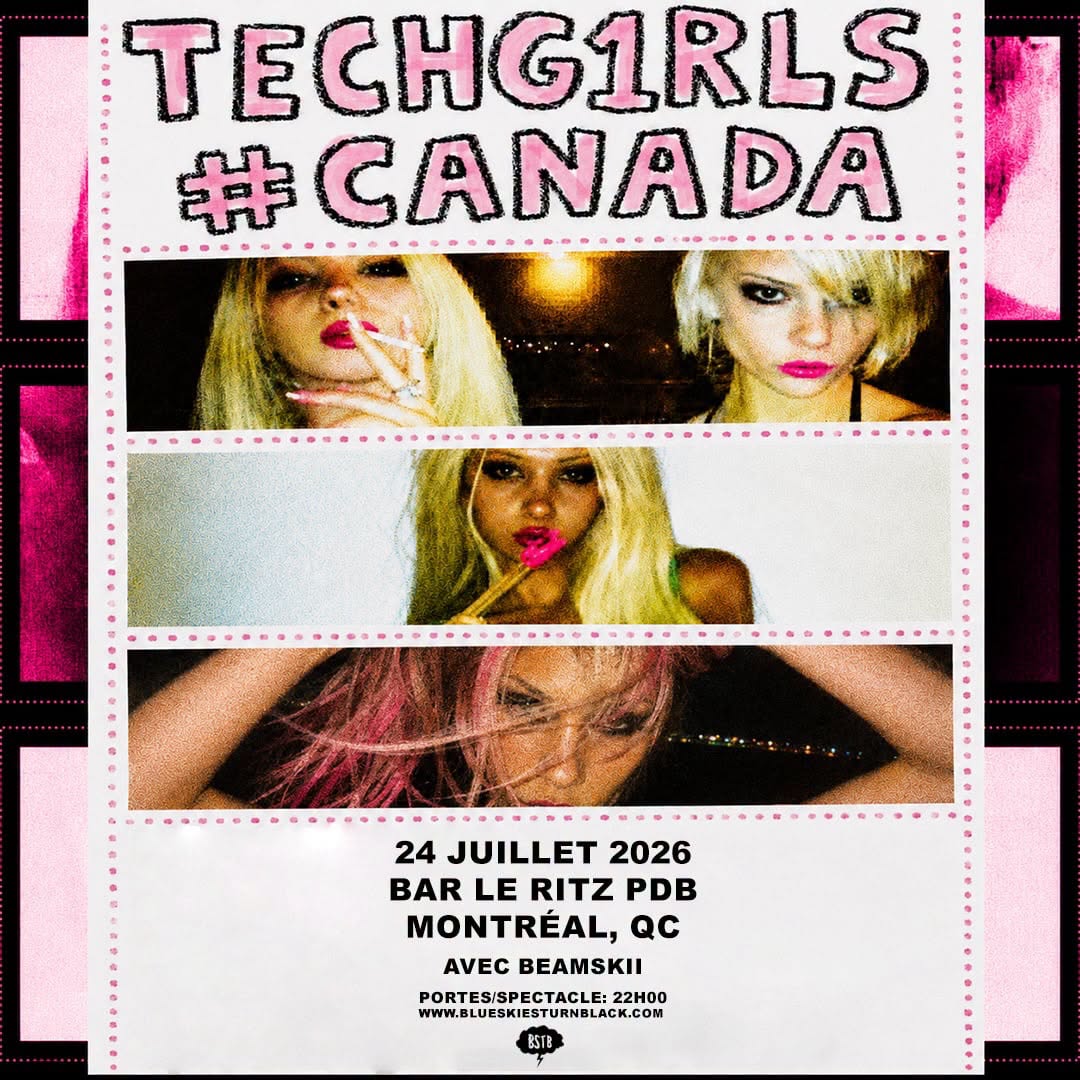
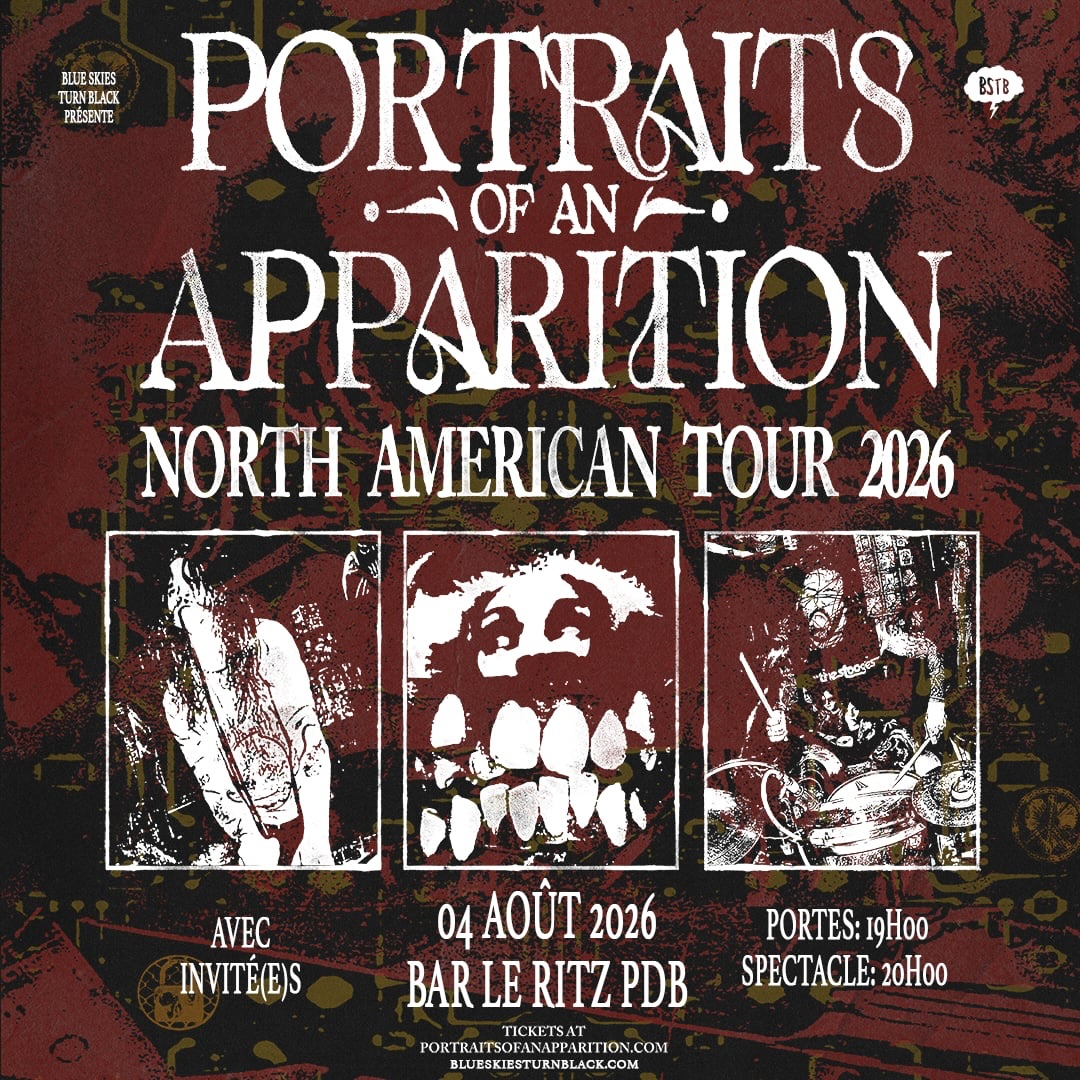
Located at 179 Jean-Talon Street West, Bar Le Ritz PDB is the direct successor to Il Motore, an independent venue that opened in November 2008 in the former Zebra Lounge premises. Born from a collaboration between the team behind La Sala Rossa and the booking and concert-promotion agency Blue Skies Turn Black, Il Motore became an important anchor for Montreal’s independent music scene for nearly six years. Following a major transformation led by Meyer Billurcu, Thierry Amar and Efrim Menuck, the venue was reborn in October 2014 as Bar Le Ritz PDB — “Punks Don’t Bend” — and has continued that independent concert tradition ever since. [1], [3], [4]
1. Overview
The history of Bar Le Ritz PDB begins several years before that name appeared. At the same address, 179 Jean-Talon Street West, the Zebra Lounge previously operated. In November 2008, the premises were transformed into a new concert venue called Il Motore. [1]
Il Motore answered a very specific need within Montreal’s independent music scene: a mid-sized room capable of hosting artists who had outgrown small cafés and bars but whose audiences did not necessarily justify larger concert halls. When it opened, its capacity was announced as 225 people. [1]
The venue formed part of an already well-established network centred around La Sala Rossa, Casa del Popolo and the promotion agency Blue Skies Turn Black. The latter had played an important role in developing Montreal’s independent concert circuit since 2000. [2]
Six years later, Il Motore was completely reimagined. The venue closed under its old name on August 16, 2014 and was reborn that fall as Bar Le Ritz PDB. Despite the physical transformation and new identity, the new establishment retained one of Il Motore’s essential characteristics: its roots in Montreal’s independent music culture. [3]
2. Blue Skies Turn Black
To understand the creation of Il Motore, it is necessary to go back to 2000. That year, Meyer Billurcu and Brian Neuman founded the Montreal concert-promotion agency Blue Skies Turn Black, generally known as BSTB. [2]
At the time, Canadian touring circuits remained difficult for many independent artists. Some American tours included only a single Canadian date, while local groups operating outside commercial circuits had few organizations capable of supporting them.
Billurcu and Neuman started modestly. Their first event was a screening of Instrument, Jem Cohen’s documentary about Fugazi, presented at Concordia University in March 2000. About six months later, they organized a concert by Sam Prekop of The Sea and Cake at the North American Bar & Grill. [2]
Their earliest events were produced in cafés, bookstores and small venues. Resources were limited: Neuman later recalled that on some occasions almost all the money collected went directly to the artists, with the promoters keeping only a small amount to pay for posters. [2]
“All the money went to the bands, and we kept $30 to pay for the posters.”
3. Building an Independent Music Scene
During its early years, Blue Skies Turn Black helped build a network around artists and audiences that still had little access to traditional industry circuits. Neuman would later describe the scene as a community of musicians, artists and fans united around an alternative culture largely neglected by the mainstream music business. [2]
BSTB notably helped organize some of Arcade Fire’s earliest Montreal concerts before the group achieved international success. Over time, the agency moved from small-scale grassroots events to more ambitious productions while maintaining its independent identity. [2]
During its early years, BSTB also operated as a record label. That activity ended in 2007, allowing the organization to concentrate on concert promotion and production.
Musician André Guérette, a member of the Montreal band AIDS Wolf, joined the organization in 2006 as a third partner. He left BSTB in 2009. Brian Neuman departed in 2011, leaving Meyer Billurcu to continue developing both the agency and Il Motore.
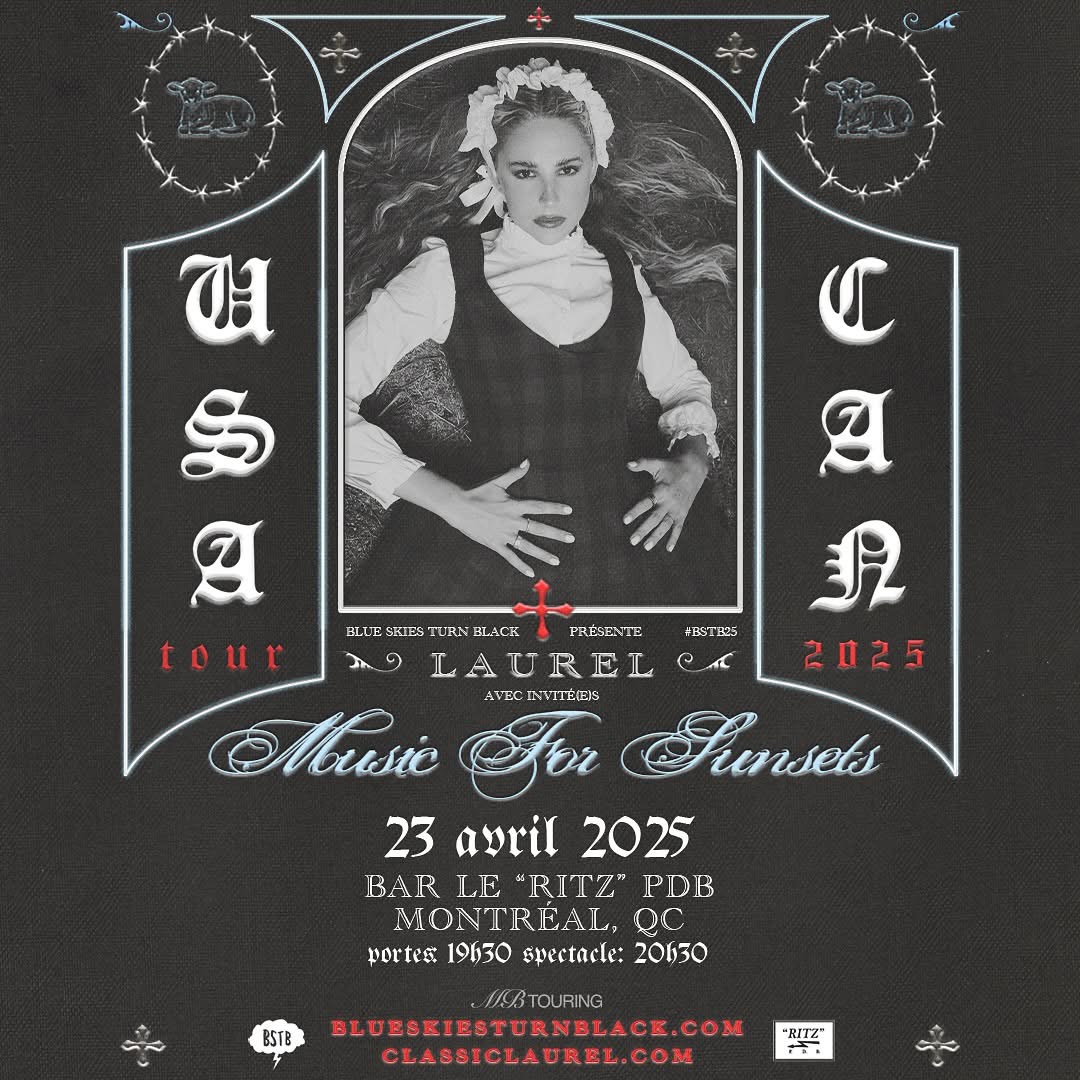
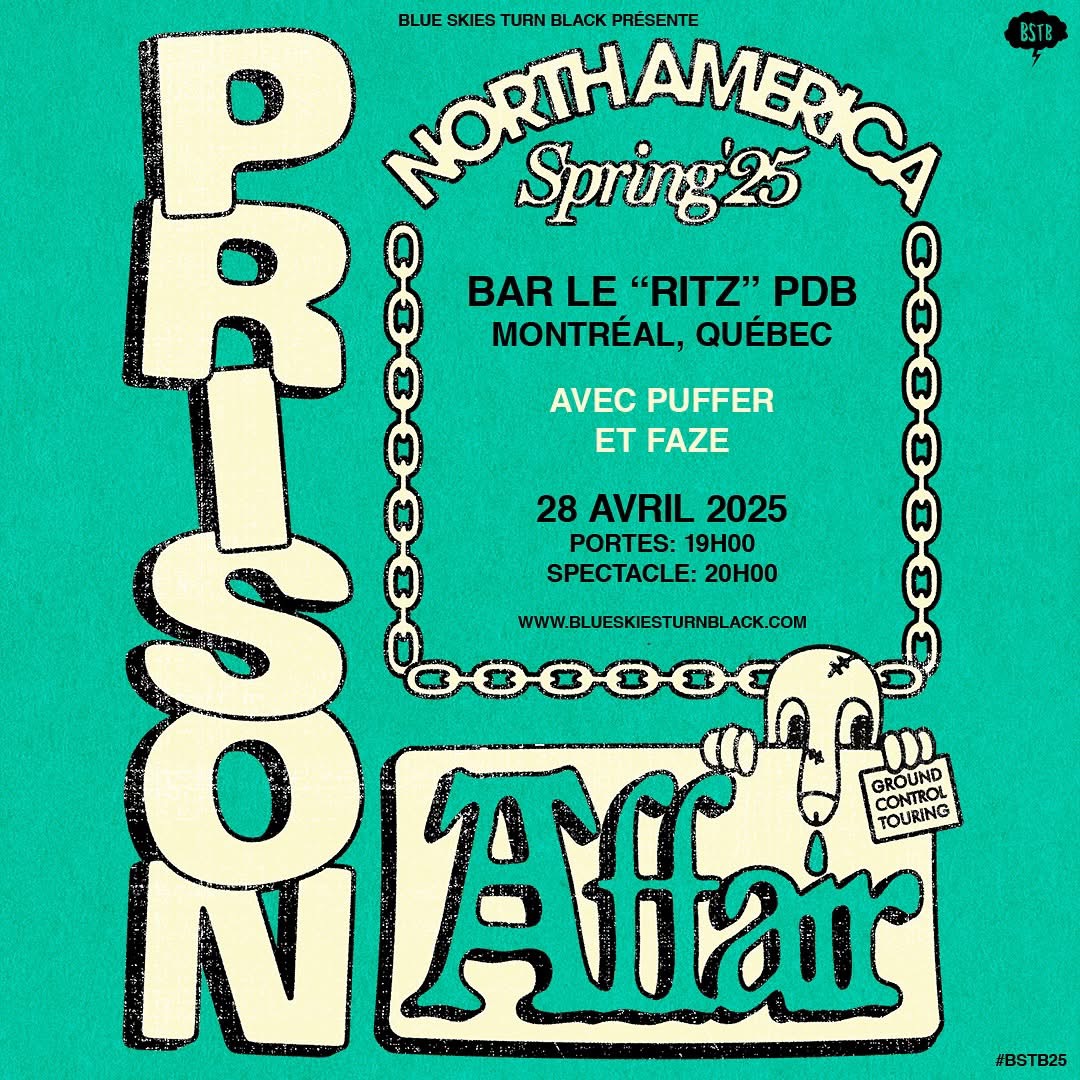
Members of the Community
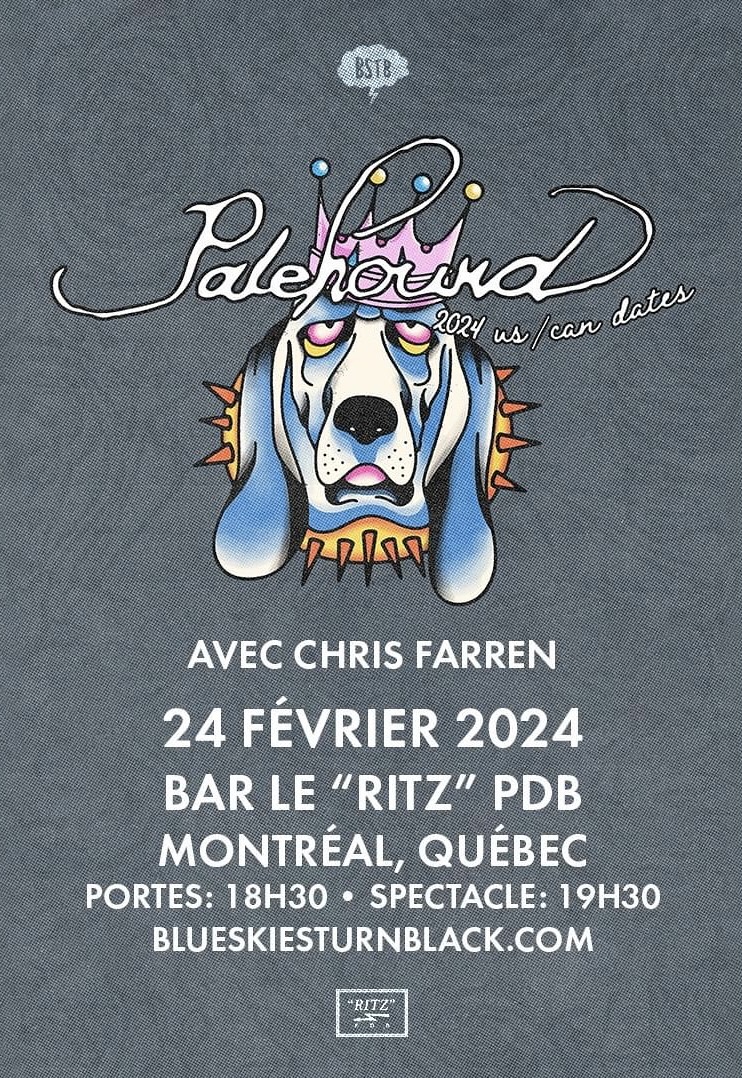
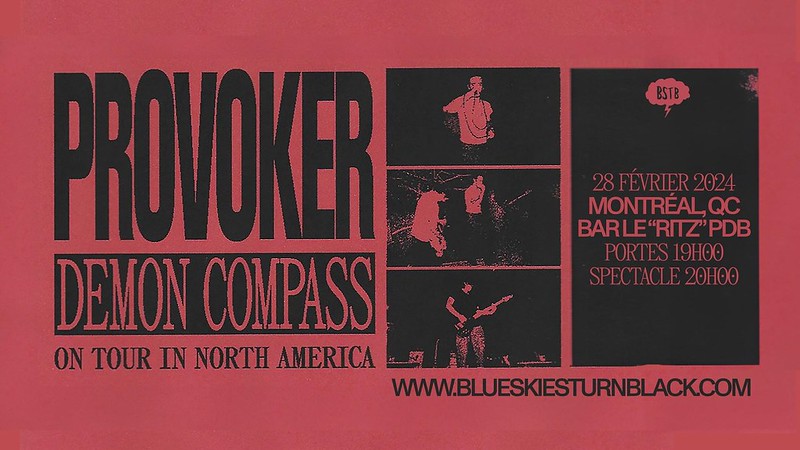
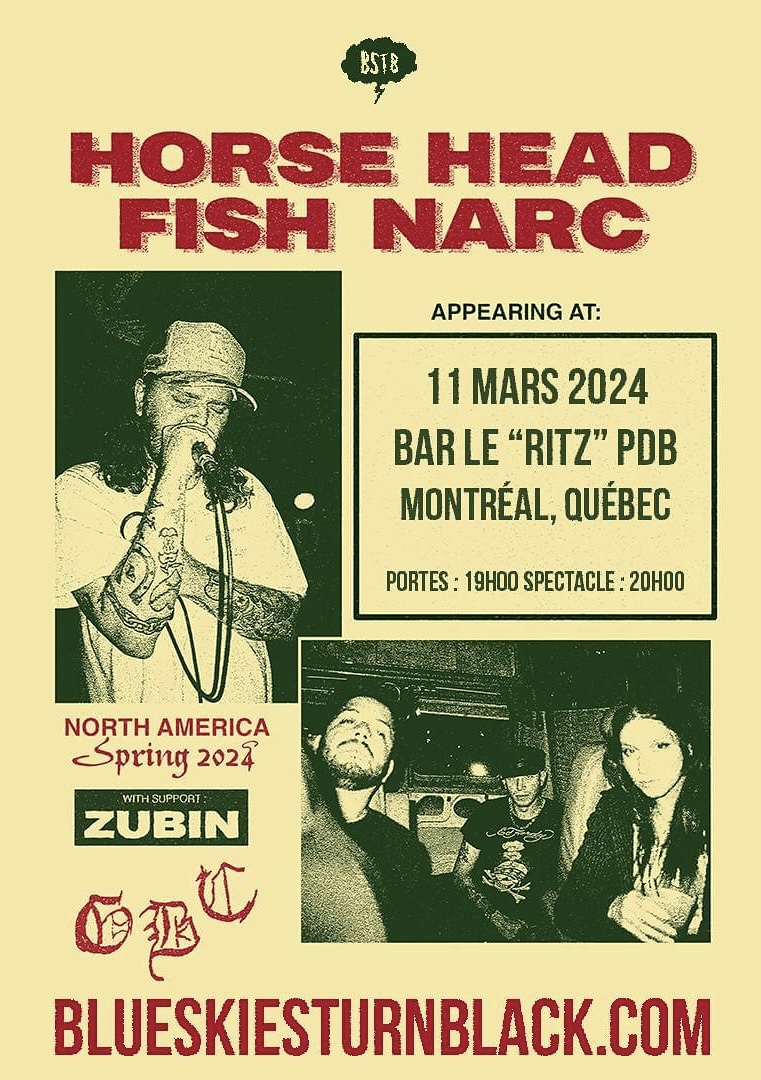
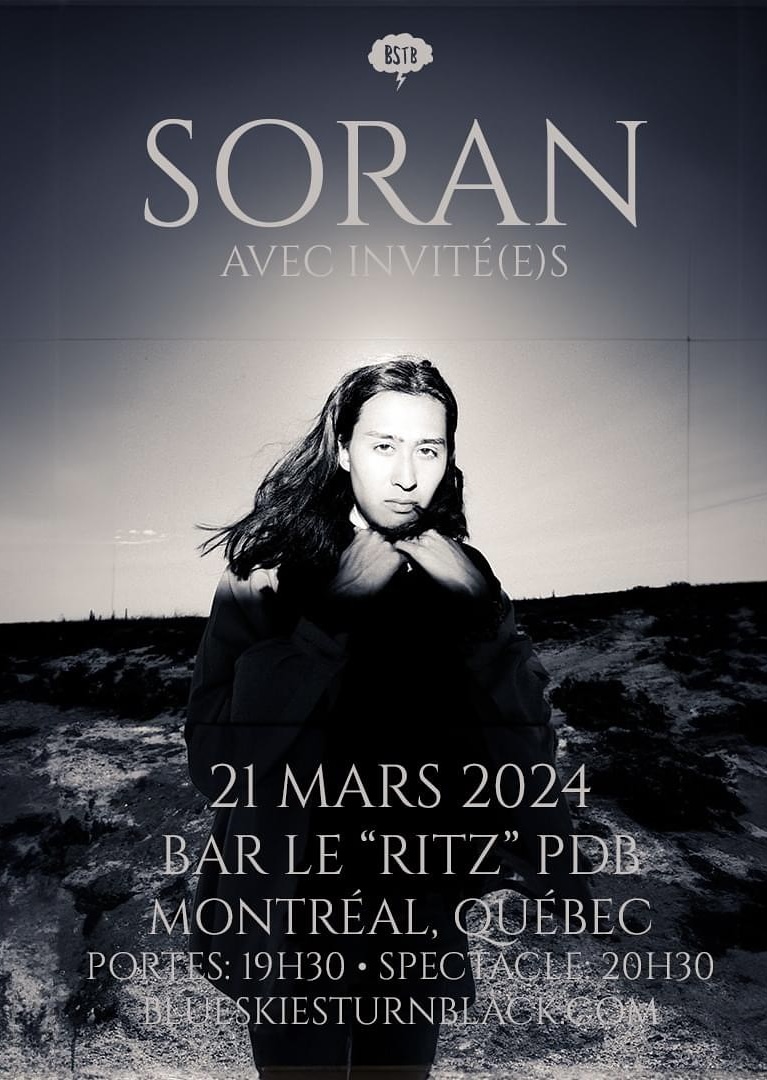
Blue Skies Turn Black
BSTB’s history illustrates how a music scene can develop outside major industry structures: promoters, musicians, small venues, posters and audiences gradually form a network capable of supporting its own artists. Ten years after its founding, BSTB was already producing between 250 and 300 concerts per year. [2]
4. From Zebra Lounge to Il Motore
In 2008, the premises at 179 Jean-Talon Street West were occupied by the Zebra Lounge. The conversion of the space into a concert venue gave rise to Il Motore. [1]
The project brought together two important networks within Montreal’s independent scene. On one side was the team associated with La Sala Rossa and Casa del Popolo; on the other was Blue Skies Turn Black.
For Steve Guimond of La Sala Rossa/Casa del Popolo, the new venue answered a problem of both capacity and availability. Existing spaces were so heavily booked that a third venue had become necessary. [1]
“There is so much going on in Montreal that all our spaces were booked solid throughout the week. We really needed a venue of this size.”
The statement captures the context in which Il Motore emerged: the growth of independent concerts in Montreal was itself creating a need for new infrastructure.
5. November 21, 2008: Il Motore Opens
Il Motore officially launched its activities on November 21, 2008. For its opening night, the venue hosted the United Steel Workers of Montreal. [1]
In the weeks that followed, scheduled performers included Sebastien Grainger, associated with Death from Above, as well as local groups The Witches, Broadcast Radio and Human Highway. [1]
The new venue had an announced capacity of 225 people. Its size placed it between Montreal’s smallest independent spaces and larger concert halls, quickly making it a useful room for promoters.
Unlike the Ritz that would later replace it, Il Motore was not conceived as a bar open every day. The premises were essentially opened when a concert or event was scheduled. [3]
6. The Il Motore Years
From 2008 to 2014, Il Motore hosted a steady succession of independent concerts and became one of the familiar small venues on Montreal’s touring circuit. Its programming benefited directly from the network developed by Blue Skies Turn Black and other active promoters in the city.
The room nevertheless had significant physical shortcomings. The stage stood near the entrance, heavy curtains covered the walls and windows, and an arbitrary change in floor level awkwardly divided the room in two. [3]
Meyer Billurcu later acknowledged that he had never been entirely satisfied with the layout. Disagreements among the owners, however, prevented him for some time from carrying out the changes he wanted.
At one point, selling Il Motore was seriously considered, and a real estate agent was even brought in. Billurcu nevertheless remained convinced that the venue had potential that had not yet been fully realized. [3]
“There was always an awkward vibe here. It never felt proper.”
7. 2014: A Venue at a Crossroads
By the spring of 2014, Il Motore’s future was uncertain. Meyer Billurcu had finally bought out the other owners and could begin considering a more substantial transformation of the venue. [3]
At the same time, two Montreal musicians were looking for premises in the neighbourhood: Thierry Amar and Efrim Menuck, members of Godspeed You! Black Emperor.
They initially considered purchasing another establishment about a block away. Because it operated as both a restaurant and bar, Amar was reluctant to enter the restaurant business. After exploring other possibilities, the two musicians contacted Billurcu. [3]
That meeting completely changed Il Motore’s future.
9. Transforming the Venue
The final night under the name Il Motore took place on August 16, 2014. Renovations began the very next morning. [3]
Walls were torn down, the change in floor level was eliminated and the heavy curtains disappeared. The cream-coloured ceiling was painted black. Most importantly, the stage was moved to the back of the room, to the location previously occupied by the bar.
The new performance area was tighter than the old one. This increased proximity was particularly well suited to punk shows and concerts where the separation between performers and audience nearly disappears. Coloured vinyl strips were installed on the walls surrounding the stage. [3]
The centrepiece of the renovation, however, was the new bar: a century-old, approximately 22-foot-long bar back imported from Chicago. The historic fixture immediately gave the new venue a visual identity radically different from that of Il Motore. [3]
Transformation
Il Motore → Bar Le Ritz PDB
The 2014 transformation involved far more than placing a new sign on Il Motore. The floor was rebuilt, the stage moved, the walls altered, the ceiling repainted and a historic bar back imported from Chicago. The Ritz was therefore a genuine reinvention of the same space.
10. “Punks Don’t Bend”
The transformation also brought an end to the name Il Motore. The new establishment became Bar Le Ritz PDB.
The idea of combining a principal name with an acronym was inspired in part by New York’s famous CBGB, whose full name also included the acronym OMFUG. [3]
In the case of the Ritz, PDB stands for “Punks Don’t Bend.”
Thierry Amar connected the spirit of the phrase with the title of the Godspeed You! Black Emperor album Allelujah! Don’t Bend! Ascend!. It was not a literal explanation of the album title, but rather an expression of a similar attitude: pursuing artistic projects with conviction and independence. [3]
“What PDB means to us — any art project we’ve undertaken has been done with pure abandon and love.”
11. Birth of Bar Le Ritz PDB
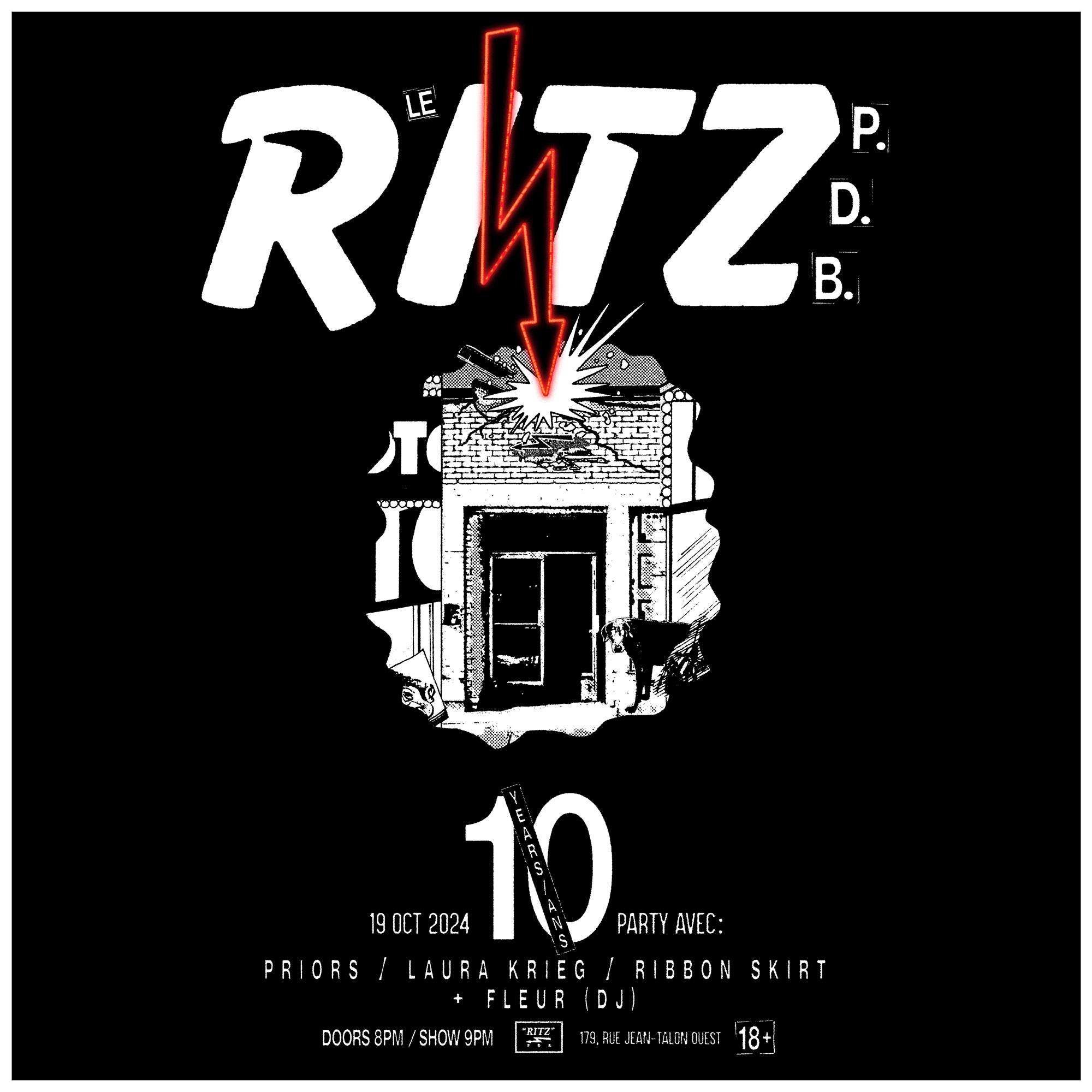
After several events used to test the new layout, including dates during POP Montreal, Bar Le Ritz PDB was officially launched on Thursday, October 9, 2014. [3], [4]
The new venue was then described as having a capacity of approximately 300 people. This differed from the 225-person capacity announced when Il Motore opened in 2008, reflecting the configuration and descriptions of the room at the time of its transformation. [1], [3]
The initial plan was for the bar to open every day from 3 p.m. until last call, whereas Il Motore had essentially opened only when a concert was scheduled. [3]
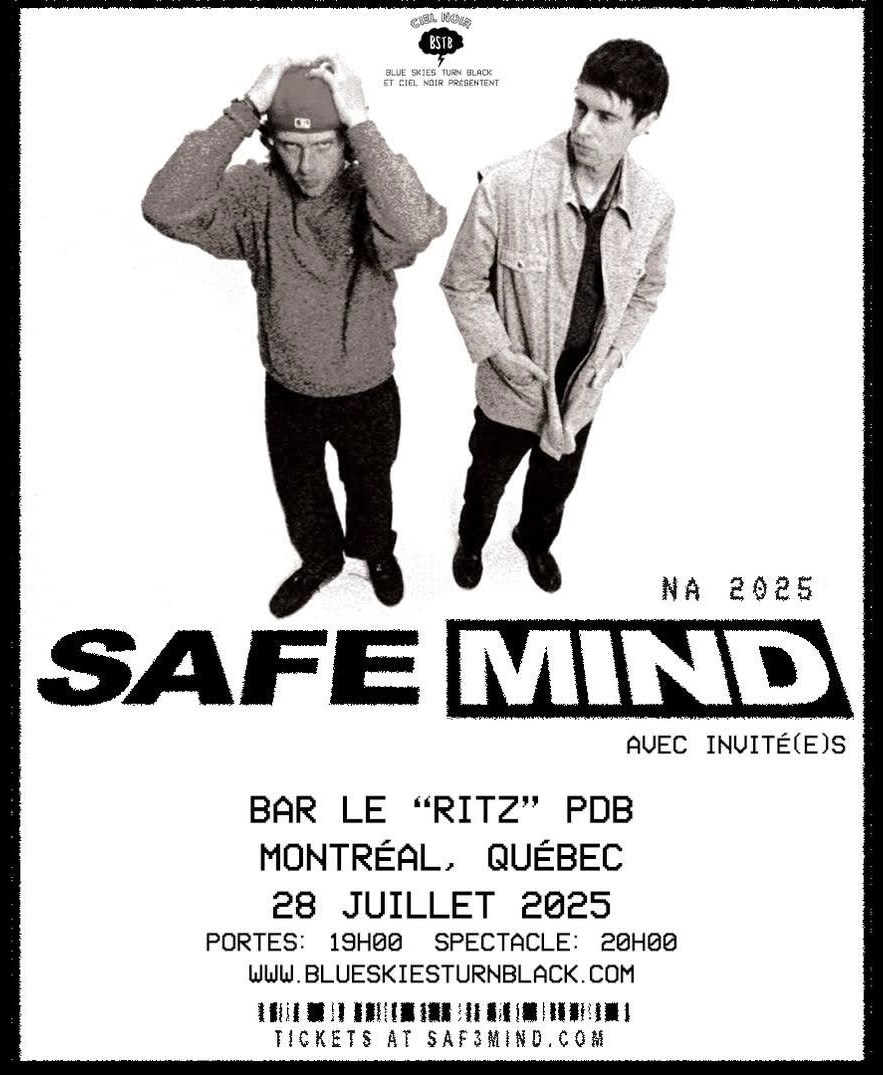
The continuity was nevertheless clear. Meyer Billurcu remained central to the project, Blue Skies Turn Black continued presenting concerts there, and the venue retained its role as a platform for independent music.
12. Programming and Identity
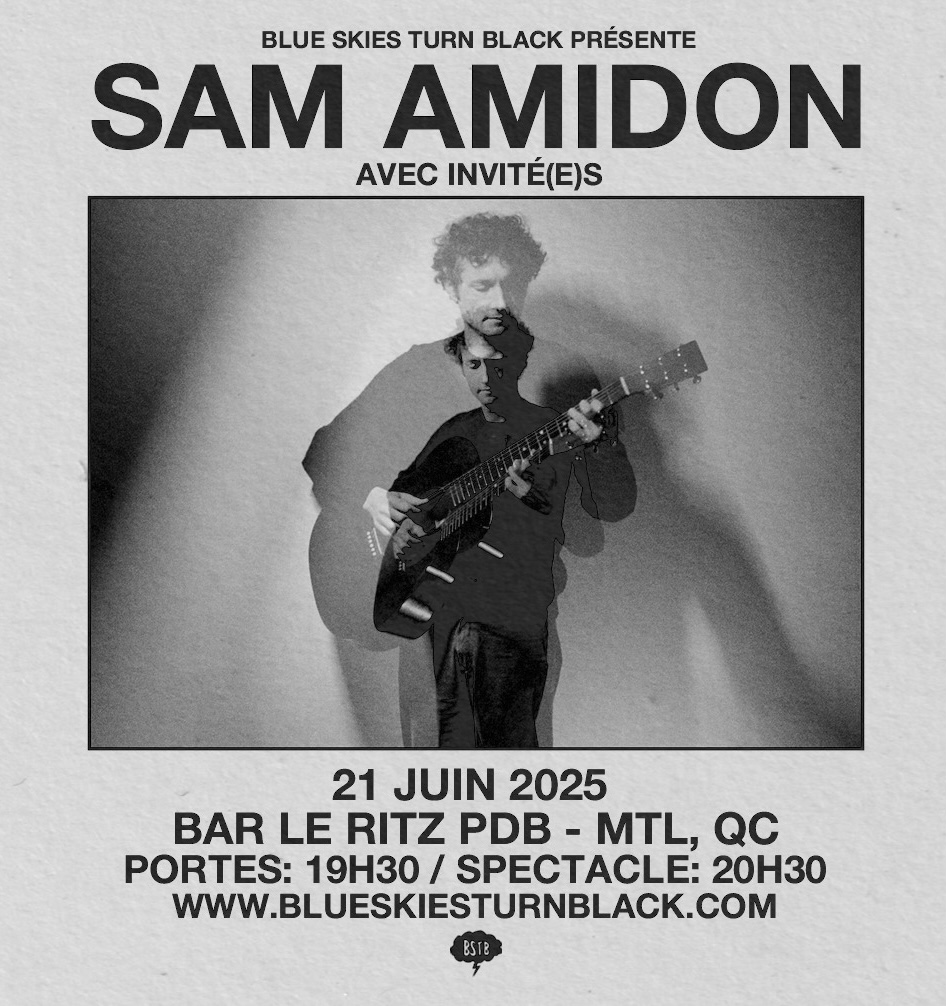
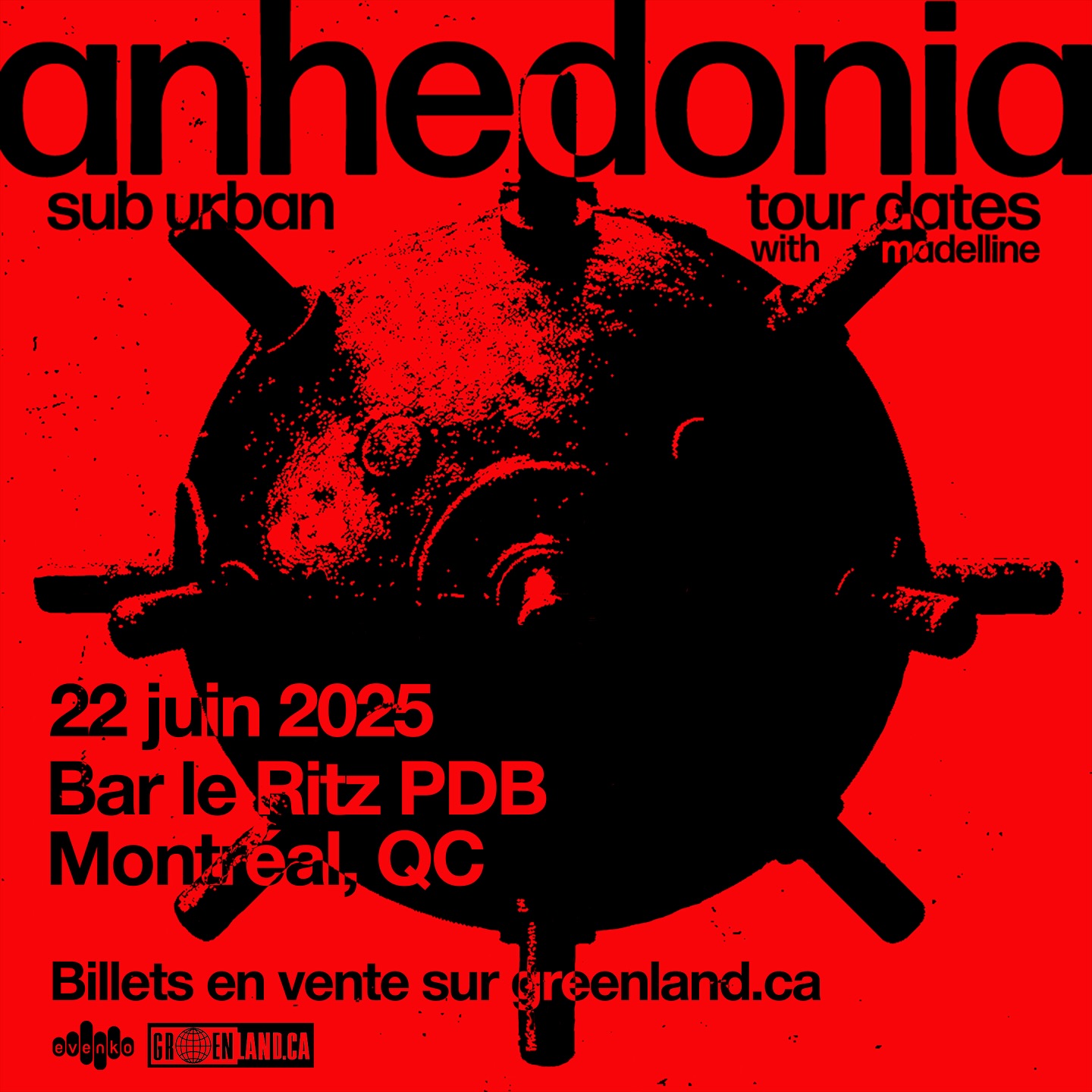
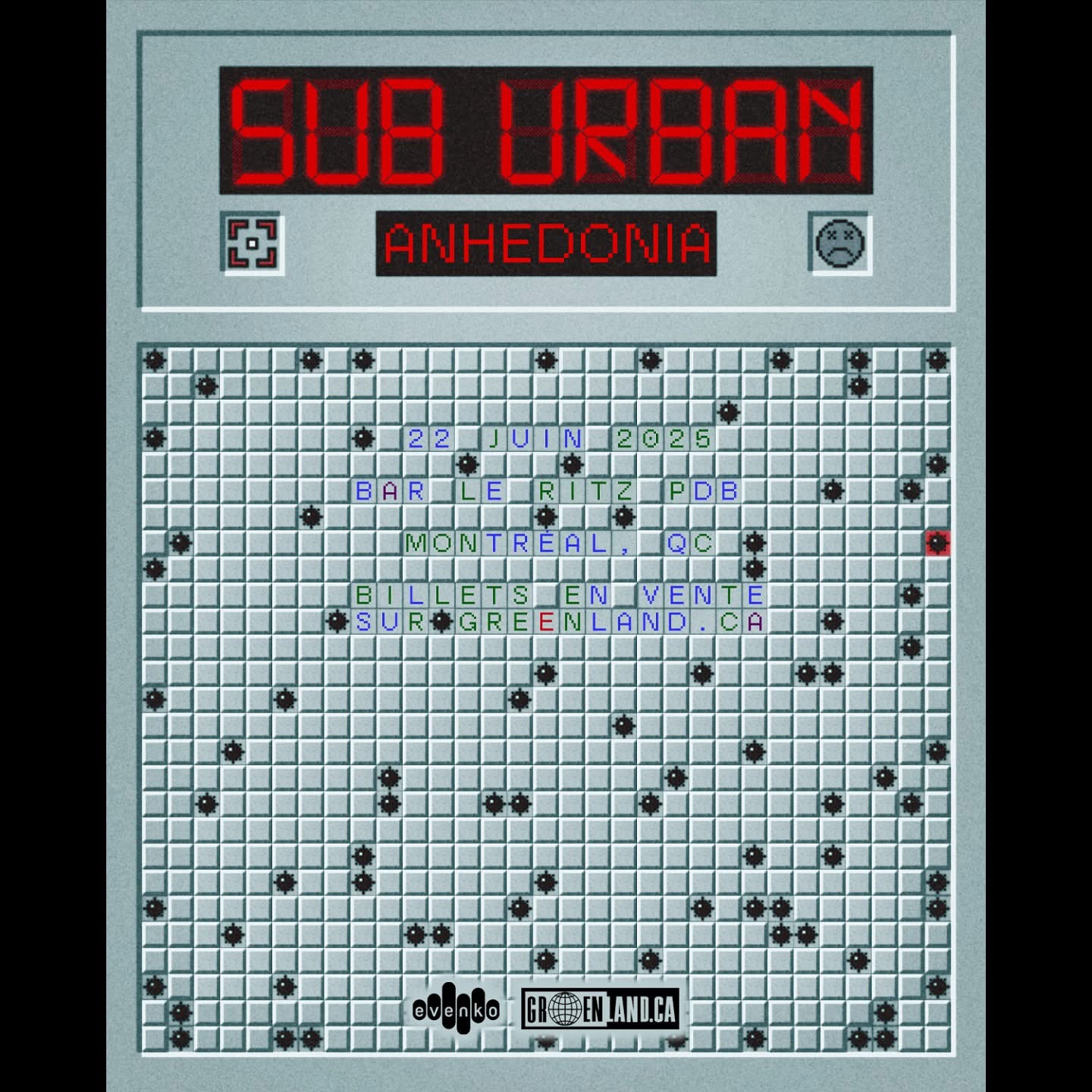
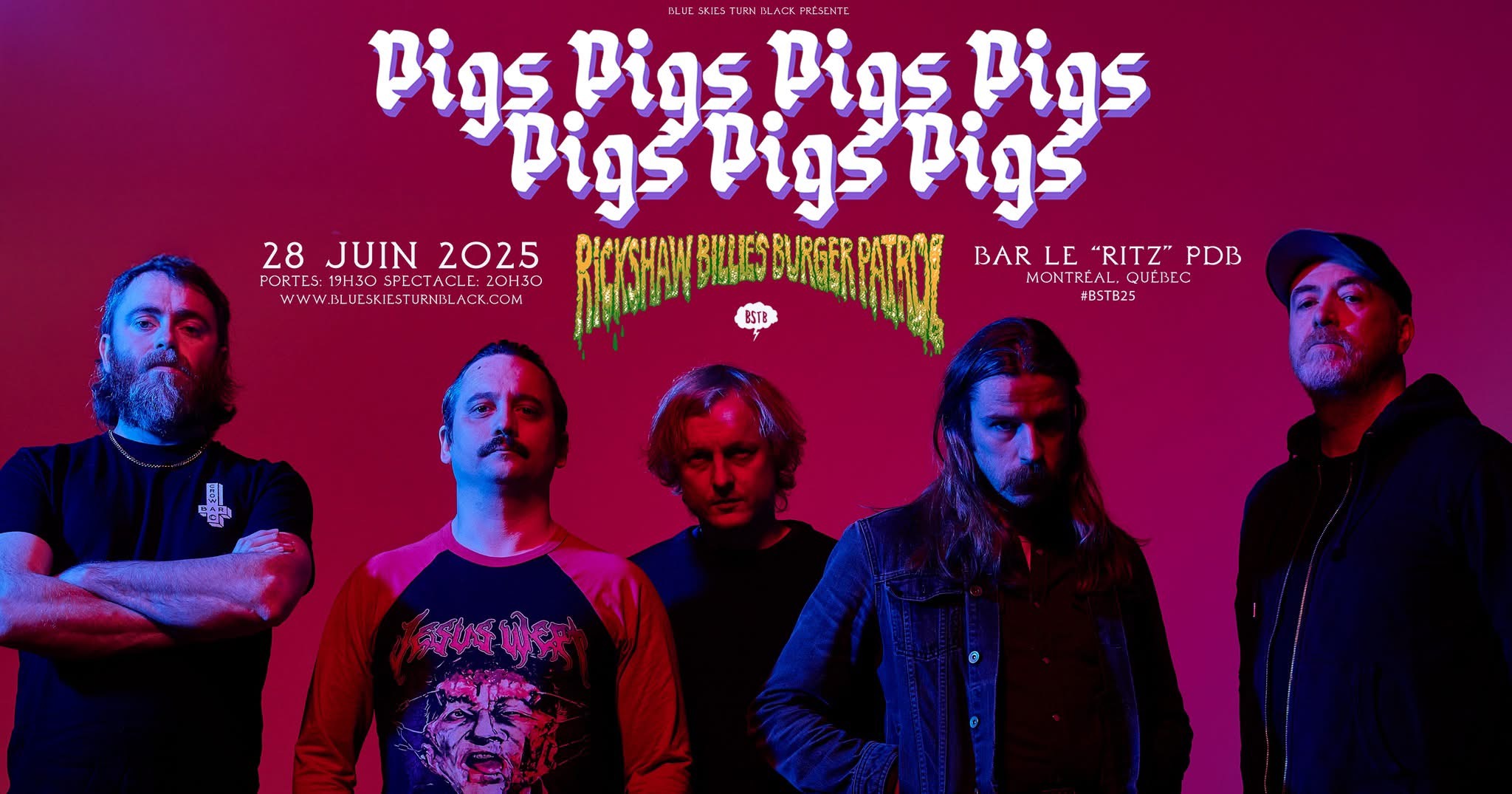
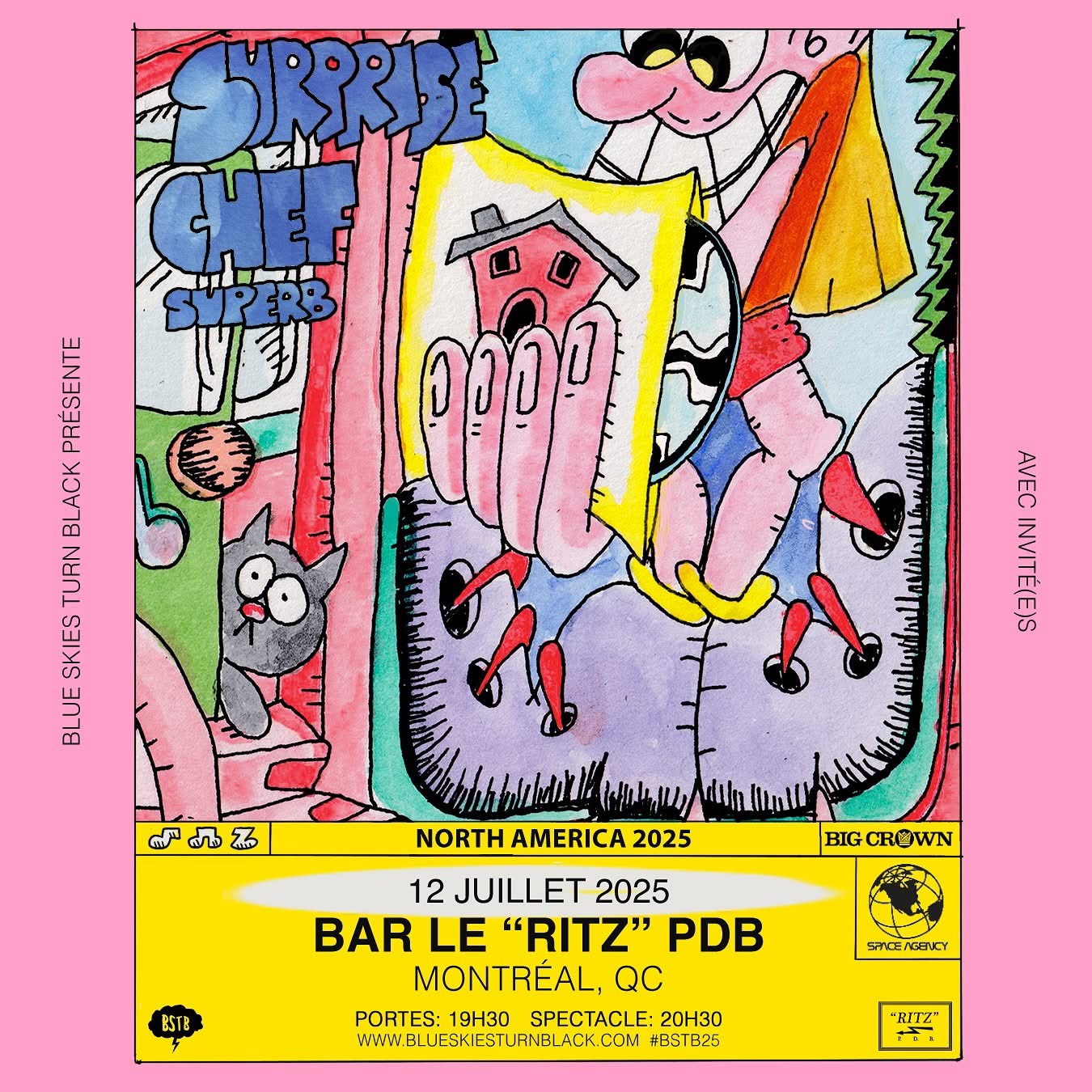
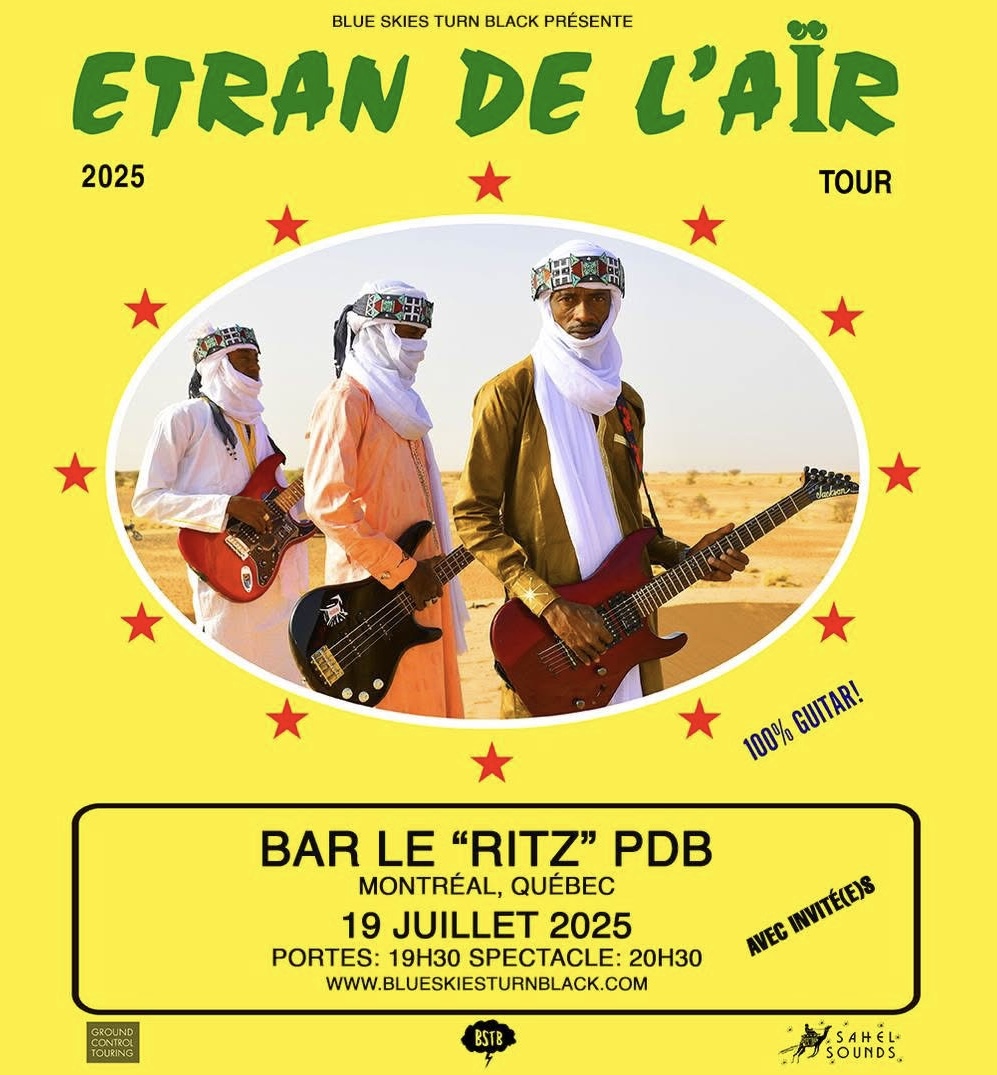
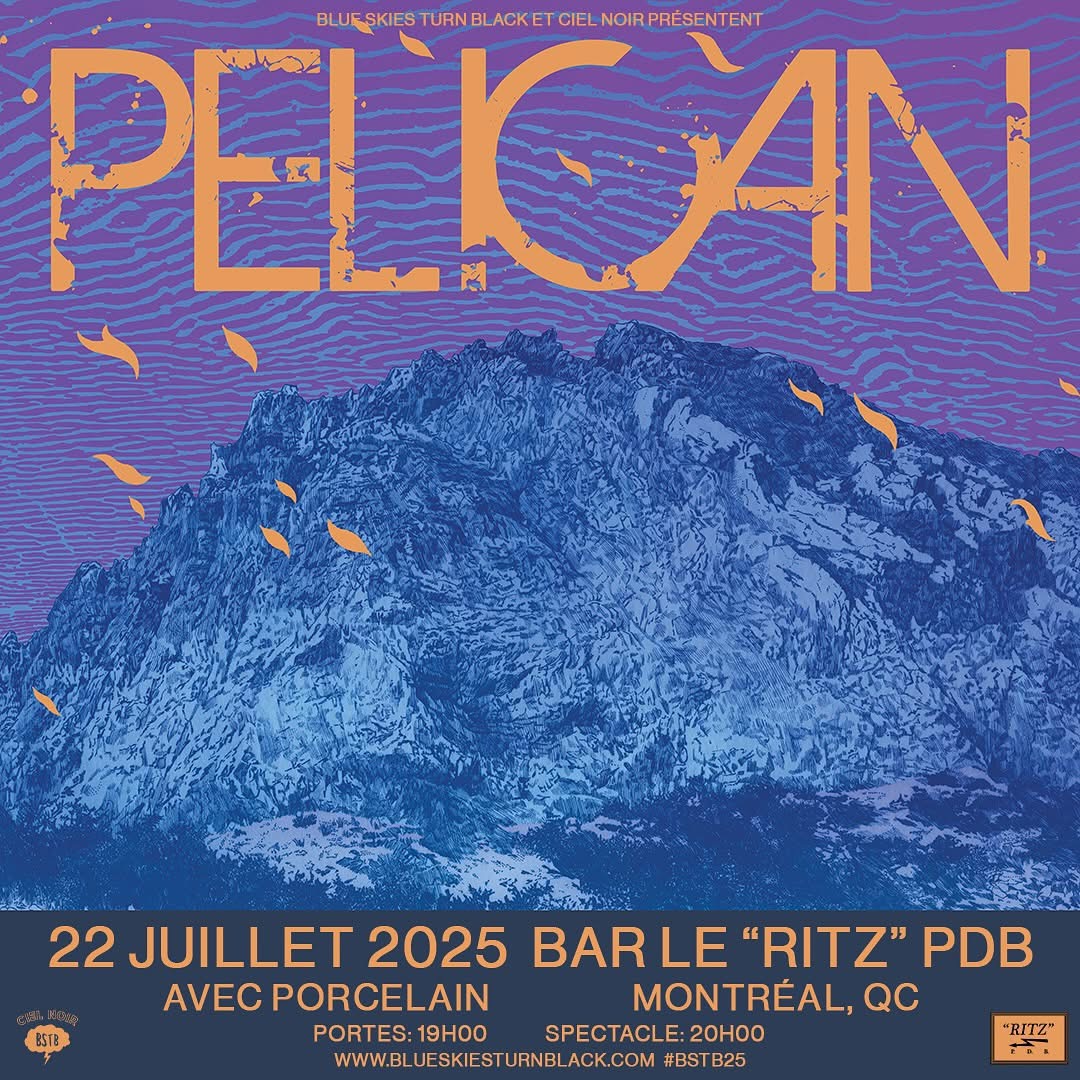
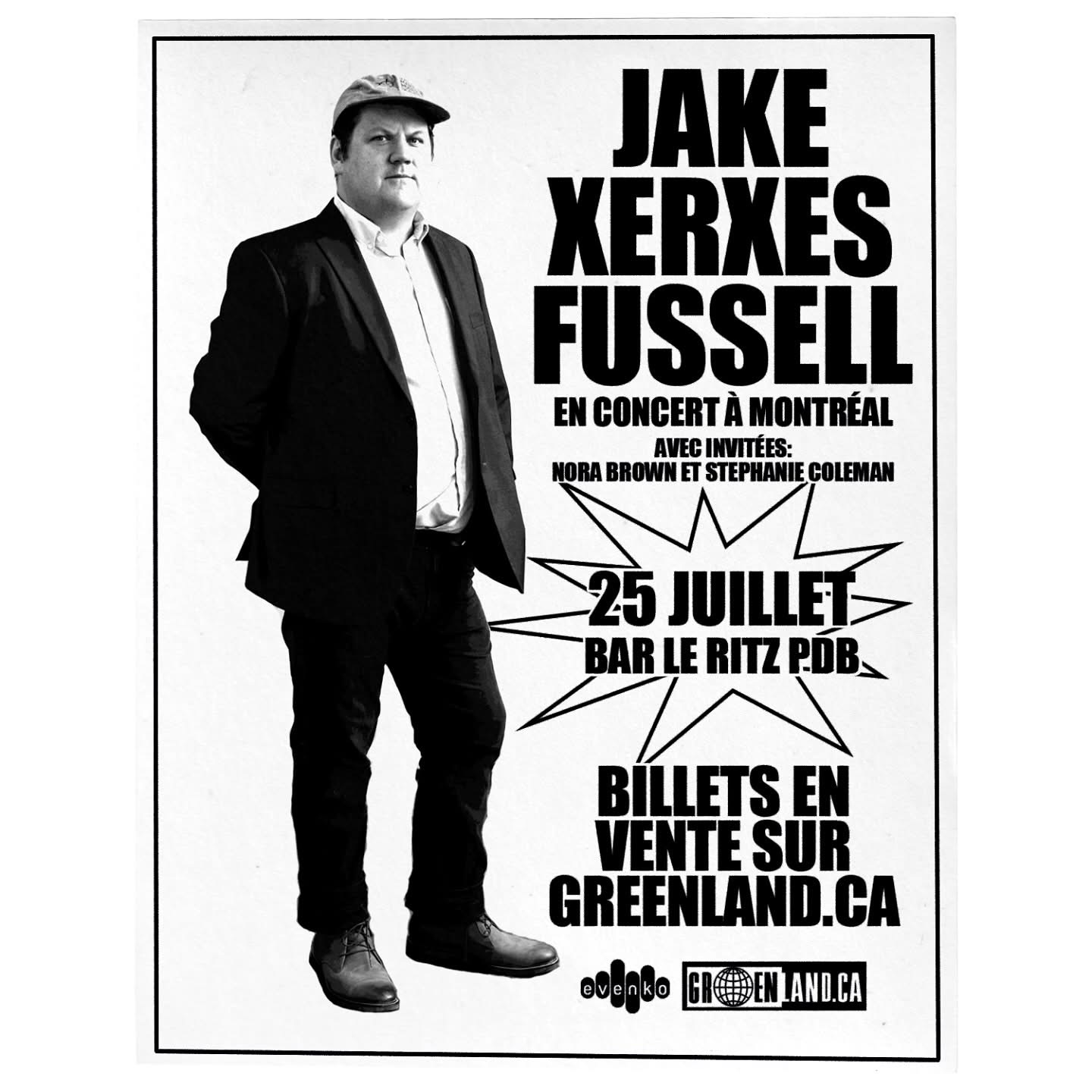
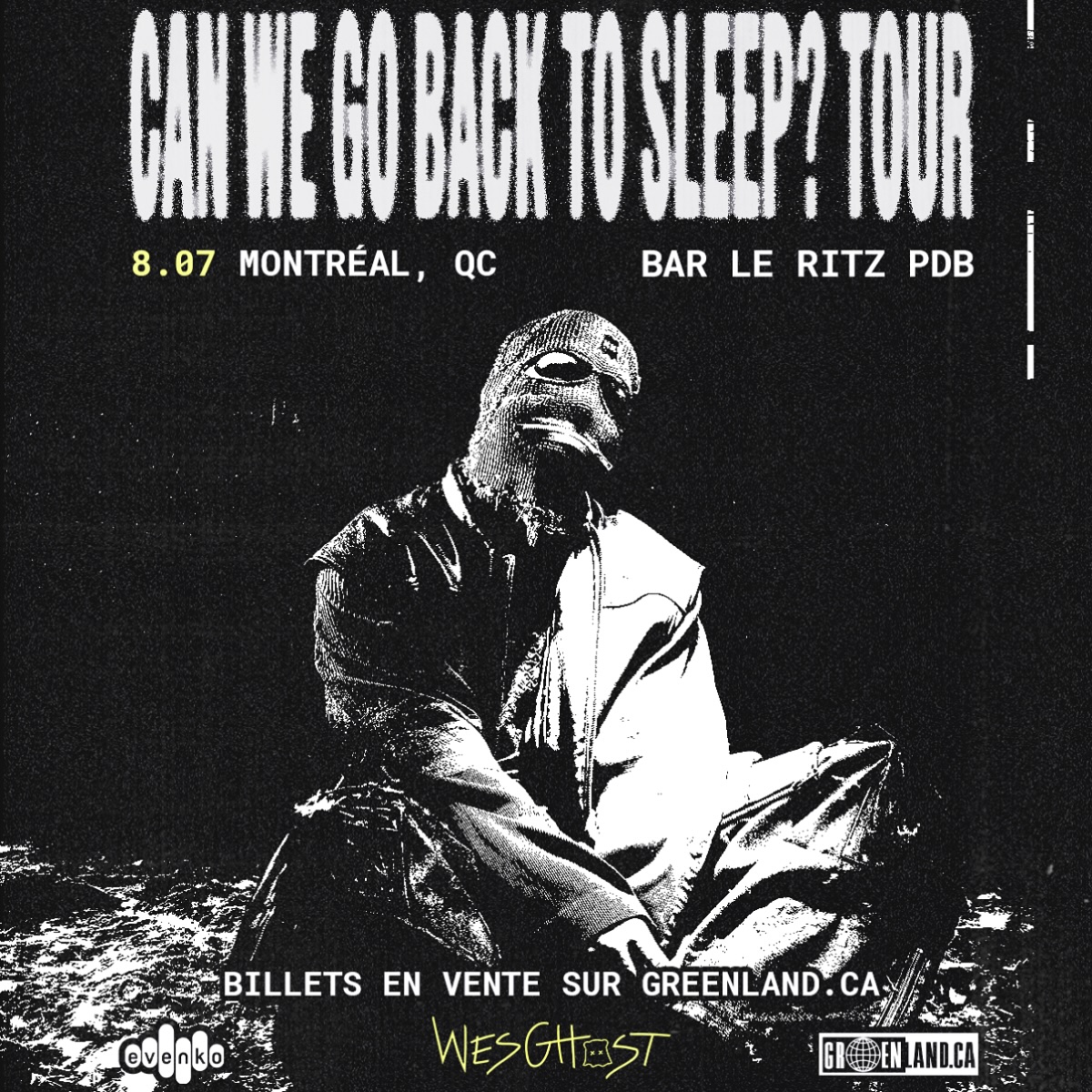
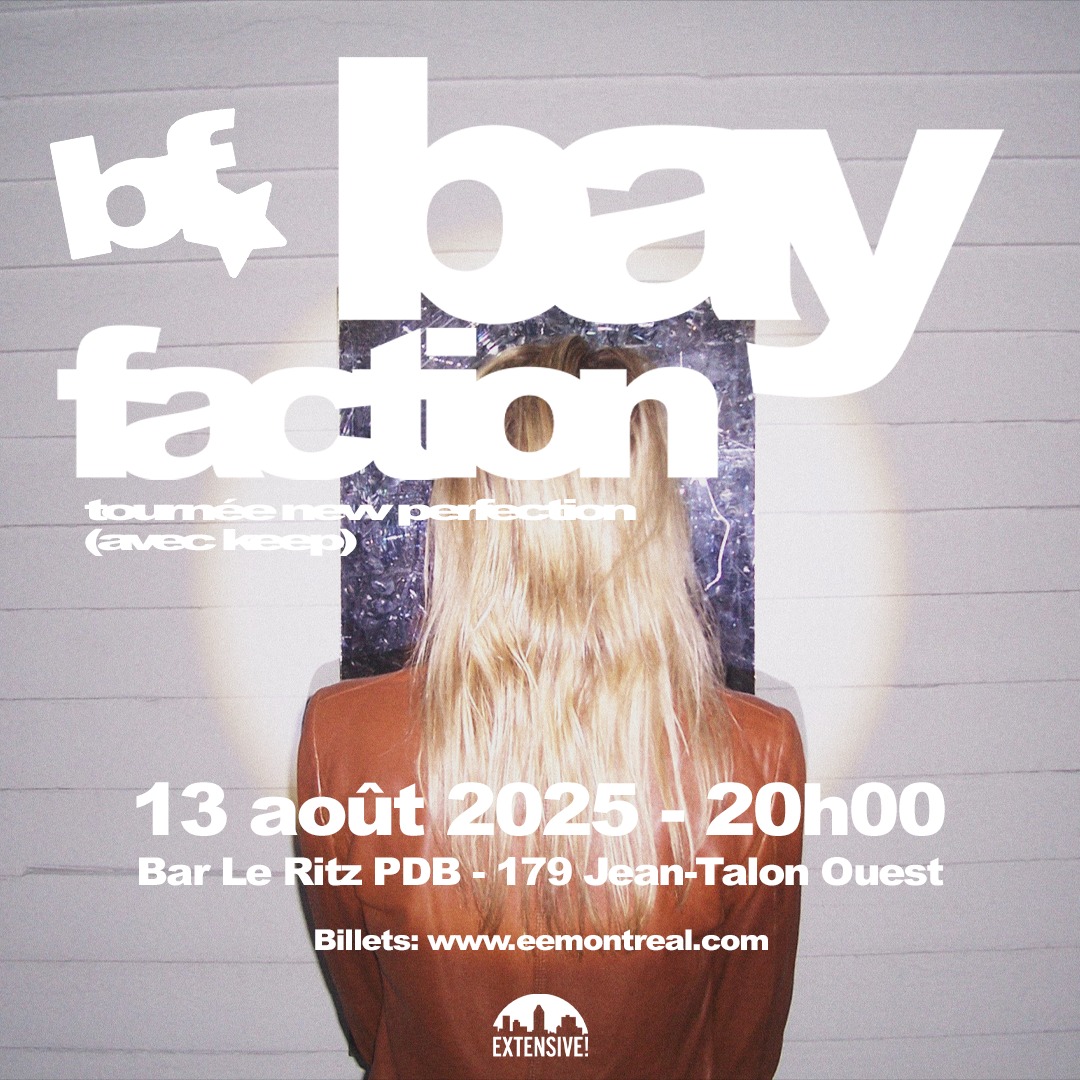
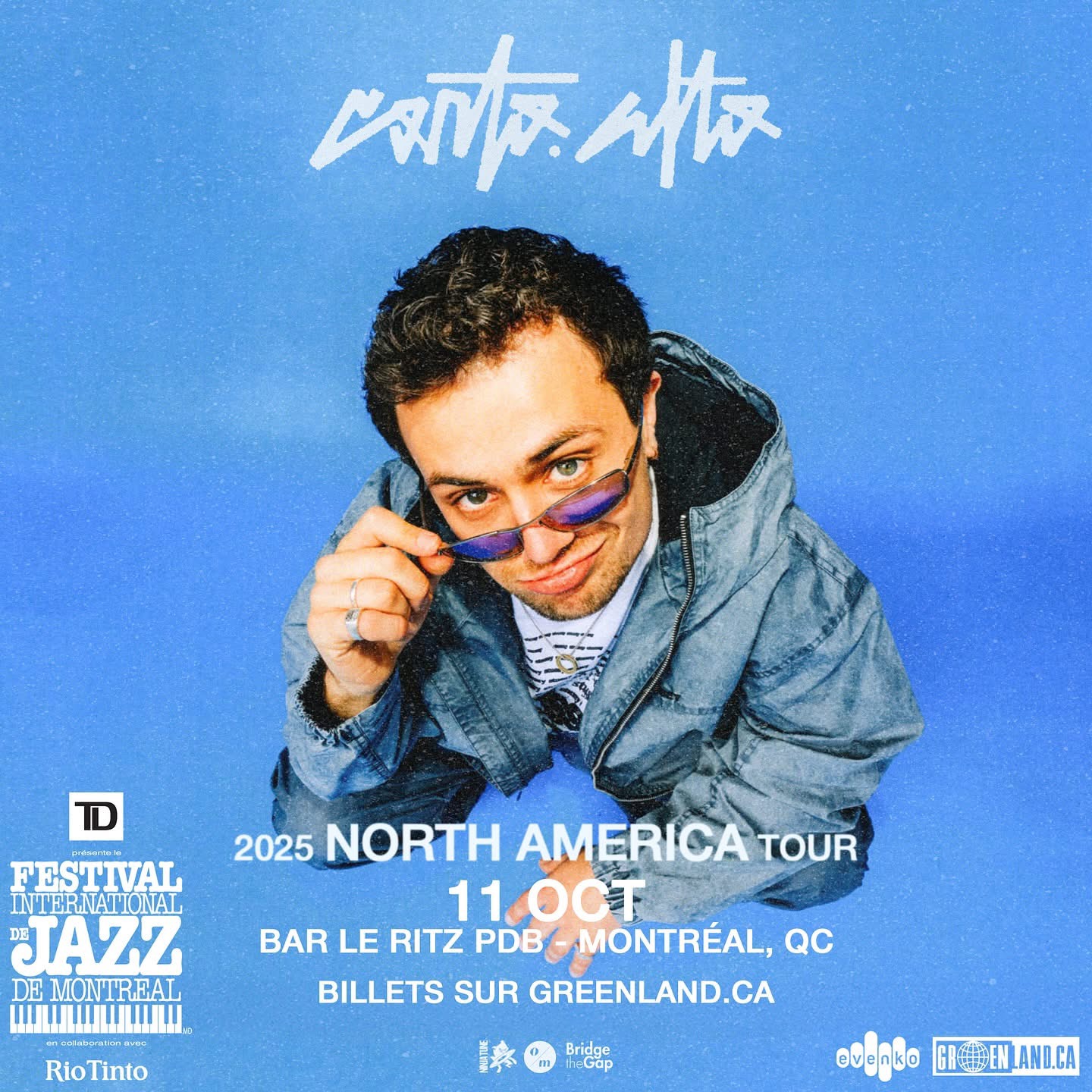
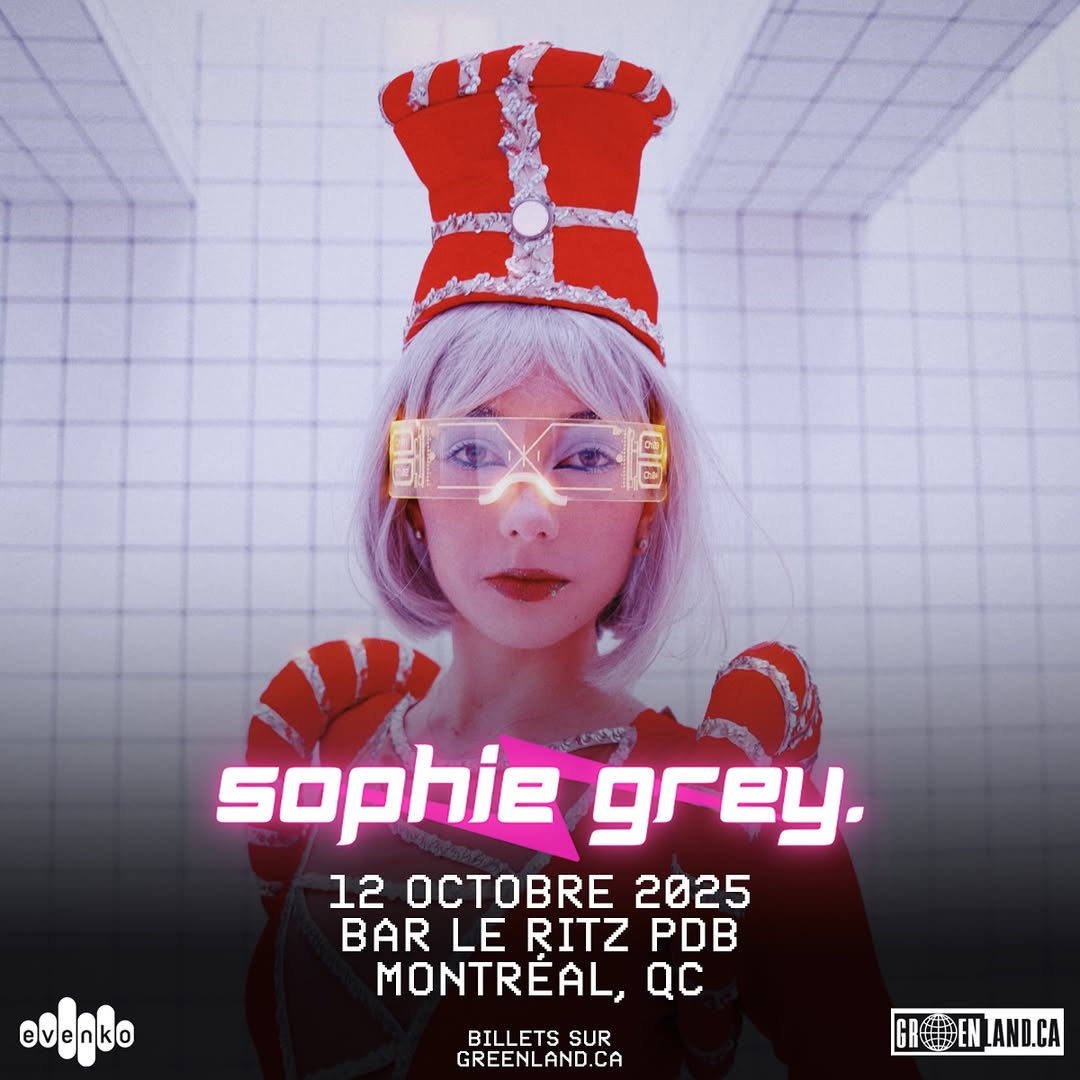
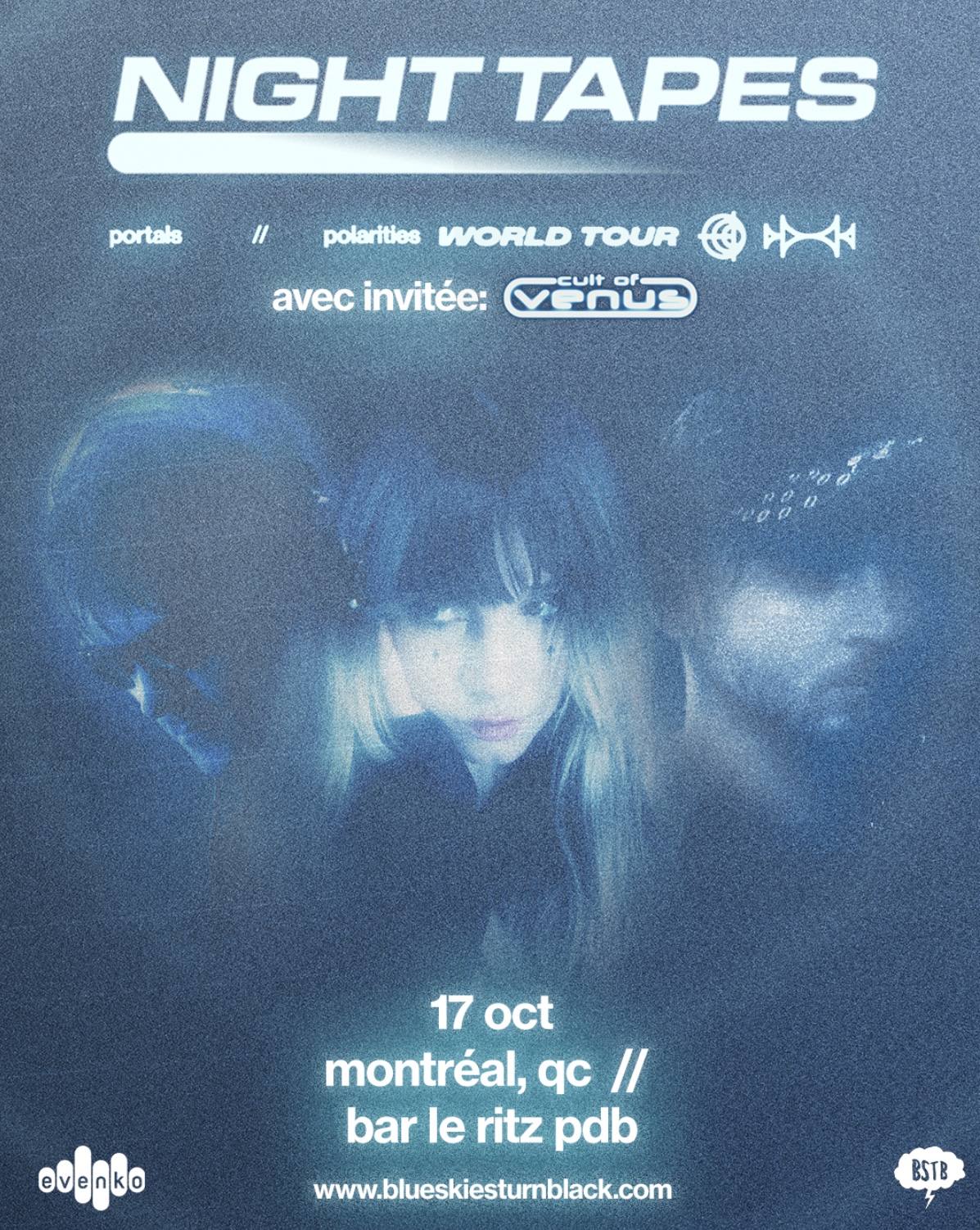
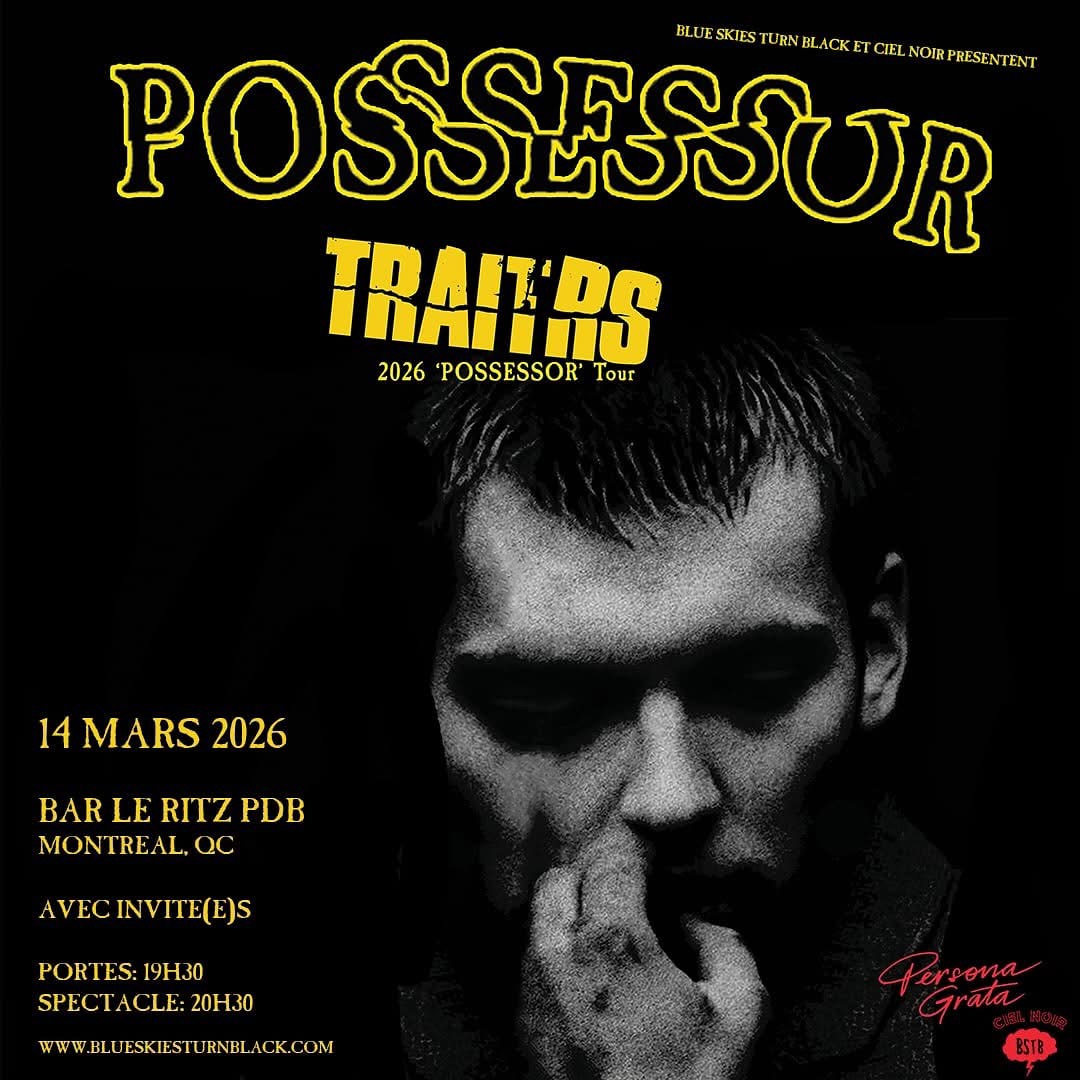
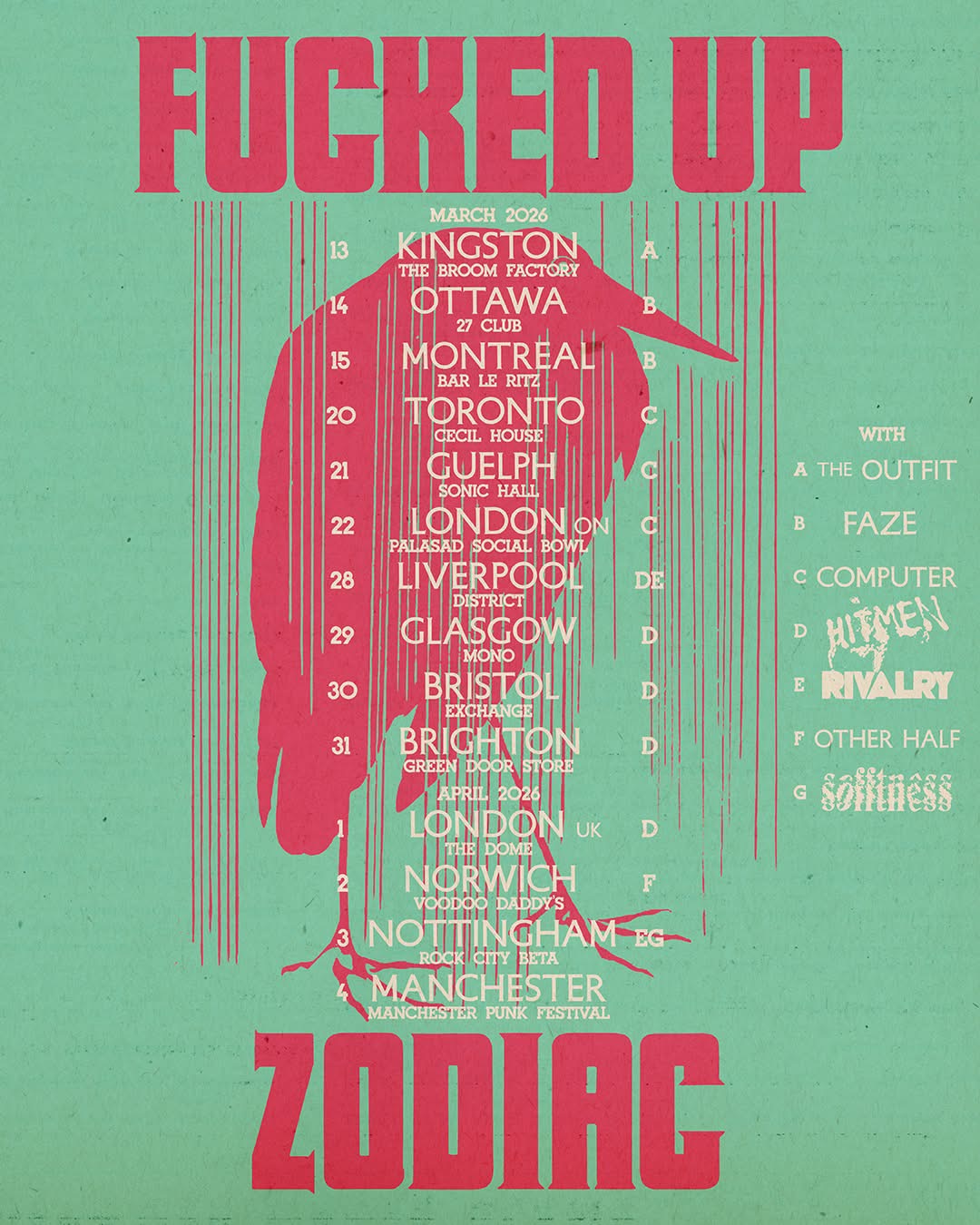
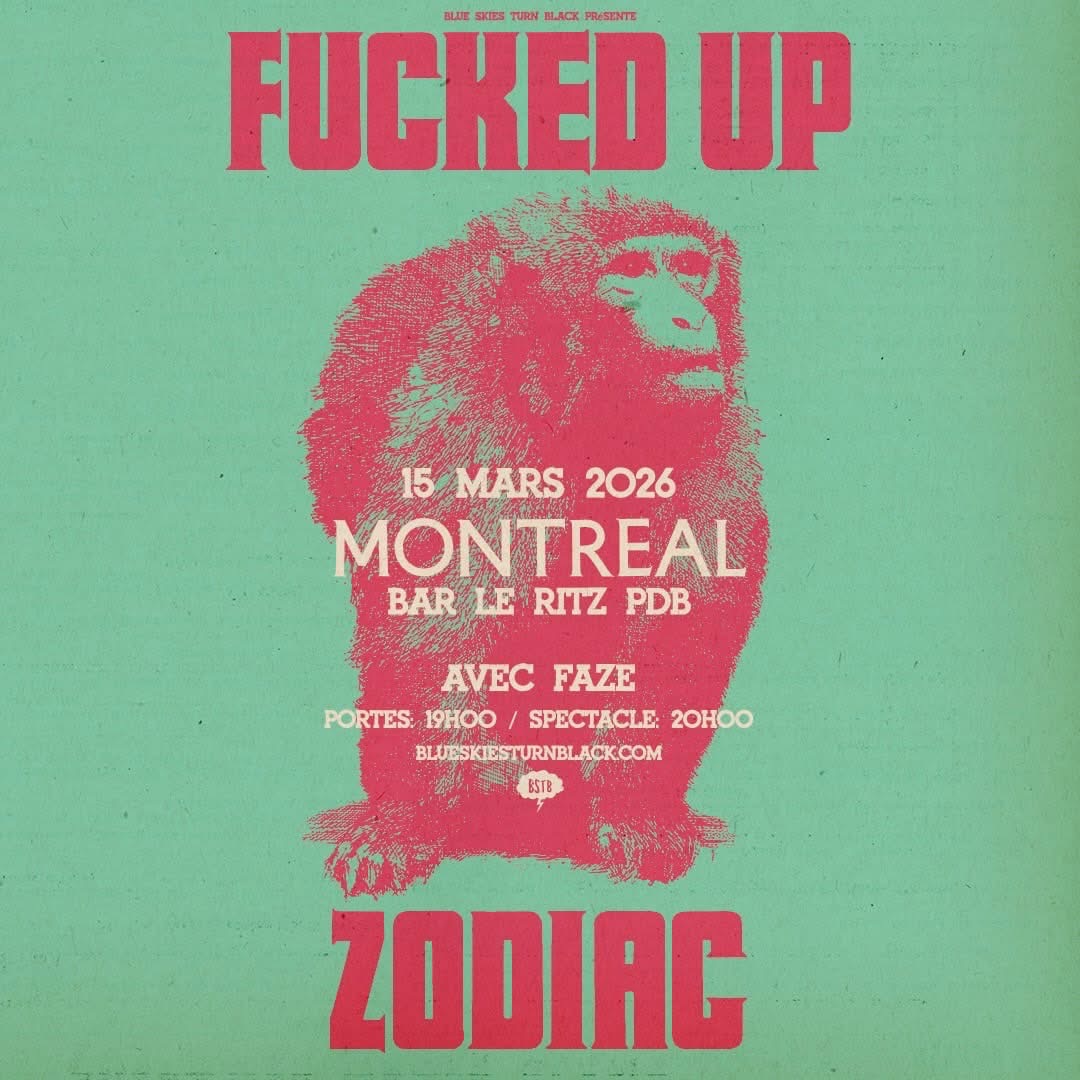
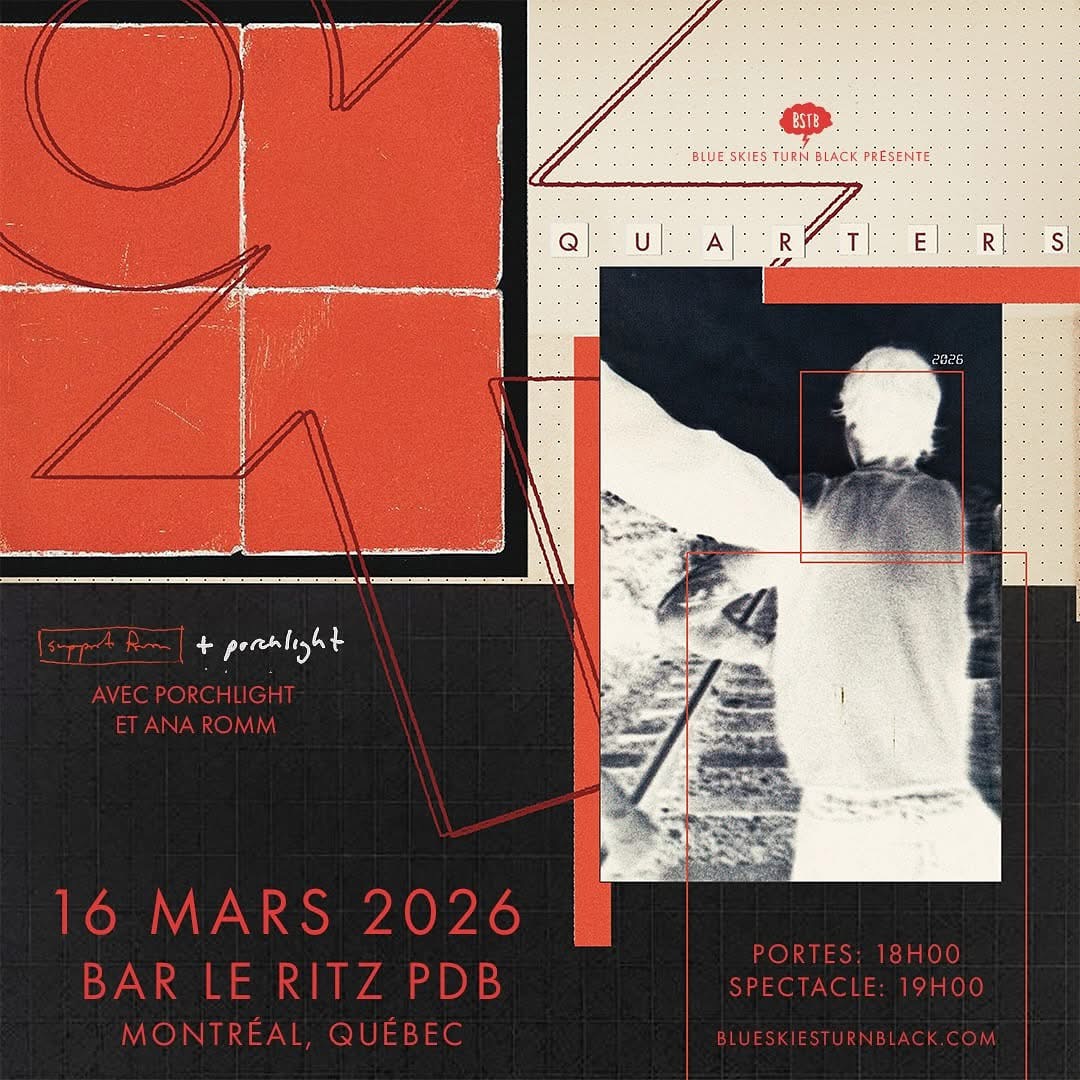
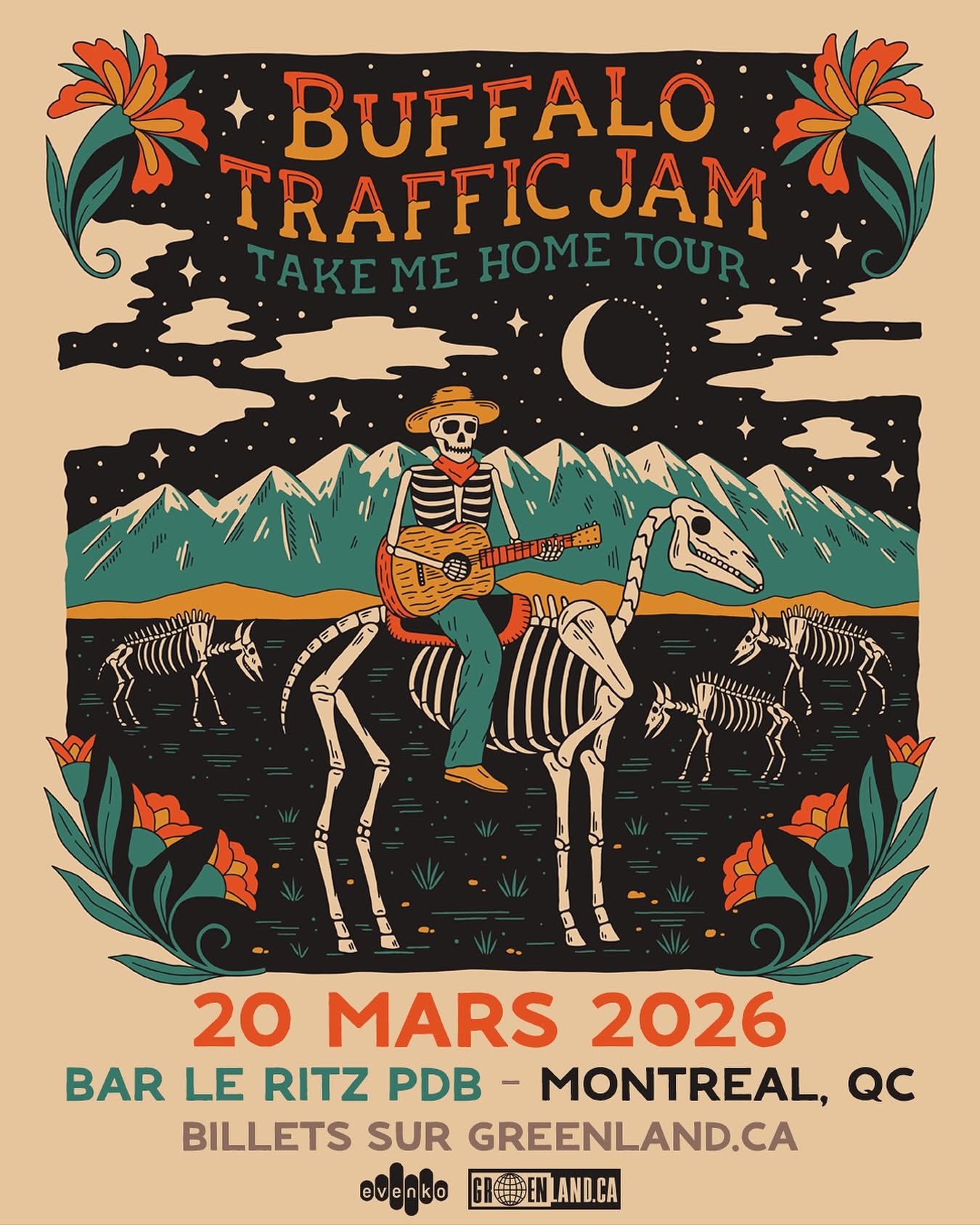
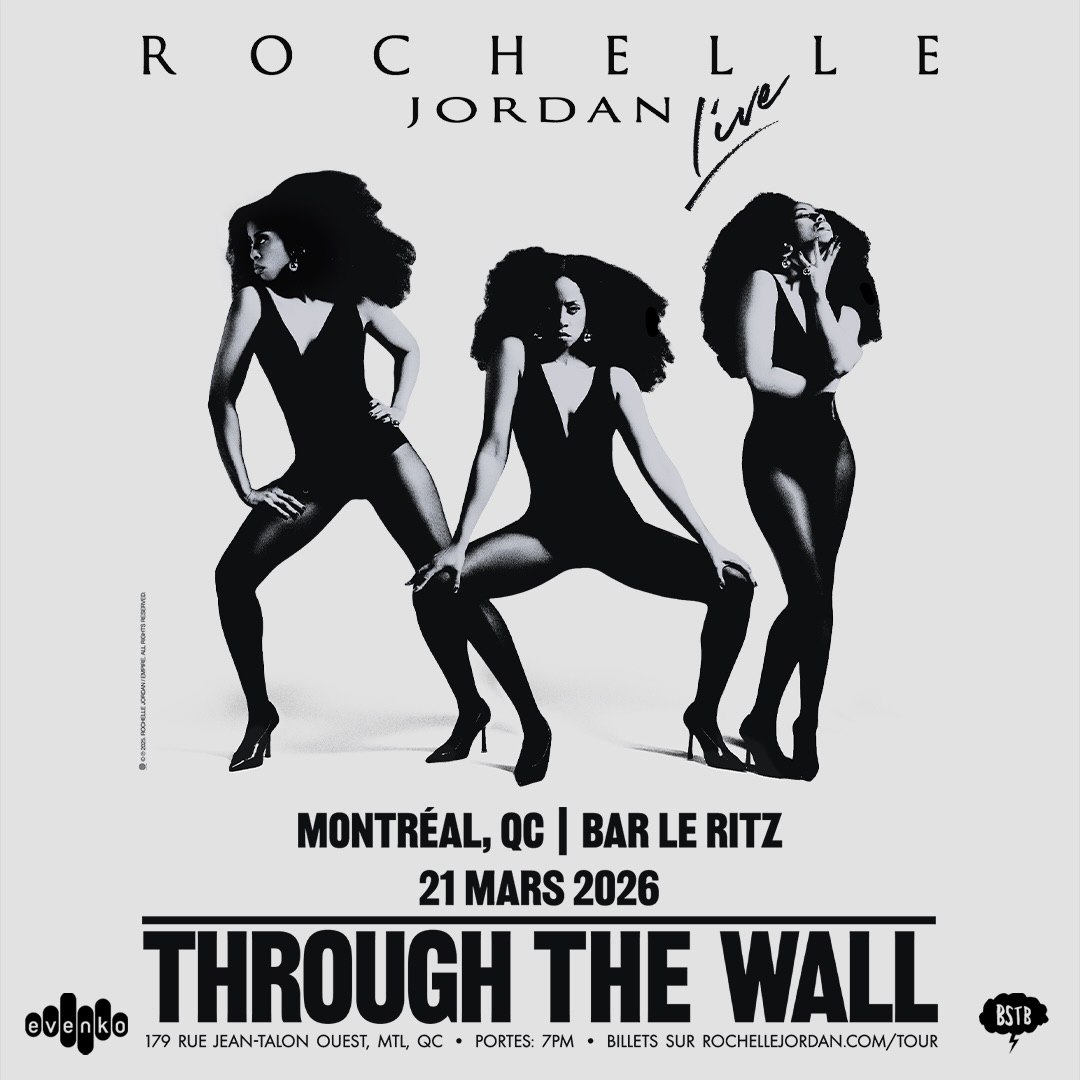
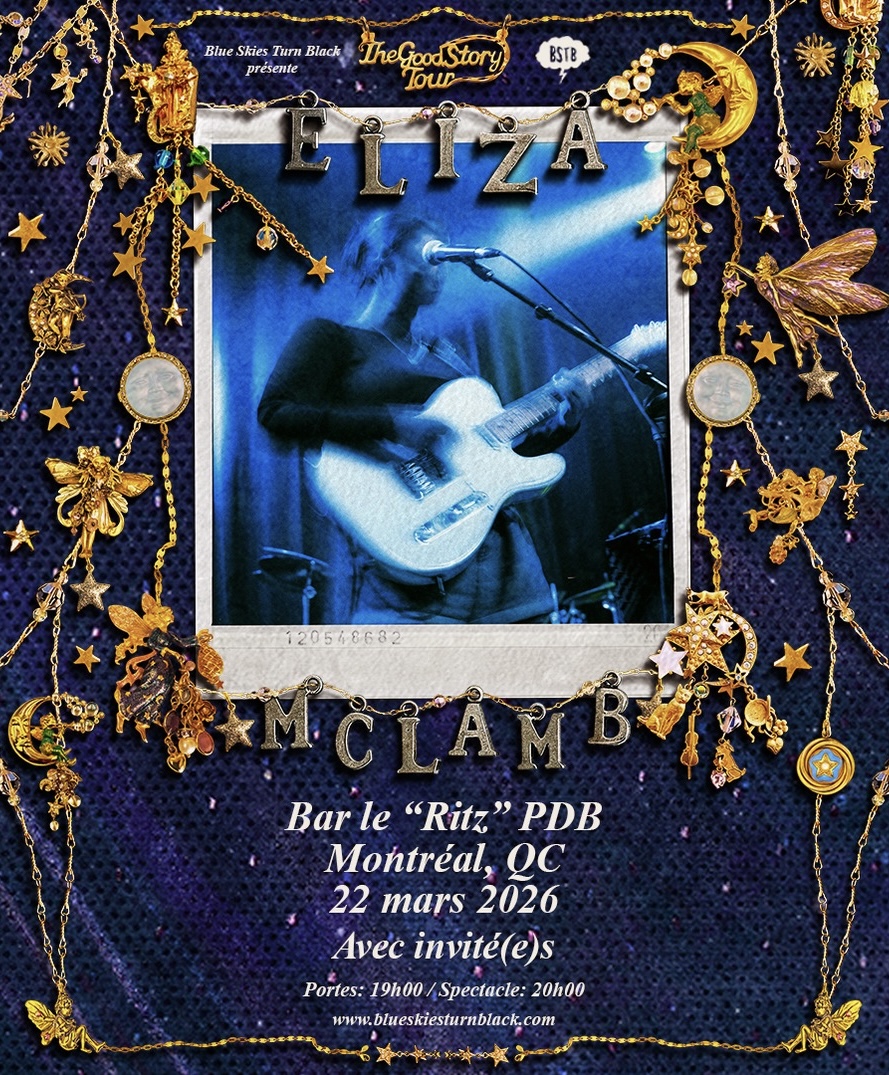
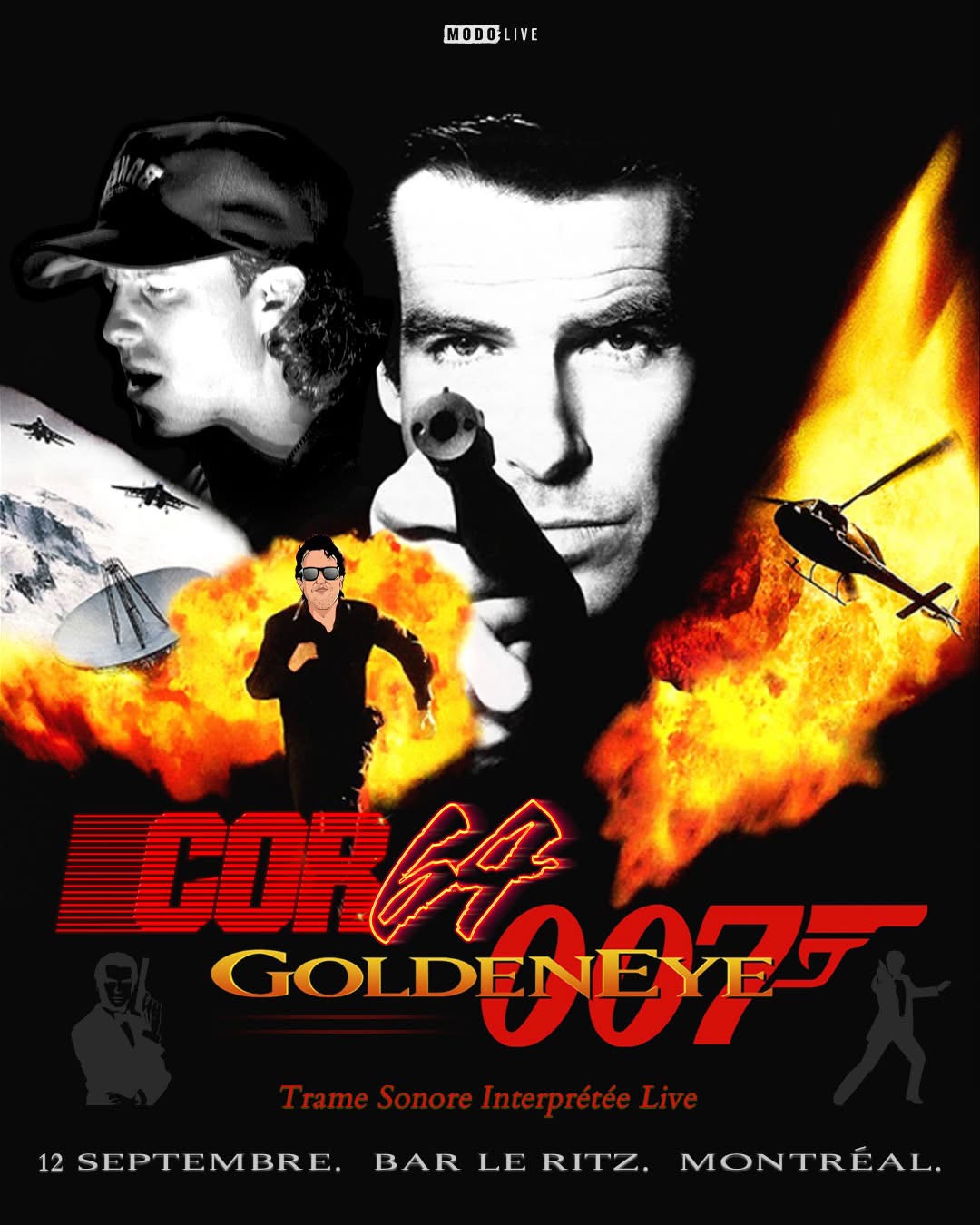
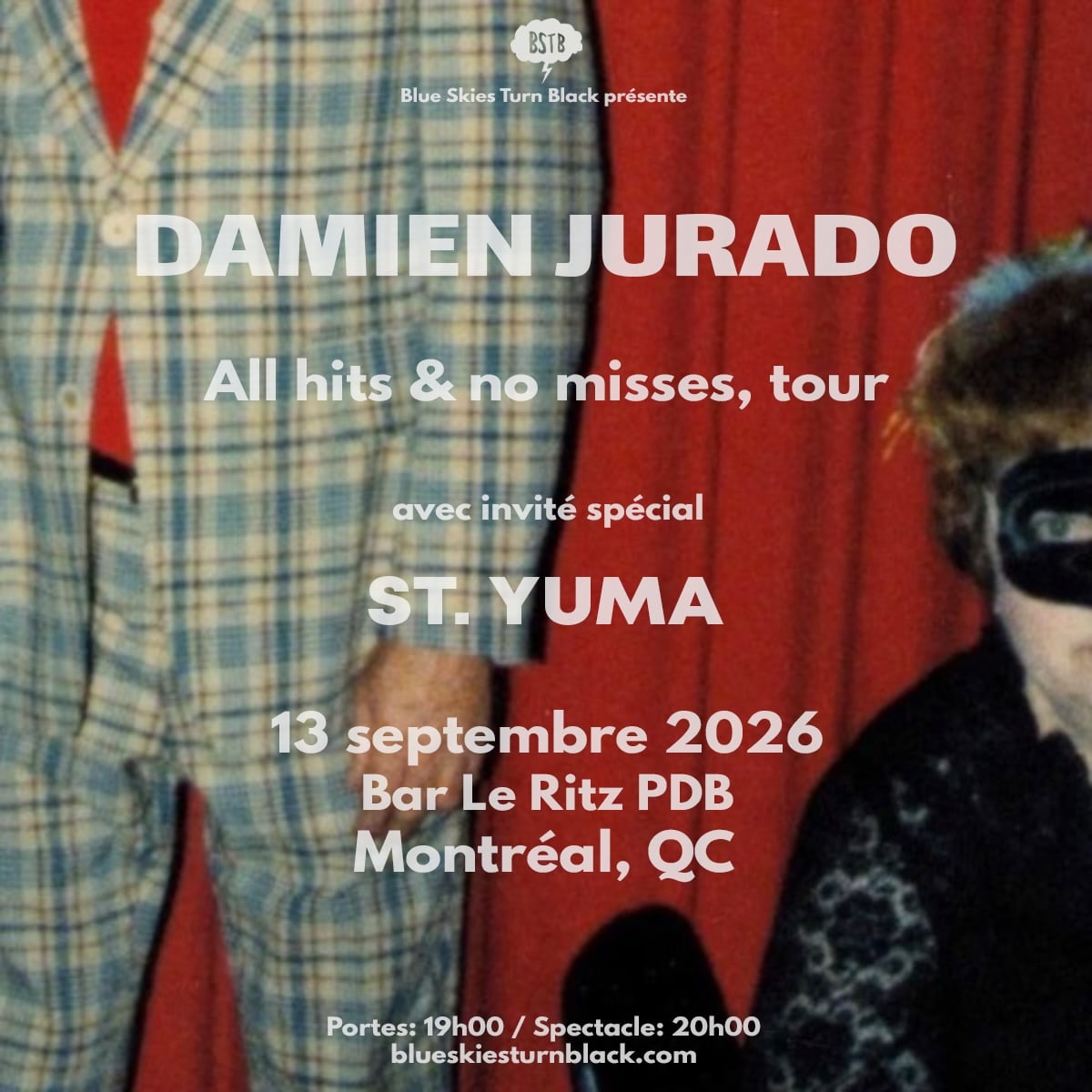
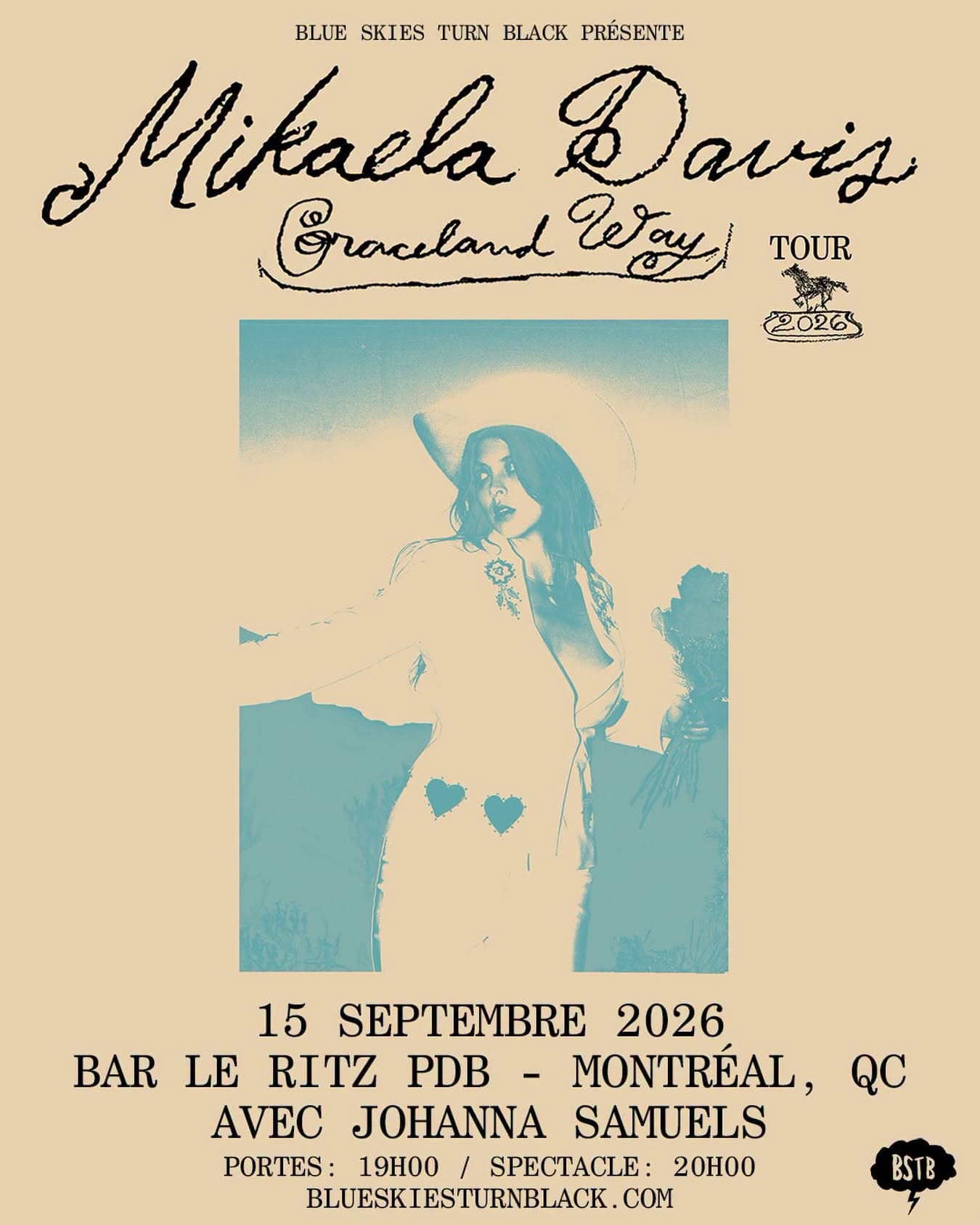
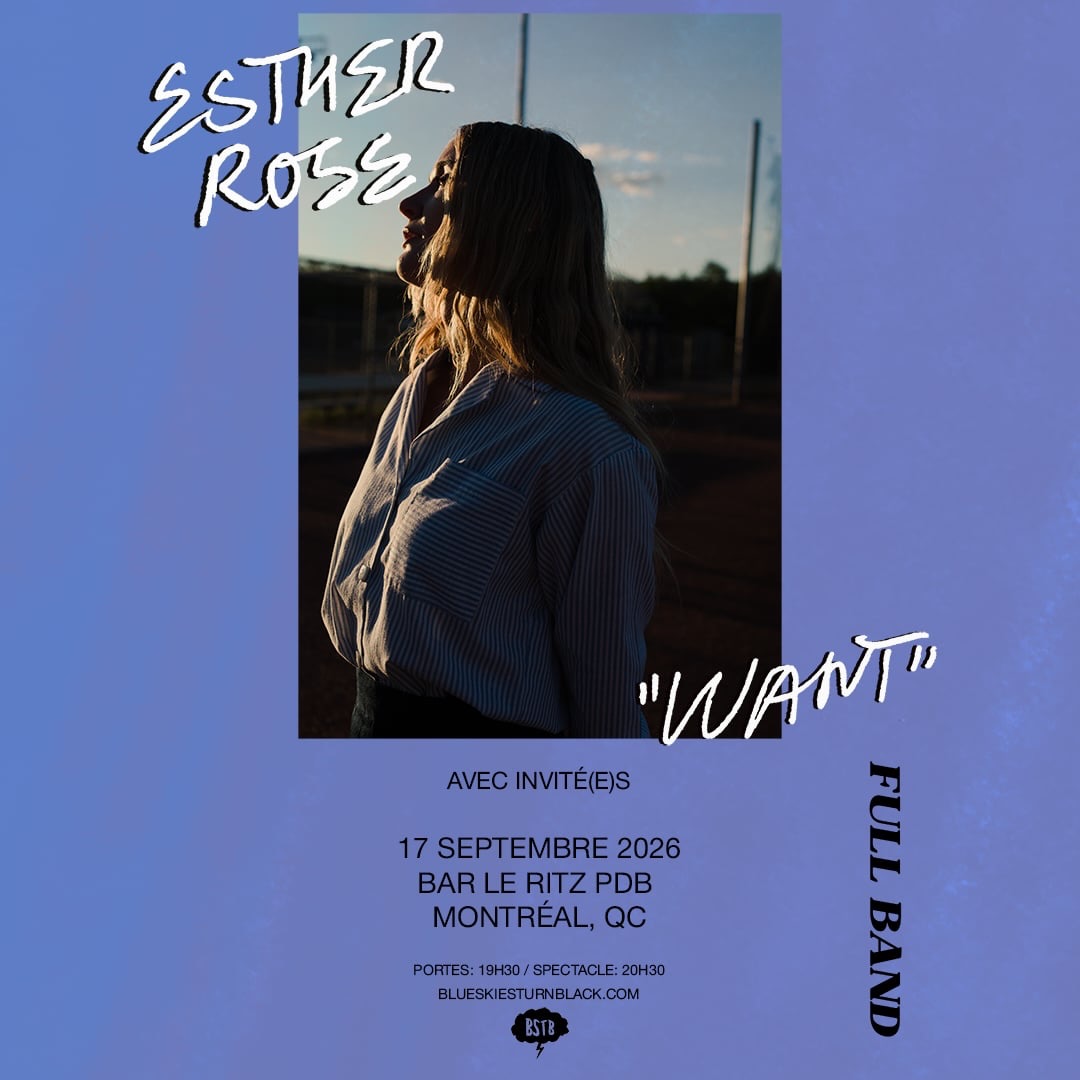
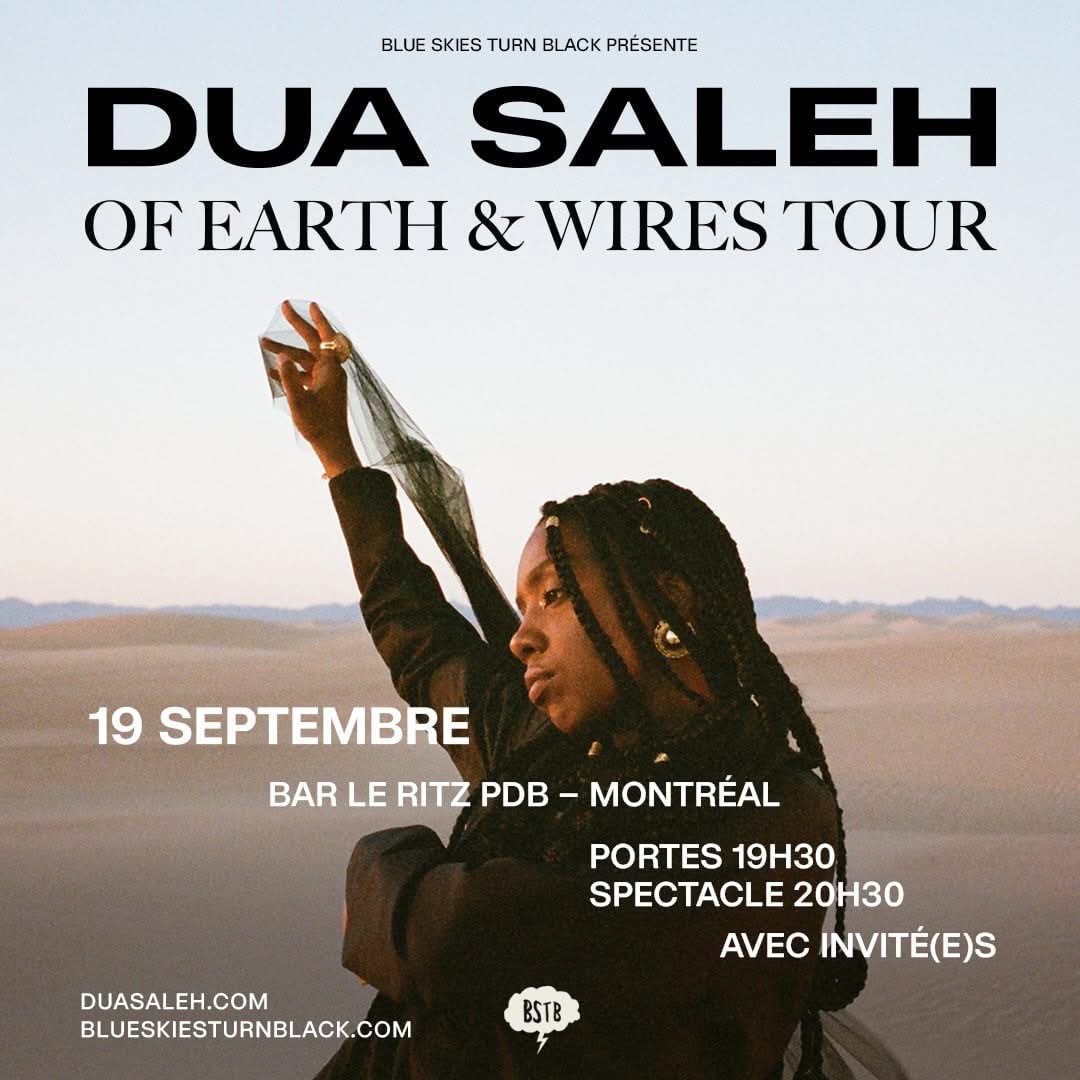
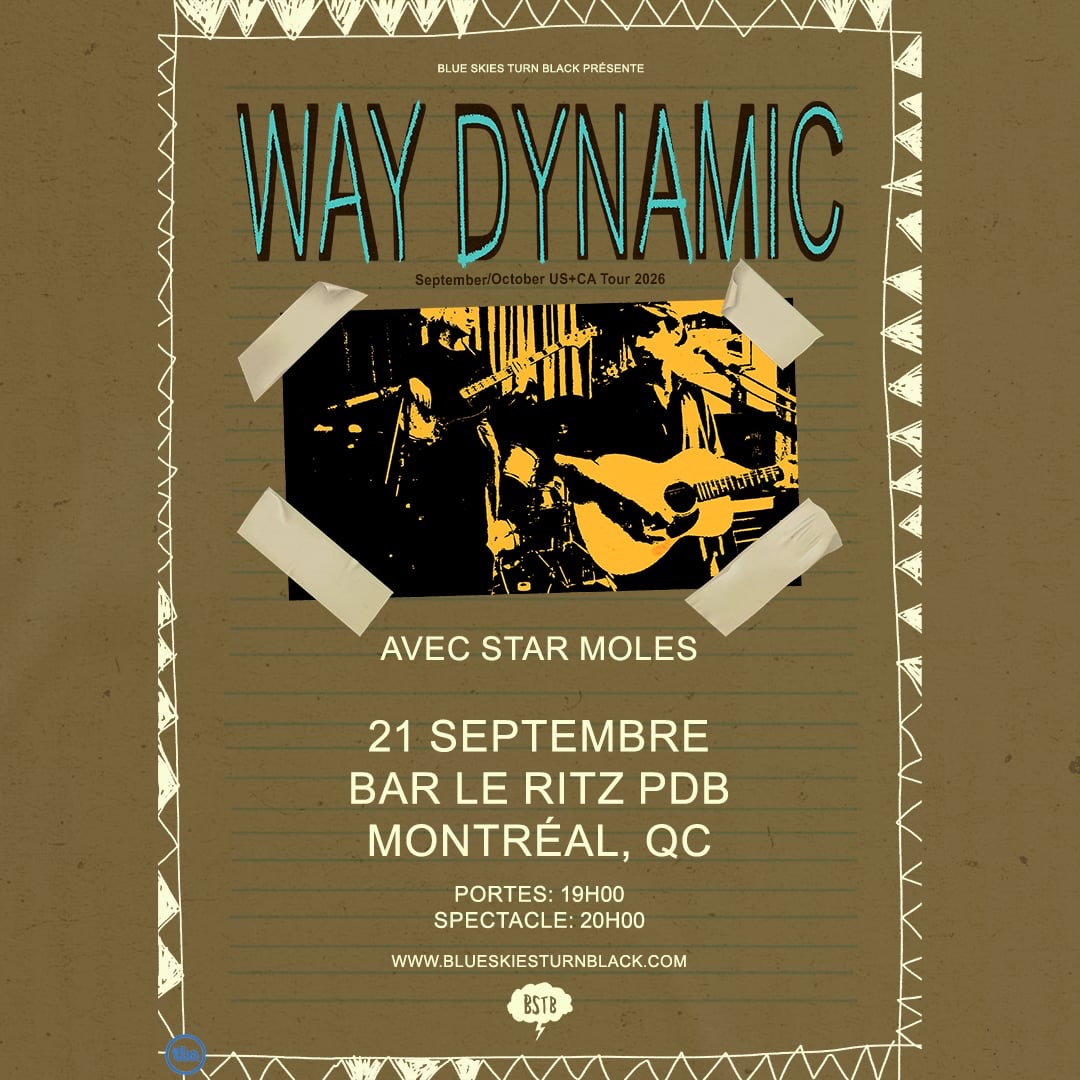
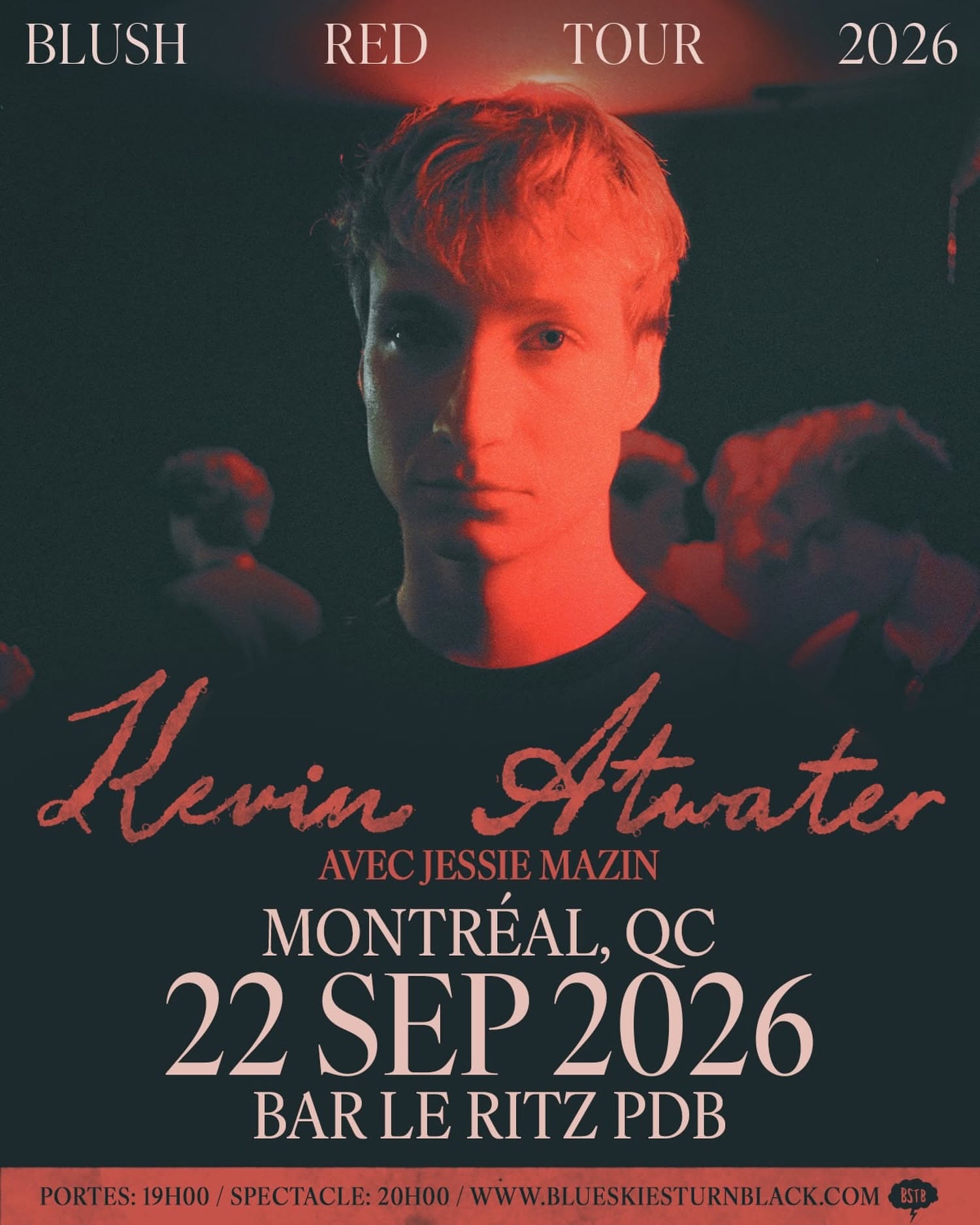
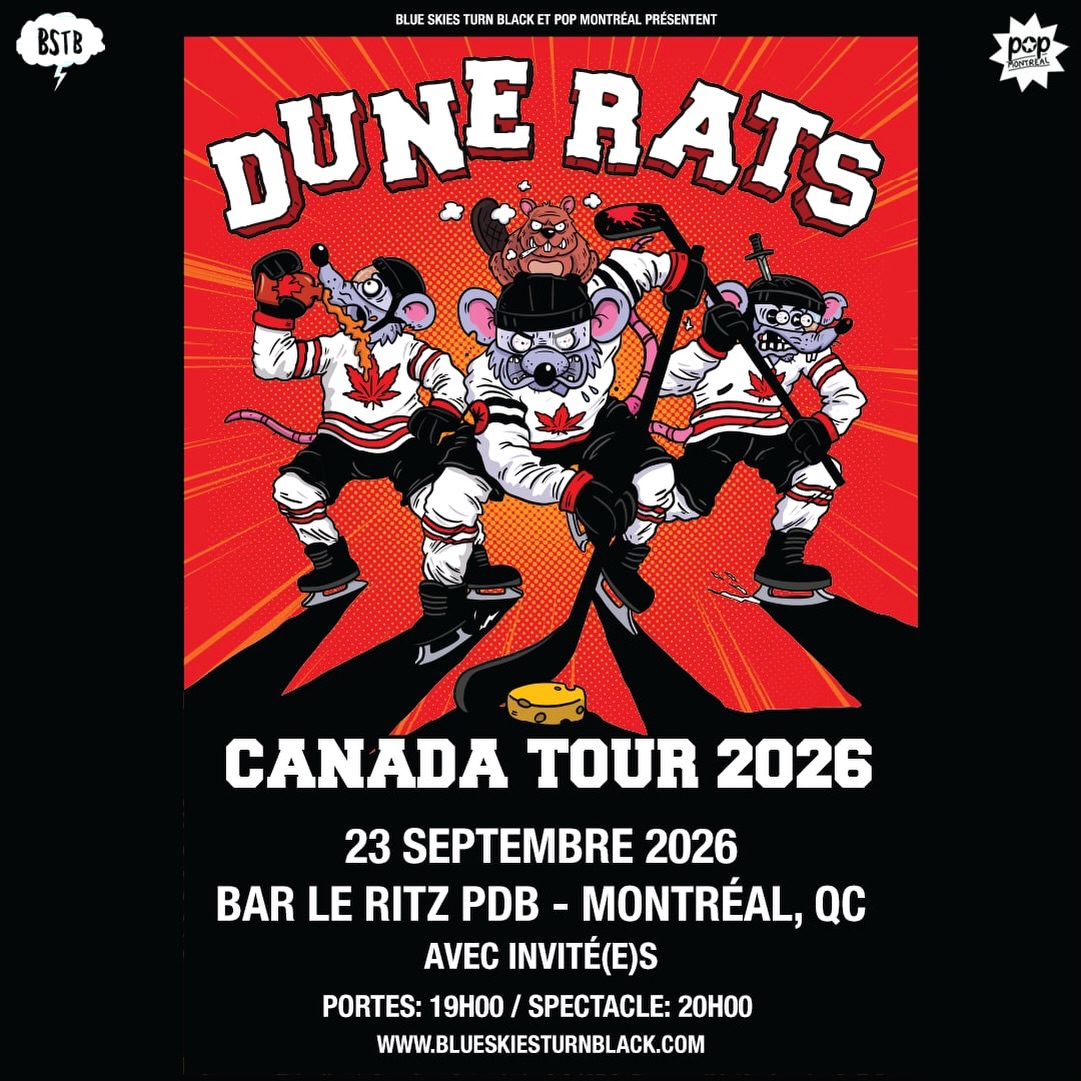
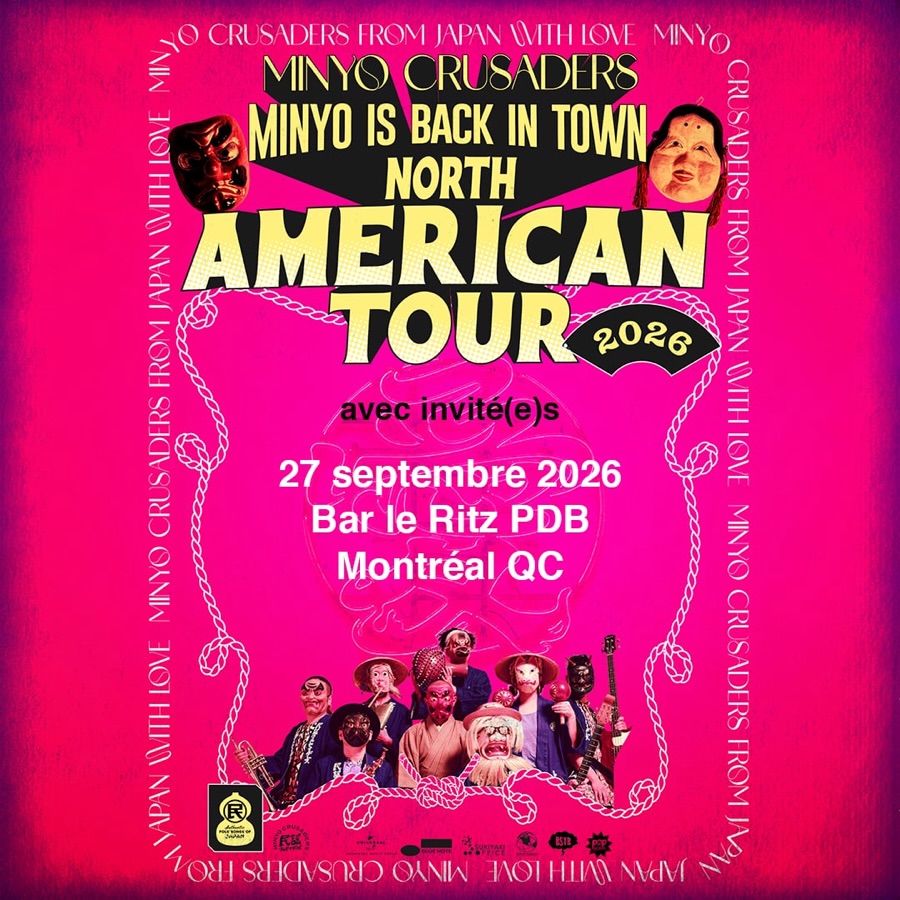
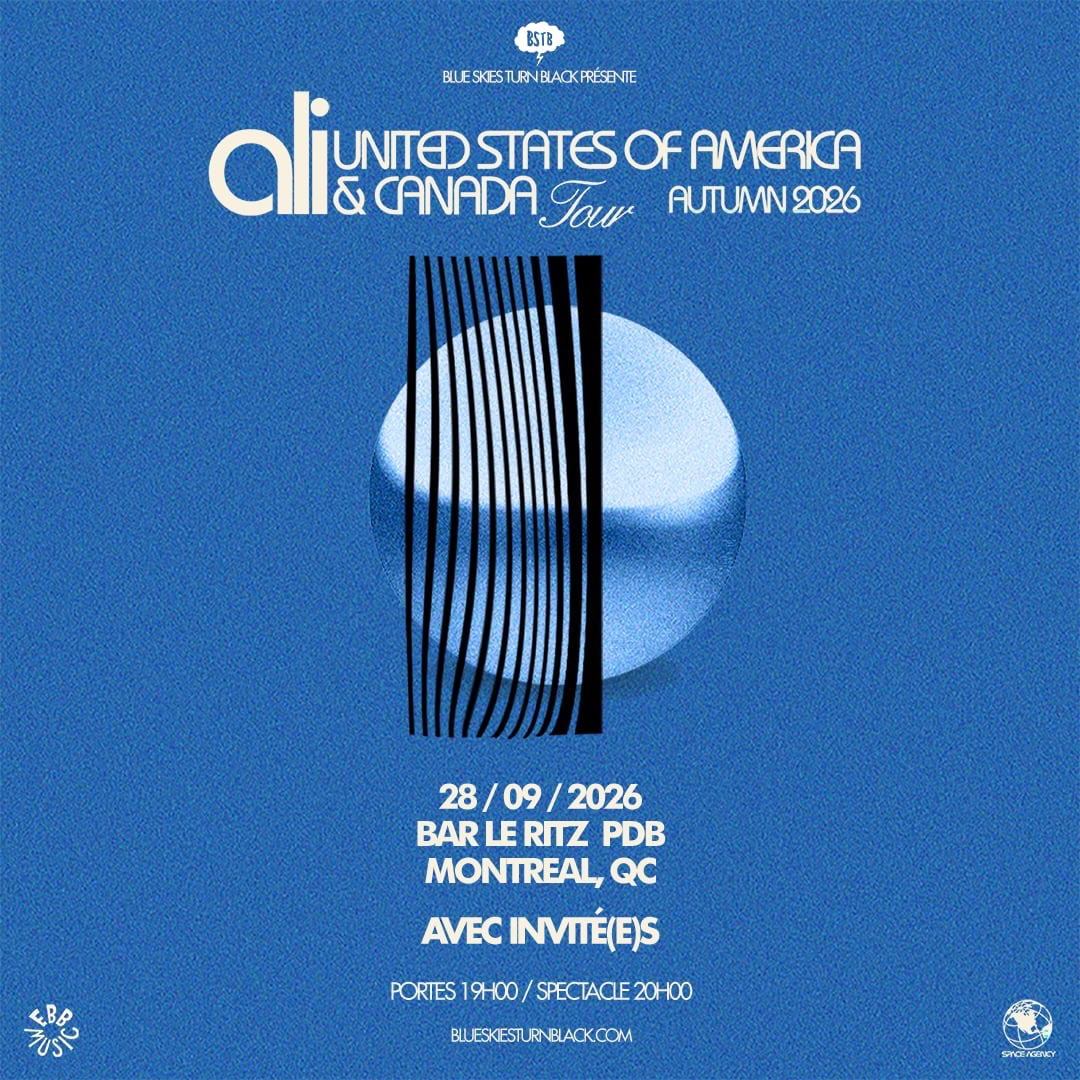
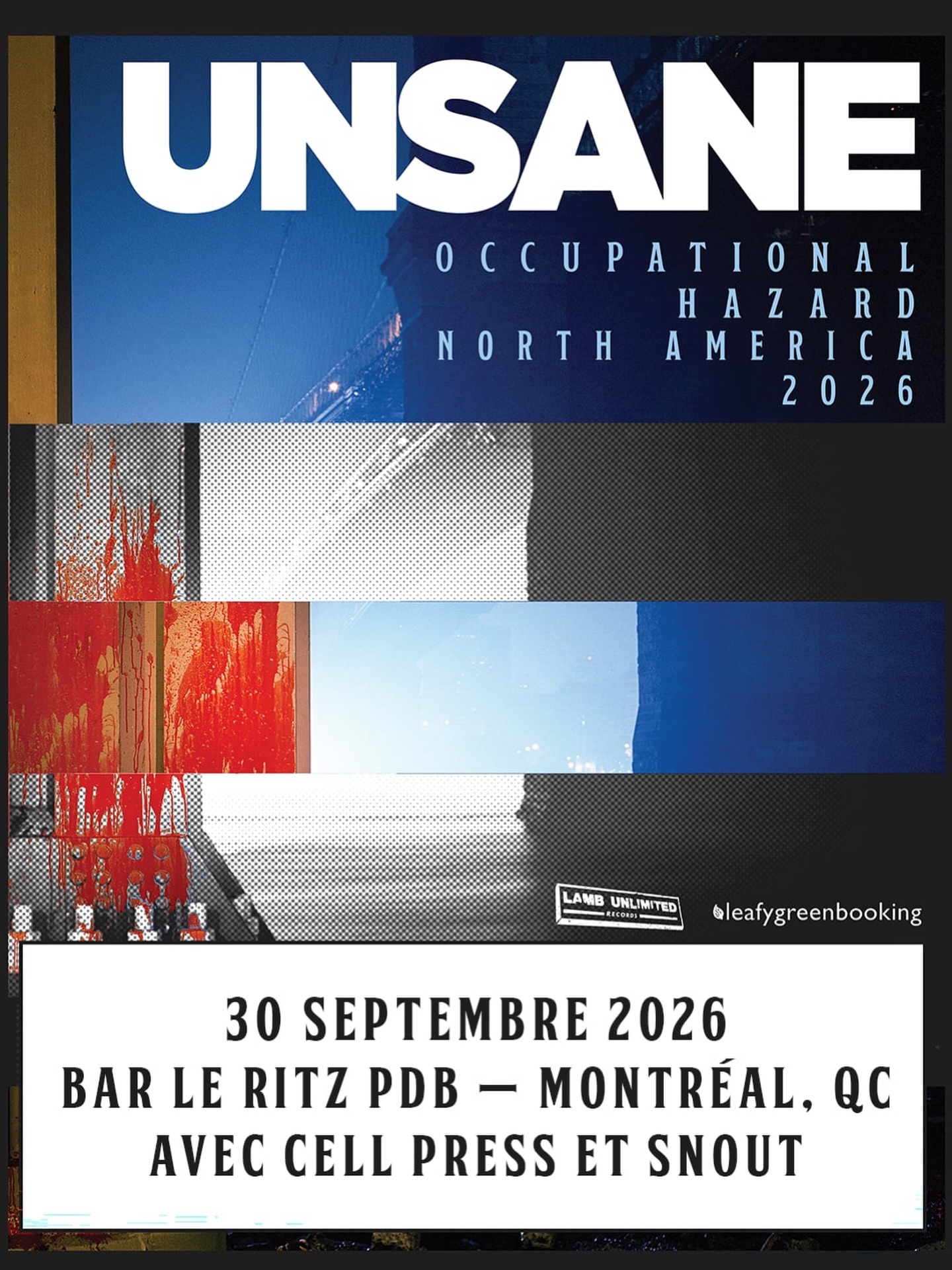
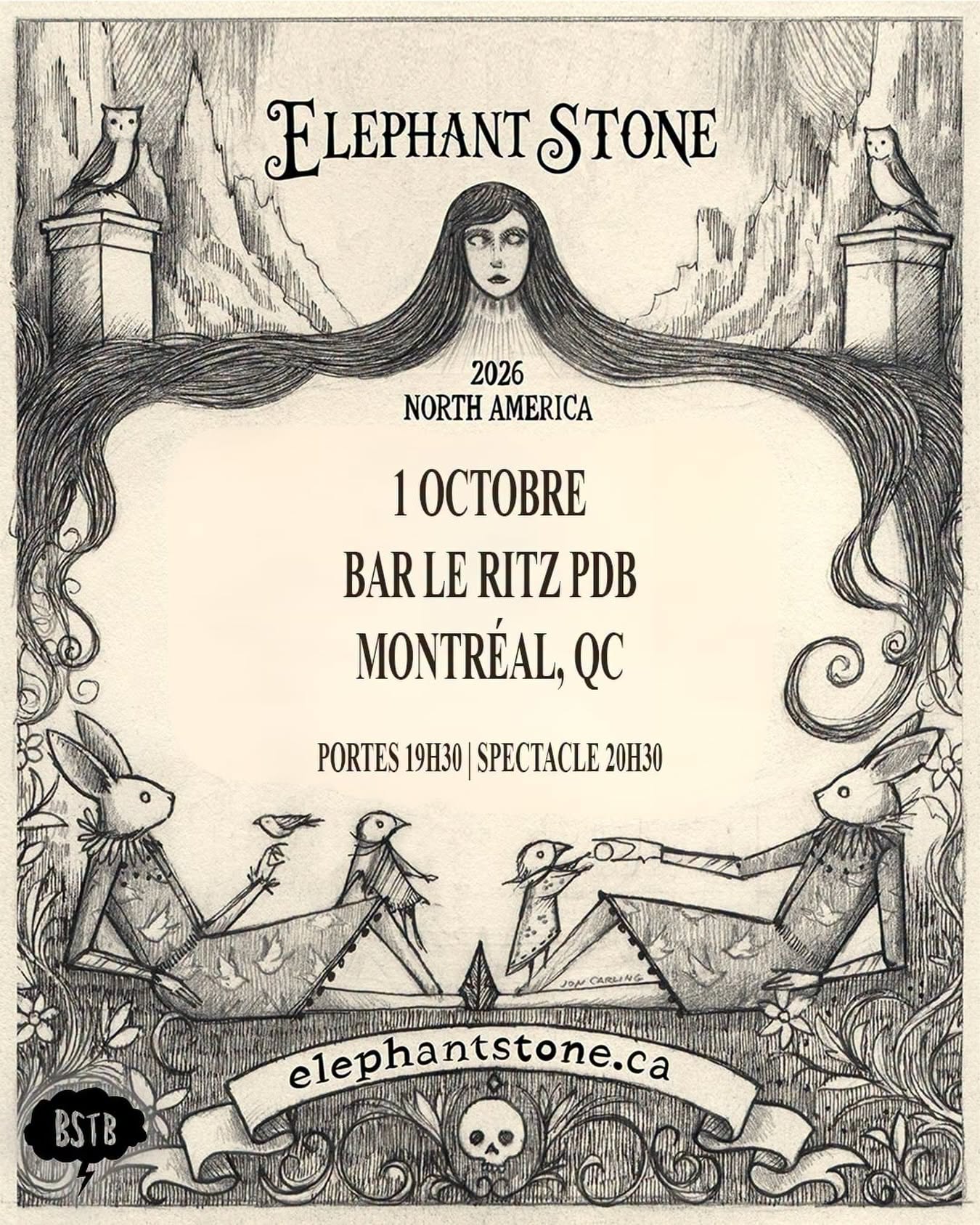
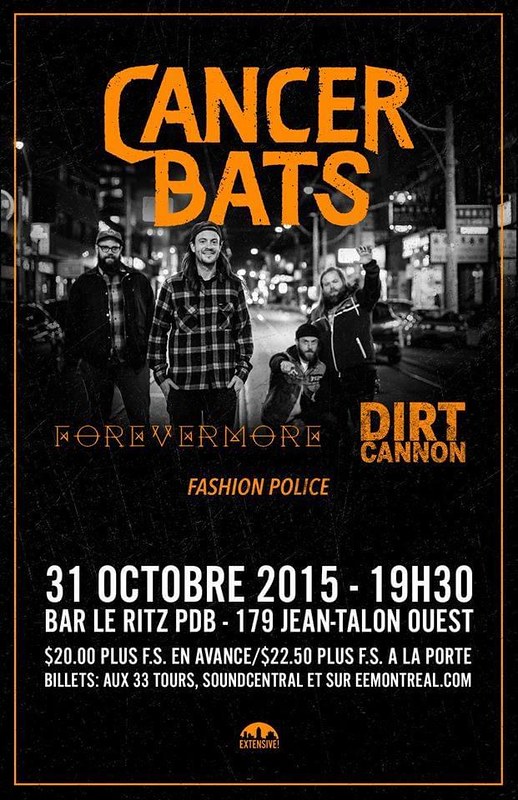
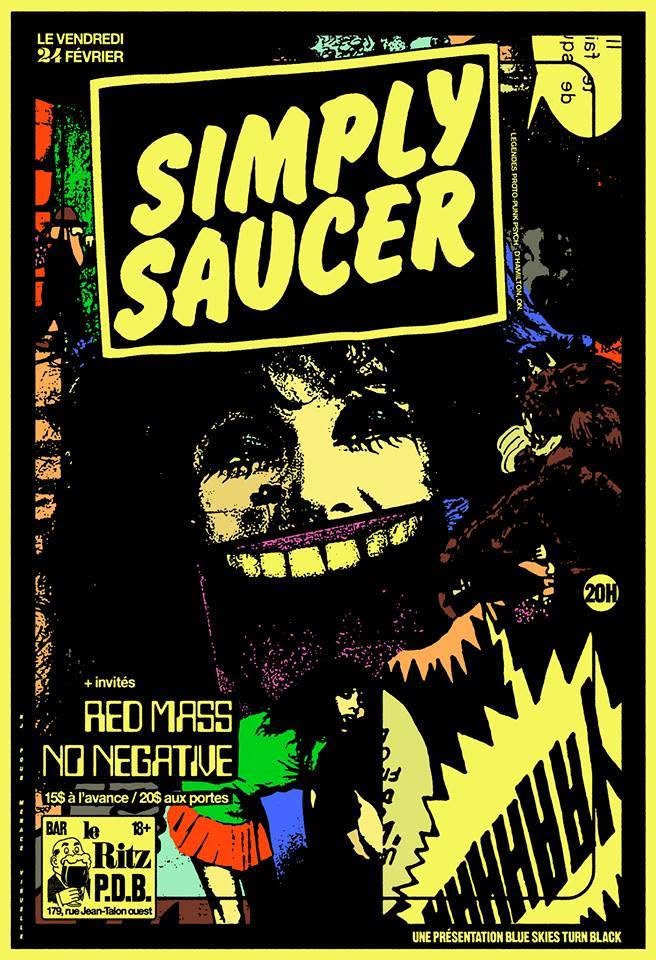
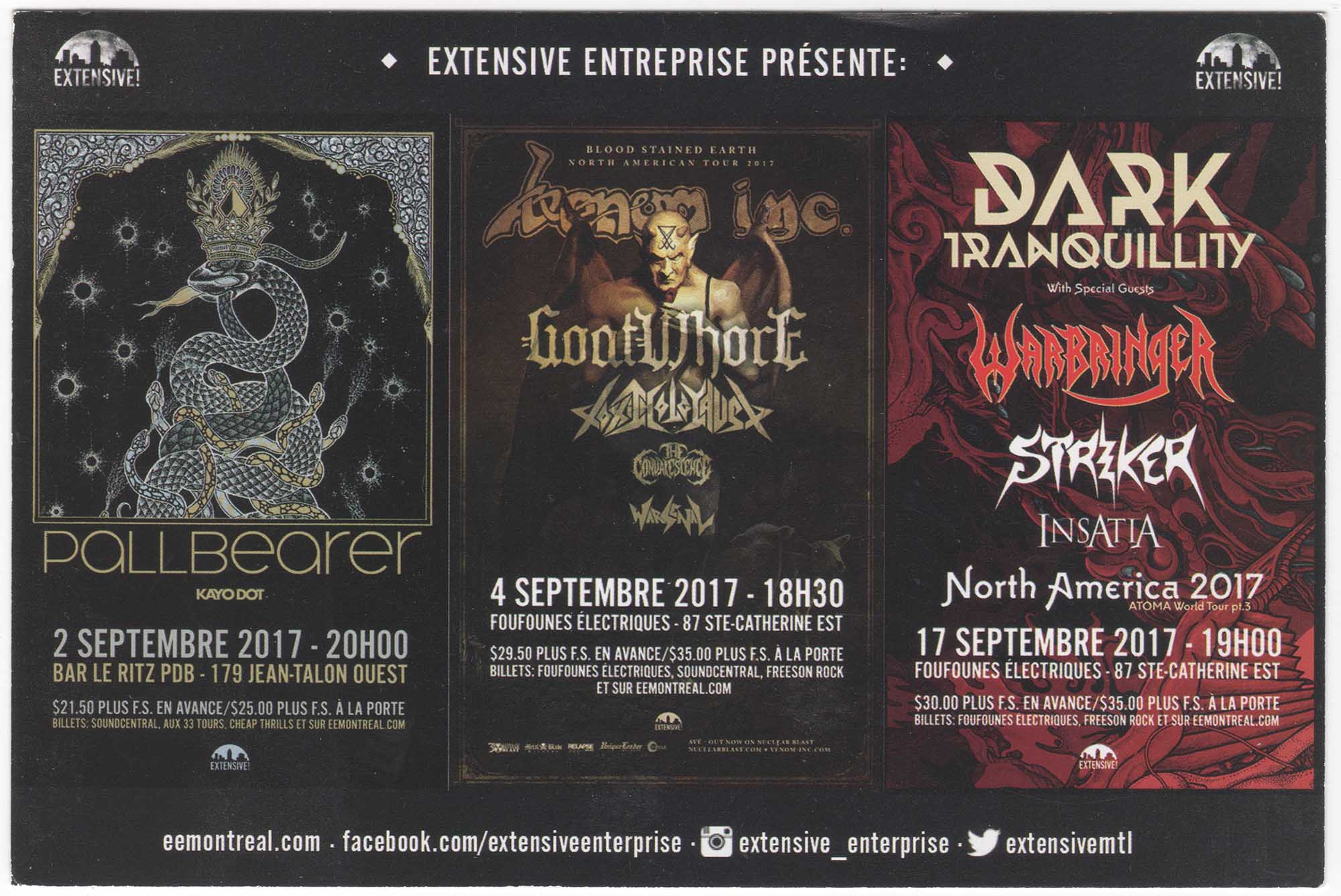
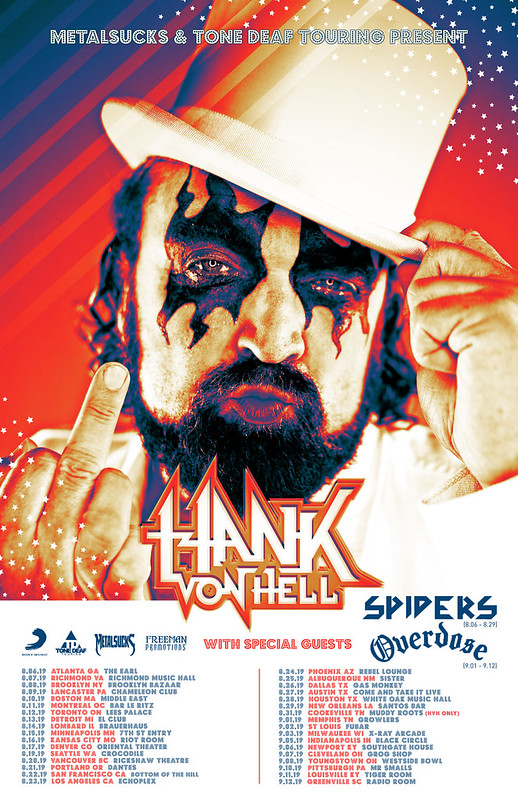
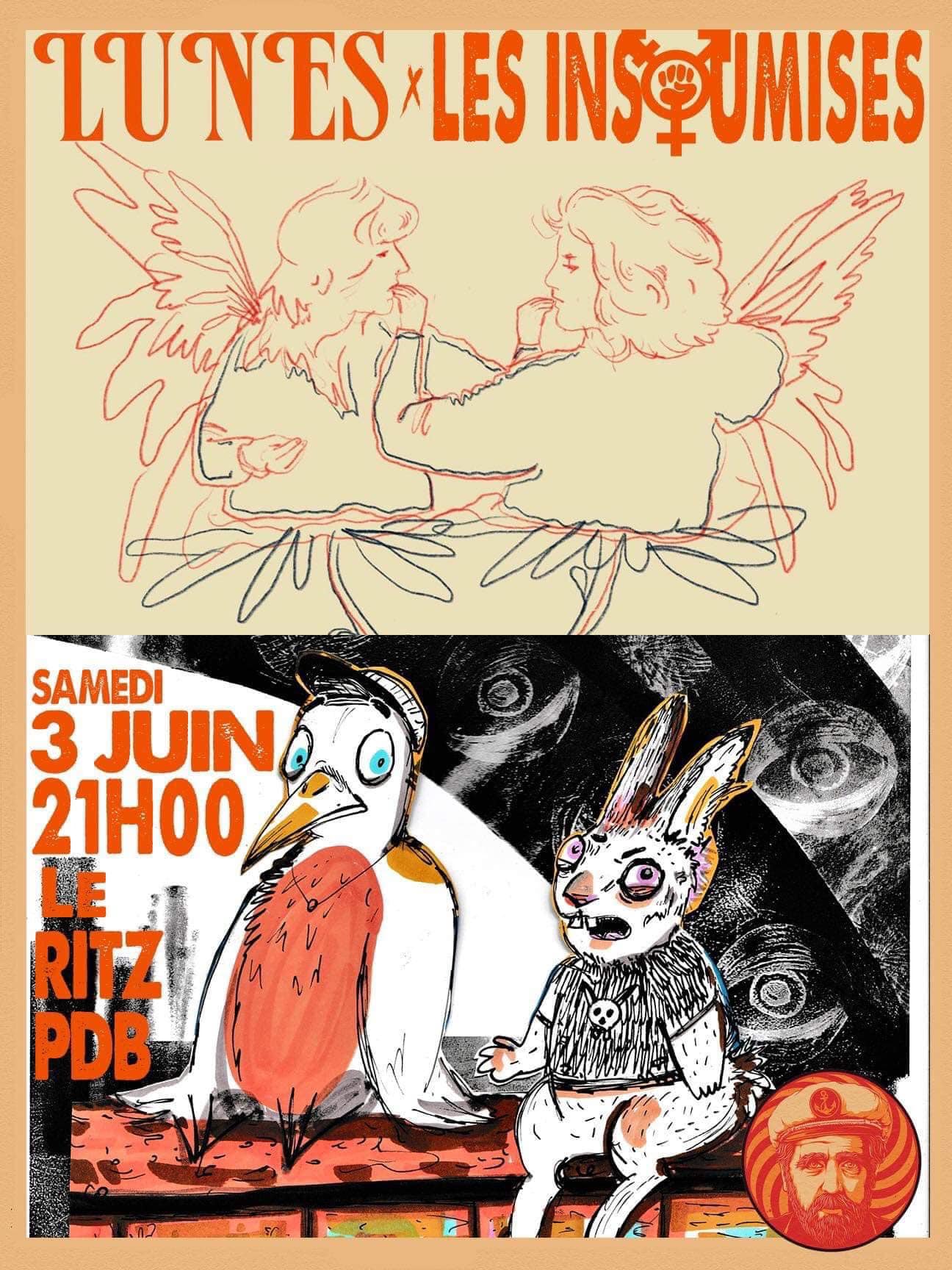
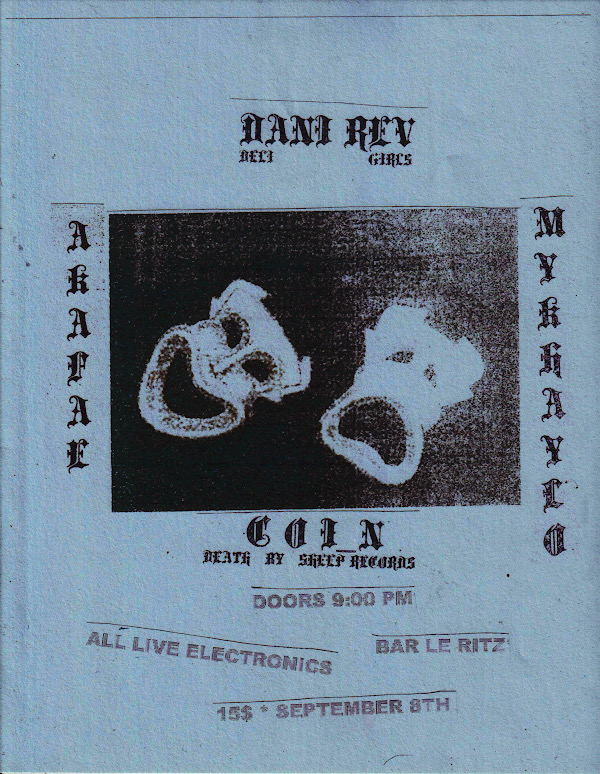
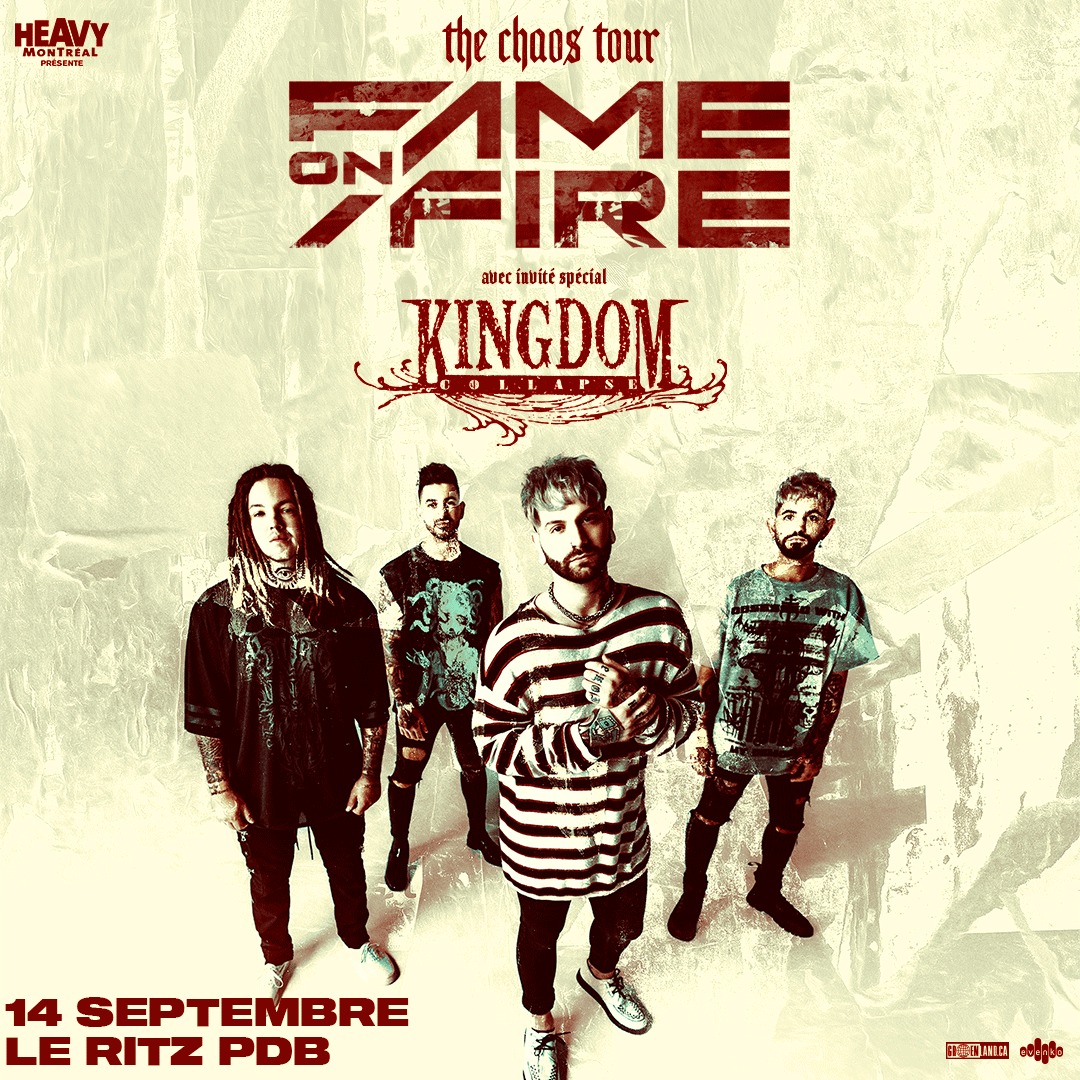
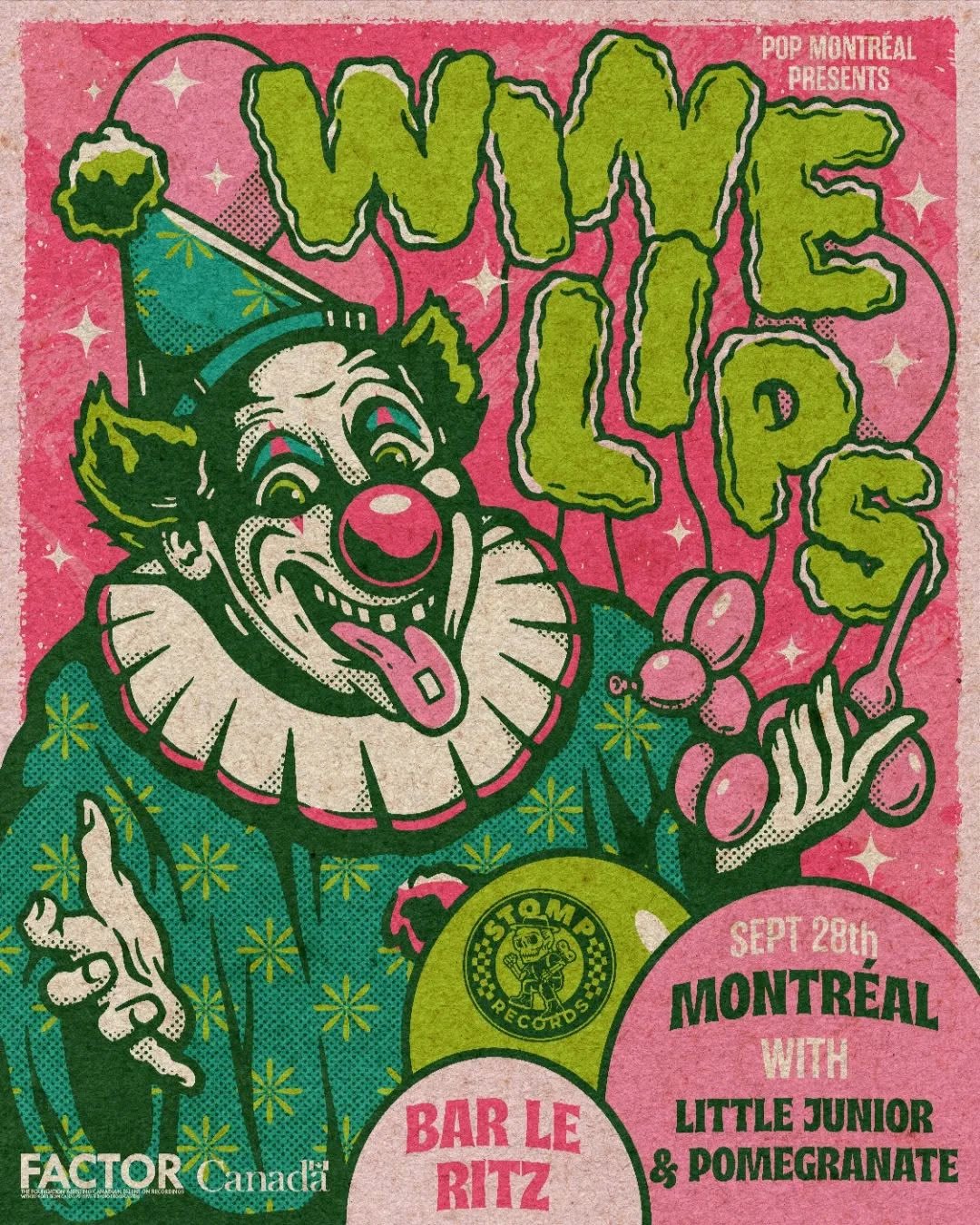
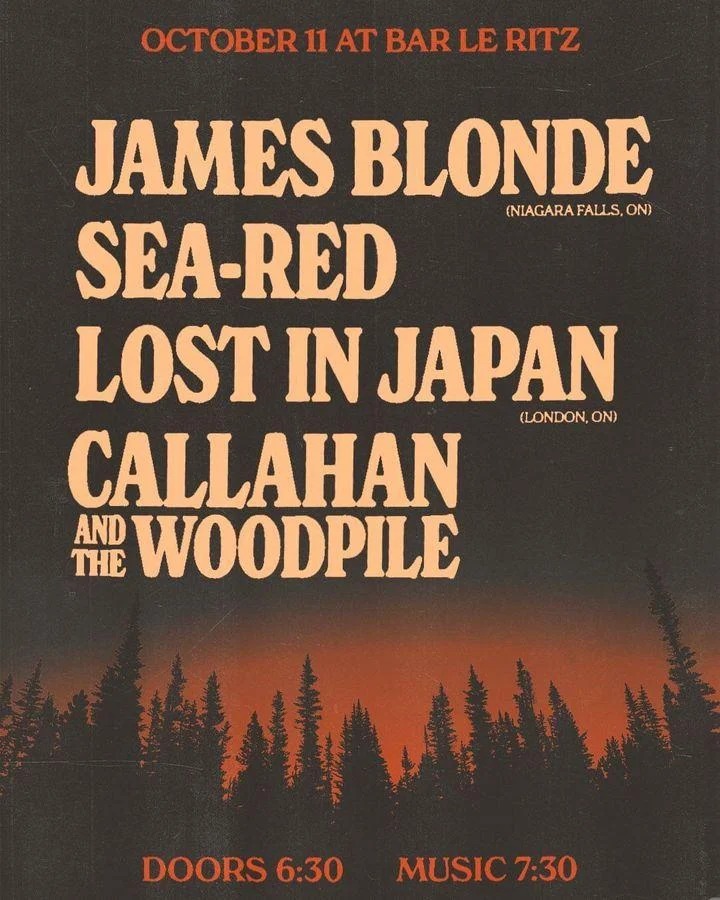
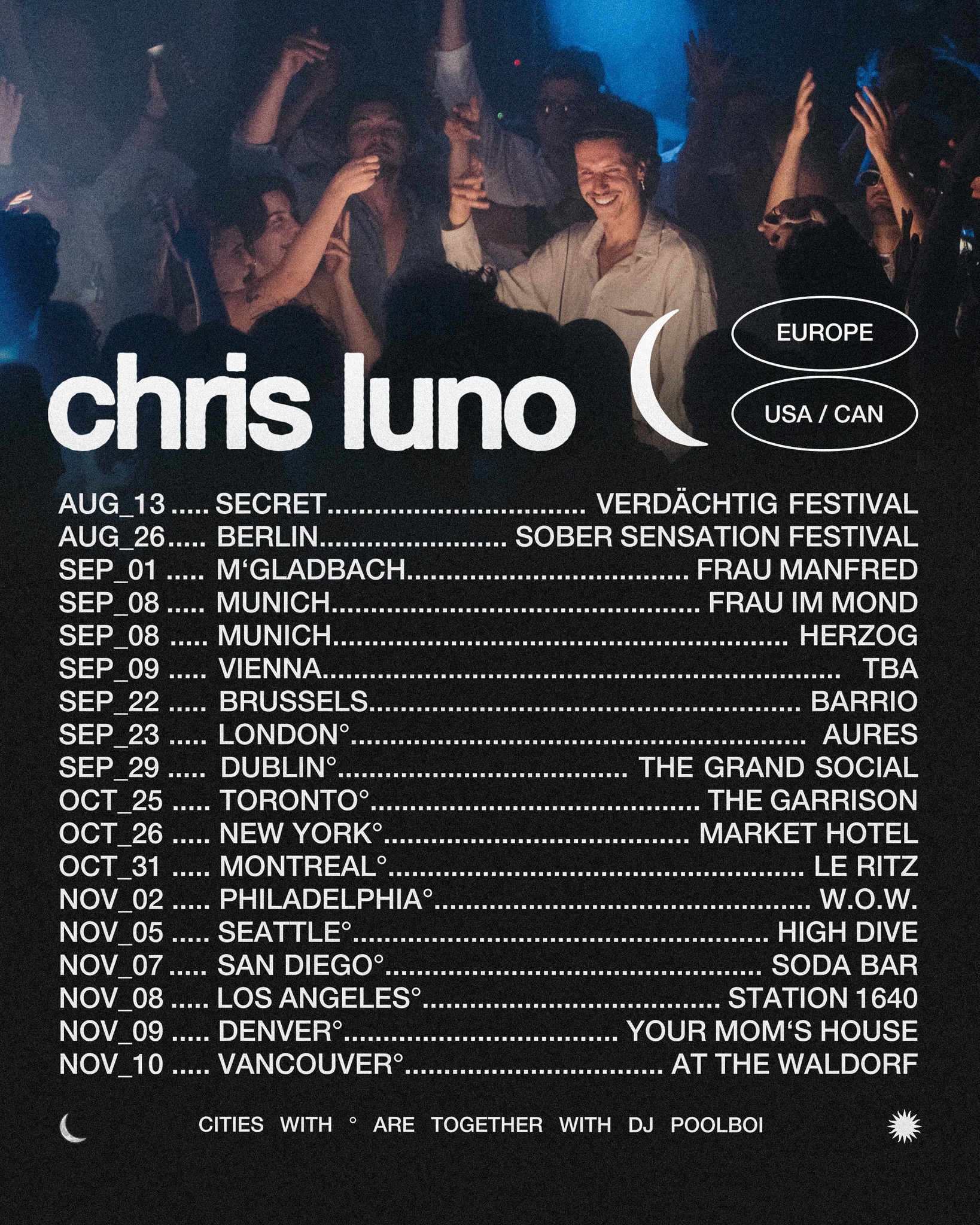
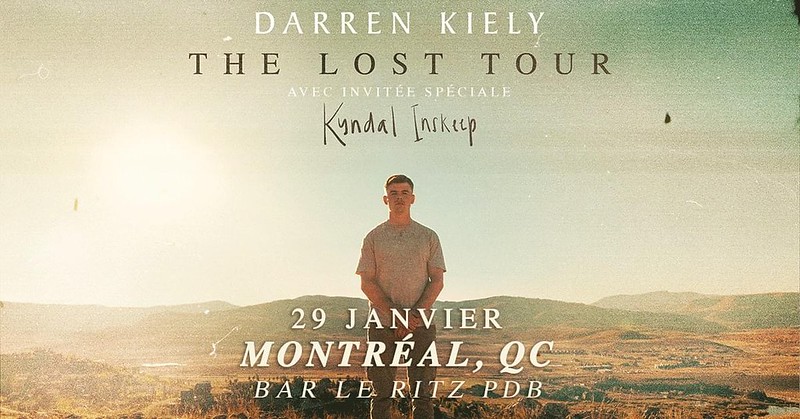
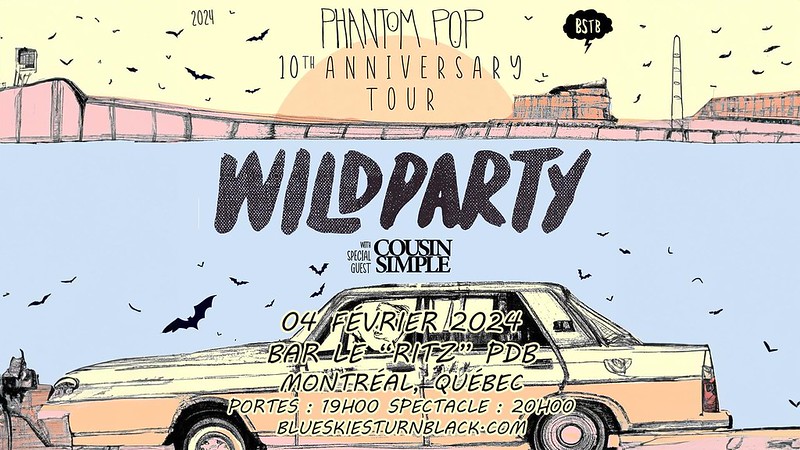
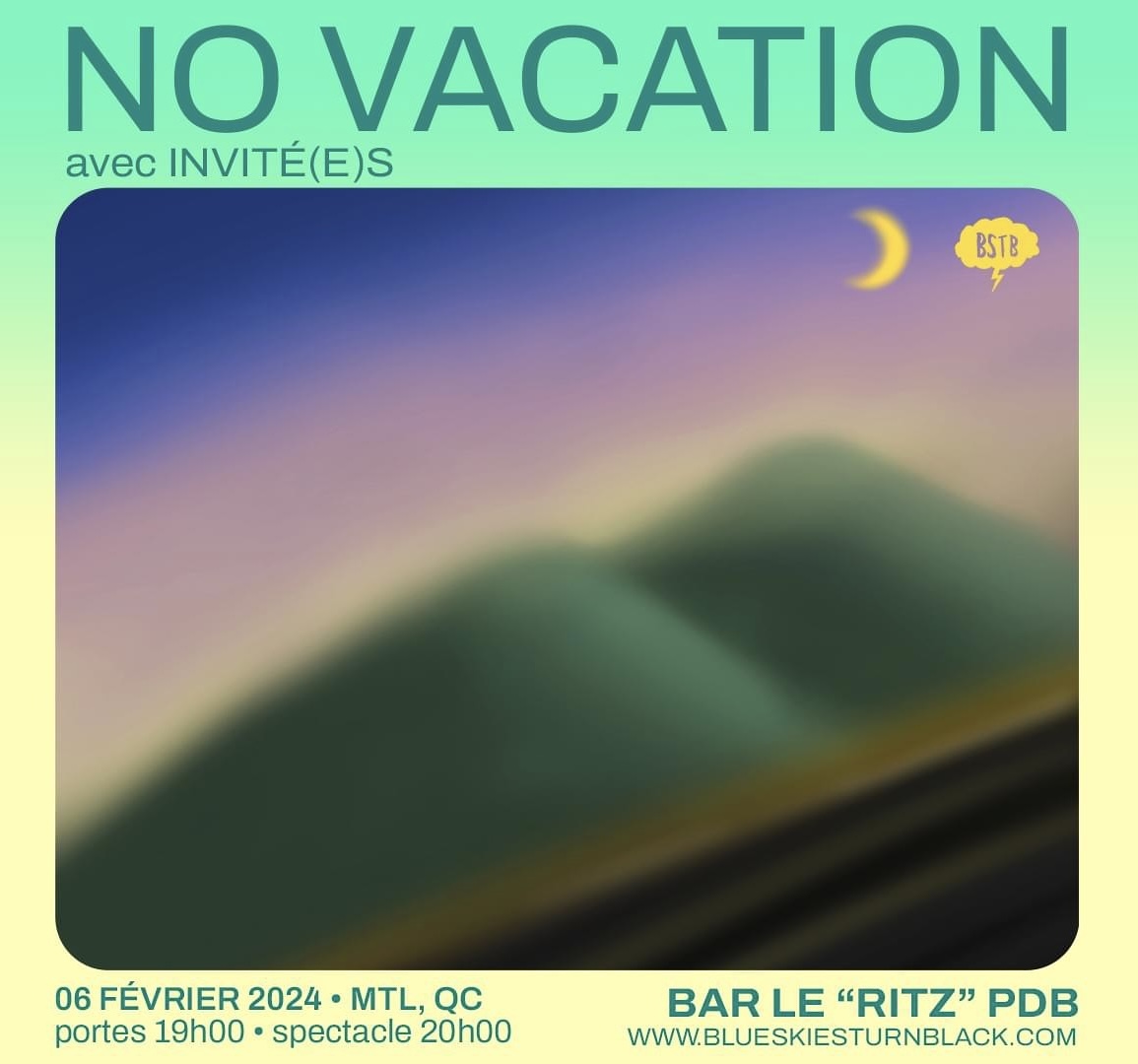
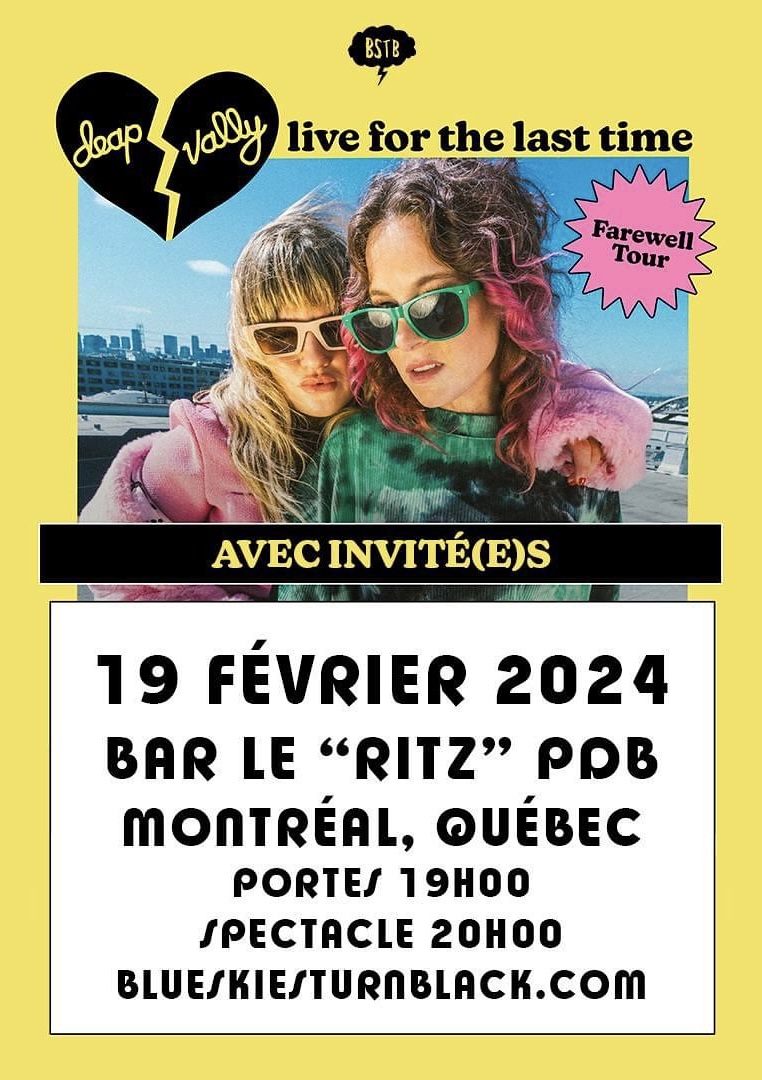
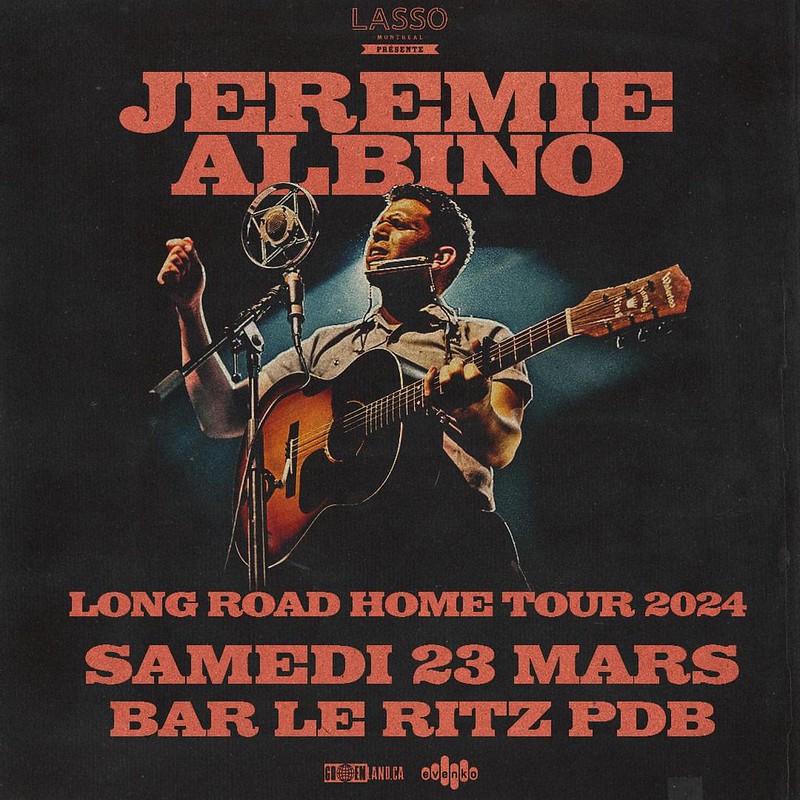
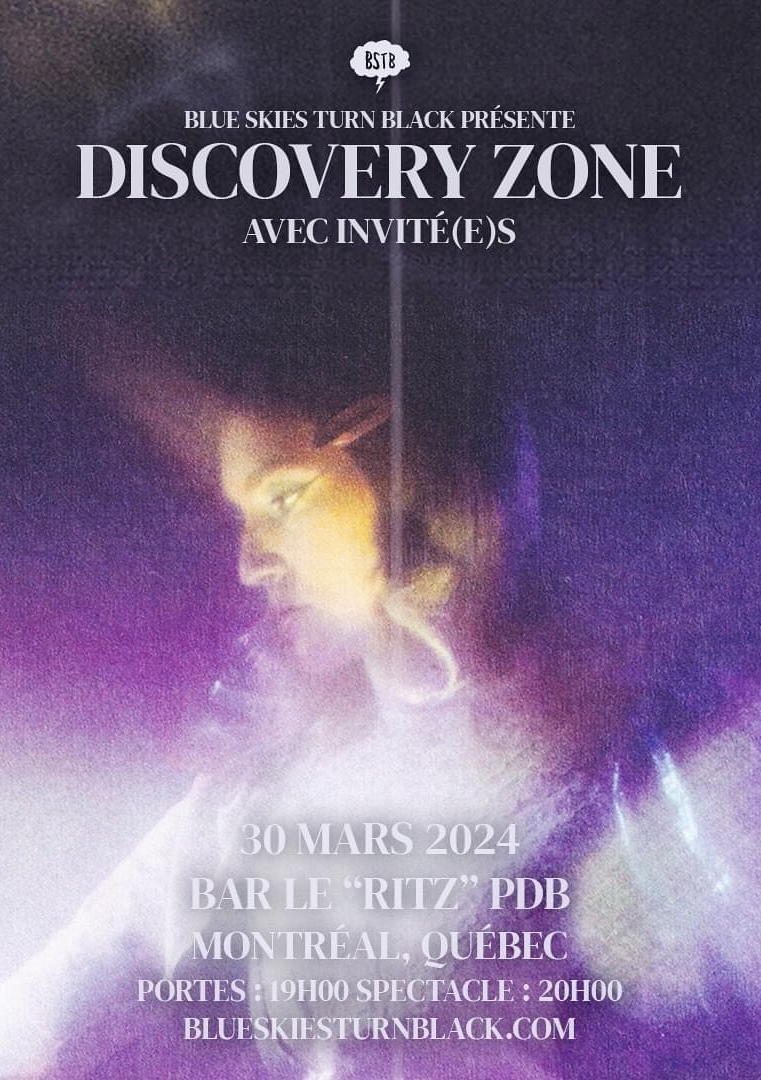
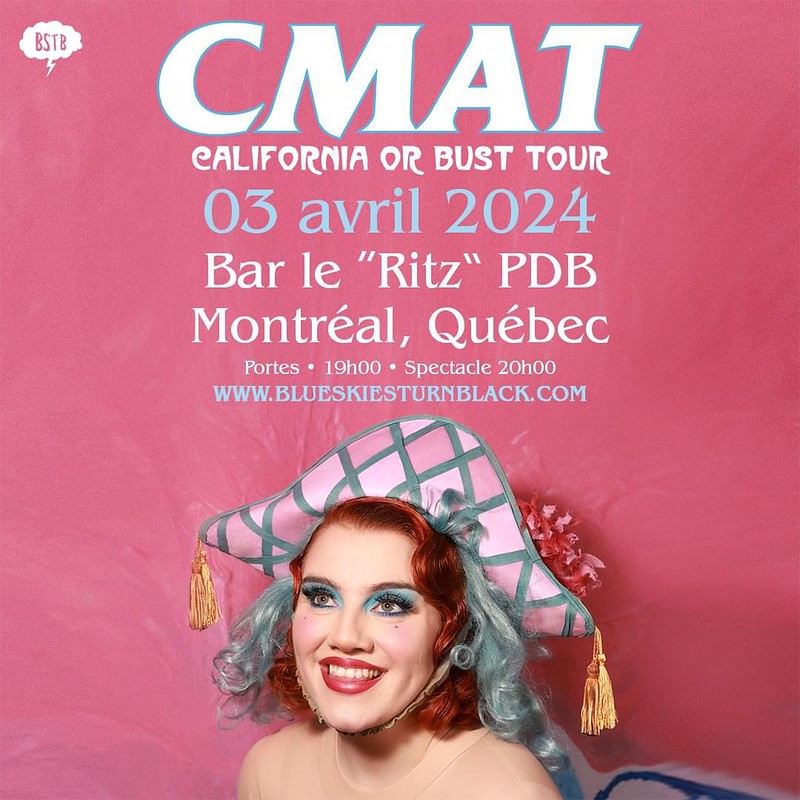
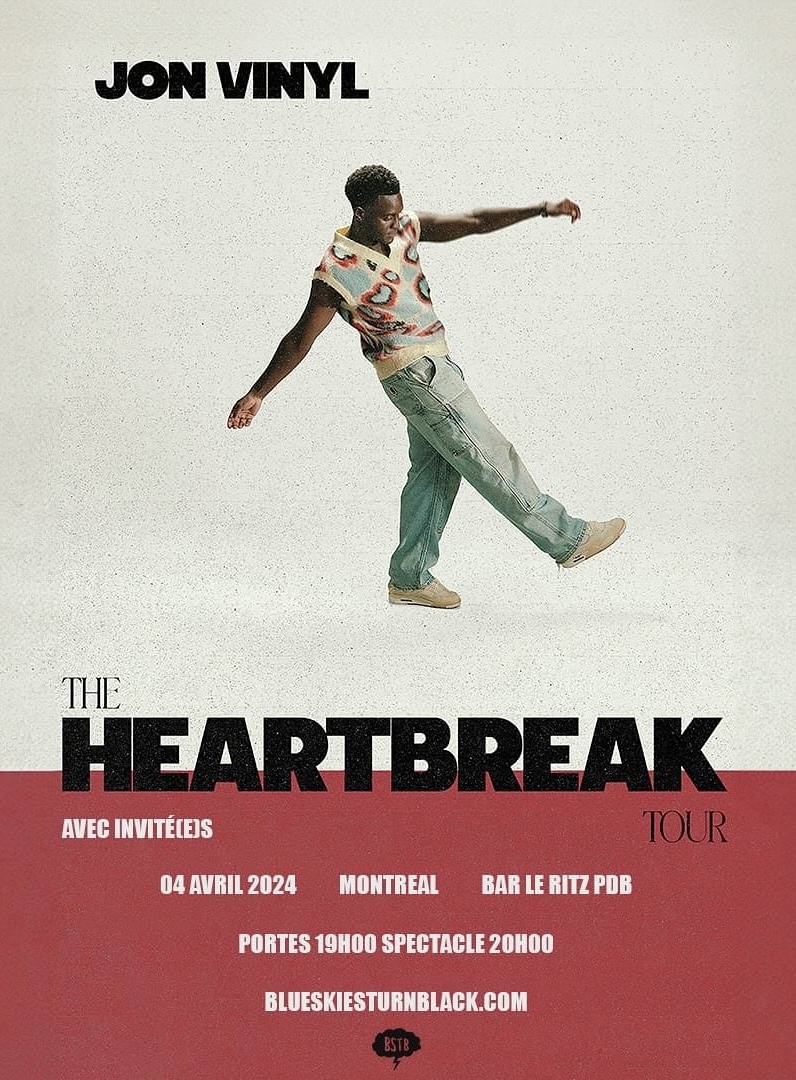
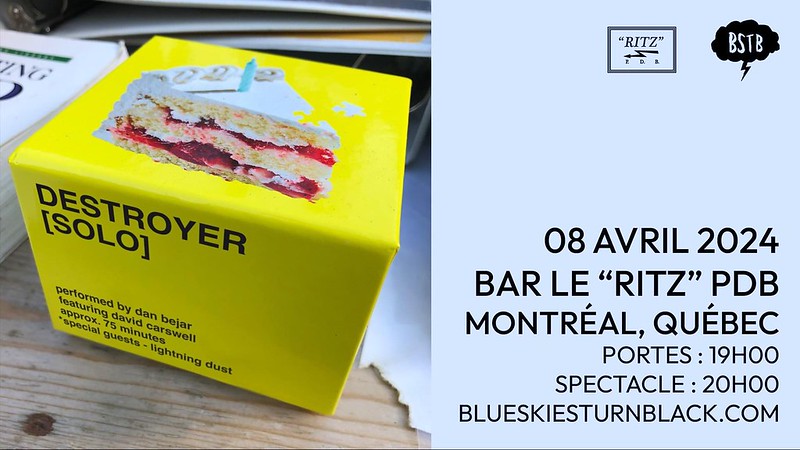
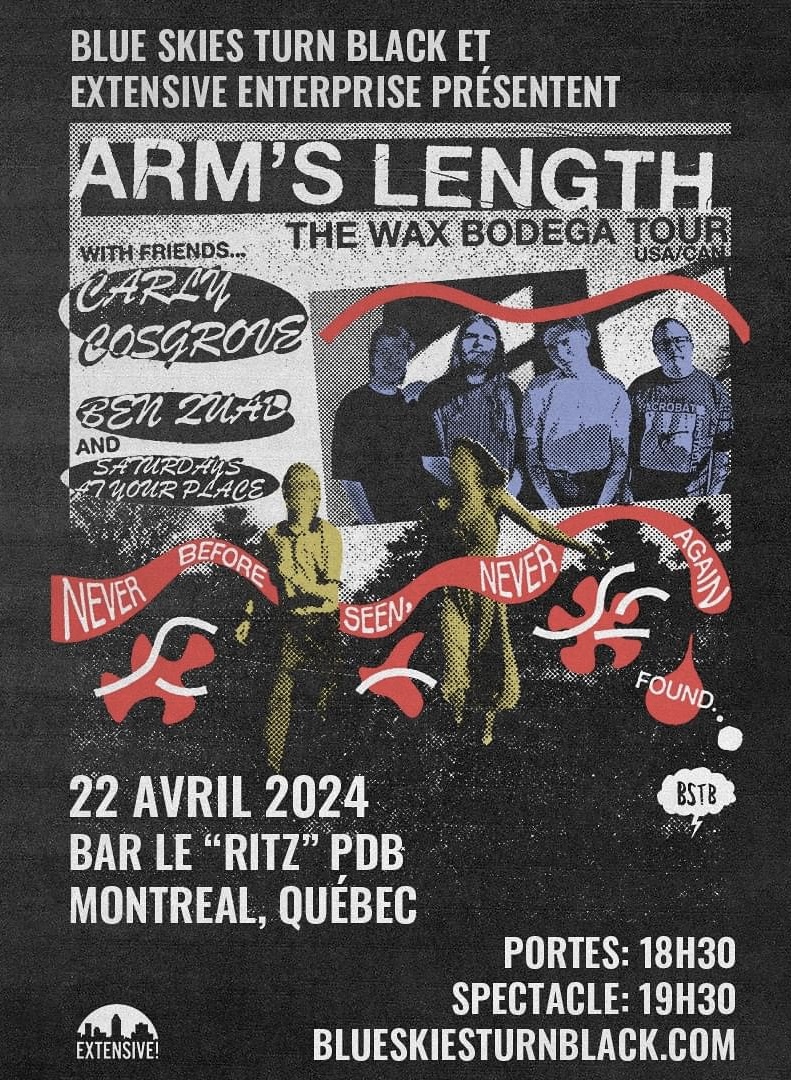
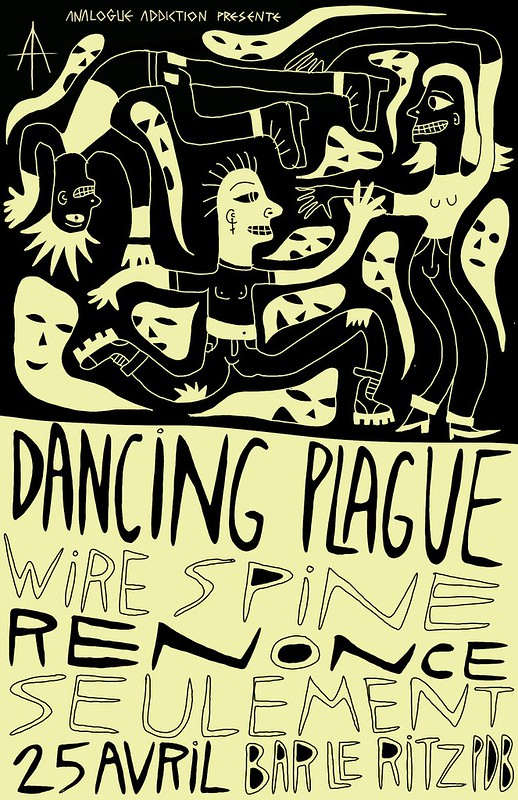
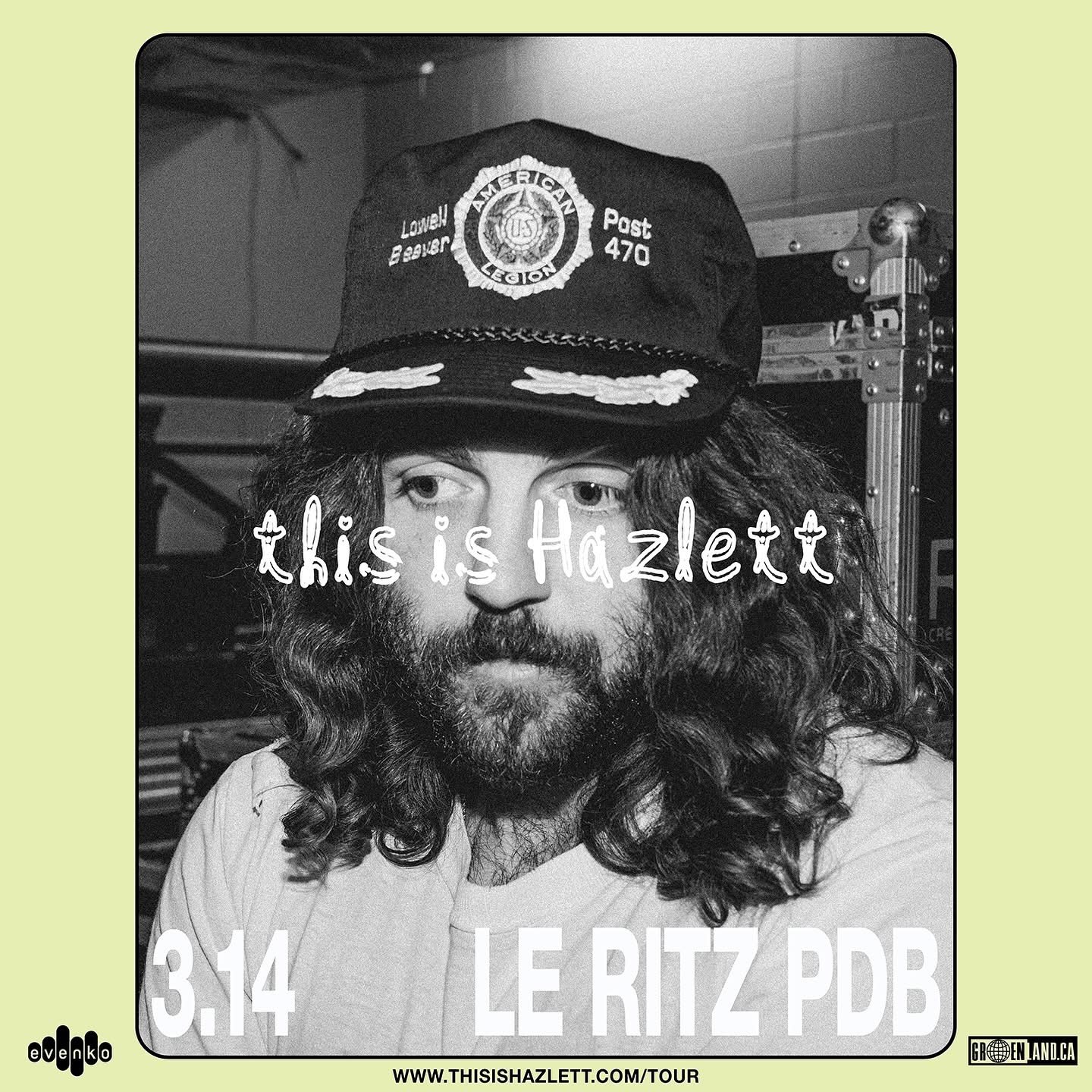
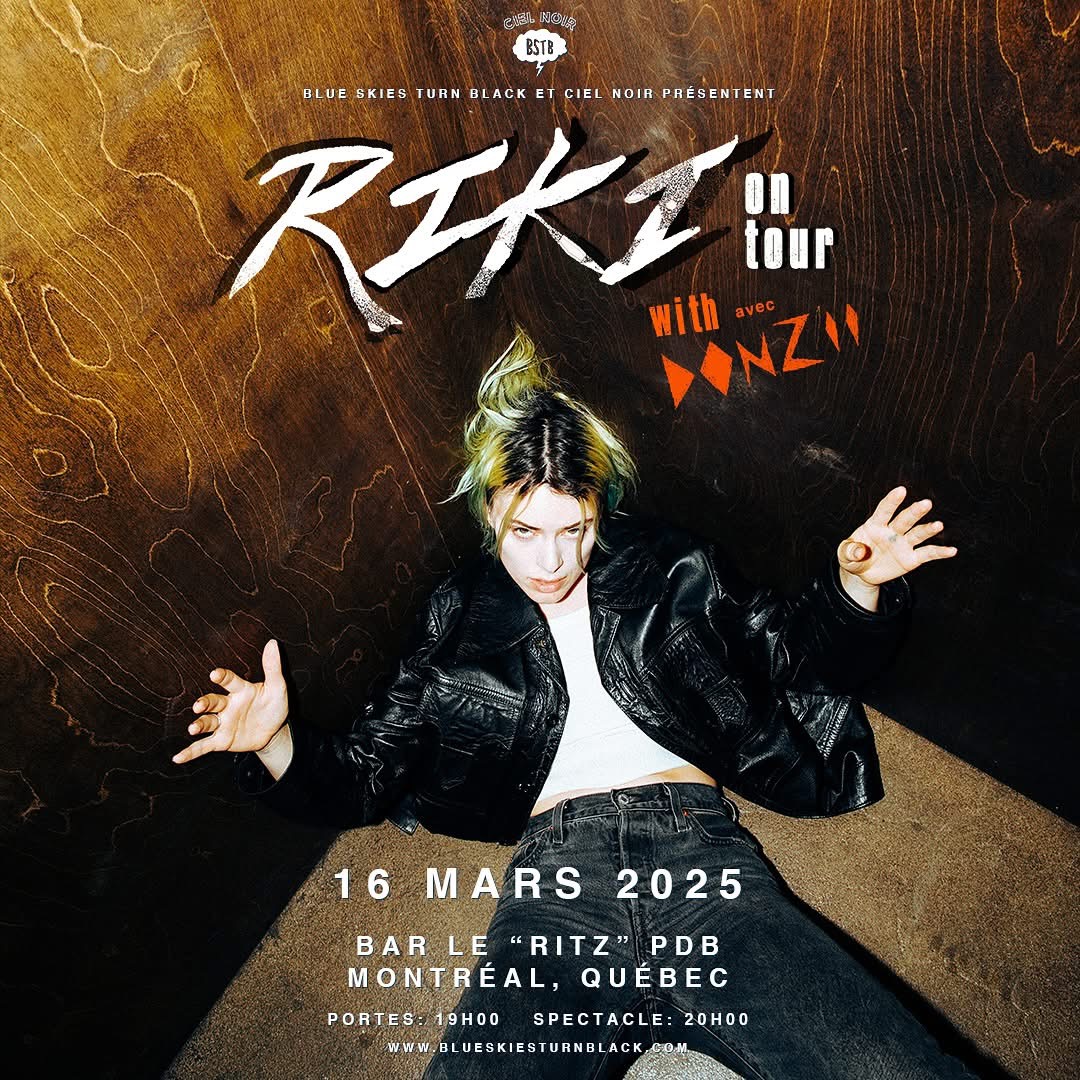
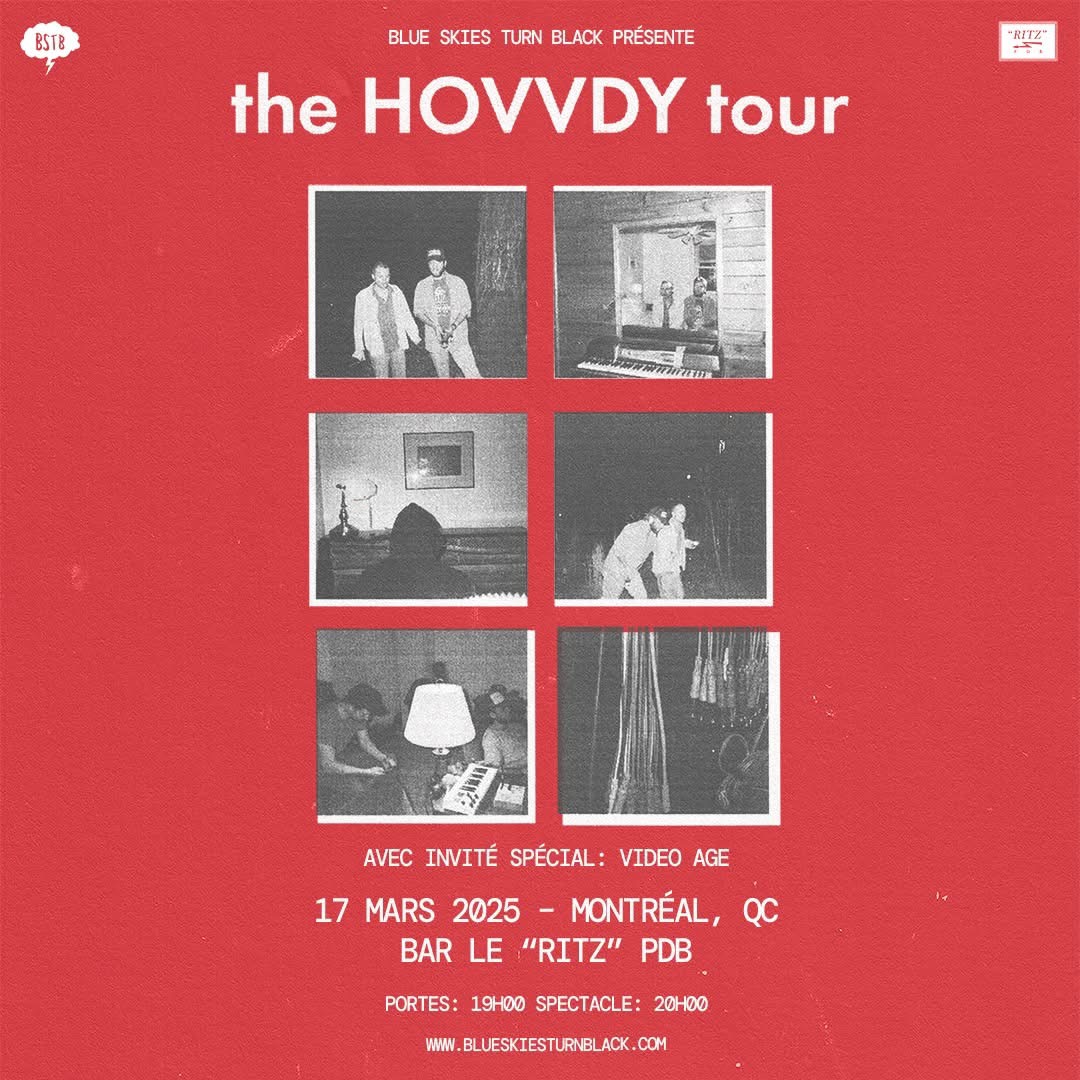
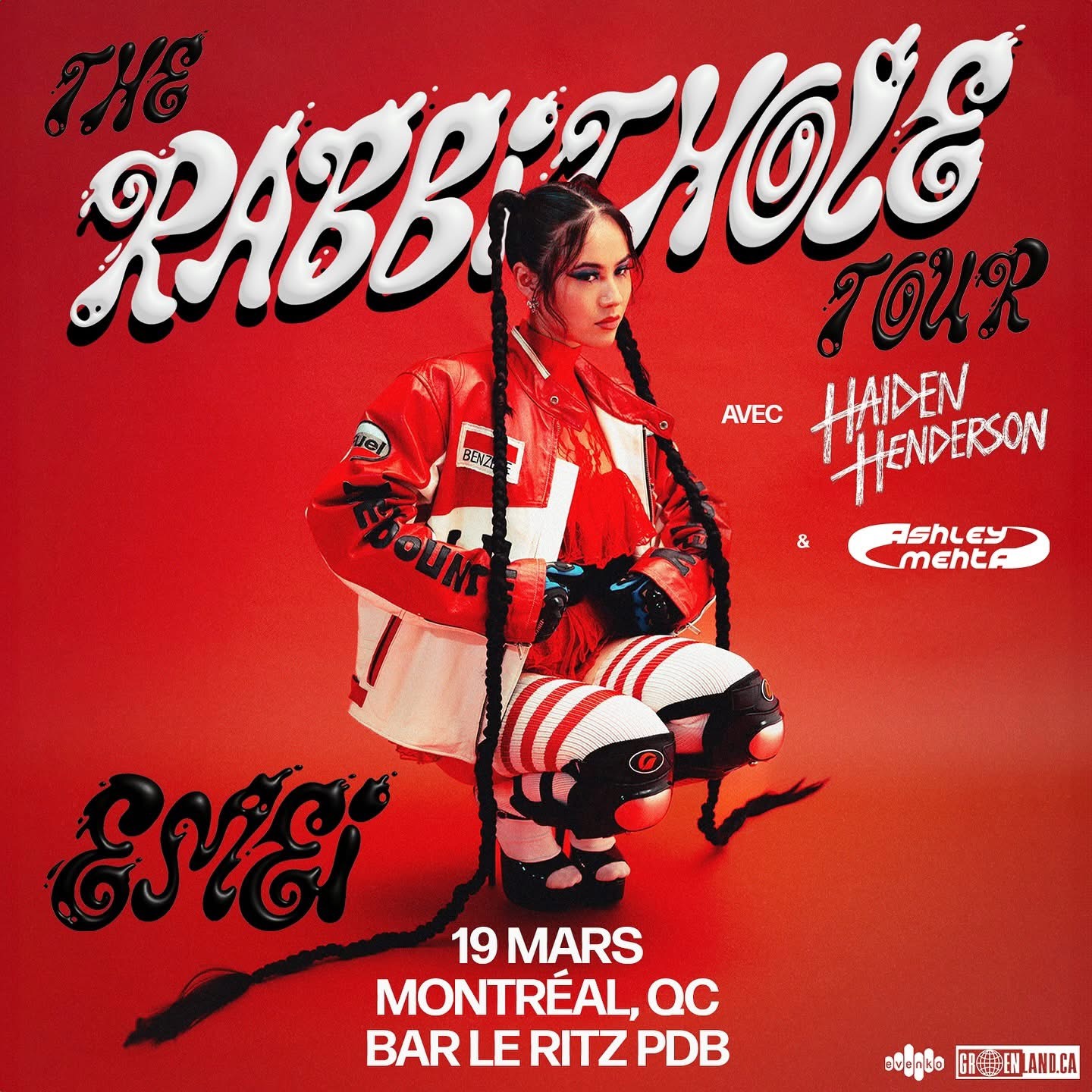
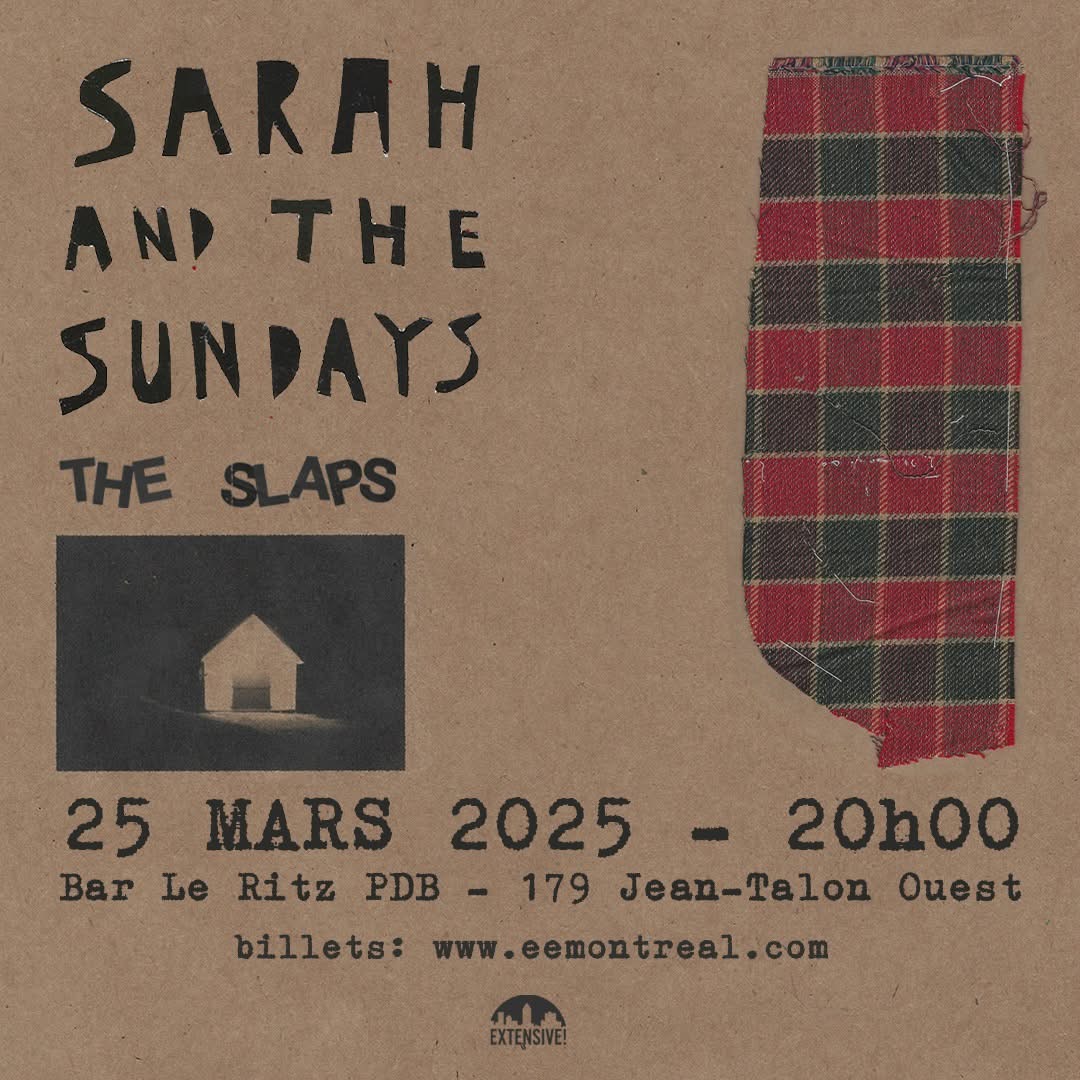
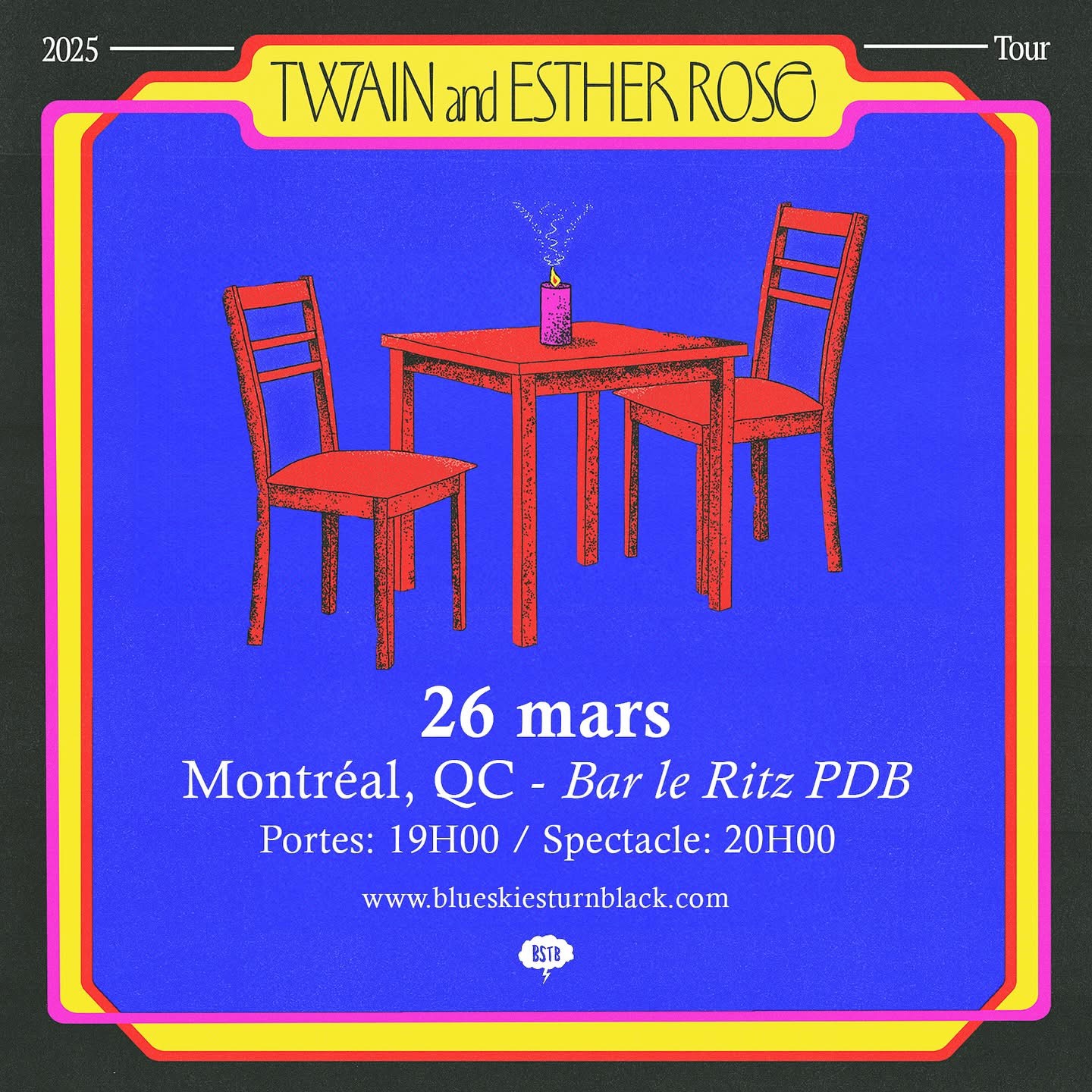
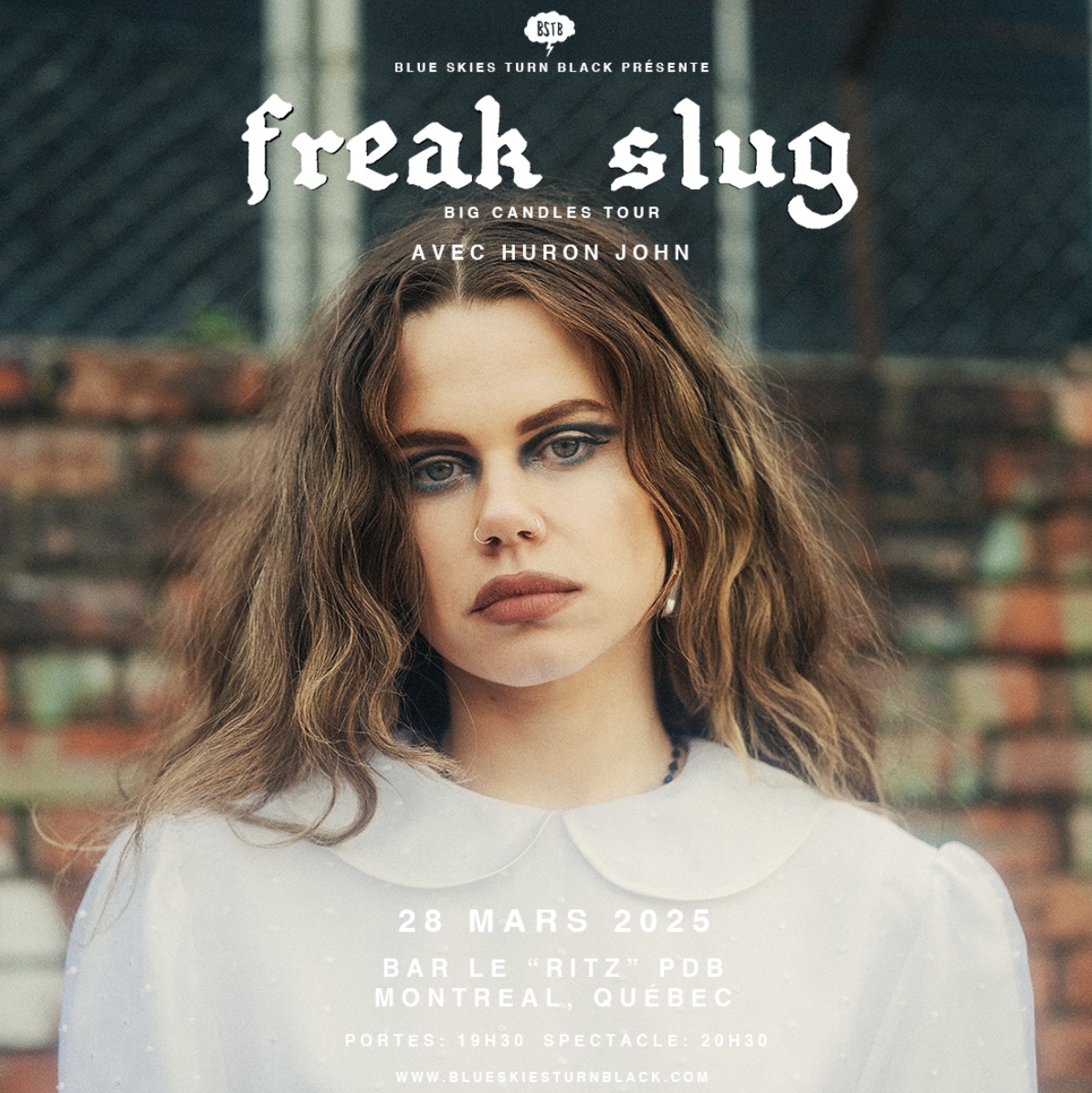
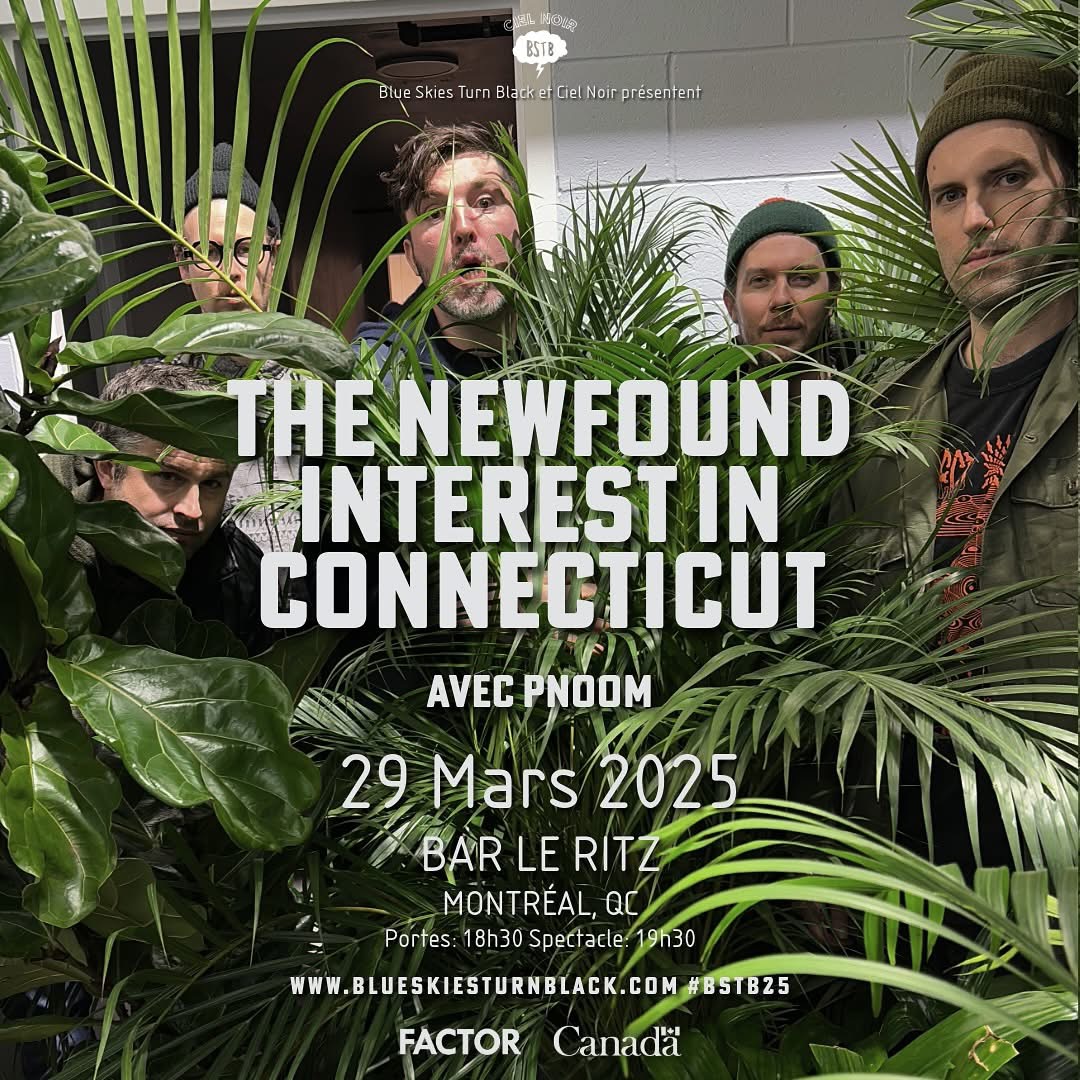
Bar Le Ritz PDB belongs to a Montreal tradition of venues whose identity is defined less by a single genre than by an independent musical culture. Over the years, its stage has hosted indie rock, punk, hardcore, experimental music, electronic music and numerous projects that resist easy classification.
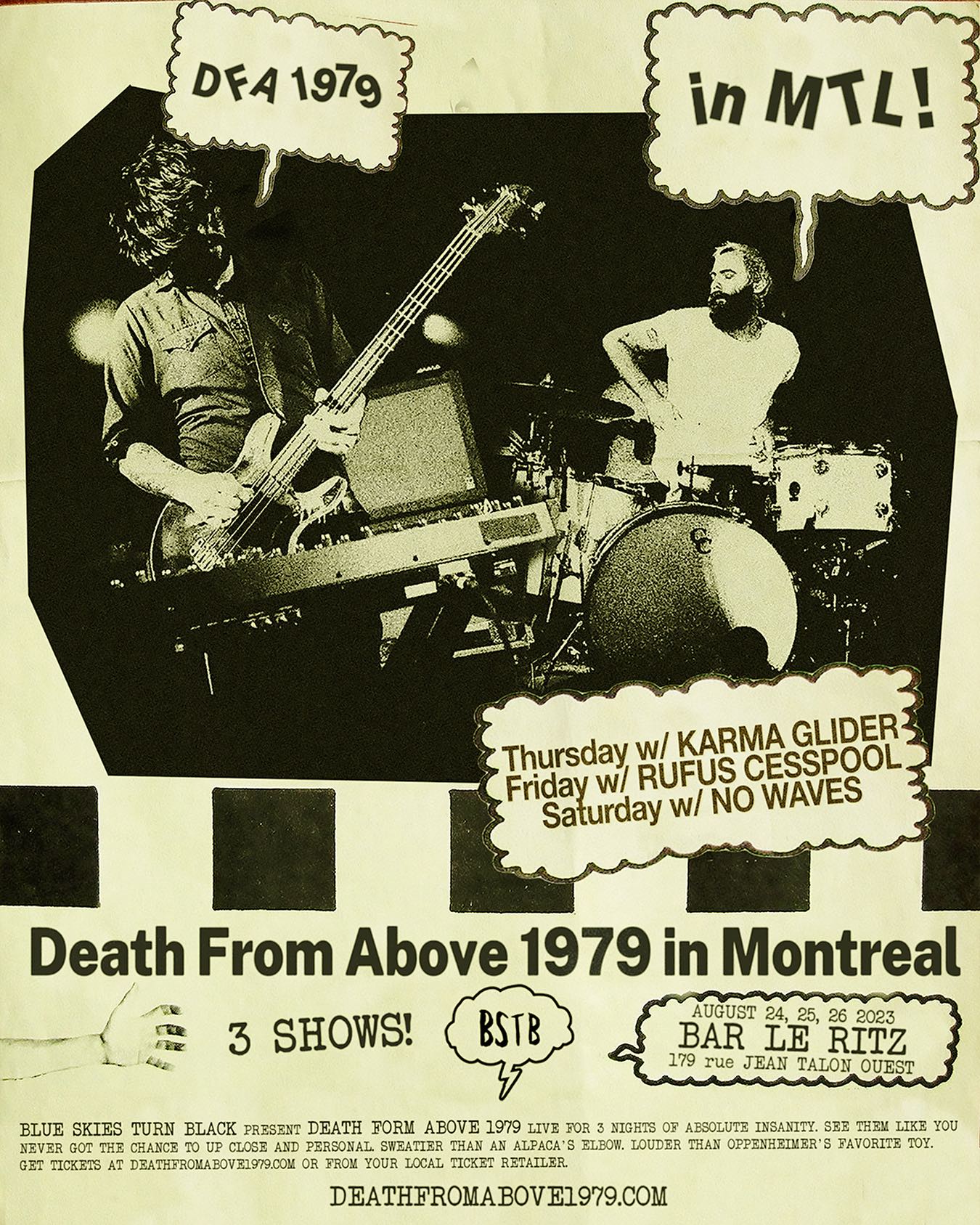
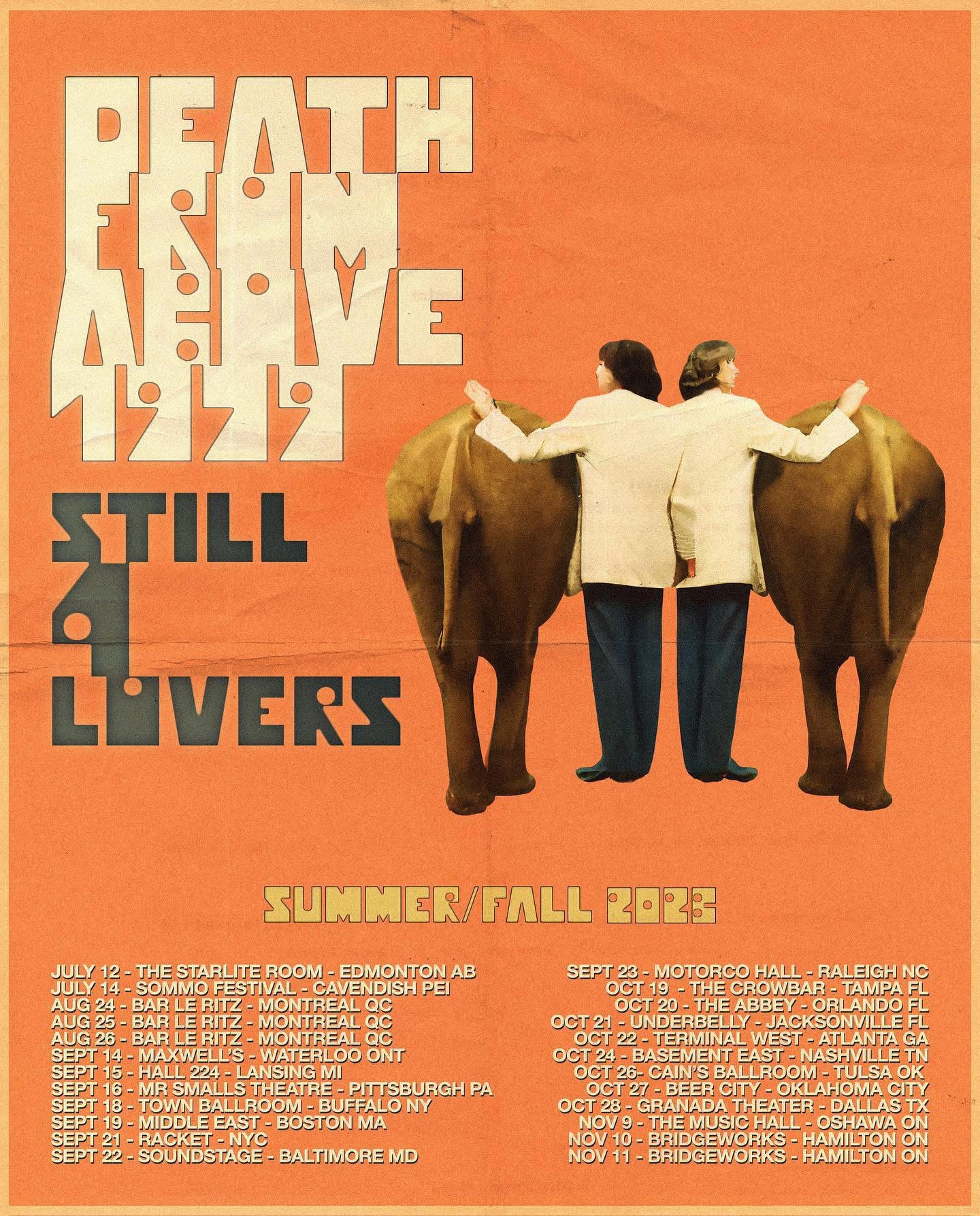
This diversity largely extends the approach developed by Blue Skies Turn Black since 2000: bringing international artists through Montreal while also providing a stage for local and emerging groups.
The Ritz’s size contributes to this role. Small enough to preserve close contact between performers and audiences, it can also accommodate bands whose following has outgrown Montreal’s smallest venues.
The room has consequently become one link in an independent network connecting small venues, promoters, festivals, local artists and international touring acts.
13. A Venue in a Changing Neighbourhood
The history of the Ritz PDB is also tied to the transformation of the Jean-Talon Street West area. When the Zebra Lounge and later Il Motore occupied the address, the immediate surroundings still had a distinctly commercial and industrial character.
During the 2010s, residential development gradually altered the relationship between concert venues in the area and their neighbours. The Ritz notably had to deal with noise complaints and undertake soundproofing improvements.
The situation illustrates a recurring issue in the recent history of Montreal venues: cultural spaces help make neighbourhoods attractive, then must adapt when new residential uses appear around them.
Urban Issue
Music, Neighbours and Changing Districts
Like several Montreal venues, the Ritz PDB sits at the intersection of two realities: the need to preserve accessible spaces for live music and the need to coexist with a neighbourhood whose population and uses continue to evolve.
14. Historical Significance
The importance of Bar Le Ritz PDB rests on more than the artists who have appeared on its stage. Its history traces more than two decades of evolution within Montreal’s independent music culture.
Blue Skies Turn Black was founded in 2000 with no certainty that it would become a sustainable business. Its founders initially organized events in cafés, bookstores and small rooms, often with extremely limited resources. Several years later, the agency participated in creating a venue that directly answered the needs of the scene it had helped develop.
Il Motore represented that step. Beginning in 2008, promoters were no longer simply using whatever venues were available: they were helping create their own infrastructure.
The 2014 transformation marked another stage. Rather than abandon an imperfect space, Meyer Billurcu chose to reinvent it with Thierry Amar and Efrim Menuck. The change of name, the bar installation and the rebuilding of the room created the Ritz PDB without entirely erasing the history of Il Motore.
This continuity explains the venue’s distinctive place in the recent history of Montreal performance spaces. Behind the names Zebra Lounge, Il Motore and Bar Le Ritz PDB lies the same address, but more importantly a history of independent networks, promoters, musicians and audiences creating their own spaces.
In Montreal Music History
From Promoter to Venue Builder
The history of the Ritz PDB tells a story larger than that of a single bar. It shows how a small independent agency founded in 2000 helped build a musical community active enough to require its own venues. The progression from Blue Skies Turn Black to Il Motore and then to the Ritz PDB therefore represents an important chapter in the history of Montreal’s independent cultural infrastructure.
Evolution of 179 Jean-Talon Street West
16. Notes and Sources
-
J.-C. LAURENCE,
“Place au Il Motore !”,
La Presse,
November 21, 2008.
Contemporary source announcing the opening of Il Motore at 179 Jean-Talon Street West in the former Zebra Lounge premises. The article gives a capacity of 225, describes the collaboration between the La Sala Rossa team and Blue Skies Turn Black, and identifies the United Steel Workers of Montreal as the opening-night performers. -
PHILIPPE RENAUD,
“Indépendant depuis 10 ans”,
La Presse,
February 25, 2010.
Profile of Blue Skies Turn Black marking its tenth anniversary. The article documents the agency’s founding by Meyer Billurcu and Brian Neuman, the screening of Instrument at Concordia in March 2000, BSTB’s earliest events, its role in developing Montreal’s independent music scene, some of Arcade Fire’s first Montreal concerts, and an annual production volume that had reached approximately 250 to 300 shows. -
ERIK LEIJON,
“Il Motore gets a fresh start”,
The Gazette,
October 9, 2014.
Central source on the transformation of Il Motore into Bar Le Ritz PDB. The article documents the condition of the former room, disputes among the owners, Meyer Billurcu’s buyout of the other ownership interests, the arrival of Thierry Amar and Efrim Menuck, Il Motore’s final night on August 16, 2014, the renovations, the relocation of the stage, the century-old Chicago bar back and the meaning of “PDB.” -
ERIK LEIJON,
“Bar Le Ritz PDB rises from Il Motore’s ashes”,
The Gazette,
October 8, 2014.
Article devoted to the transition from Il Motore to the new Bar Le Ritz PDB and to the launch of the redesigned venue. -
MONTRÉAL CONCERT POSTER ARCHIVE,
“Members of the Community — Blue Skies Turn Black.”
MCPA archives and research concerning Meyer Billurcu, Brian Neuman, André Guérette, the evolution of Blue Skies Turn Black and its connections with Il Motore and Bar Le Ritz PDB. -
BLUE SKIES TURN BLACK,
organizational archives and history.
Documentation concerning the evolution of the Montreal concert-promotion agency, its productions and its role within the local independent music scene.
This profile relies primarily on contemporary journalistic sources covering the opening of Il Motore and its transformation into Bar Le Ritz PDB, supplemented by the archives of the Montréal Concert Poster Archive and Blue Skies Turn Black. The capacities listed correspond to figures published at different stages in the venue’s history and reflect changes in its configuration.


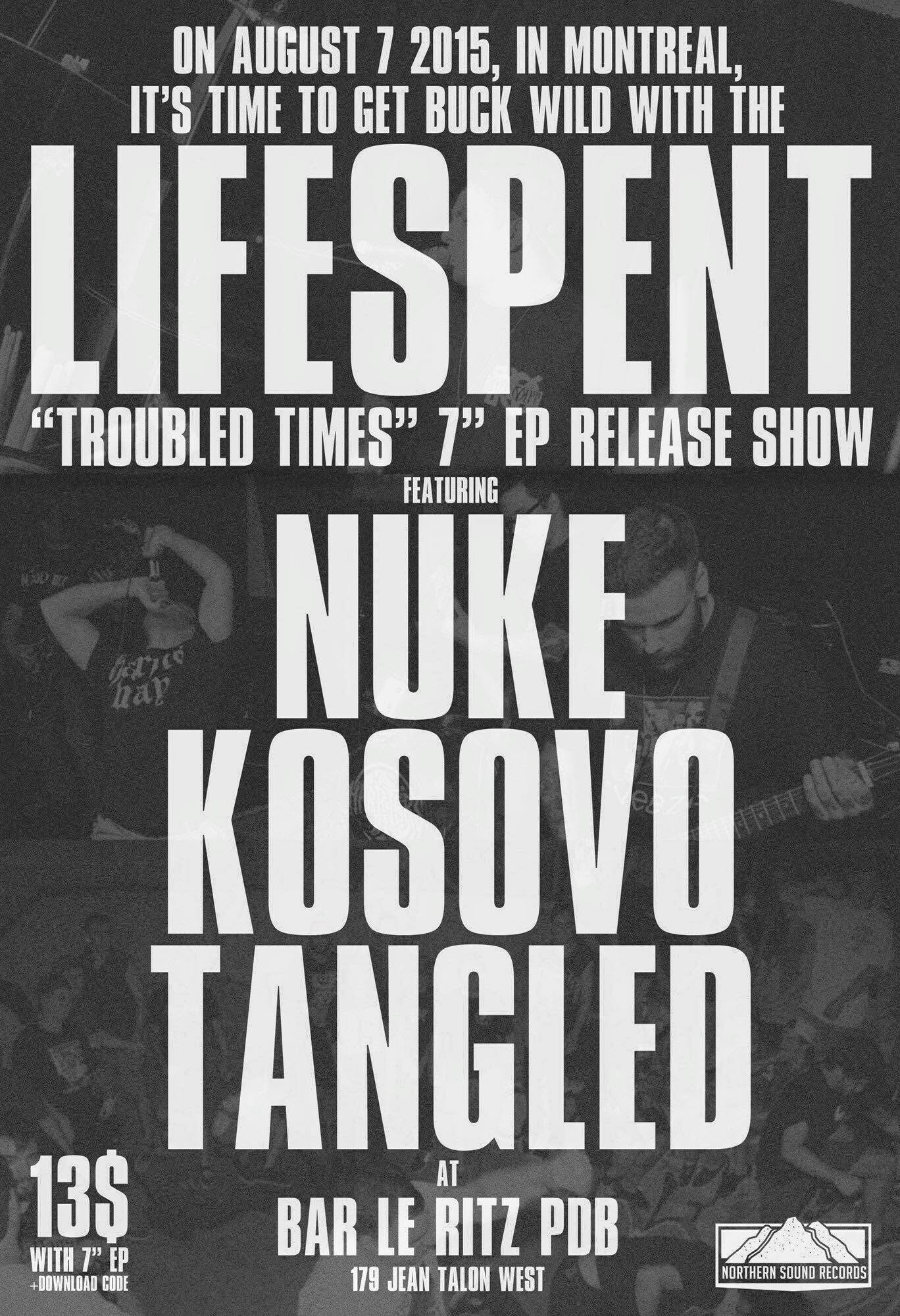












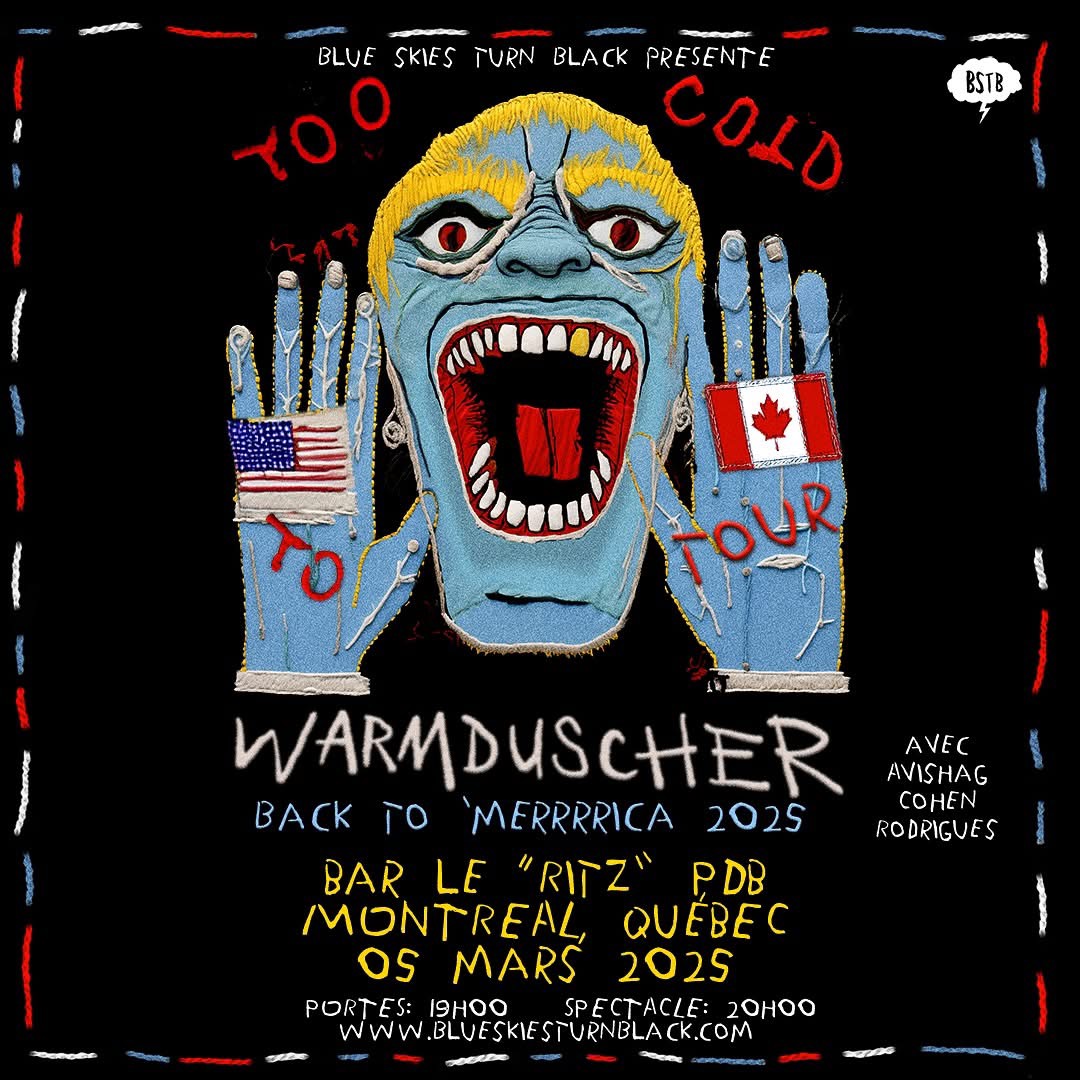
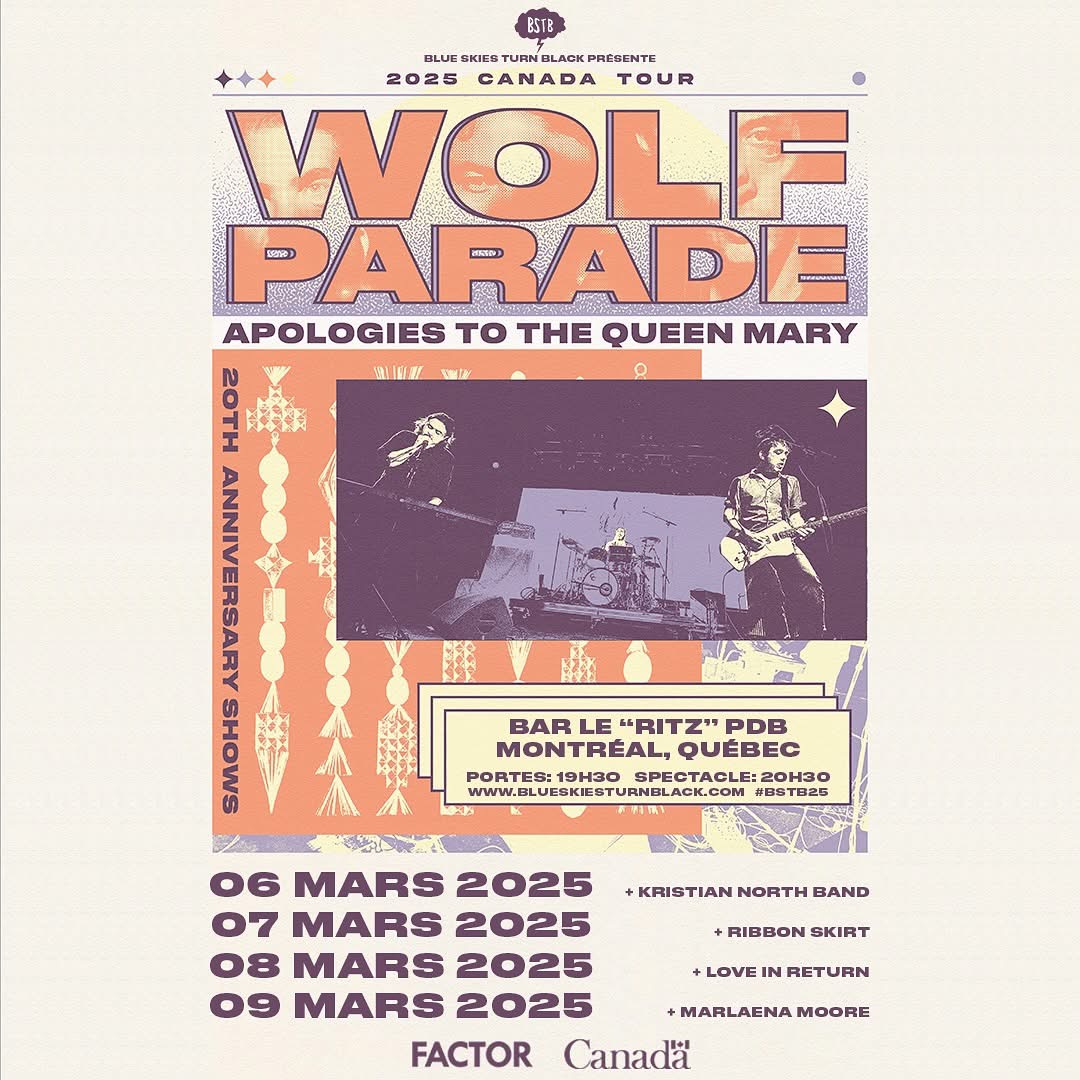
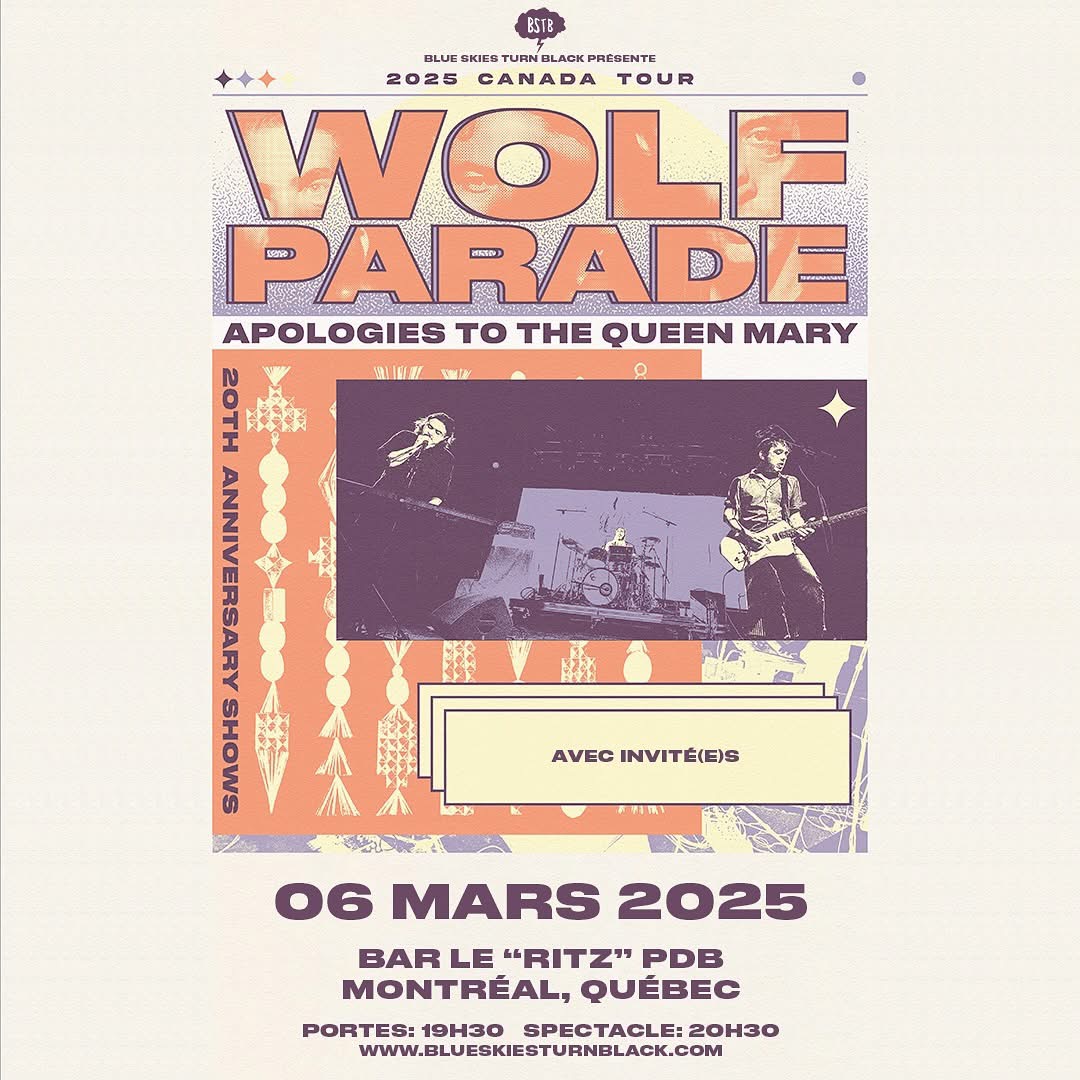
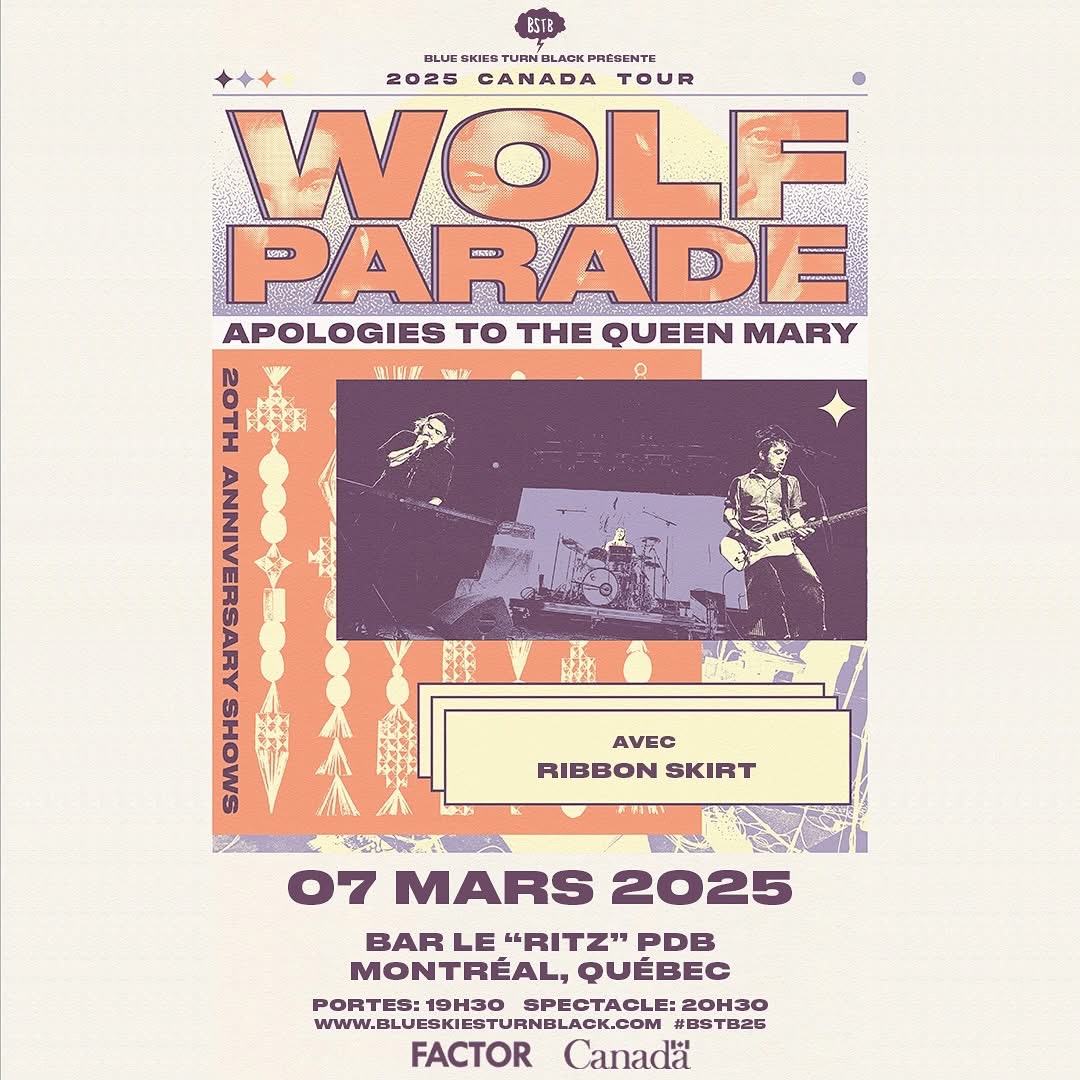
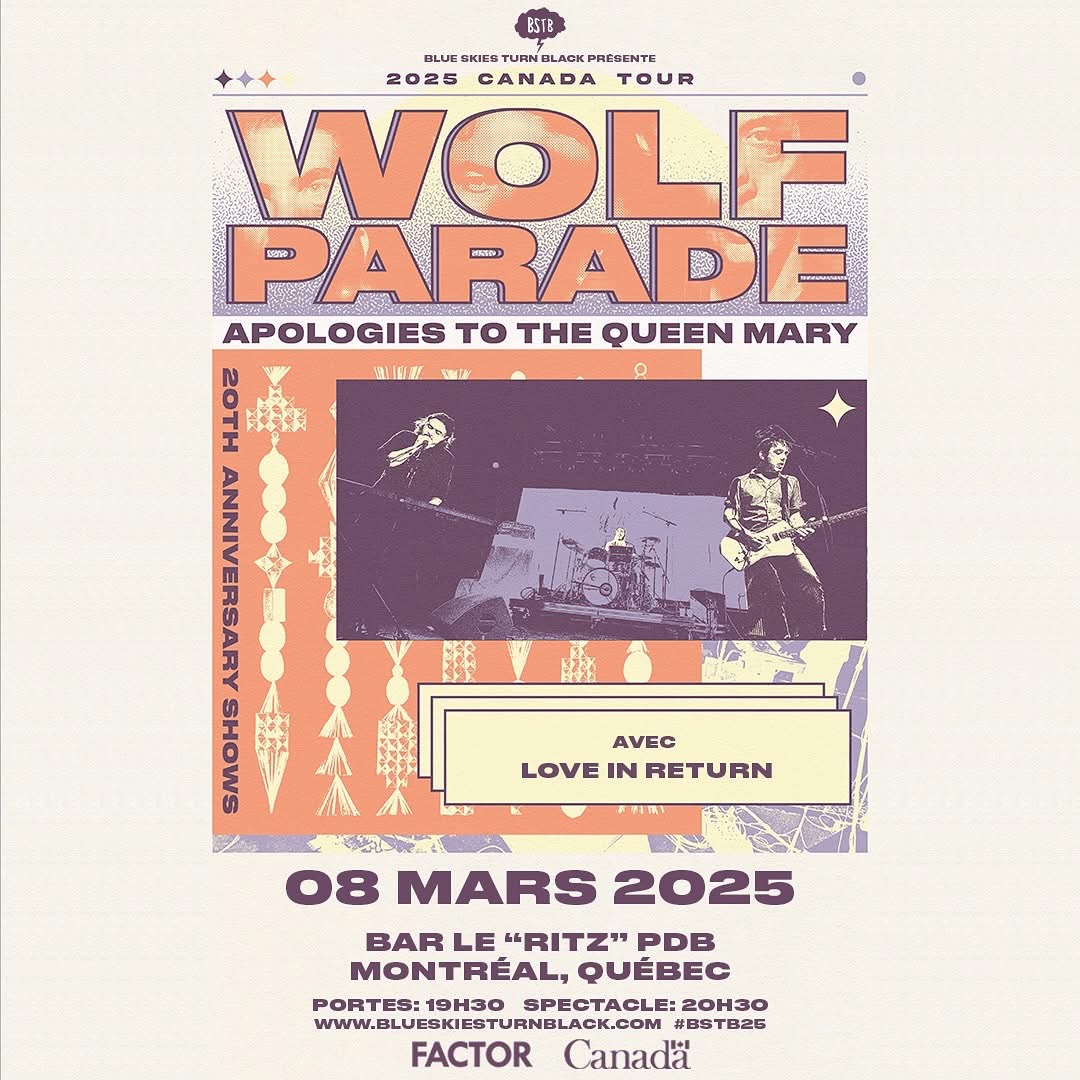
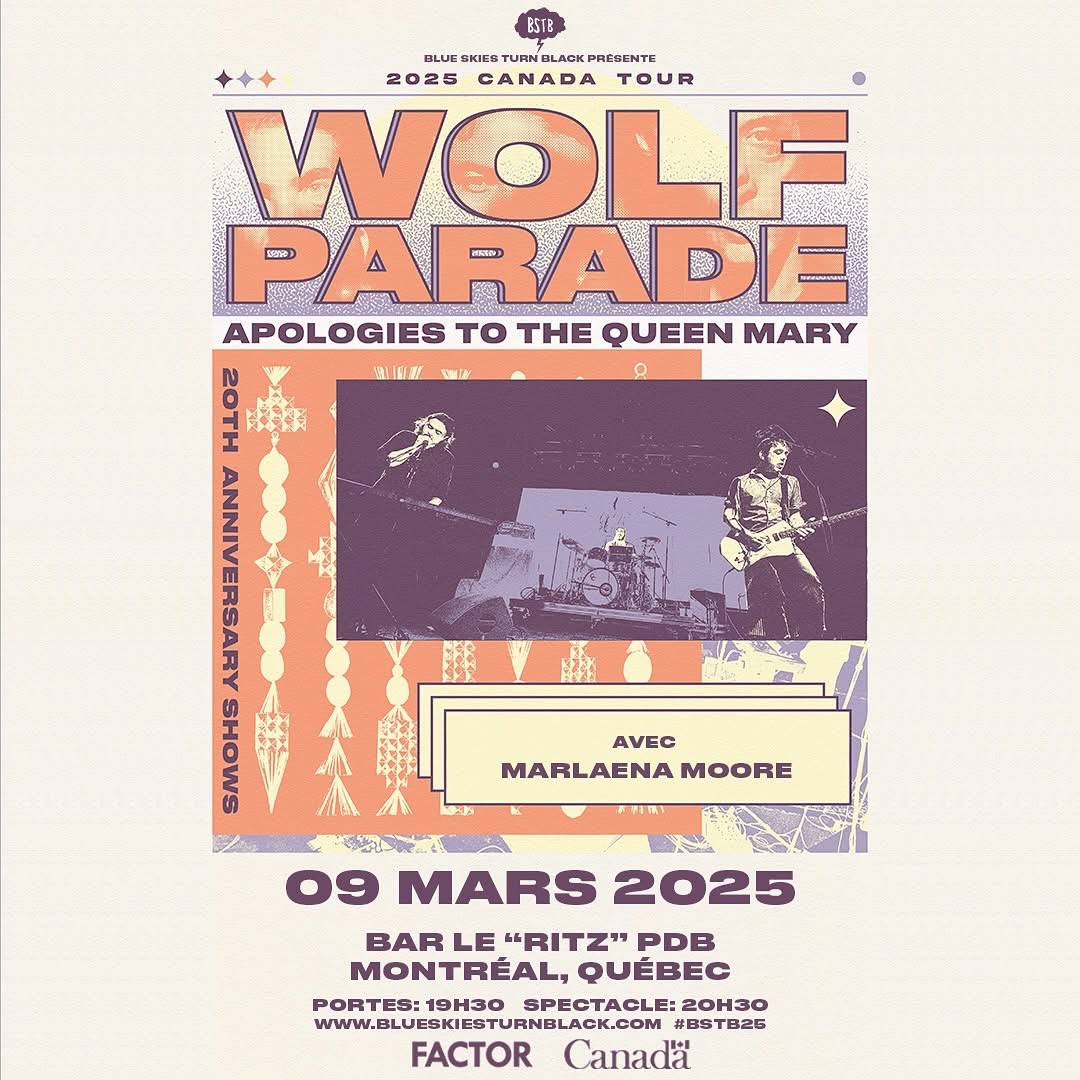
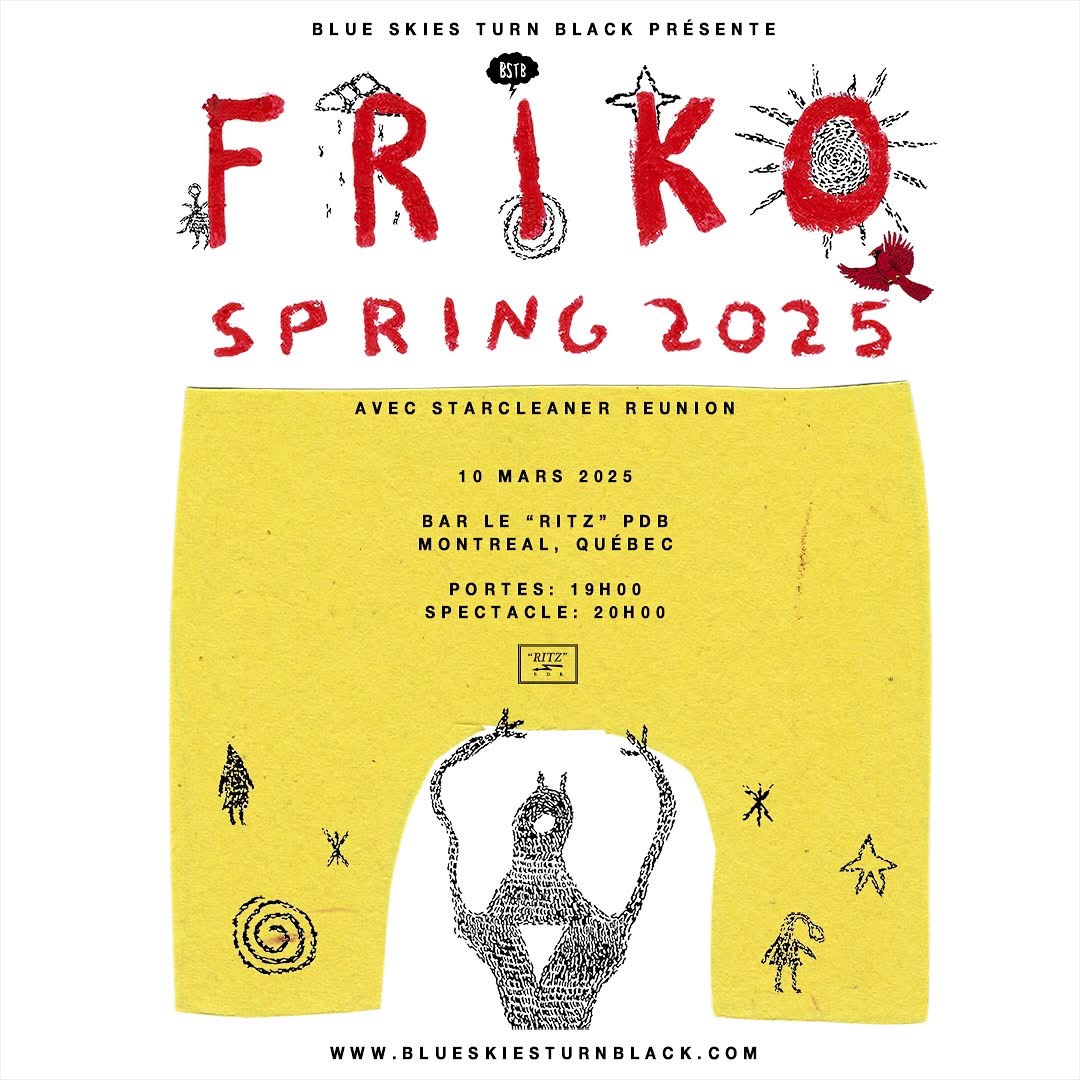
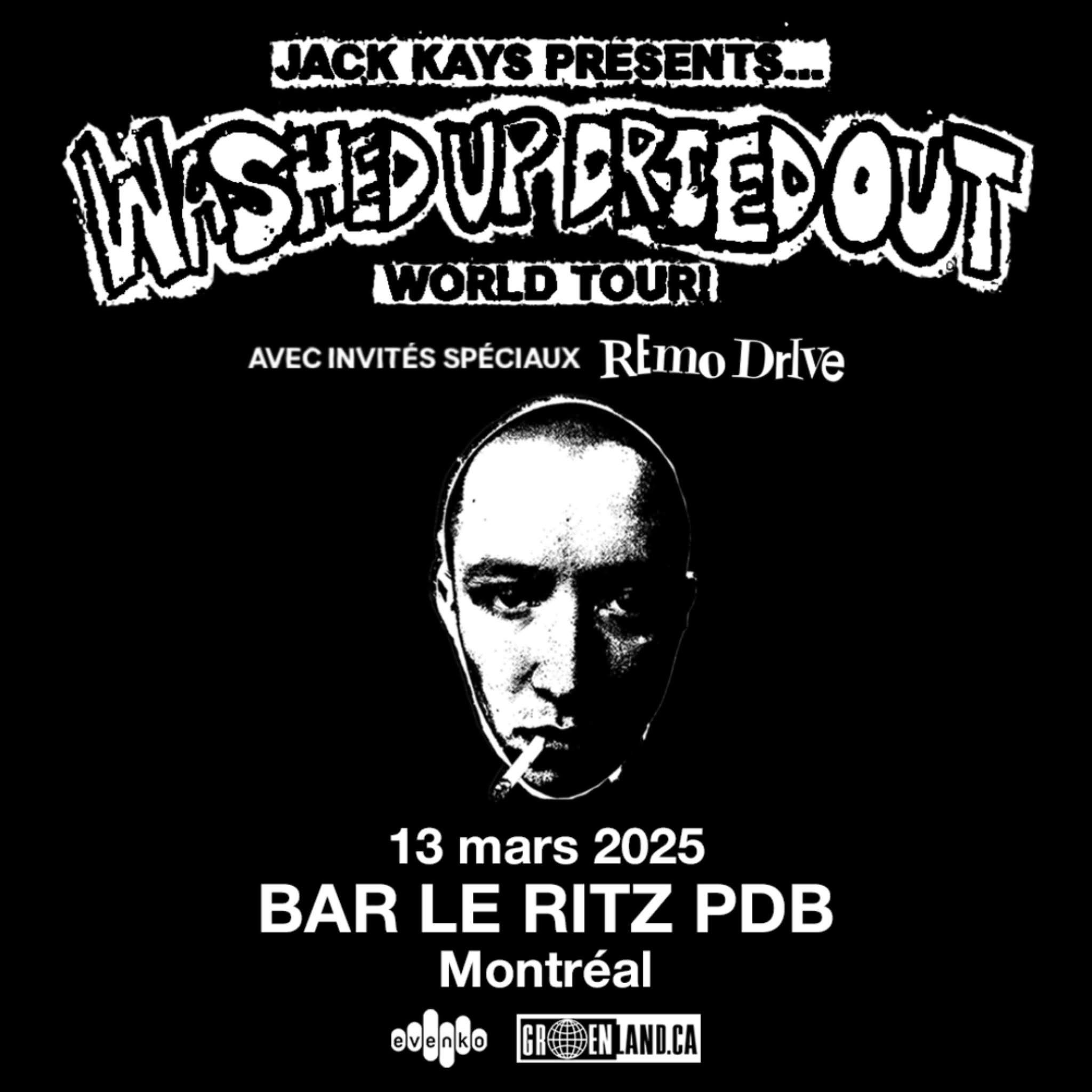
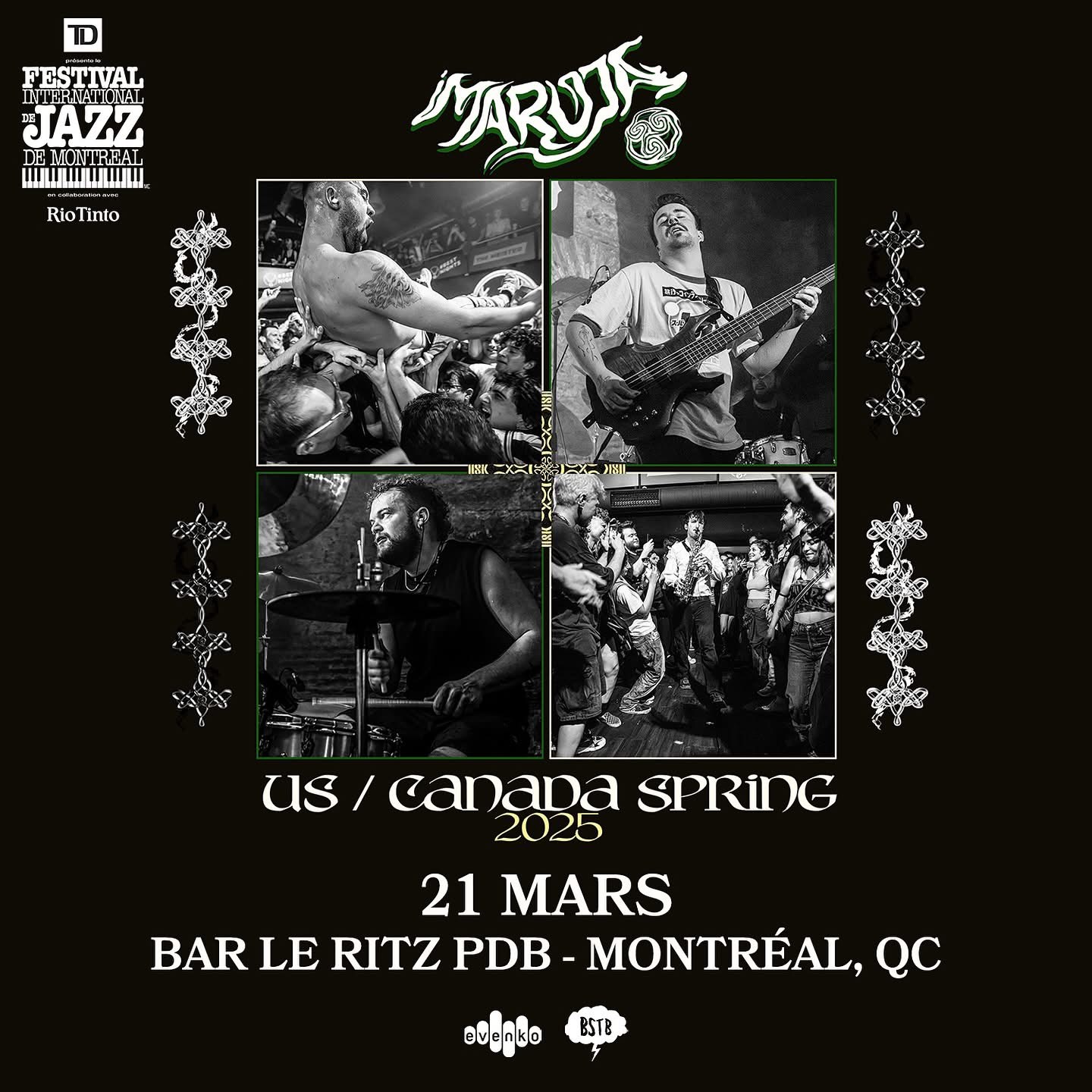
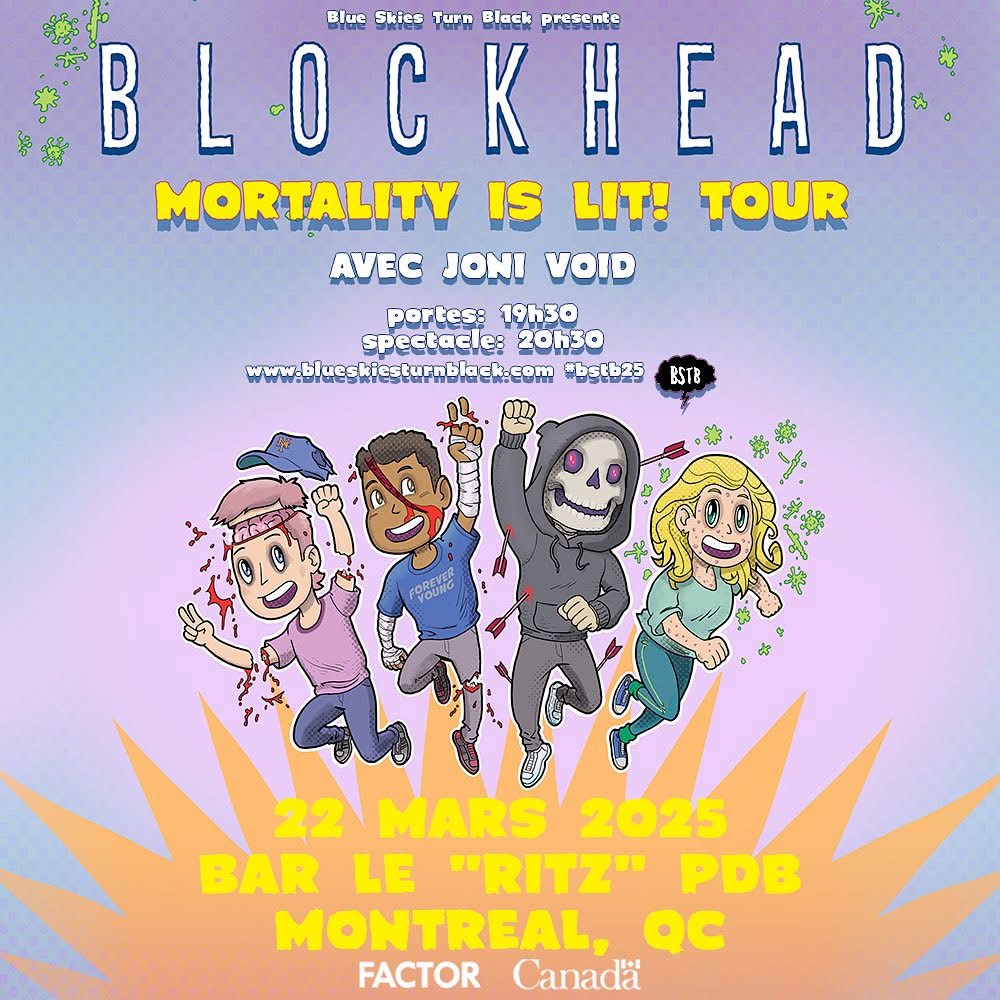
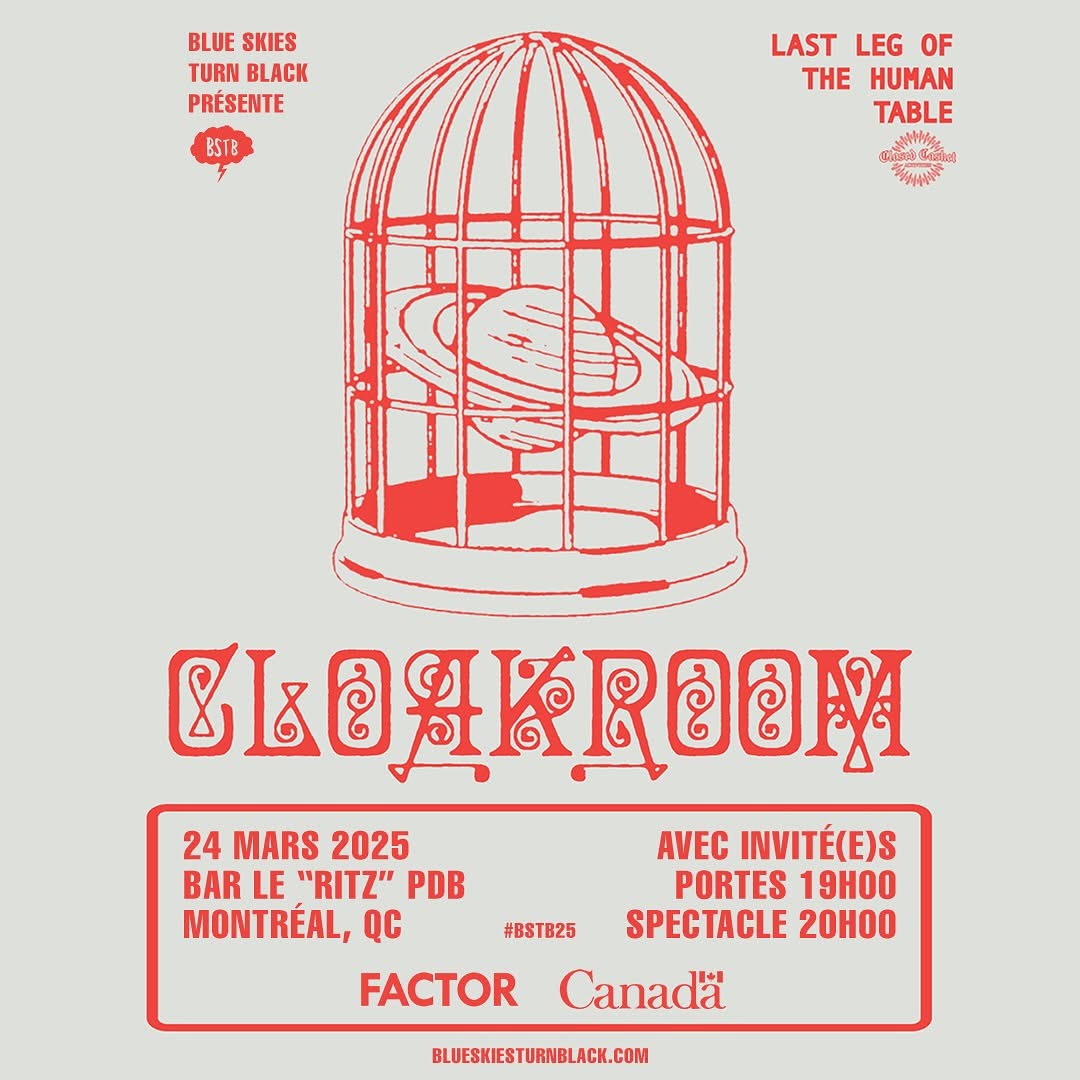
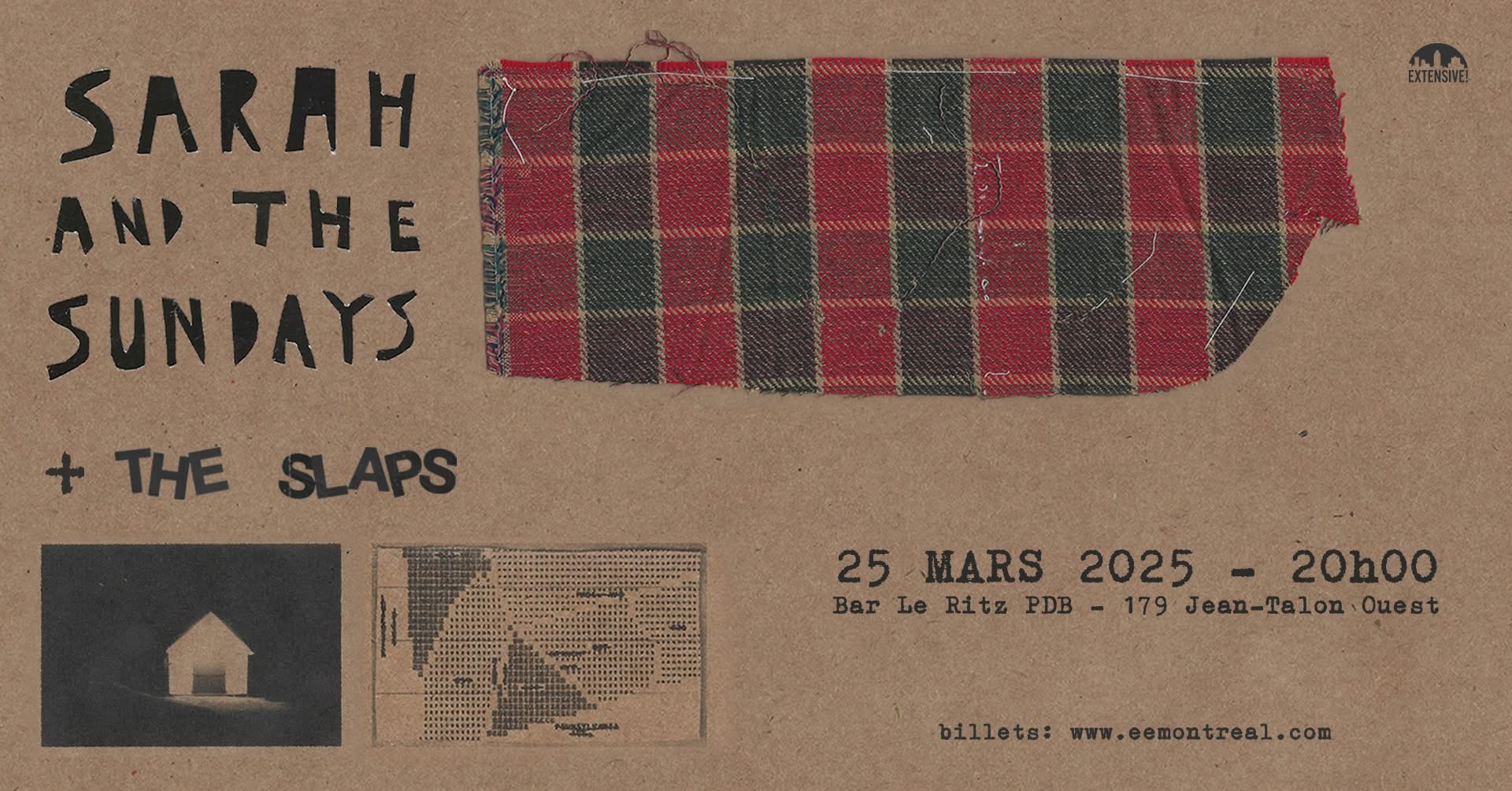
![[:SITD:]](https://montrealconcertposterarchive.com/wp-content/uploads/2025/02/IMG_3871.jpeg)