Sheldon Kagan
A Montreal concert promoter, disc jockey, impresario and entrepreneur, Sheldon Kagan devoted fifty years of his career to the entertainment and events industry. Since beginning his career in 1965, he helped present internationally renowned figures in jazz, rhythm and blues and popular music, while developing a major event production company in Montreal.
1. Introduction
Sheldon Kagan belongs to a generation of entrepreneurs who helped transform Montreal's entertainment industry during the second half of the twentieth century. His career began by providing music for dances and social gatherings before expanding into the promotion of international concerts and the production of private and corporate events.
His business developed at a time when concert promoters had to negotiate directly with booking agents, secure suitable venues and advertise performances through newspapers, radio and printed posters. Professional relationships were essential to bringing international artists to Montreal.
According to Vanier College, Kagan produced more than 75 major concerts and participated in thousands of events over his fifty-year career. His professional life therefore spans several decades of musical, technological and commercial change.
2. The Early Years of Shelly the K
In 1965, at just fifteen years old, Sheldon Kagan began working as a mobile disc jockey under the name Shelly the K. He provided music for dances, receptions and private gatherings, transporting his sound equipment and records from one event to another.
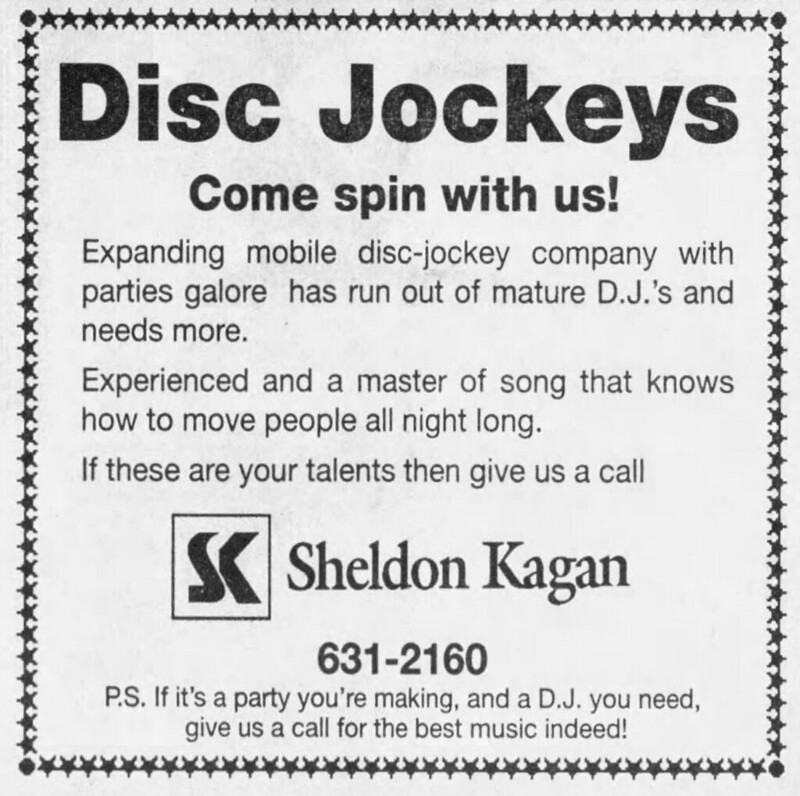
This work allowed him to develop his first skills in music programming, organization and customer relations. As demand increased, he recruited additional disc jockeys and gradually transformed his individual operation into a business.
The experience provided practical preparation for a career in concert promotion. Kagan learned to coordinate schedules, manage technical equipment, negotiate with organizers and respond to the expectations of different audiences.
3. Expo 67 and Early Professional Contacts
The 1967 World's Fair marked a period of extraordinary cultural activity in Montreal. For six months, the city welcomed performances, artists and visitors from around the world.
According to a biographical profile published by Cashbox Canada, Kagan obtained press accreditation through the assistance of booking agent Ben Kaye. The accreditation allowed him to cover performances at Expo 67 and La Ronde for a music publication called Music Sounds Off.
This experience gave him access to a professional world he was beginning to discover from within. He observed the relationships between performers, their representatives, the media and event organizers.
By the late 1960s, he was gradually expanding his activities into concert promotion, particularly in jazz and big-band music.
4. Early Business Ventures
Around the beginning of the 1970s, Sheldon Kagan expanded his commercial activities in the music industry. A contemporary source helps document this period: the professional directory published by the American trade magazine Billboard in September 1971.
The directory lists Superior Sound Enterprises at 5841 Decarie Boulevard in Montreal, identifying Sheldon Kagan as the company's president.
This listing illustrates the formal development of his professional activities during the early 1970s. It also provides a useful reference for tracing the evolution of his various businesses.
Over the following decades, his name became particularly associated with Sheldon Kagan International, a company involved in concerts, receptions and the production of special events.
5. Major International Concerts
In the early 1970s, Sheldon Kagan developed a concert promotion business that included performances in jazz, swing, rhythm and blues and popular music.
In a 2015 interview with Global News, he recalled the difficulties of booking international artists before the Internet era. Promoters had to identify the appropriate booking agents, establish contacts and negotiate engagements directly.
Kagan particularly recalled his early efforts to present DIZZY GILLESPIE and GENE KRUPA at Place des Arts. An advertisement catalogued by MCPA documents a concert featuring both musicians on December 12, 1971.
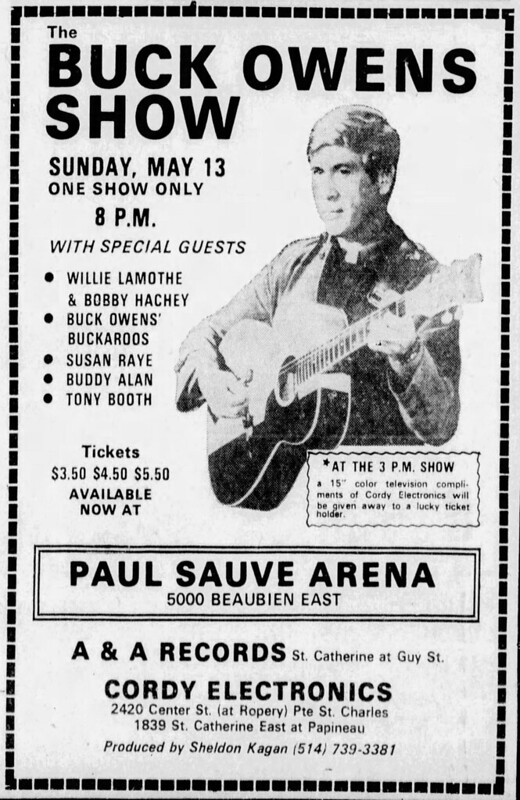
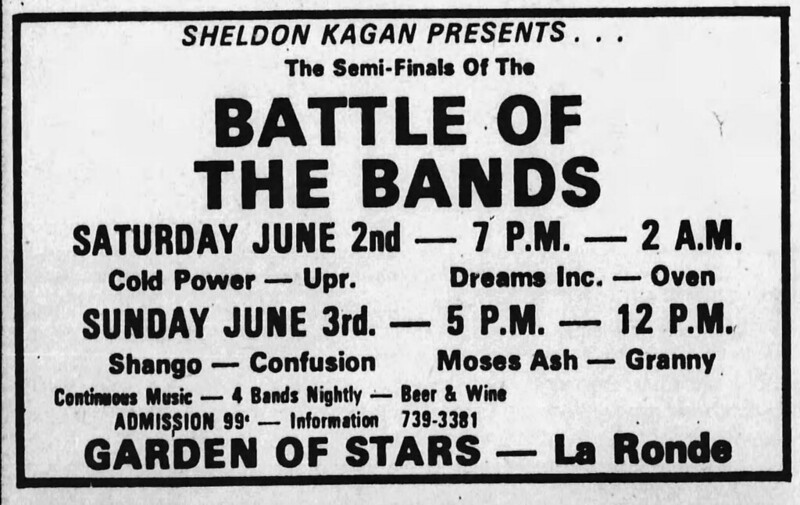
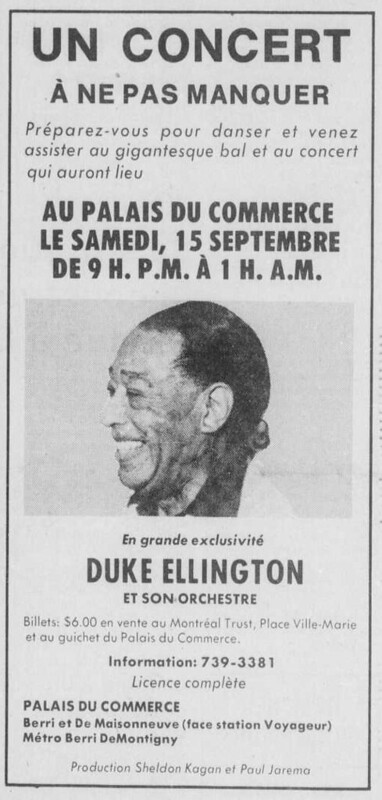
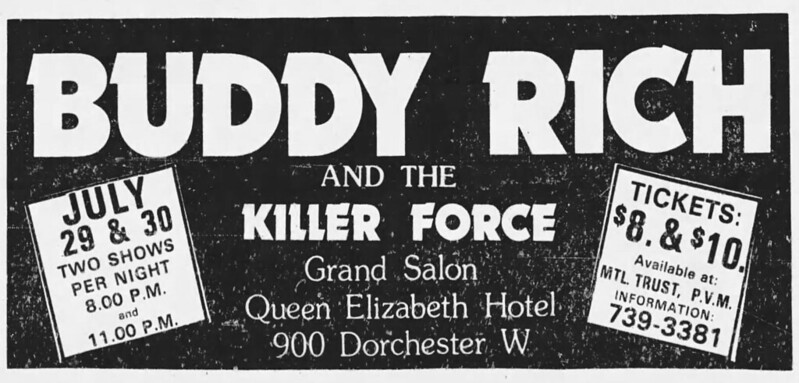
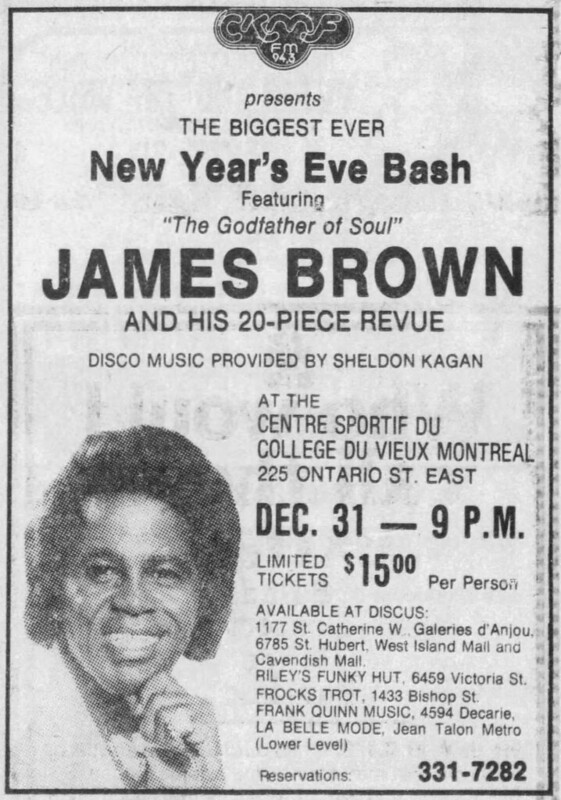
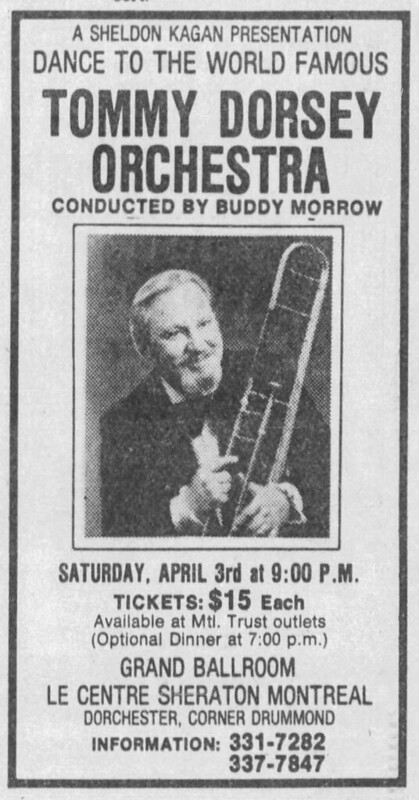
Among the artists associated with his concert promotion activities were several major figures in international music:
Place des Arts played an important role in this history. Opened in 1963, it provided Montreal promoters with a concert hall suitable for a wide range of musical genres.
Kagan also used other venues according to the requirements of his productions, including hotel ballrooms and mid-sized performance spaces.
6. Challenges Facing Independent Promoters
Sheldon Kagan's career also provides insight into the challenges faced by Montreal concert promoters during the early 1970s.
In its December 25, 1971, edition, the trade magazine Billboard reported Kagan's criticism of the shortage of accessible venues for rock concerts in Montreal.
According to the comments reported in the article, Place des Arts had stopped hosting certain rock performances following damage to seats during a concert by B.B. KING.
Kagan also explained that the Montreal Forum, another potential large venue, was subject to an exclusive arrangement with promoter Donald Tarlton, better known as Donald K. Donald.
This situation restricted the options available to independent promoters seeking to present artists who required larger venues.
The December 1971 Billboard article illustrates the difficulties of securing concert venues in Montreal at a time when commercial agreements and venue policies could directly influence musical programming.
7. The Flick Centre in 1976
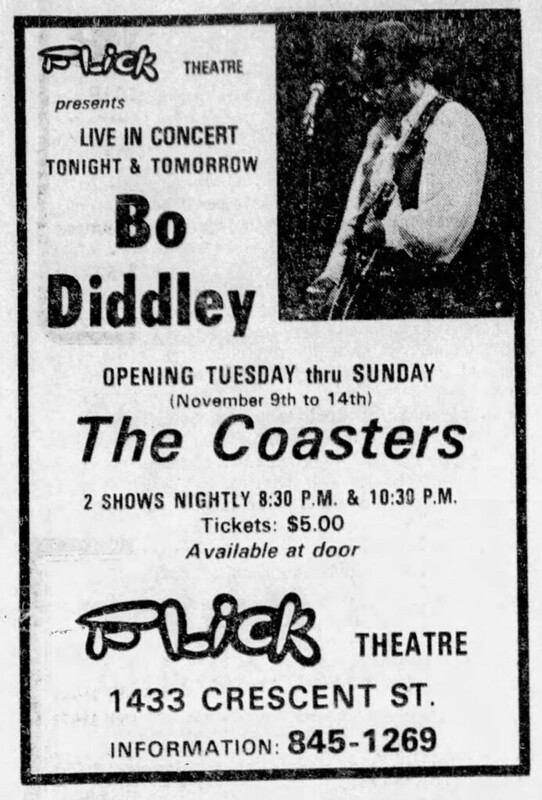
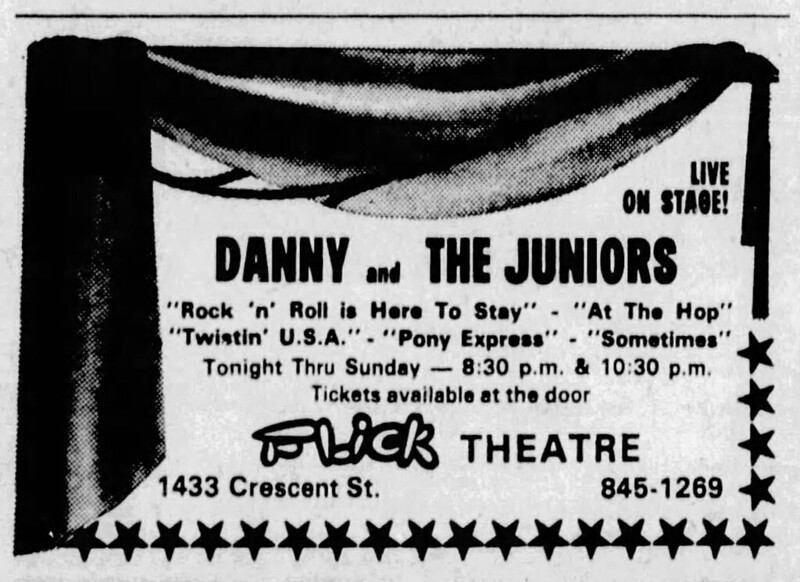
In October 1976, the Canadian music magazine RPM announced the transformation of the Flick, a Montreal movie theatre, into a venue combining film screenings and live musical performances.
The project was developed by Tradex Communications Ltd. and included a concert room with approximately 325 seats. Sheldon Kagan was announced as the manager of this new performance venue.
The concept involved regular appearances by international artists, supported by local musicians as opening acts. The advertised ticket price was five dollars, with several performances scheduled throughout the week.
Among the performers announced for November 1976 were BO DIDDLEY, THE COASTERS, DANNY AND THE JUNIORS and GARY U.S. BONDS.
In its December 11, 1976, issue, RPM published a photograph of Sheldon Kagan with BO DIDDLEY and a representative of Tradex during activities at the Flick.
This initiative represented an effort to develop a mid-sized concert venue in Montreal, positioned between small clubs and major cultural institutions.
8. The Events Industry
Alongside his concert promotion activities, Sheldon Kagan developed a company specializing in the organization of private, social and corporate events.
Sheldon Kagan International provided services for receptions, weddings, themed parties and corporate functions. Entertainment booking, sound systems, lighting and event production were among the services offered.
Vanier College also noted that Kagan presented the Bridal Show for 35 years. This activity reflected the diversification of his business and his long-standing presence in the events industry.
His career therefore brought together two areas of the entertainment industry: public concert promotion and private event production.
9. Retirement and Music Collection
In February 2015, Sheldon Kagan announced his retirement after fifty years in the entertainment business. The announcement was covered by Global Montreal, which revisited his early years and some of his most memorable productions.
On September 30, 2015, Vanier College organized an event dedicated to his professional career and music collection. The institution highlighted the importance of the documents and objects accumulated throughout his career.
His collection included vinyl records, CDs, cassette tapes, books, sound equipment and various objects related to music and entertainment.
Preserving collections of this kind is important to cultural history. Promoters' archives document not only concerts but also the professional networks that made those events possible.
10. Historical Legacy
Montreal's musical history is often told through its artists, bands and concert venues. Yet promoters and impresarios also played an essential role in the development of the city's cultural life.
Sheldon Kagan belongs to a generation of entrepreneurs who worked during a period of profound change in the music industry. His activities reflect the evolution of promotional methods, the importance of relationships with booking agents and the challenges of securing concert venues.
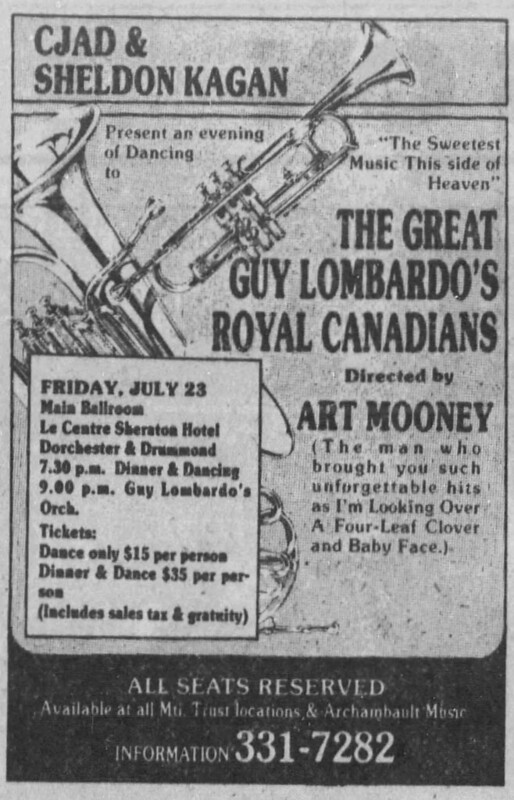
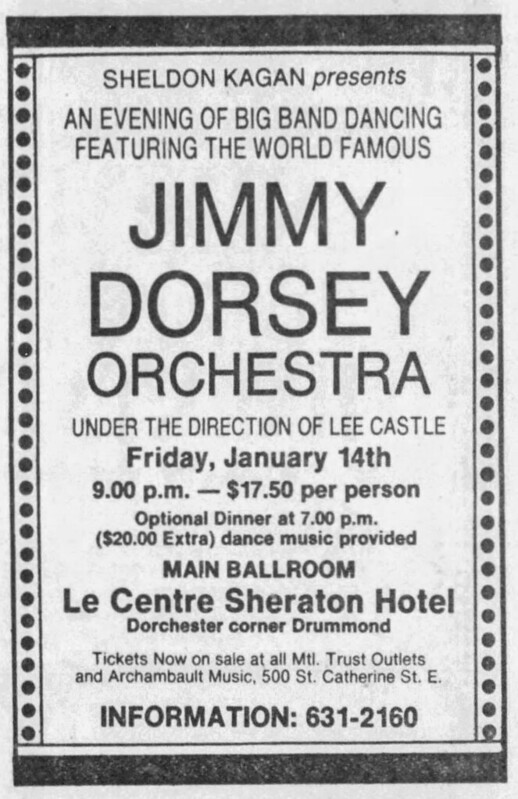
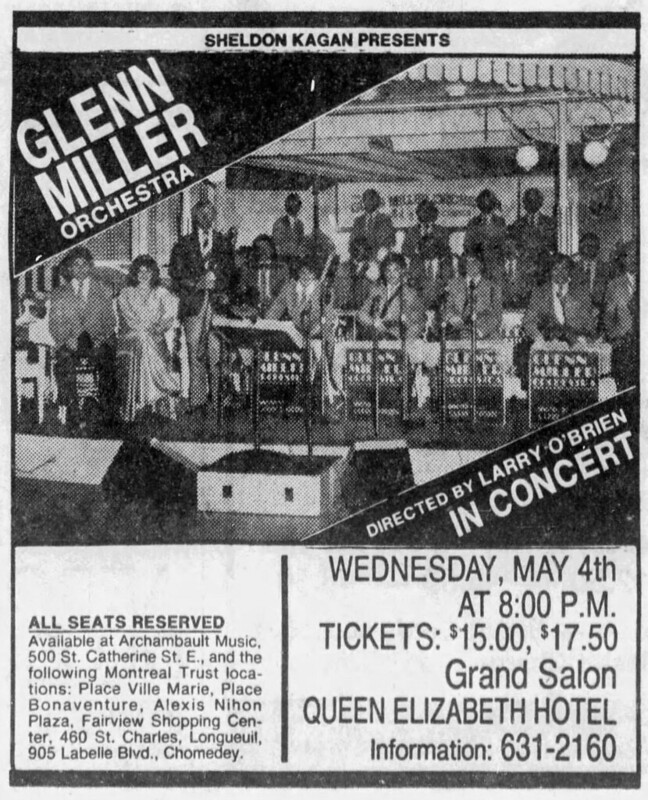
His interest in jazz and big-band music represents a particularly significant aspect of his career. Concerts associated with his name help document the appearances in Montreal of several major musicians of the twentieth century.
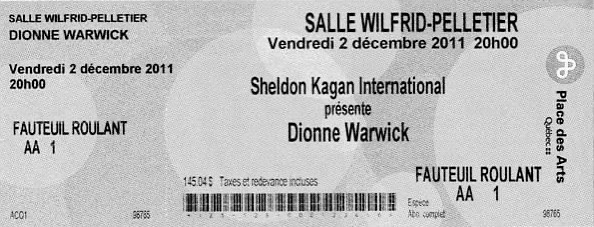
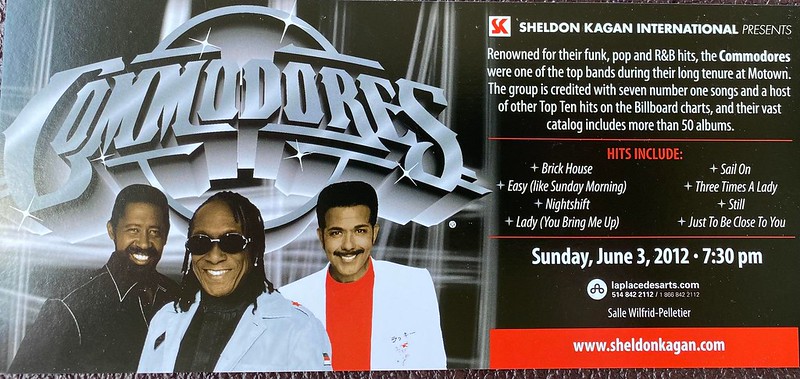
Advertisements, tickets and newspaper articles preserved in archives now serve as essential evidence of this activity. They help restore the place of promoters within Montreal's musical history.
11. Timeline
Begins working as a mobile disc jockey under the name Shelly the K.
Obtains press accreditation to cover performances at Expo 67 and La Ronde.
Expands his activities into concert promotion.
Superior Sound Enterprises appears in Billboard's professional directory. A concert featuring DIZZY GILLESPIE and GENE KRUPA is advertised at Place des Arts.
Documented concert advertisements feature RAVI SHANKAR, DUKE ELLINGTON, MILES DAVIS, DAVE BRUBECK and BUDDY RICH.
Participates in the Flick Centre project, a concert venue with approximately 325 seats.
Continues working in concert promotion and event production.
Announces his retirement after fifty years in the entertainment industry. His music collection is presented at Vanier College.
12. Notes and Sources
- Cashbox Canada, Sheldon Kagan: Not in a Shy Way. Biographical profile covering his early years and career. Read article .
- Global News, Montreal promoter Sheldon Kagan retires, February 2015. Read article .
- Vanier College, September 2015 press release concerning Sheldon Kagan and his music collection. Read press release .
- Billboard, December 25, 1971. Article discussing the difficulties of securing concert venues in Montreal. View issue .
- RPM, October 23, 1976. Article about the Flick Centre. View issue .
- RPM, December 11, 1976. Photograph of Sheldon Kagan with BO DIDDLEY. View issue .
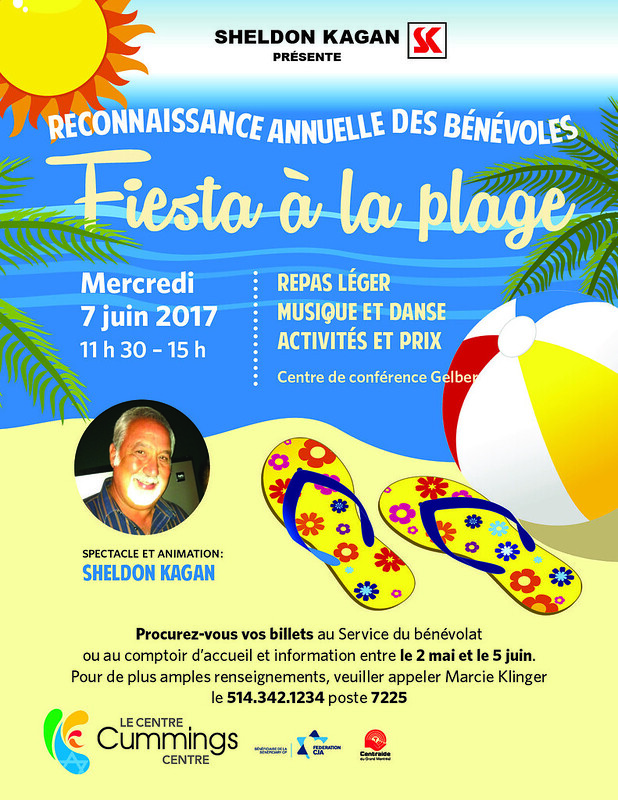
- Montreal Concert Poster Archive. Posters, advertisements, tickets and press documents associated with Sheldon Kagan's activities.
This historical profile may be expanded and revised as additional documentary sources are identified.