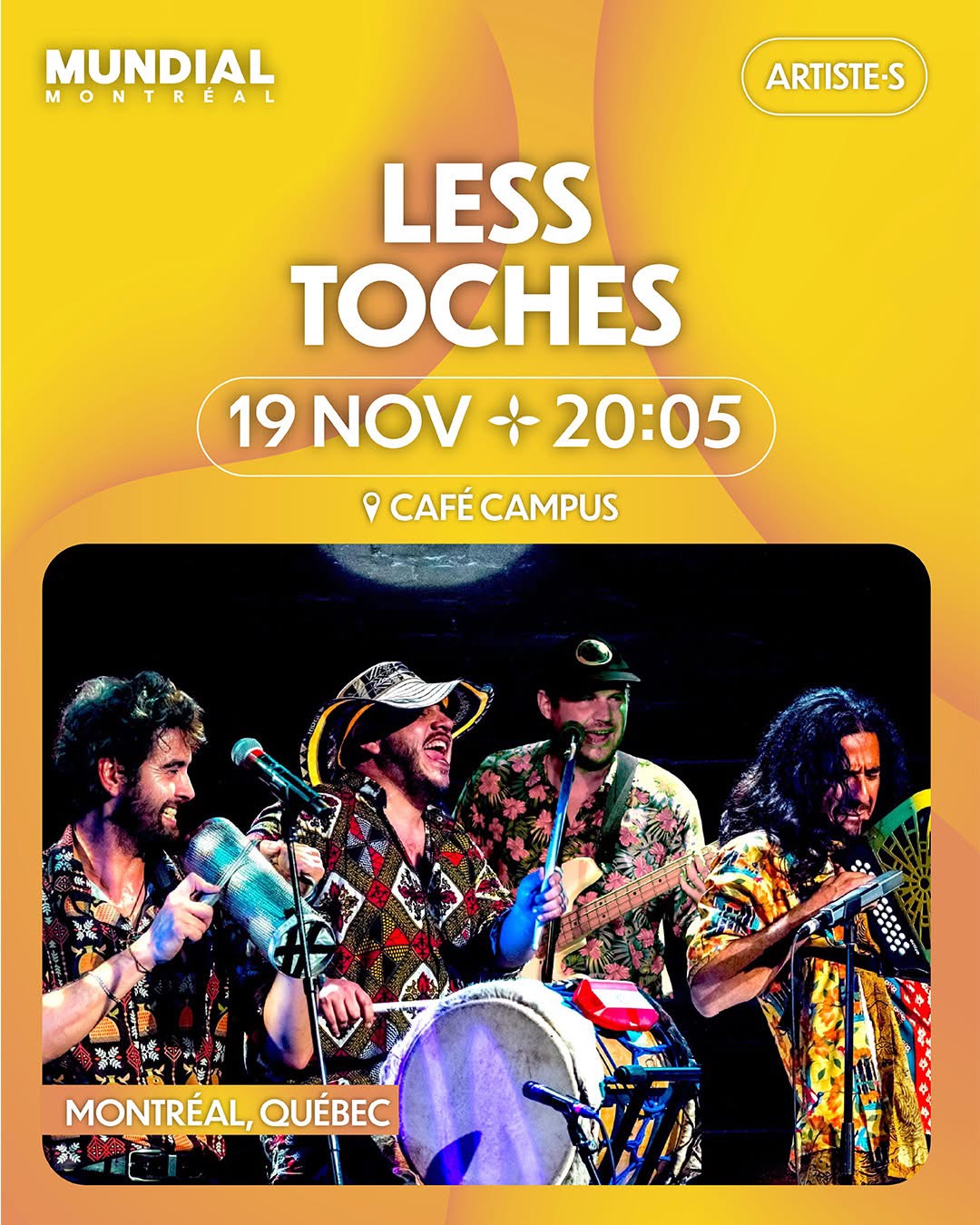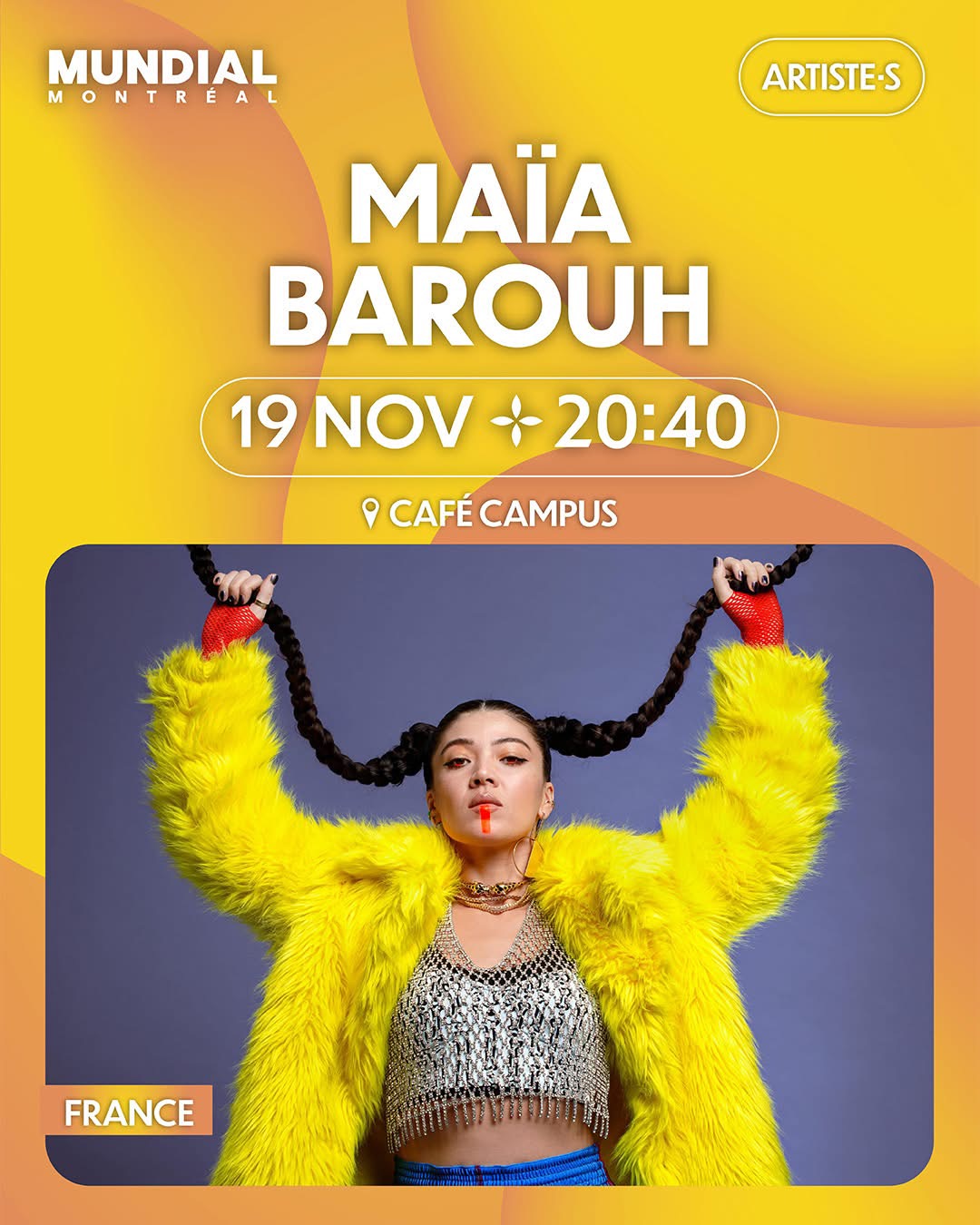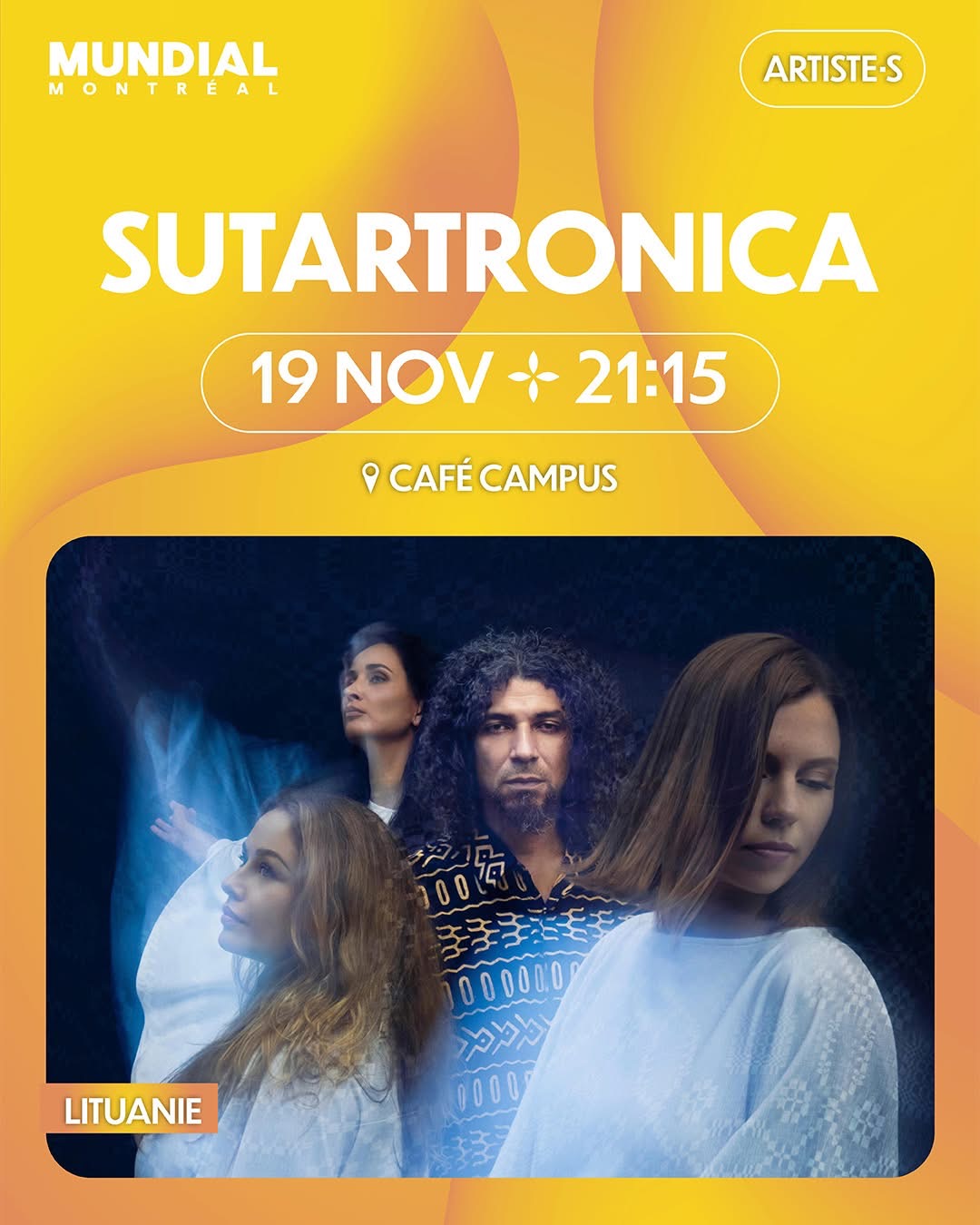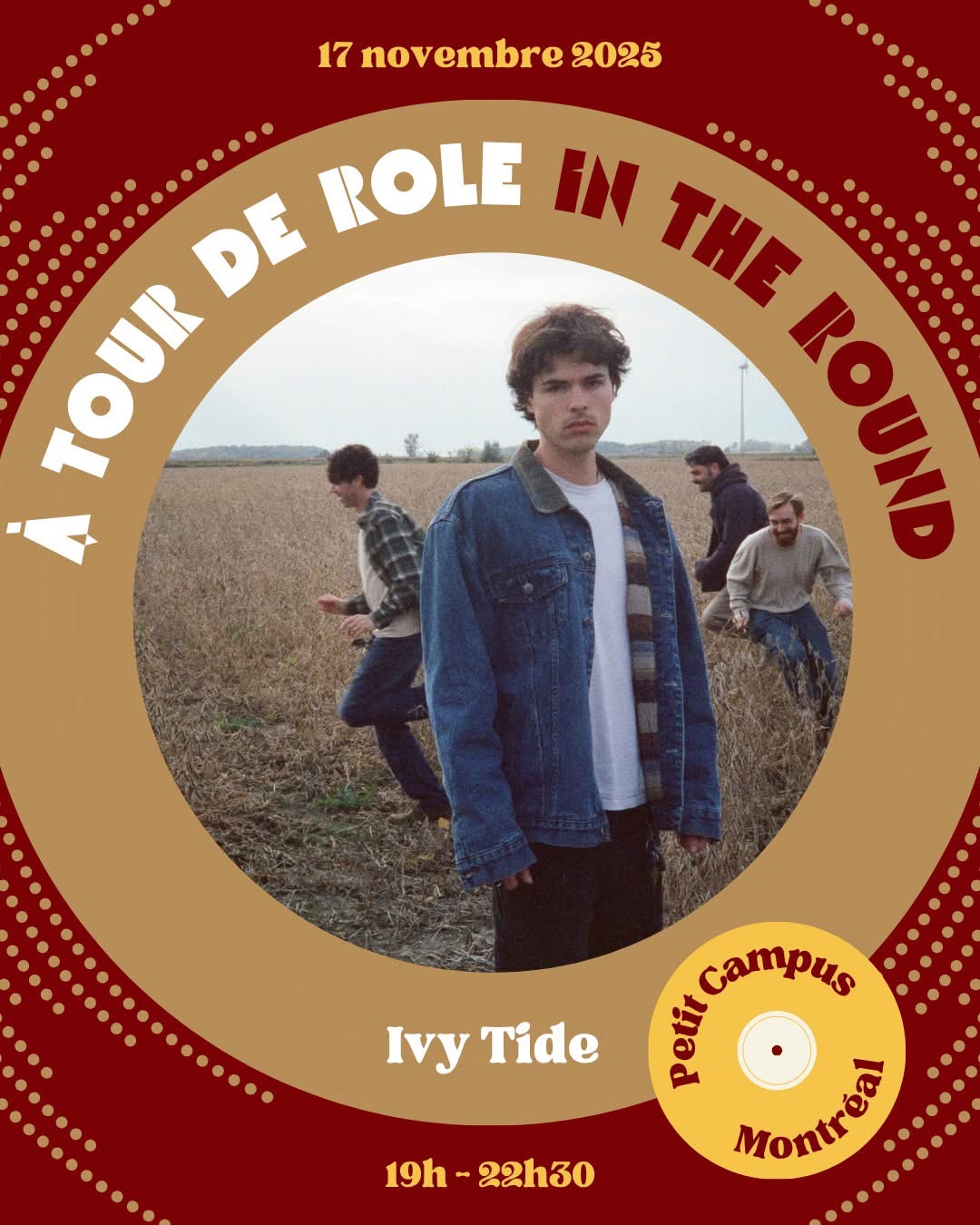
Café Campus (Montreal)
Formerly located at the corner of Decelles Avenue and Queen Mary Road, on the Université de Montréal campus, Café Campus has established itself since its founding in 1967 as a major gathering place for Montreal’s student community. Now a cooperative and relocated to 57 Prince-Arthur Street East, in the former Chez Swann nightclub building, it remains a central institution in Montreal nightlife.
1. Overview
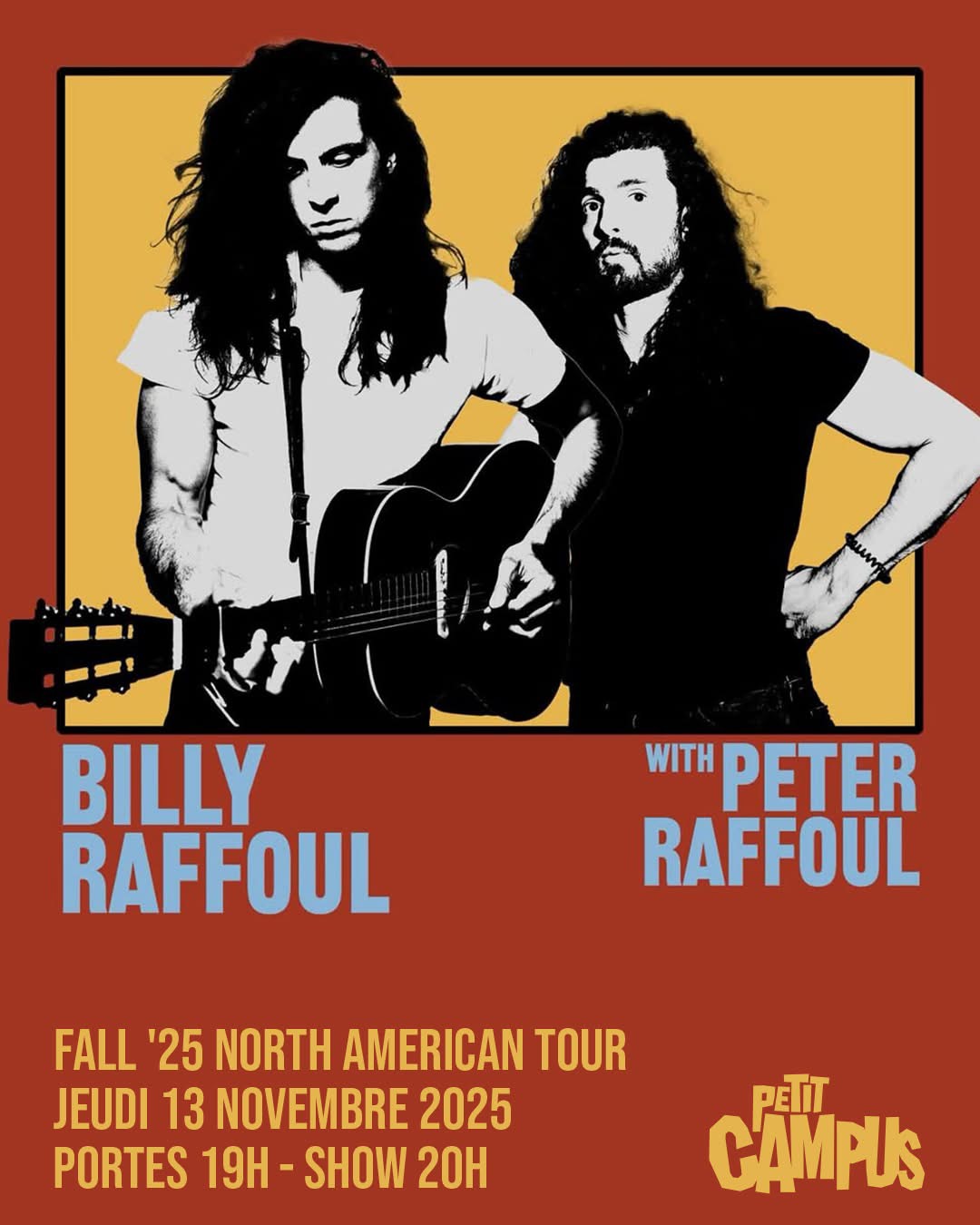
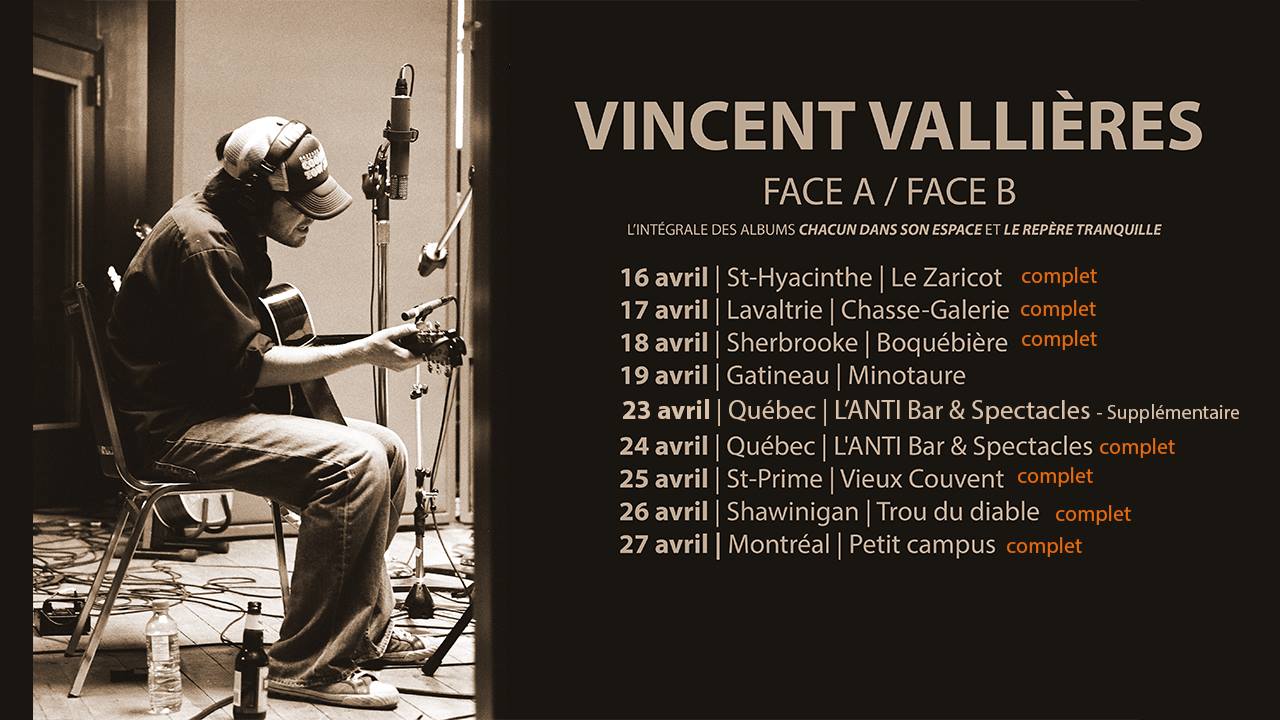
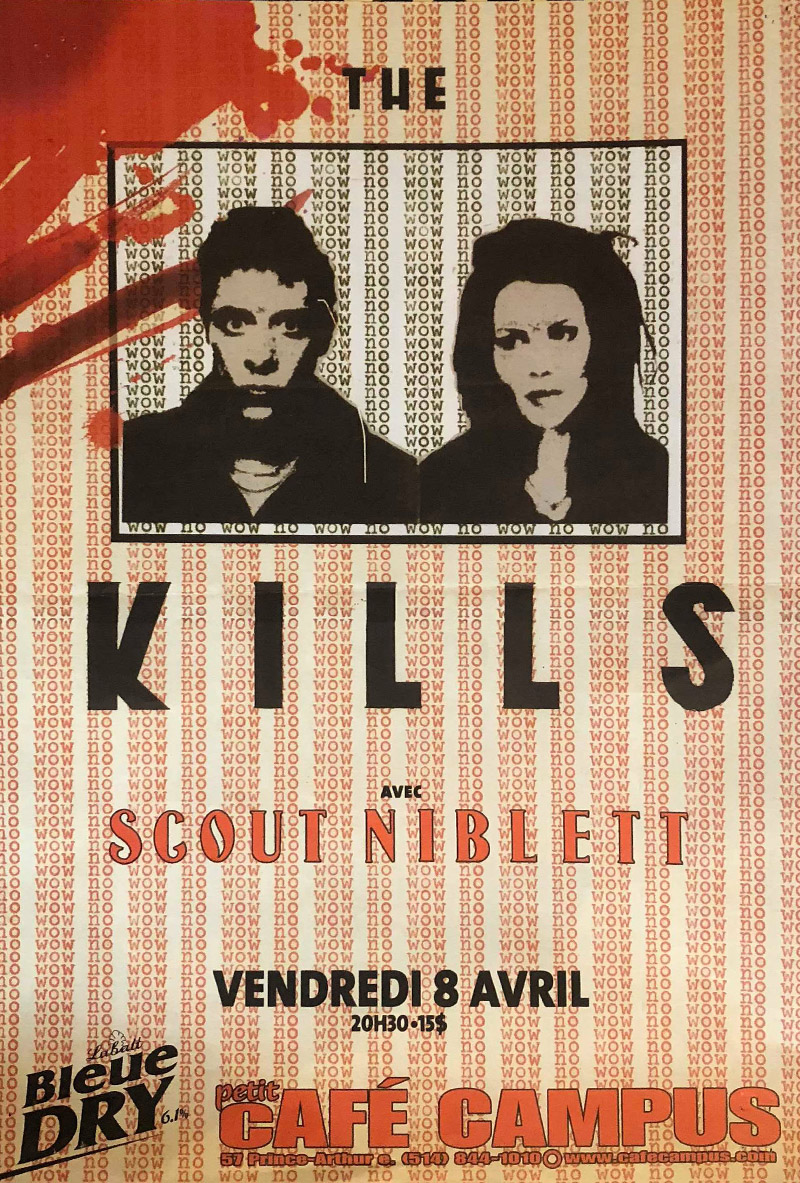
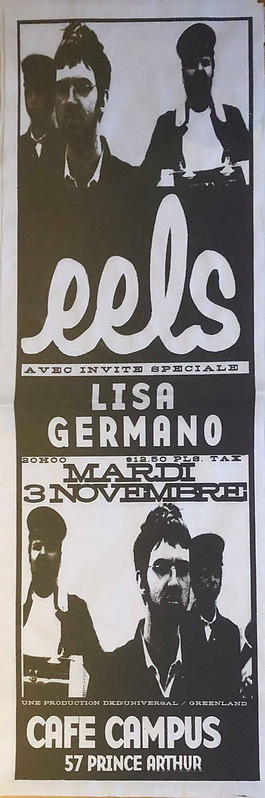
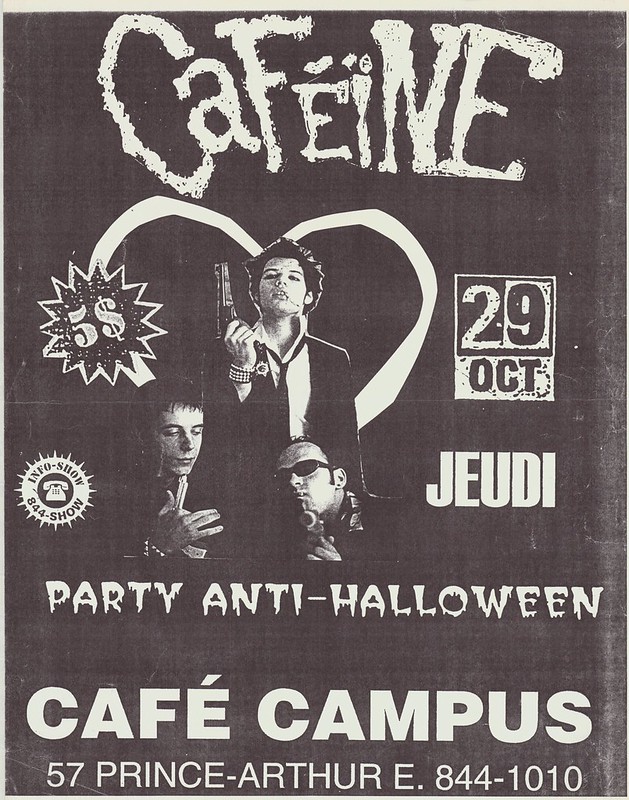
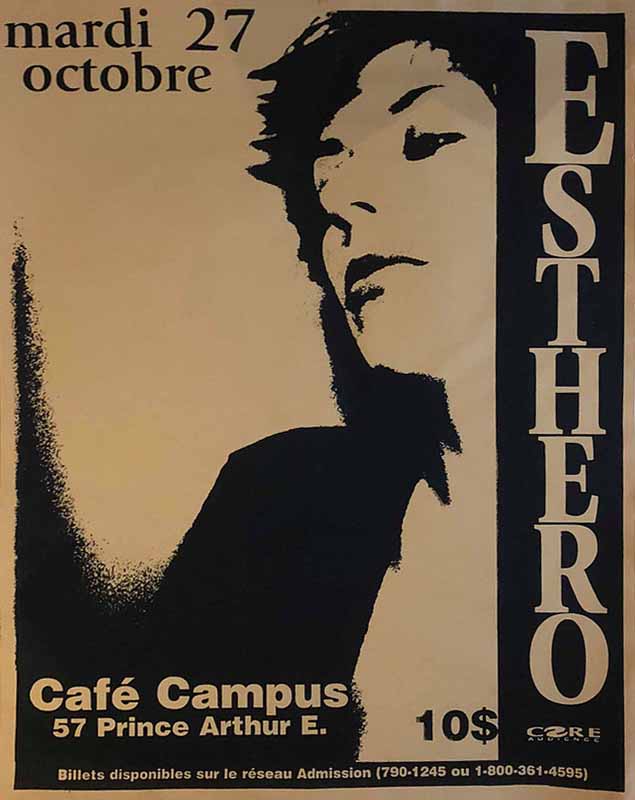
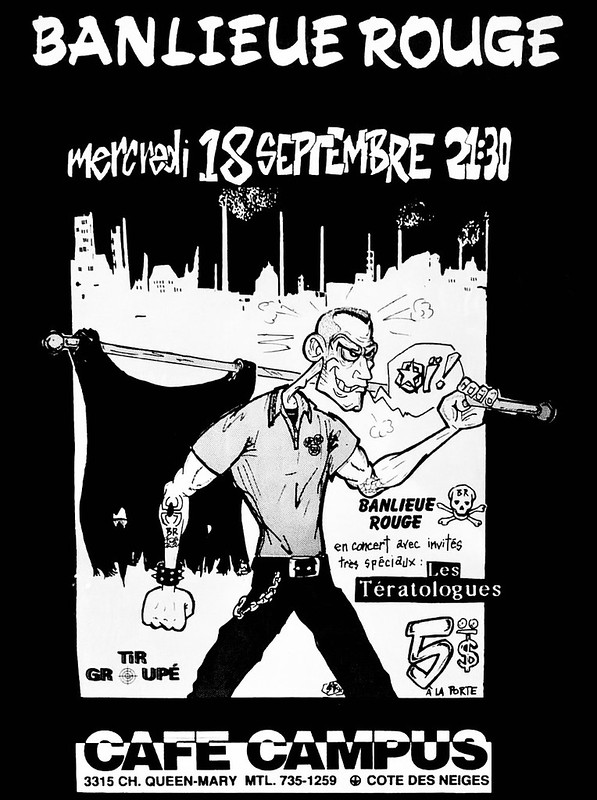
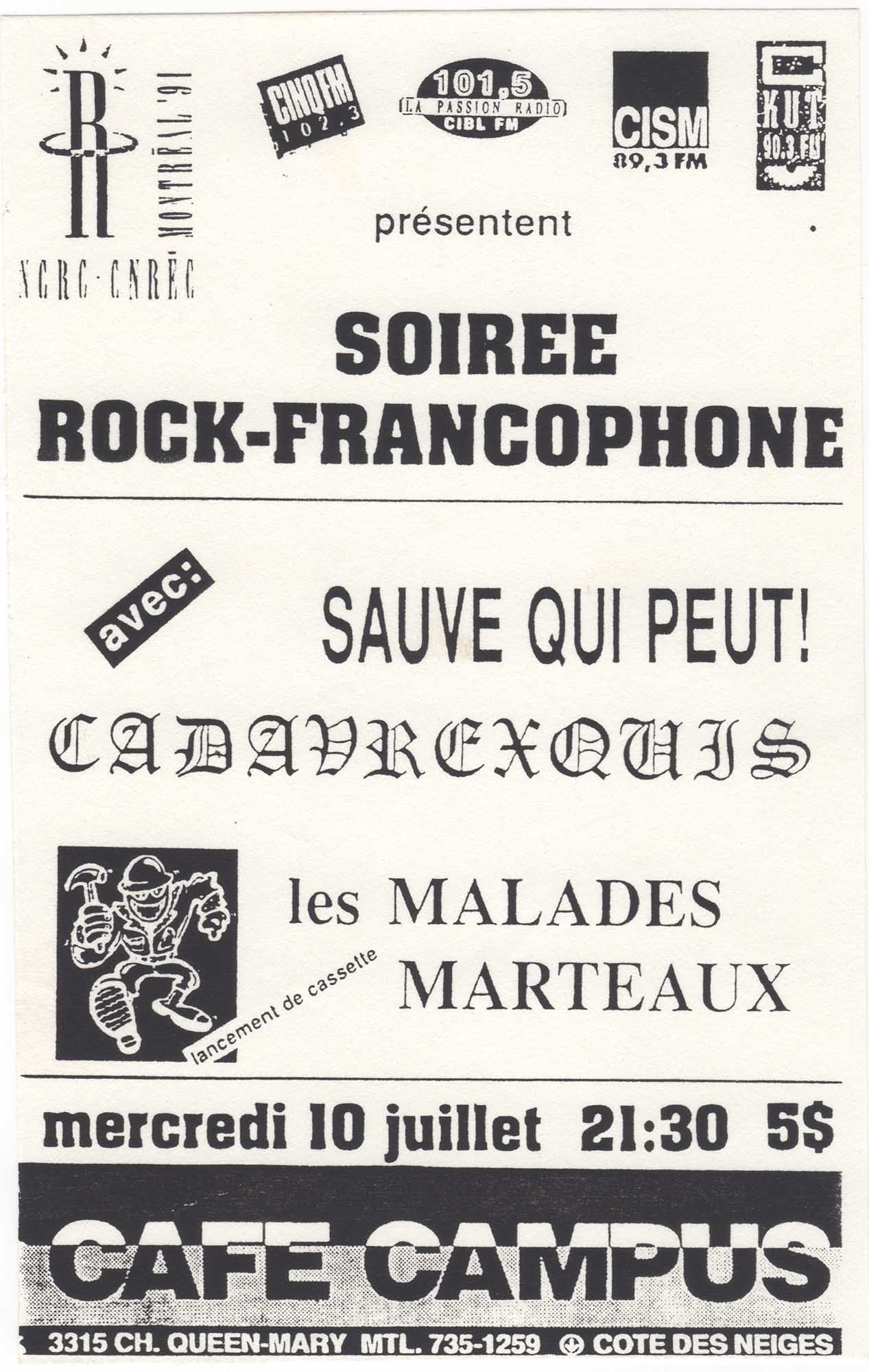
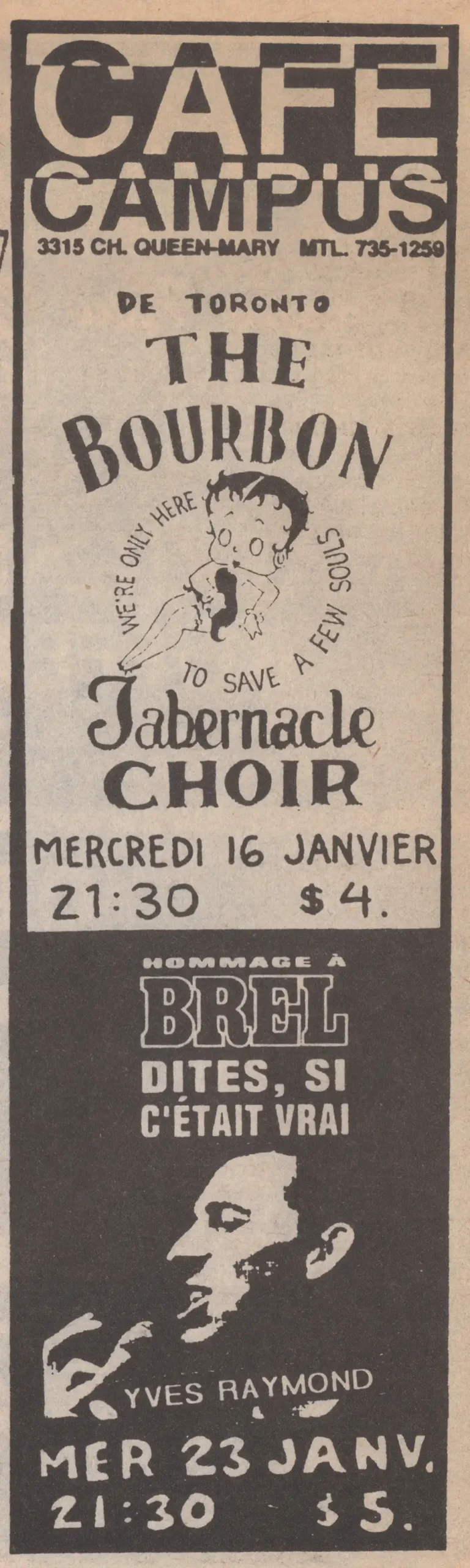
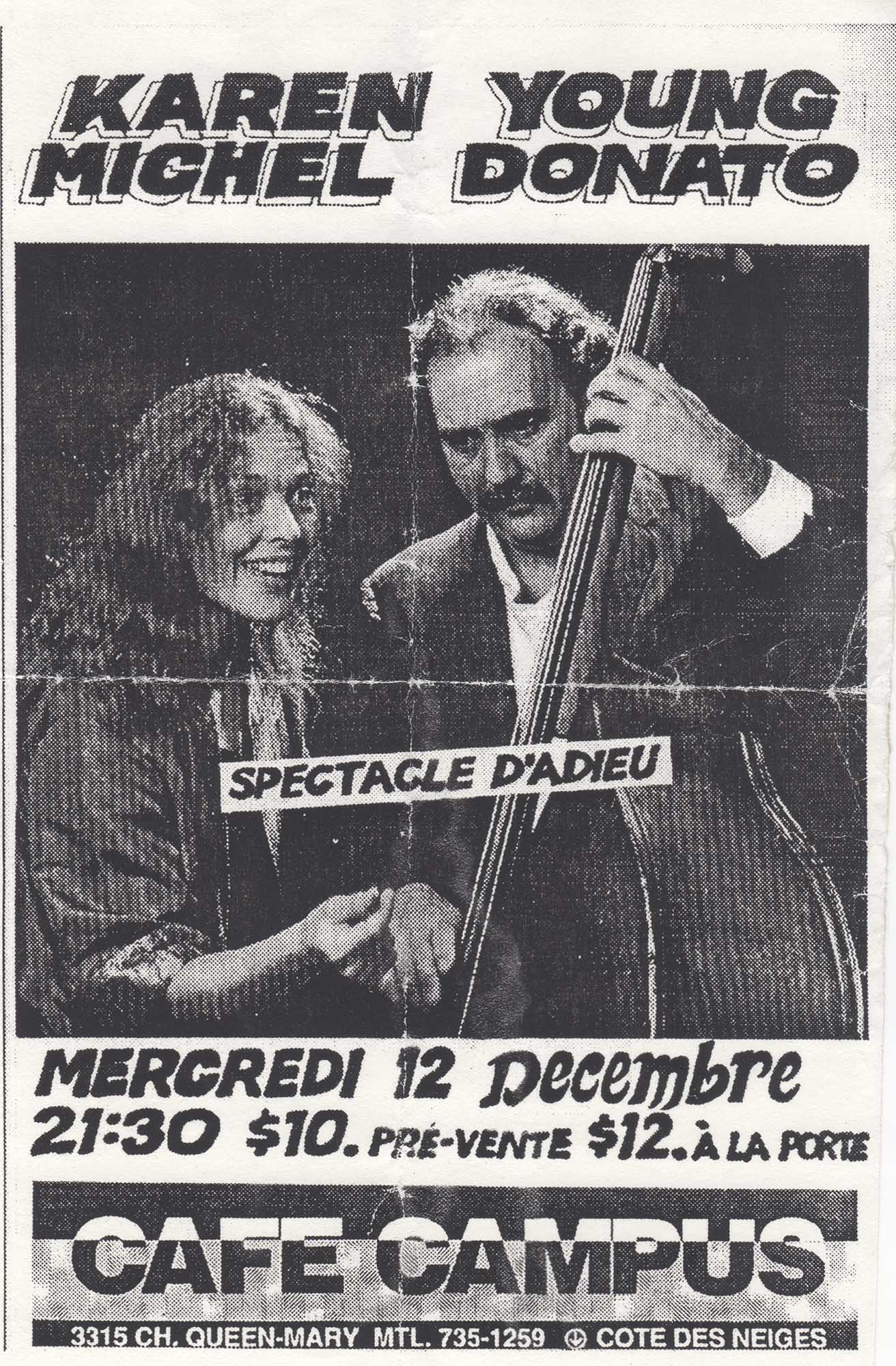
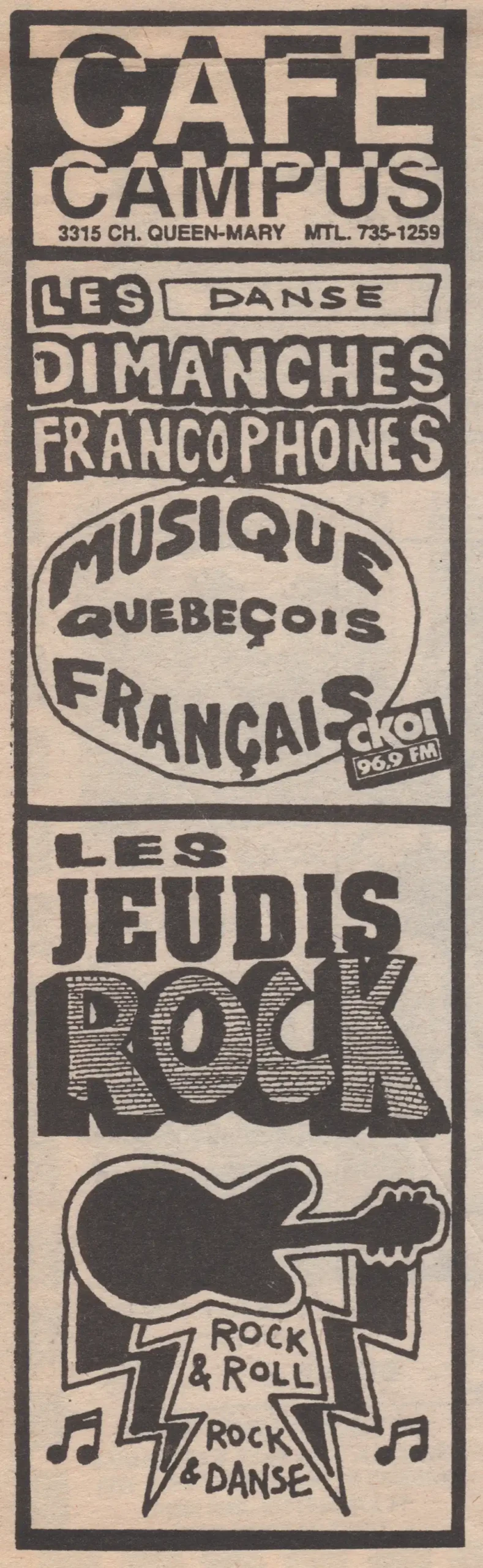
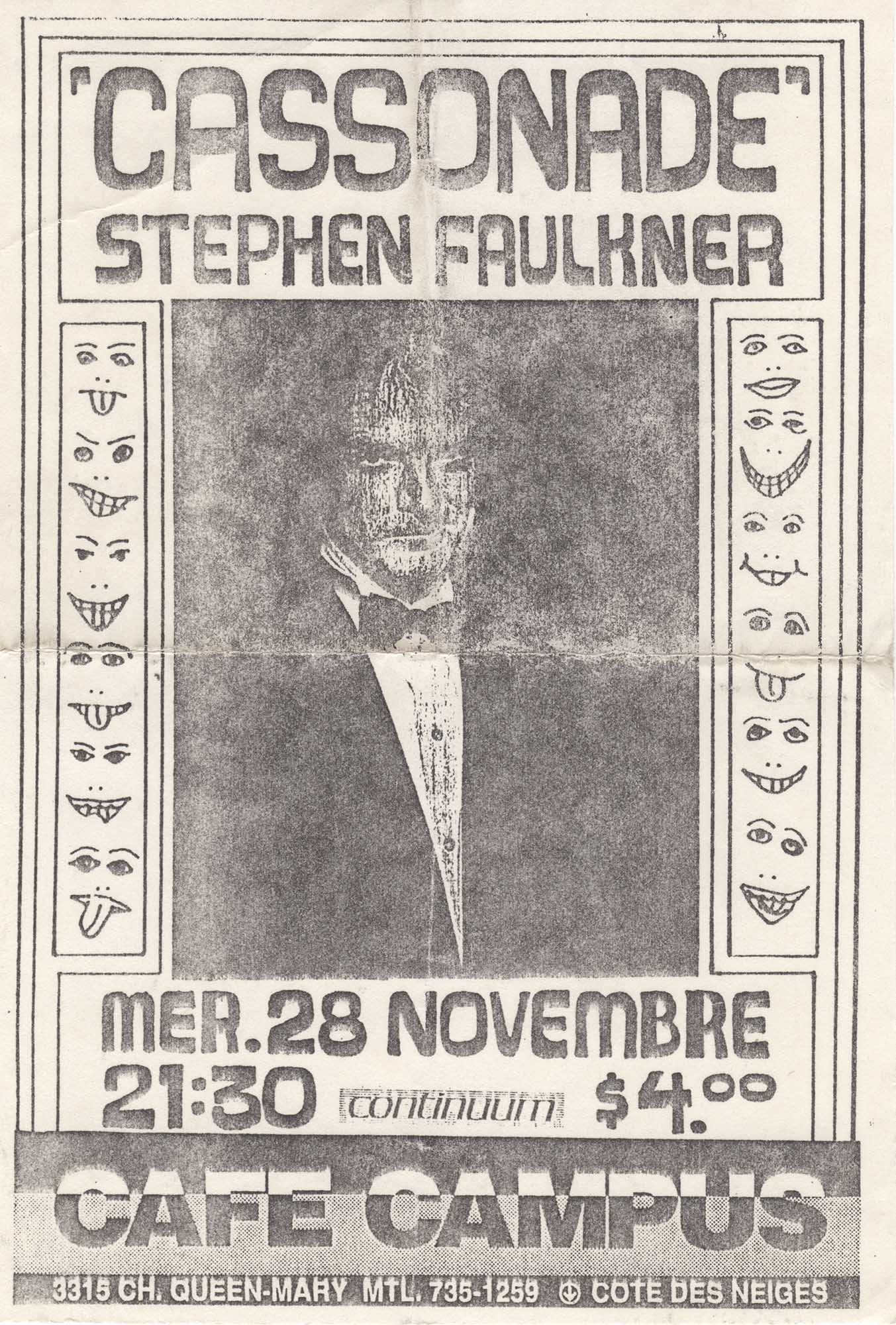
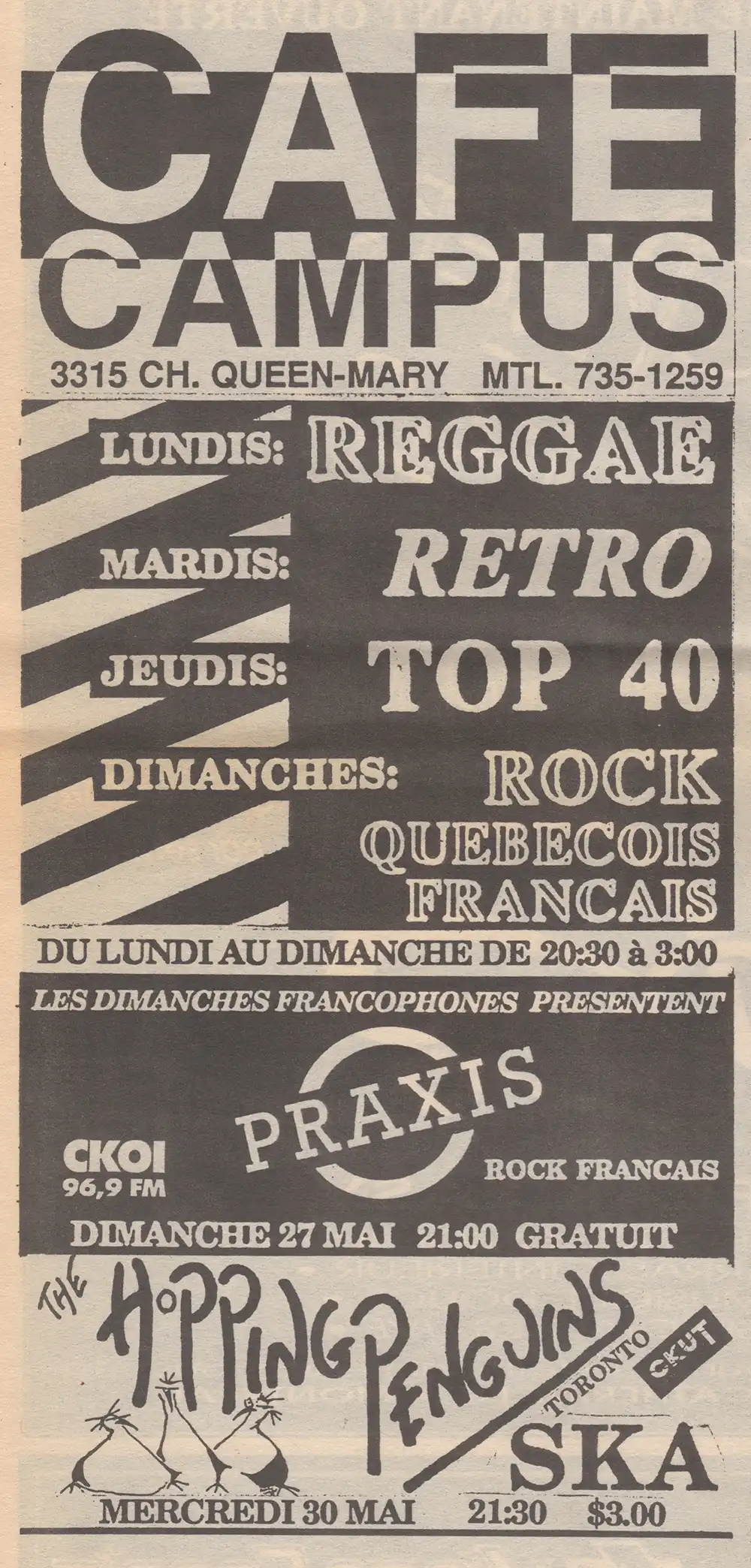
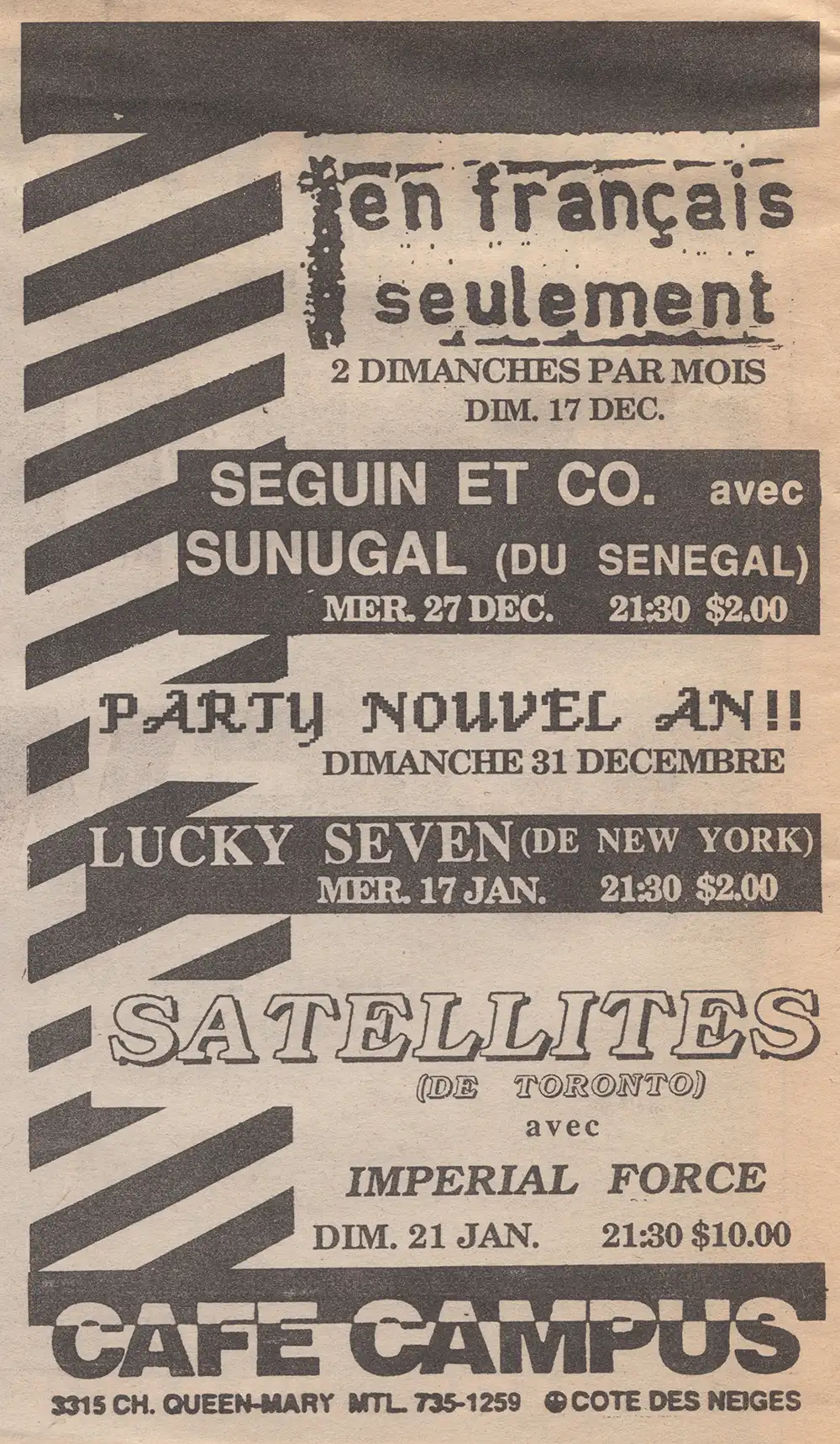
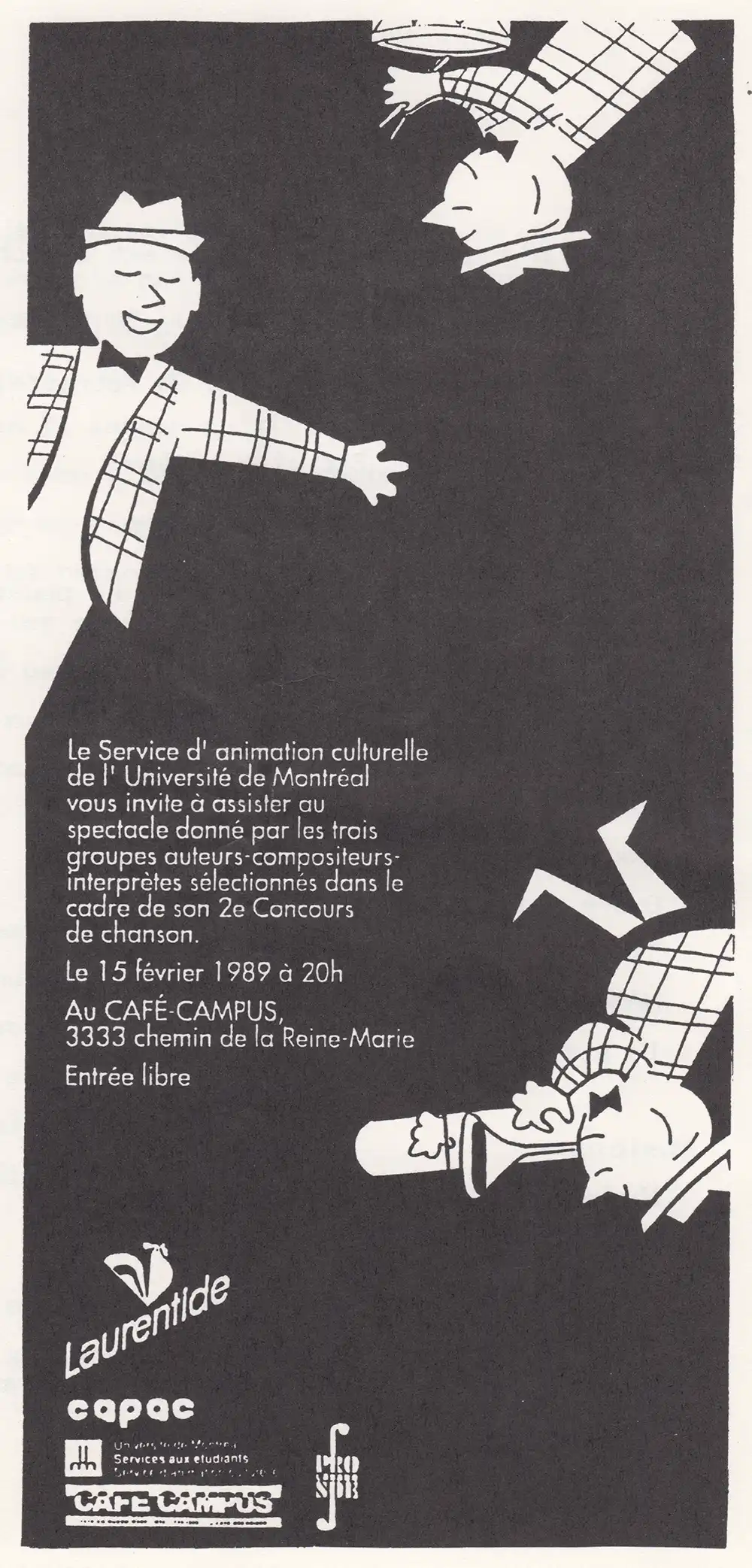
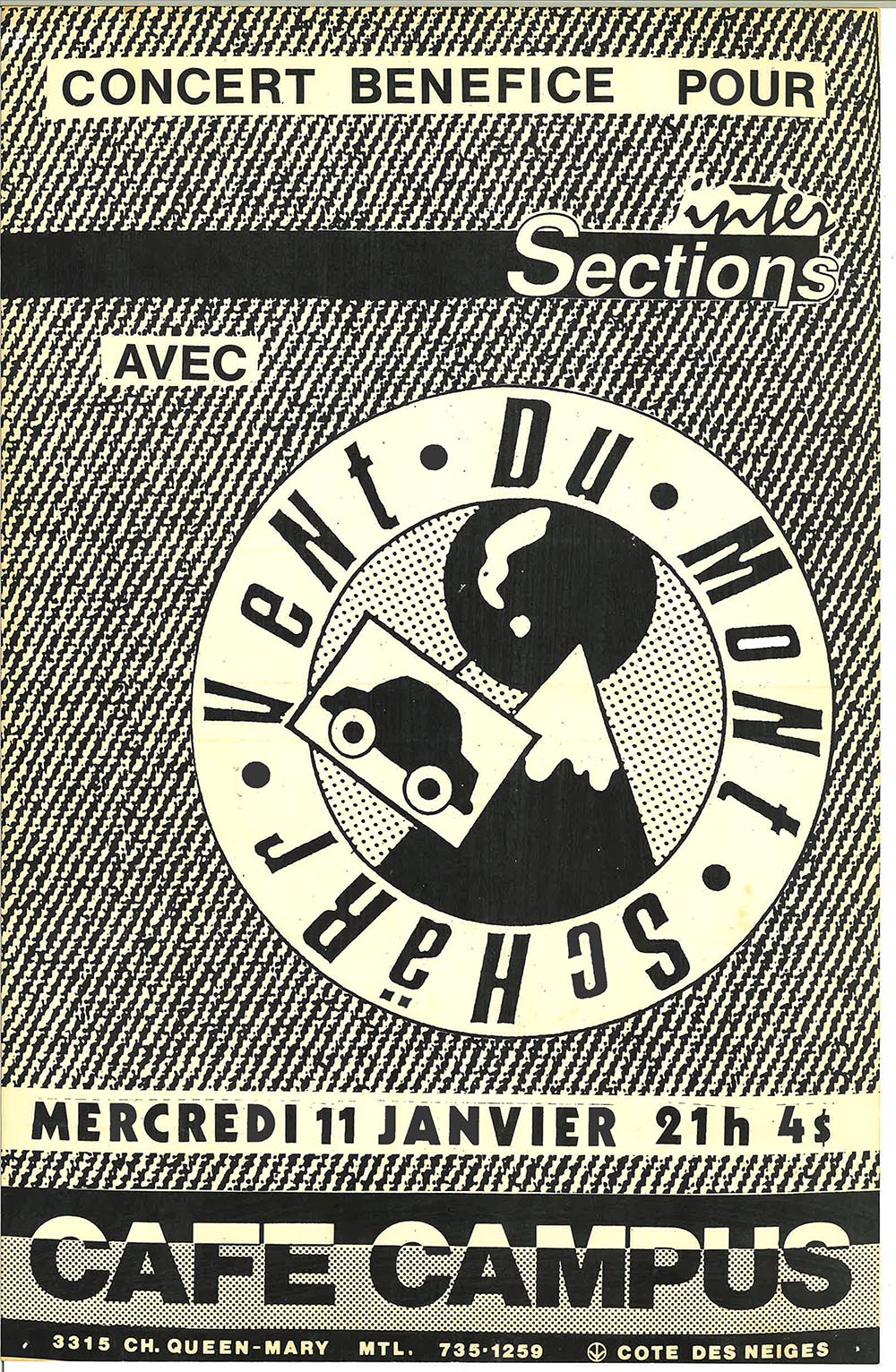
Formerly located at the corner of Decelles Avenue and Queen Mary Road, on the Université de Montréal campus, Café Campus has established itself since its founding in 1967 as a major gathering place for Montreal’s student community. In addition to its restaurant and nightclub, Café Campus quickly earned a strong reputation as a chanson venue. Nearly all the major names in Quebec chanson performed there, including Pauline Julien, Félix Leclerc, Robert Charlebois, Diane Dufresne, Octobre, Beau Dommage, Harmonium, Offenbach, Plume Latraverse and many others. [1]
2. Origins & Founding (1967)
It all began with a group of young students, some of whom would later become prominent public figures, including Pierre Marc Johnson and Jean Doré. While studying at the Université de Montréal, they were among the founders of this combined bar, restaurant and performance venue. Other young participants, little known at the time, would later become business leaders. [5]
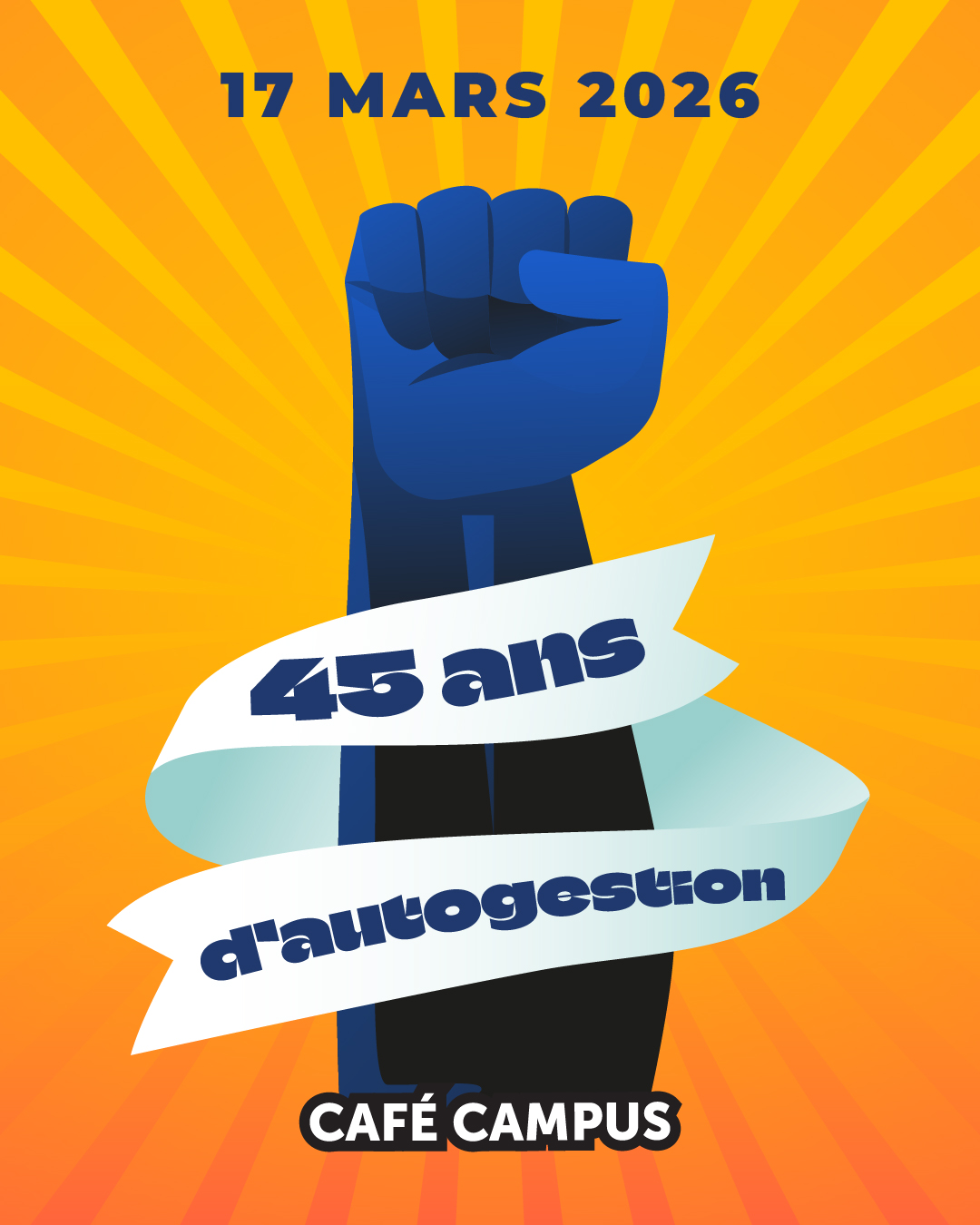
Café Campus might never have existed had the food in the Université de Montréal cafeterias been more appealing. In protest against high prices, poor quality and the lack of variety in campus meals, the Association générale des étudiants de l’Université de Montréal (AGEUM) rented a space at the corner of Decelles Avenue and Queen Mary Road, where students could bring their own lunches. The initiative proved so successful that on February 17, 1967, the establishment was officially inaugurated as Café Campus. [2]
“It was a bold project,” recalled Robert Pagé, who began working there in 1967. “At the time, the student community wanted to take control of its own destiny. In the beginning, the cuisine was more refined than bohemian. With its carefully prepared food and chanson performers such as Clémence Desrochers, Jean-Pierre Ferland and Félix Leclerc, the Café attracted more university staff than students inspired by flower power. It was really after 1968, in the wake of the student protest movements, that Café Campus took off.” [2]
Those who frequented the original Café Campus on Decelles Avenue may have seen Jacques Parizeau more than once, leafing through English-language newspapers while eating hot dogs. Robert Pagé particularly remembered one memorable election night when a famous regular attracted everyone's attention: “Robert Bourassa stopped by the Café before even delivering his address to the nation. Surrounded by Sûreté du Québec officers, he walked up to the bar, ordered a Laurentide and downed it in one gulp in front of the students.” [2]
By the early 1970s, students were frequenting the venue in ever-growing numbers. Tensions with neighbourhood residents also began to emerge, however, with several residents calling for the Café to be closed. [2]
3. Chanson Venue & Major Artists
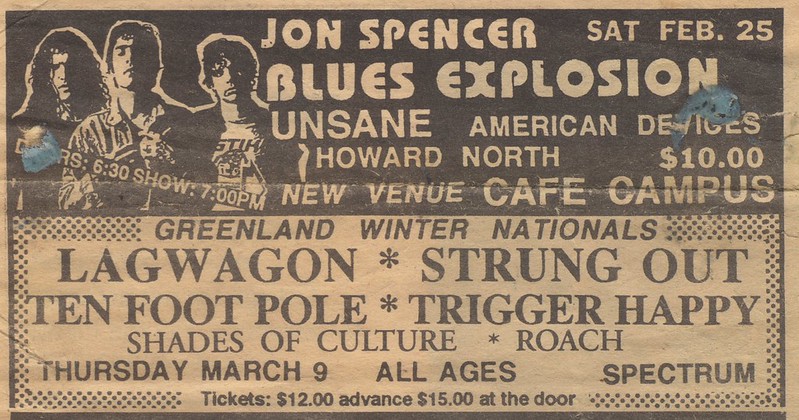
Before venues such as Club Soda and the Spectrum appeared, Café Campus played an important role in showcasing artists such as Robert Charlebois, Gilles Vigneault, Yvon Deschamps, Louise Forestier, Richard and Marie-Claire Séguin, and even The Box. Diane Dufresne developed some of her shows there, including the one later presented at the Forum. The Charlebois-Forestier duo began there before eventually parting ways. Octobre and Maneige also got their start there, while Offenbach reached a turning point in its history before the split that would lead to the formation of Corbeau. Jean-Luc Ponty performed there before achieving international recognition. Artists such as Mouloudji and Ricet Barrier, along with numerous emerging Quebec performers including the Ville-Émard Blues Band, Plume Latraverse and Raoul Duguay, were also featured at the venue. [5]
4. Musical Diversification (Blues & Jazz)
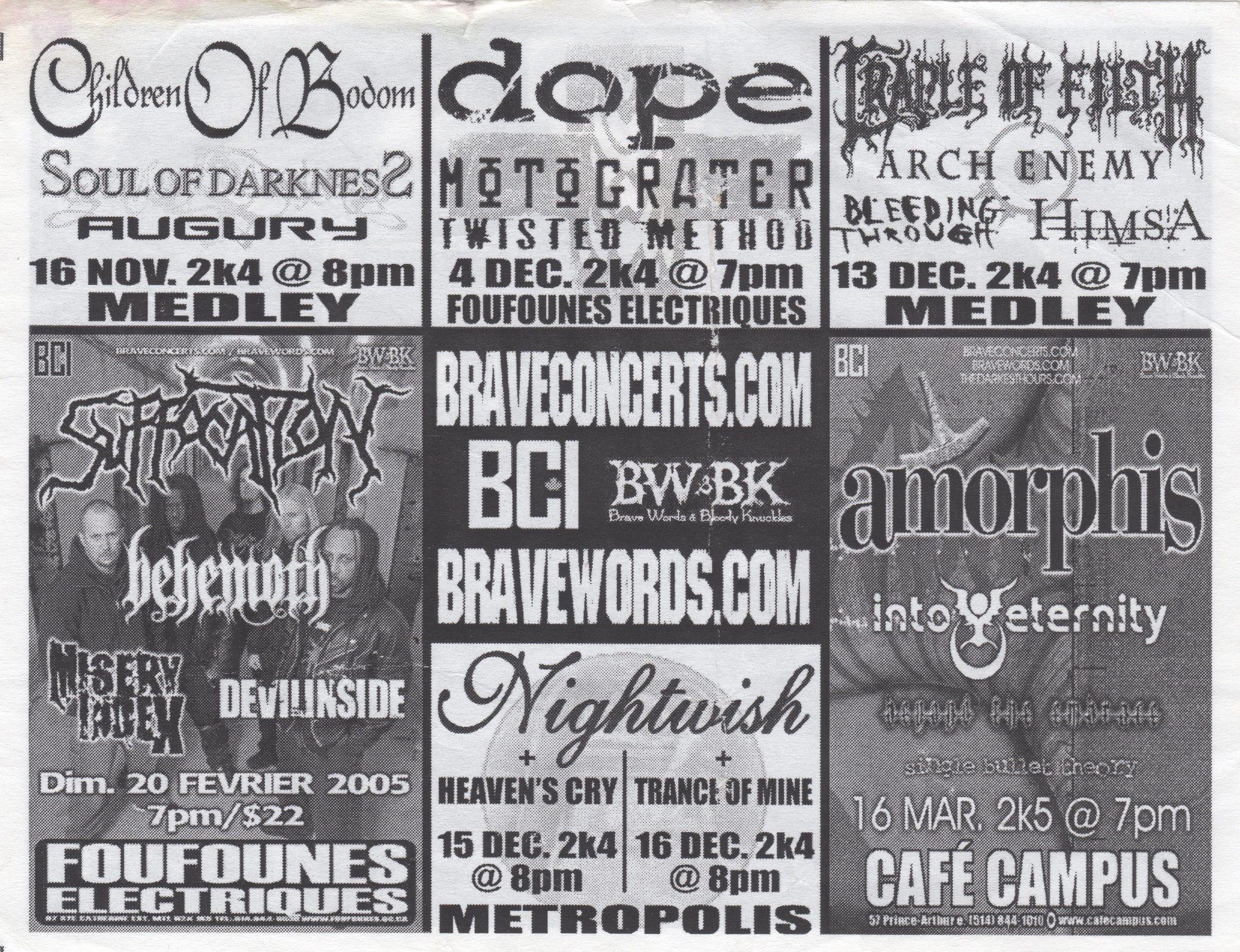
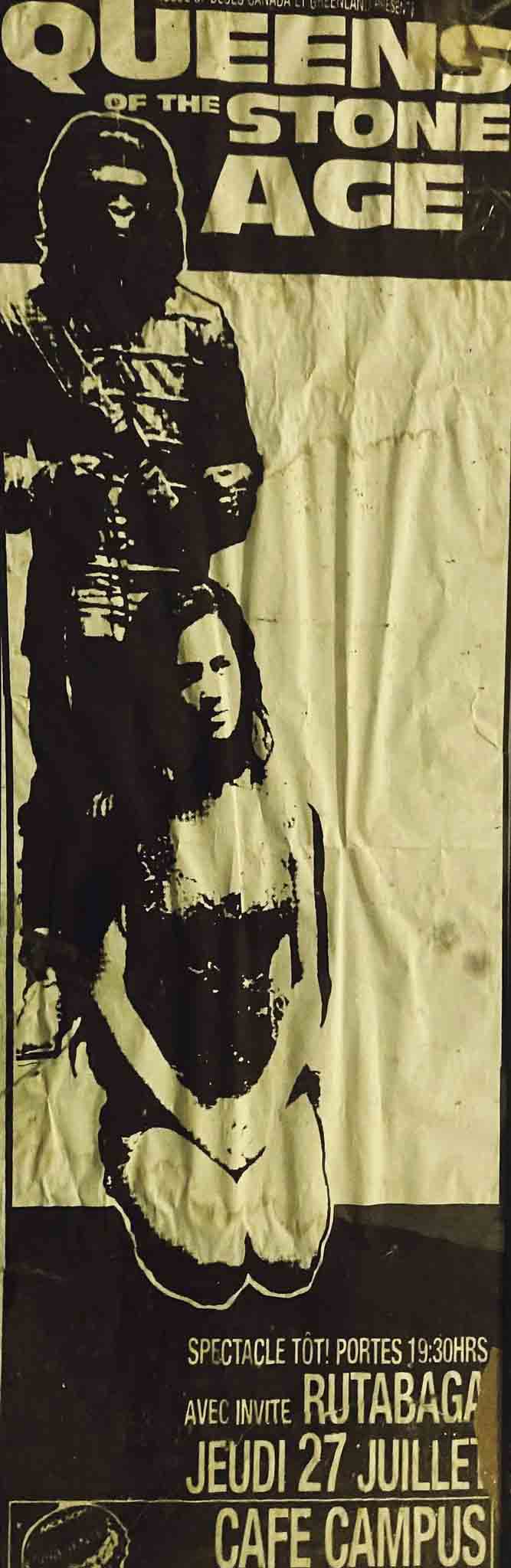
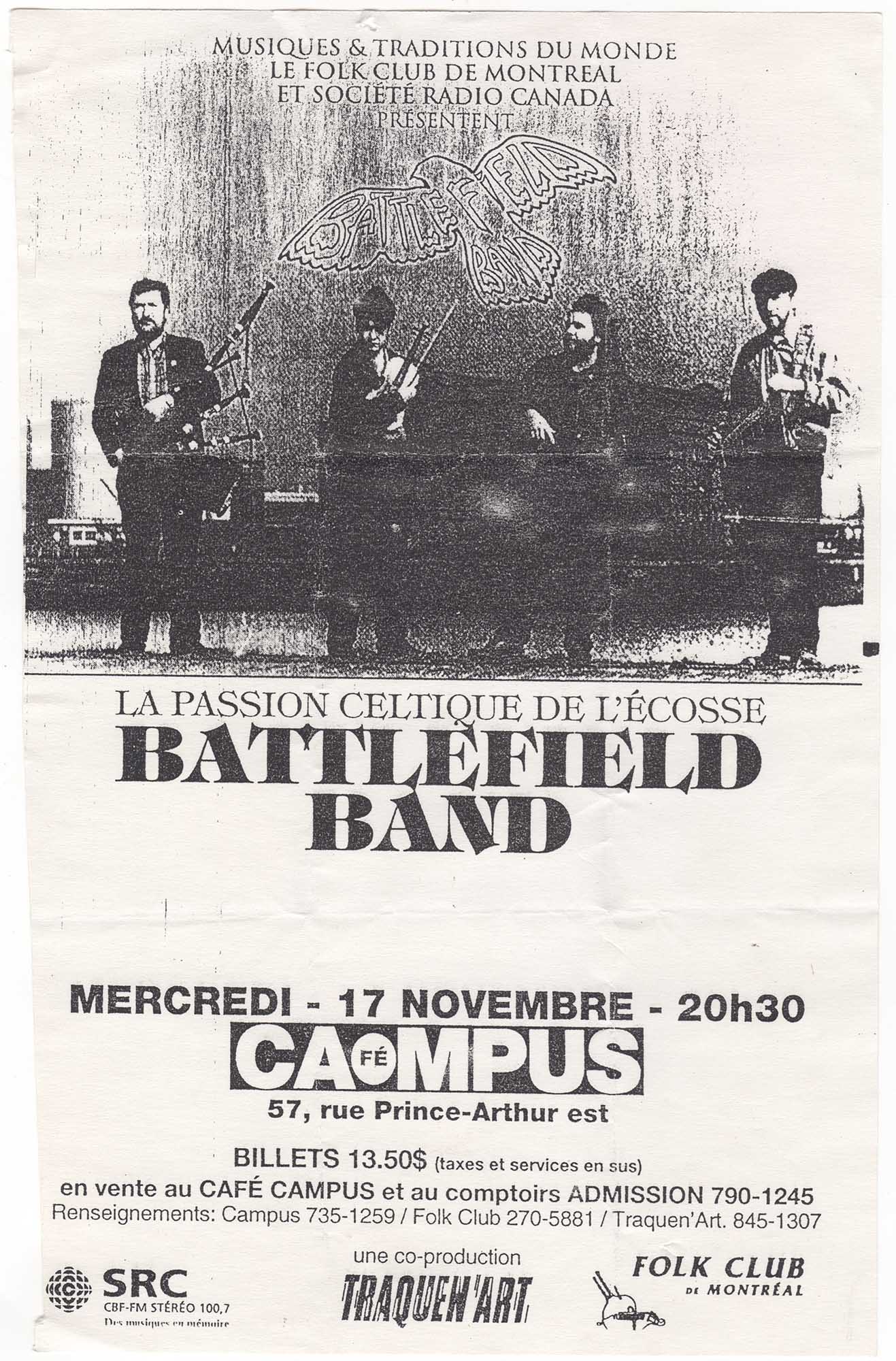
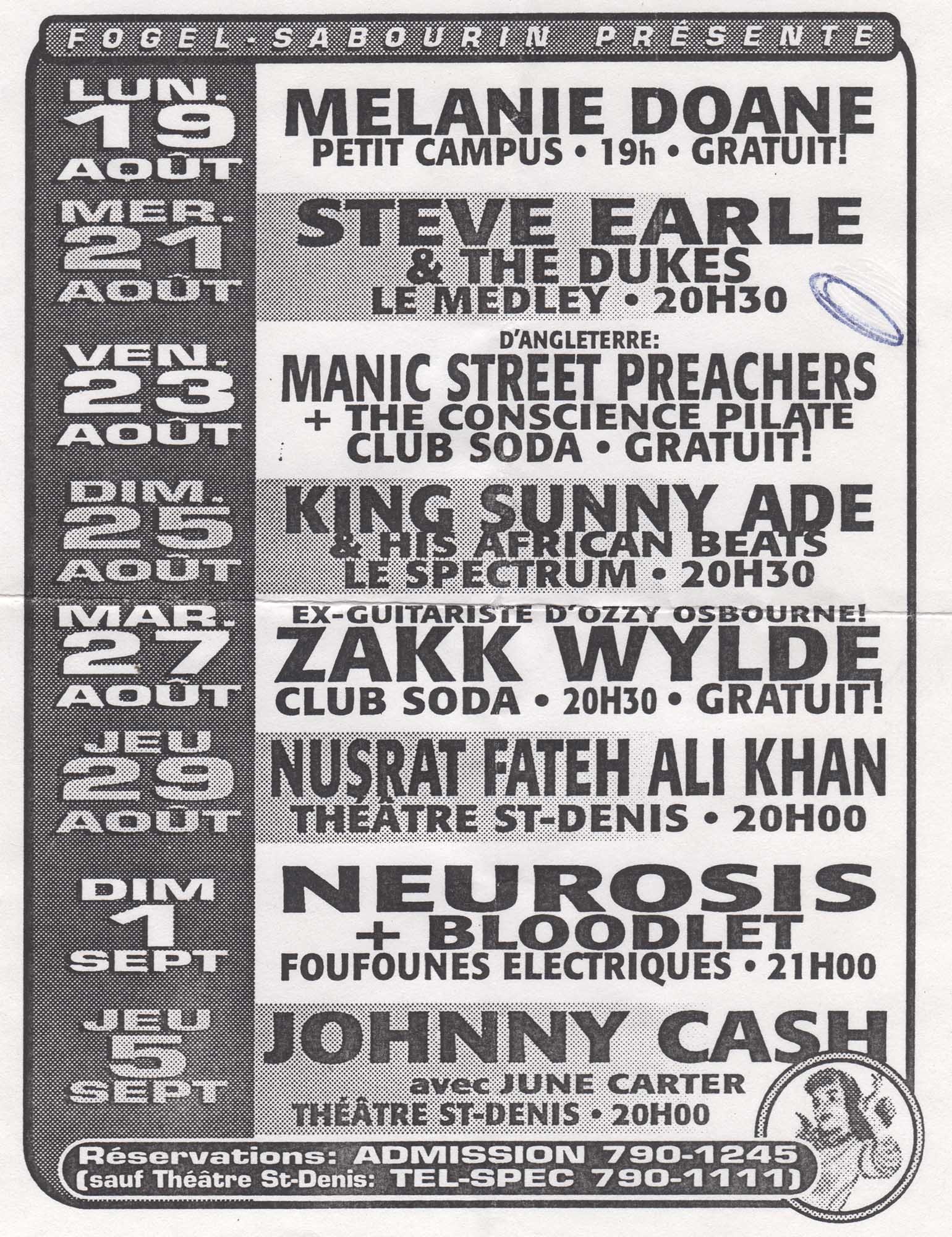
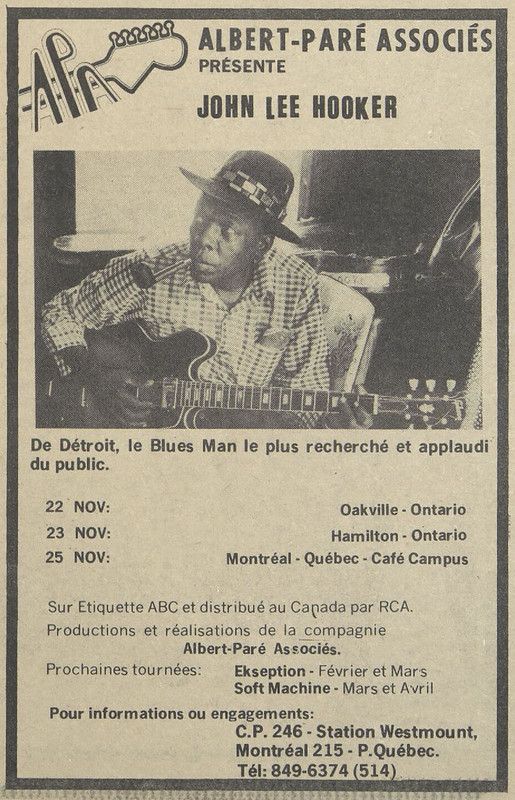
Over the years, the programming became increasingly diverse. Following the wave of Quebec and French performers, Café Campus presented numerous blues concerts featuring artists such as Long John Baldry, Luther Allison and Willie Dixon, during a period when shows frequently sold out. The Café's musical identity later expanded to include major jazz artists such as Archie Shepp, Paul Horn, Eberhard Weber and Jean-Luc Ponty. Renowned producer Michel Sabourin also began his career there. [5]
5. Neighbourhood Conflicts & Relocation
Café Campus's serious difficulties began in 1981, when neighbourhood residents filed their first complaint with Quebec's liquor licensing authority and called for the bar to be closed. They complained about noise from patrons who woke residents at 3 a.m., shouted in the streets, committed acts of vandalism, damaged neighbouring gardens, urinated near windows and left beer bottles scattered throughout the area. These ongoing conflicts ultimately forced Café Campus to relocate. [4]
6. Employee Buyout & Cooperative
That same year, the establishment was purchased from the Université de Montréal student association by its employees. Since then, Café Campus workers have exercised direct and democratic management of the establishment. [1]
7. Relocation to 57 Prince-Arthur & the Chez Swann Connection
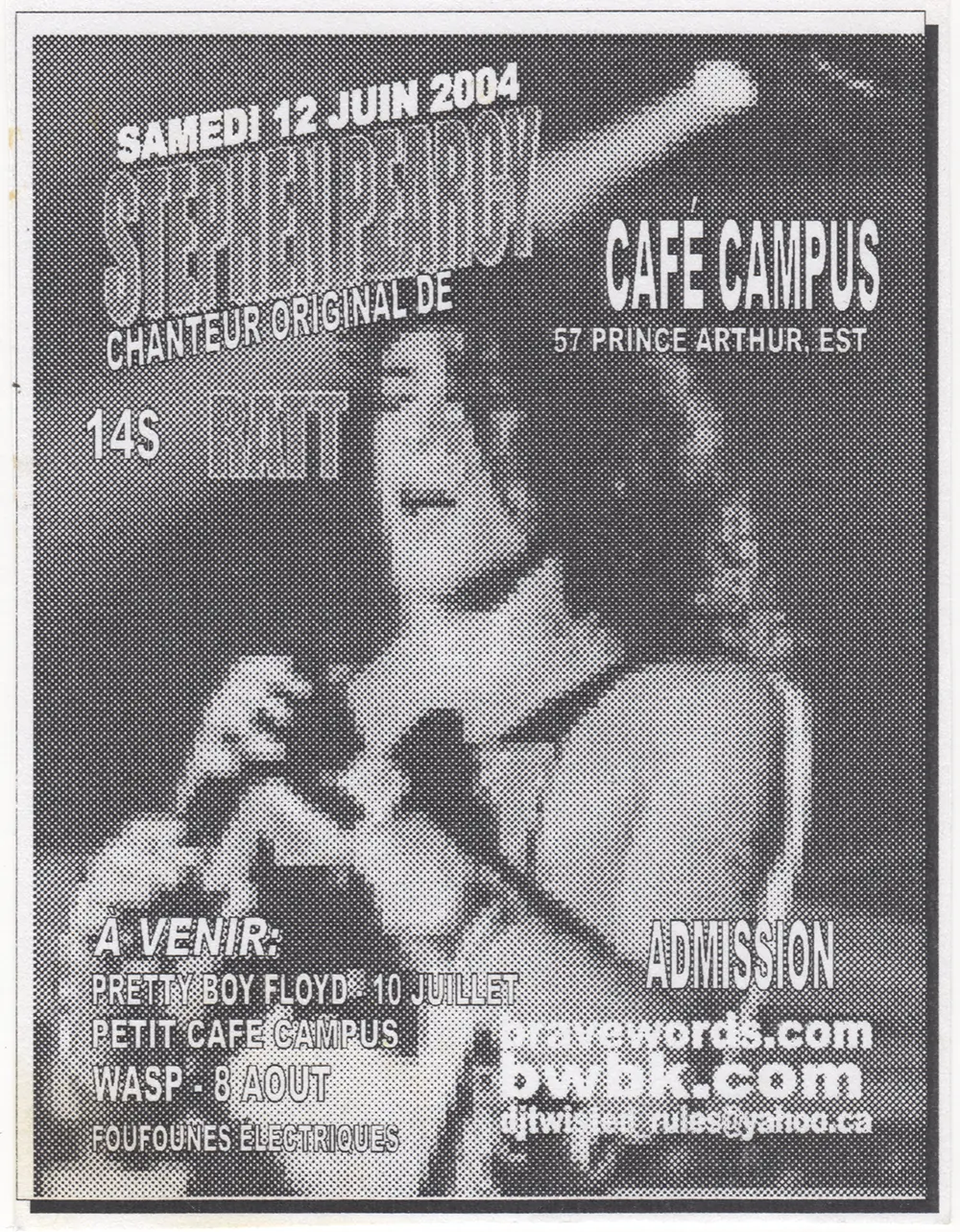
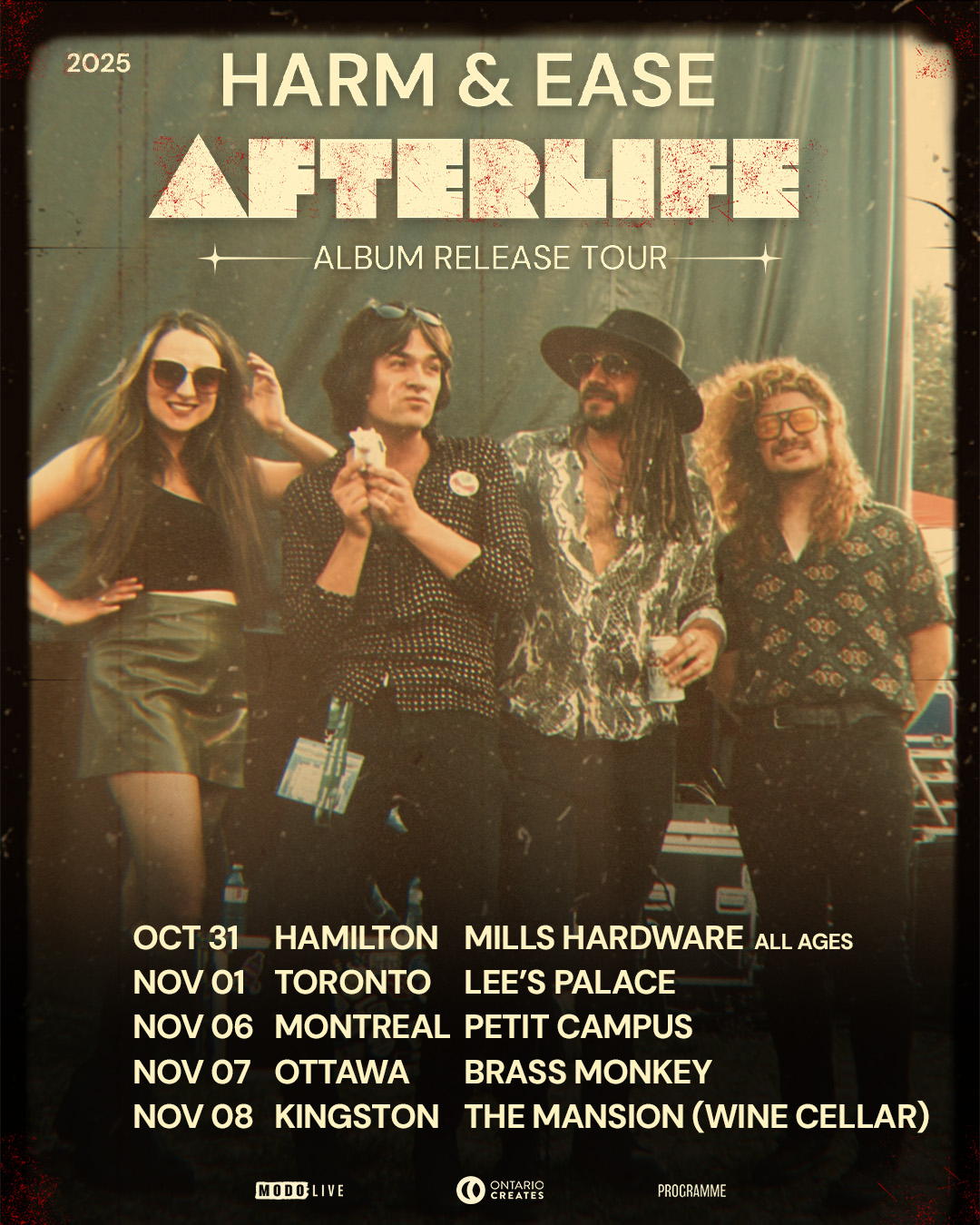
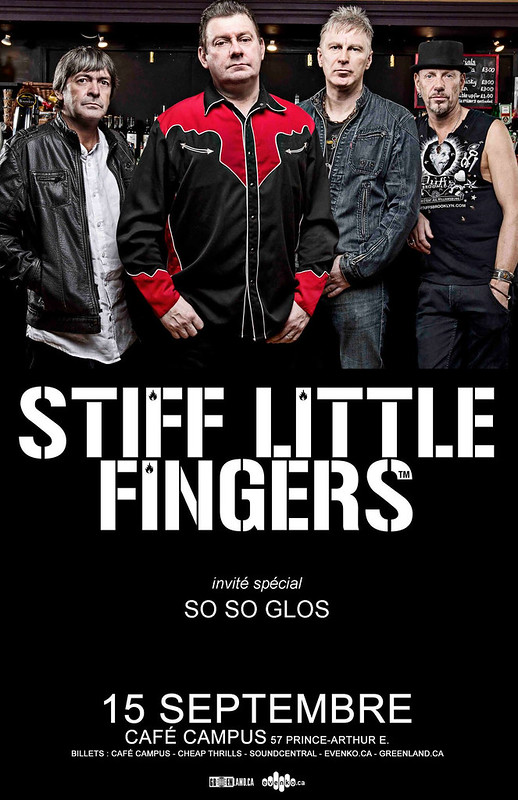
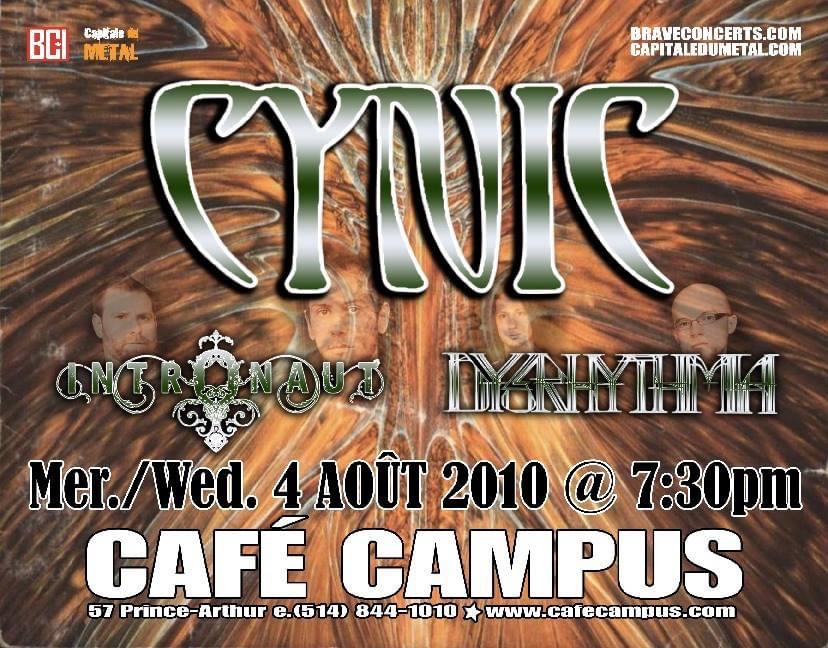
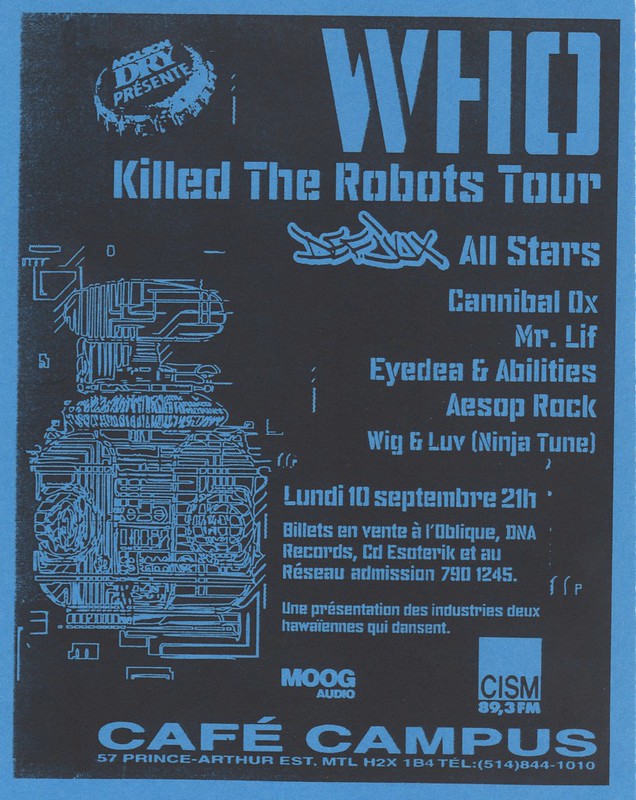
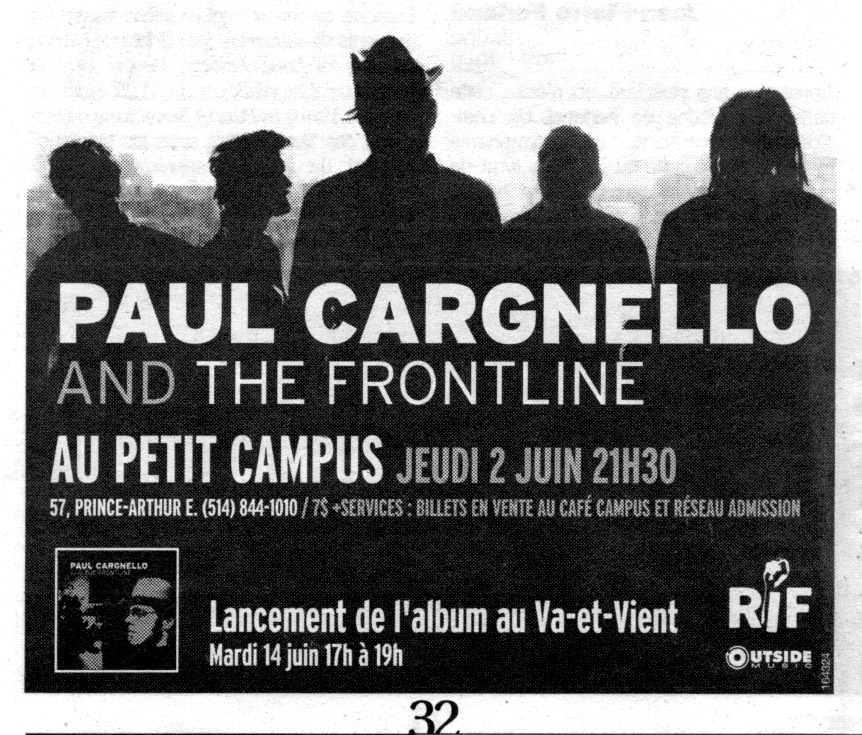
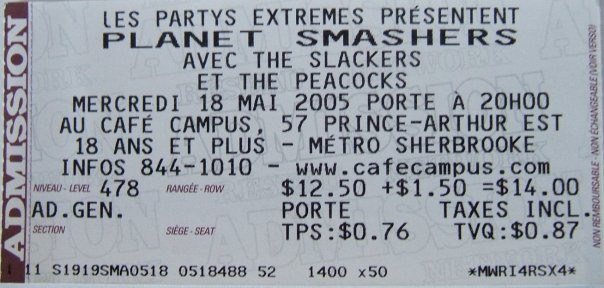
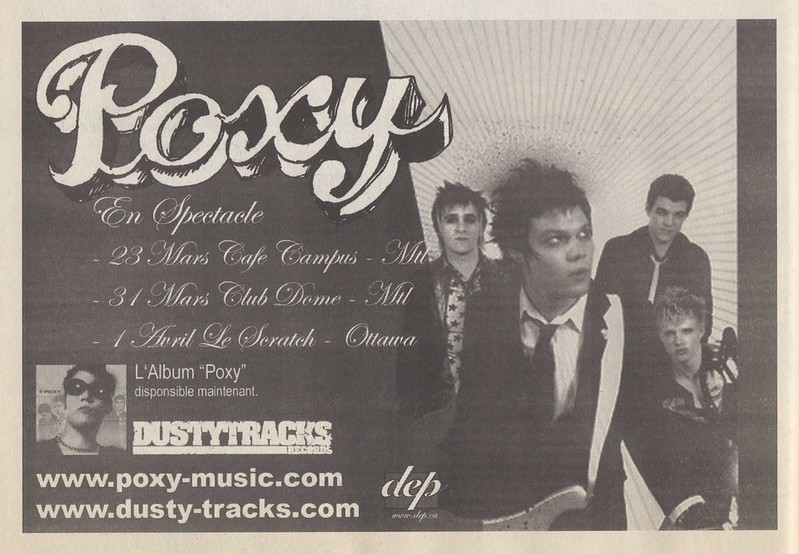
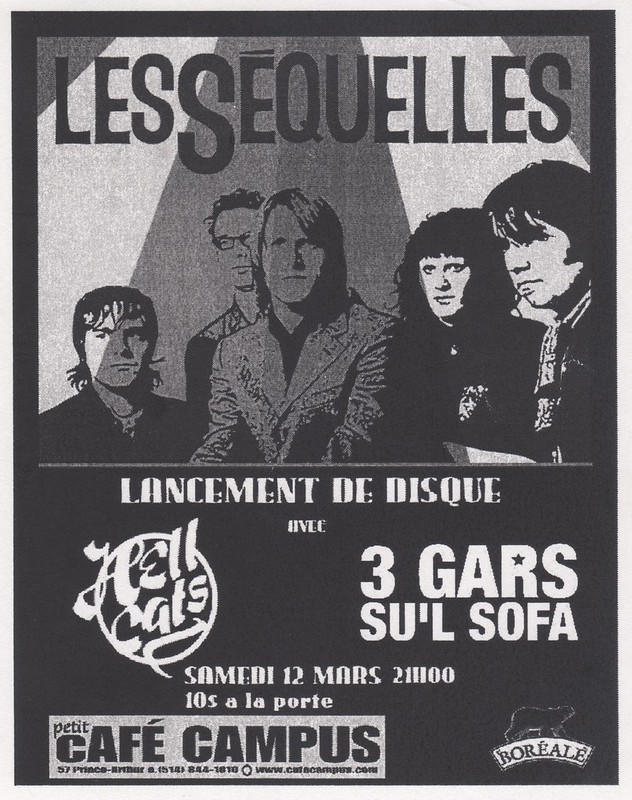
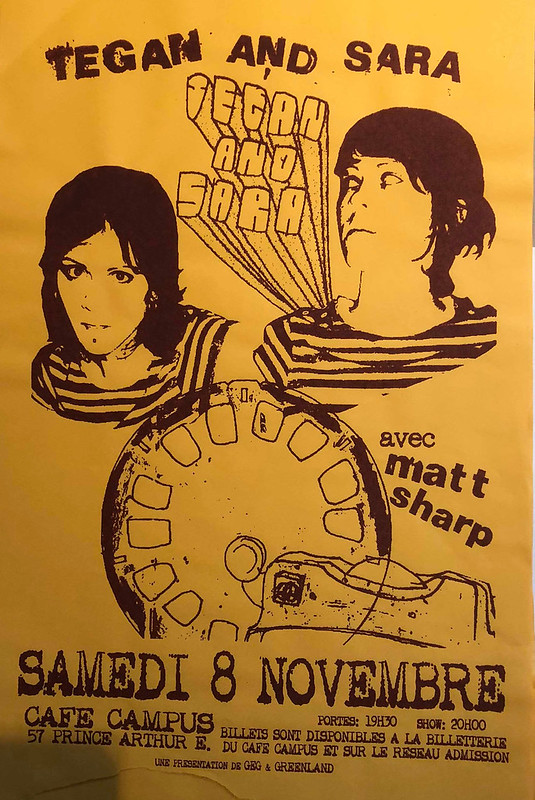
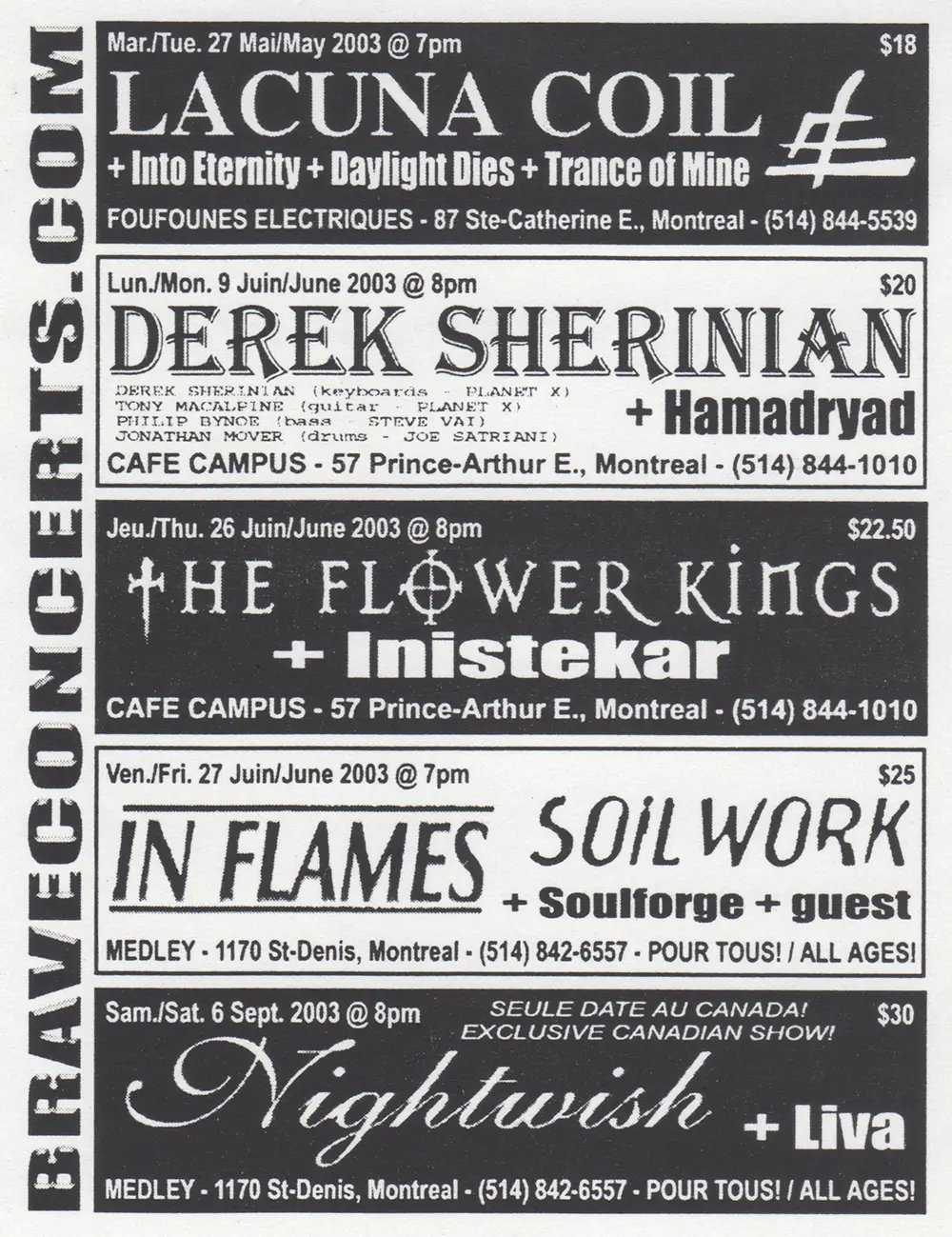
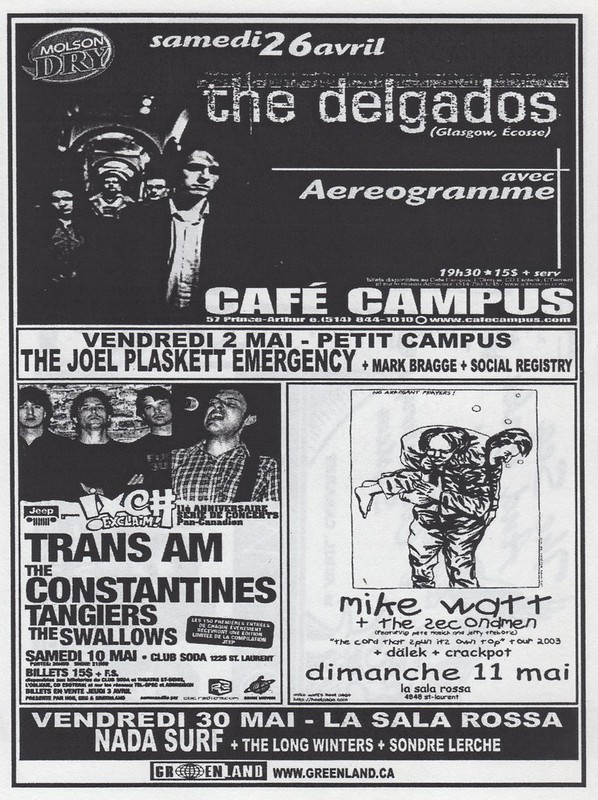
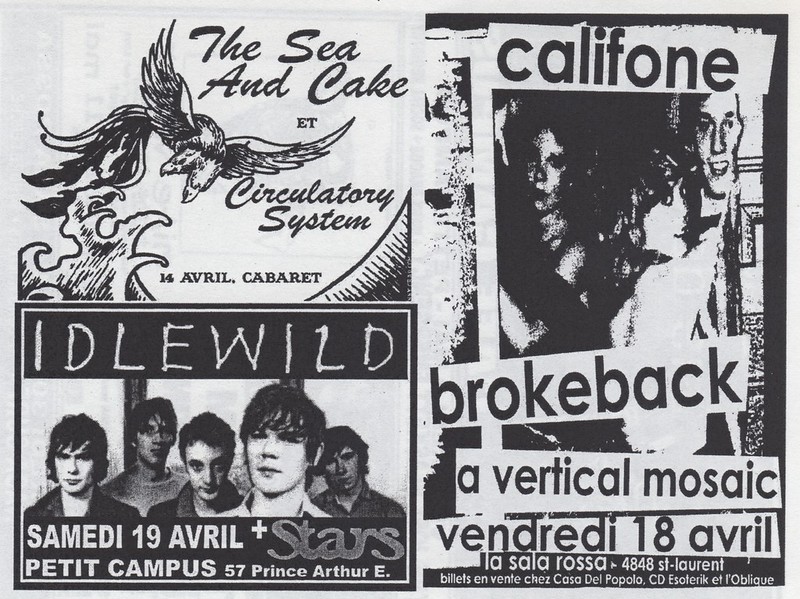
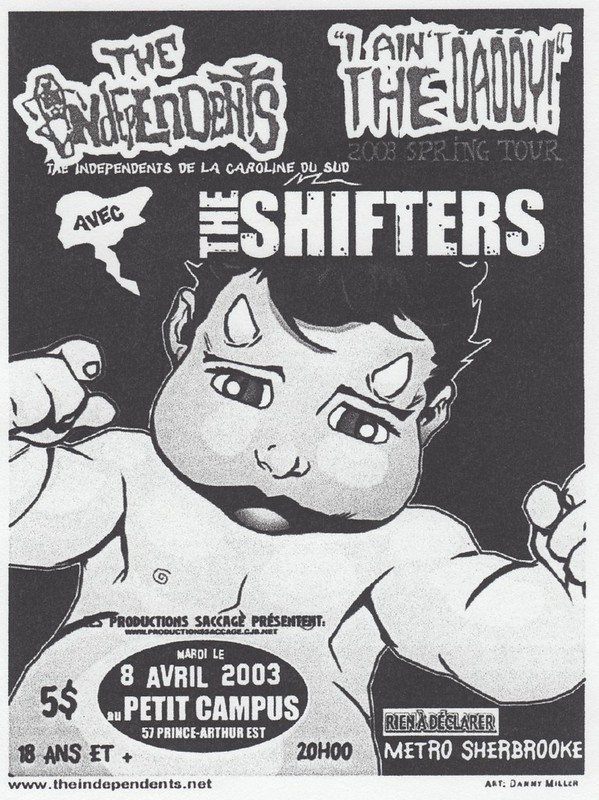
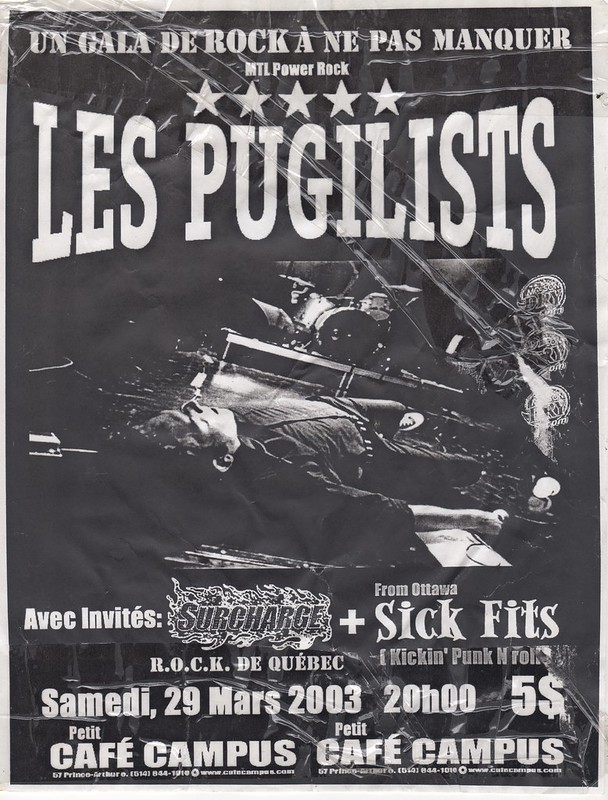
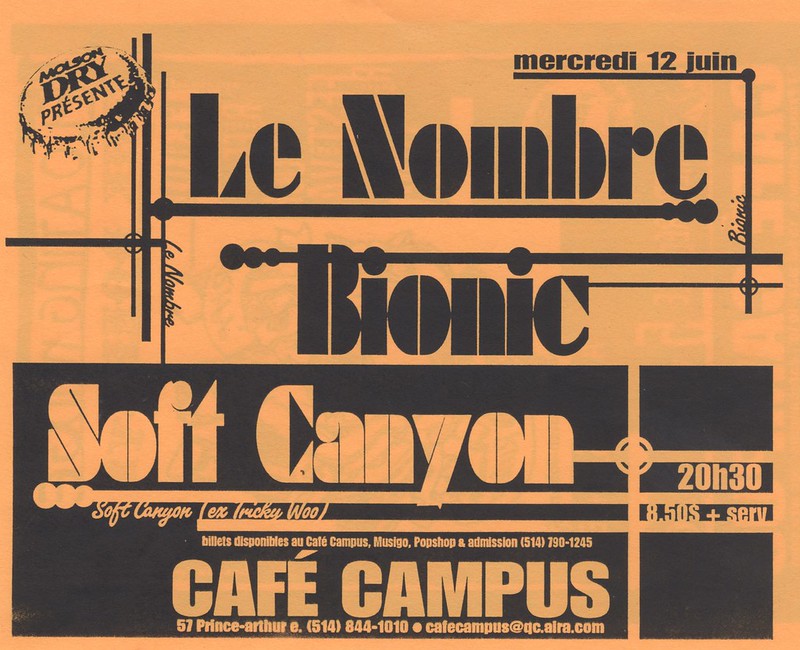
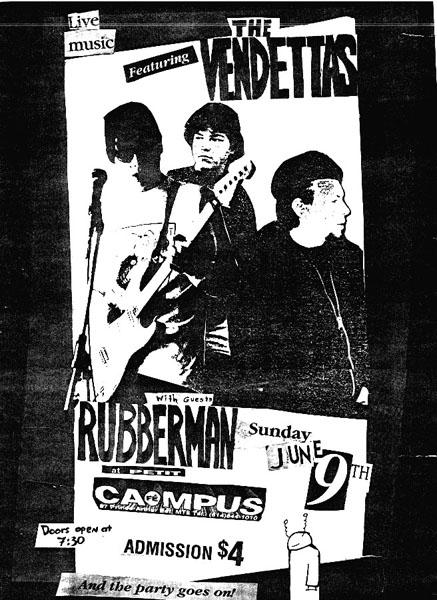
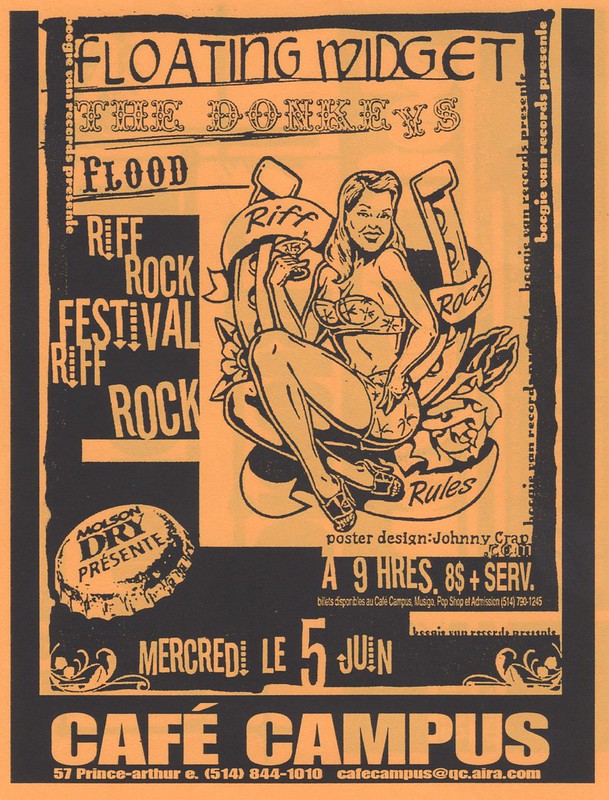
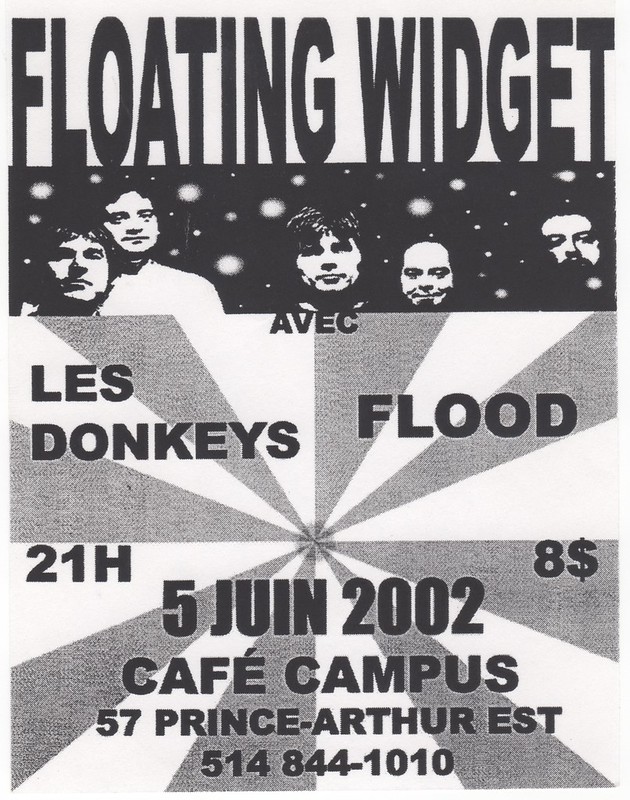
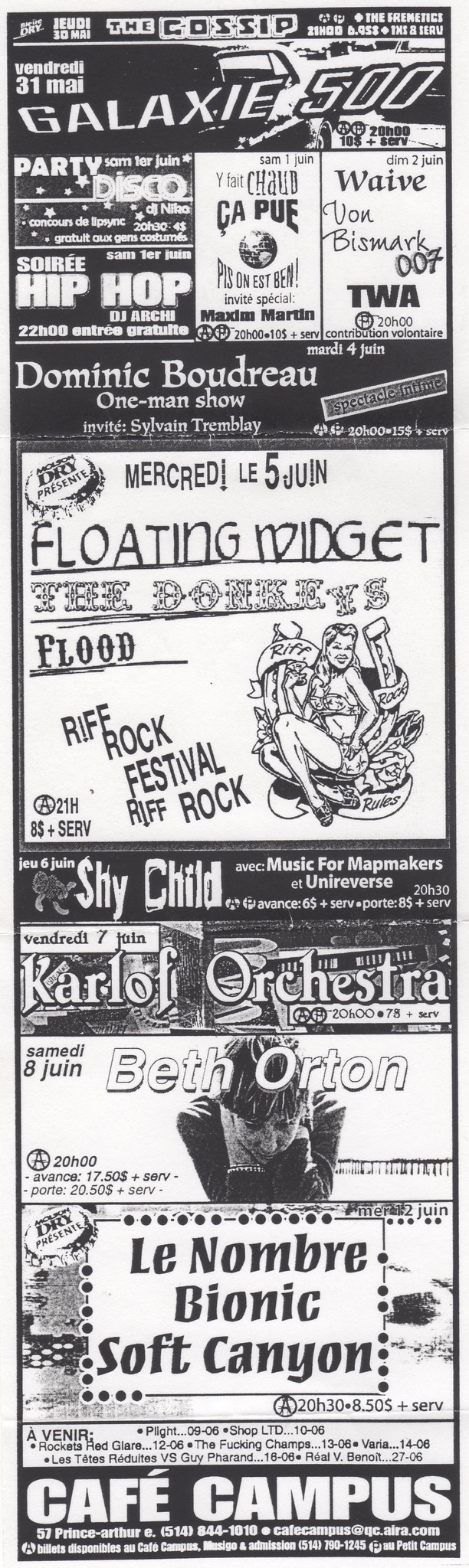
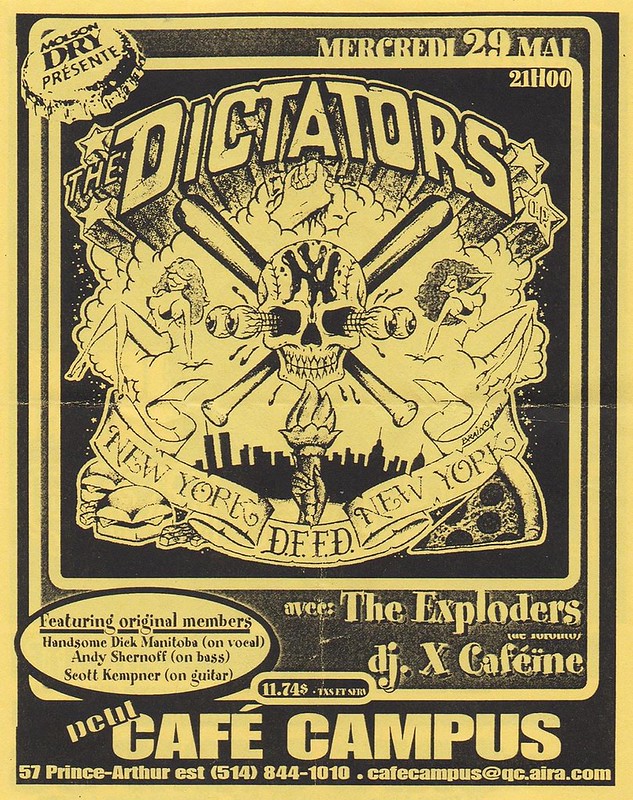
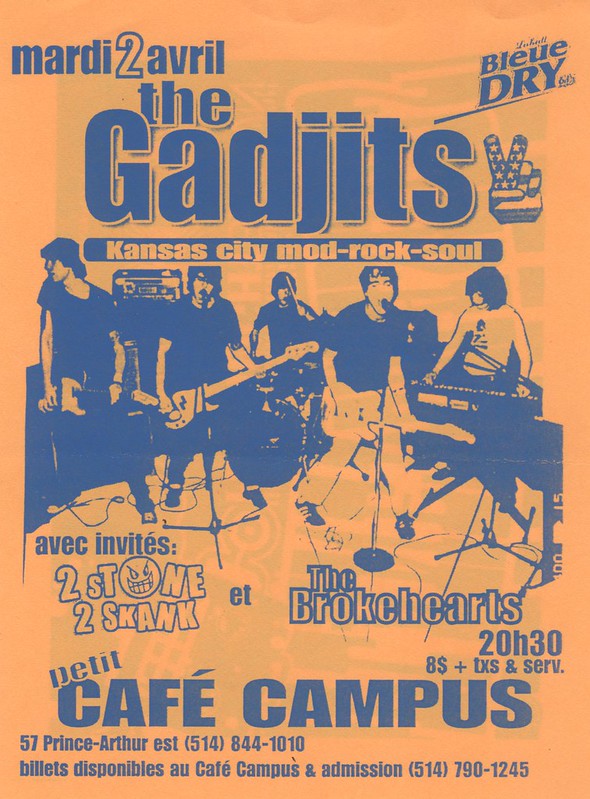
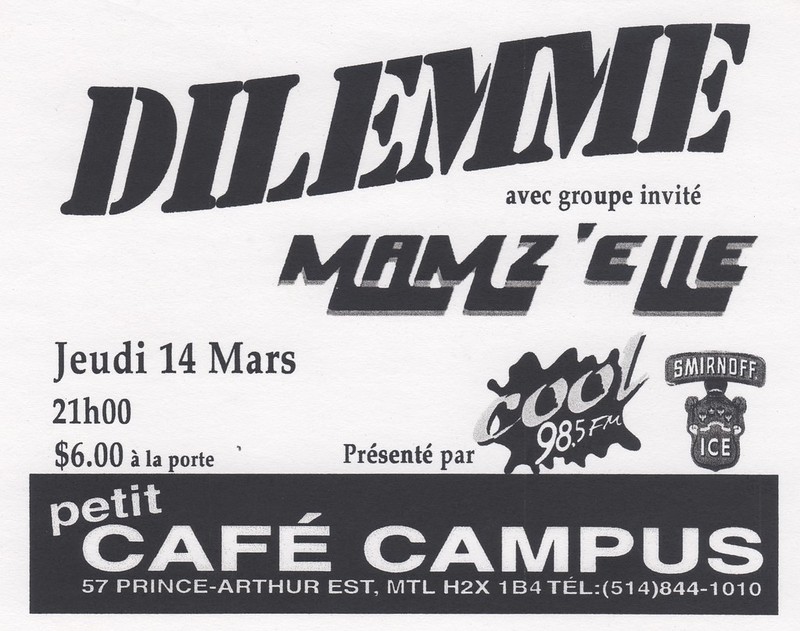
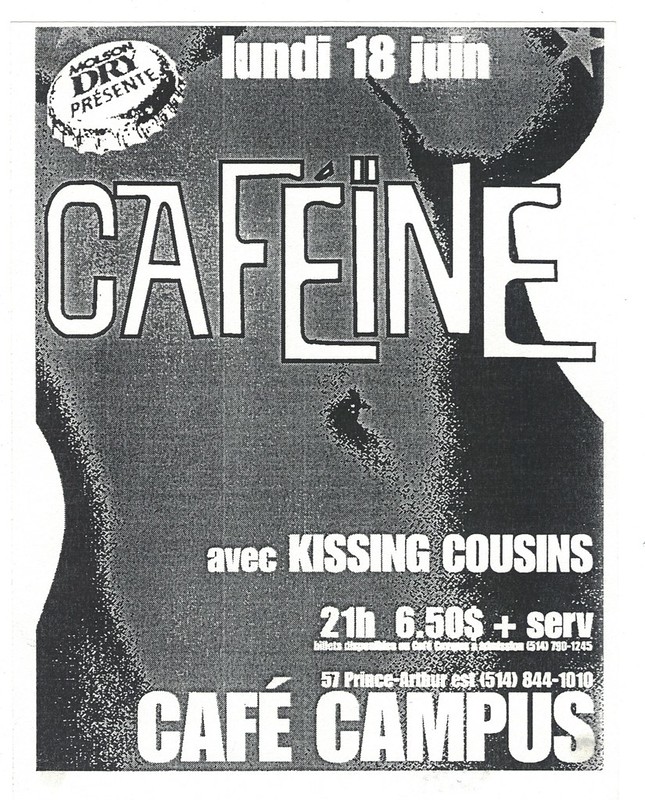
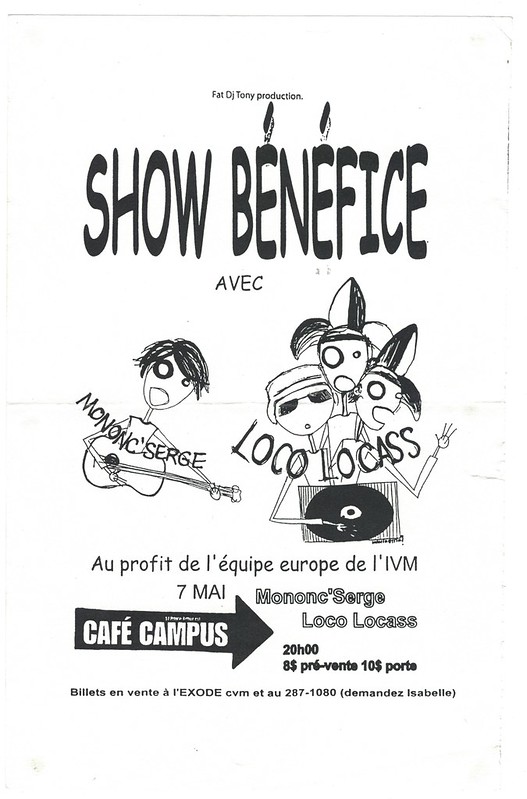
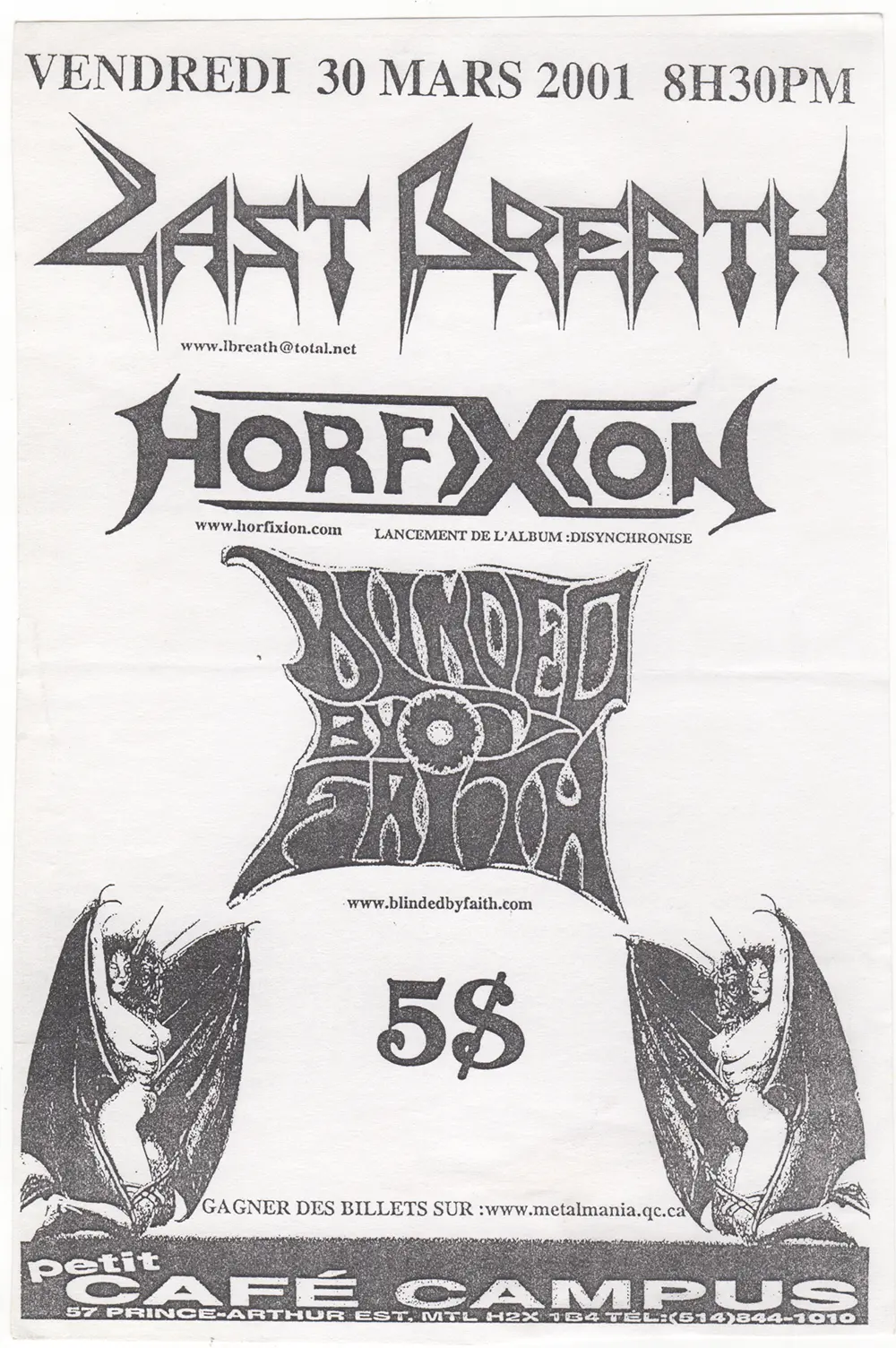
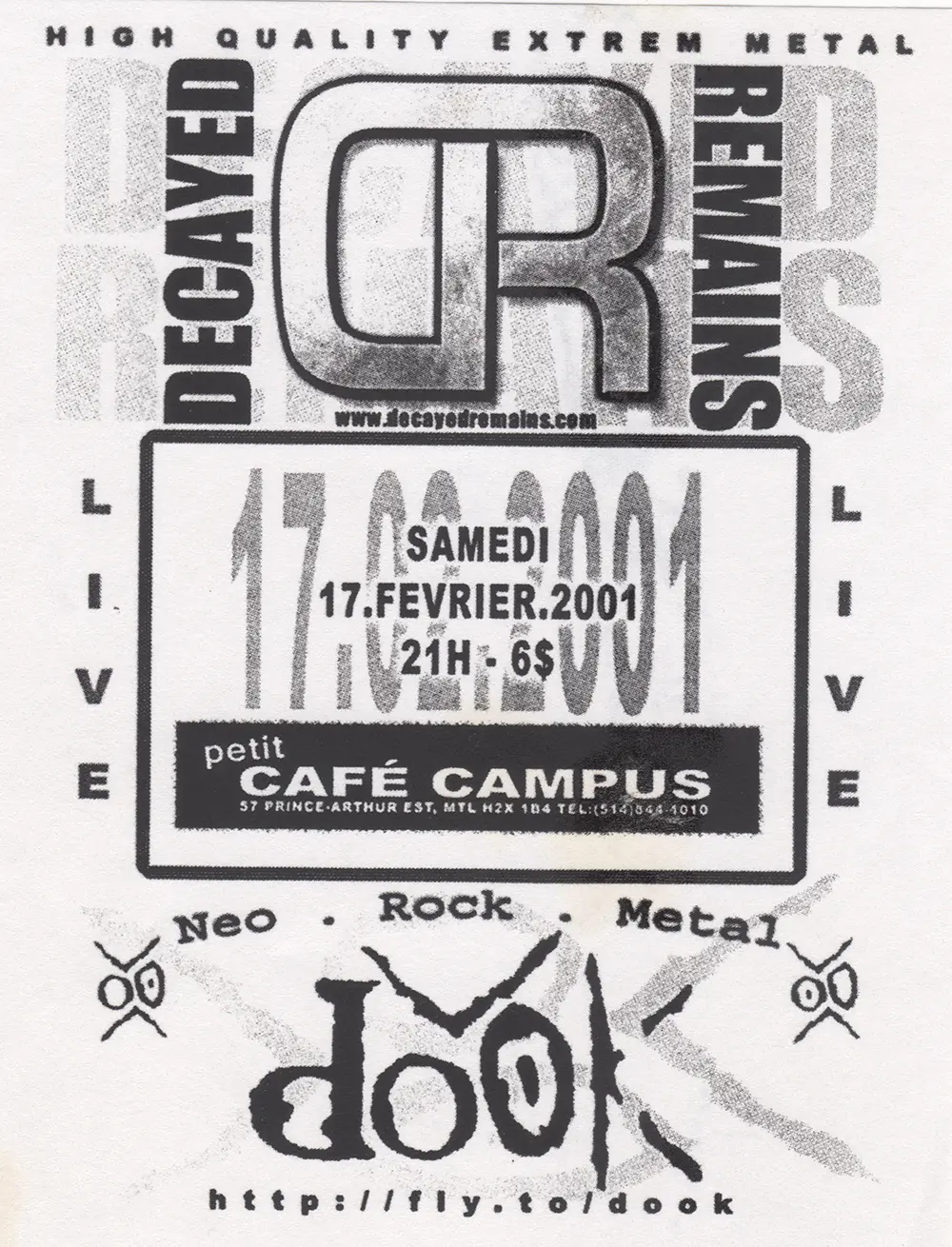
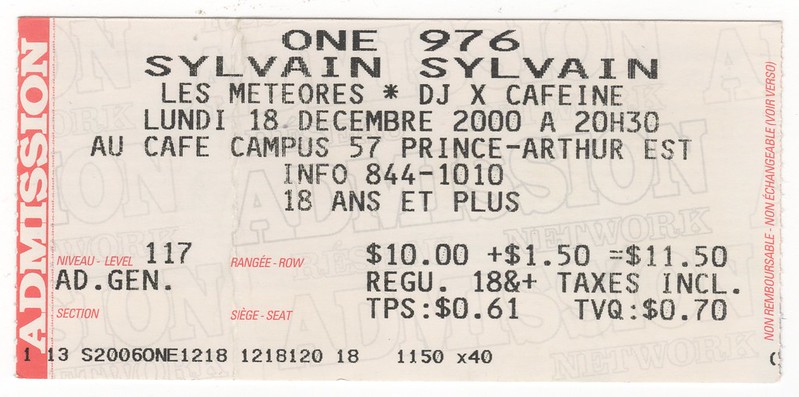
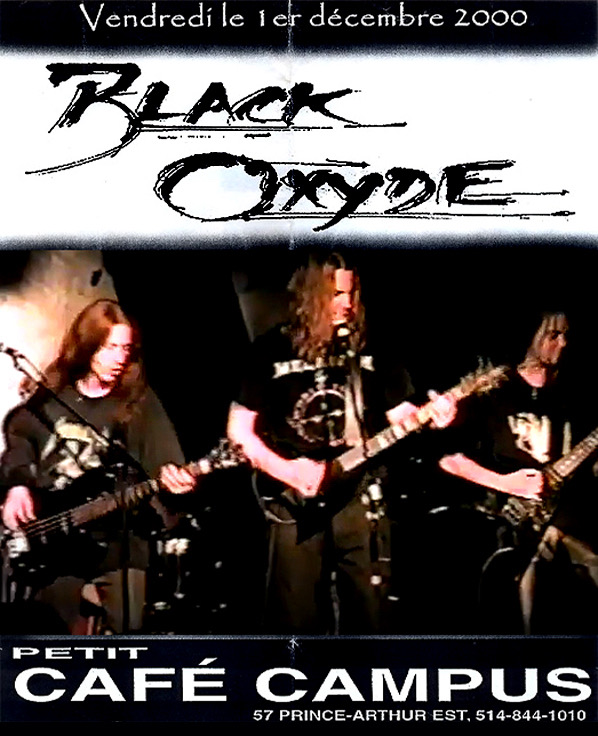
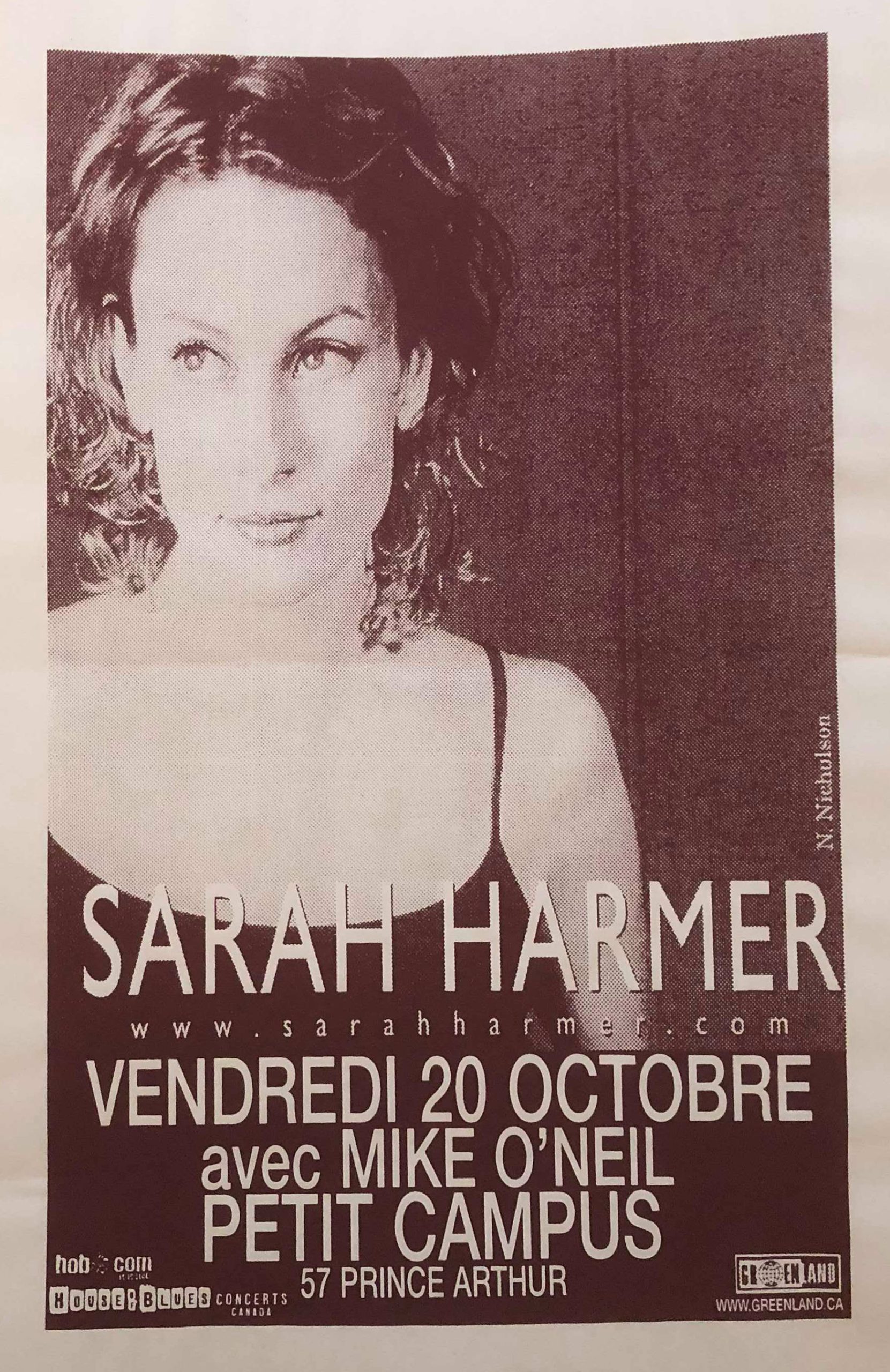
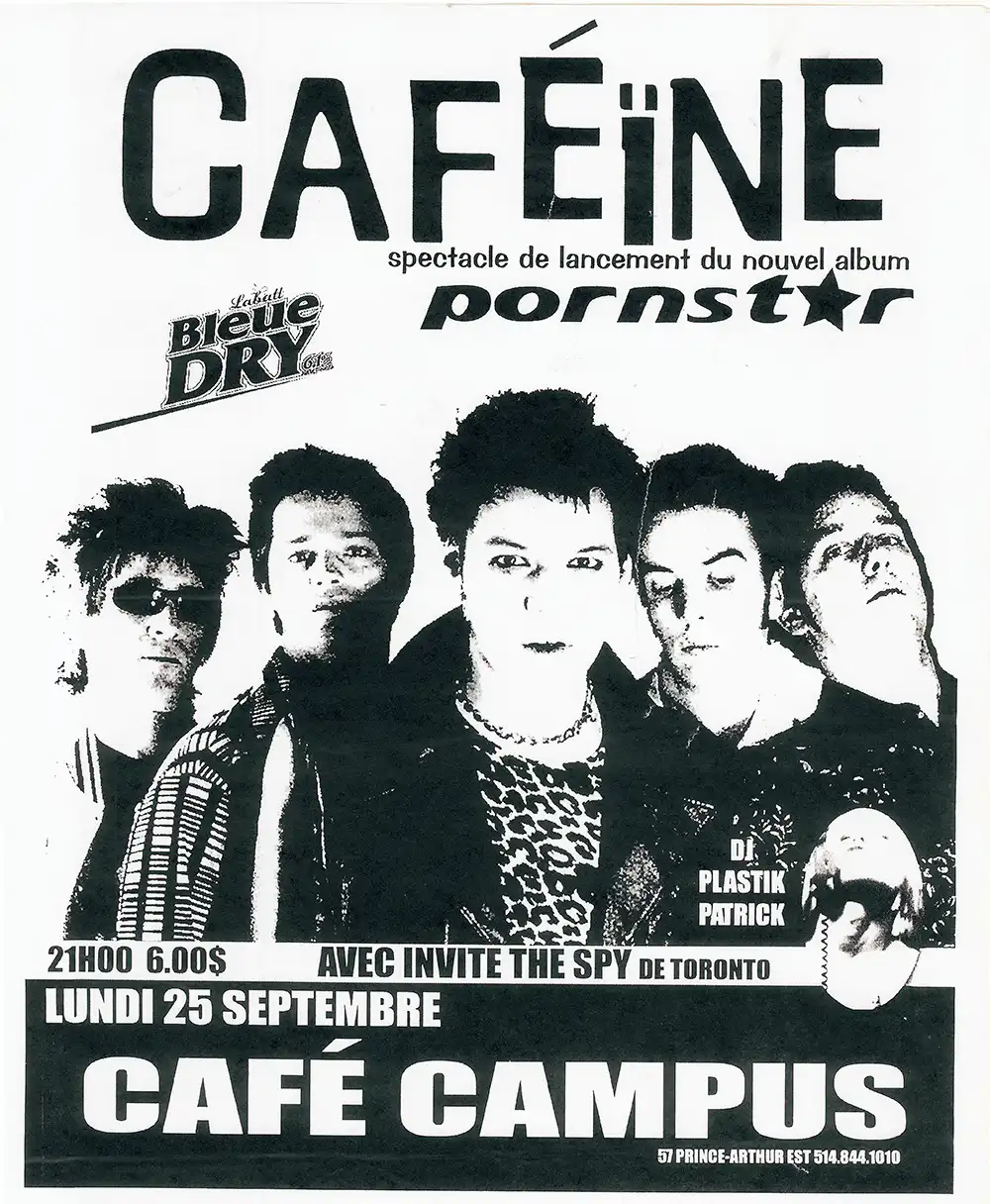
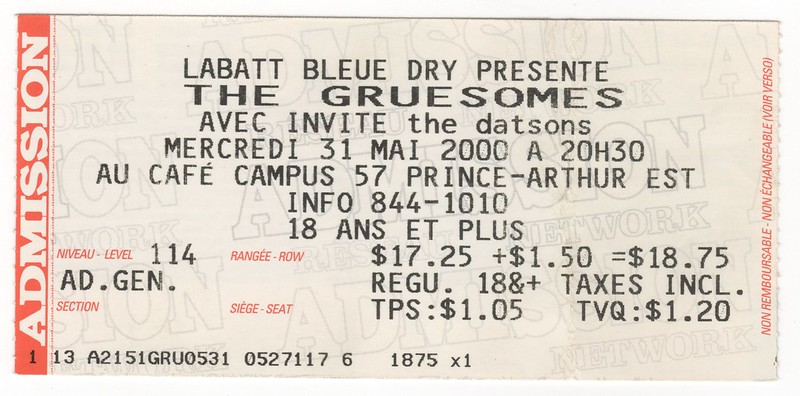
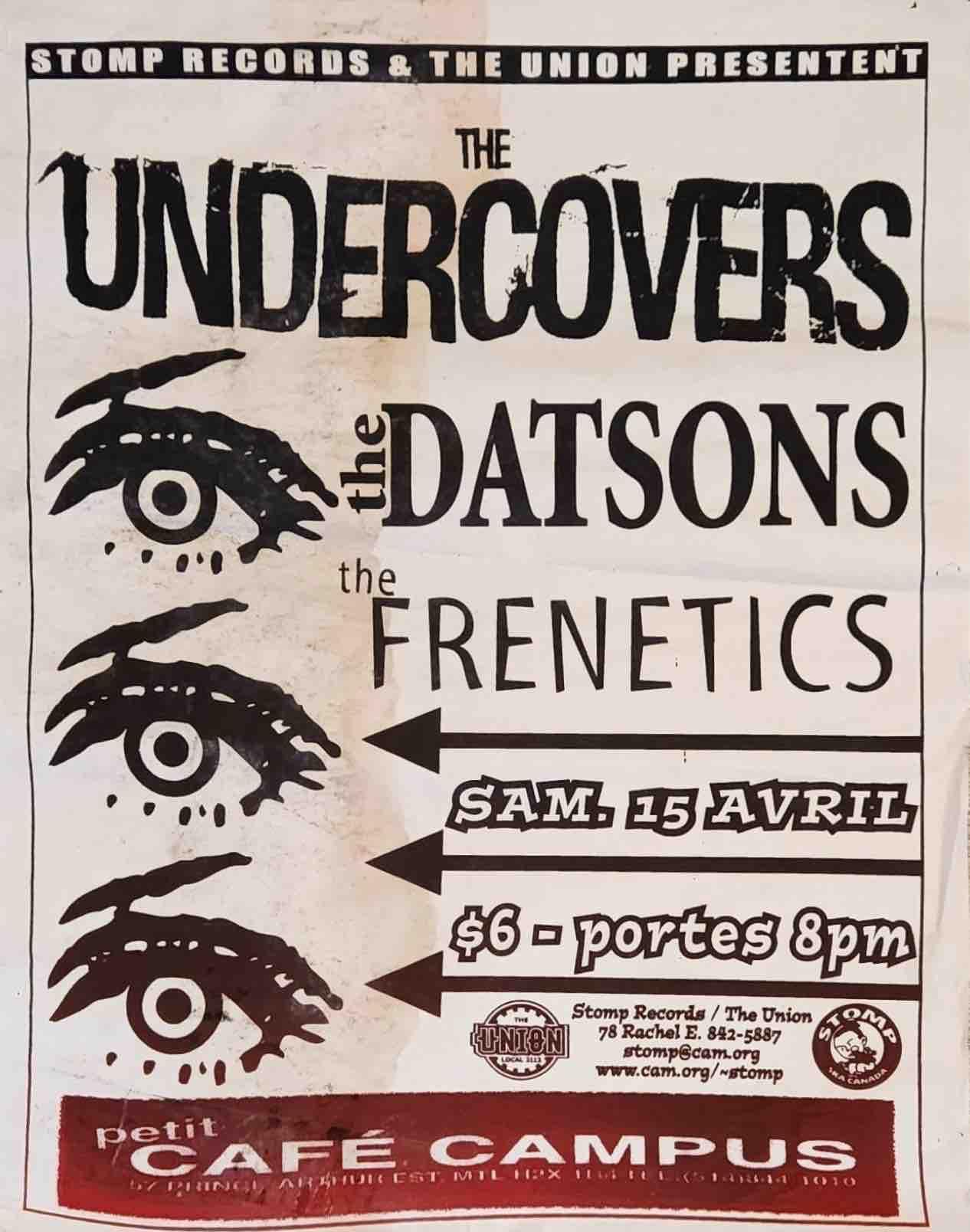
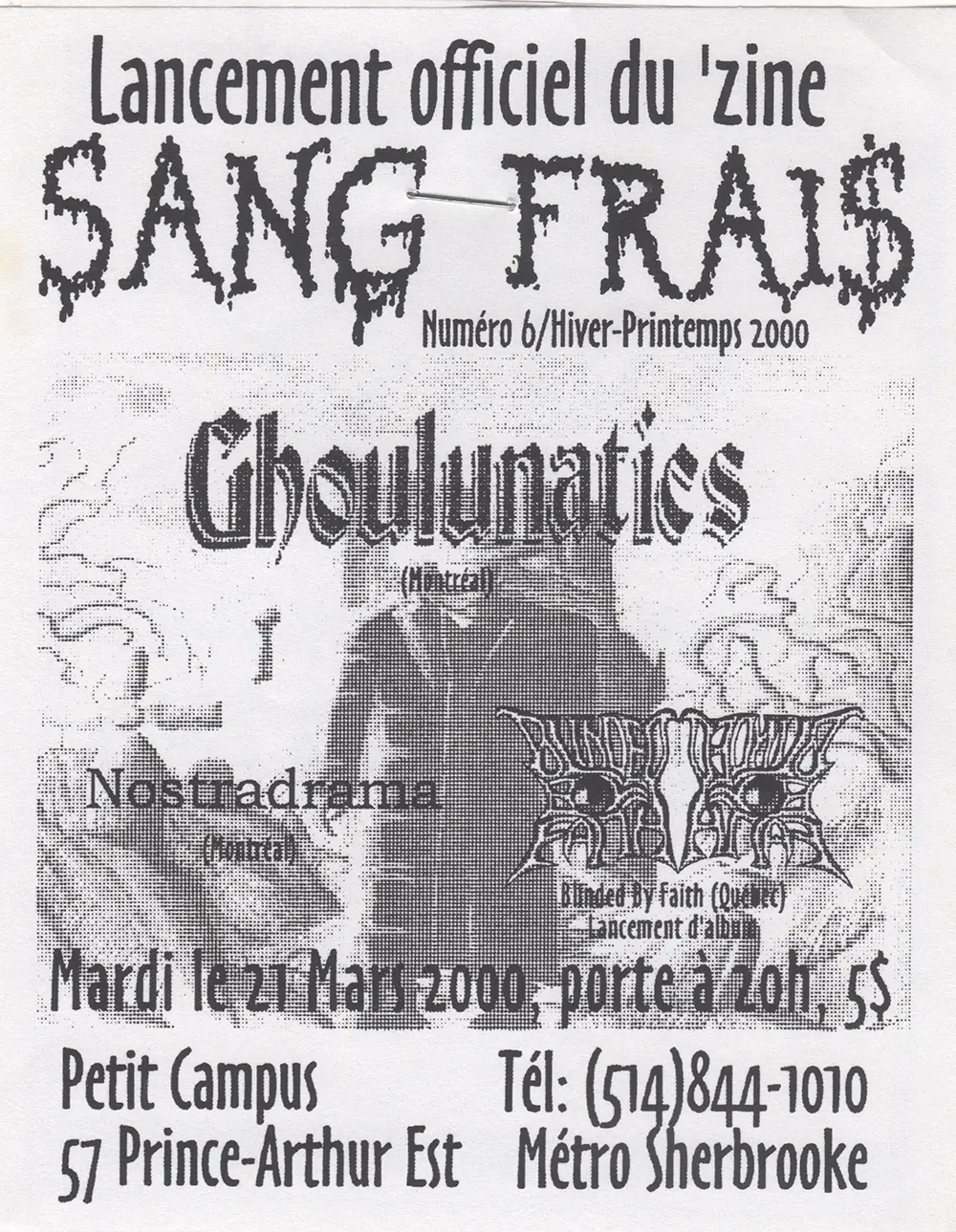
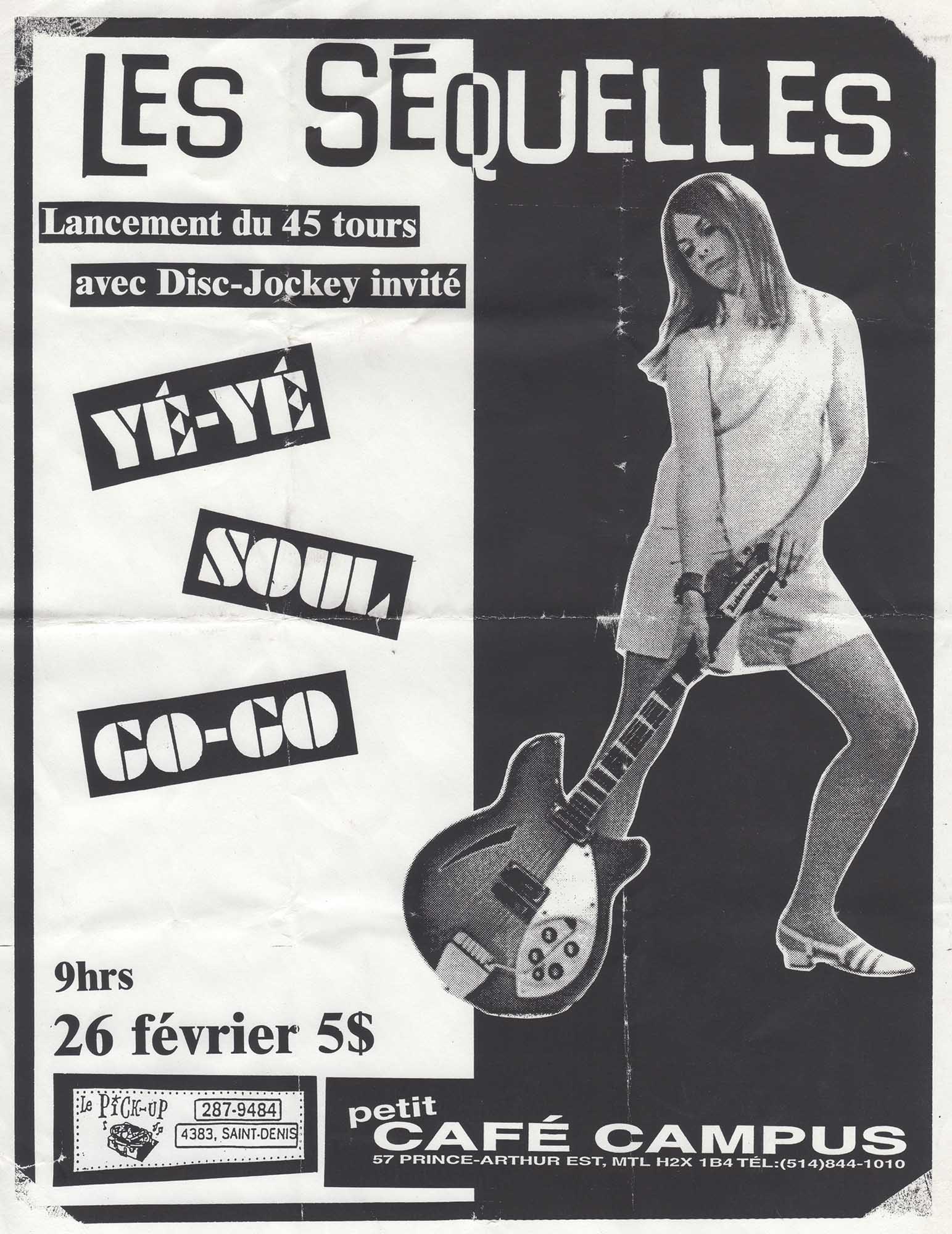
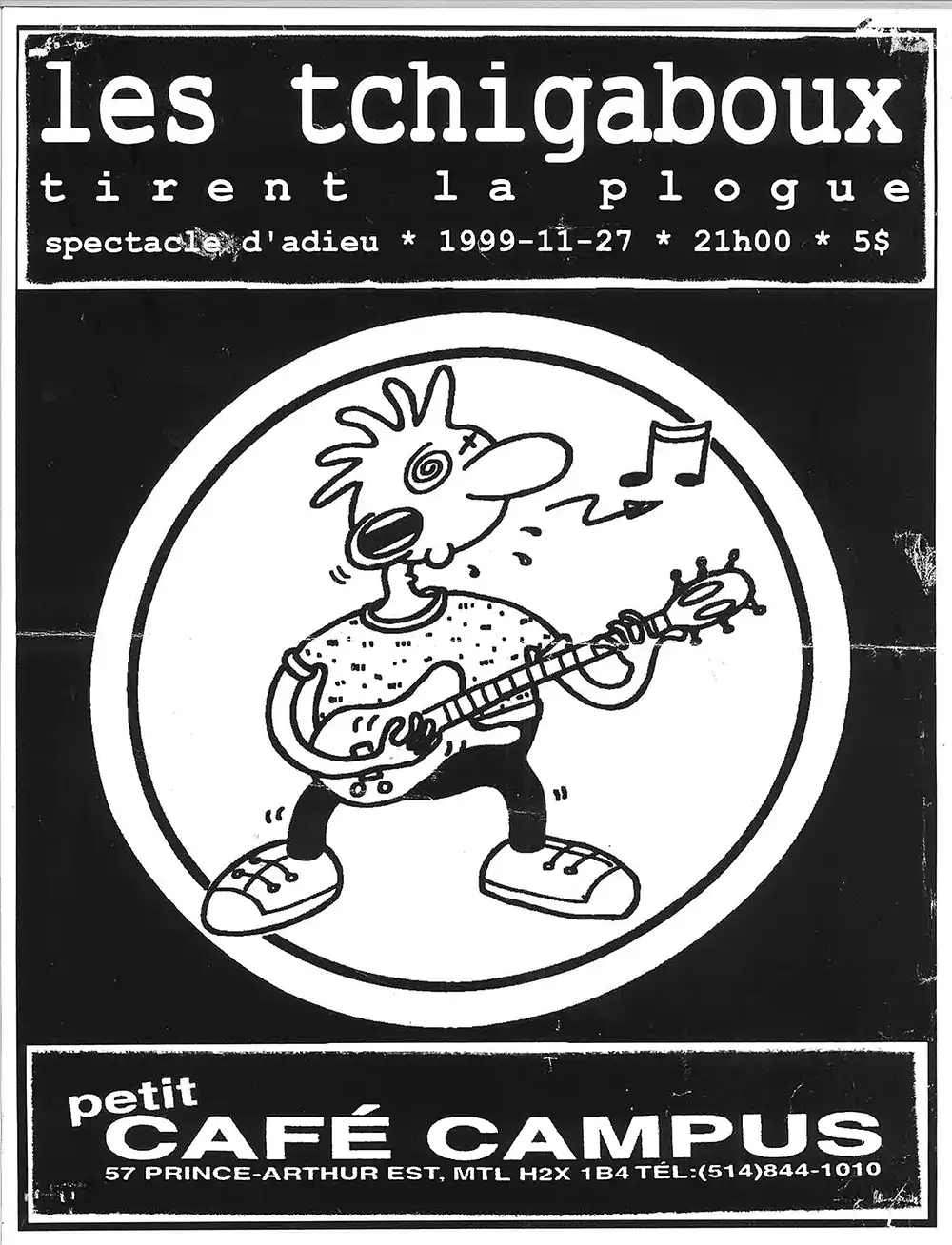
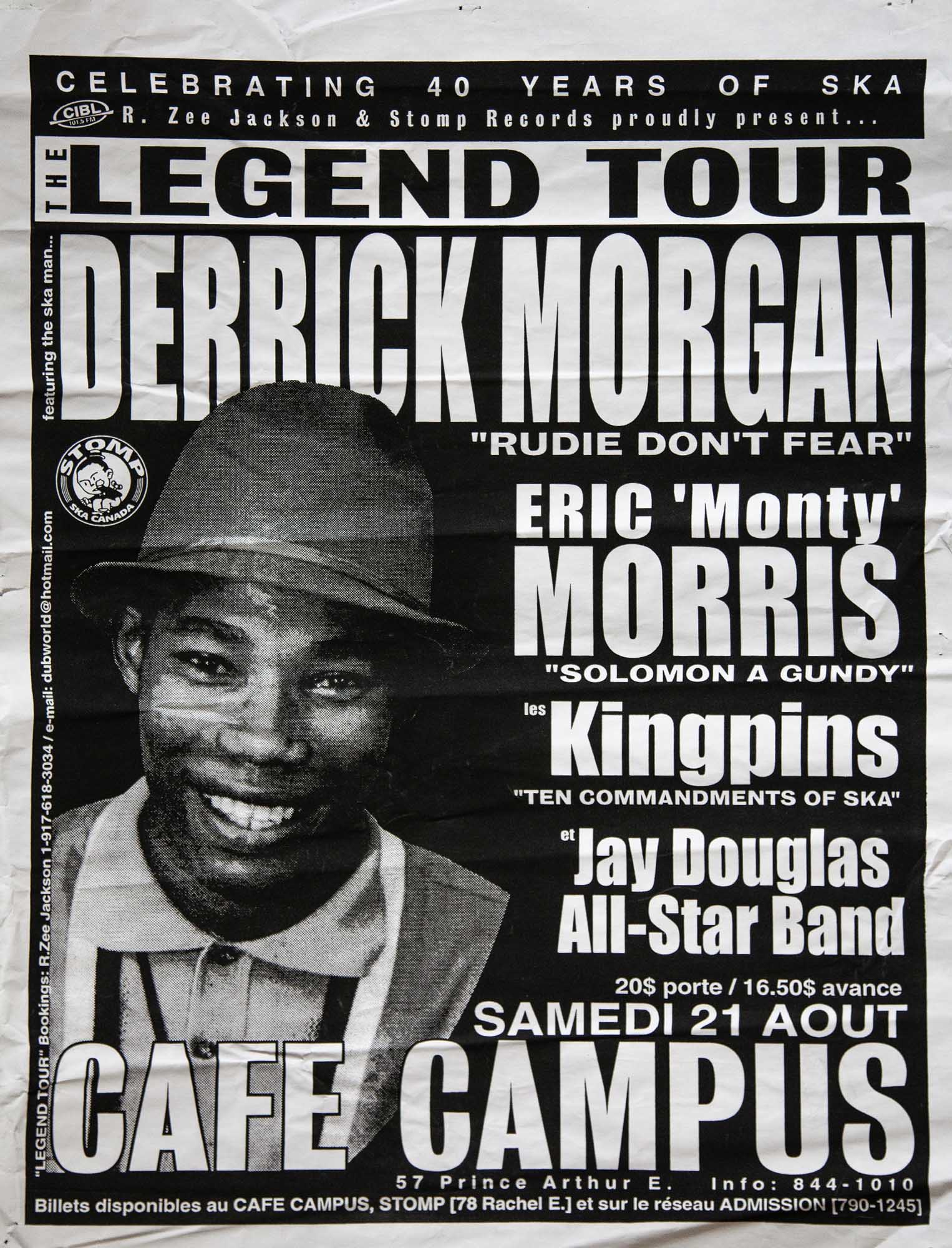
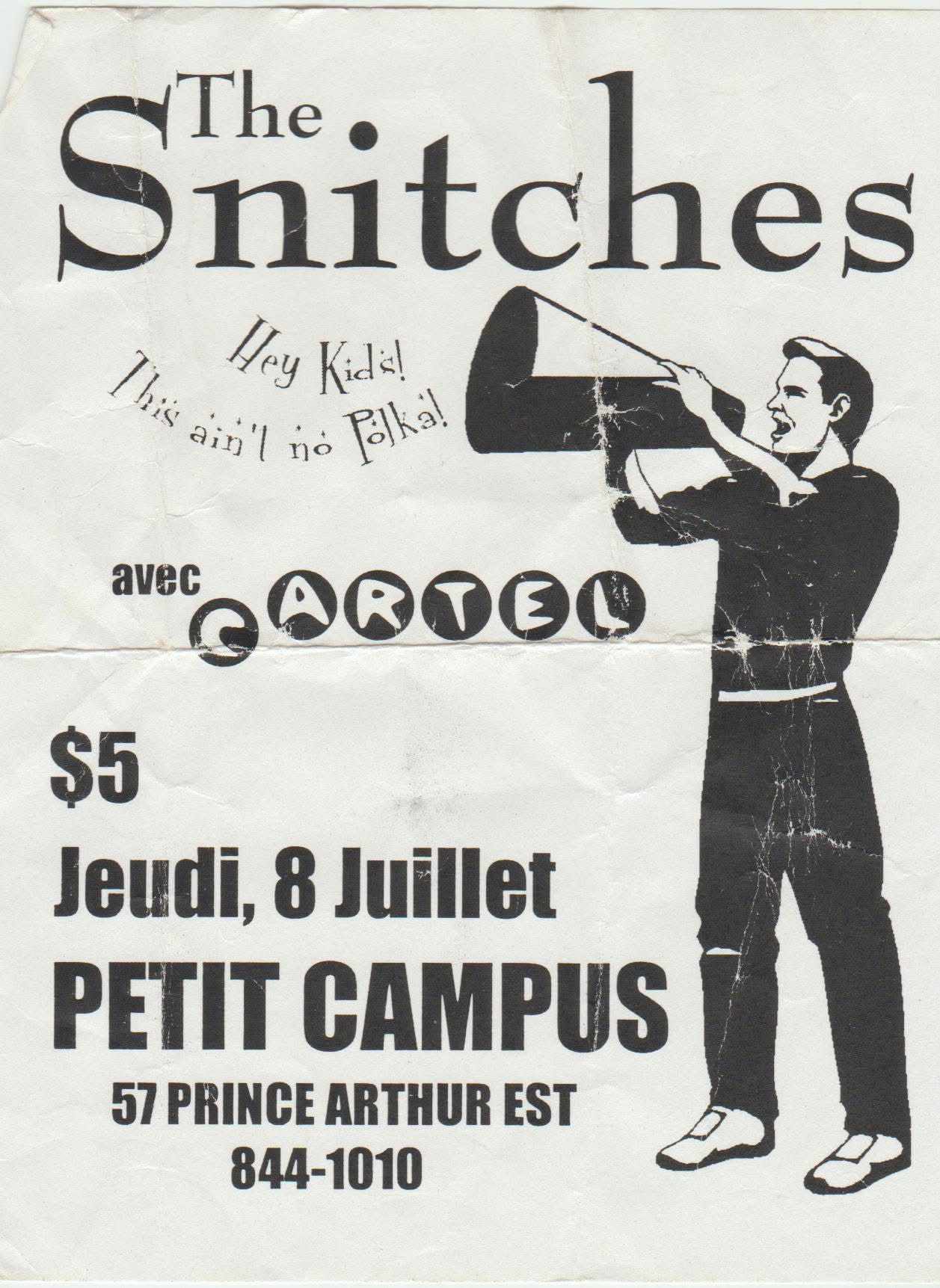
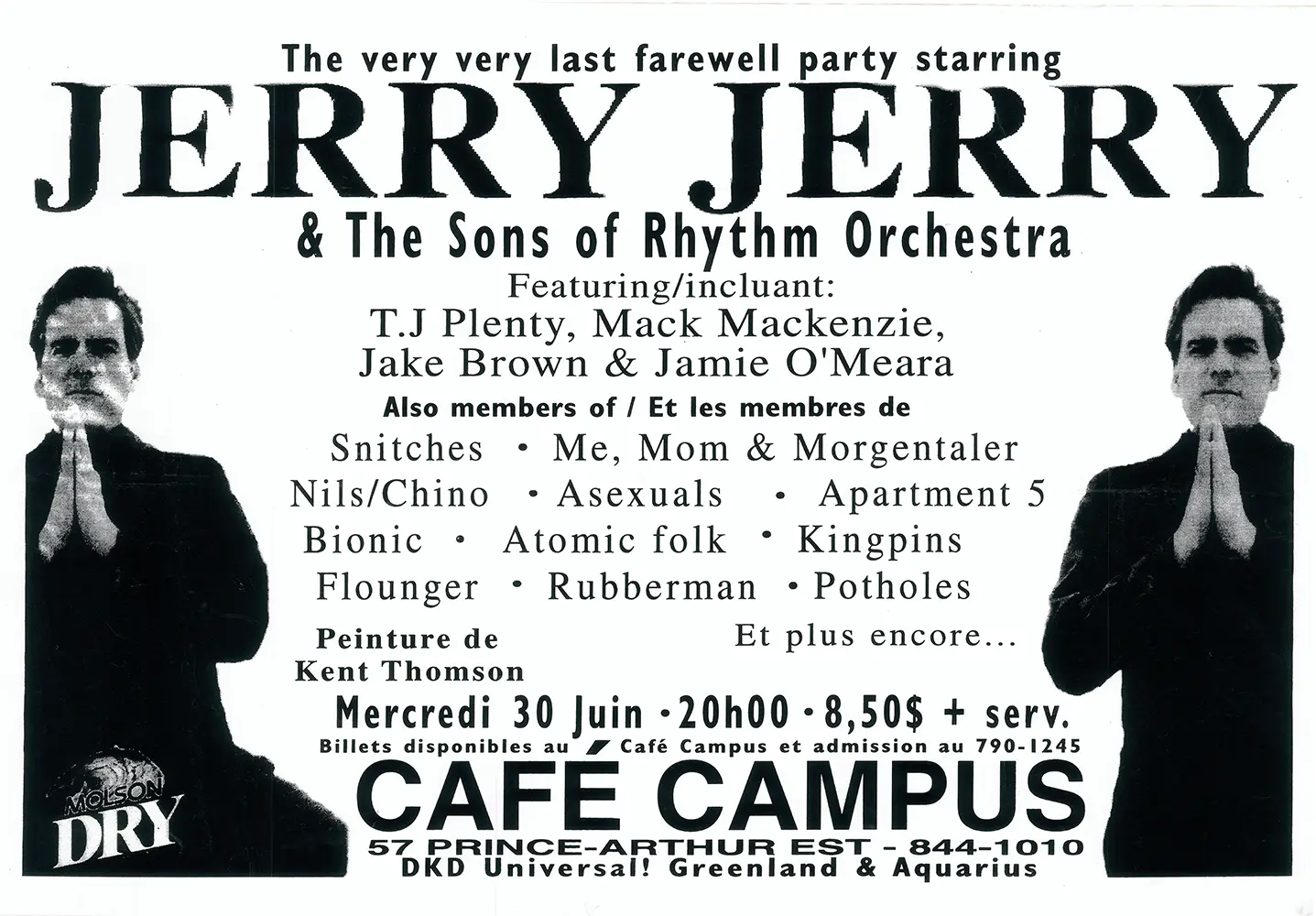
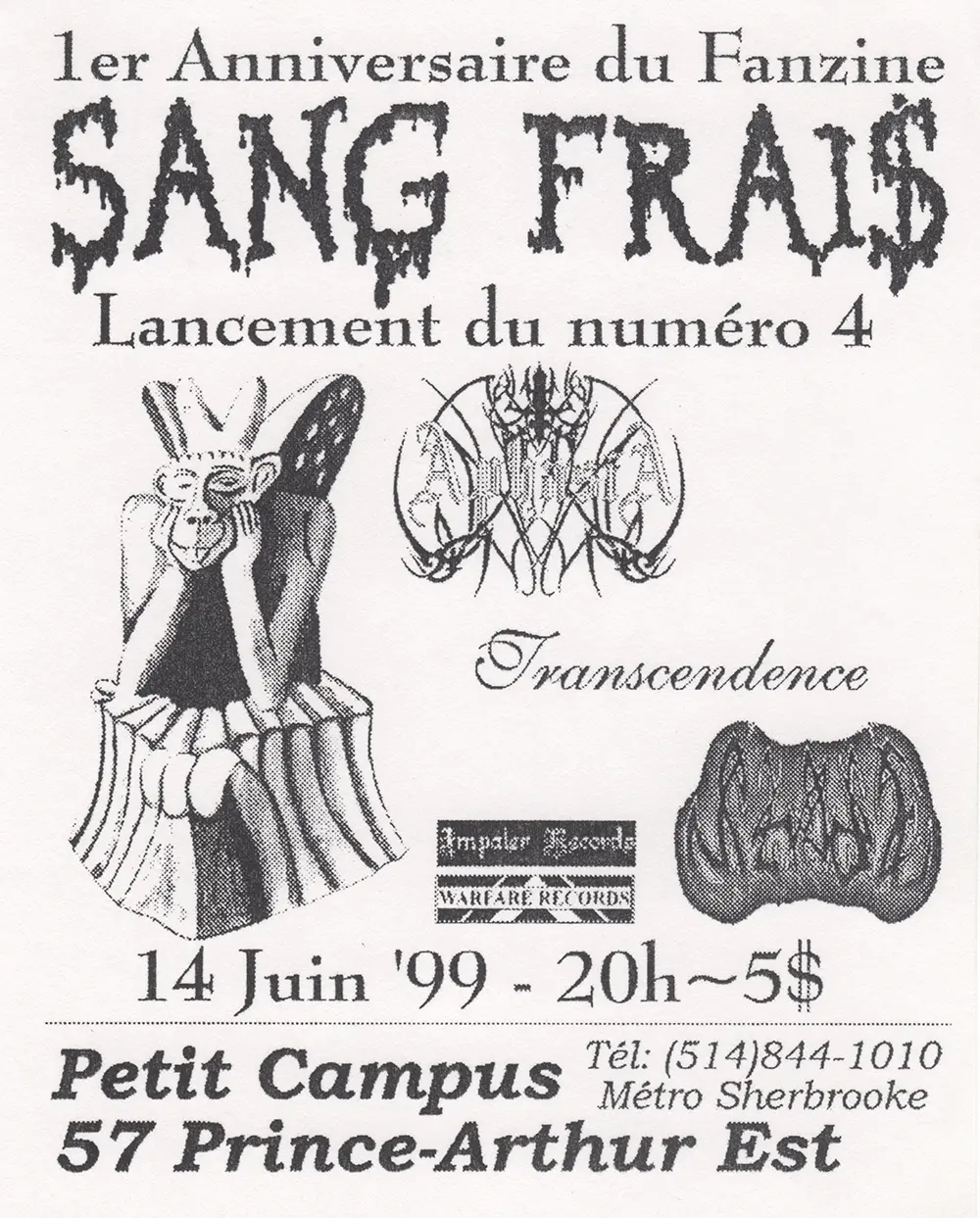
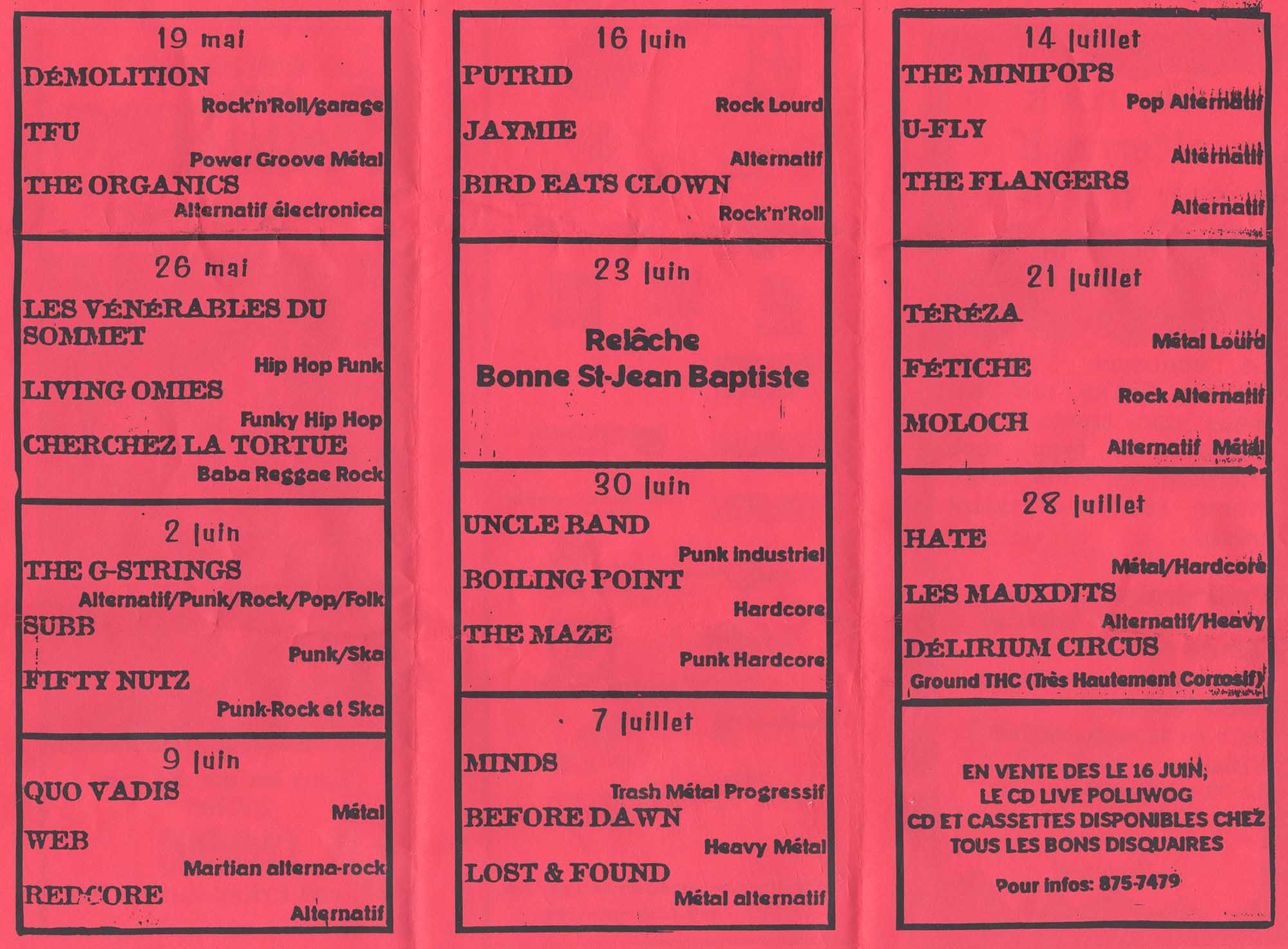
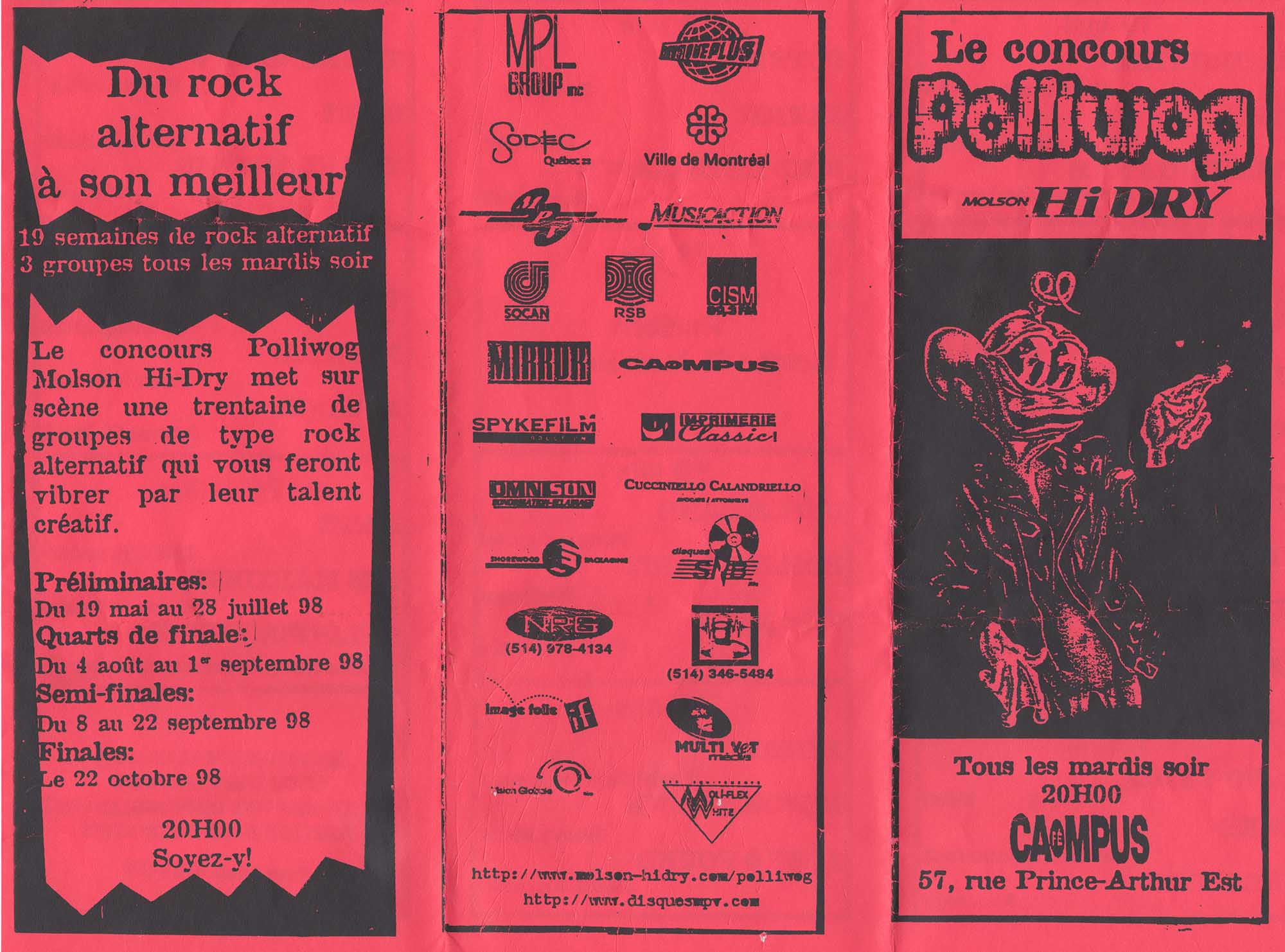
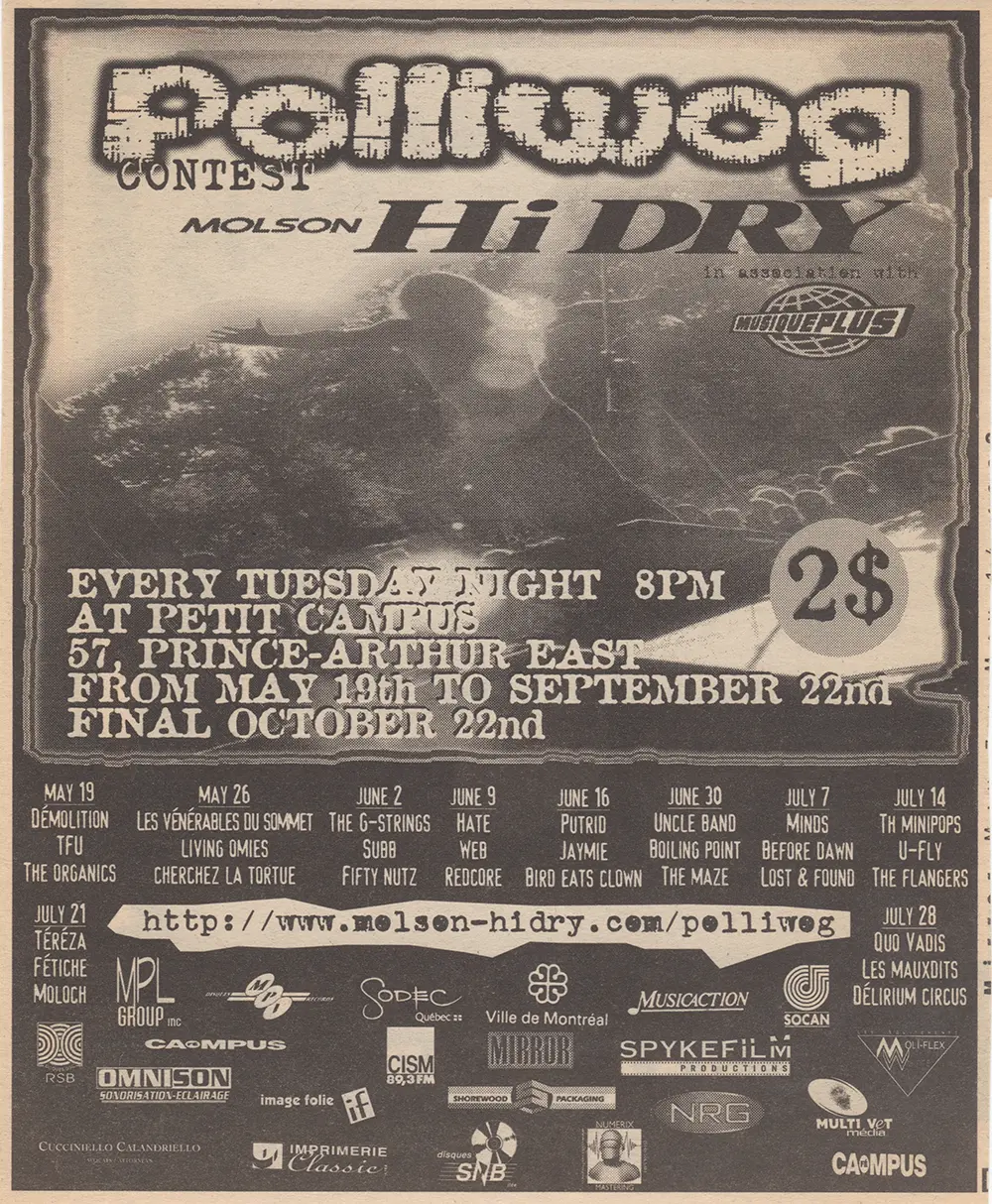
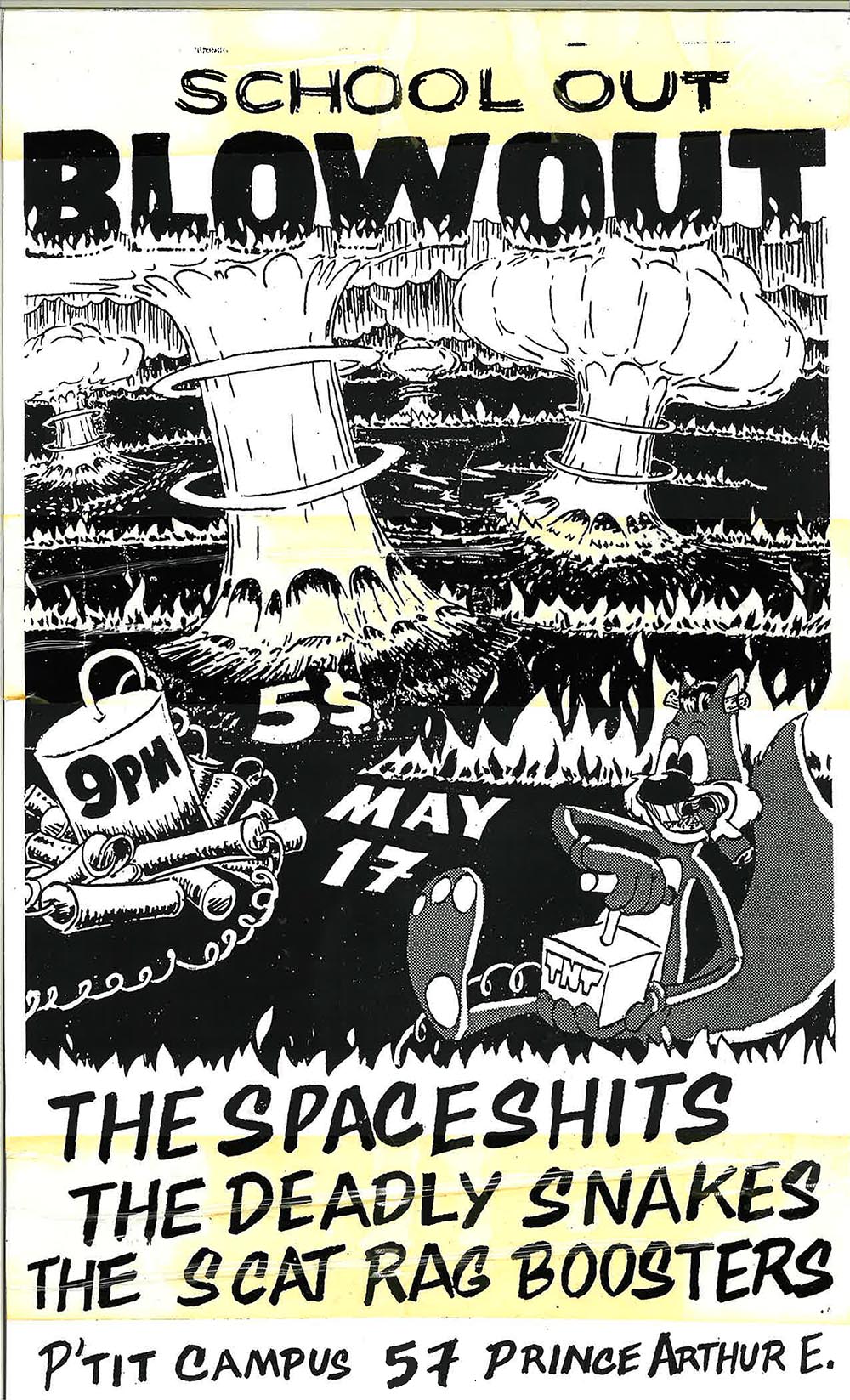
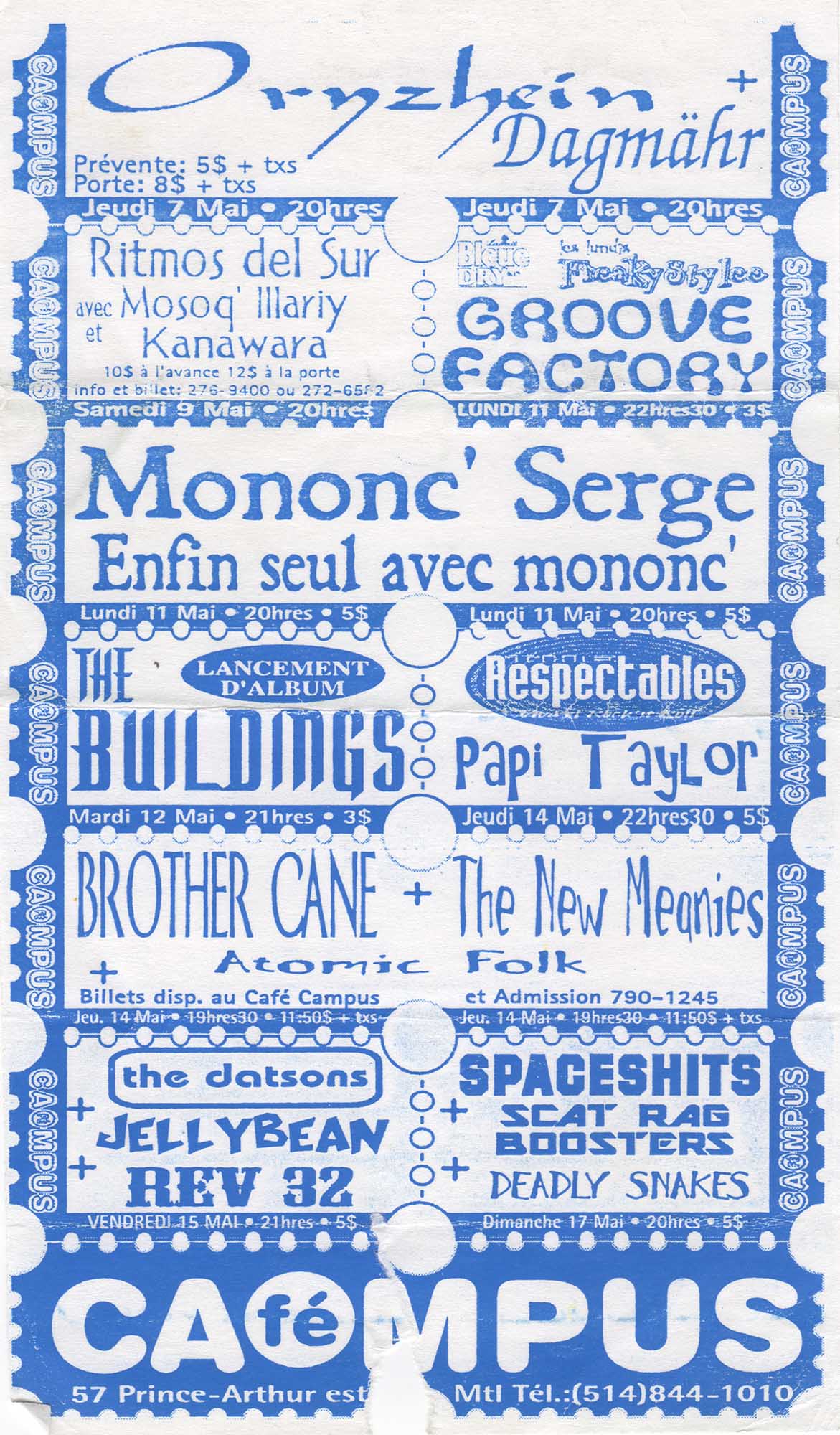
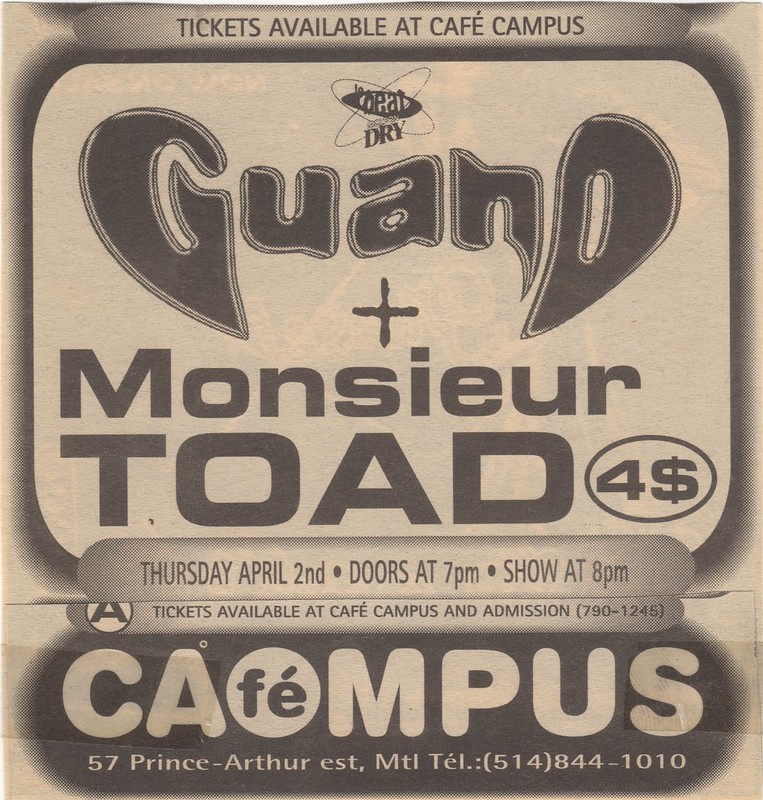
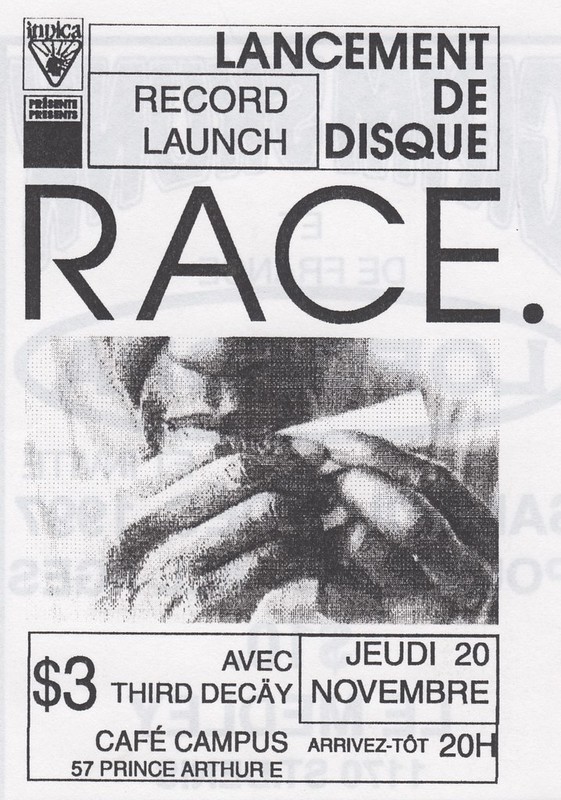
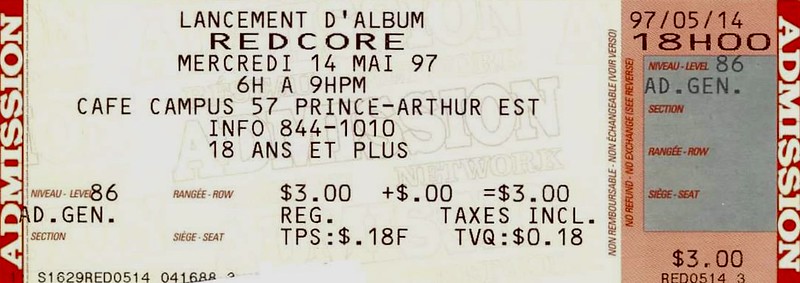
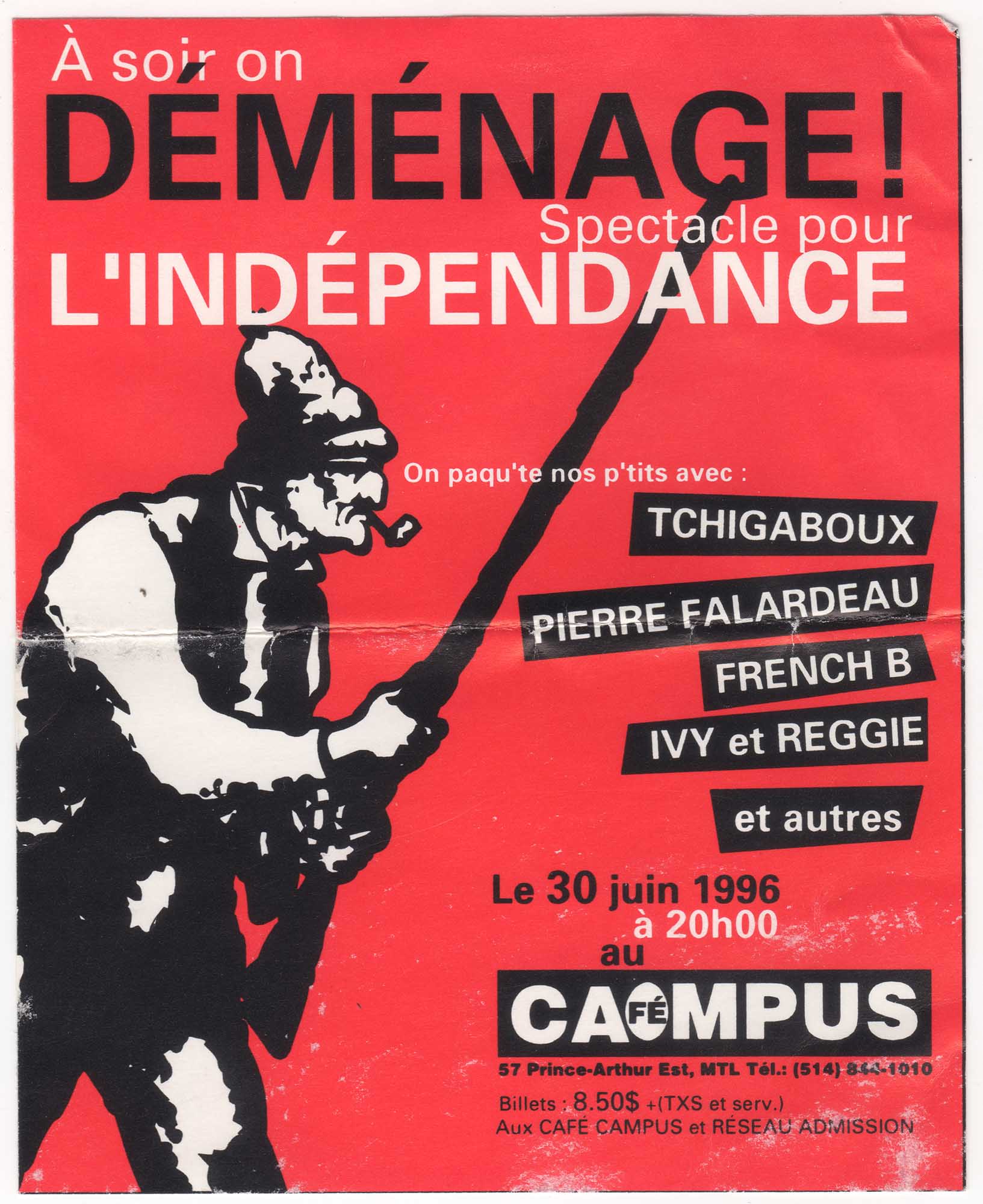
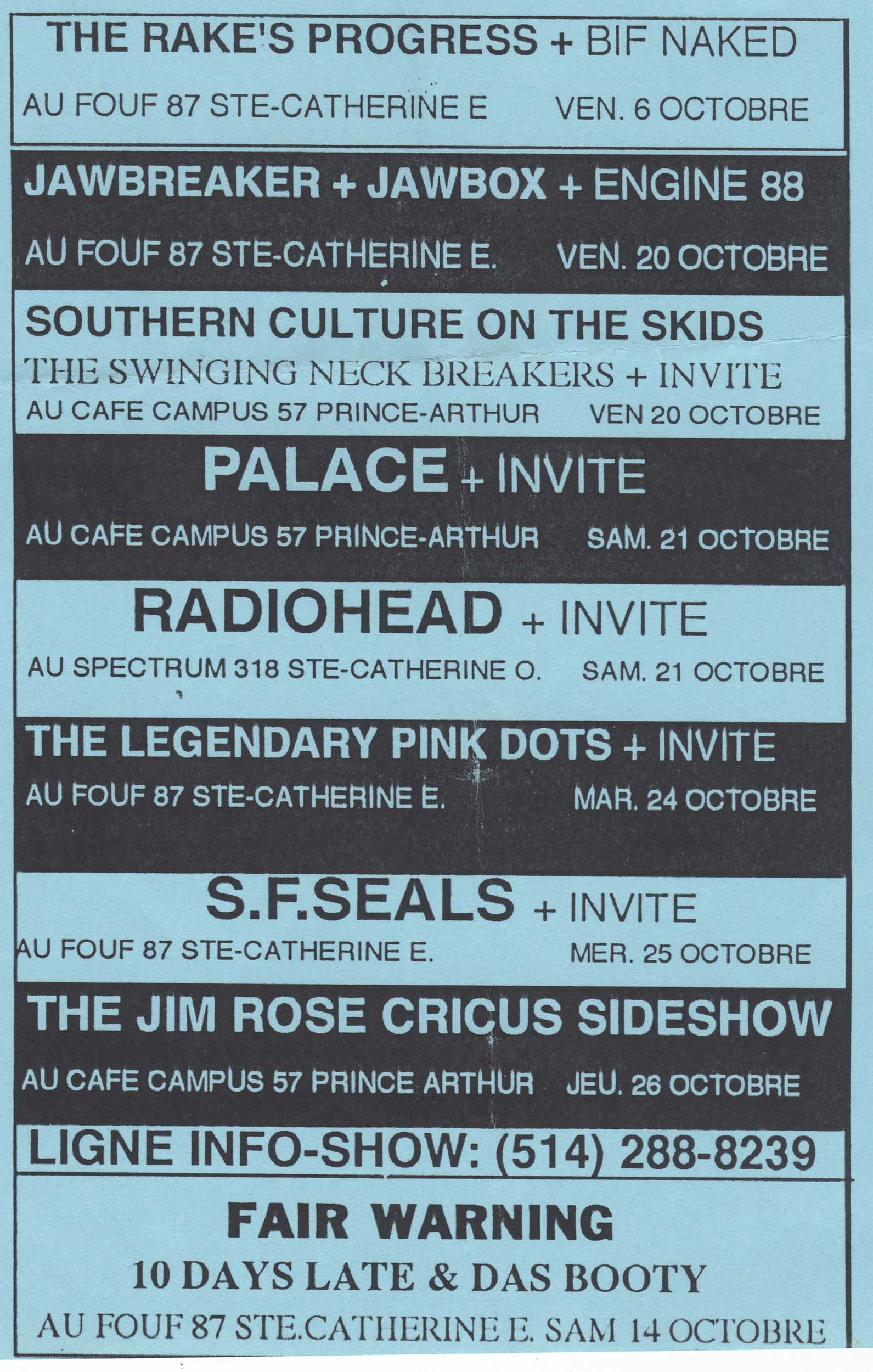
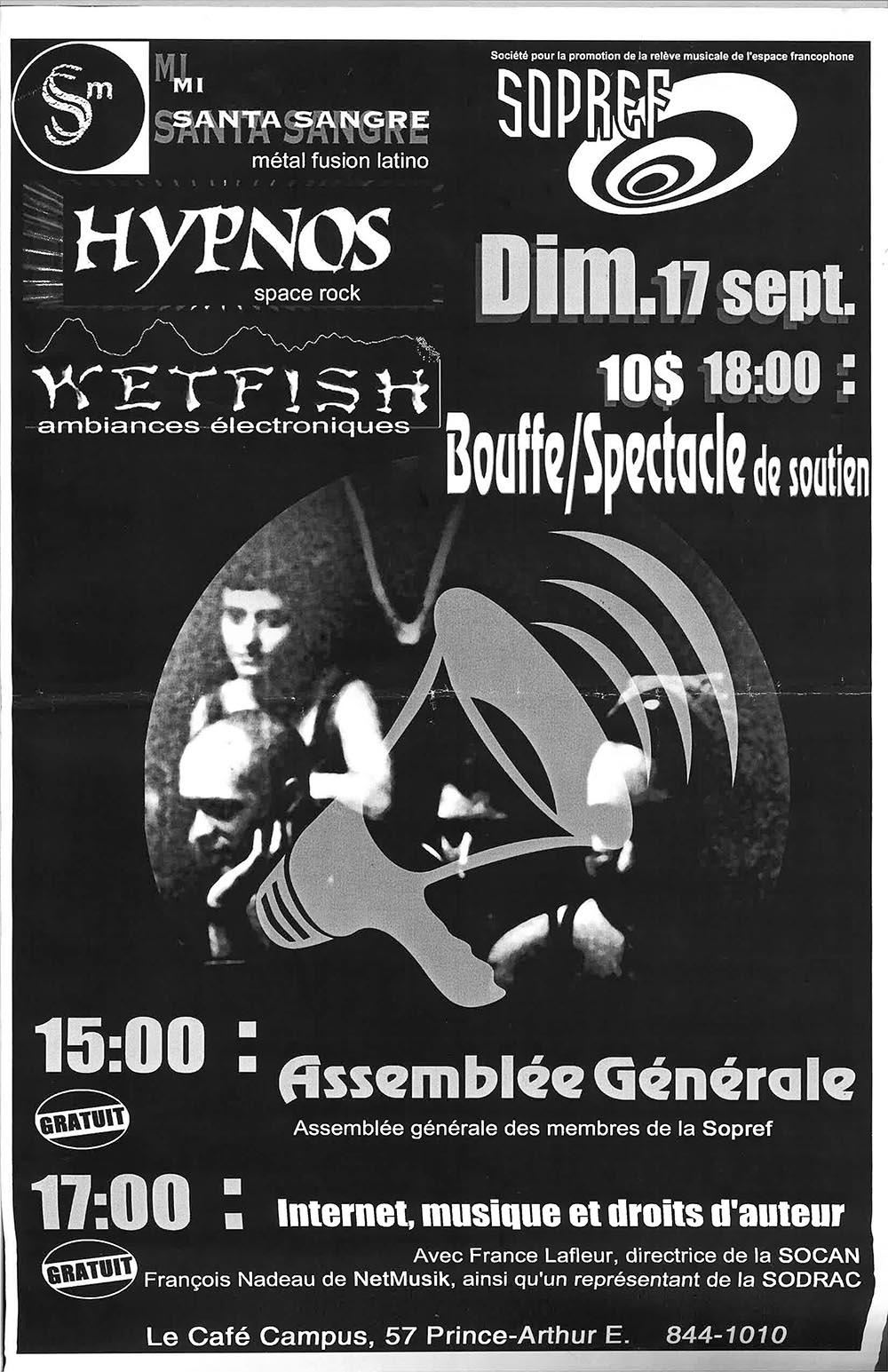
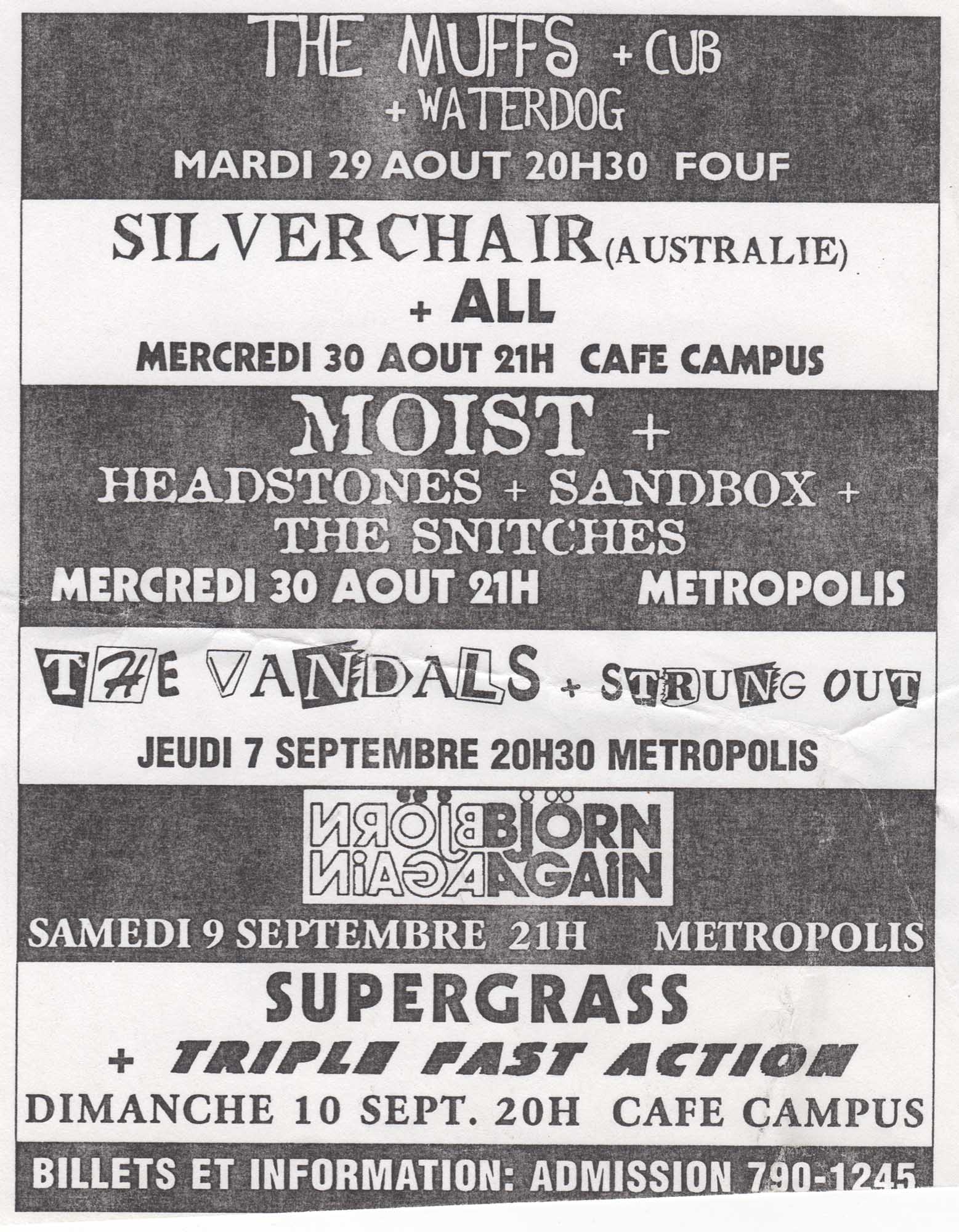
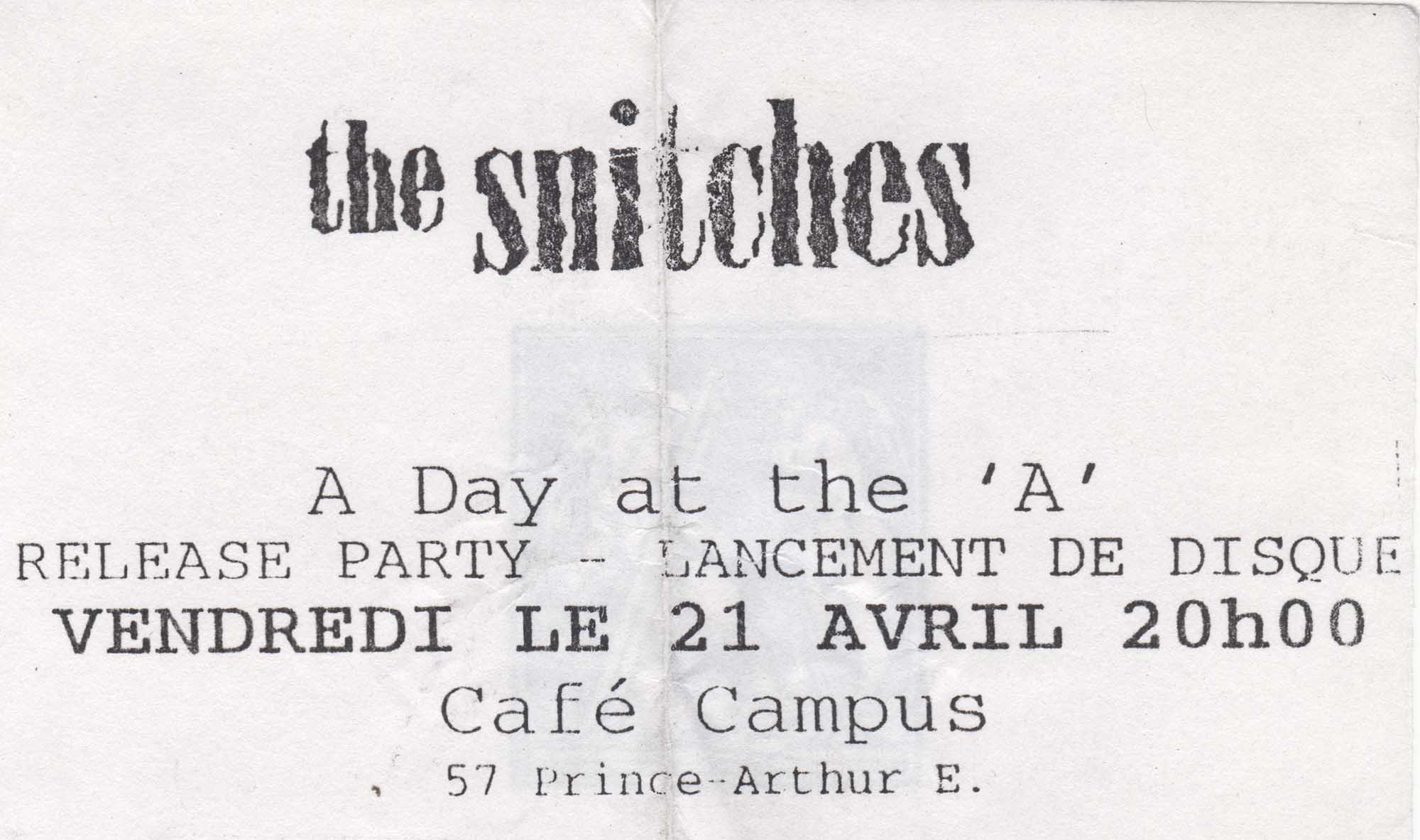
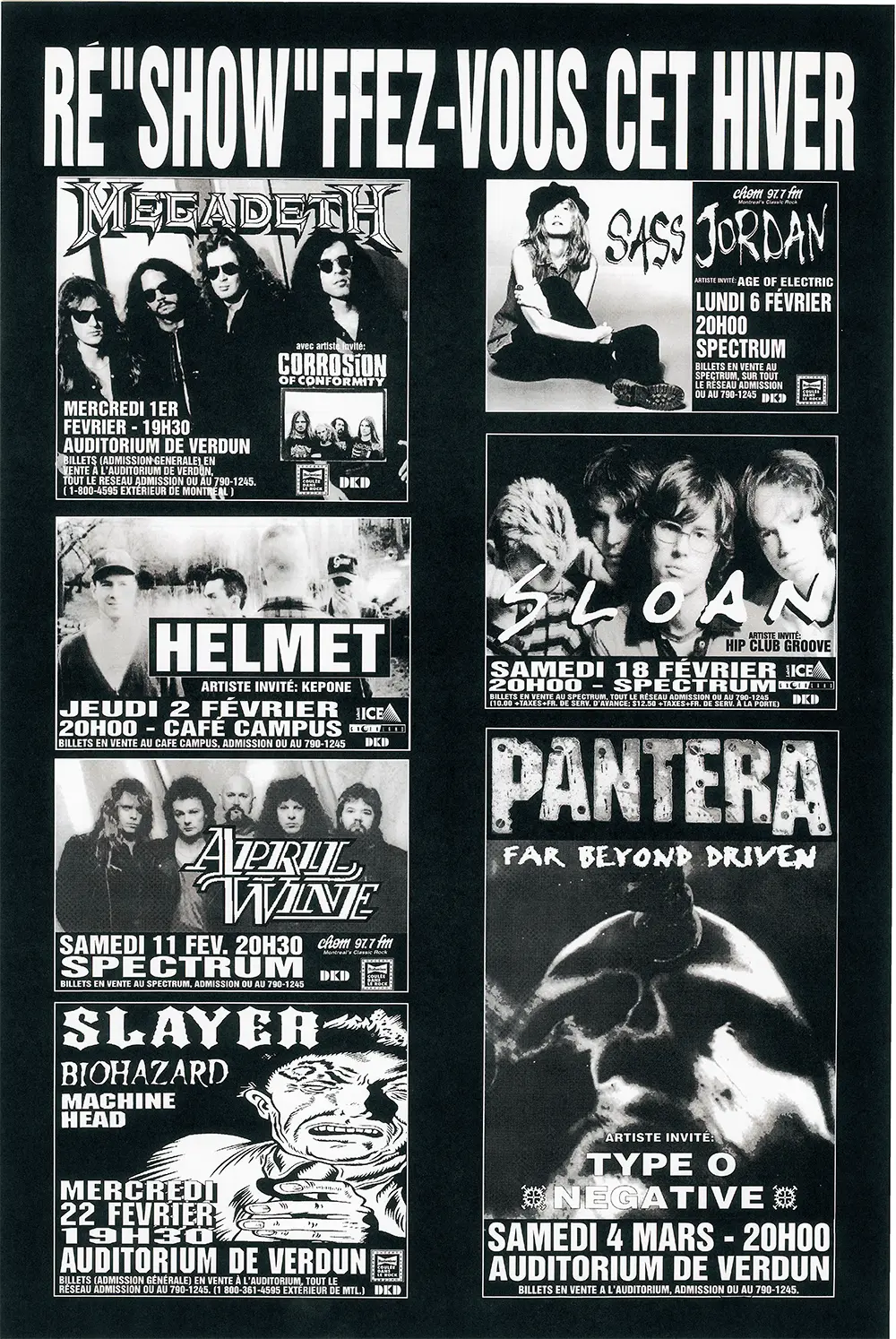
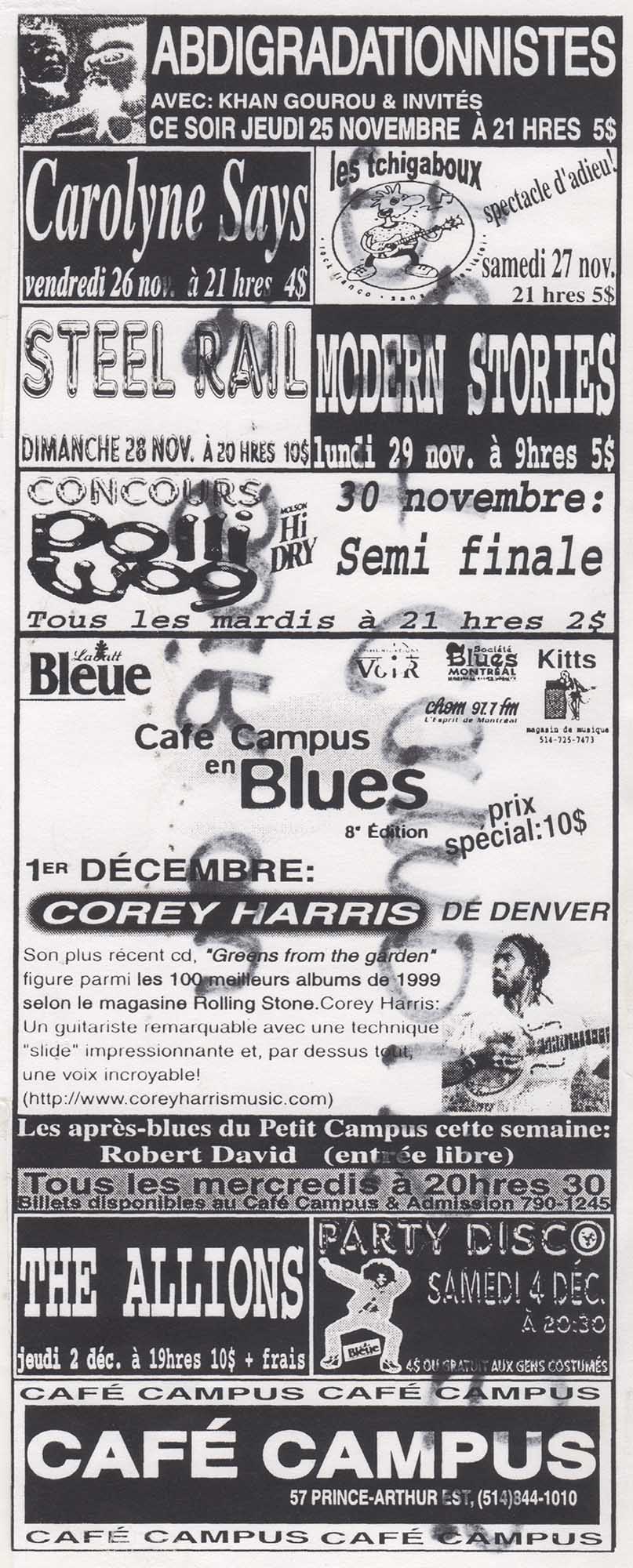
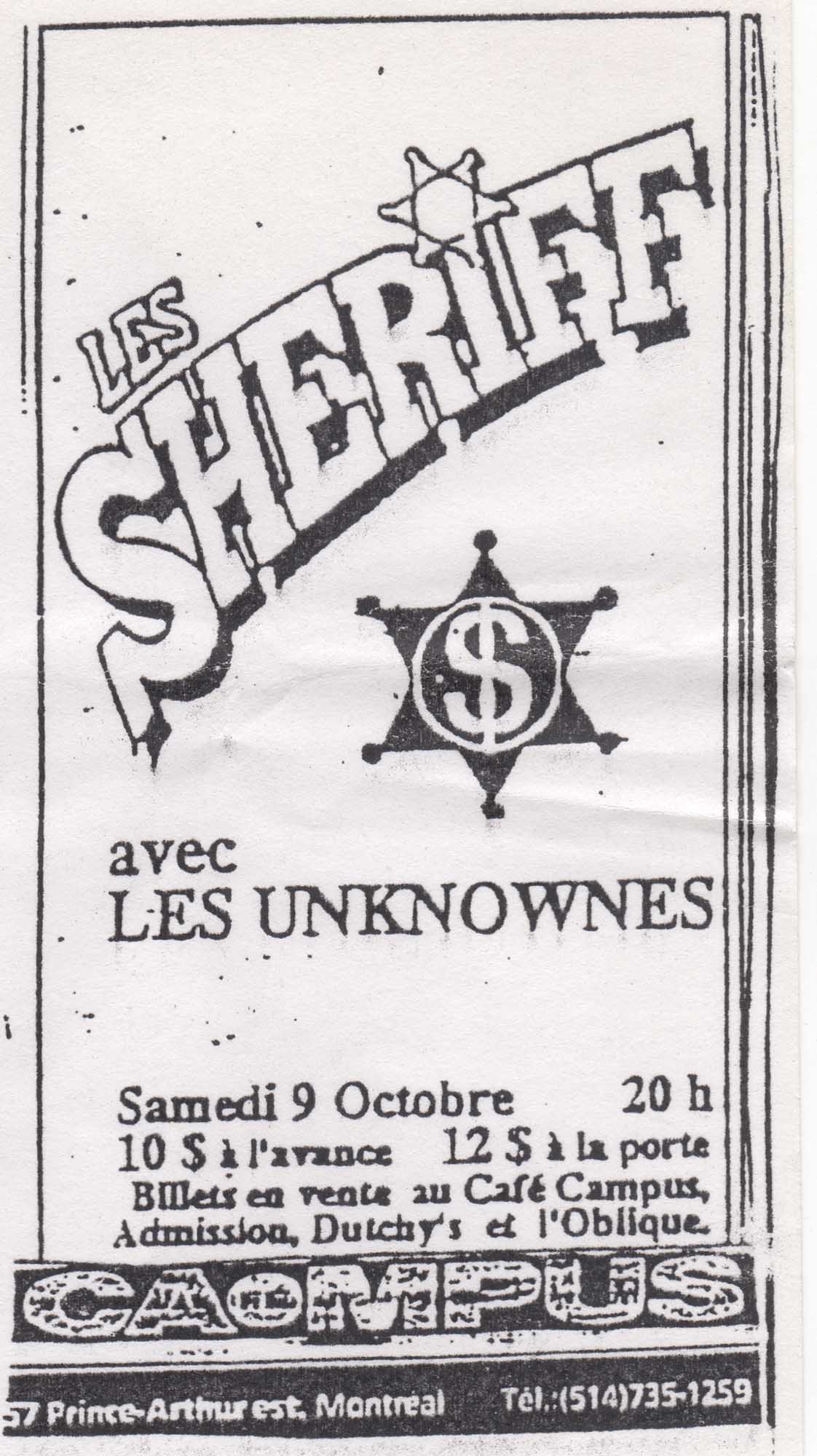
On June 22, 1993, Café Campus returned in time for the Saint-Jean-Baptiste celebrations, moving into new premises at 57 Prince-Arthur Street East in the former Chez Swann nightclub building. The venue had only one month to relocate following a Quebec Court of Appeal injunction issued on May 19, 1993, ordering it to cease operations and leave its legendary location at 3315 Queen Mary Road. The new Café Campus on Prince-Arthur Street officially opened on June 22, 1993. For eight years, the venue gained additional visibility through the comedy television program Piment Fort, hosted by Normand Brathwaite. [2][6][7]
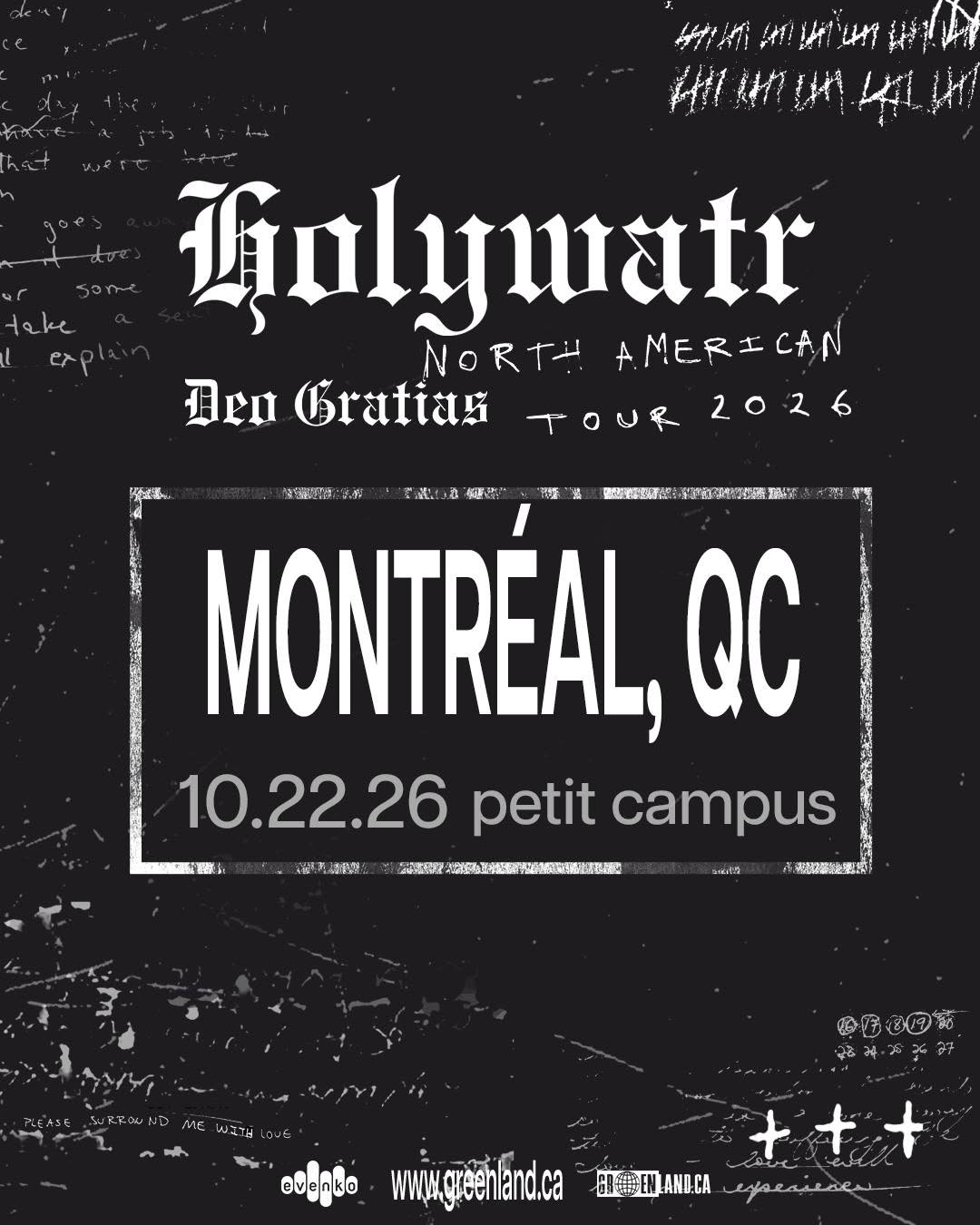
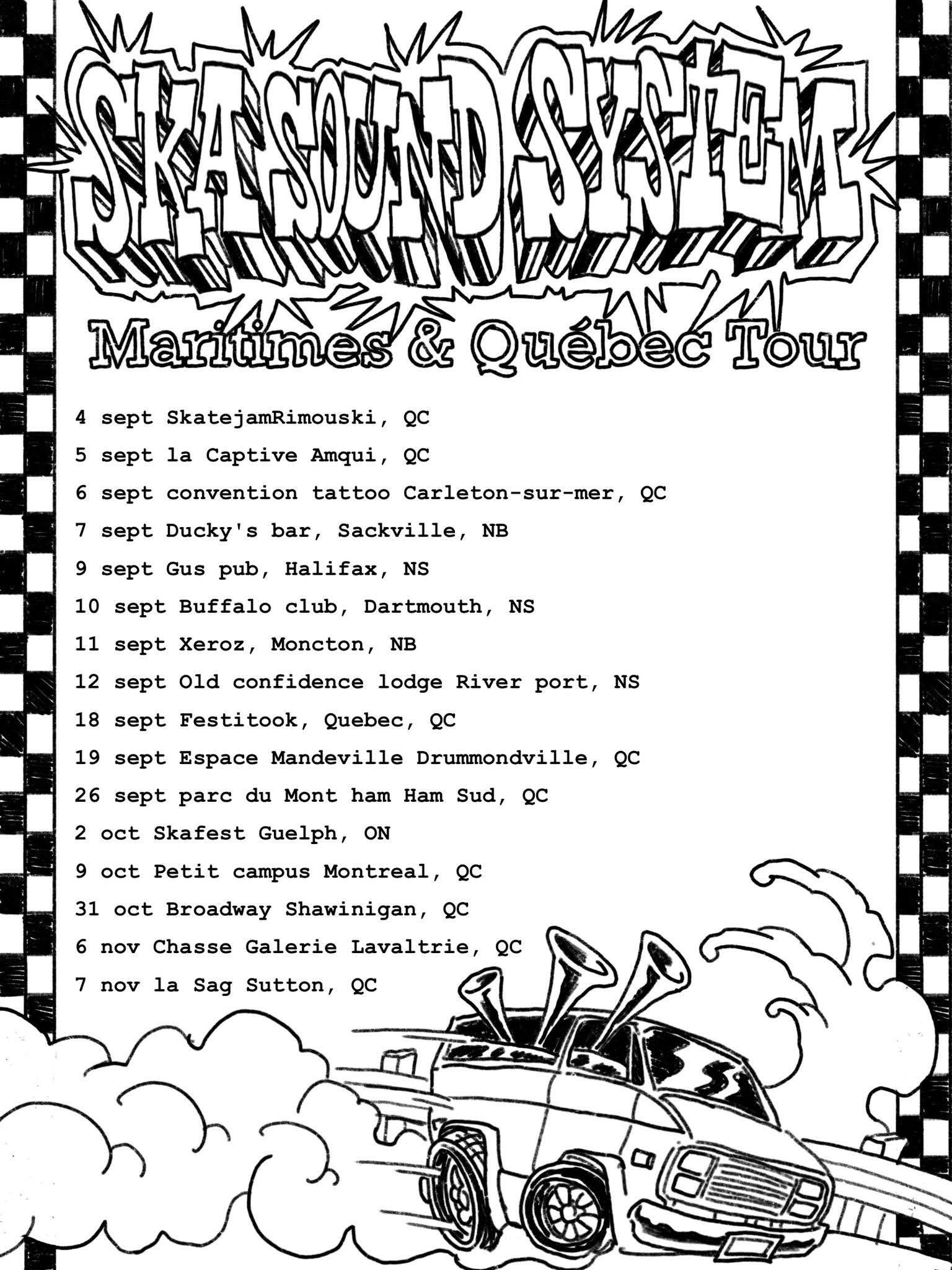
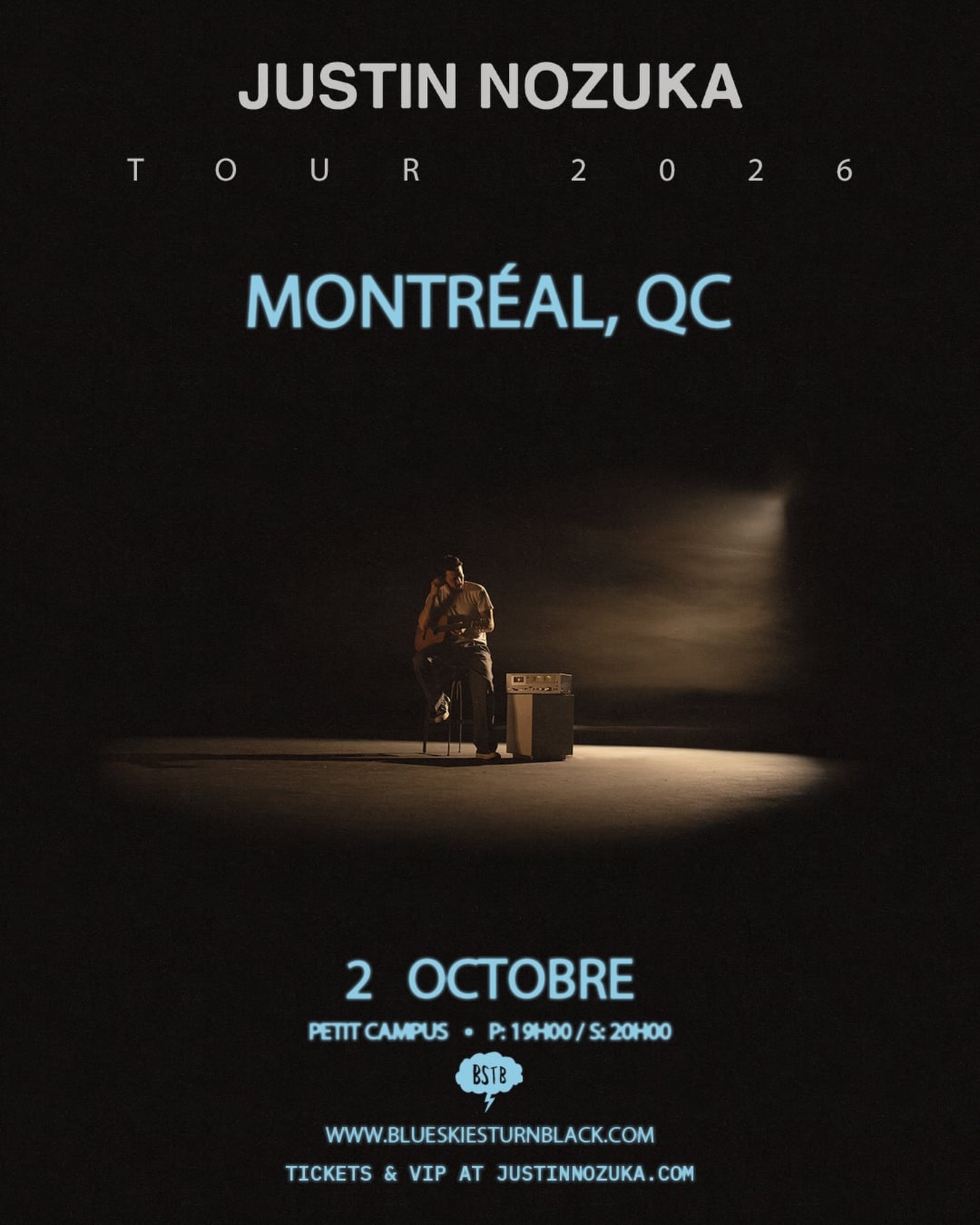
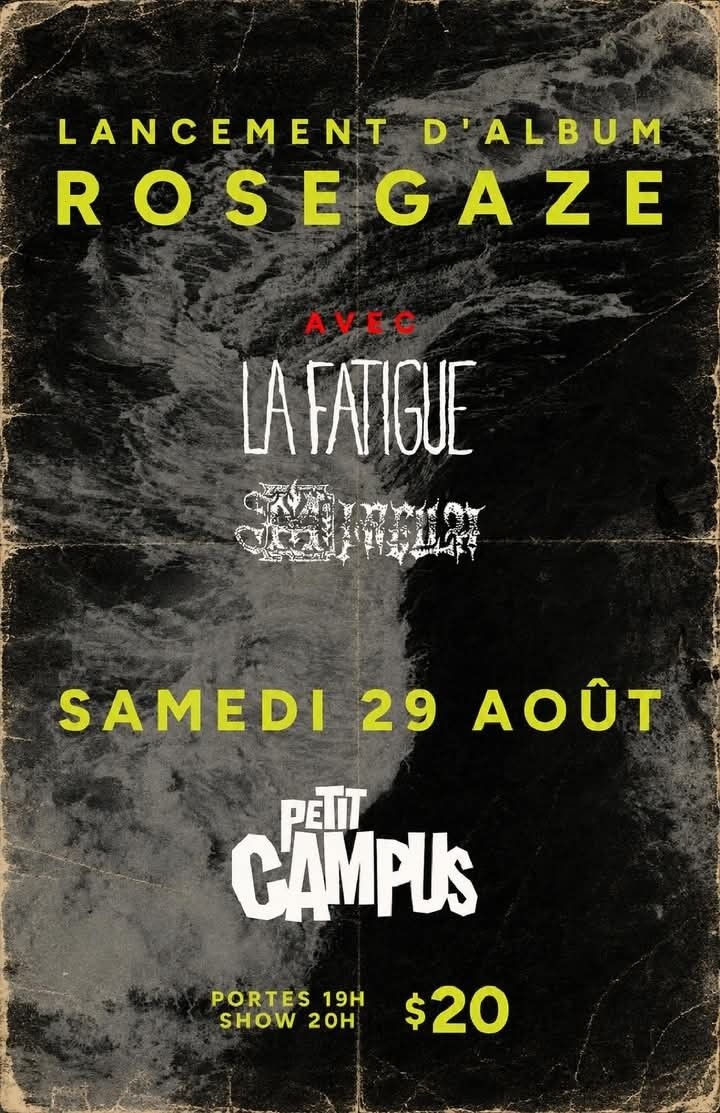
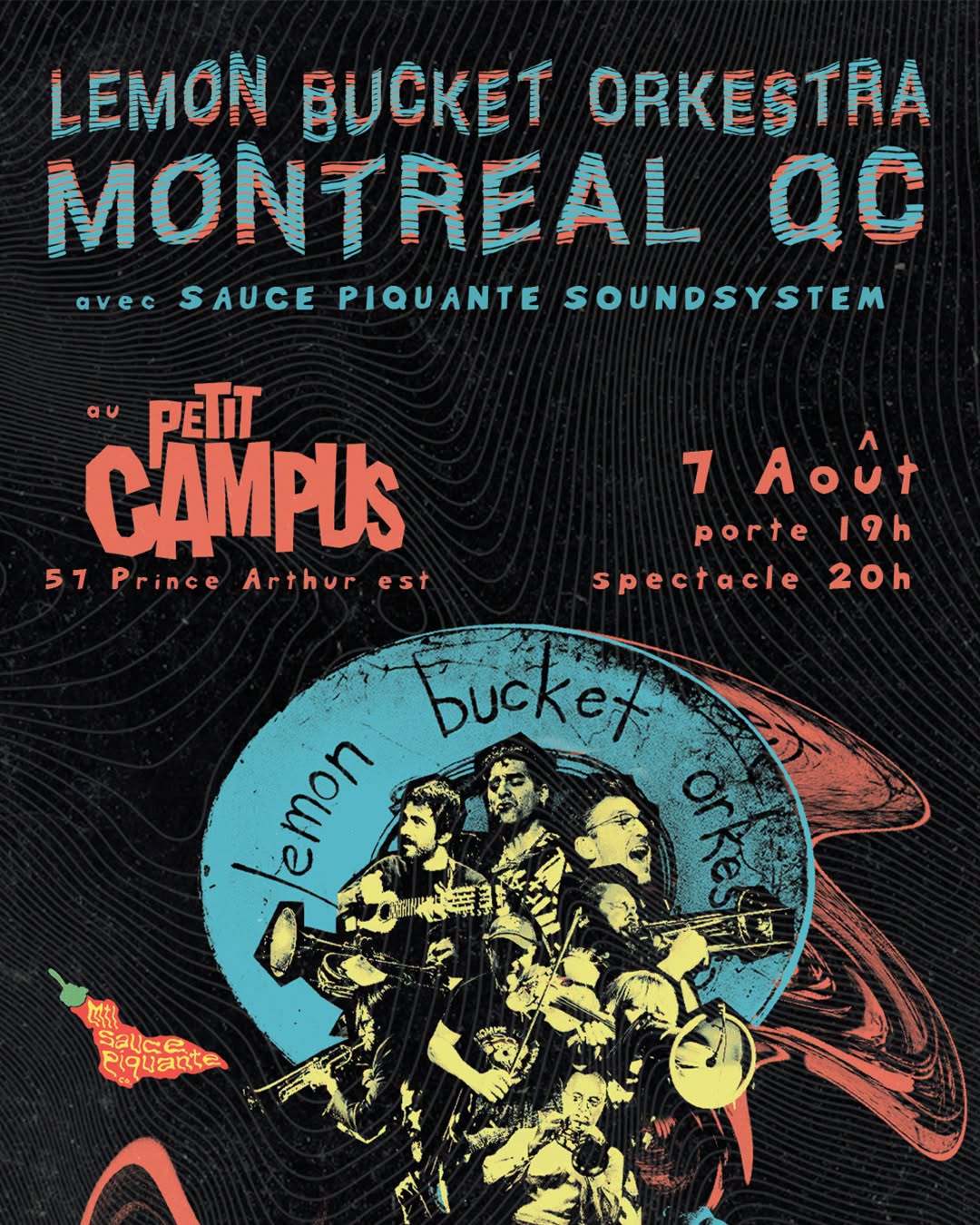
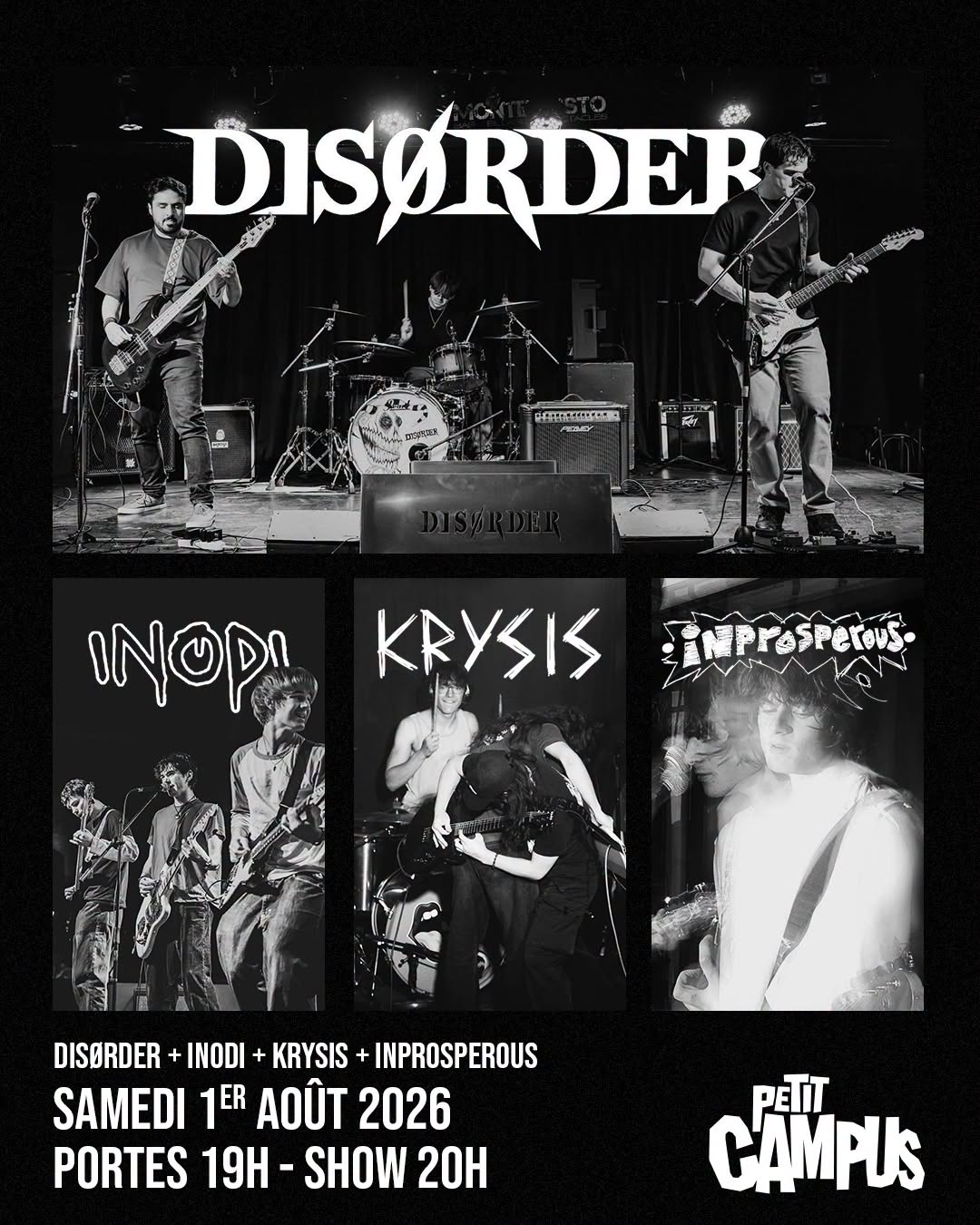
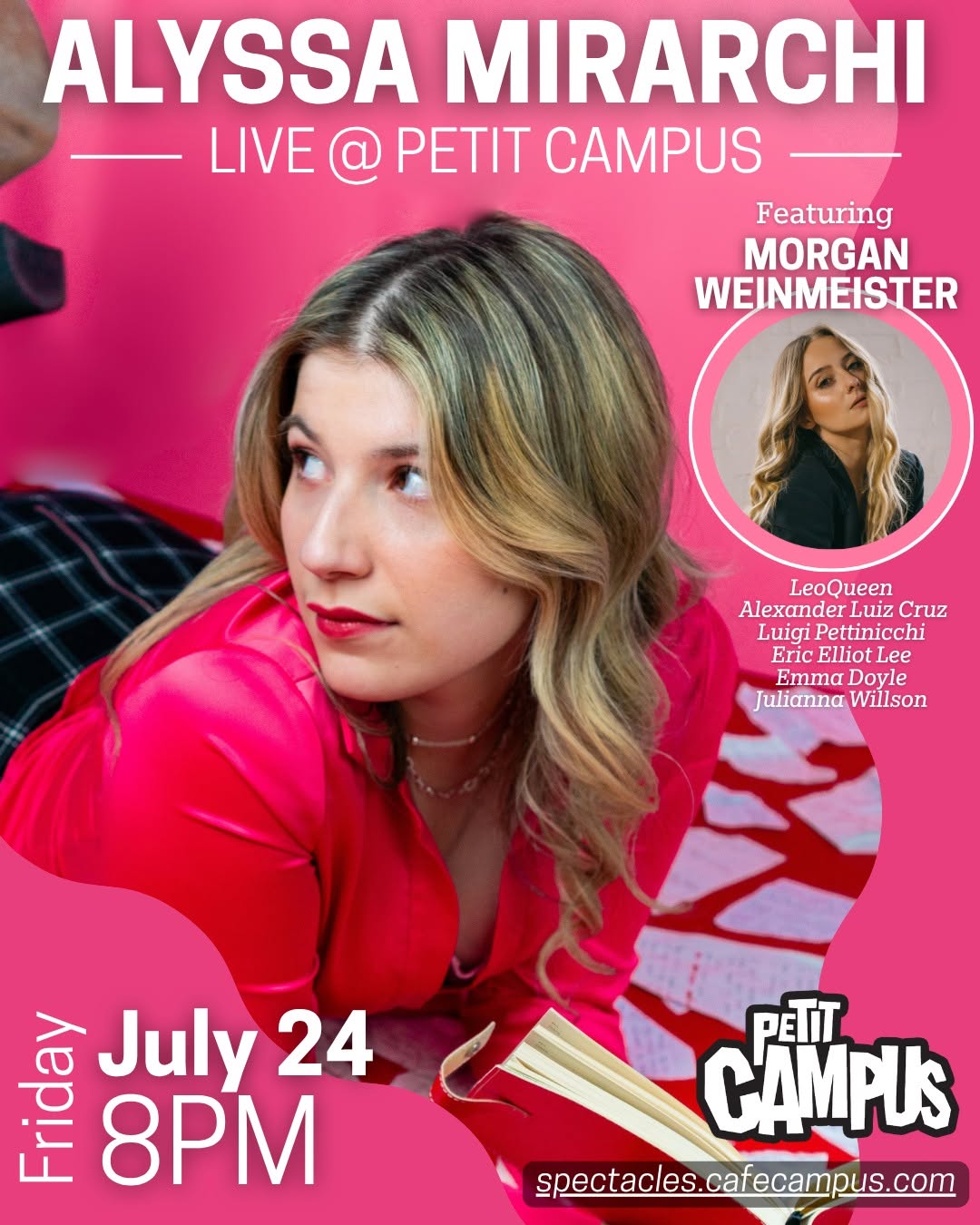
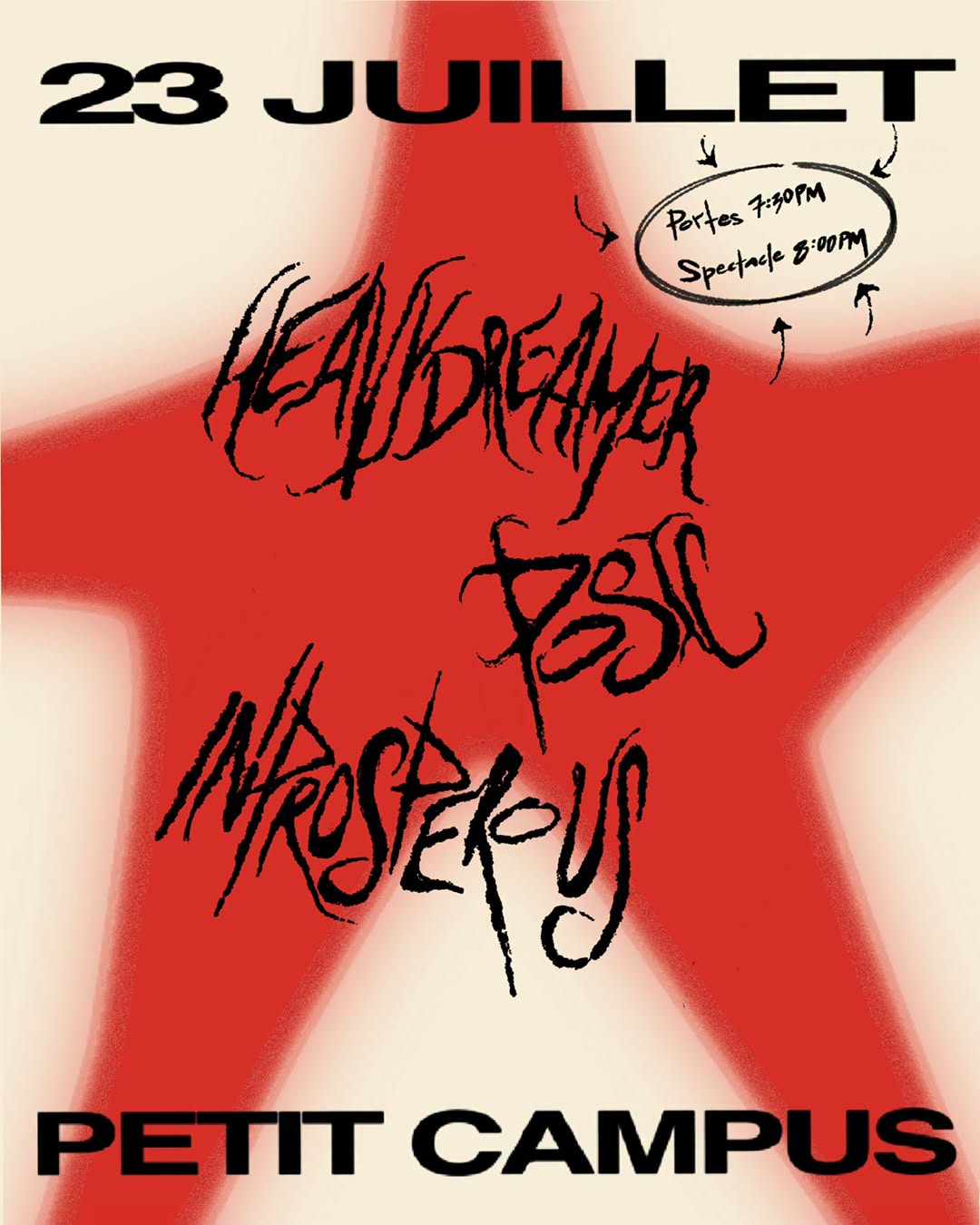
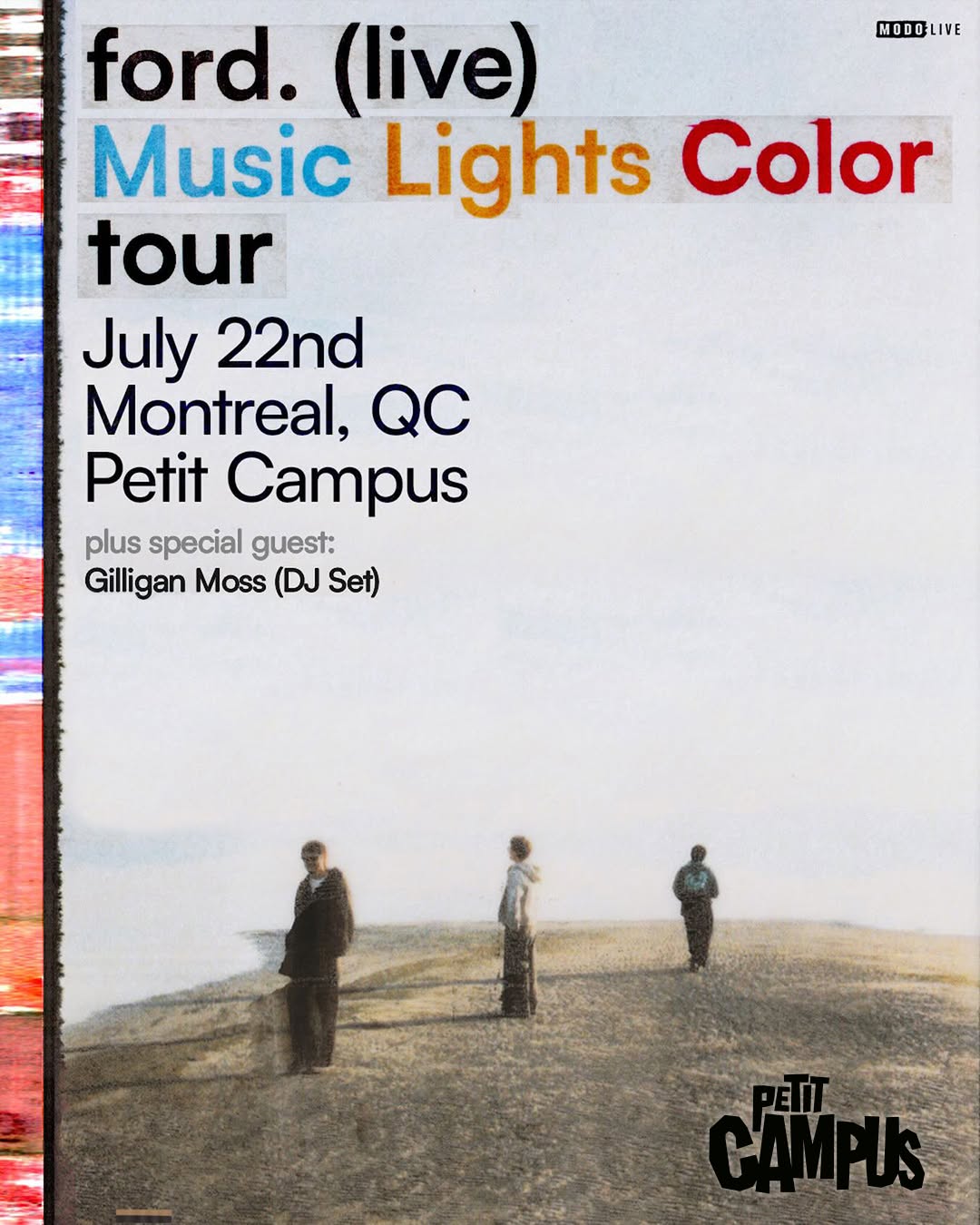
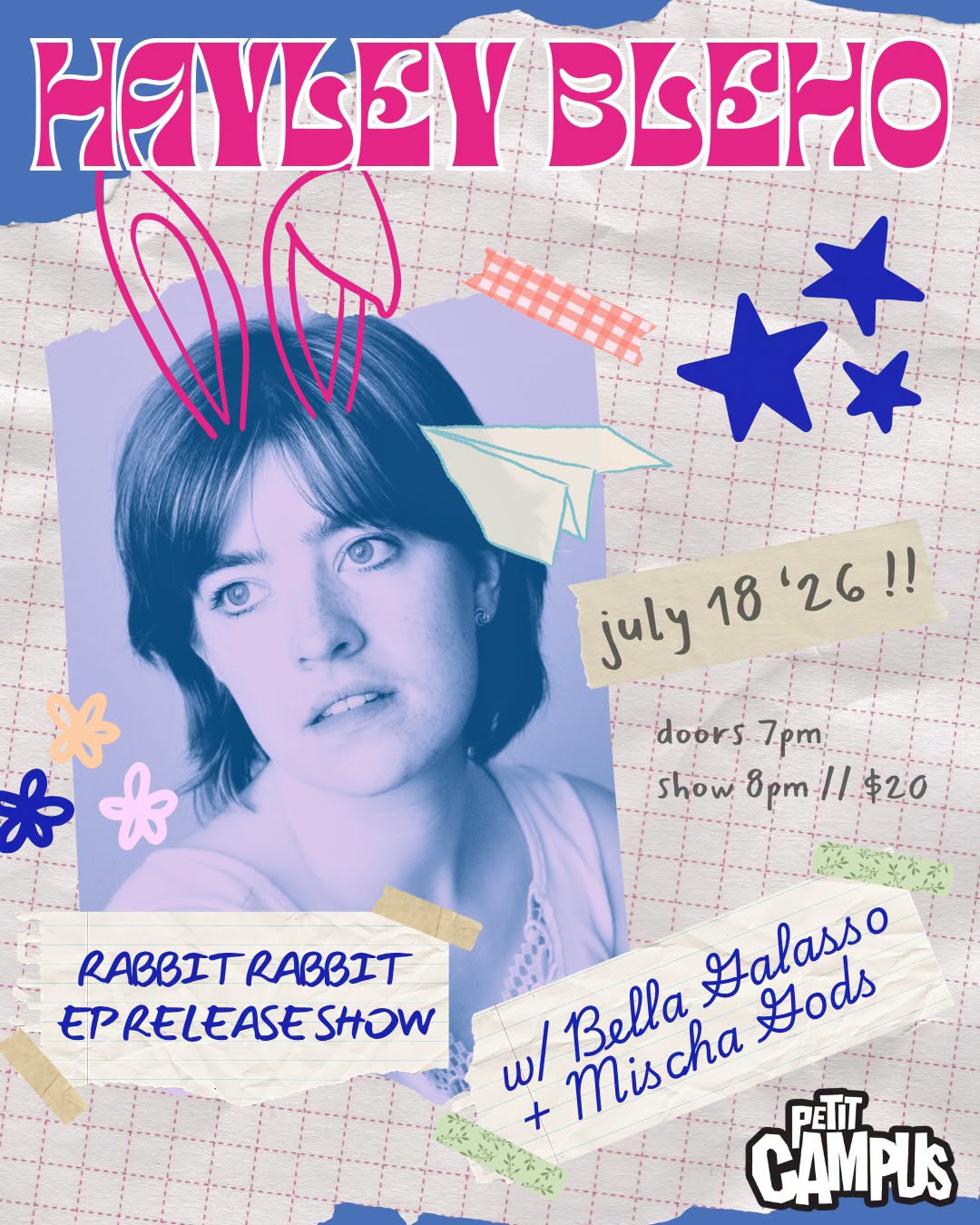
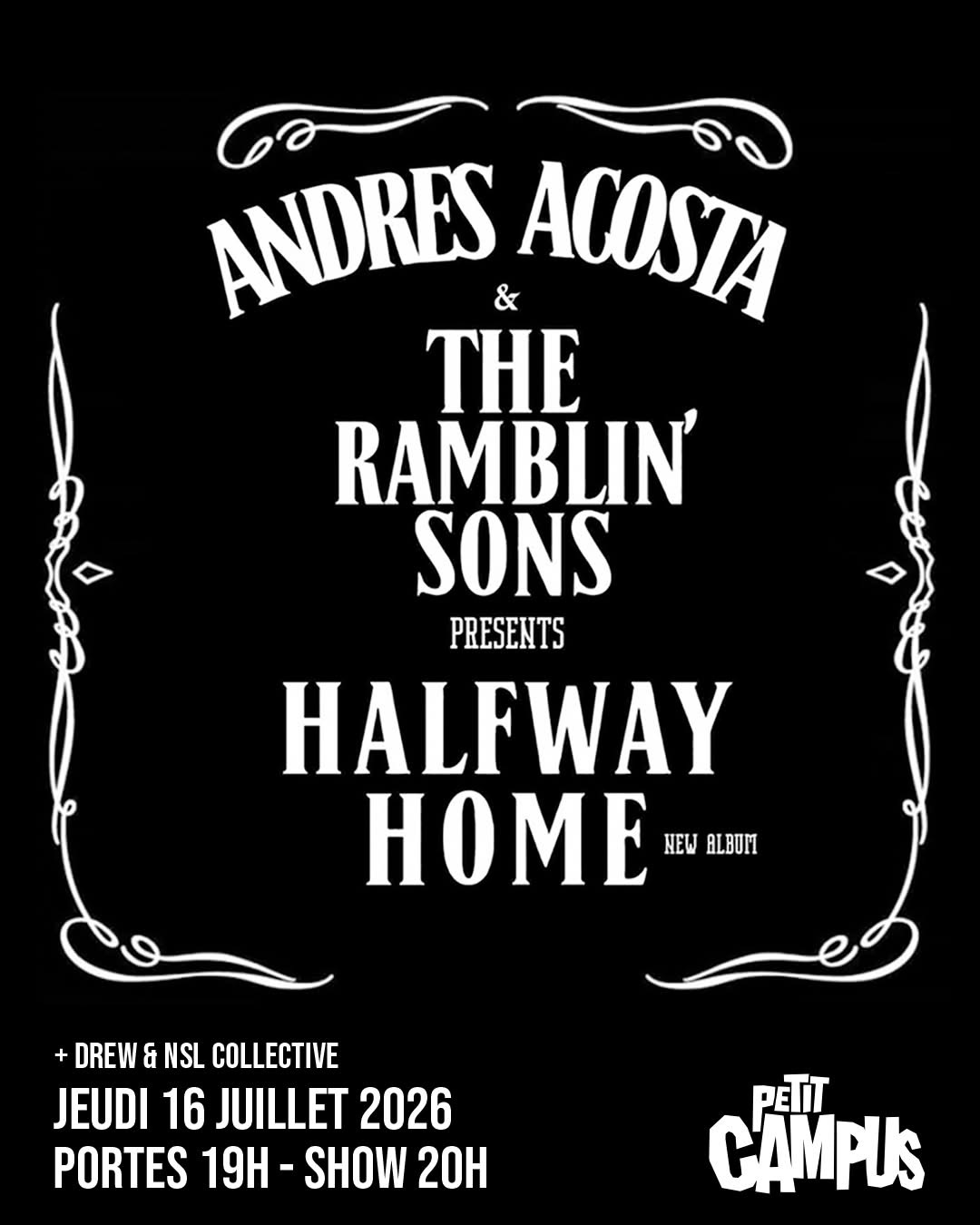
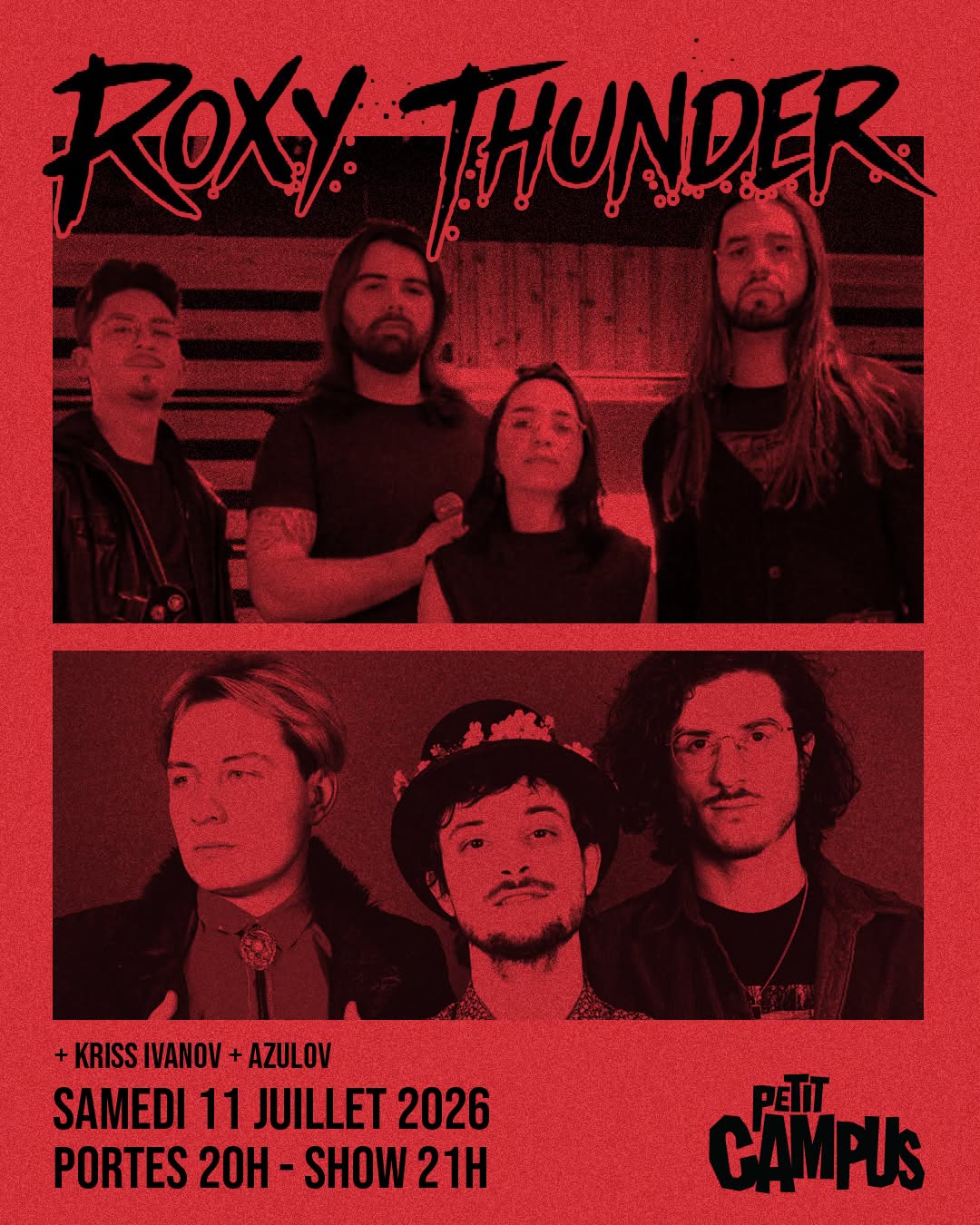
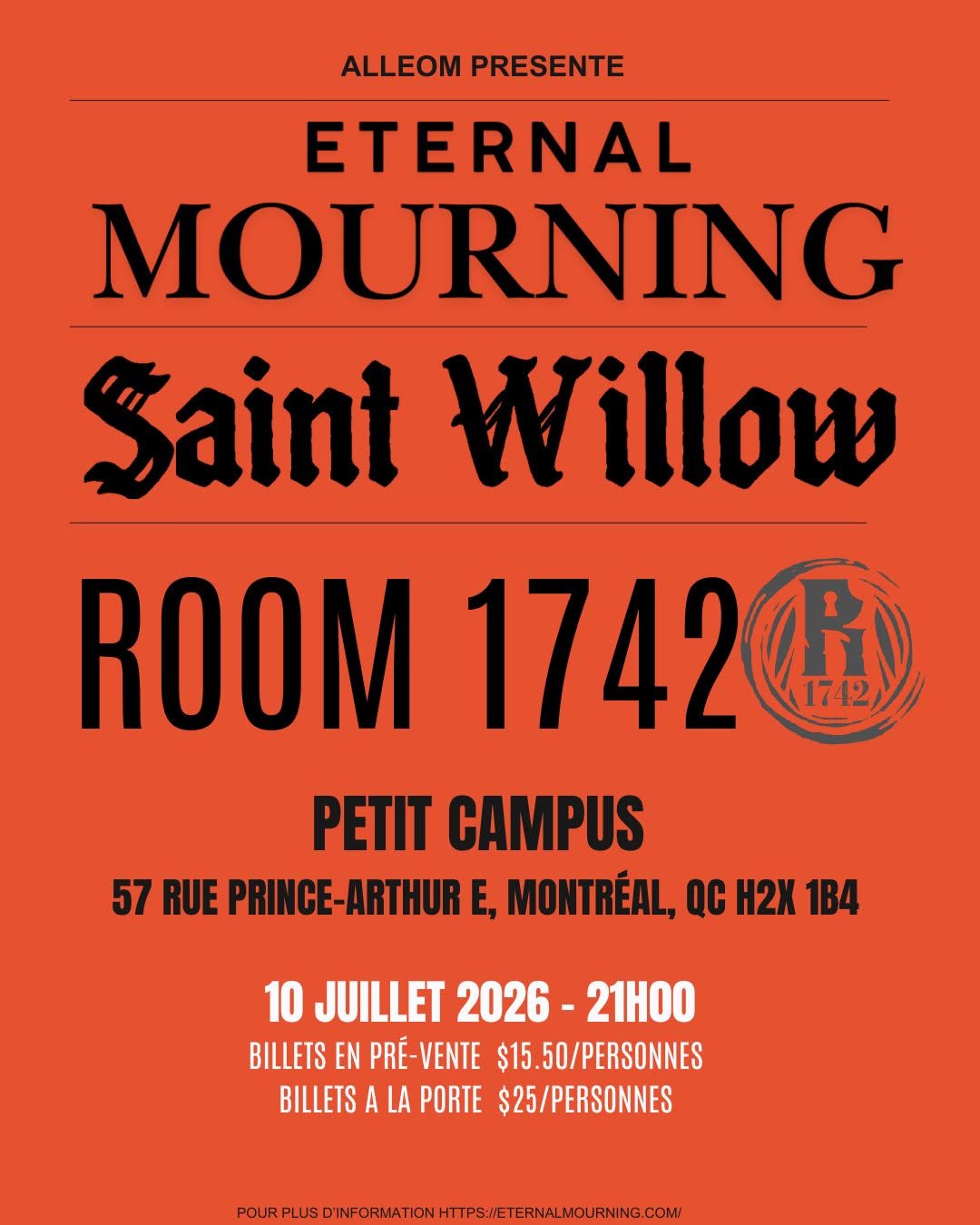
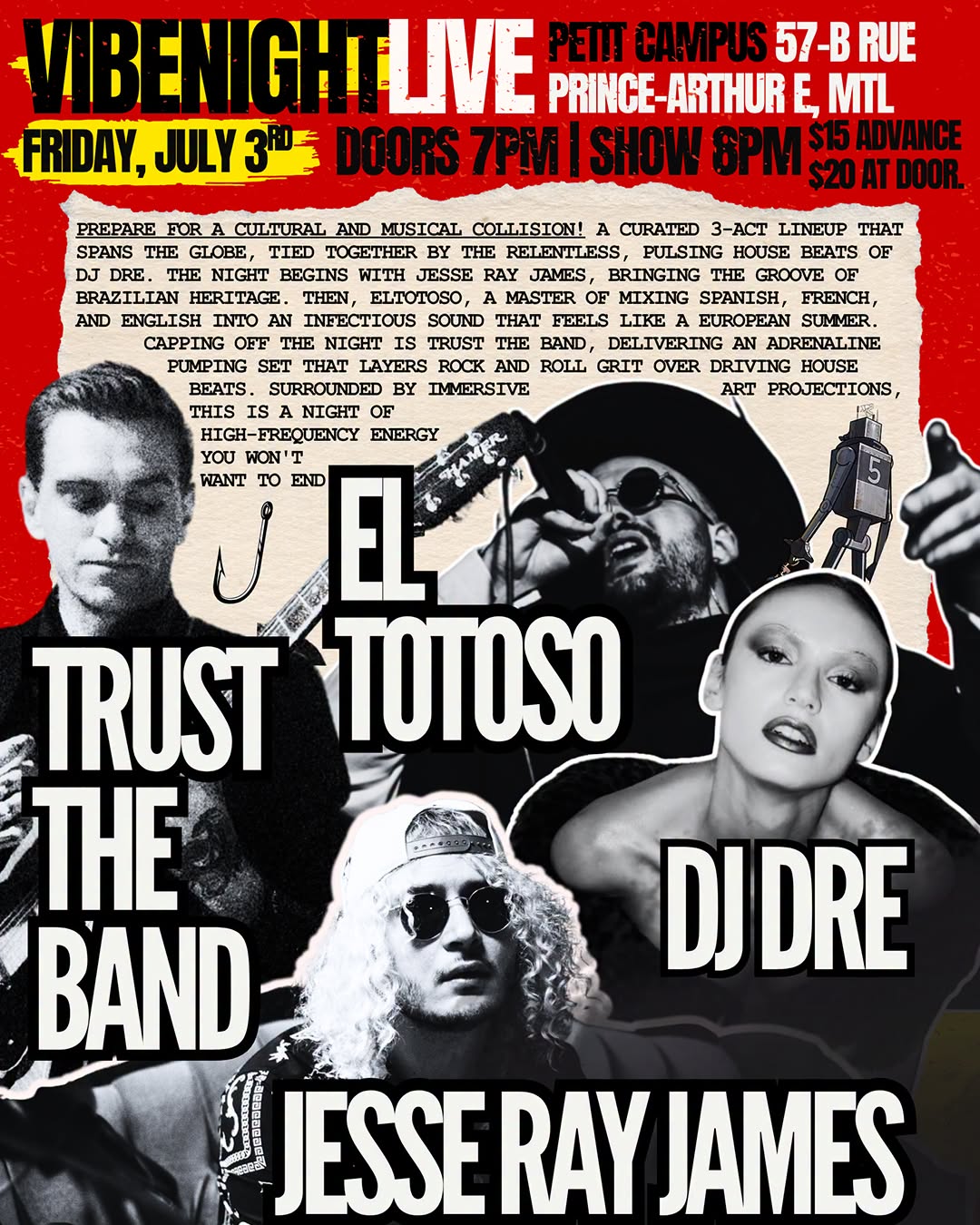
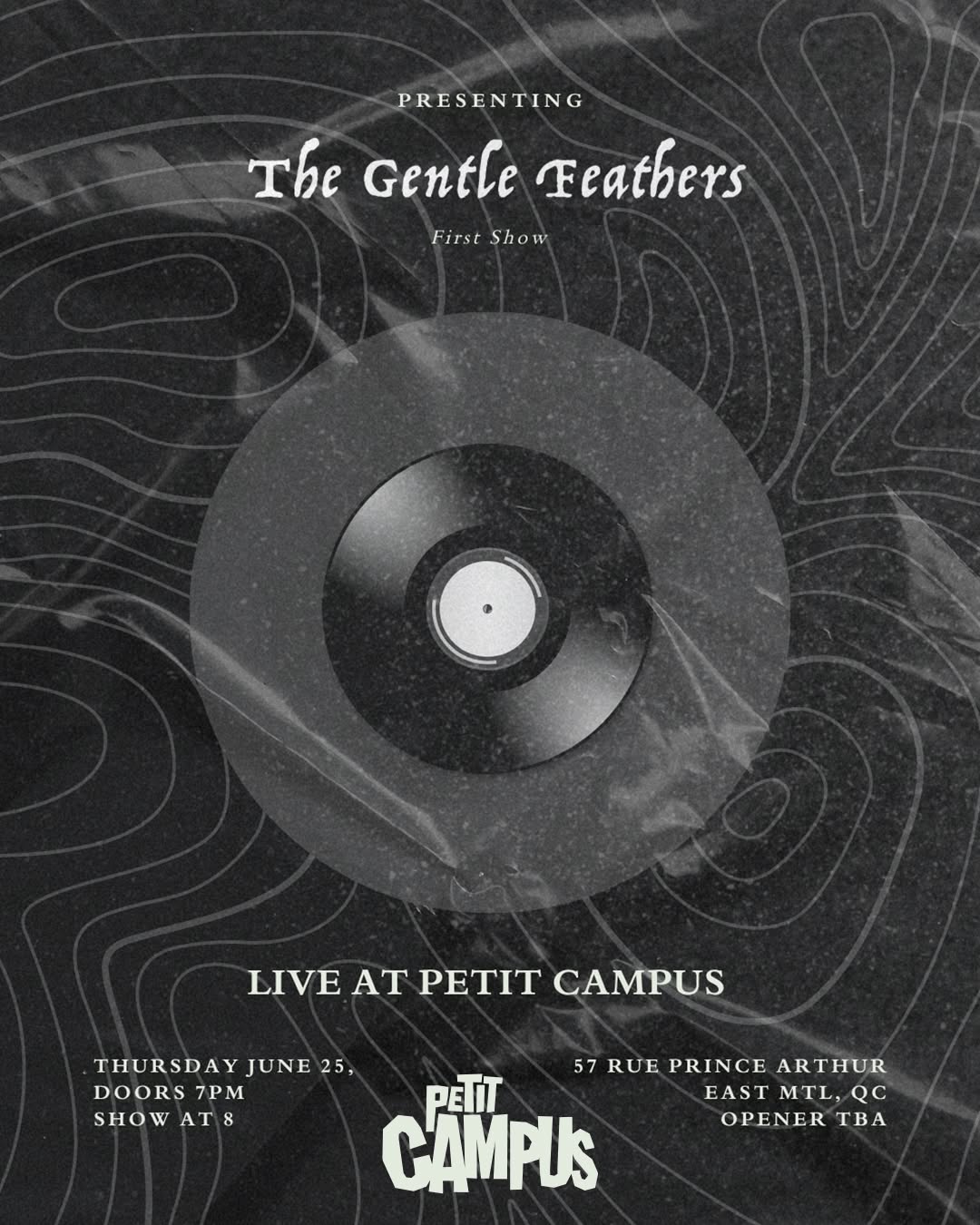
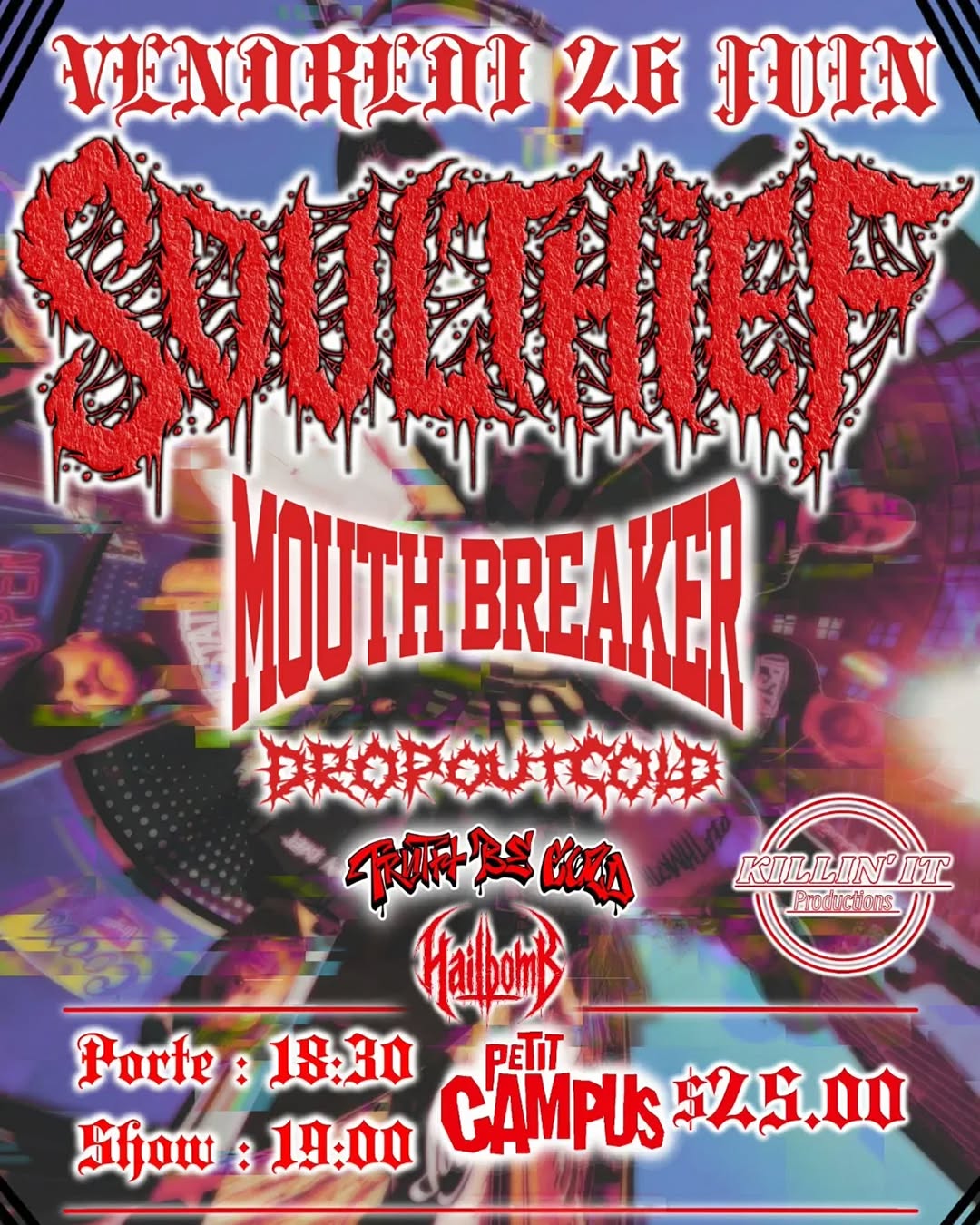
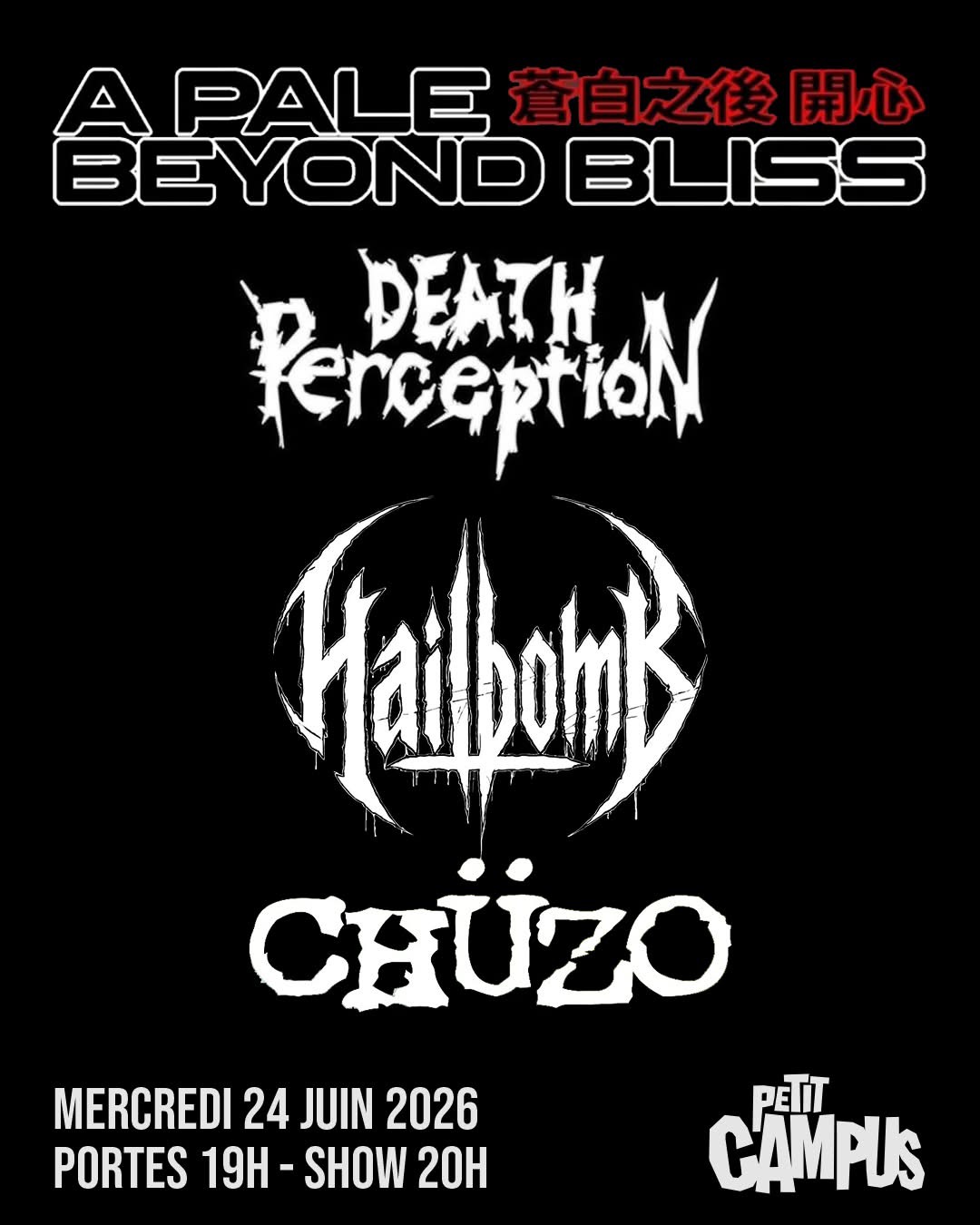
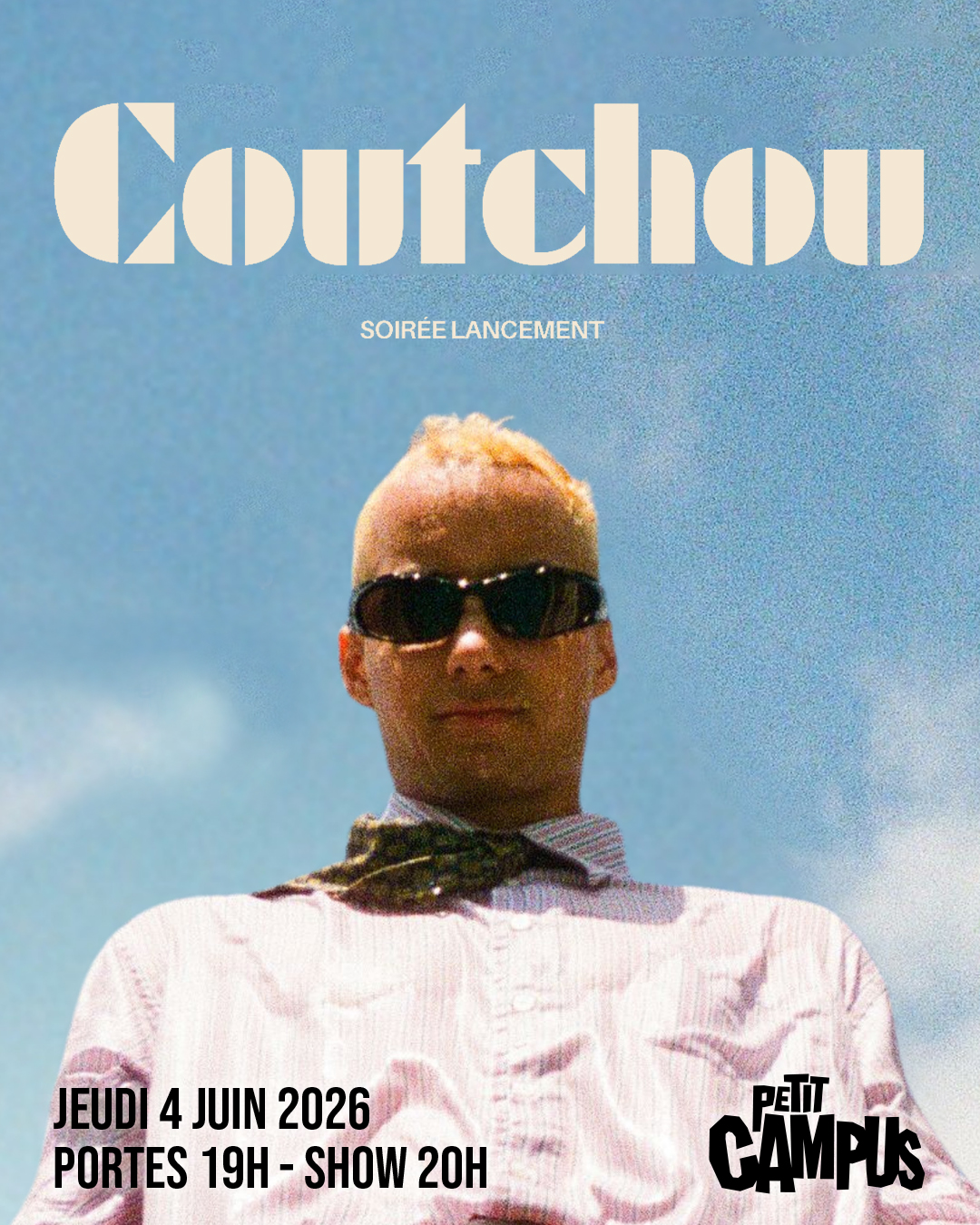
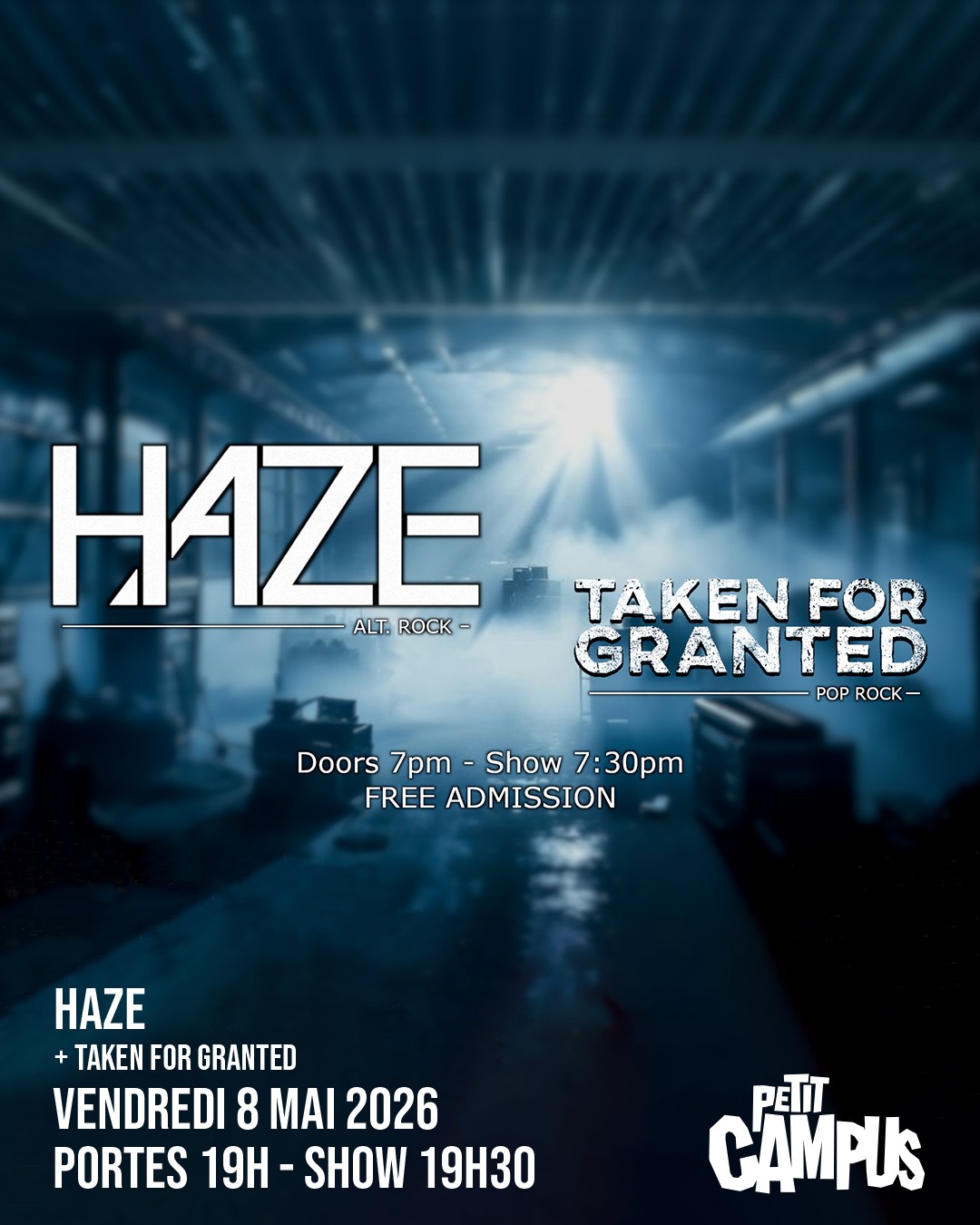
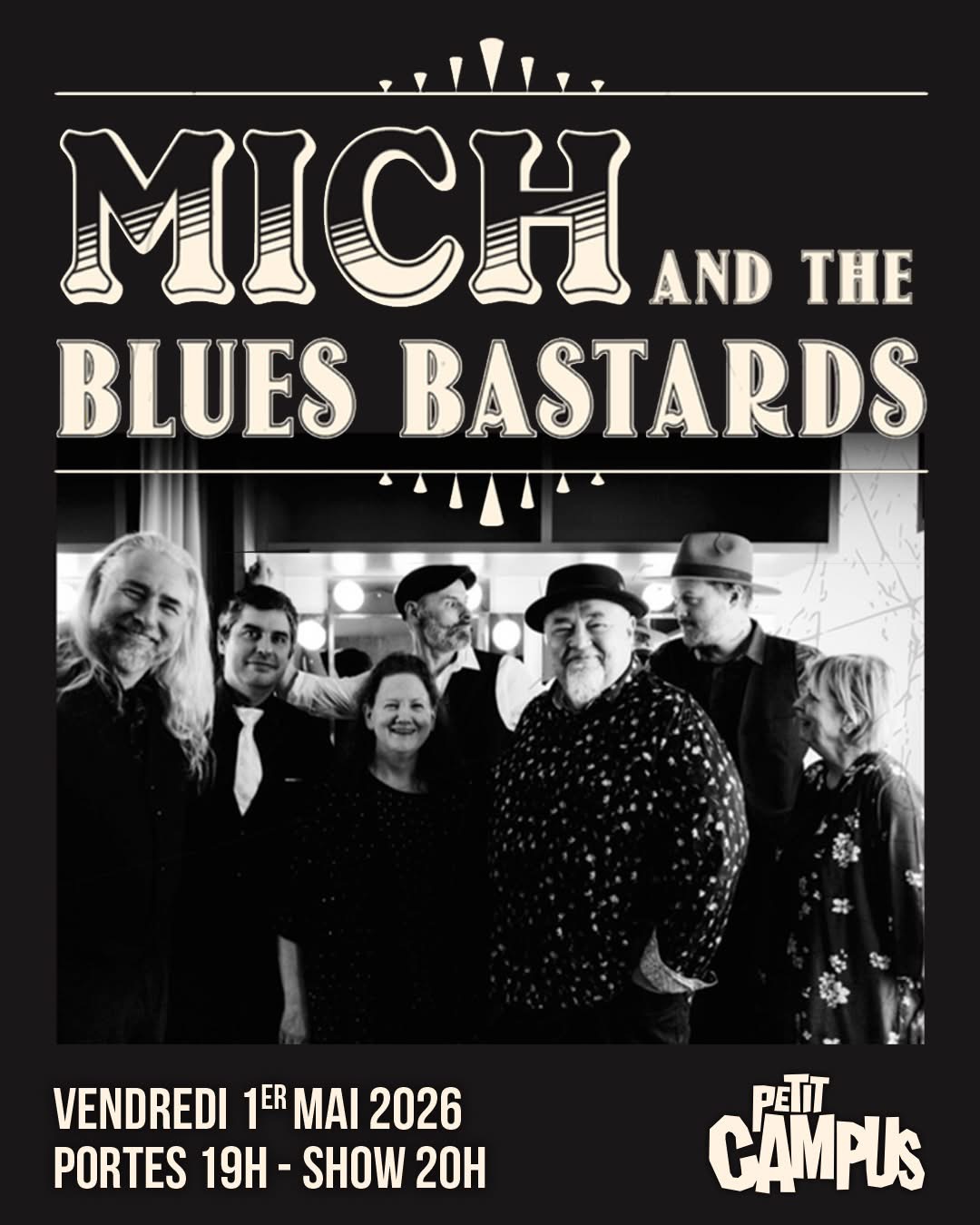
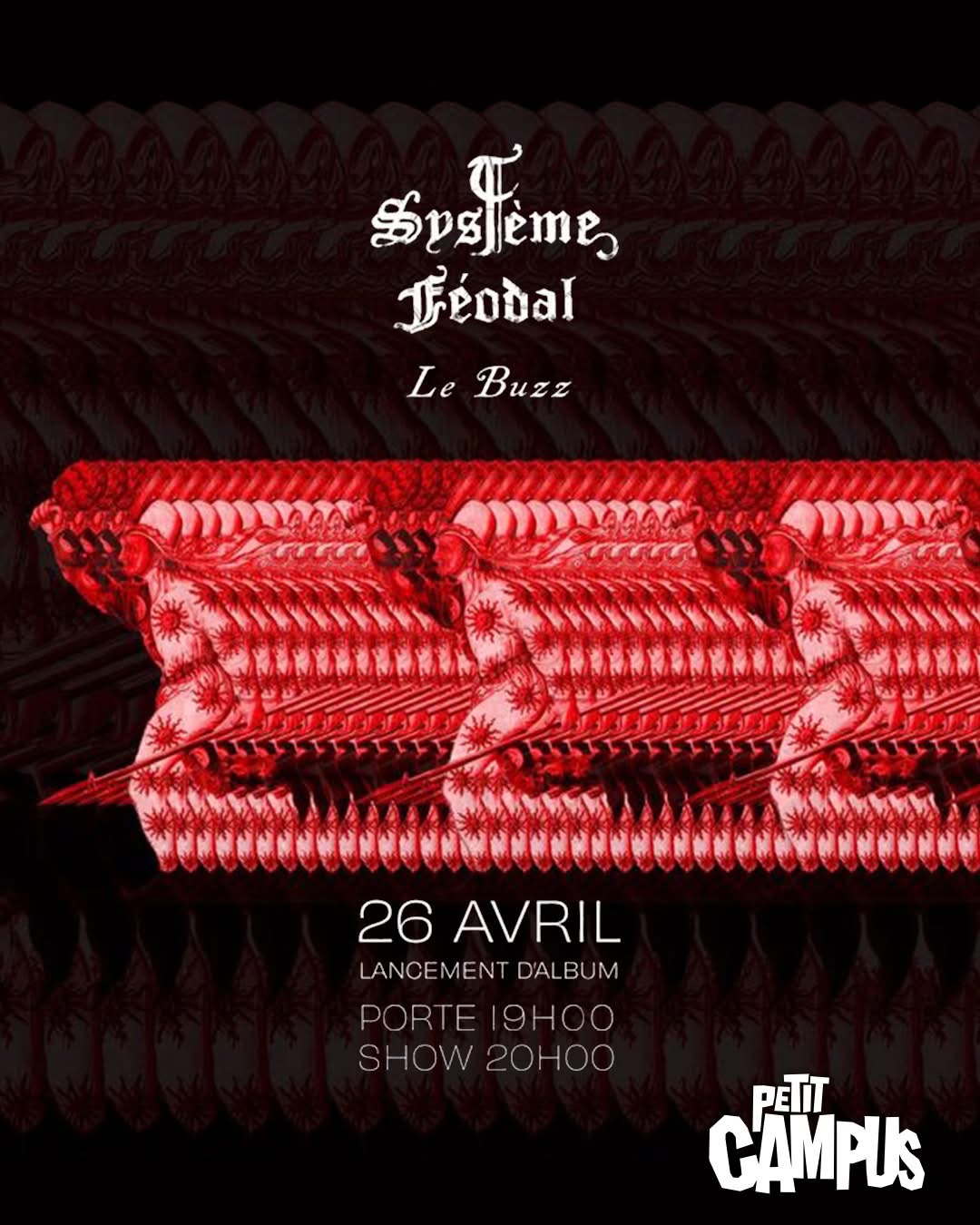
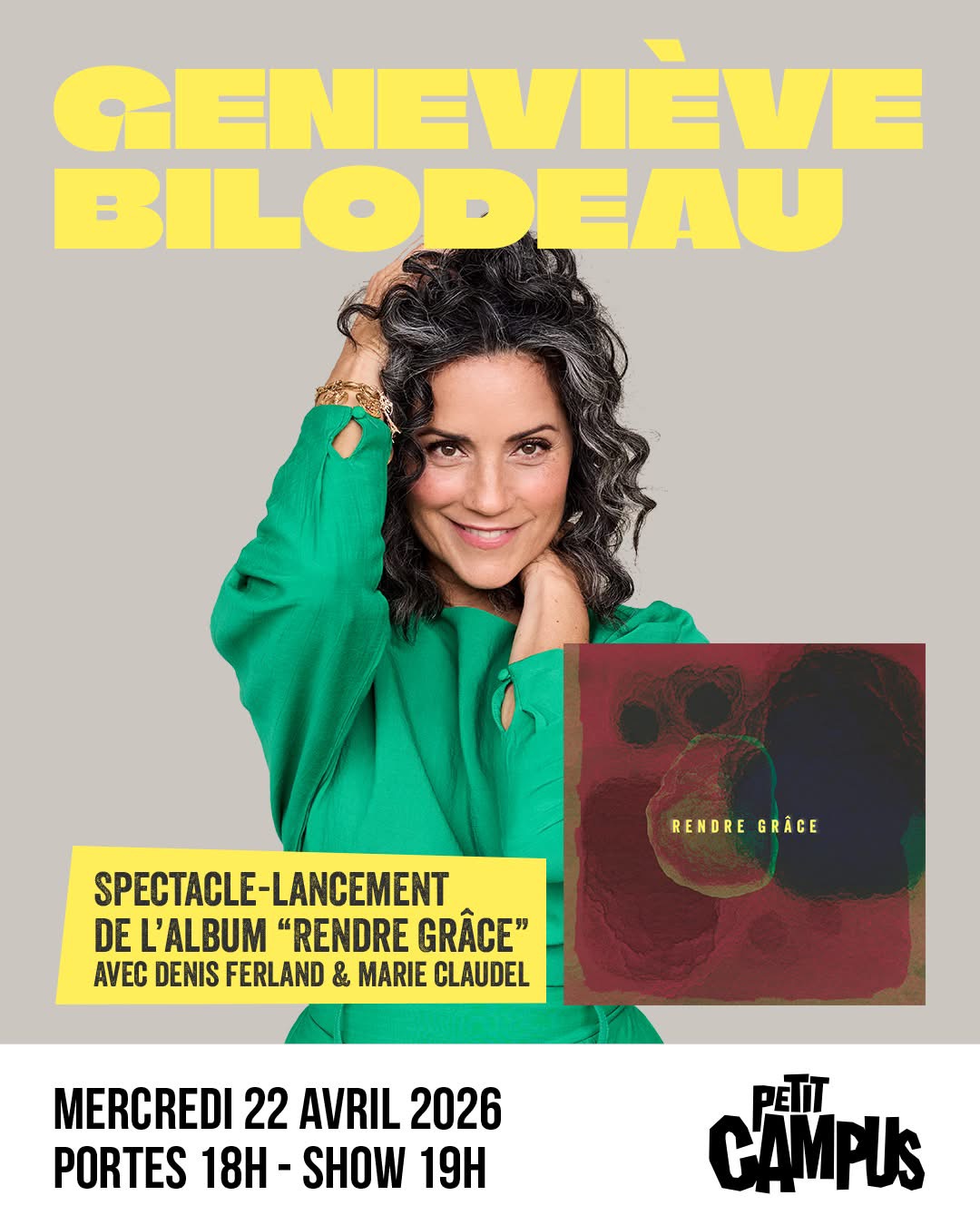
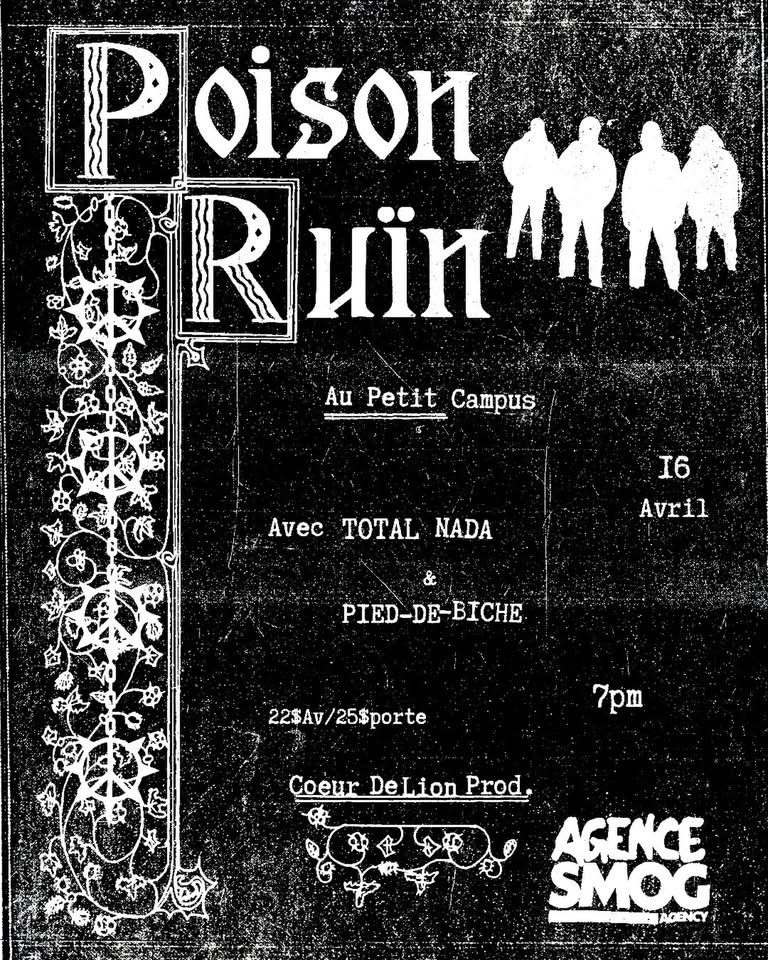
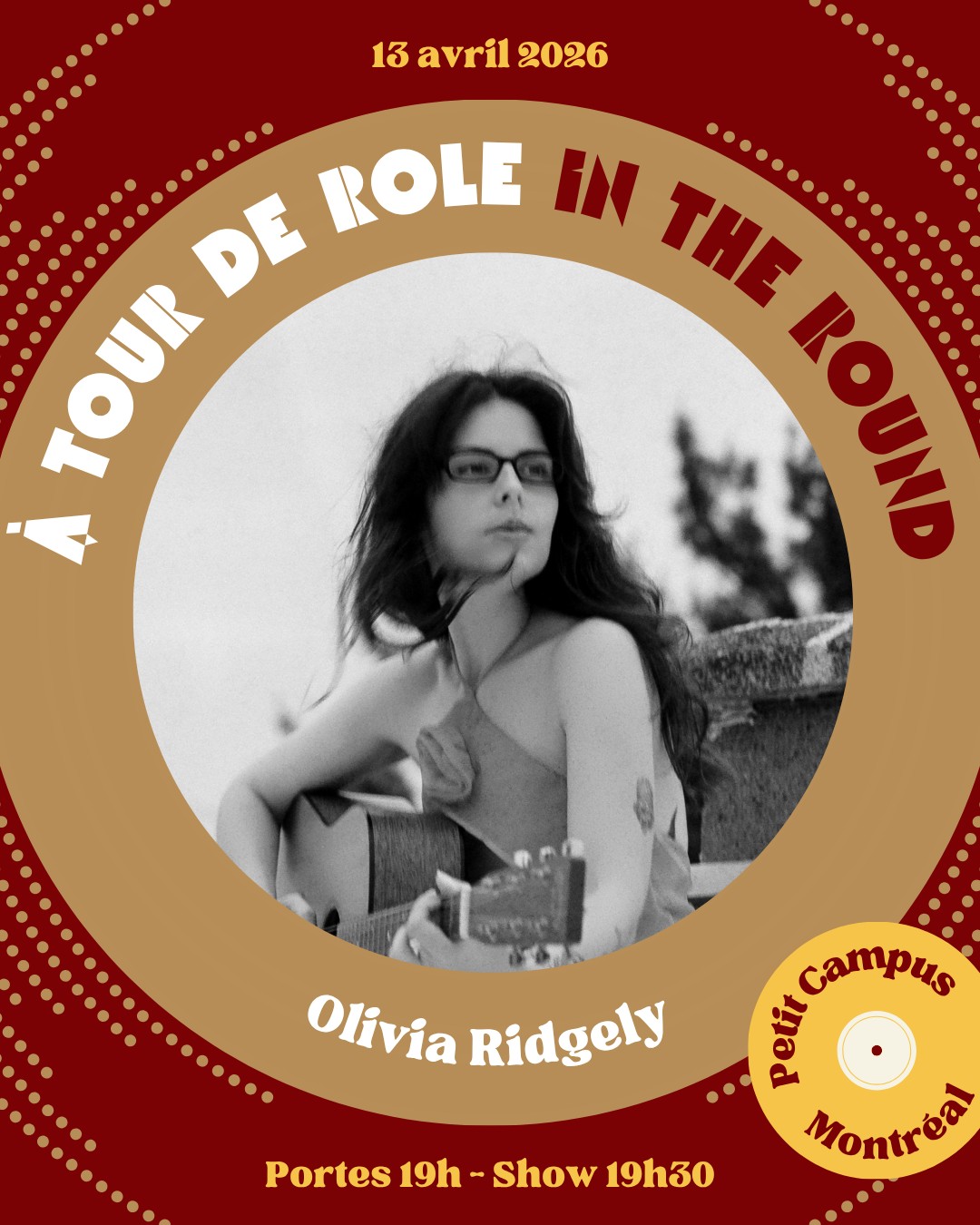
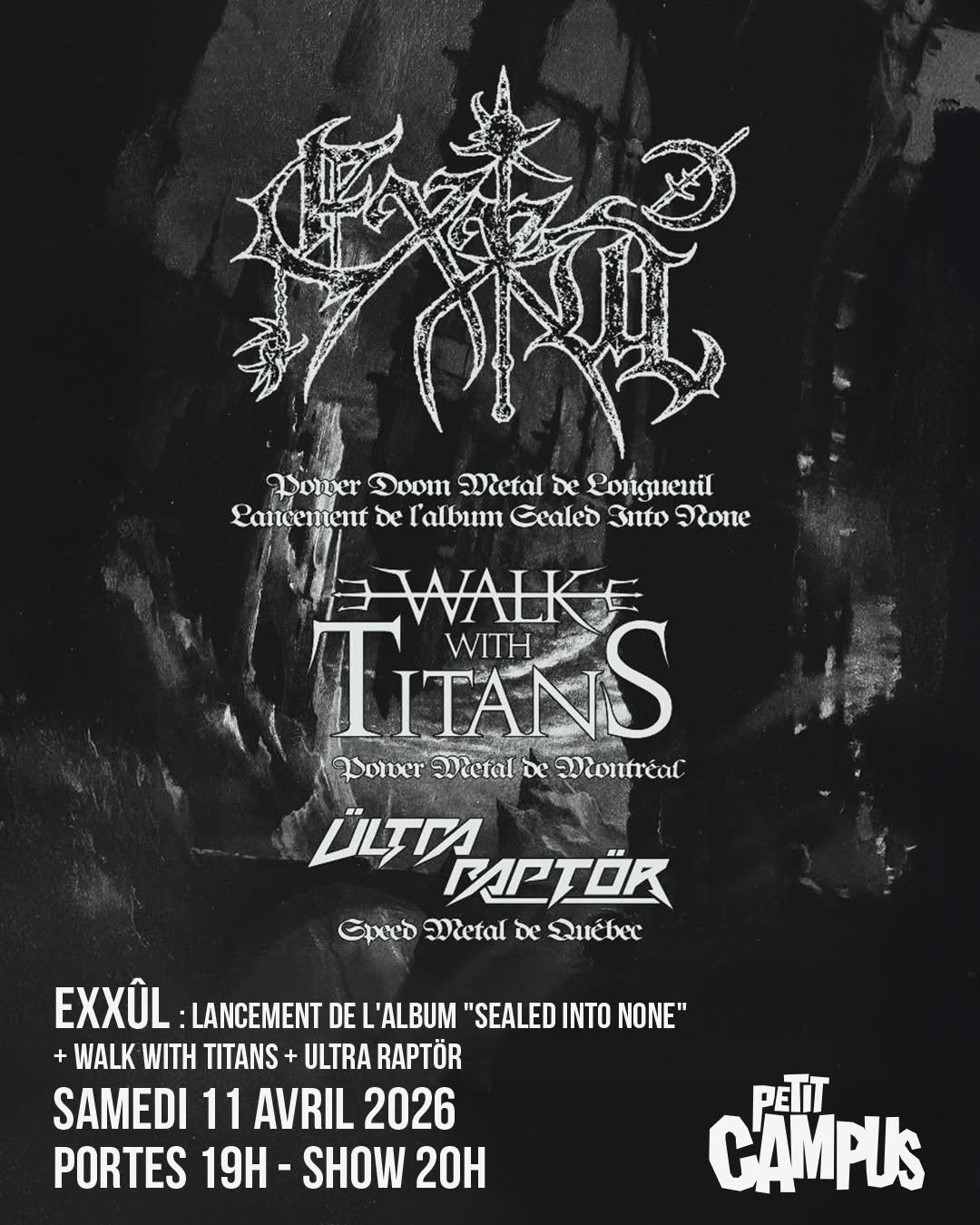
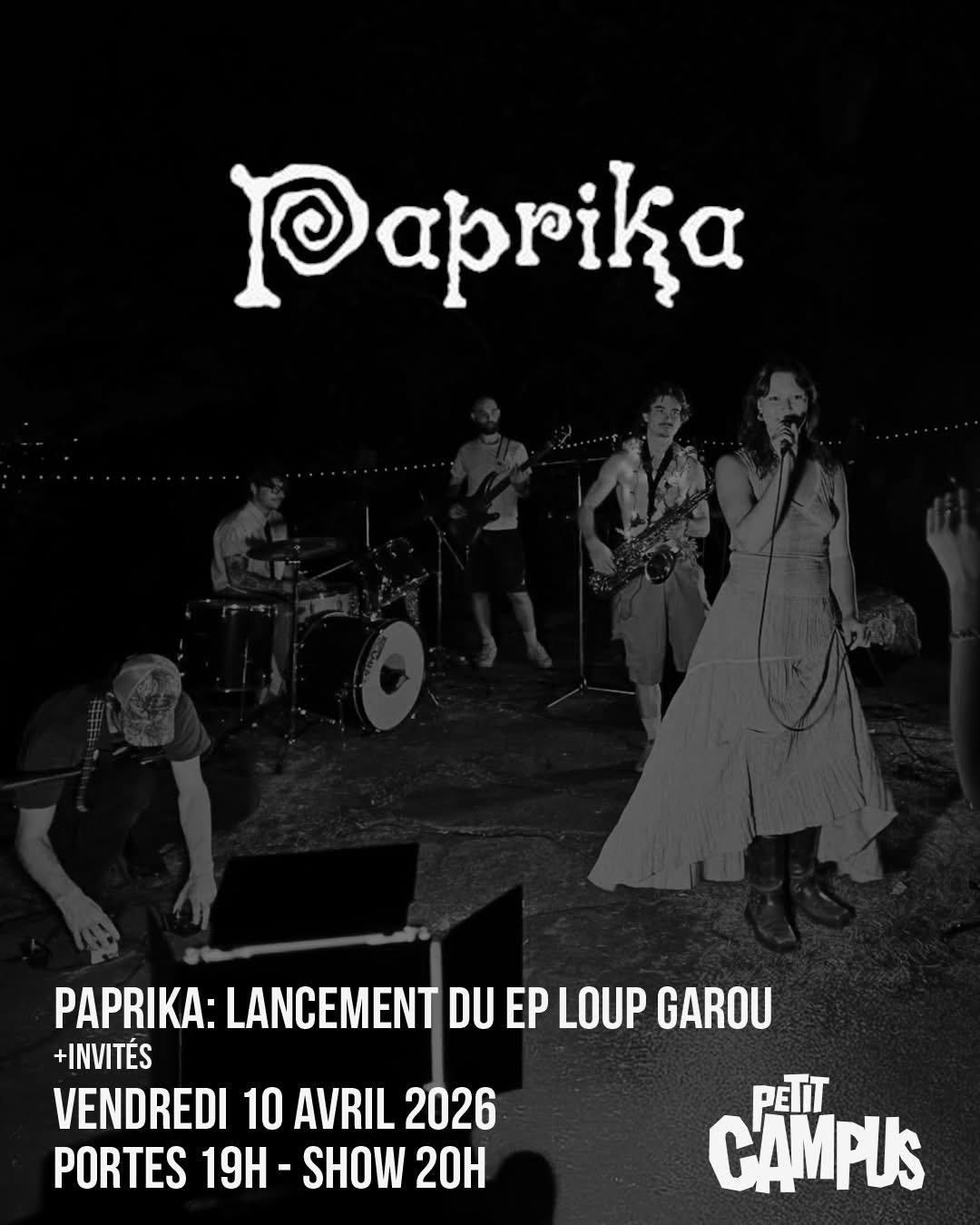
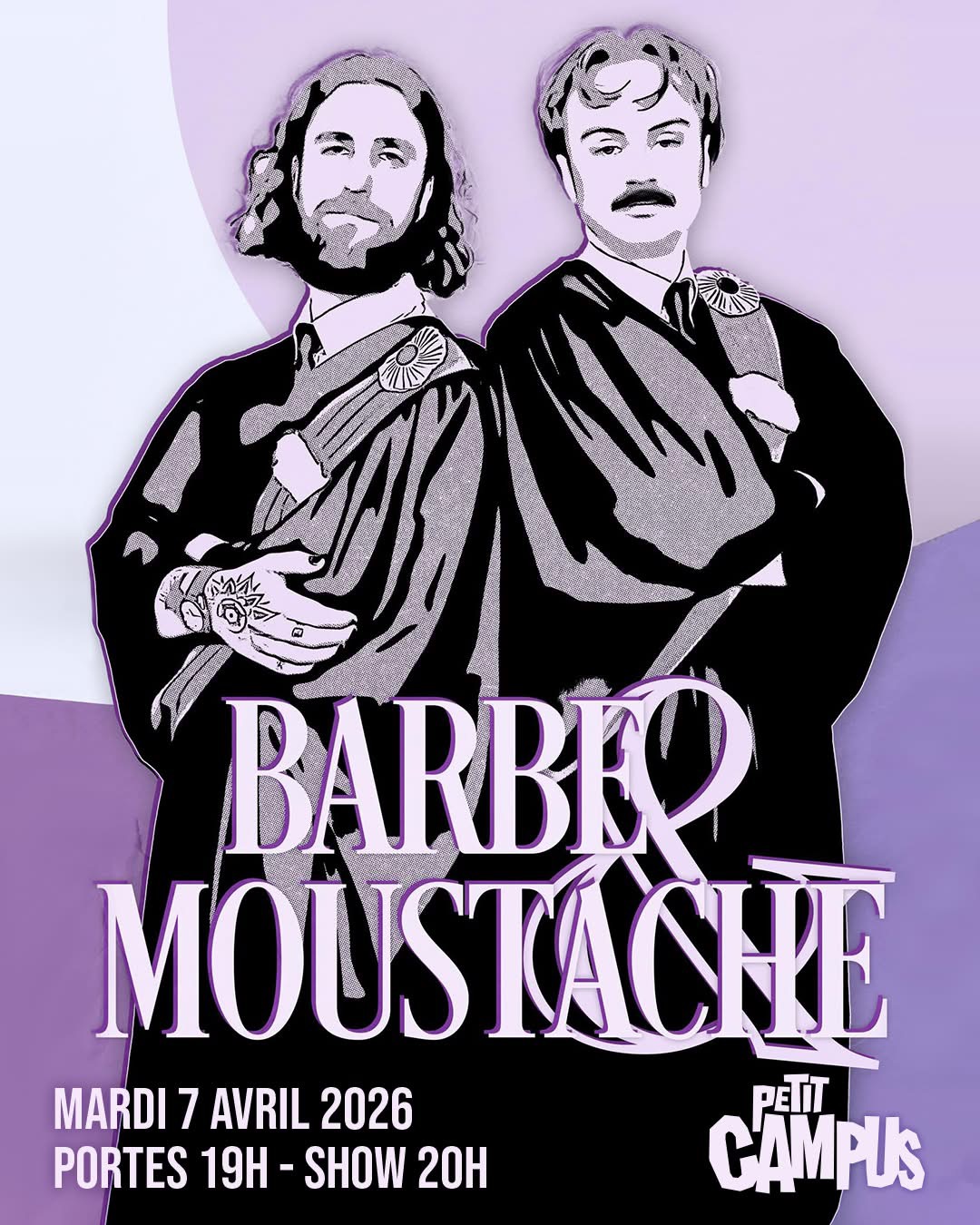
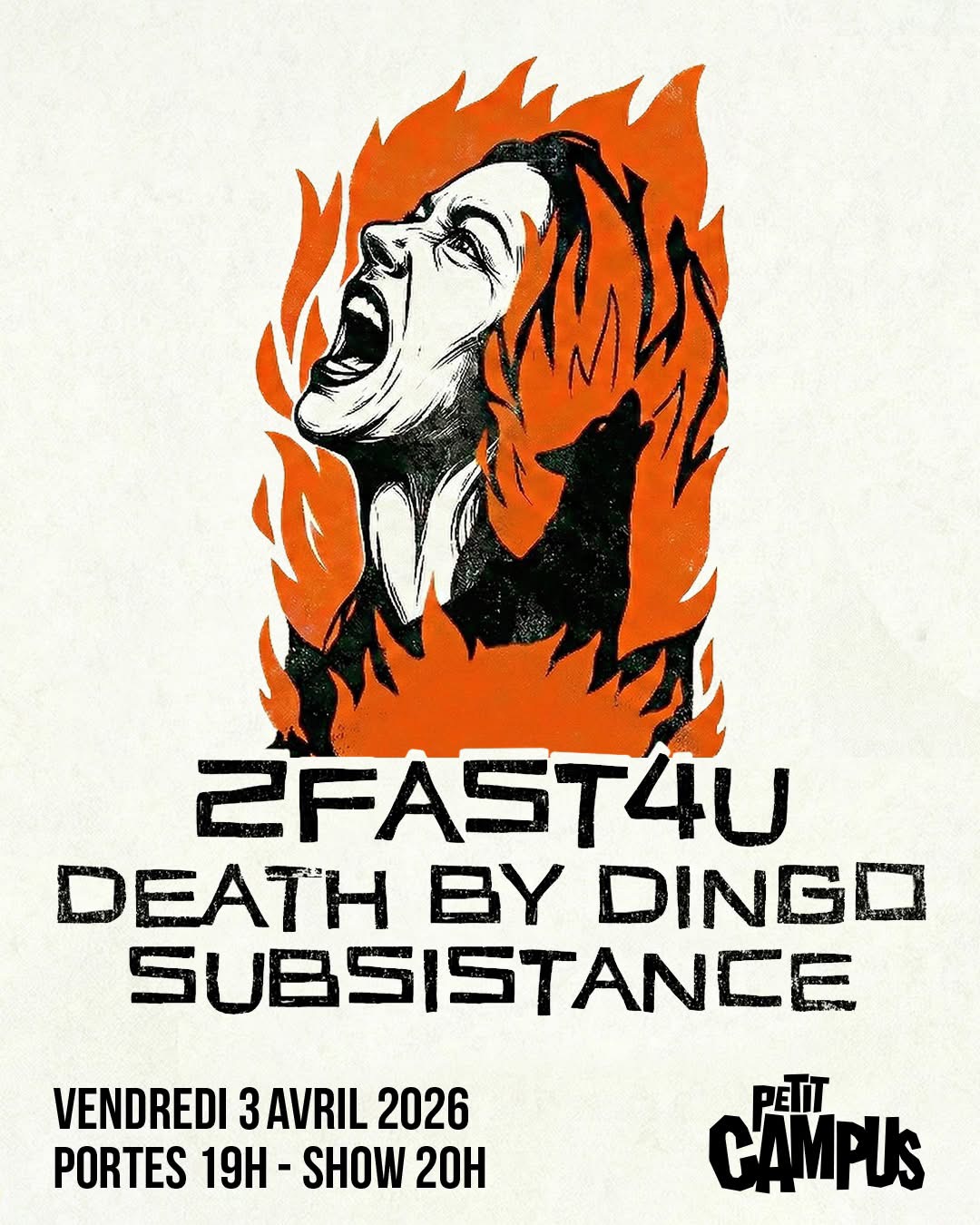
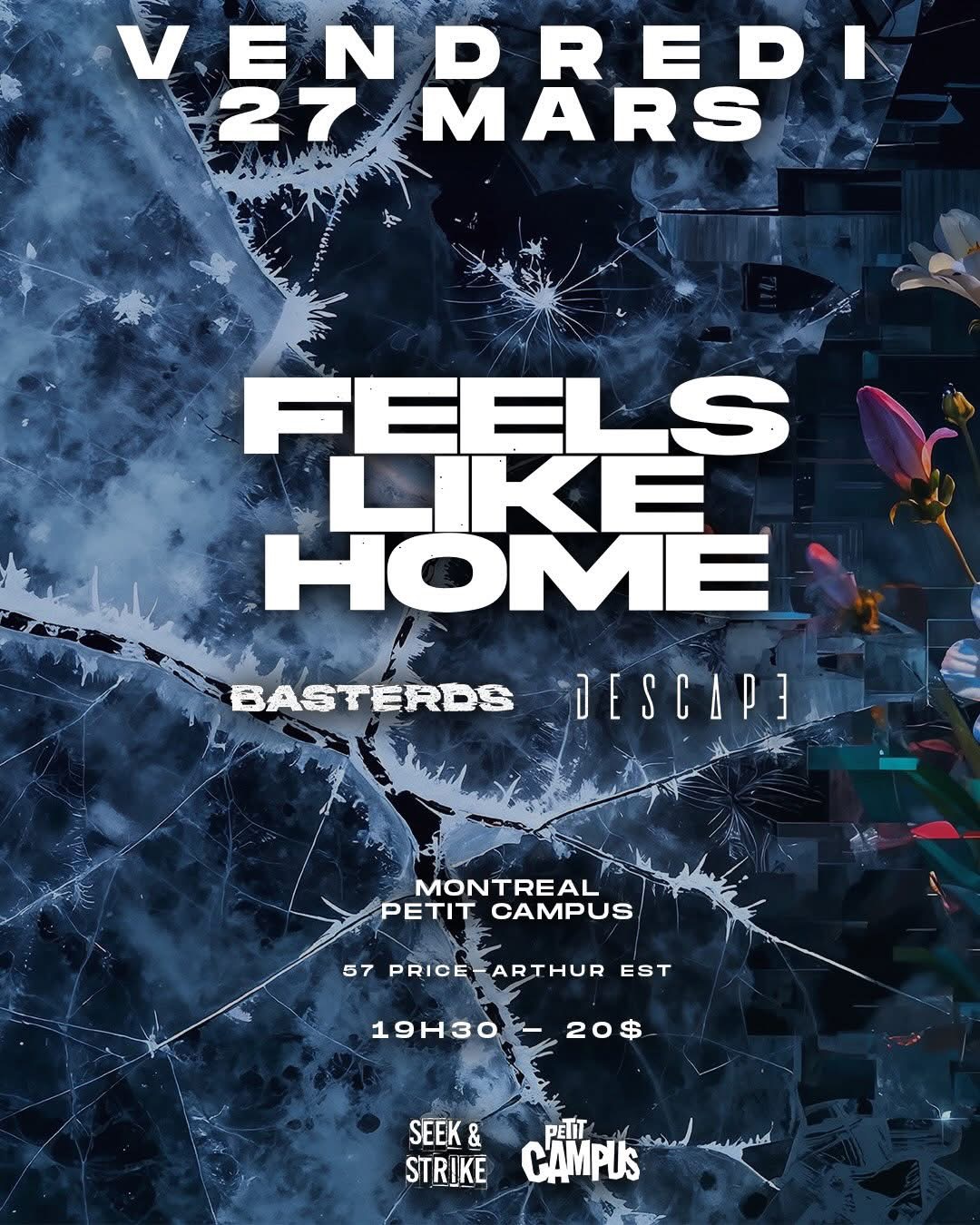
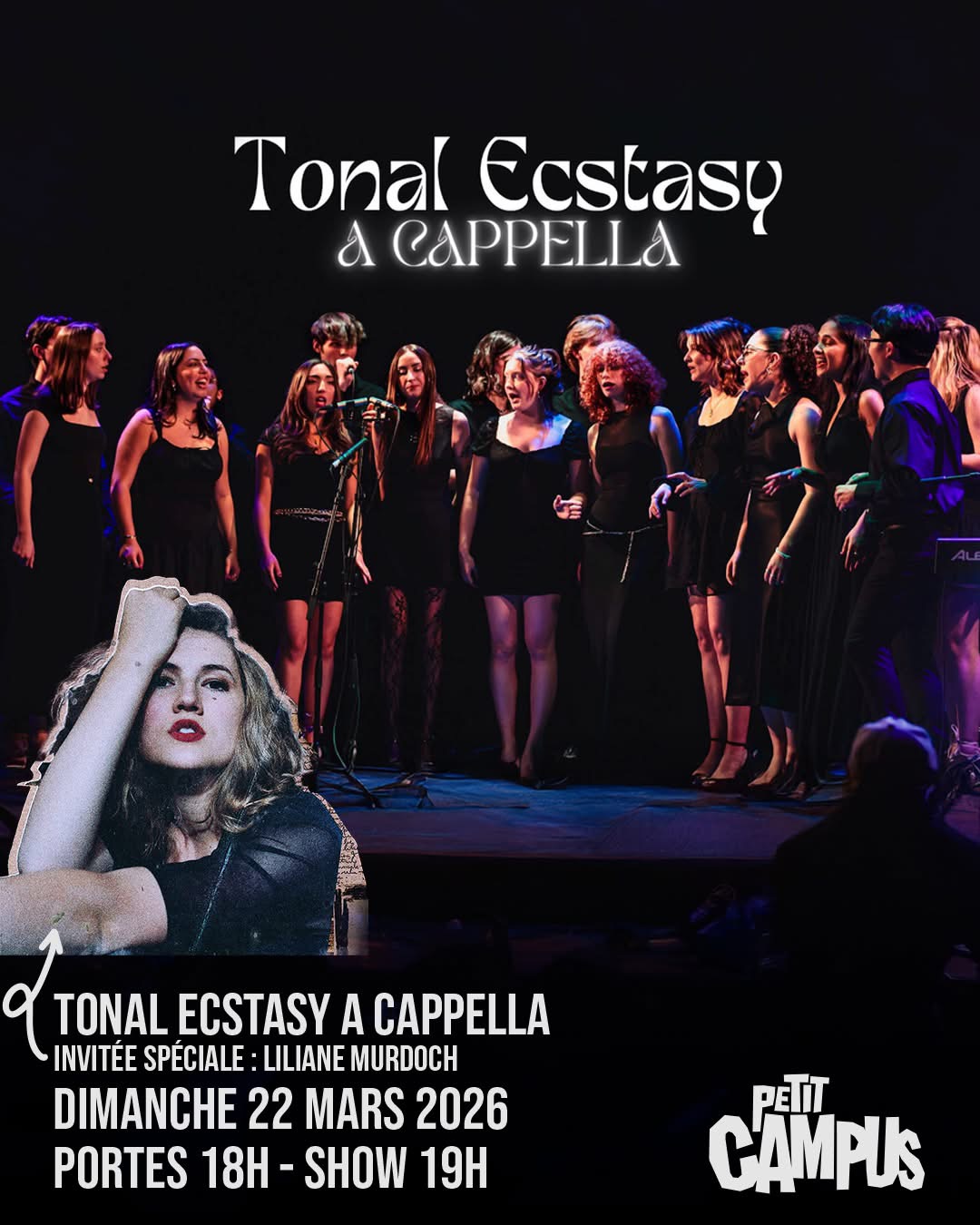
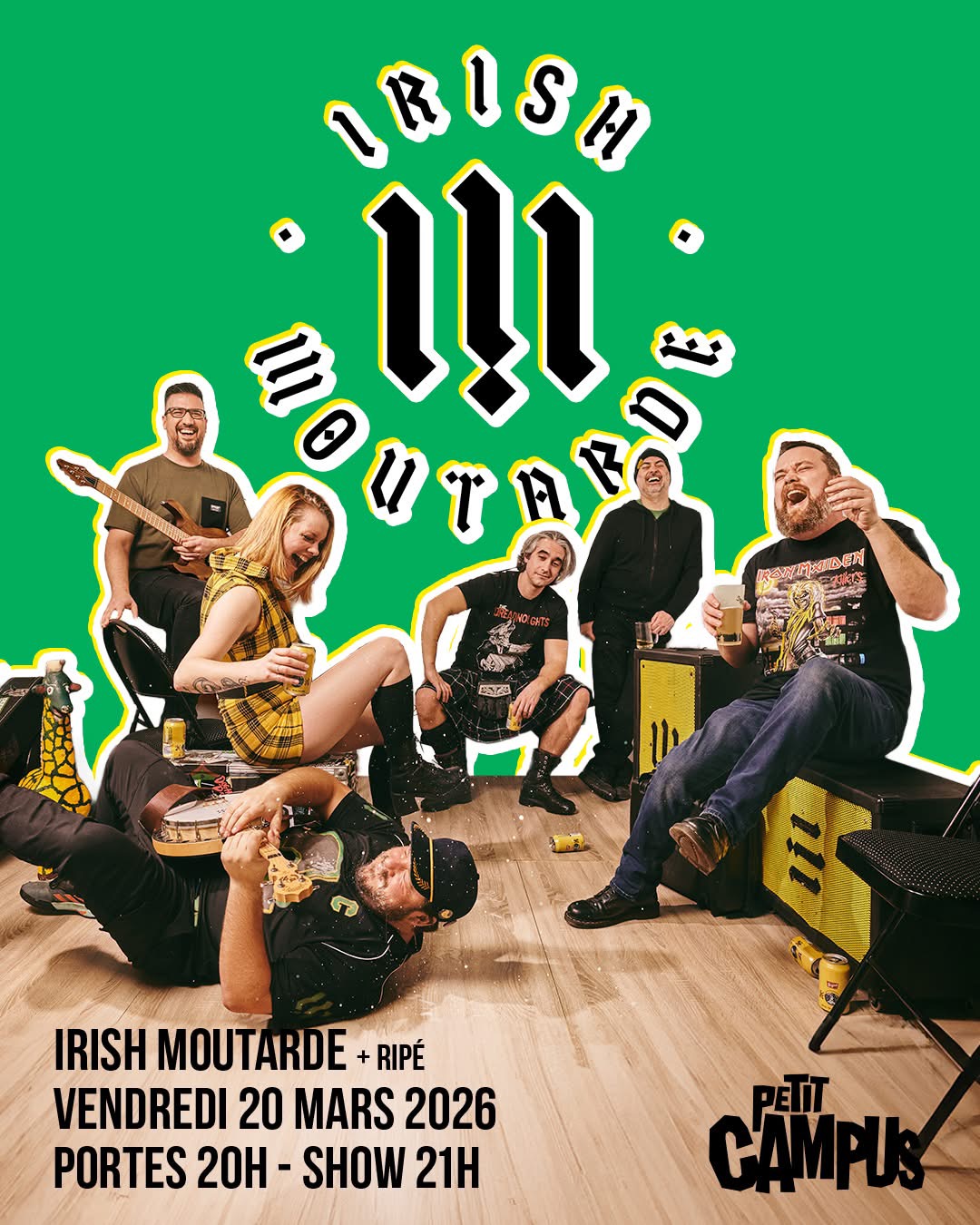
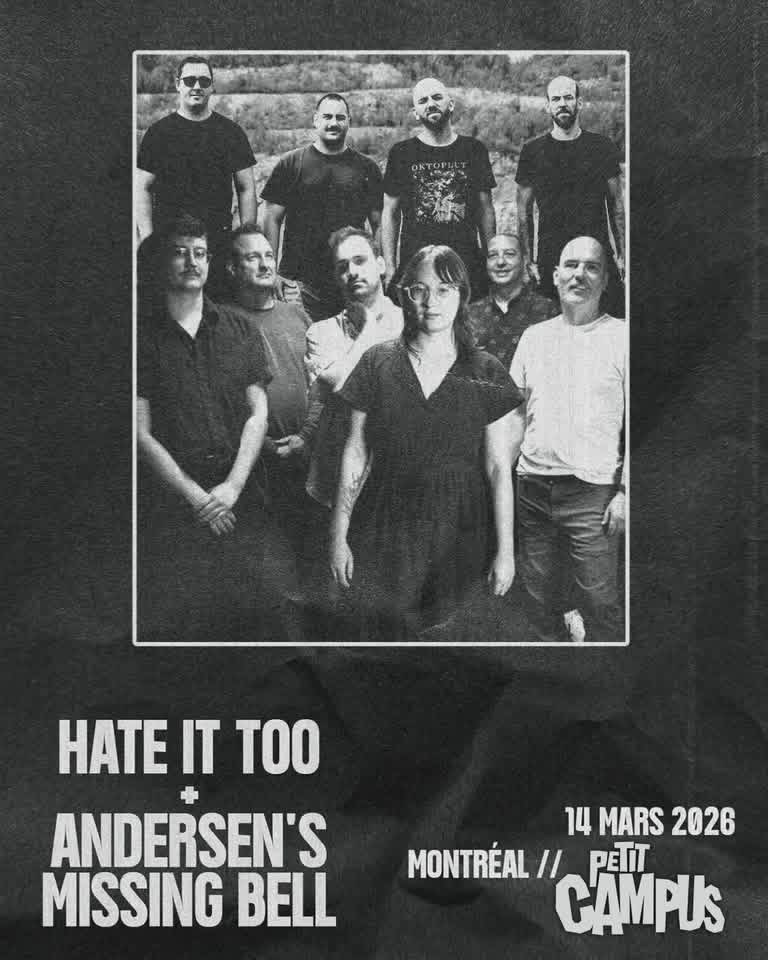
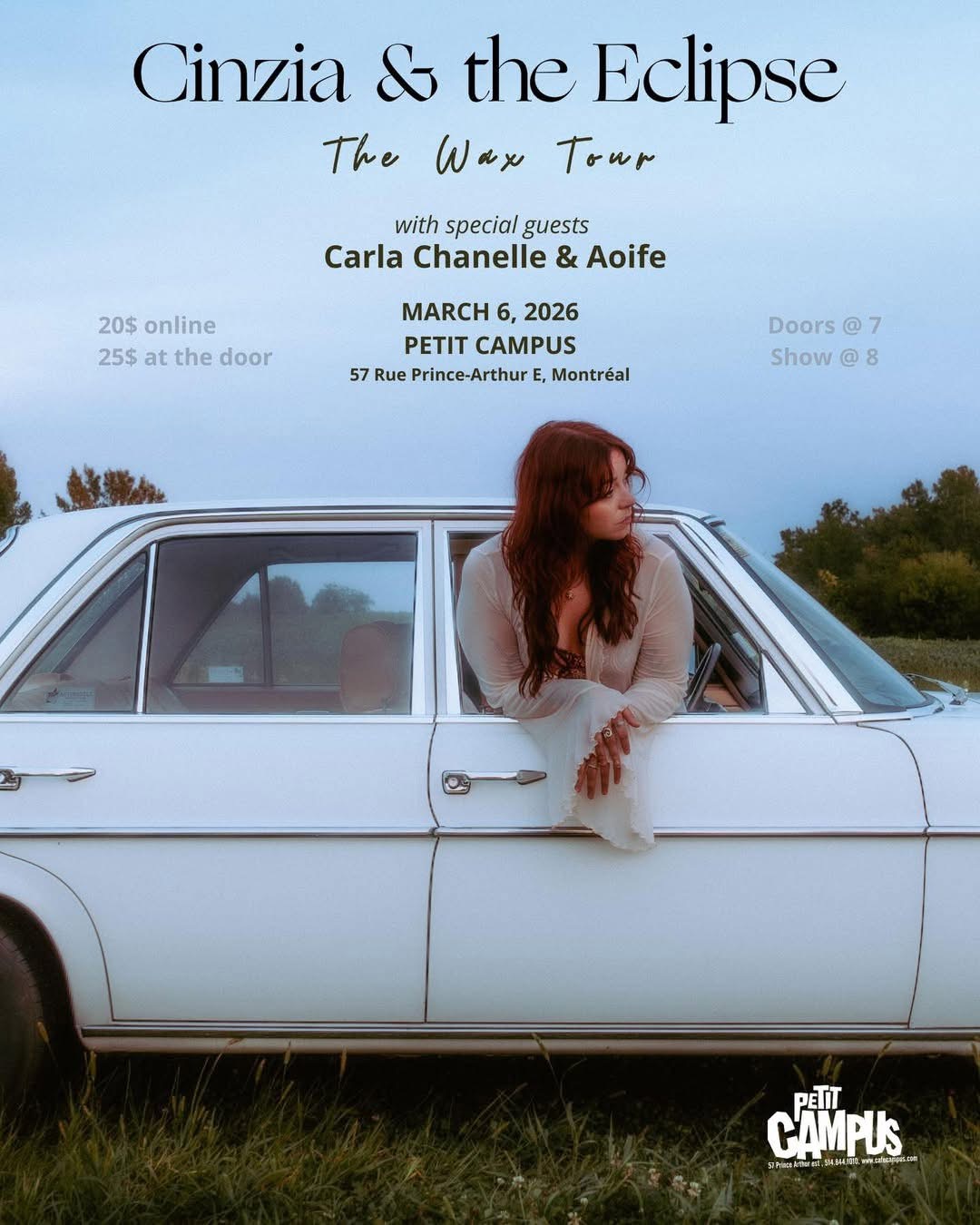
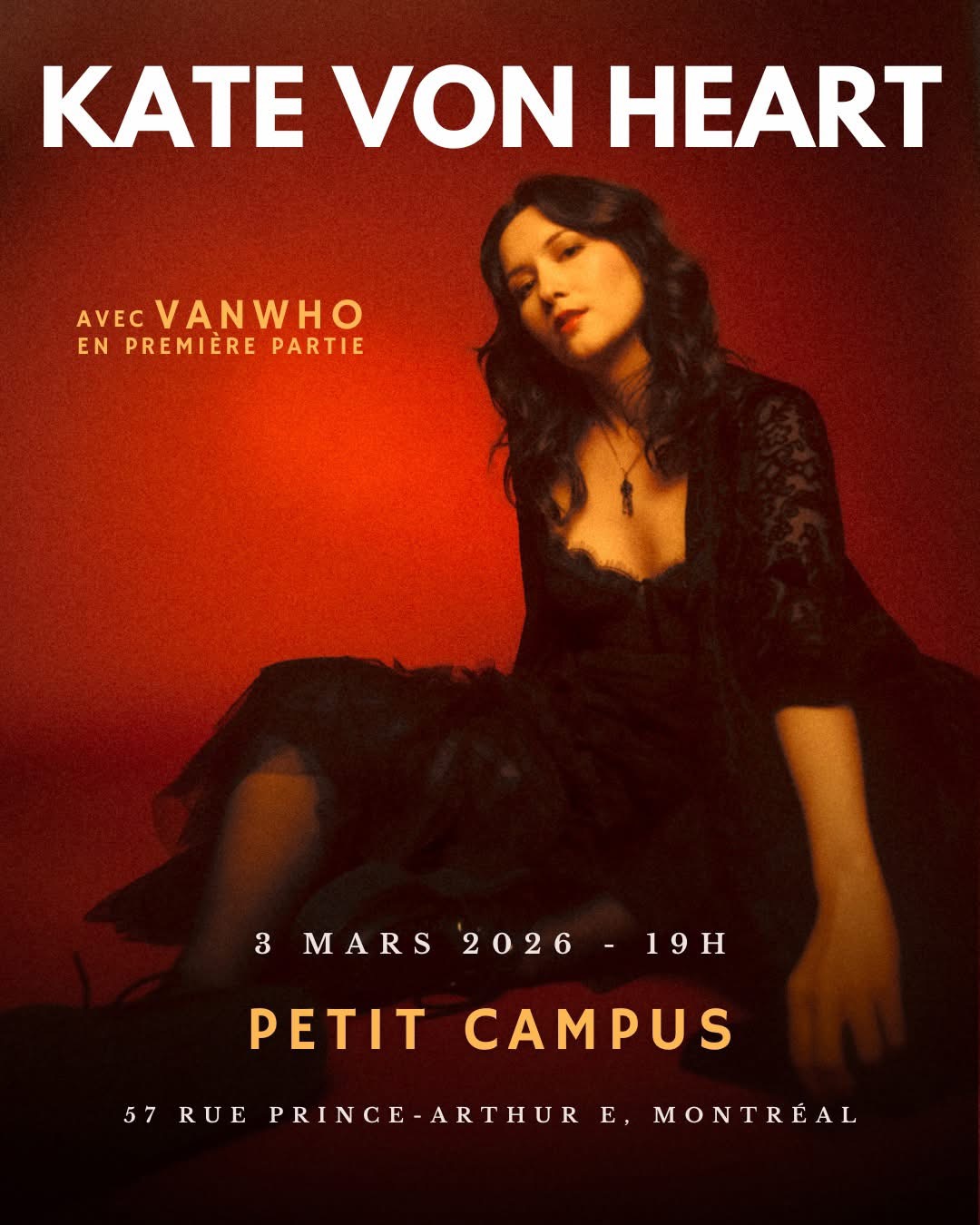
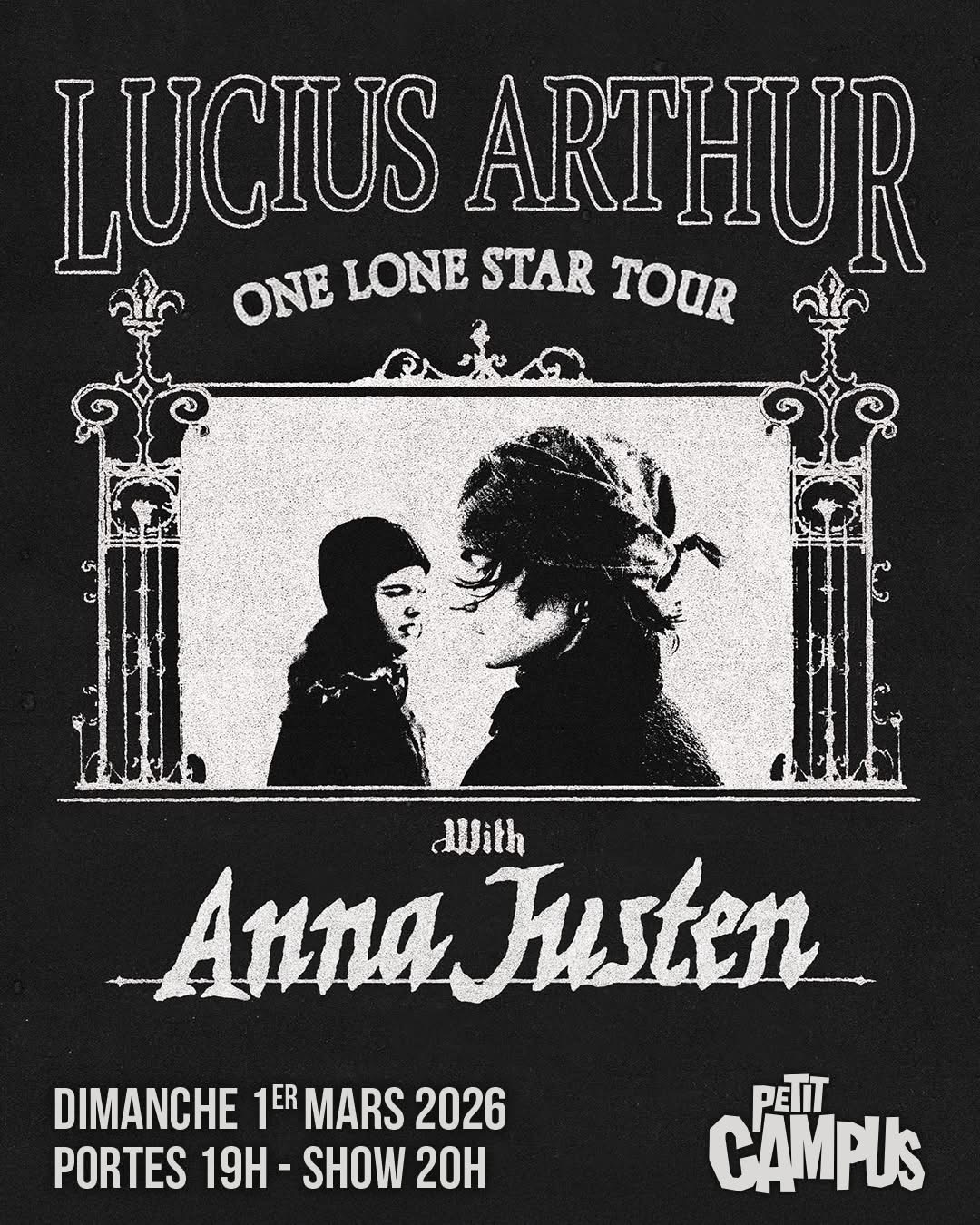
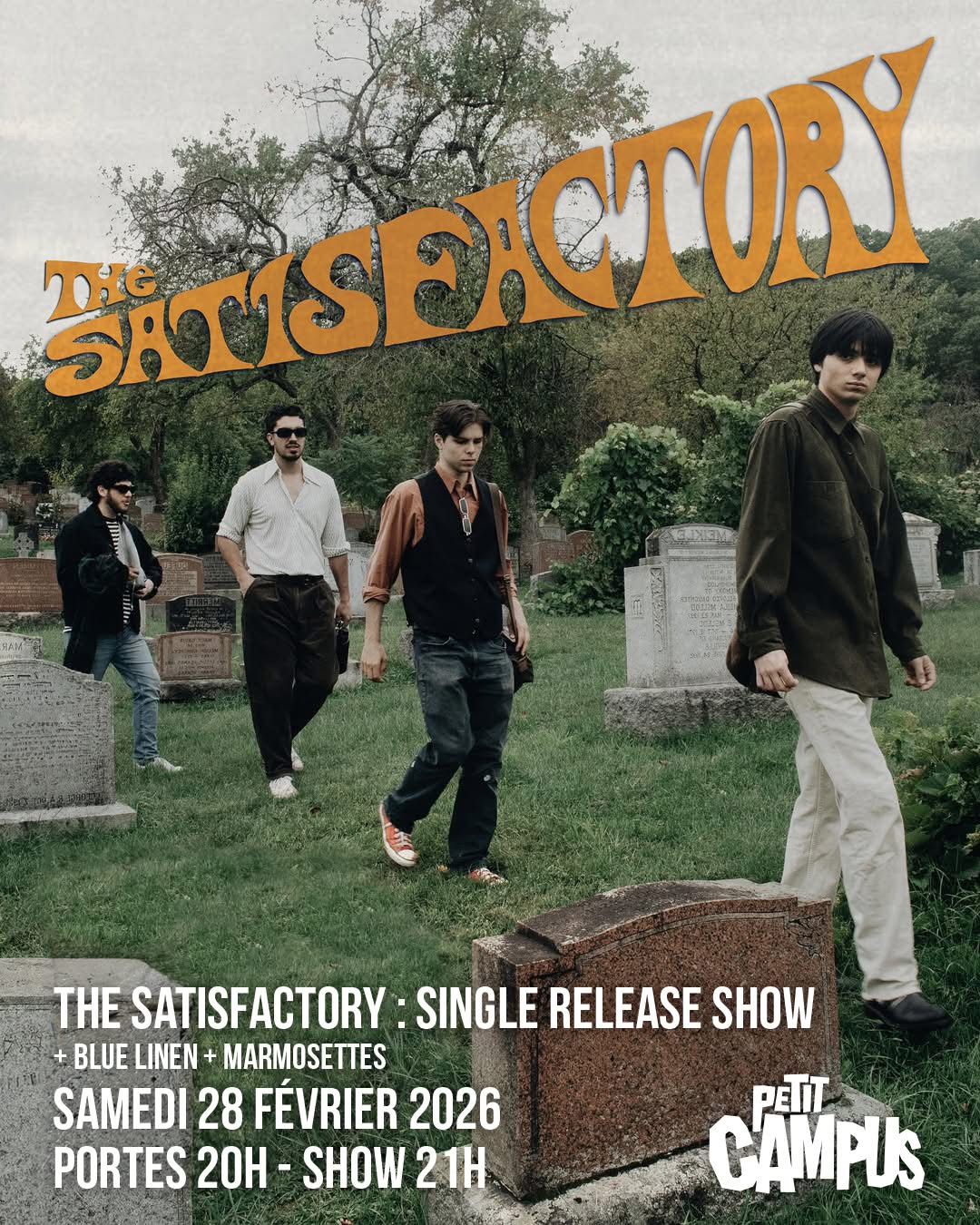
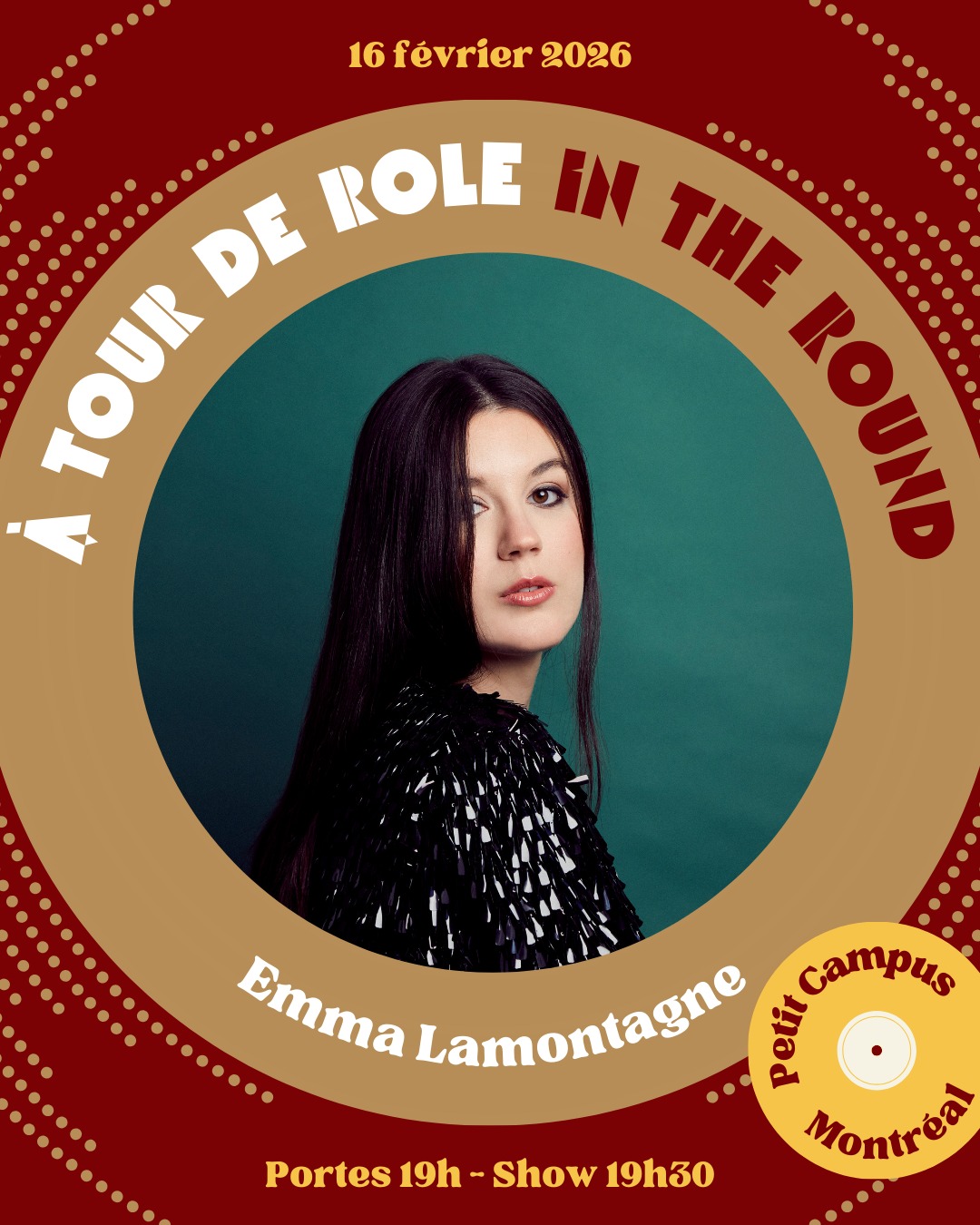
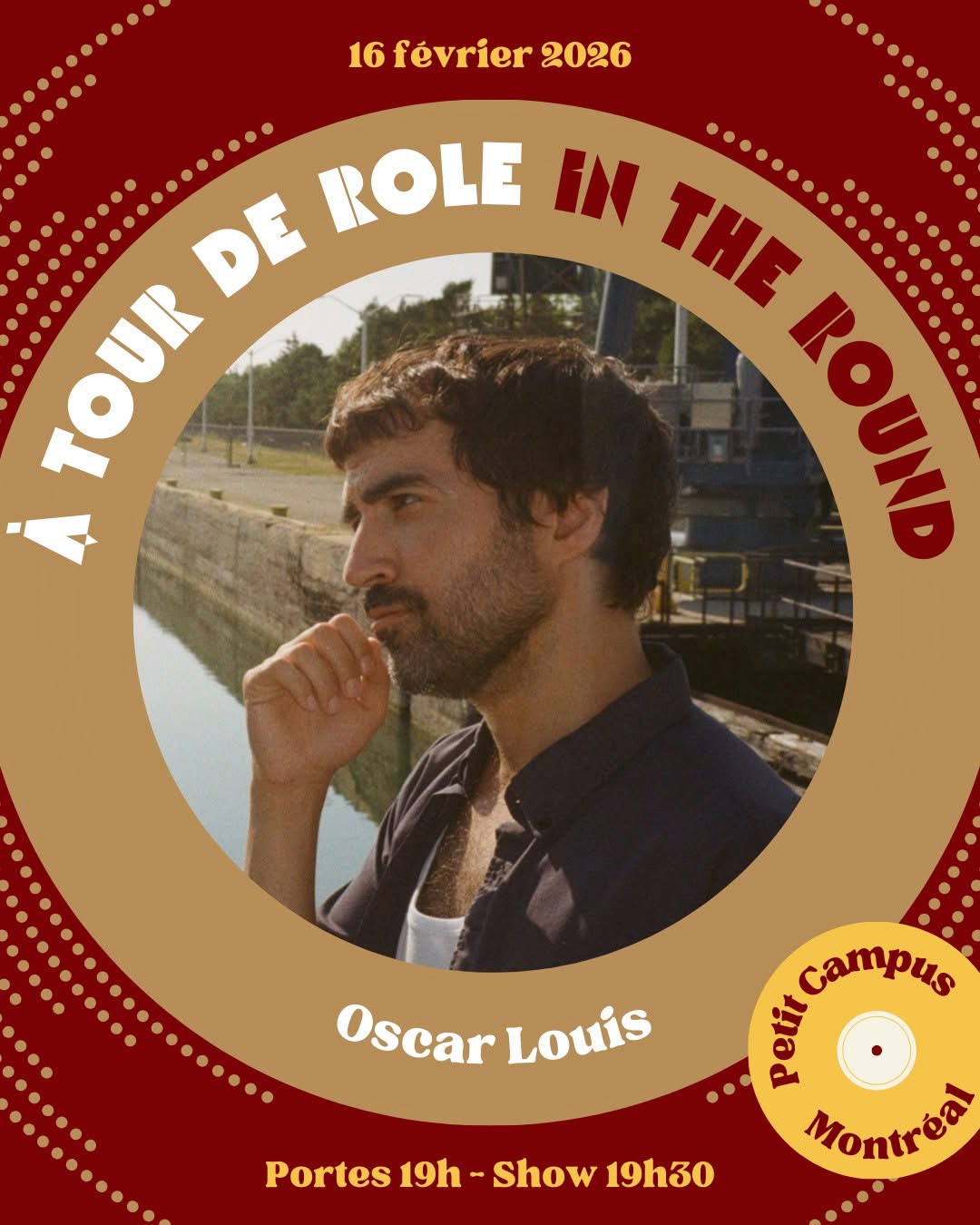
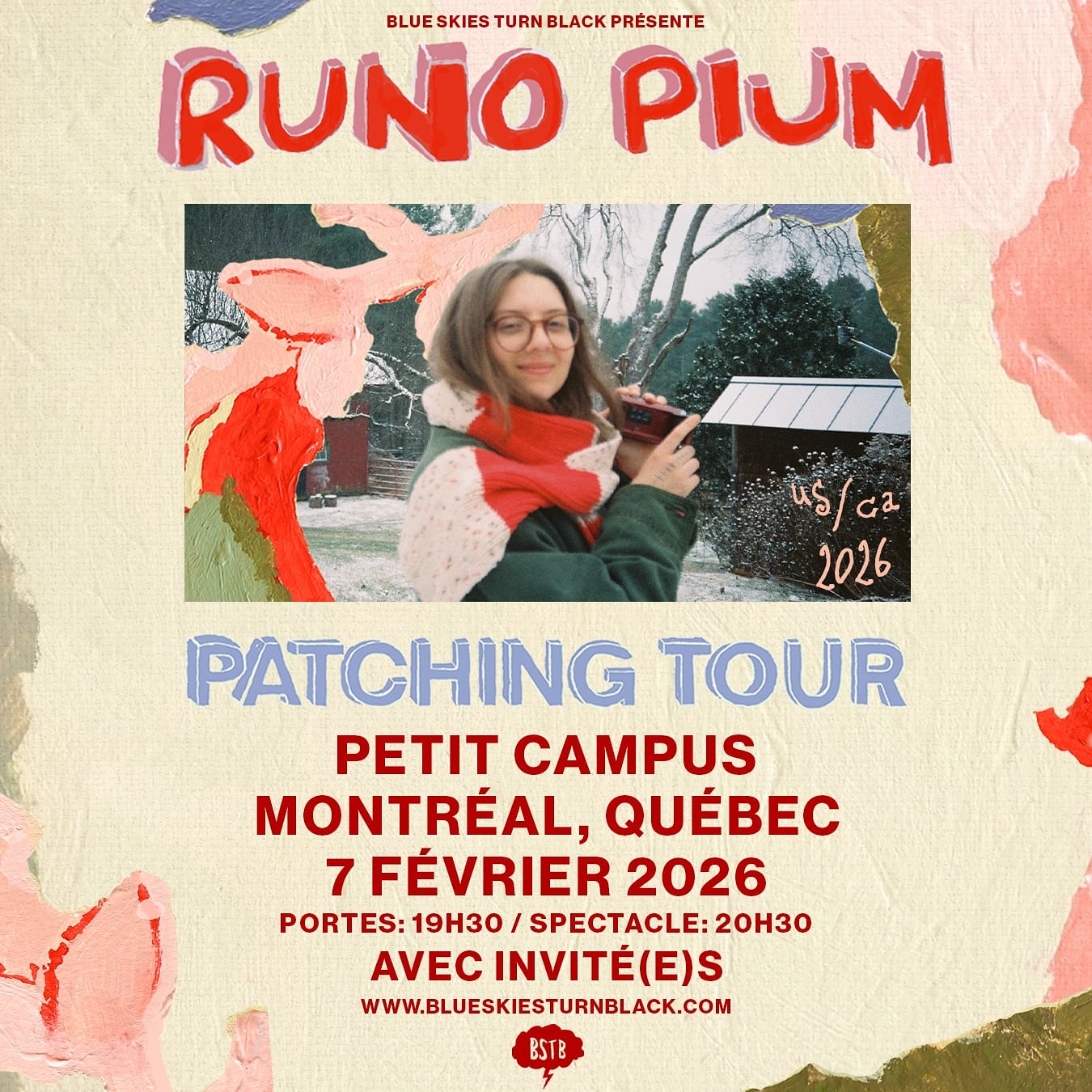
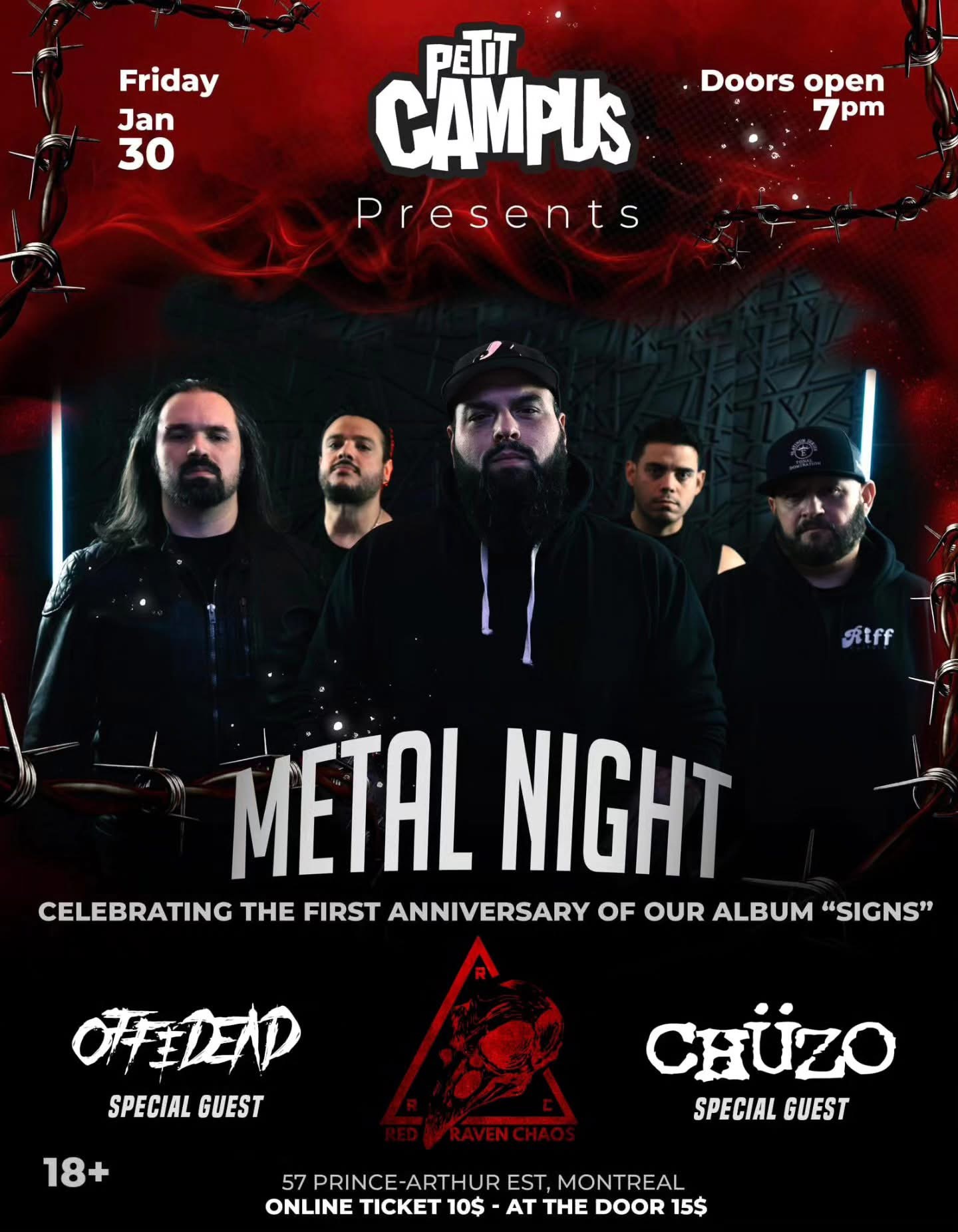
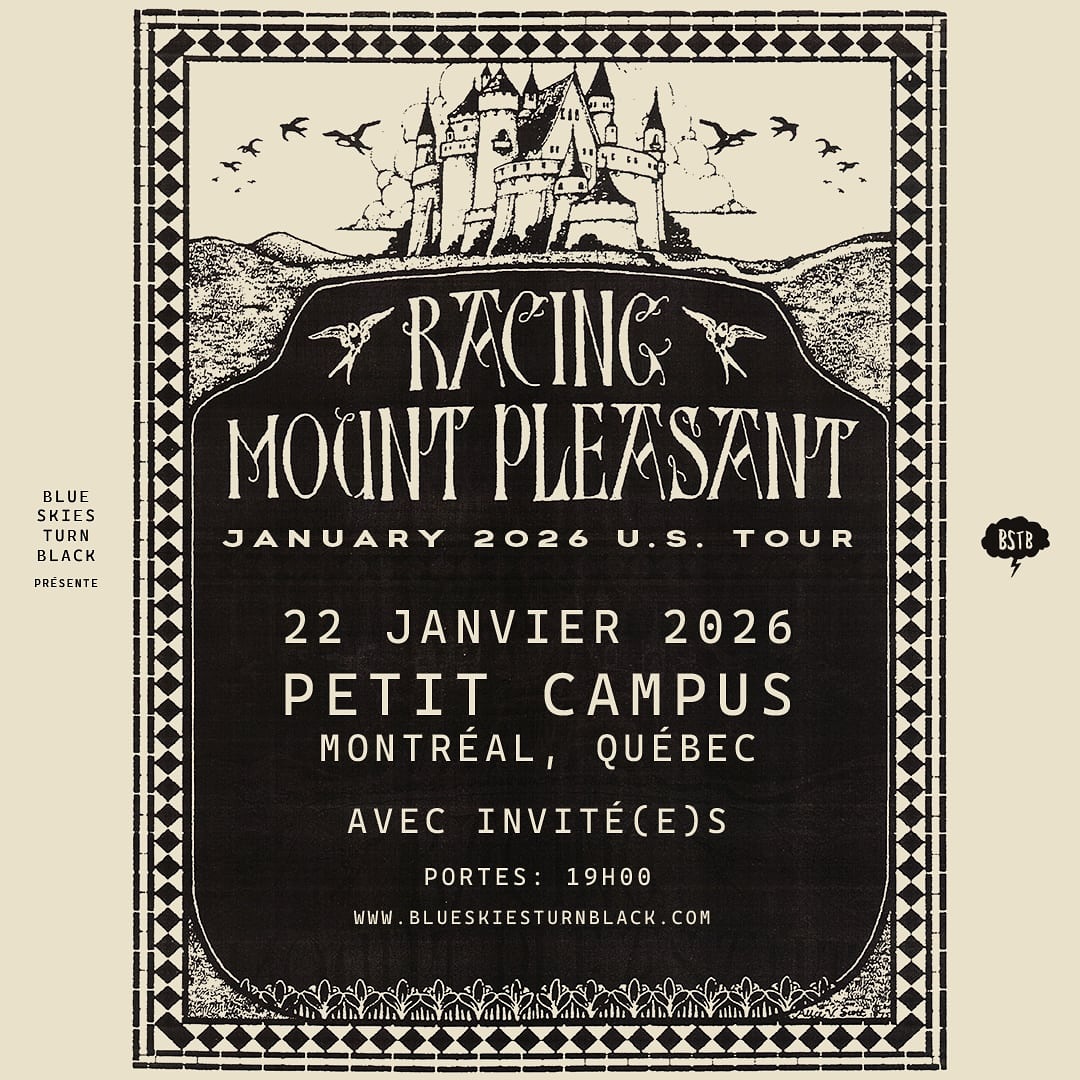
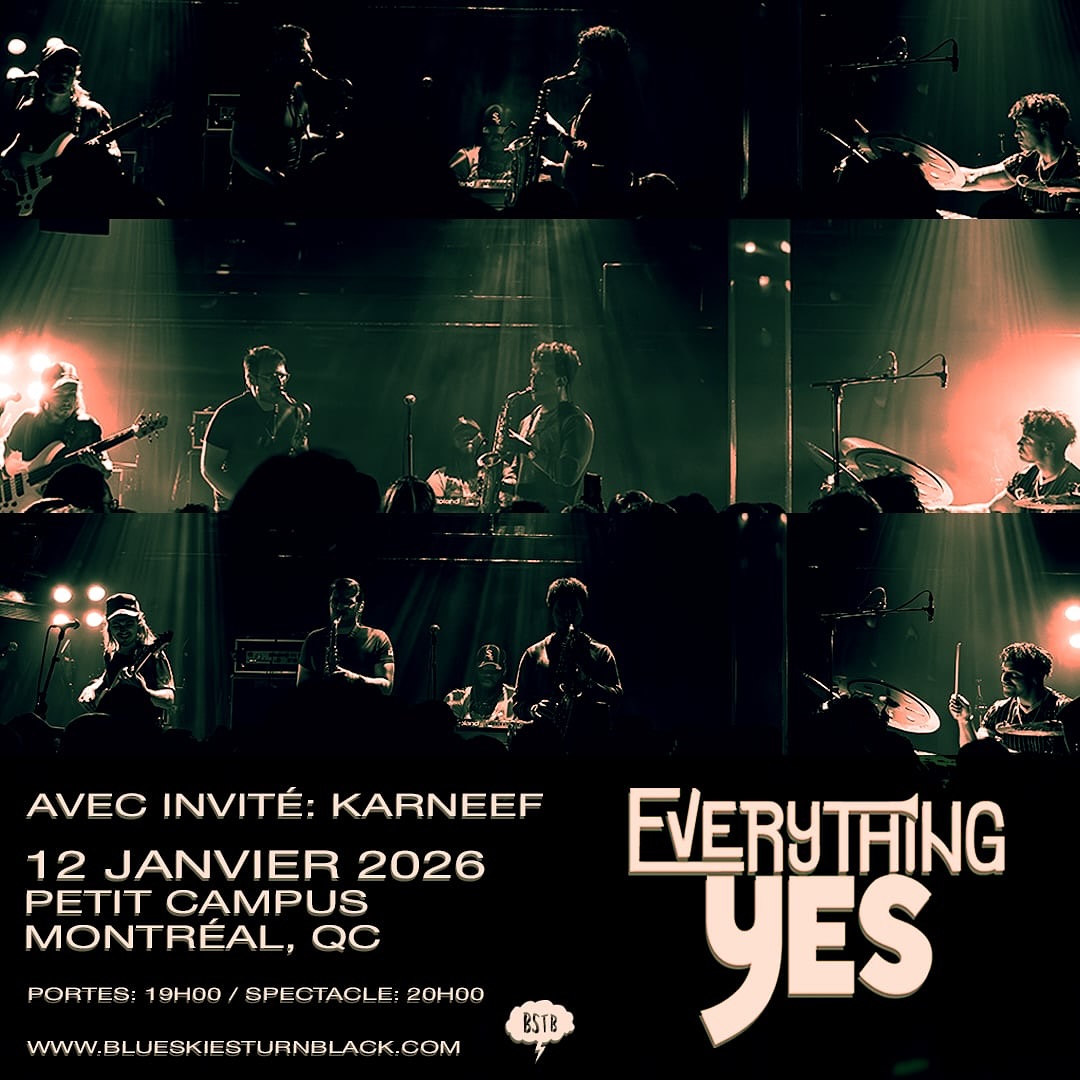
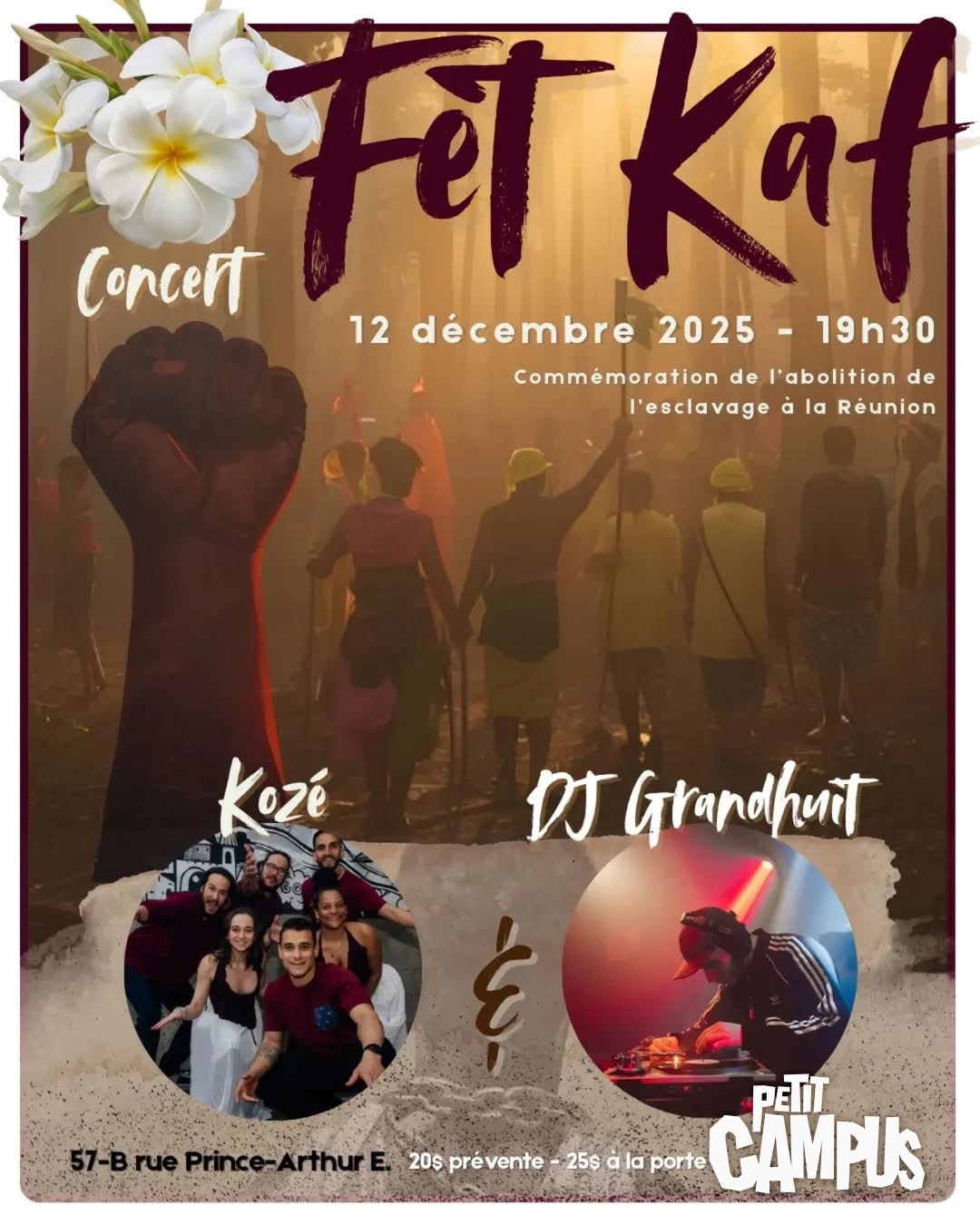
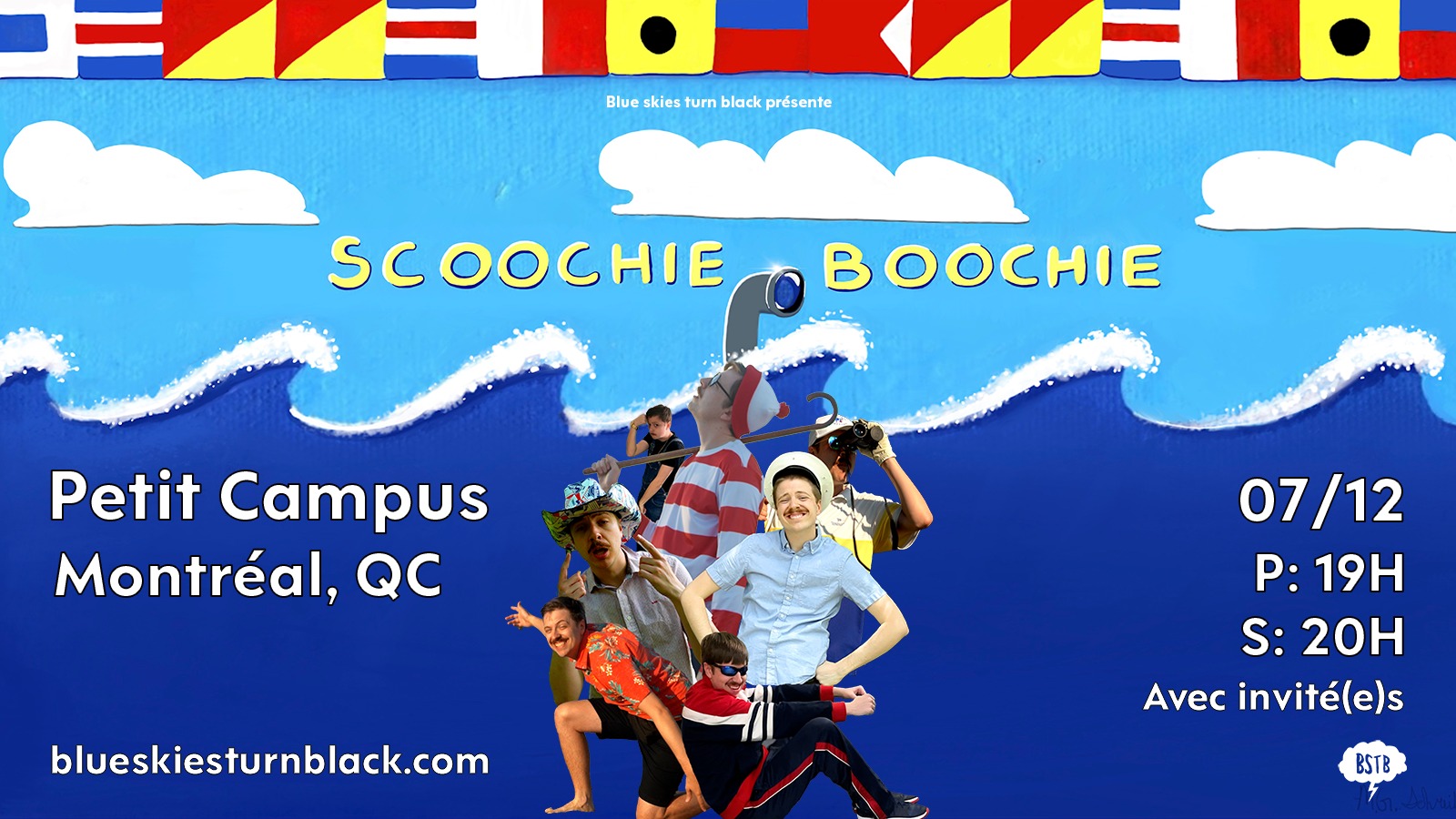
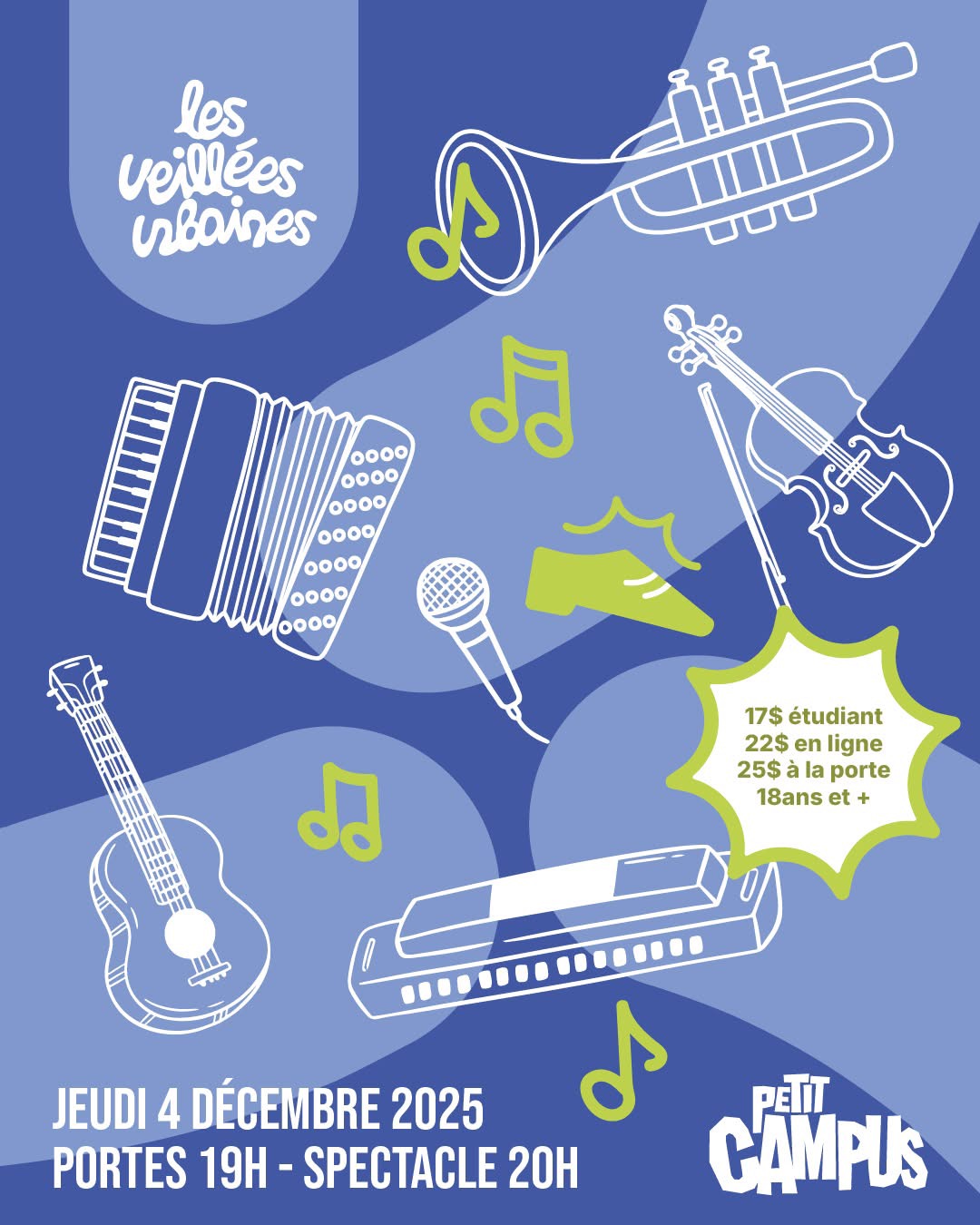
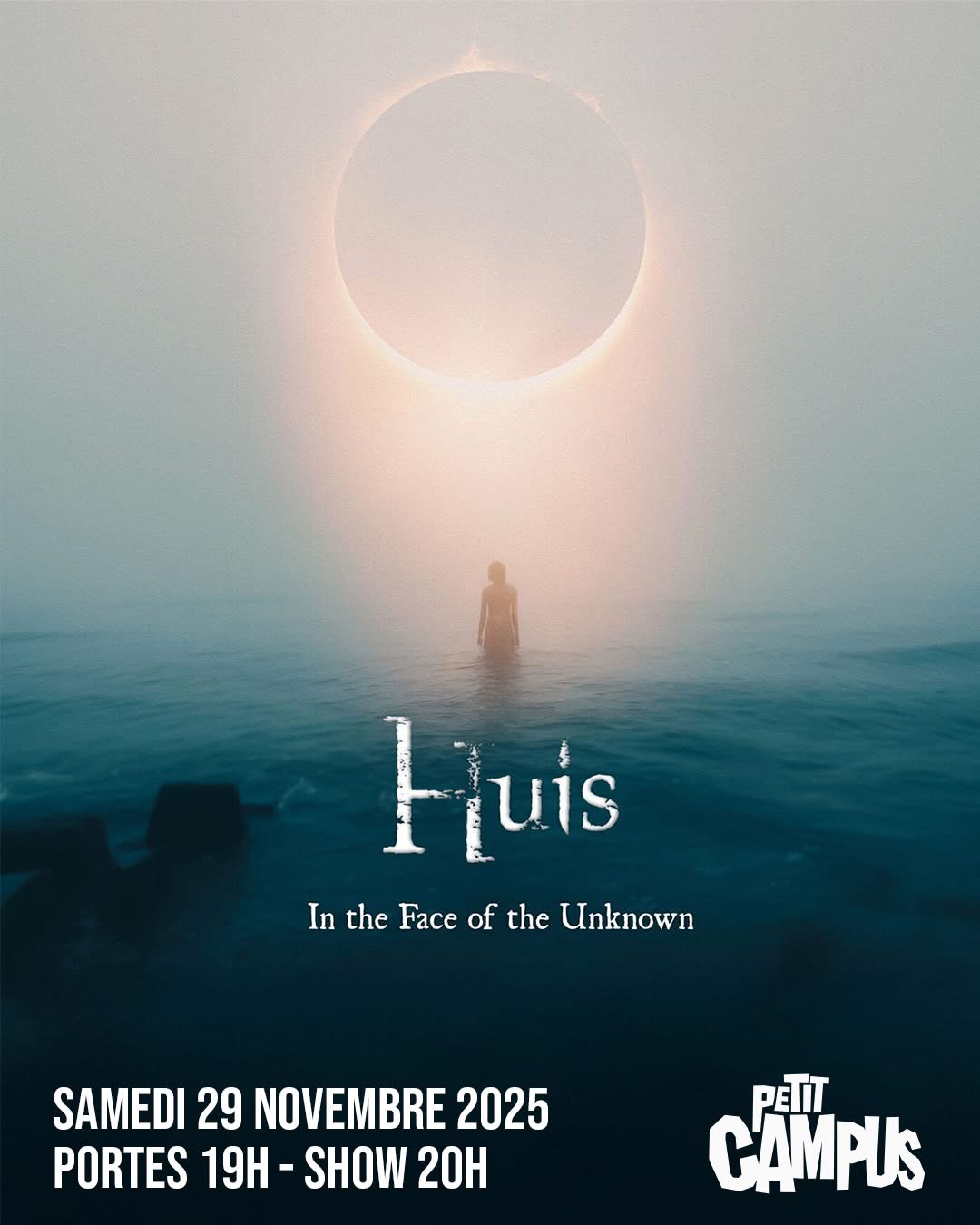
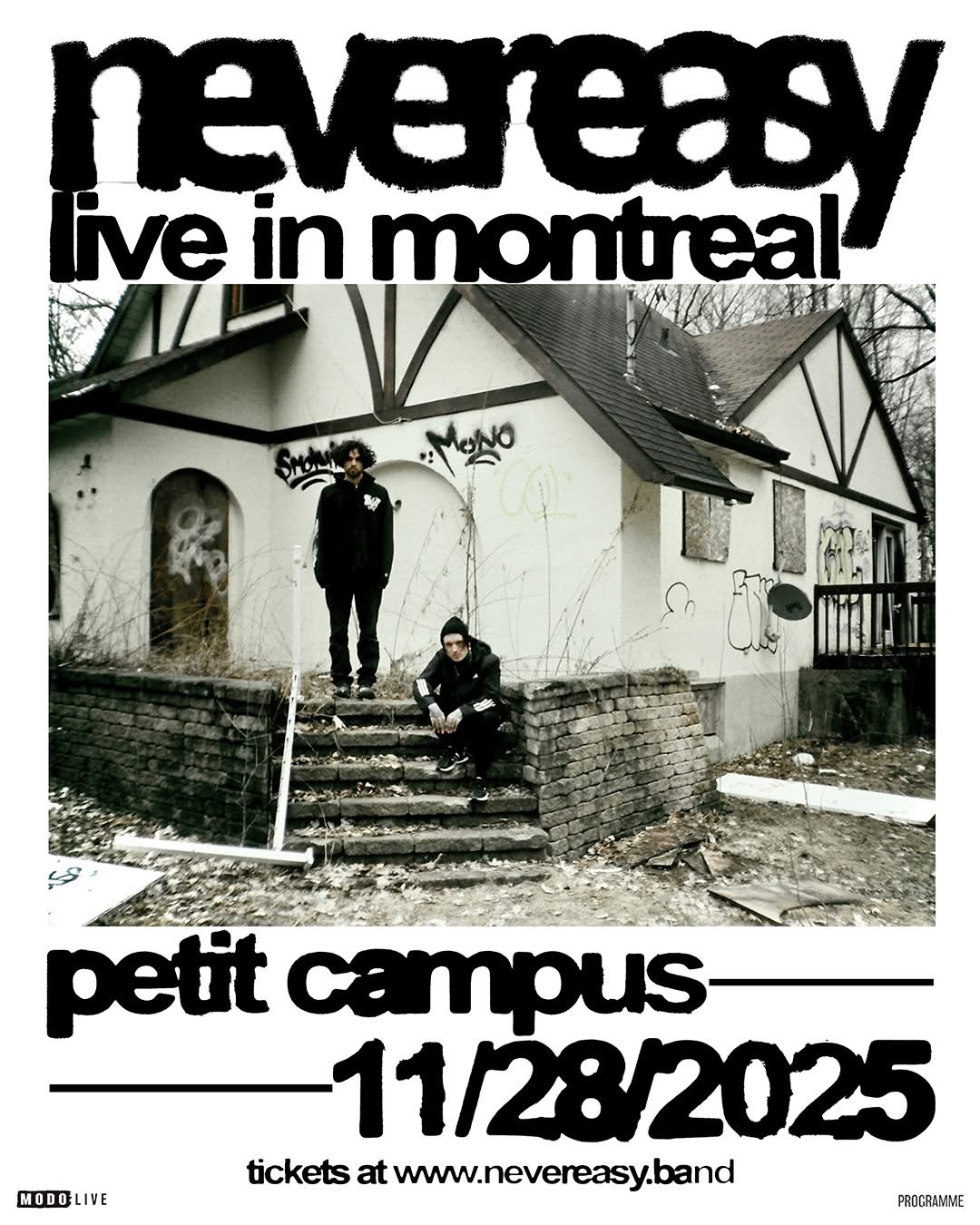
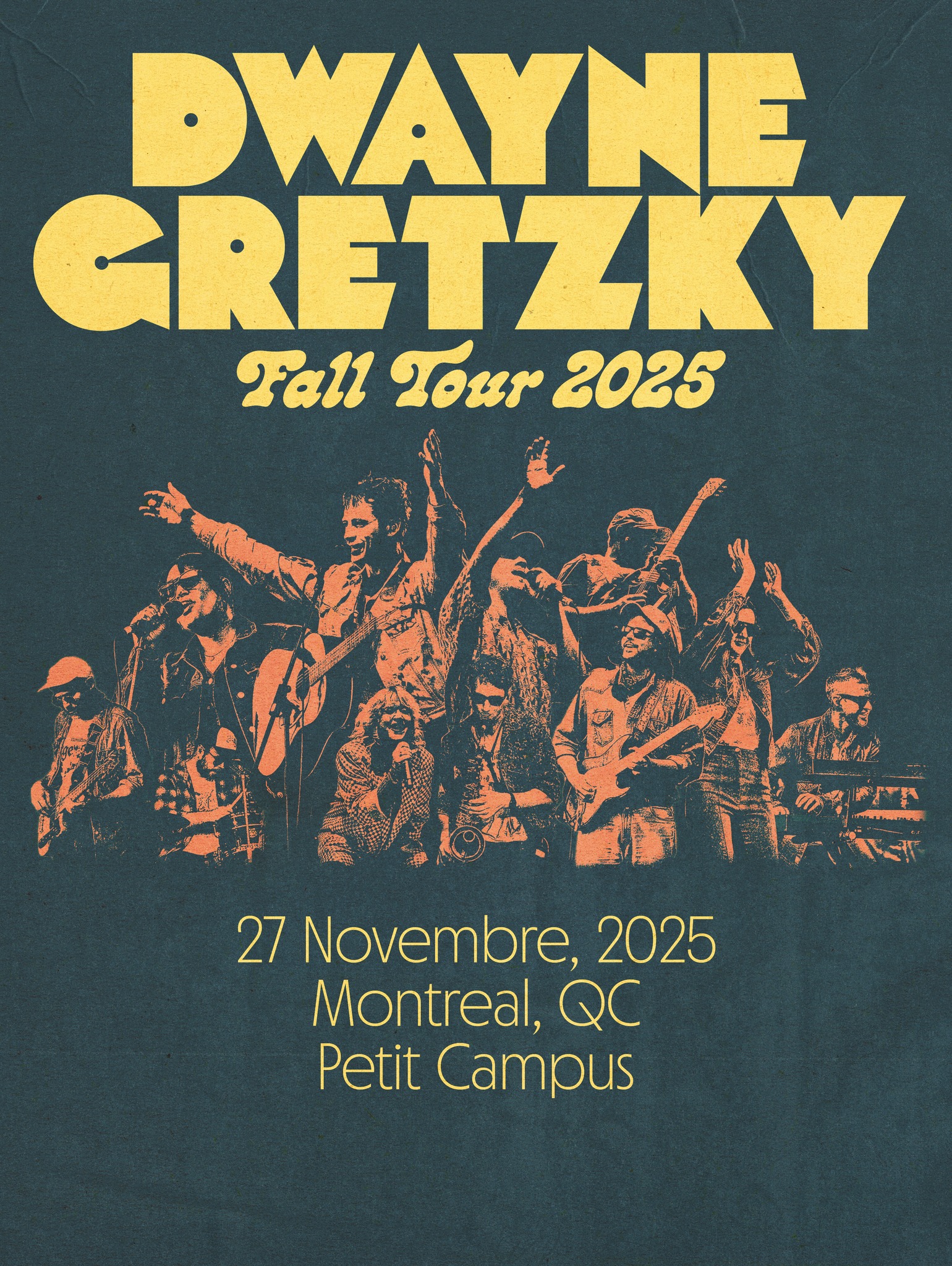
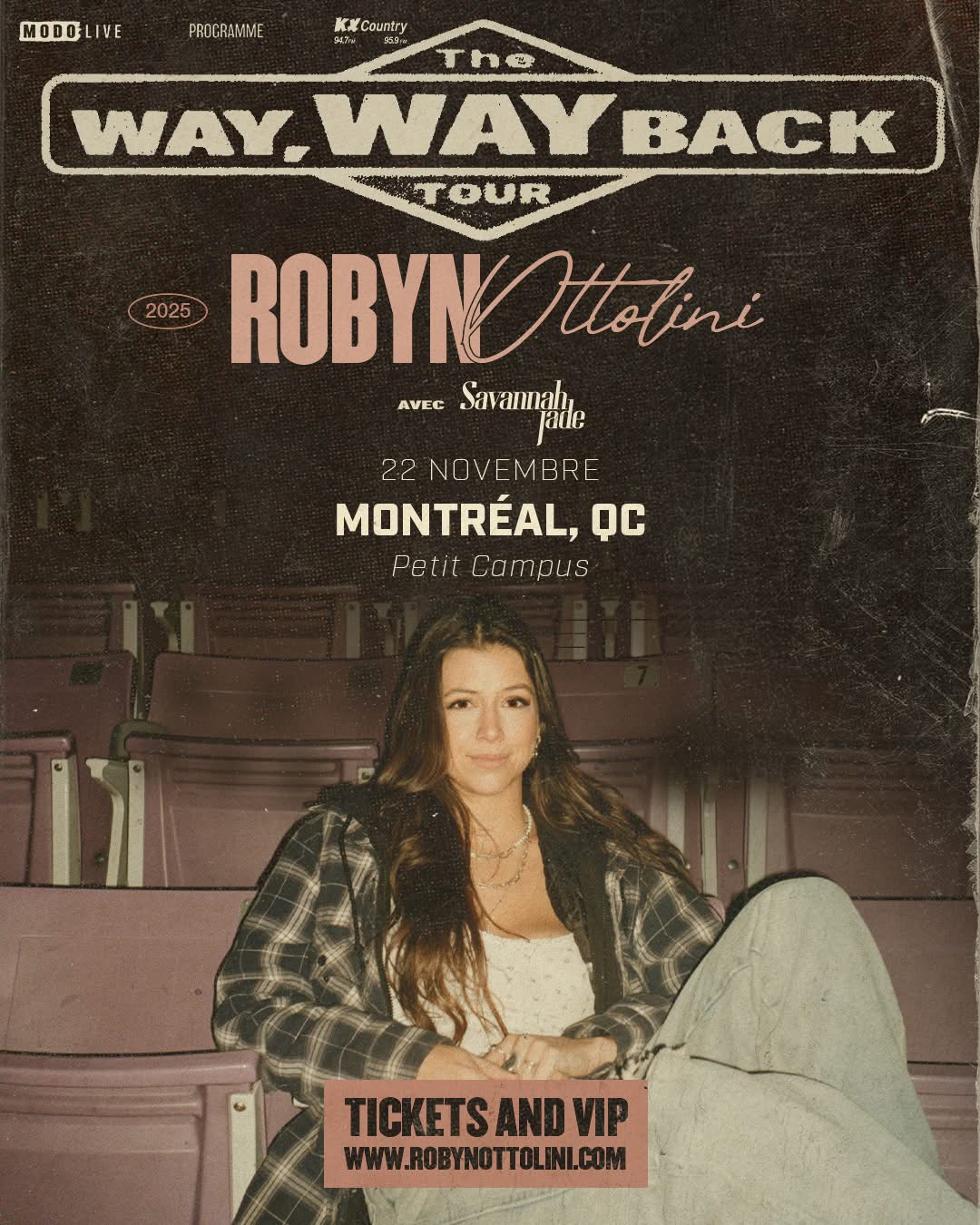
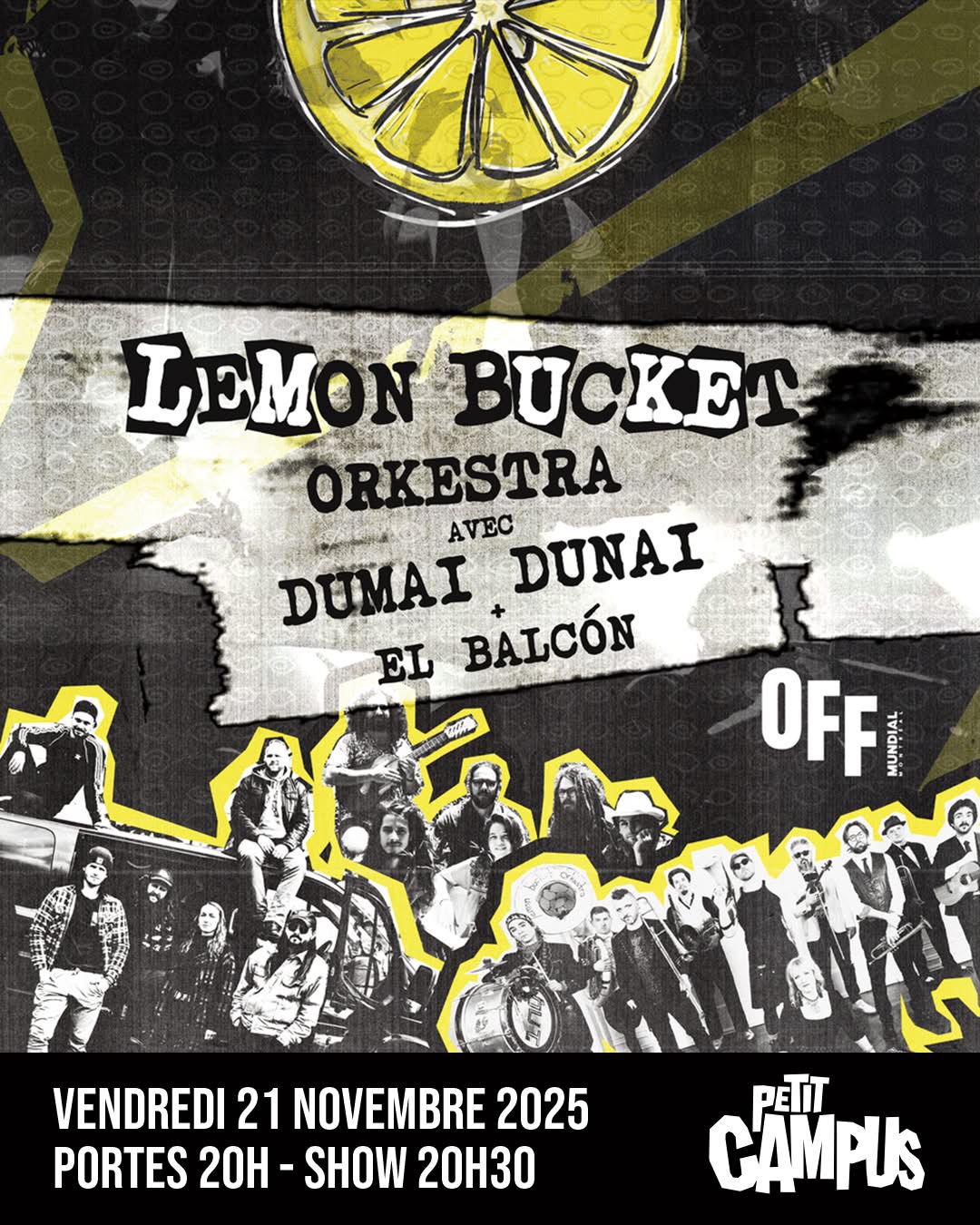
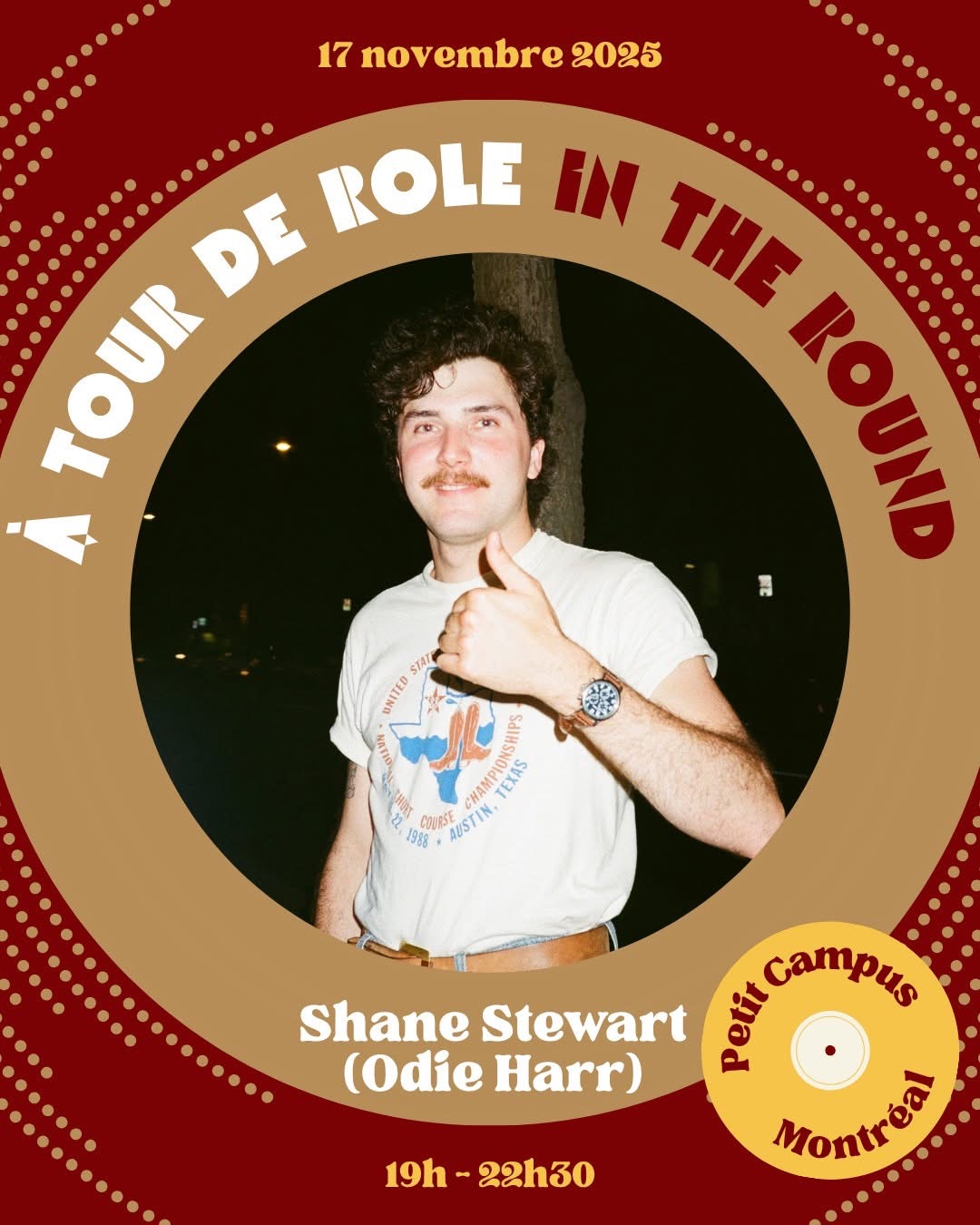
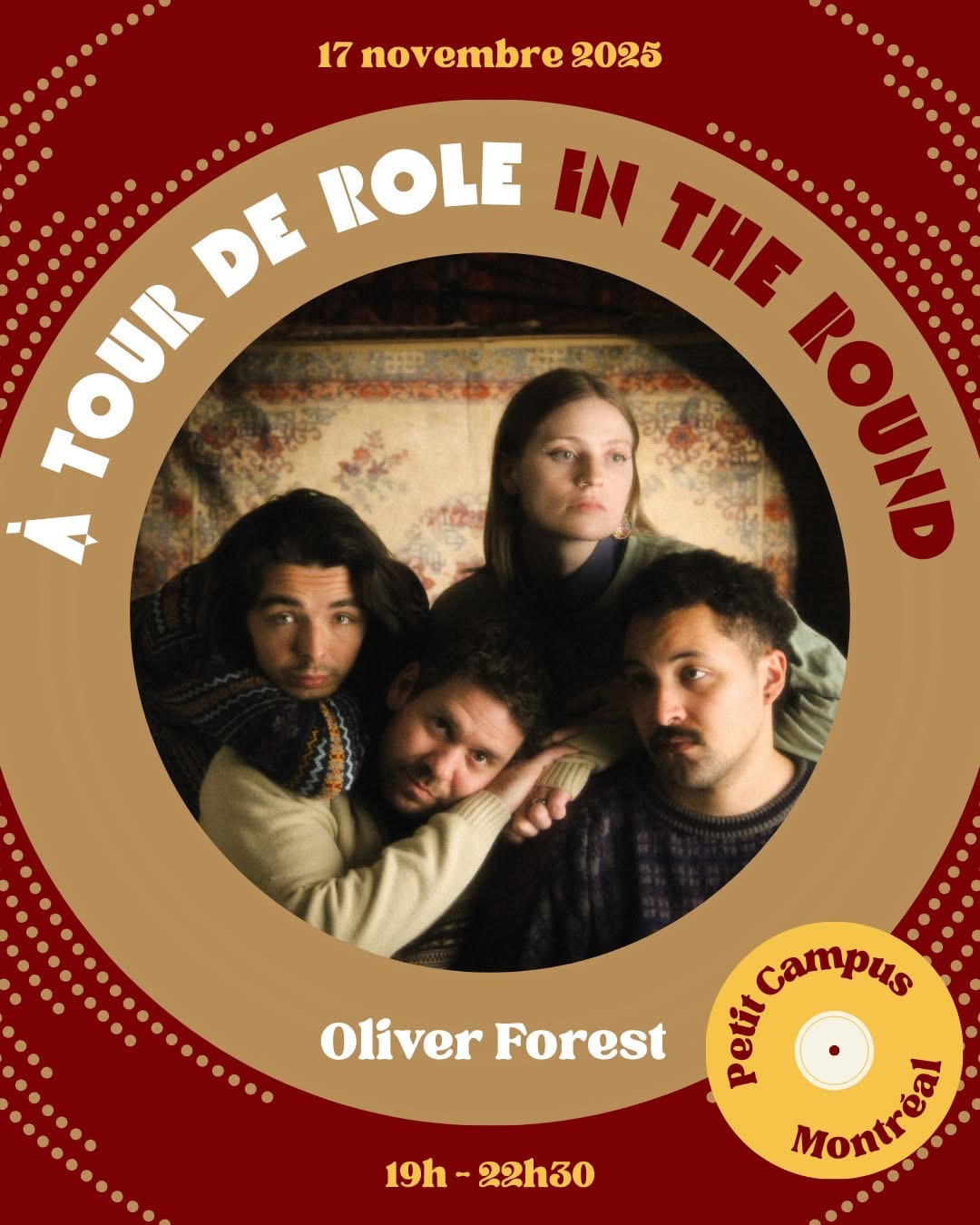
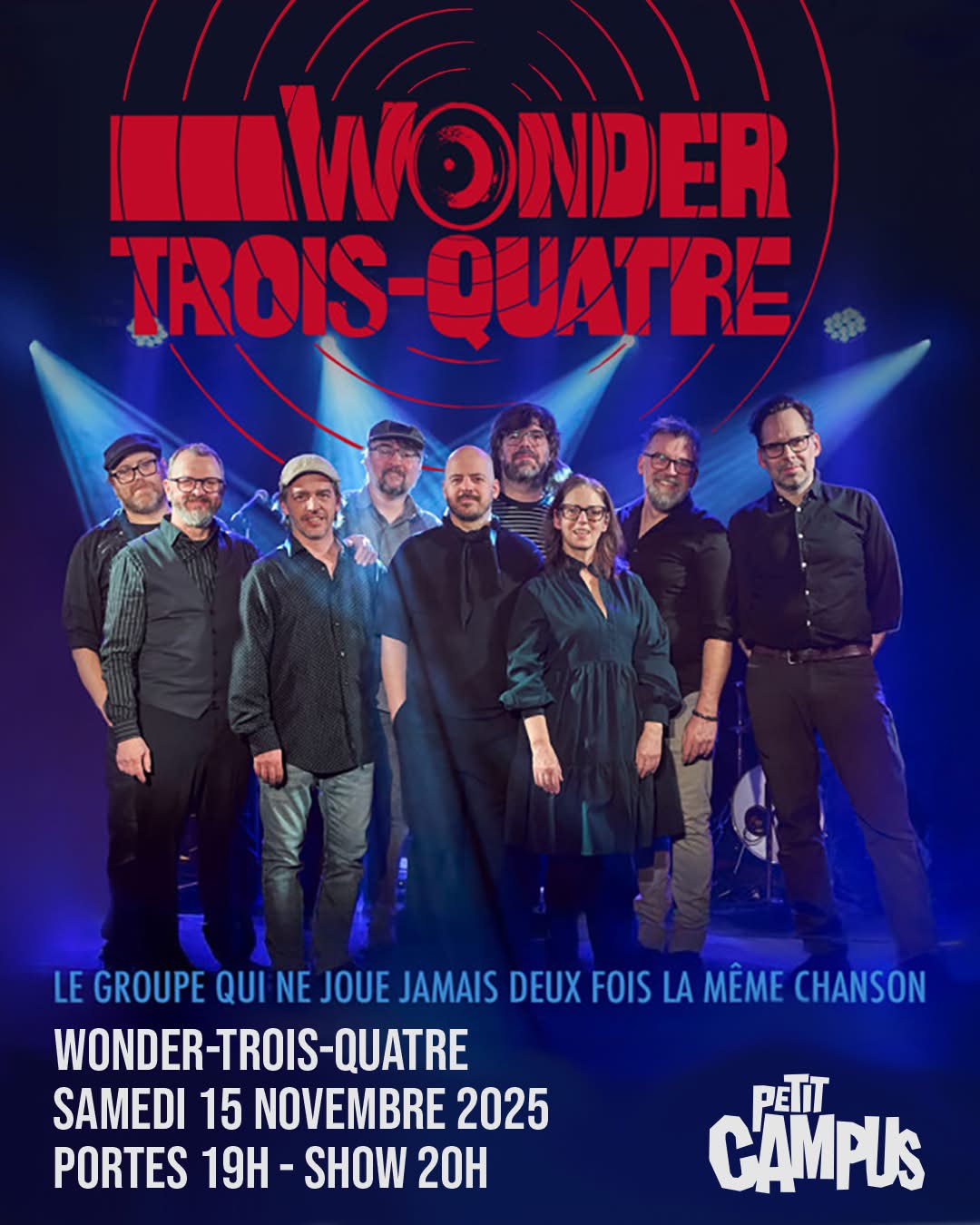
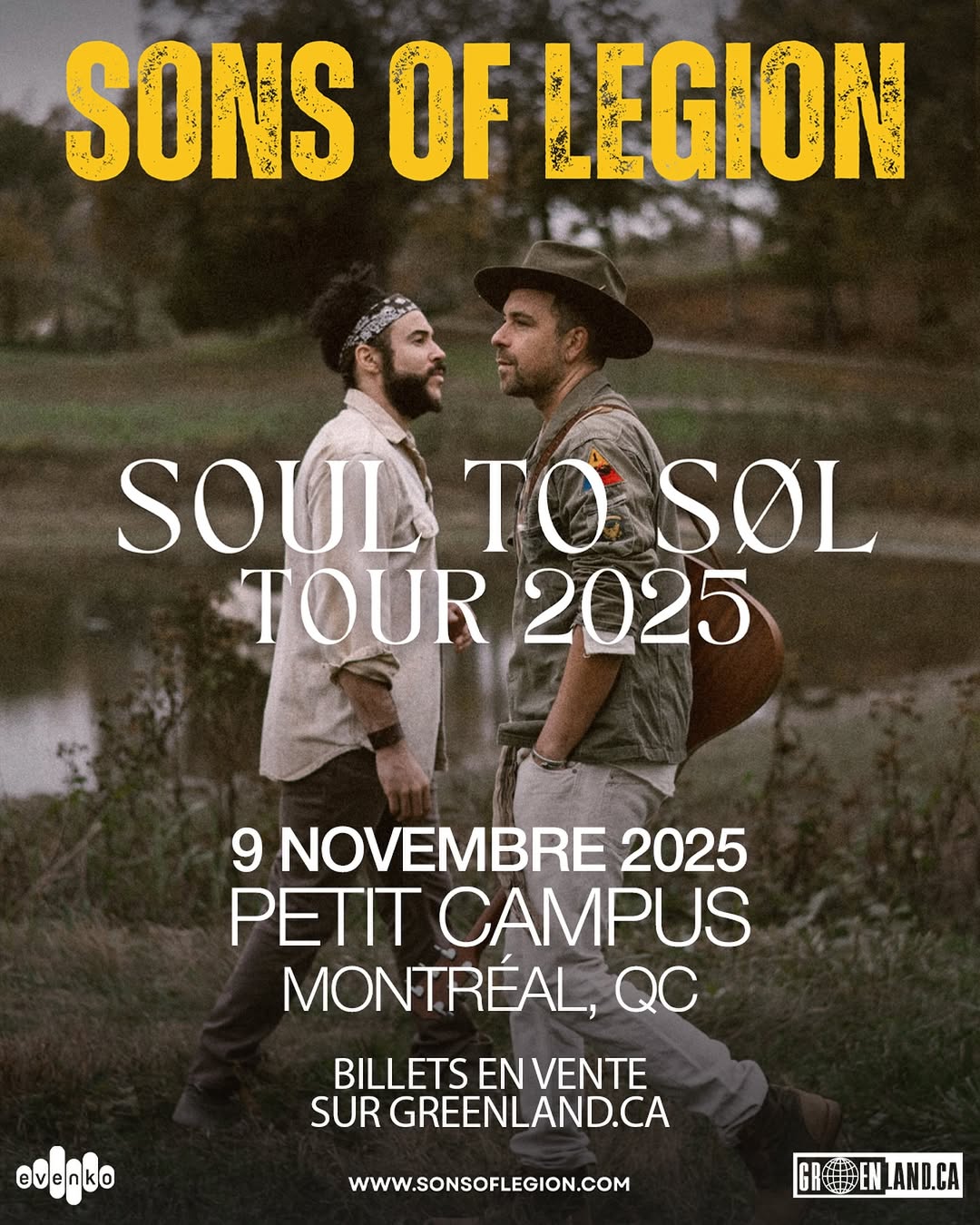
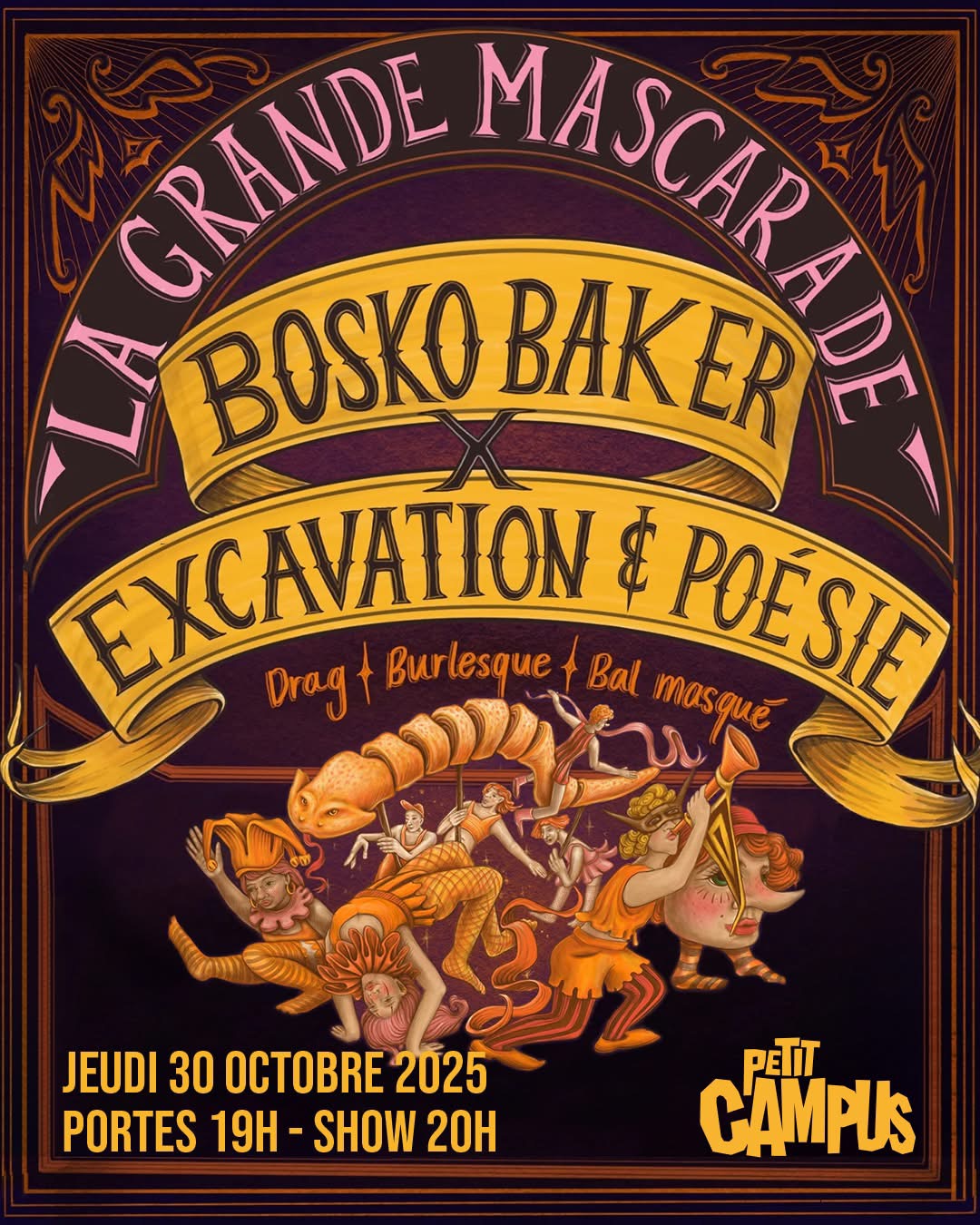
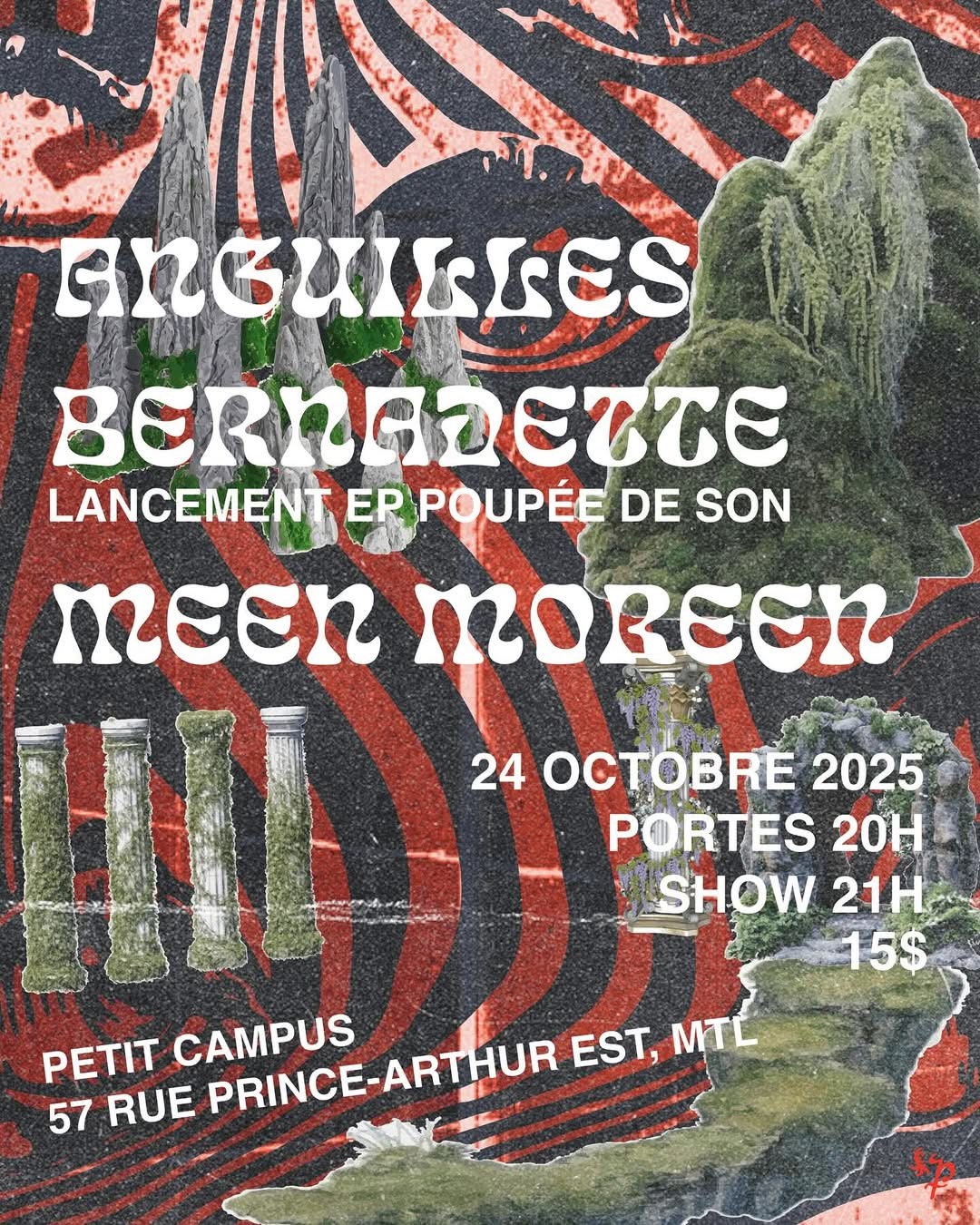
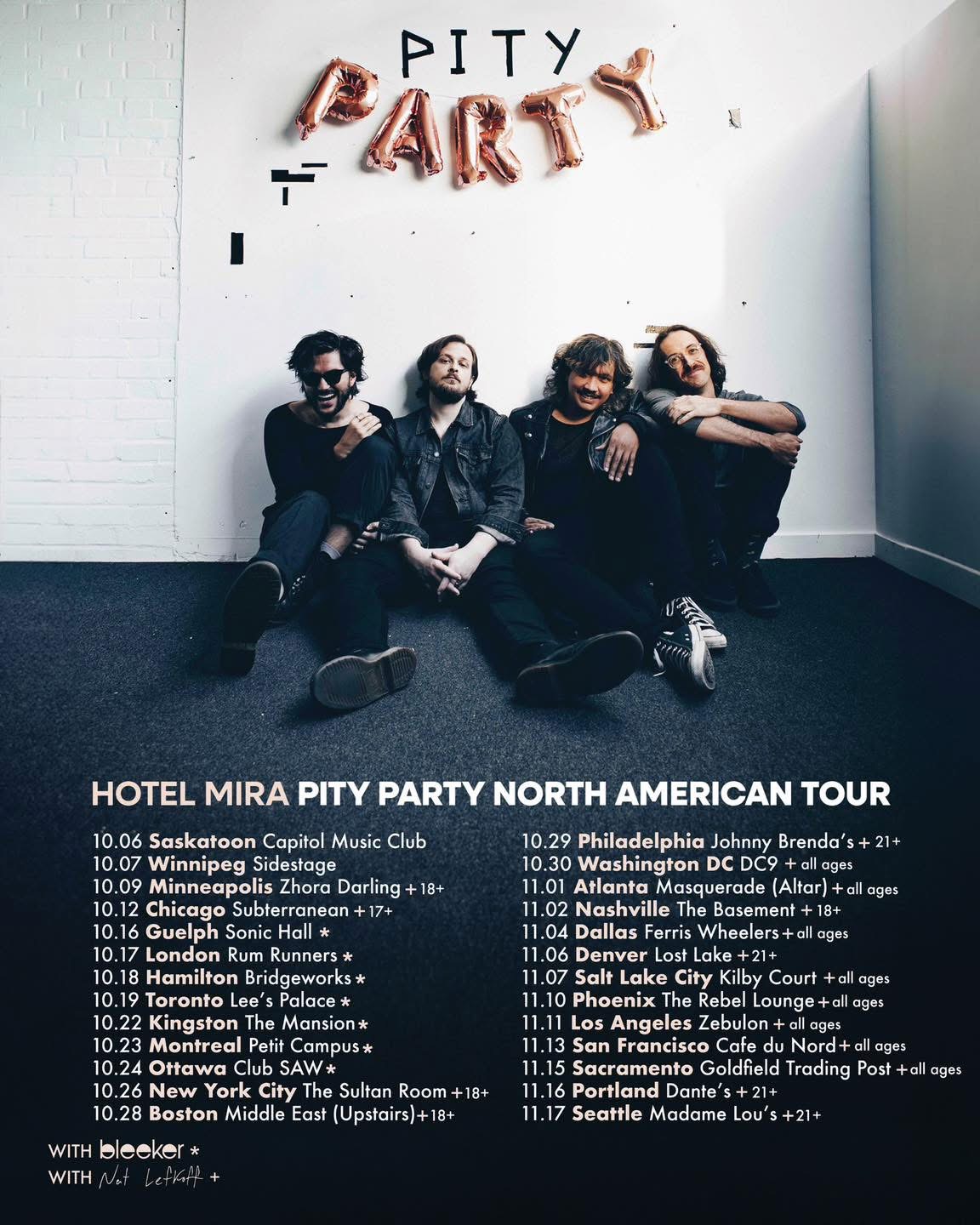
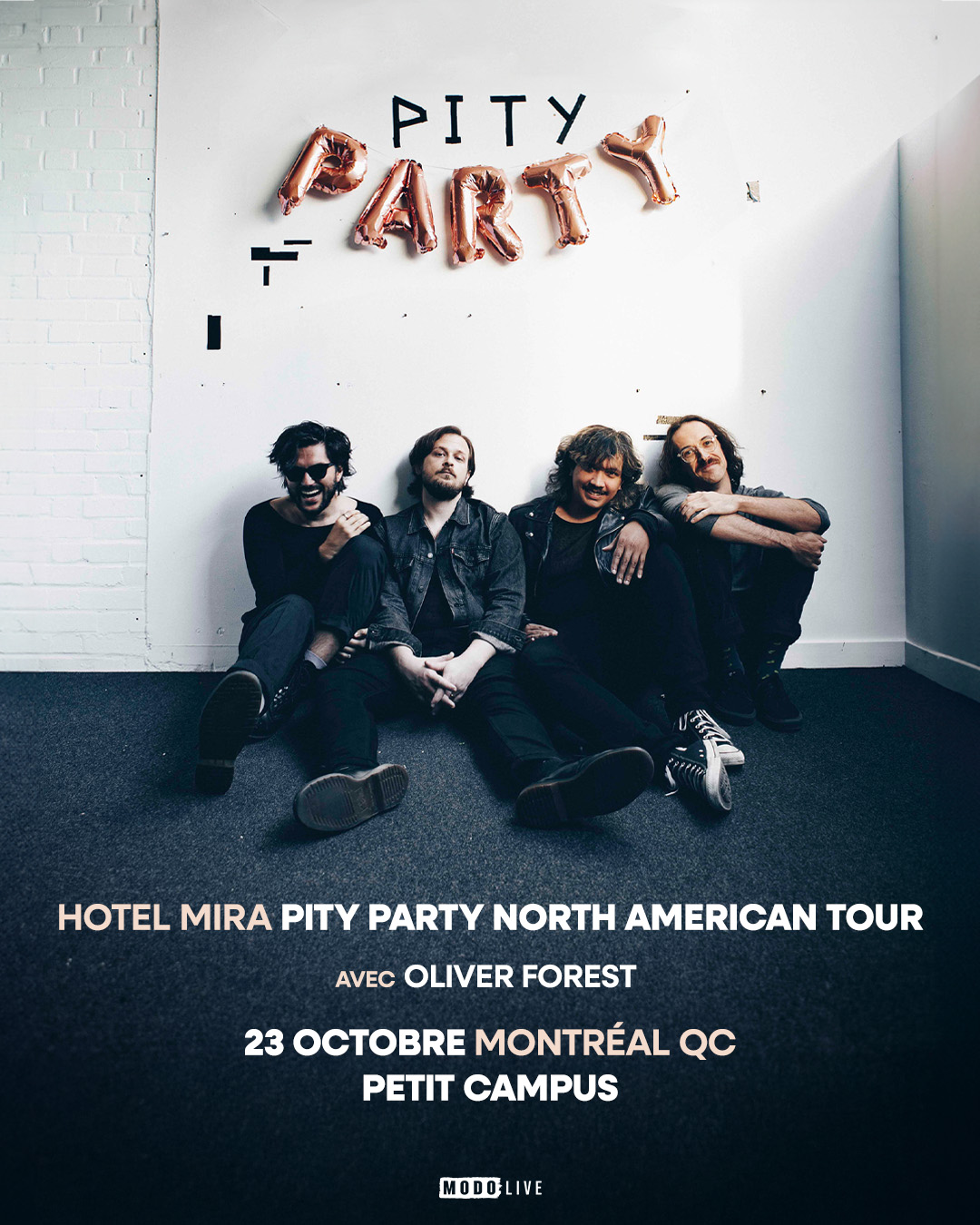
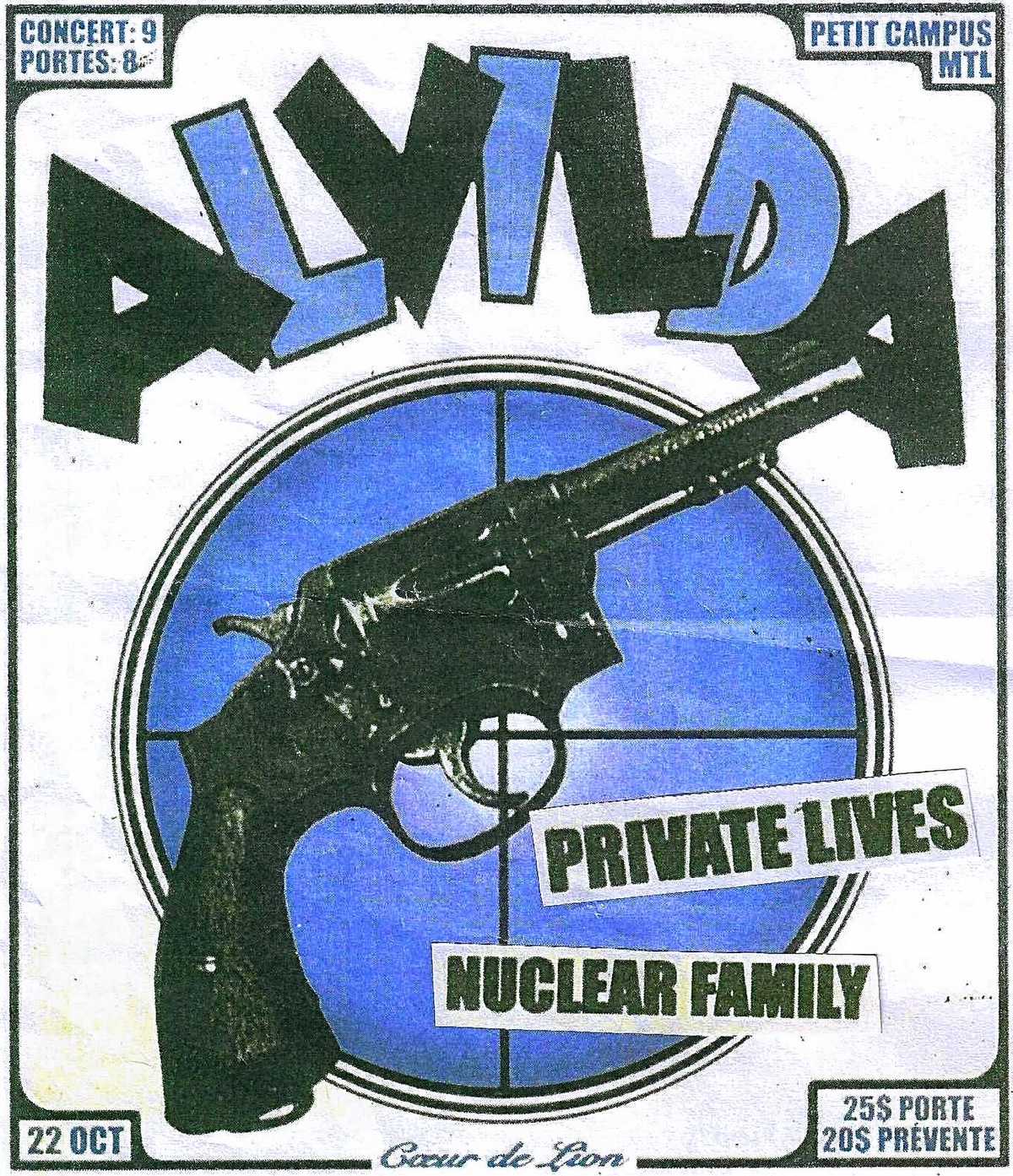
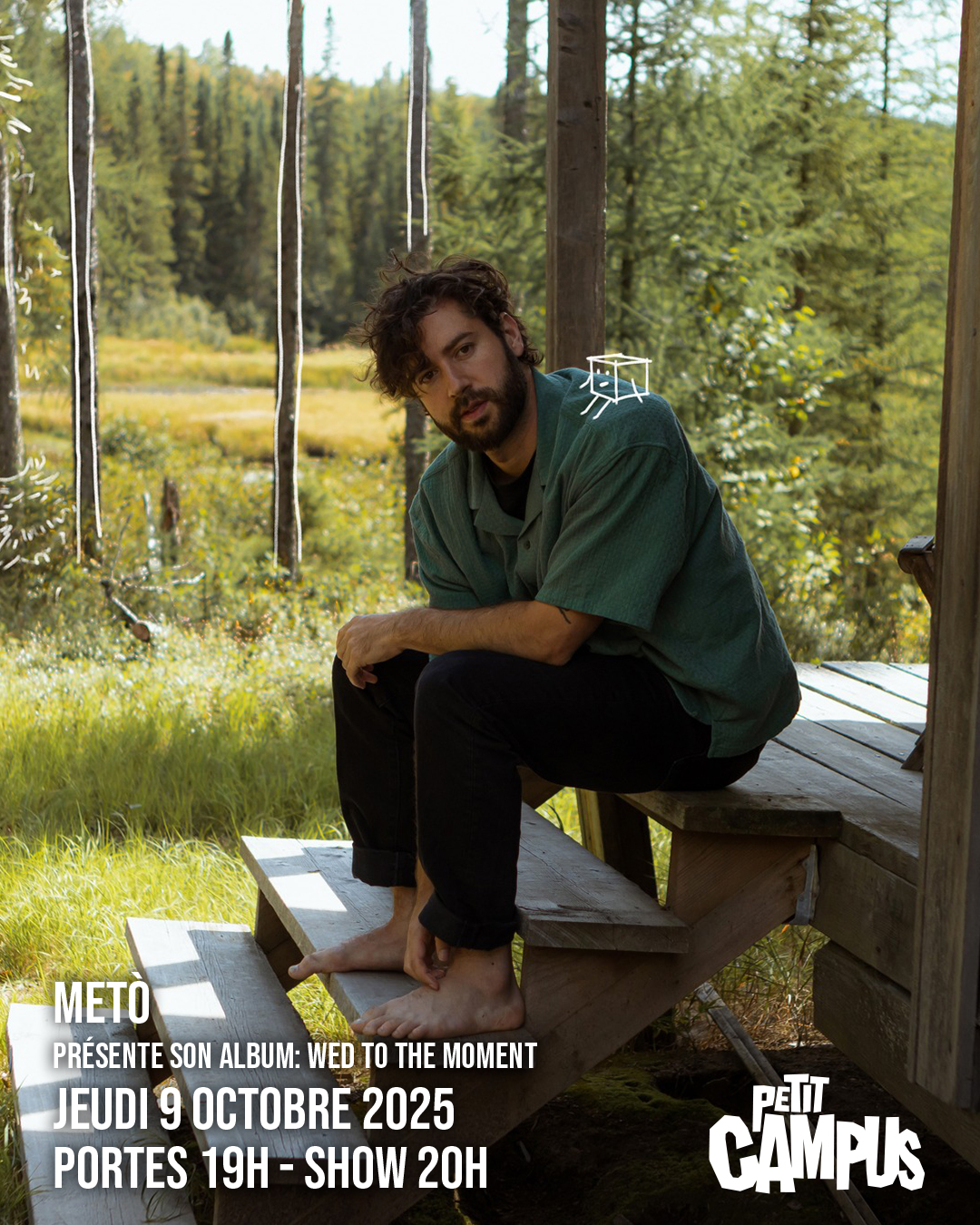
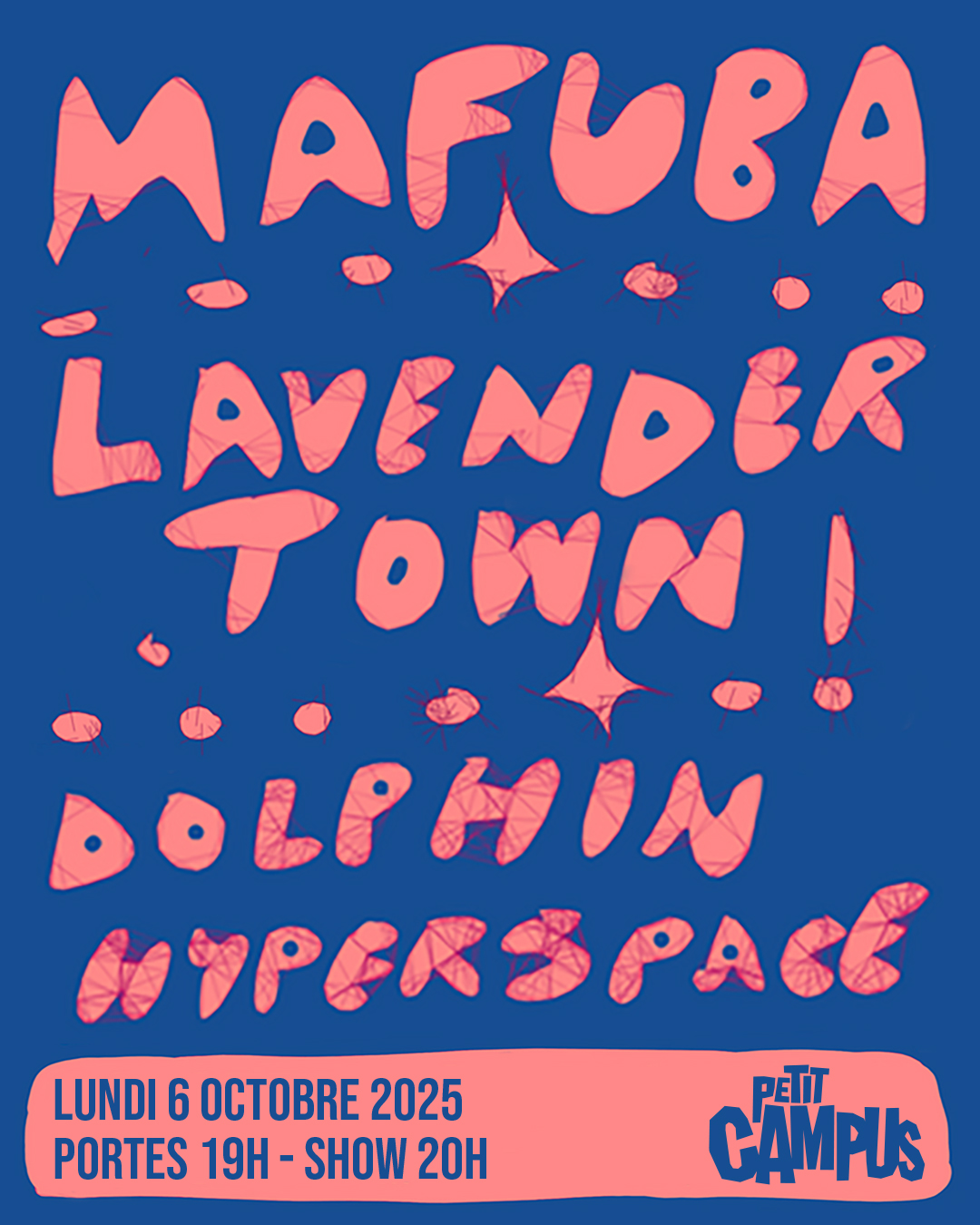
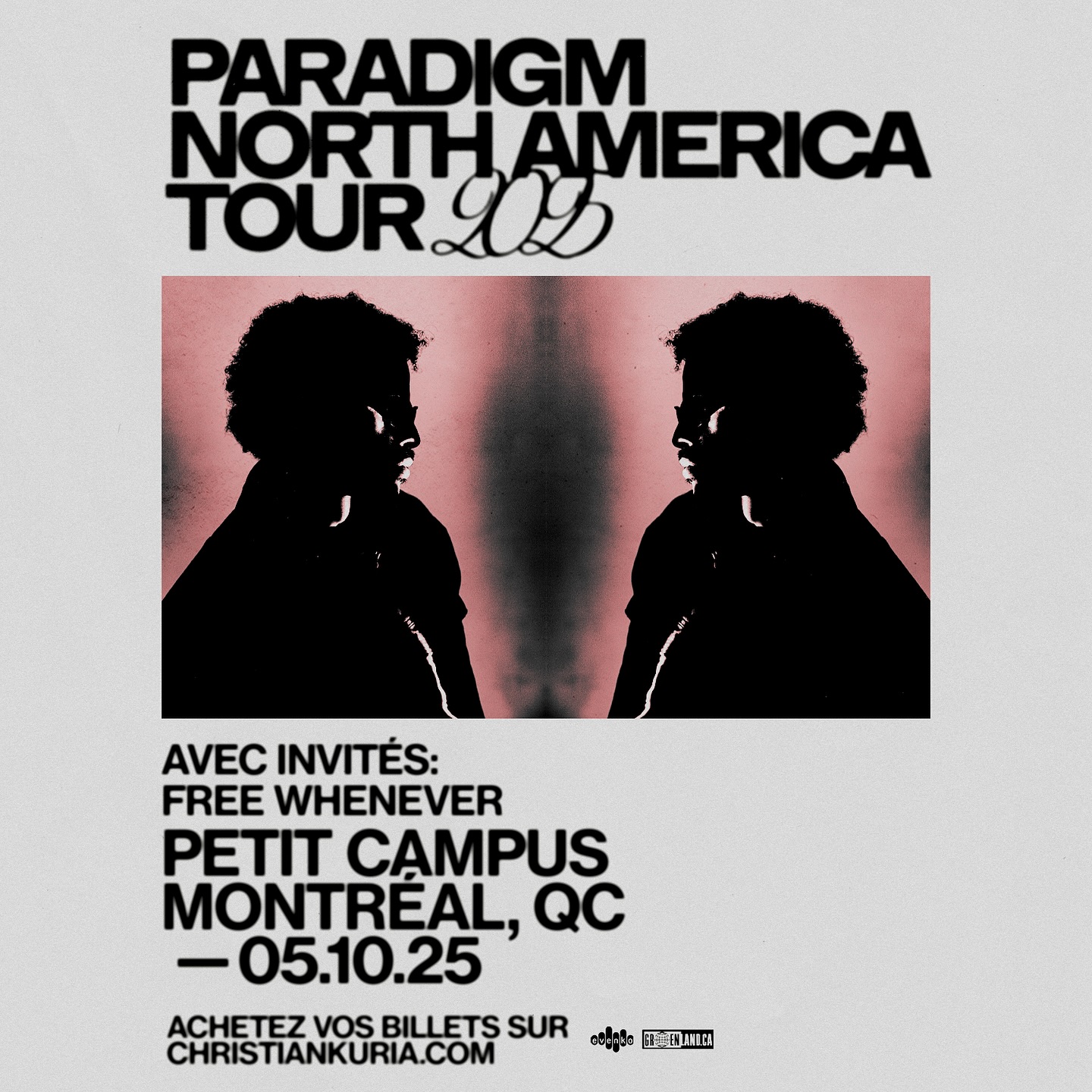
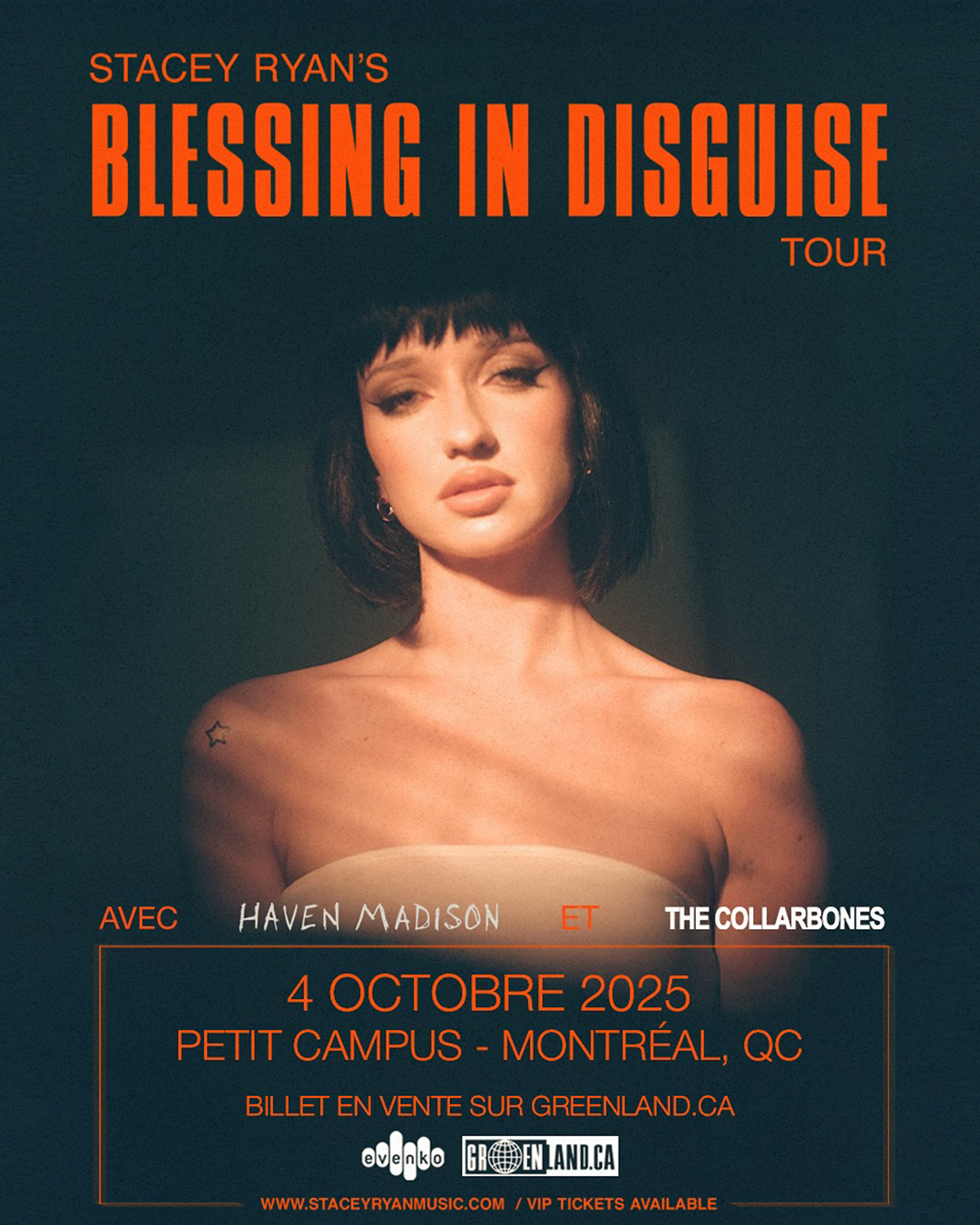
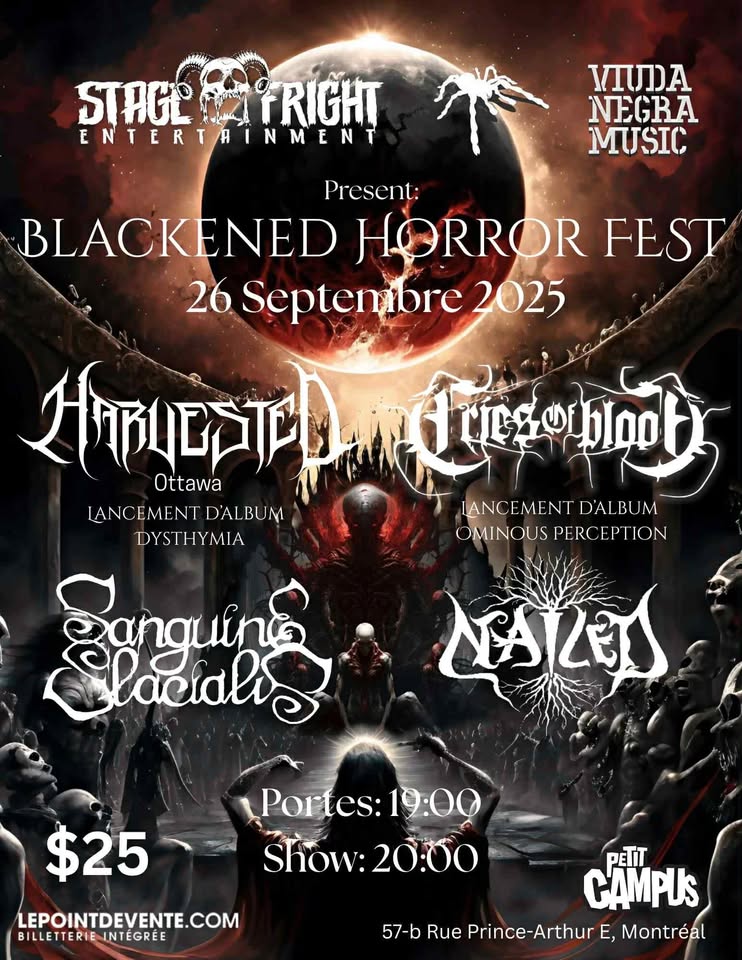
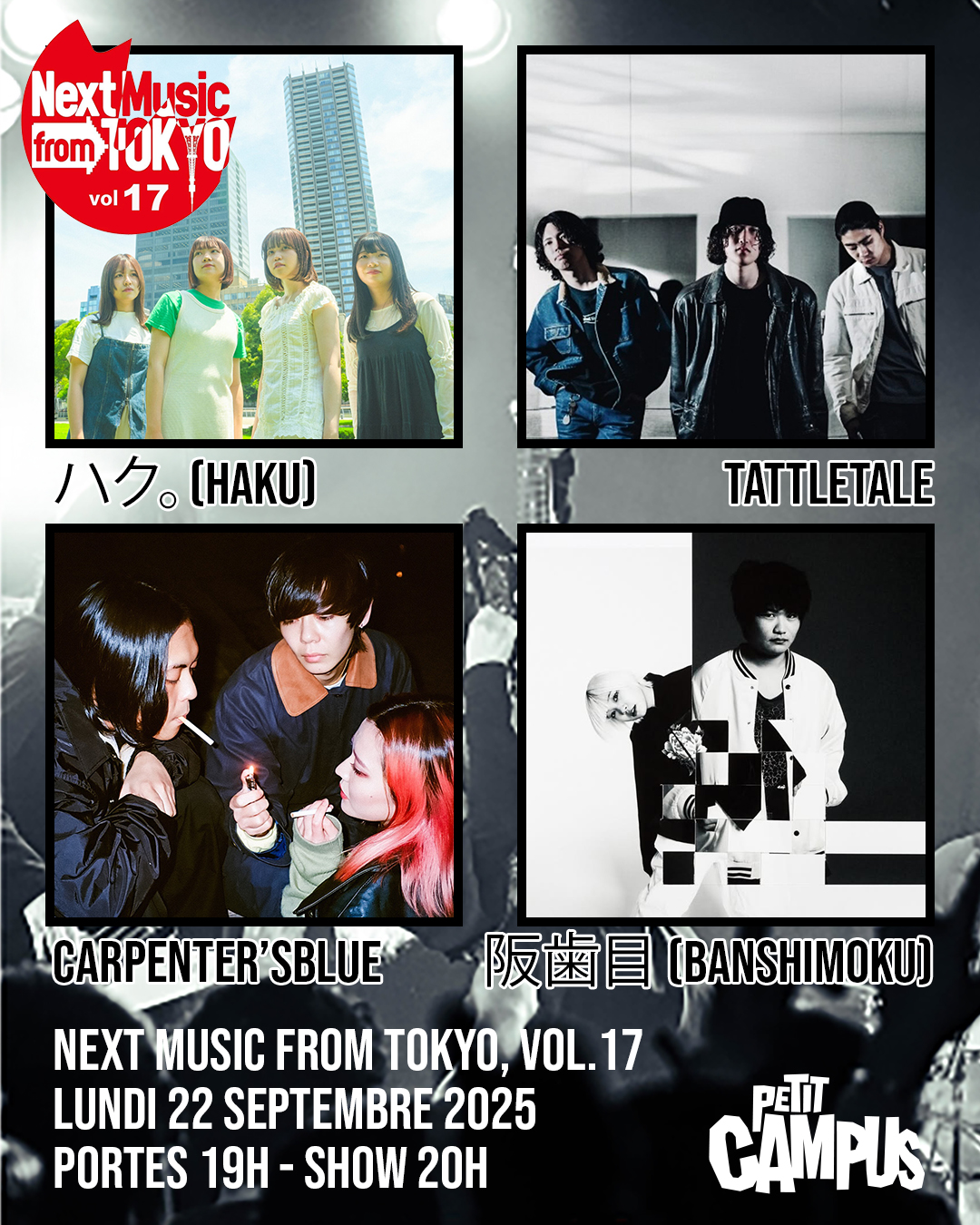
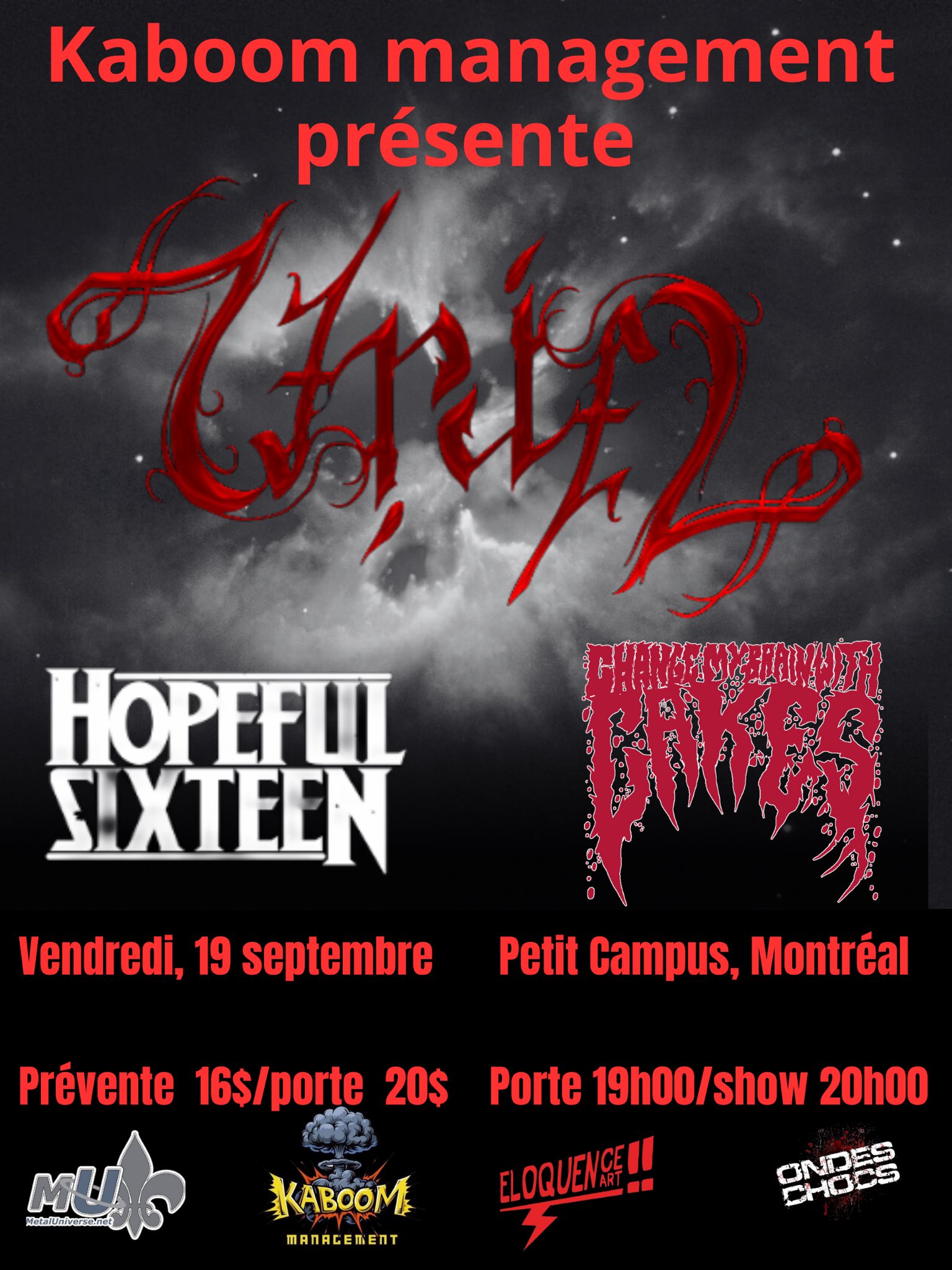
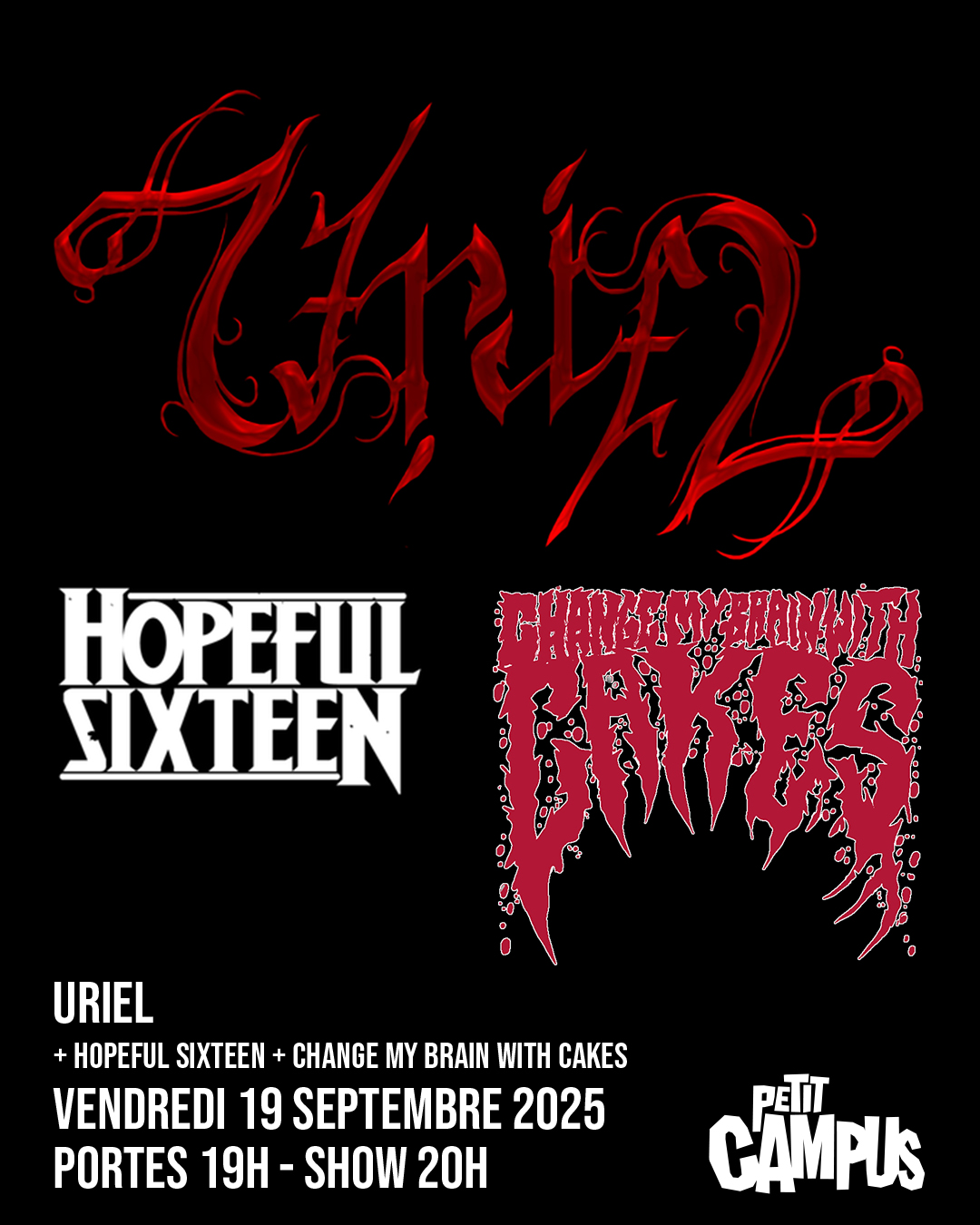
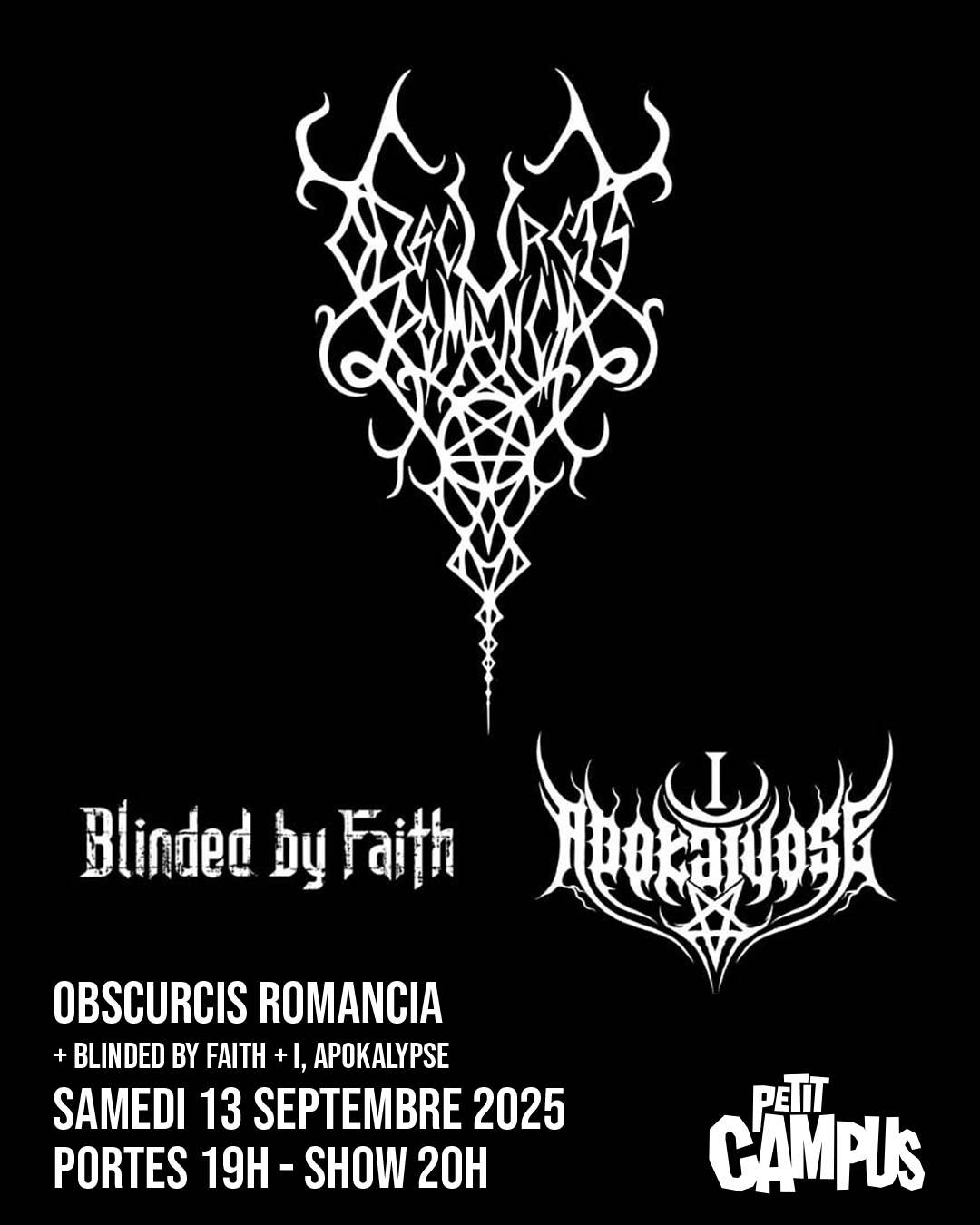
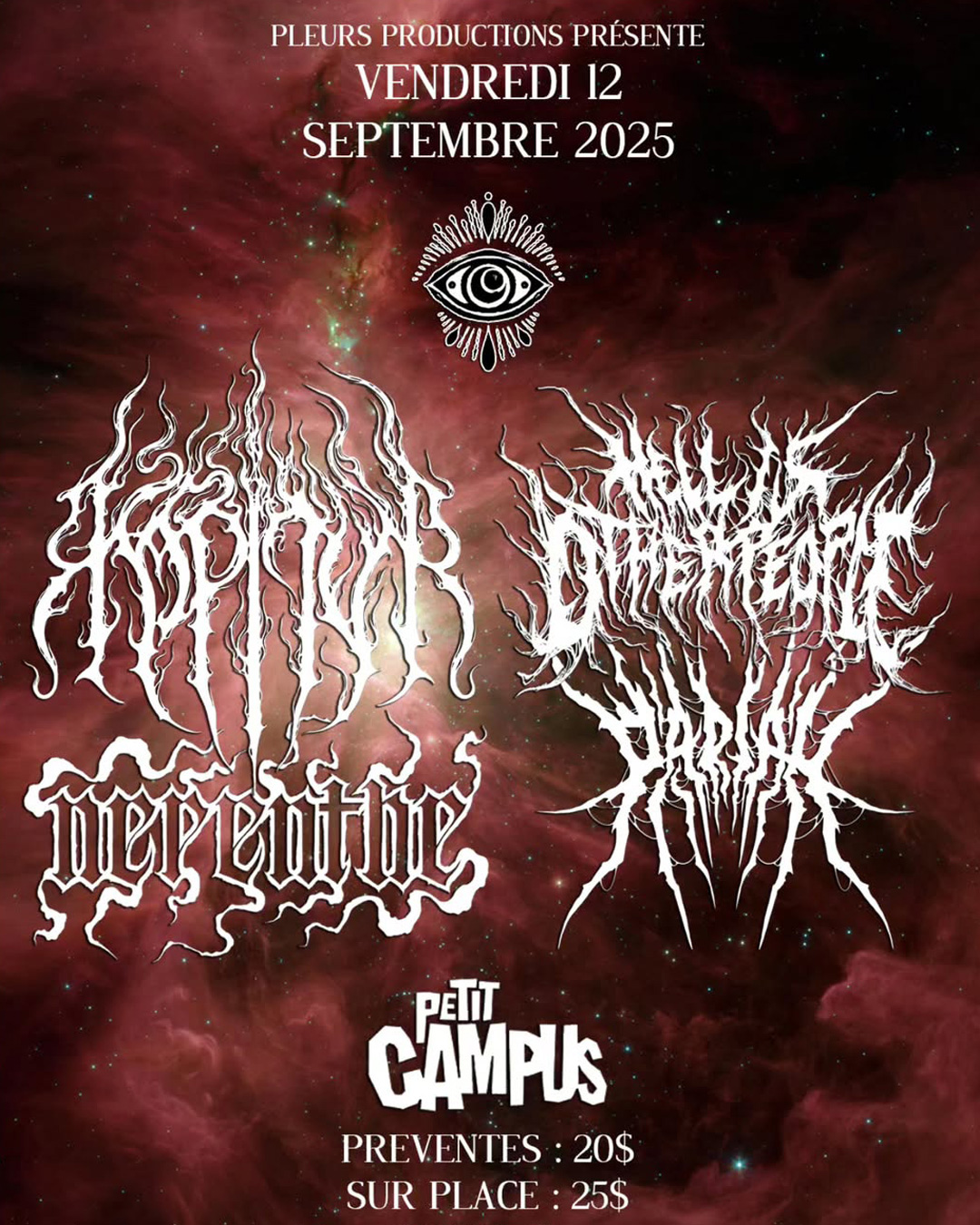
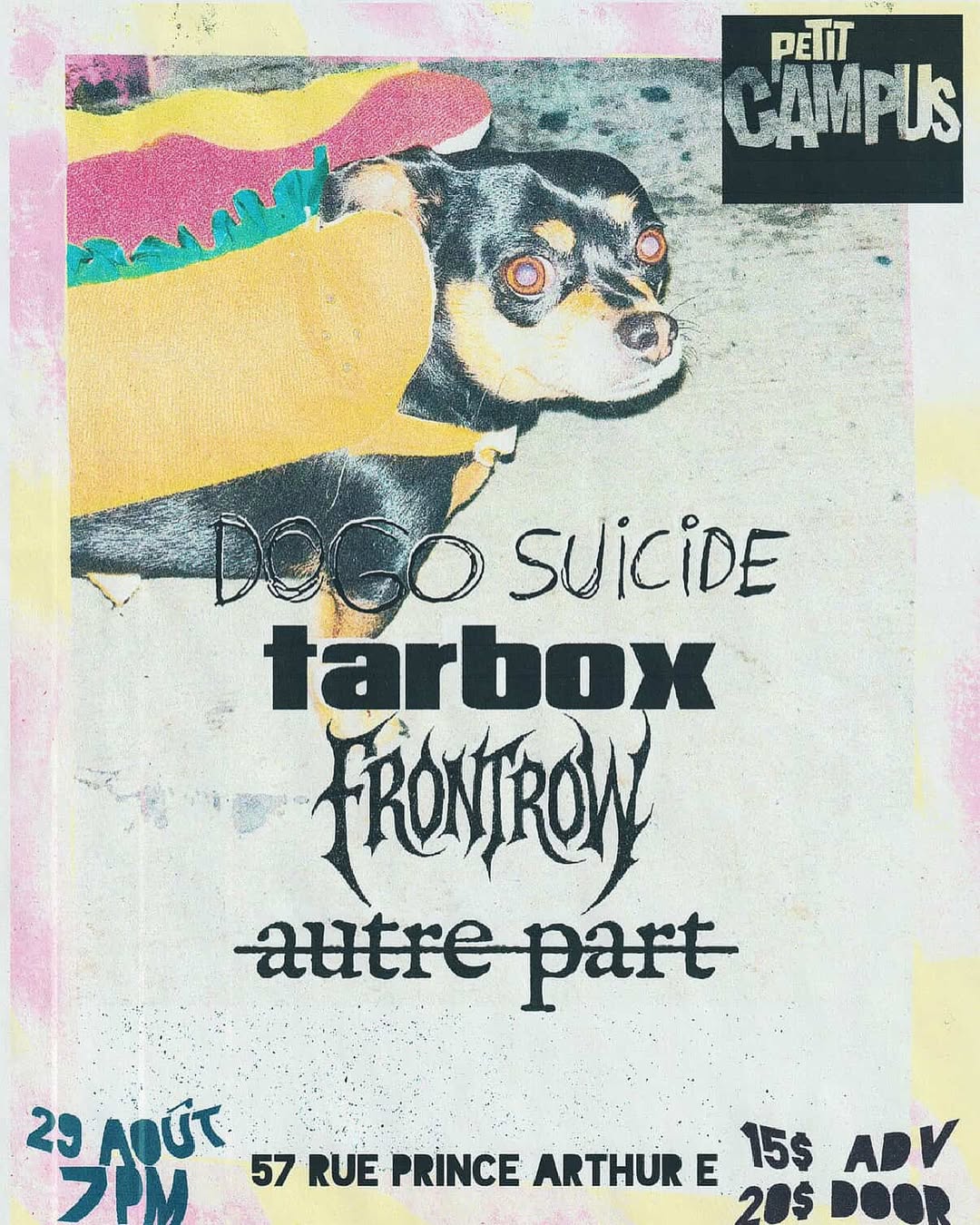
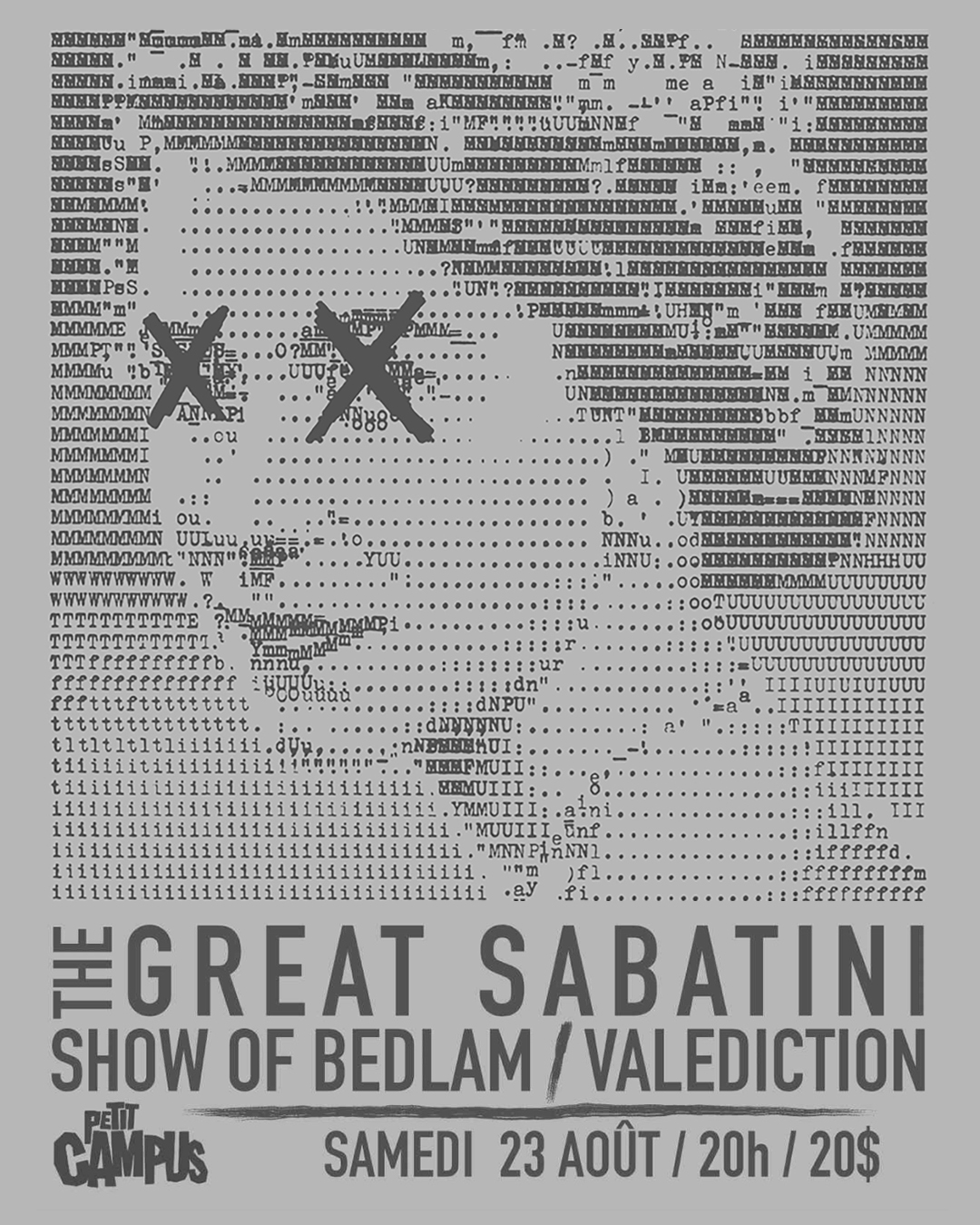
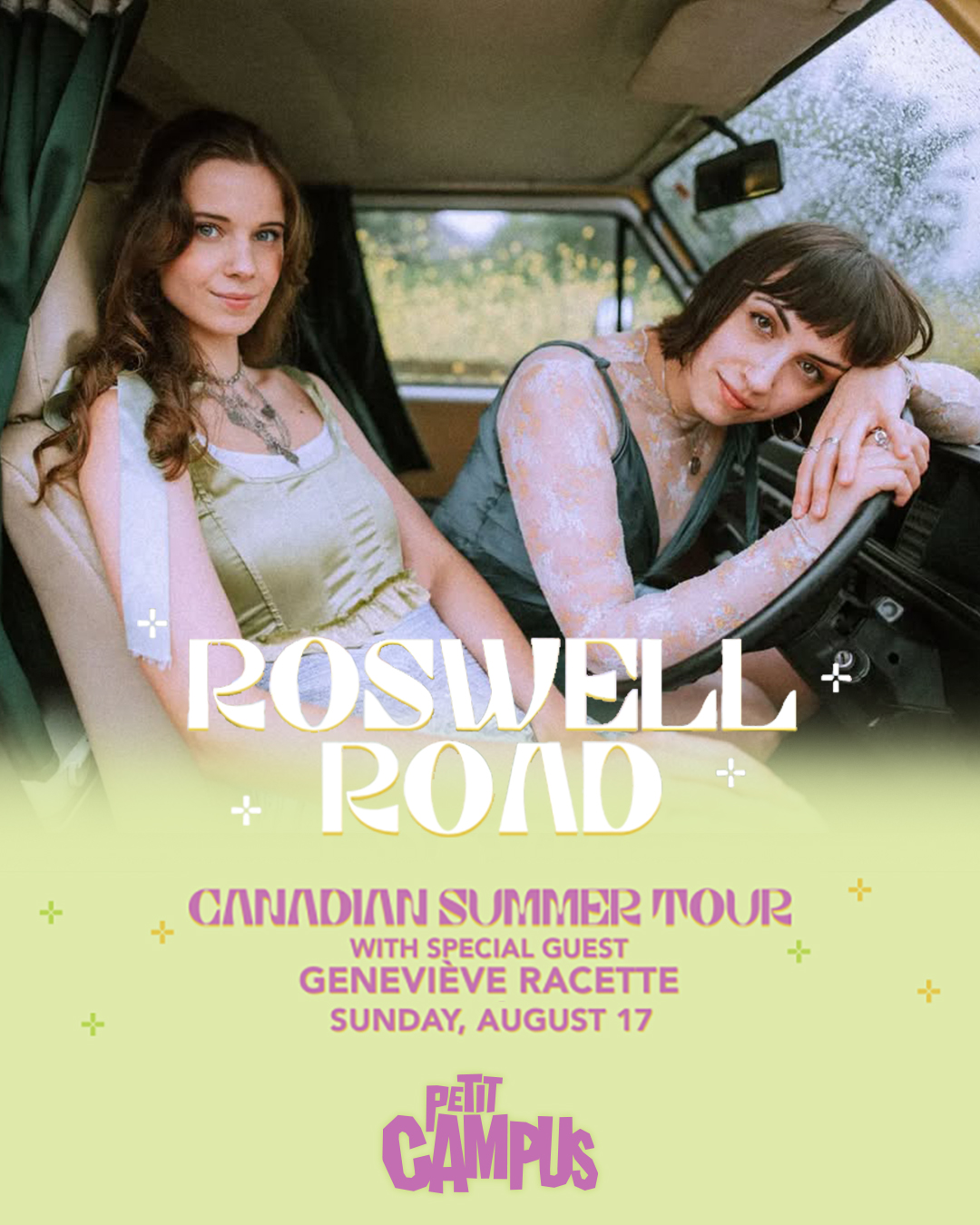
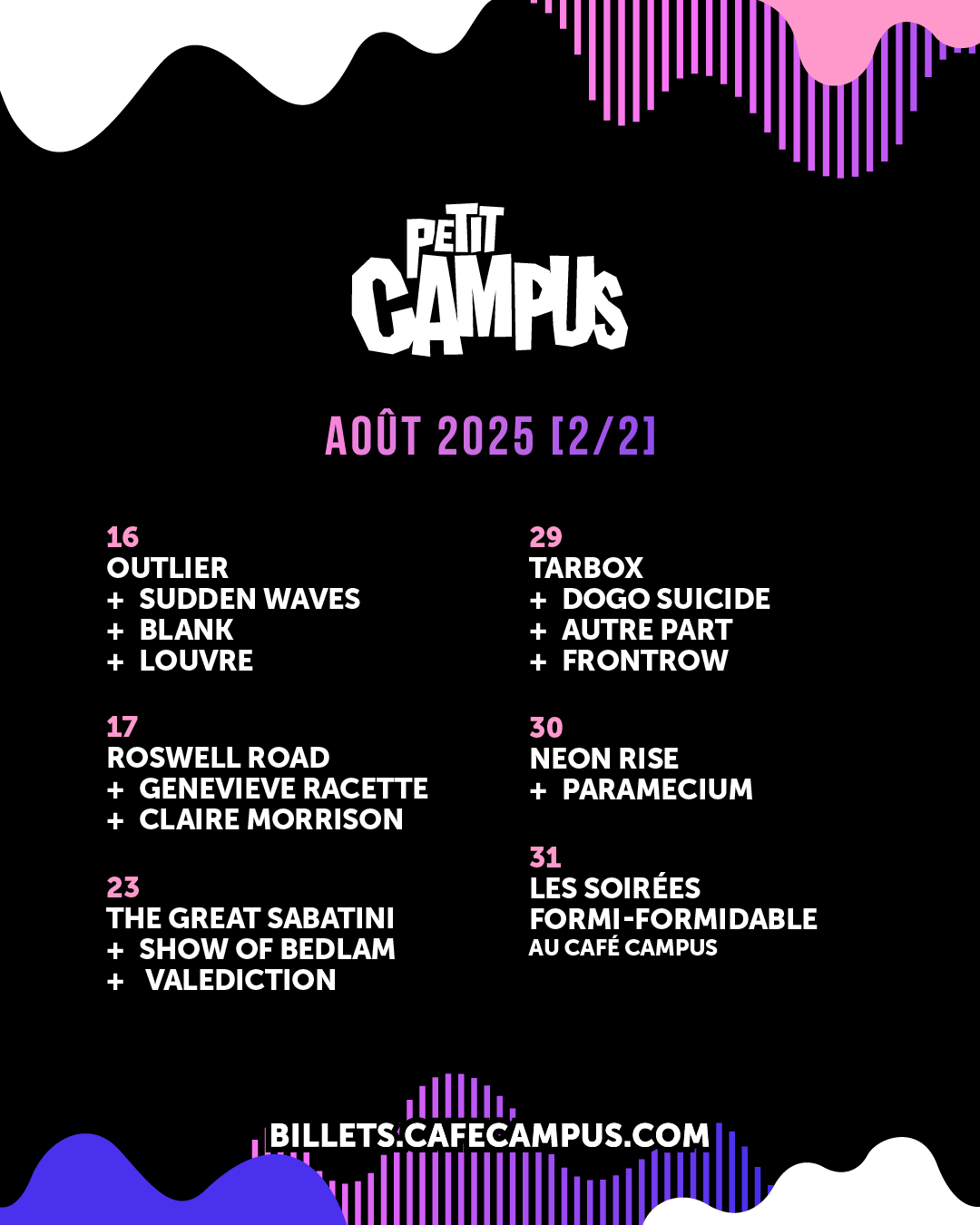
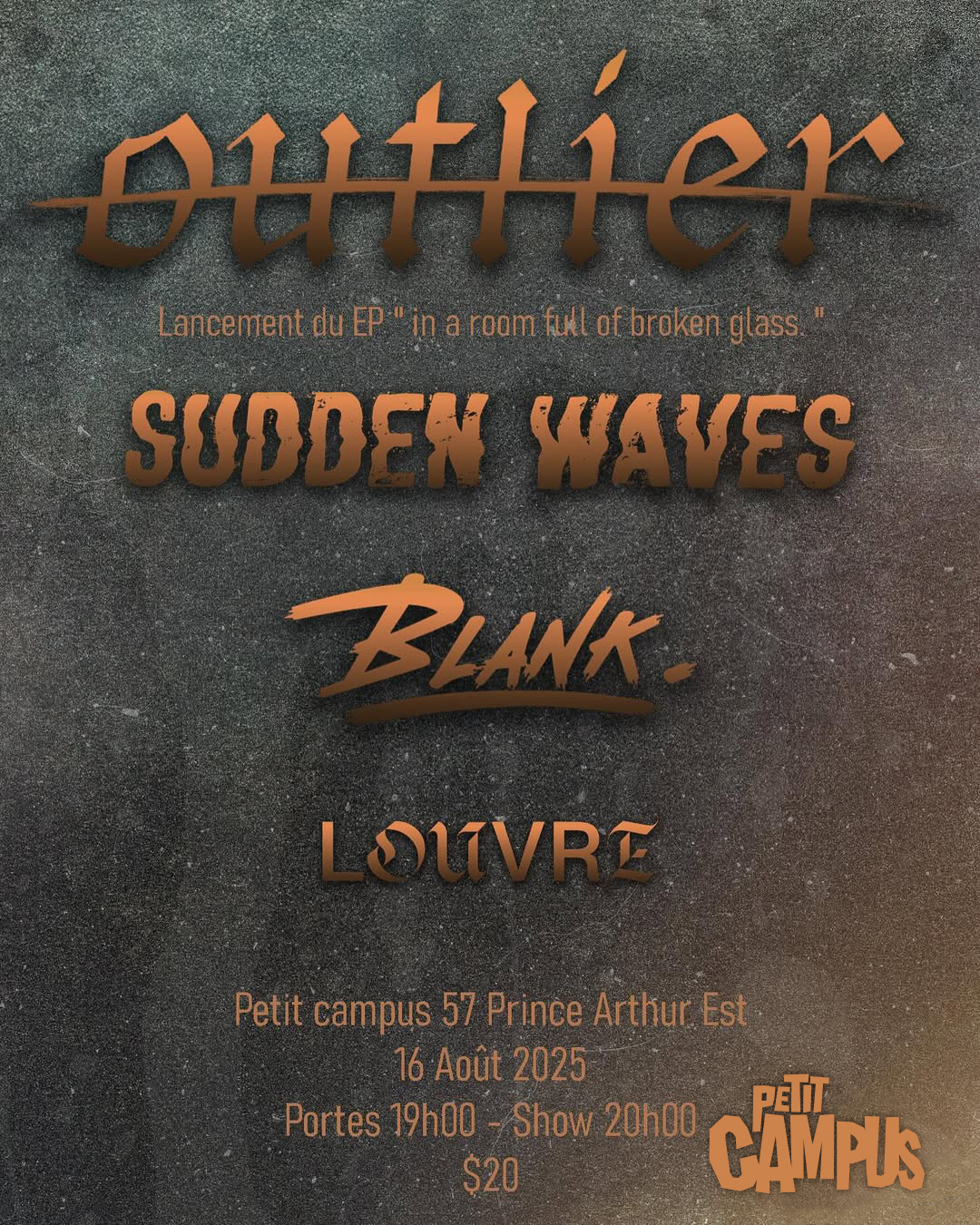
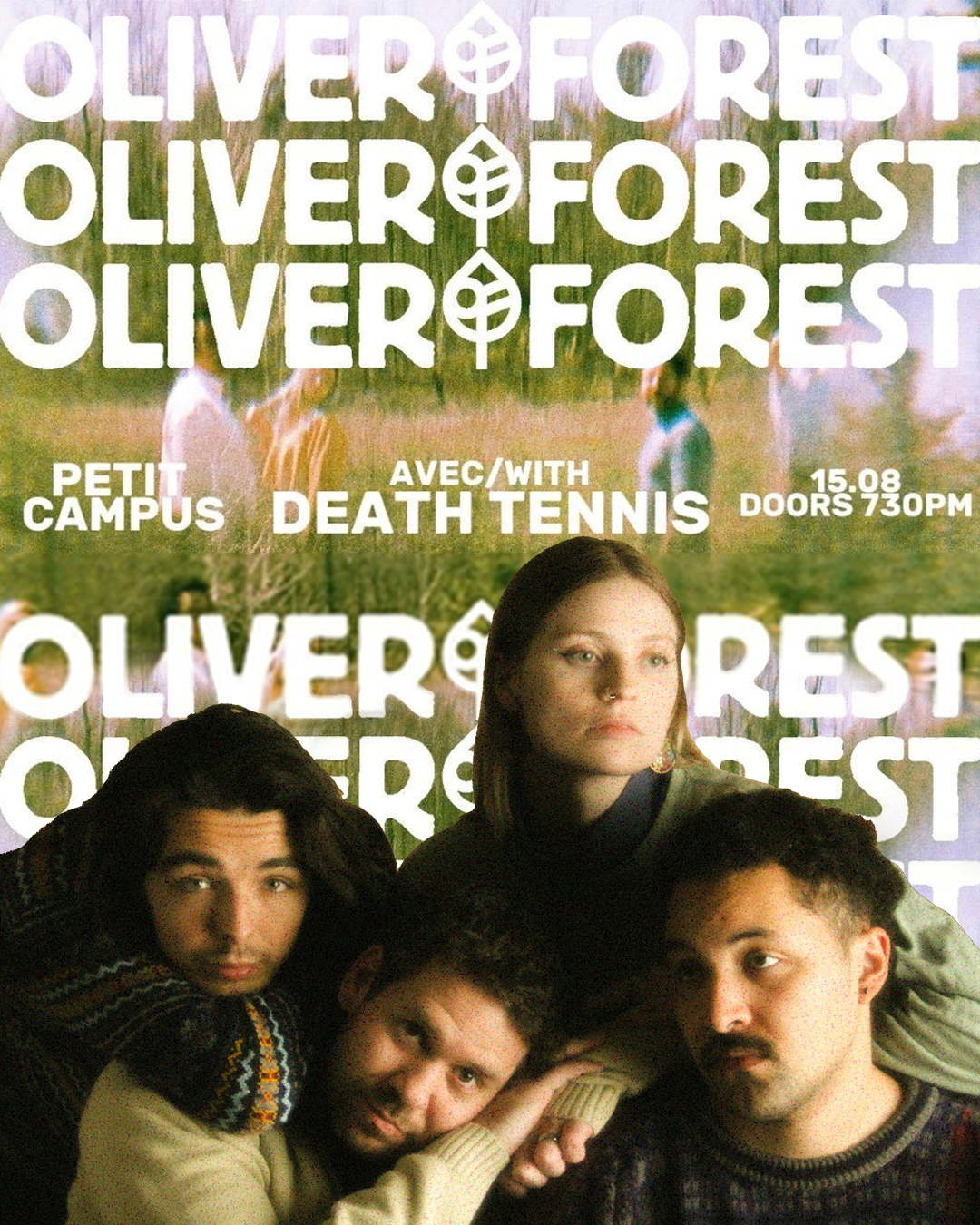
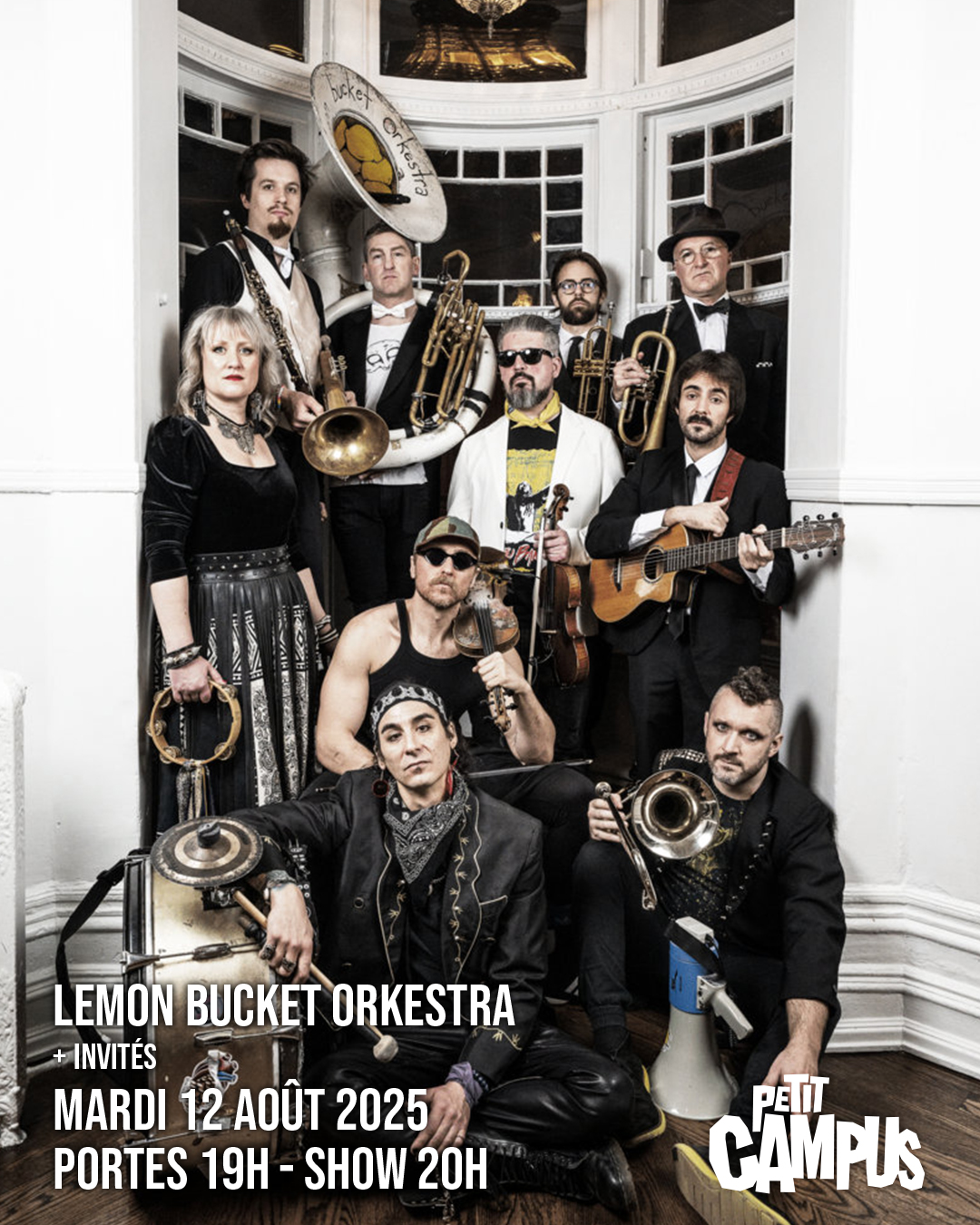
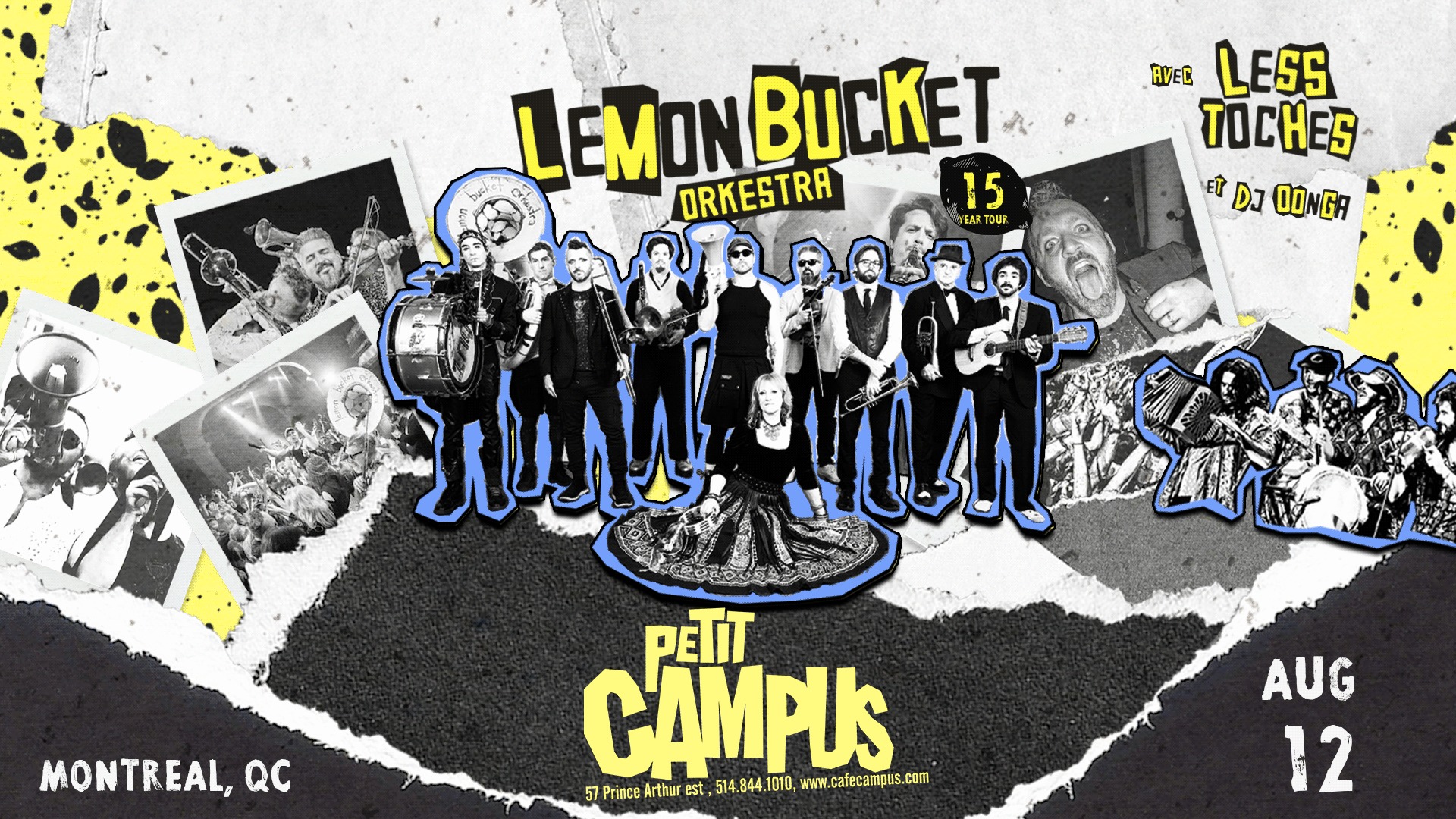
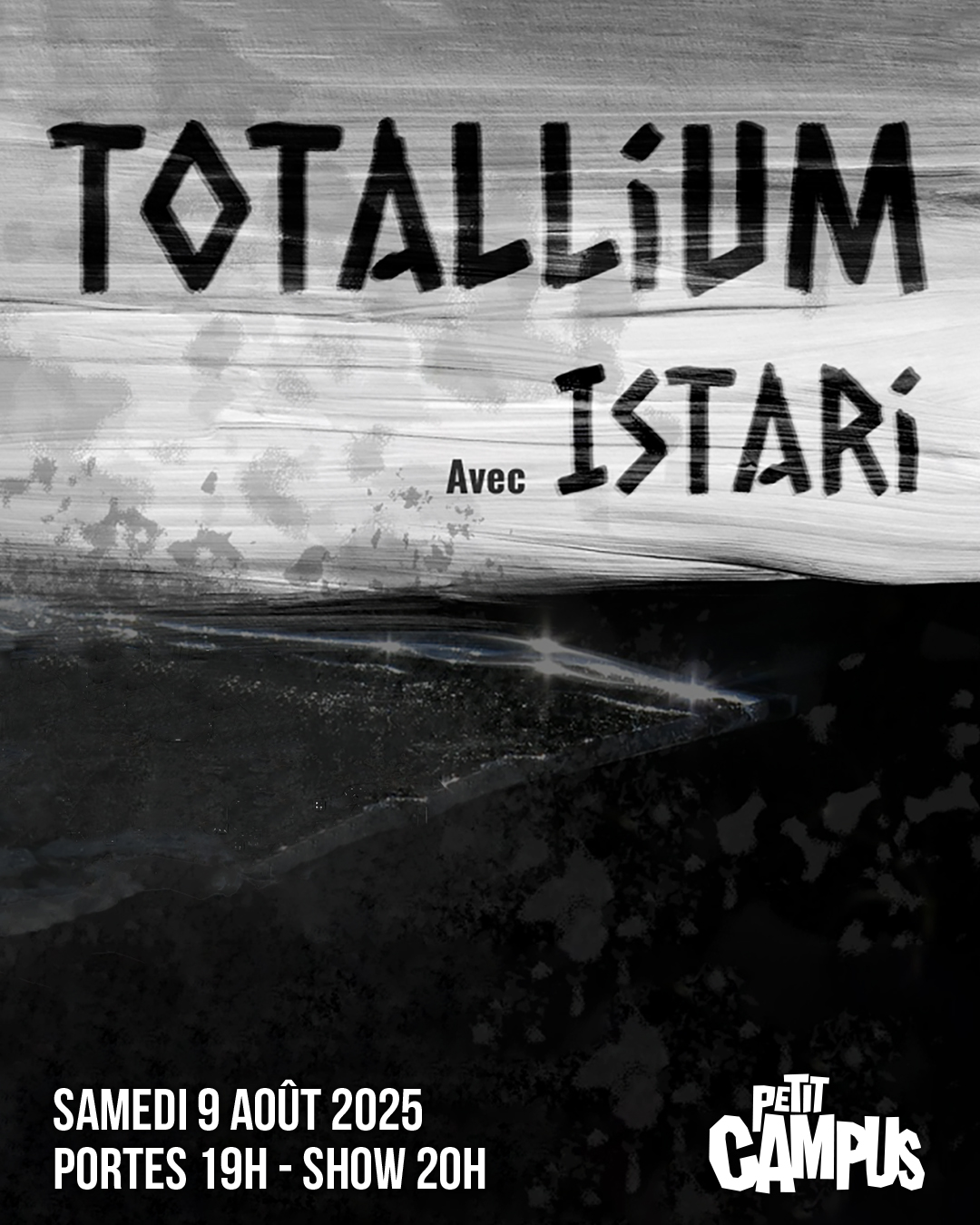
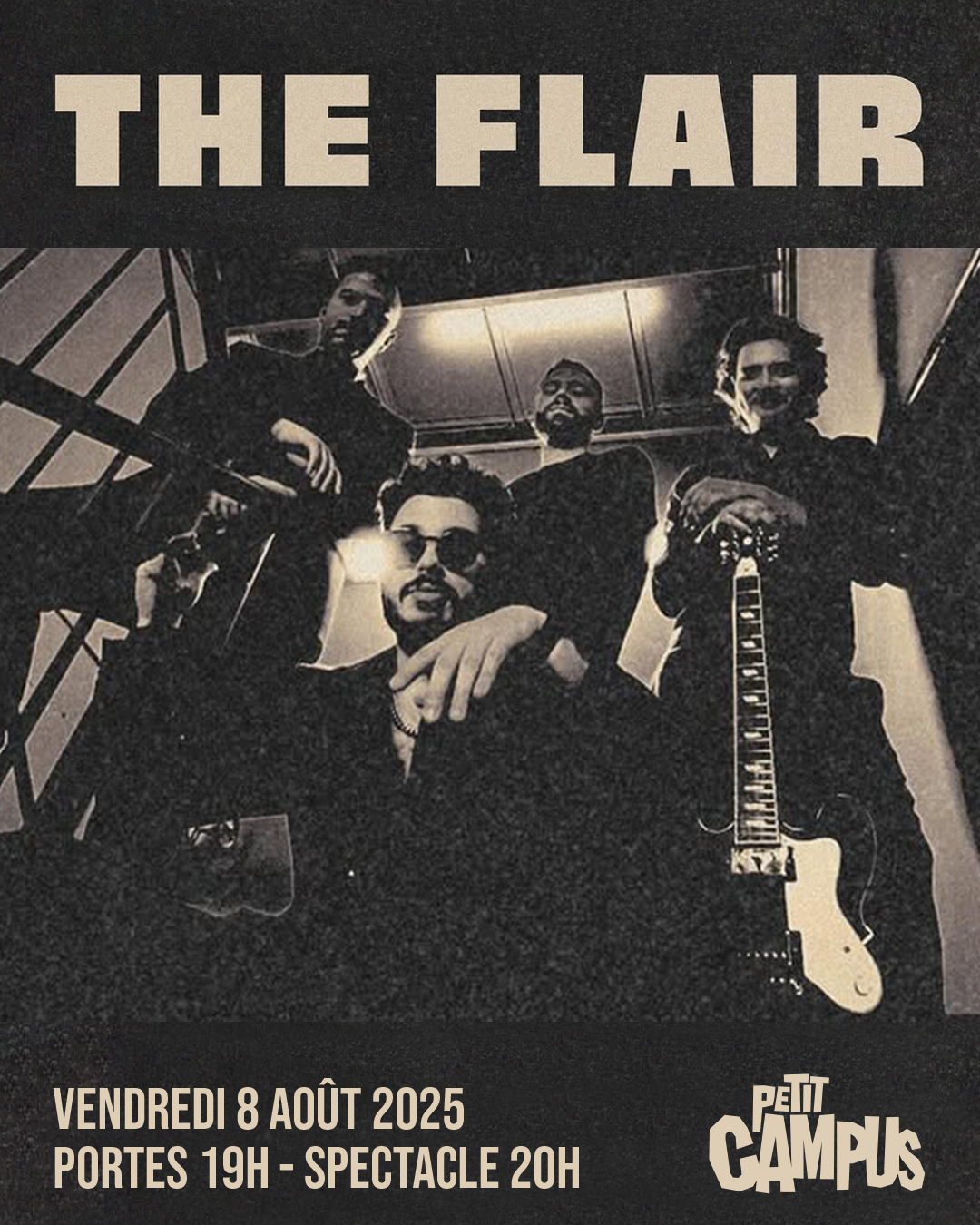
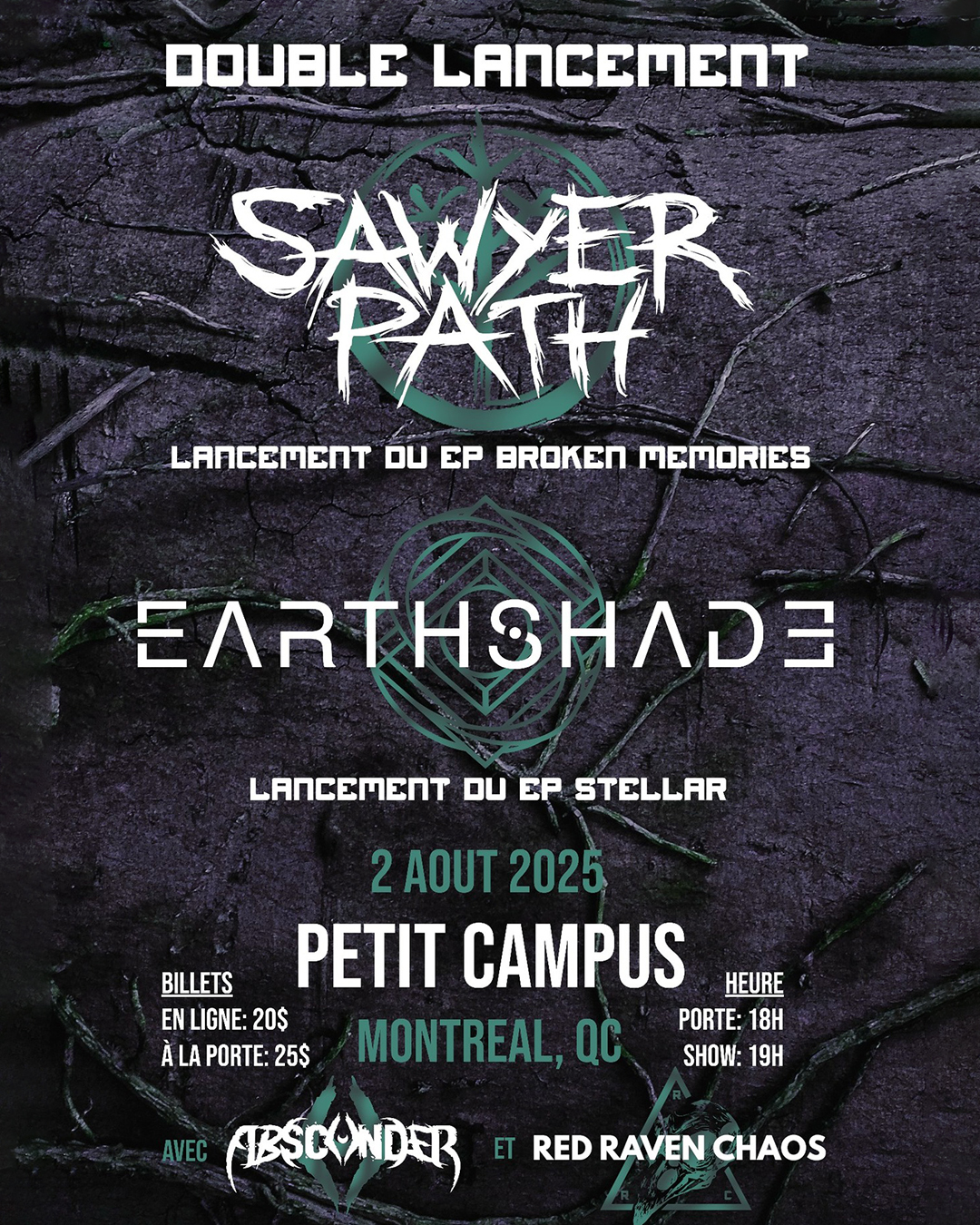
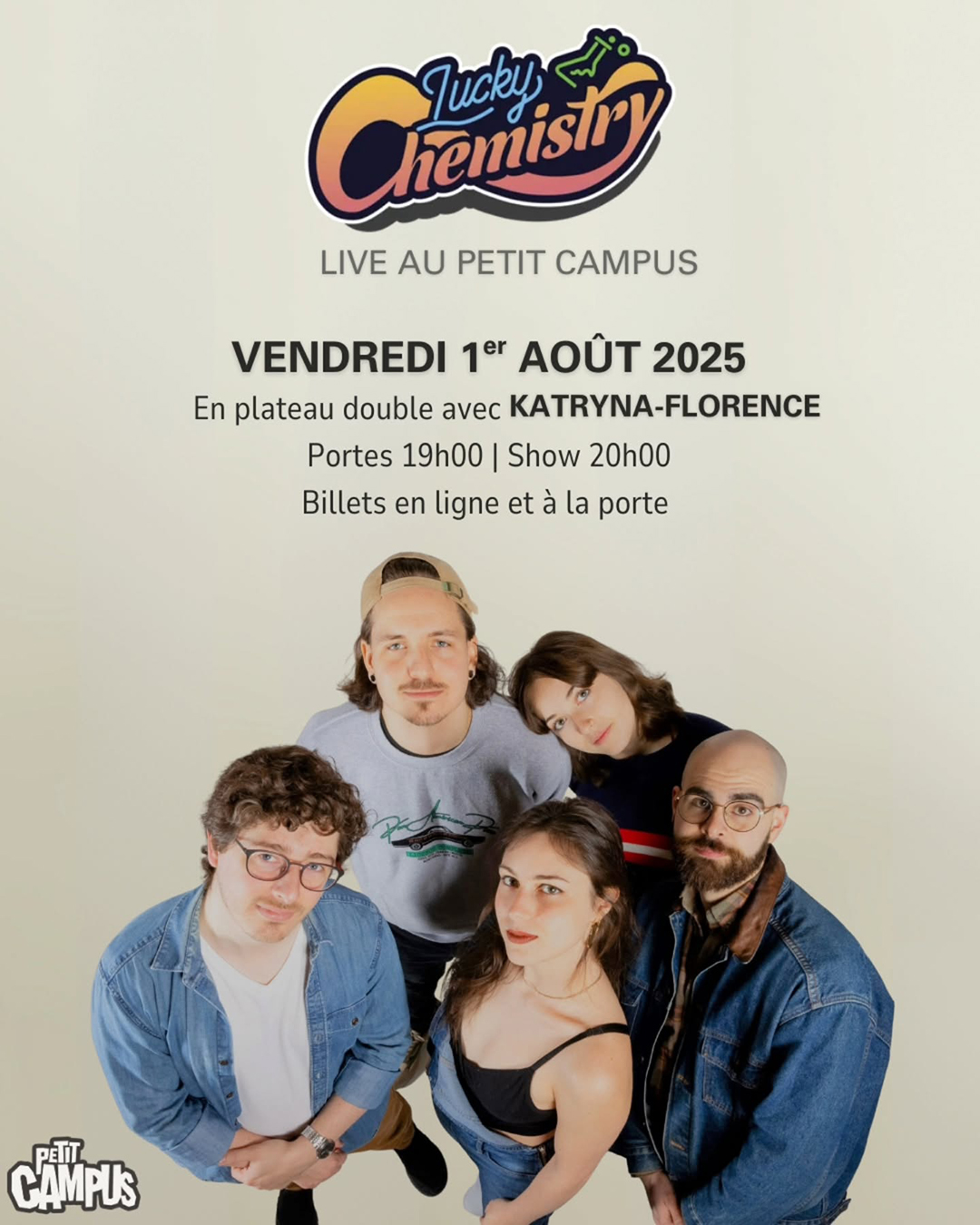
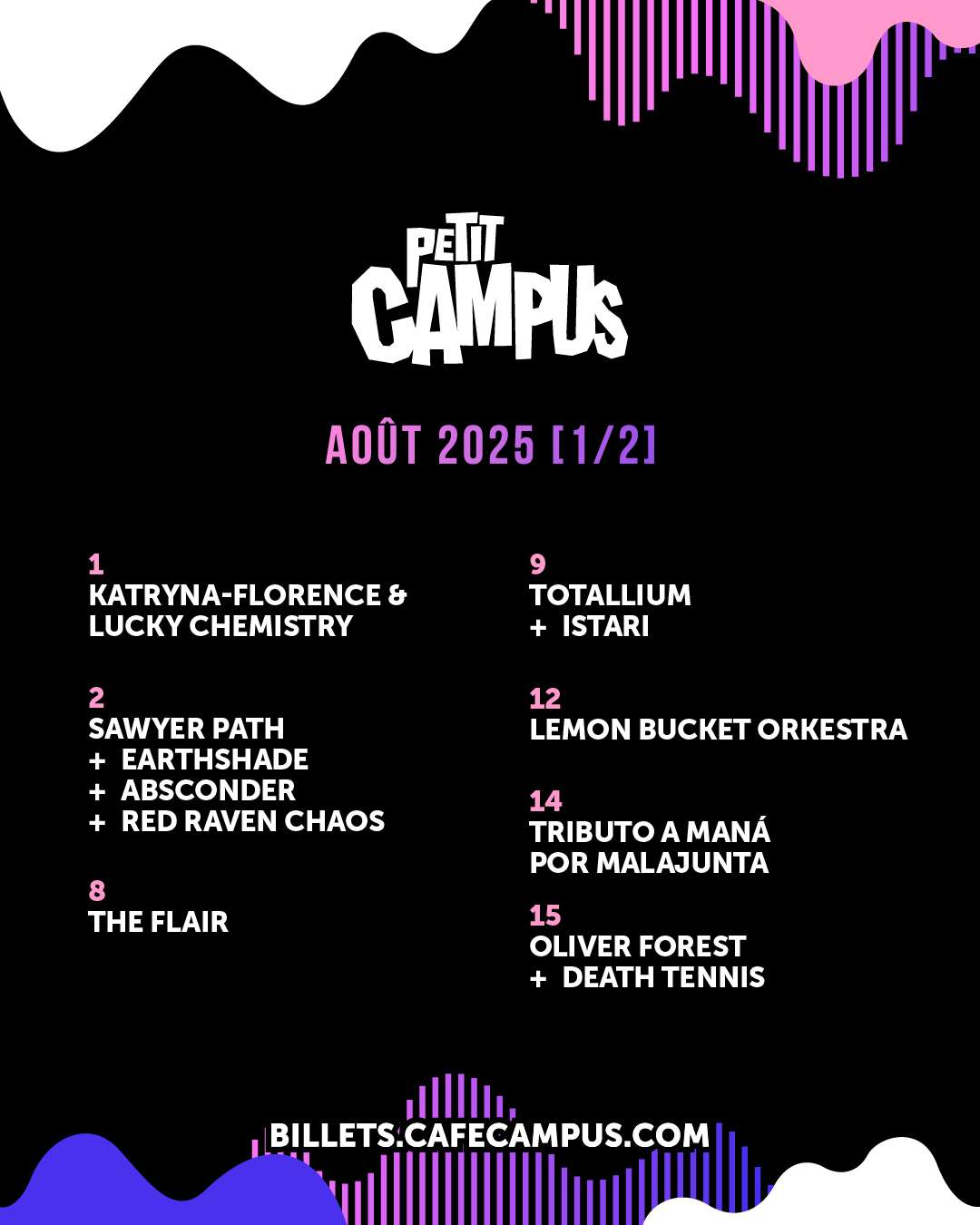
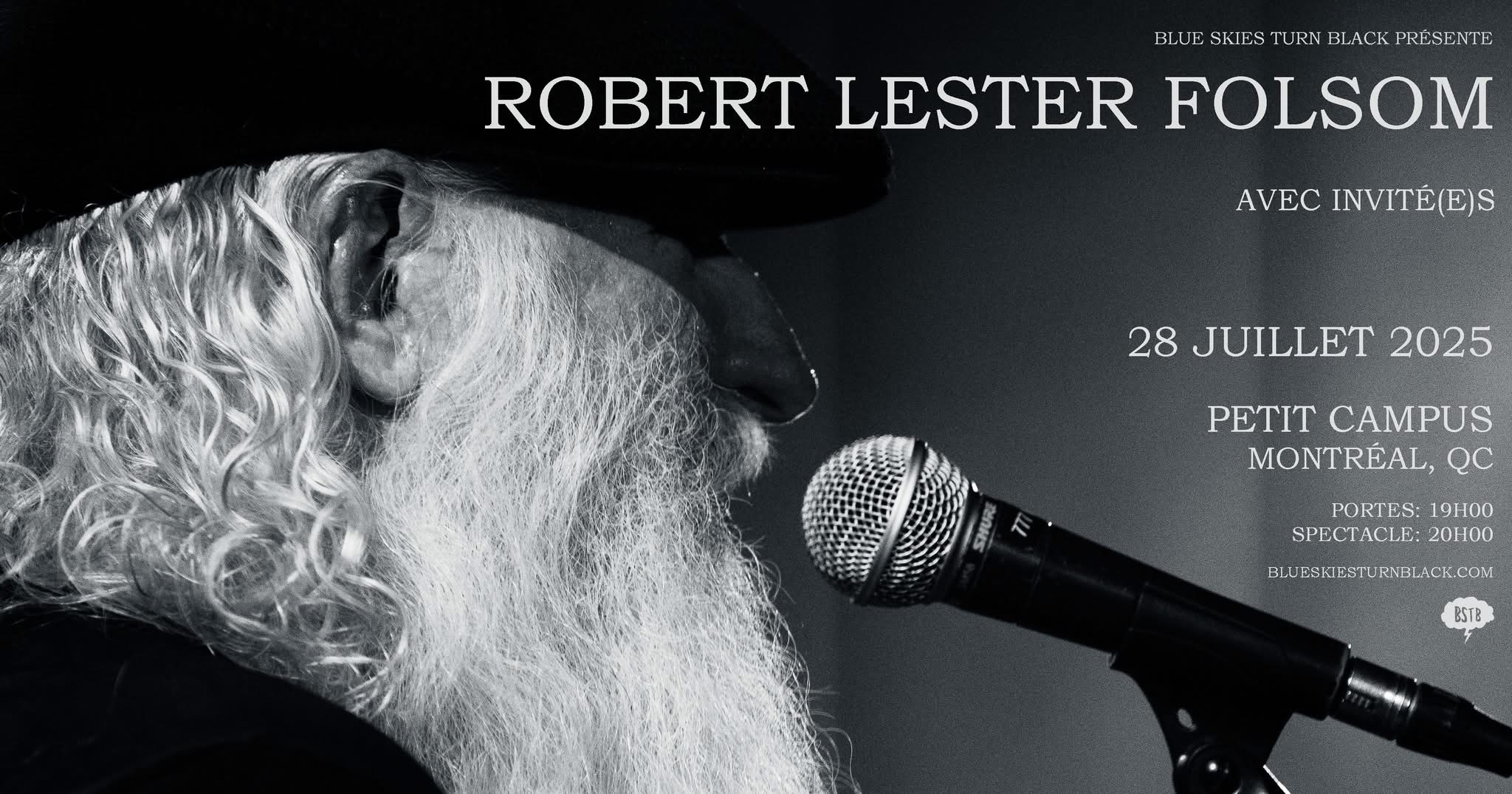
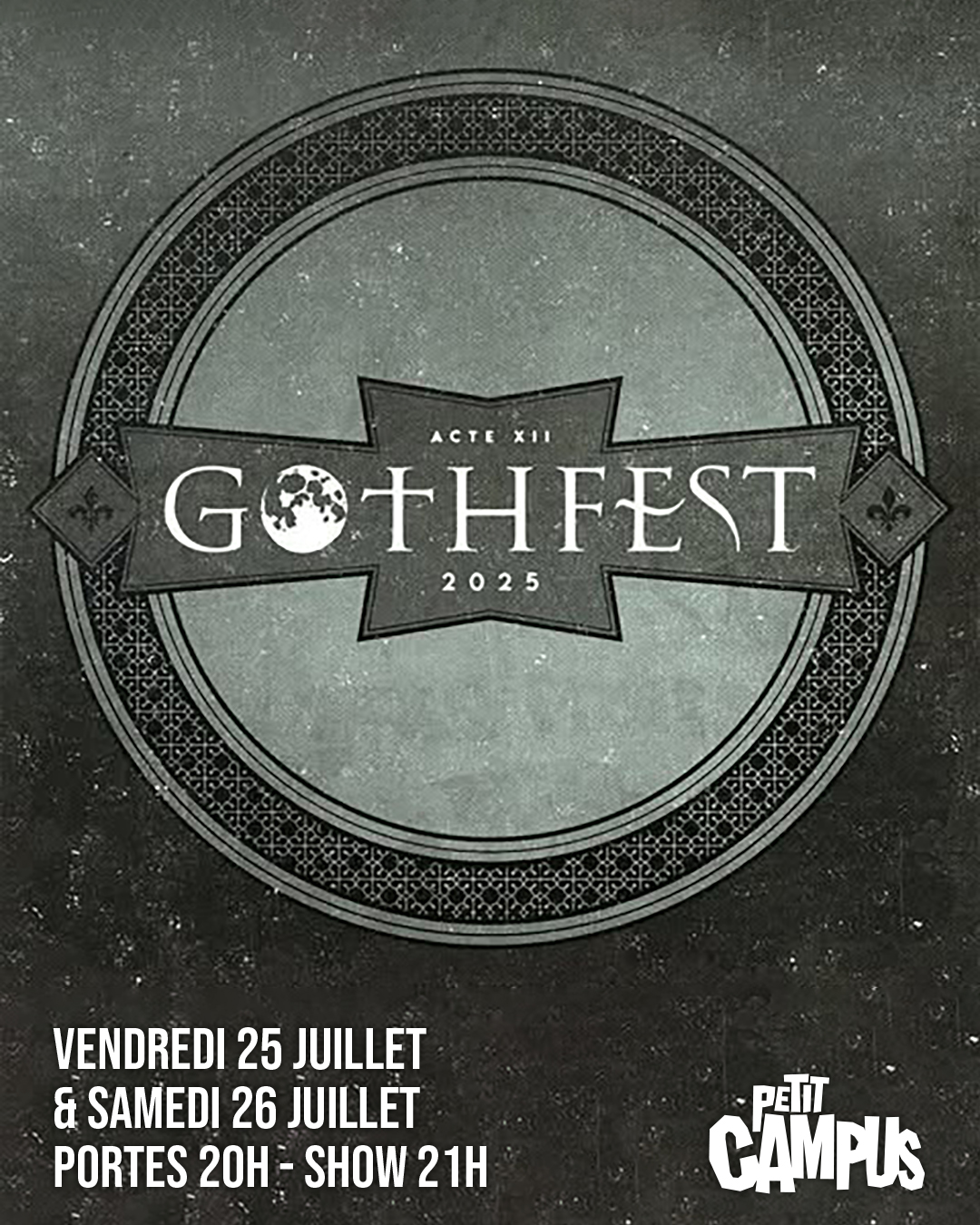
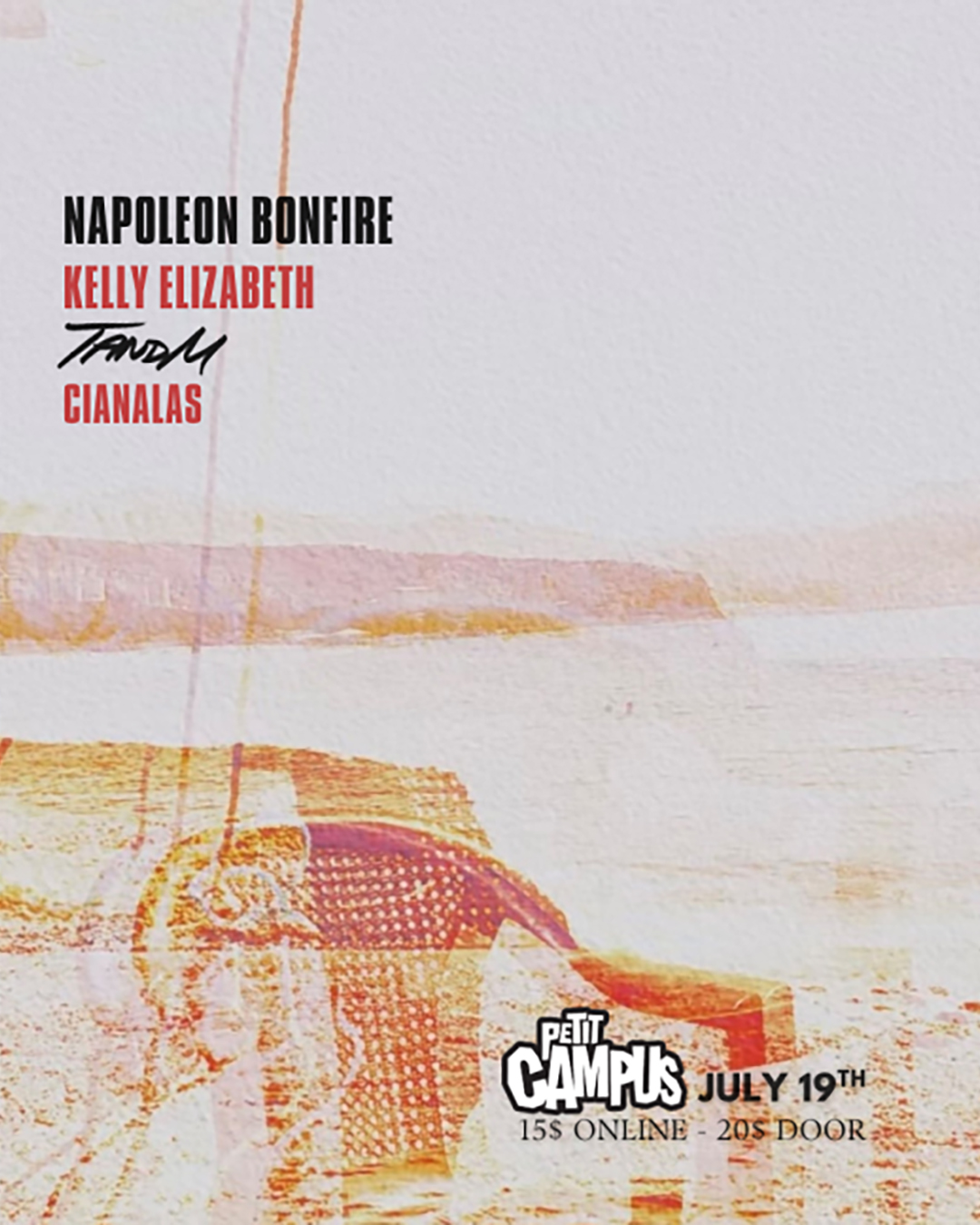
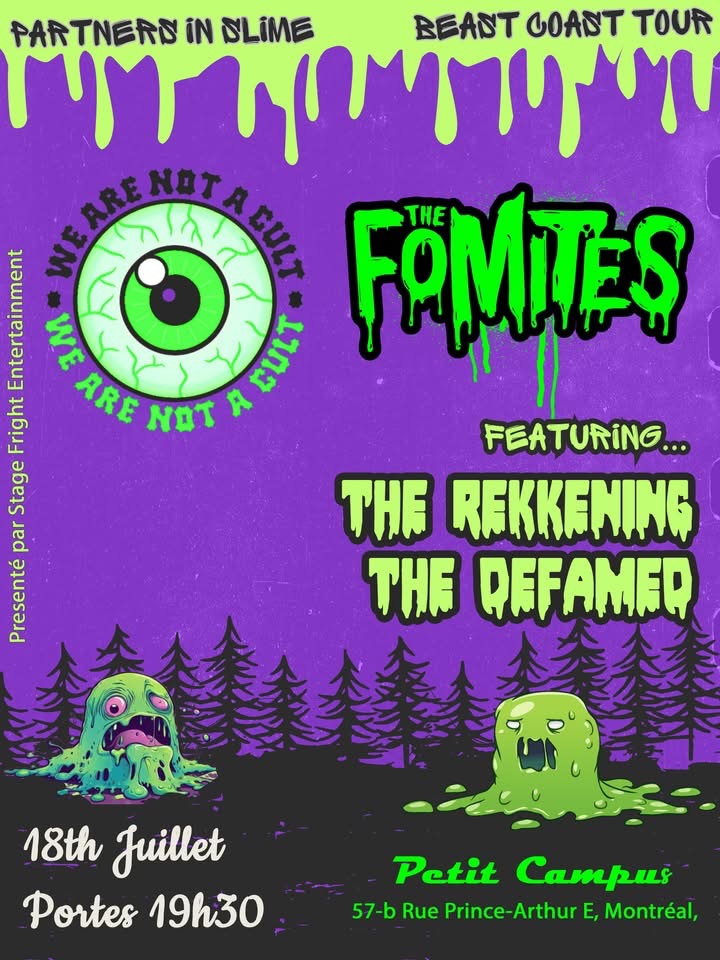
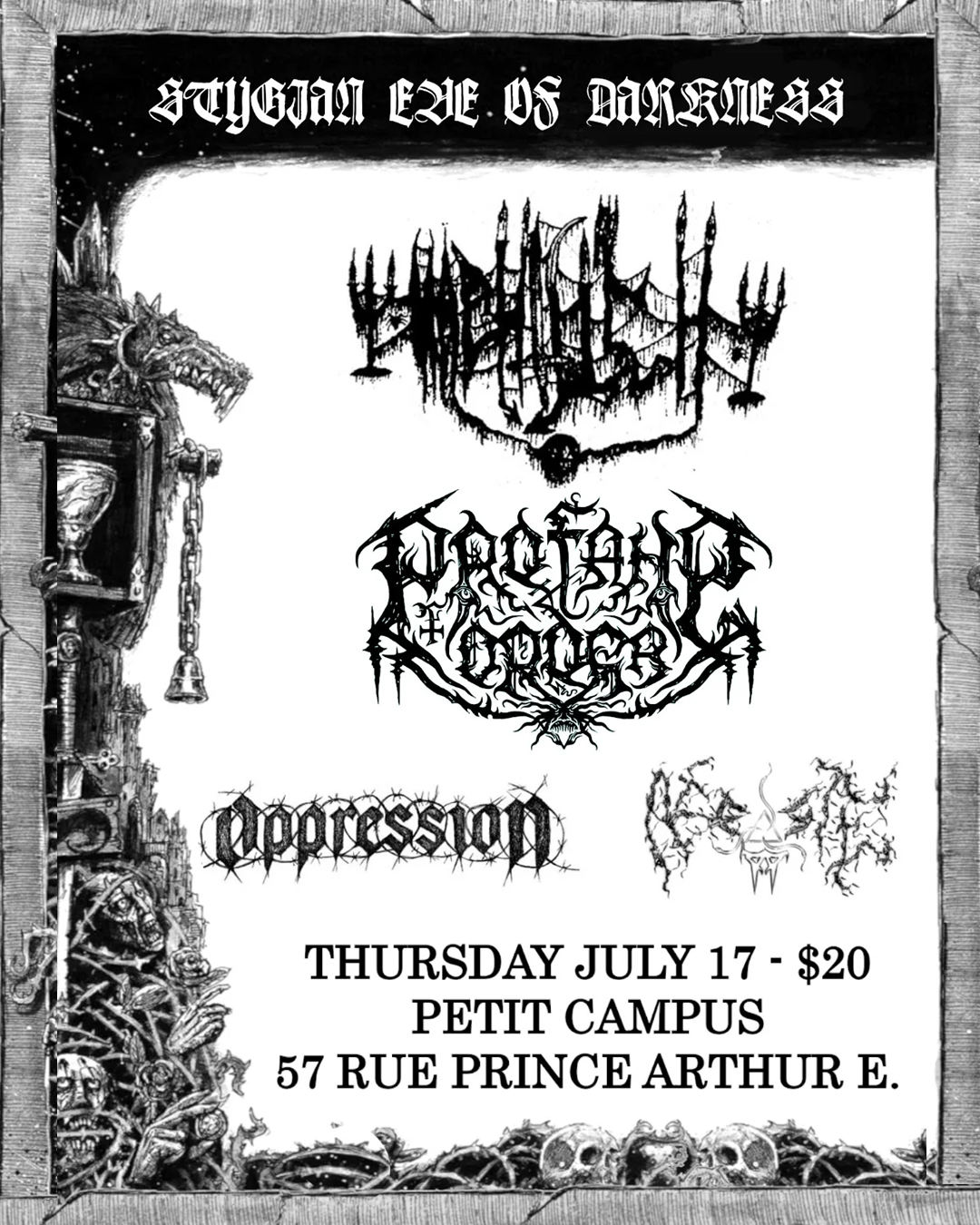
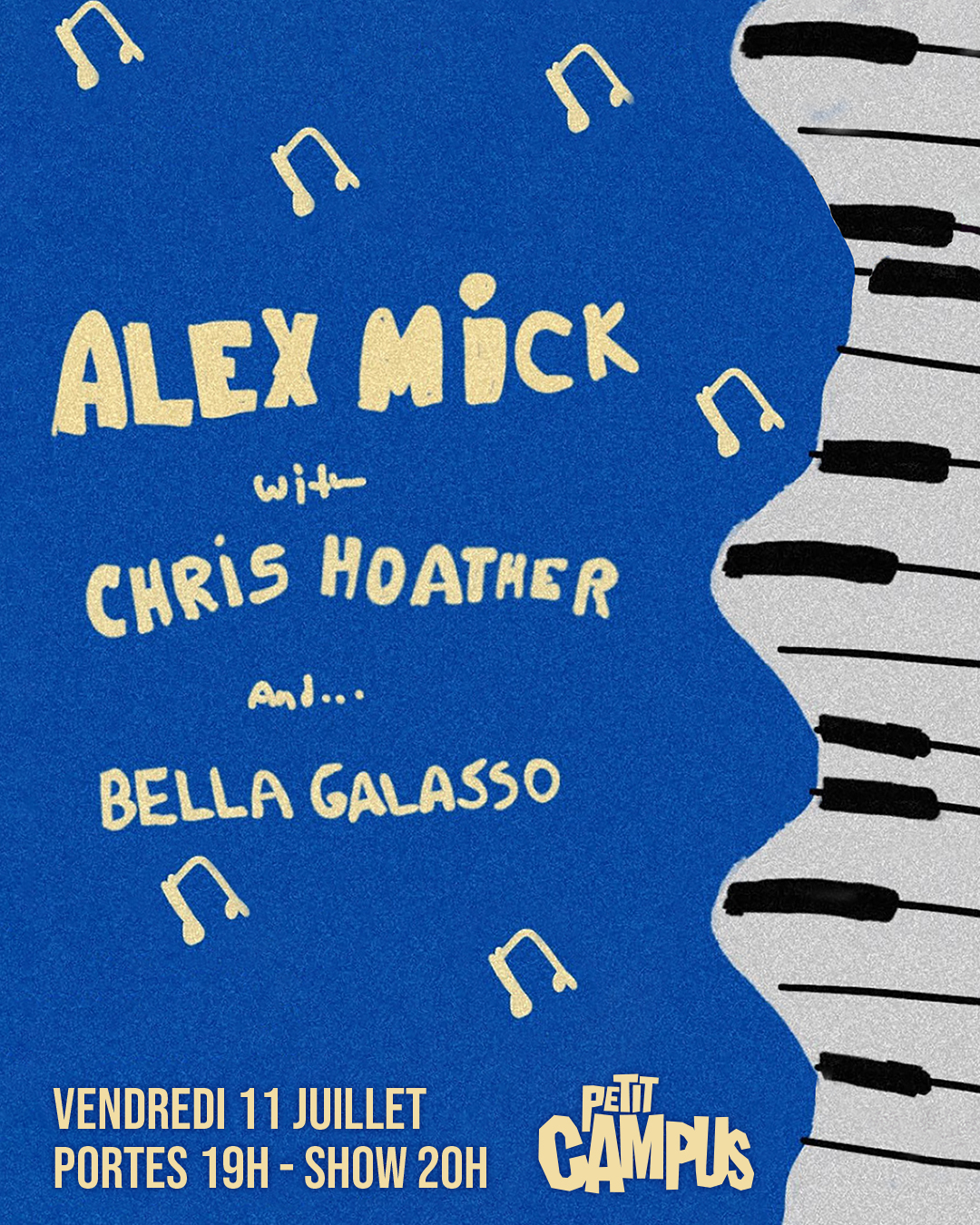
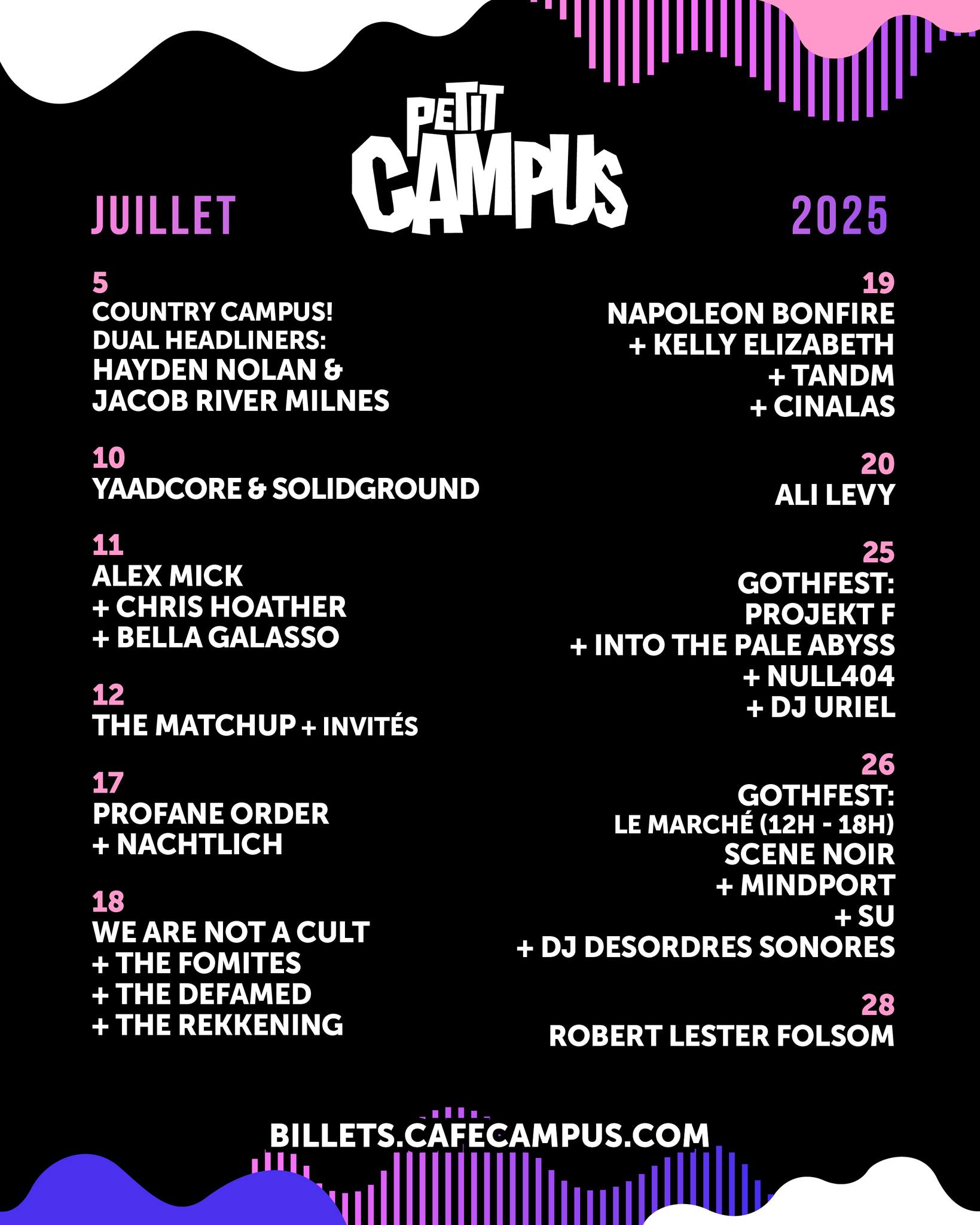
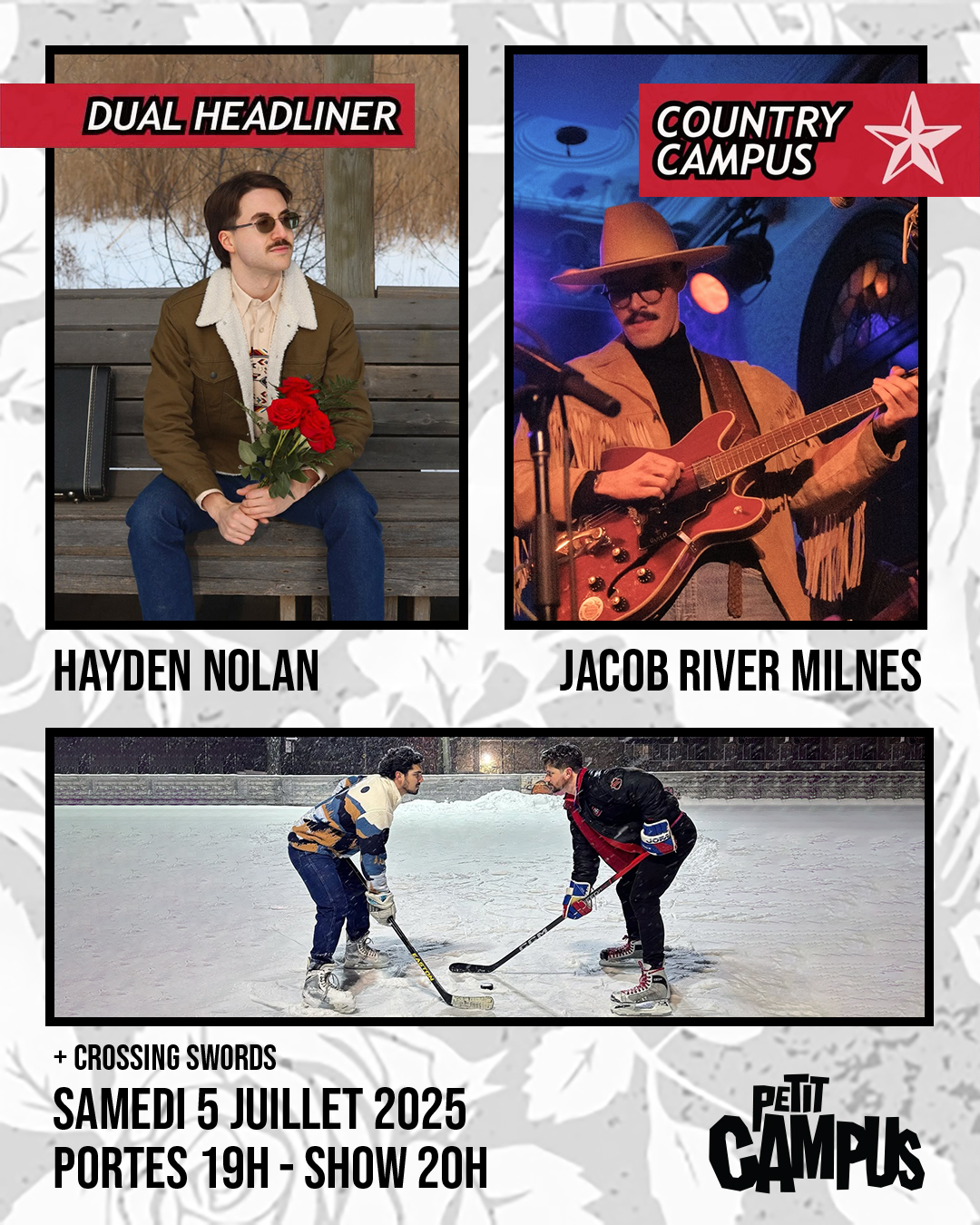
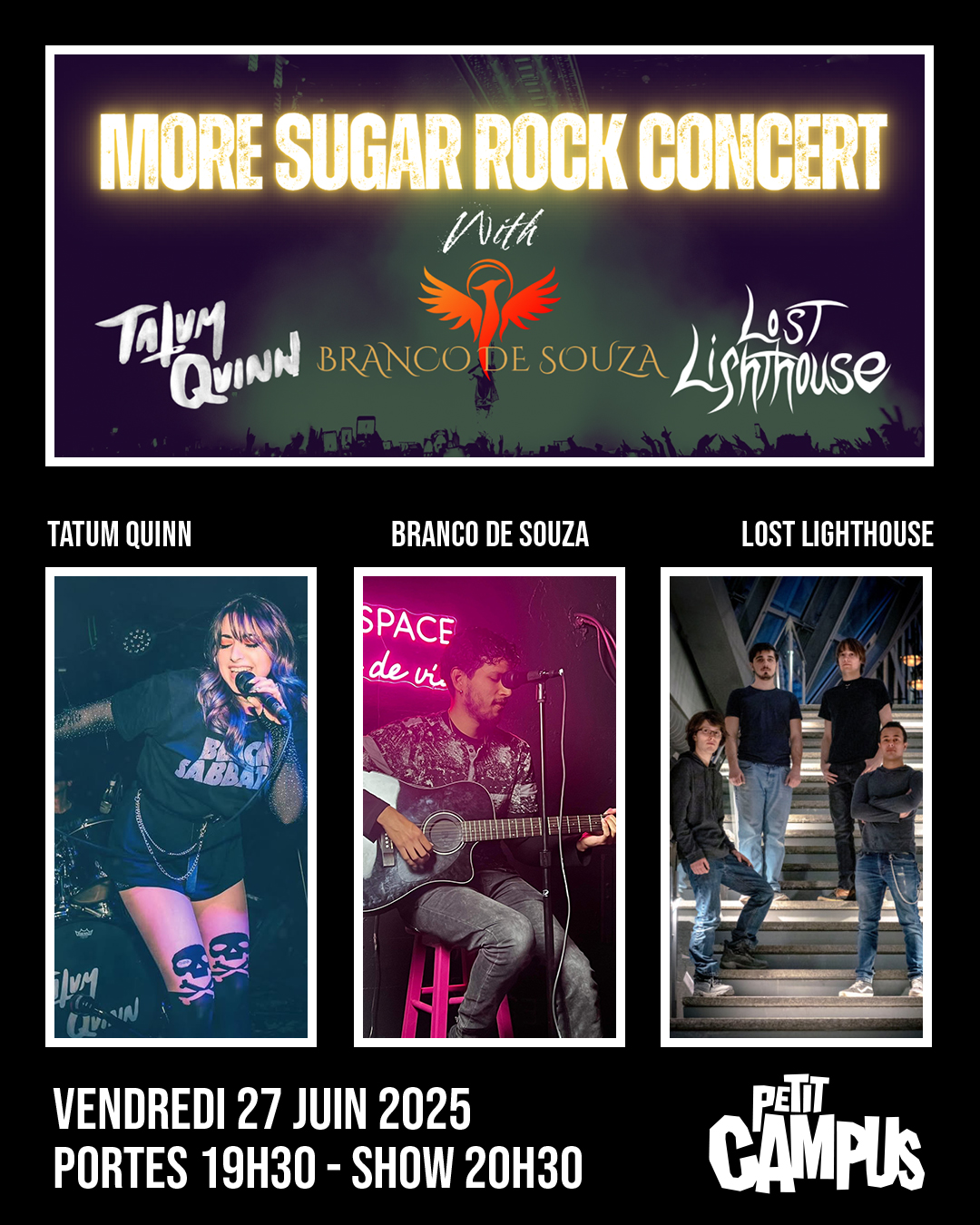
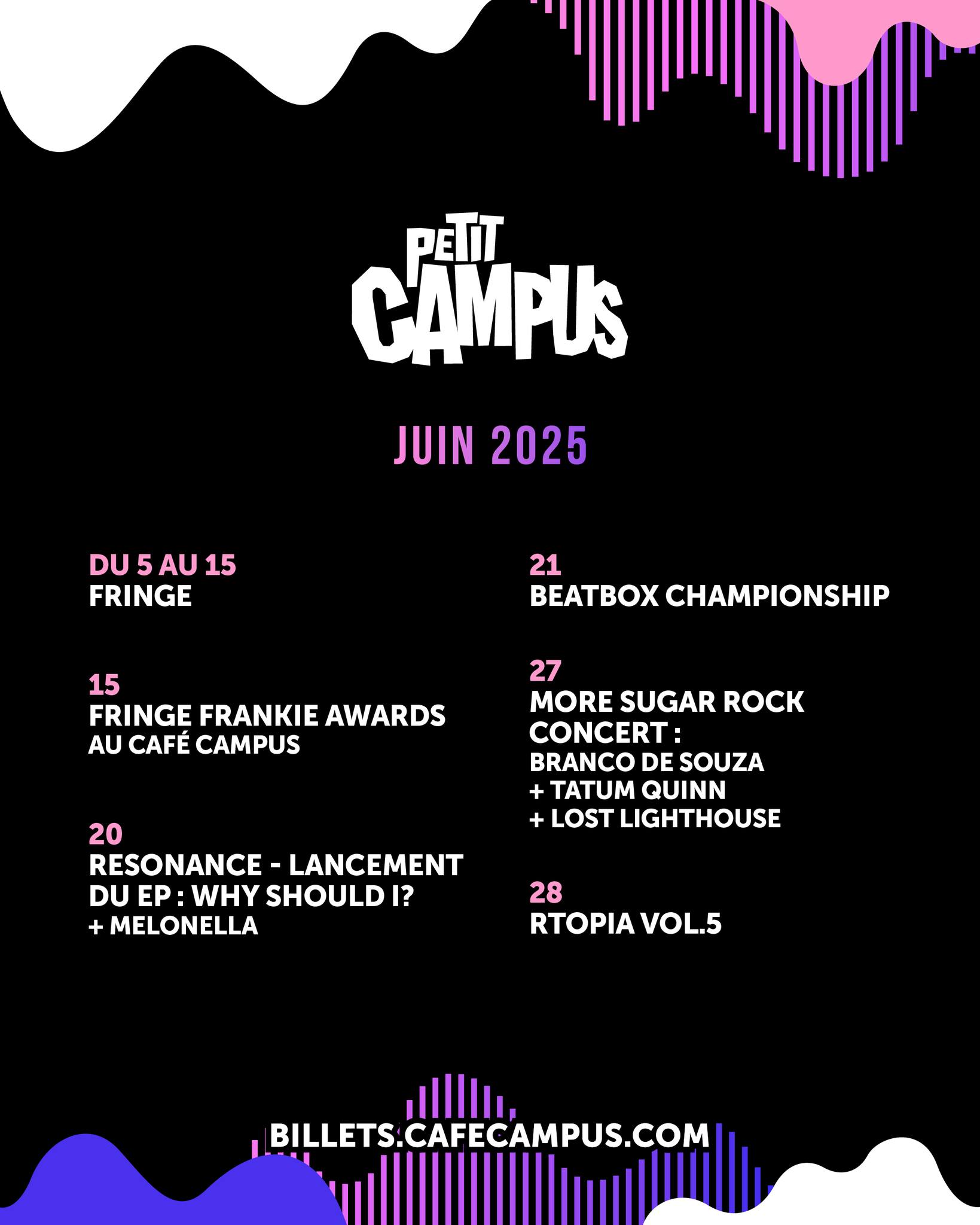
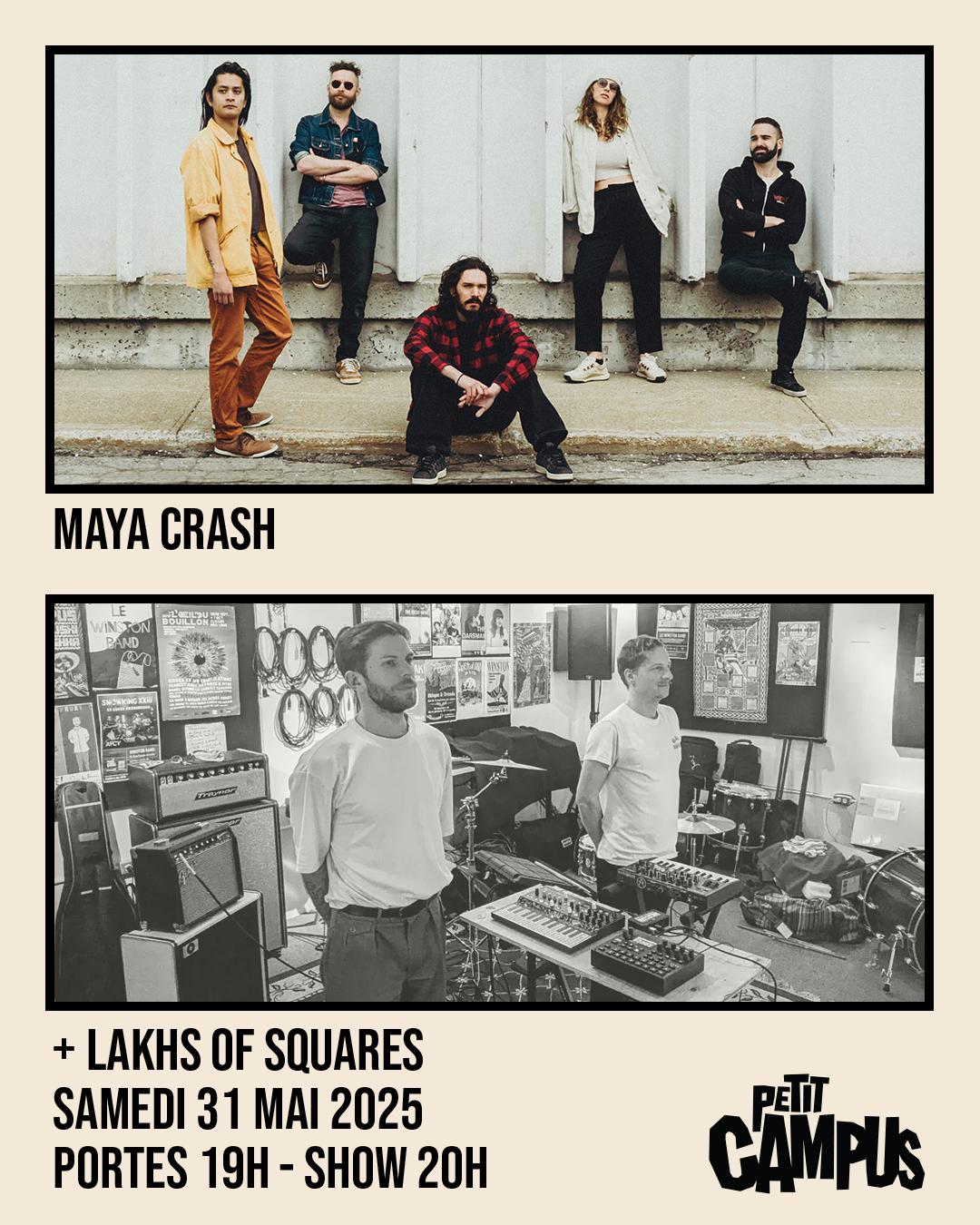
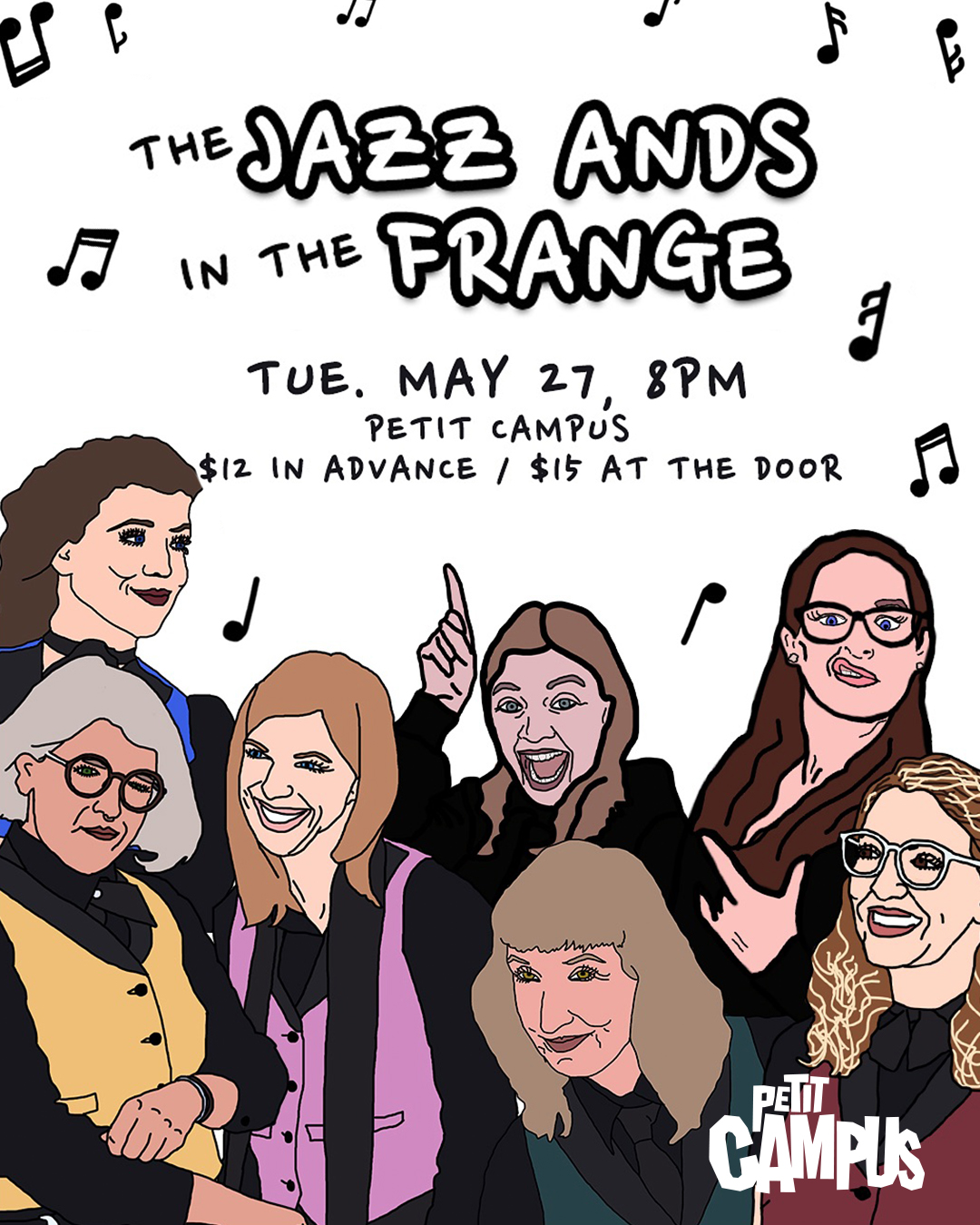
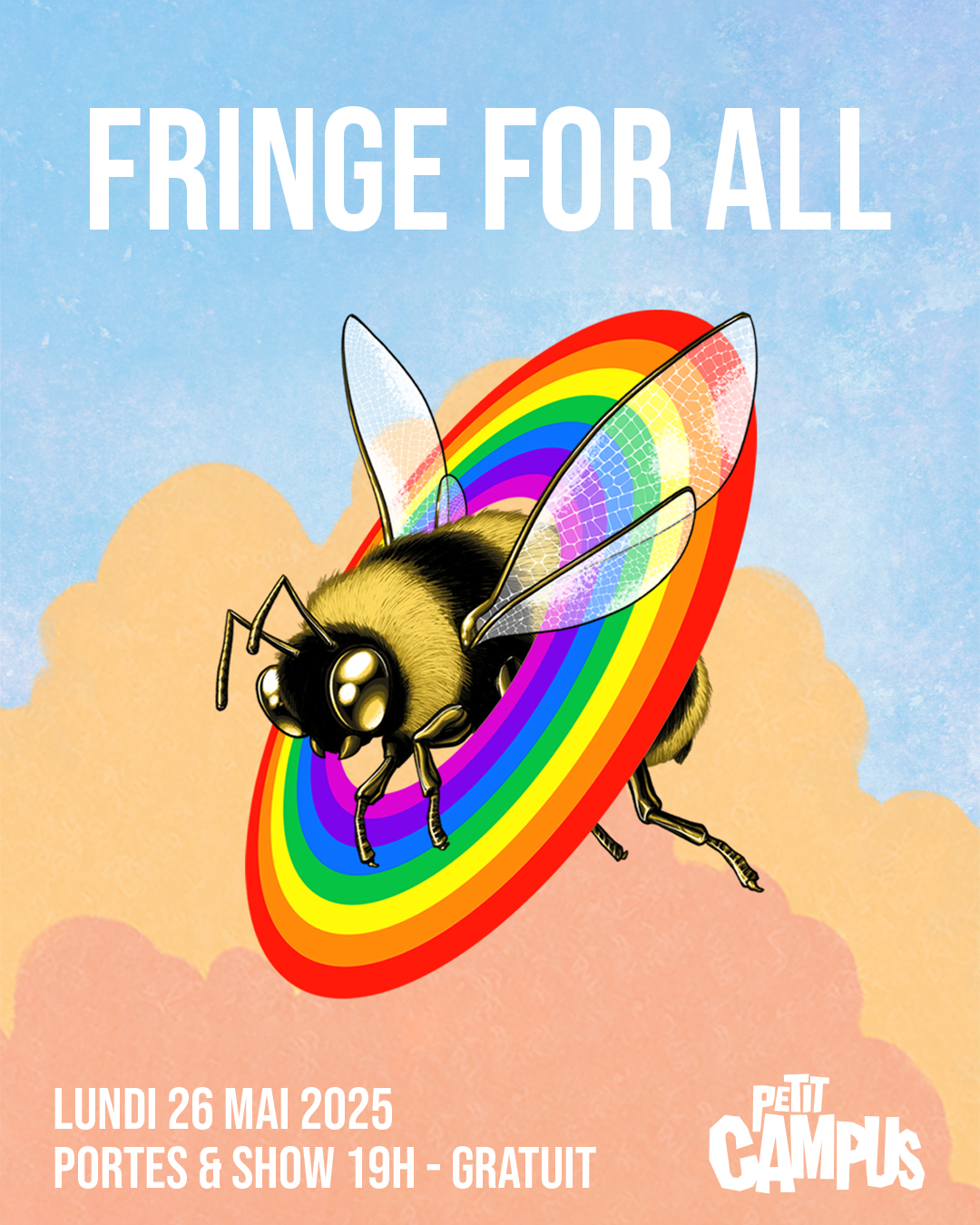
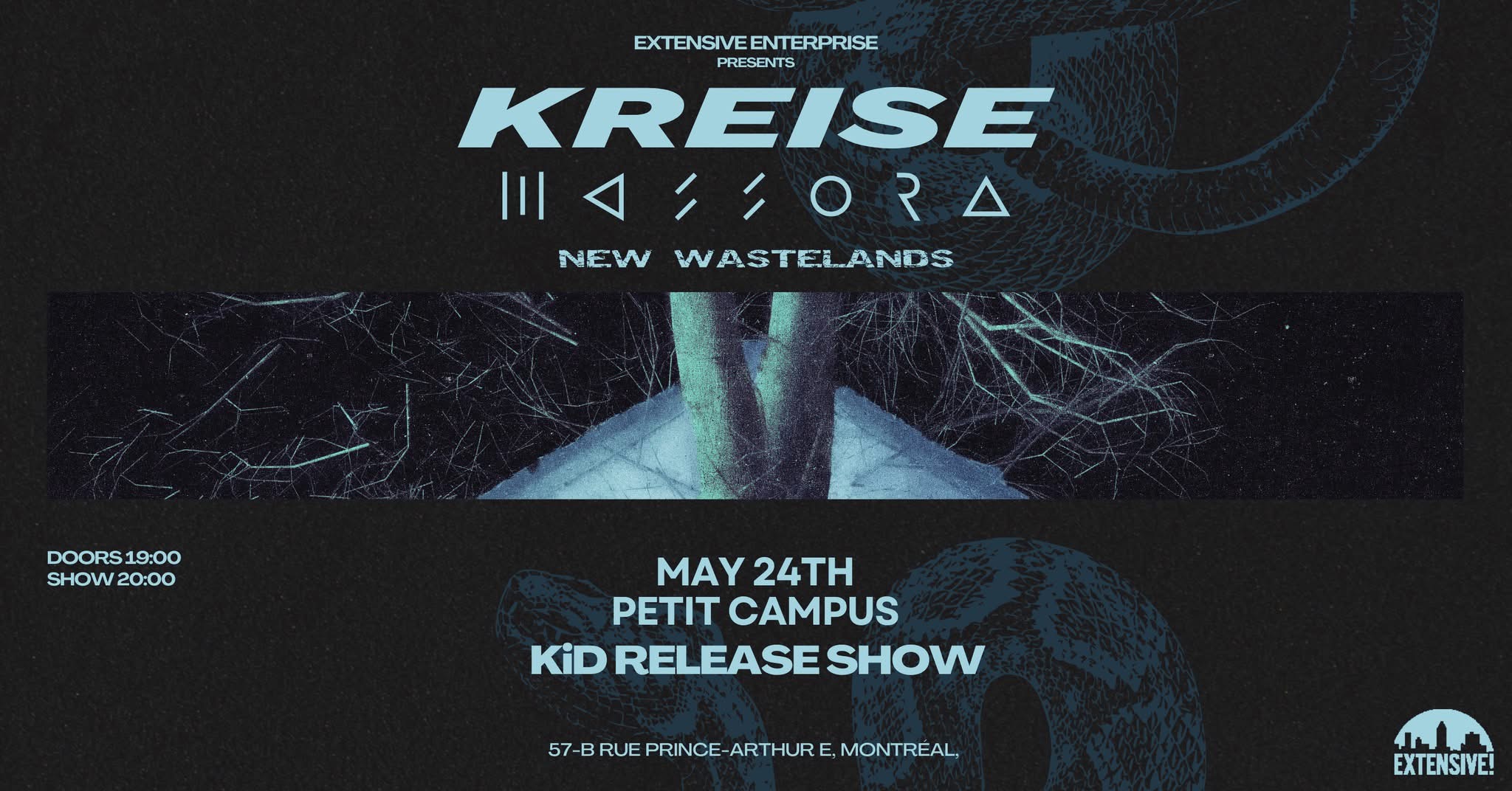
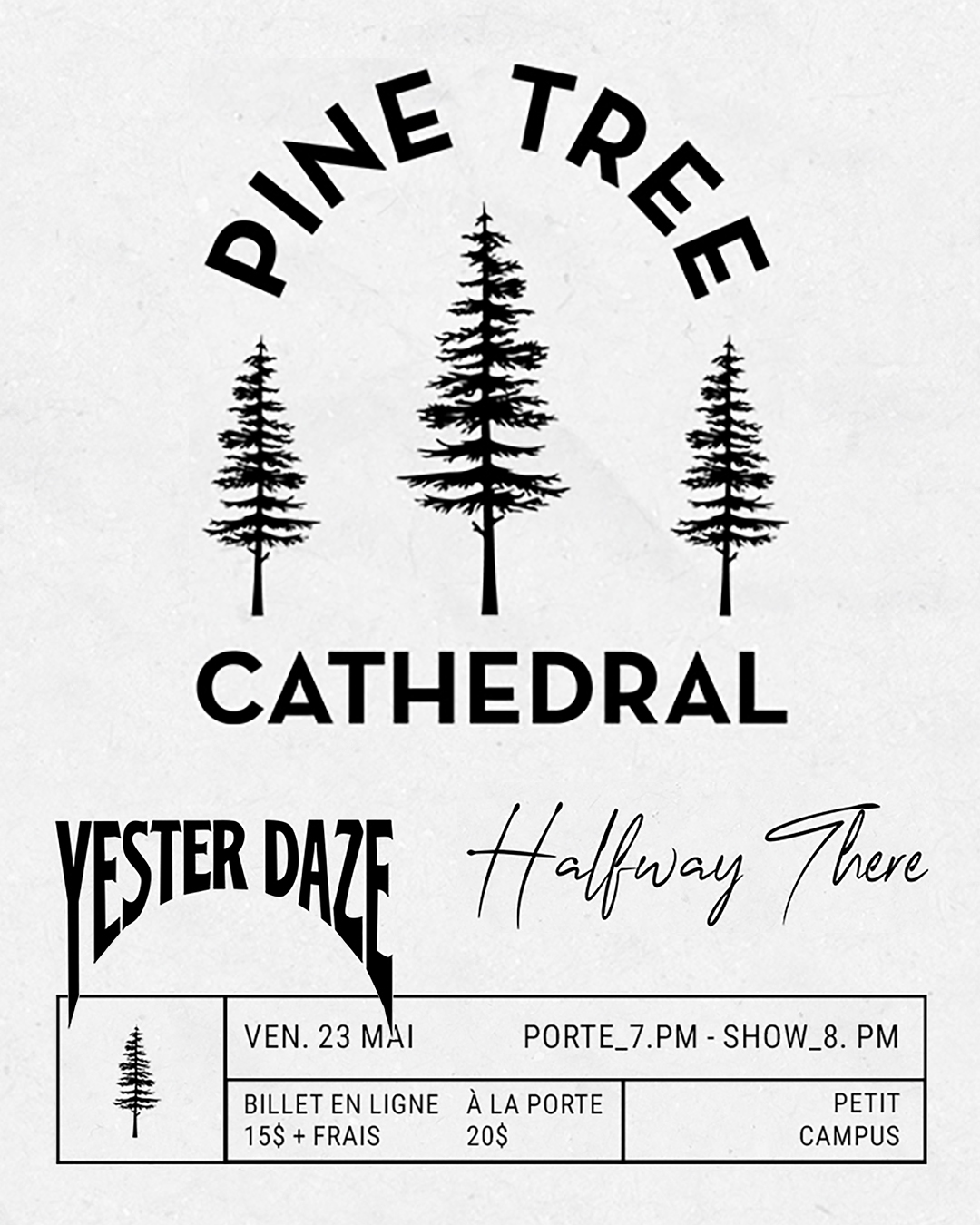
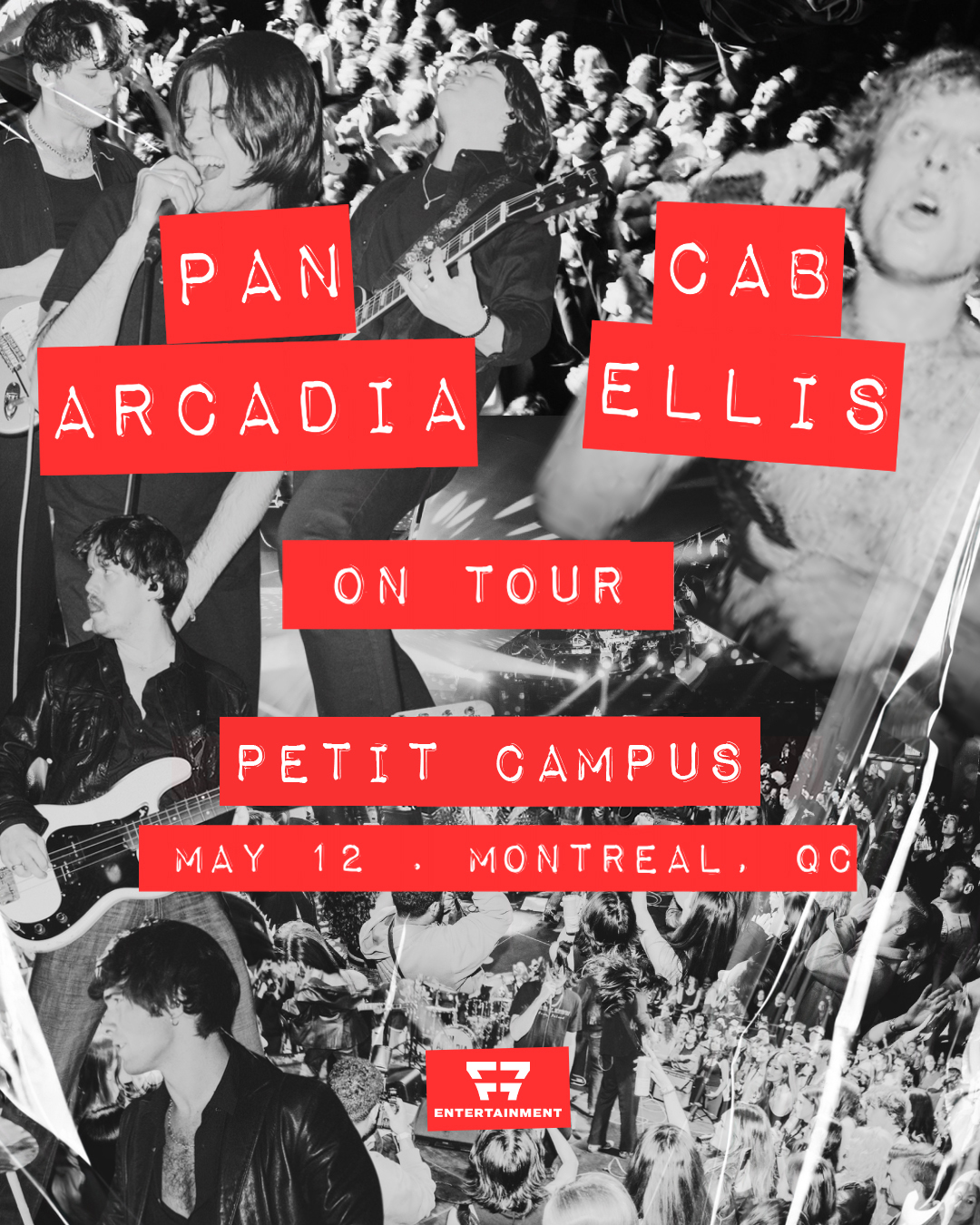
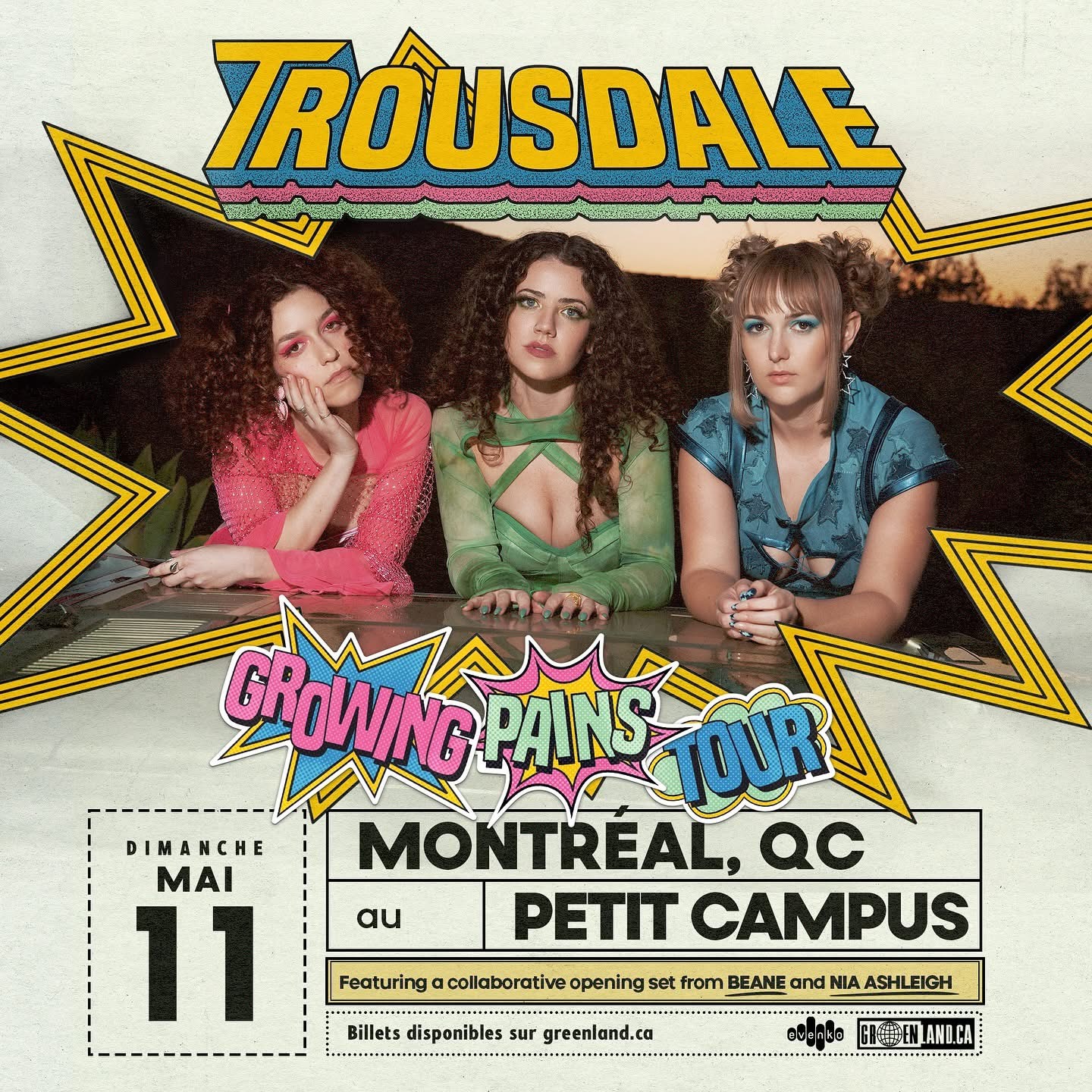
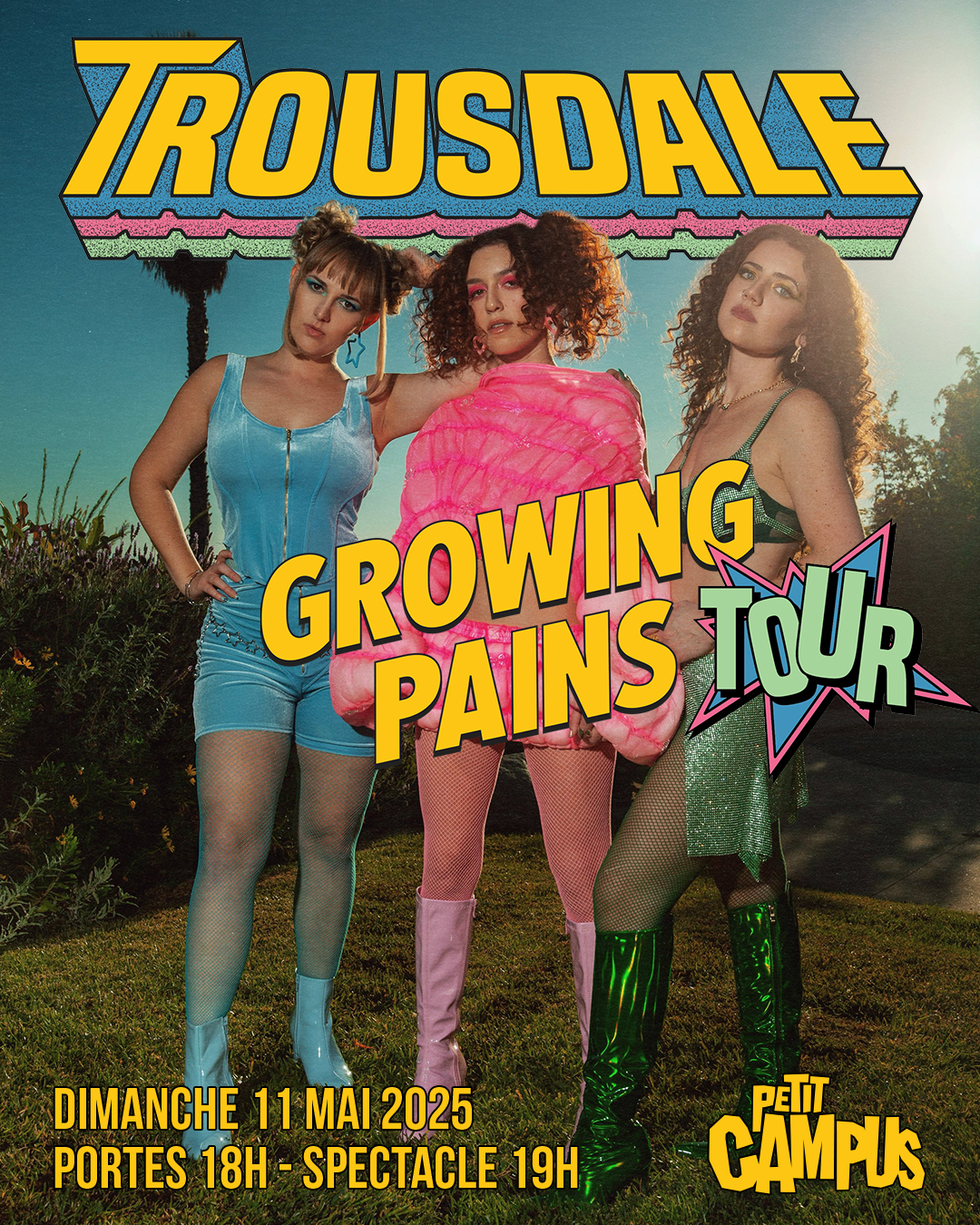
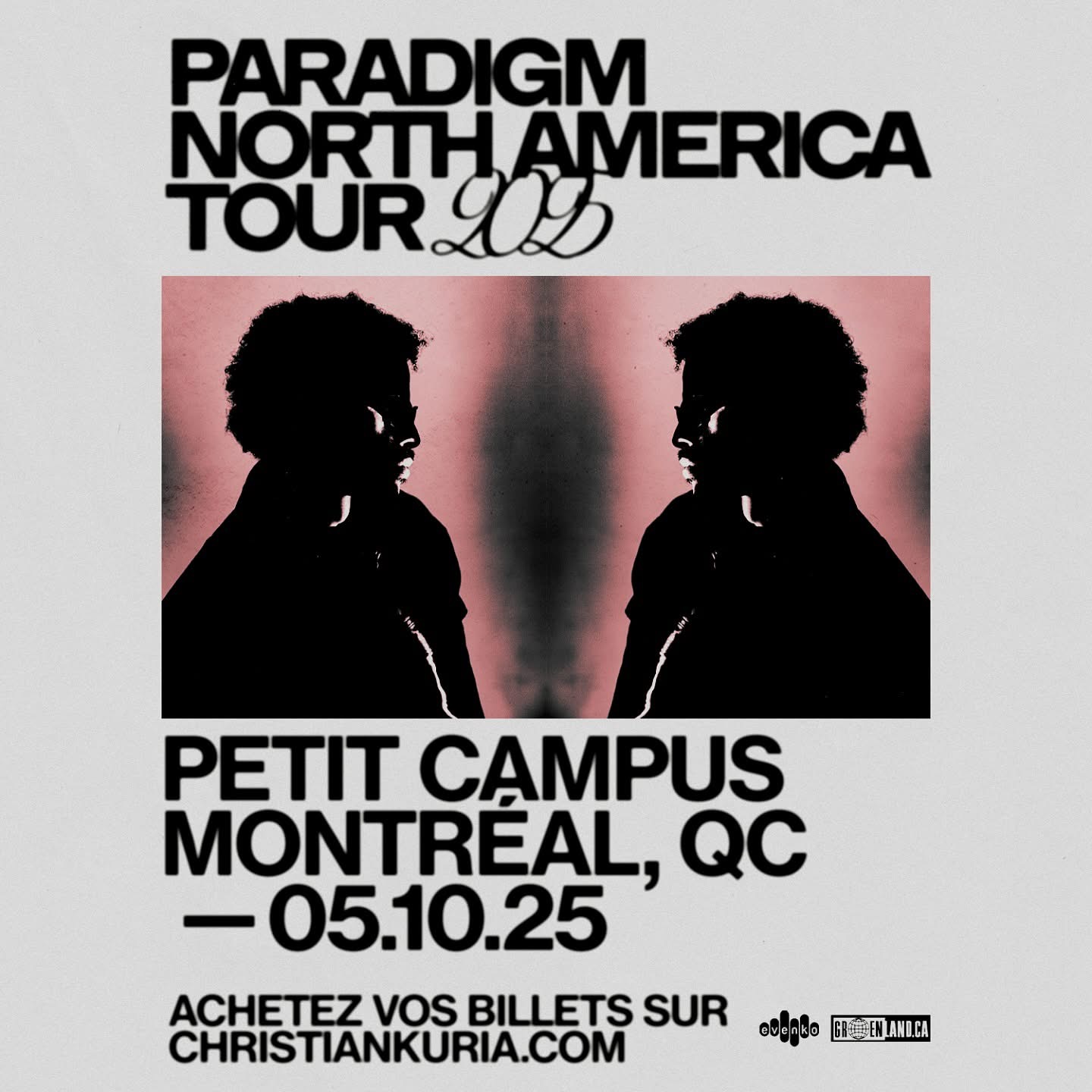
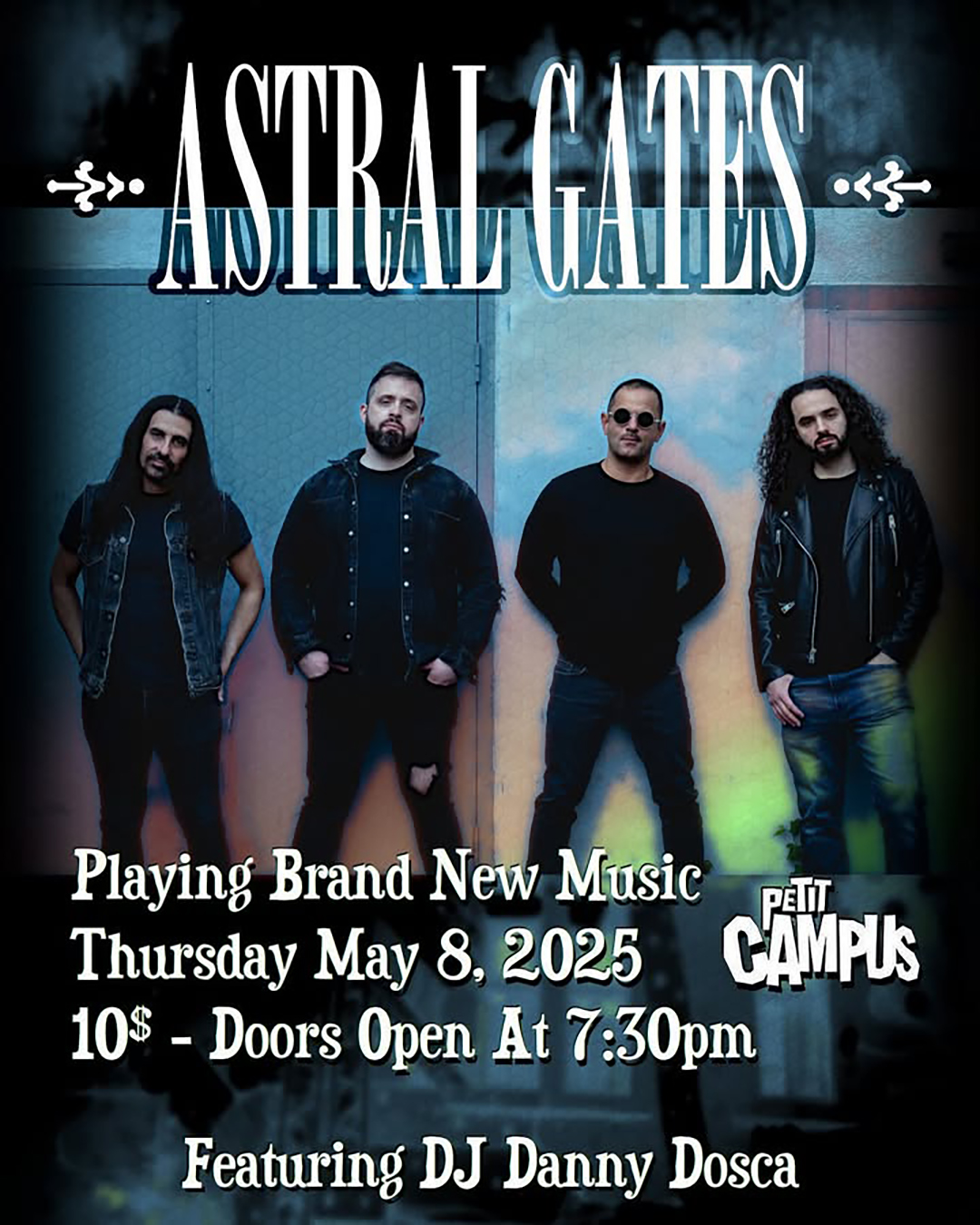
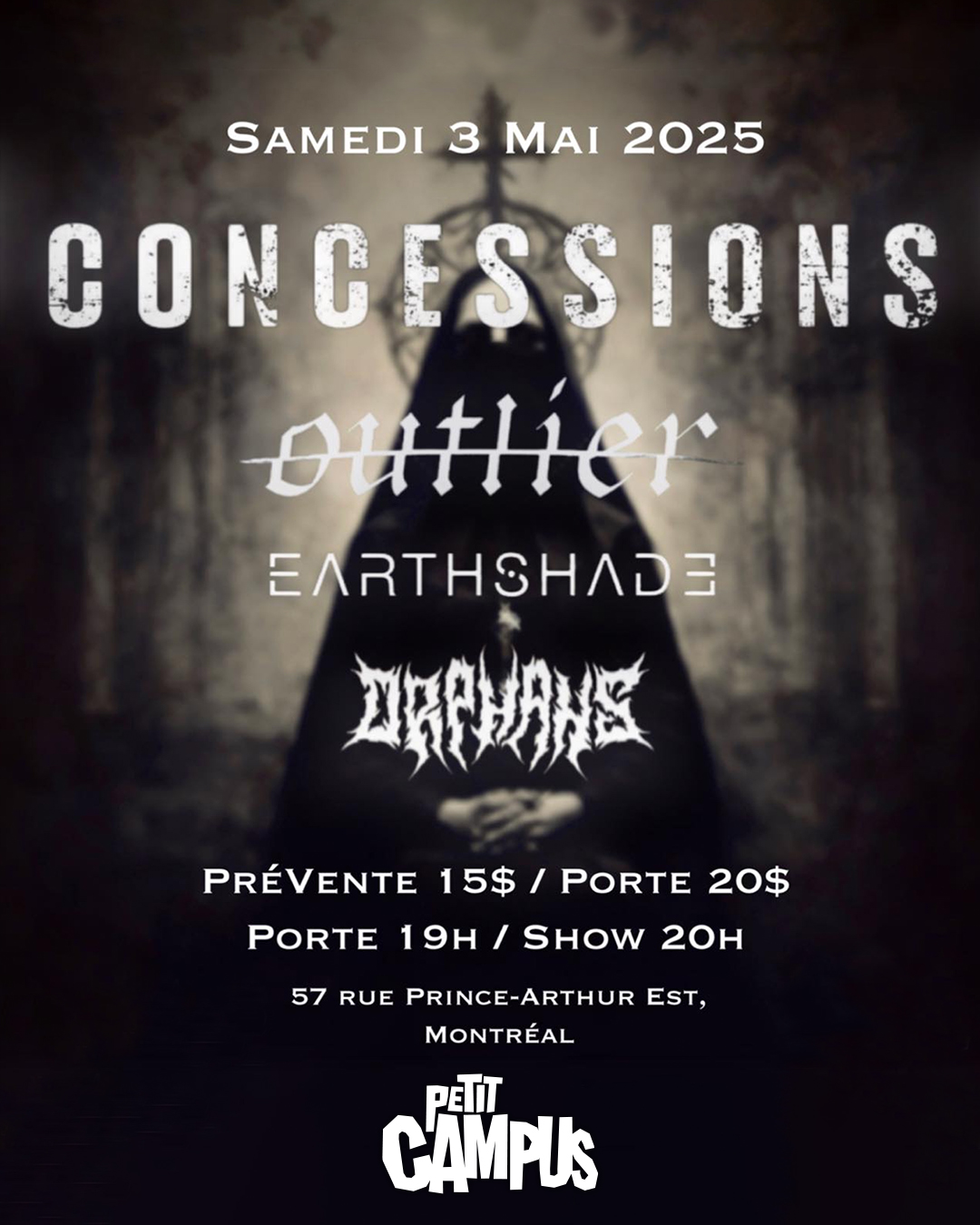
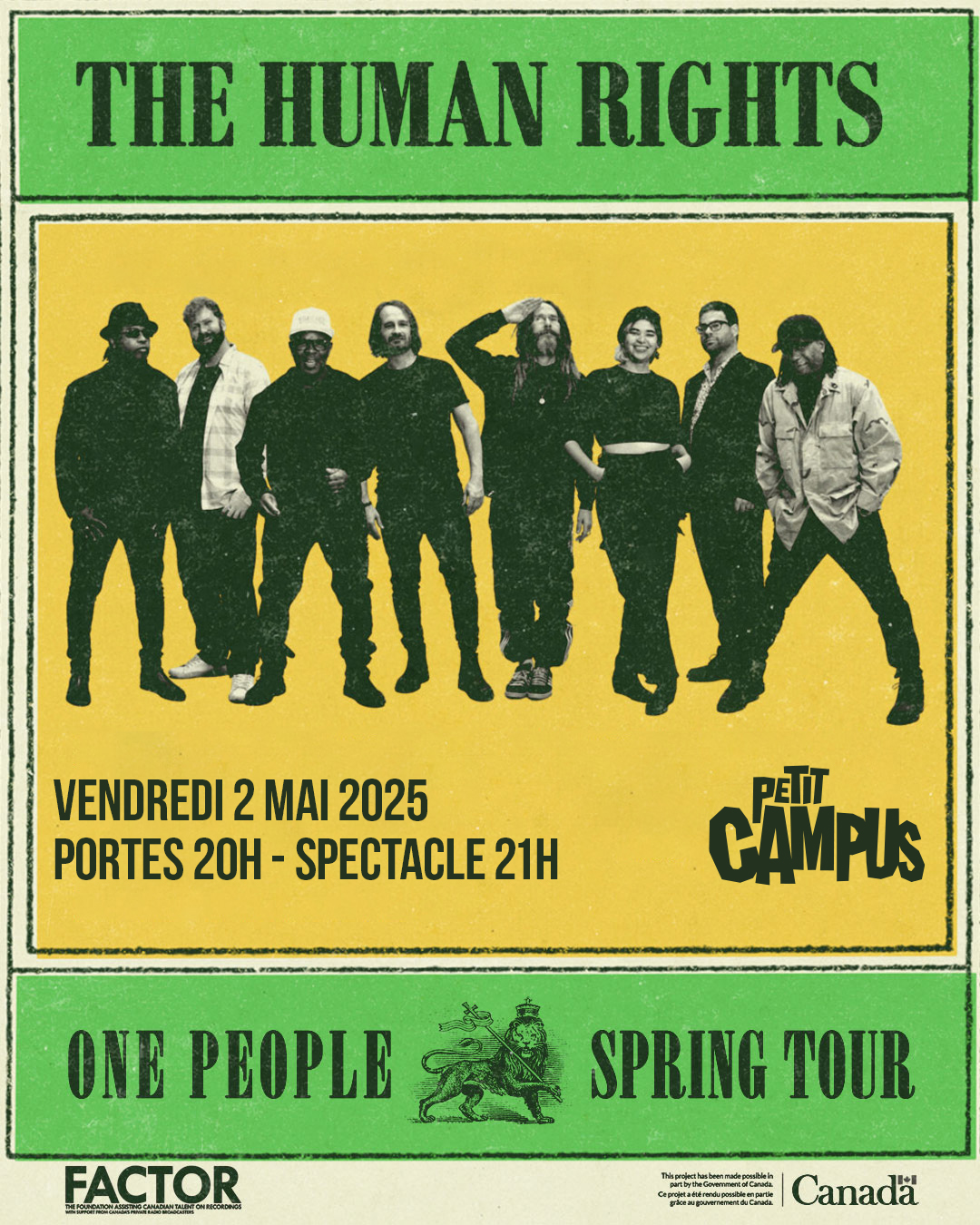
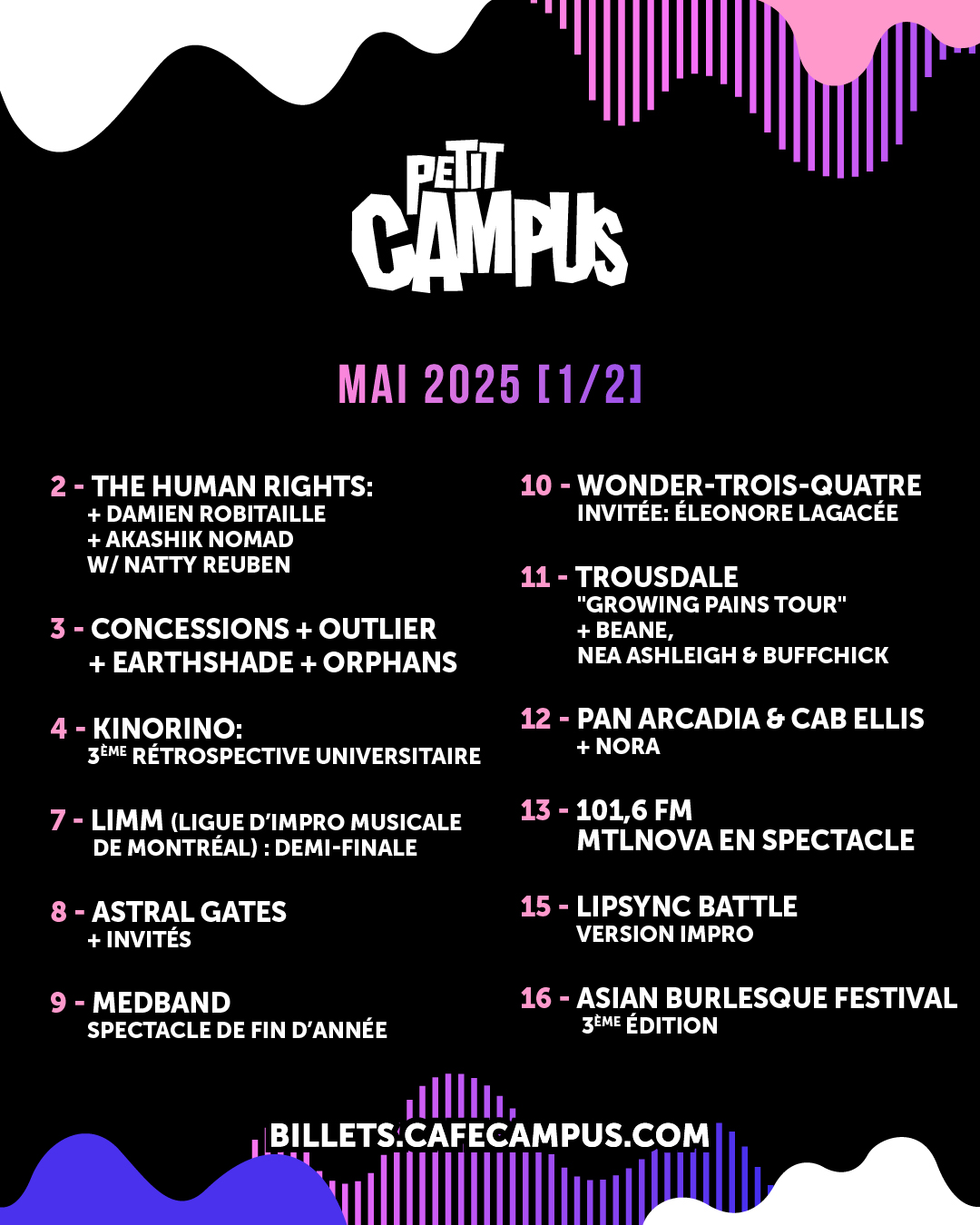
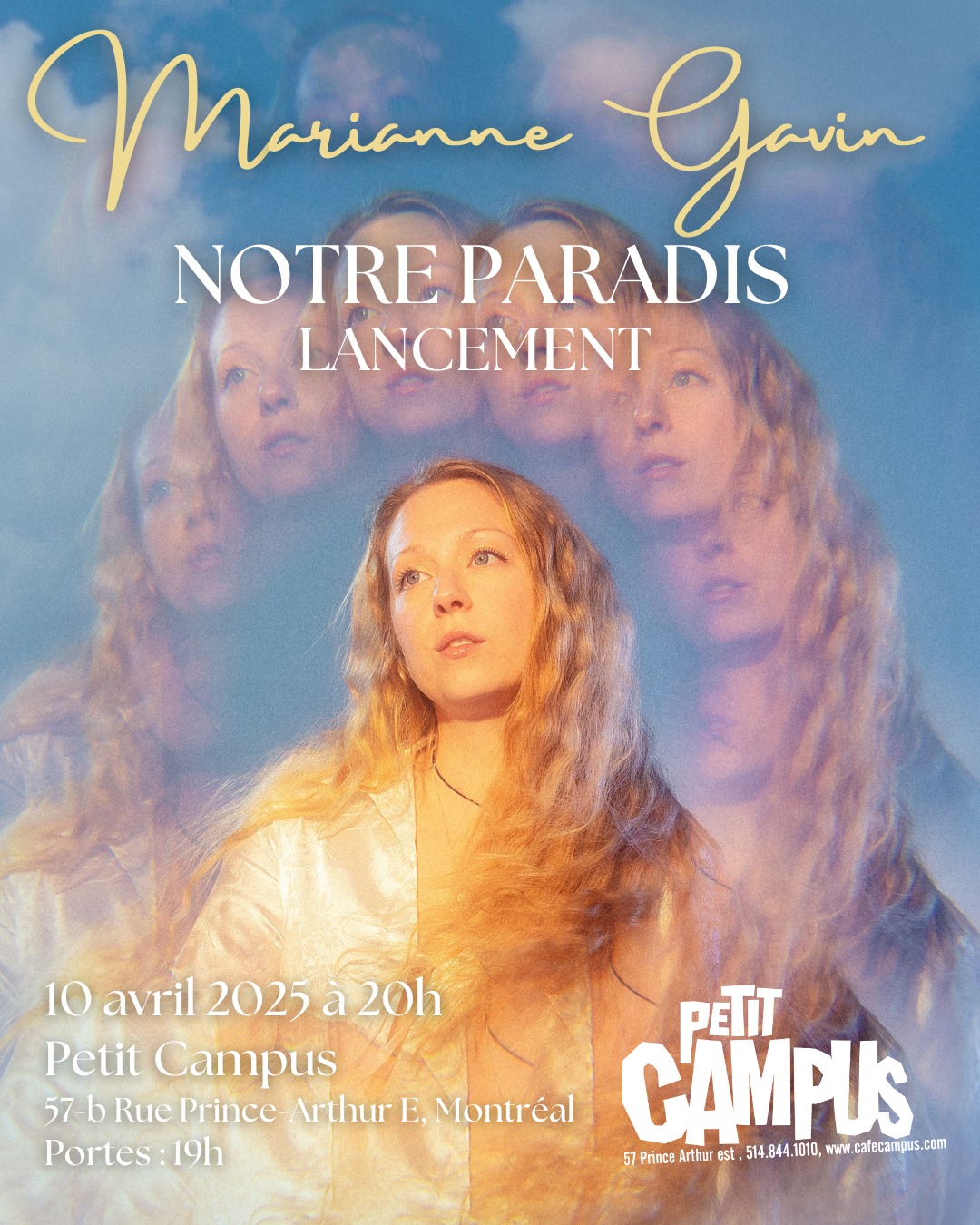
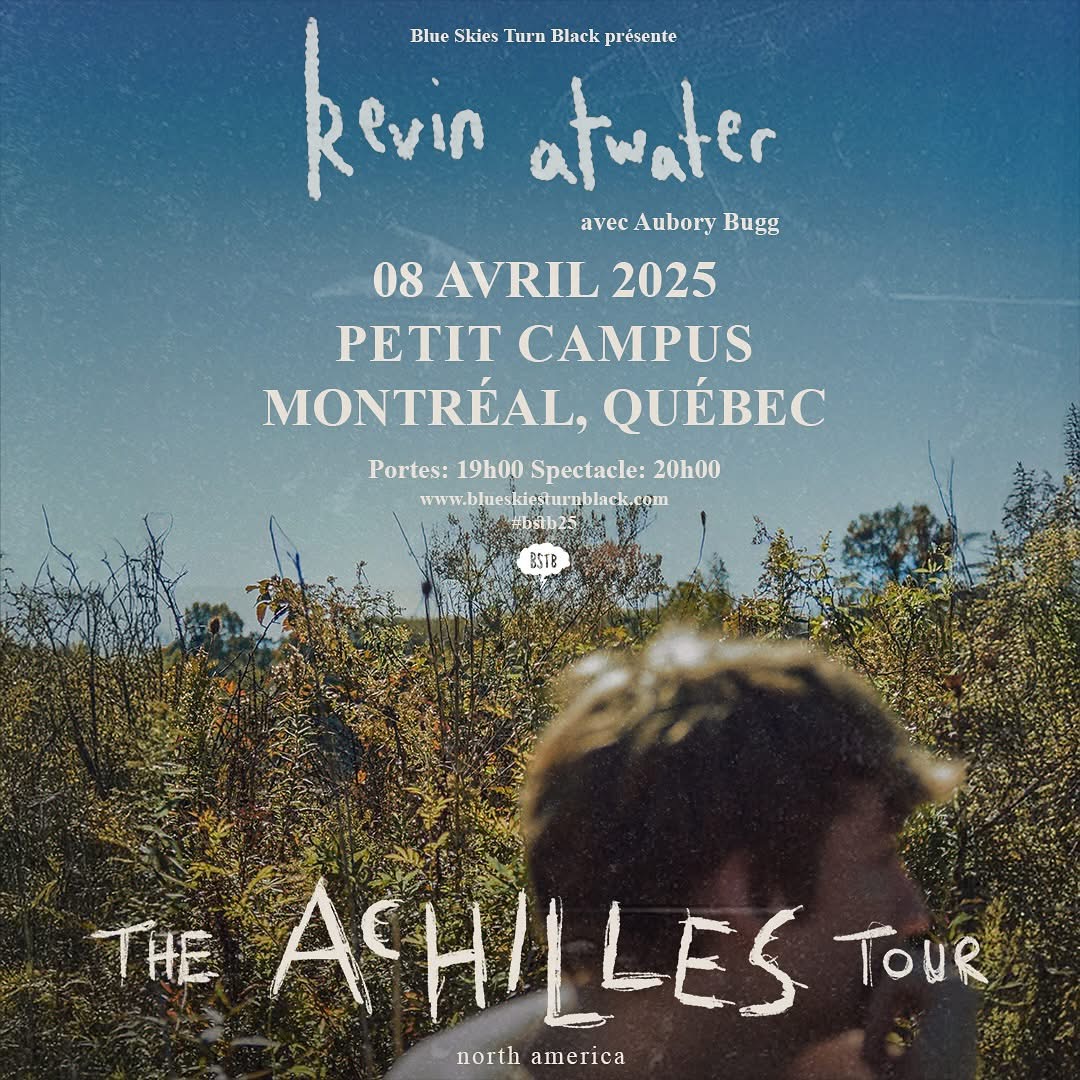
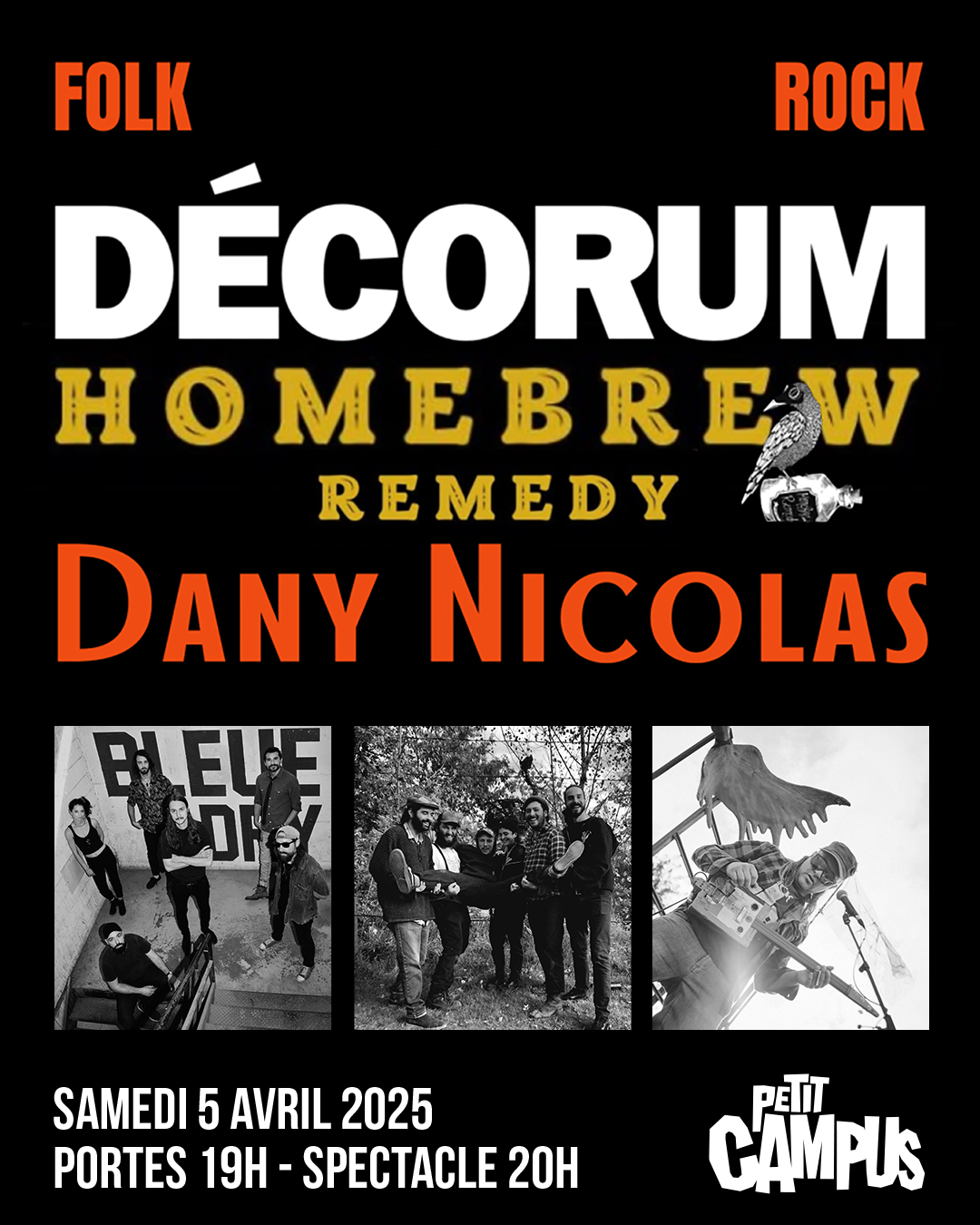
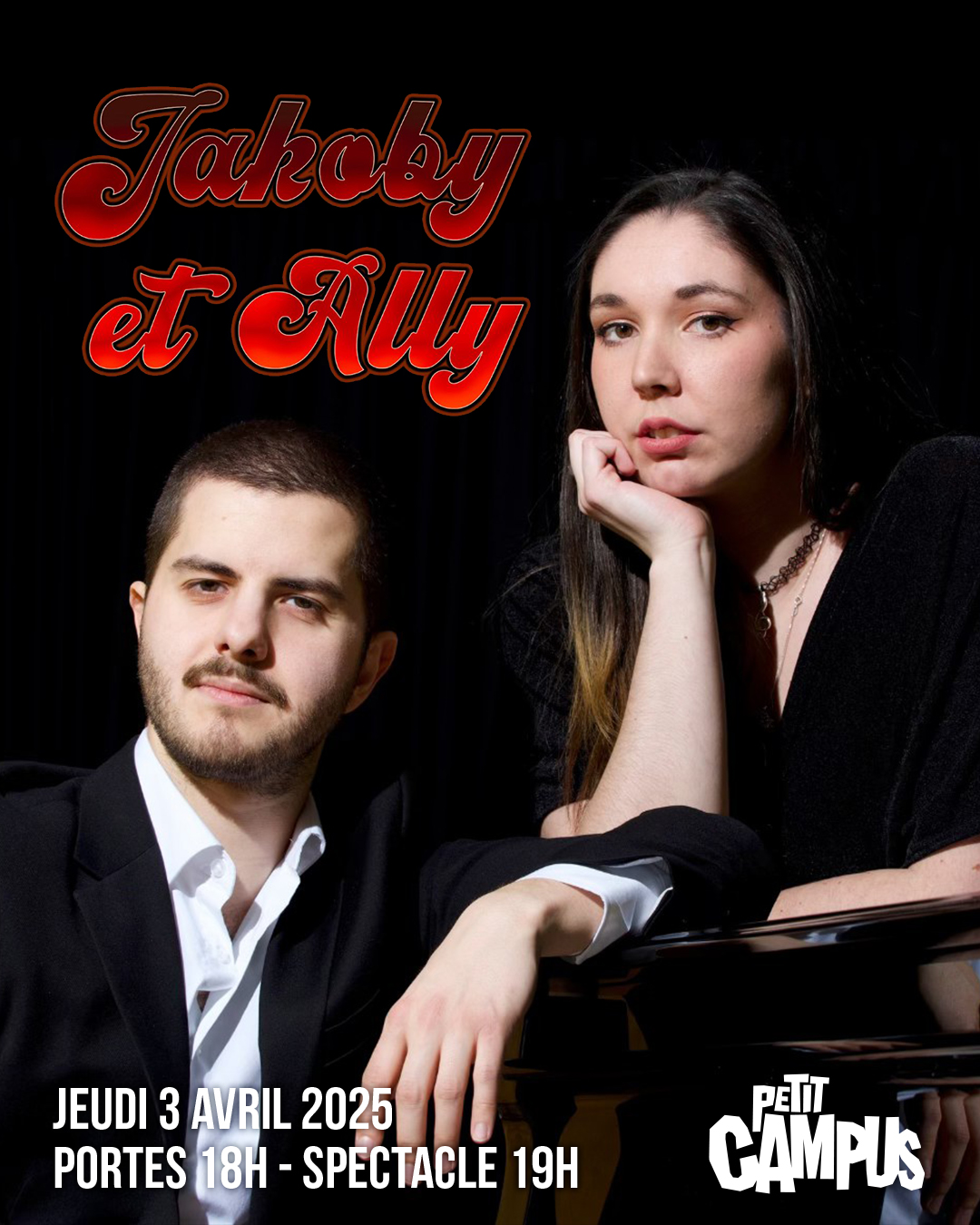
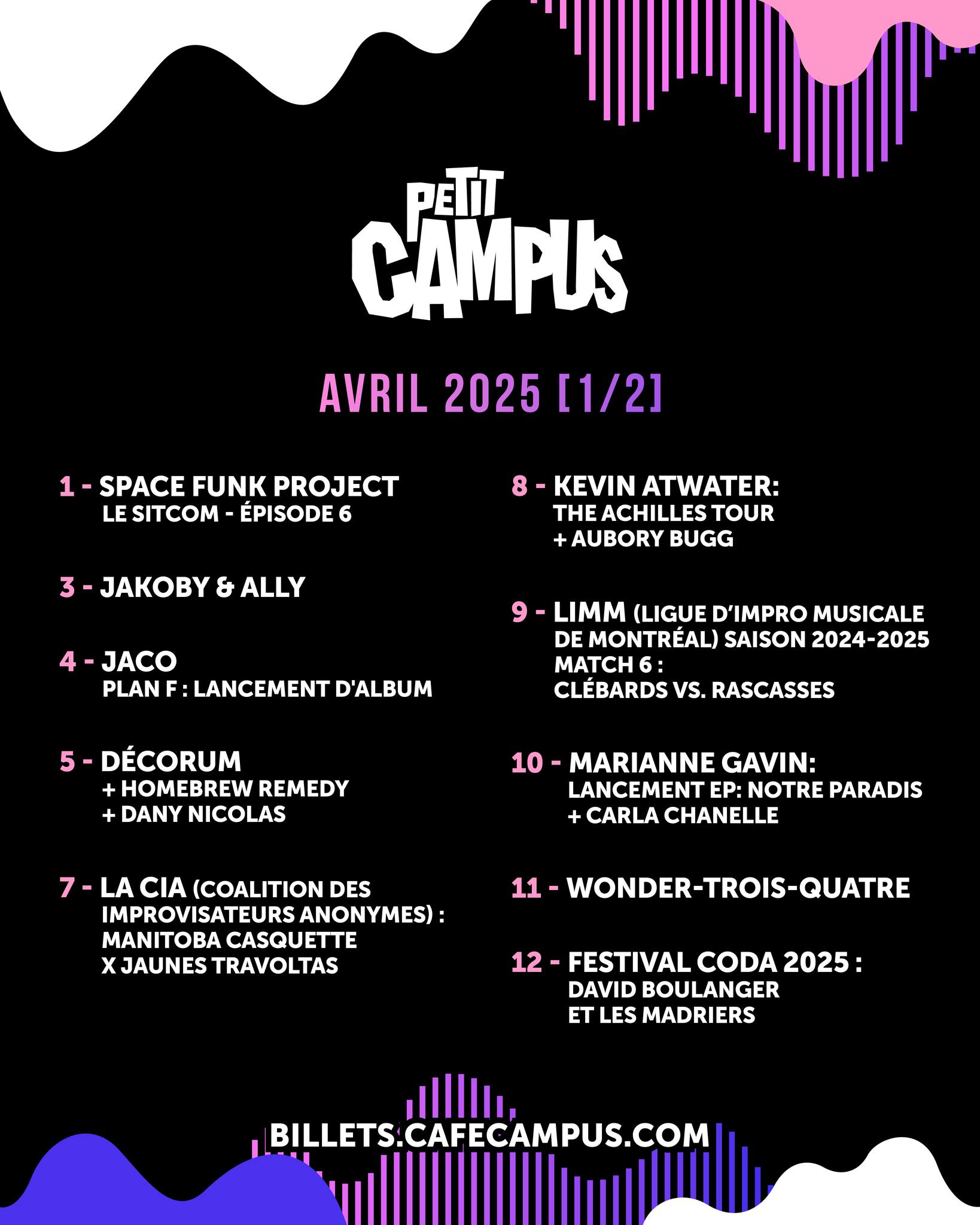
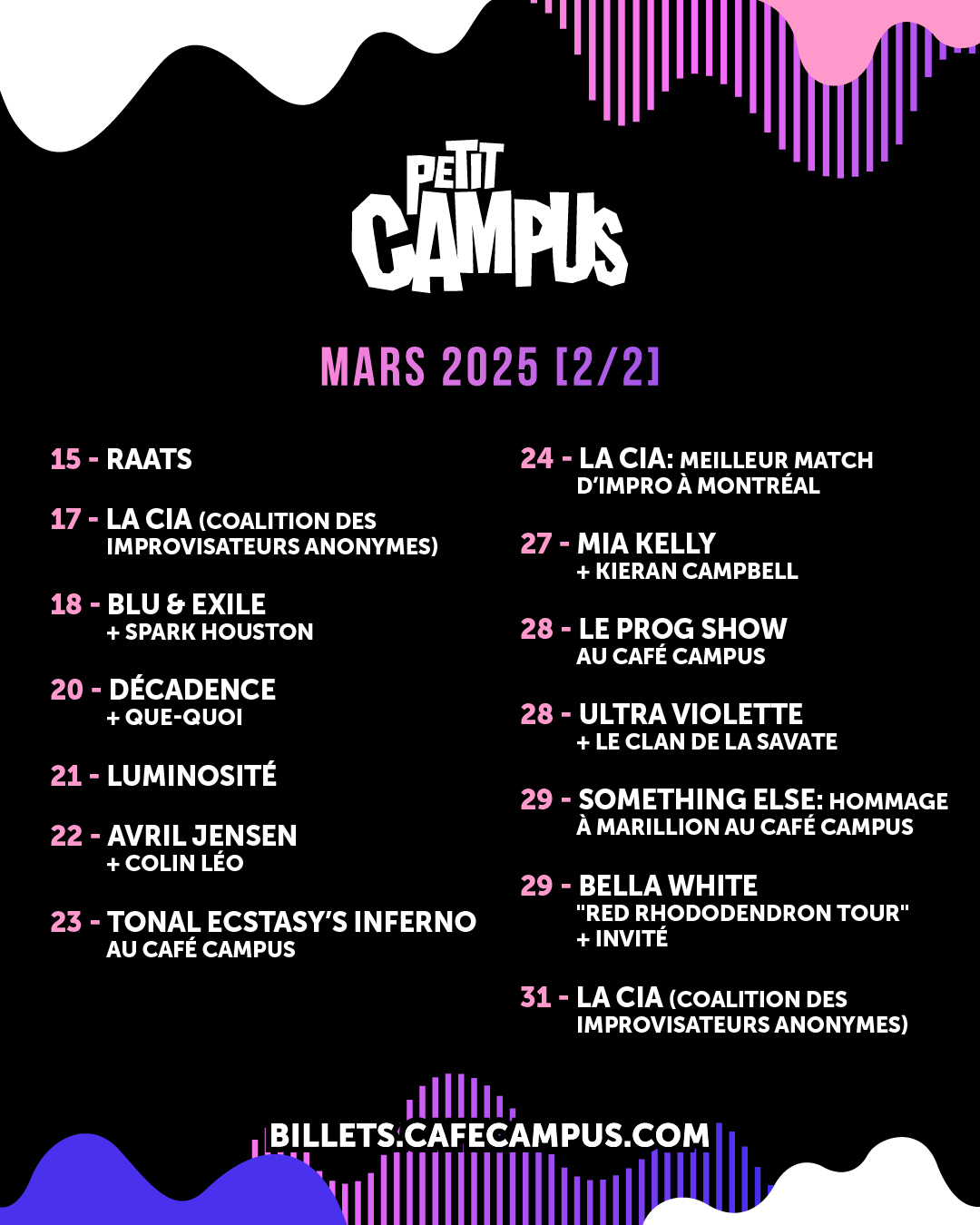
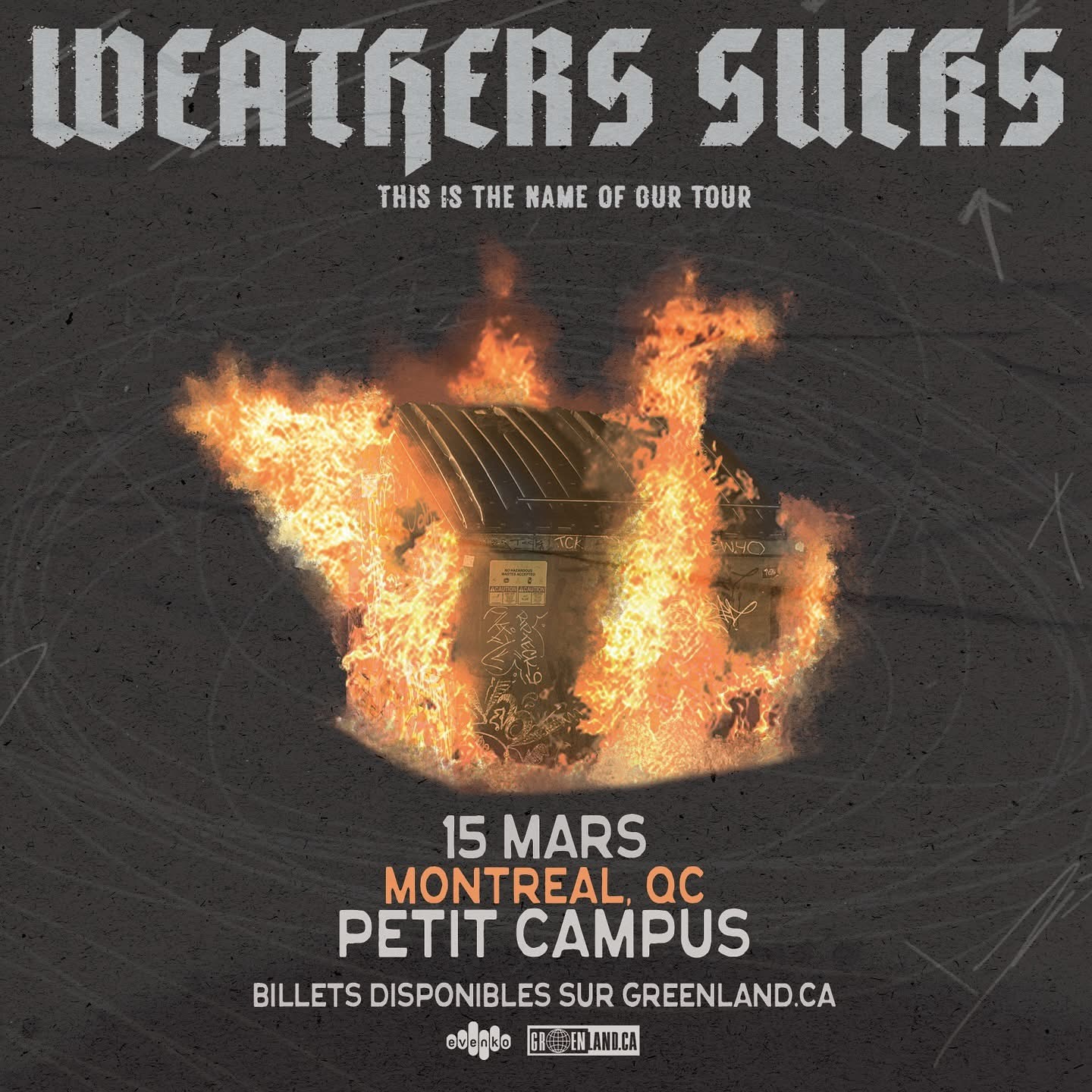
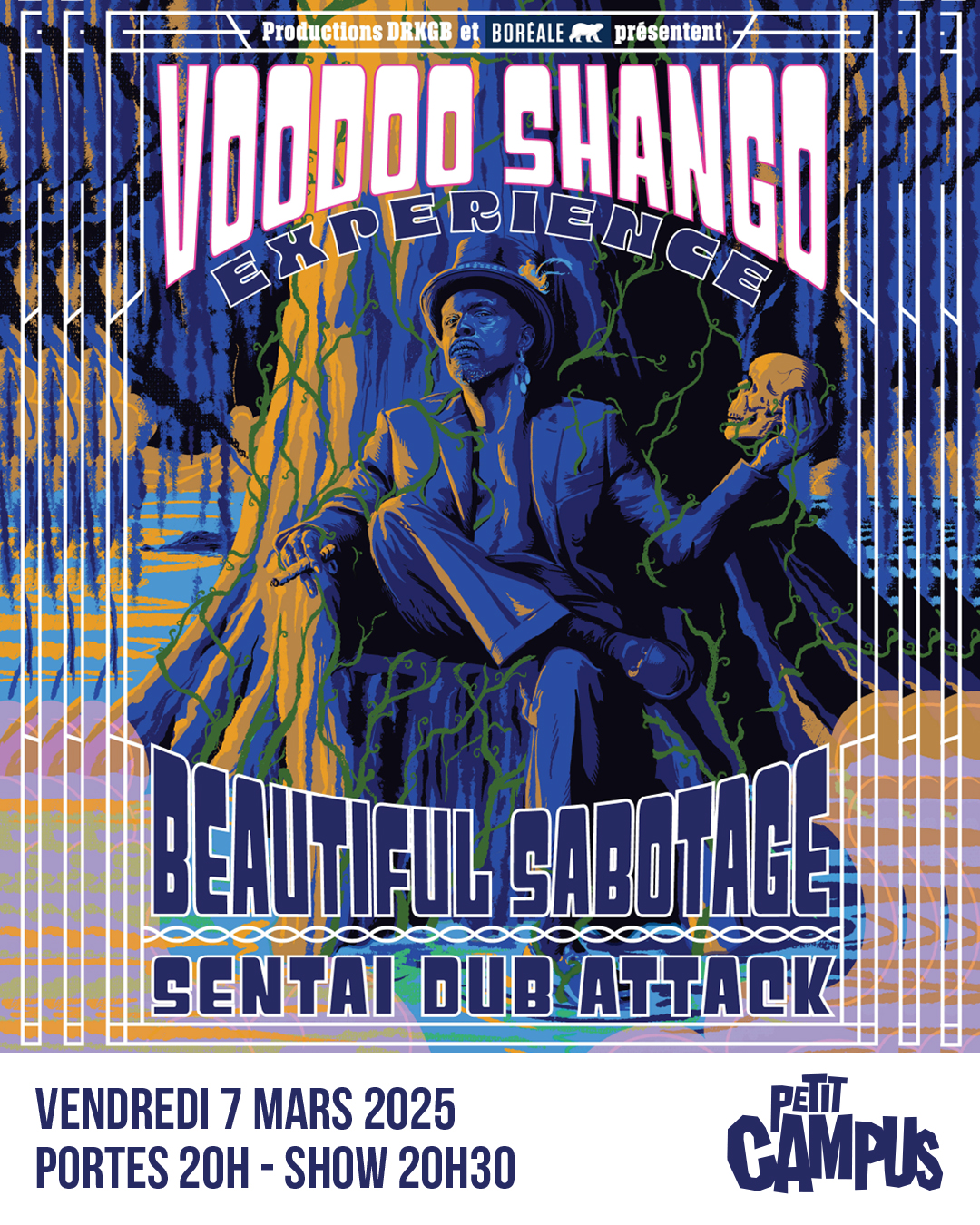
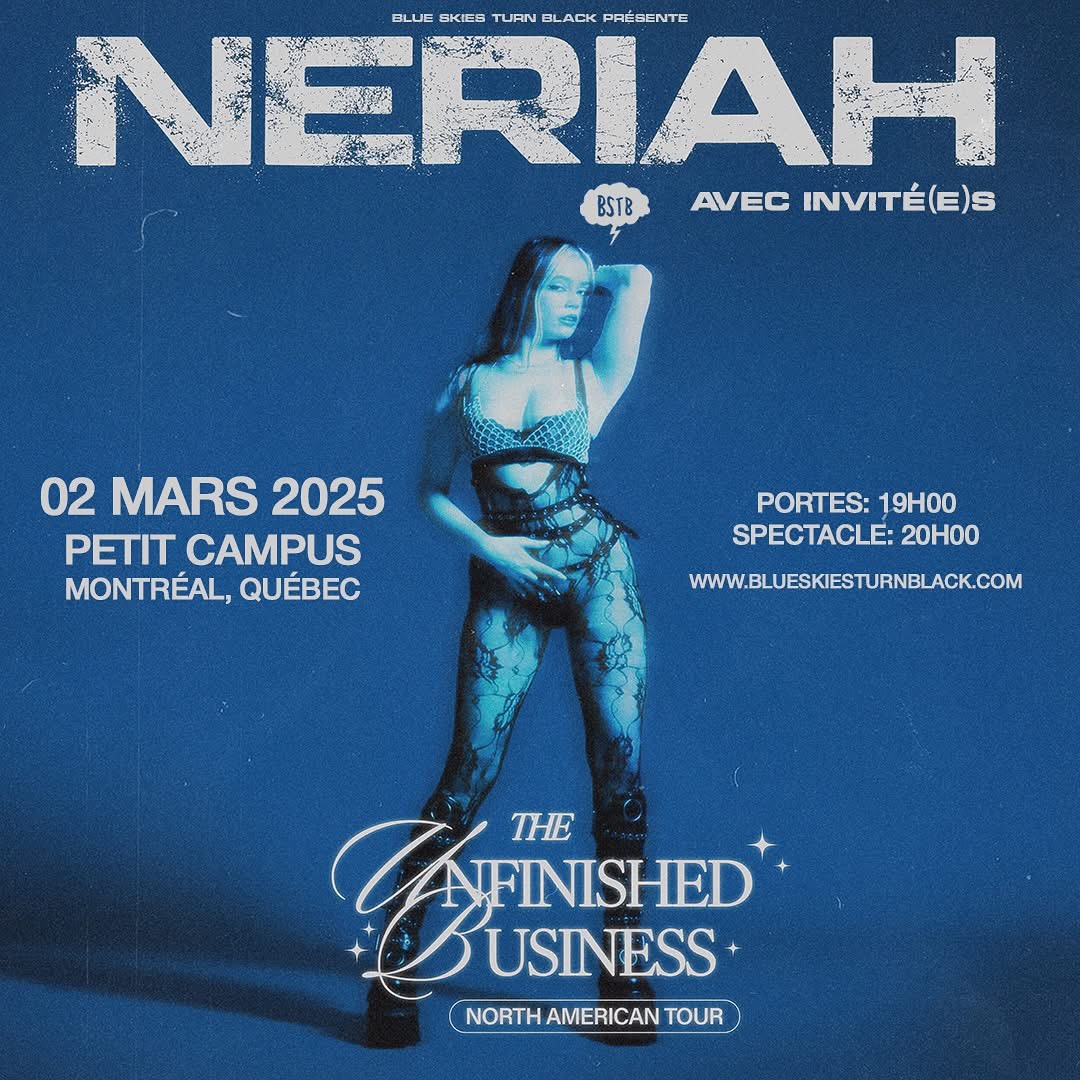
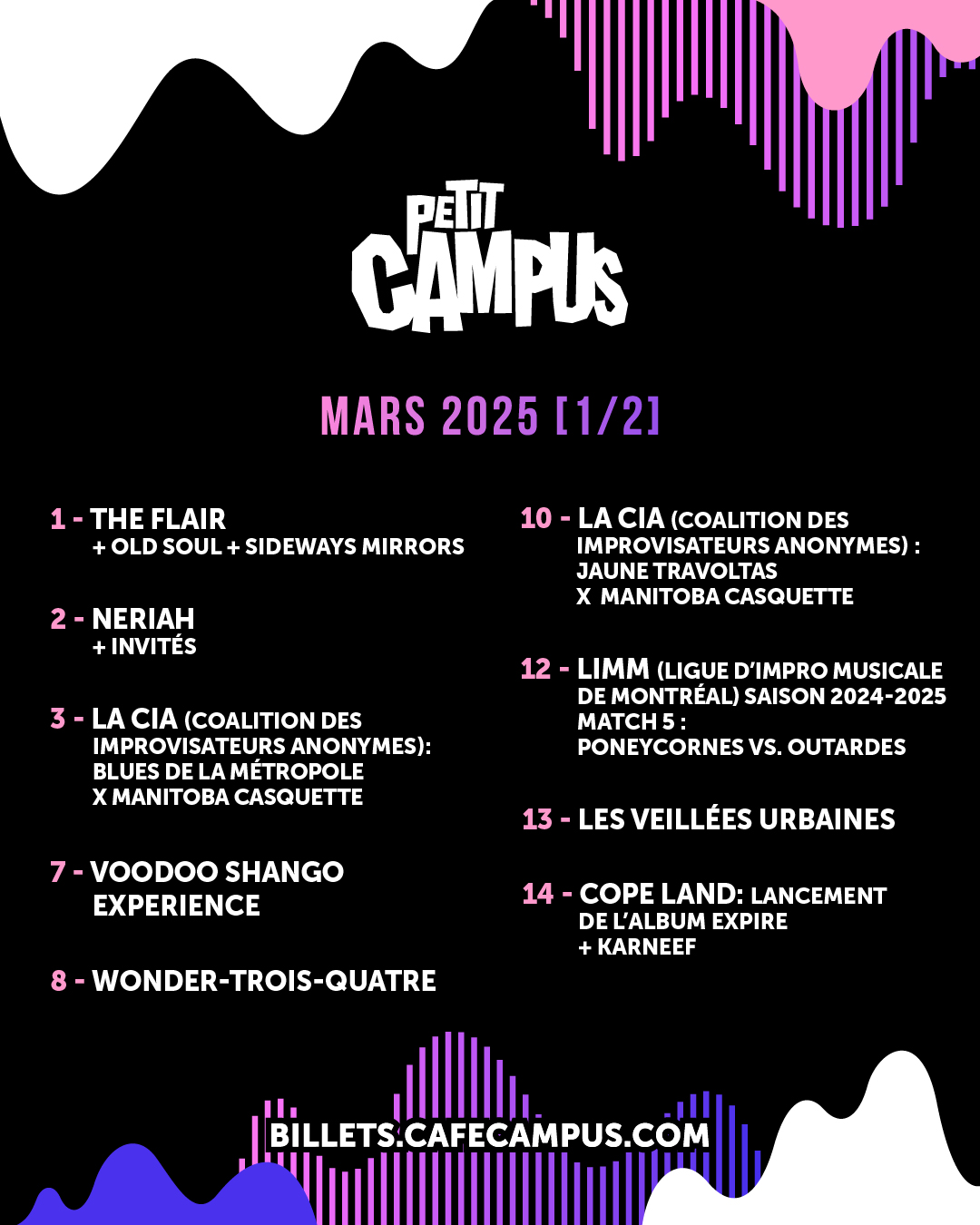
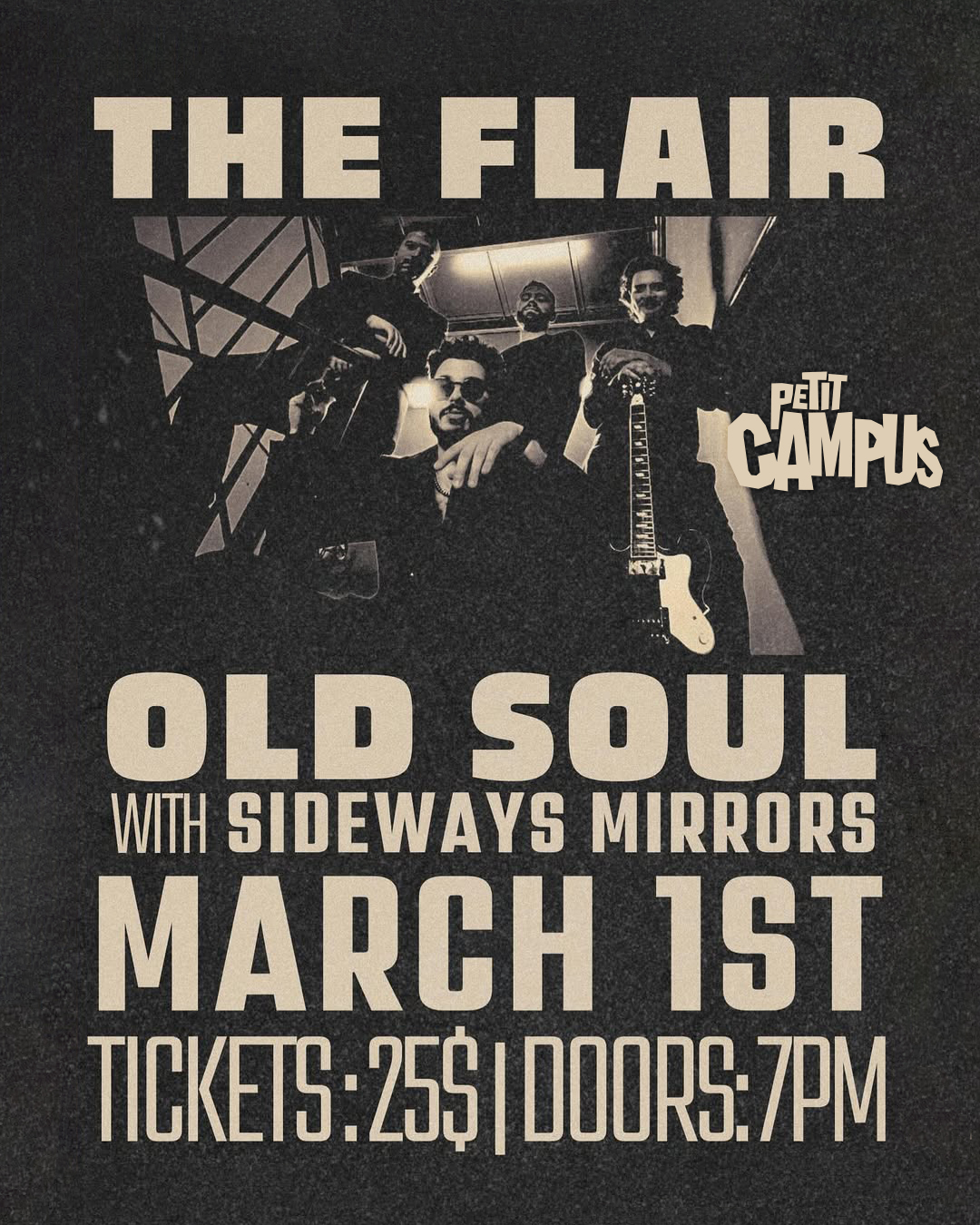
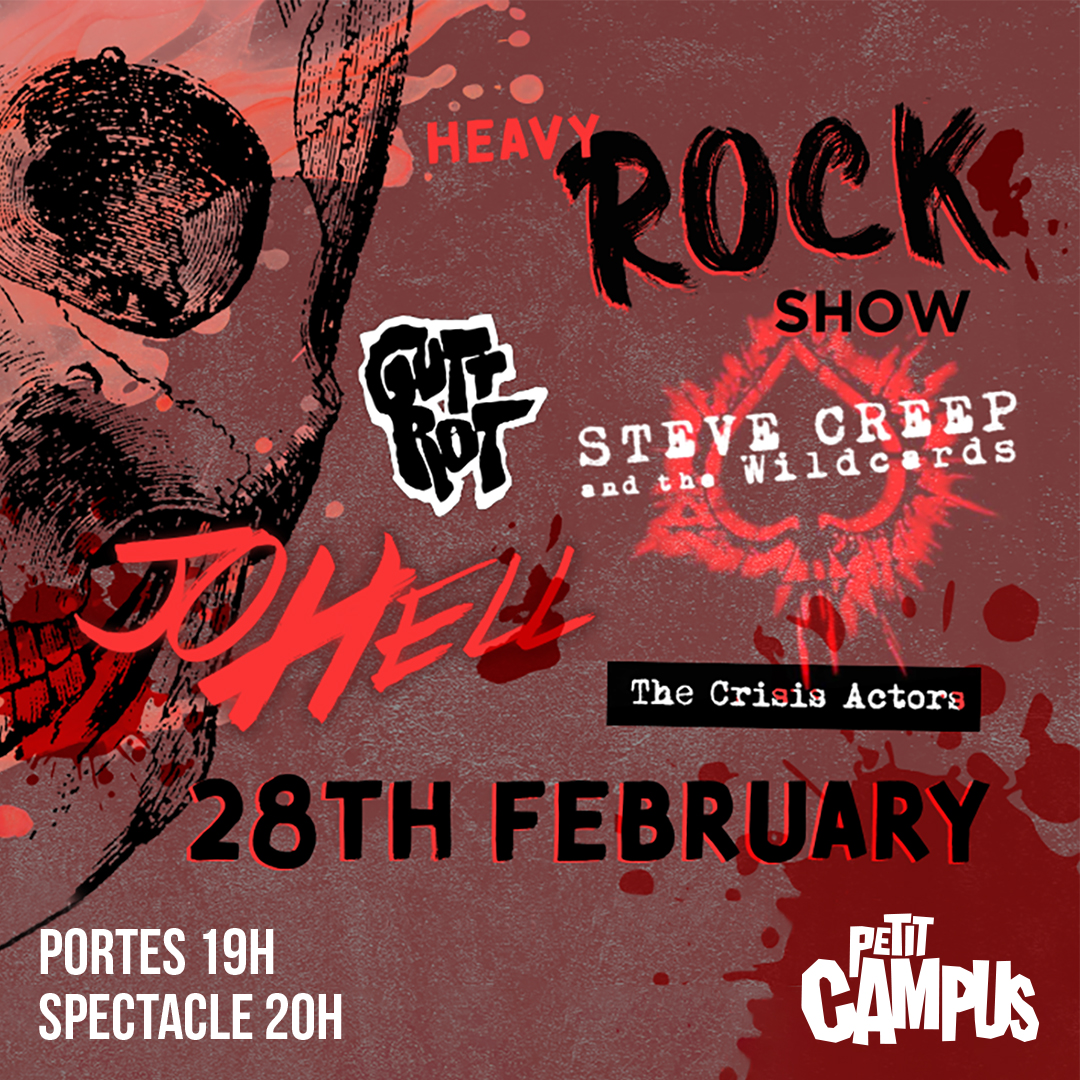
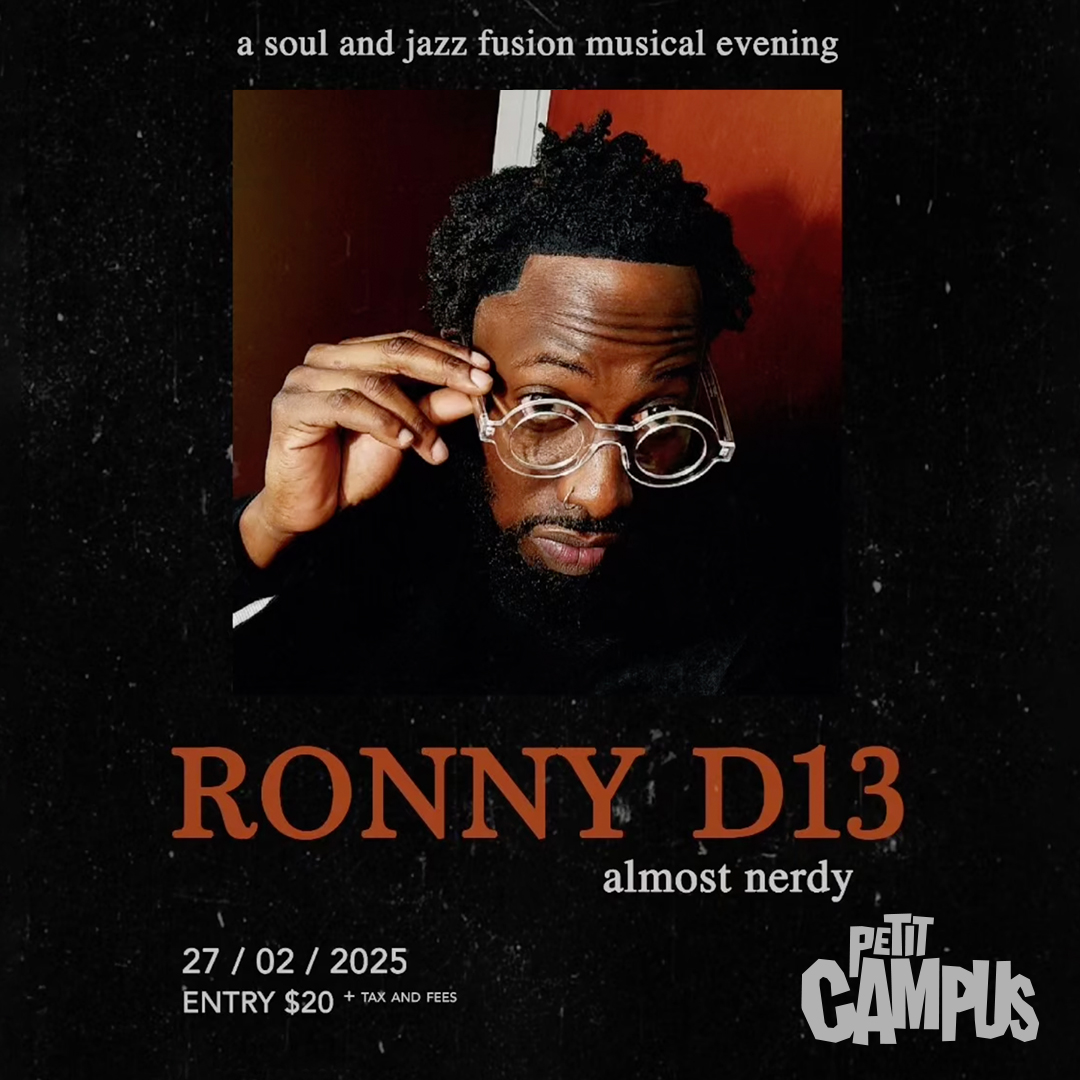
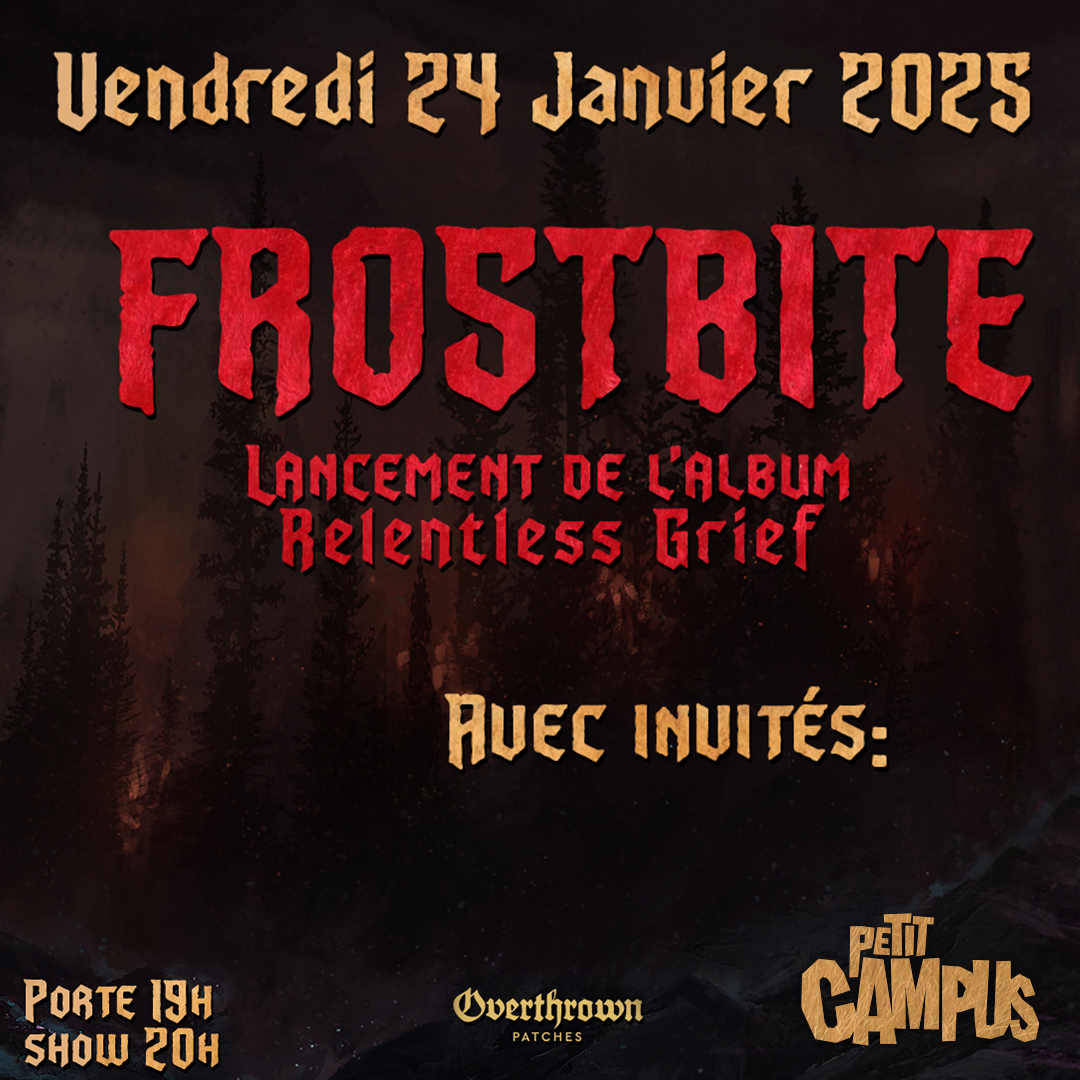
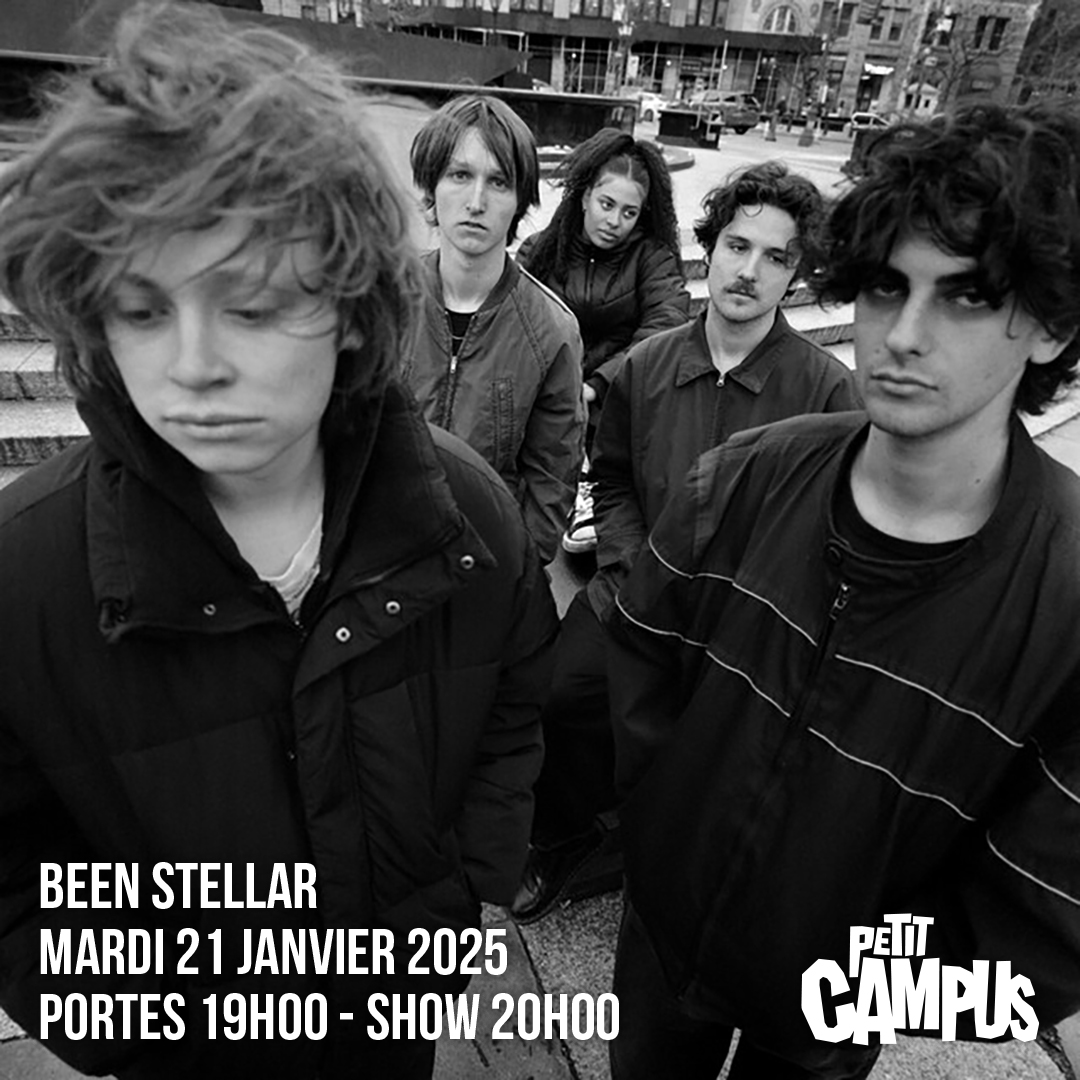
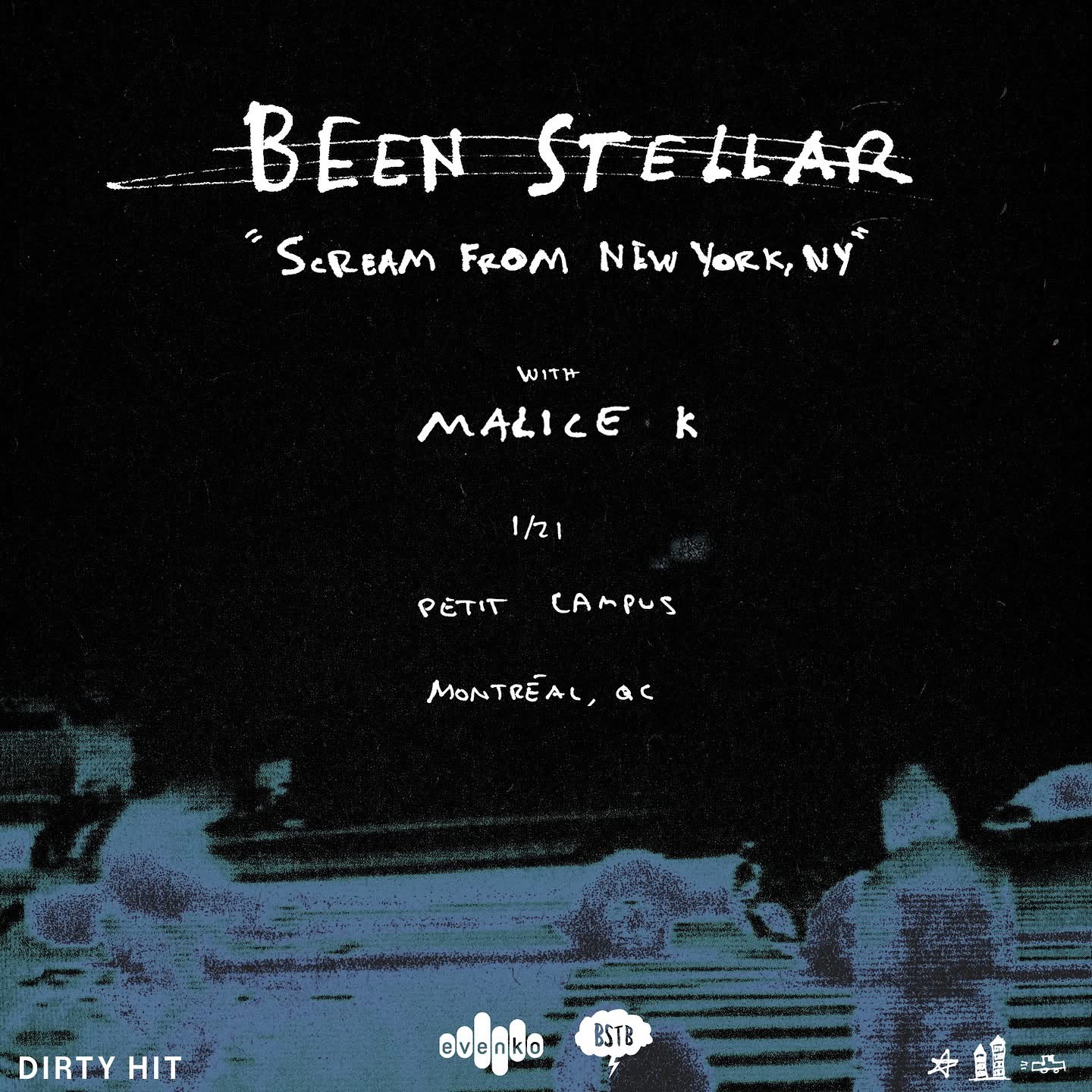
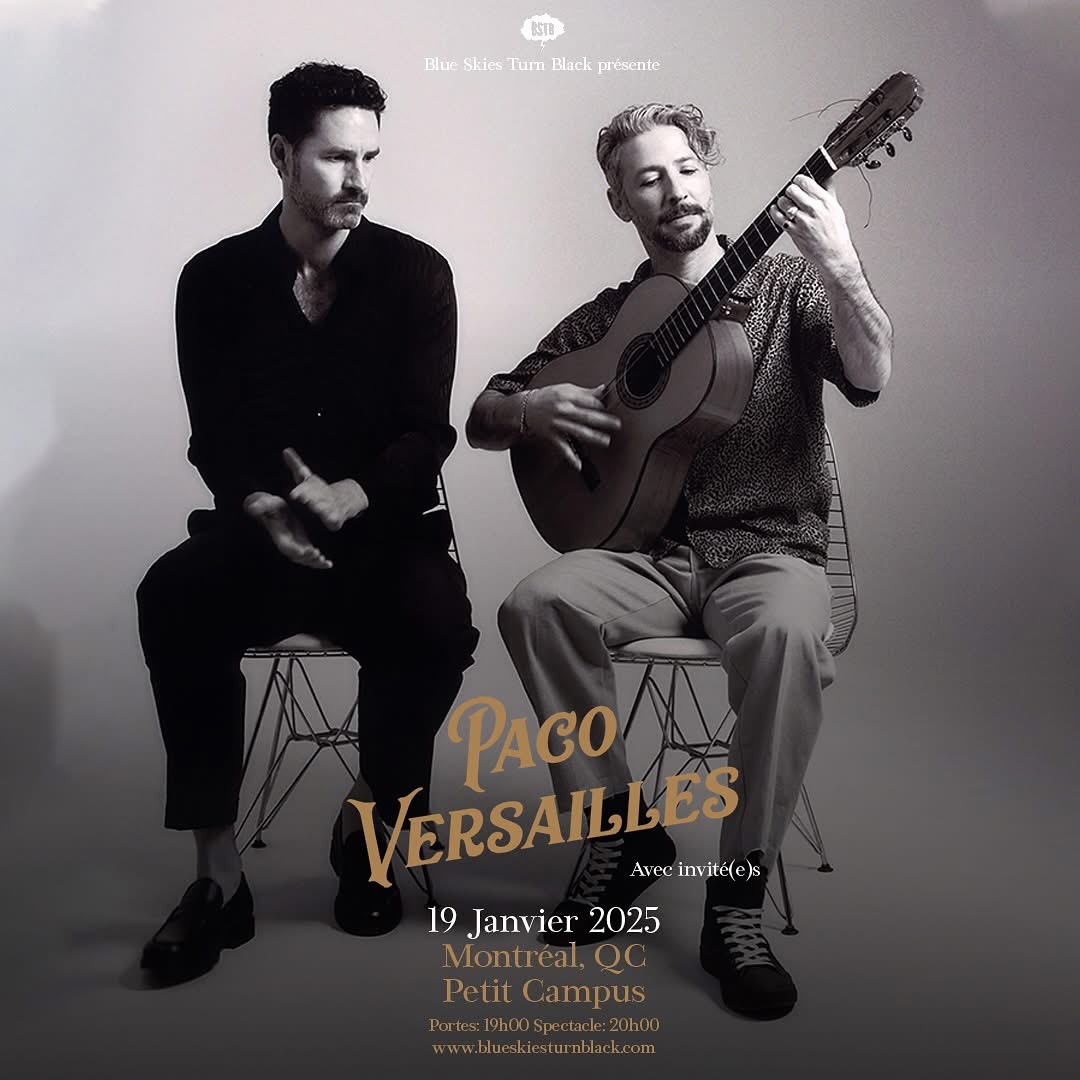
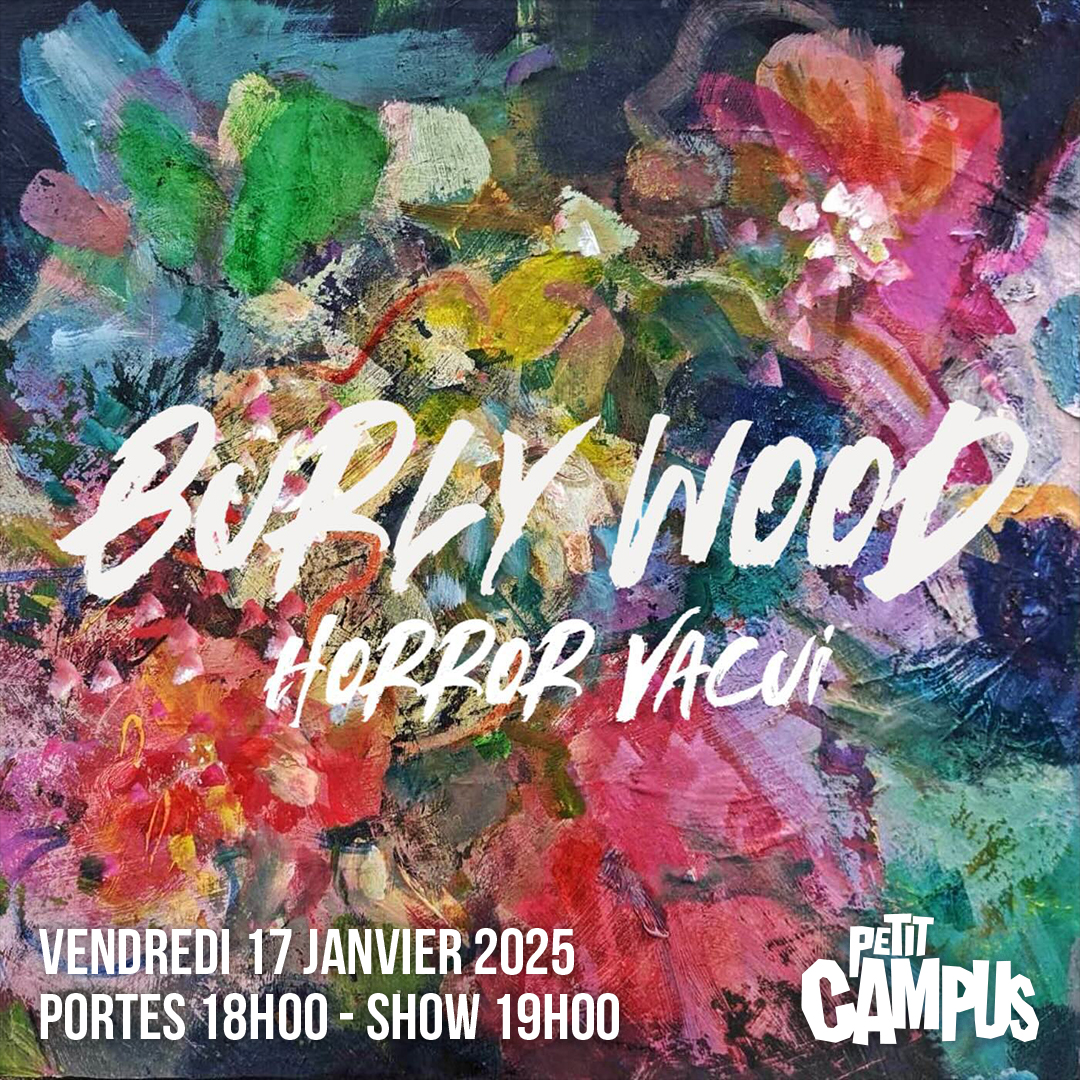
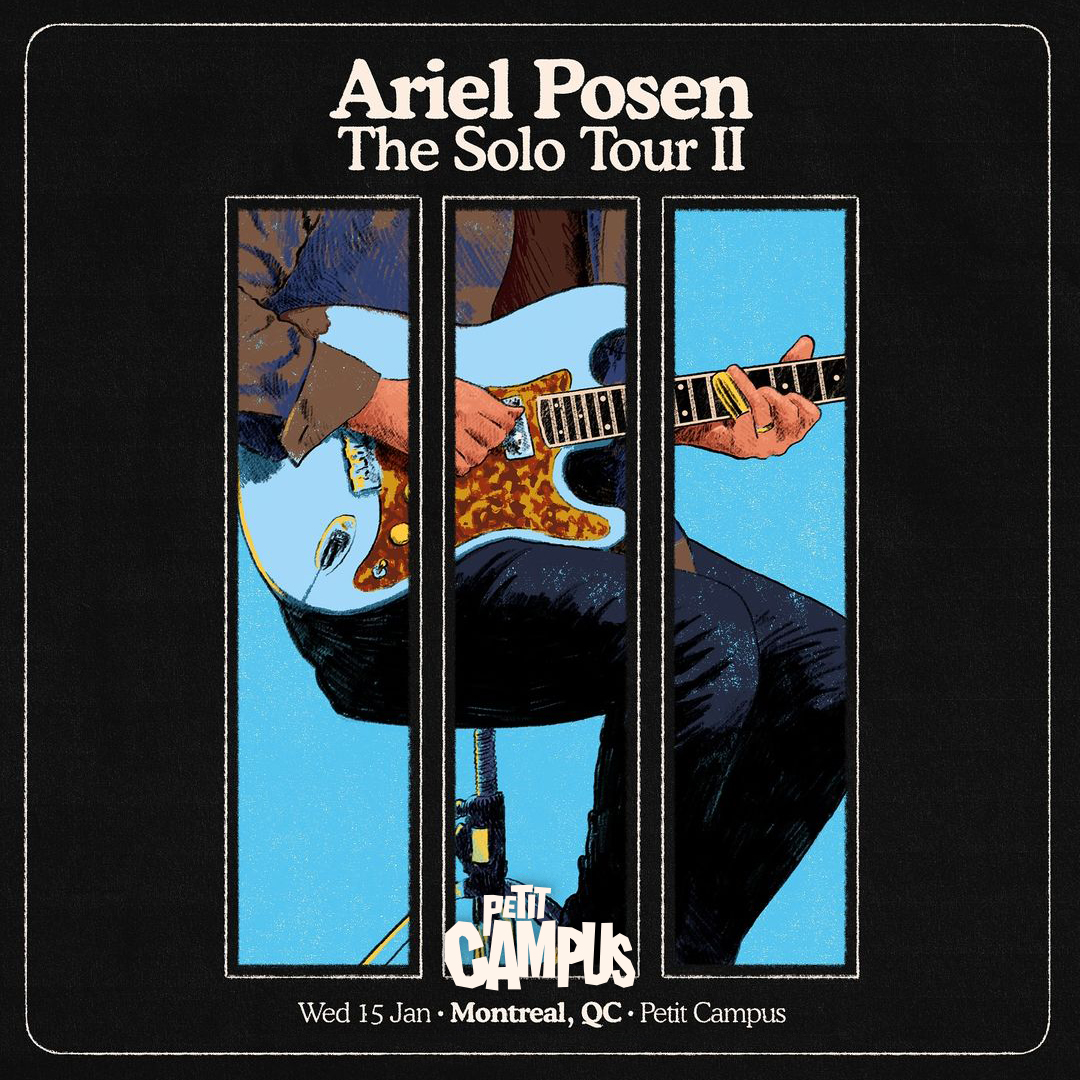
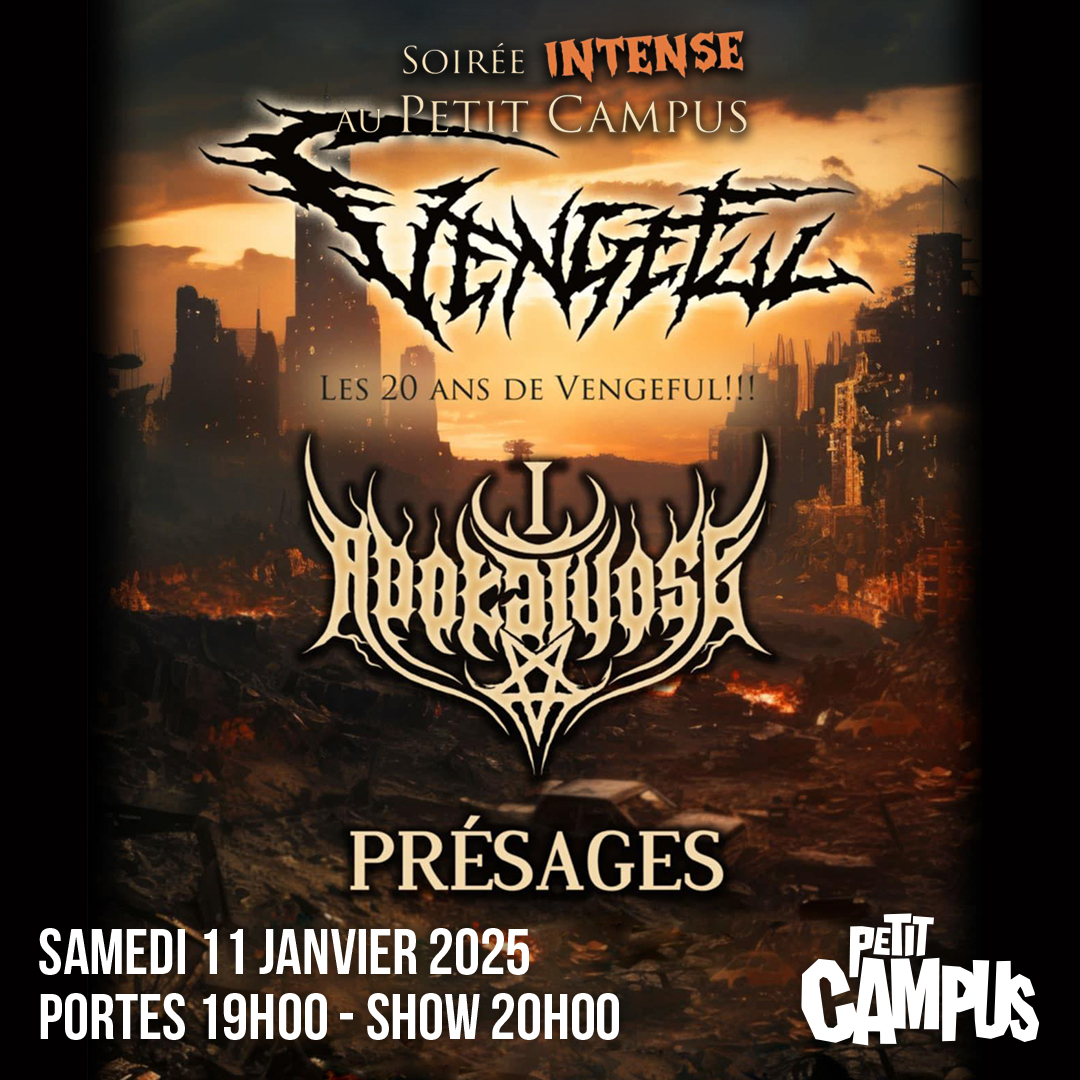
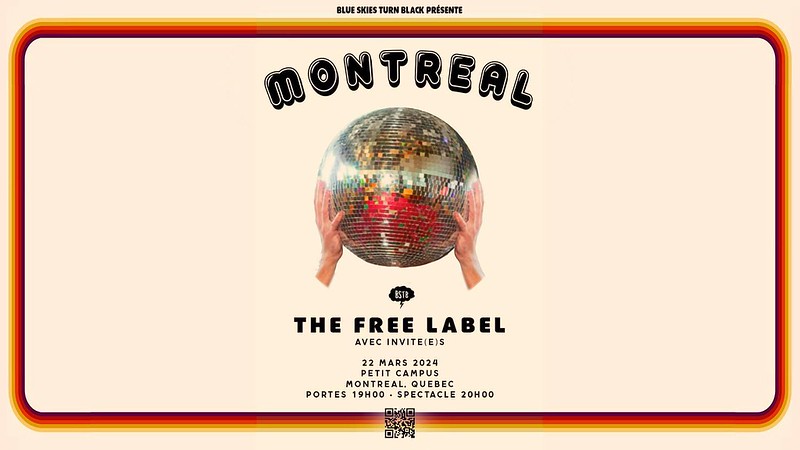
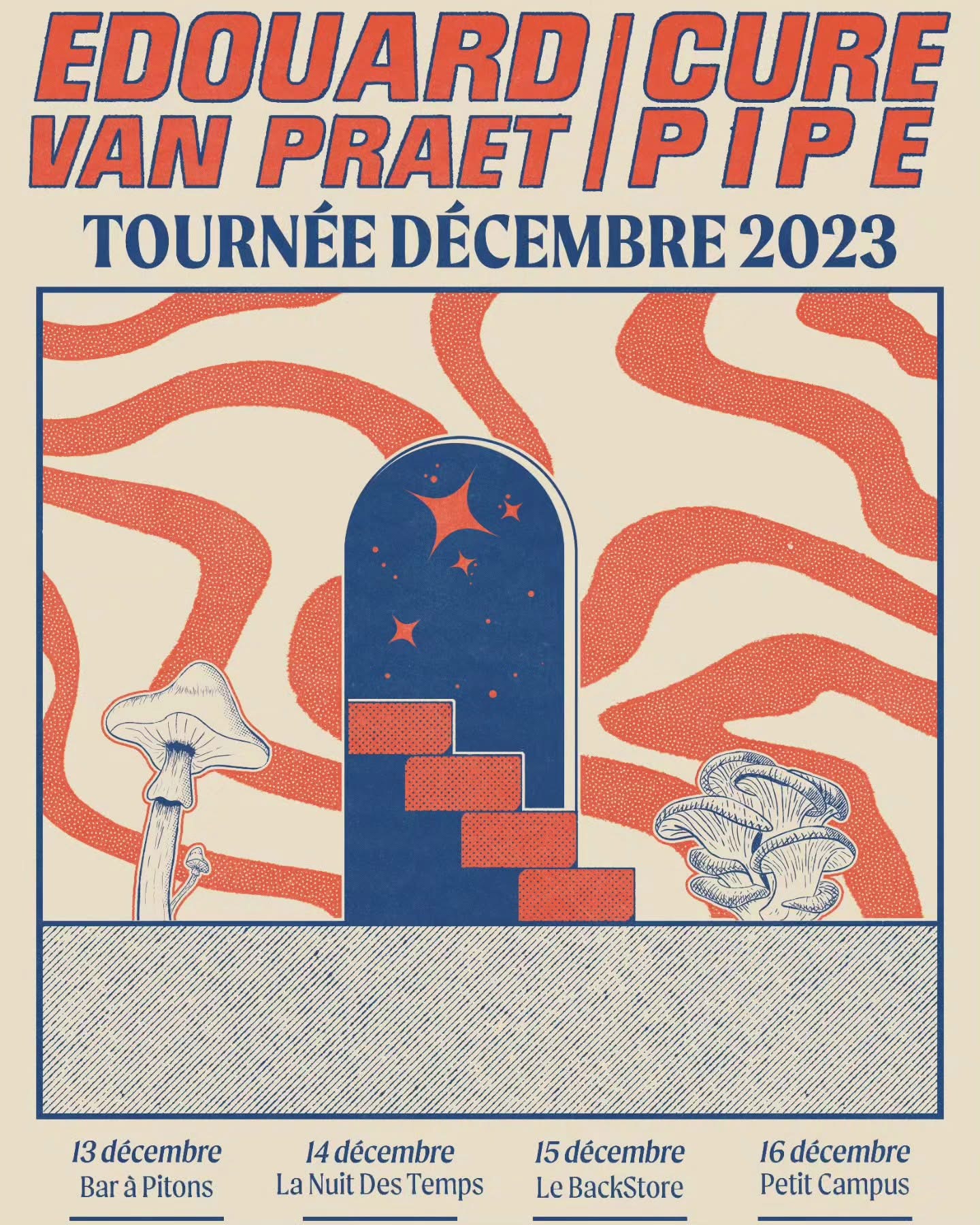
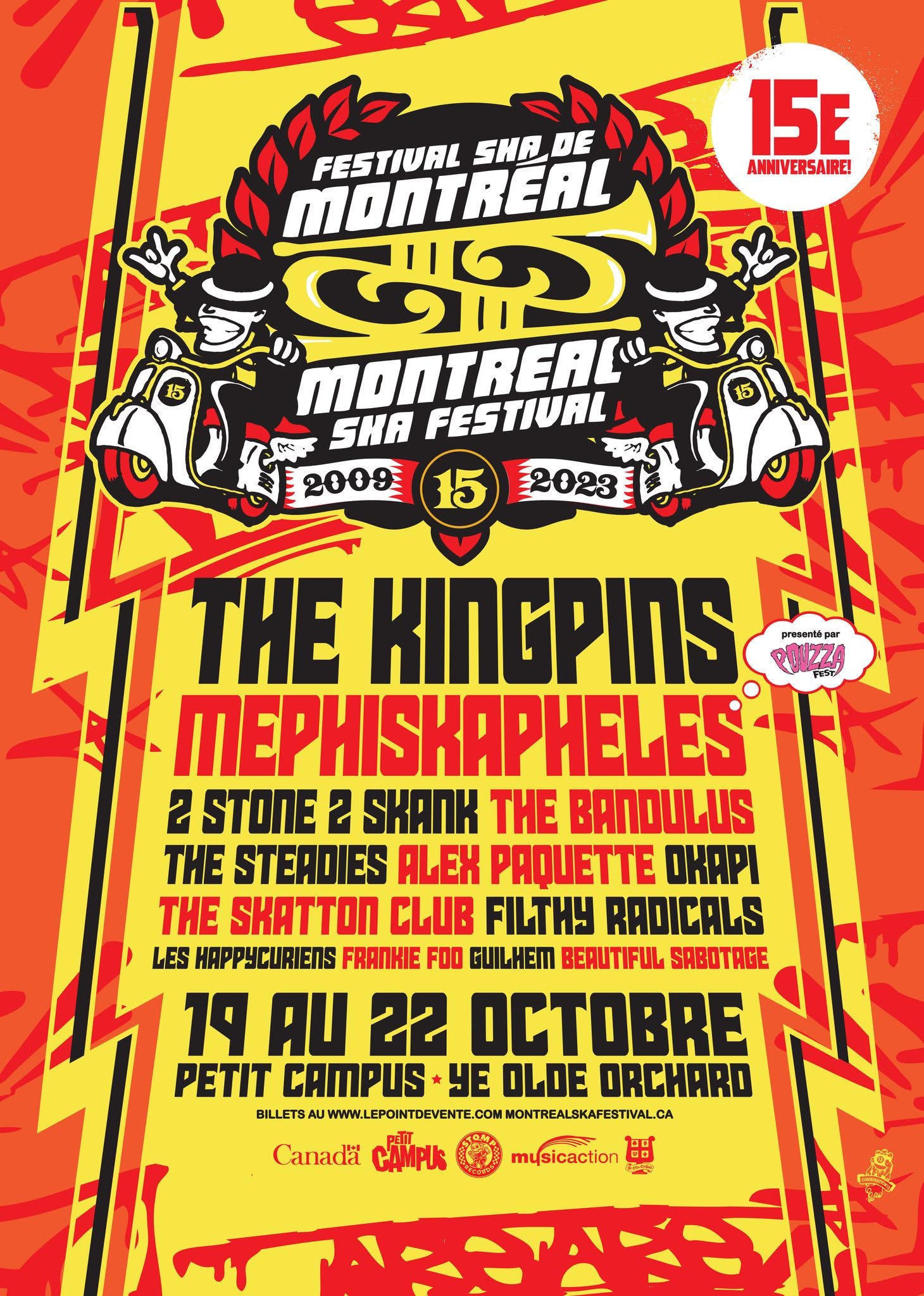
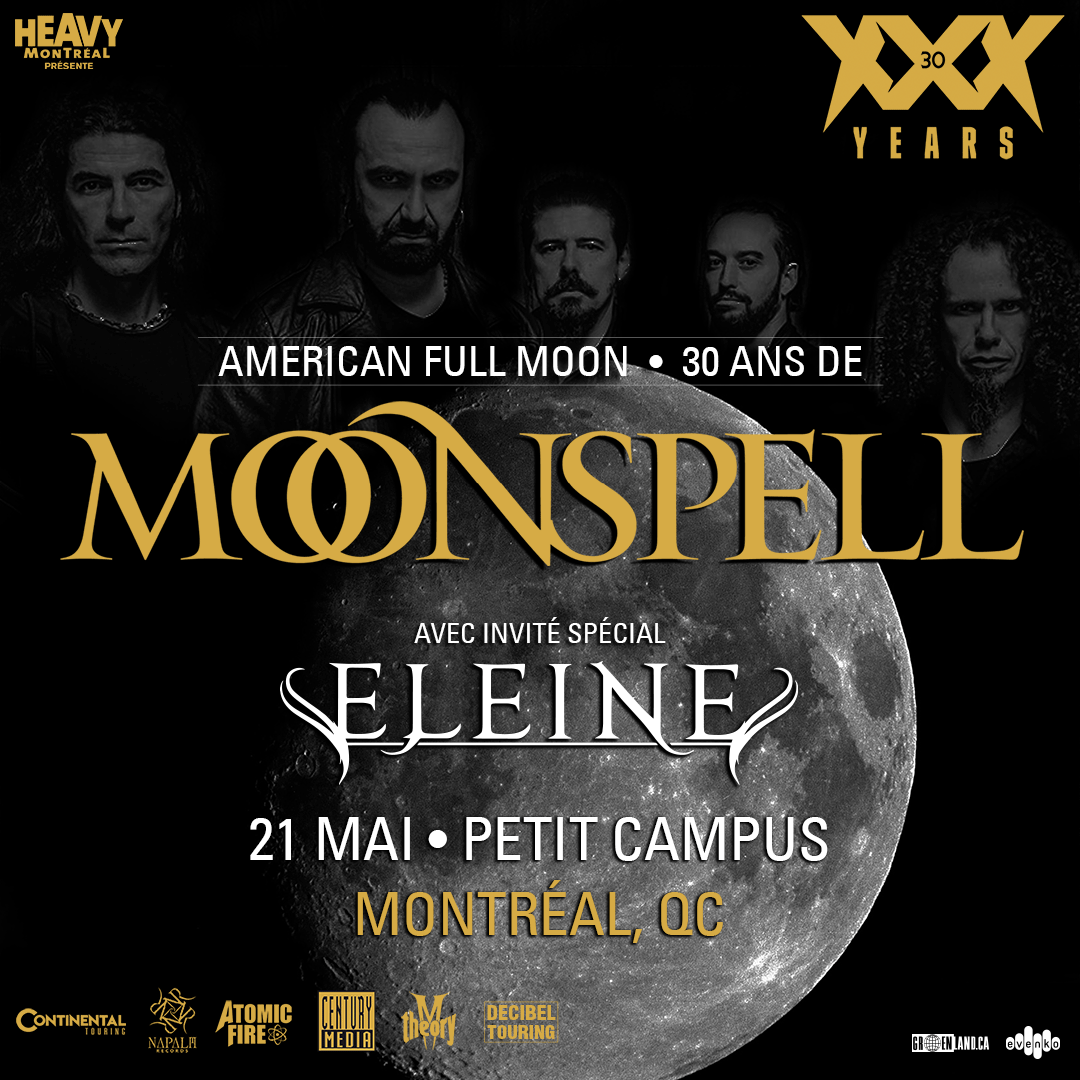
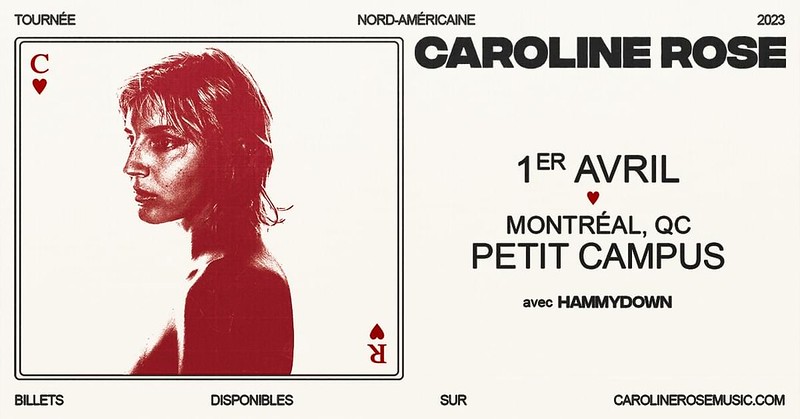
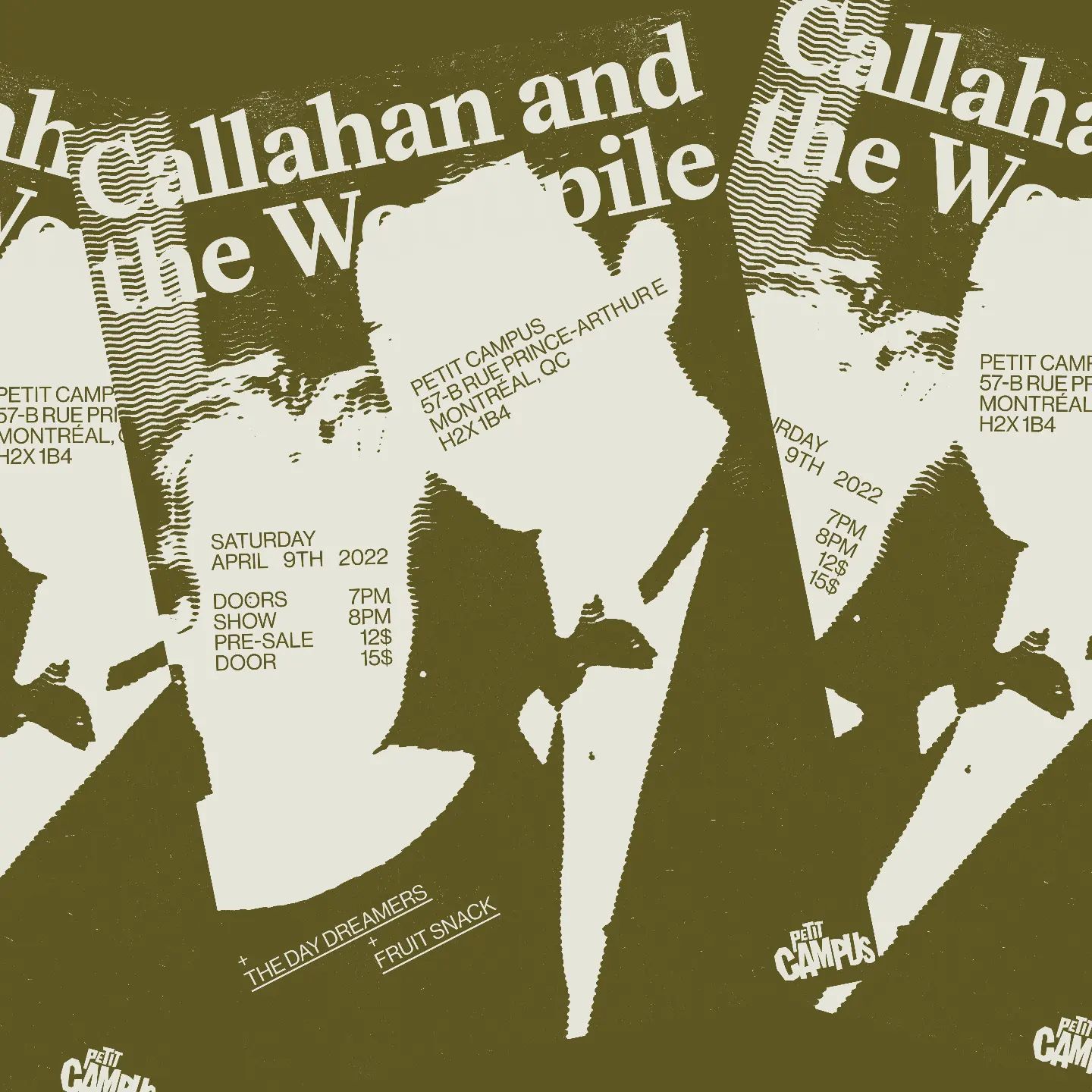
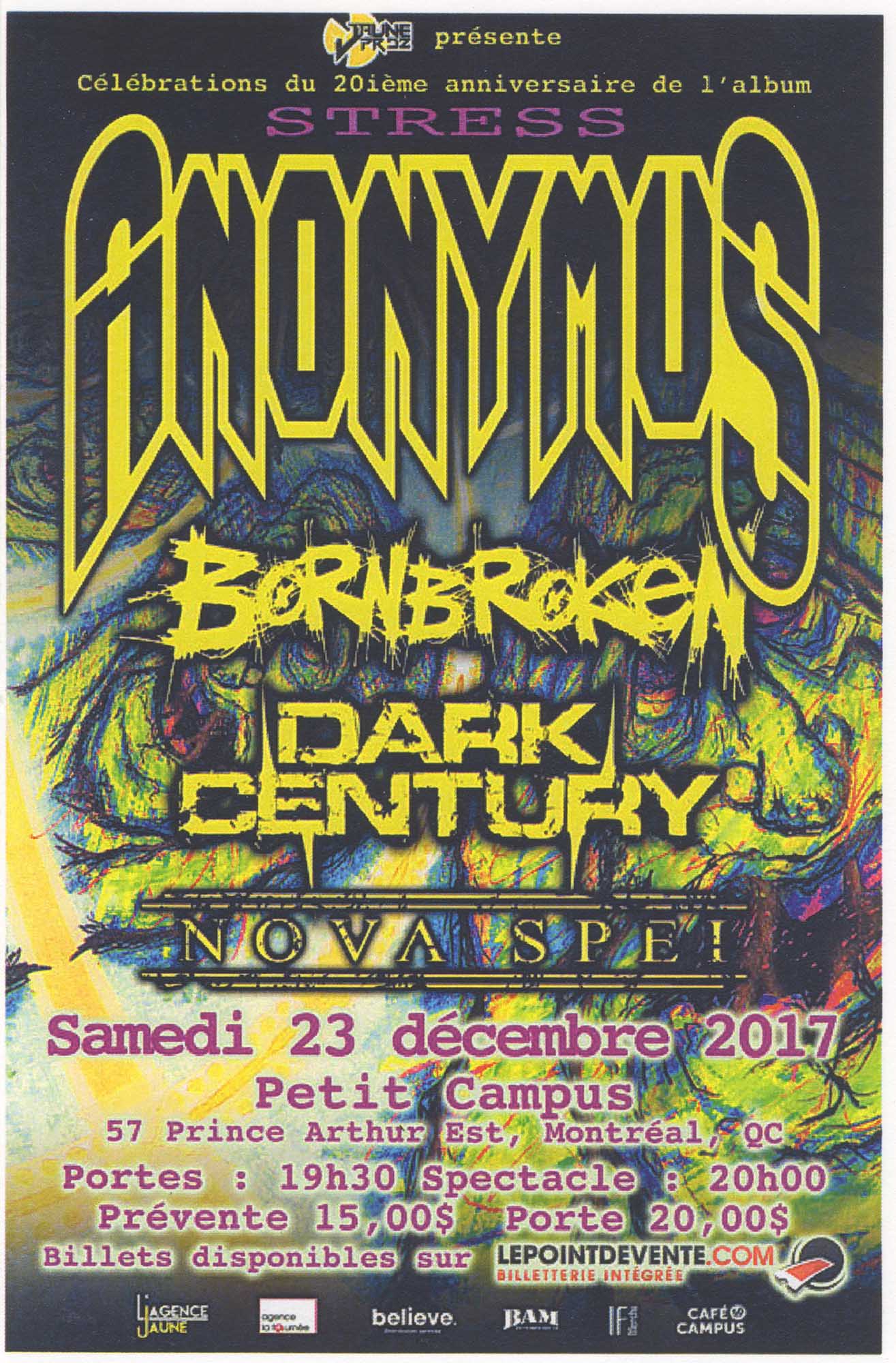
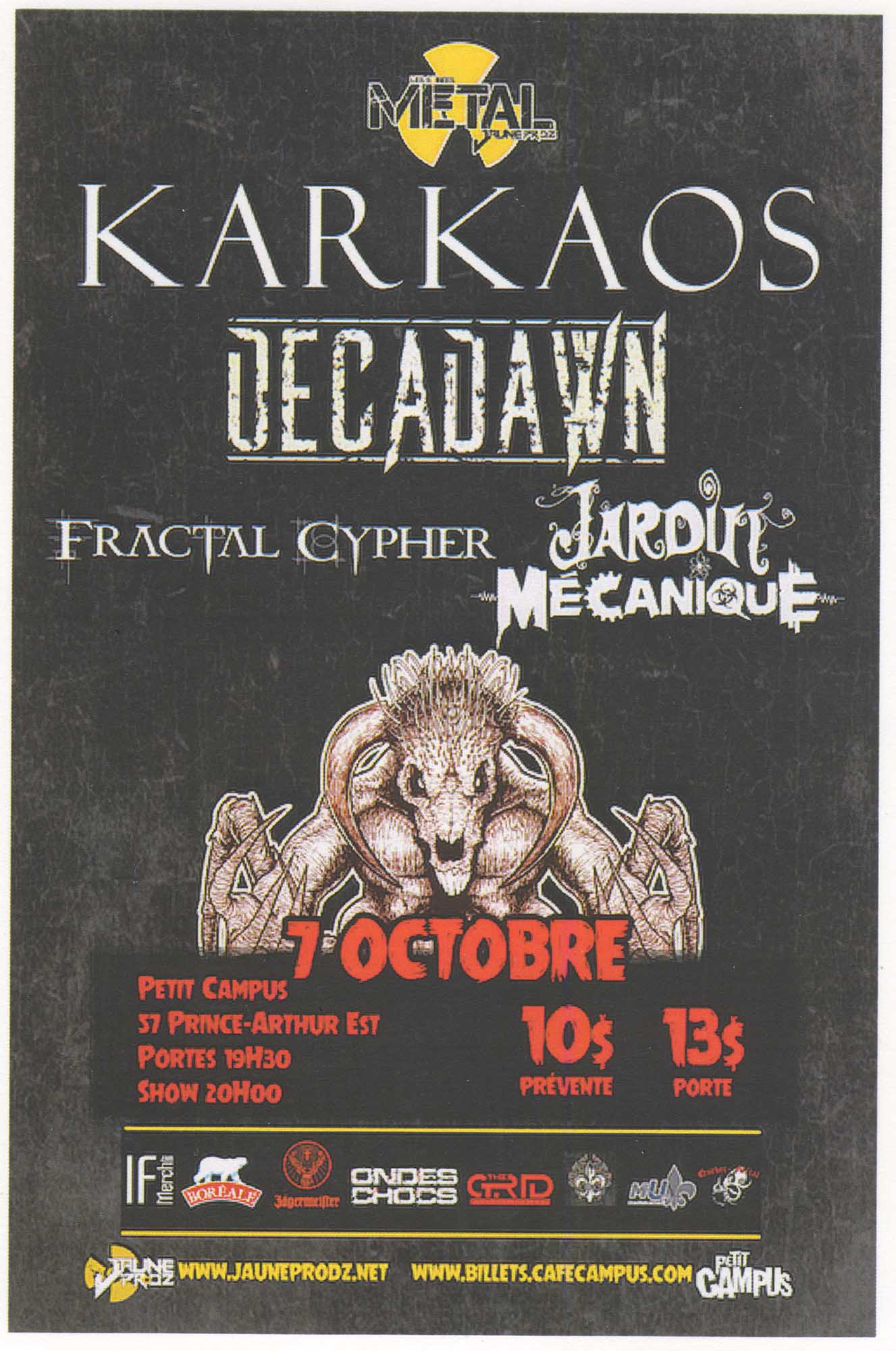
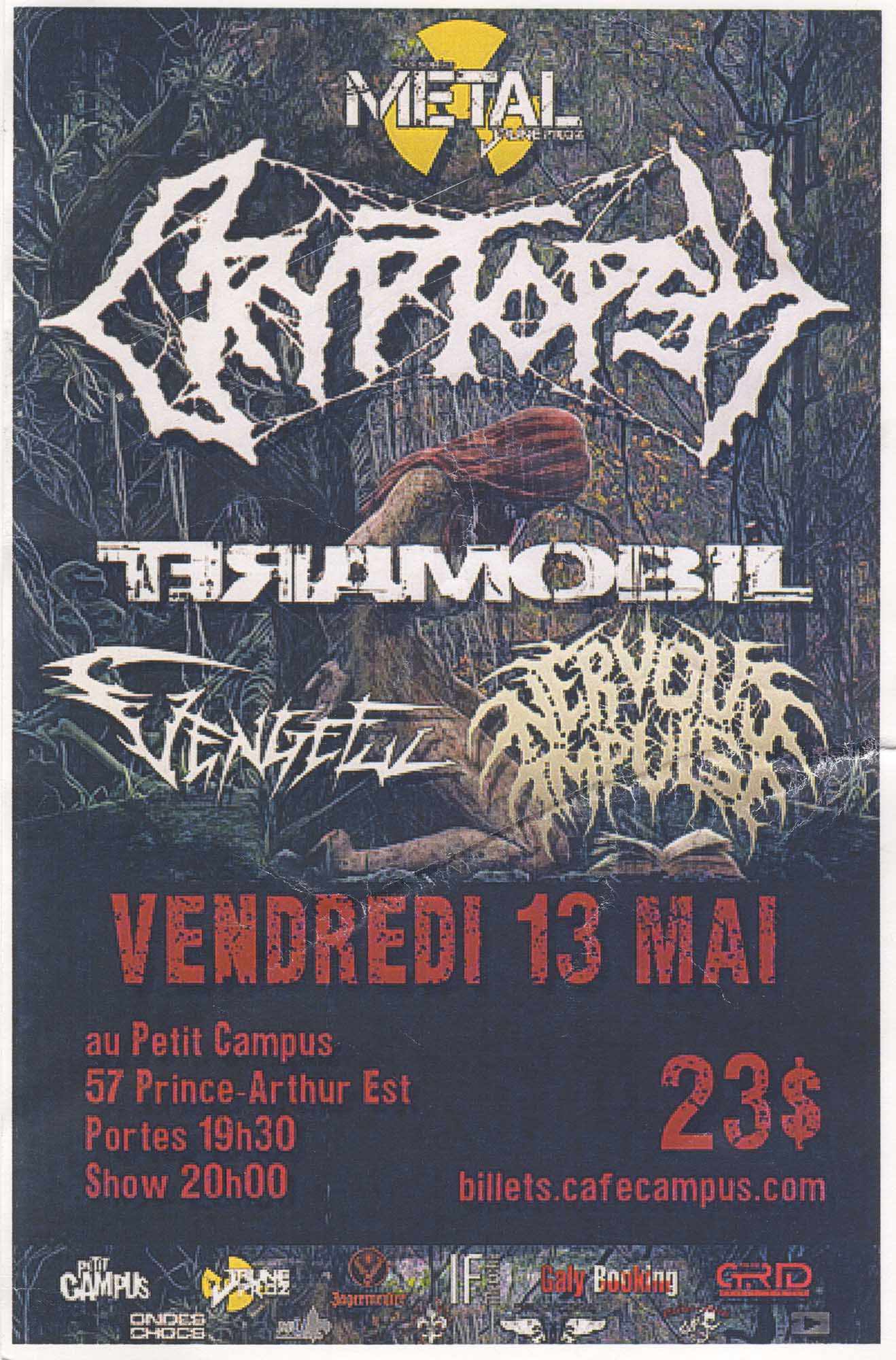
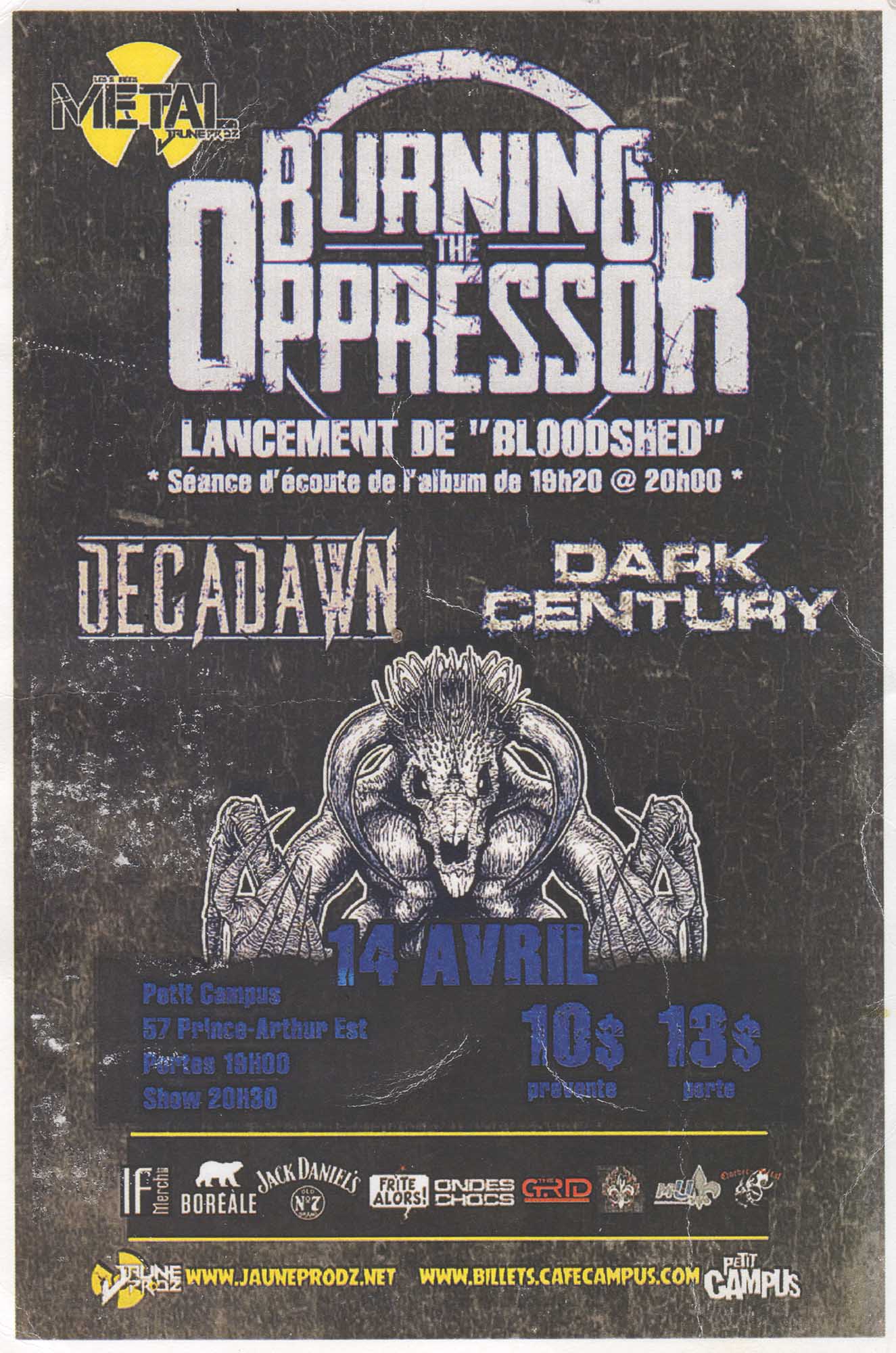
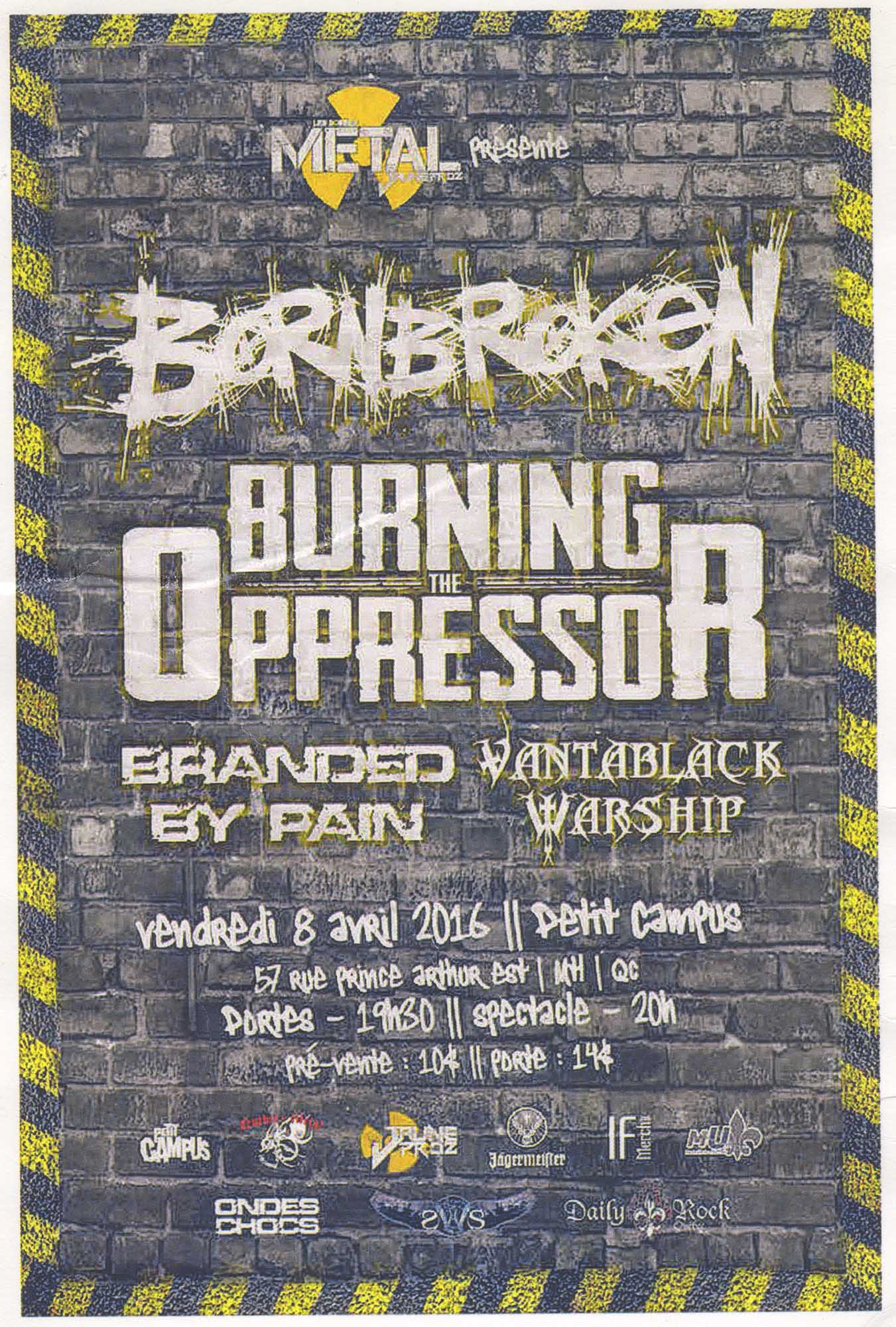
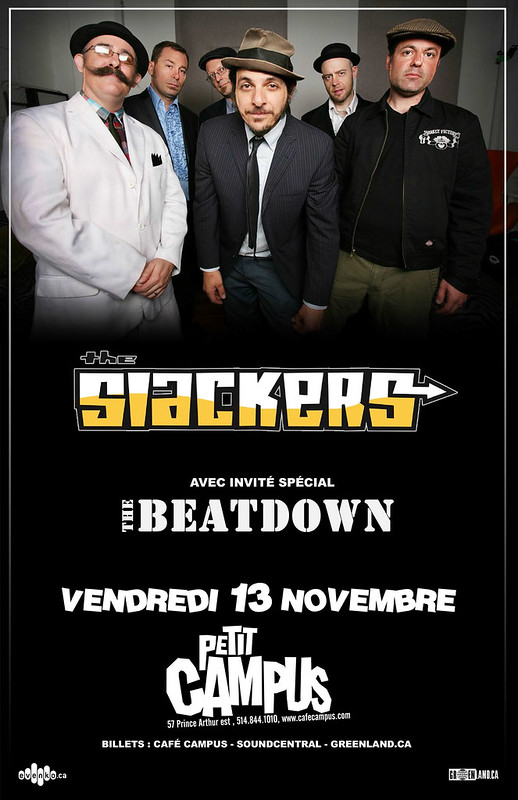
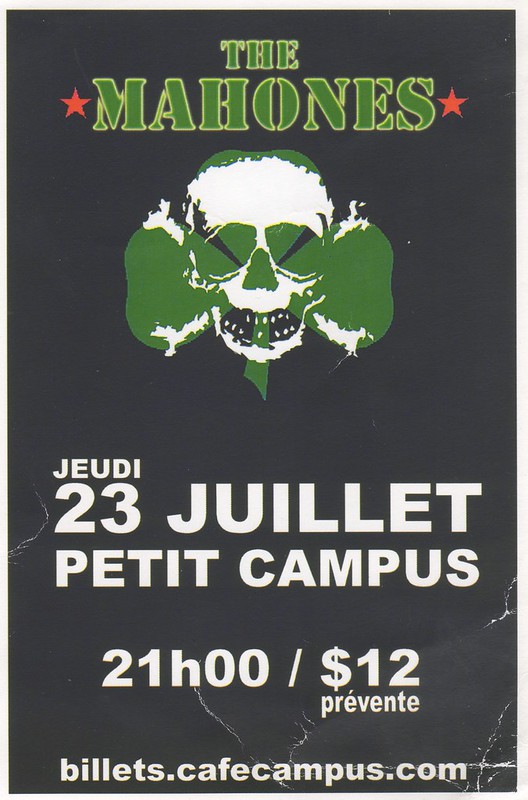
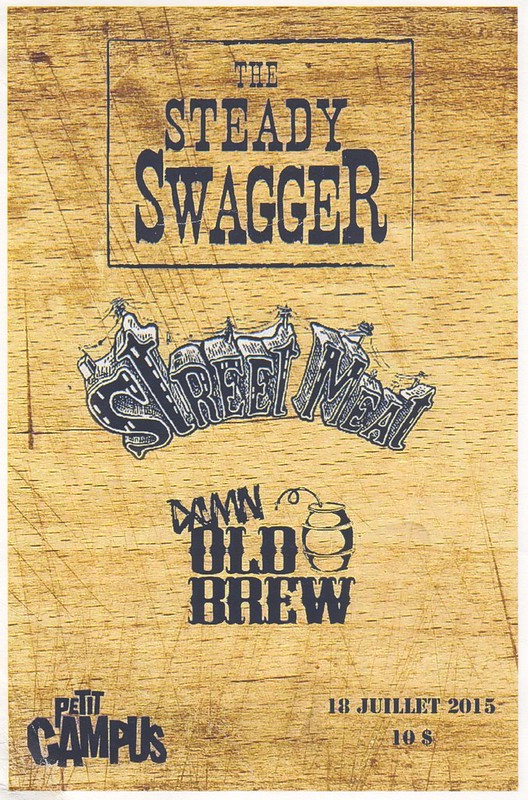
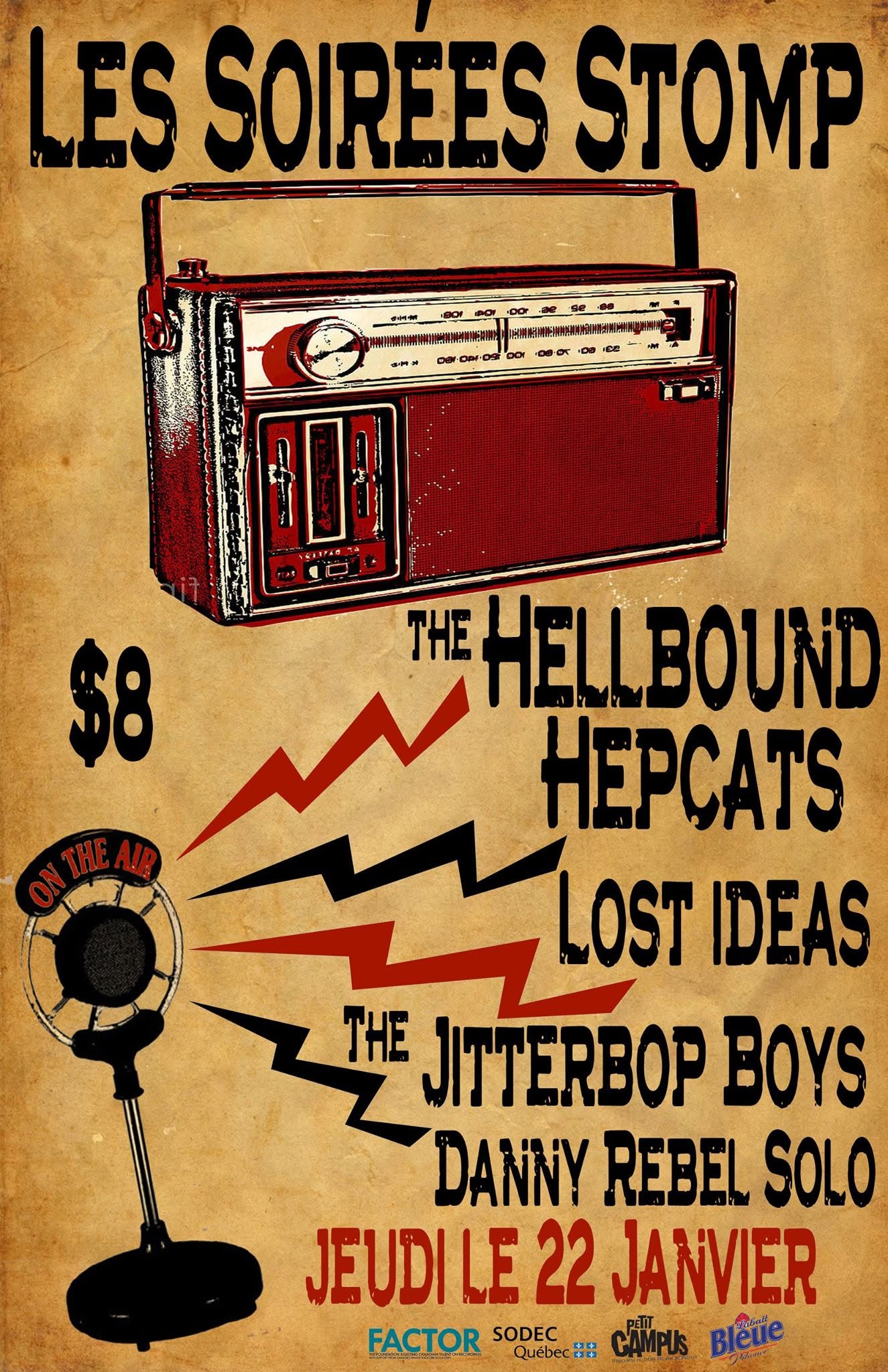
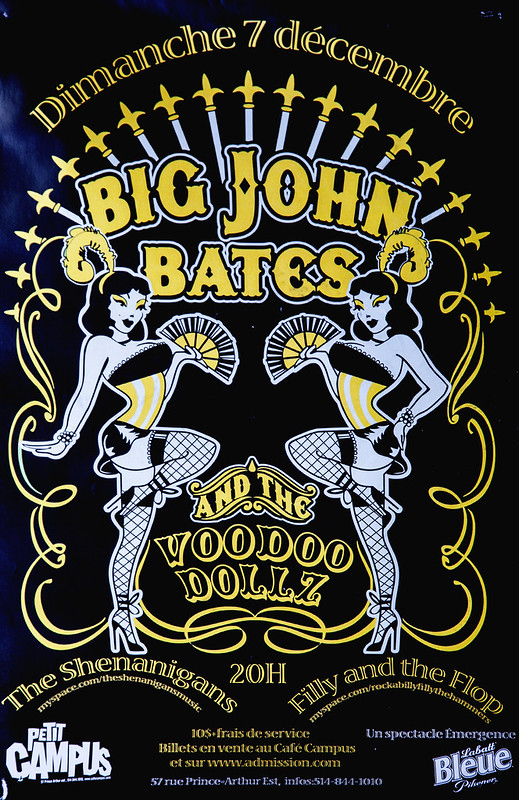
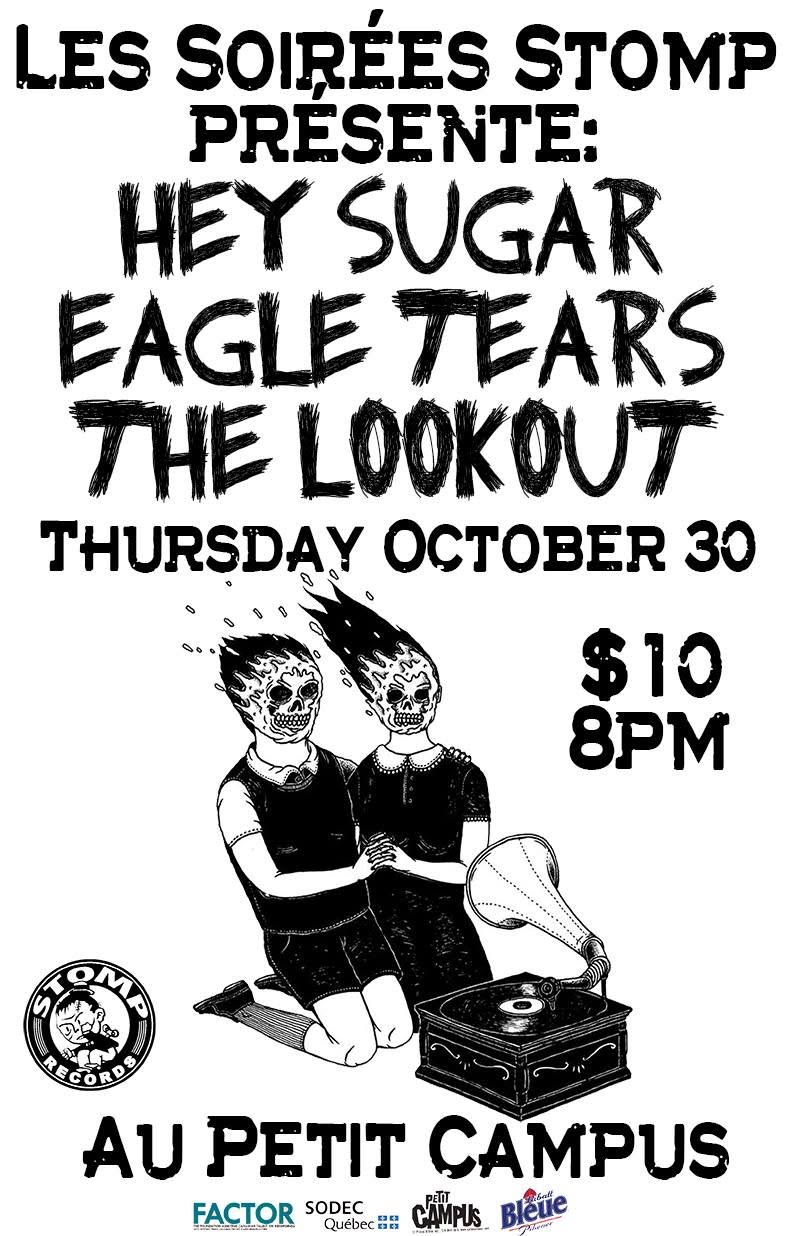
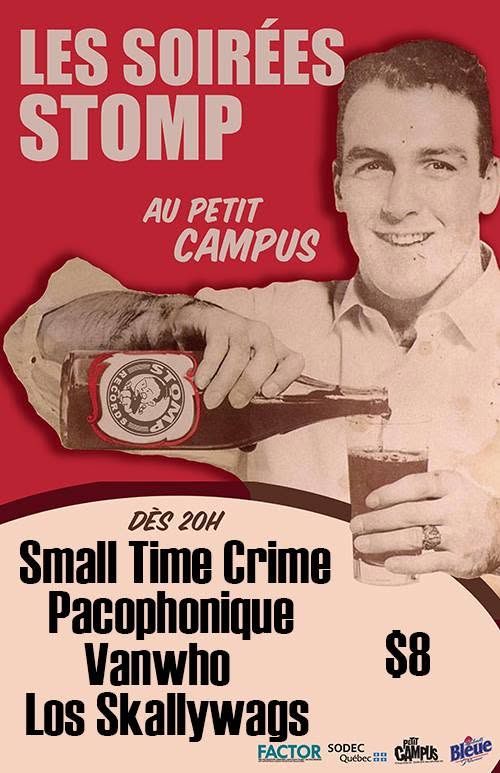
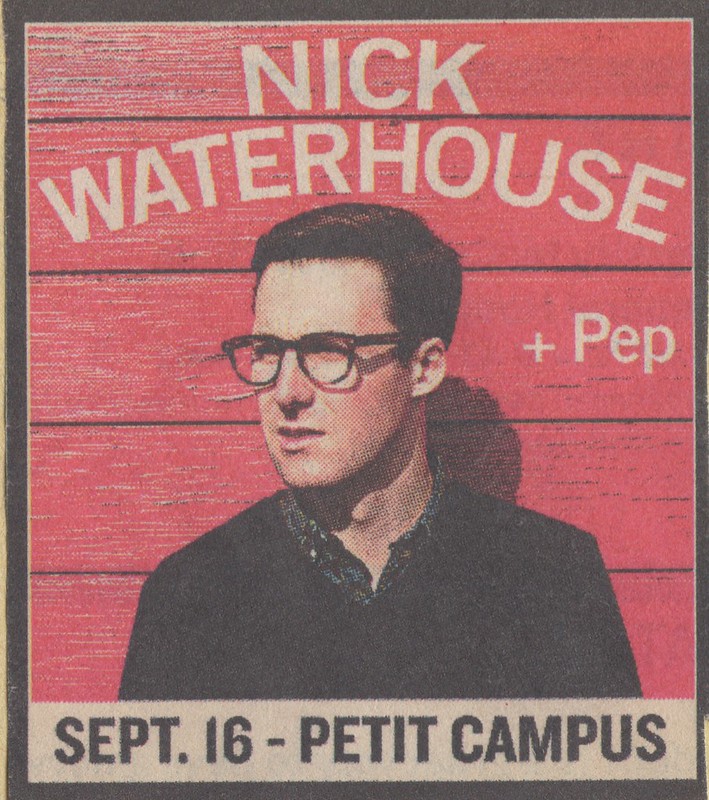
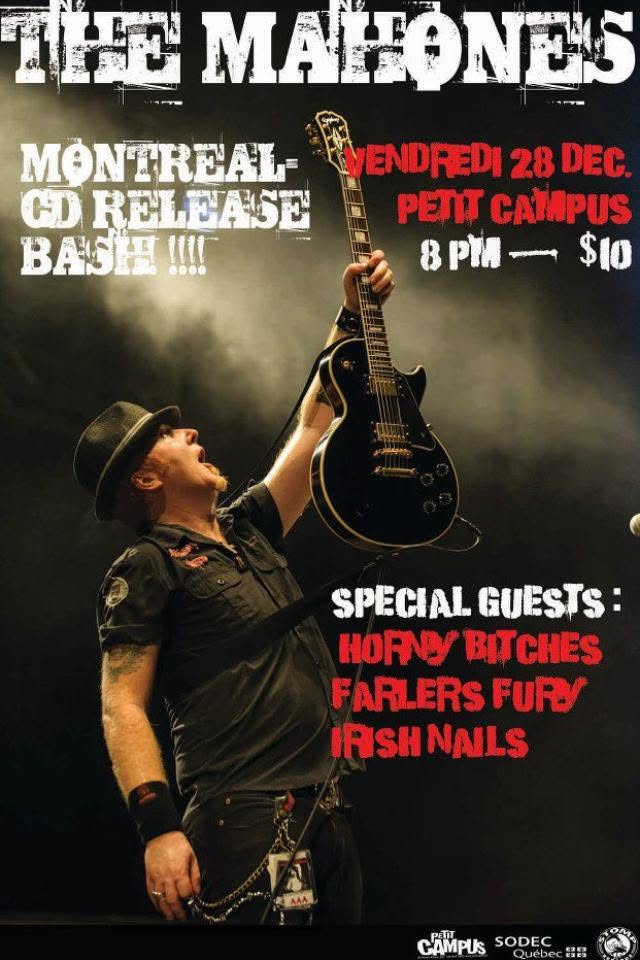
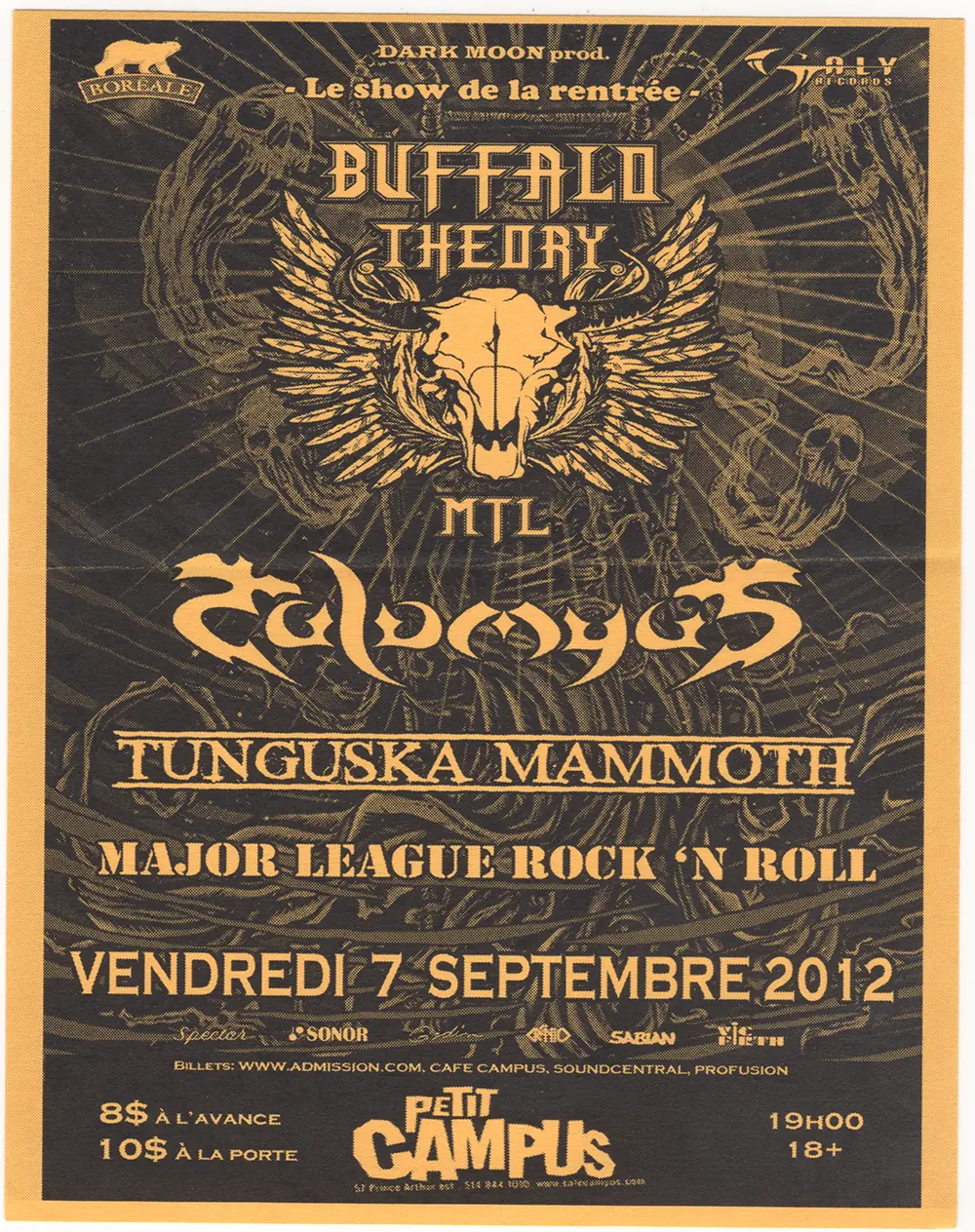
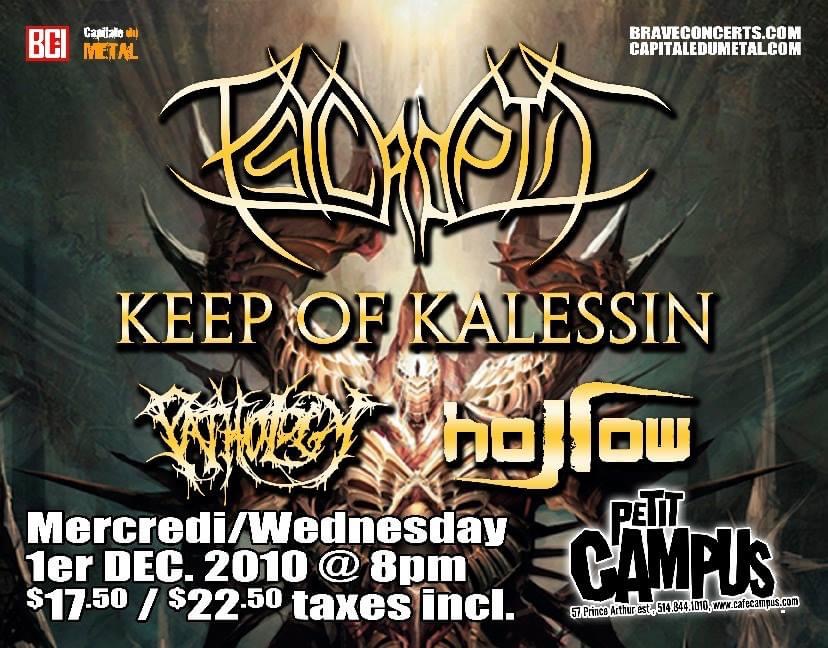
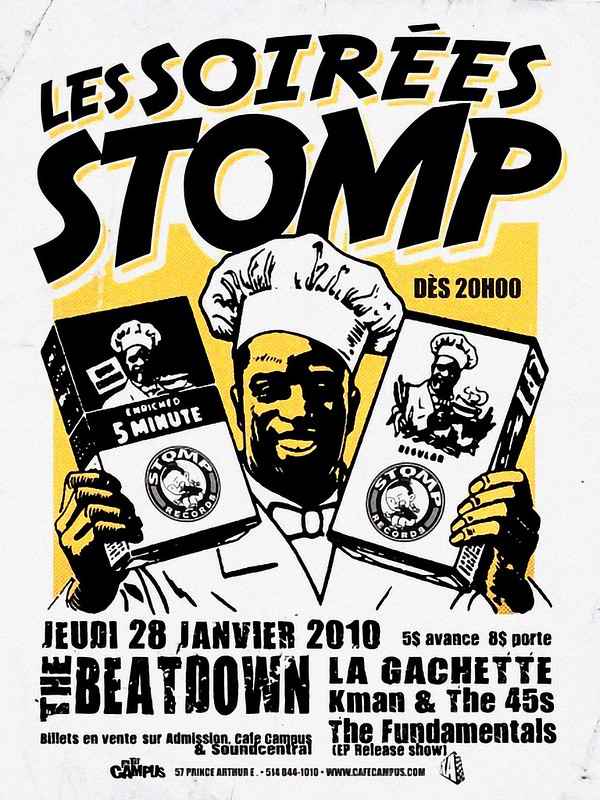
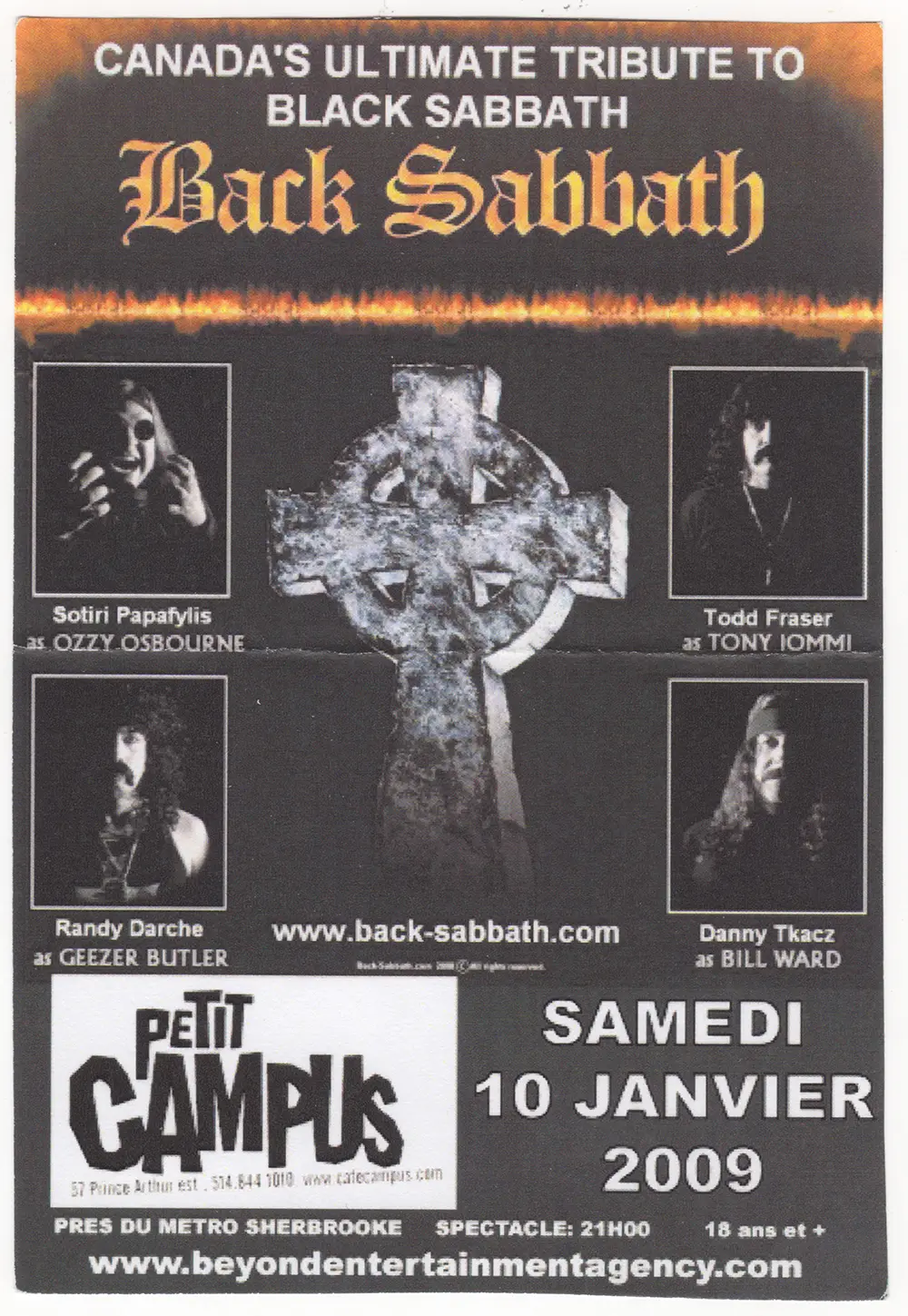
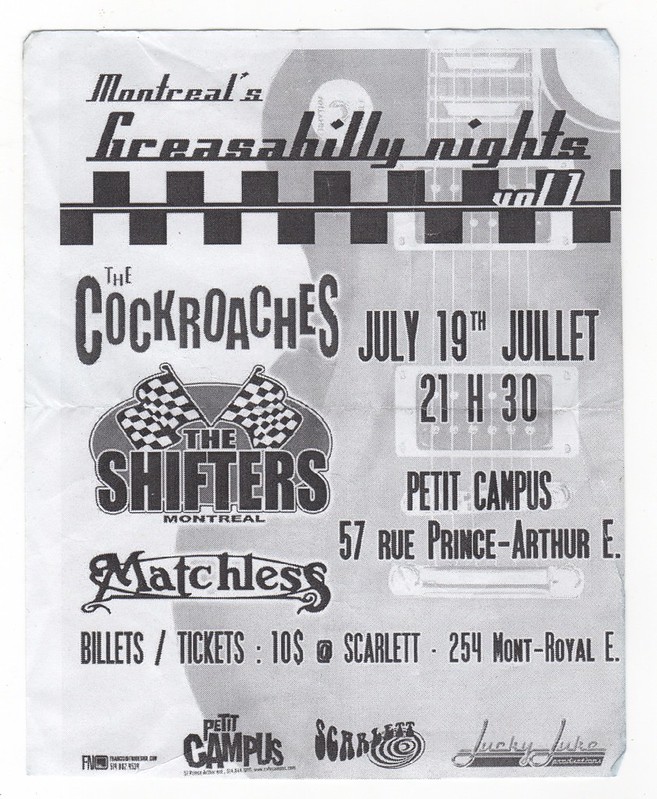
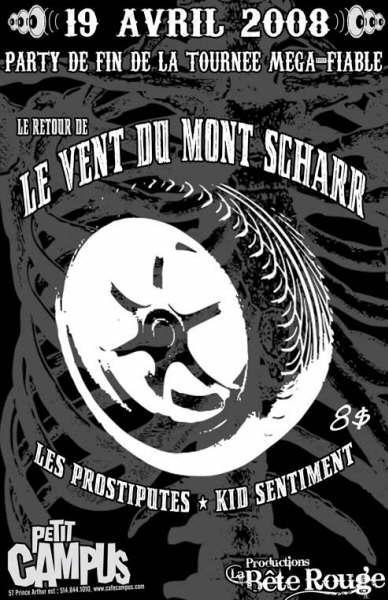
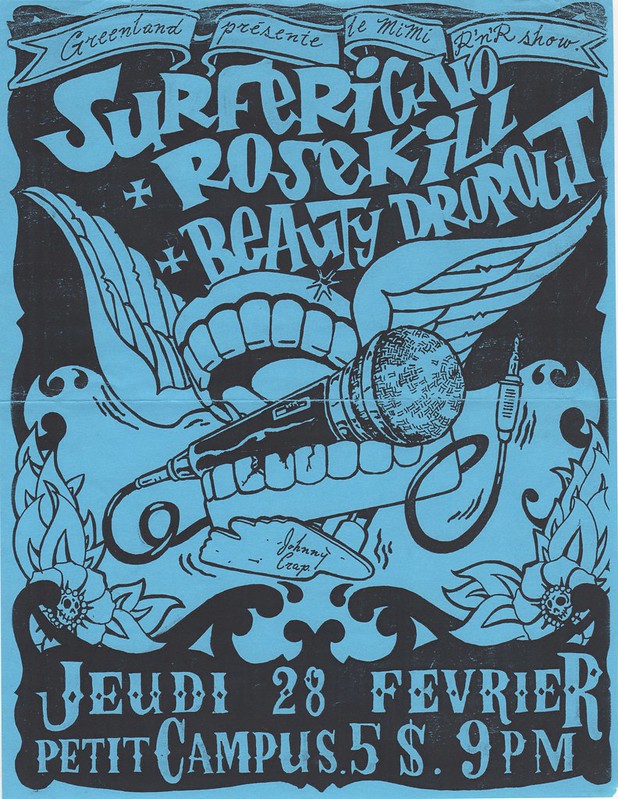
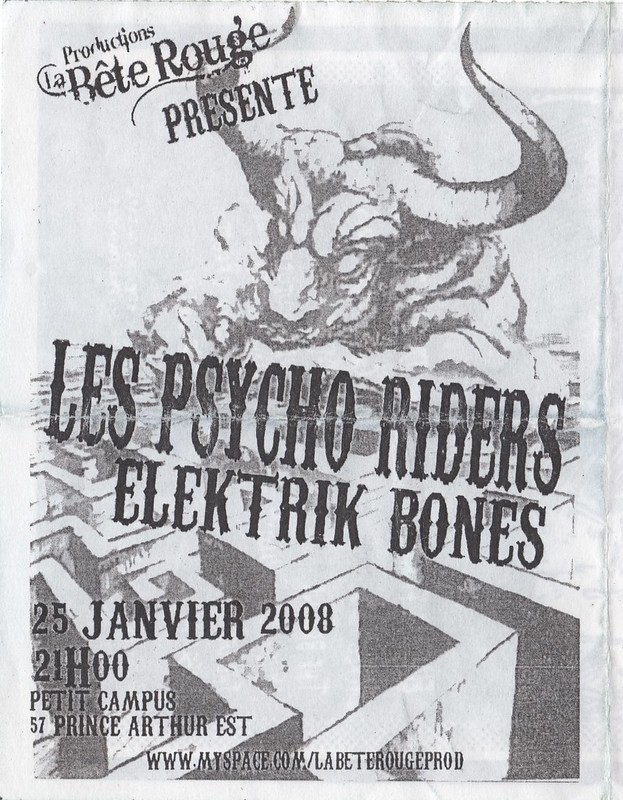
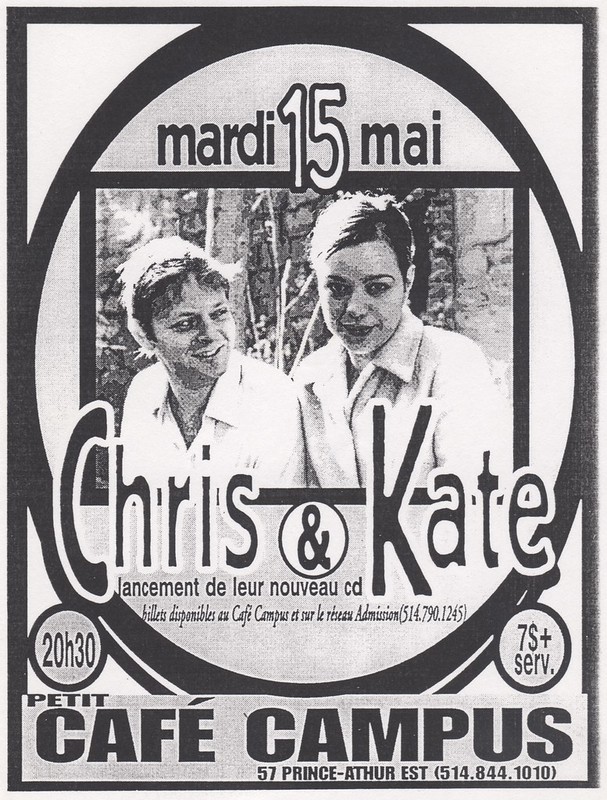
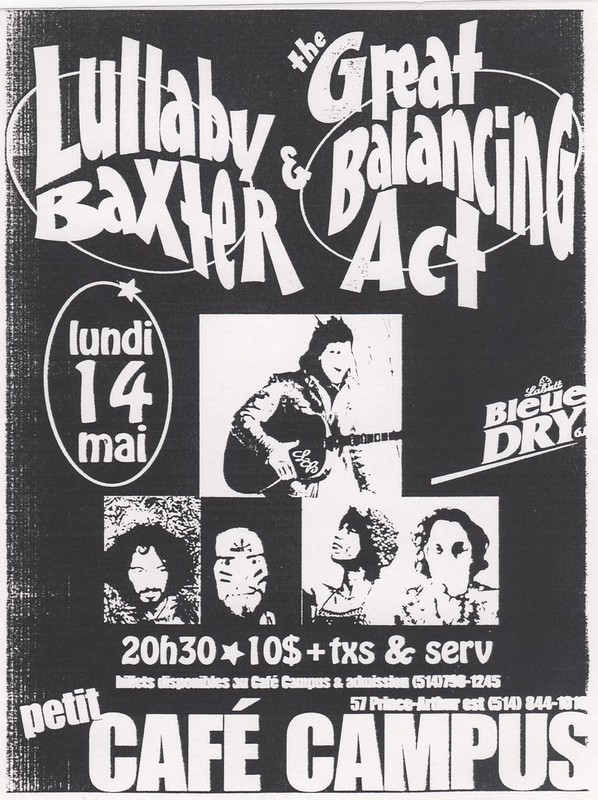
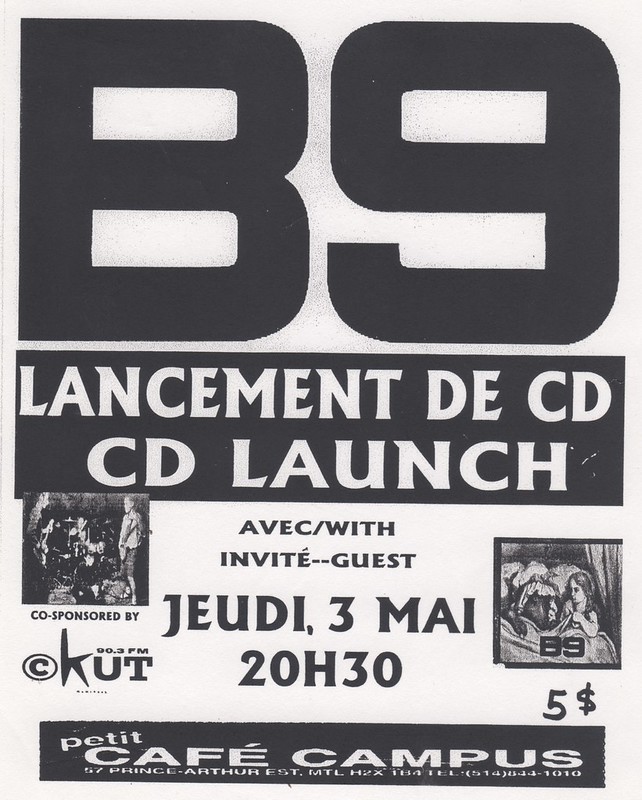
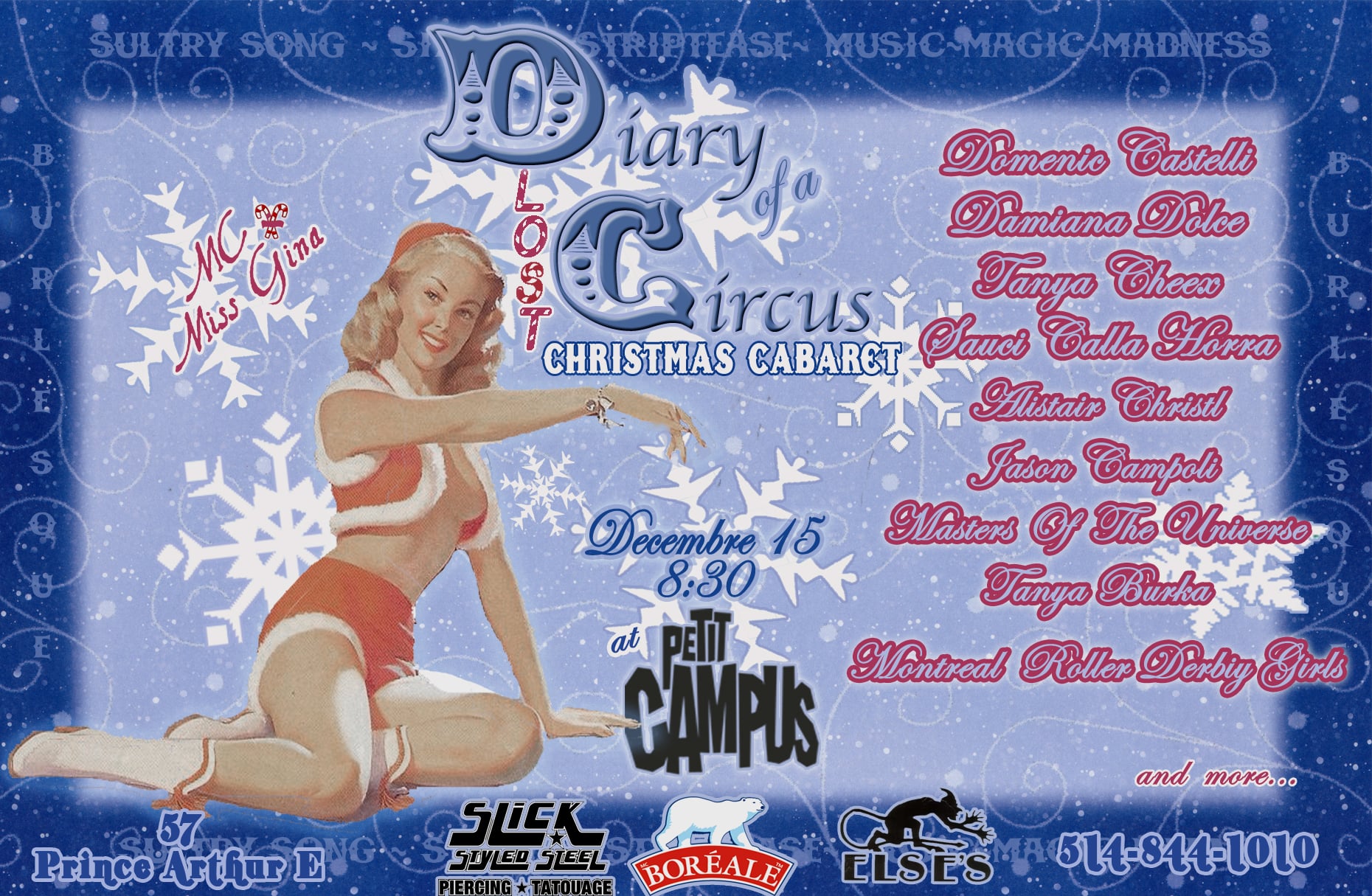
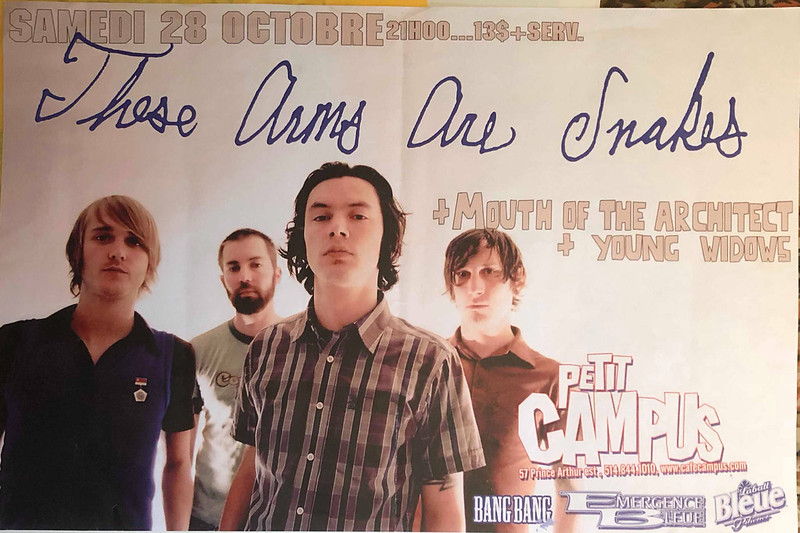
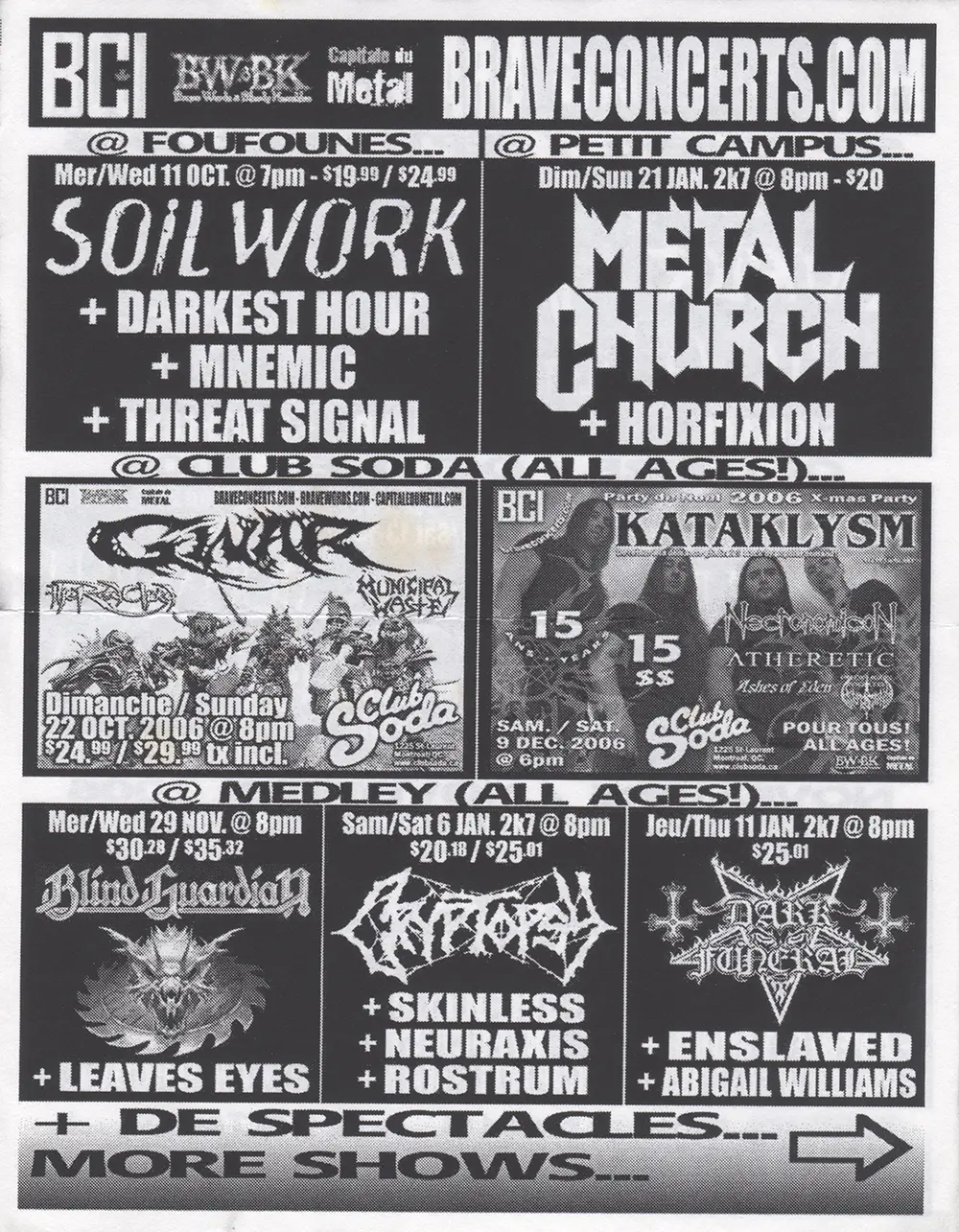
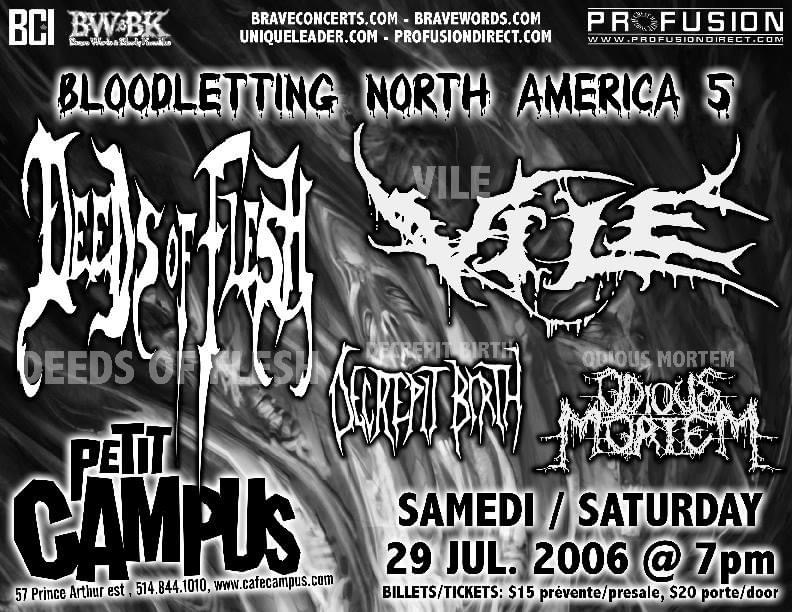
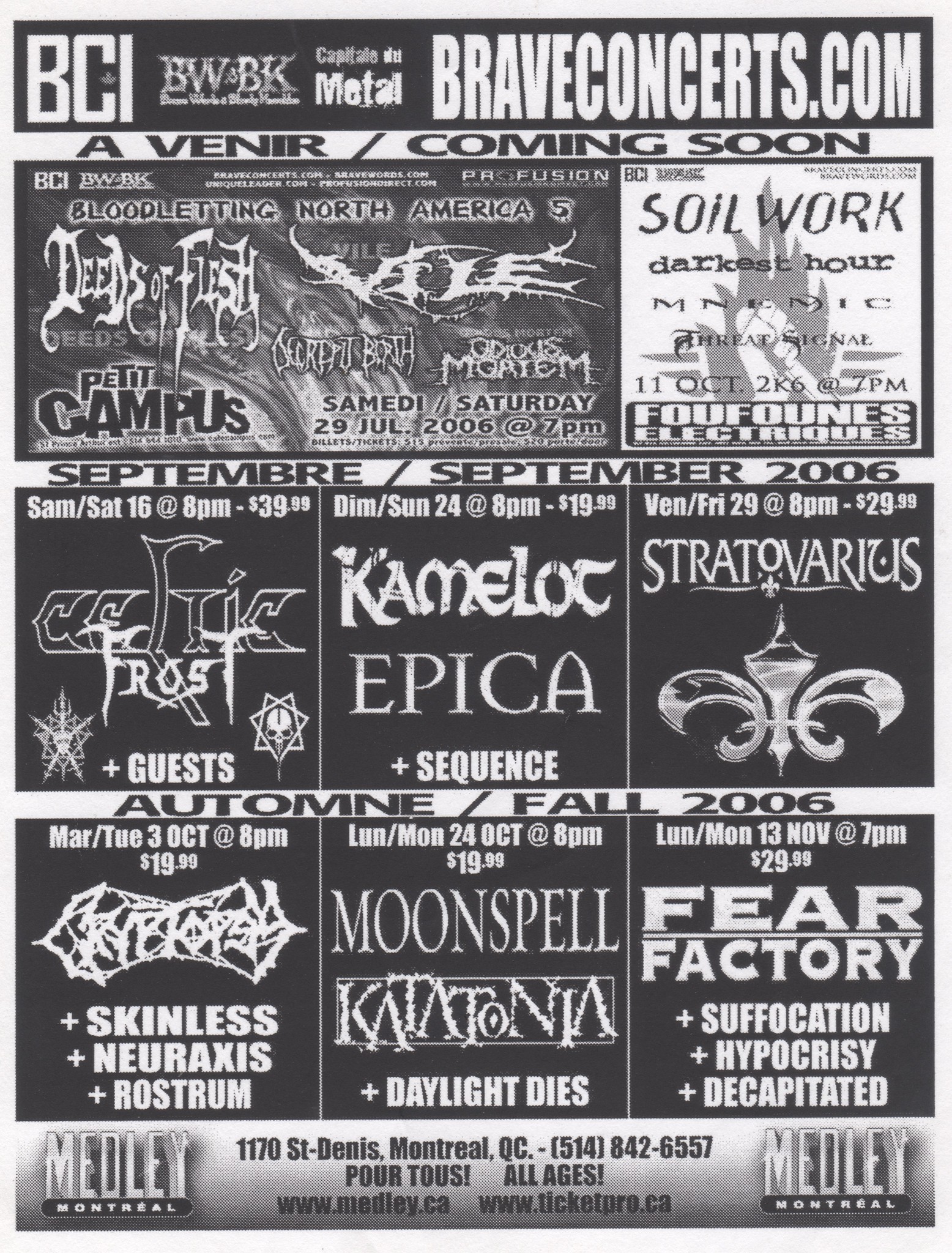
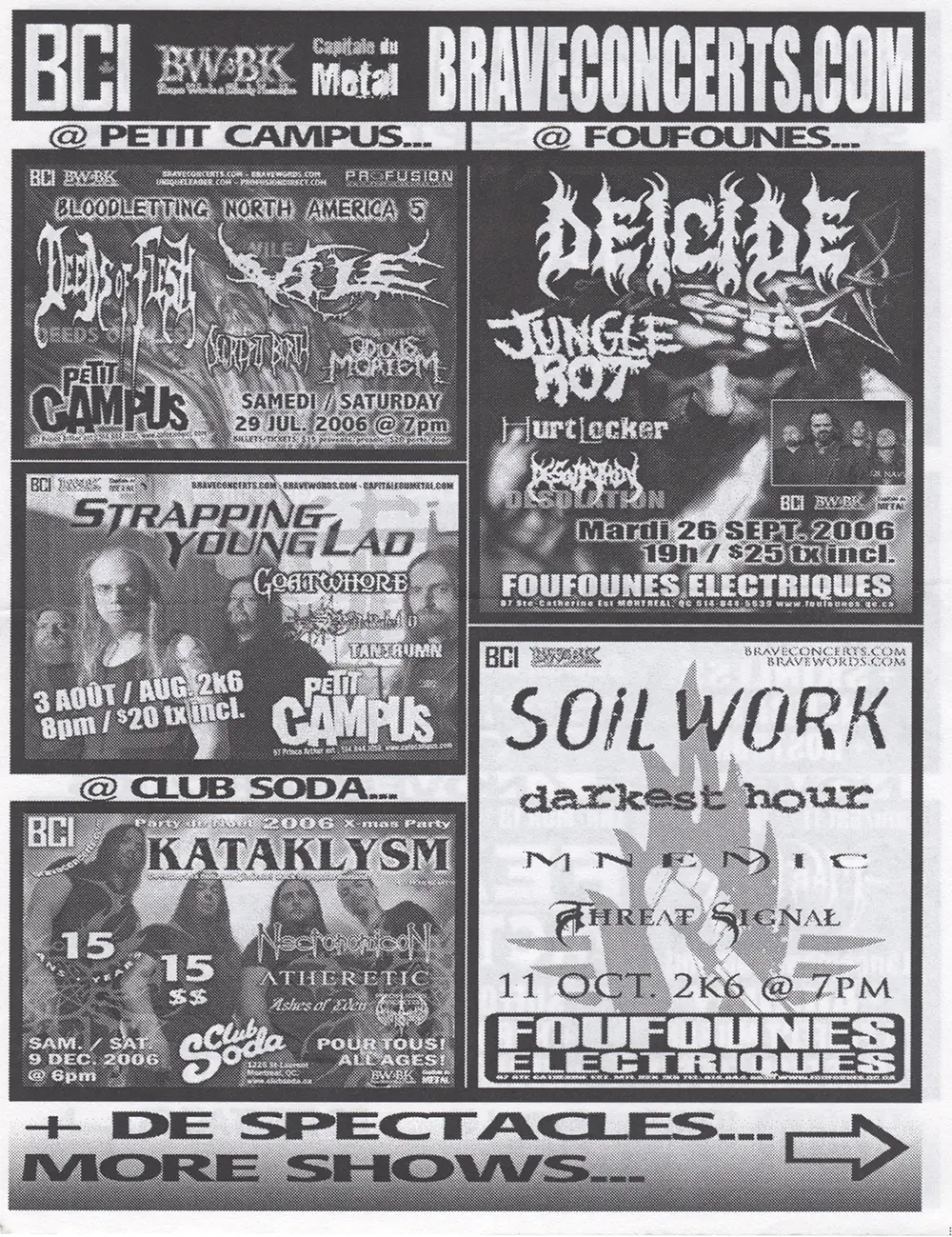
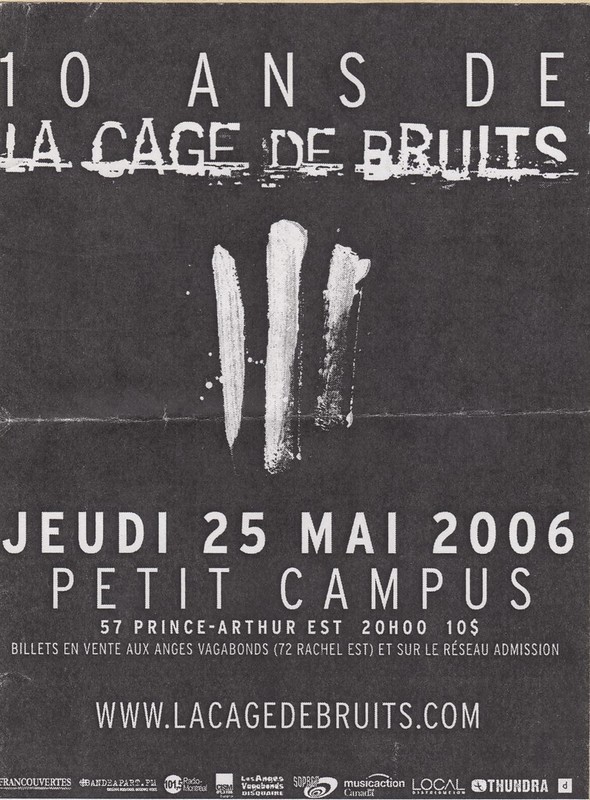
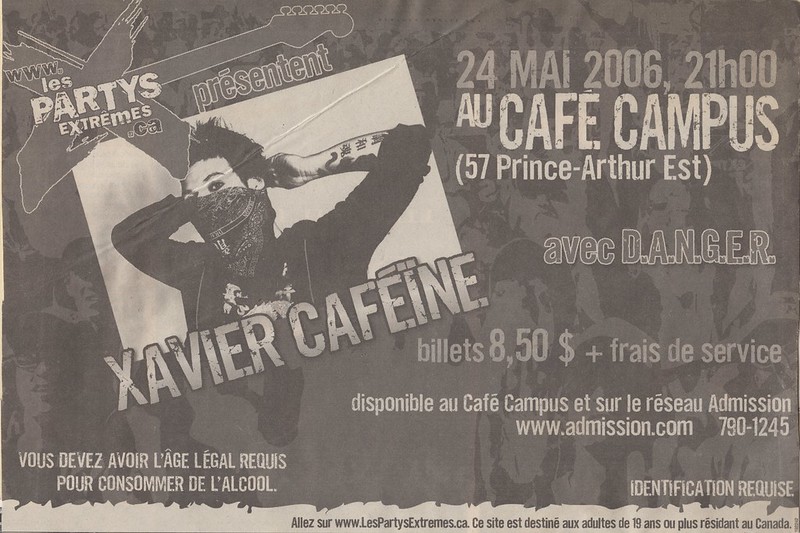
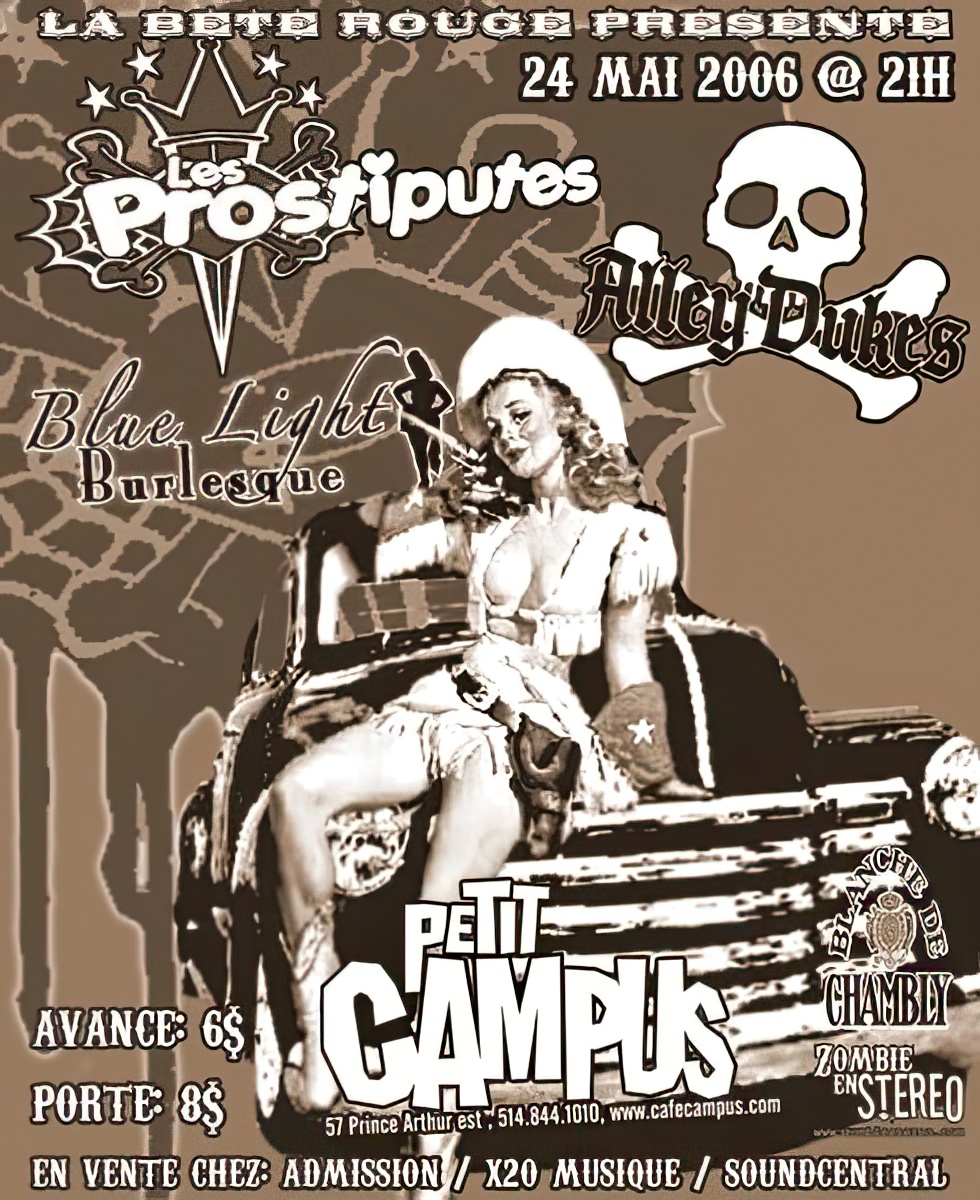
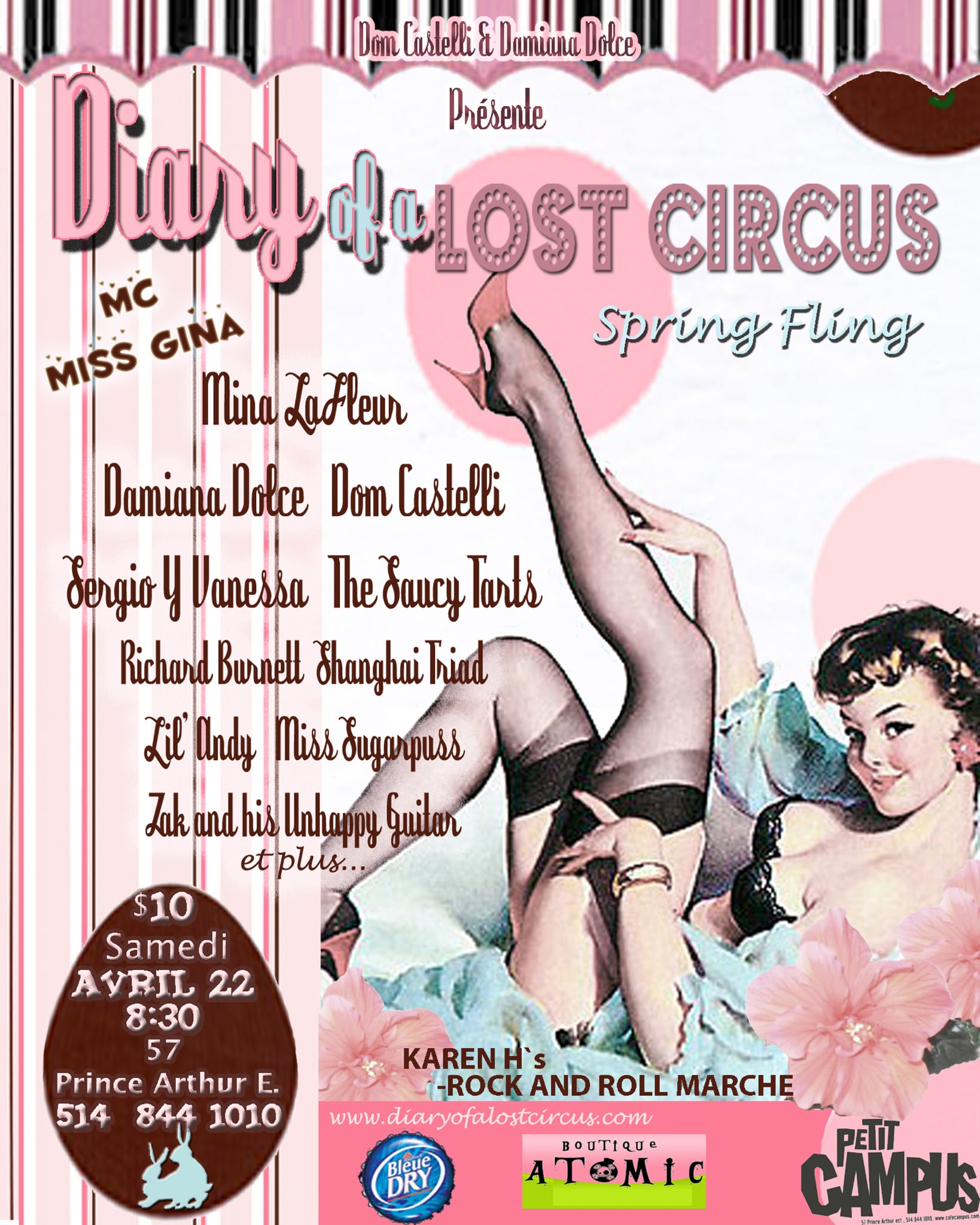
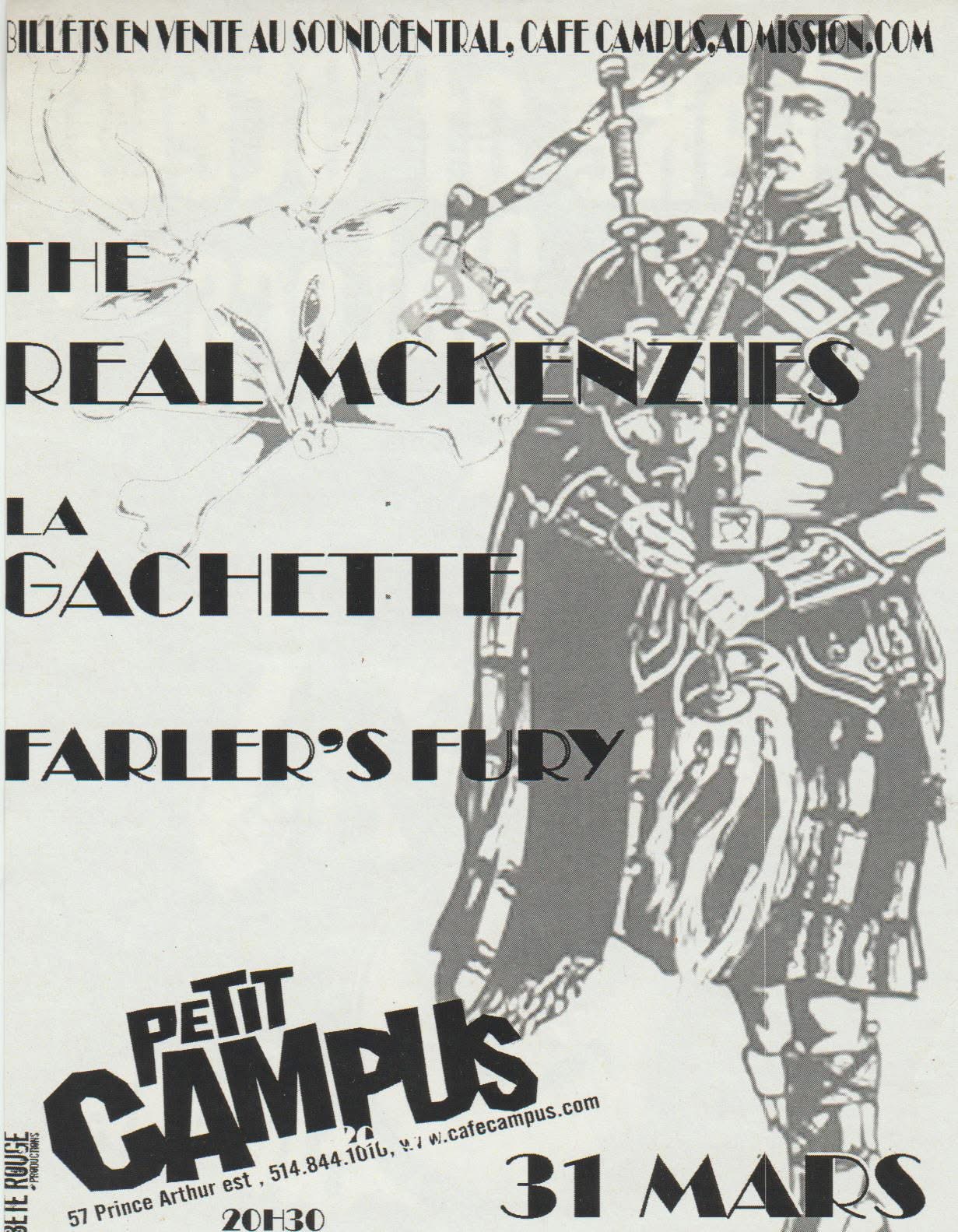
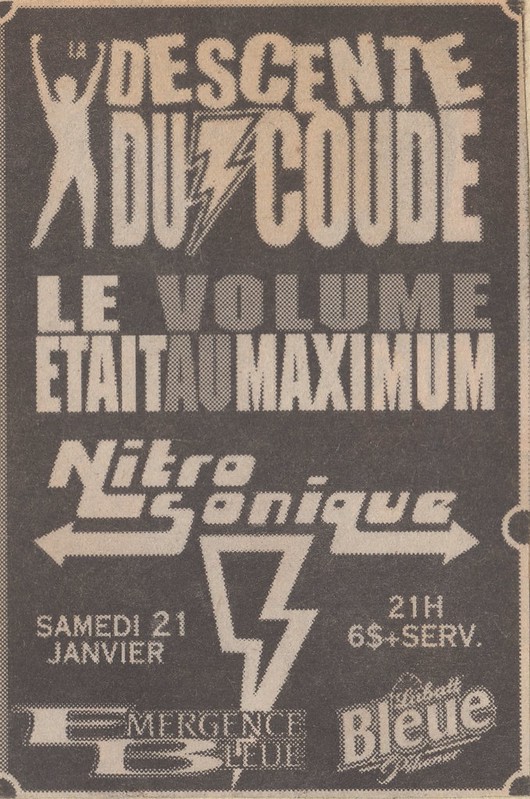
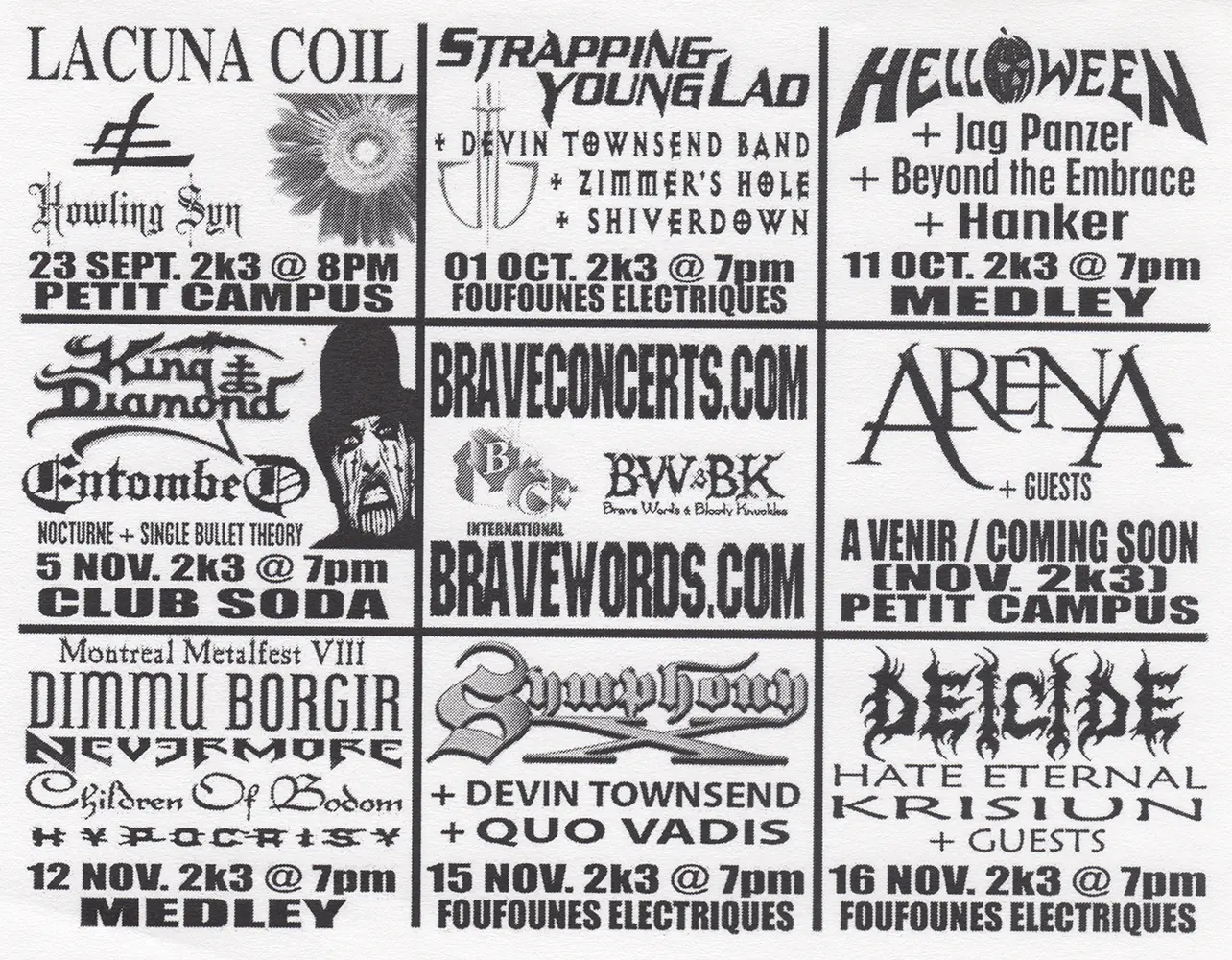
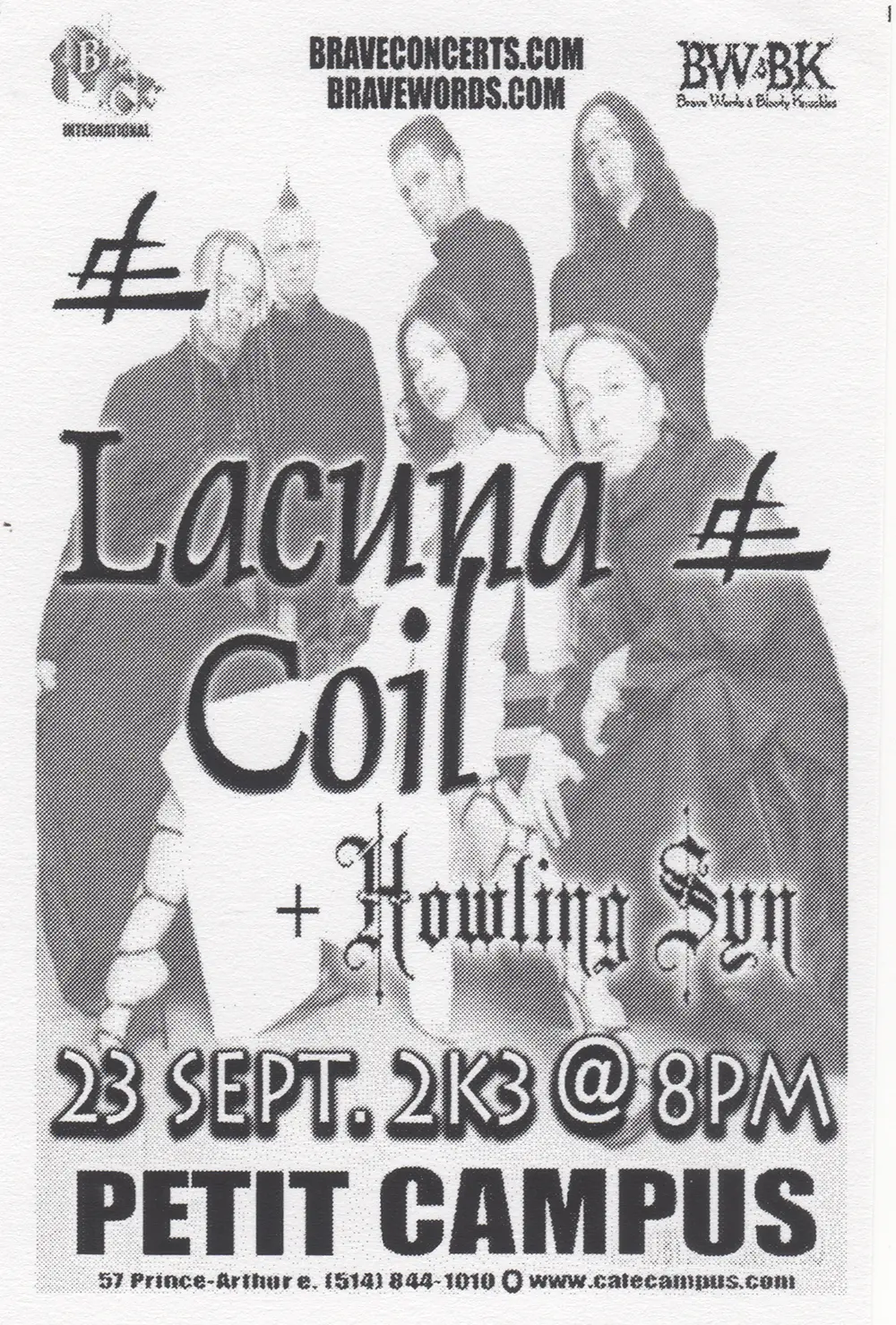
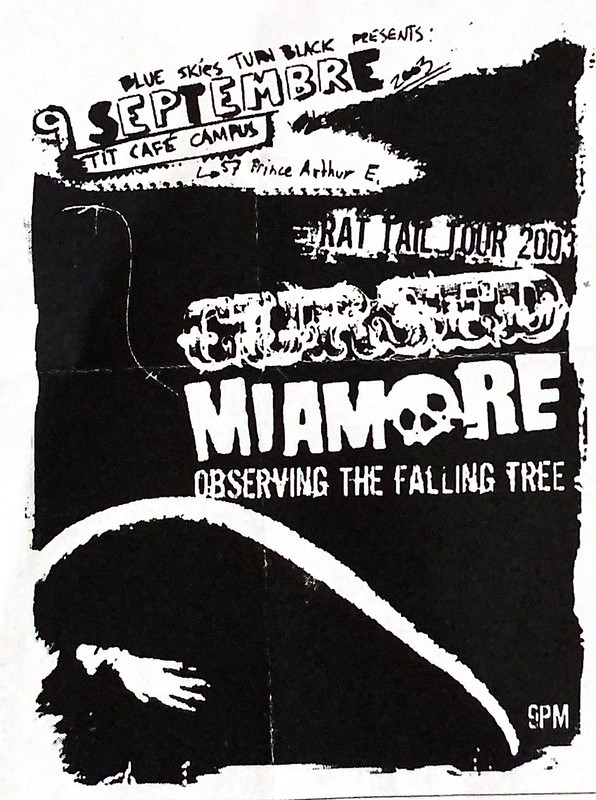
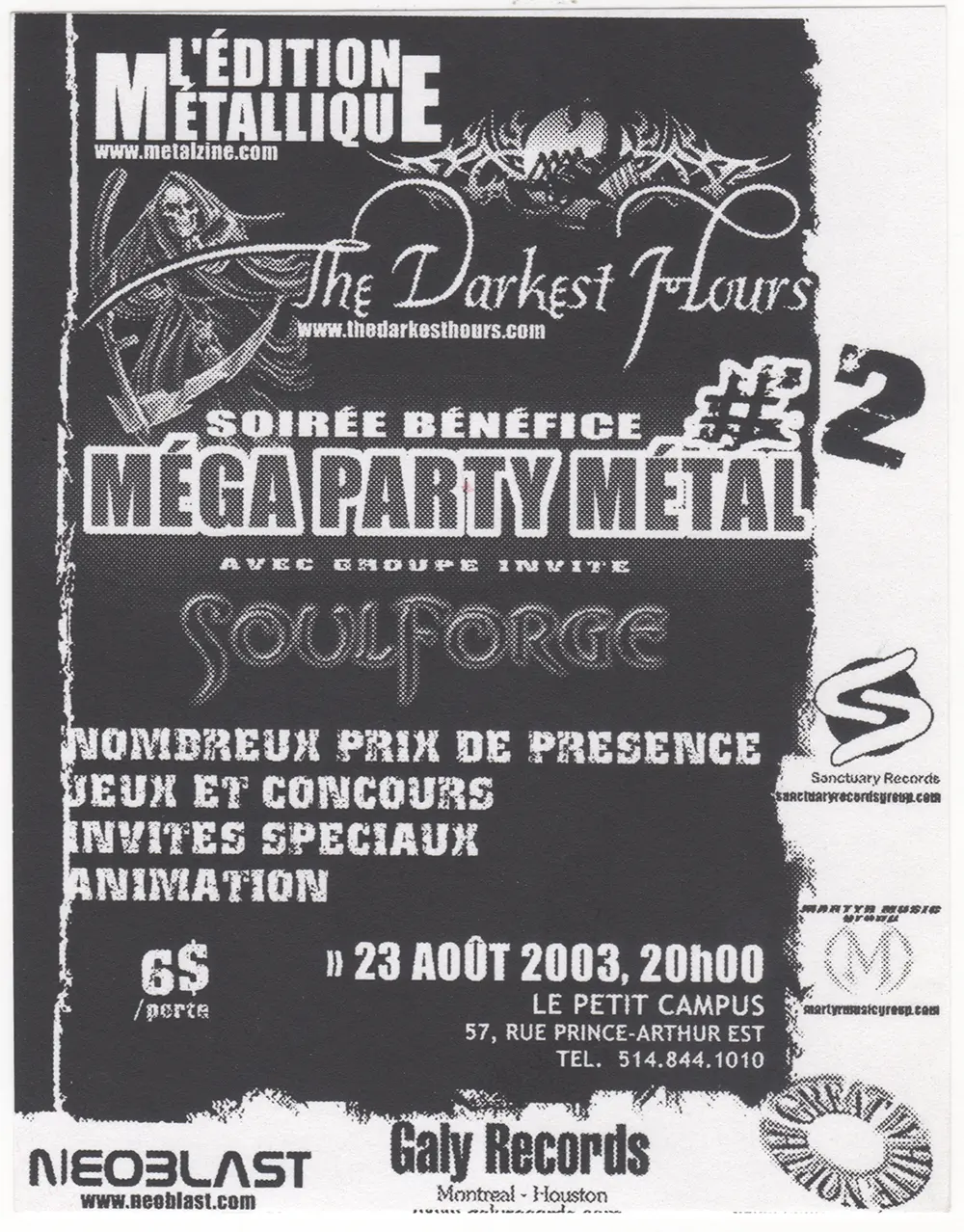
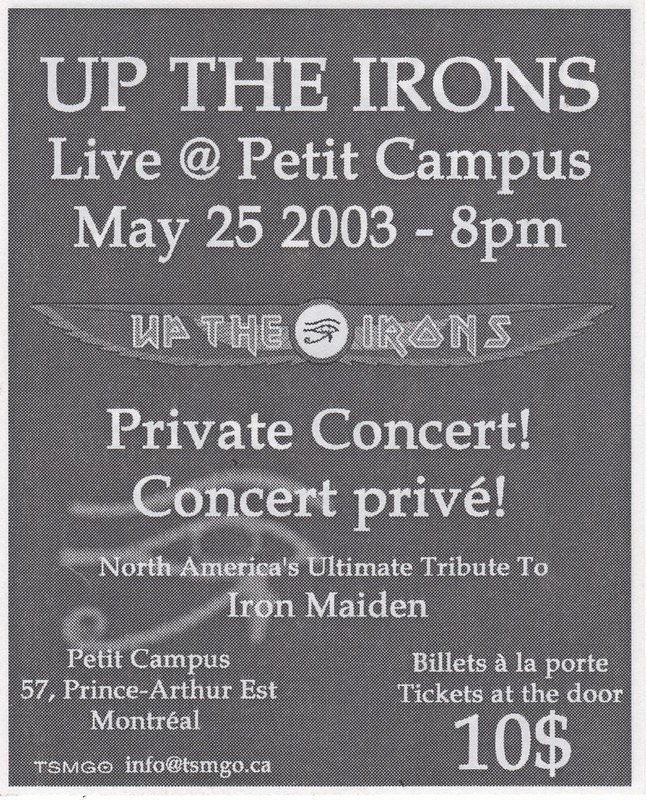
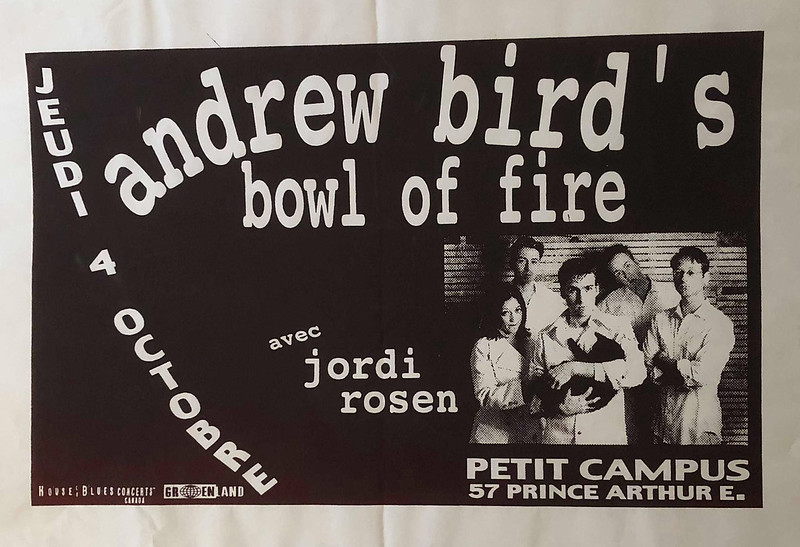
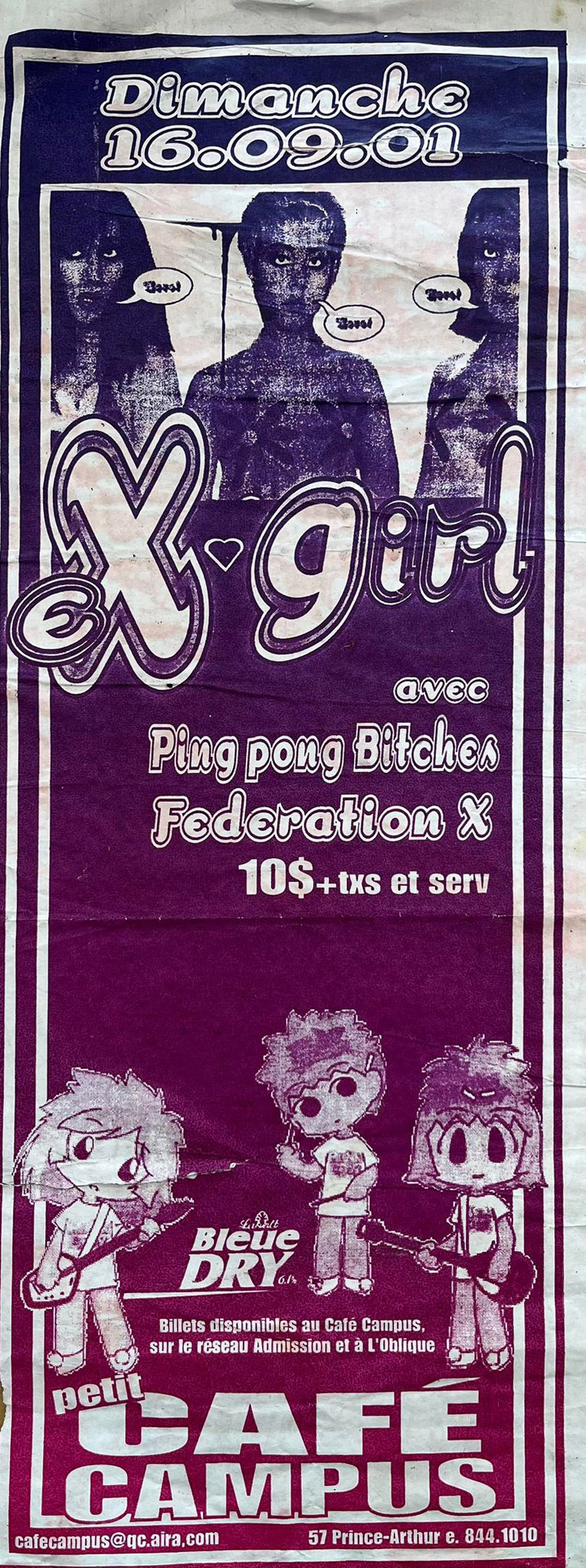
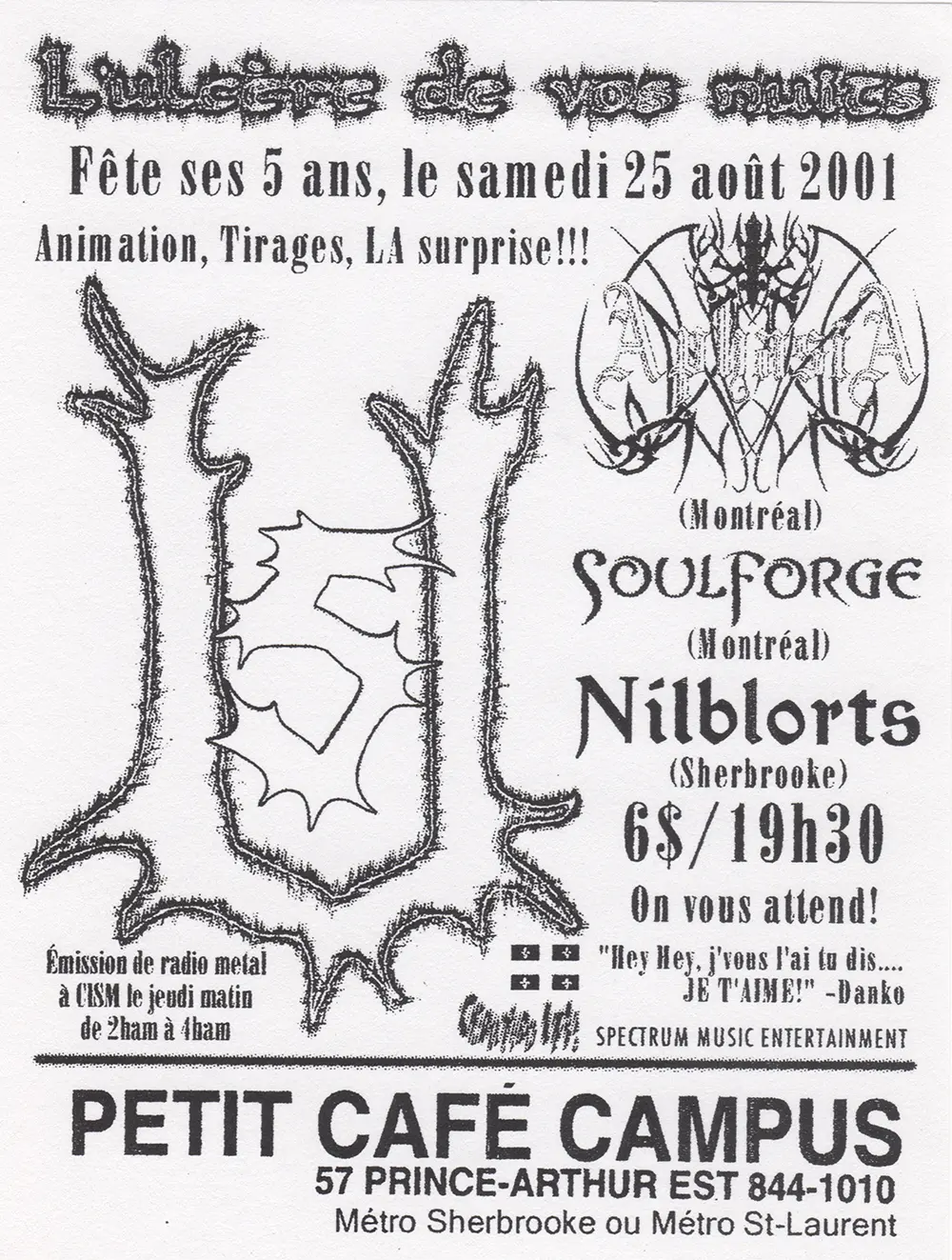
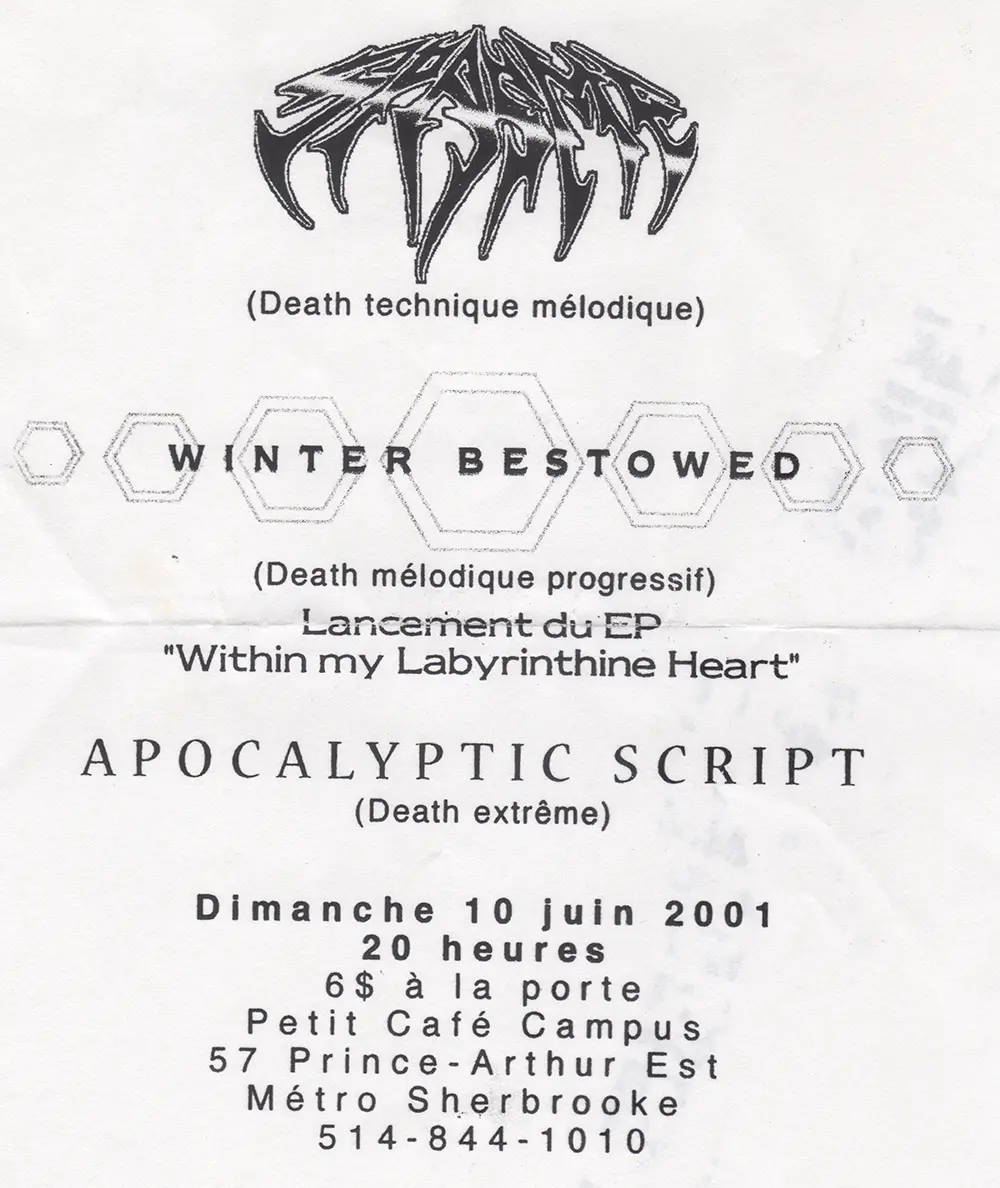
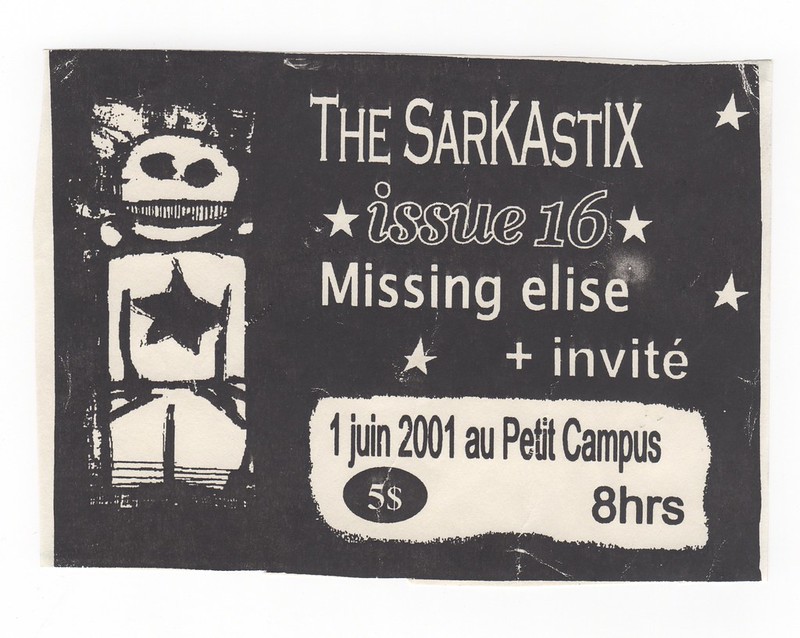
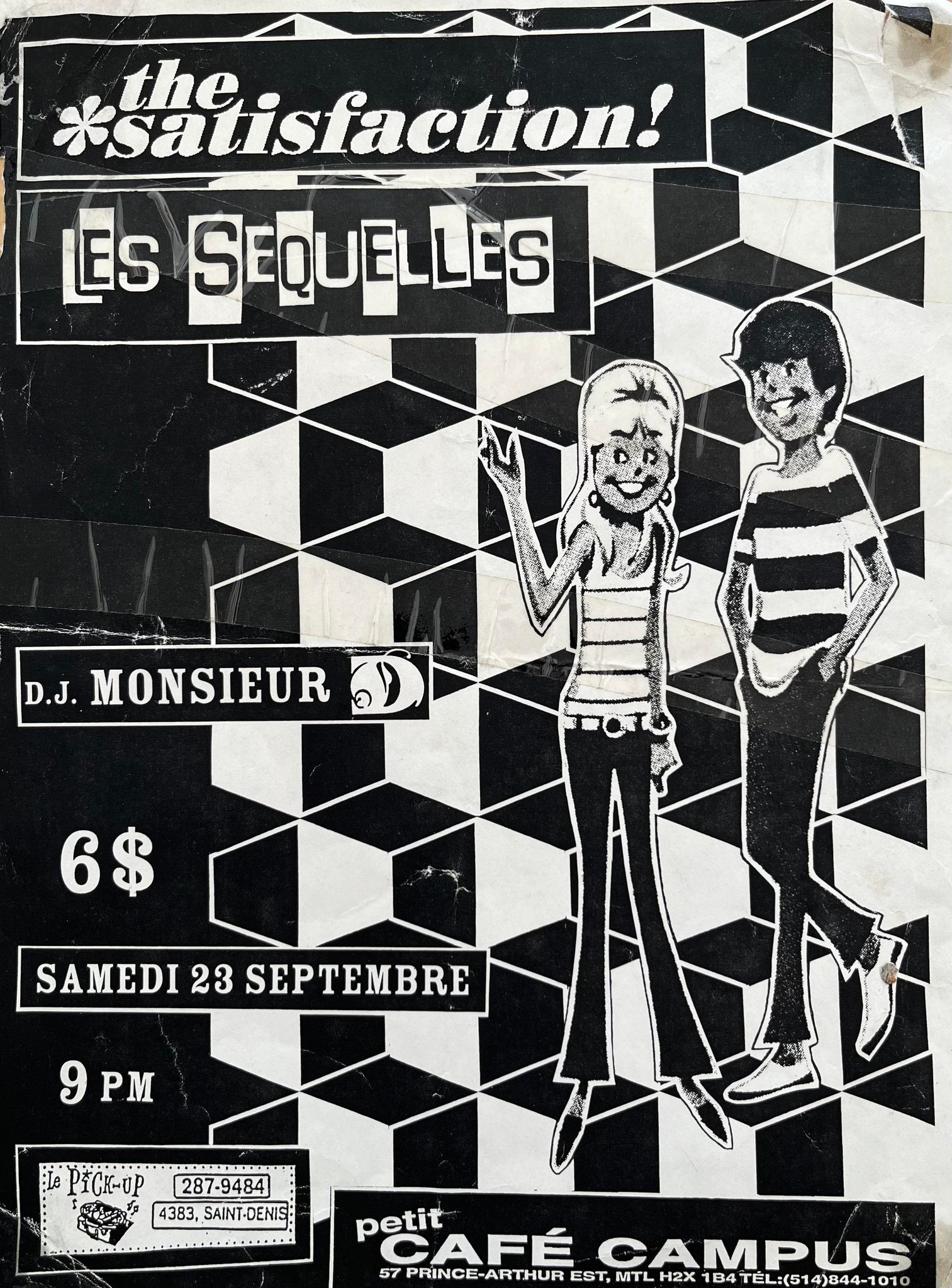
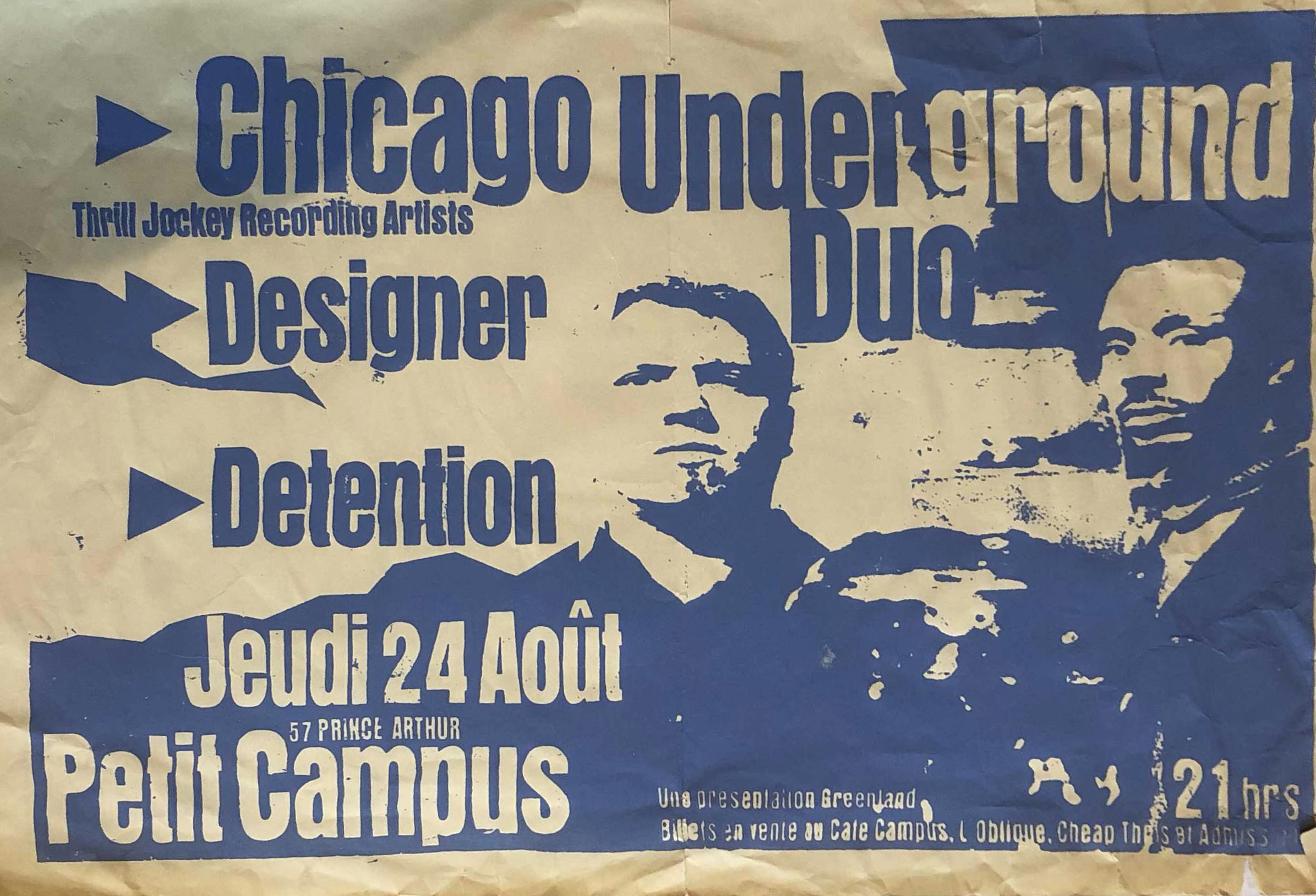
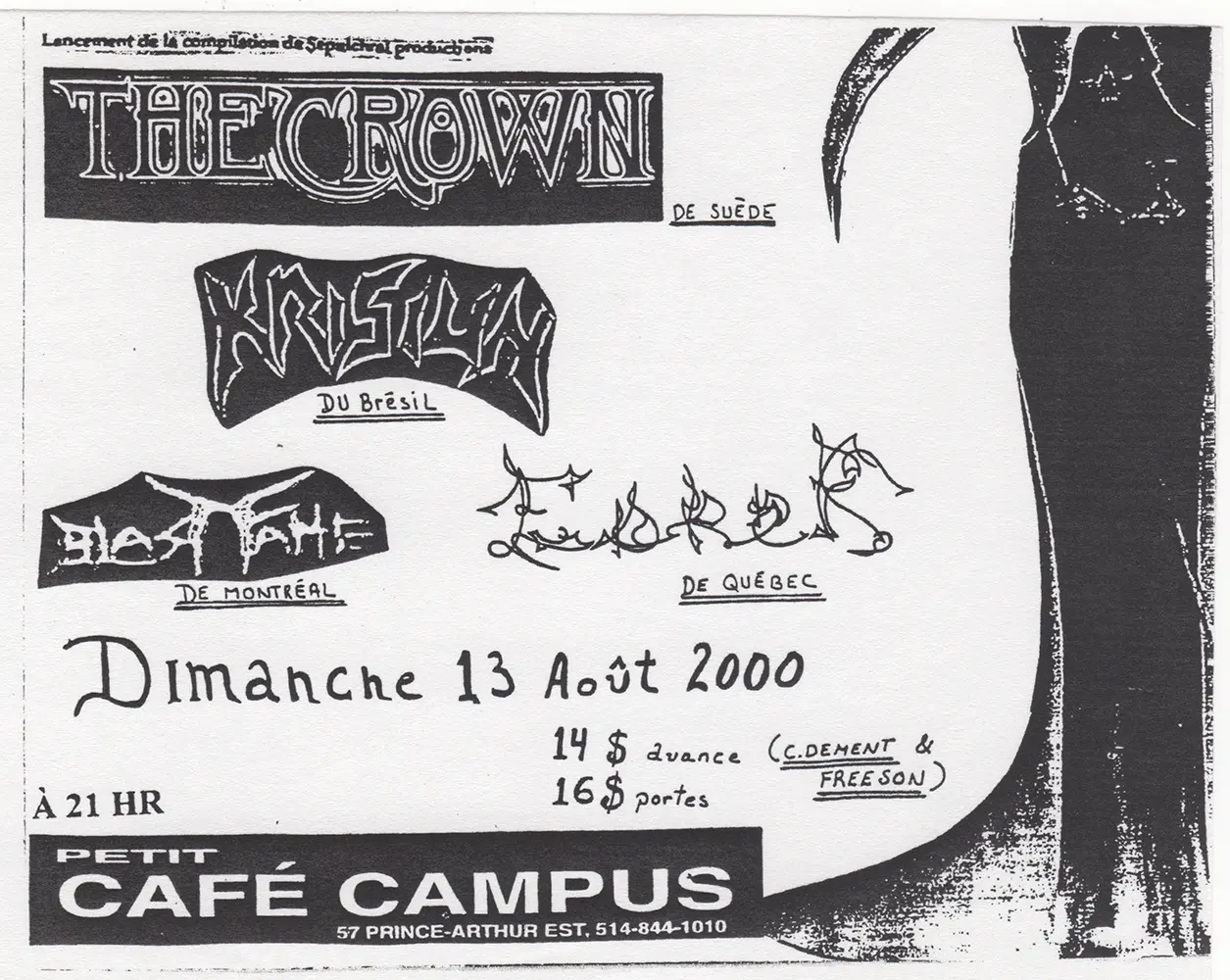
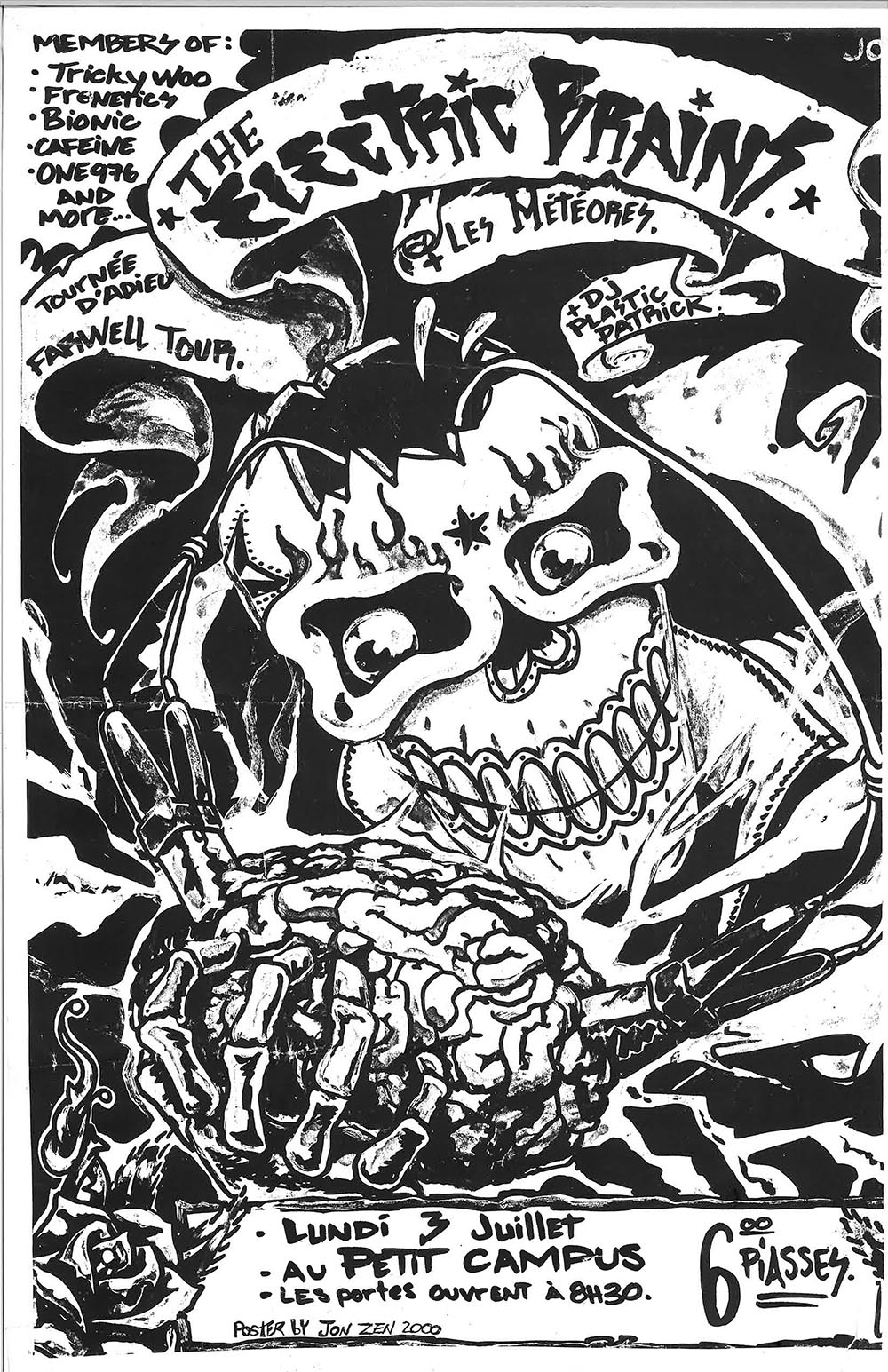
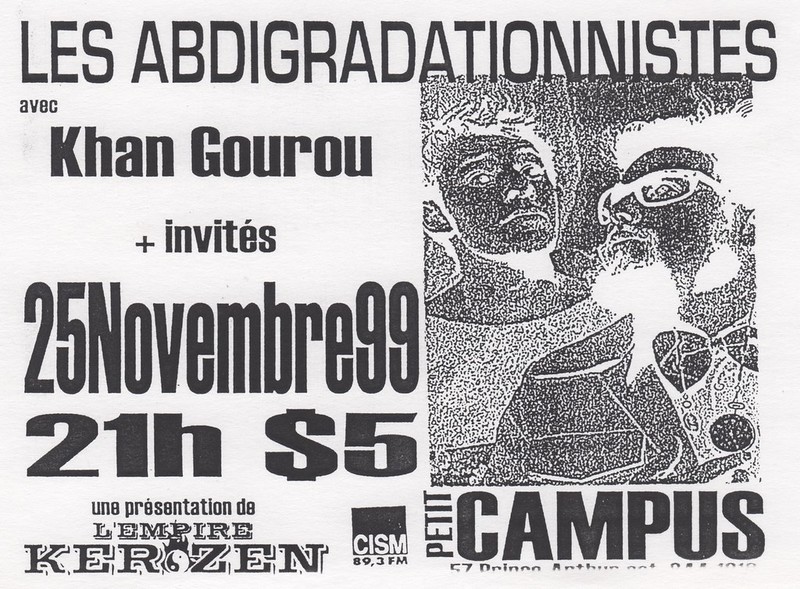
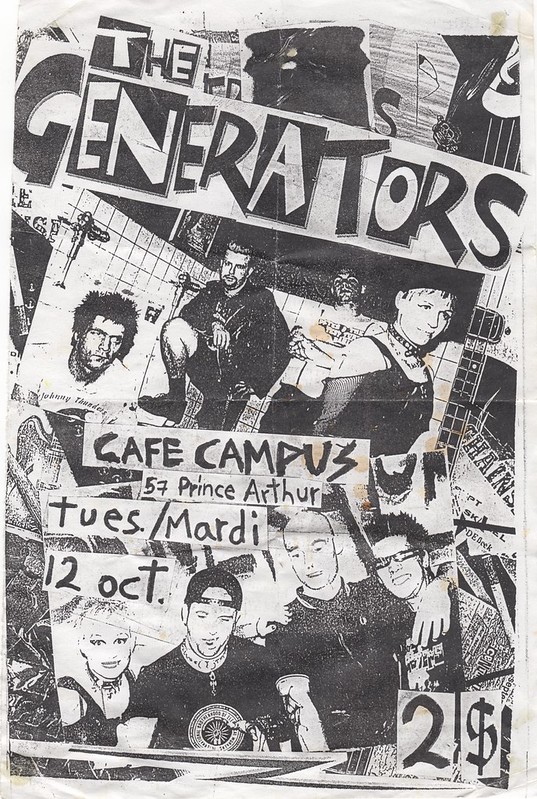
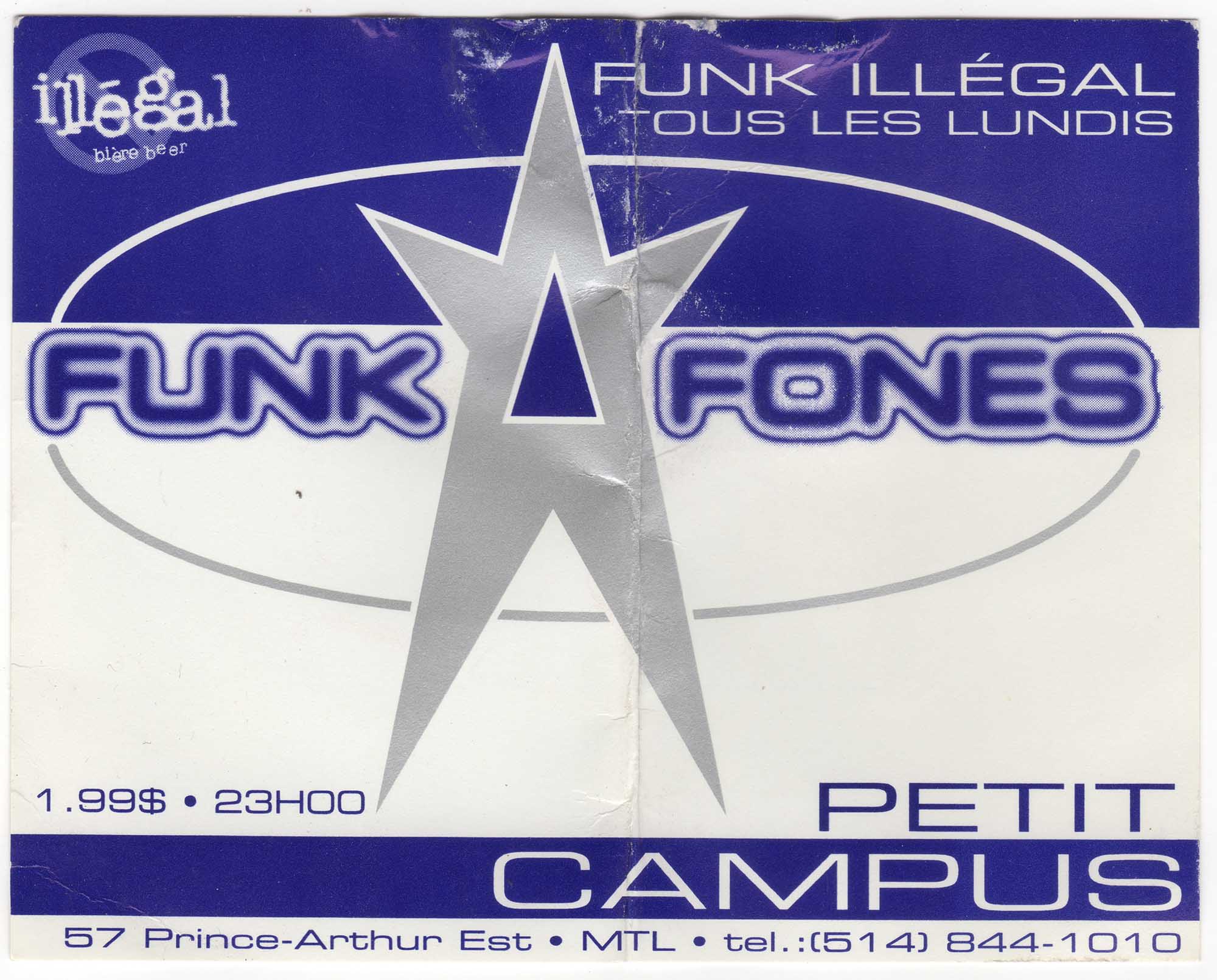
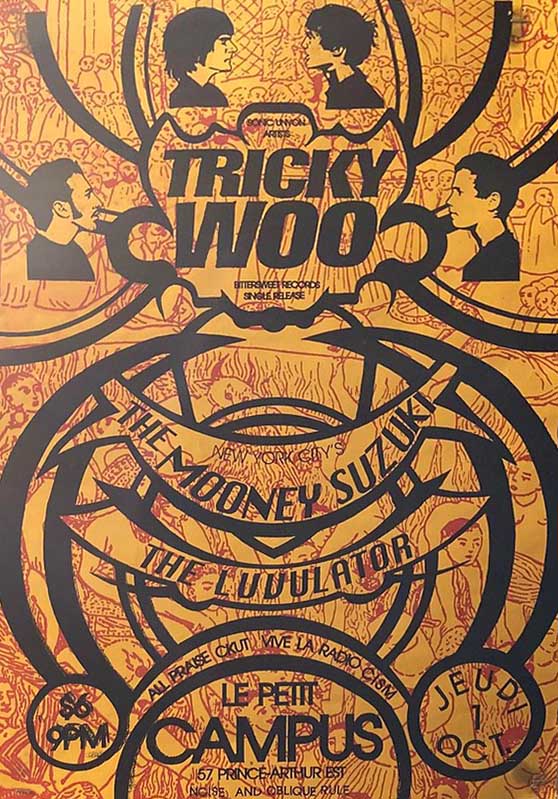
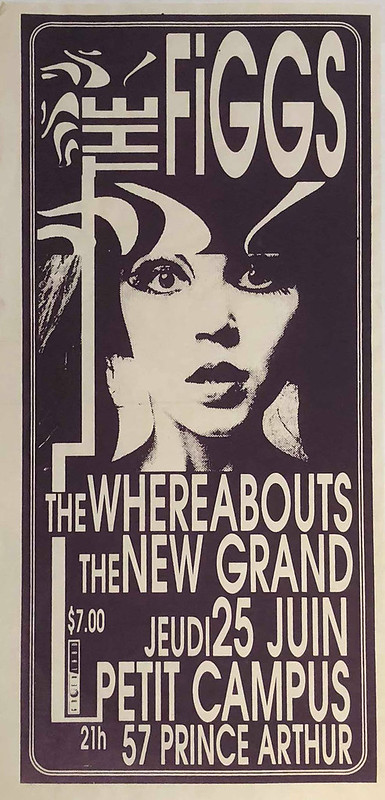
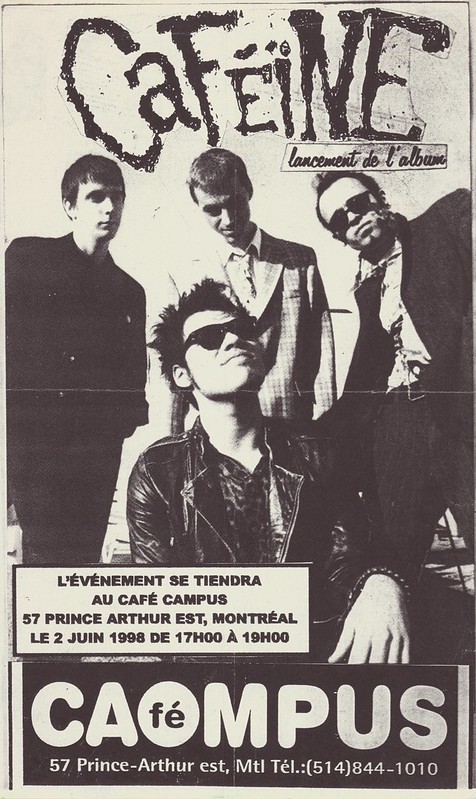
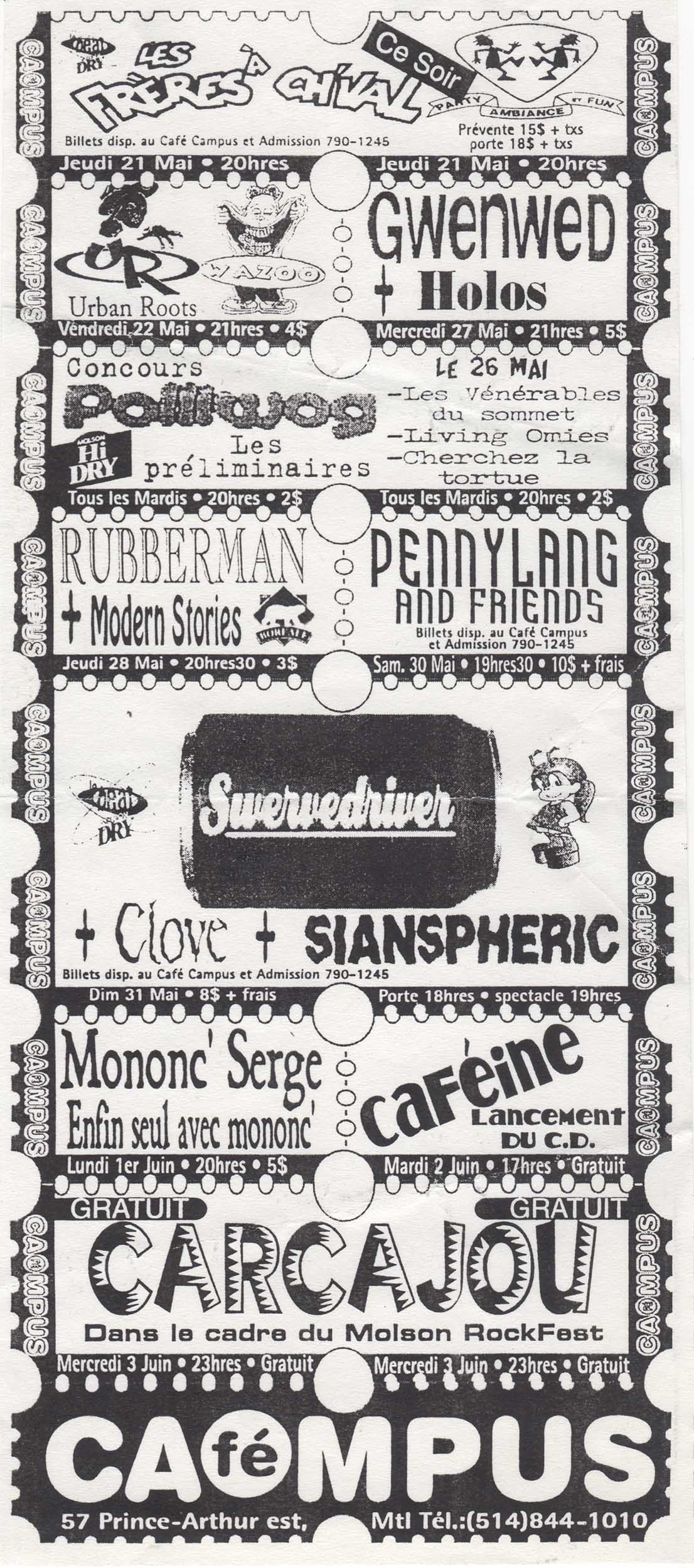
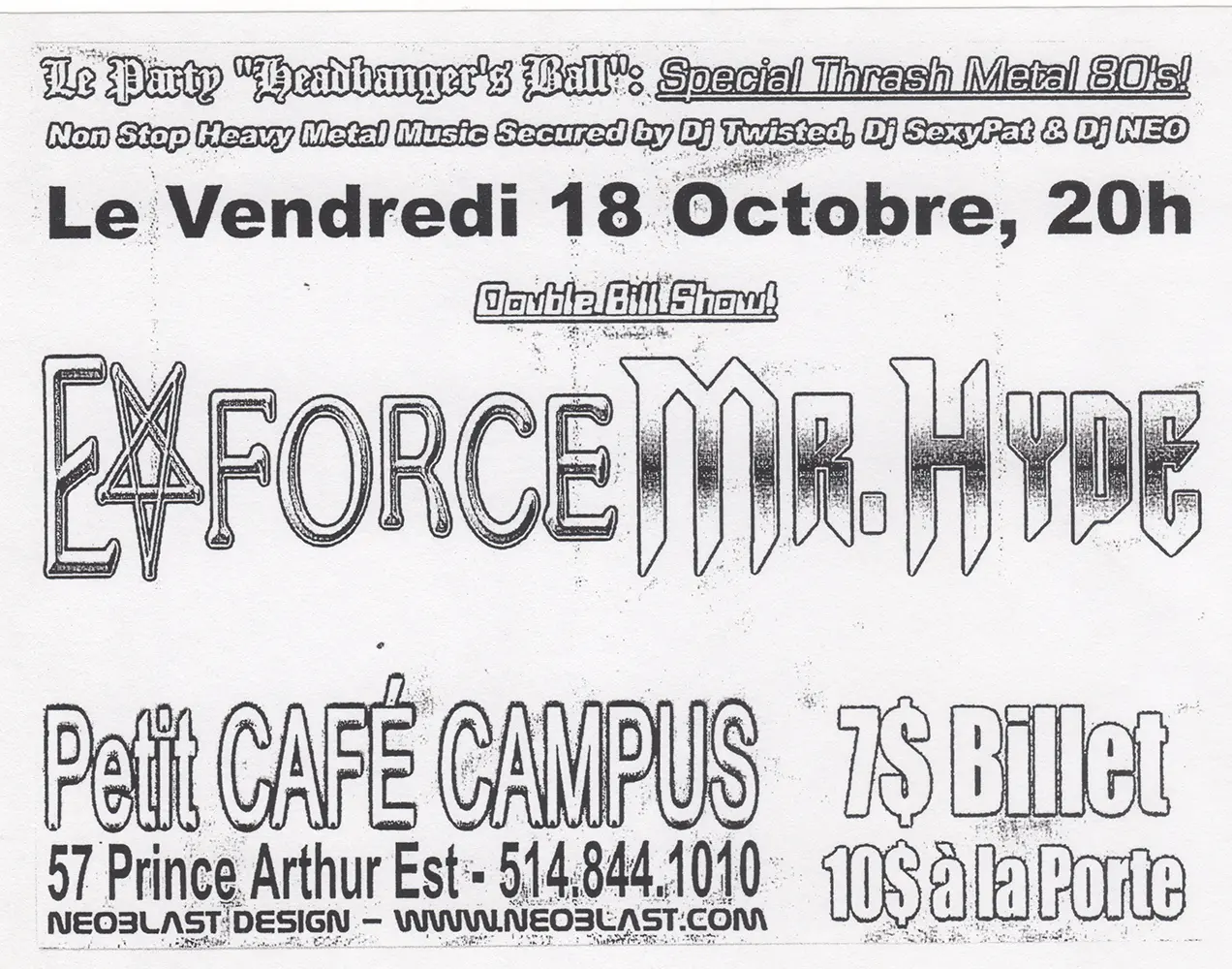
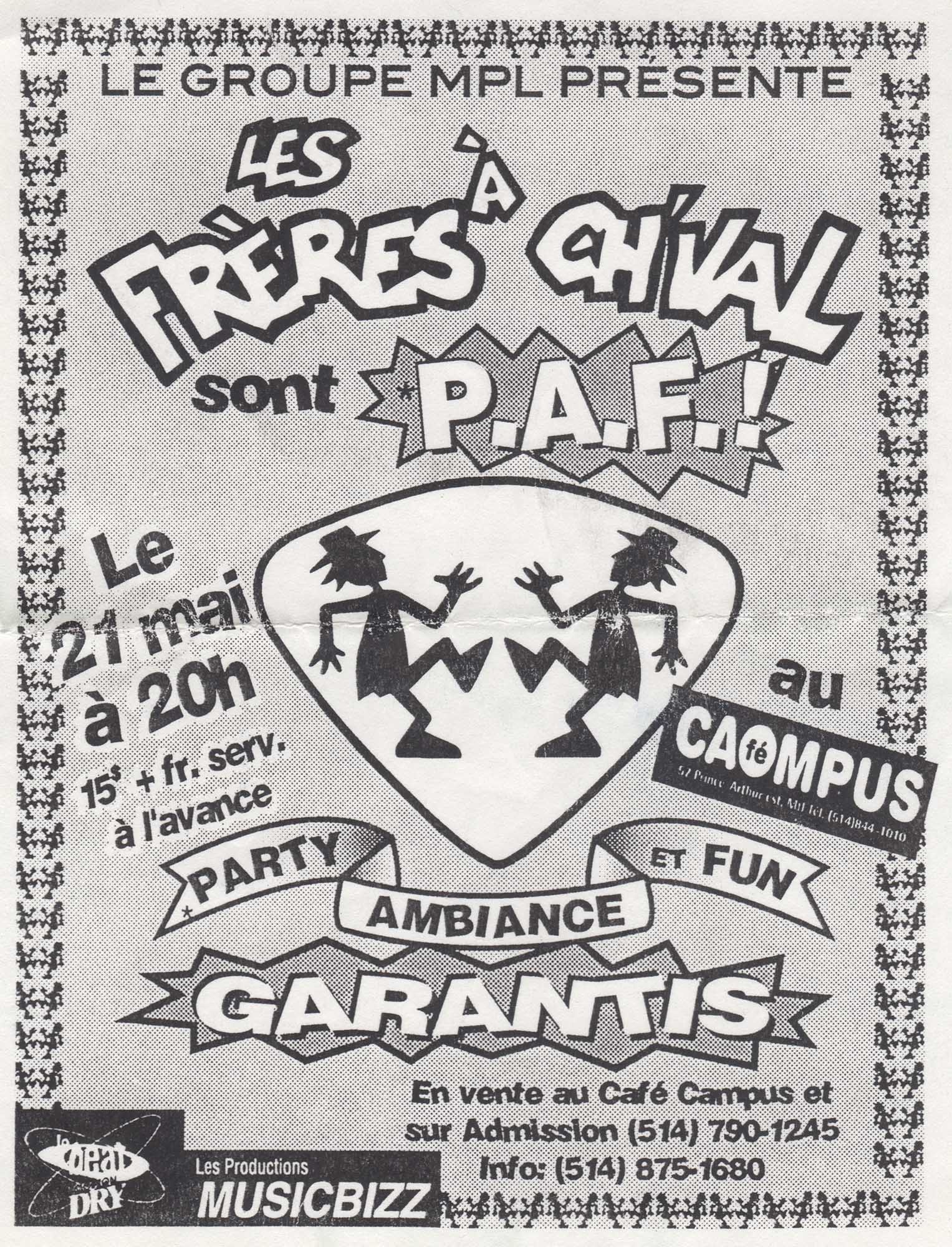
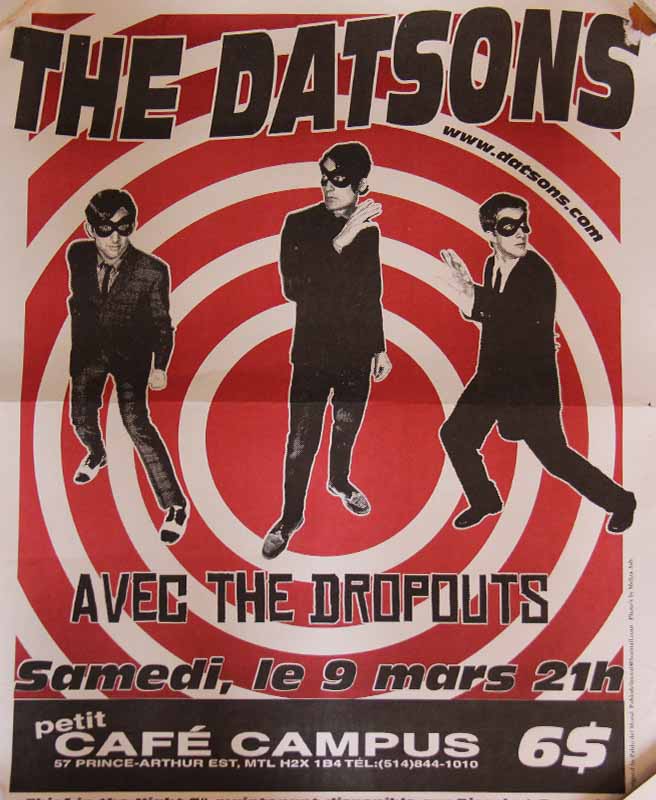
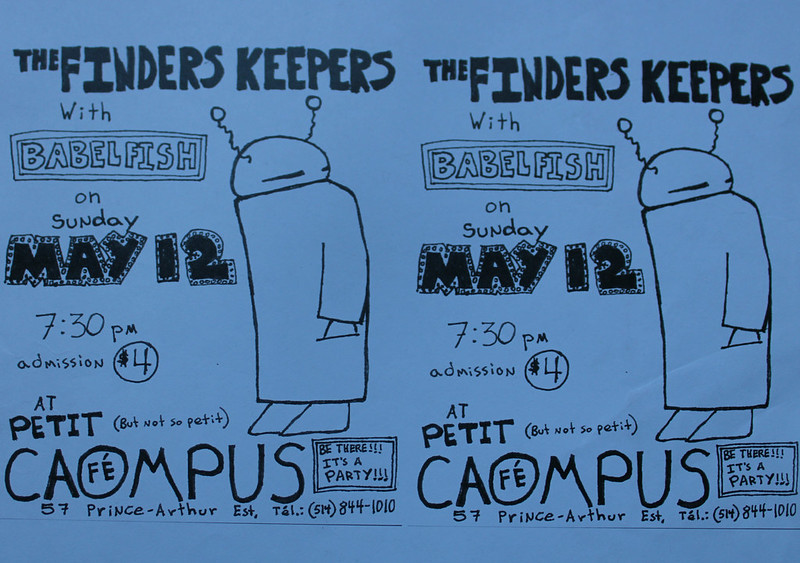
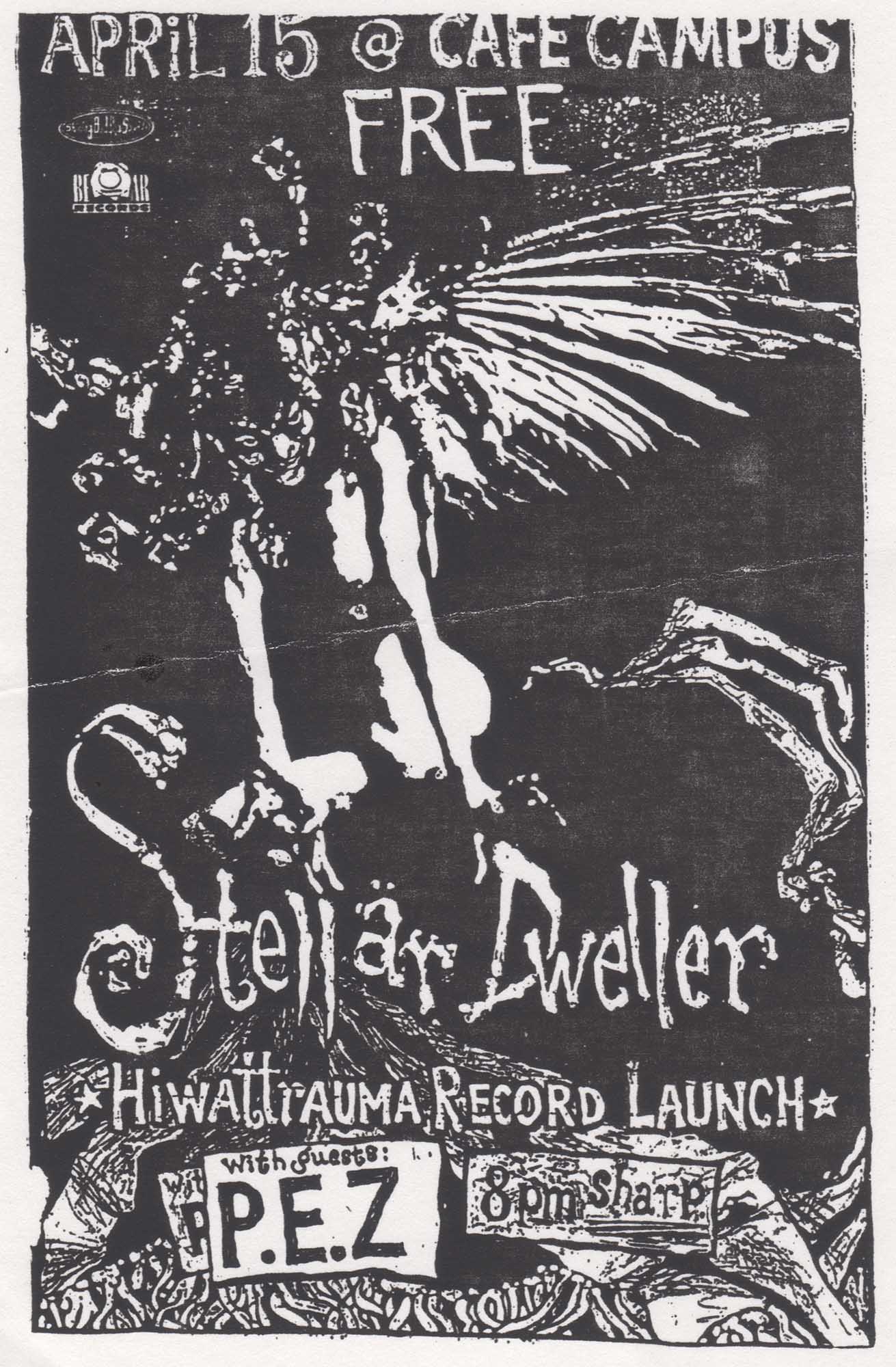
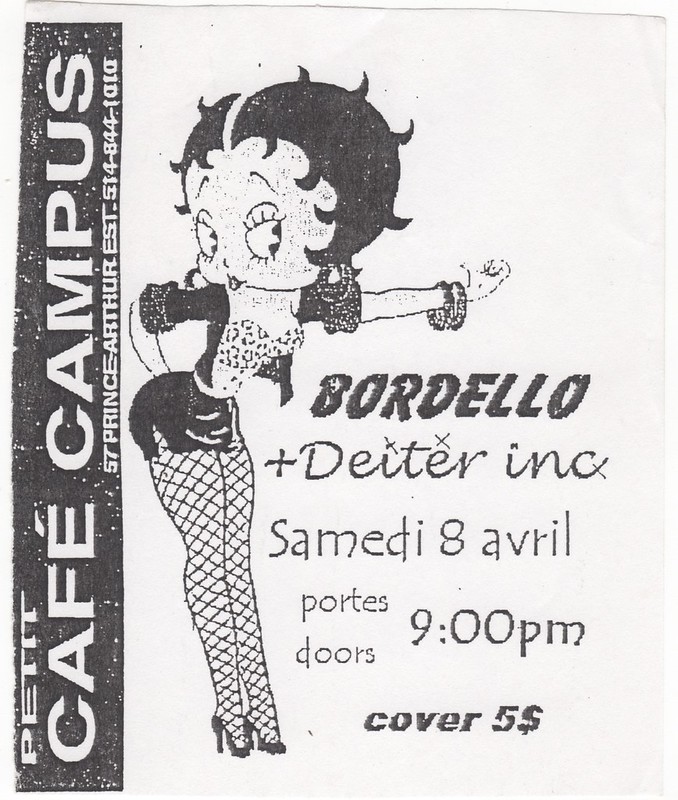
At 57 Prince-Arthur Street East, the former Chez Swann nightclub space on the 2nd floor was converted into Petit Campus, while Café Campus occupied the 3rd floor in the former Salle polonaise. This new home in the heart of the Plateau–Latin Quarter further established the venue's central role in Montreal nightlife.
The Café Campus Workers' Cooperative was created in 1993 through the initiative of the Association des travailleurs et travailleuses du Café Campus (O.S.B.L.), which needed to strengthen its finances following the forced relocation. The cooperative model emerged as the ideal way to put its principles of self-management into practice while helping ensure the establishment's long-term survival. [1]
8. The 2000s, Renovations & Continuing Influence
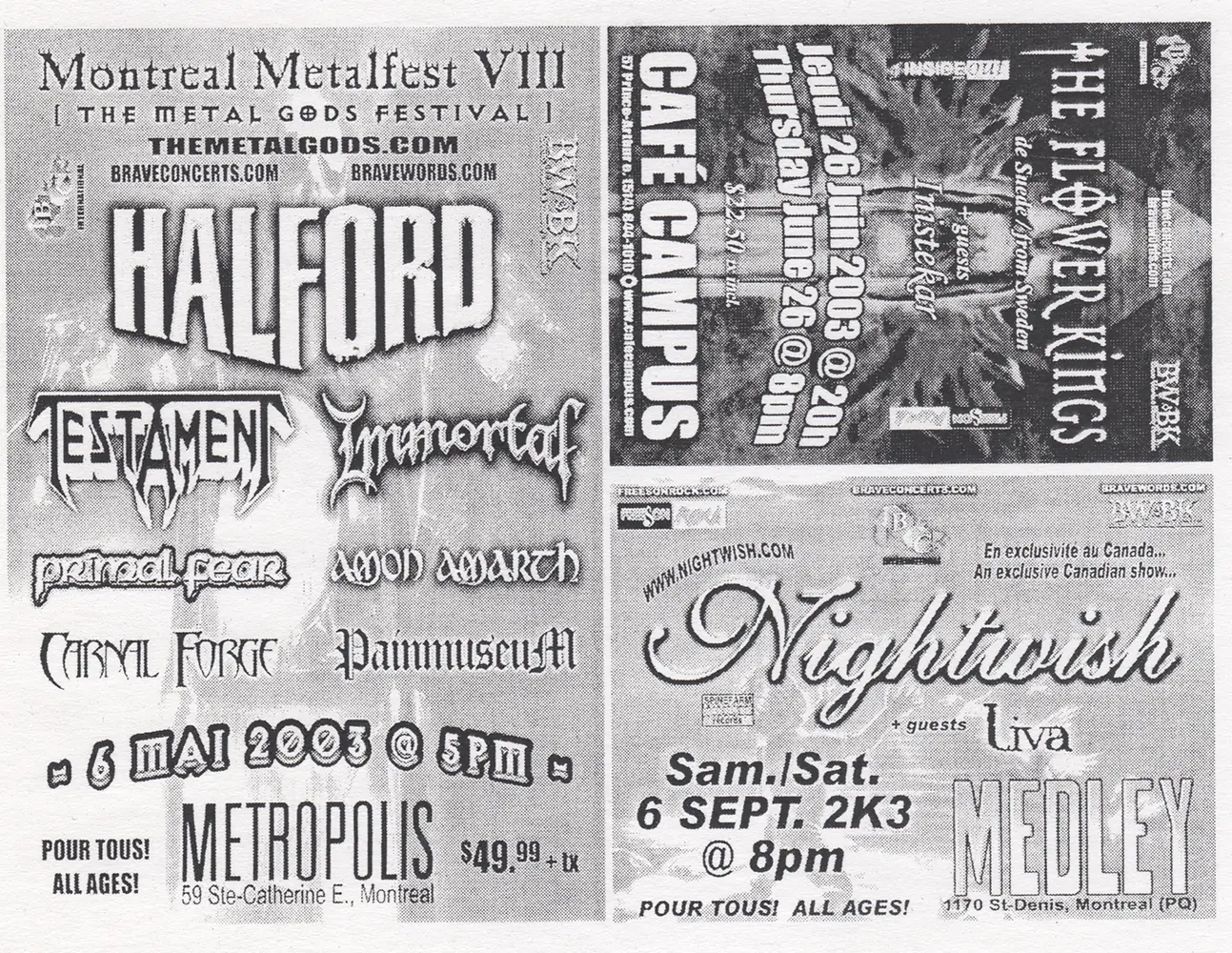
During the 2000s, Café Campus continued to attract young francophones from nearby colleges and universities, while also becoming popular with tourists and students from McGill and Concordia. Its friendly atmosphere, affordable beer, welcoming door staff and DJ-driven hits distinguished it from many other bars in the neighbourhood. [2]
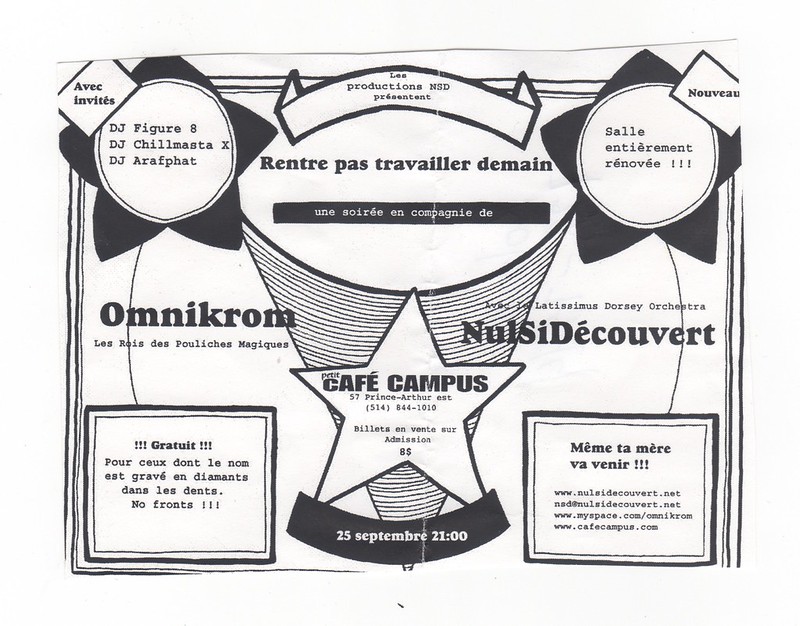
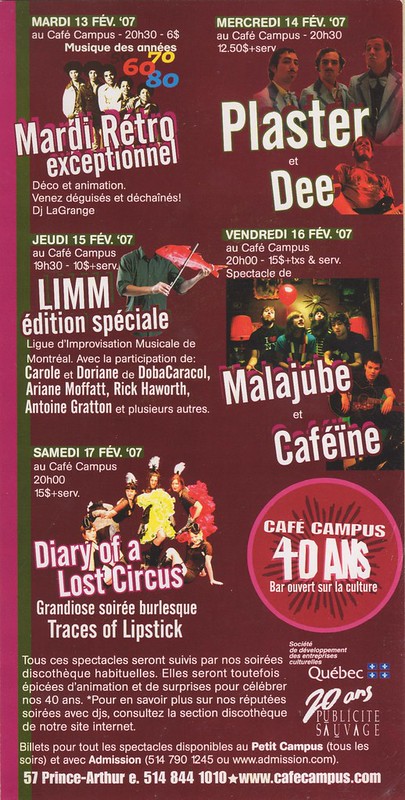
To celebrate its 40th anniversary in 2007, Café Campus invested nearly $1.5 million in renovations to its two performance spaces, including new sound and lighting systems, improved dressing rooms and a complete renovation of the Petit Campus. [3]
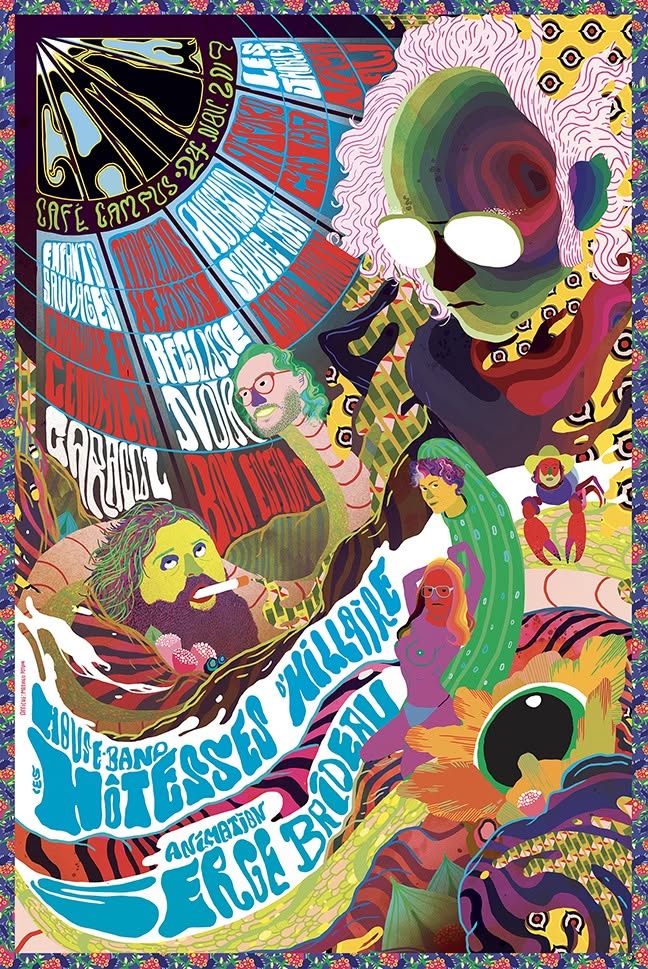
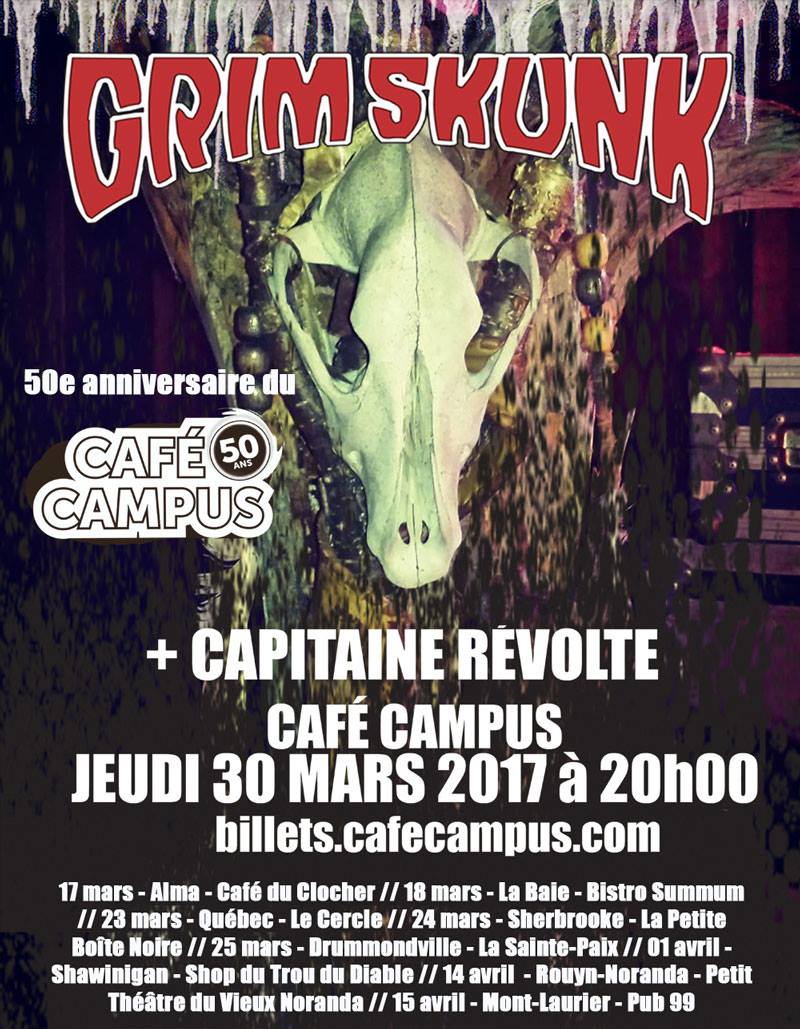
In 2017, Café Campus celebrated its 50th anniversary. [2]
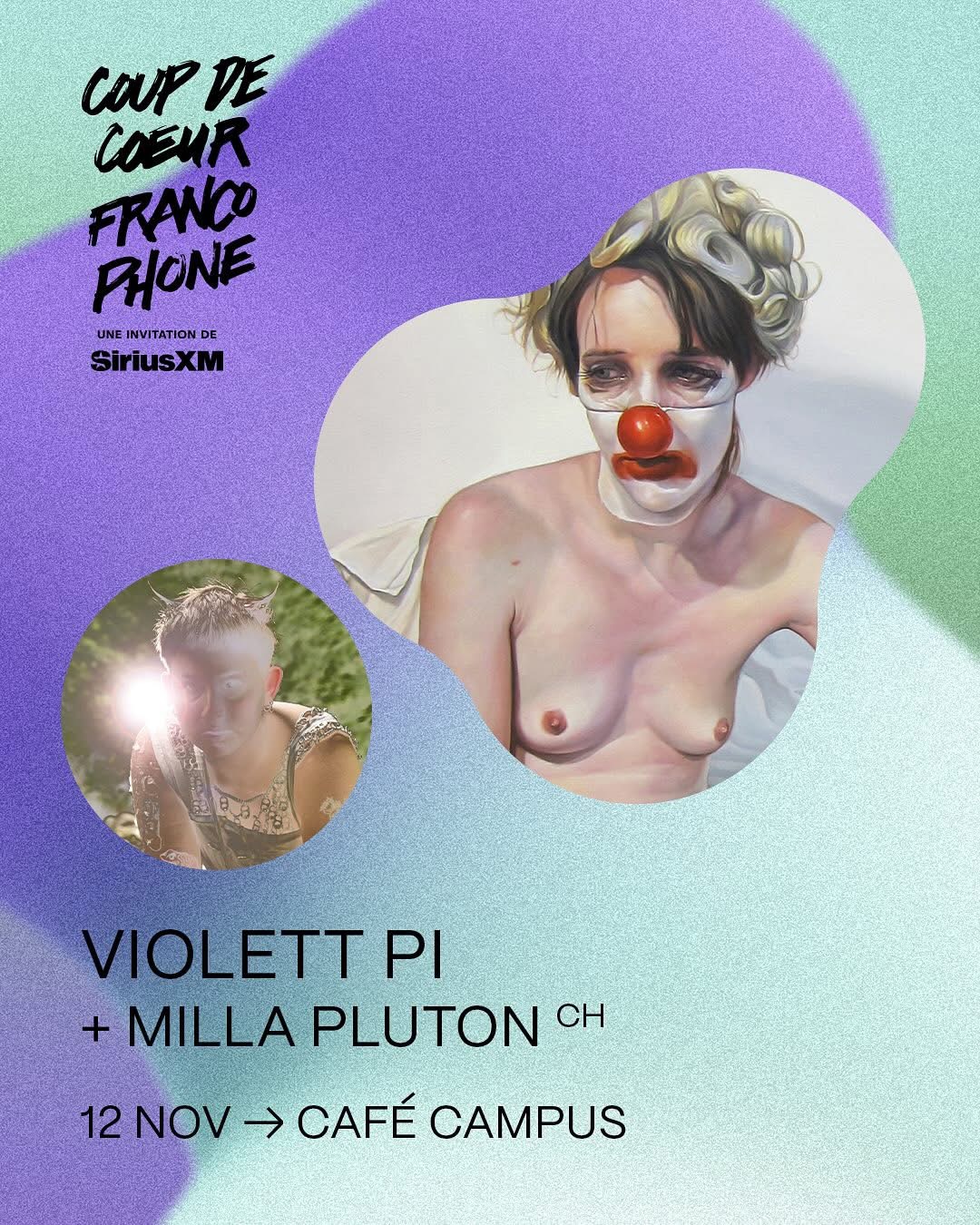
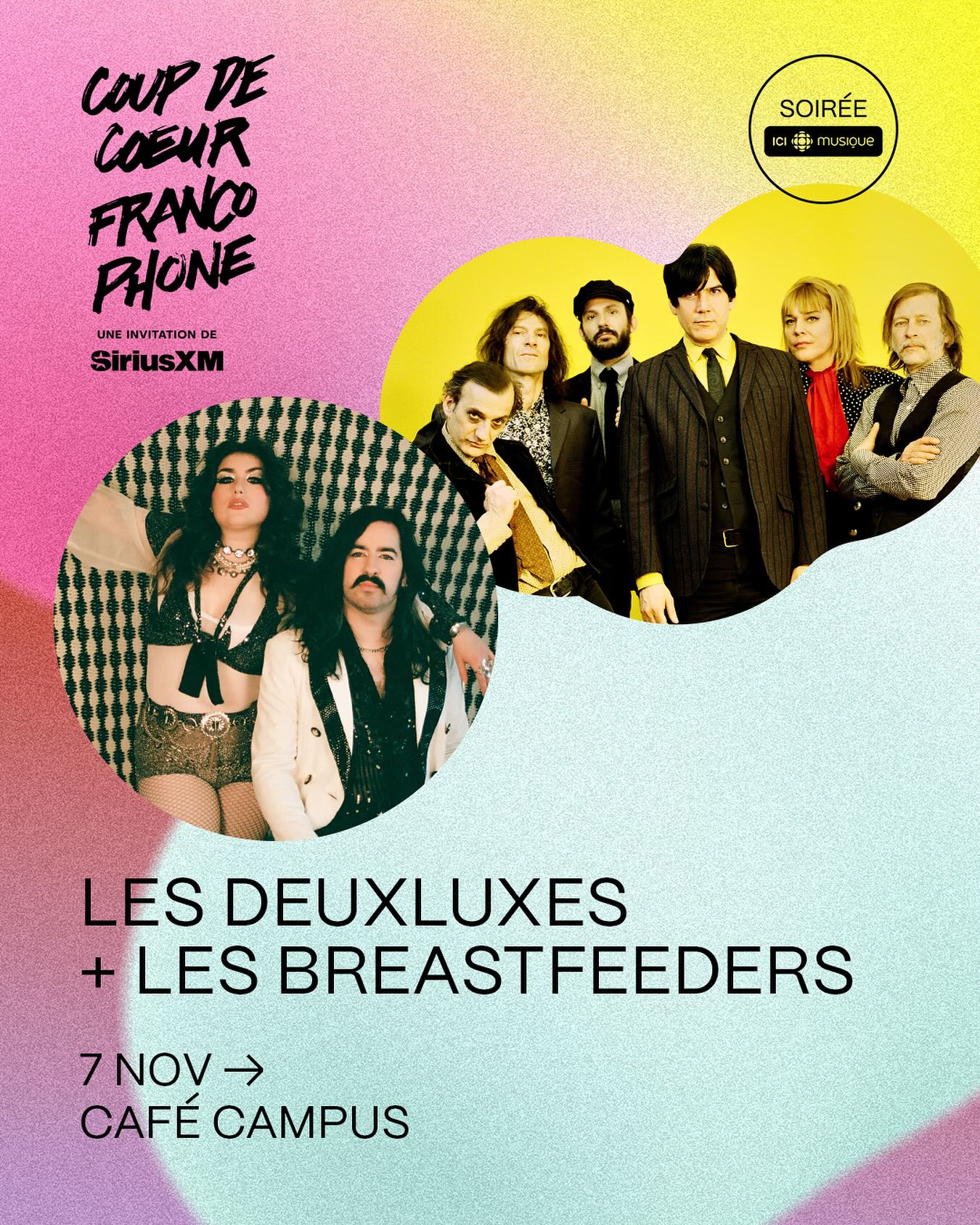
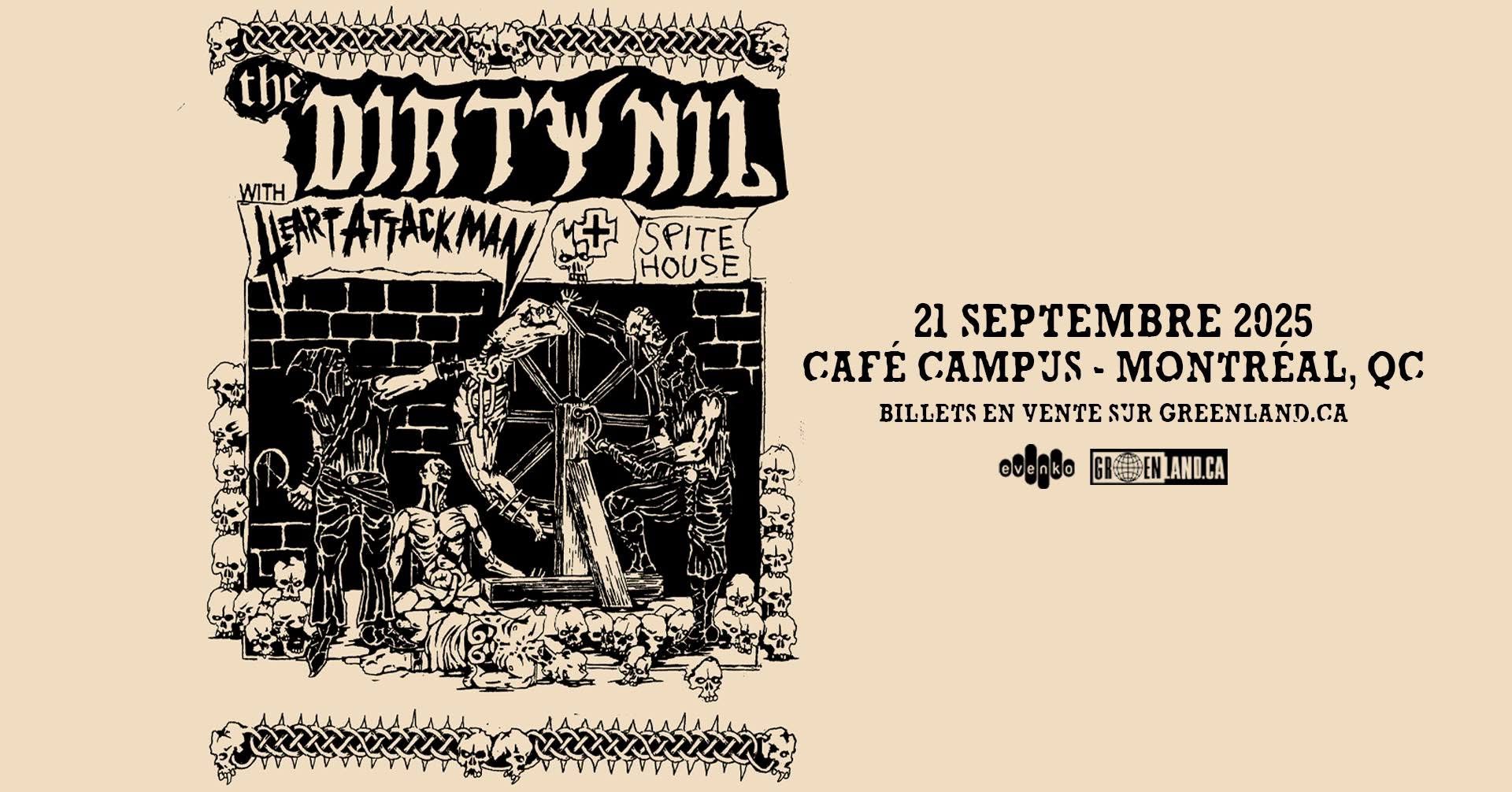
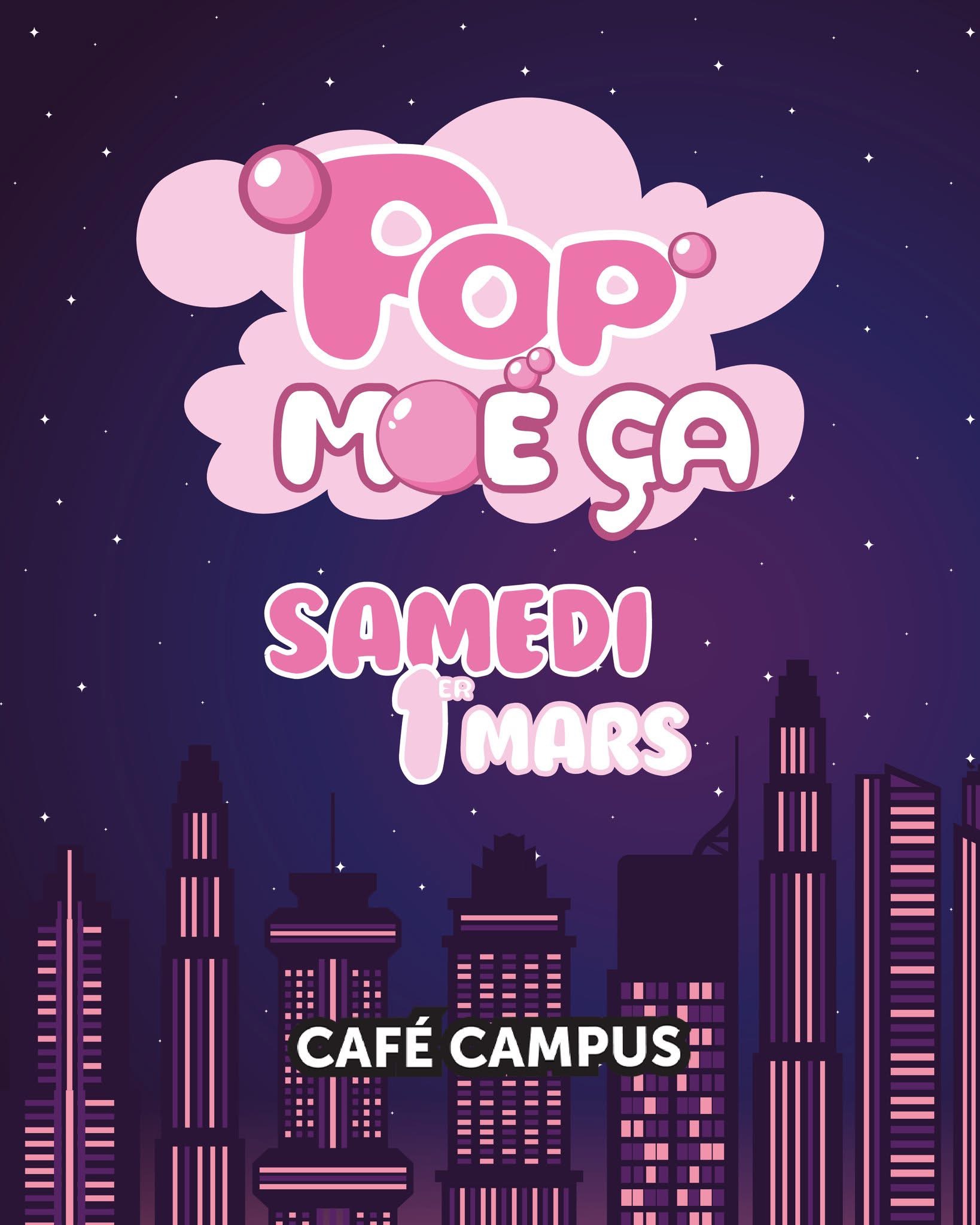
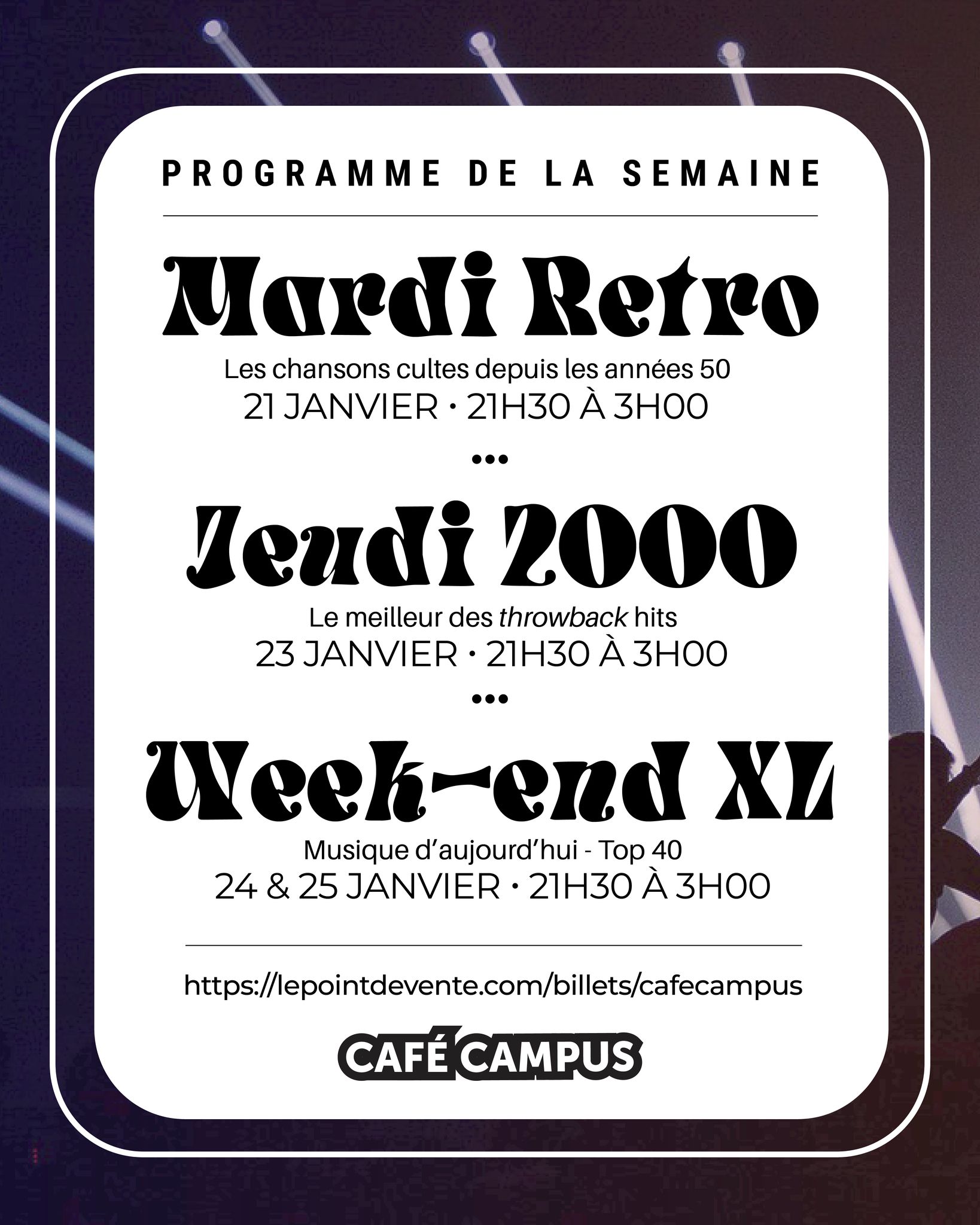
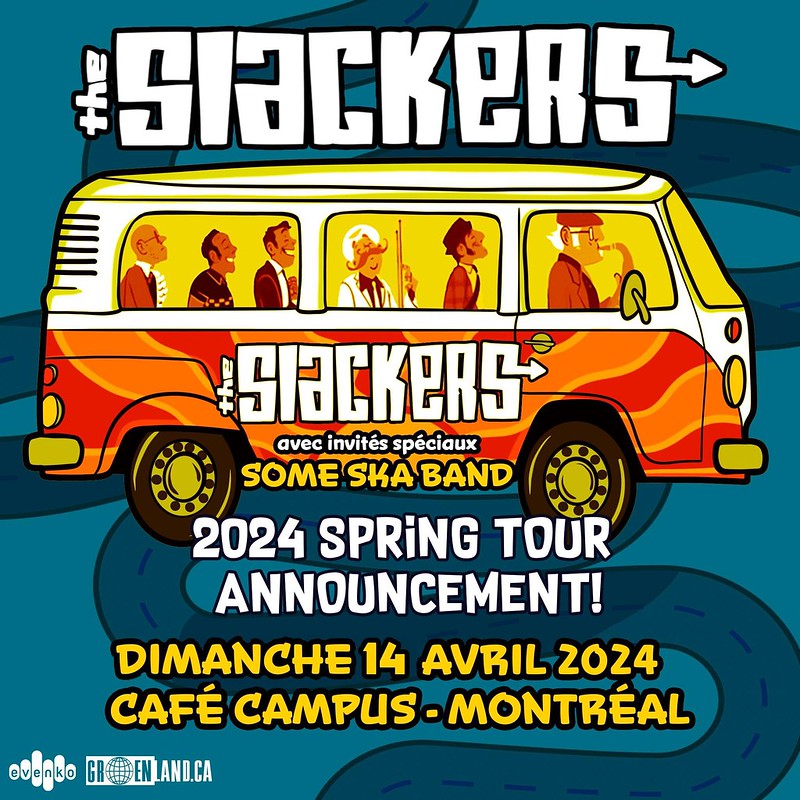
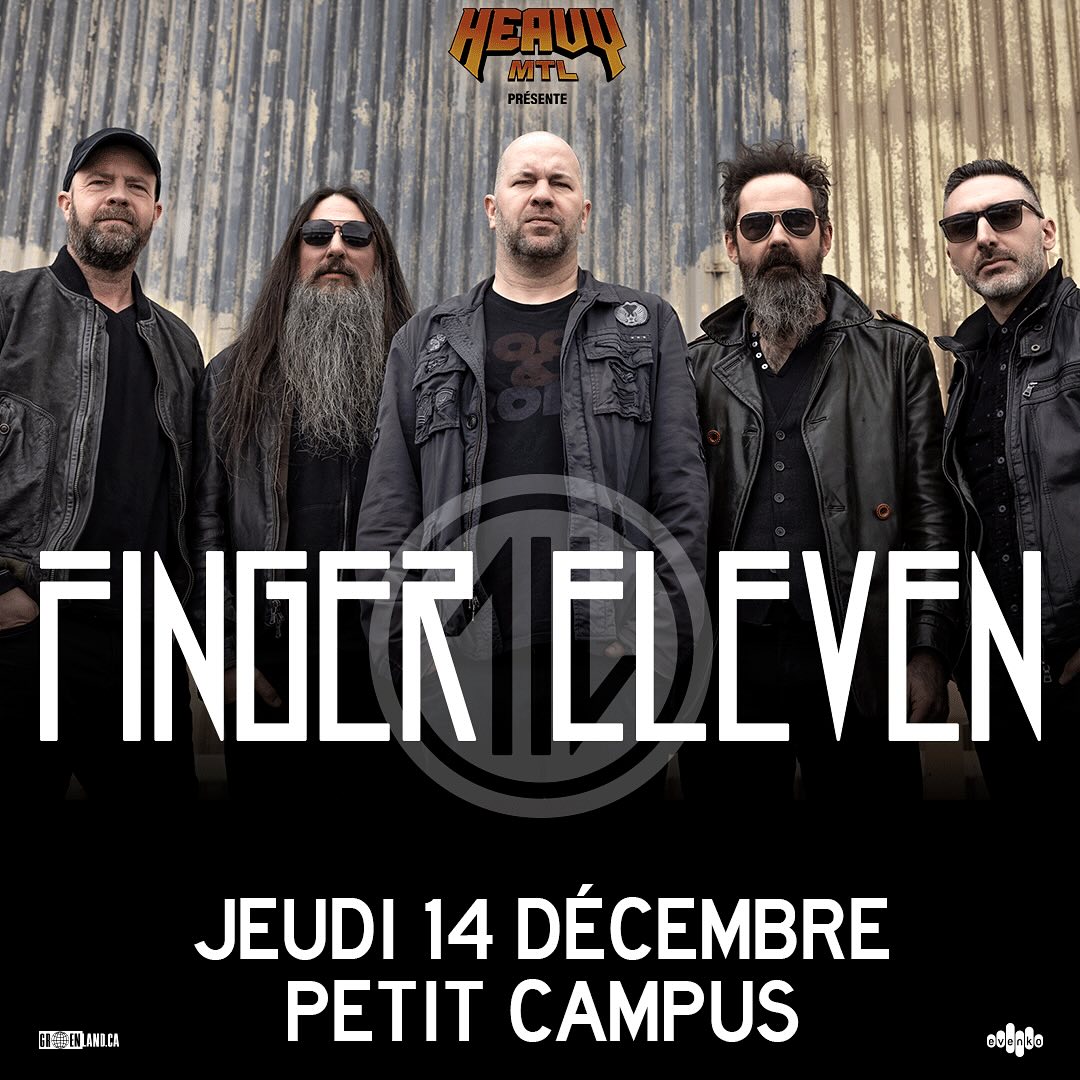
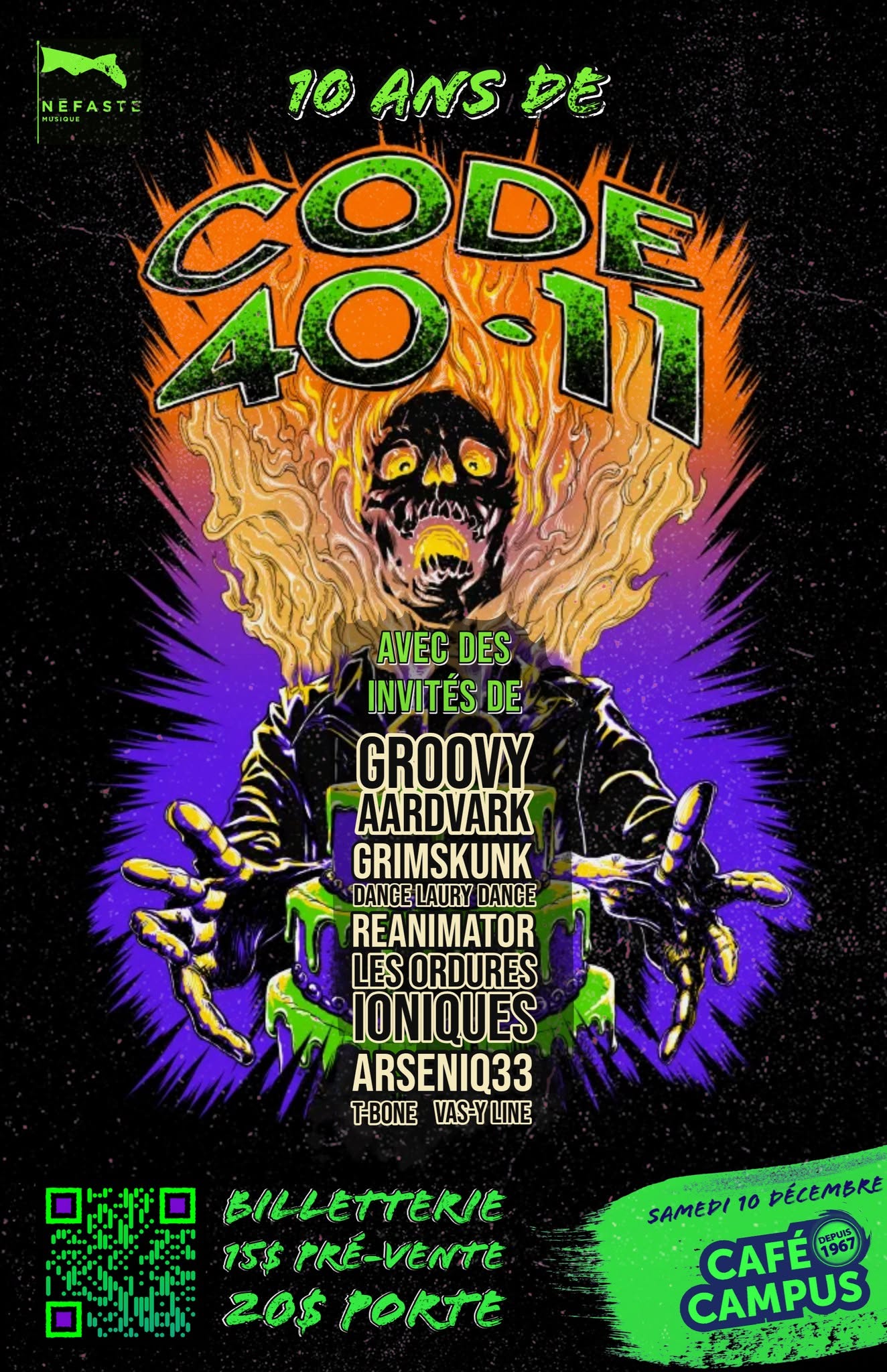
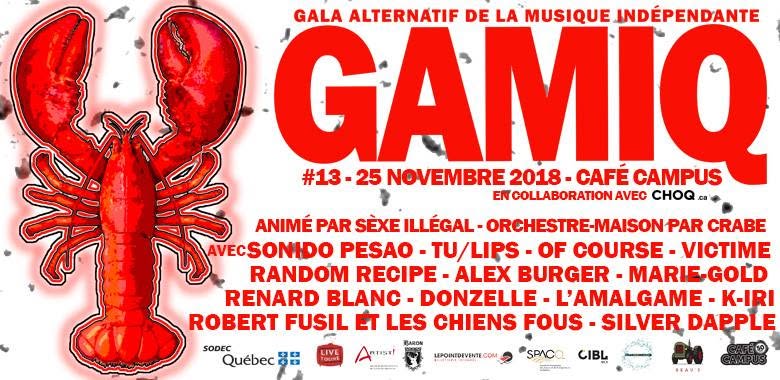
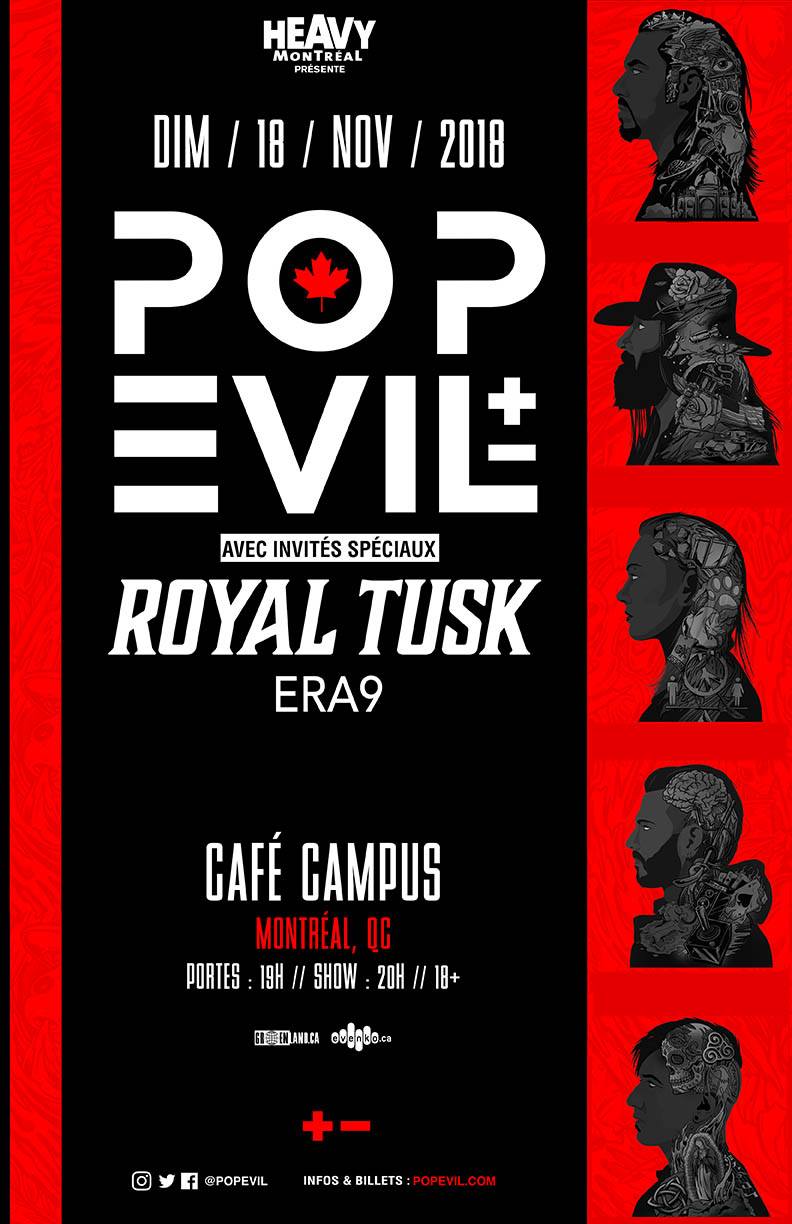
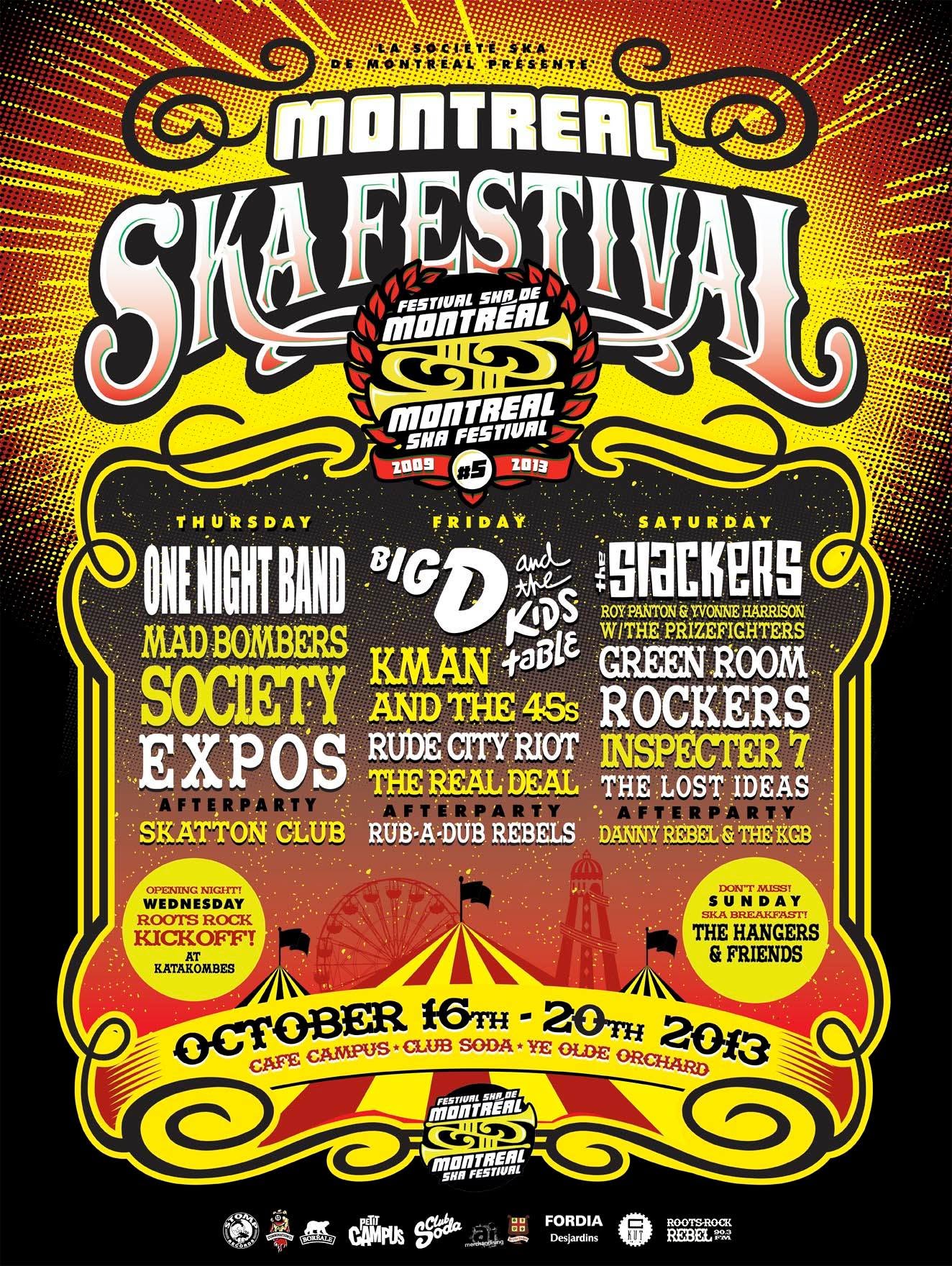
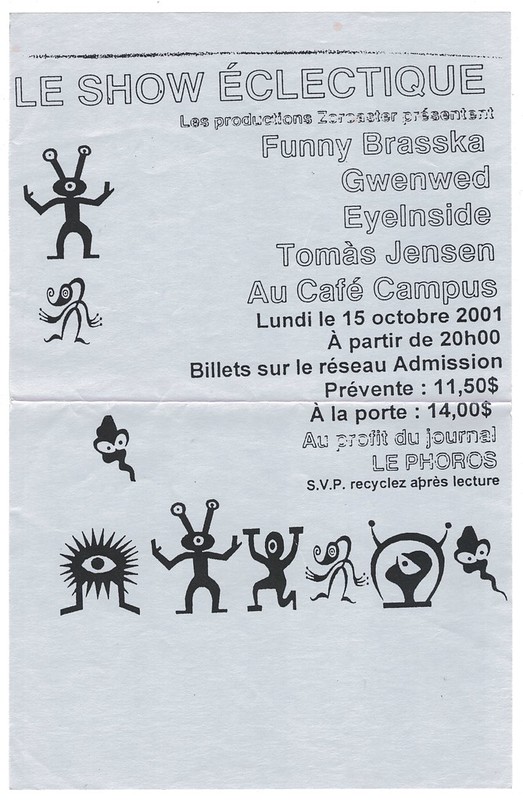
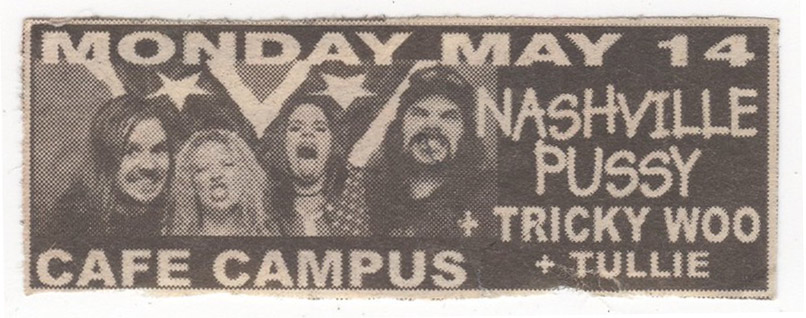
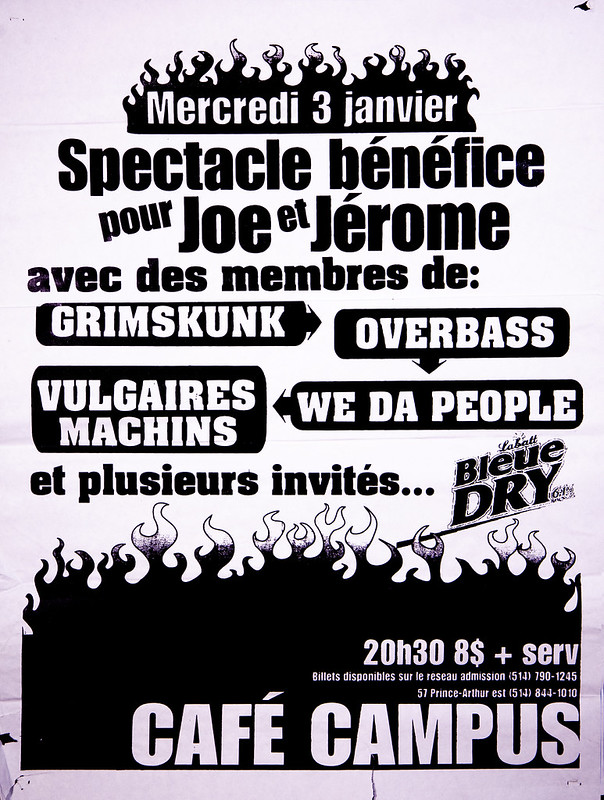
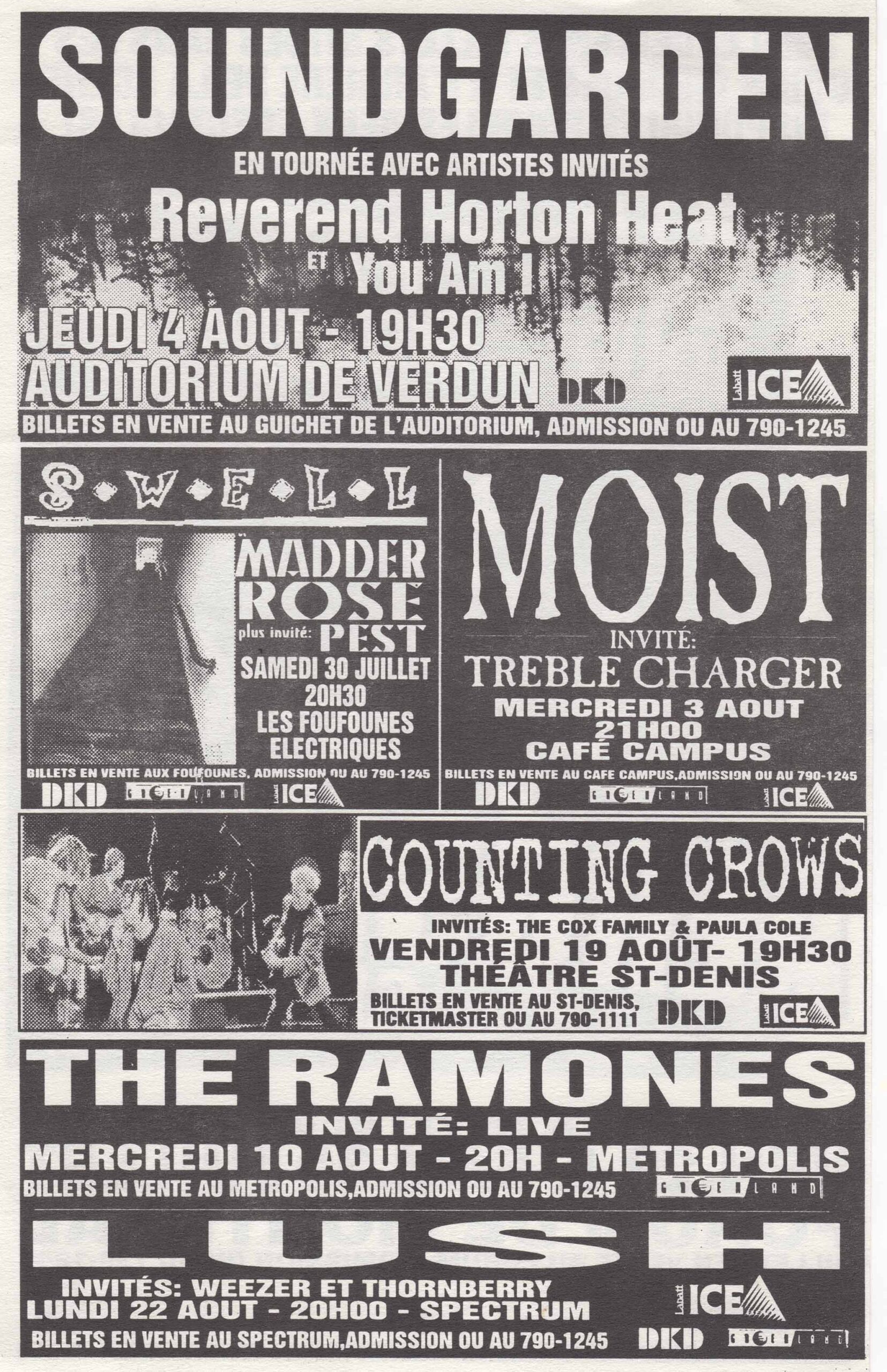
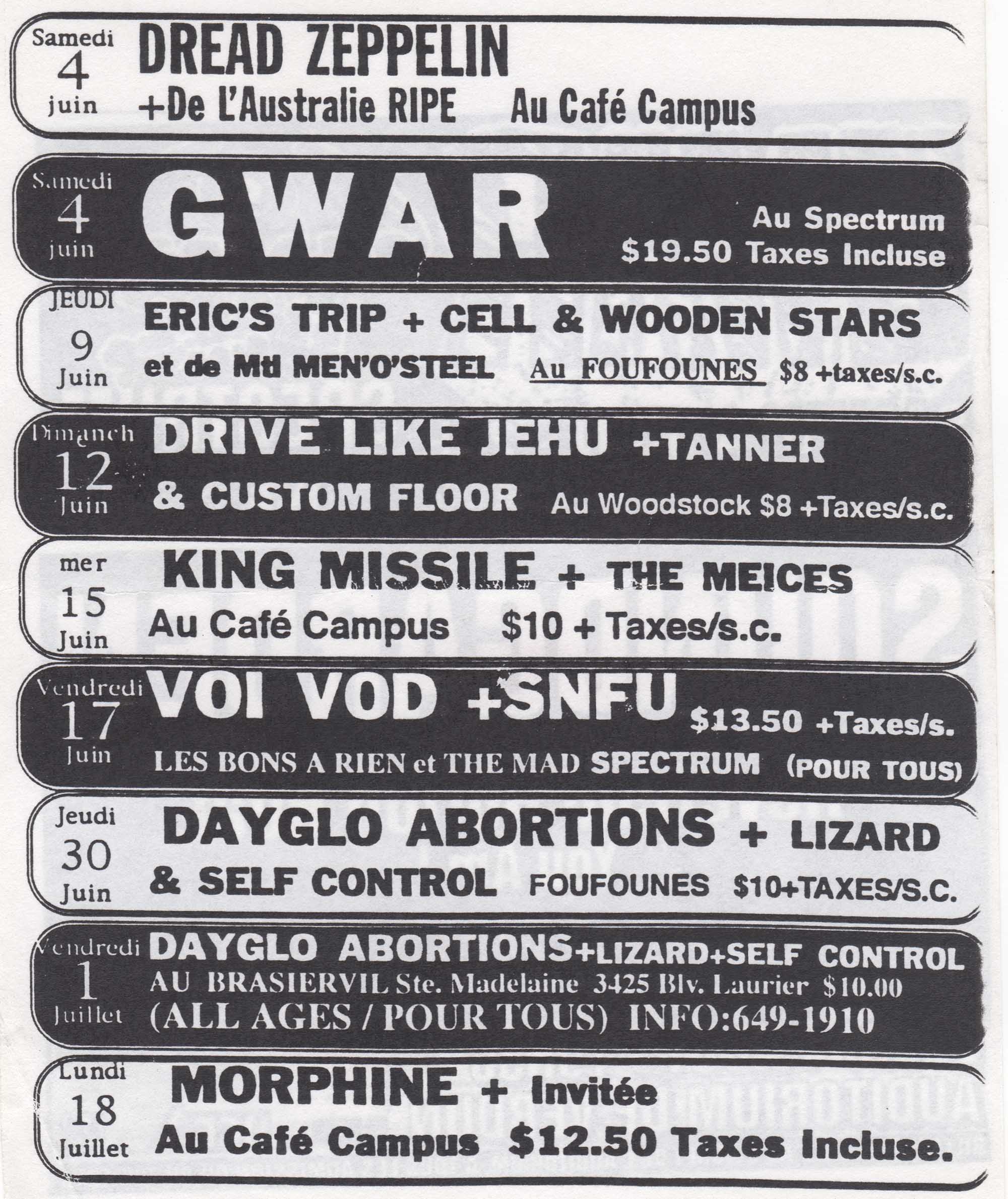
Today, located at the crossroads of the Quartier des Spectacles, the Plateau Mont-Royal and McGill University's Milton-Parc campus, Café Campus has become a fixture of Montreal nightlife and an important player in the city's cultural entertainment scene. Born from collective ingenuity, shaped by its patrons and guided by principles of equality, tolerance and non-violence, Café Campus operates four bars across three floors, offering both a nightclub and a diverse program of live performances 364 days a year. [1]
9. Sources
- https://www.cafecampus.com
- Le Café Campus a 40 ans, La Presse, Sylvie St-Jacques, February 2, 2007
- Bar ouvert pour le 40e, La Presse, Philippe Renaud, January 18, 2007
- Le Café Campus est contraint de déménager, La Presse, Jules Béliveau, January 21, 1992
- Le Café Campus a 20 ans, La Presse, Denis Lavoie, September 26, 1987
- Le Café Campus refait surface, La Presse, June 22, 1993
- Réouverture du Café Campus, Le Devoir, June 25, 1993