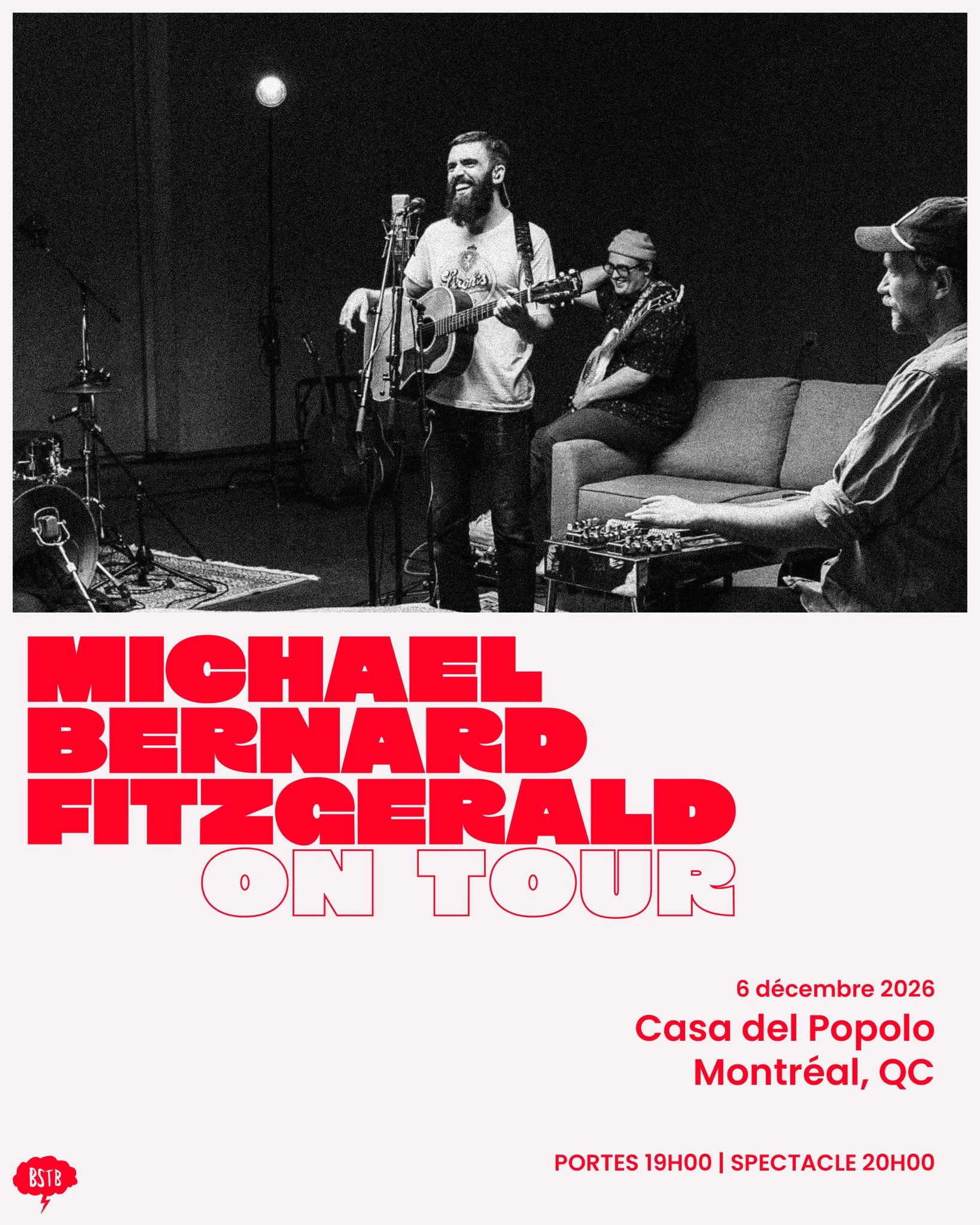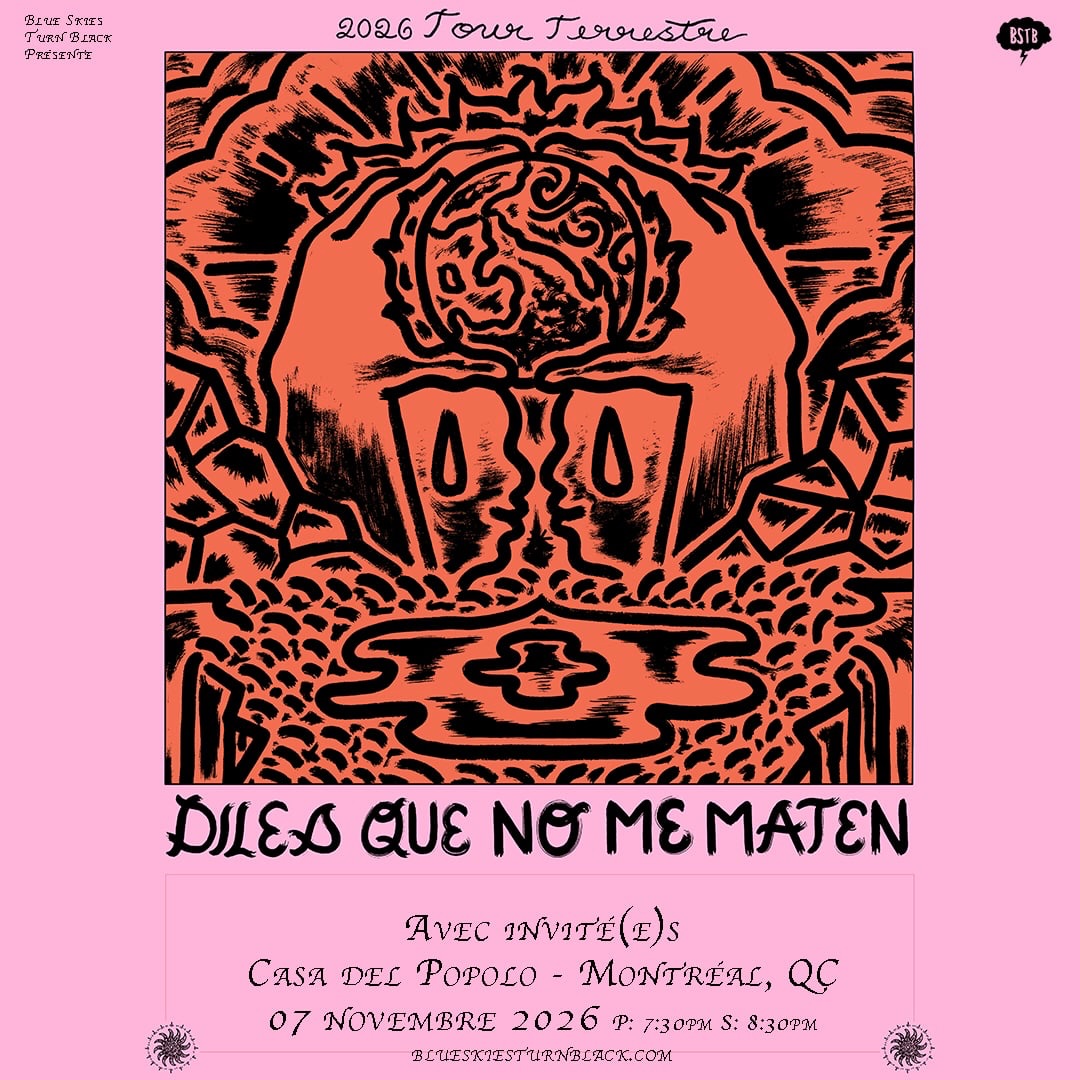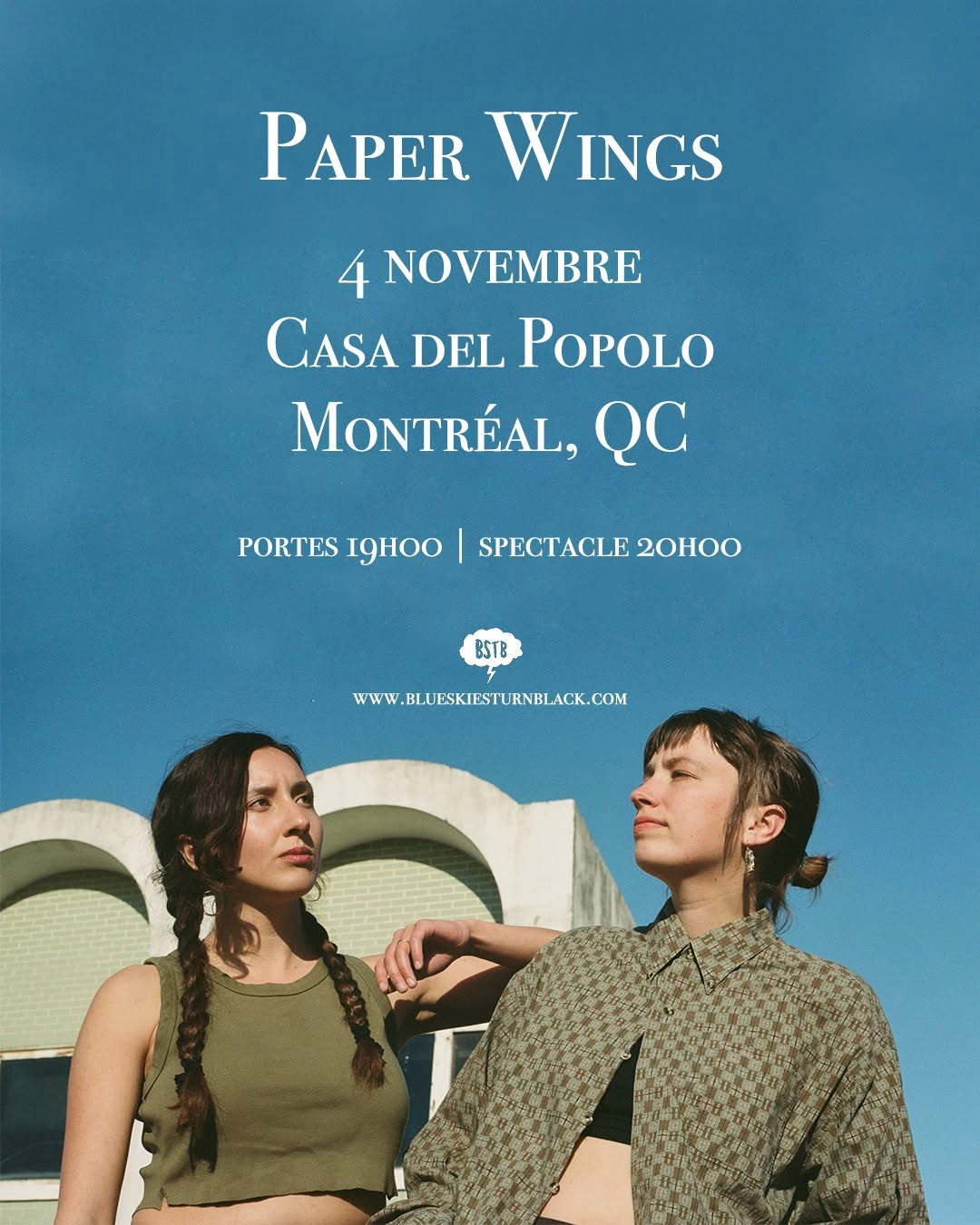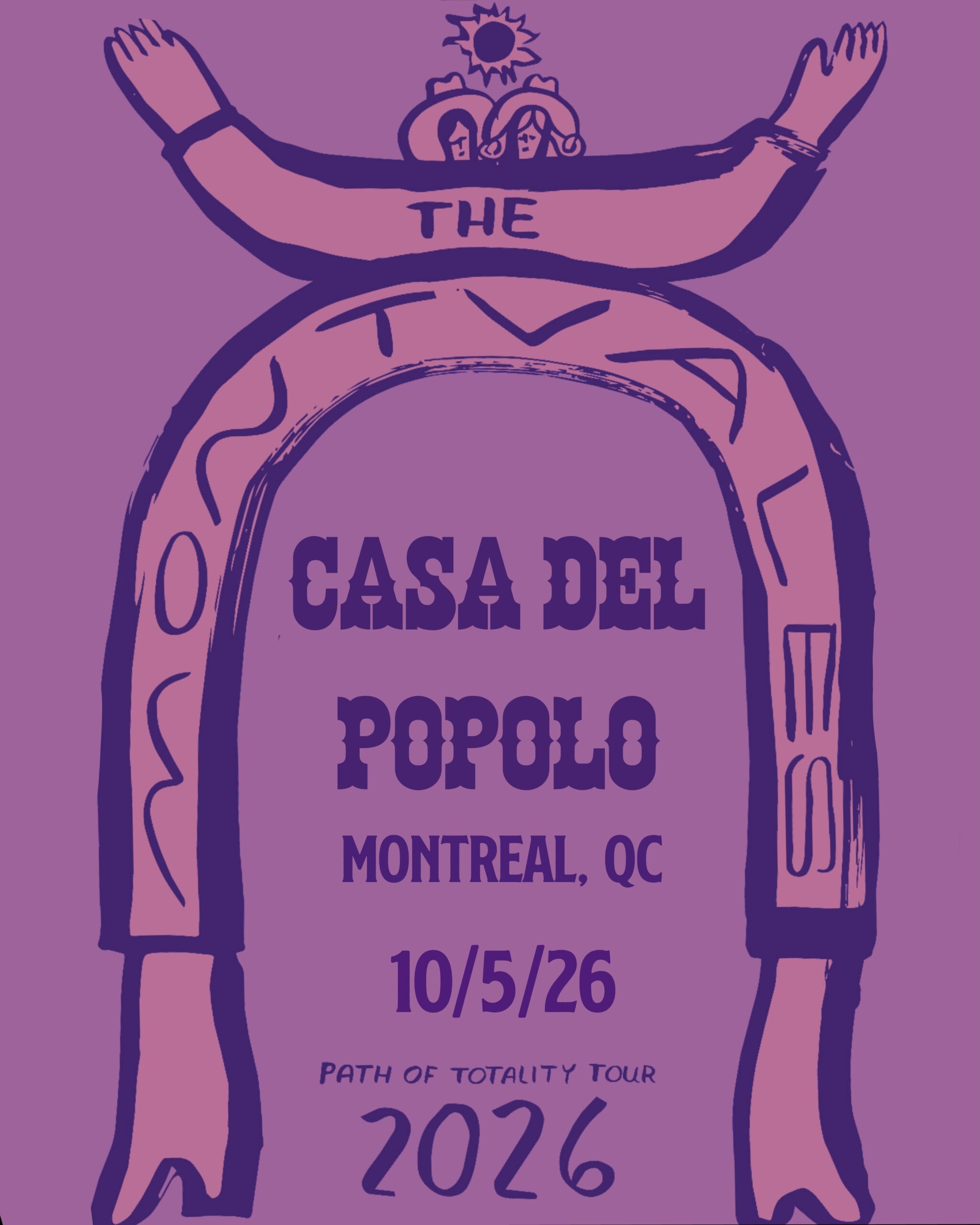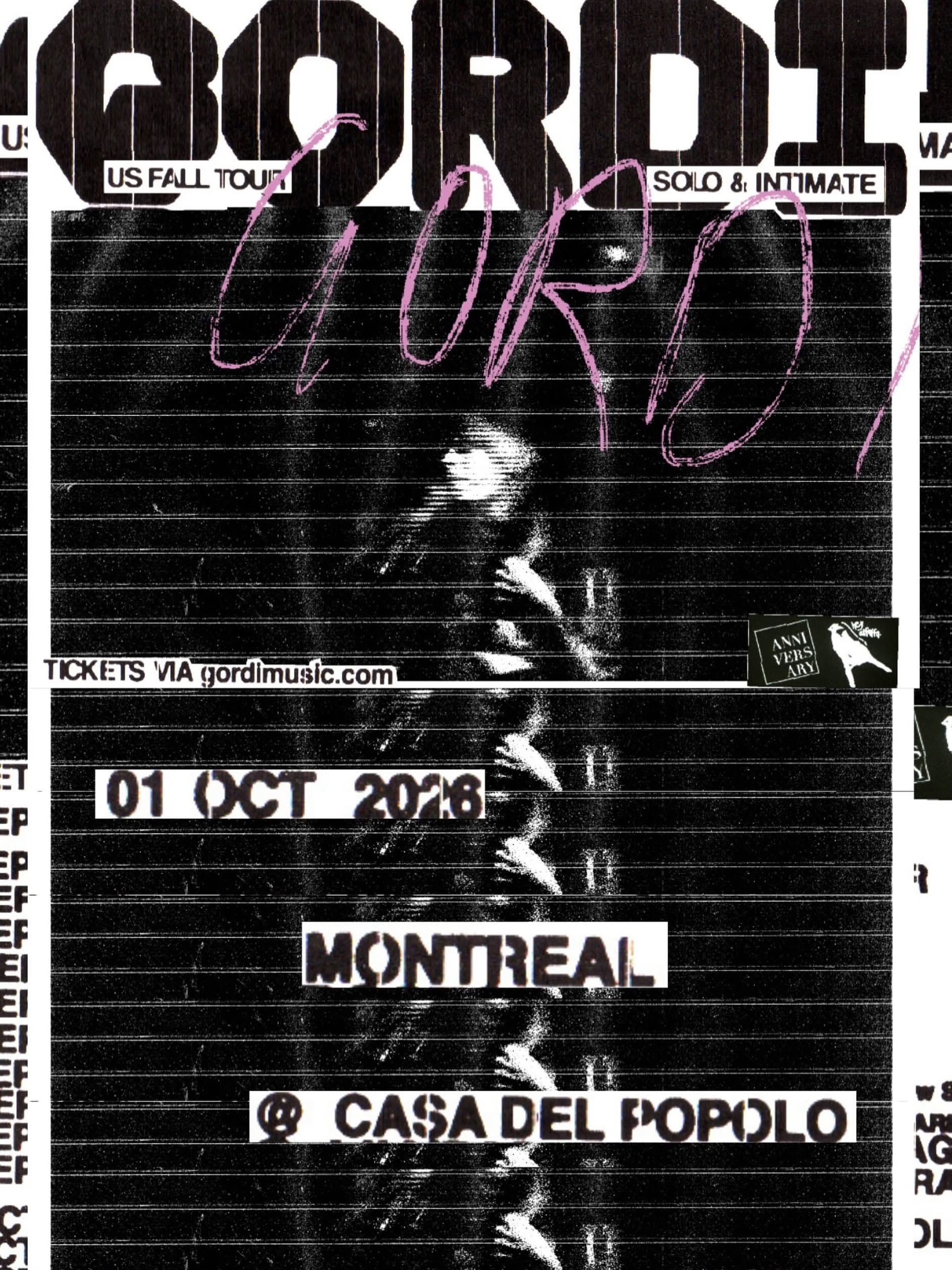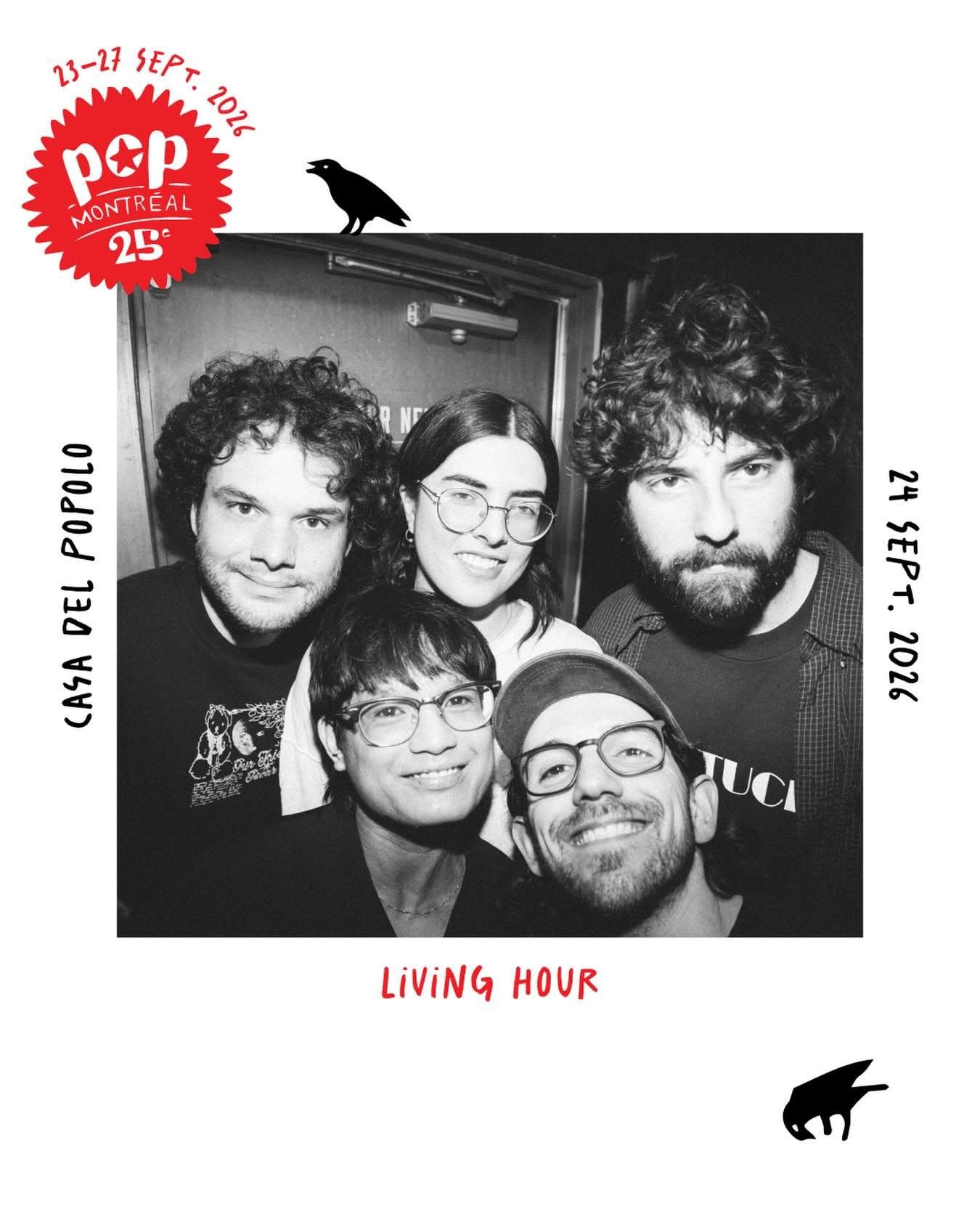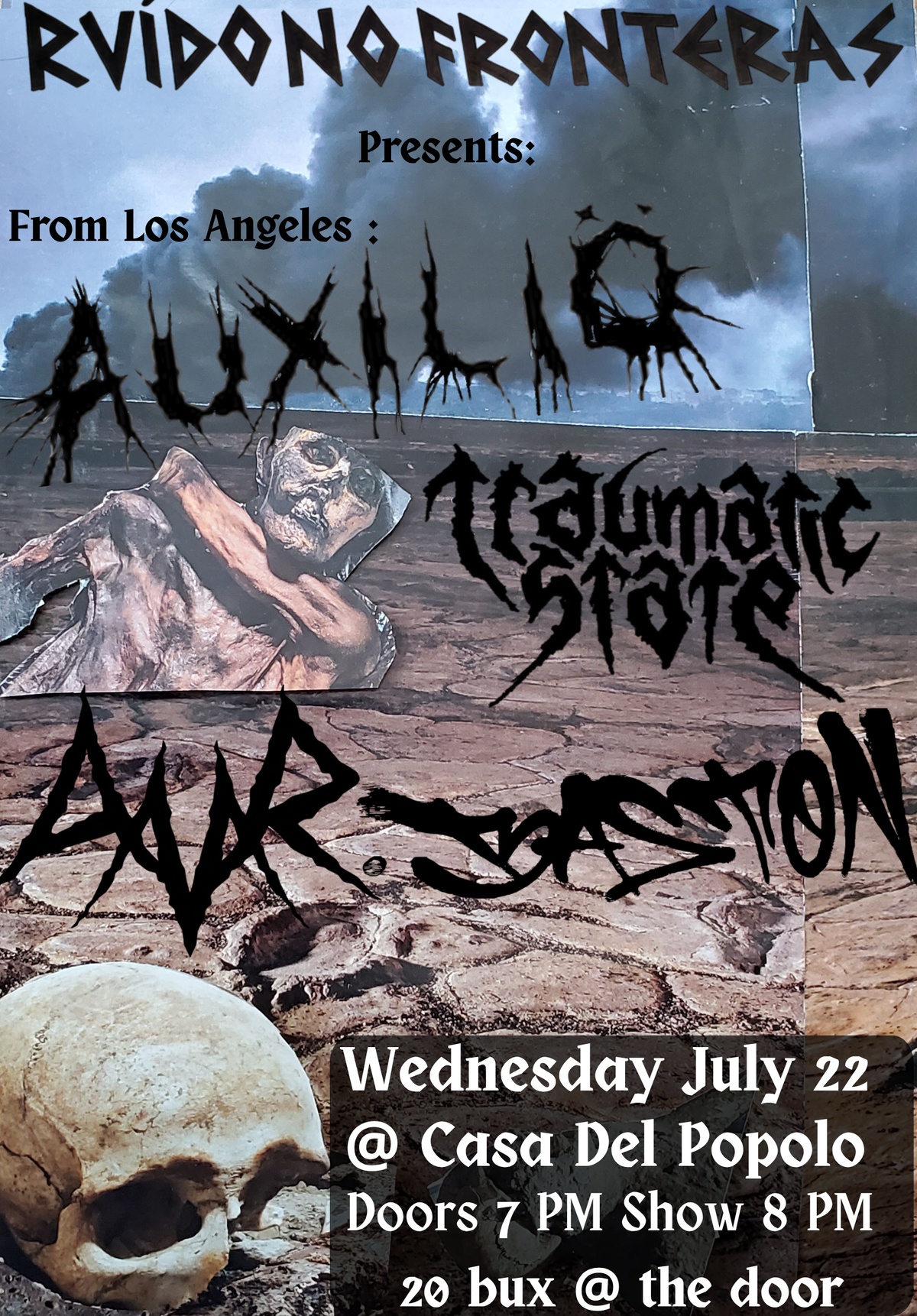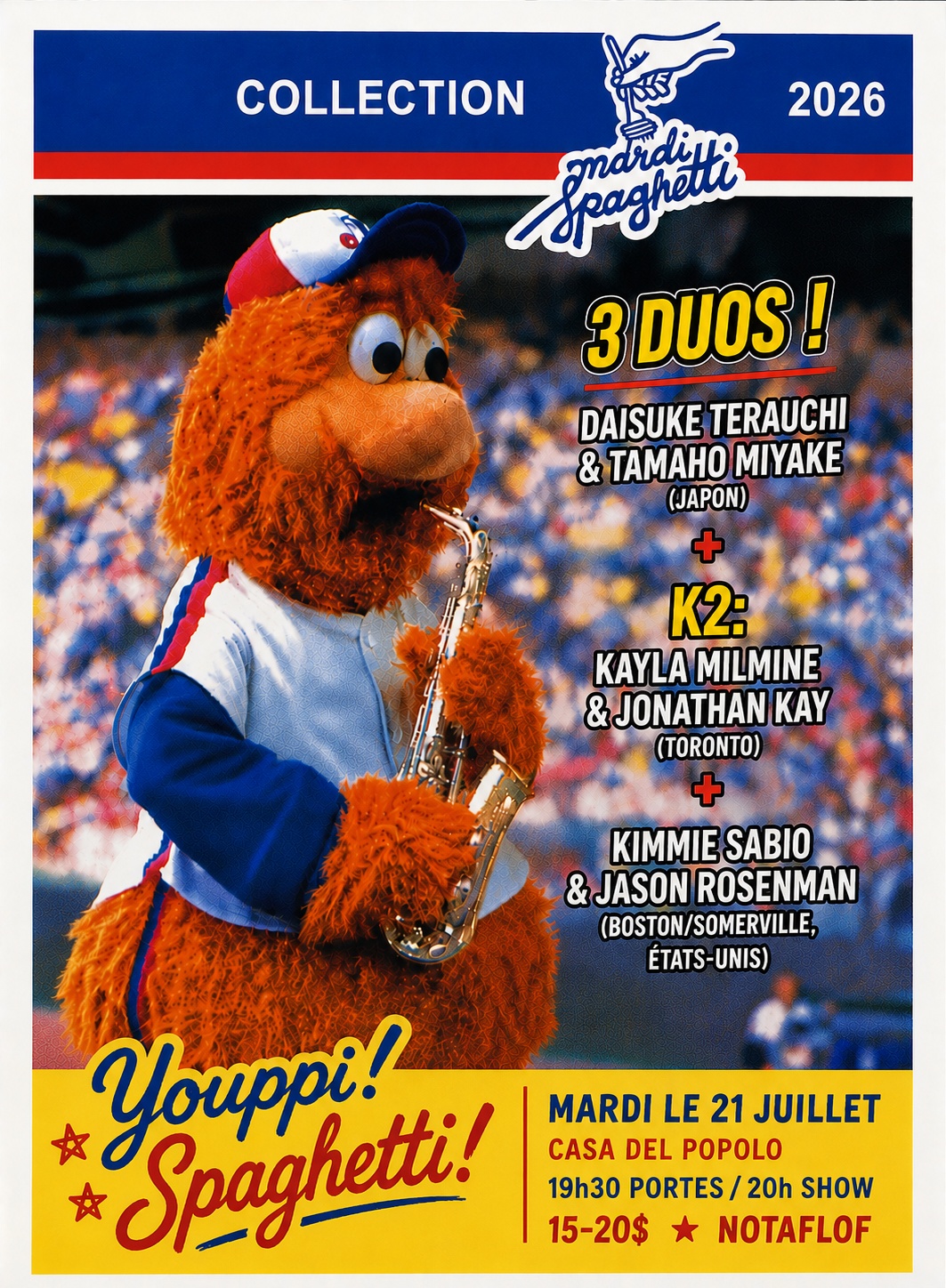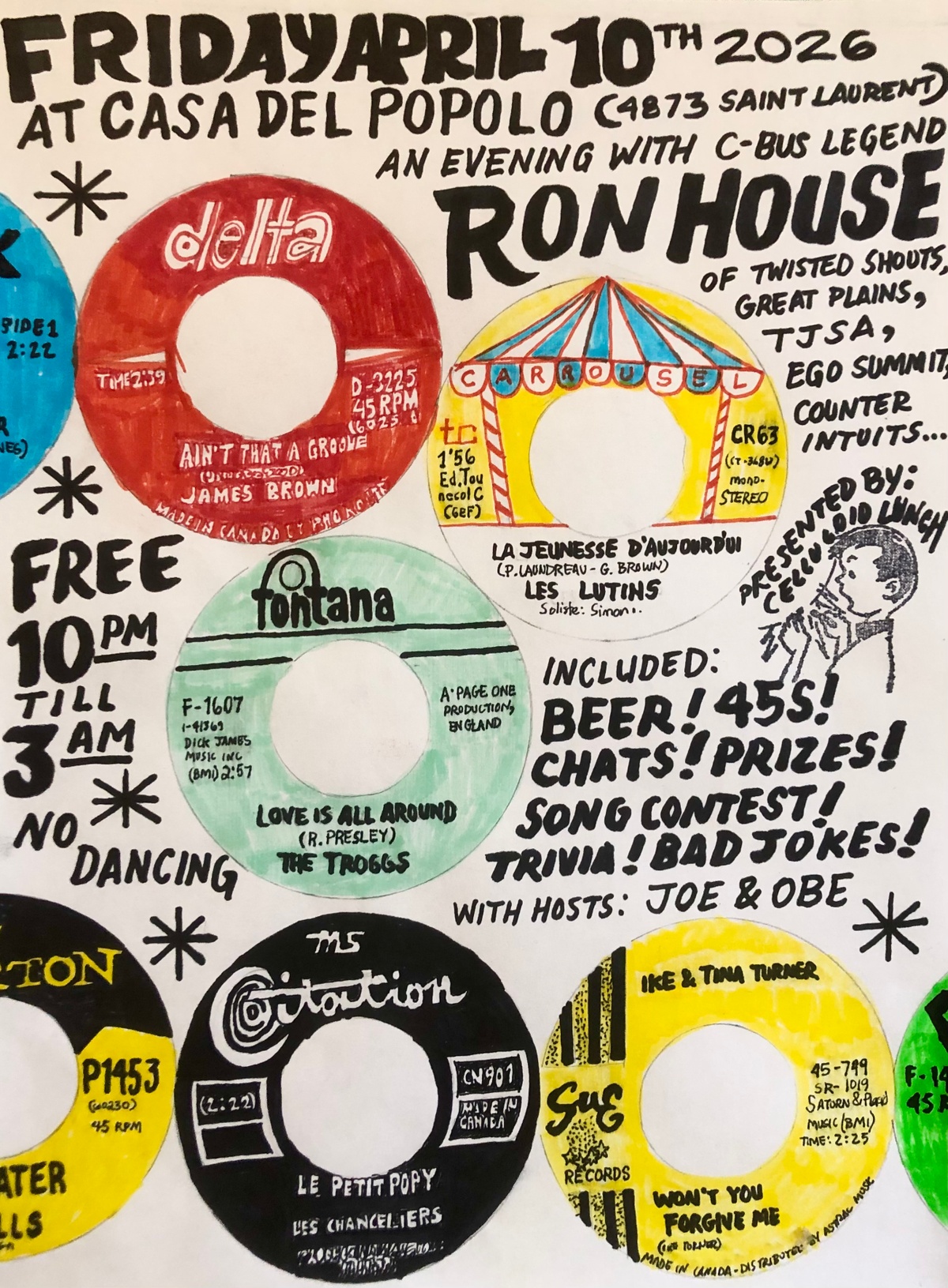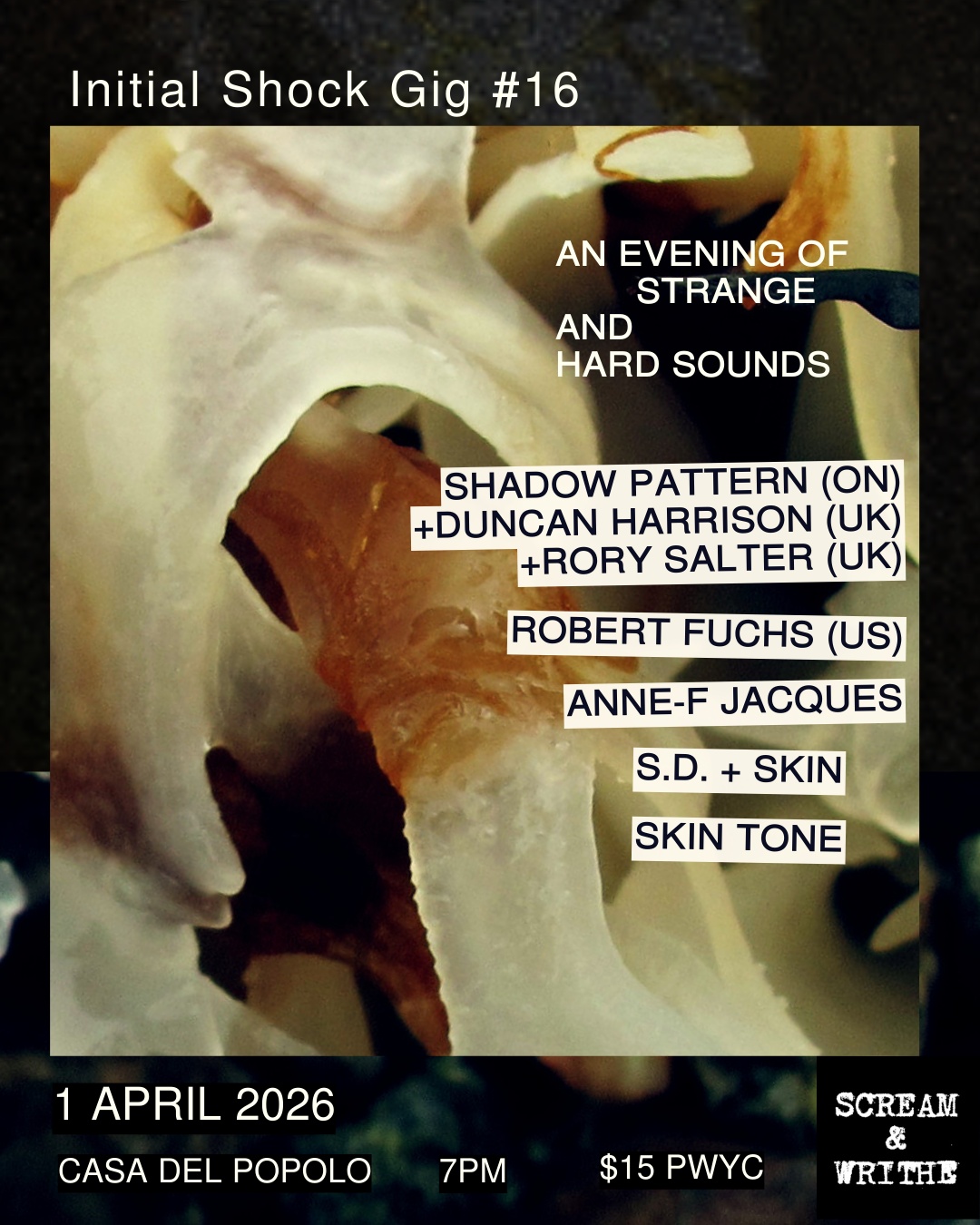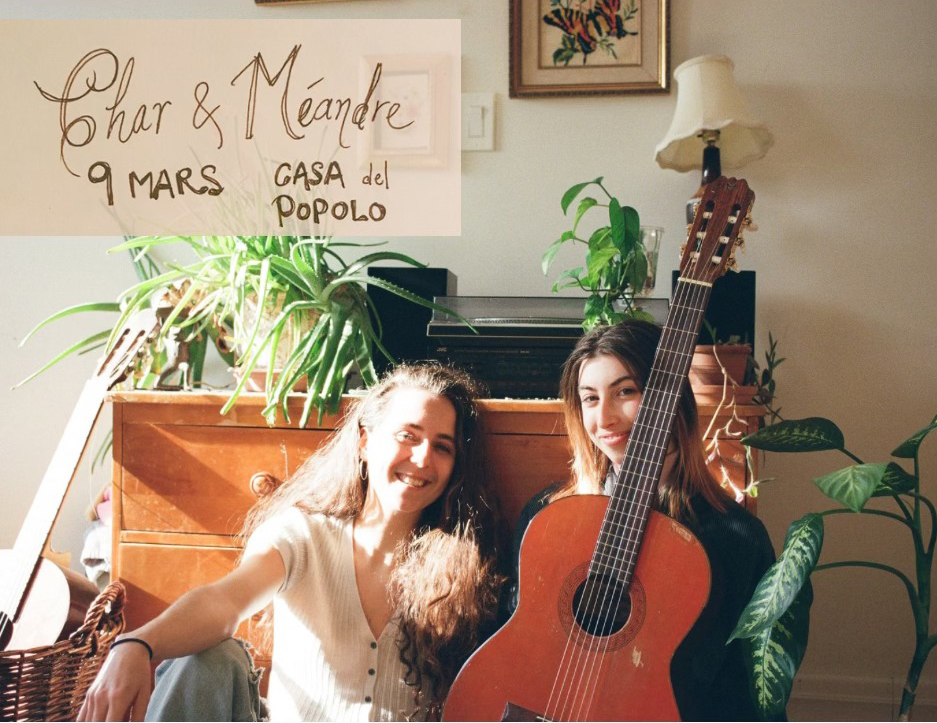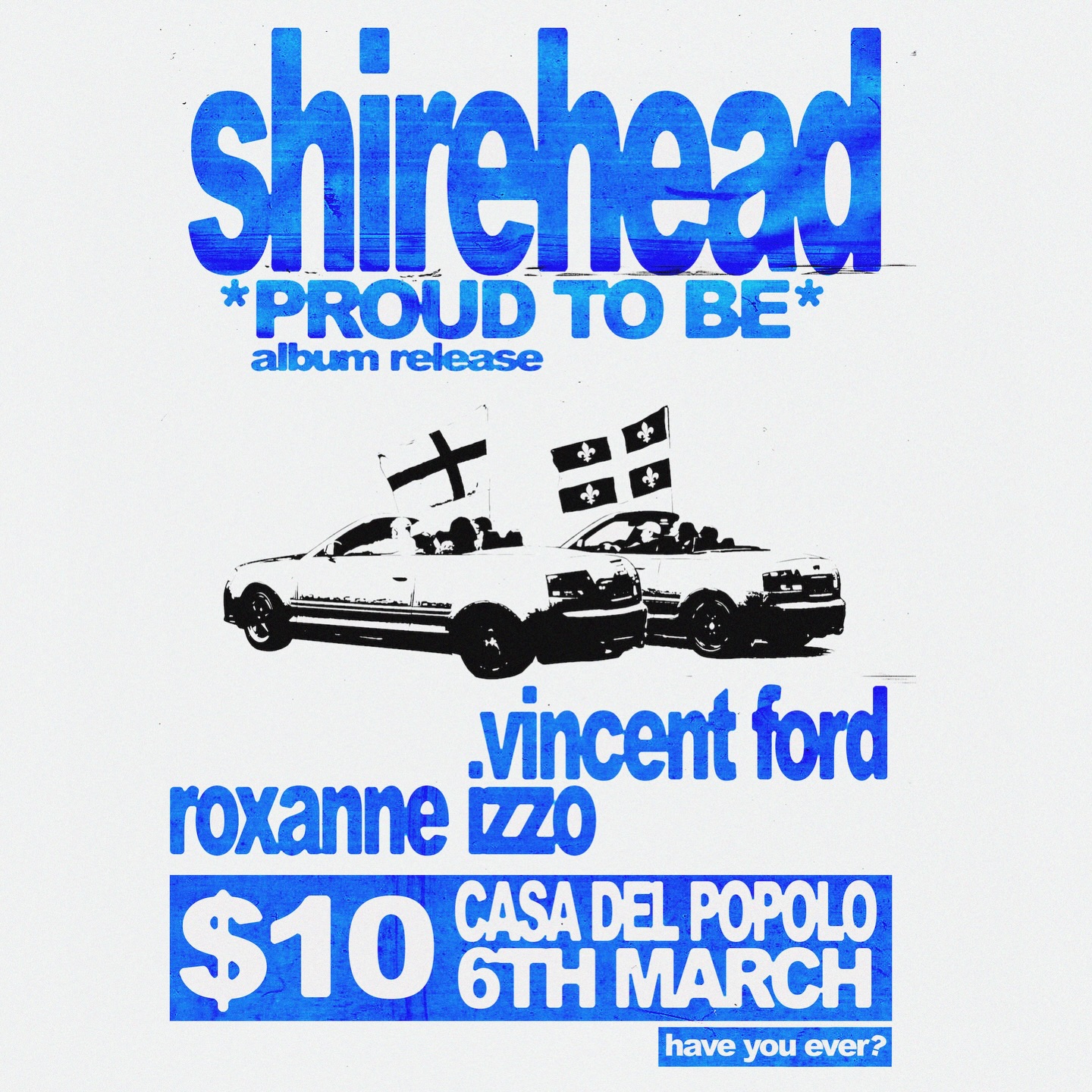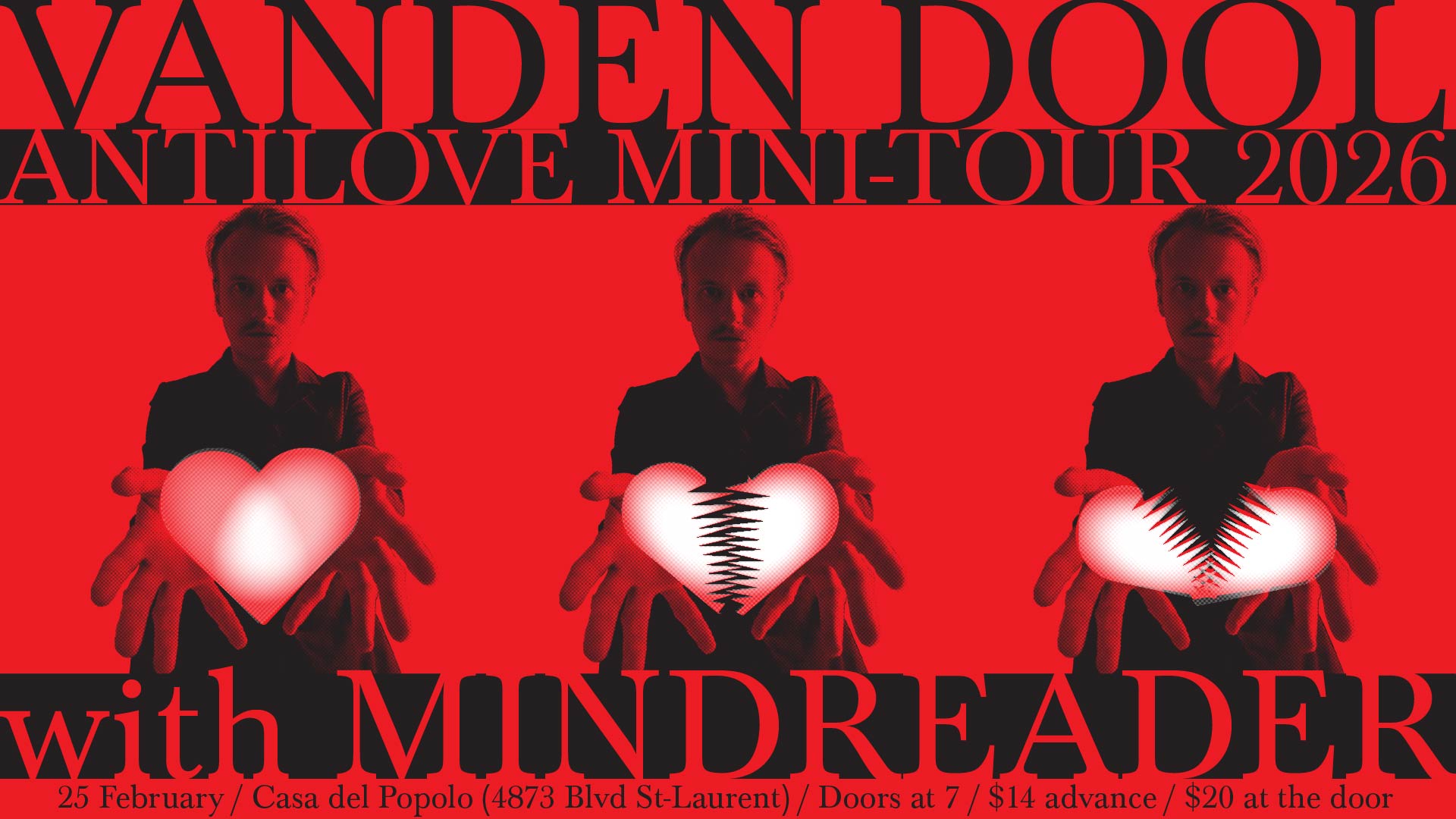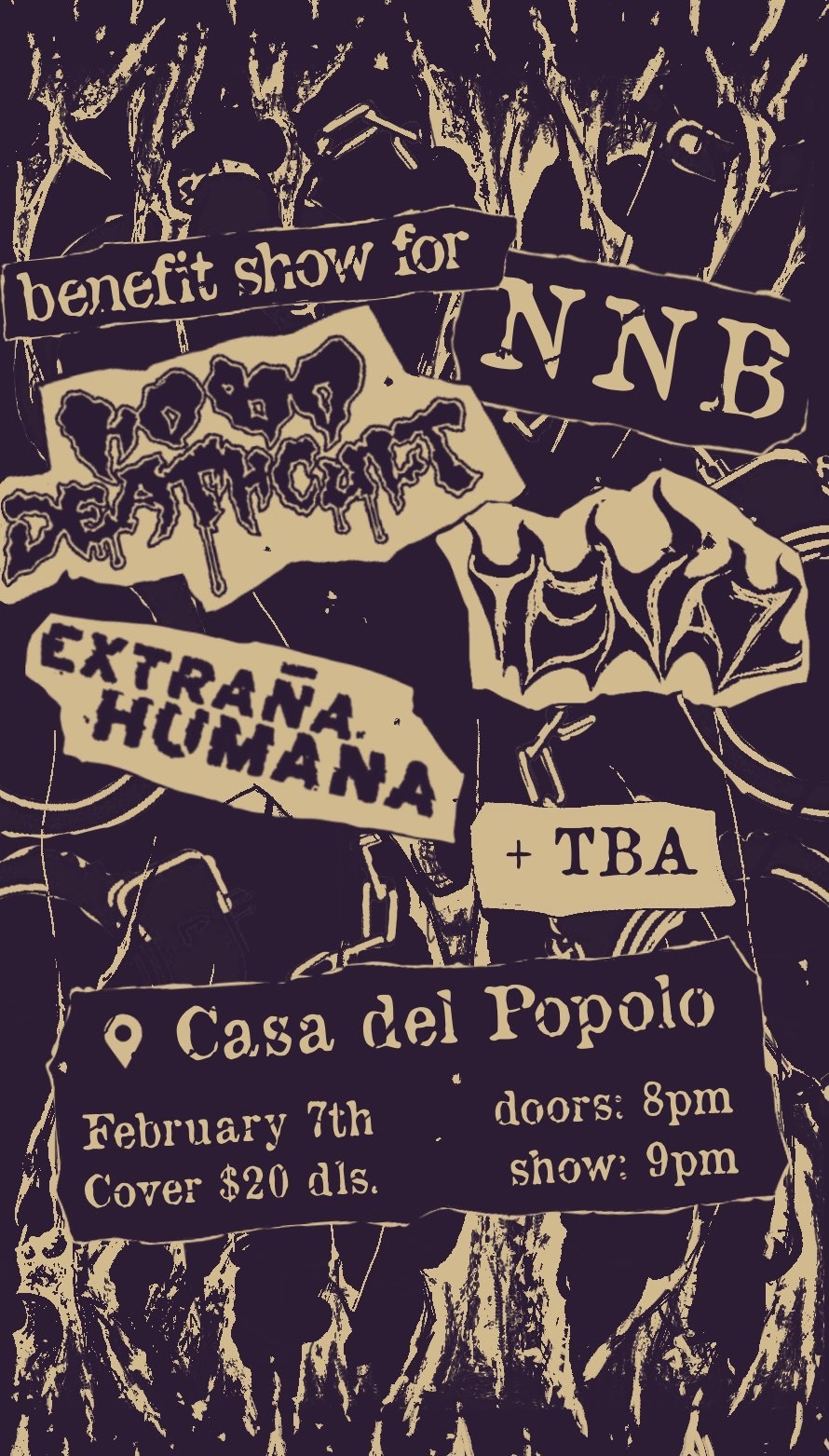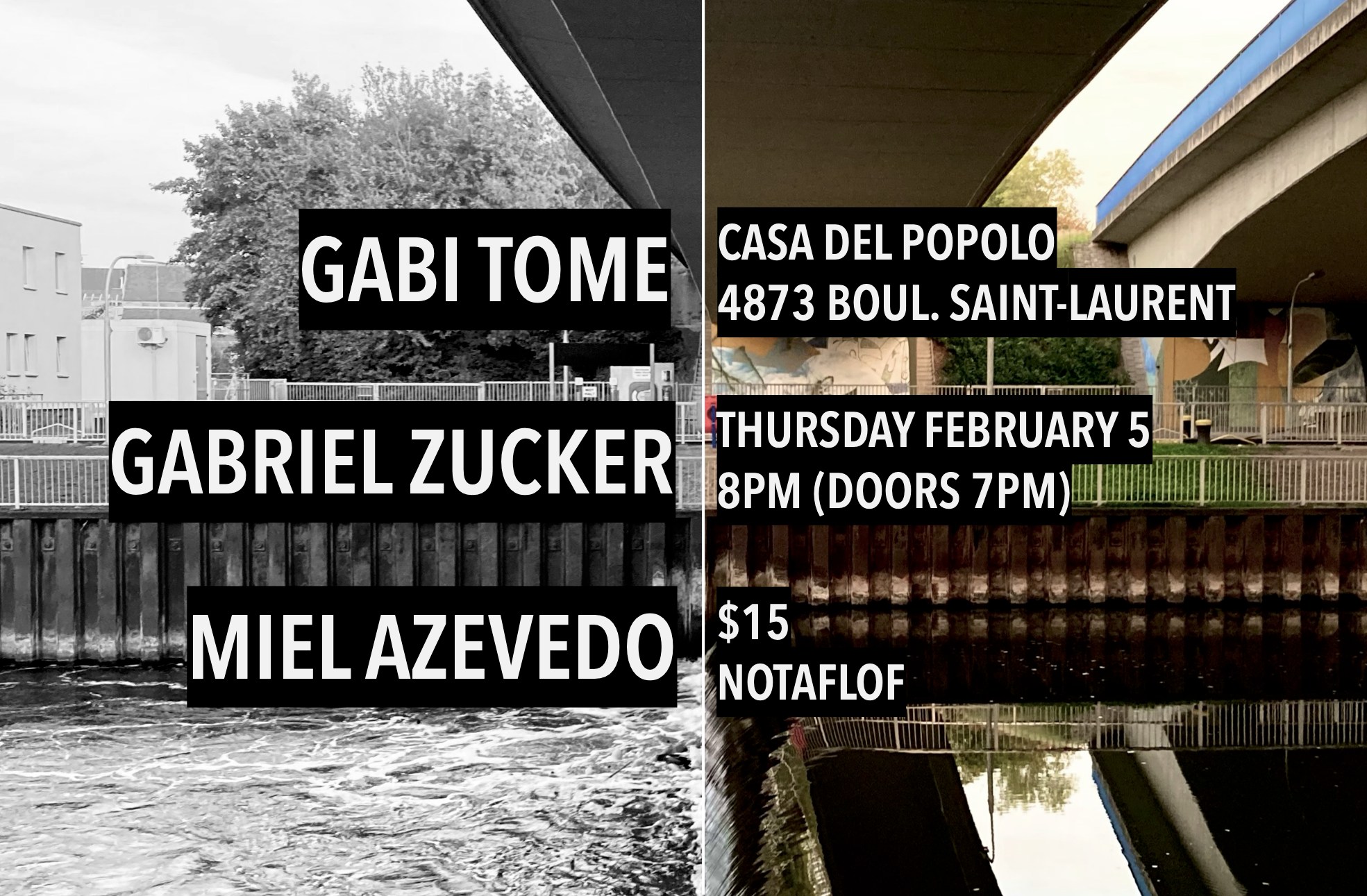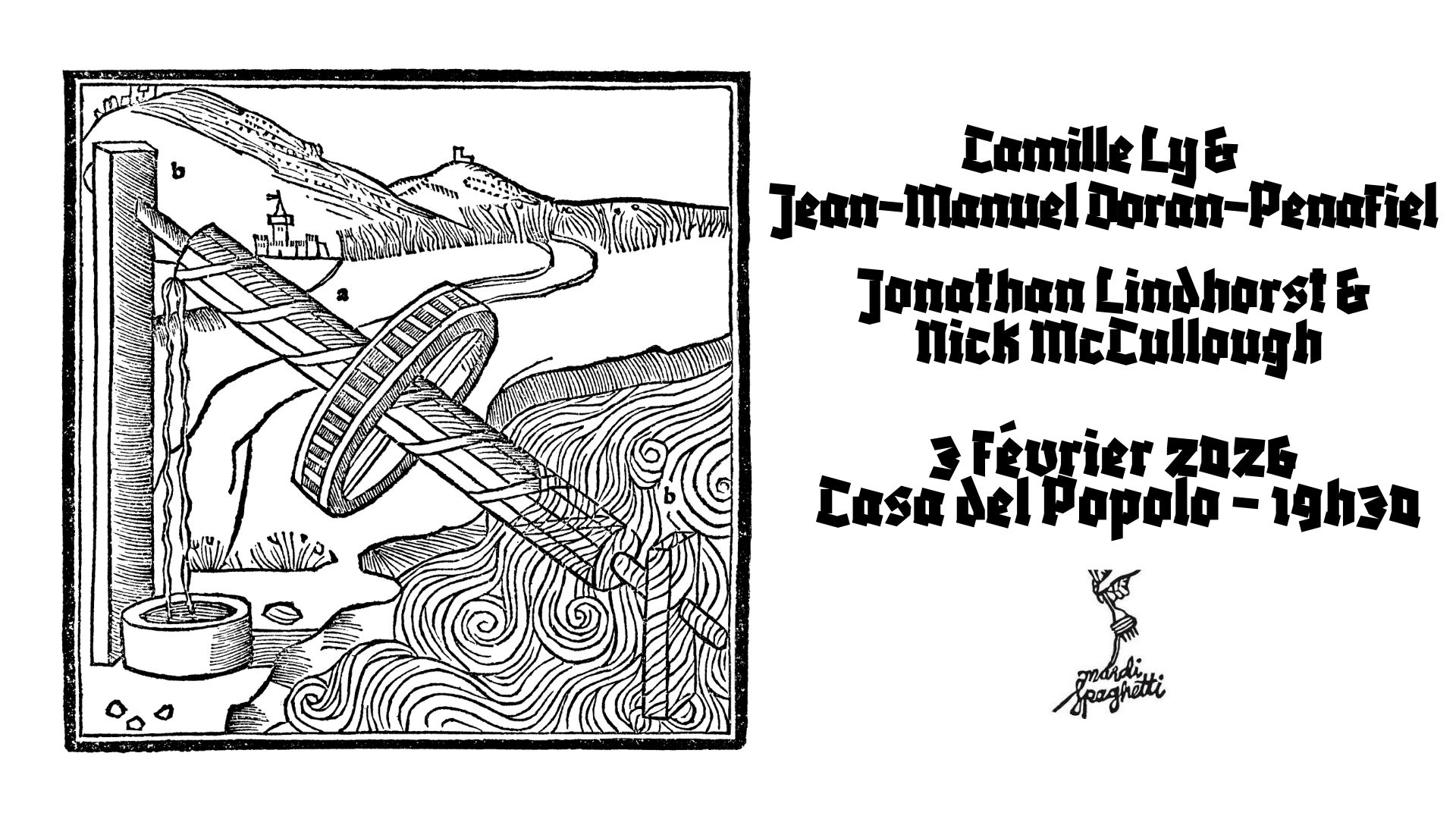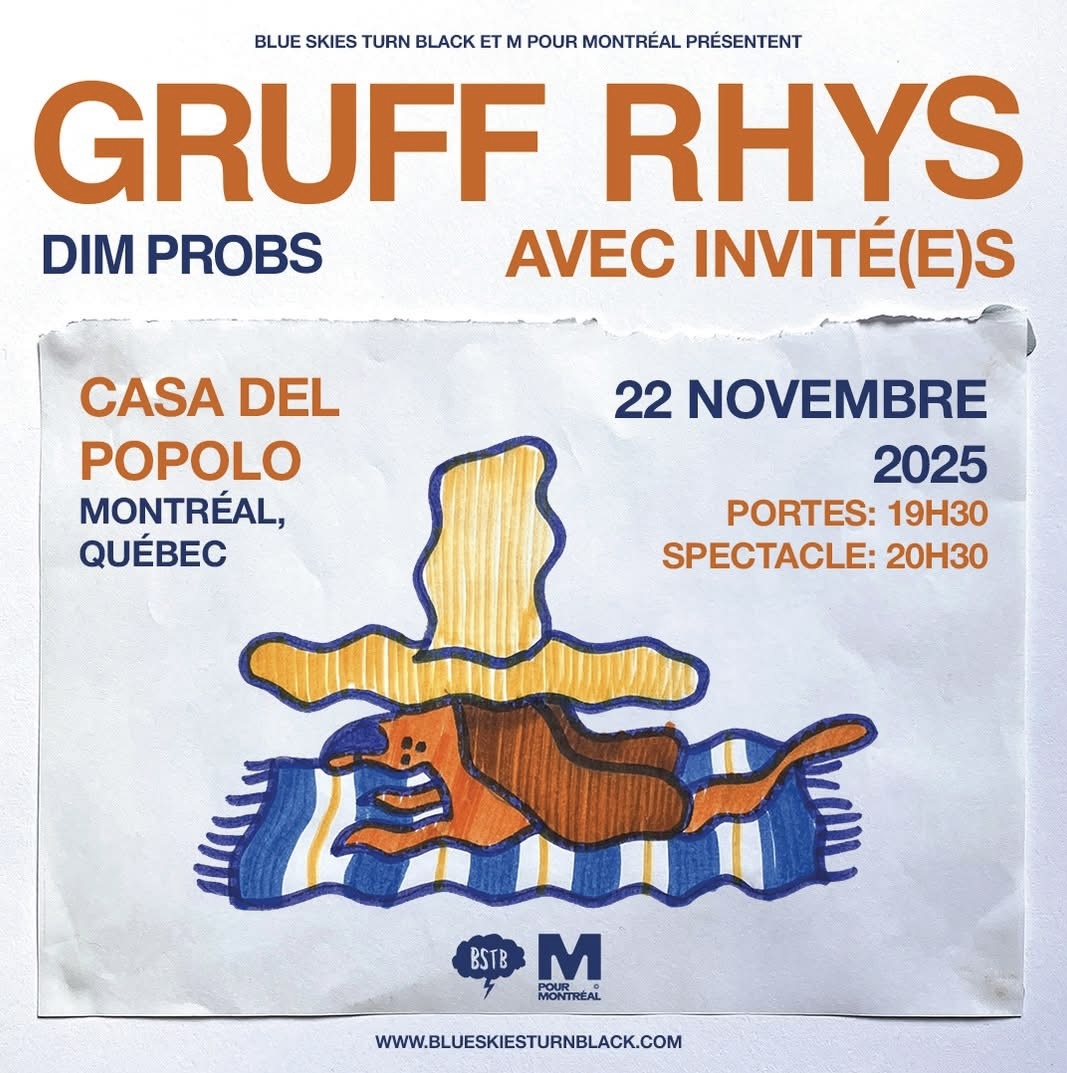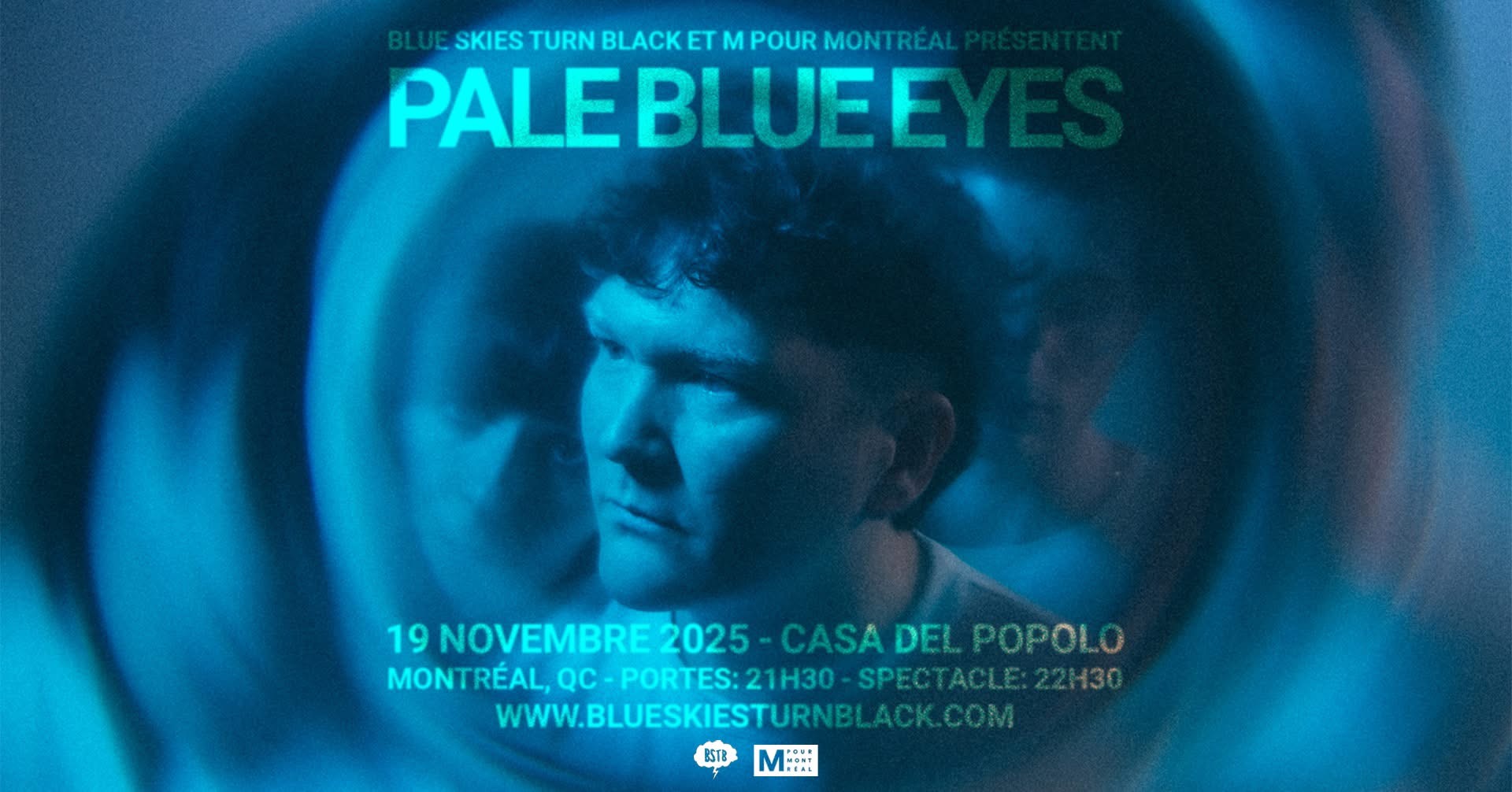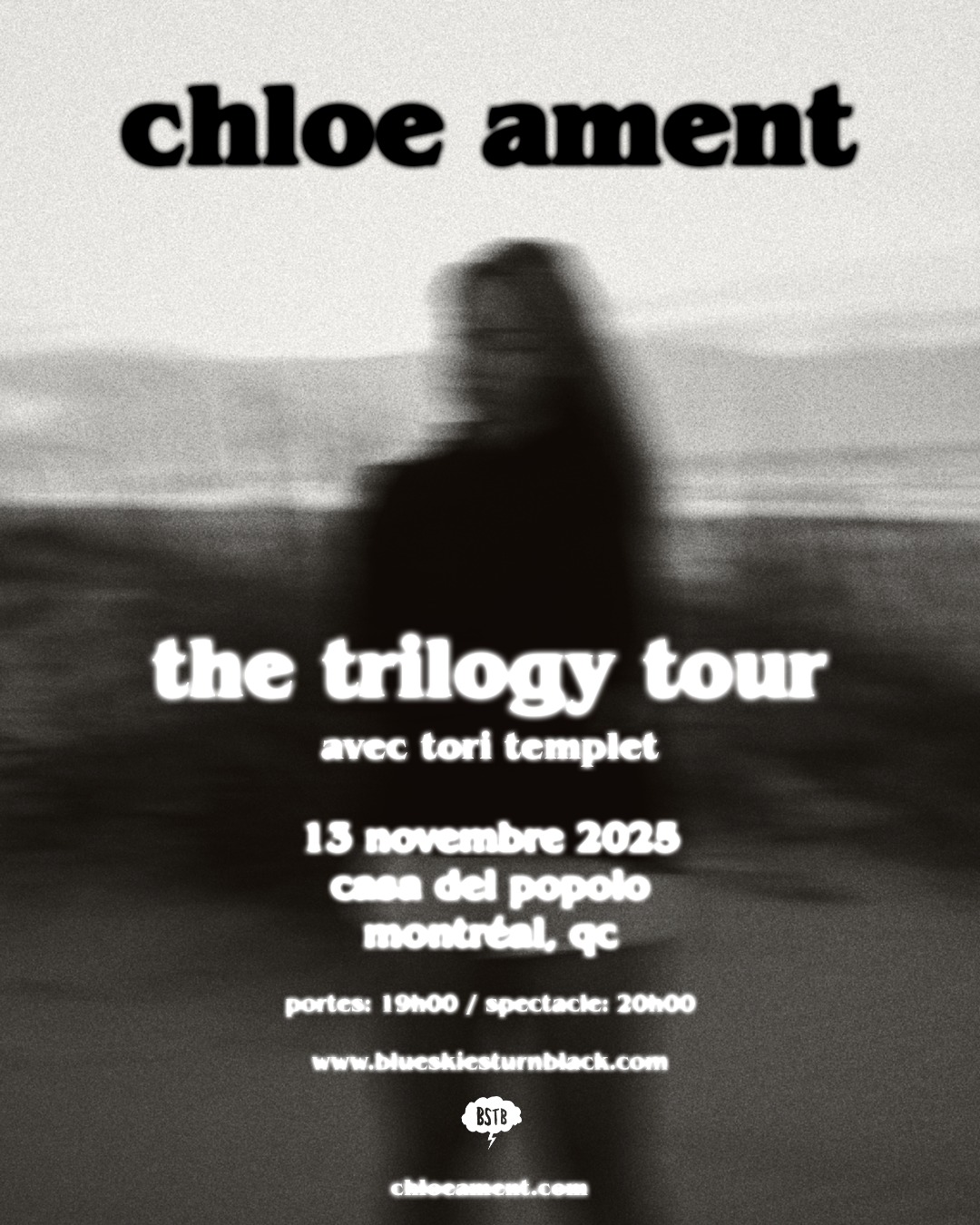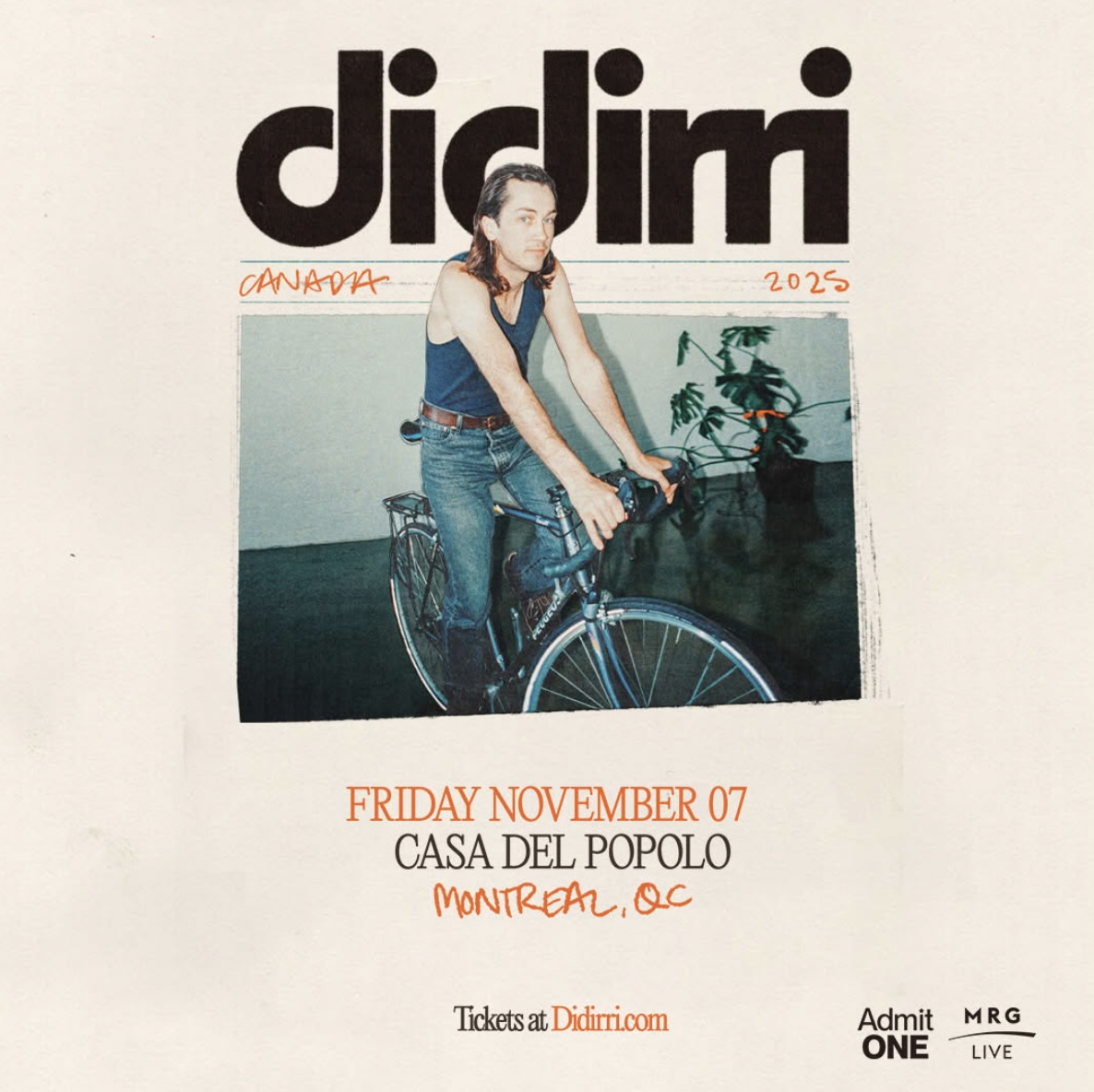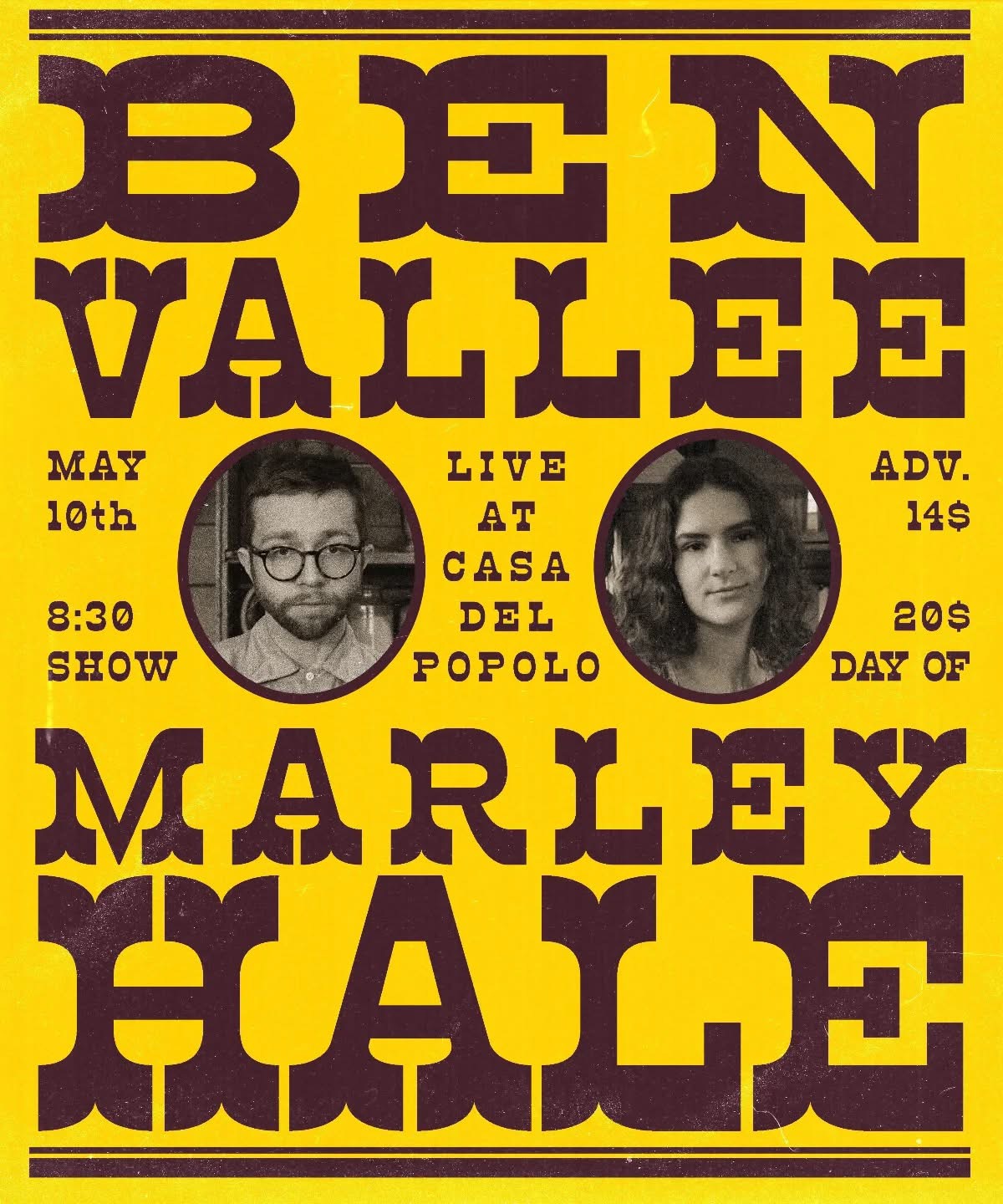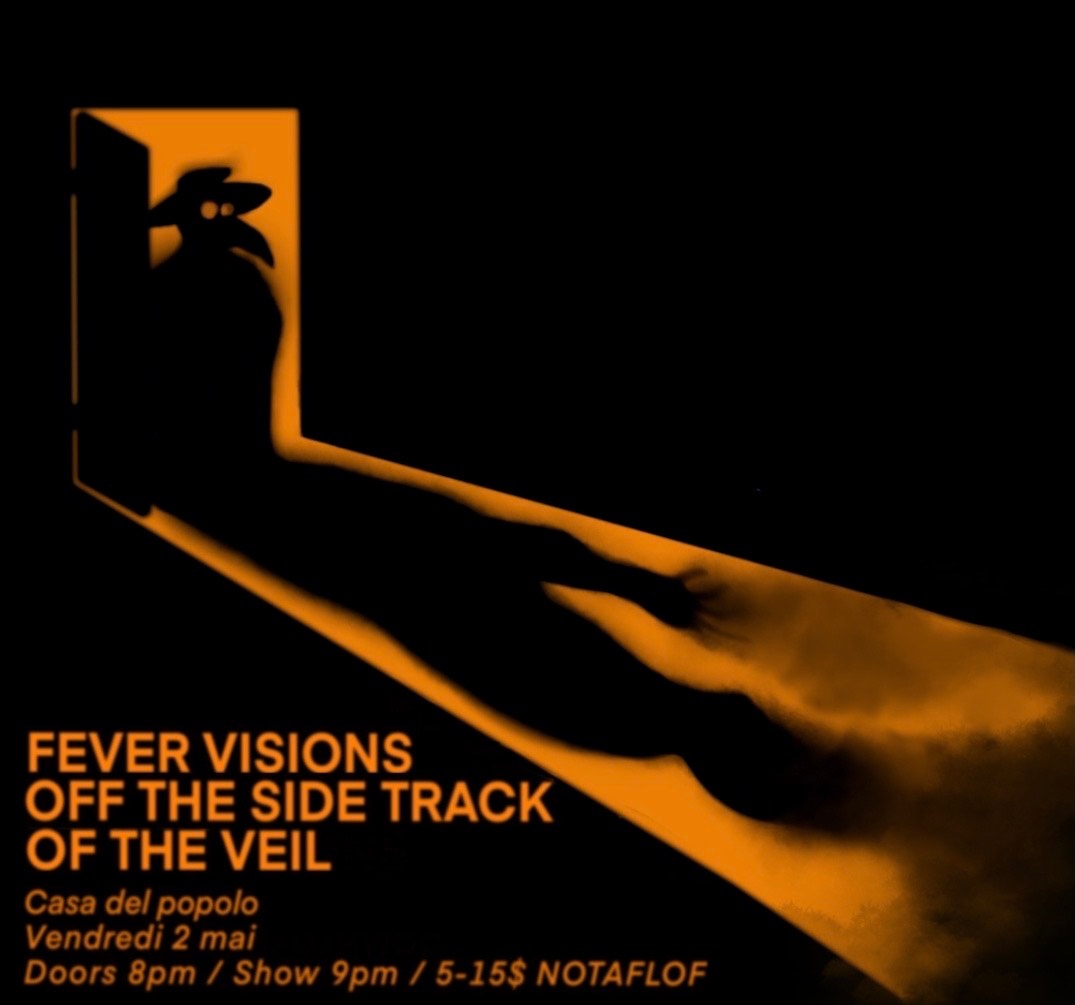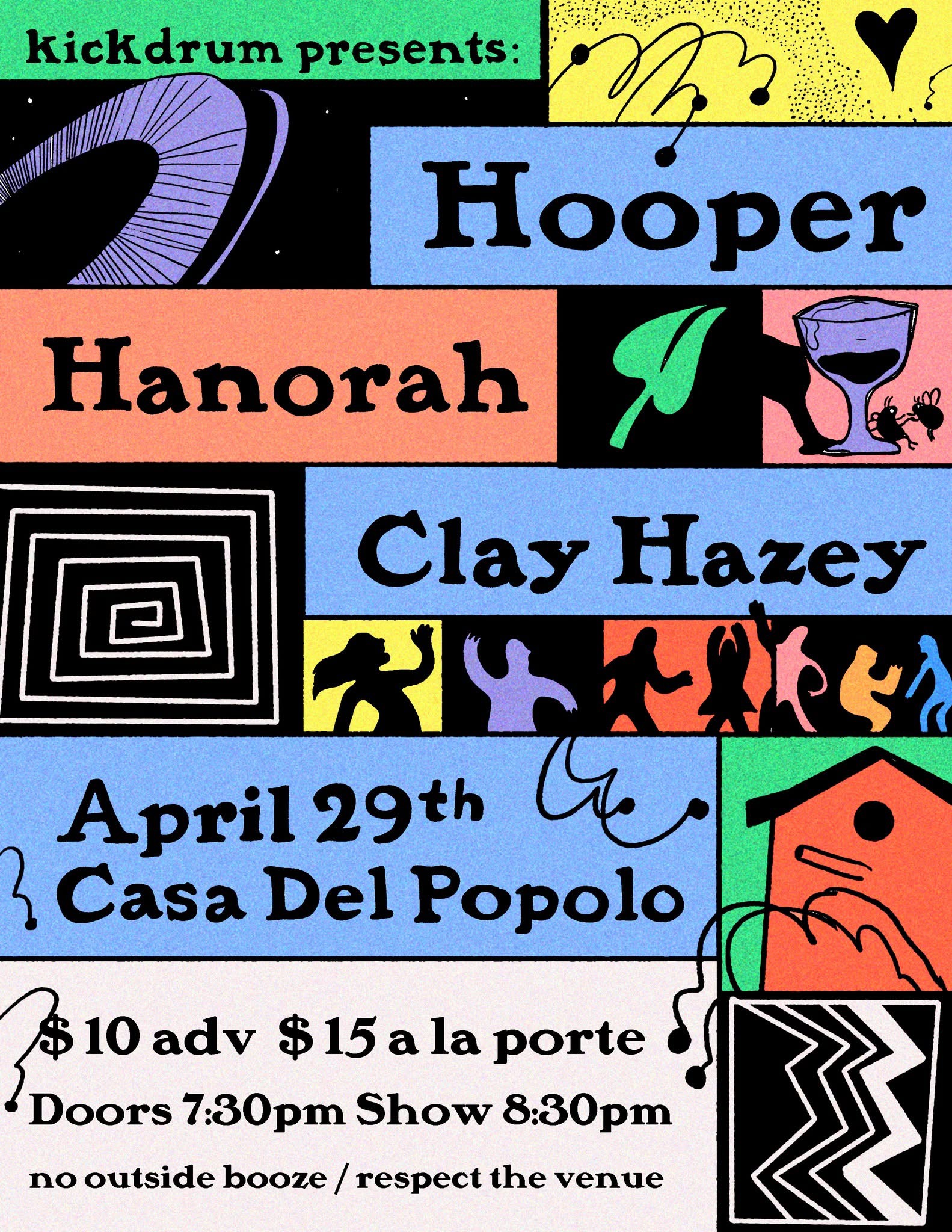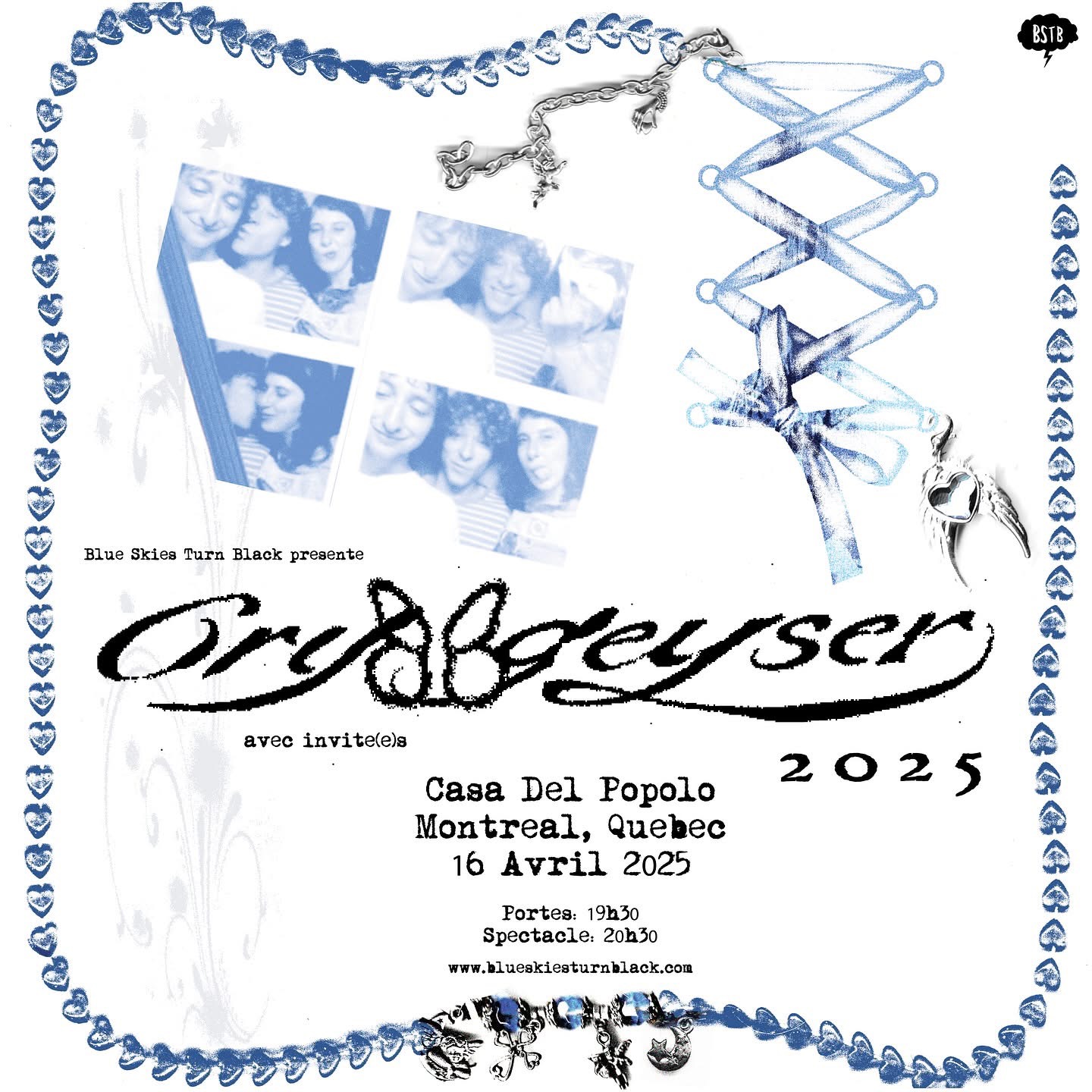
Casa del Popolo (Montreal)
Established in 2000 at 4873 Saint-Laurent Boulevard, Casa del Popolo became one of the emblematic venues of Montreal’s independent music scene. Founded by Mauro Pezzente and Kiva Stimac in the former Artishow space, it combined a café, vegetarian kitchen, bar, concerts, visual arts, poetry and film from the outset. Its small, roughly 100-capacity room quickly became an anchor for independent, experimental and avant-garde music, and the nucleus of an ecosystem that would give rise to Suoni Per Il Popolo and expand to include La Sala Rossa. [1], [2], [3]
1. Overview
At the turn of the 2000s, Montreal had an especially fertile independent music scene, yet relatively few small venues where local bands, experimental artists and marginal touring acts could perform. It was in this context that Casa del Popolo established itself at 4873 Saint-Laurent Boulevard, near Saint-Joseph Boulevard.
The Casa, however, was not conceived simply as a concert venue. The project created by Mauro Pezzente and Kiva Stimac combined a café, vegetarian kitchen, bar and cultural space. Concerts, exhibitions, poetry, film, performances and launches coexisted in a deliberately accessible, informal and human-scale setting. [2], [3]
This formula quickly became one of the gathering points of Montreal’s independent culture. Only a few months after opening, the press was already describing a venue frequented by a new bohemian crowd on Saint-Laurent Boulevard; a few years later, the Casa was portrayed as one of the places where developing artists could get their first break and be noticed. [3], [9]
2. 4873 Saint-Laurent before the Casa
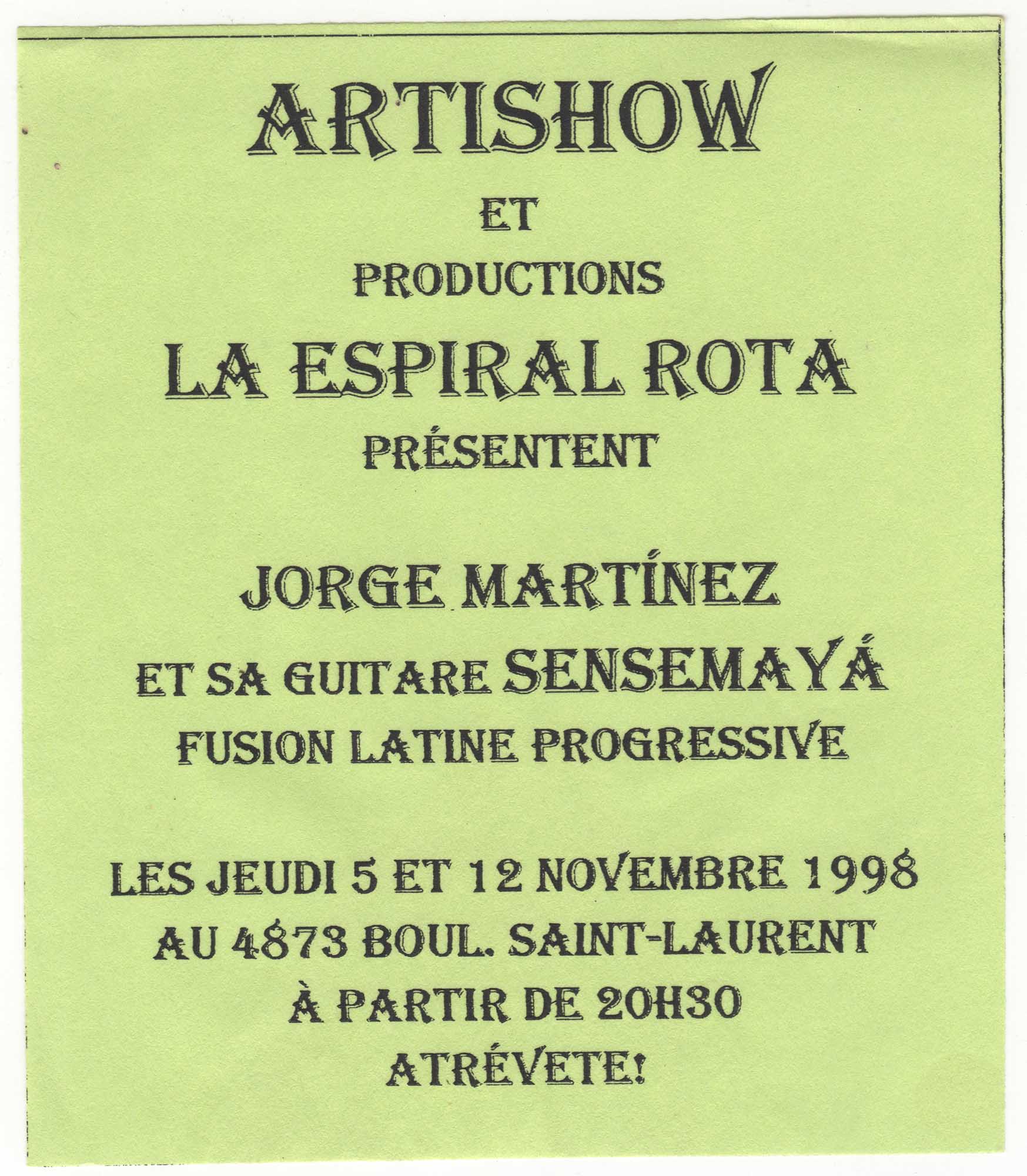
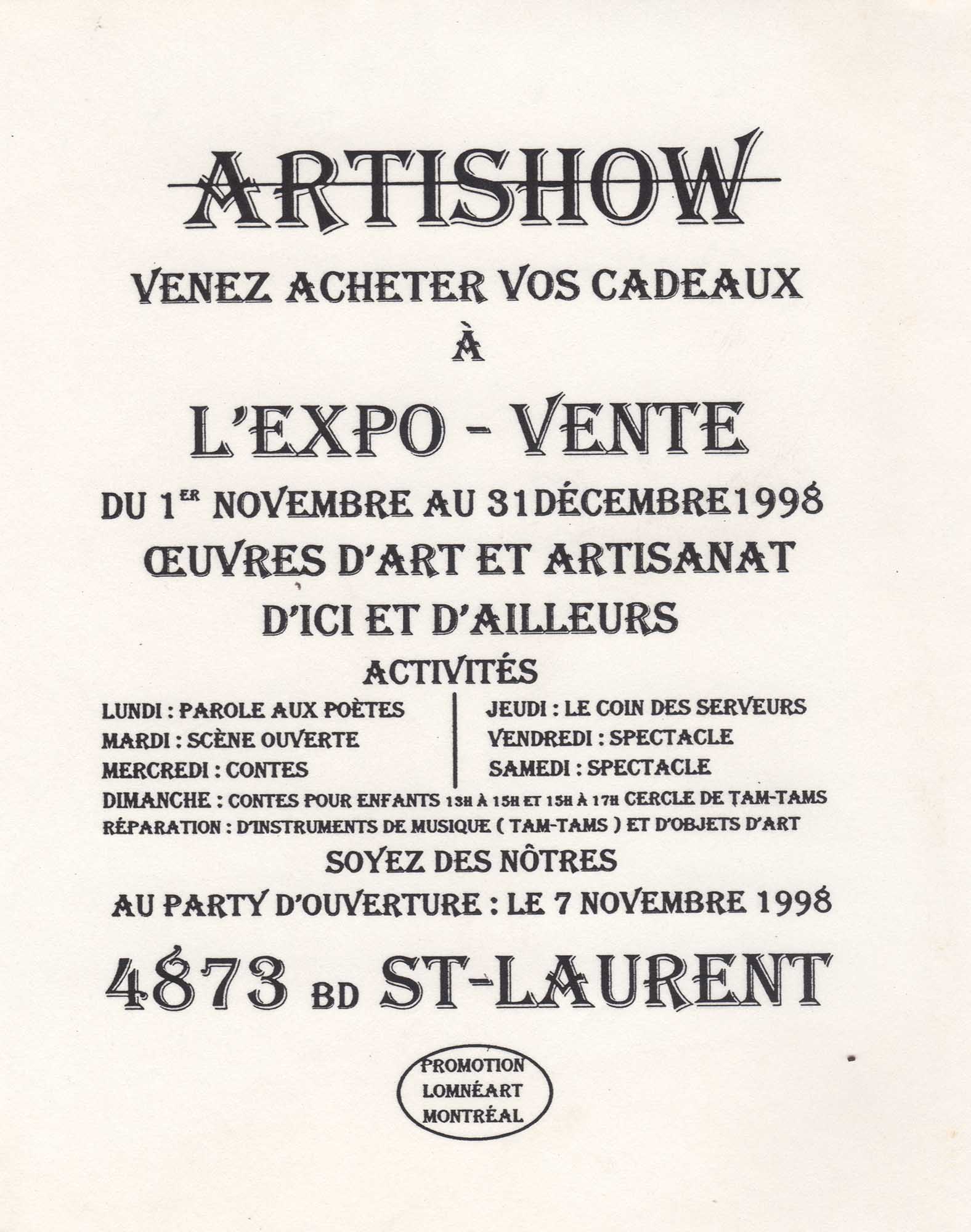
Before Casa del Popolo arrived, the space at 4873 Saint-Laurent Boulevard housed Artishow, a small venue associated with Montreal’s underground scene. When the space became available, Pezzente and Stimac saw an opportunity to realize a project they had been considering for several years. [2], [4]
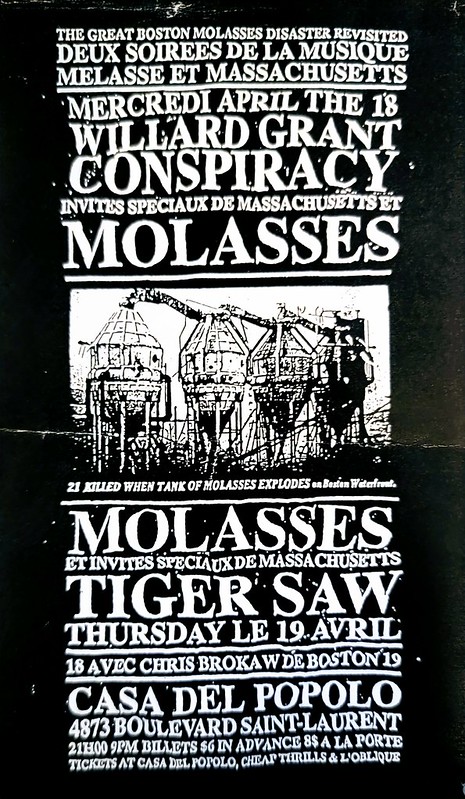
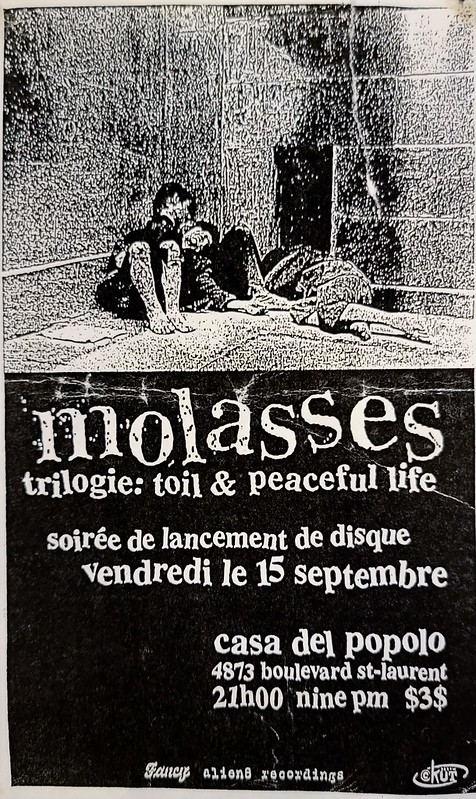
Concert listings published in the fall of 2000 directly document the transition. The Gazette listed MOLASSES at Casa del Popolo on September 14 and 15, 2000, and in October described the Casa as a much-talked-about new venue, explicitly noting that it was the former Artishow. [4]
Chronological note
When exactly did the Casa open?
The official website dates its establishment to September 2000. Press listings confirm that concerts were taking place there by mid-September. A Voir article published in May 2001, however, refers to a “first anniversary of activities,” wording that does not perfectly match this chronology. In the absence of an explicitly dated opening announcement, September 2000 is the safest date to retain, without assigning a specific opening day.
3. Mauro Pezzente and Kiva Stimac
When the Casa was created, Mauro Pezzente was already firmly connected to Montreal’s independent music community, notably as bassist for Godspeed You! Black Emperor. The press in 2001 also described him as a doctoral student in urban forestry at McGill University. Kiva Stimac, his partner, was an artist, cook and trained anthropologist. [3]
Their division of responsibilities reflected the original concept: Stimac developed the vegetarian kitchen and the café’s welcoming identity, while Pezzente focused more heavily on music programming. Very quickly, however, the two became restaurateurs, programmers, producers, promoters, posterers and hosts for visiting artists. [2]
A permit application preserved in the archives of Quebec’s Régie des alcools, des courses et des jeux identifies Mauro Pezzente as the applicant for a company to be formed under the name CASA DEL POPOLO, at 4873 Saint-Laurent Boulevard, for a restaurant permit. The document is a rare administrative trace of the project’s earliest days. [10]
Evolution of Casa del Popolo and its ecosystem
4. Opening in 2000
Casa del Popolo was created with modest resources and substantial help from the founders’ circle of friends. In a February 2001 Gazette profile, Pezzente estimated the initial work at about $50,000: ceiling work, new bathrooms, the stage, electrical work and plumbing. A significant portion of the renovations was completed through volunteer labour or on credit. [3]
The venue even continued operating during part of the renovations. This improvised and collective dimension was more than a colourful detail: it foreshadowed the Casa’s lasting place in Montreal’s DIY culture, keeping costs relatively low and favouring close contact between artists, audiences and organizers.
The room remained small. By 2001, the press described a space holding about 100 people. The Casa’s current technical information still lists a capacity of 100 standing or 50 seated, confirming the enduring intimacy of the venue. [1], [5]
5. A “house of the people”
The name Casa del Popolo literally means “house of the people.” In 2001, Kiva Stimac explained that the name was inspired by Italian establishments bearing that name, conceived as gathering places where people could have coffee, talk and take part in community life. [3]
The reference suited the Montreal project. The Casa was designed as a place where people could eat, drink, hear a concert, see an exhibition or simply spend time. Deliberately affordable prices were part of the concept. In early 2001, The Gazette noted that several shows cost around four dollars and that performers received a large share of the door. [3]
“We wanted to open a place where people could afford to have a good time.”
Vegetarian food was therefore not a secondary addition: it was part of the venue’s original identity, just as much as the music. This combination of food, culture and sociability distinguished the Casa from many small venues devoted exclusively to concerts.
6. The birth of a music scene
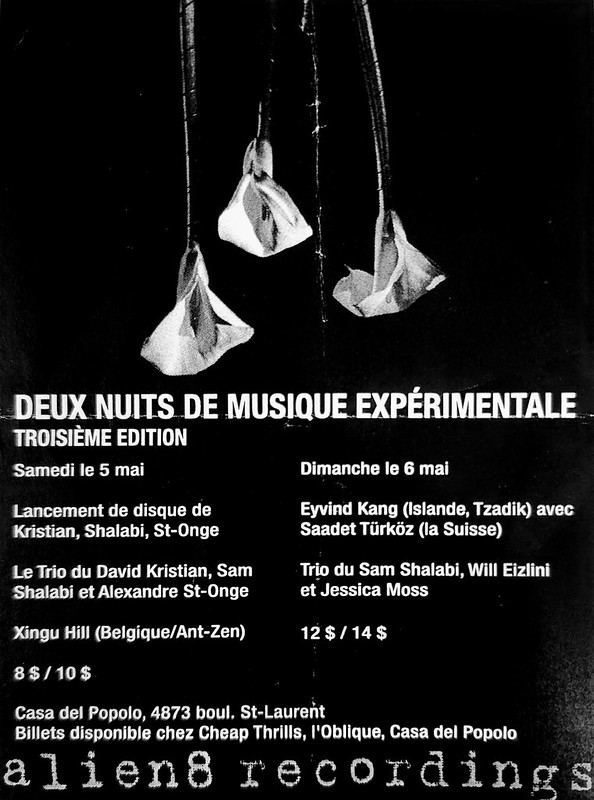
The programming quickly grew beyond what the founders had necessarily anticipated. In spring 2001, Voir described concerts almost every night and a program ranging from free jazz to experimental electronic music, and from intimate folk to contemporary music. Groups connected to Godspeed You! Black Emperor and the Alien8 network appeared alongside a growing number of international artists. [2]
The Casa also became a concert producer. Pezzente and Stimac began contacting artists they themselves wanted to see in Montreal, partly because some international tours still regarded the city as a secondary market. Their model was less about programming according to trends than about inviting musicians they genuinely wanted to hear.
A programming philosophy
Bringing to Montreal the artists who were not coming here
One revealing episode involved Arab Strap. The band’s agent was initially hesitant to include Montreal. The Casa persisted; the show sold so quickly that it had to be moved to a larger room at the Spanish cultural centre across Saint-Laurent Boulevard. The experience directly contributed to the project’s expansion. [2]
7. Suoni Per Il Popolo
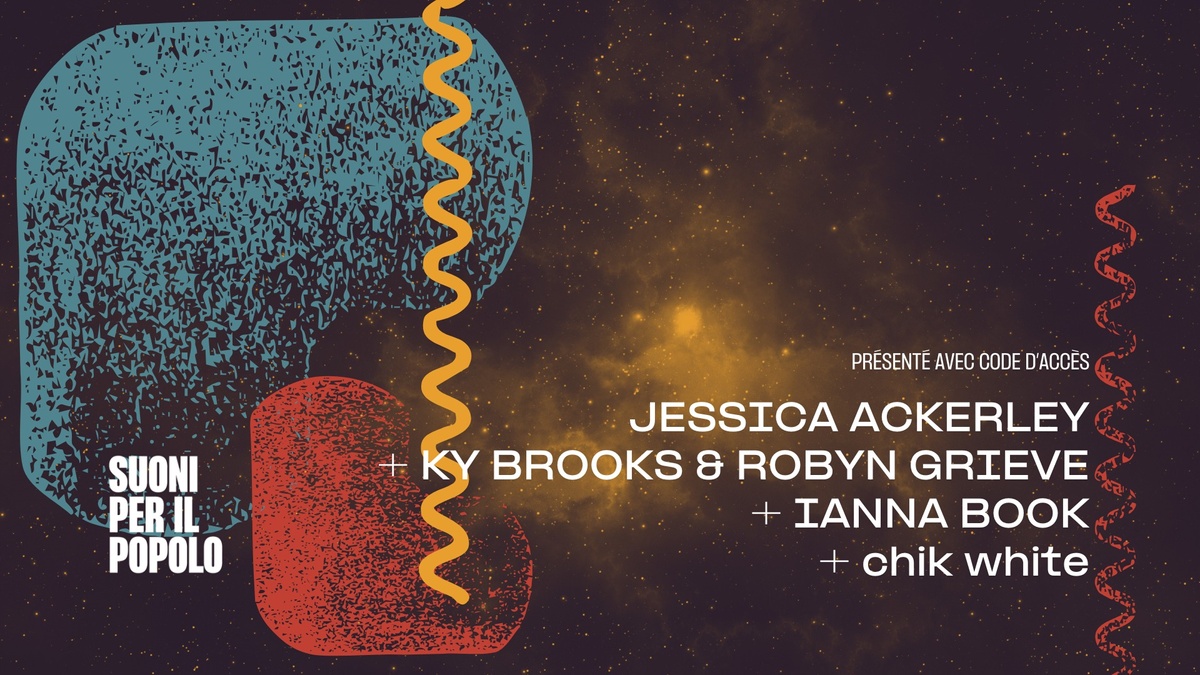
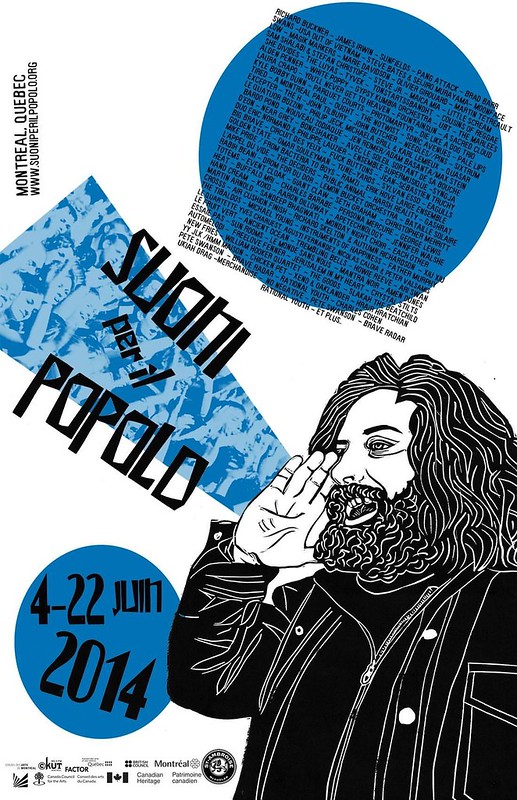
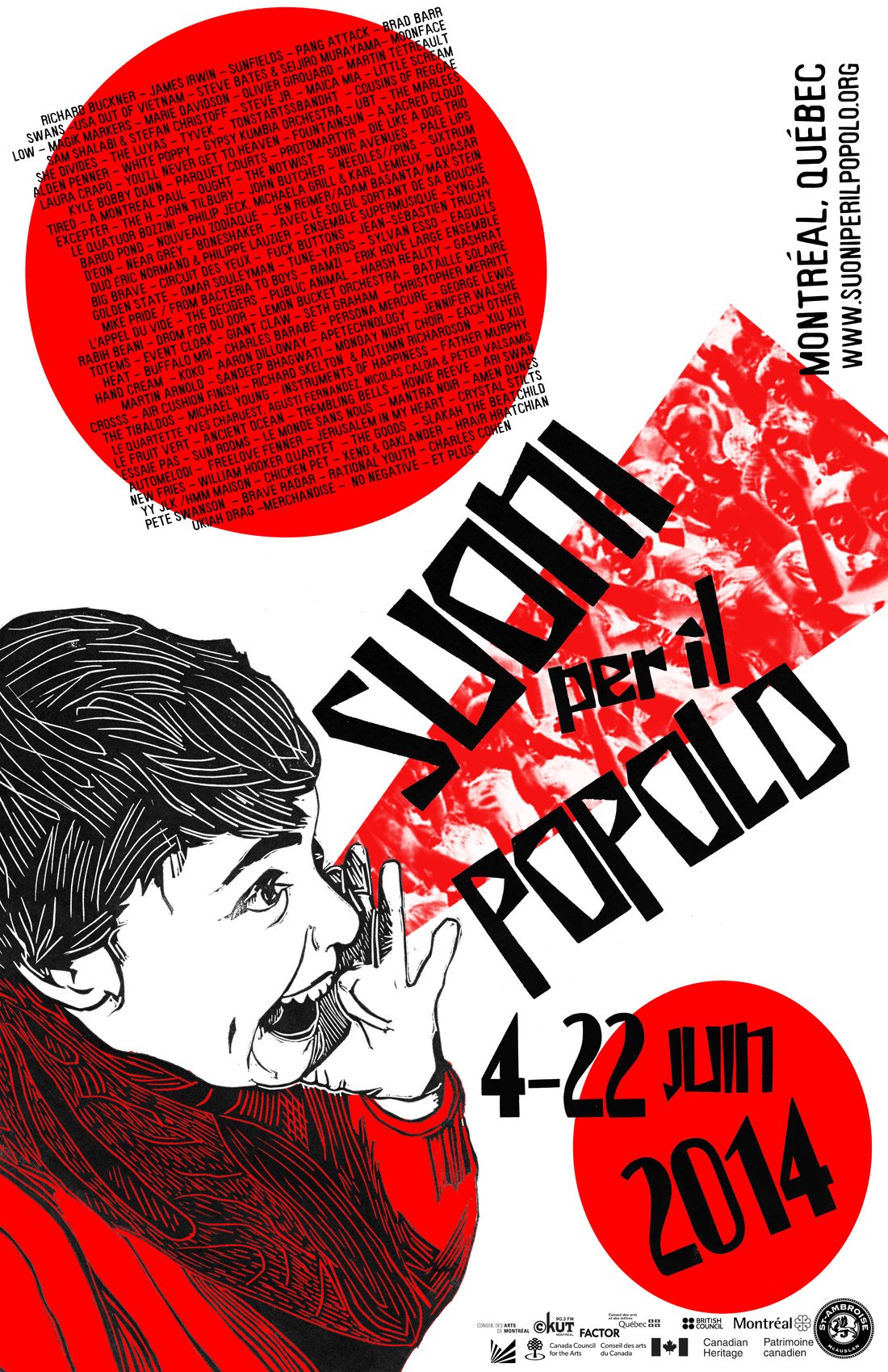
The Casa’s programming quickly gave rise to Suoni Per Il Popolo, a festival devoted to experimental, improvised and avant-garde music. Contemporary sources from the early 2000s show an event still closely tied to the Casa’s day-to-day activities: in effect, it was a summer concentration of the programming developed throughout the year. [5]
In July 2001, Le Devoir was already describing the Casa as a small “Mecca” for music in Montreal and highlighted artists such as Joe McPhee, Dominic Duval and Tim Berne. Over successive editions, Suoni broadened its scope to include free jazz, punk, electronic music, noise, avant-folk and various forms of experimental rock. [5], [7]
The festival gradually became a Montreal institution. In 2007, it presented more than a hundred artists and groups; in 2010, Le Devoir marked its tenth year; and in 2014, Steve Guimond described Suoni as the major annual moment in a program that remained active throughout the year around the Casa and its associated venues. [7]
Dating the festival
2000 or 2001?
Sources do not always count the earliest editions in the same way. Contemporary articles clearly document Suoni by 2001, while retrospectives and anniversary accounts place its origins in 2000. The safest formulation is therefore that the festival emerged around 2000–2001, in the immediate continuity of the Casa’s opening.
8. From the Casa to La Sala Rossa
The success of certain concerts quickly exceeded the capacity of the small Casa. By 2001, Pezzente and Stimac had begun using the Spanish cultural centre at 4848 Saint-Laurent Boulevard, directly across the street. The space could accommodate roughly 200 to 300 people, allowing them to present shows too large for 4873. [2], [5]
The transformation happened quickly. In its music-year review of December 29, 2001, The Gazette was already referring to the Casa’s expansion with La Sala Rossa across the street. Two weeks later, another article described La Sala Rossa as the Casa’s larger sister venue. [6], [8]
This relationship is one of the essential elements of the Casa’s history. The small 100-capacity café remained the intimate heart of the project, while La Sala Rossa provided the capacity needed for more popular artists and larger events. This complementary model became one of the most durable features of the Popolo ecosystem.
9. Music, arts and print culture
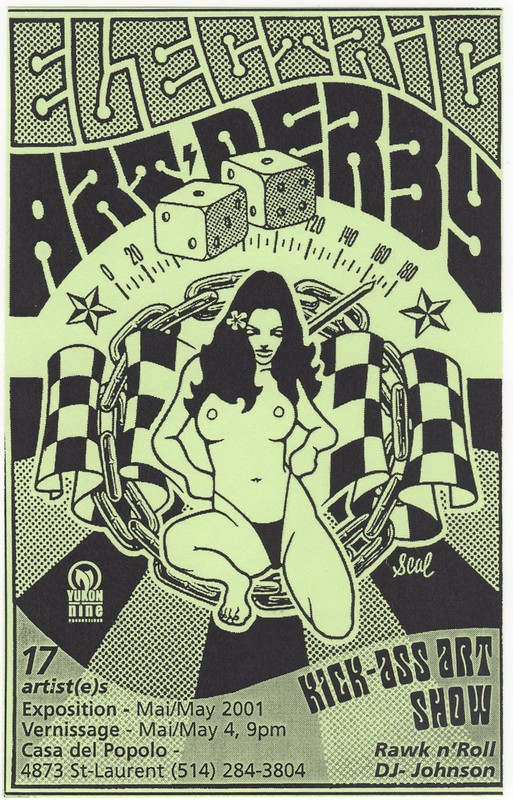
From the outset, the Casa remained multidisciplinary. Concerts were joined by exhibitions, film screenings, readings, poetry, community events and fundraisers. An old cigarette vending machine was even transformed into Distriboto, allowing visitors to buy inexpensive small works of art. [3]
In 2002, this desire for cultural dissemination also took printed form with La Voce del Popolo, a publication associated with Mauro Pezzente, Kiva Stimac and Dxtr X. The magazine sought to publish cultural, political and artistic material that received little exposure in mainstream media, extending onto paper the Casa’s function as a place of exchange. [8]
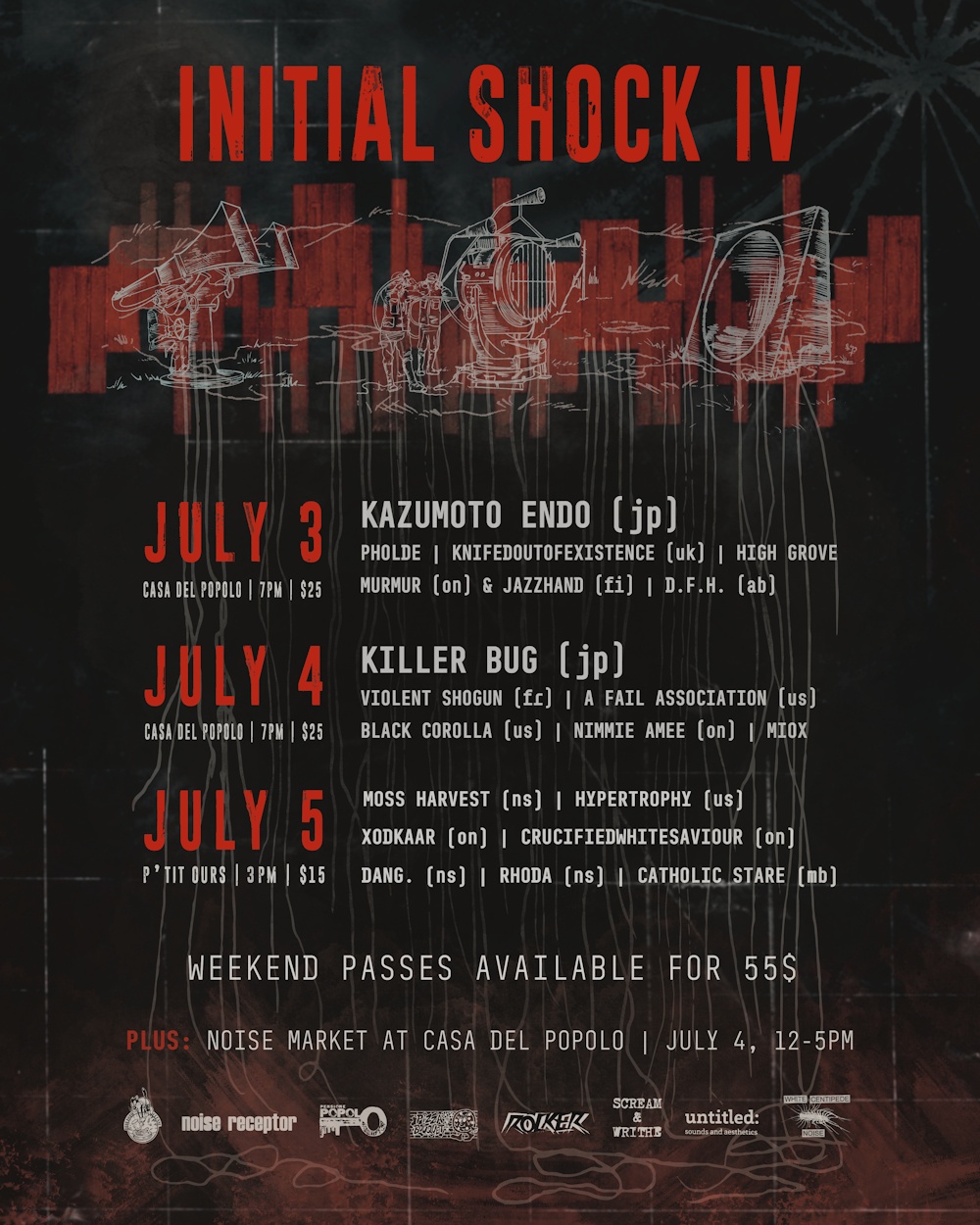
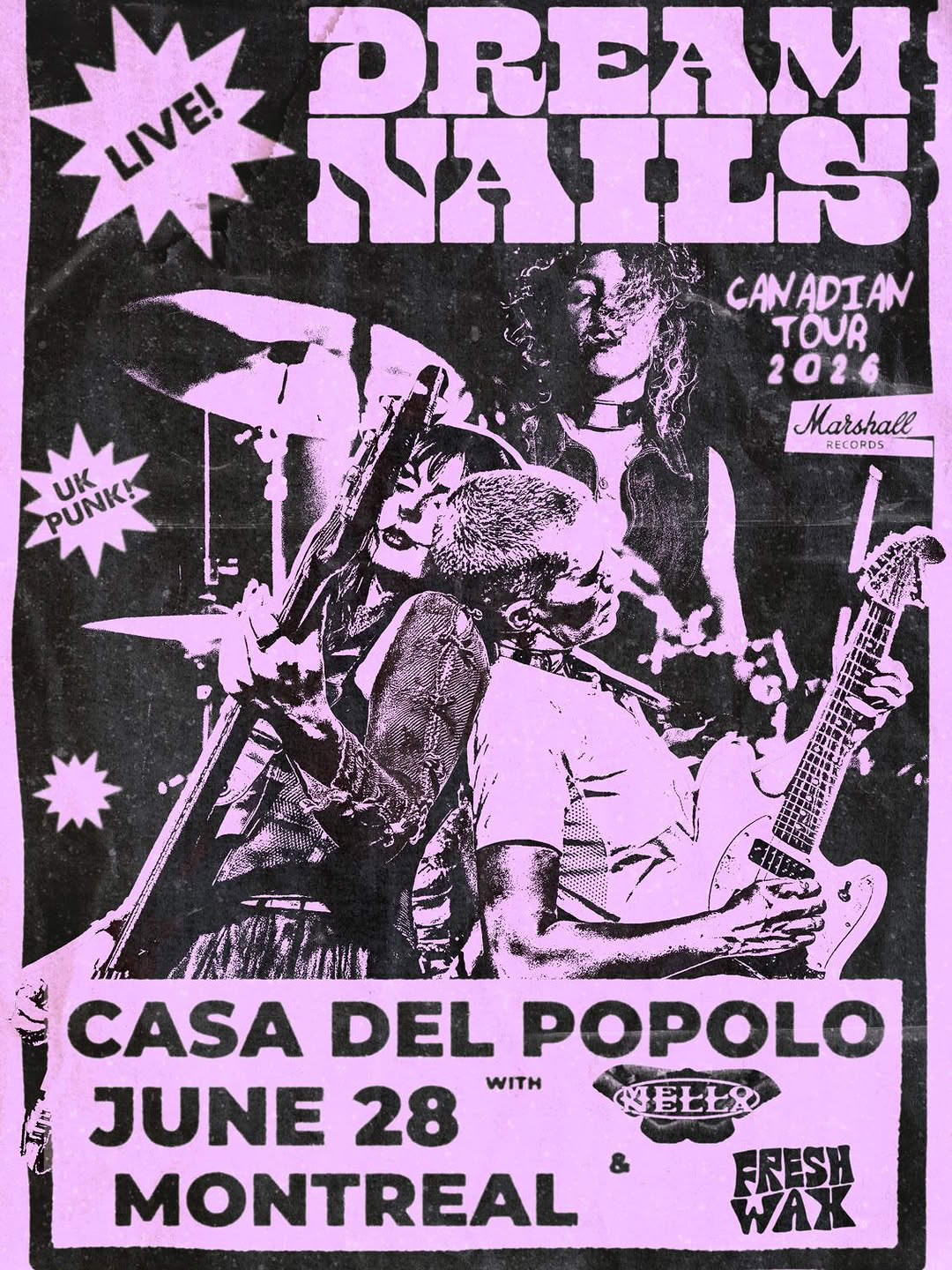
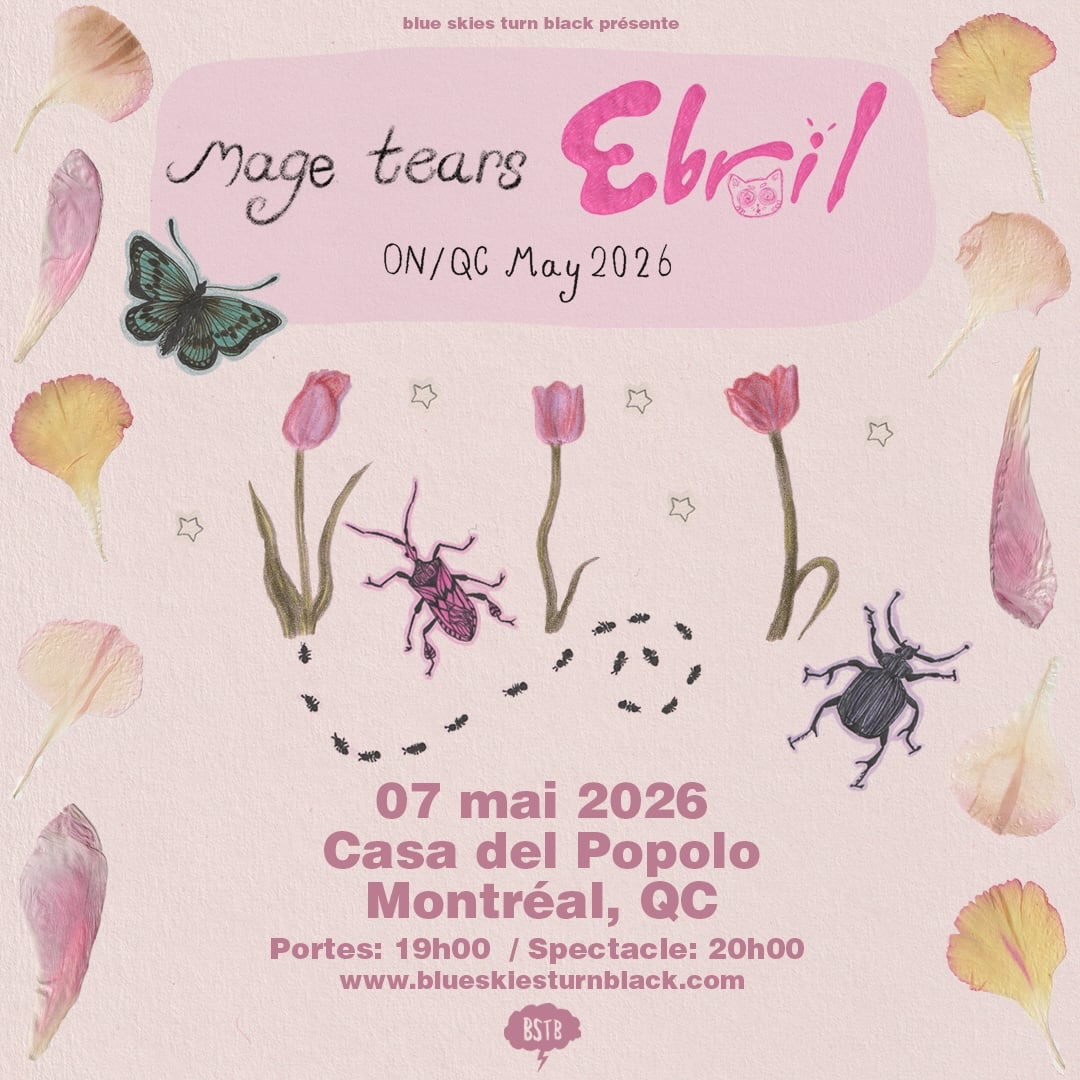
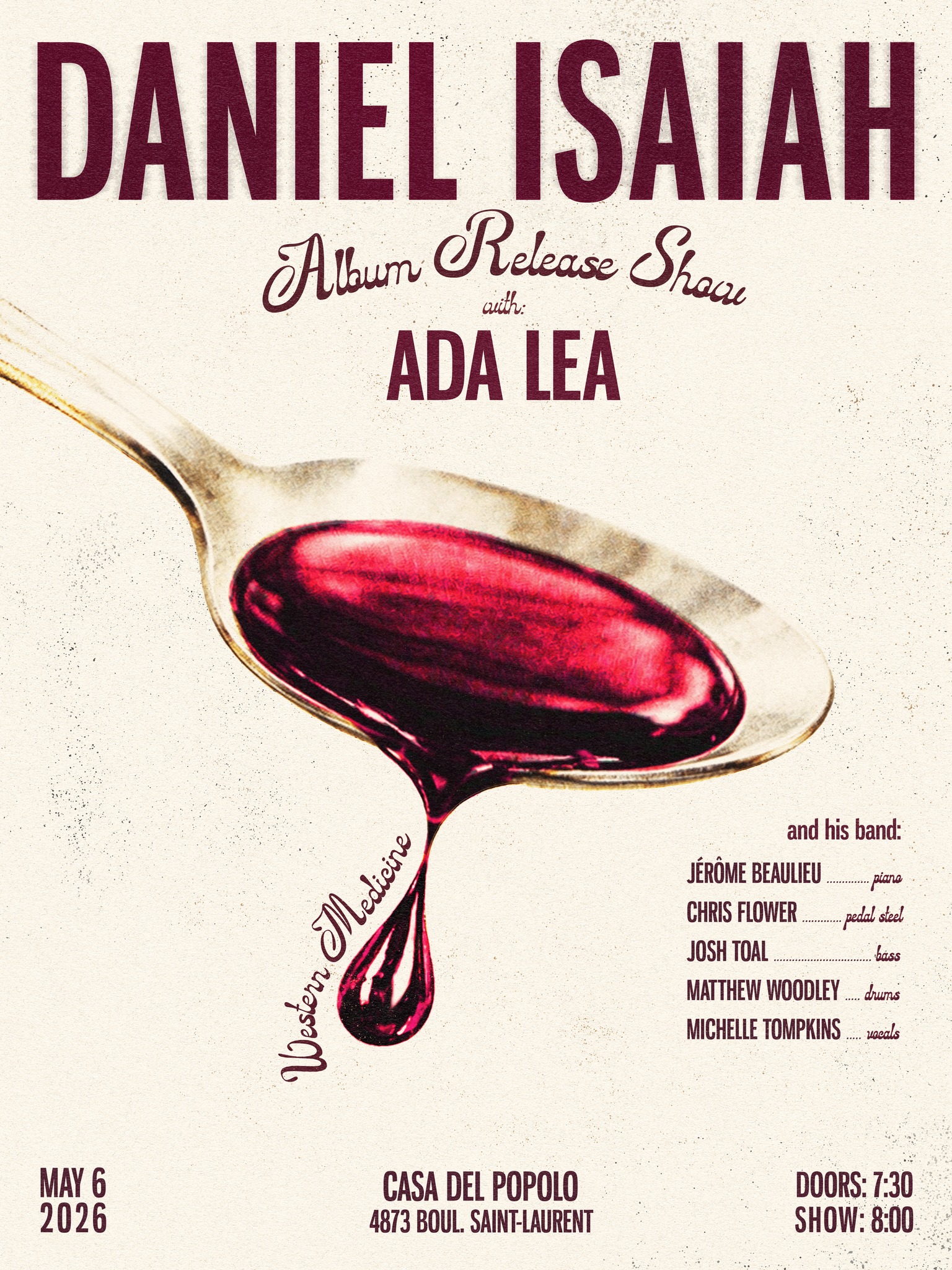
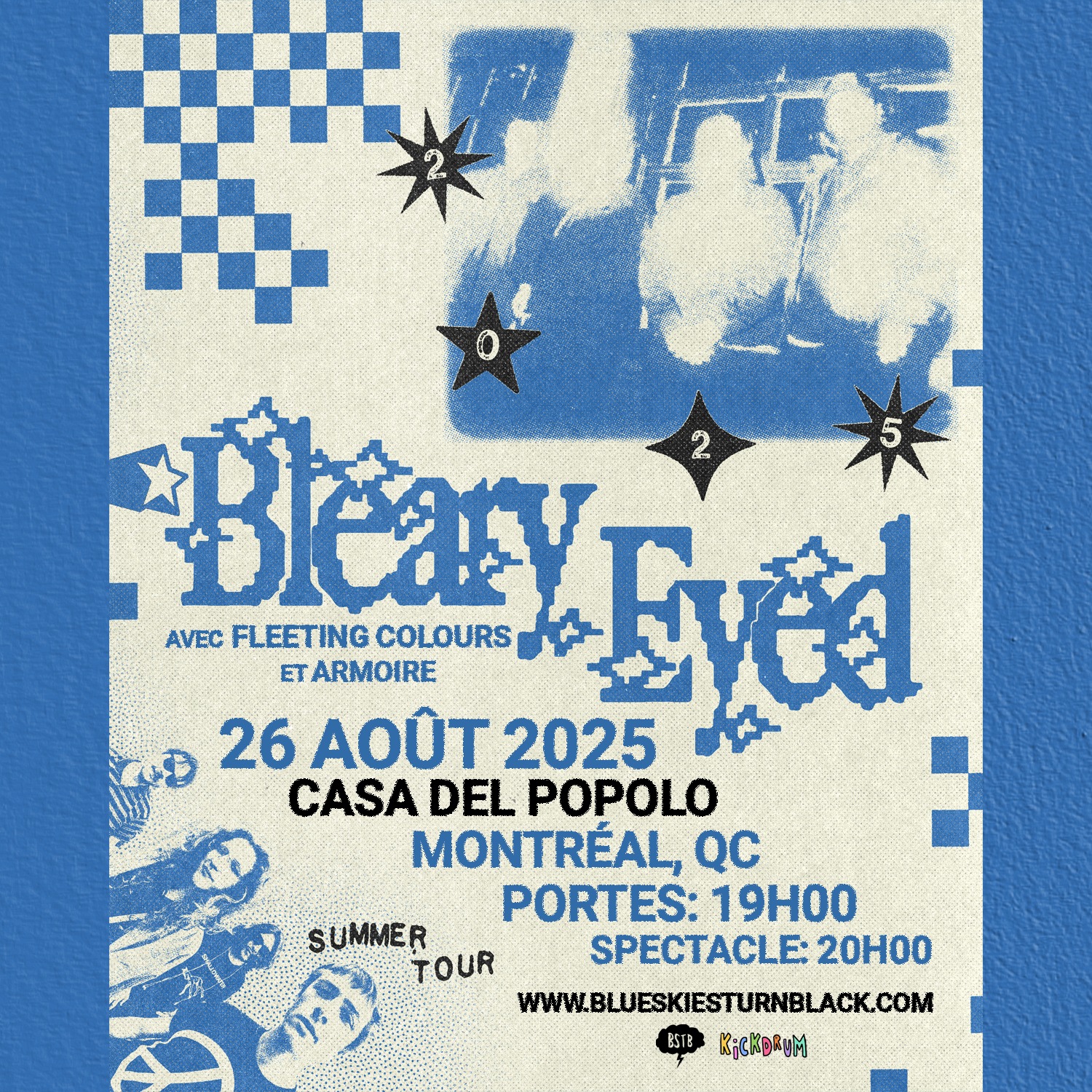
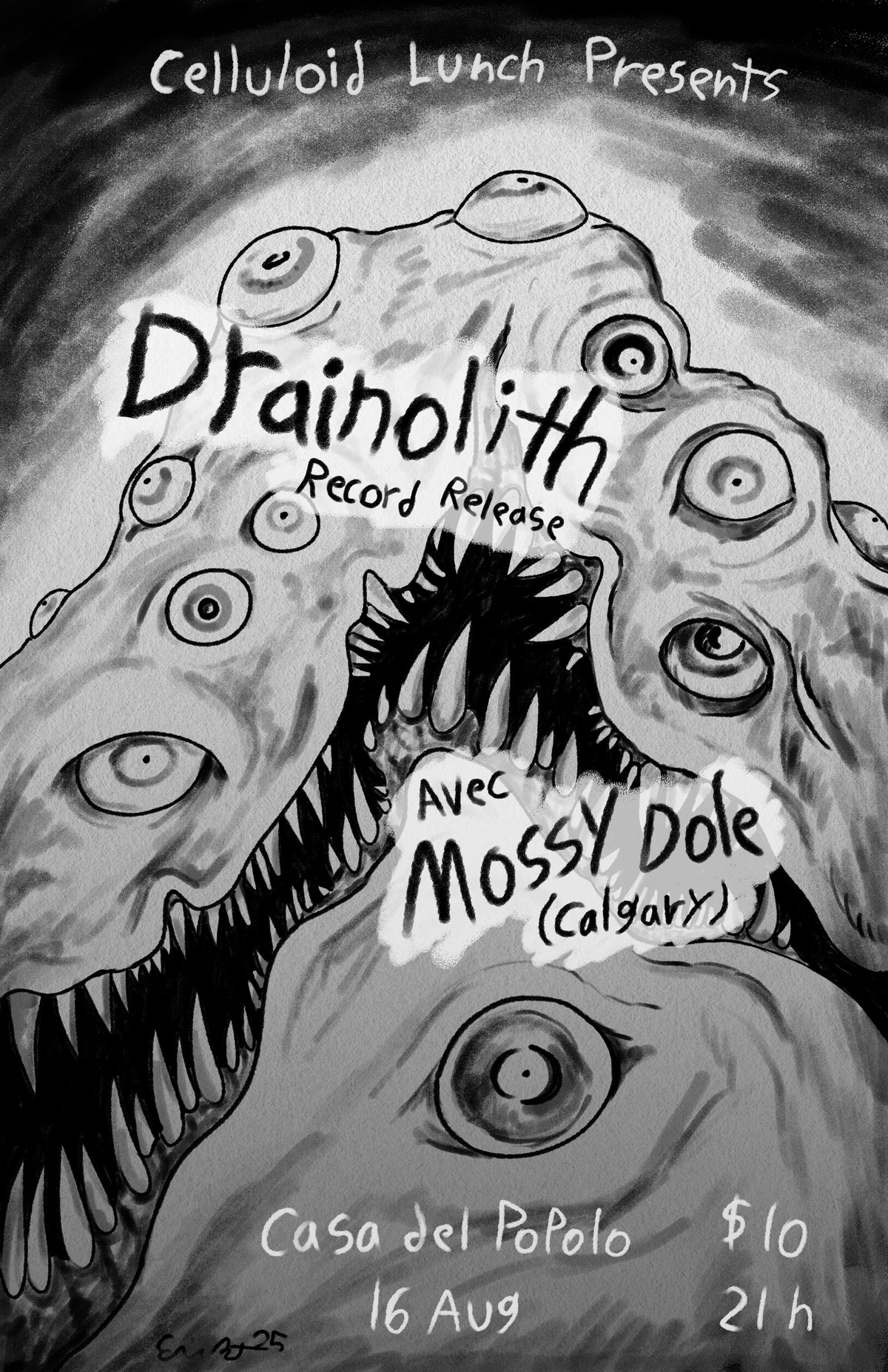
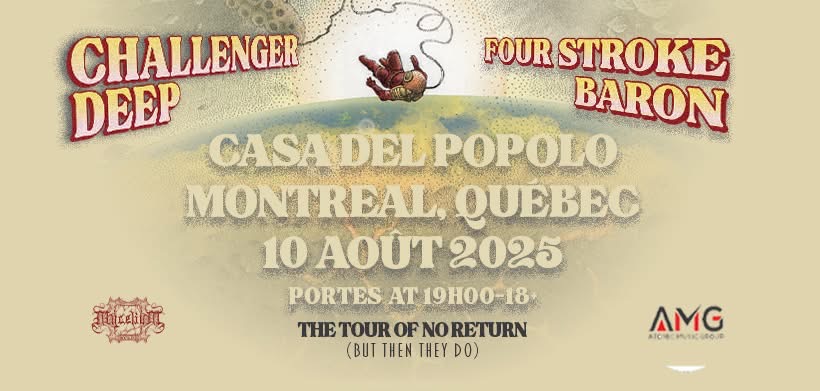
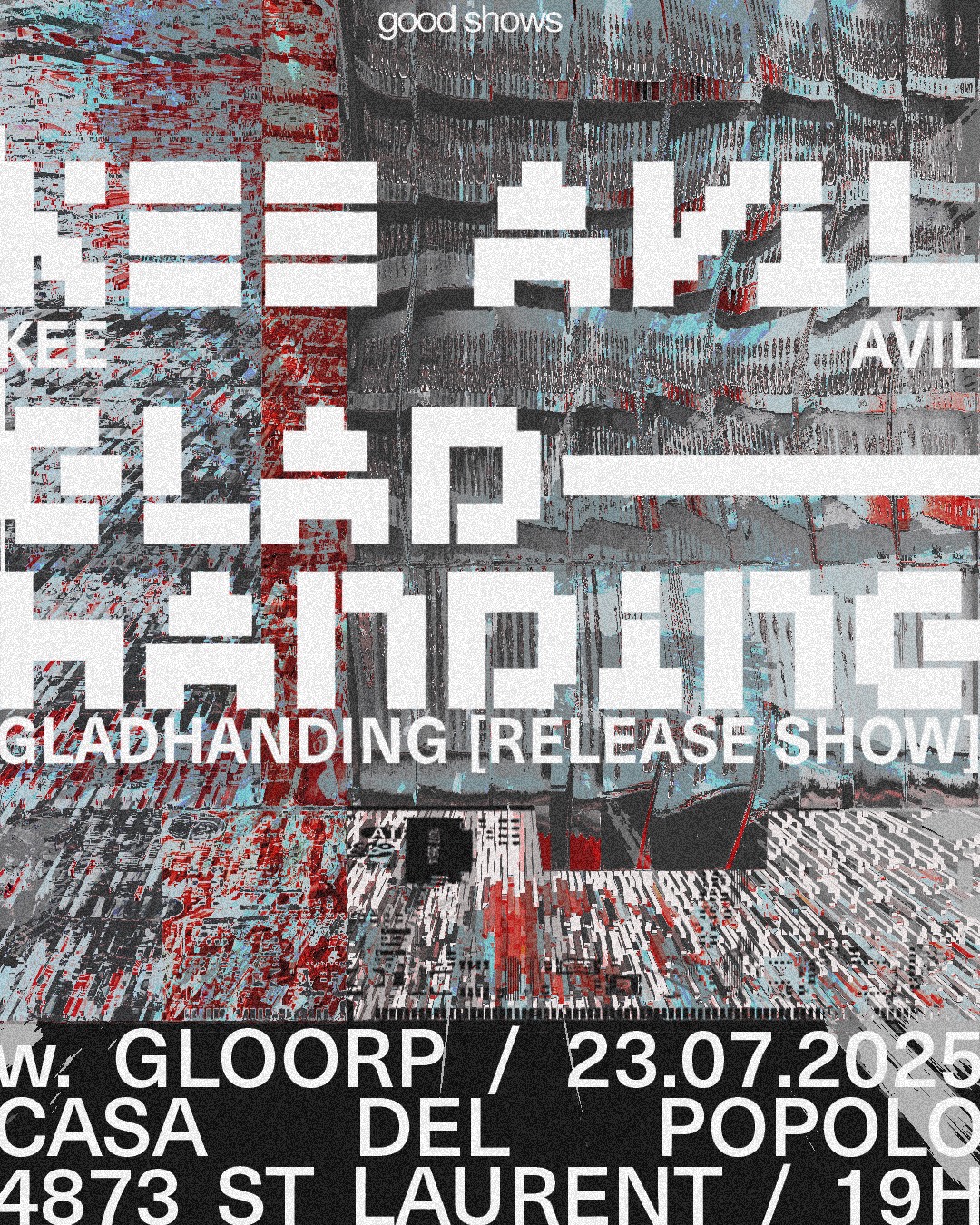
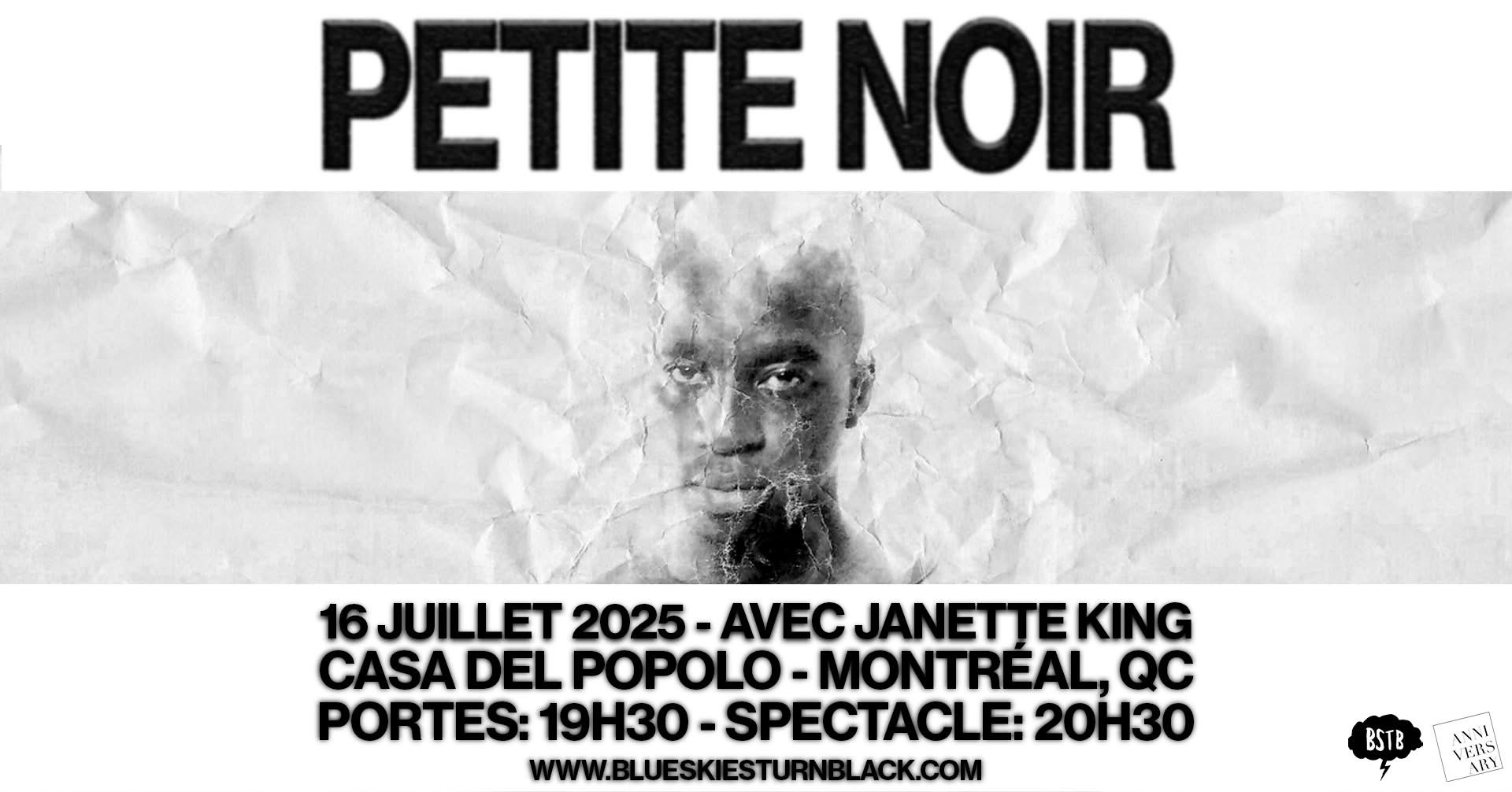
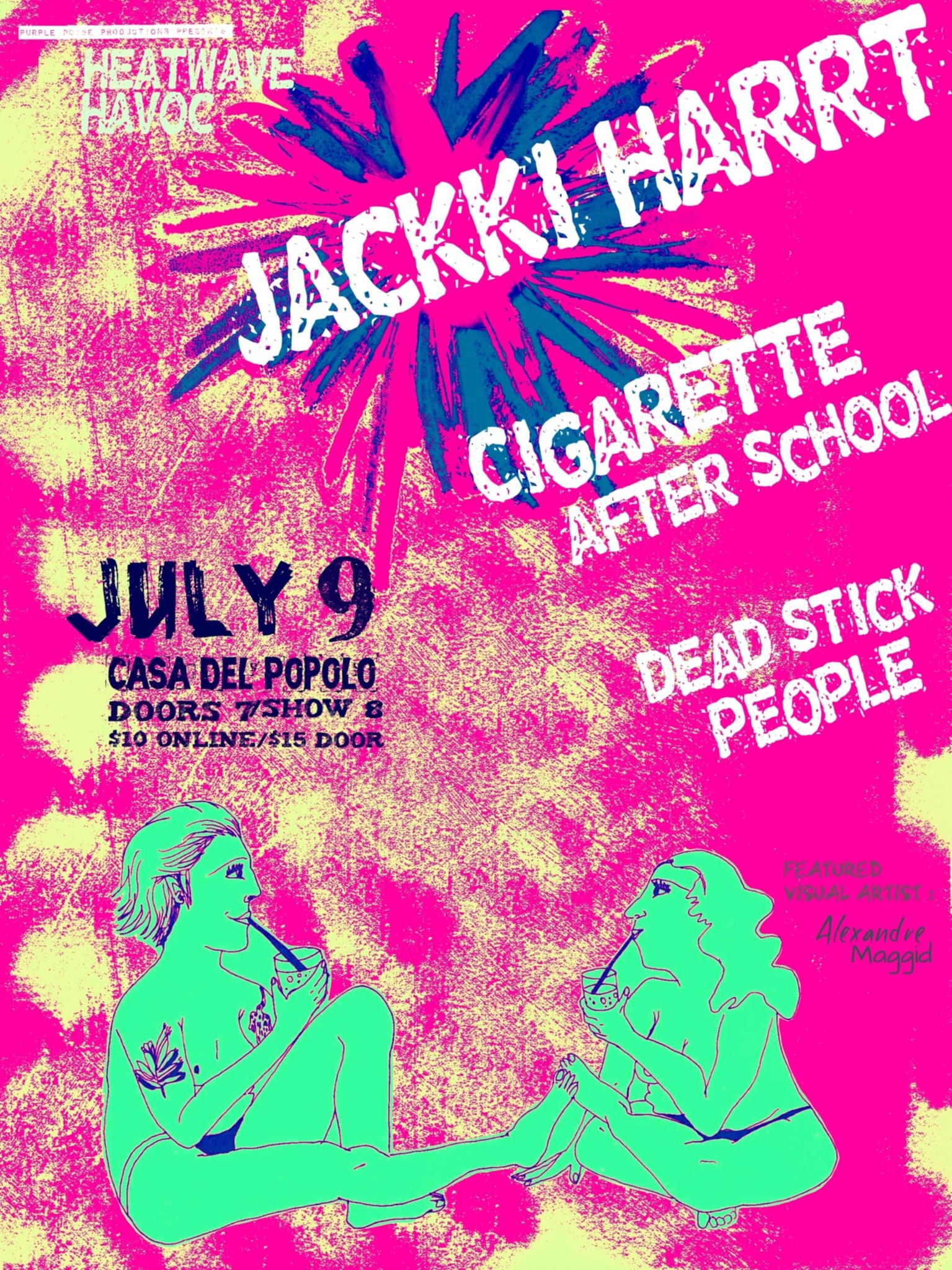
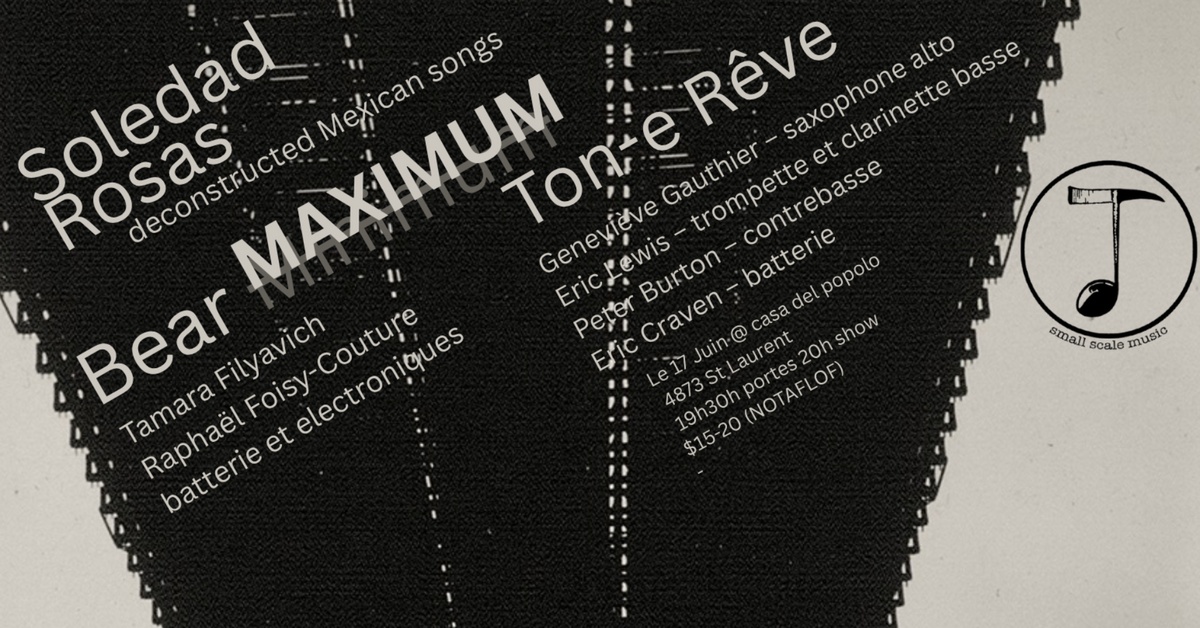
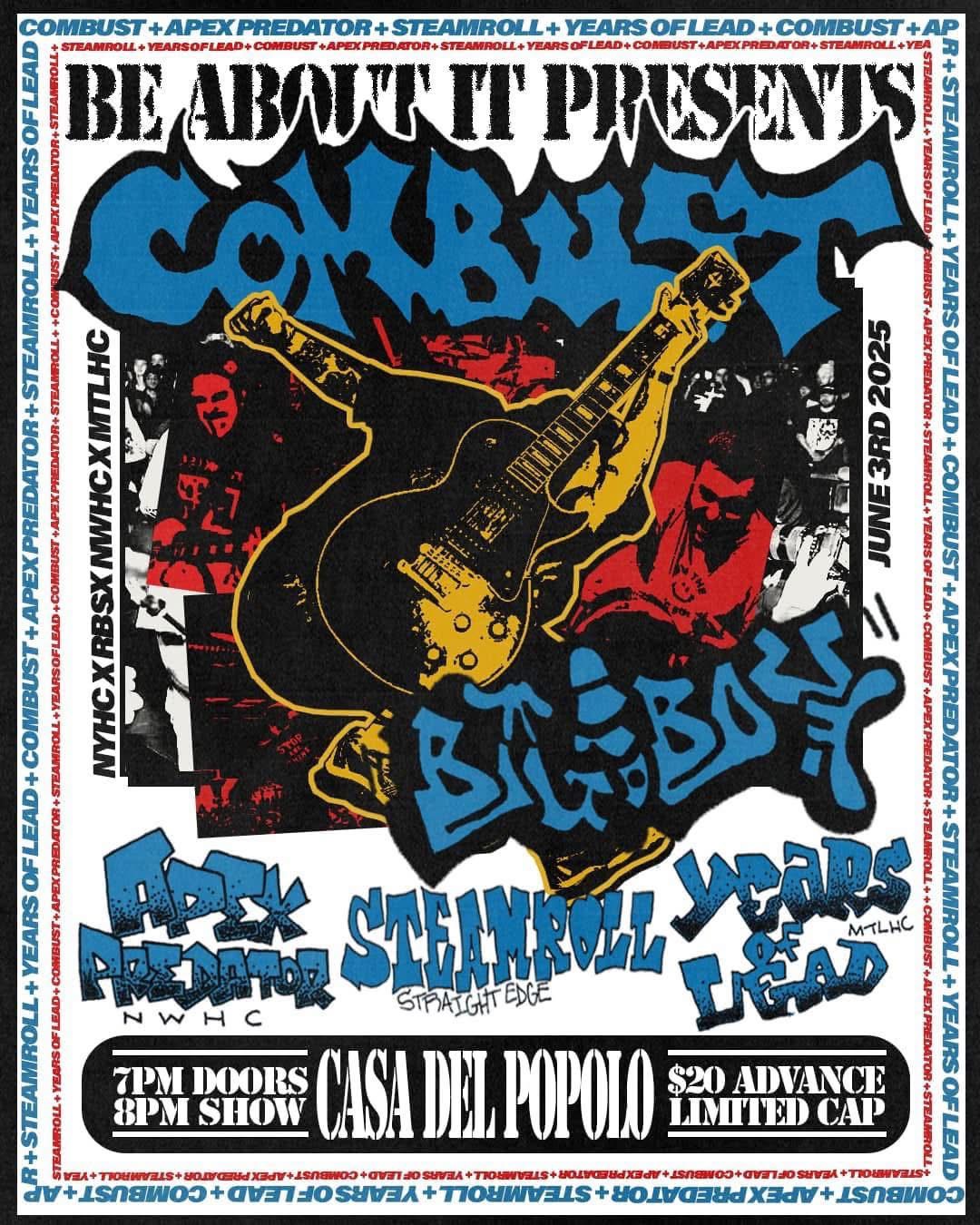
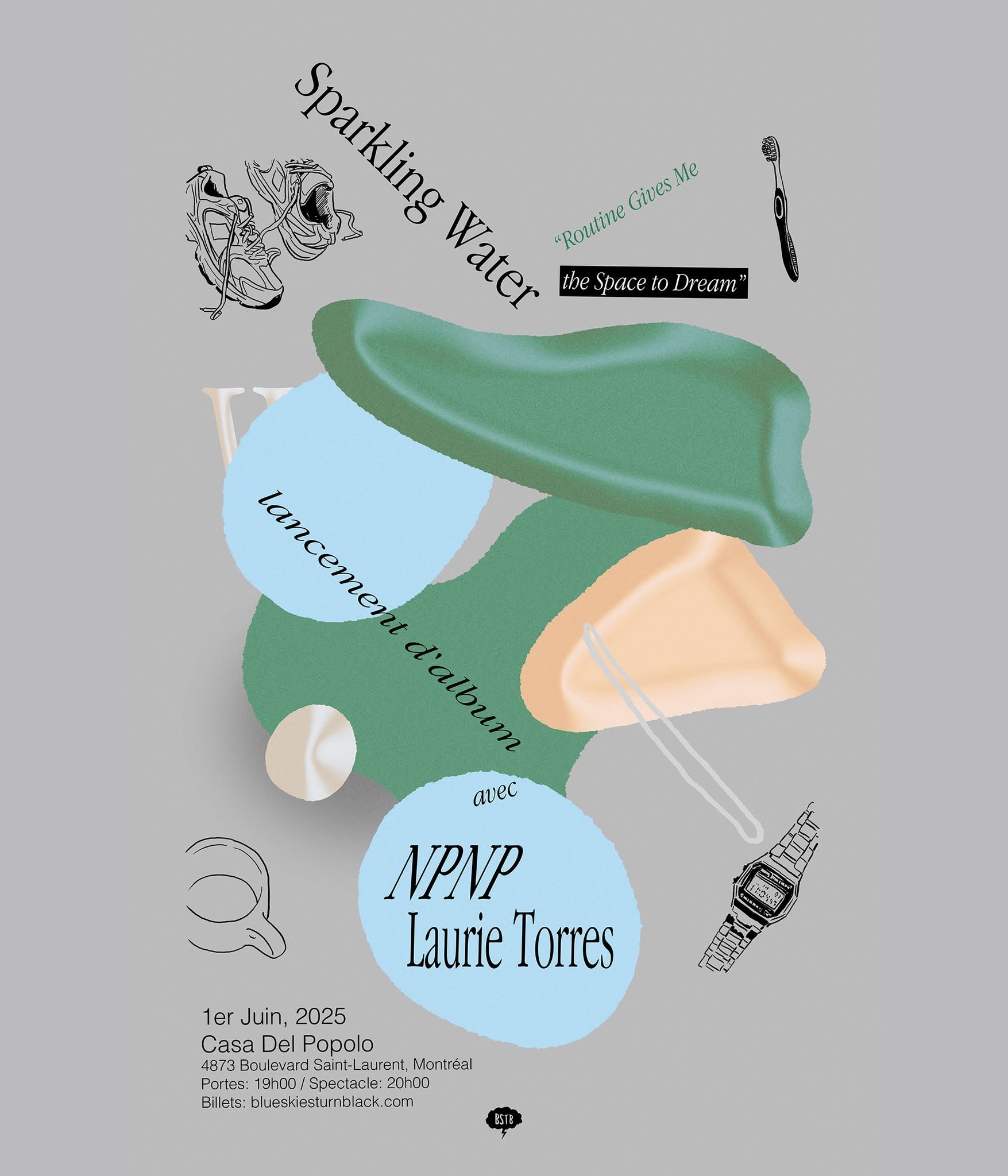
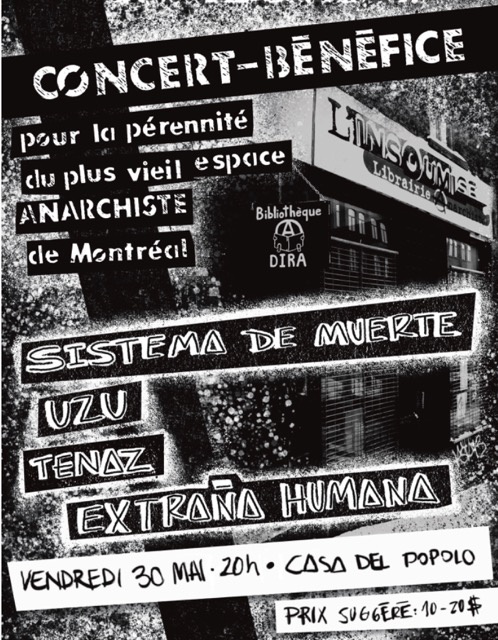
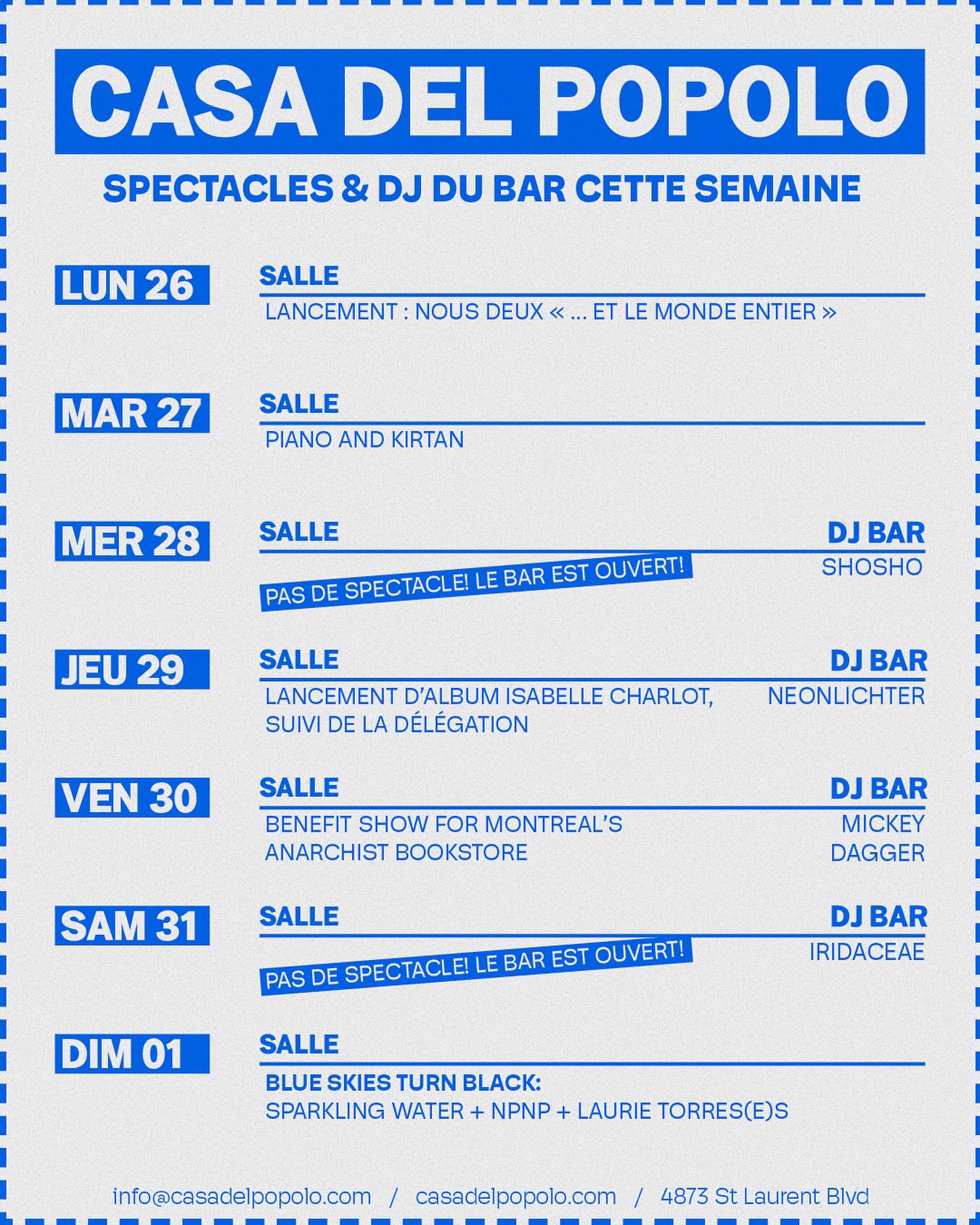
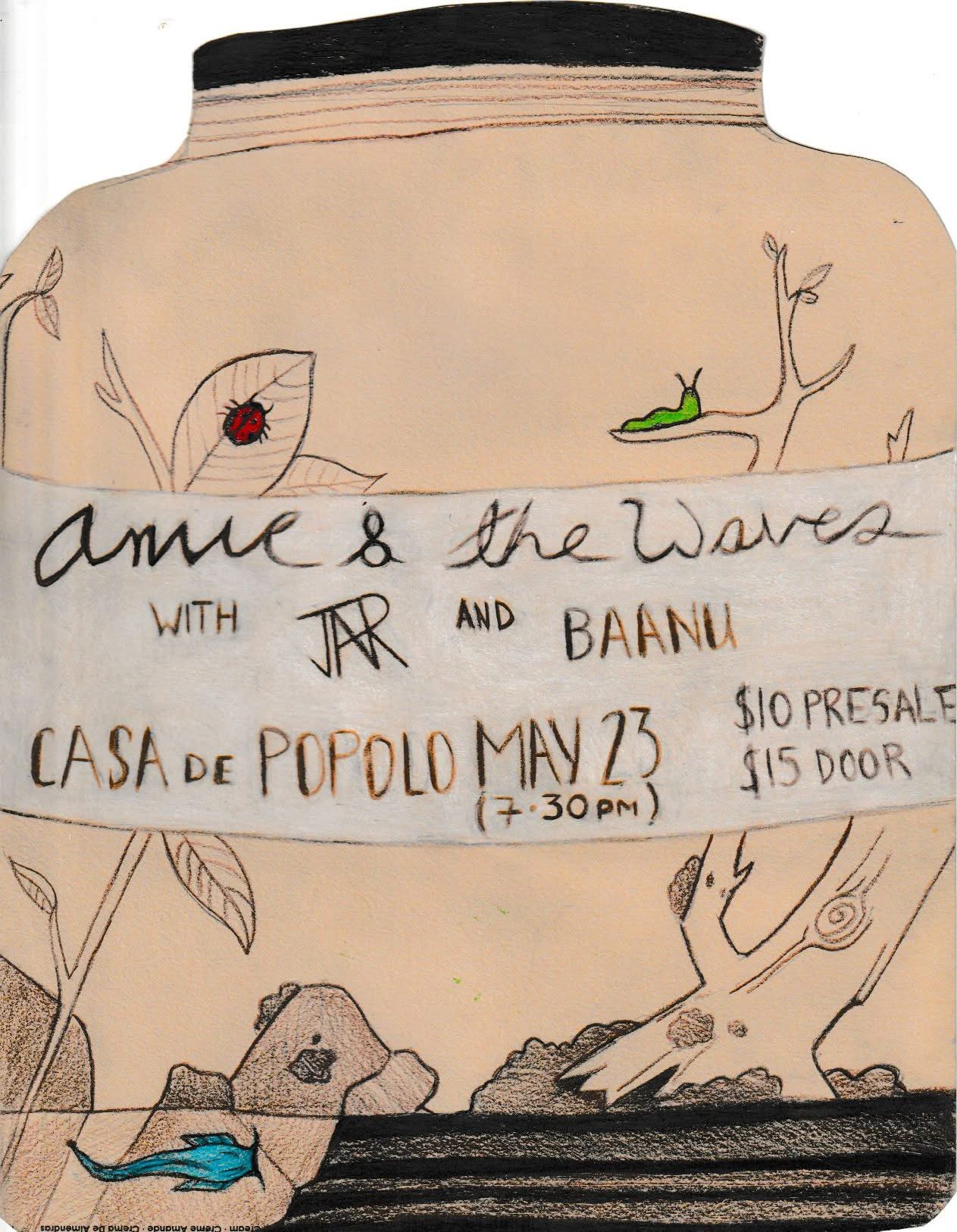
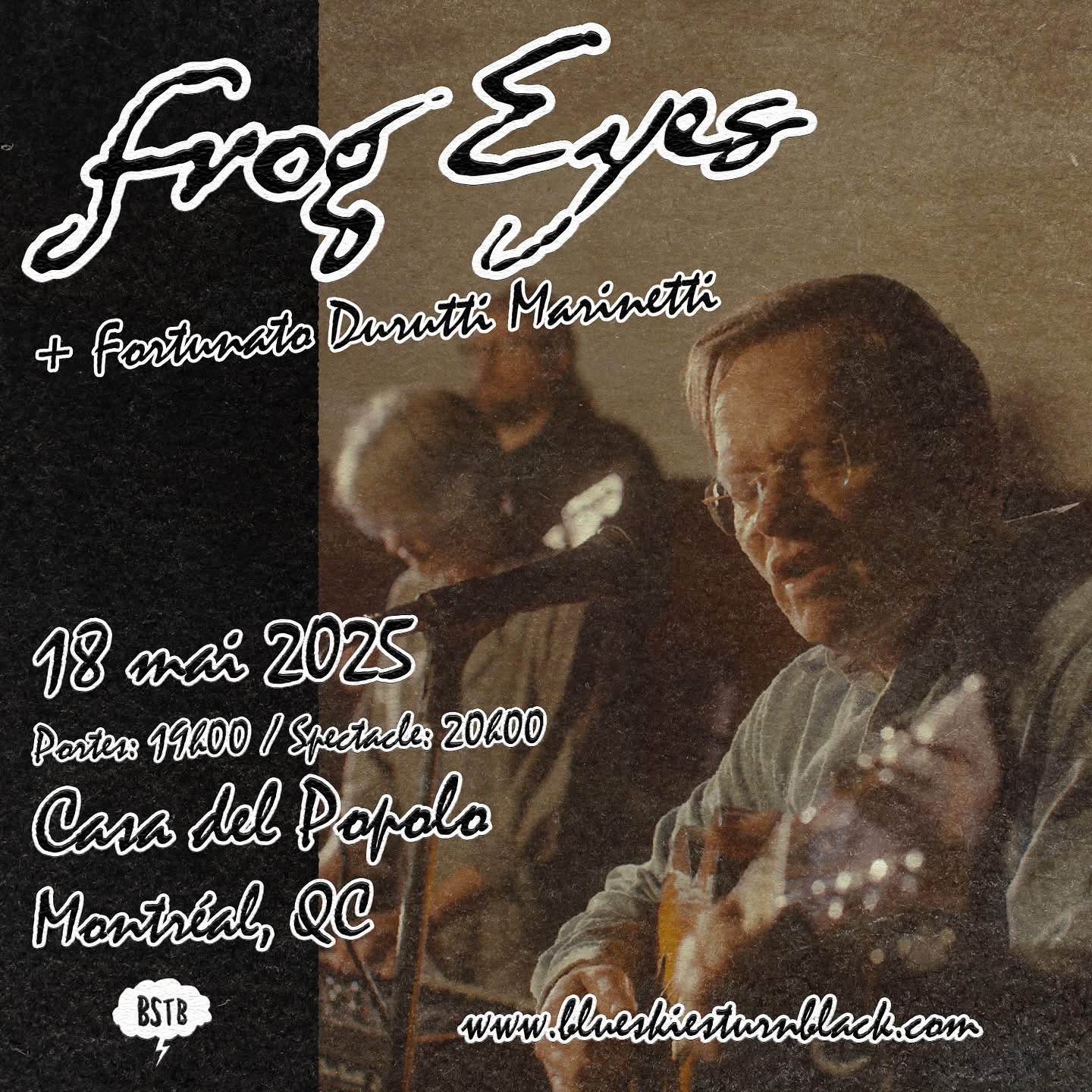
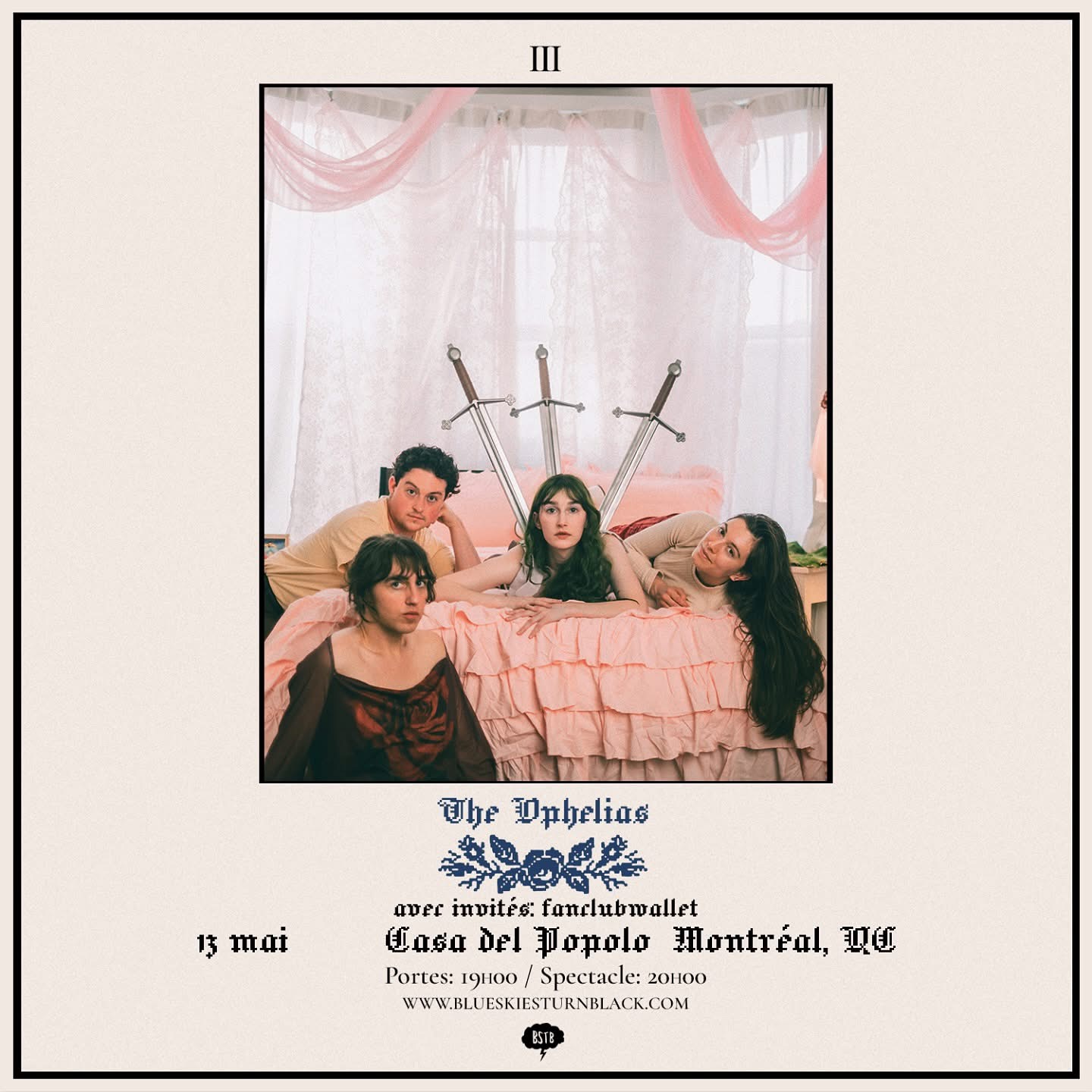
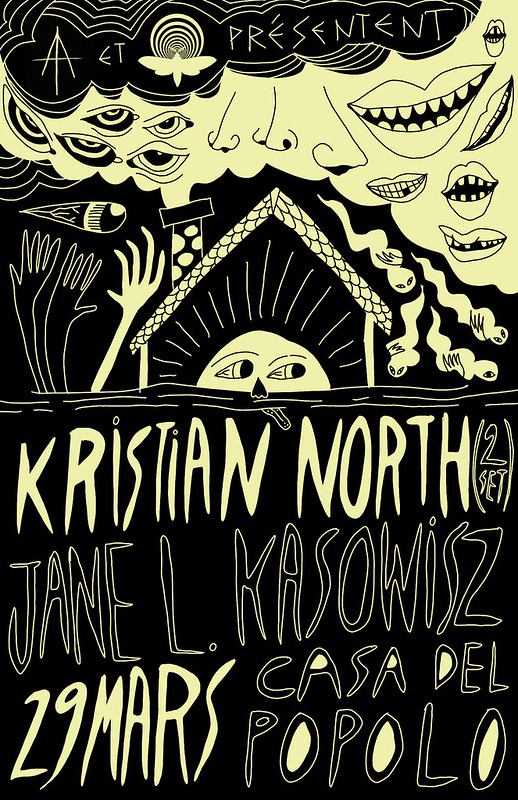
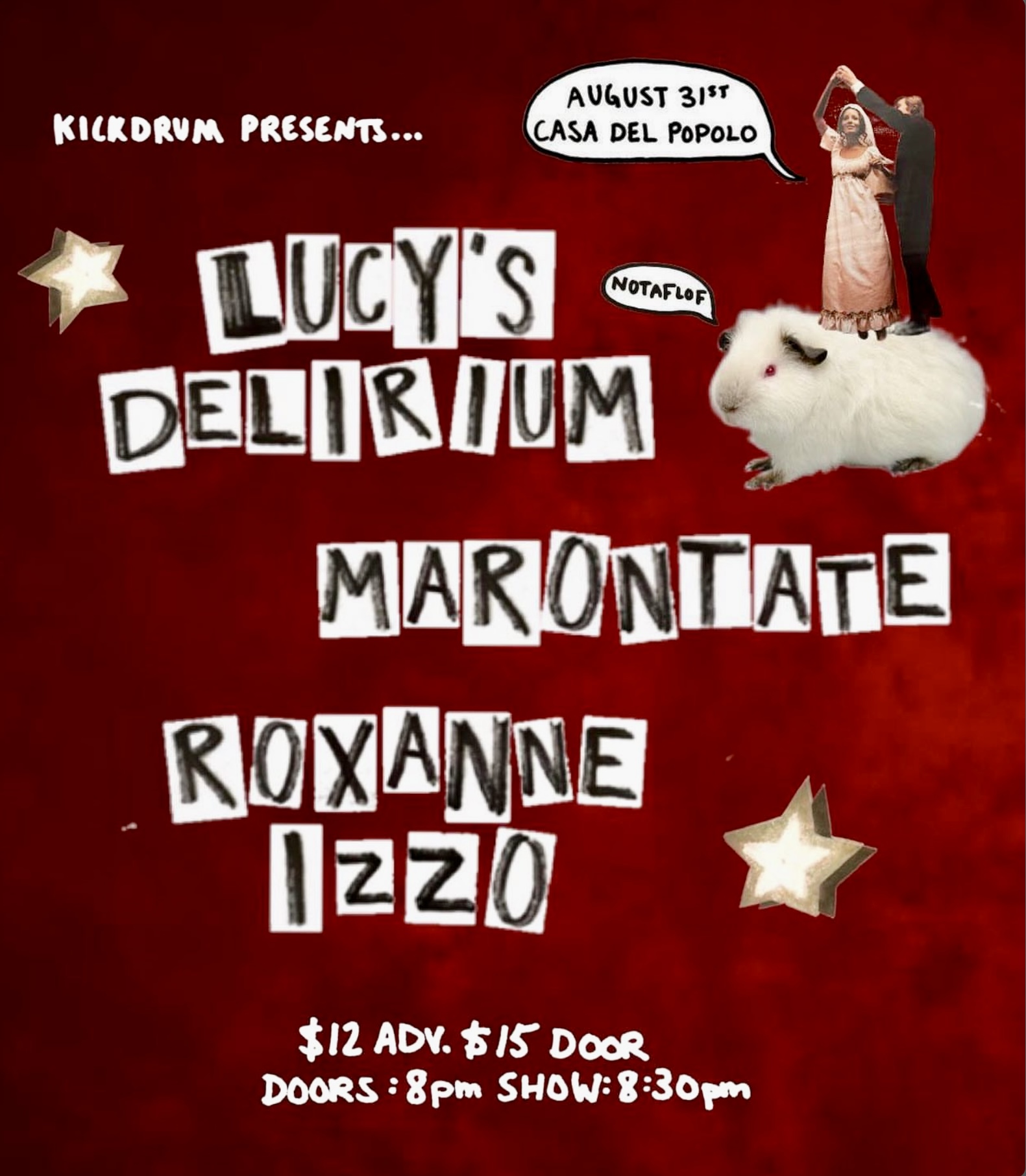
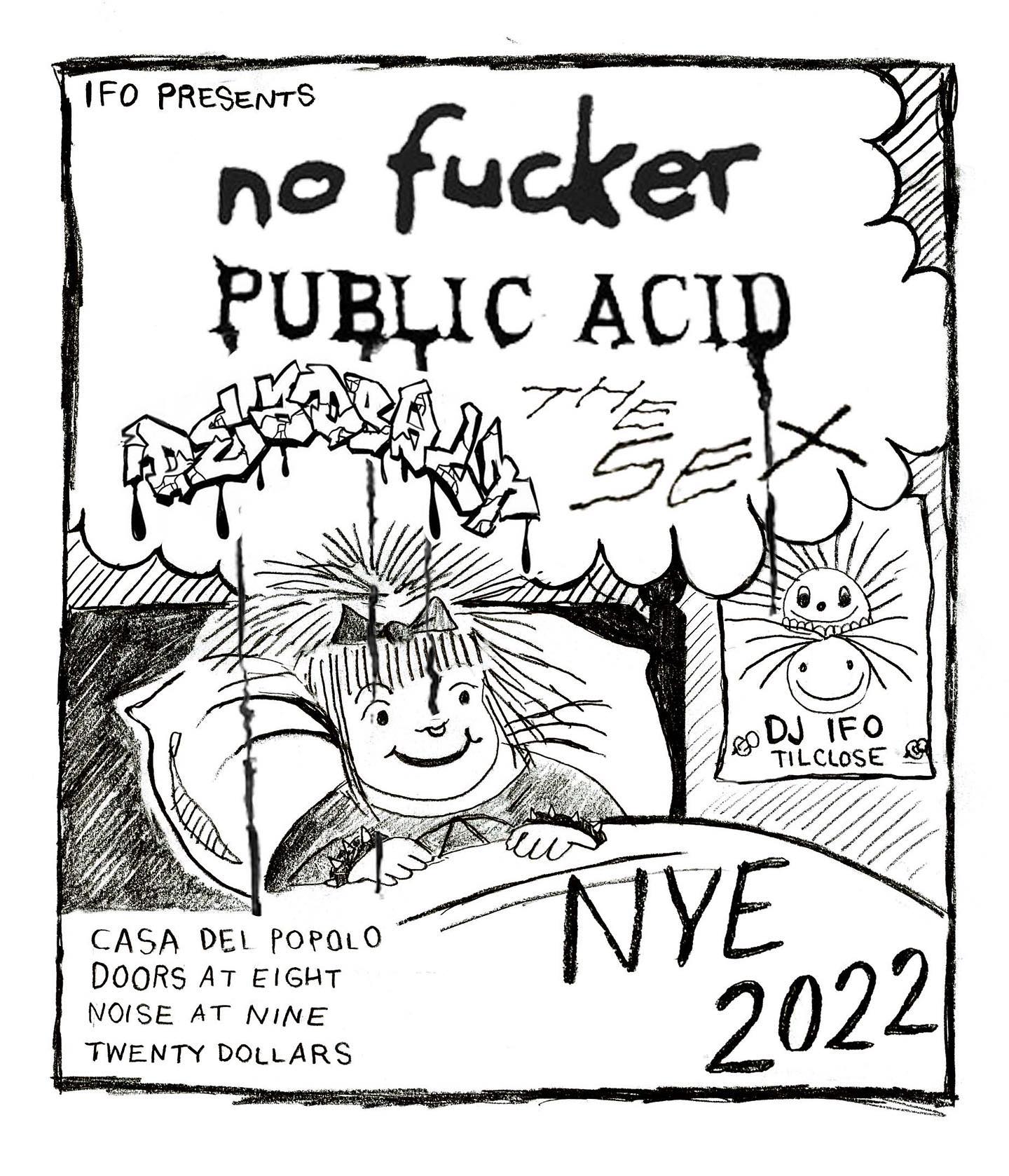
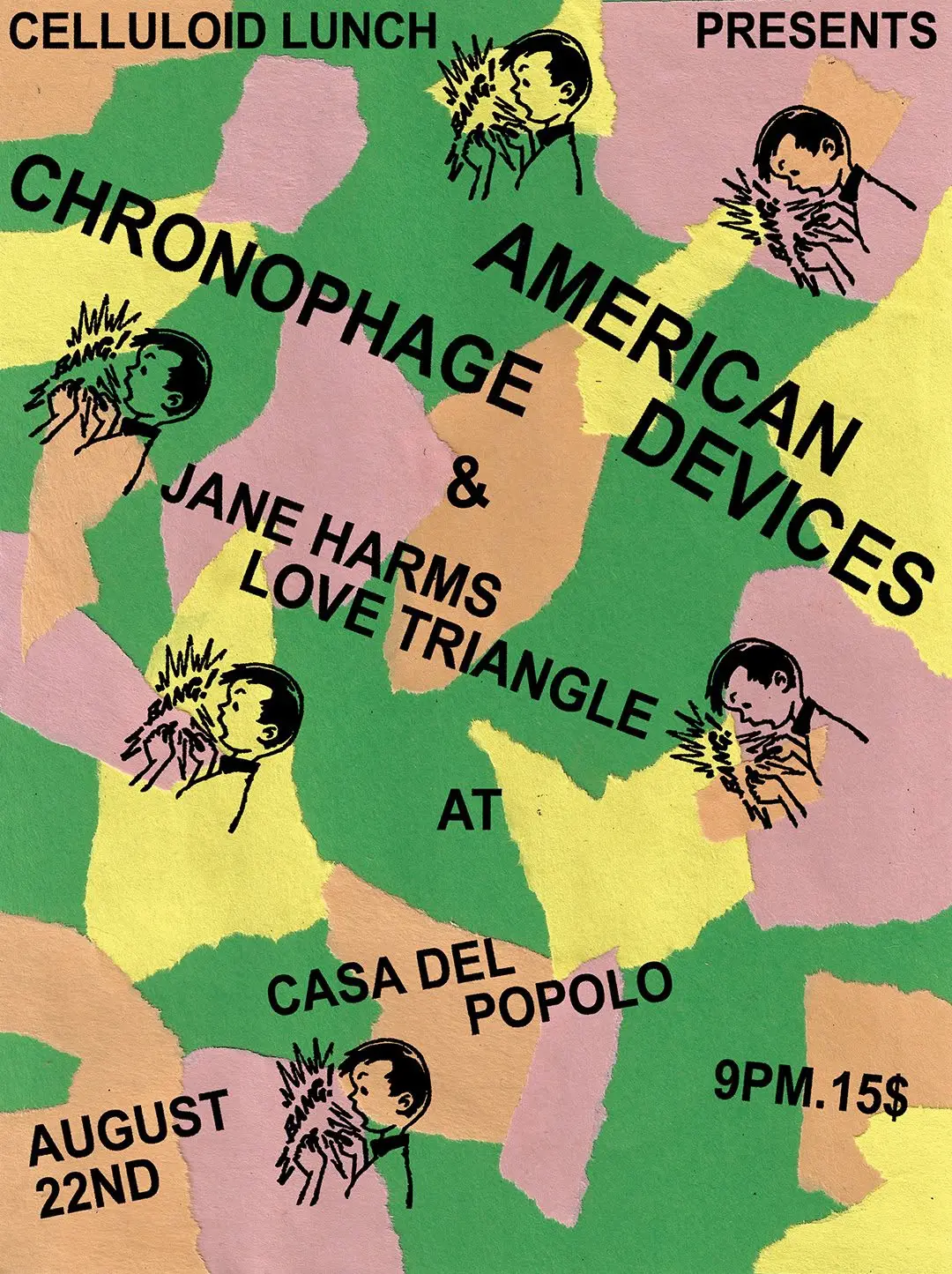
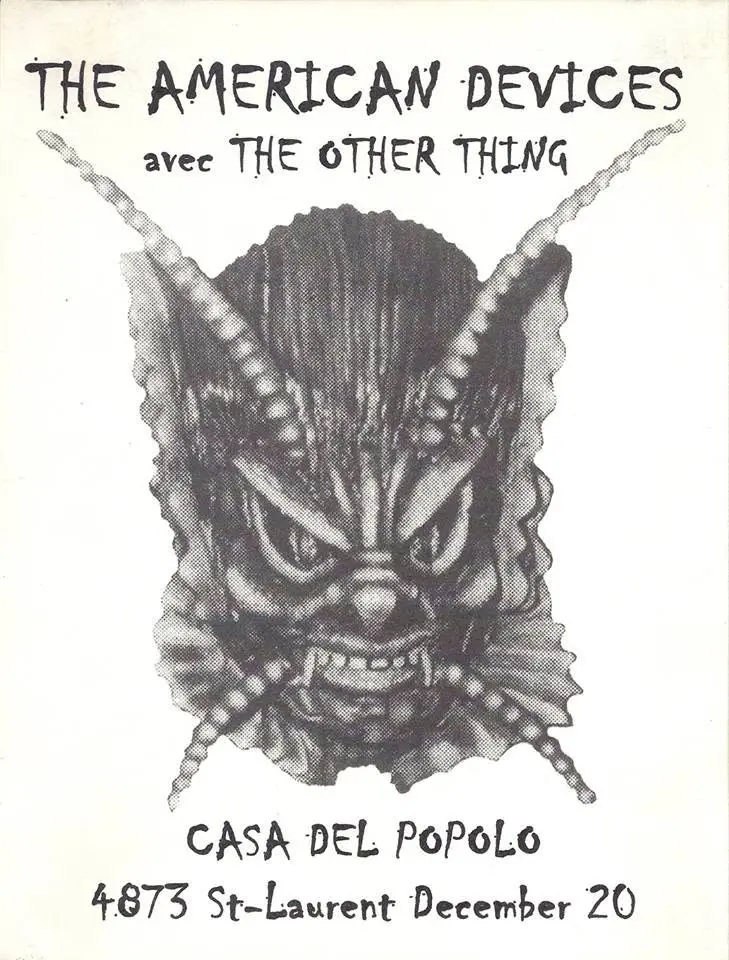
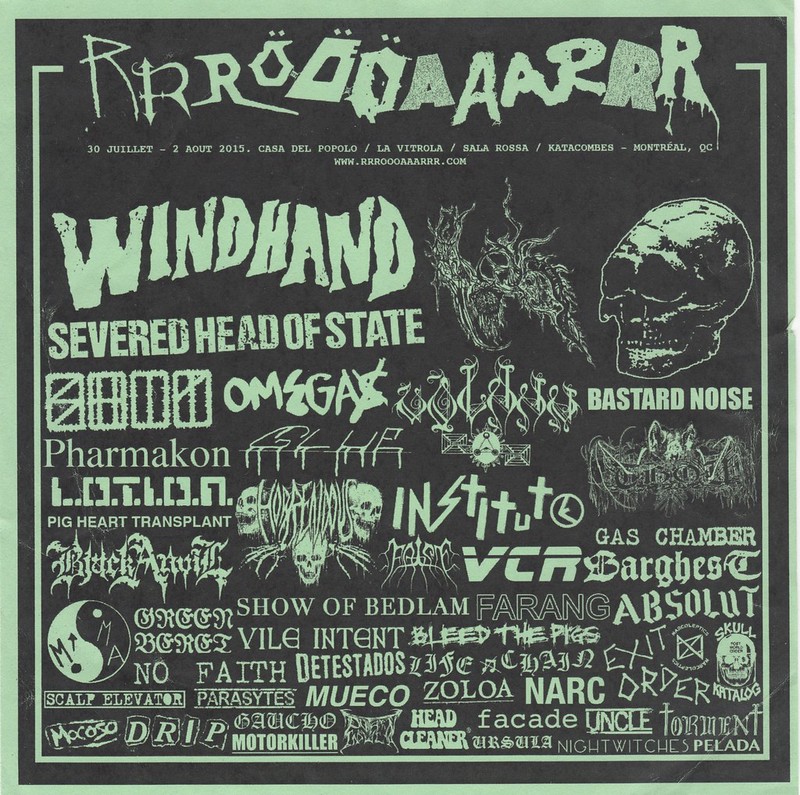
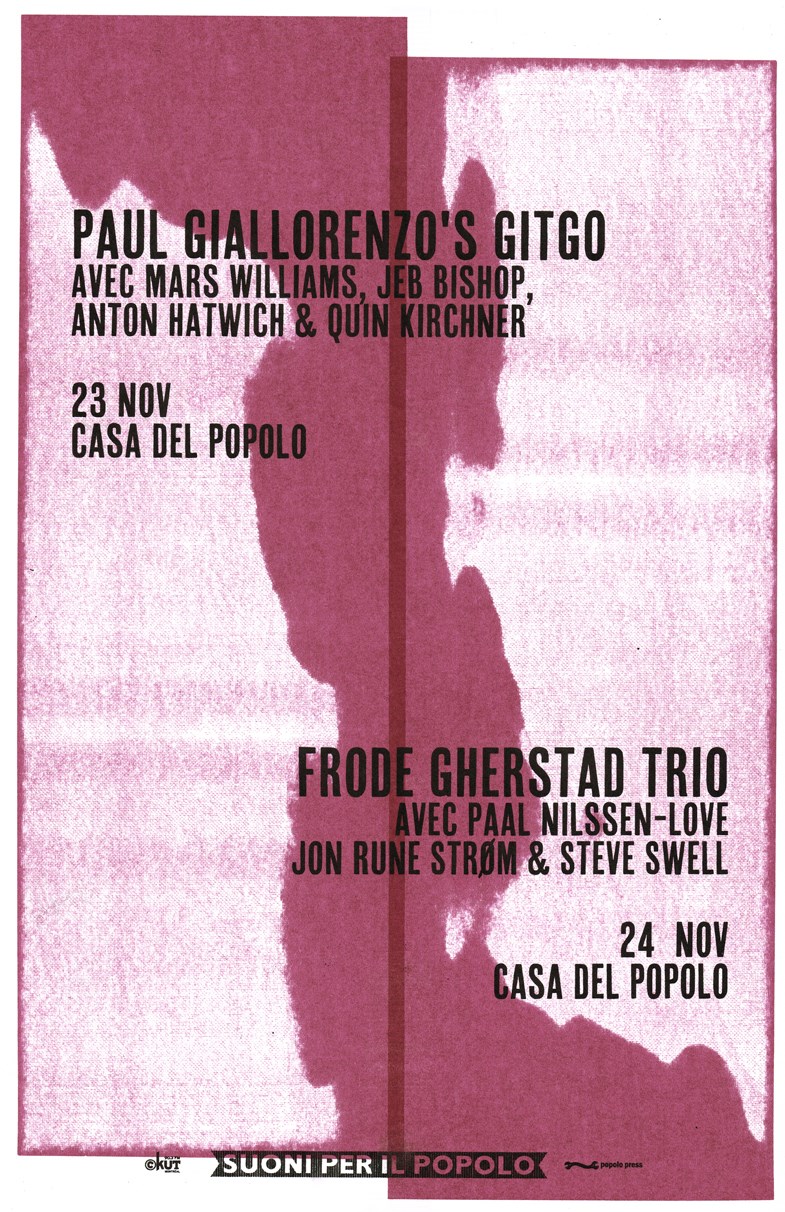
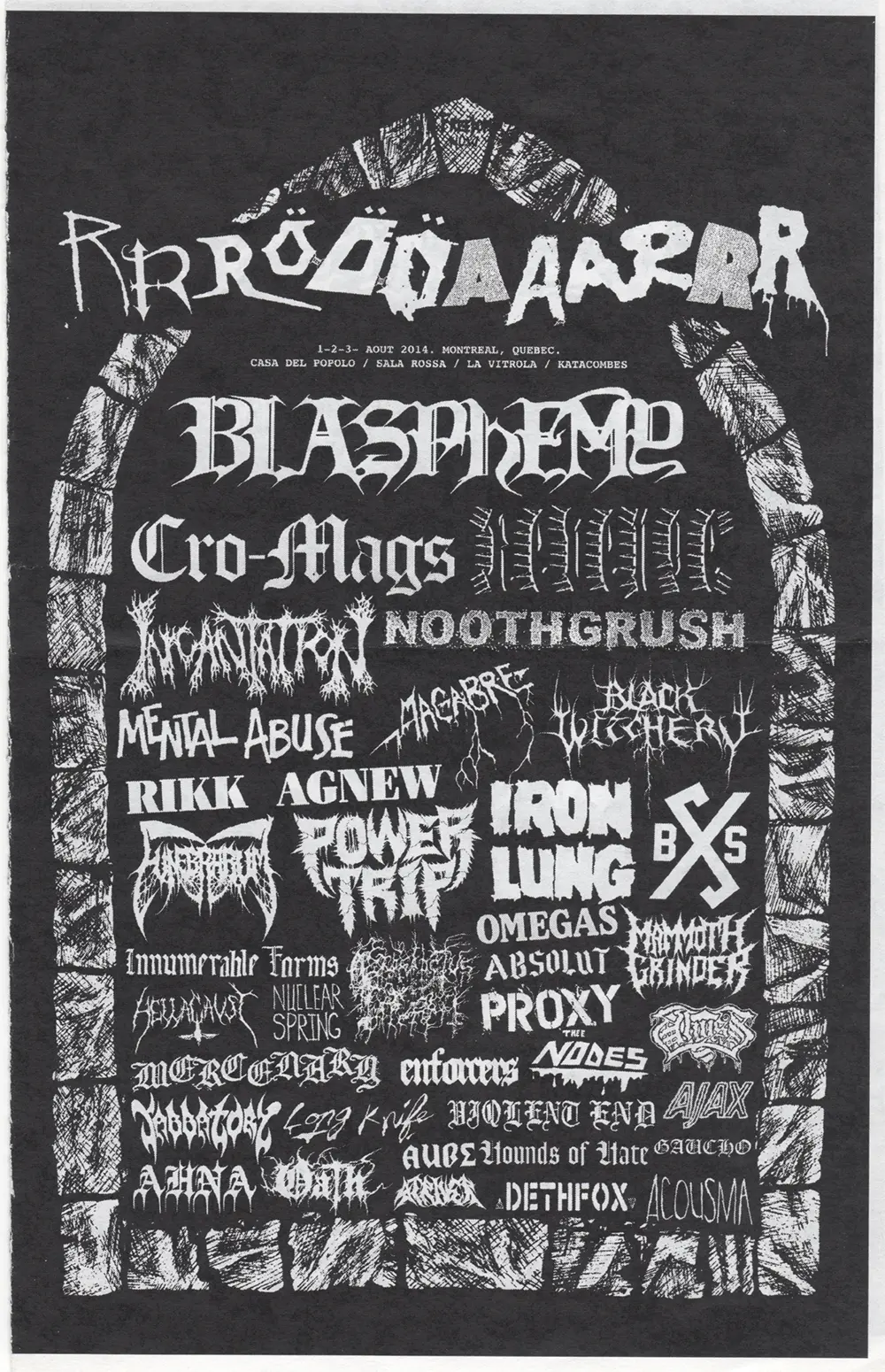
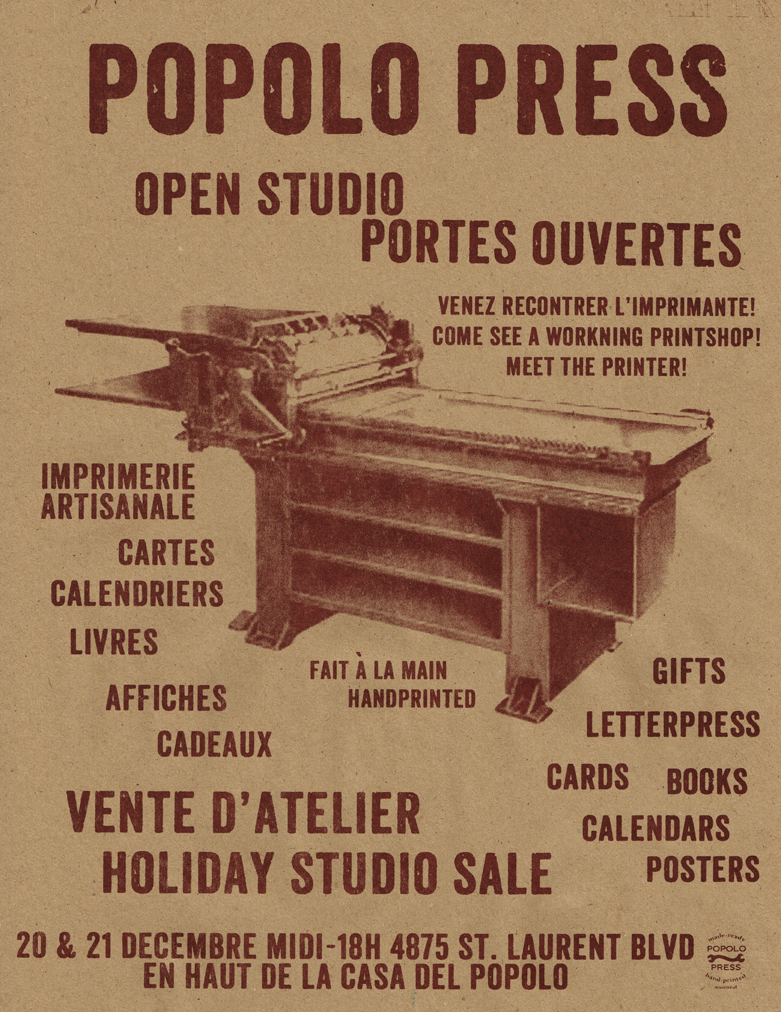
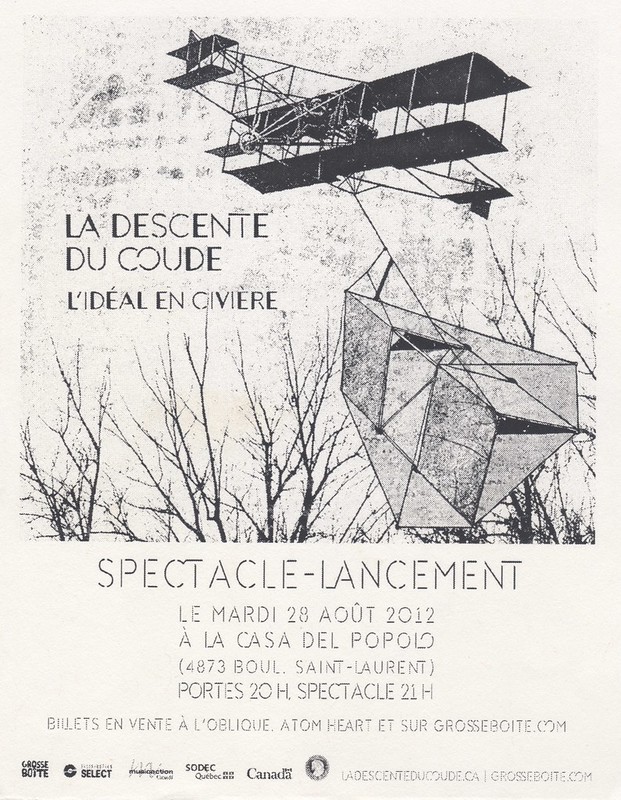
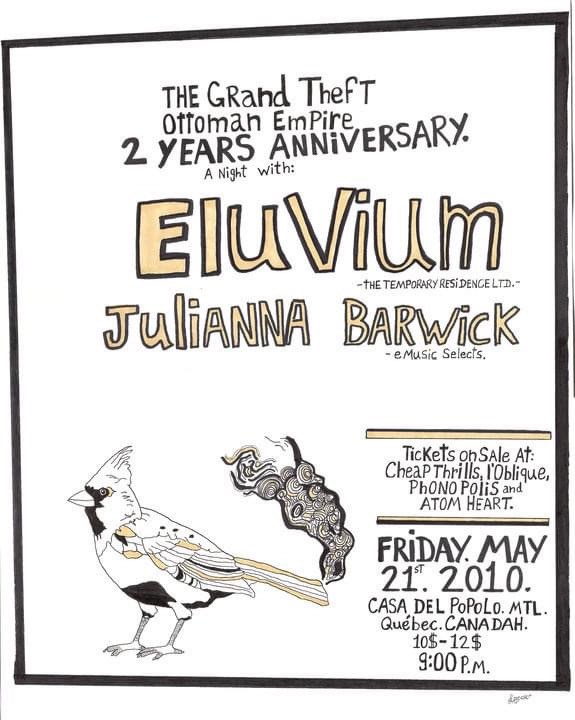
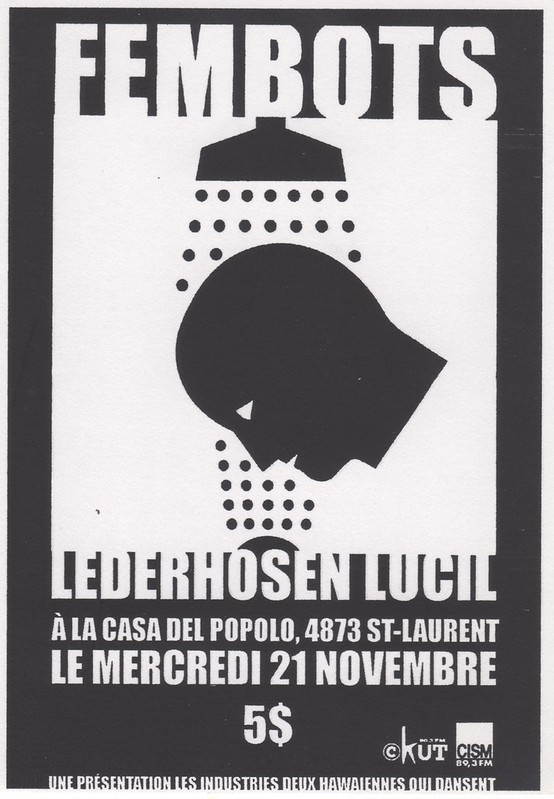
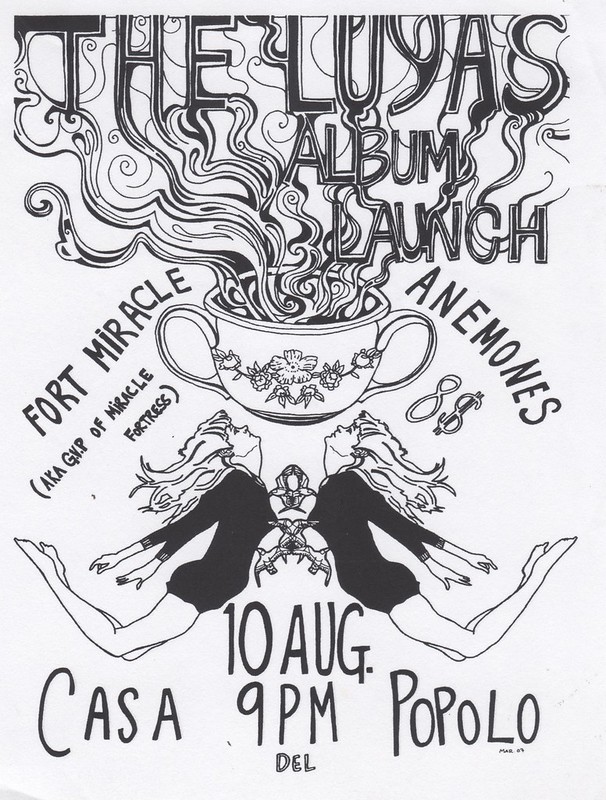
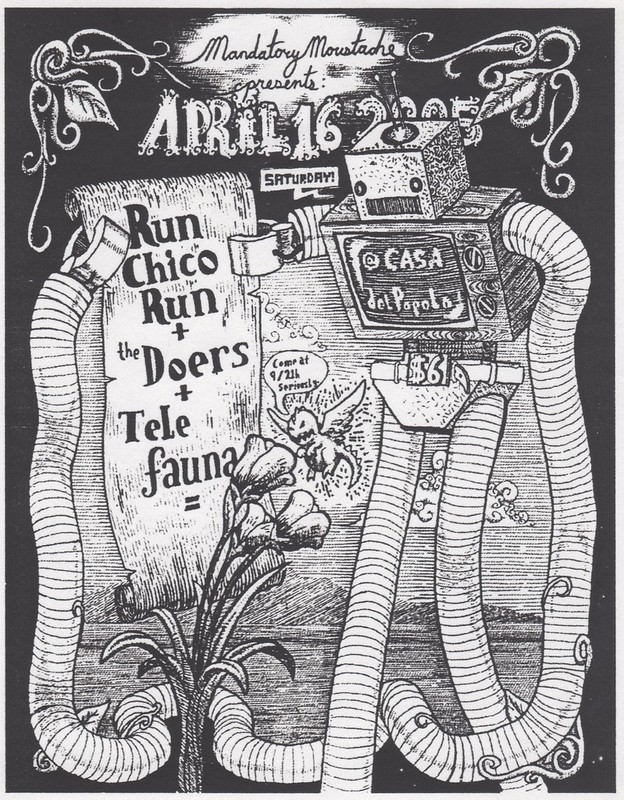
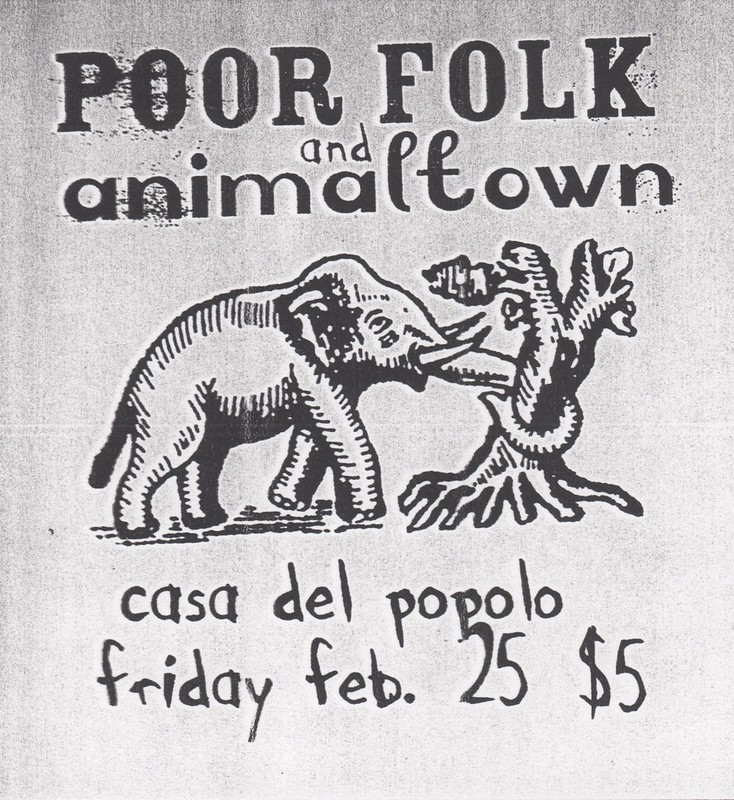
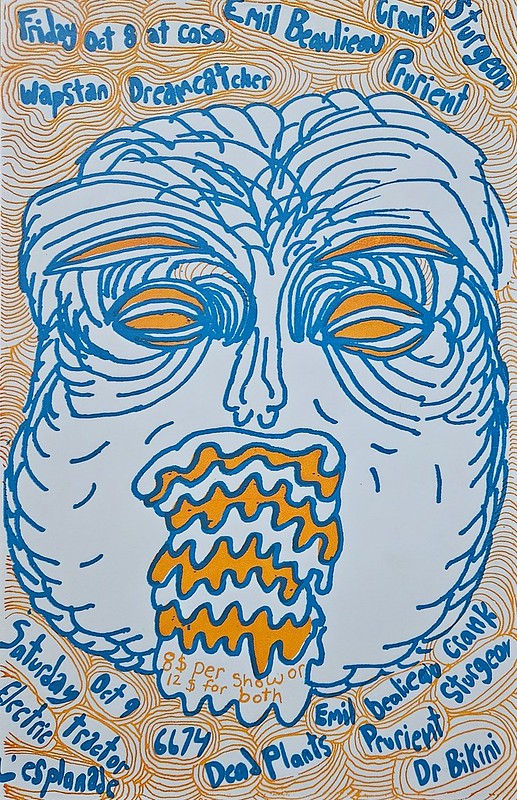
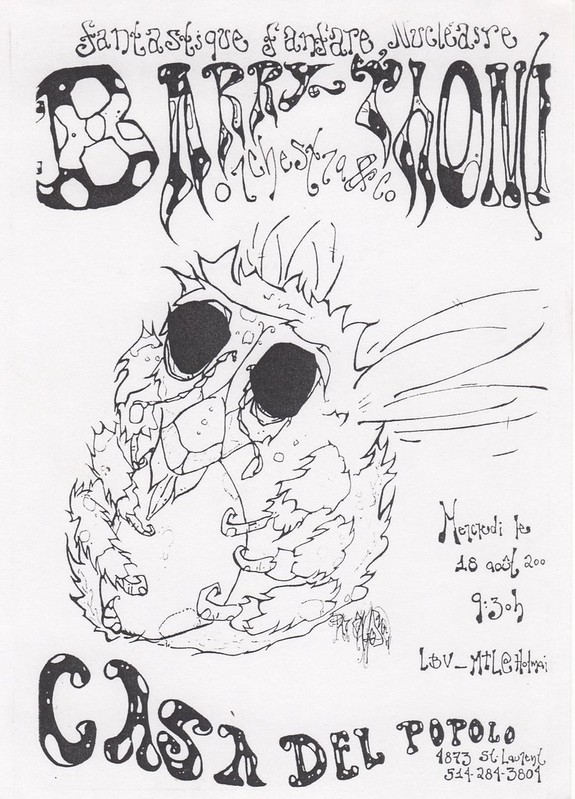
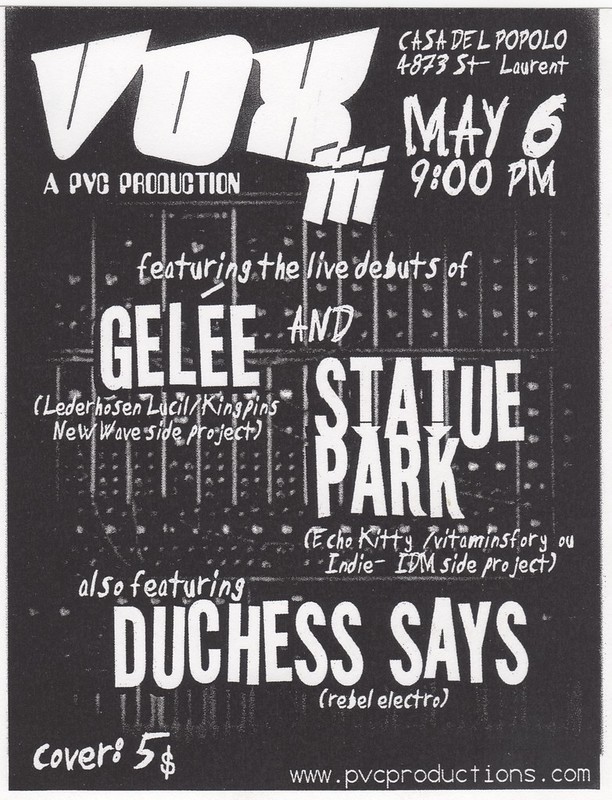
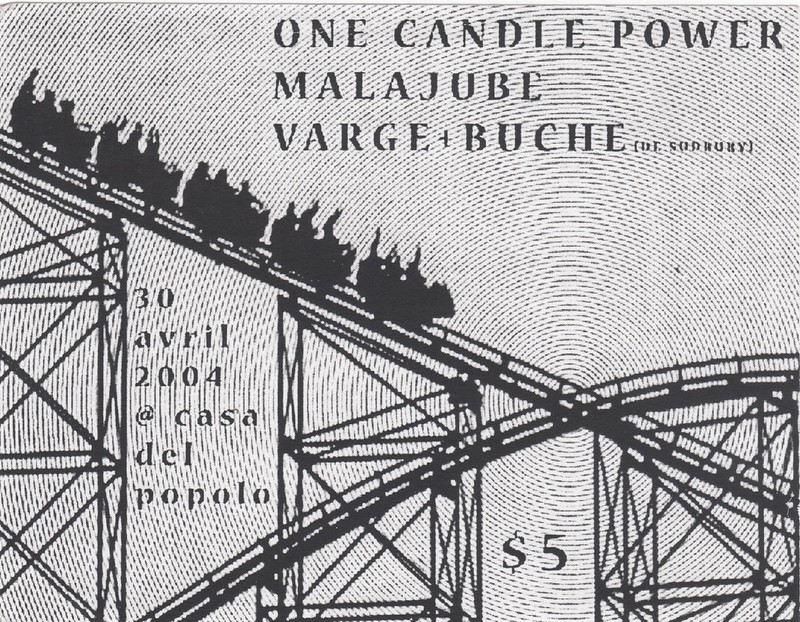
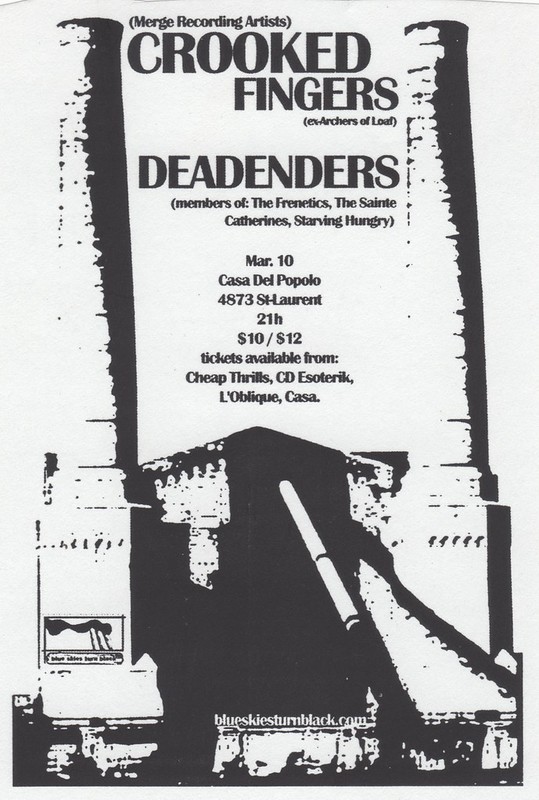
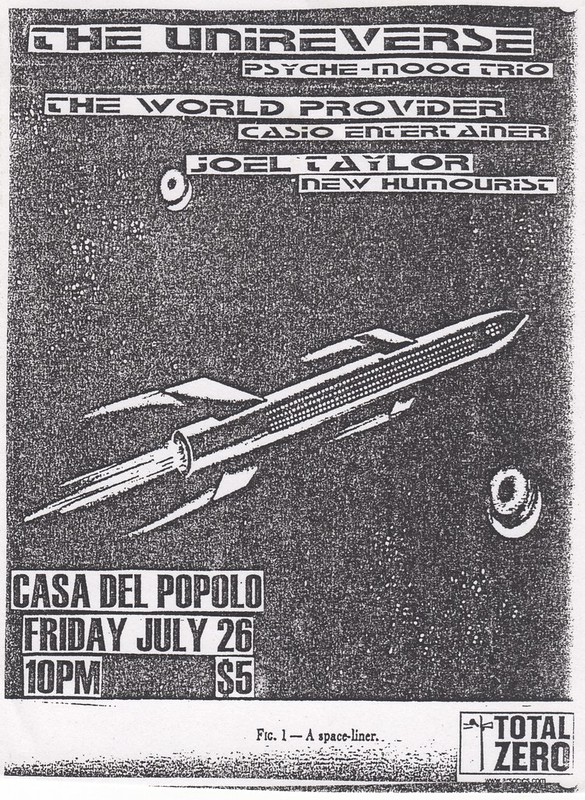
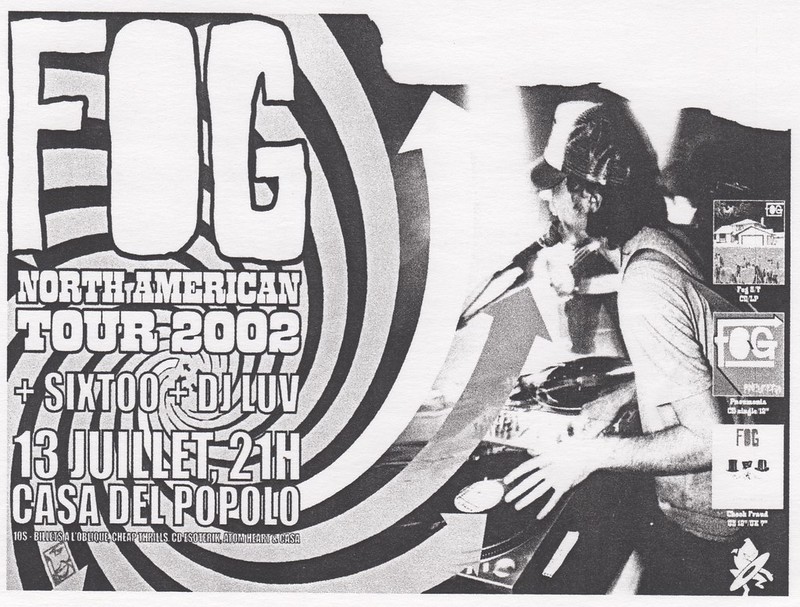
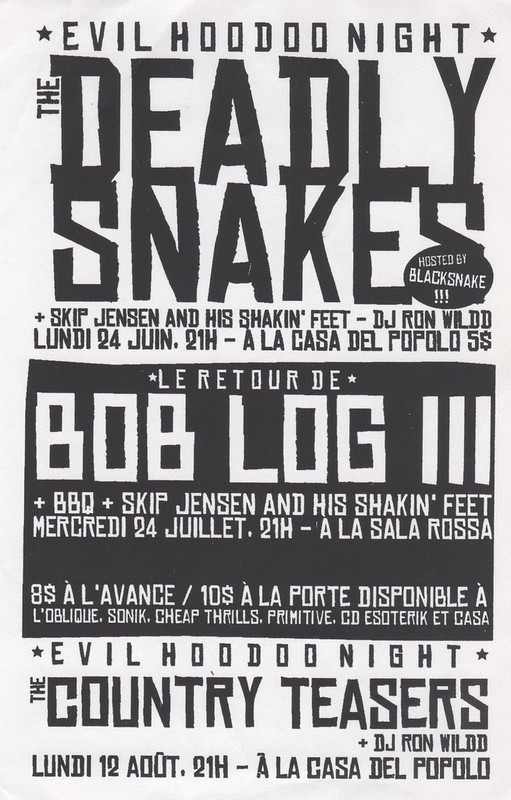
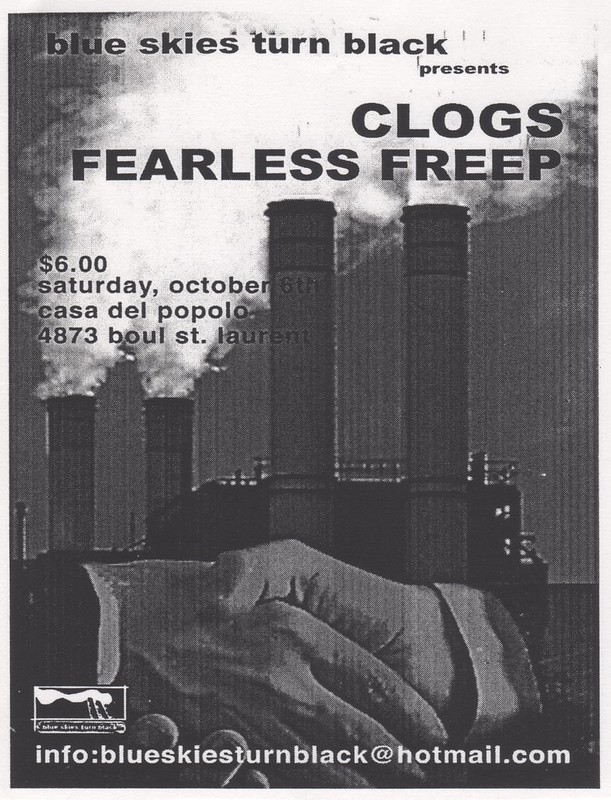
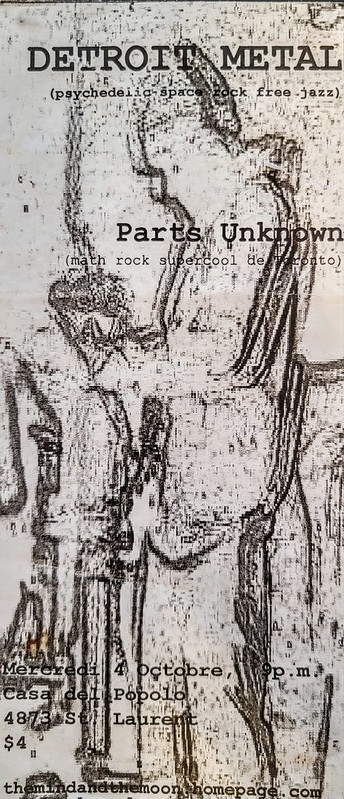
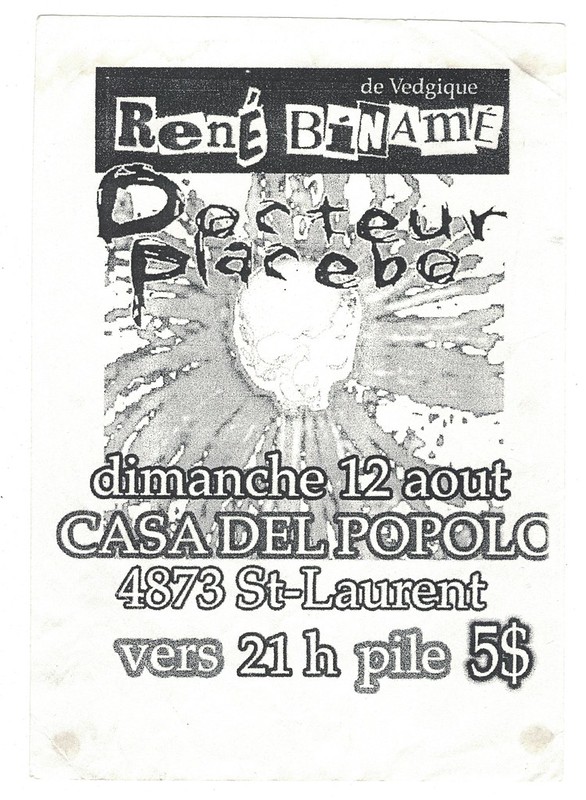
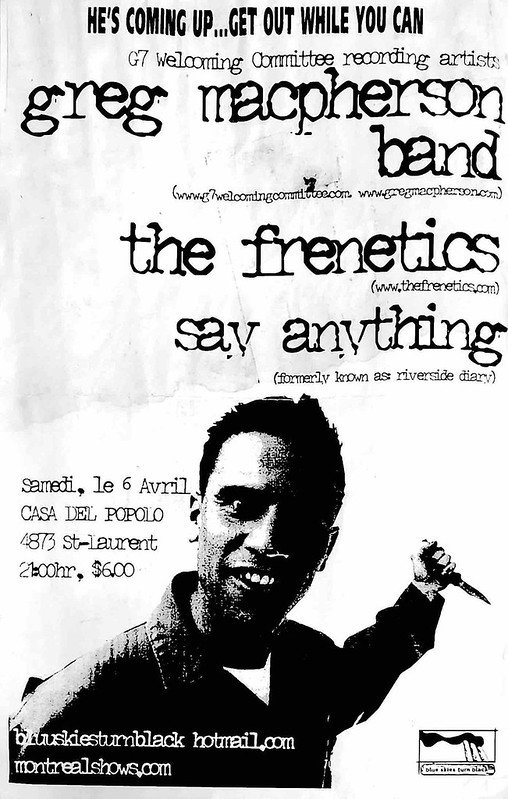
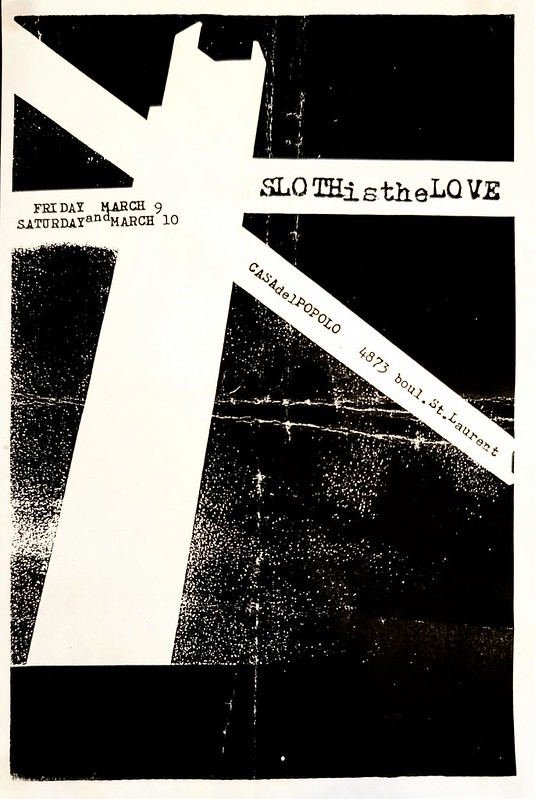
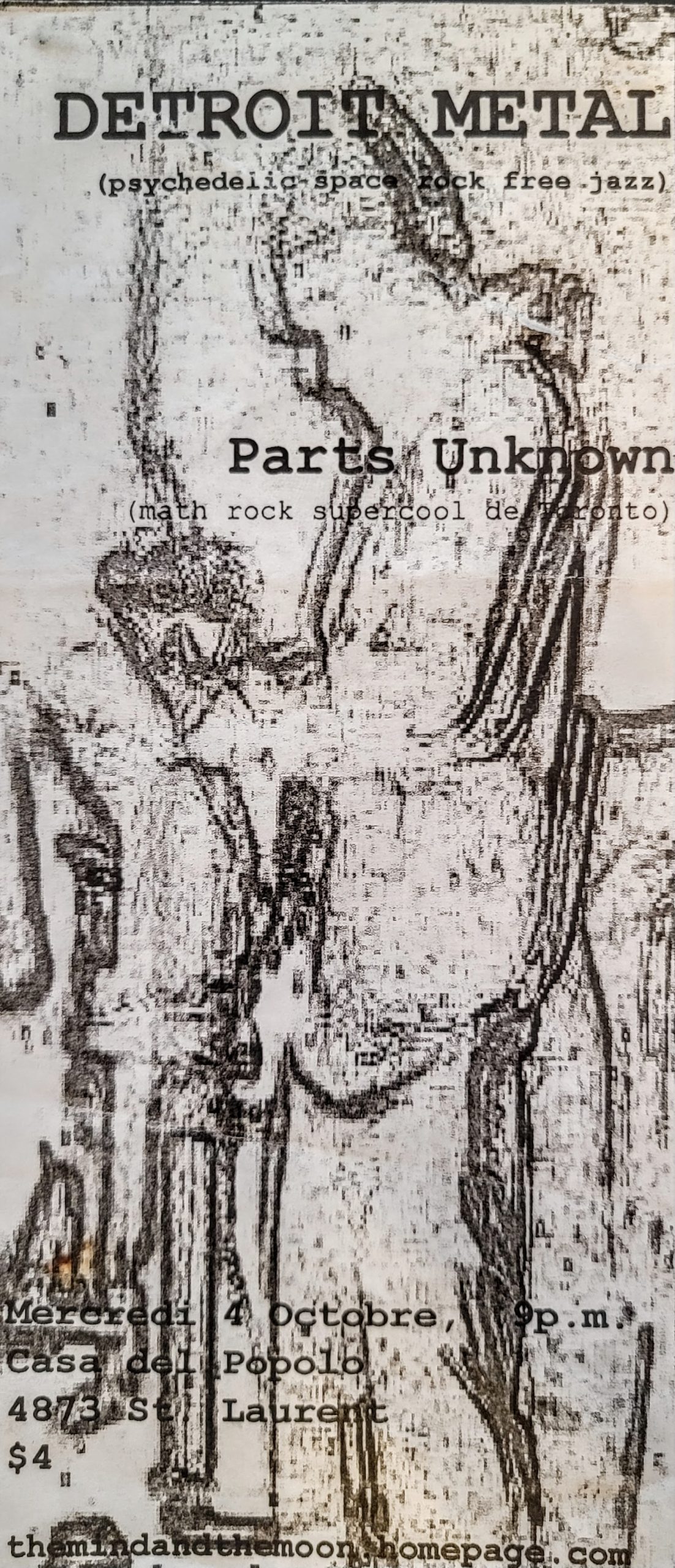
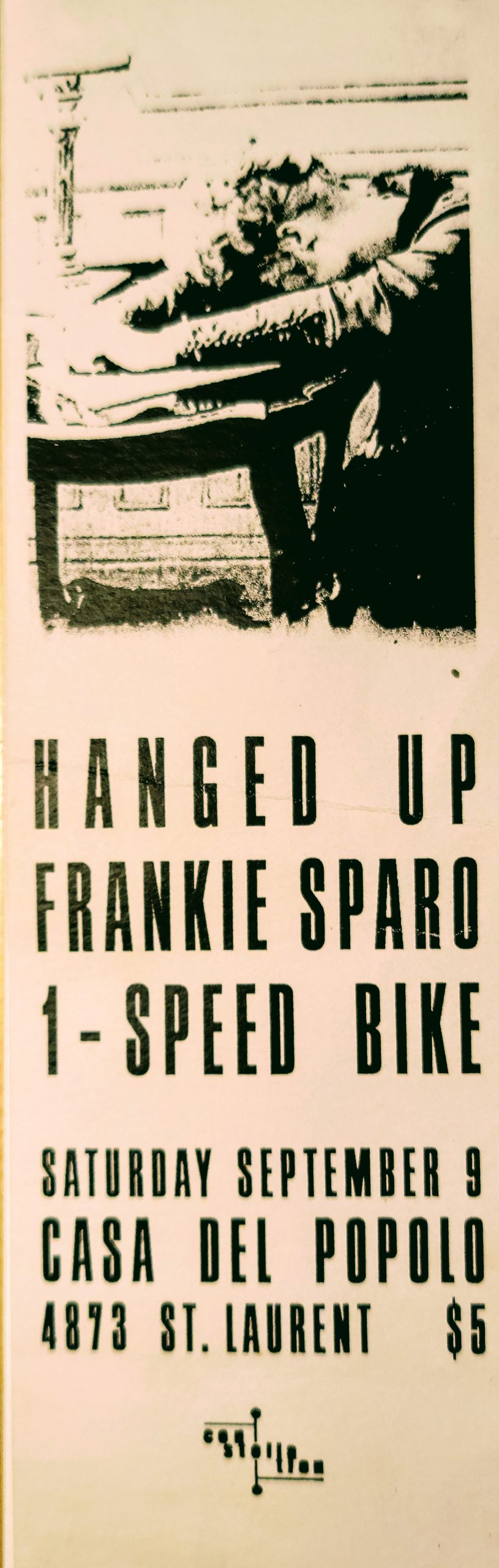
This visual and print culture — posters, screen prints, small objects, publications and flyers — is inseparable from the Casa’s identity. It also helps explain why the venue holds a particularly important place in the history of independent concert posters in Montreal.
10. At the heart of Montreal’s indie boom
By the mid-2000s, Montreal was attracting growing international attention for its independent music scene. Casa del Popolo and La Sala Rossa were two essential pieces of that ecosystem: they enabled local artists to perform regularly, brought visiting international groups into contact with this community and allowed independent promoters to develop programming largely outside traditional commercial circuits.
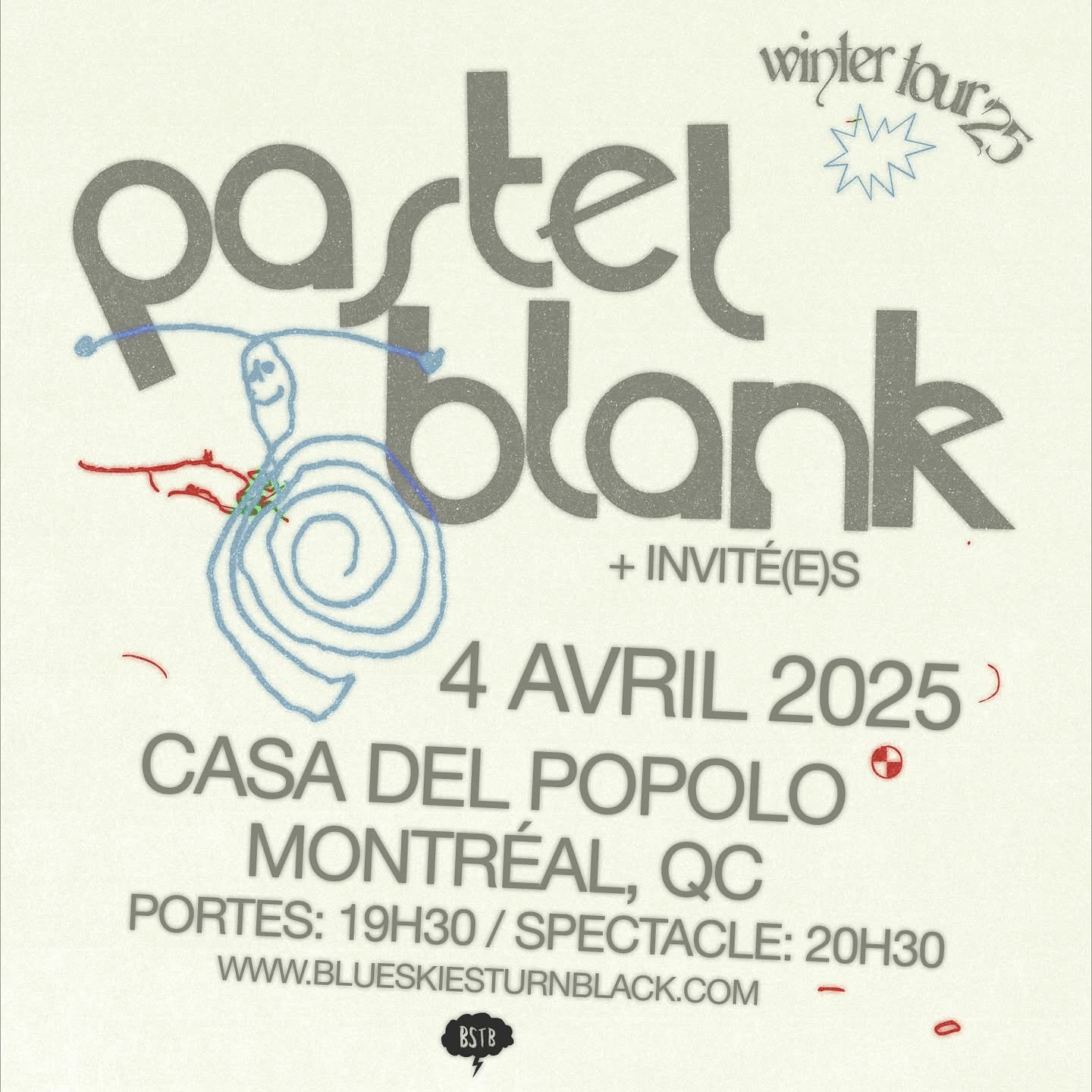
In 2005, Voir presented Mauro Pezzente, Blue Skies Turn Black and other local actors as important elements in the ferment preceding the international recognition of Montreal’s music scene. The Casa and La Sala Rossa were described as two venues directly connected to the emergence of this new alternative scene. [11]
A lengthy Gazette article published in 2007 went further, presenting the Casa as one of the places where “future greatness” could get its start. Pezzente recalled that when the venue opened, accessible small stages for local bands were scarce. The article connected the Casa/Sala environment with artists and groups such as ARCADE FIRE, WOLF PARADE, MOLASSES, THE DEARS, THE STILLS and many other figures in the local scene. [9]
An important distinction
The Casa was never the venue of a single movement
Its significance extends far beyond the indie wave of the 2000s. From its earliest days, the Casa also programmed free jazz, improvisation, contemporary music, folk, electronic music, noise, punk, spoken word and interdisciplinary performance. Its historical role lies precisely in this openness and in its determination to maintain a stage for artists outside dominant commercial circuits.
11. Challenges, permits and continuity
The Casa’s history has not been without difficulties. Like many small Montreal venues, it has had to contend with soundproofing costs, municipal regulations and requirements surrounding performance and liquor permits. In 2007, Pezzente estimated that approximately $200,000 had been spent on soundproofing over the years. [9]
In 2009, the Casa temporarily suspended concerts while working to regularize its situation with the City and the Régie. The episode illustrates the structural fragility of small venues: their cultural role can be considerable even while their economic and regulatory footing remains precarious. [12]
The Casa nevertheless survived these crises and remains active. Its model expanded over the years around La Sala Rossa, La Sotterenea and other spaces associated with the Popolo network, while 4873 Saint-Laurent retained the intimate character that distinguished it at the time of its opening. [1]
12. Historical significance
Casa del Popolo occupies a distinctive place in the history of Montreal performance venues because it represents more than a simple place to present shows. It helped create a community infrastructure for artists who had few spaces suited to their needs, while bringing the local scene into closer contact with international networks.
Its influence also rests on its scale. Where large venues measure success in tickets sold, the Casa demonstrated that a 100-capacity room could have considerable cultural reach. A modest concert, a developing artist or a difficult-to-classify project could find an audience there and, eventually, move into a larger venue within the same network.
Finally, its history traces an essential part of the evolution of Saint-Laurent Boulevard and the Mile End at the turn of the twenty-first century: Artishow → Casa del Popolo → Suoni Per Il Popolo → La Sala Rossa. This continuity makes the Casa one of the structuring venues of Montreal’s independent music culture over the past quarter-century.
In the history of Montreal venues
A small venue with an outsized influence
Before 2000 — Artishow at 4873 Saint-Laurent
2000 — Casa del Popolo is established
2001 — Suoni Per Il Popolo grows and the Spanish cultural centre is used for larger shows
Late 2001 — La Sala Rossa emerges as the Casa’s sister venue
2000s — the Casa becomes a major hub of Montreal’s independent scene
2009 — regulatory battle to maintain concerts
Today — the Casa remains active at 4873 Saint-Laurent
13. Notes & sources
- CASA DEL POPOLO, official website, “About / Info” section and venue technical information.
The site dates the establishment to September 2000, confirms the 4873 Saint-Laurent address and currently lists a capacity of 100 standing / 50 seated. - NICOLAS TITTLEY, “Casa del Popolo : Nouveaux visages,” Voir, May 9, 2001.
Interview with Mauro Pezzente and Kiva Stimac on the creation of the Casa, the former Artishow, vegetarian food, programming, Arab Strap, the Spanish cultural centre and the emergence of a concert network. - INGRID PHANEUF, “Casa del Popolo draws new bohemians,” The Gazette, February 27, 2001.
Detailed profile of the Casa’s first months: renovations, financing, philosophy, food, multidisciplinary programming, capacity, ticketing policy, Distriboto and the origin of the name. - THE GAZETTE, music listings, September 14, 2000 and October 20, 2000.
The listings document shows at the Casa as early as September 2000, including MOLASSES, and explicitly identify the venue as the former Artishow. - BERNARD LAMARCHE, “Fière Casa del Popolo,” Le Devoir, July 5, 2001.
Article on the Casa’s avant-garde programming, Mauro Pezzente, Kiva Stimac, Suoni Per Il Popolo, relationships with jazz festivals and the use of the Spanish social centre for larger concerts. - T’CHA DUNLEVY, “Bubbling under,” The Gazette, December 29, 2001.
The year-end music review notes that Montreal’s indie concert scene received a boost from the Casa’s expansion with La Sala Rossa at 4848 Saint-Laurent. - PHILIPPE PAPINEAU, articles on Suoni Per Il Popolo, Le Devoir, including June 1, 2007, June 8, 2010 and June 1, 2016; and SOPHIE CHARTIER, “Les oreilles libres,” Le Devoir, June 13, 2014.
These articles document the festival’s evolution, the expansion of its programming, its role in experimental music and its development across the network’s various venues. - T’CHA DUNLEVY, “Even more for the people,” The Gazette, January 10, 2002.
The article presents La Voce del Popolo, describes the Casa as a cultural and community centre, and already identifies La Sala Rossa as its larger sister venue across the street. - MARIANNE ACKERMAN, “Where future greatness gets its break,” The Gazette, November 19, 2007.
Portrait of the Mile End and the Casa as a development venue for artists. Pezzente discusses the shortage of small venues in 2000, the Casa’s evolution, soundproofing and the network’s role in the independent scene. - RÉGIE DES ALCOOLS, DES COURSES ET DES JEUX, “Avis de demandes relatives à un permis ou à une licence,” press clipping preserved in the MCPA archives.
The application identifies Mauro Pezzente as applicant for a company to be formed under the name CASA DEL POPOLO, 4873 Saint-Laurent Boulevard, for a restaurant permit. - OLIVIER ROBILLARD LAVEAUX, “Montréal, ville ouverte,” Voir, March 31, 2005.
The article places the Casa and La Sala Rossa among the infrastructures that contributed to the emergence of Montreal’s new anglophone alternative scene. - OLIVIER ROBILLARD LAVEAUX, “Bars et petites salles du Mile End sur la sellette : Montréal, ville ouverte?”, Voir, March 26, 2009.
Article on the temporary suspension of concerts at the Casa and the steps undertaken to obtain the required permits from the City and the Régie.