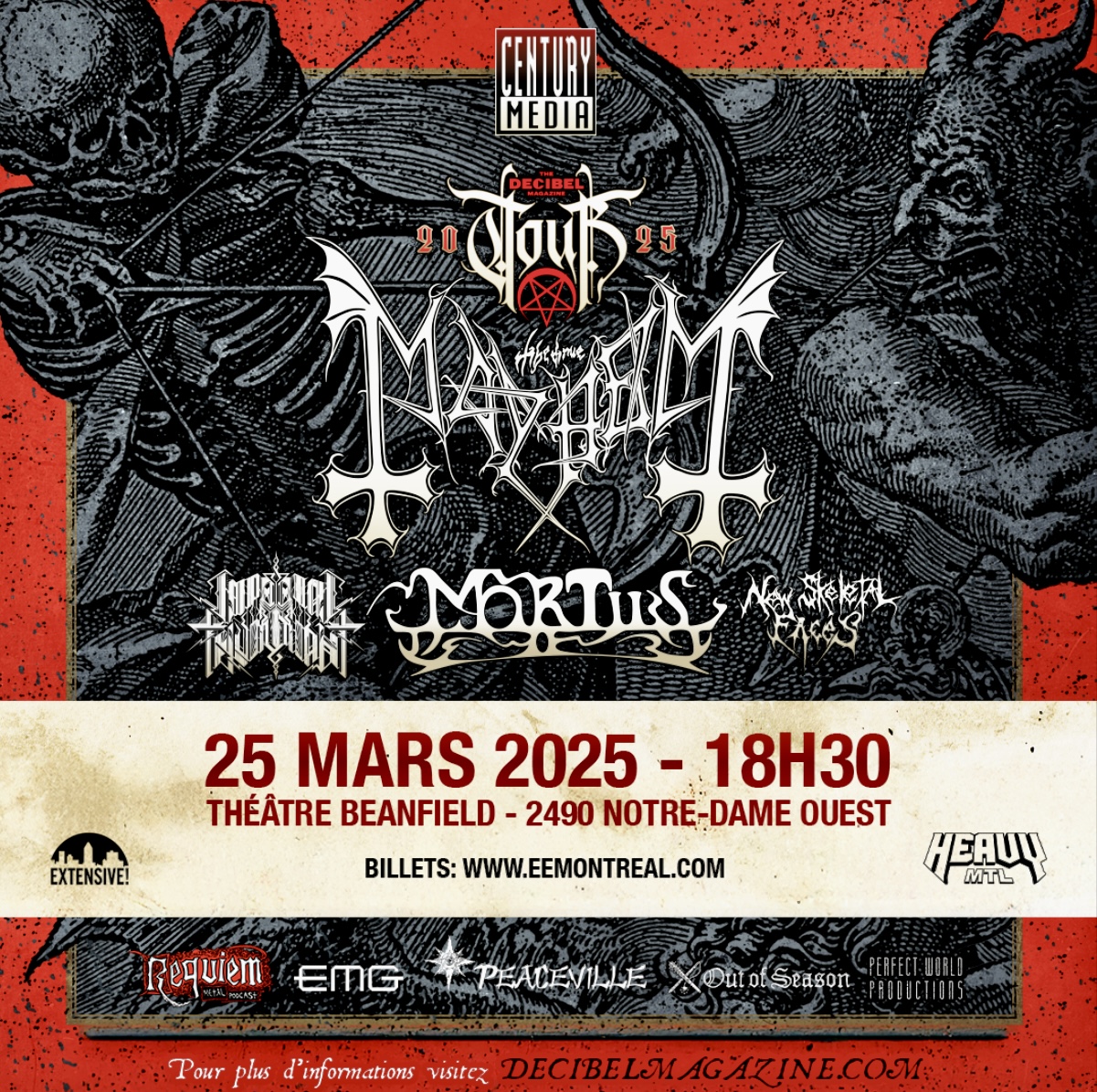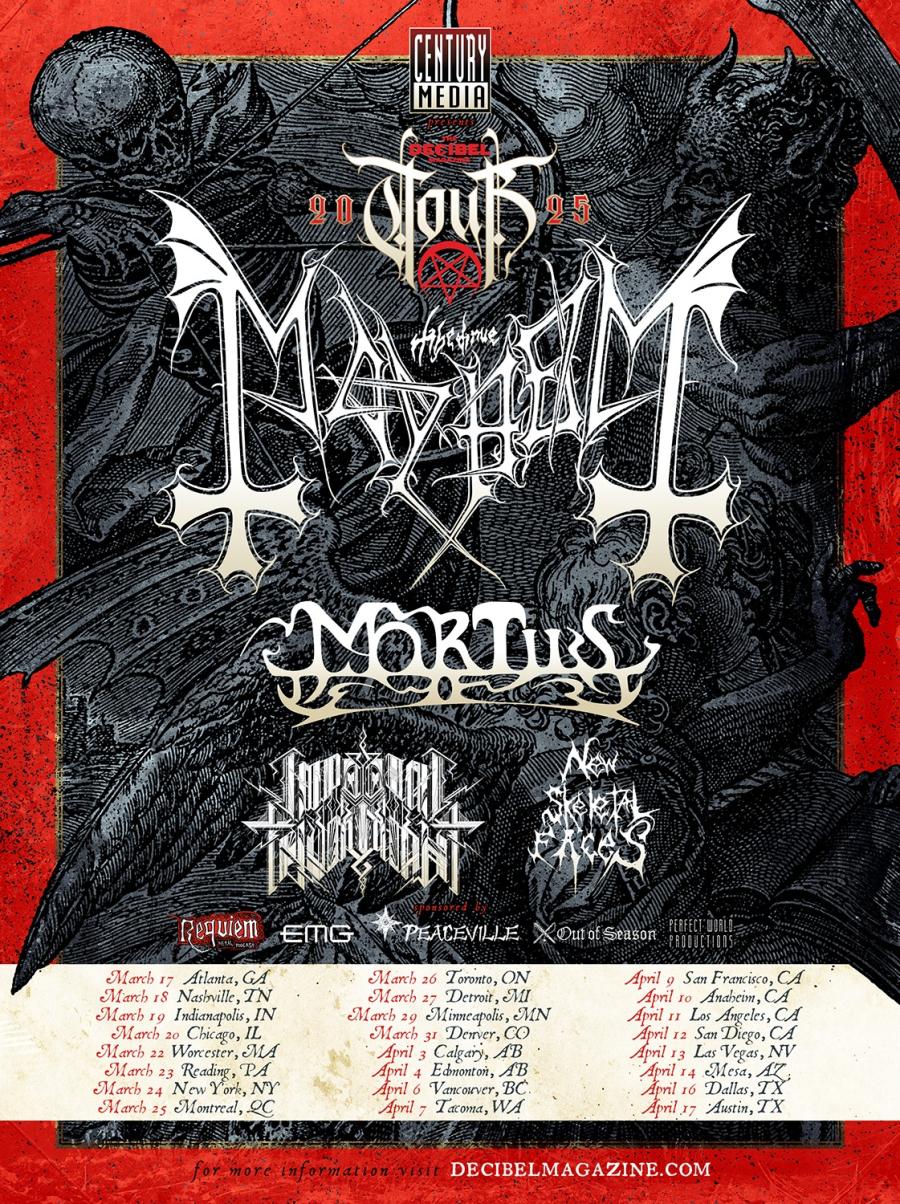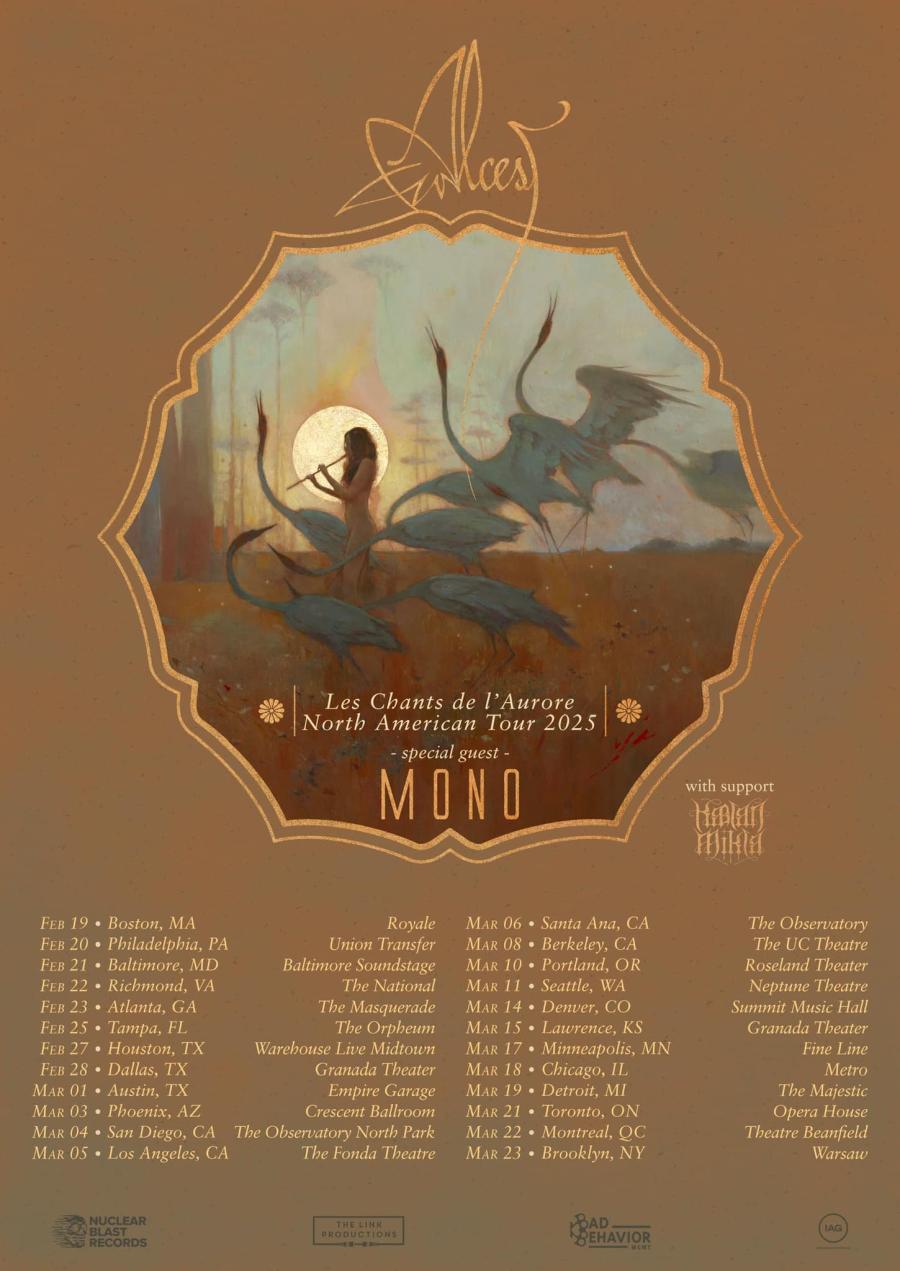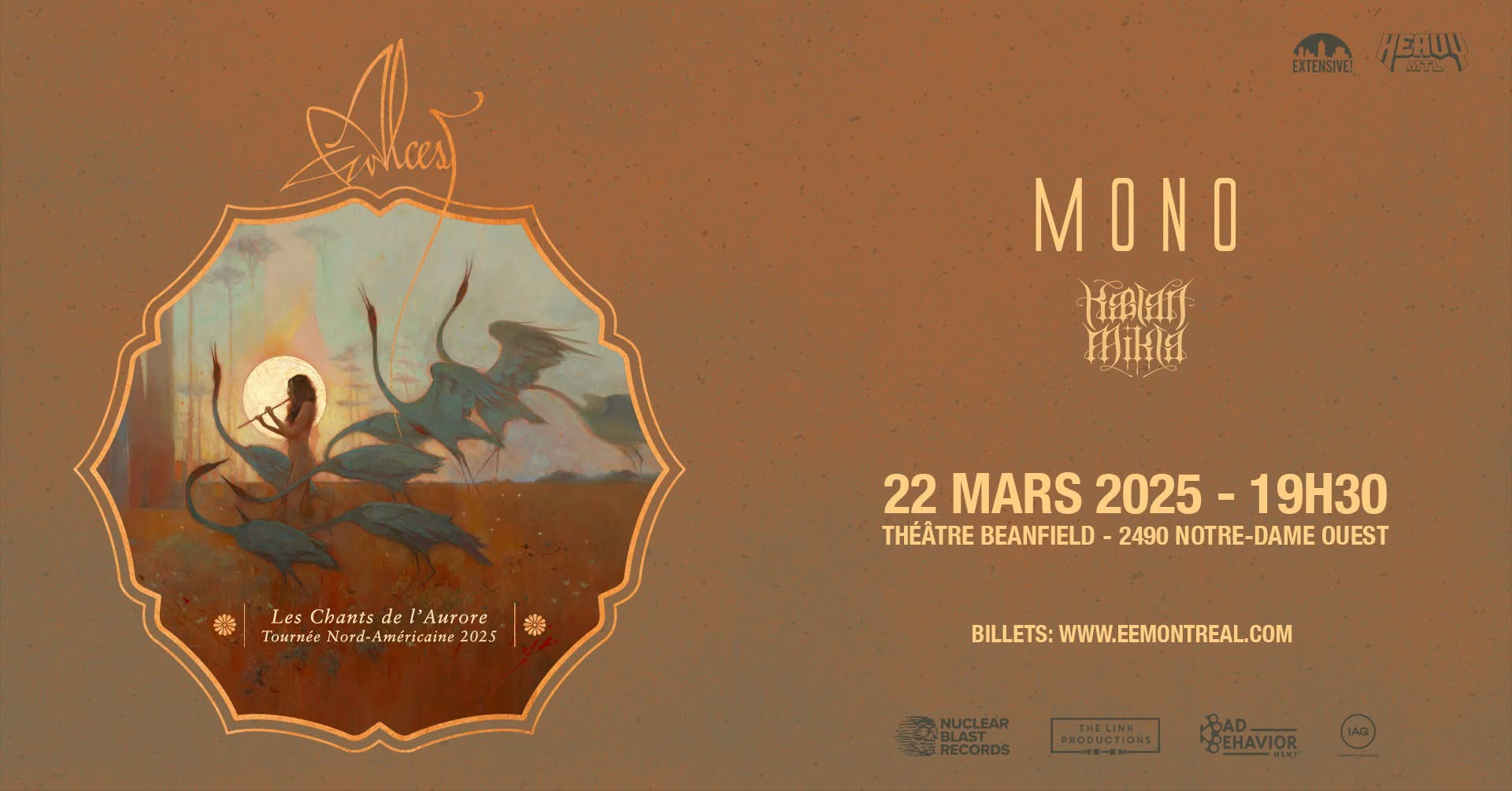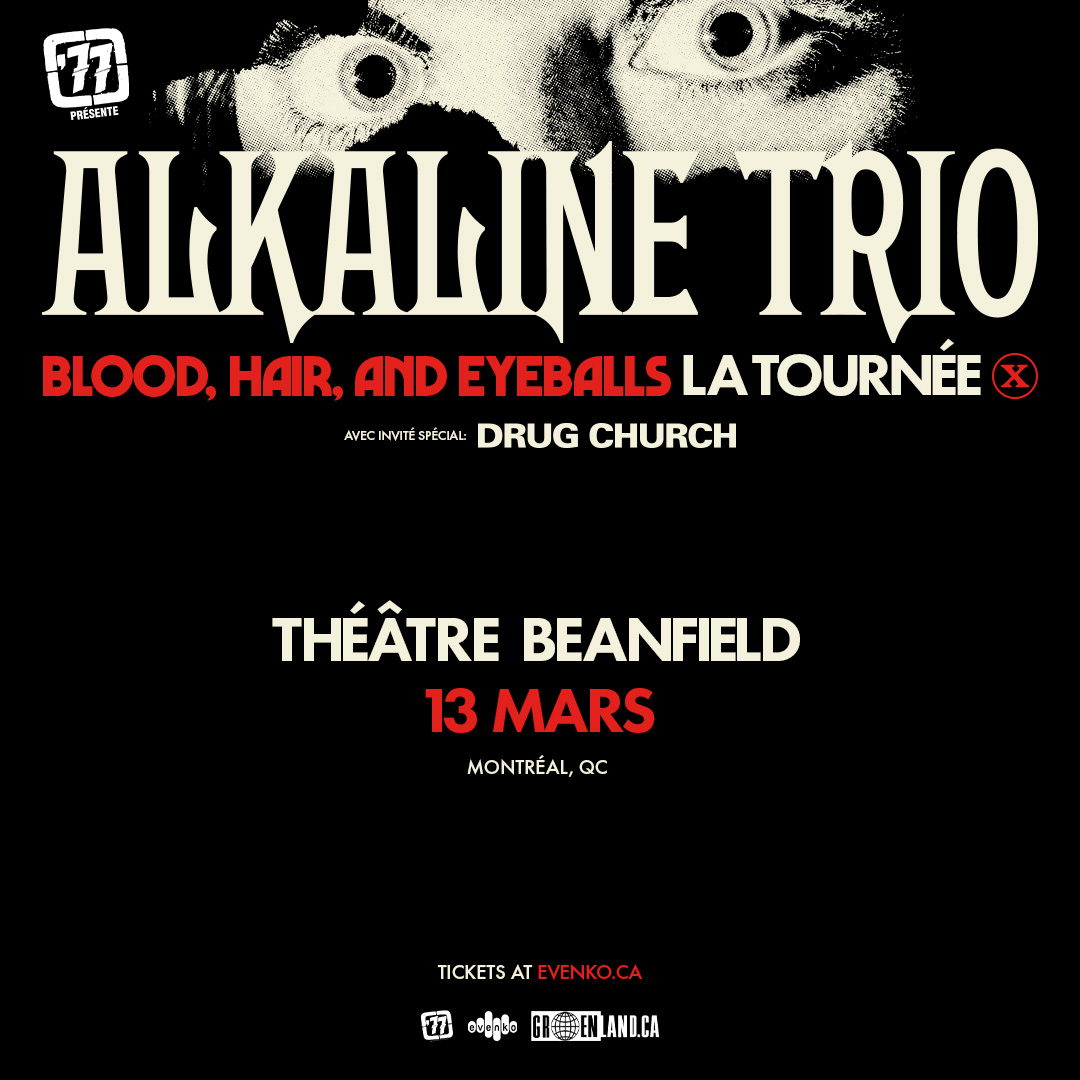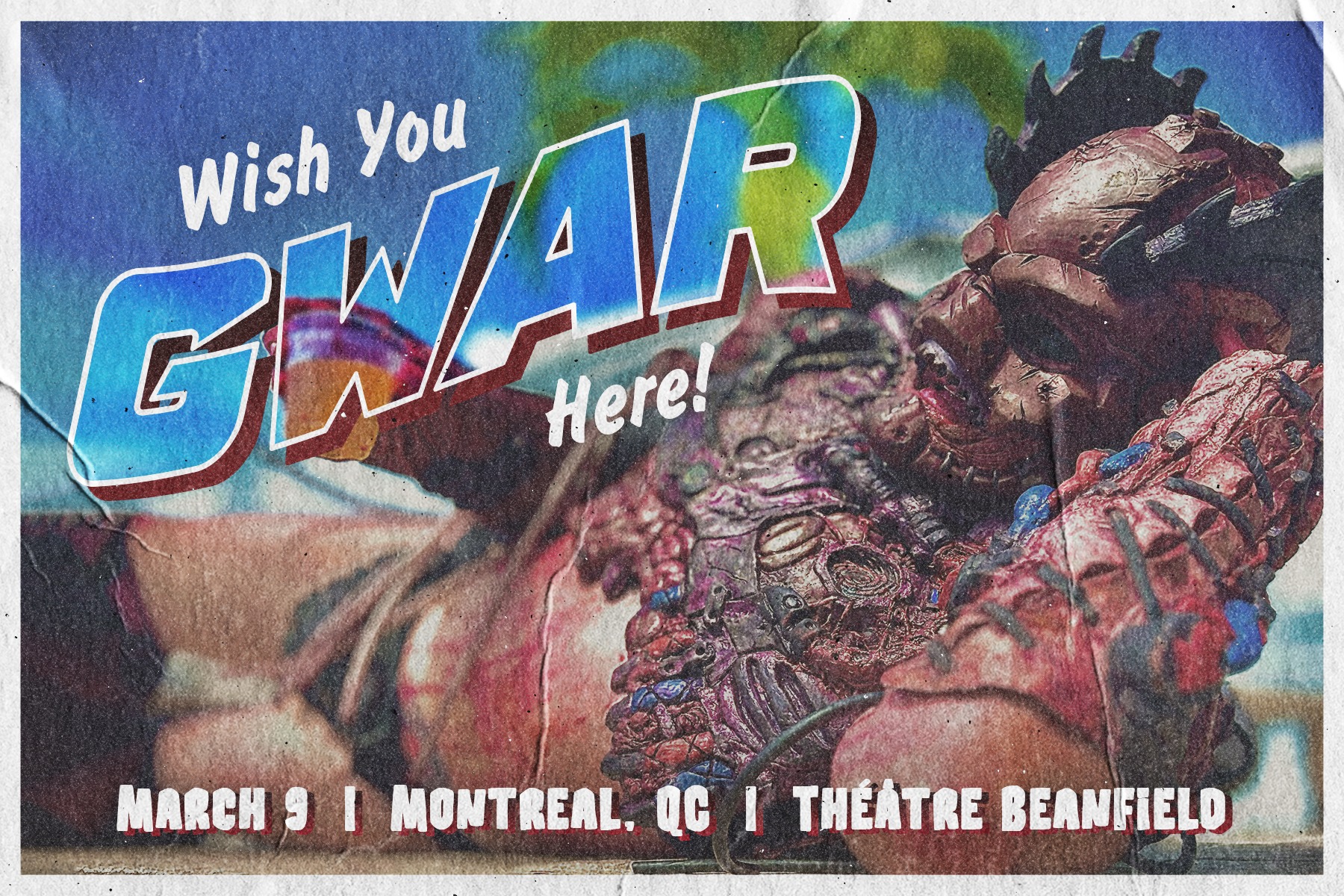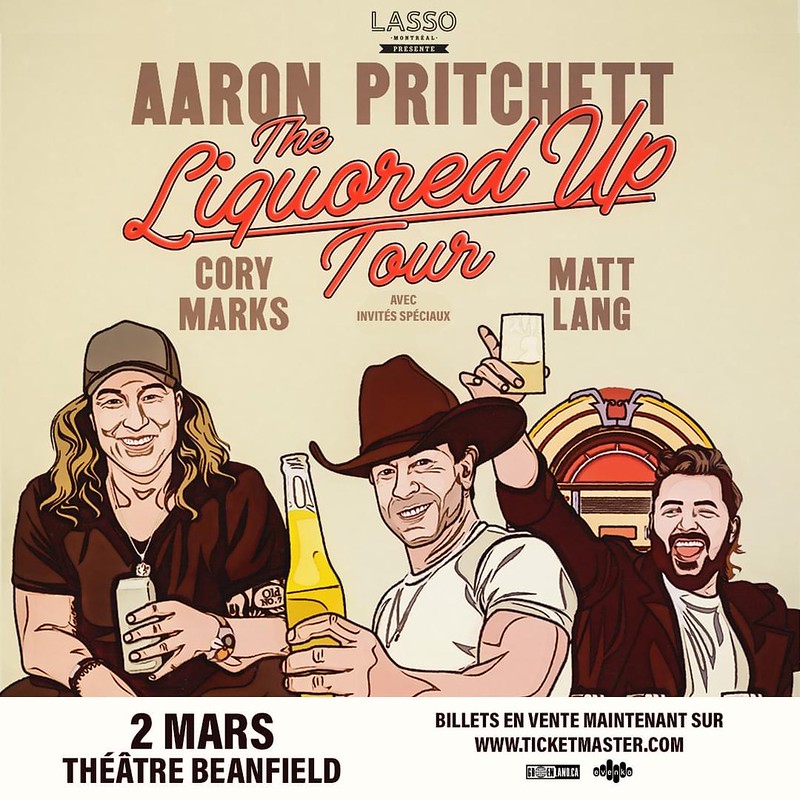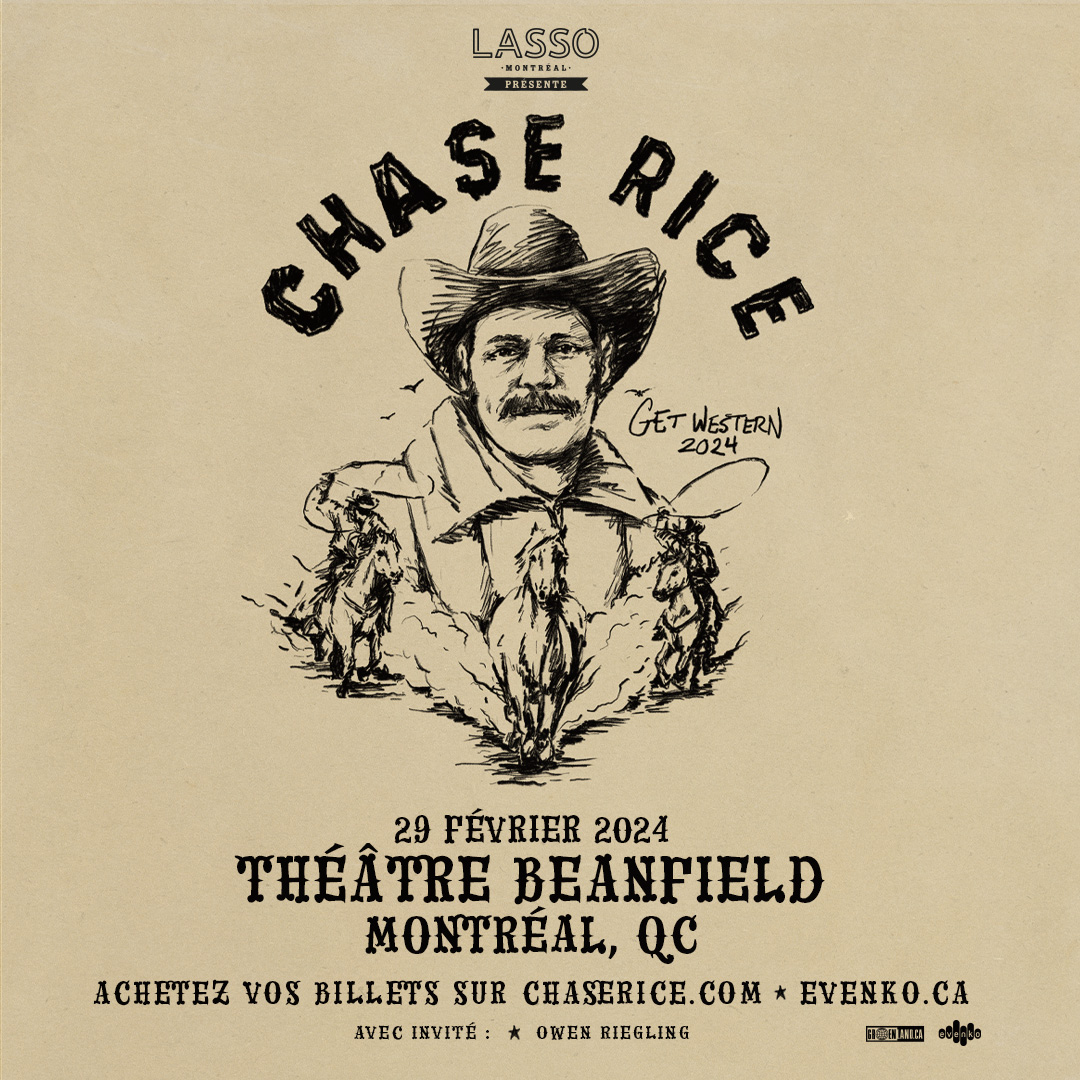
Family Theatre / Corona Theatre / Beanfield Theatre (Montreal)
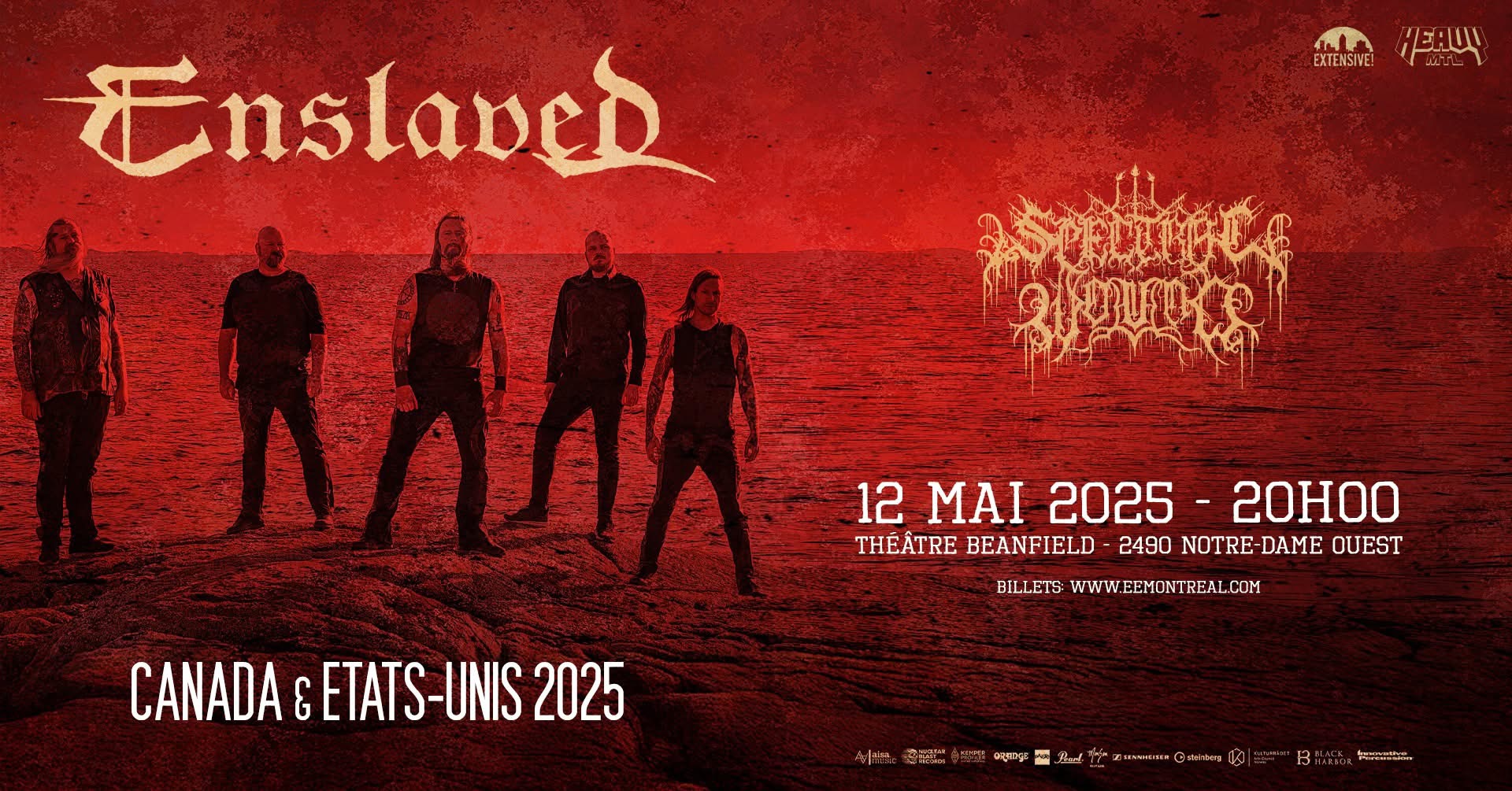
Opened on November 11, 1912, at 1374 Notre-Dame Street West, the building now known as Beanfield Theatre was originally established as the Family Theatre. Designed by architects Joseph-Cajetan Dufort and Louis-Théophile Décary, it belonged to the first major generation of Montreal theatres devoted to silent film and popular entertainment. On October 6, 1923, following a major transformation, the venue was officially relaunched as the Corona Theatre. Advertised in the press as the Grand Opening of the “New Corona Theatre,” this date clearly distinguishes the opening of the building in 1912 from the birth of the Corona in 1923. After surviving decades of decline and abandonment, the historic theatre was restored and reopened in 1998, later operated as the Virgin Mobile Corona Theatre, and has been known as the Beanfield Theatre since June 1, 2023.
1. Overview
West of downtown, on Notre-Dame Street, the theatre now known as the Beanfield Theatre is a rare Montreal example of an early twentieth-century performance venue that has survived more than a century of transformations. Its history, however, begins before the Corona. When it opened in 1912, the establishment was called the Family Theatre.
This distinction clarifies a chronology long summarized by the phrase “Corona, 1912.” 1912 marks the opening of the building as the Family Theatre; 1923 marks the documented birth of the Corona Theatre. An advertisement in the Montreal Star dated October 6, 1923 explicitly presents the “New Corona Theatre” and announces its Grand Opening that same evening at 8:15 p.m.
Historical clarification
1912 or 1923?
Both dates are correct, but they refer to different events.
November 11, 1912 — opening of the venue as the Family Theatre.
October 6, 1923 — grand opening of the Corona Theatre at the same location.
2. The Family Theatre (1912–1923)
The Family Theatre opened on November 11, 1912. Built for the Duchess Amusement Company, it was designed by Montreal architects Joseph-Cajetan Dufort and Louis-Théophile Décary. The venue was part of the rapid expansion of cinema in the early 1910s, when new establishments combined film screenings, musical accompaniment and stage entertainment.
The Family should therefore not be regarded merely as an earlier secondary name for the Corona: for roughly eleven years, it was the establishment’s public identity. Its programming notably combined silent films with vaudeville and other forms of popular entertainment. By the mid-1910s, motion pictures occupied an increasingly important place in its operations.
3. Architecture and purpose
The 1912 project provided for a substantial auditorium with orchestra and balcony seating, an ornamented façade and the equipment required for motion-picture projection. The building belongs to the transitional period when cinema gradually ceased to be an attraction shown in adapted premises and acquired permanent venues specifically designed for it.
The structure of the 1912 building remains at the heart of today’s theatre, but the interior appearance now associated with the Corona largely results from the transformations carried out in 1923. The original architecture by Dufort and Décary must therefore be distinguished from the later remodelling that gave the venue an essential part of its present historic character.
From the Family Theatre to the Beanfield Theatre
4. October 6, 1923: the birth of the Corona
On October 6, 1923, the Montreal Star devoted a large advertisement to the opening of the Corona at 1374 Notre-Dame West, immediately east of Atwater Avenue. The text does not announce an ordinary film screening: it proclaims the “Grand Opening” of the new establishment at 8:15 p.m.
The advertisement describes the opening as the addition of a new link to a major chain of Montreal theatres that included the Strand, Regent, Papineau, Belmont, Plaza and Moulin Rouge. It identifies Independent Amusements Limited as the company owning and operating this network. Other historical sources associate the 1923 acquisition of the Family Theatre with the United Amusements Corporation; the two corporate names are therefore retained according to their respective sources rather than merged without further corporate documentation.
“Grand Opening — TO-NIGHT at 8.15”
5. Opening night
The inaugural program perfectly illustrates how a popular movie theatre operated at the time. The main attraction was The Cheat, starring Pola Negri and Jack Holt. The bill also included a comedy starring Ben Turpin, The Shriek of Araby, a cartoon, Pathé News Weekly and other attractions.
The theatre also promised elaborate musical accompaniment. William Eckstein, presented as a prominent musical interpreter, conducted an ensemble for the opening augmented by musicians from the circuit’s other theatres. A second advertisement published the same day stated that special musical programs would accompany the films and that The Melody Kings would perform every Monday night.
Opening program — October 6, 1923
The new Corona
POLA NEGRI — THE CHEAT
BEN TURPIN — THE SHRIEK OF ARABY
Pathé newsreel, cartoon and additional attractions
Musical program under the direction of WILLIAM ECKSTEIN
The advertisement also announced a big dancing contest every Thursday night. This combination of film, music and dancing is a reminder that the Corona of the 1920s was not merely a movie house: it fully belonged to Montreal’s world of popular entertainment.
6. Crighton and Briffa: the 1923 transformation
The transition from the Family Theatre to the Corona involved substantial work. Heritage sources attribute the 1923 remodelling to architect Daniel John Crighton and the interior decoration to Emmanuel Briffa, one of the leading theatre decorators active in Canada.
The remodelling strongly contributed to the visual identity for which the venue would become known: balcony, boxes, classical treatment of the auditorium, columns, arches, decorative paintings and ornamentation gave the theatre a more spectacular character. The opening advertisement itself emphasized the expense incurred to make the Corona one of the most beautiful and comfortable theatres in Canada.
Management was entrusted to Thomas Keegan, formerly assistant manager of the Papineau Theatre. This detail directly connects the new Corona to the professional network of Montreal’s major movie theatres of the period.
7. The cinema decades
After 1923, the Corona primarily continued as a movie theatre and became a landmark along Notre-Dame Street West. For several decades, it served a neighbourhood audience while participating in Montreal’s extensive network of local cinemas.
Its history nevertheless followed the transformations of the industry: the arrival of sound film, competition from new forms of leisure and, after the Second World War, television gradually changed audience habits. Like many neighbourhood theatres, the Corona eventually entered a period of decline.
8. Closure, warehouse and abandonment
The end of the Corona’s movie-theatre operations long remained imprecise in retrospective accounts, which often placed it in the early 1960s. A contemporary source narrows the chronology: a 1971 Gazette article concerning a homicide that had occurred in the Corona washroom establishes that the theatre was still operating on the evening of October 31, 1966. The article states that by the time of the trial the establishment had since closed. It is therefore more accurate to say that the Corona was still operating in October 1966 and had closed by 1971 than to assign it an unproven exact closing date.
In 1967, according to the venue’s current institutional history, the City of Montreal took over the property as part of an urban-renewal project. The building was threatened with demolition and then experienced a long period of abandonment. Contemporary sources from the 1980s and 1990s indicate that it was used in part as a plumbing-supply warehouse. Despite water infiltration, humidity and deterioration, a remarkable portion of the decoration, machinery and interior organization survived.
Chronological clarification
The Corona was still open in 1966
A 1971 Gazette report places an incident at the Corona Theatre, 2490 Notre-Dame Street West, on October 31, 1966, and states that the theatre had since closed. This contemporary source qualifies later accounts that place the closure in the early 1960s.
9. A collective rescue: 1986–1993
The preservation of the Corona was not the result of a single action. In 1986, designer and theatre enthusiast Janet MacKinnon, then living in Little Burgundy, discovered the old Corona while walking along Notre-Dame Street. Profiles published in The Gazette recount that she managed to enter the building, then being used as a warehouse, and began advocating for its revitalization. In 1989, she took part in the creation of the Historic Theatres Trust, an organization devoted to preserving and reusing historic theatres.
In the meantime, the Corona underwent a spectacular artistic reactivation. From May 16 to June 7, 1987, artists Martha Fleming and Lyne Lapointe, under the banner of Les Petites Filles aux Allumettes, presented the installation La Donna Delinquenta. After several years of efforts, their nonprofit obtained a temporary lease from the City for one dollar. Grants from the Canada Council for the Arts and Quebec’s Ministry of Cultural Affairs made essential work possible: reactivating the plumbing, rewiring, installing an alarm system and replacing locks. This was not yet a permanent reopening of the theatre.
In 1989, the Corona came under the control of SIMPA, the Société immobilière du patrimoine architectural de Montréal. SIMPA stabilized the building and sought a lasting cultural use. A call for proposals for the renovation, fitting-out and primarily cultural and artistic occupancy of the Corona set a deadline of February 7, 1990. The project notably contemplated an emphyteutic lease and required a $25,000 guarantee deposit. In 1993, however, the press reported that no permanent solution had yet materialized: SIMPA had mainly carried out conservation measures and the theatre was used only intermittently for events.
A rescue with many voices
MacKinnon, Fleming, Lapointe, the Historic Theatres Trust and SIMPA
The Corona’s revival should be understood as a cumulative process: heritage advocacy in the mid-1980s, artistic reactivation in 1987, mobilization by the Historic Theatres Trust, SIMPA’s takeover in 1989, stabilization of the building and the search for a viable project before the definitive restoration of the 1990s.
The building’s symbolic value also extended beyond heritage circles. In the early 1990s, the African-Quebec Committee for the Renaissance of the Little Burgundy Community spoke of a dream to transform the Corona into a showcase for local Black talent, modelled on Harlem’s Apollo Theatre. The vision was never realized, but it demonstrates the building’s place in Little Burgundy’s cultural imagination.
10. Restoration and reopening: 1997–2004
A permanent solution took shape in October 1997, when the nonprofit Institut des arts de la scène acquired the theatre. A first phase of work led to its reopening in October 1998. After decades of closure and unrealized projects, the Corona finally regained a regular role as a performance venue.
Restoration continued in stages. A second phase carried out in 2003–2004 notably completed work on the façade and continued the interior restoration. In the meantime, the building had been recognized as a heritage property on February 22, 2001; its status was later incorporated into the classification regime of Quebec’s Cultural Heritage Act.
11. From cinema to concert venue
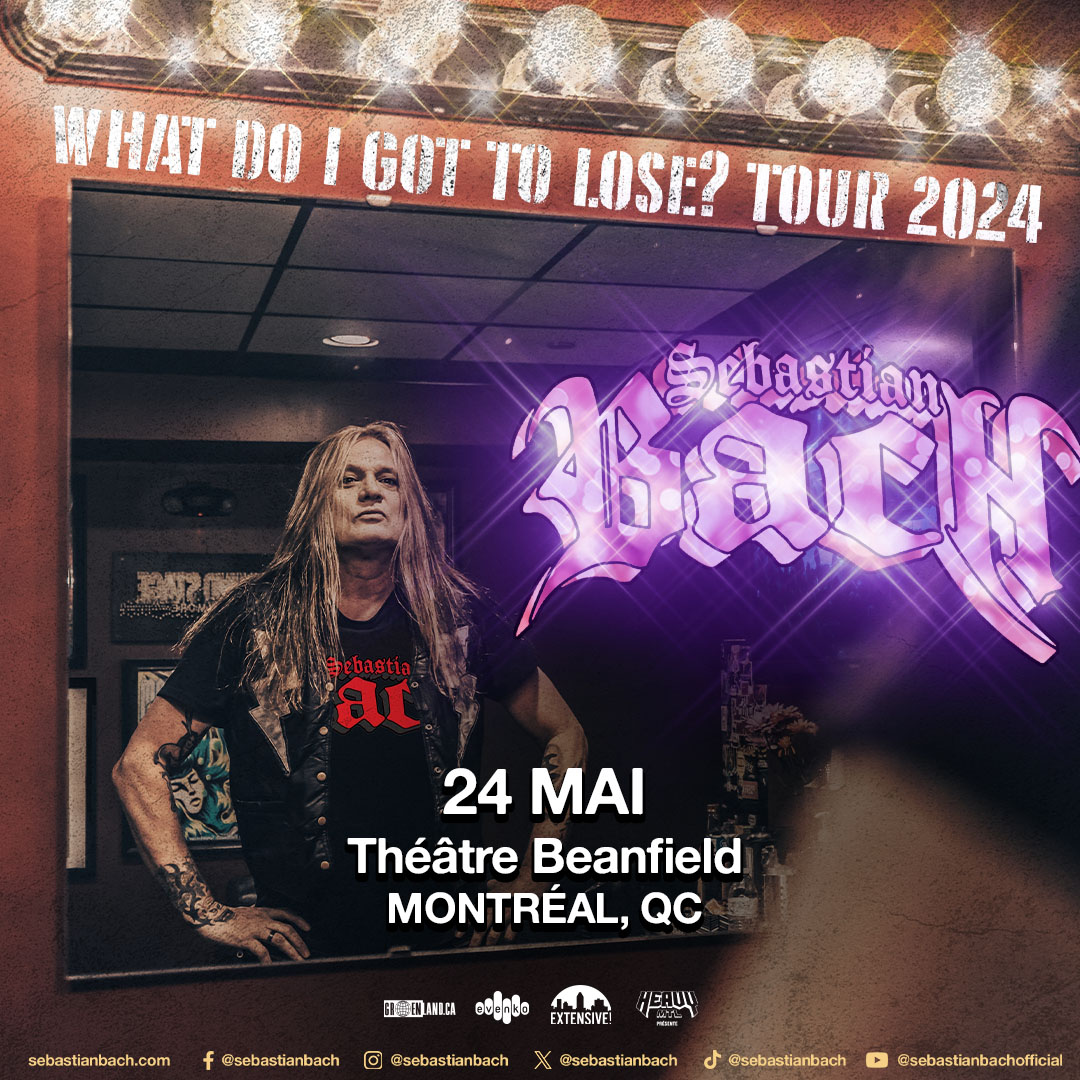
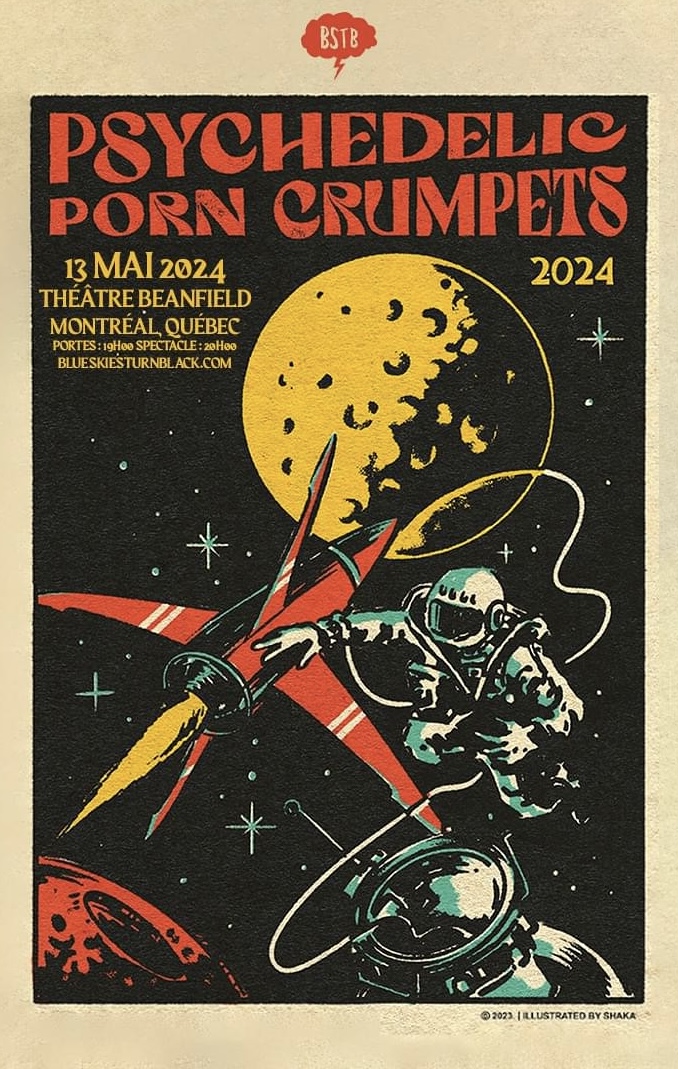
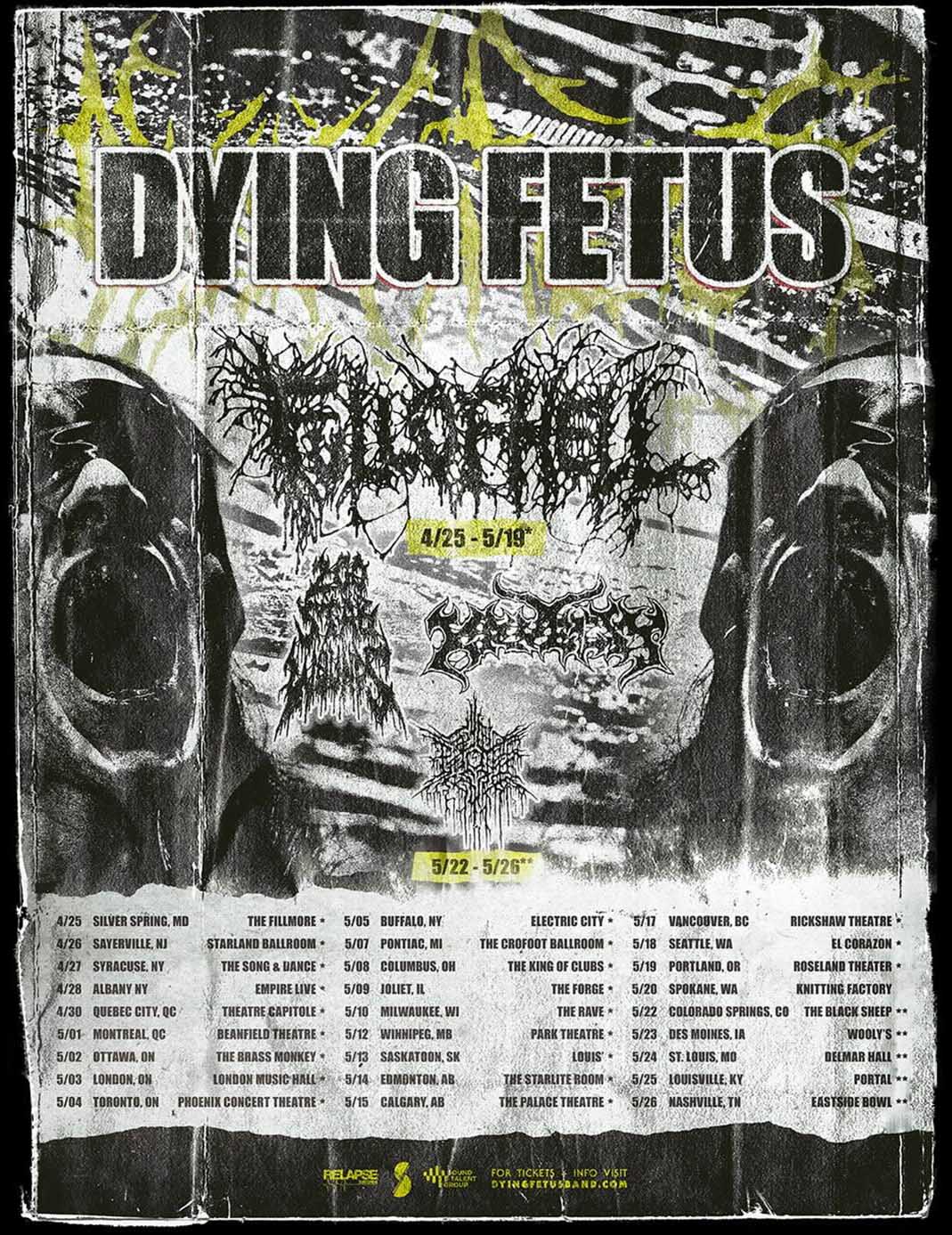
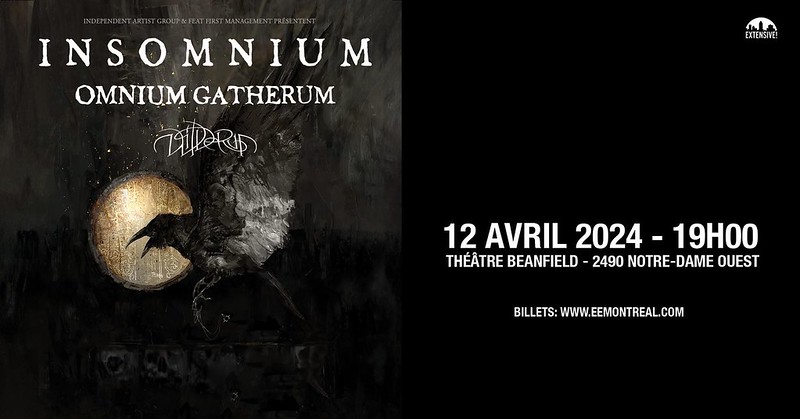
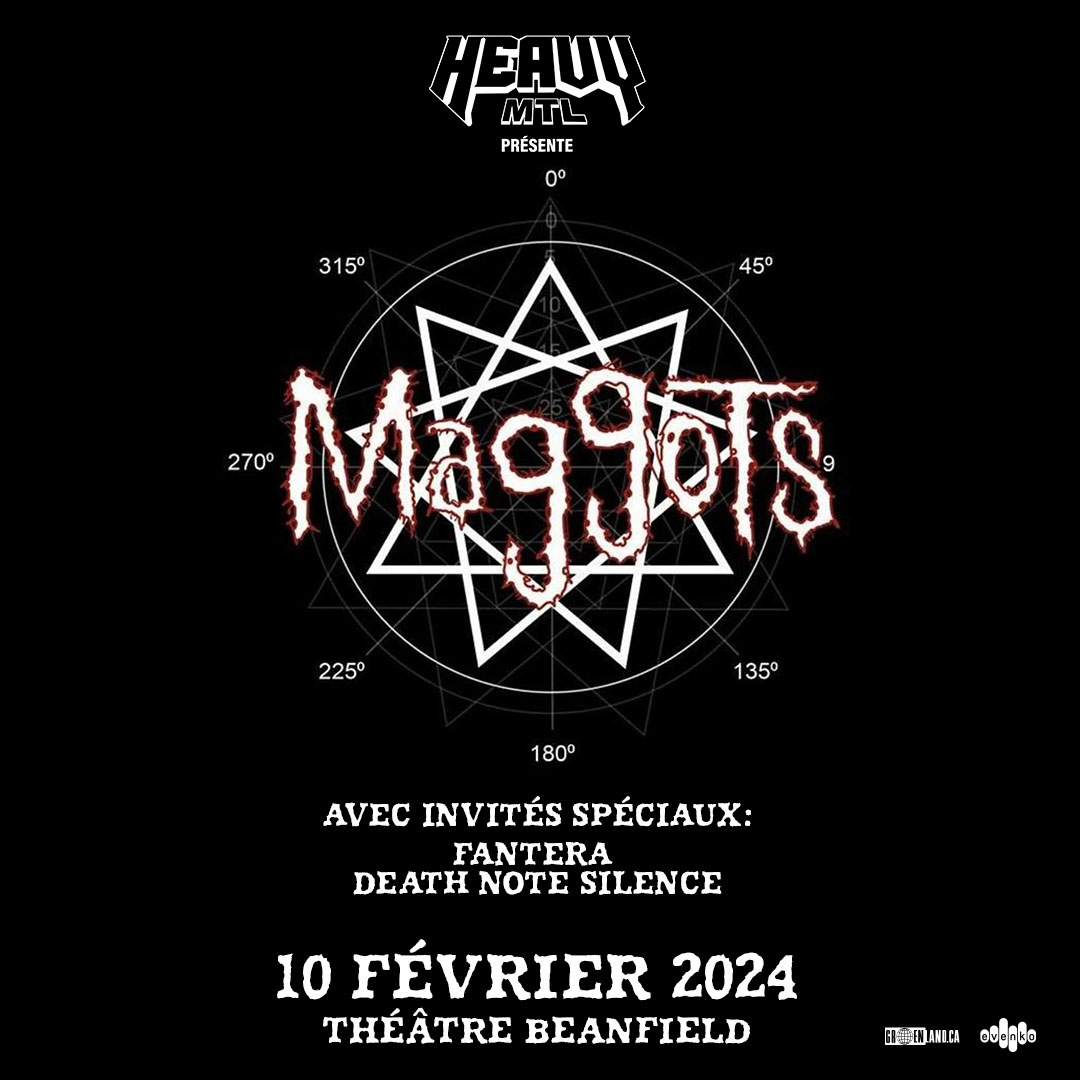
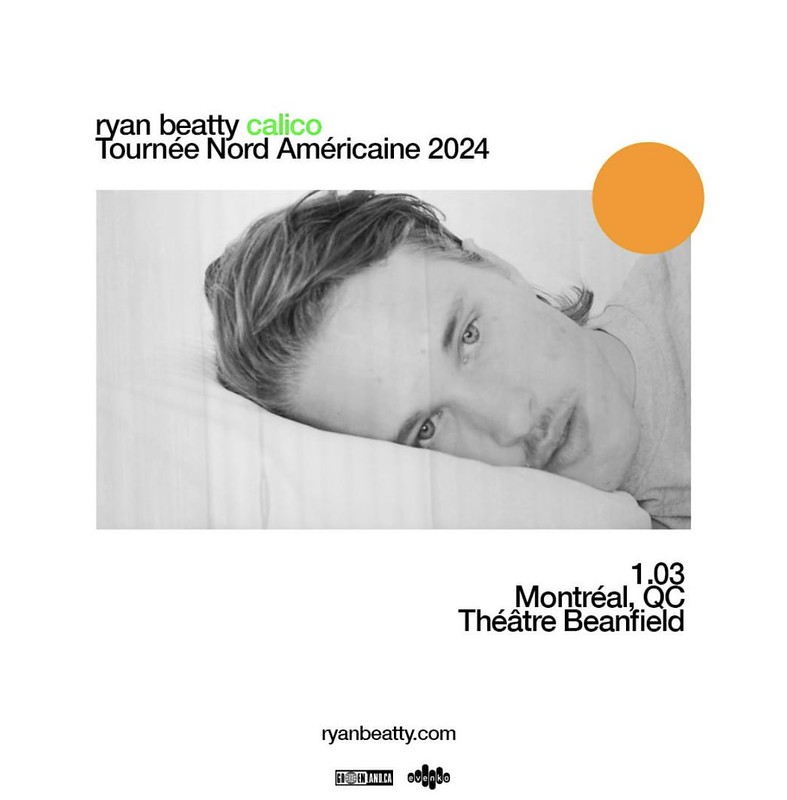
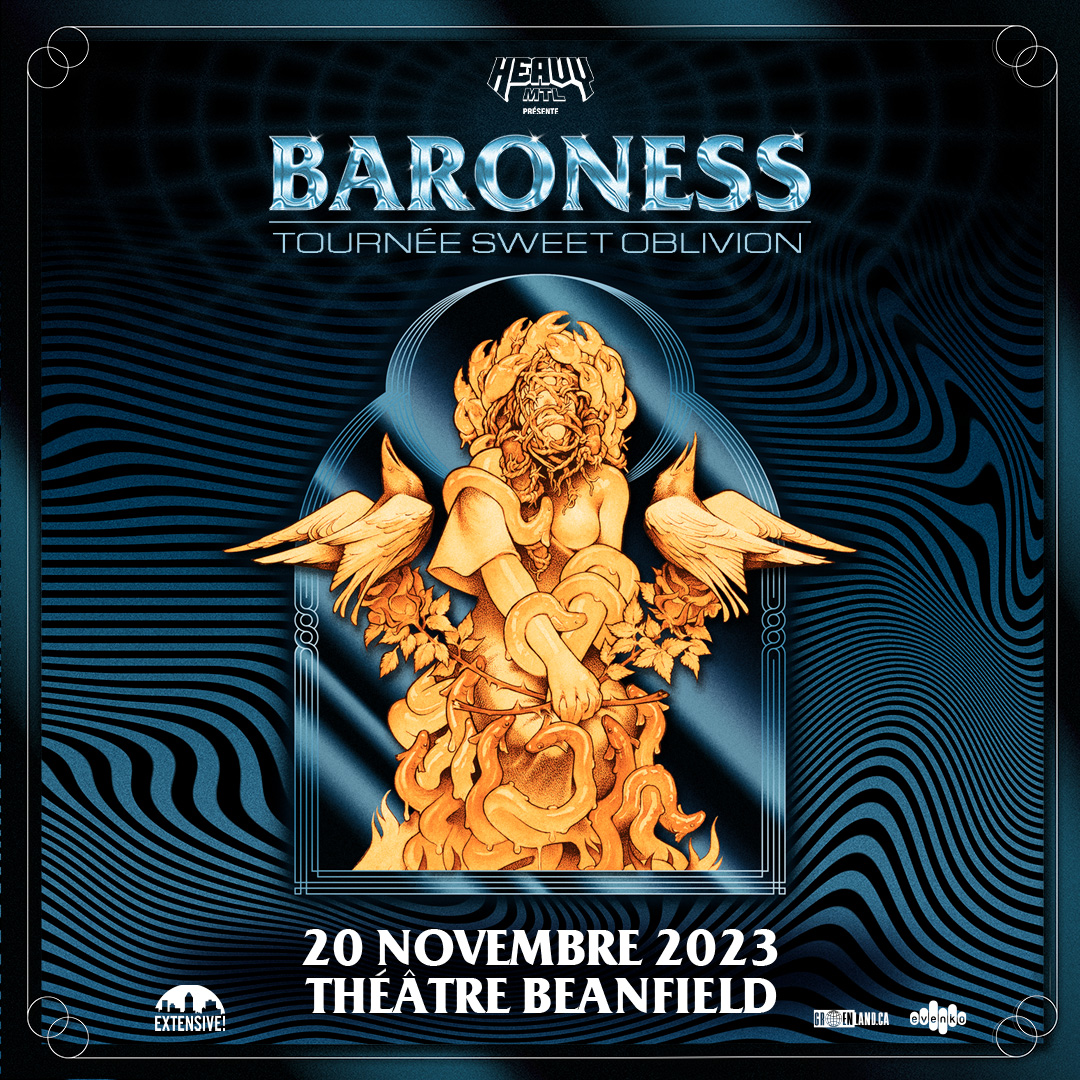
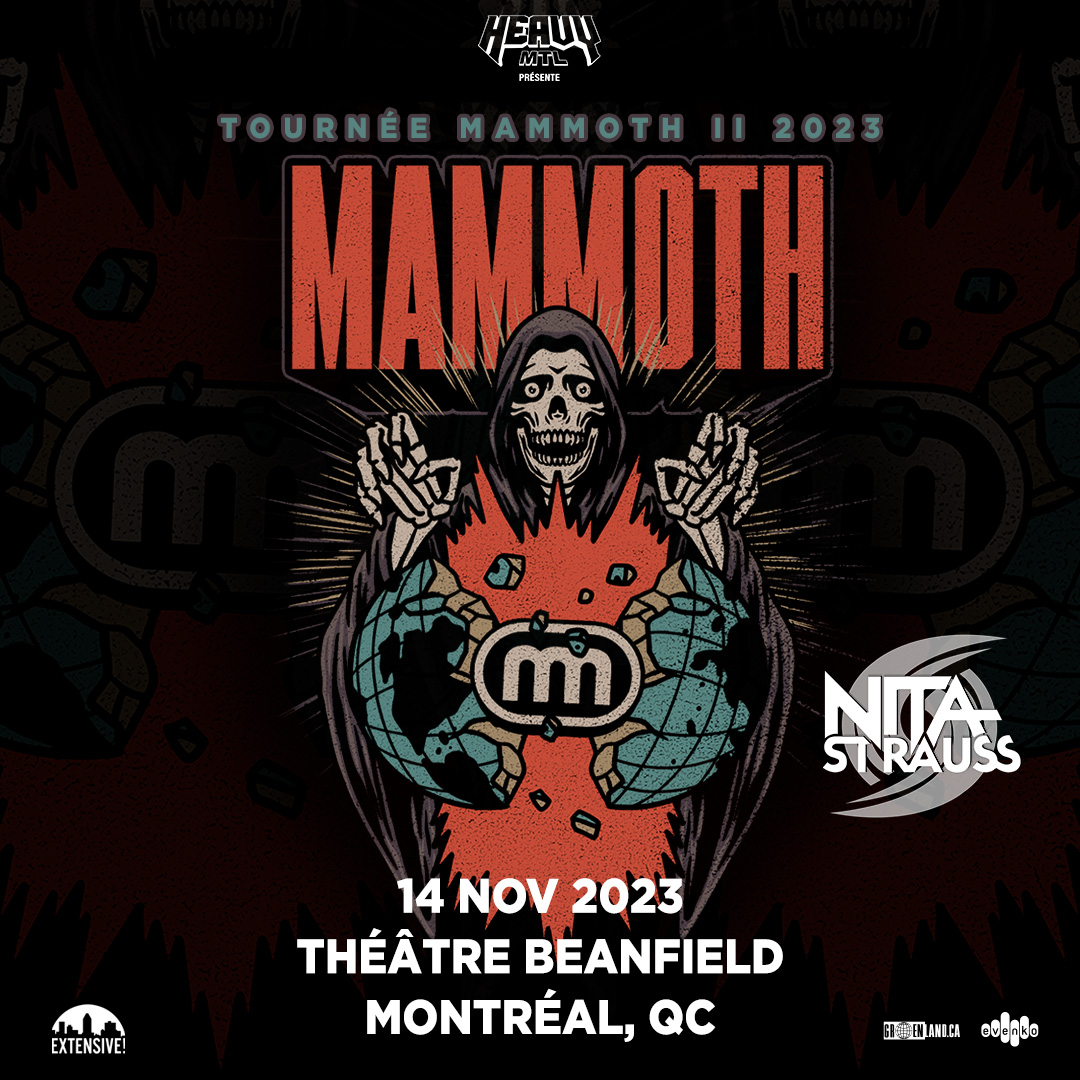
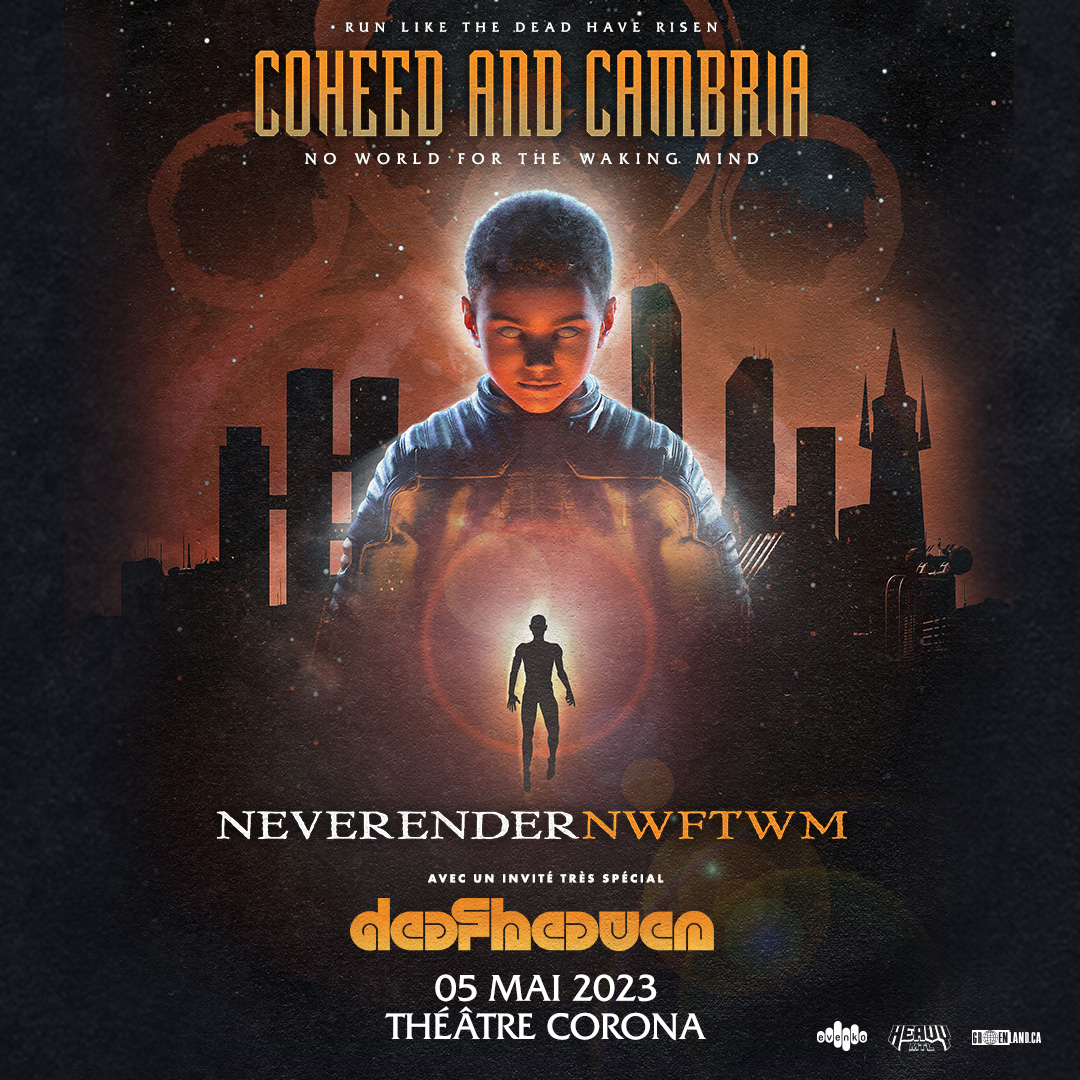
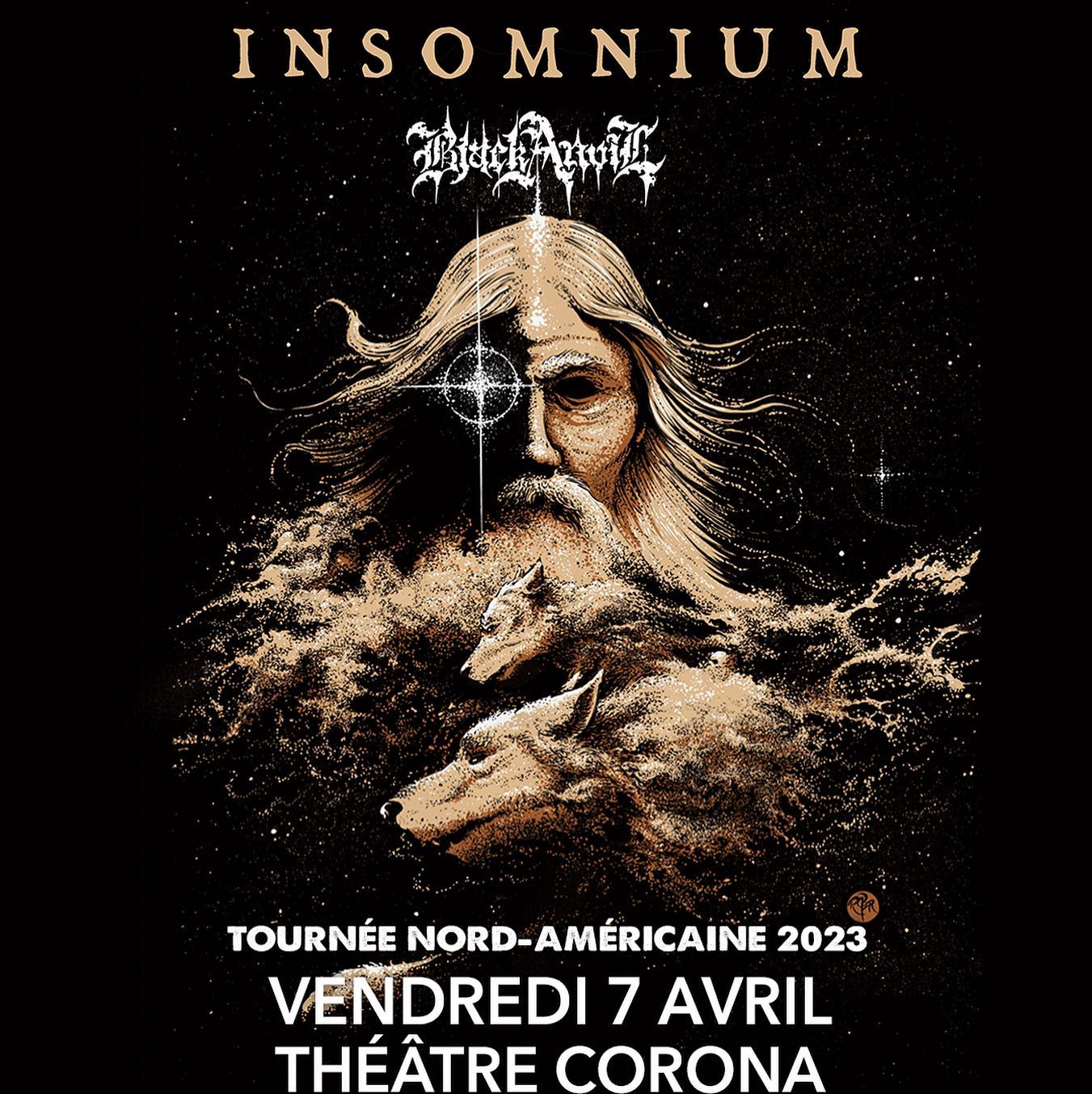
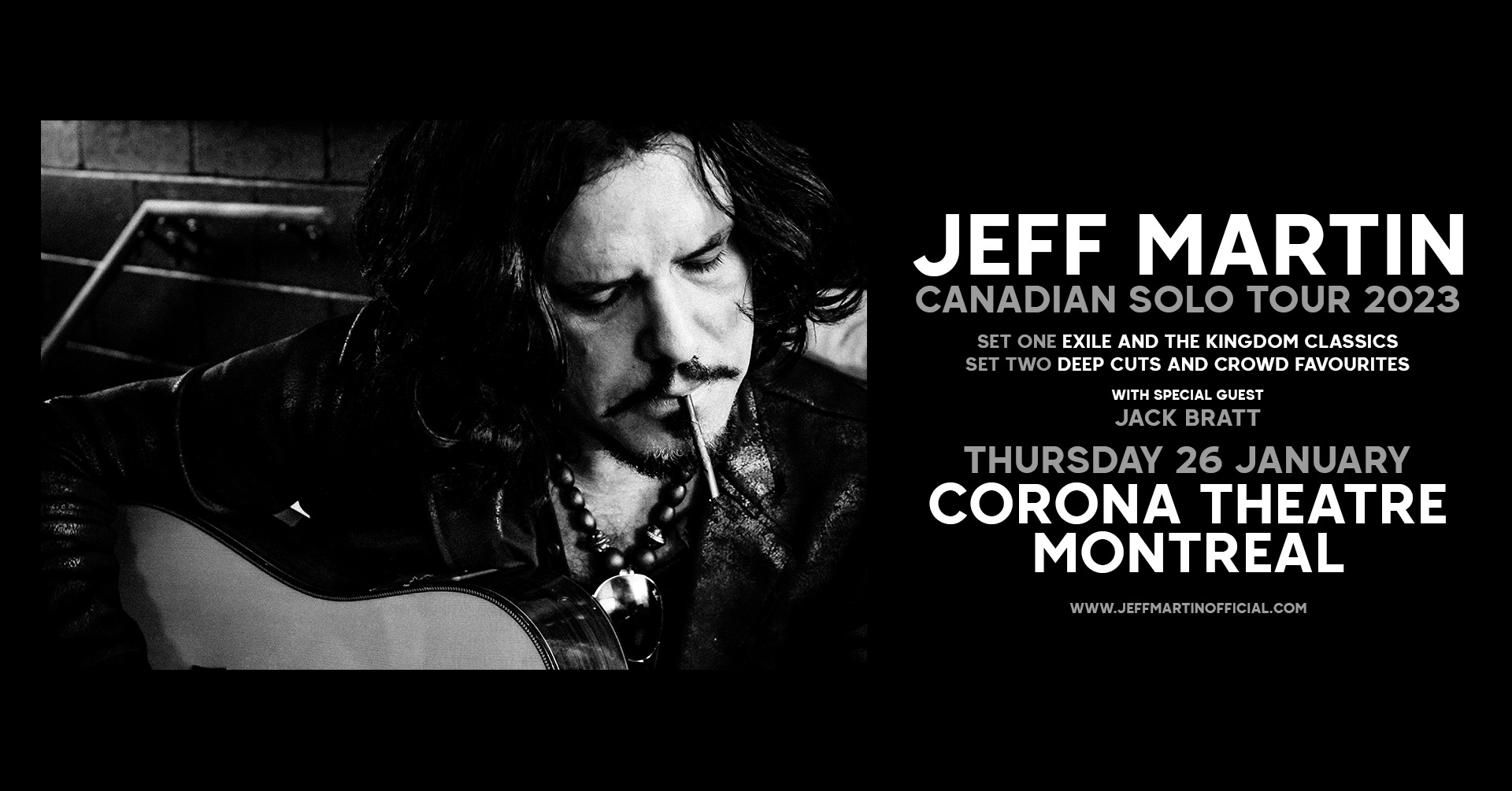
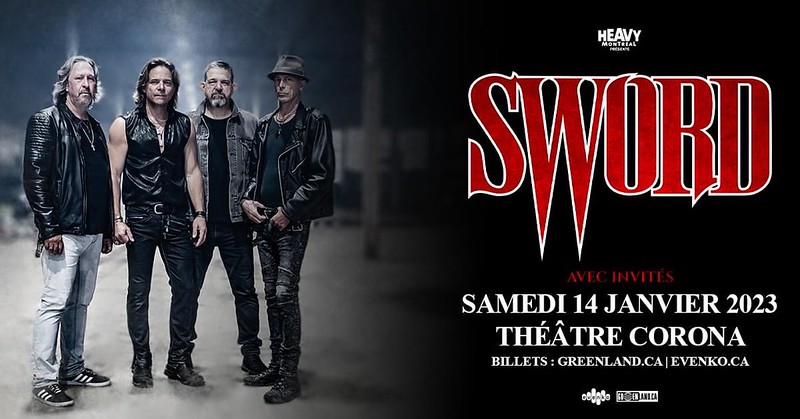
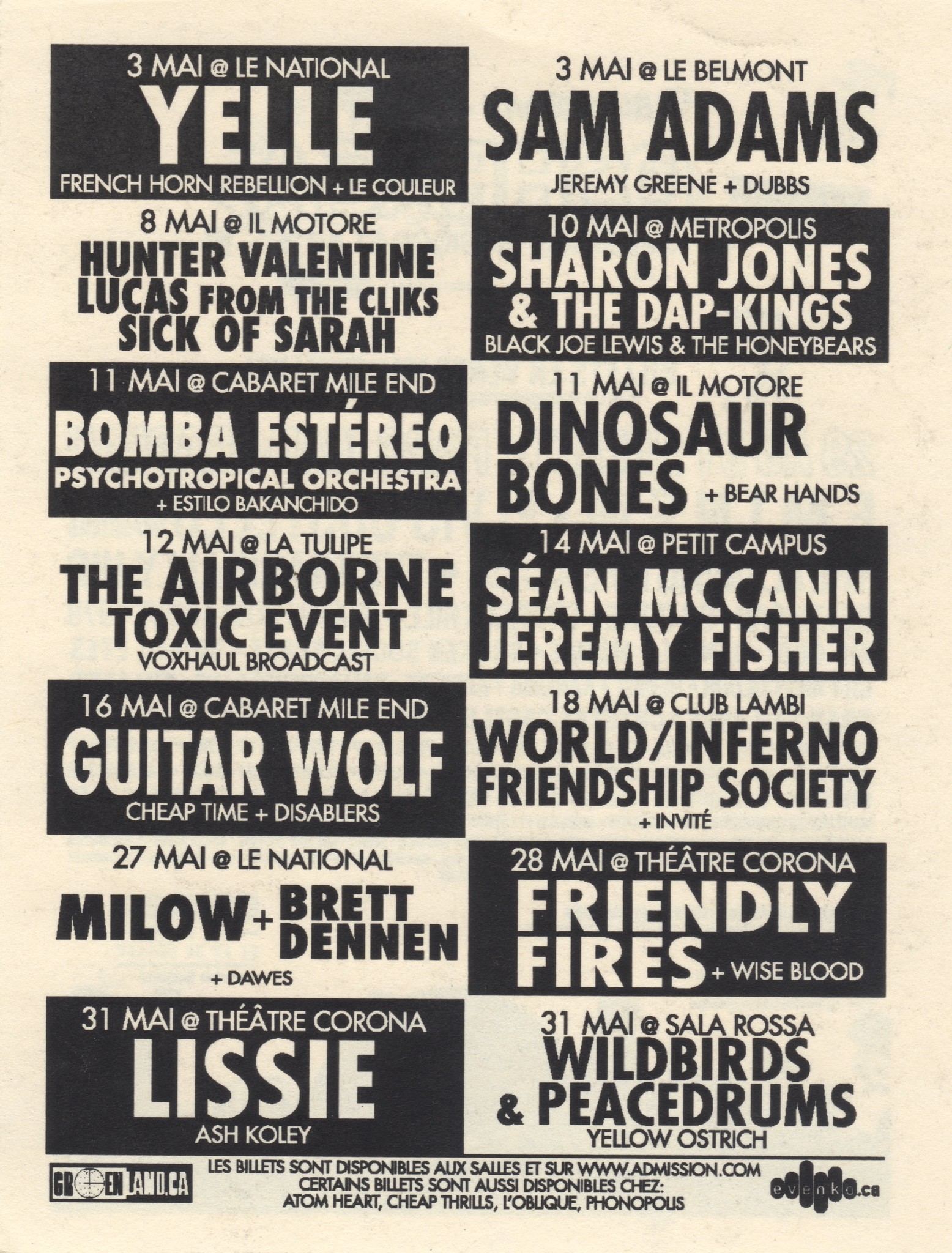
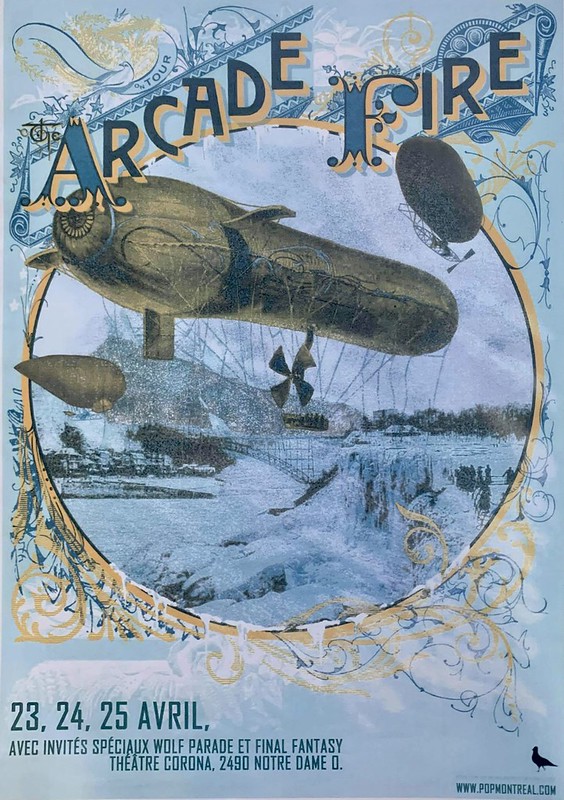
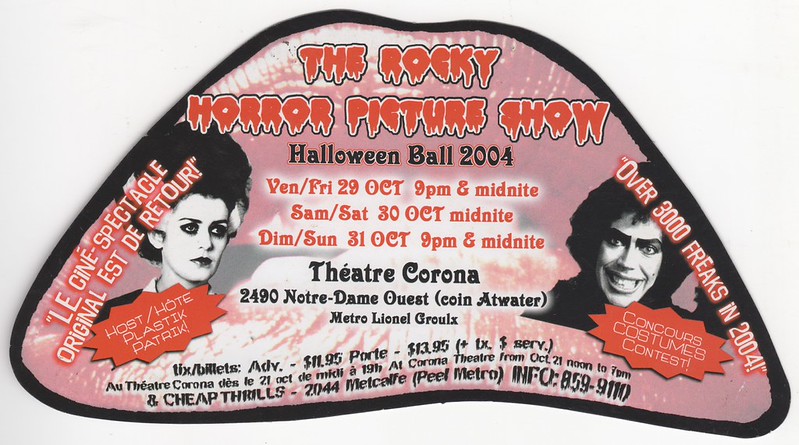
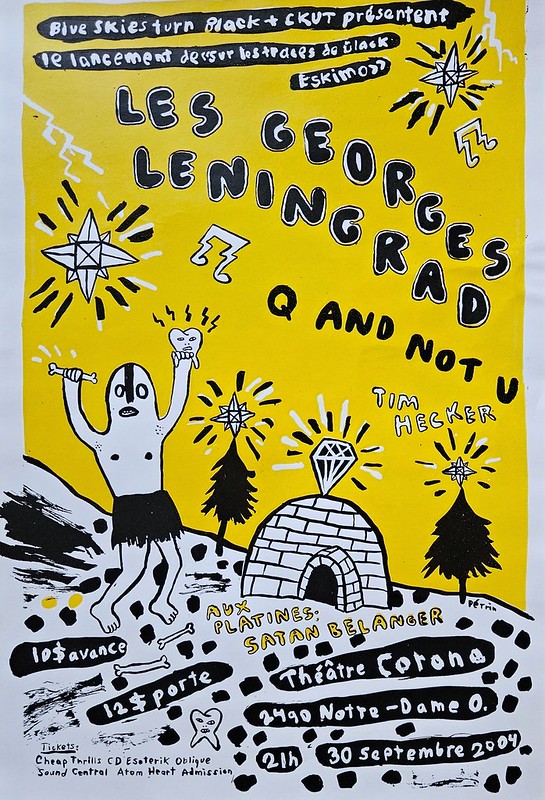
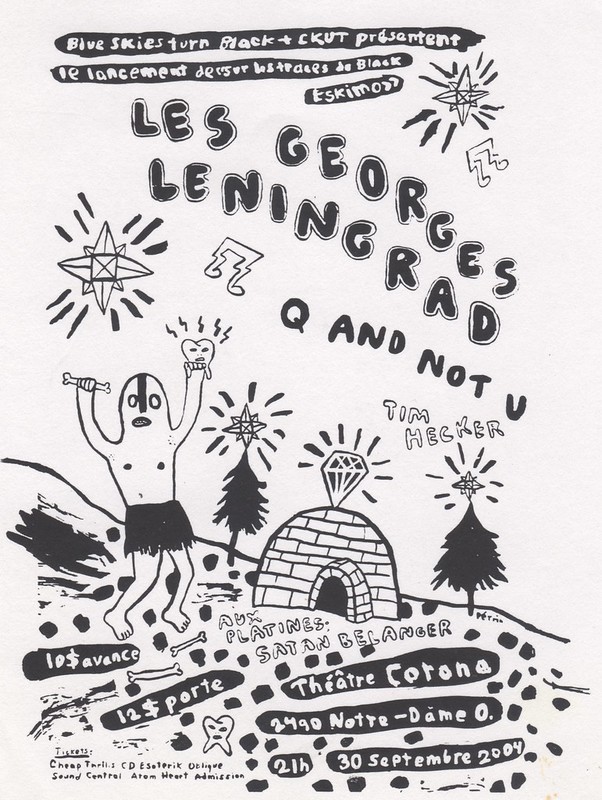
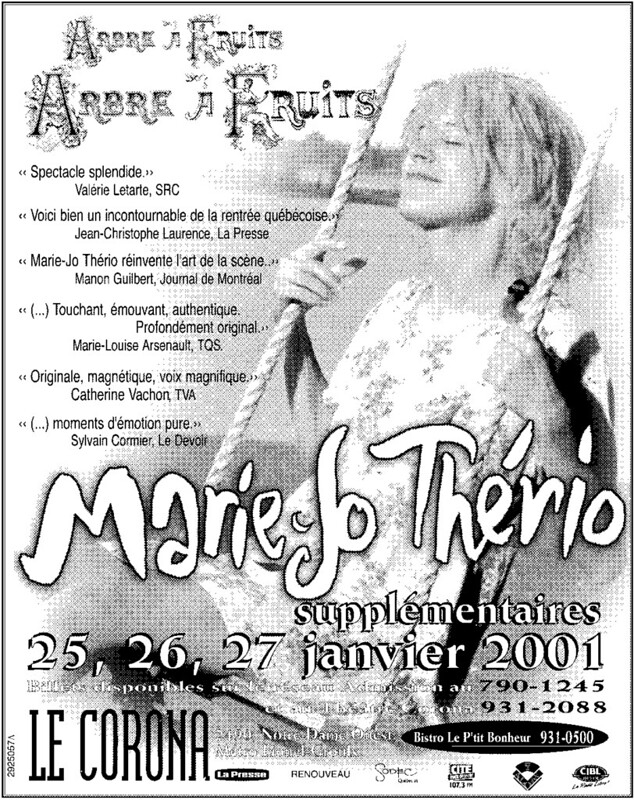
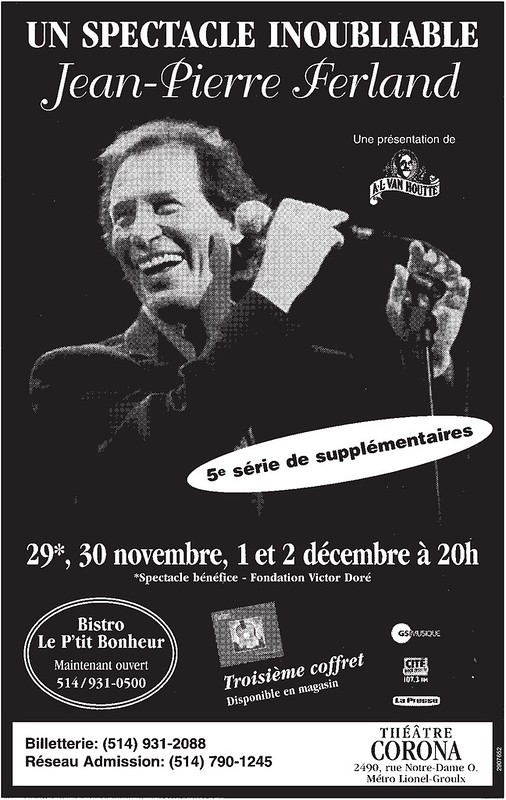
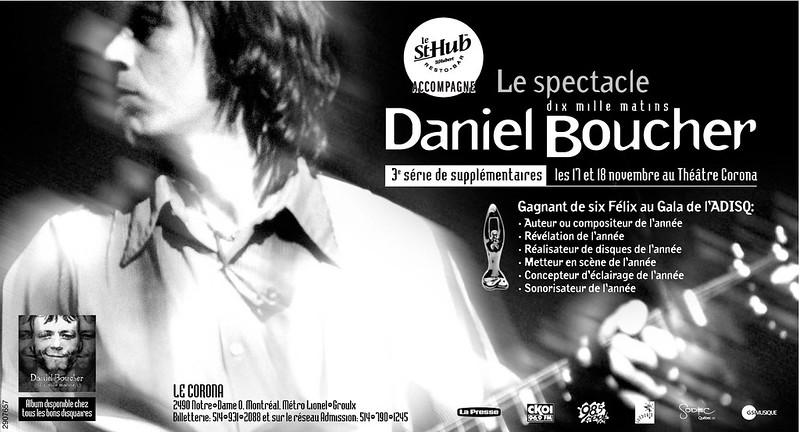
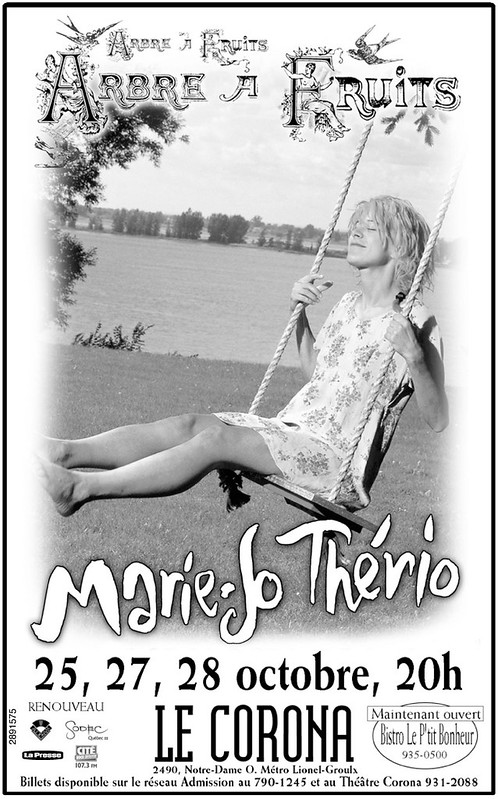
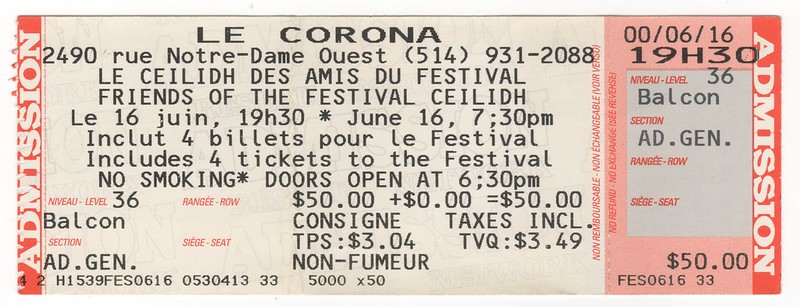
Following its reopening, the Corona developed a new identity as a performance and concert venue. Its mid-sized capacity, balcony and historic décor provide an experience very different from large modern halls. Rock, indie, folk, hip-hop, chanson, electronic music, comedy and other forms of live performance have all appeared there.
This conversion is particularly significant in the history of Montreal venues: a building designed during the rise of silent cinema survived not by becoming a frozen museum, but by finding an active role in contemporary musical culture.
12. evenko and the Virgin Mobile Corona Theatre
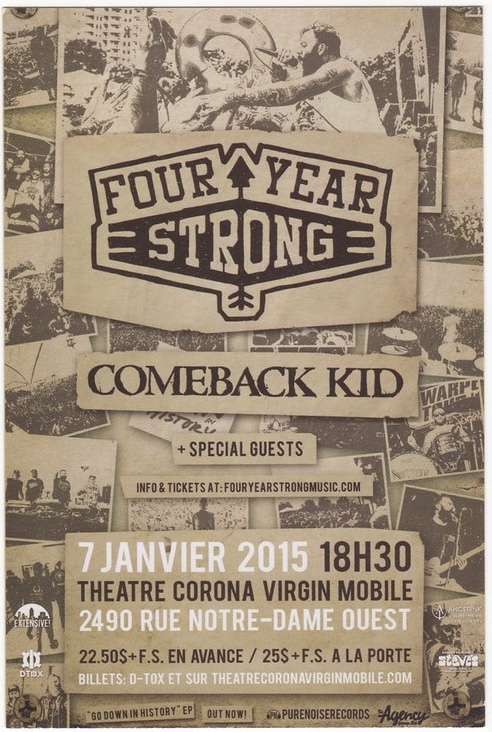
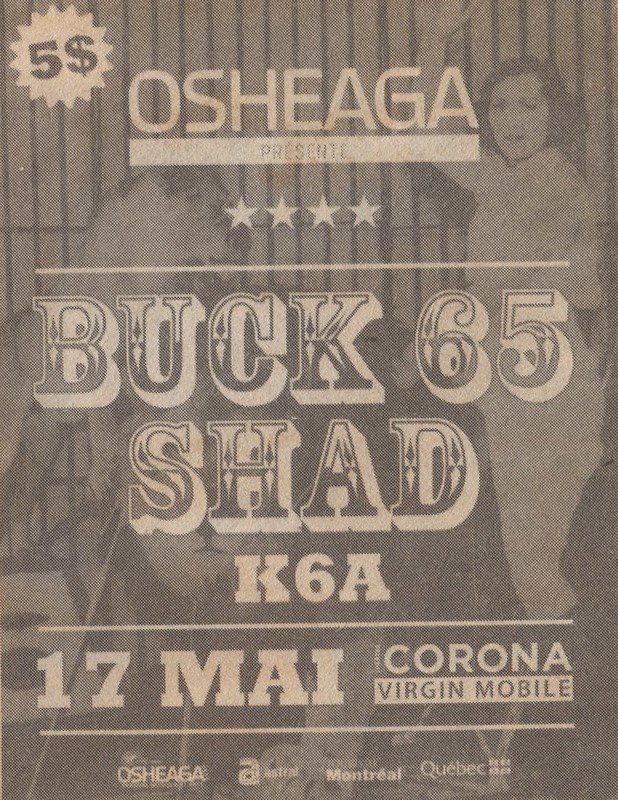
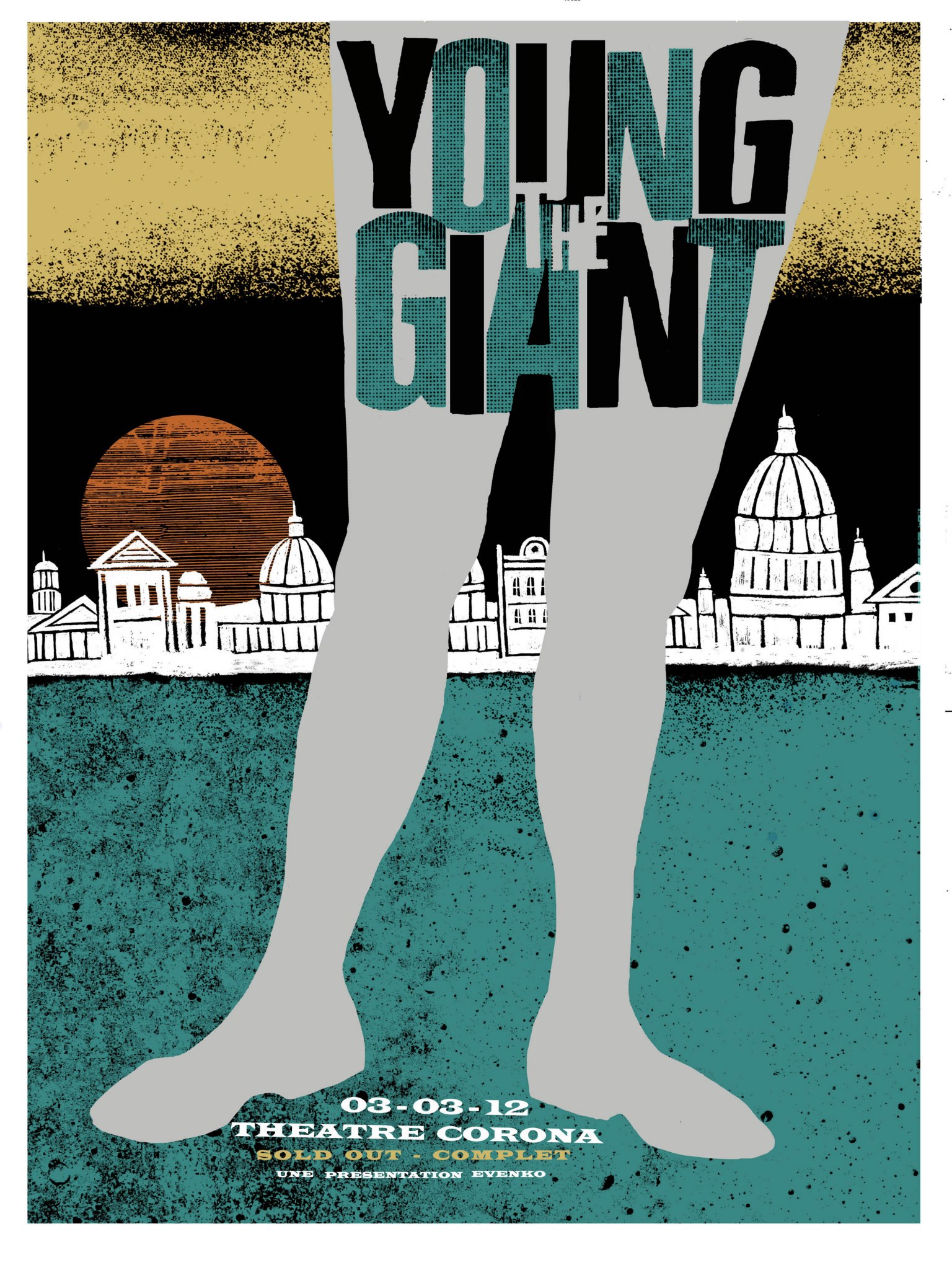
A new chapter in the Corona’s contemporary history began in November 2011, when evenko officially became its exclusive manager. During the first year, the venue hosted artists including Patrick Watson, Bran Van 3000, Malajube, Plants and Animals, Martha Wainwright, Pierre Lapointe, Ariane Moffatt, Young the Giant, k.d. lang, Joseph Arthur and Kid Koala.
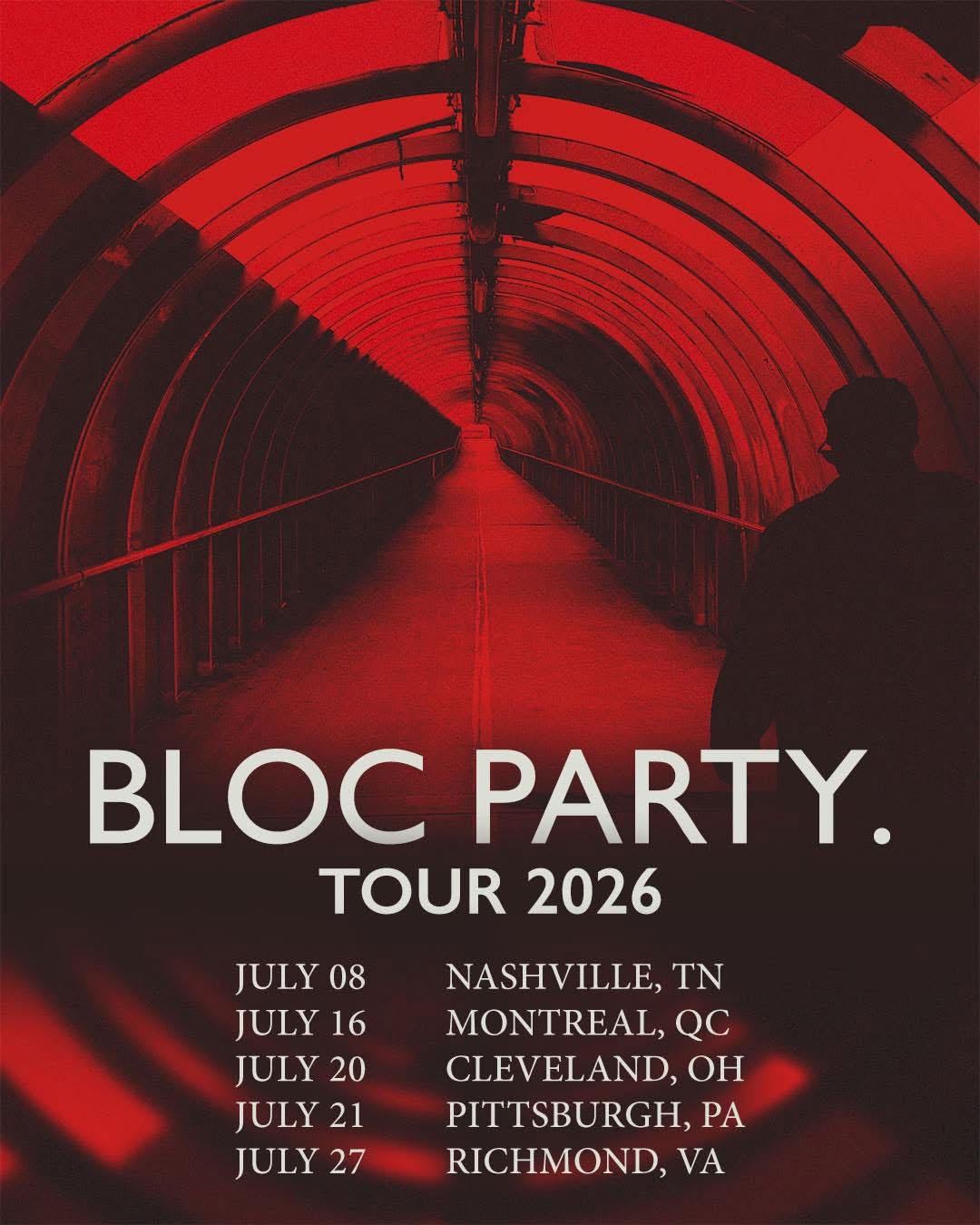
On December 5, 2012, evenko and Virgin Mobile Canada announced a partnership giving the venue the name Virgin Mobile Corona Theatre. The official launch of this new identity took place on December 18, 2012, at an event featuring Feist, Cœur de pirate and a DJ set by Kele Okereke of Bloc Party.
The partnership should not be confused with a real-estate acquisition by Virgin Mobile. The 2012 release describes Virgin as a sponsor and partner, while evenko managed the venue. evenko also announced several improvements to the premises: a new sound system, an expanded bar and upgraded washrooms, all within the constraints imposed by the building’s heritage status.
December 18, 2012
Launch of the Virgin Mobile Corona Theatre
FEIST
CŒUR DE PIRATE
KELE OKEREKE — DJ set
The name Virgin Mobile Corona Theatre remained in use for several years. In 2015, evenko still described itself as the venue’s exclusive manager. By the late 2010s, evenko communications had returned to simply using the name Théâtre Corona, which preceded the new commercial identity adopted in 2023.
13. The Beanfield Theatre
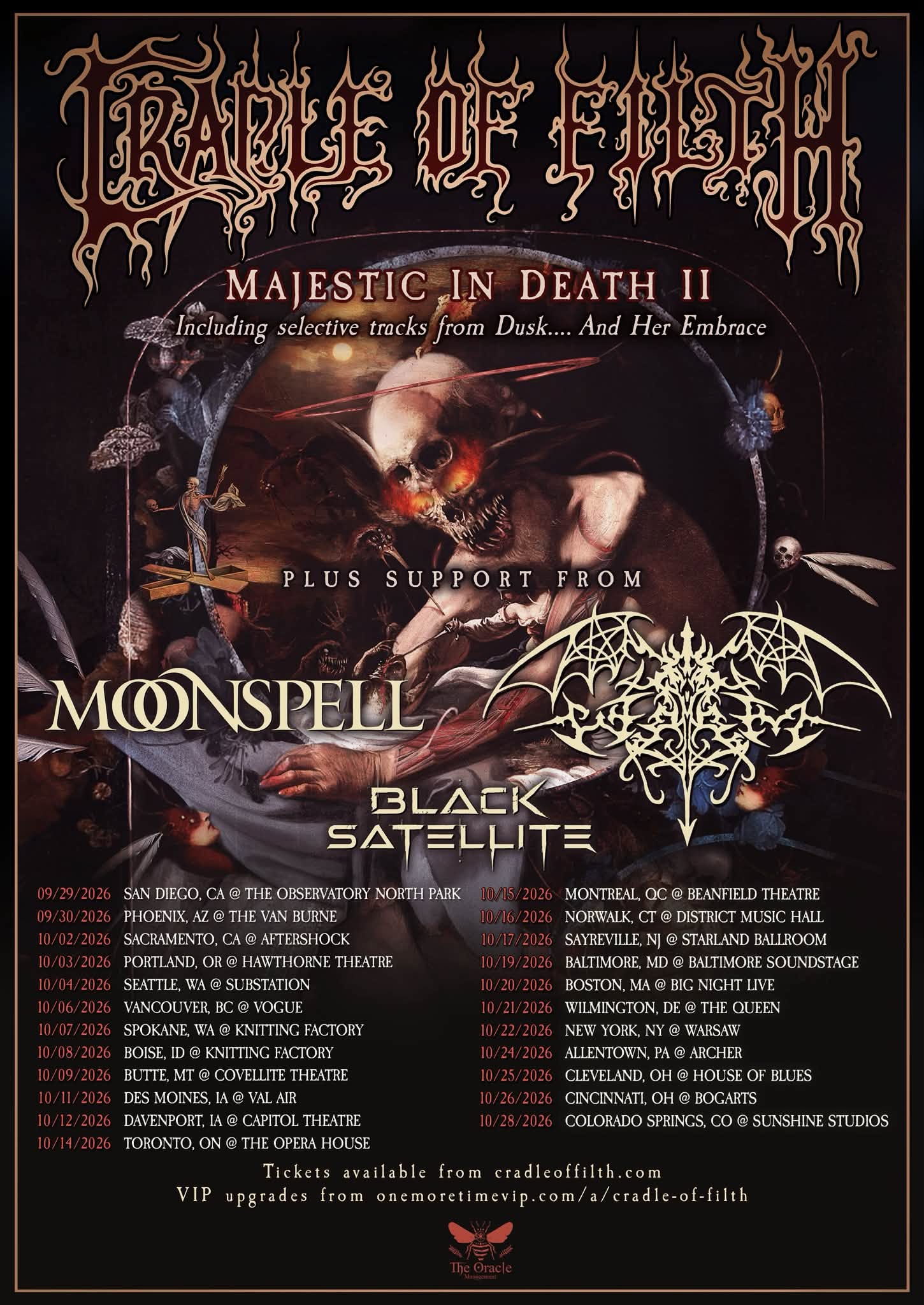
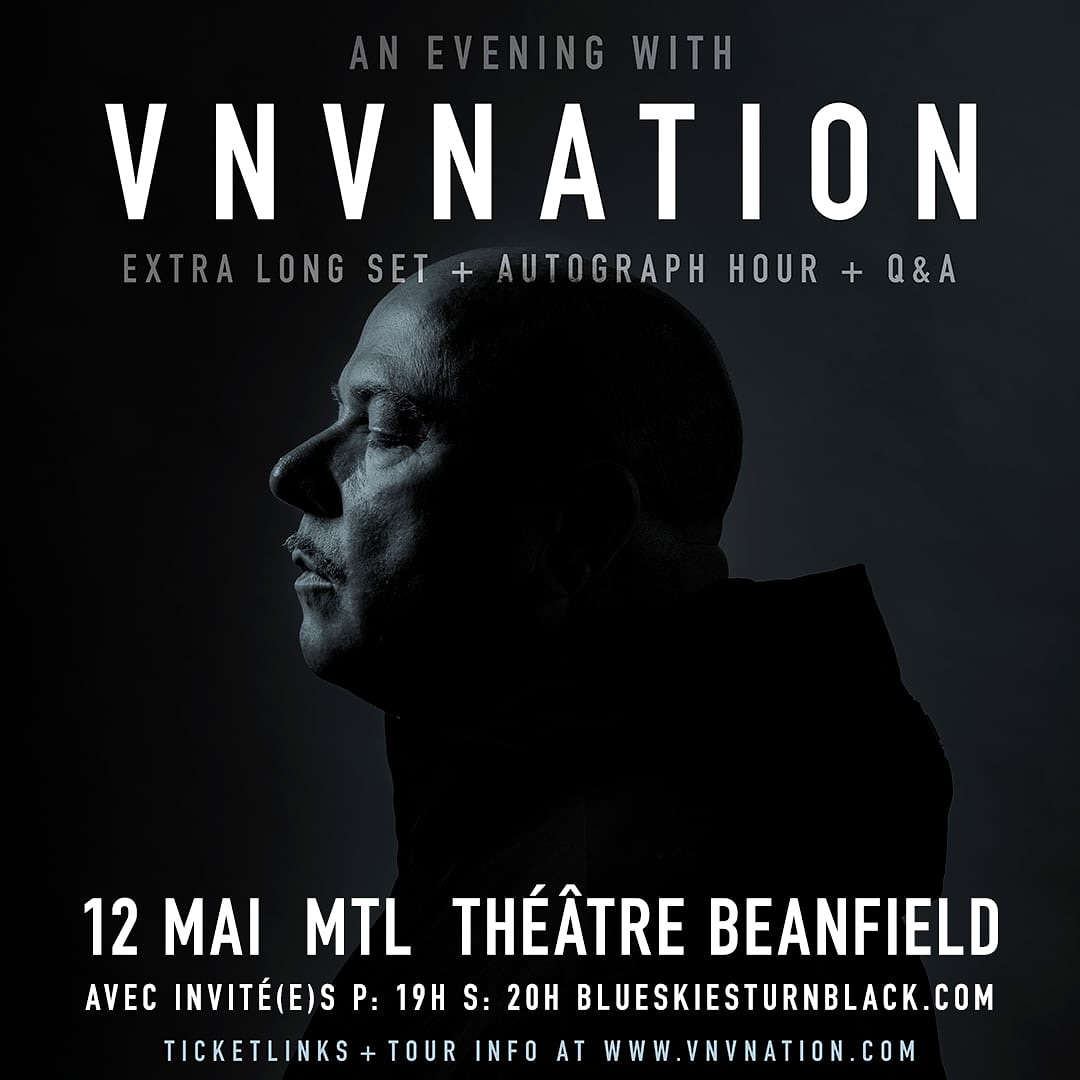
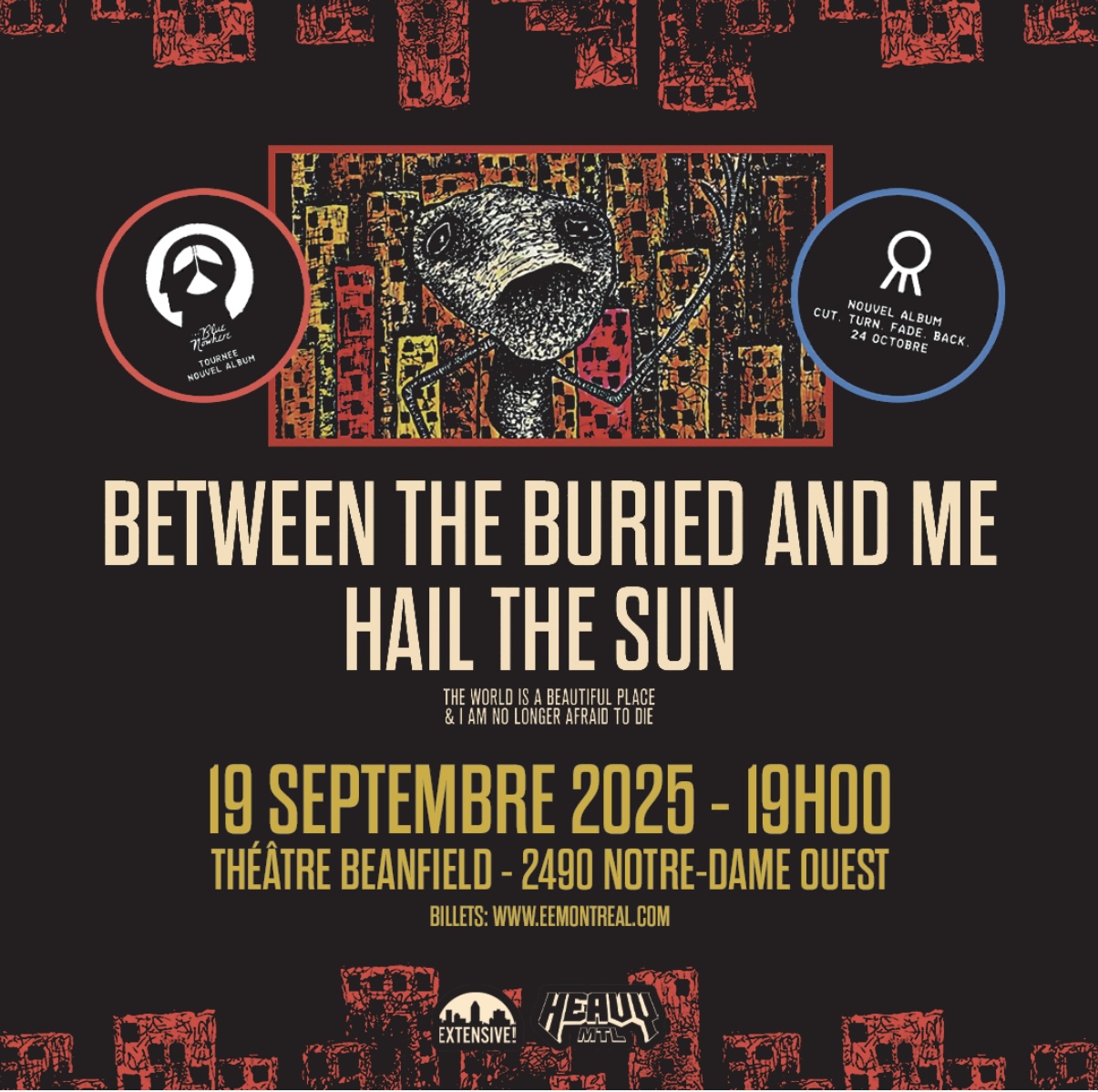
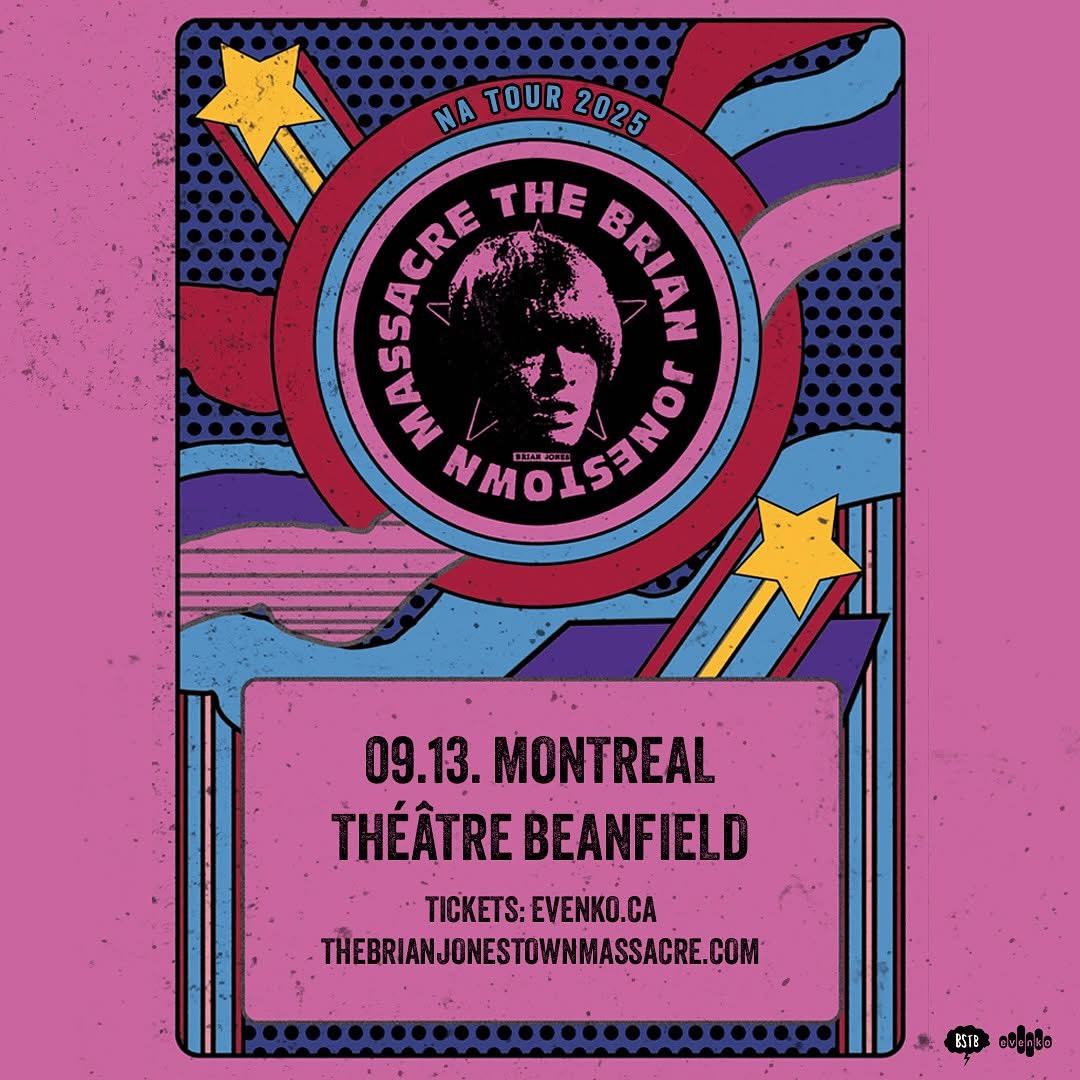
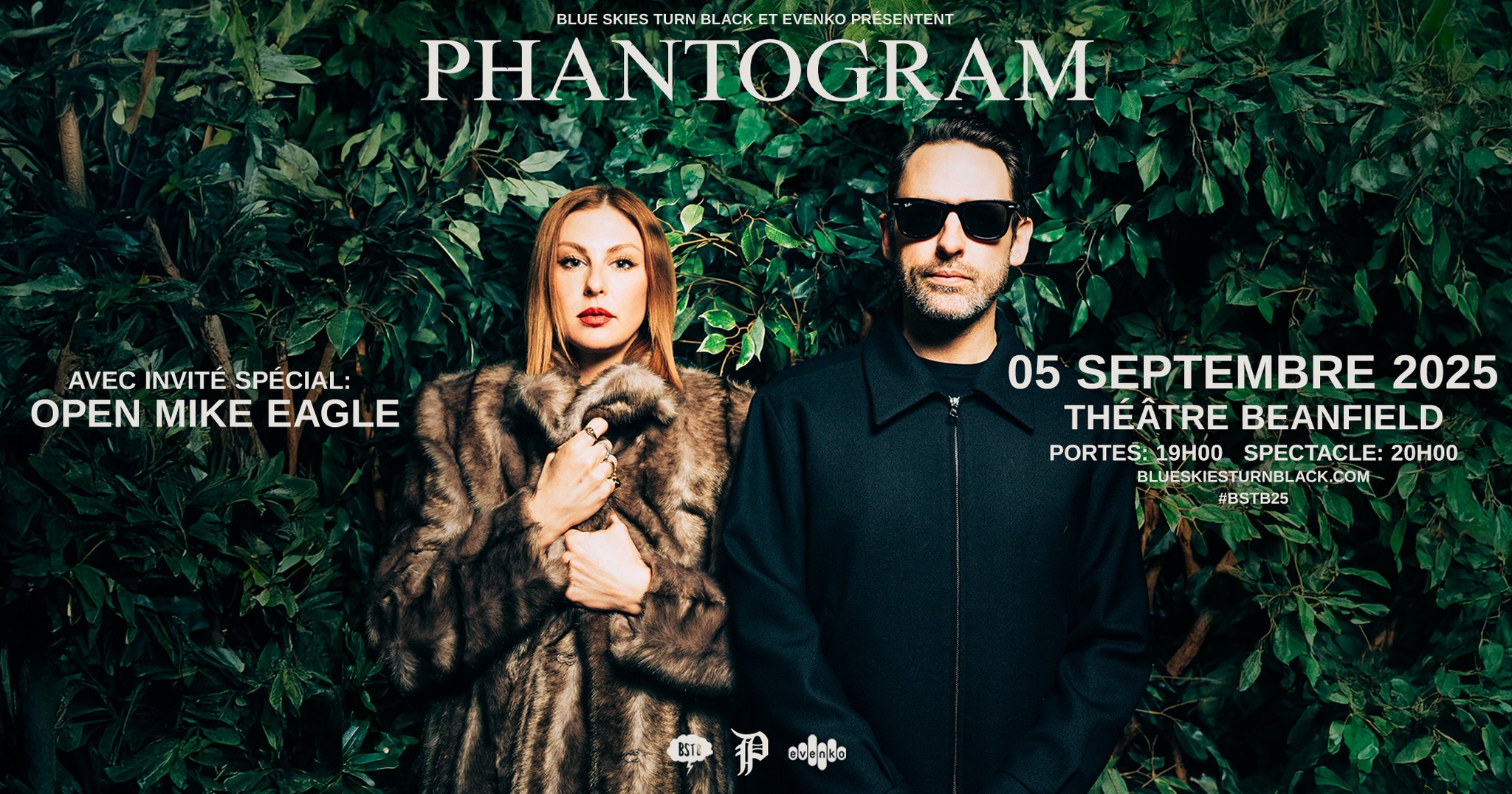
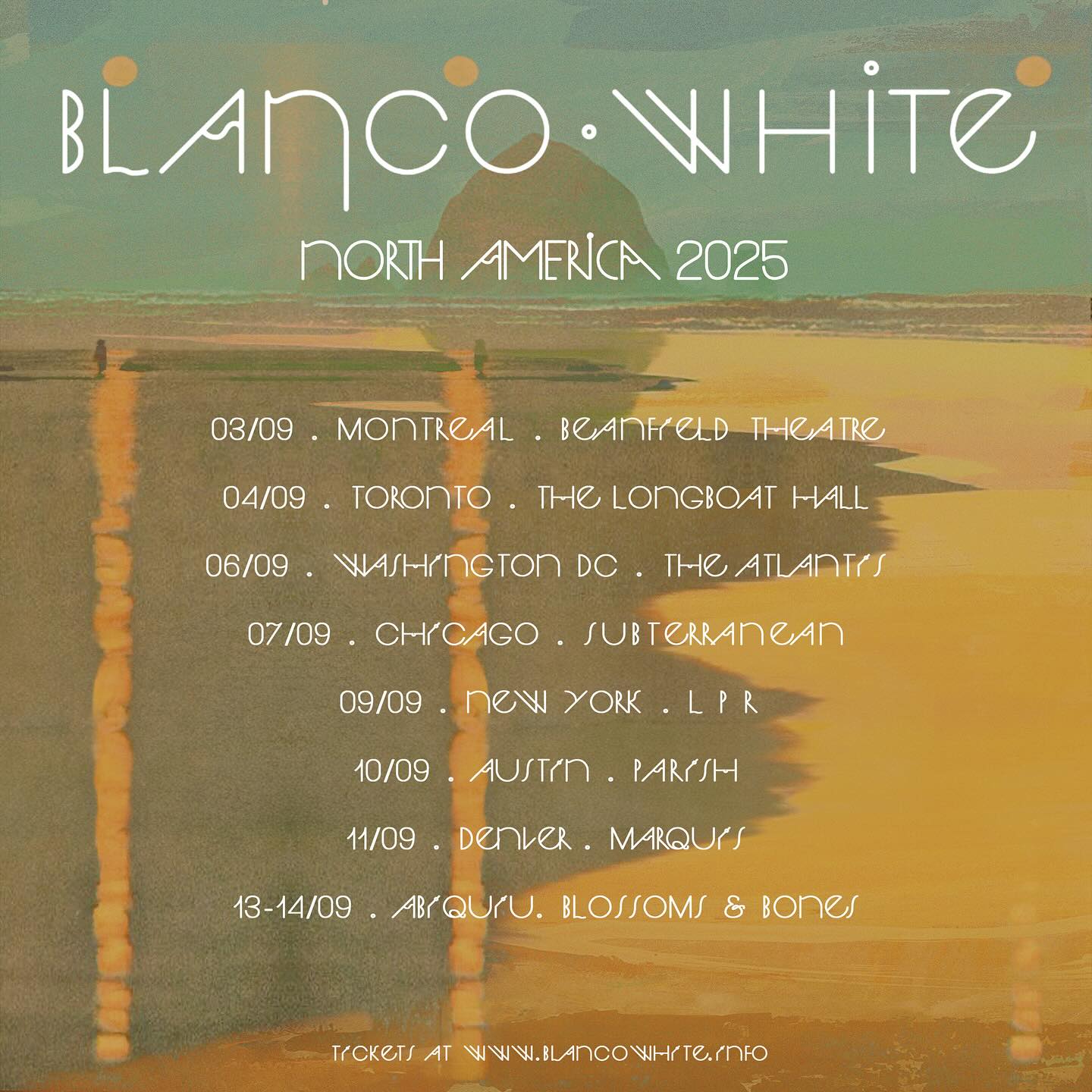
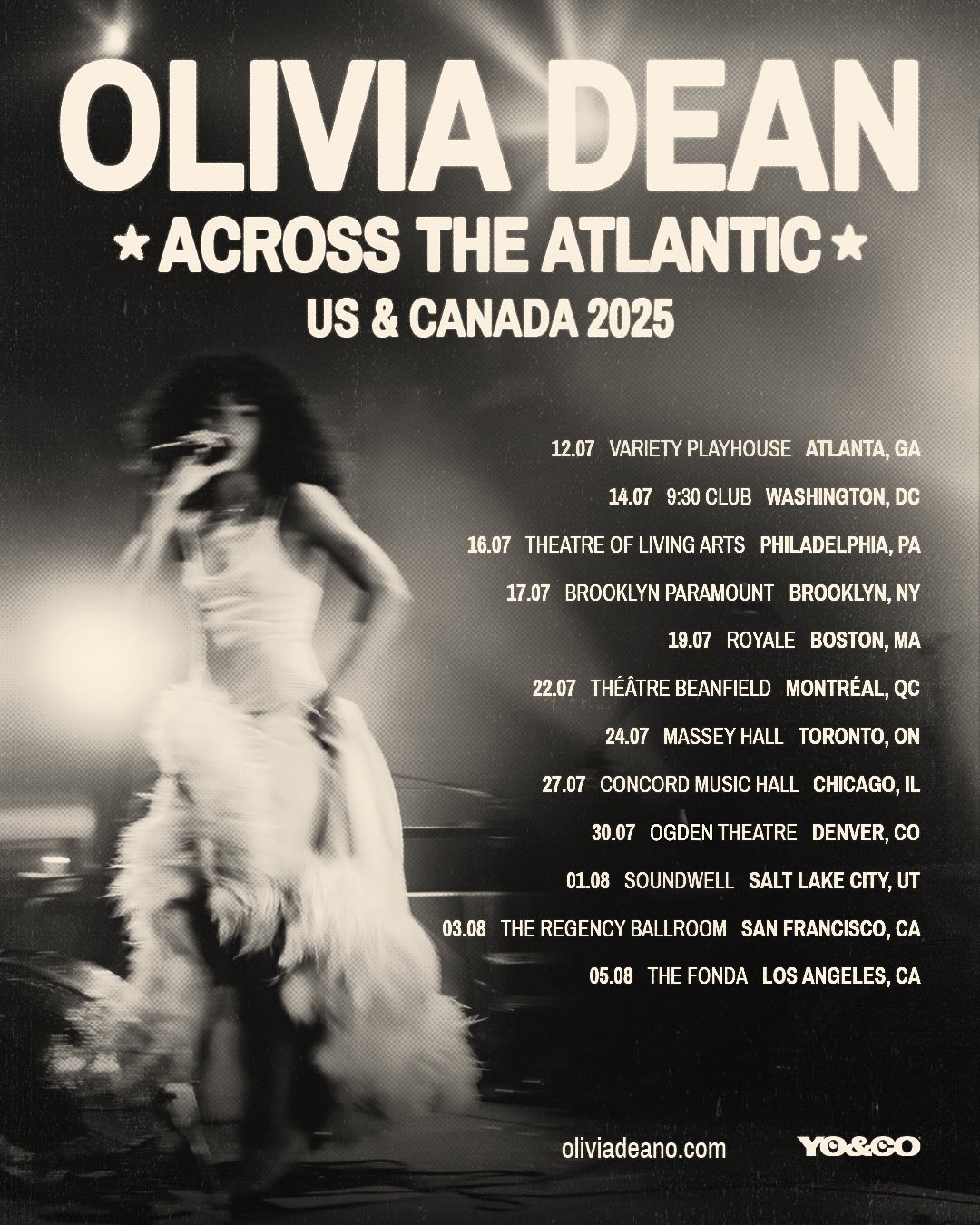
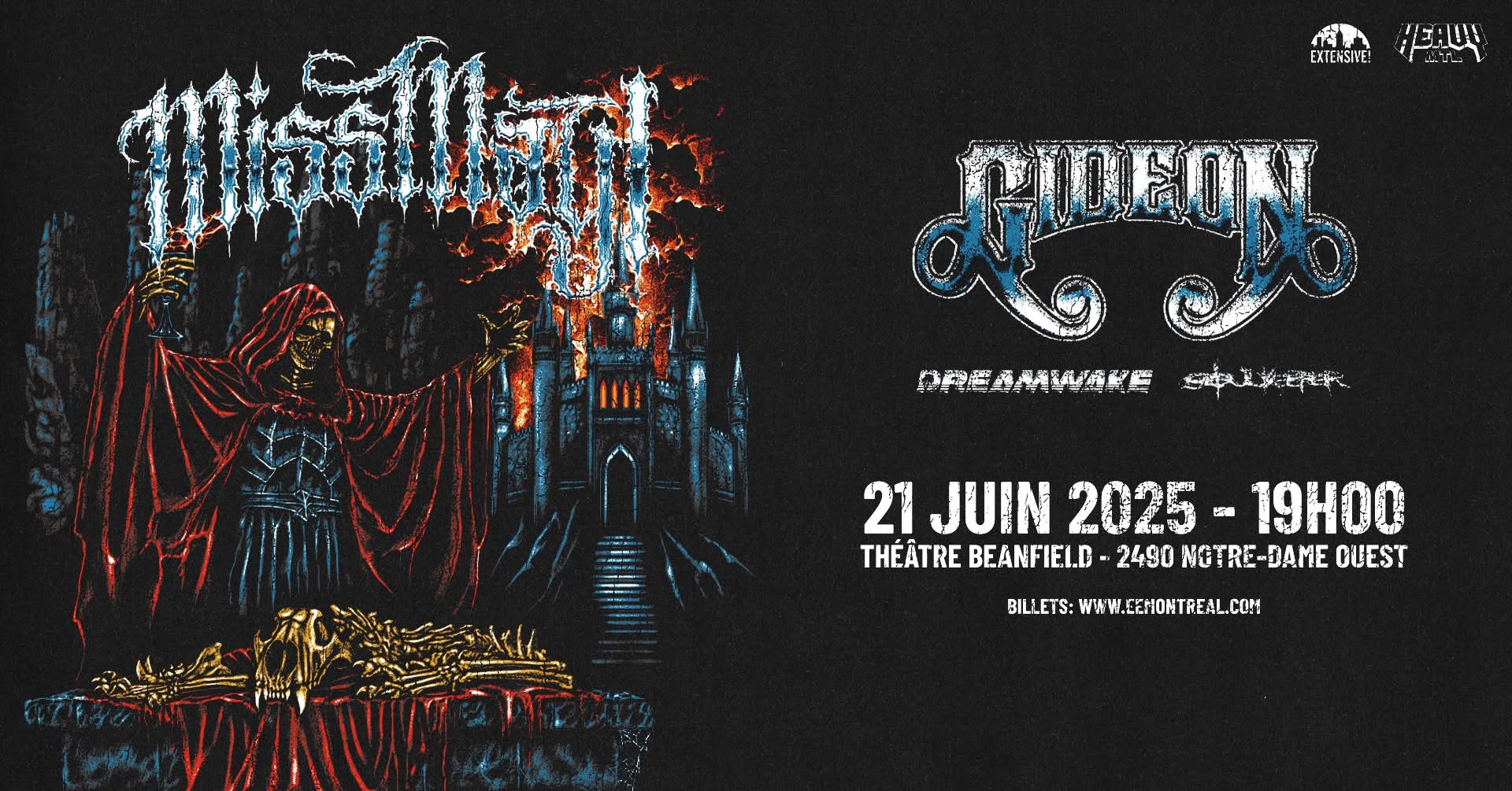
Over the years, the venue has carried different names connected to commercial partnerships while remaining widely known to Montrealers as the Corona. On June 1, 2023, it officially became the Beanfield Theatre.
The change came exactly one hundred years after the transformation of the Family Theatre into the Corona. The building continues to host concerts and events today, extending an entertainment vocation that began in 1912.
14. Historical significance
The Corona’s importance extends far beyond the longevity of its name. The building tells several chapters of Montreal cultural history: the rise of silent cinema, popular entertainment in the 1910s and 1920s, the era of neighbourhood movie theatres, their mid-twentieth-century decline, struggles for heritage preservation and, finally, the reuse of old theatres as live-music venues.
Most importantly, the discovery of contemporary advertisements from 1923 clarifies its identity. The Corona did not open under that name in 1912. The Family Theatre opened in 1912. The Corona Theatre was officially launched on October 6, 1923, following the transformation of the same establishment.
One venue, many lives
More than a century of cultural continuity
1912 — FAMILY THEATRE
1923 — CORONA THEATRE
1967 — acquired by the City of Montreal
1987 — LA DONNA DELINQUENTA
1989 — taken over by SIMPA
1998 — restoration and reopening
2011 — exclusive management by evenko
2012 — VIRGIN MOBILE CORONA THEATRE
2023 — BEANFIELD THEATRE
15. Notes & sources
- THE MONTREAL STAR, October 6, 1923. Advertisement, “Corona — Grand Opening TO-NIGHT at 8.15,” 1374 Notre-Dame West. The advertisement presents the new Corona, its opening program, Independent Amusements Limited, William Eckstein, The Melody Kings and the Thursday dancing contest.
- THE MONTREAL STAR, October 6, 1923. “New Corona Theatre Opens Tonight; Bill For Season Attractive.” The article announces the opening of the new Corona, mentions the Strand, Regent, Papineau, Belmont, Plaza and Moulin Rouge theatres, the musical program under William Eckstein and the appointment of Thomas Keegan as manager.
- MONTREAL CONCERT POSTER ARCHIVE, “Corona / Beanfield Theatre.” MCPA historical entry: opening of the Family Theatre on November 11, 1912, architects Dufort and Décary, the 1923 transformation, restoration and contemporary evolution.
- HÉRITAGE MONTRÉAL, “History of Montreal’s Movie Theaters.” The Corona is identified as the former Family Cinema opened in 1912 and restored beginning in the late 1990s.
- BEANFIELD THEATRE, official venue history. Institutional source on the continuity of the venue and its current name, inaugurated on June 1, 2023.
- Heritage and historical sources on the building. They attribute the 1912 Family Theatre to architects Joseph-Cajetan Dufort and Louis-Théophile Décary and the 1923 alterations to Daniel John Crighton, with interior decoration by Emmanuel Briffa.
- Clarification regarding 1923. Contemporary clippings provided by the MCPA archives identify Independent Amusements Limited at the opening of the Corona. Secondary heritage sources also associate the 1923 acquisition of the Family Theatre with United Amusements Corporation. Without additional corporate documentation precisely establishing the relationship between these two corporate names, they are kept separate in this entry.
- LA PRESSE, November 12, 1912. Report on the inauguration of the Family Theatre at 1374 Notre-Dame Street West, stating that the new theatre had opened the previous day, November 11, 1912.
- THE GAZETTE, October 27, 1971. Court report concerning a homicide that occurred at the Corona Theatre on October 31, 1966. It establishes that the venue was still operating on that date and had closed by the time of publication in 1971.
- THE GAZETTE, 1987, “Young artists bring vaudeville house to life.” Report on La Donna Delinquenta, the temporary one-dollar lease, essential repairs and grants obtained by Martha Fleming and Lyne Lapointe.
- SIMPA, call for proposals for the renovation and fitting-out of the Corona Theatre, deadline February 7, 1990. The document calls for primarily cultural and artistic occupancy and provides for an emphyteutic lease.
- THE GAZETTE, August 10, 1991 and October 23, 1993. Articles documenting Janet MacKinnon’s and the Historic Theatres Trust’s involvement, the deteriorated condition of the Corona, its use as a warehouse and SIMPA’s takeover of the building in 1989.
- VIRGIN MOBILE CANADA / EVENKO, press release, December 5, 2012. Announcement of the partnership and the official launch of the Virgin Mobile Corona Theatre on December 18, 2012 with Feist, Cœur de pirate and Kele Okereke; the release states that evenko had been the Corona’s exclusive manager since November 2011.
- BEANFIELD THEATRE, “History.” The institutional history documents the City’s takeover in 1967, La Donna Delinquenta in 1987, acquisition by the Institut des arts de la scène in October 1997, reopening in October 1998, the second restoration phase in 2003–2004 and the inauguration of the Beanfield Theatre on June 1, 2023.