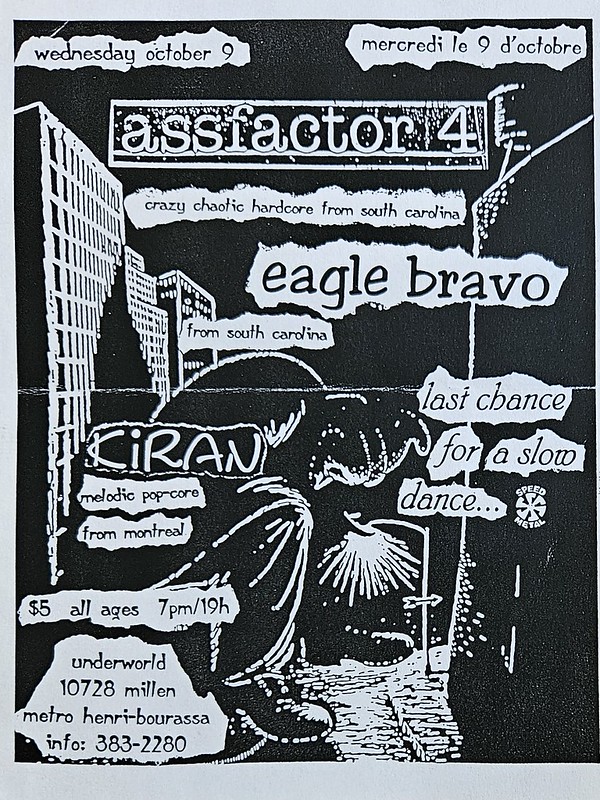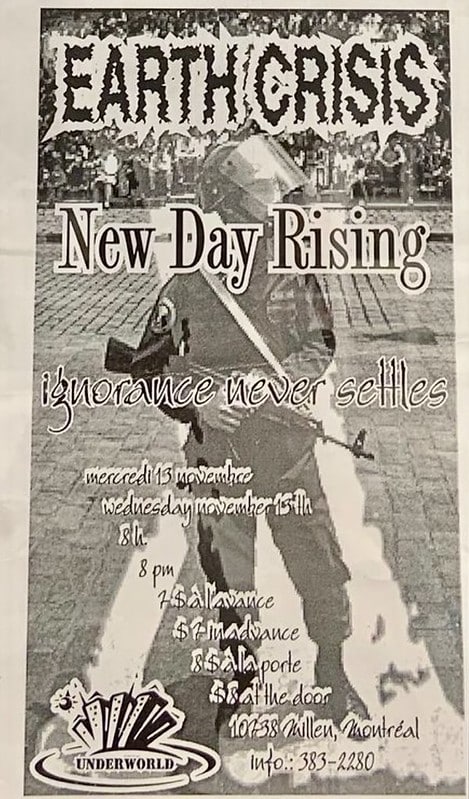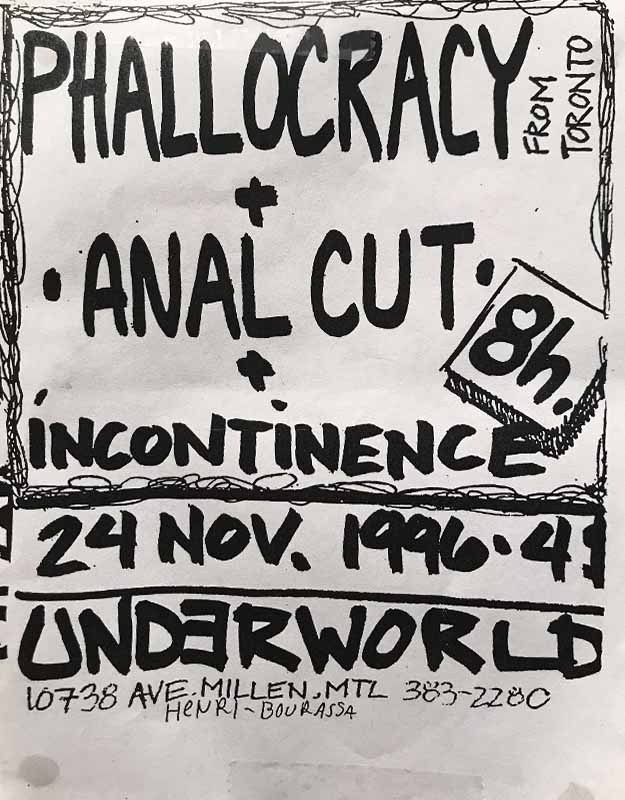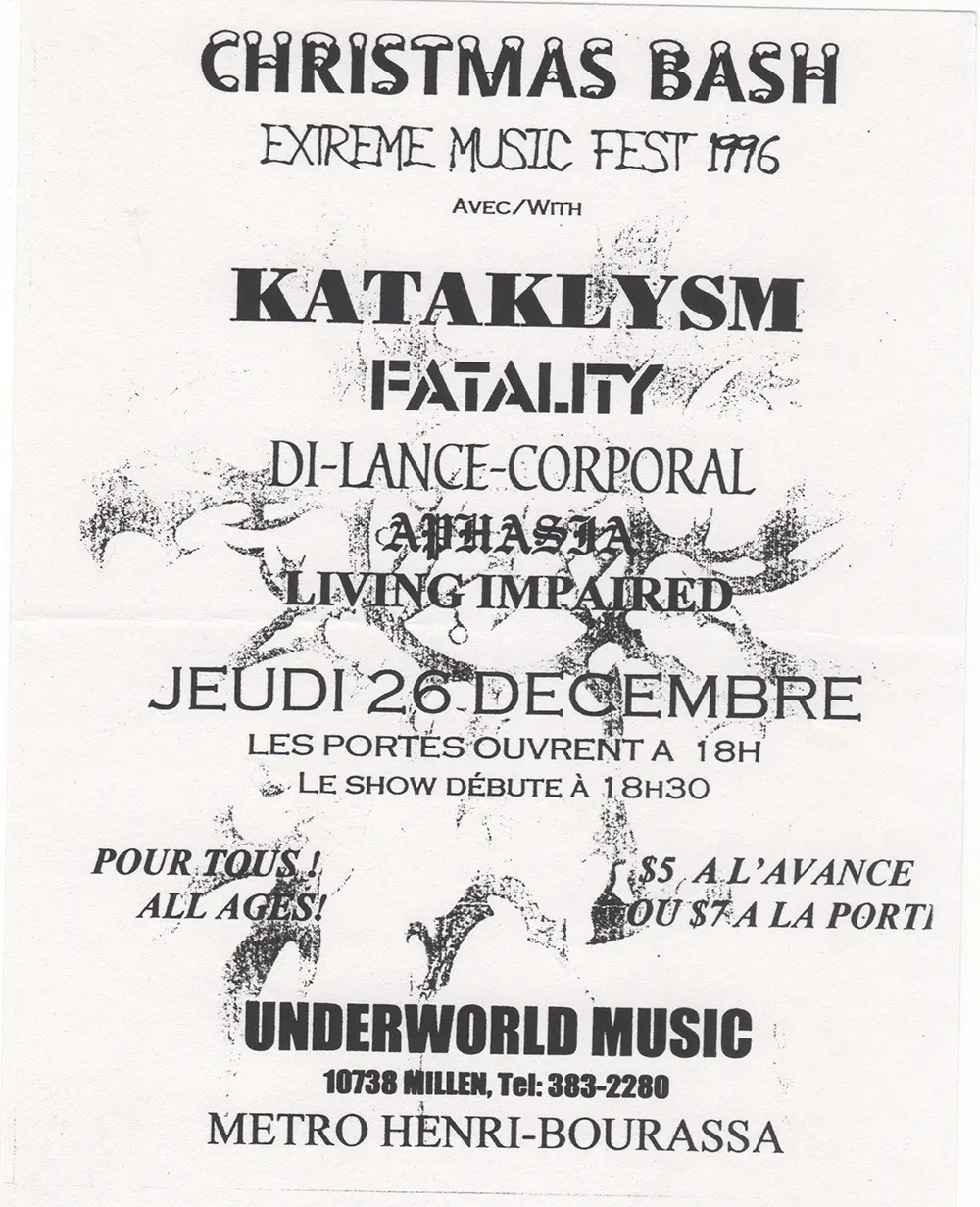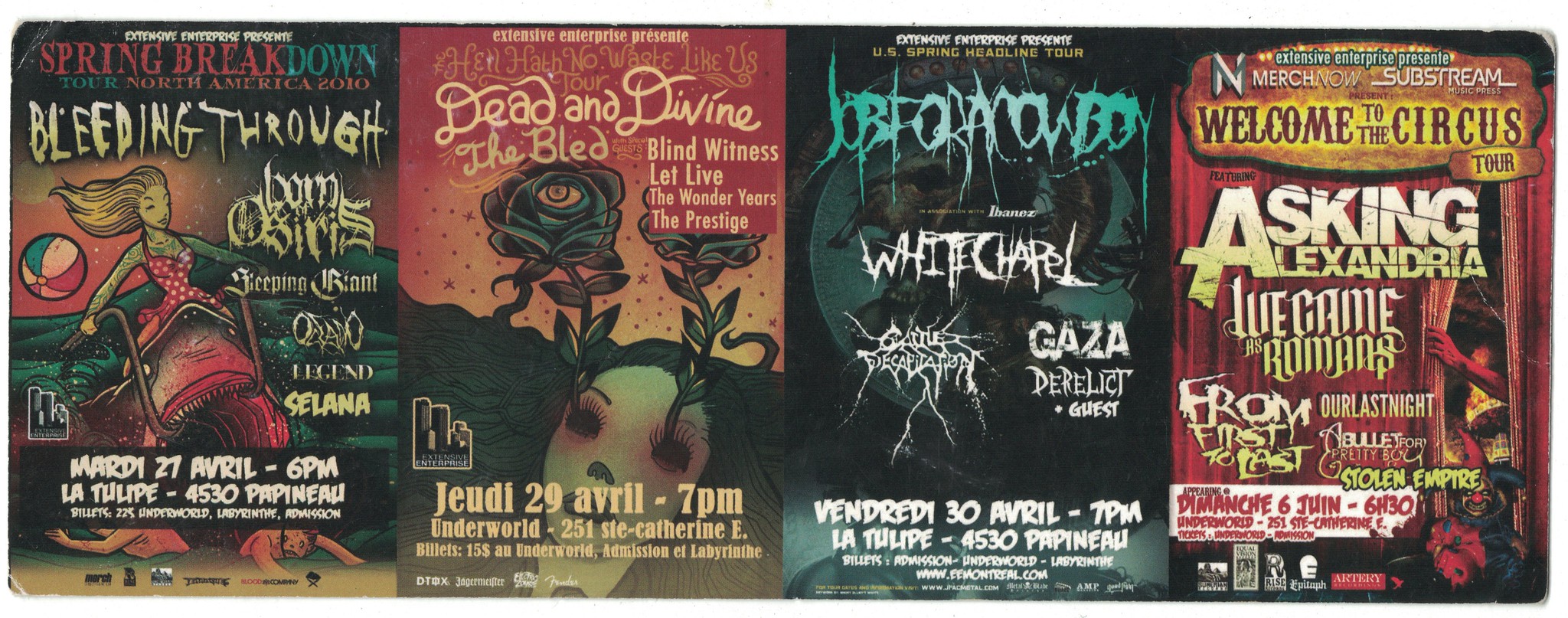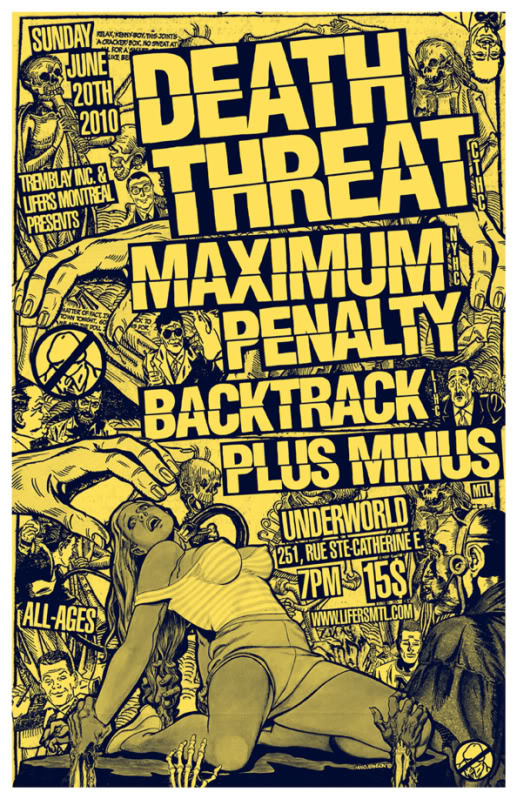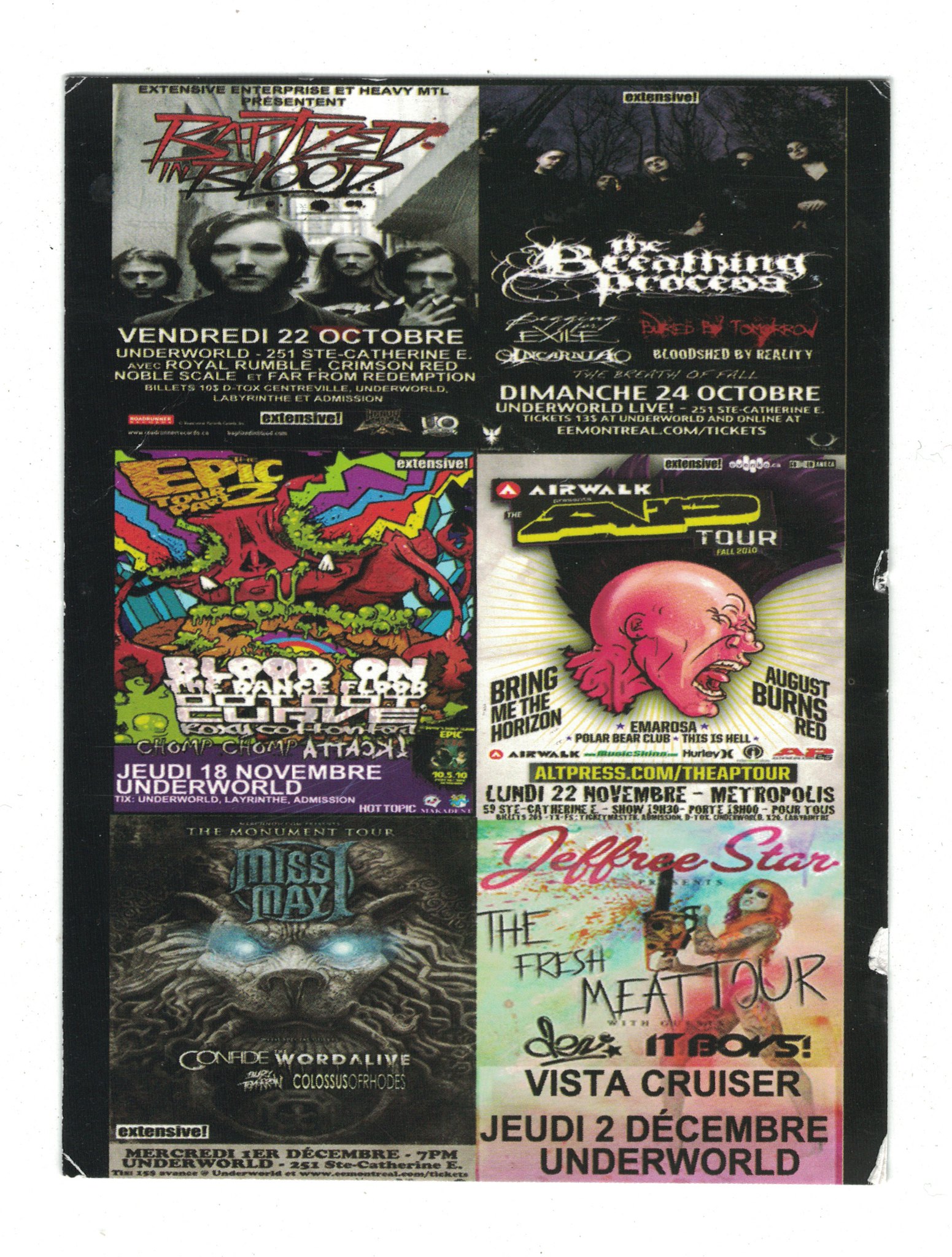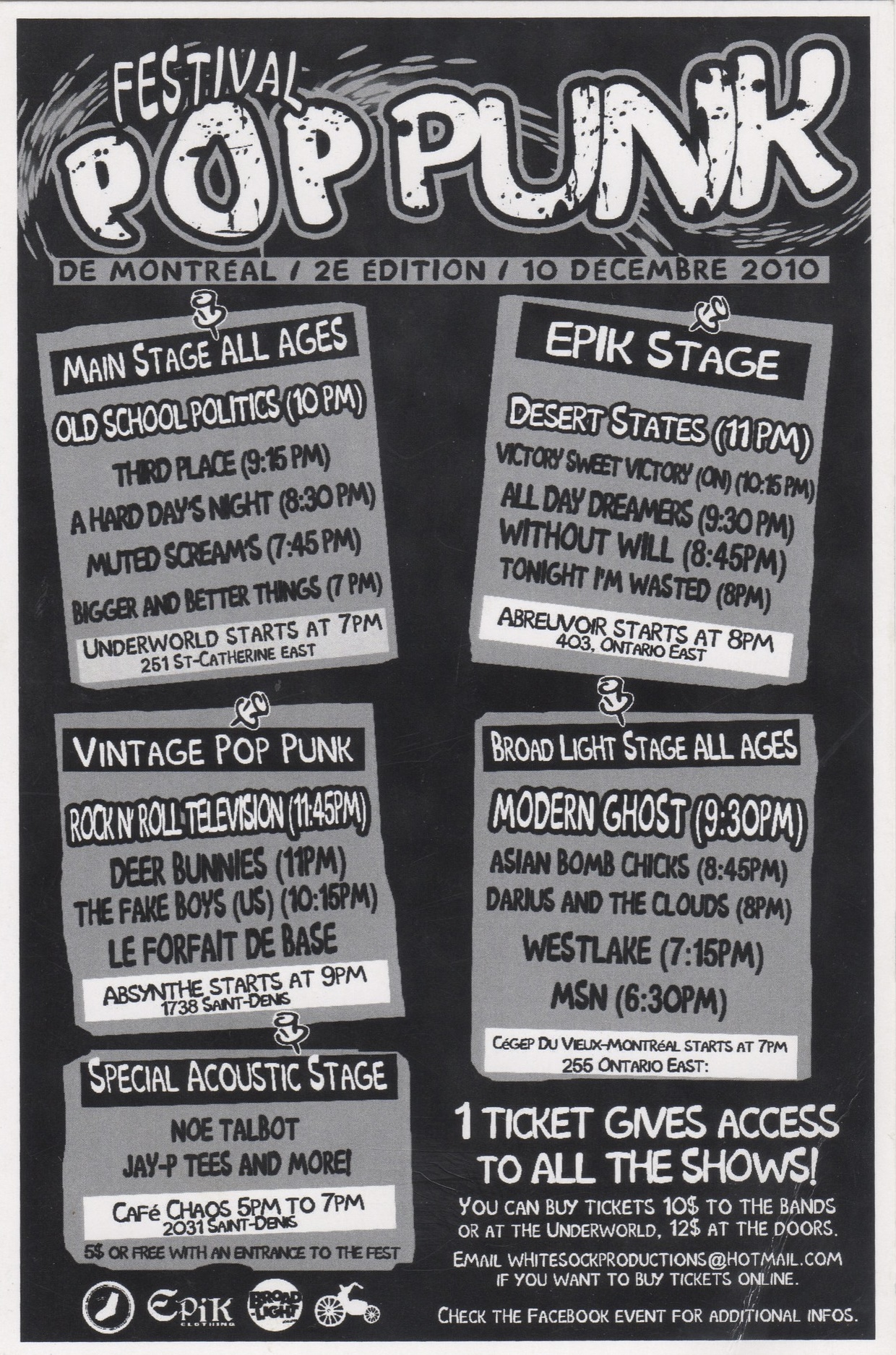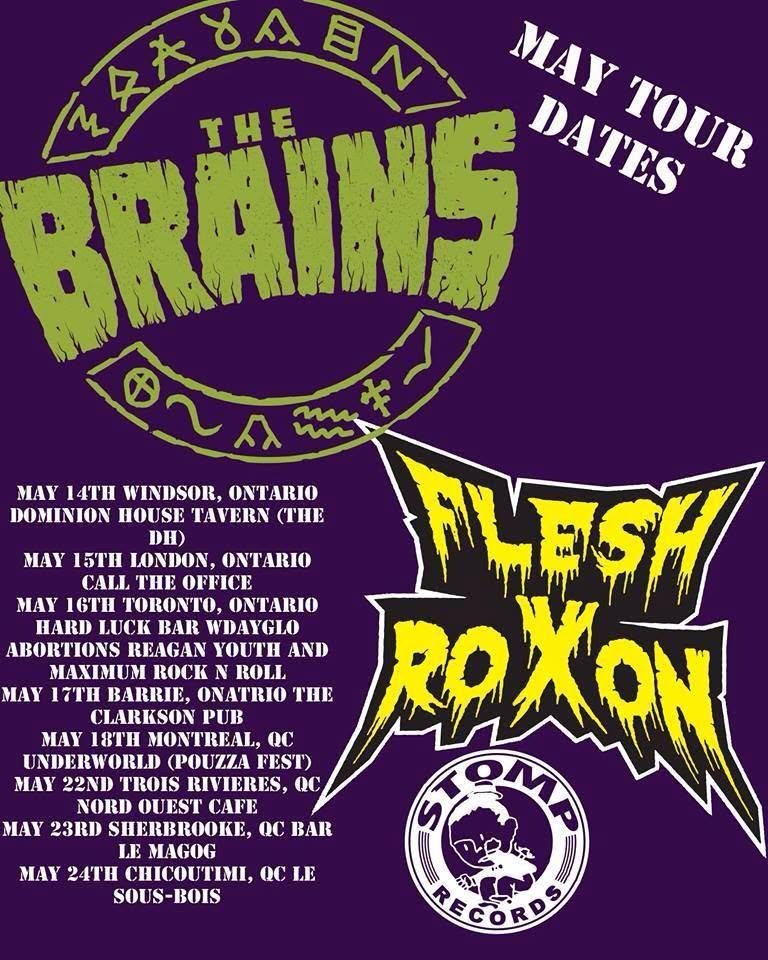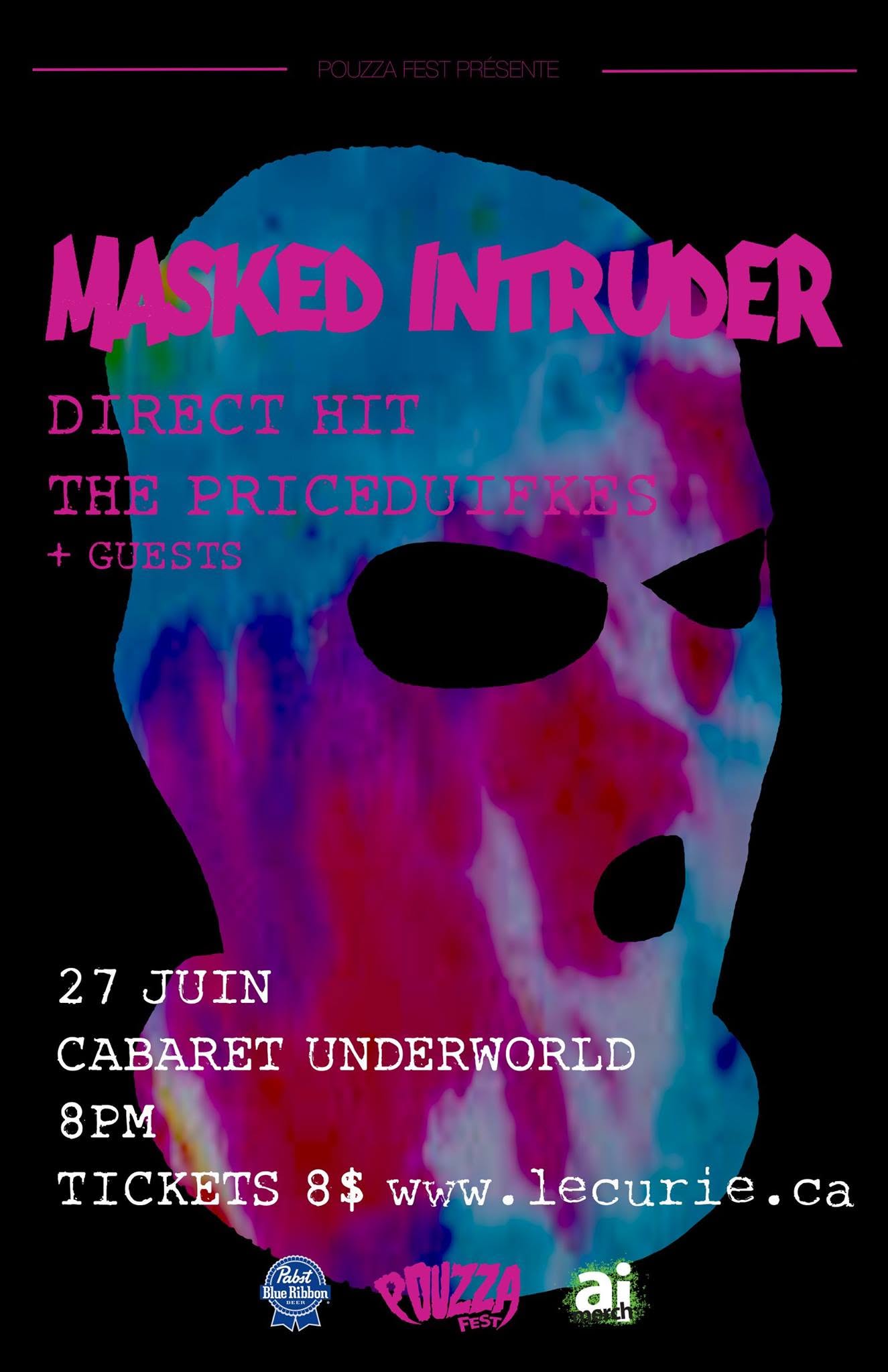
Underworld / Cabaret Underworld (Montreal)
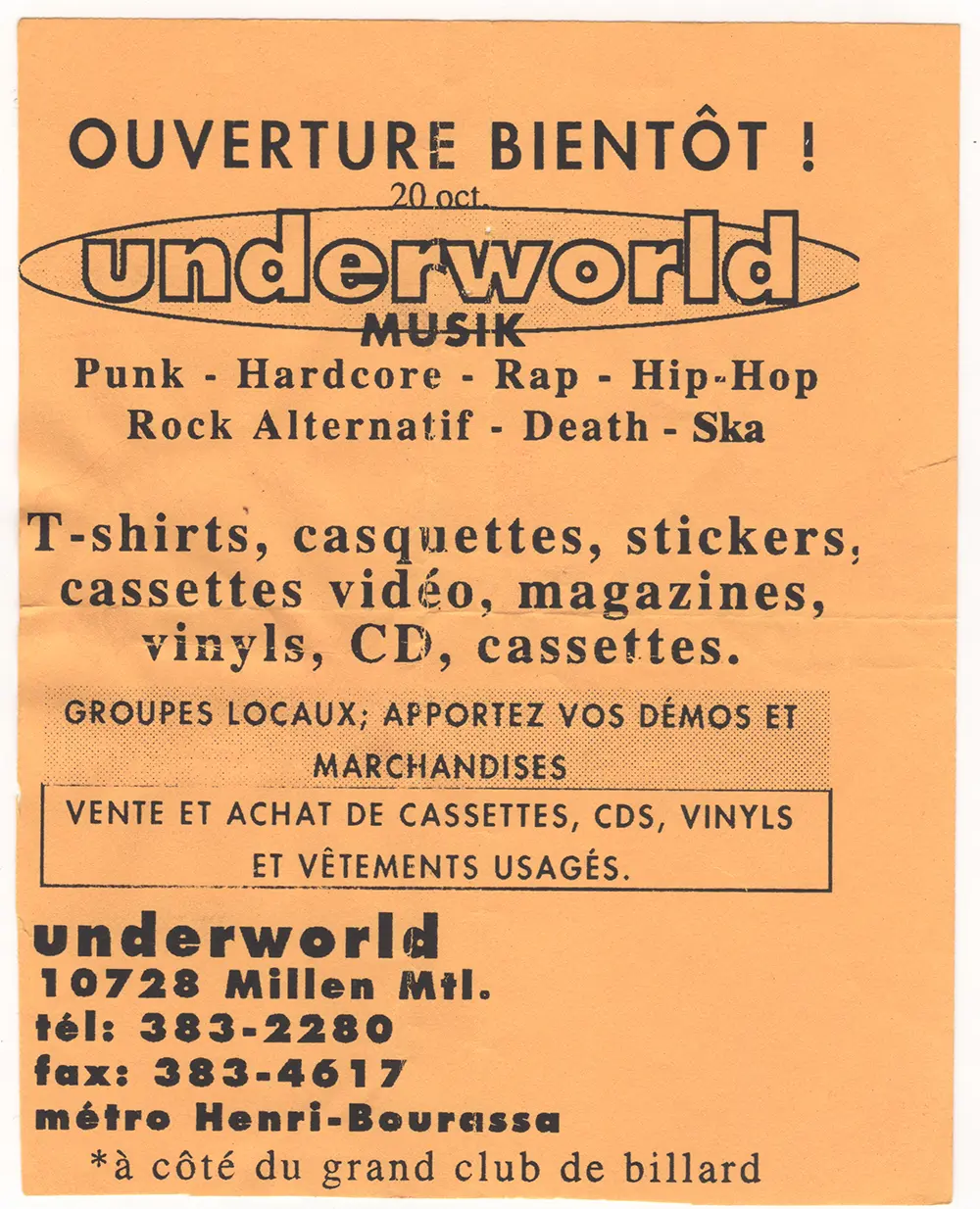
Founded in 1995 by Alex Bastide, Underworld was simultaneously a record store, skateboard shop, gathering place and small concert venue that played an active role in the growth of Montreal's punk, hardcore and skate scenes during the 1990s. After the disappearance of the original Ahuntsic venue, Bastide continued promoting concerts under the Underworld Musik banner before returning to venue operation downtown with Cabaret Underworld, located at 1403 Sainte-Élisabeth Street. For nearly two decades, the Underworld name connected skateboarding, underground music, independent retail and concert promotion in Montreal. [1], [2], [3]
1. Overview
The history of Underworld cannot be reduced to that of a concert venue. The project created by Alex Bastide in 1995 stood at the intersection of several overlapping Montreal cultures: skateboarding, punk, hardcore, records, clothing and independent concert promotion. [1]
This combination gave Underworld a distinctive identity. Visitors could buy records or skateboard equipment, skate on site and attend a concert. The store therefore became as much a social space as a retail business.
Its history, however, involves two distinct concert venues. The first operated inside the original Ahuntsic shop during the 1990s. Several years later, the name reappeared downtown with Cabaret Underworld on Sainte-Élisabeth Street.
Historical Note
Underworld Was Not Simply One Venue That Moved
It is more accurate to distinguish the original Ahuntsic venue, directly connected to the first shop, from the Cabaret Underworld that later operated downtown. Between these two periods, Alex Bastide notably continued promoting concerts under the Underworld Musik name.
2. Alex Bastide and the Birth of Underworld
Alex Bastide was only 19 years old when he launched Underworld in 1995. Passionate about skateboarding and underground music, he wanted to create the type of place he felt was missing in Montreal: a space where these cultures could coexist.
From the beginning, the concept extended beyond that of a simple store. Underworld sold records, skateboard equipment and clothing, but also sought to build a community around those interests.
This community dimension became central to Underworld's identity. Relationships developed with touring bands, skateboarders and young music fans helped transform a small Ahuntsic business into a familiar name within Montreal's alternative culture.
“I always saw myself as a Montreal ambassador to them.”
3. 10338 Millen Street
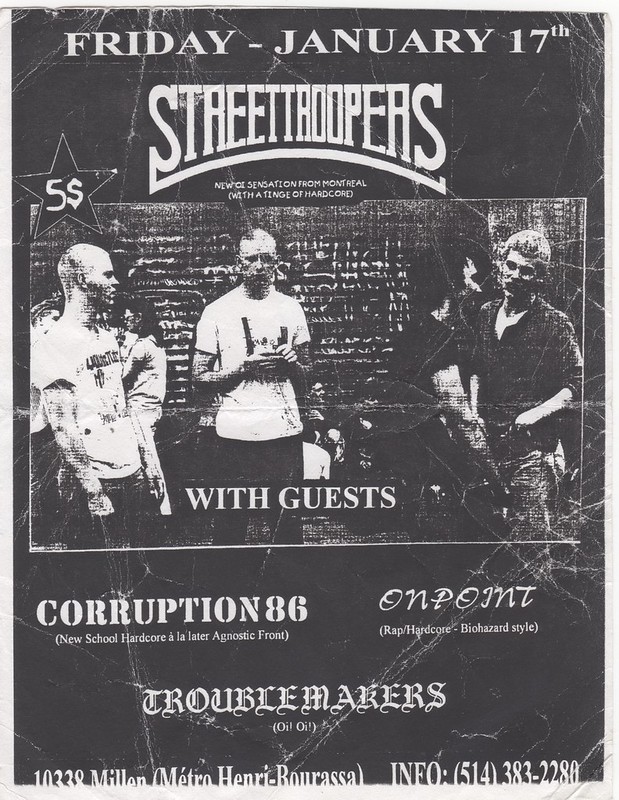
The first Underworld opened in Ahuntsic, near the intersection of Millen Street and Henri-Bourassa Boulevard. A retrospective published by Cult MTL places the business specifically at 10338 Millen Street. [1]
The address nevertheless requires some documentary caution: more recent Underworld archives have also circulated the number 10738. Based on the sources currently available, 10338 is retained because it appears in a retrospective devoted to the closing of Cabaret Underworld.
The location was far from Montreal's main downtown venue circuit. Paradoxically, this contributed to its identity: Underworld was not simply another venue on Sainte-Catherine Street or Saint-Laurent Boulevard, but a destination that audiences deliberately travelled to.
4. Skateboarding, Records and DIY Culture
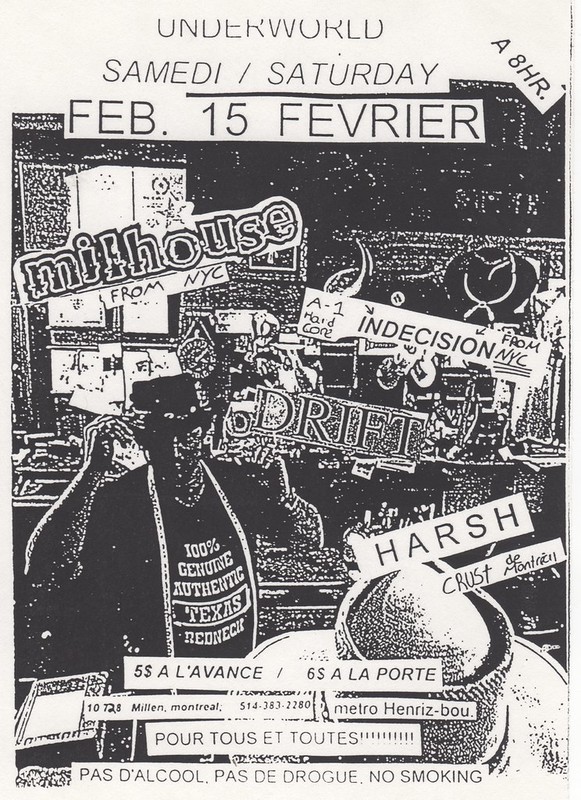
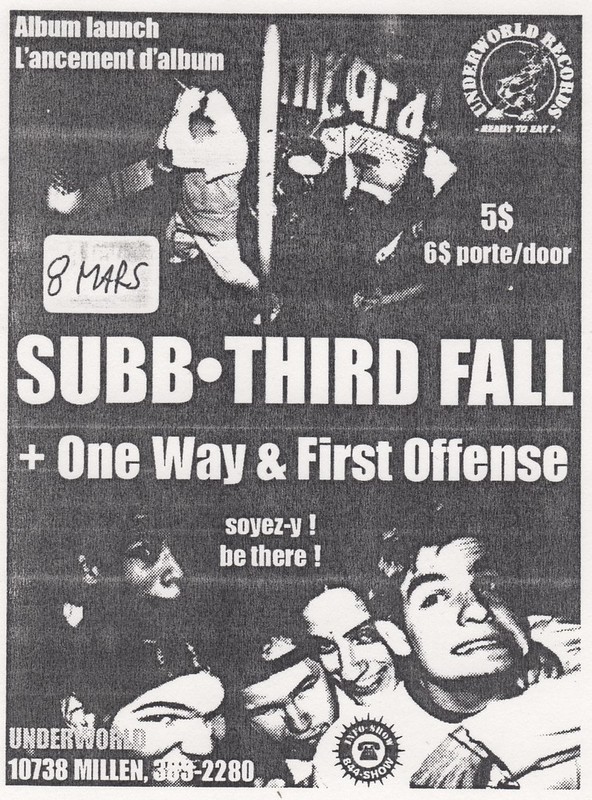
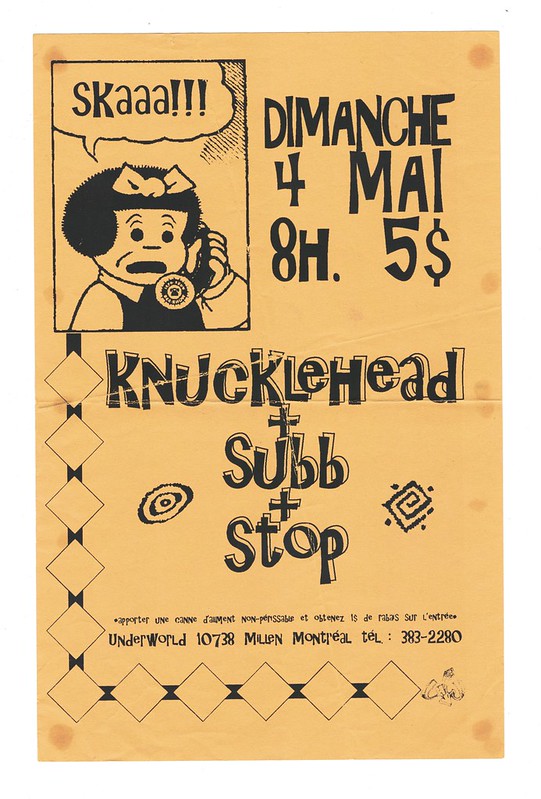
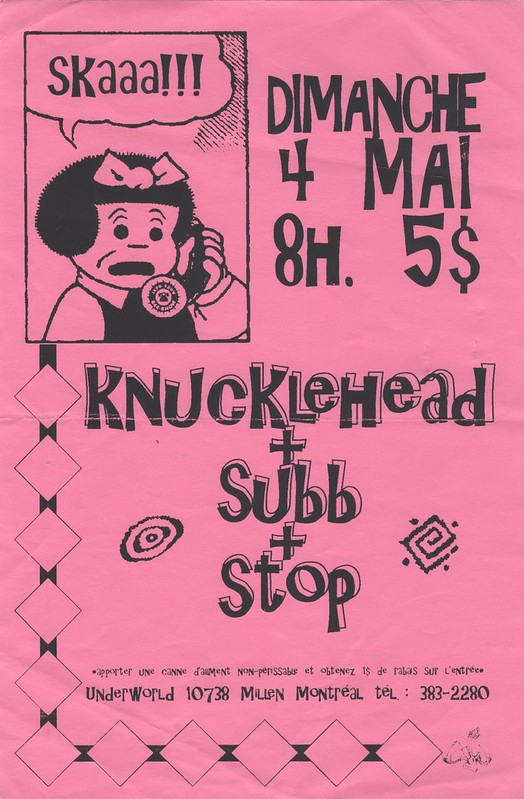
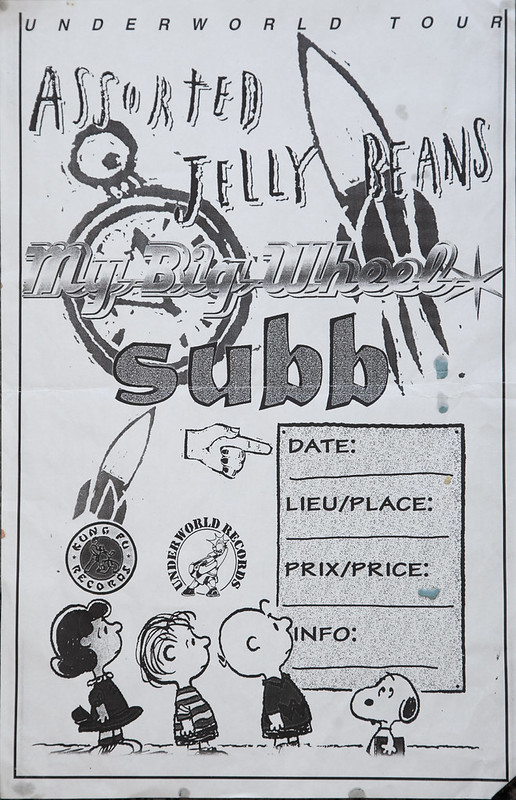
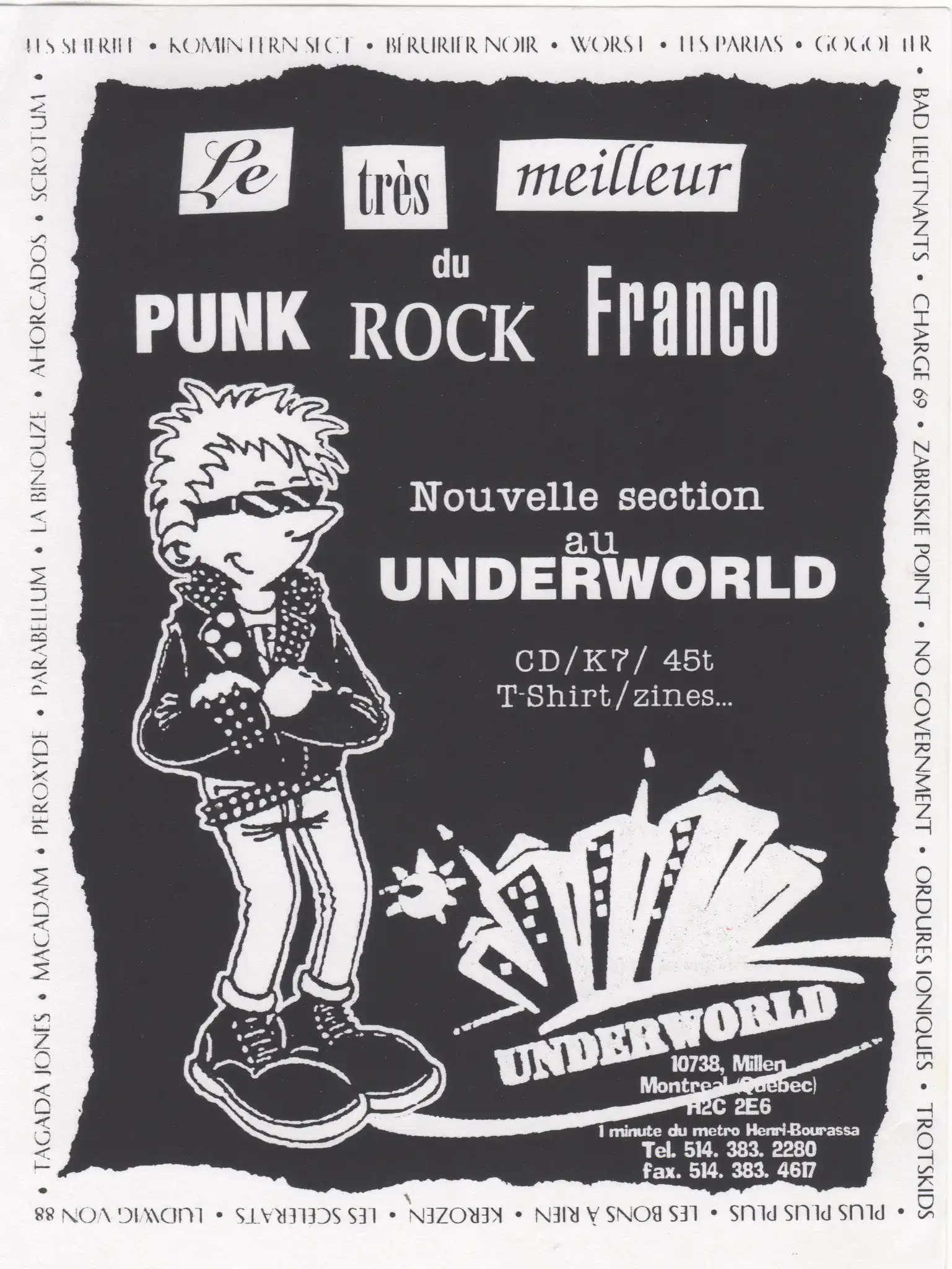
The originality of the first Underworld lay in the coexistence of several functions under one roof. The space operated as a record store, a skateshop and a place associated with skateboarding itself.
An indoor ramp allowed skateboarders to skate on the premises. A concert space was also incorporated into the shop. The business therefore evolved into a genuine hybrid cultural space.
This formula closely reflected the DIY spirit that ran through much of punk and skate culture in the 1990s: rather than waiting for an infrastructure to exist, people created it themselves.
The boundaries between shop, gathering place and concert venue were deliberately blurred. That proximity is precisely what made the original Underworld memorable to a generation of musicians, skateboarders and concertgoers.
5. The Original Concert Venue
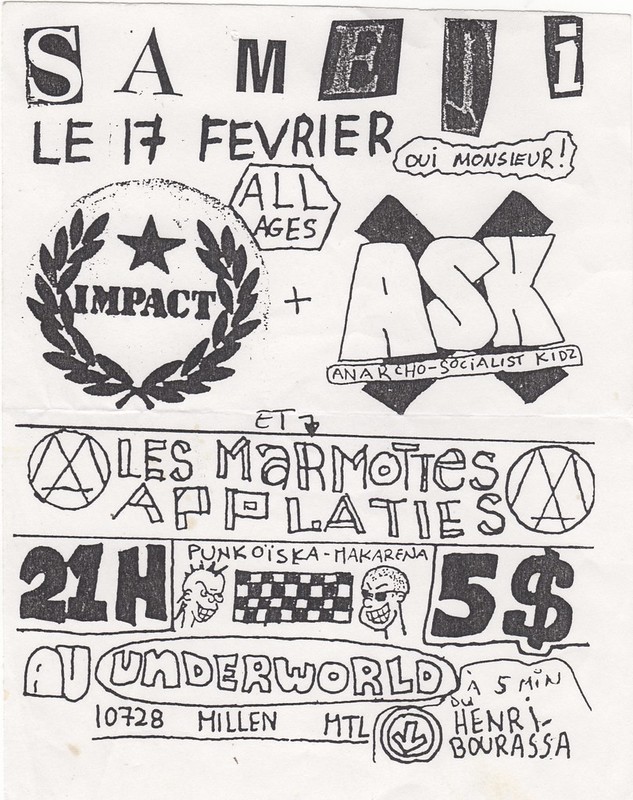
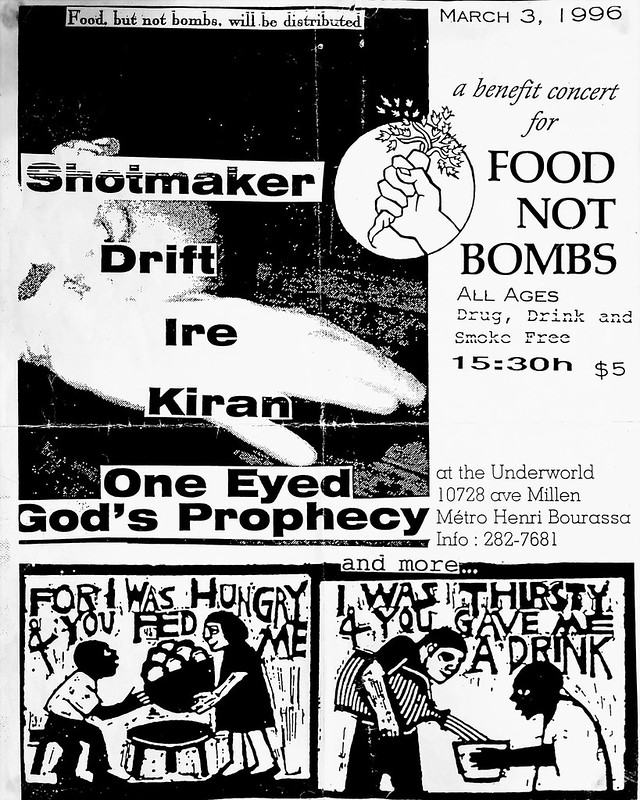
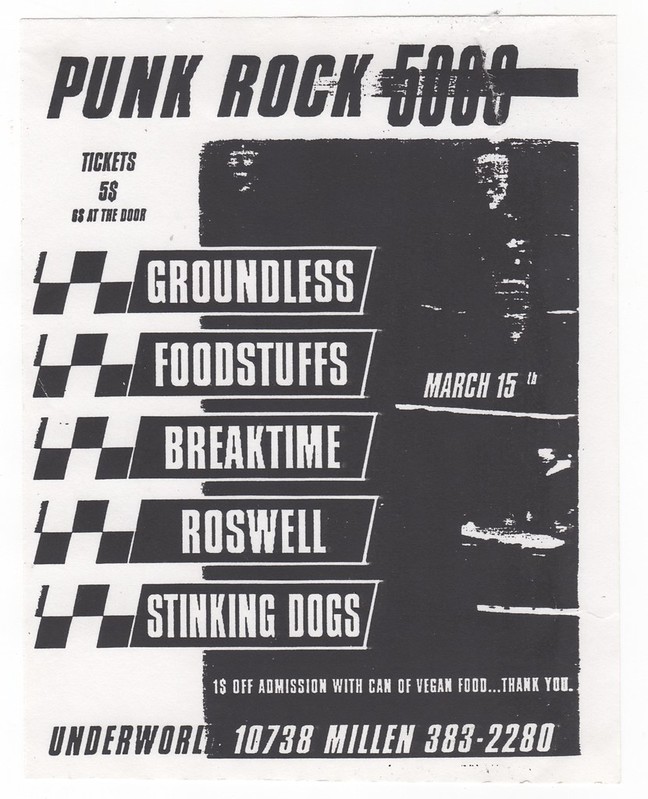
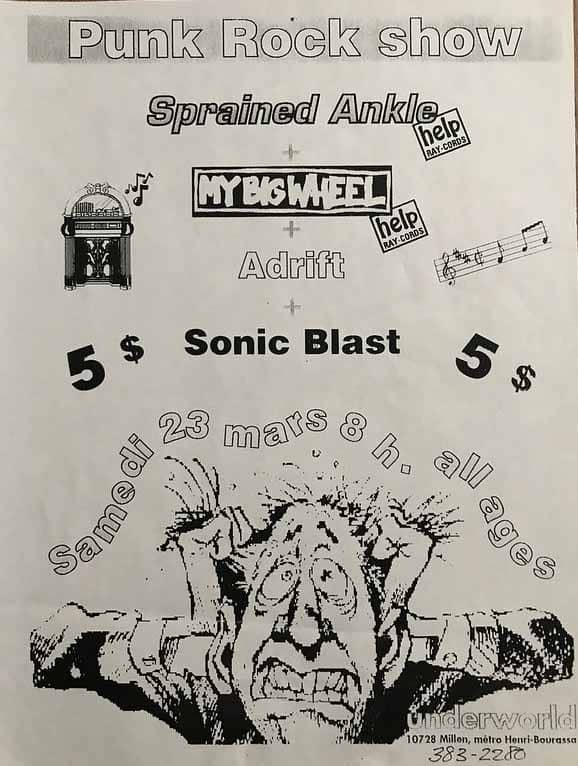
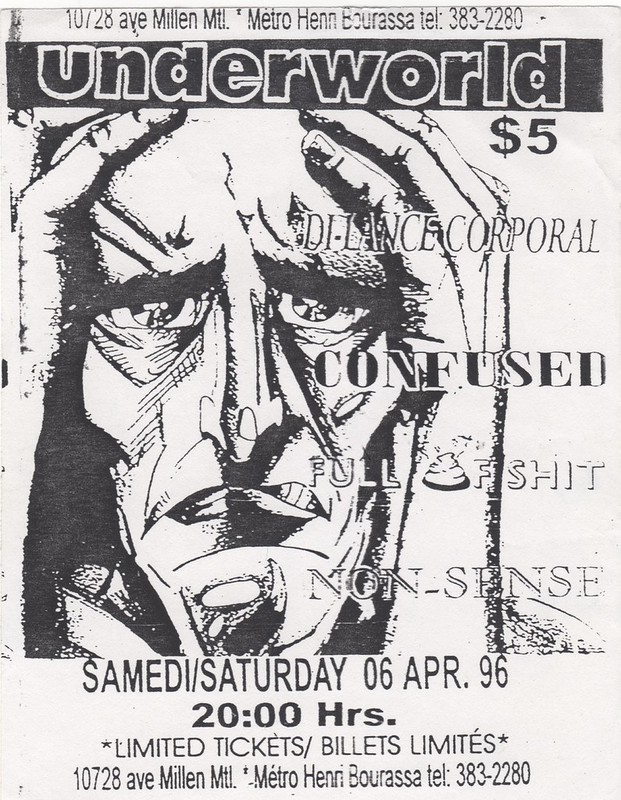
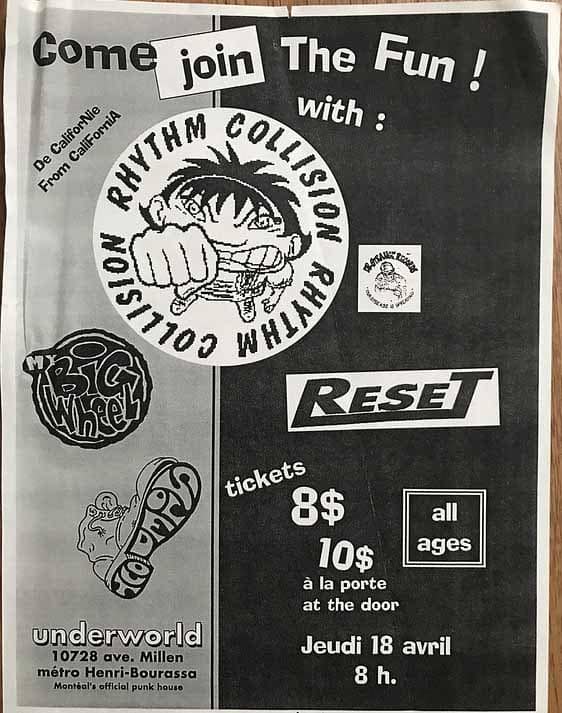
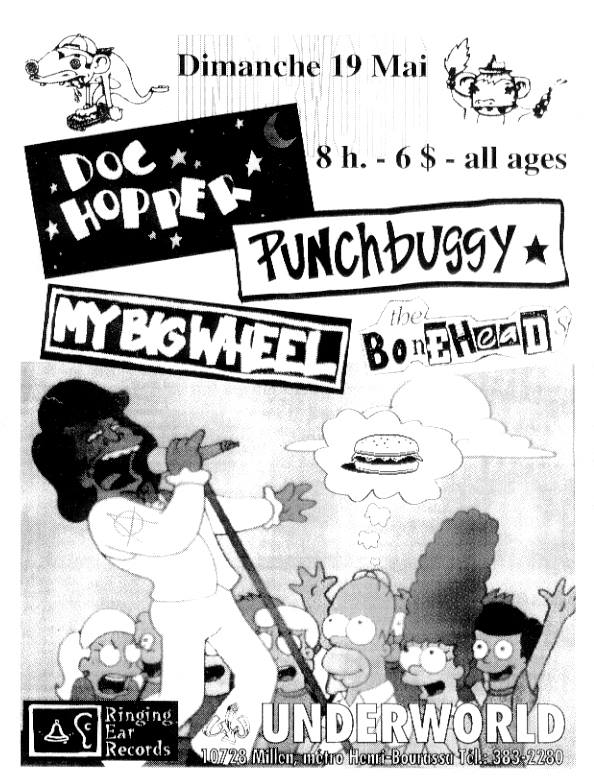
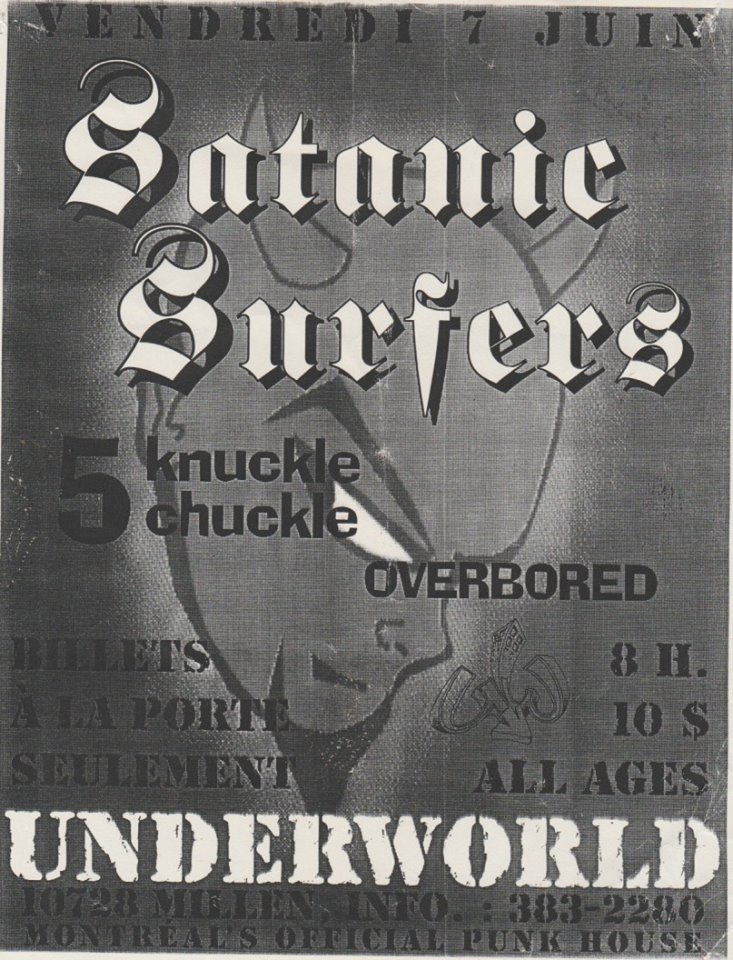
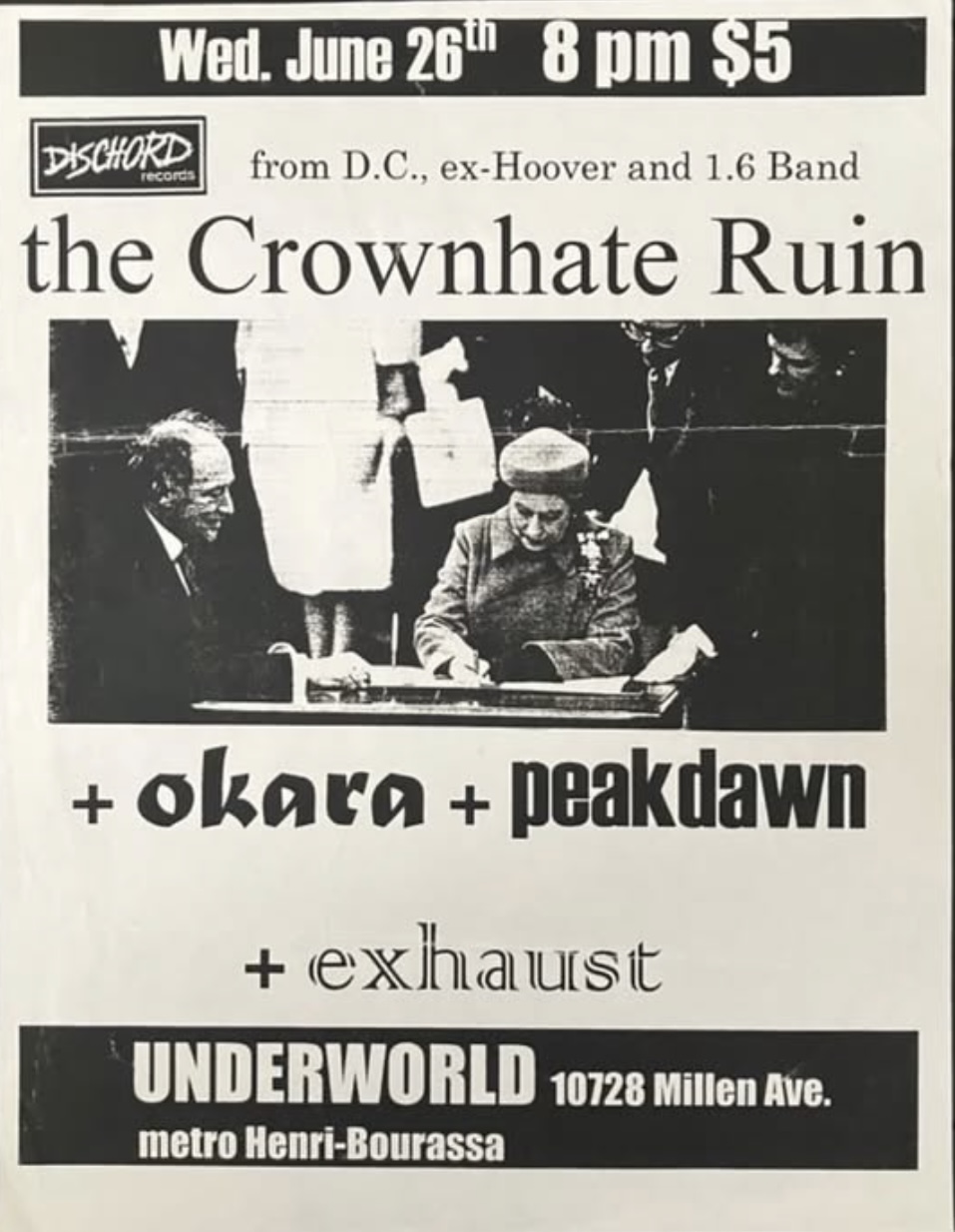
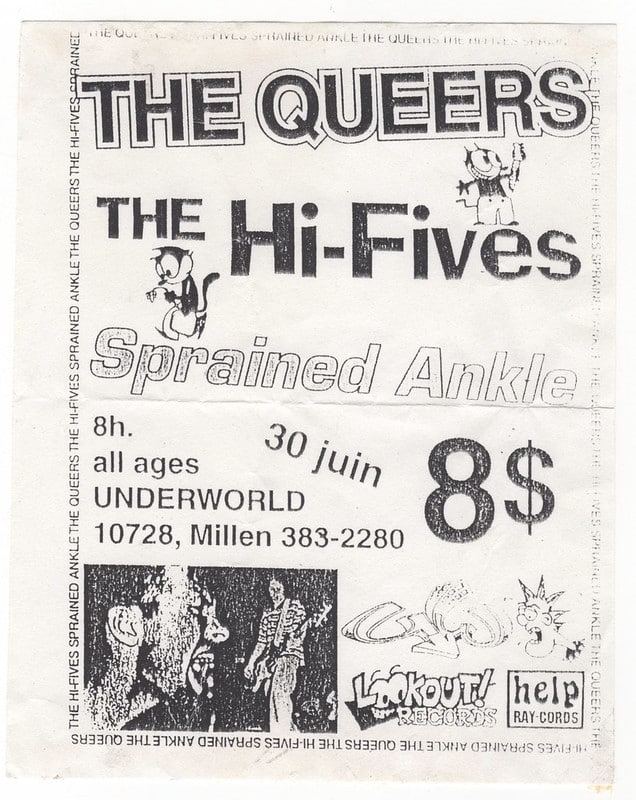
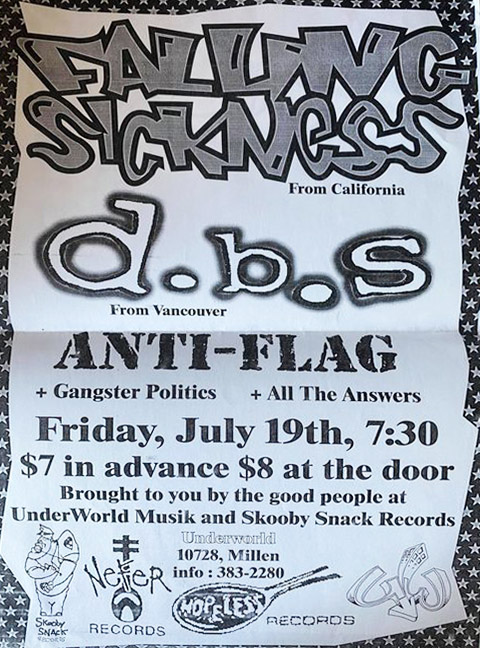
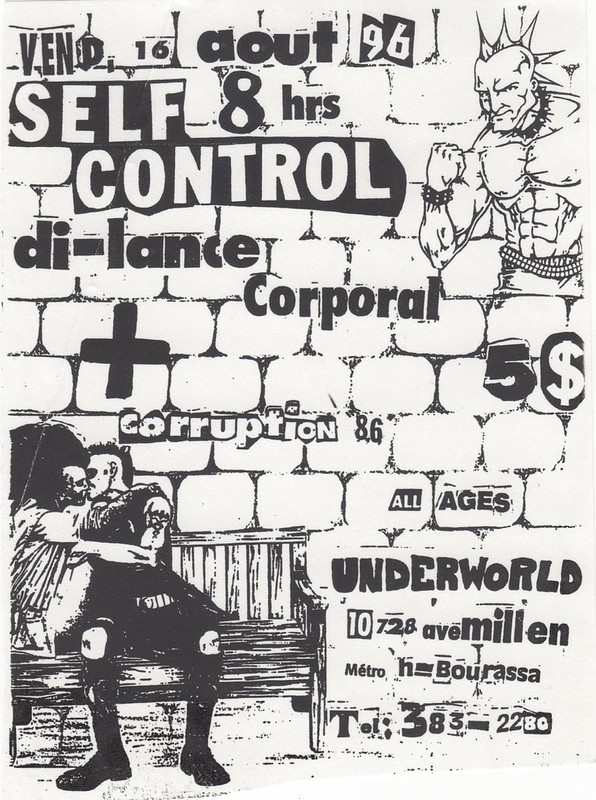
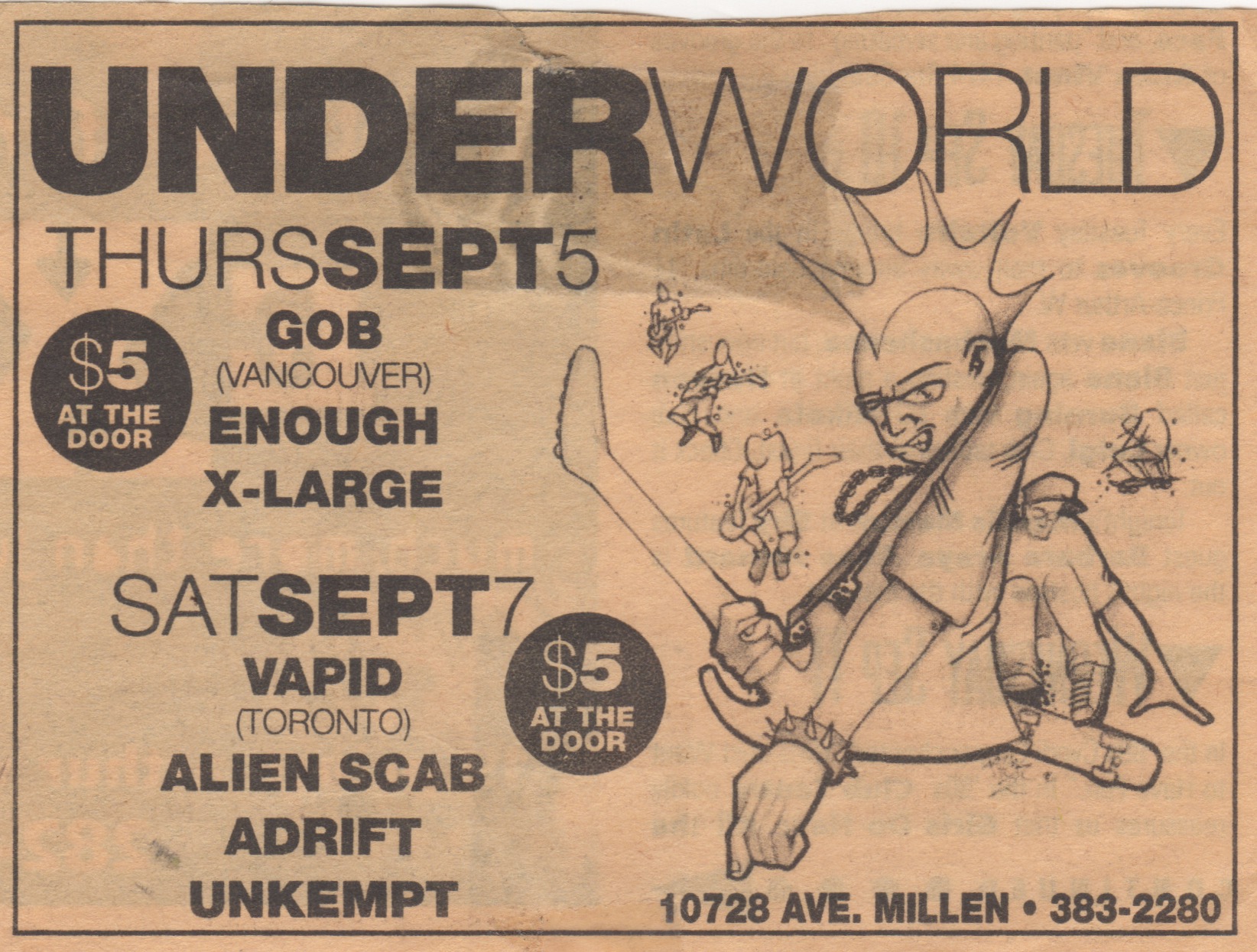
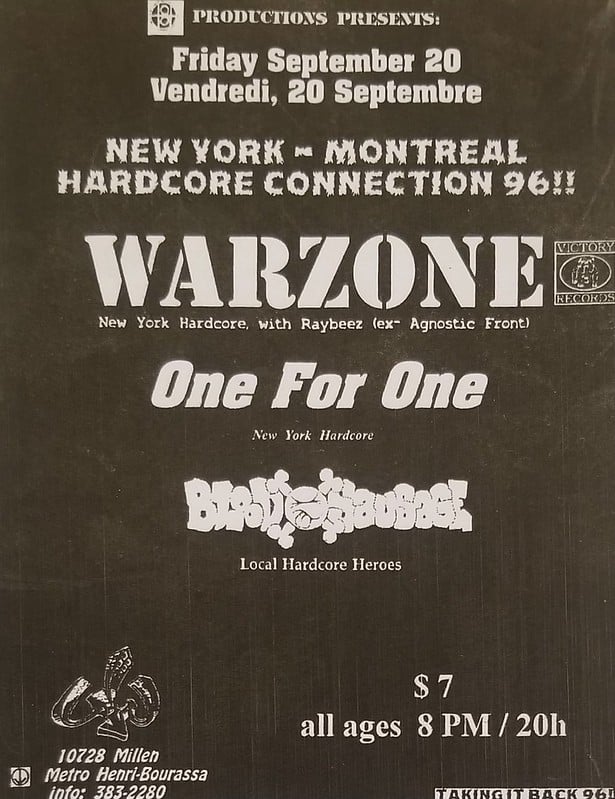
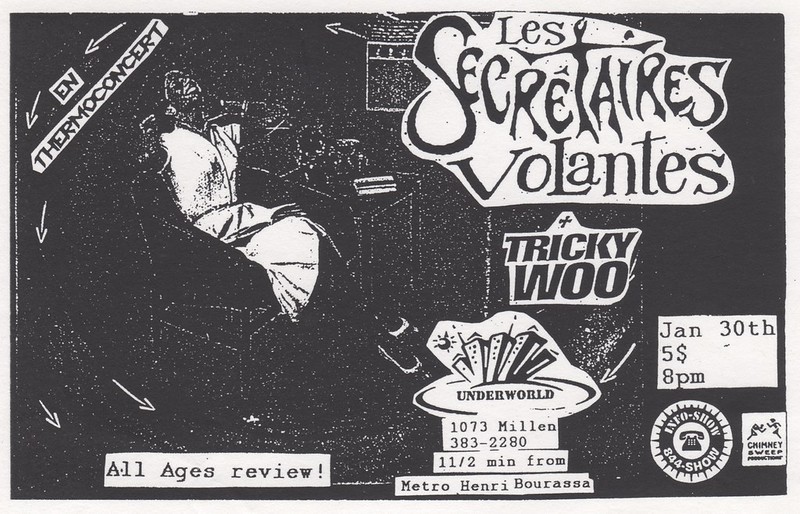
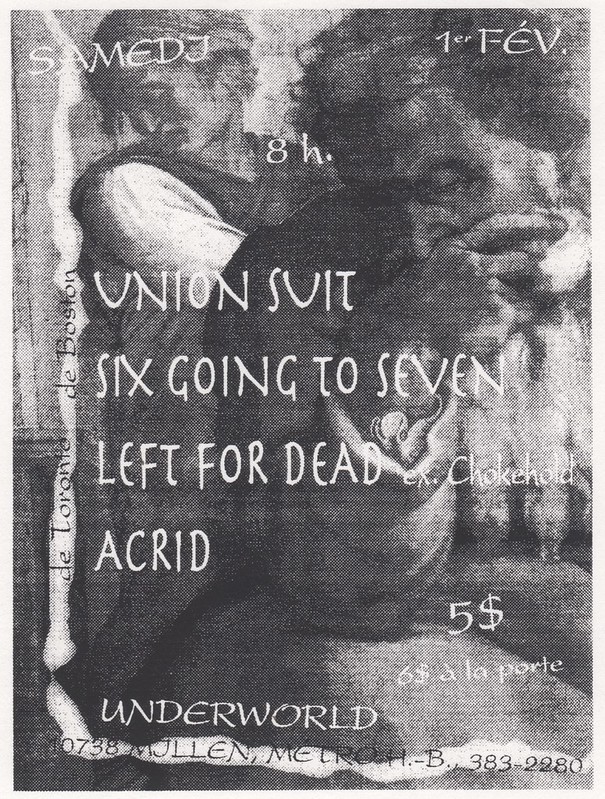
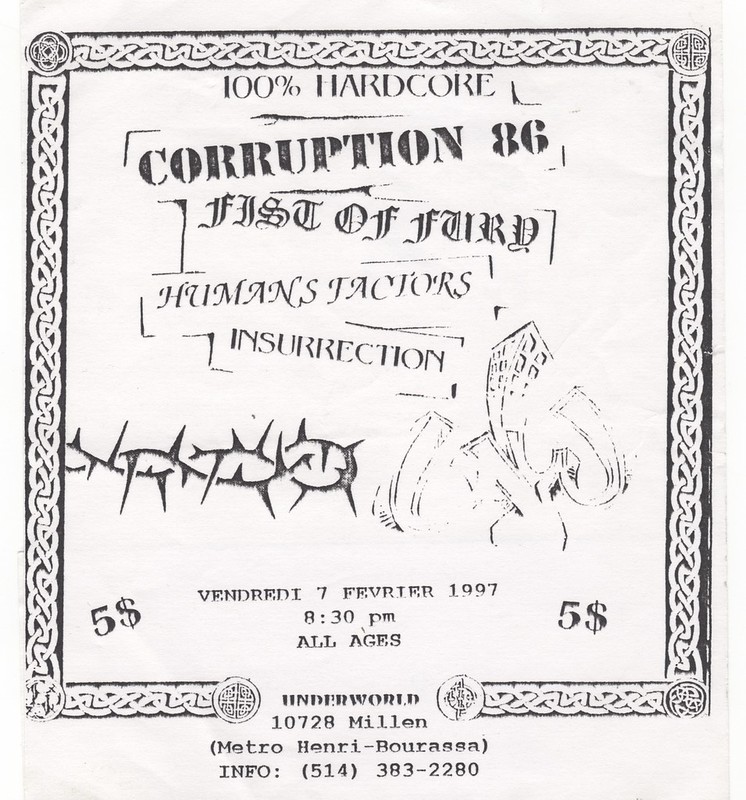
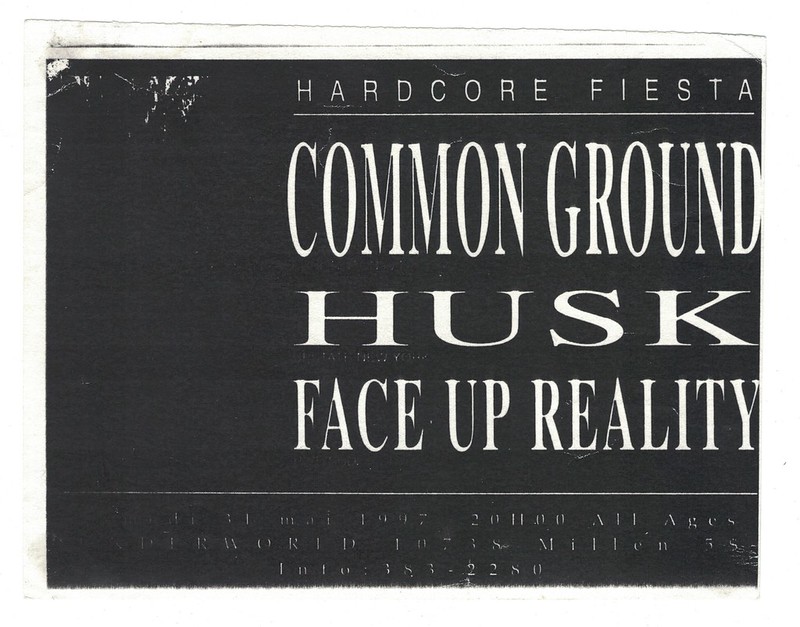
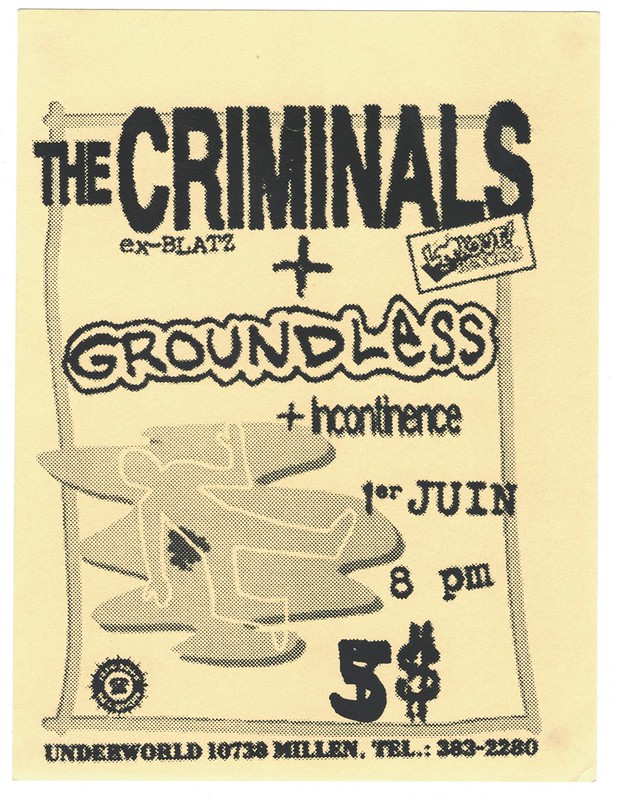
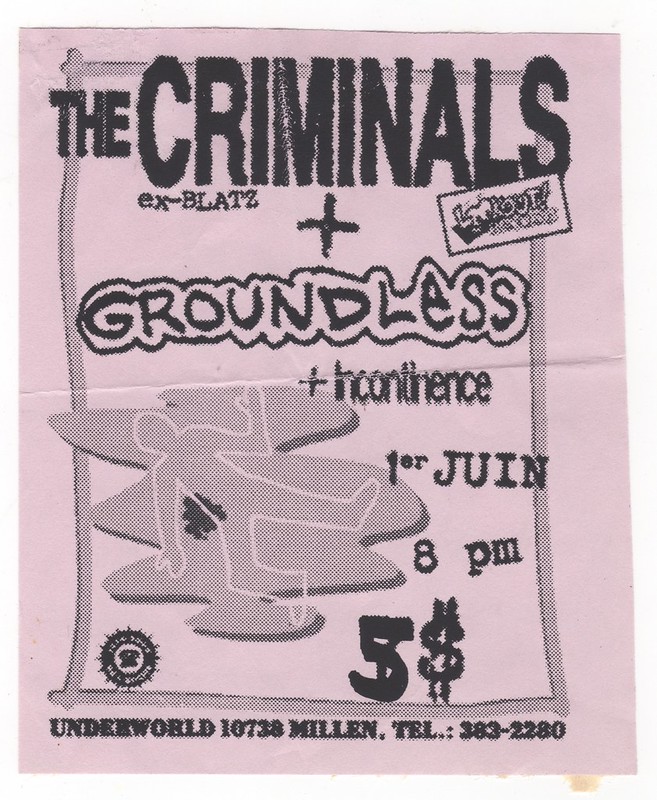
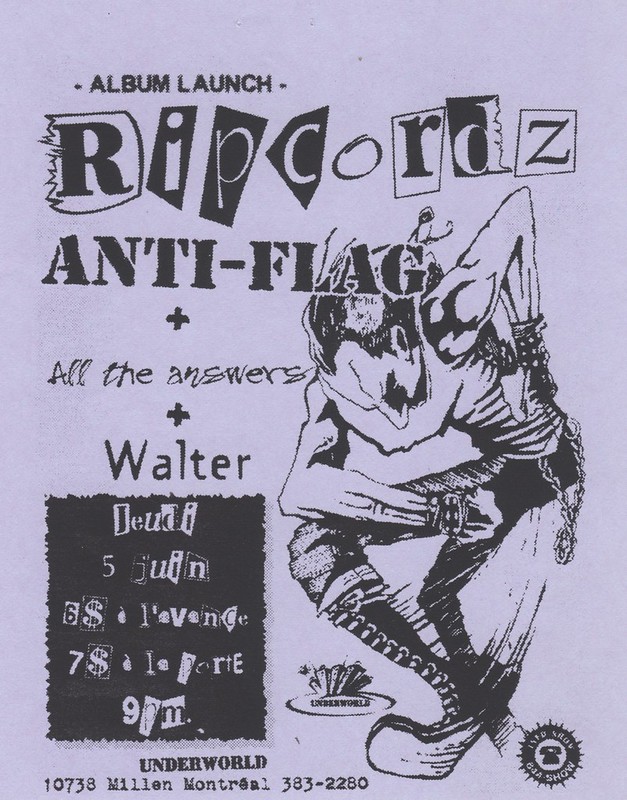
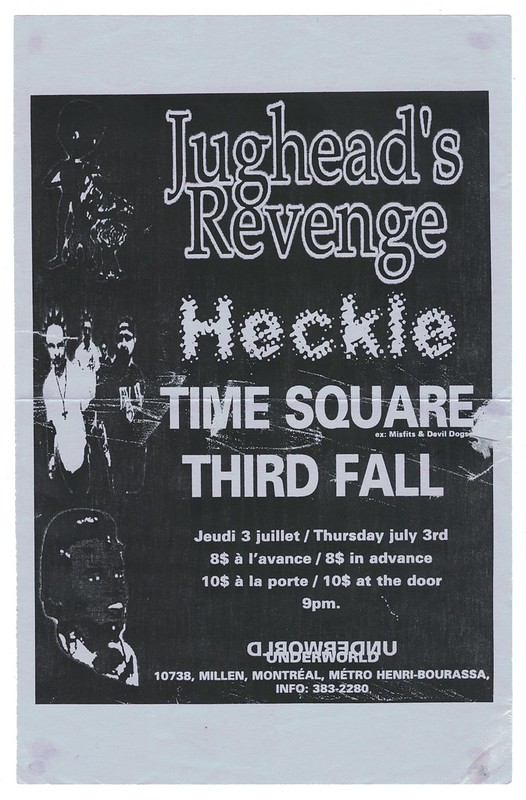
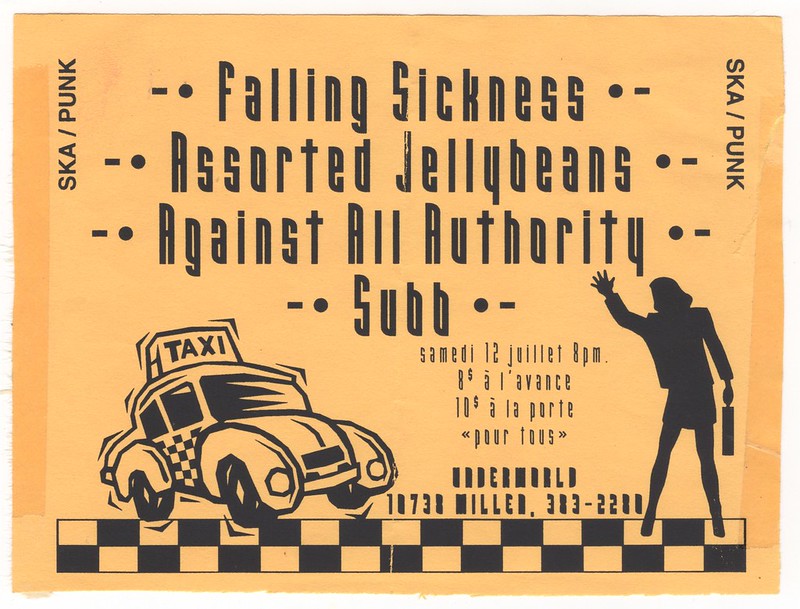
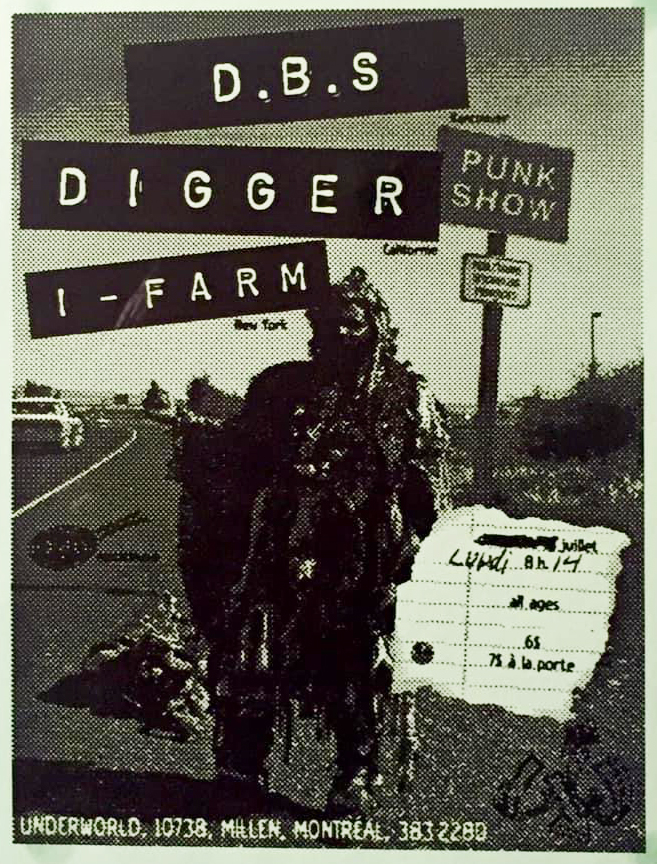
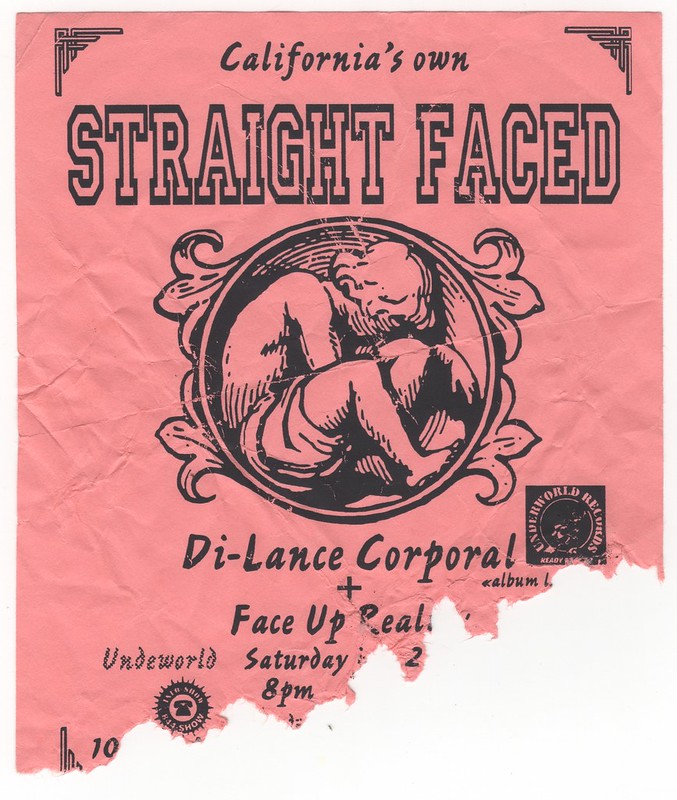
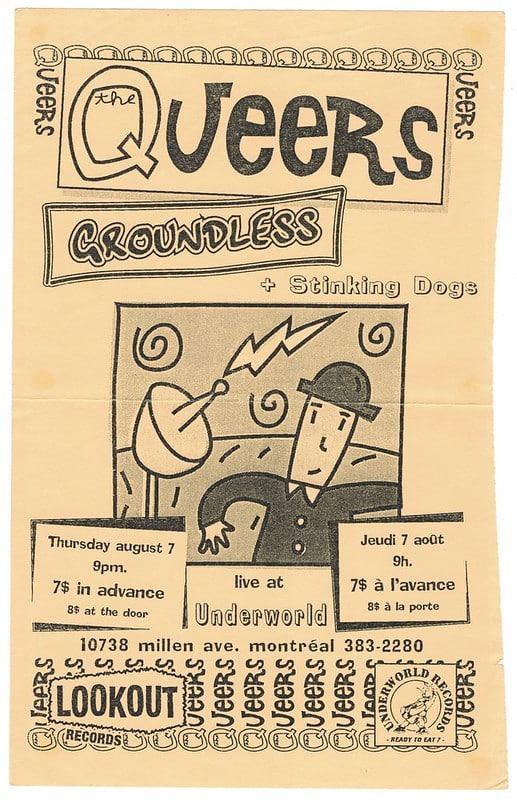
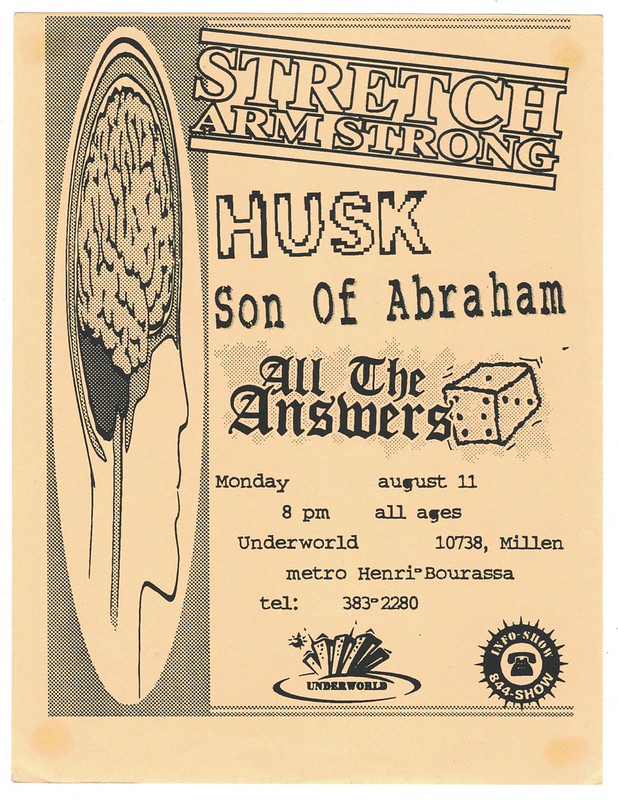
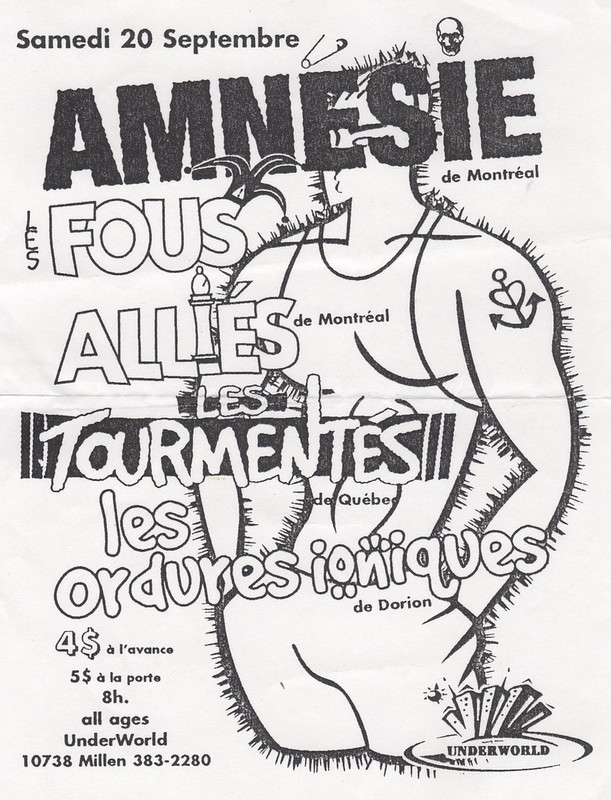
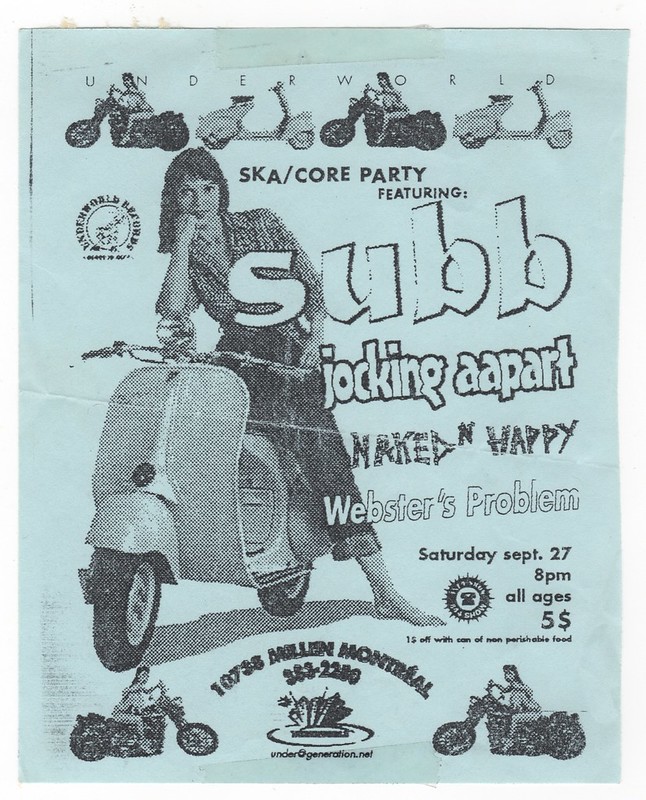
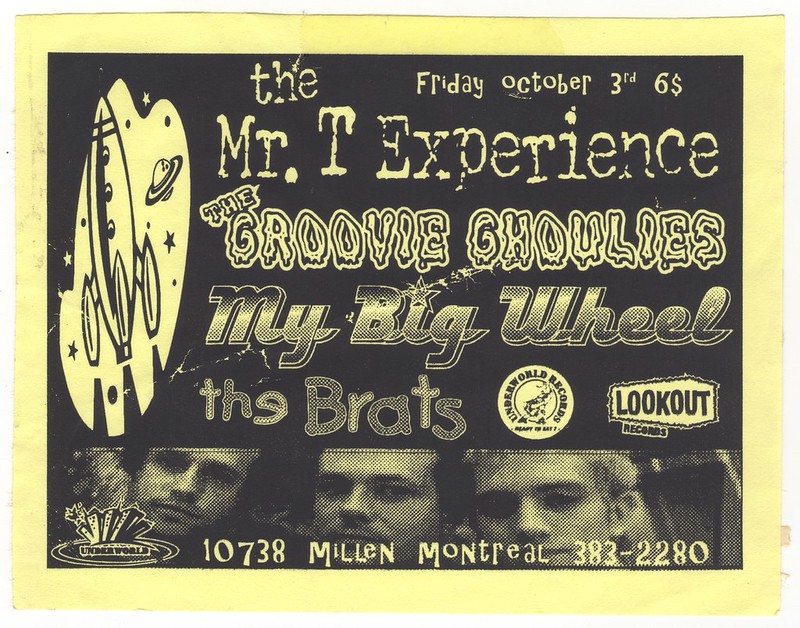
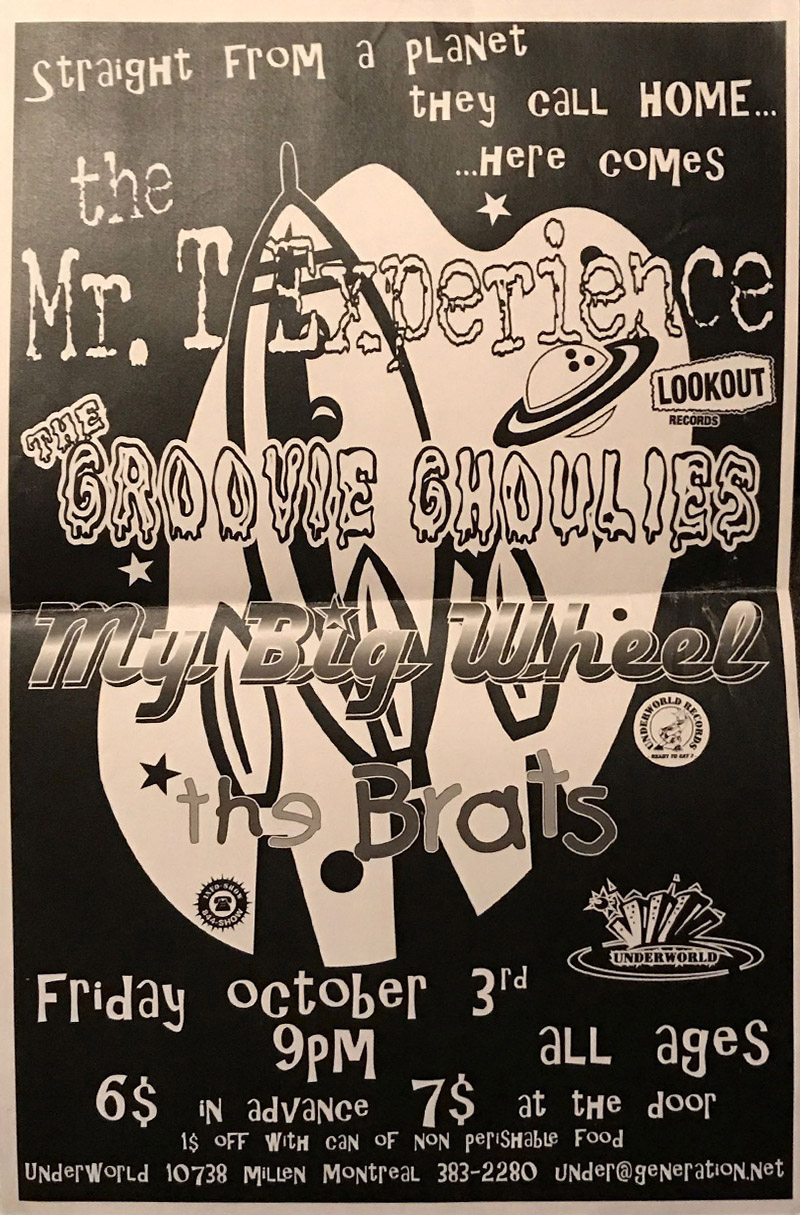
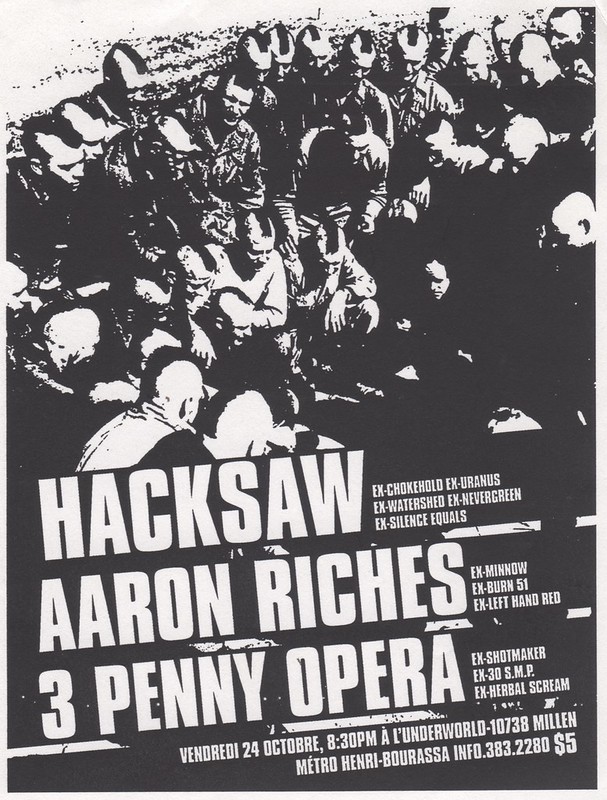
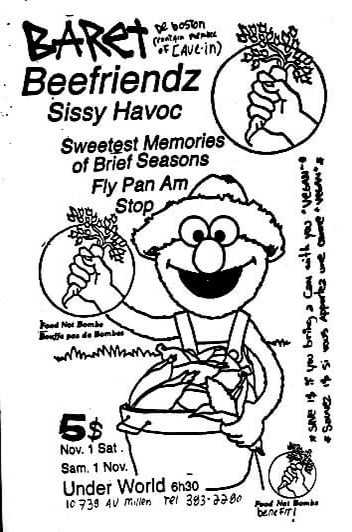
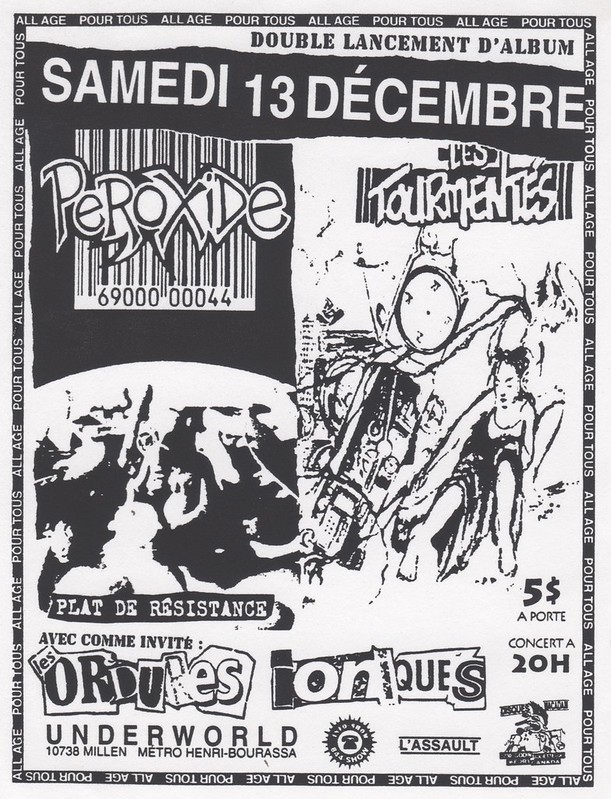
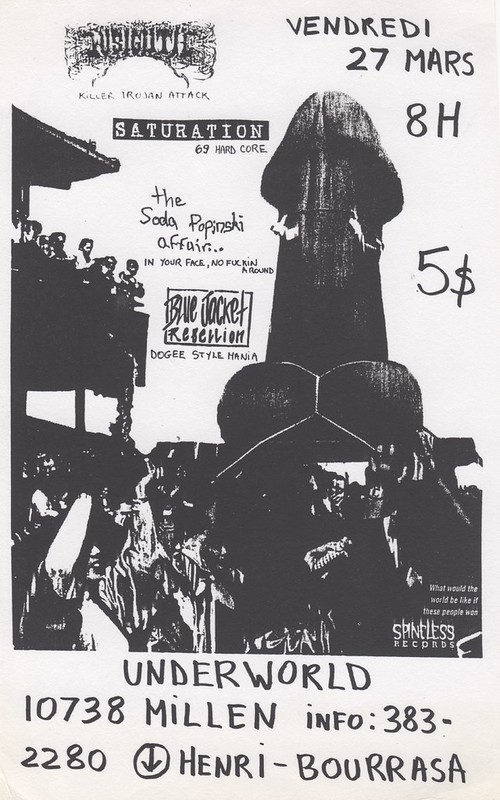
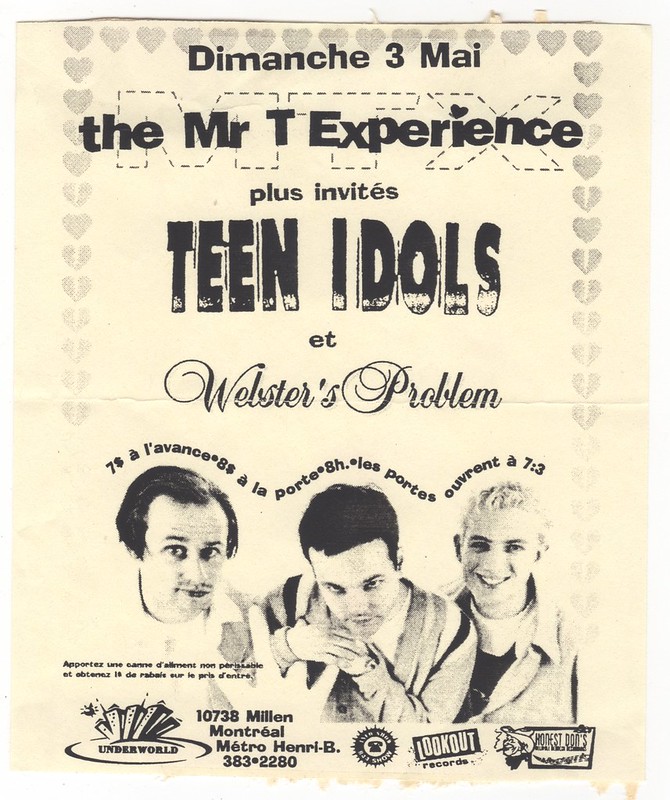
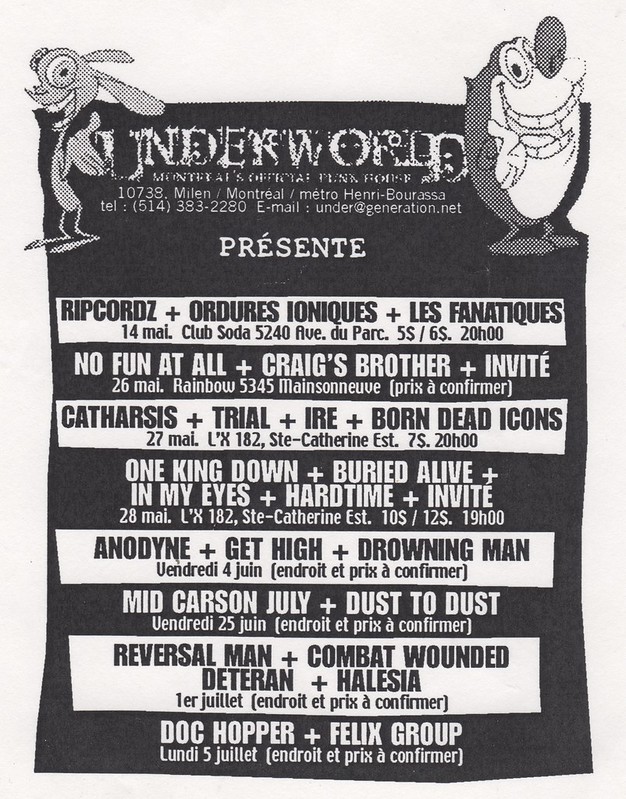
Between 1995 and 1998, the Underworld venue hosted approximately 300 concerts, according to the account published when Cabaret Underworld closed. [1]
For a small room located behind a shop in Ahuntsic, the level of activity was considerable. It reflected both the intensity of the punk and hardcore network of the period and the need for spaces able to host bands that did not necessarily fit traditional concert circuits.
The physical proximity between the store, the skateboard ramp and the performance area also encouraged interaction. Bands did not simply arrive, play and leave: they entered an environment already immersed in the same culture as their audience.
1995–1998
Approximately 300 Concerts in Three Years
This figure gives a sense of the importance of the original Underworld venue. Despite its makeshift character and location outside downtown, it maintained an exceptionally active concert schedule for several years.
6. A Stop on the International Punk Circuit
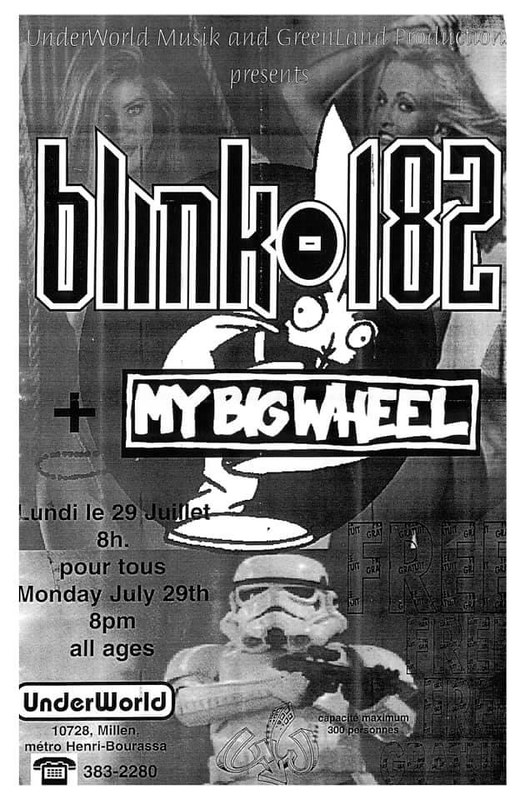
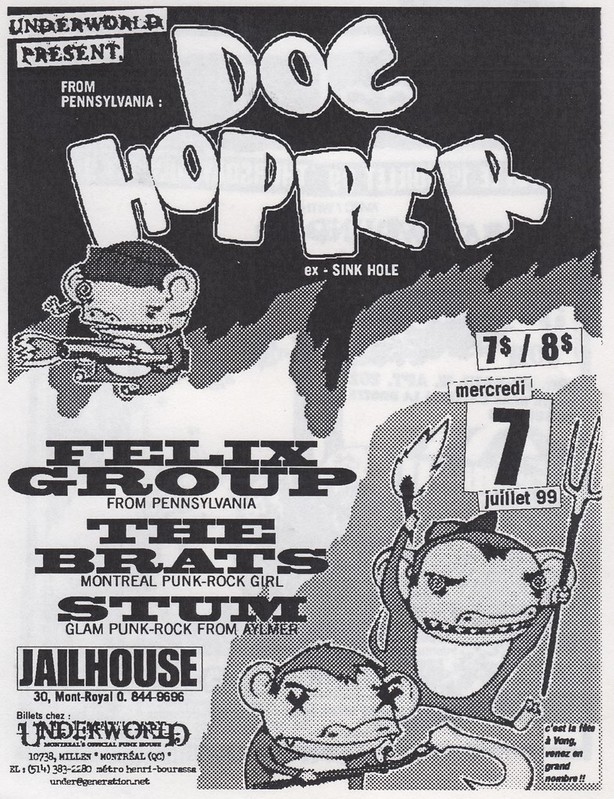
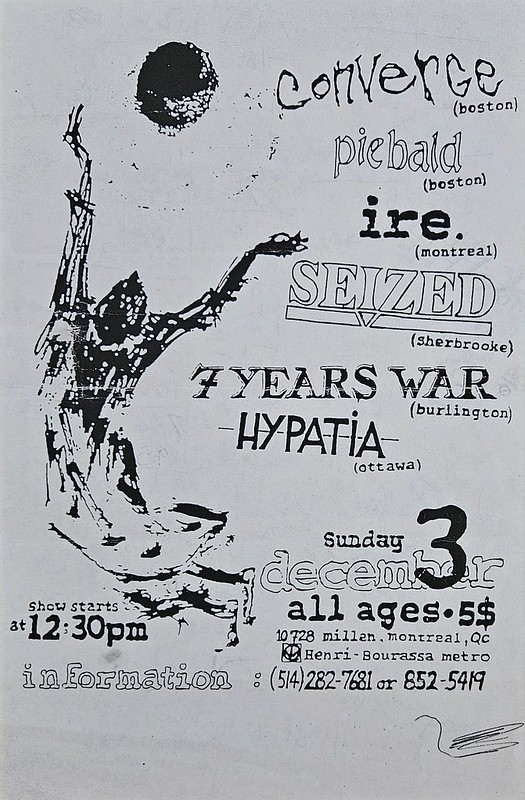
Underworld quickly became a known address for touring punk and hardcore bands. Several groups that would later become considerably more prominent passed through the small Montreal room.
Retrospectives on Underworld mention groups including Strung Out, blink-182, Anti-Flag and MxPx. Concert archives associated with the venue also reveal a much broader program mixing local, Canadian and international bands.
The historical significance of these concerts partly lies in when they occurred. Some artists who would later fill much larger venues were still working within the small-room punk and DIY circuit.
Underworld therefore participated in a phenomenon characteristic of Montreal during the 1990s: a city where numerous international bands developed particularly strong relationships with Quebec audiences through a network of small venues, promoters and local organizers.
7. The End of the Original Venue
The original concert period lasted only a few years. The approximately 300 shows generally associated with the venue were concentrated between 1995 and 1998.
The room subsequently ceased operating as a concert venue. Later accounts indicate that safety and compliance issues played a role in ending this function.
Underworld's commercial history nevertheless continued beyond 1998. The project continued to develop around skateboarding, records and music promotion, while Bastide remained active in organizing concerts.
A Note on Dates
1998 Was Not the End of Underworld
The year 1998 marks the end of the main period of concerts in the original venue. It should not be confused with the end of the shop or of Underworld's other activities, which continued in various forms.
8. Underworld Musik
After the original venue closed, Alex Bastide continued promoting concerts under the Underworld Musik banner. The Underworld name was therefore no longer tied exclusively to a single address: it also became the name of a promoter active in different Montreal venues.
This period forms the essential link between Underworld's two physical incarnations. The experience gained in the small Ahuntsic venue could now be applied to concerts organized elsewhere across the city.
Underworld thus maintained its connection with punk, hardcore, metal and alternative scenes even without operating its original room.
9. Underworld Expands
Alongside its musical activities, Underworld expanded within the skateboarding world. A second store opened on Sainte-Catherine Street in 2000.
The brand developed a skateboard team and organized demonstrations, competitions and other activities related to skate culture. Underworld was notably associated with AM Getting Paid and the Under Attack tours.
These activities gained visibility beyond the local scene. The tours generated television content broadcast on MusiquePlus, as well as specialty networks including Global Extreme and Fuel TV.
At its peak, Underworld operated several retail locations and also maintained a presence in Vancouver. What had begun as a small Ahuntsic shop had developed into a recognized name within Canadian skate culture.
10. Cabaret Underworld
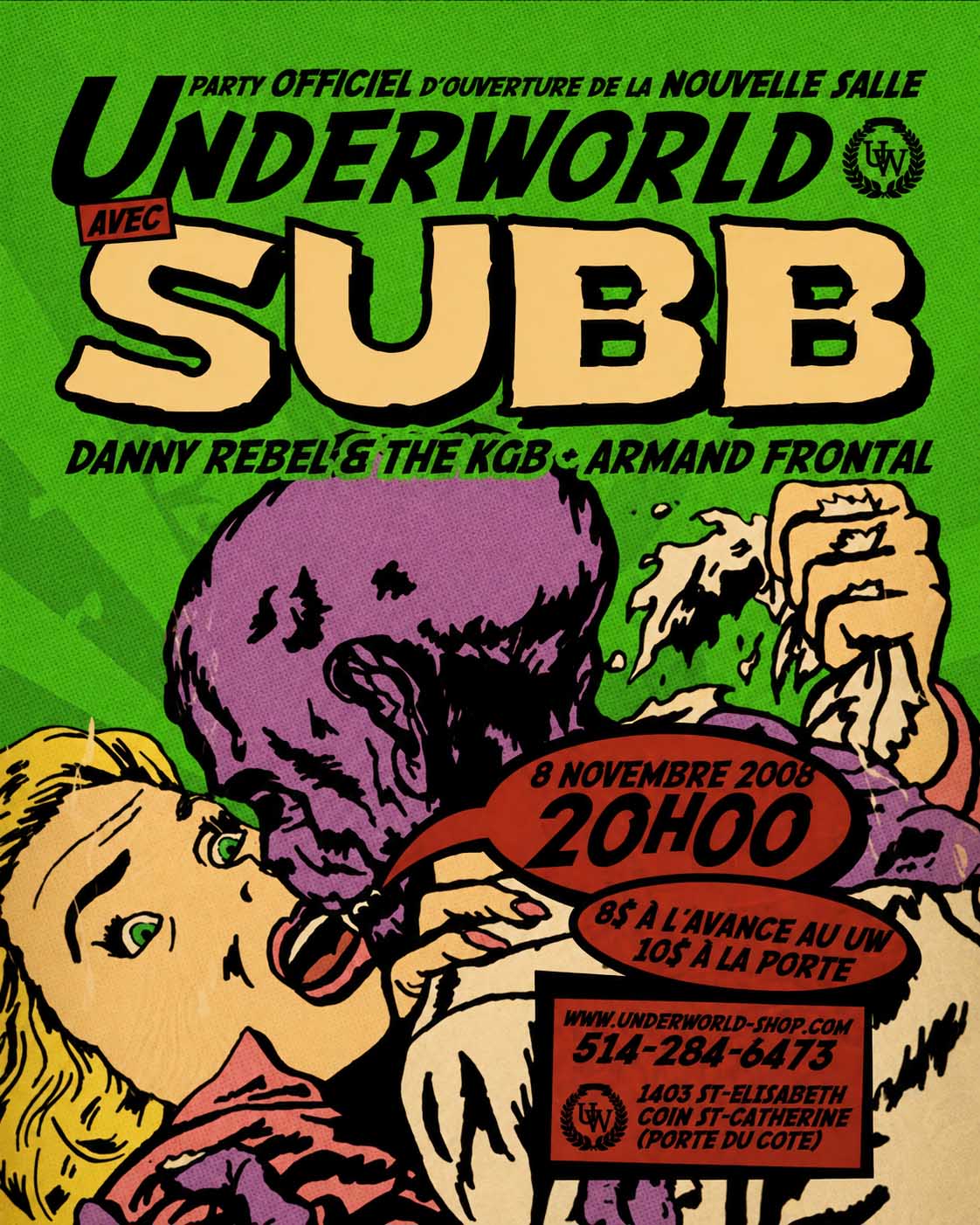
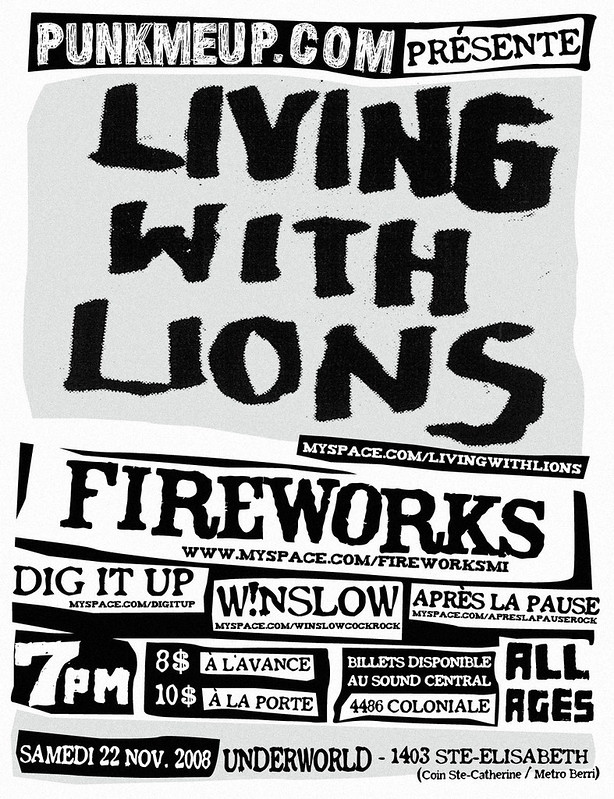
Music eventually regained a permanent downtown home with Cabaret Underworld, located at 1403 Sainte-Élisabeth Street, near Sainte-Catherine Street East and the Quartier des spectacles.
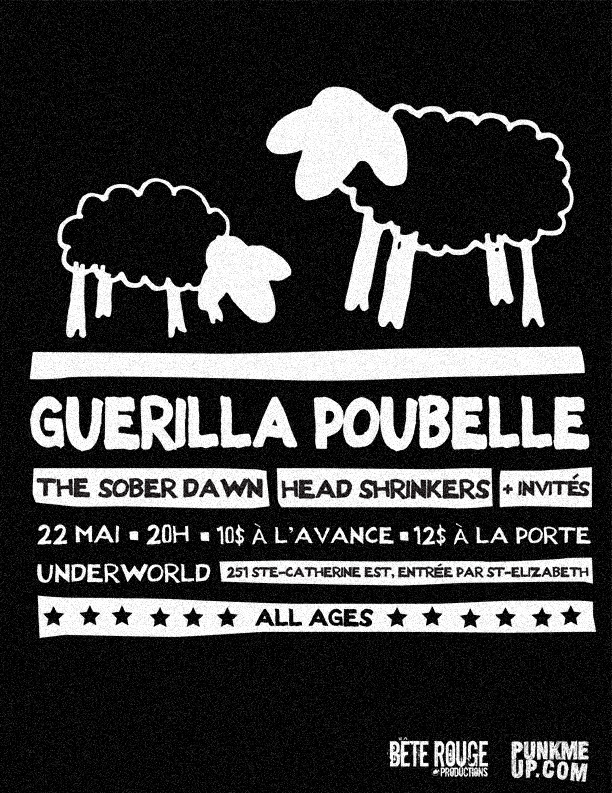
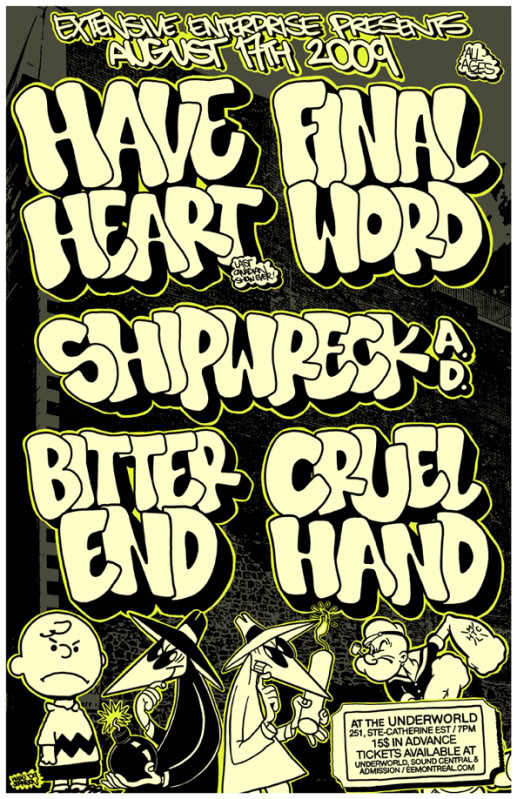
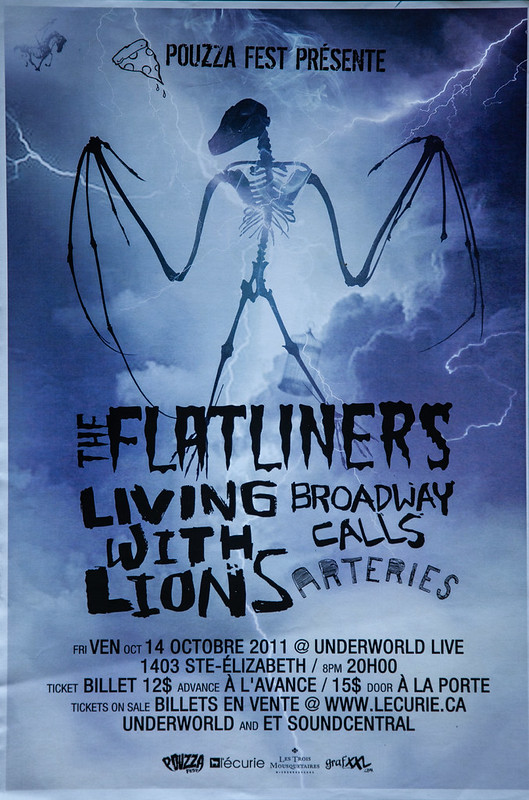
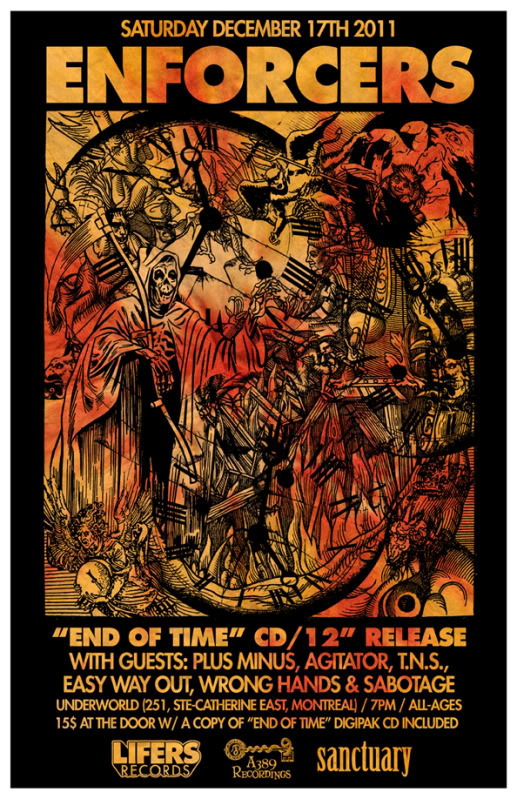
The chronology of this second incarnation has sometimes been presented in contradictory ways. Retrospectives published in 2021 date the birth of Cabaret Underworld to 2004. However, concert archives confirm beyond doubt that Cabaret Underworld was operating at the Sainte-Élisabeth Street address by at least December 2008. [4]
This second venue was very different from the makeshift Ahuntsic space. It was now a dedicated downtown concert venue designed to host concerts, club nights and a range of other events.
Despite the change in scale, the name retained its connection to the alternative cultures that had defined the original Underworld.
Historical Note
2004 or 2008?
Some retrospectives date the creation of Cabaret Underworld to 2004, while the contemporary sources currently available most clearly document its operation at 1403 Sainte-Élisabeth Street from 2008 onward. In the absence of a contemporary source firmly establishing a 2004 opening at this address, it is preferable to preserve the distinction.
11. A Broader Program
Although punk, hardcore and metal remained closely associated with the Underworld name, Cabaret Underworld gradually developed a considerably broader program.
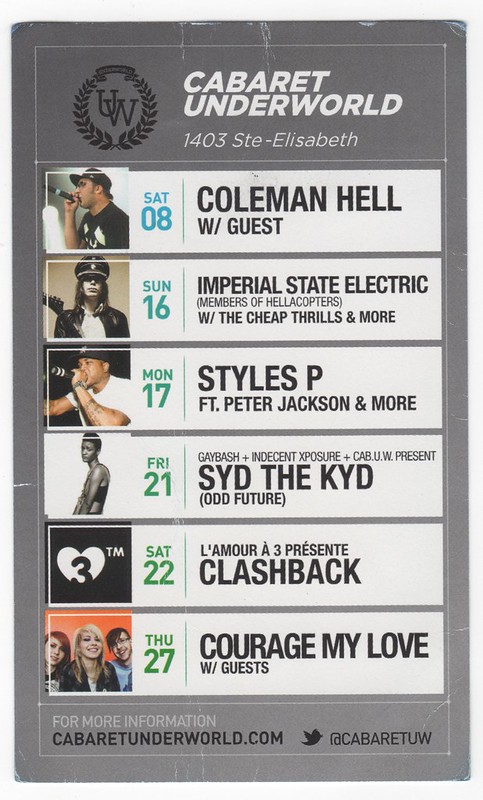
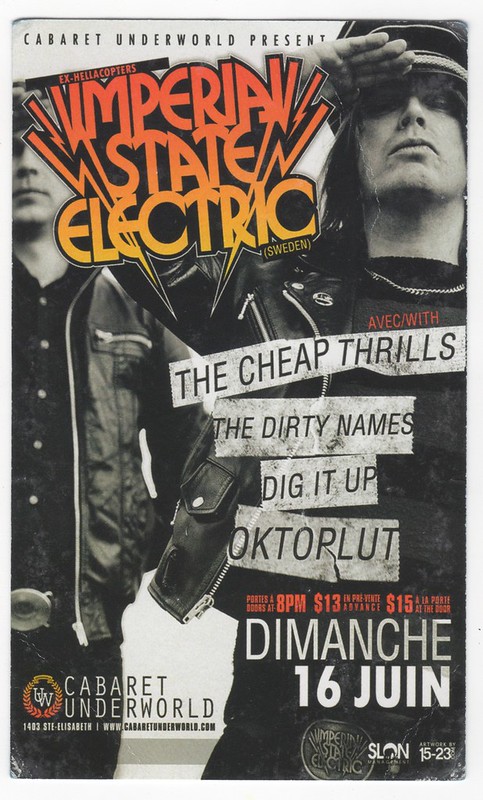
The venue presented punk, hardcore, metal, ska and rock, but also hip-hop, electronic music, DJ nights and various community or themed events.
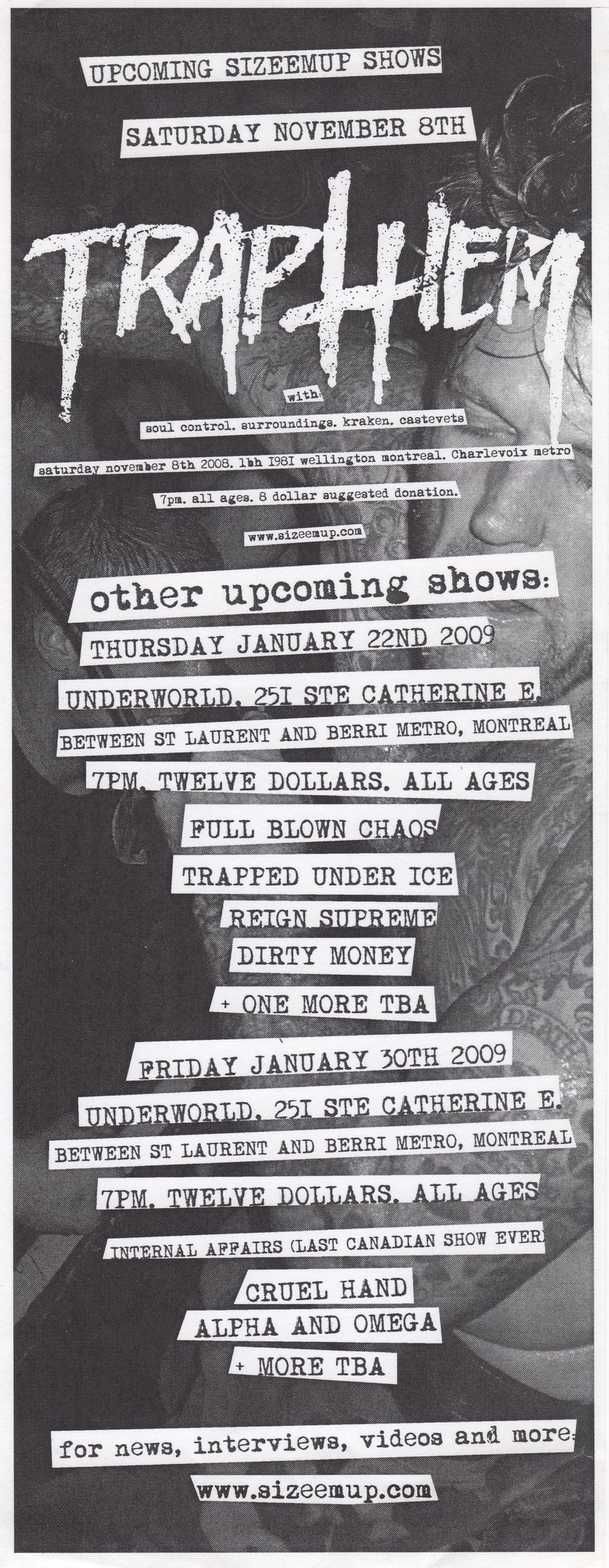
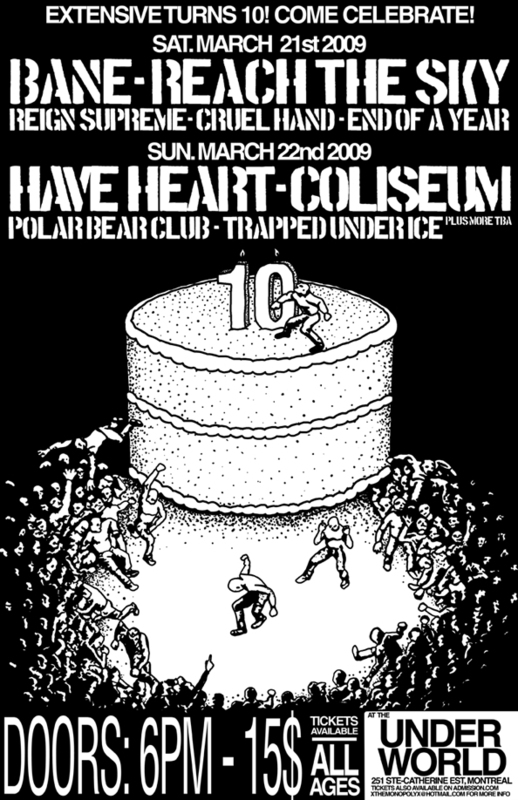
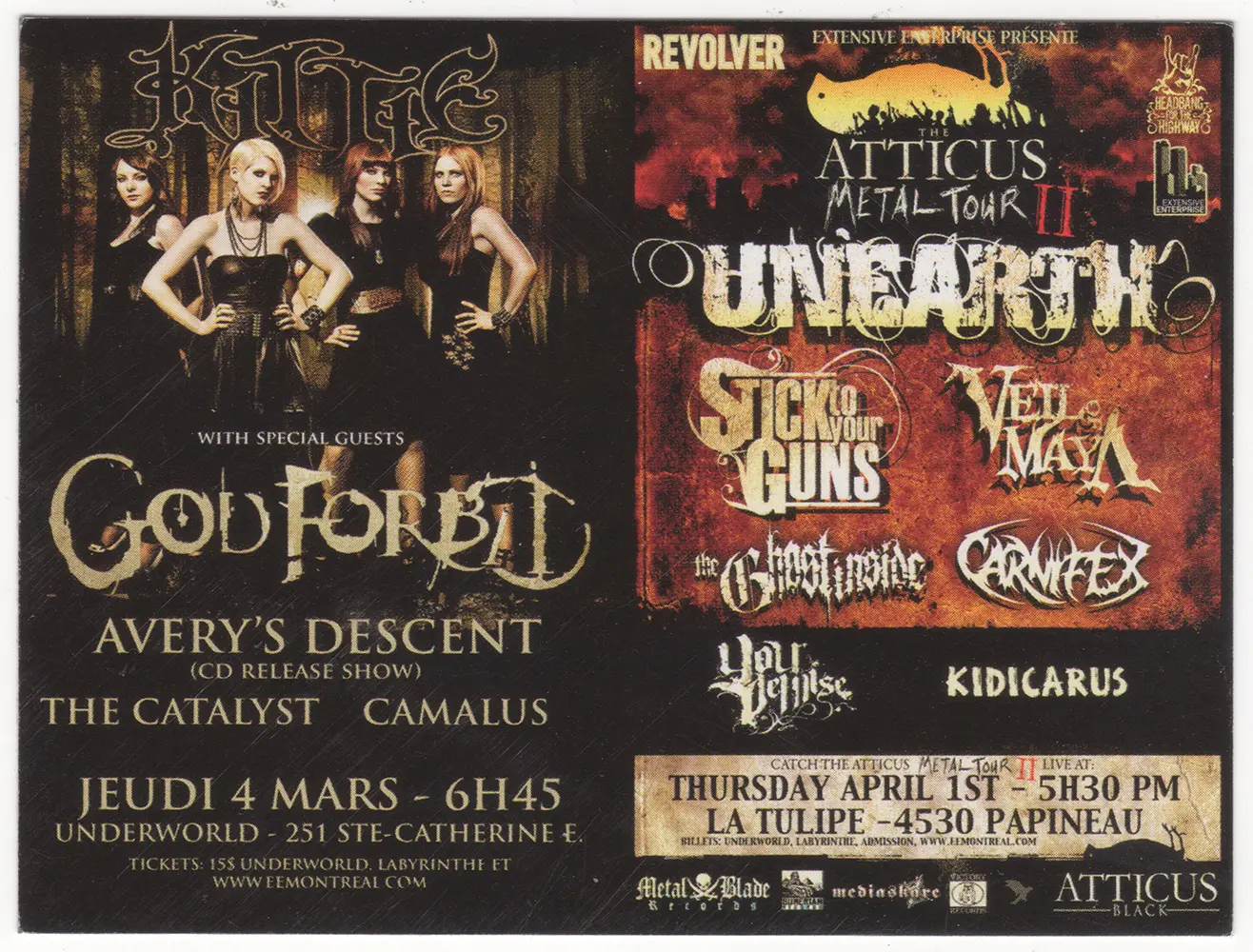
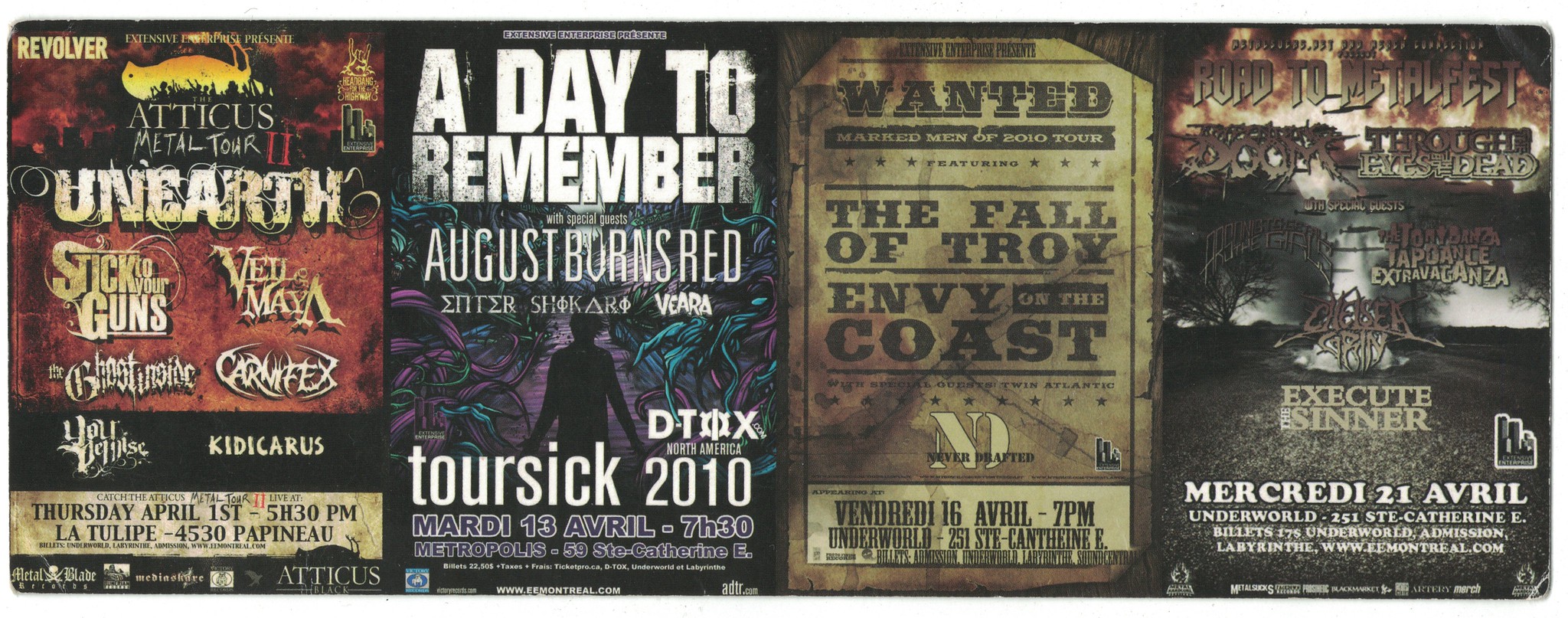
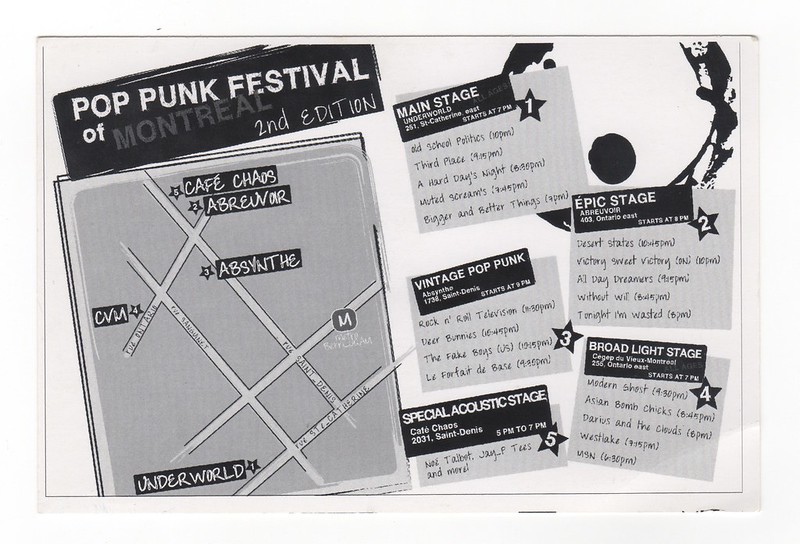
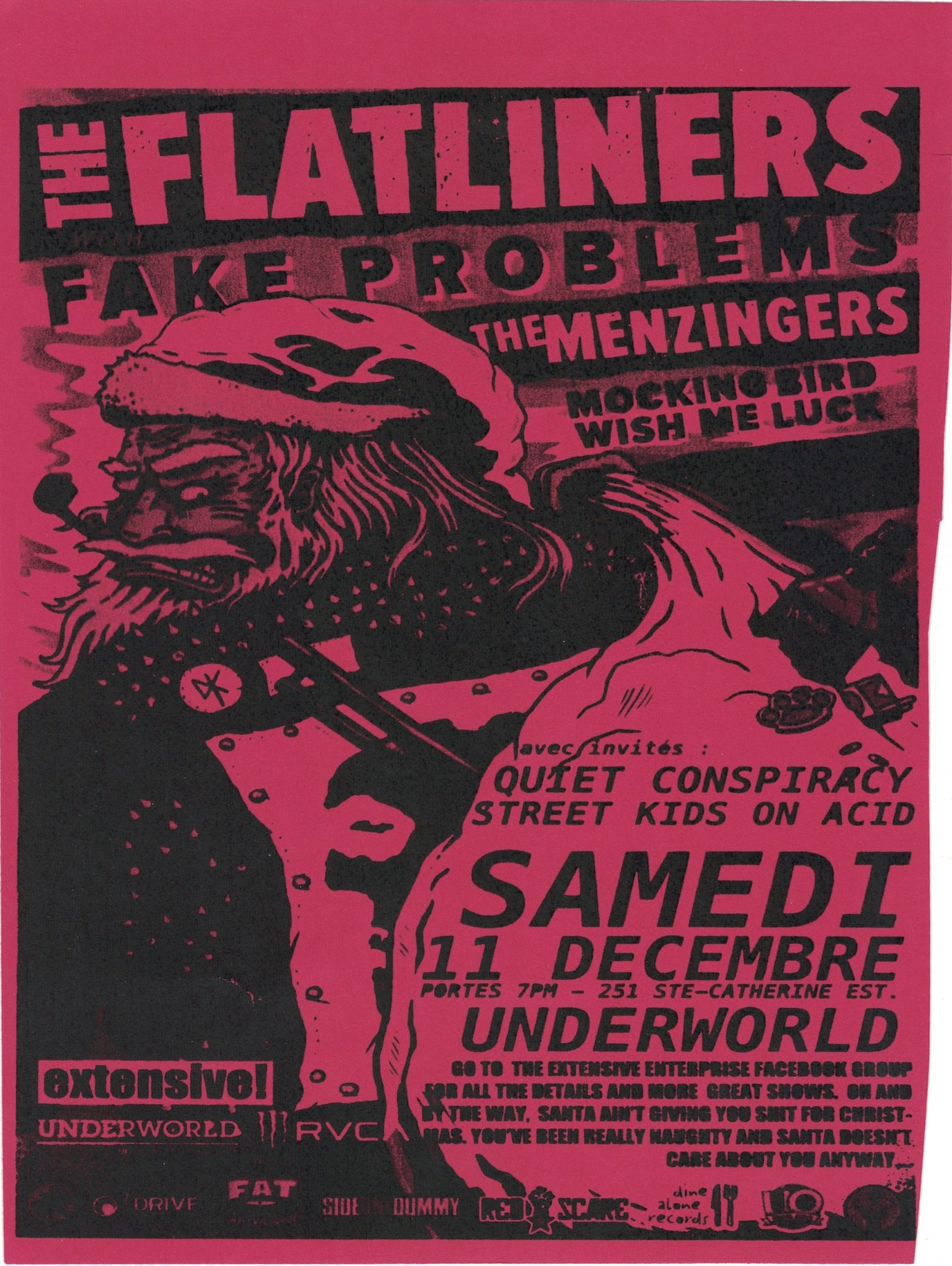
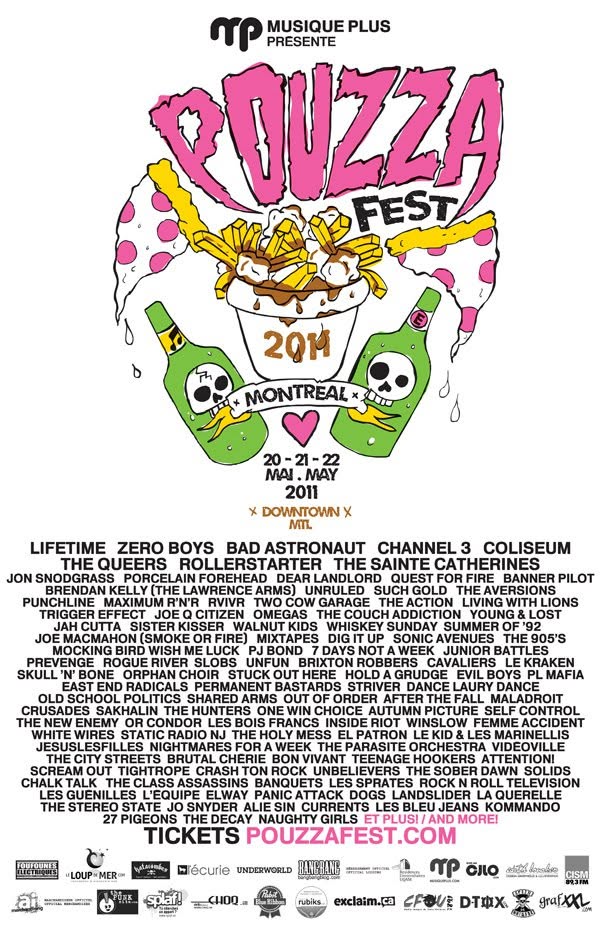
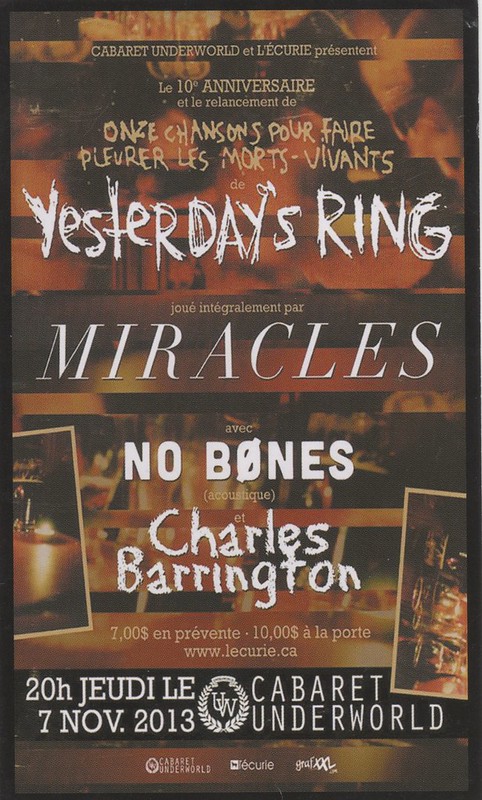
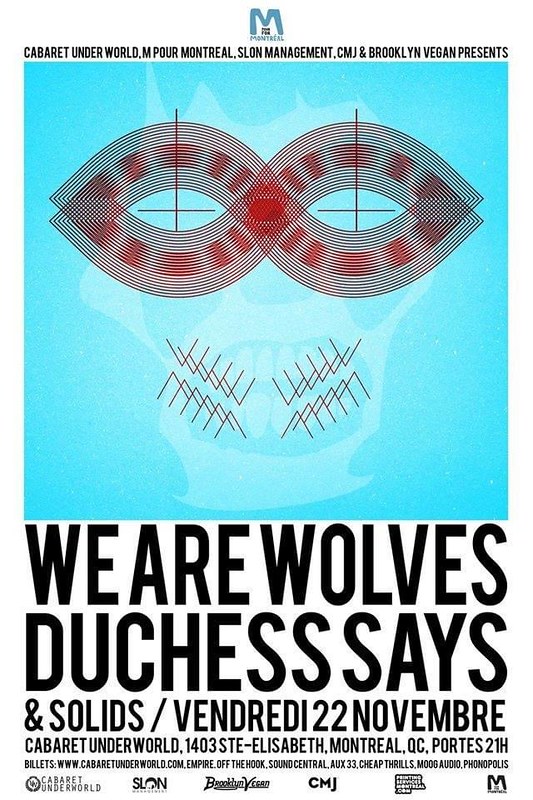
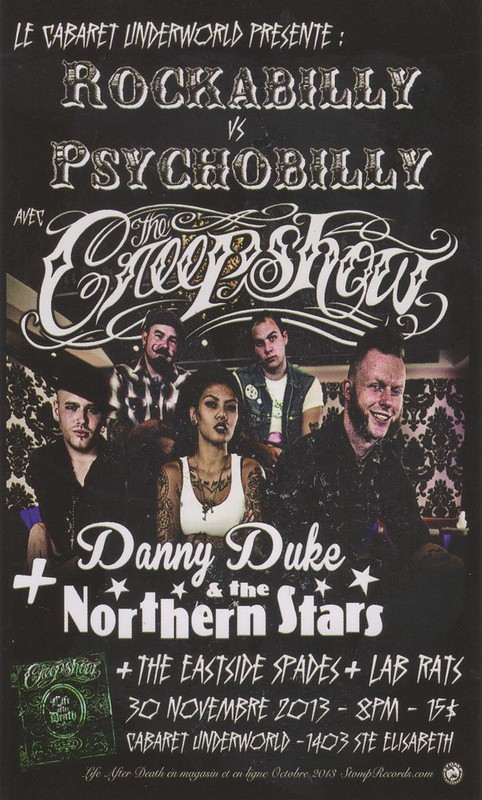
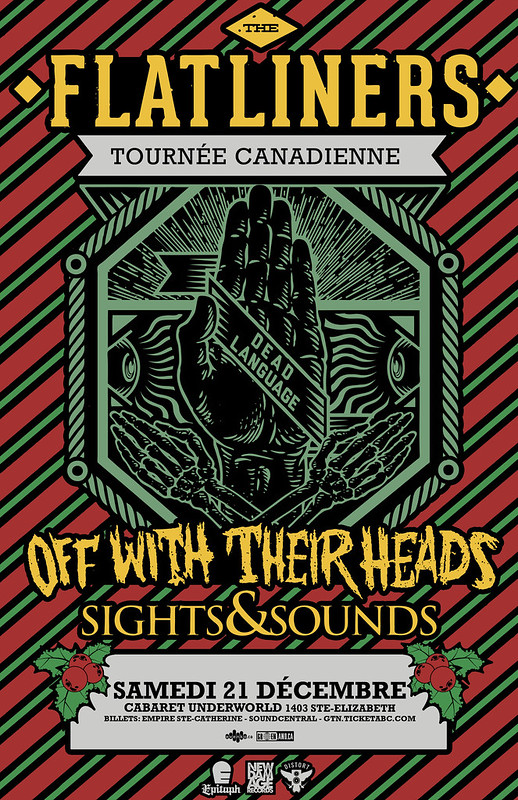
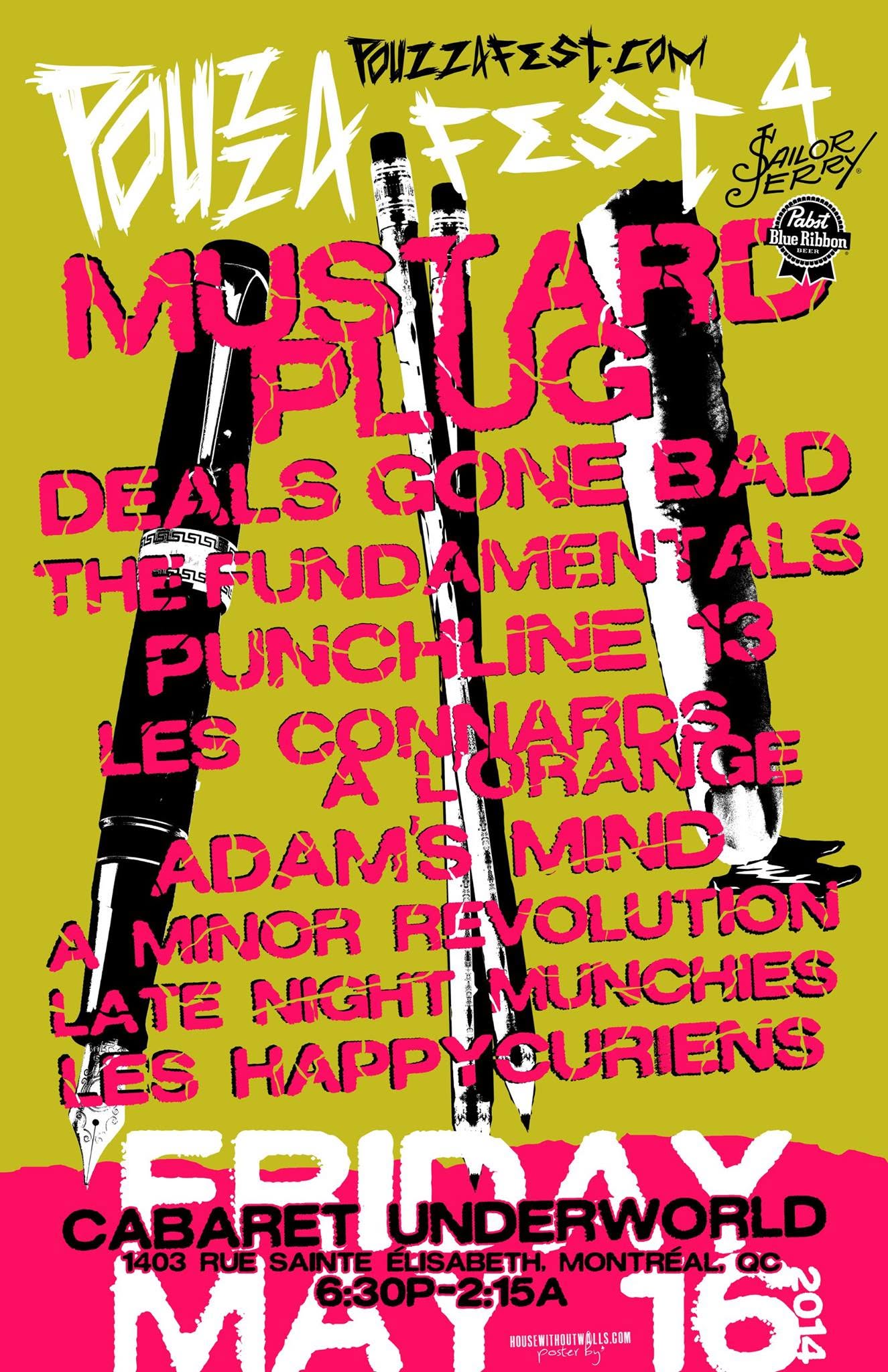
This diversity is especially visible in programming from the 2010s. The Cabaret hosted both underground punk bands and hip-hop artists, as well as events connected to Montreal nightlife more generally.
The room was also used for other types of events, including private parties, screenings, fashion events, comedy and community gatherings.
Underworld thus evolved from a venue primarily associated with the skate-punk culture of the 1990s into a much more eclectic underground space, without completely abandoning its roots.
12. Closing the Cabaret
At the end of 2014, Alex Bastide decided to bring the Cabaret Underworld adventure to a close. The shutdown was publicly announced on December 28, 2014. [1]
Bastide explained that operating a venue required an enormous amount of work and that the concert-promotion environment had become more difficult. In his view, large promoters often enjoyed priority access to touring acts, making booking increasingly difficult for smaller independent venues.
“The power of music is incredible and I’m proud that I was able to promote, host and support many artists and bring them to Montreal.”
The December announcement did not correspond exactly to the venue's final night of activity. Events were still scheduled around the turn of the year, including New Year's Eve and a performance by Les Anticipateurs on January 3, 2015.
The most cautious chronology is therefore to describe the closure as announced in December 2014 and completed in early January 2015, rather than simply dating the end of the Cabaret to 2014.
13. After Underworld
The disappearance of Cabaret Underworld did not mean the disappearance of the room at 1403 Sainte-Élisabeth Street. The space was taken over and later became Newspeak.
The transition illustrates a recurring pattern in the history of Montreal venues: physical spaces sometimes outlive their original identities, with a new generation of promoters or operators reusing the same infrastructure for a different musical scene.
In the case of Newspeak, the focus shifted primarily toward electronic music, while the physical continuity with the former Cabaret Underworld remained.
14. The Underworld Pop-Up Museum
Several years after the Cabaret closed, Alex Bastide revisited the history of Underworld through an exhibition devoted to the different cultures that had shaped the project.
From October 15 to November 6, 2021, the Underworld Pop-Up Museum was presented free of charge in Ahuntsic. The exhibition brought together objects from Bastide's private collection, including posters, clothing, photographs, skateboards and other artifacts accumulated over the years.
The project marked approximately 25 years since the birth of Underworld and demonstrated how far its history extended beyond that of a former store. The preserved objects documented the relationships among skateboarding, punk, hip-hop and Montreal underground culture.
“I created Underworld because I’m passionate about skateboarding and underground music. In Montreal, in the mid-1990s, there was a huge gap that needed to be filled.”
15. Historical Significance
Underworld occupies a distinctive place in the recent history of Montreal music because its influence cannot be measured solely through one venue or a list of performers.
For nearly two decades, the project connected several communities that shared a common culture: skateboarders, punks, musicians, record collectors, promoters and concertgoers. The shop provided a gathering place; the venue gave bands a stage; Underworld Musik offered promotion; and skateboarding activities expanded the network even further.
The original Ahuntsic venue particularly illustrates Montreal's DIY culture of the 1990s. A business located far from the city's main venue circuit could host hundreds of concerts and become a recognized stop for international touring bands.
Cabaret Underworld represents a second phase in that history. The project moved beyond the makeshift environment of a back-room venue and into the heart of downtown Montreal, while preserving an identity associated with alternative music and communities.
That continuity is what gives Underworld its historical importance: the shop, skateboarding, posters, concerts and concert promotion were all part of the same ecosystem.
In Montreal Music History
Much More Than a Skateshop
Underworld demonstrates how an independent retail business can evolve into genuine cultural infrastructure. From a shop founded by a 19-year-old entrepreneur in 1995 grew a network combining skateboarding, music, touring, concert venues and promotion. For a generation of Montreal's alternative scene, Underworld was as much a place of belonging as it was a business.
Underworld Timeline
17. Notes and Sources
-
CULT MTL,
“Cabaret Underworld is closing down,”
December 29, 2014.
An important source for Underworld's overall chronology. The article places the original shop at 10338 Millen Street, states that approximately 300 concerts were produced there between 1995 and 1998, and describes Bastide's continued activity under the Underworld Musik banner. It also documents the reasons Bastide gave for closing Cabaret Underworld. -
LA PRESSE,
« Quand Blink-182 jouait… à Drummondville »,
May 9, 2023.
A retrospective on independent concert promotion in Quebec and on Alex Bastide's experience with international punk bands. -
MONTRÉAL CONCERT POSTER ARCHIVE,
“Underworld (Montréal).”
Archives, posters and documentation relating to the different periods of Underworld, Alex Bastide, Underworld Musik and Cabaret Underworld. -
QUEBEC PUNK SCENE,
« Lancement d'album : La Gachette @ Cabaret Underworld »,
December 13, 2008.
Contemporary archive documenting the operation of Cabaret Underworld at 1403 Sainte-Élisabeth Street in December 2008. -
CULT MTL,
documentation on the closing of Cabaret Underworld,
December 2014.
The closing was announced at the end of December 2014 while several final events were still scheduled around the beginning of 2015. -
TIME OUT MONTRÉAL,
« Un musée pop-up gratuit dédié au skateboard, au hip-hop et au punk
rock a été ouvert à Montréal »,
October 2021.
Interview and retrospective published in connection with the Underworld Pop-Up Museum. The source documents the project's founding, the expansion of the shops, Underworld's skateboarding activities and the anniversary exhibition. It dates the creation of Cabaret Underworld to 2004, however, a date that should be distinguished from the documented operation of the Sainte-Élisabeth Street venue from 2008 onward. -
JOURNAL MÉTRO,
« Underworld : un musée sur la culture punk des années 1990 gratuit! »,
2021.
Presentation of the Underworld Pop-Up Museum and Alex Bastide's private collection, including posters, clothing, skateboards and other artifacts connected with the project's history. -
SALLES INDÉPENDANTES DU QUÉBEC,
“Newspeak.”
The Newspeak profile confirms its installation at 1403 Sainte-Élisabeth Street in the former Cabaret Underworld.
This profile deliberately distinguishes the original Underworld venue in Ahuntsic from the downtown Cabaret Underworld. Some retrospective sources give different dates for the opening of the Cabaret and for the broader end of Underworld's activities. Where contemporary sources allow a more precise date to be established, they have been preferred; significant discrepancies are noted rather than concealed.